Celestial Prints — Star Maps, Moon Phases & Antique Astronomy Plates
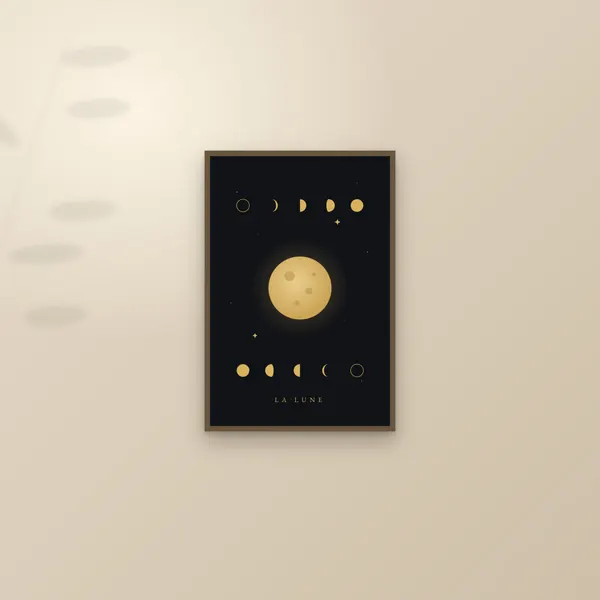
The night sky three ways: our own star maps, the twelve zodiac signs and the great constellations drawn as gold charts on midnight navy; a moon-phases print; and the two finest sets of antique astronomy plates, Andreas Cellarius's hand-coloured celestial atlas of 1660 and Étienne Léopold Trouvelot's pastel drawings of the planets, eclipses and the aurora from 1881–82, restored at fine-art resolution. Printed to order on heavyweight matte paper, unframed or framed in black or dark wood.
64 prints · printed to order on heavyweight matte paper · framed or unframed
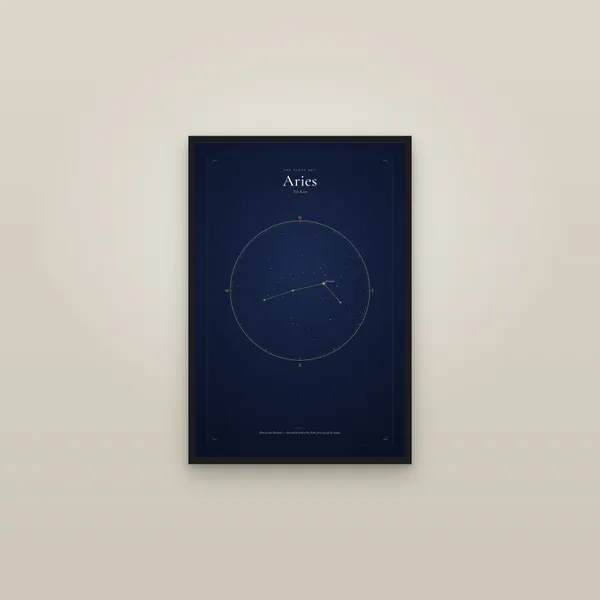
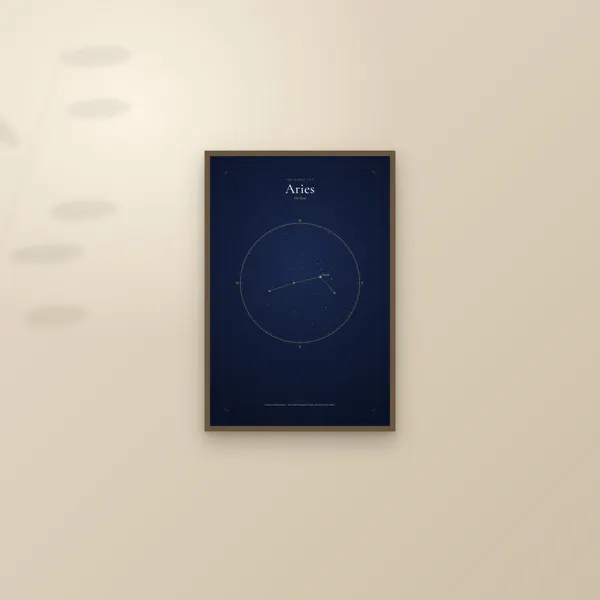
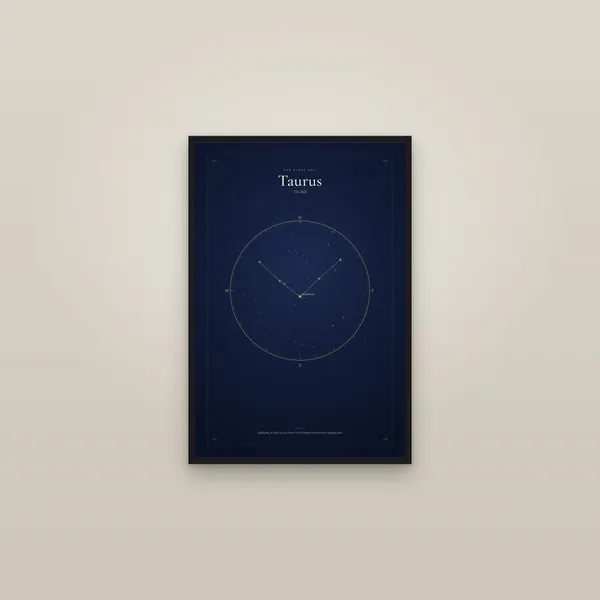
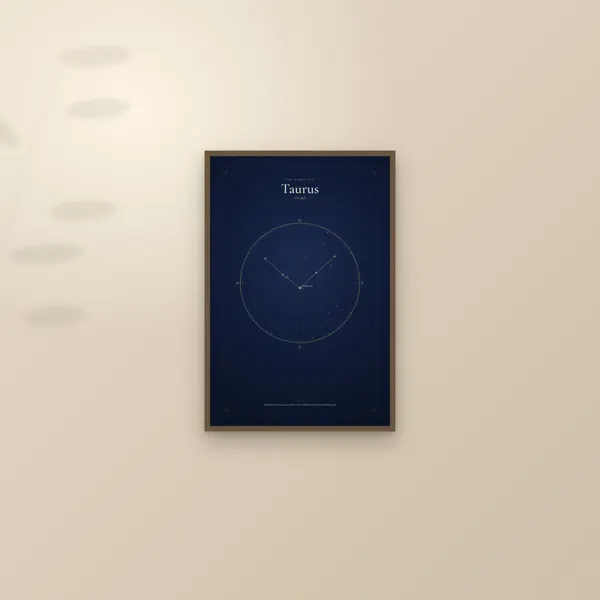
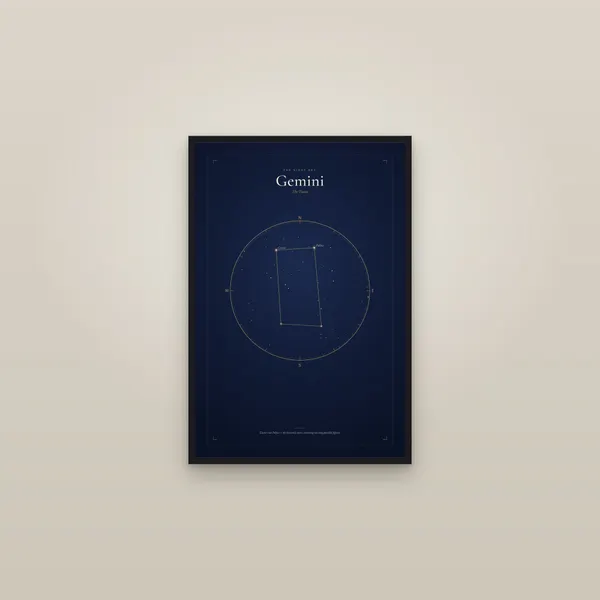
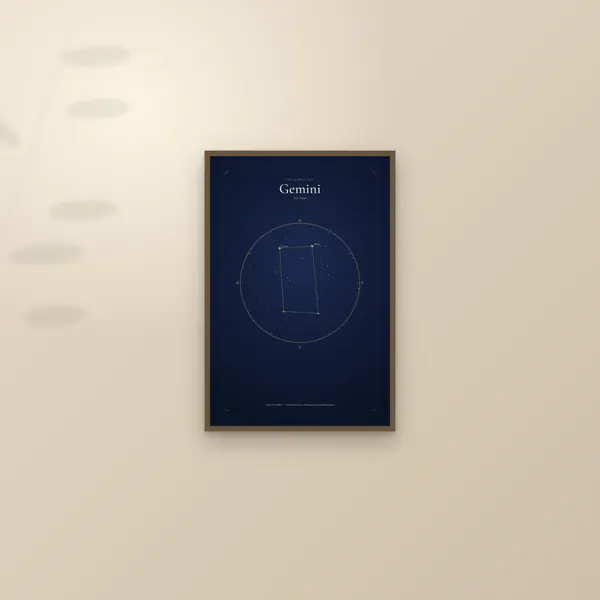
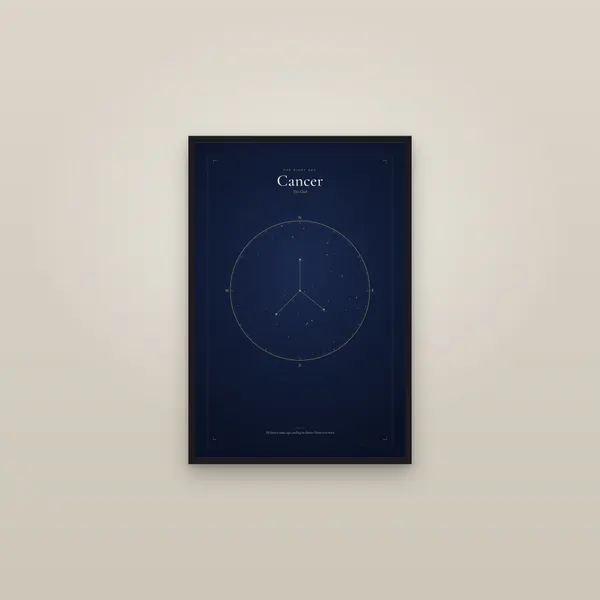
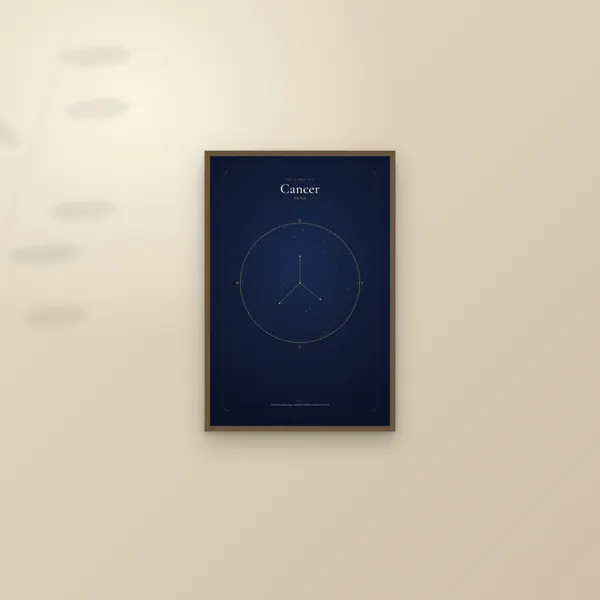
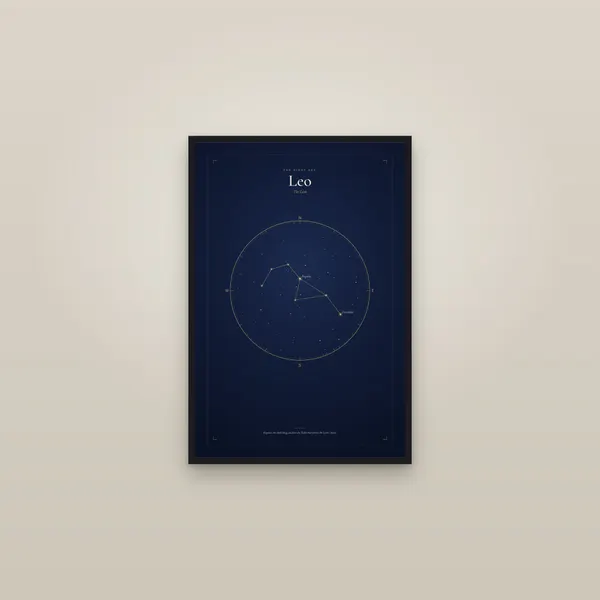
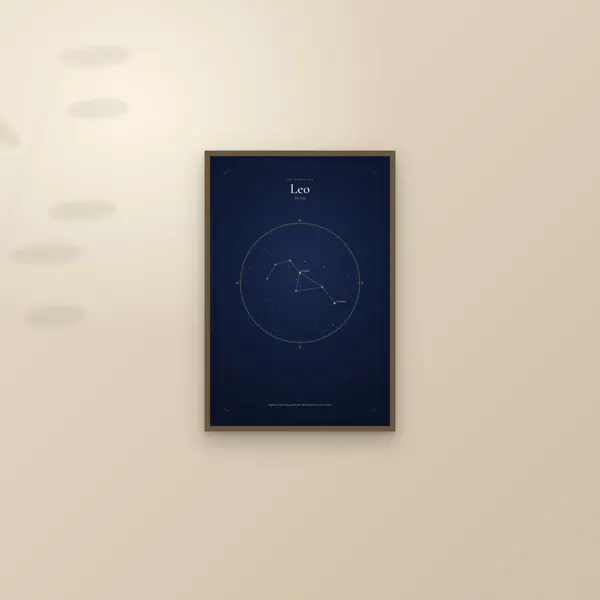
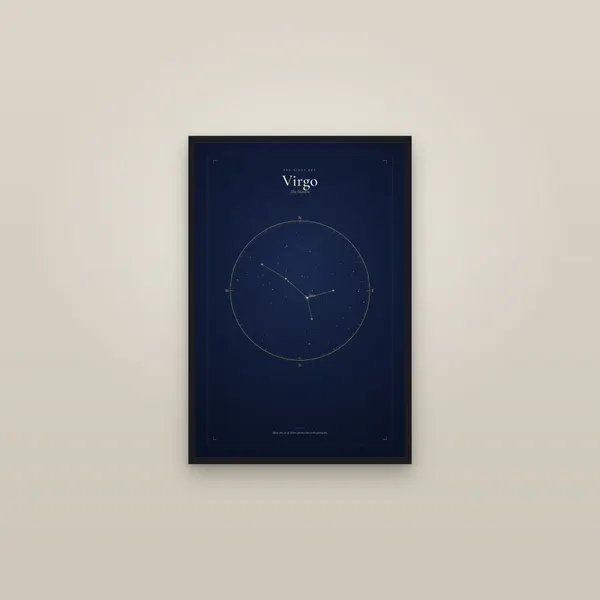
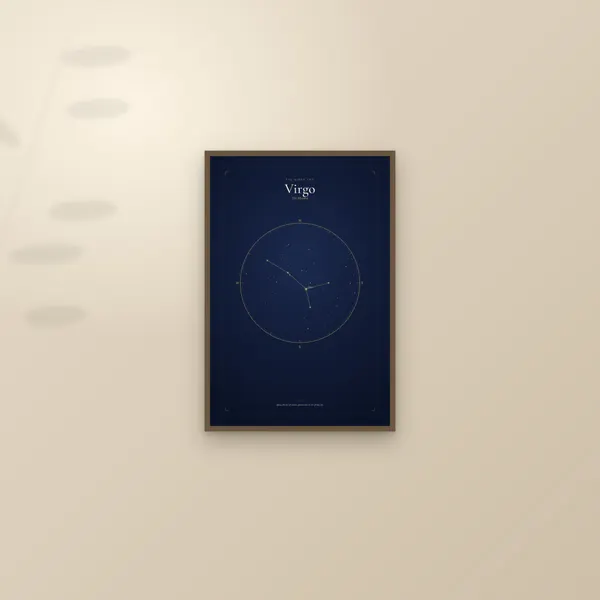
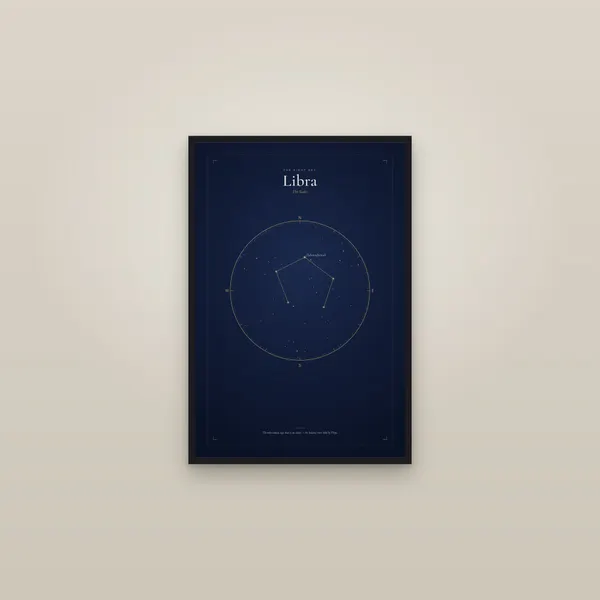
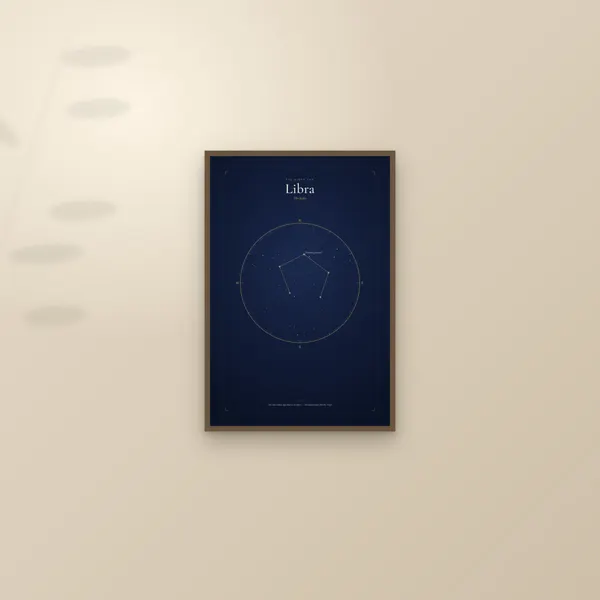
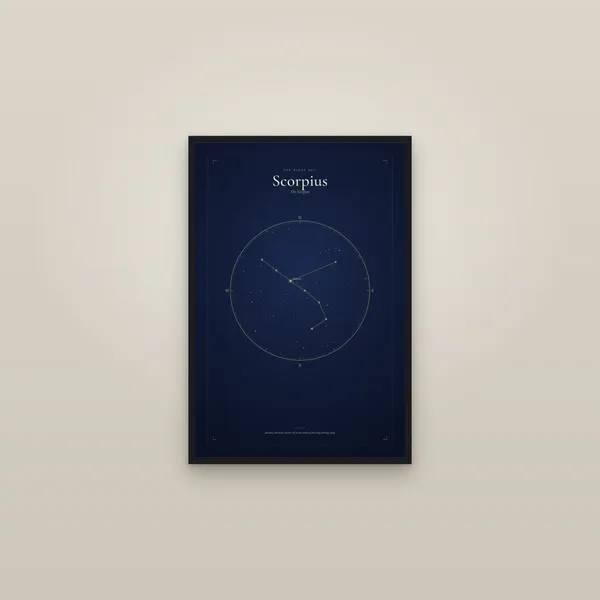
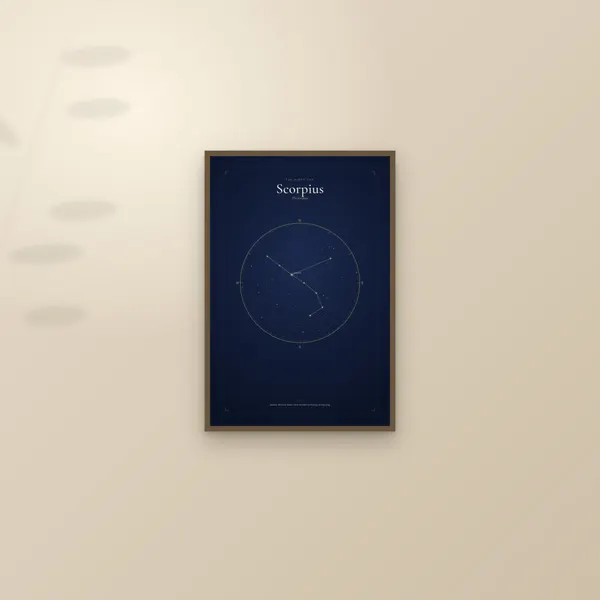
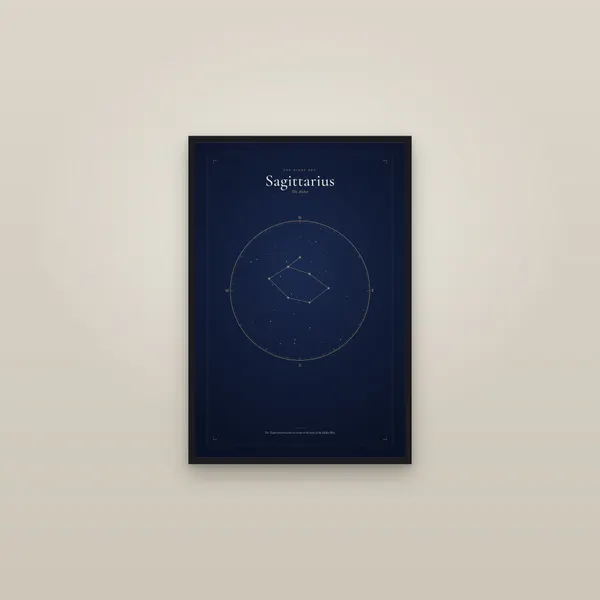
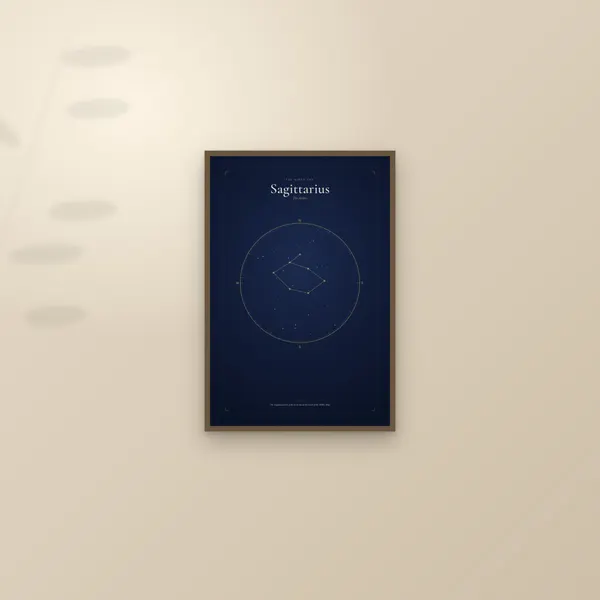
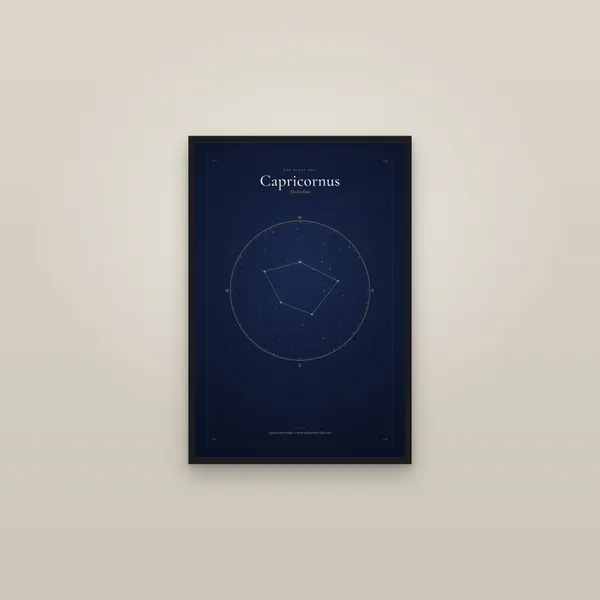
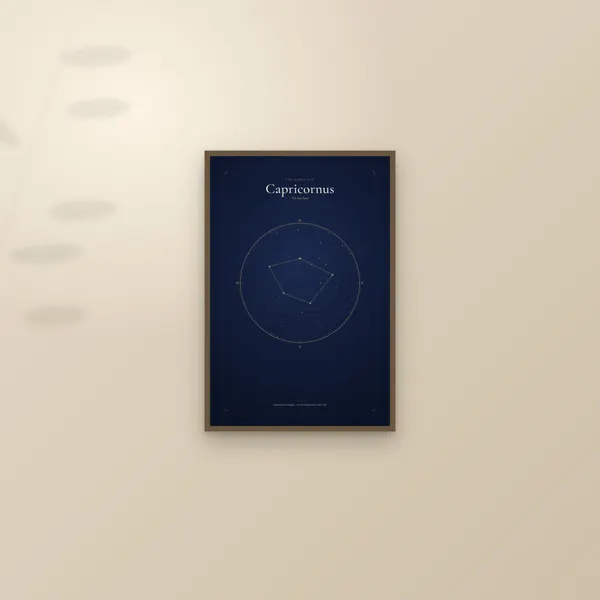
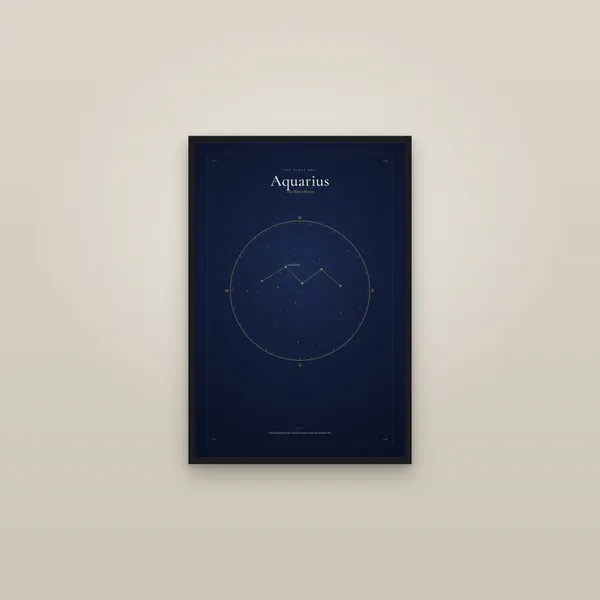
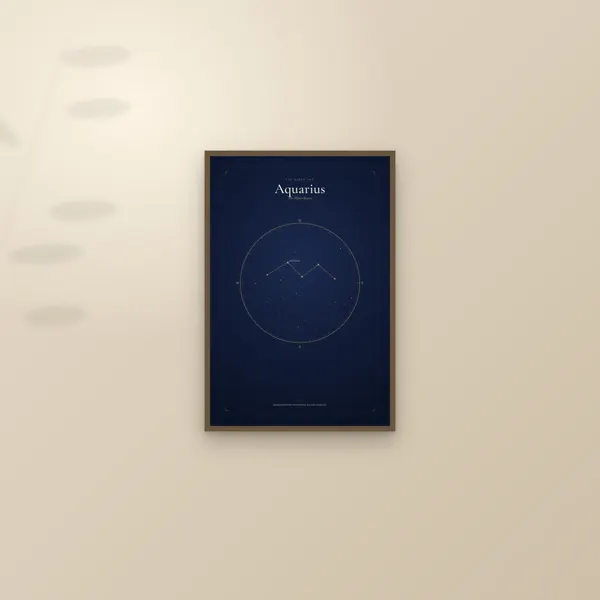
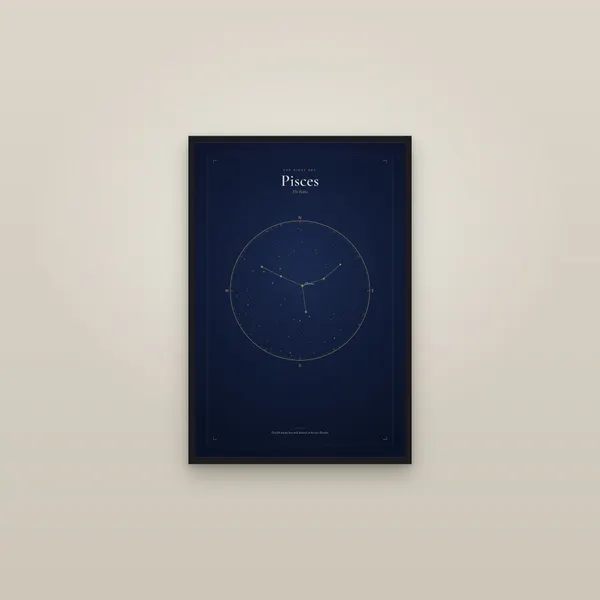
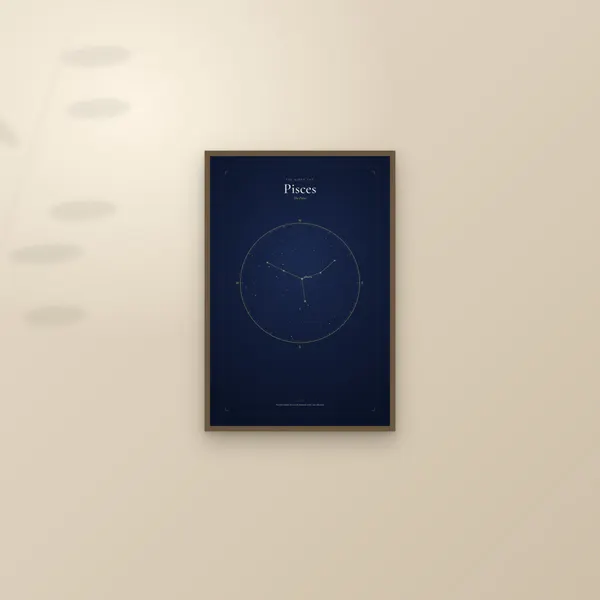

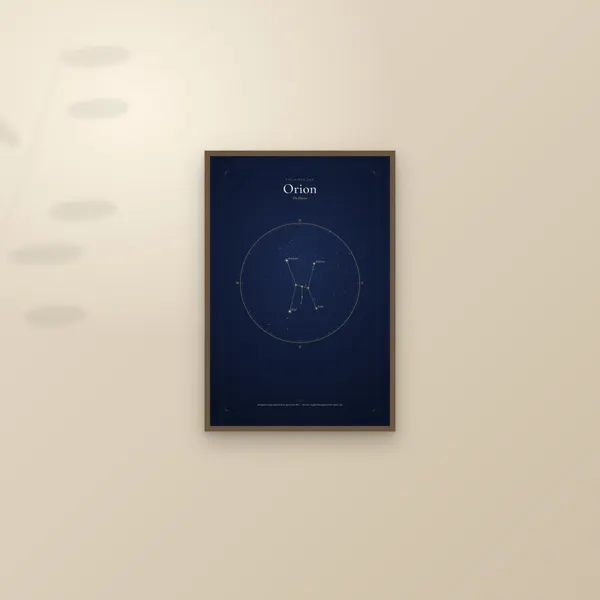
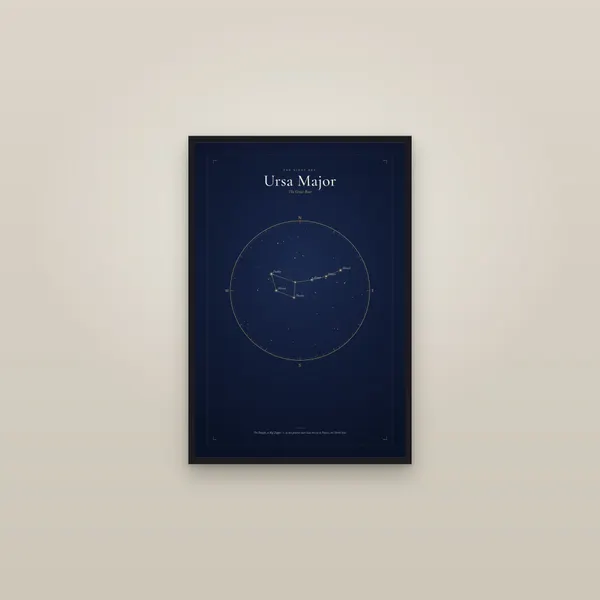
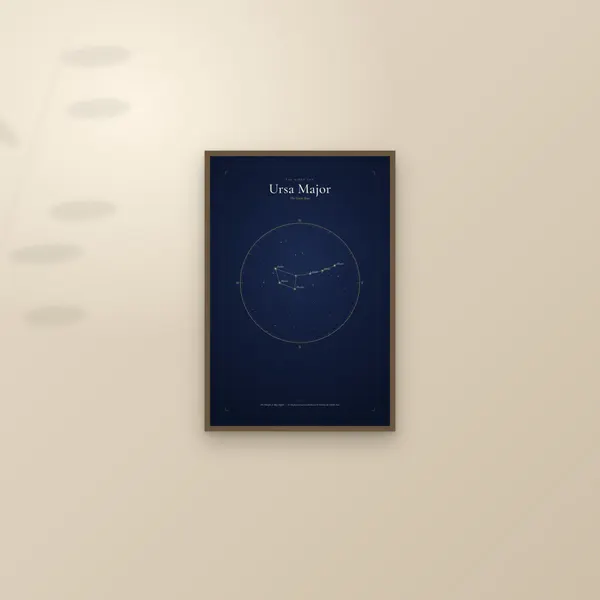
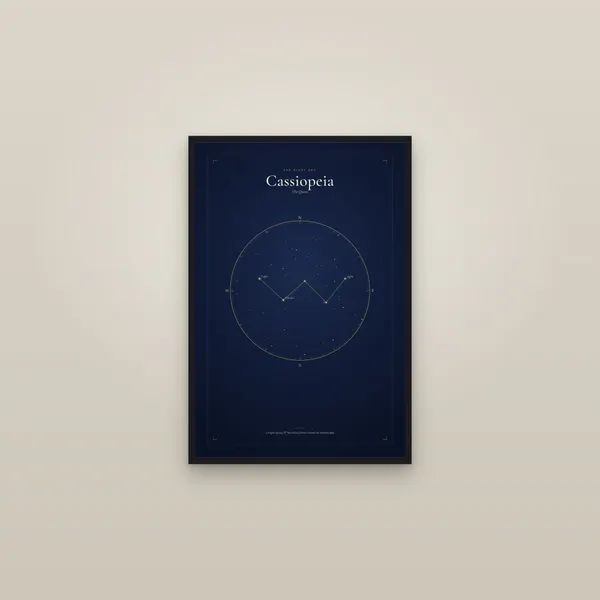
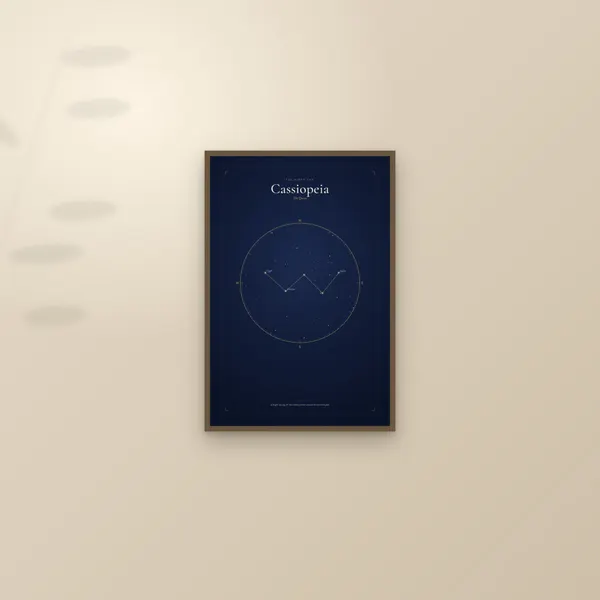
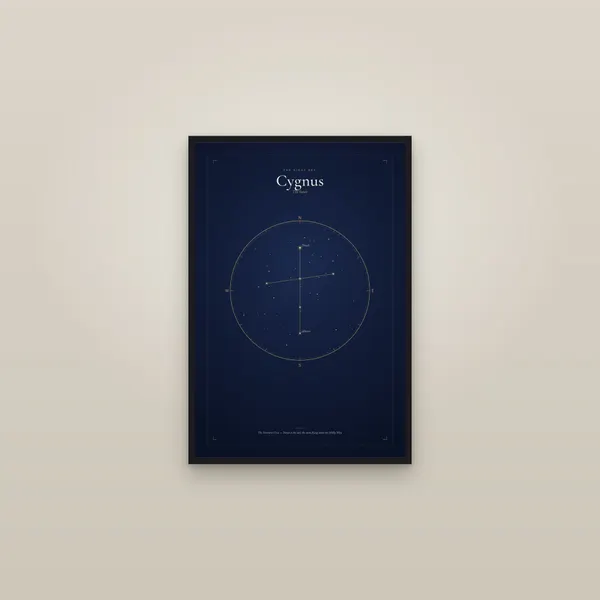
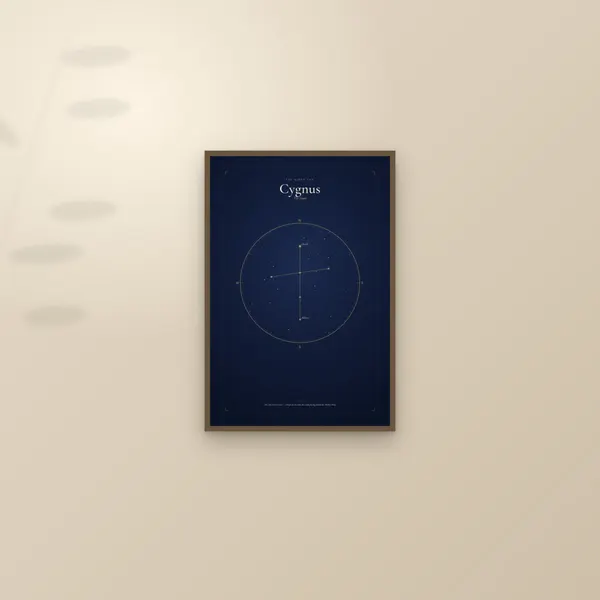
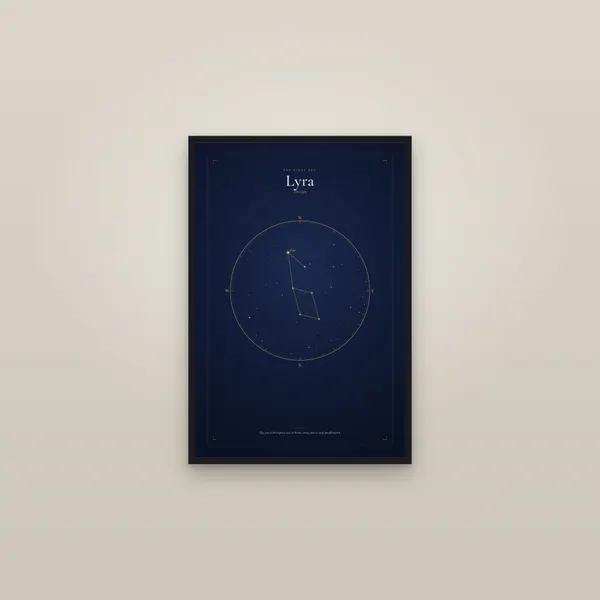
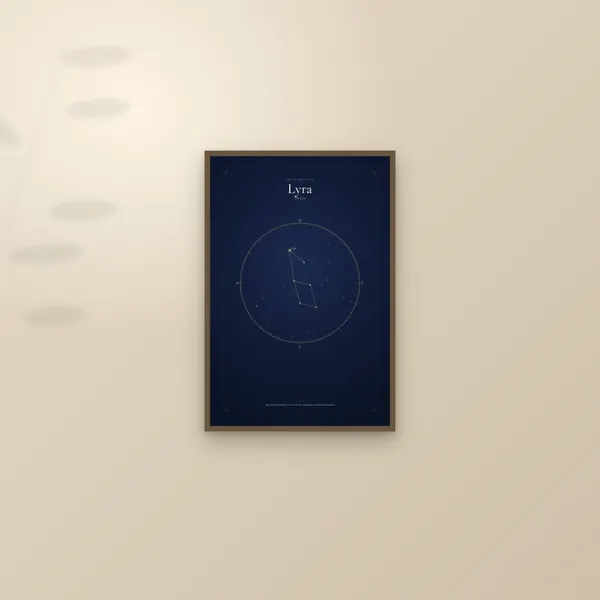
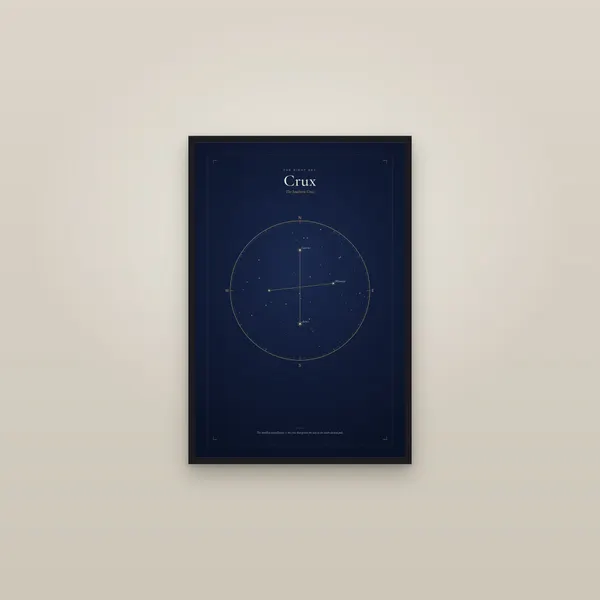
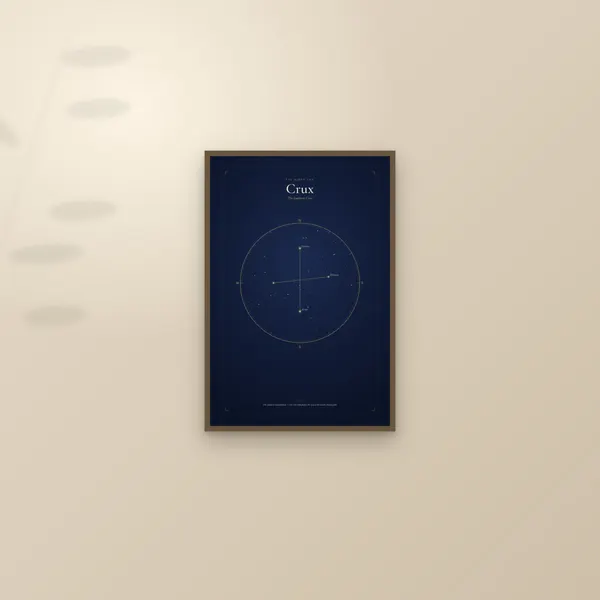
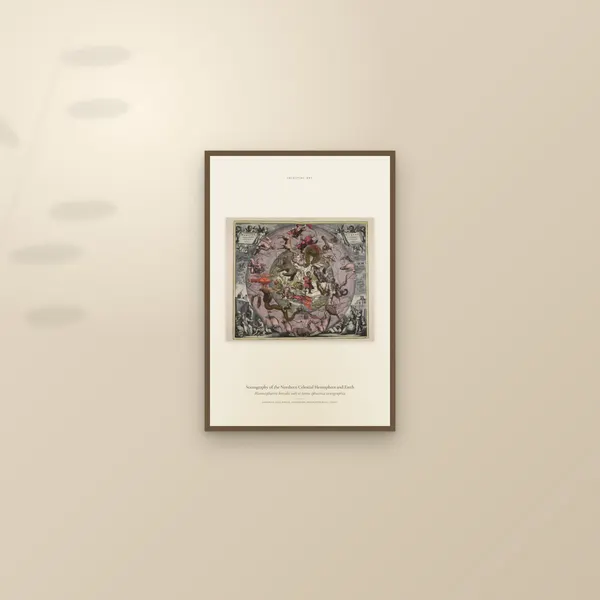
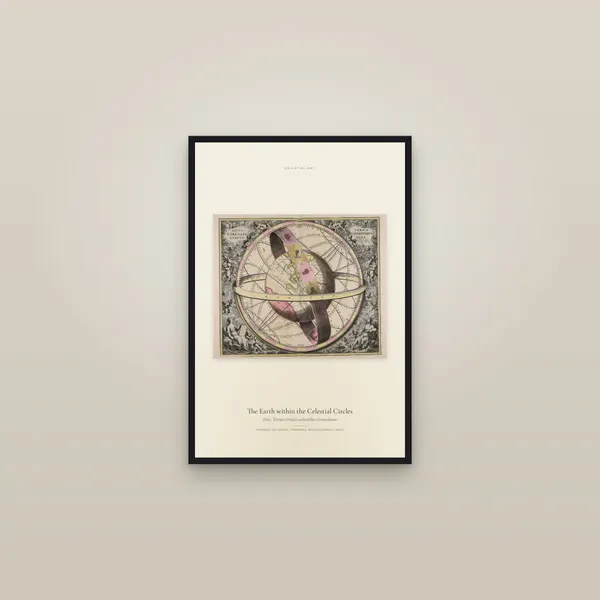
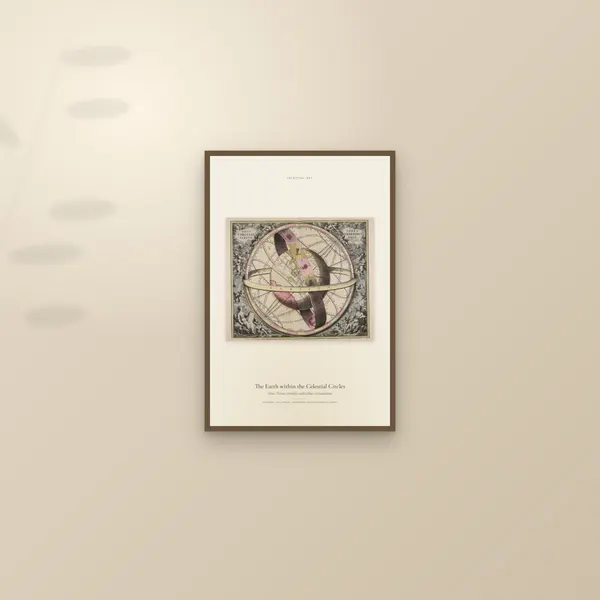
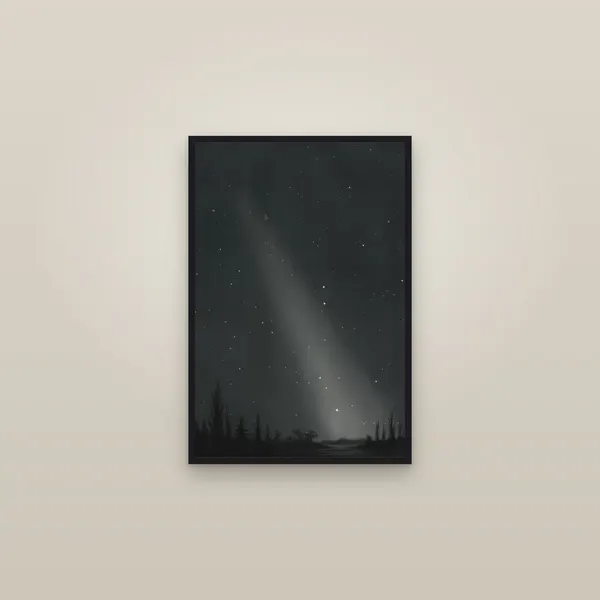
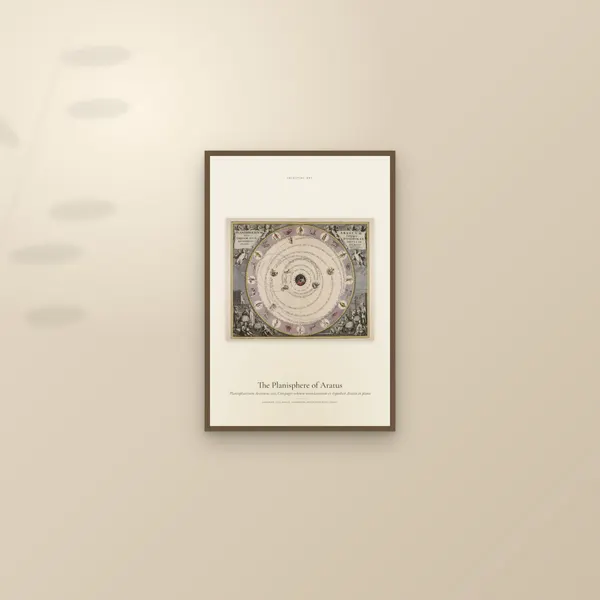
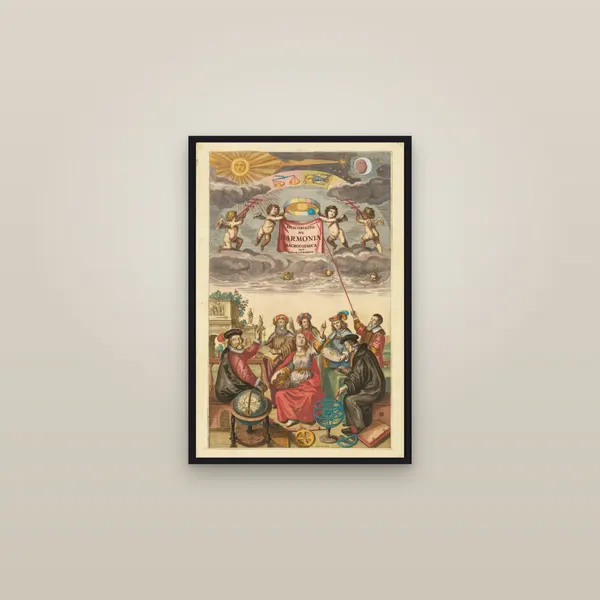
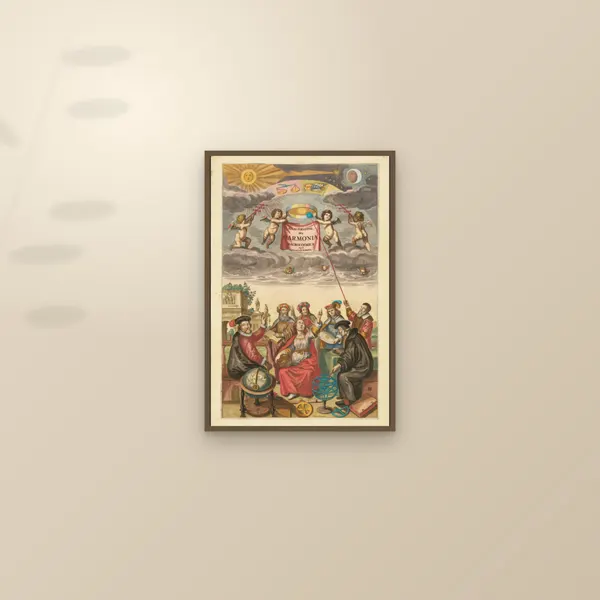
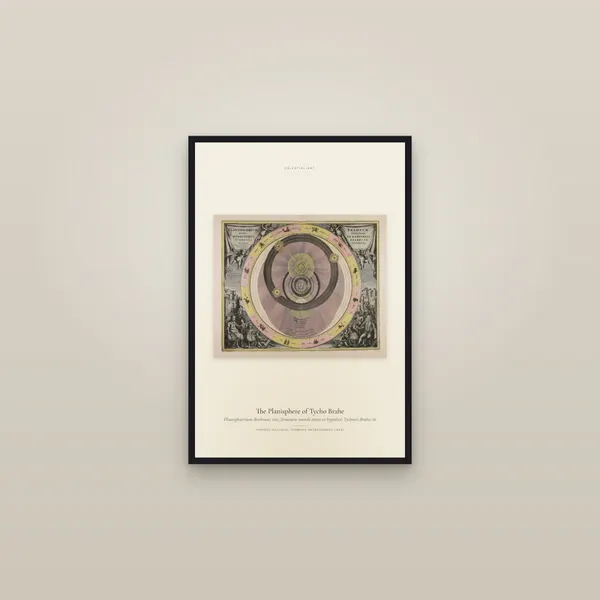
Star maps drawn in-house
The star maps are original Madten designs: each constellation drawn from its catalogued star positions as a luminous gold chart on a deep midnight-navy sky, with the principal stars, the connecting figure and the brightest stars named. There is one for each of the twelve zodiac signs, Aries through Pisces, and one for each of the constellations people actually look for: Orion, Ursa Major, Cassiopeia, Cygnus, Lyra and the Southern Cross. They are the celestial print for a bedroom or a nursery, and the usual birthday, anniversary or new-baby gift is the sign or the constellation that was overhead; three signs in a row for three children is the classic set, and three or more prints take 10% off automatically.
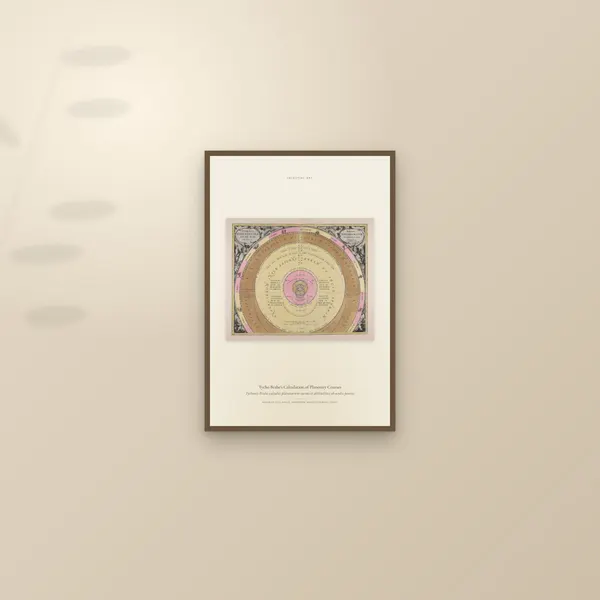
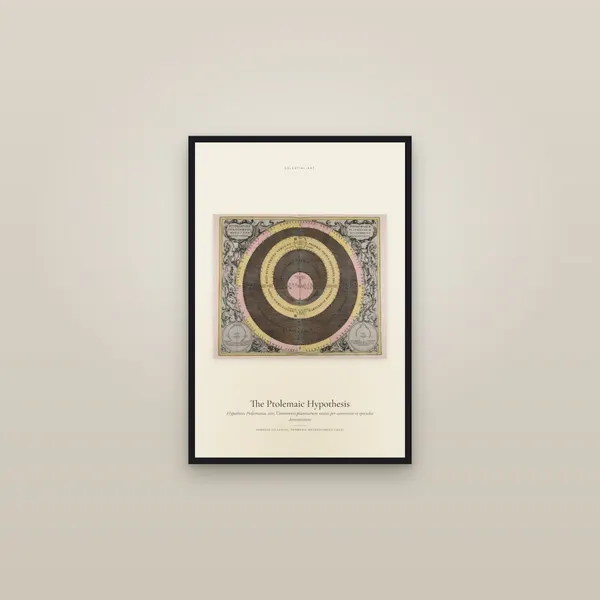
Cellarius: the Harmonia Macrocosmica
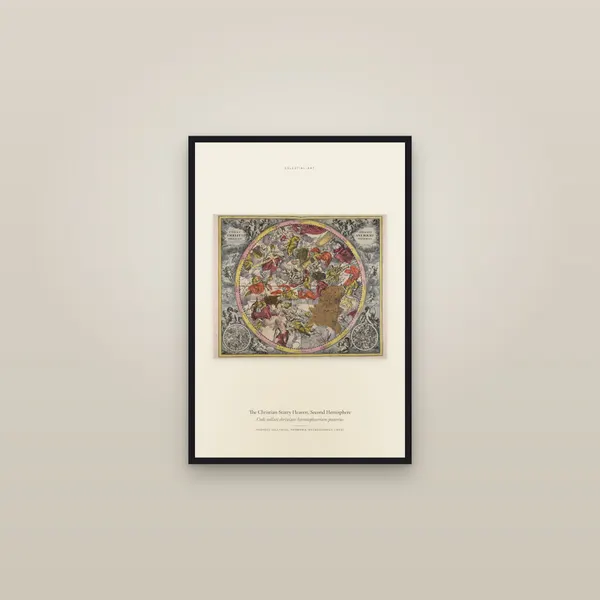
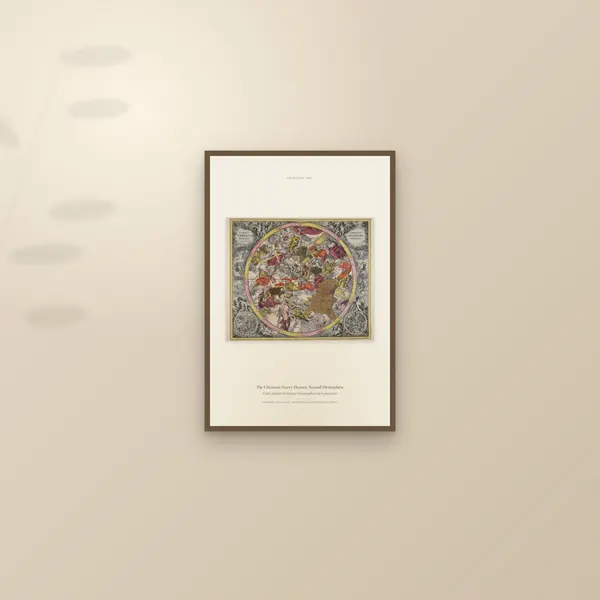
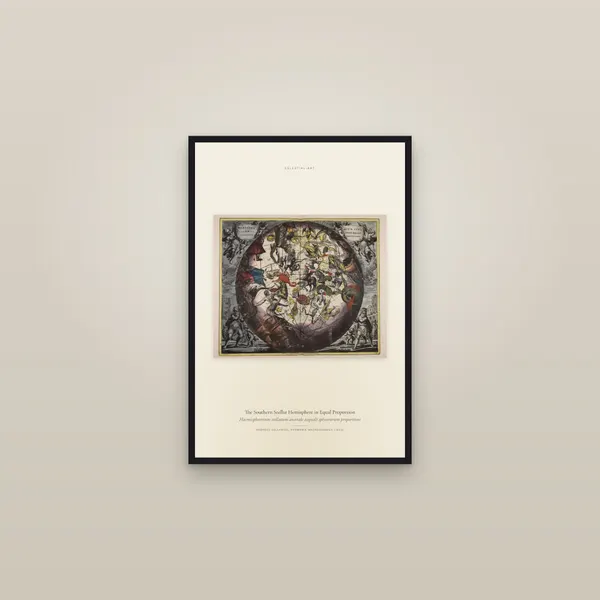
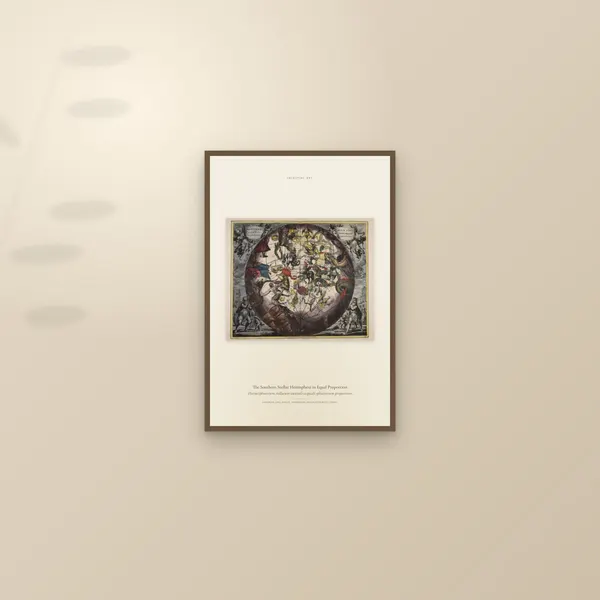
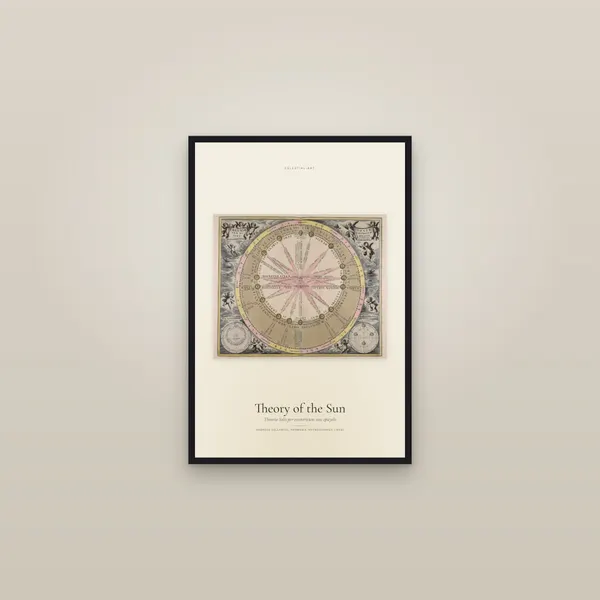
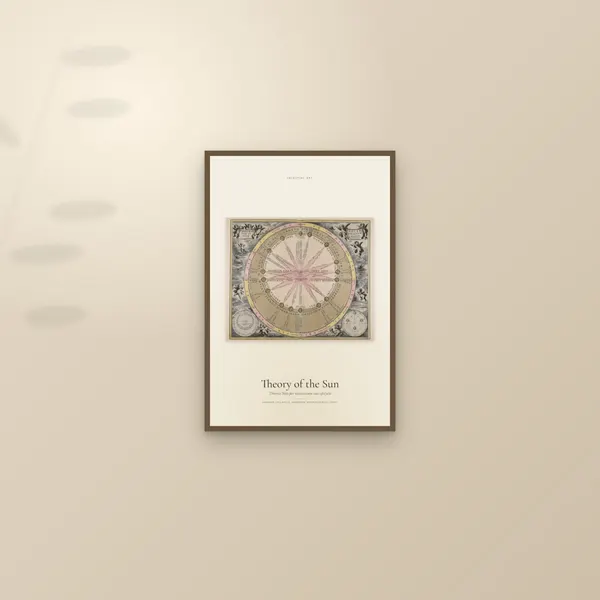
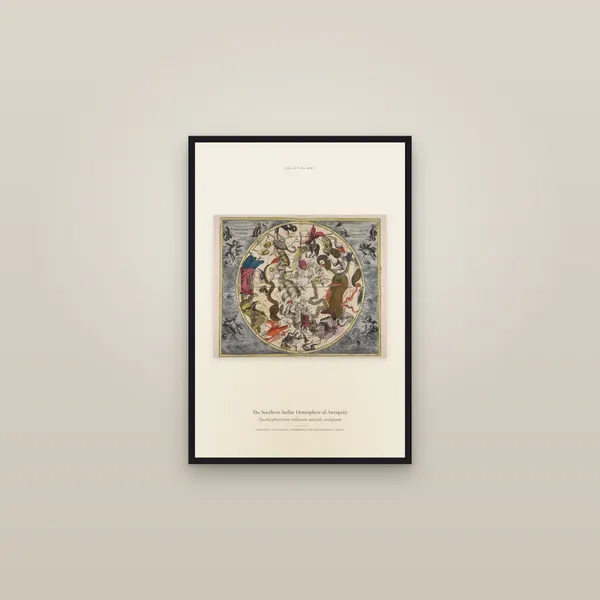
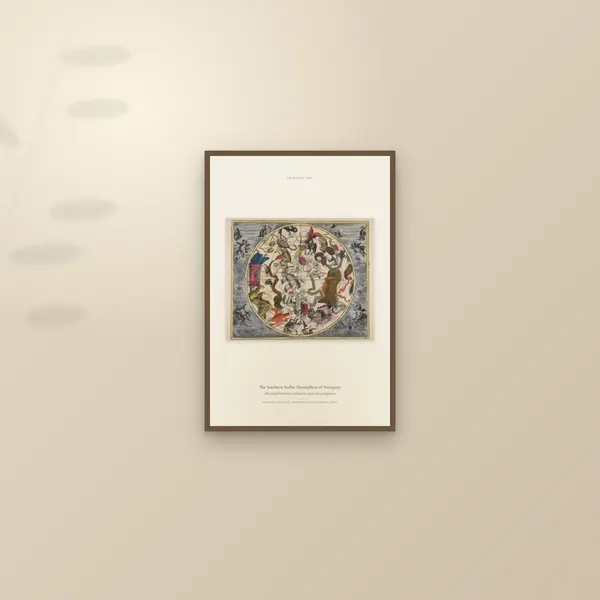
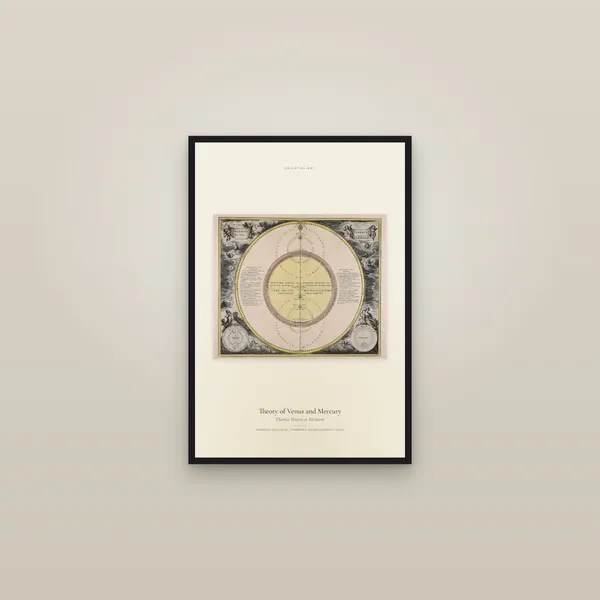
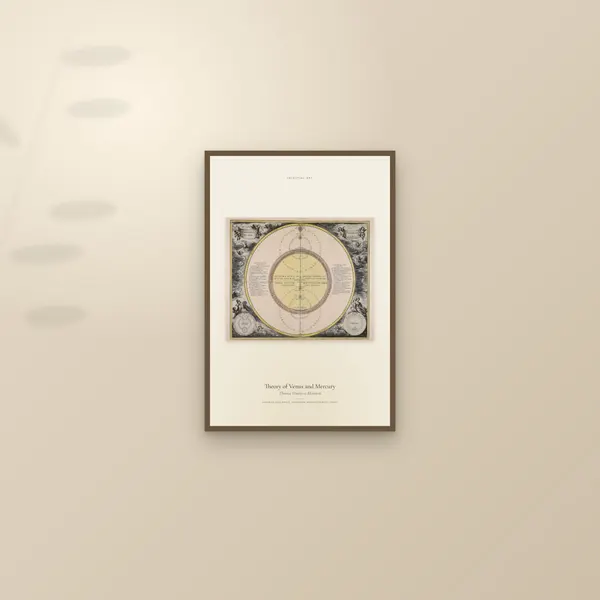
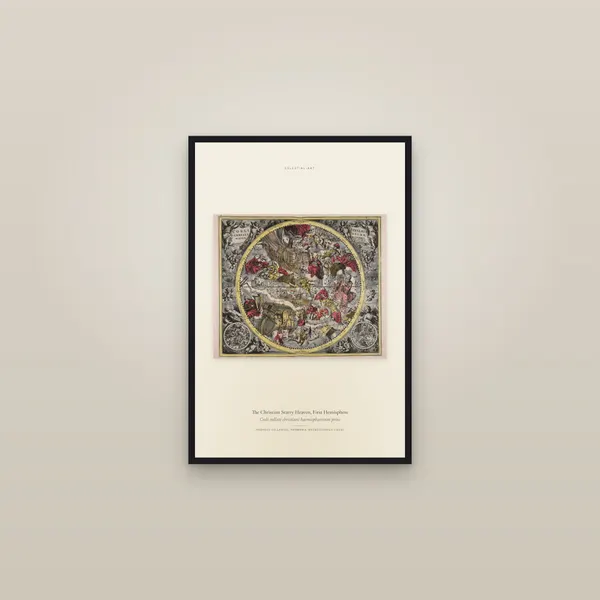
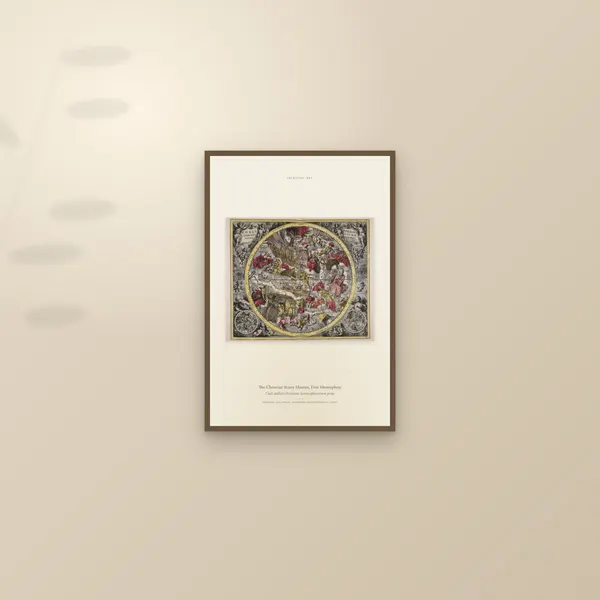
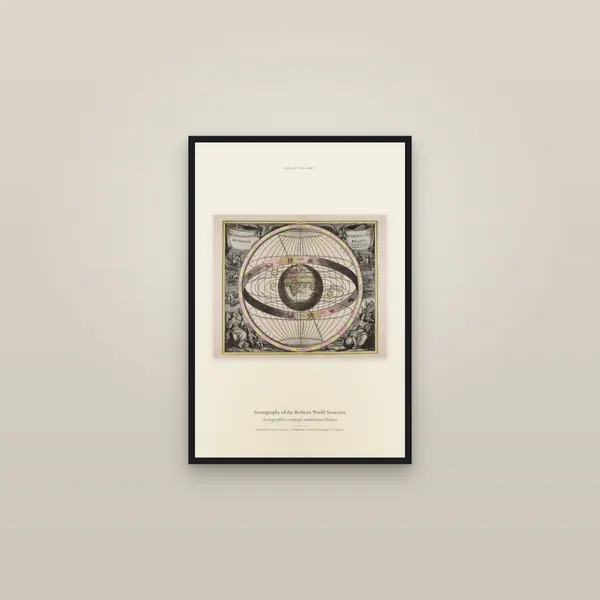
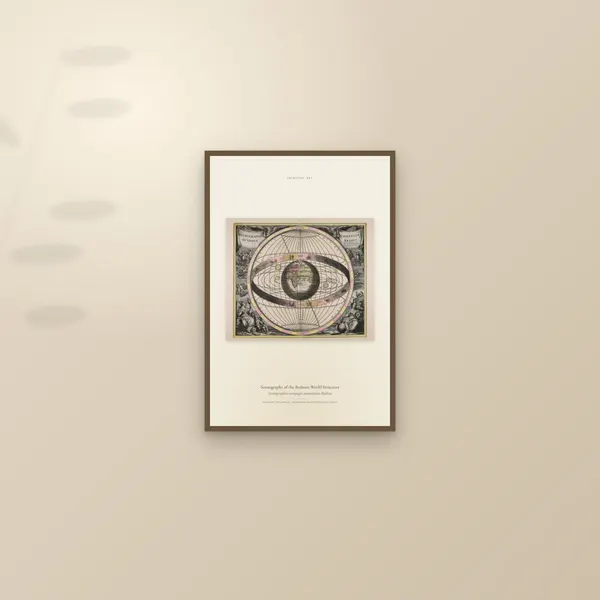
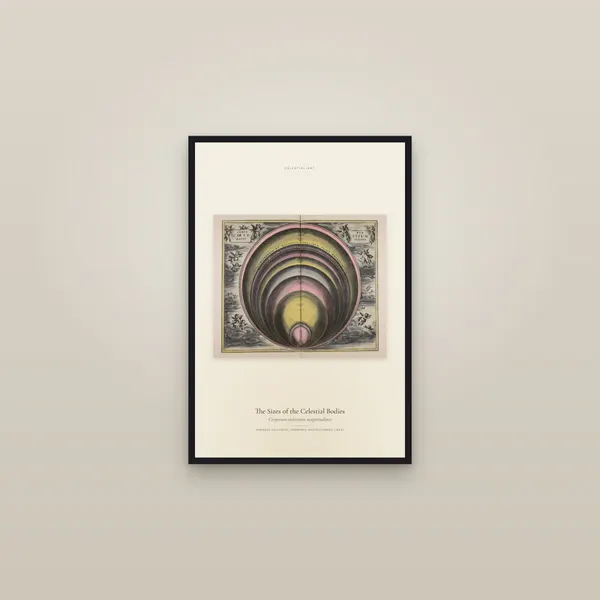
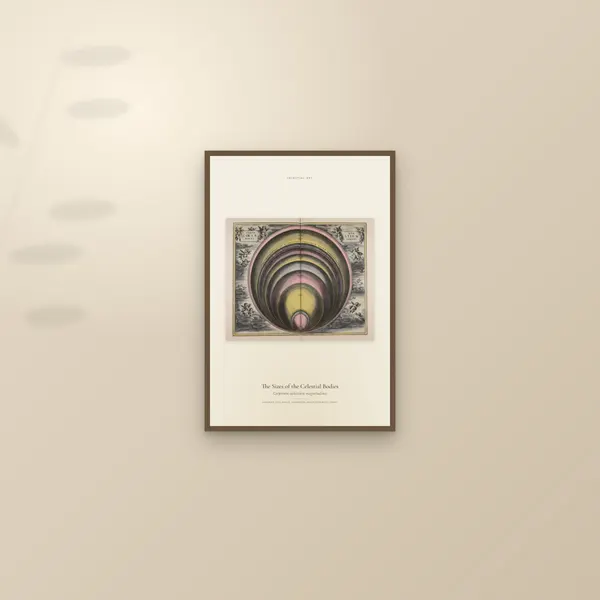
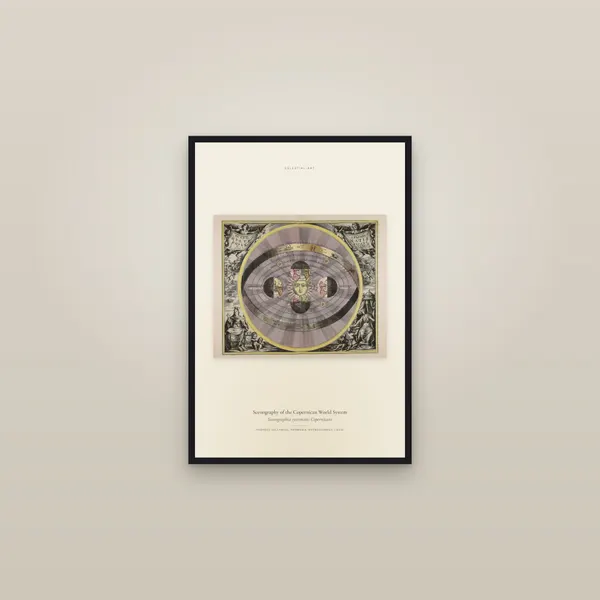
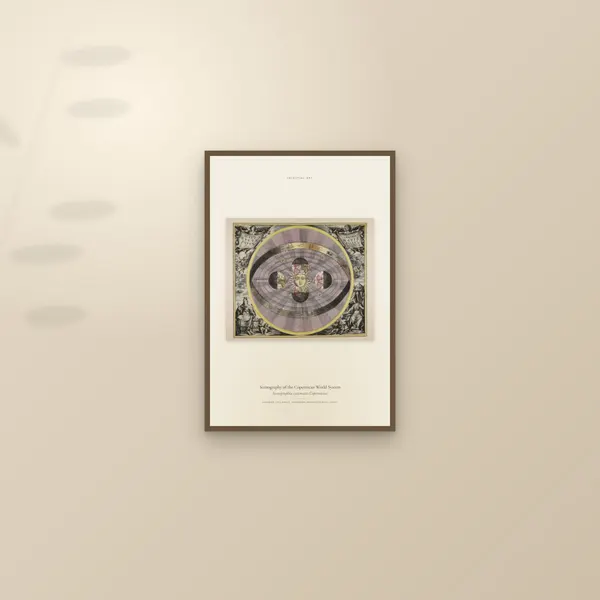
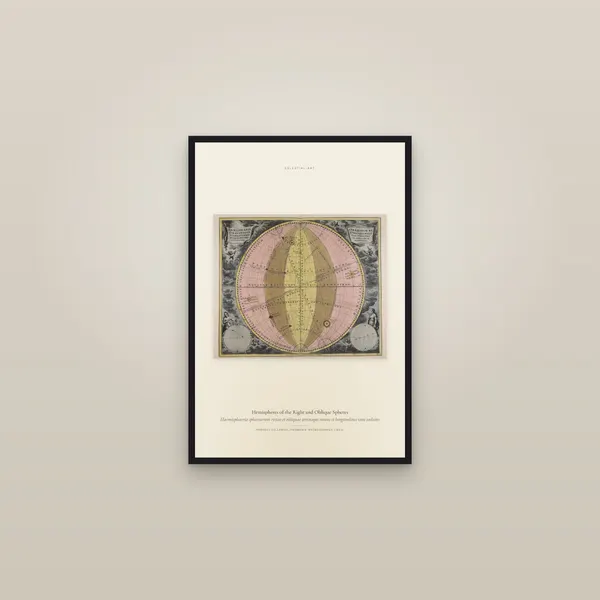
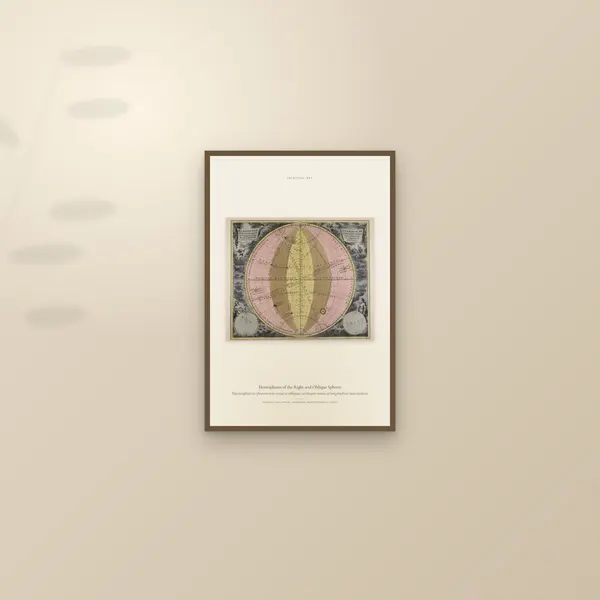
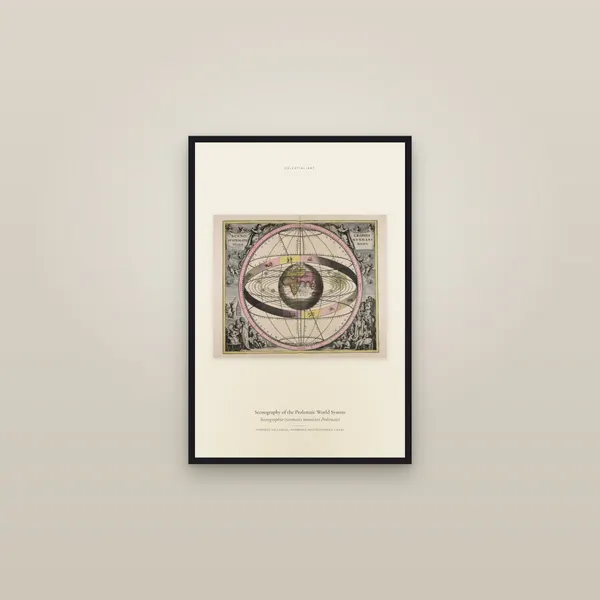
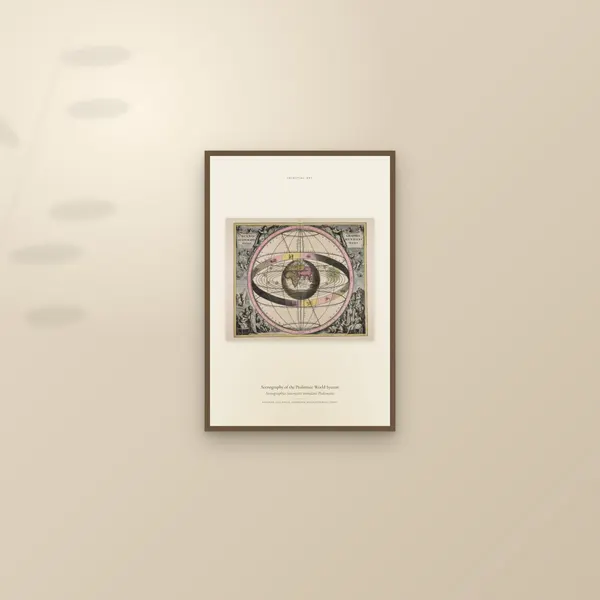
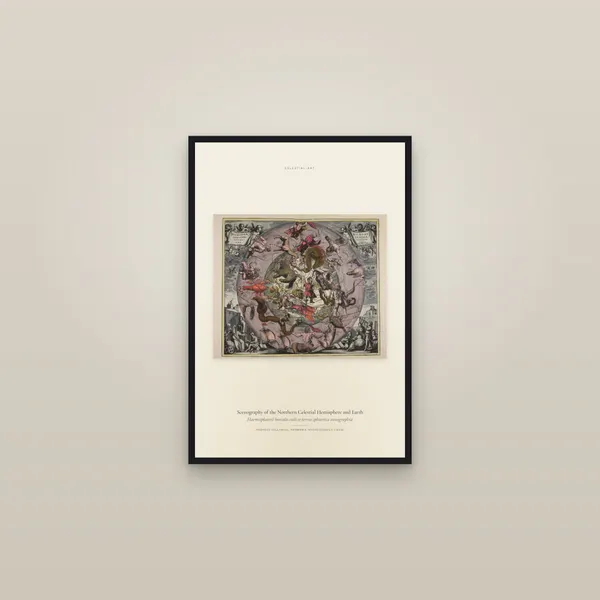
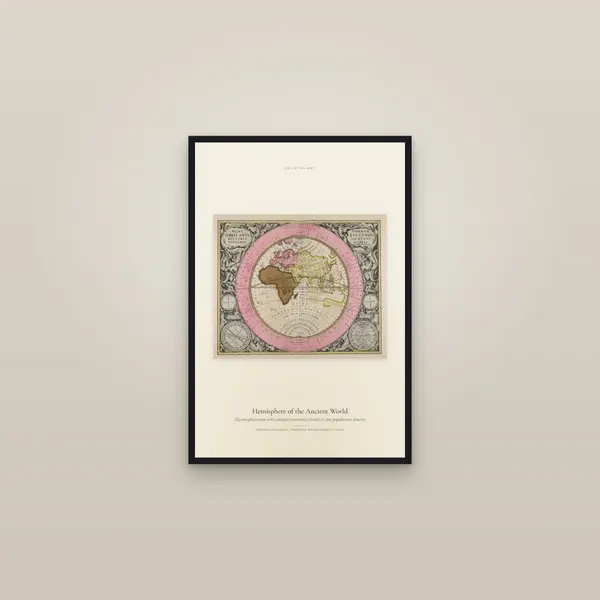
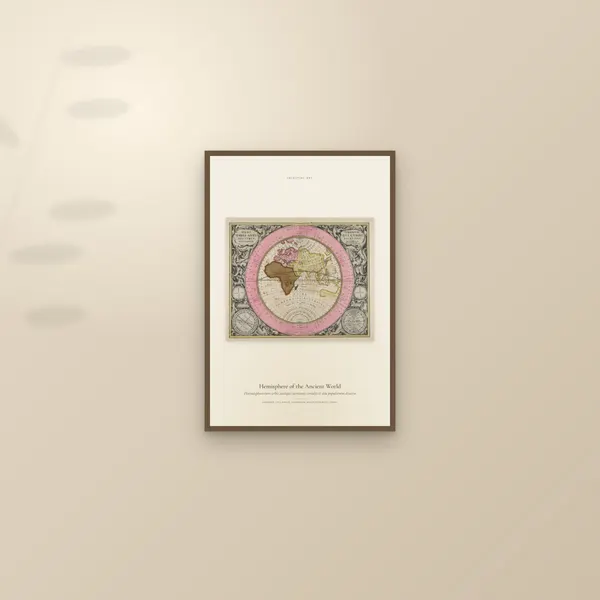
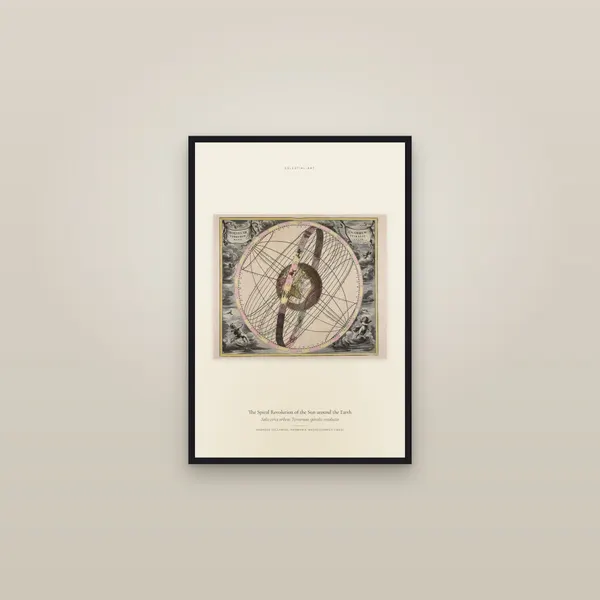
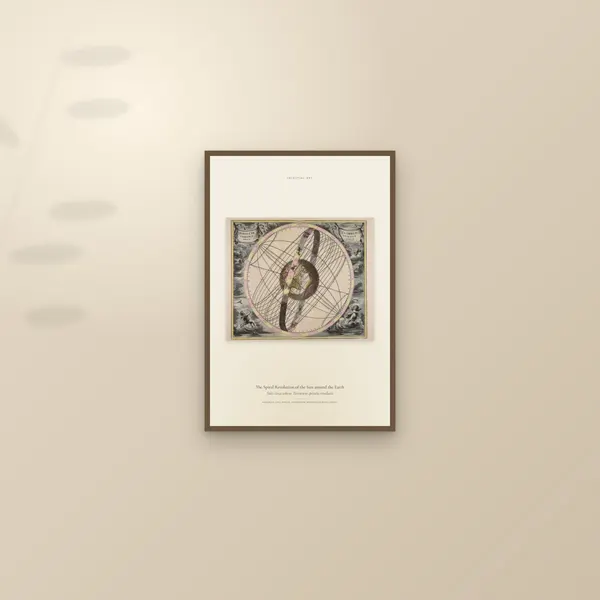
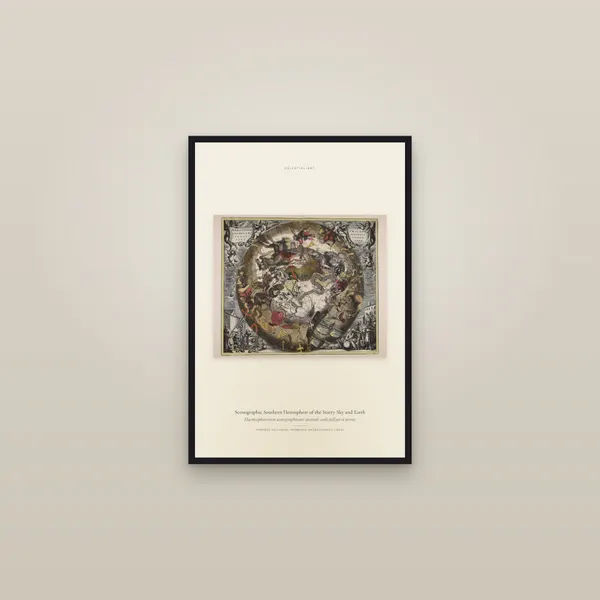
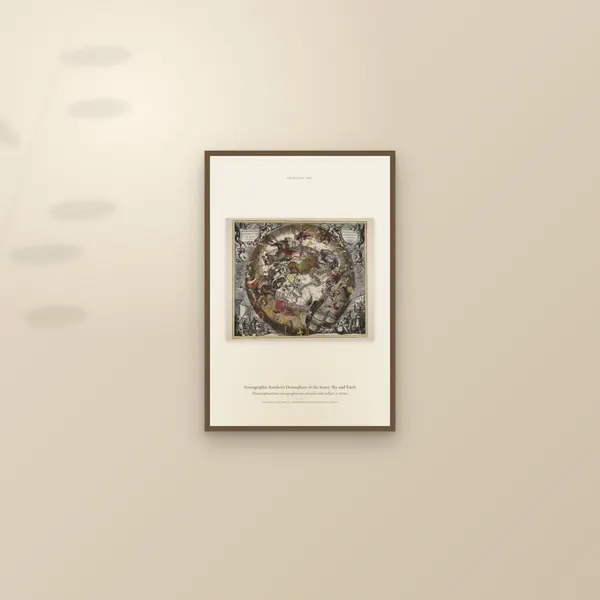
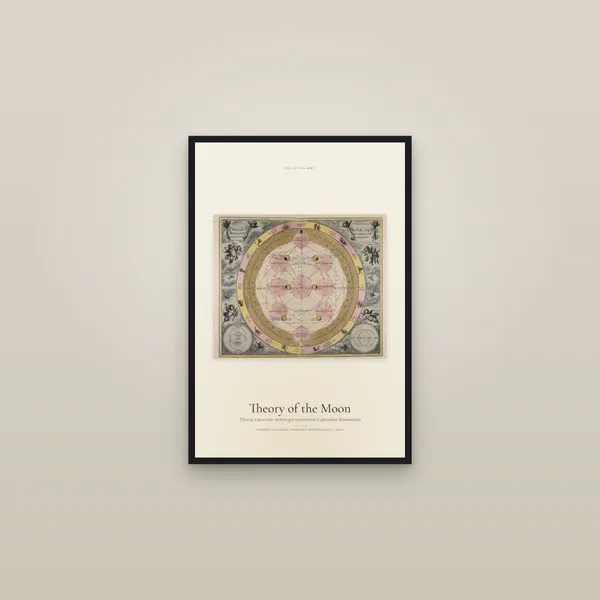
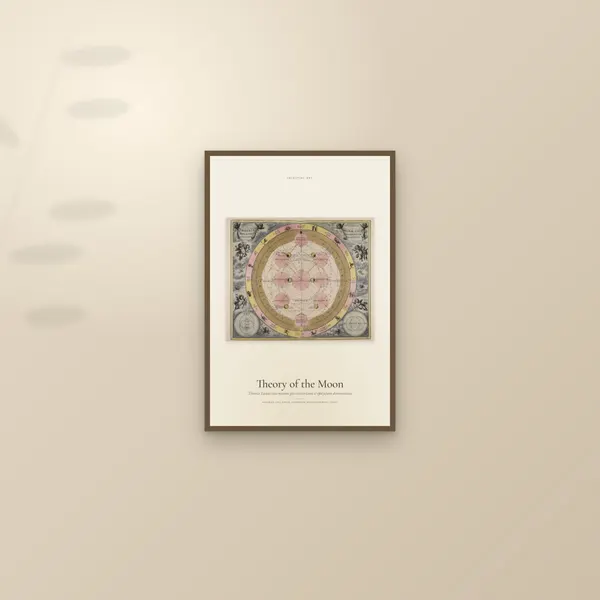
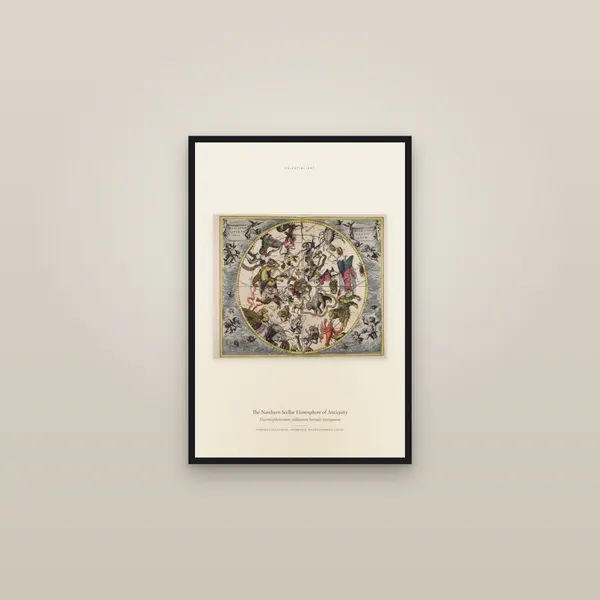
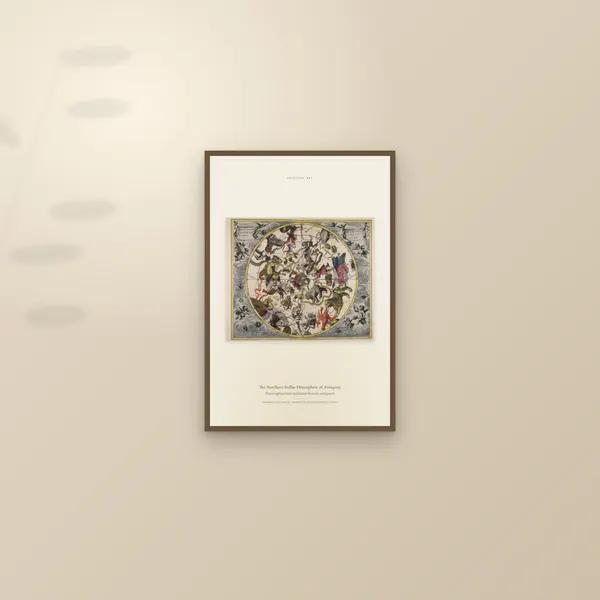
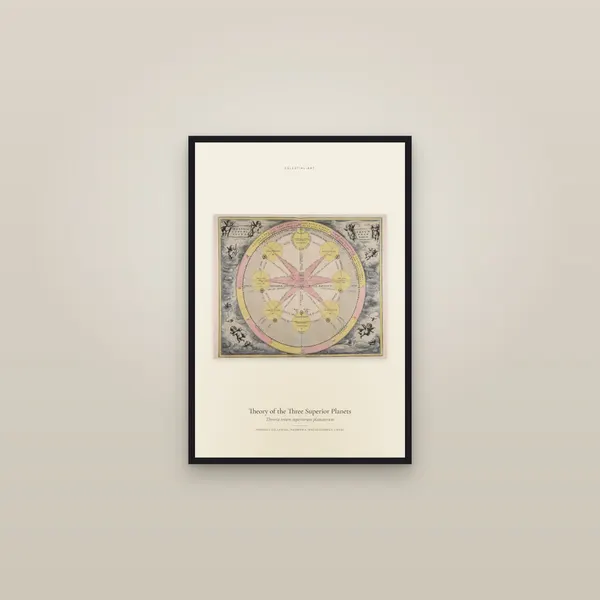
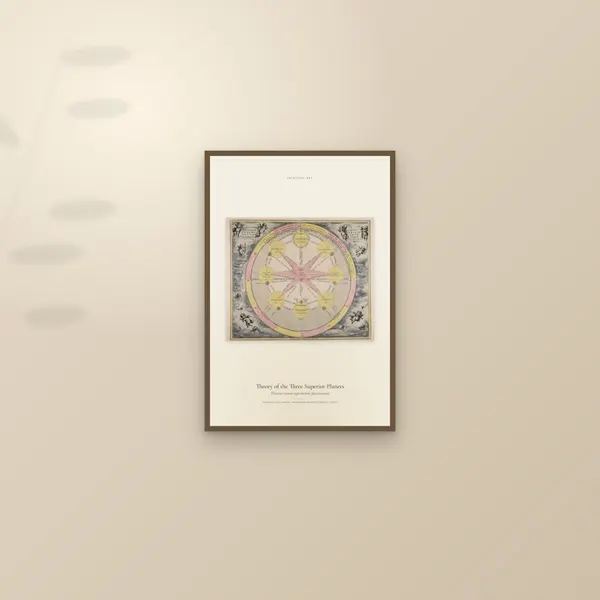
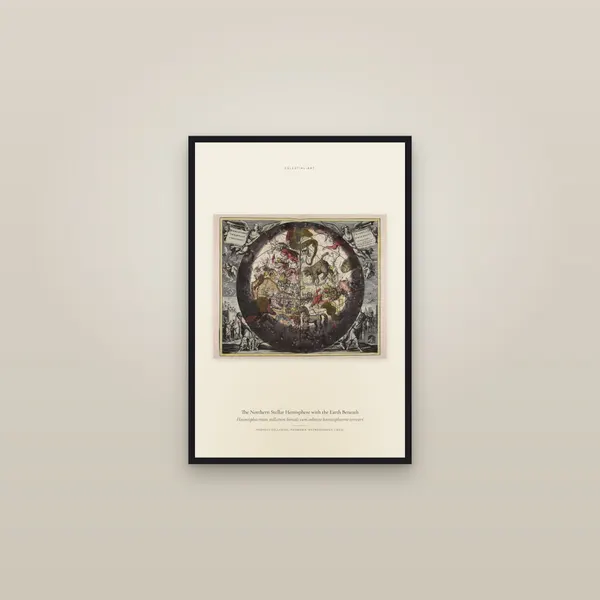
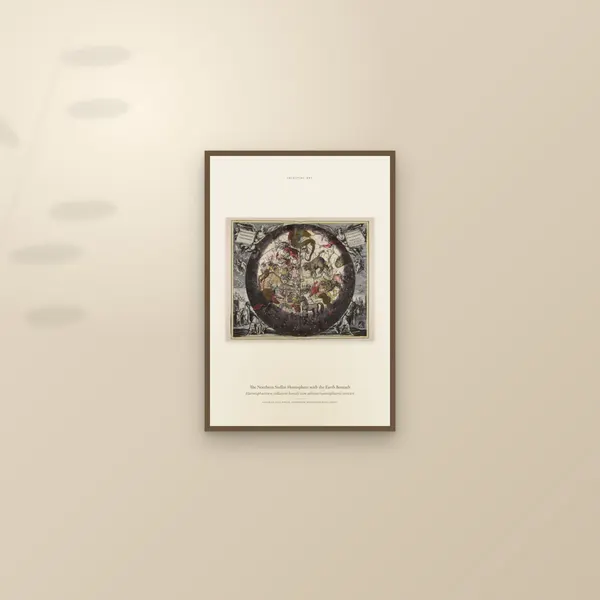
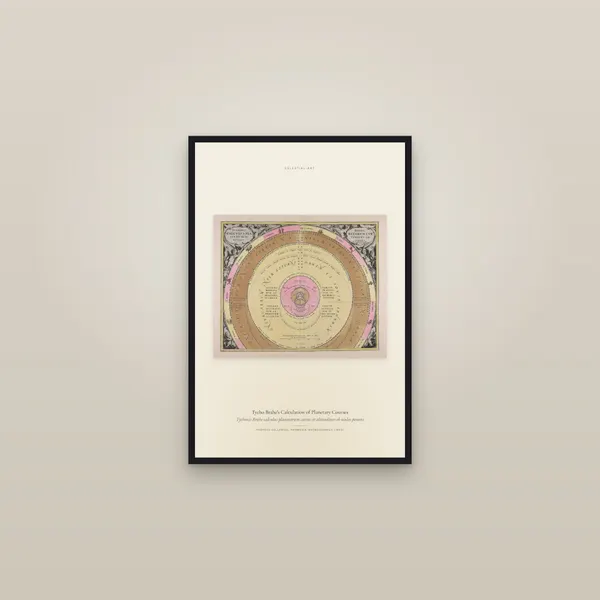
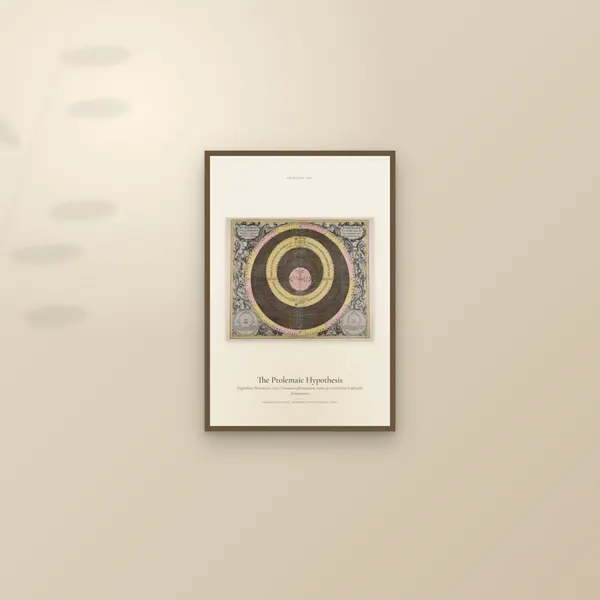
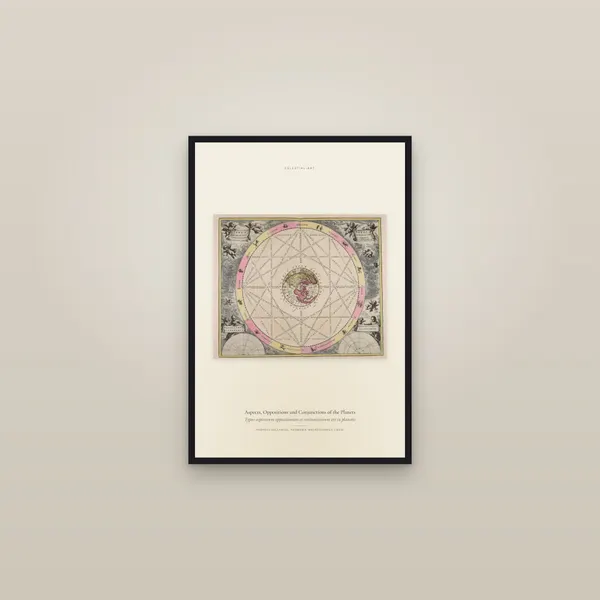
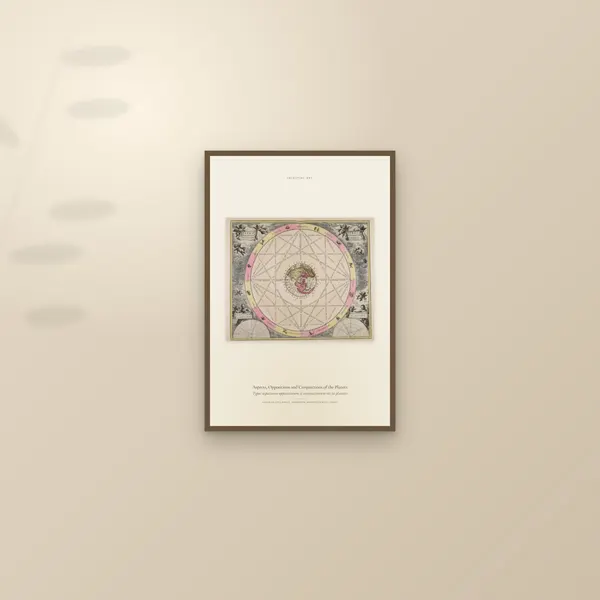
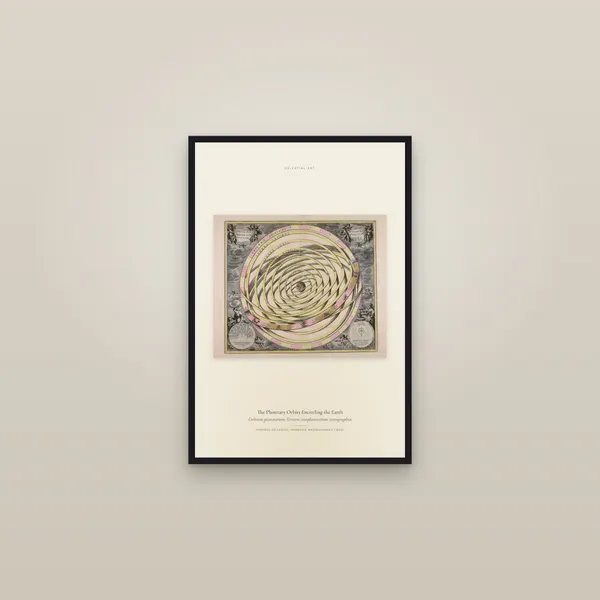
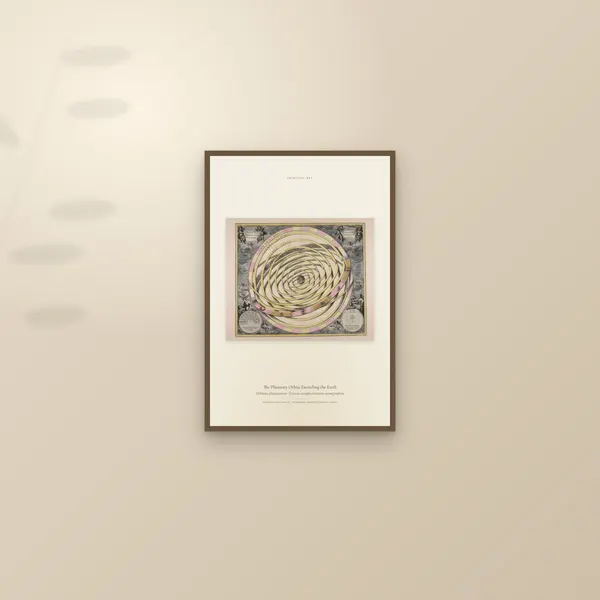
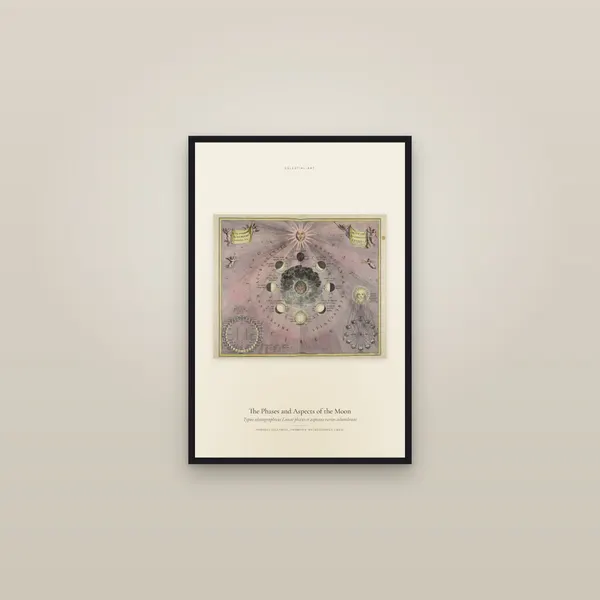
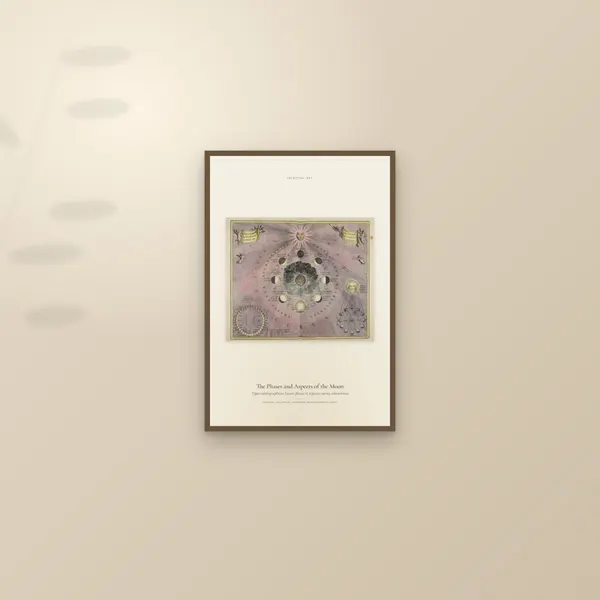
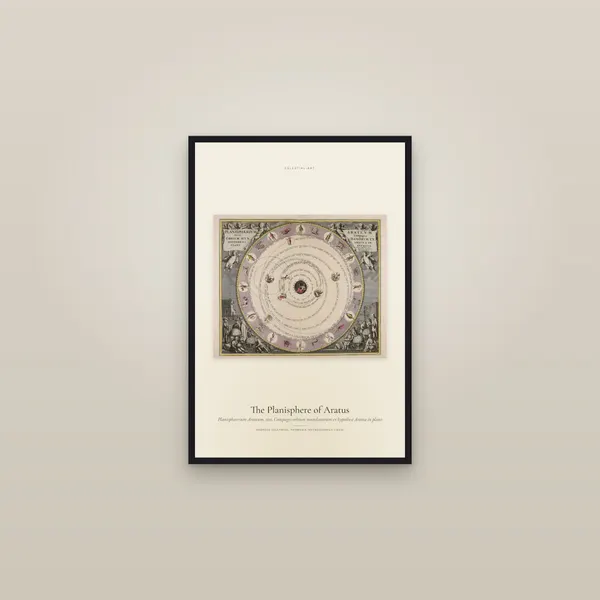
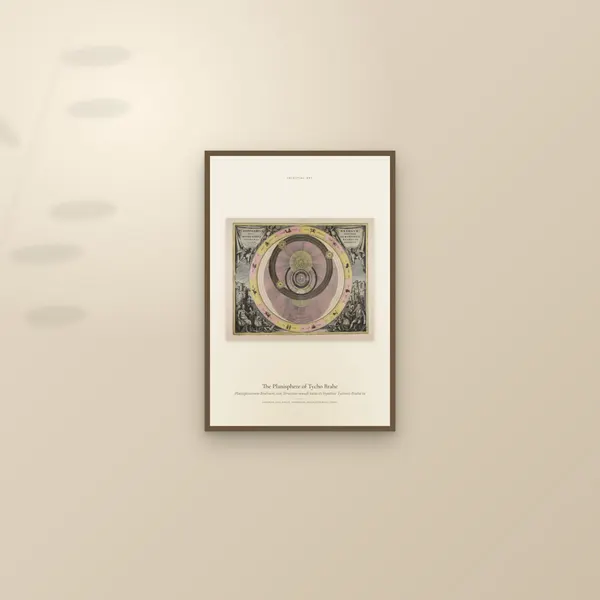
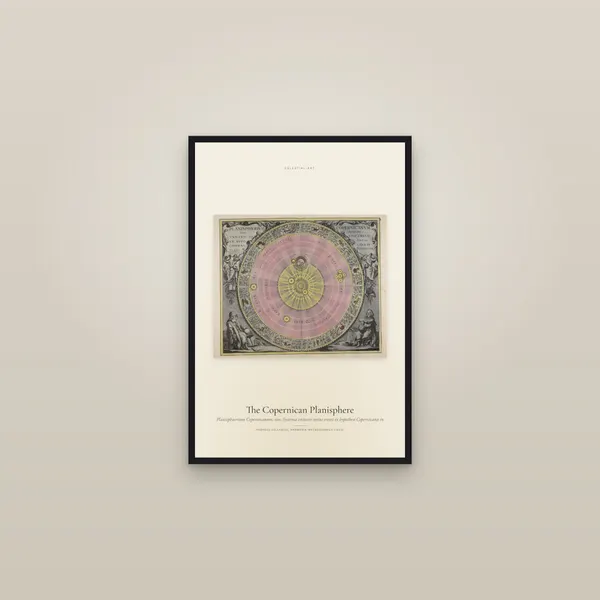
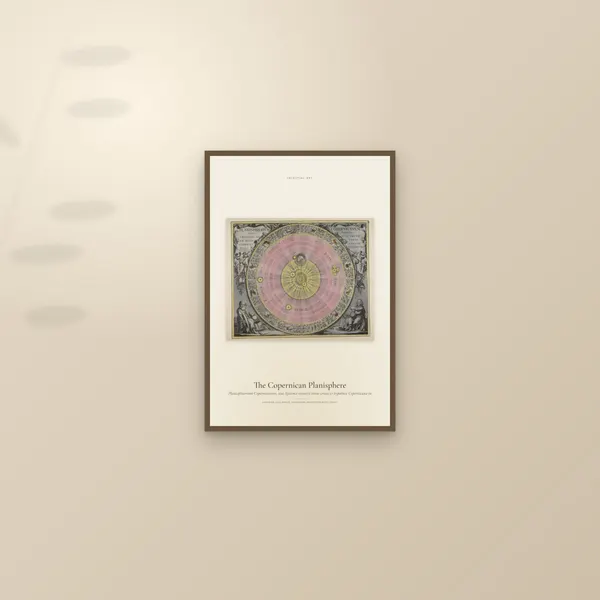
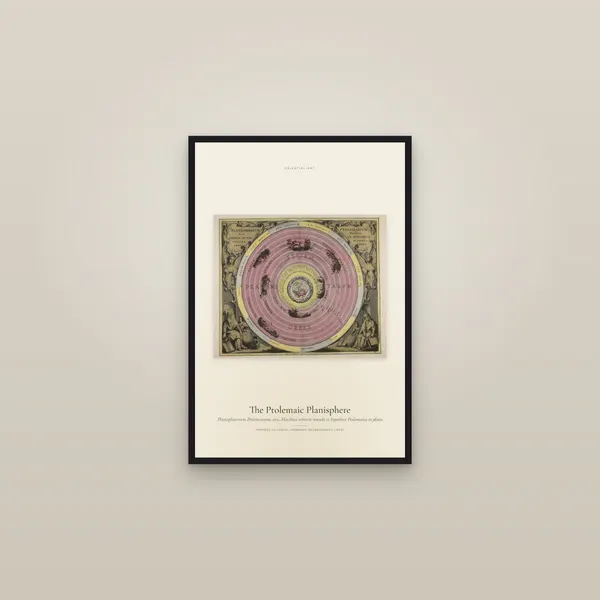
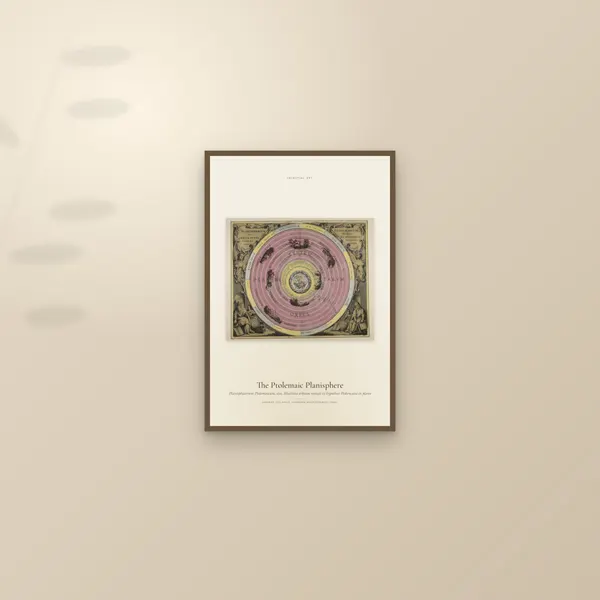
Andreas Cellarius's Harmonia Macrocosmica, published in Amsterdam in 1660, is the most beautiful celestial atlas ever printed: twenty-nine double-page engraved plates, hand-coloured, that lay the Ptolemaic, Copernican and Tychonic systems side by side and draw the constellations as figures over the hemispheres. We hold the greater part of the atlas, the planispheres of Ptolemy, Copernicus and Tycho Brahe, the Christian starry heaven in both hemispheres, the theories of the Sun, the Moon, Venus and Mercury and the superior planets, the phases and aspects of the Moon, the sizes of the celestial bodies and the frontispiece, each restored from a high-resolution scan and set on a soft cream ground with a typeset caption.
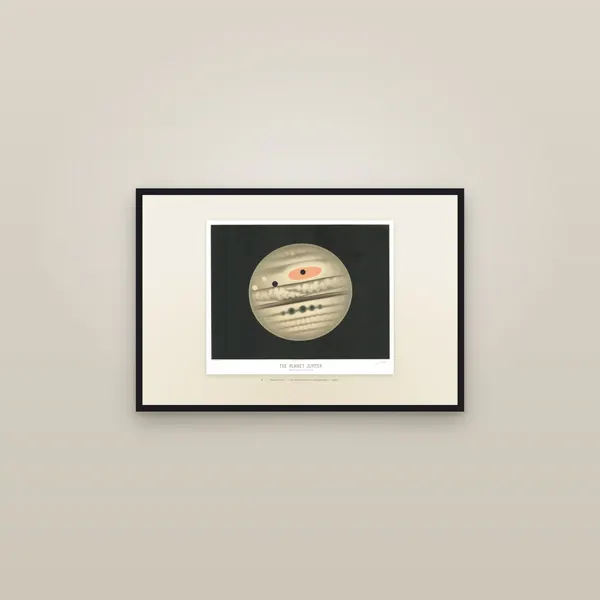
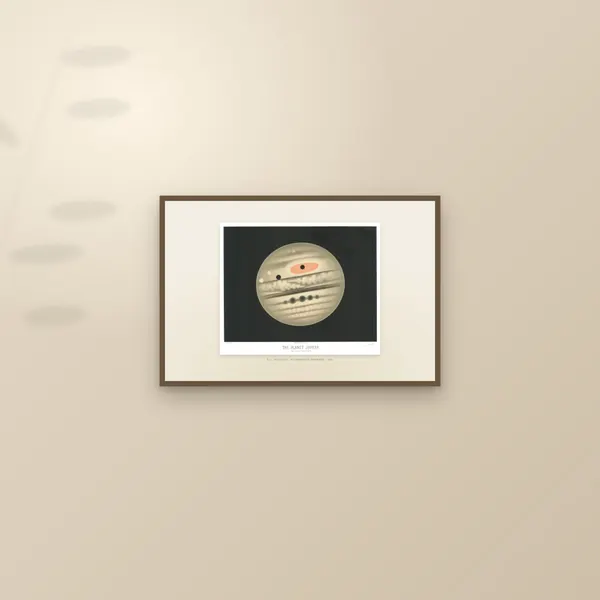
Trouvelot: the Astronomical Drawings
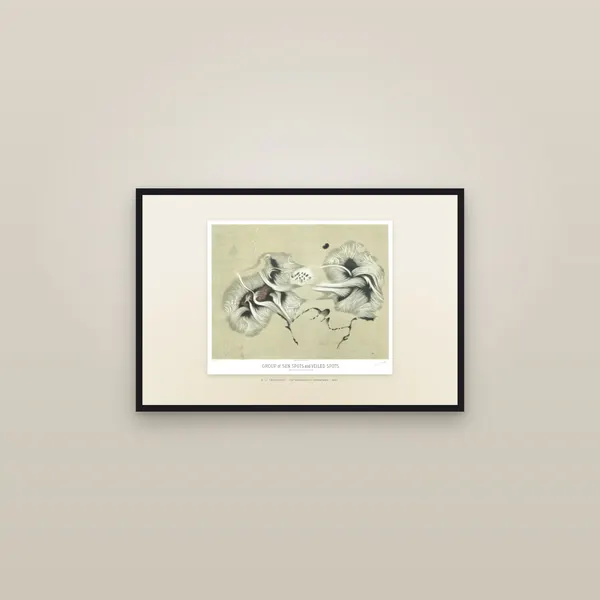
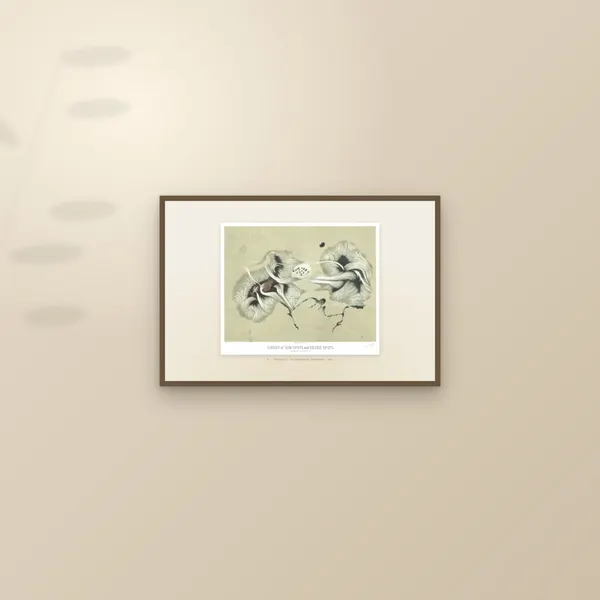
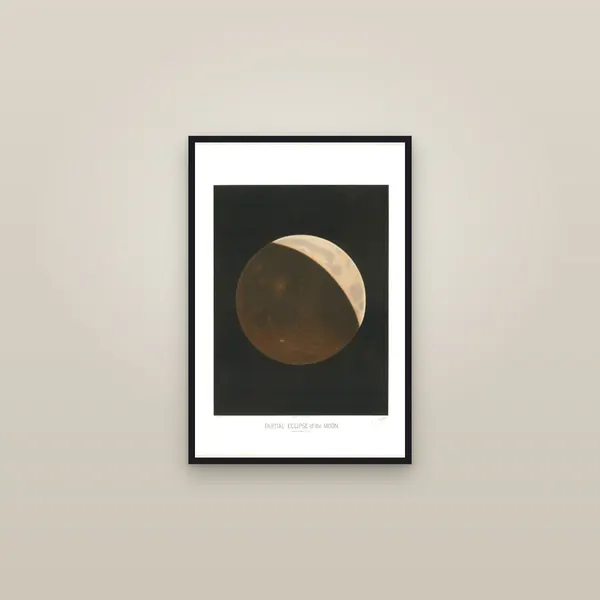
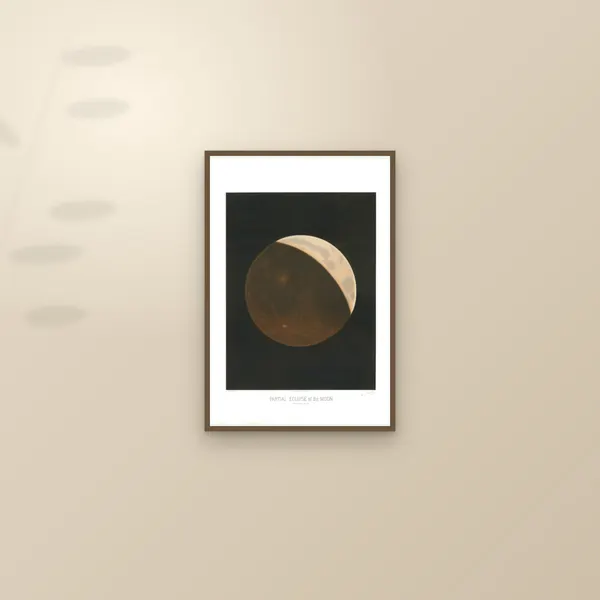
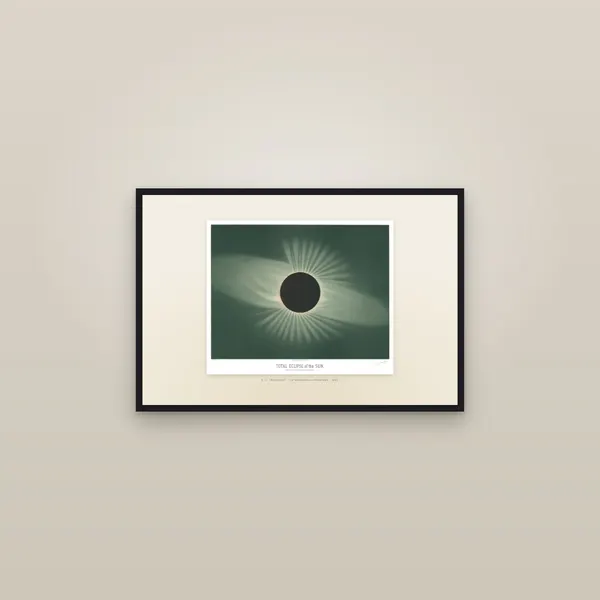
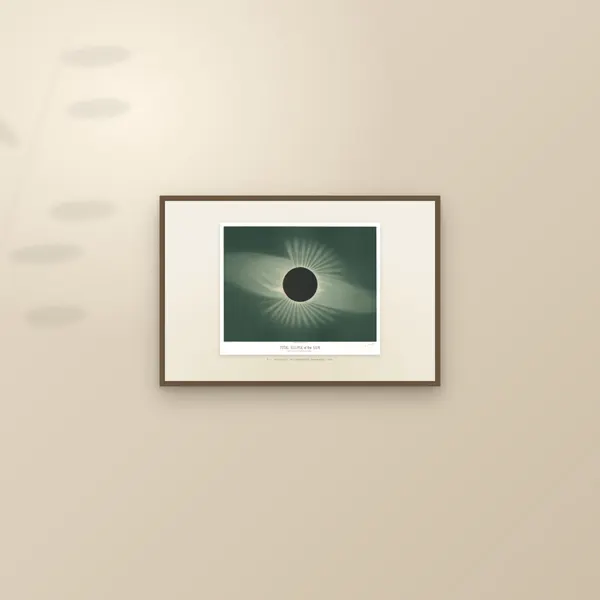
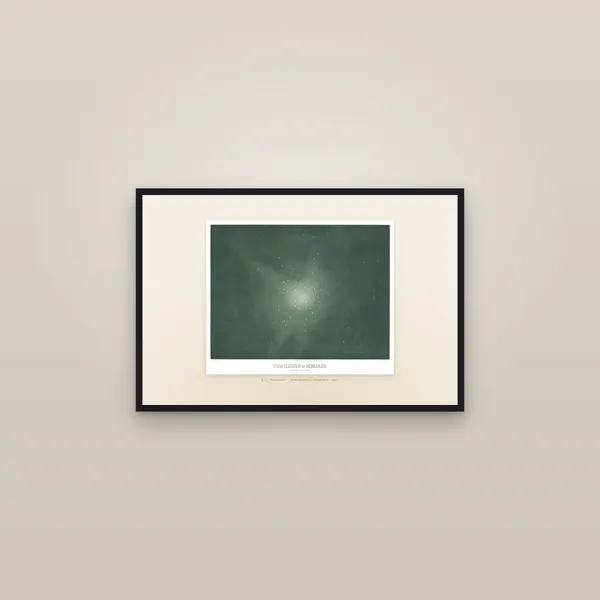
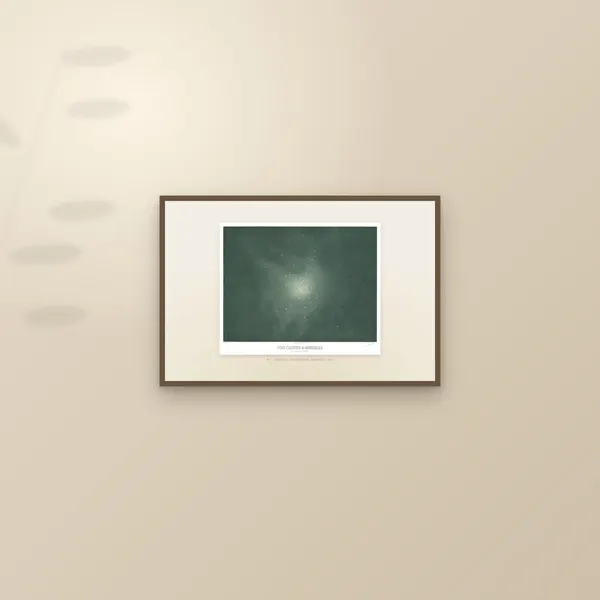
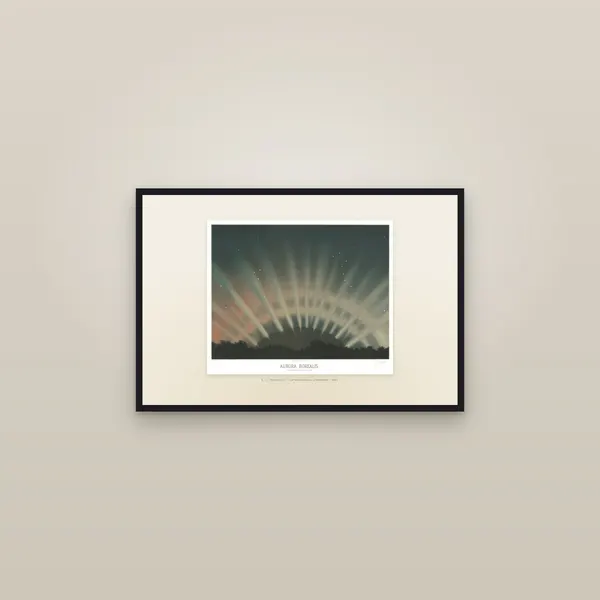
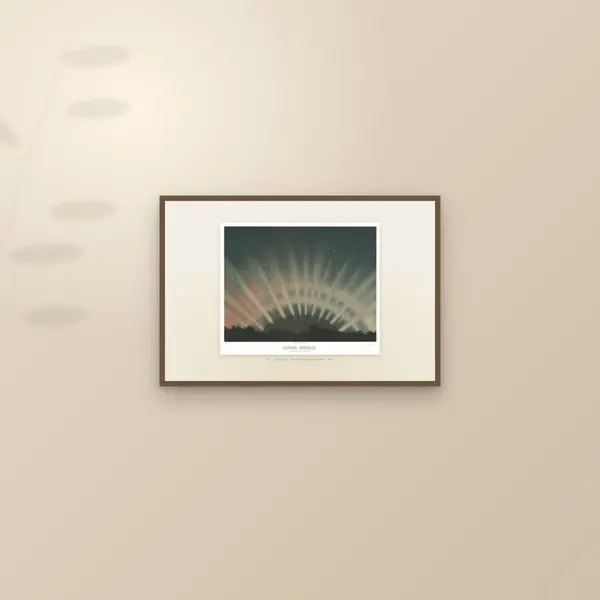
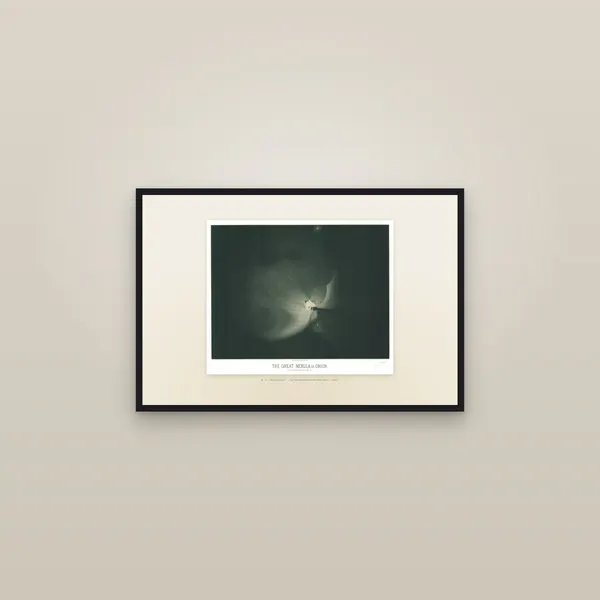
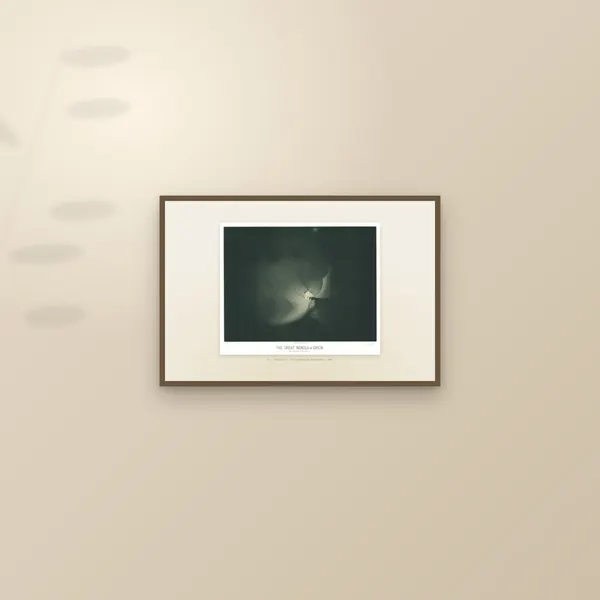
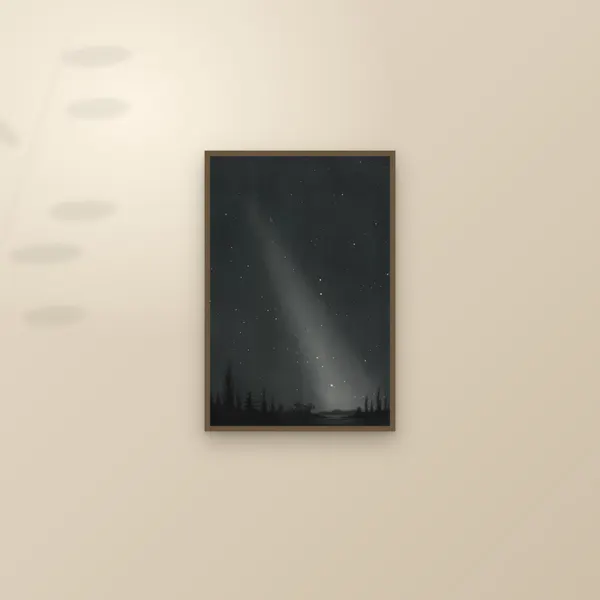
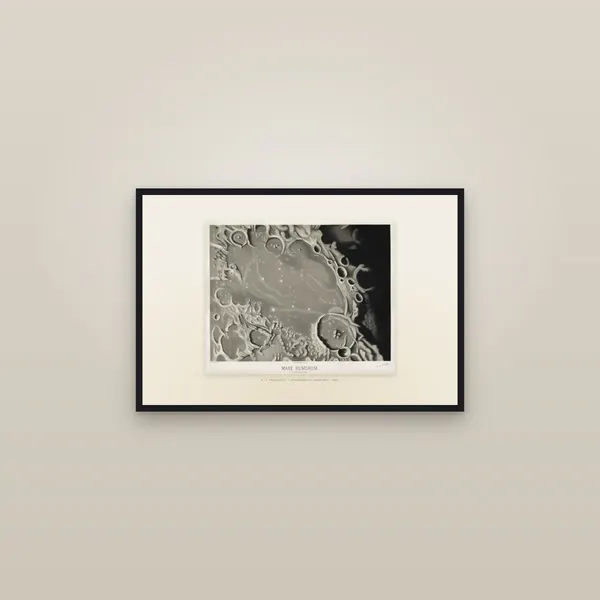
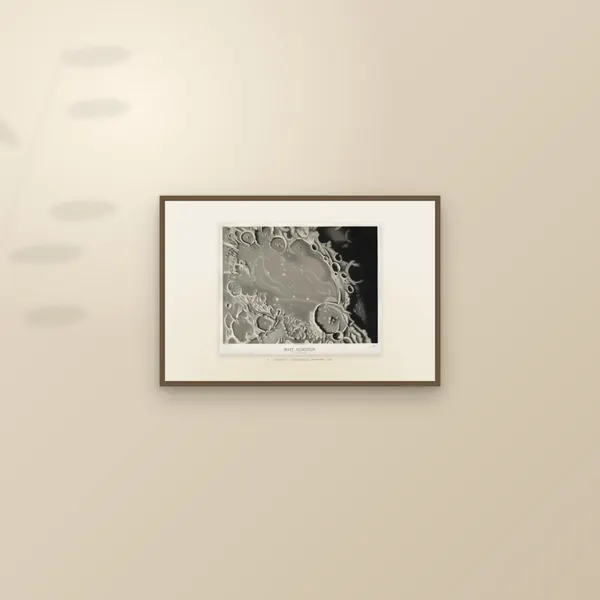
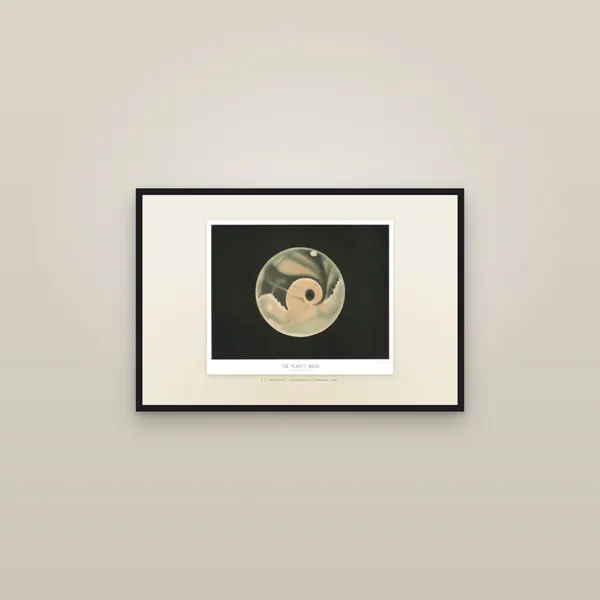
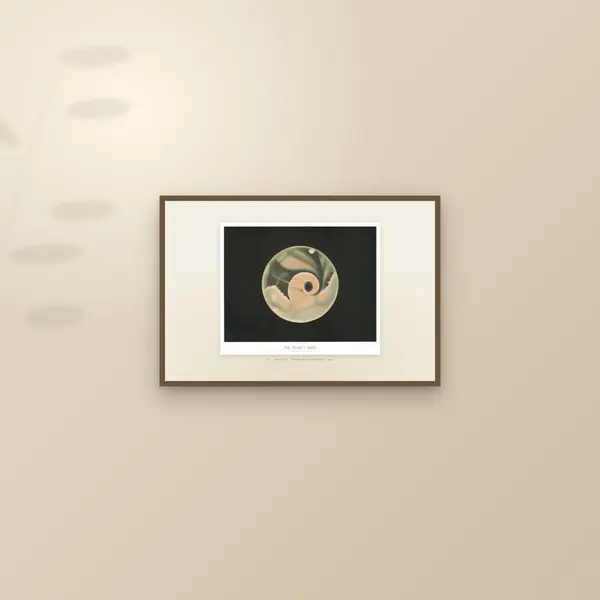
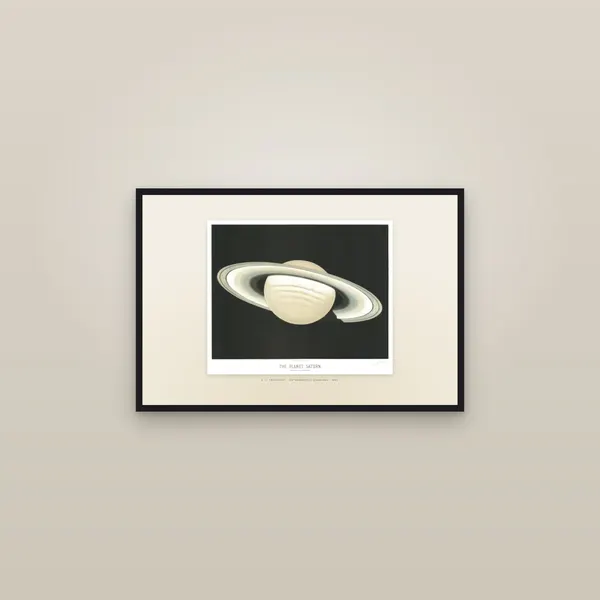
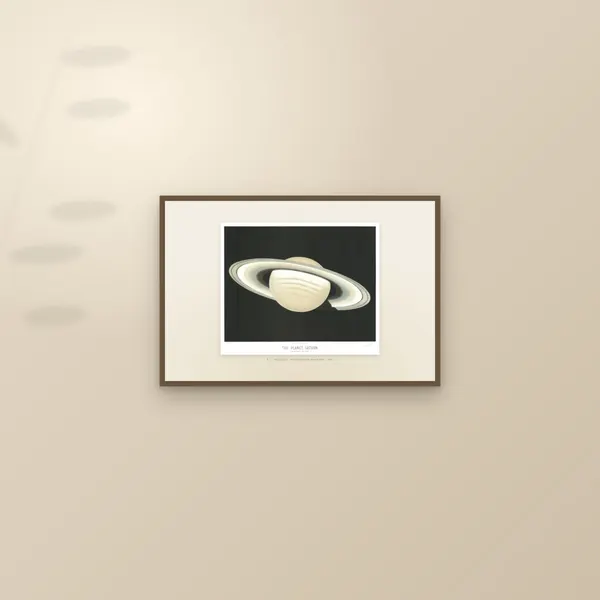
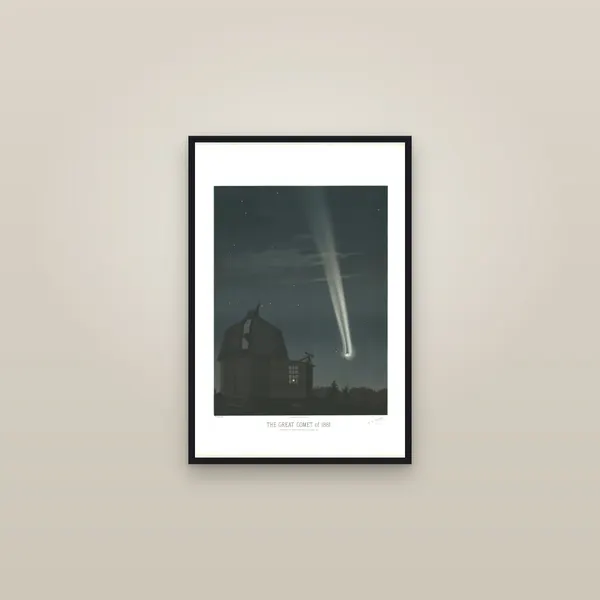
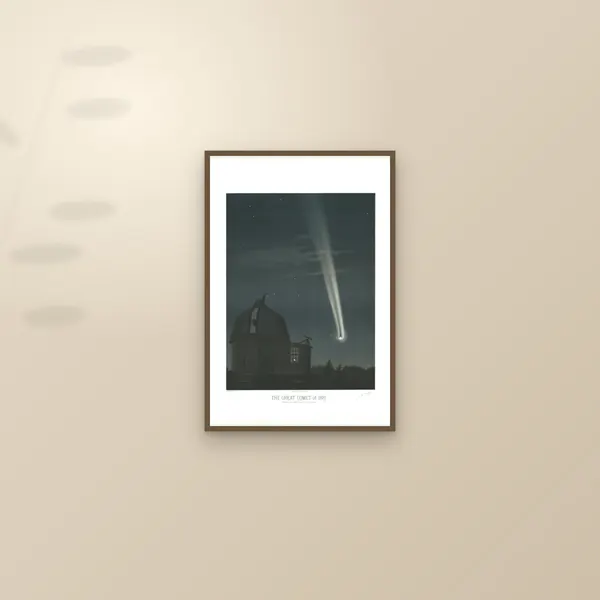
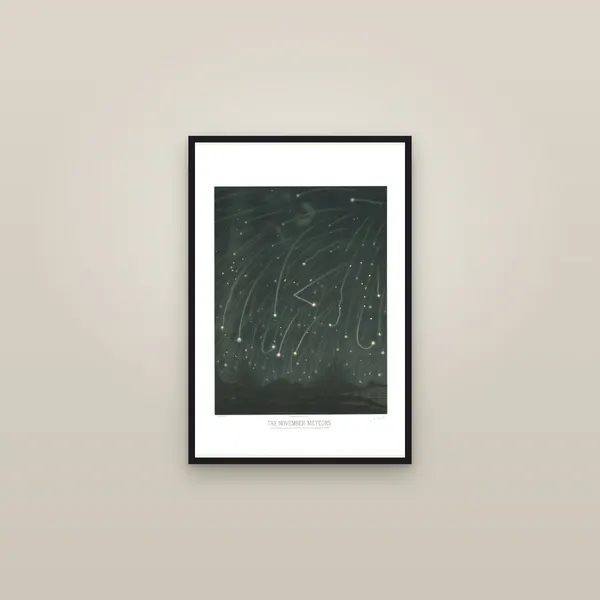
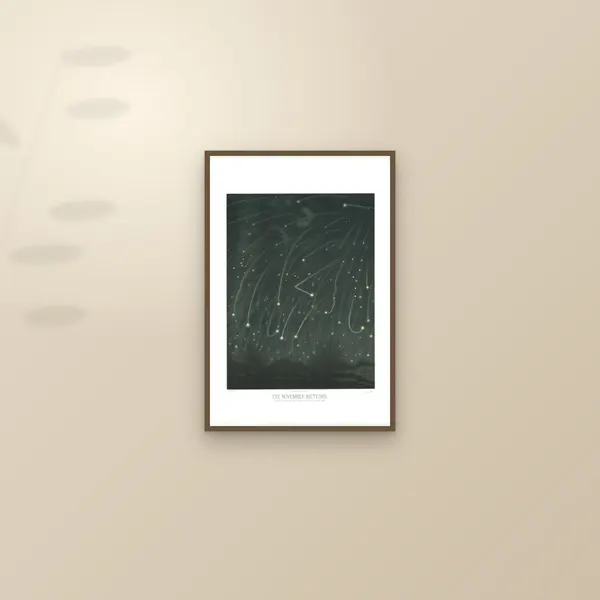
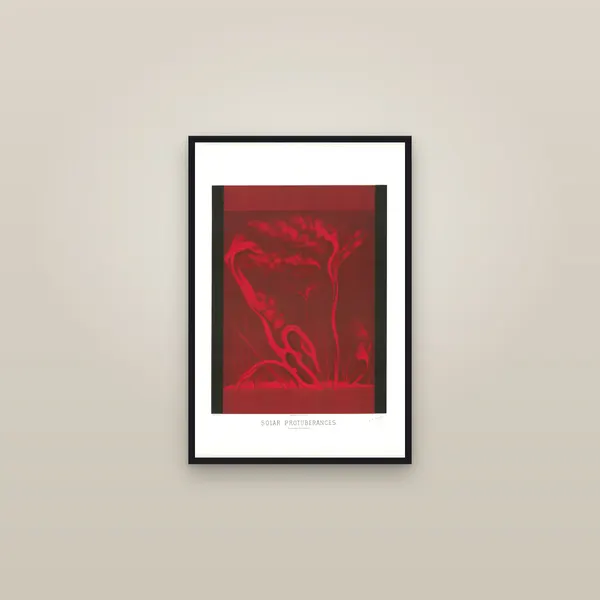
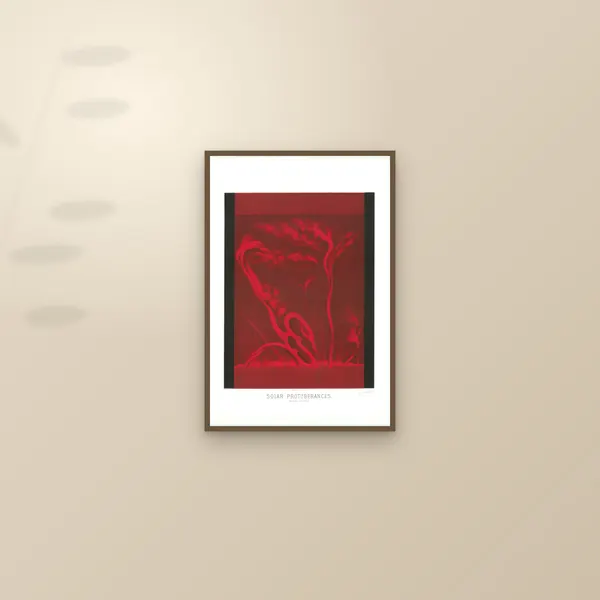
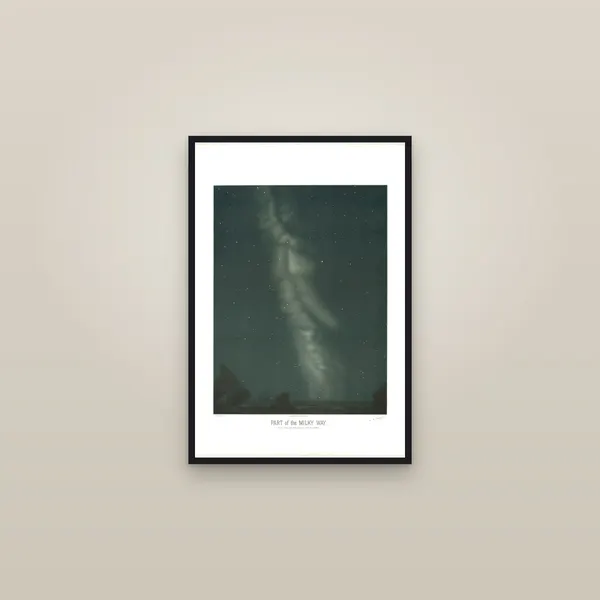
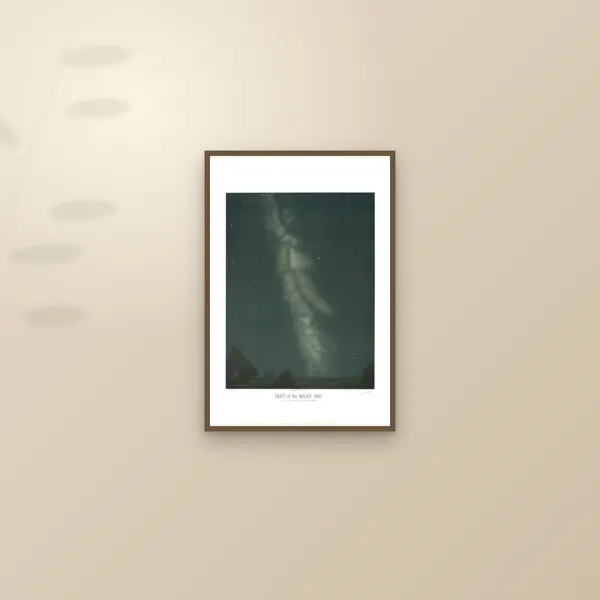
Étienne Léopold Trouvelot drew at the Harvard College Observatory and the U.S. Naval Observatory through the 1870s, and in 1881–82 Scribner's published fifteen of his pastels as colour plates, the Astronomical Drawings. They are the planets, the Sun and the sky as a trained eye saw them through a great refractor before photography could record them: Mars, Jupiter and Saturn, the great nebula in Orion, the star cluster in Hercules, the Milky Way, sunspots and solar prominences, a total eclipse of the Sun and a partial eclipse of the Moon, the zodiacal light, the November meteors, the aurora borealis, the comet of 1881 and the lunar crater field of Mare Humorum. We hold the full set; several also come on gallery-wrapped canvas.
Where celestial prints work
Dark grounds want a quiet wall: the star maps and Trouvelot's night skies sit best in a bedroom, a nursery or a study, over a bed at 24×36 or in a pair at 16×24 either side of a window. Cellarius is warmer, cream and hand-colour, and reads as an antique map in a hallway, a library or a dining room. Keep to one of the three families per wall. All three print on heavyweight matte paper, the restored plates on a 250 gsm off-white archival stock, unframed or framed in black or dark wood with a plexiglass front and no mat; the in-house star maps also come on gallery-wrapped canvas.
- Trouvelot, the astronomer who let loose the spongy moth · Étienne Léopold Trouvelot drew the planets and comets for Harvard and Scribner's. In Medford he also let a European moth escape. Both stories, from the record.
ReadTrouvelot’s Astronomical Drawings: all 15 plates, with the date of each observation