Albertus Seba Prints
1665–1736 · Dutch (German-born) · Natural-history illustration
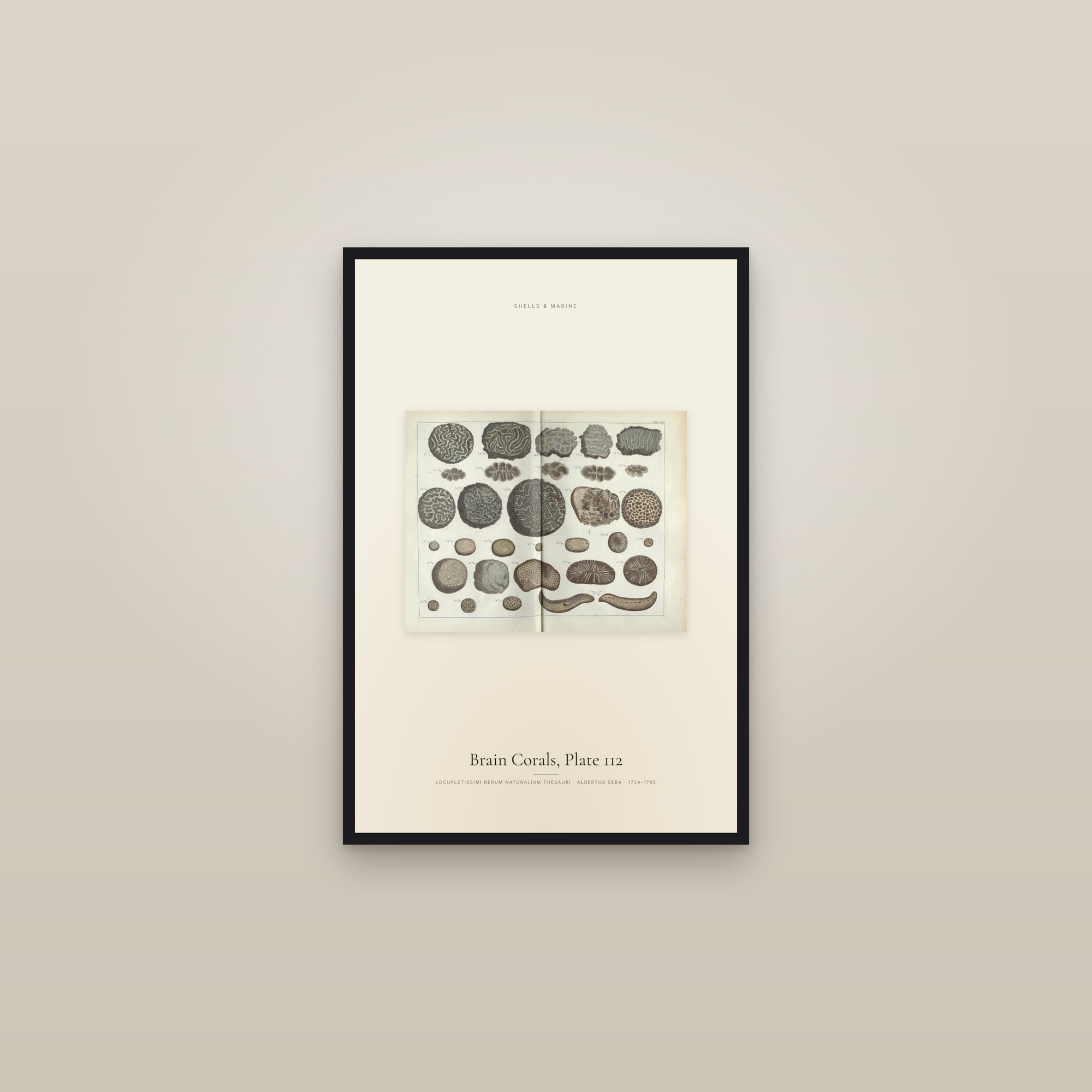
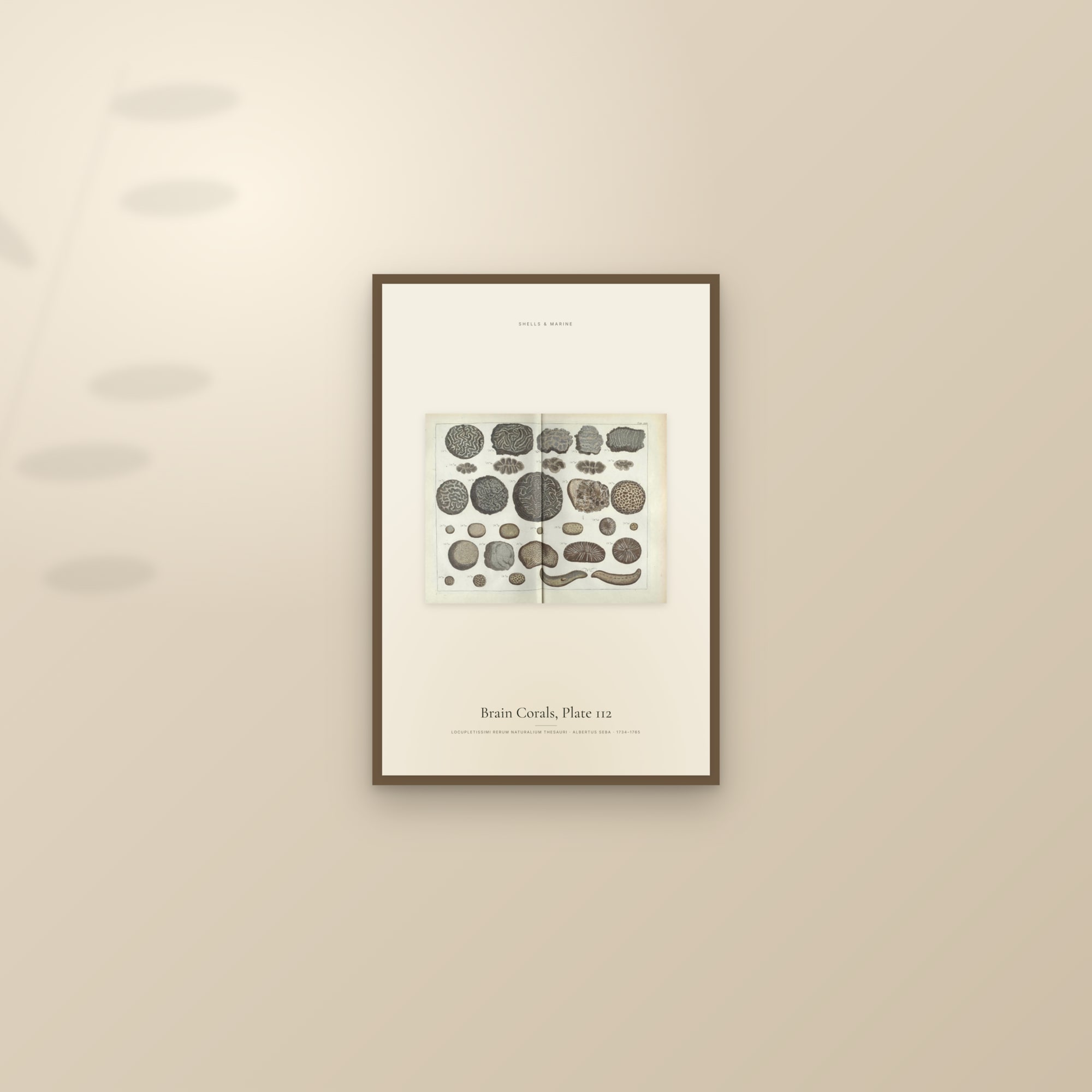
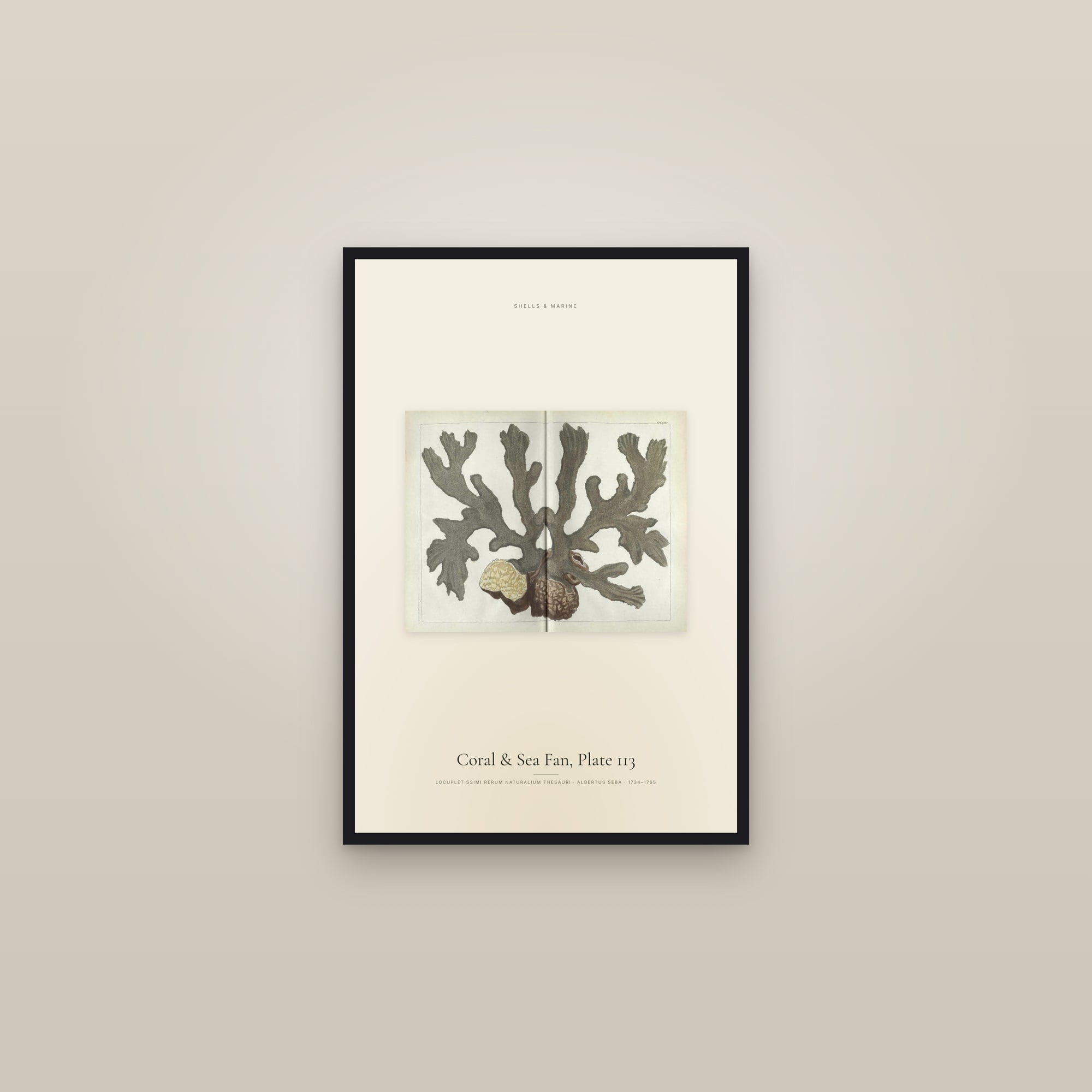
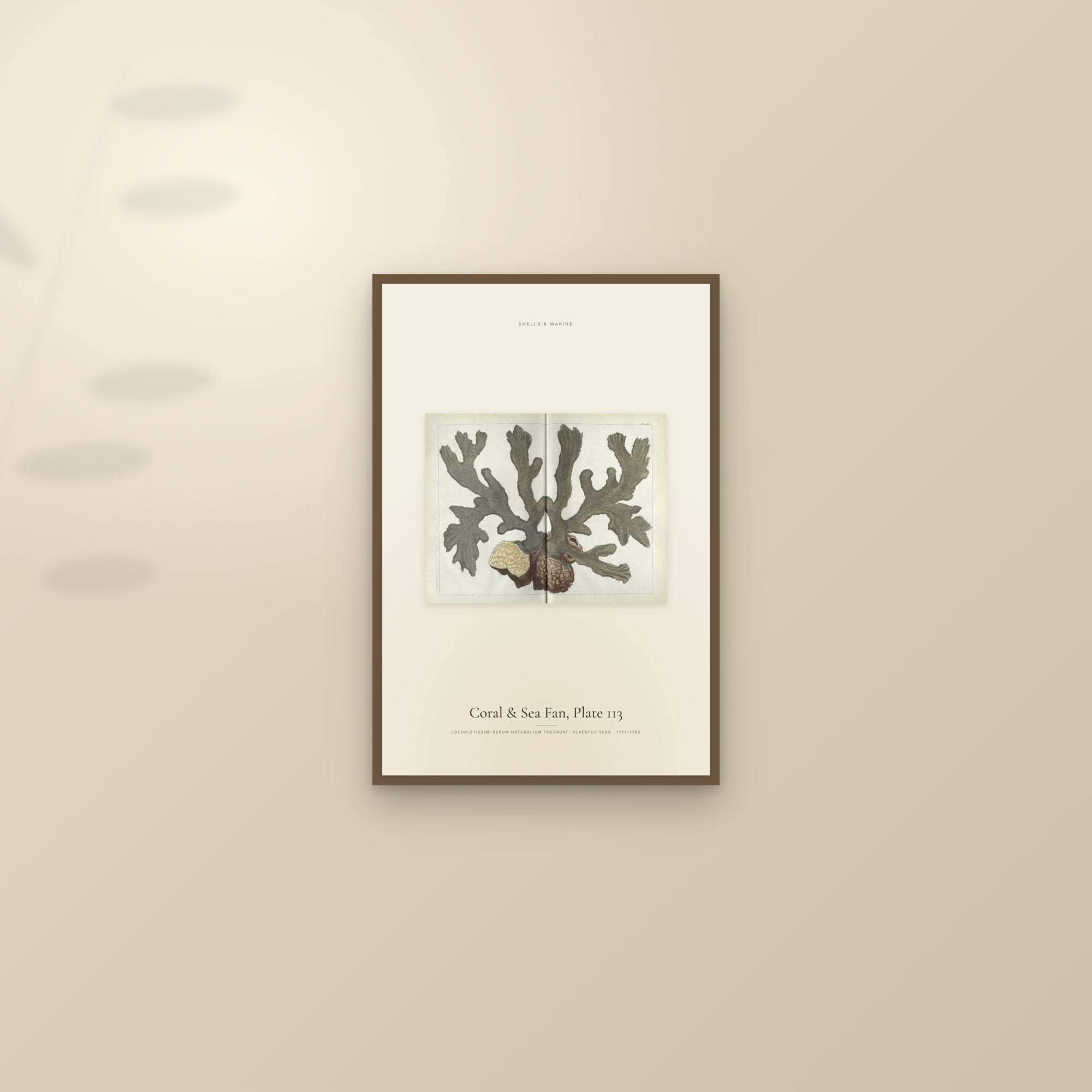
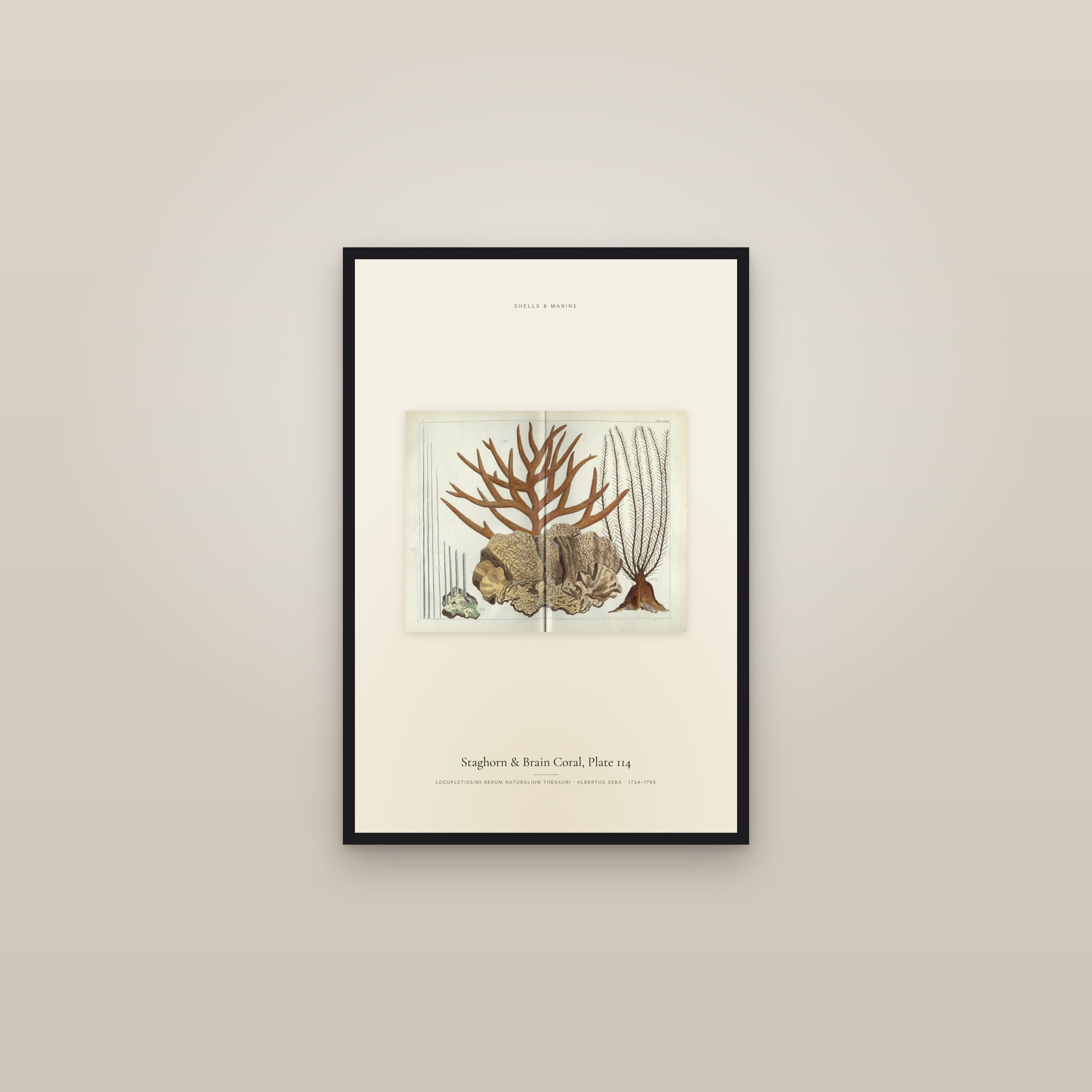
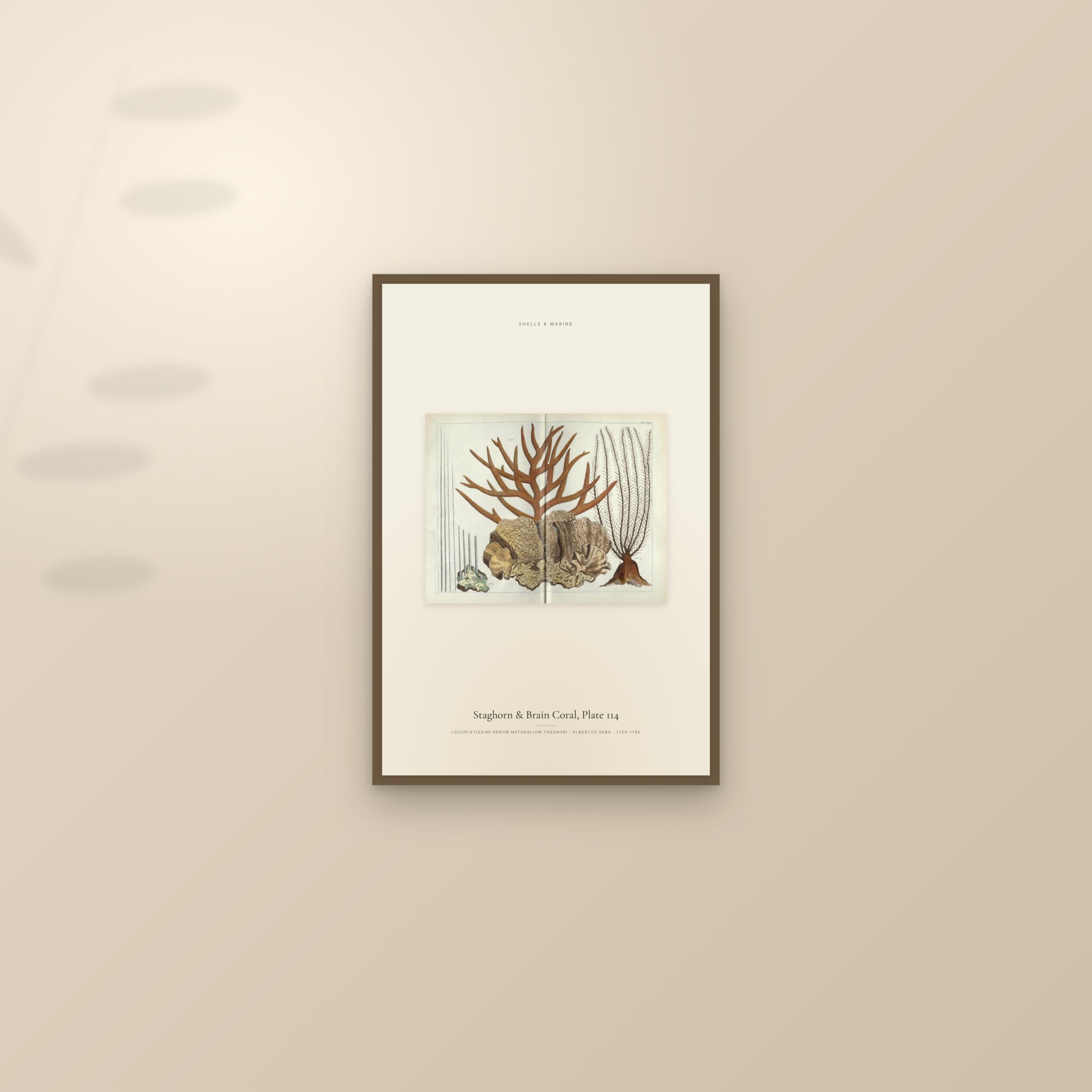
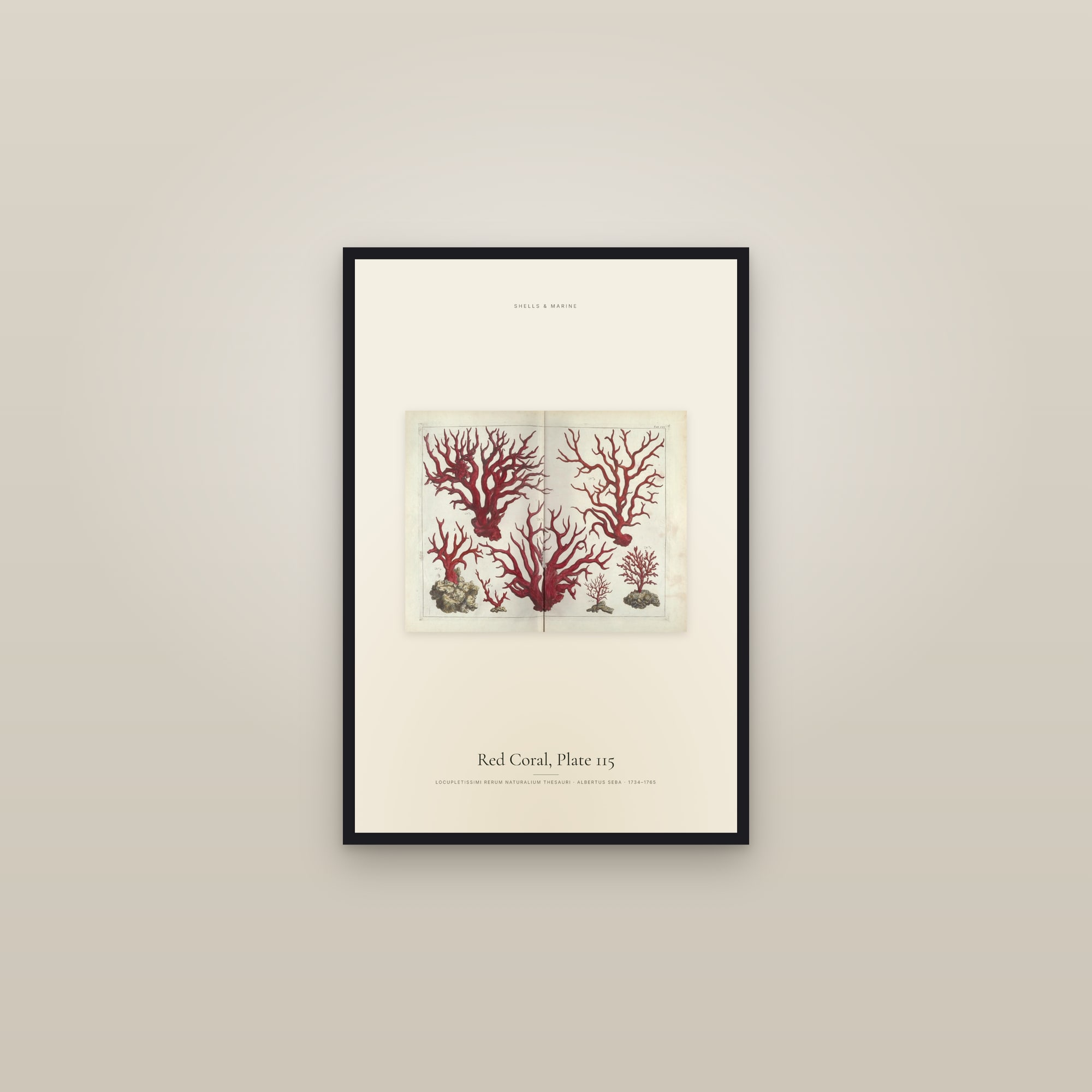
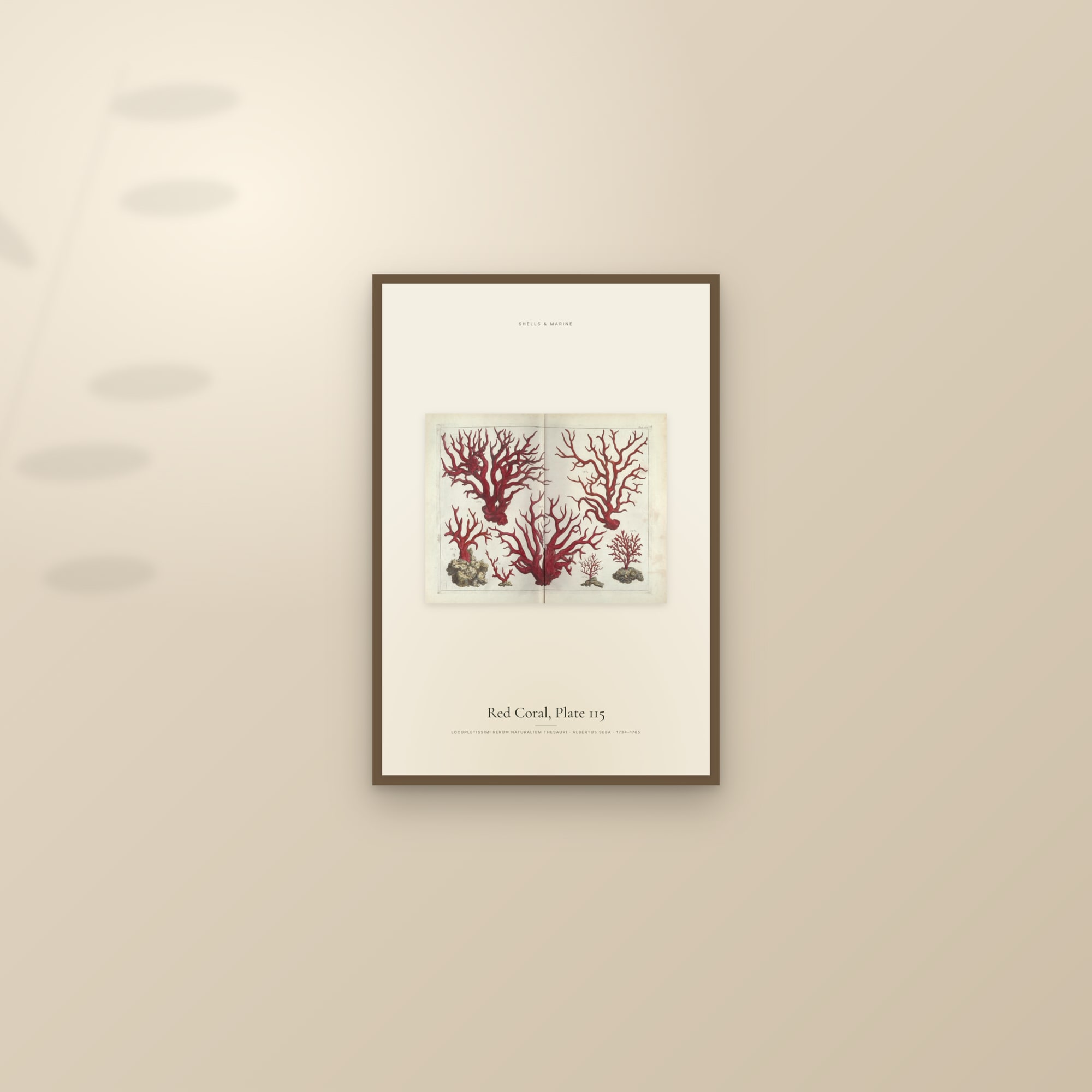
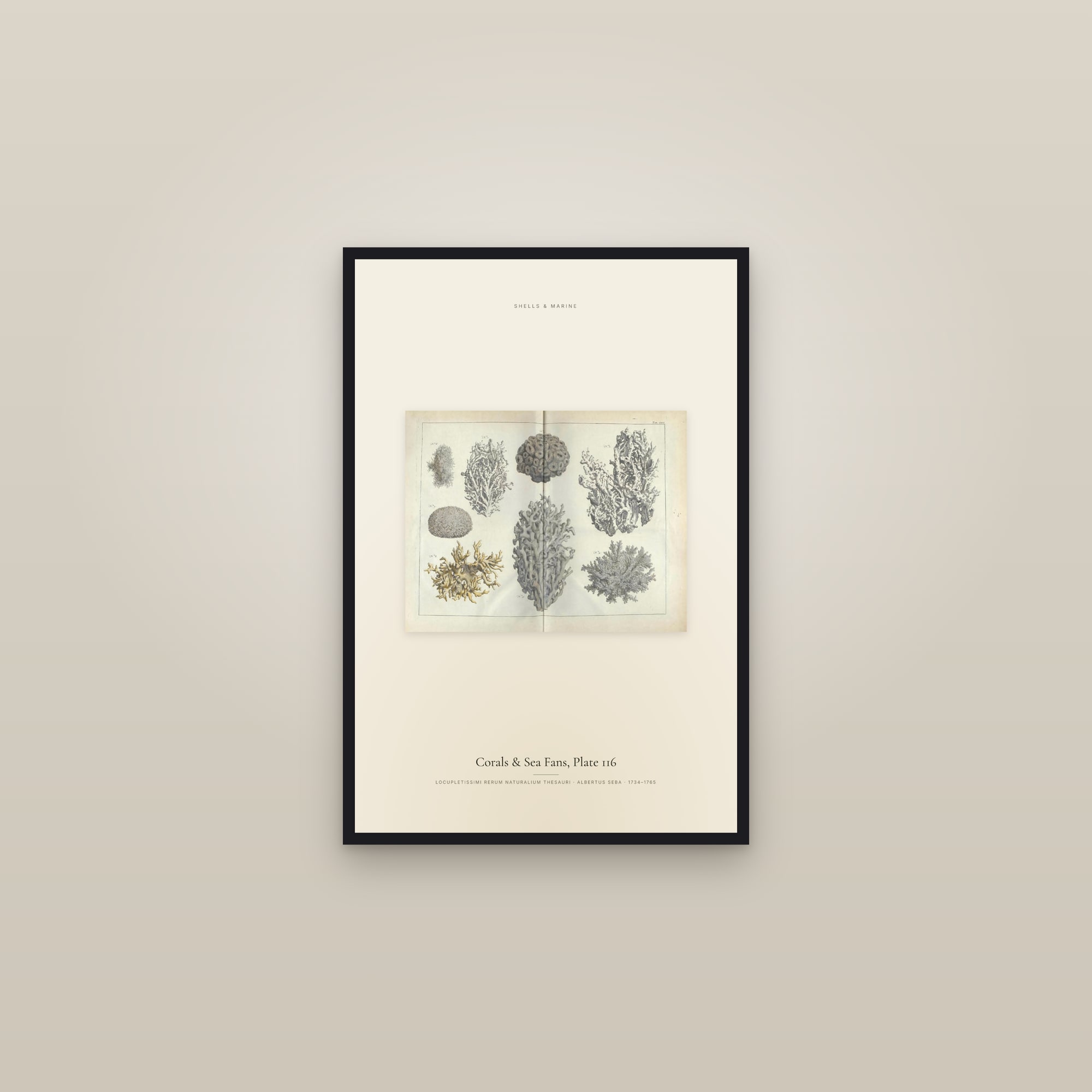
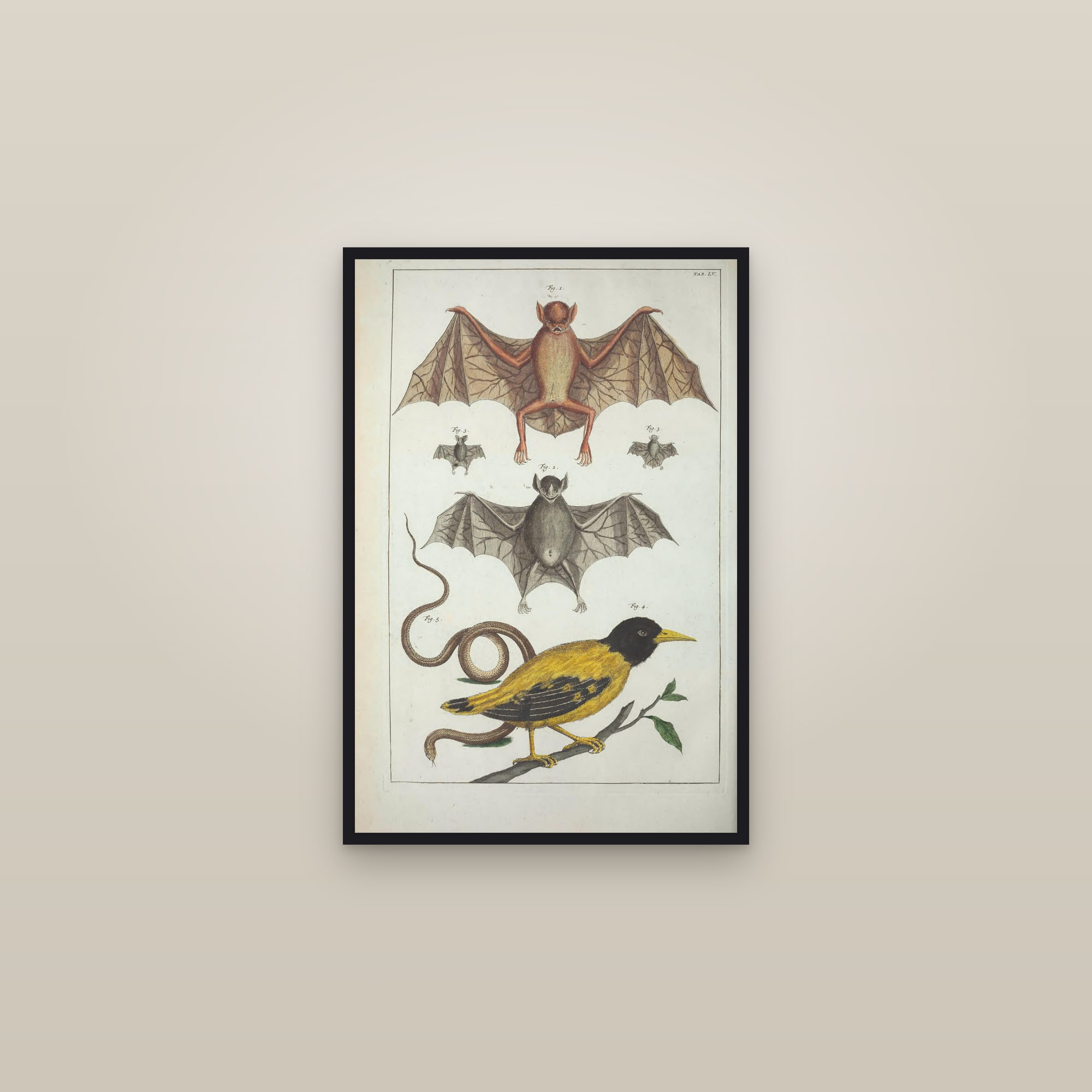
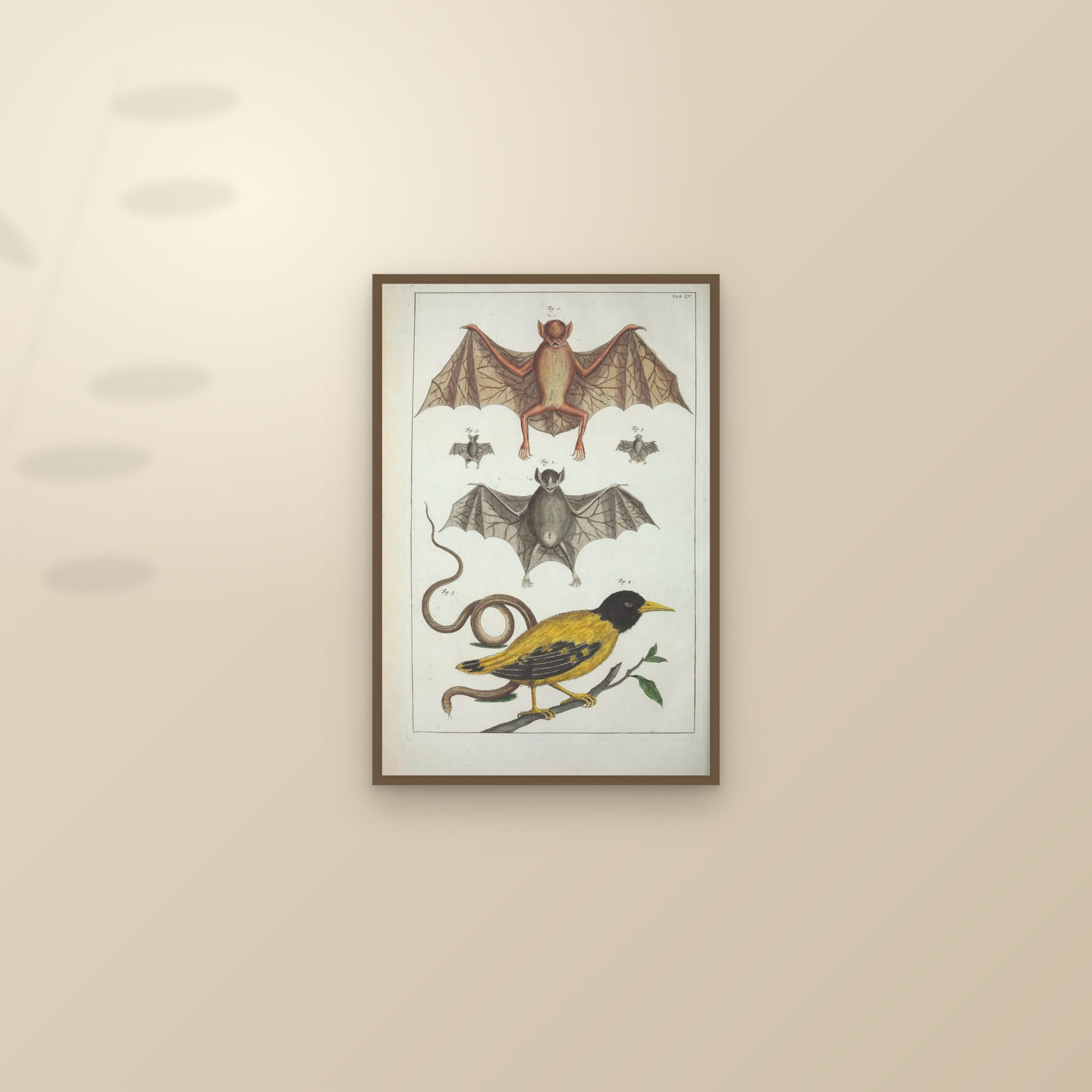
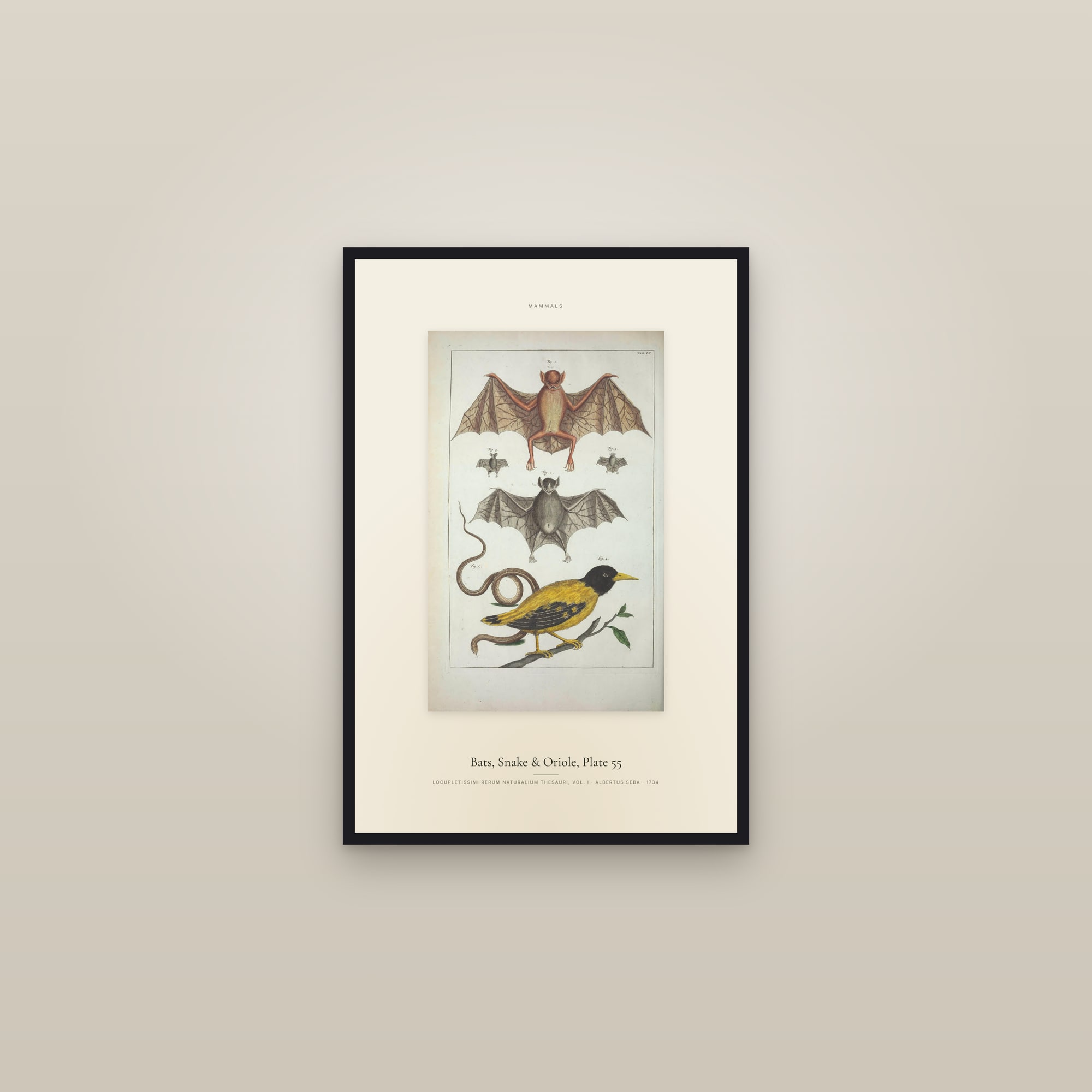
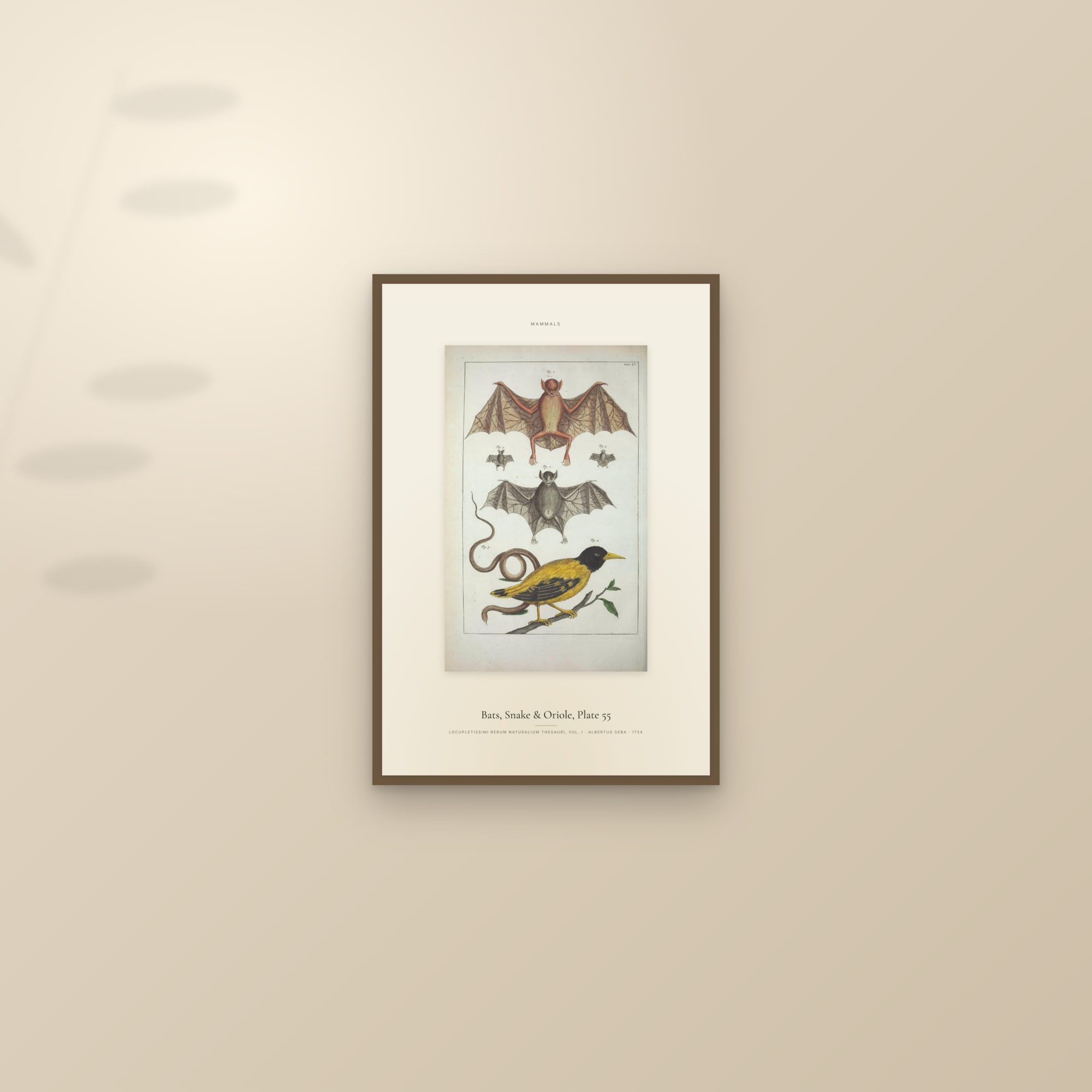
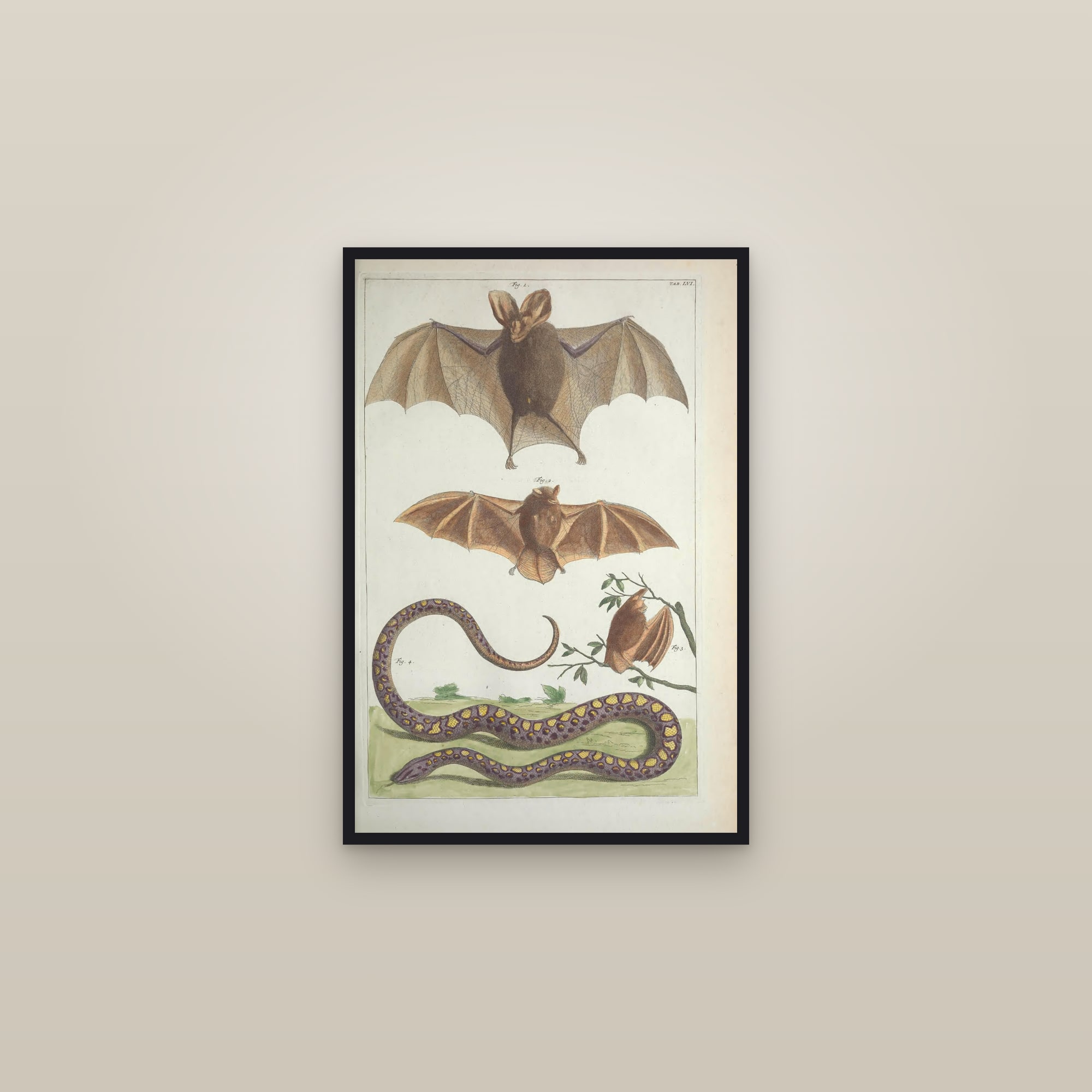
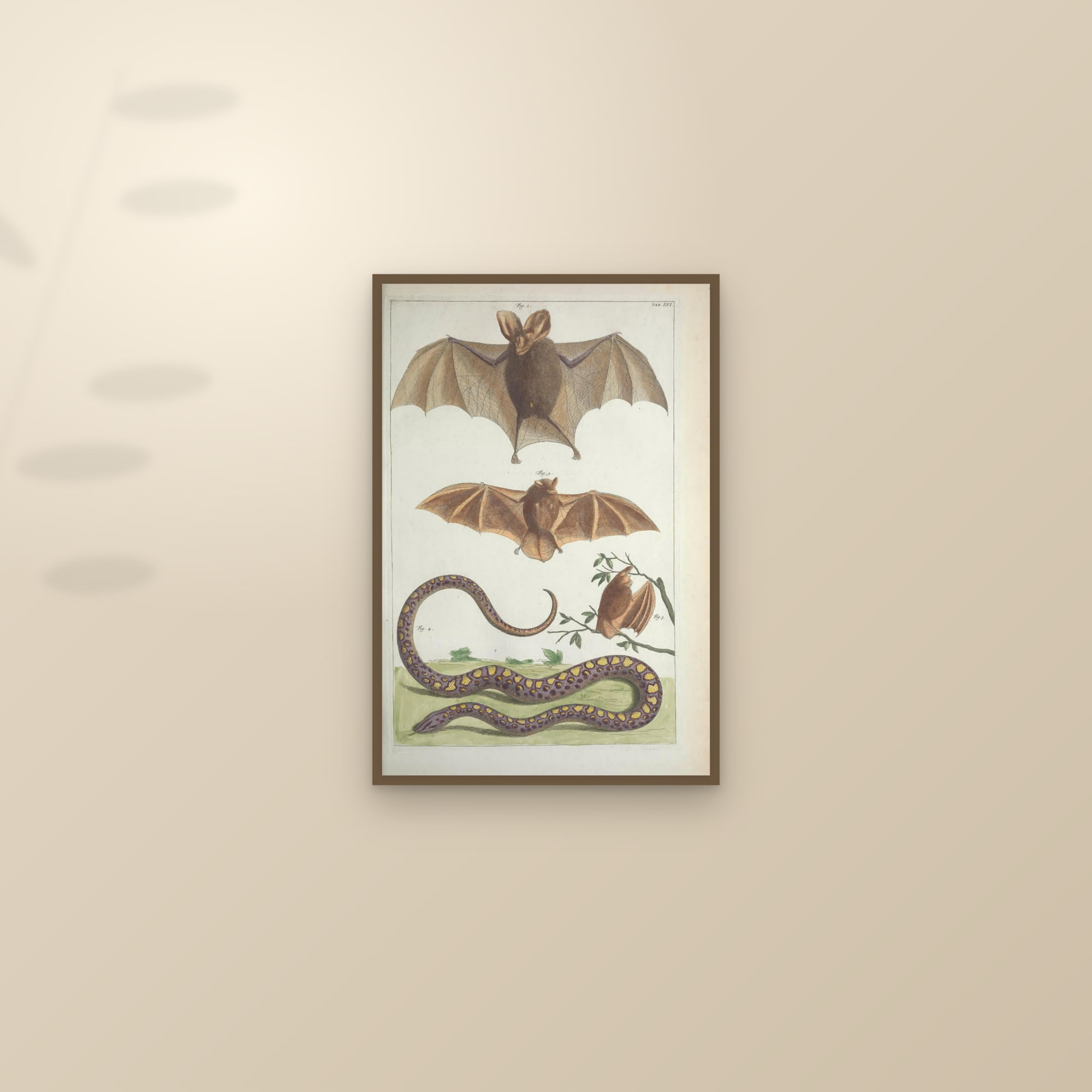
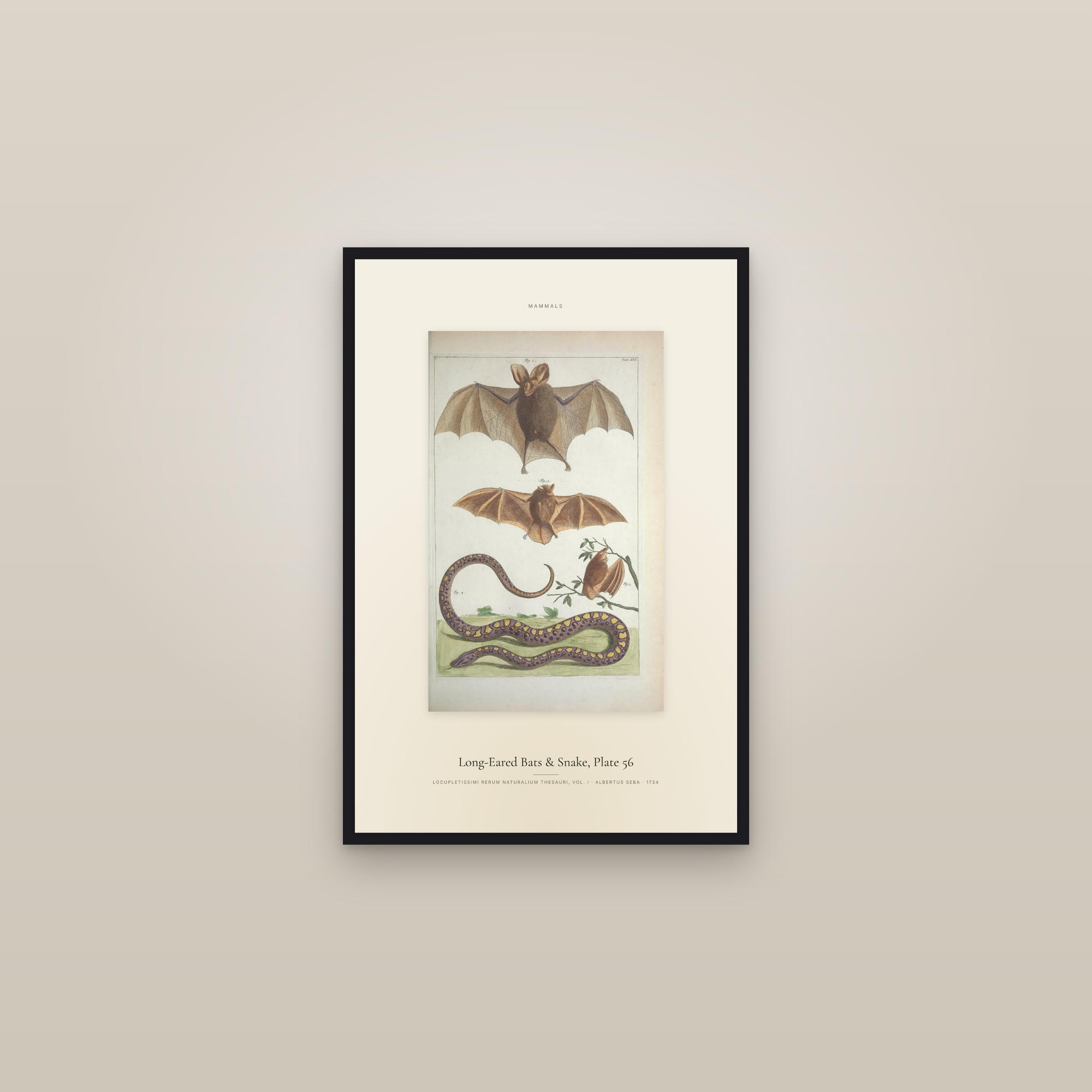
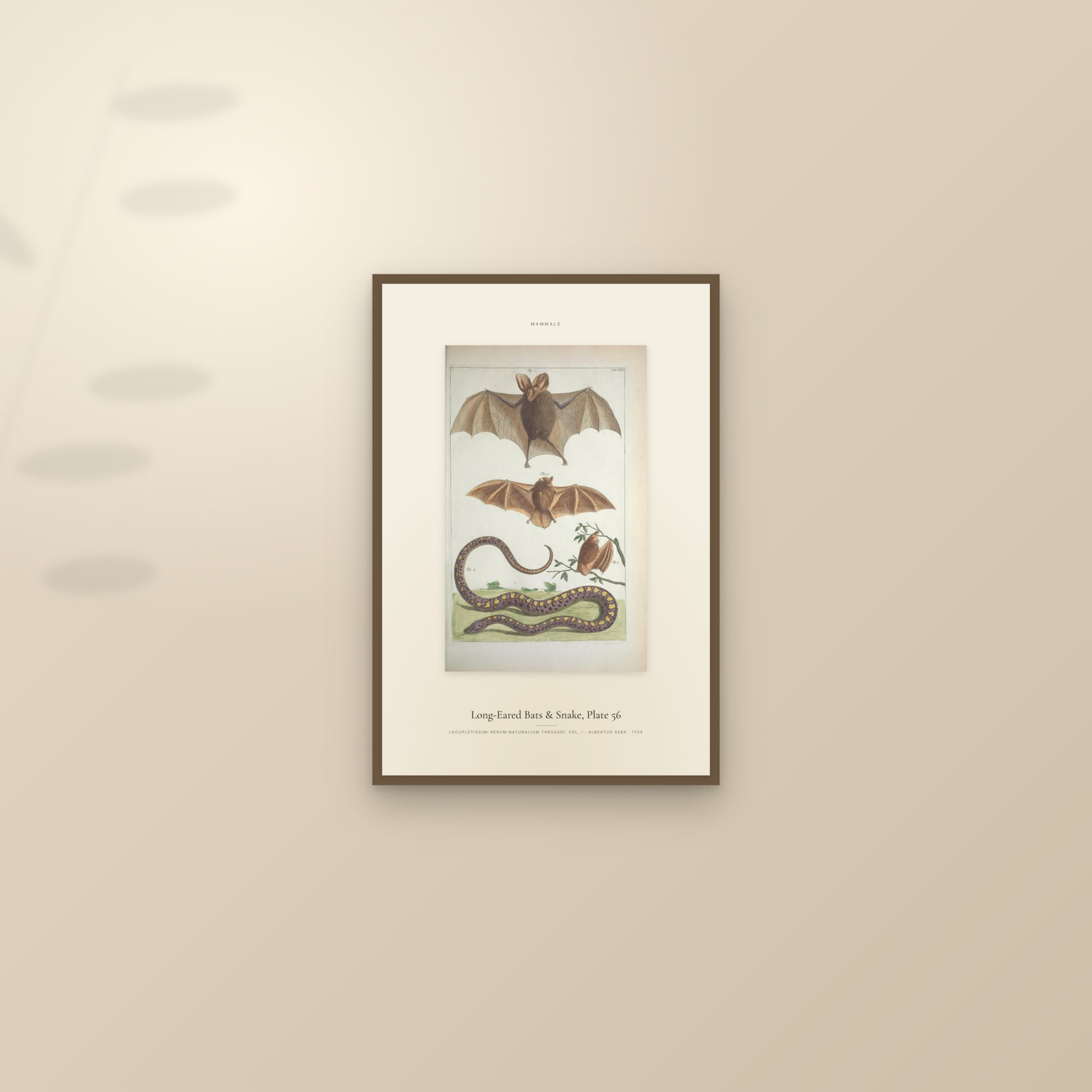
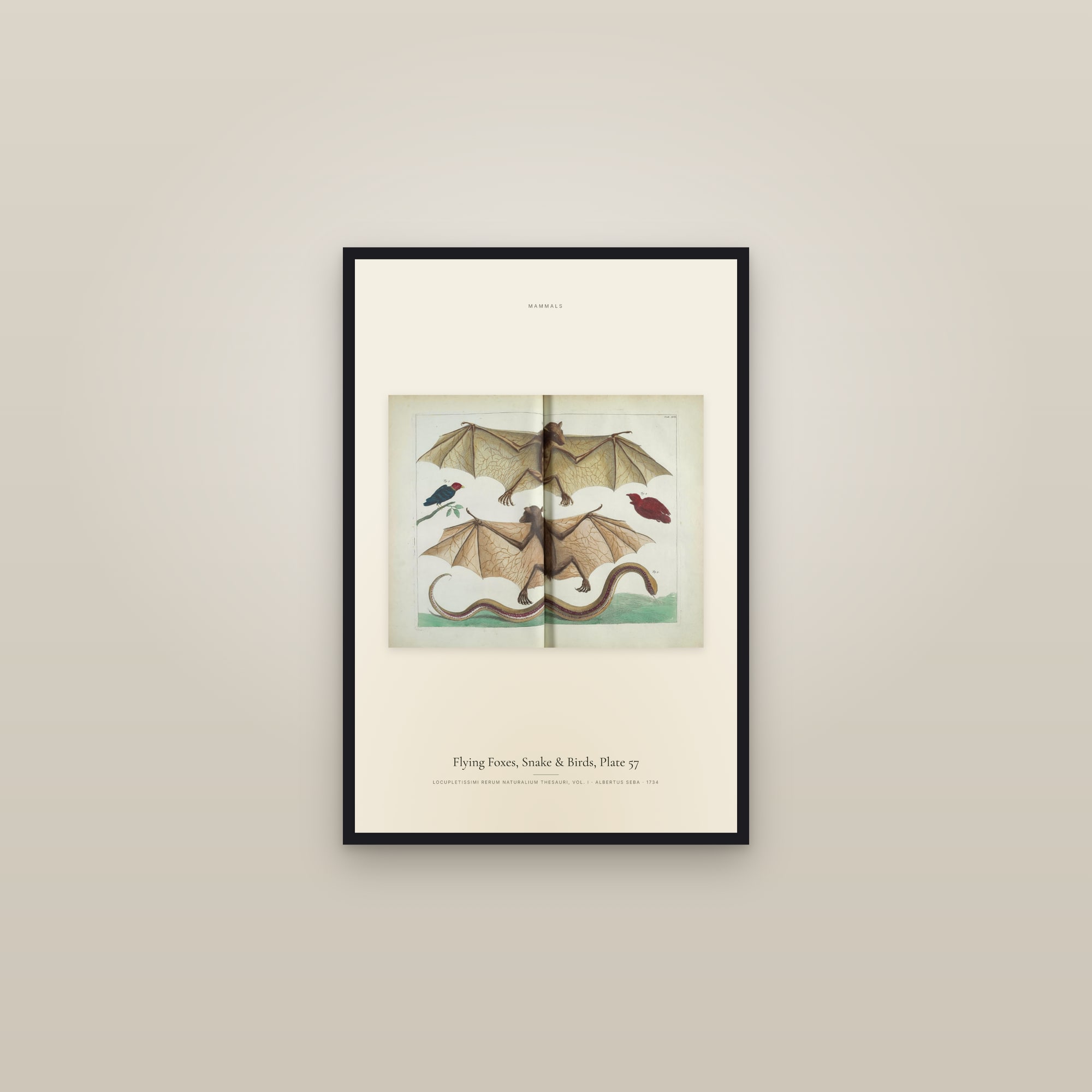
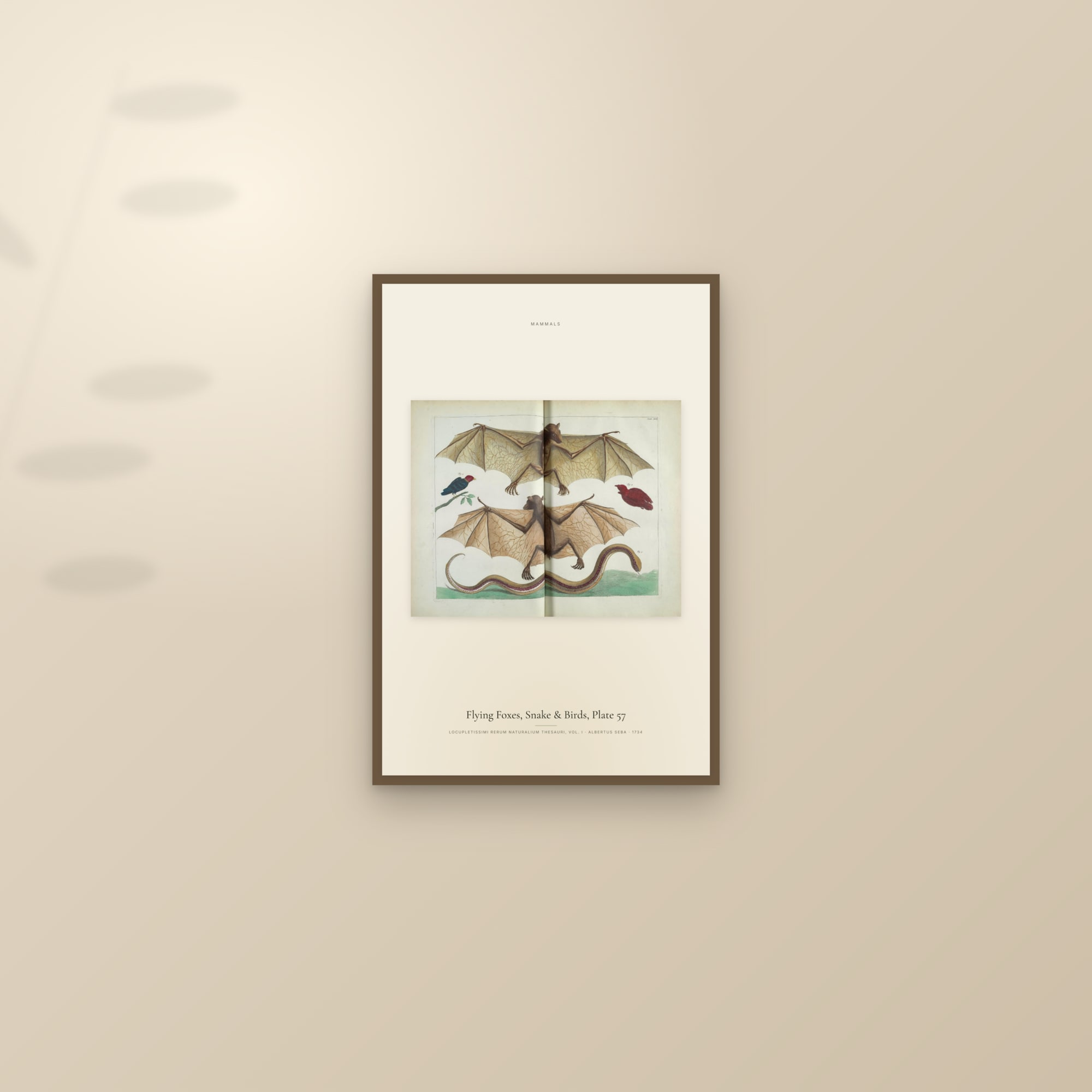
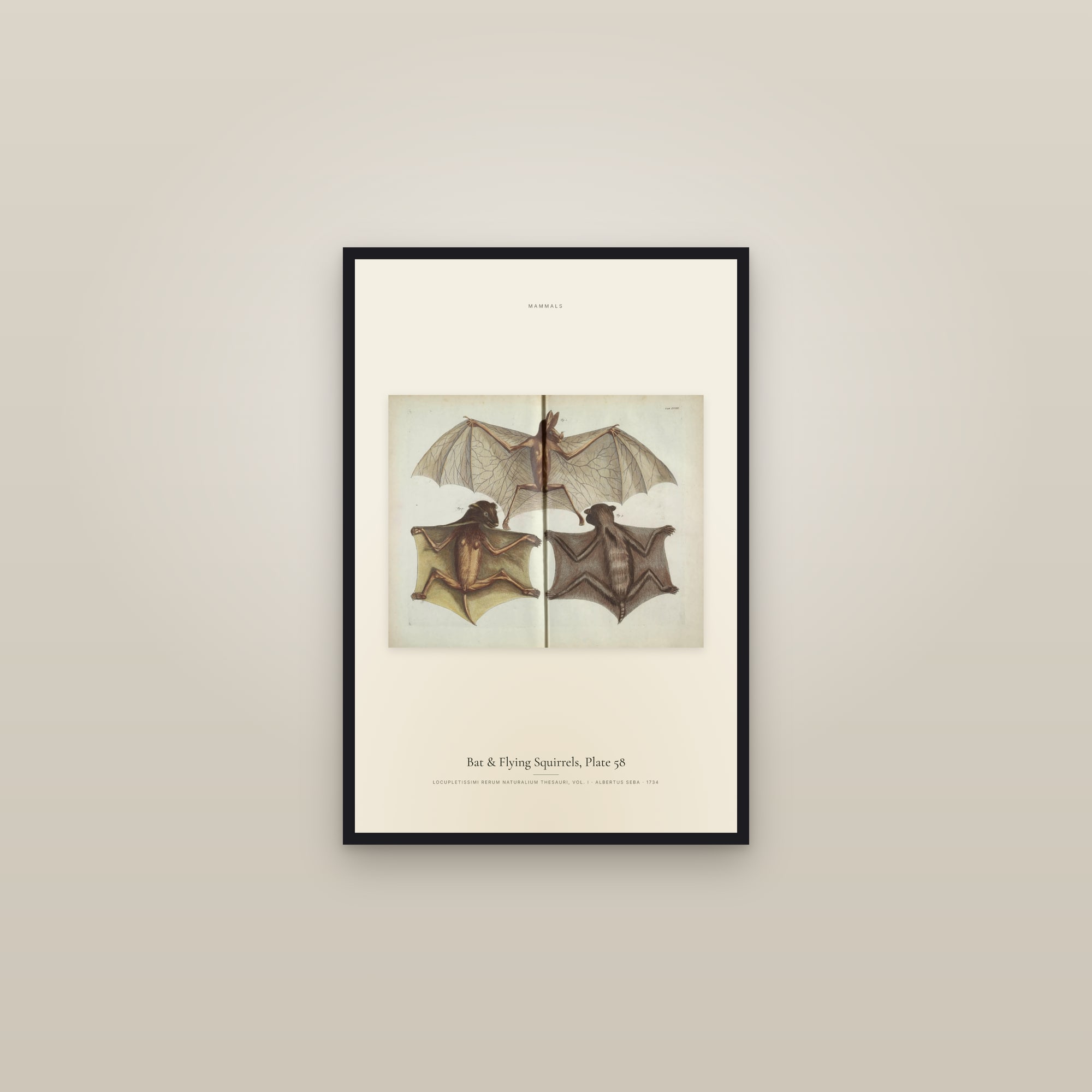
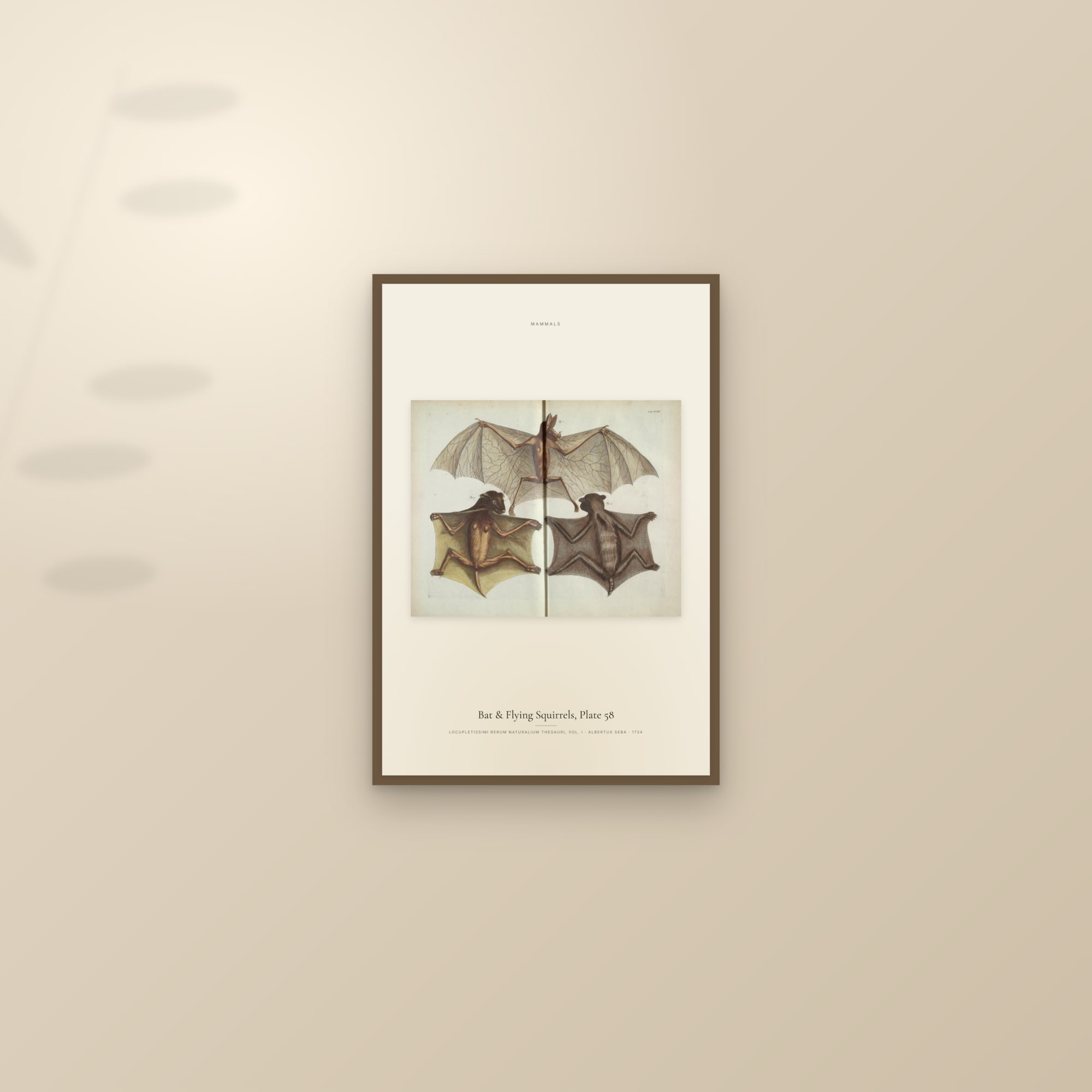
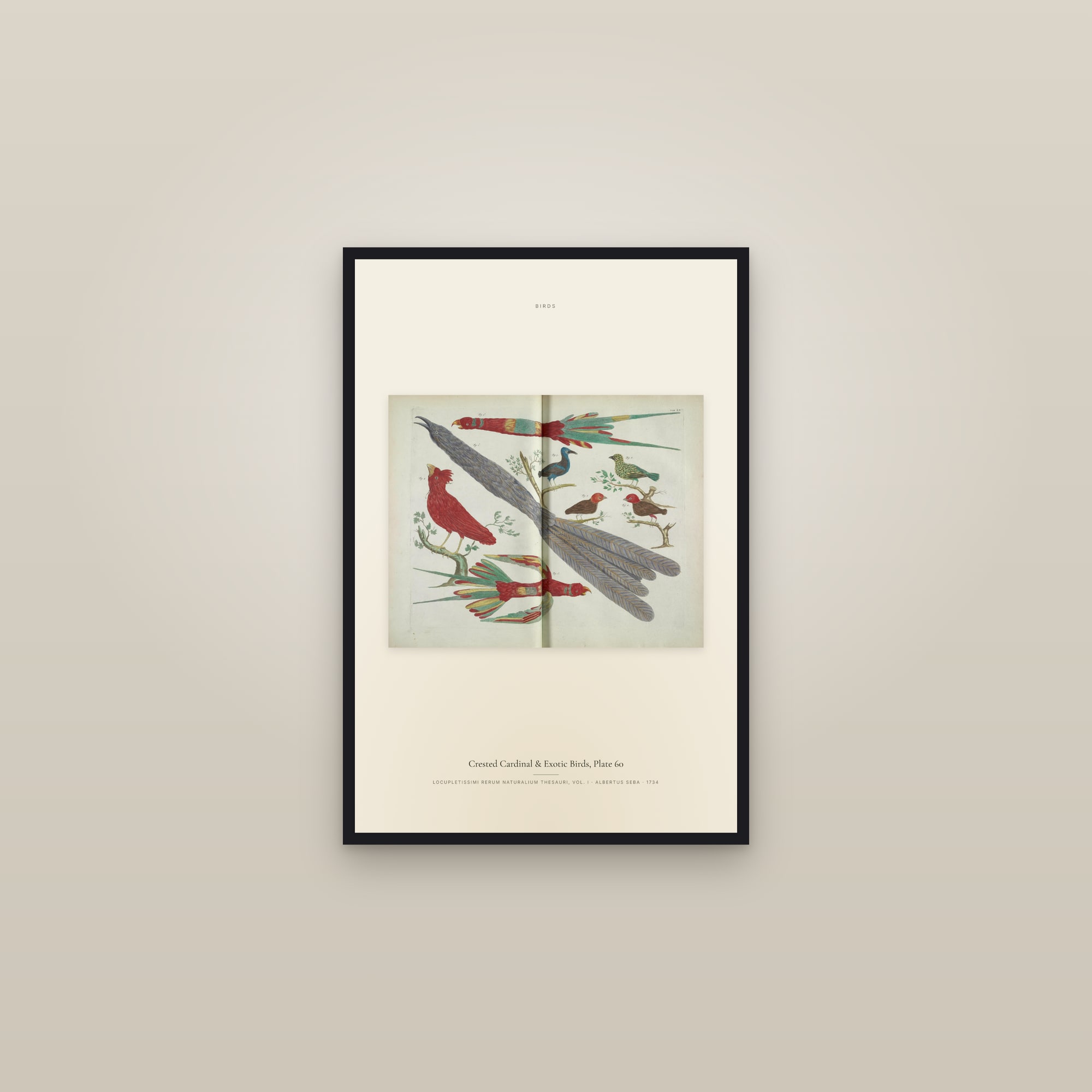
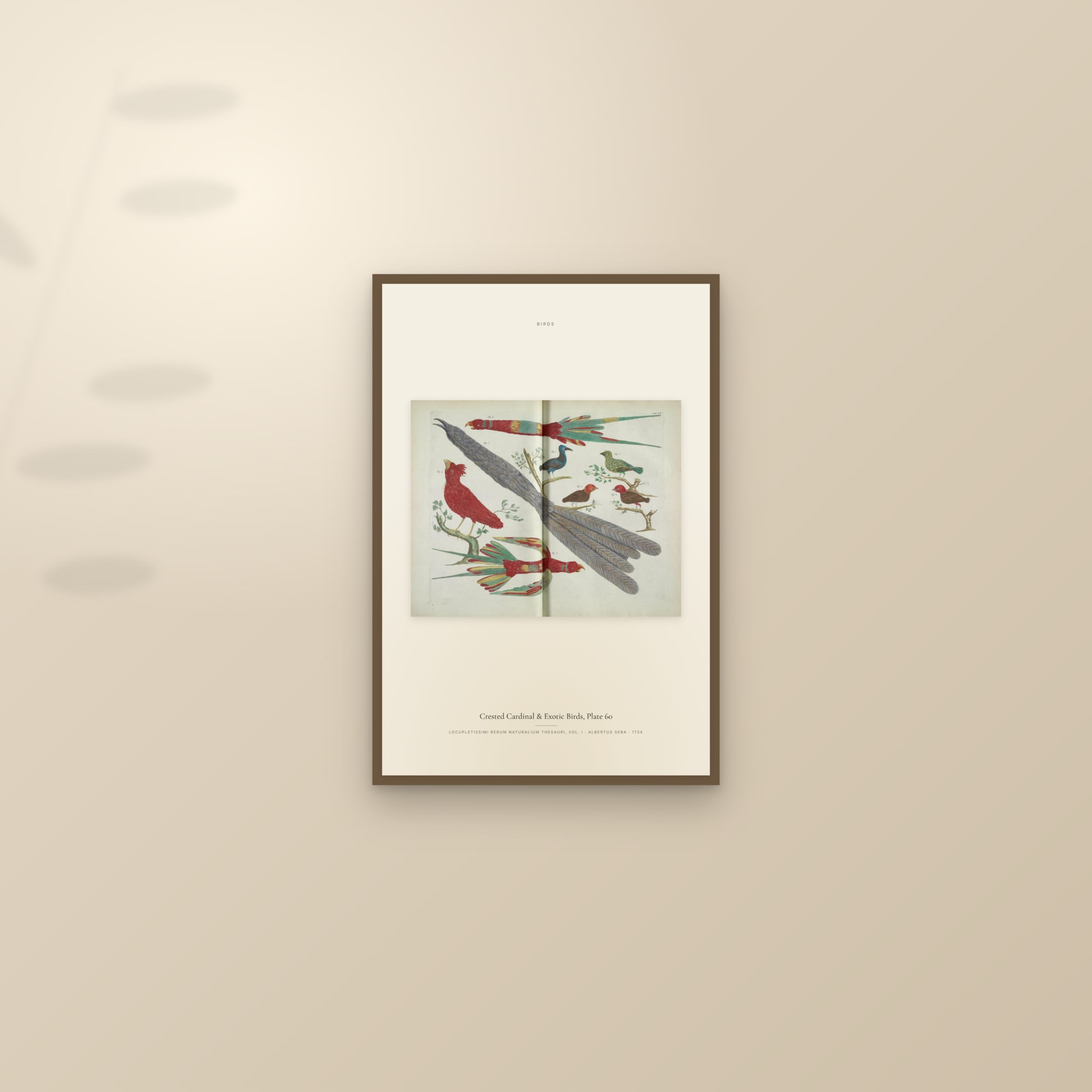
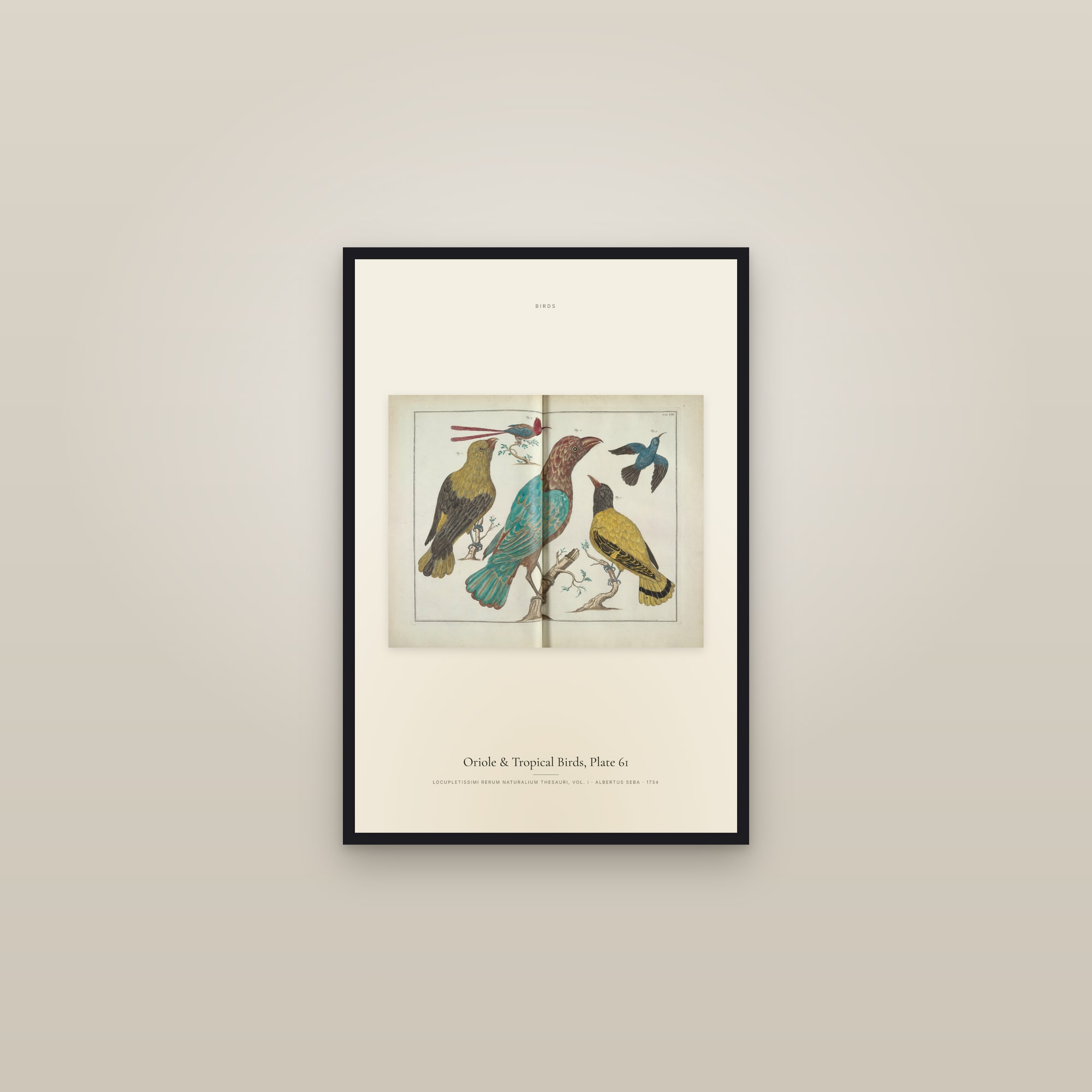
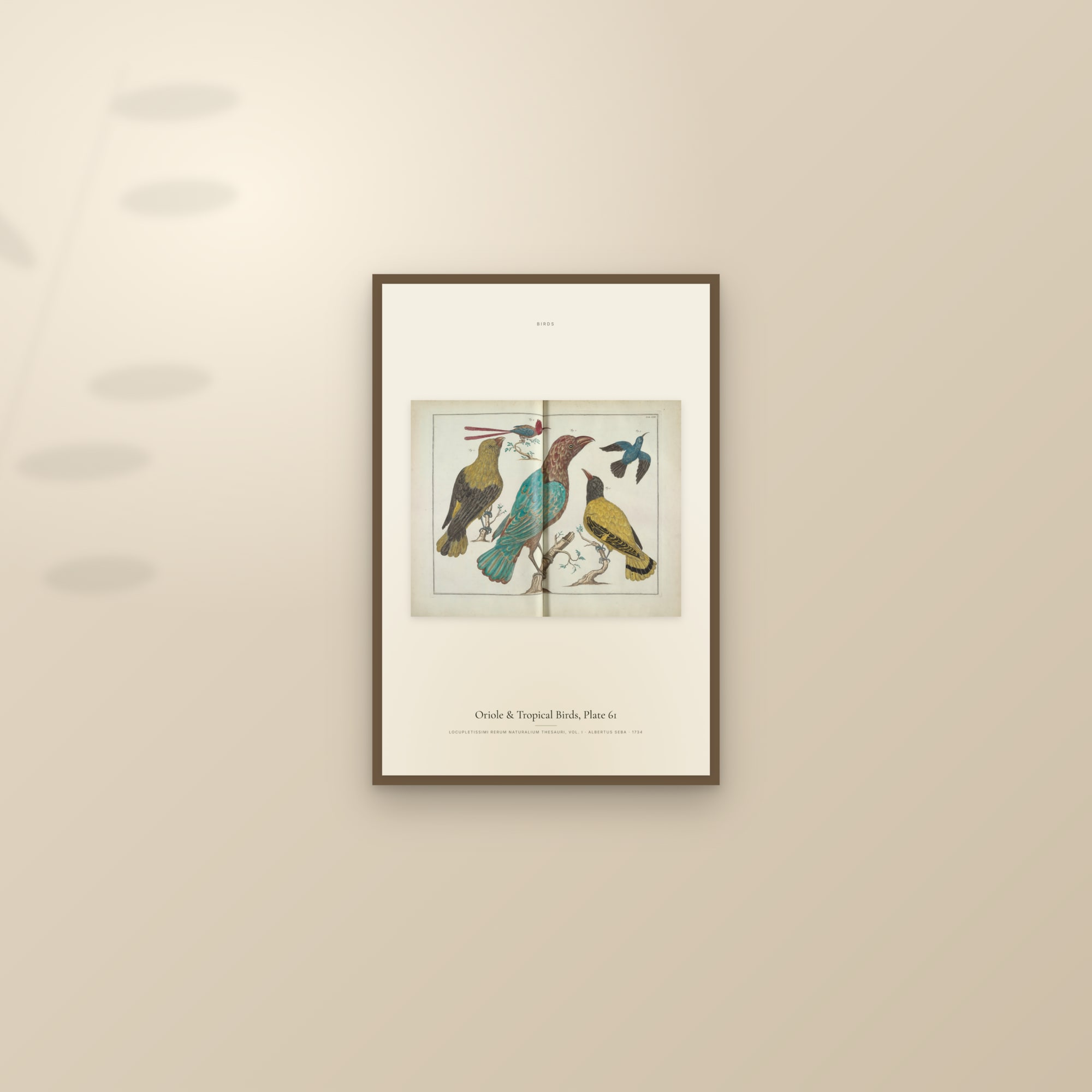
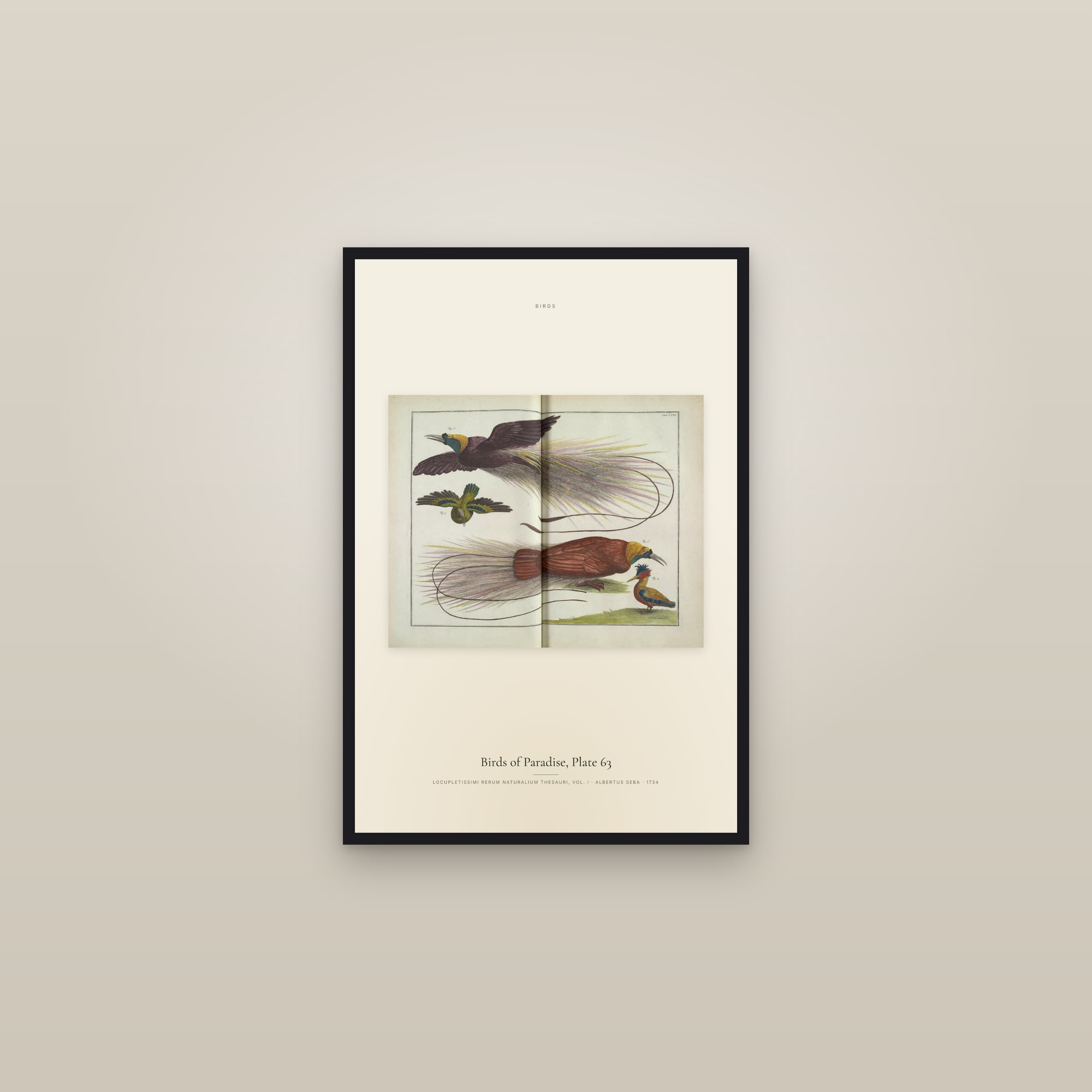
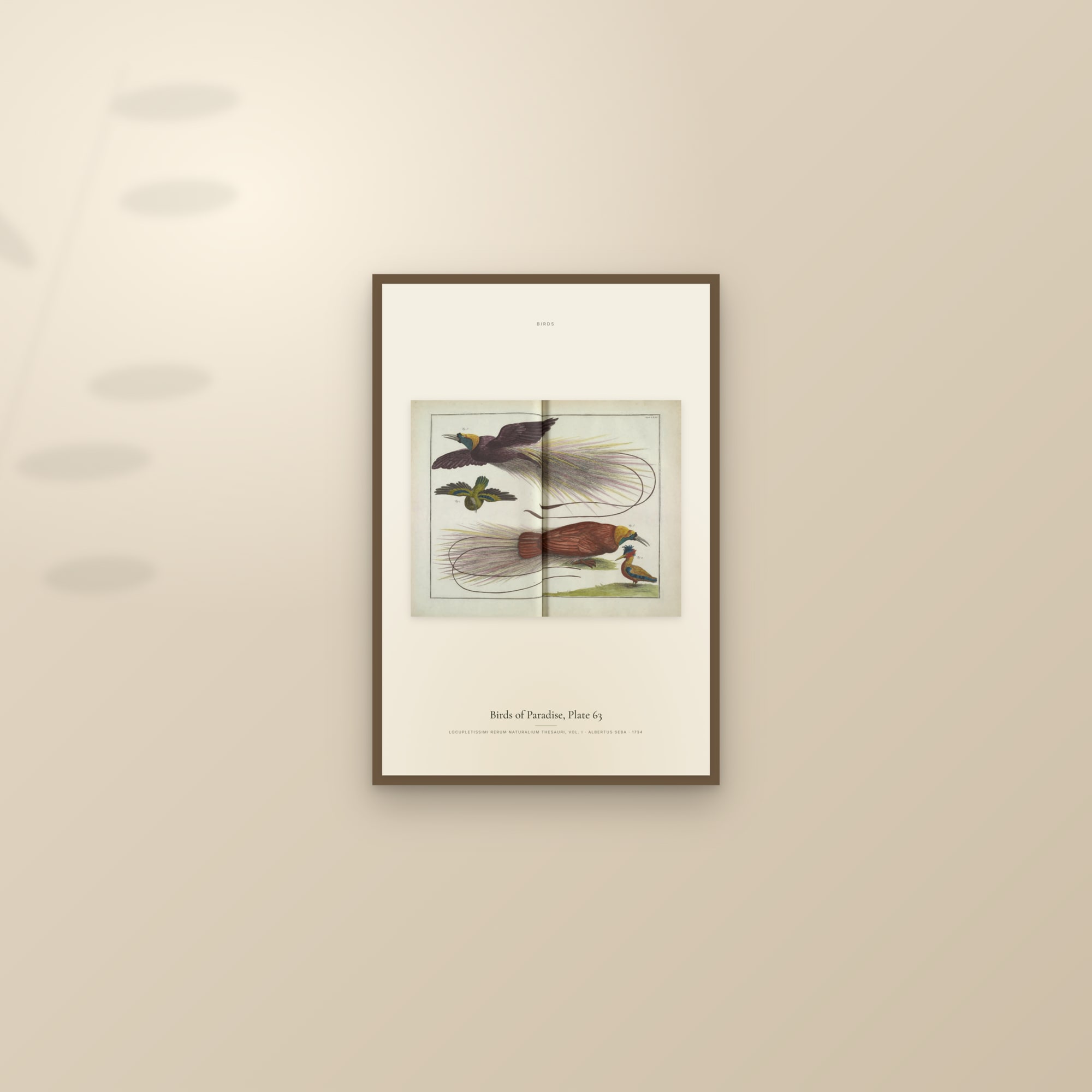
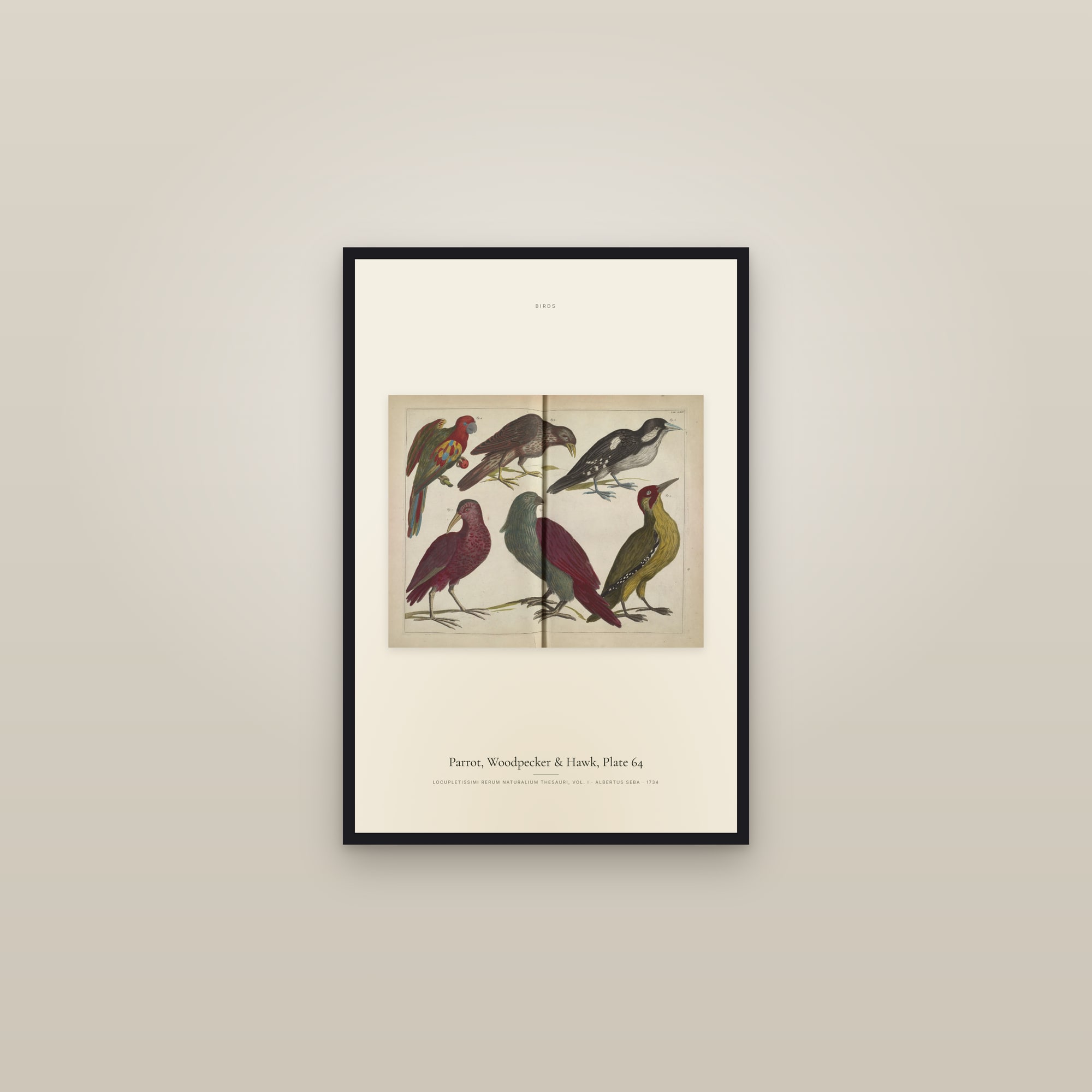
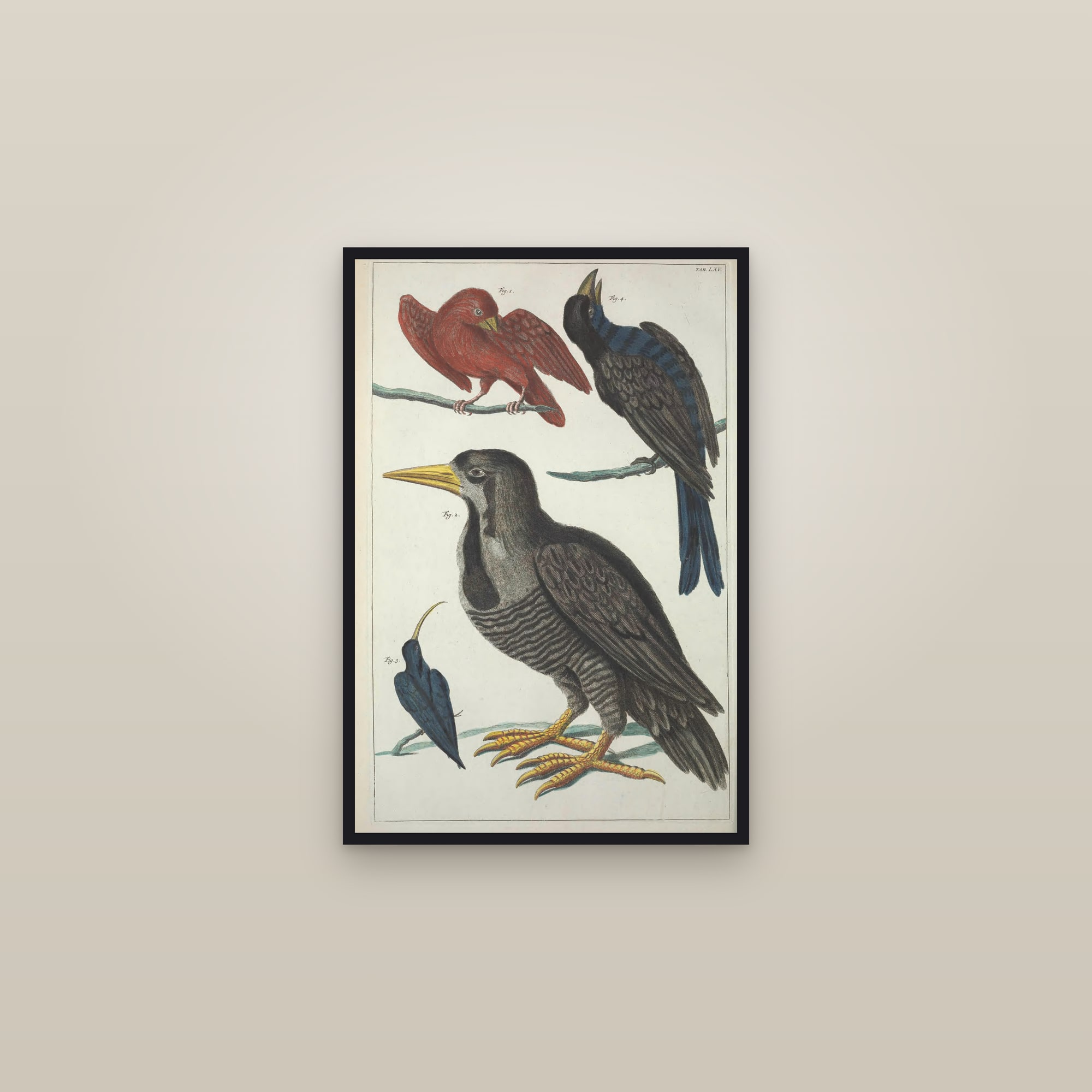
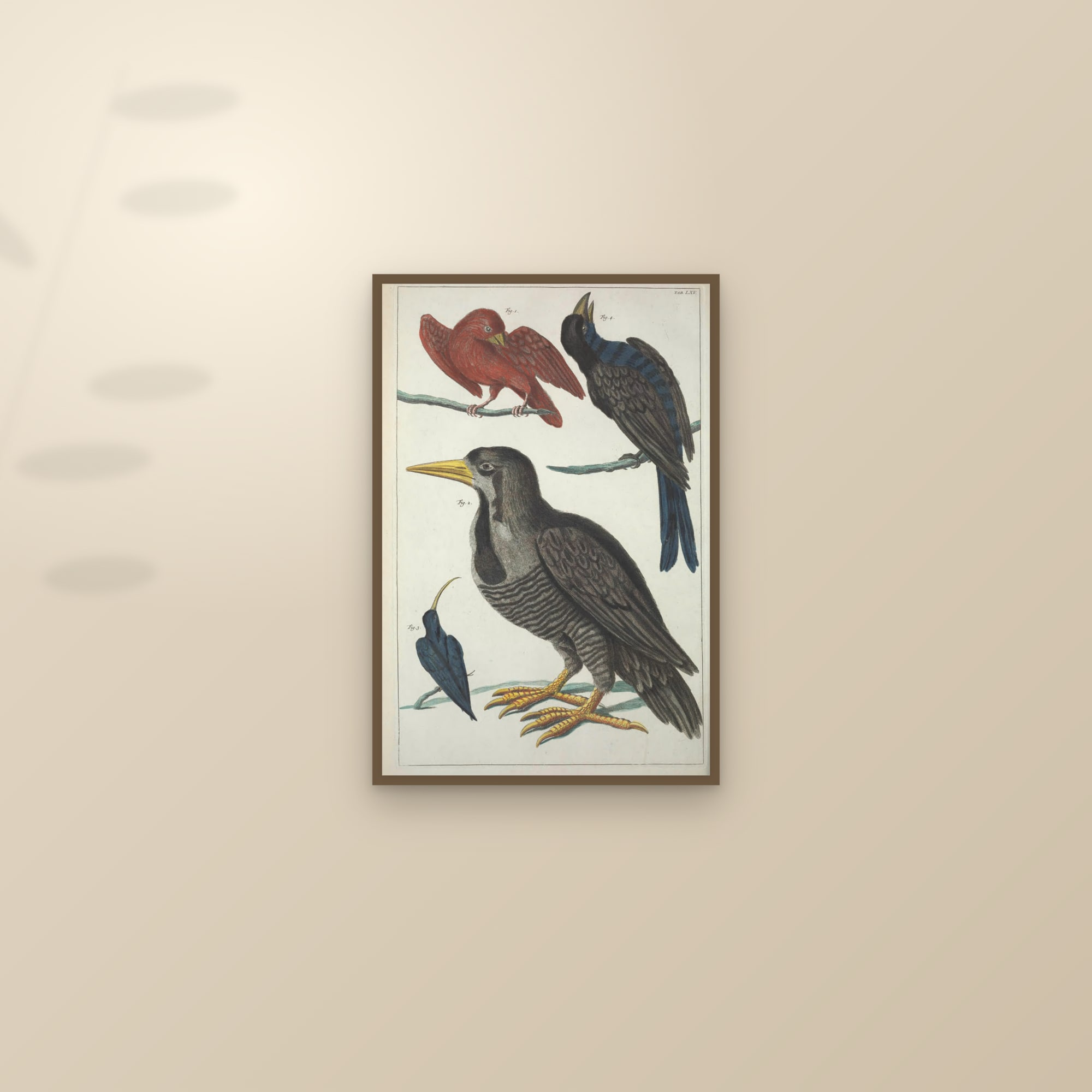
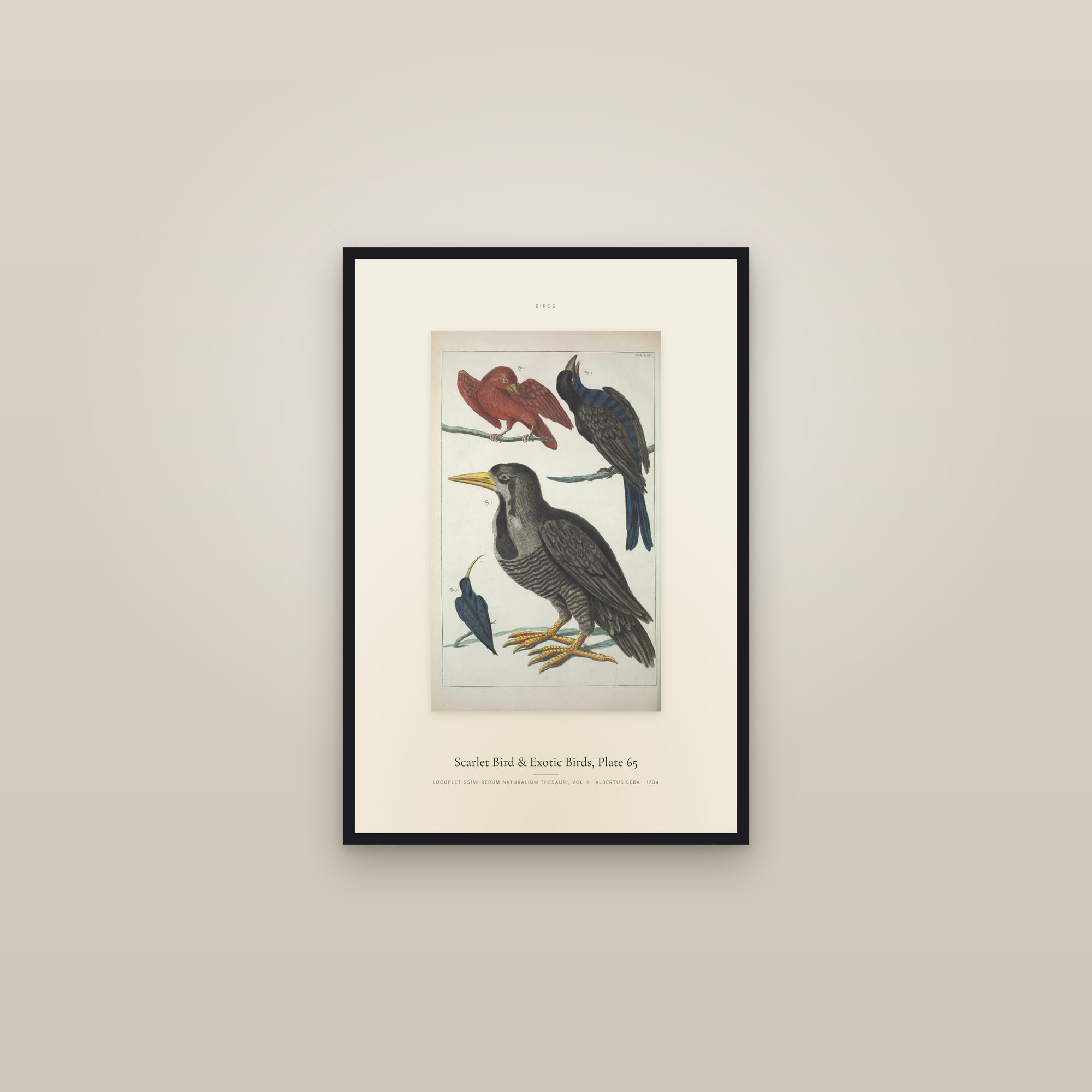
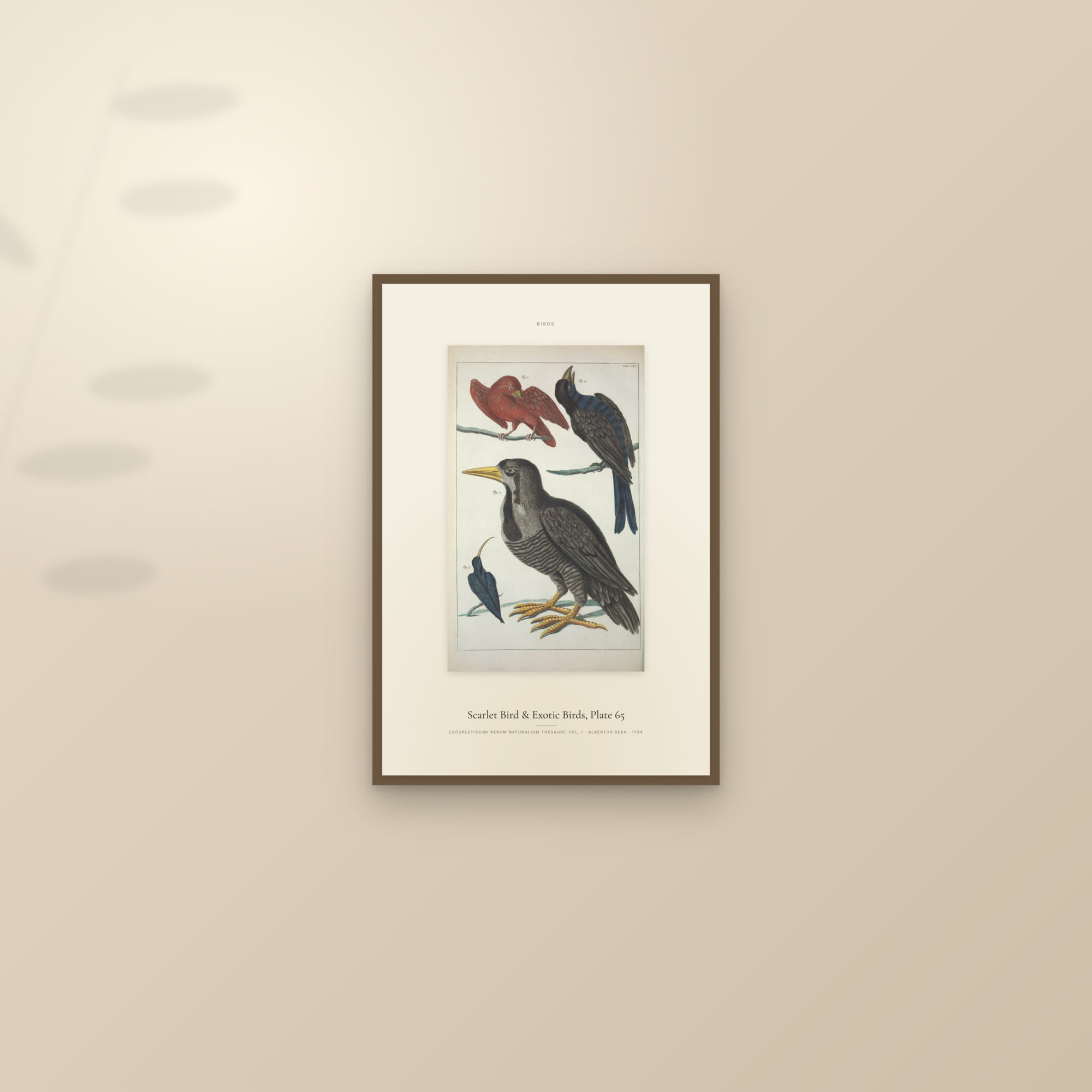
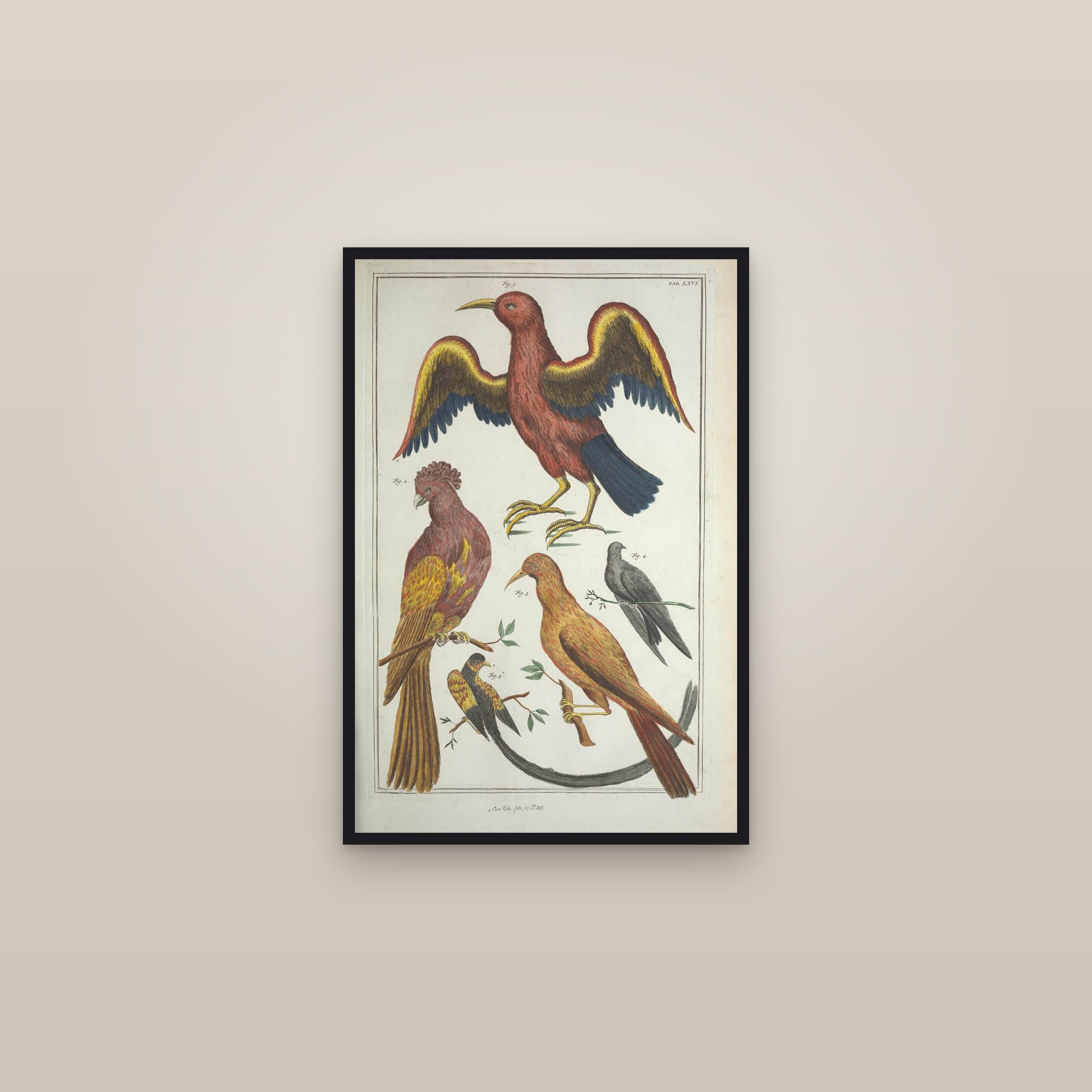
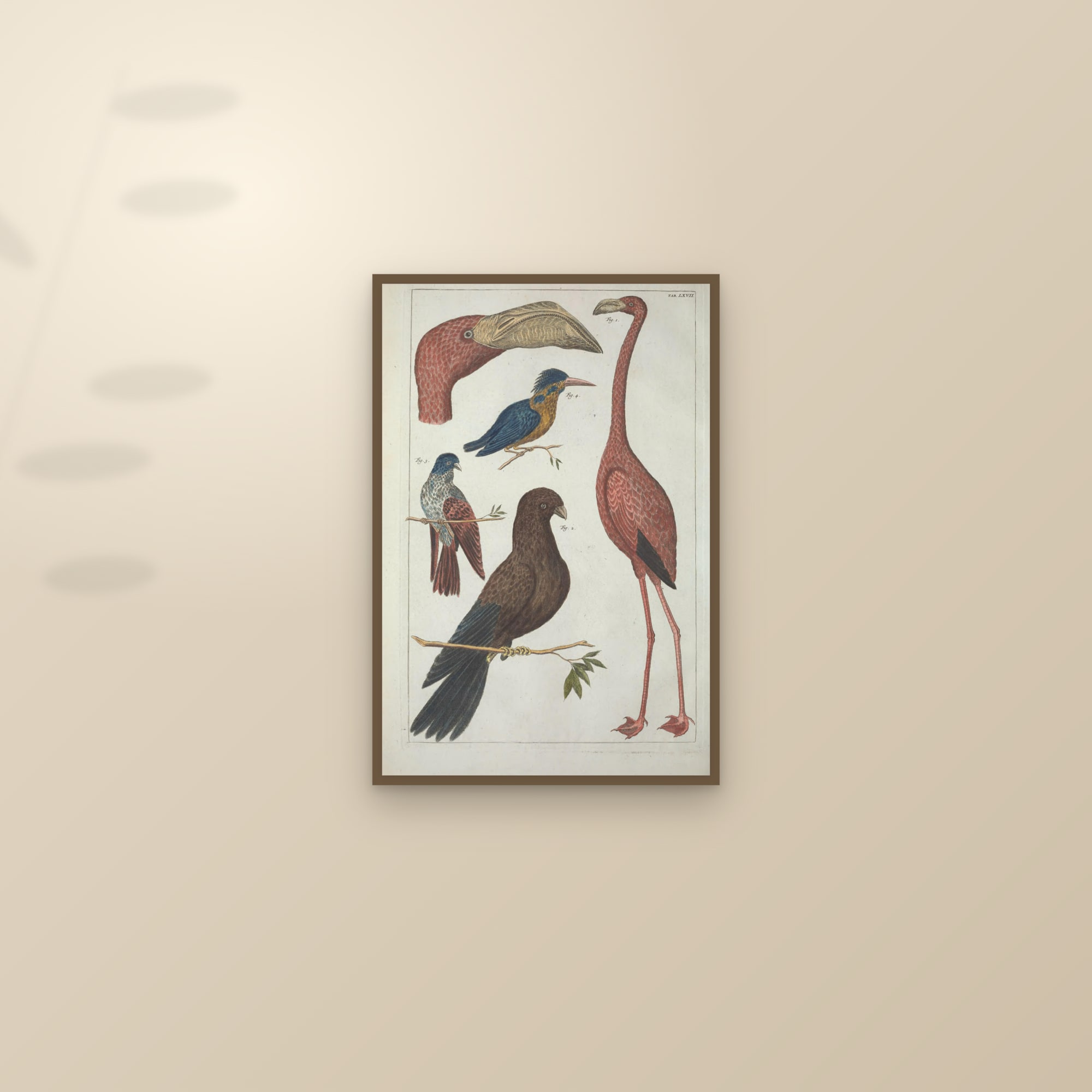
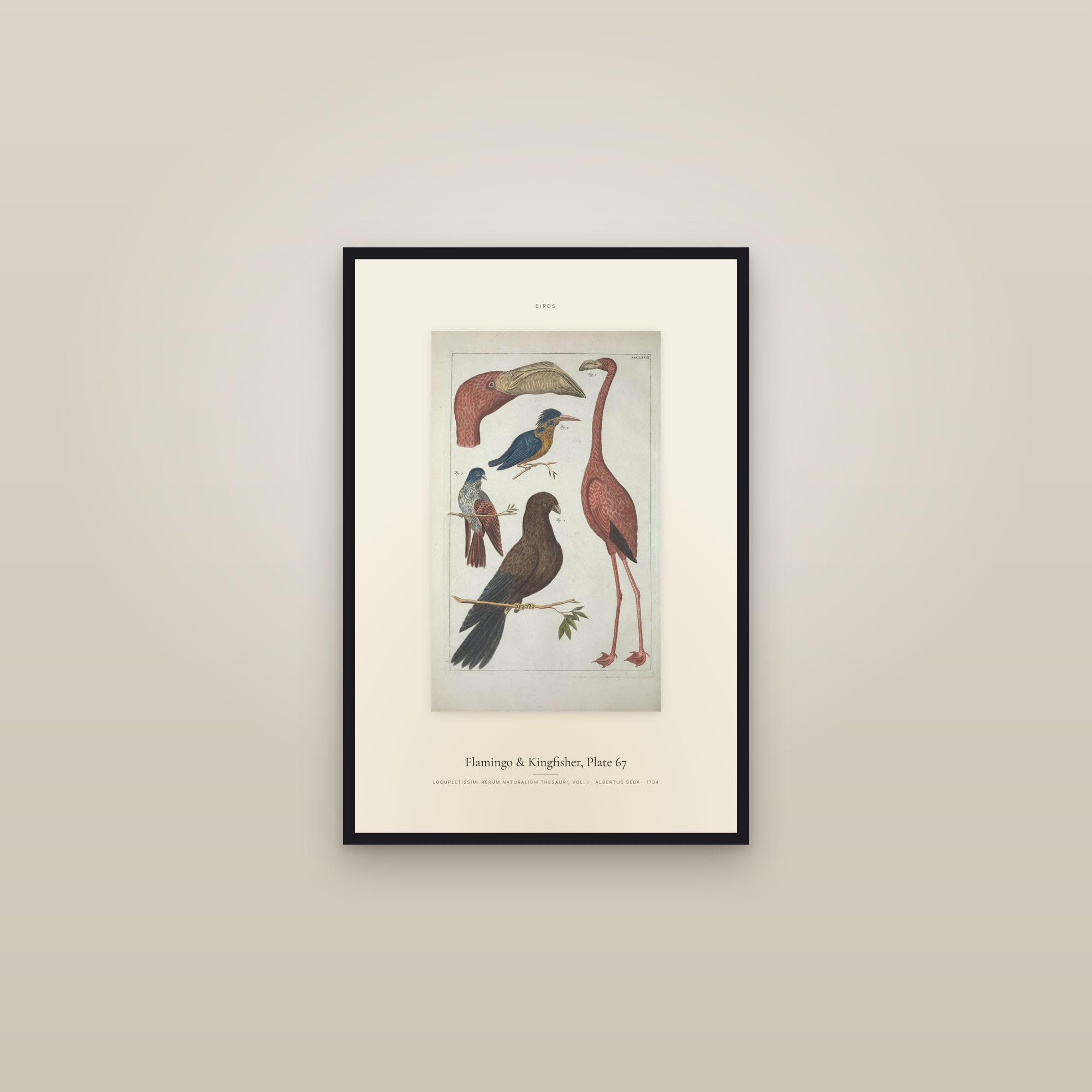
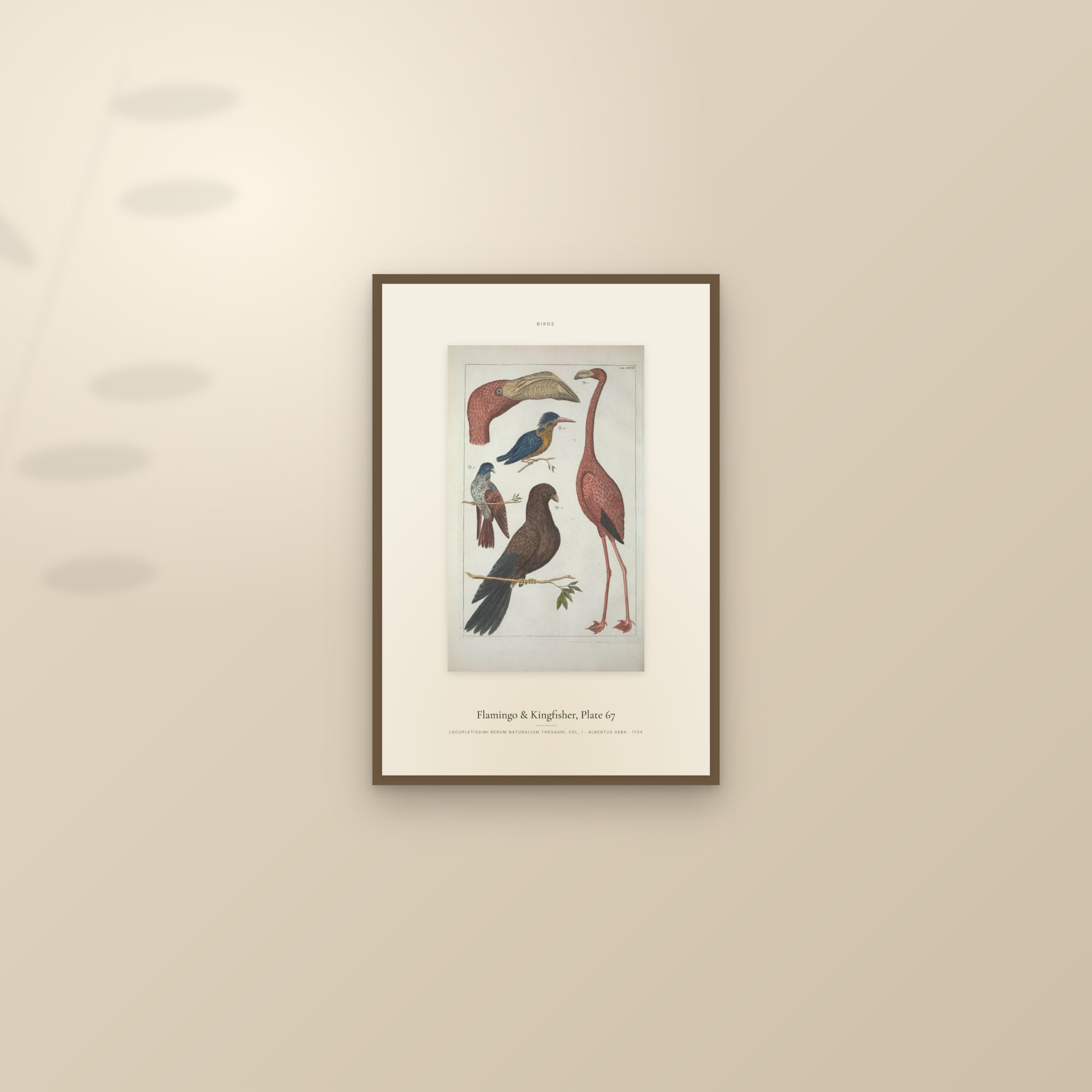
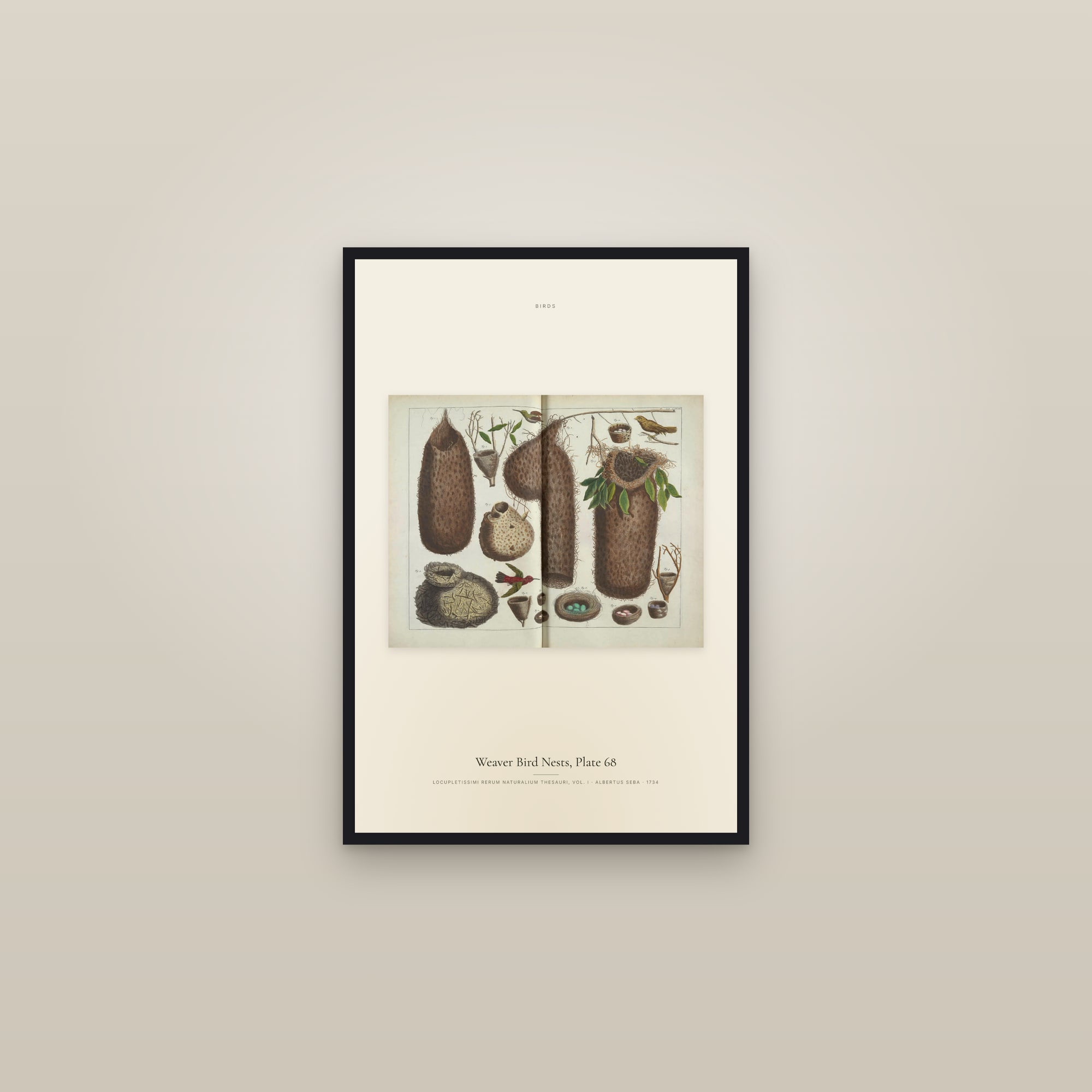
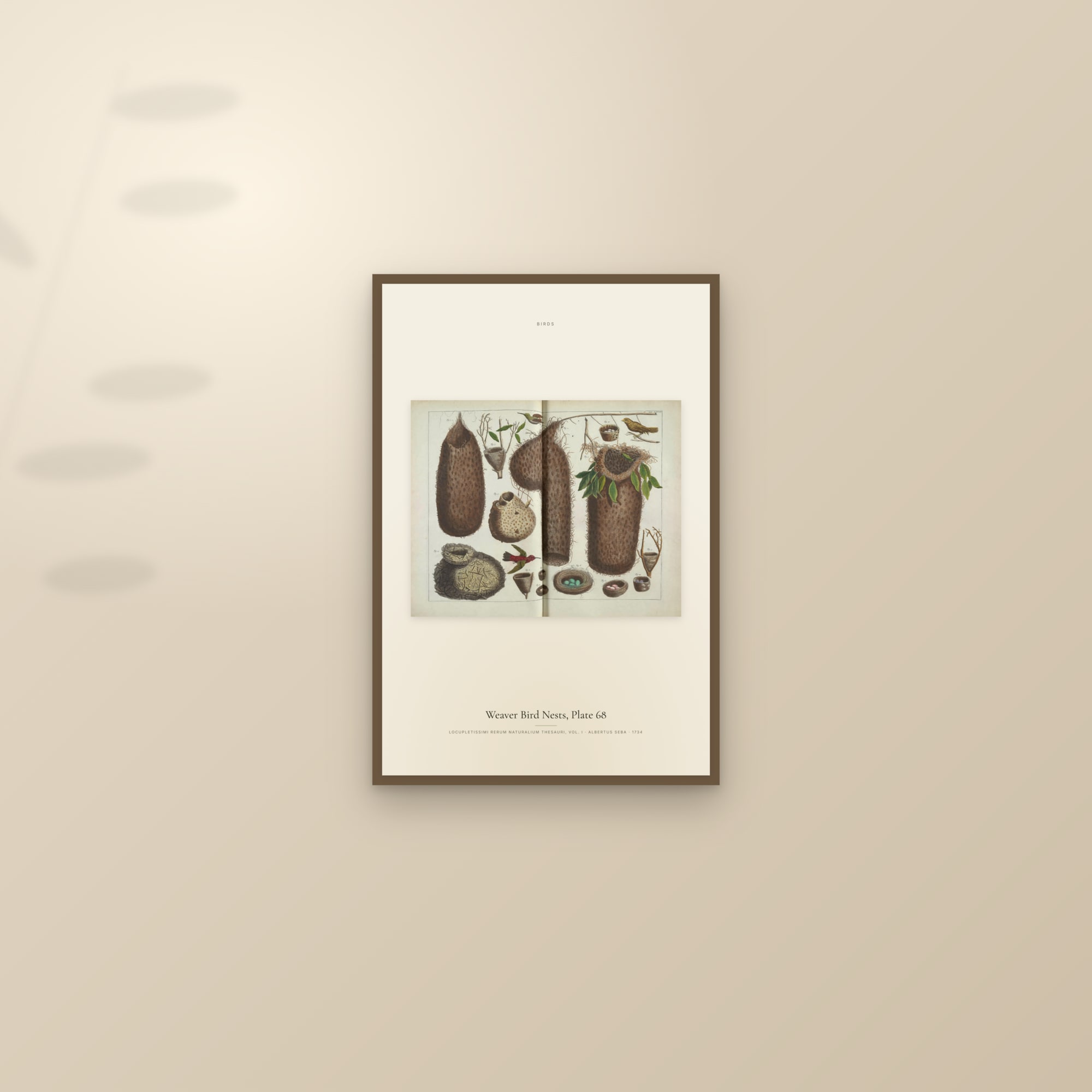
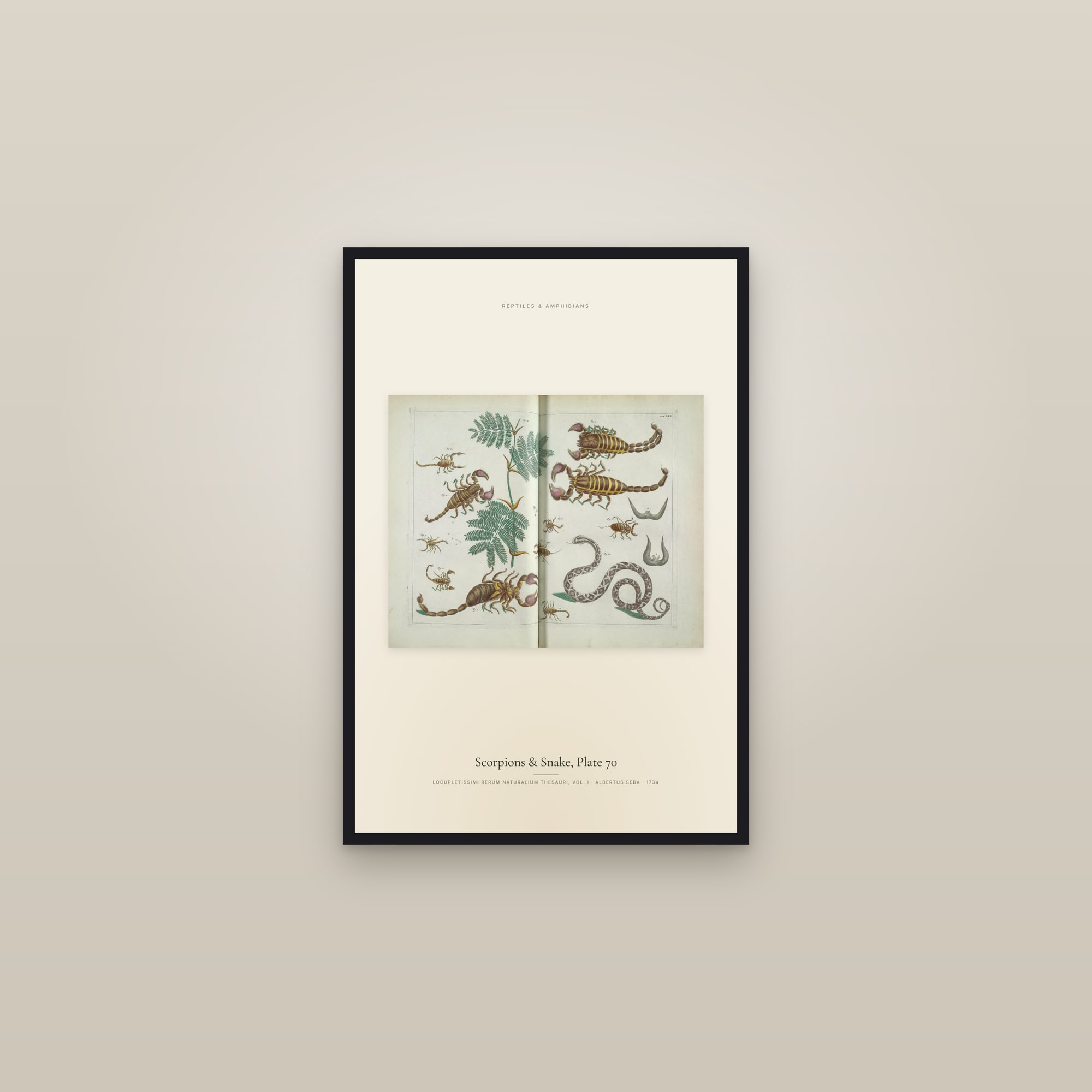
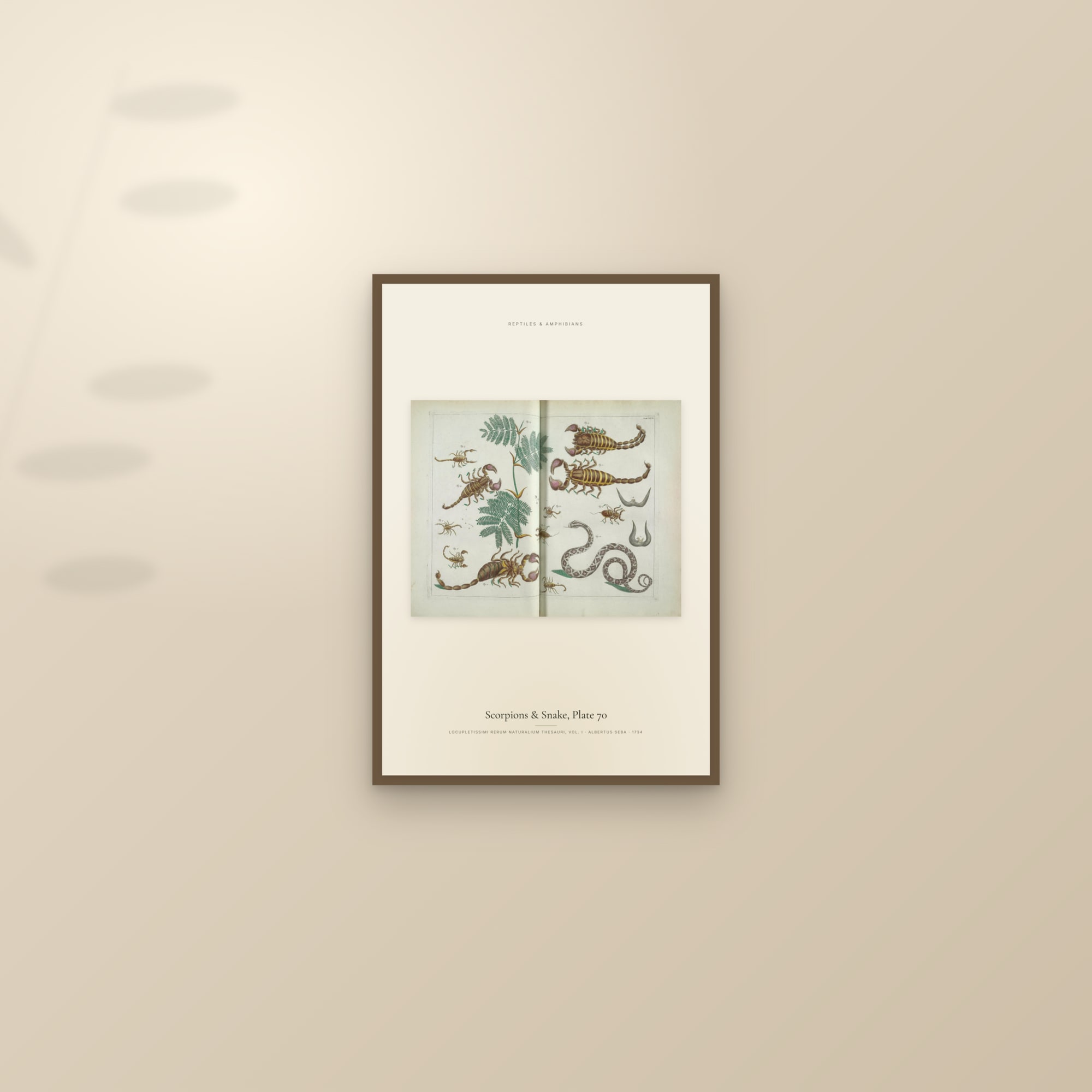
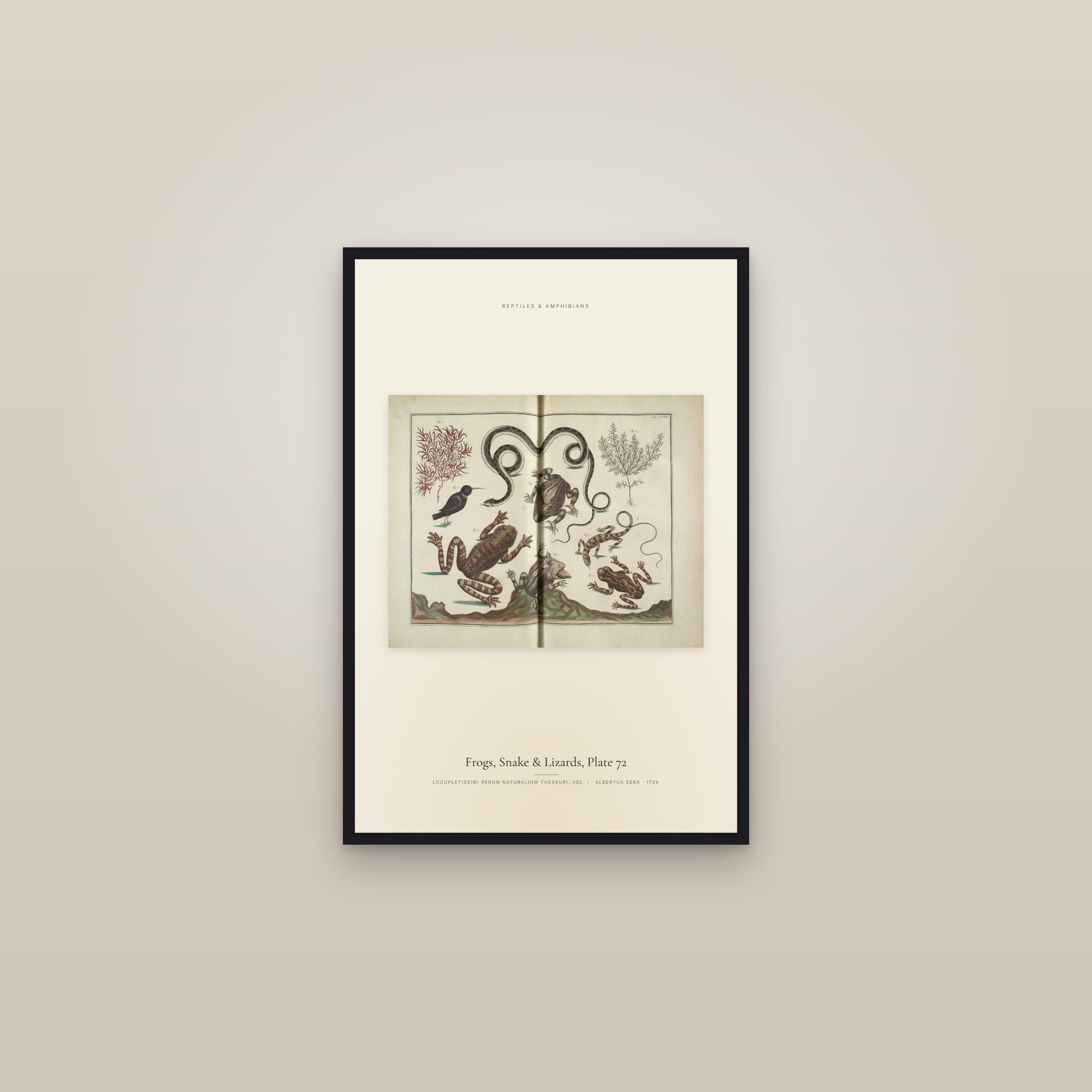
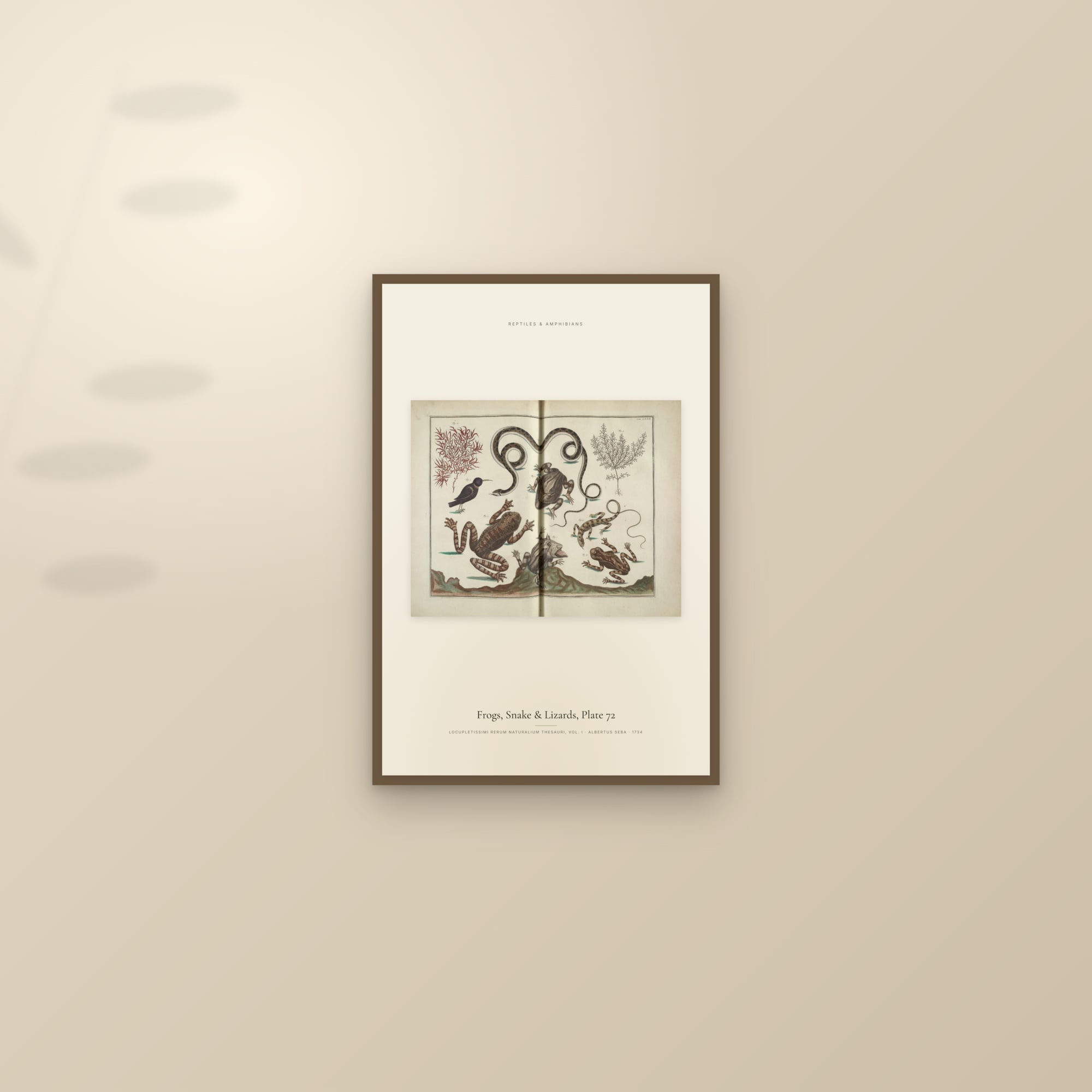
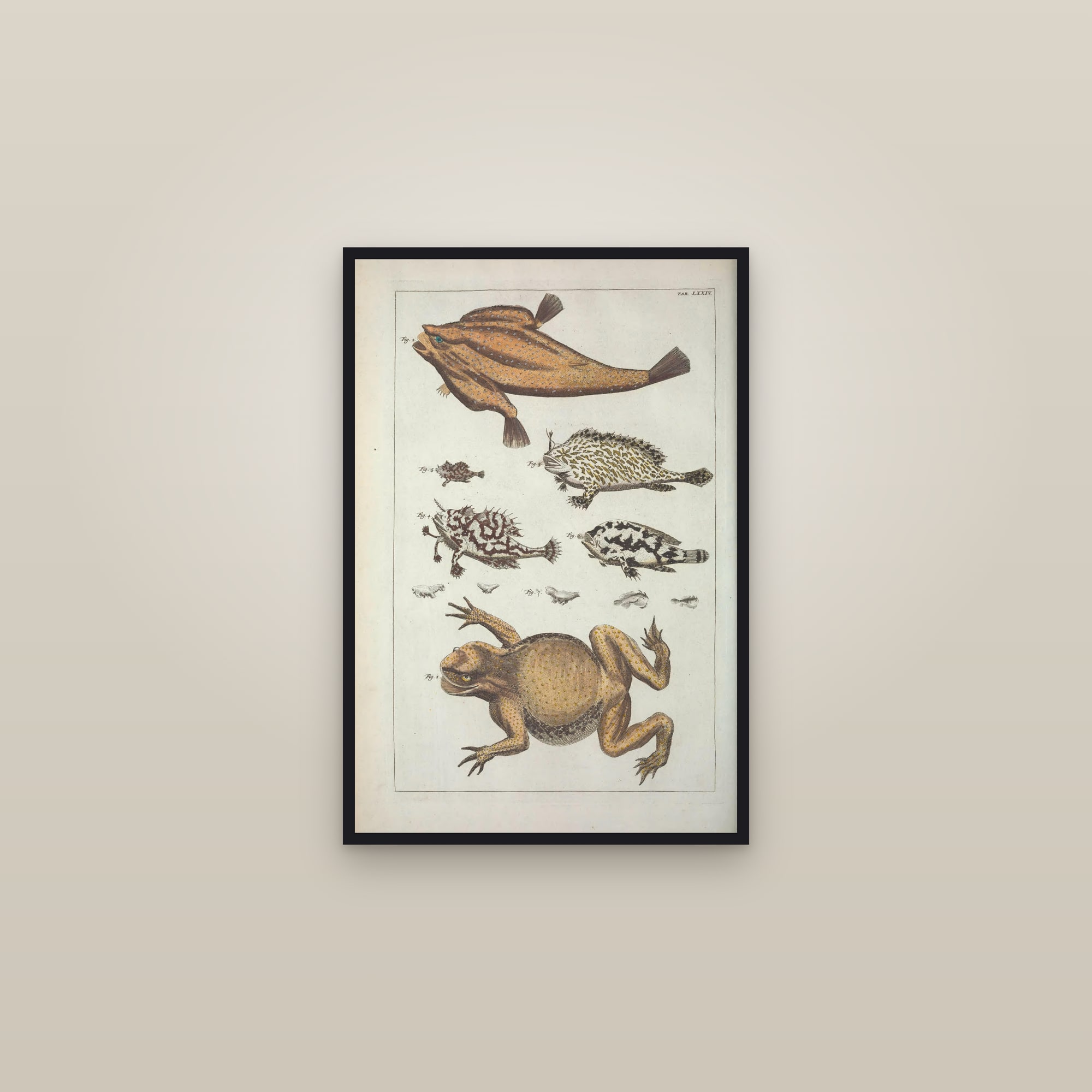
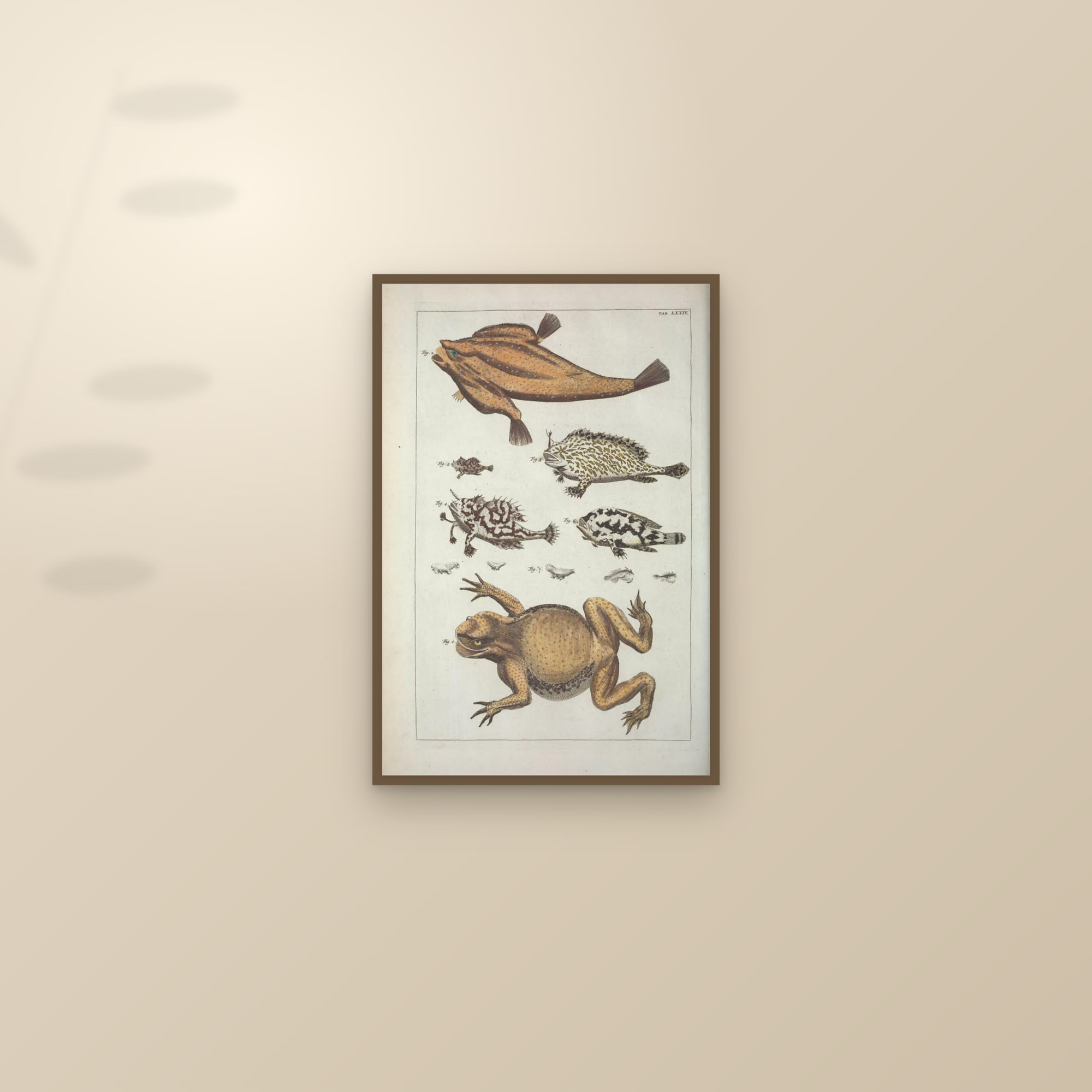
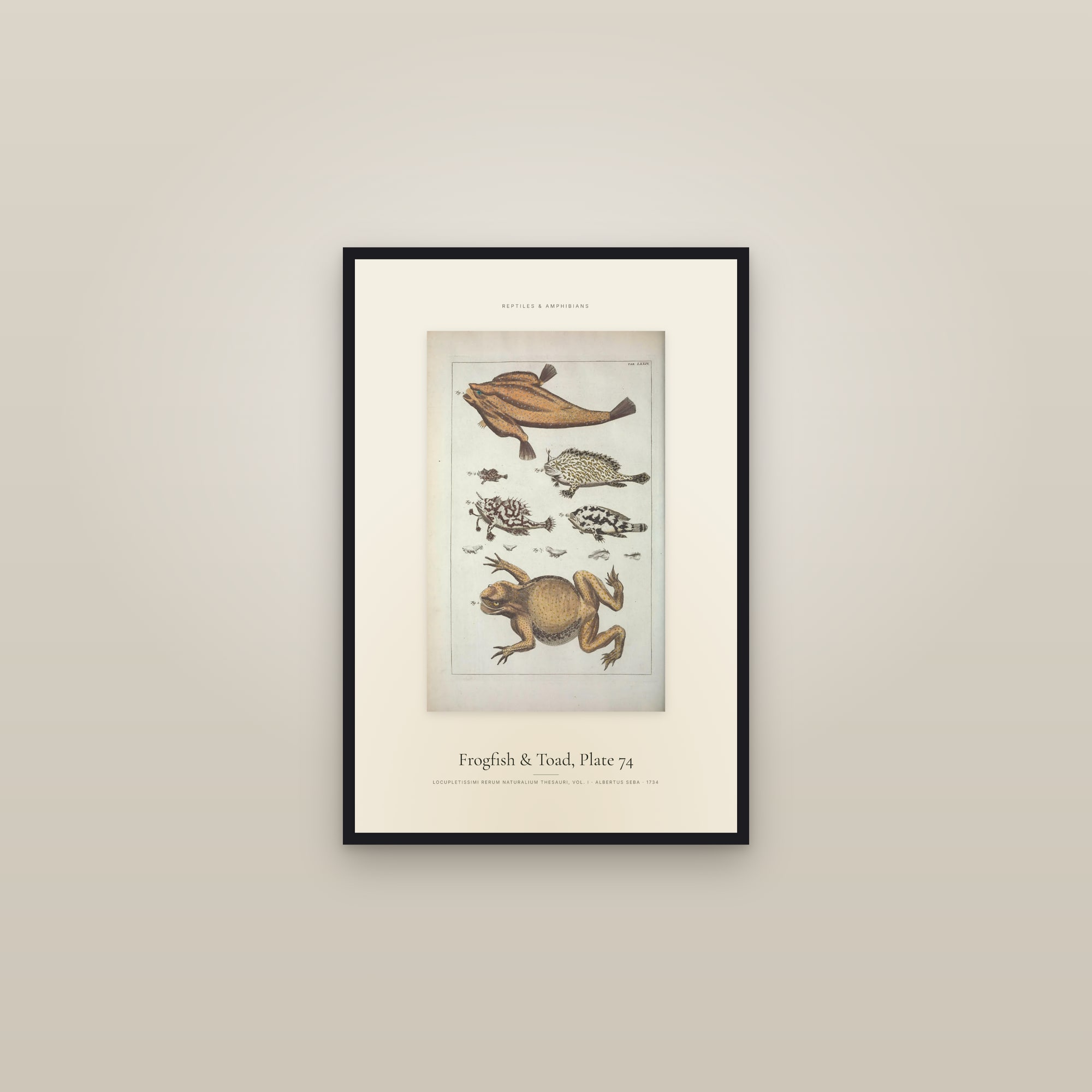
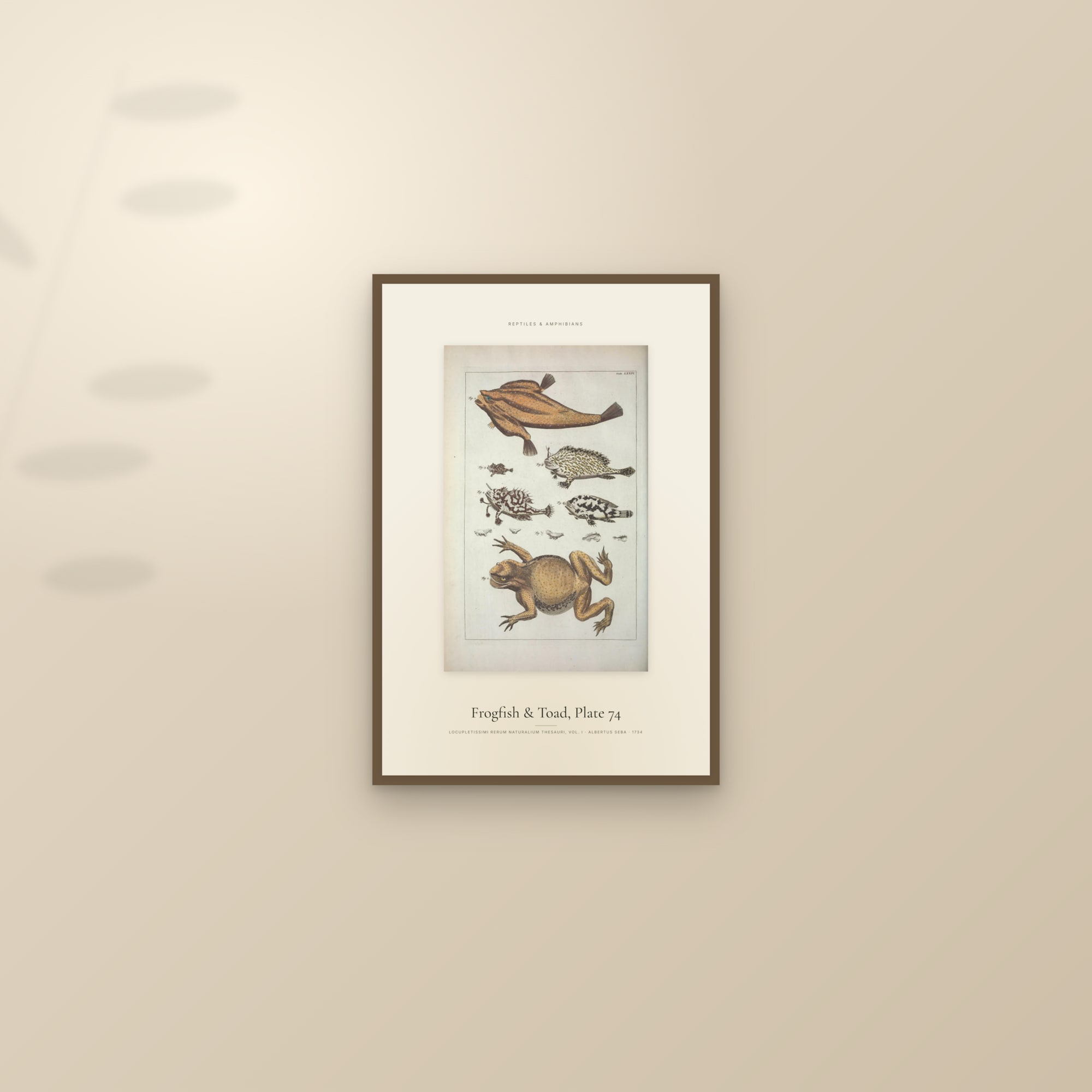
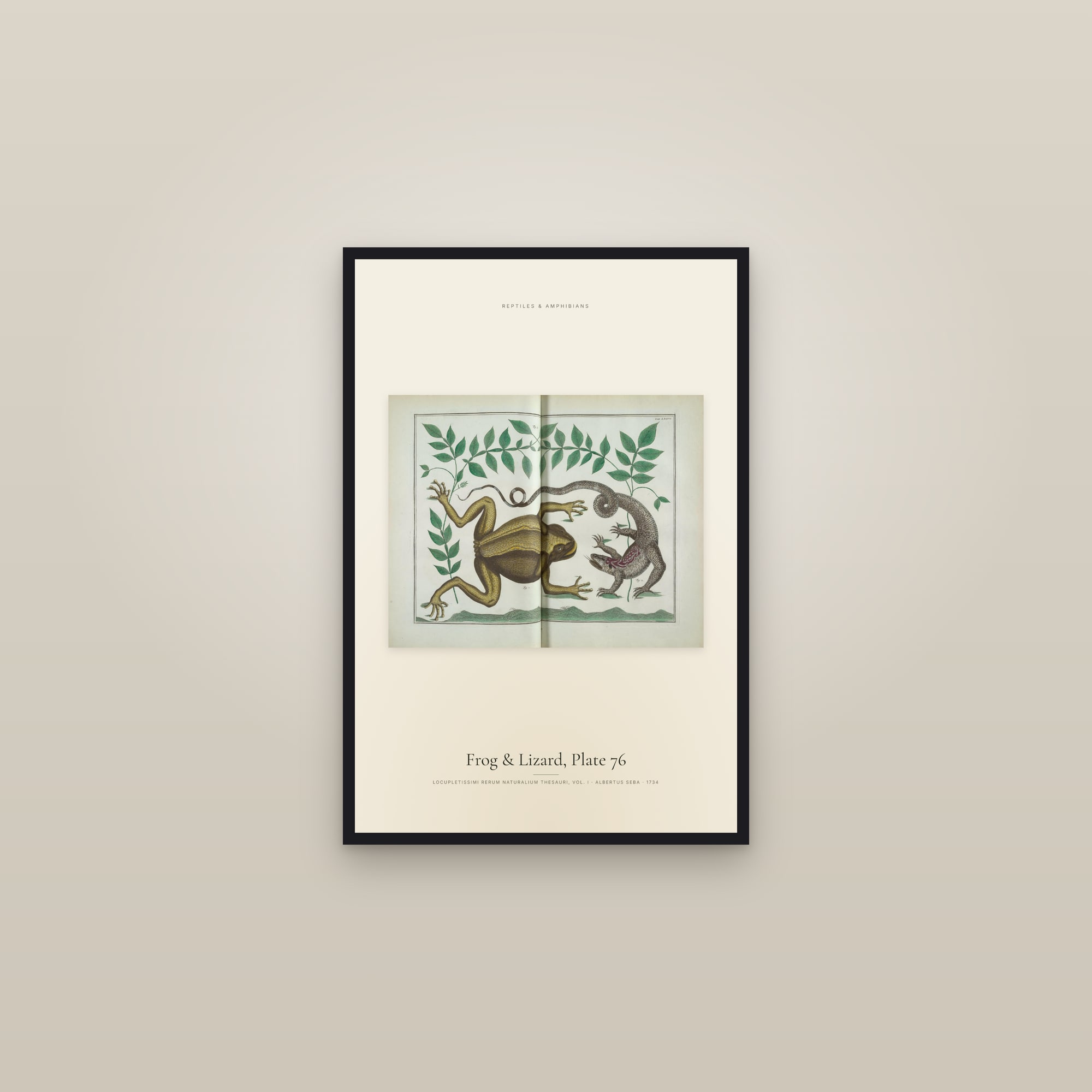
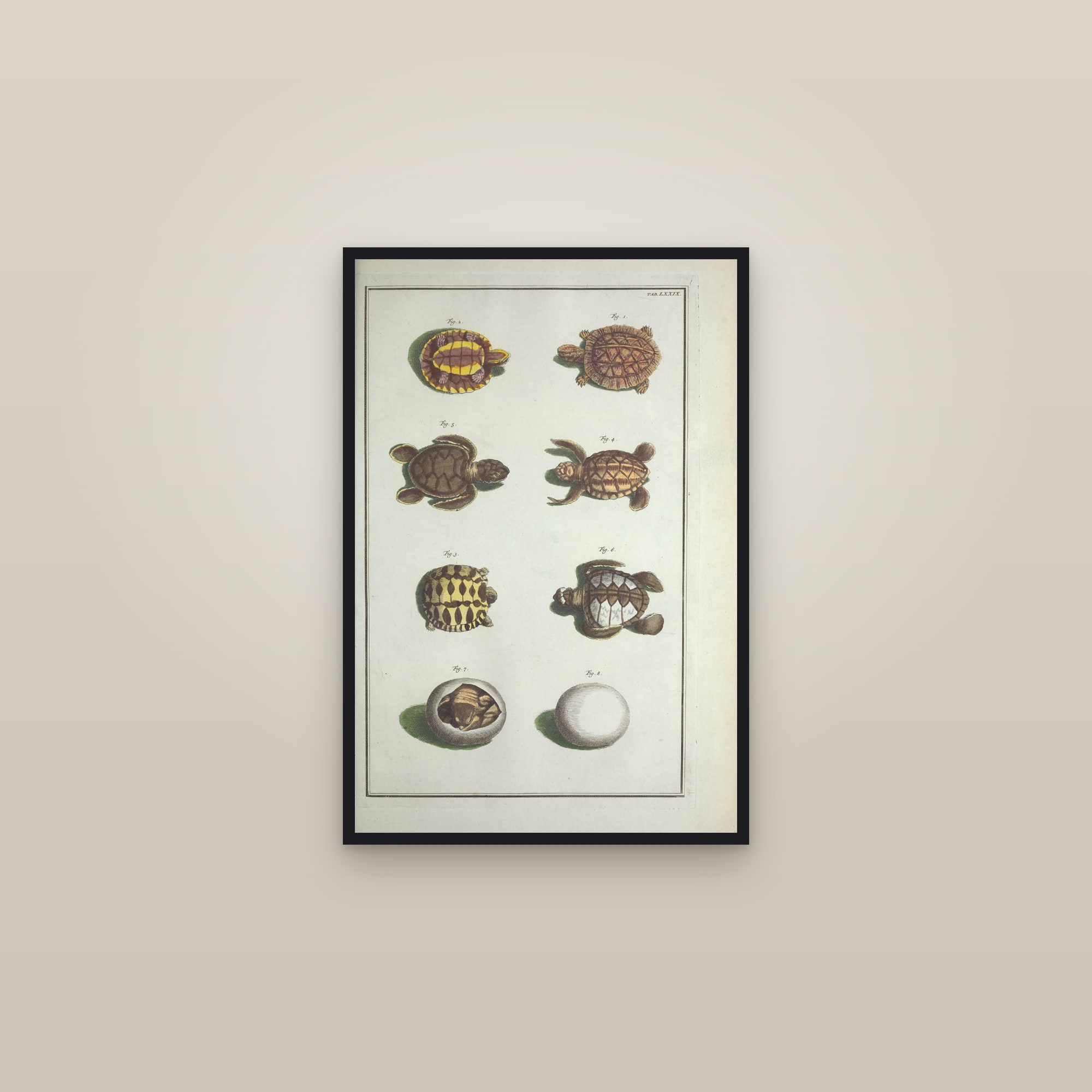
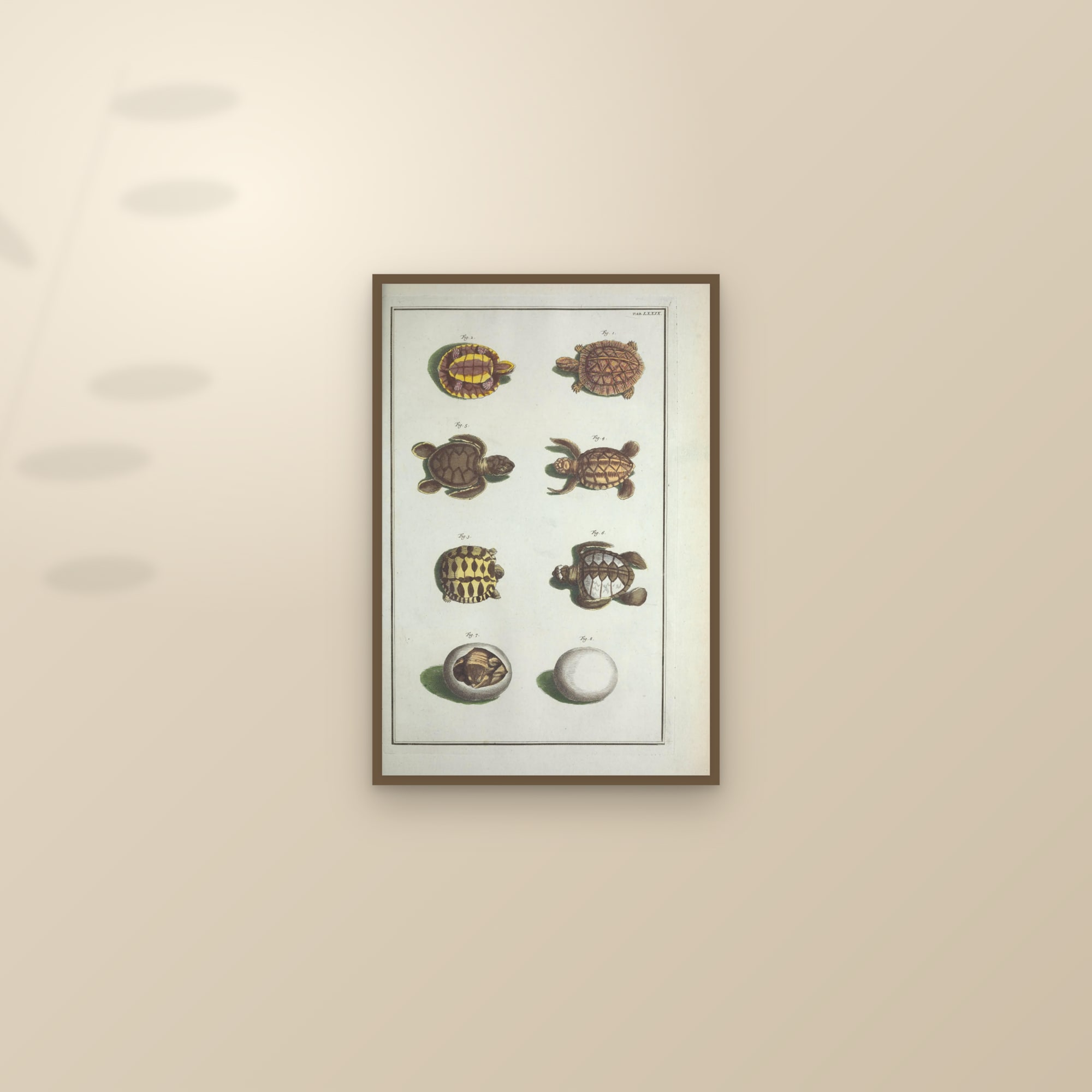
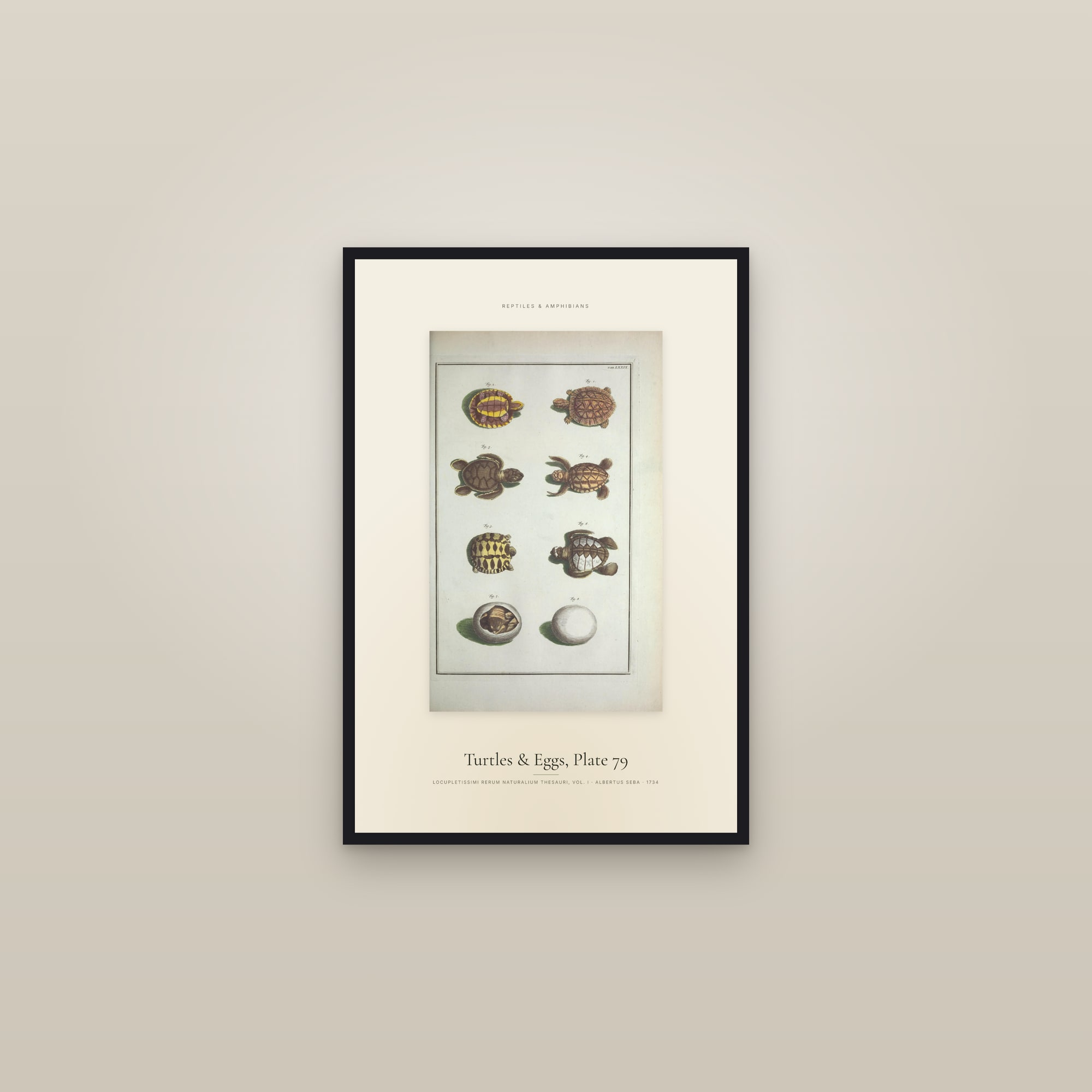
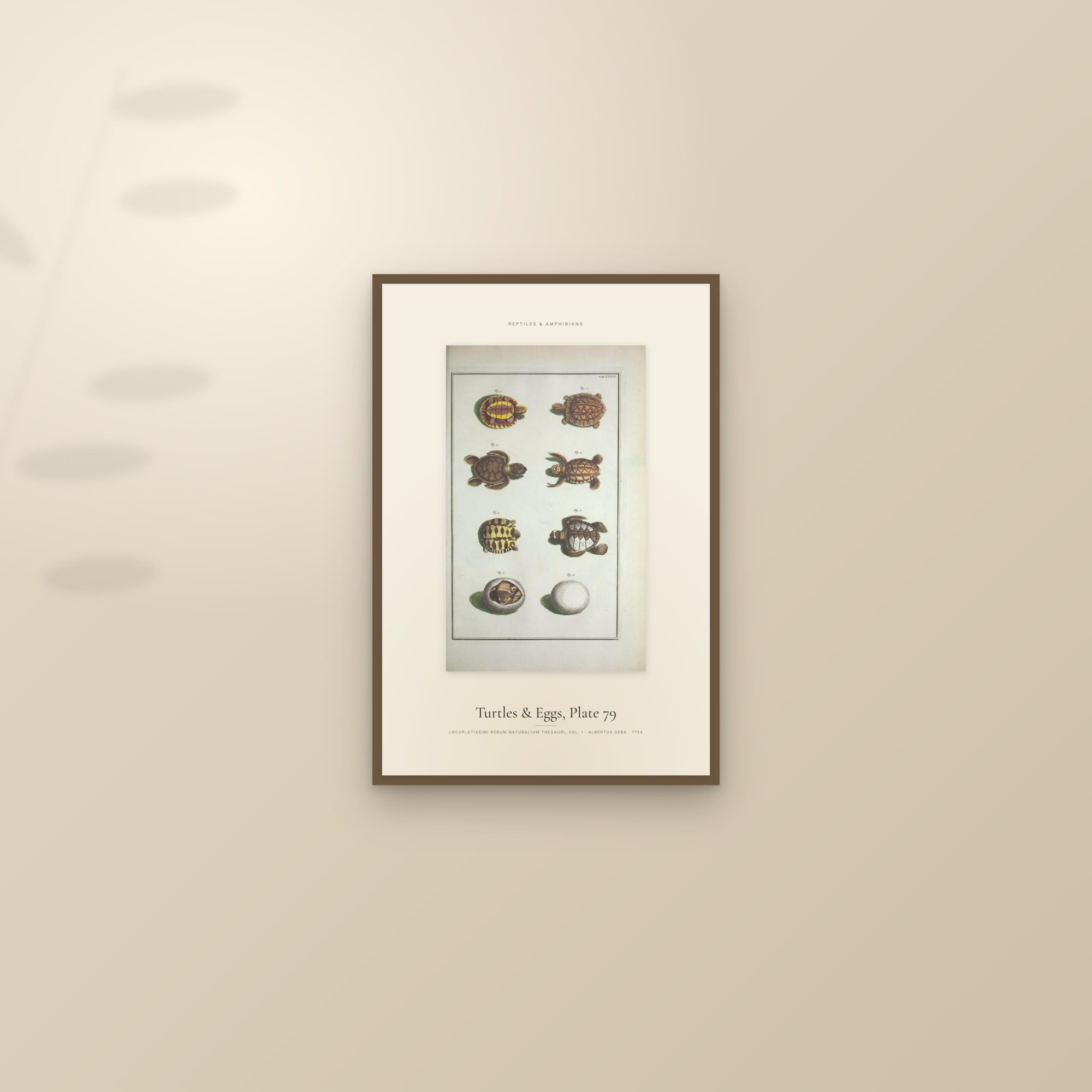
Albertus Seba's Cabinet of Natural Curiosities (1734) — the great Baroque wunderkammer: bats and flying foxes, birds of paradise, frogs, snakes, turtles, scorpions and branching corals, arranged in dazzling plates. Restored and printed to order.
29 prints · printed to order on heavyweight matte paper · framed or unframed
About Albertus Seba
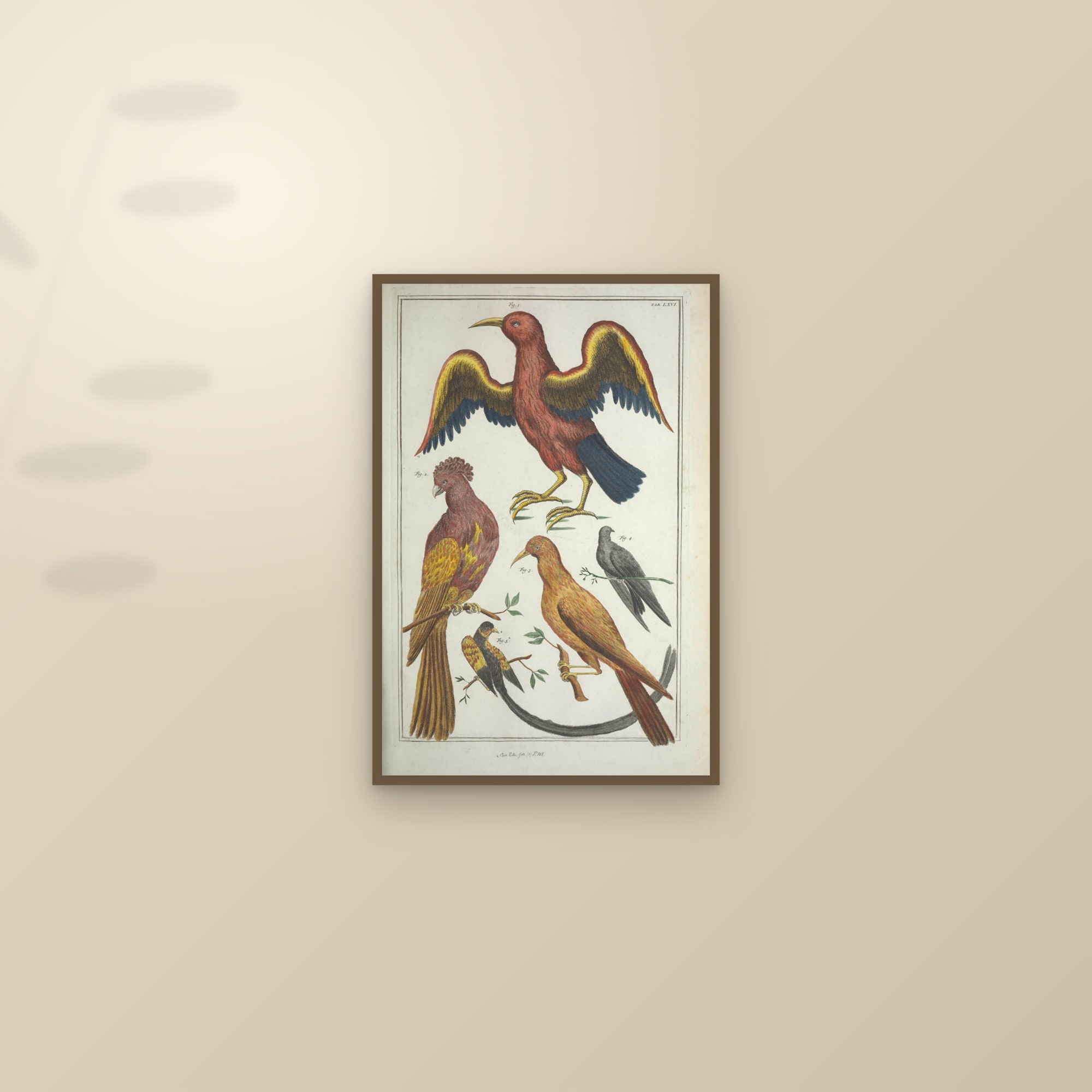
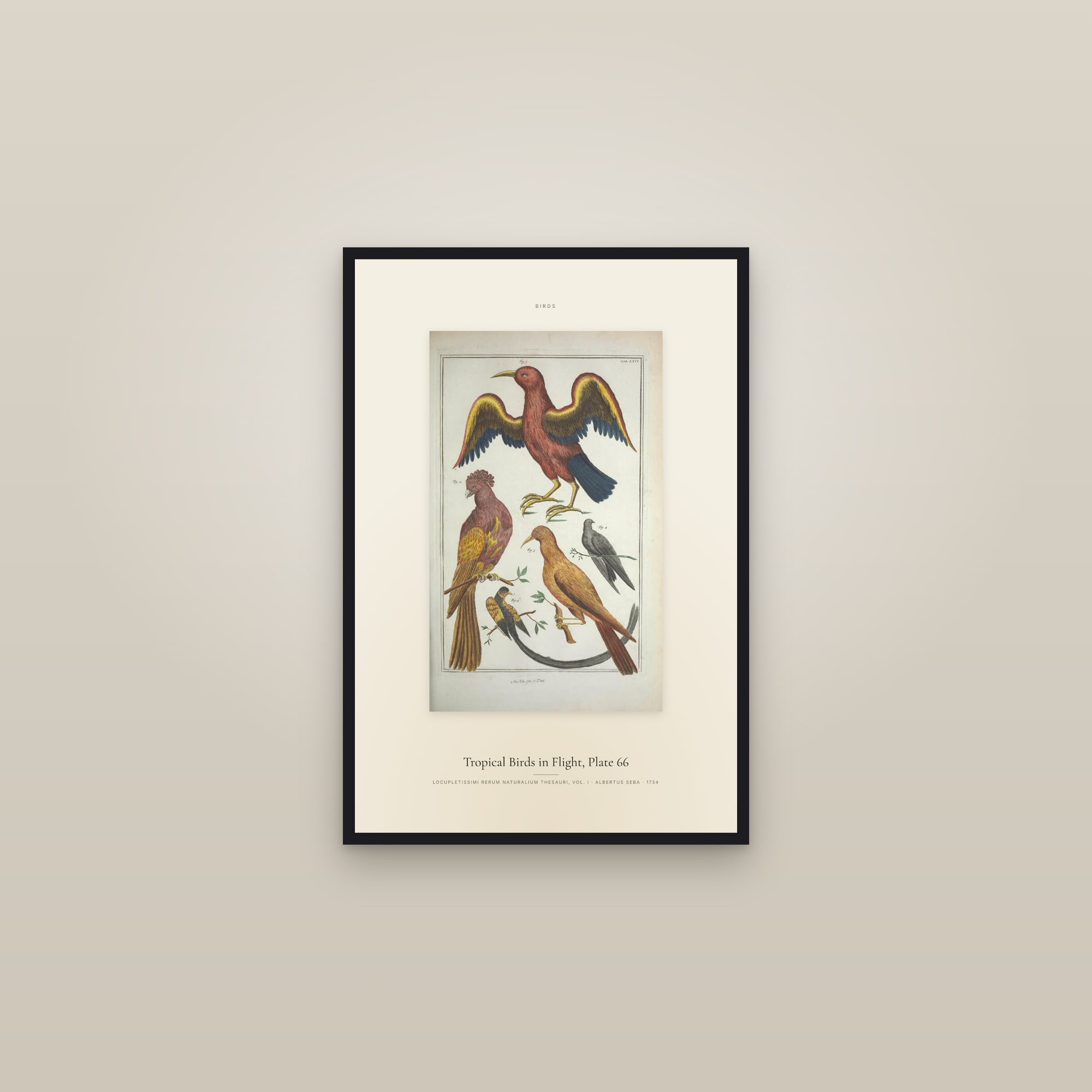
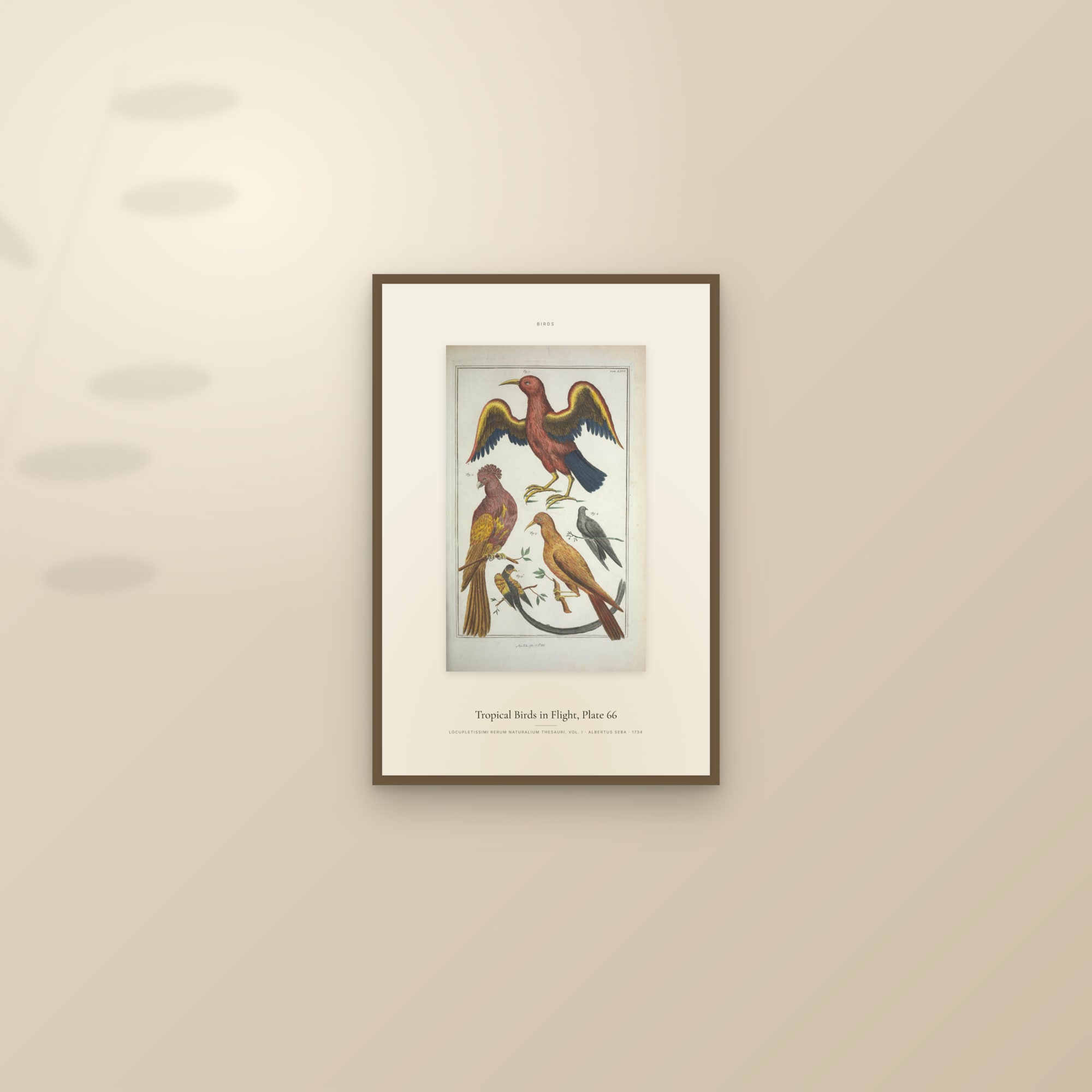
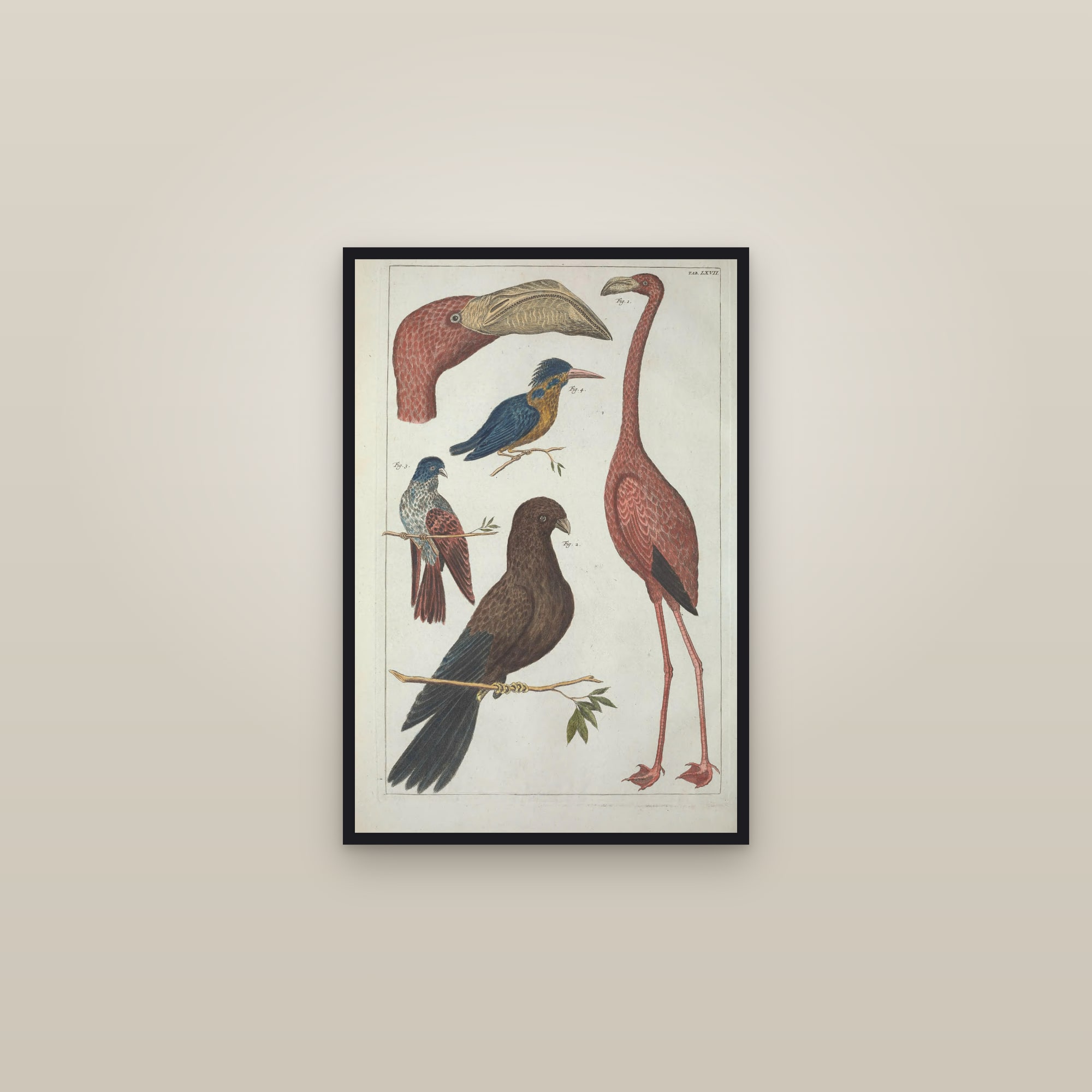
Albertus Seba was born in May 1665 at Etzel in East Frisia, apprenticed as an apothecary, and settled in Amsterdam, where around 1700 he opened a pharmacy near the harbour. The location was the point: sailors returning from the East and West Indies paid for medicines with shells, snakes, lizards, insects and preserved fish, and Seba built one of the largest cabinets of curiosities in the Netherlands. He sold that first collection entire to Tsar Peter the Great, who had visited the shop, and immediately began a second one, which Linnaeus studied on two visits in 1735 and used for the type specimens of many species. To record it Seba commissioned the Locupletissimi rerum naturalium thesauri accurata descriptio, usually called the Thesaurus: four folio volumes of engraved plates, the first published in 1734, the second in 1735, and the last two, after his death in Amsterdam in May 1736, in 1759 and 1765, financed by the auction of the collection itself in 1752. The plates arrange specimens by kind across the page, shells in ranks by shape and size, snakes coiled around plants, butterflies pinned in rows, in compositions that are half catalogue and half ornament. It is that balance, exact but decorative, that makes a Seba shell plate hang so naturally.