
Charles Frederick Millspaugh Prints
1854–1923 · American · Botanical / medicinal-plant illustration
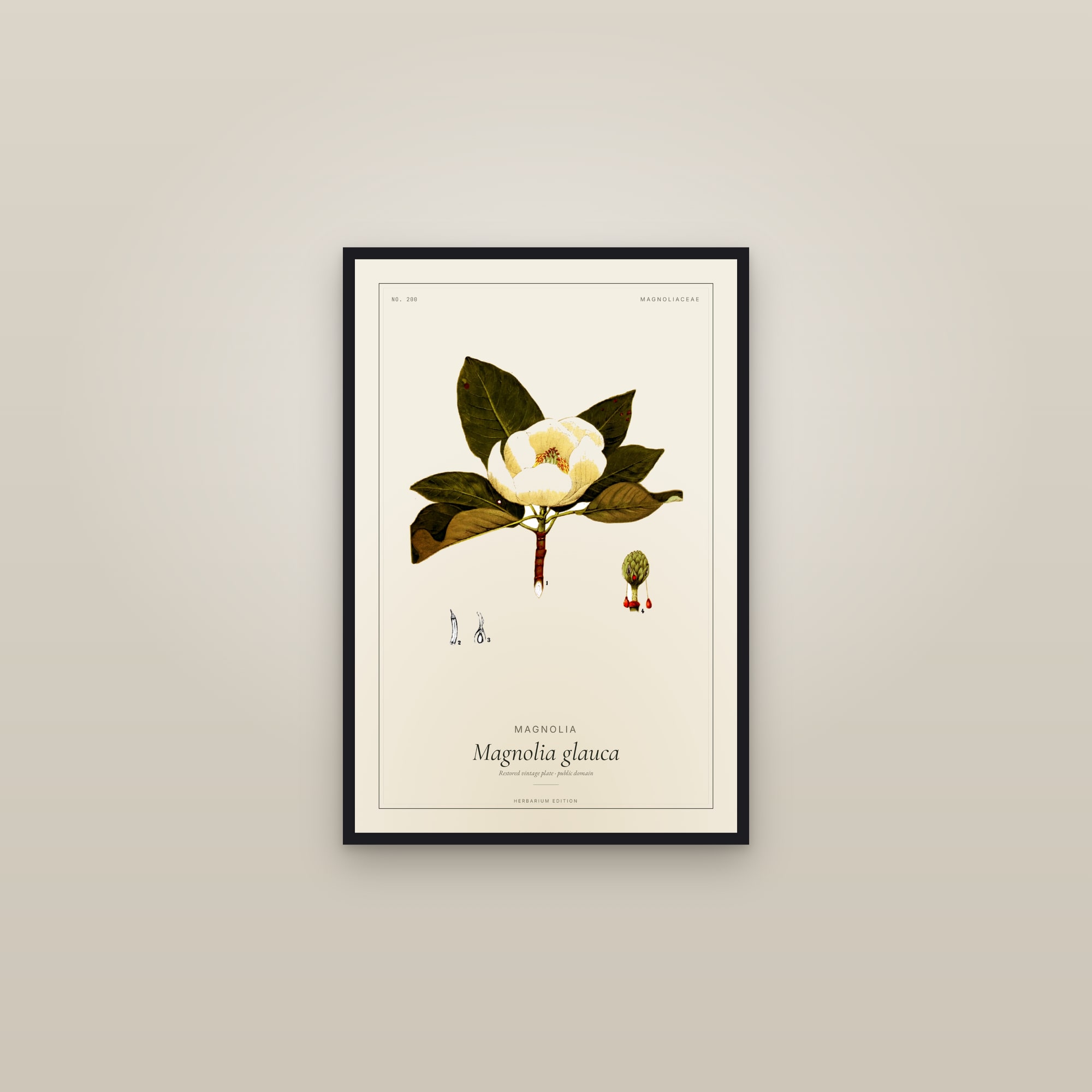
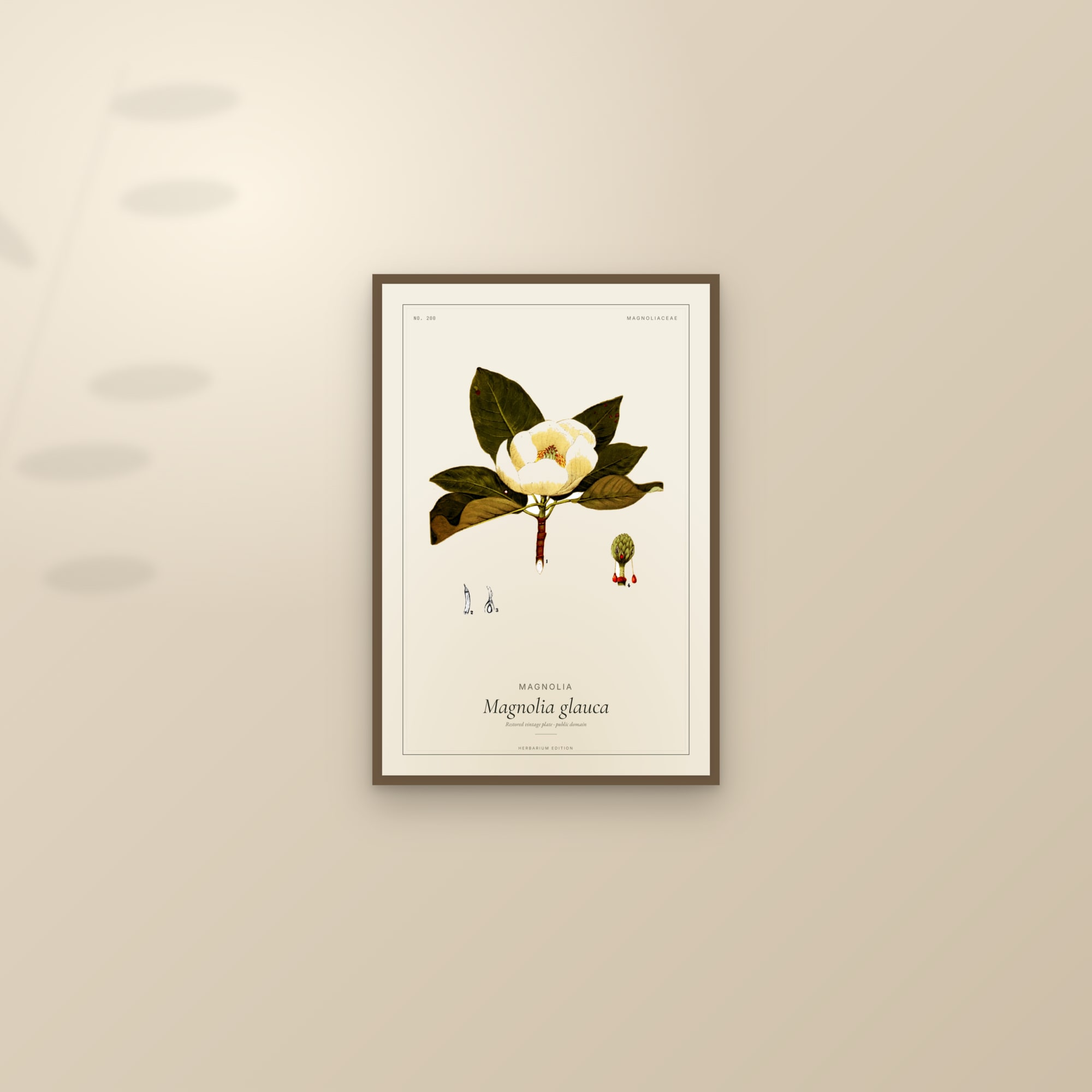
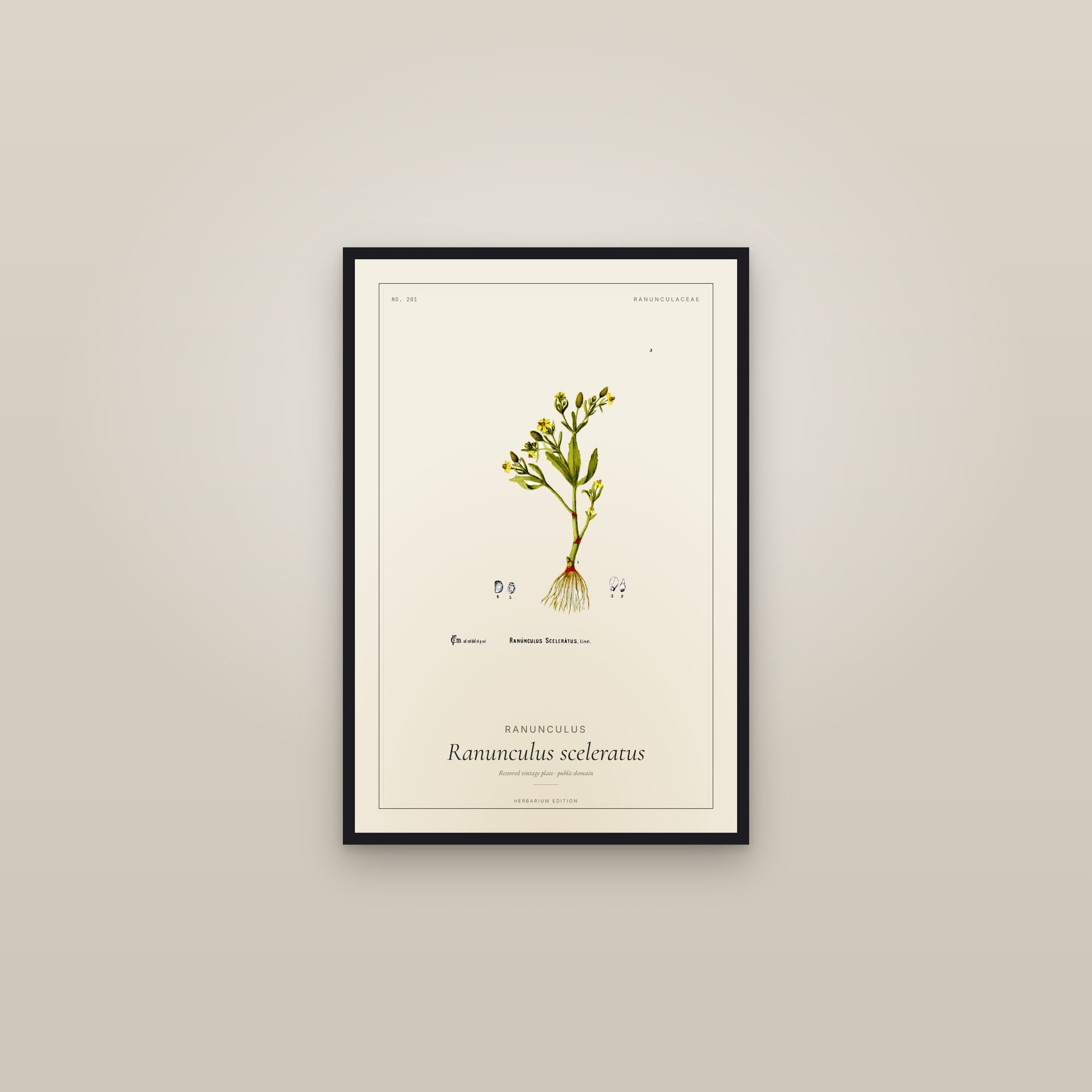
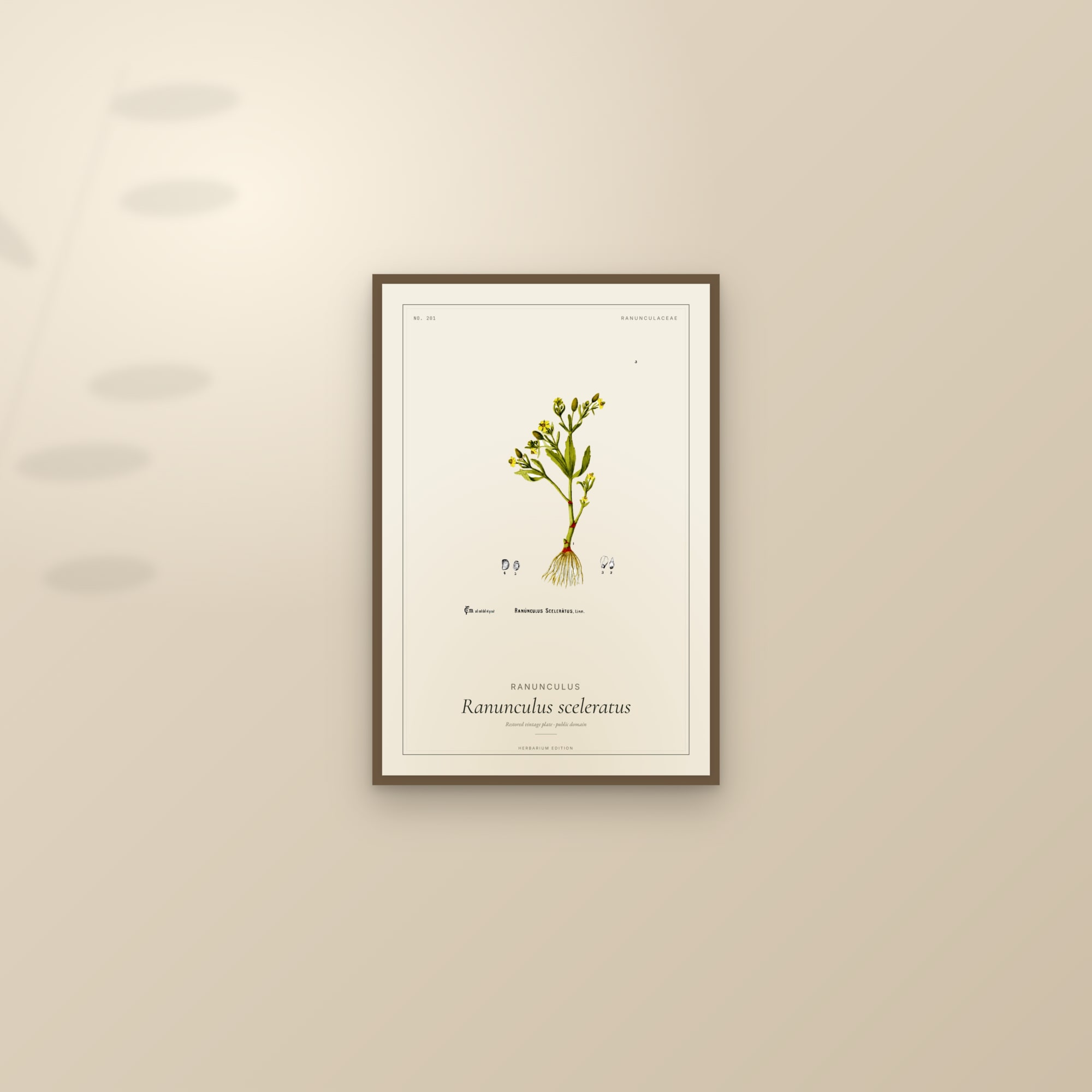
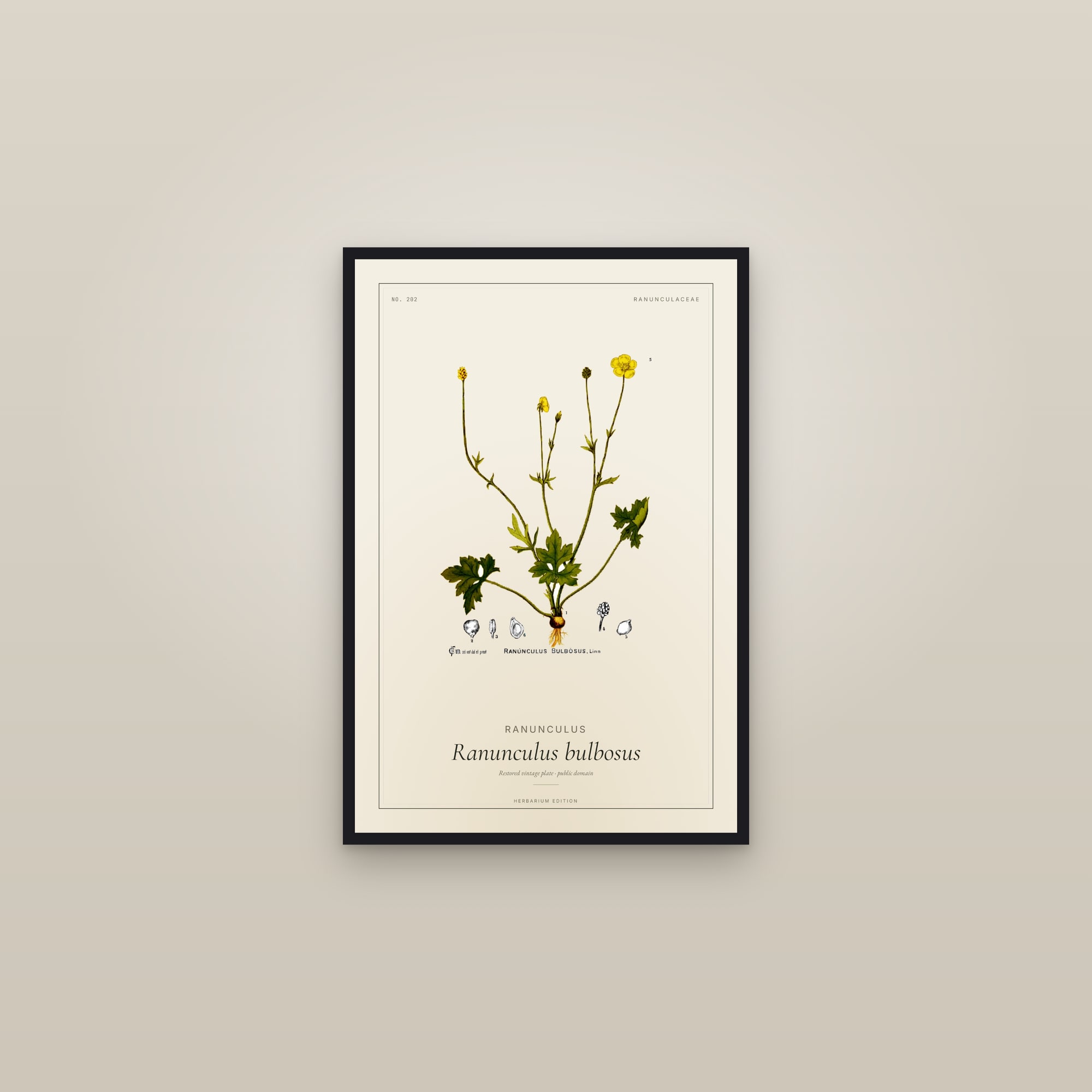
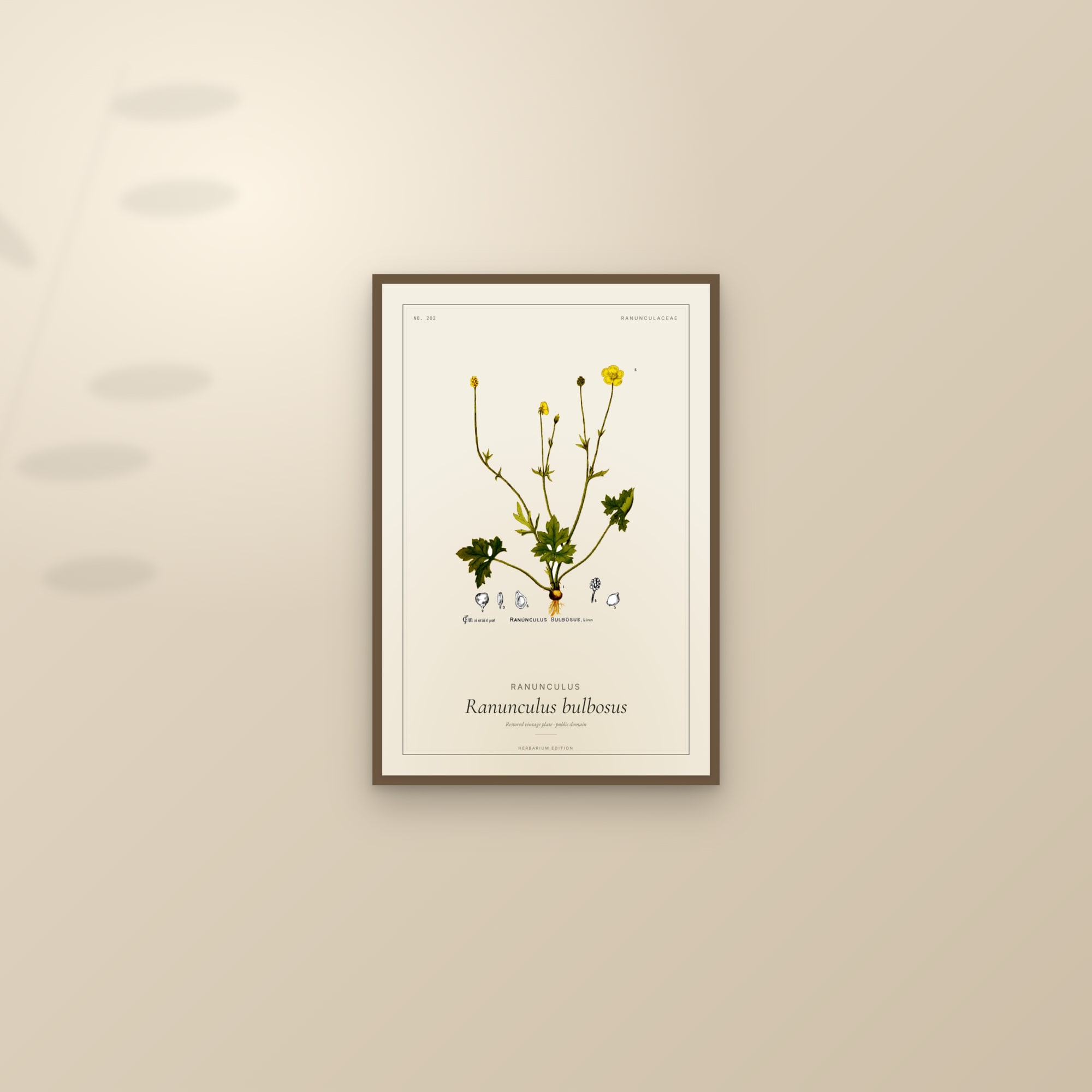
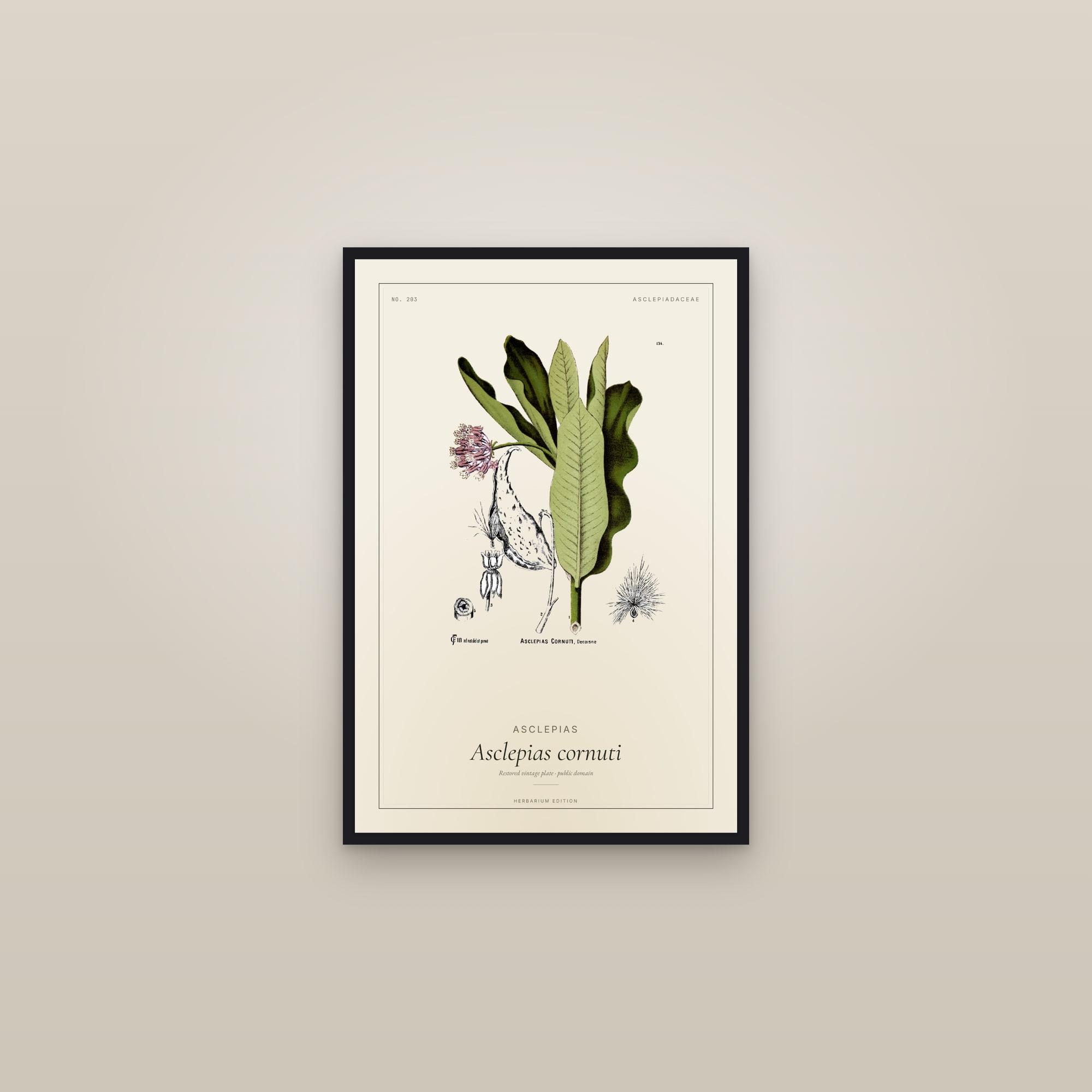
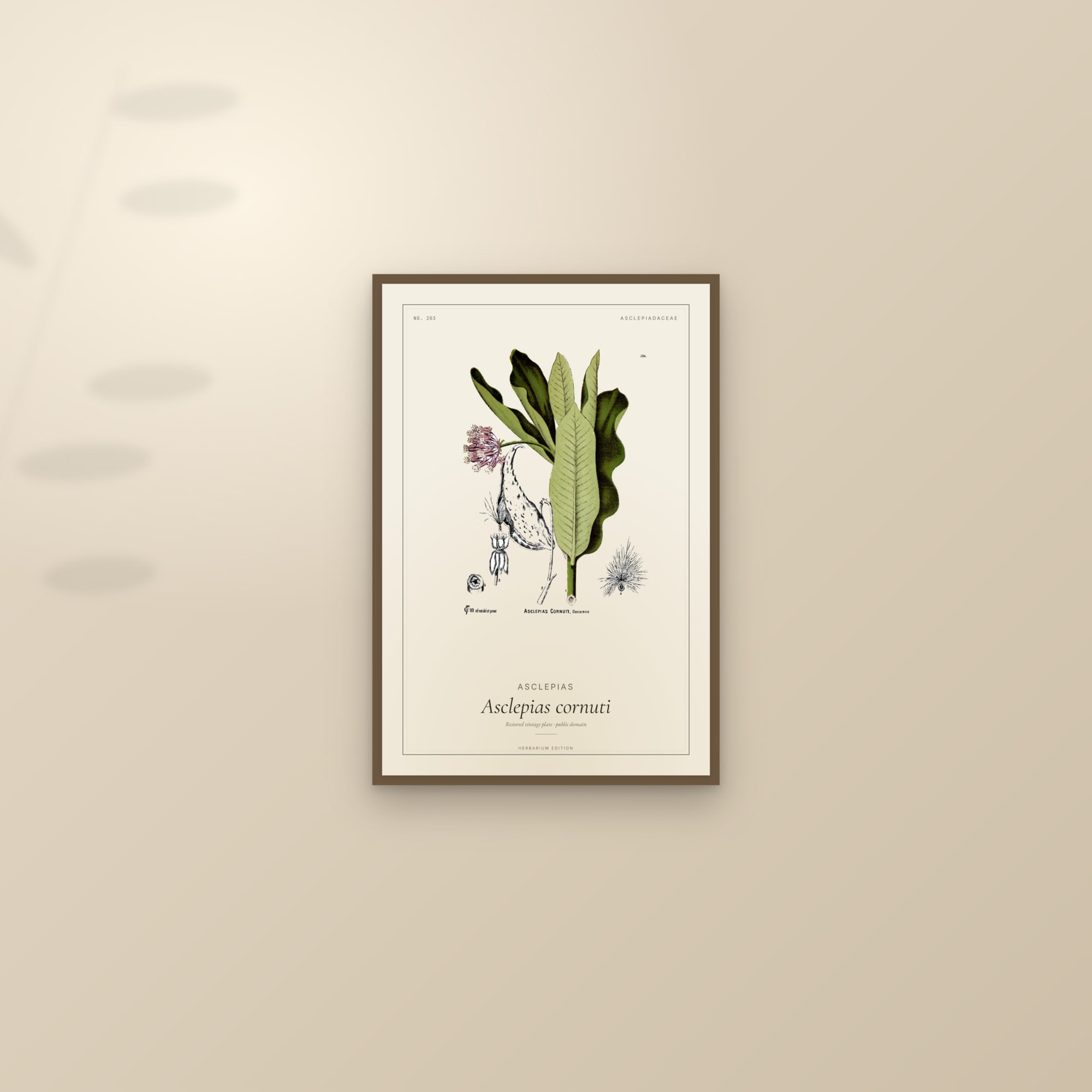
Charles Frederick Millspaugh's American Medicinal Plants (1887) — elegant plates of magnolia and the North American herbal flora. Restored and printed to order on heavyweight matte paper.
4 prints · printed to order on heavyweight matte paper · framed or unframed
About Charles Frederick Millspaugh
Charles Frederick Millspaugh was born in Ithaca, New York, in June 1854, attended Cornell from 1872 to 1875 and qualified as a physician at the New York Homeopathic Medical College in 1881. He practised in Binghamton until 1890, but his interest was in the plants behind the remedies, and while in practice he drew, painted and described them. American Medicinal Plants, completed in 1887, is the result: 180 chromolithograph plates from his own watercolours, each showing a flowering stem with dissected details of flower, fruit and seed, accompanied by botanical descriptions, the history of the plant's medical use and its chemistry. Magnolia, milkweed, buttercup, bloodroot, lobelia and poison ivy are drawn with the same care, and the plates remain among the best-known American botanical illustrations of the century. In 1891 he taught botany at West Virginia University, and in 1894 he became the first Curator of Botany at the new Field Columbian Museum in Chicago, now the Field Museum of Natural History, a post he held until his death; he also taught at the University of Chicago and published floras of West Virginia, Yucatán and Santa Catalina Island. He died in Chicago in September 1923. The plates set a single plant against white with its parts laid out beside it, which gives them a clean, almost diagrammatic grace on a wall.