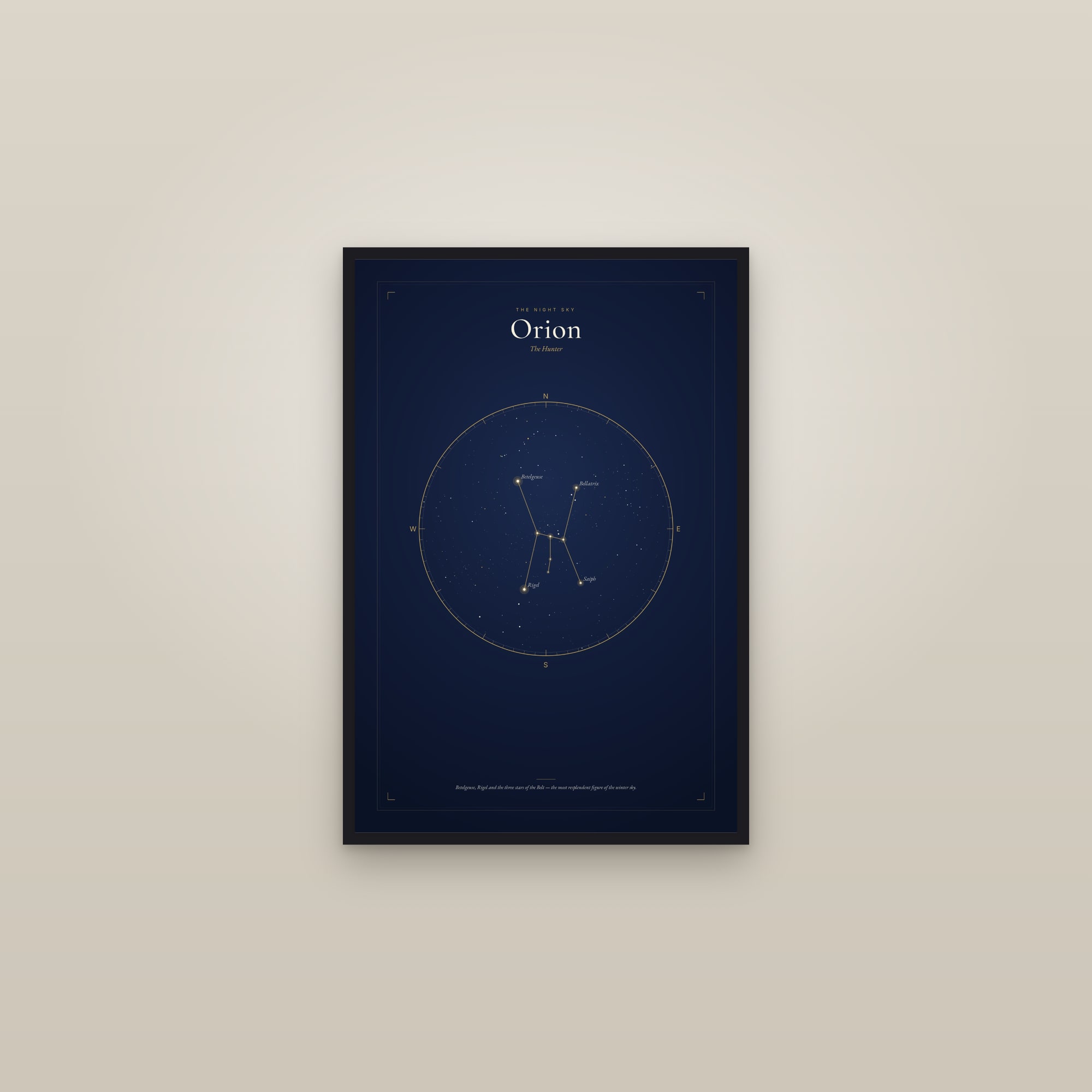
Early Abstract Art
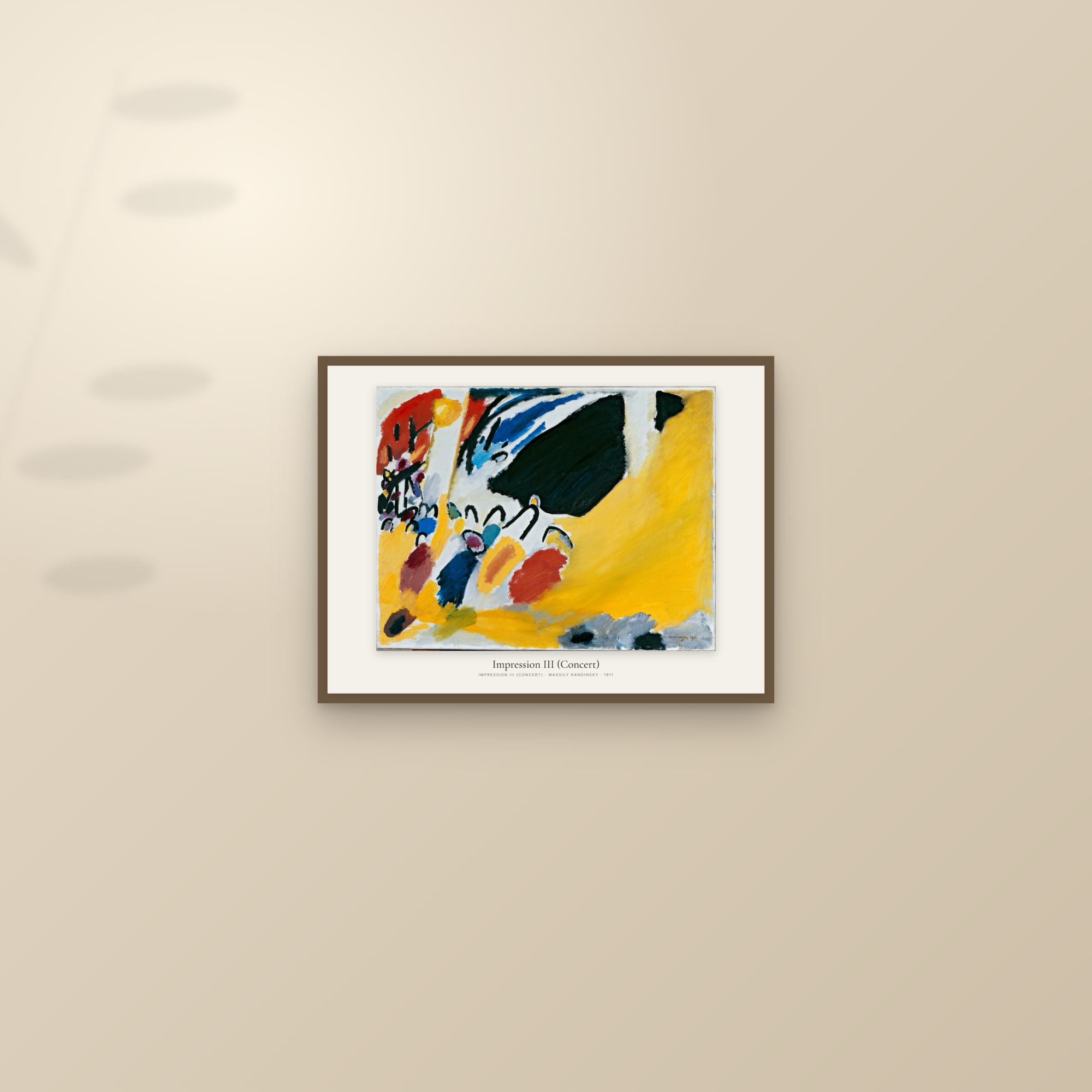
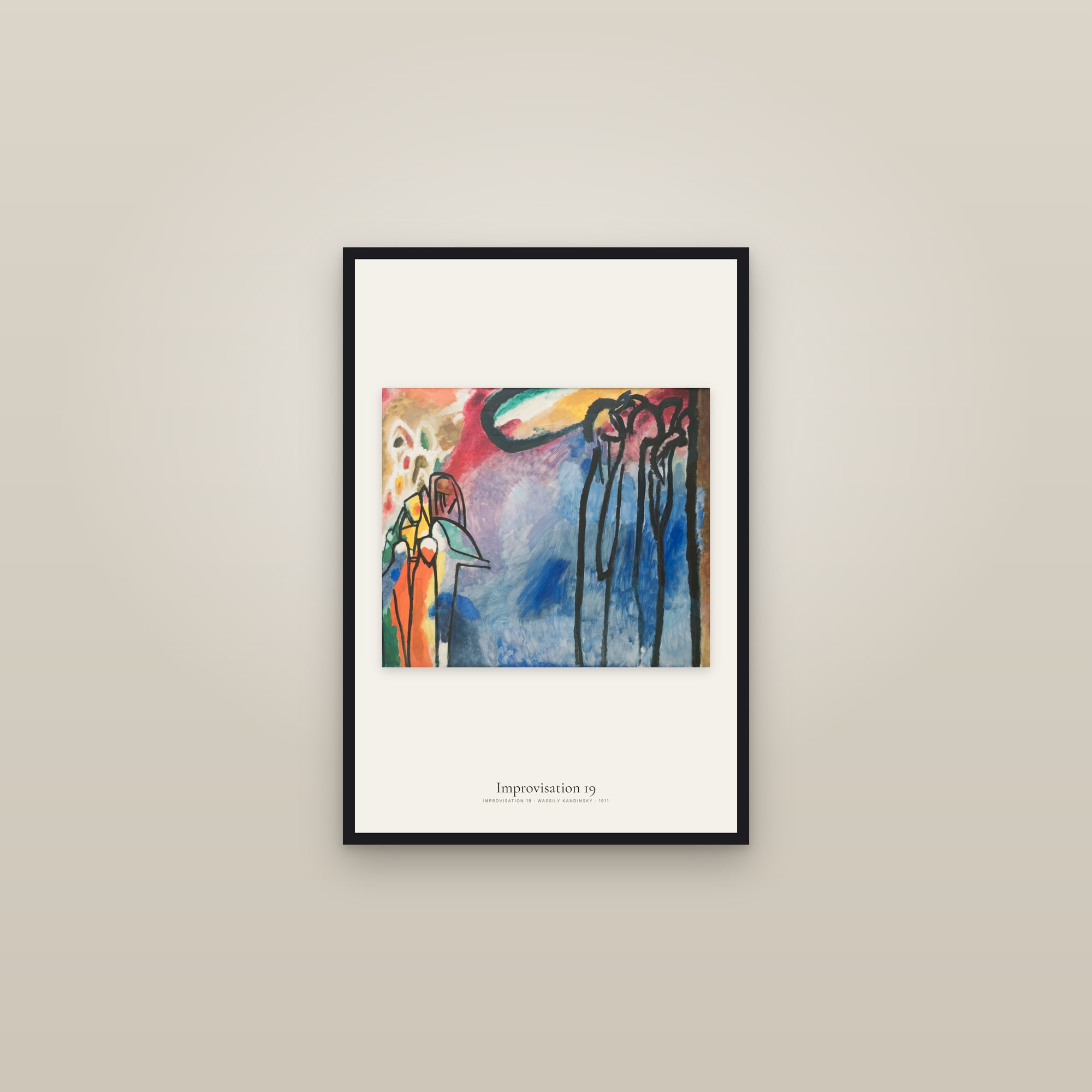
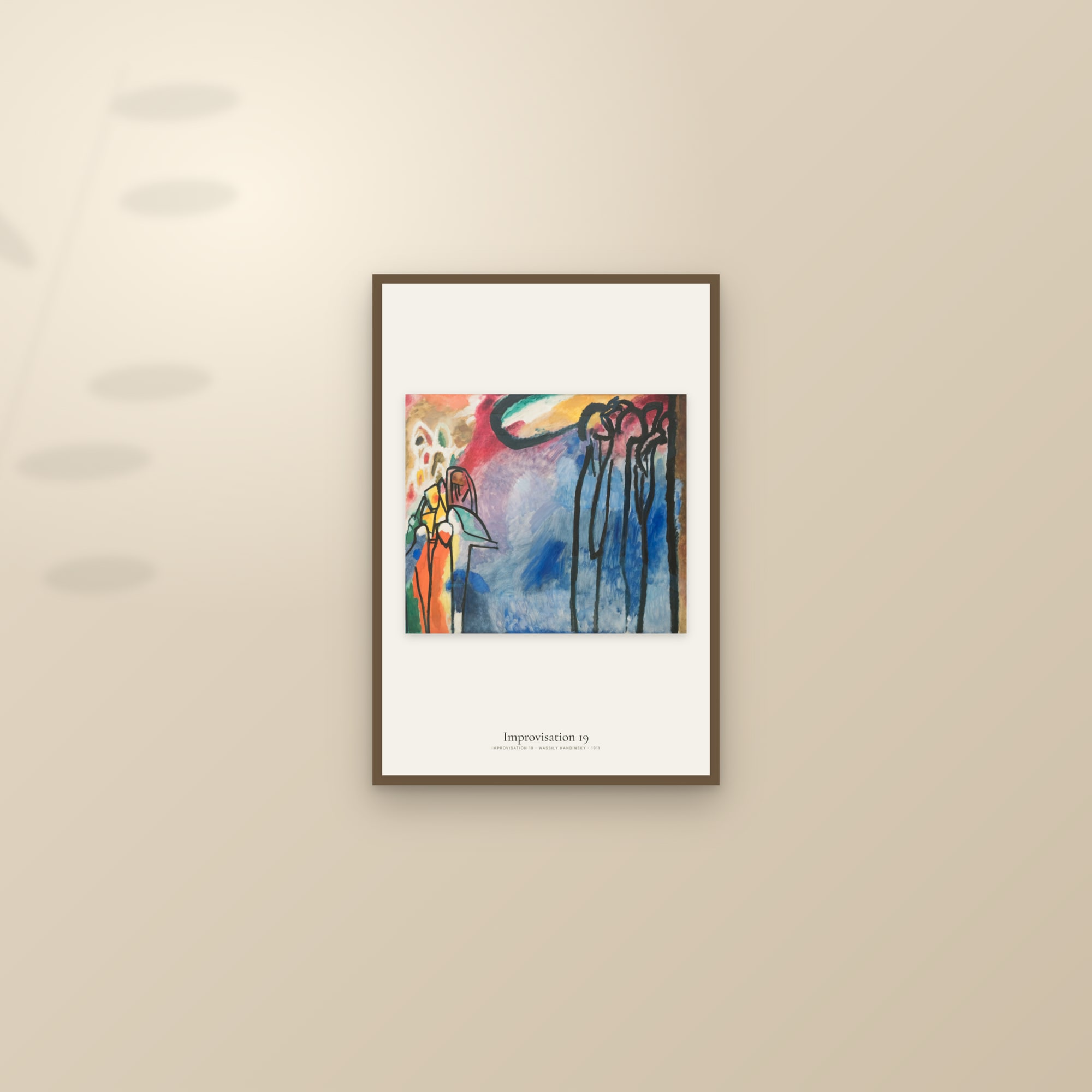
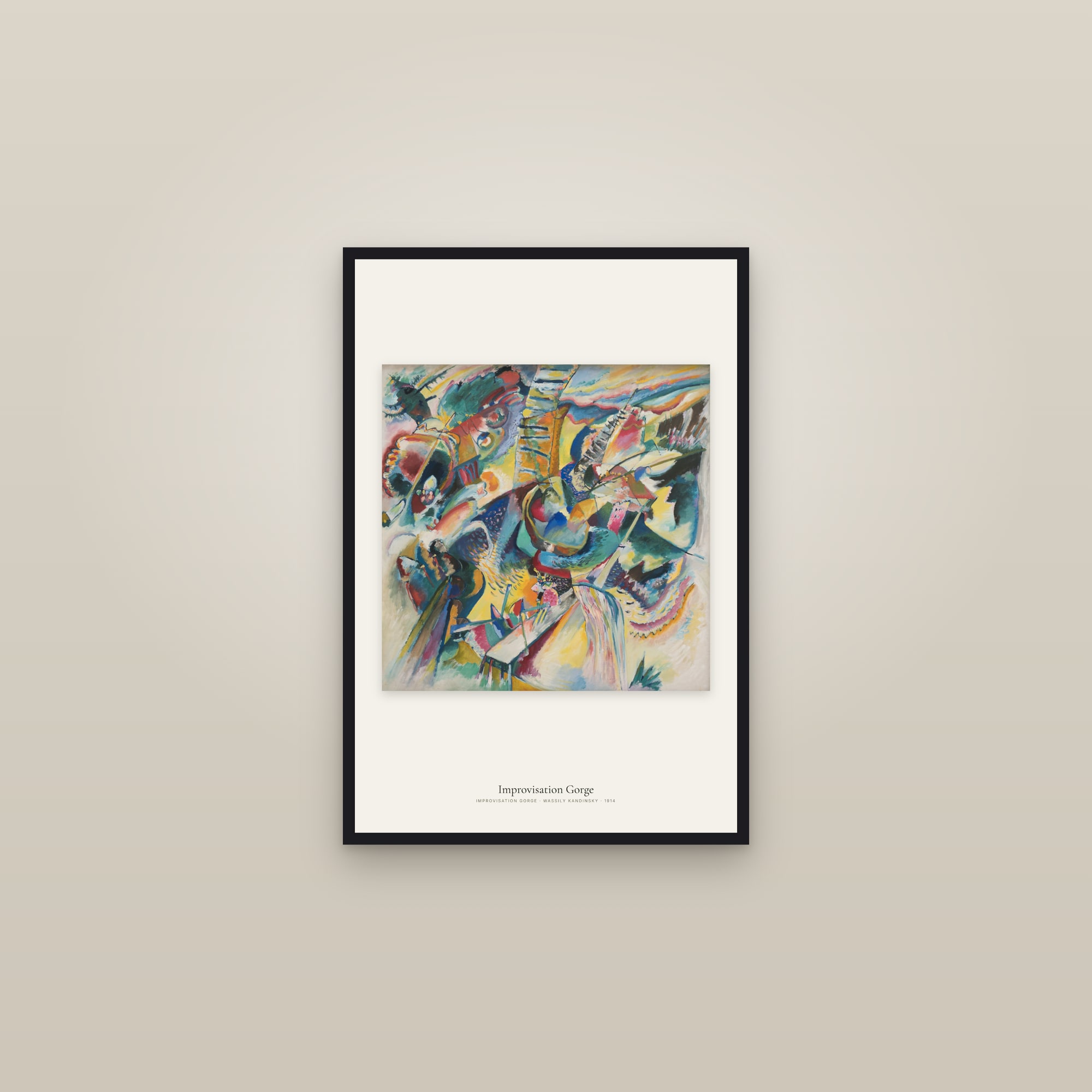
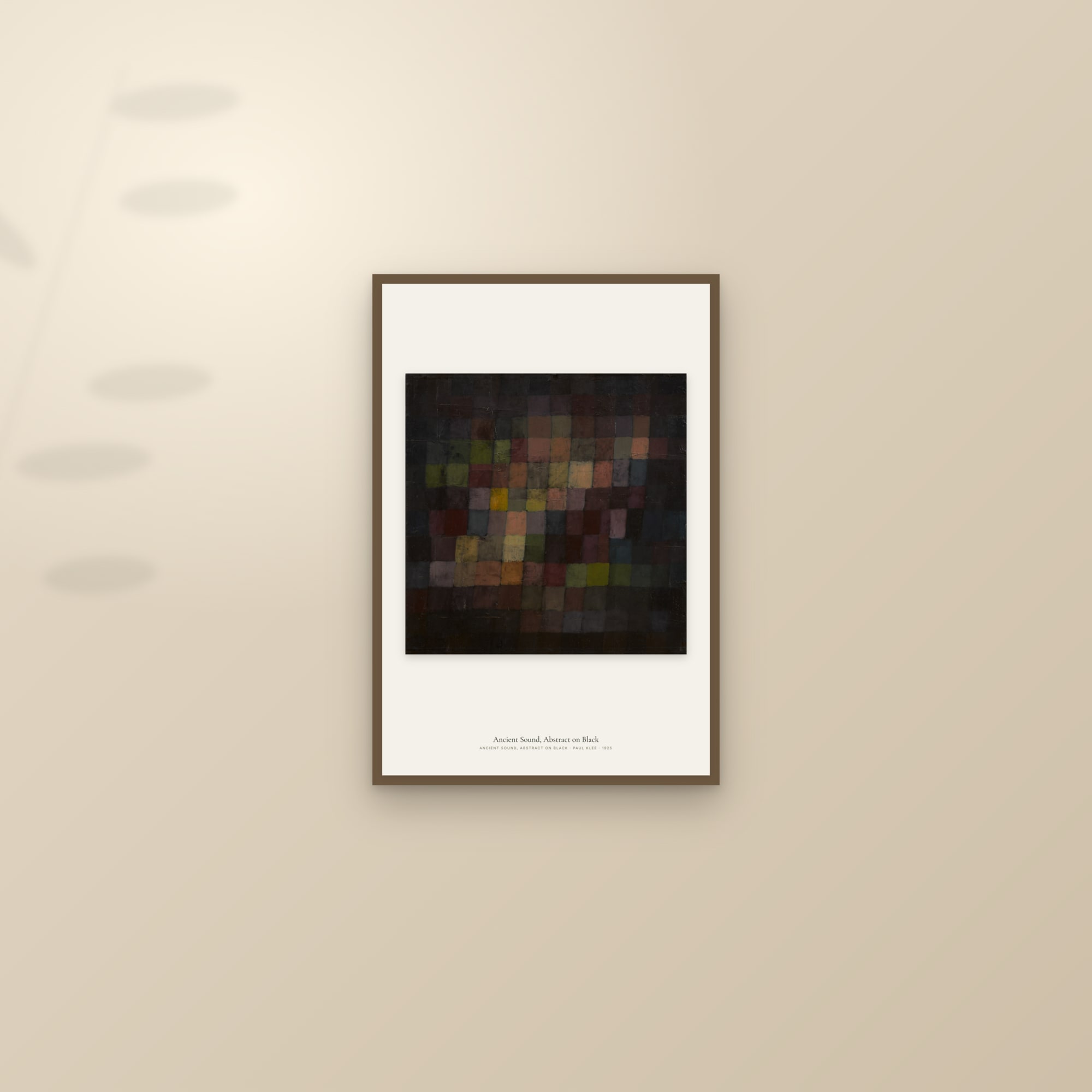
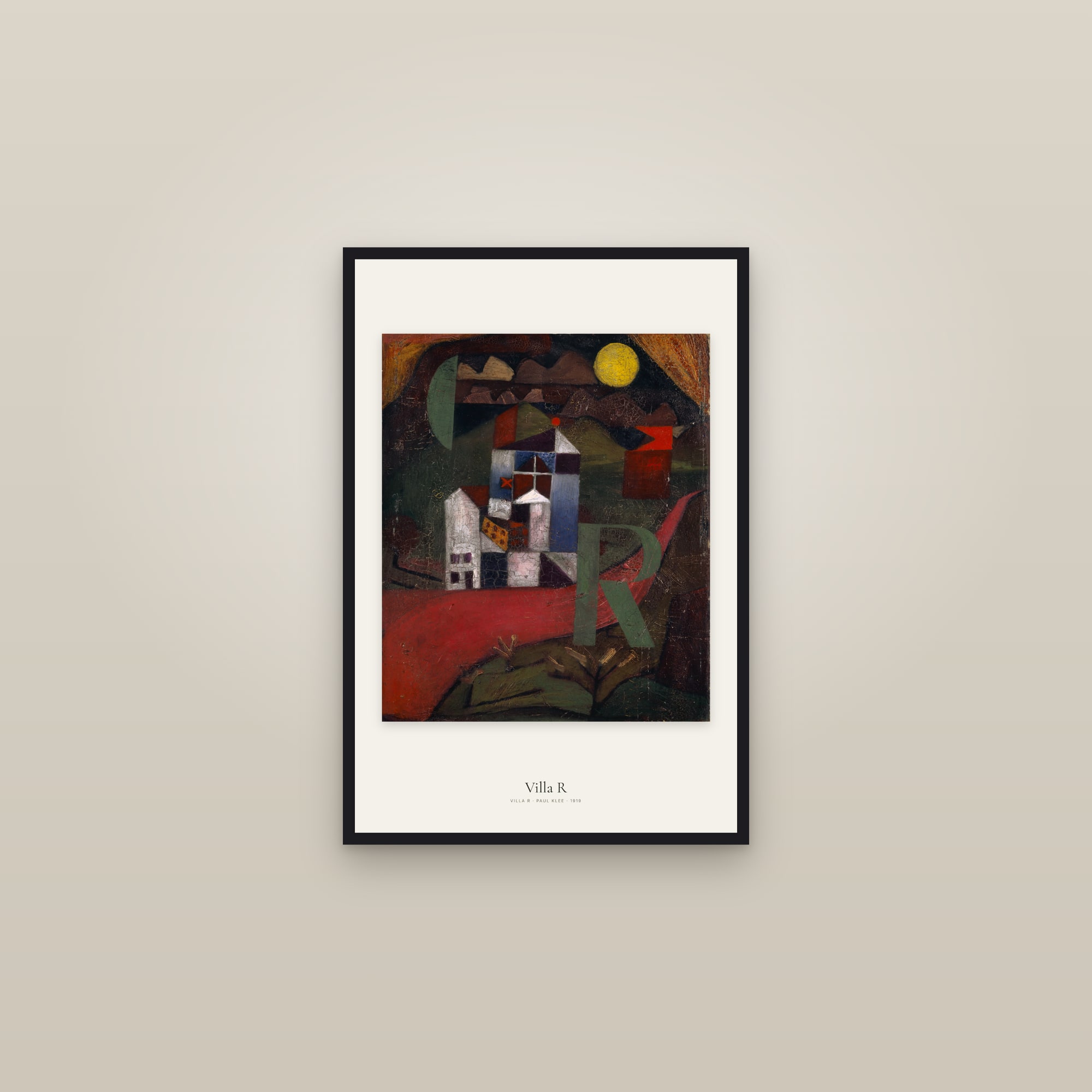
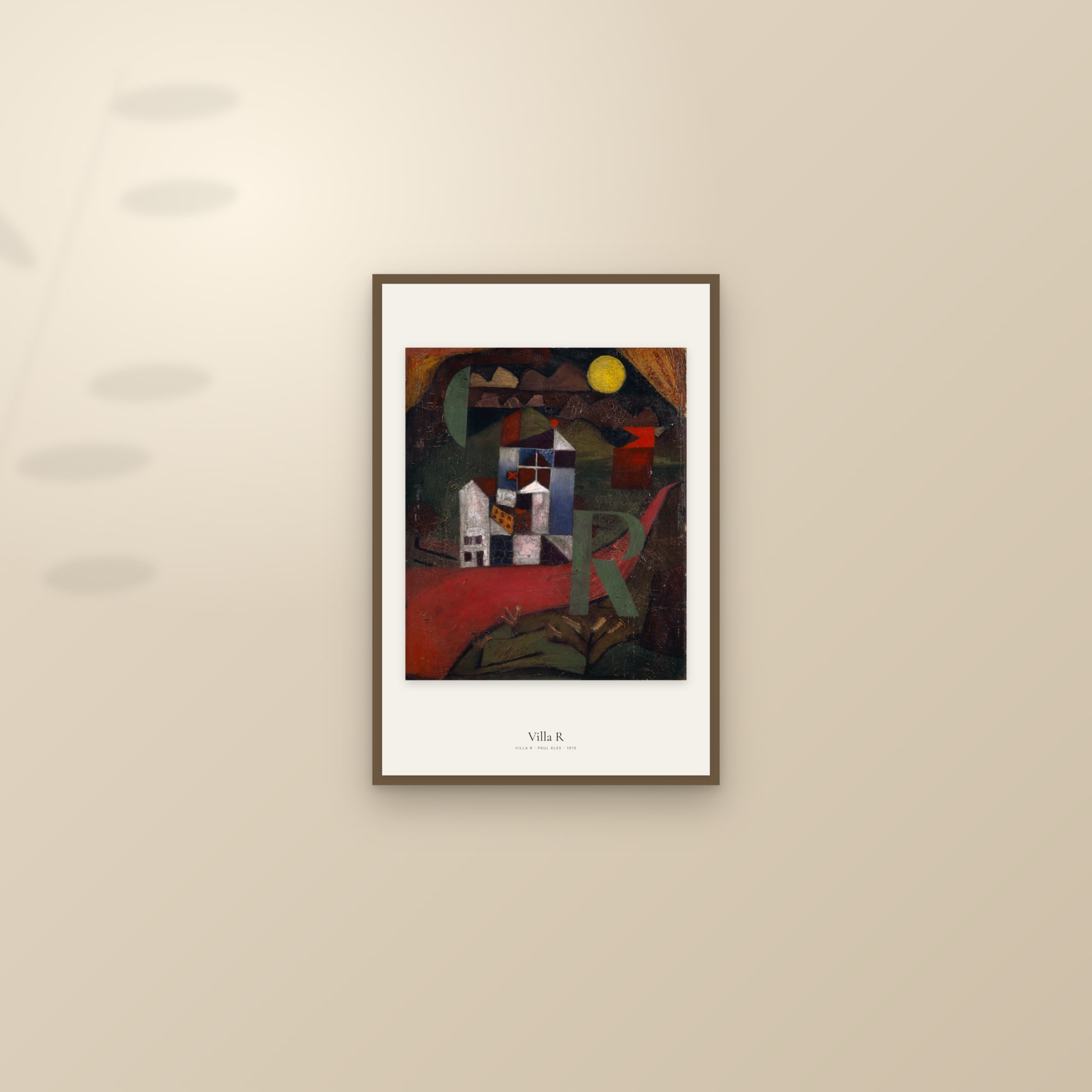
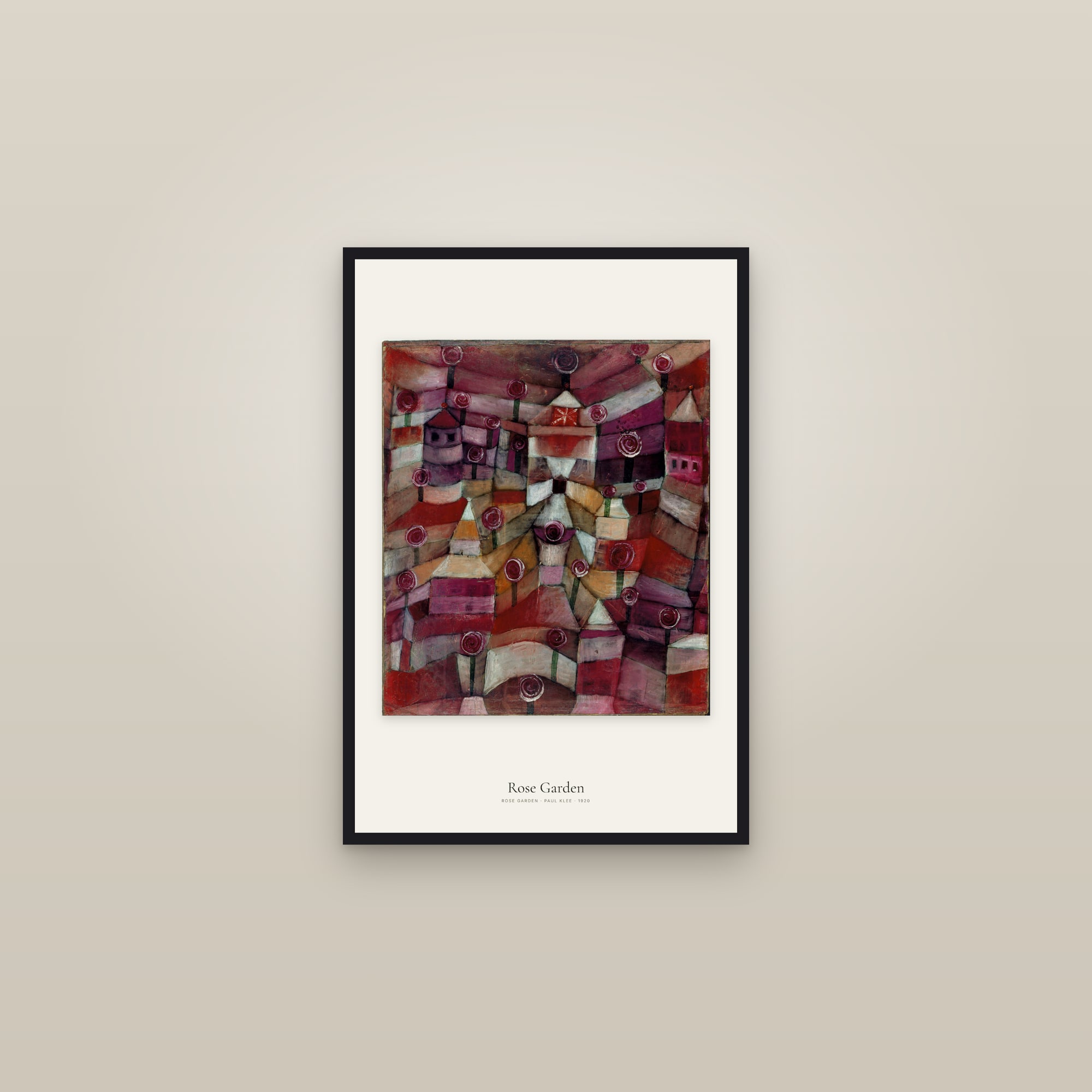
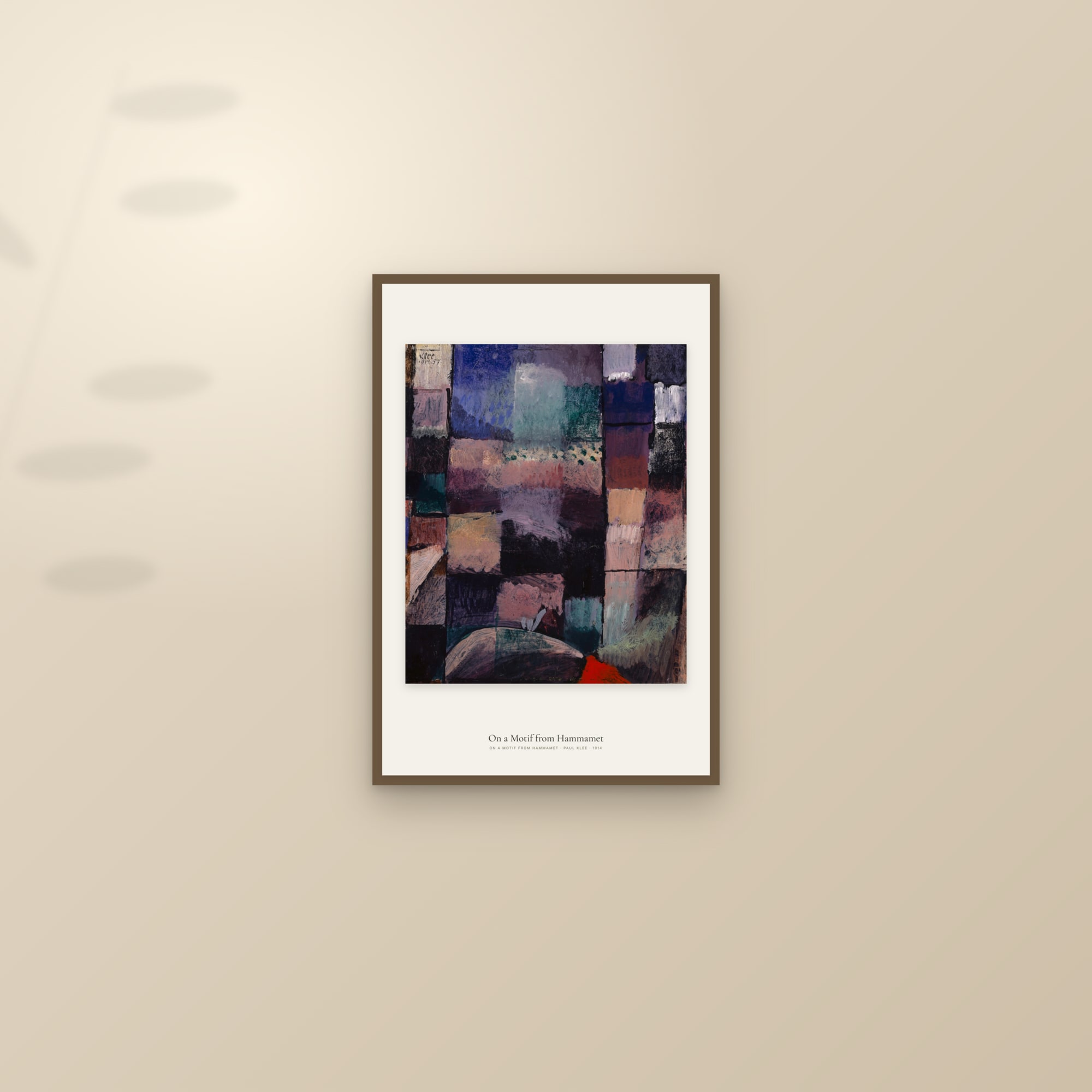
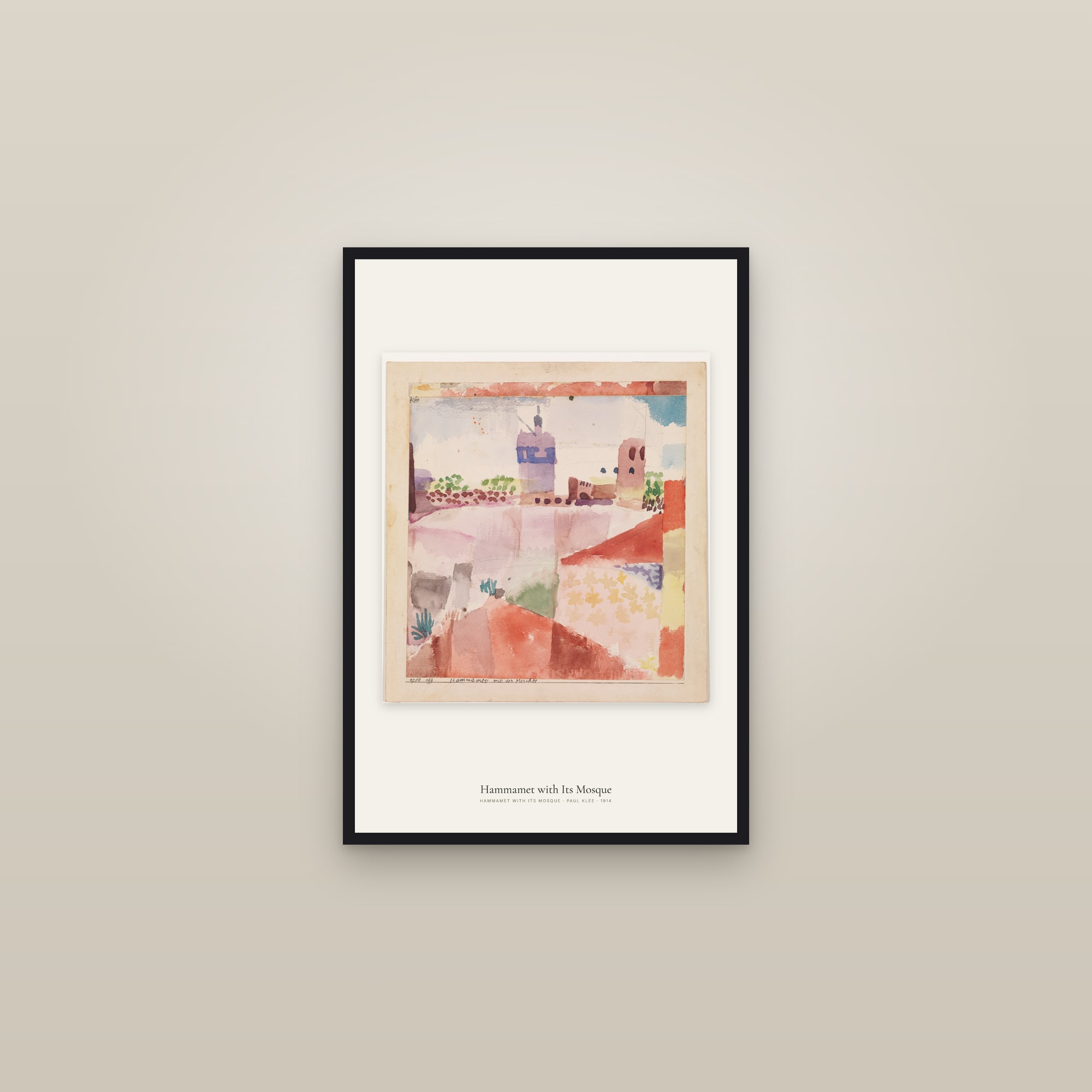
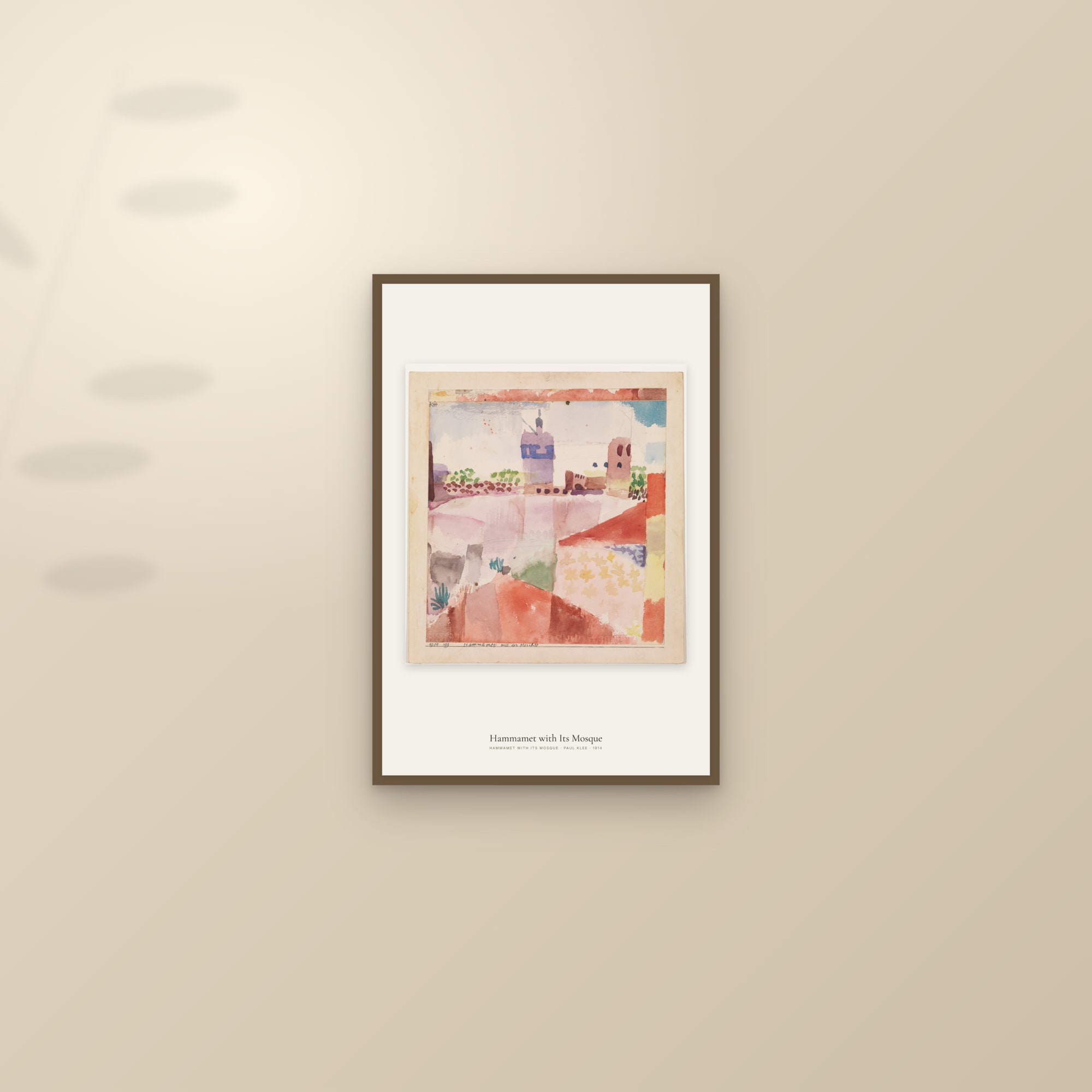
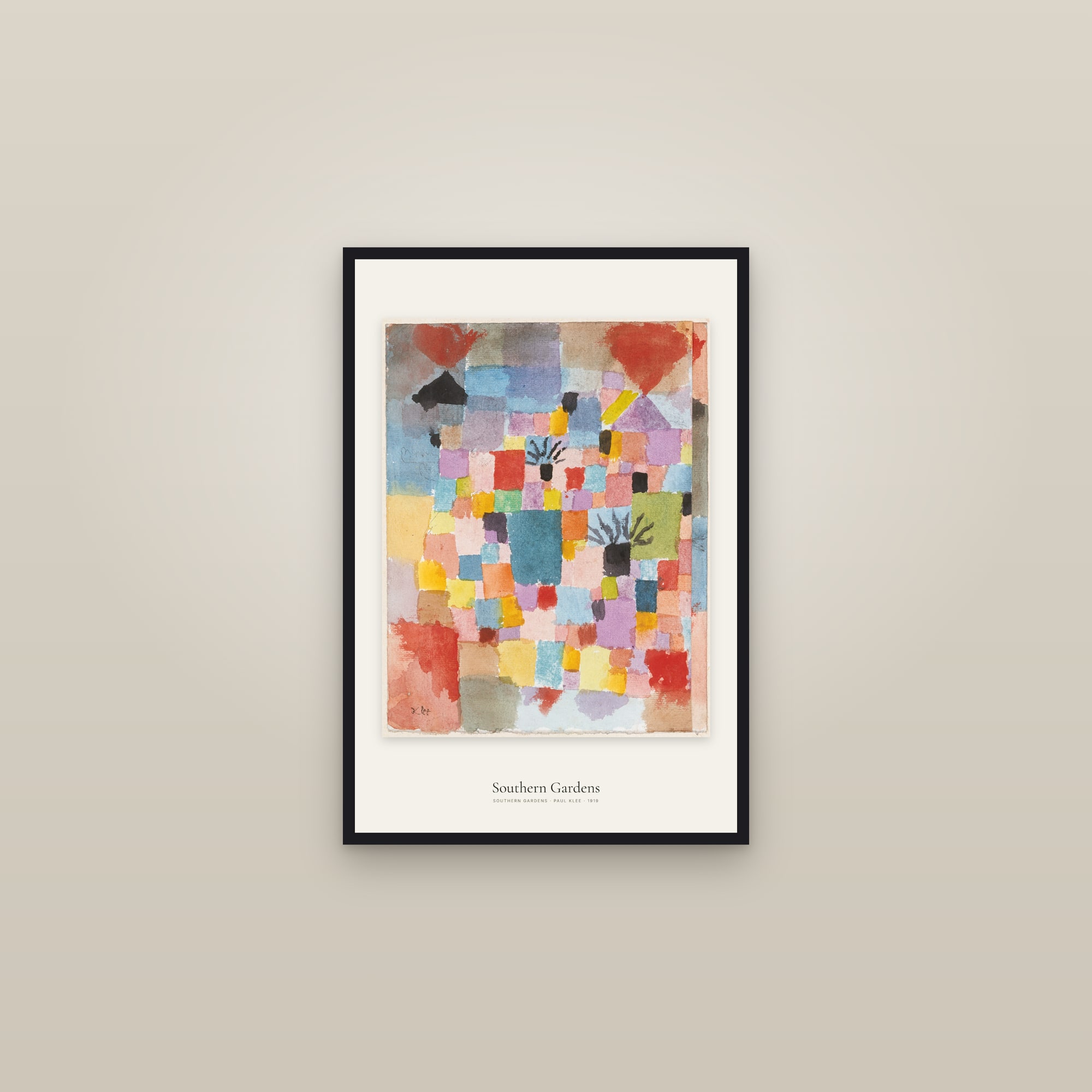
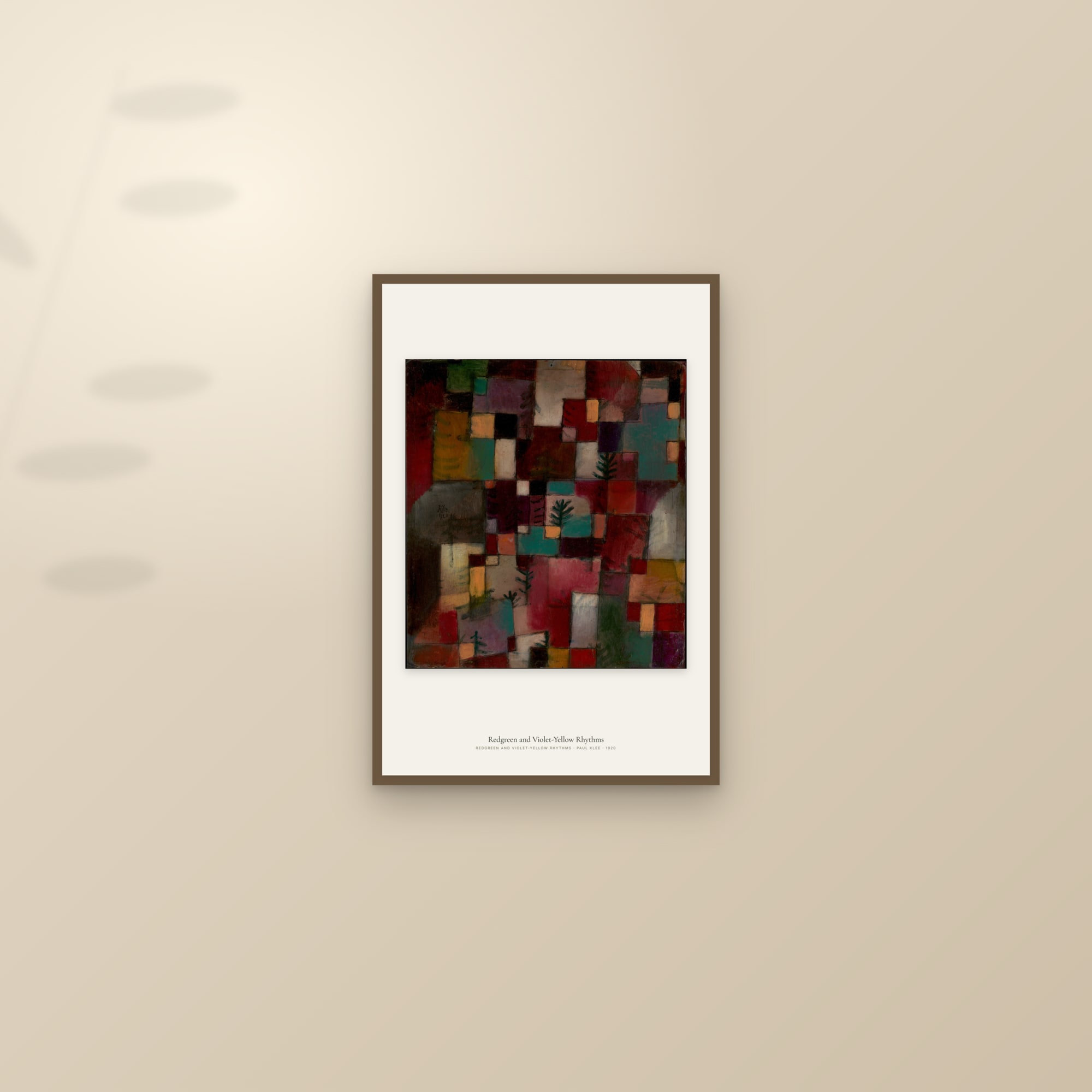
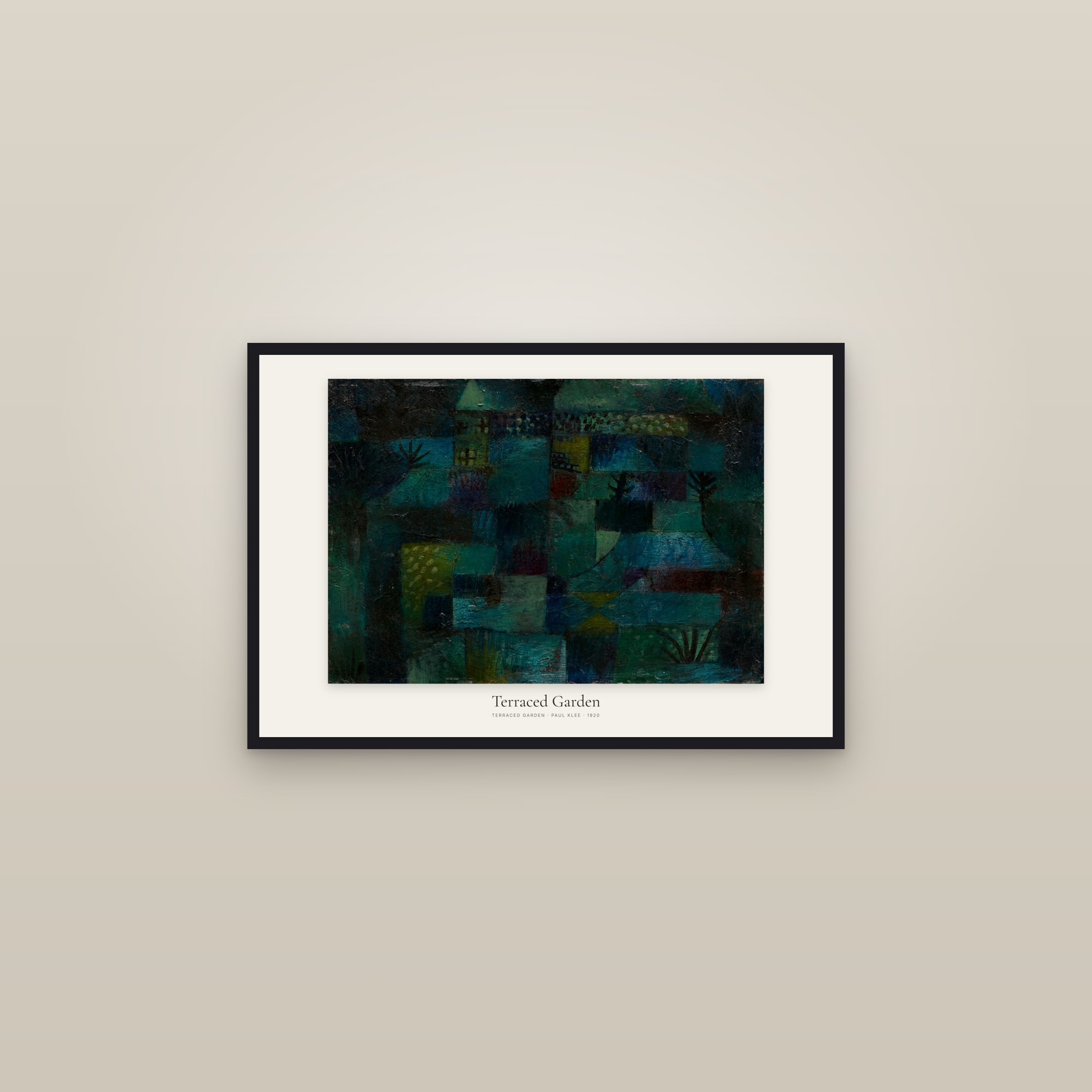
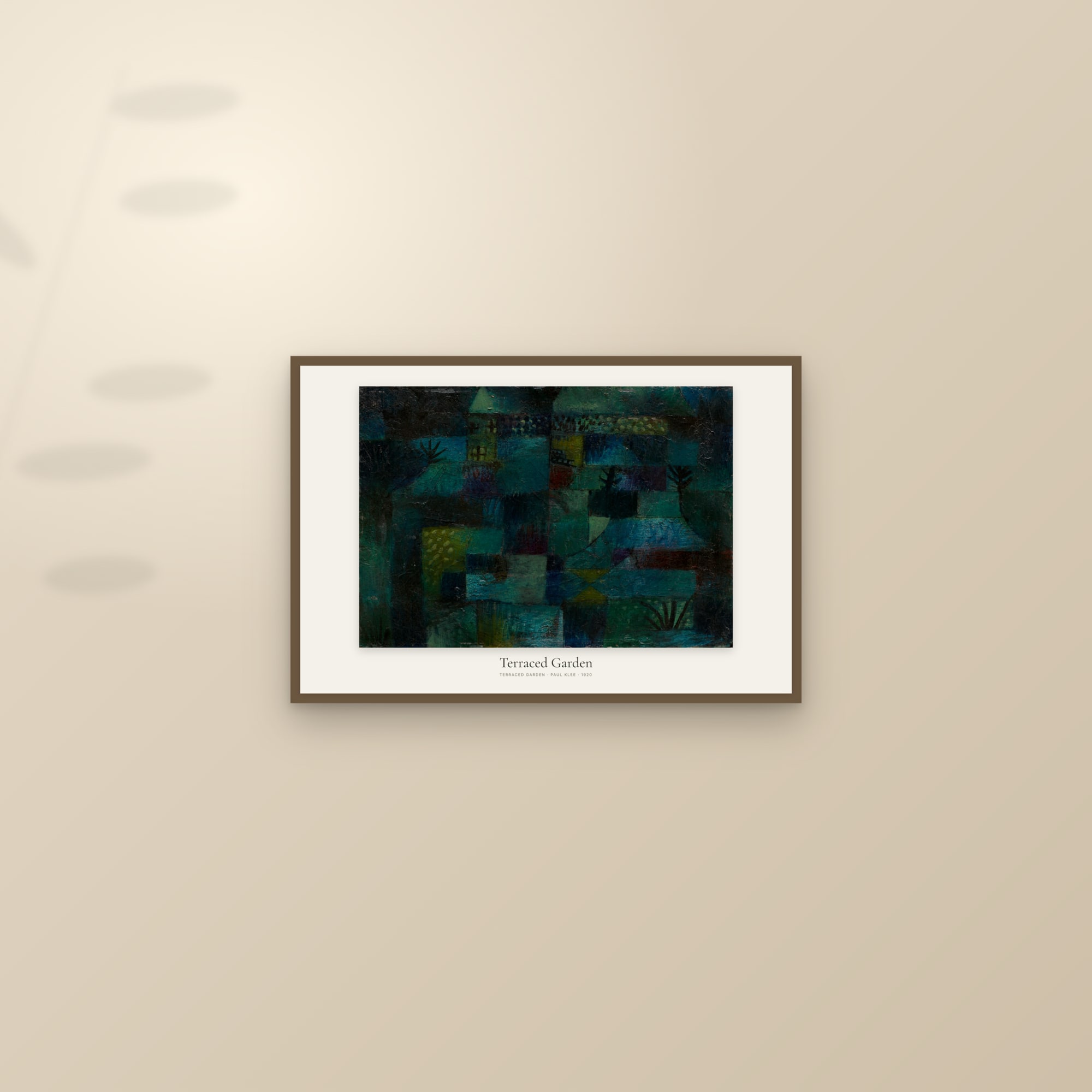
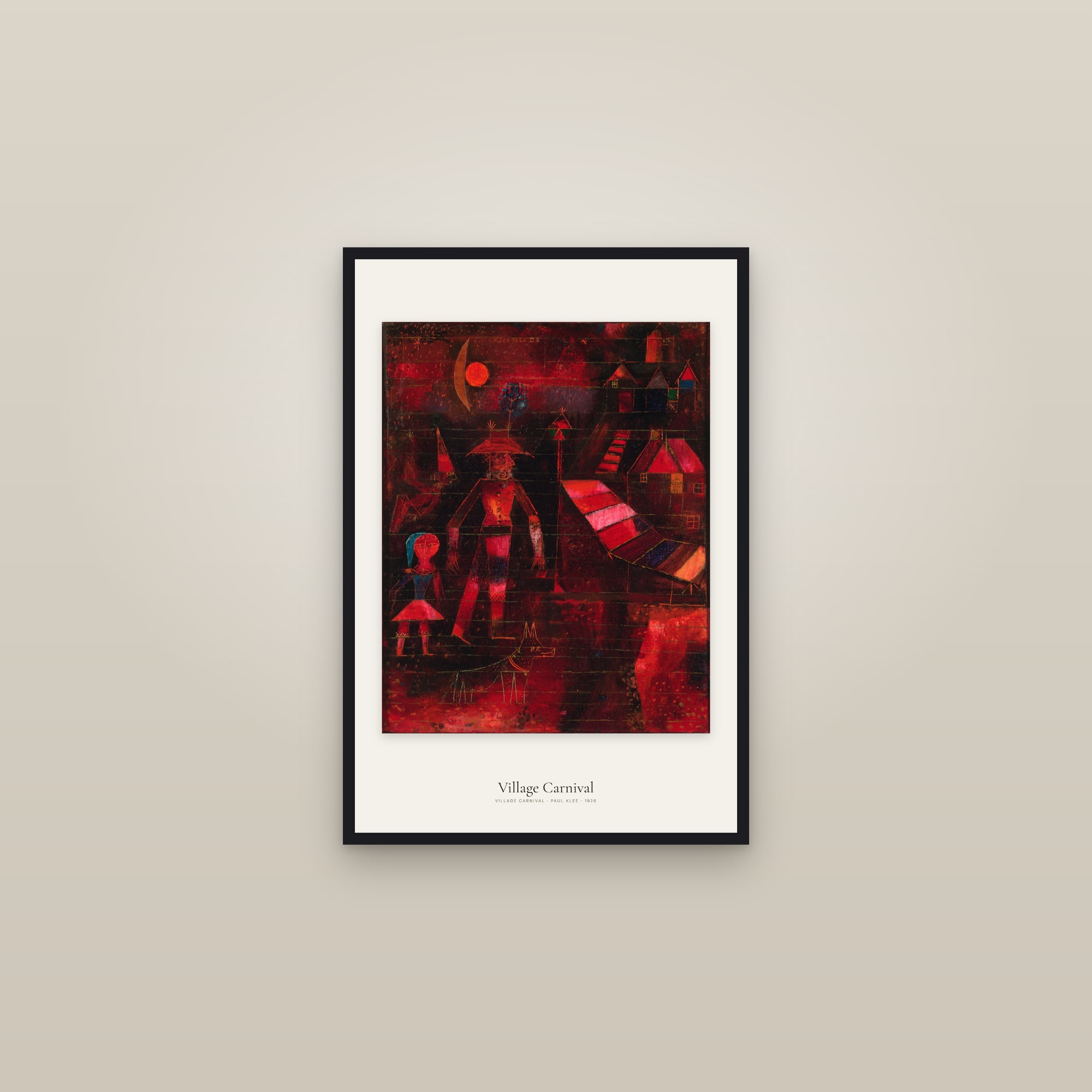
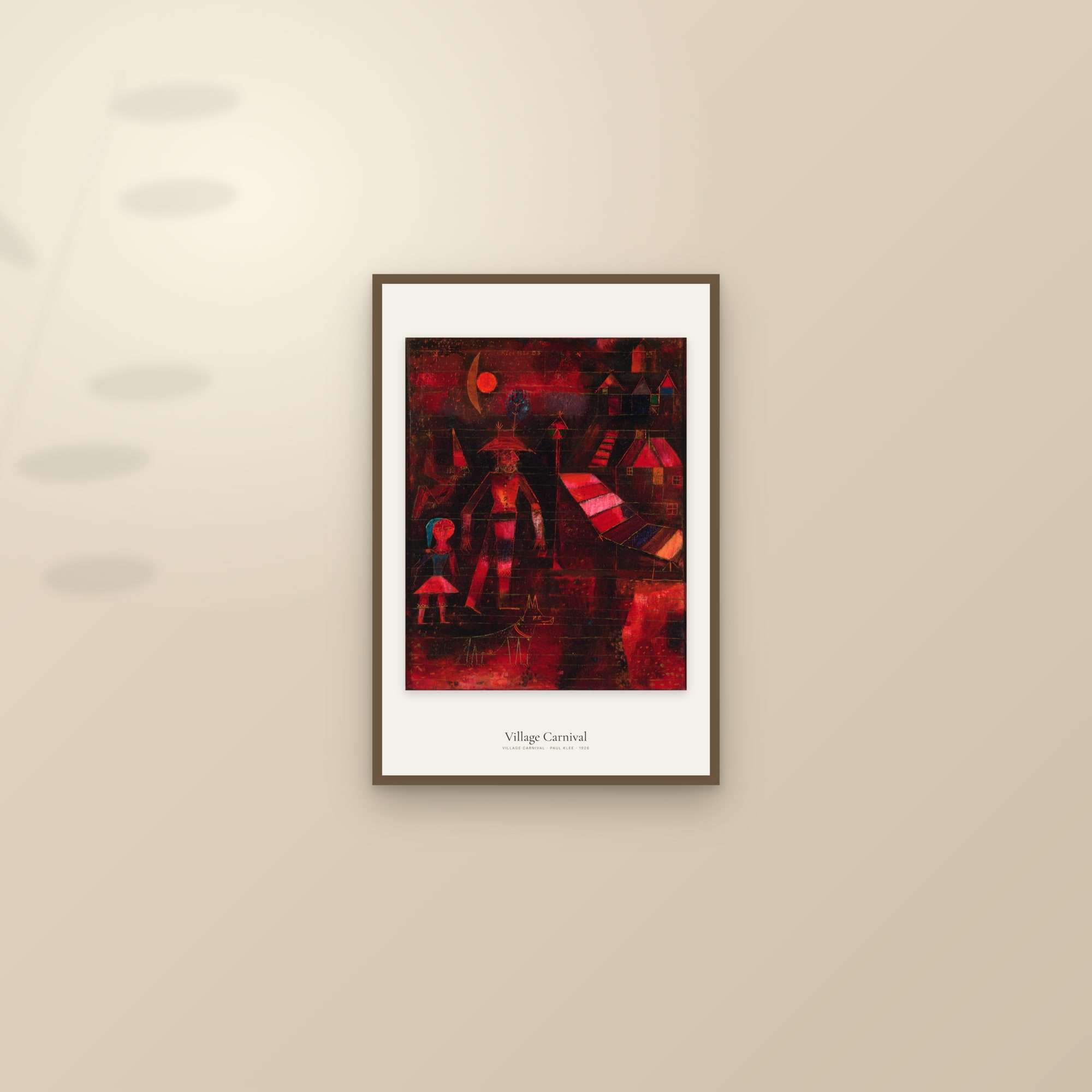
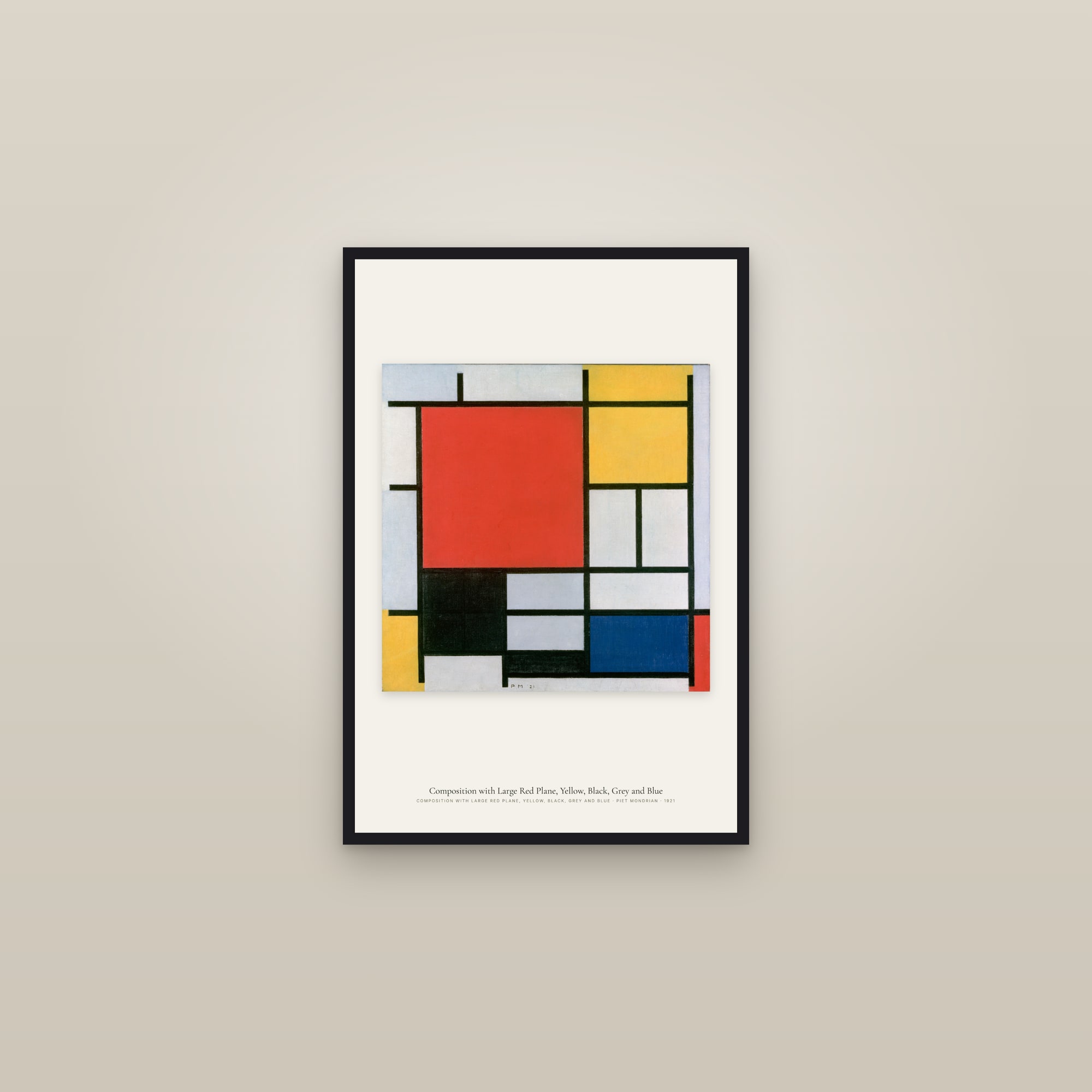
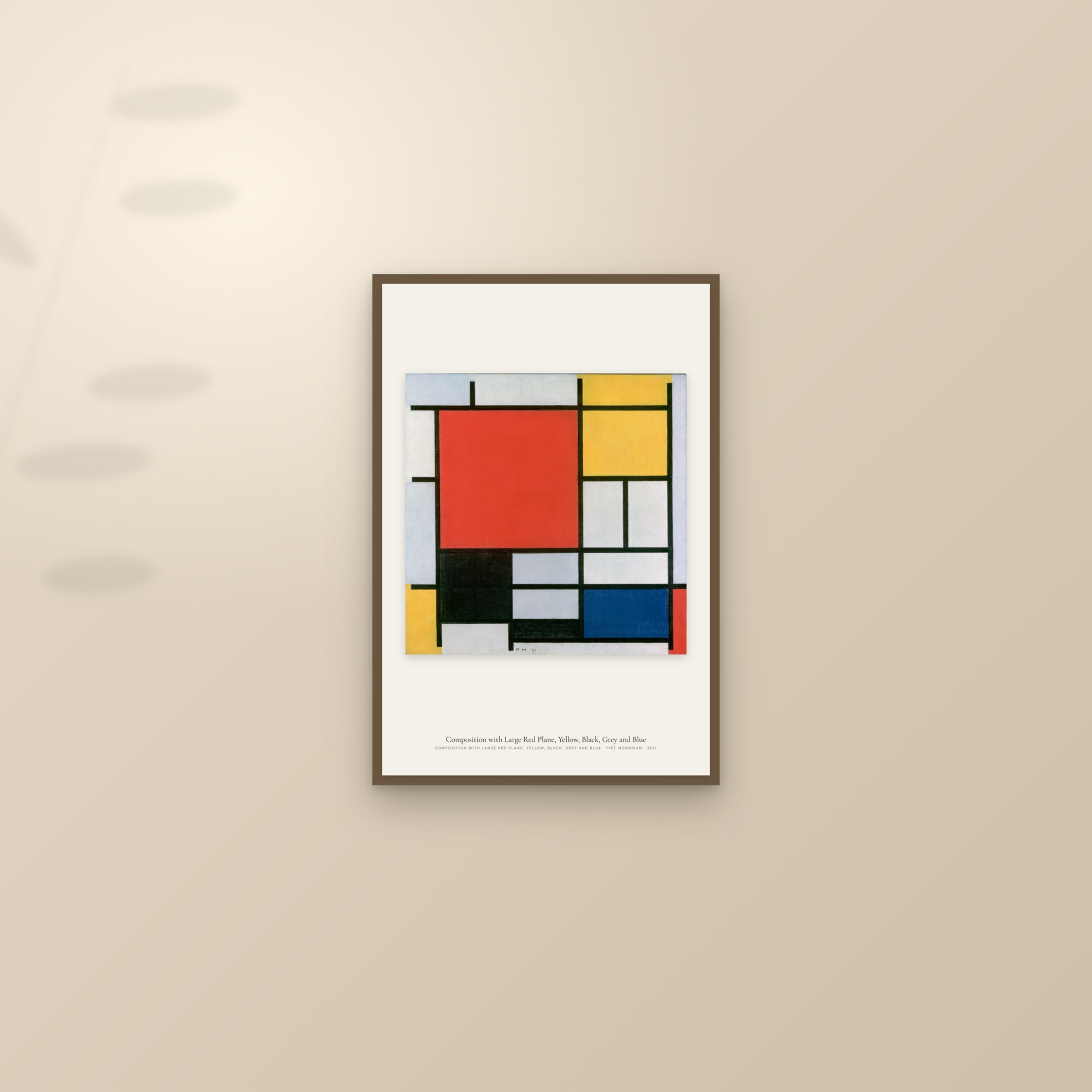
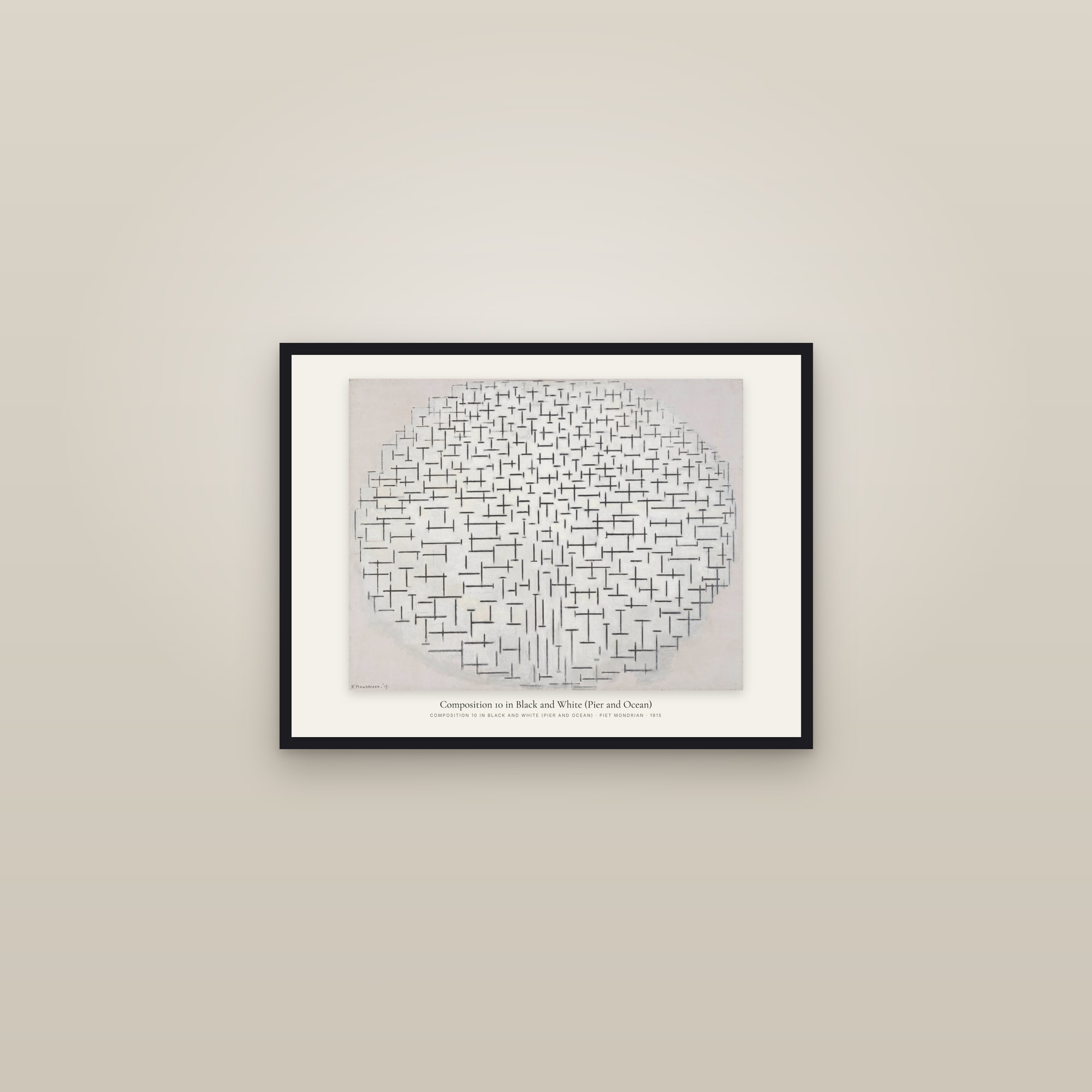
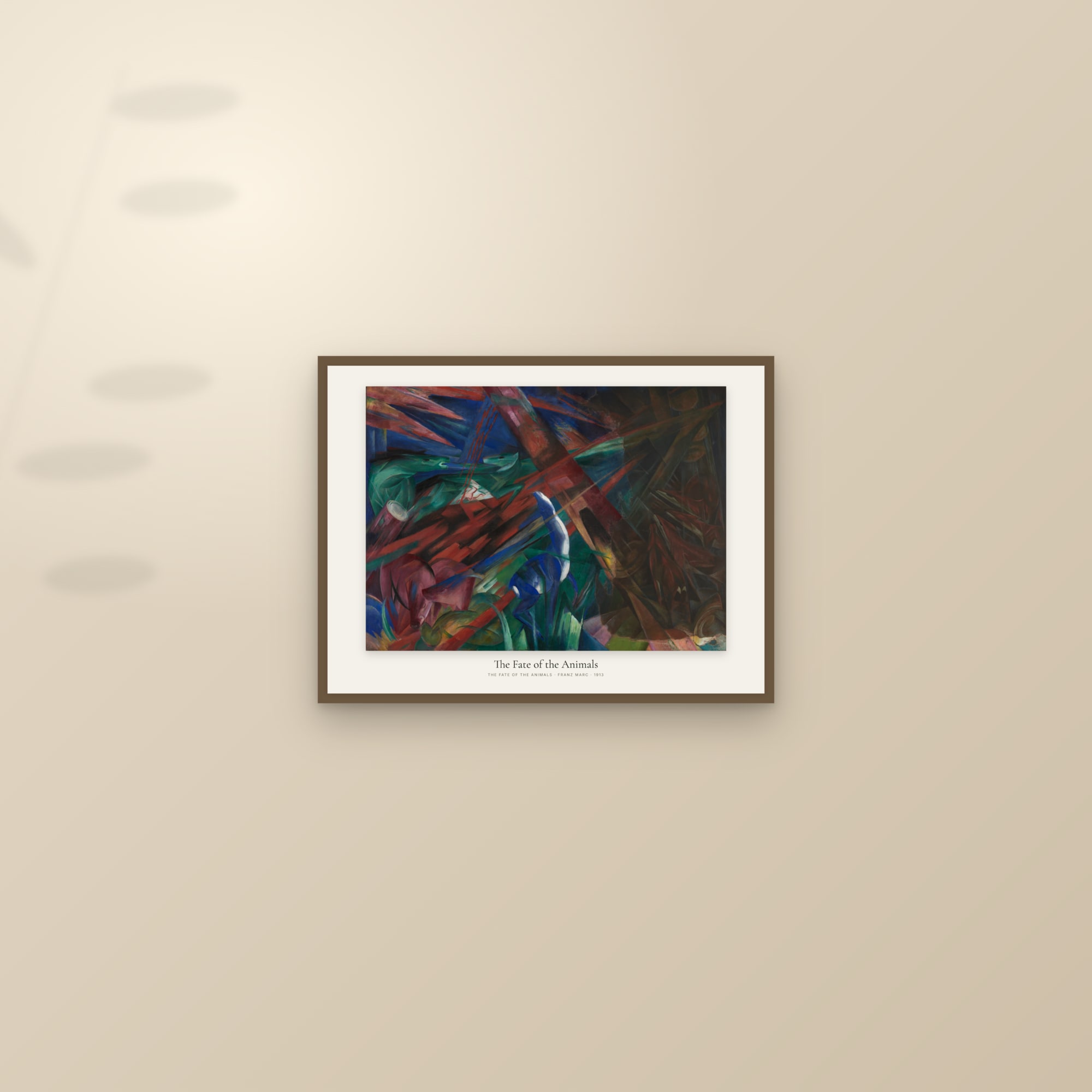
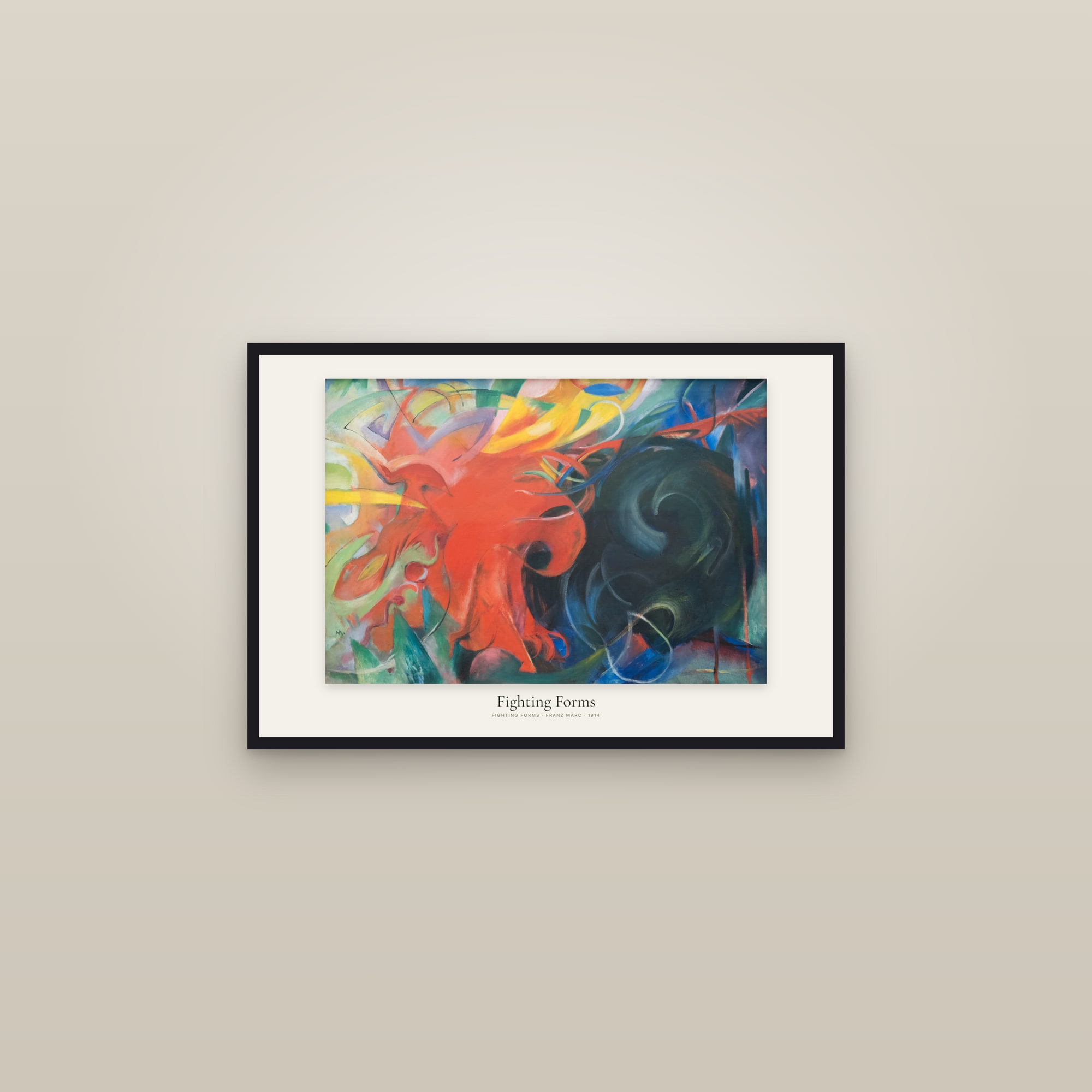
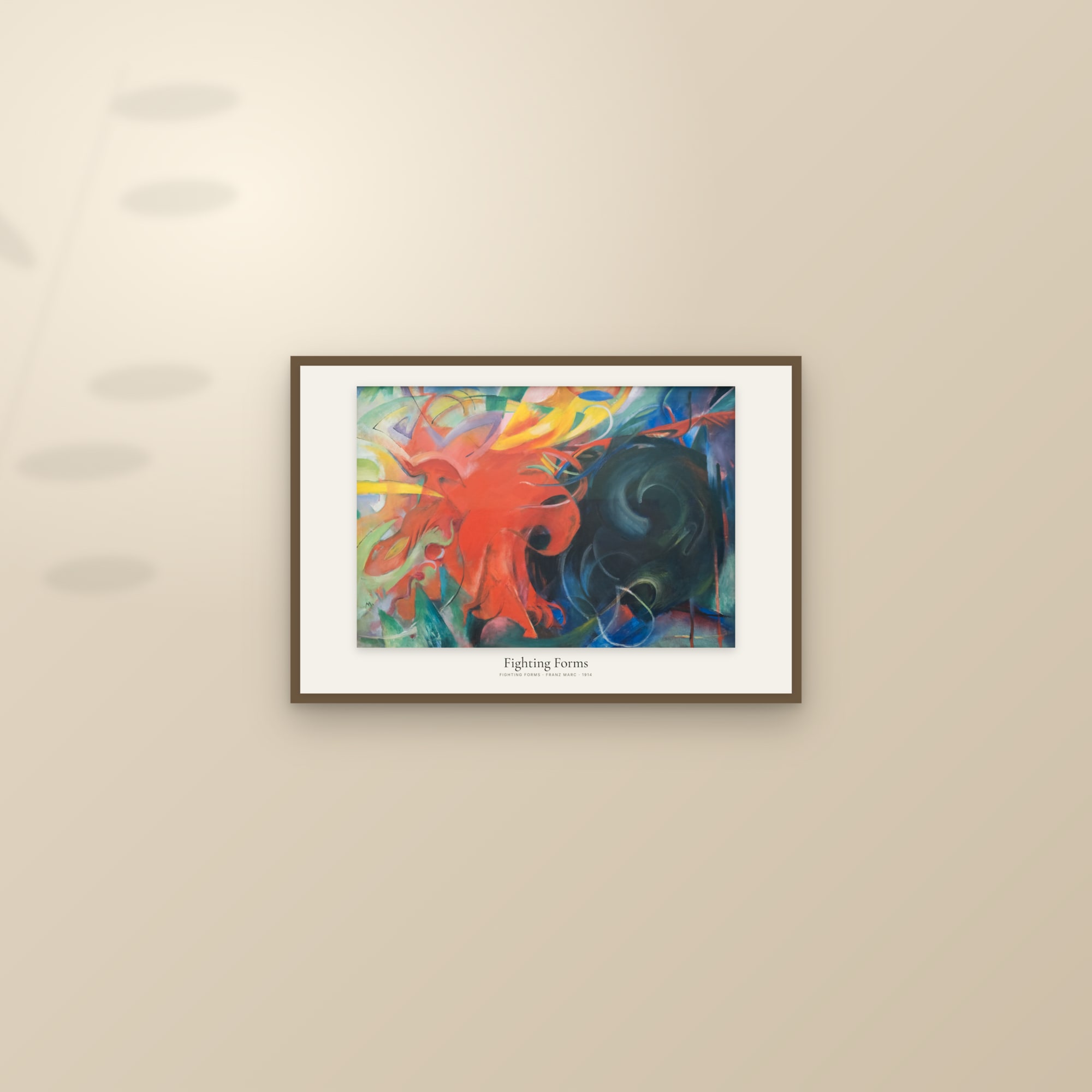
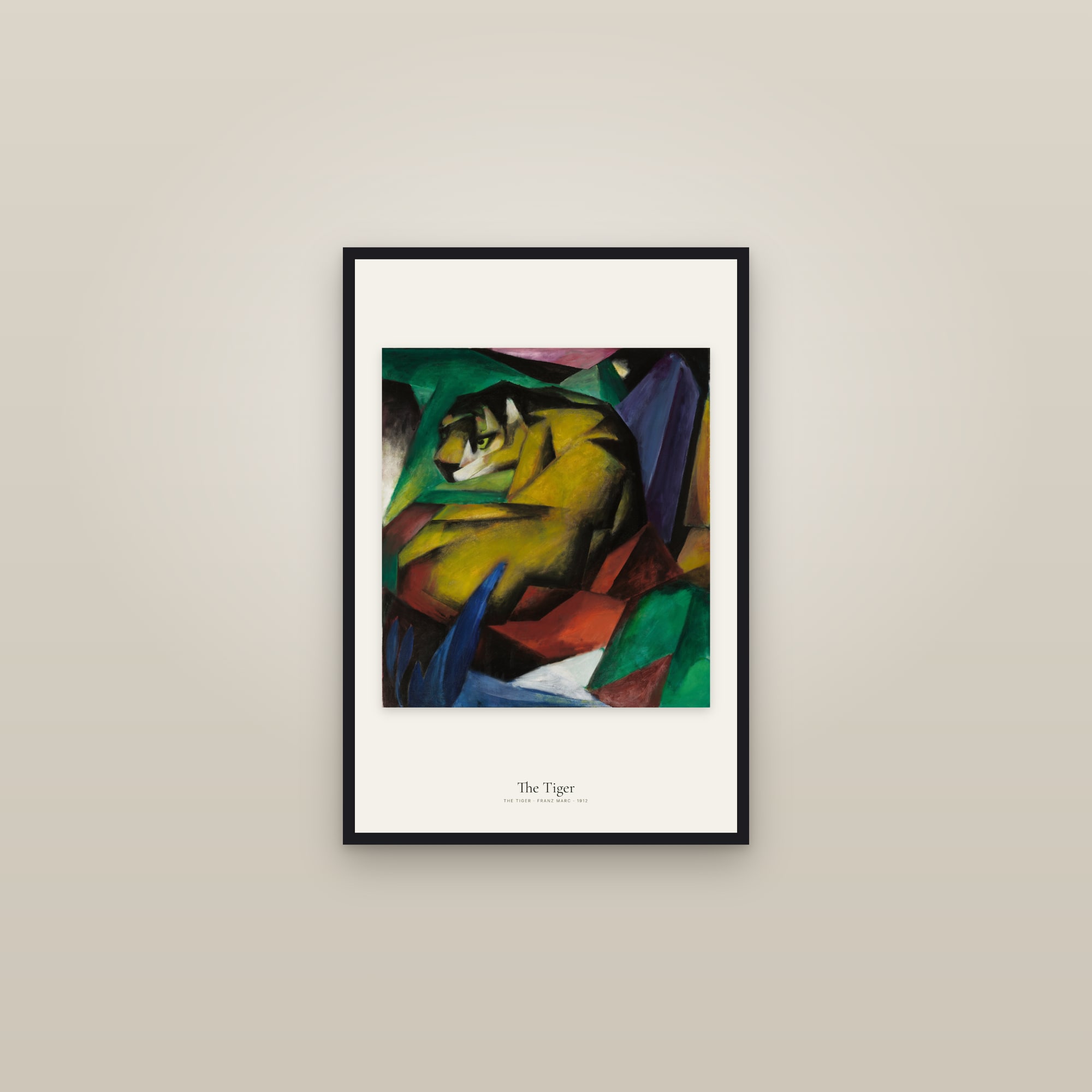
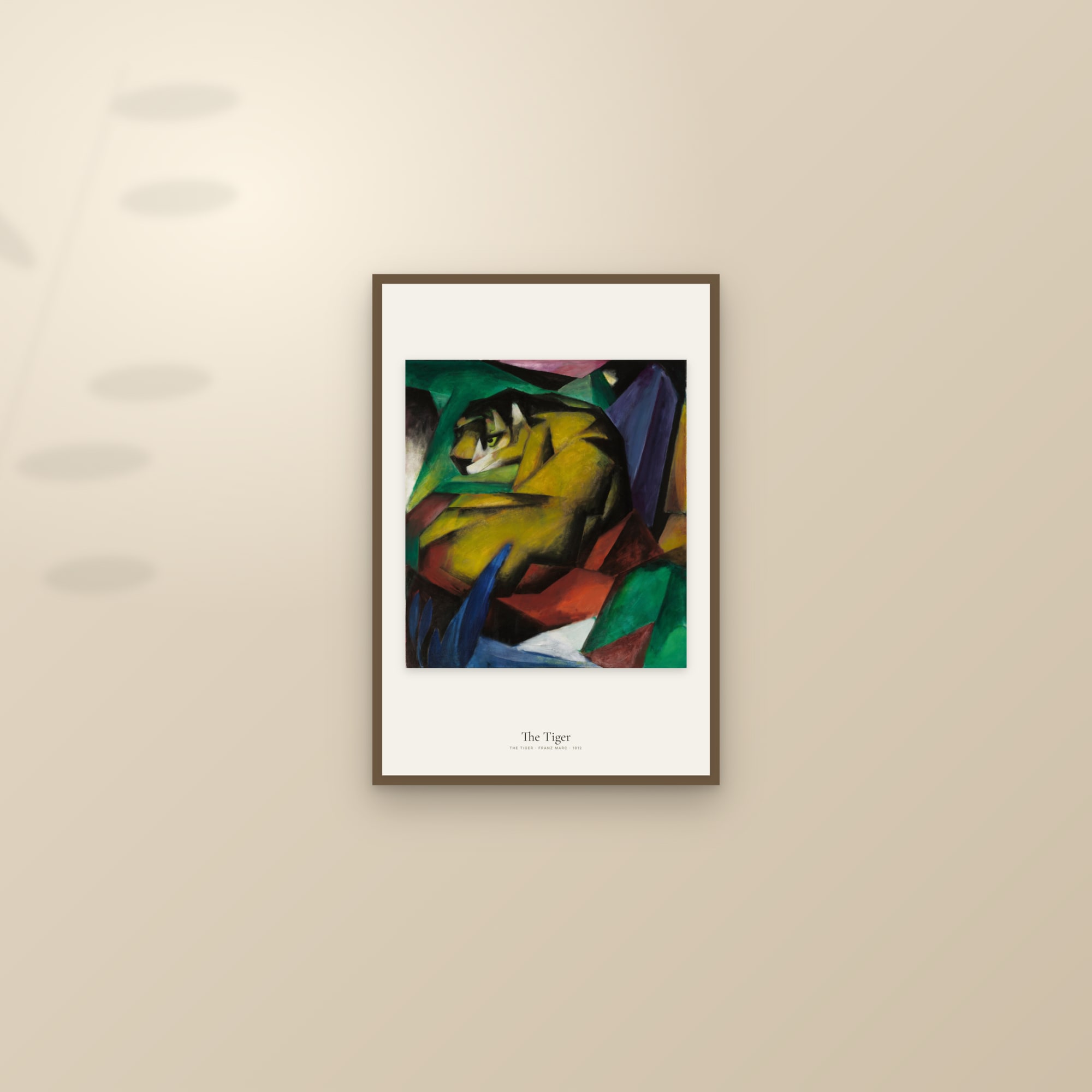
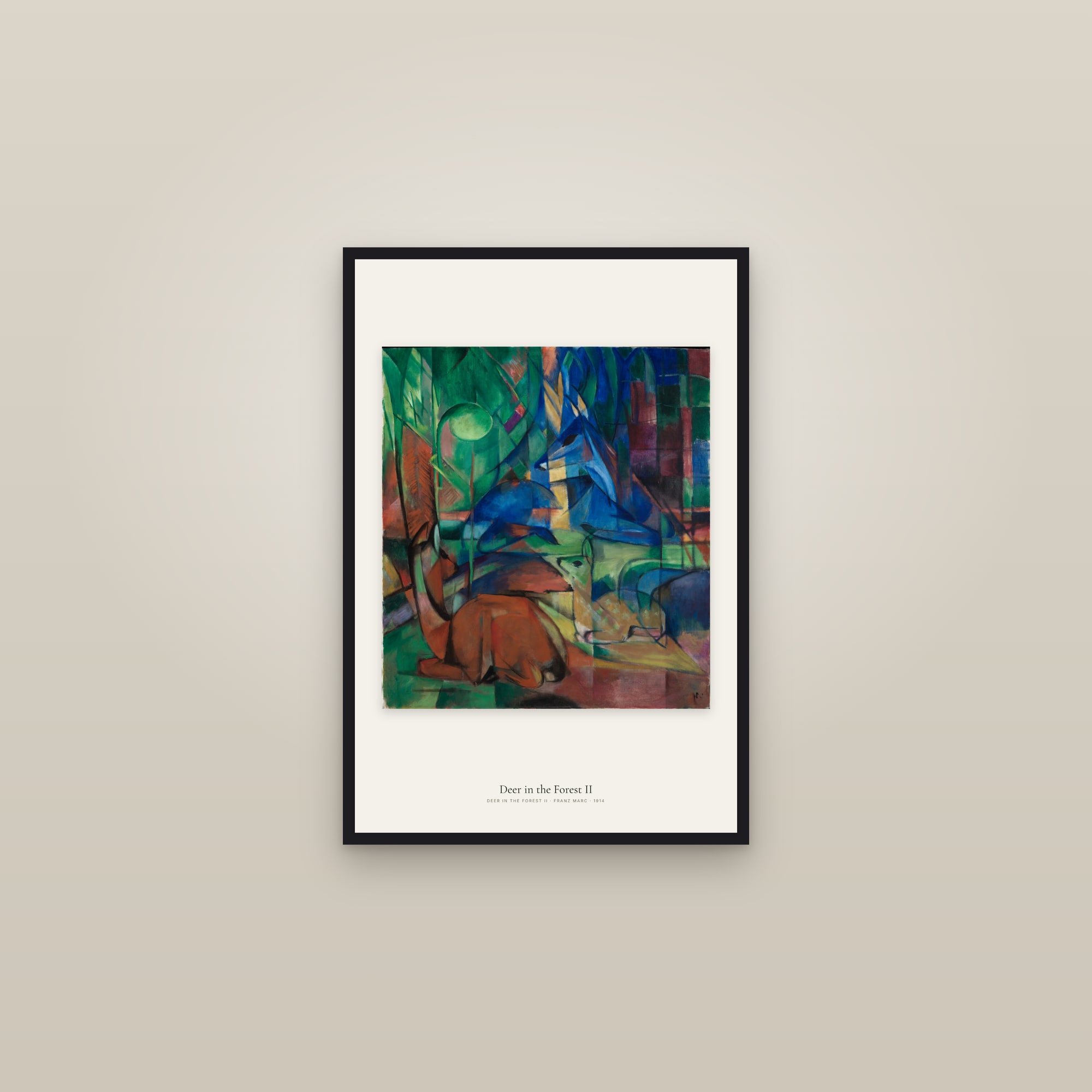
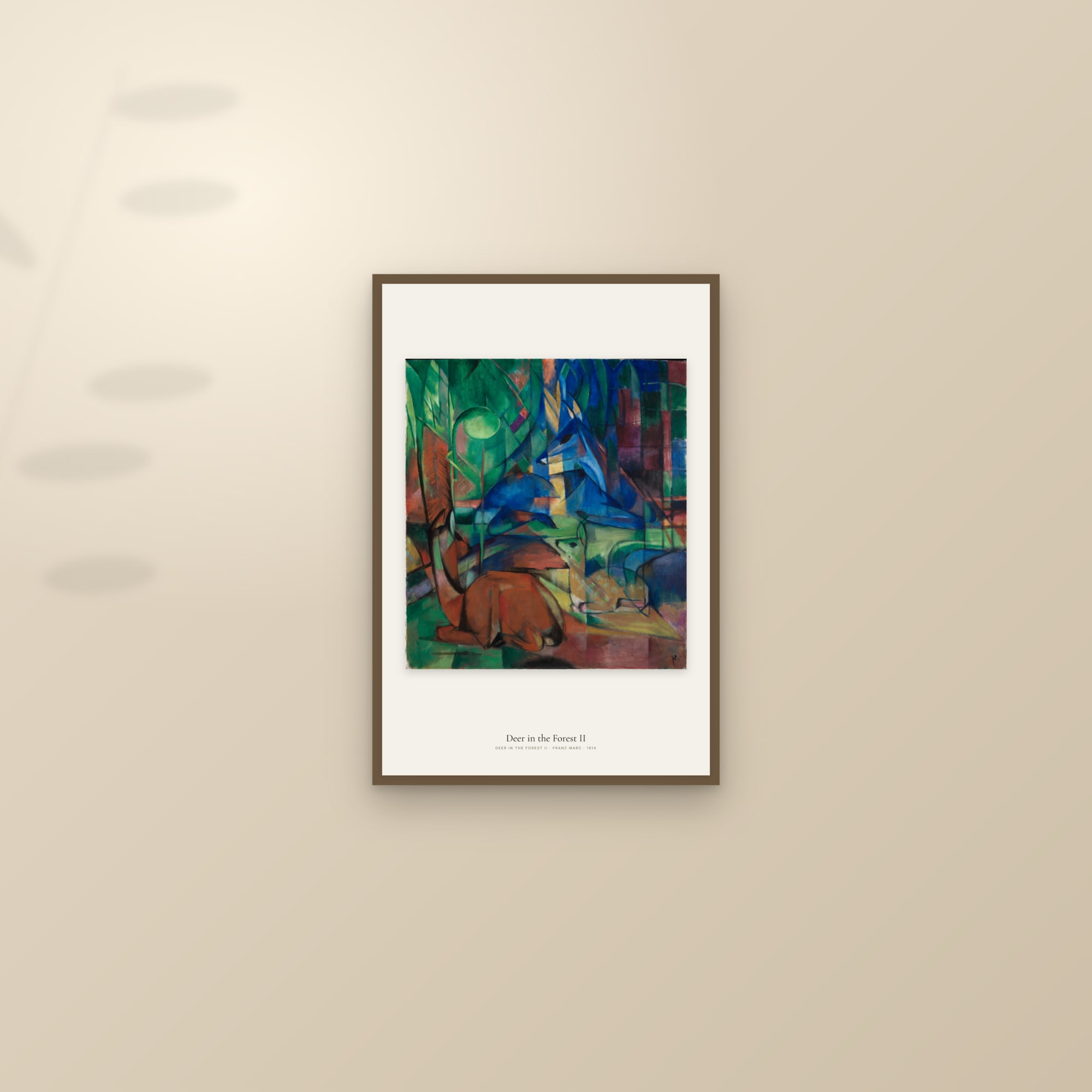
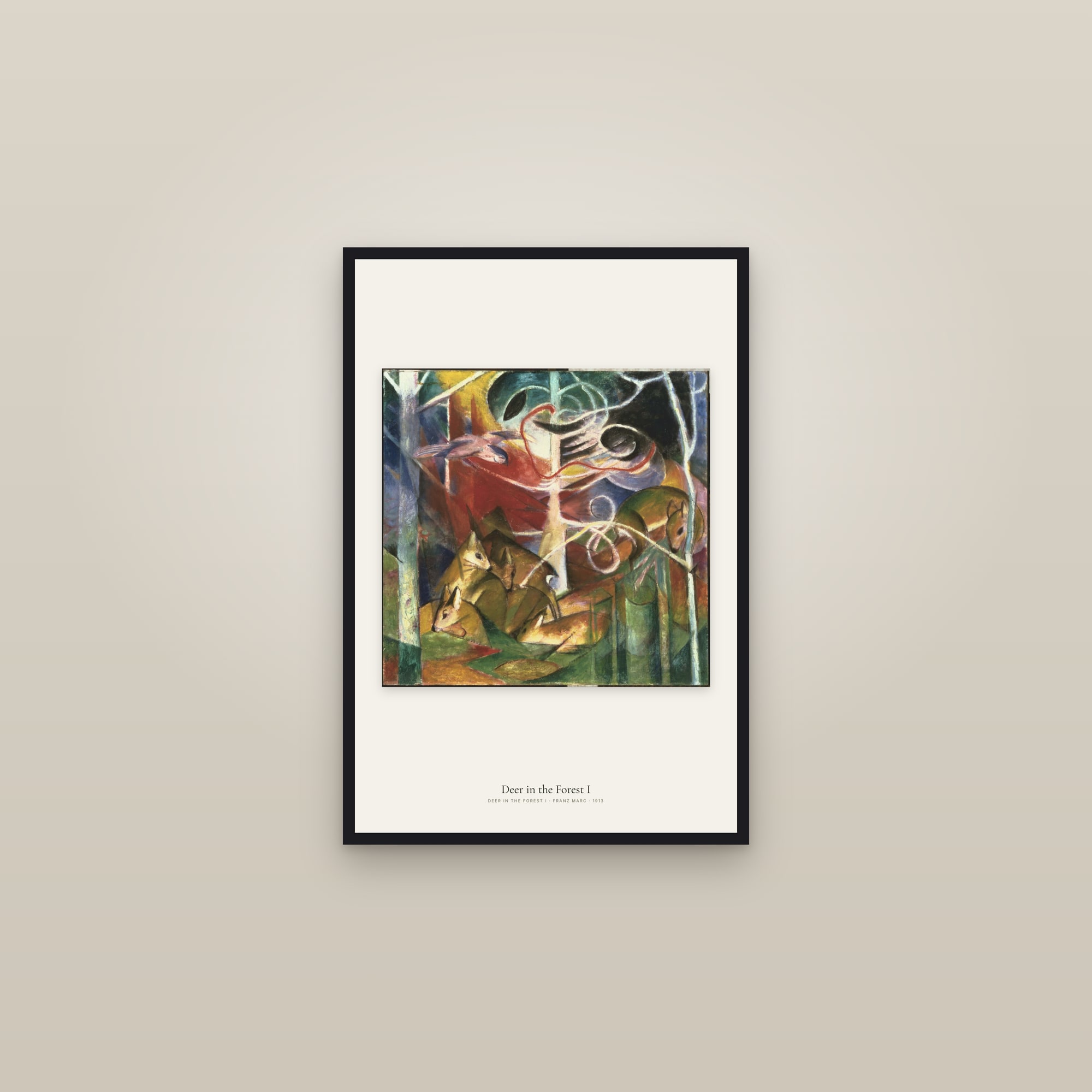
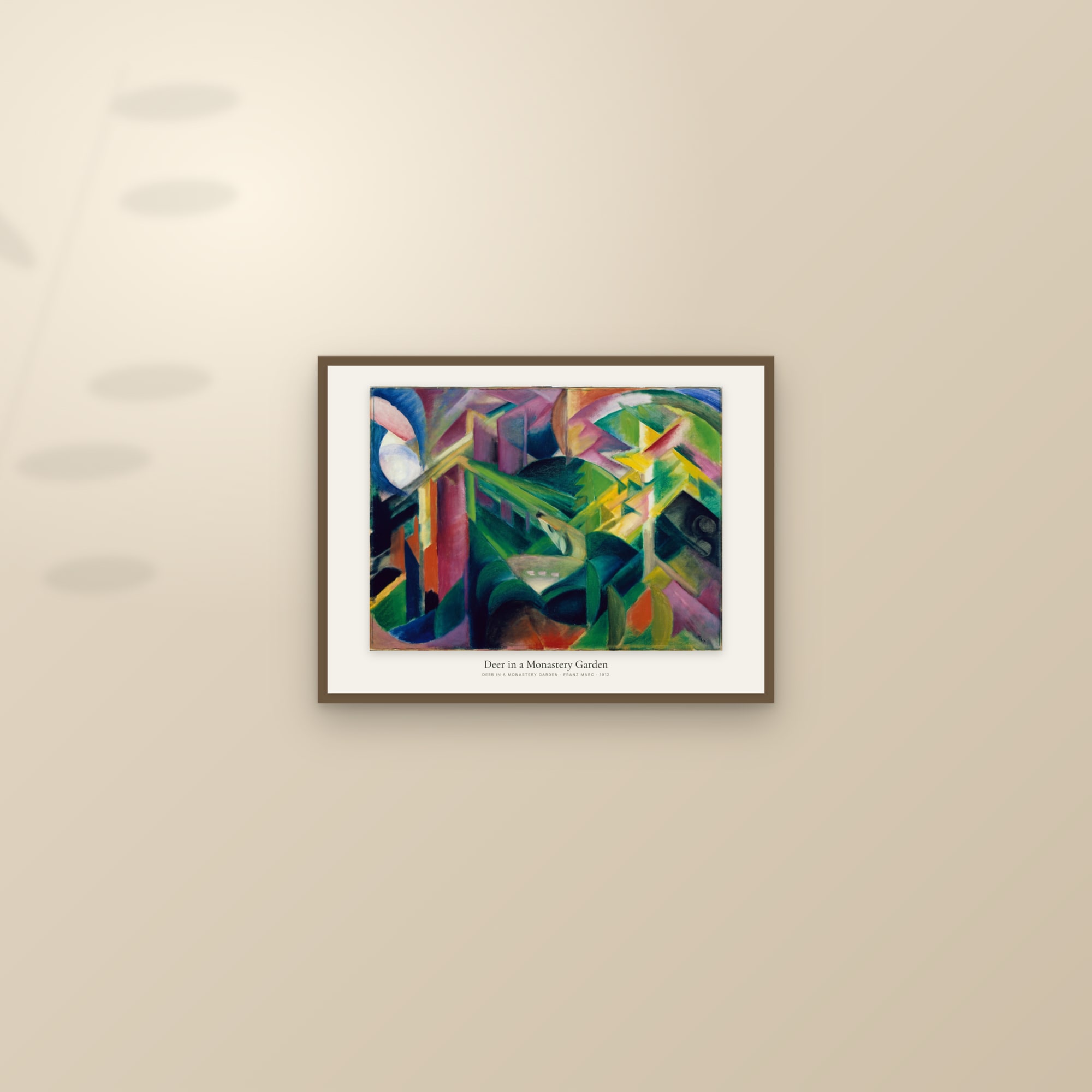
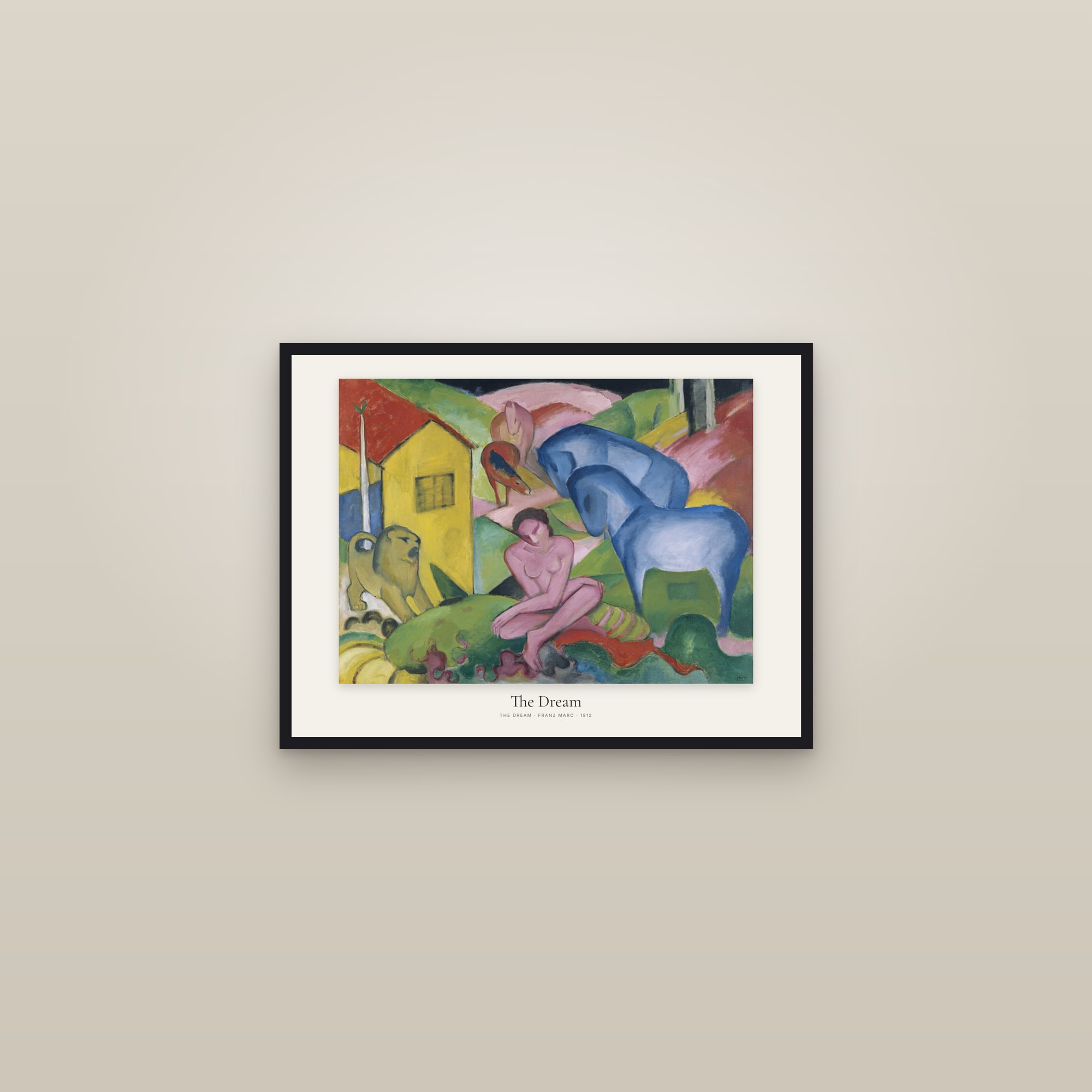
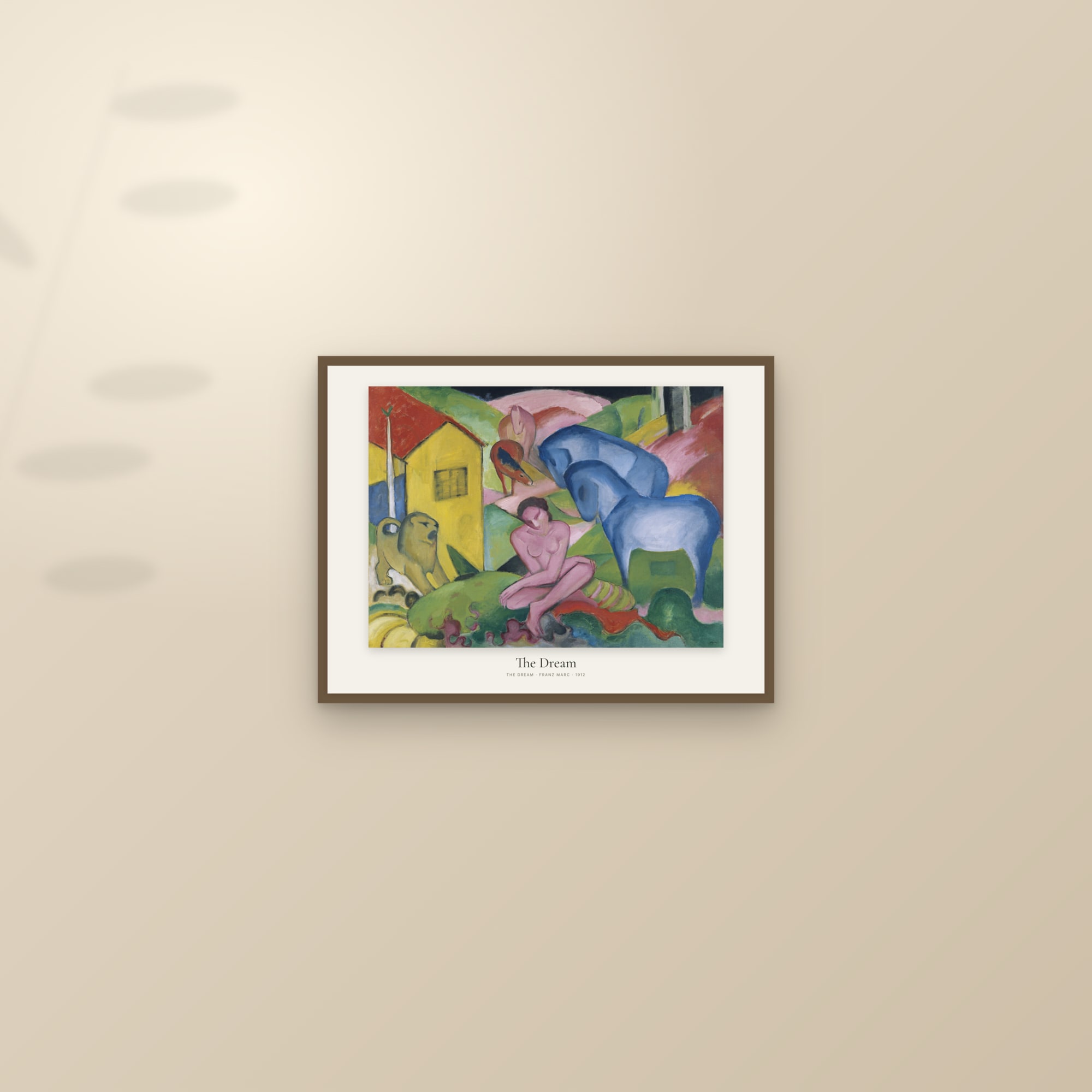
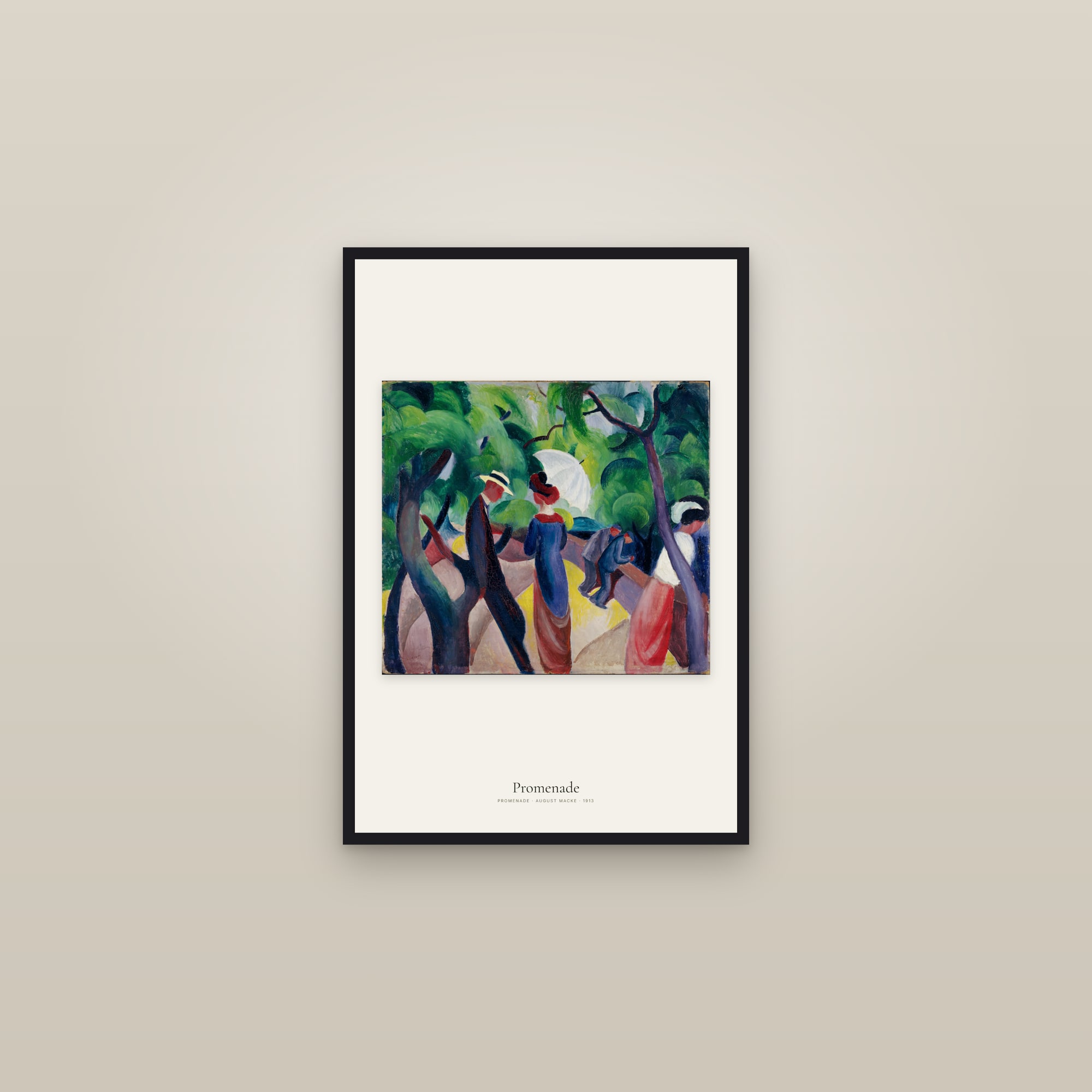
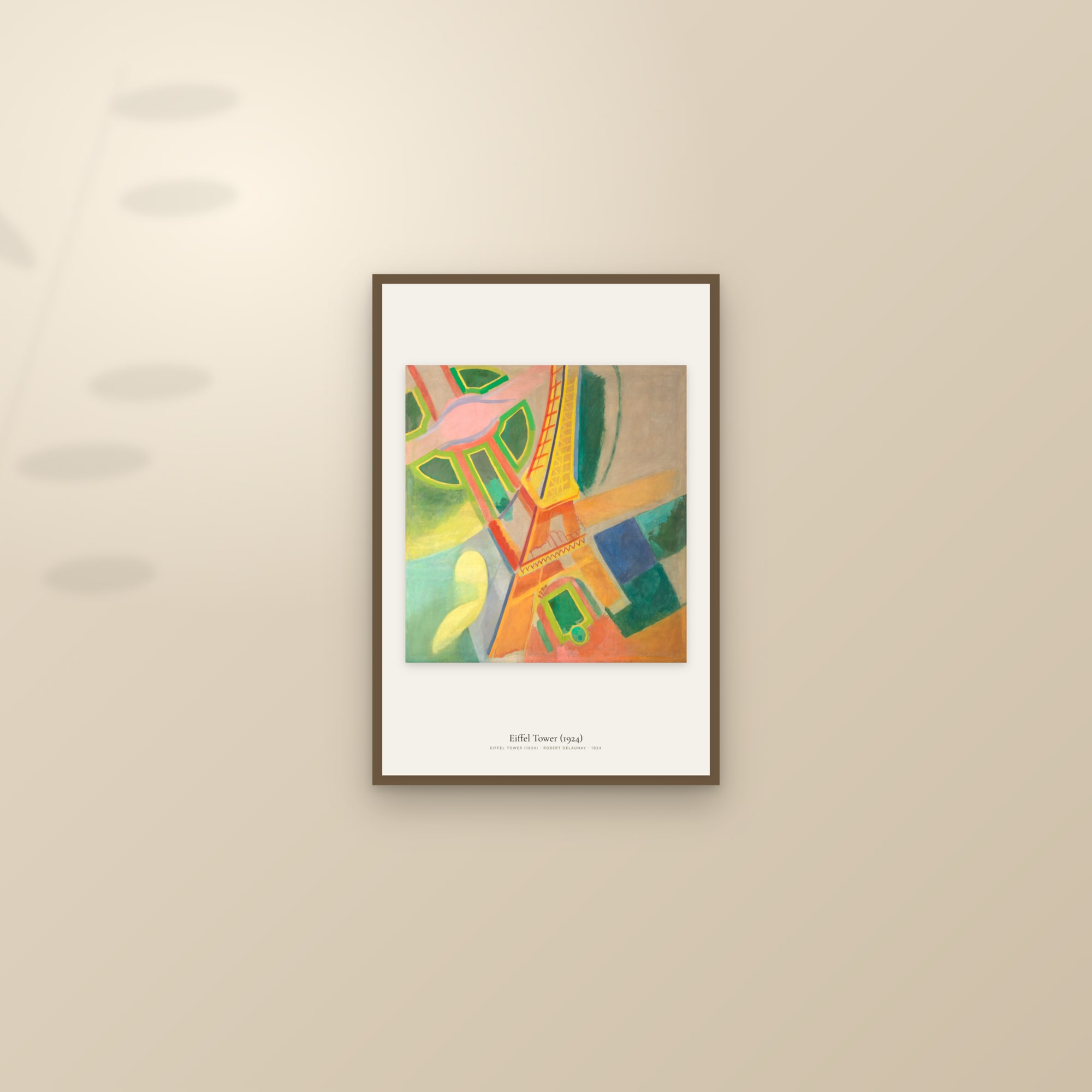
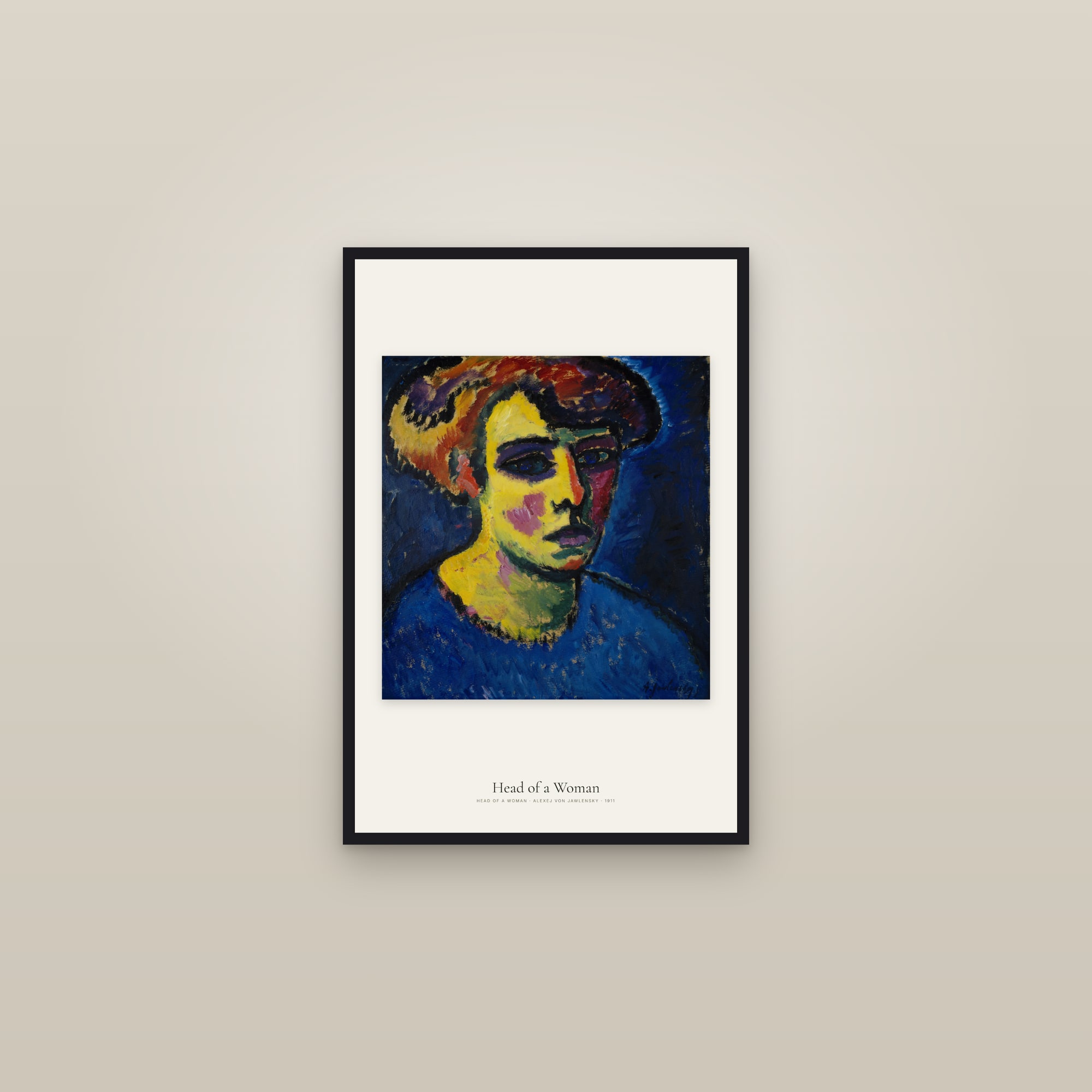
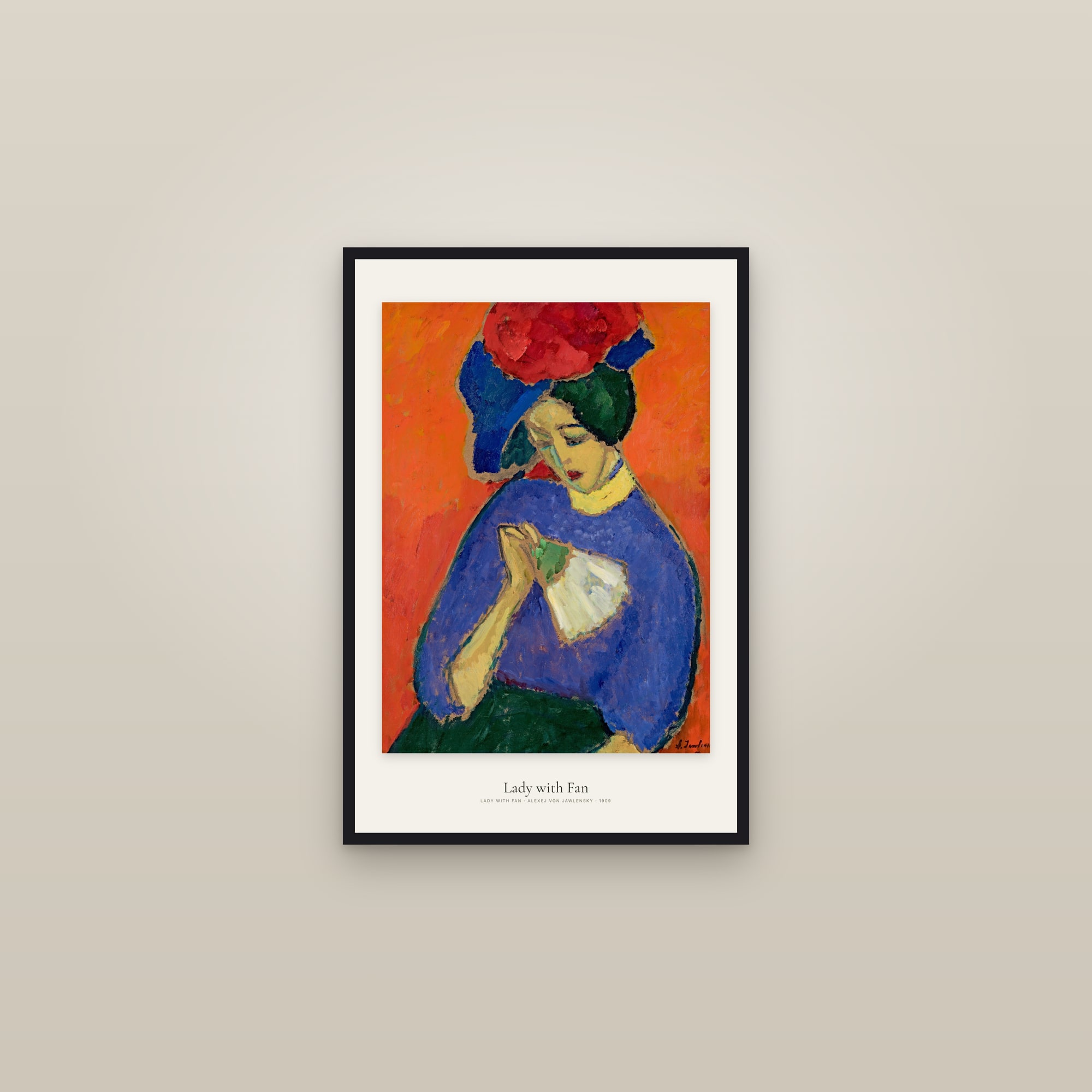
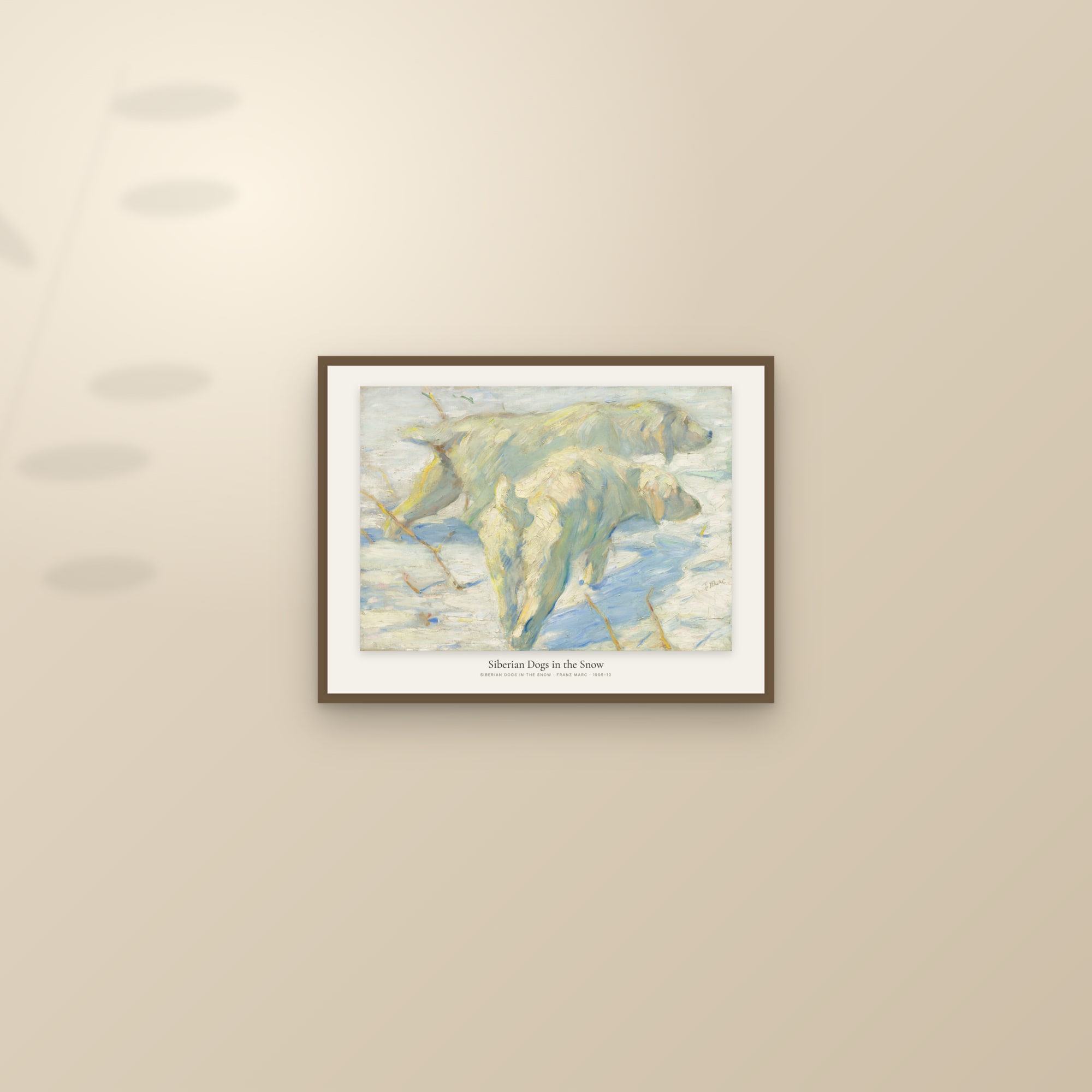
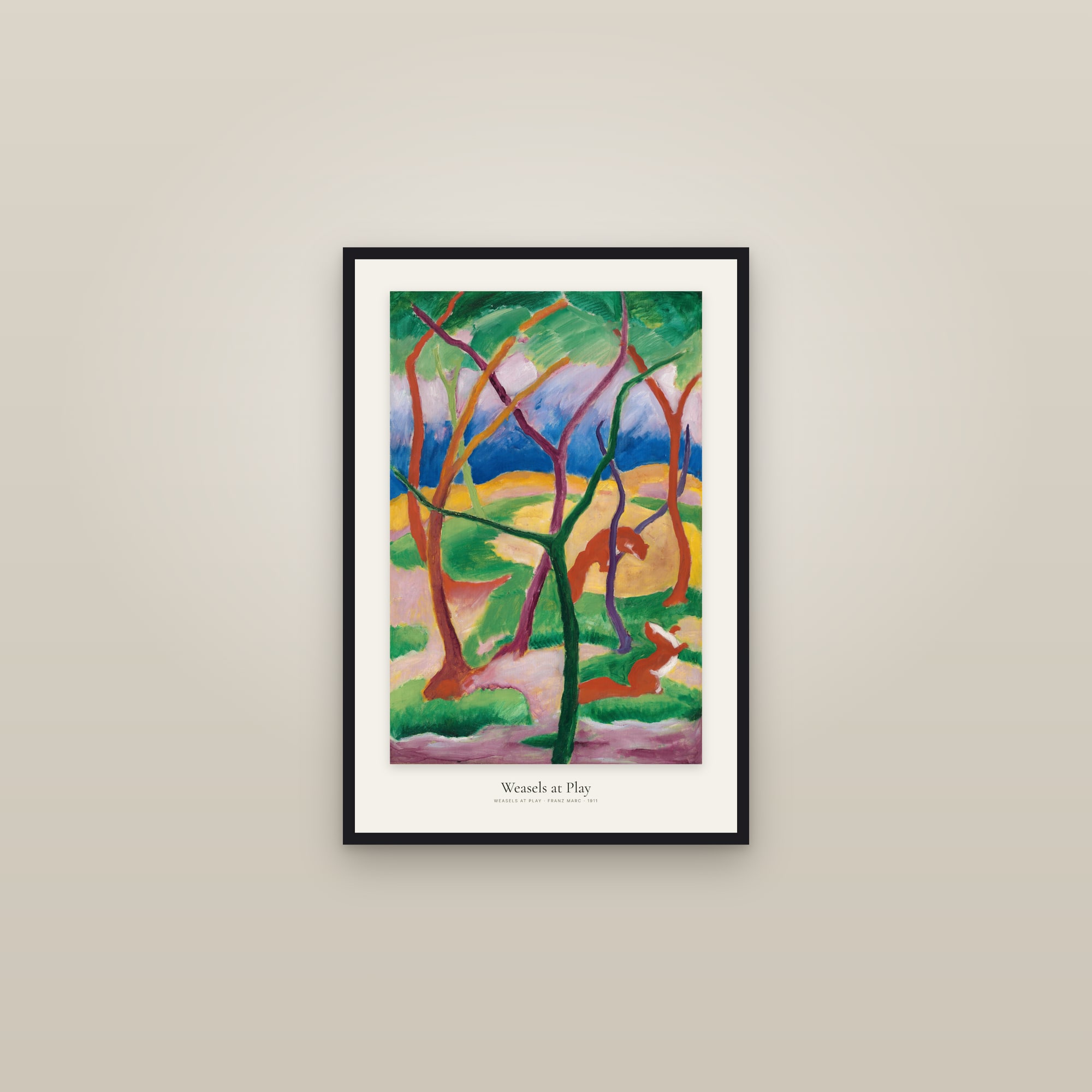
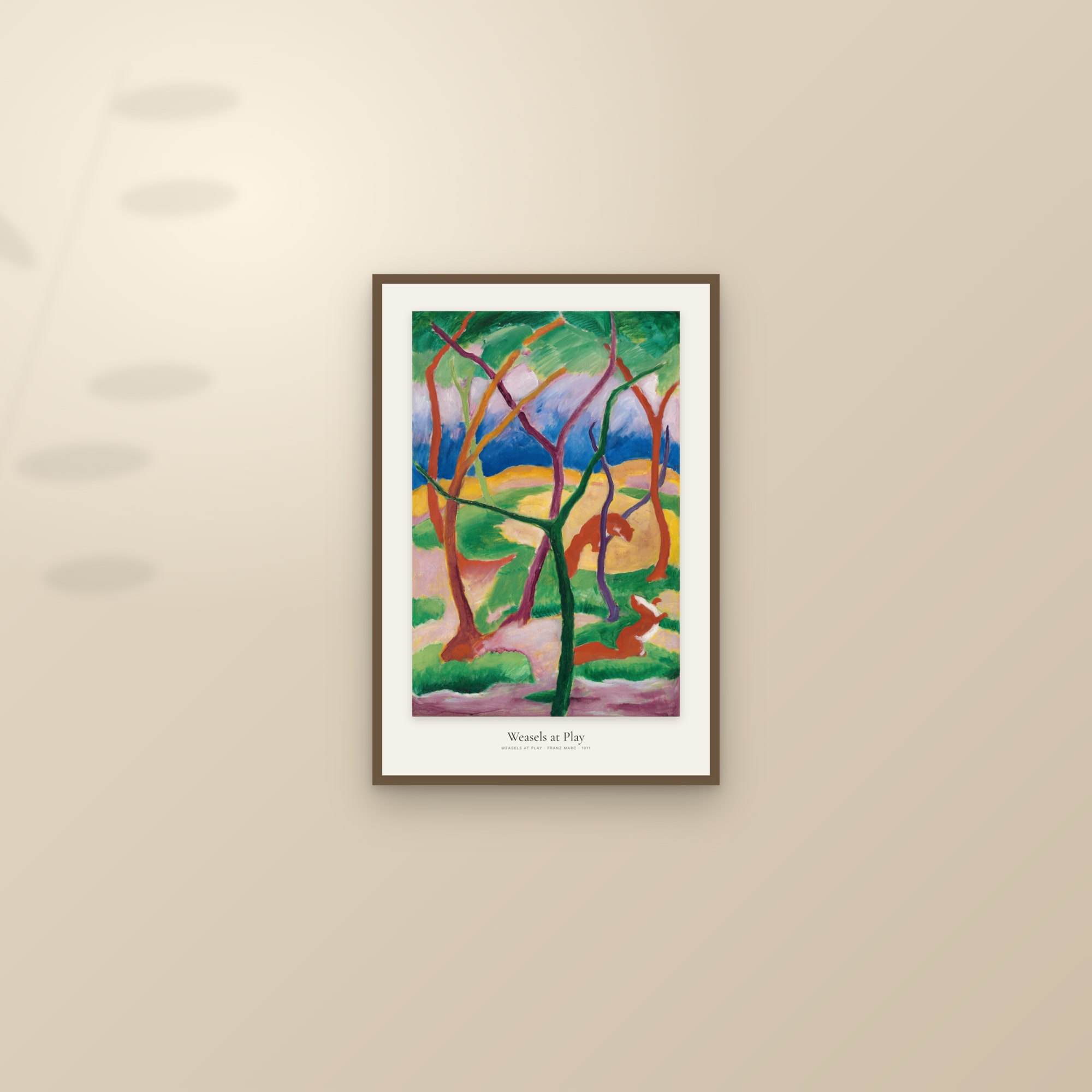
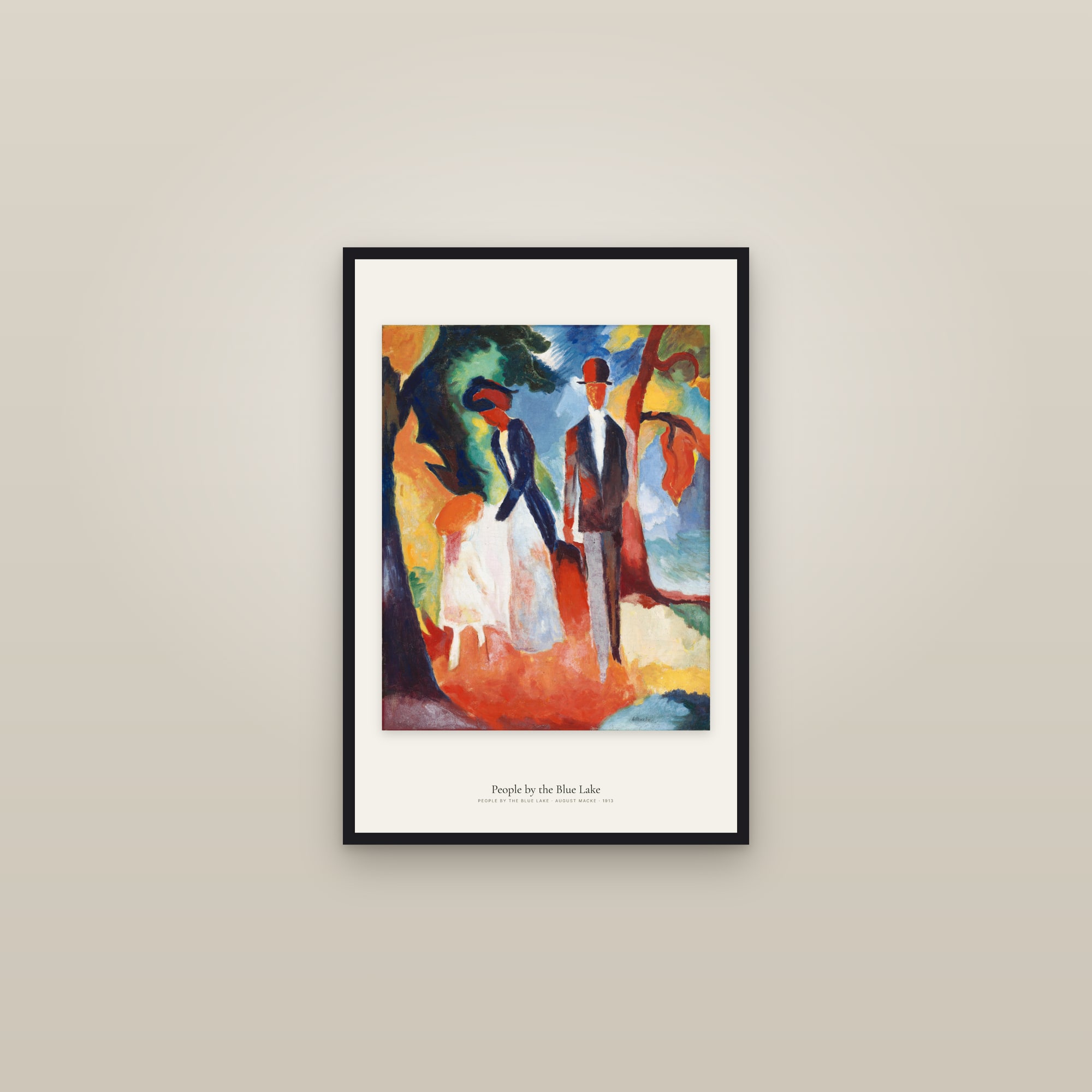
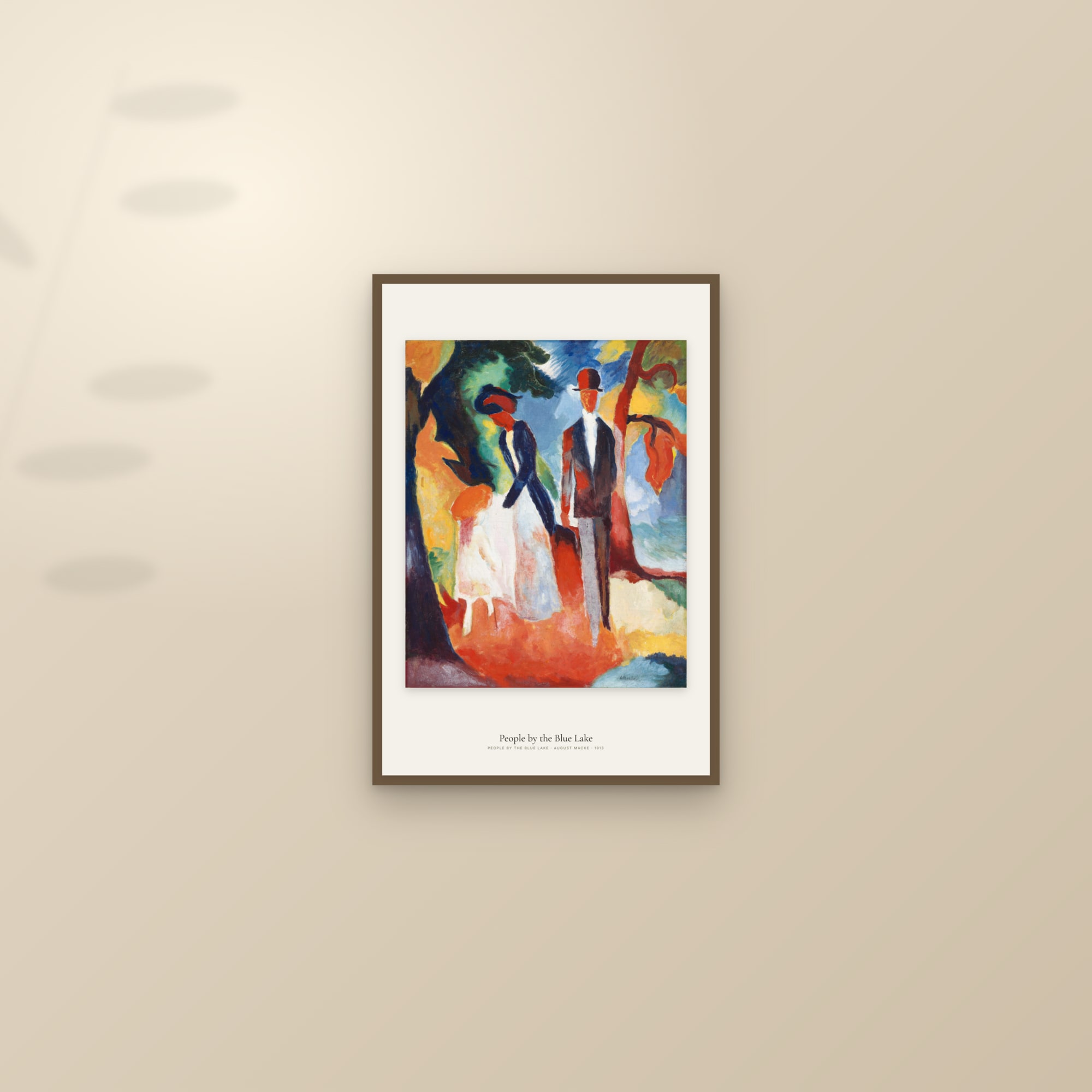
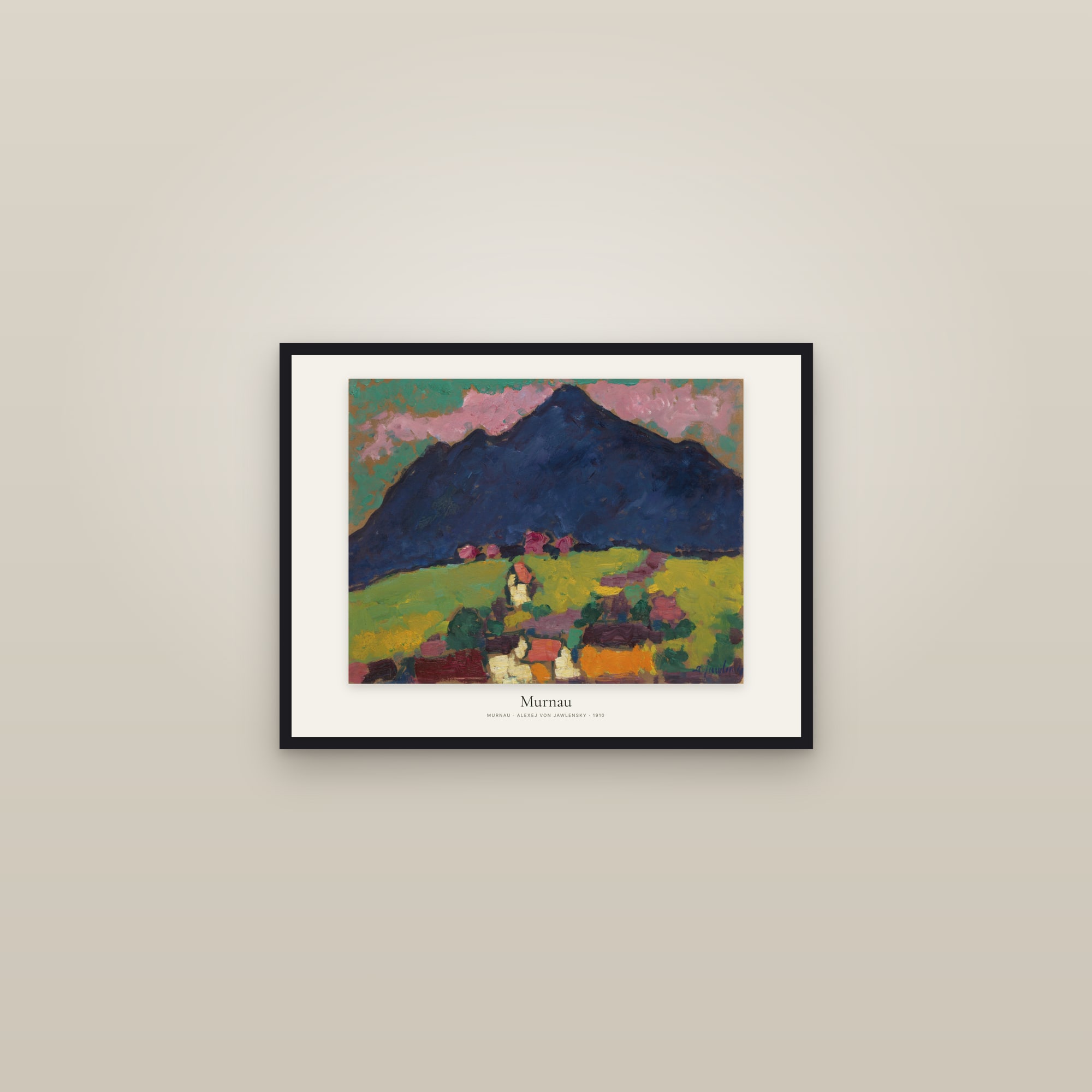
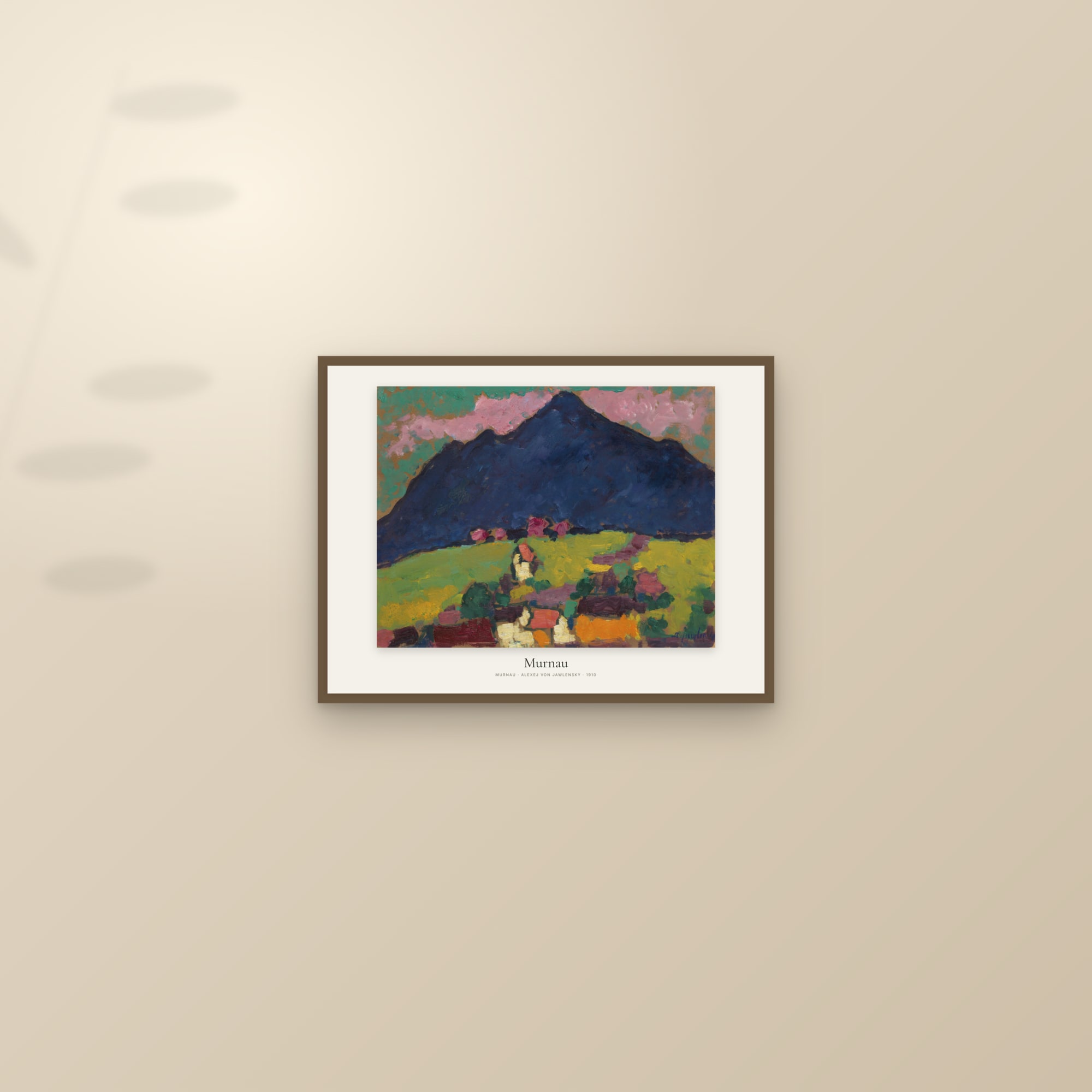
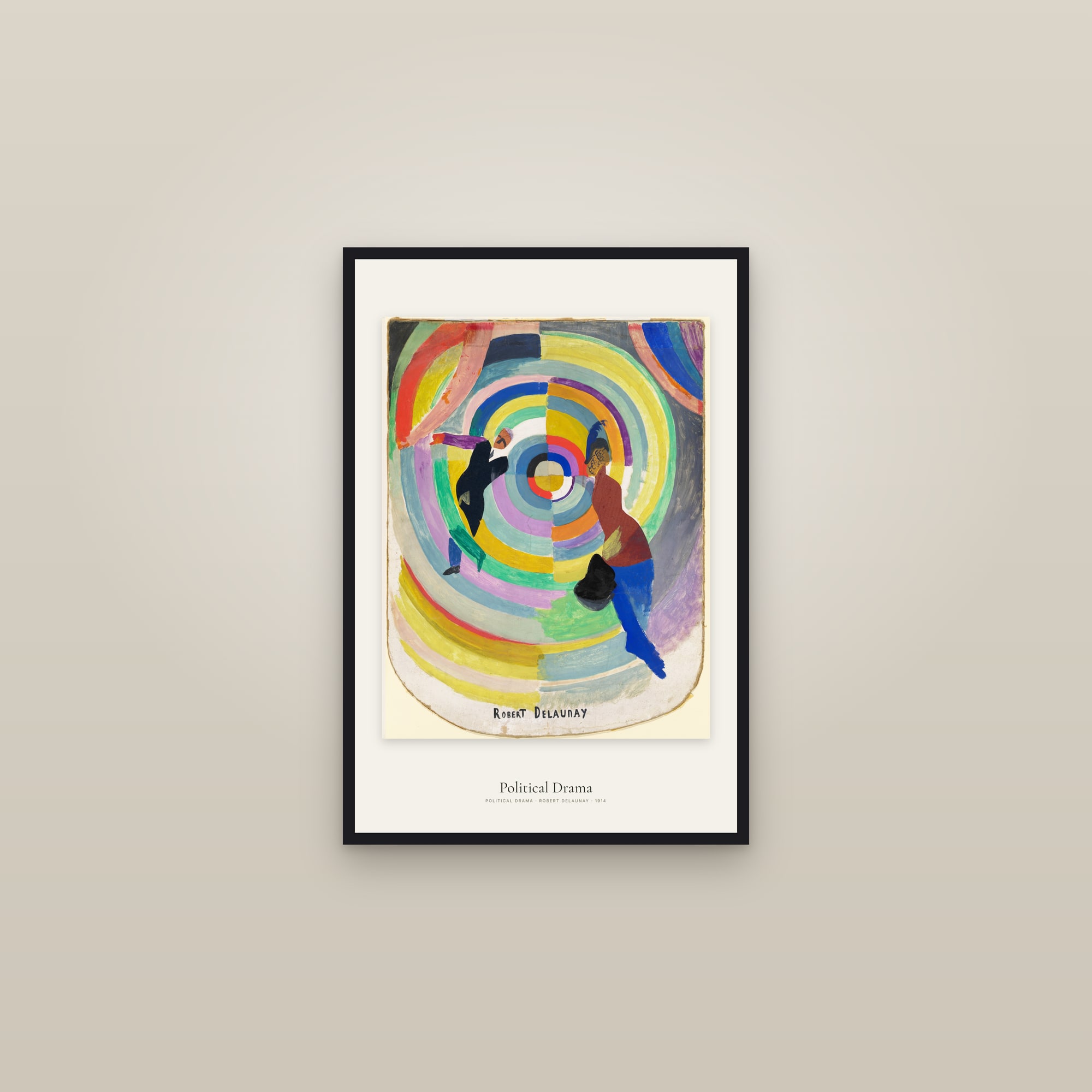
The painters who let go of the subject between 1910 and 1929 — Kandinsky, Klee, Mondrian, Malevich, Franz Marc, August Macke, Robert Delaunay, Jawlensky and Popova — reproduced whole from museum scans.
82 prints · printed to order on heavyweight matte paper · framed or unframed
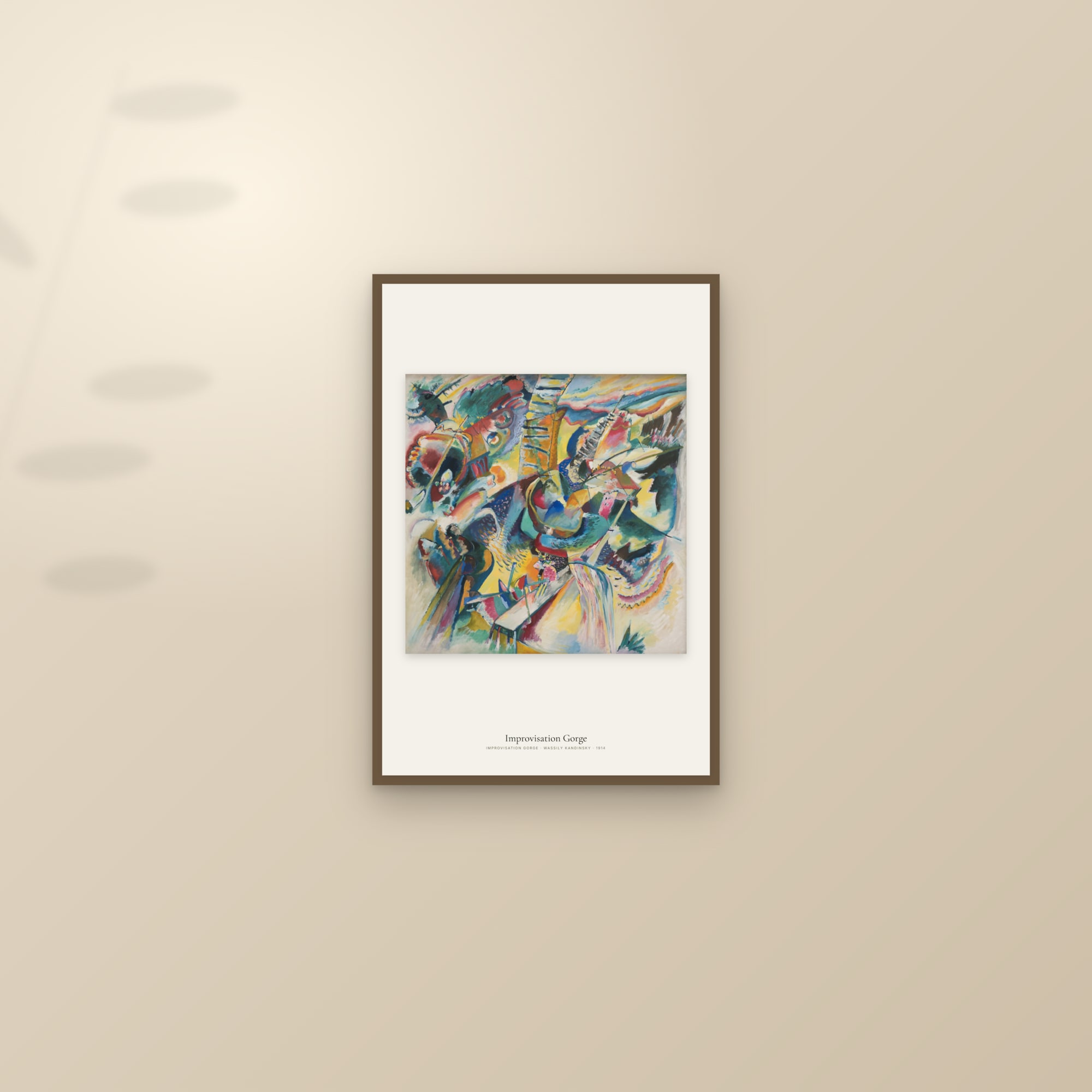
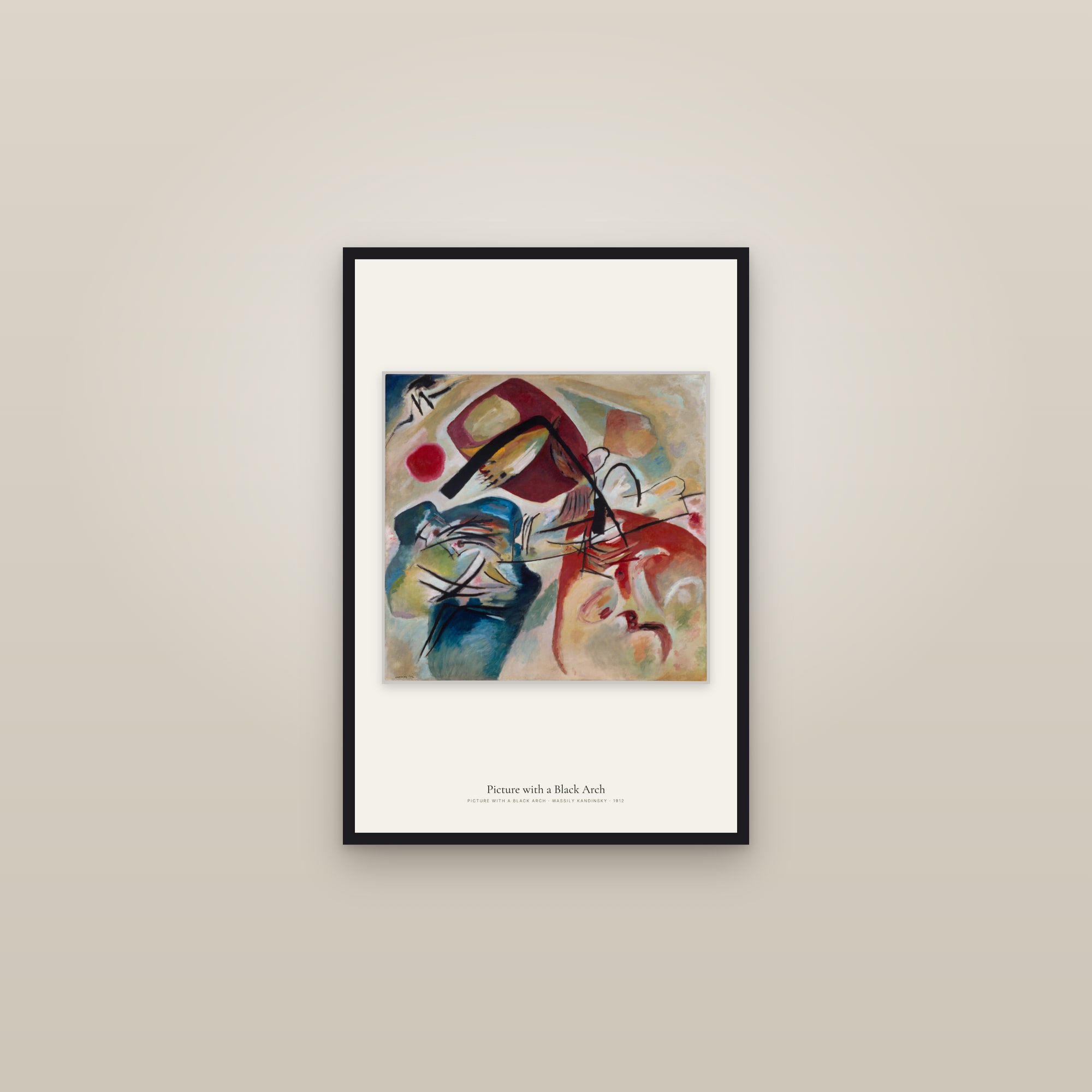
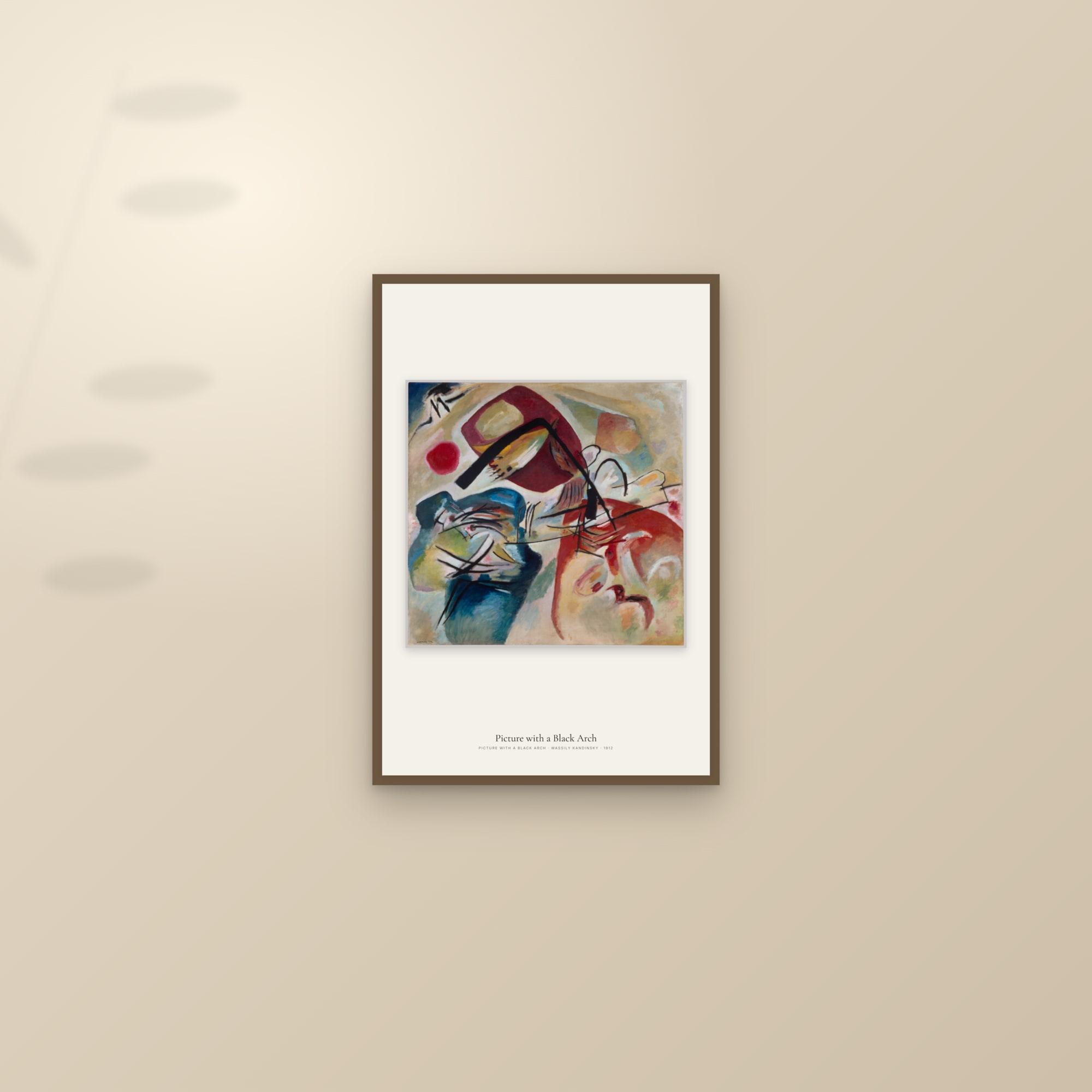
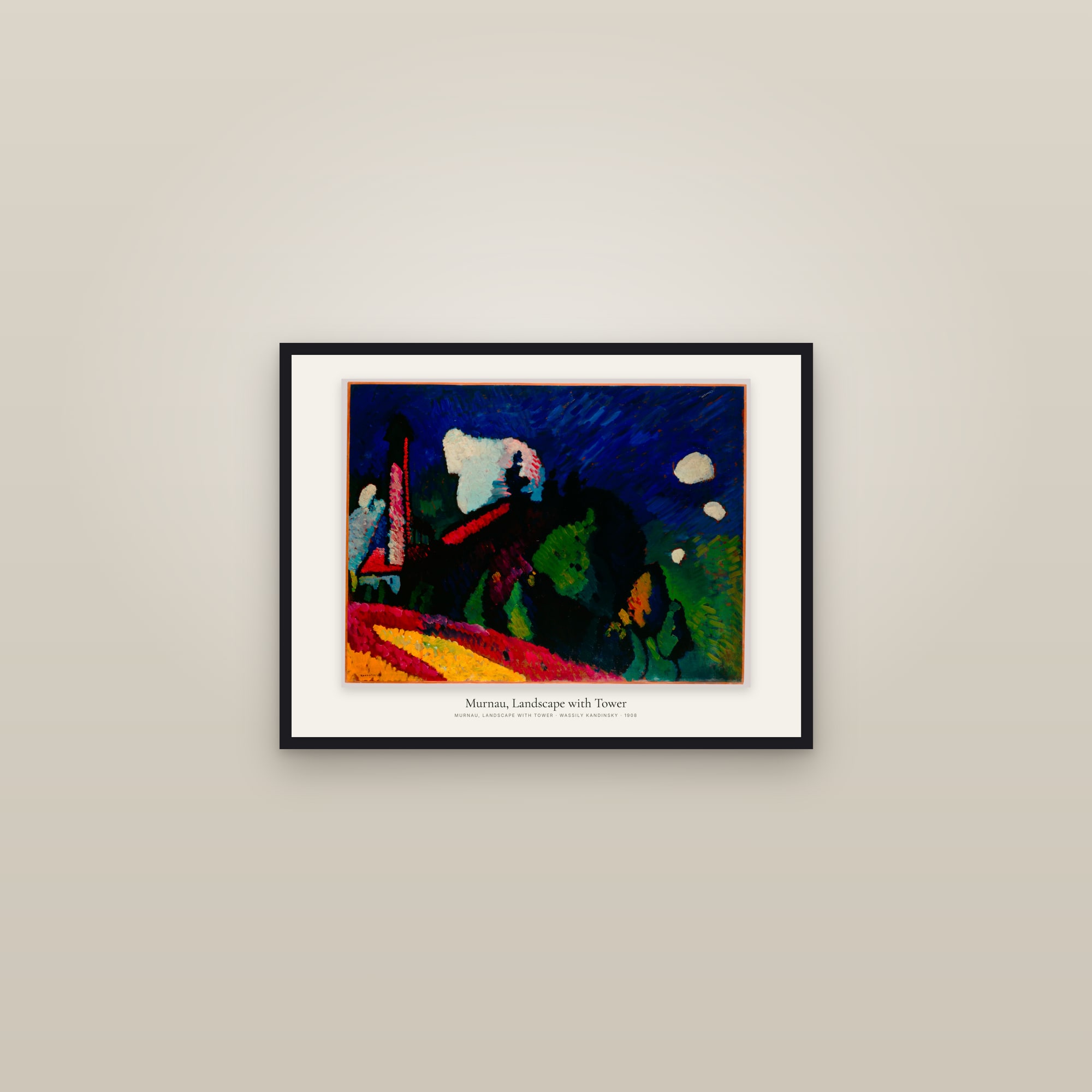
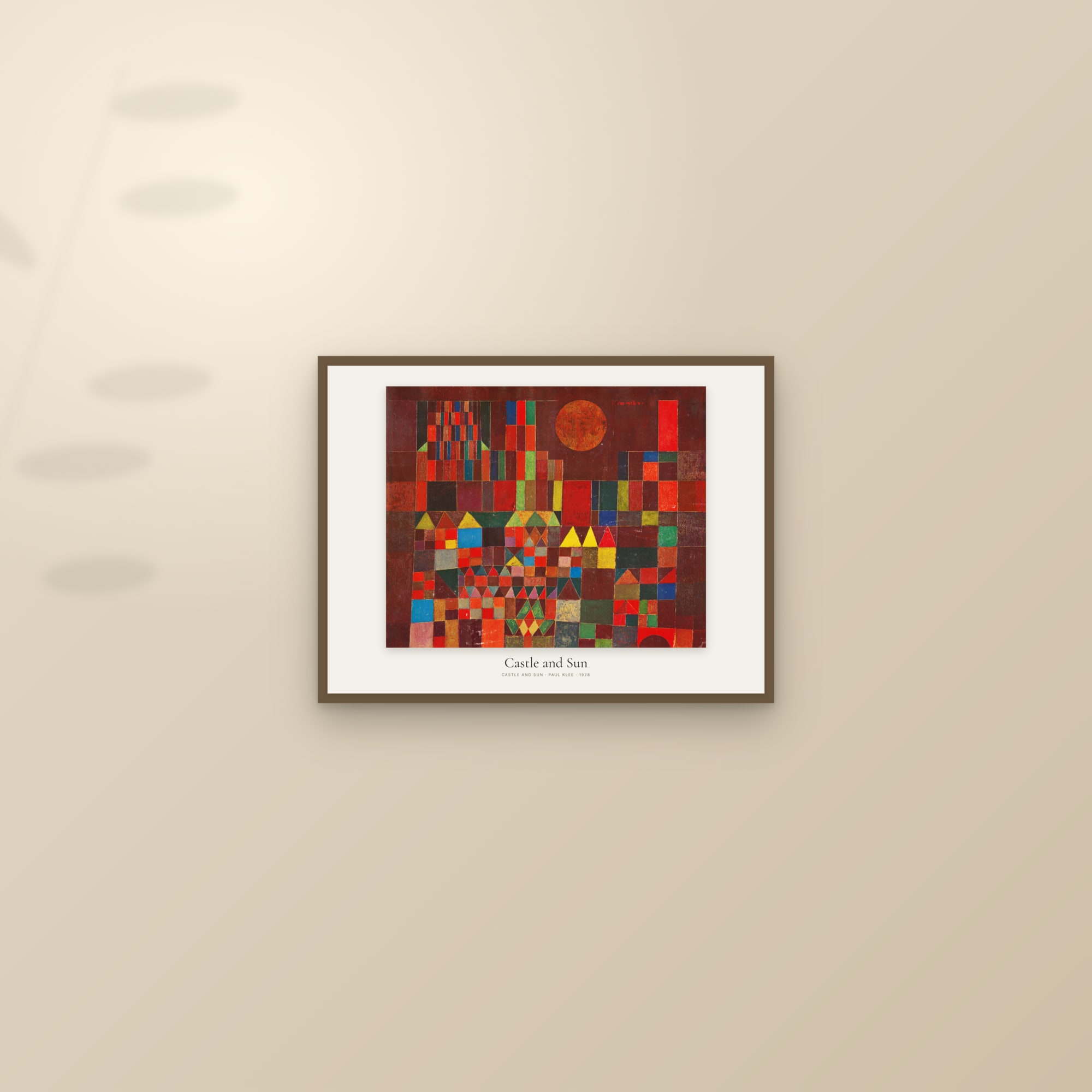
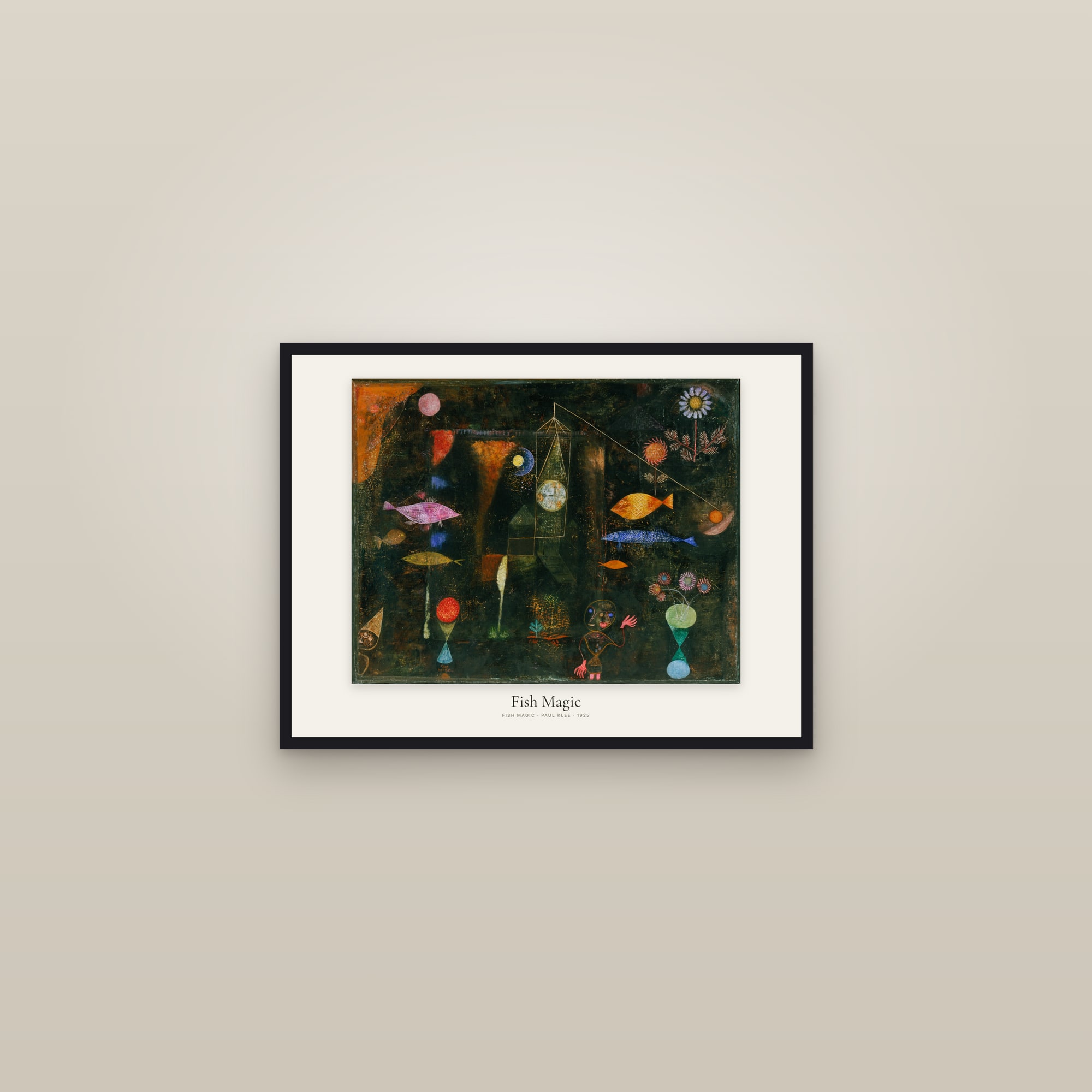
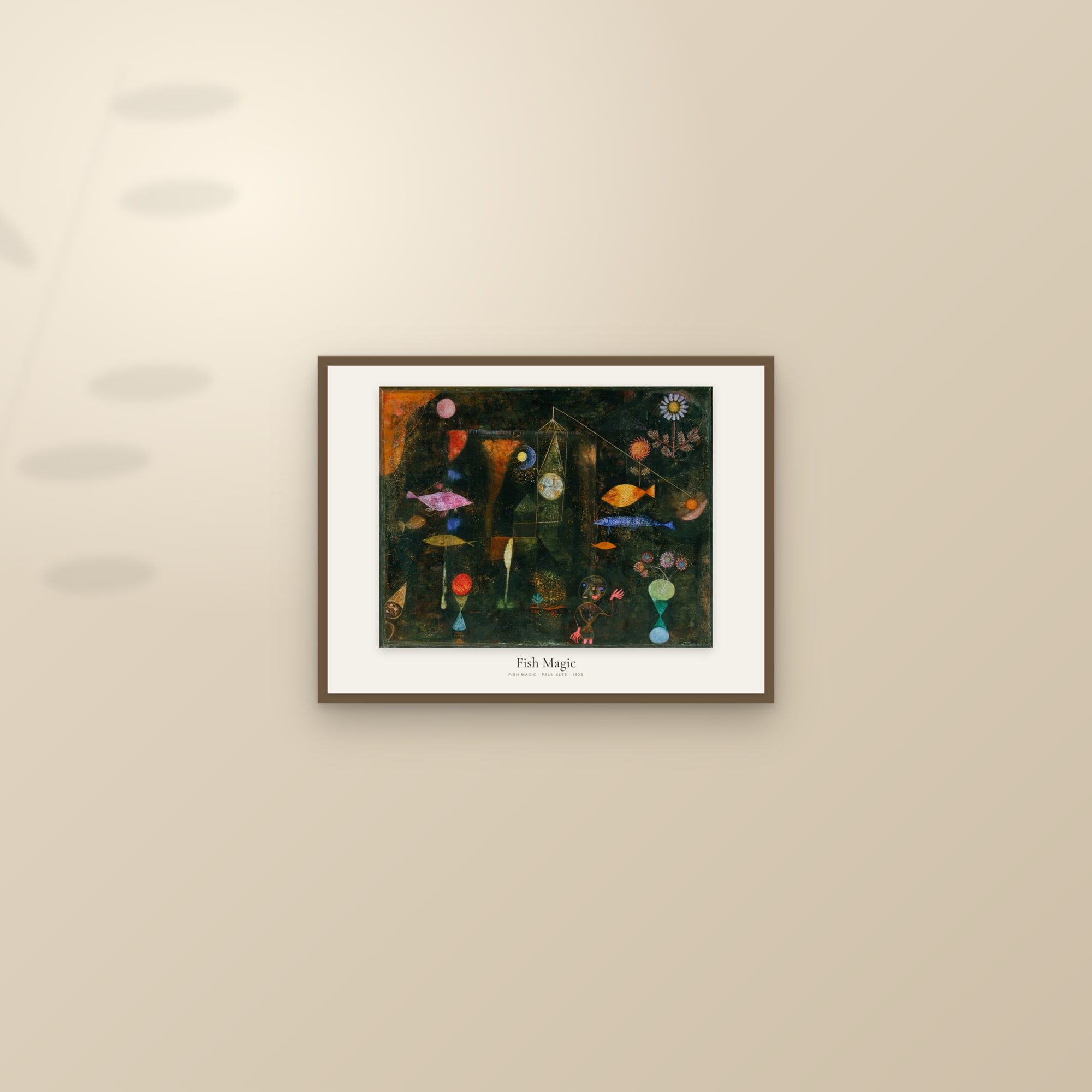
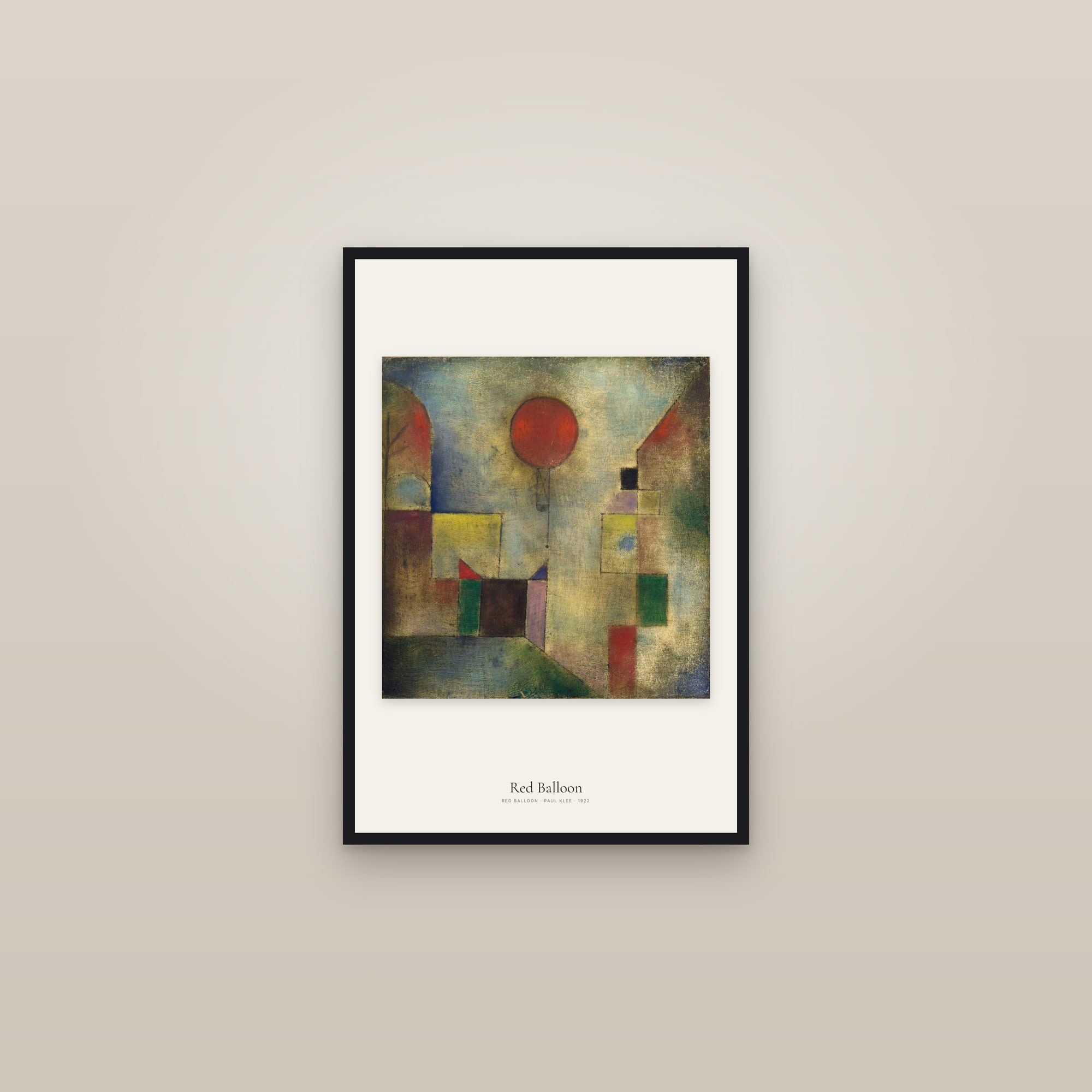
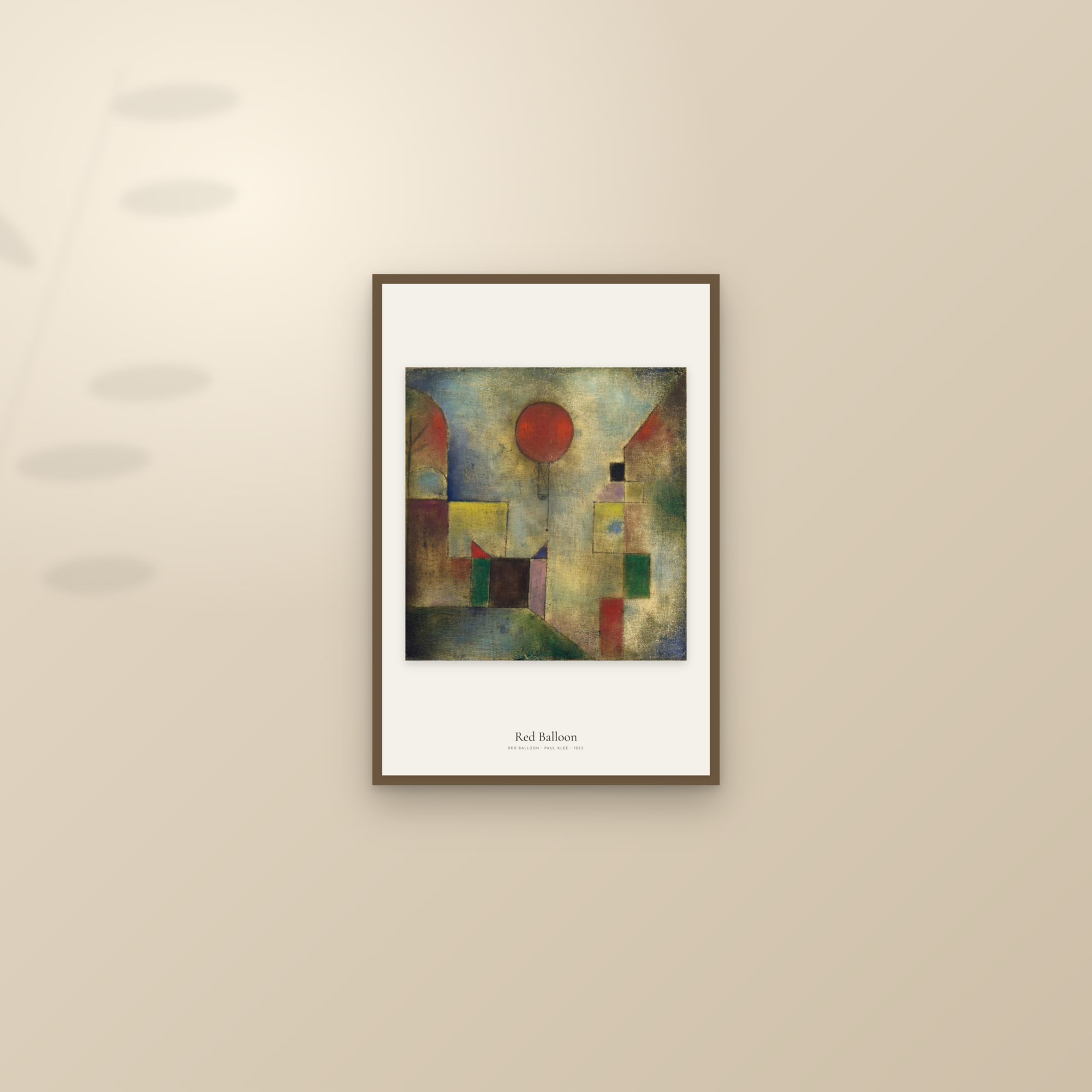
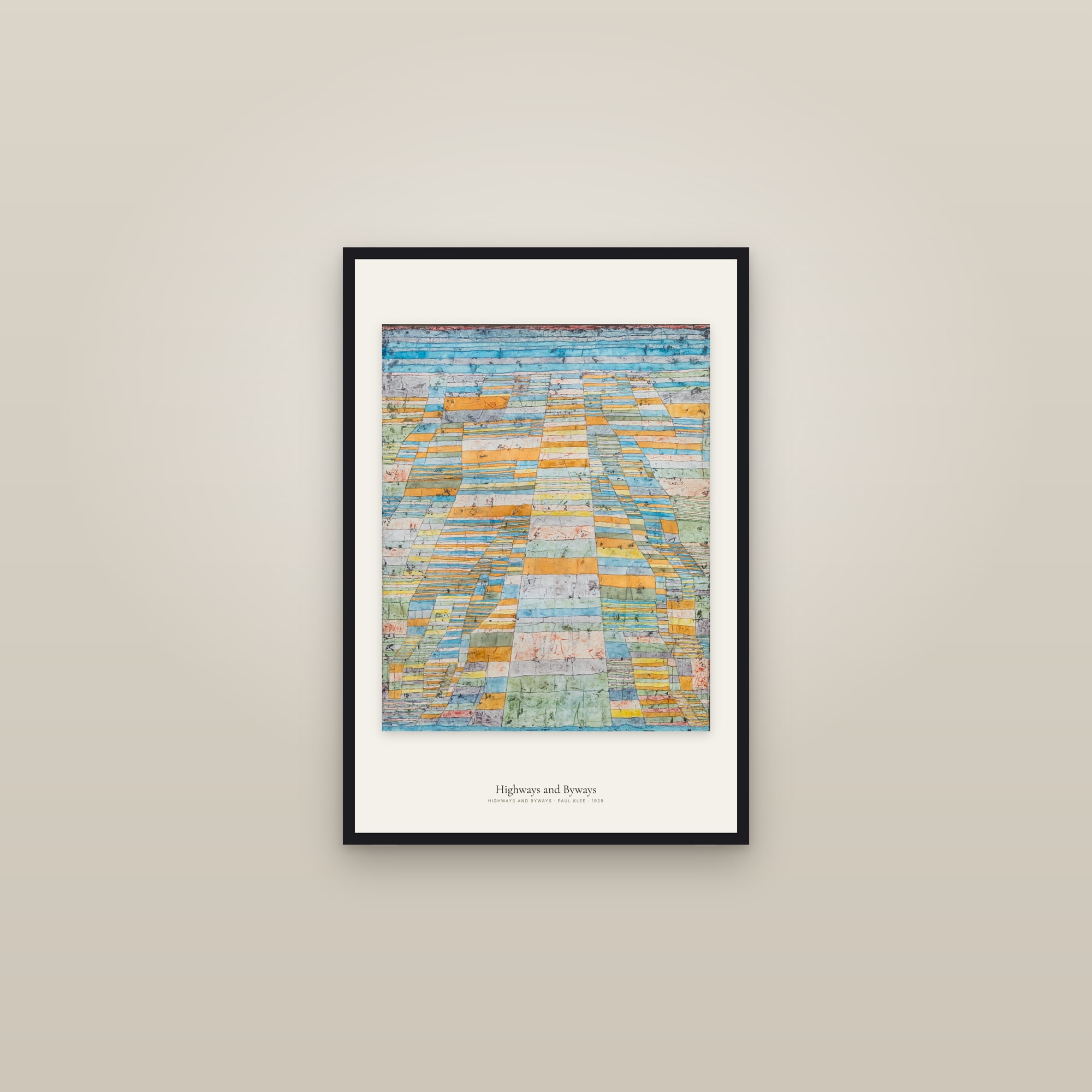
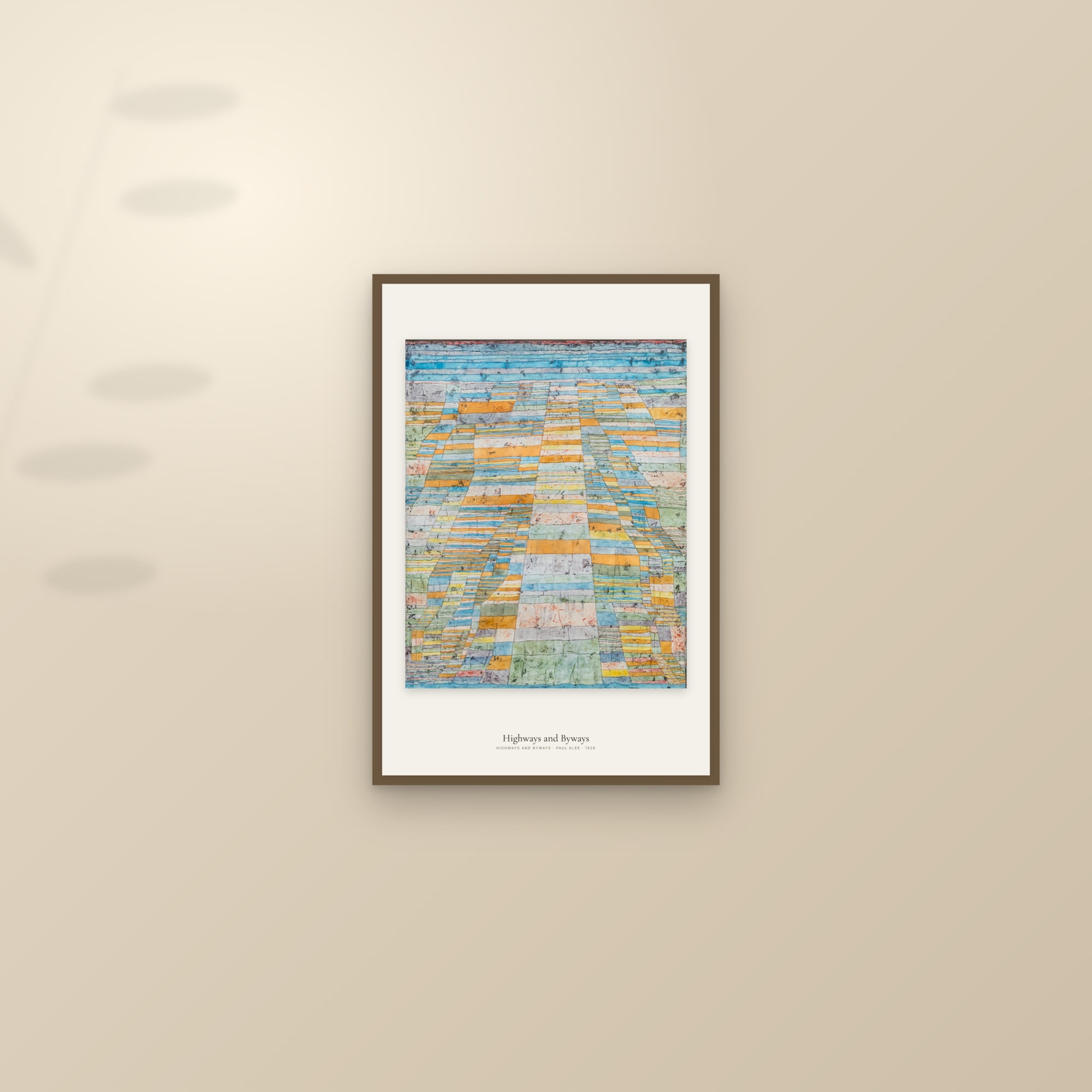
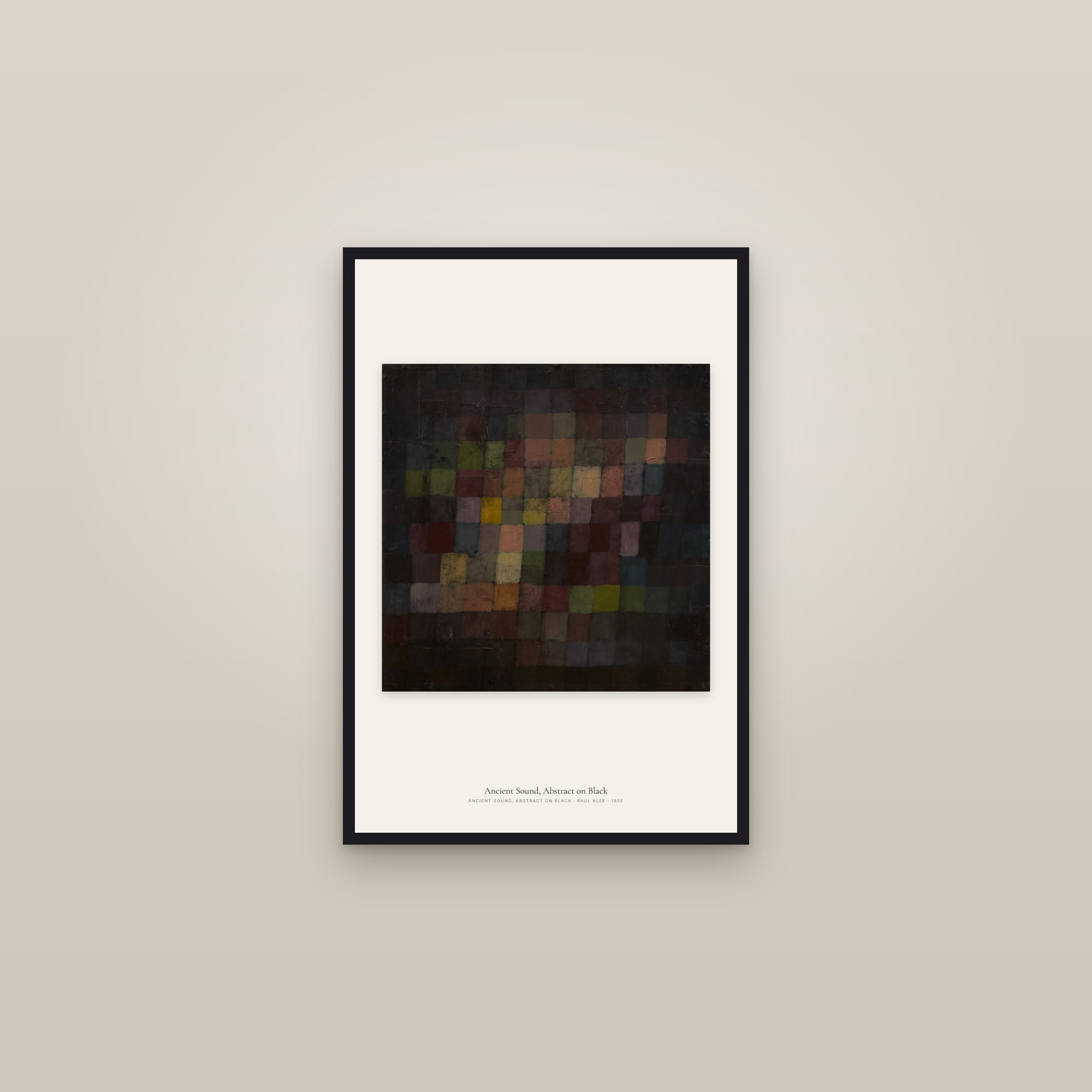
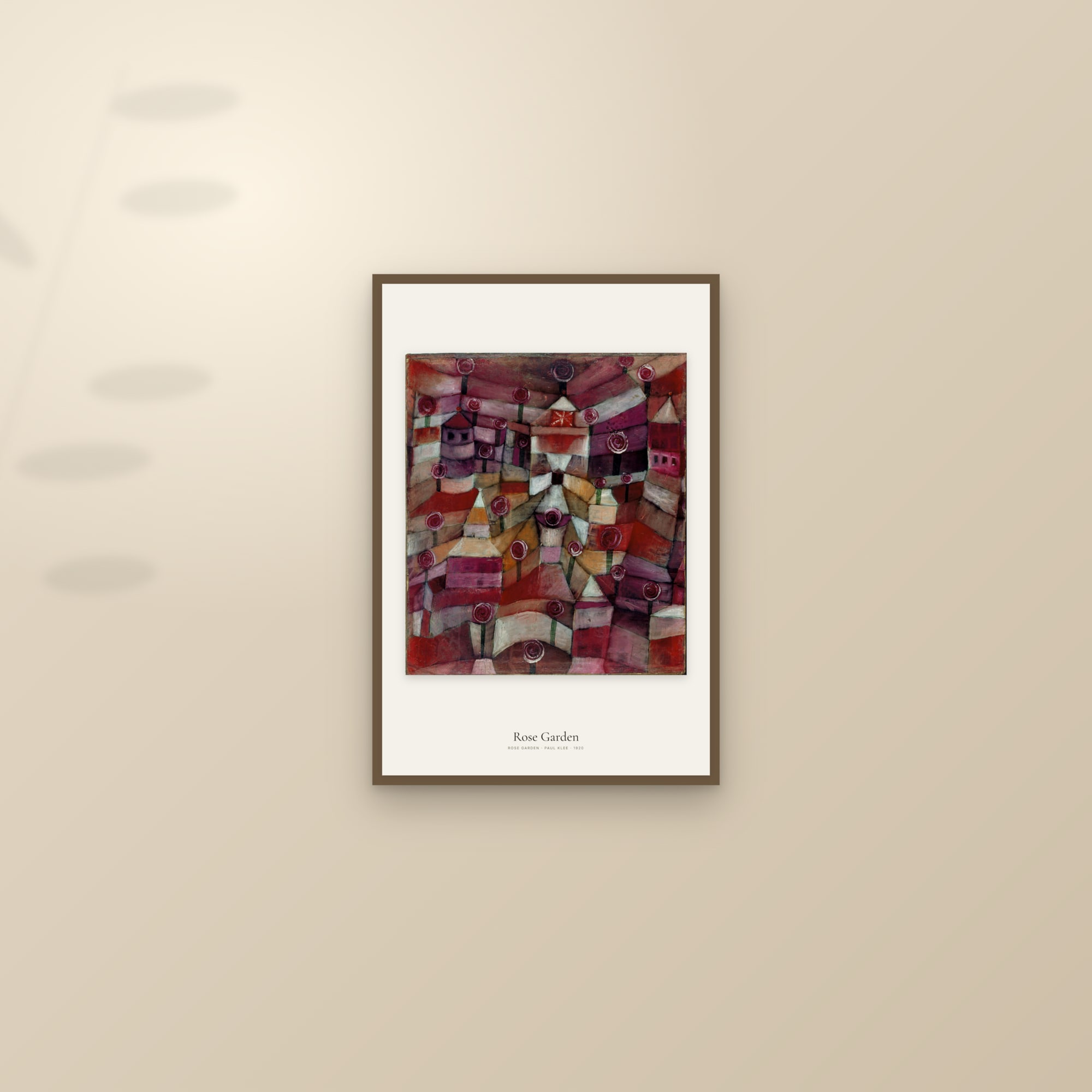
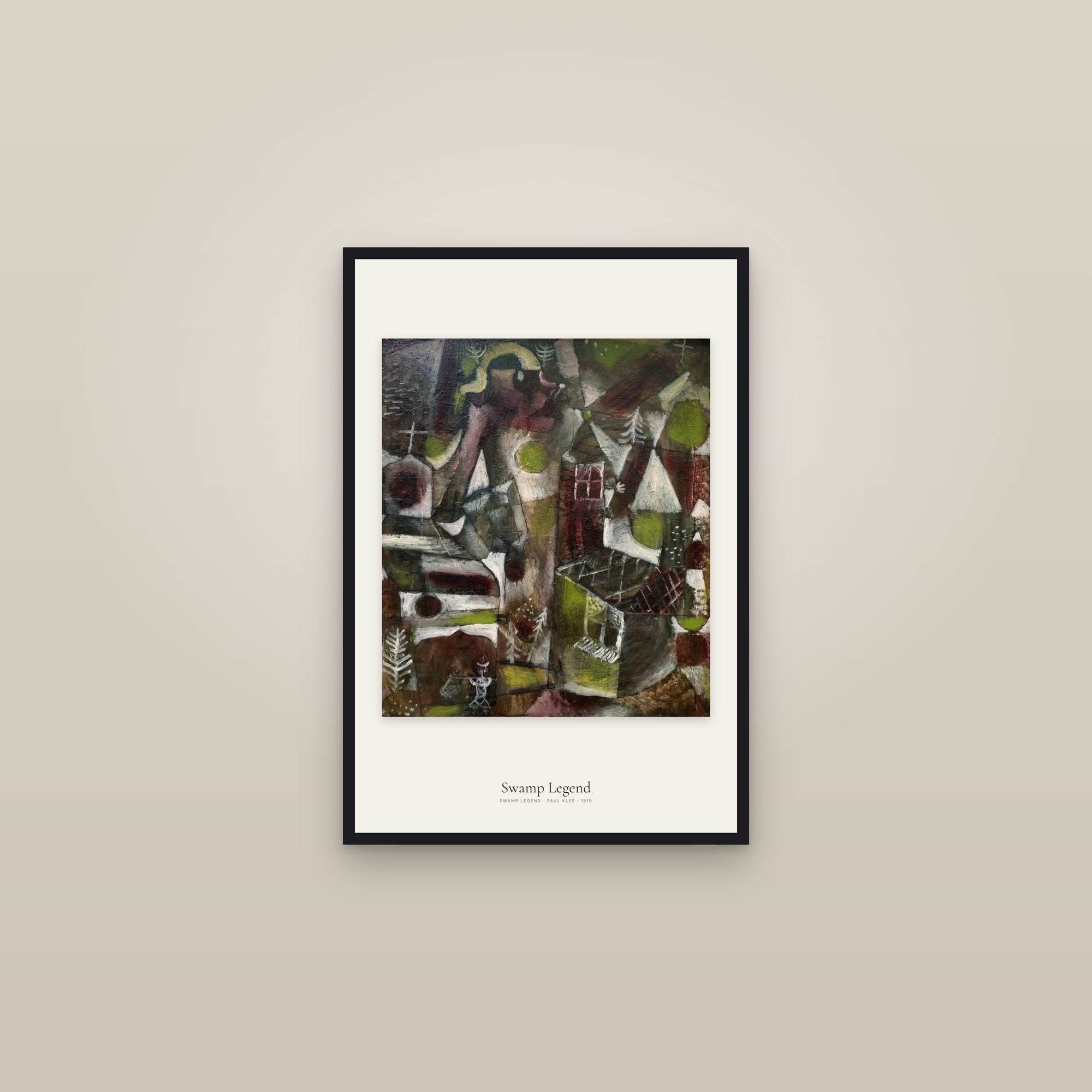
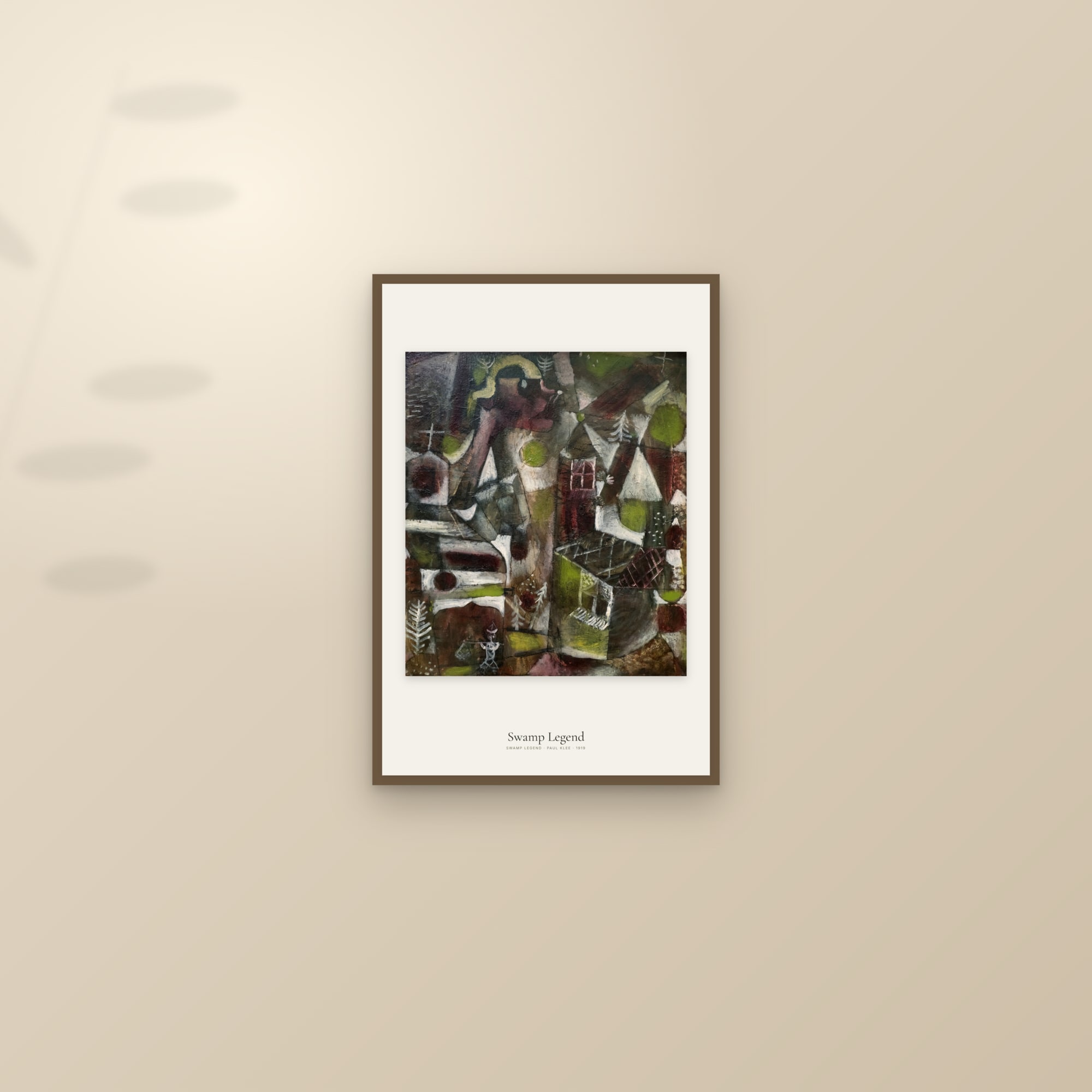
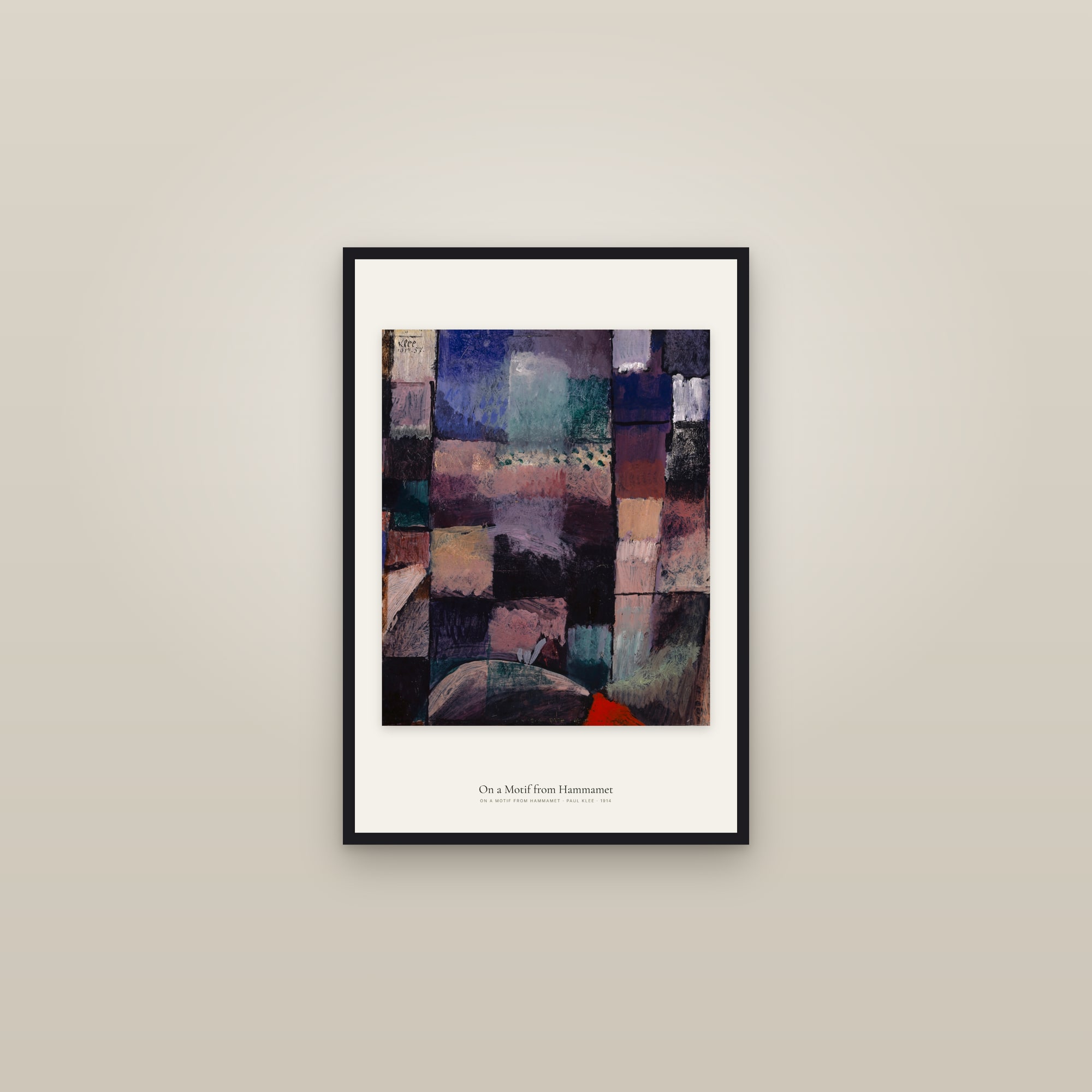
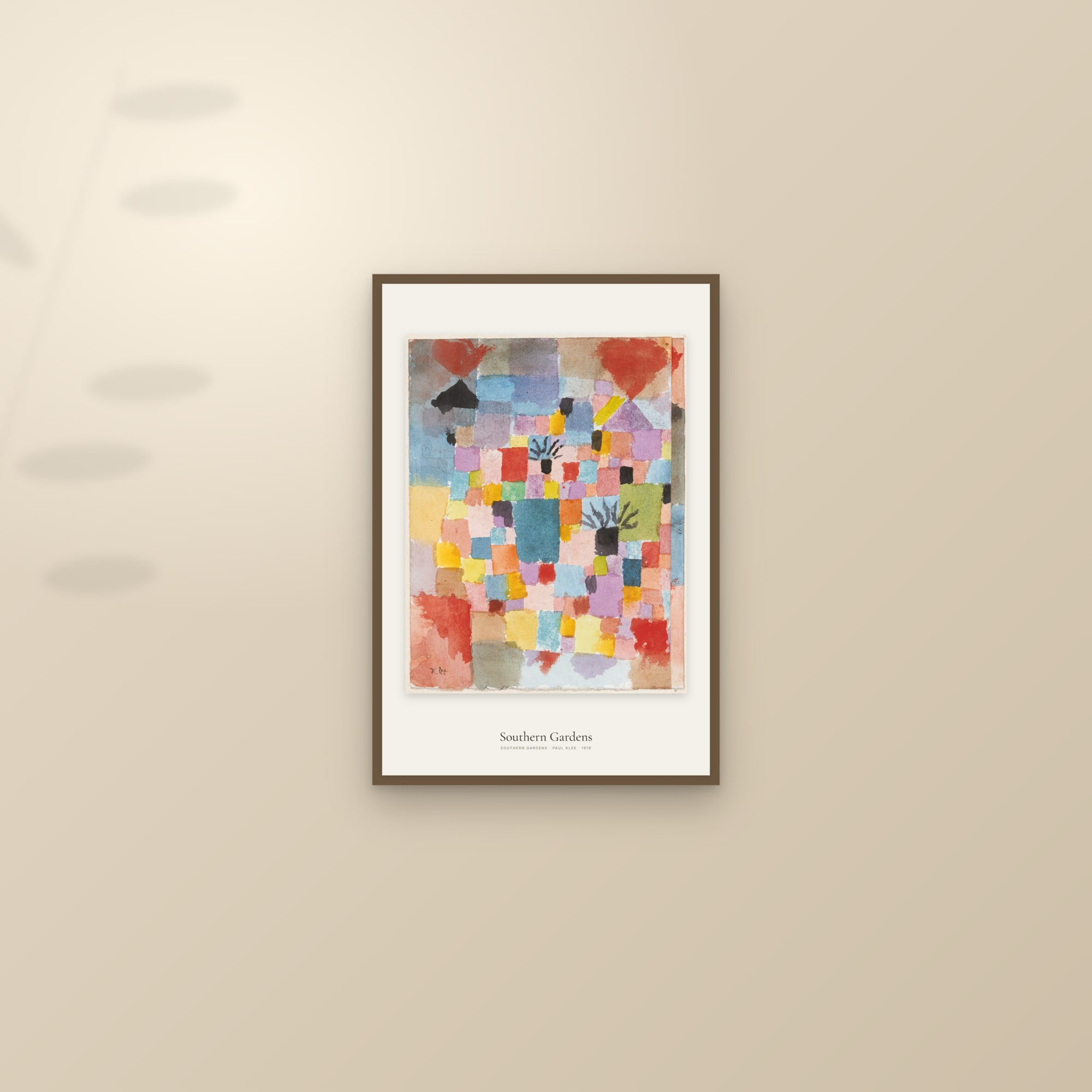
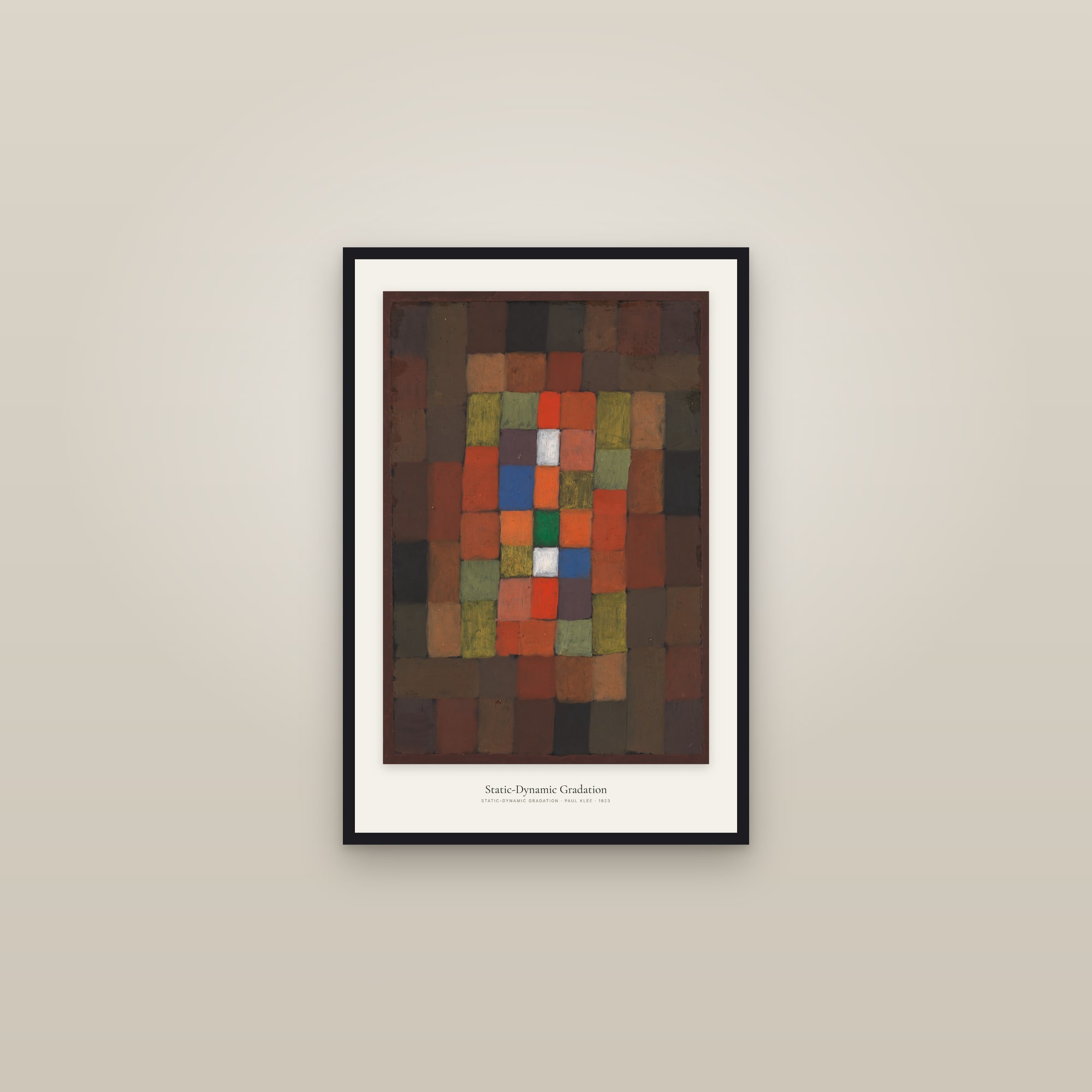
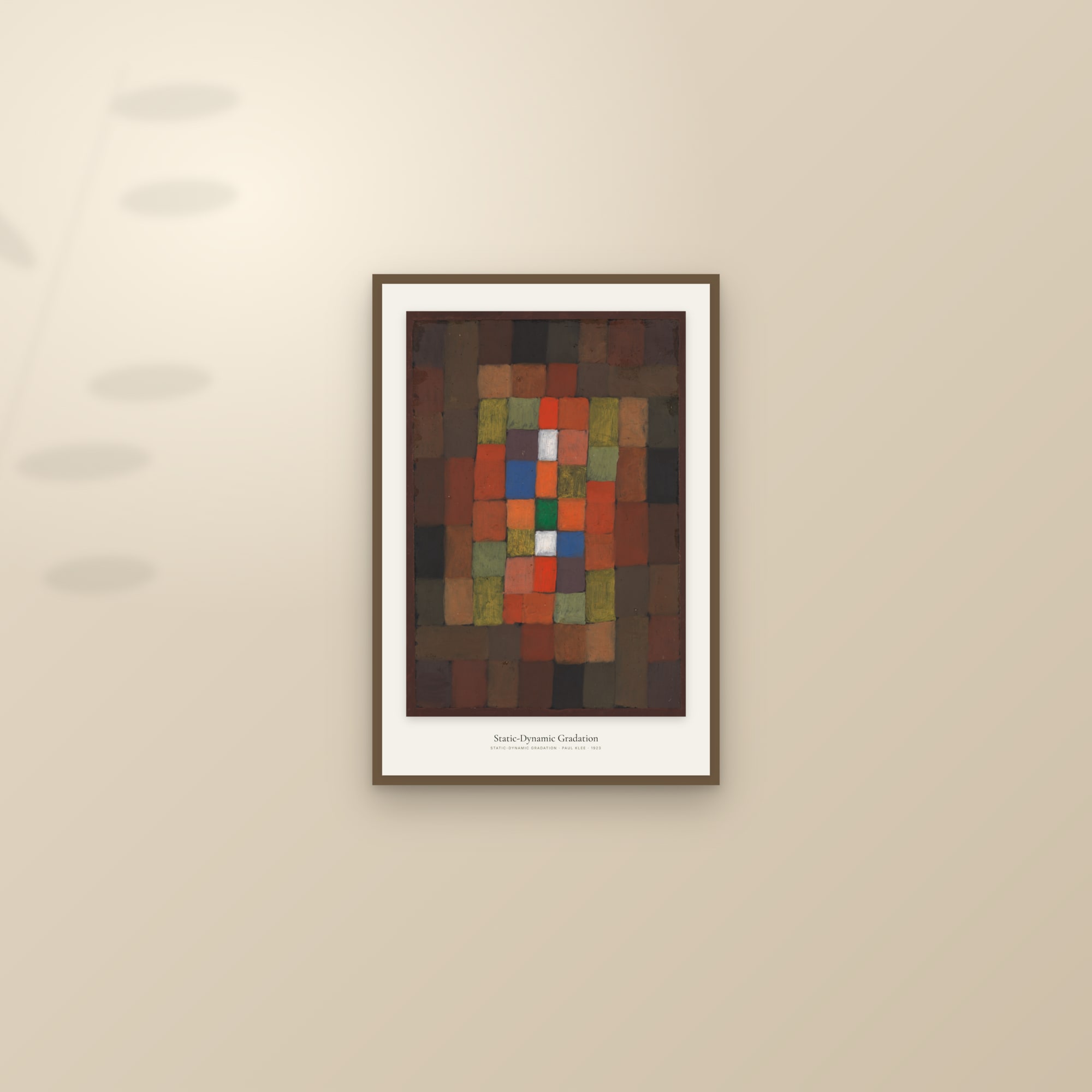
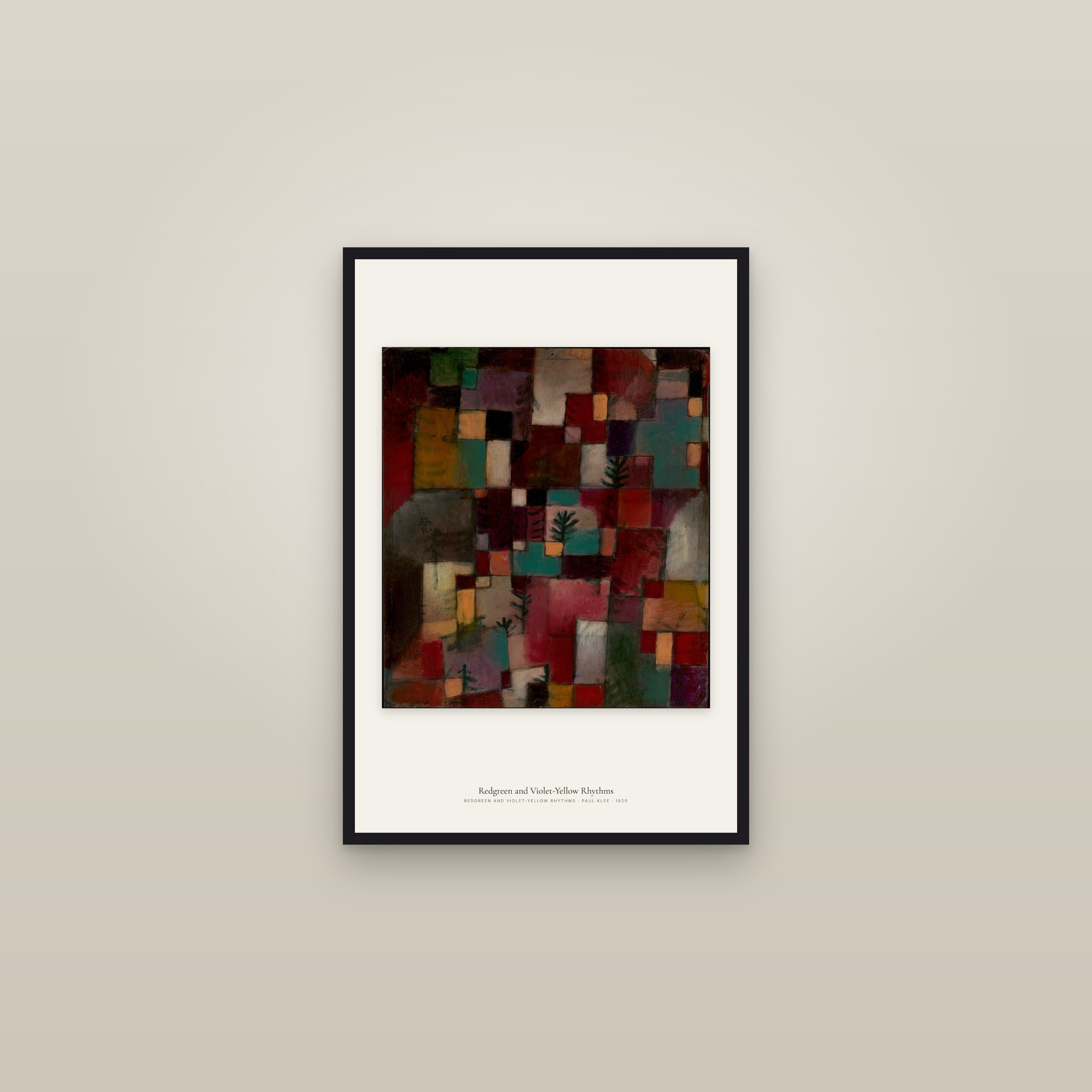
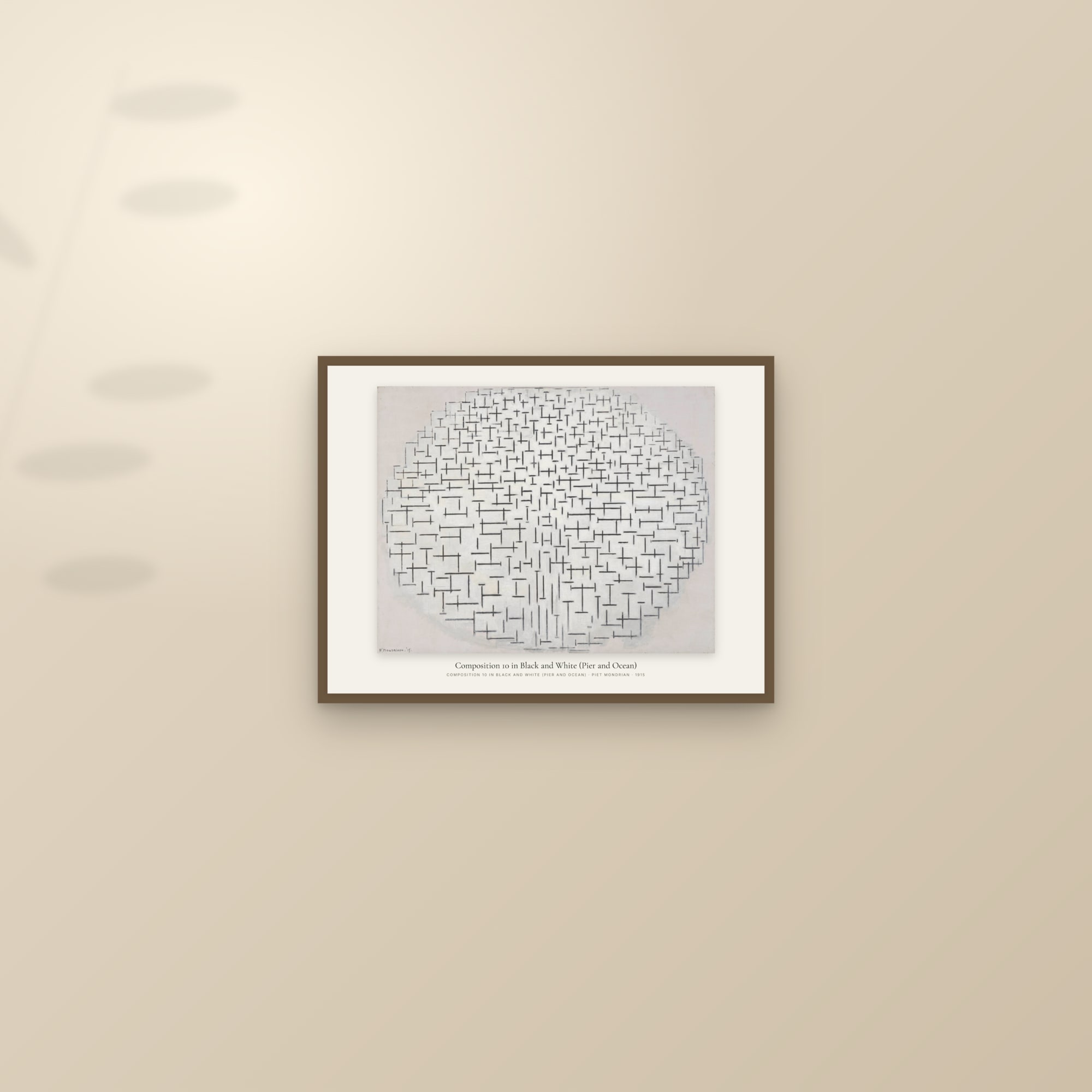
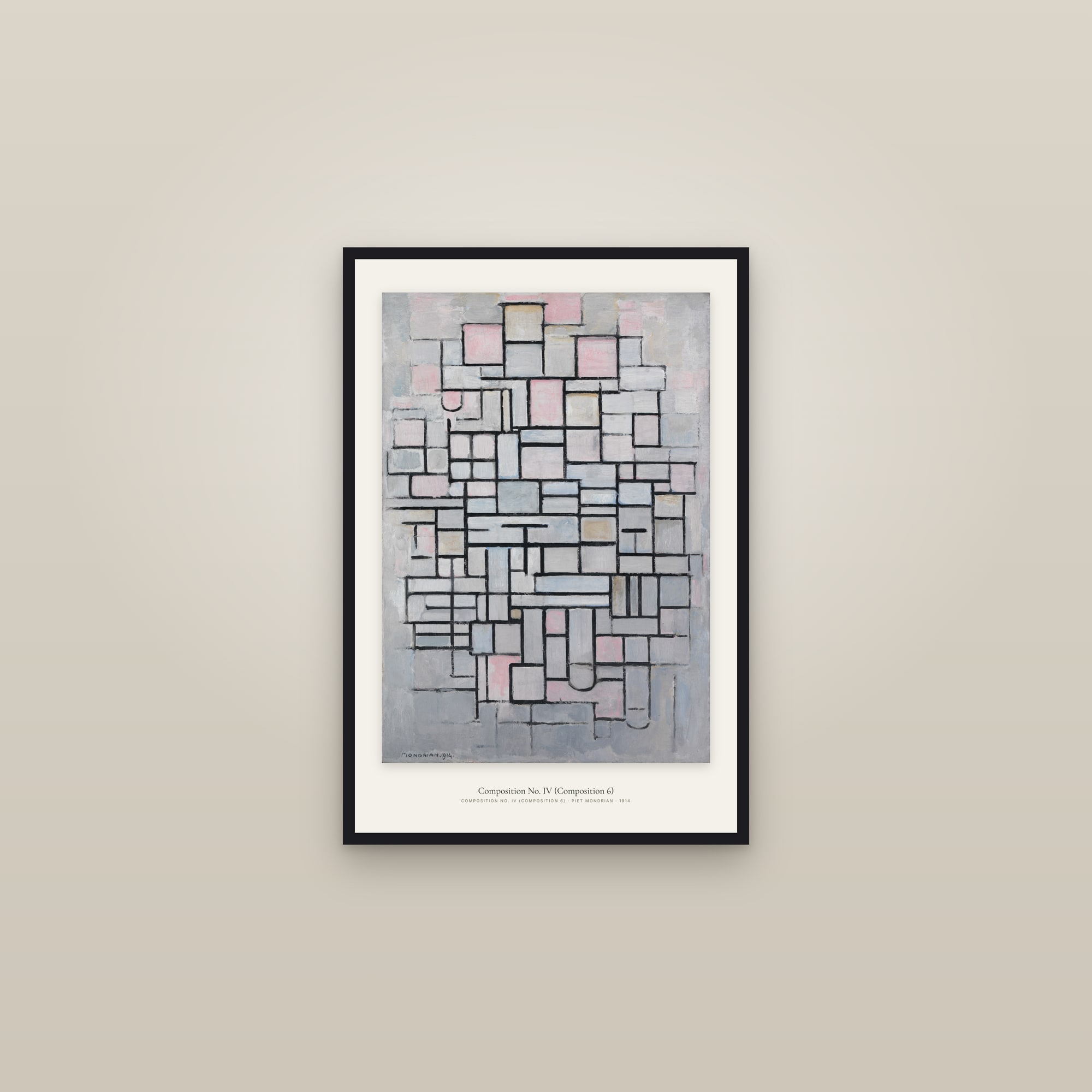
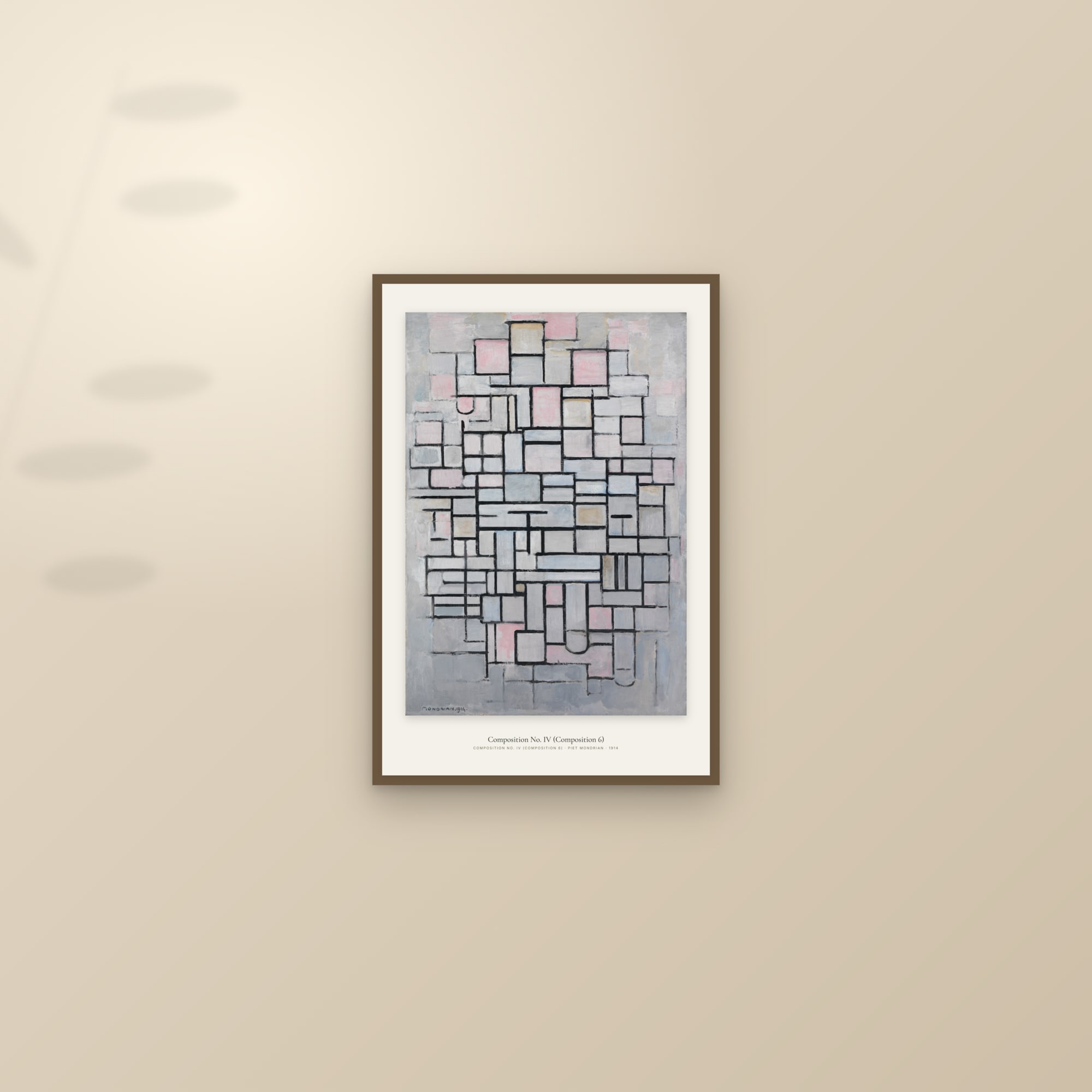
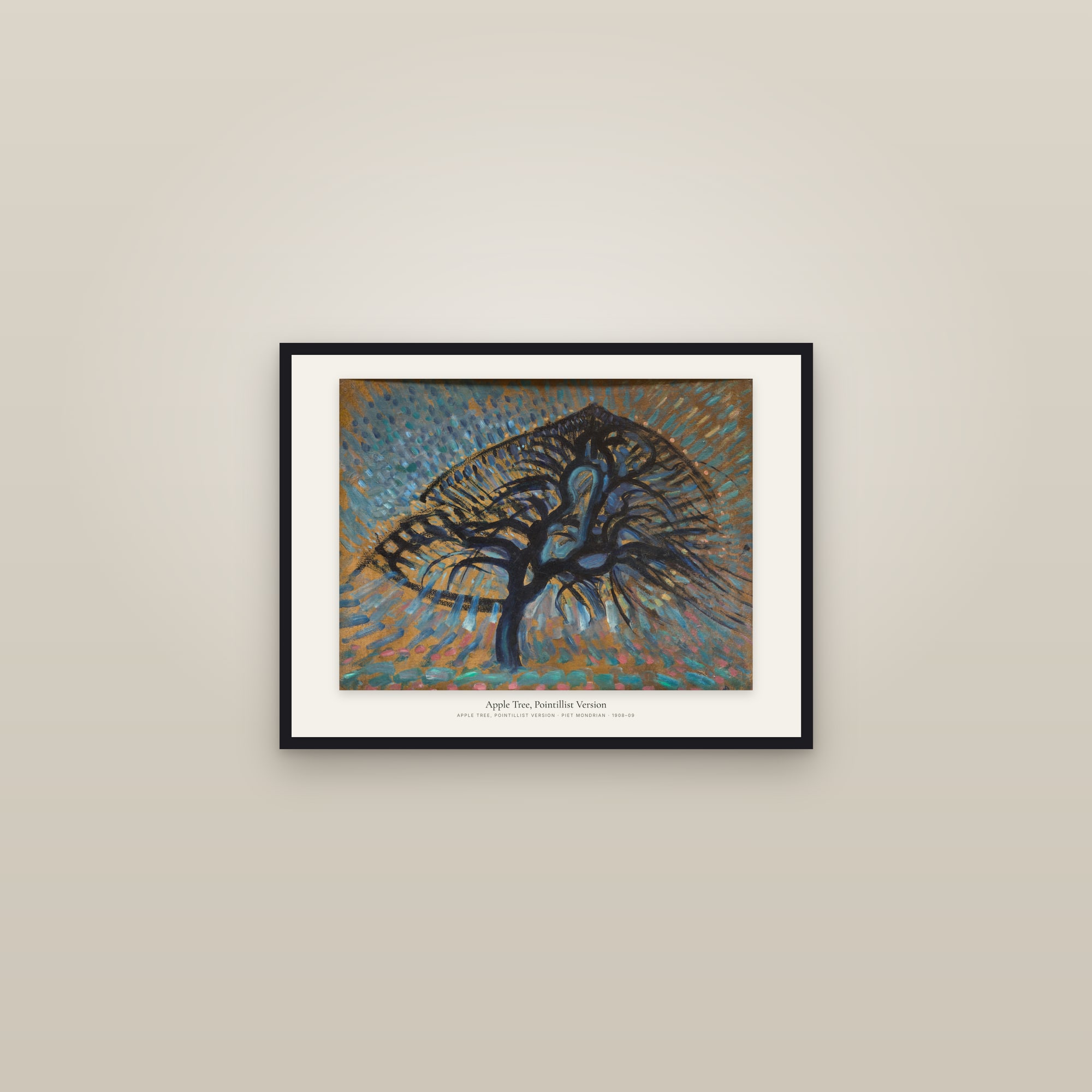
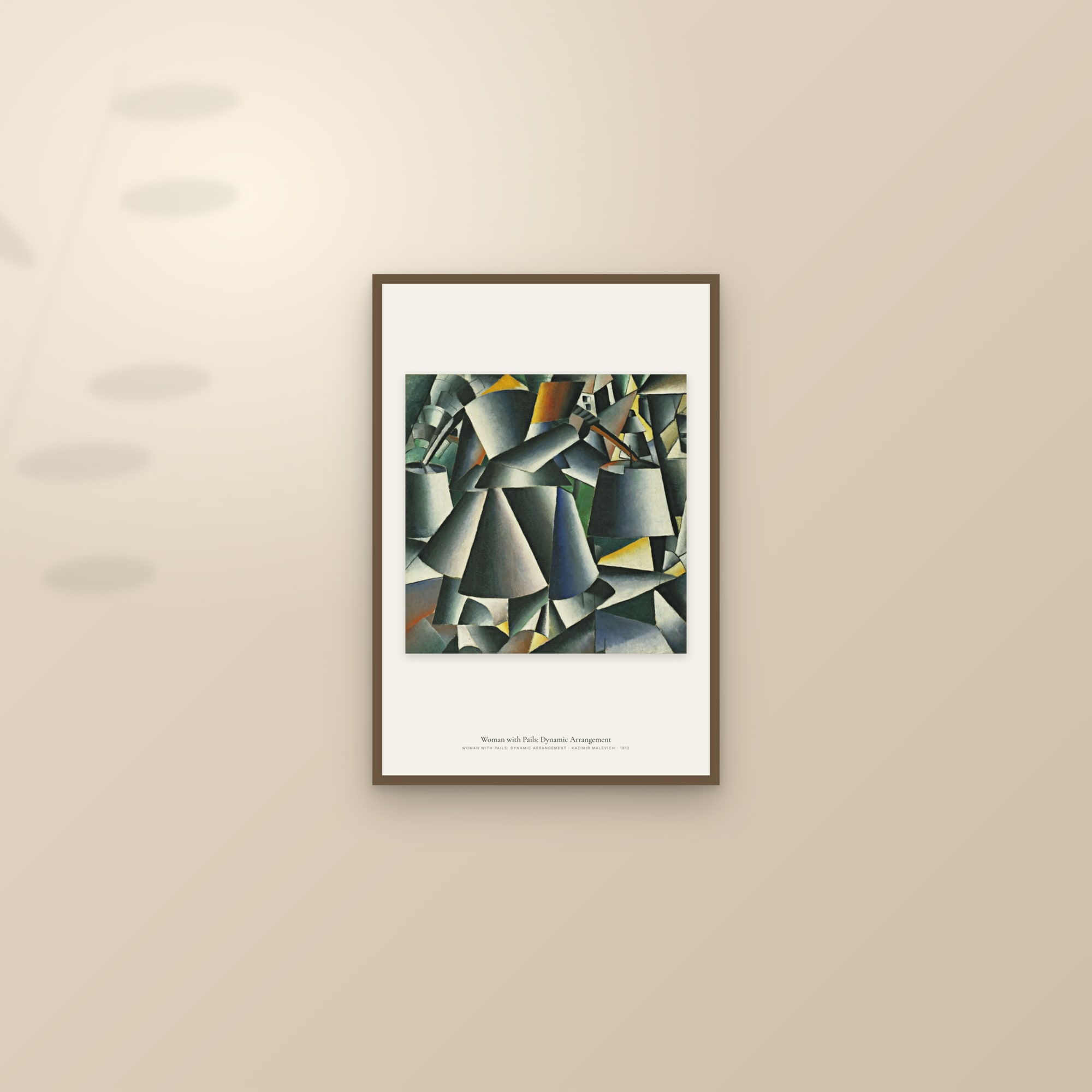
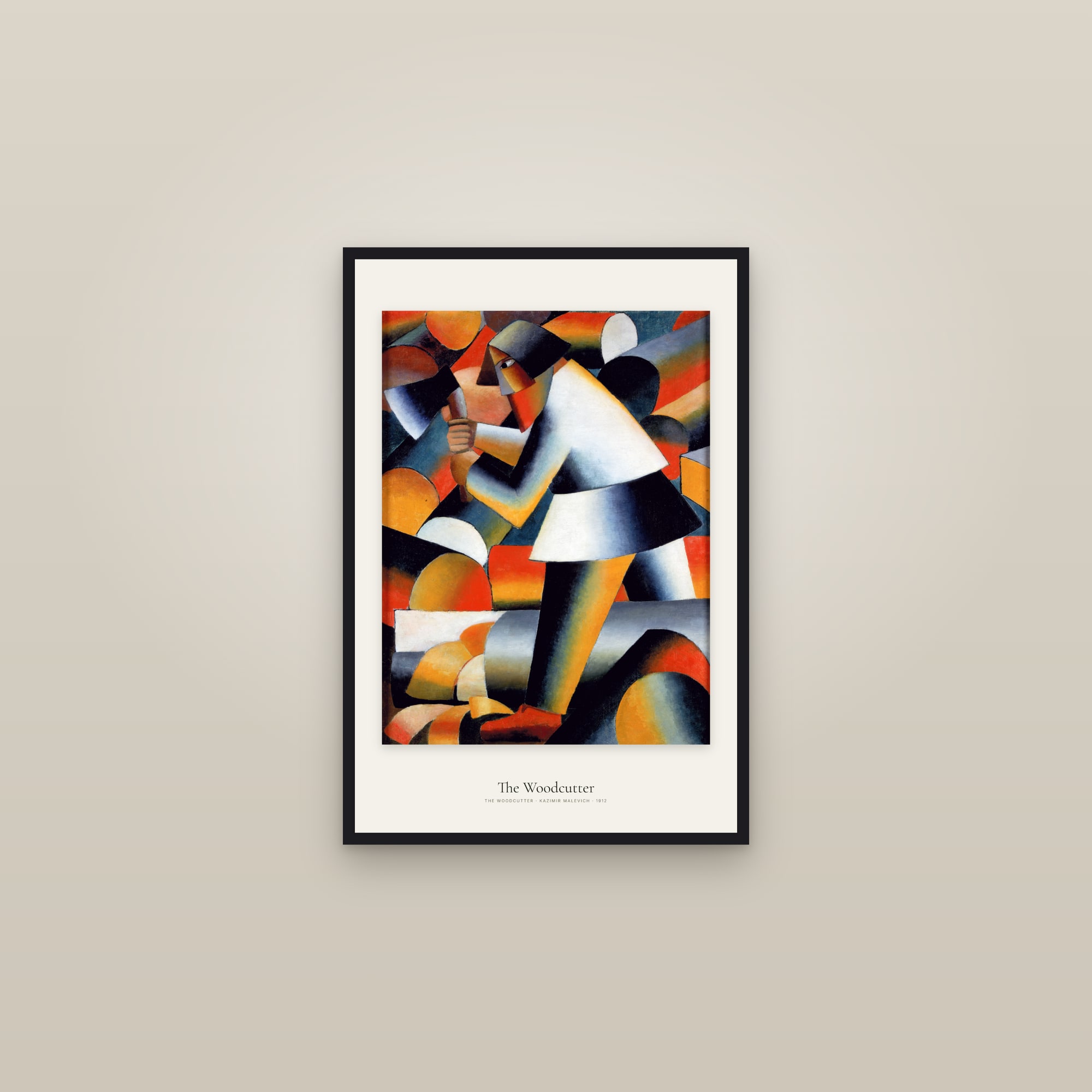
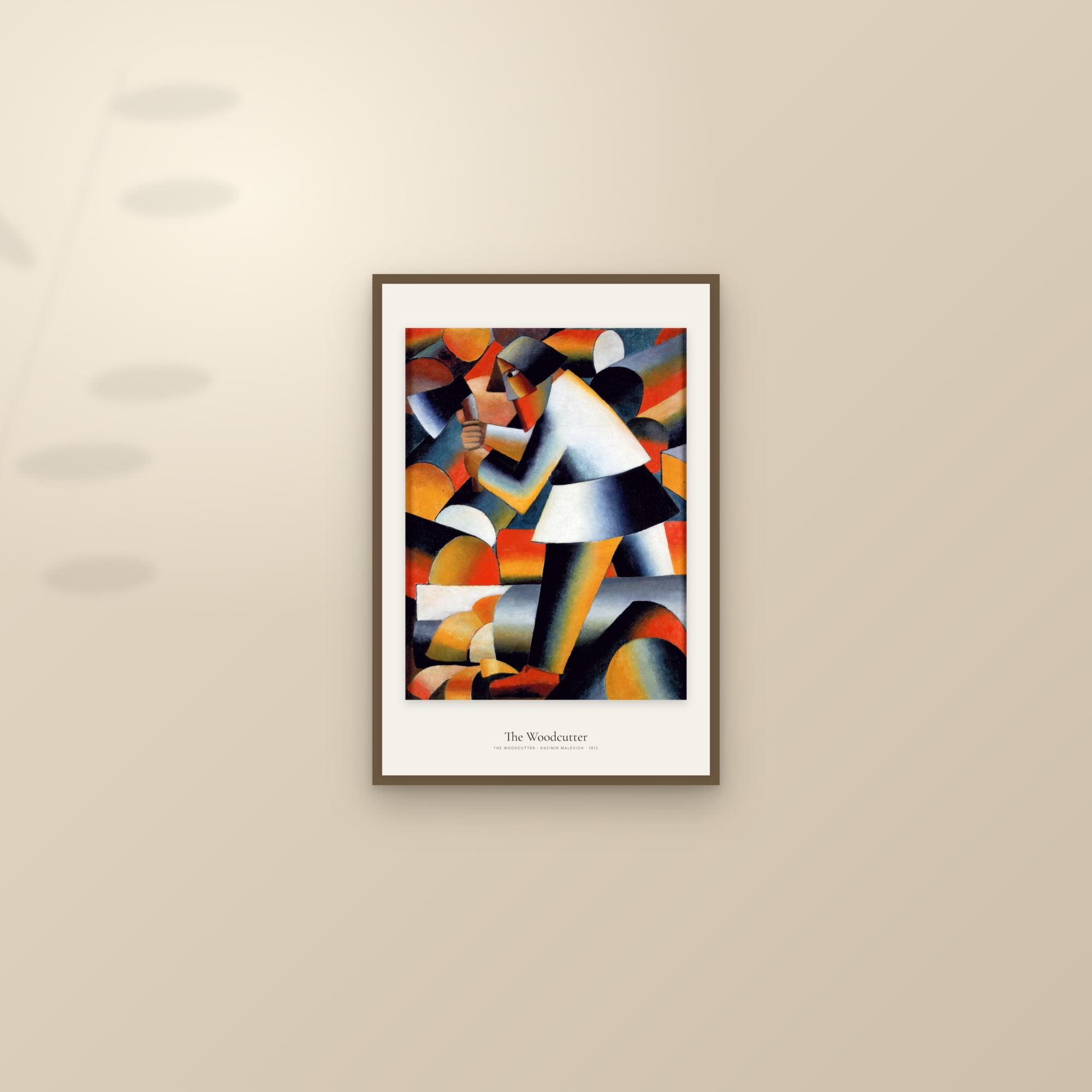
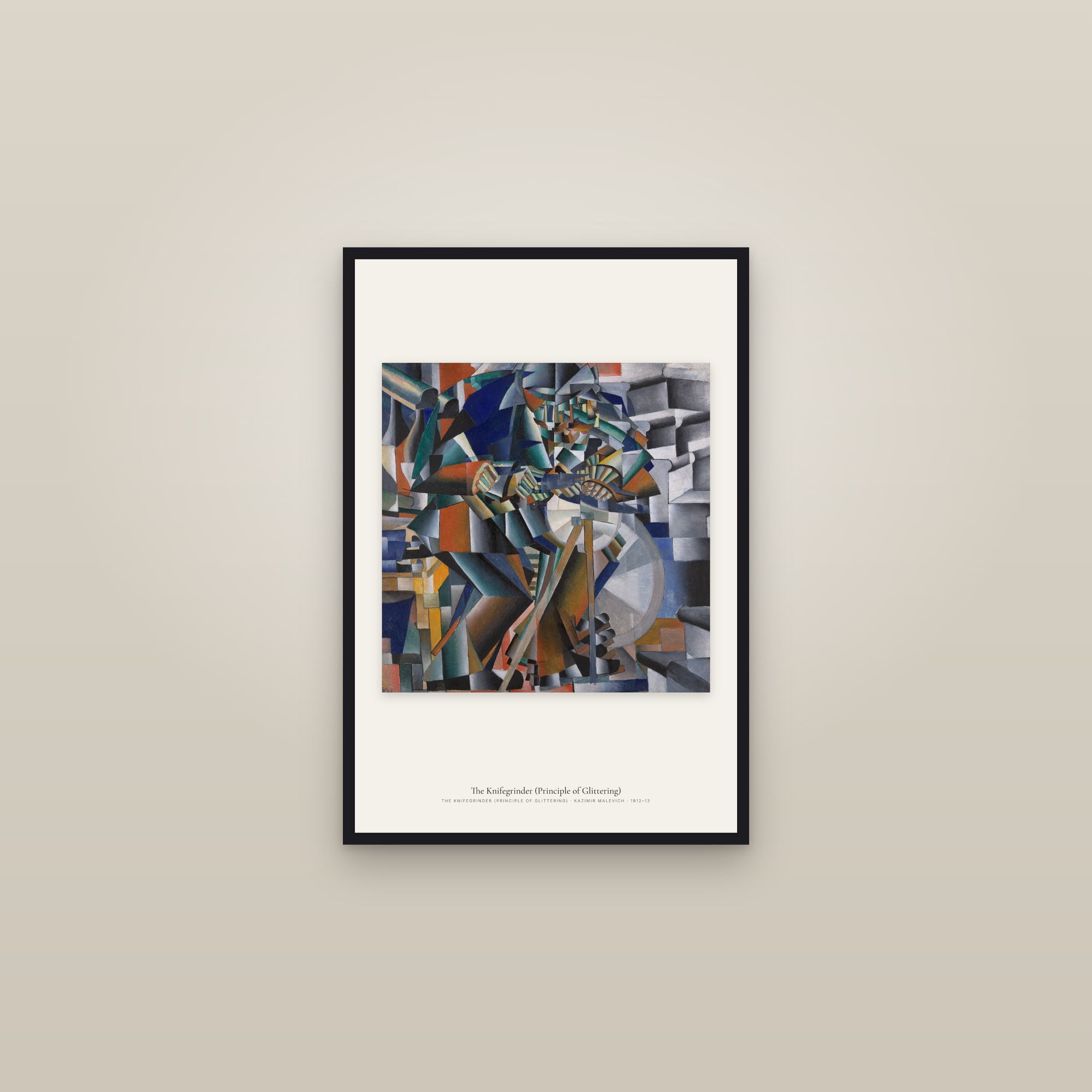
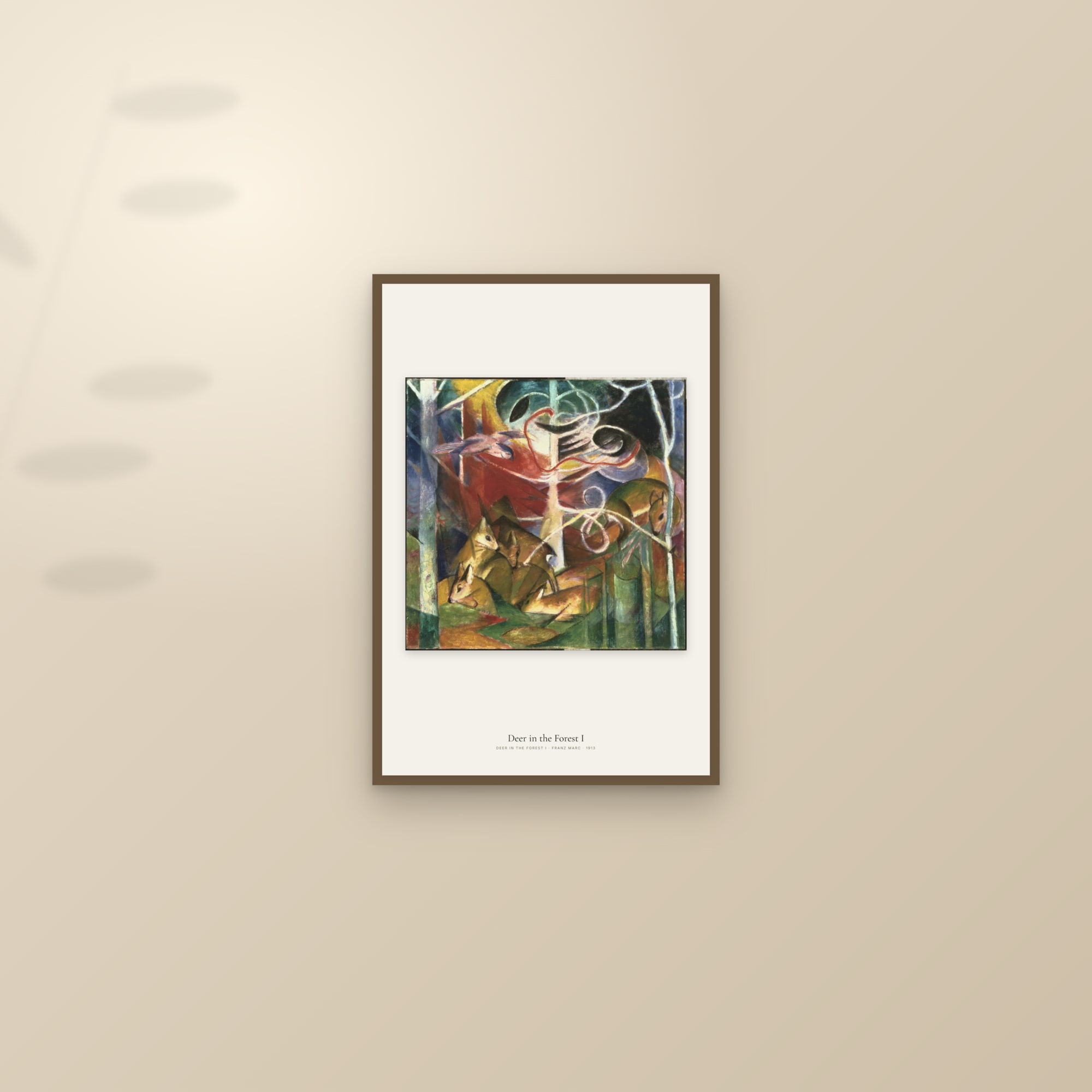
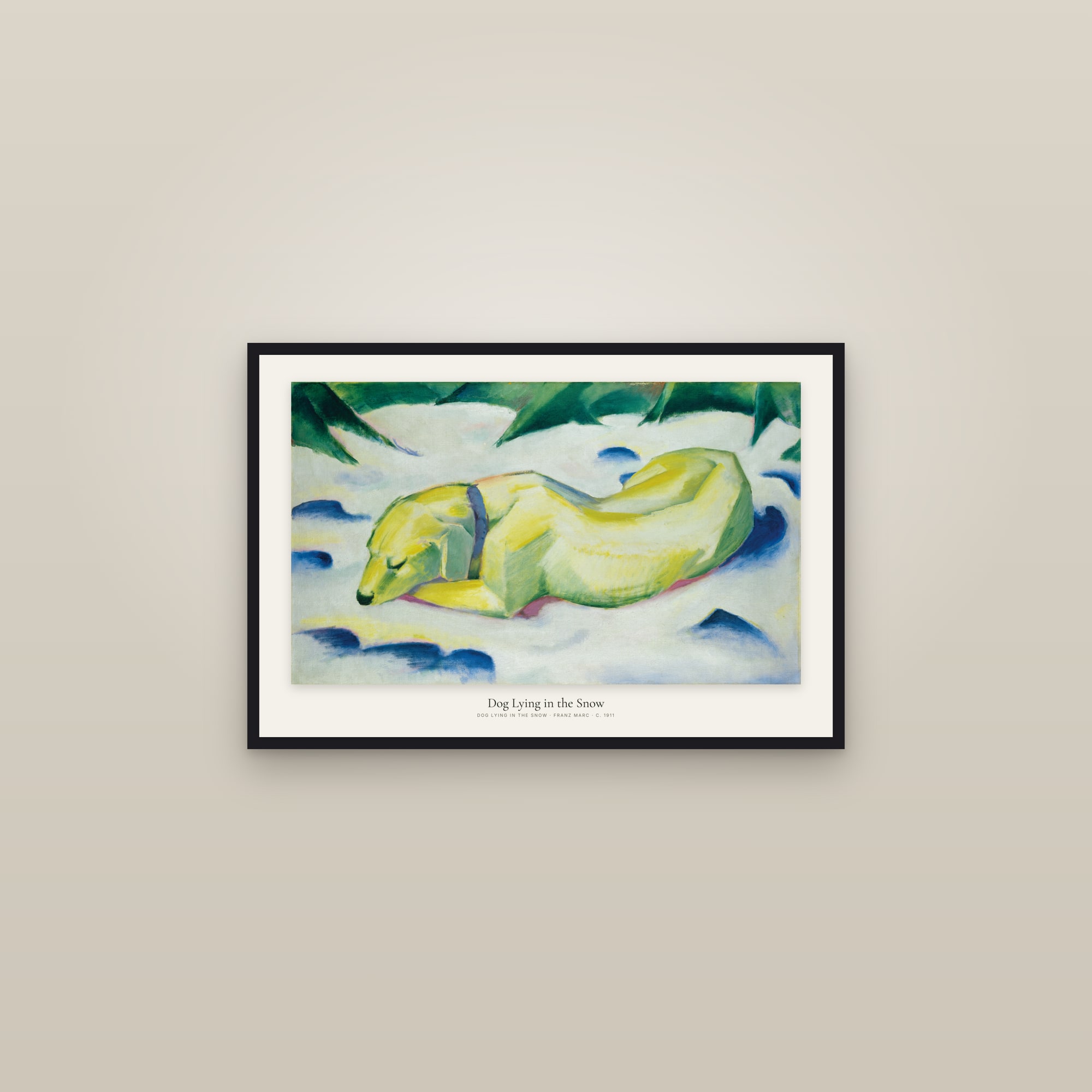
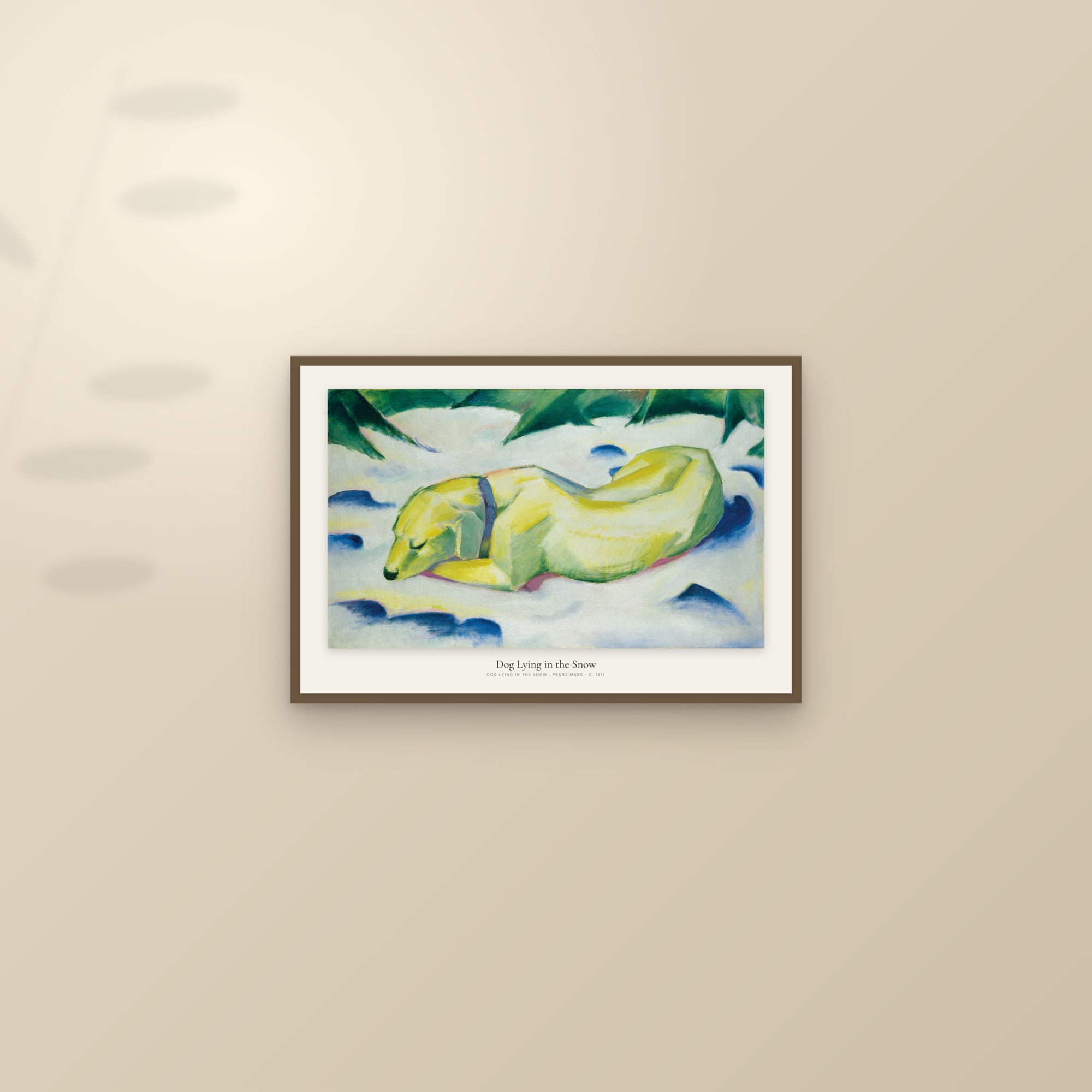
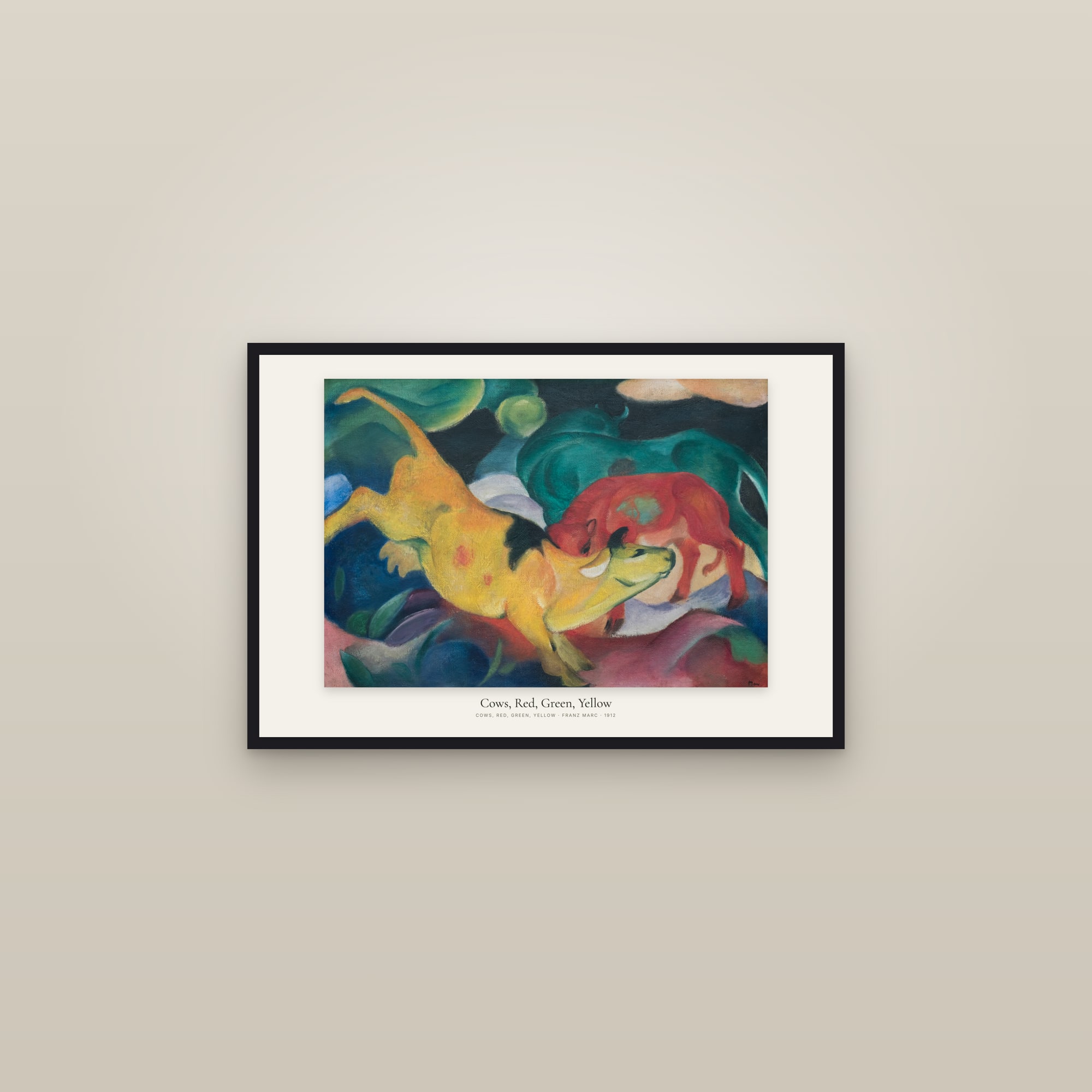
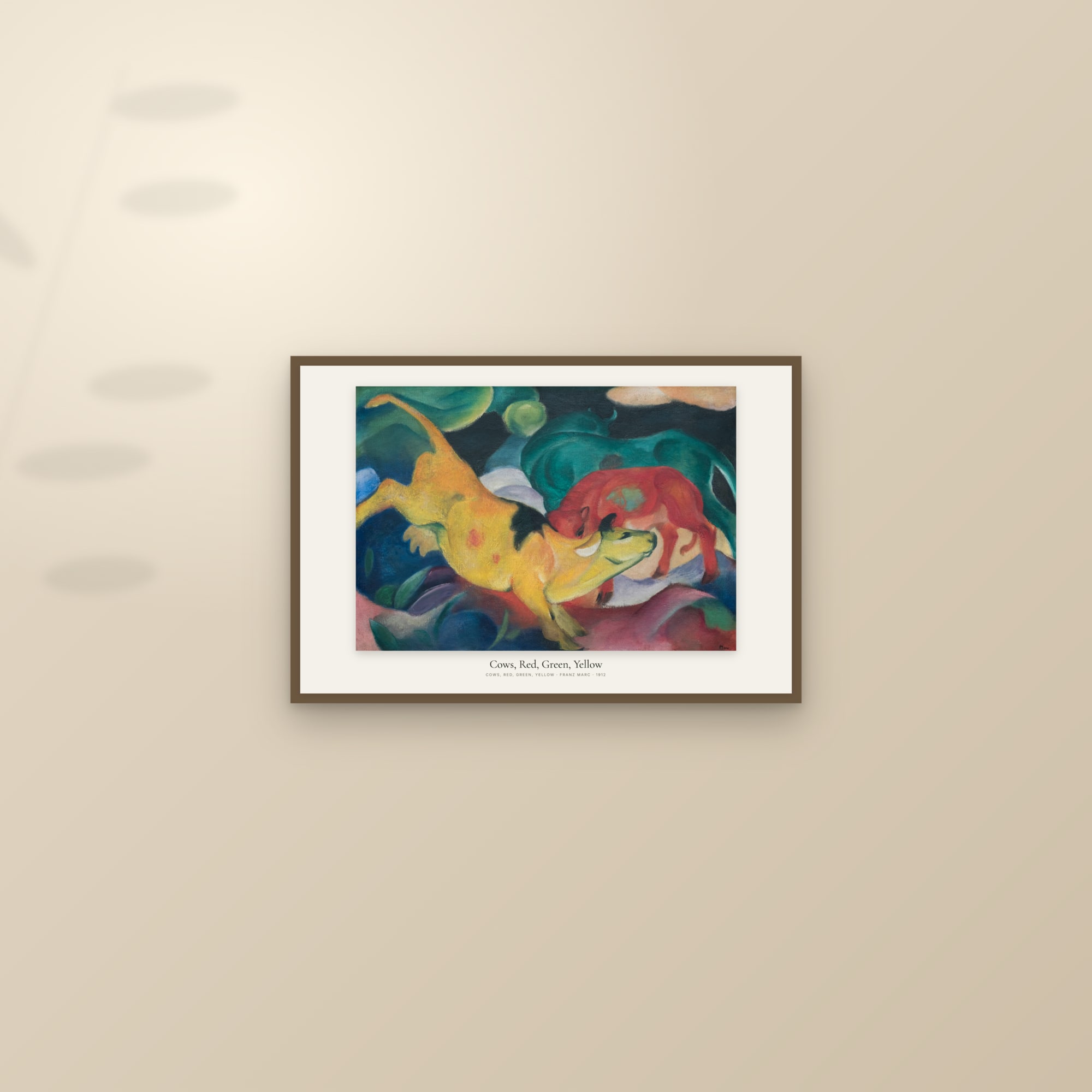
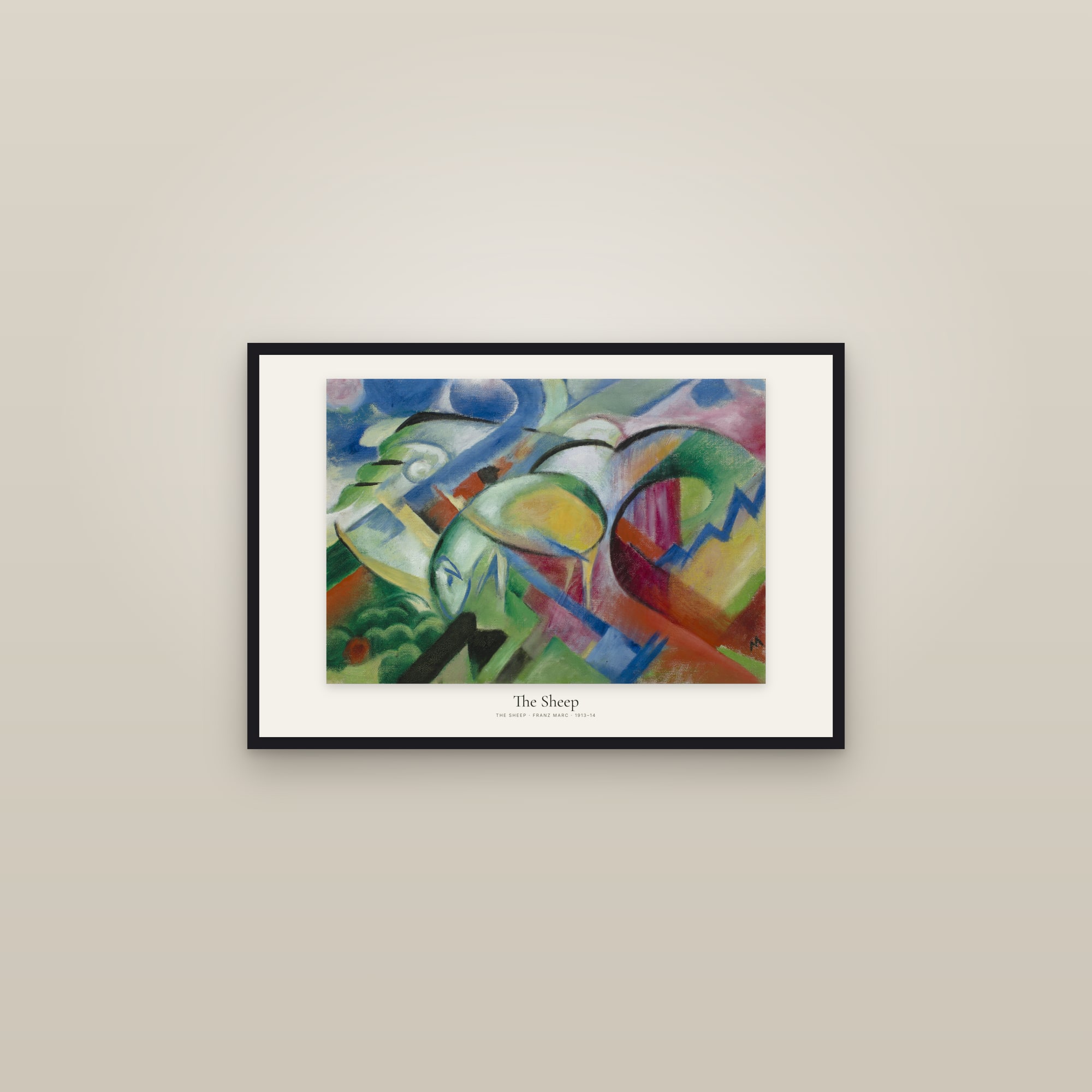
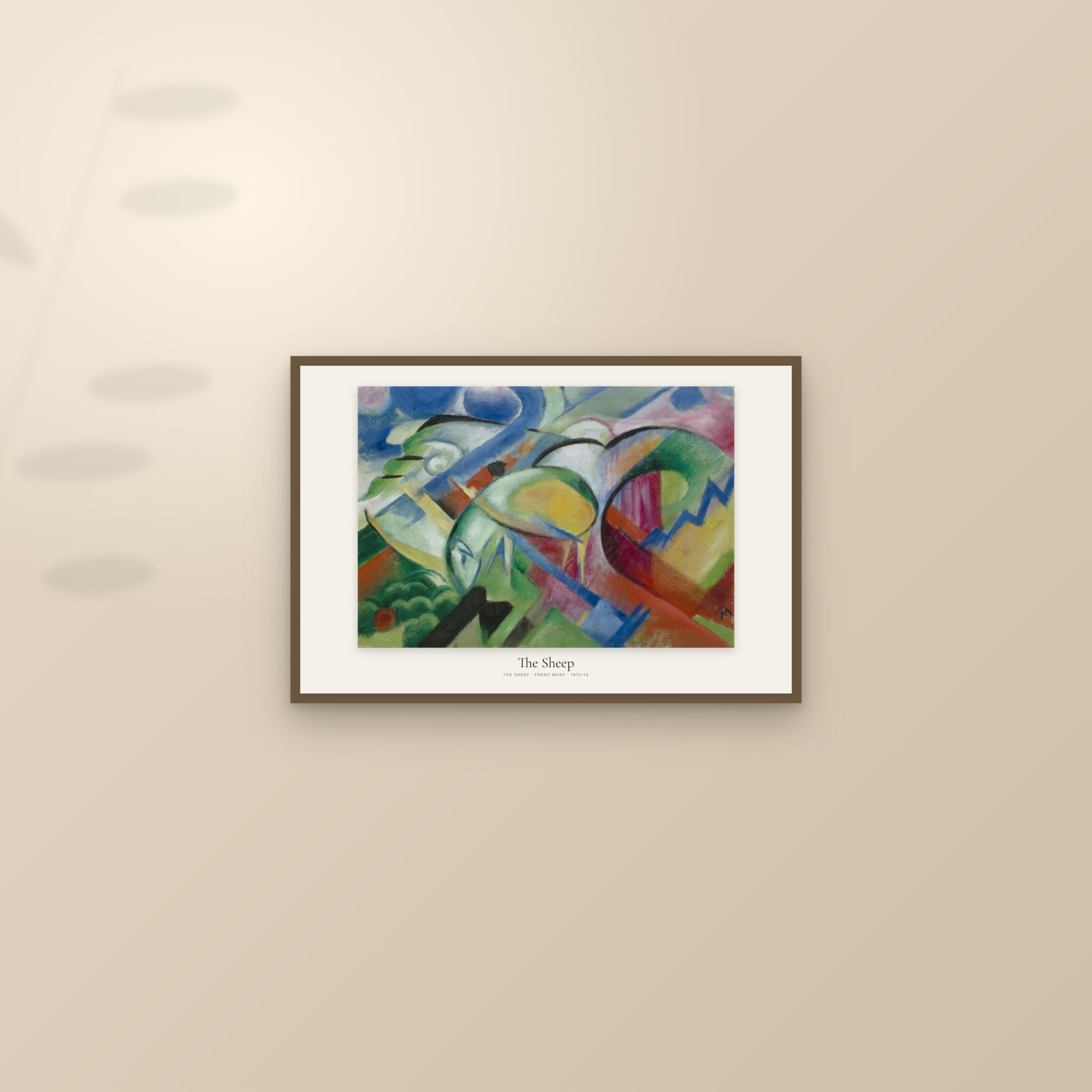
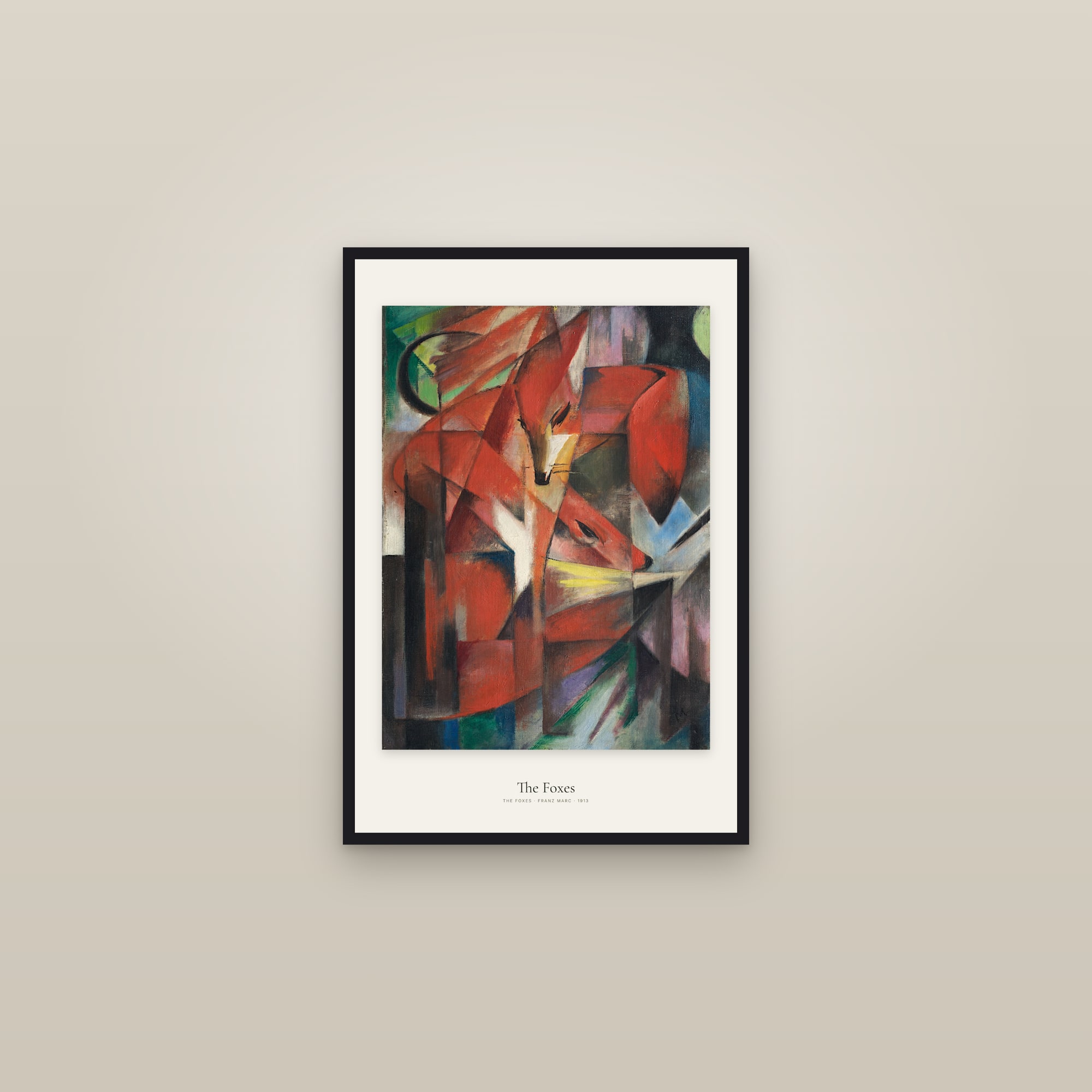
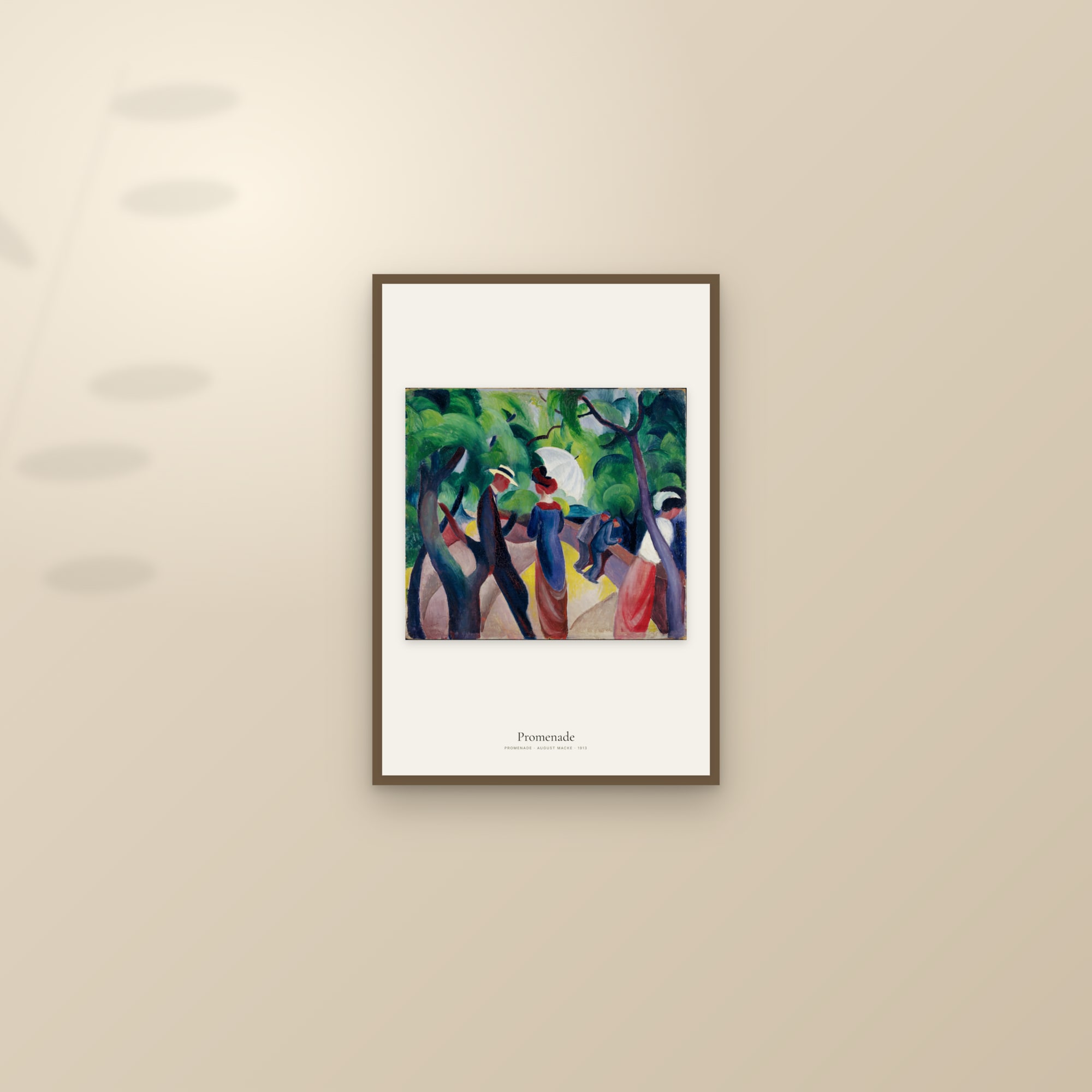
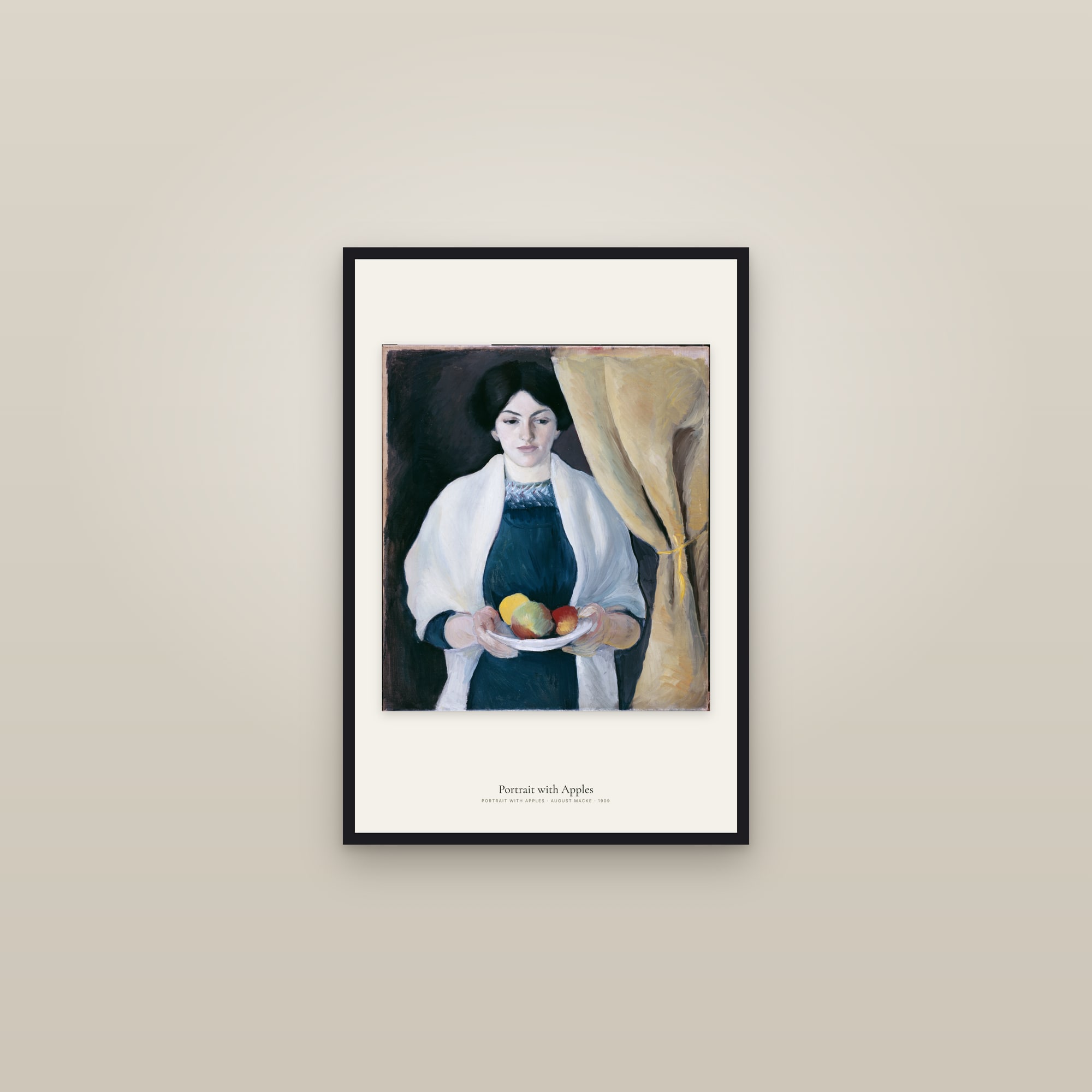
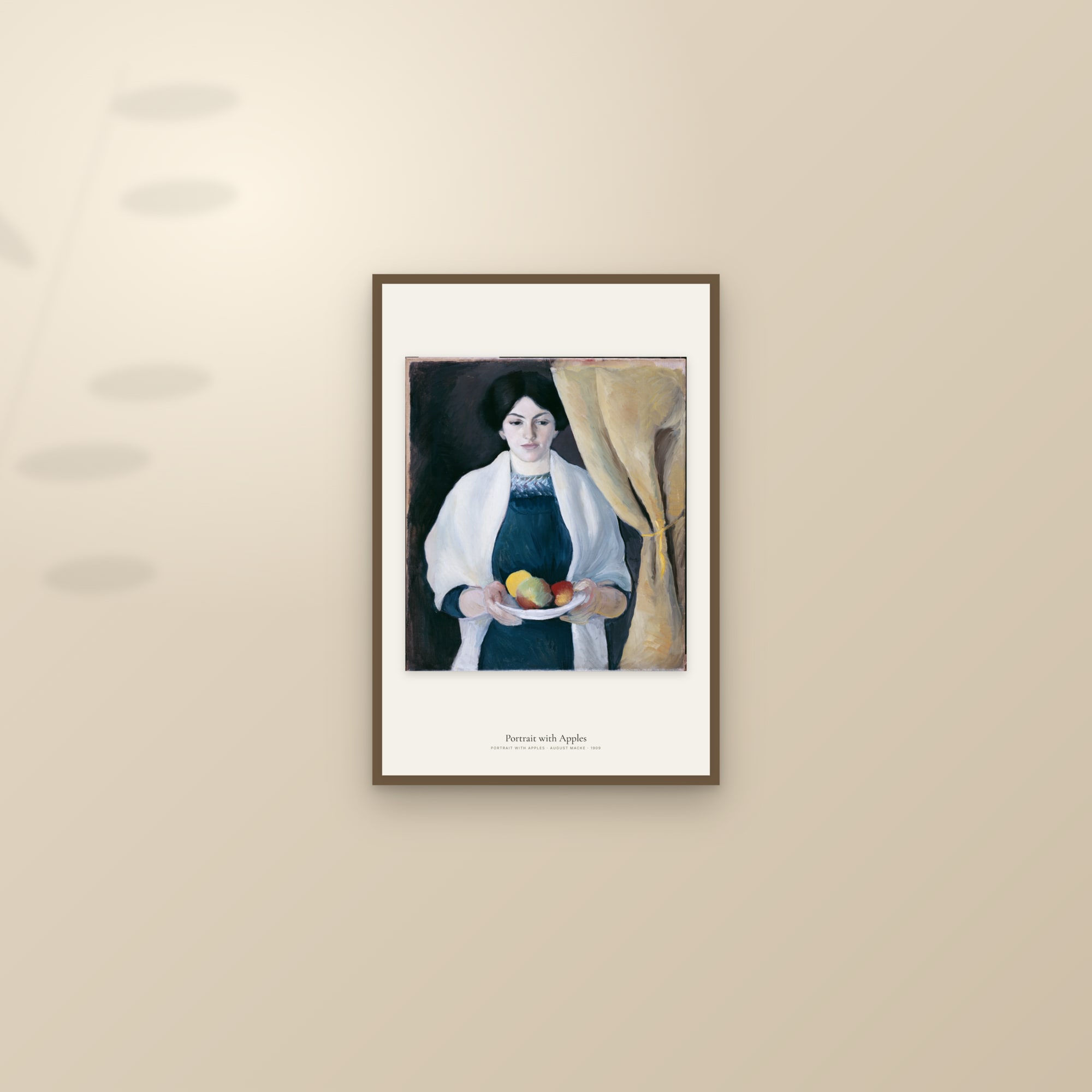
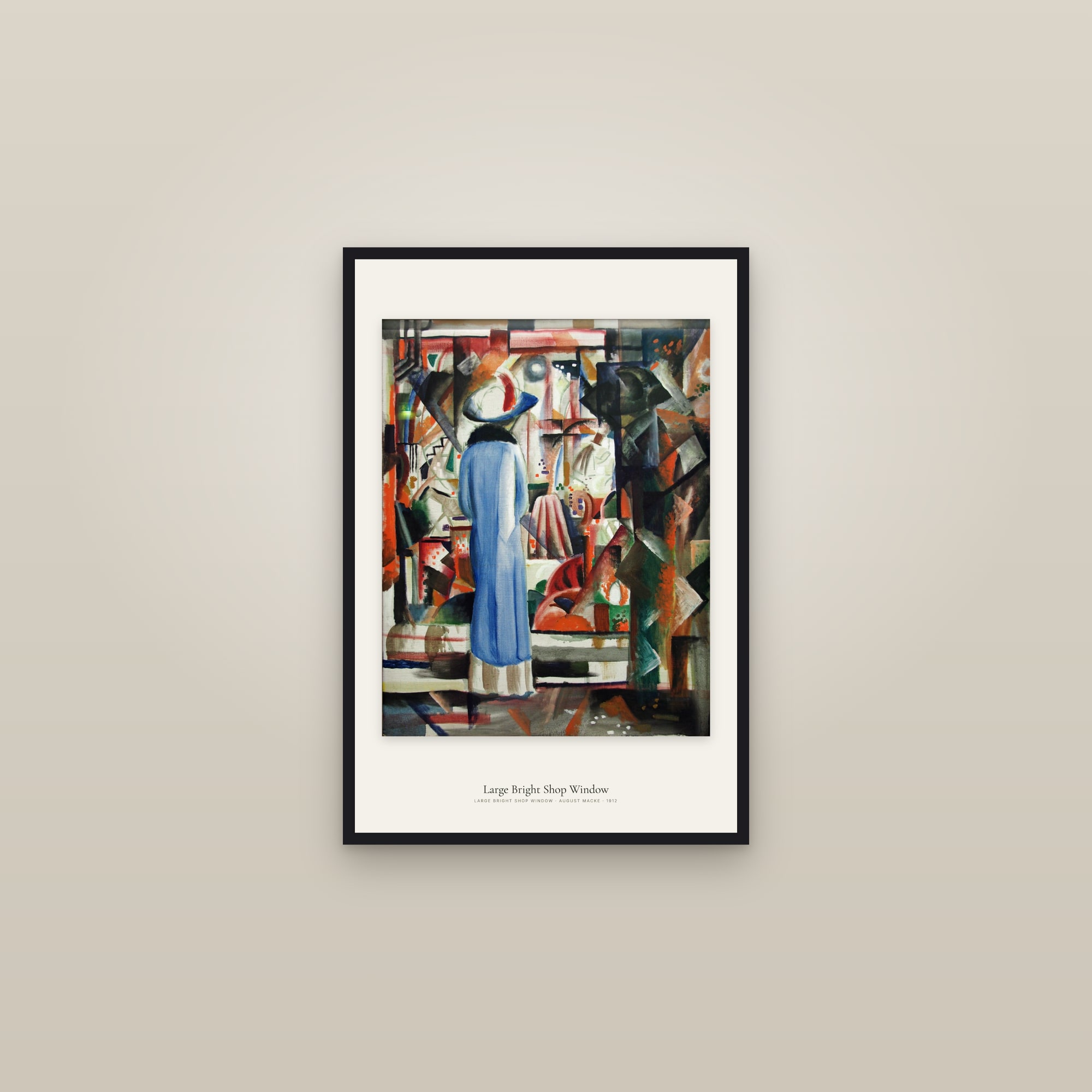
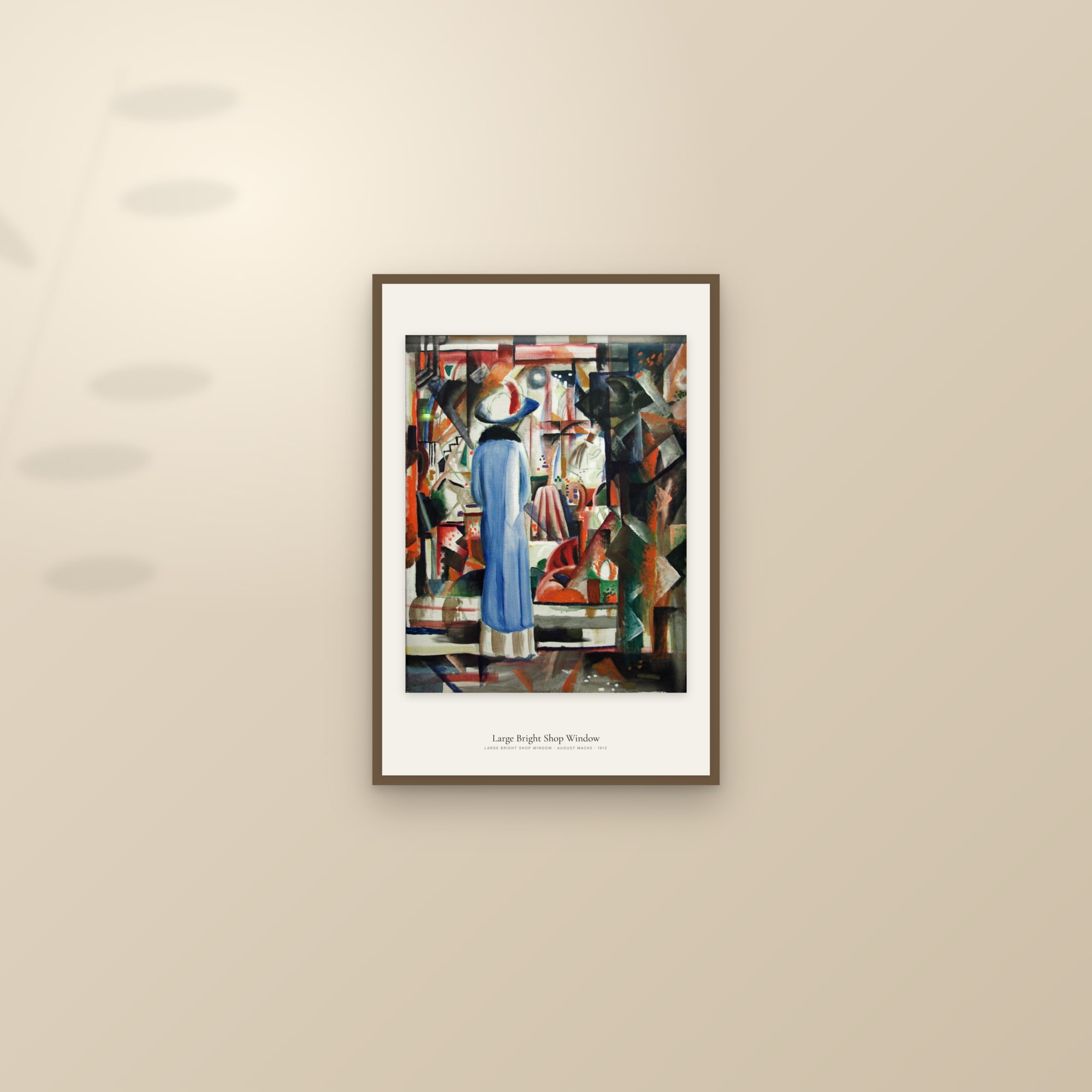
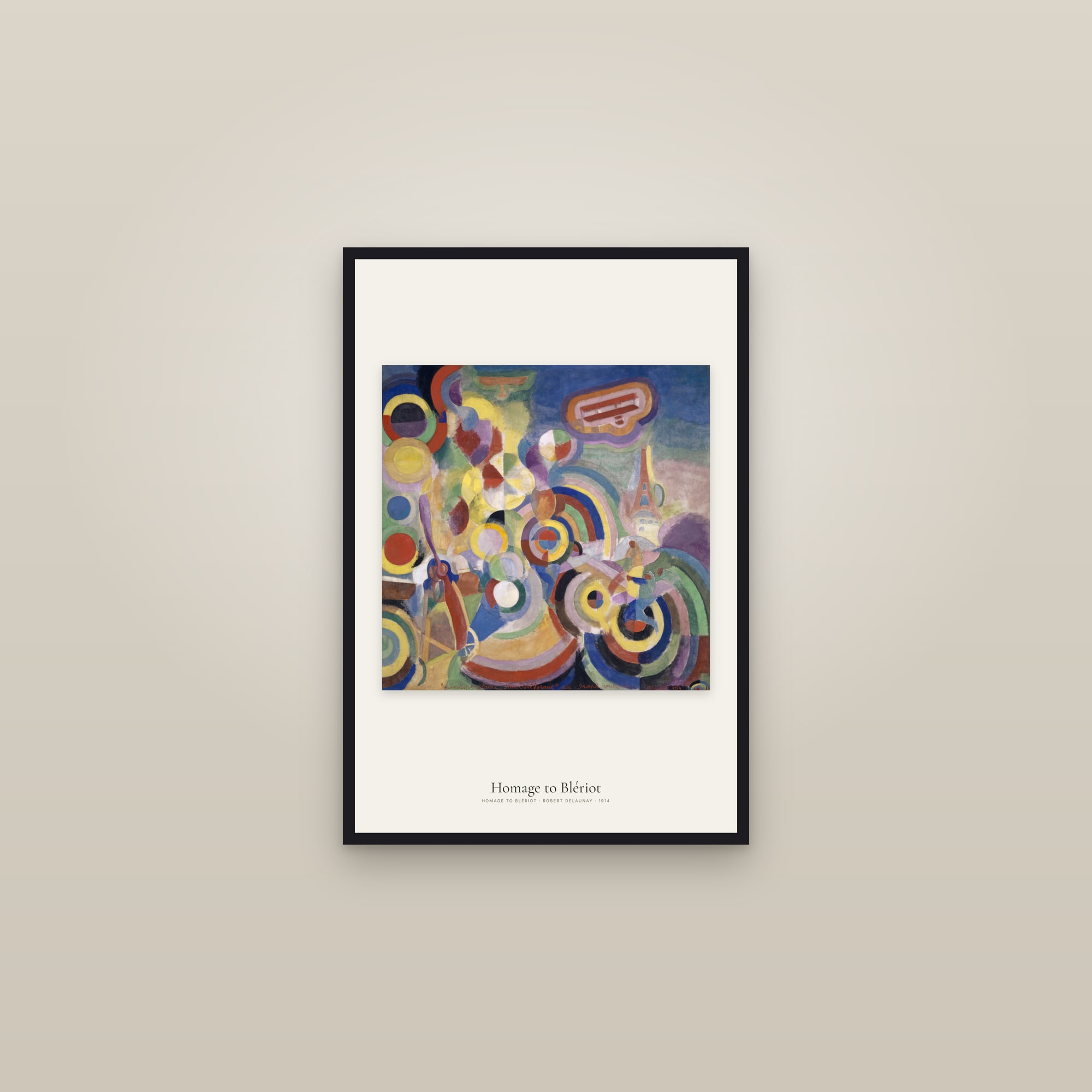
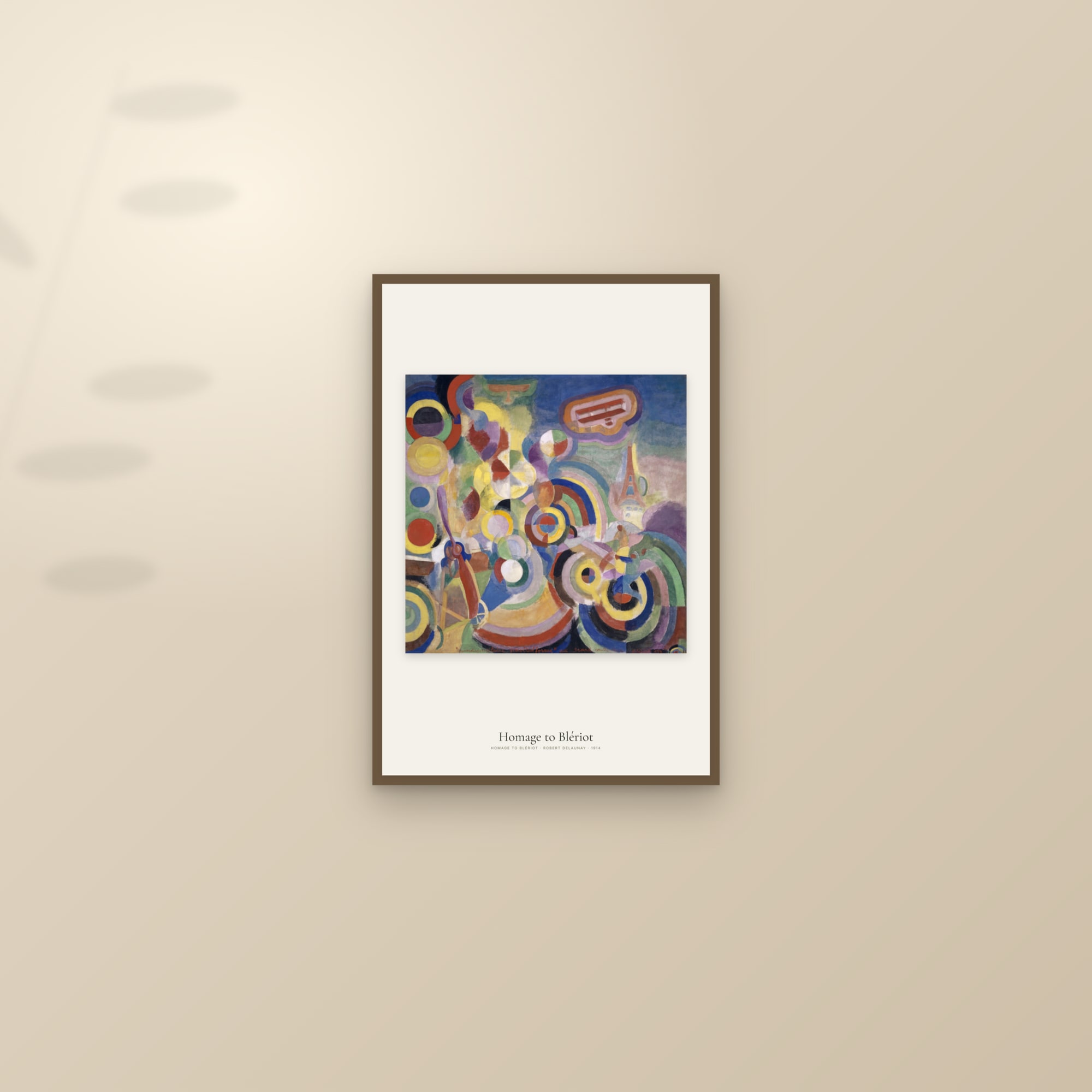
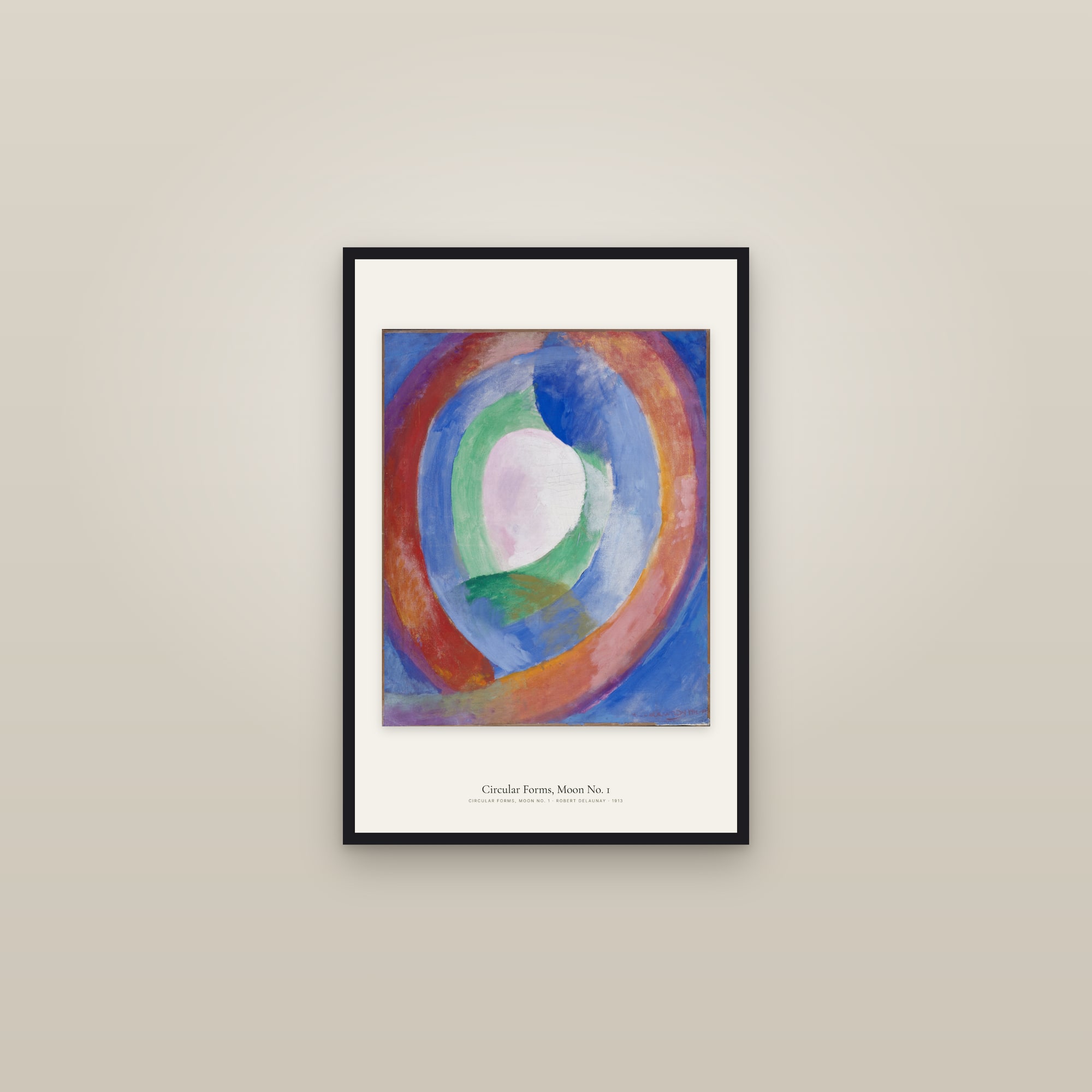
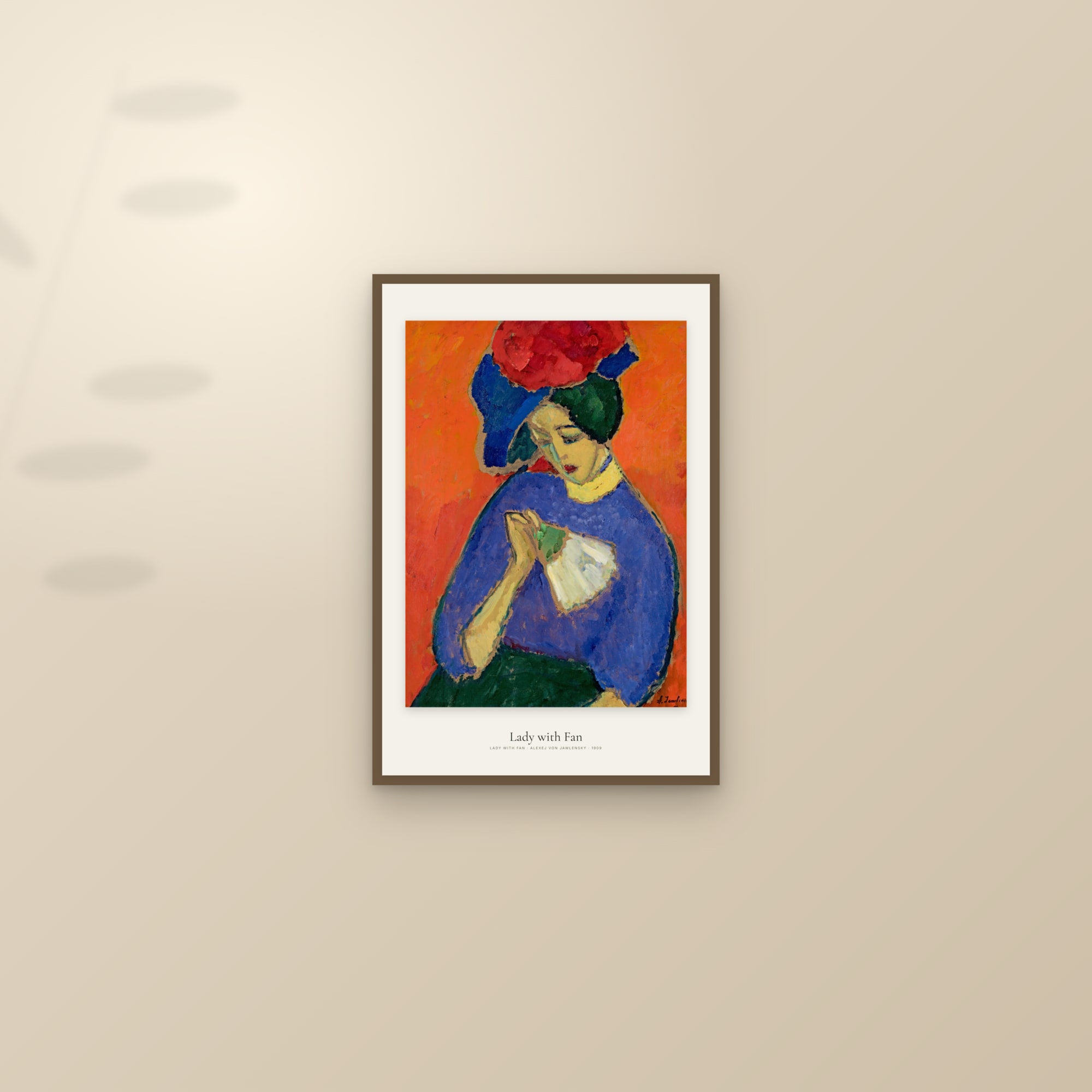
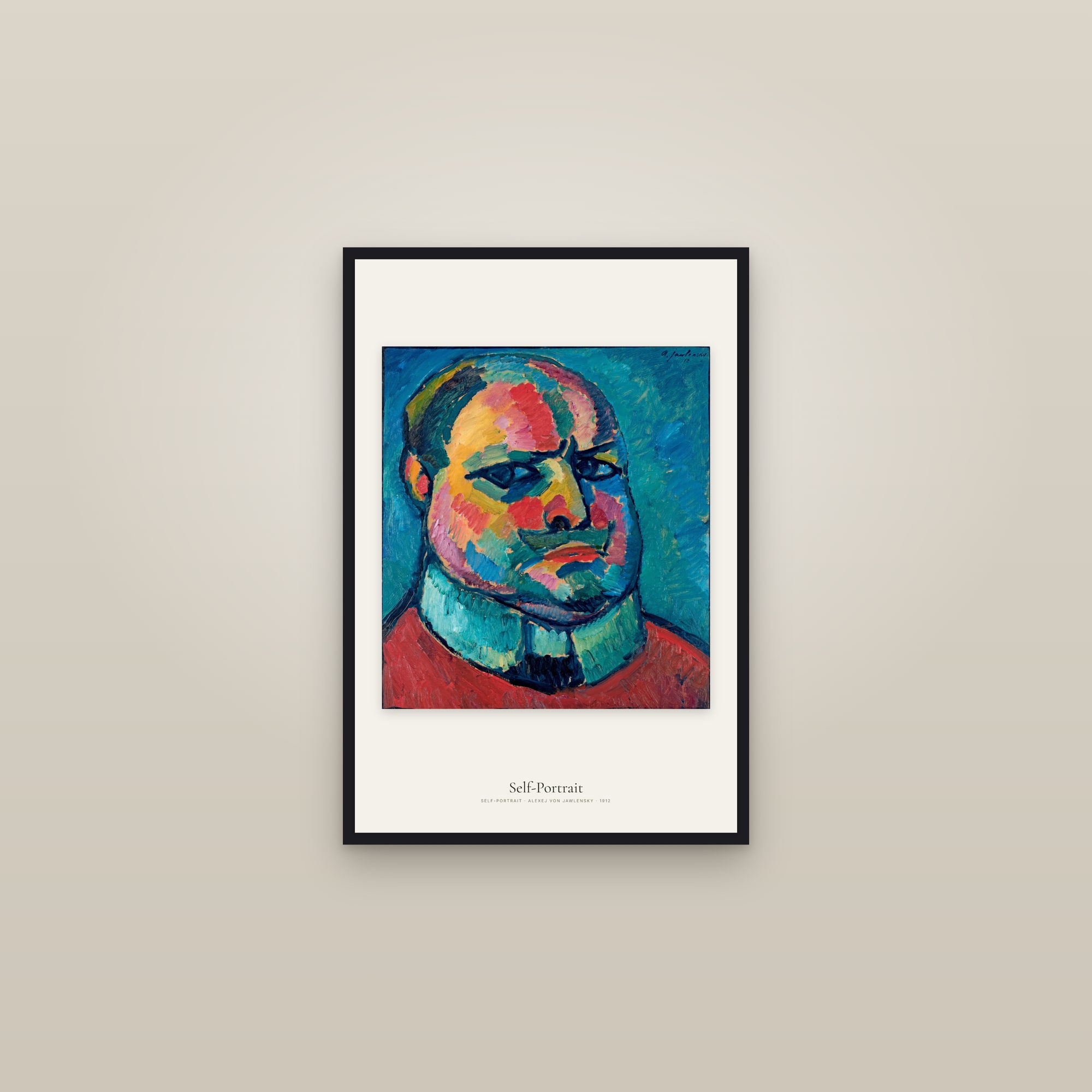
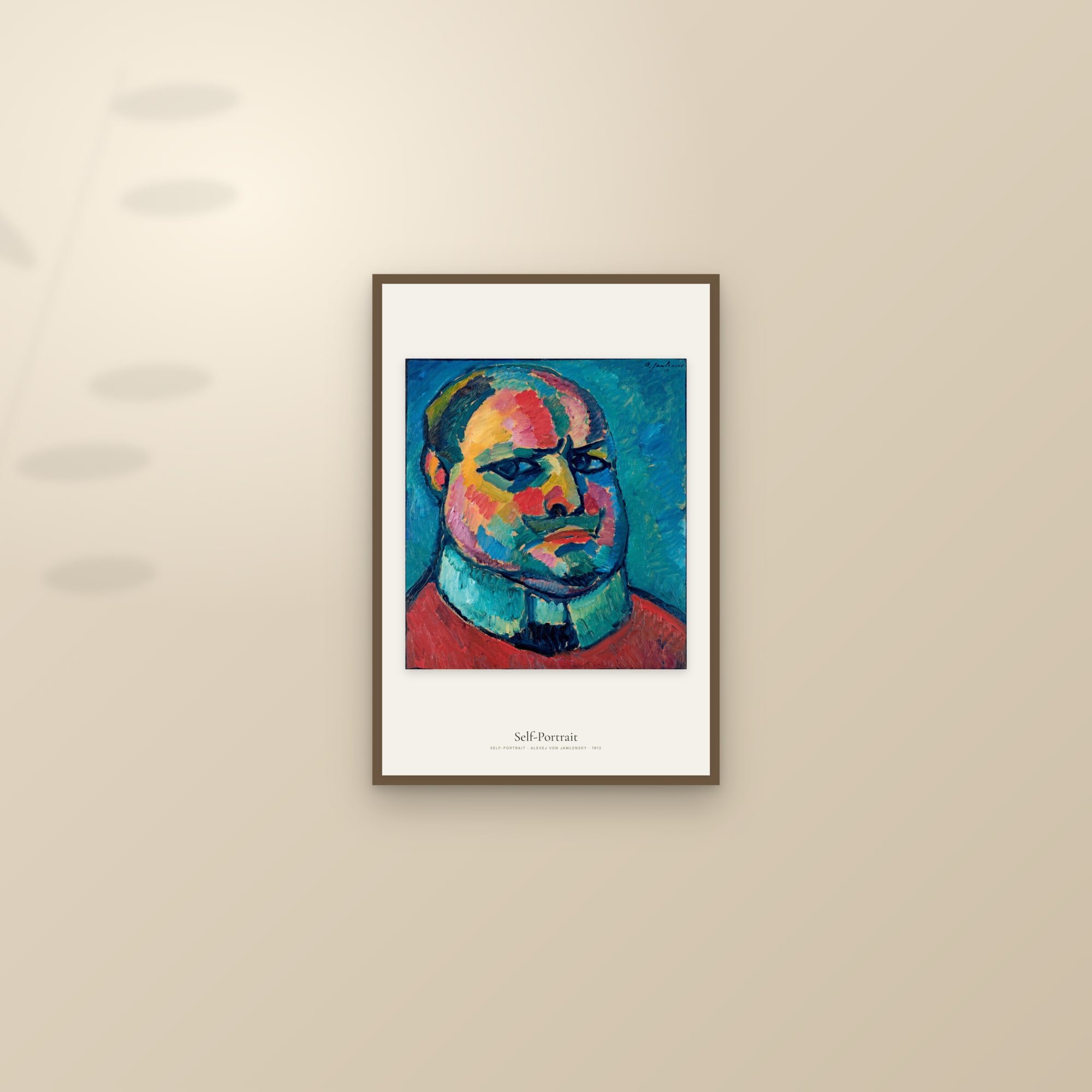
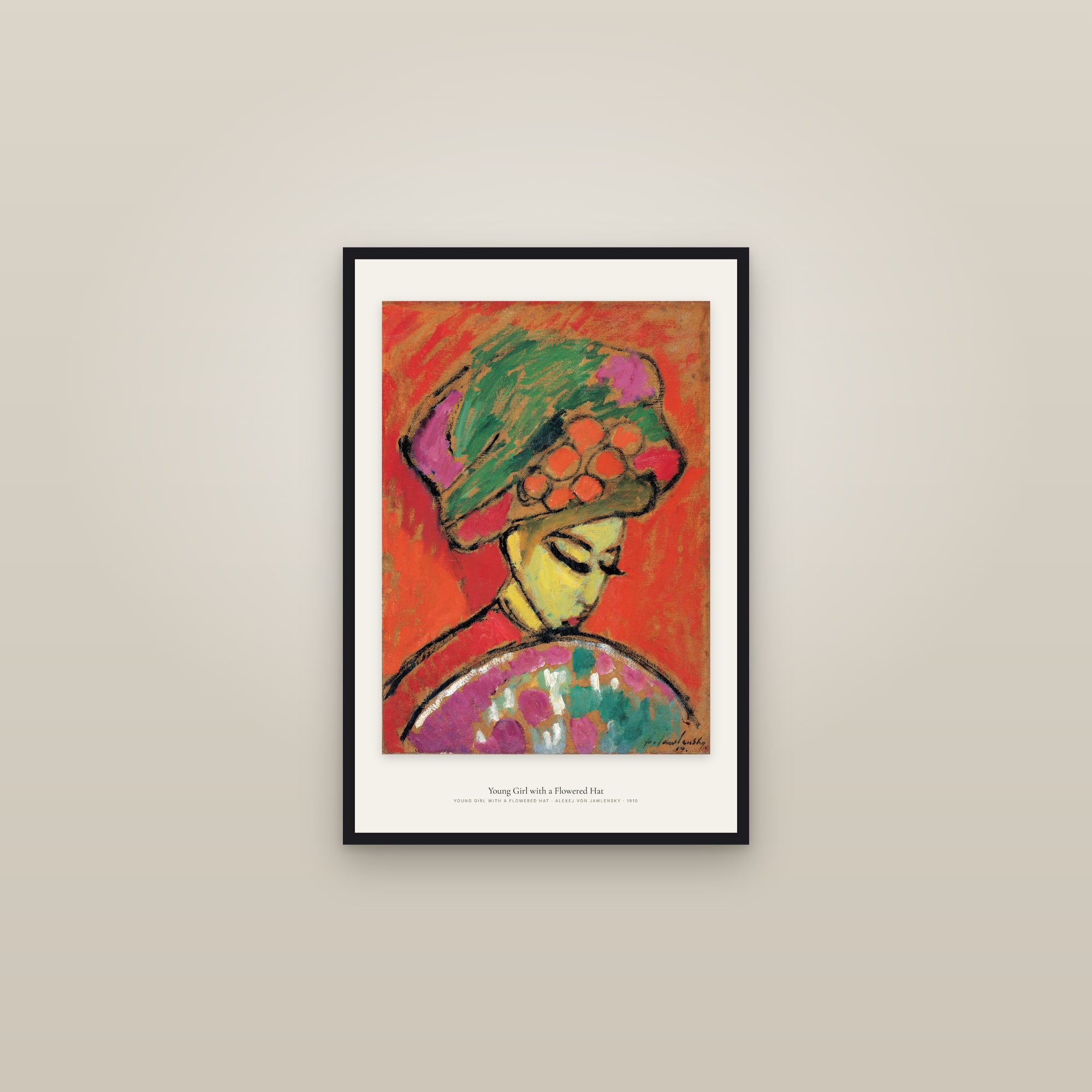
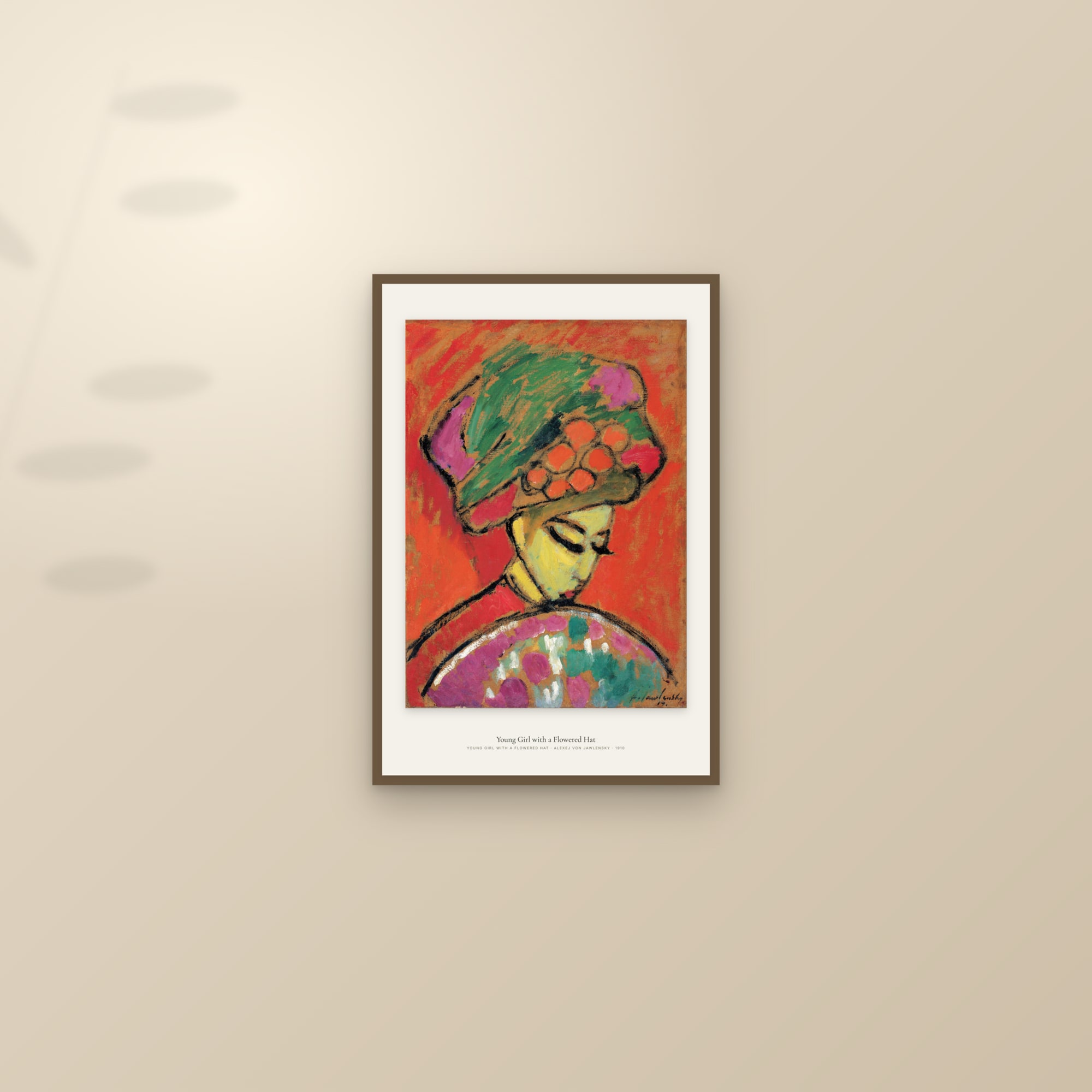
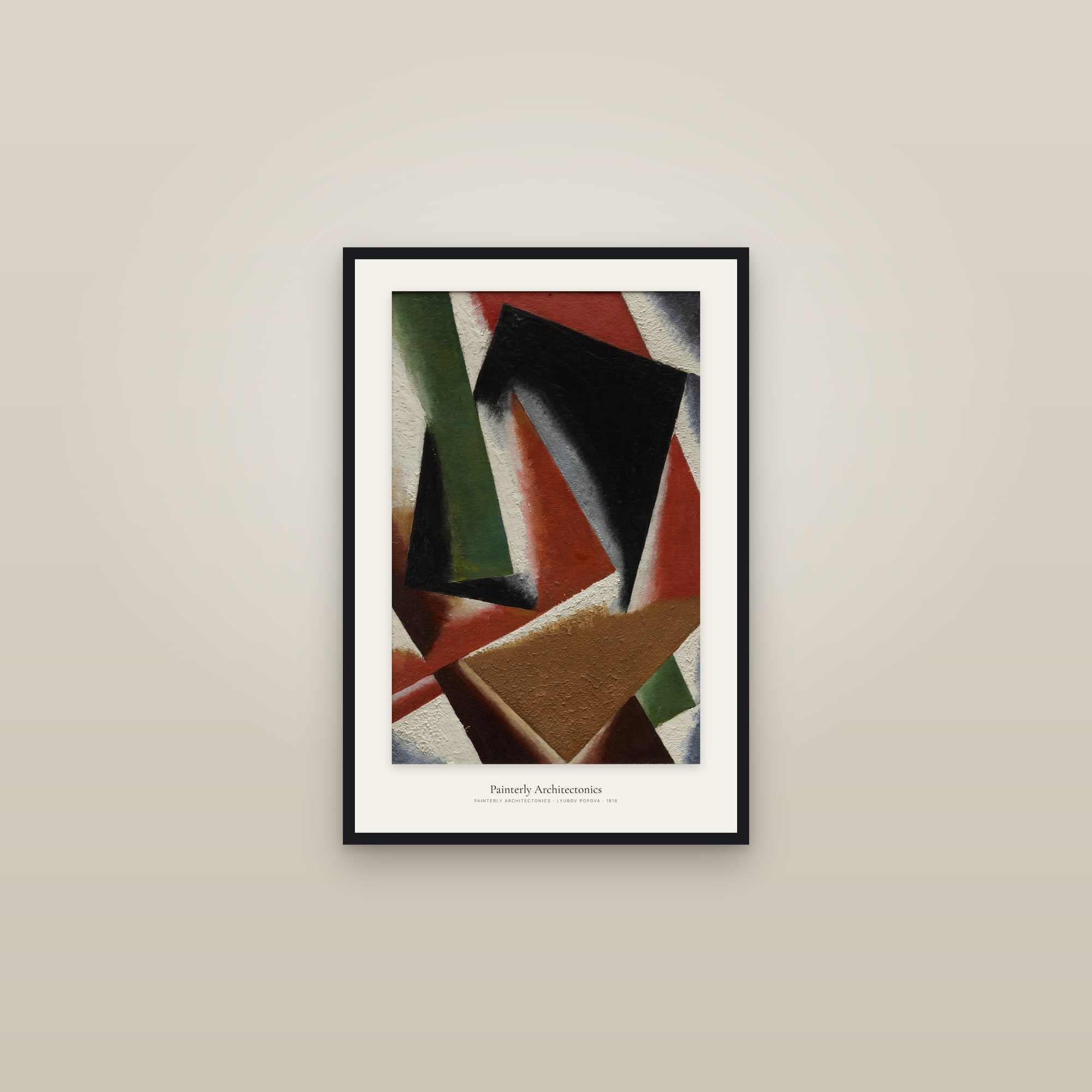
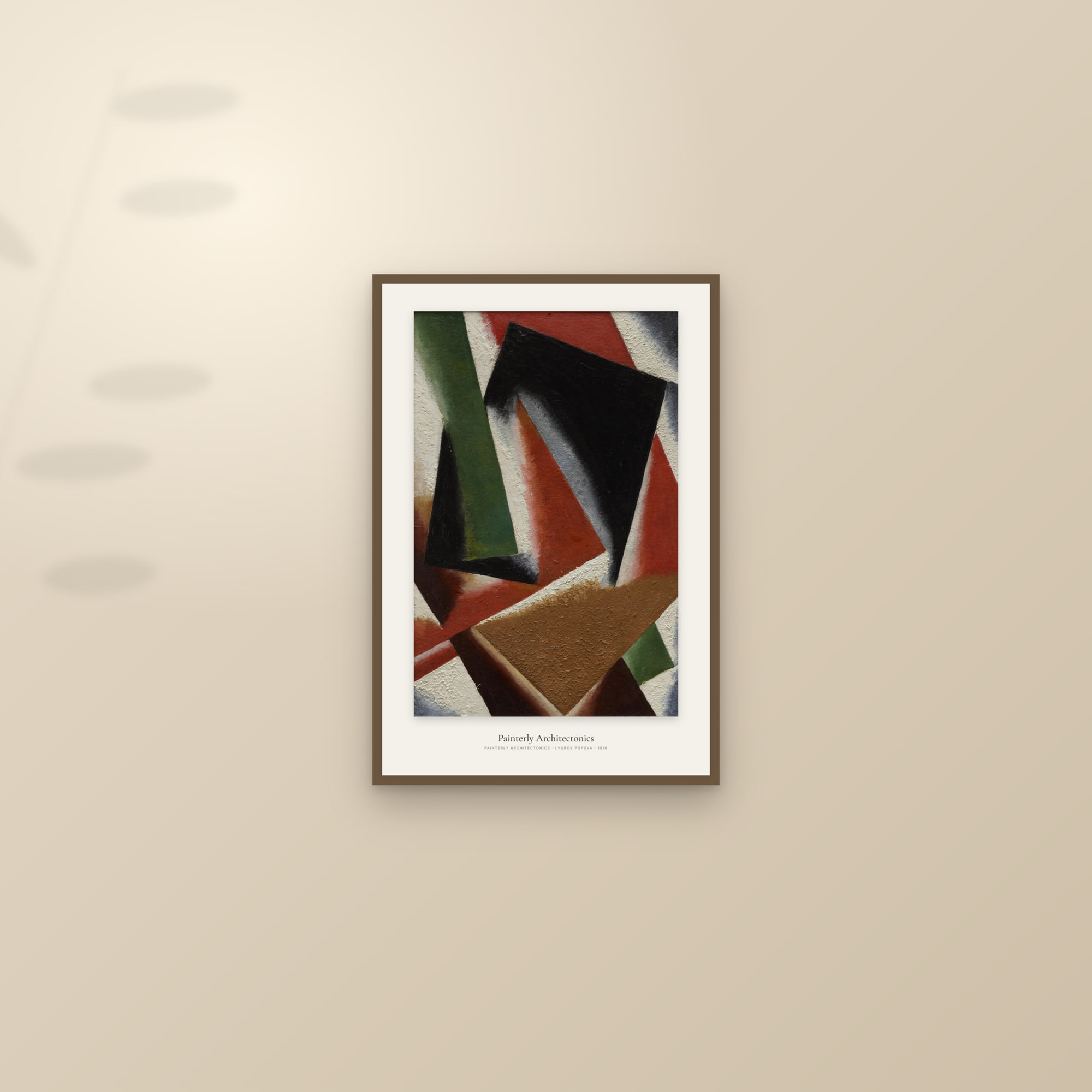
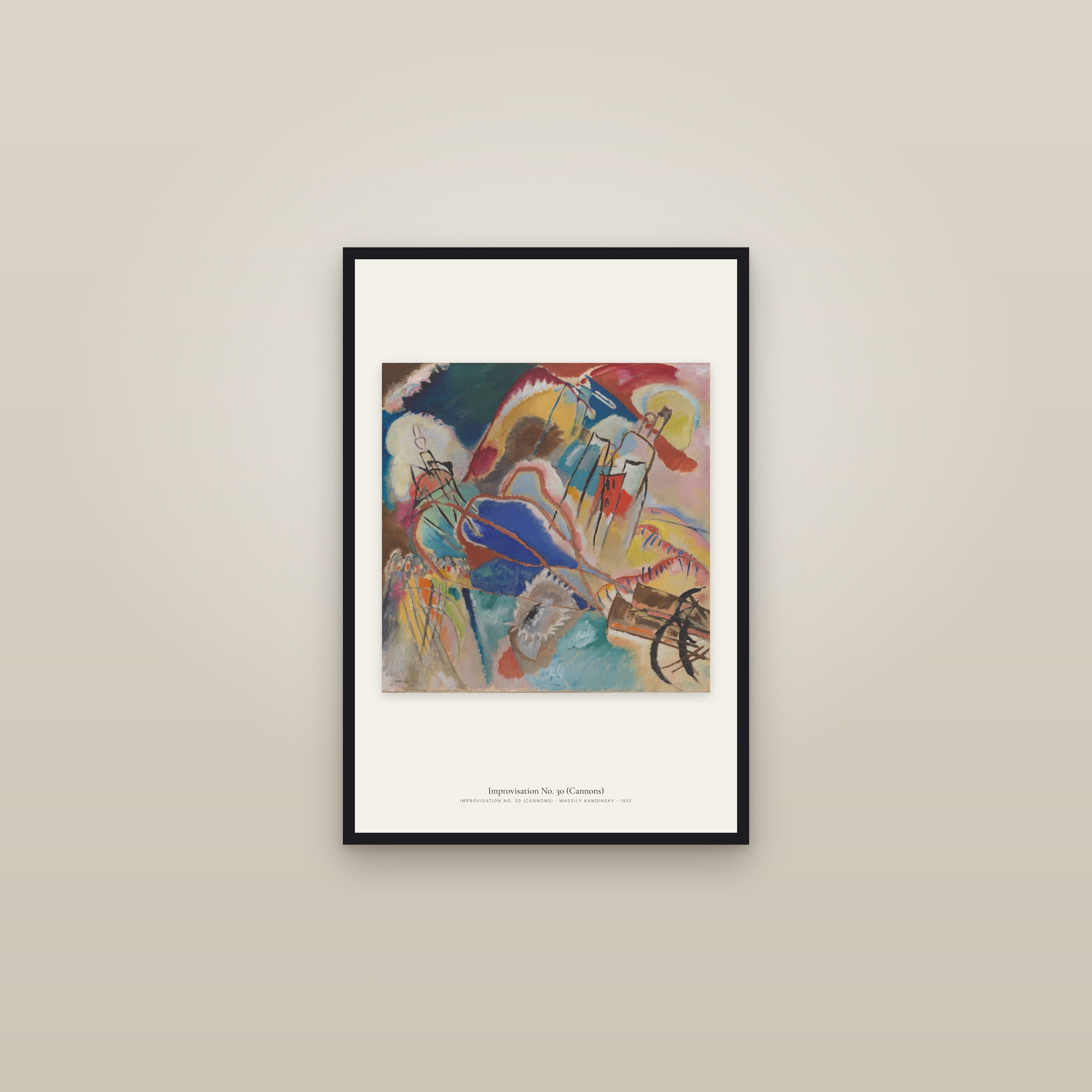
How abstraction began
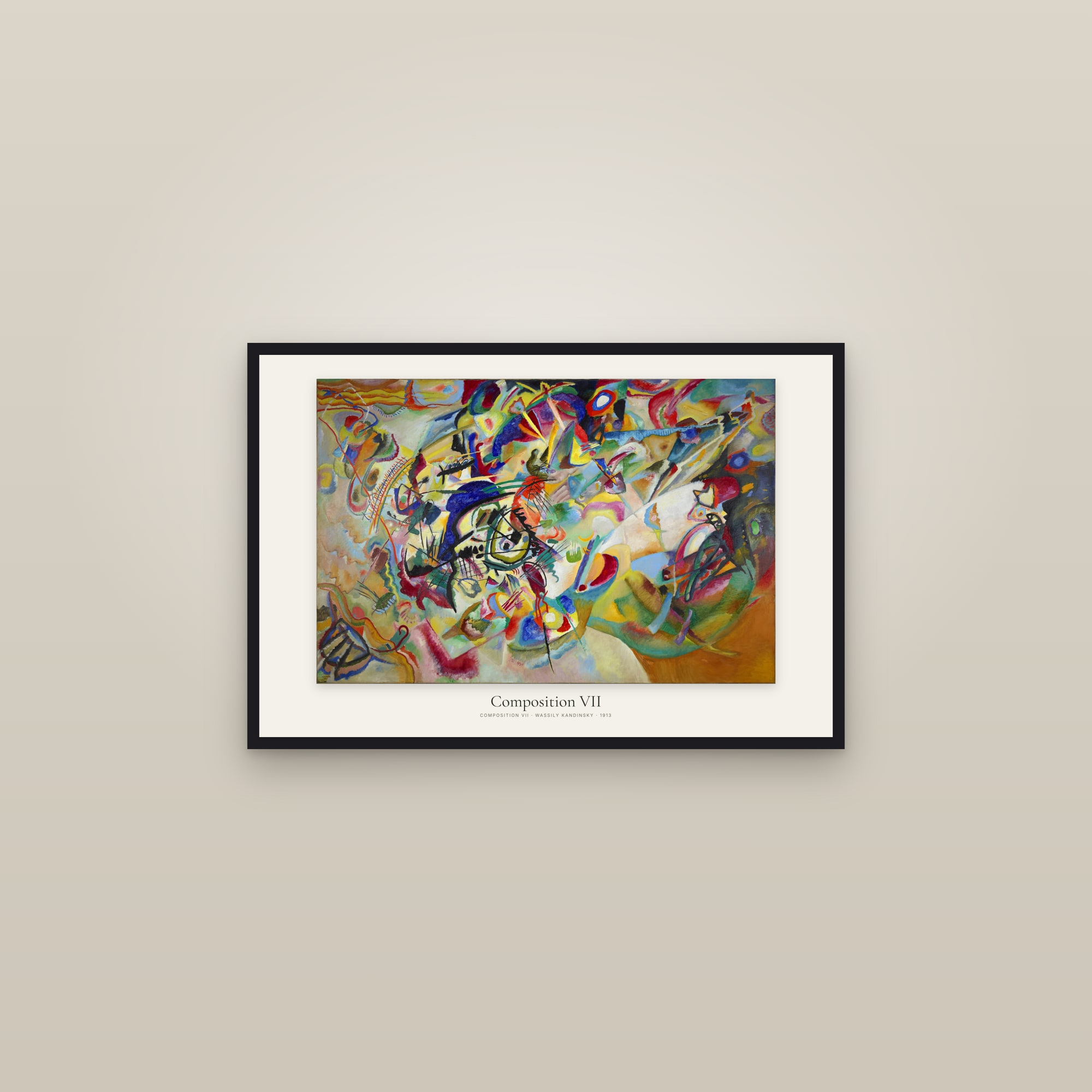
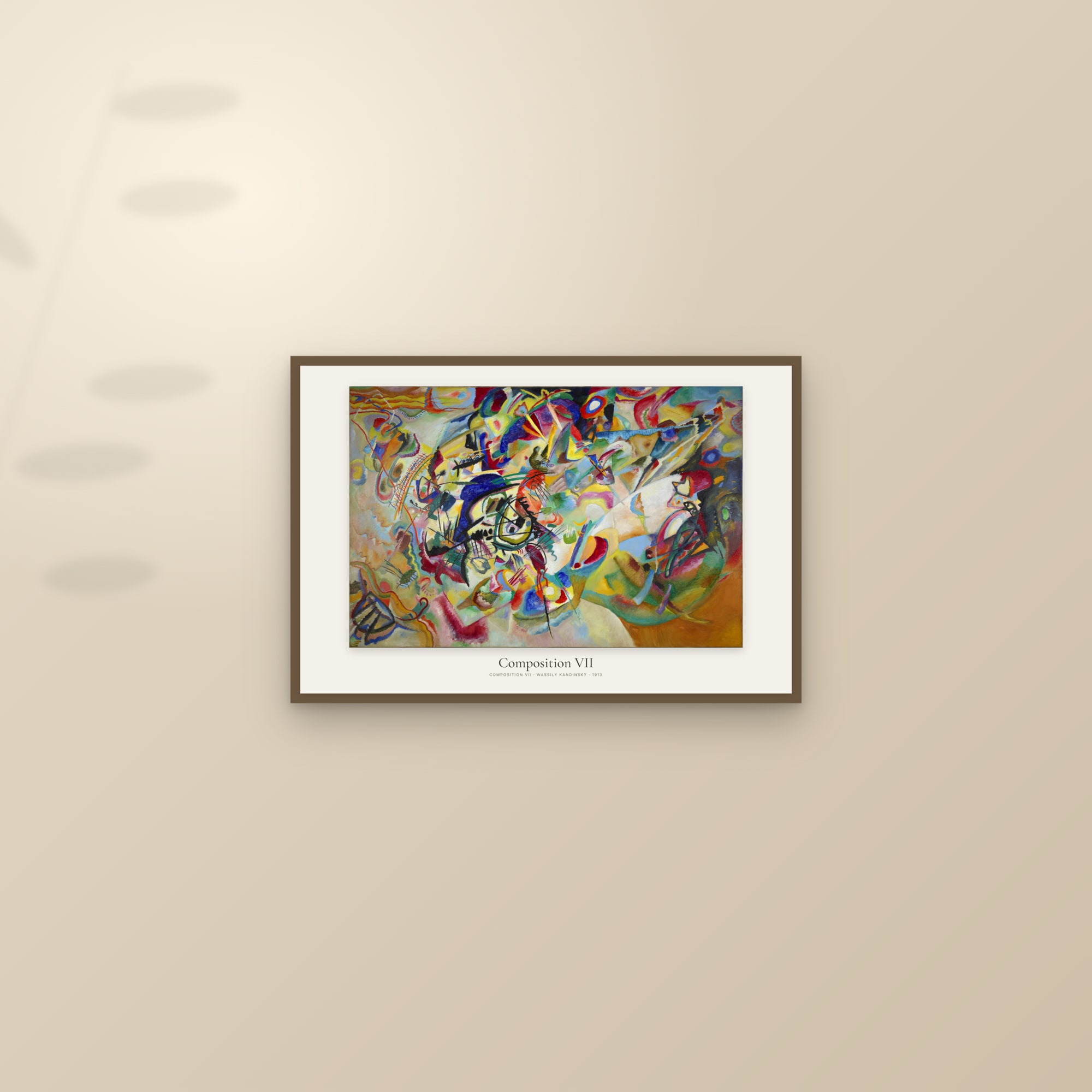
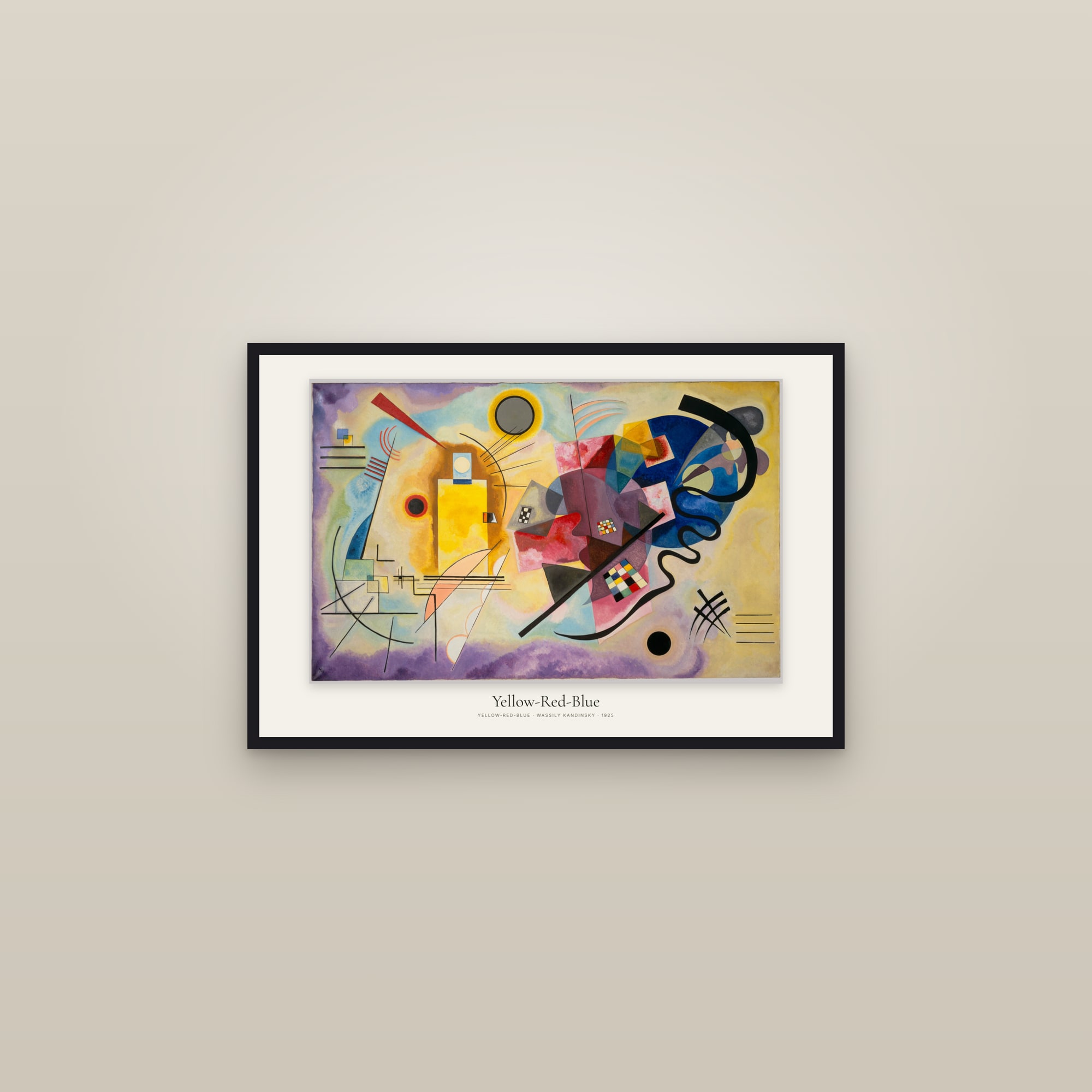
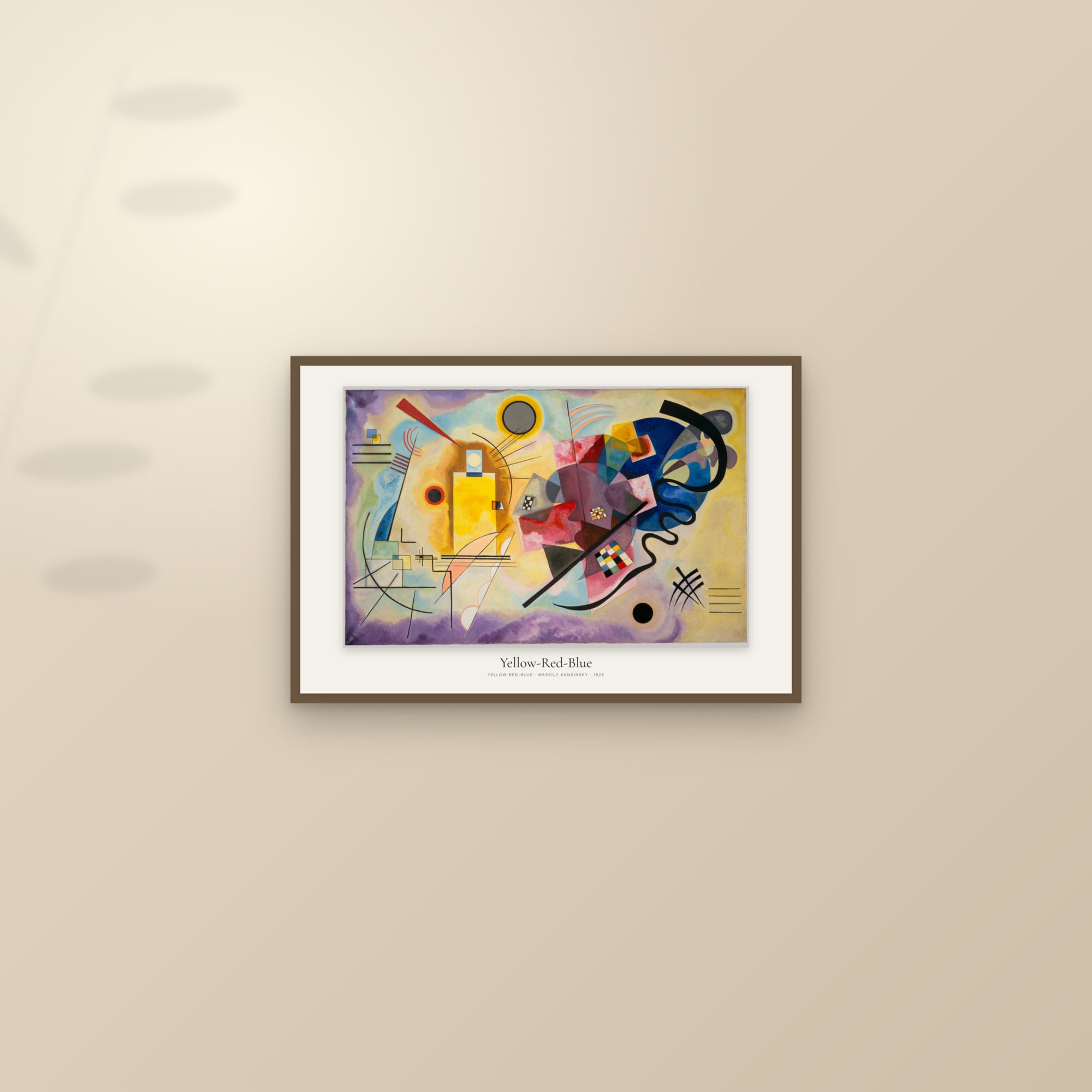
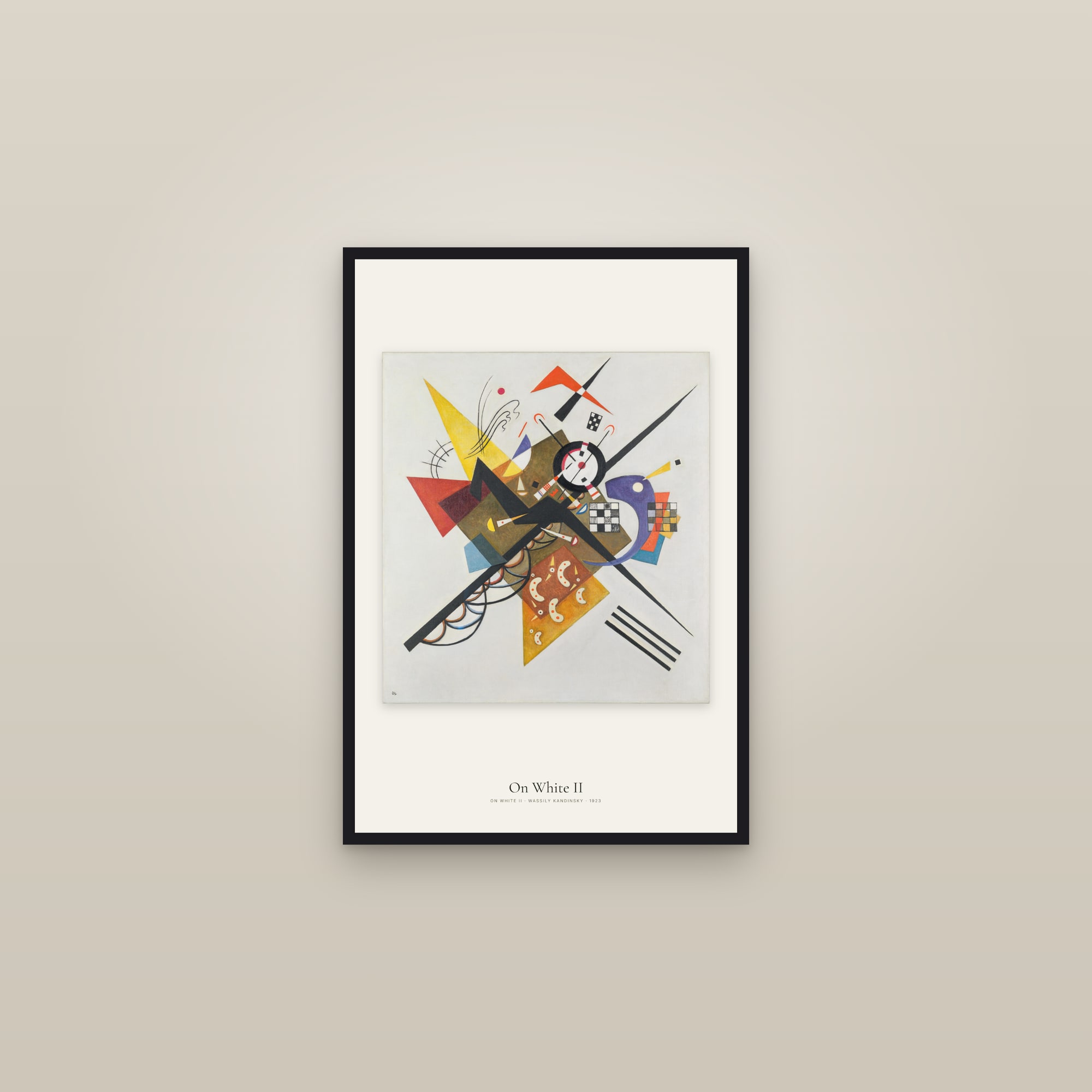
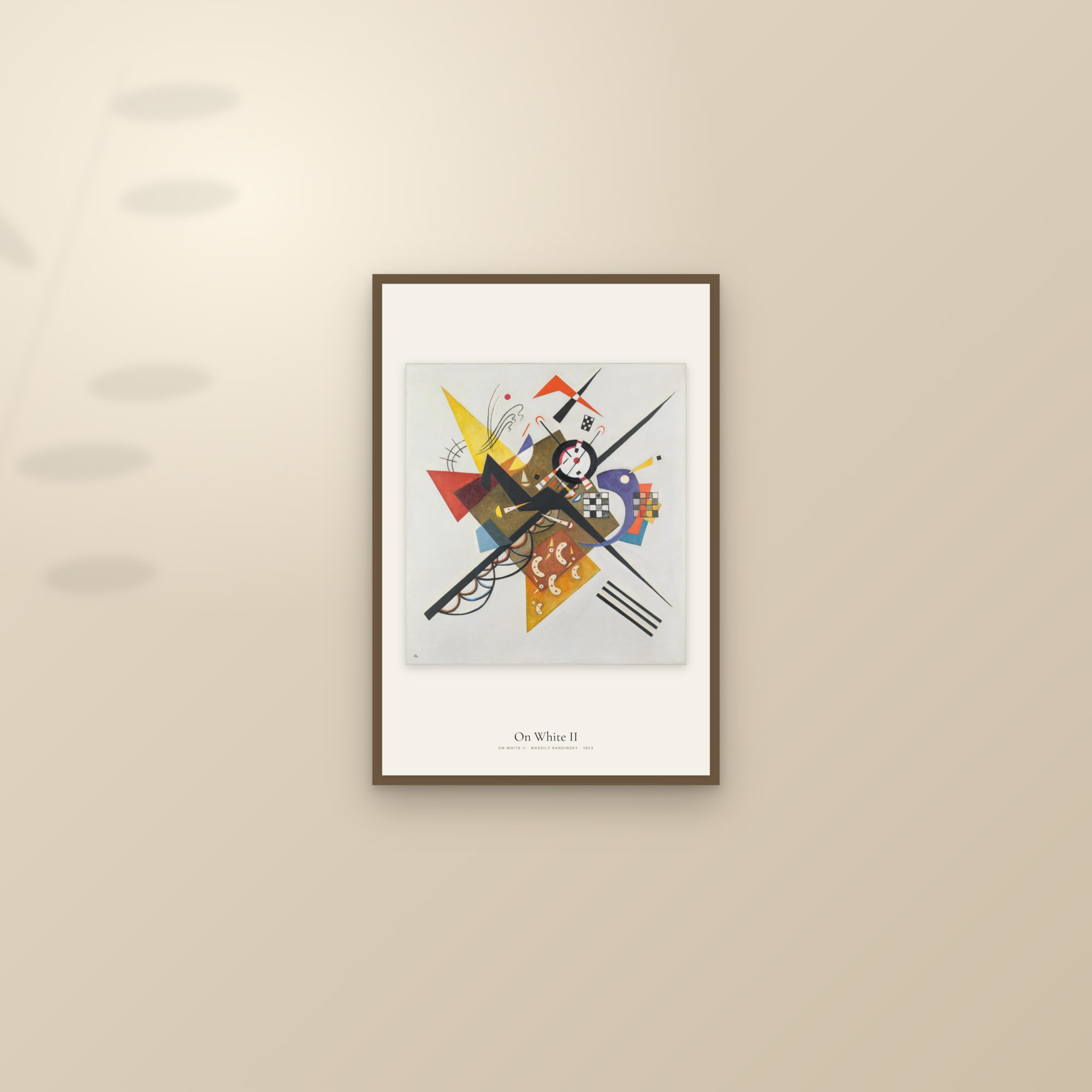
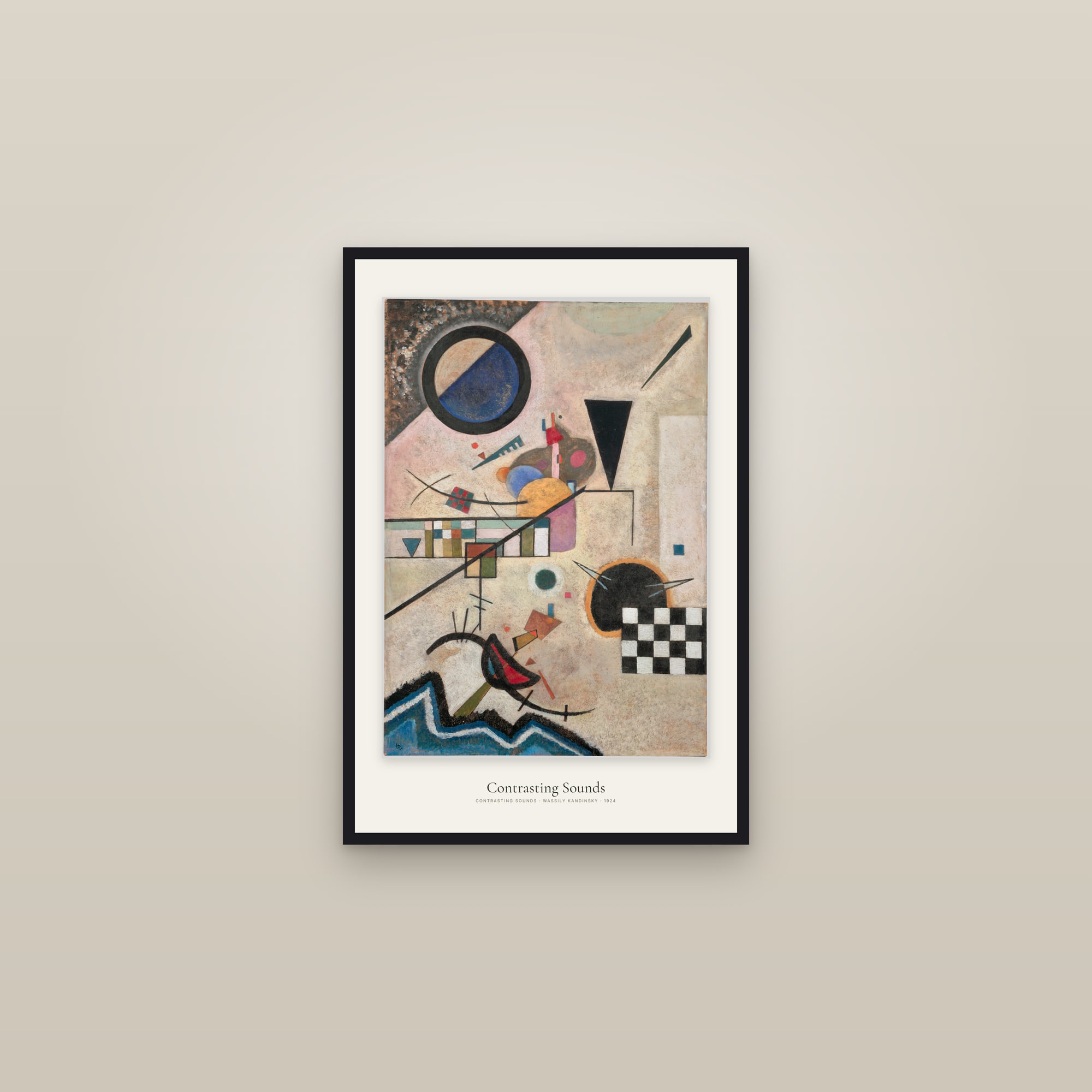
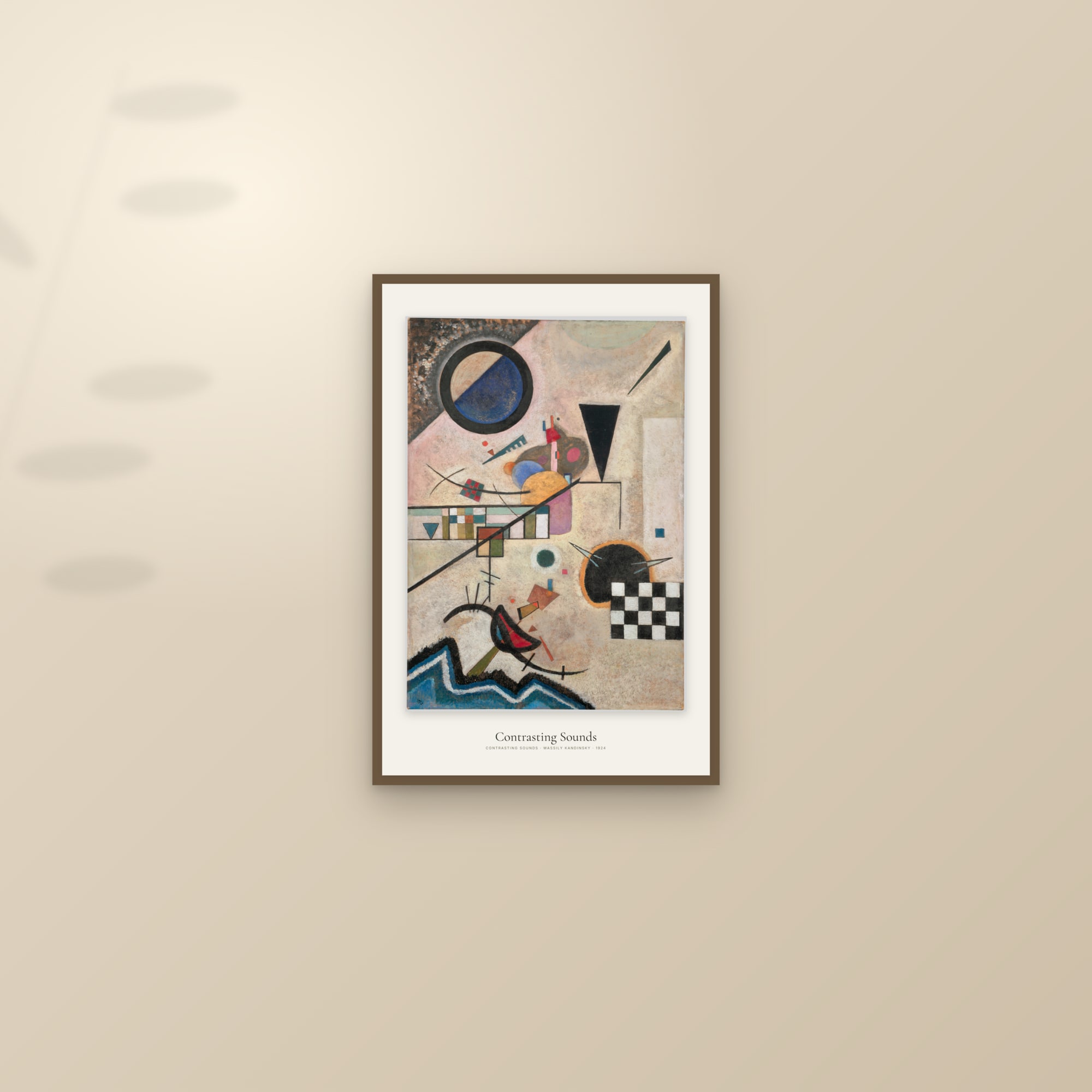
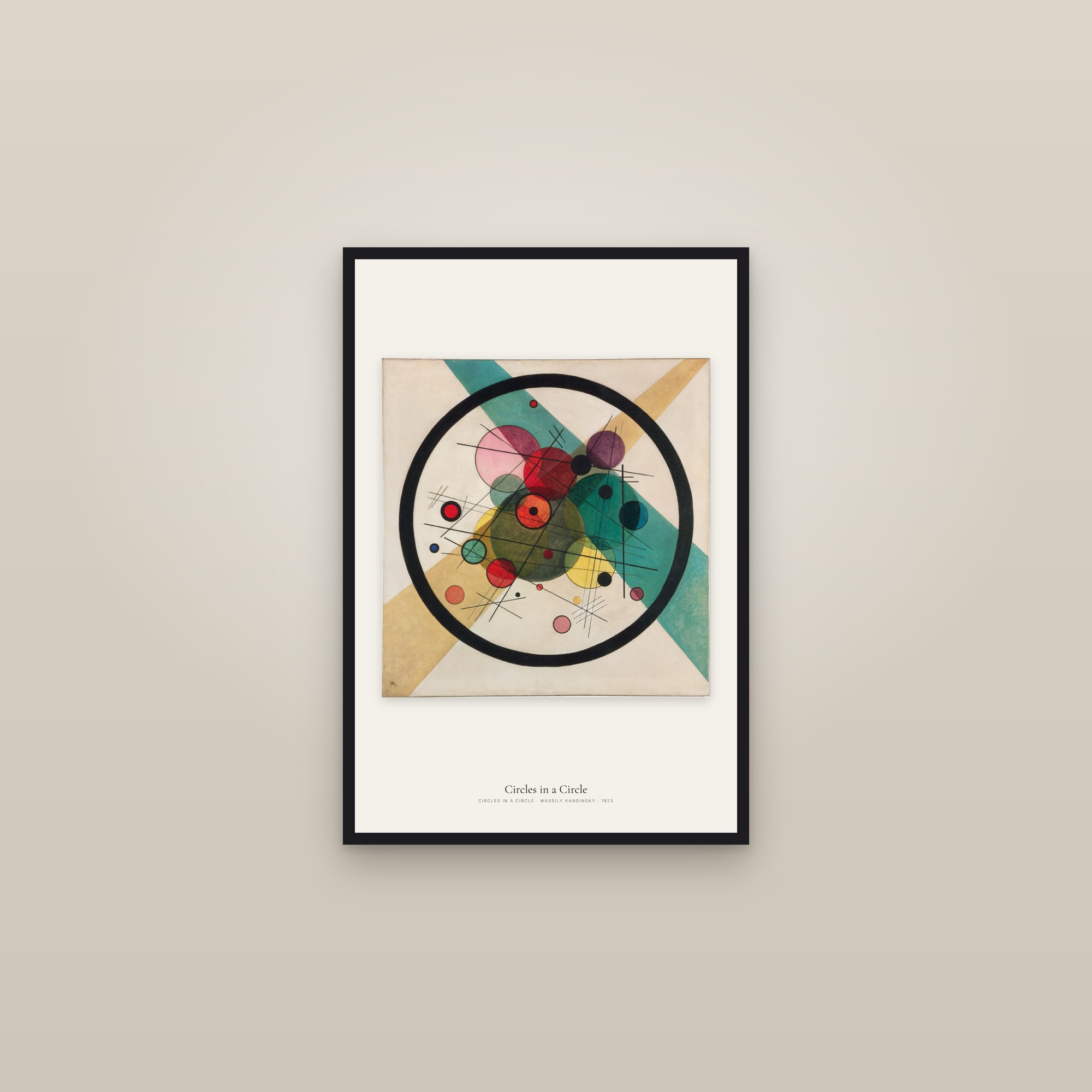
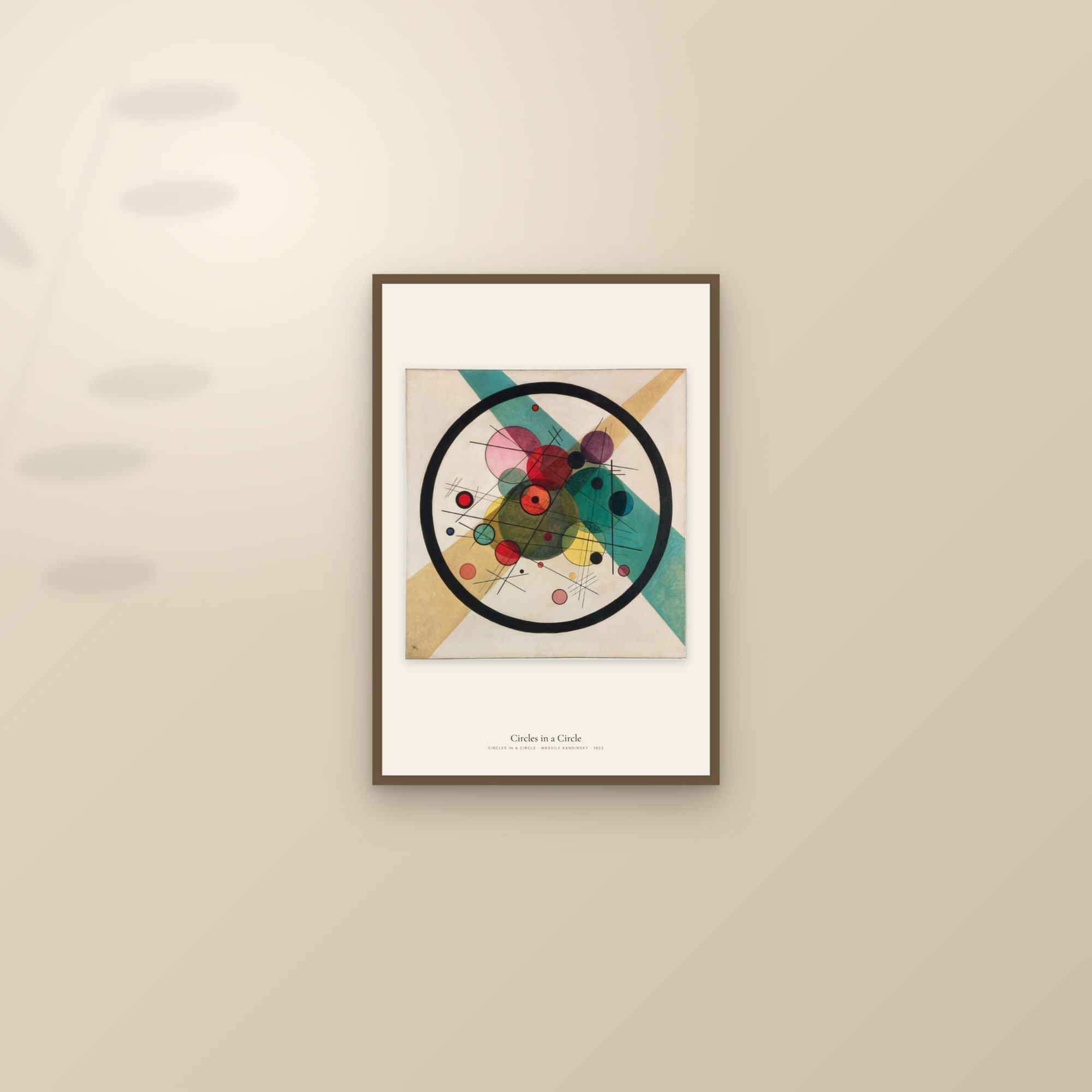
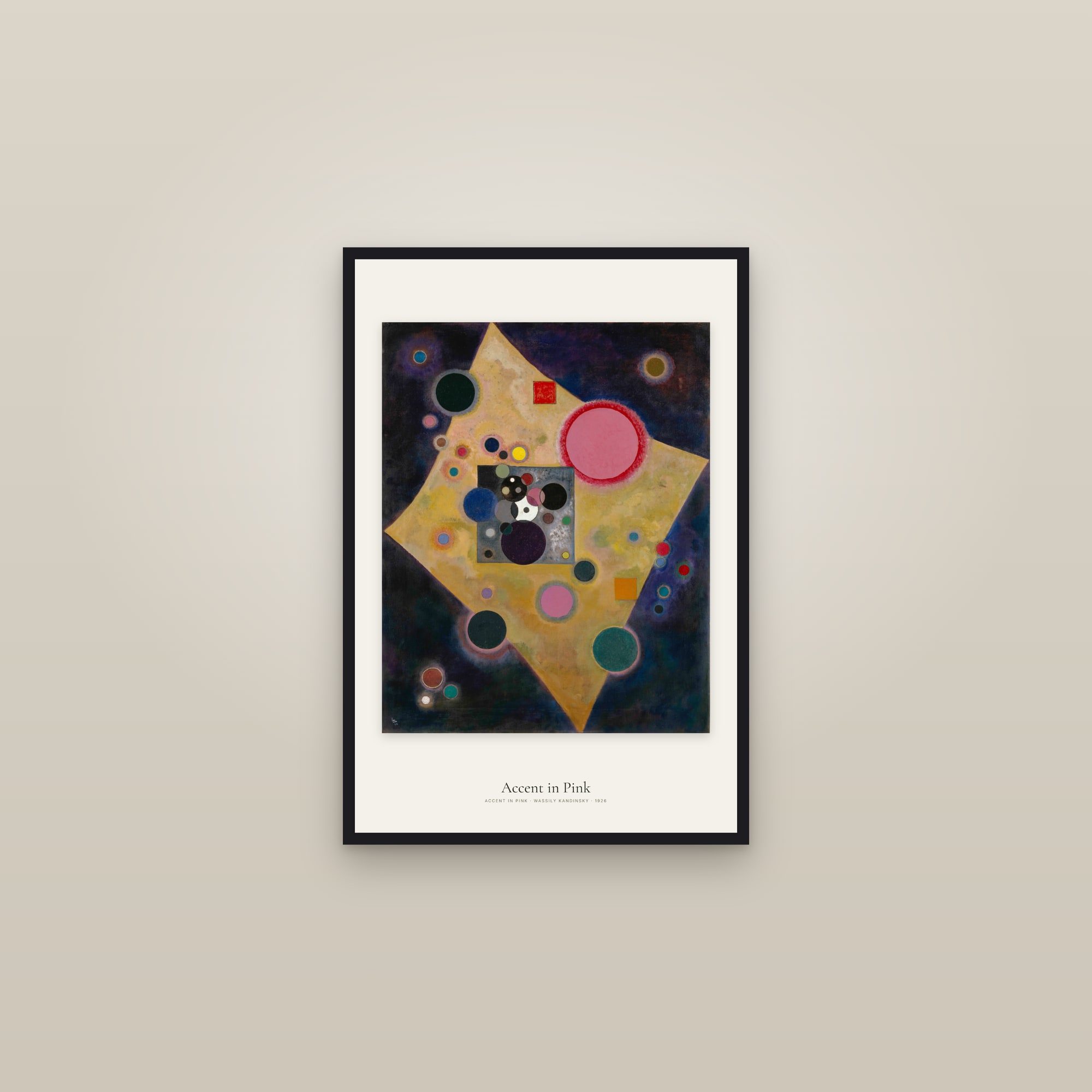
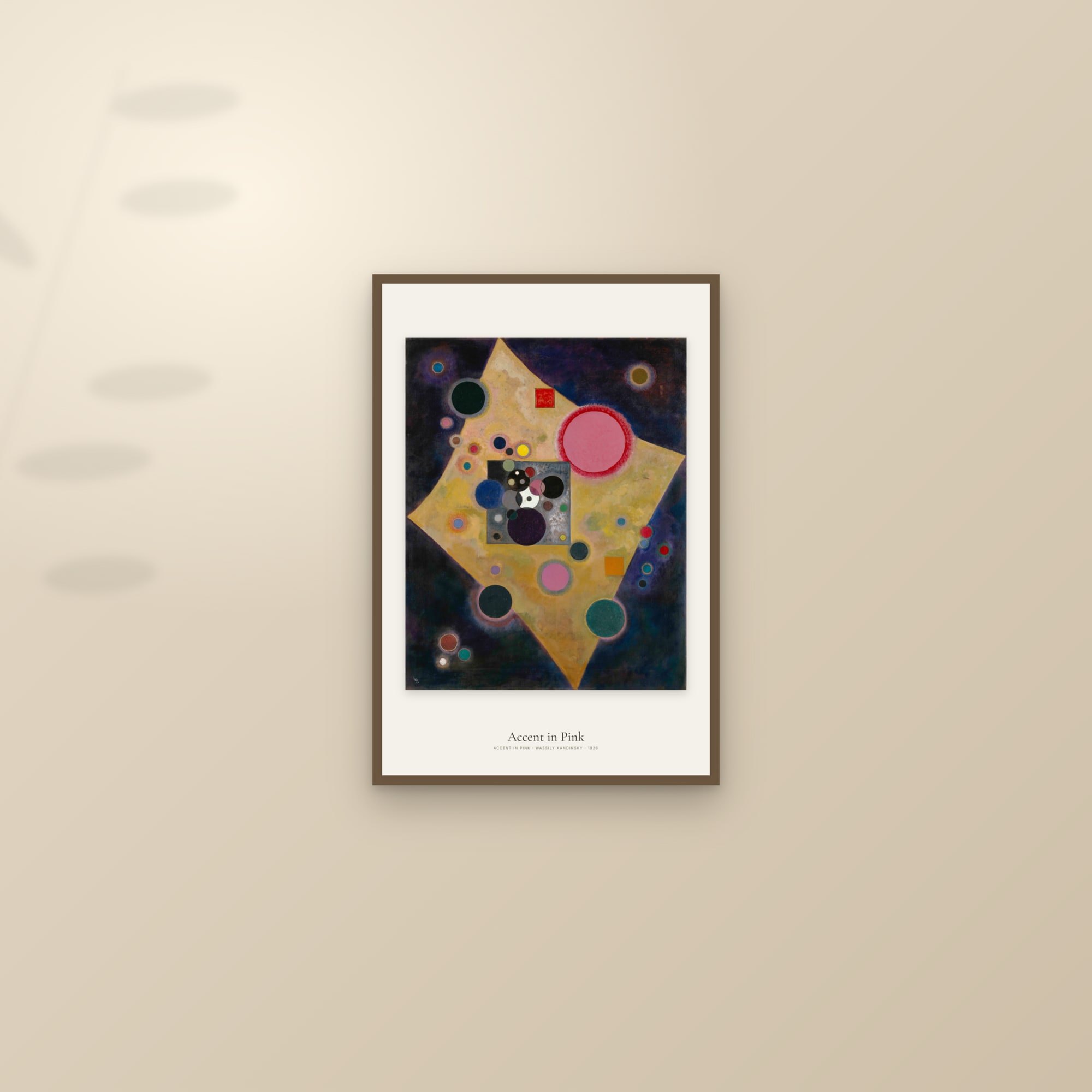
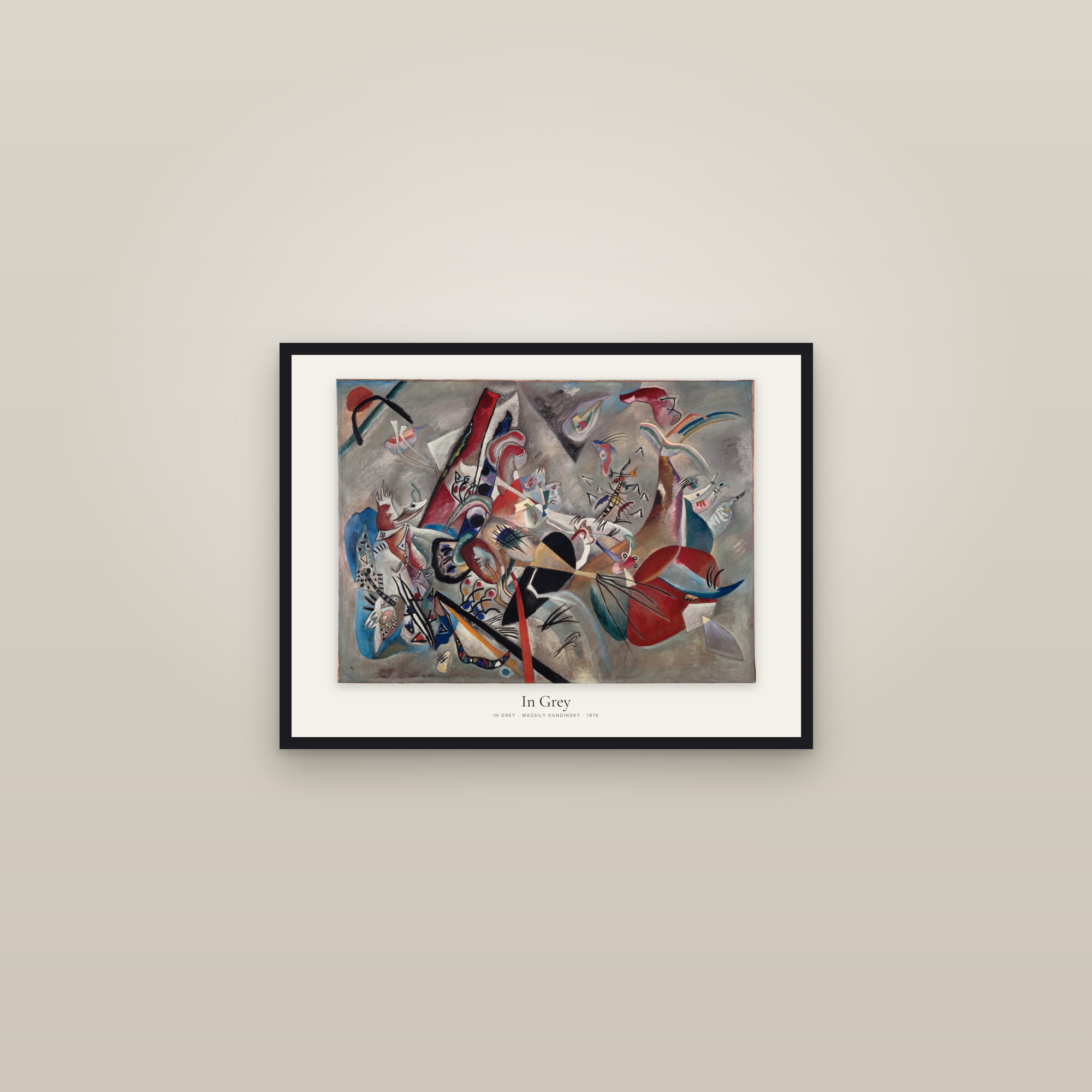
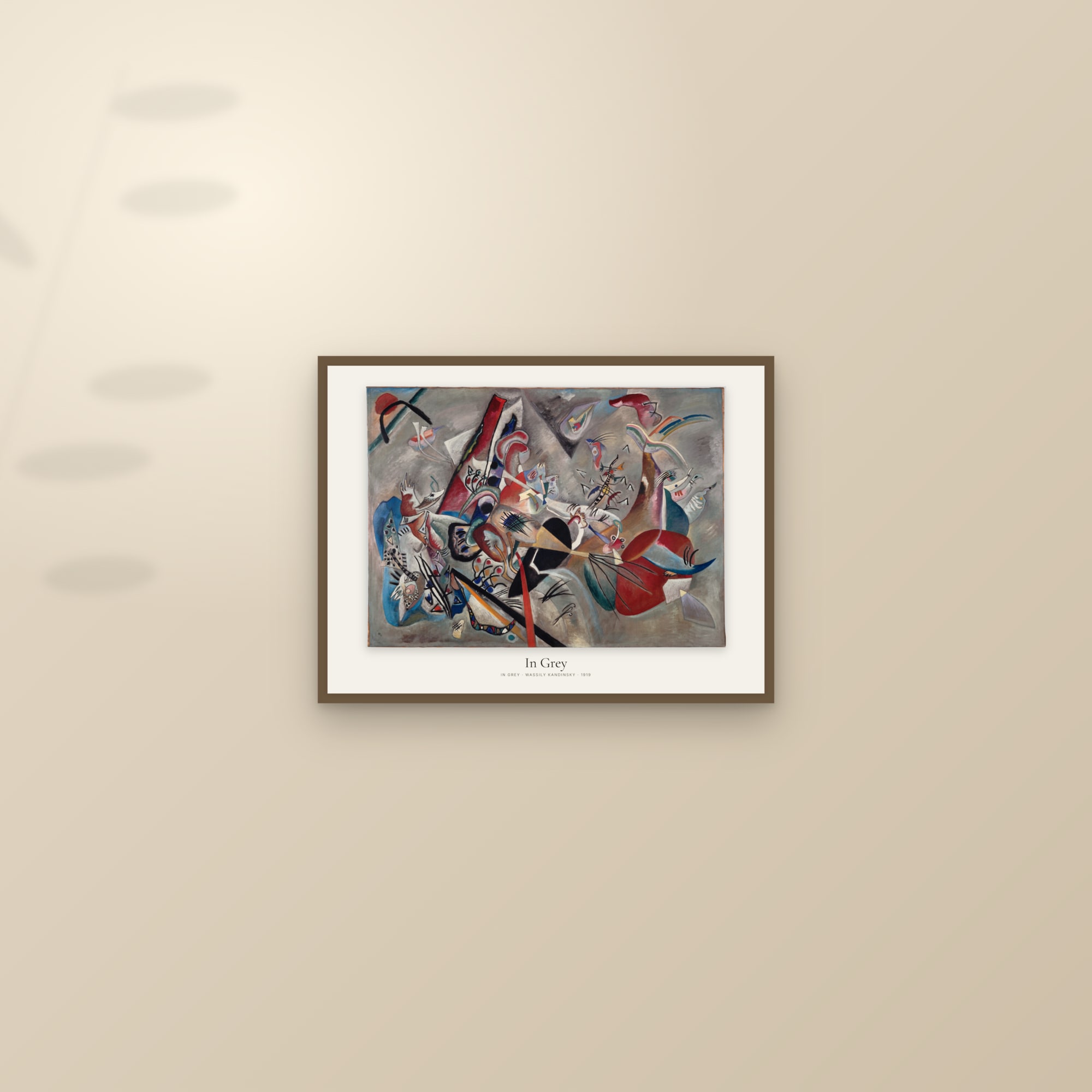
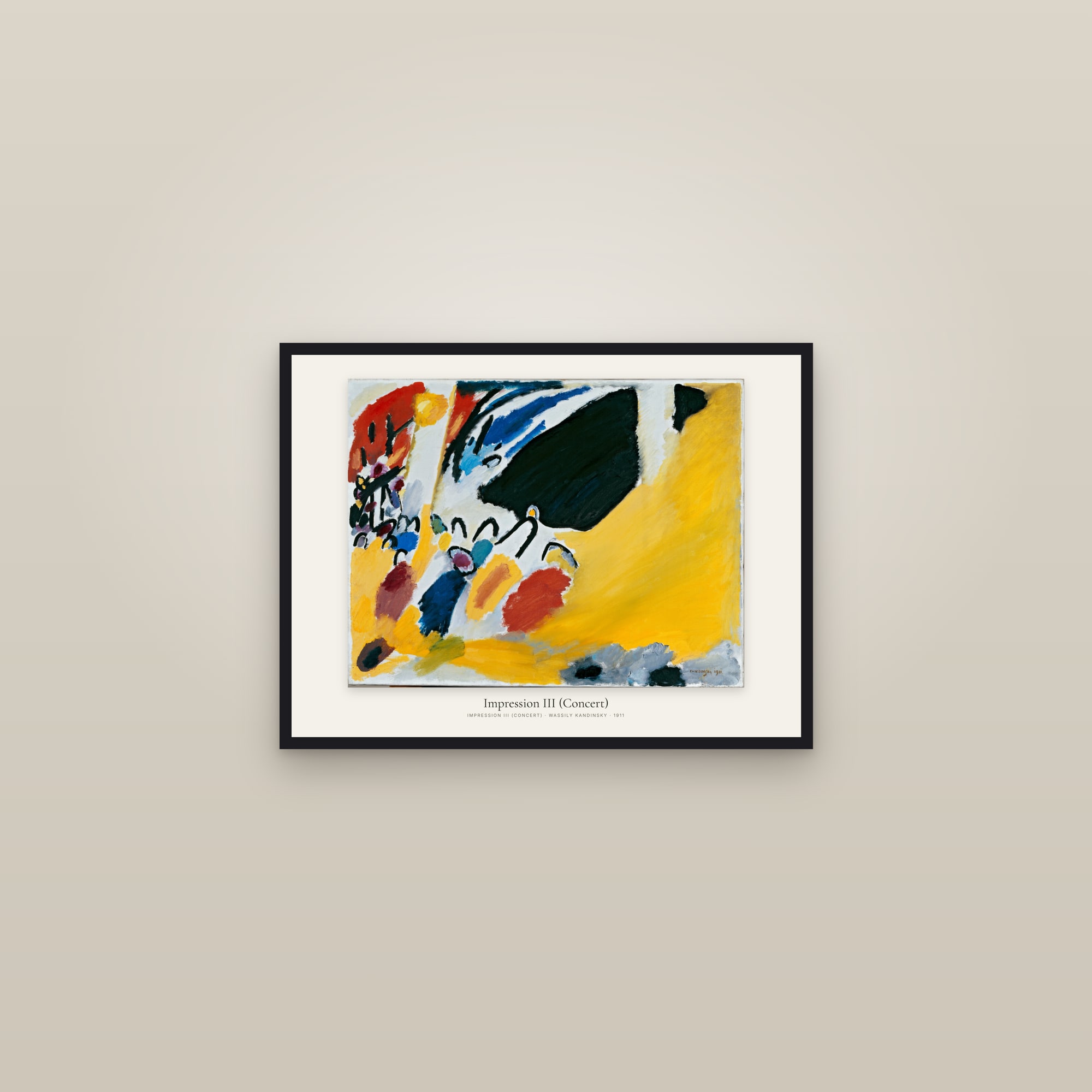
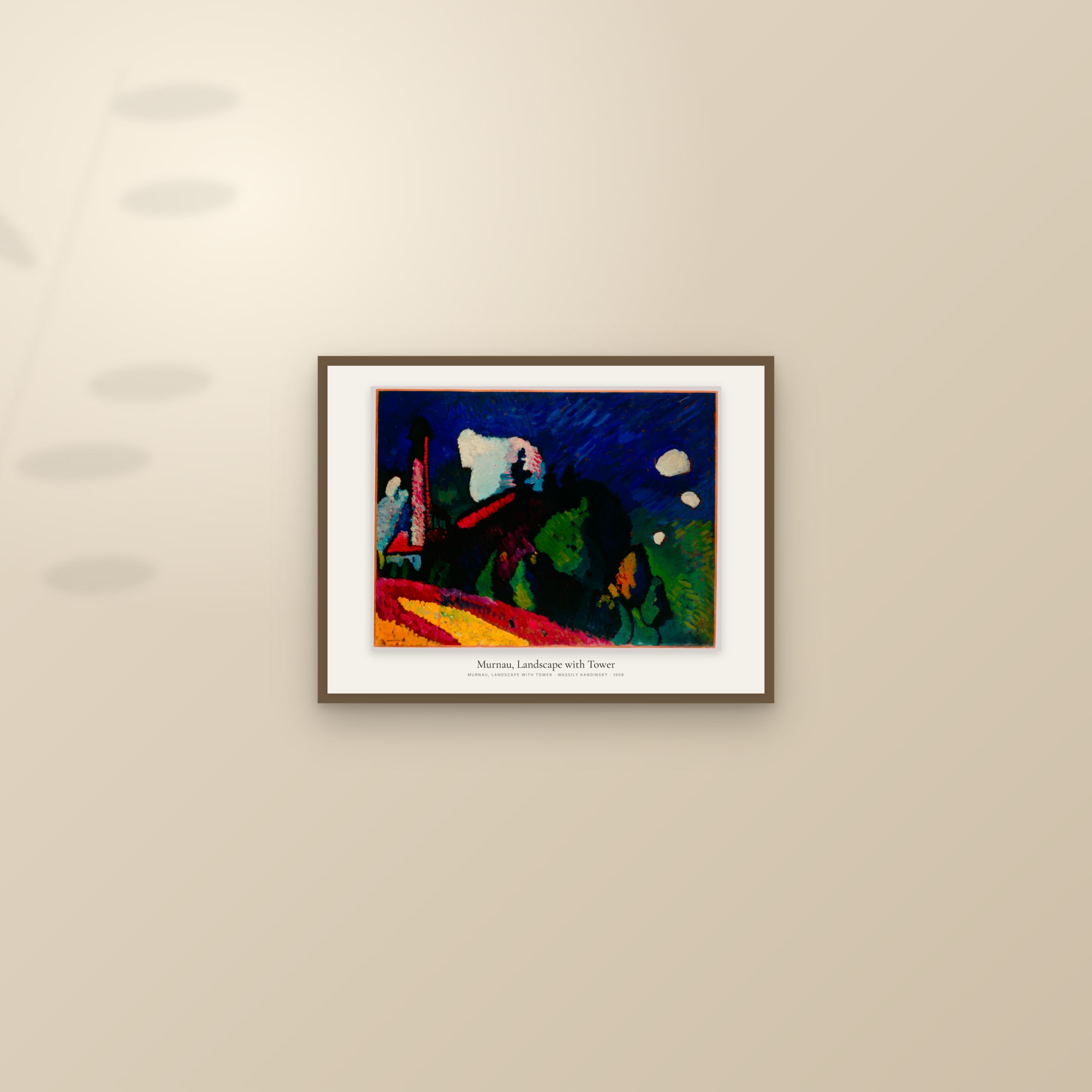
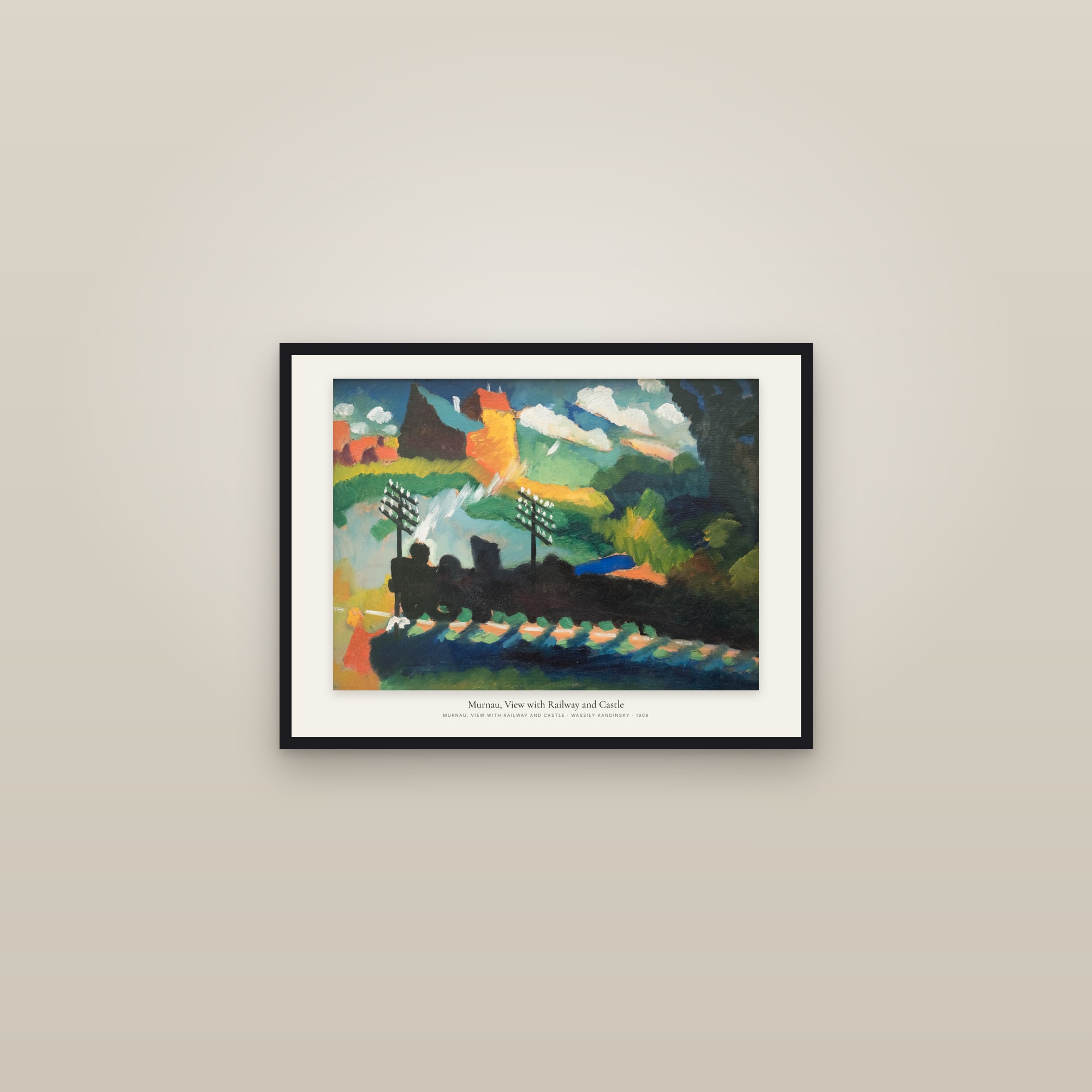
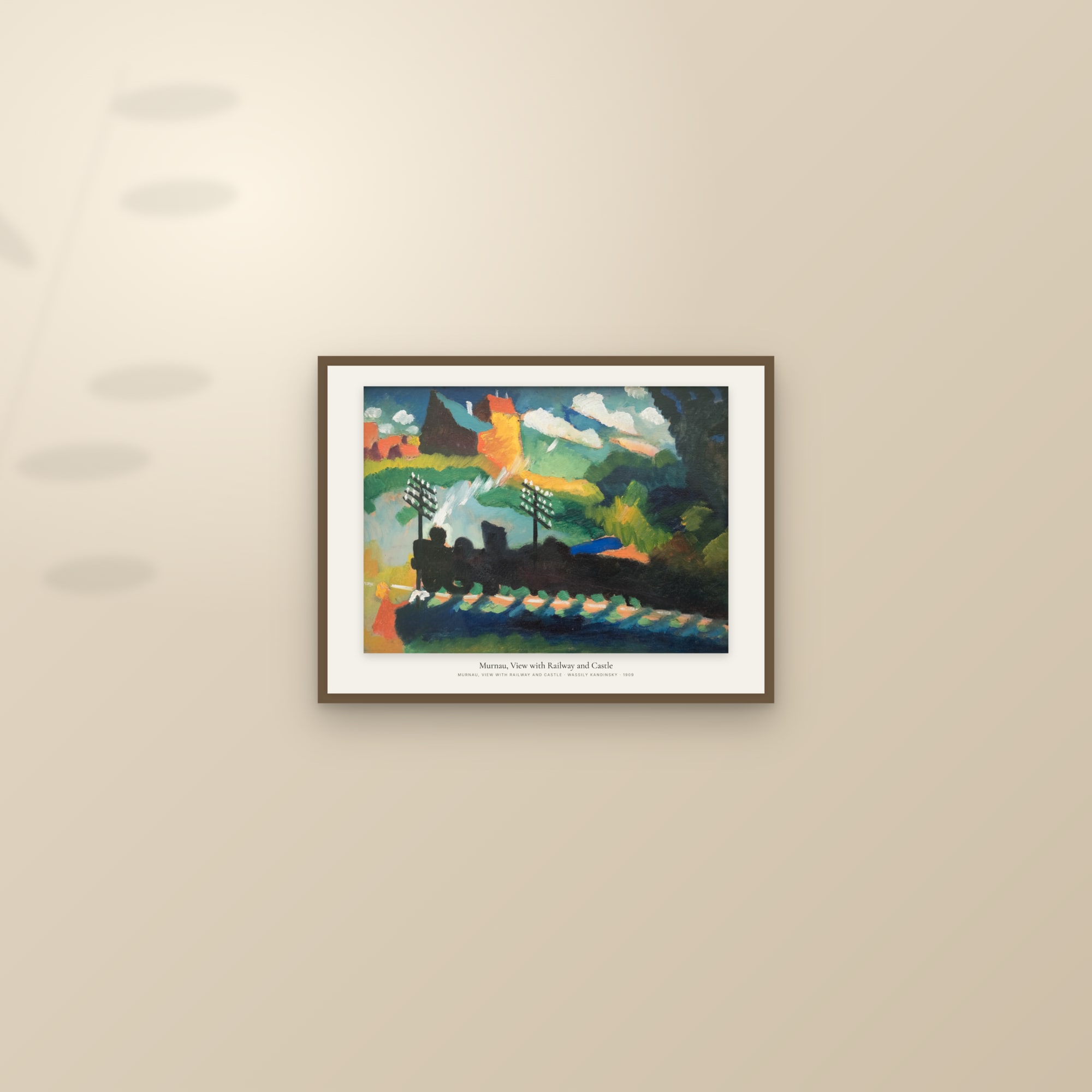
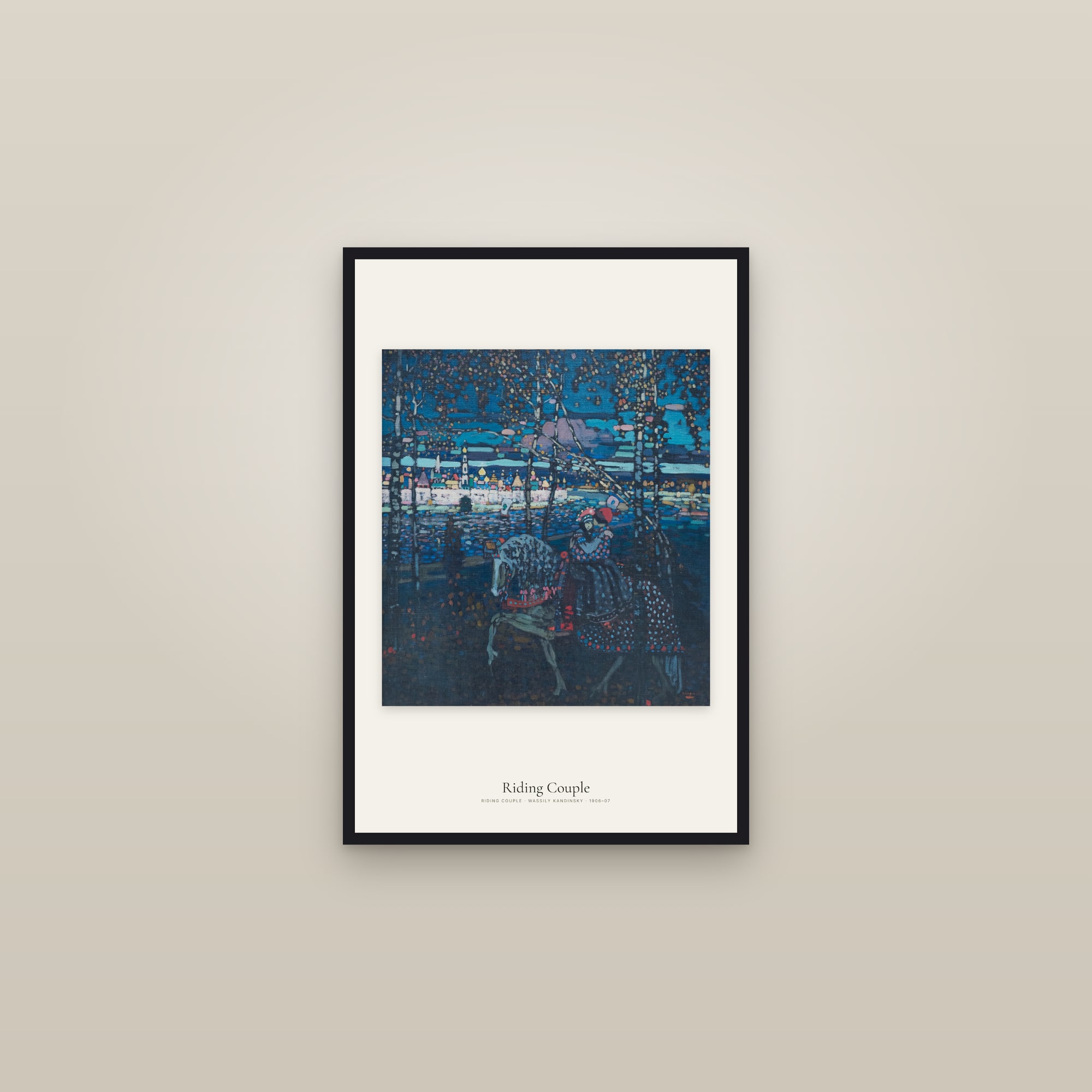
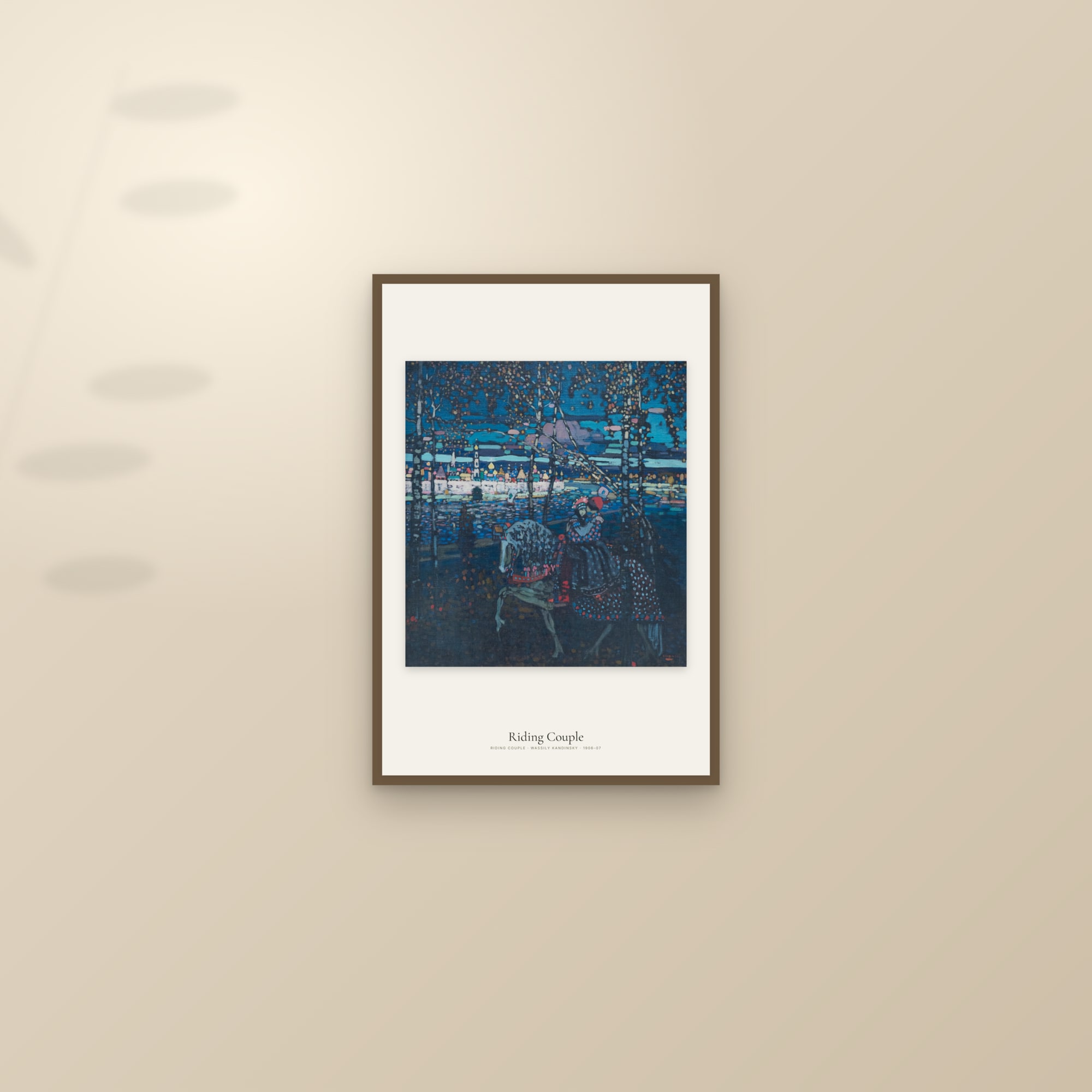
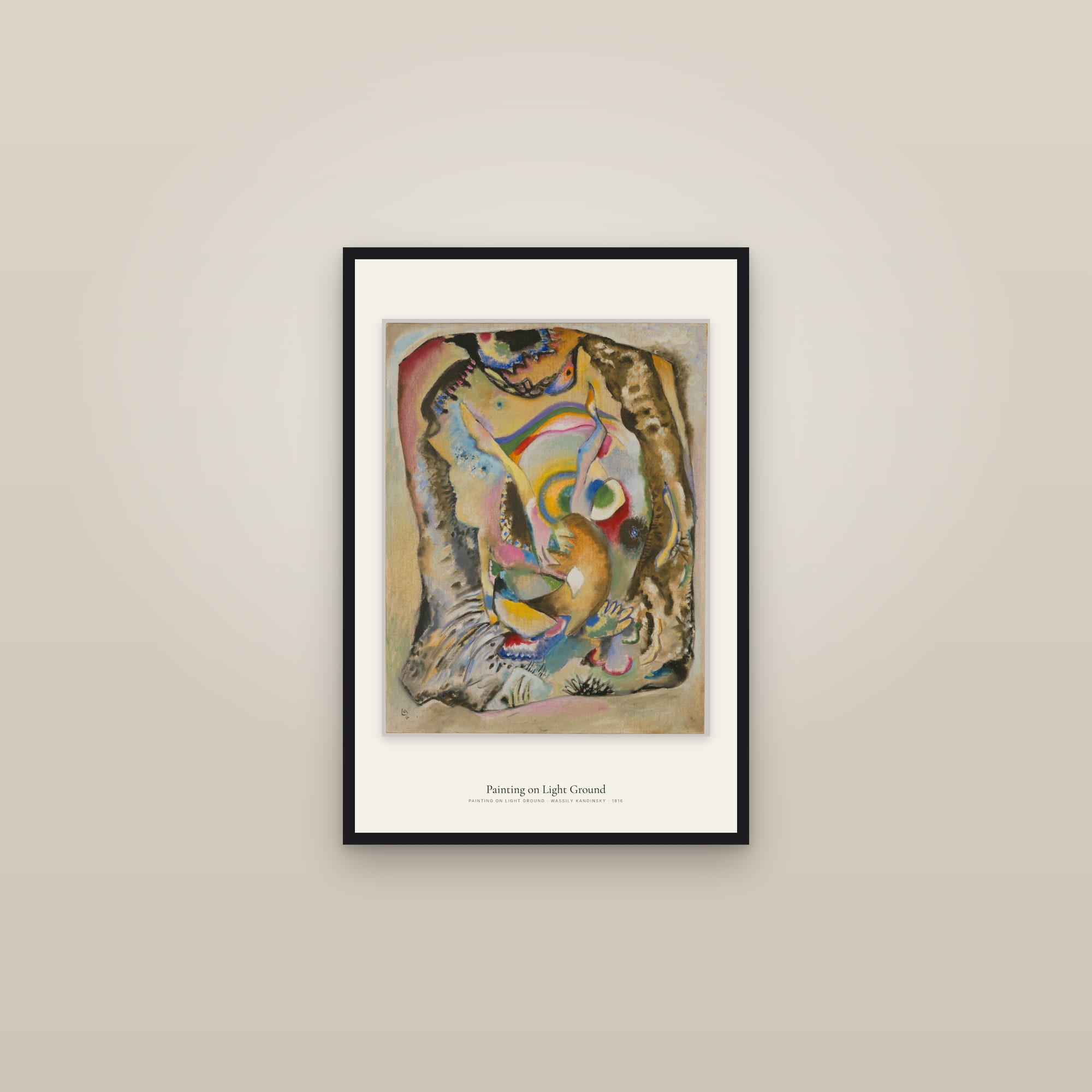
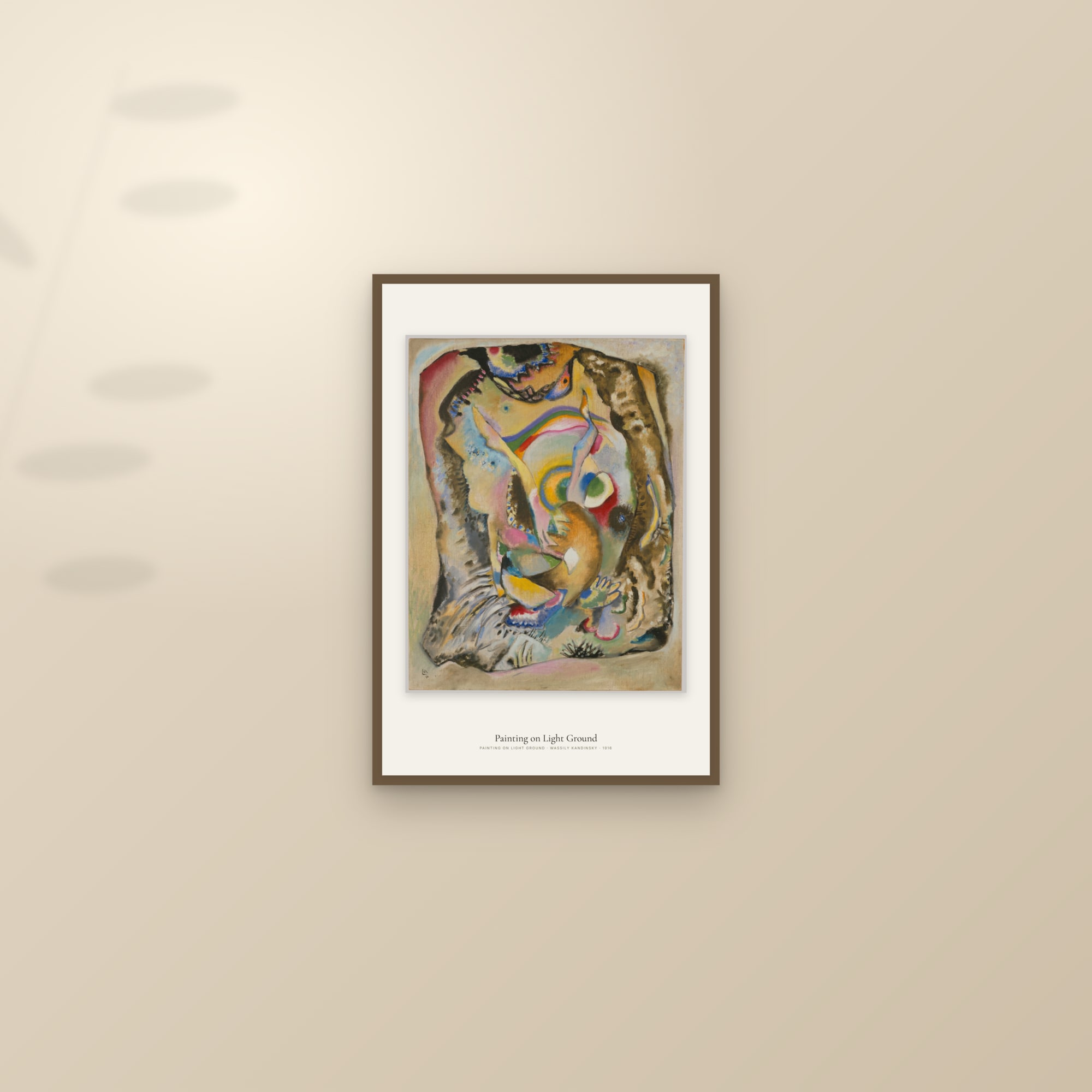
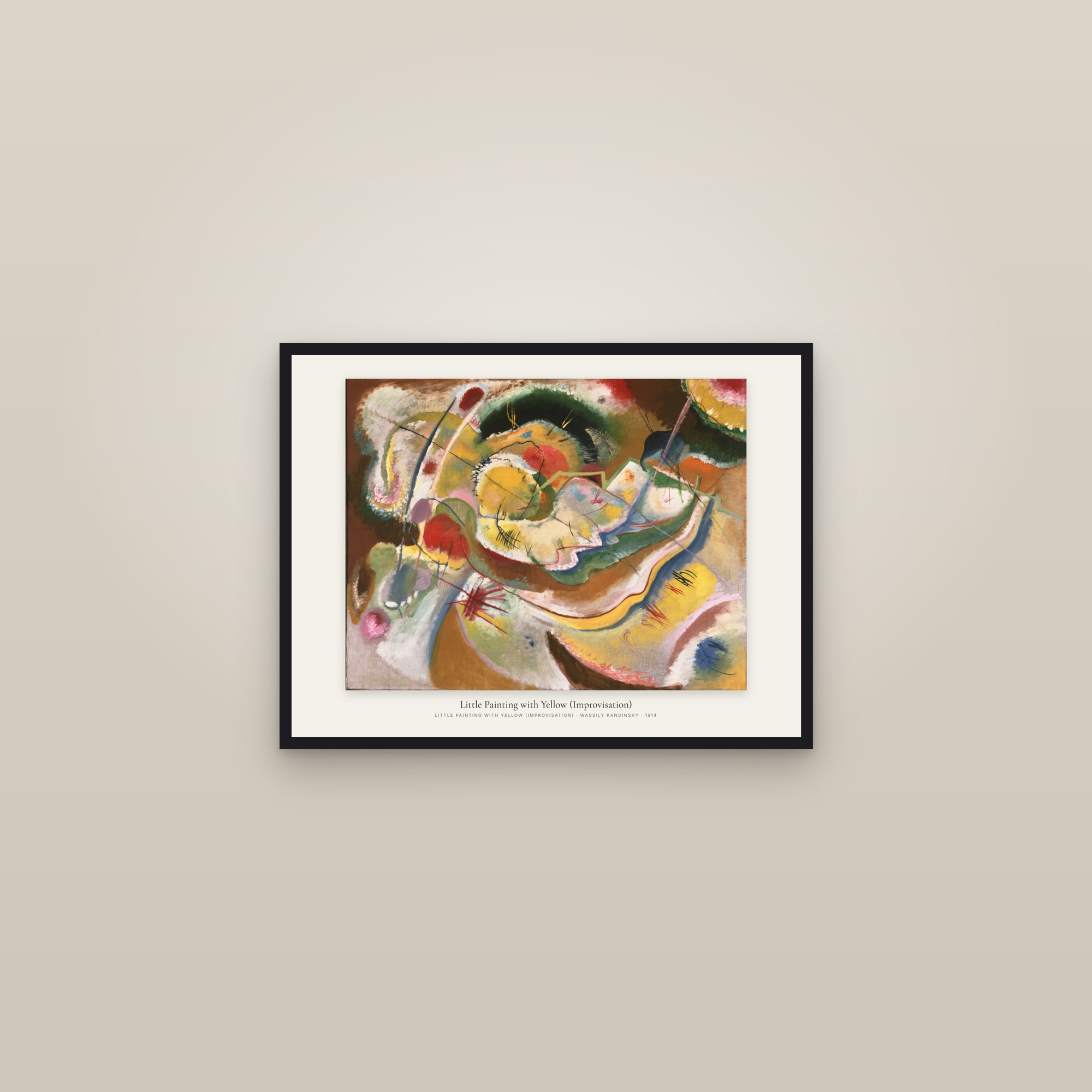
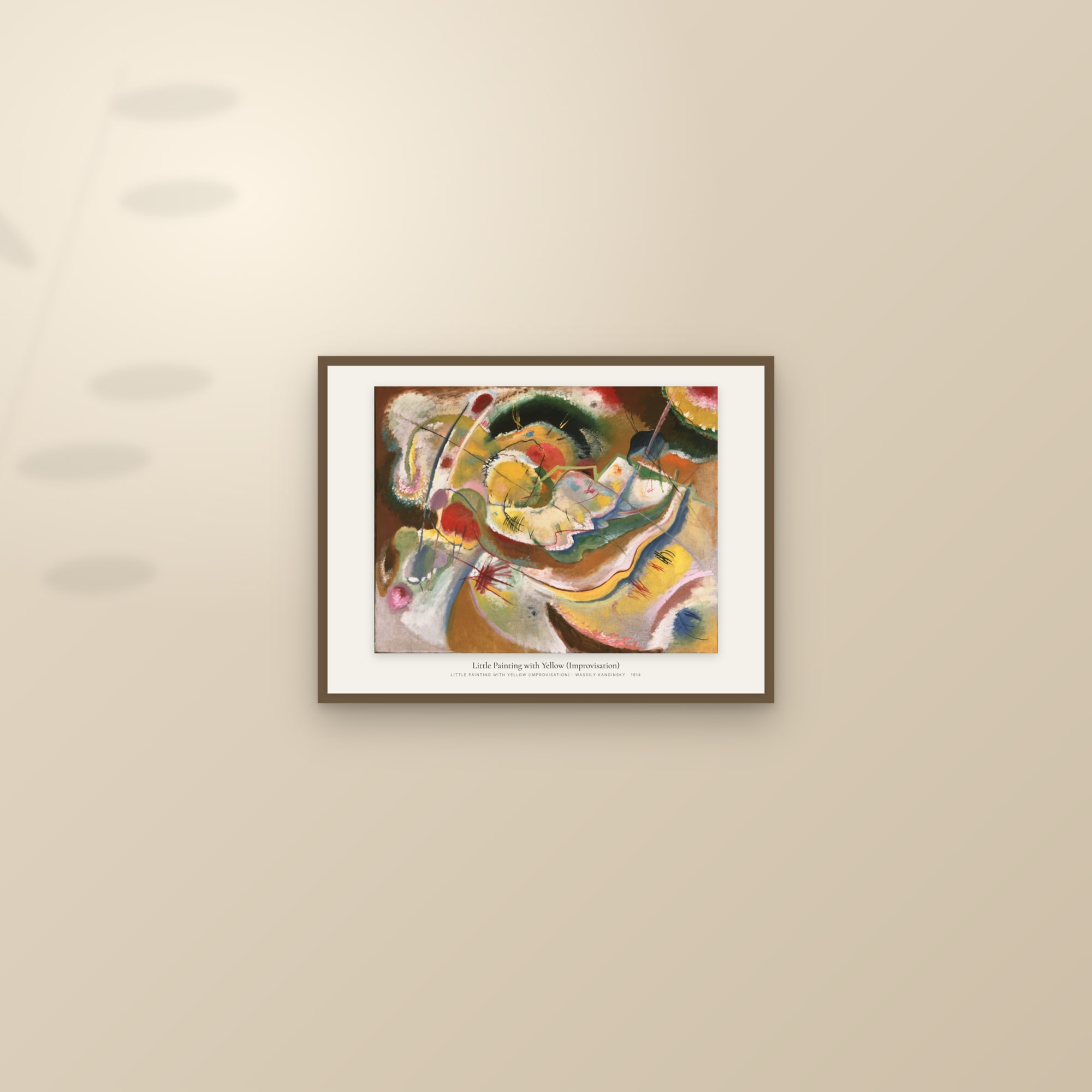
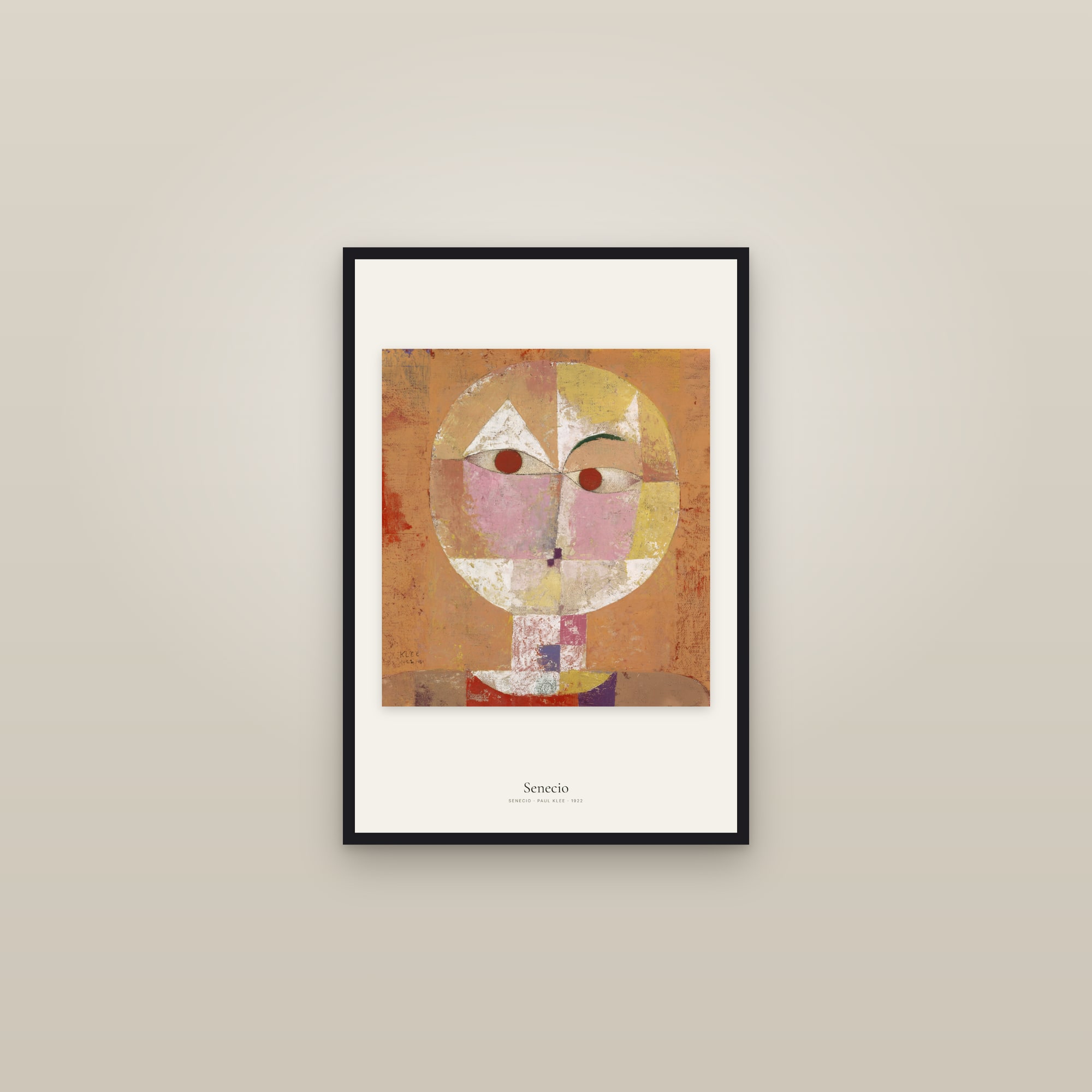
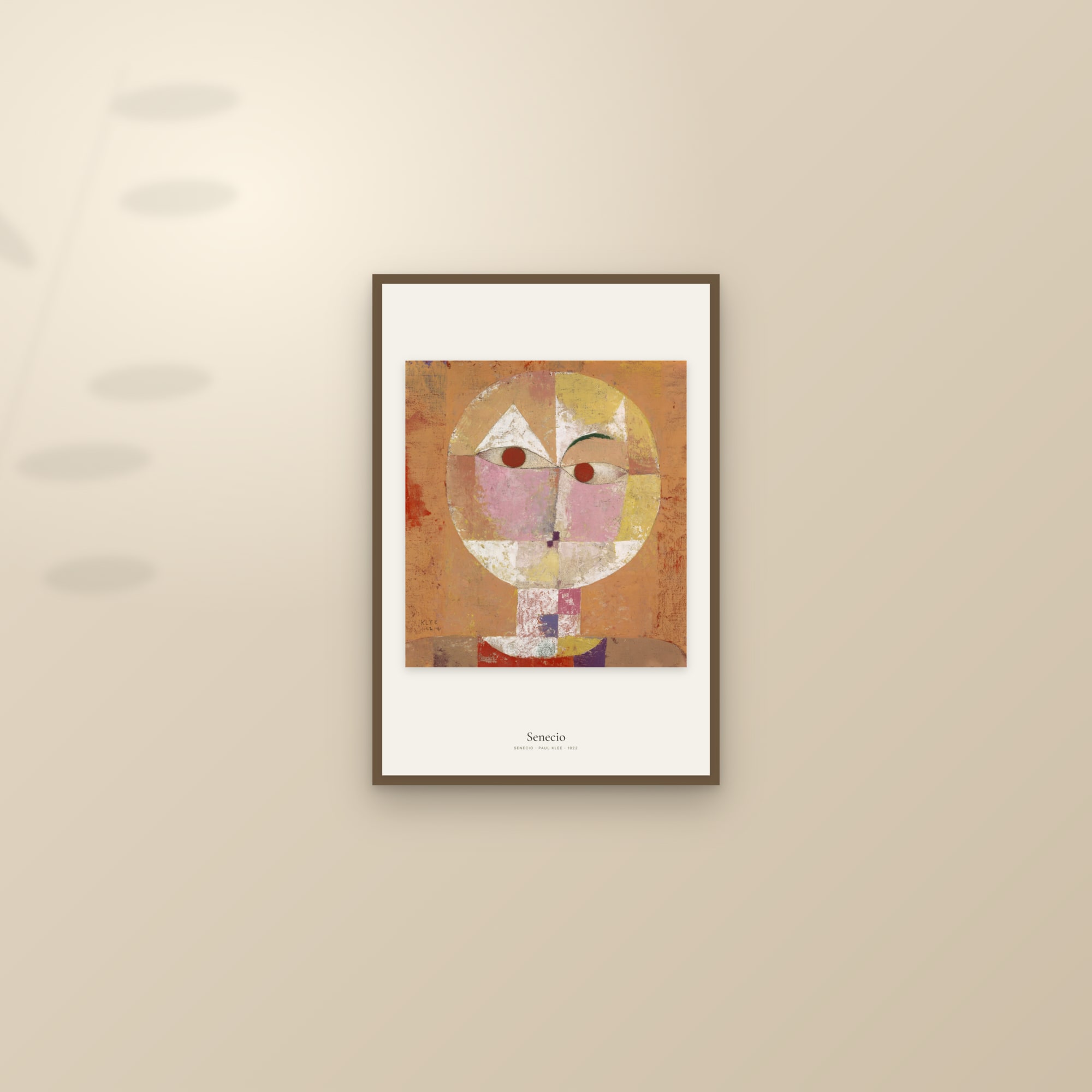
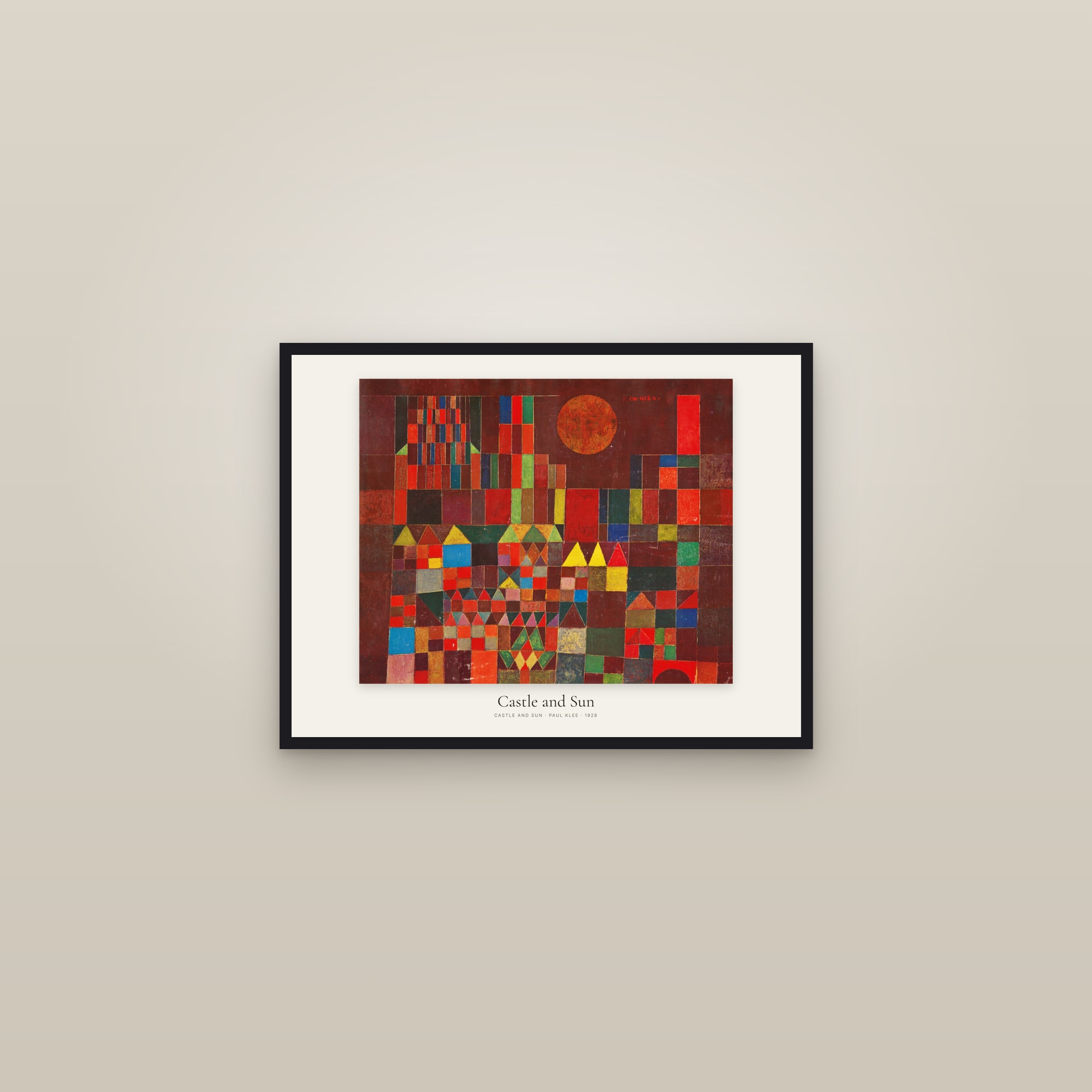
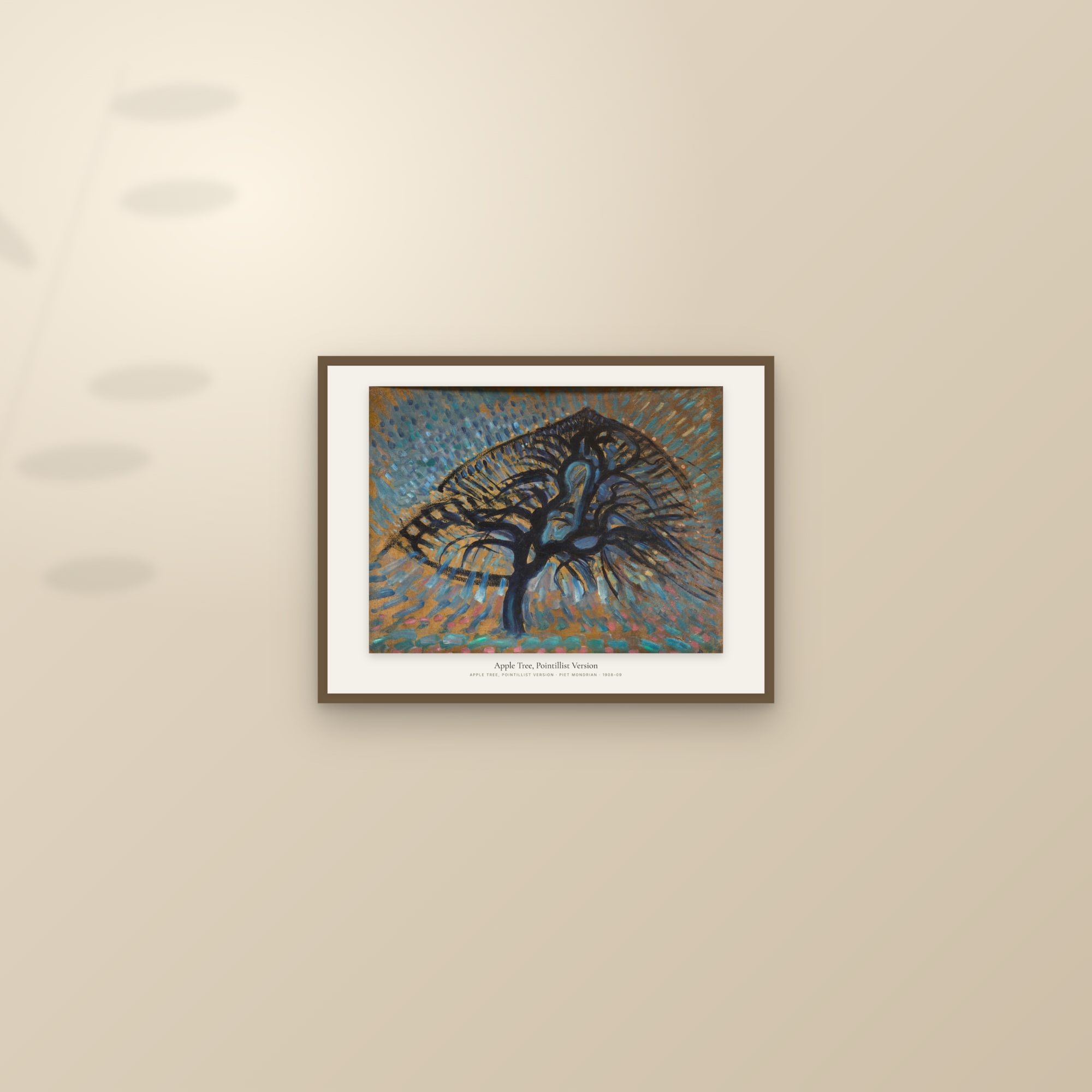
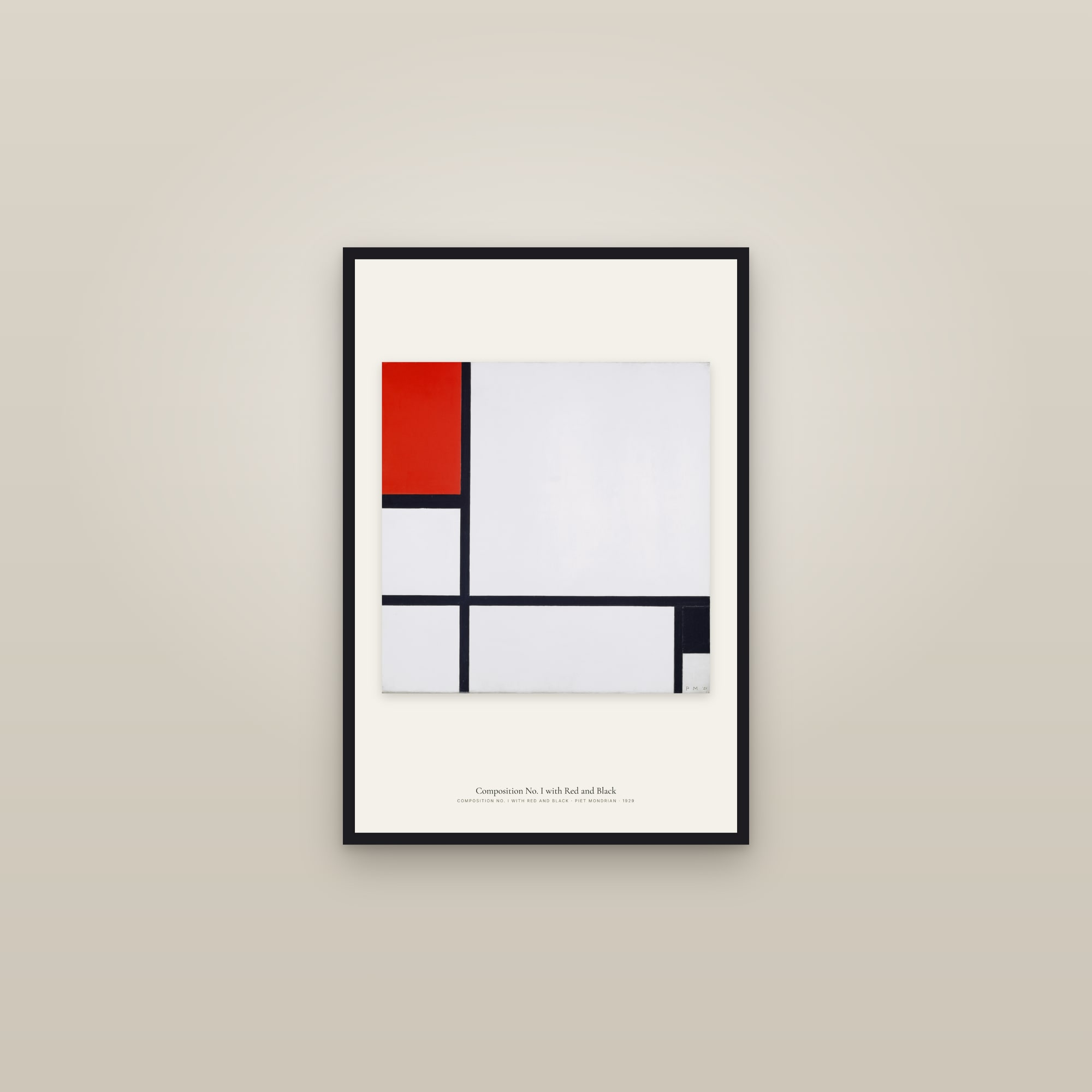
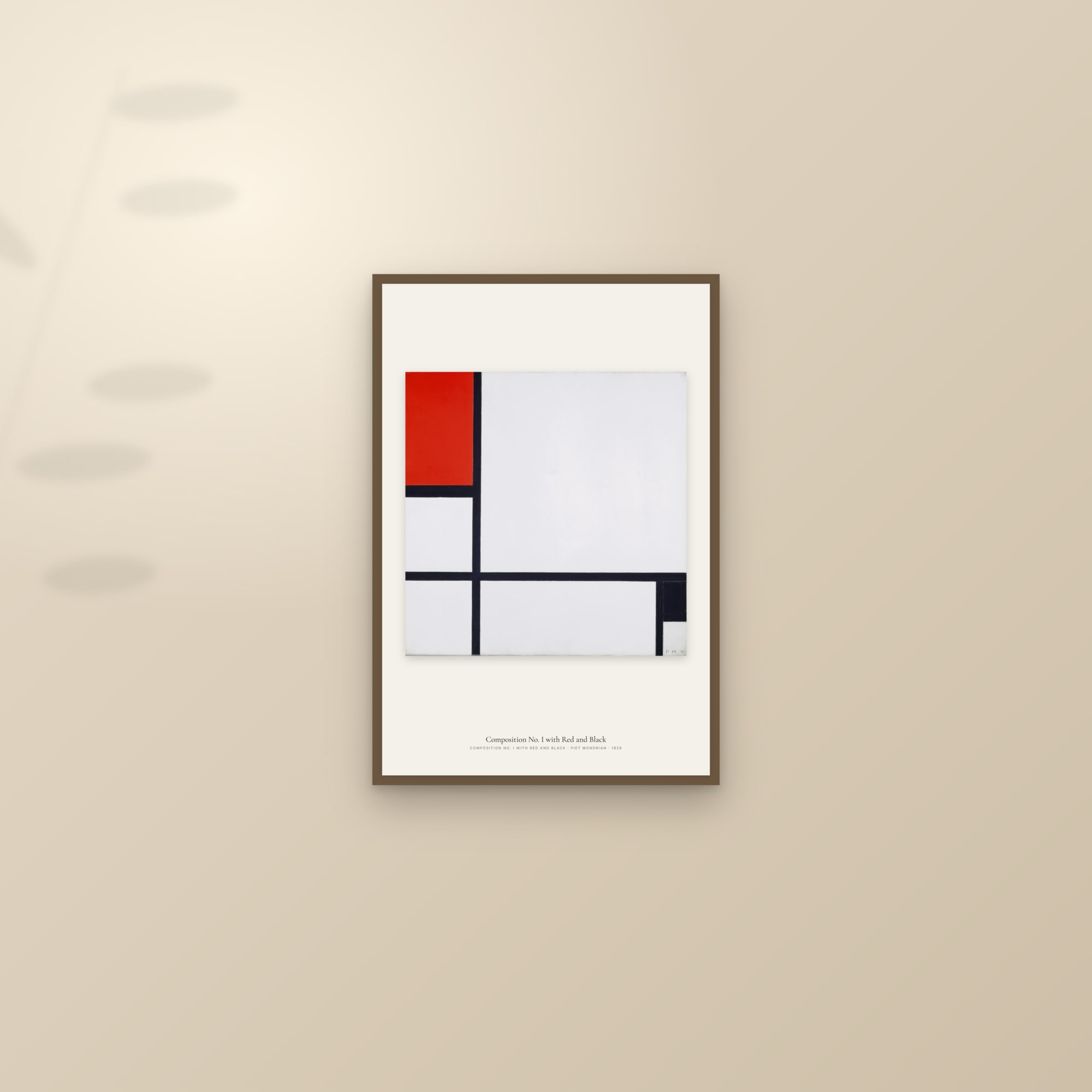
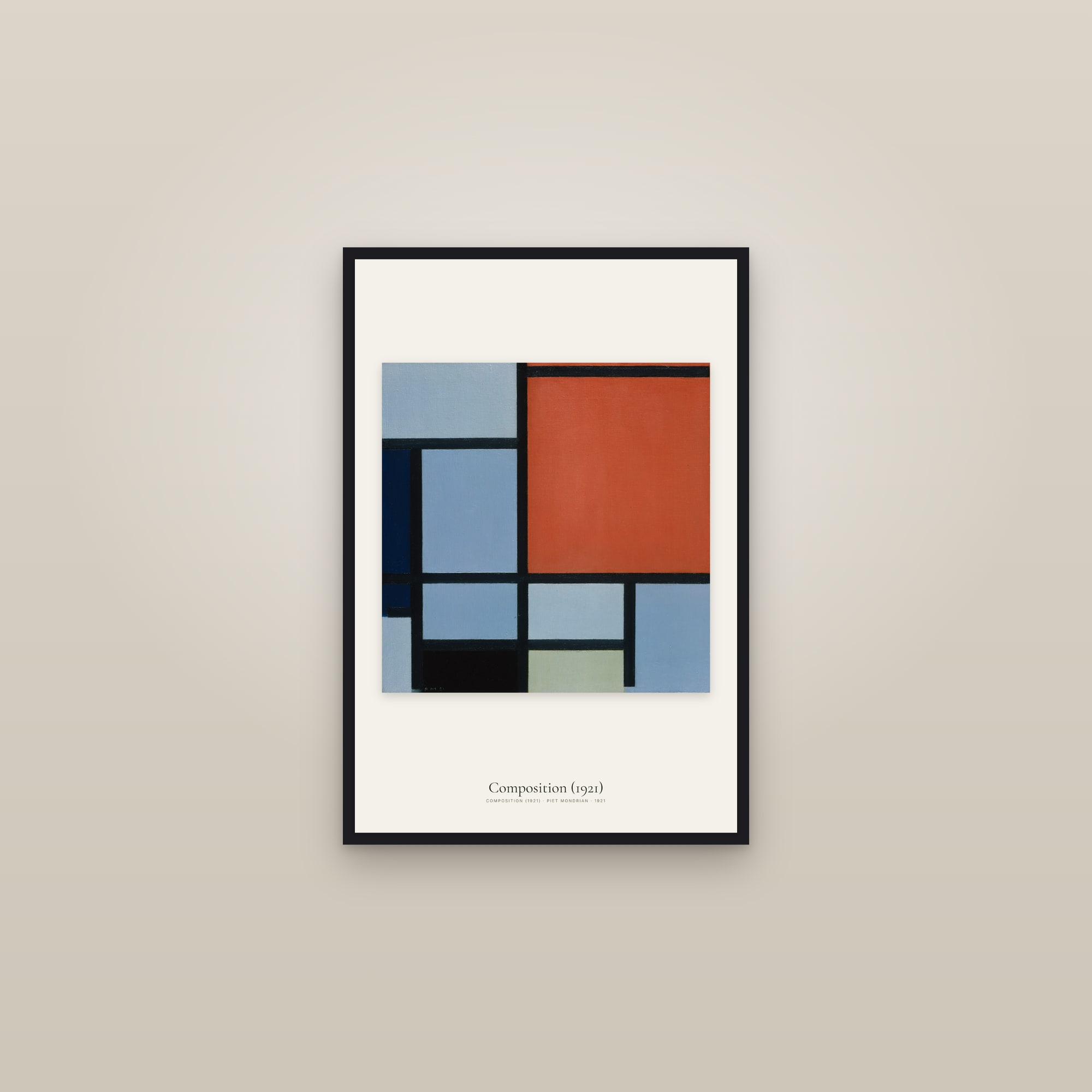
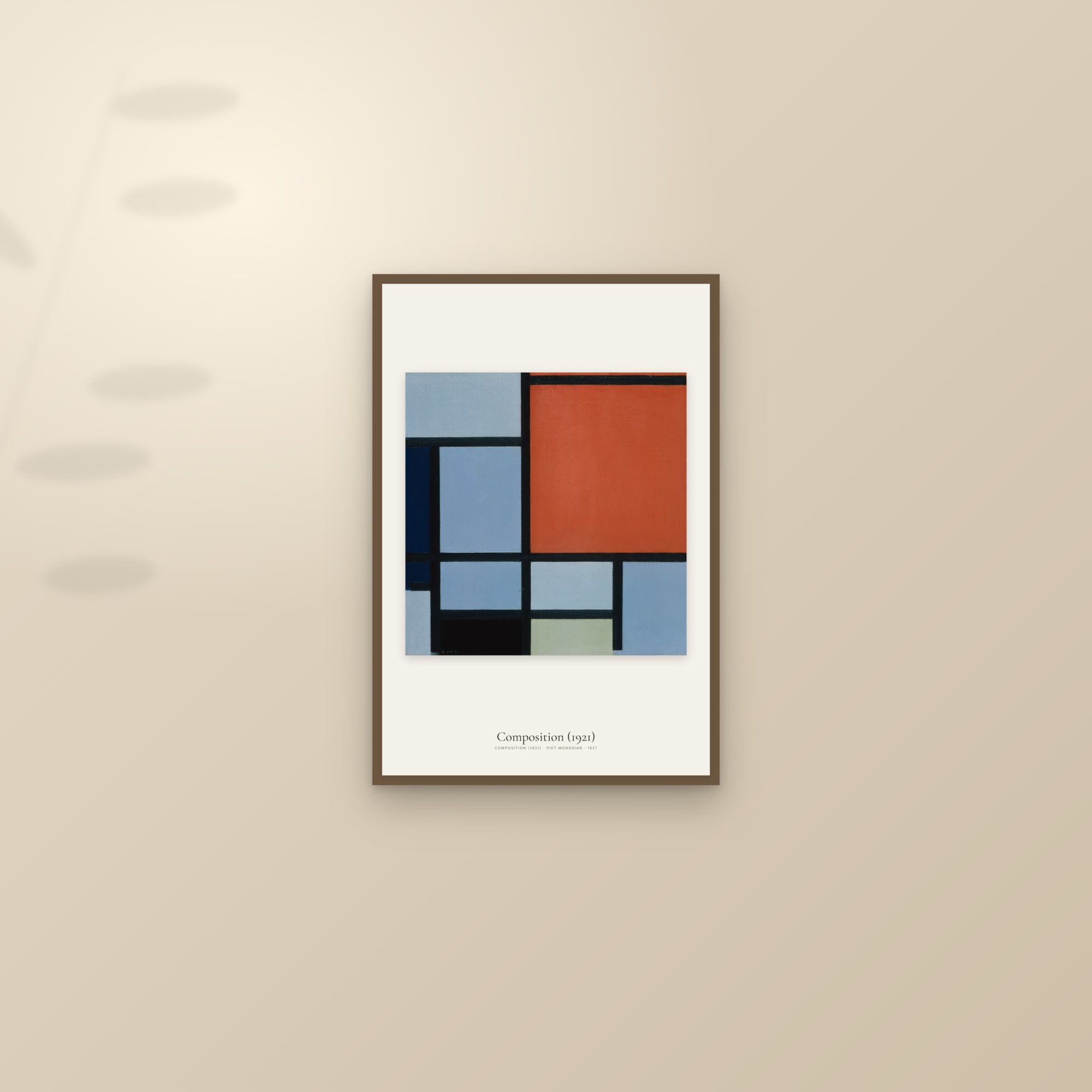
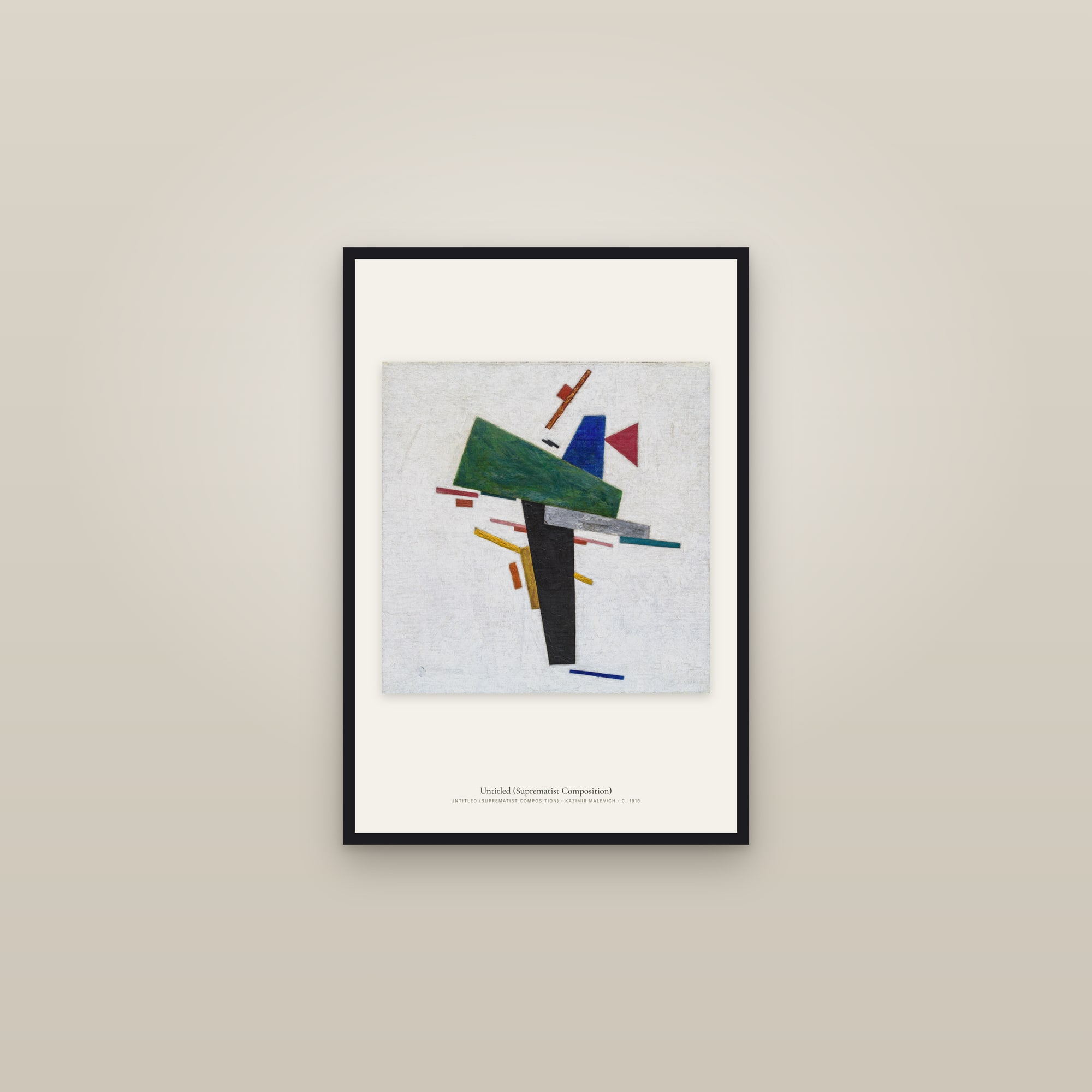
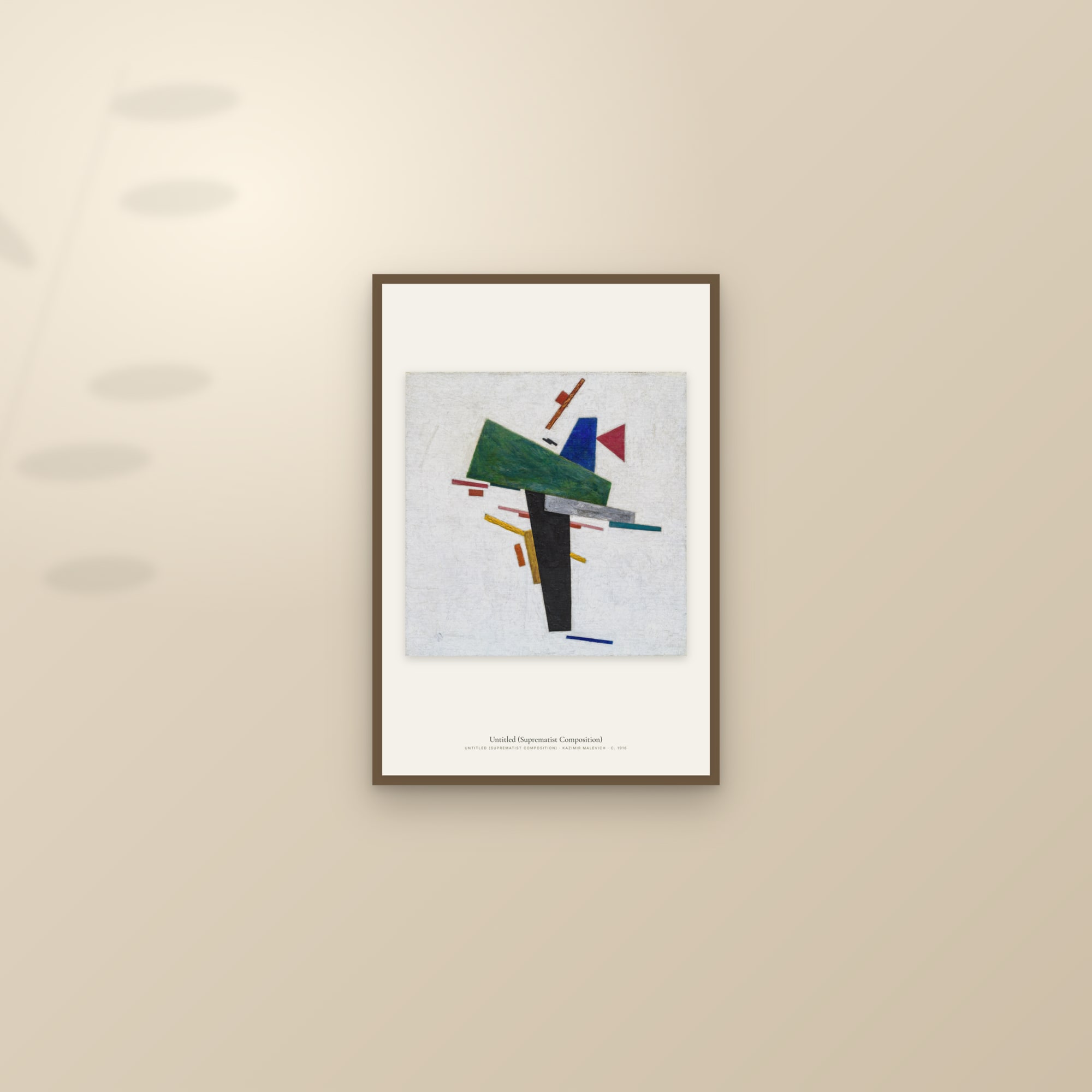
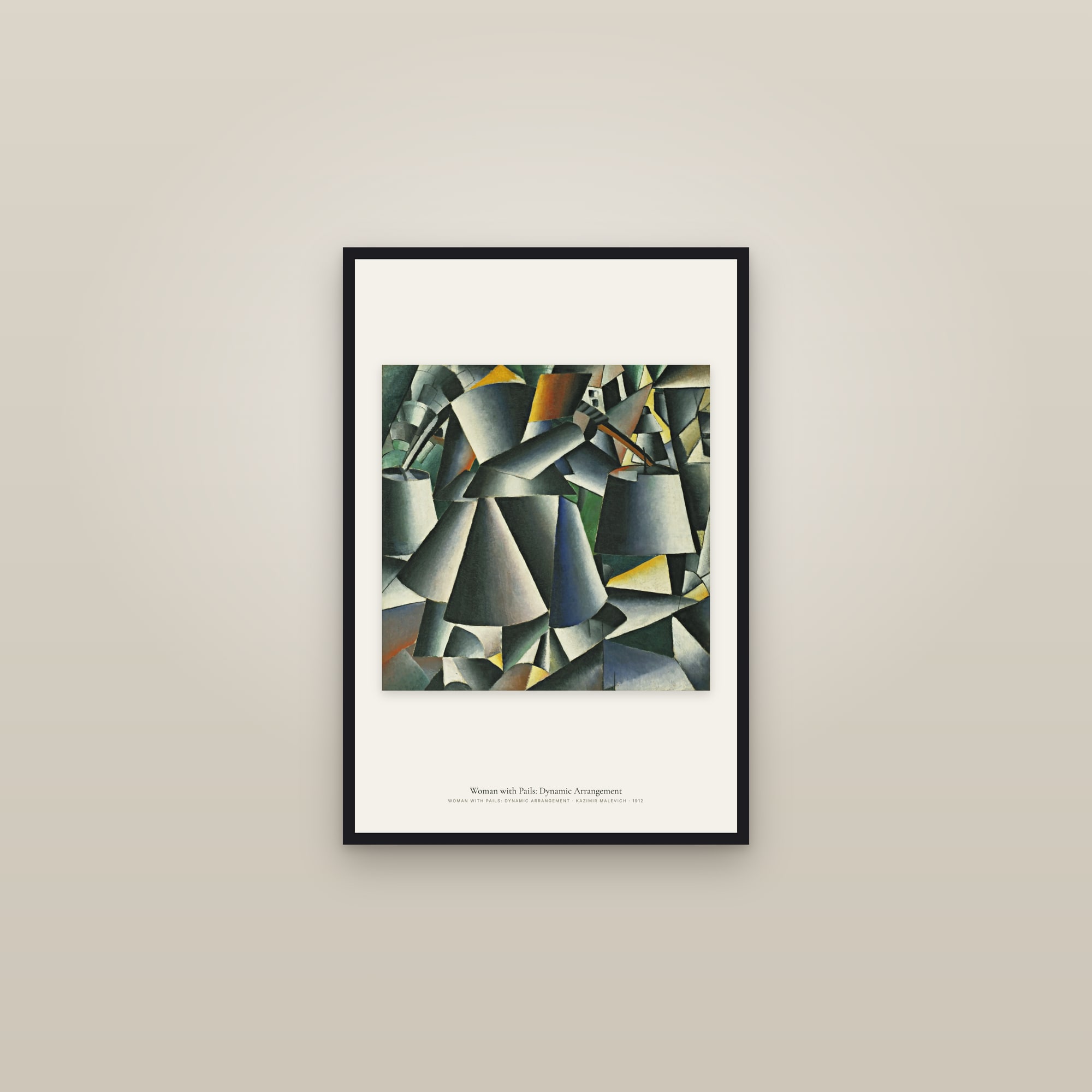
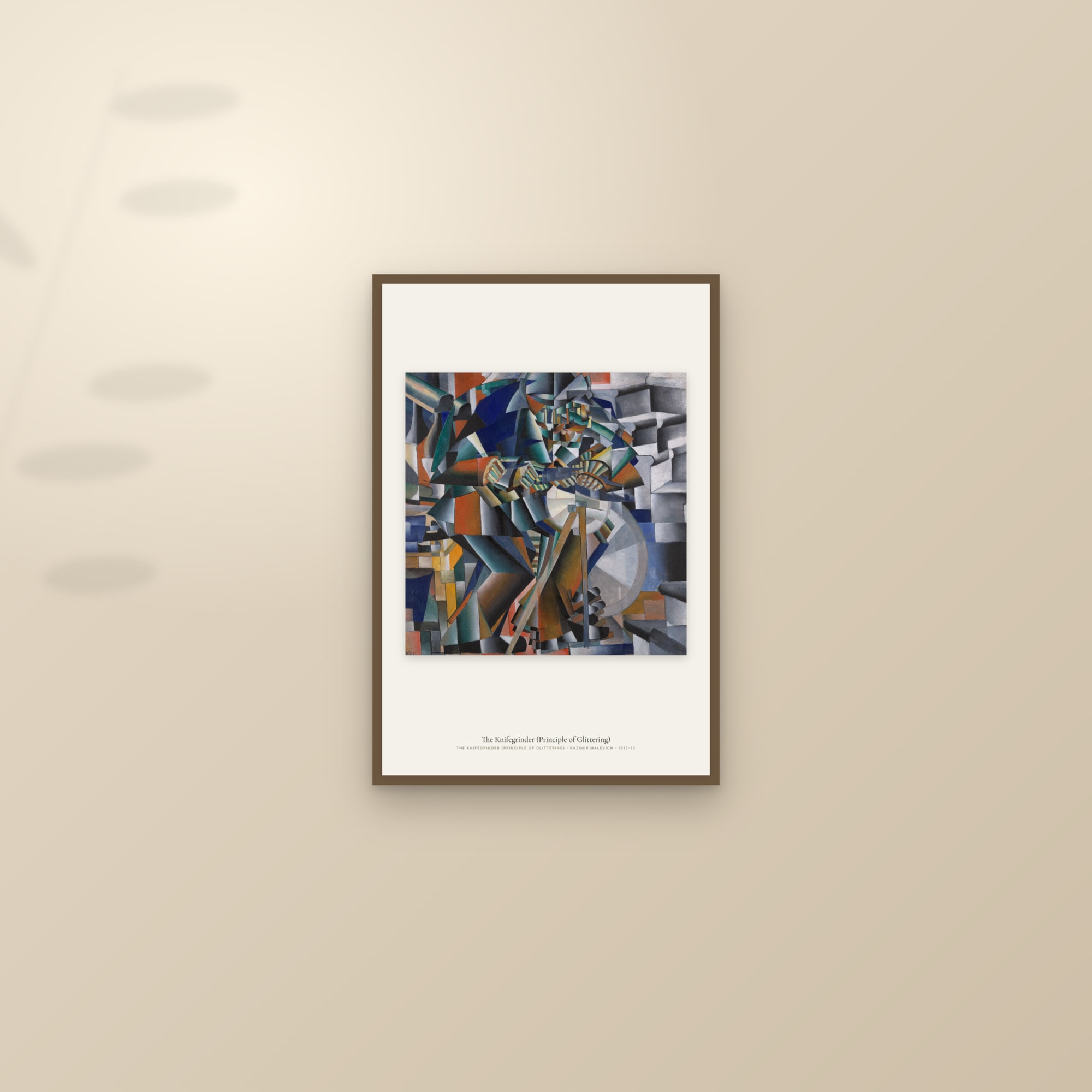
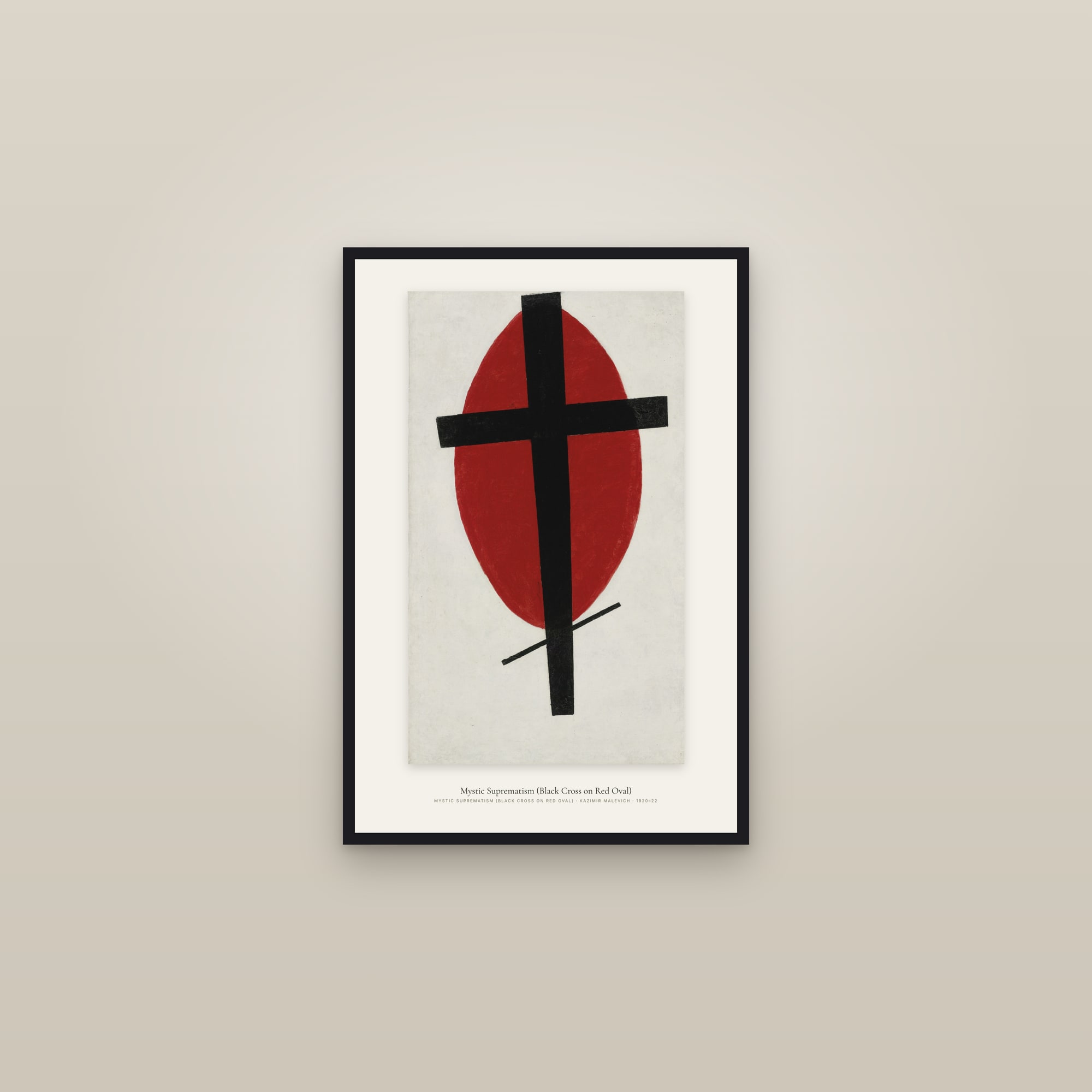
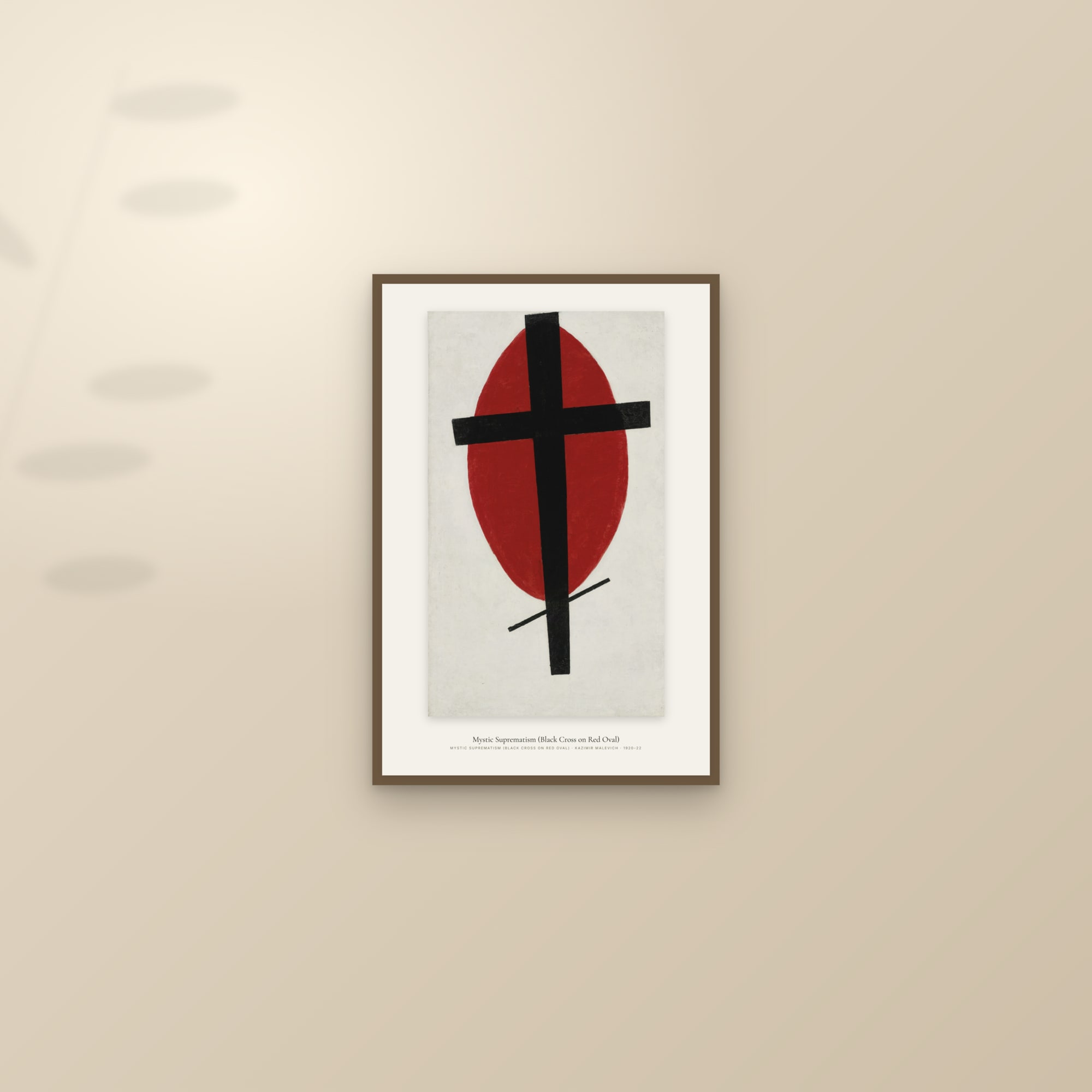
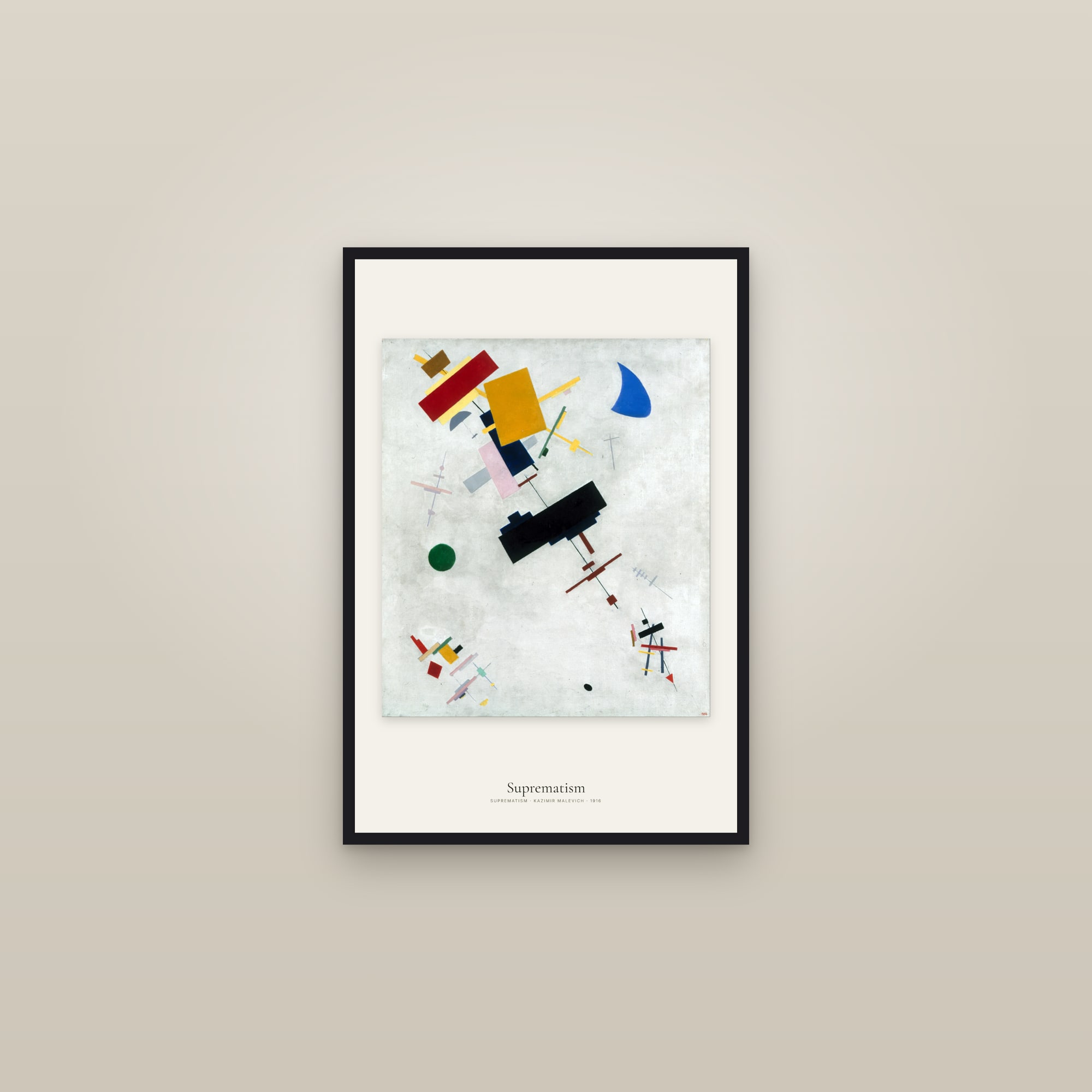
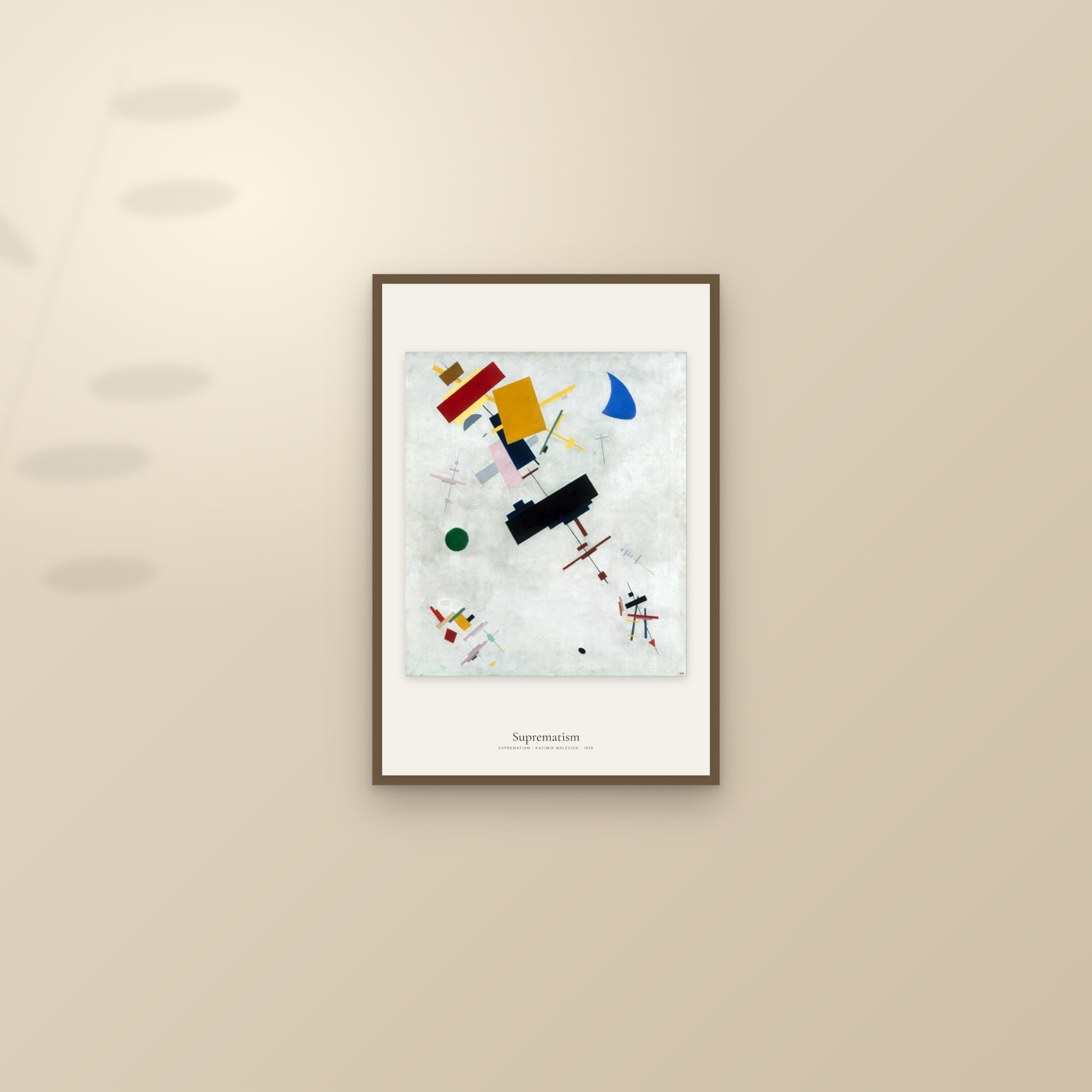
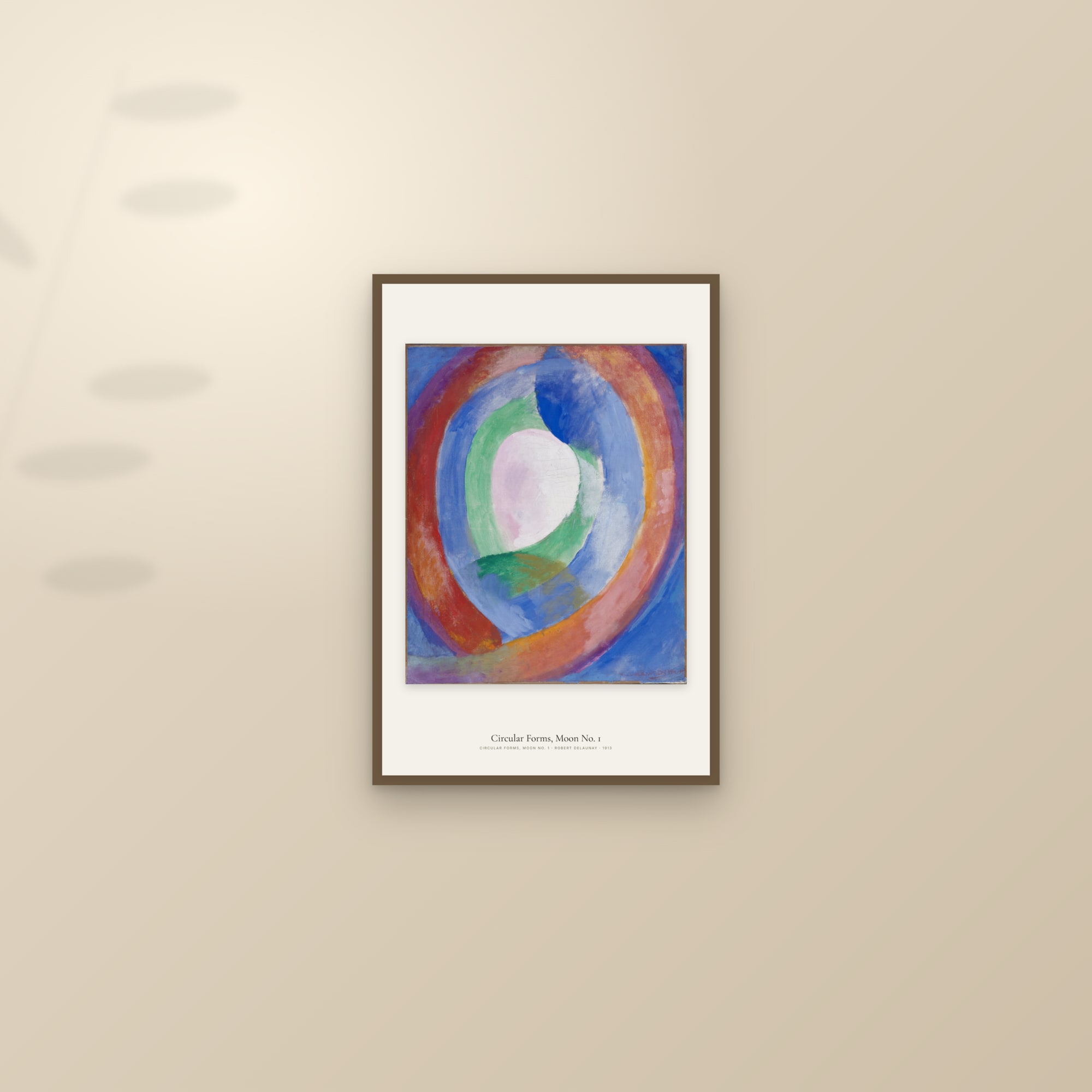
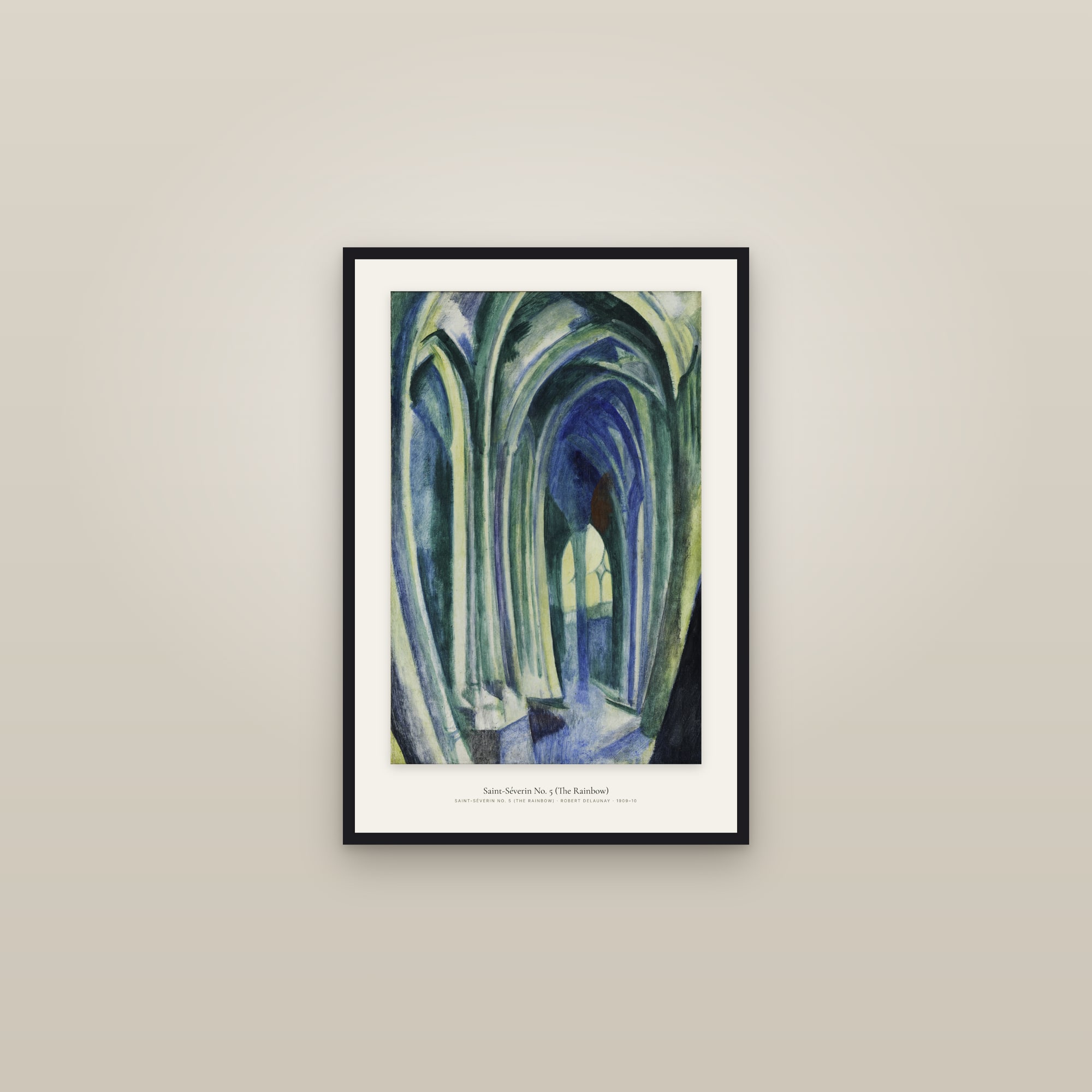
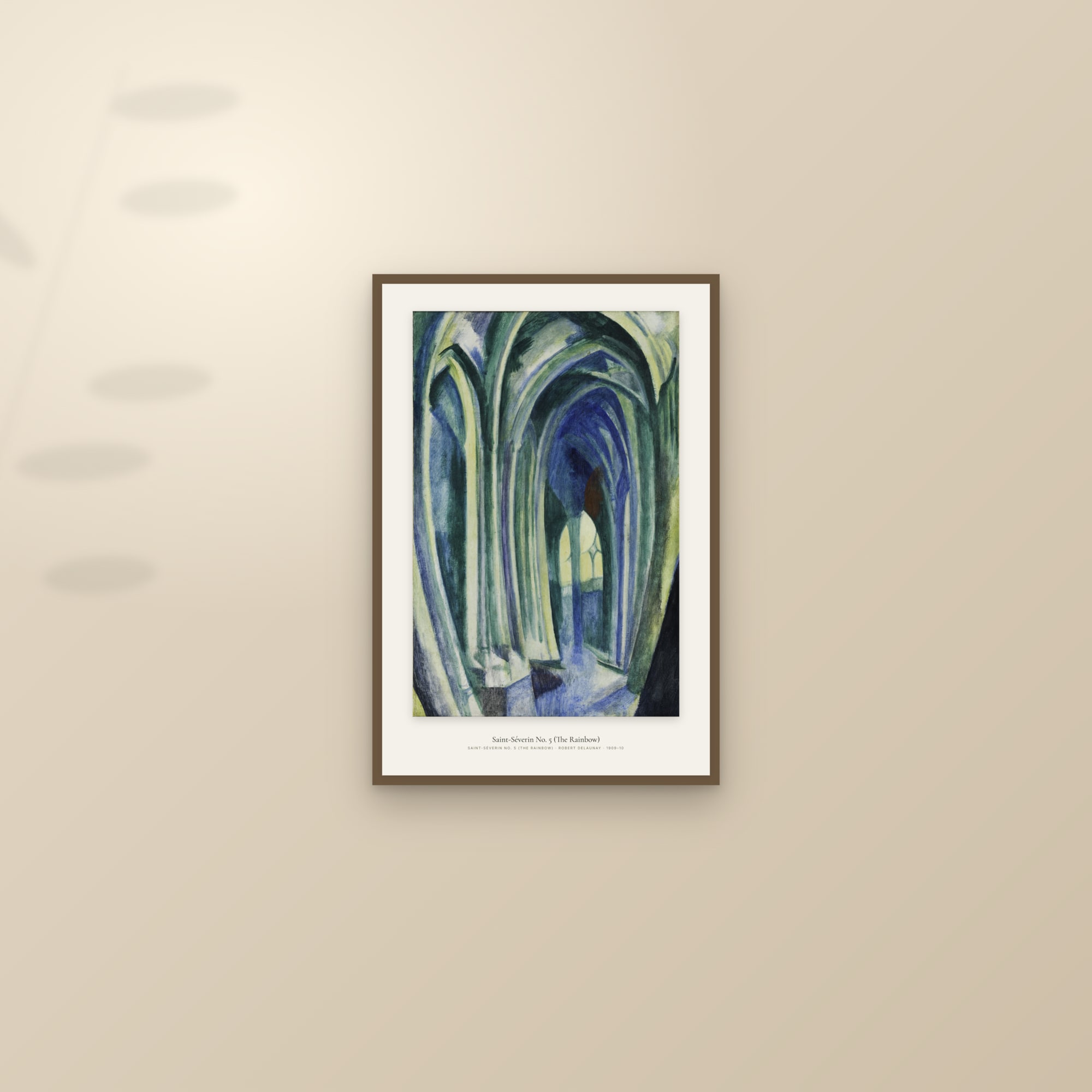
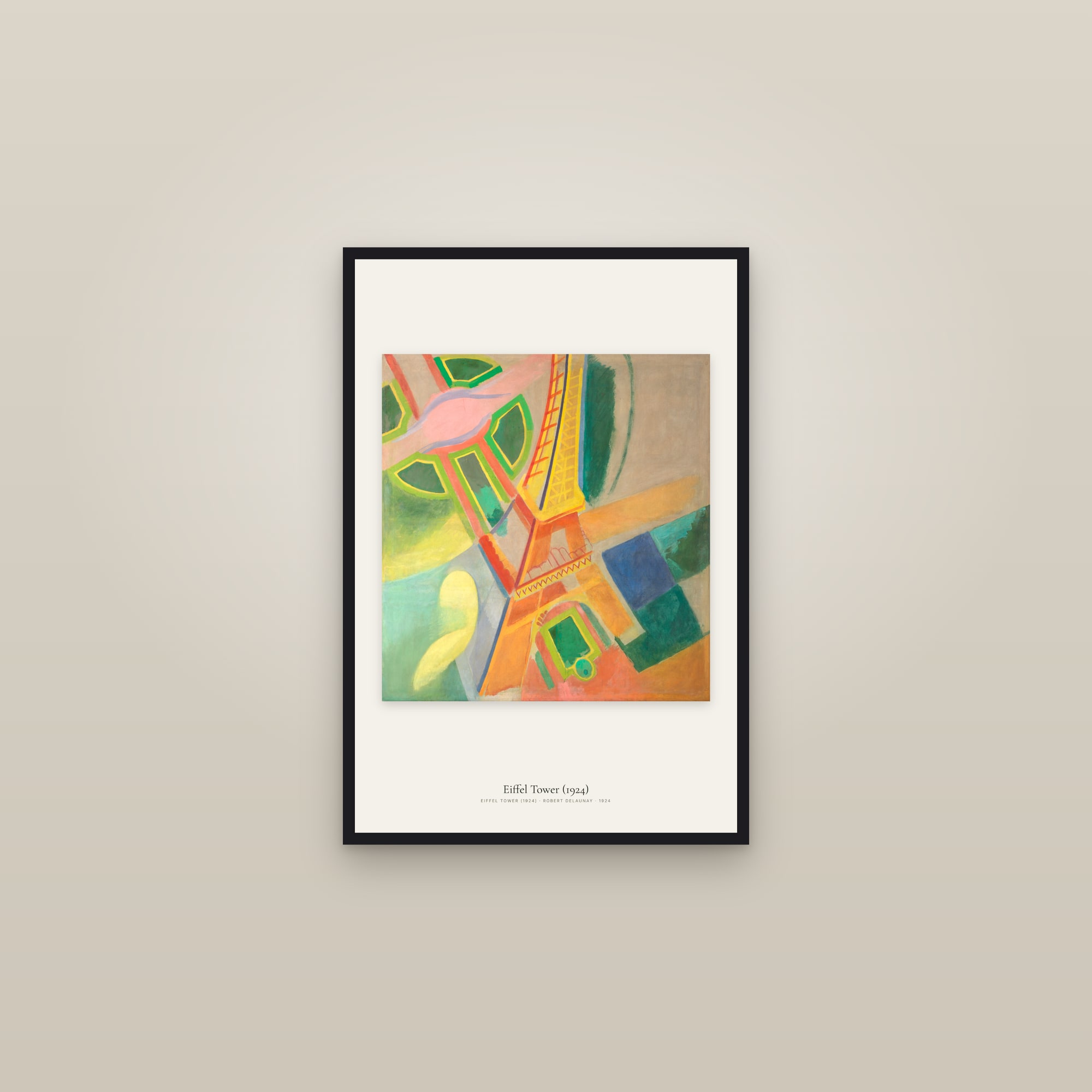
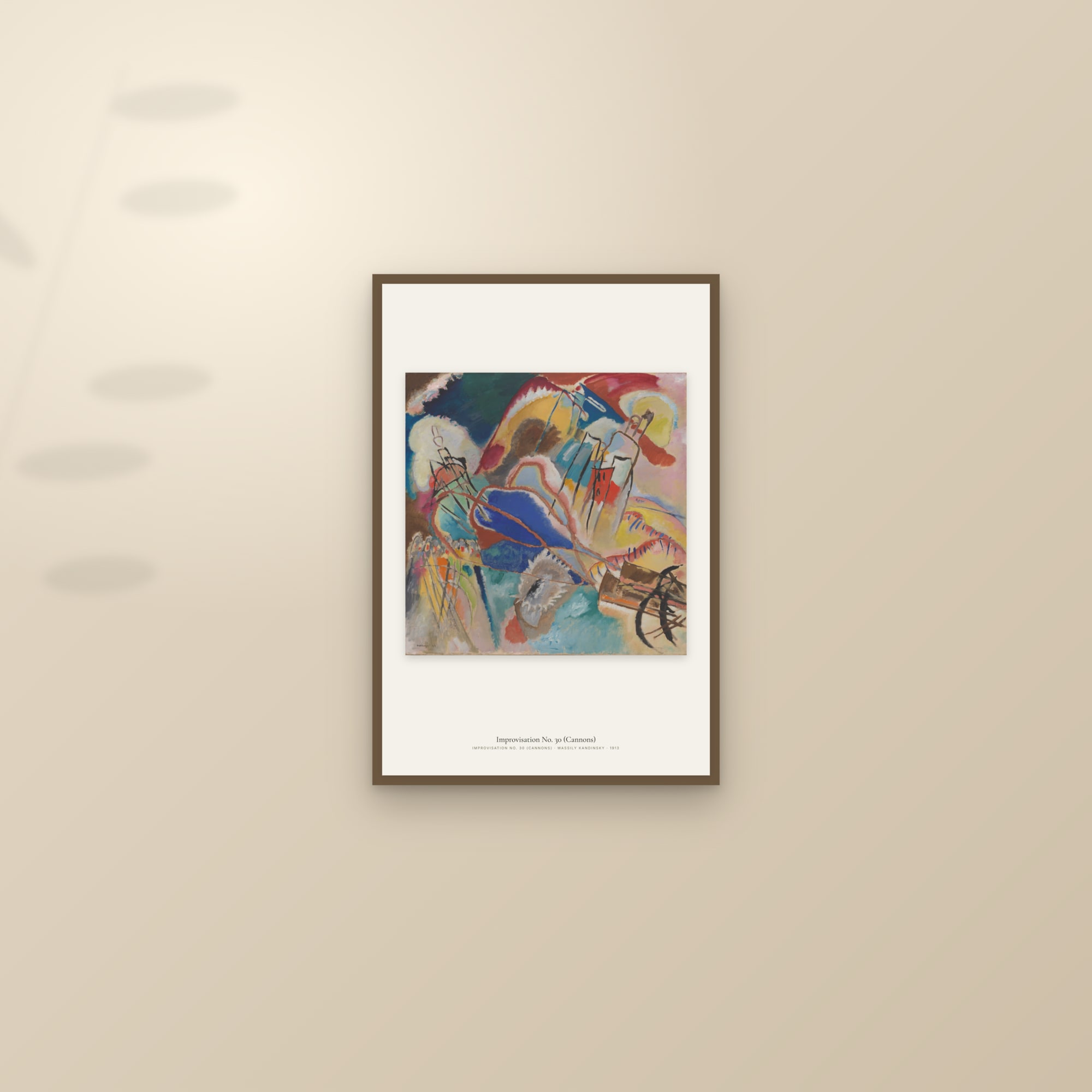
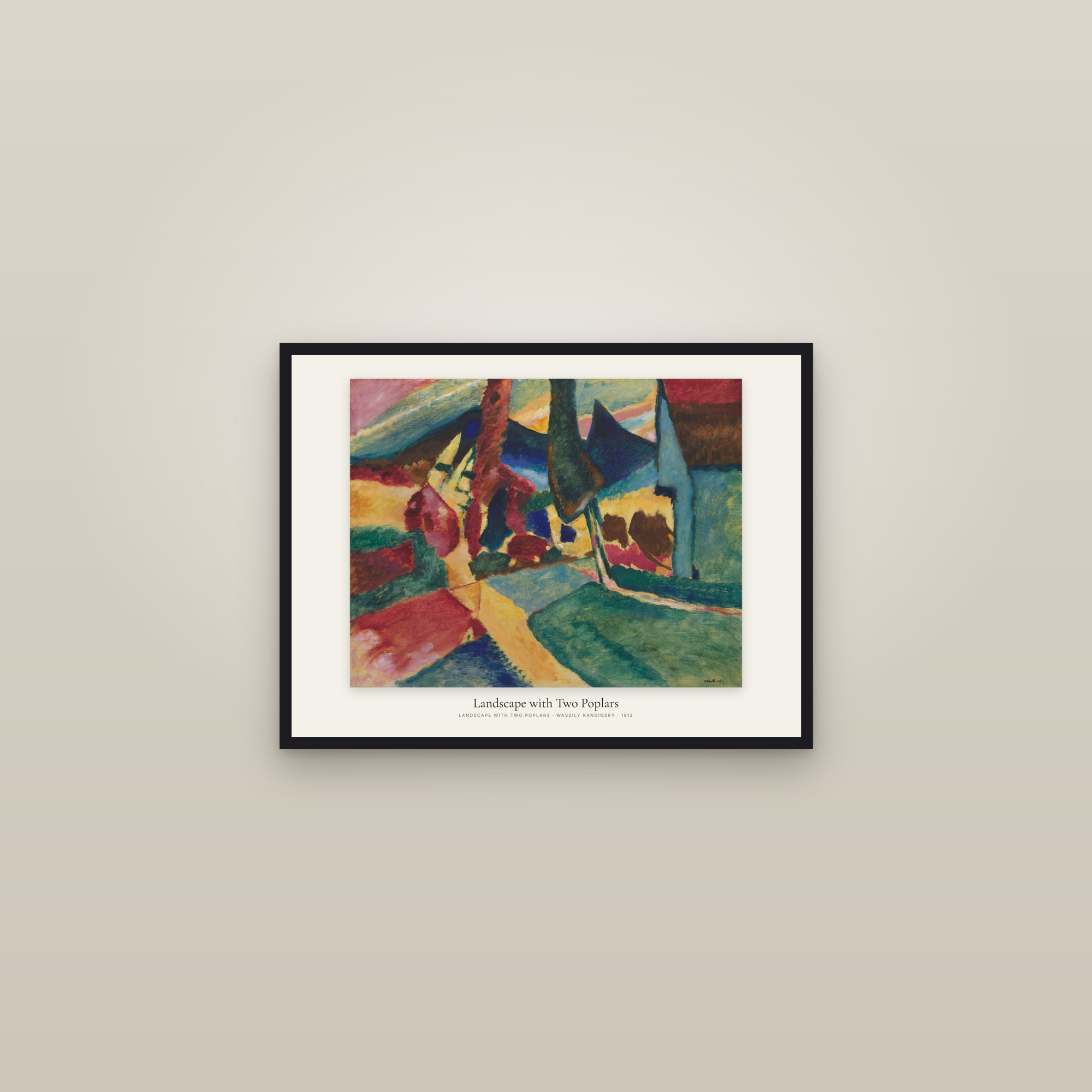
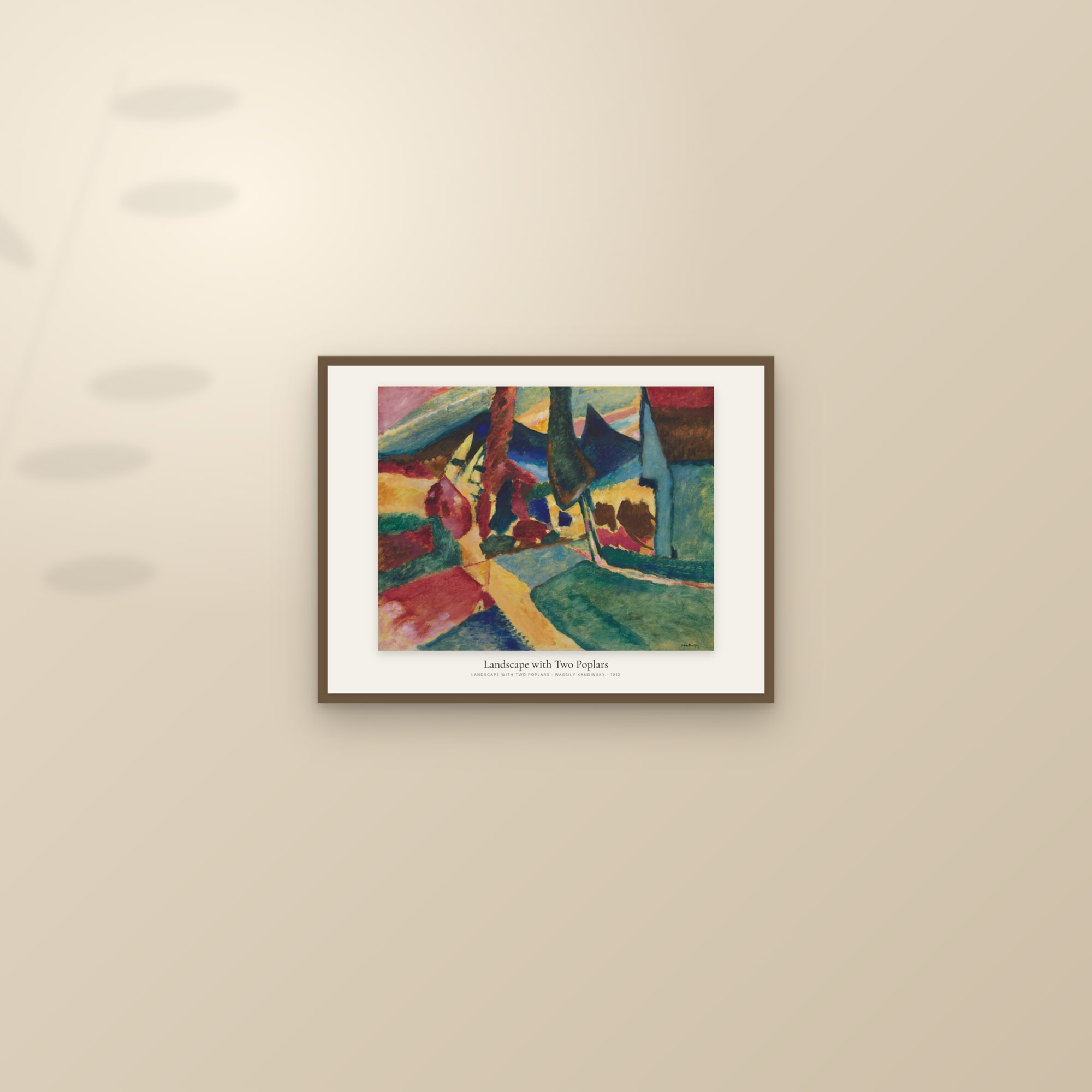
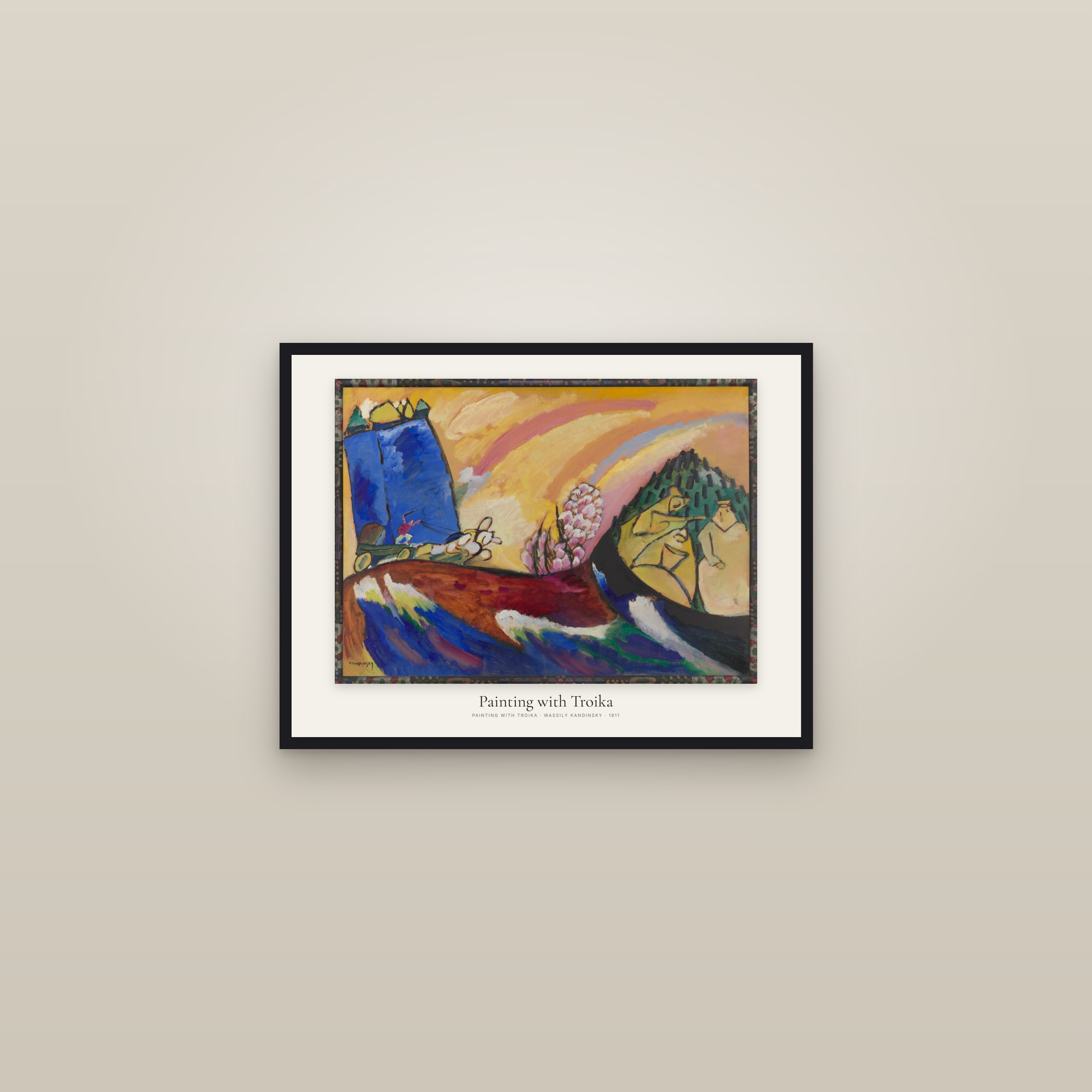
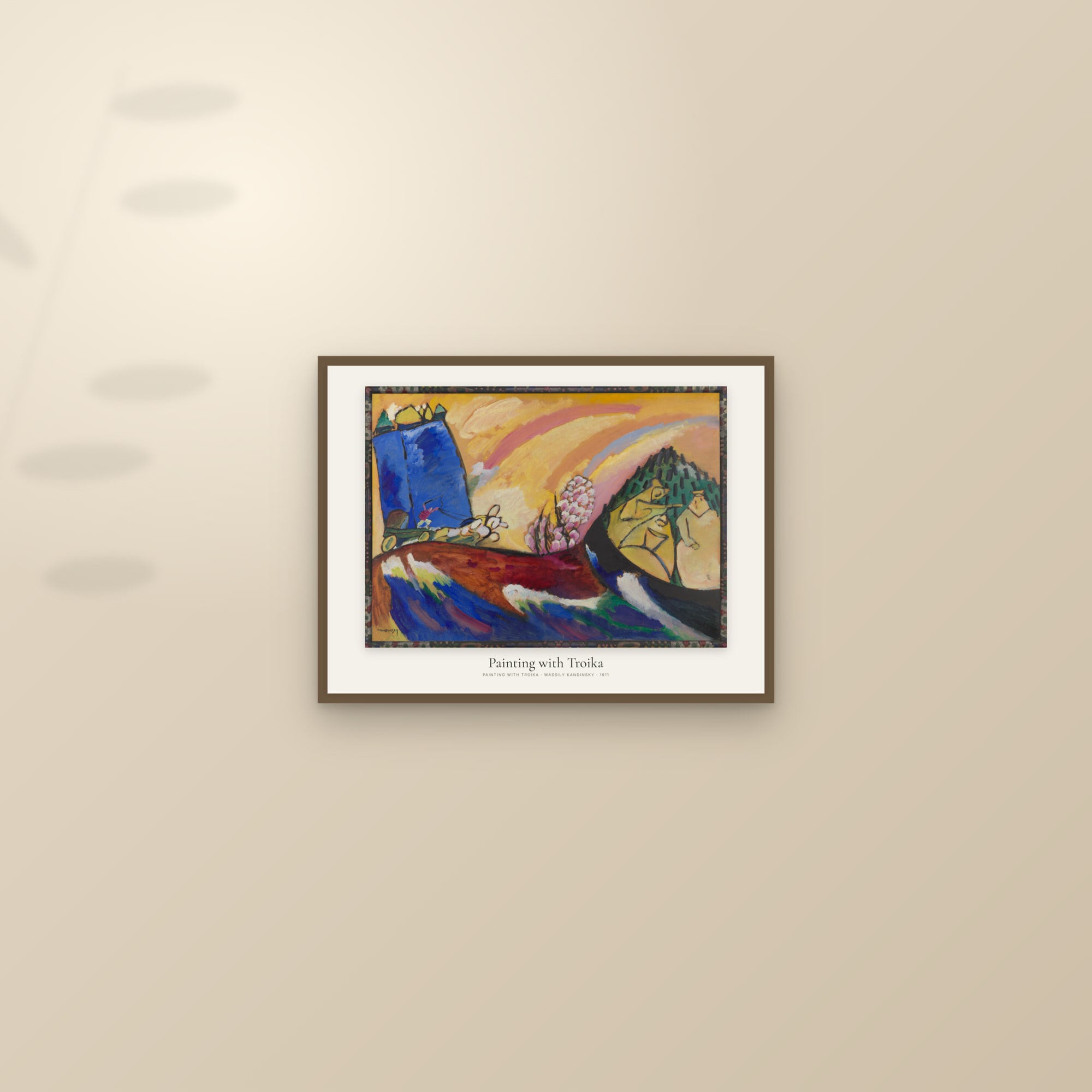
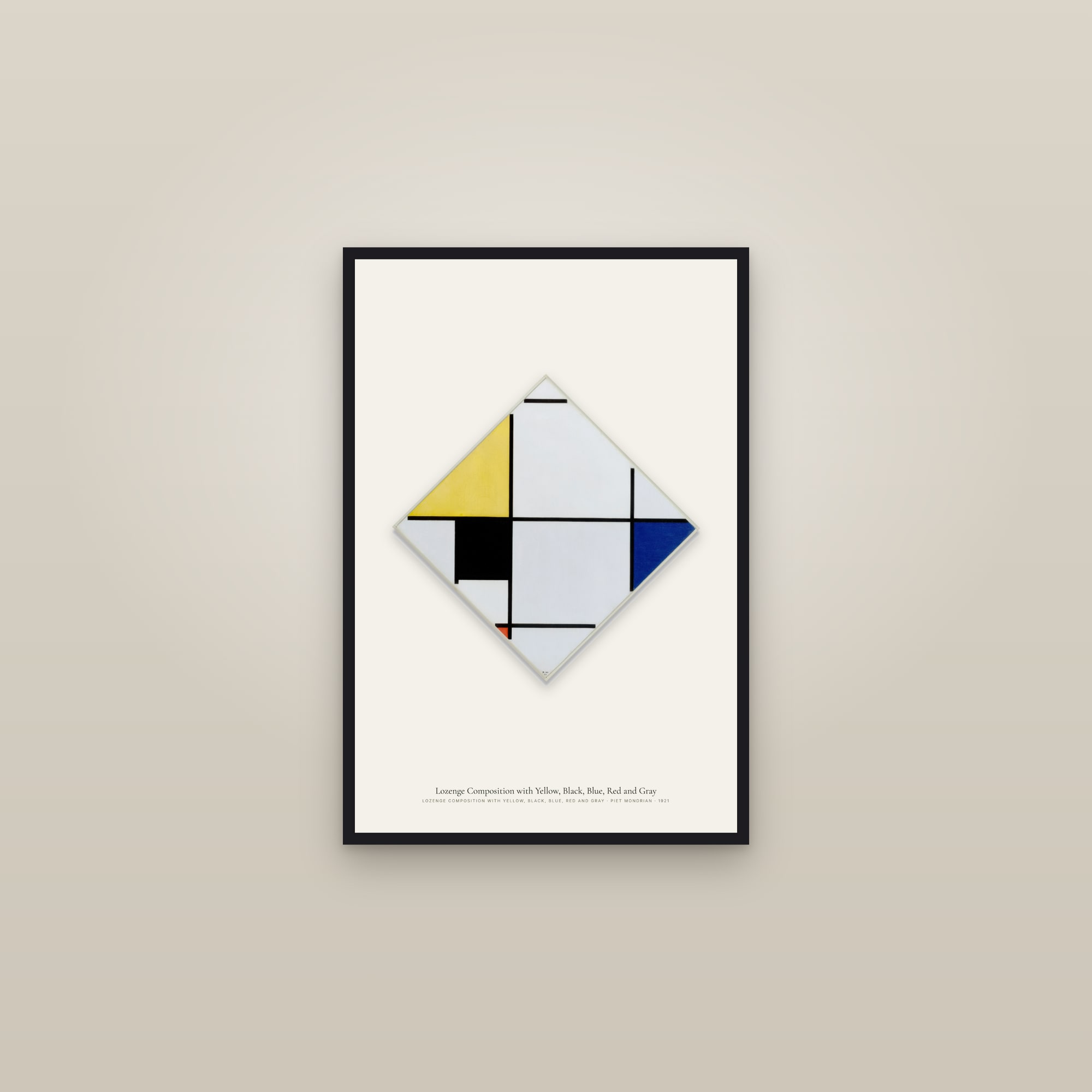
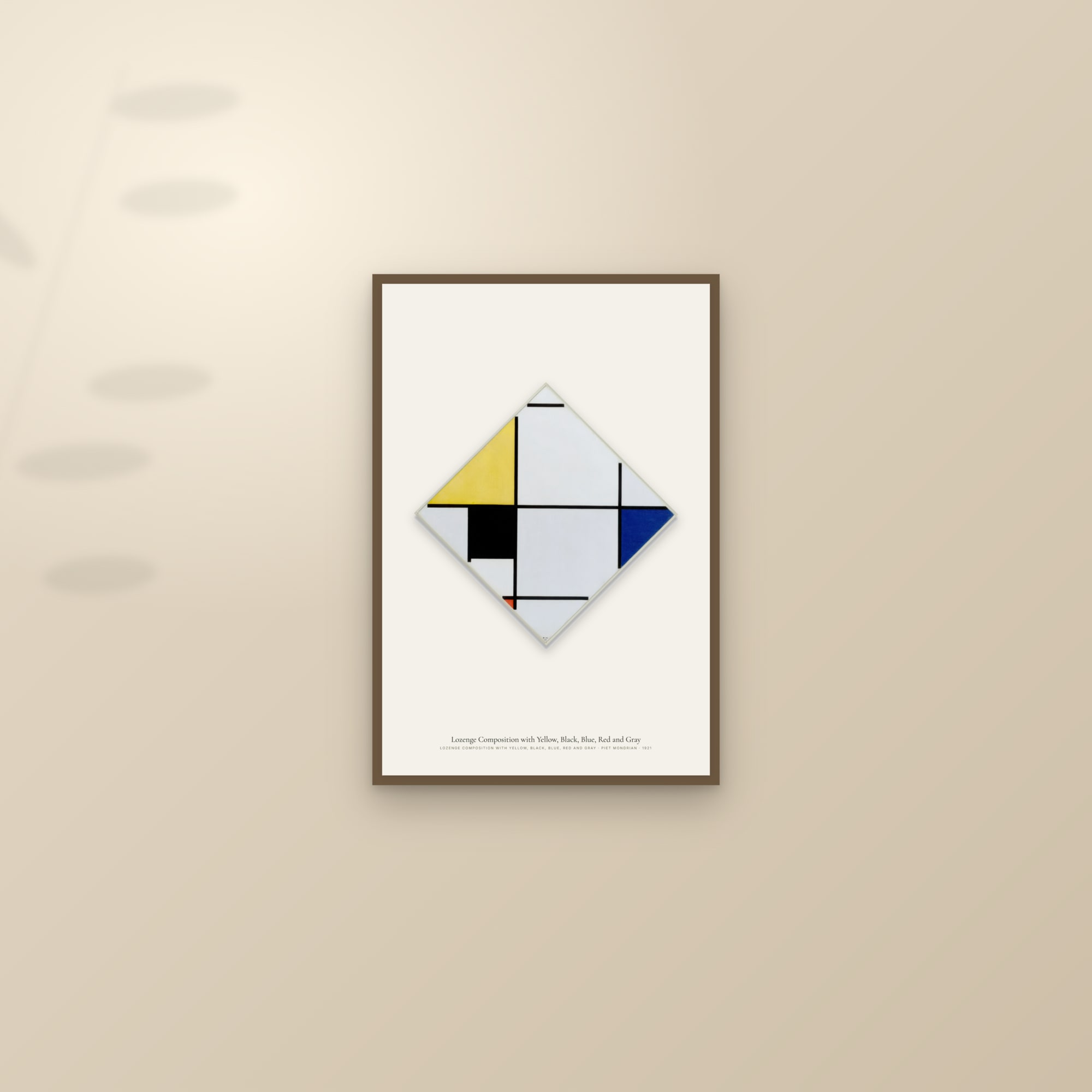
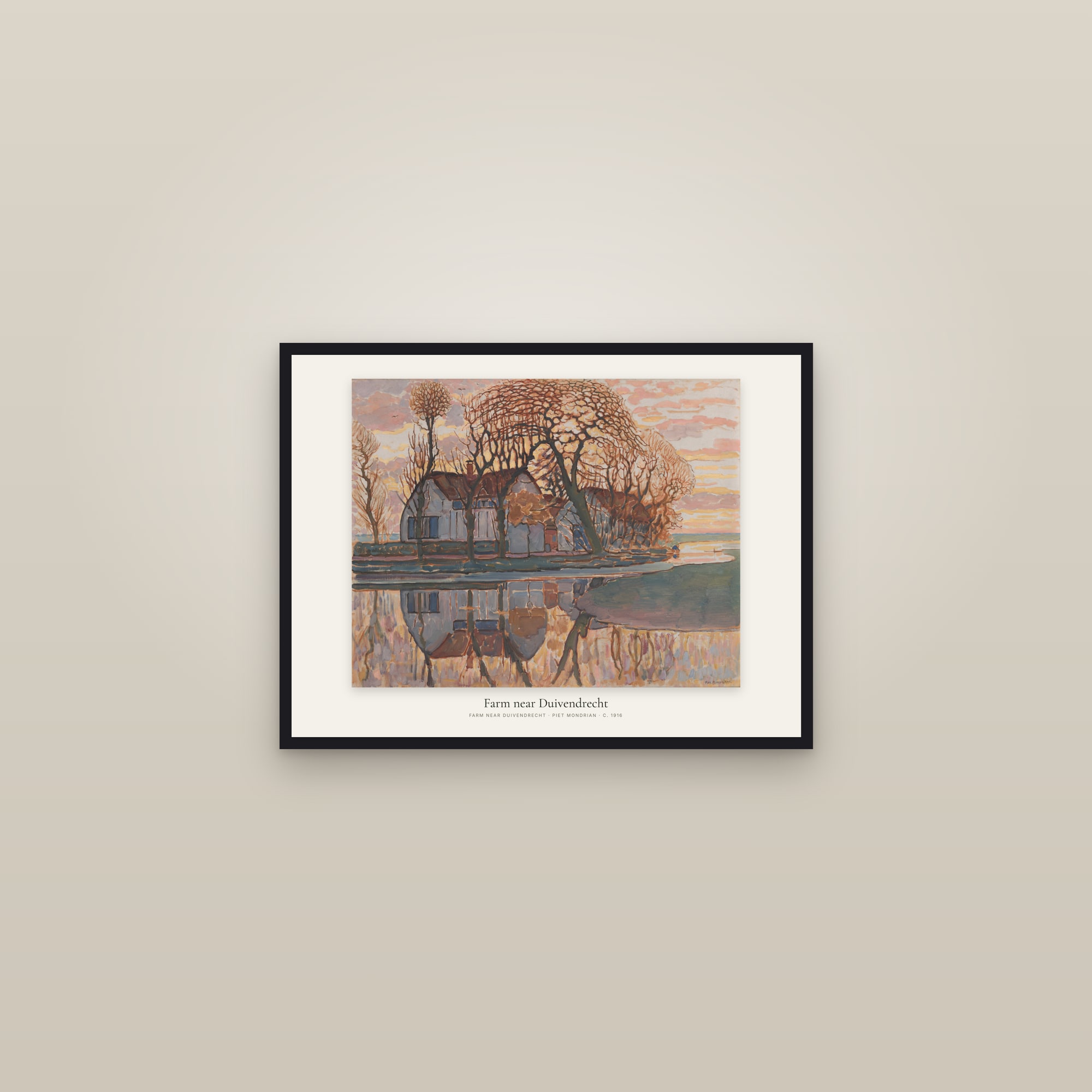
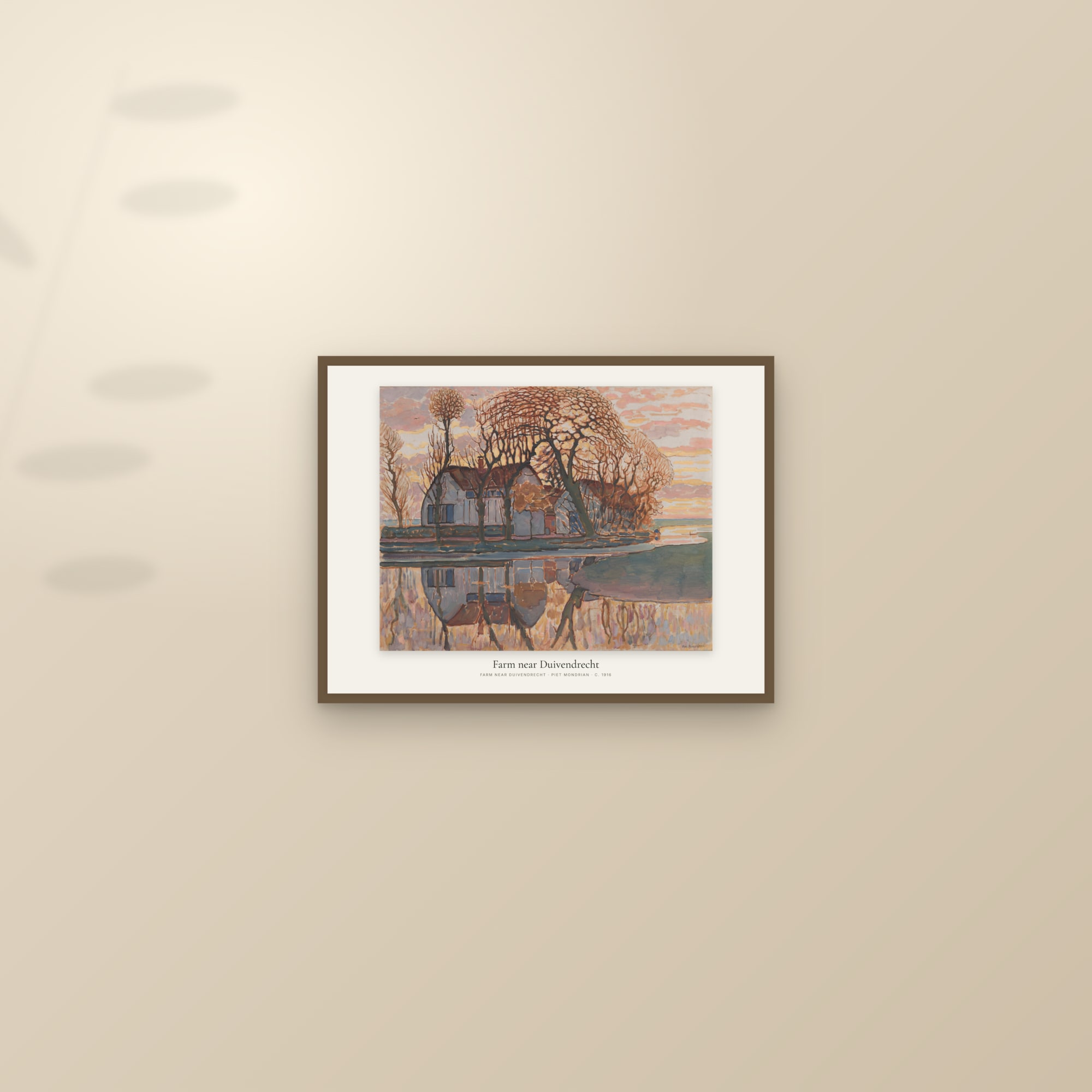
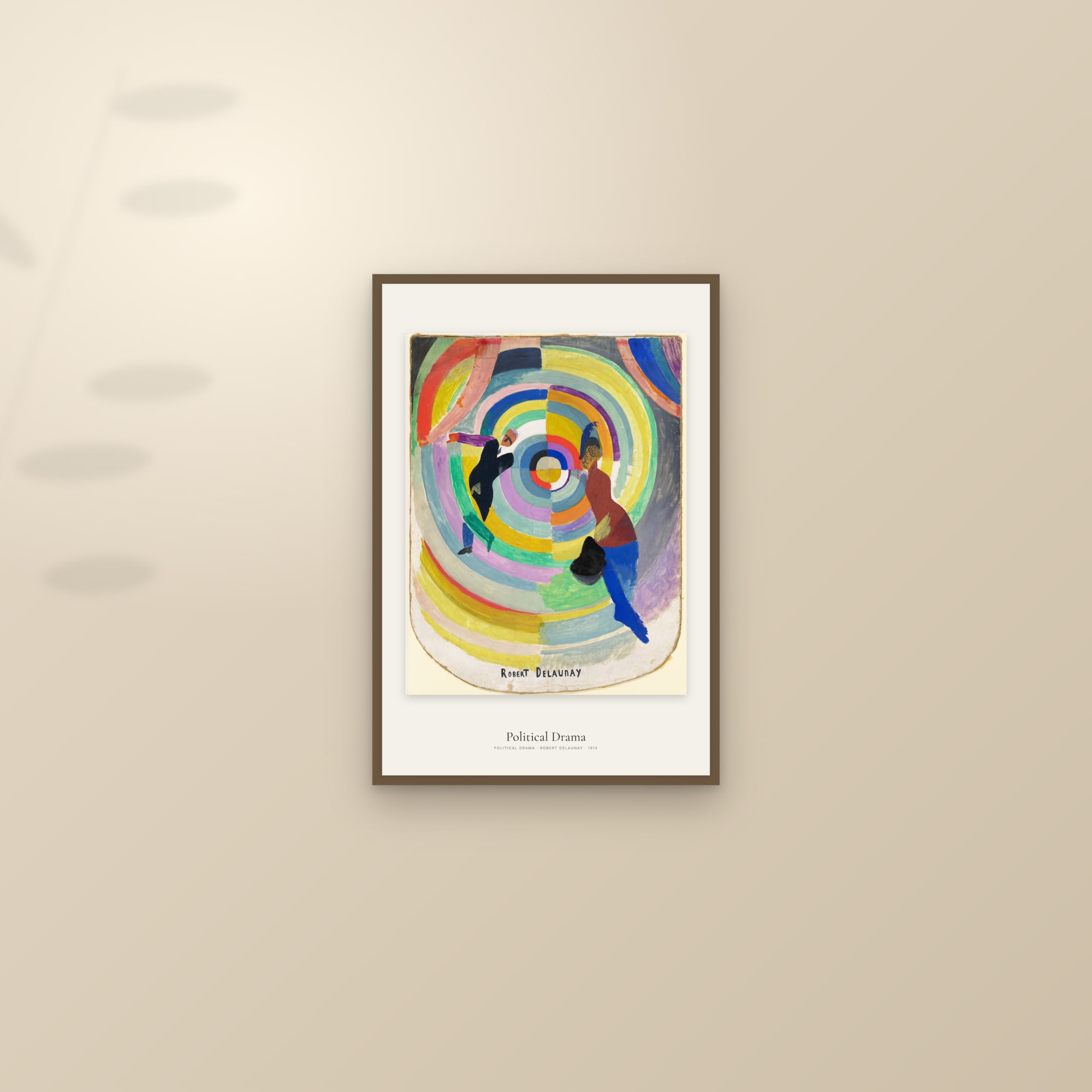
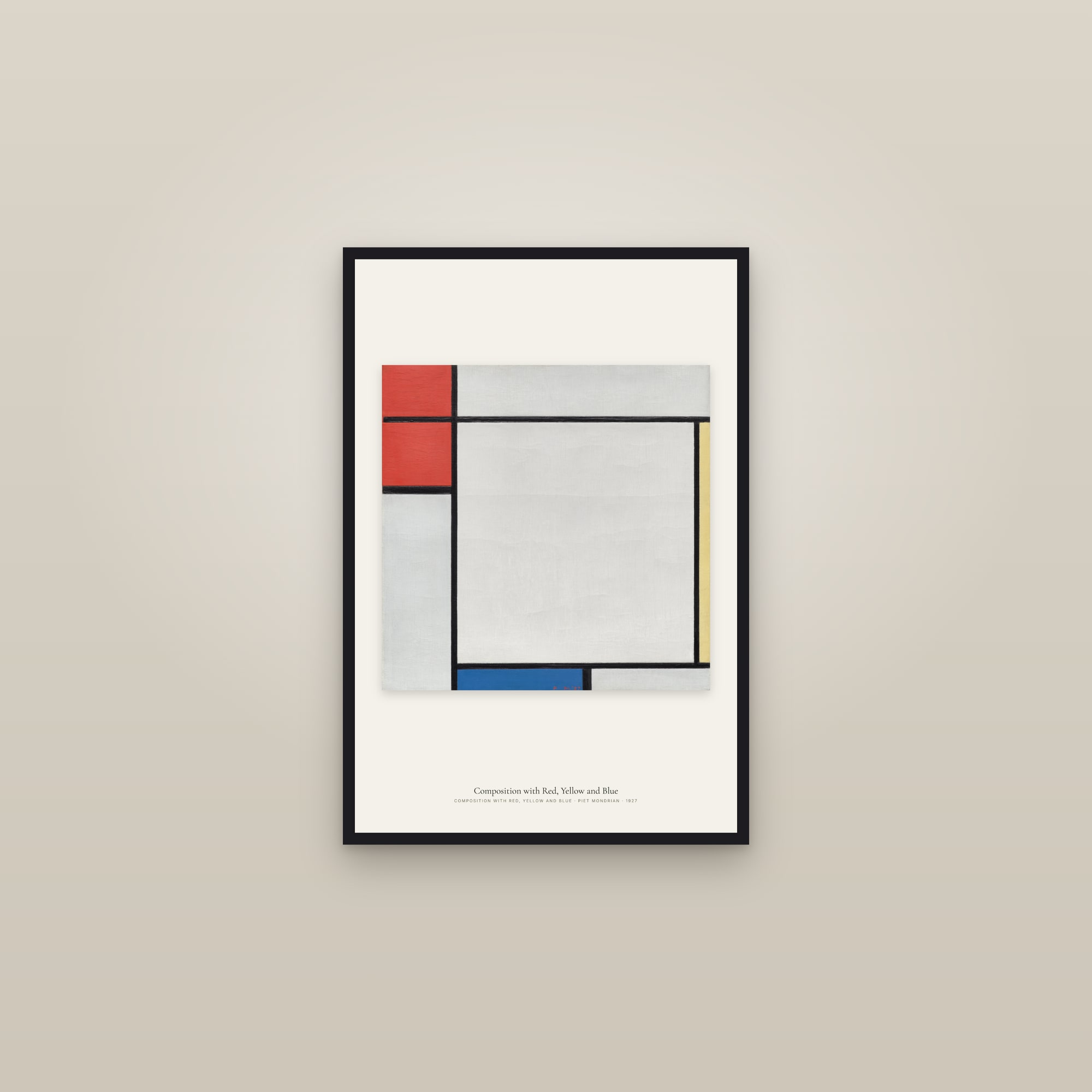
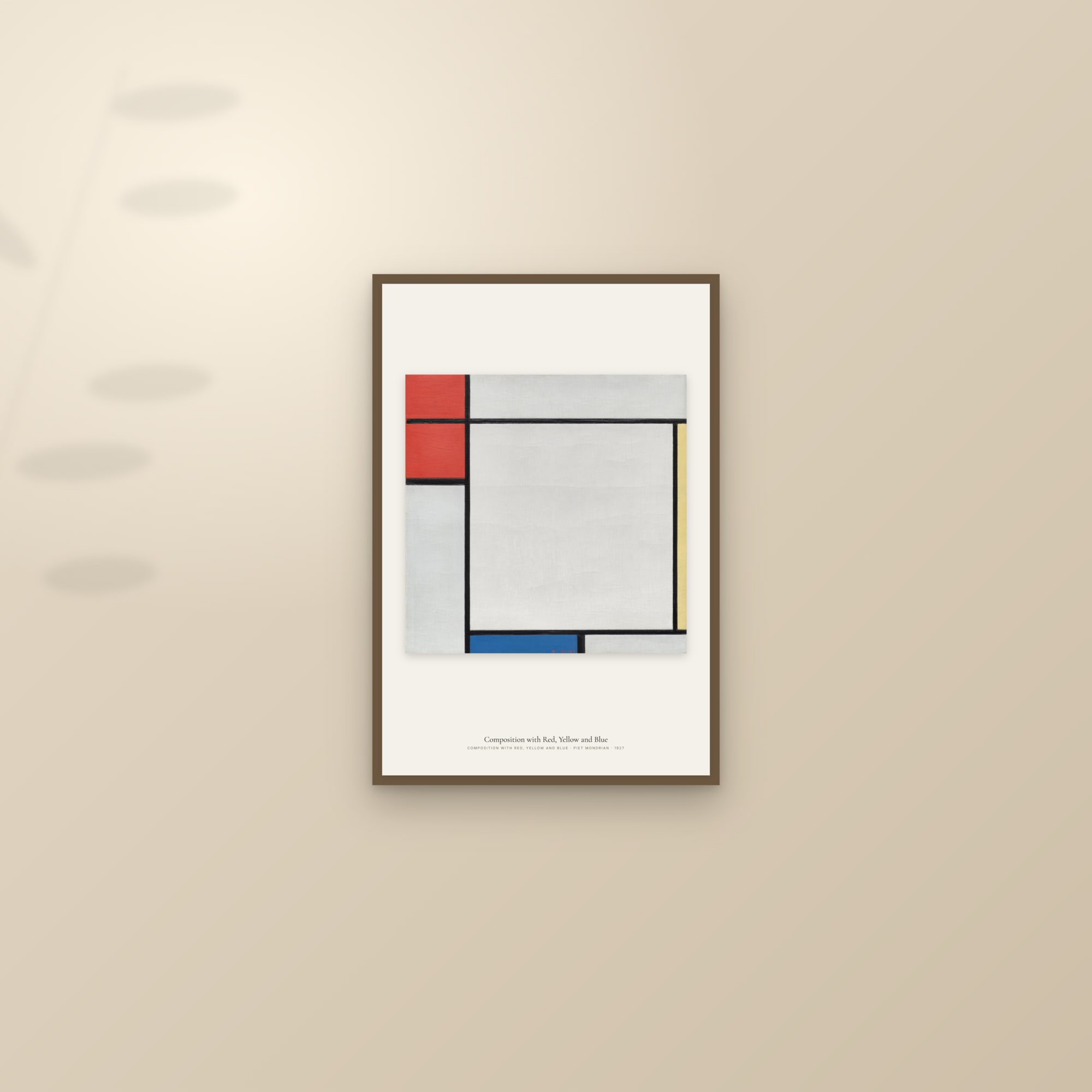
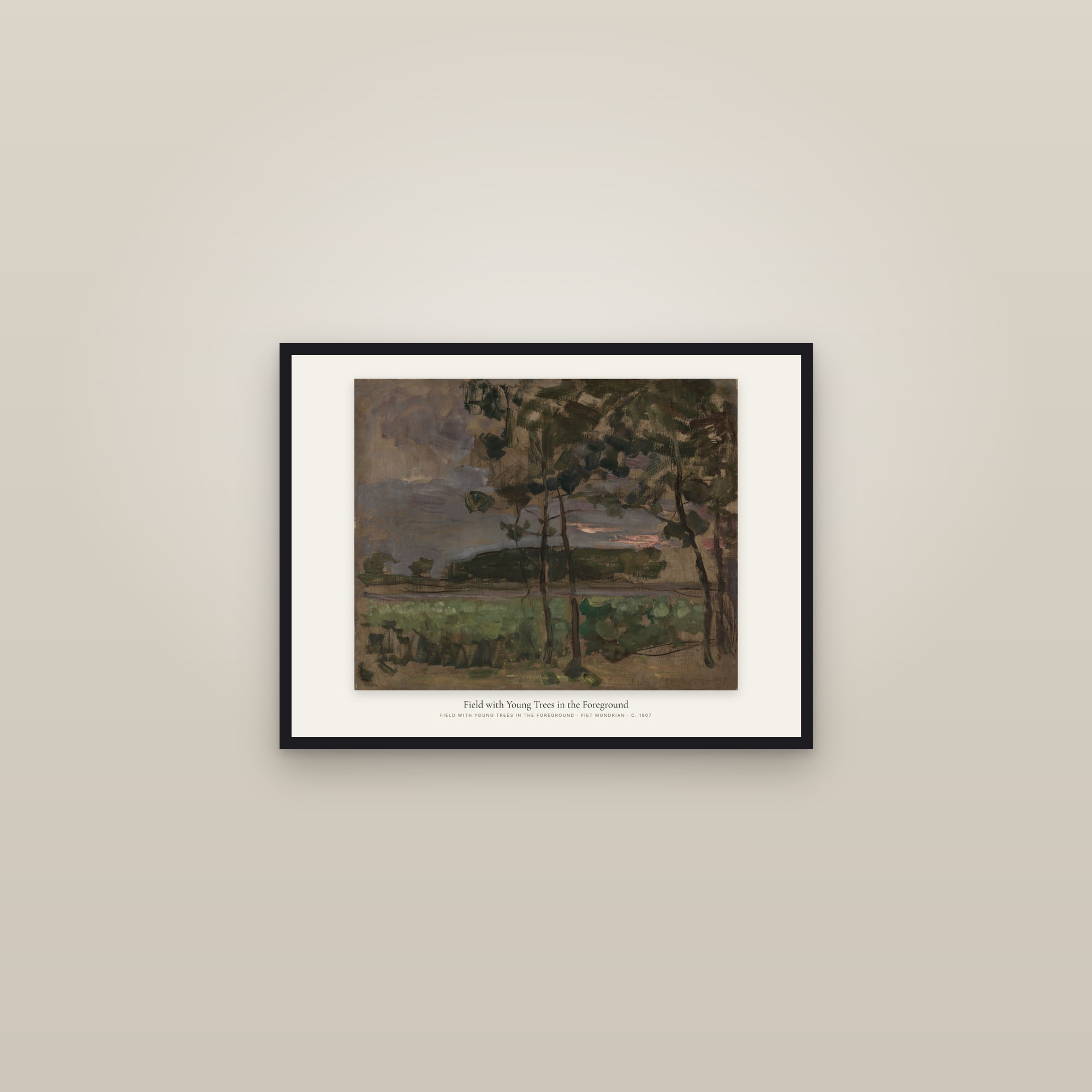
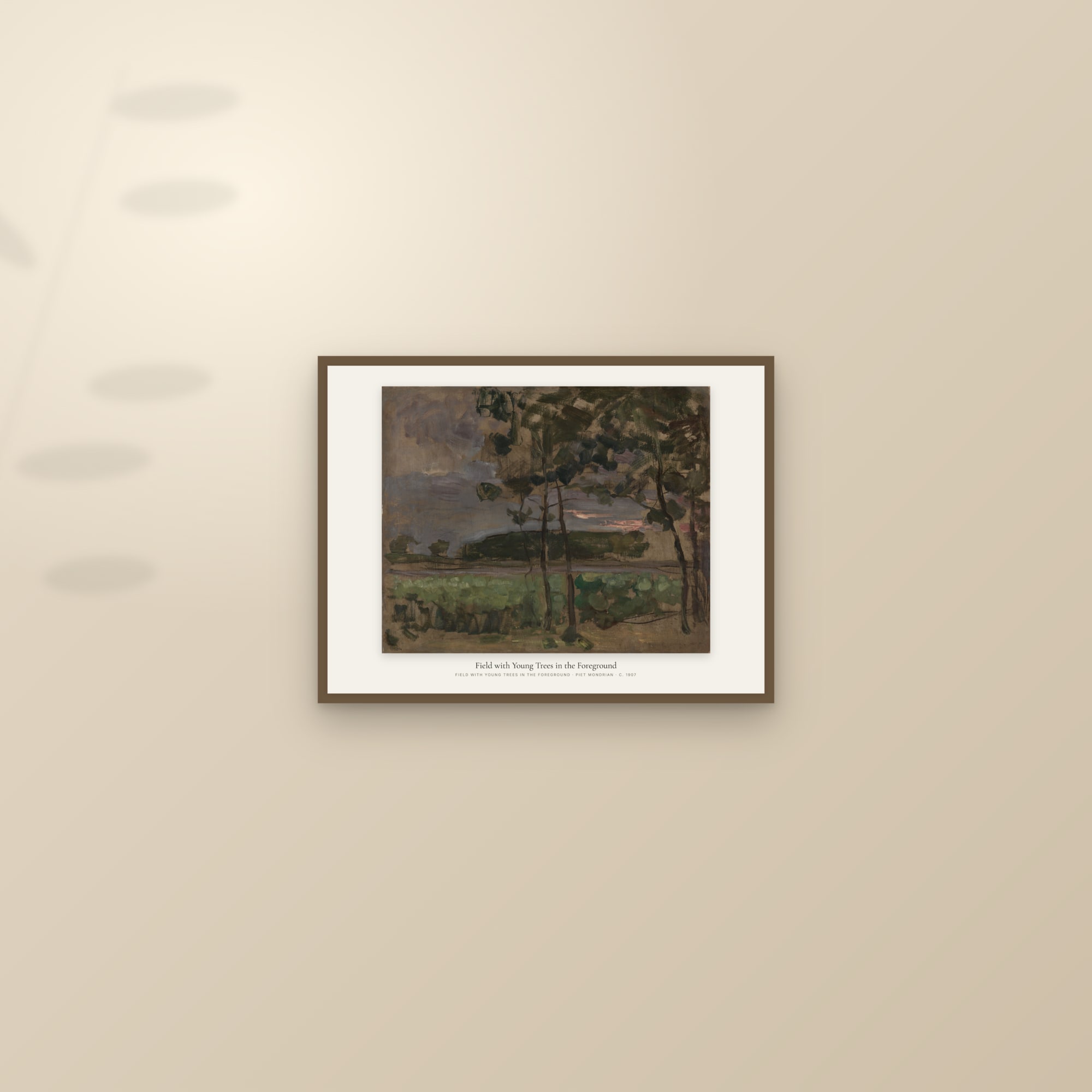
Within a few years before and after 1912, painters in Munich, Paris, Moscow and the Netherlands each arrived at pictures that showed nothing recognisable. Kandinsky, in Munich with the Blue Rider group he founded with Franz Marc, wrote that colour could act on the viewer like music; Delaunay in Paris built canvases from discs of pure colour; Malevich showed a black square on a white ground in Petrograd in 1915 and called it Suprematism; Mondrian, working from trees and the sea at Domburg, reduced painting to black lines and the three primary colours. In the 1920s Kandinsky and Klee taught side by side at the Bauhaus.
On the wall
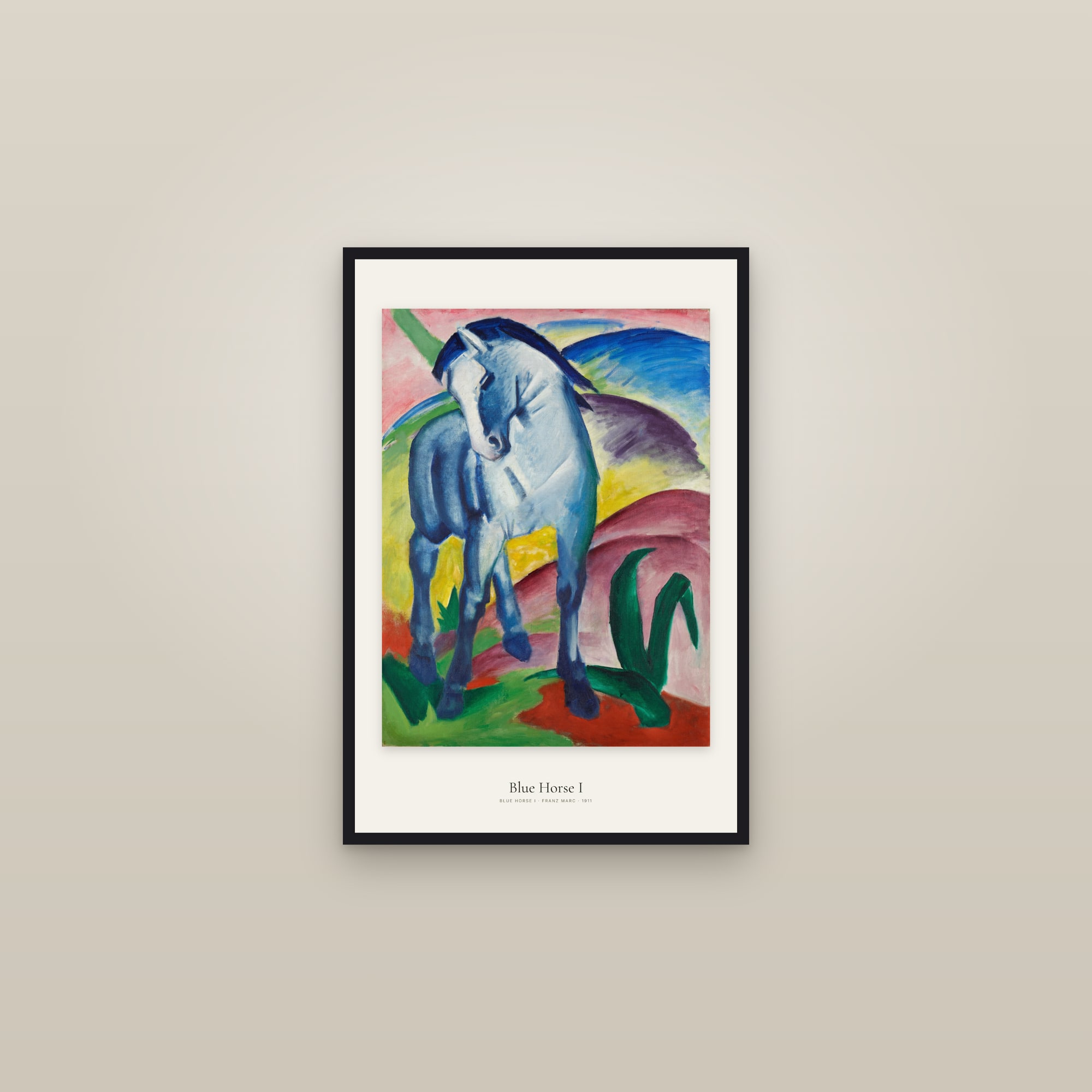
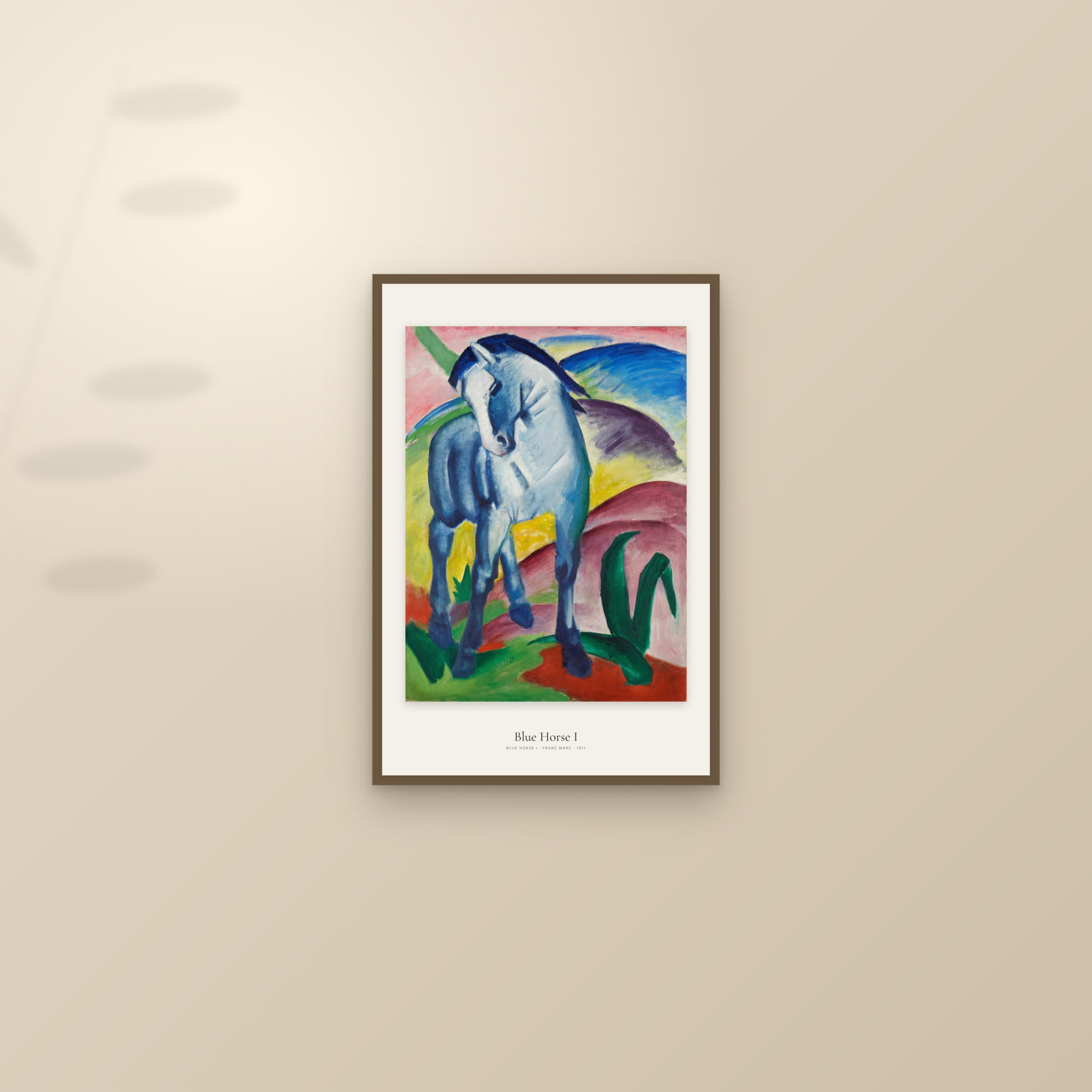
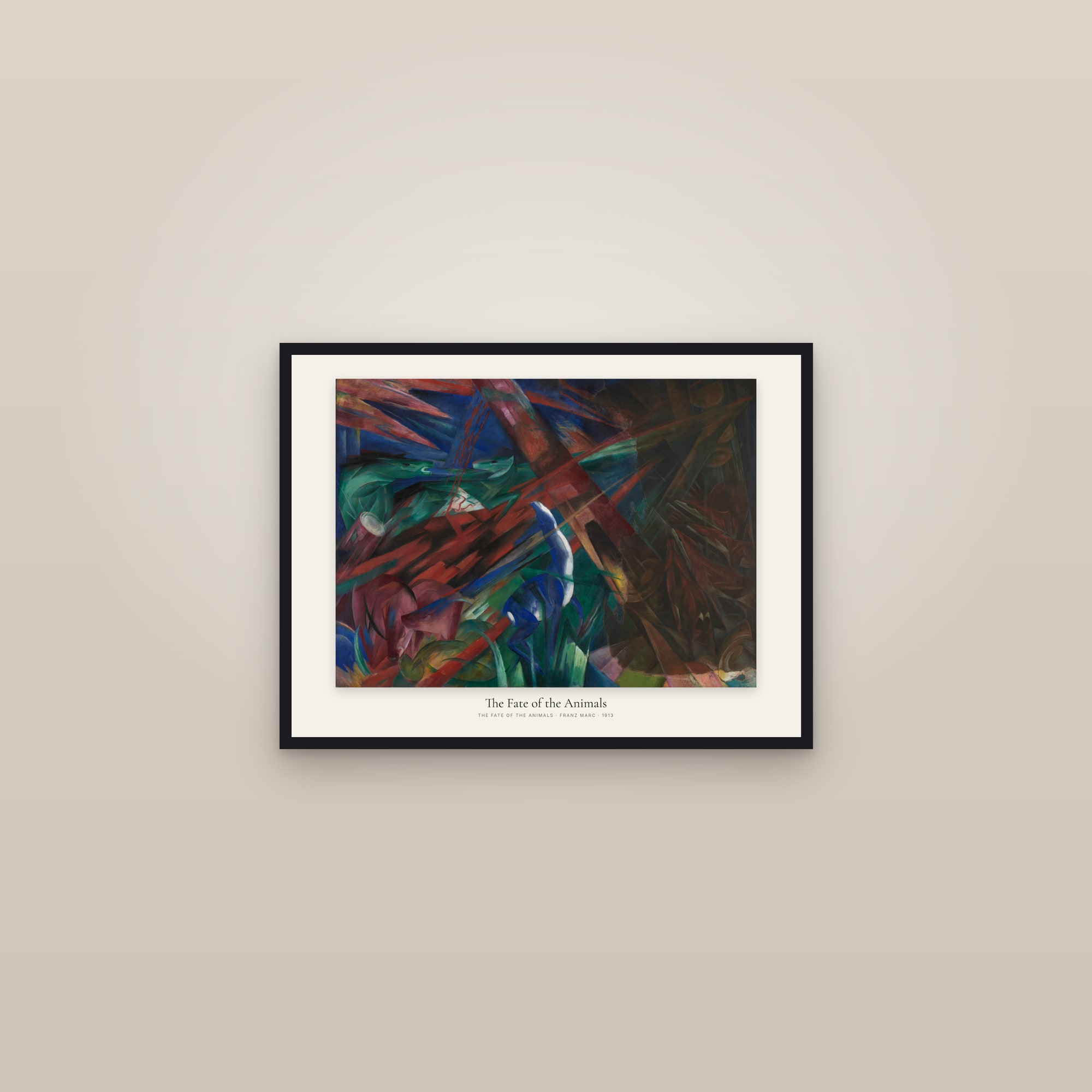
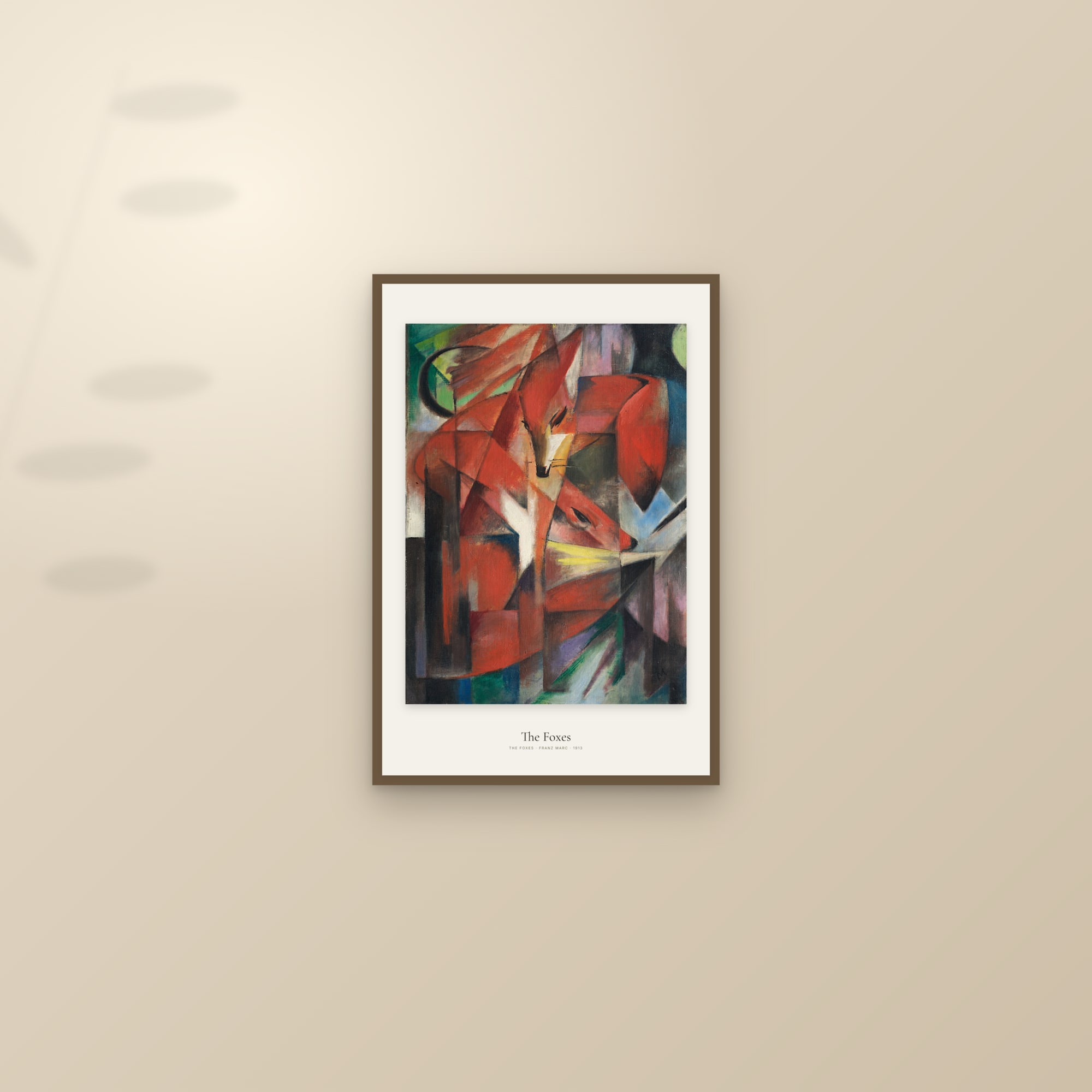
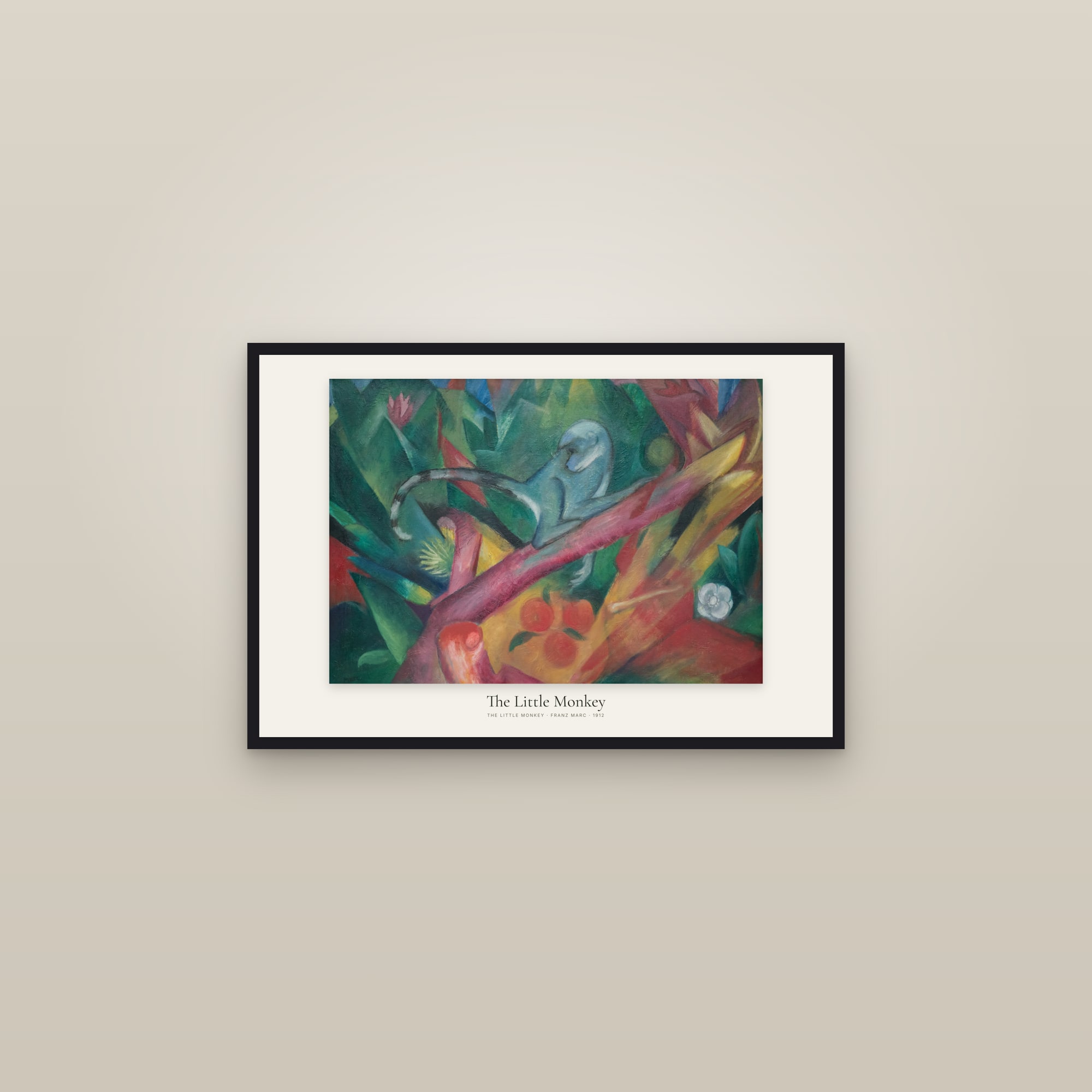
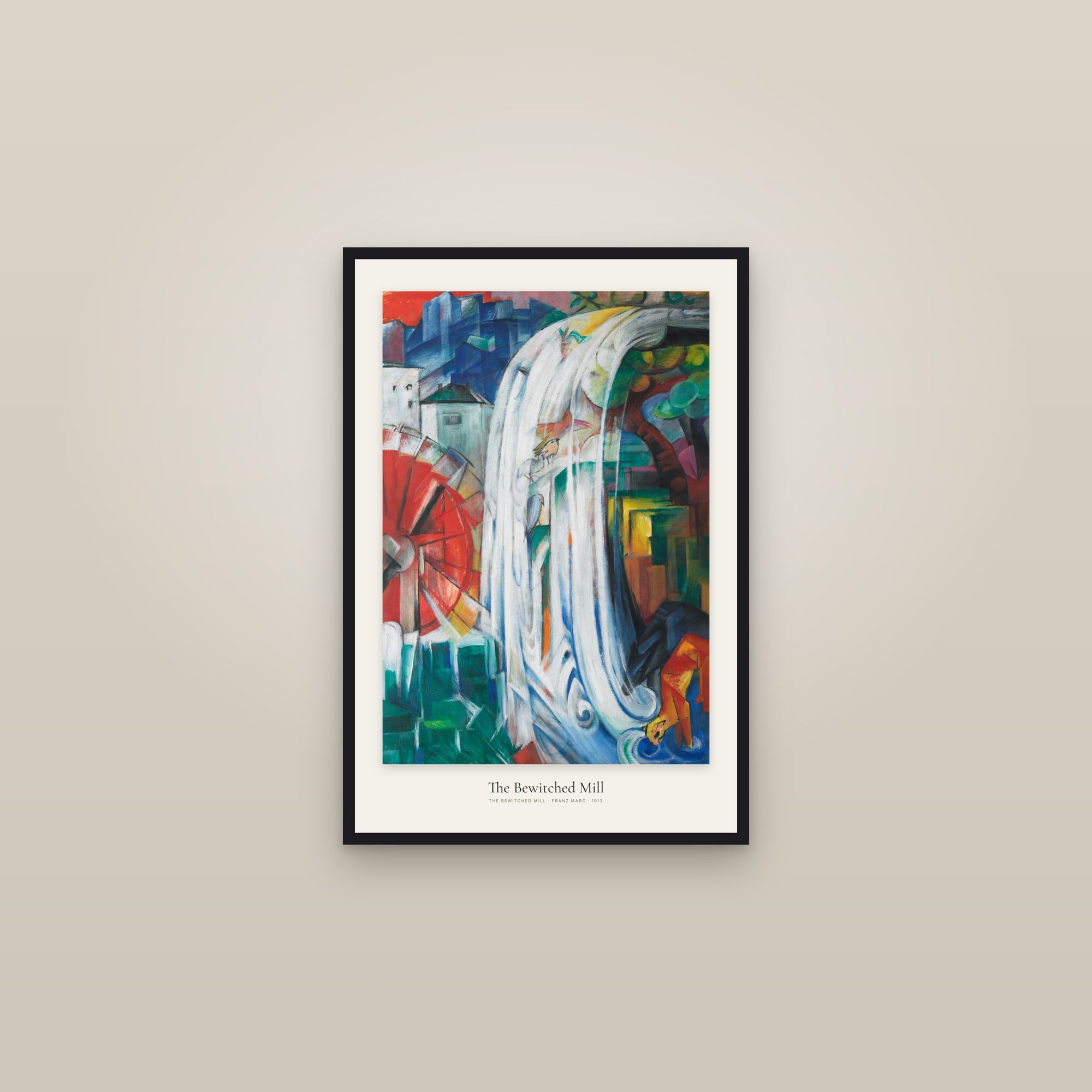
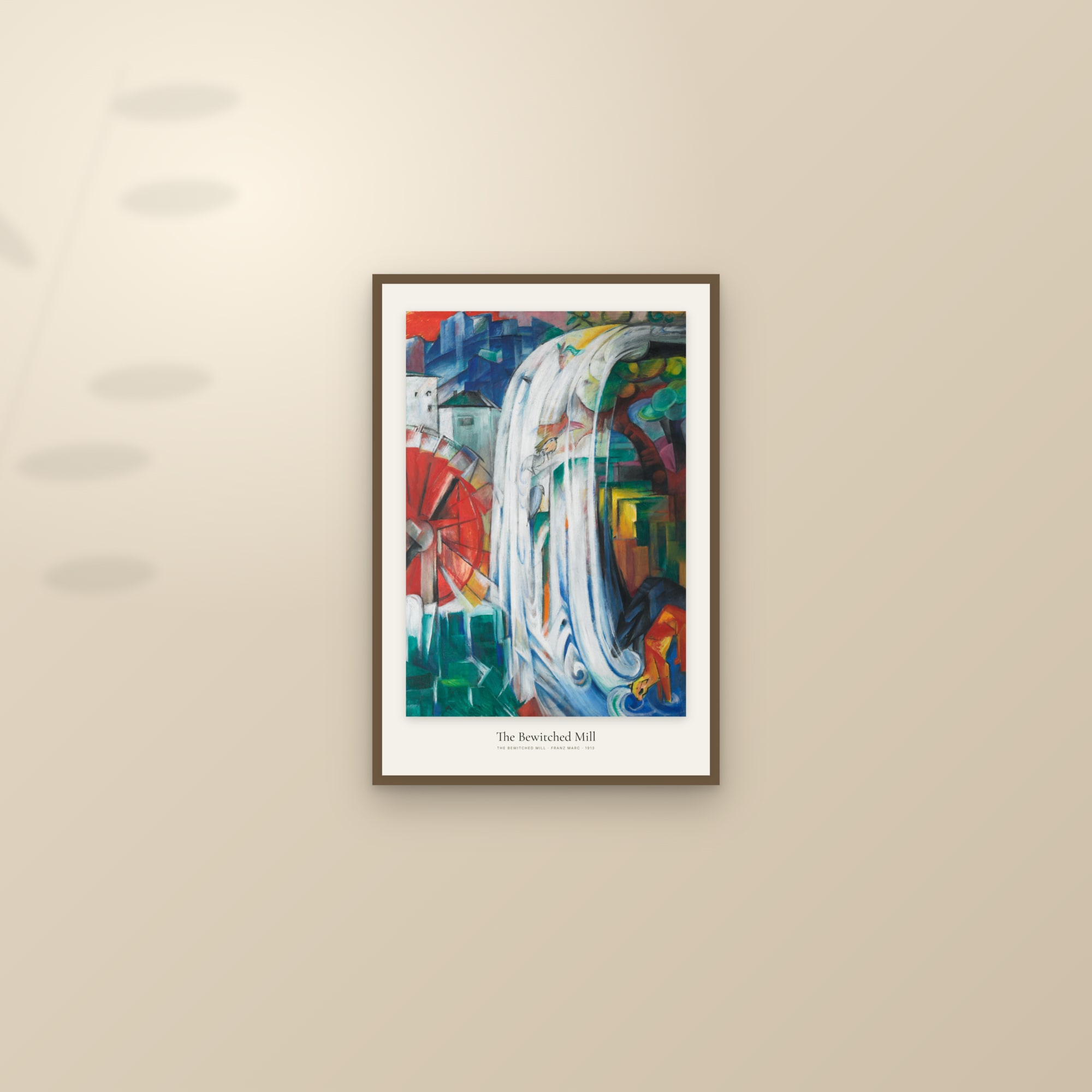
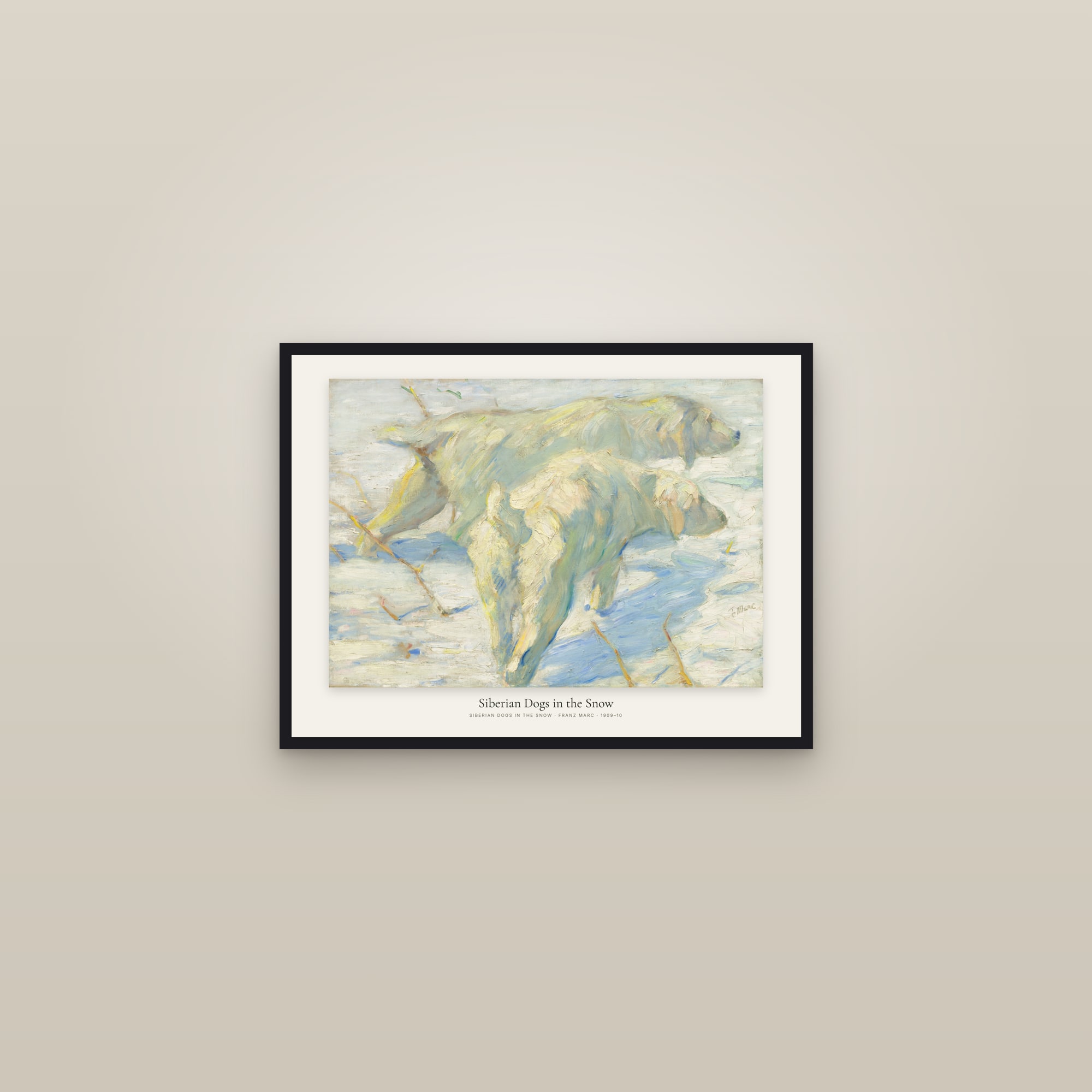
These were among the first paintings meant to be read as colour and rhythm alone, which is why they sit so easily in a modern room. A Mondrian or a Malevich gives a plain white or grey wall a single strong accent; a Kandinsky or a Klee carries a whole wall of colour and suits a sofa wall, a study or a hallway. Franz Marc's blue horses and red foxes bridge the gap for anyone who wants colour with a subject.