Alexej von Jawlensky Prints
1864–1941 · Russian (later German) · Expressionism
Wall art by Alexej von Jawlensky, restored in-house and printed to order on heavyweight matte fine-art paper.
10 prints · printed to order on heavyweight matte paper · framed or unframed
About Alexej von Jawlensky
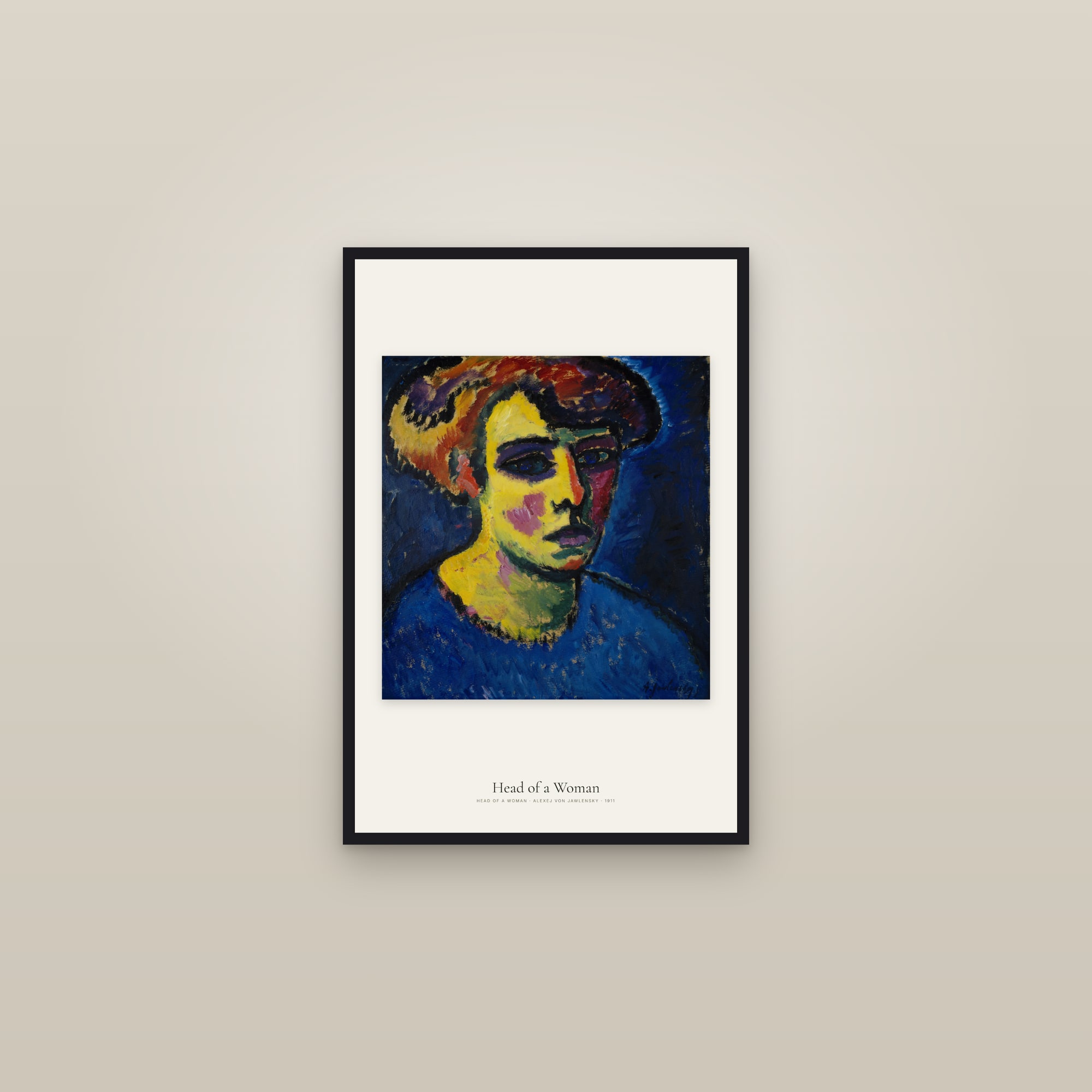
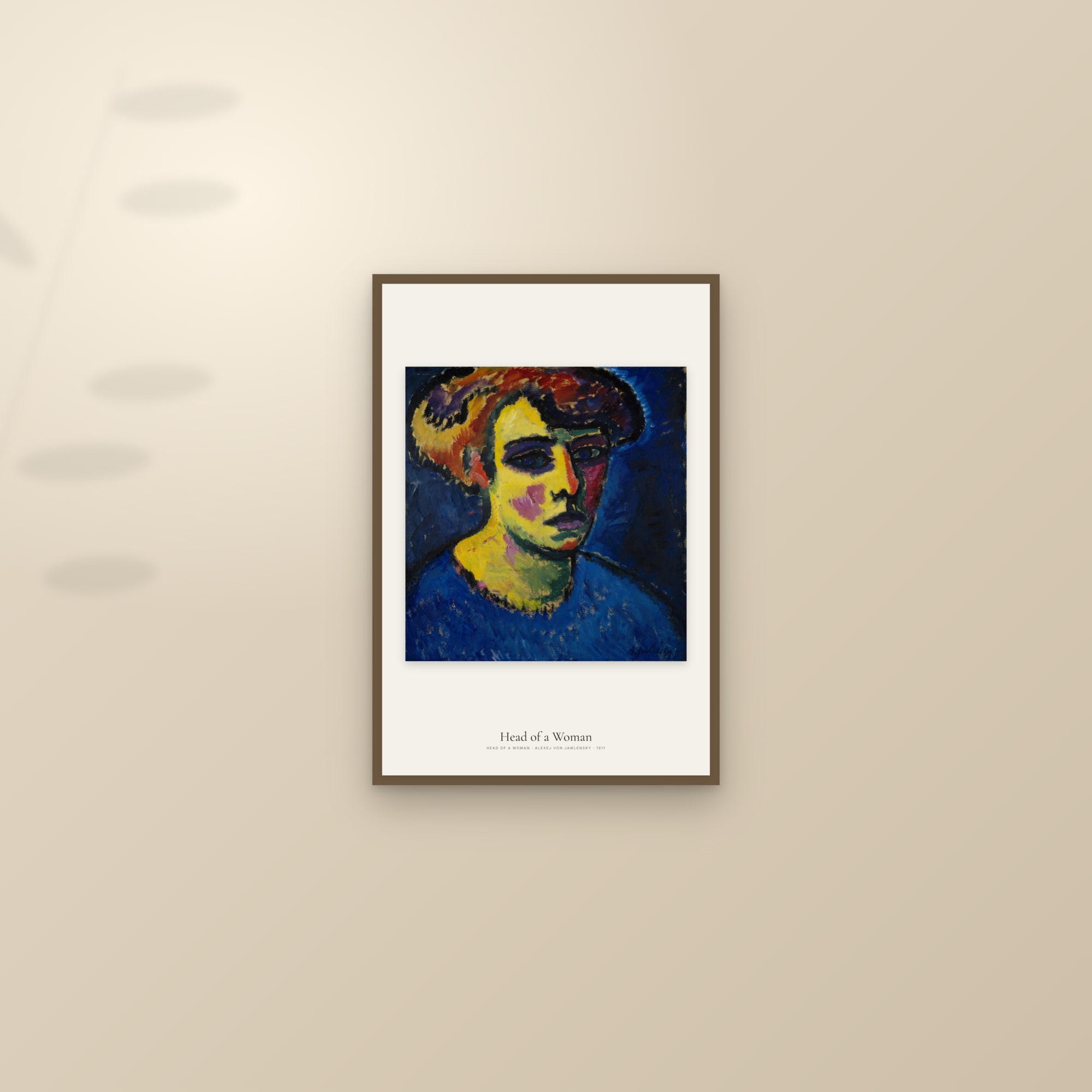
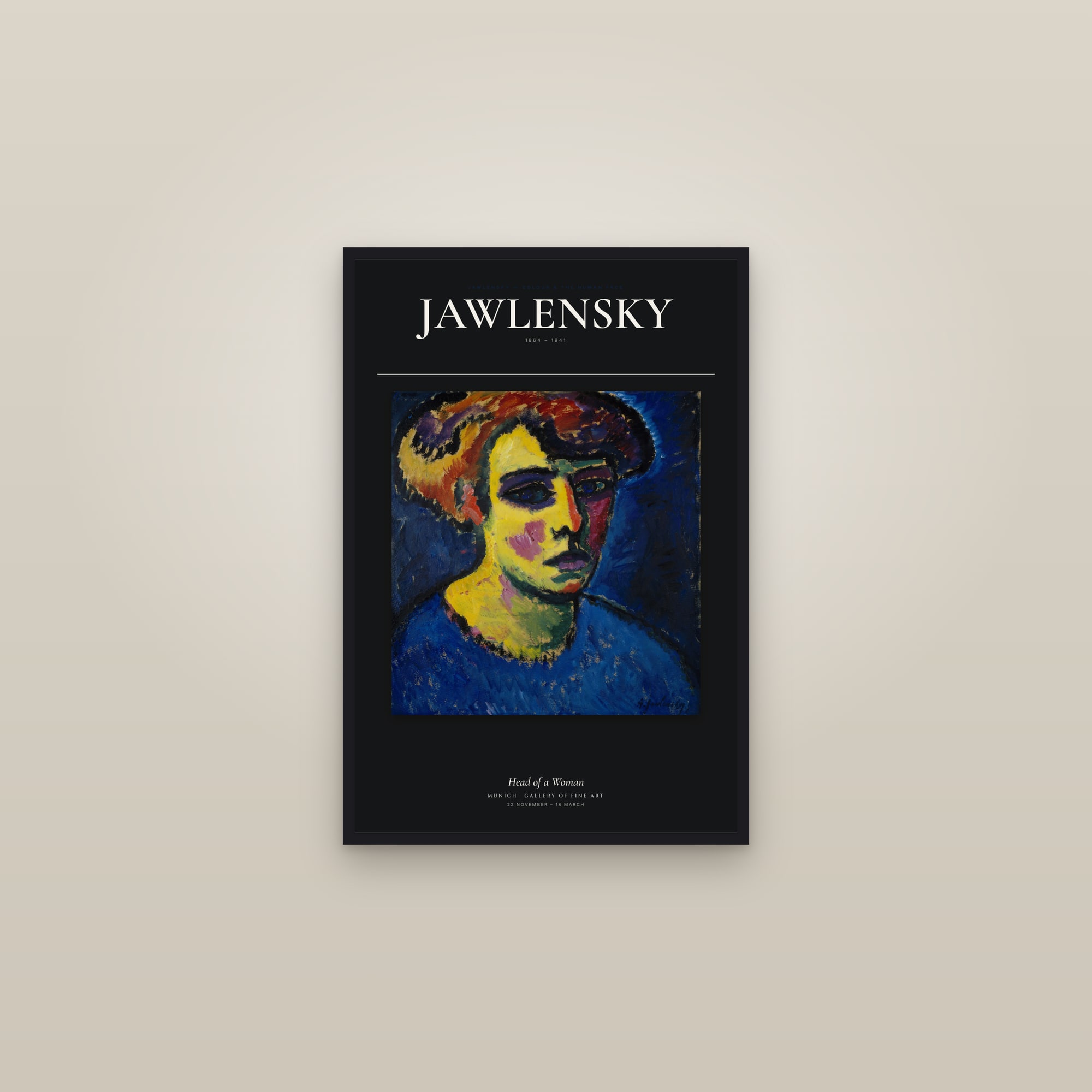
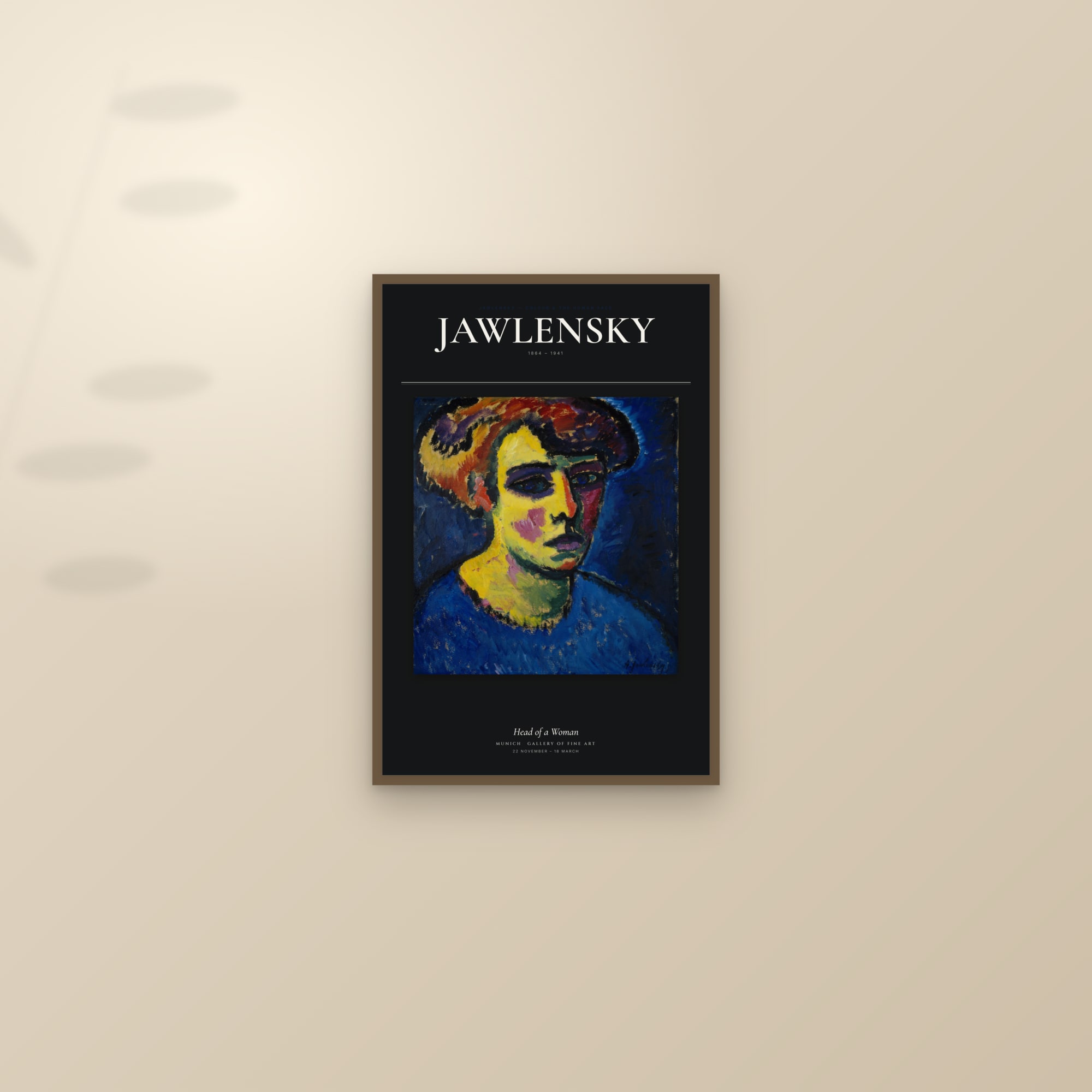
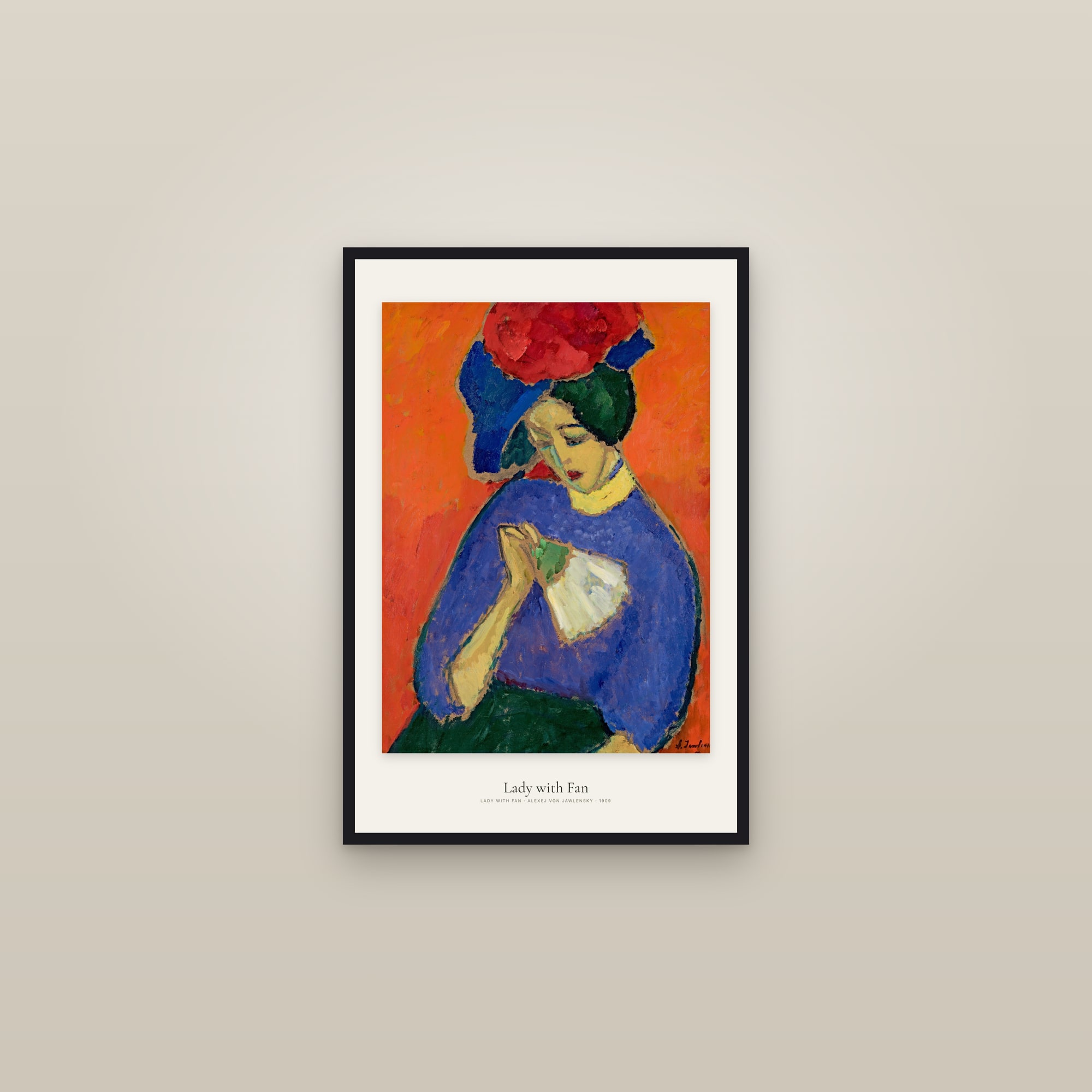
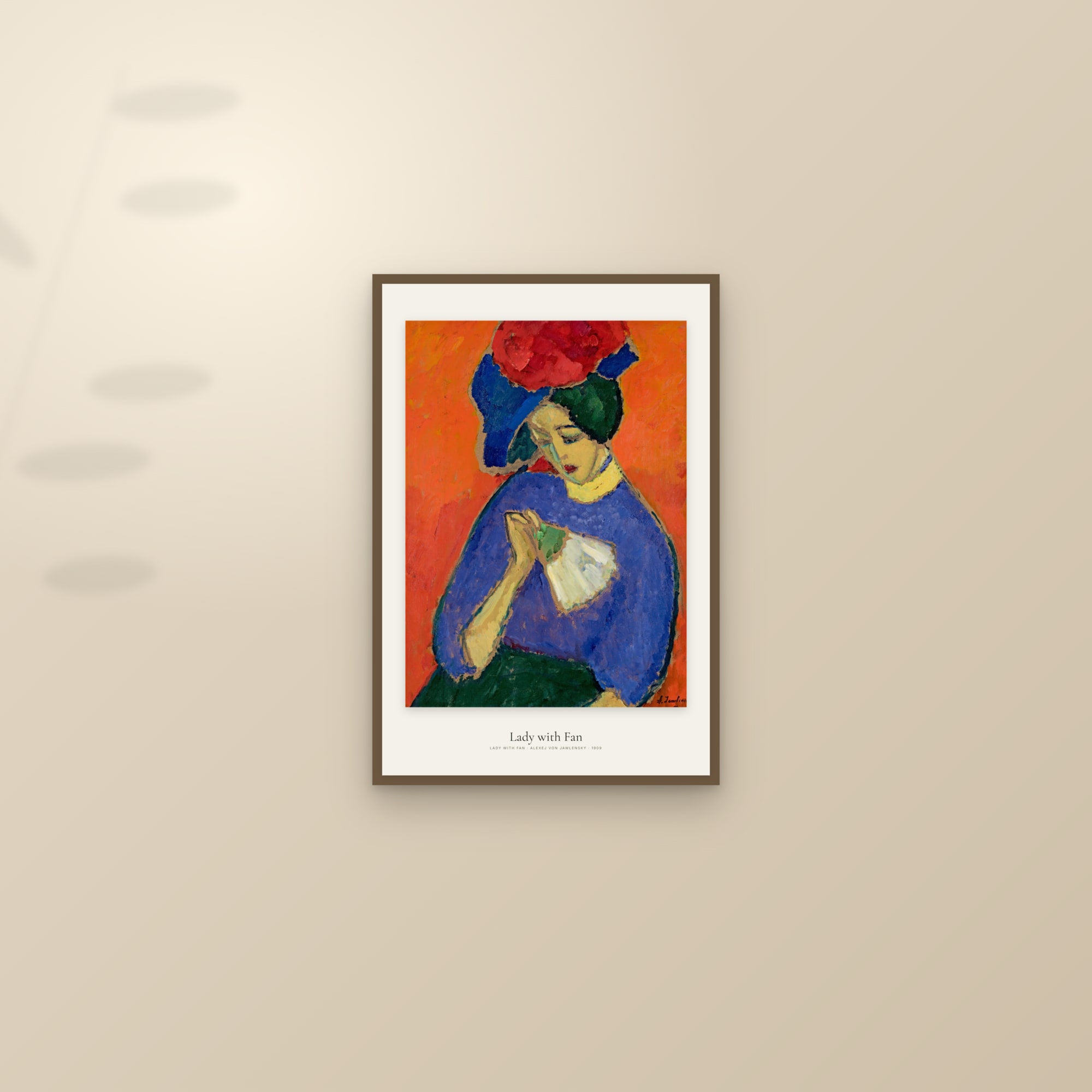
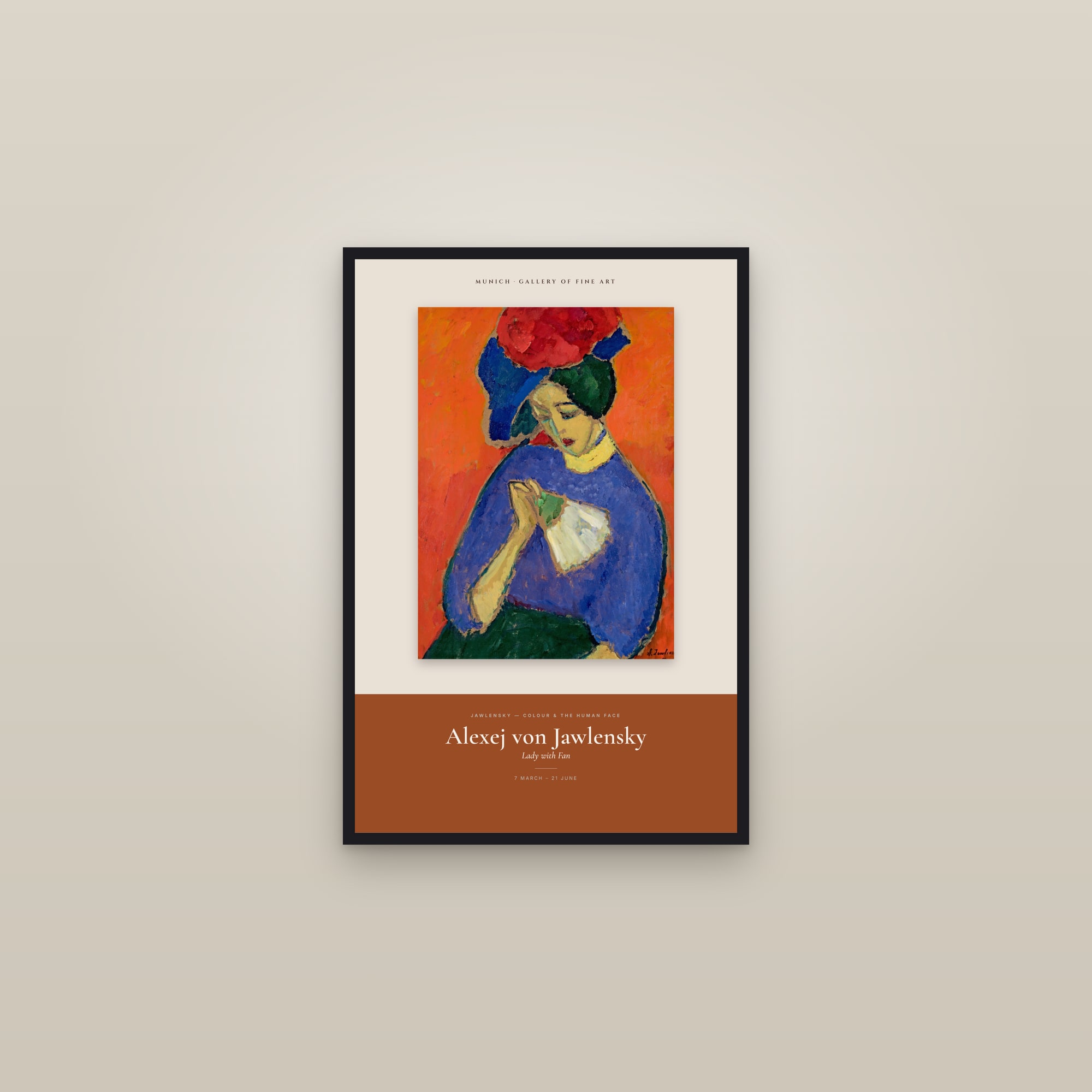
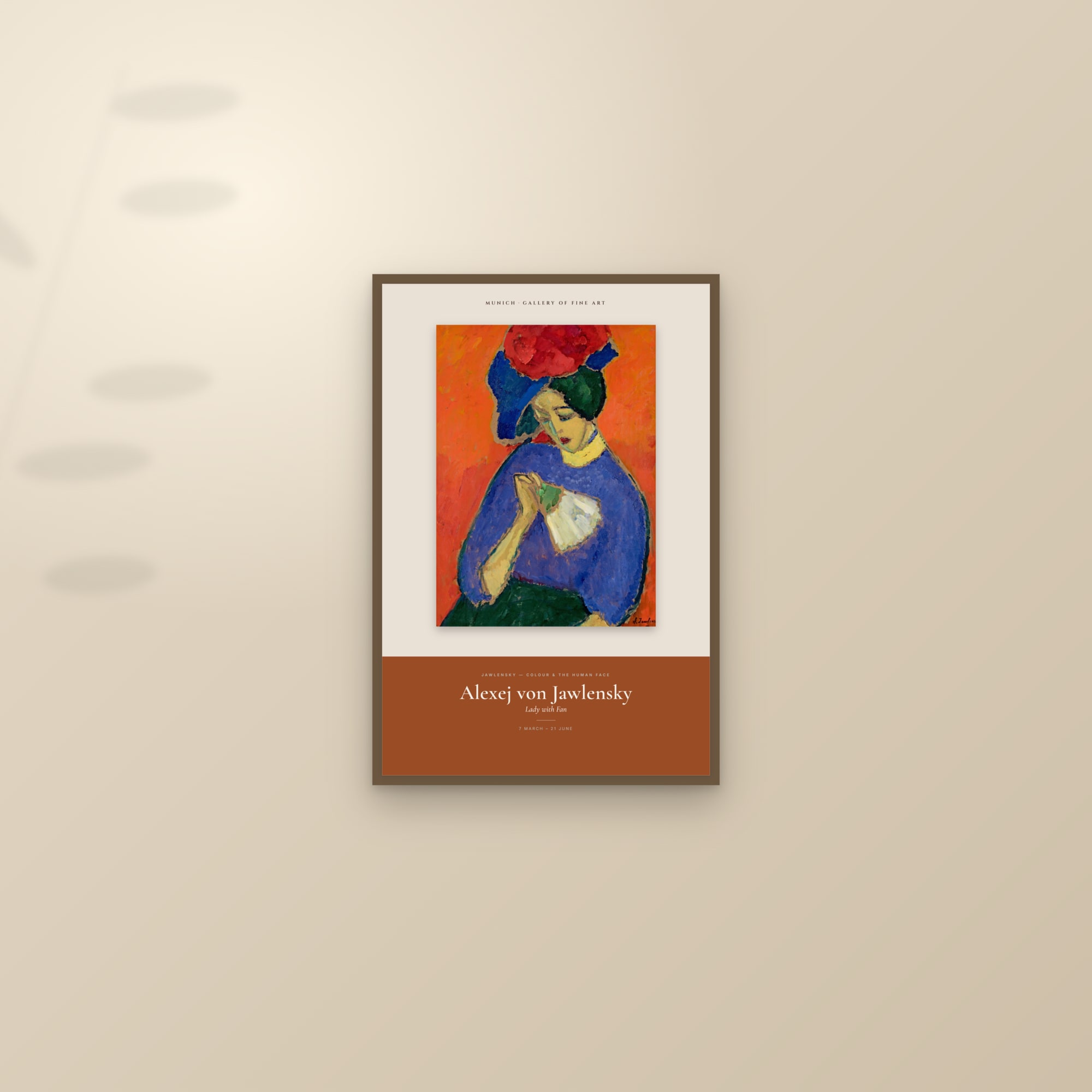
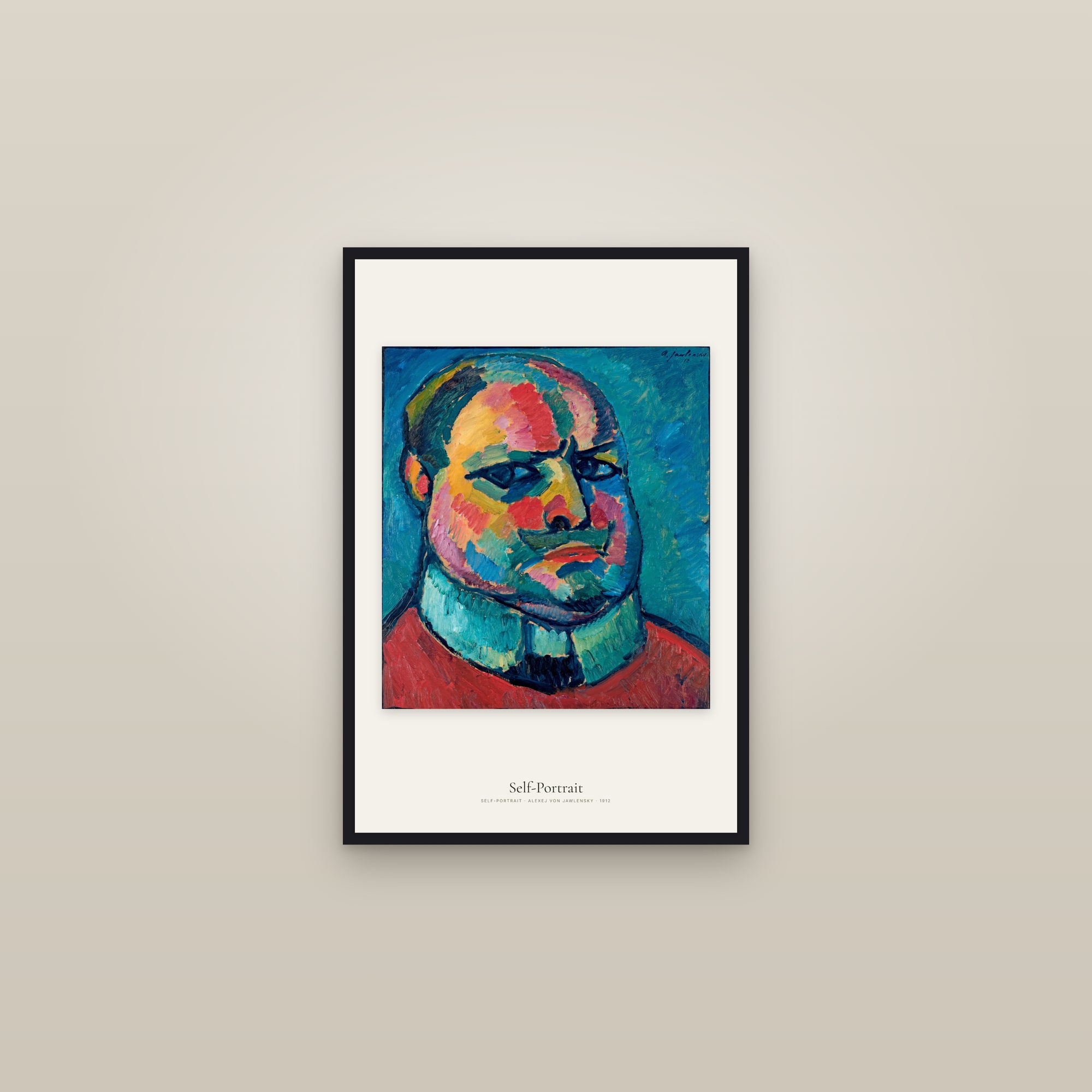
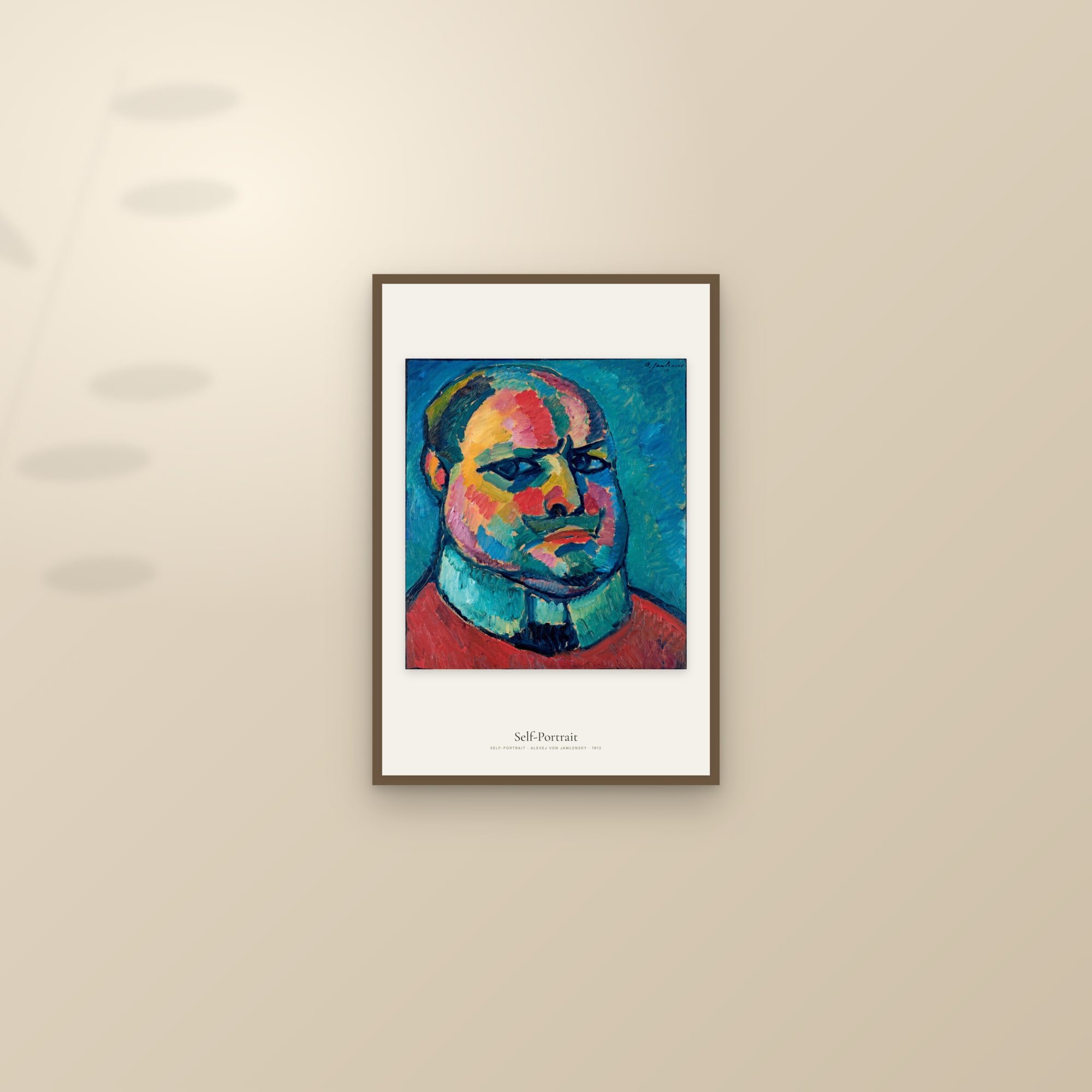
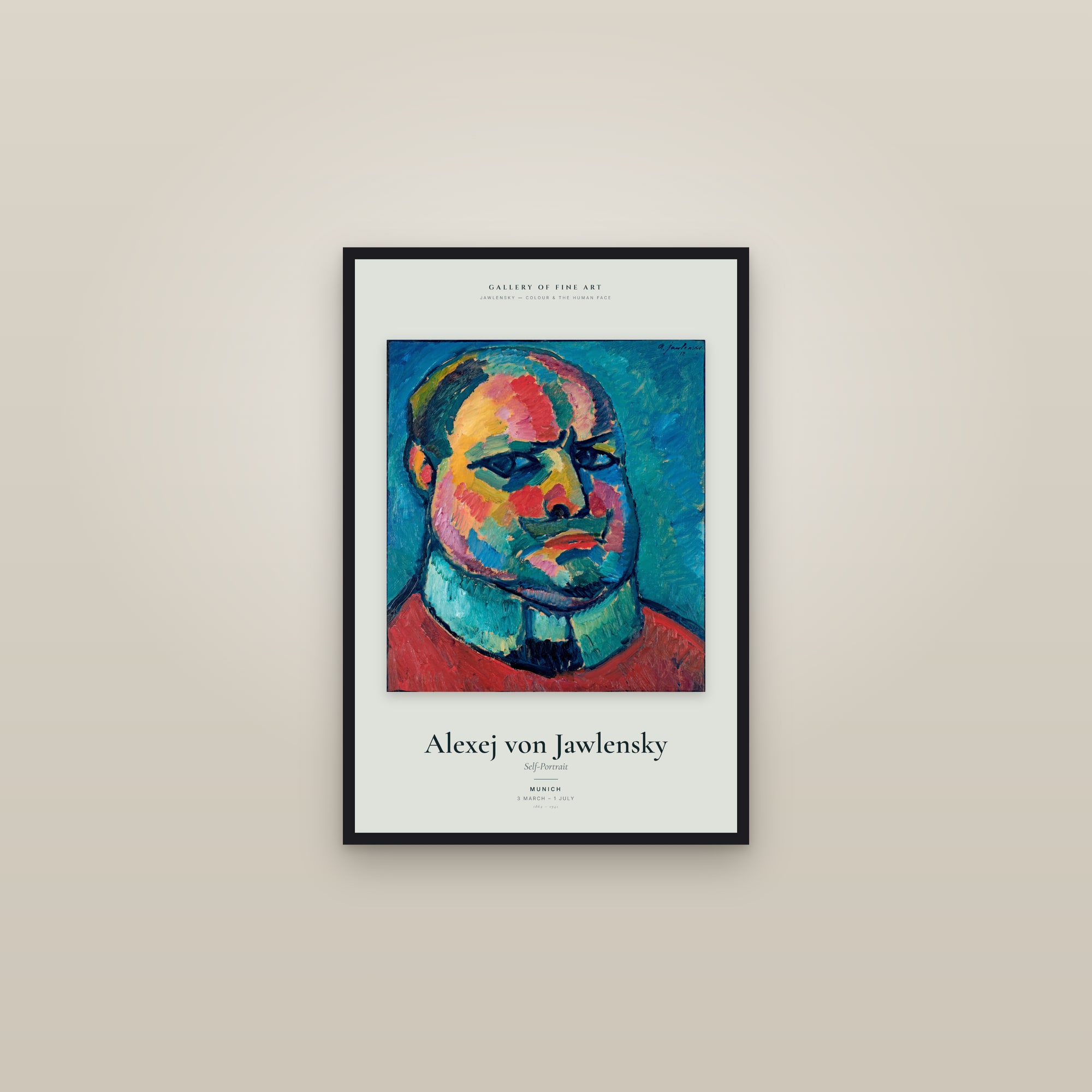
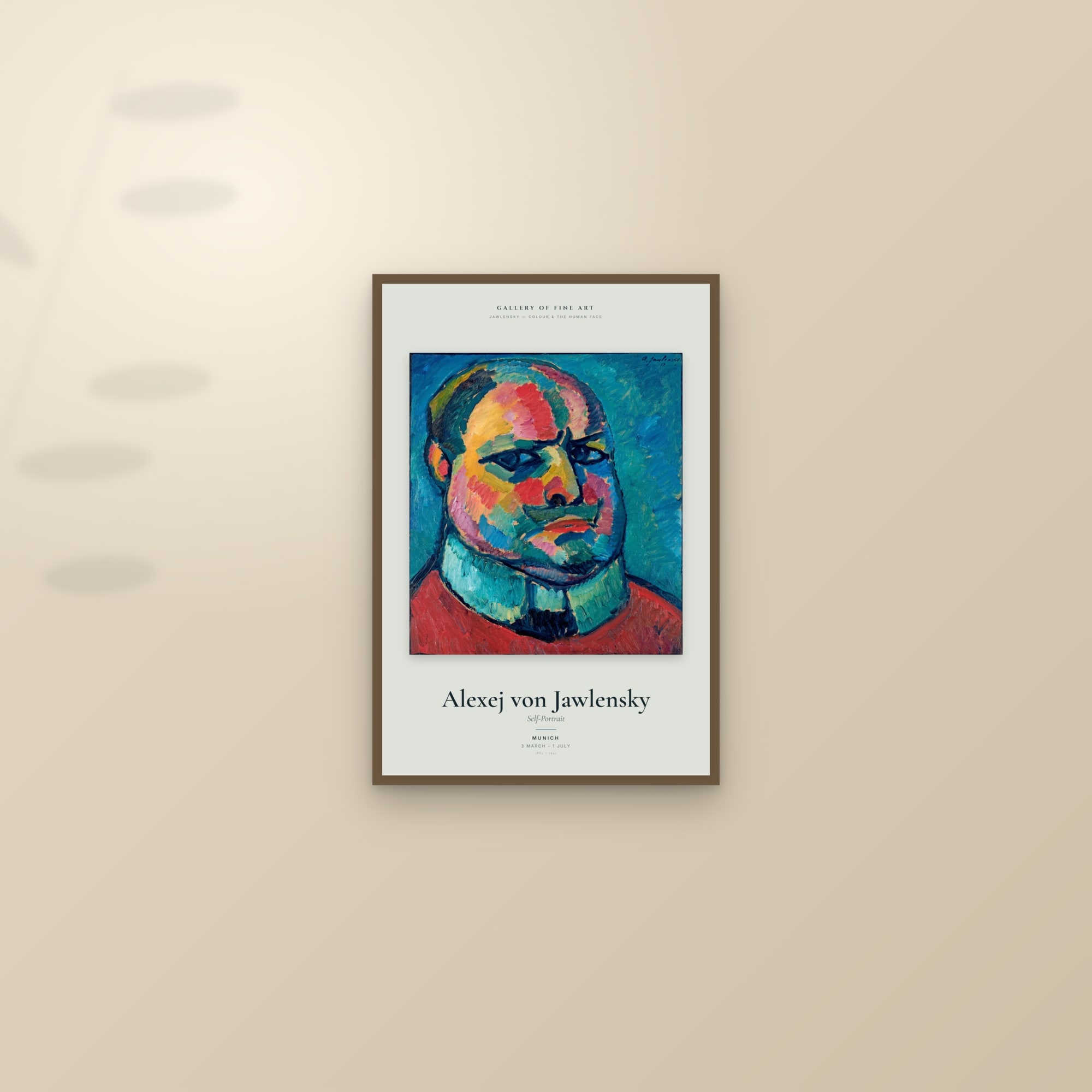
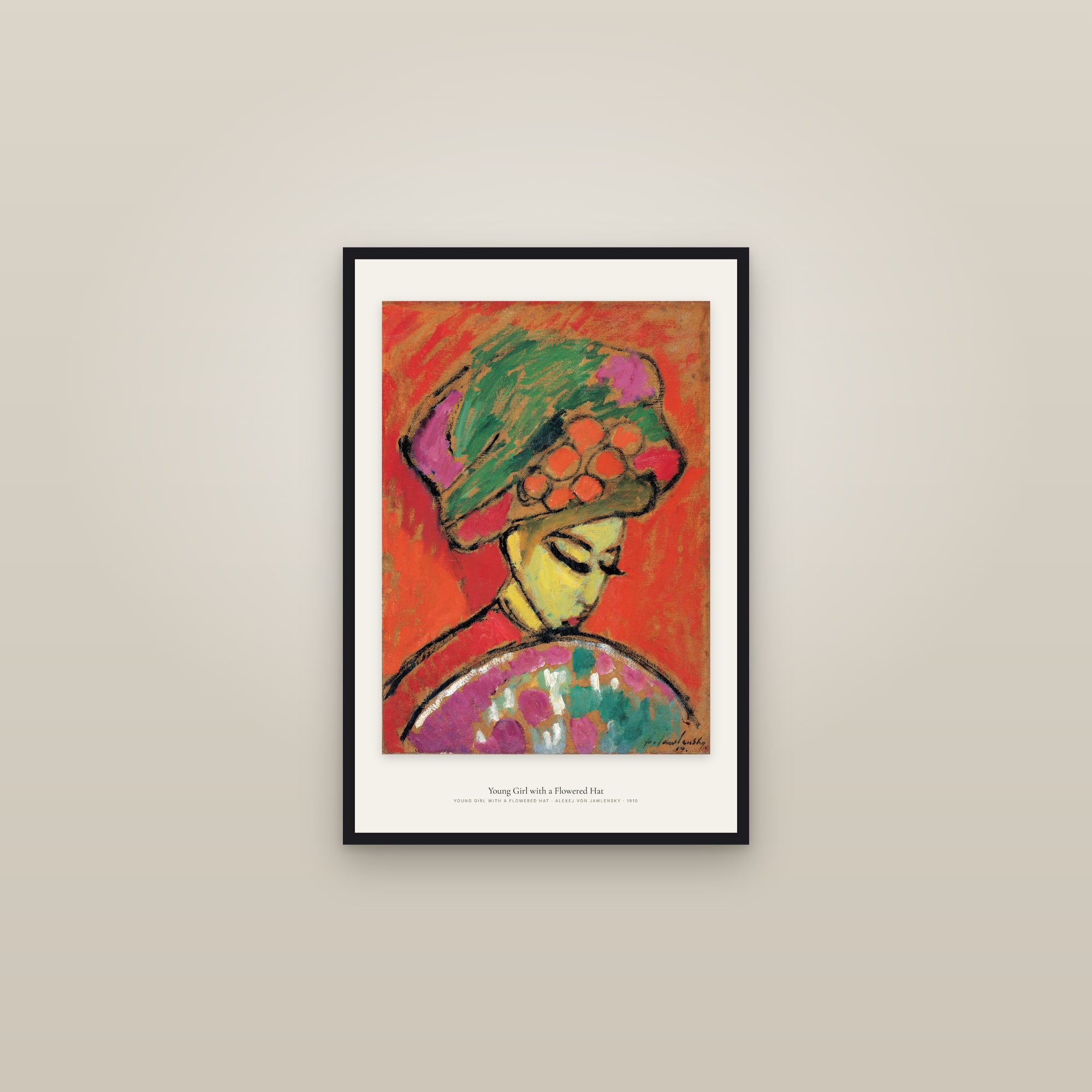
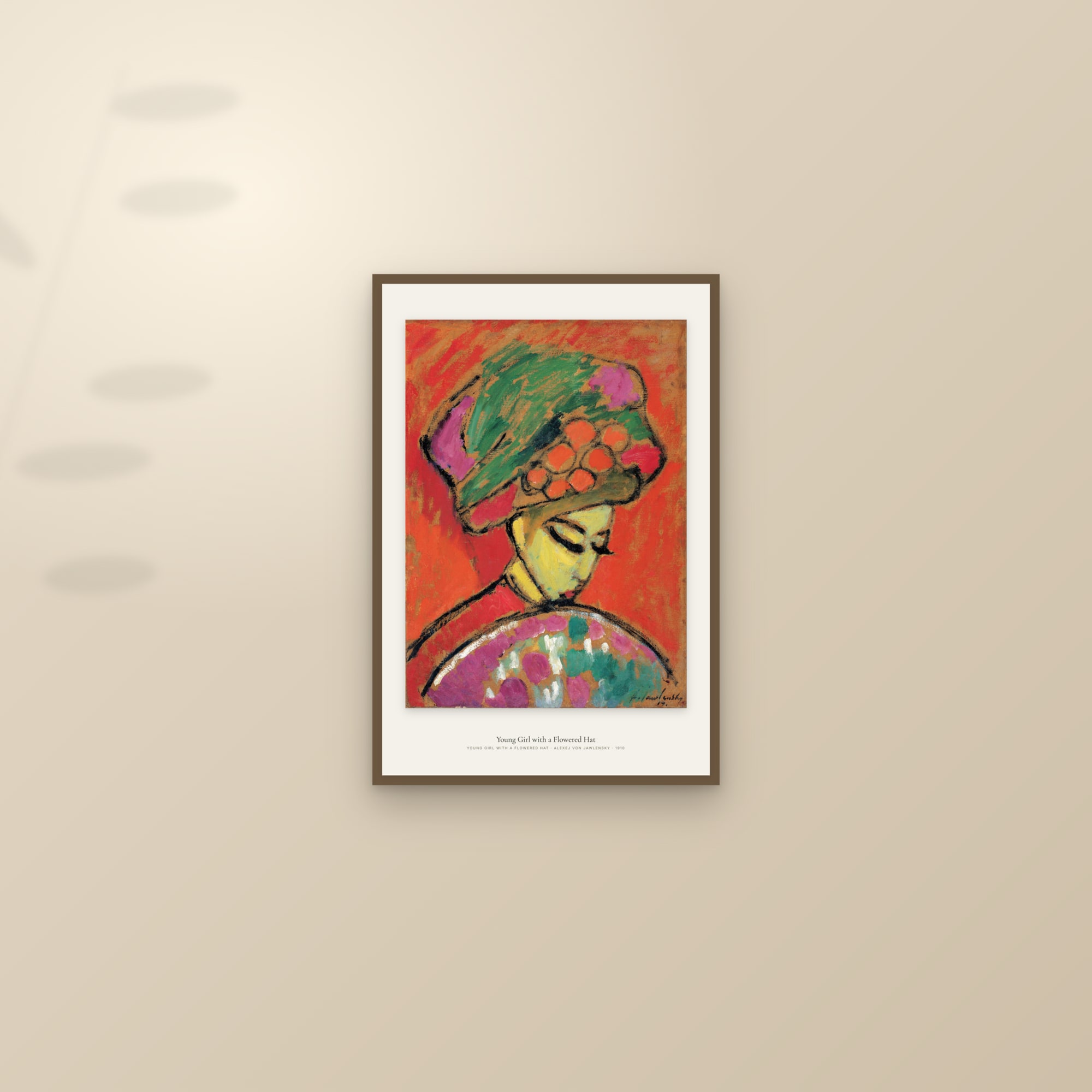
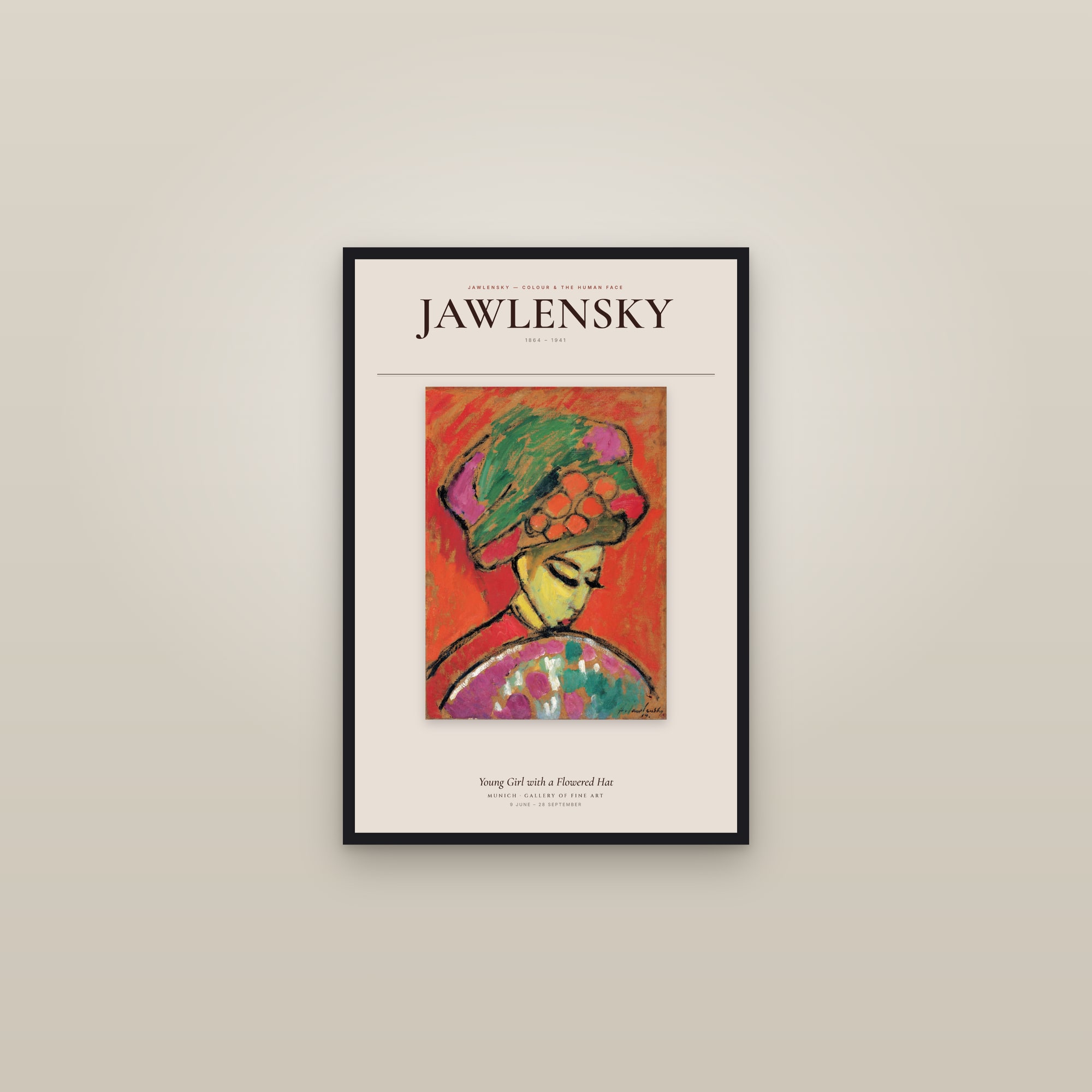
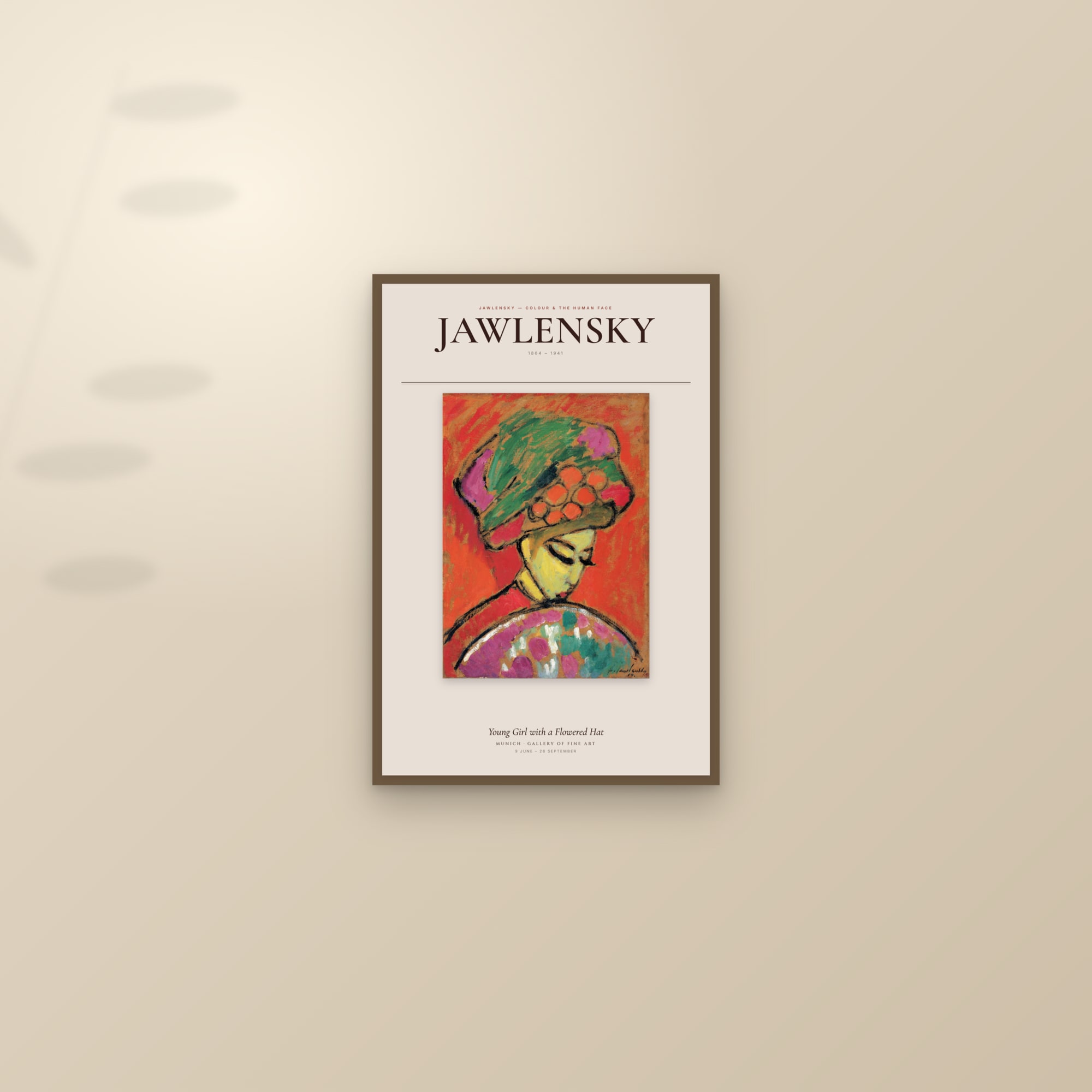
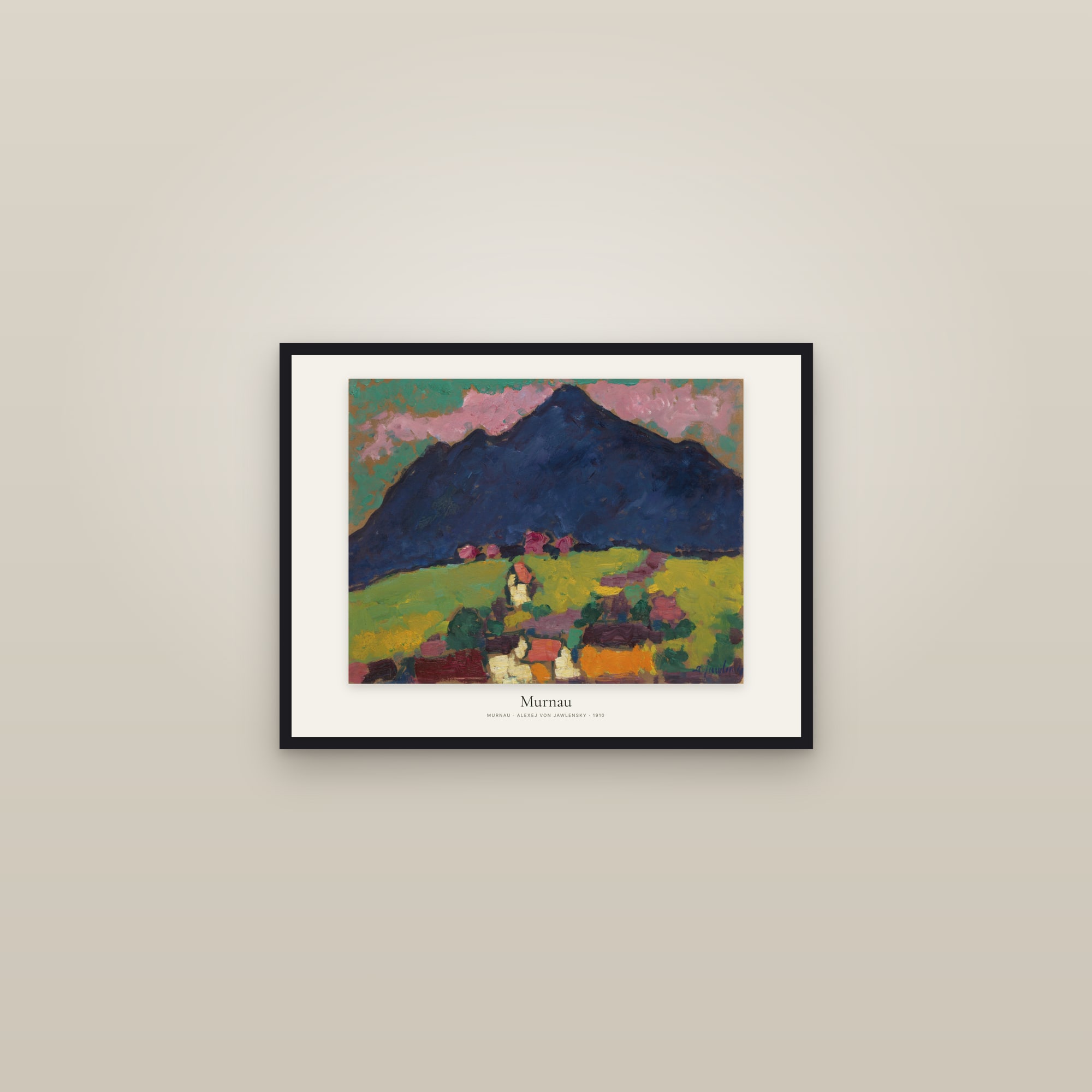
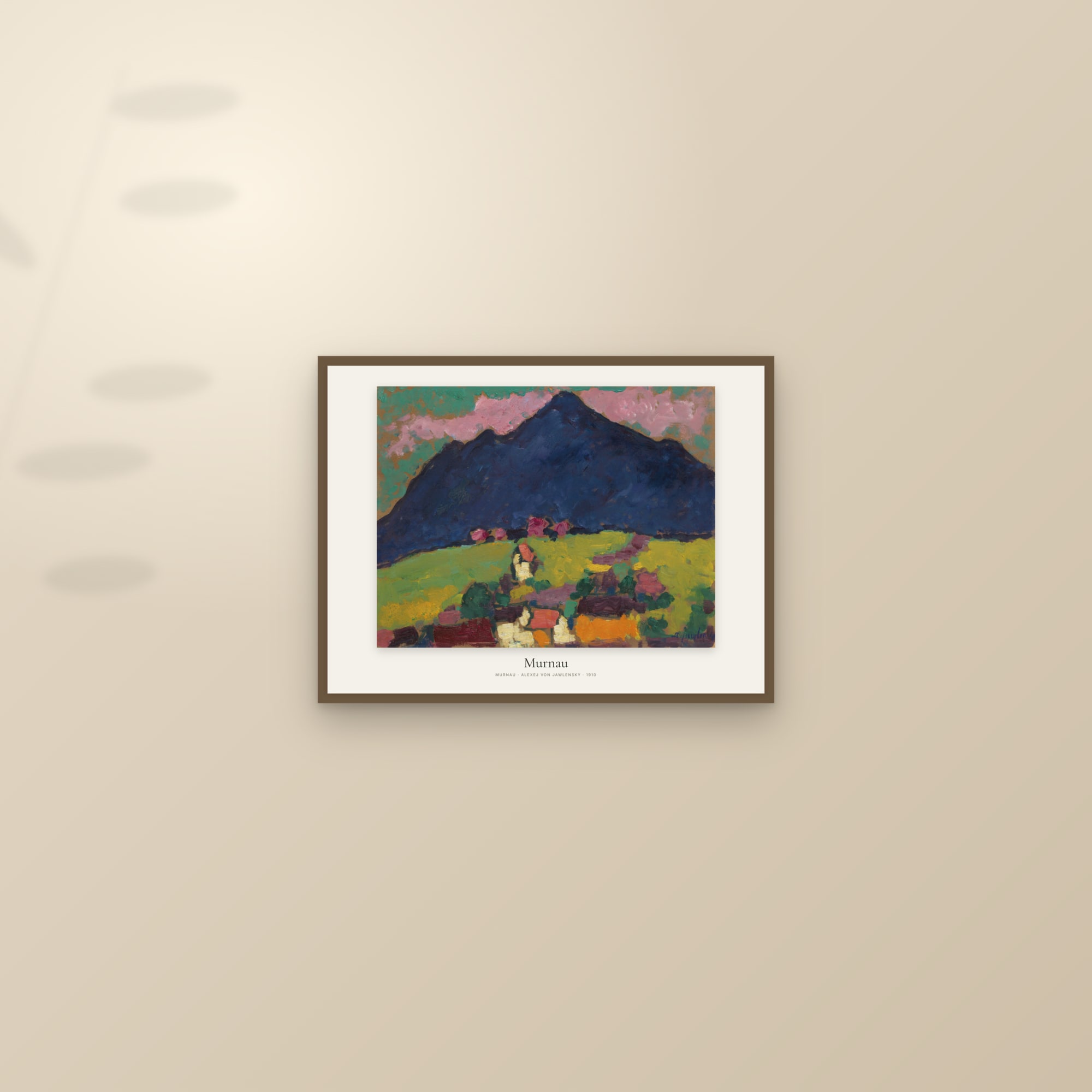
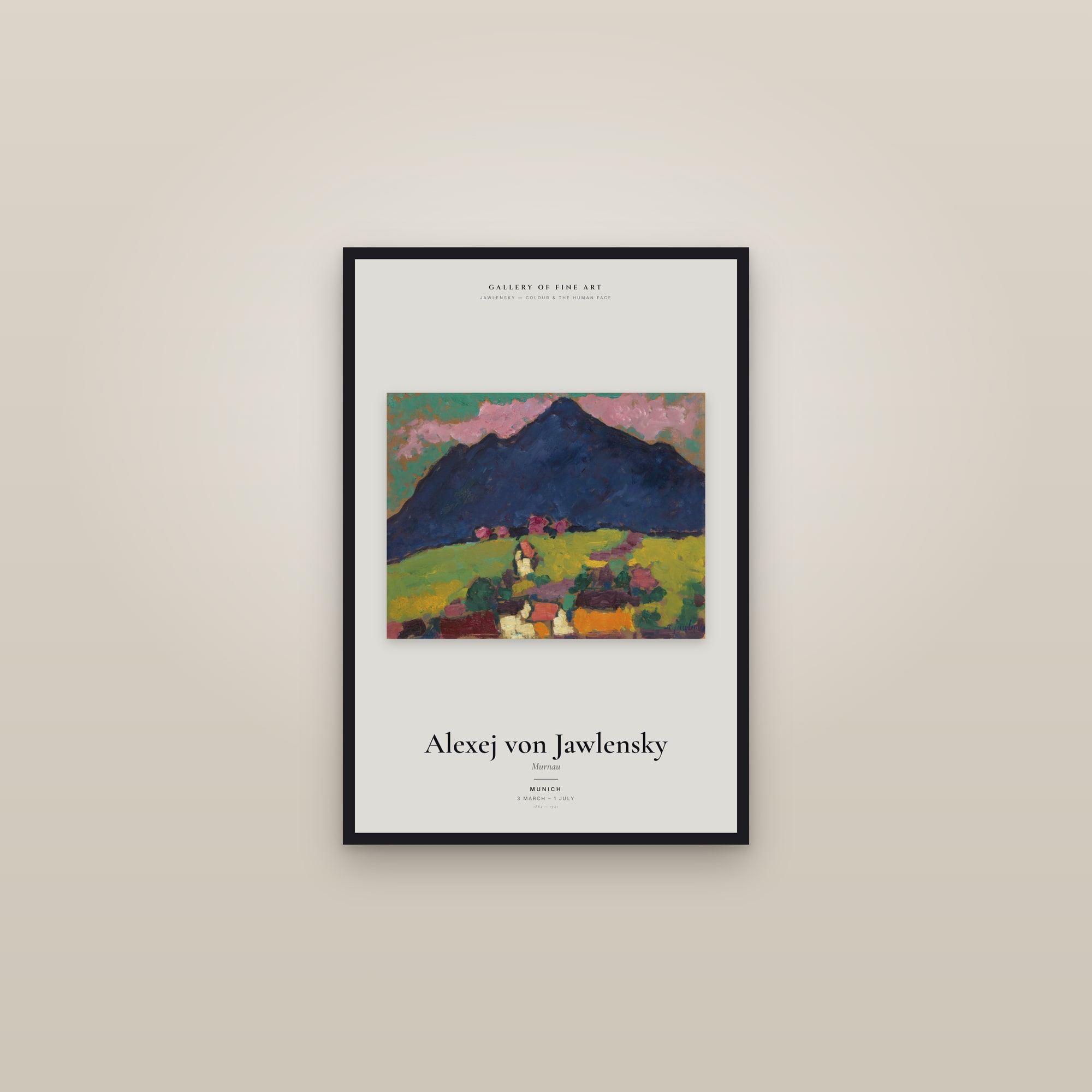
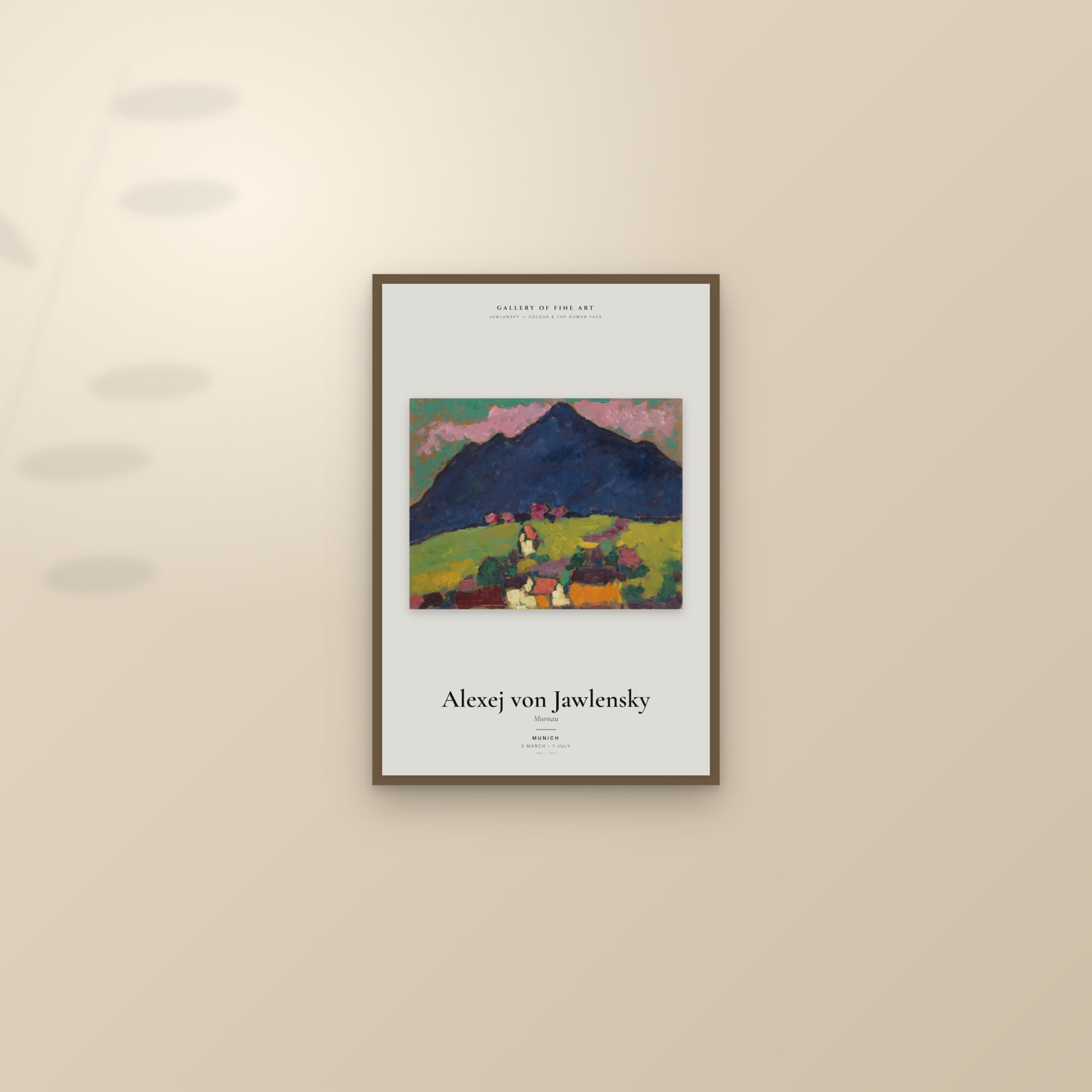
Alexej von Jawlensky was born in 1864 in Torzhok, in the Tver province of Russia, into a family of minor nobility, and followed his father into the army. While serving as an officer in St Petersburg he studied at the Academy of Arts and with the painter Ilya Repin, through whom he met Marianne von Werefkin, his companion for almost thirty years. In 1896 the two moved to Munich, where Jawlensky studied at Anton Ažbe's school and met Kandinsky. Travels in France brought him to Van Gogh, Gauguin and Matisse, and in the summers of 1908 and 1909 at Murnau he, Werefkin, Kandinsky and Gabriele Münter developed the bold colour and dark outline of Munich Expressionism; in 1909 they founded the New Artists' Association. His portraits and heads of 1909 to 1913, blazing with unmixed colour, are his best-known work. Expelled from Germany as a Russian at the outbreak of war, he spent the war years in Switzerland, where he began the long series of faces, the Mystical Heads, the Abstract Heads and finally the Meditations, that occupied the rest of his life. He settled in Wiesbaden in 1921, formed the Blue Four with Kandinsky, Klee and Feininger in 1924, and, crippled by arthritis, painted his last small Meditations in the 1930s. He died in Wiesbaden in 1941. His faces, simplified almost to icons, bring an unusual mix of intensity and calm to a wall.