Robert Thornton Prints
c. 1768–1837 · English · Botanical illustration
Wall art by Robert Thornton, restored in-house and printed to order on heavyweight matte fine-art paper.
50 prints · printed to order on heavyweight matte paper · framed or unframed



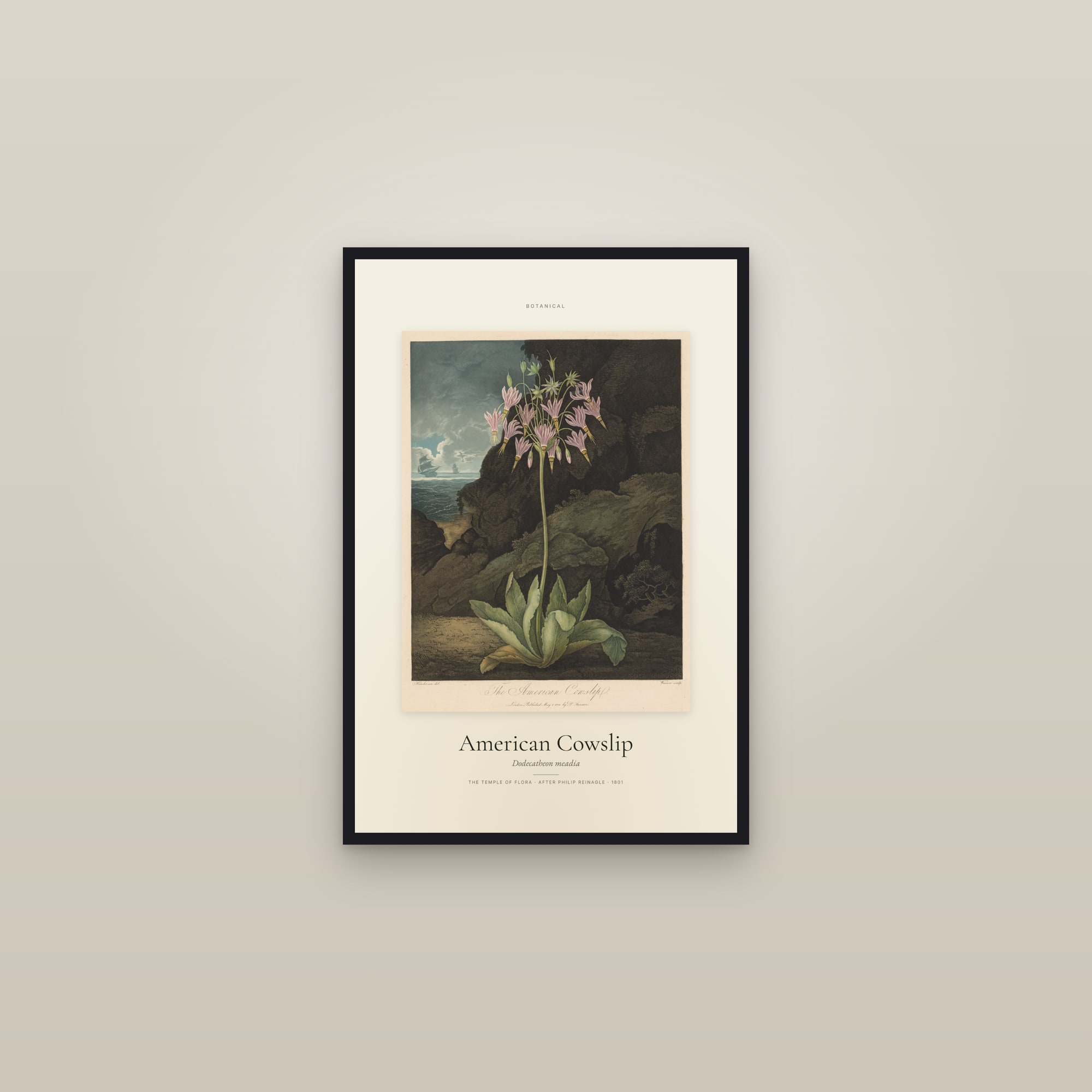
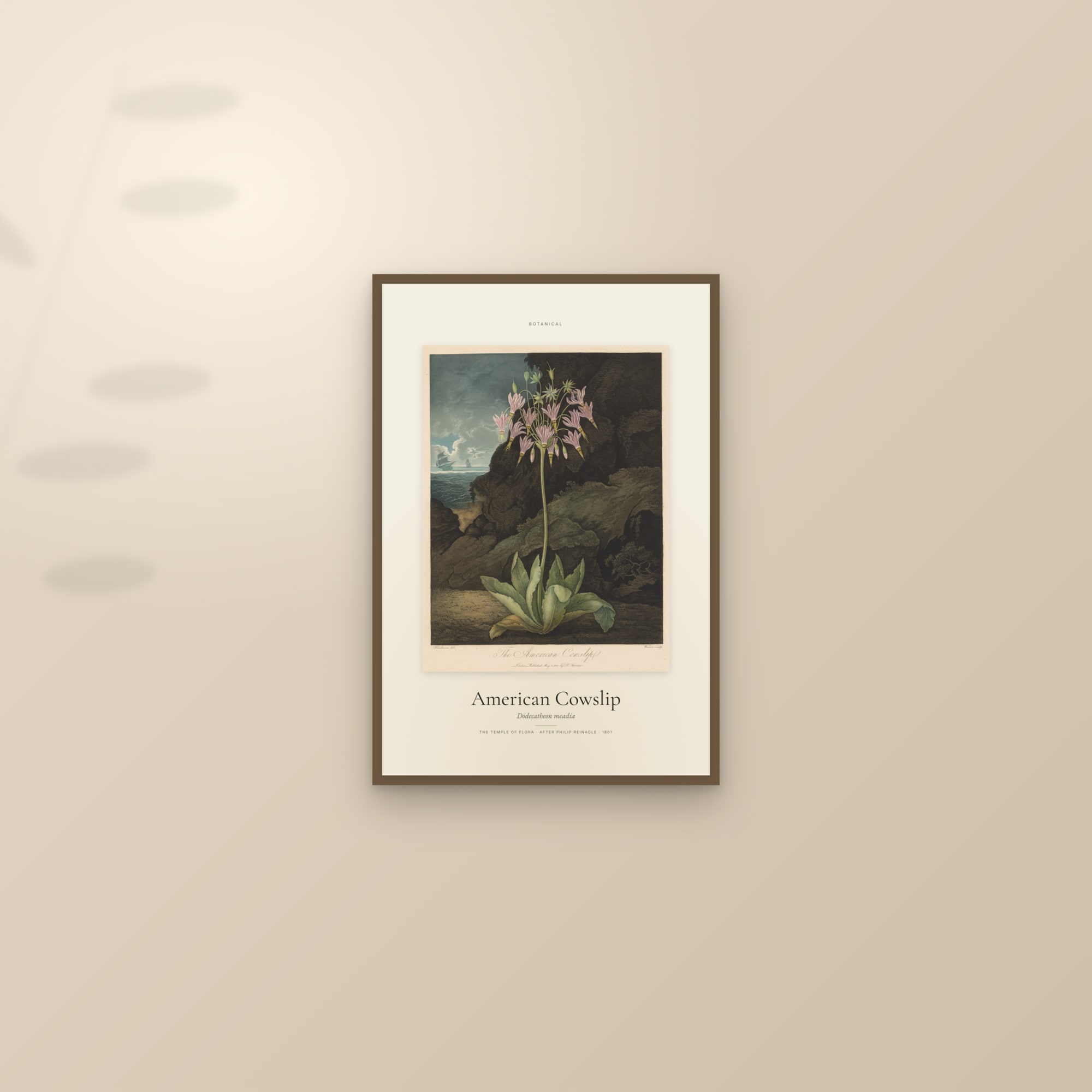
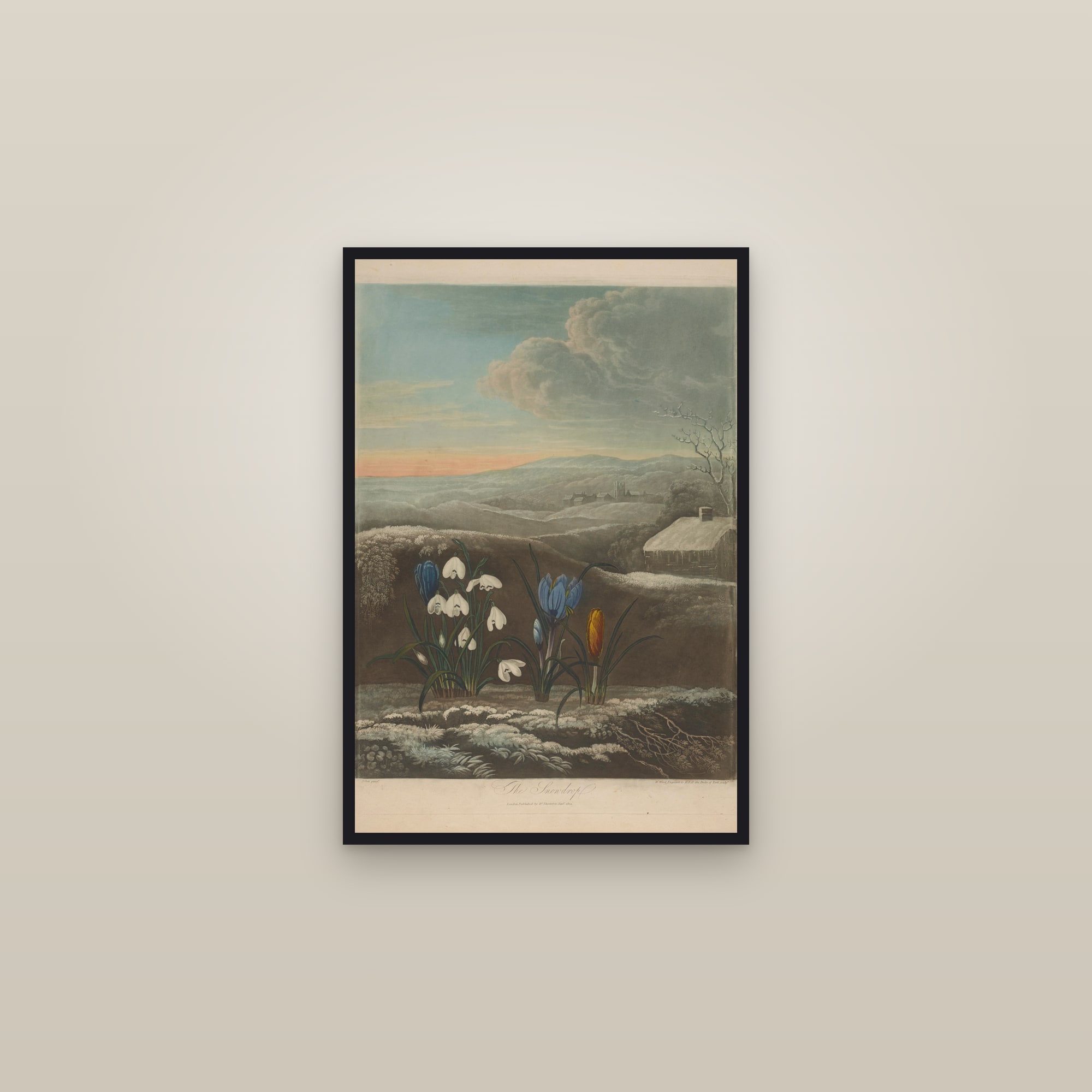
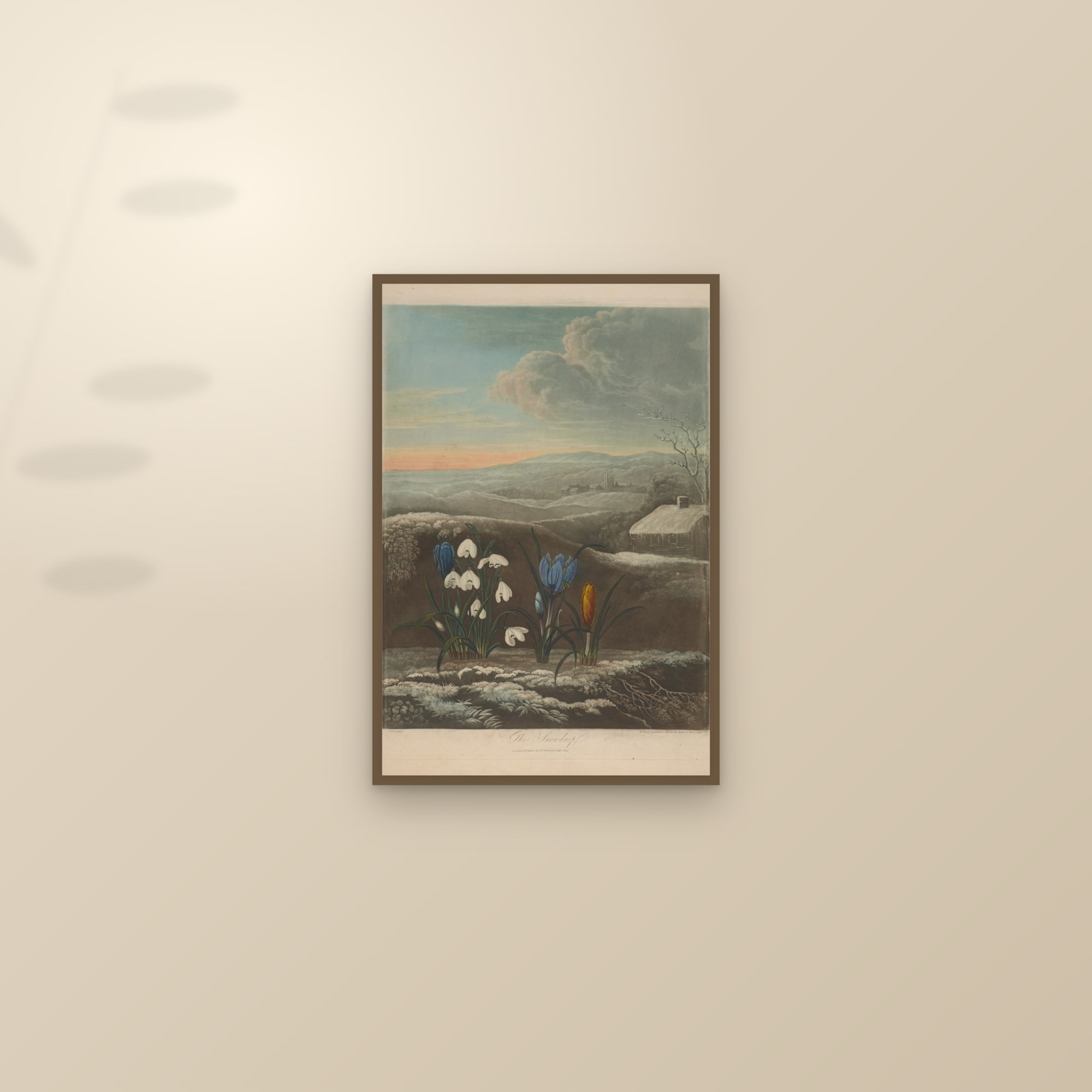











About Robert John Thornton
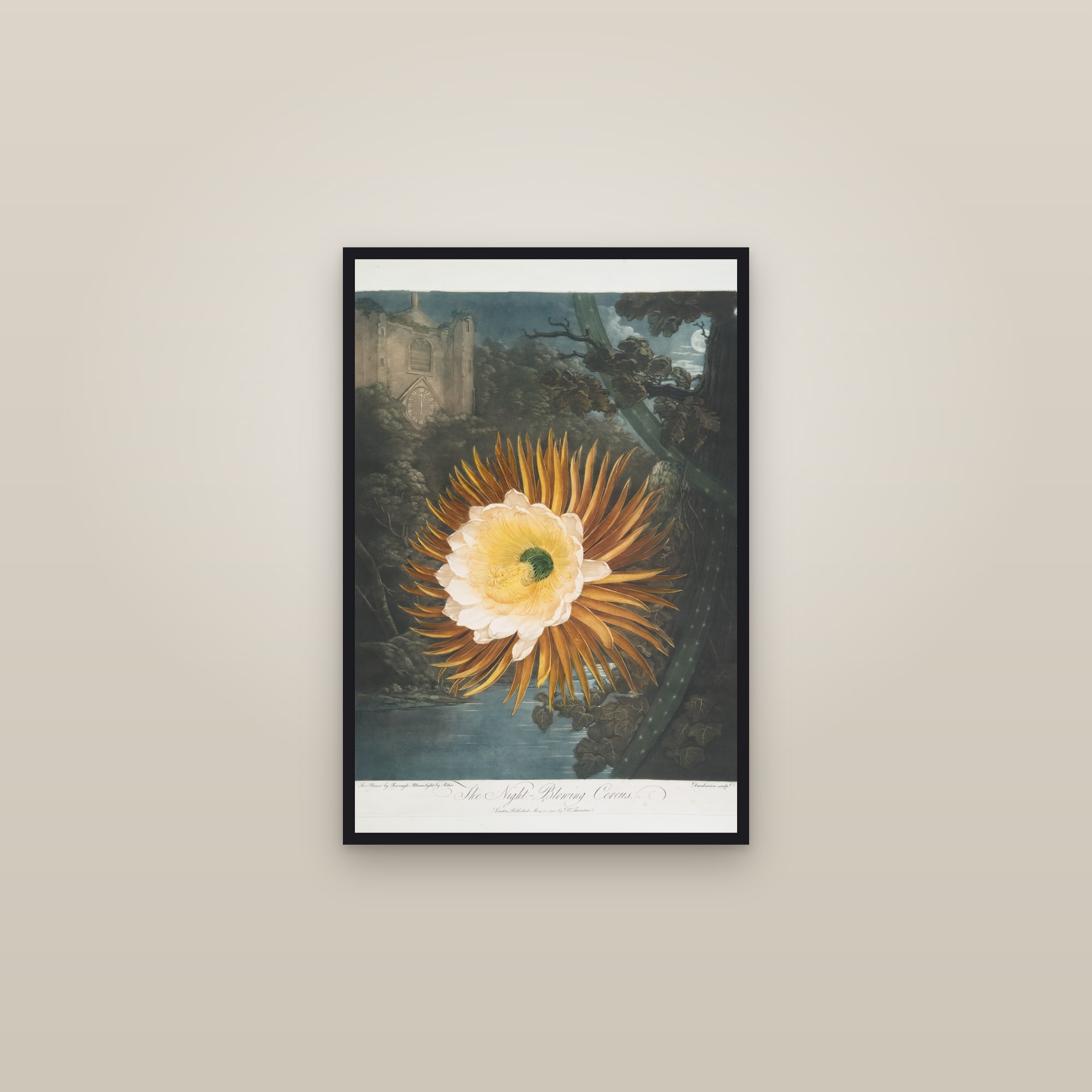
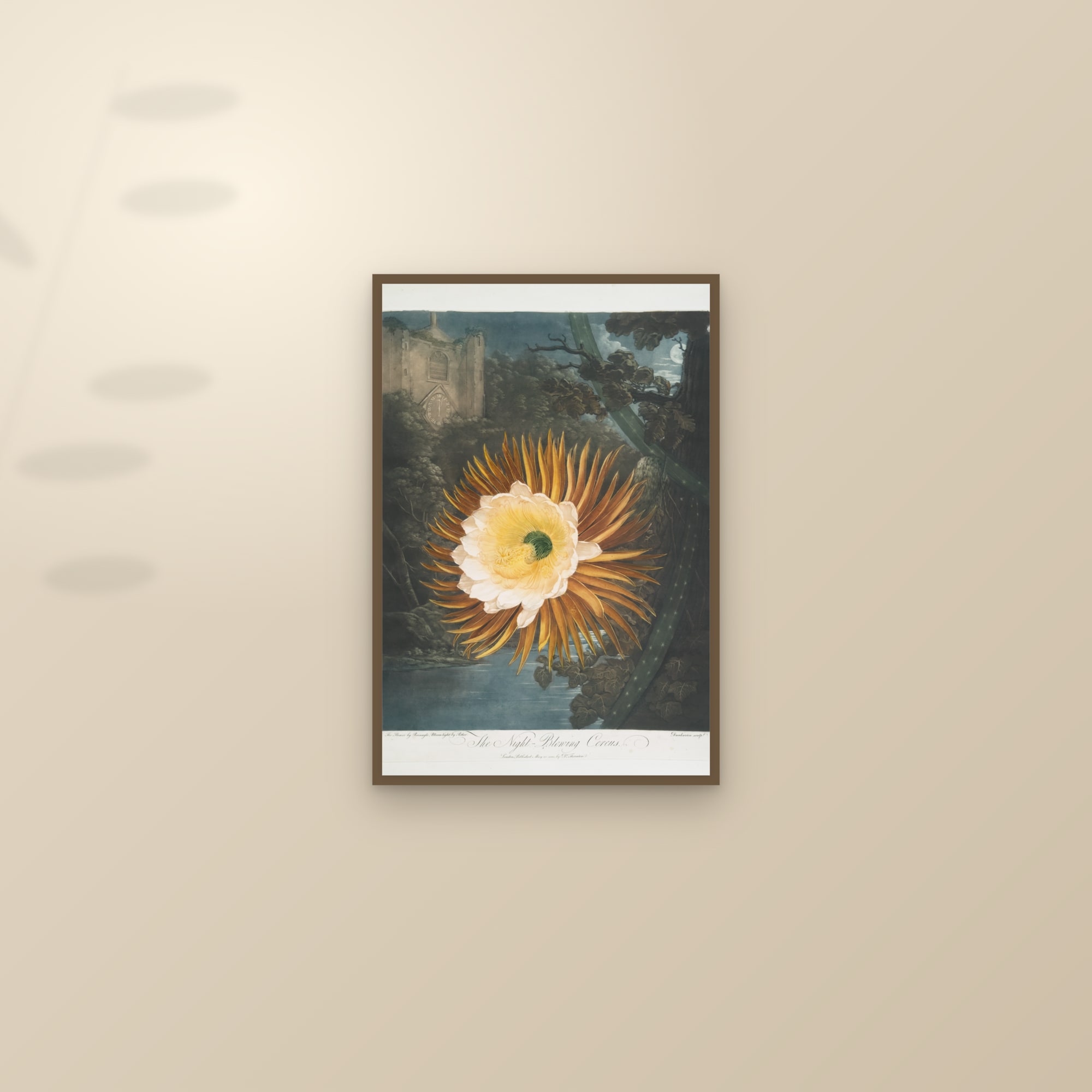
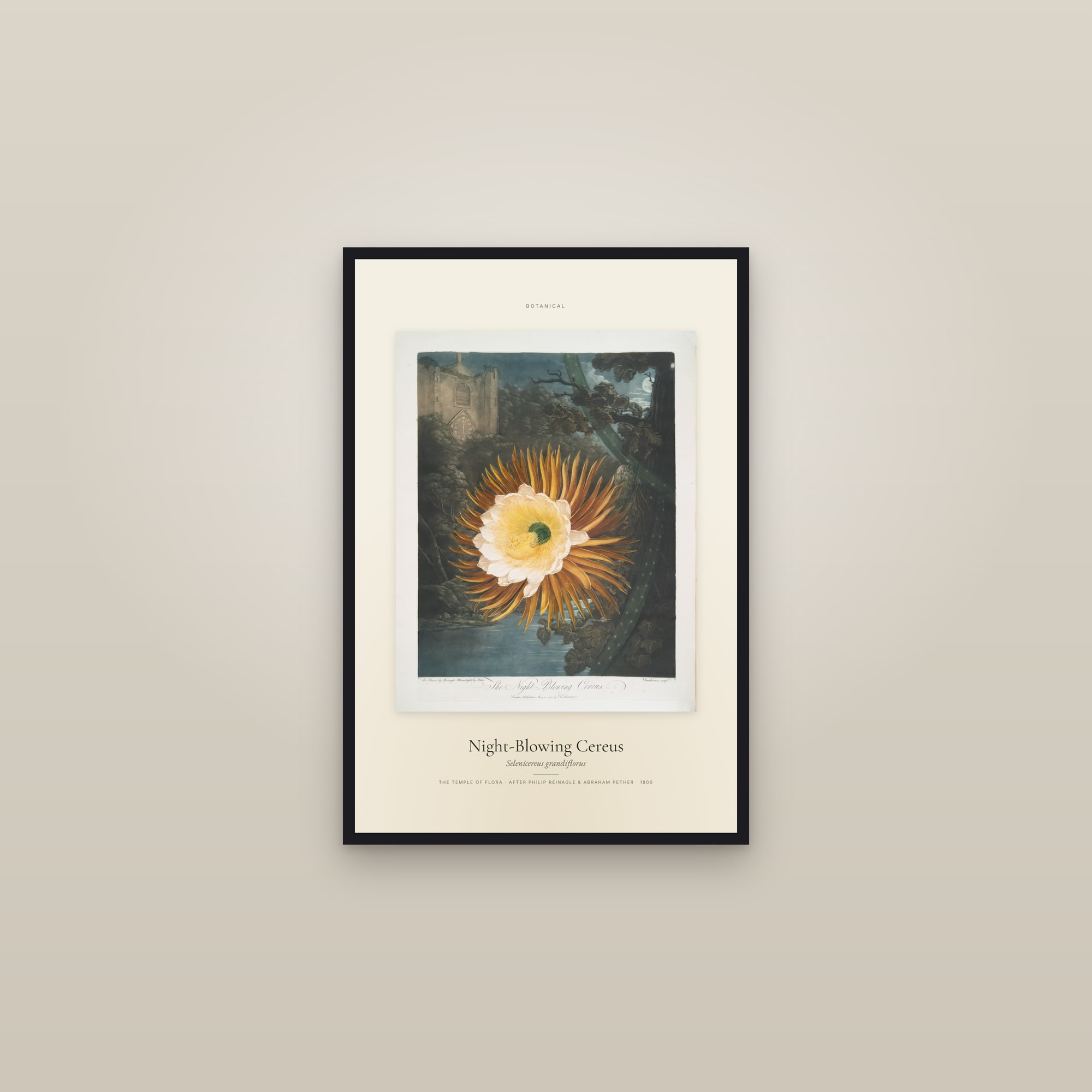
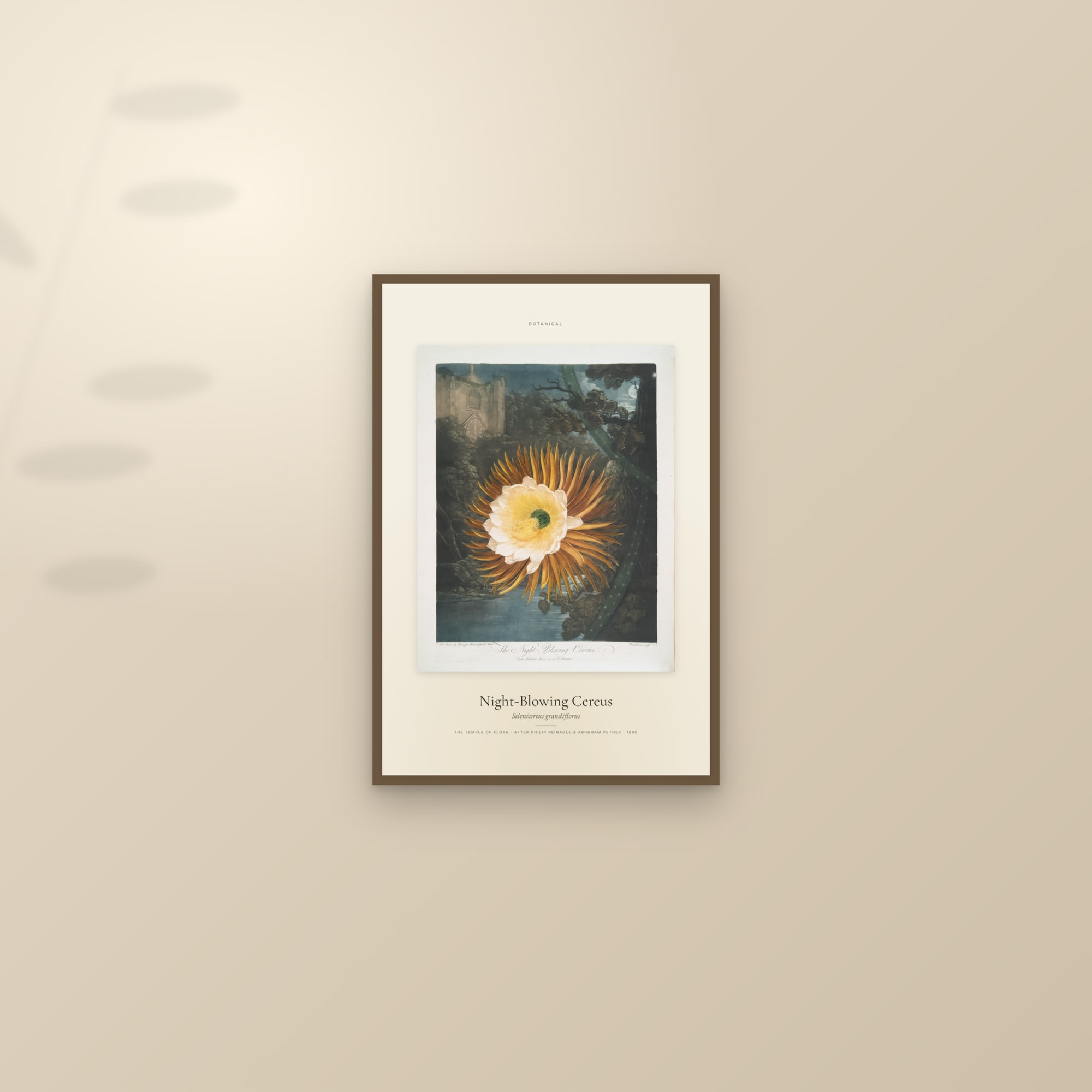
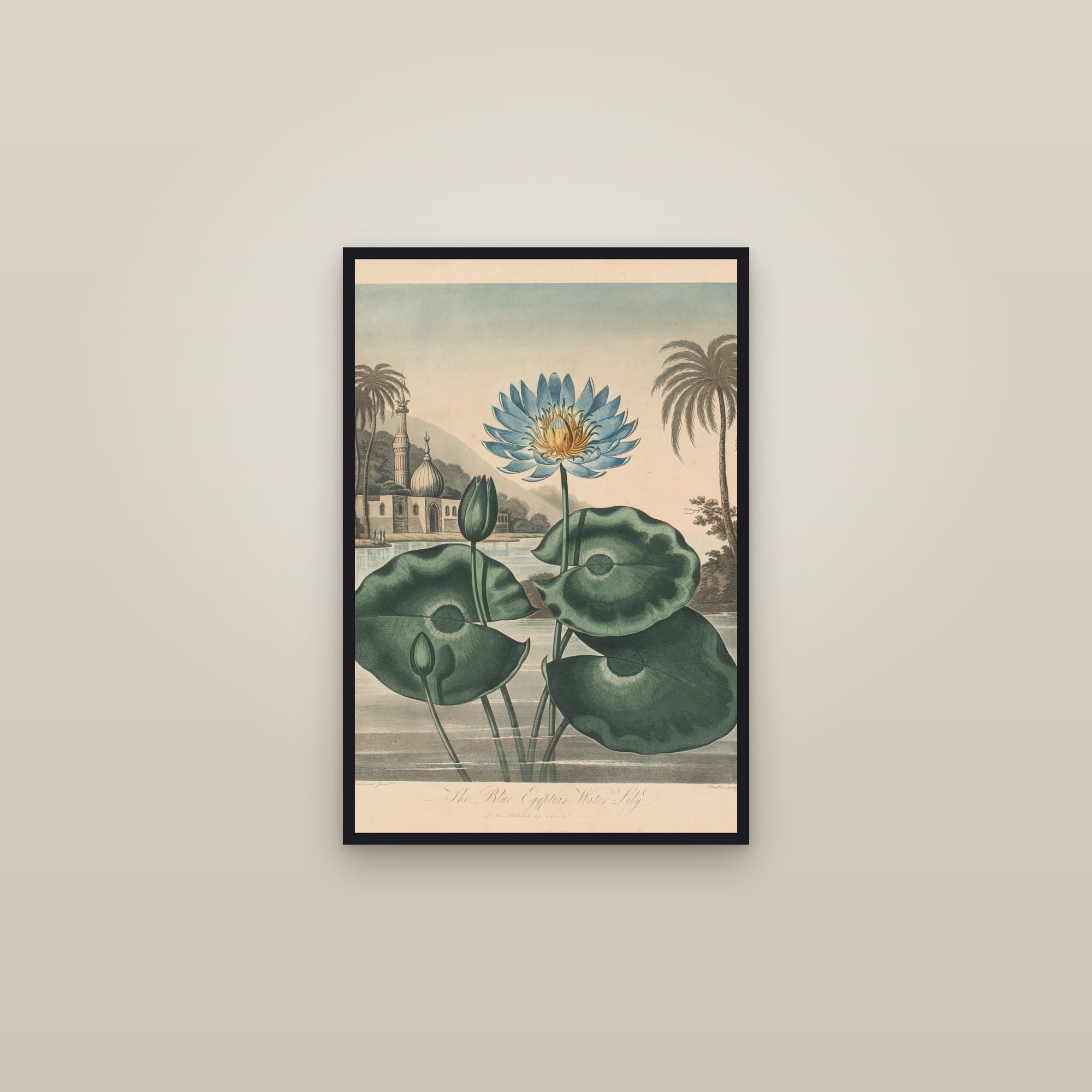
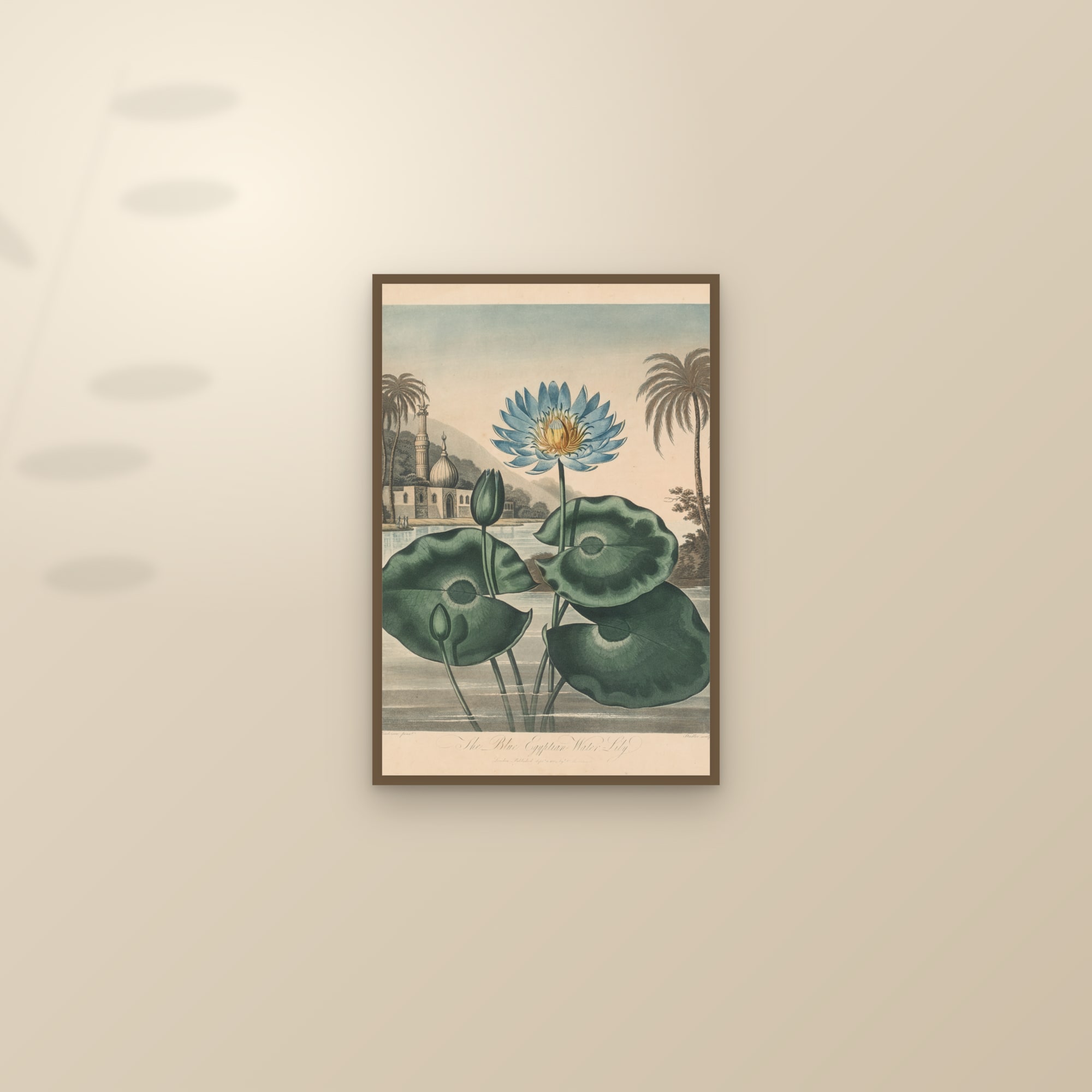
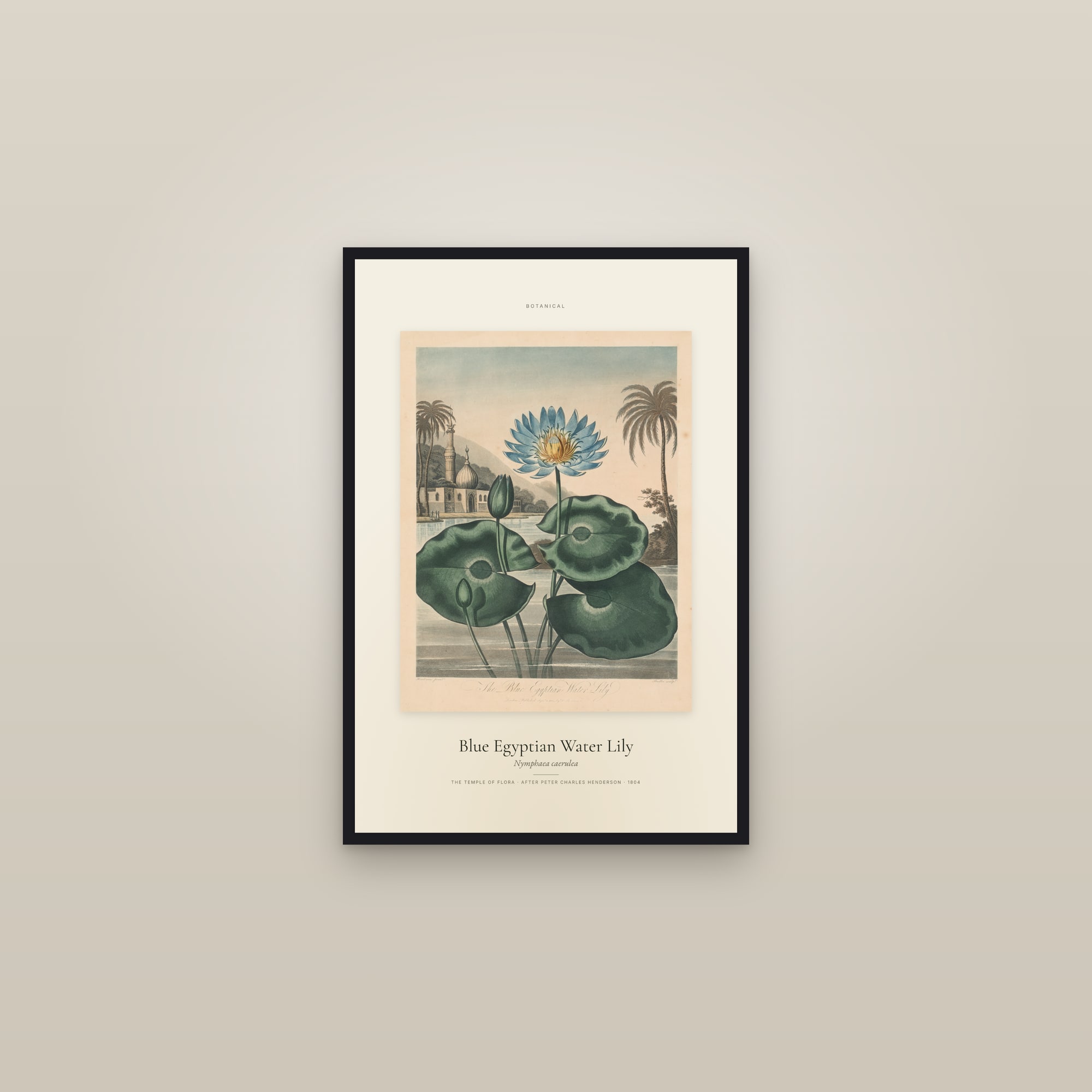
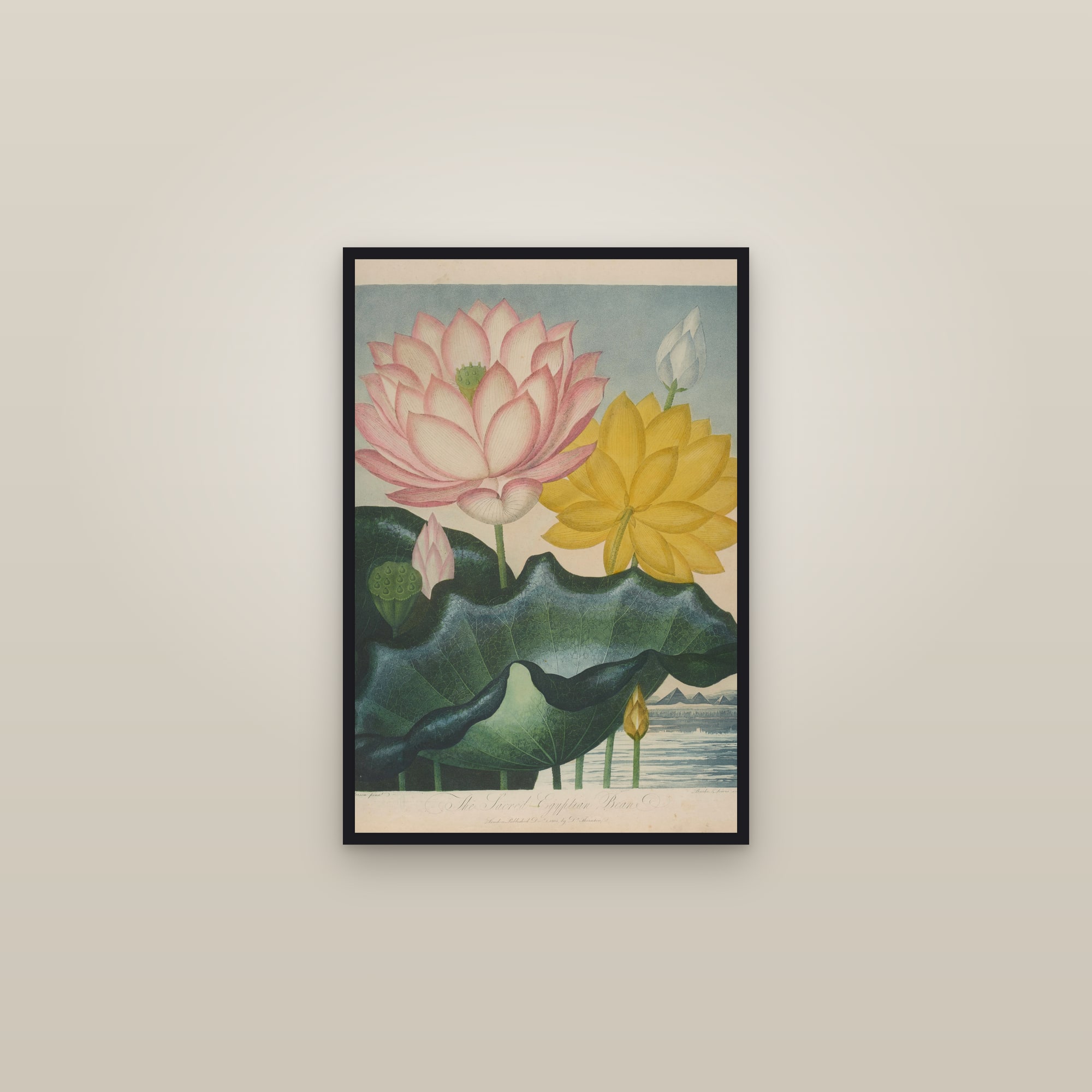
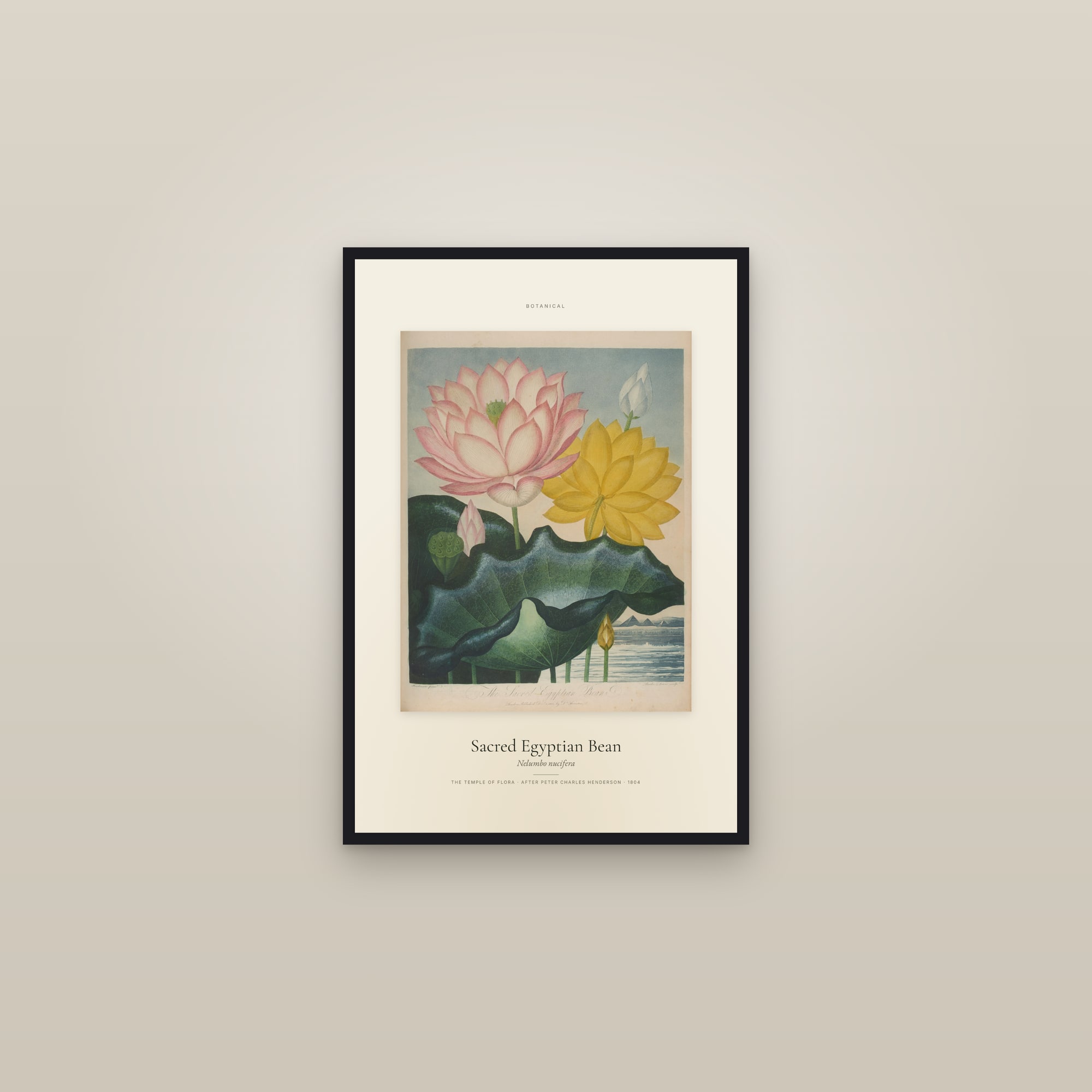
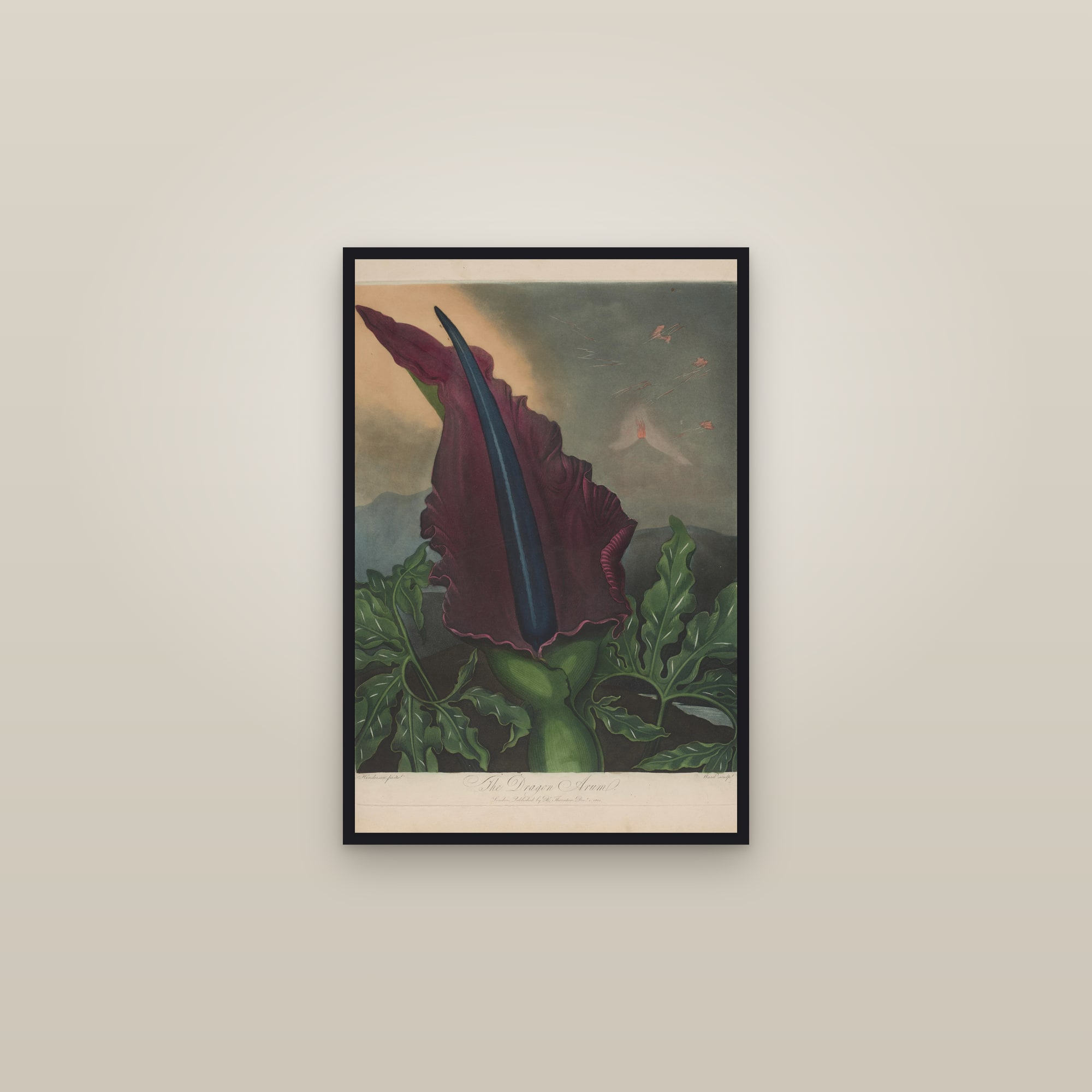
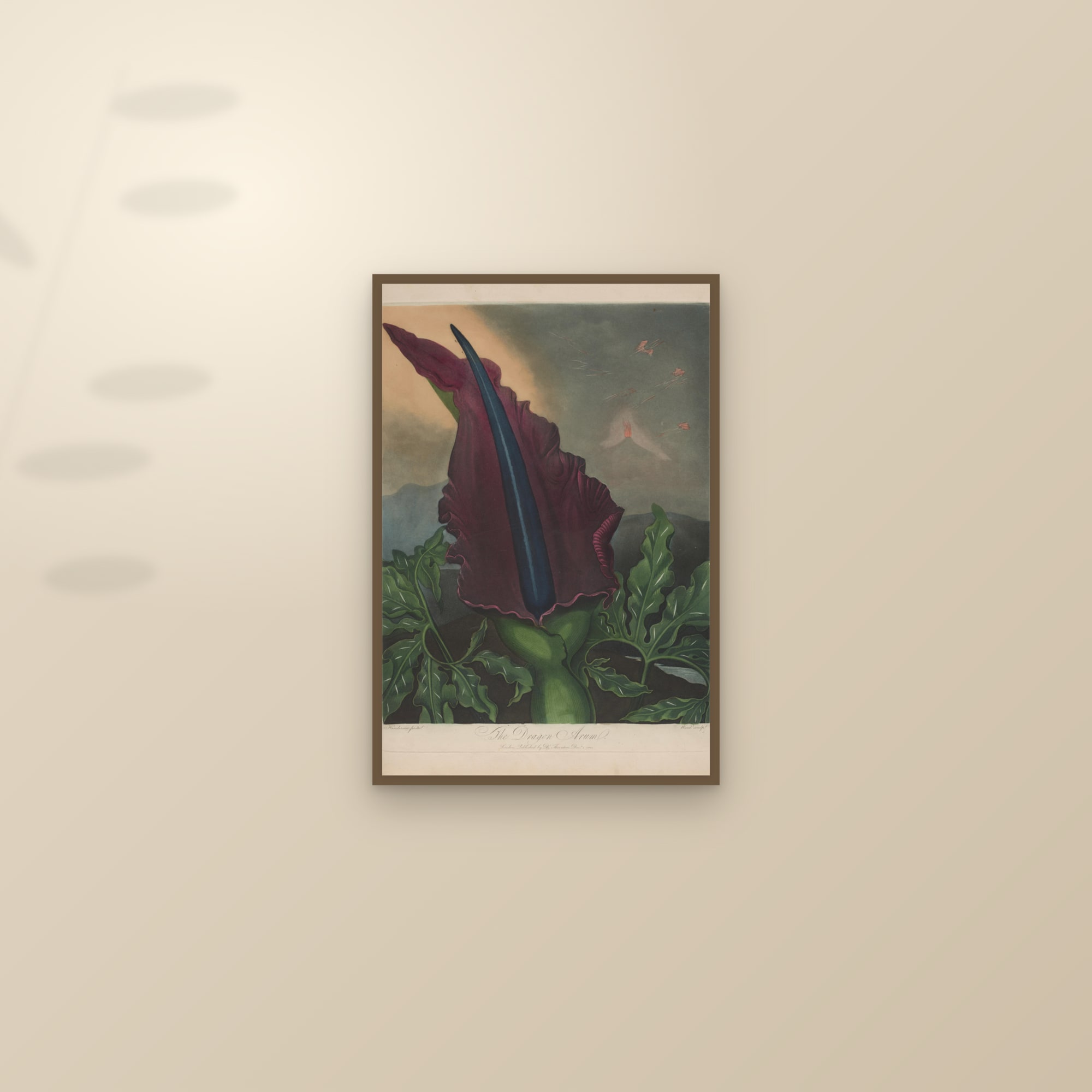
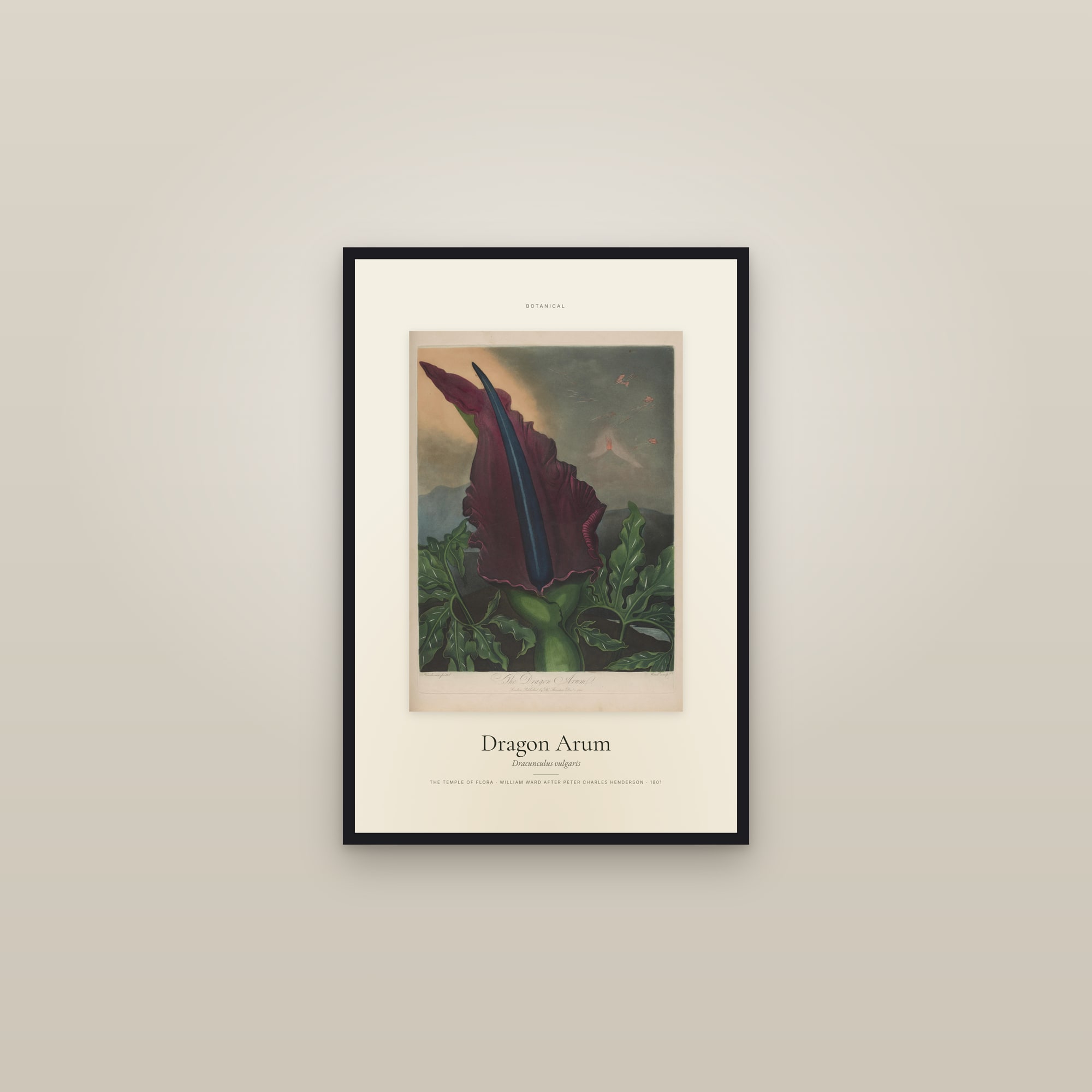
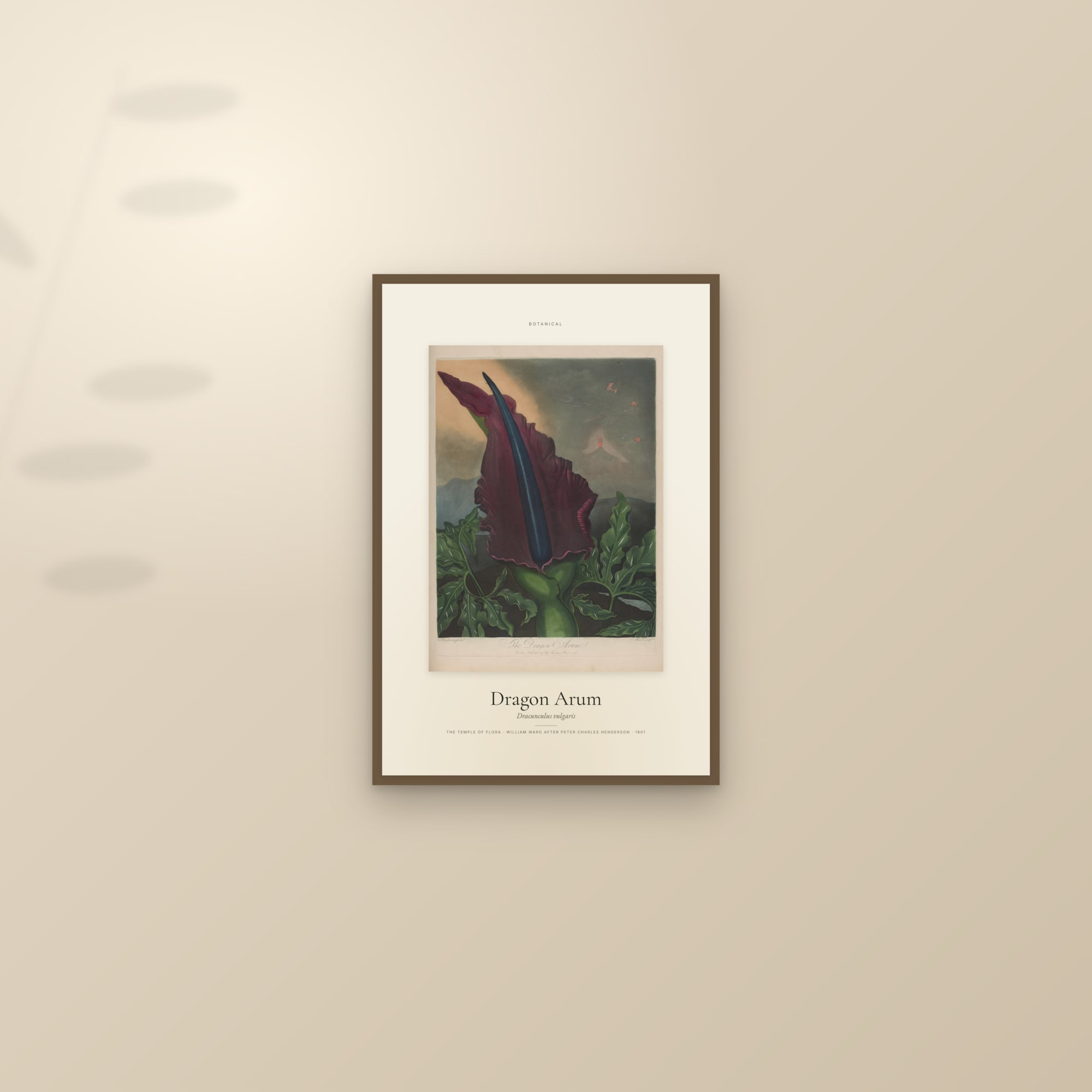
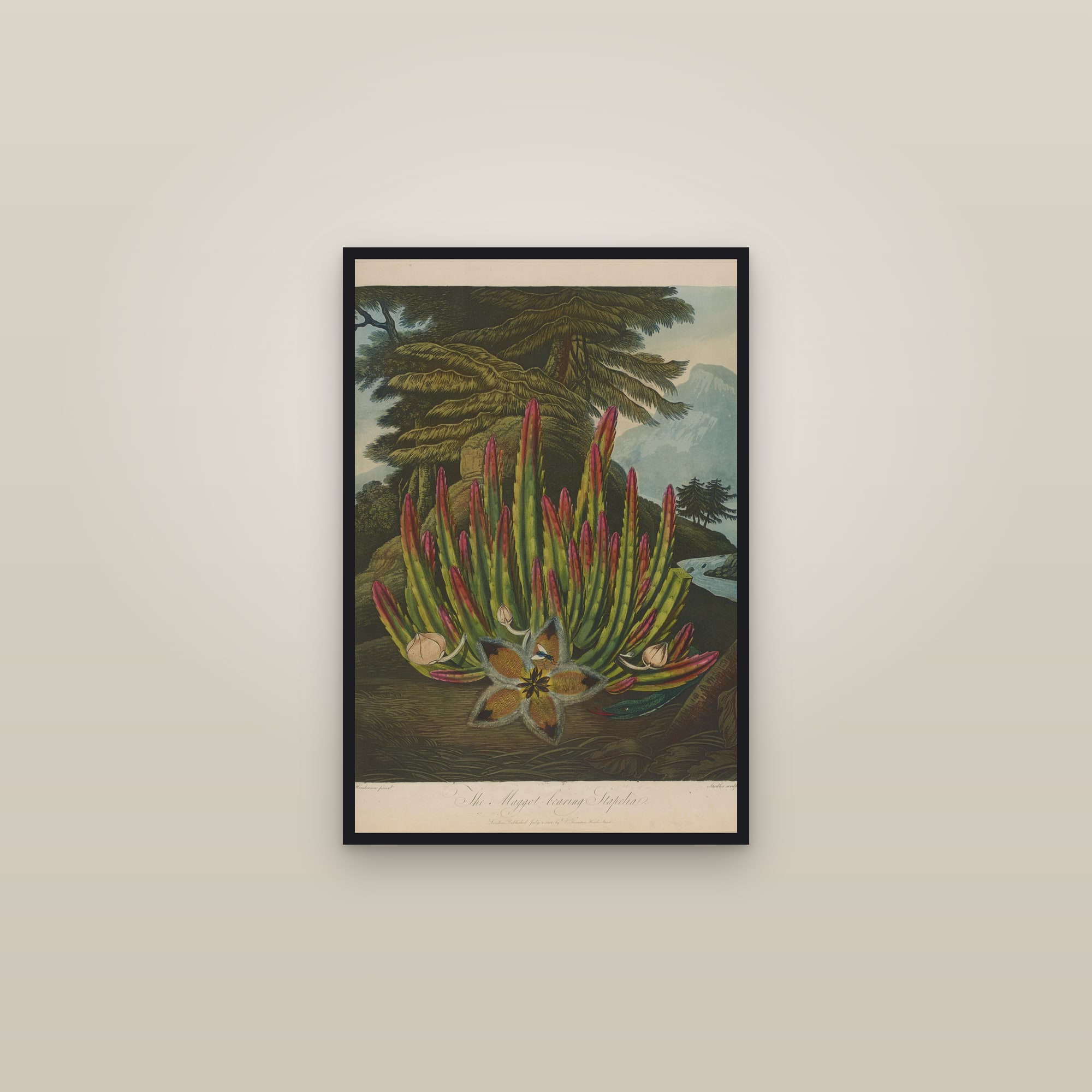
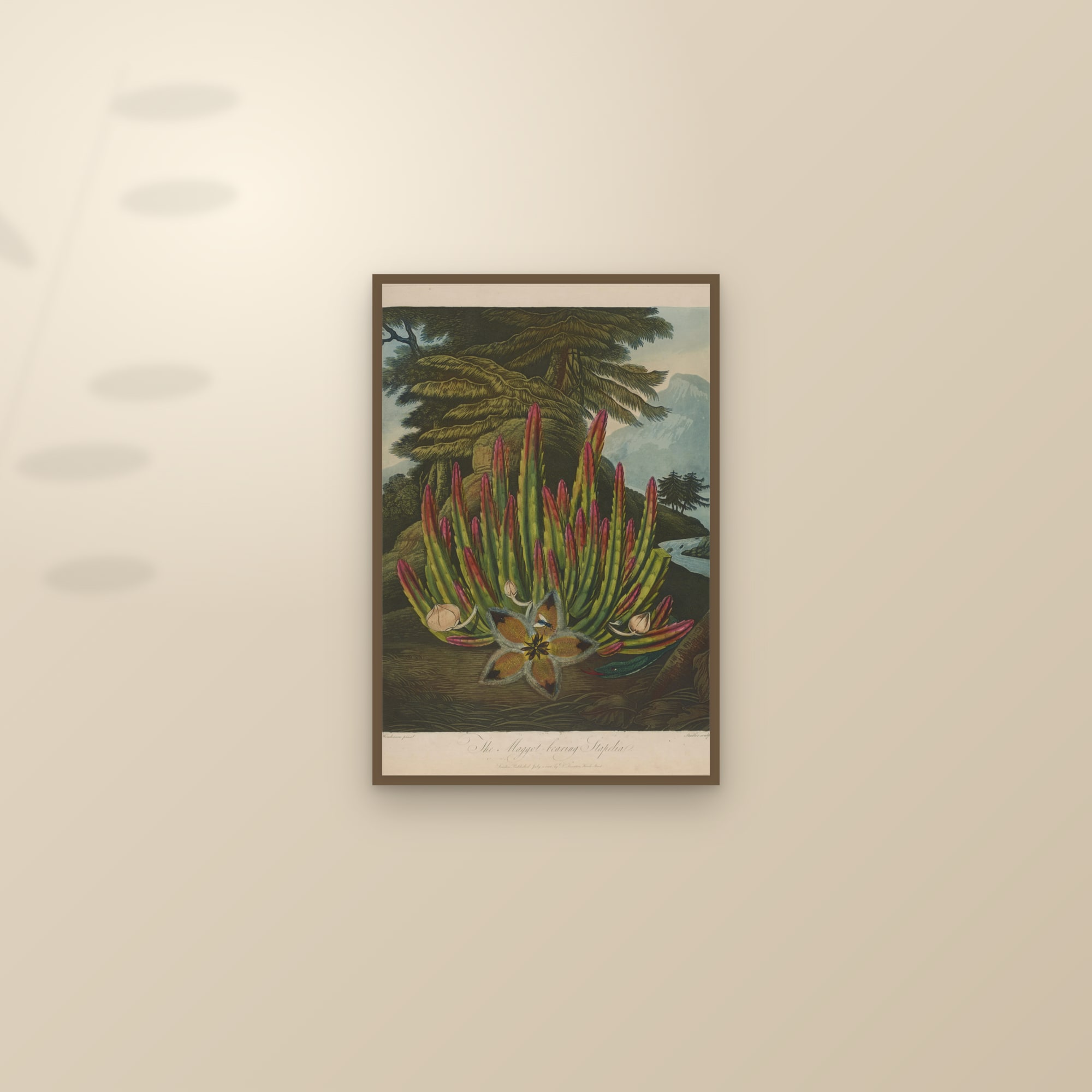
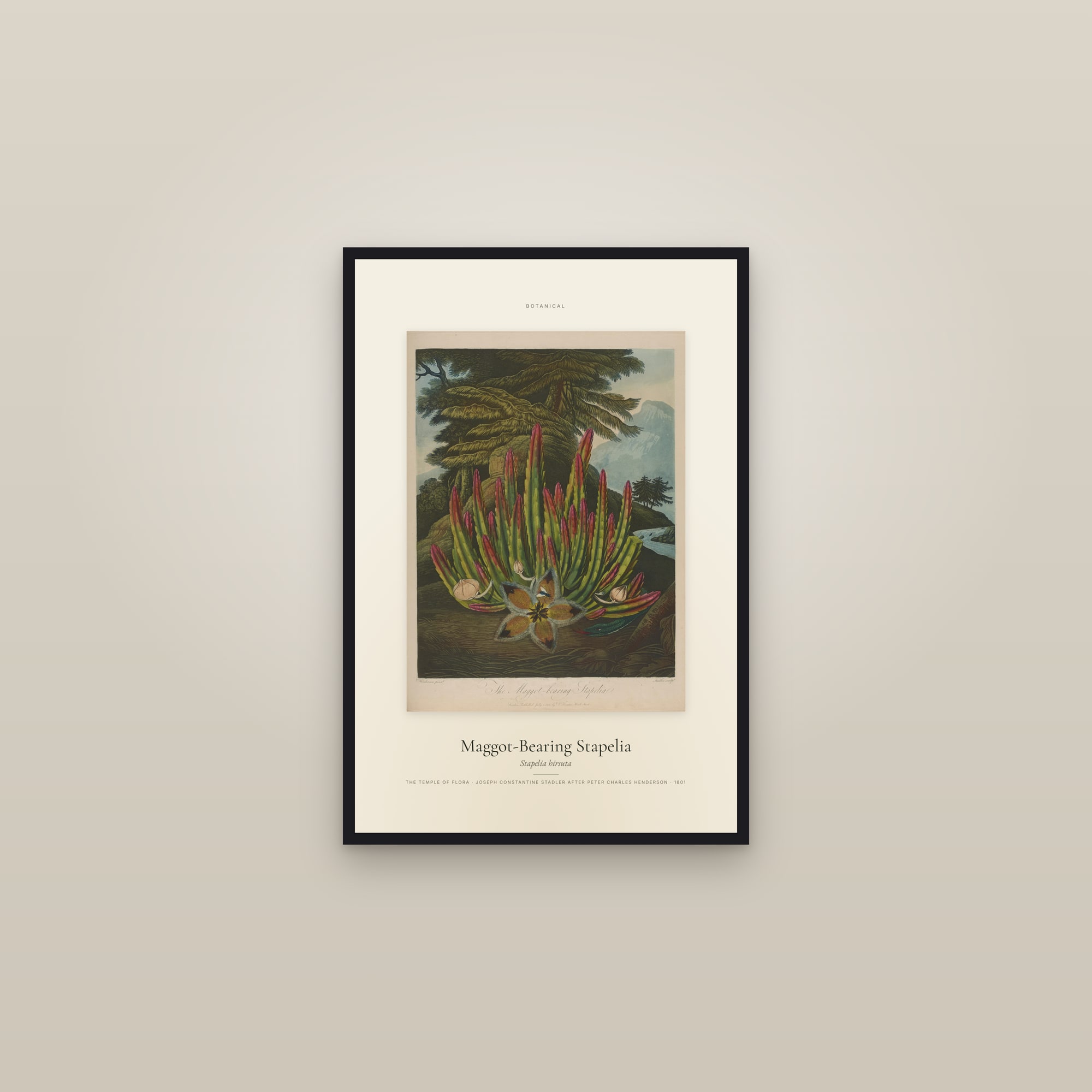
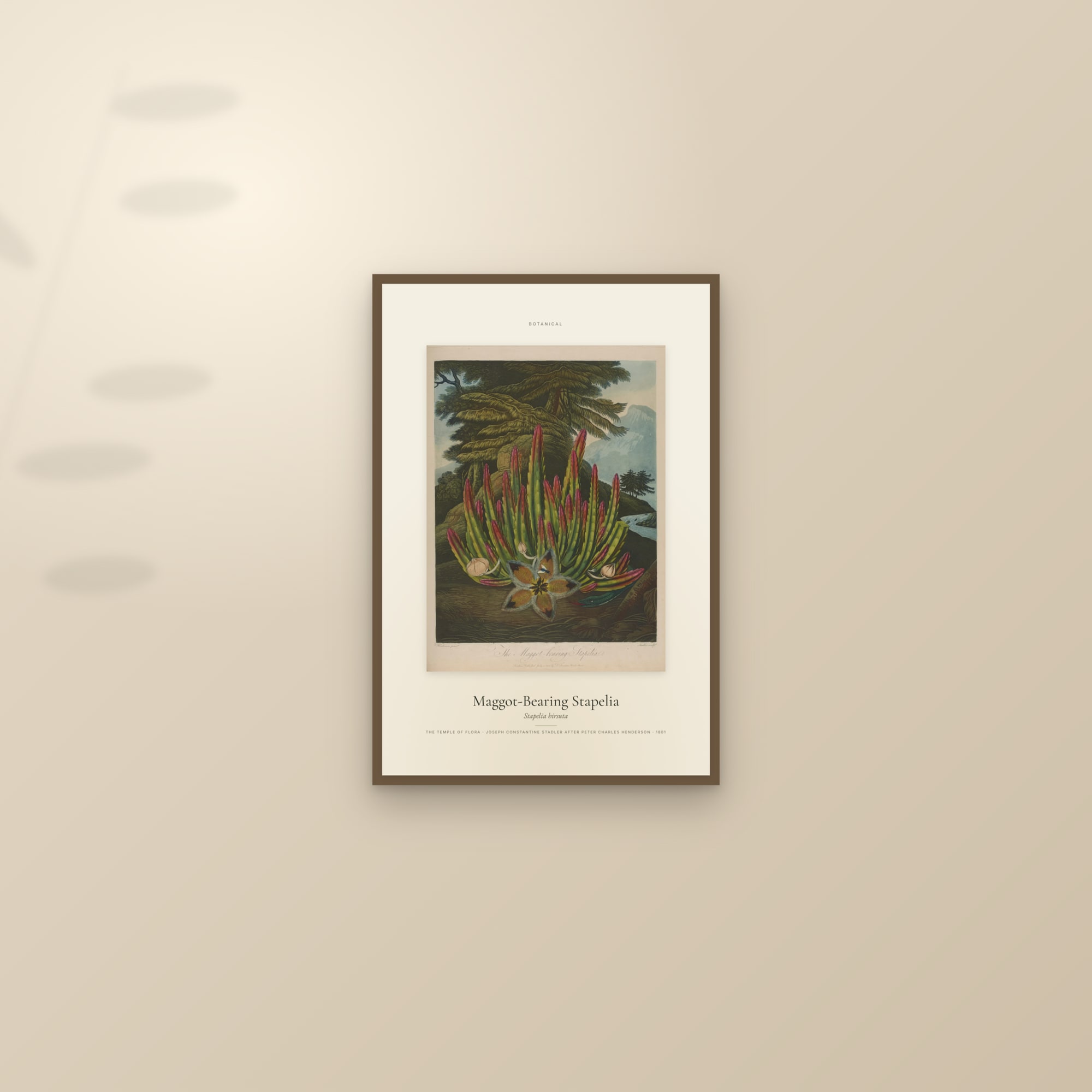
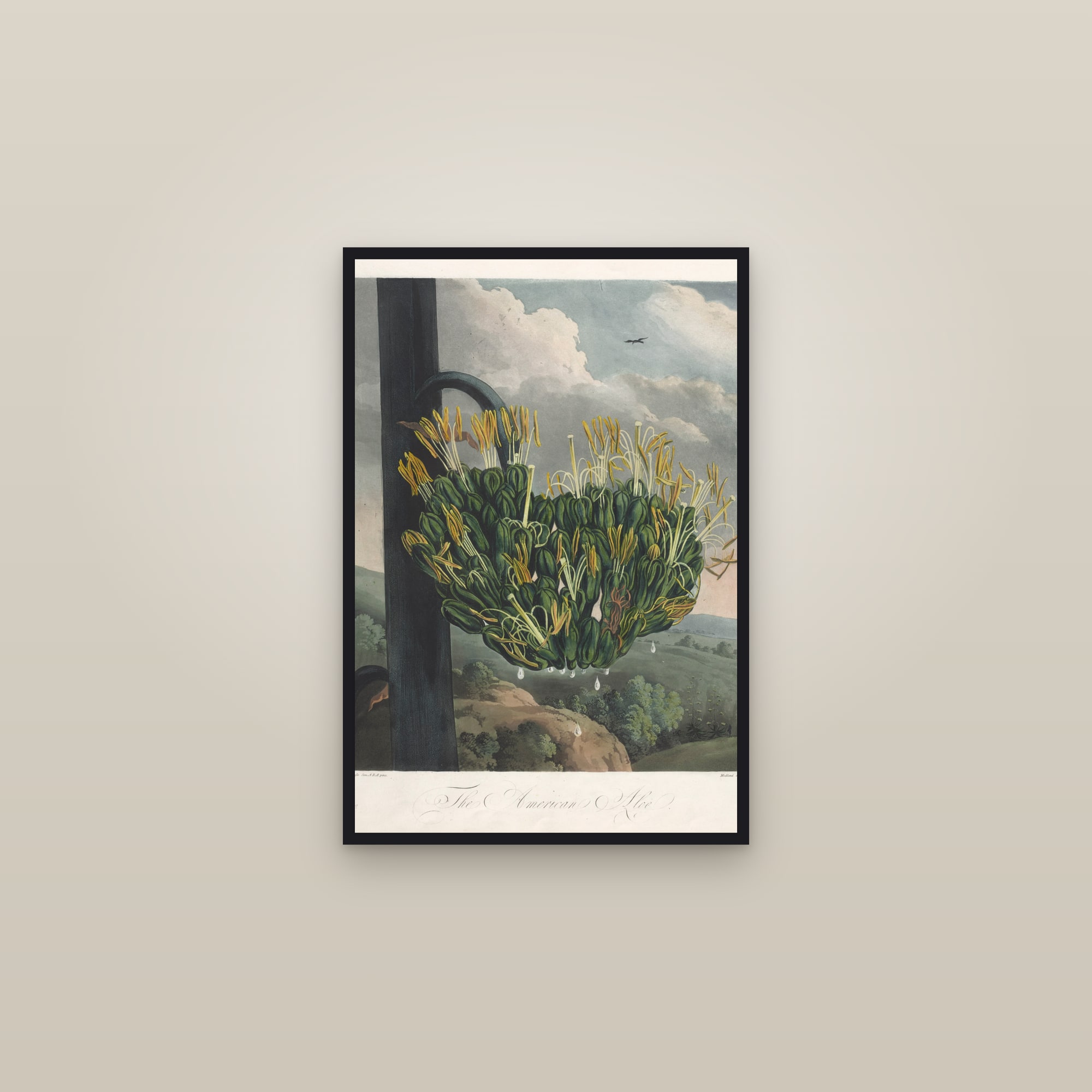
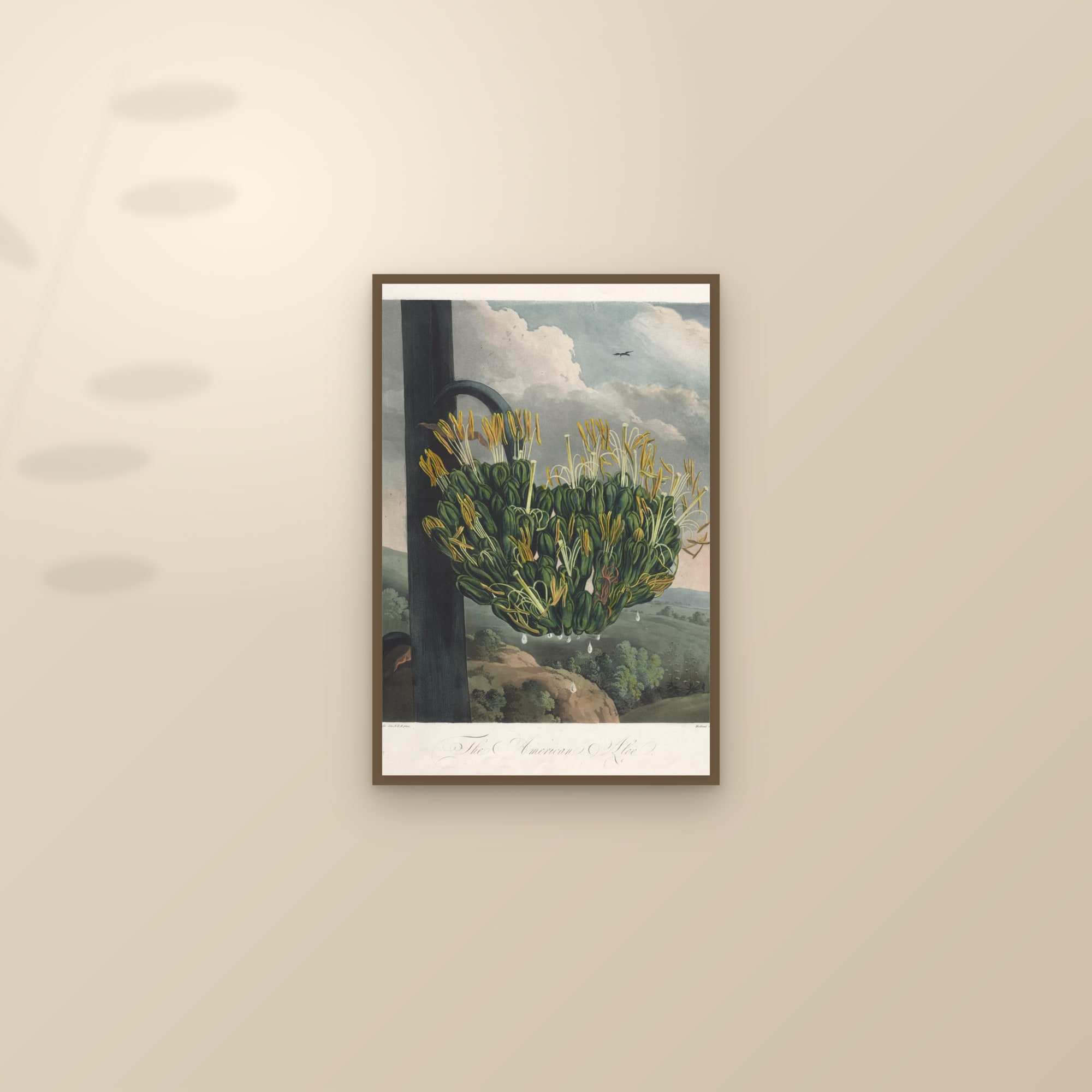
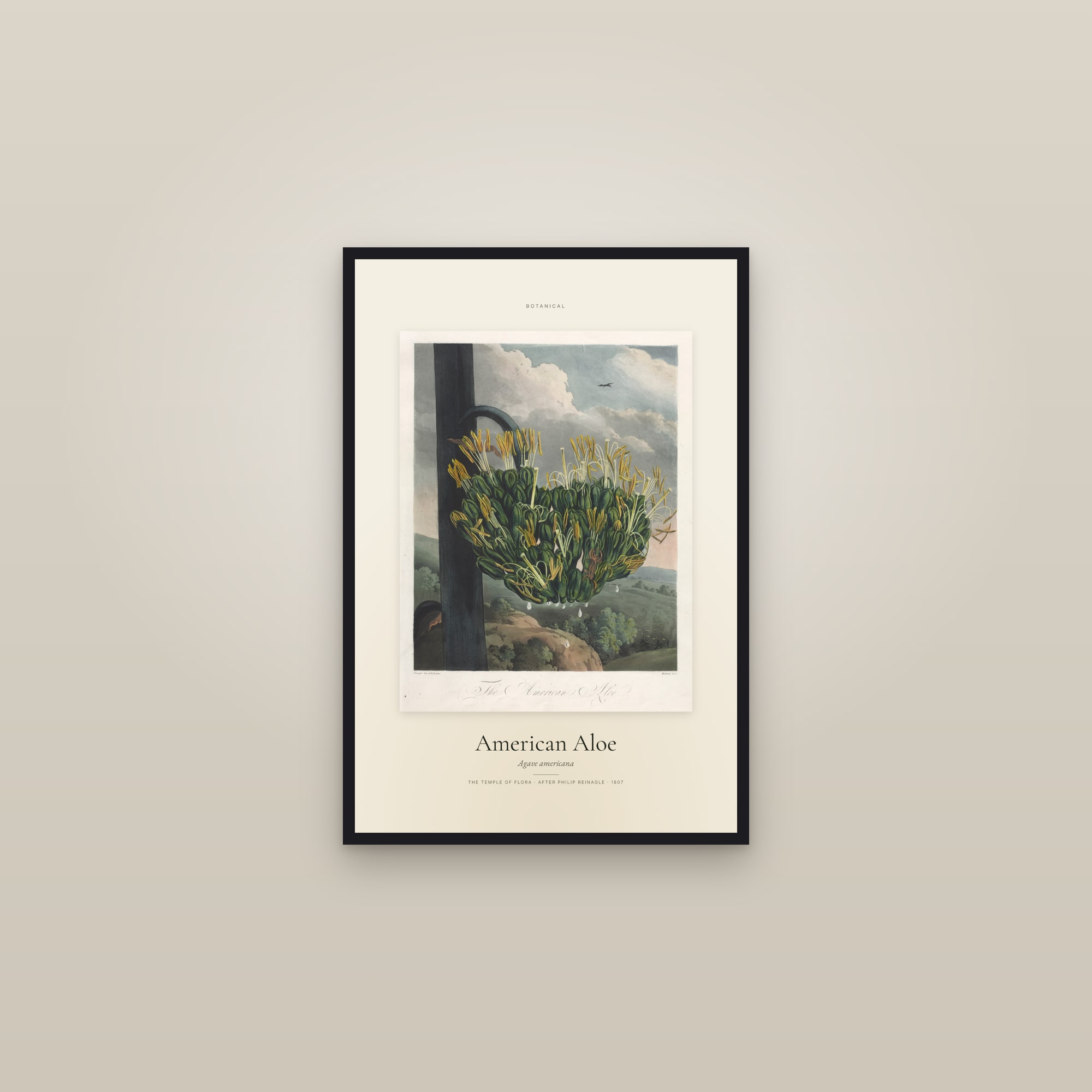
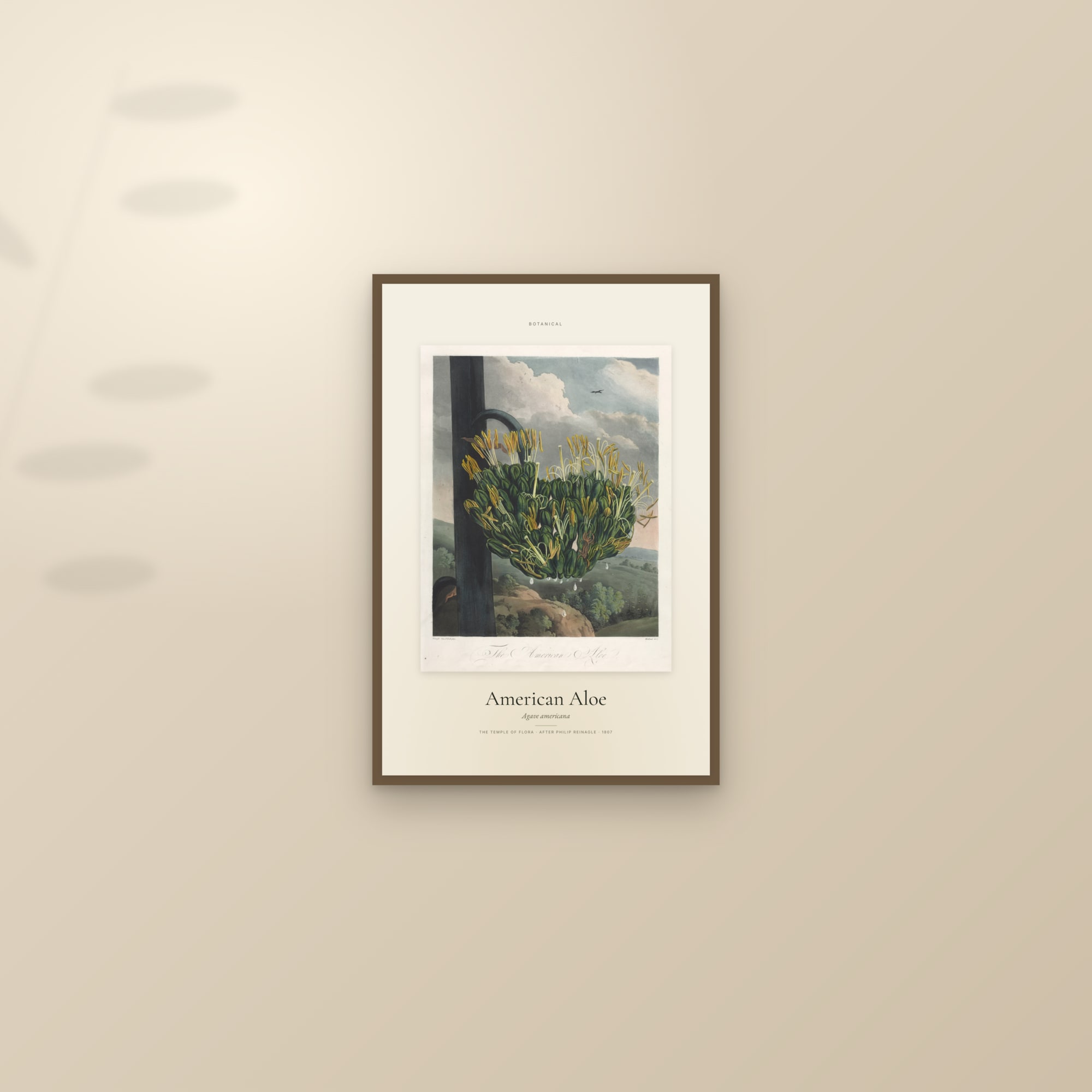
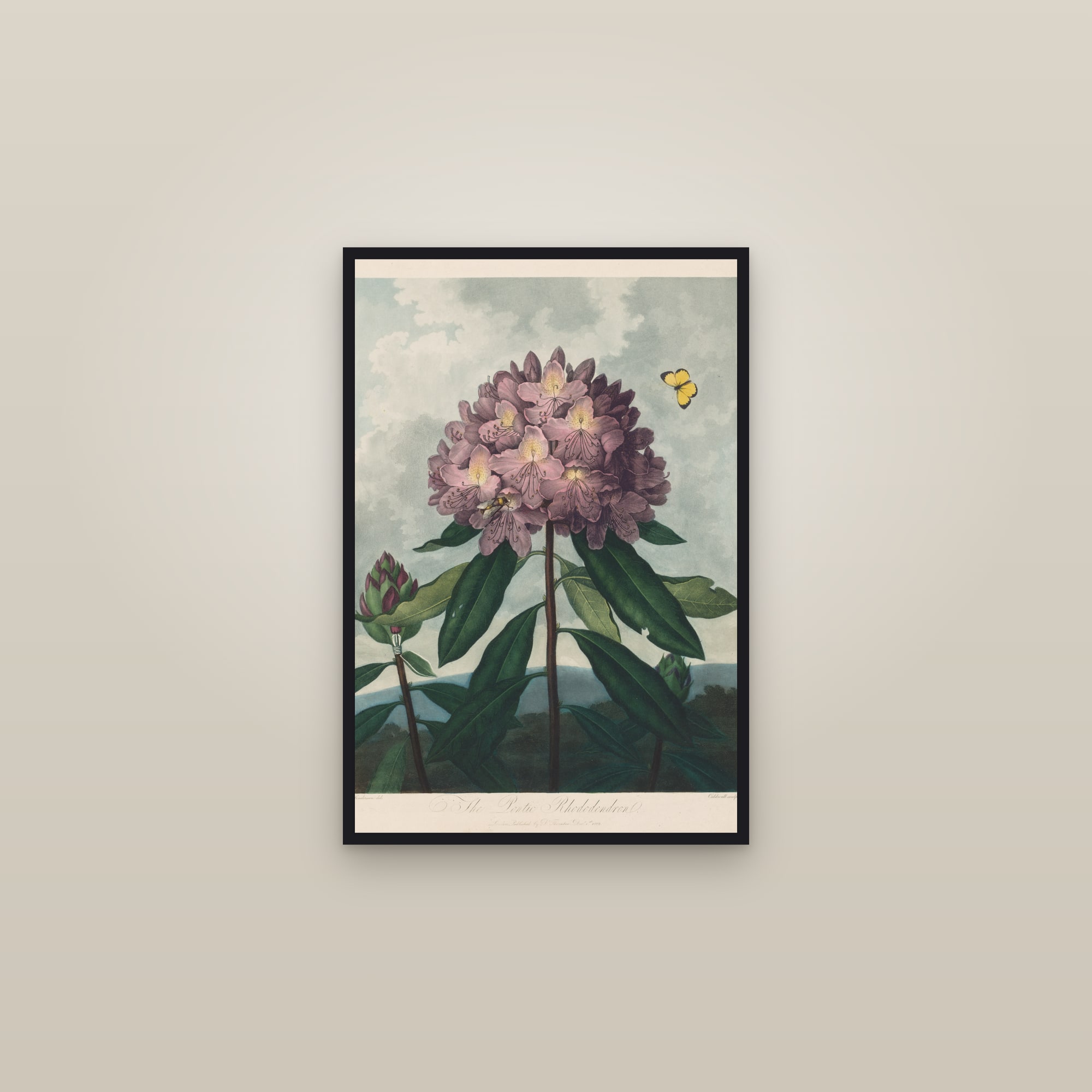
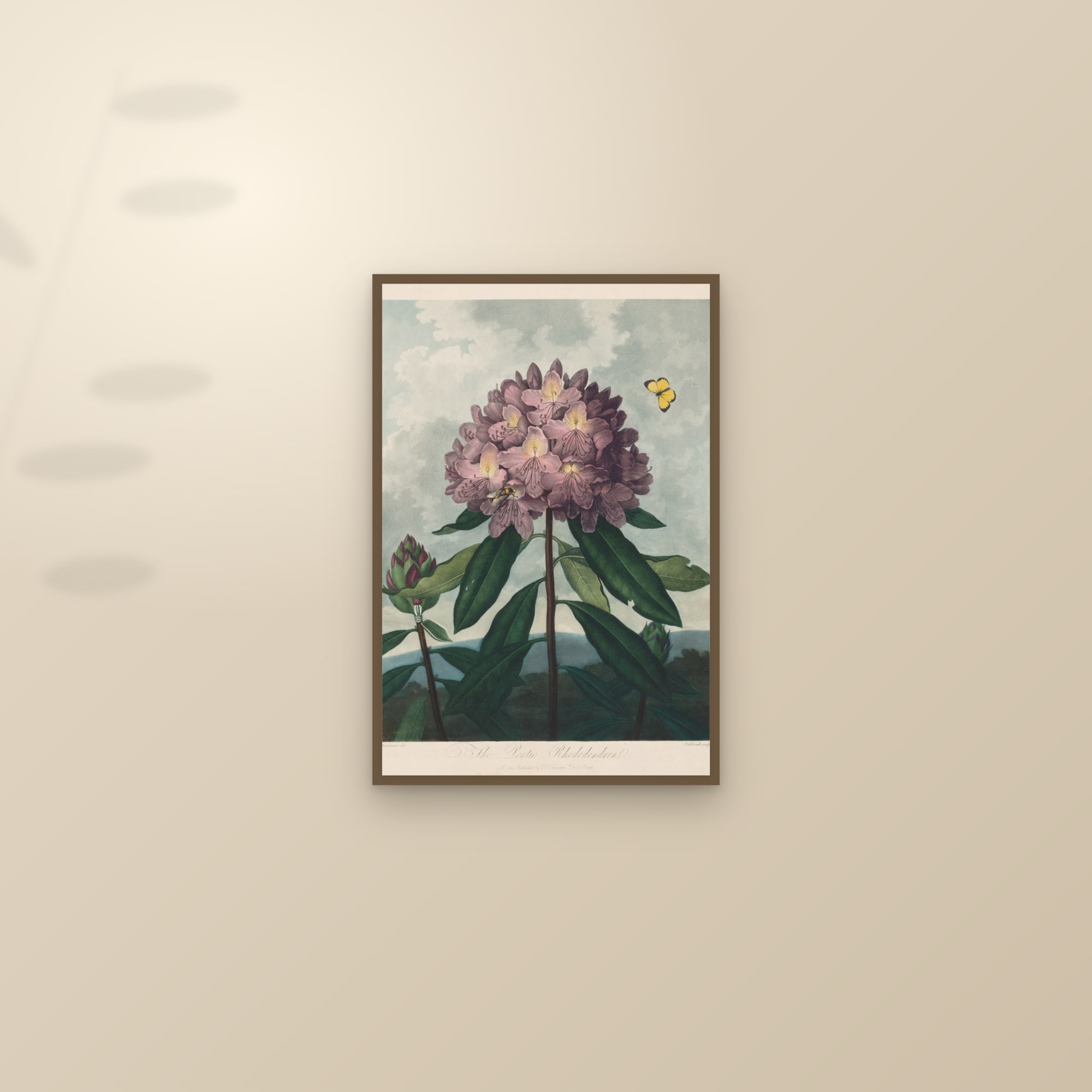
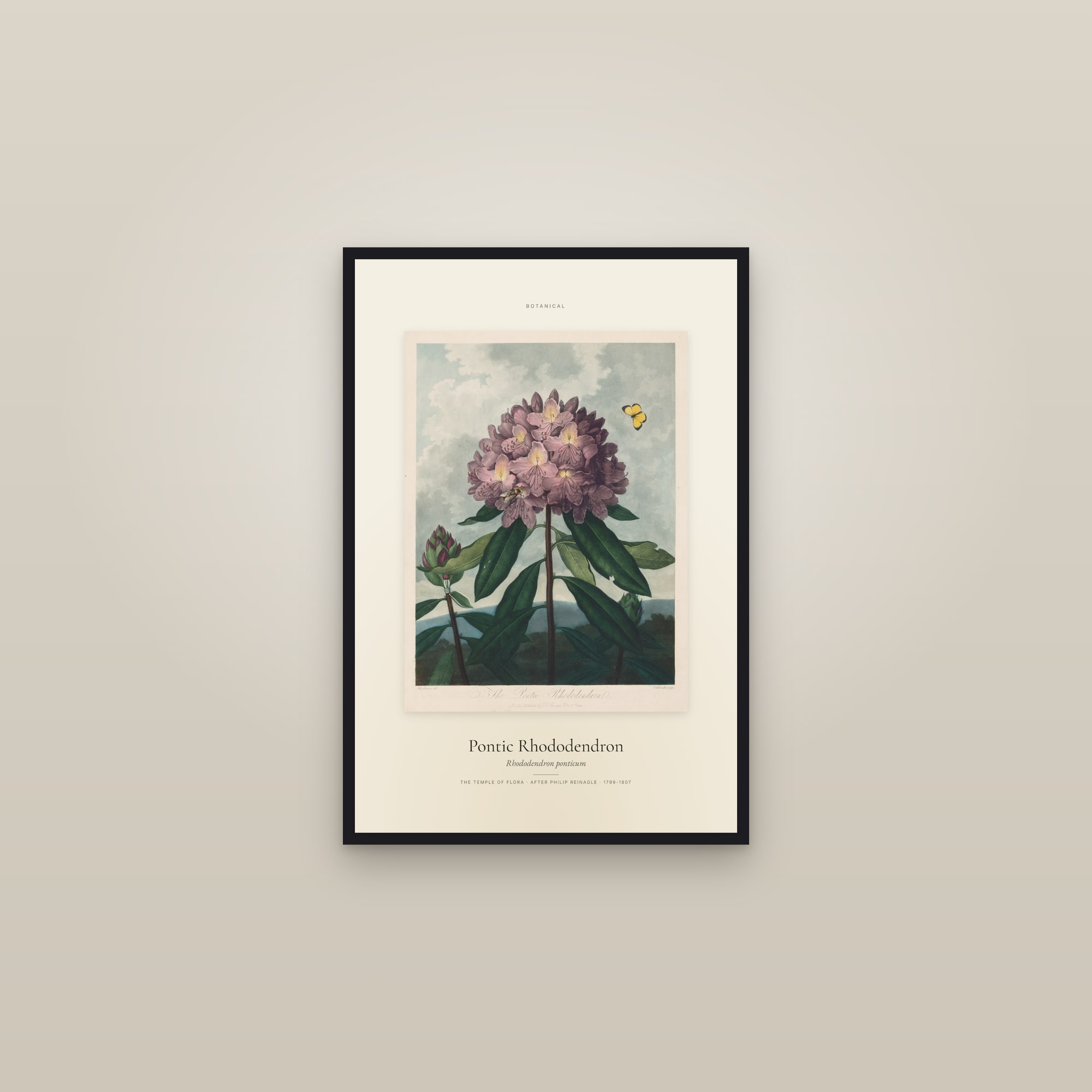
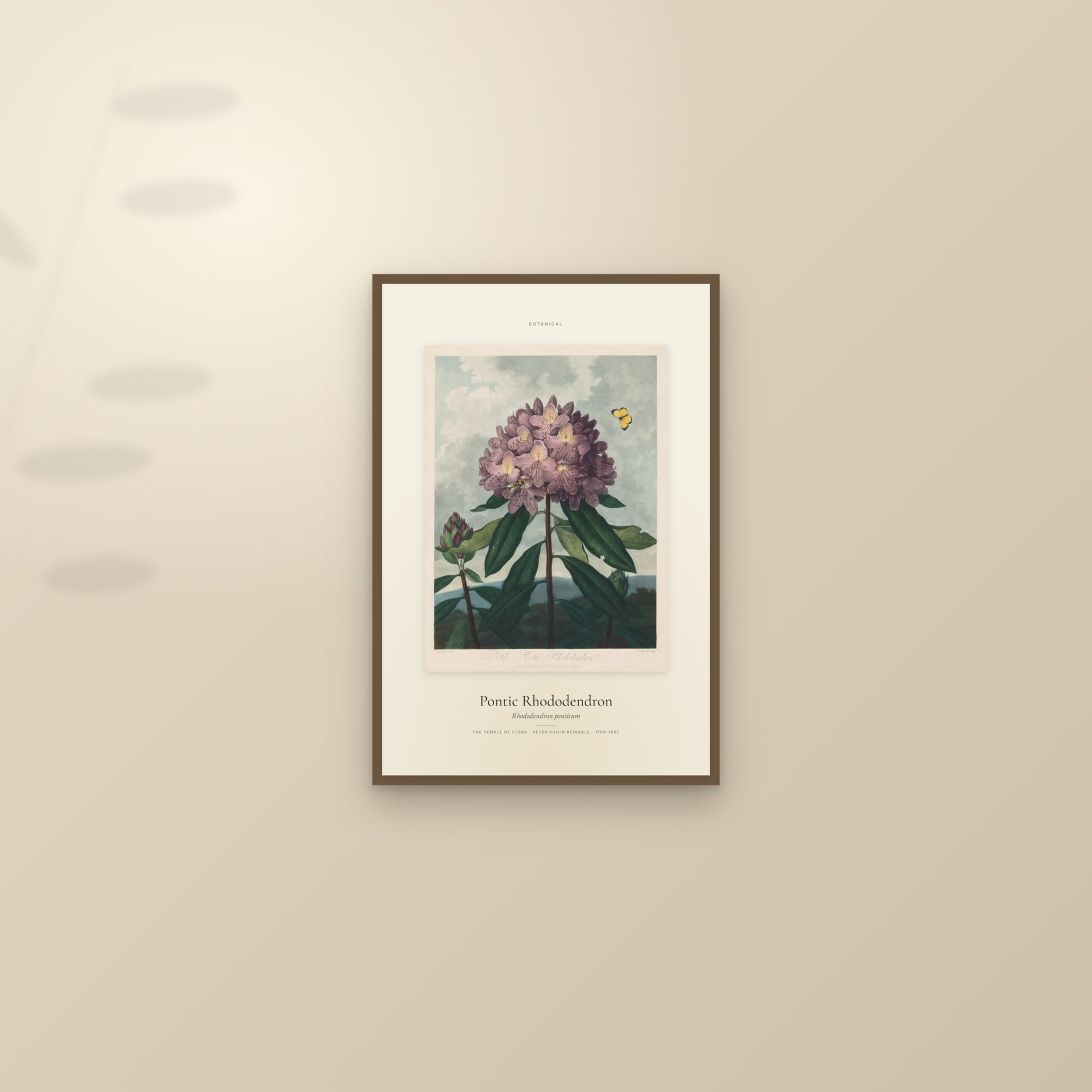
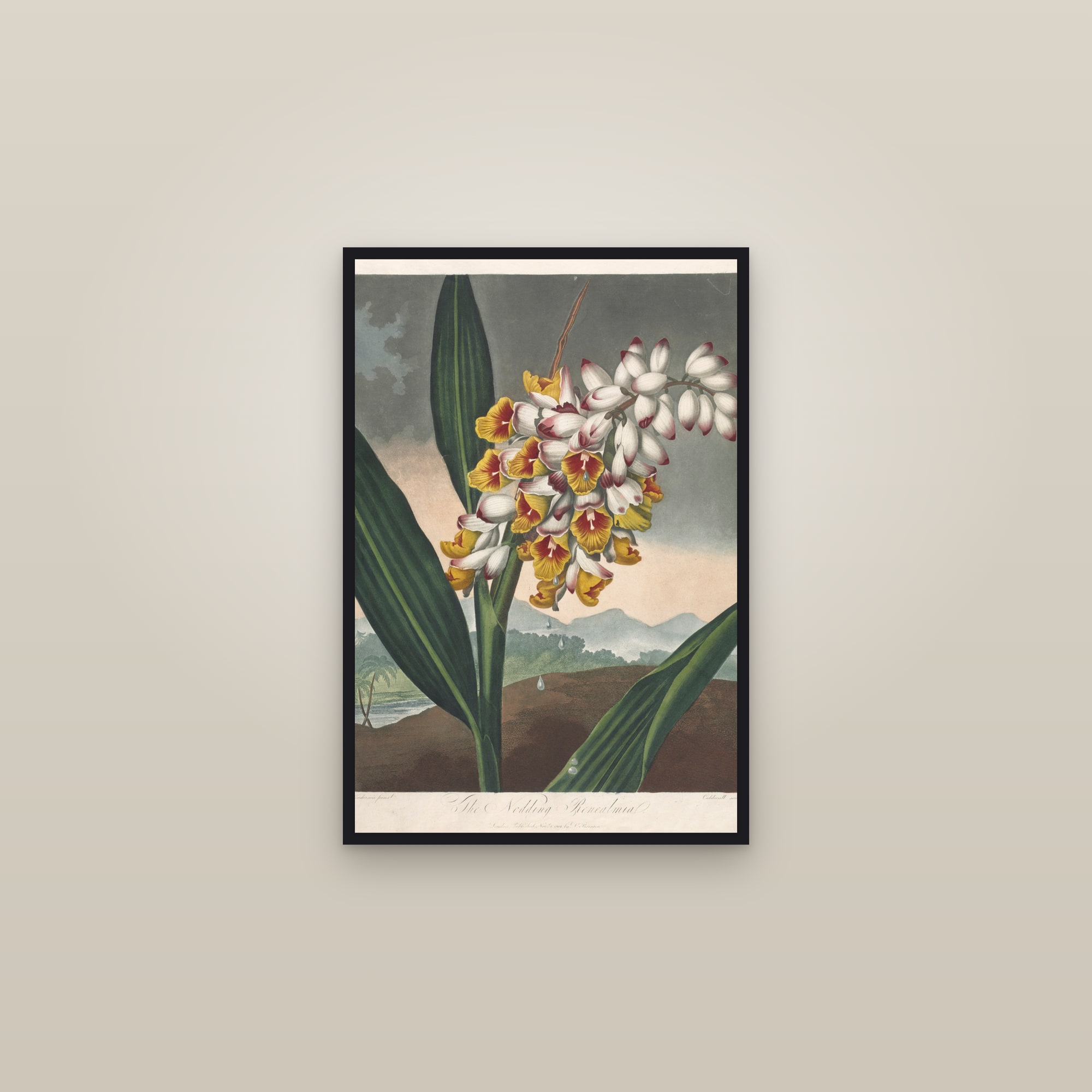
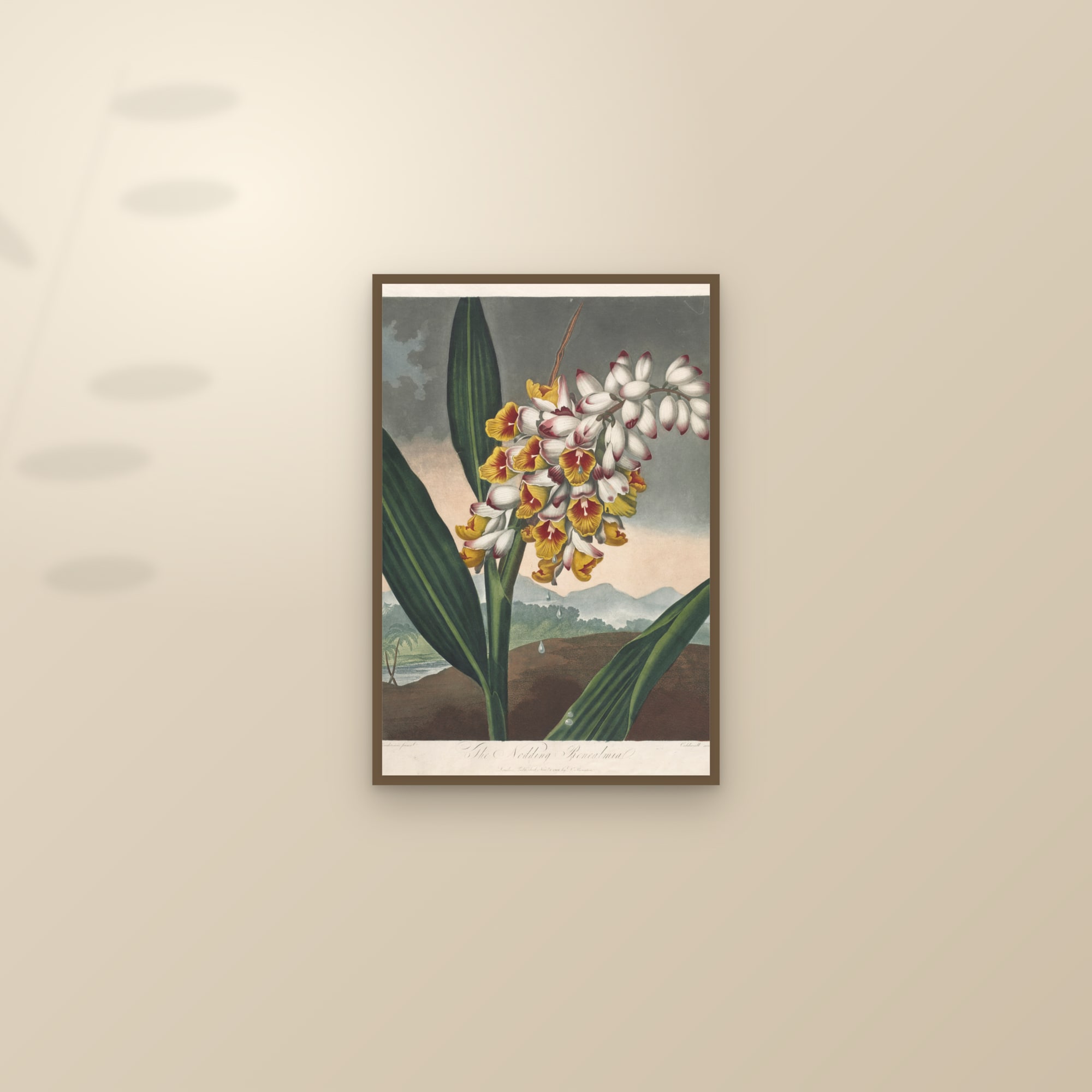
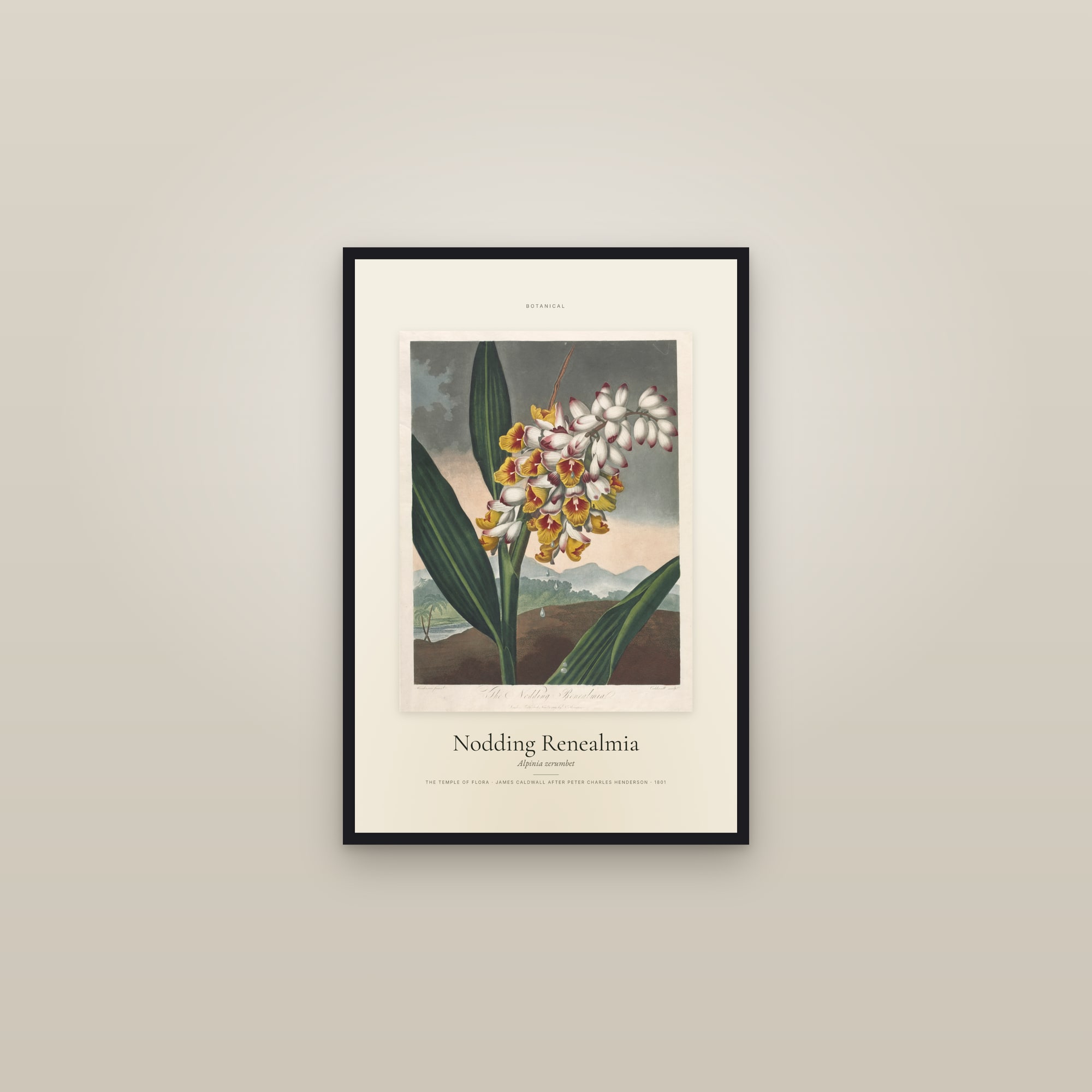
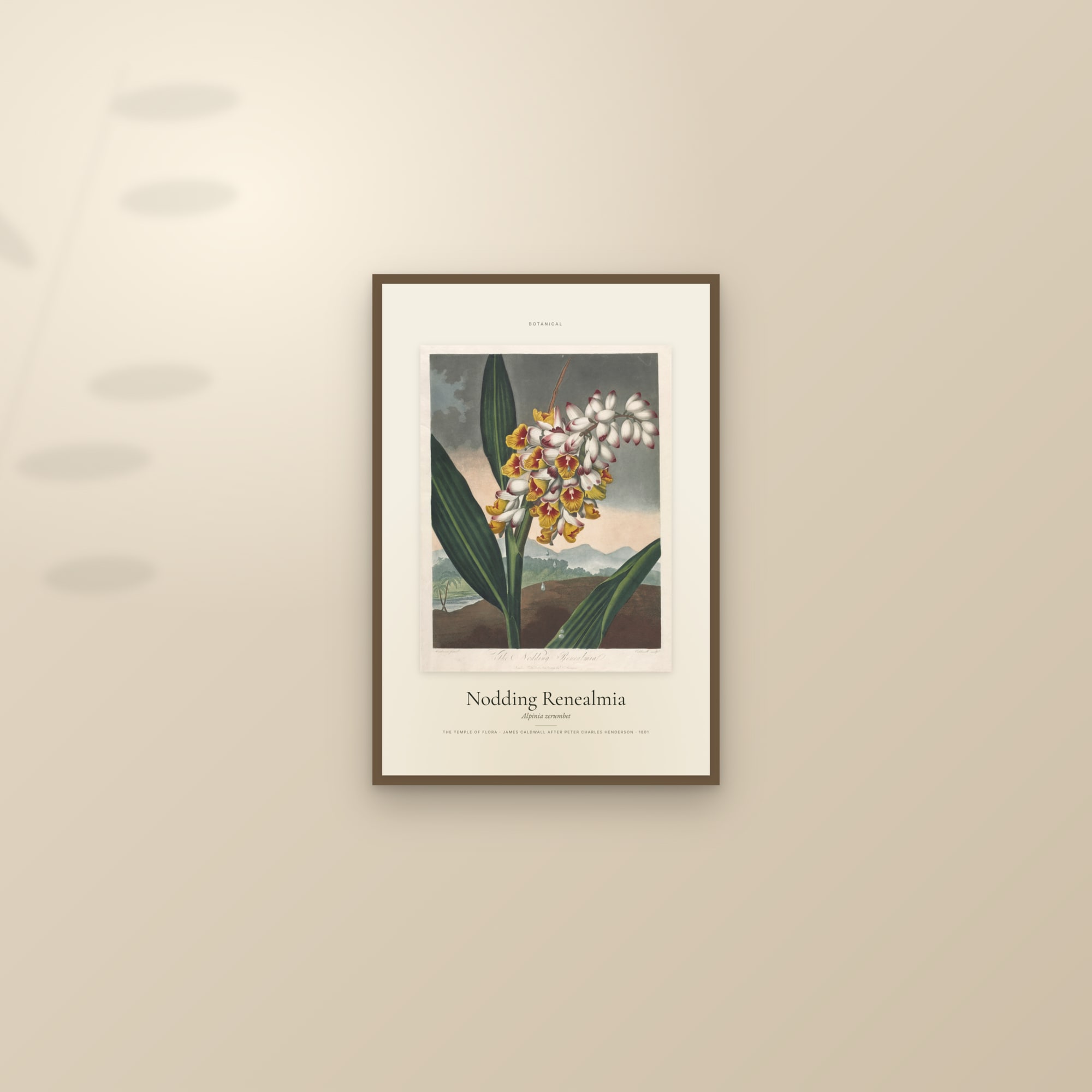
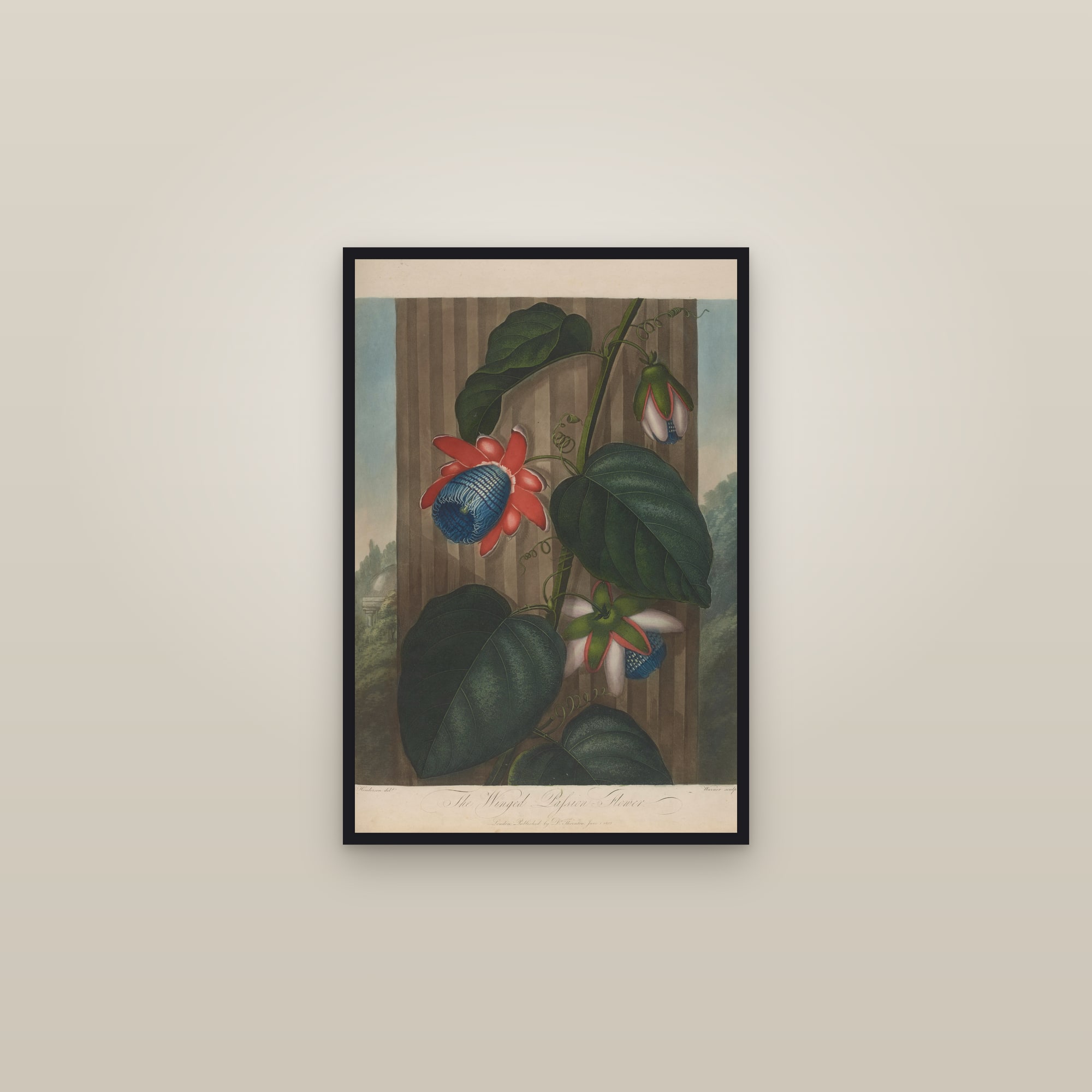
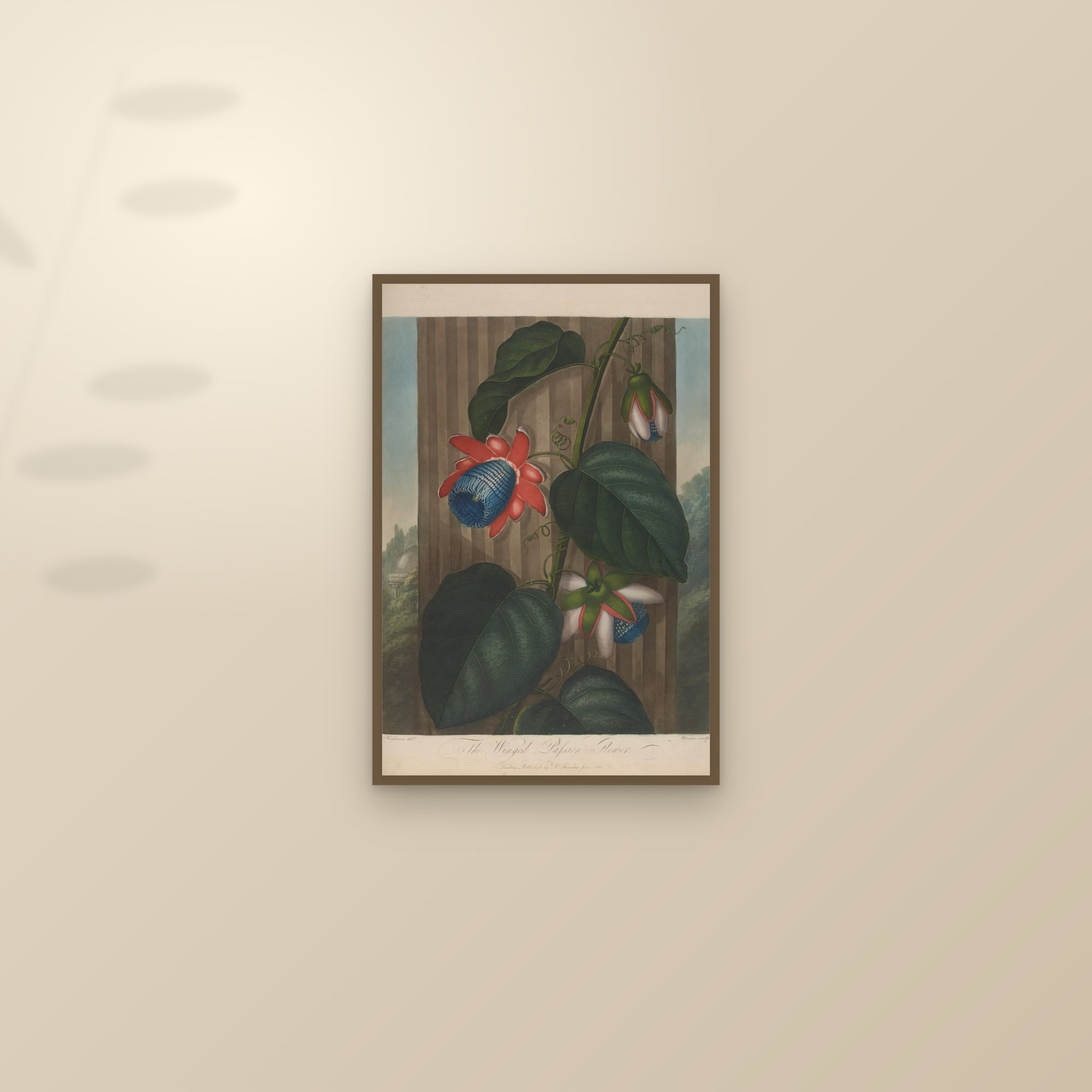
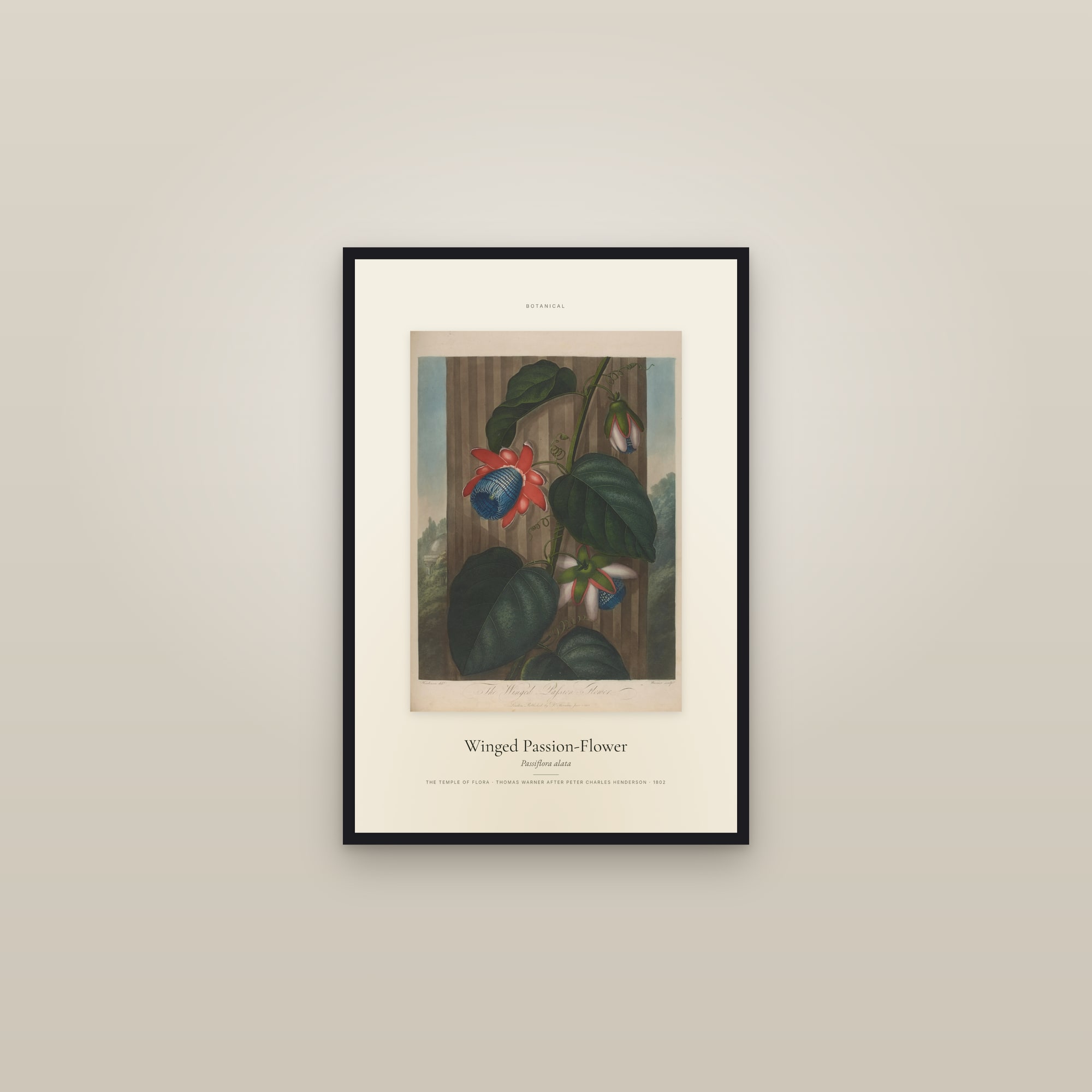
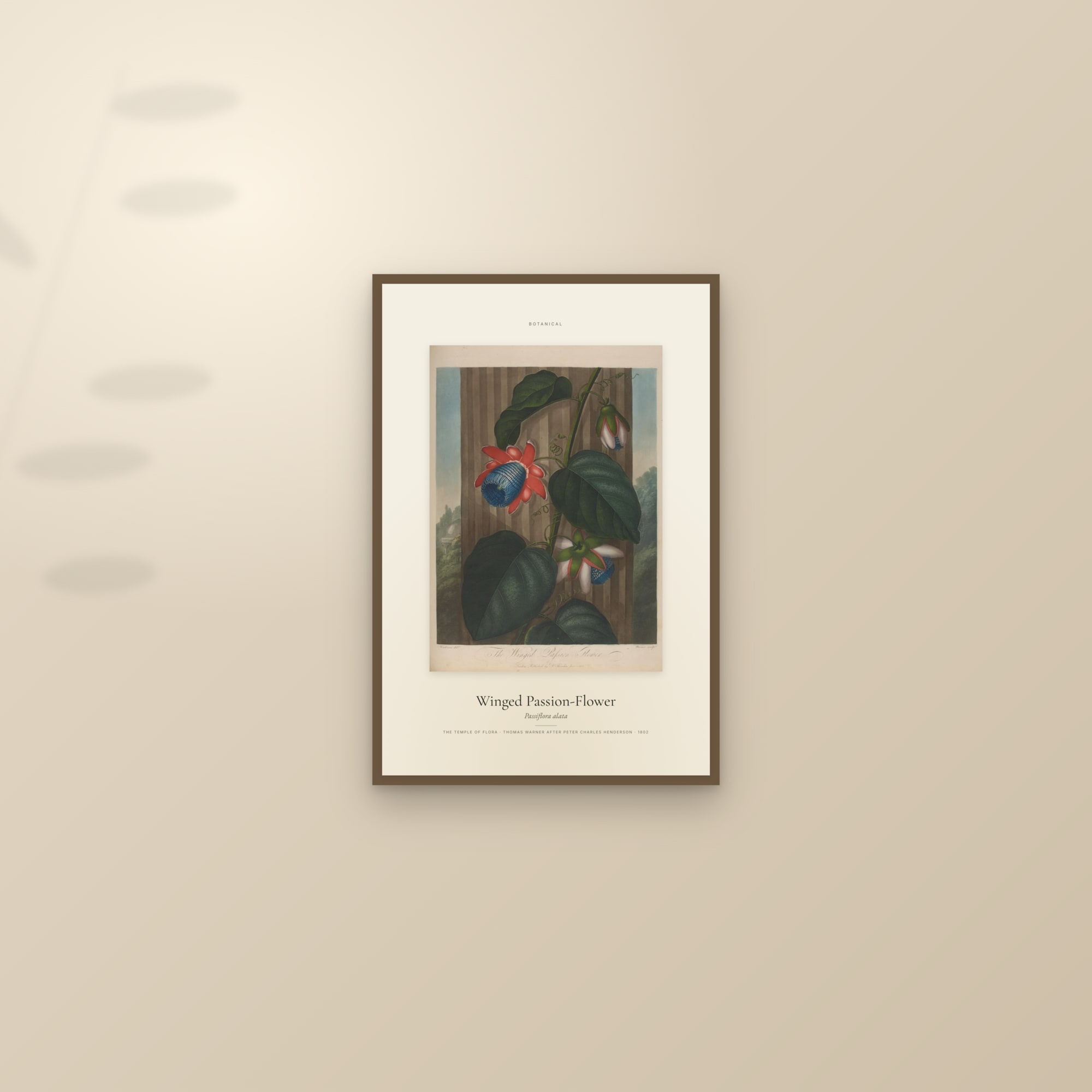
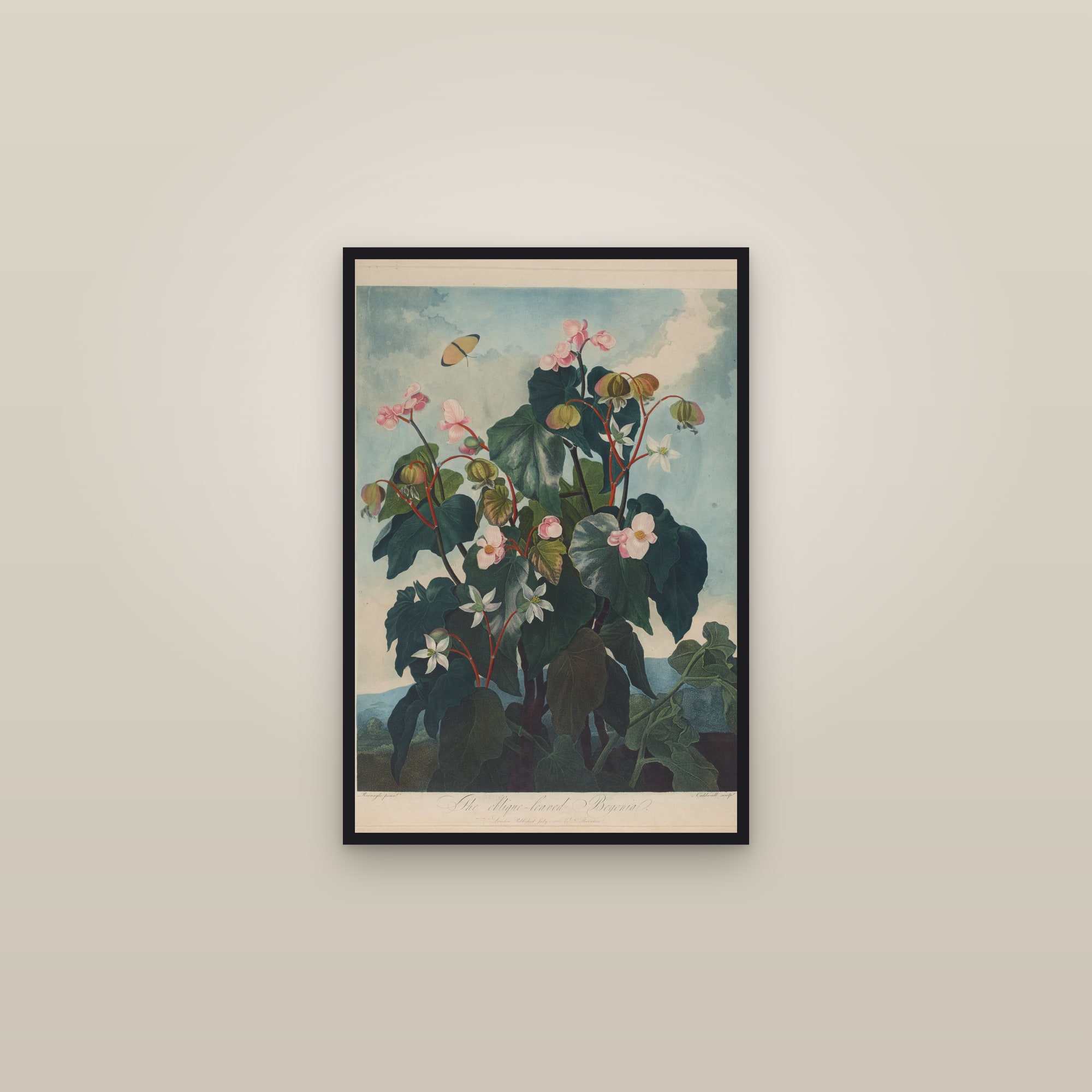
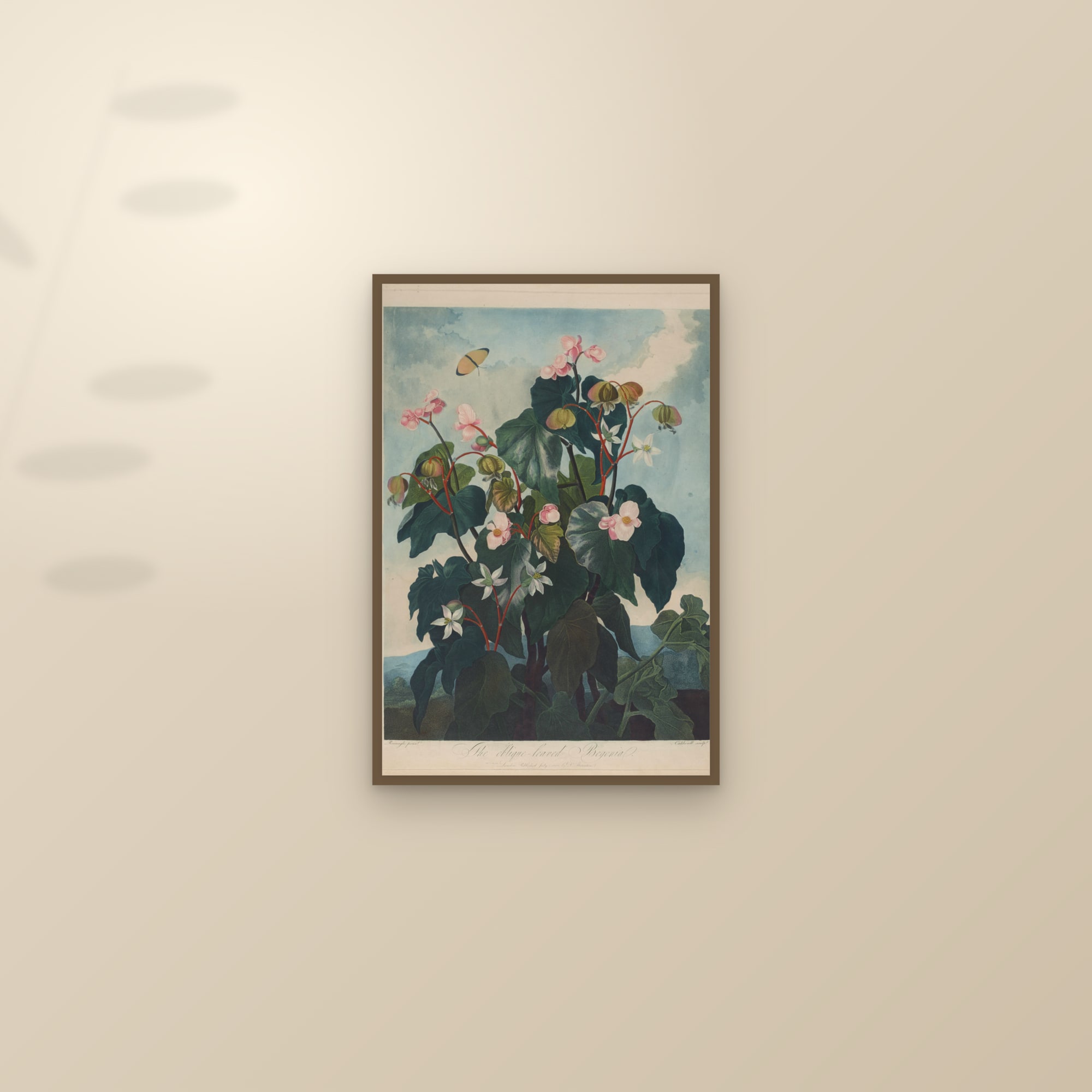
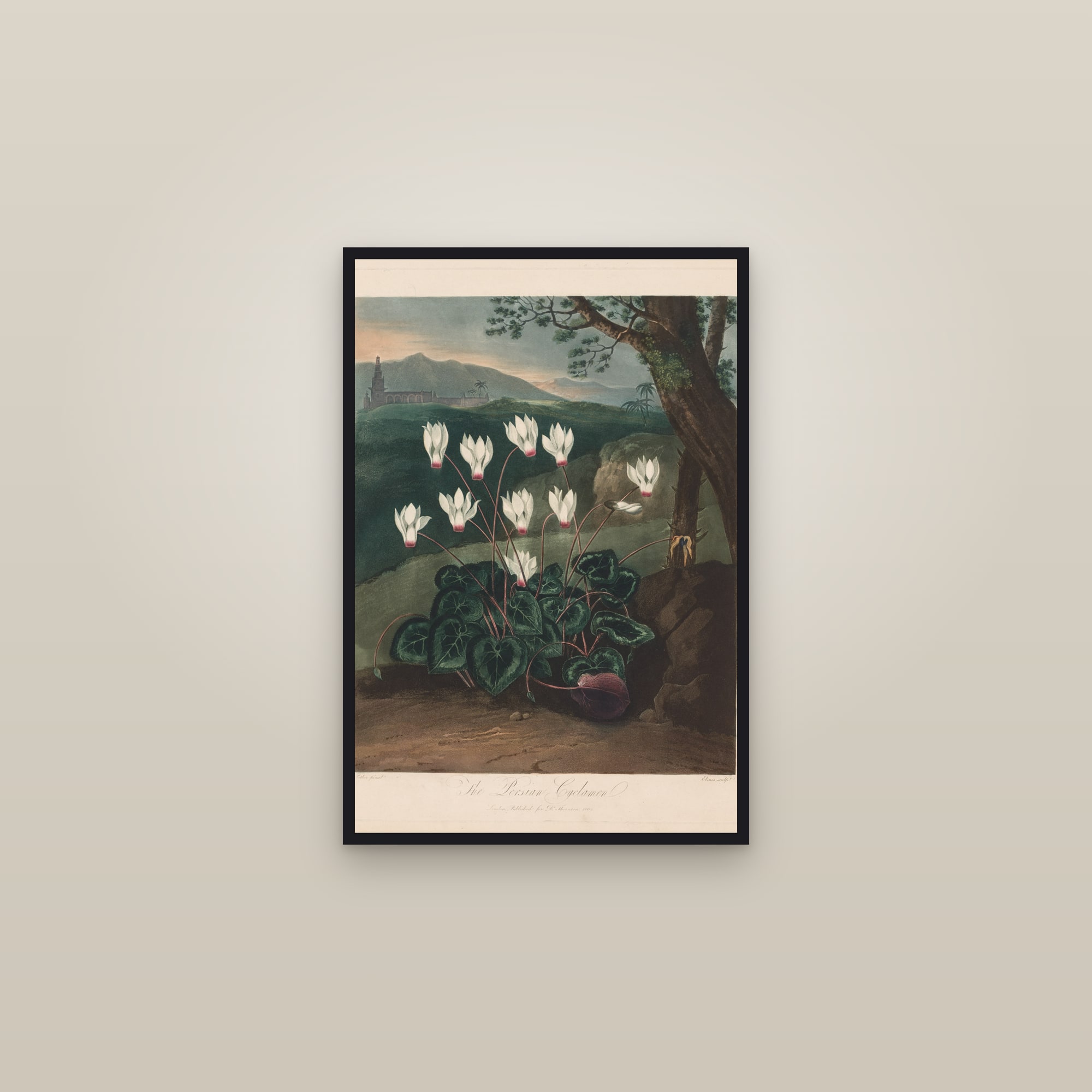
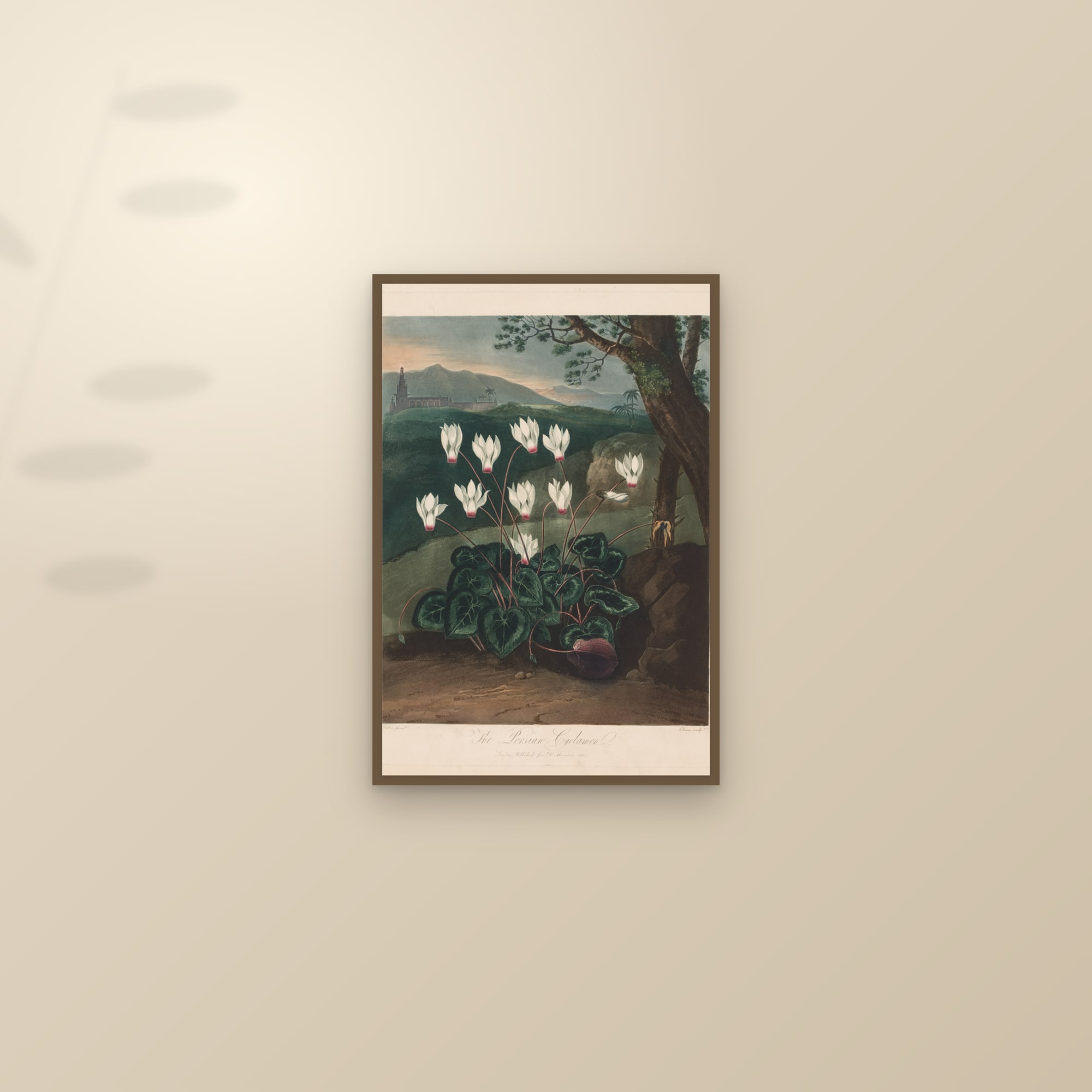
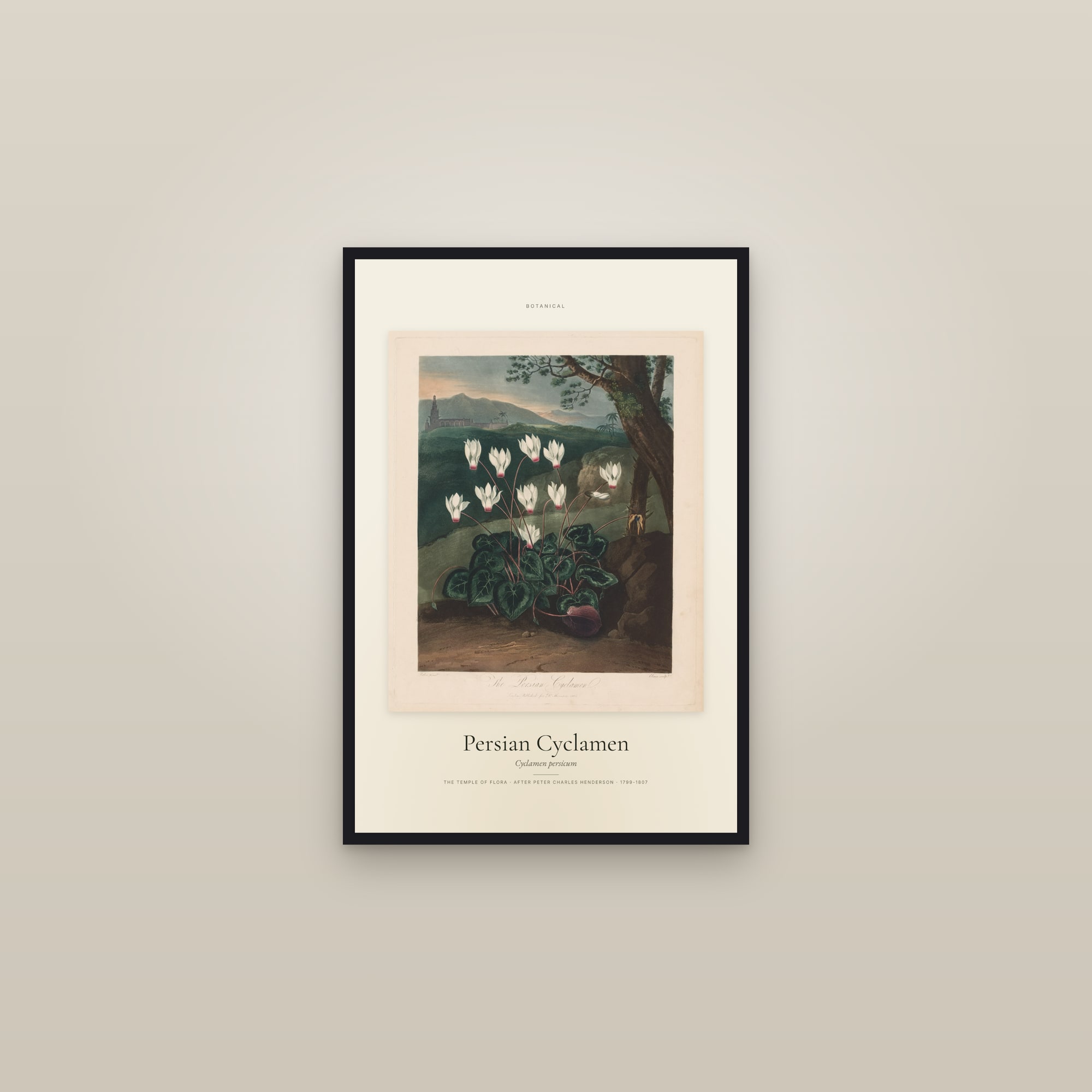
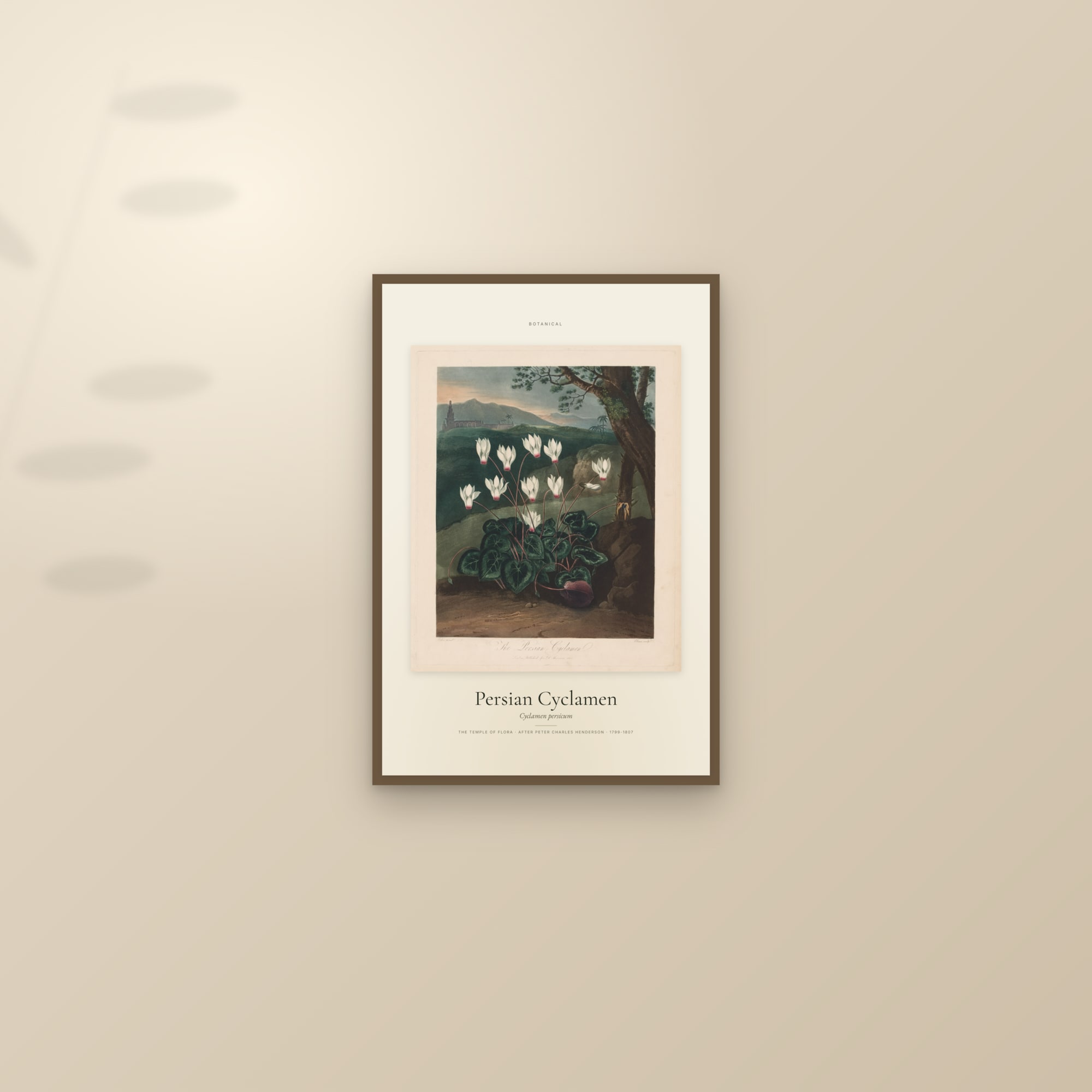
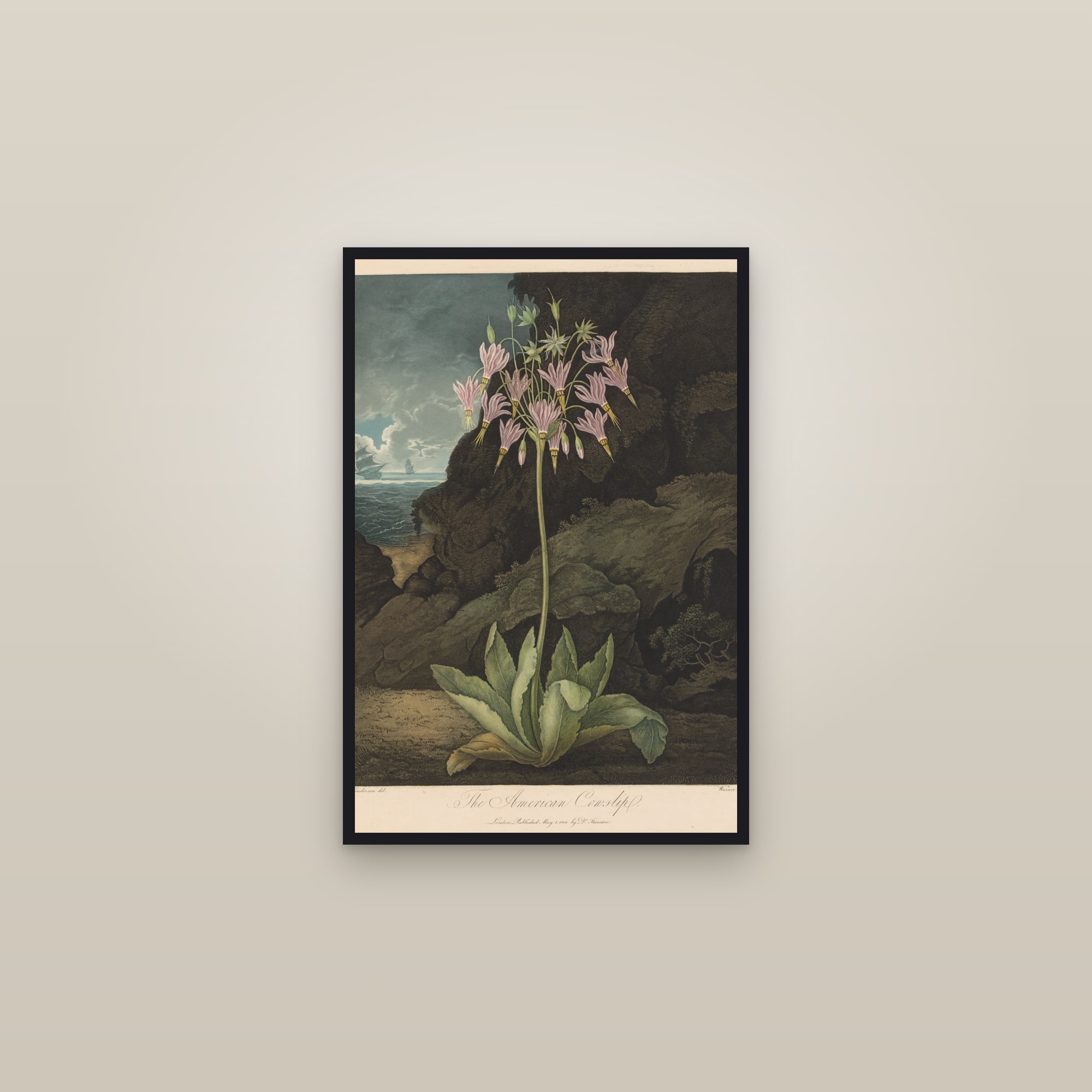
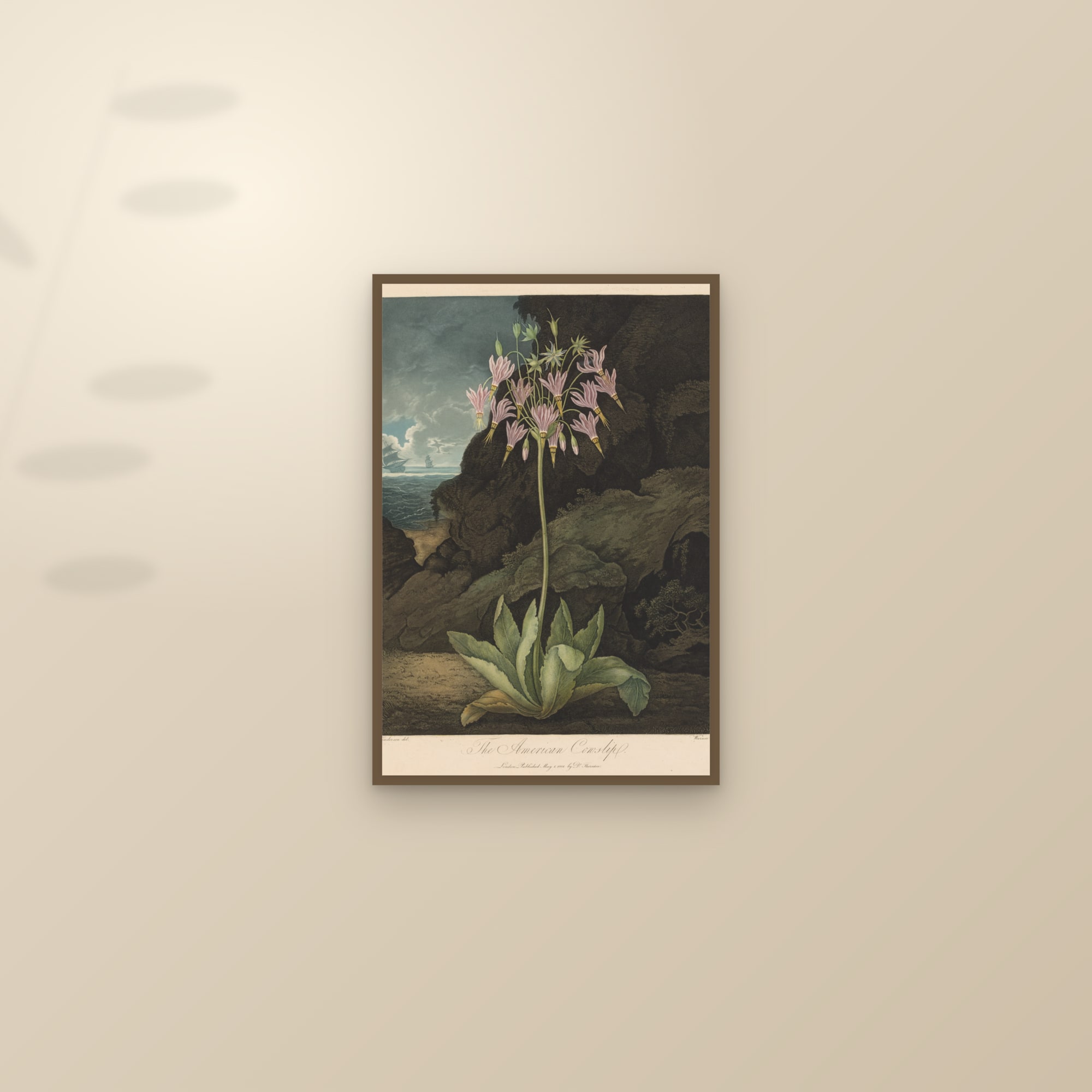
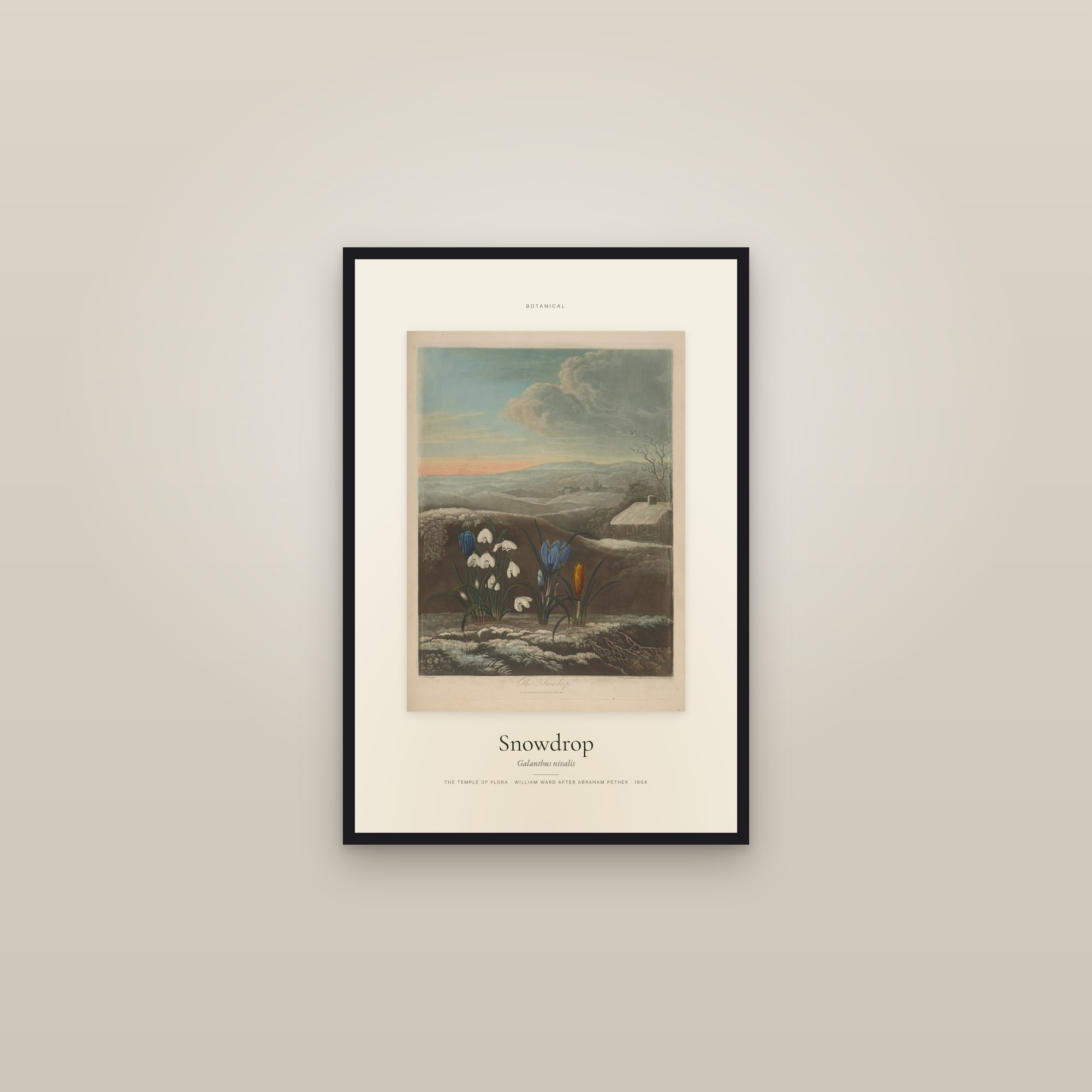
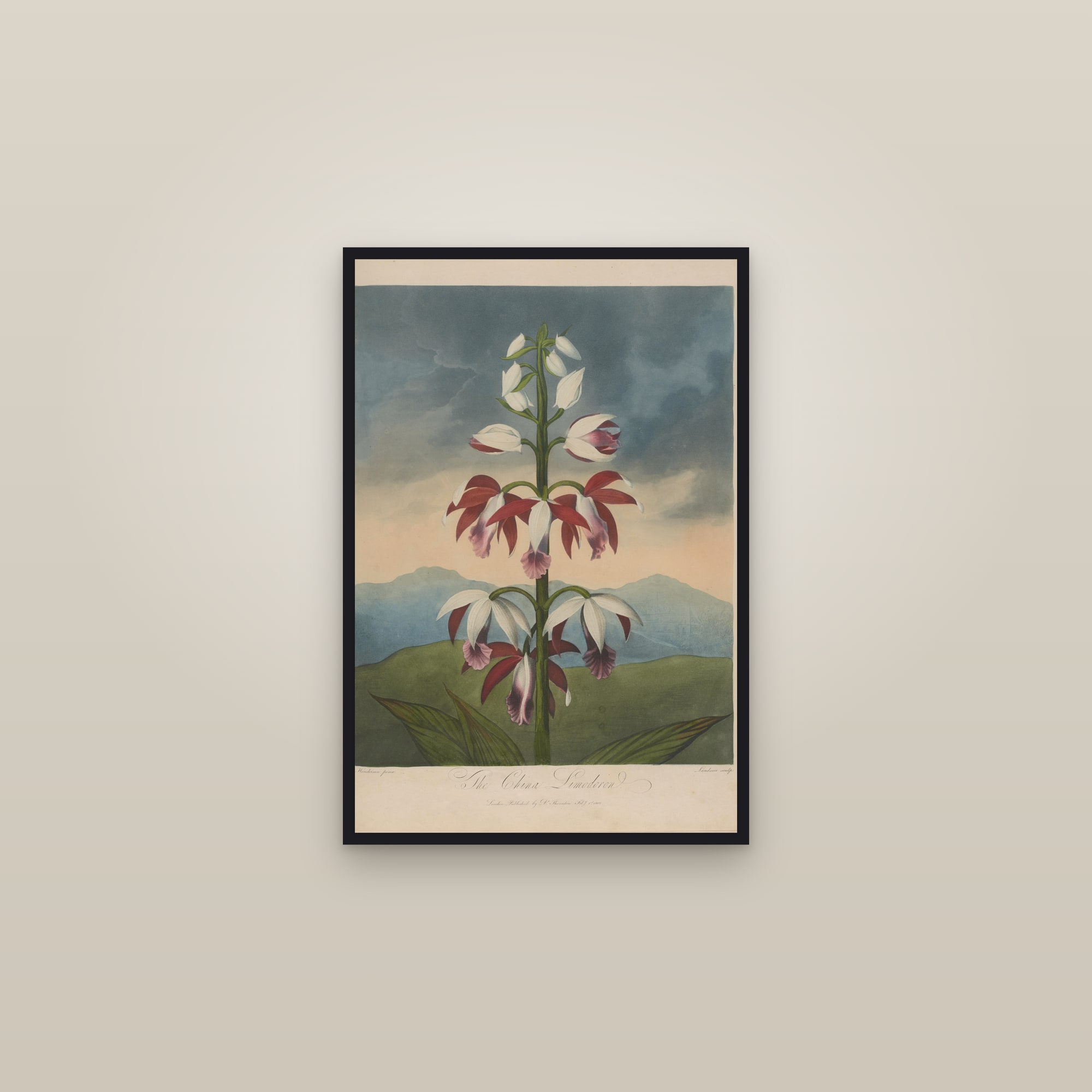
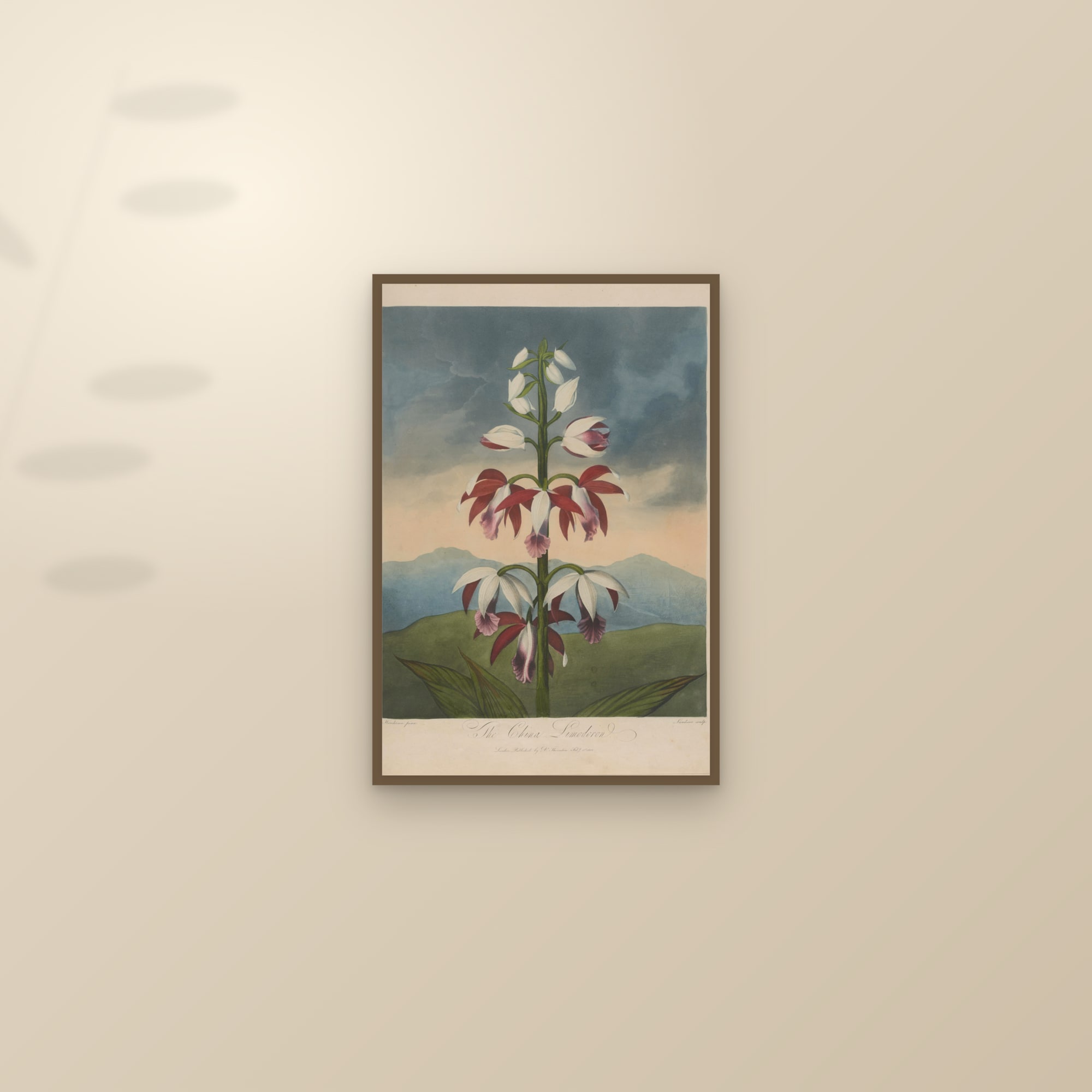
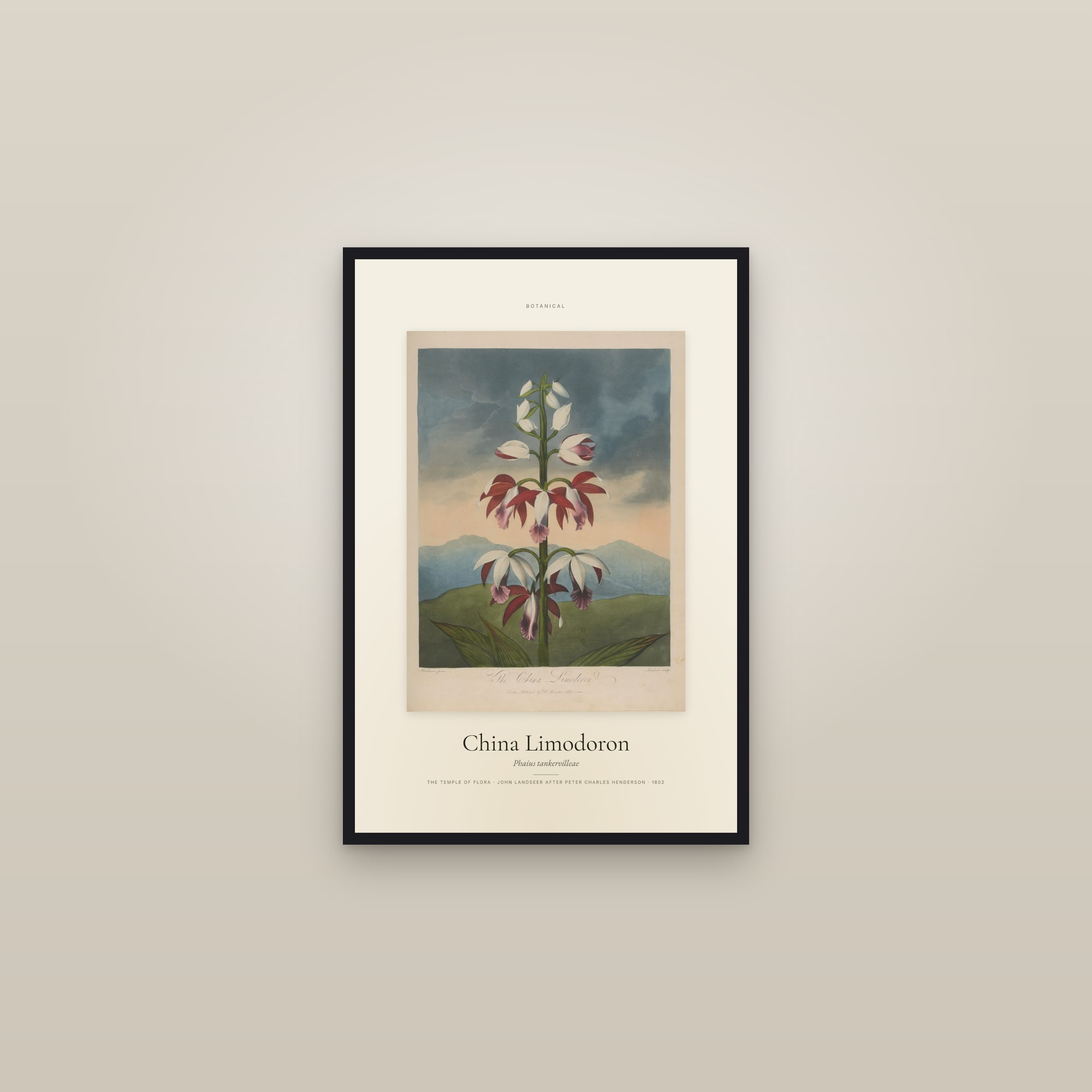
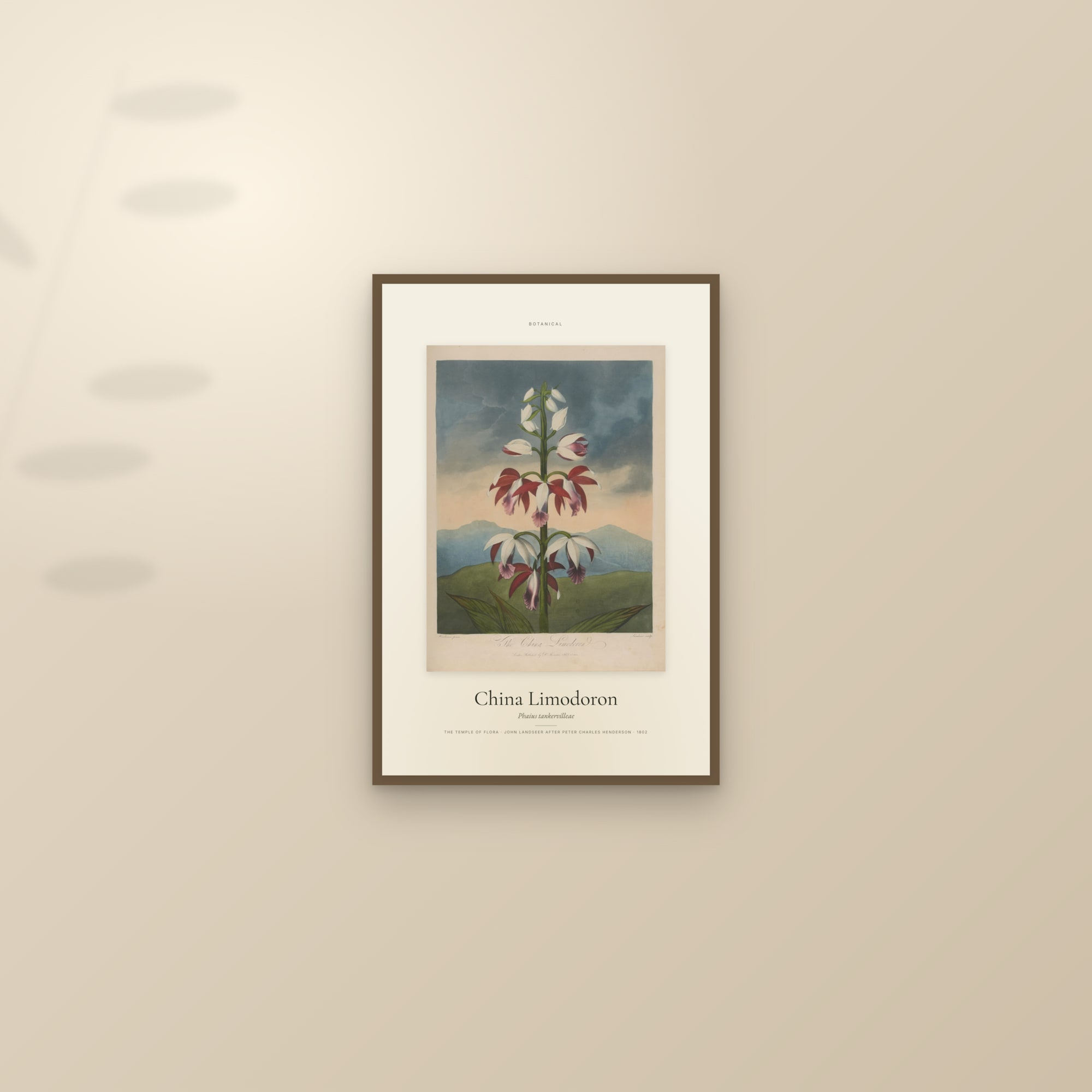
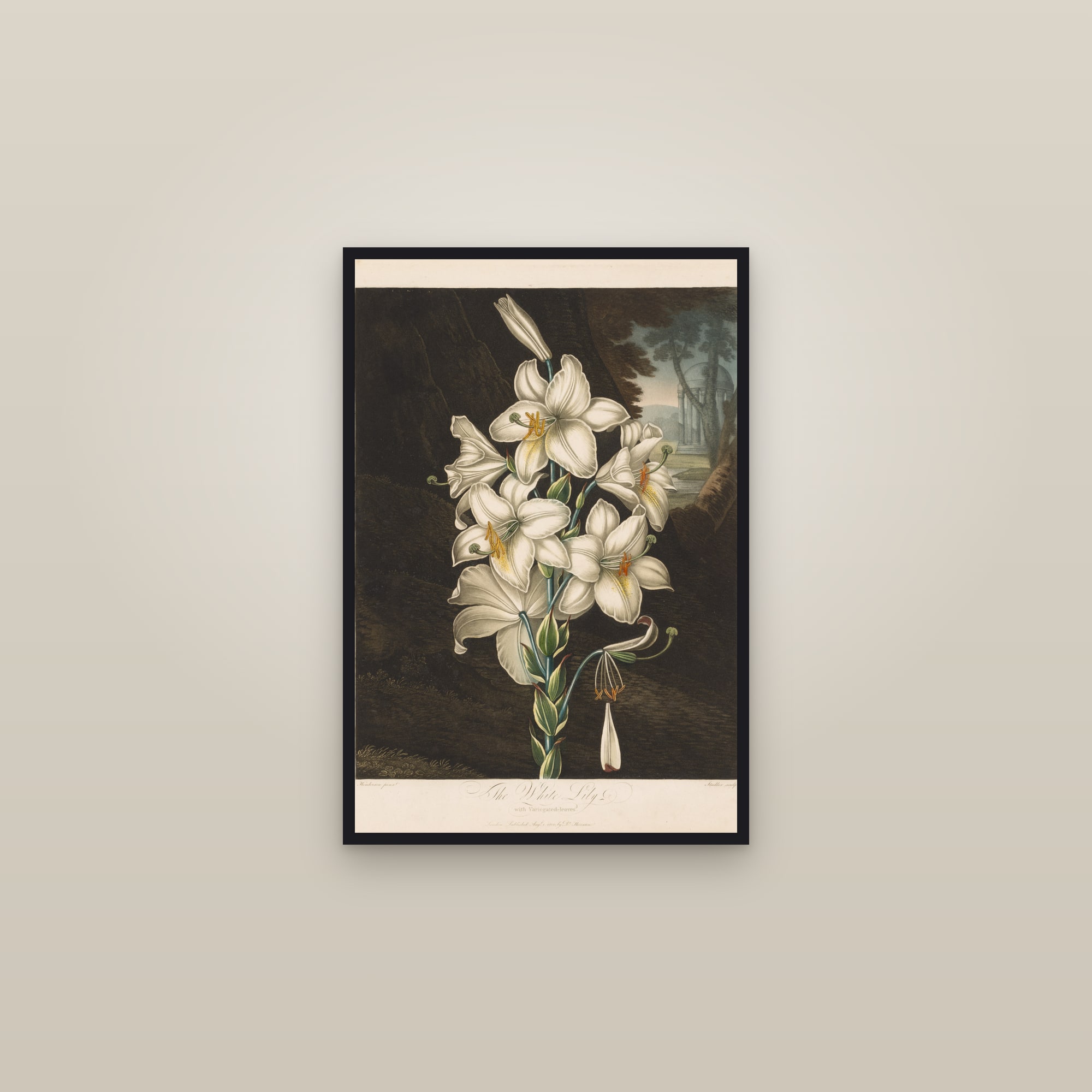
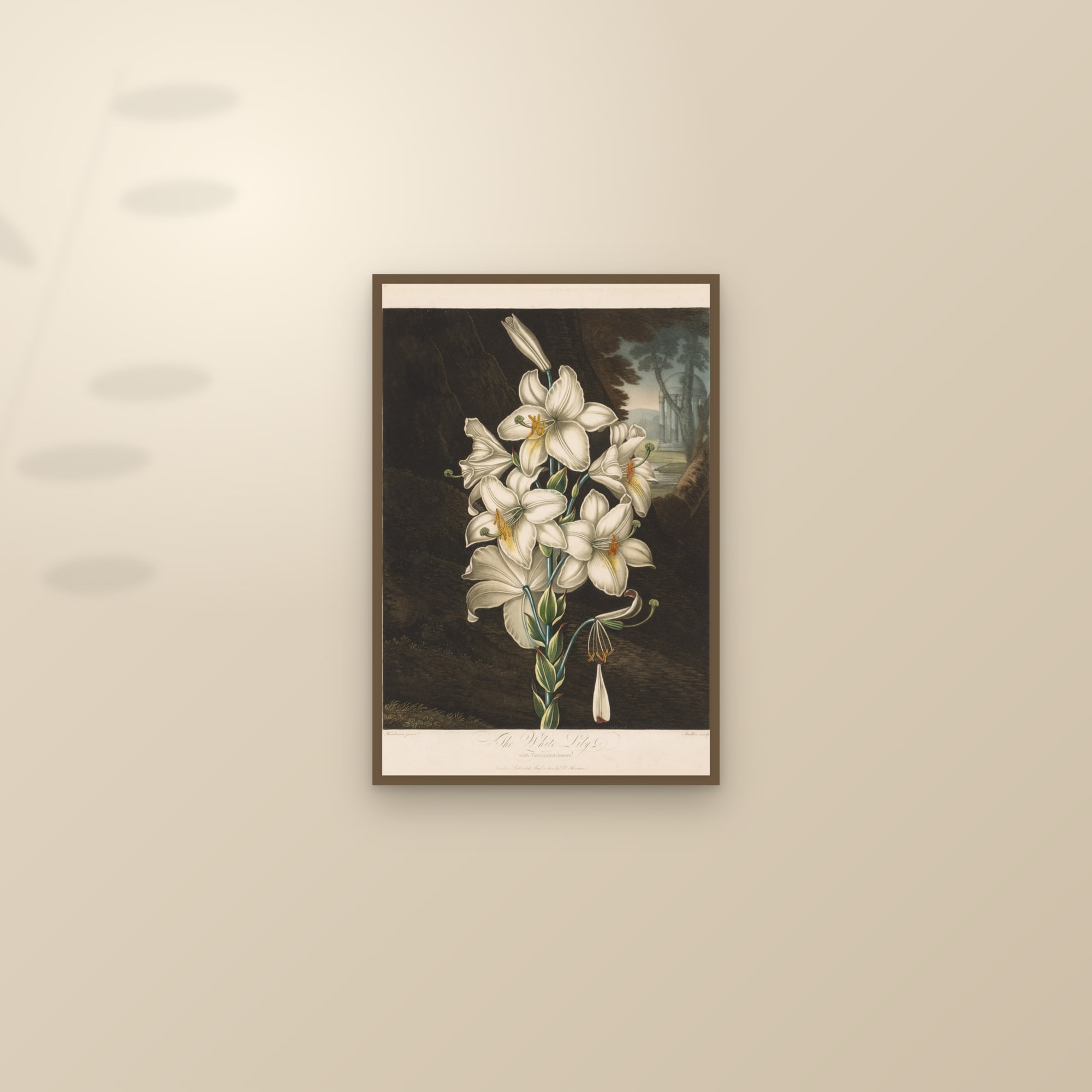
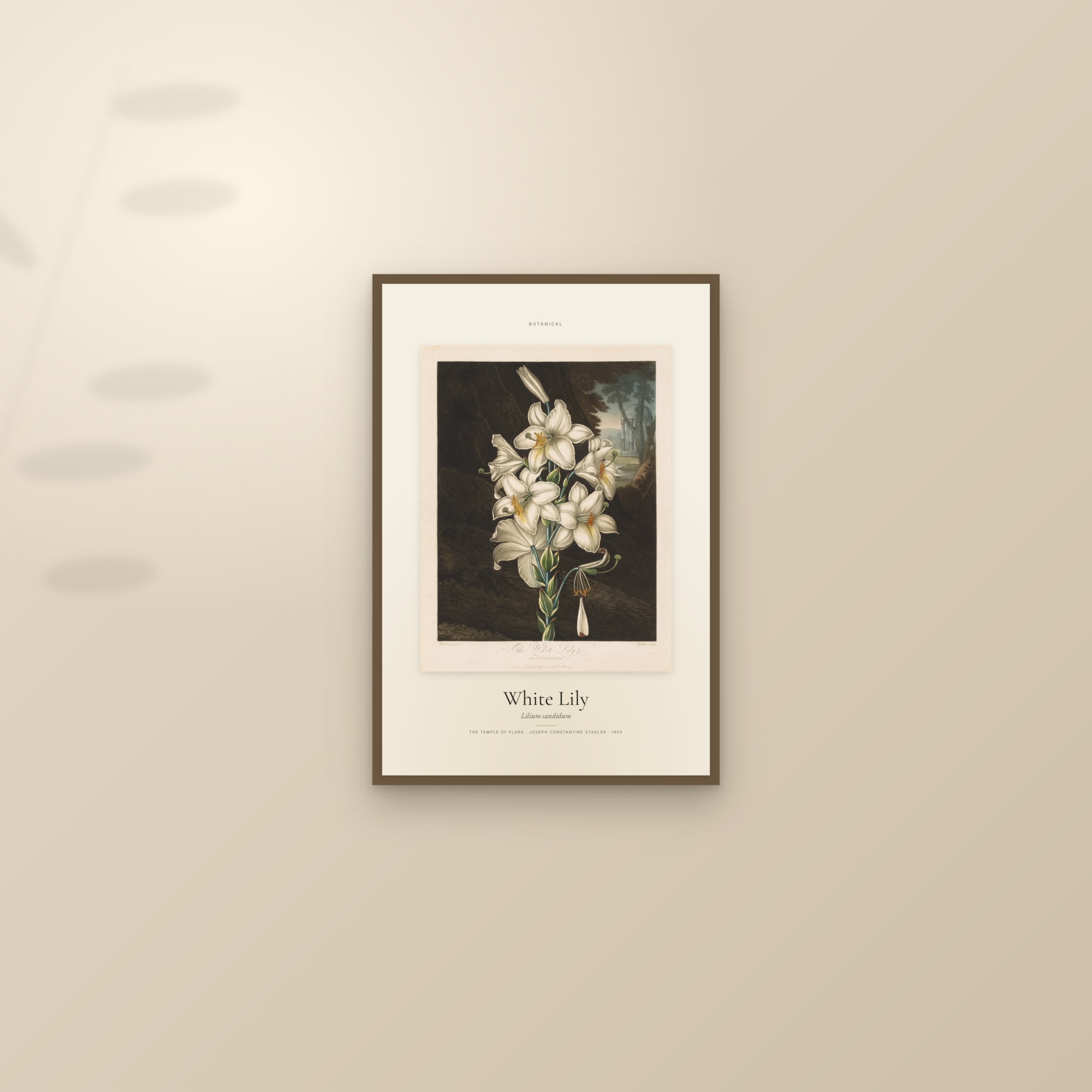
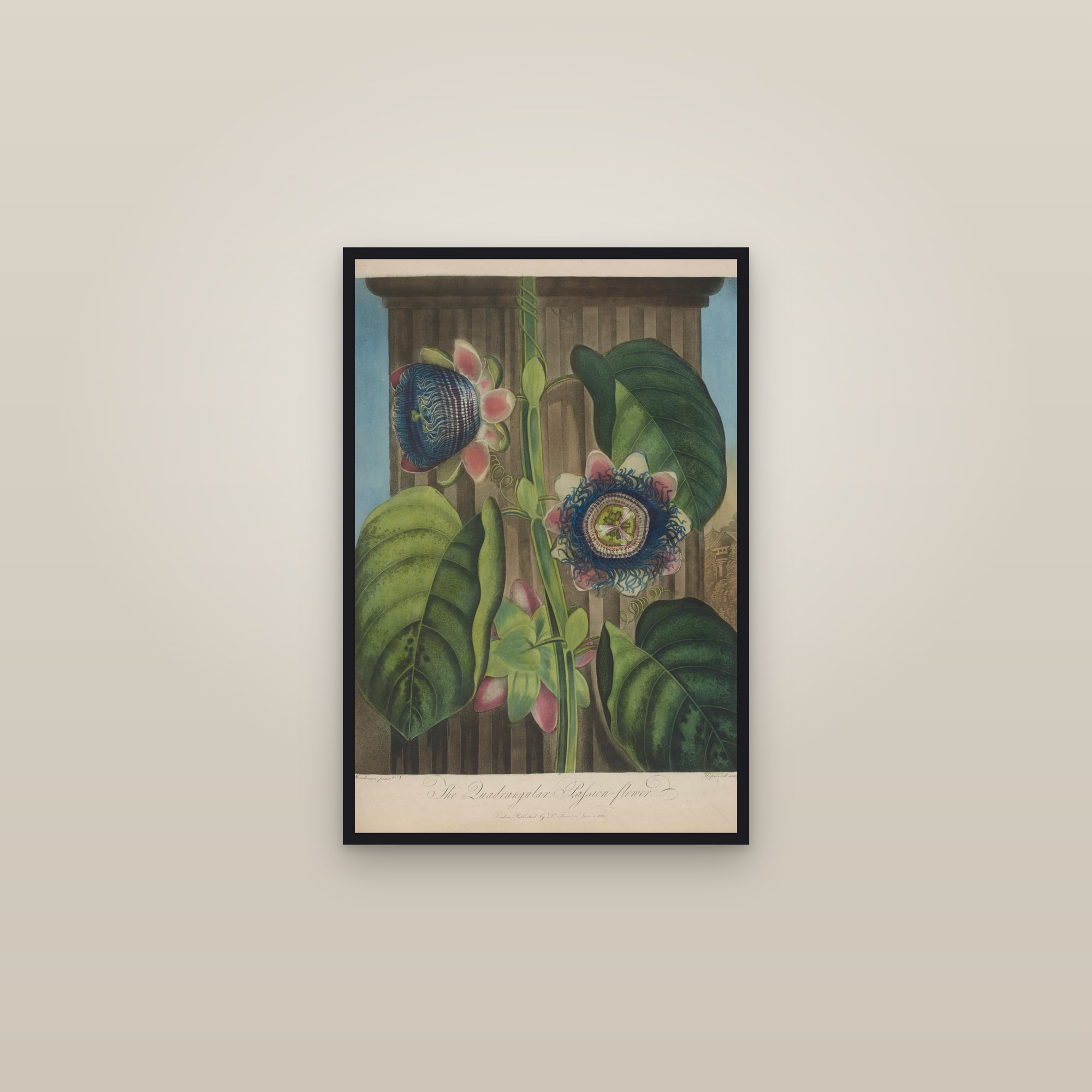
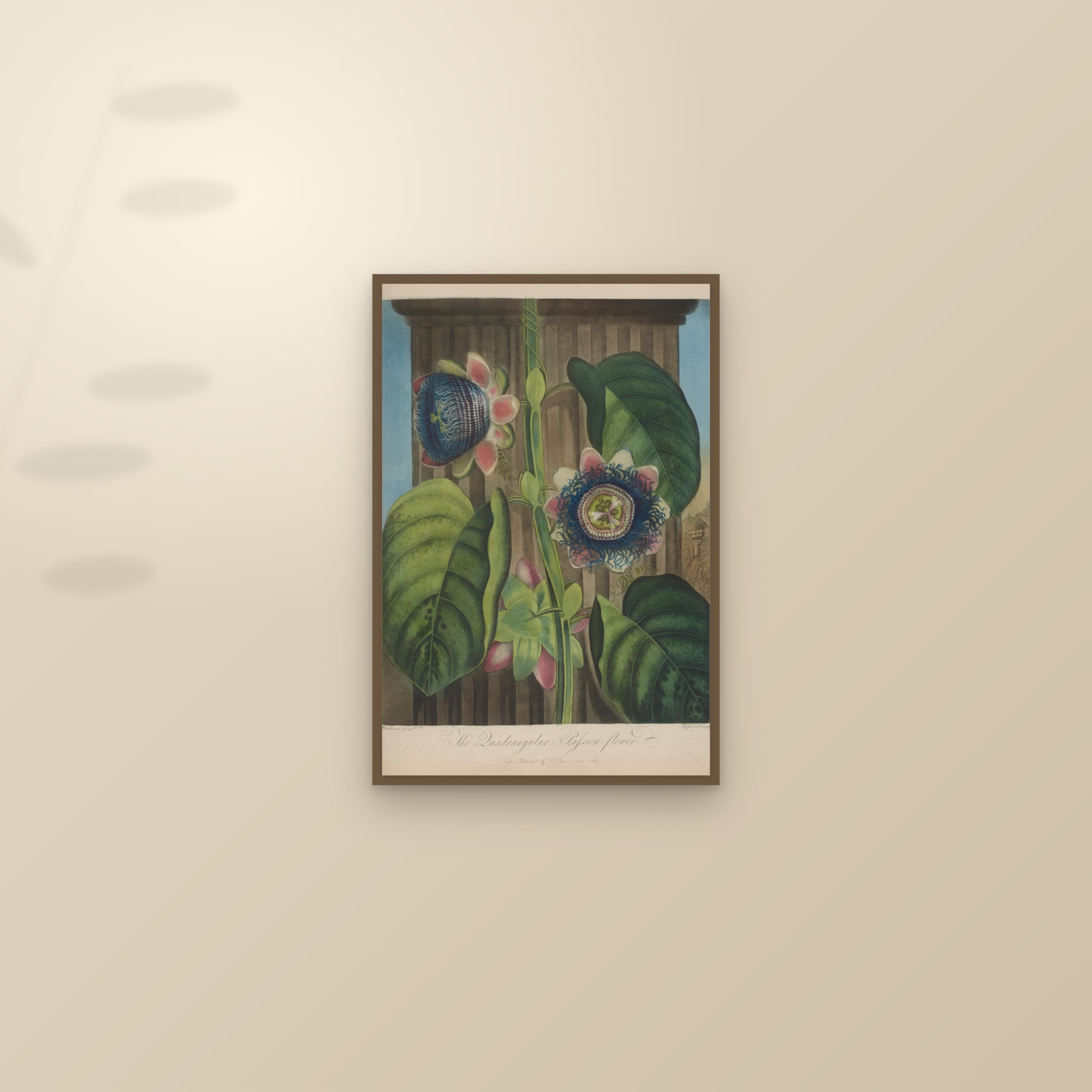
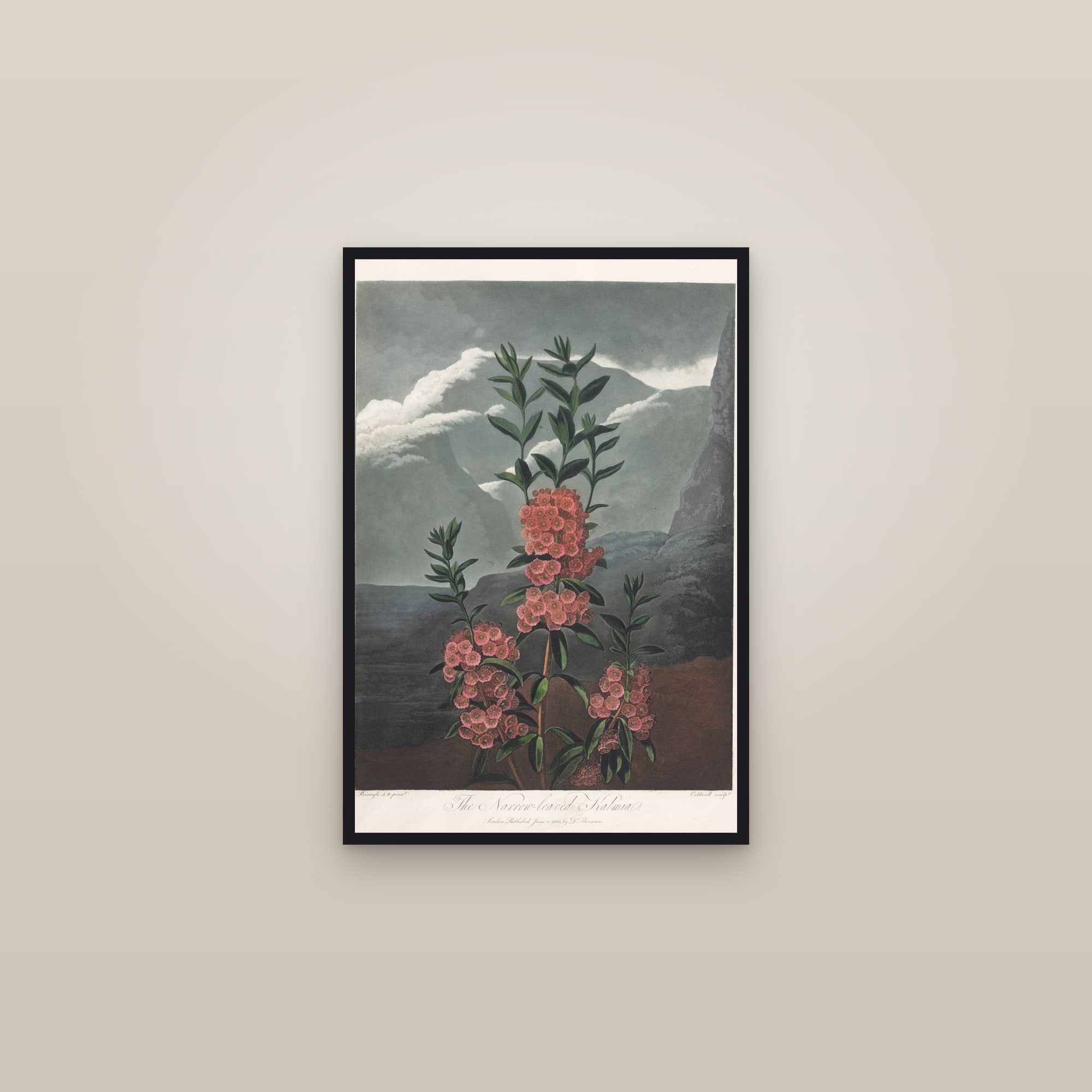
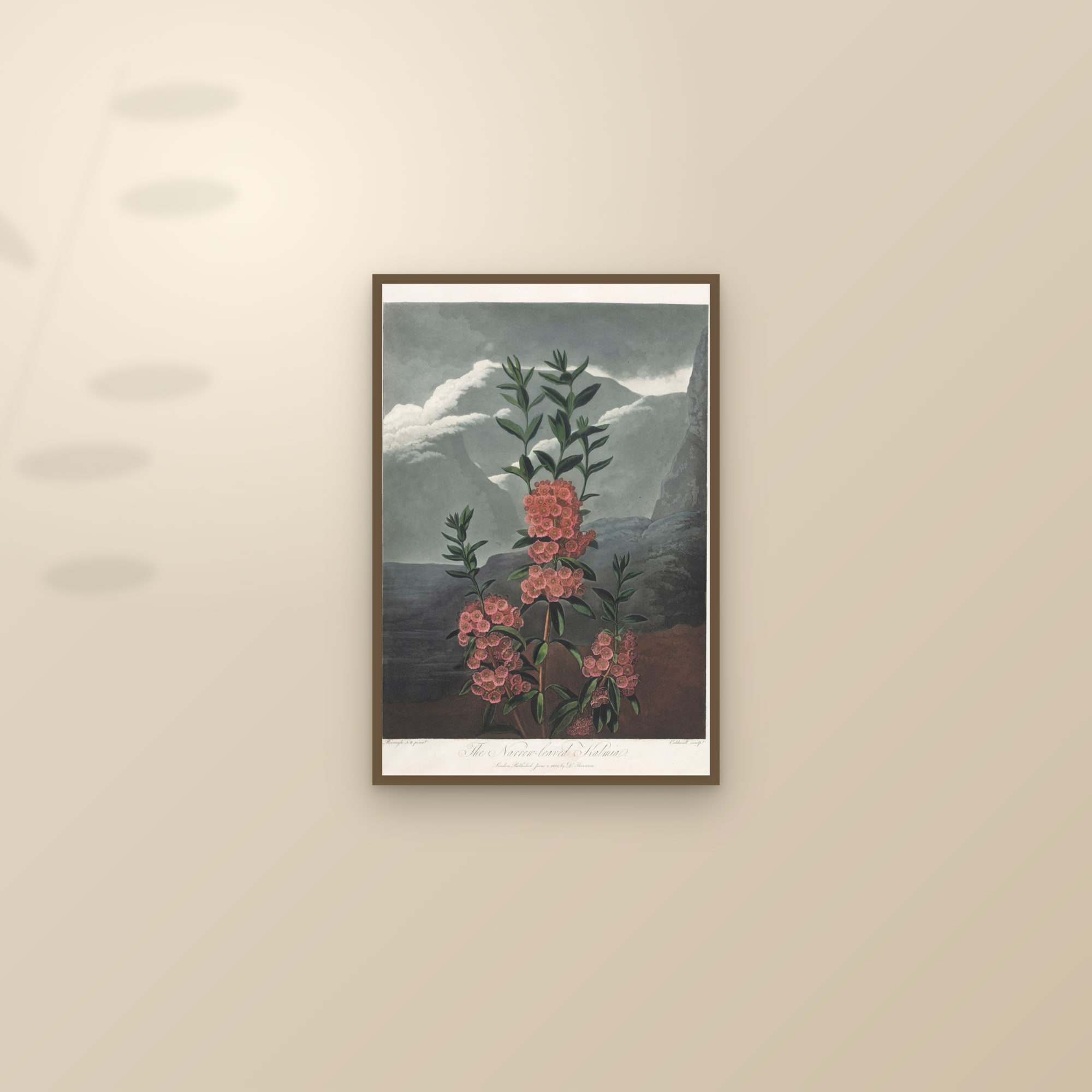
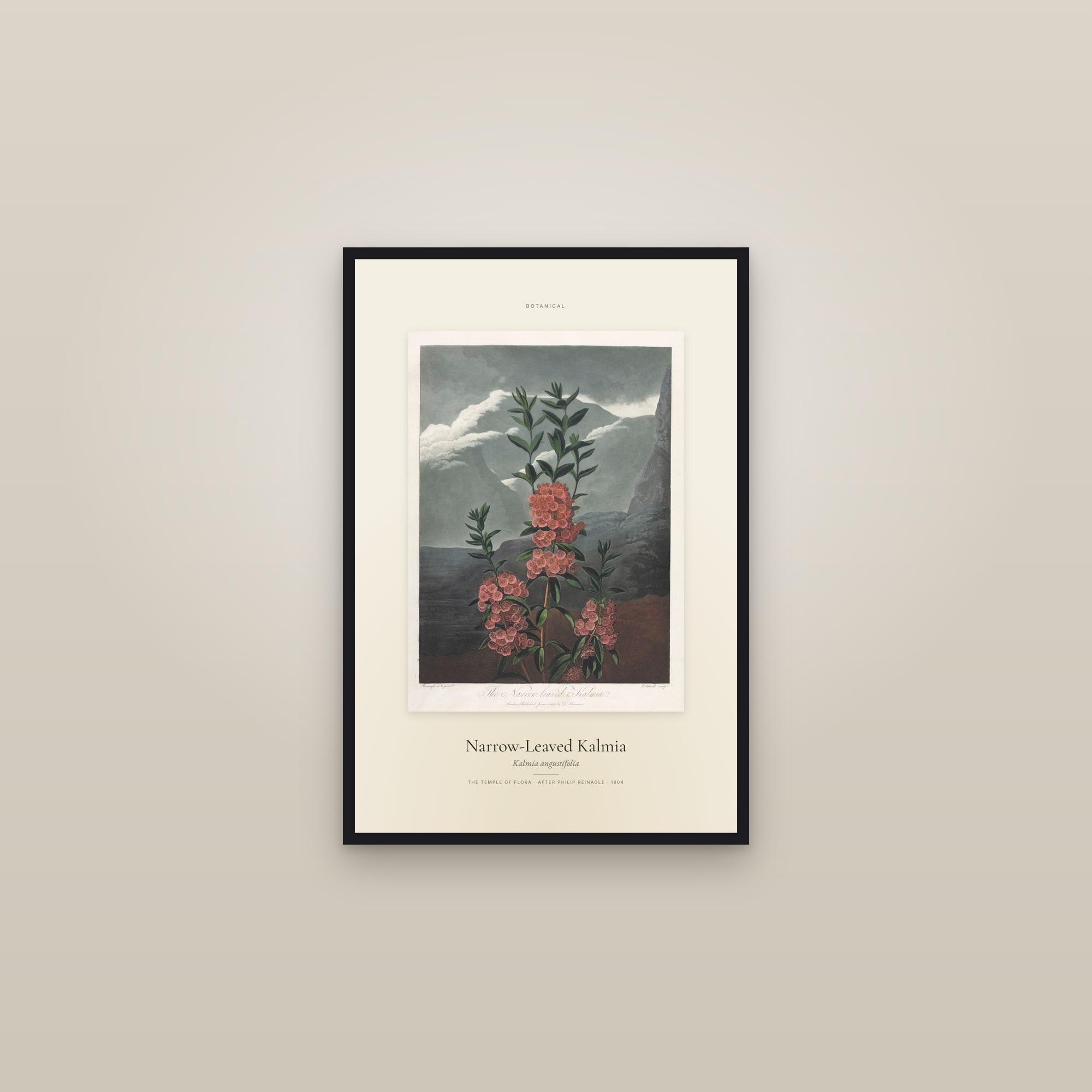
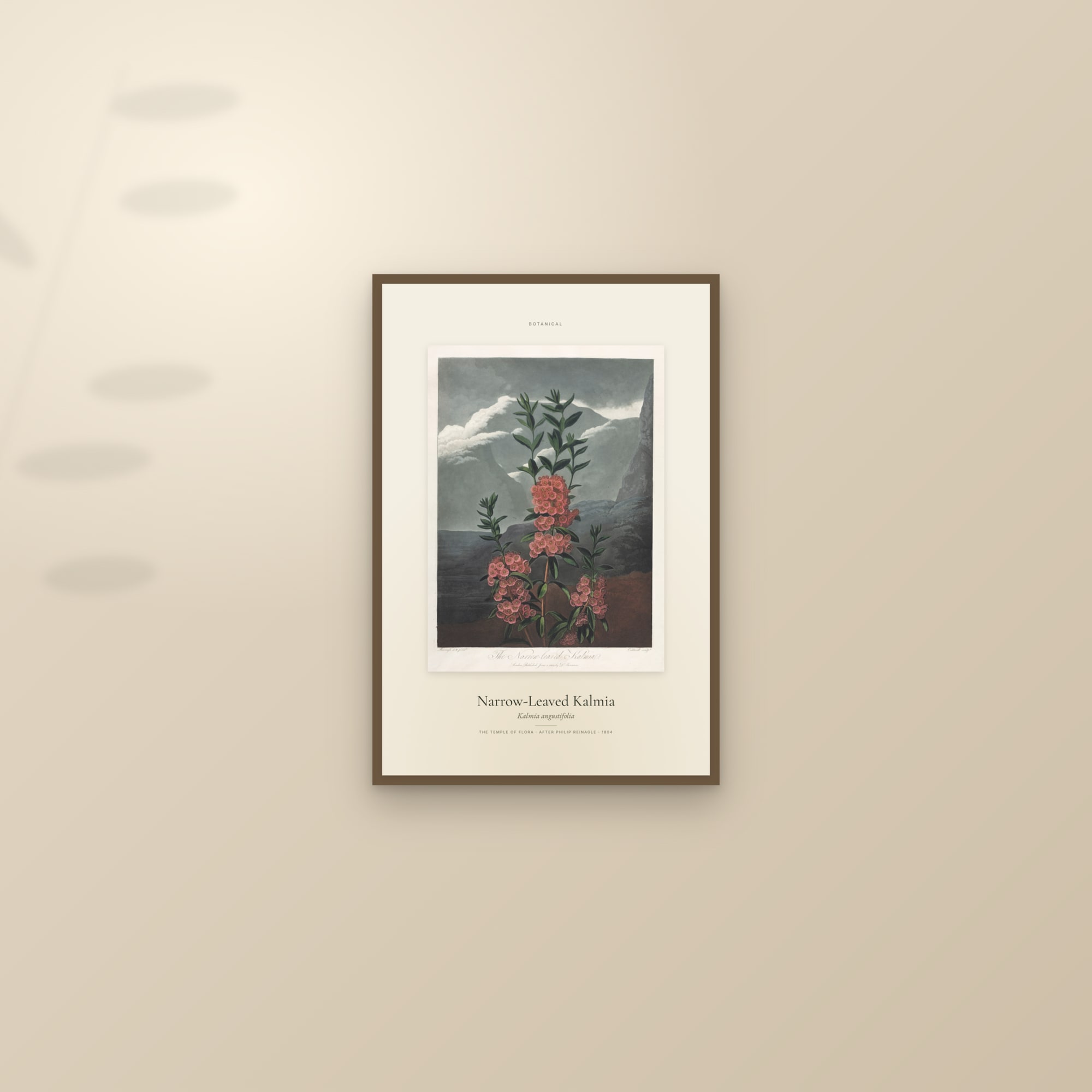
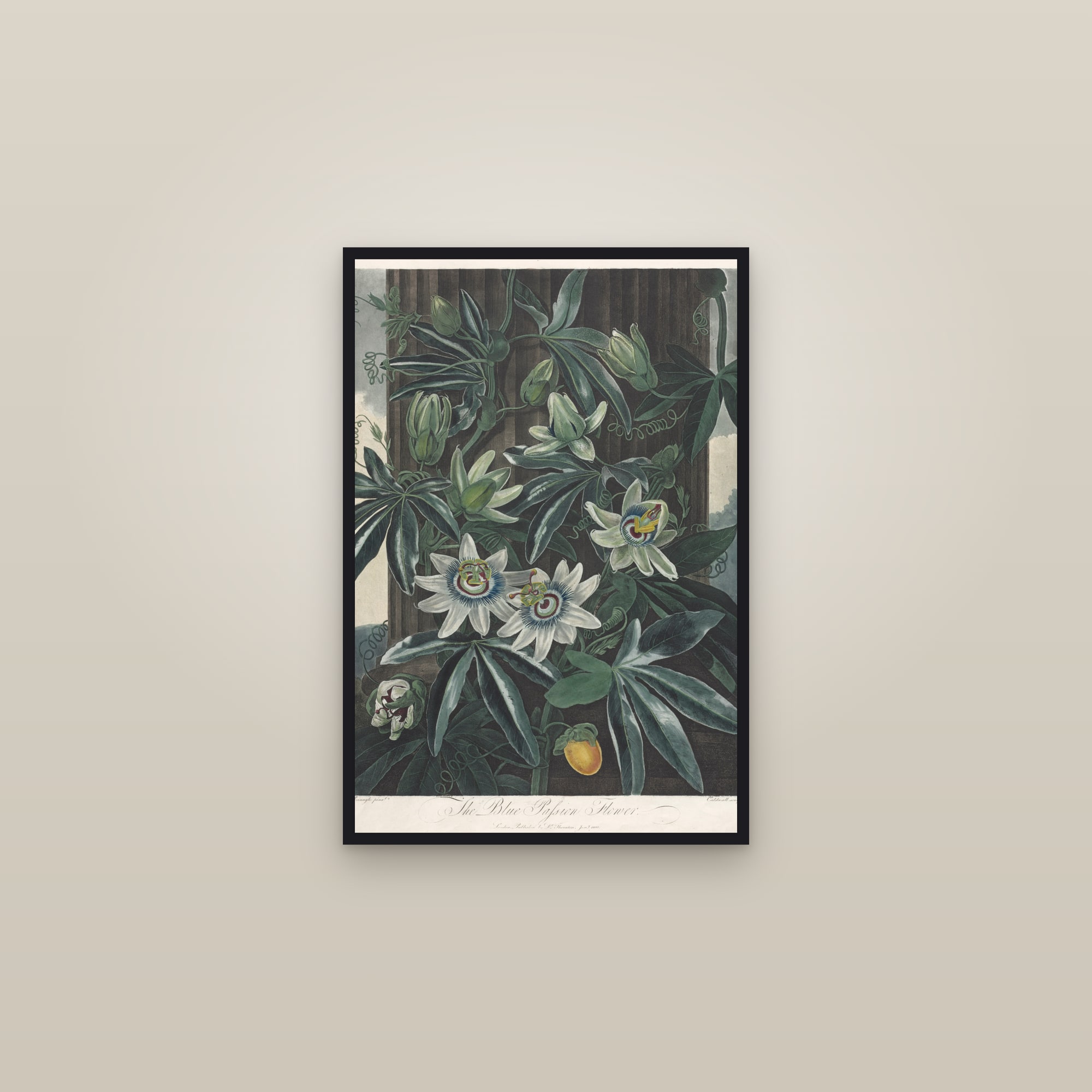
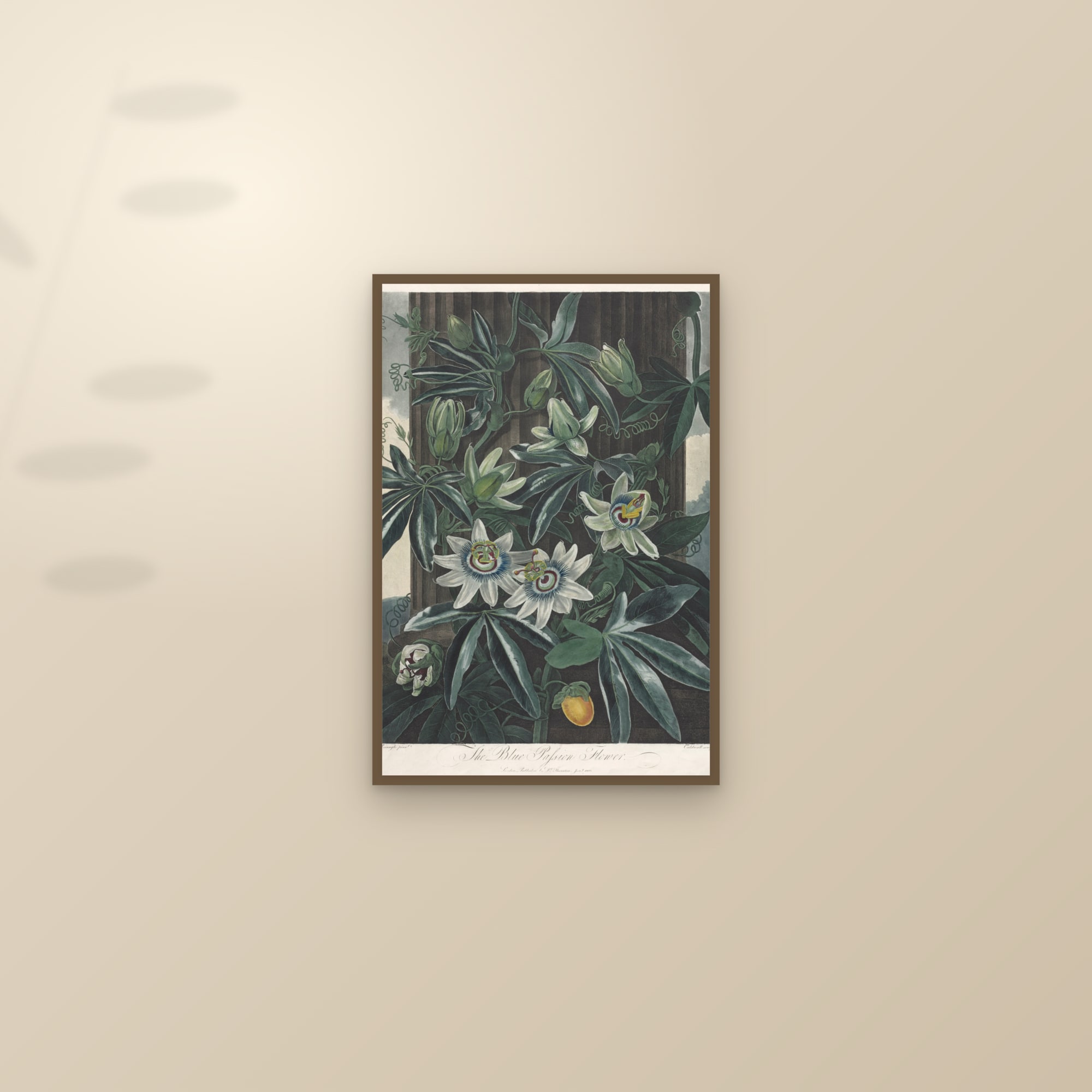
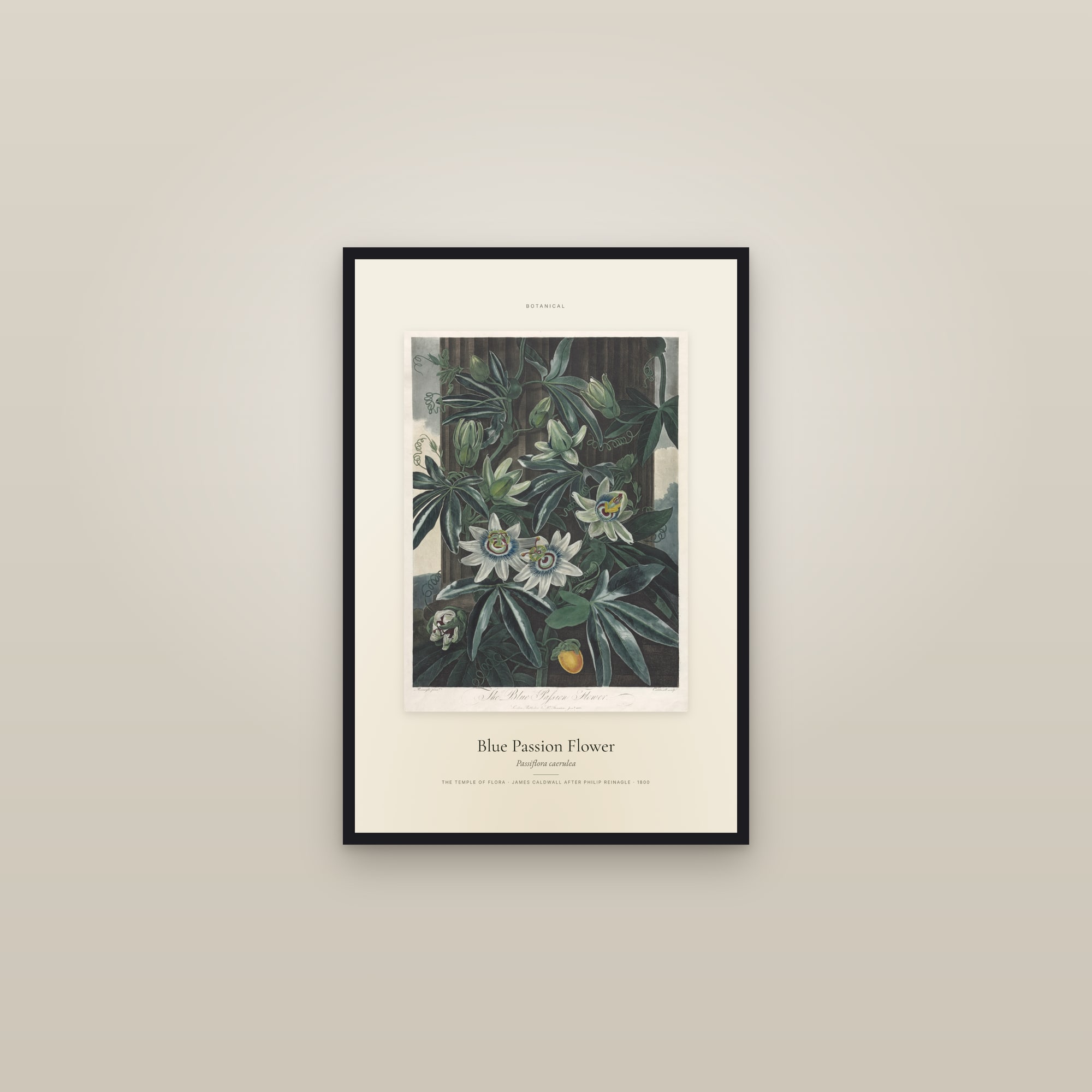
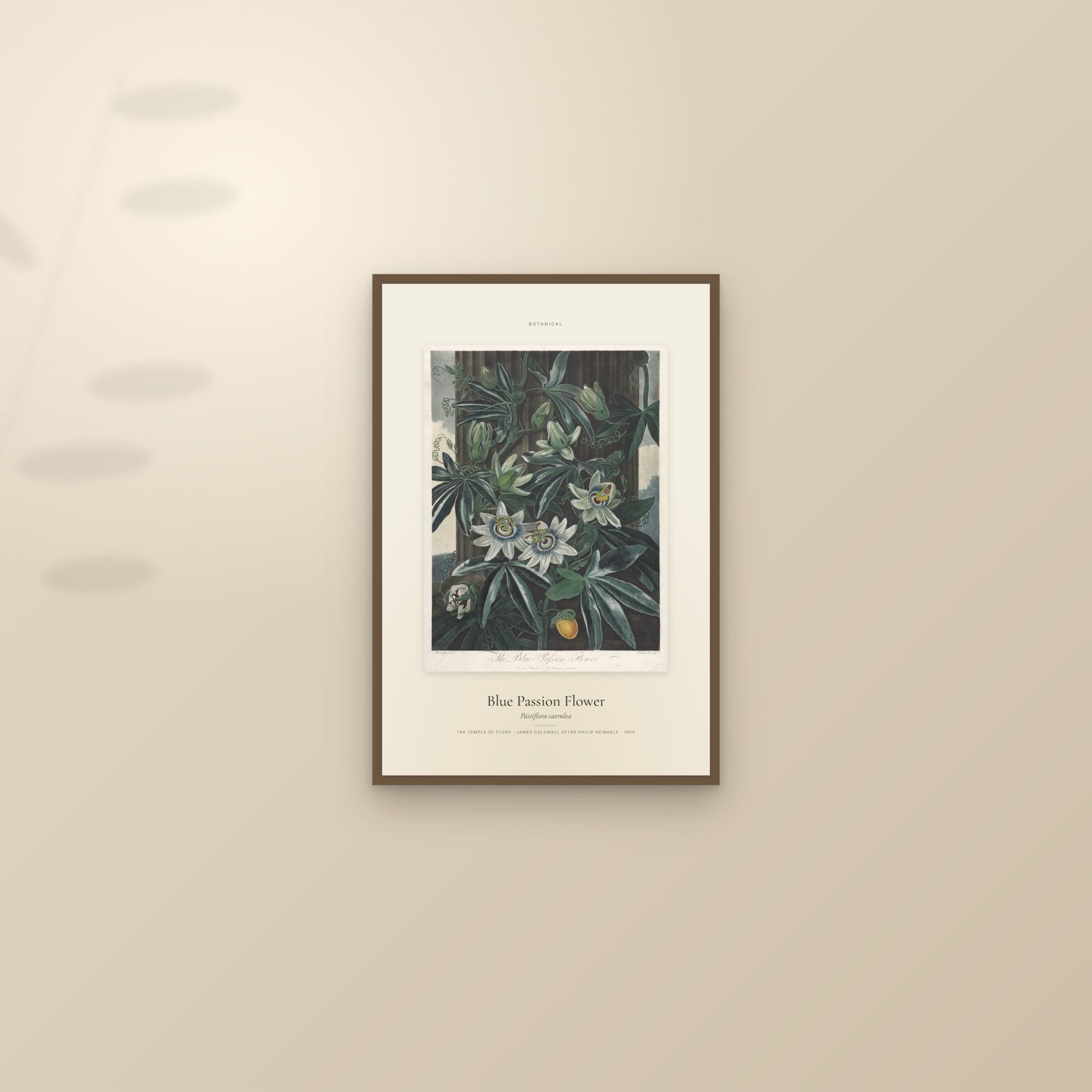
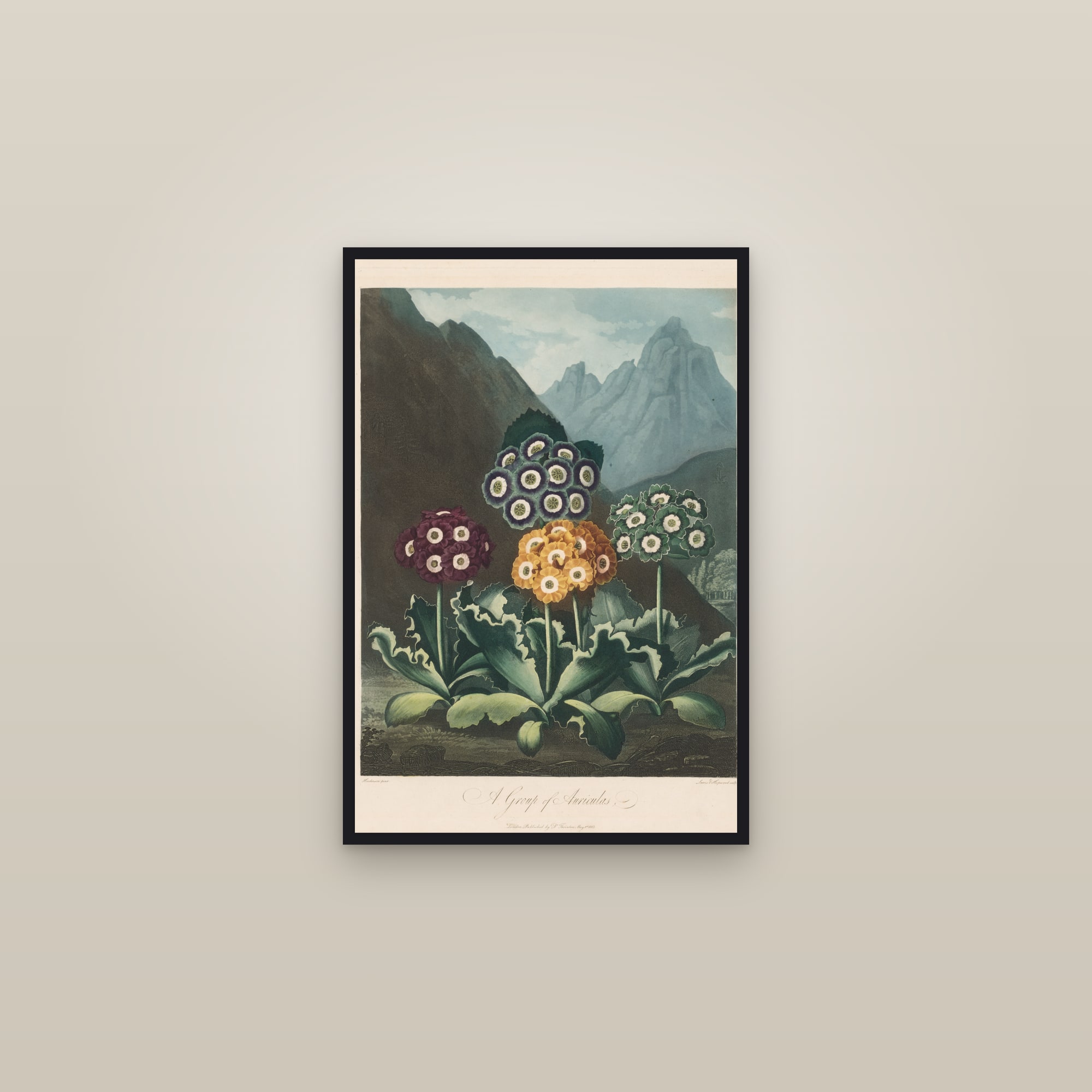
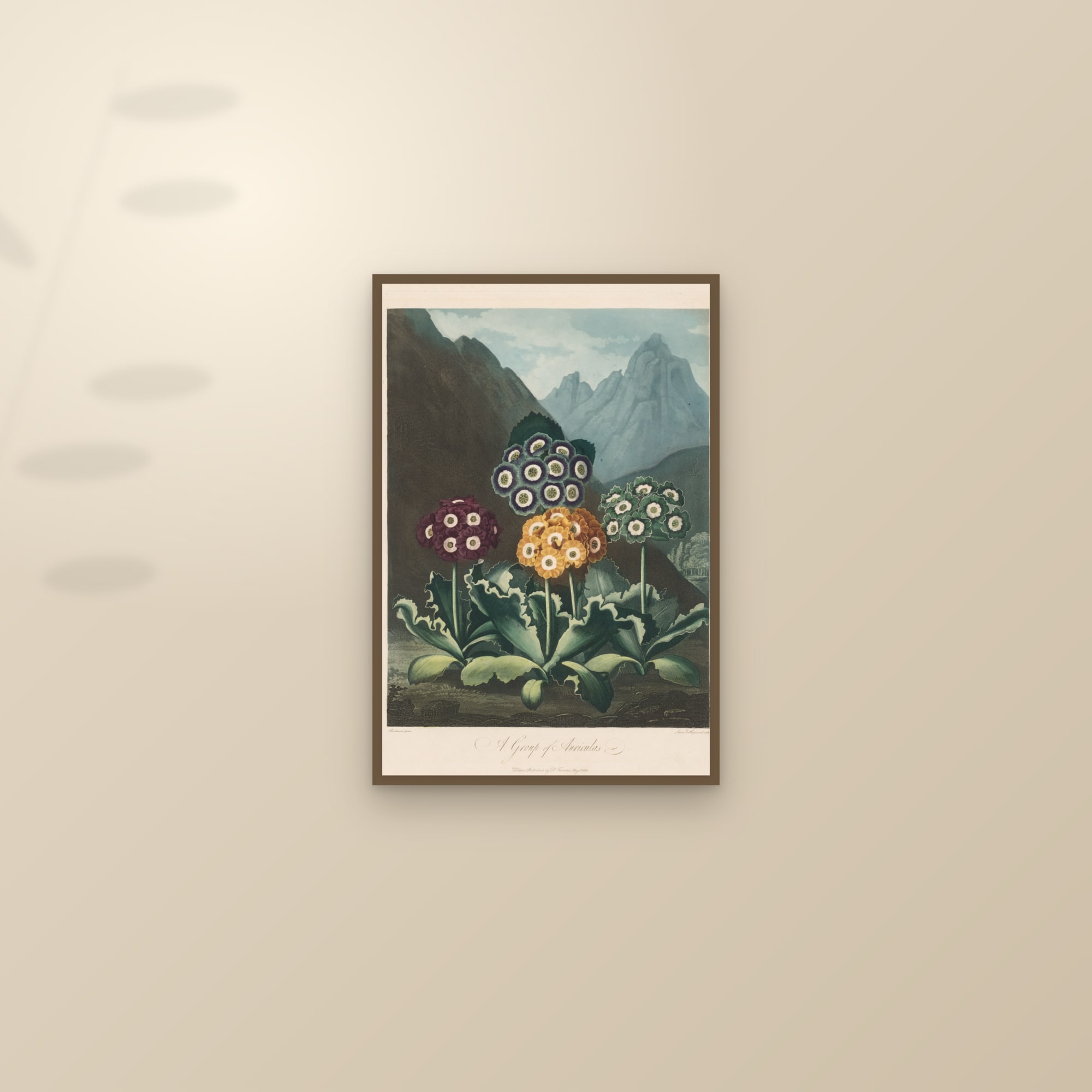
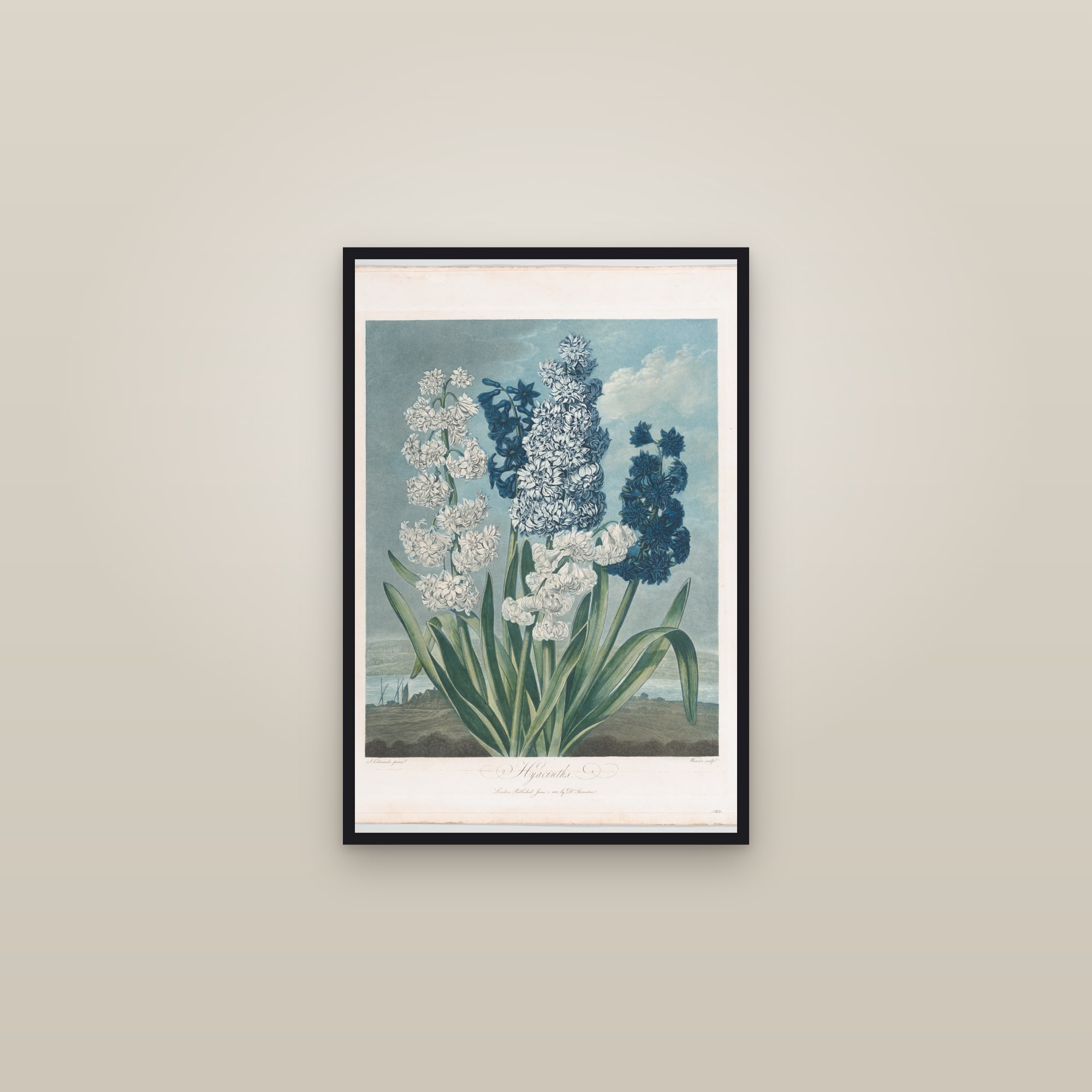
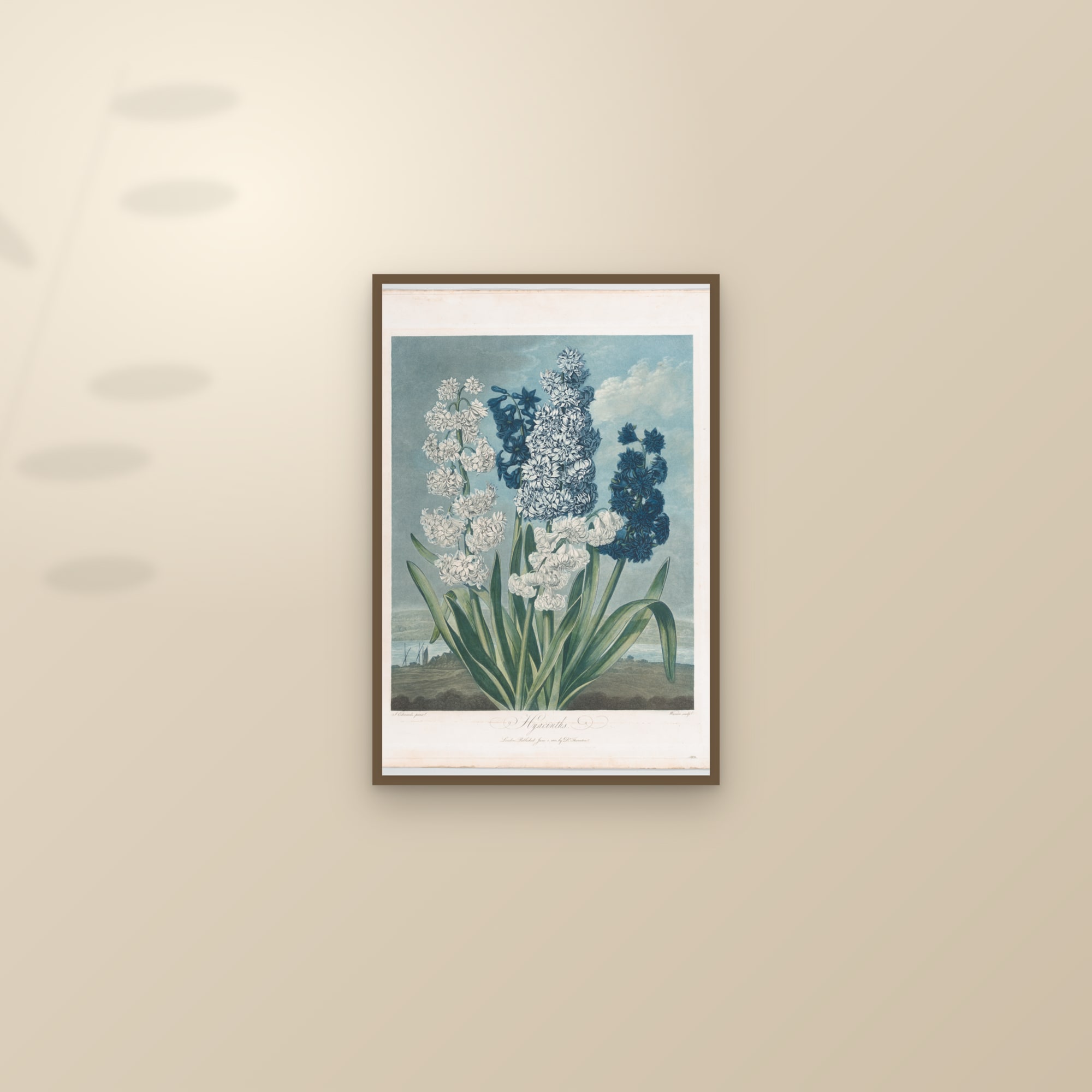
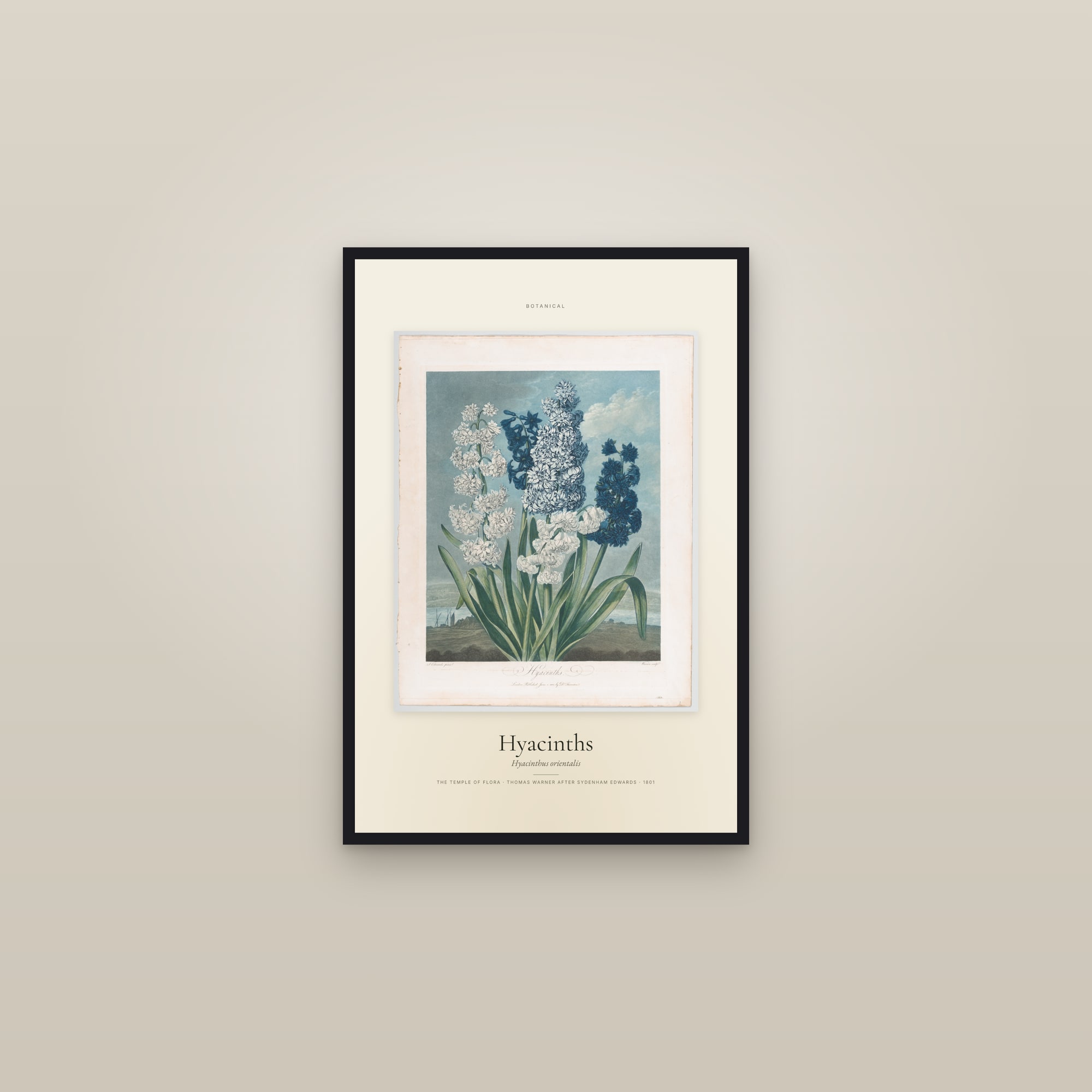
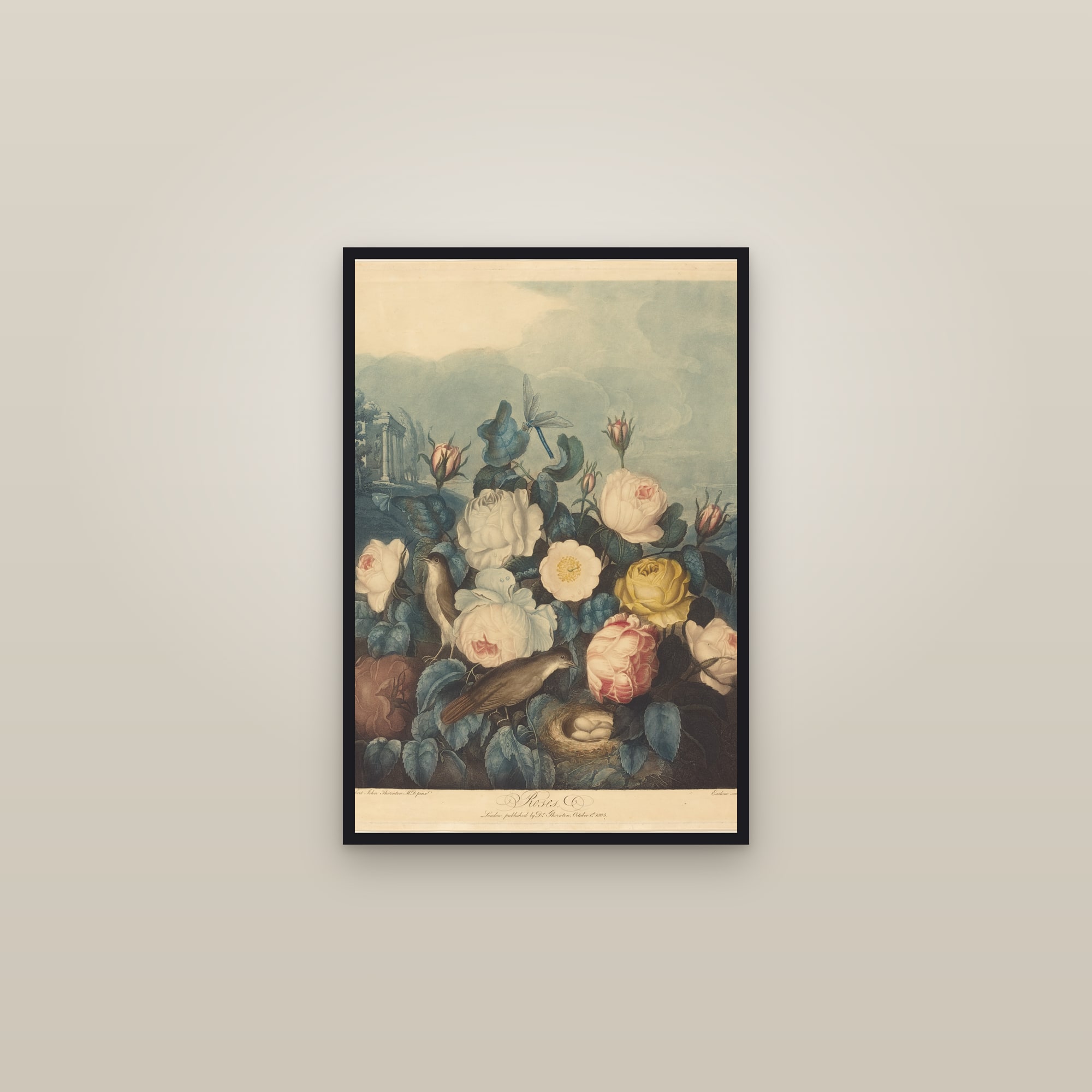
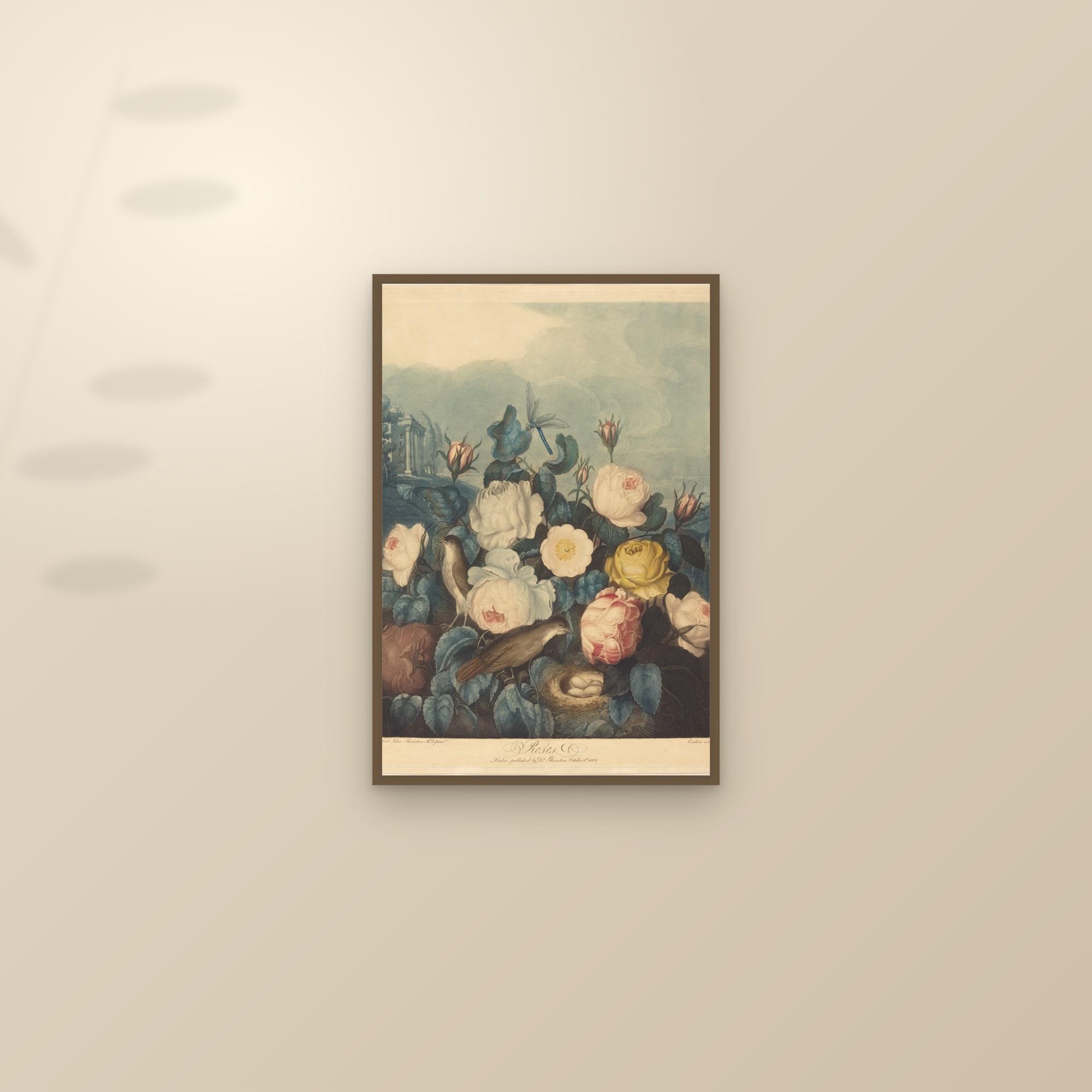
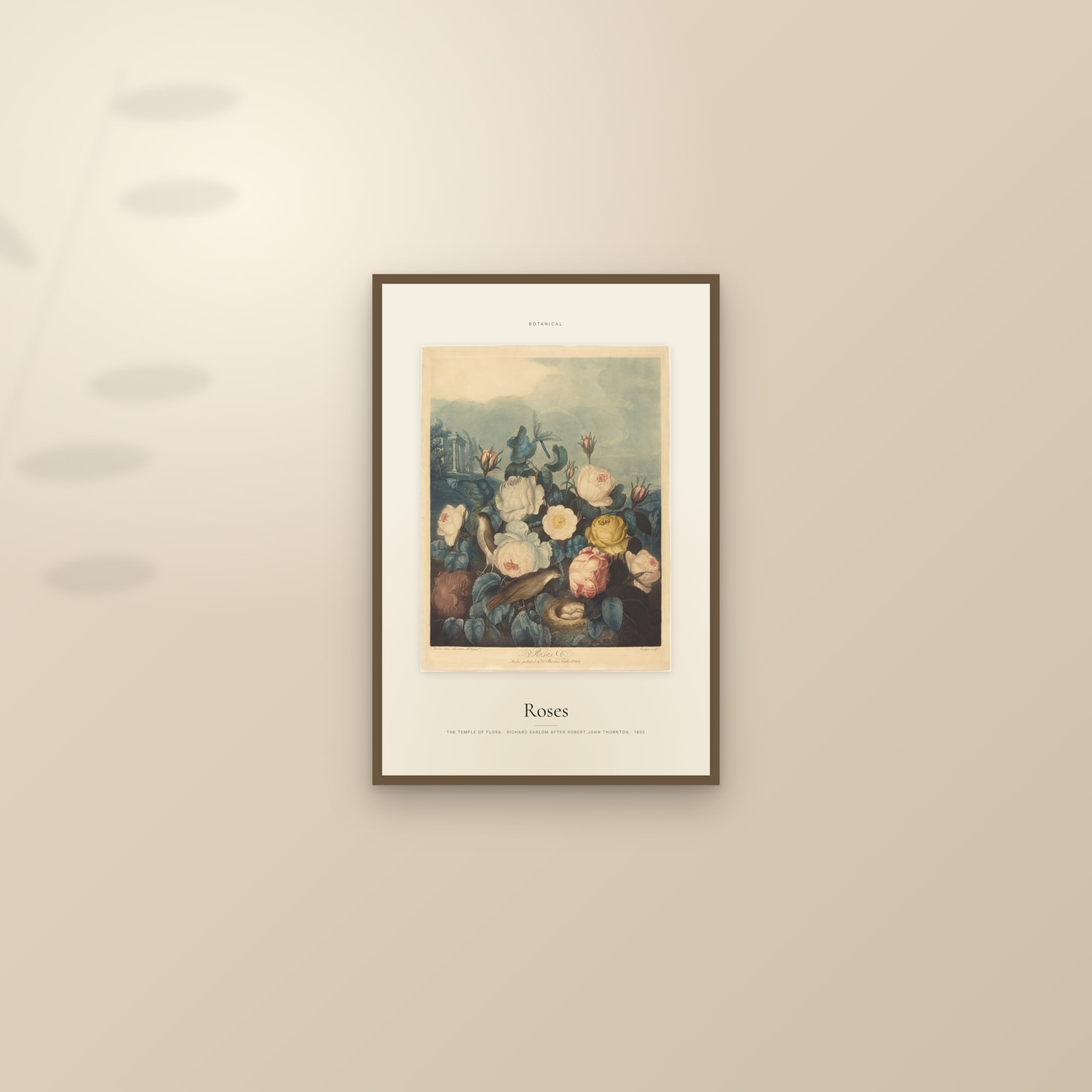
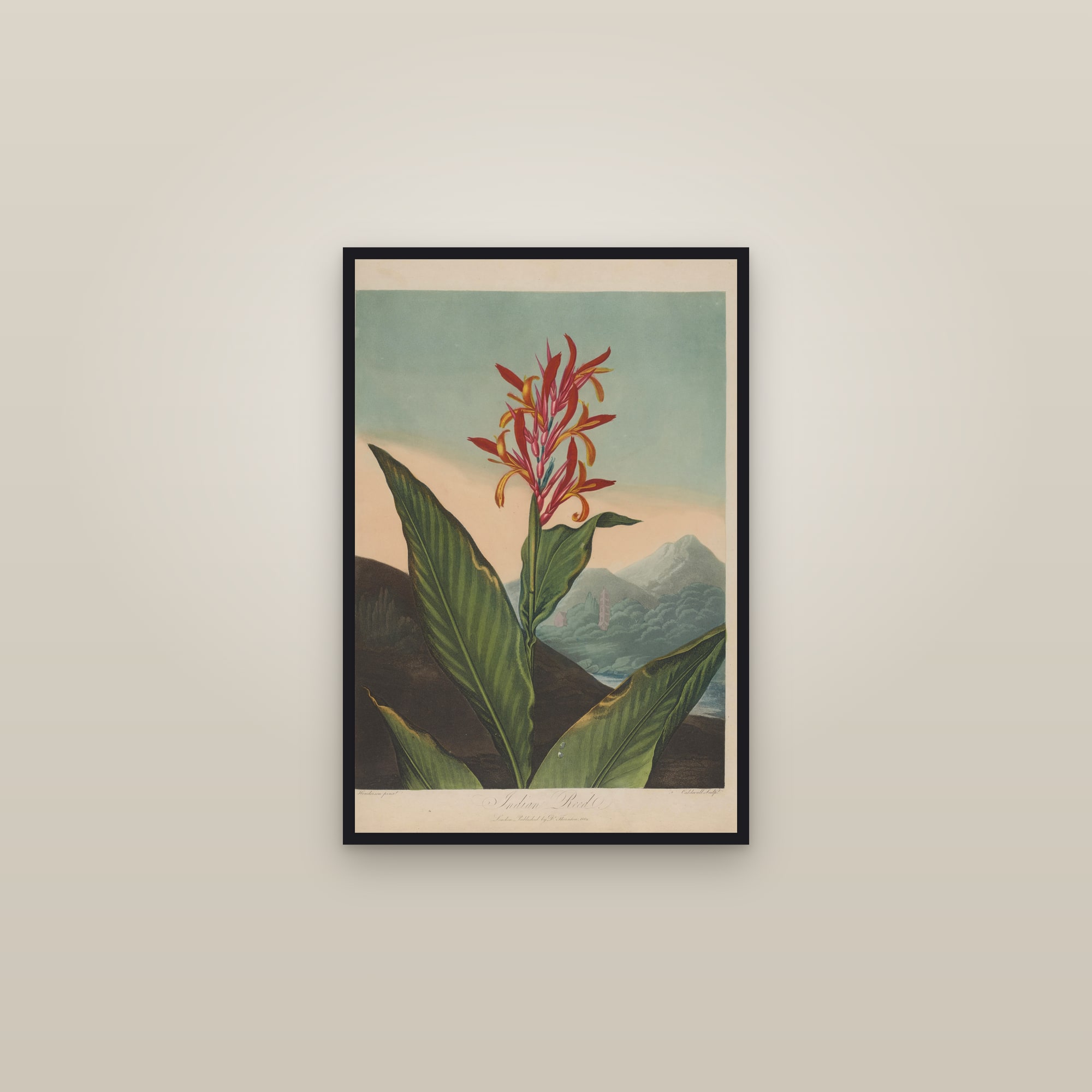
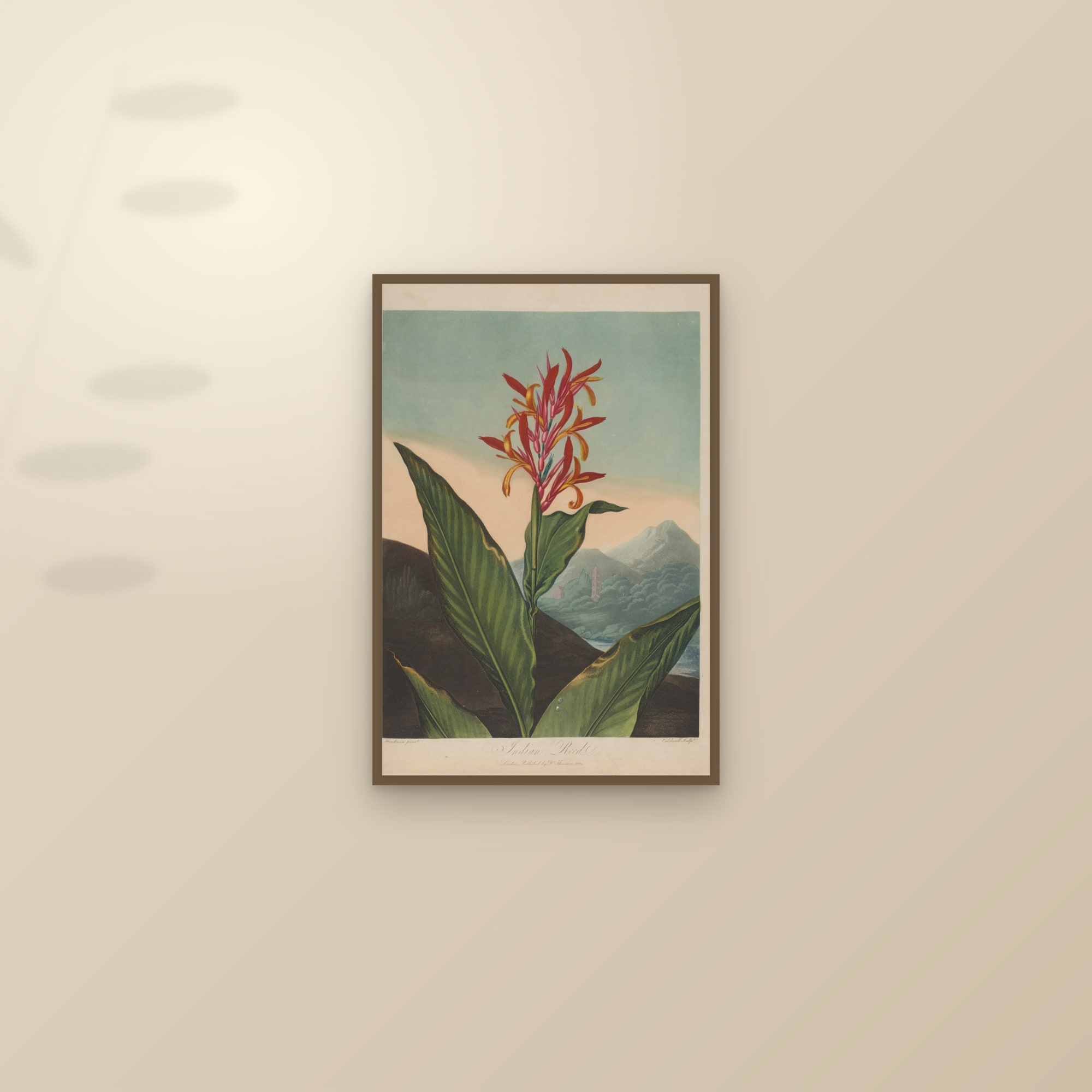
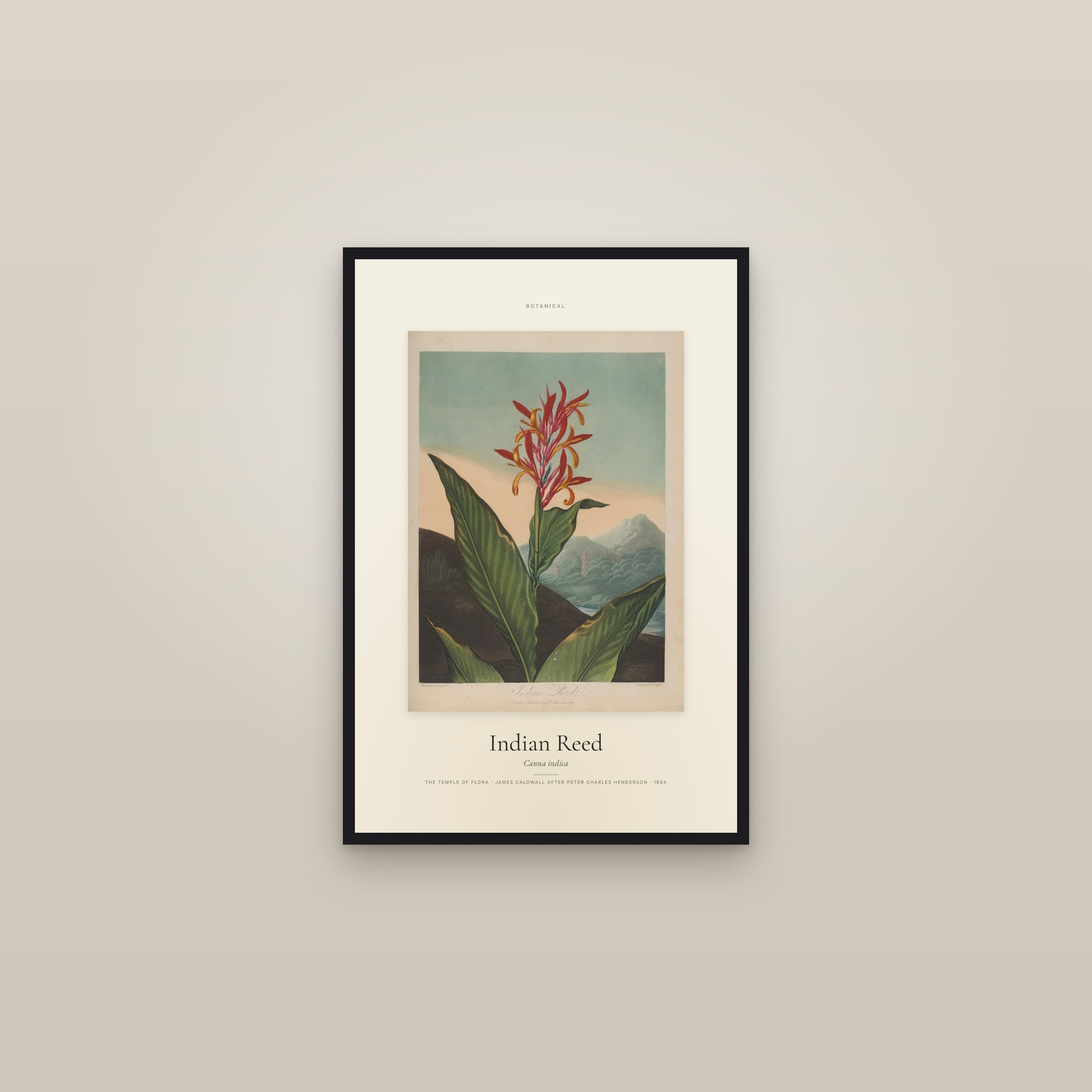
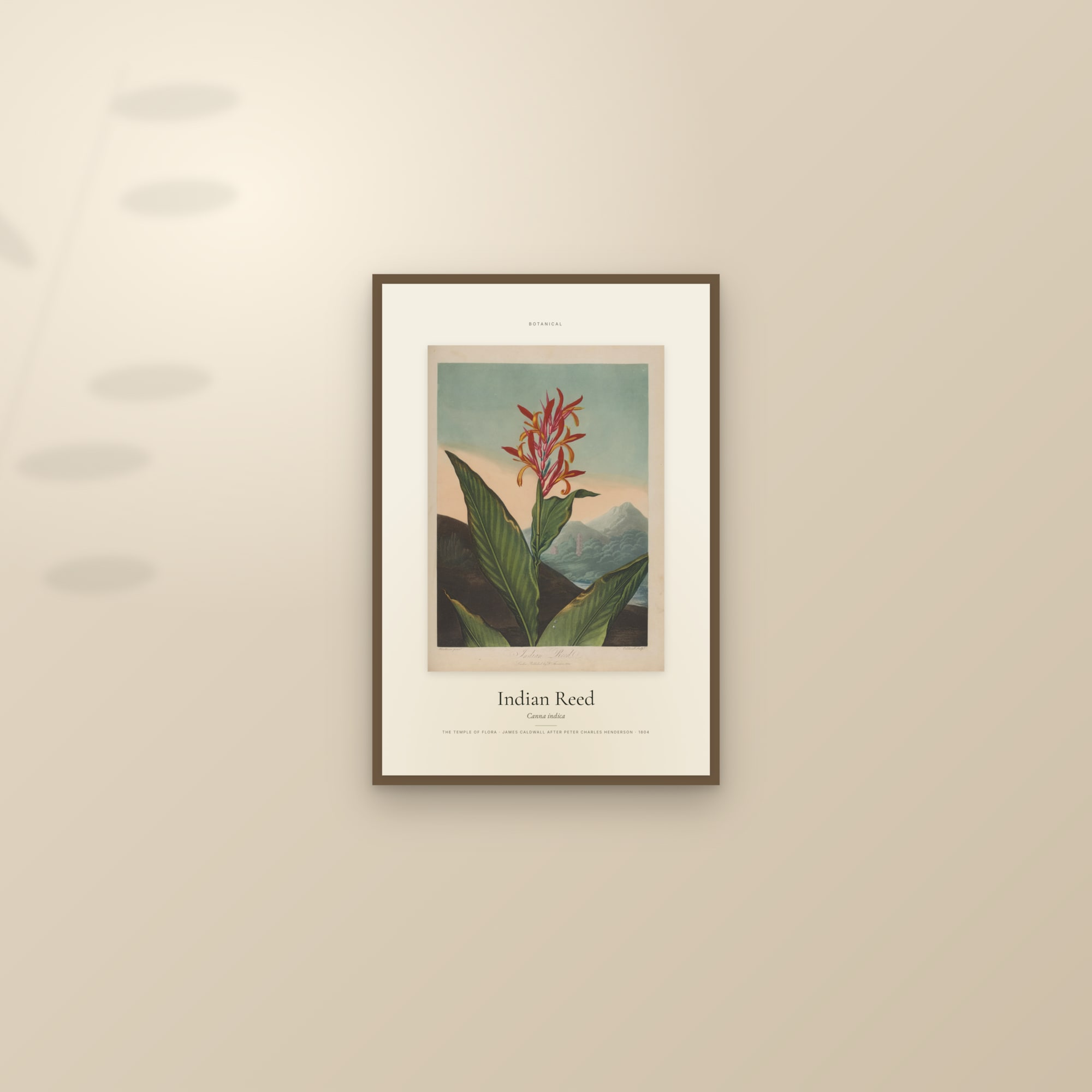
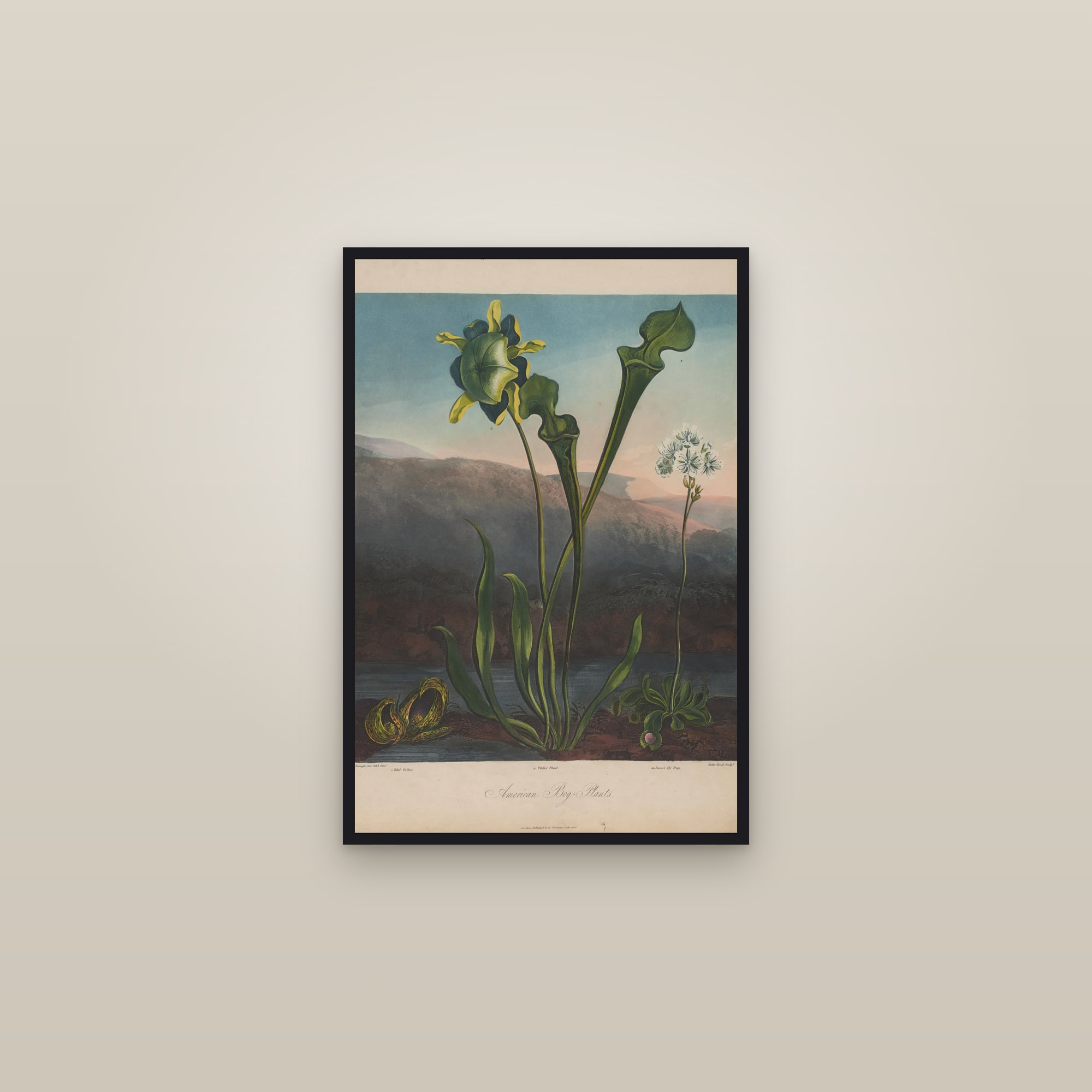
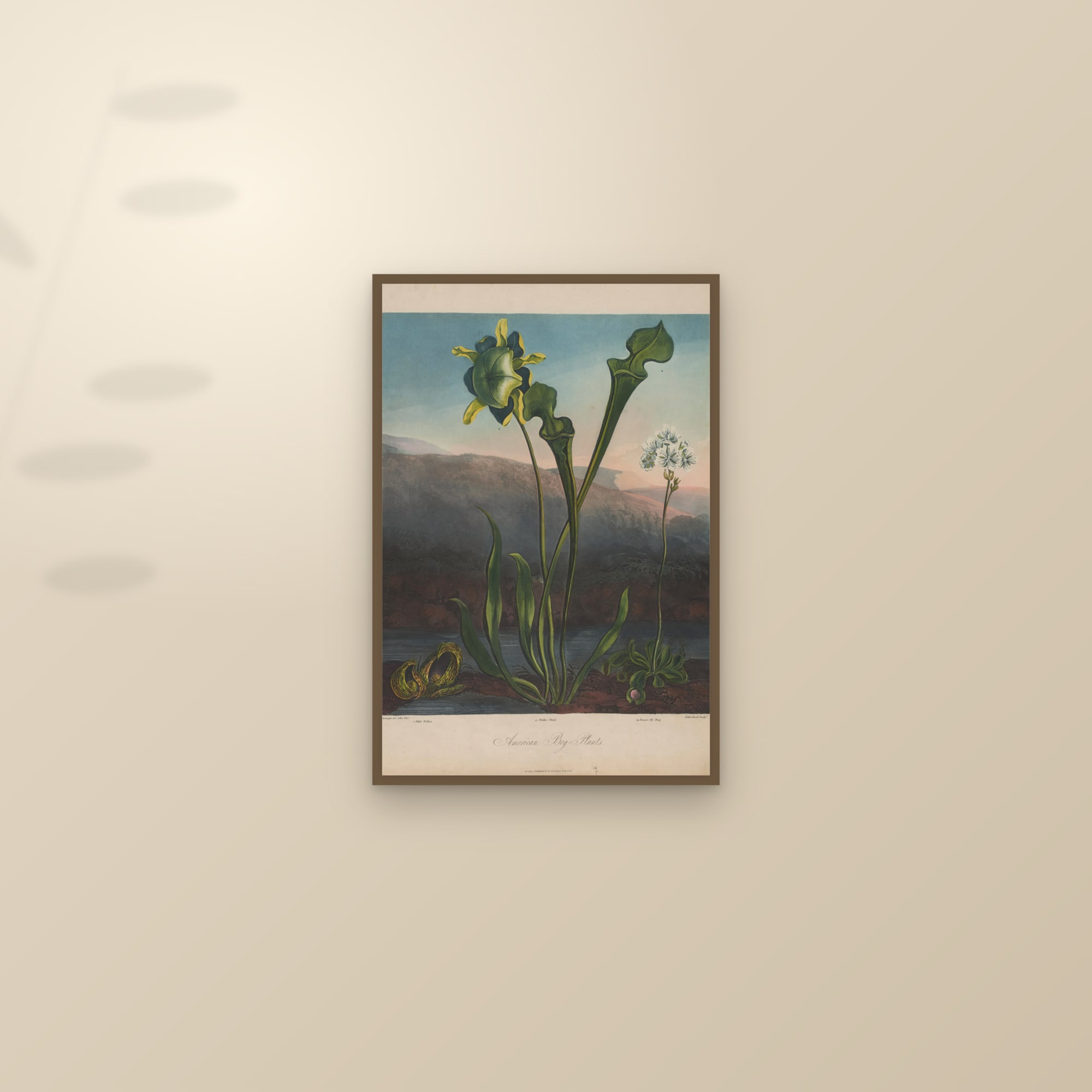
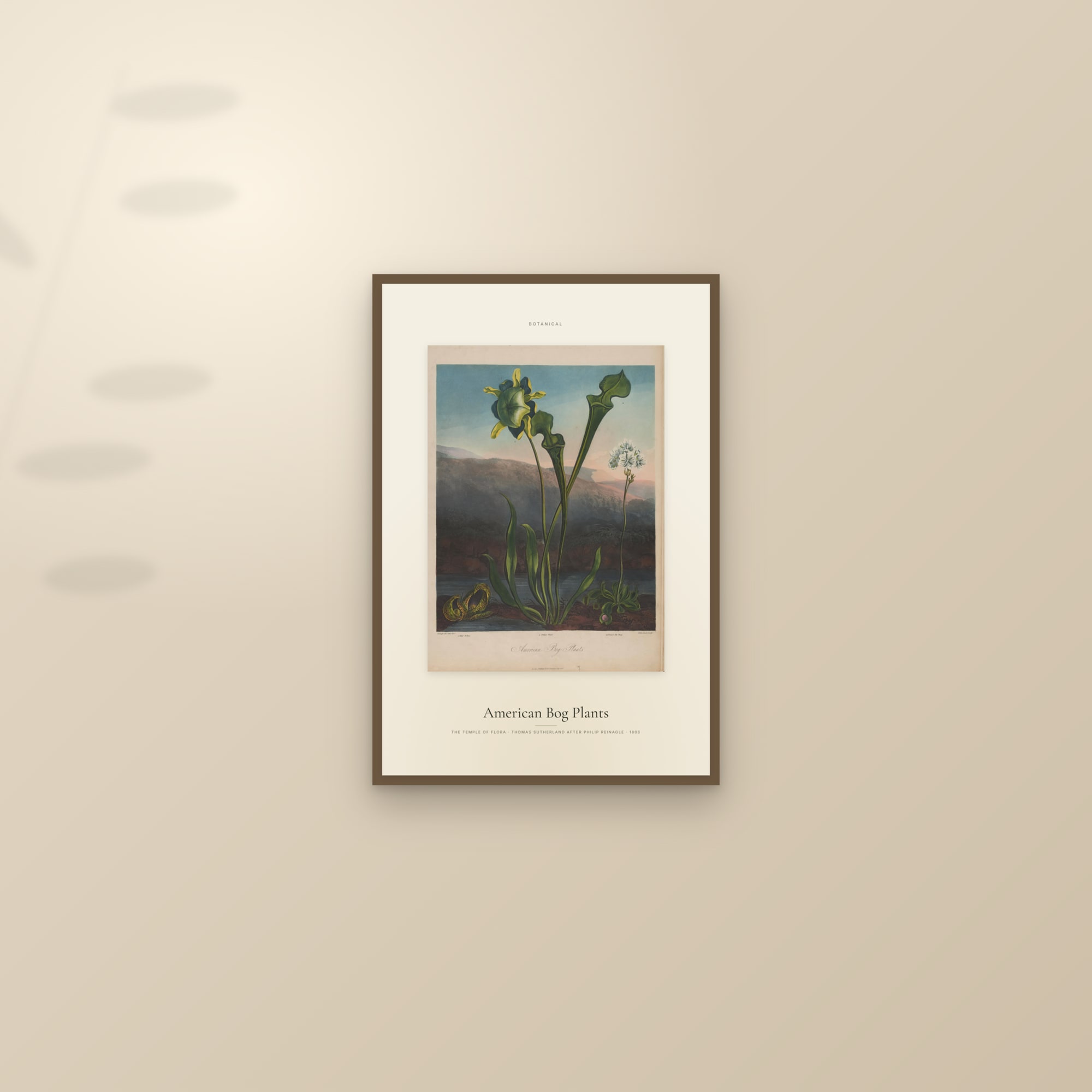
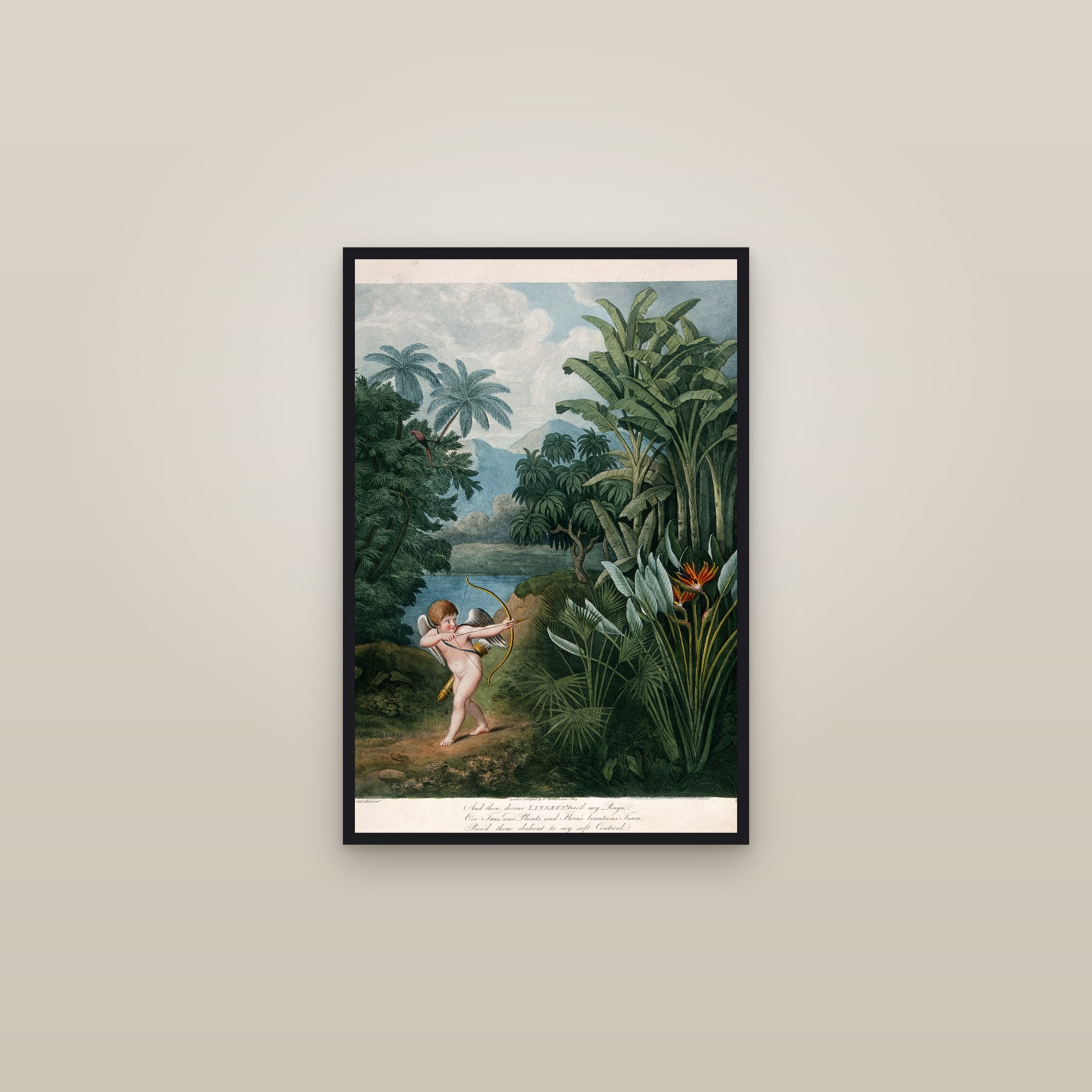
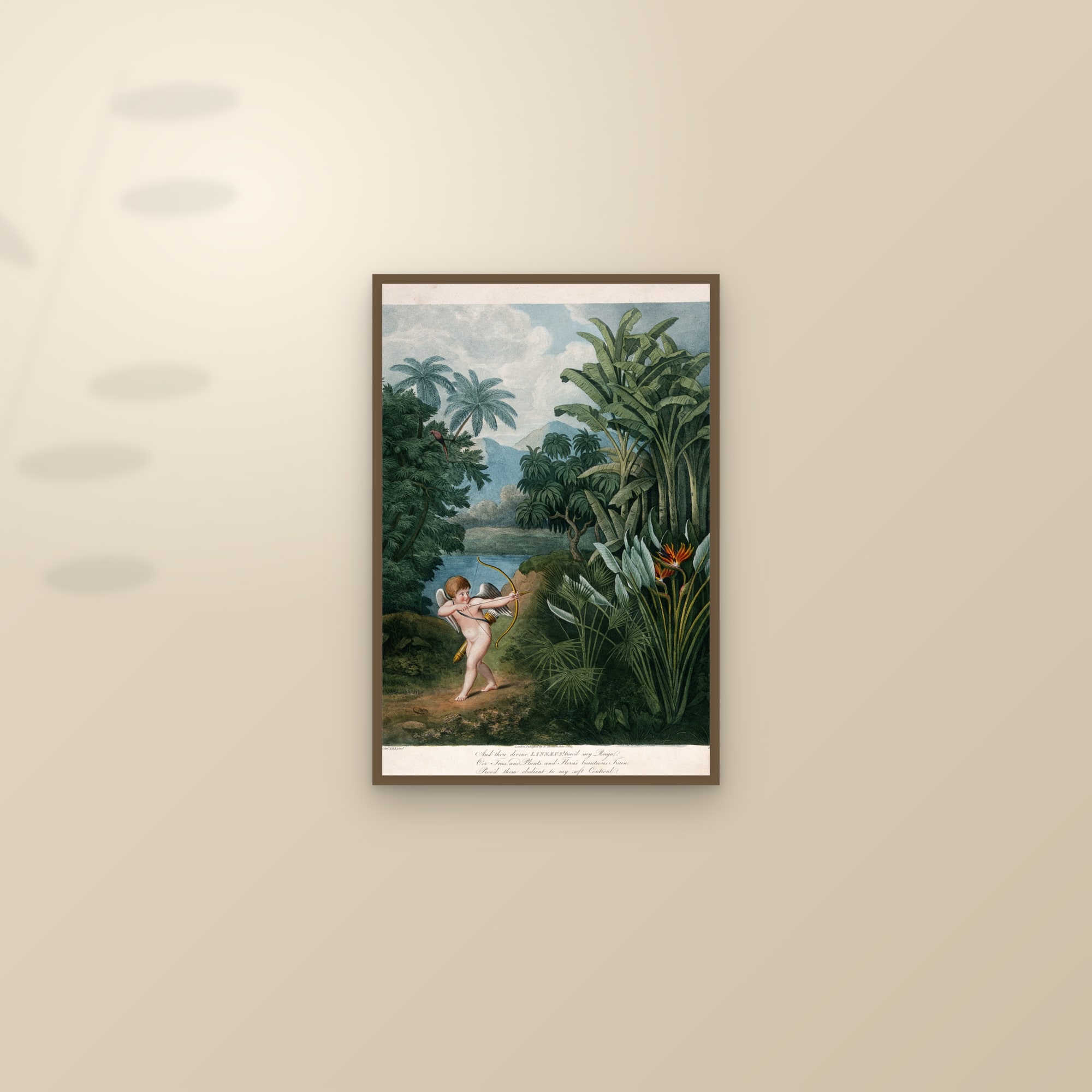
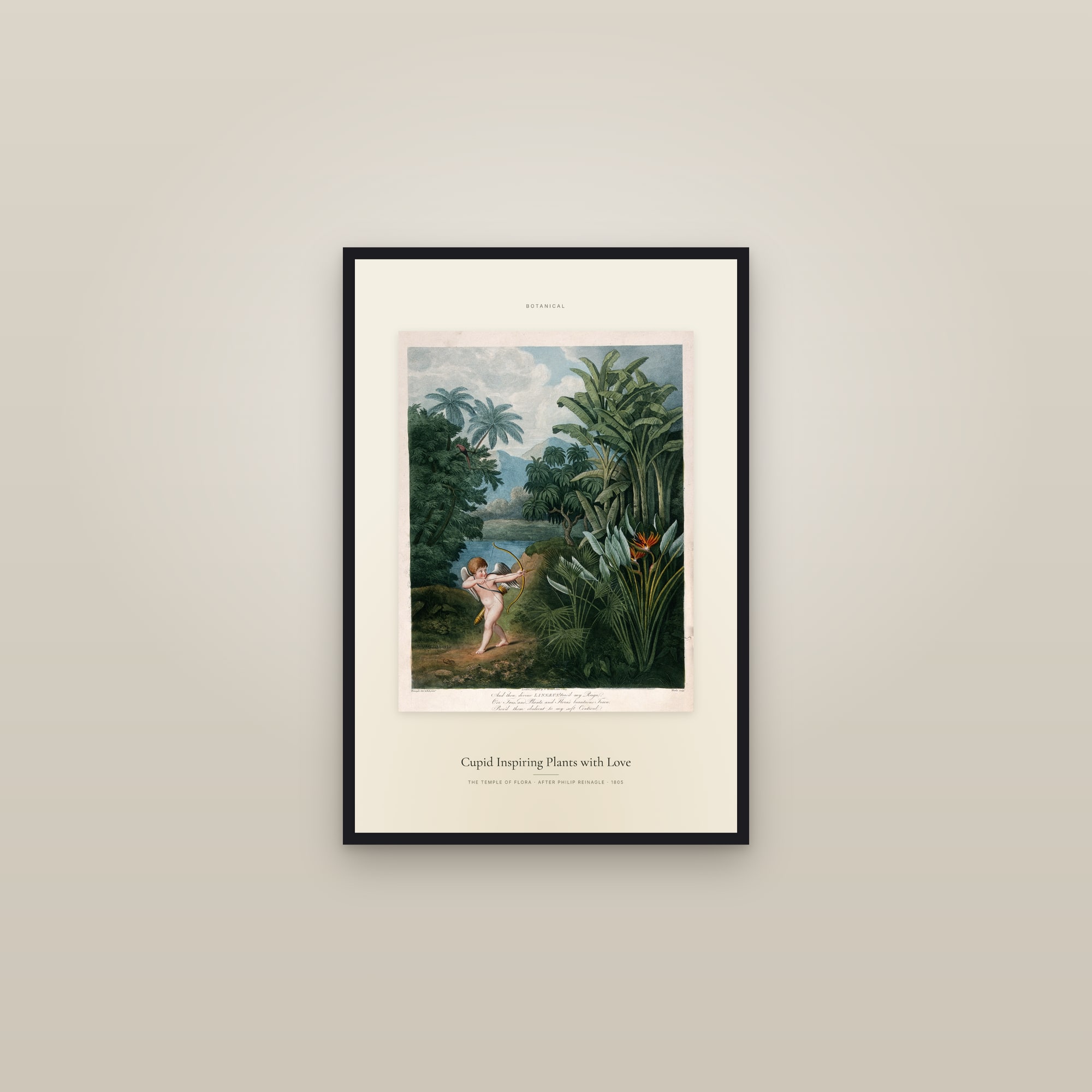
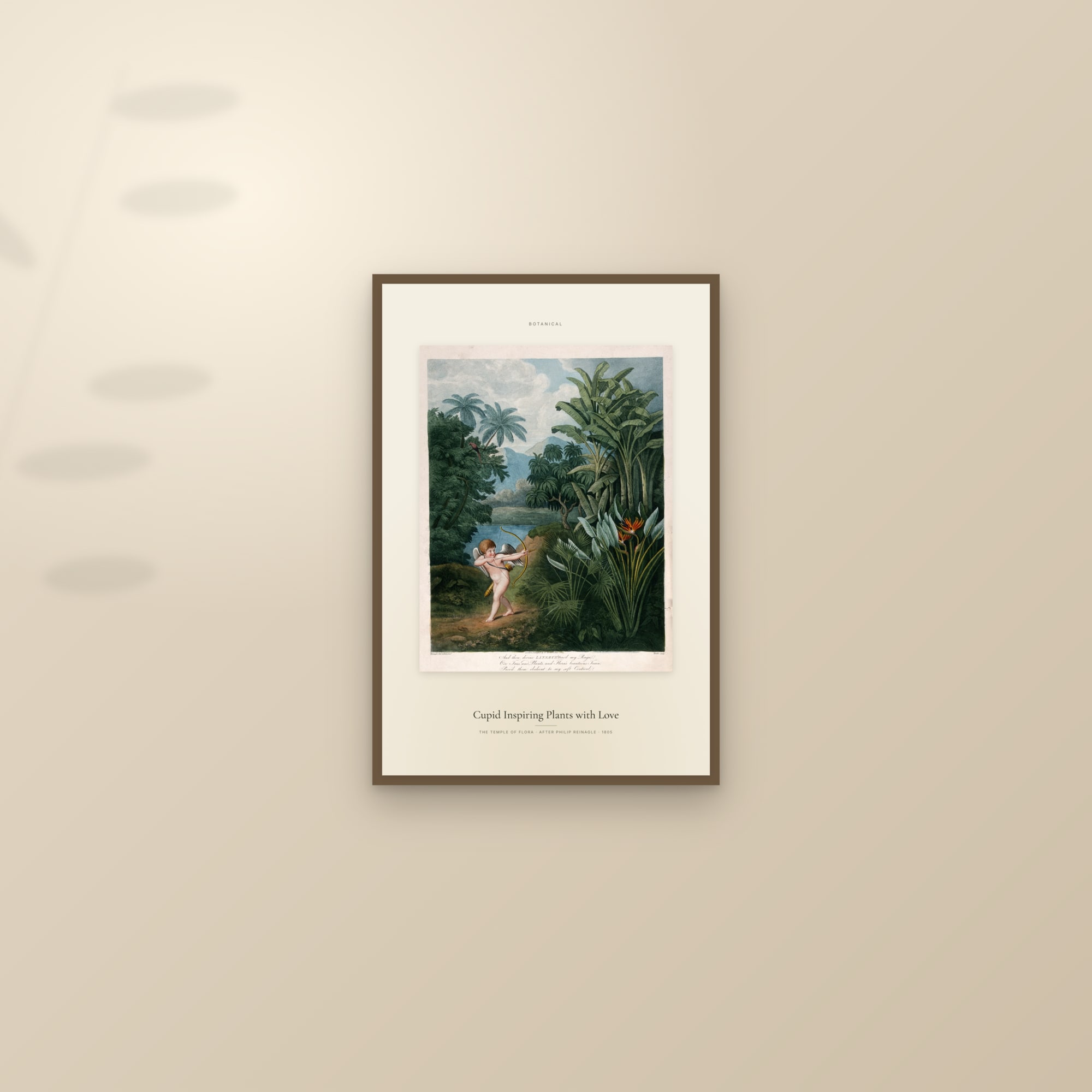
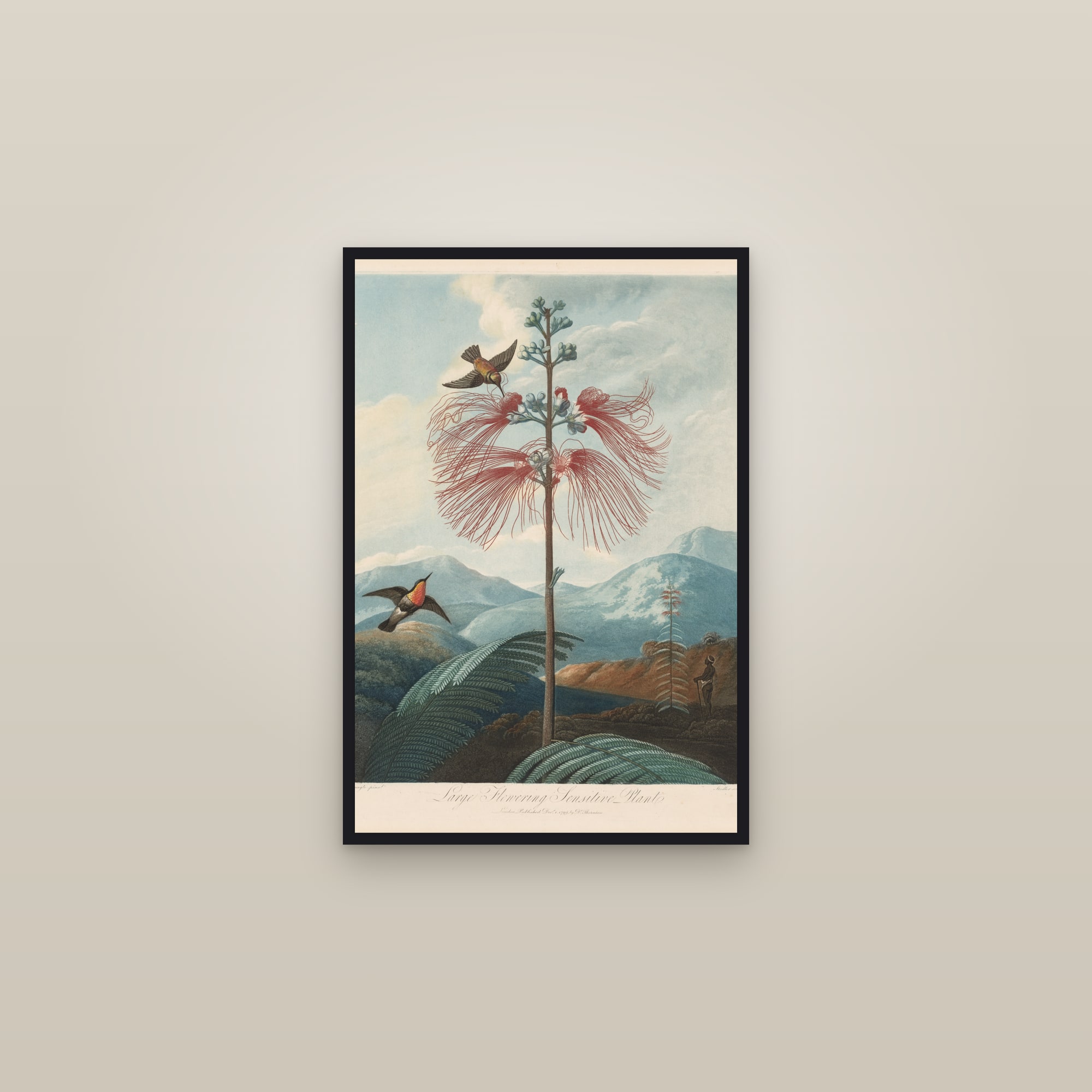
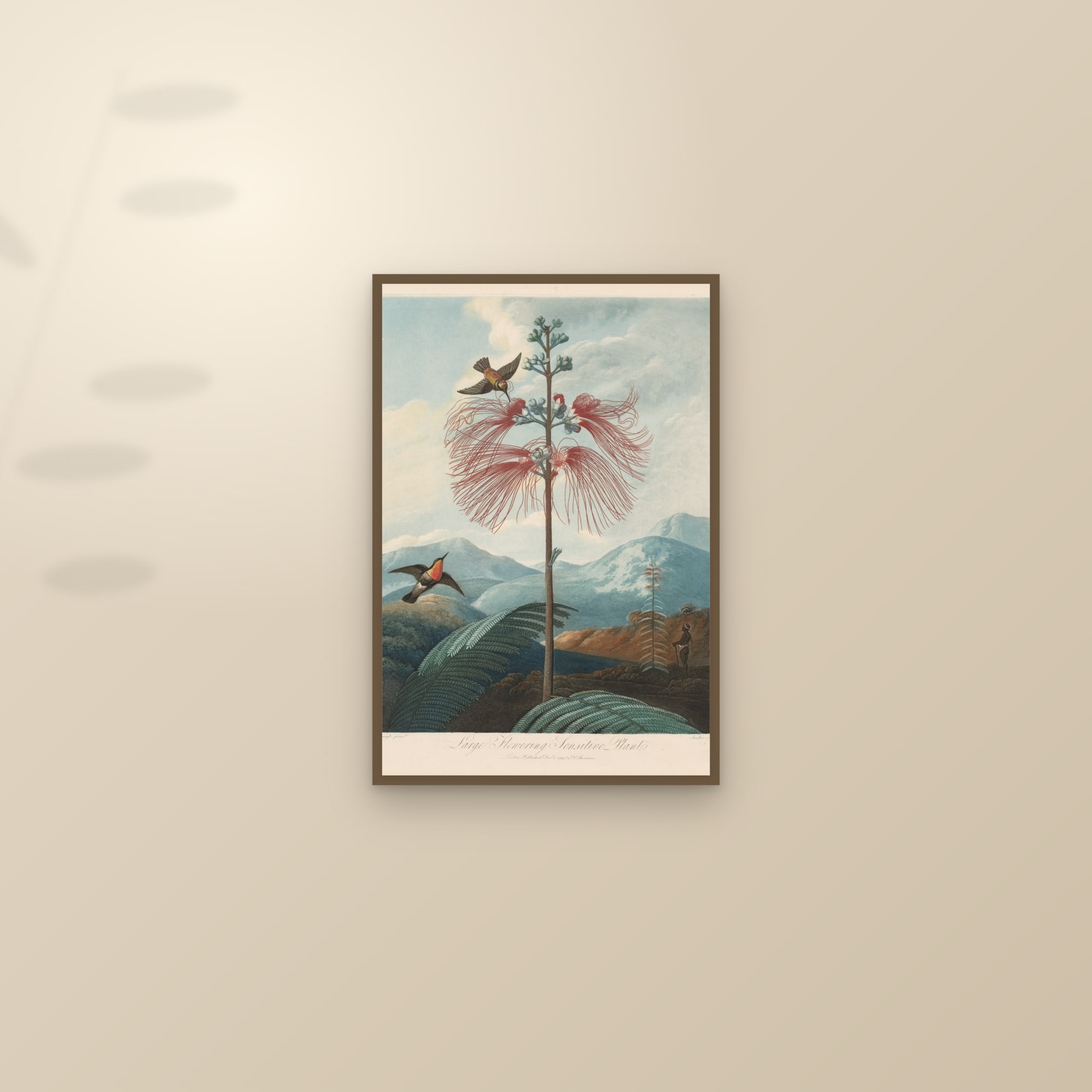
Robert John Thornton, born in 1768, was a physician and botanical writer who studied at Trinity College, Cambridge, intending to enter the church, turned to medicine after hearing John Martyn's botany lectures, and practised at Guy's Hospital in London. His name survives because of one extravagant project. A New Illustration of the Sexual System of Carolus von Linnaeus was issued in parts from 1797 to 1807, and its third part, The Temple of Flora, published between 1799 and 1807, set out to be the most magnificent flower book ever made. Instead of botanical dissections, each plant was painted as a full picture by artists including Philip Reinagle and set in a landscape chosen to suit its character: the Night-Blowing Cereus opens under a moon beside a church clock, the Blue Egyptian Water Lily floats before a Nile temple, the Dragon Arum rises from a stormy shore. The plates were engraved in aquatint, stipple and line, printed in colour and finished by hand. Thornton planned seventy but completed thirty-three, and about 800 copies were produced. The cost ruined him; an Act of Parliament in 1811 authorised a lottery of his paintings and prints to recover the money, and it failed. He died in 1837 in poverty. The plates are the most theatrical images in the history of botanical illustration, and that drama is what they bring to a wall.