
Art history
Movements, artists, famous works, series and the techniques behind the prints.

A short history of the print, from woodblock to giclée
Why people wanted copies of pictures, the six ways they found of making them, from a carved block in 1400s Europe to the inkjet on your wall, and what each means when you buy one.
13 min read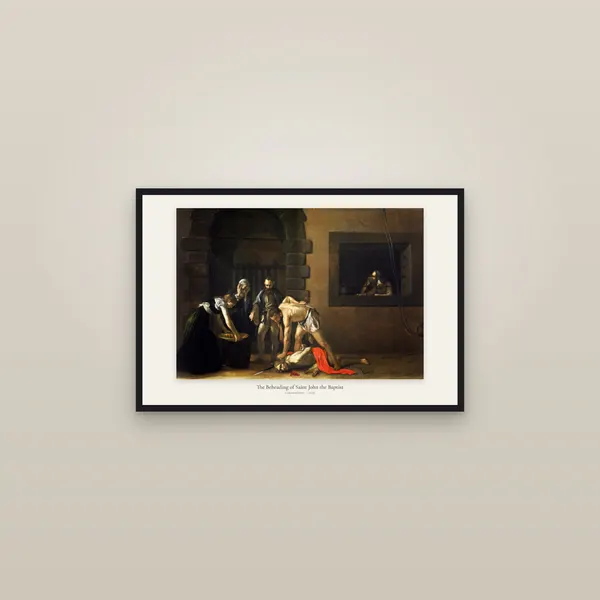
Caravaggio on the run: the murder and the last paintings
In 1606 Caravaggio killed a man in Rome. His last four years in Naples, Malta and Sicily under a death sentence, and the paintings he made on the run.
8 min read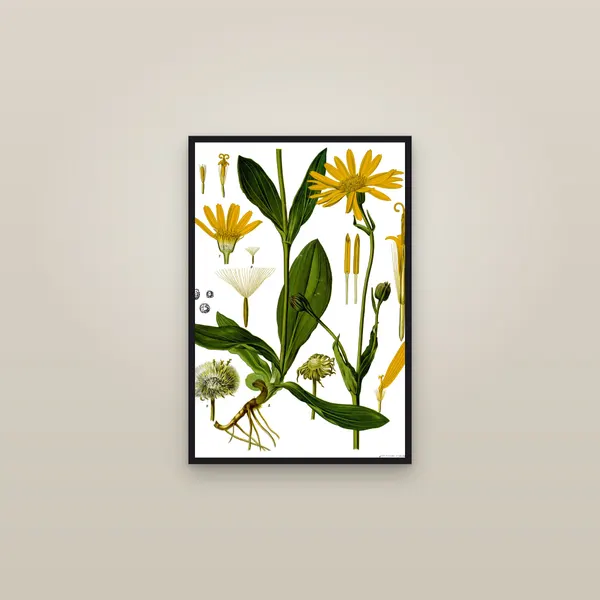
What is a chromolithograph, and how do you spot one?
A colour print made to look like a painting, at a much lower cost. Why people wanted them, how one stone per colour worked, and which plates and posters we print really are chromolithographs.
9 min read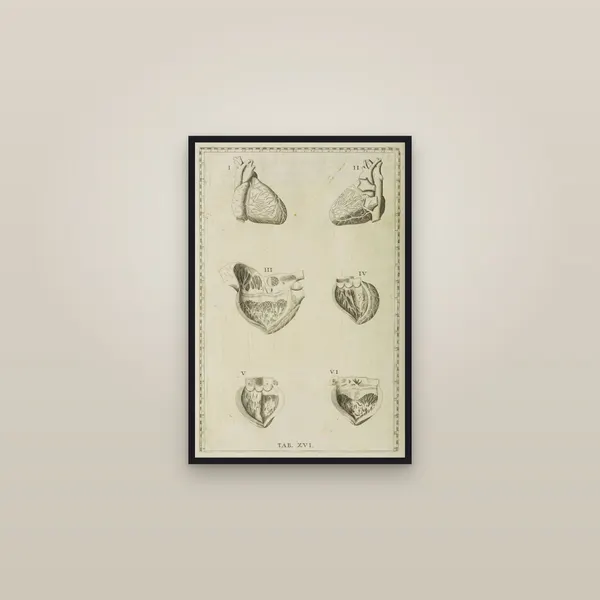
Copper engraving: what it was and how it worked
The finest line printing could make, and how paintings and anatomy reached people who never saw the originals. How plates were cut, inked and worn, shown through Eustachi and Albinus.
8 min read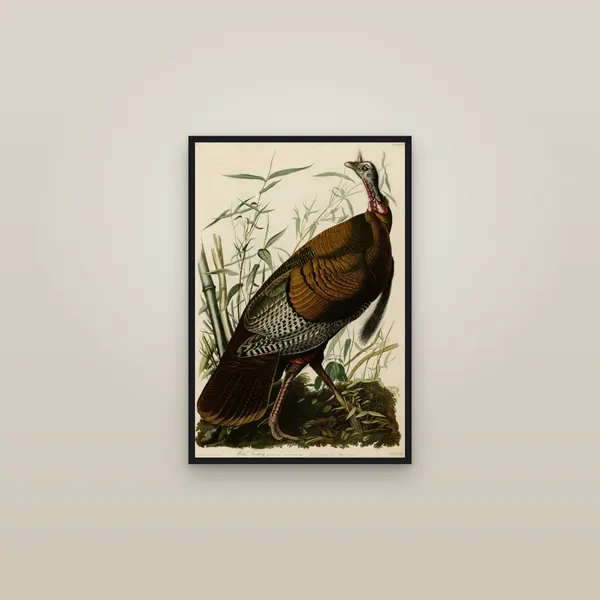
What Audubon's bird prints are, and why and how he made them
A bankrupt shopkeeper set out to paint North America's birds at life size. The full story of The Birds of America: what it is, why it exists and how it was made.
9 min readJapanese woodblock prints: what they were, how they were made
Cheap pictures for a city crowd, made by four trades with one block per colour and no press: how Hokusai's and Hiroshige's prints were cut and rubbed by hand, and why no two sheets match.
9 min read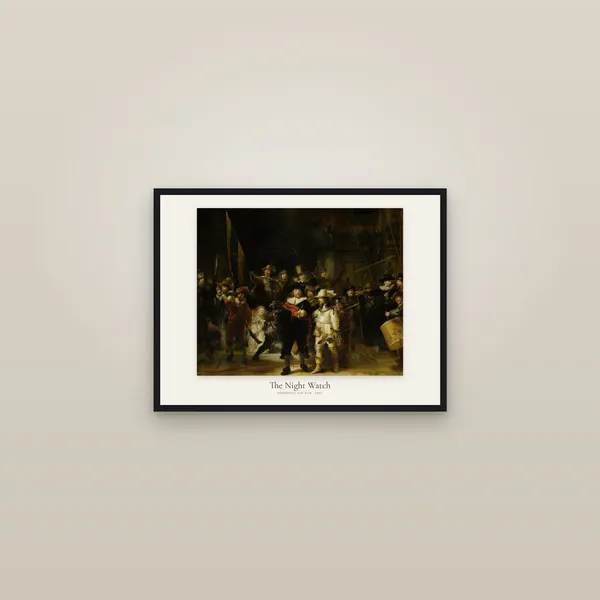
The paintings that were cut down, painted over, or found underneath
The Night Watch lost 64 cm to fit between two doors, Vermeer's Cupid spent centuries under grey paint, and a Van Gogh turned up on the back of another. What the museums found, and what a print shows.
13 min read