
The Journal
Plain answers about choosing and hanging art, the stories behind famous paintings and plates, sourced lists, and how a fine-art print is actually made.
Decorate
Rooms, sizes, hanging, framing, colour and style: the practical answers.
The complete guide to choosing wall art for a home
Facing a blank wall? How big to buy, how high to hang it, one piece or three, framed or canvas, colour, light, and what suits each room.
What size art goes above a sofa?
Go for about two-thirds of the sofa's width, hung 6 to 10 inches above its back. Here's the table by sofa size, which of our sizes fit, and when the rule bends.
Framed, unframed or canvas: which to buy for which wall
Framed paper for detail, margins and damp rooms; unframed if you have a framer; canvas for big walls, glare and bold edge-to-edge work.
How to hang a gallery wall: spacing, height and layouts
Three layouts that work, 2 to 3 inches between frames, the group centred at 57 inches, one frame colour, and paper templates before any nail.
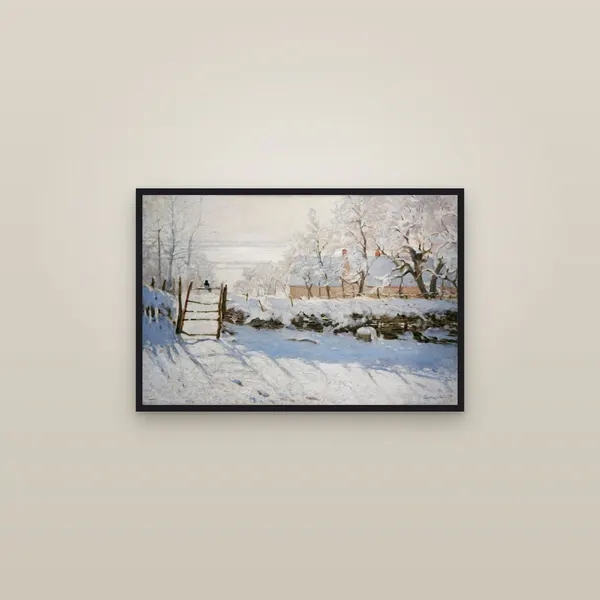
One big piece or a set of three?
Let the wall and the furniture decide: one piece at two-thirds of the furniture's width on a calm wall, three matched prints on a long wall or a split budget.
Art history
Movements, artists, famous works, series and the techniques behind the prints.

A short history of the print, from woodblock to giclée
Why people wanted copies of pictures, the six ways they found of making them, from a carved block in 1400s Europe to the inkjet on your wall, and what each means when you buy one.
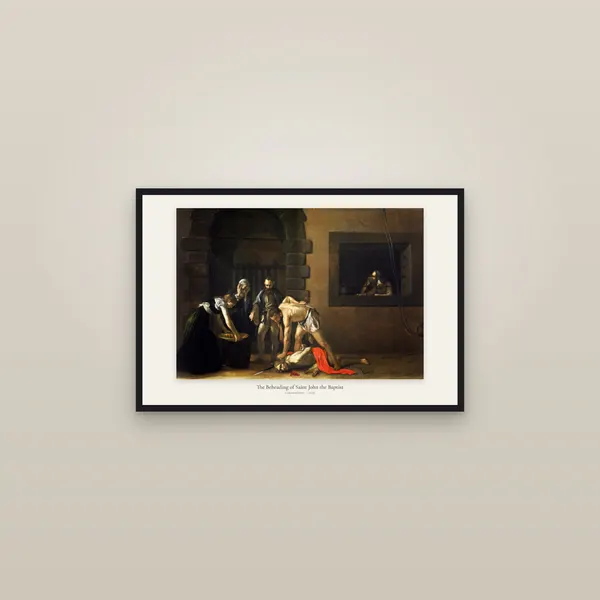
Caravaggio on the run: the murder and the last paintings
In 1606 Caravaggio killed a man in Rome. His last four years in Naples, Malta and Sicily under a death sentence, and the paintings he made on the run.
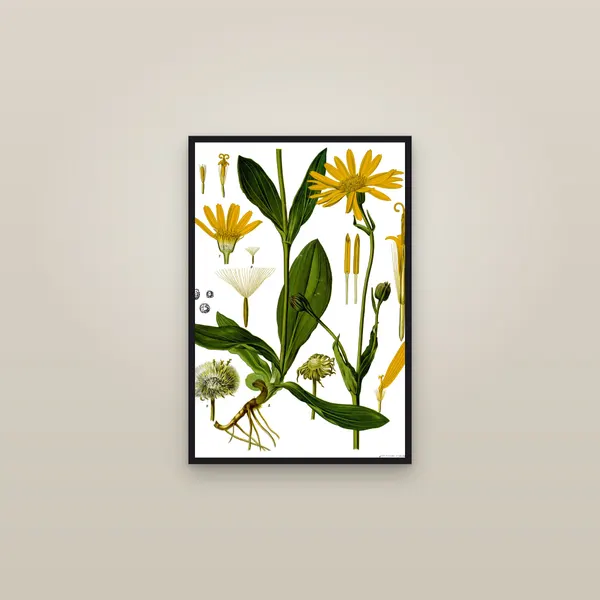
What is a chromolithograph, and how do you spot one?
A colour print made to look like a painting, at a much lower cost. Why people wanted them, how one stone per colour worked, and which plates and posters we print really are chromolithographs.
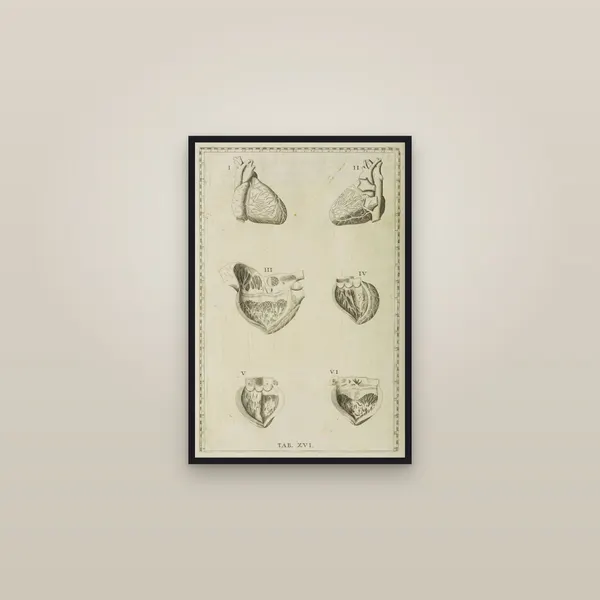
Copper engraving: what it was and how it worked
The finest line printing could make, and how paintings and anatomy reached people who never saw the originals. How plates were cut, inked and worn, shown through Eustachi and Albinus.
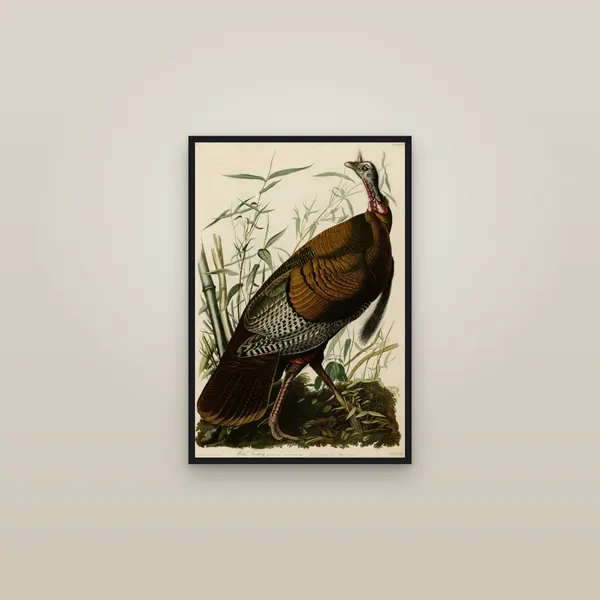
What Audubon's bird prints are, and why and how he made them
A bankrupt shopkeeper set out to paint North America's birds at life size. The full story of The Birds of America: what it is, why it exists and how it was made.
Japanese woodblock prints: what they were, how they were made
Cheap pictures for a city crowd, made by four trades with one block per colour and no press: how Hokusai's and Hiroshige's prints were cut and rubbed by hand, and why no two sheets match.
Lists
Rankings and roundups with a reason for every entry.
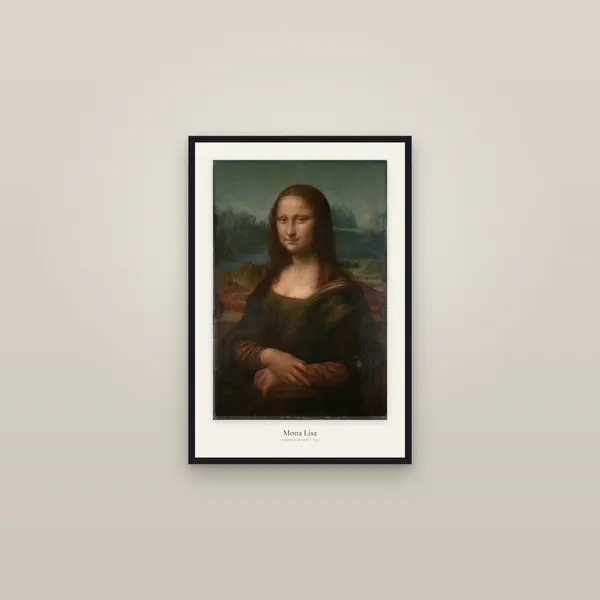
The most famous paintings in the world and where to see them
Twenty-five paintings almost everyone can picture, ranked by fame, with the story of how each got there, the museum it hangs in and whether you can print it.

The great art heists
Fifteen museum thefts, from the Gardner's thirteen missing works to the Mona Lisa's twenty-eight months away, ranked by what is still gone, with the record behind each one.
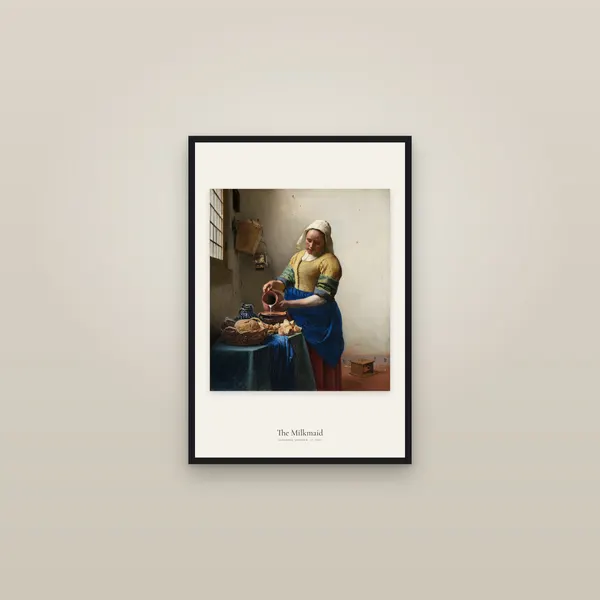
The forgers who fooled the museums
Eleven forgers whose fakes reached museums, from Van Meegeren's Vermeers to the Knoedler Rothkos: what they faked, how each was caught, what happened.
The most reproduced artworks, and why
Nobody has counted reproductions, so there is no honest number one. This list is ordered by evidence, then asks why some images copy so readily.
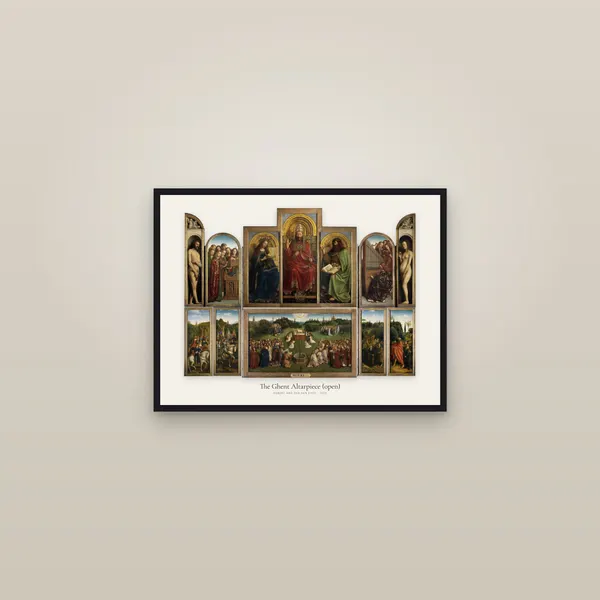
The most stolen artworks, ranked by number of thefts
Most heist lists rank single crimes. This one ranks the works taken again and again, and says who made each count and how far to trust it.
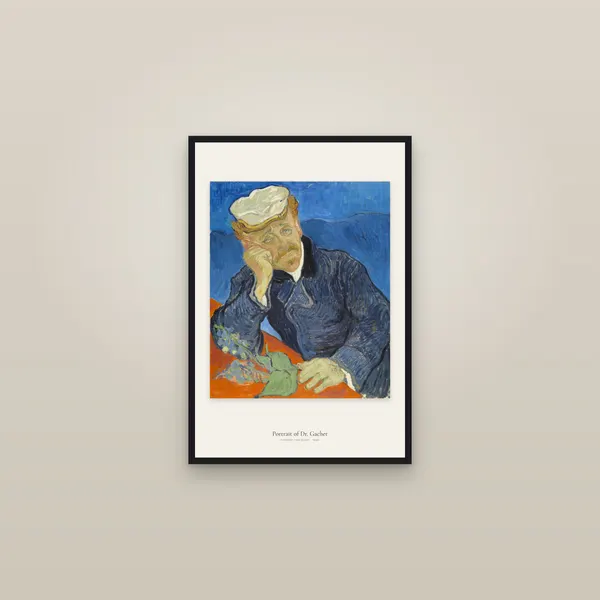
The most valuable paintings ever sold
The twenty highest prices ever paid for a painting, auction and private, the stories behind them, the records they broke and which of them you can legally print.
Collecting & printing
What a fine-art print is, how it is made, what to ask, how to care for it.
How a fine-art print is made: from a 1714 plate to your wall
How a rare page or a museum painting reaches your wall: where the scan comes from, what restoration touches, why some plates stop at 16 × 24, and how to check what arrives.
How we restore a plate from an old book, step by step
A plate is a full-page picture in an old book. Eustachi's 1714 heart goes from a harsh library scan to a clean, full-toned page: re-centred, cropped, rotated, never repainted.
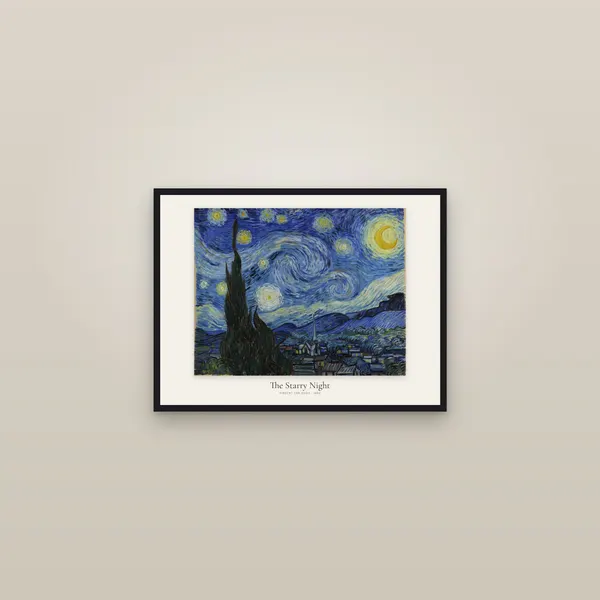
Print sizes and ratios explained: 2:3, 3:4 and 4:3
How to pick a print size: twelve sizes in four shapes, in inches and centimetres, why a painting keeps its own shape, and what 'largest size 16 × 24' on a product page means.
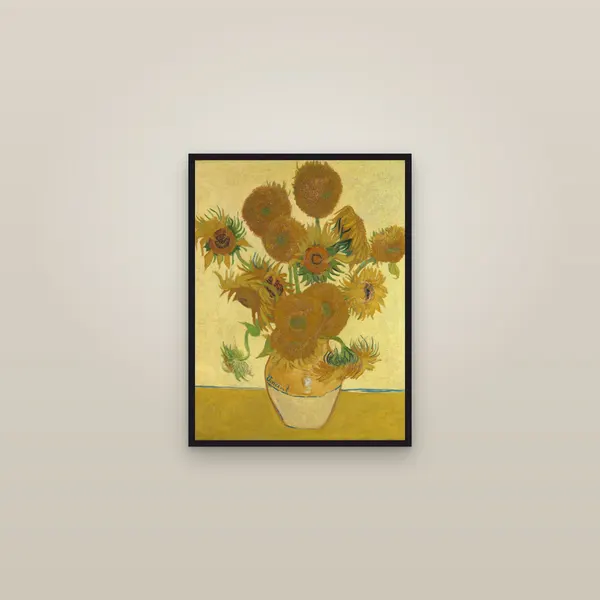
What is a giclée print, and is it worth it?
A marketing word from 1991 for a pigment inkjet print on archival paper. The word guarantees nothing; the ink, paper and scan do.
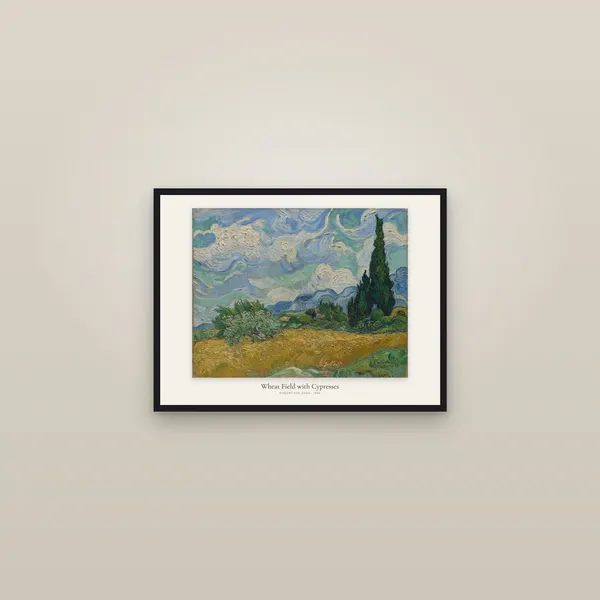
Why we can sell Van Gogh: public domain, explained
Copyright in his paintings ended long ago, so it no longer stops anyone reproducing them. The EU, UK and US rules, museum photographs, and what public domain leaves out.