John Gould Prints
1804–1881 · English · Ornithological illustration
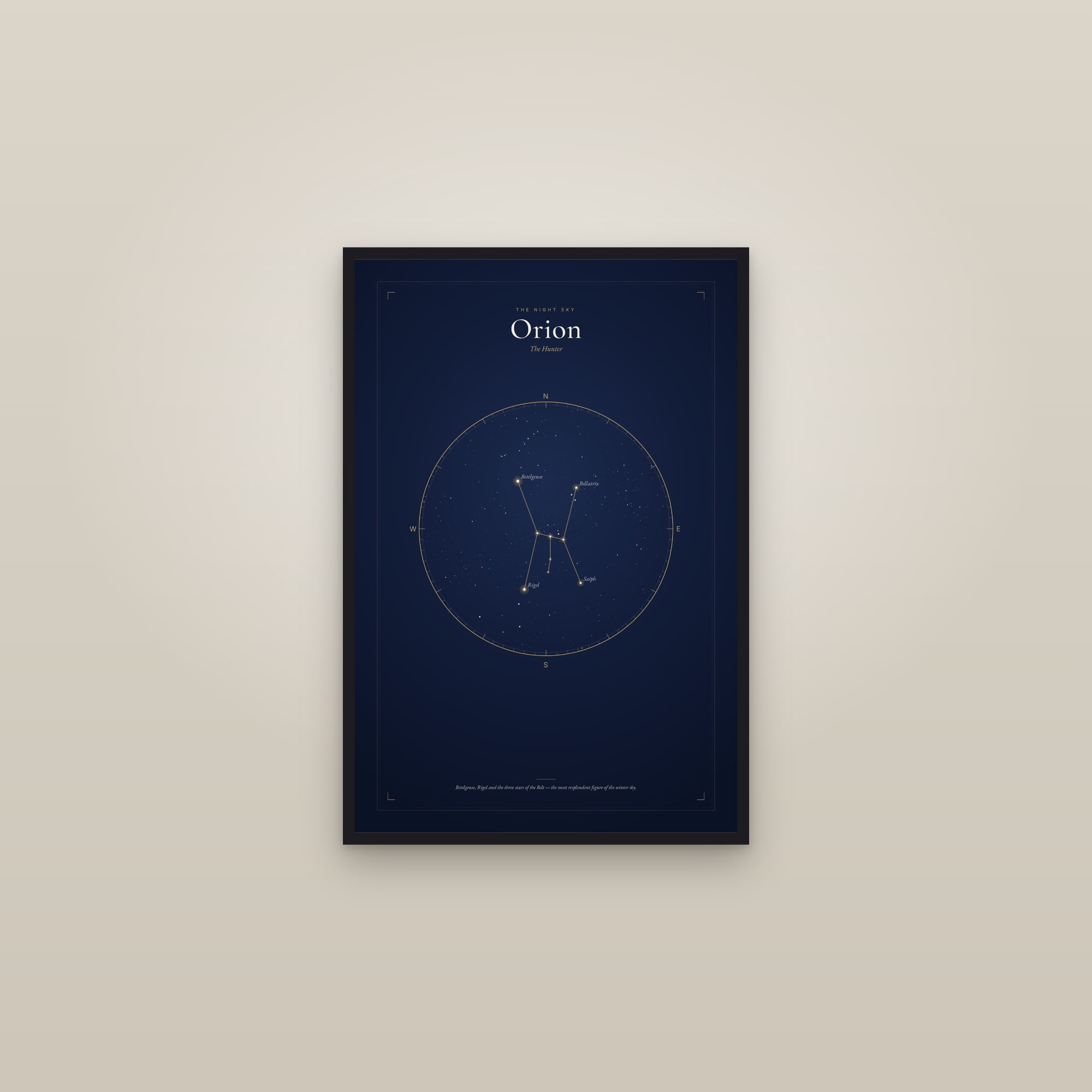
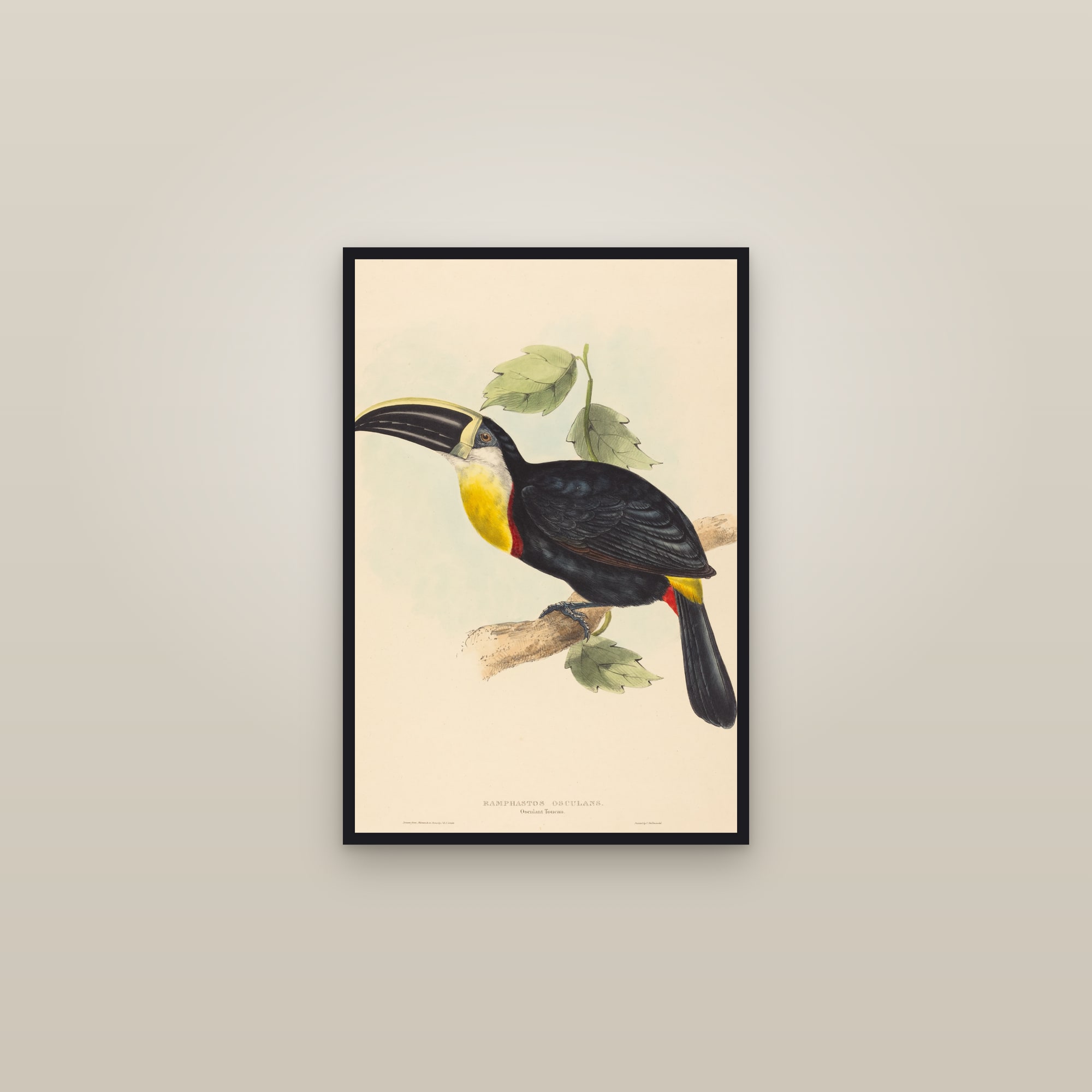
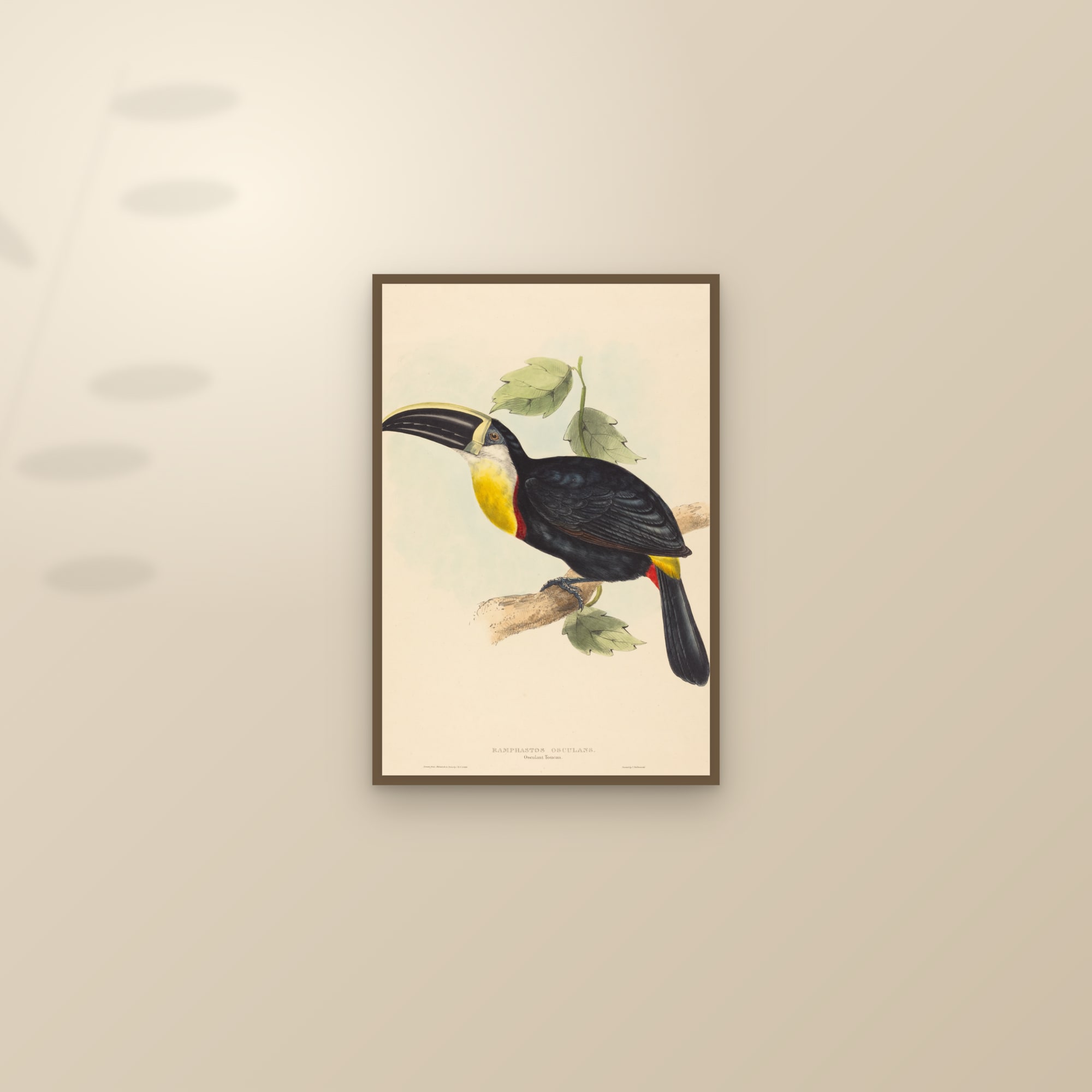
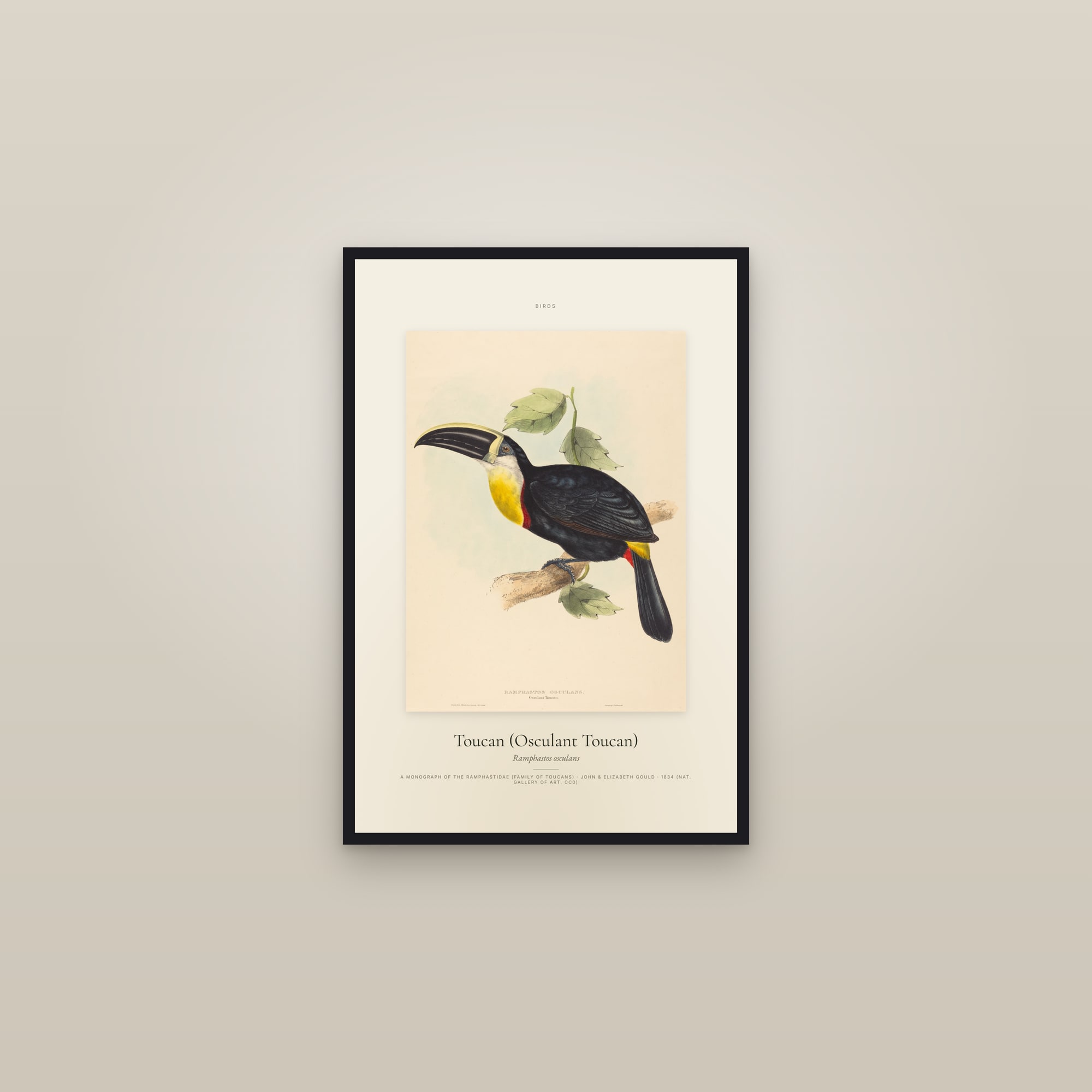
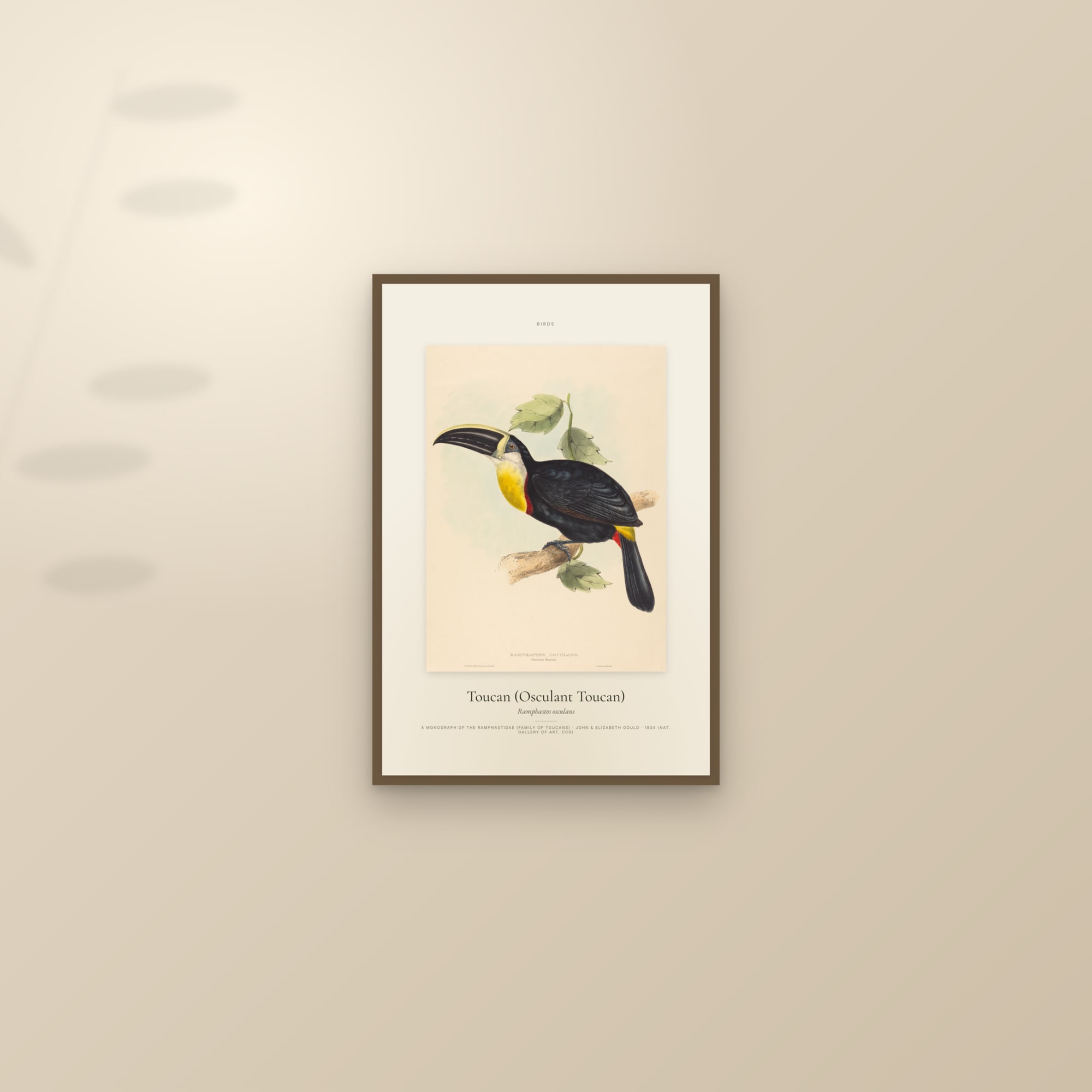
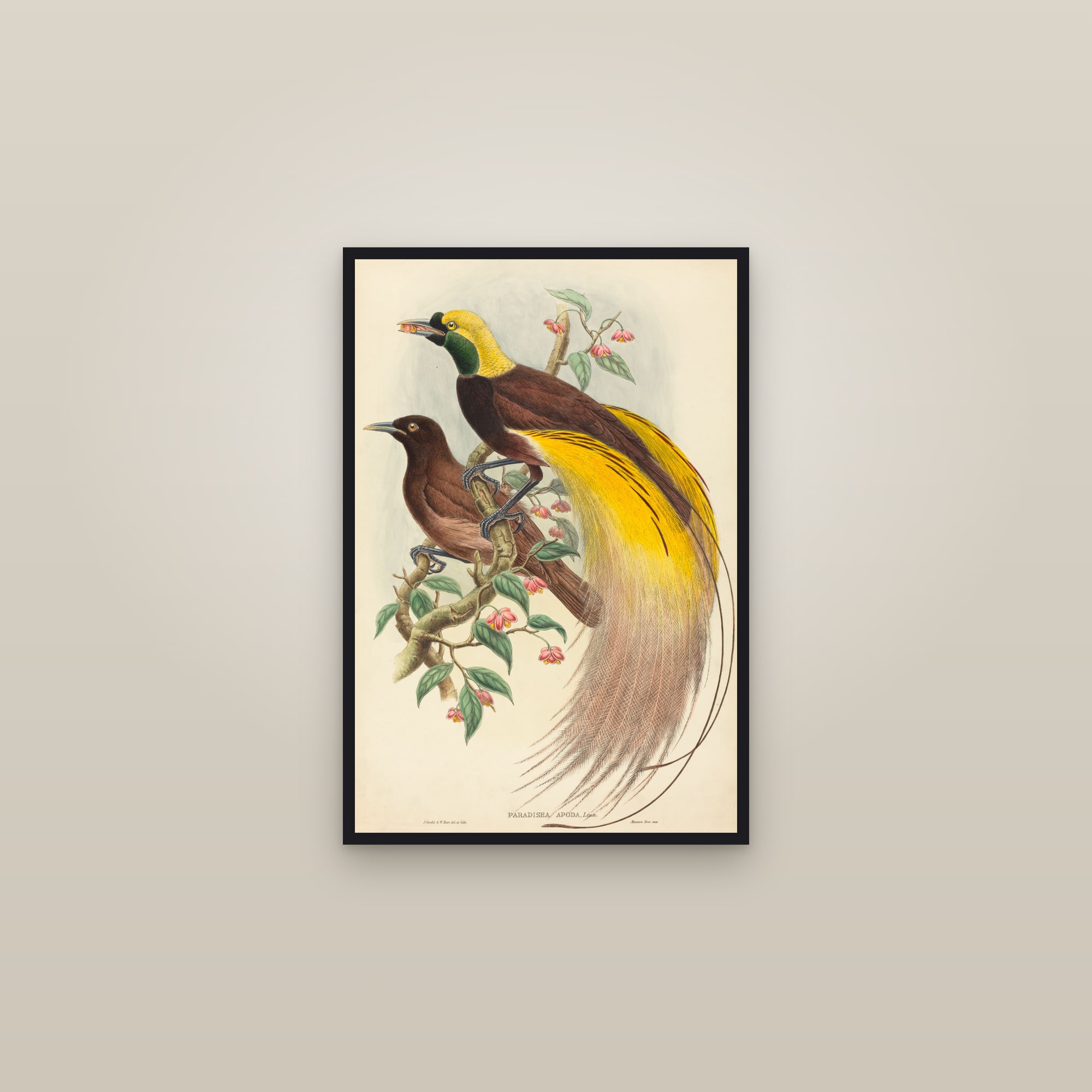
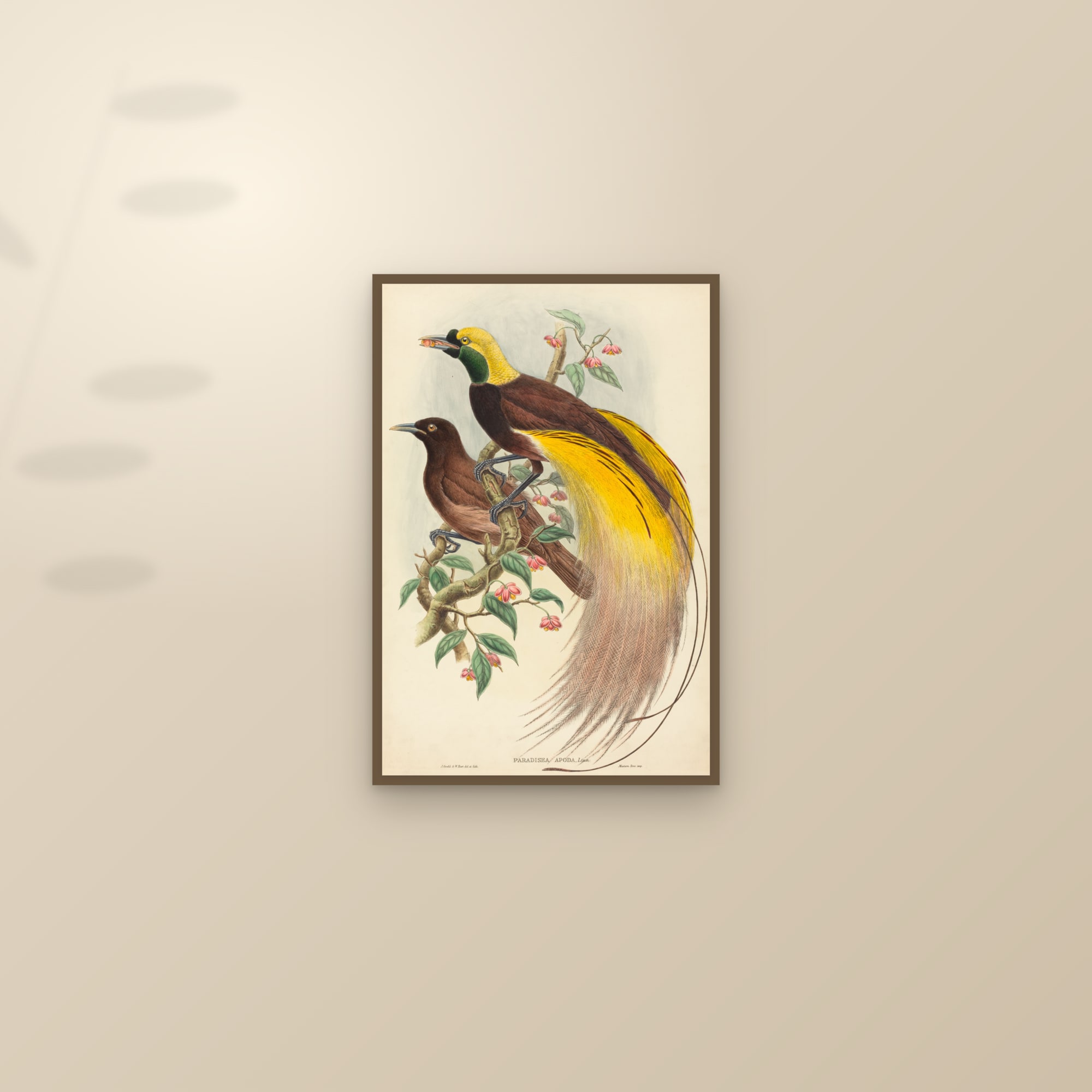
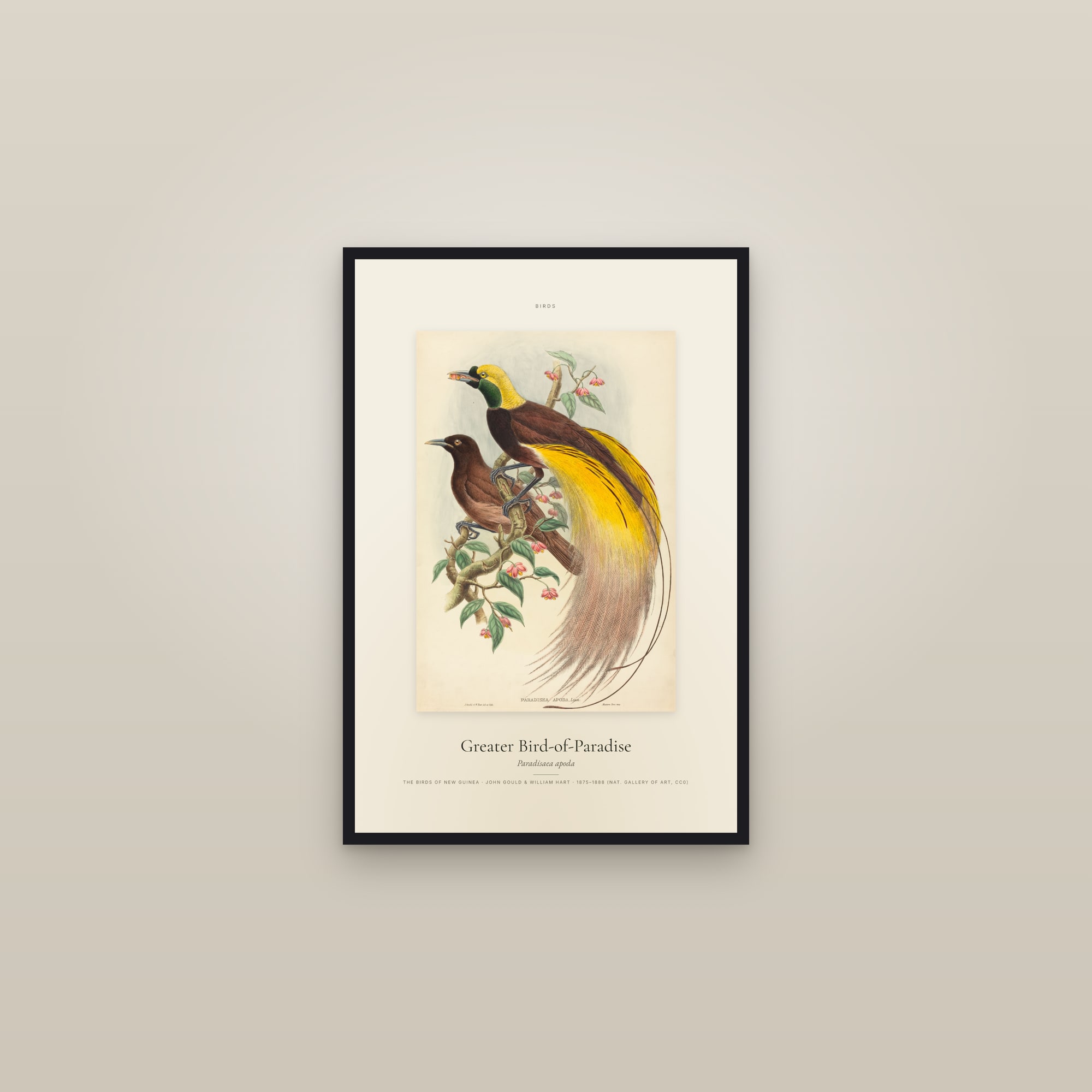
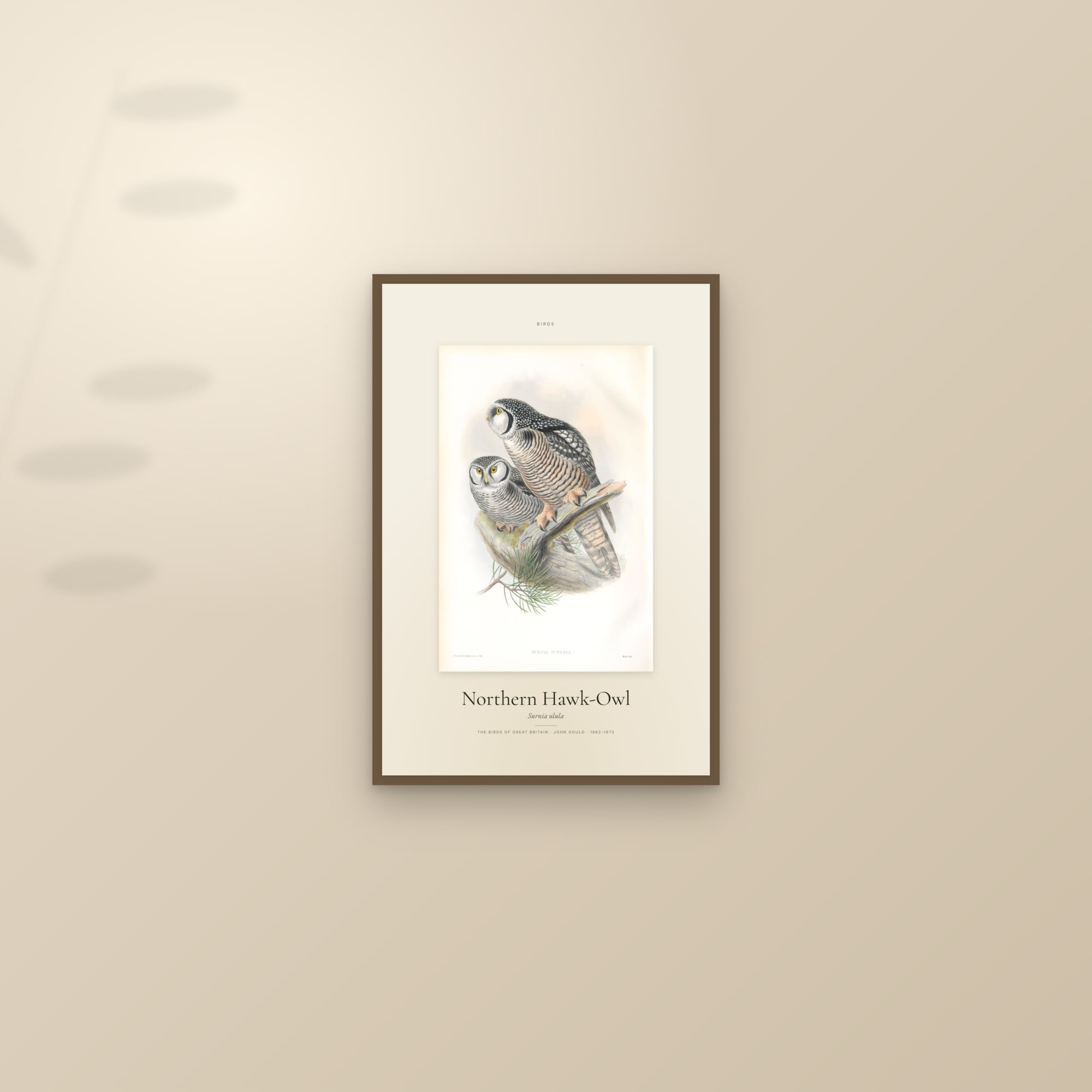
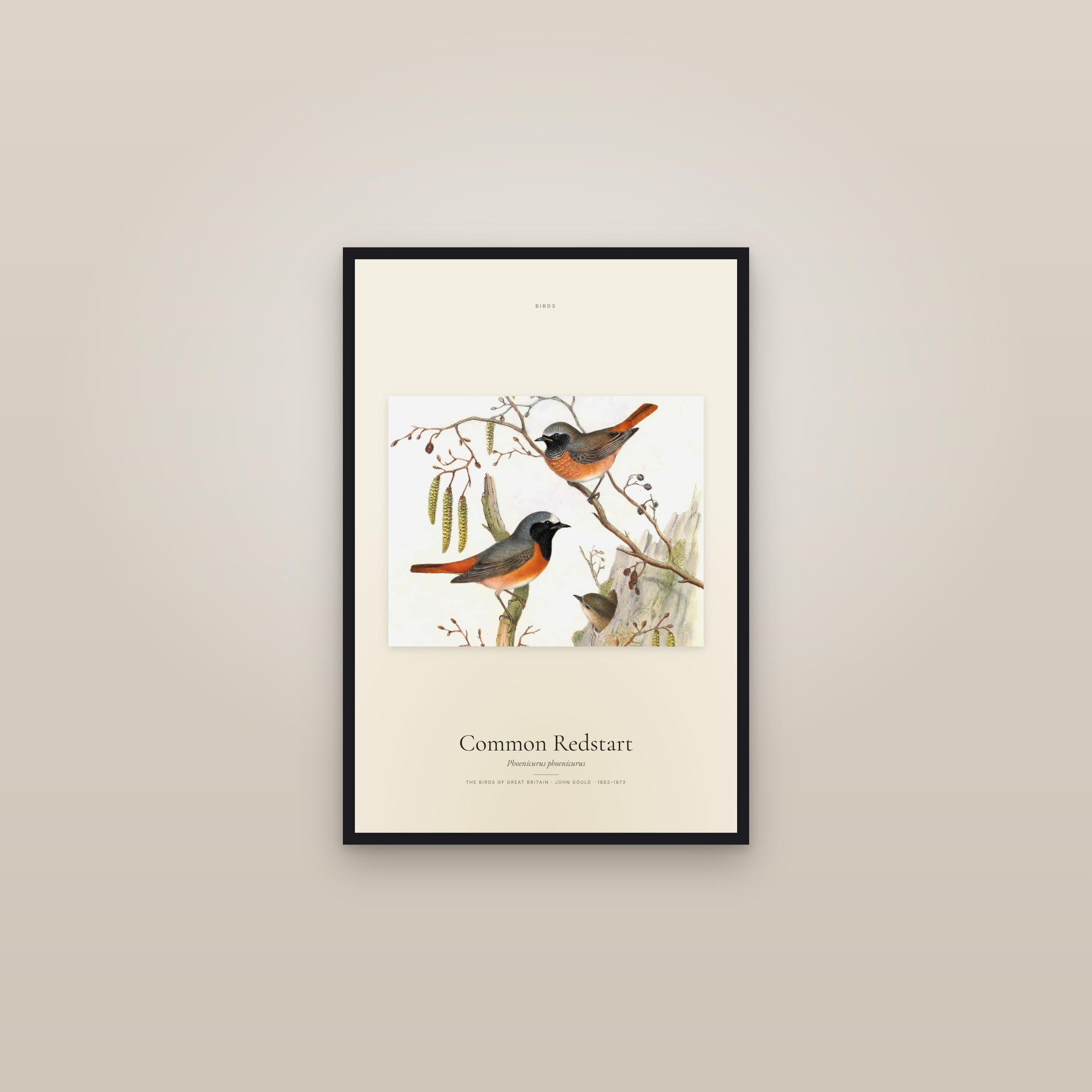
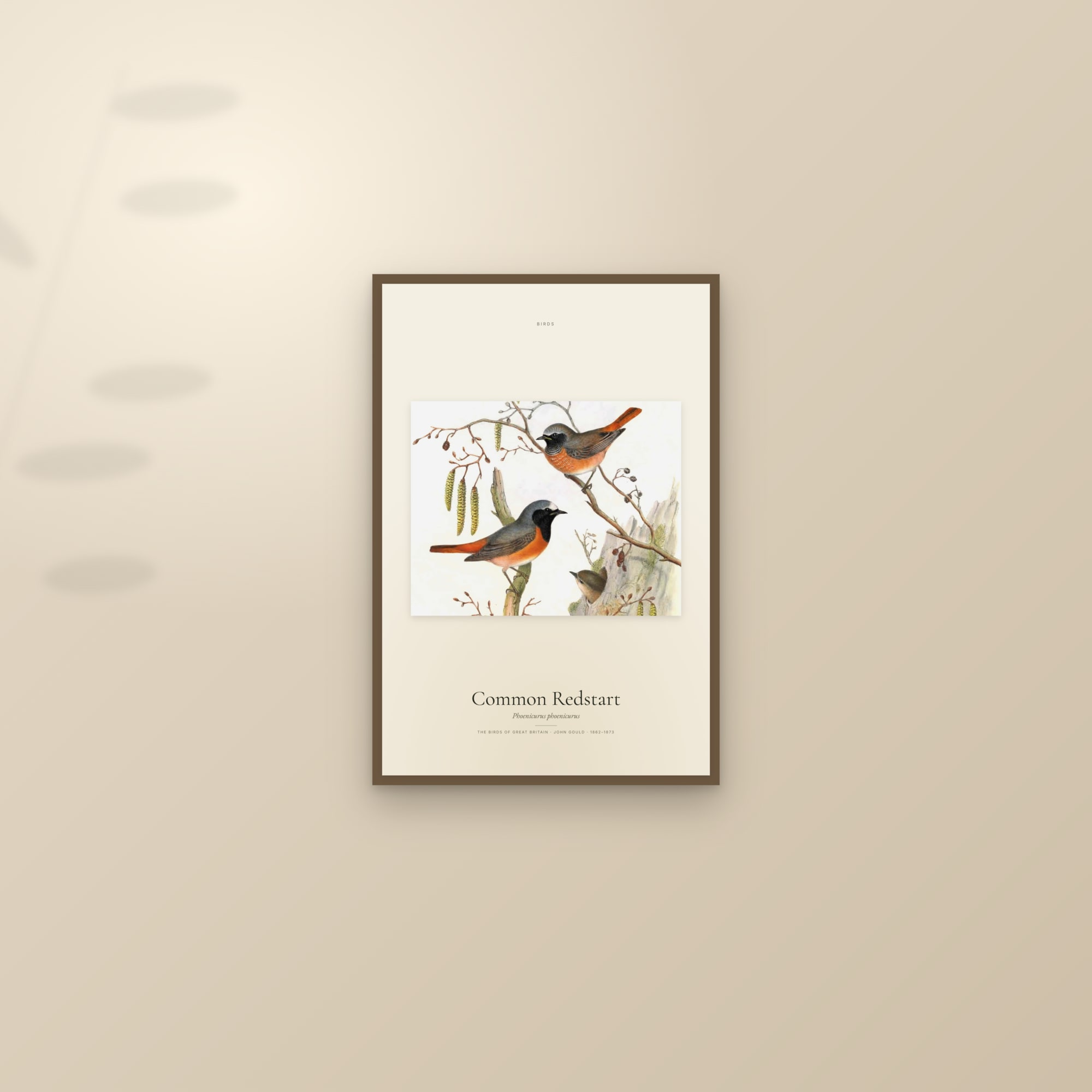
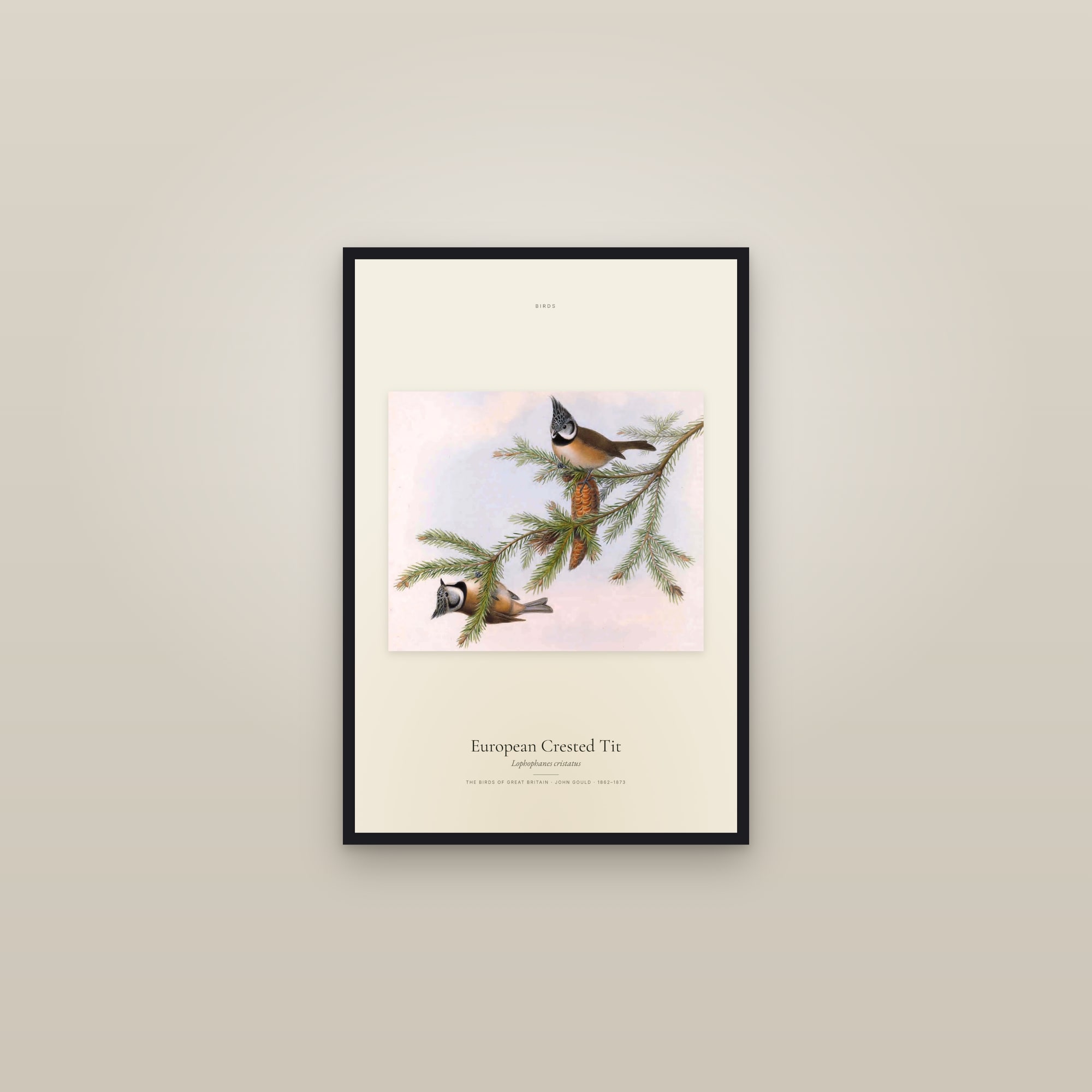
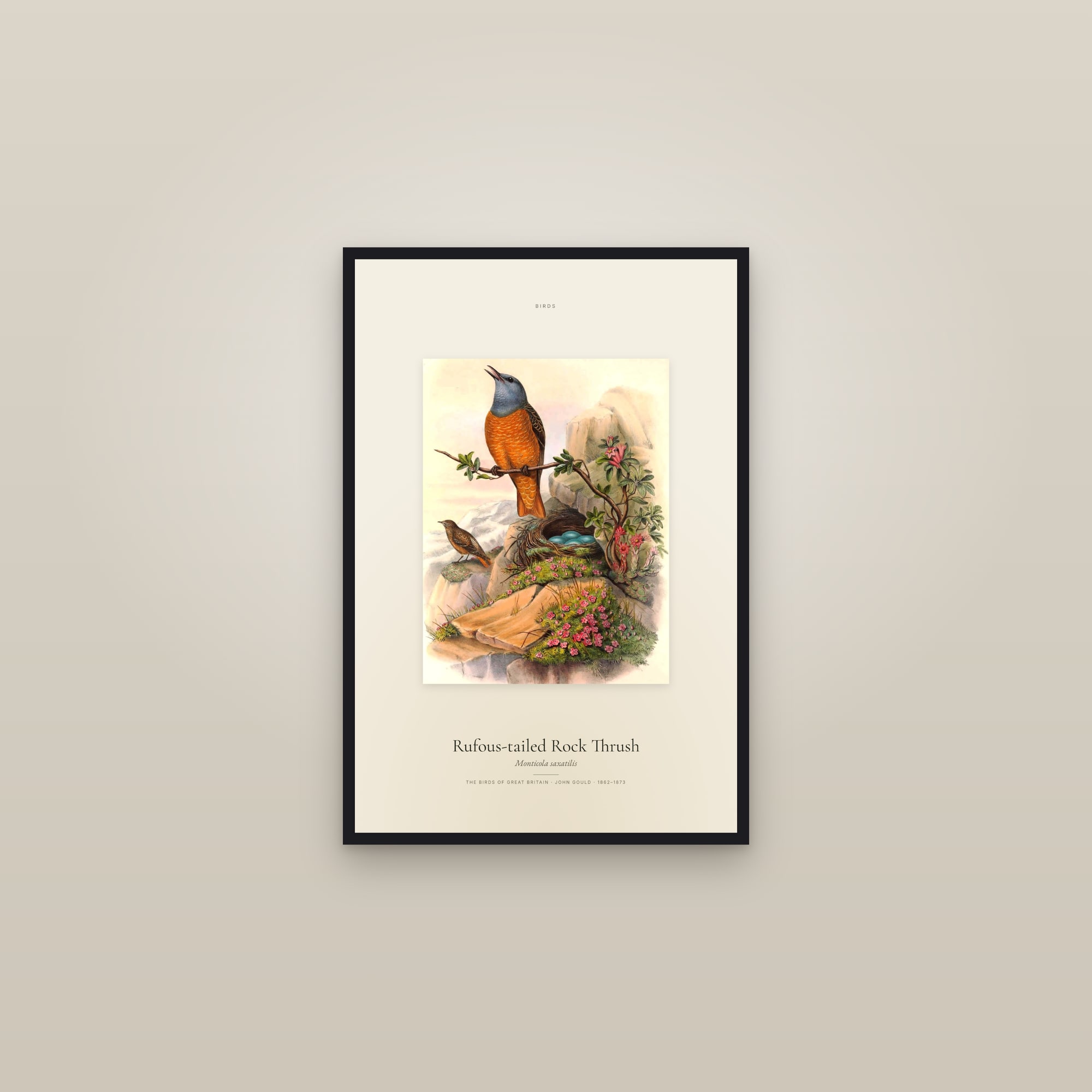
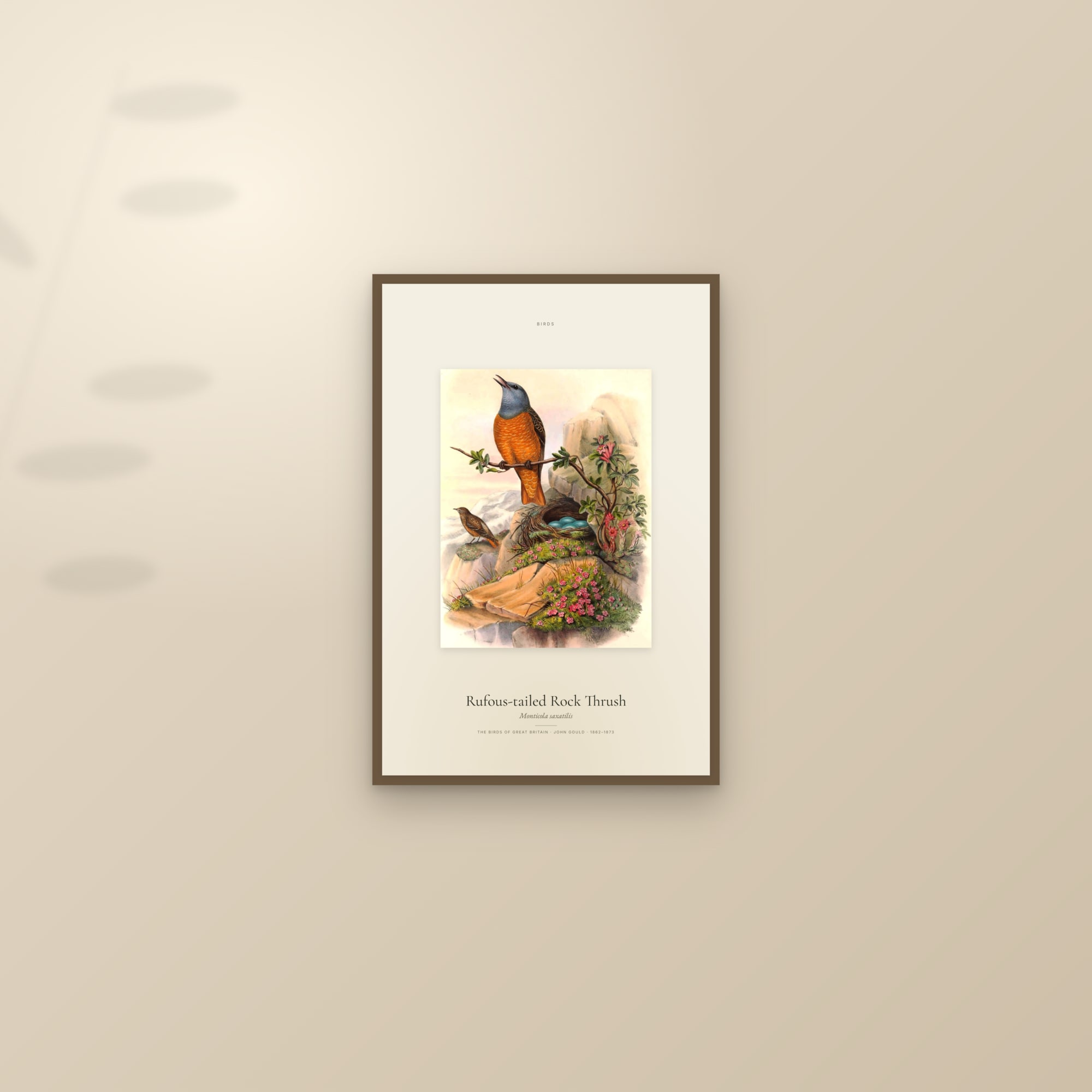
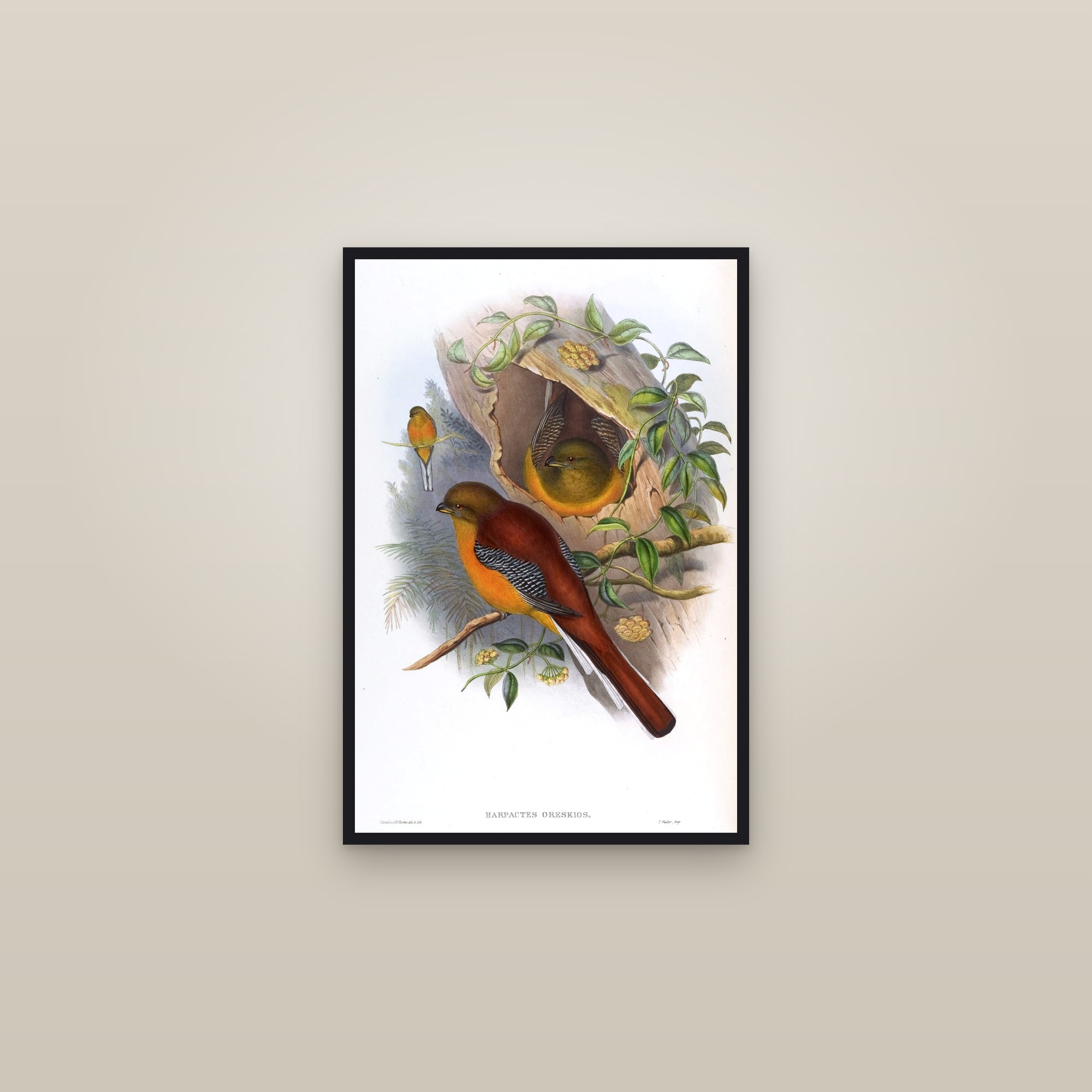
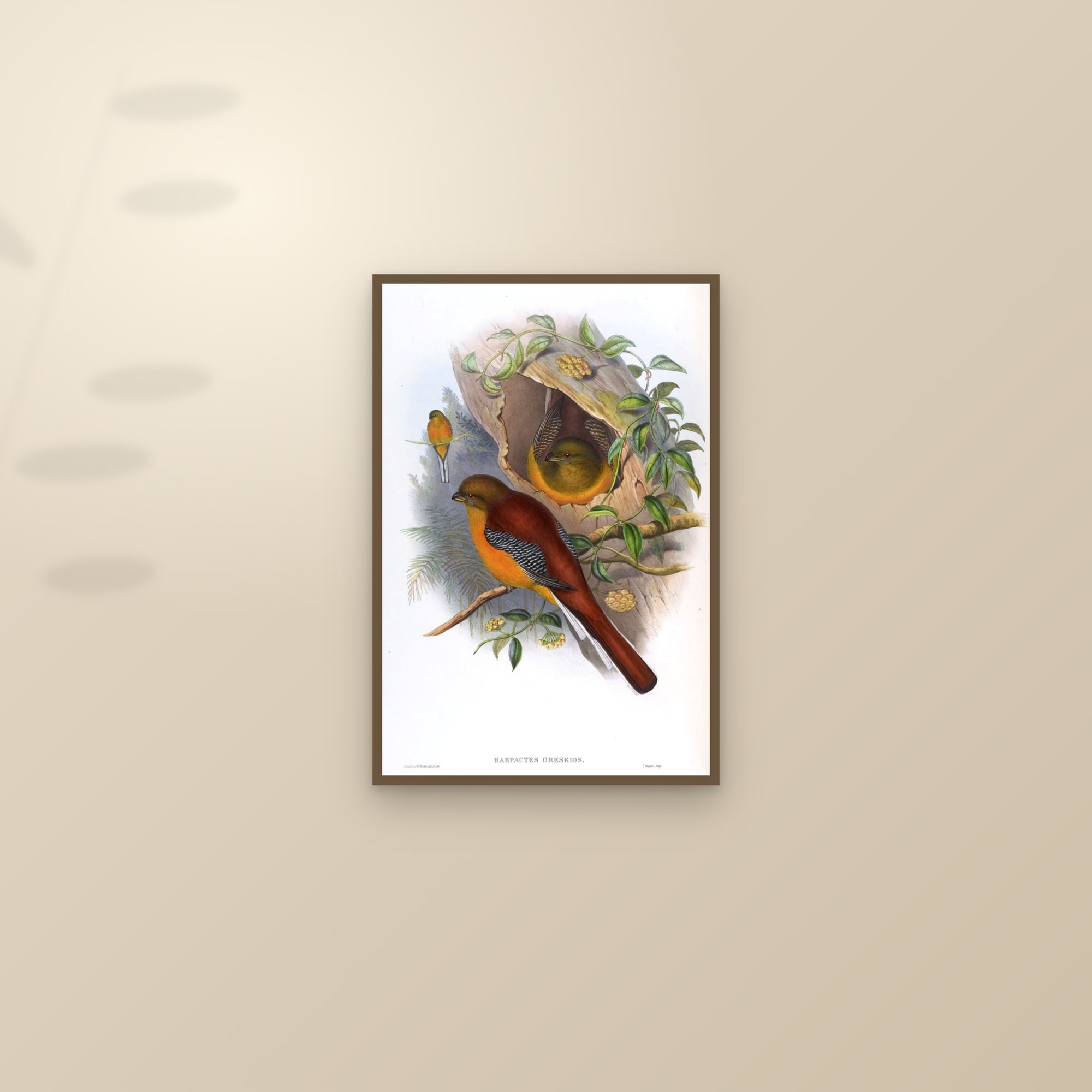
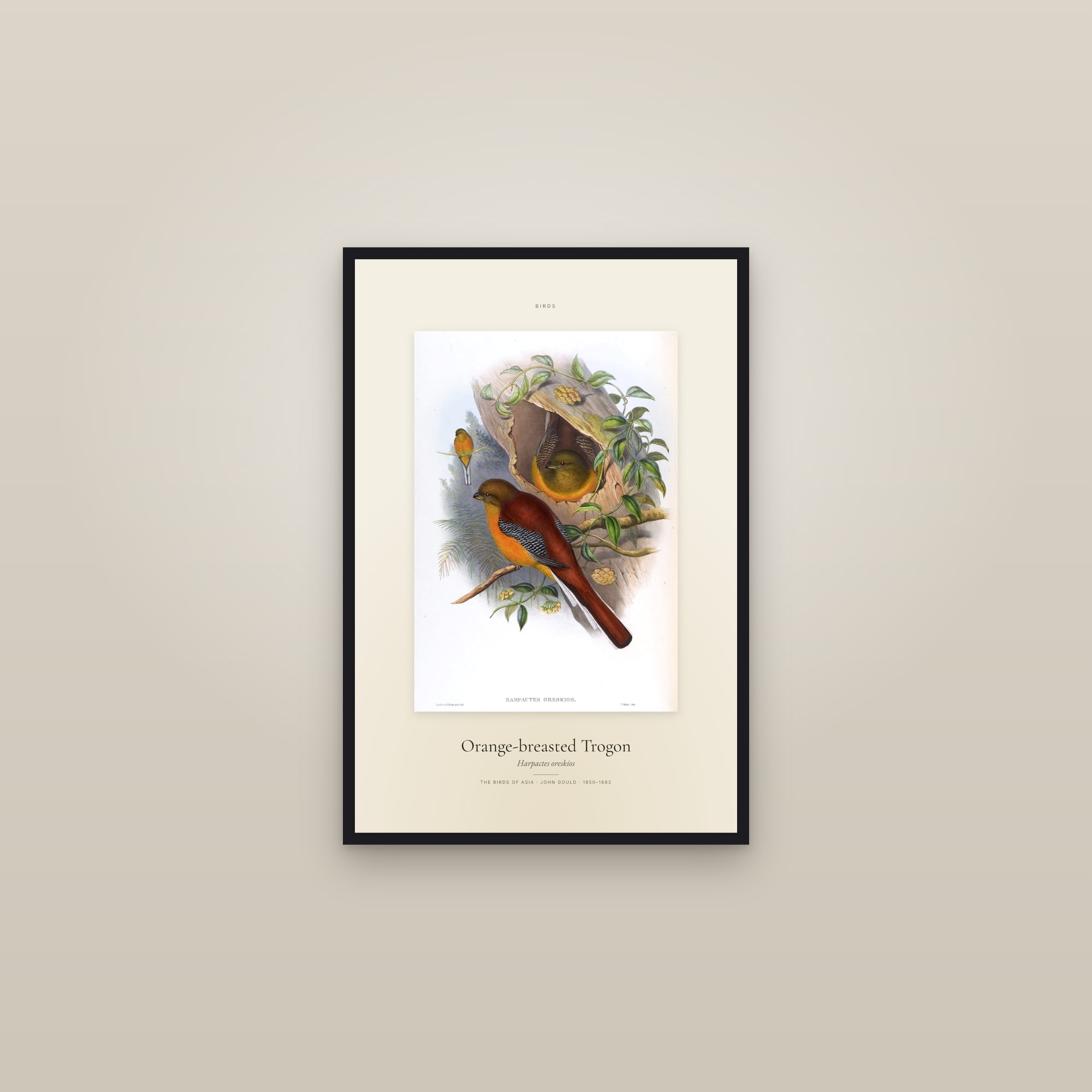
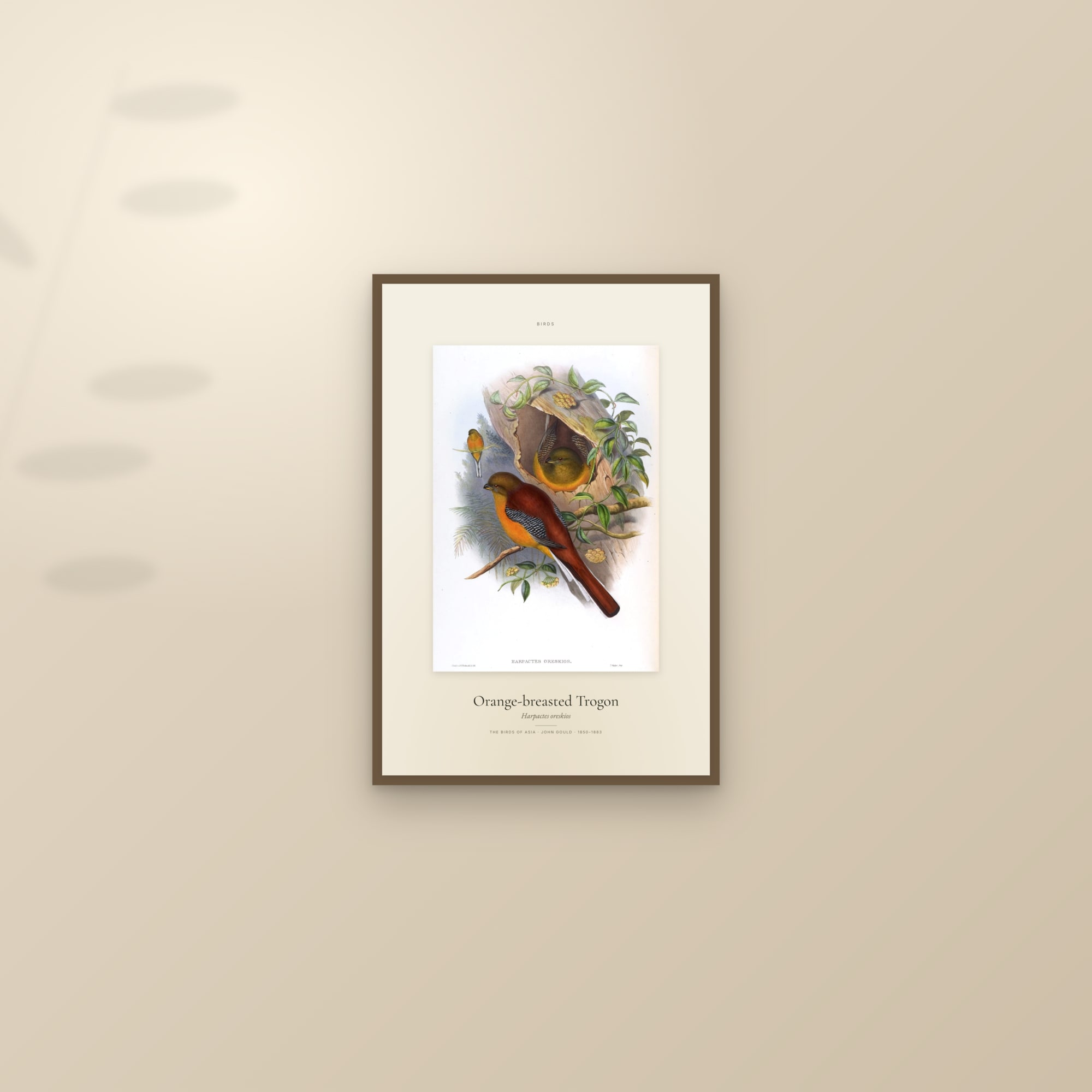
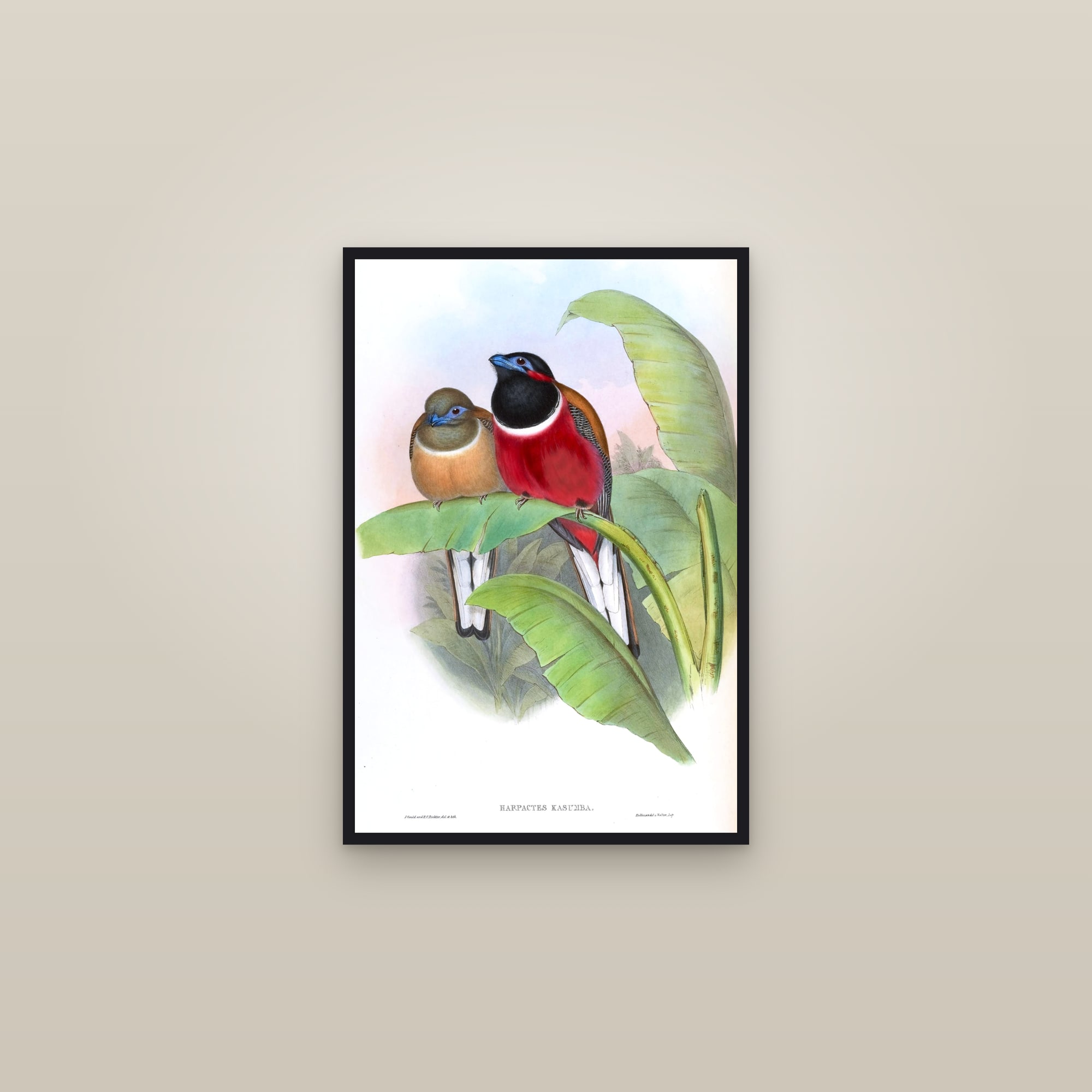
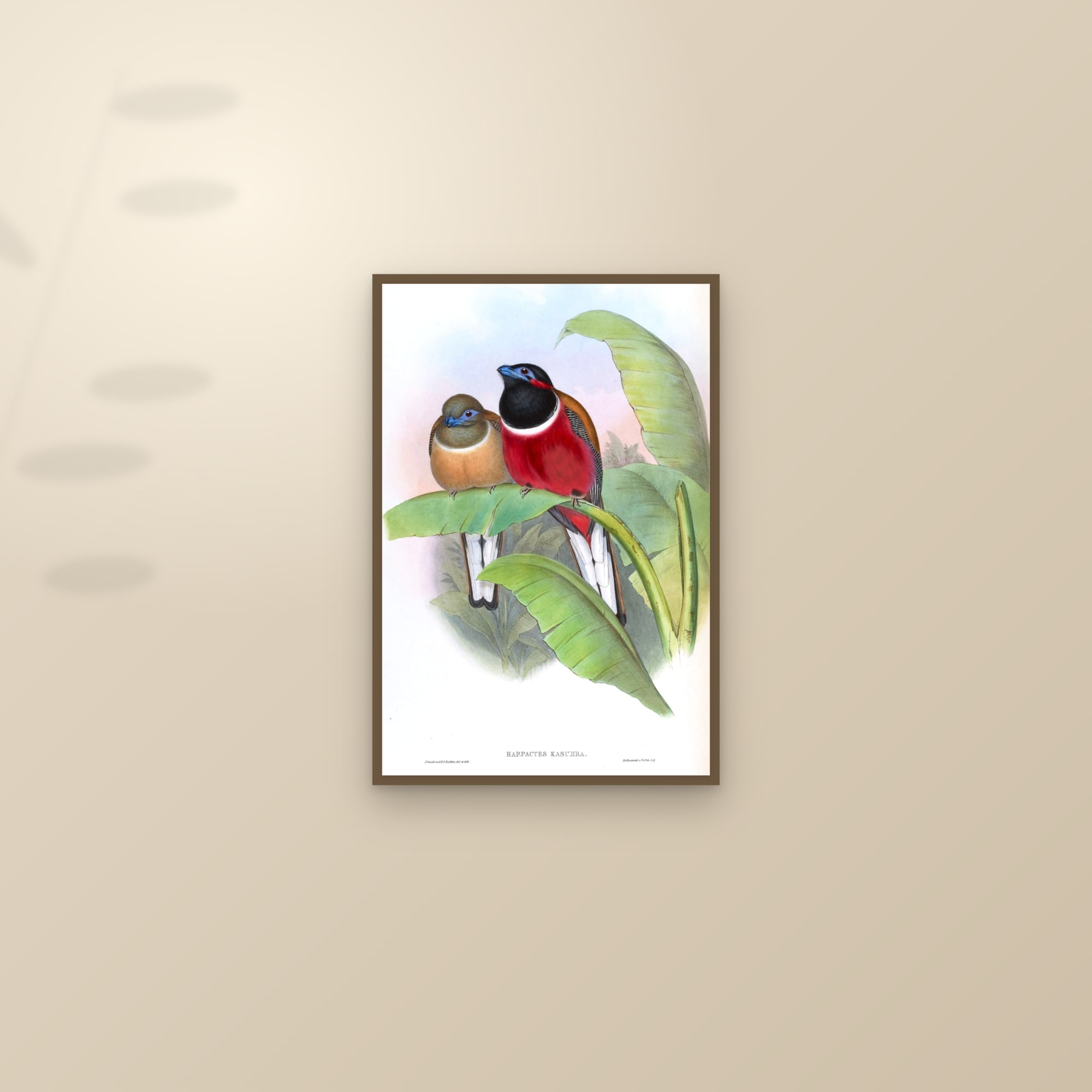
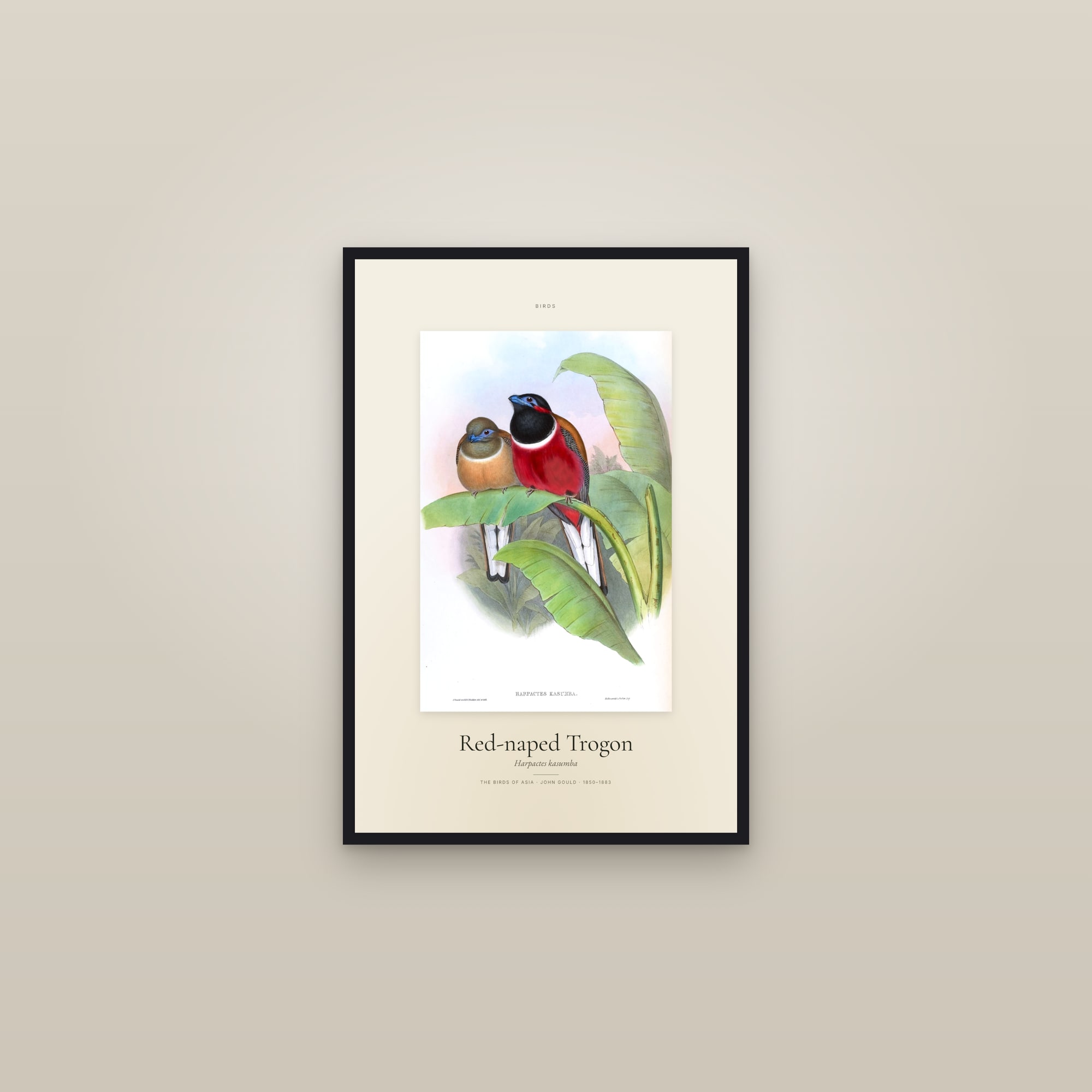
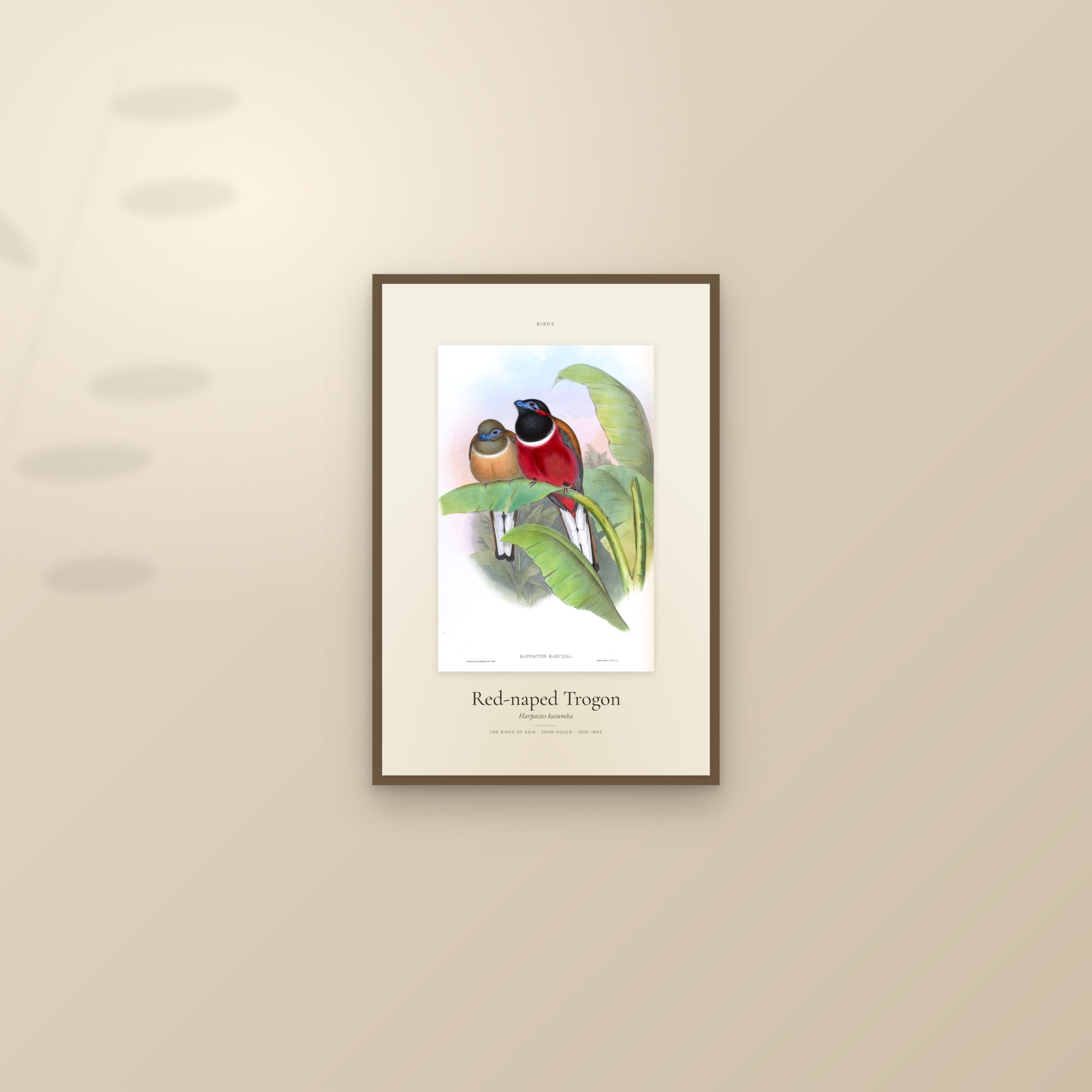
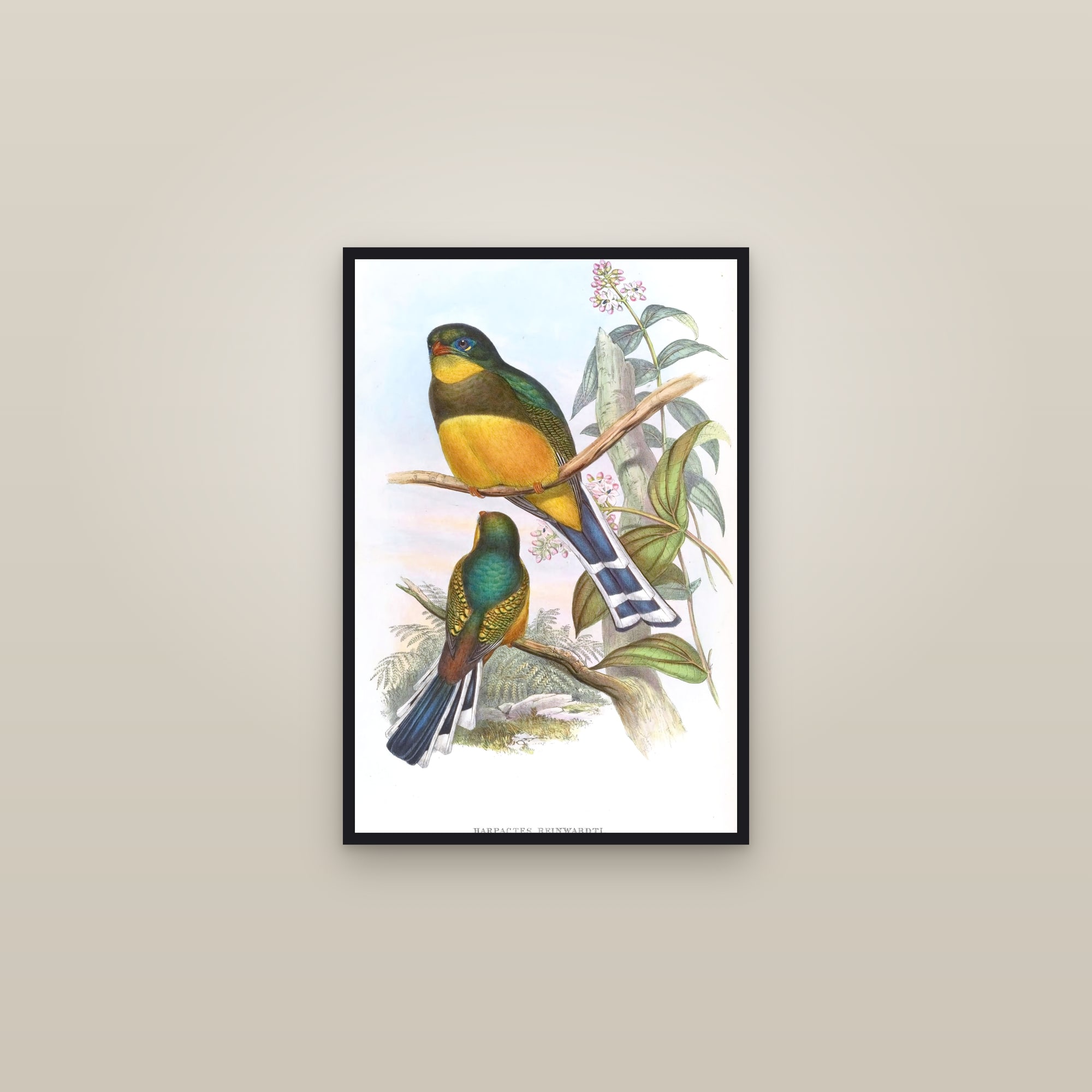
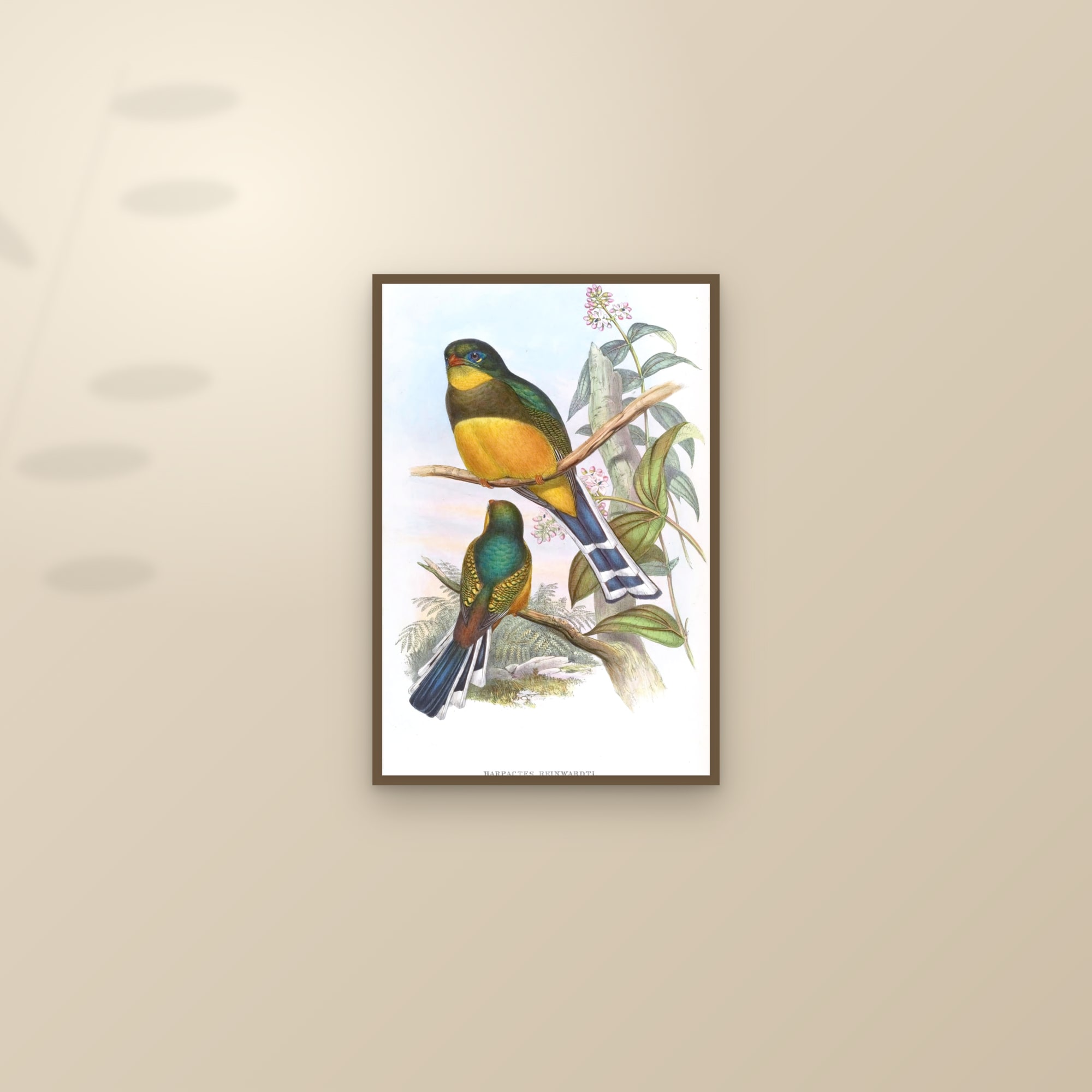
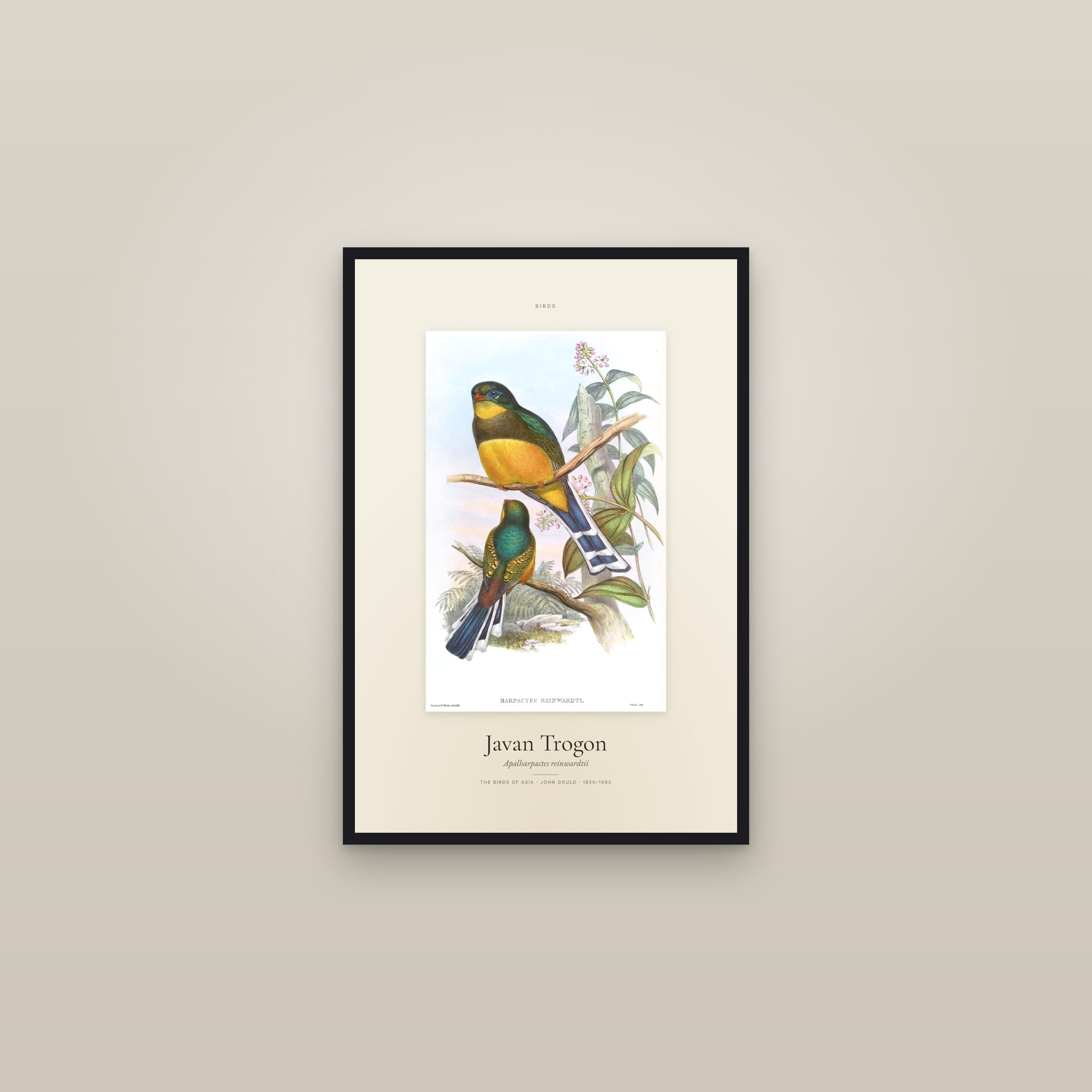
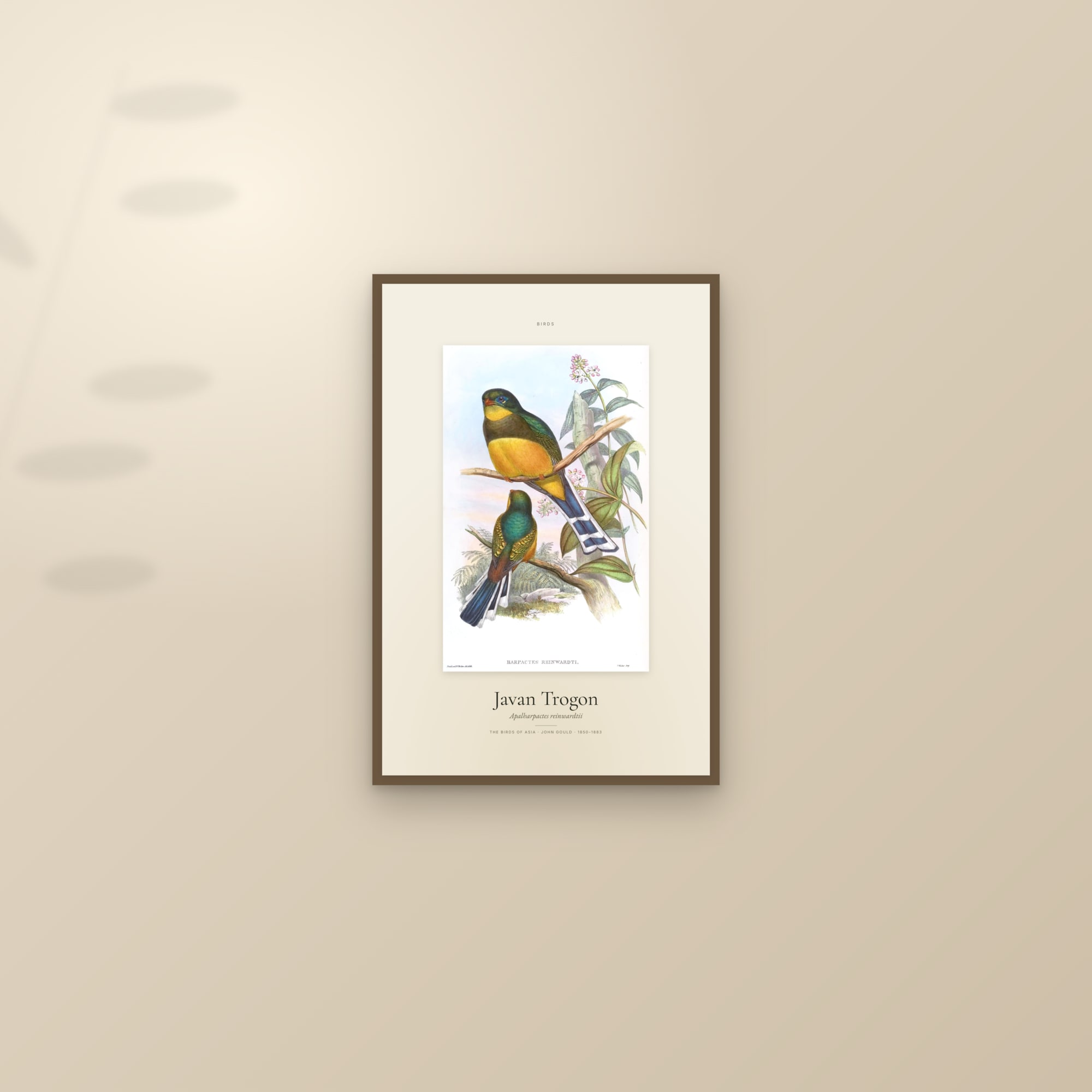
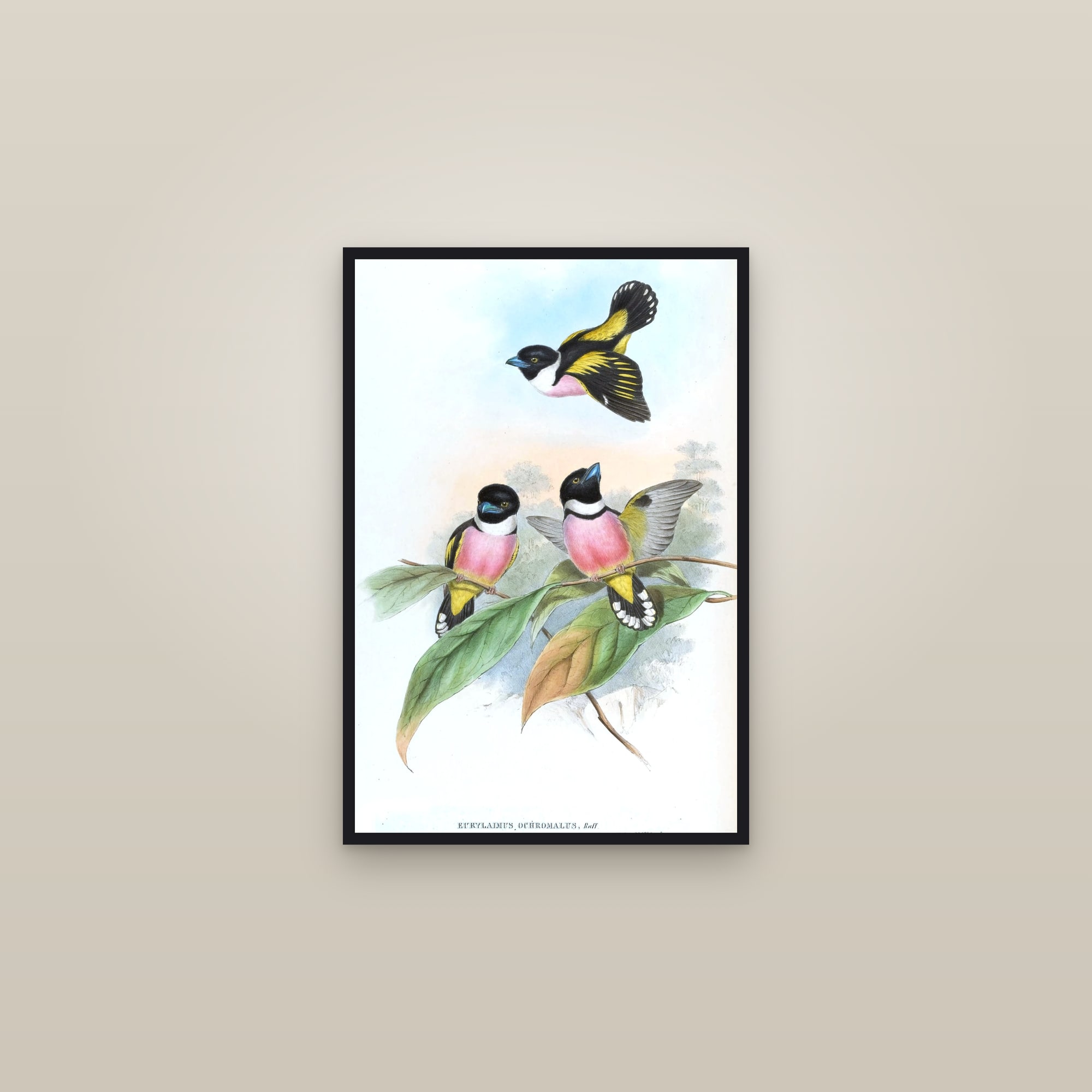
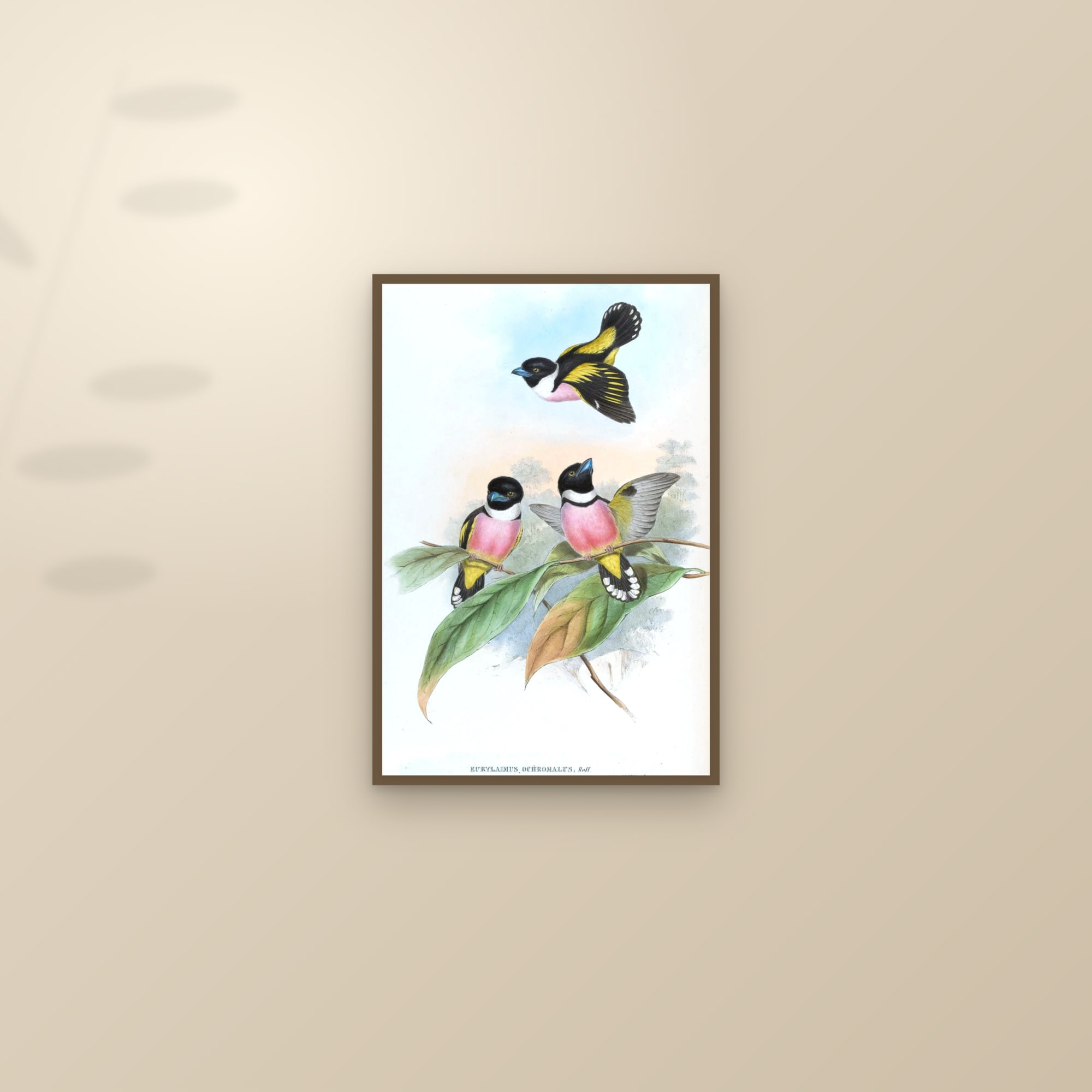
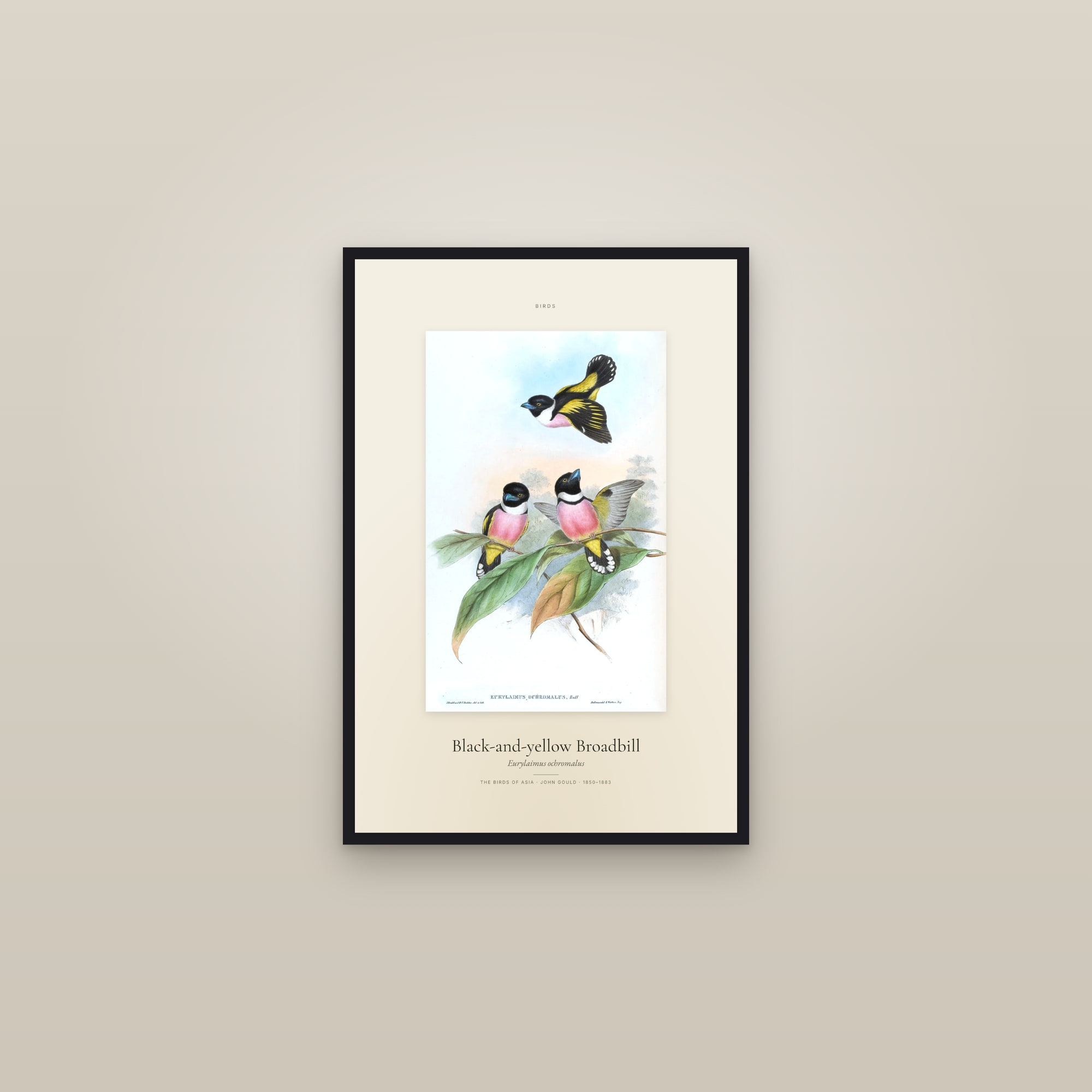
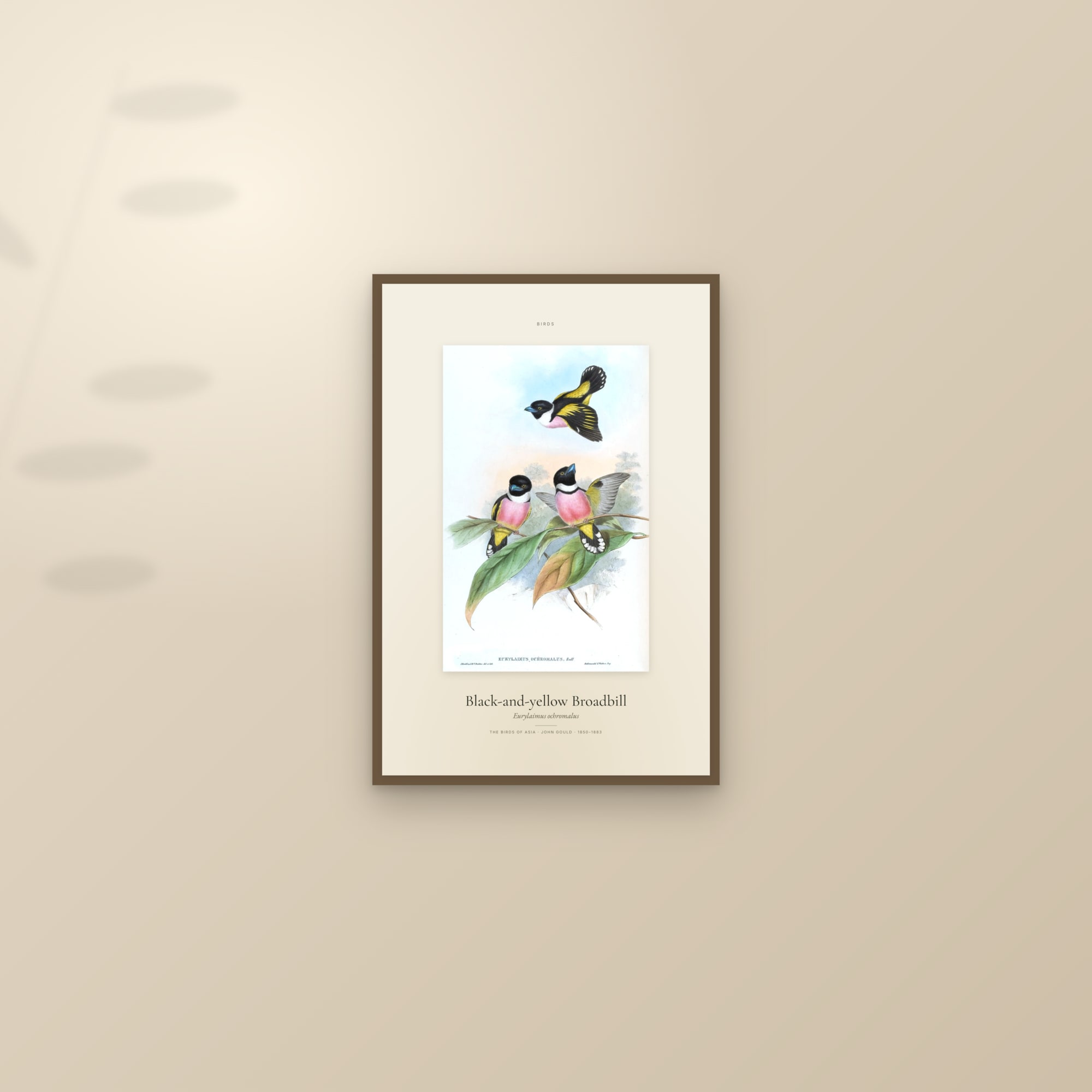
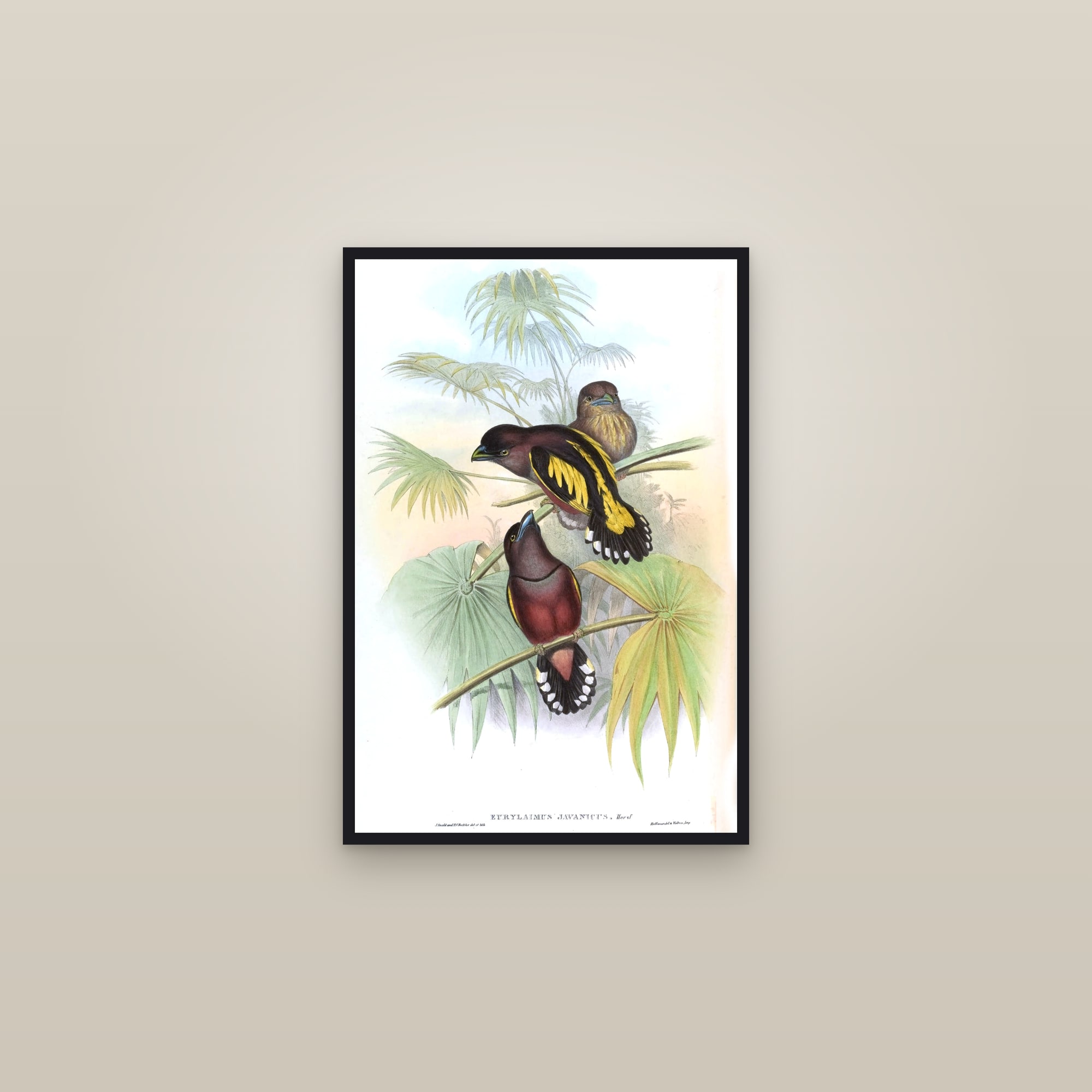
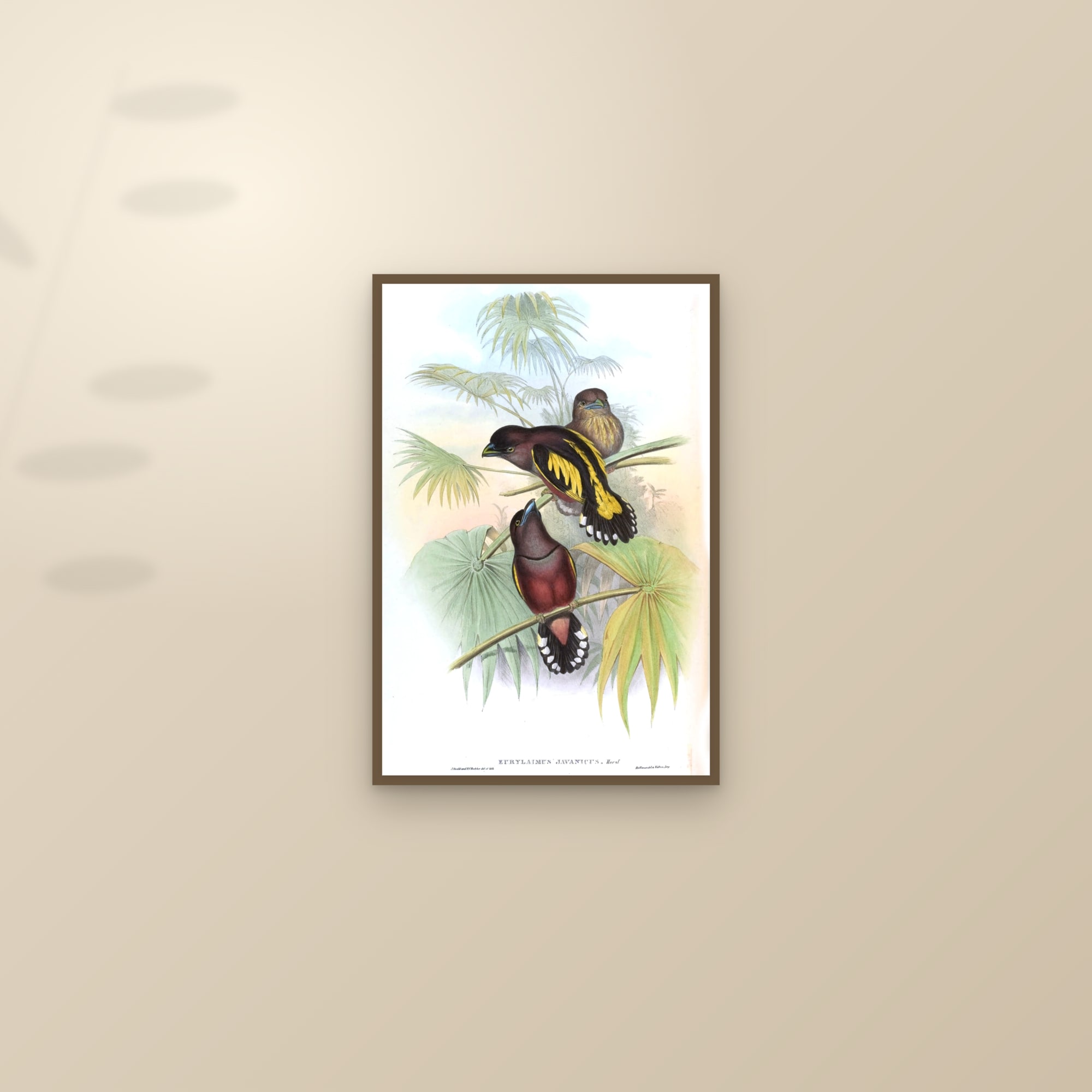
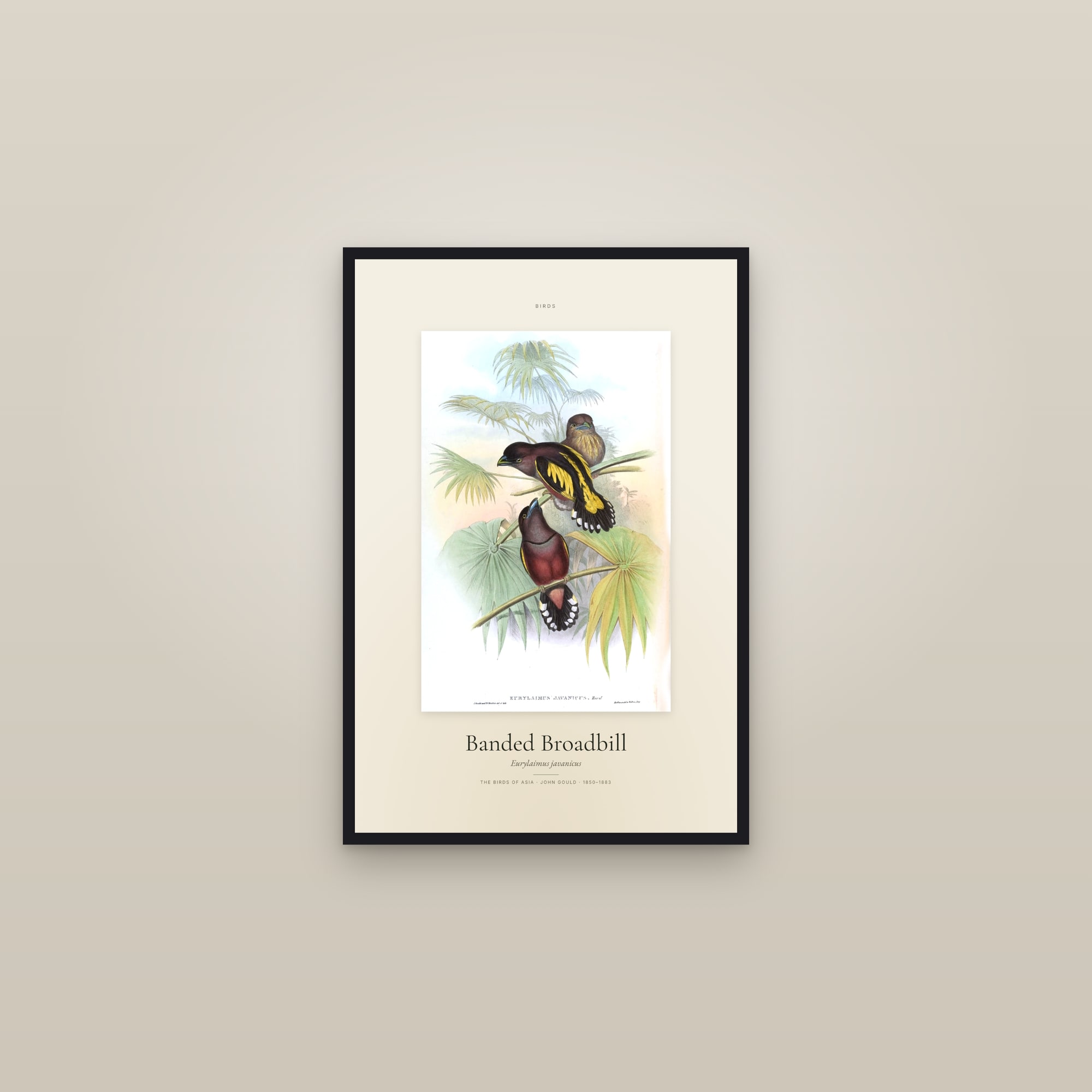
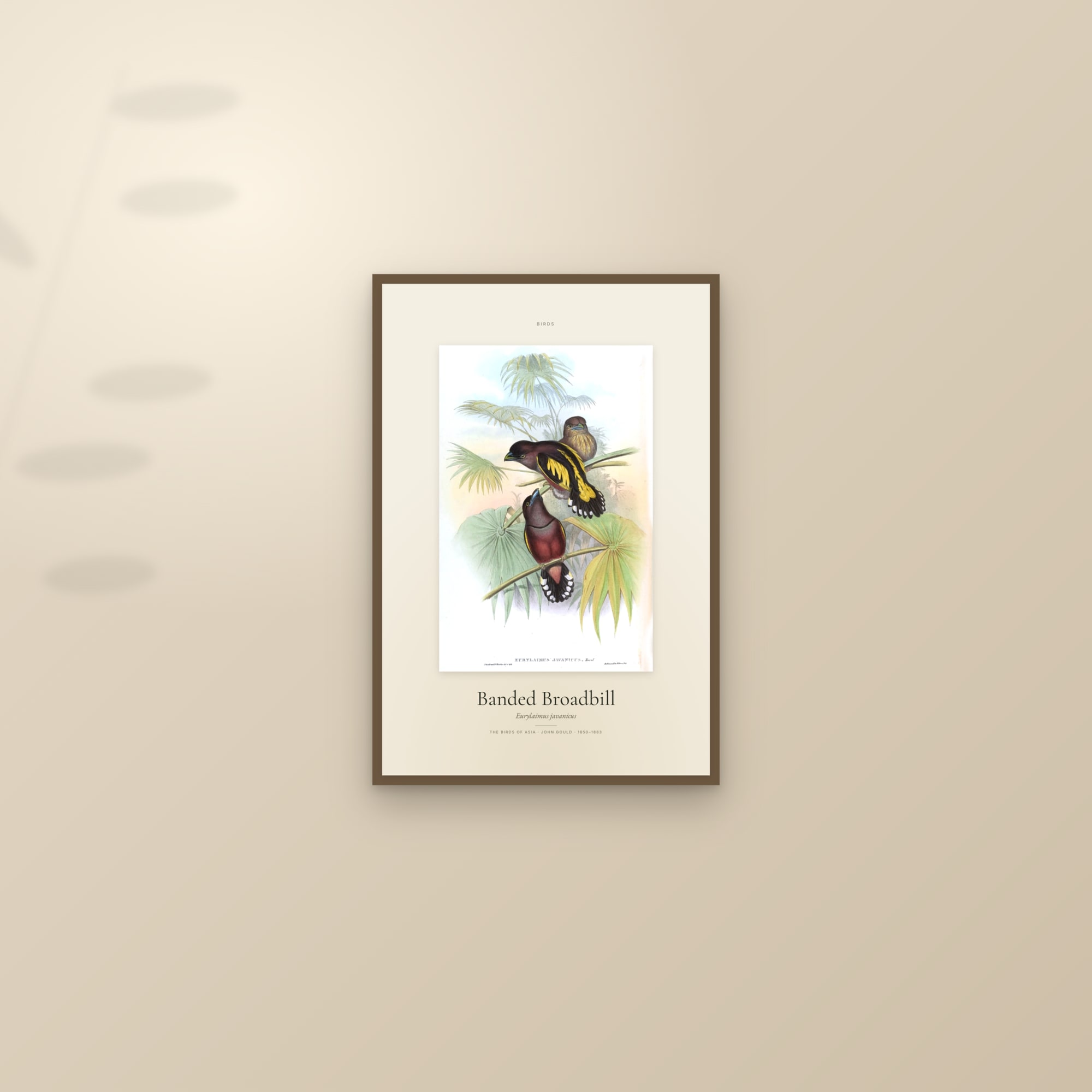
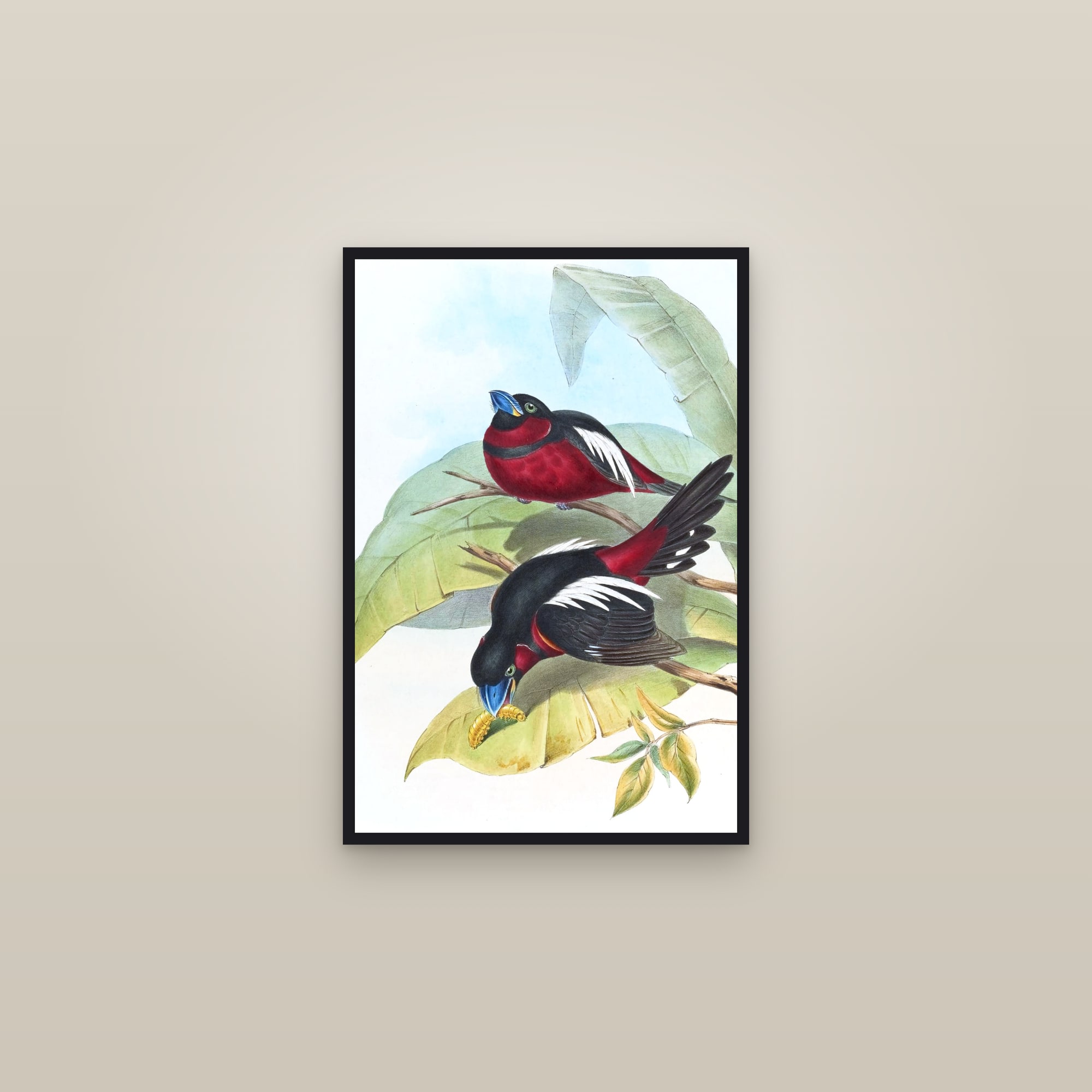
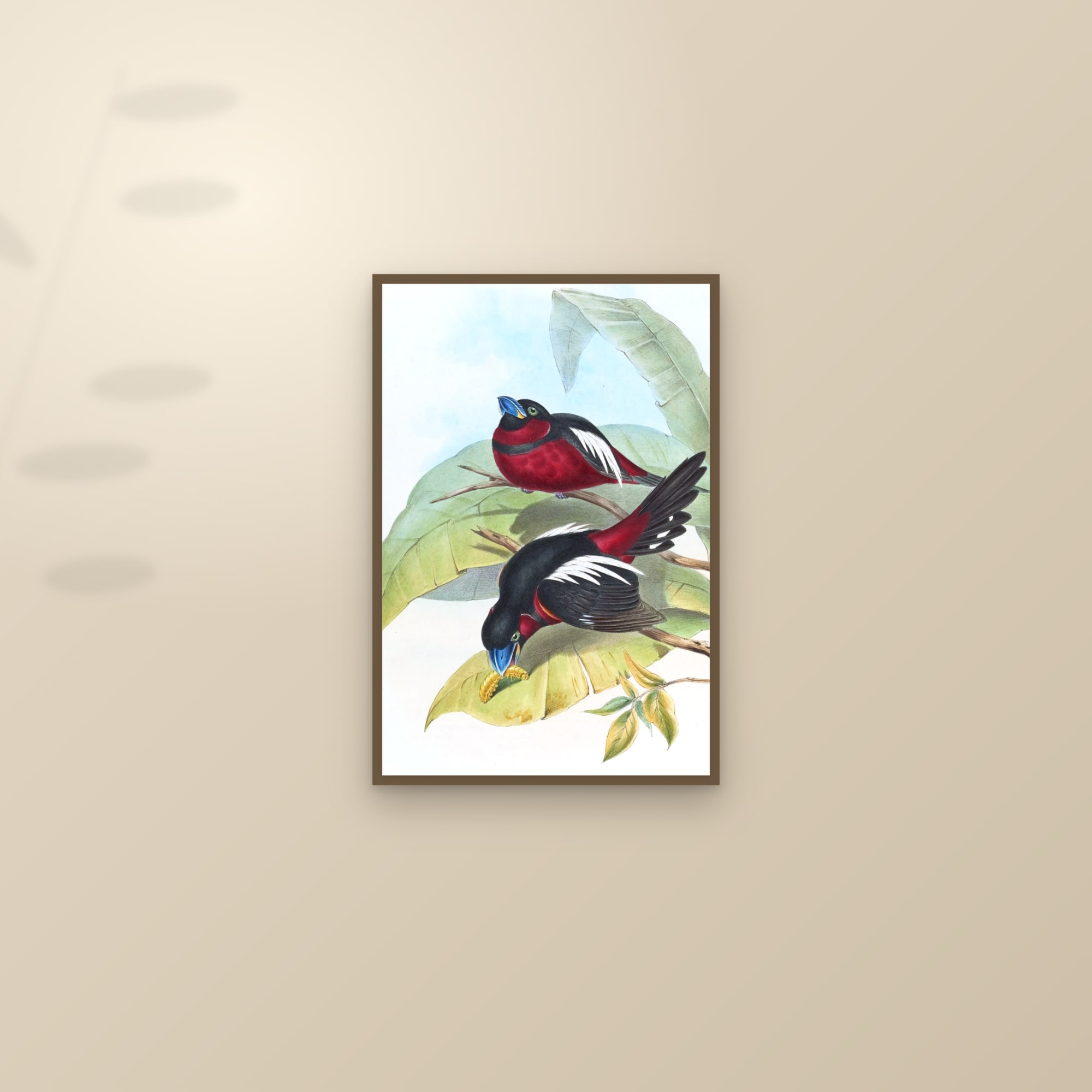
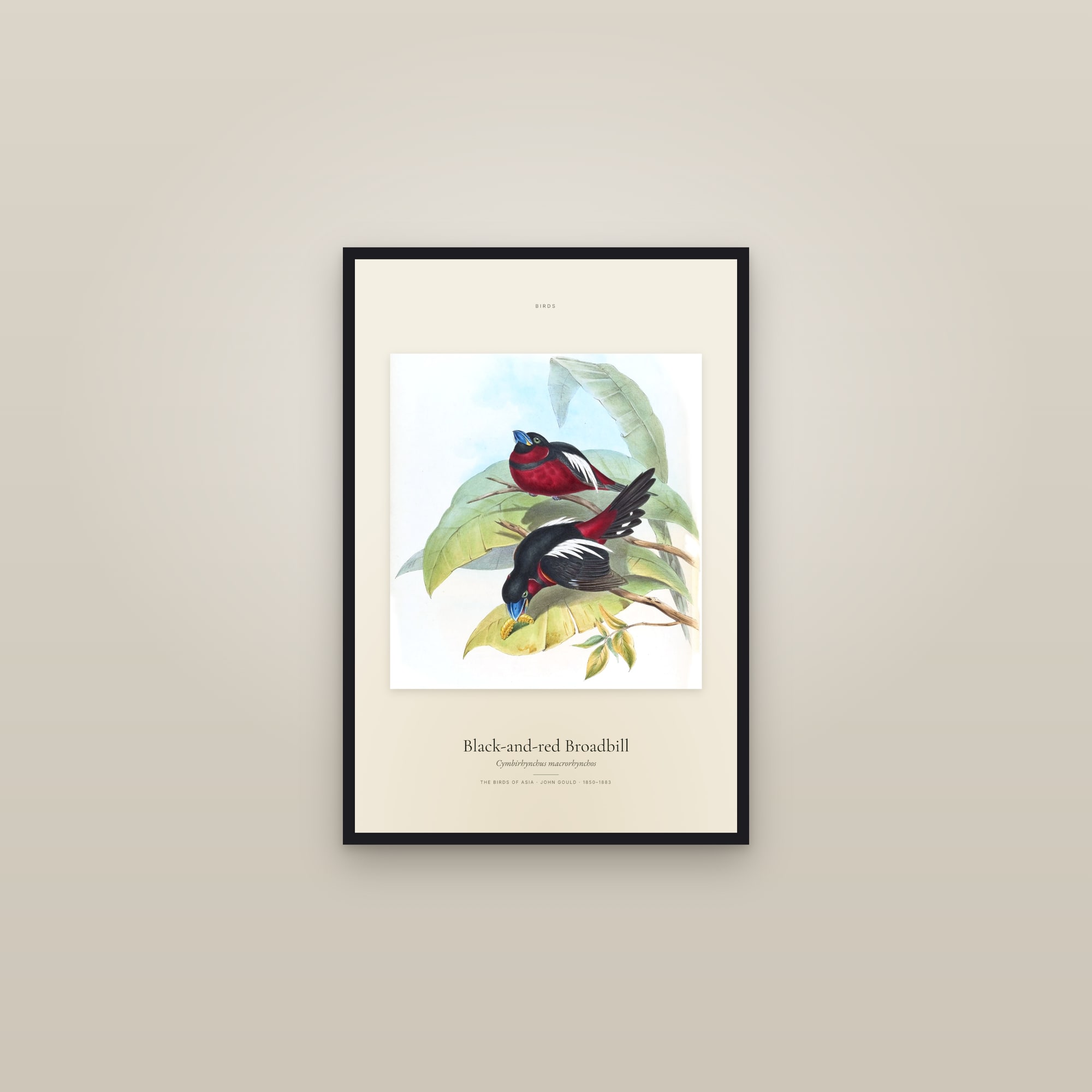
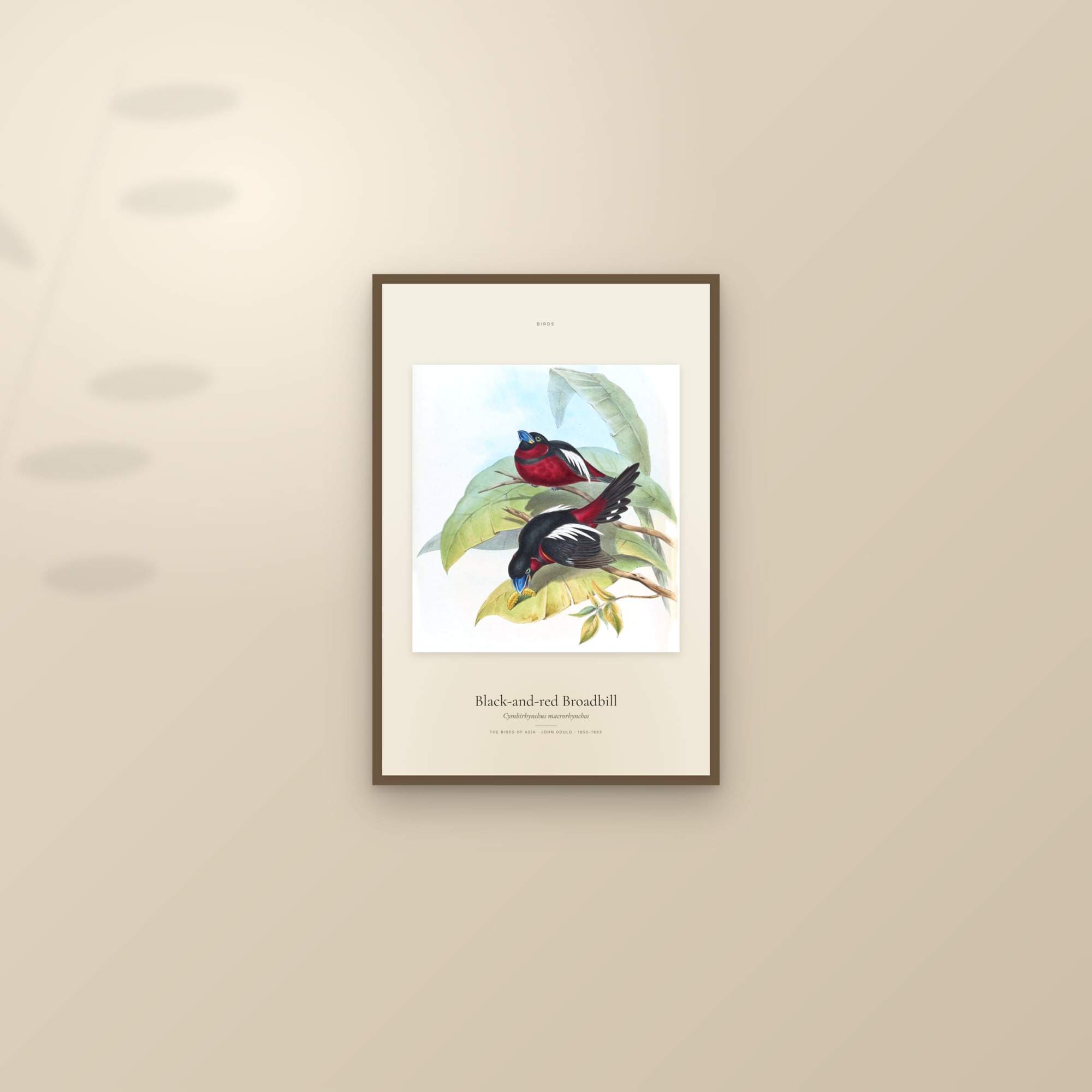
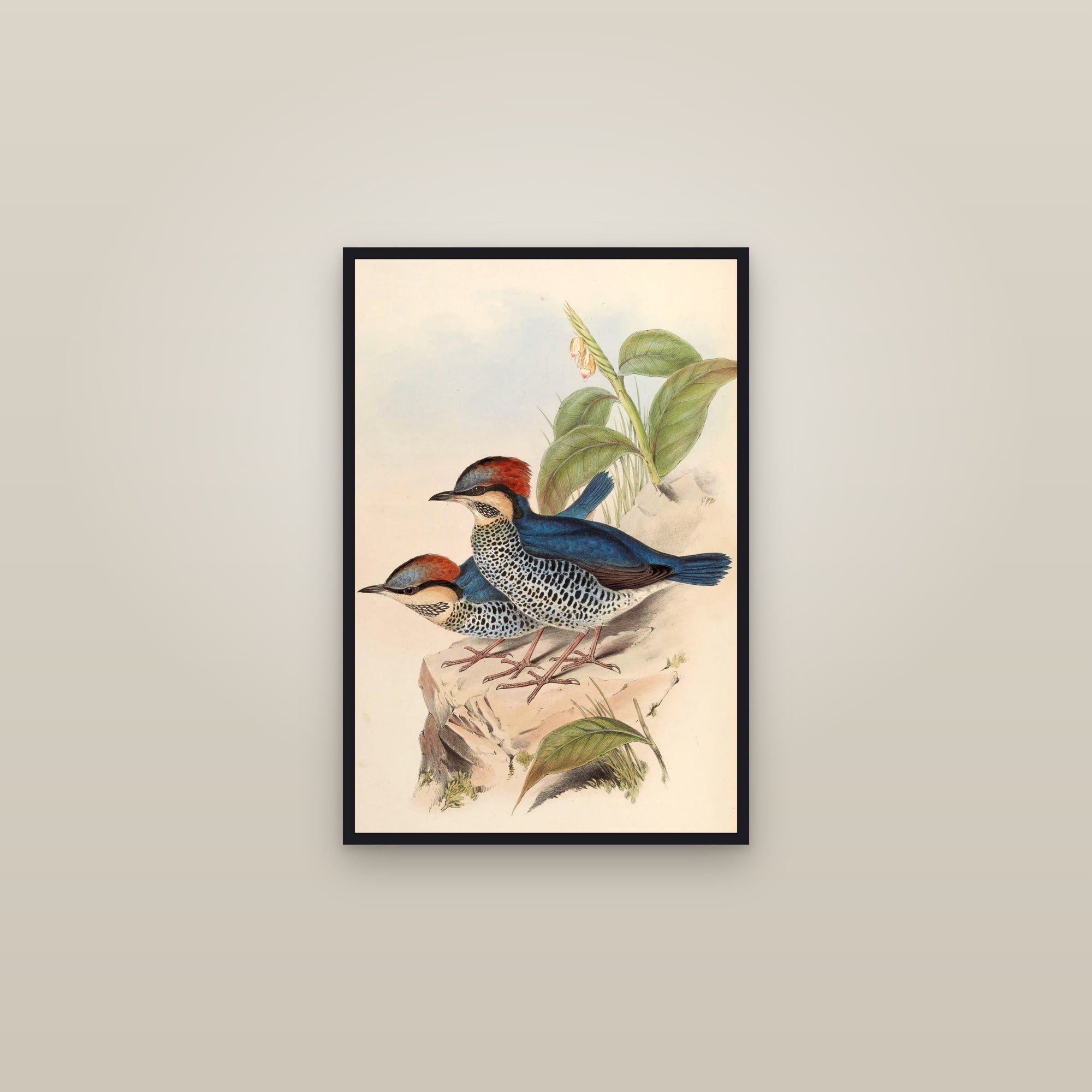
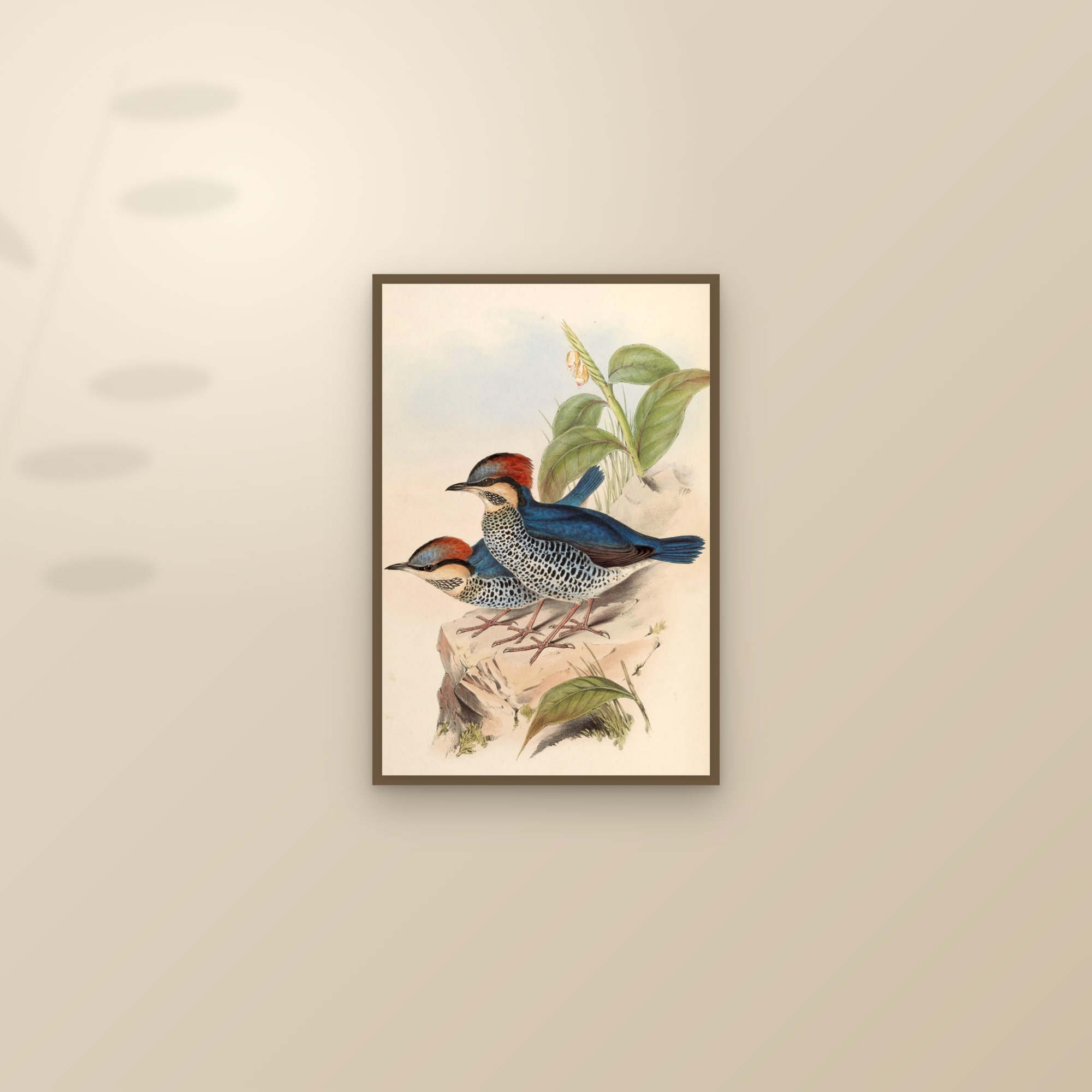
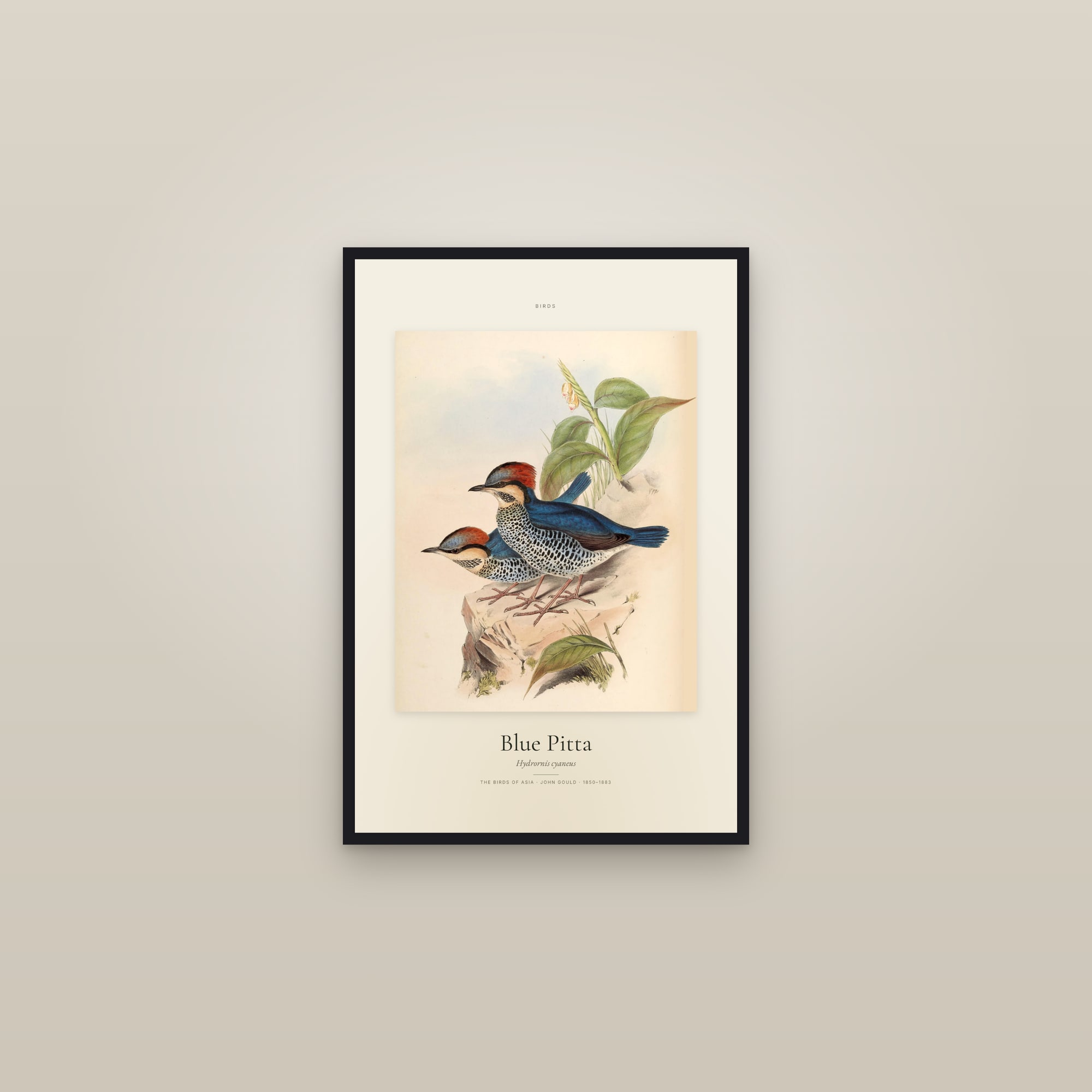
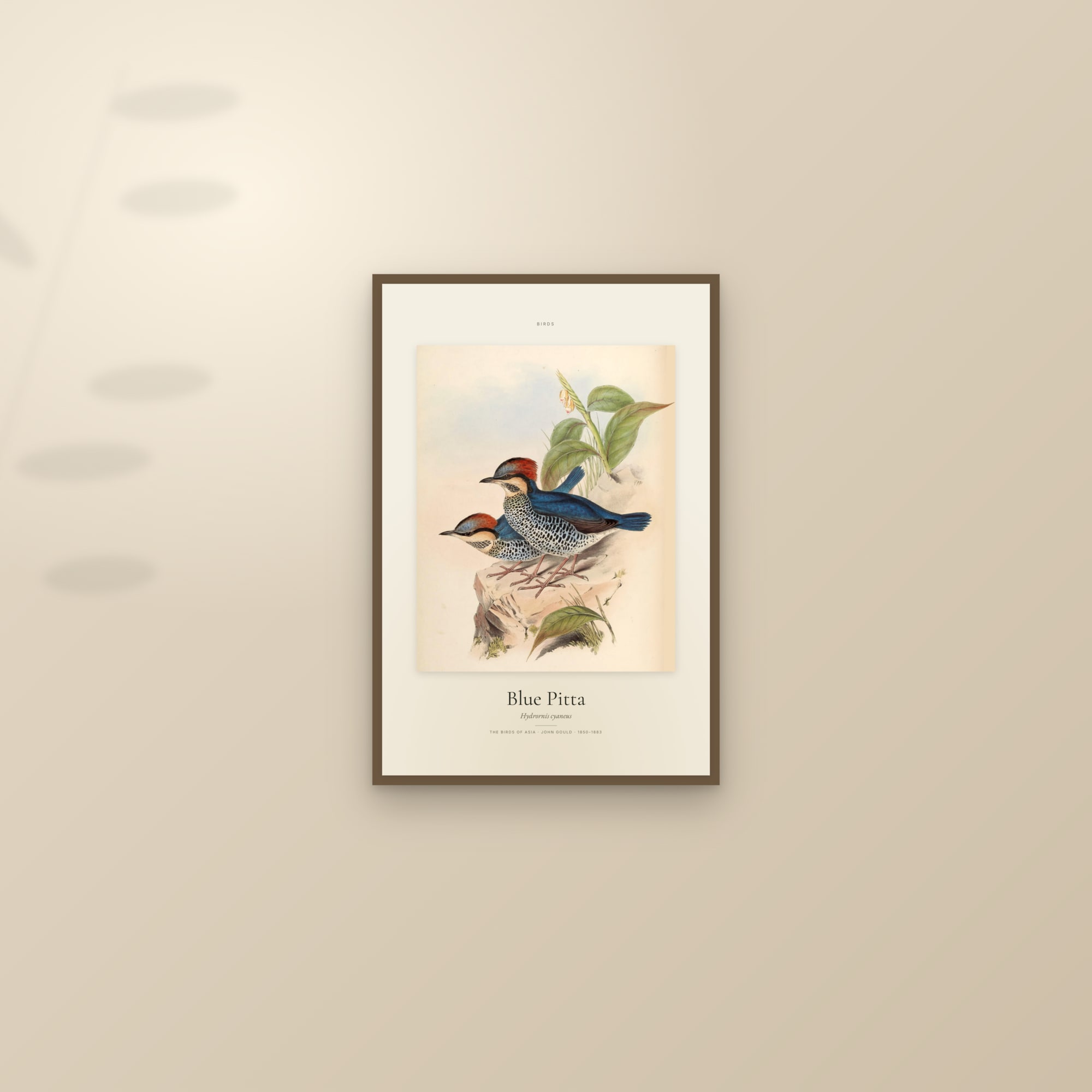
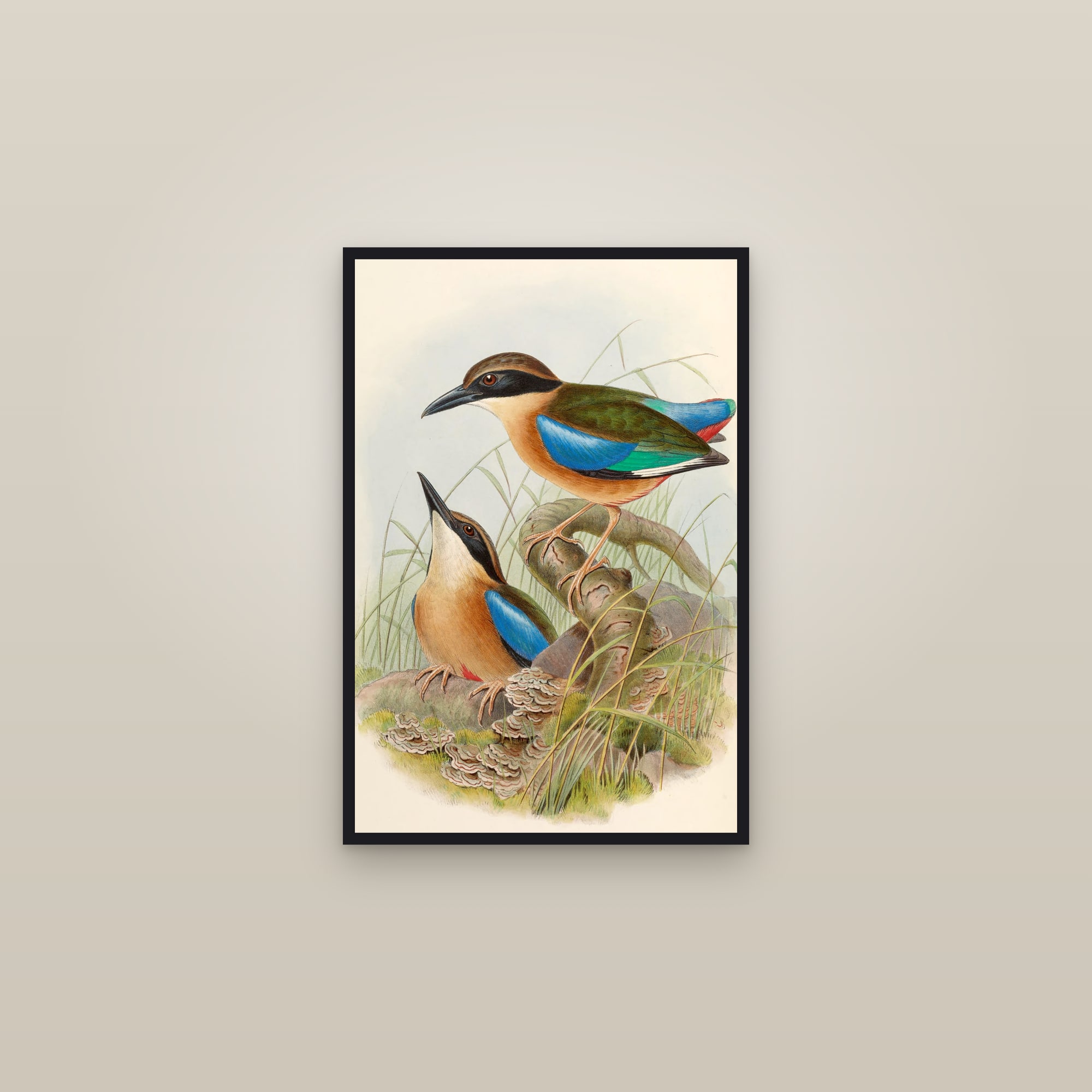
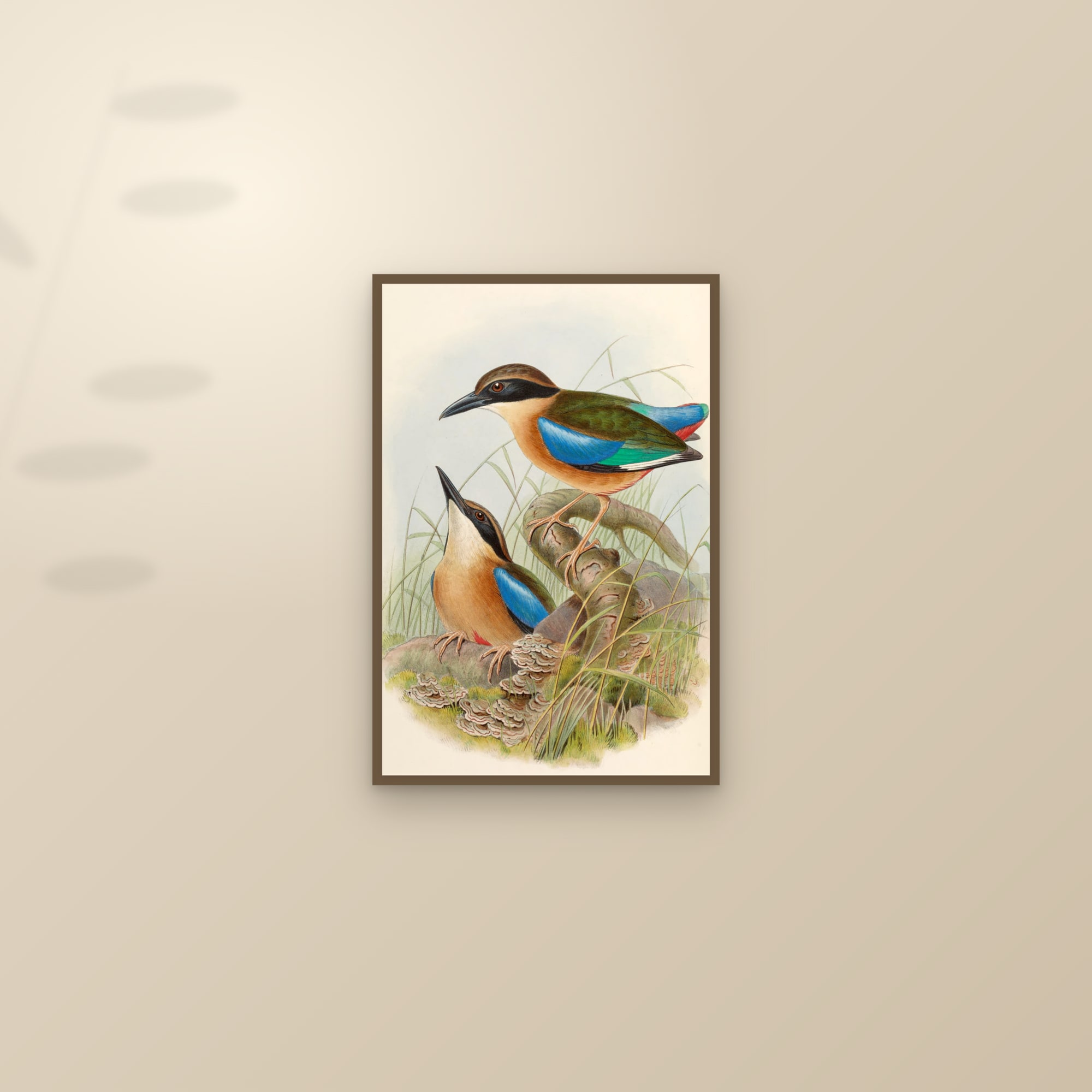
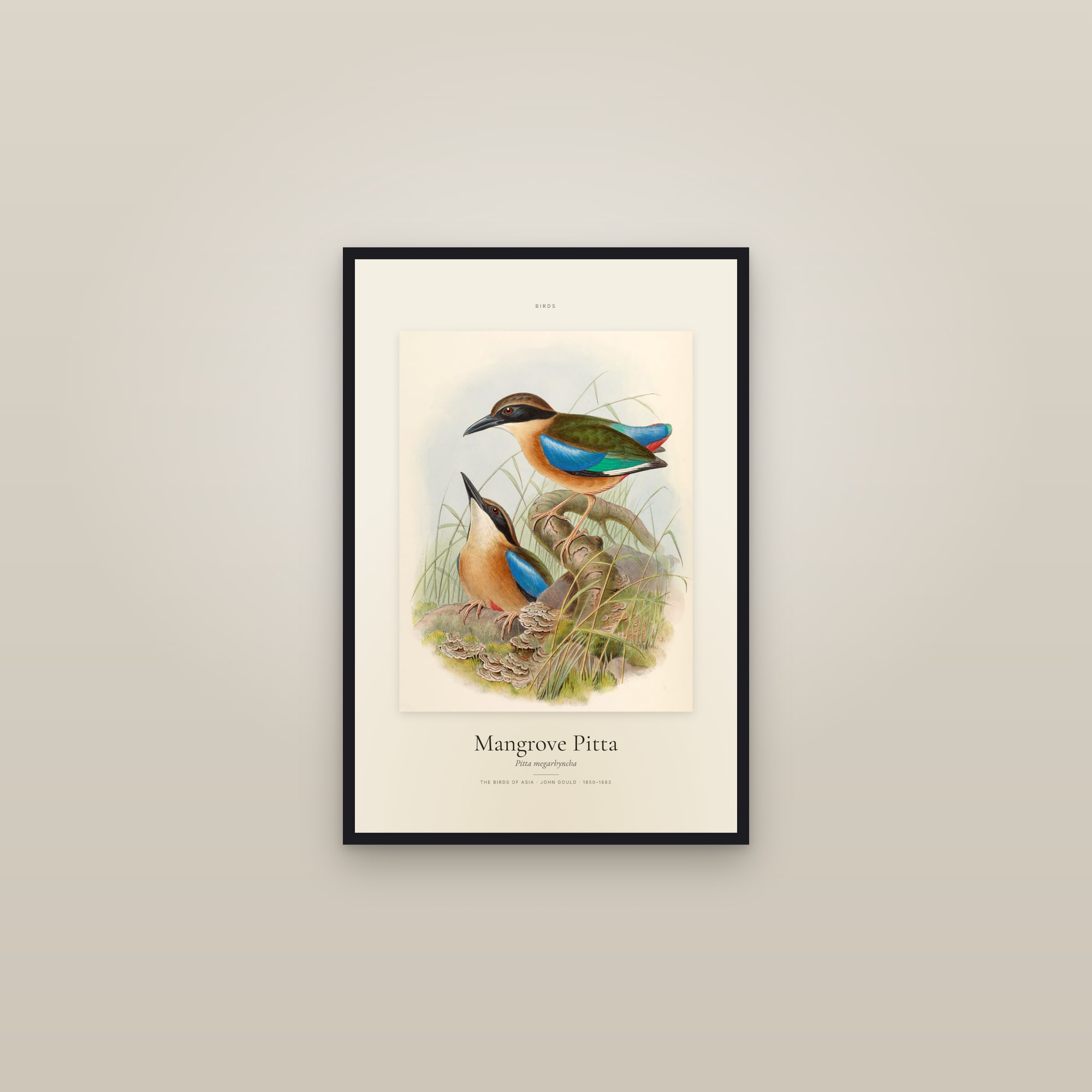
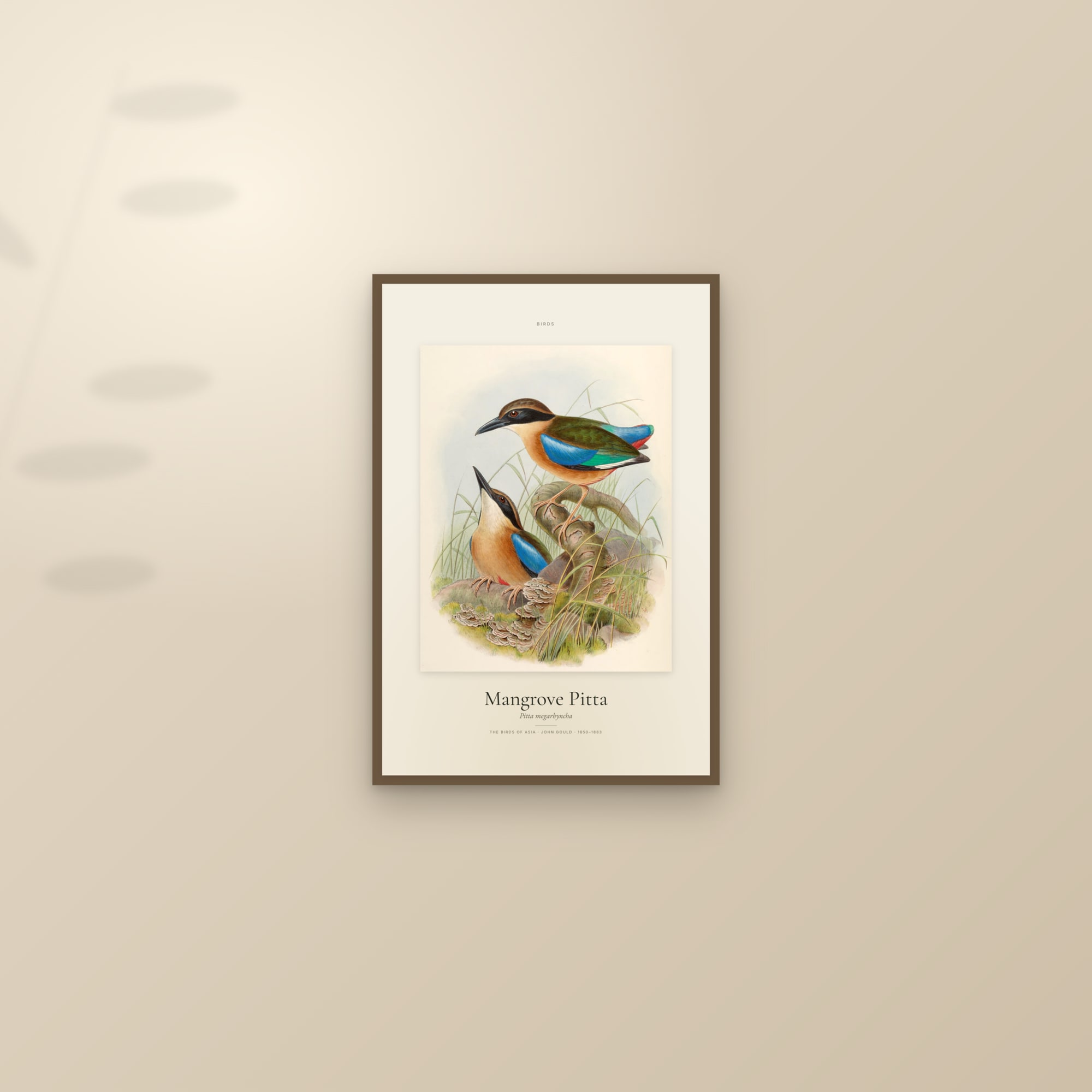
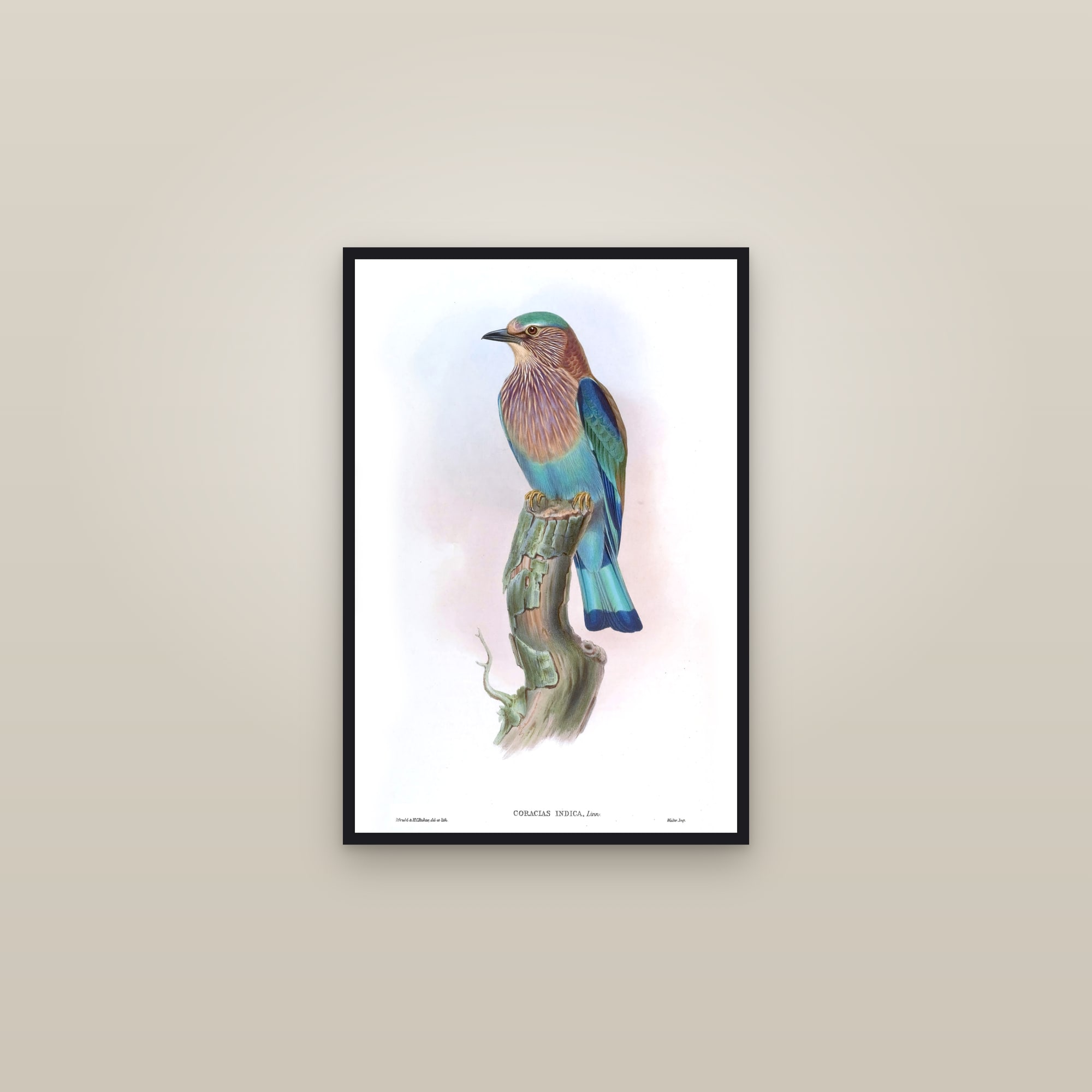
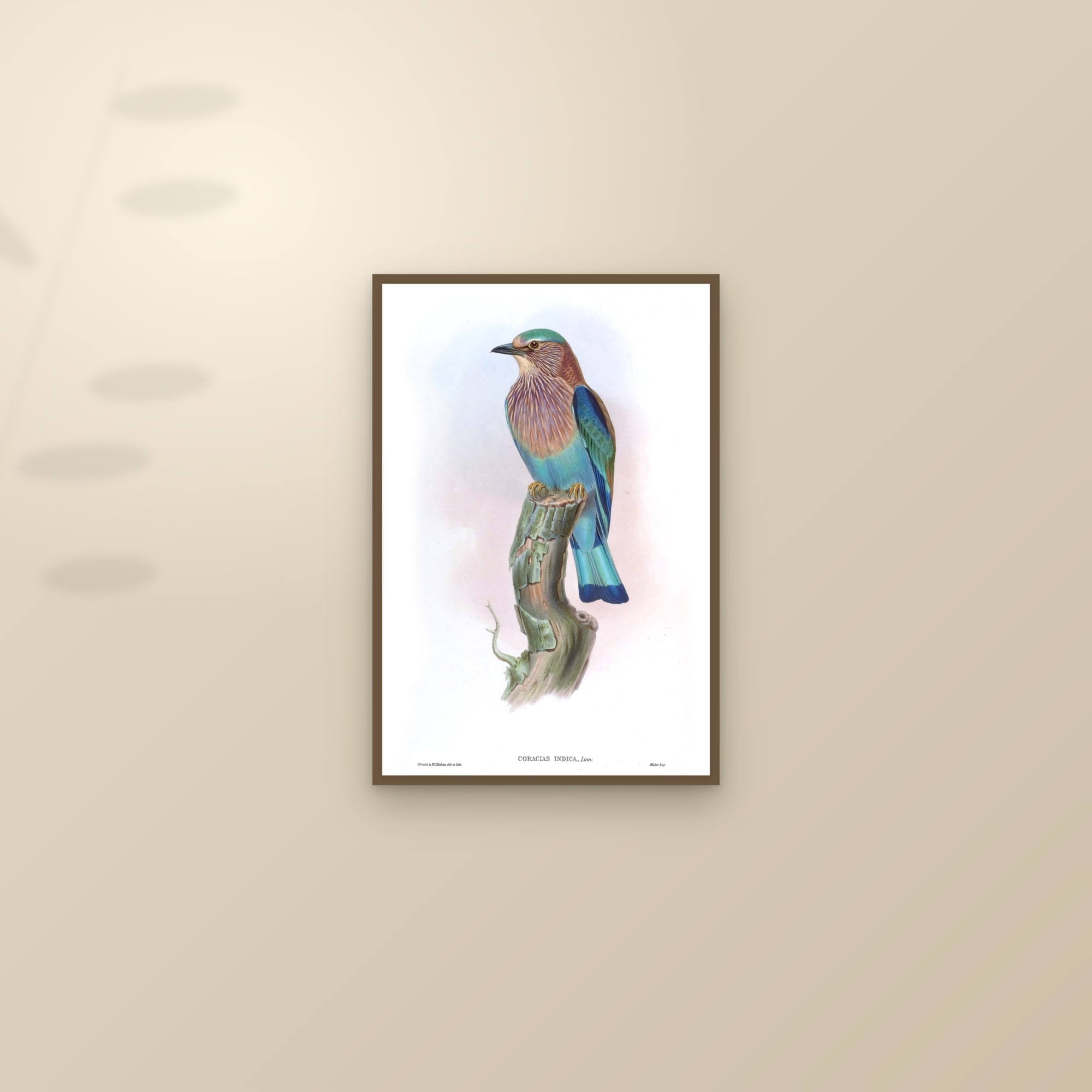
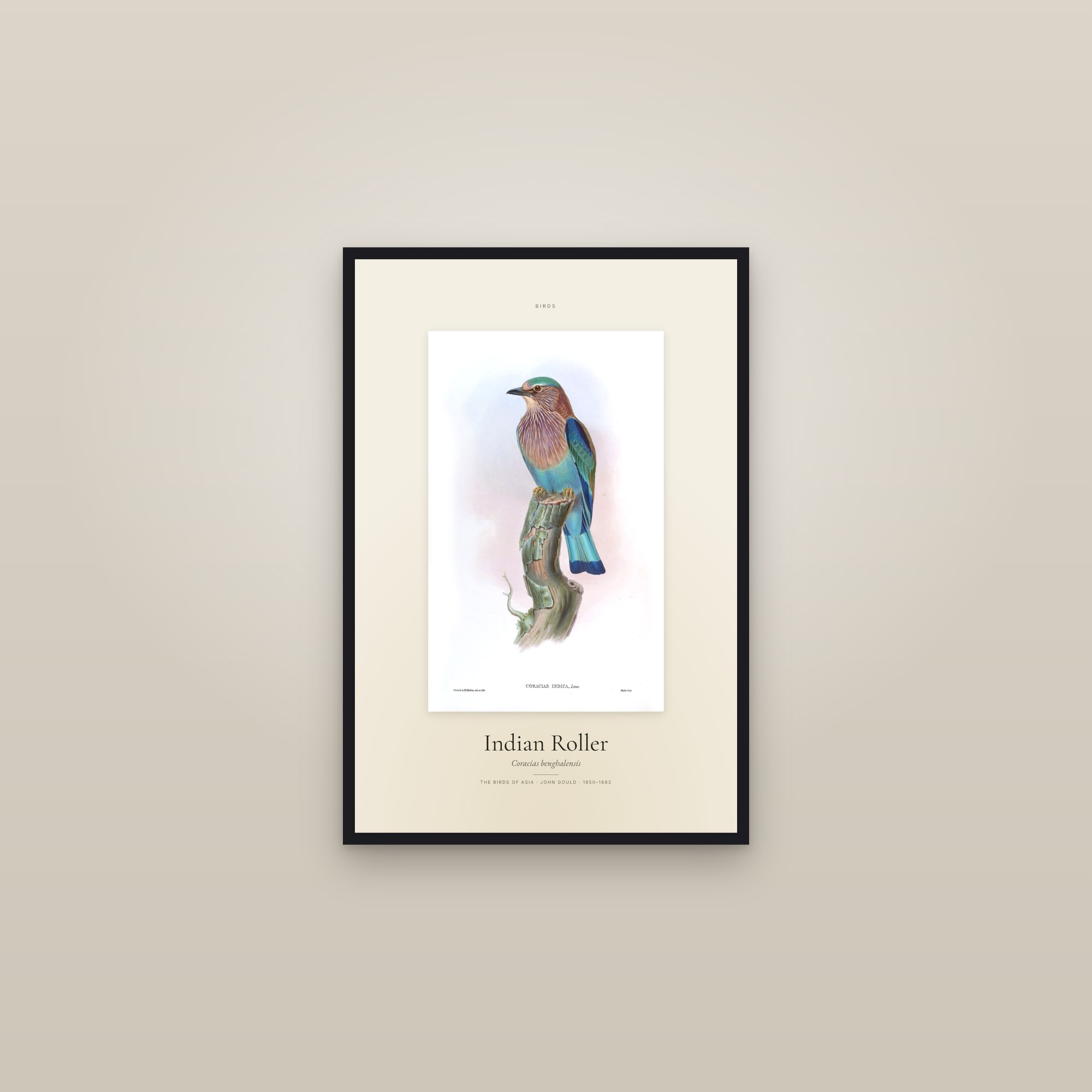
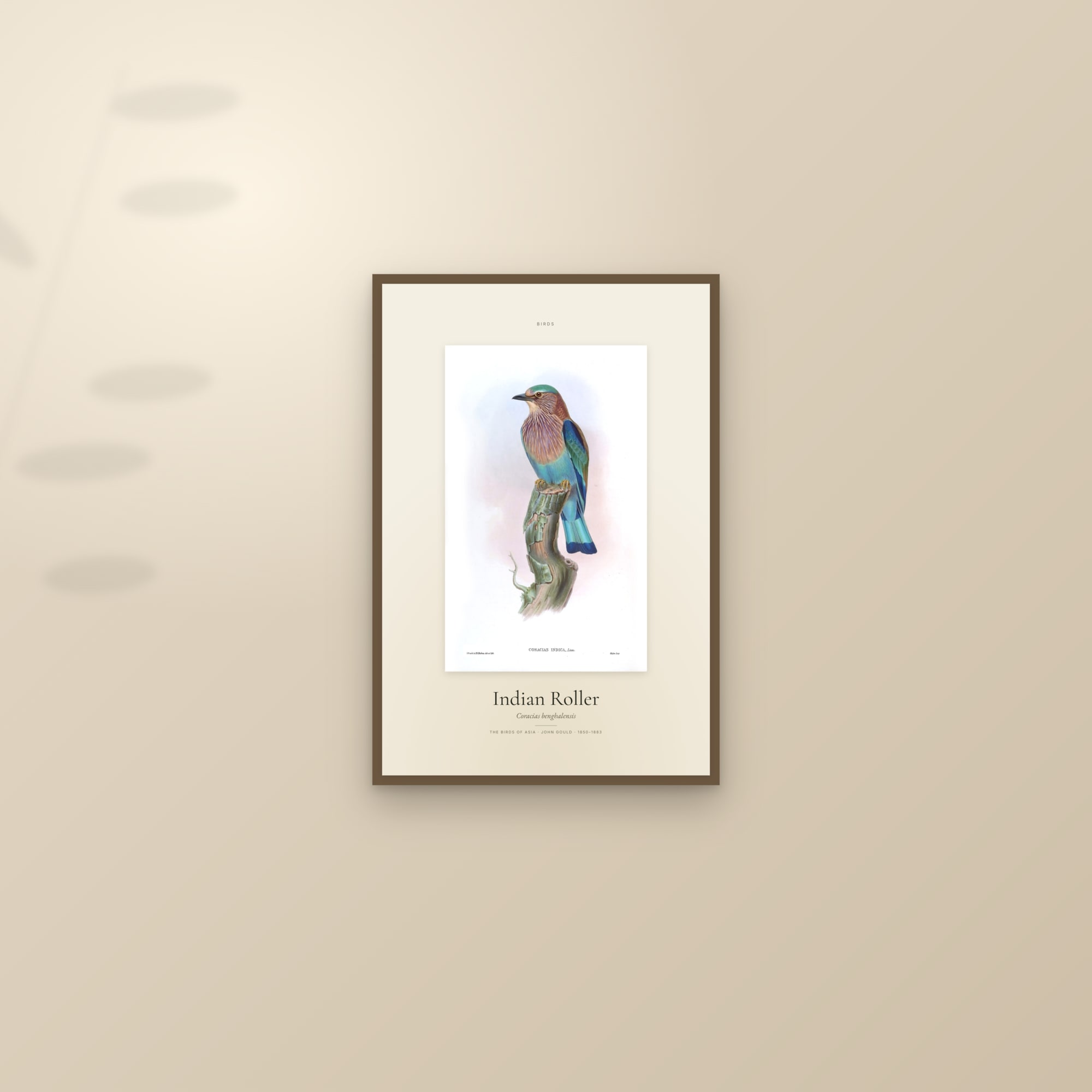
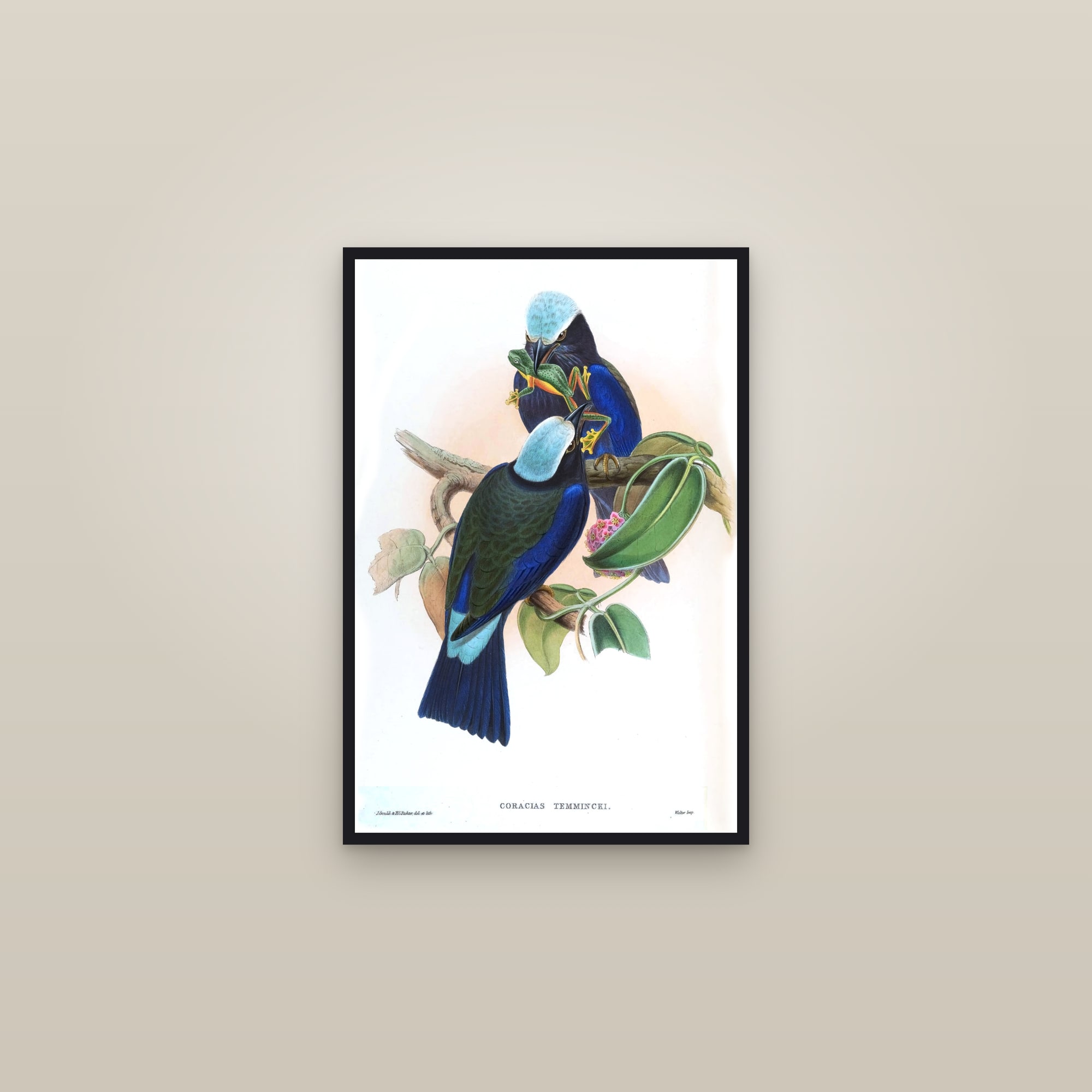
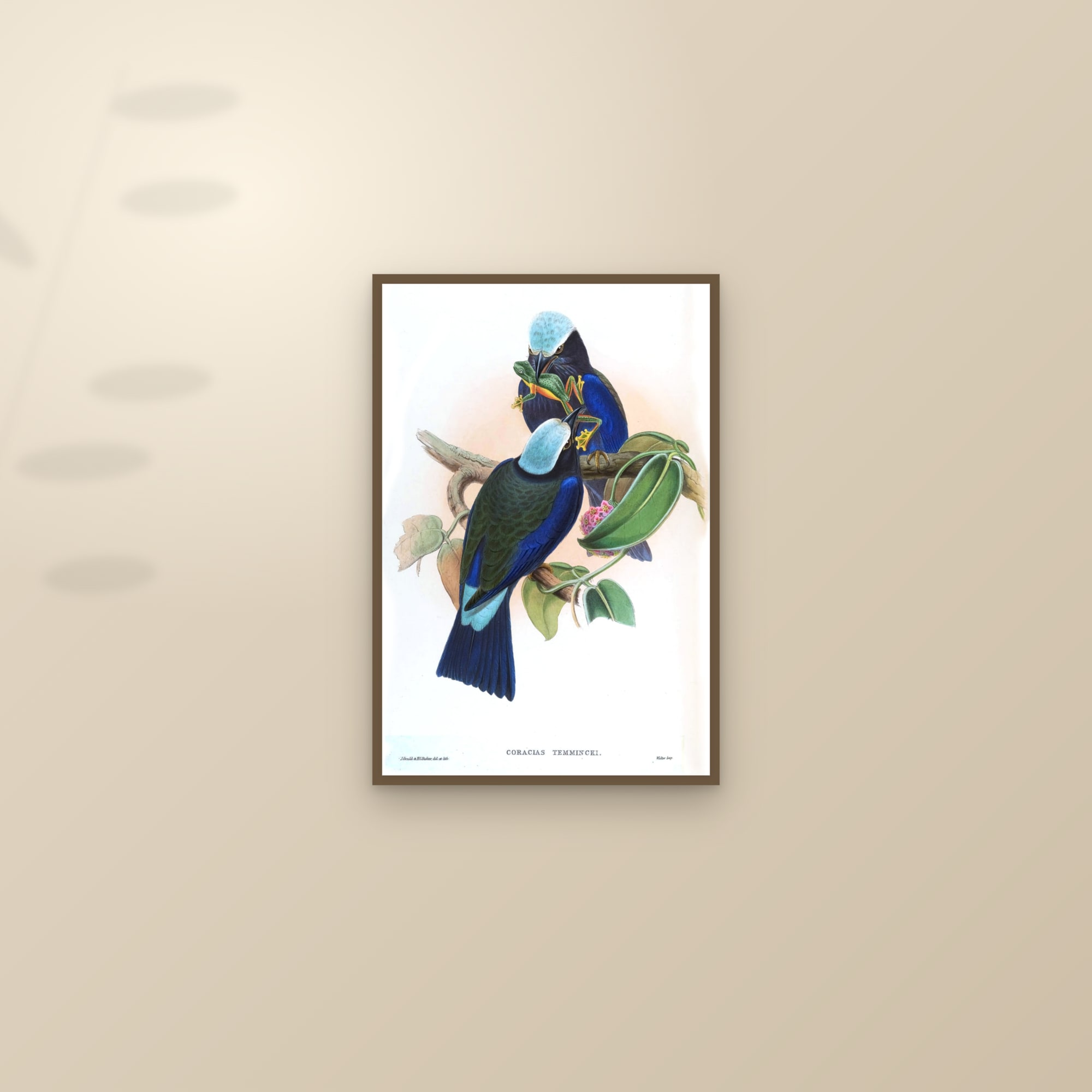
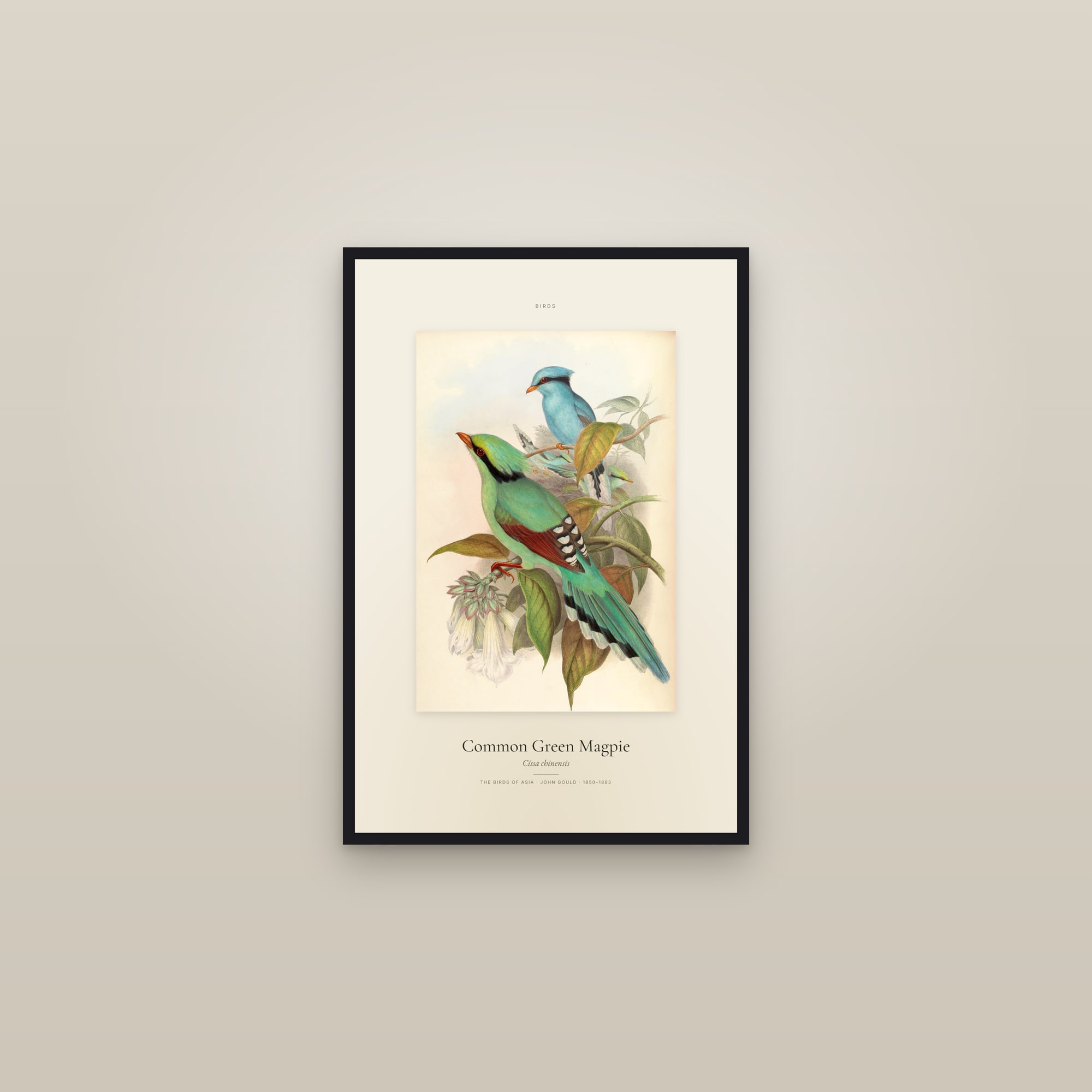
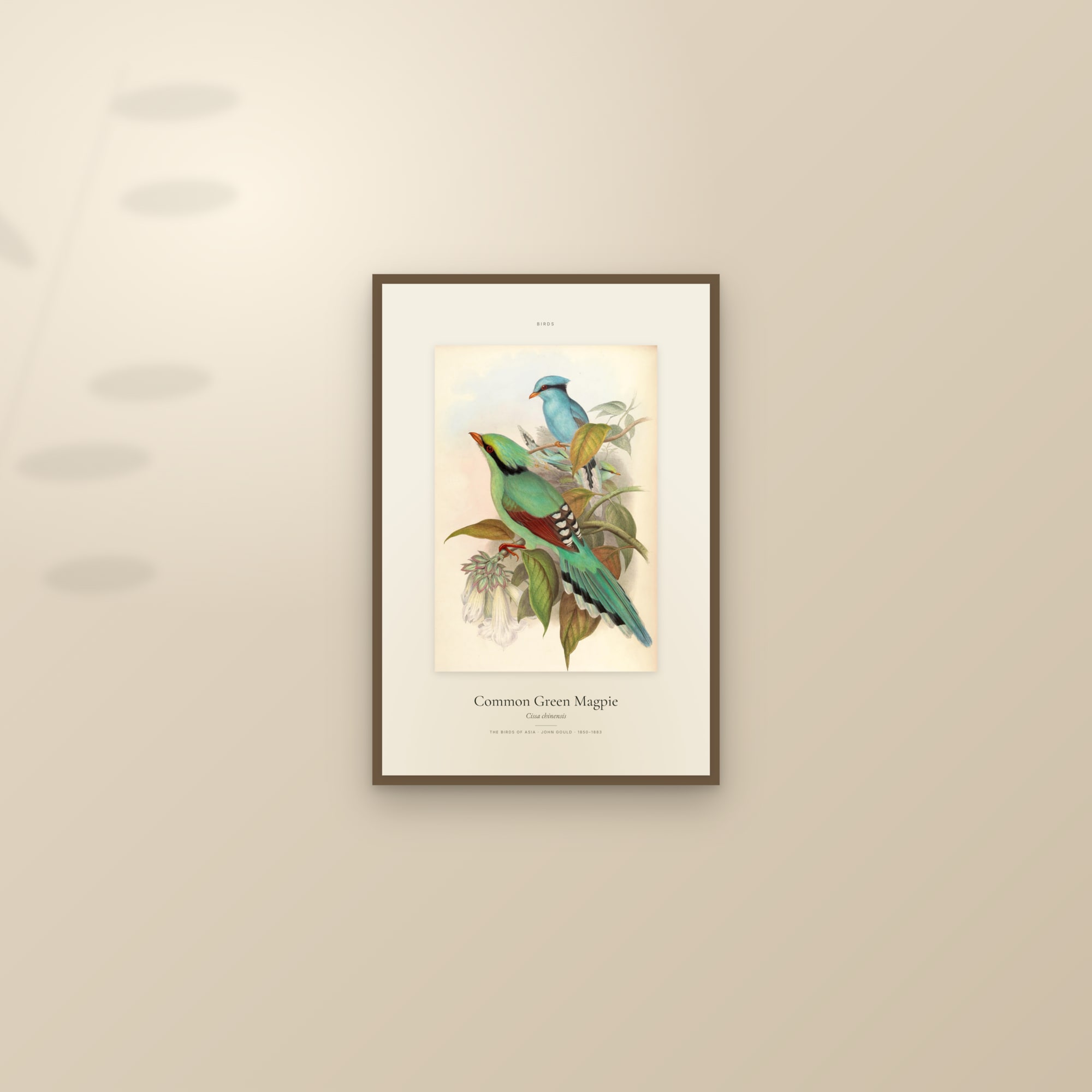
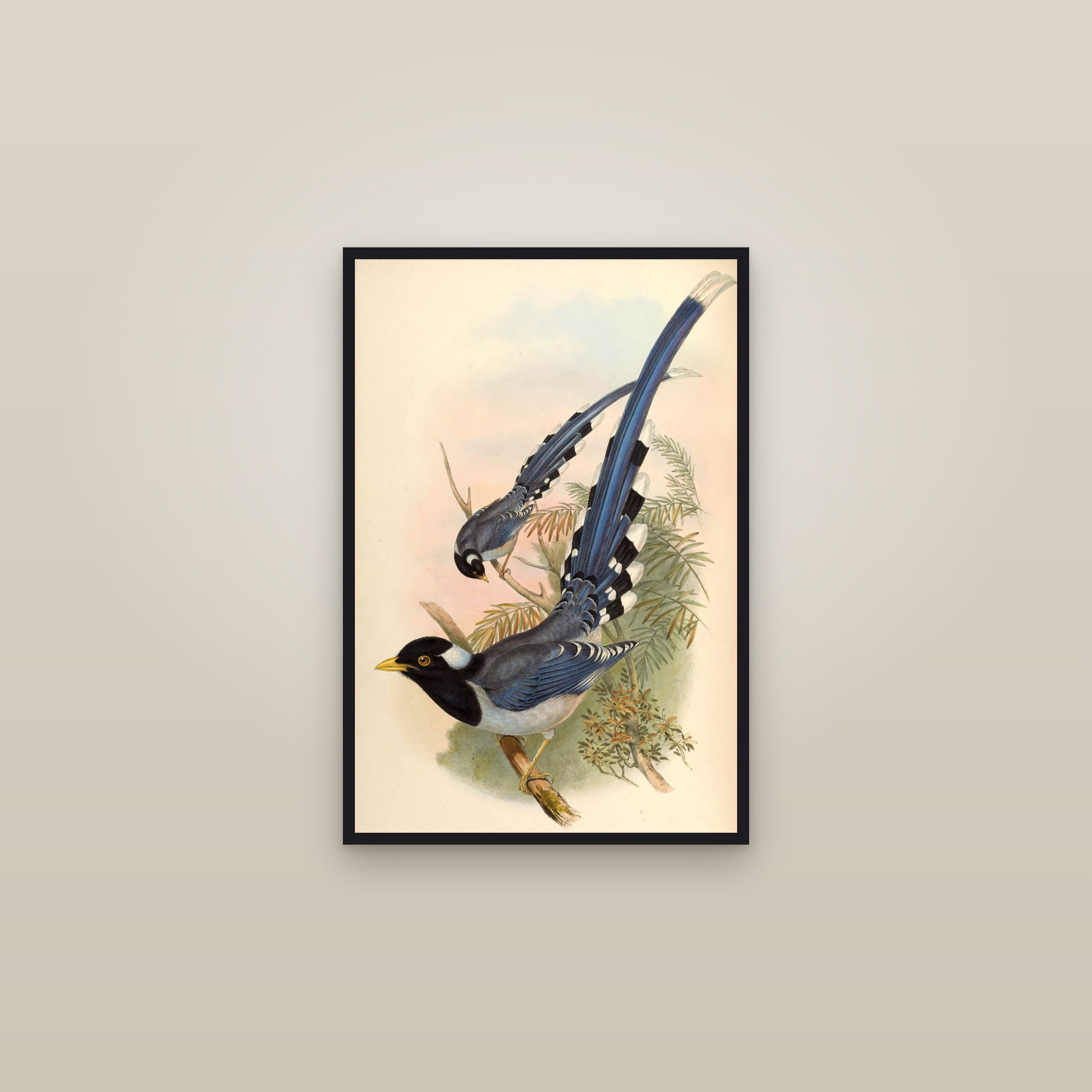
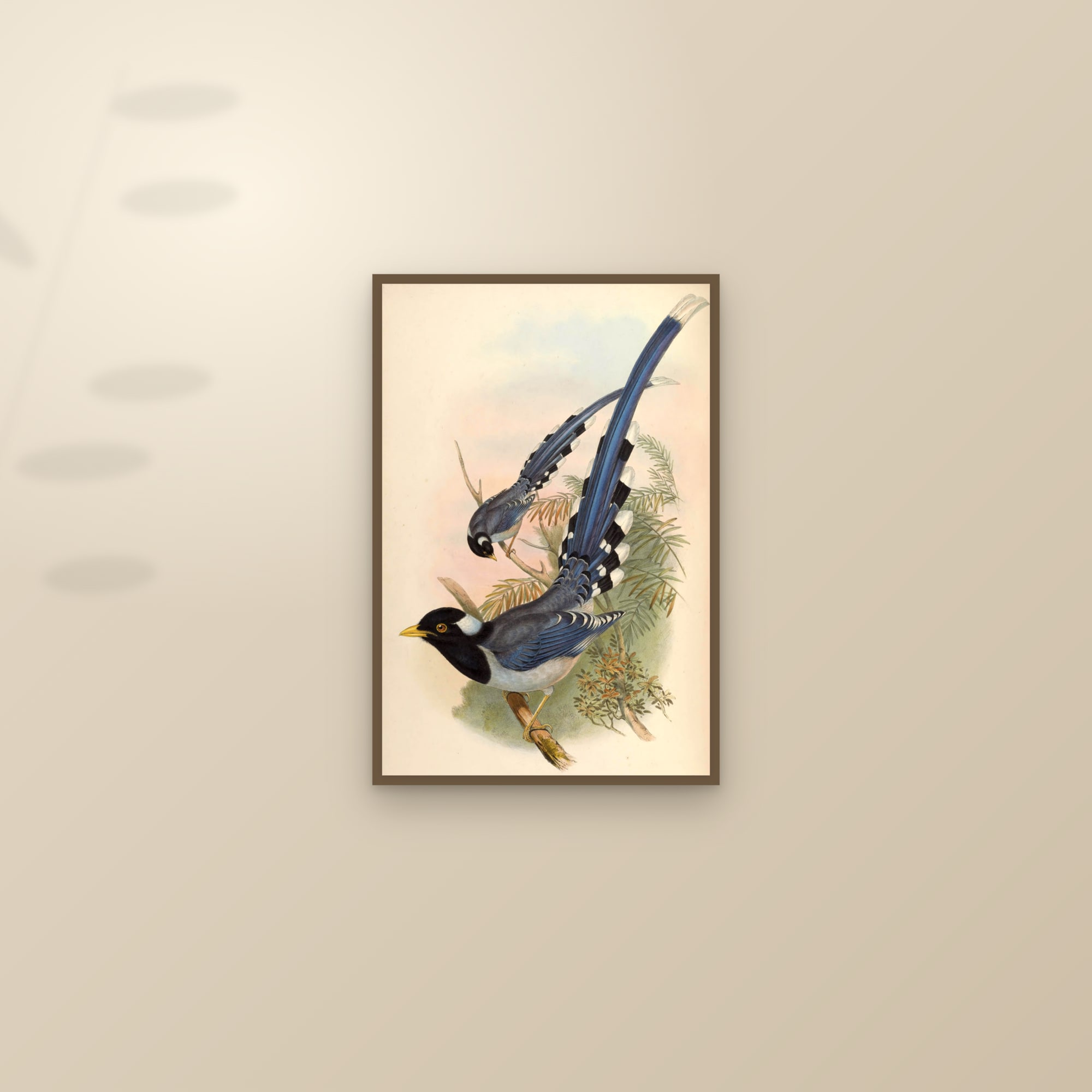
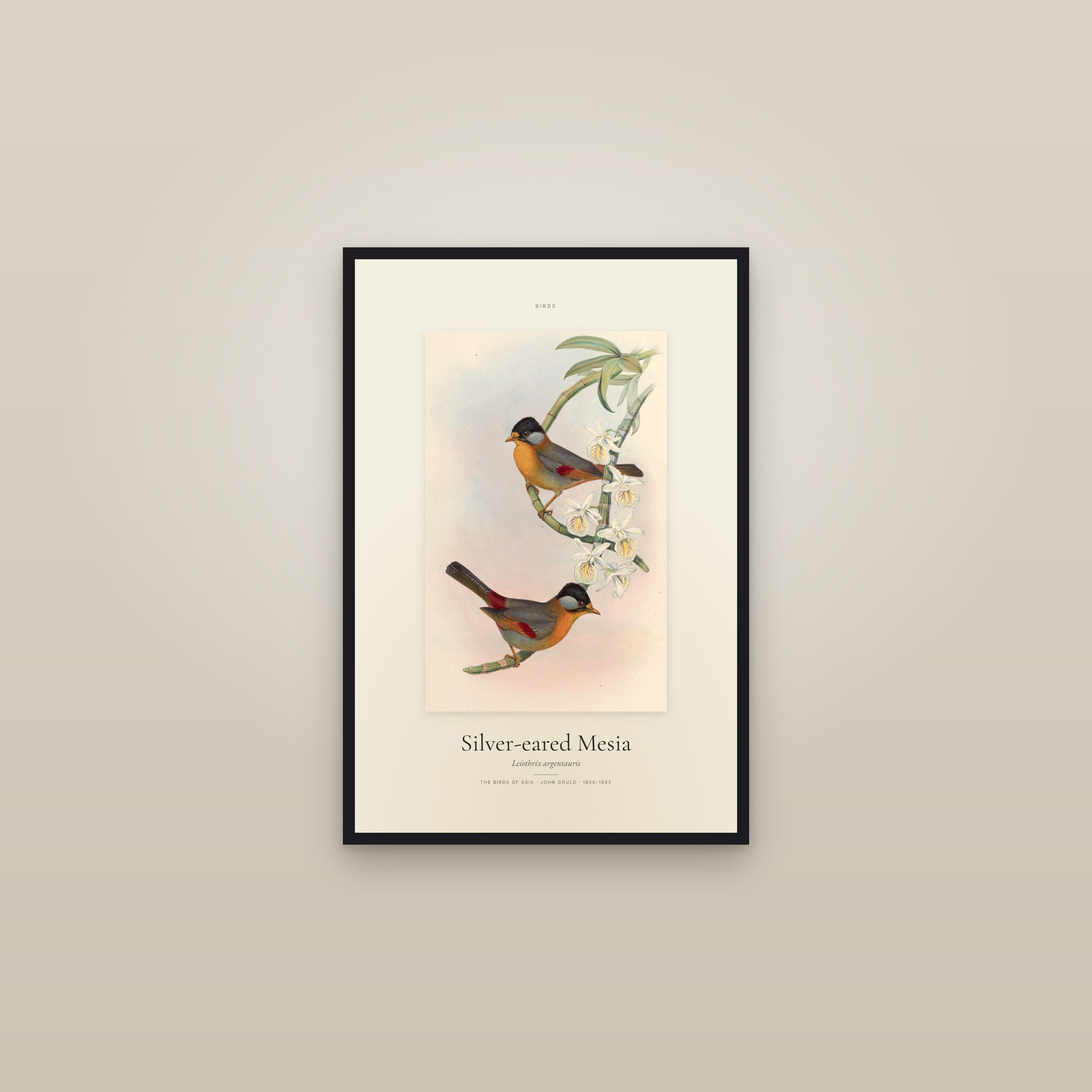
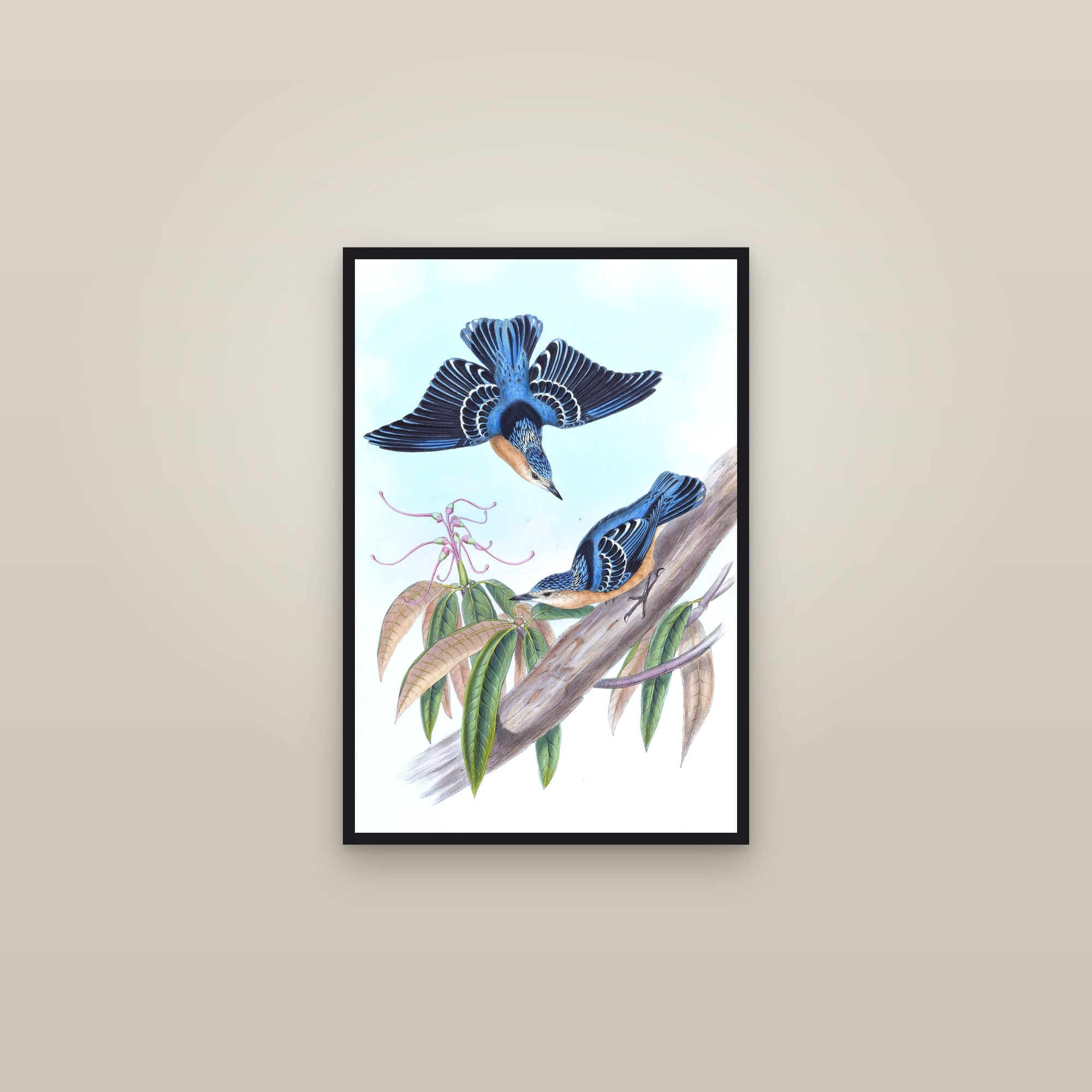
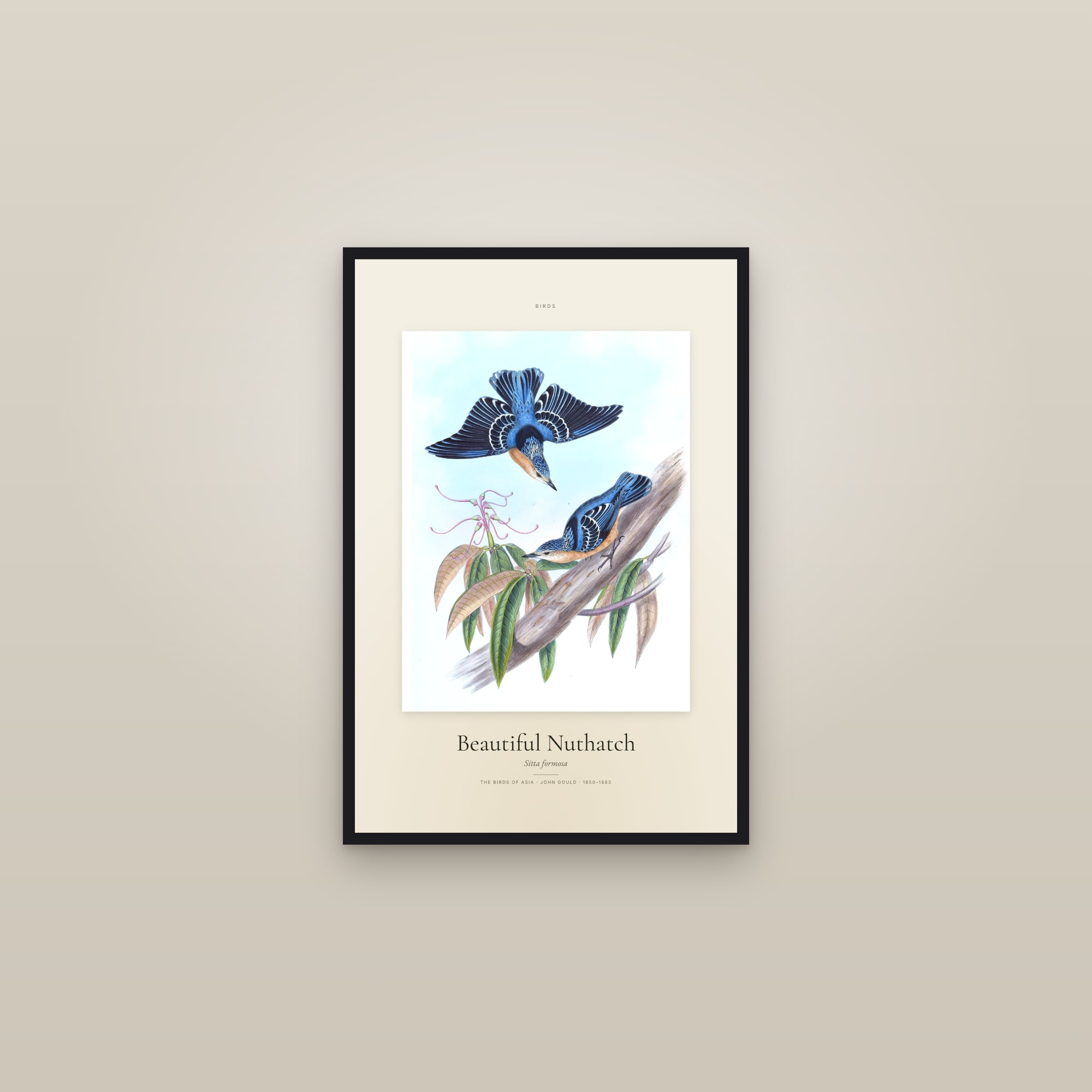
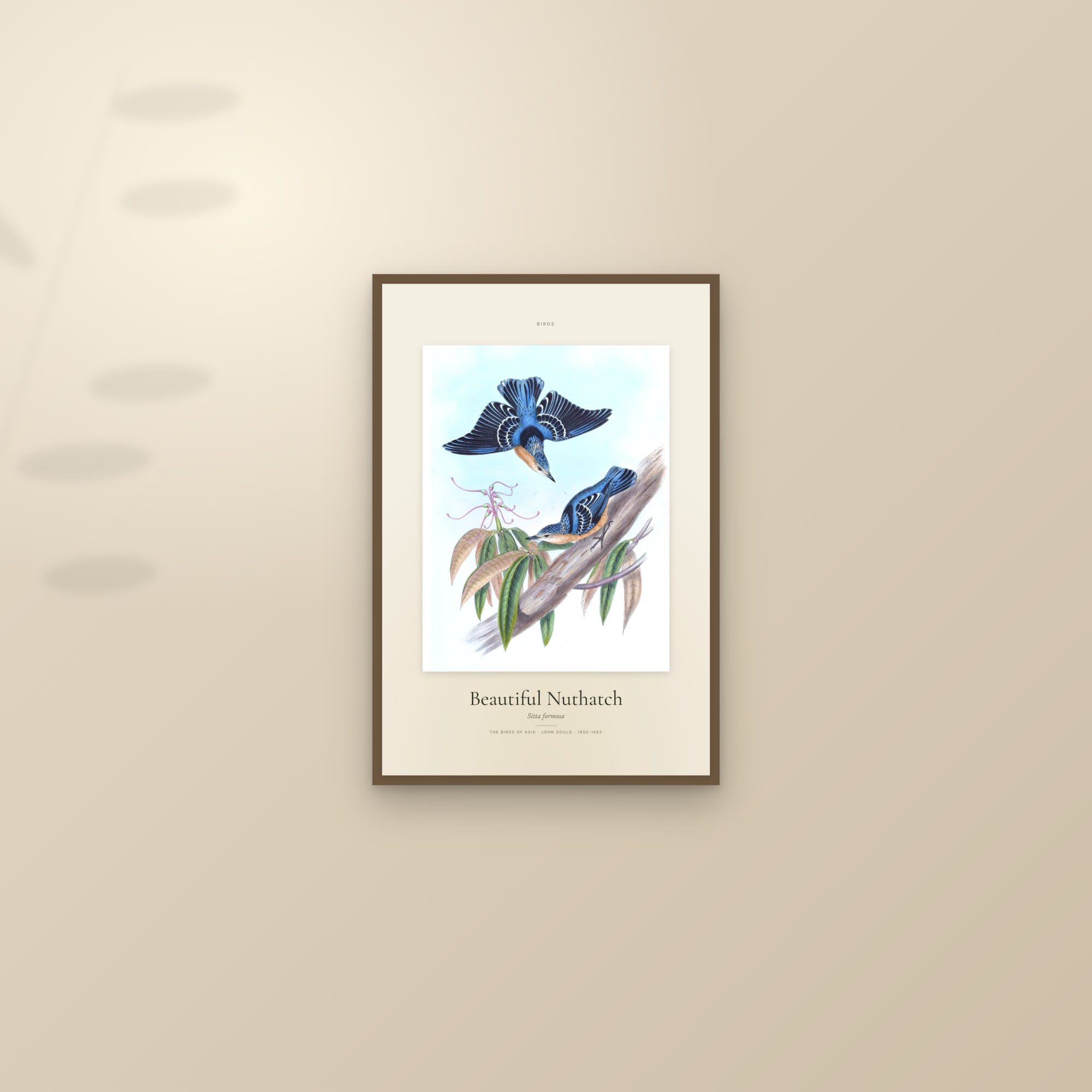
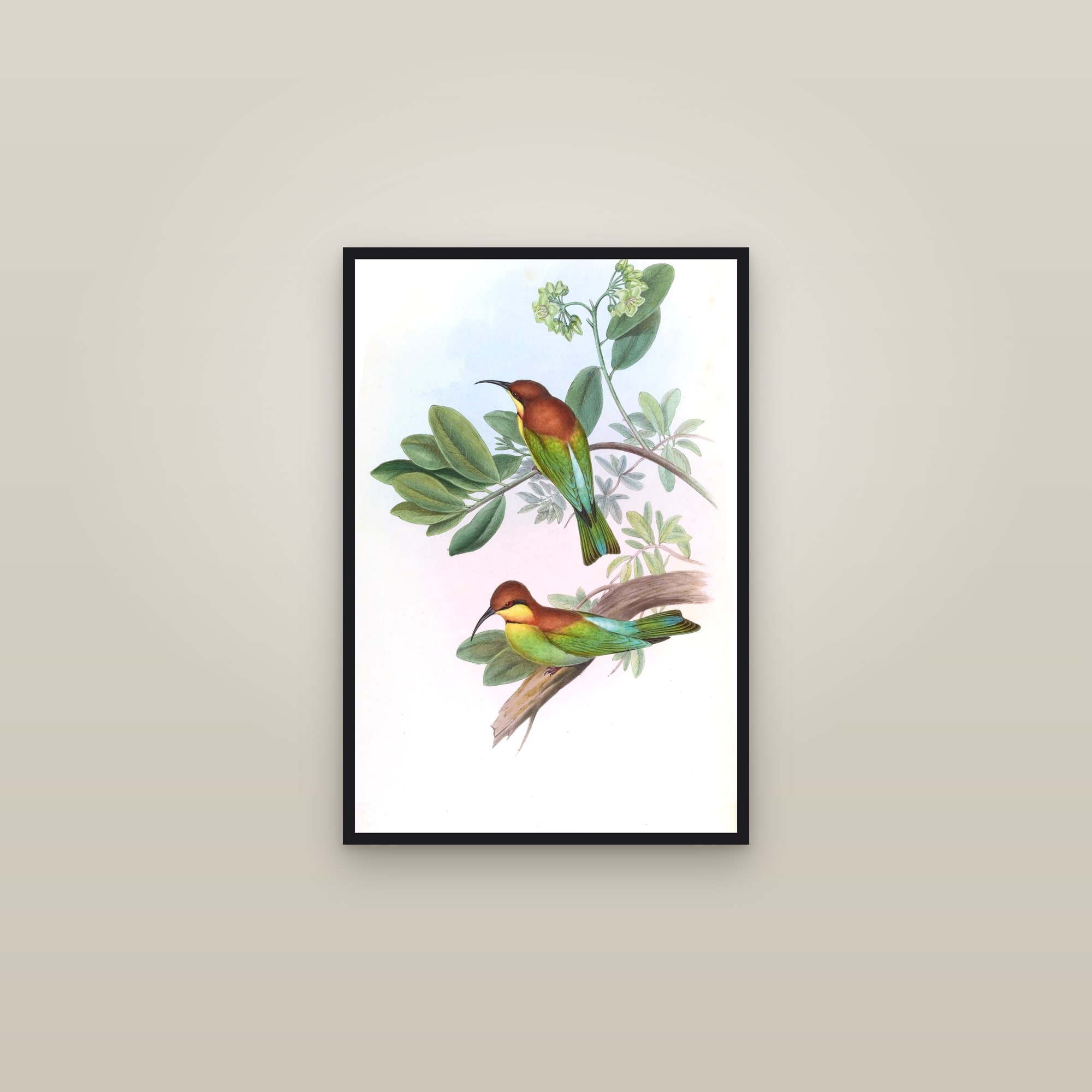
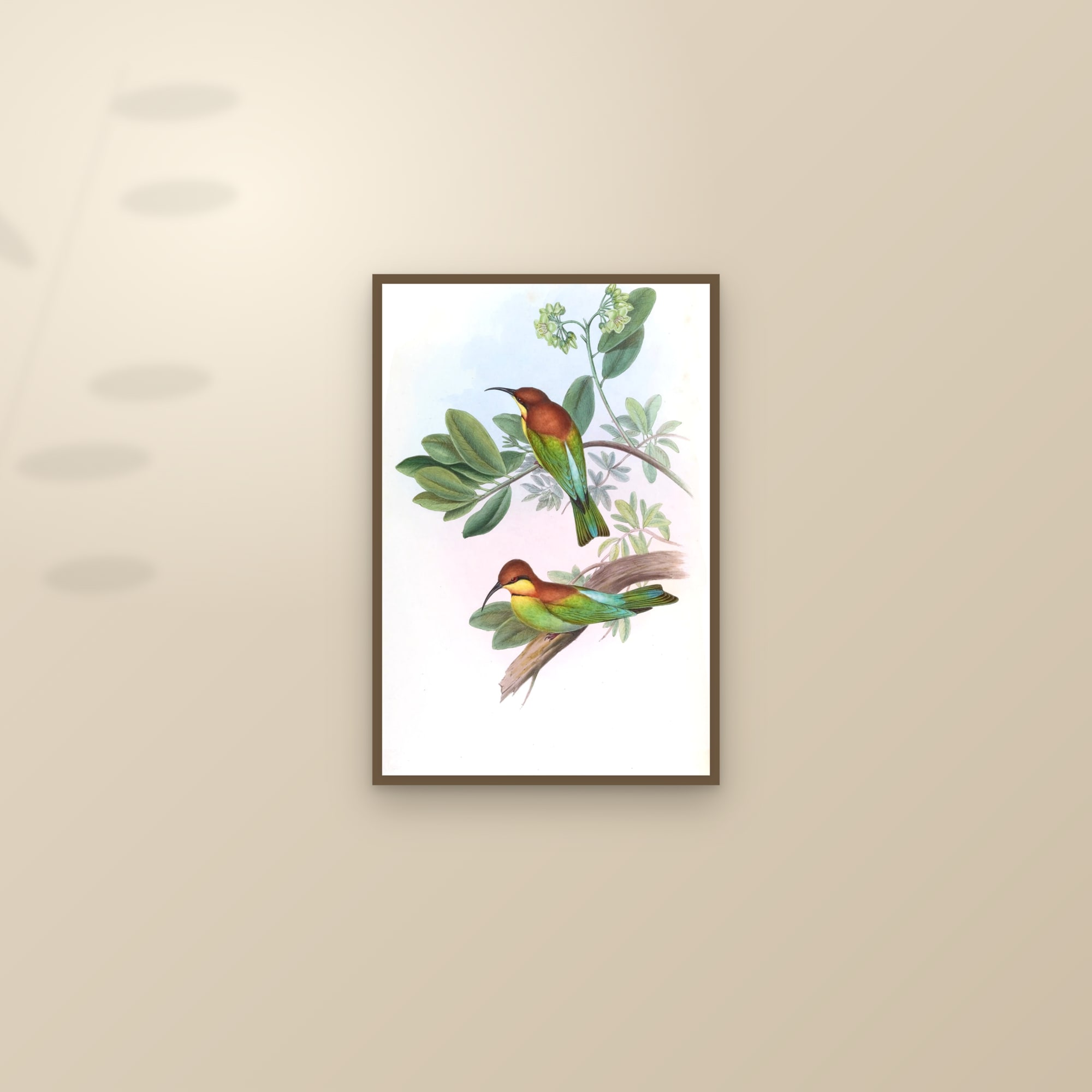
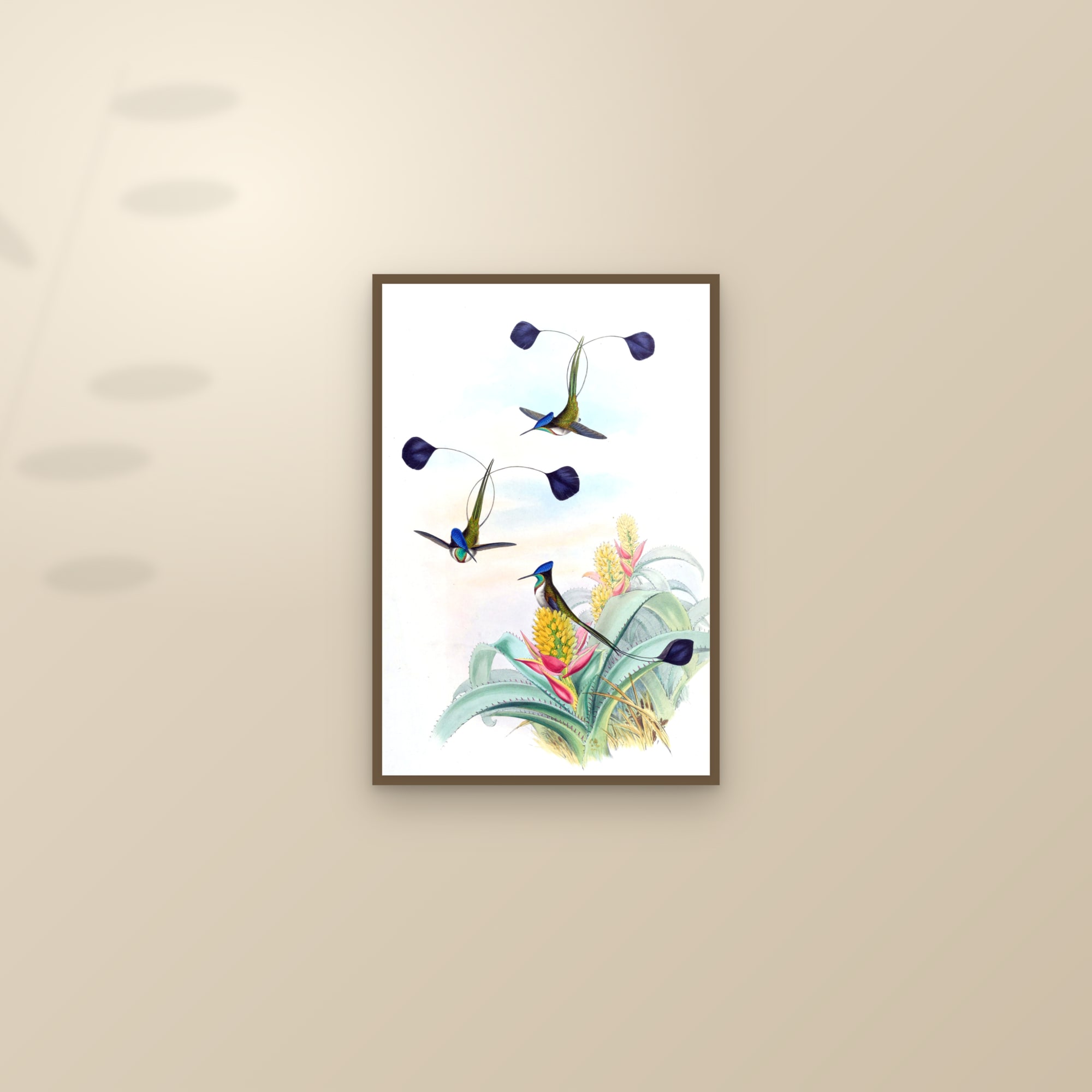
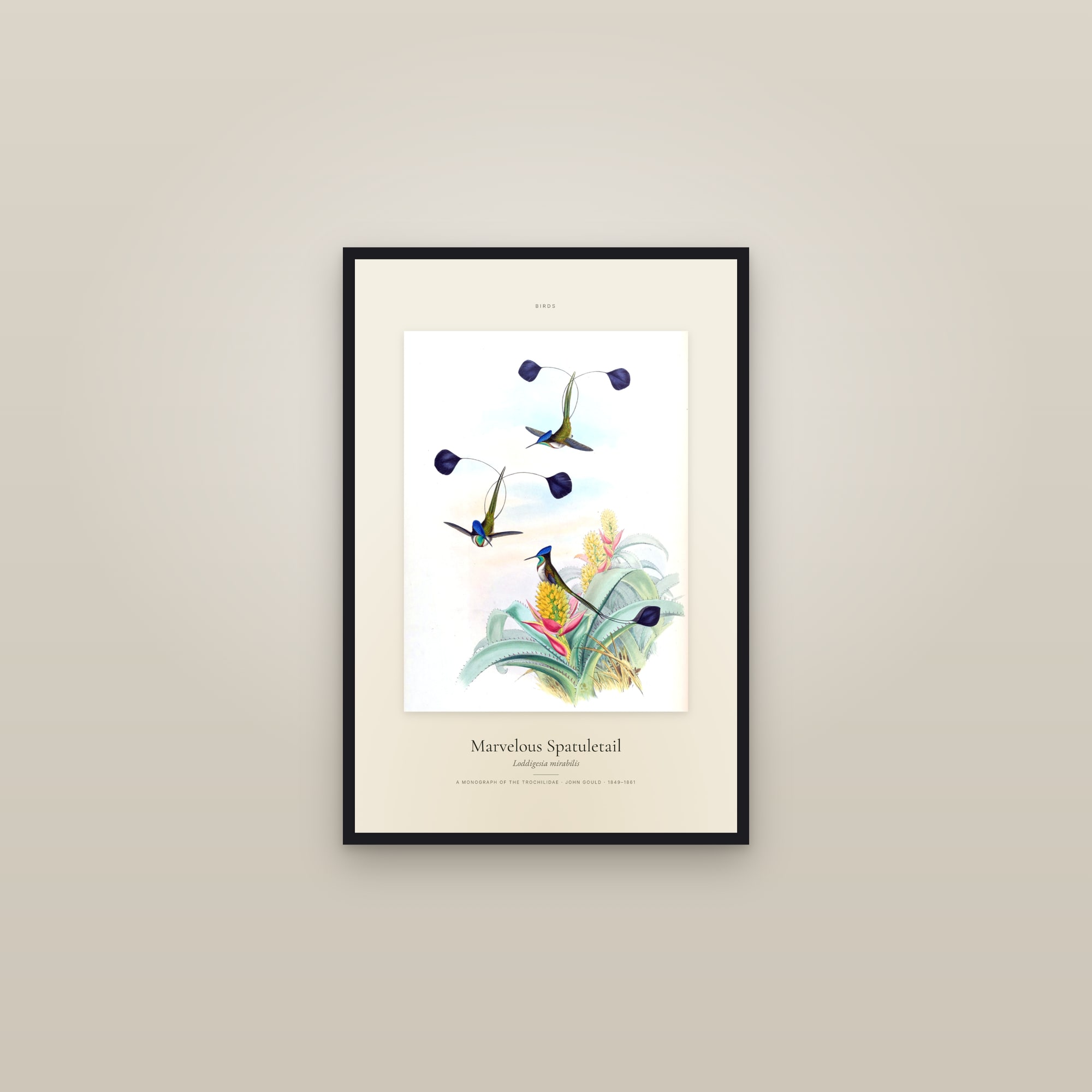
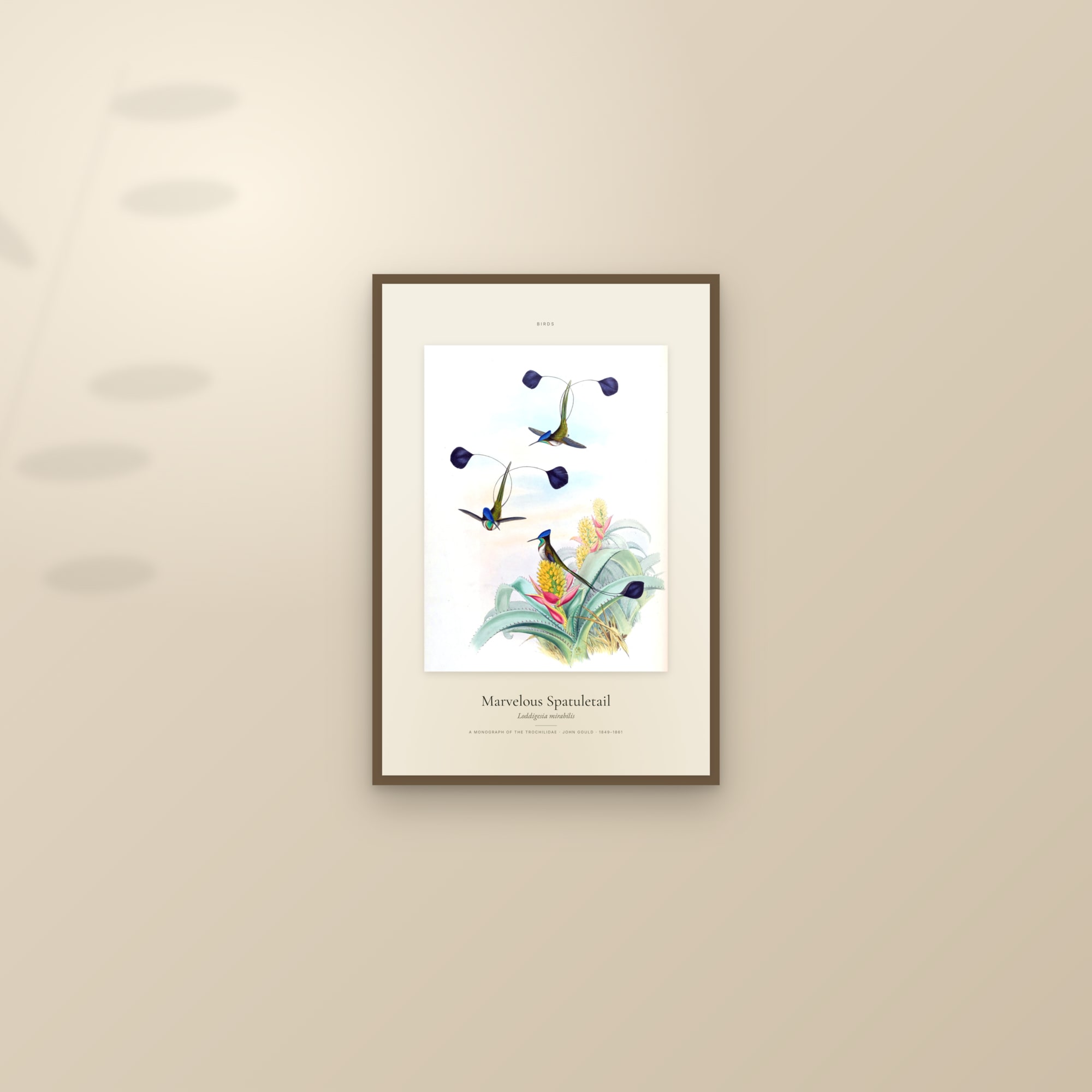
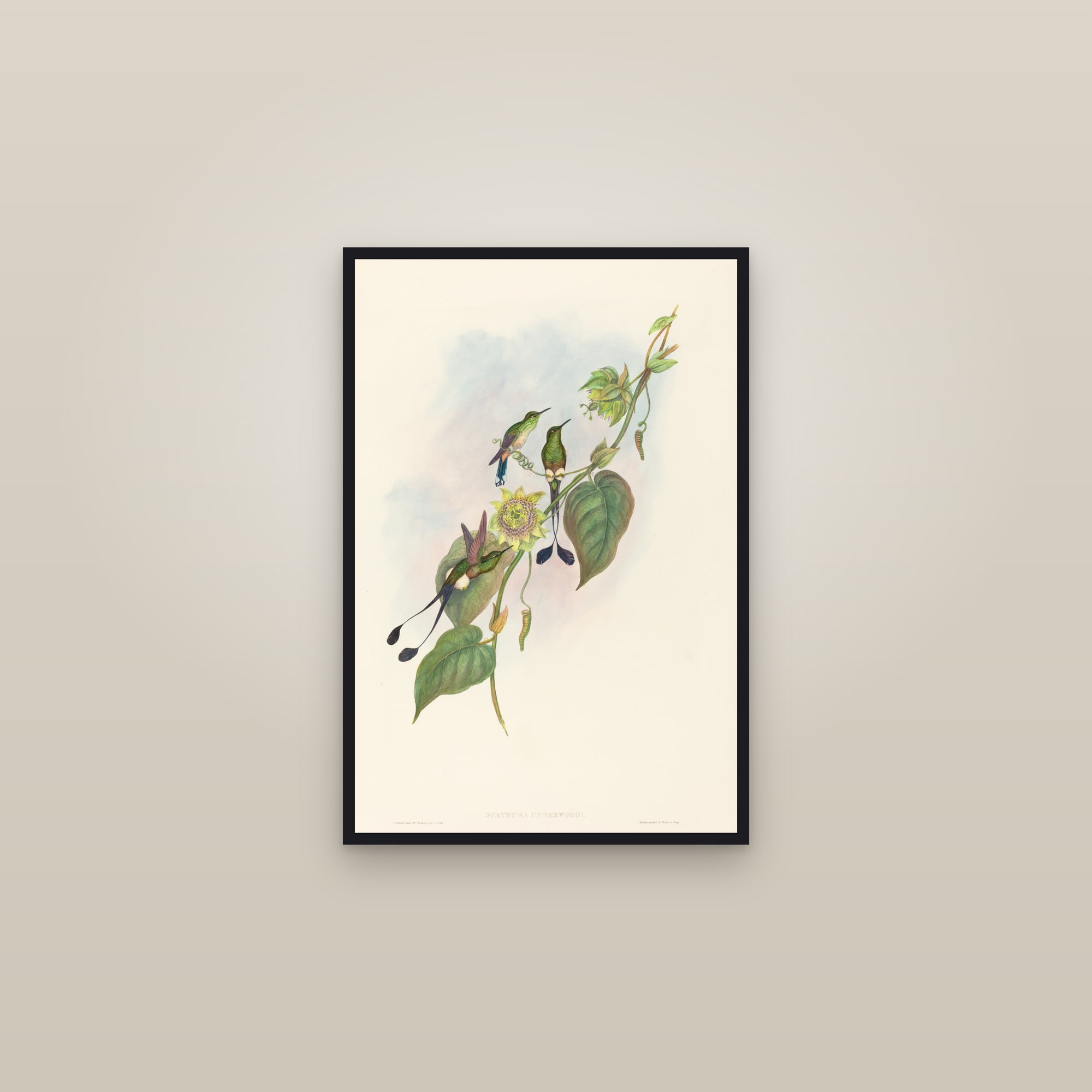
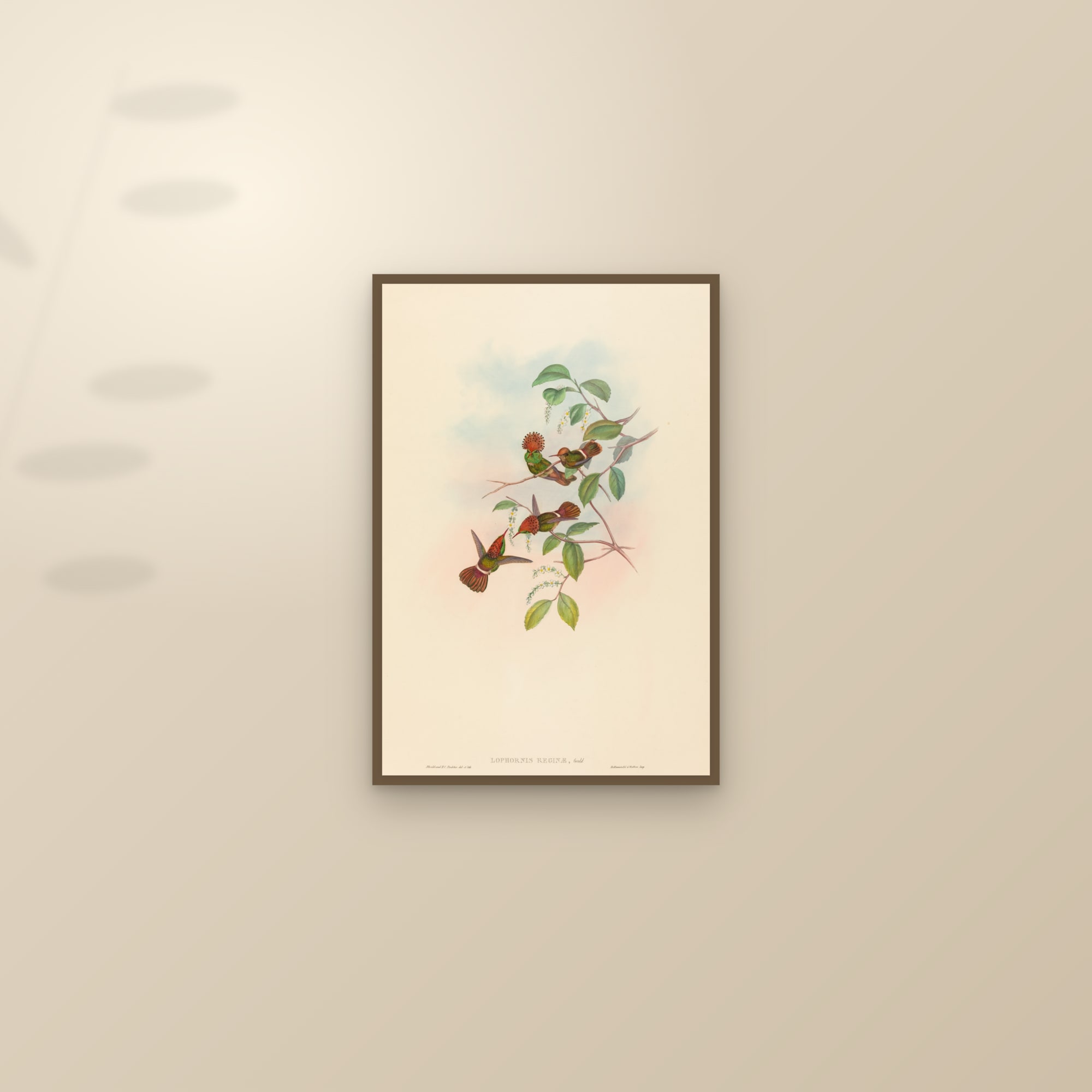
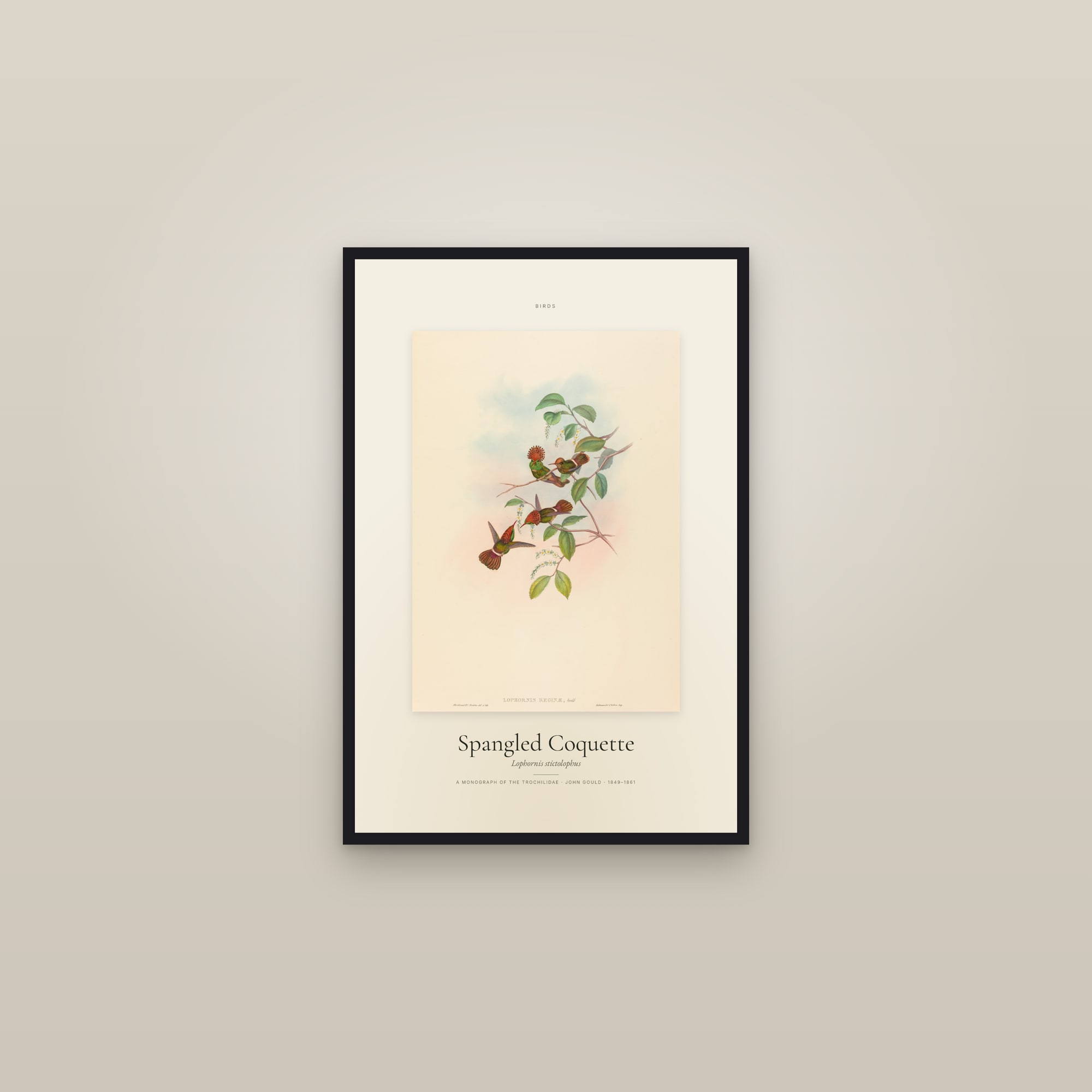
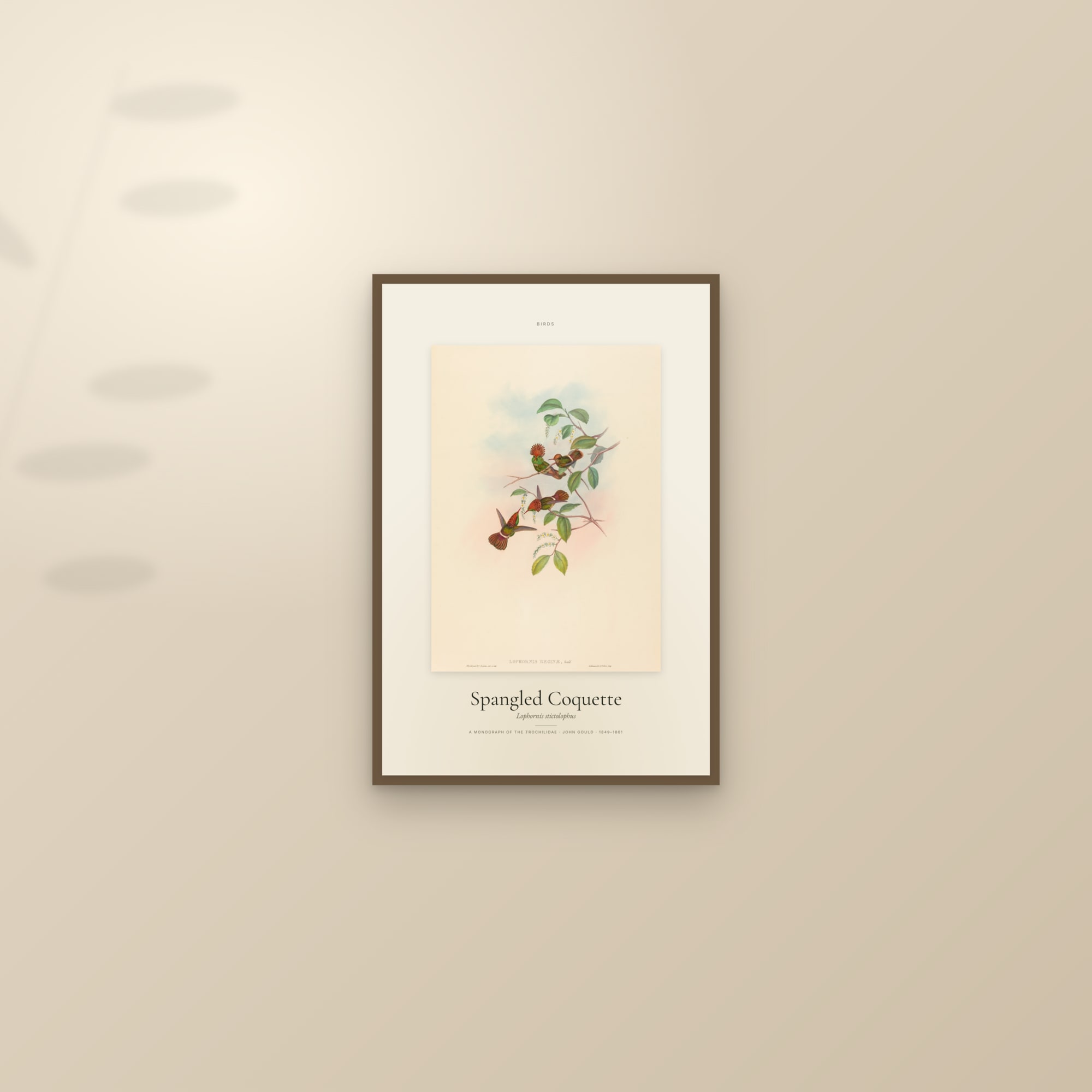
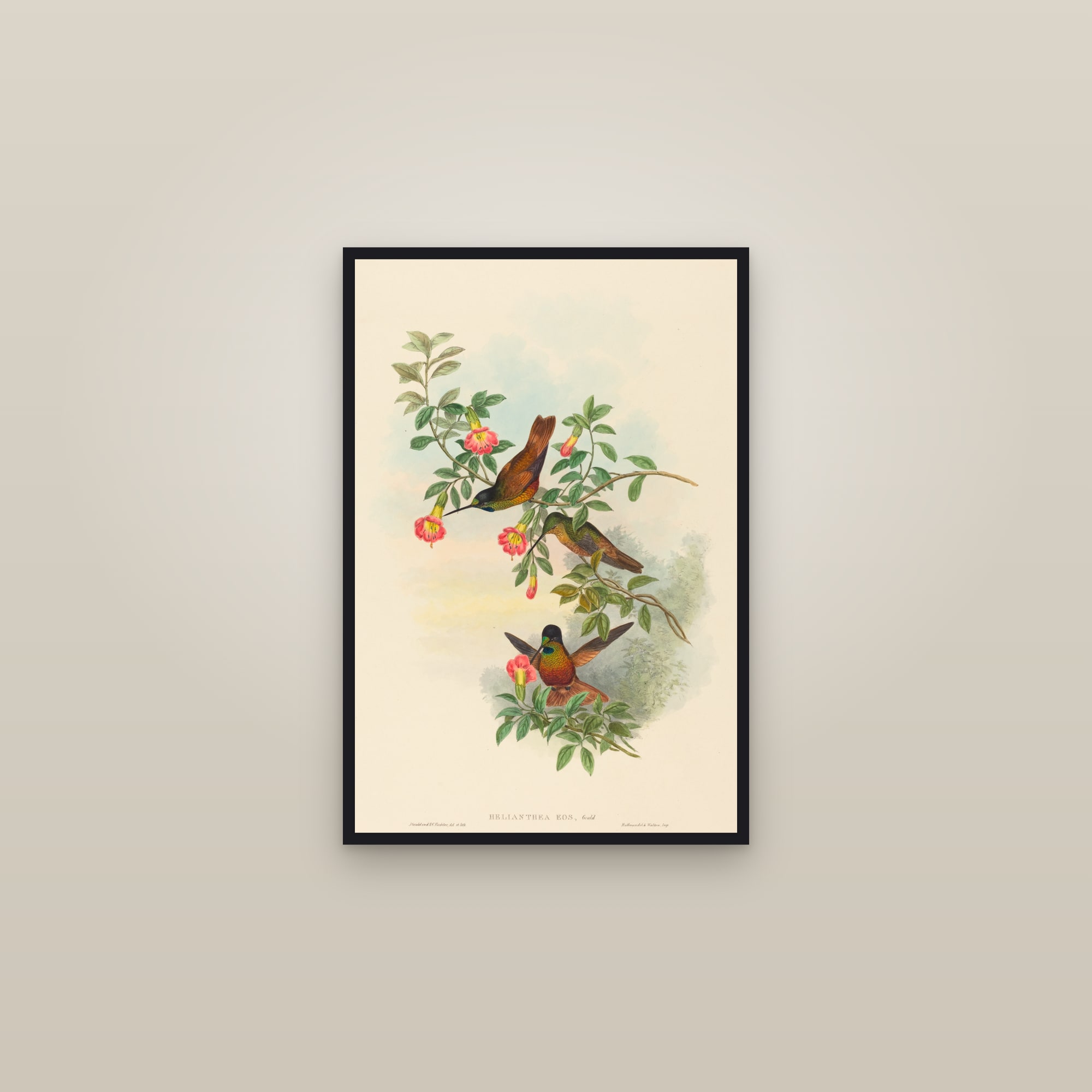
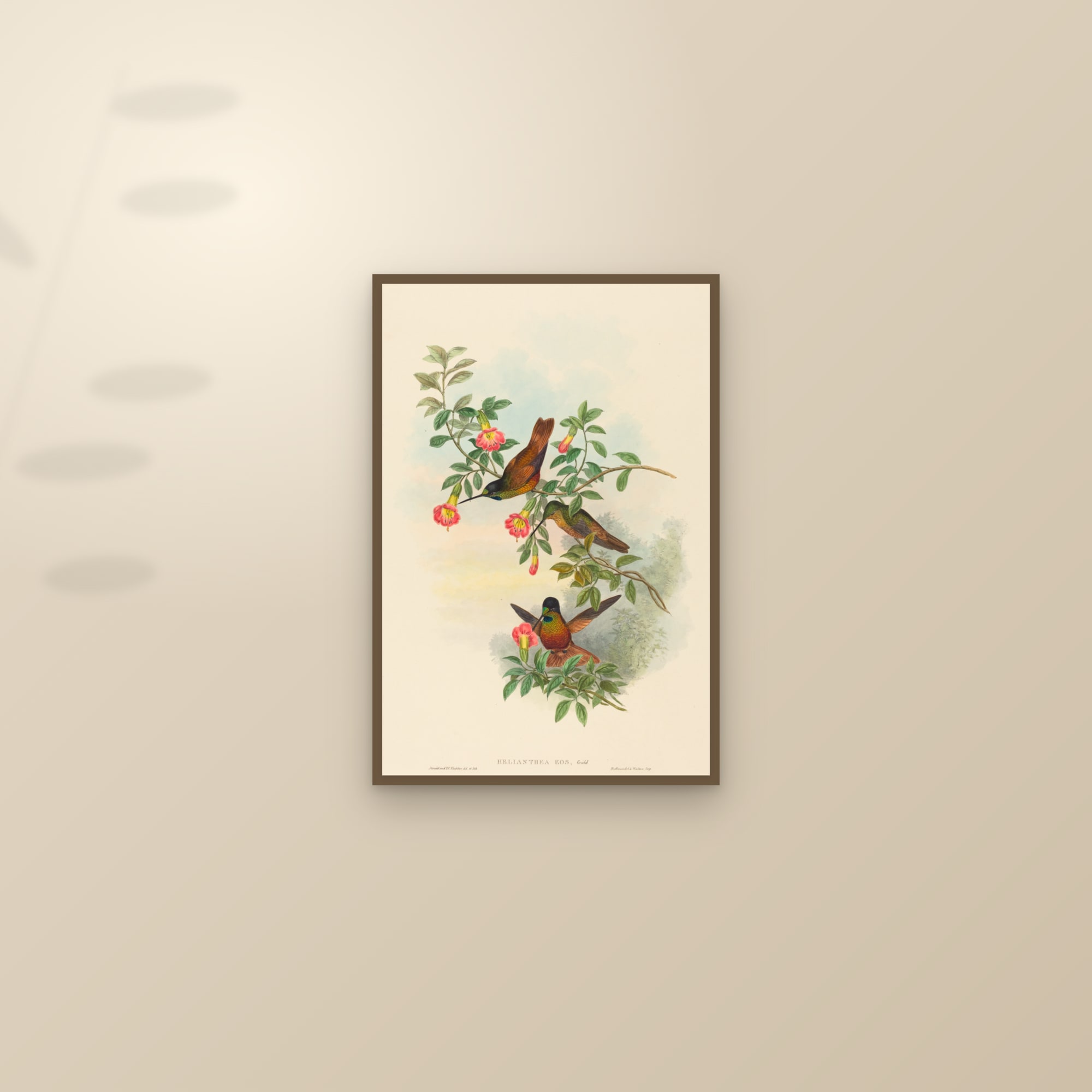
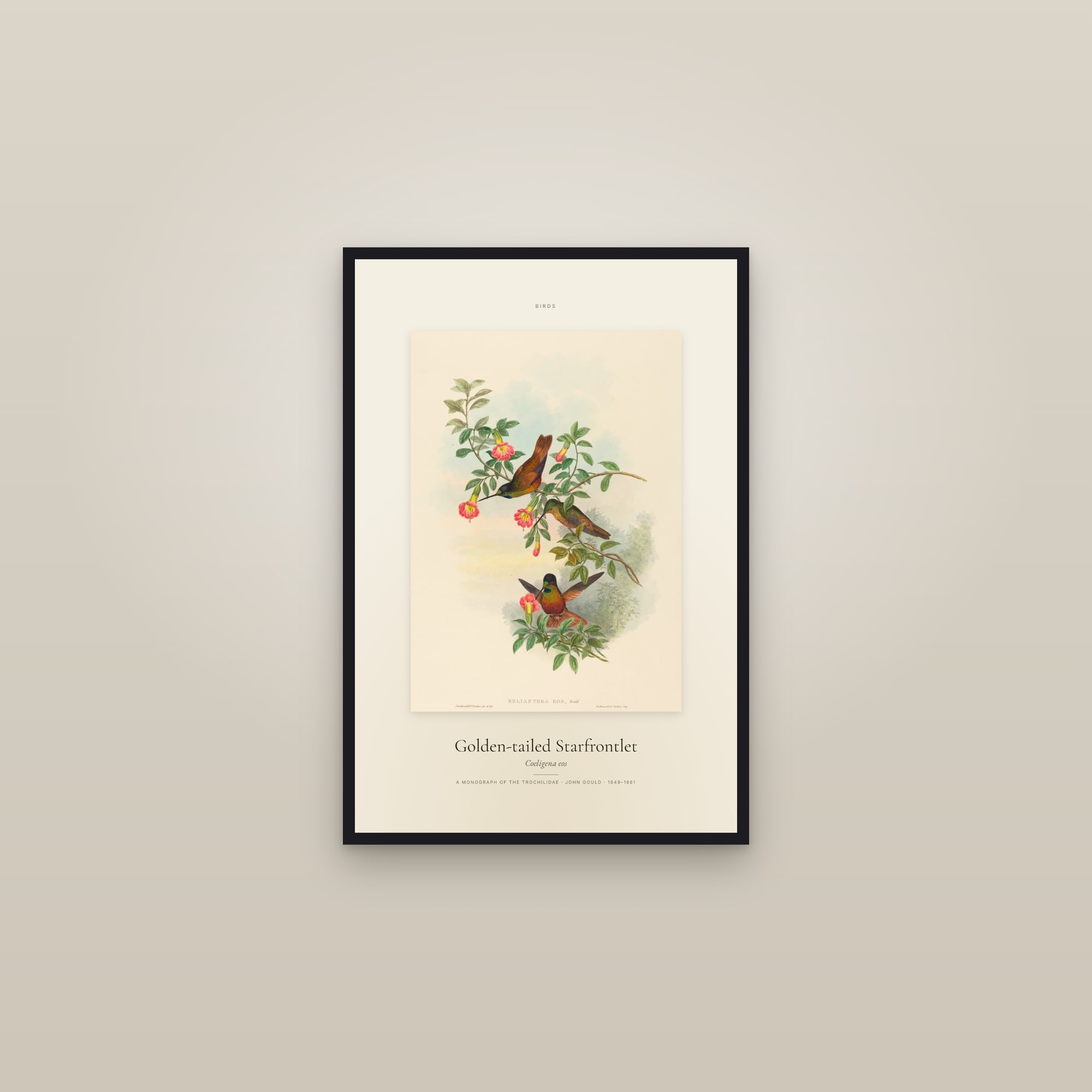
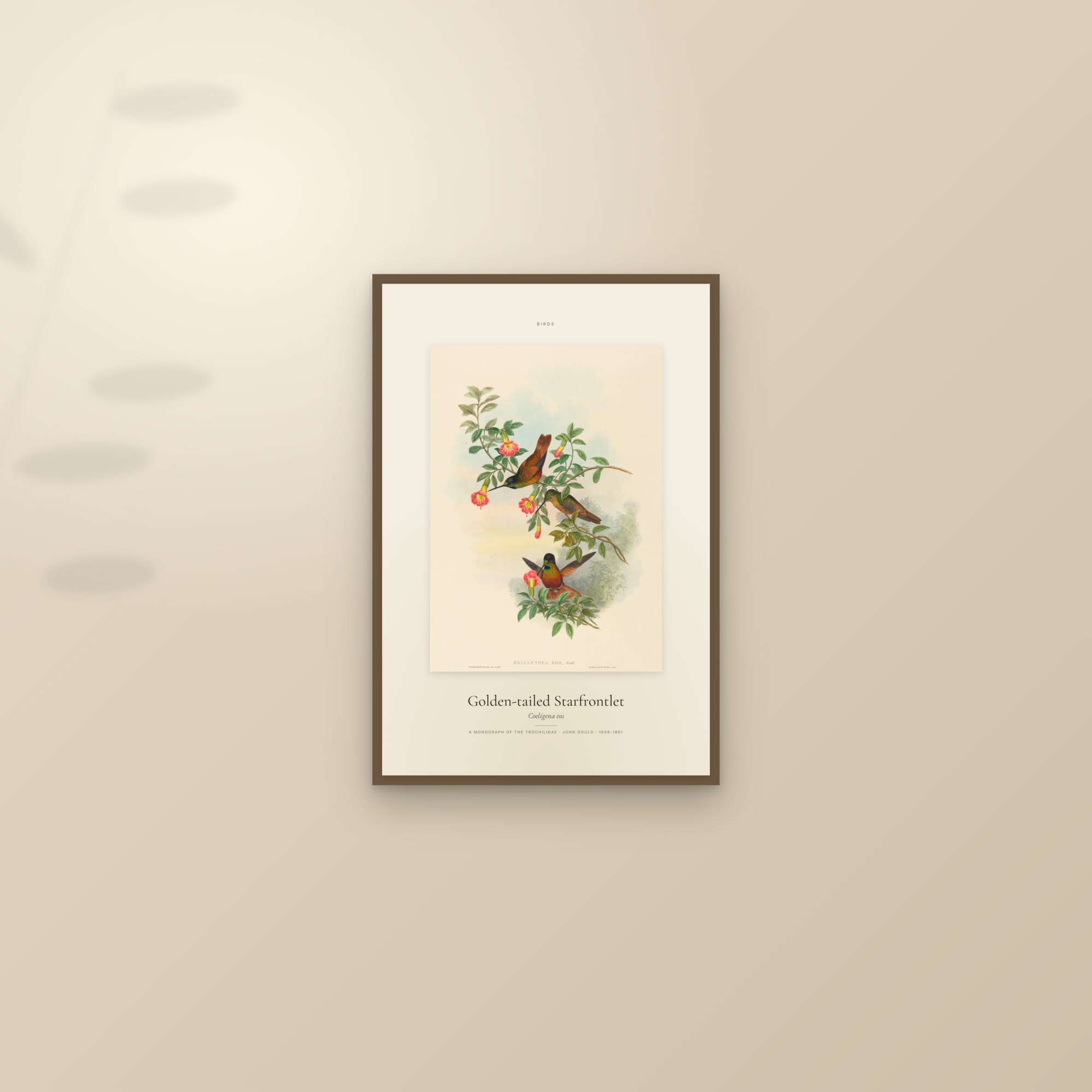
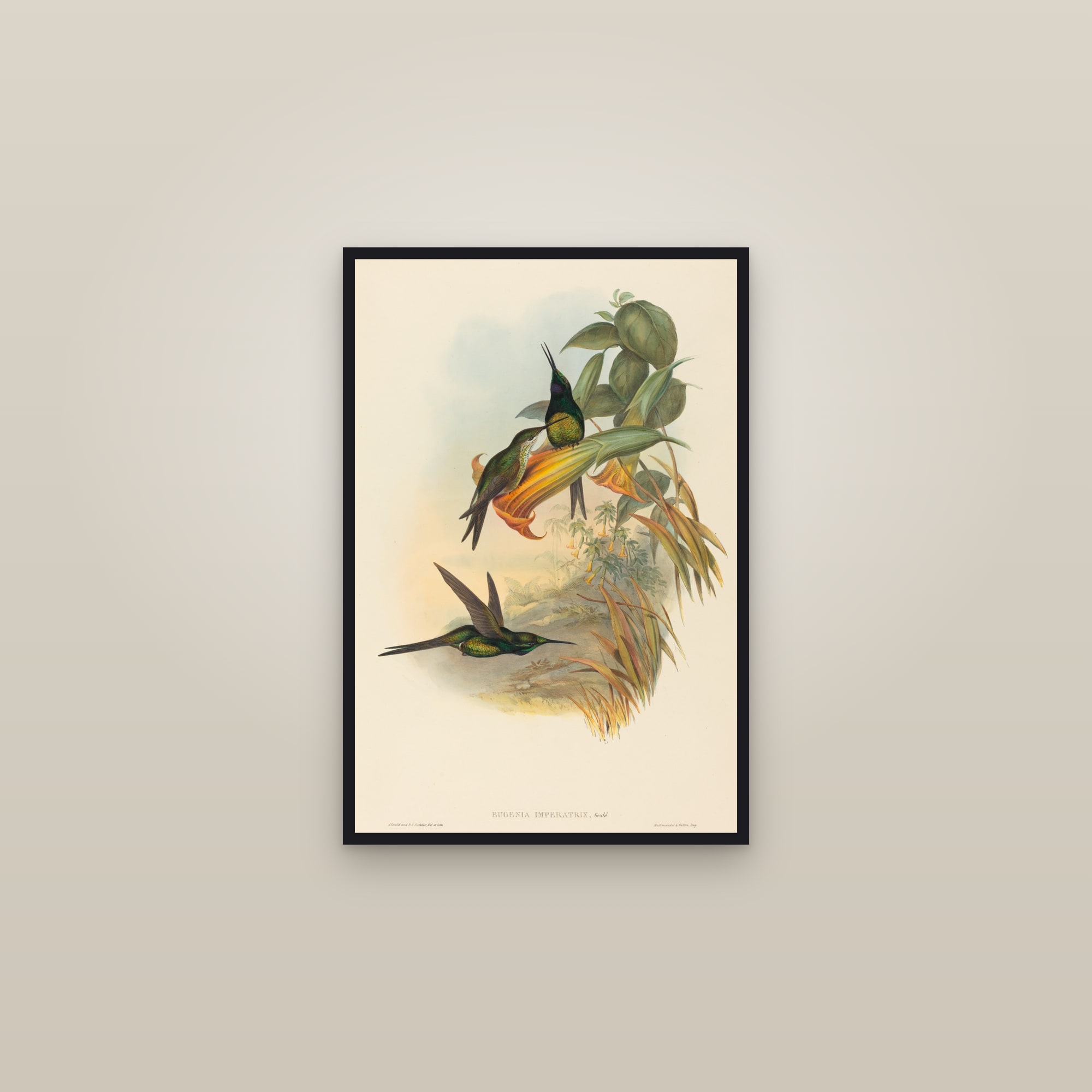
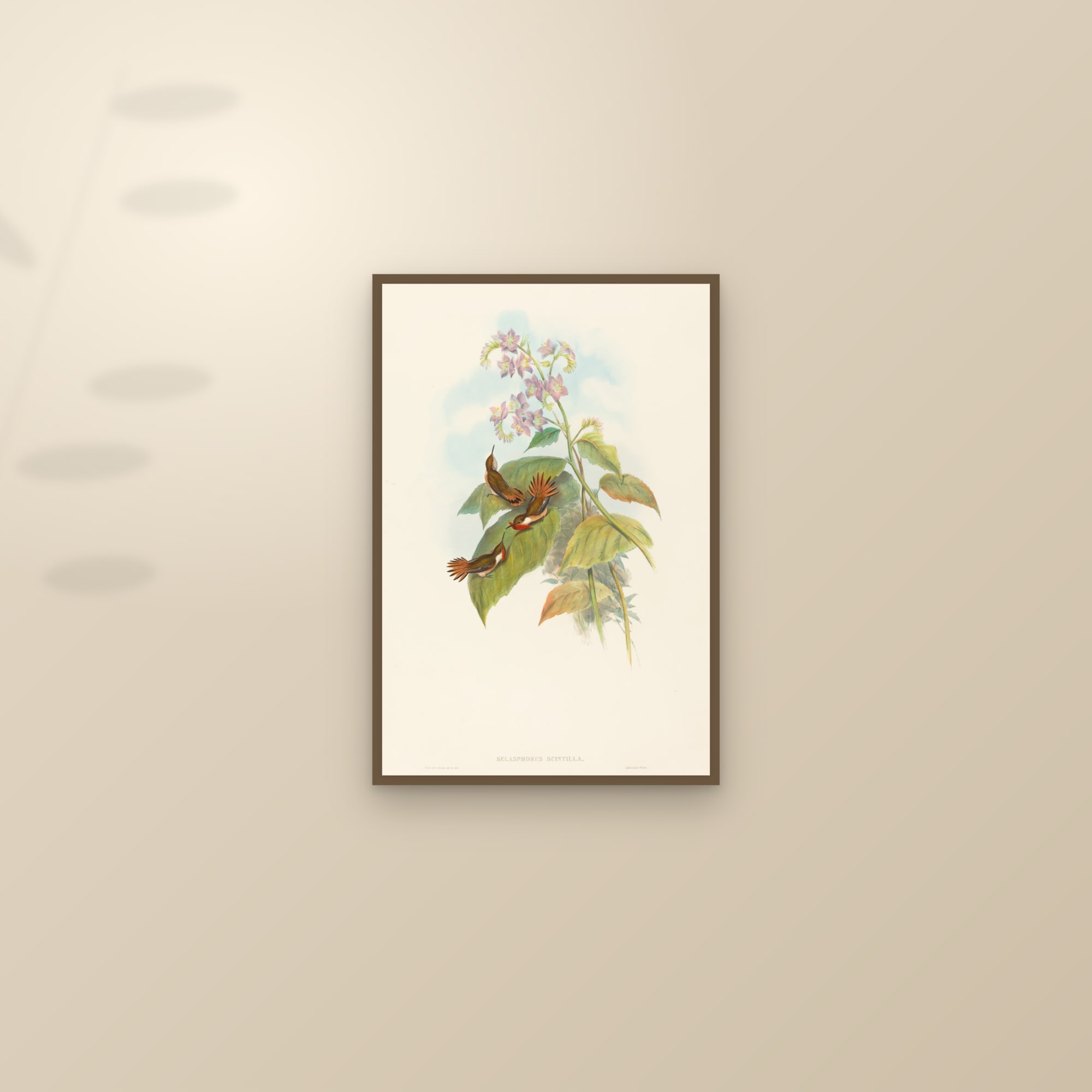
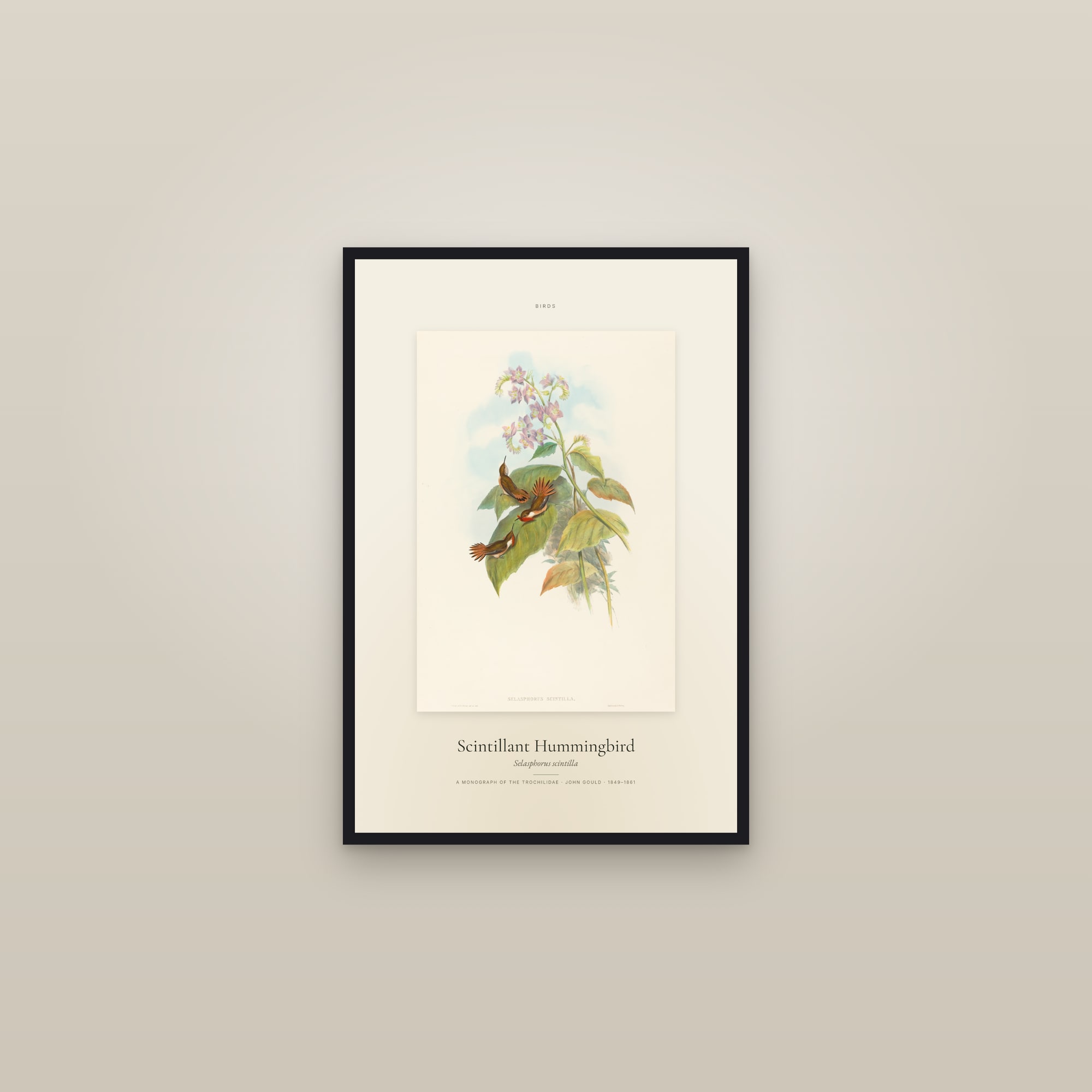
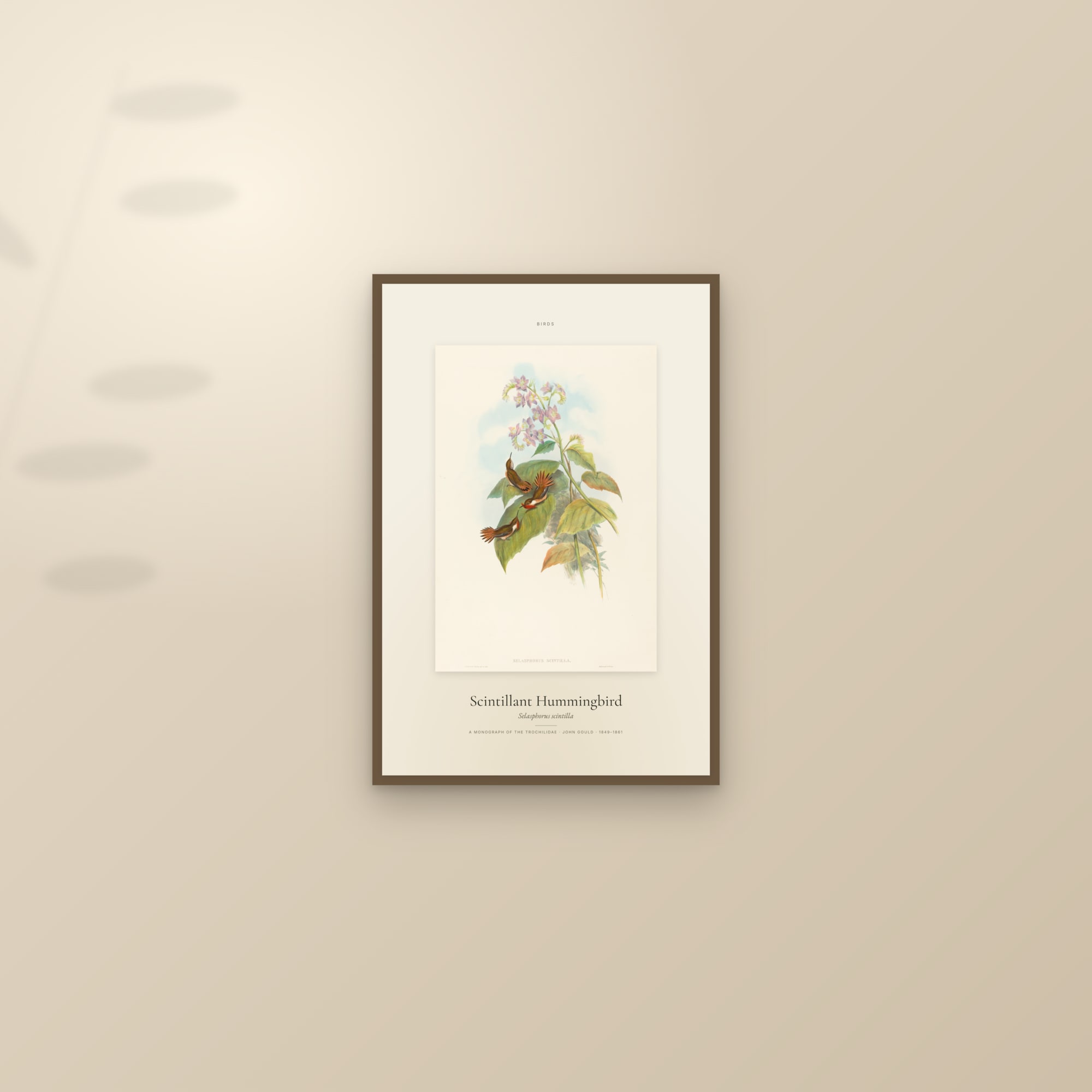
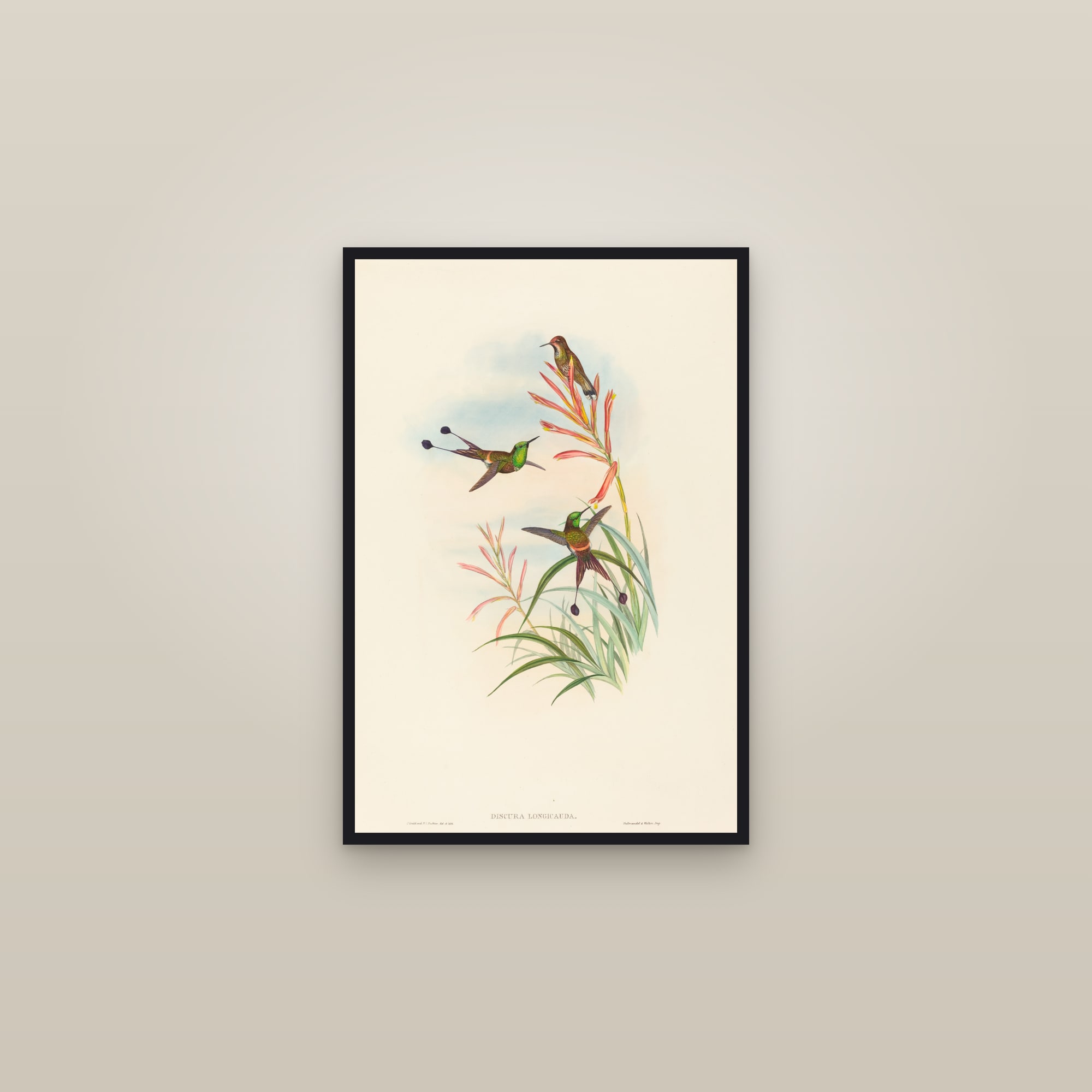
John Gould's lavish Victorian bird folios — iridescent hummingbirds, toucans, trogons and birds of paradise. Restored at high resolution and offered full-bleed or as a captioned specimen.
82 prints · printed to order on heavyweight matte paper · framed or unframed


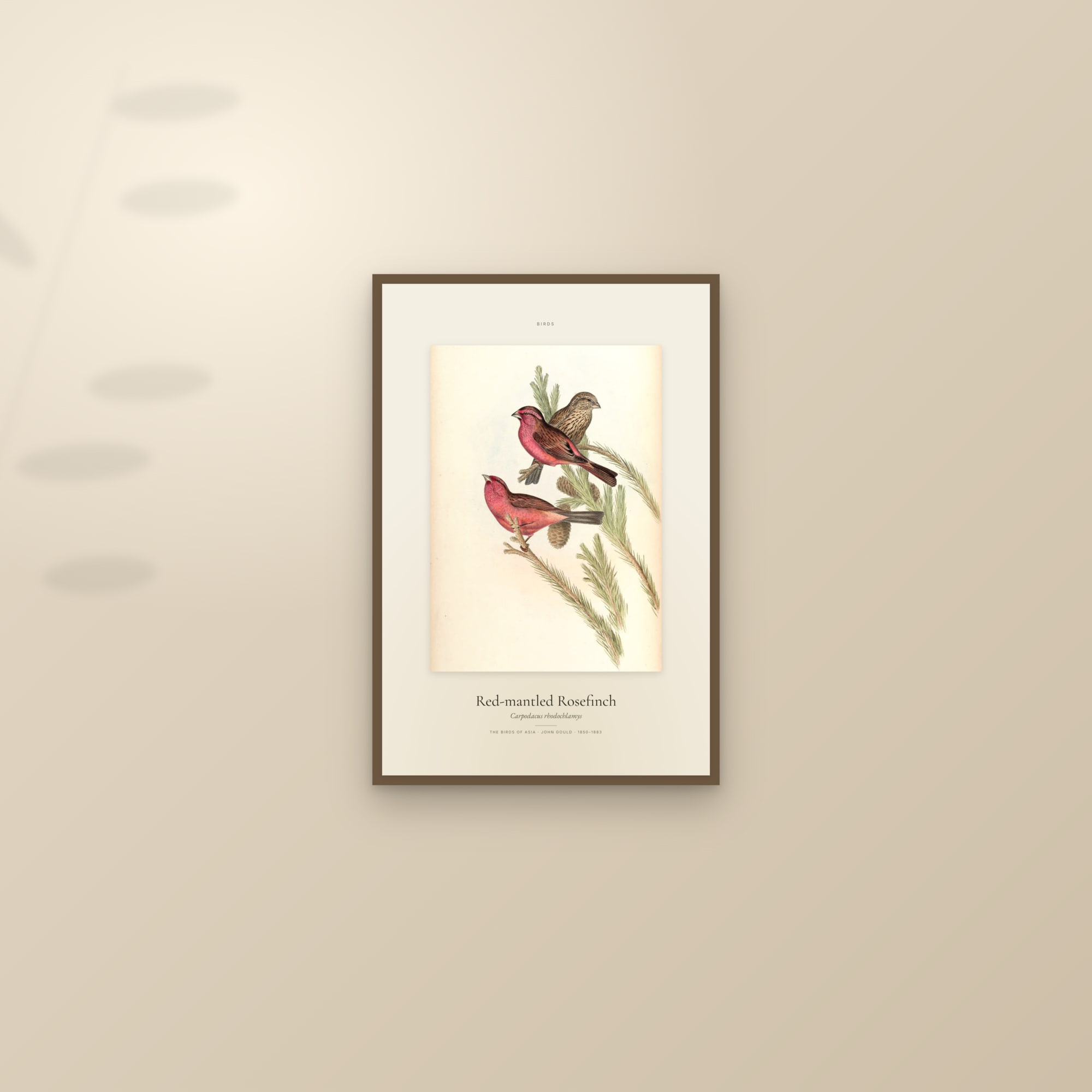
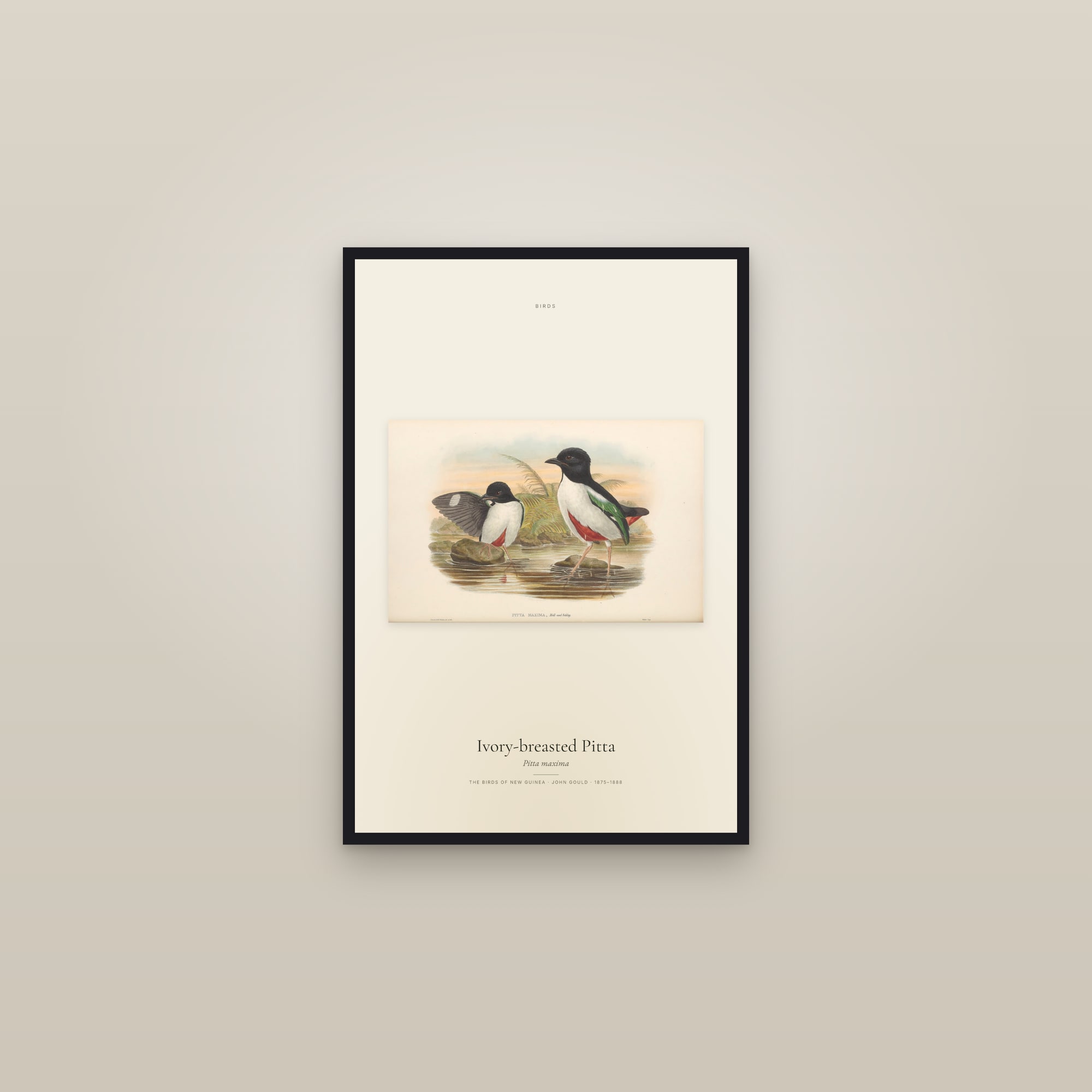
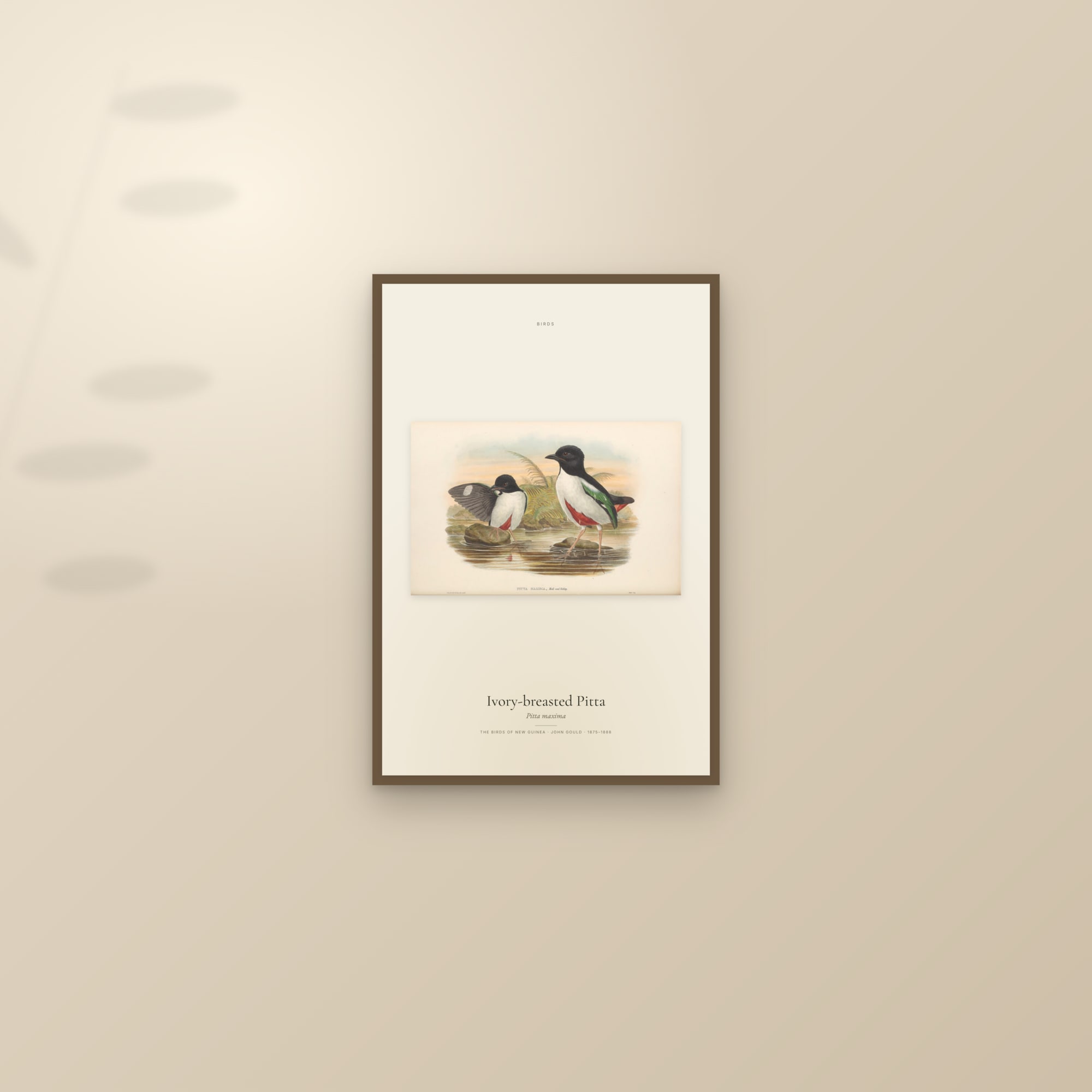
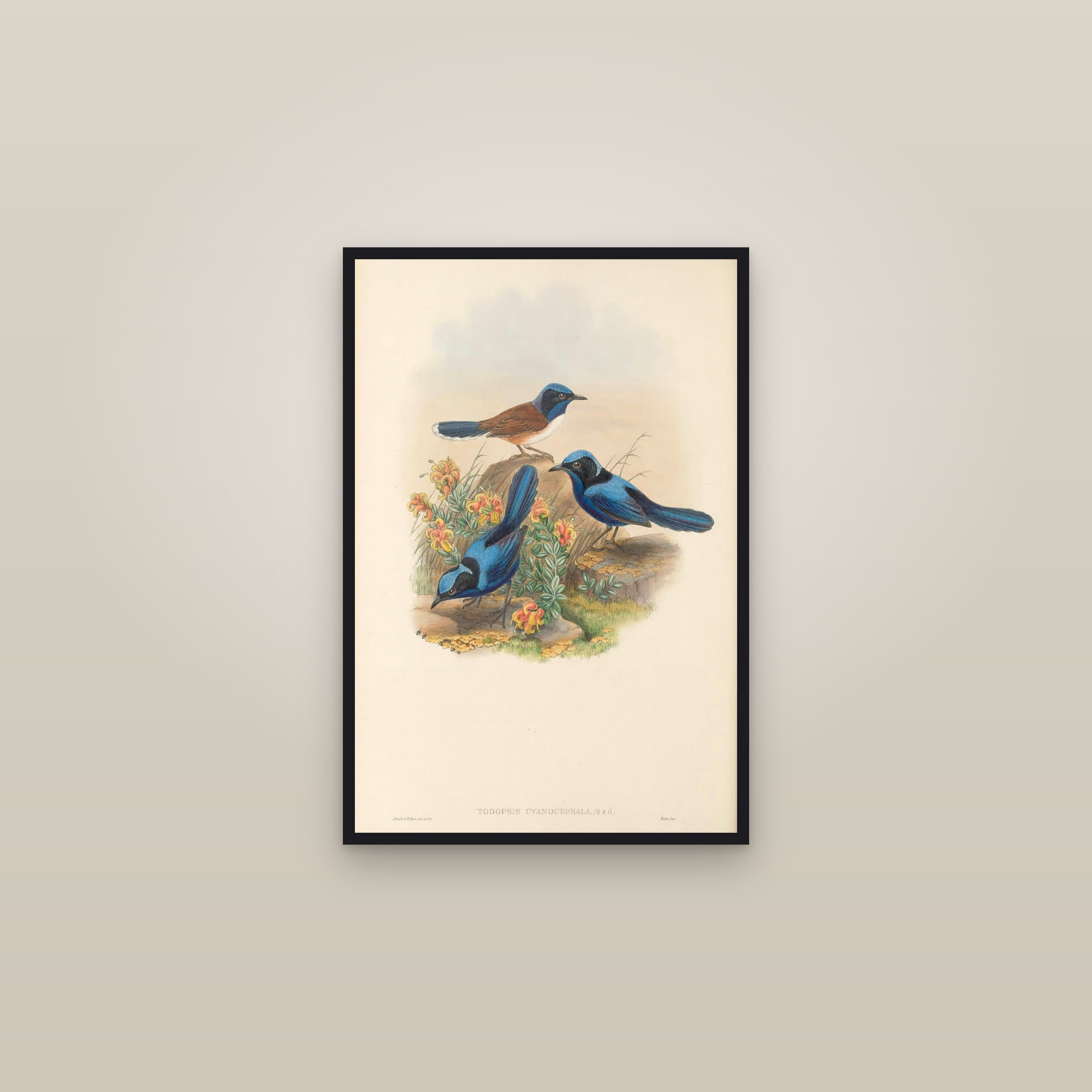
About John Gould
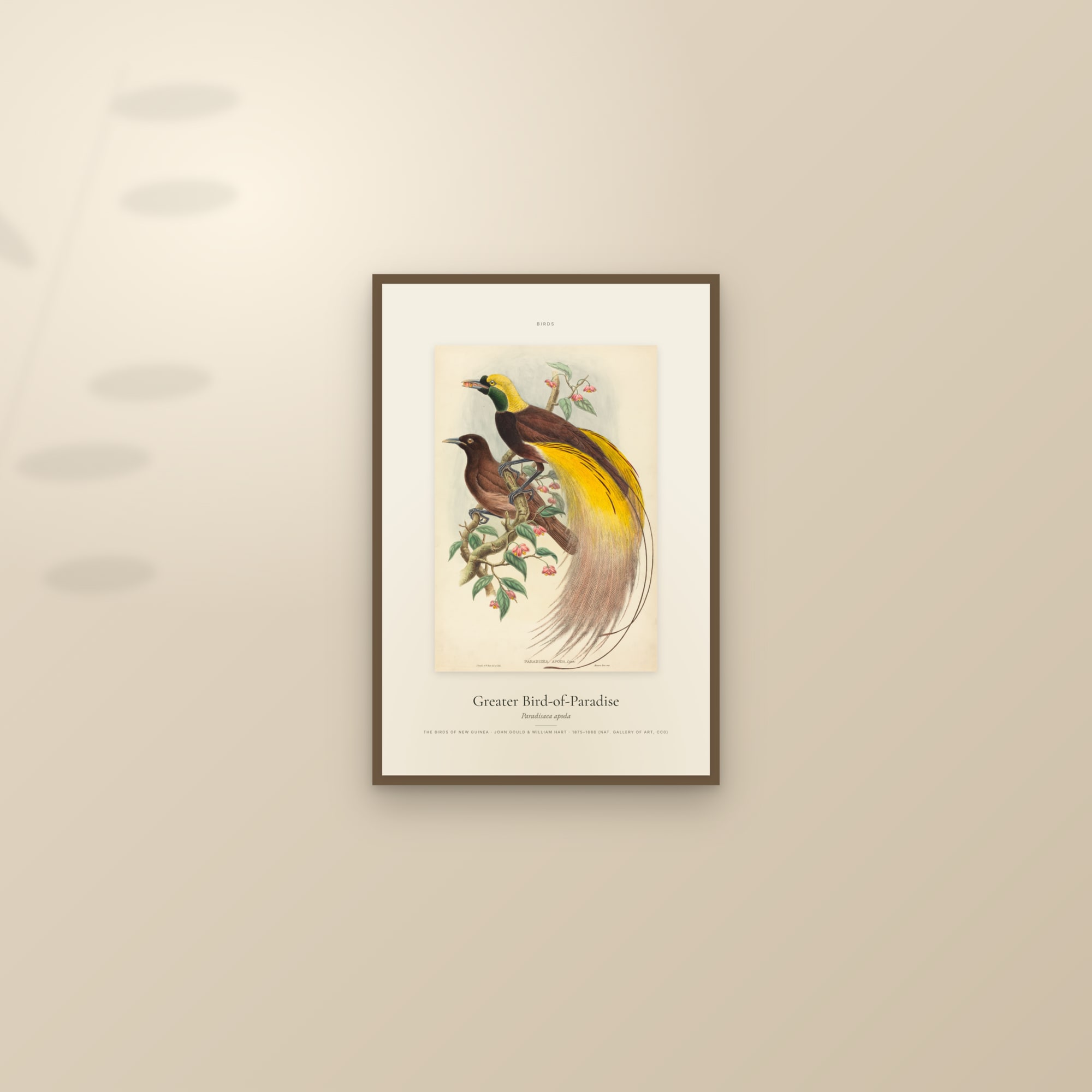
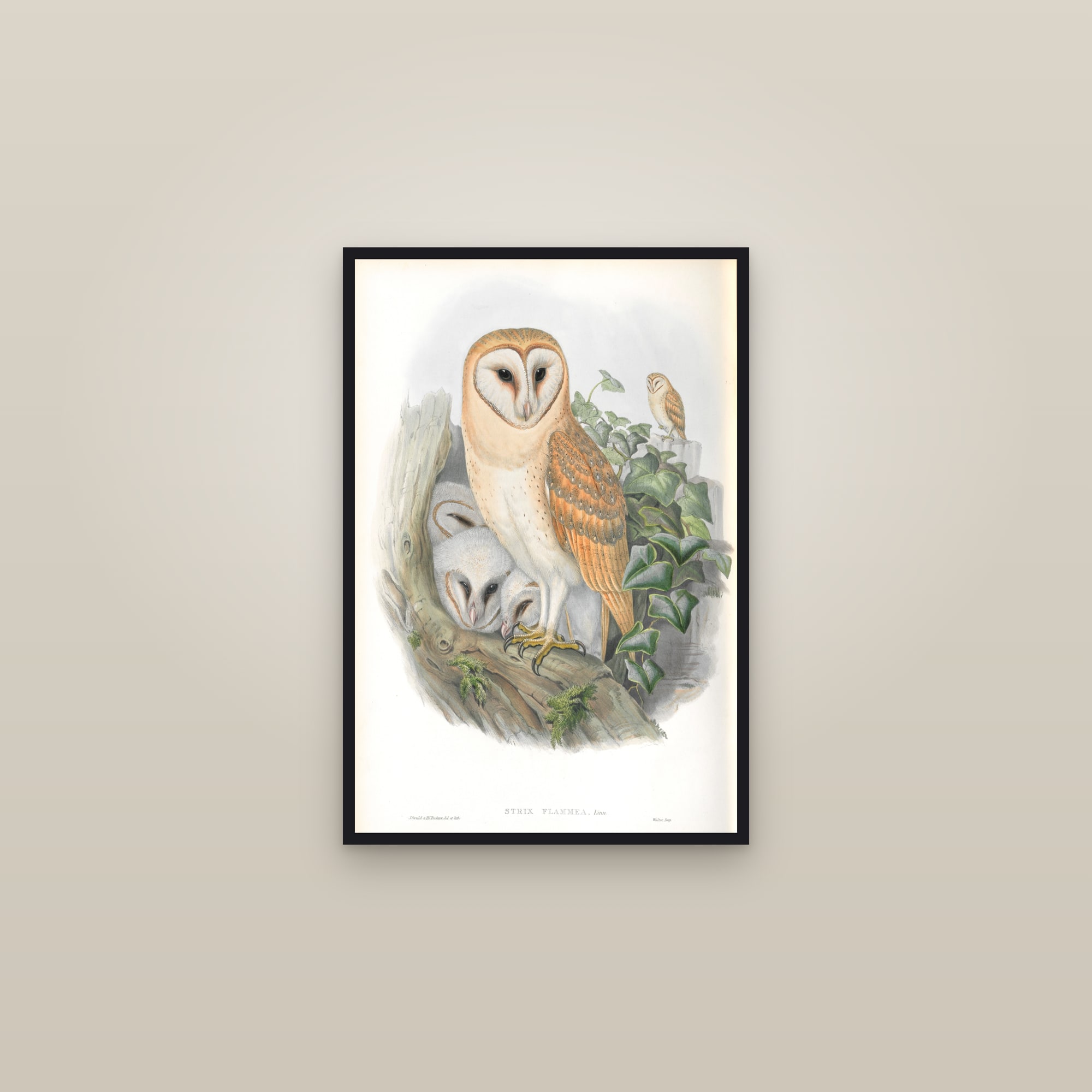
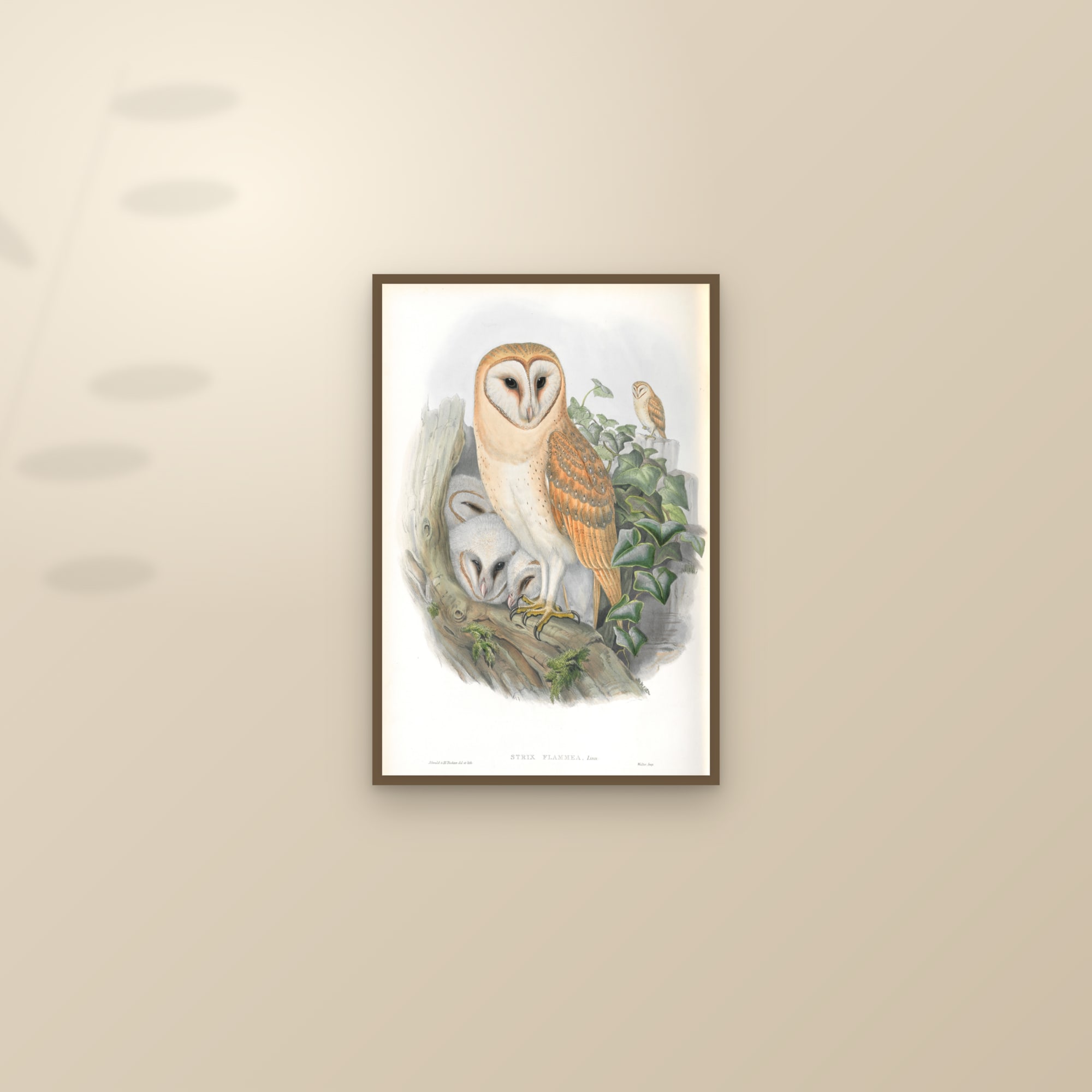
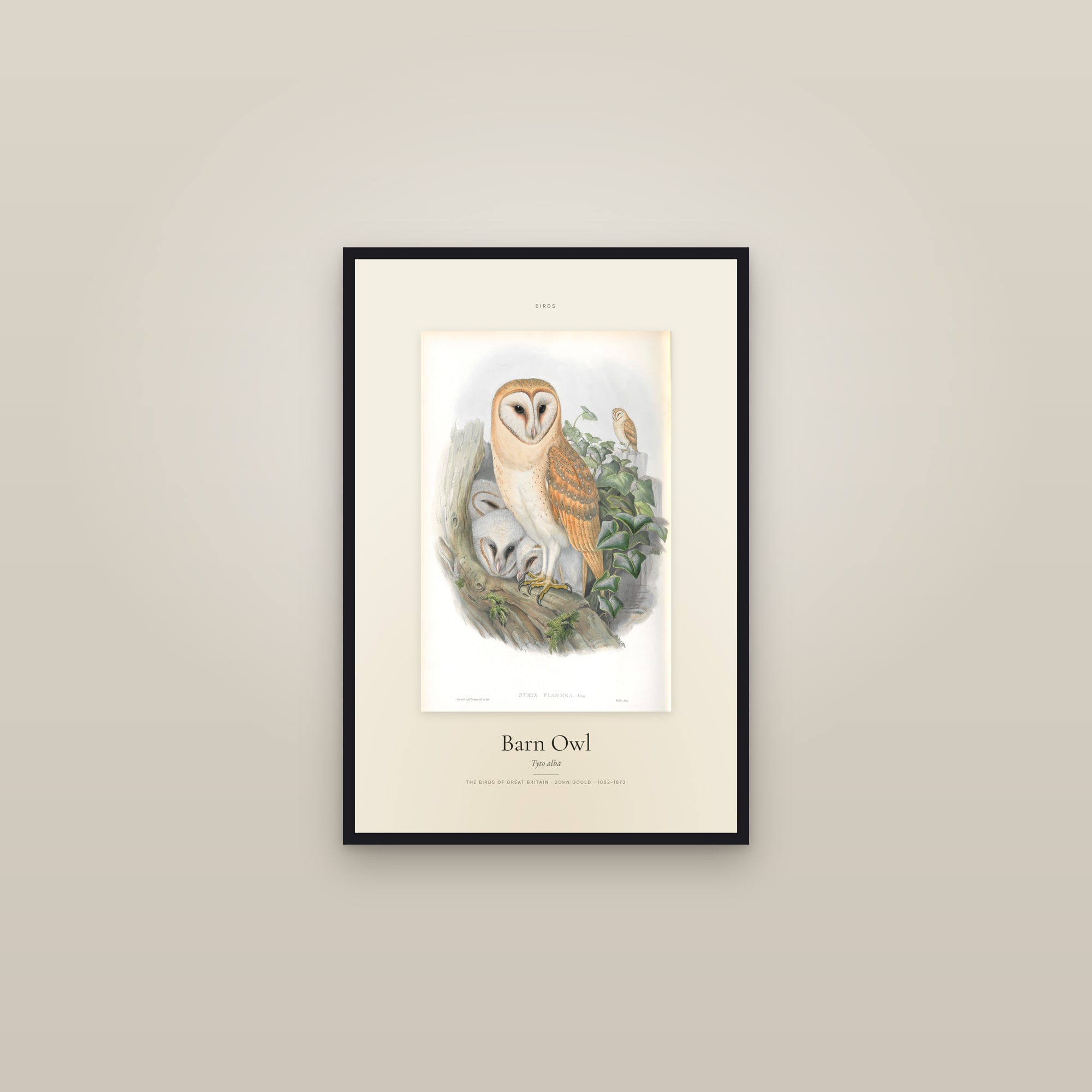
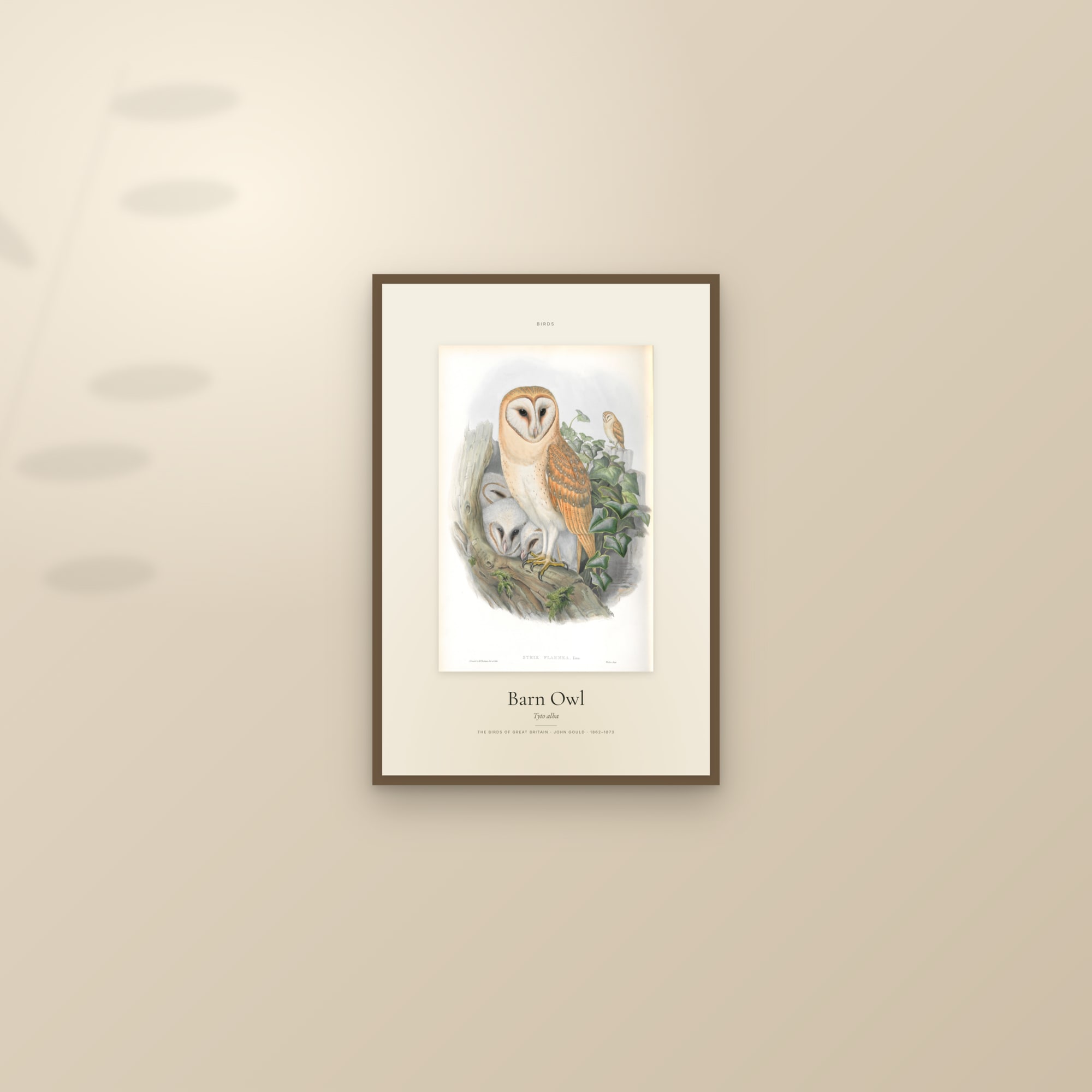
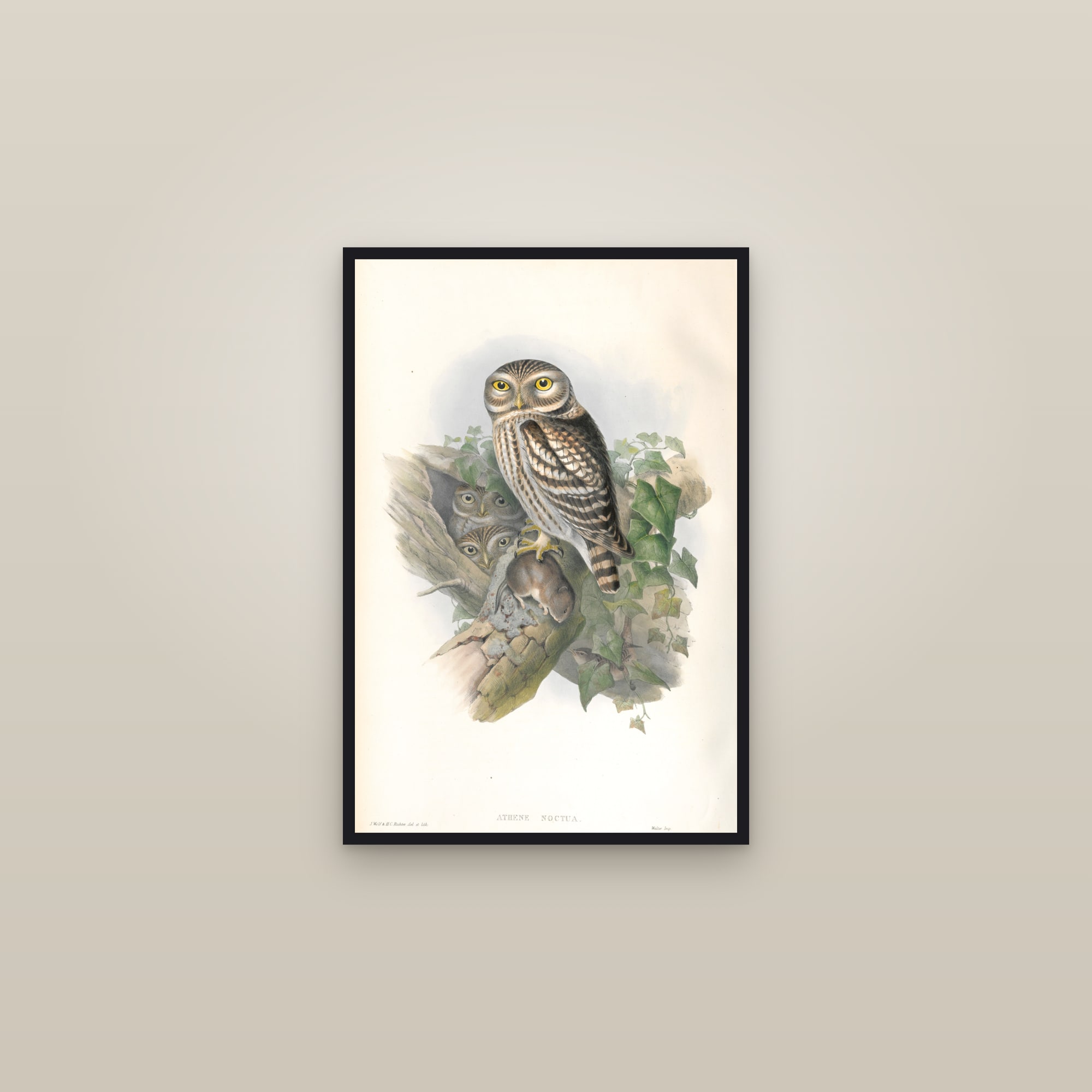
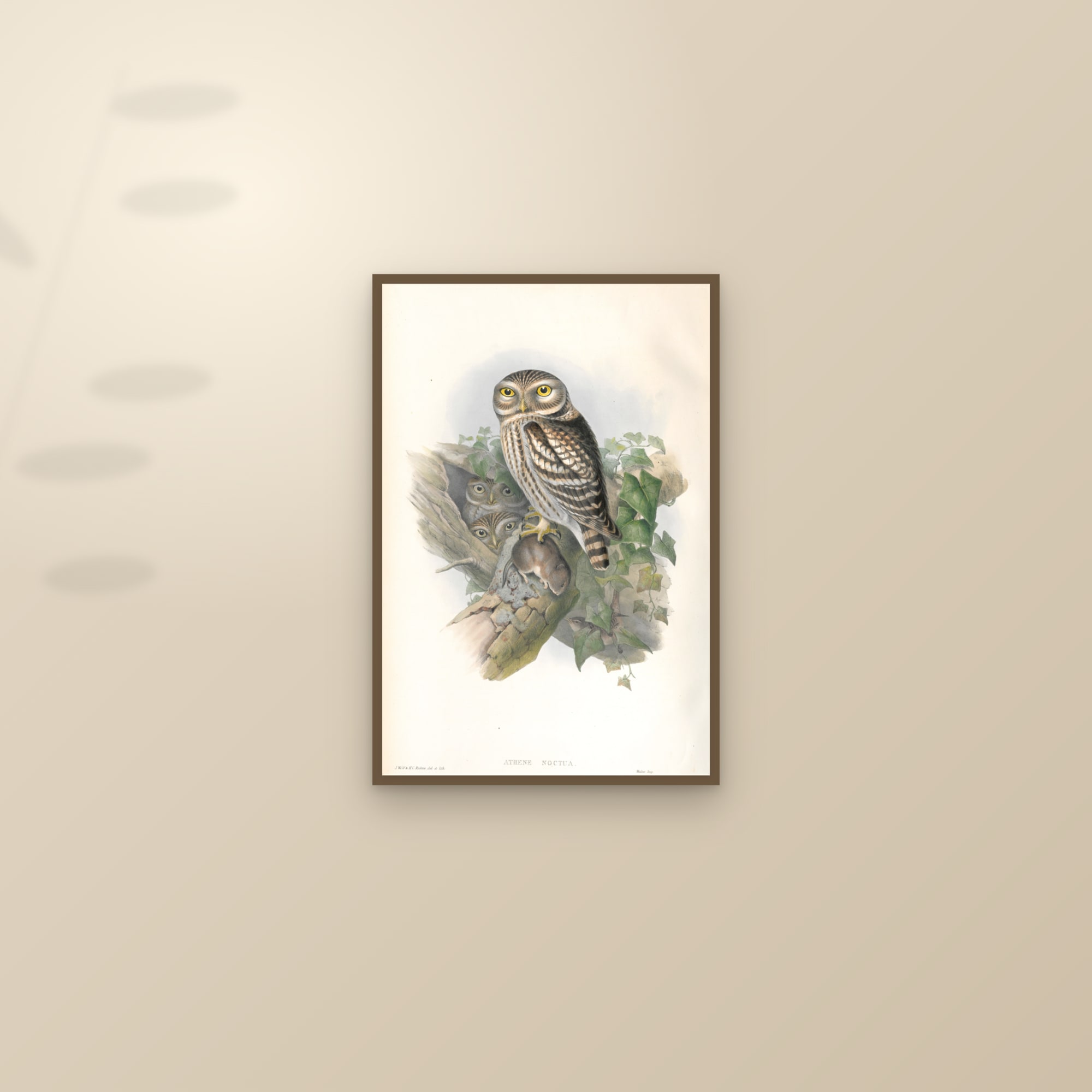
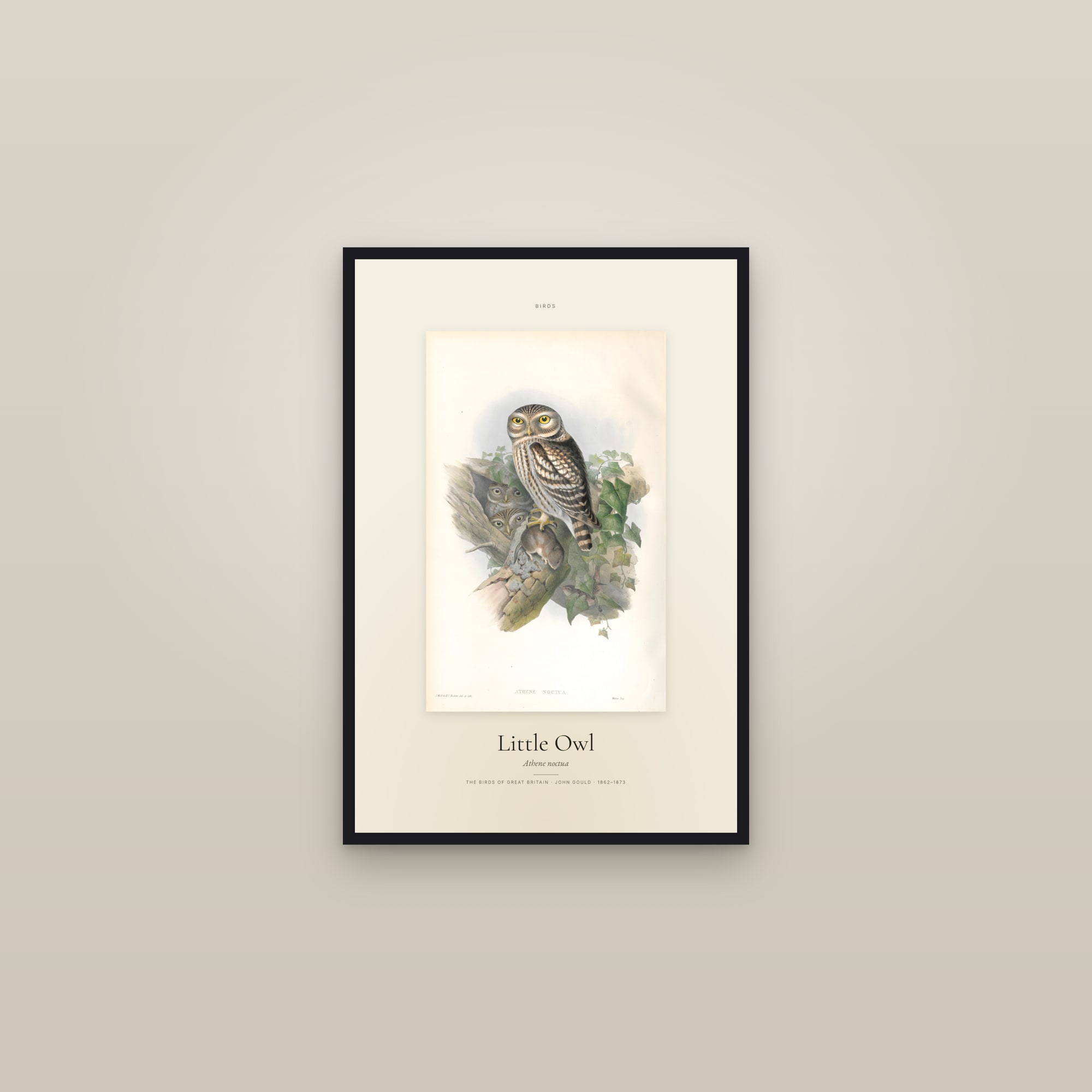
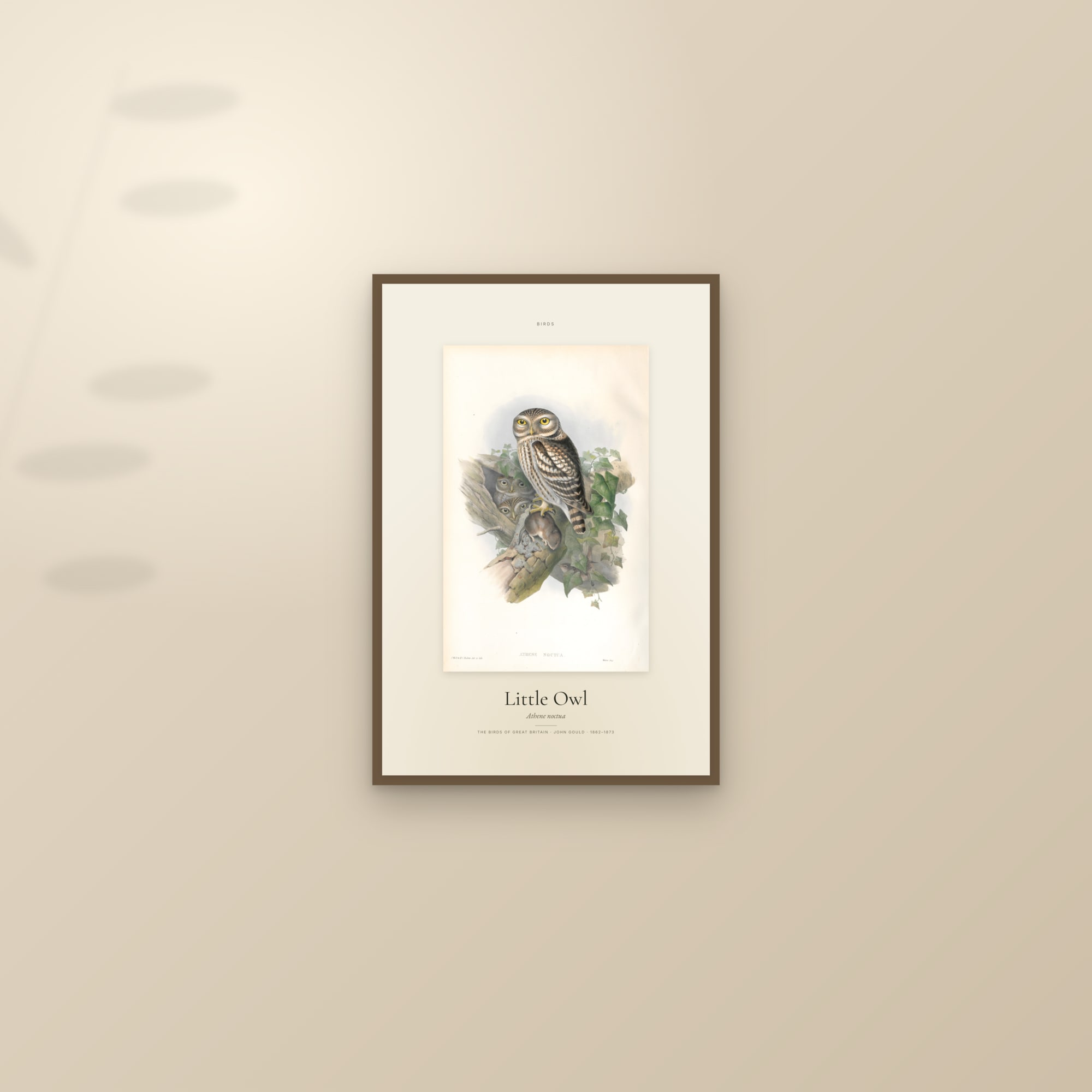
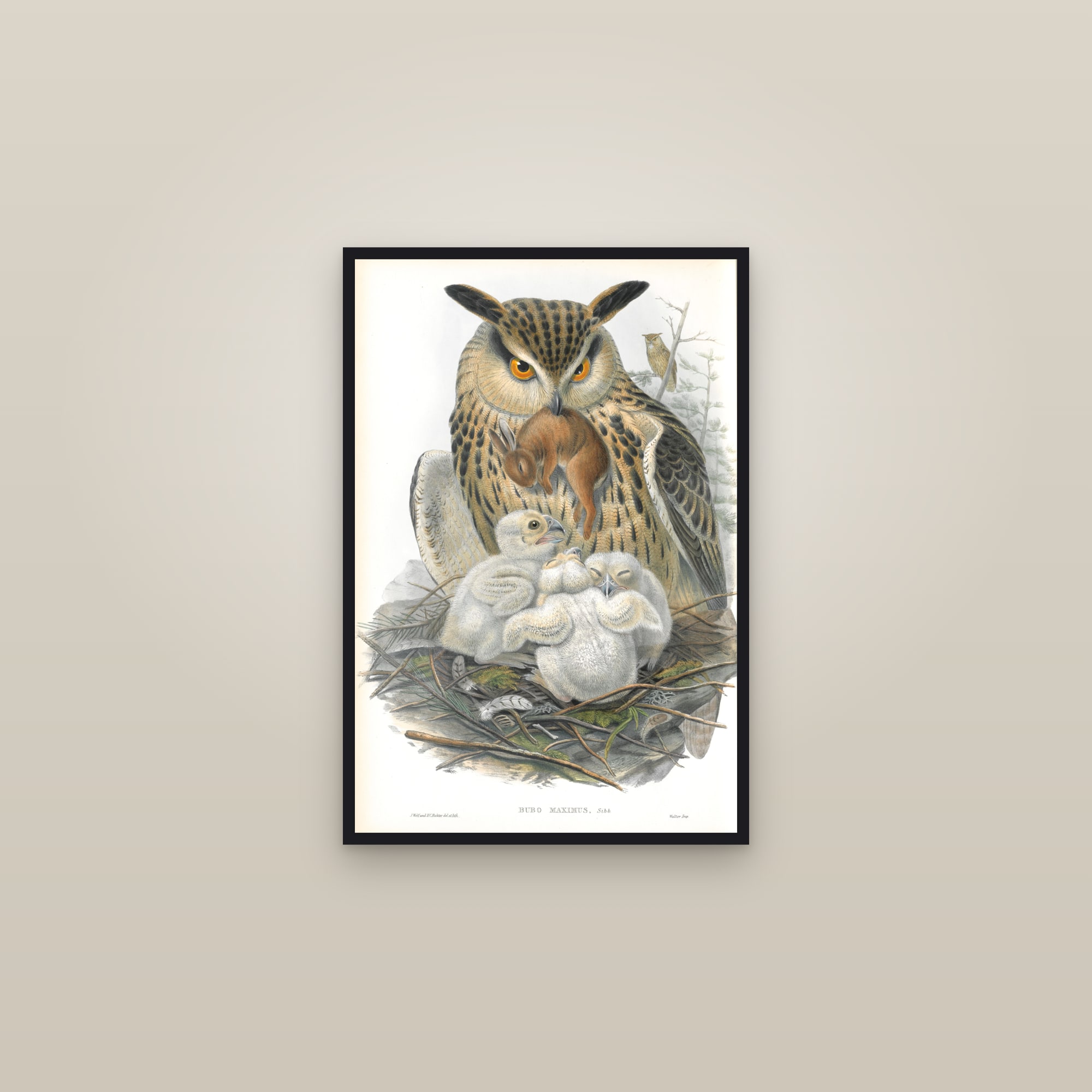
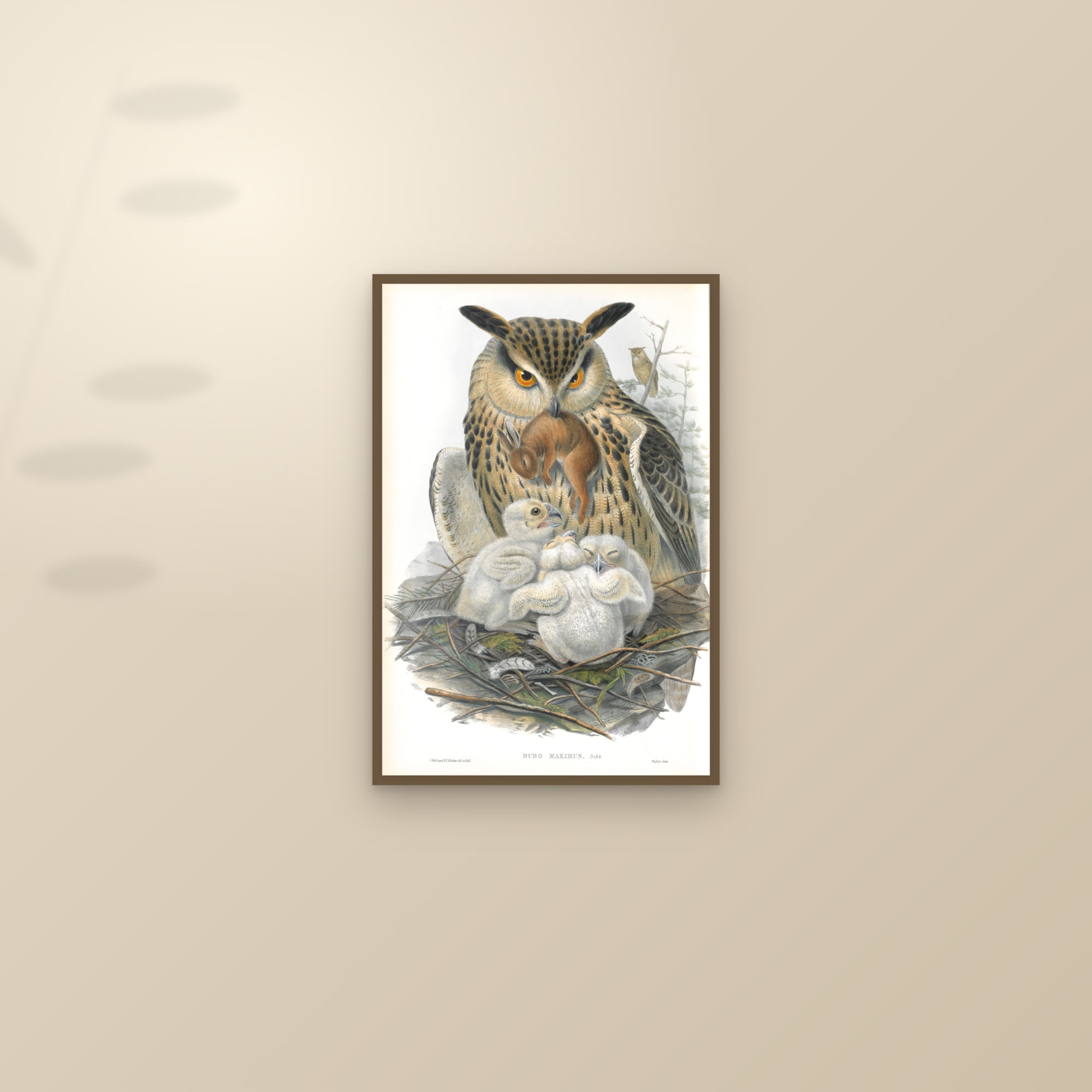
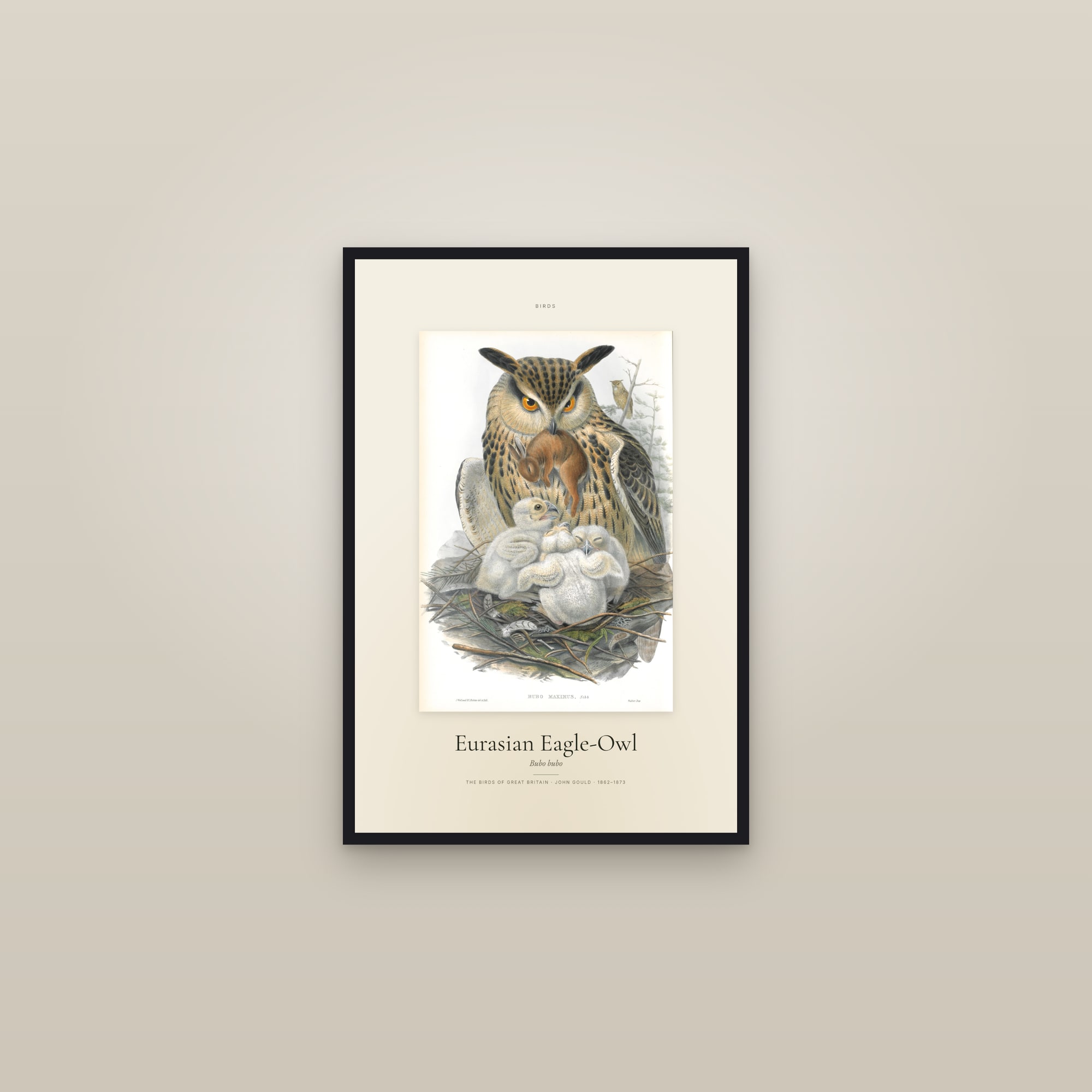
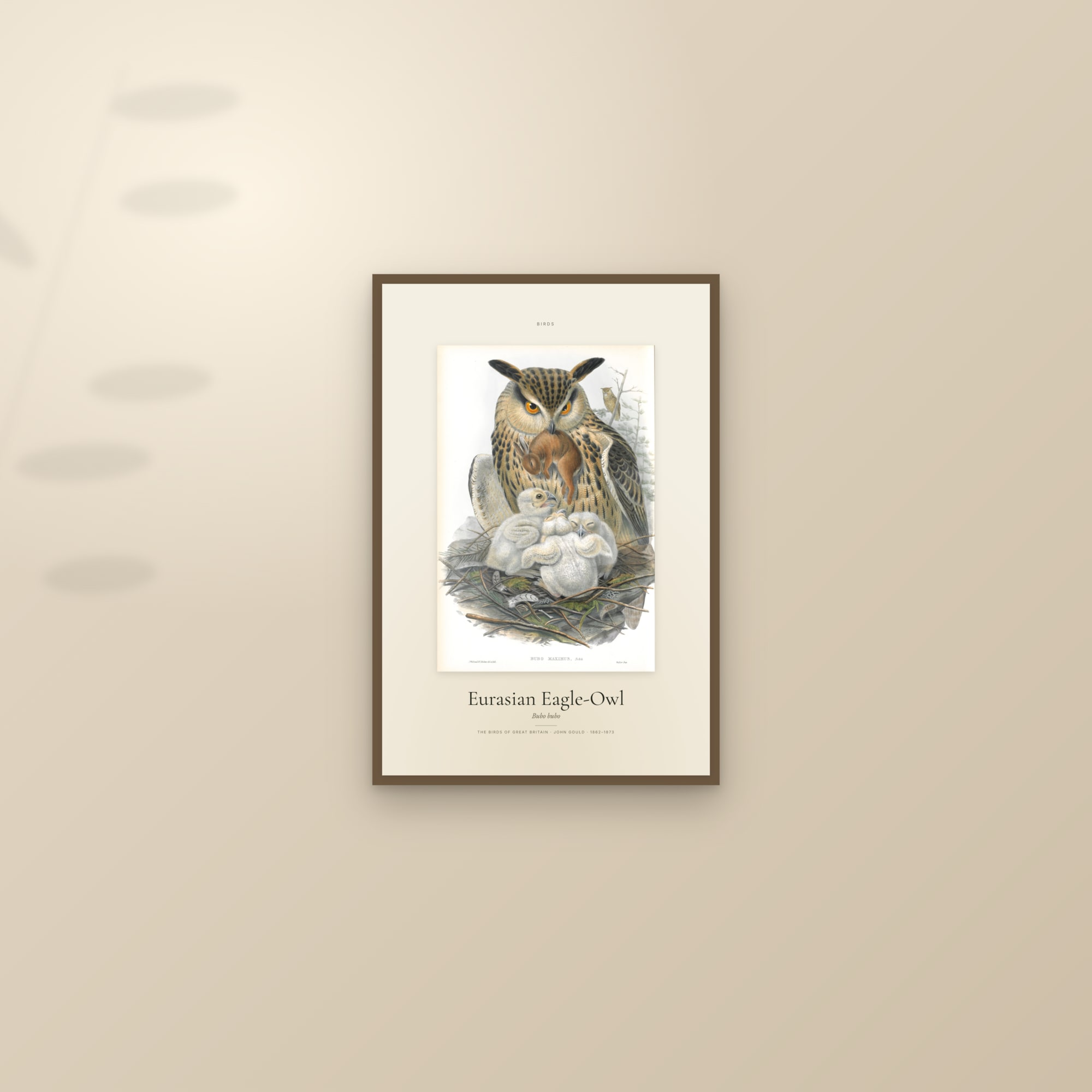
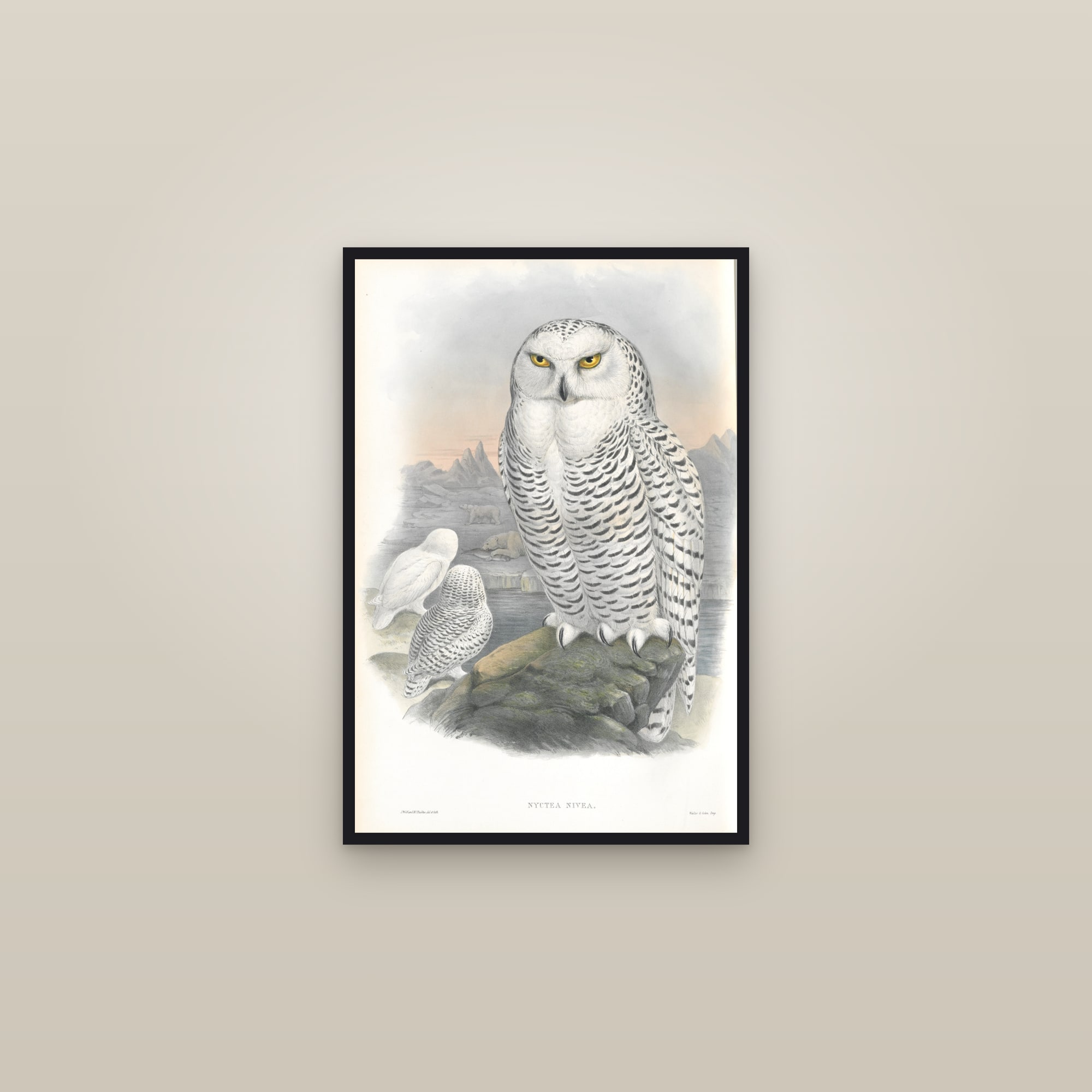
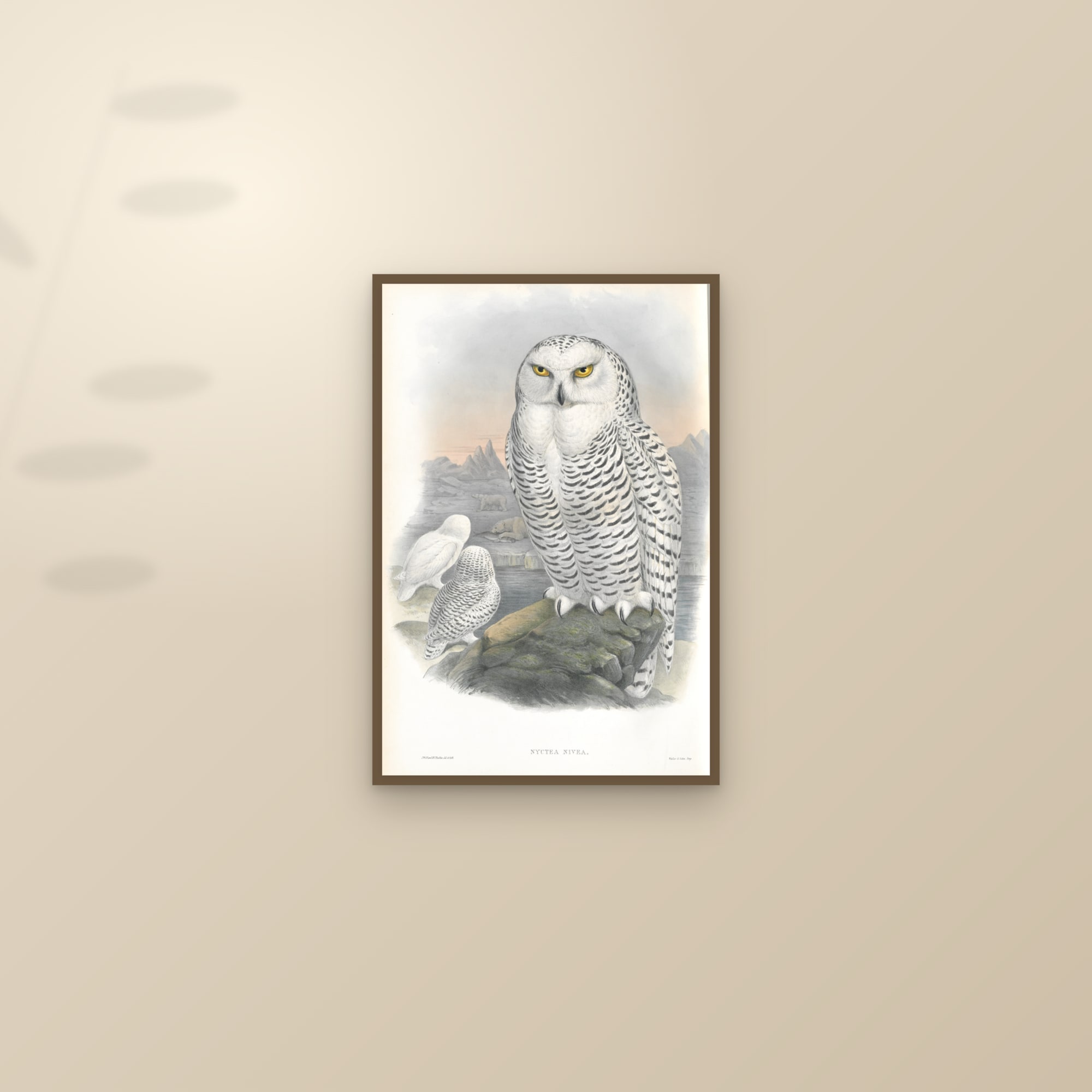
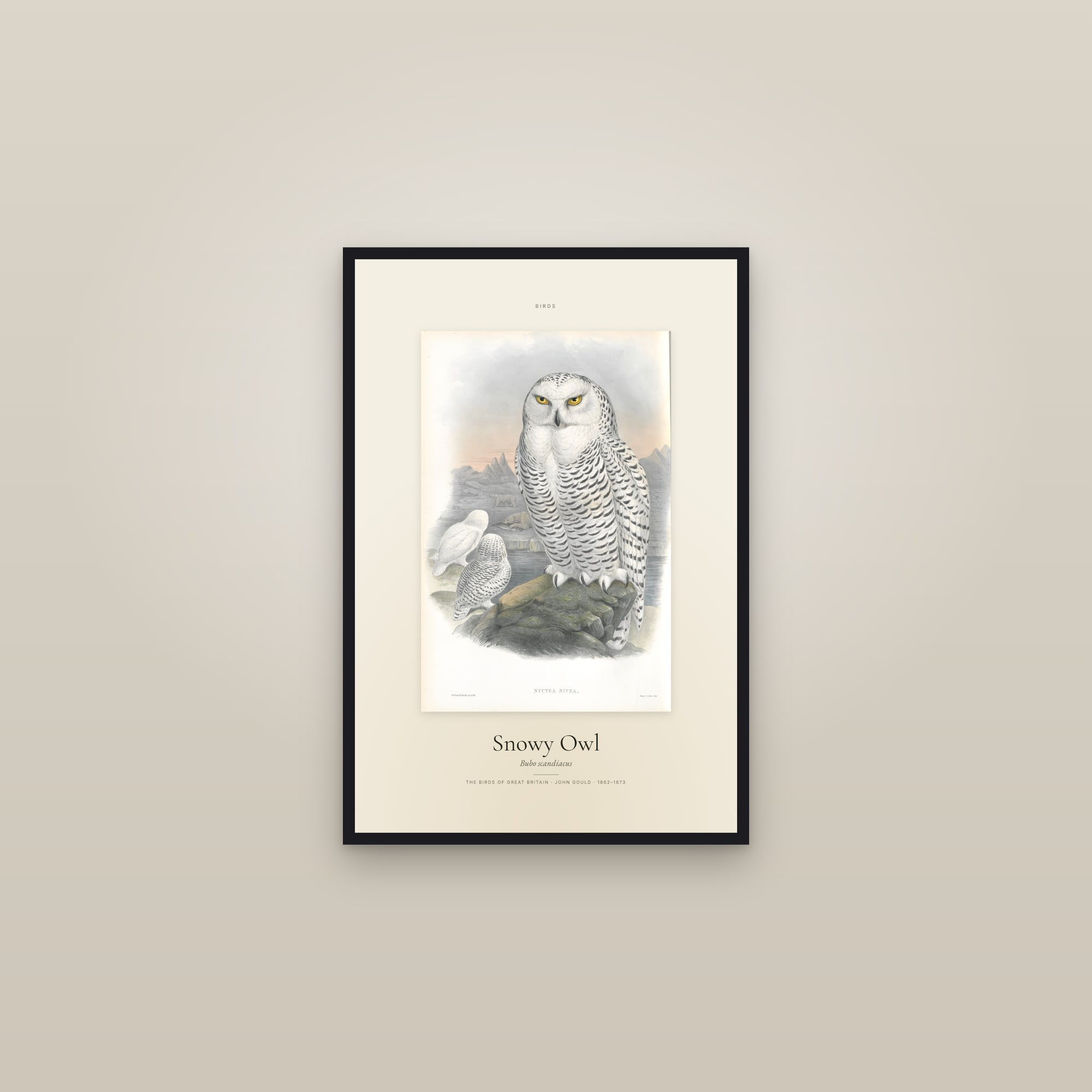
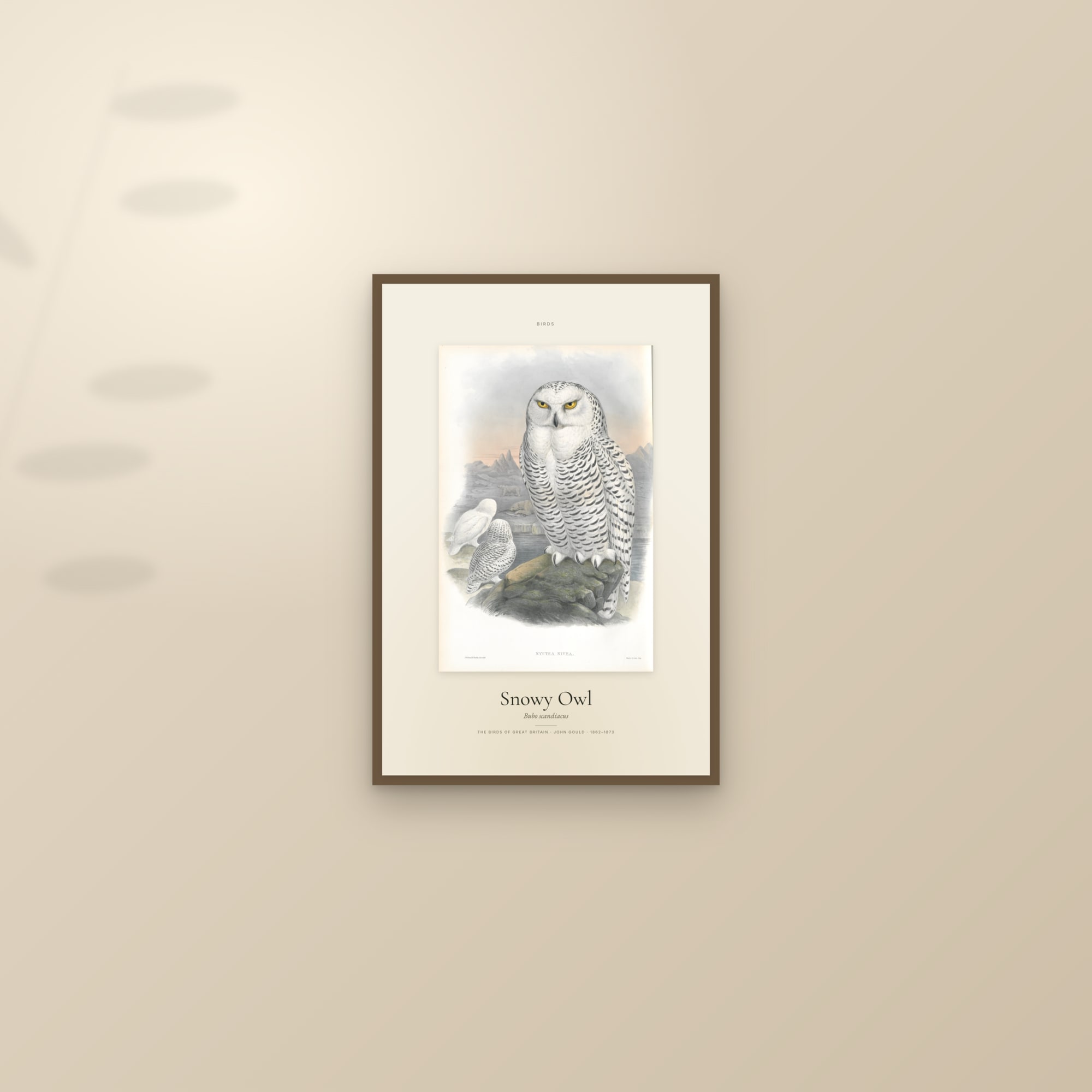
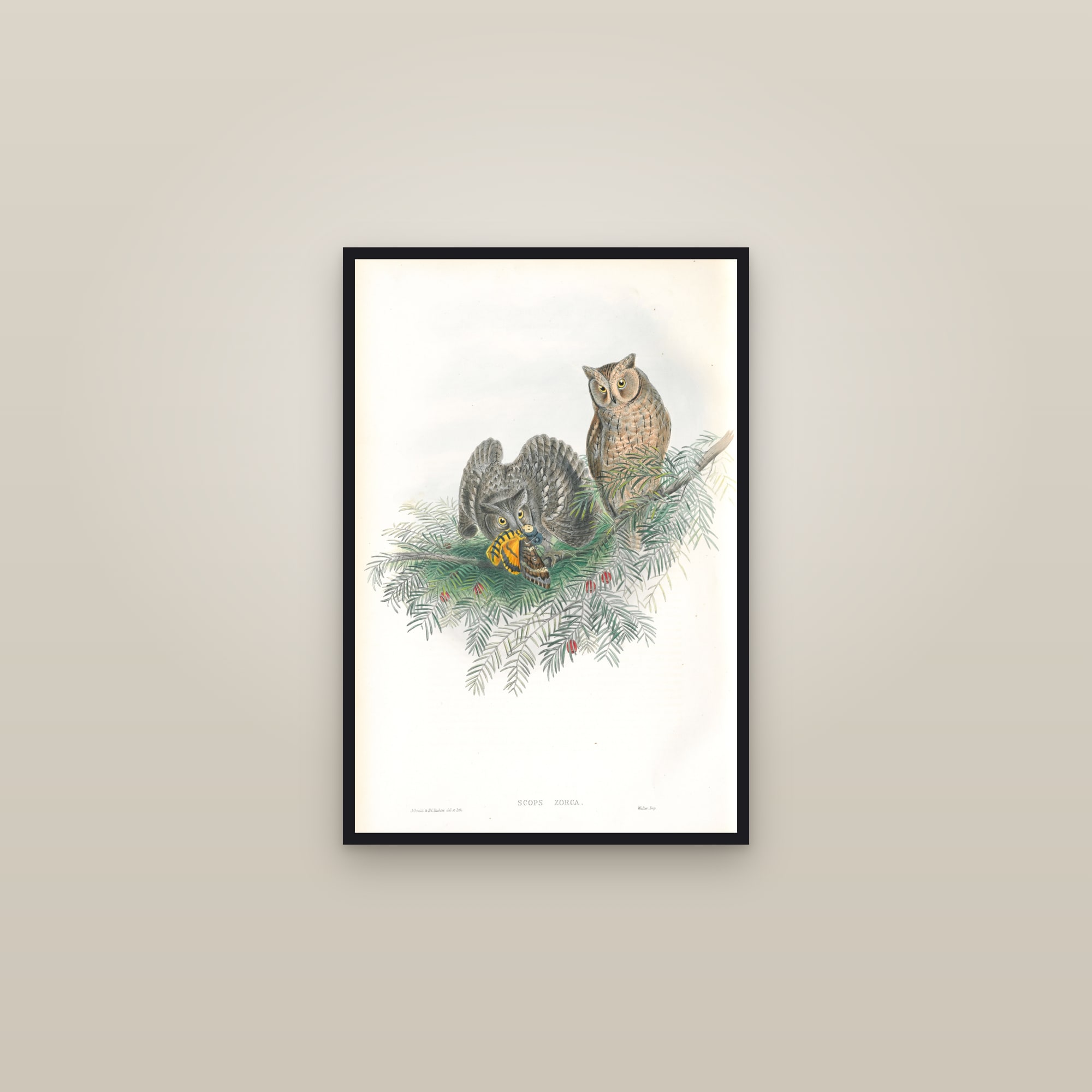
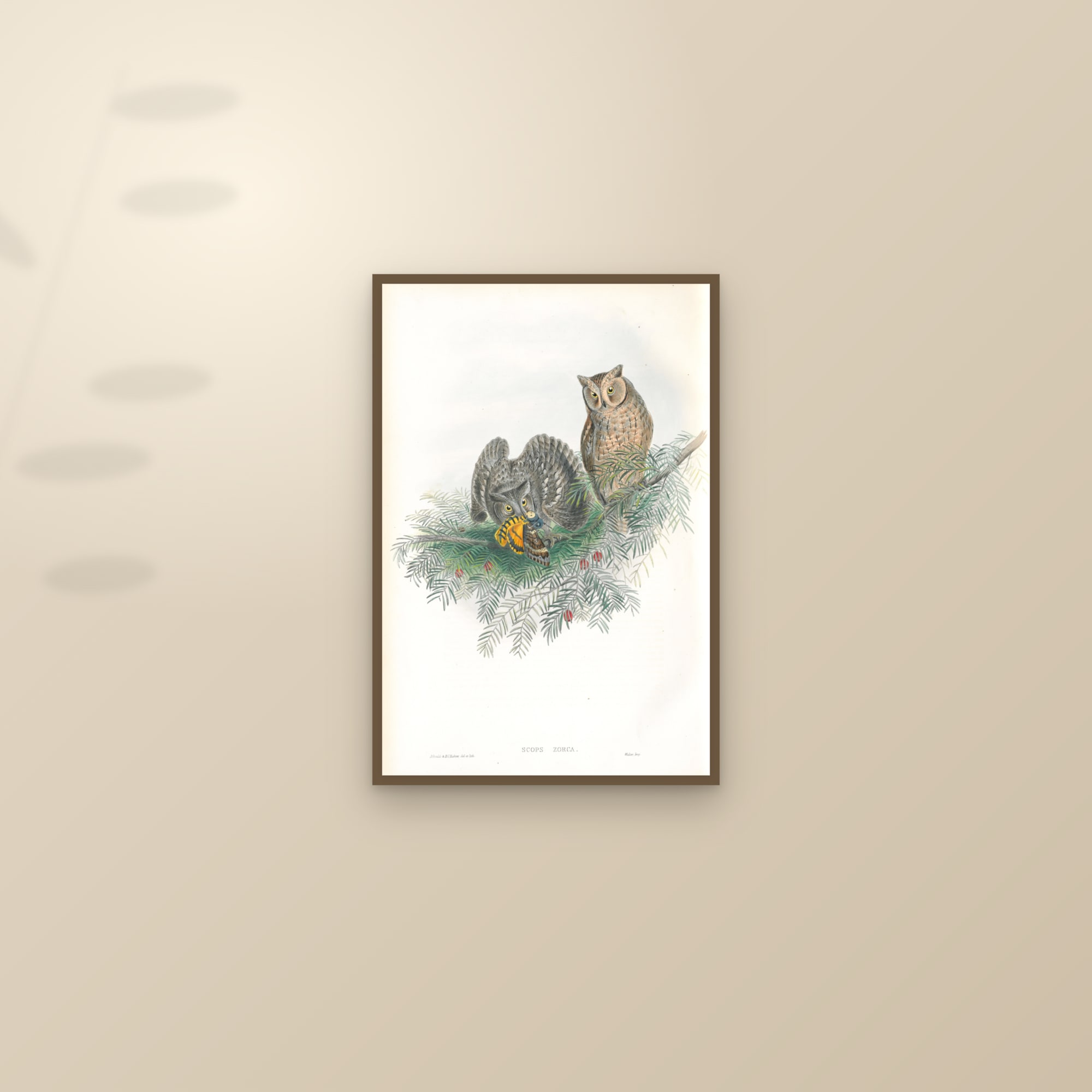
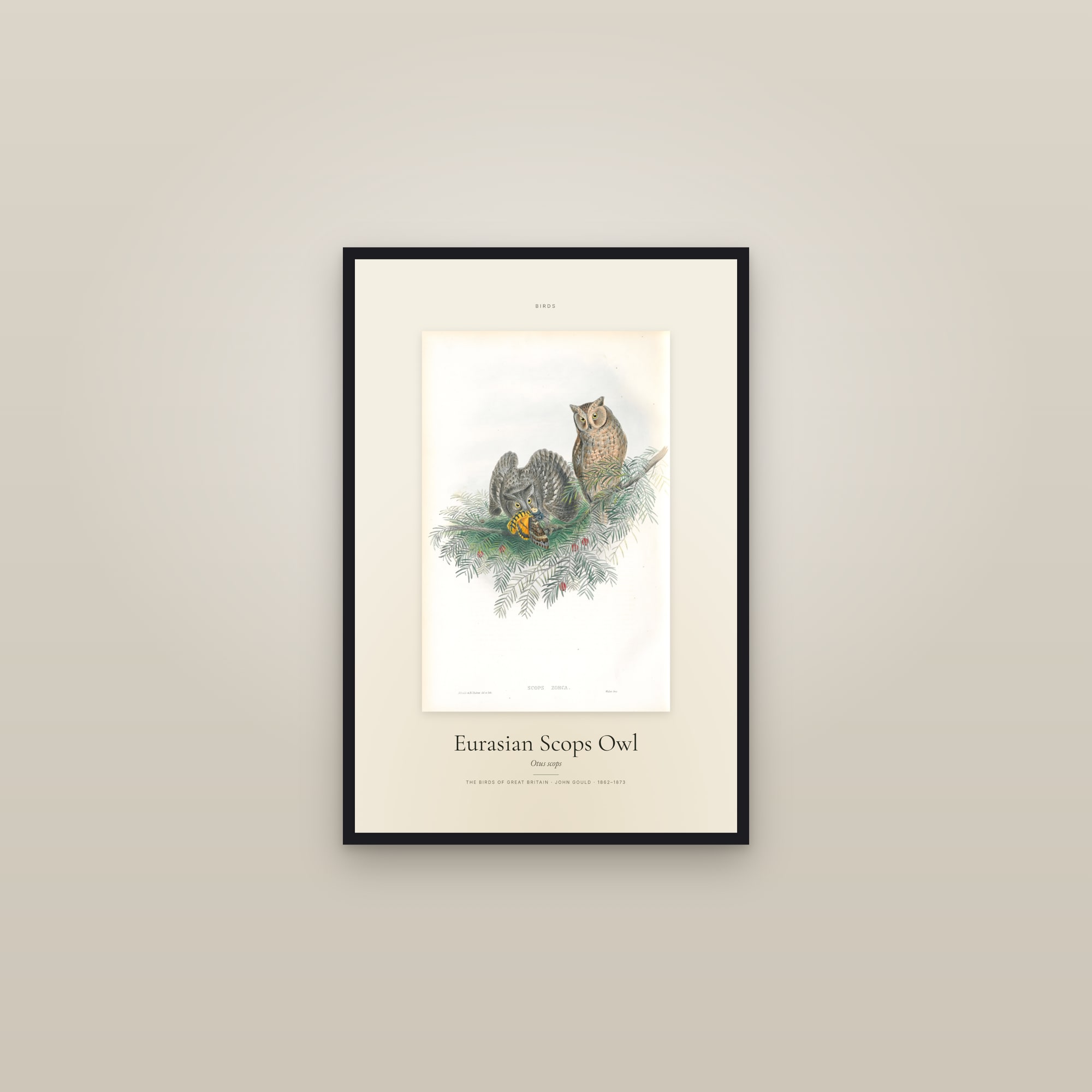
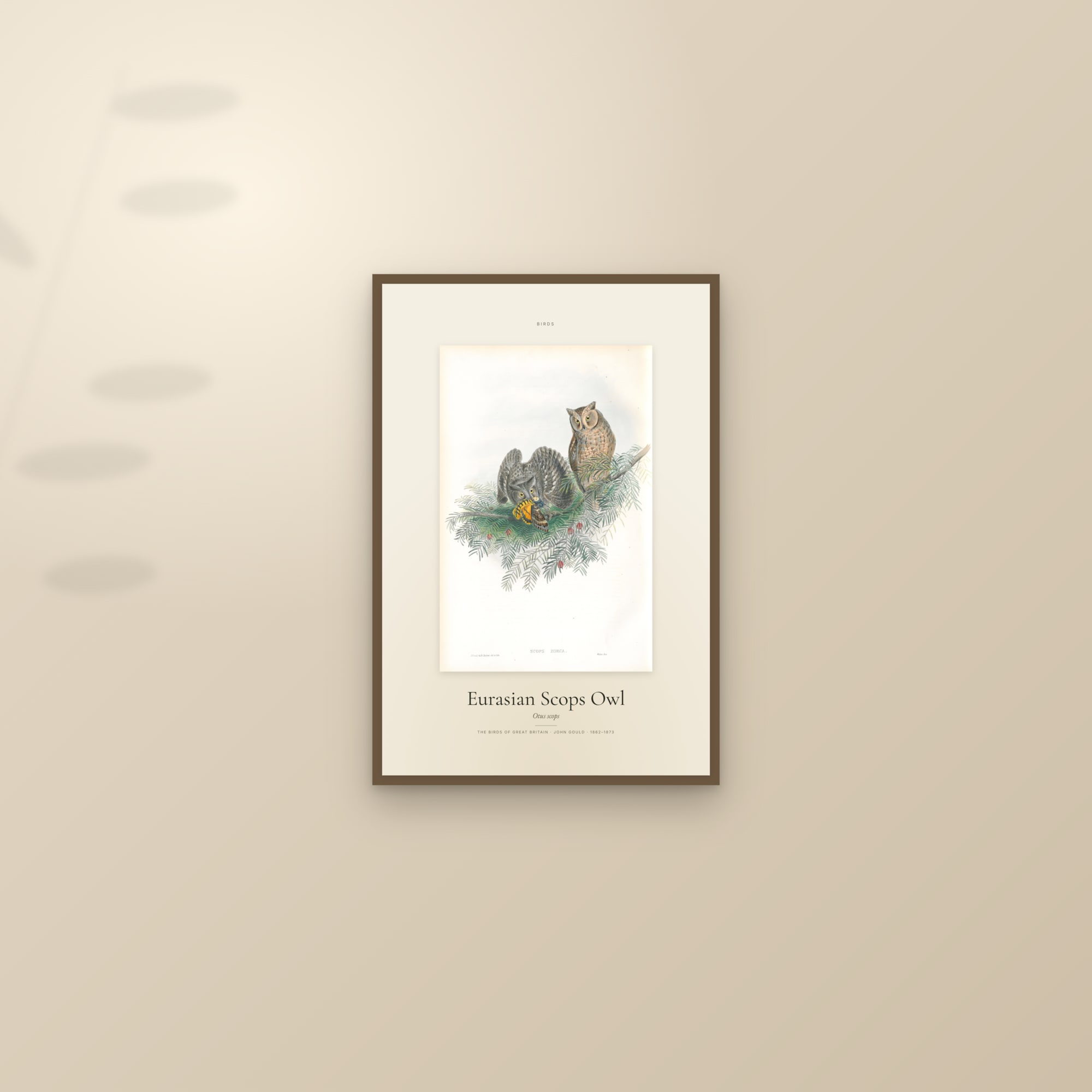
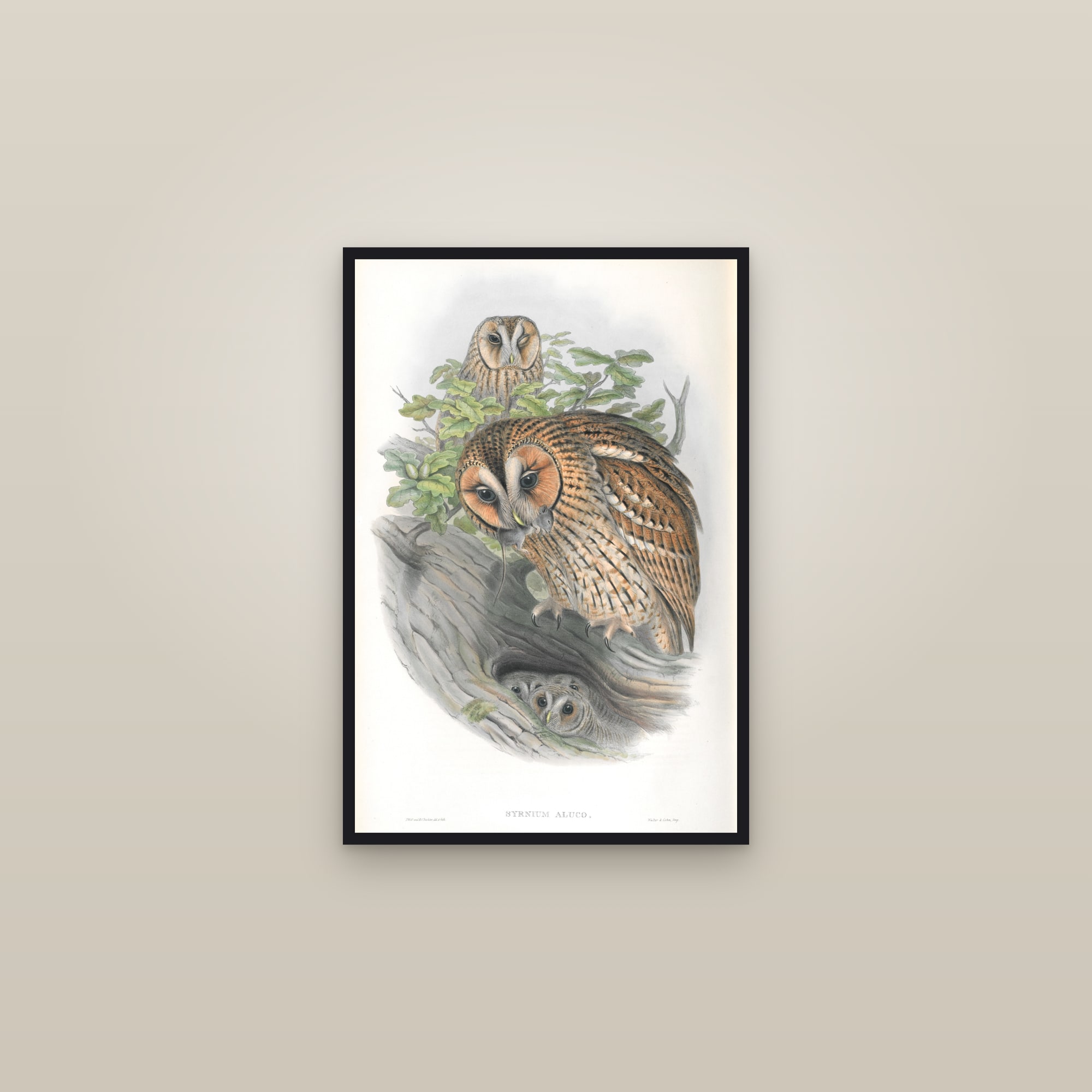
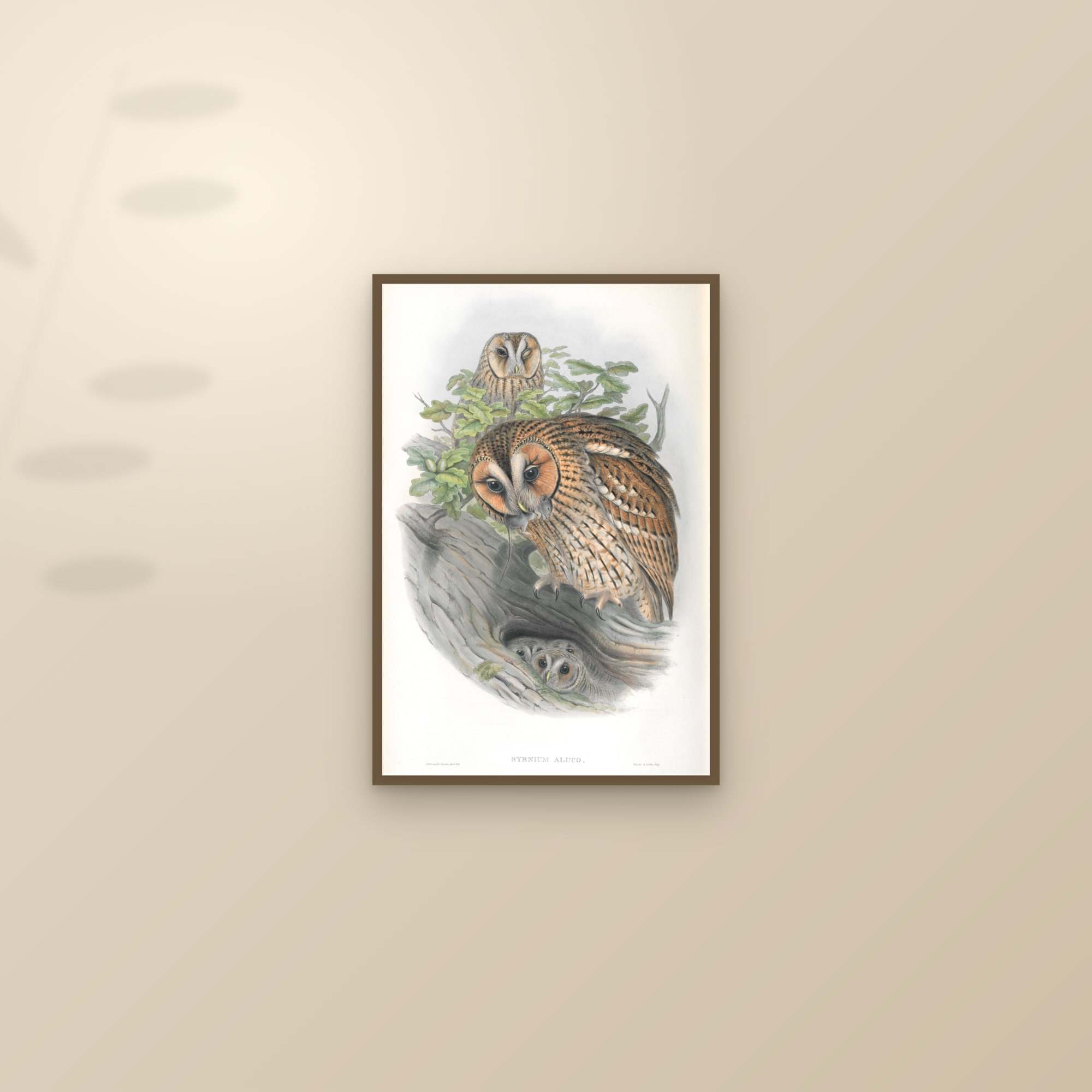
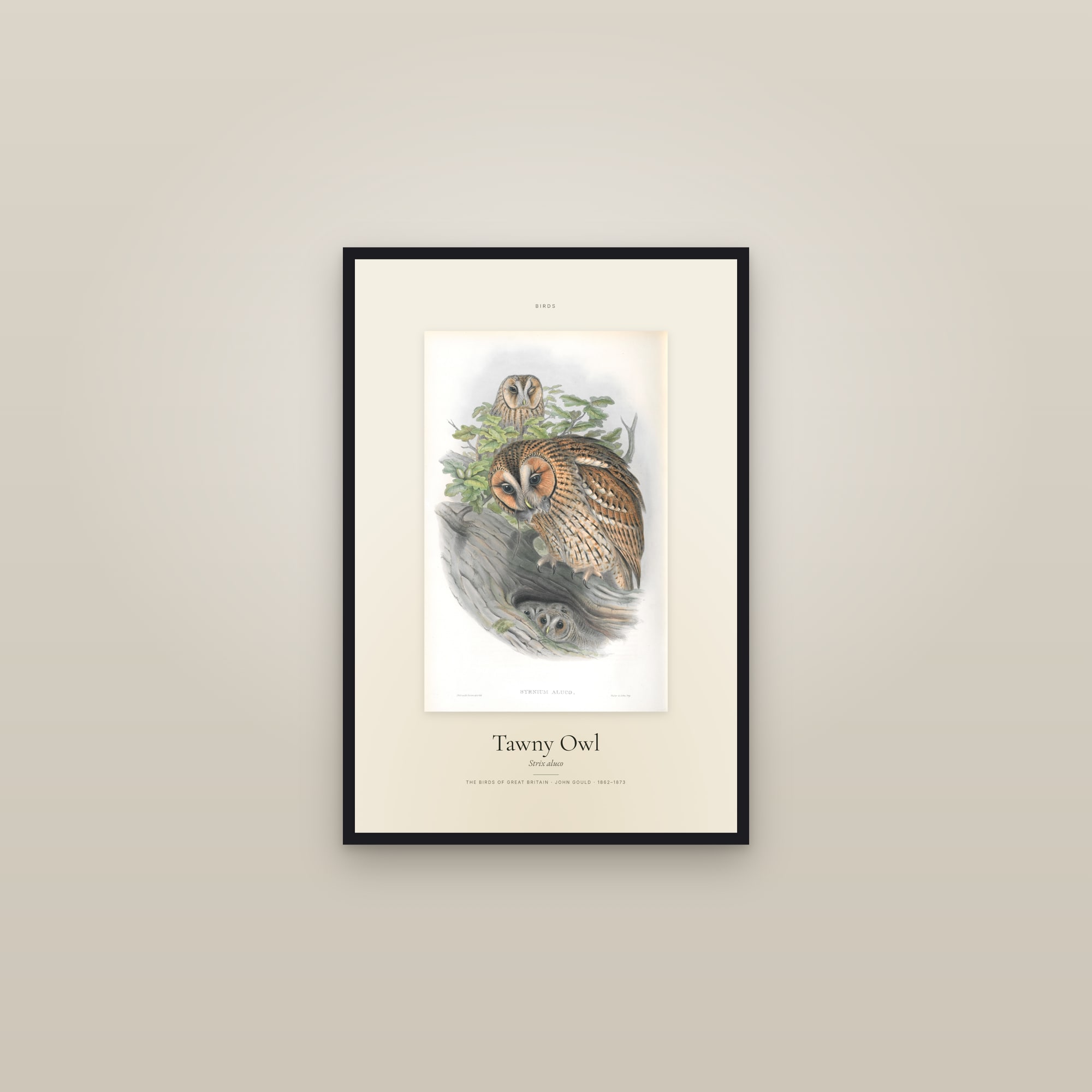
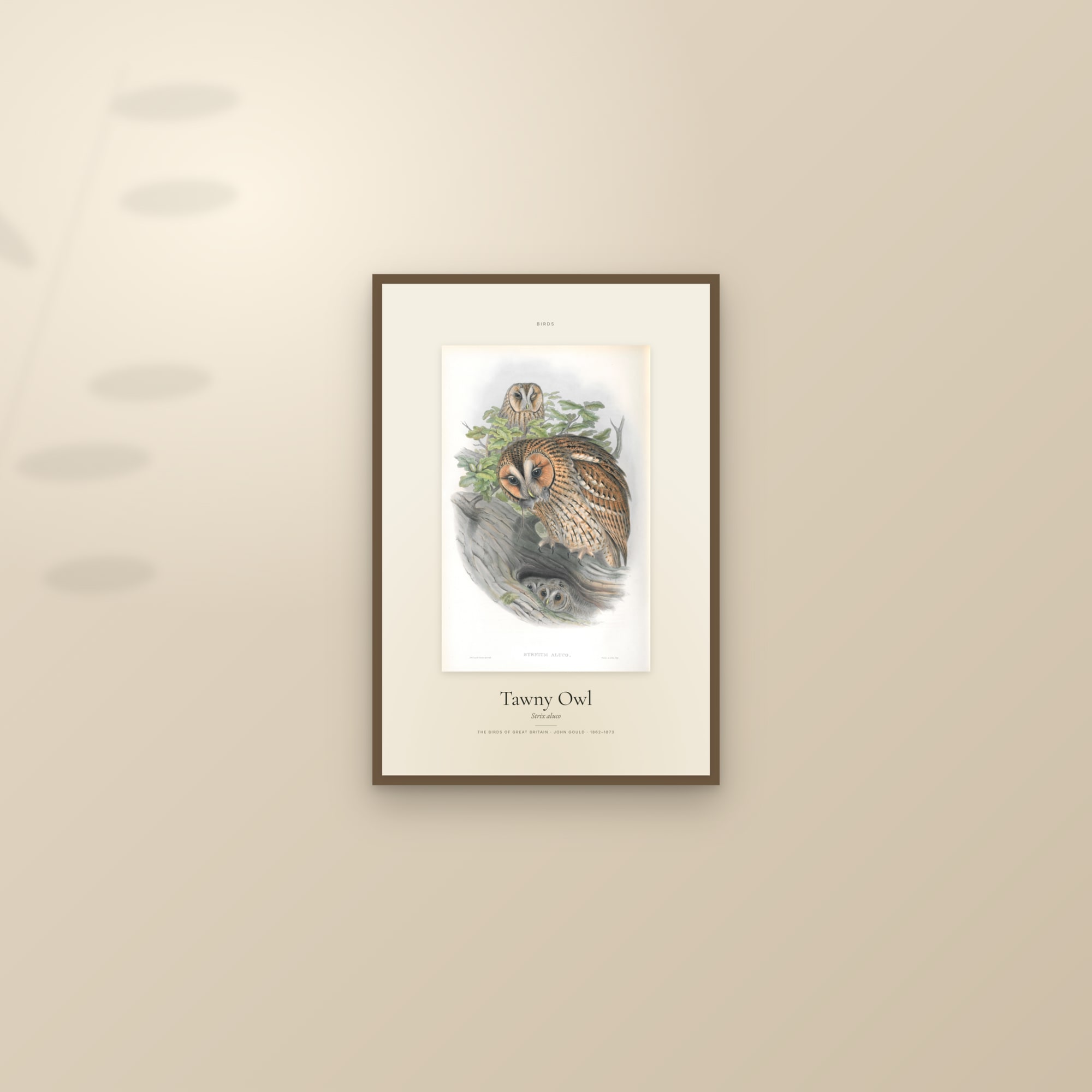
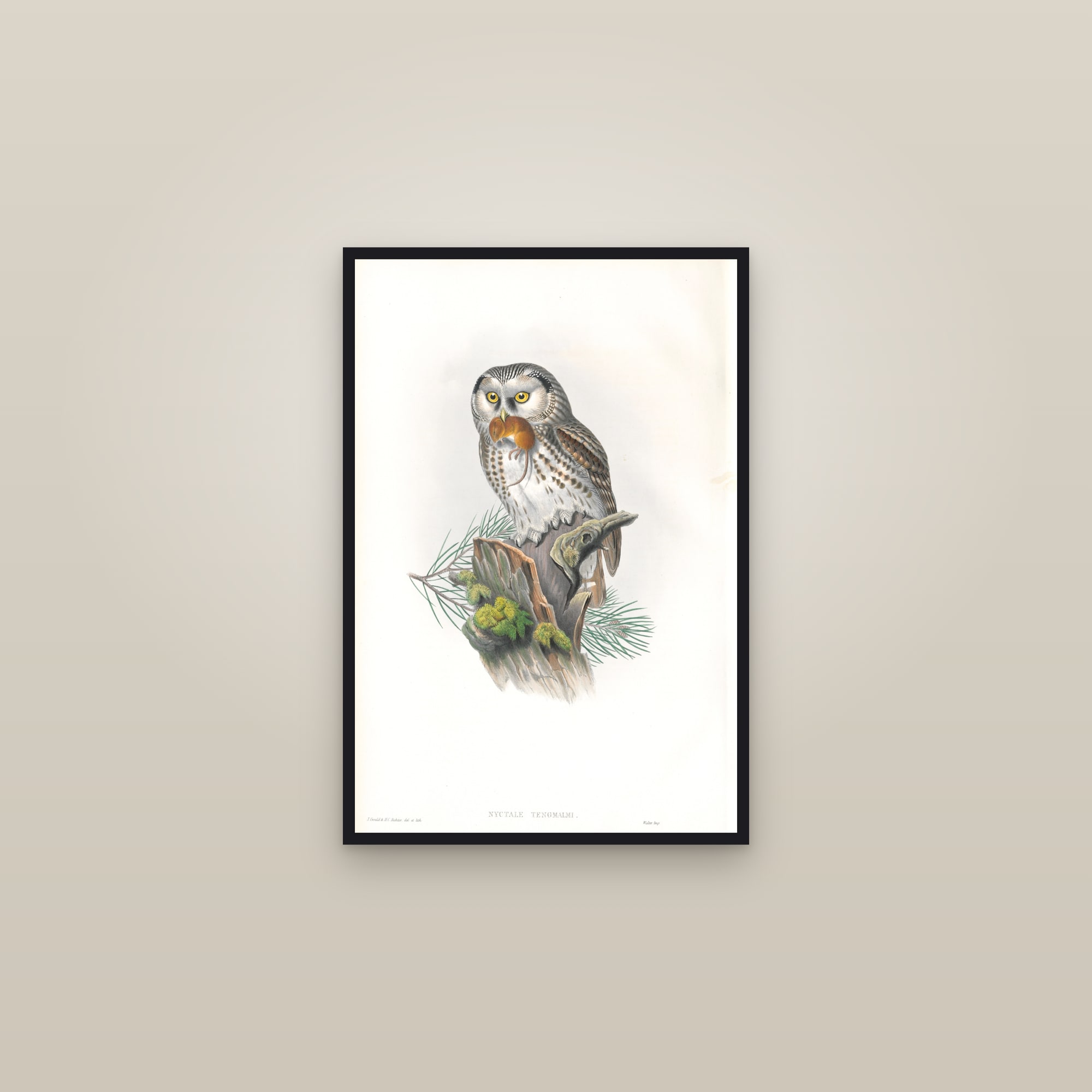
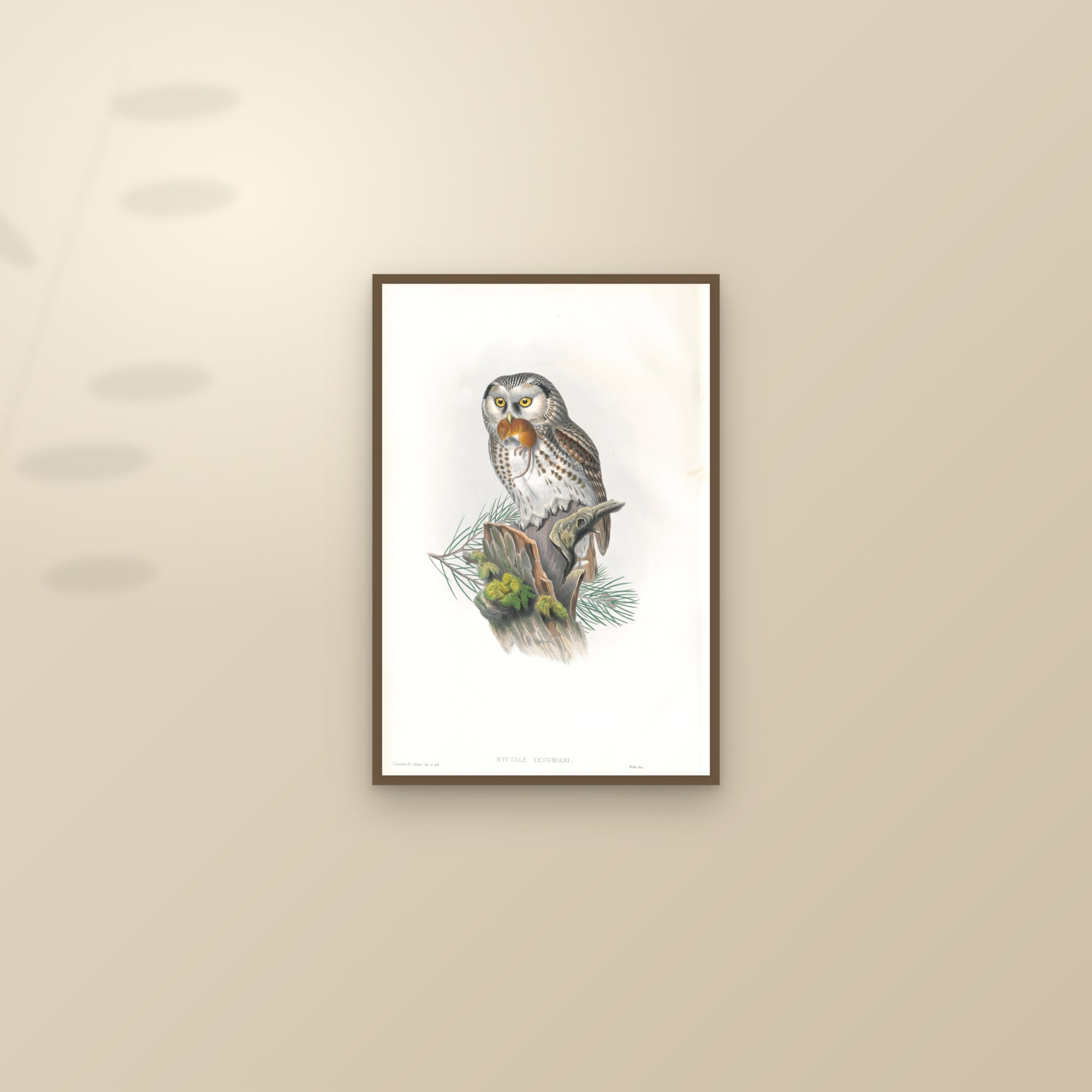
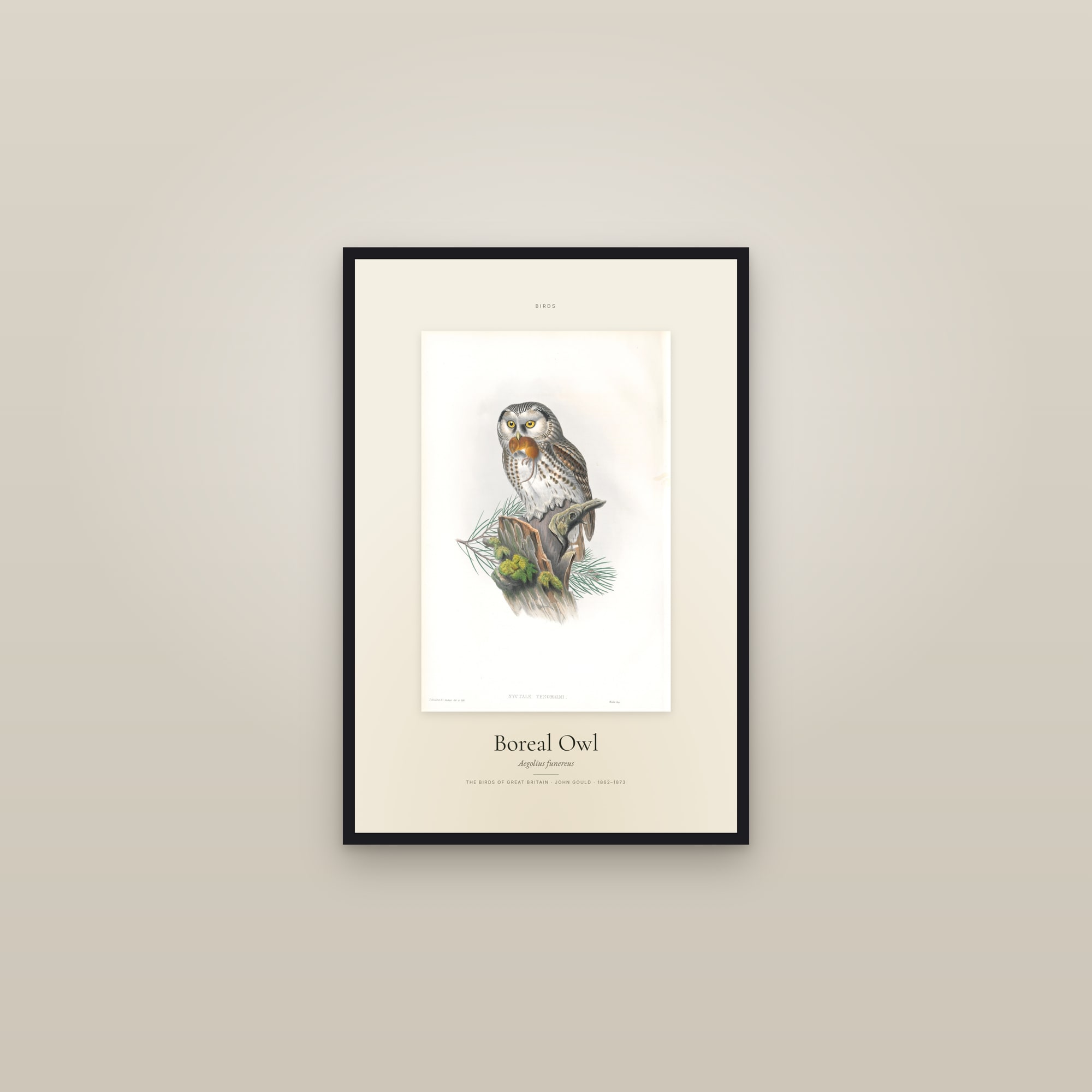
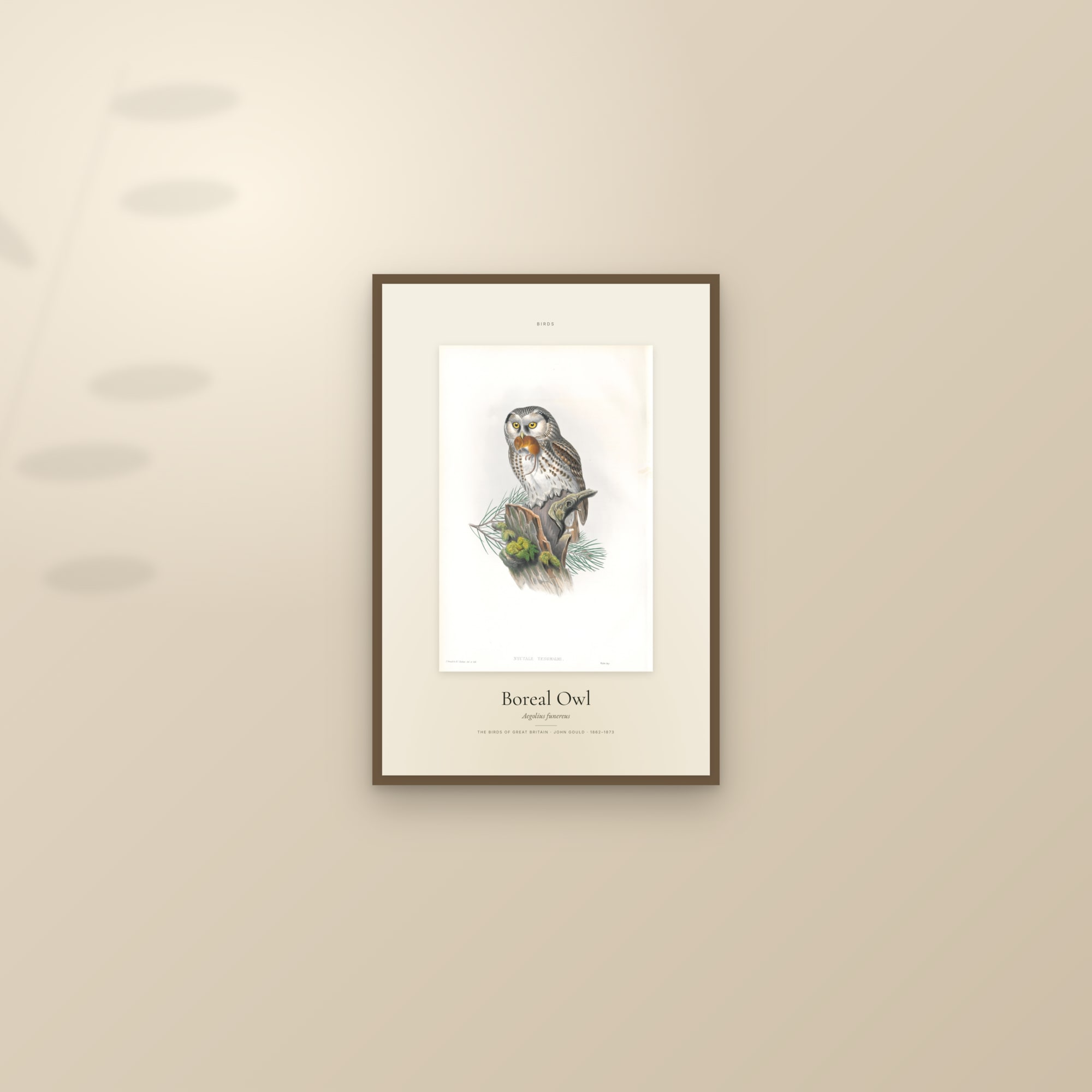
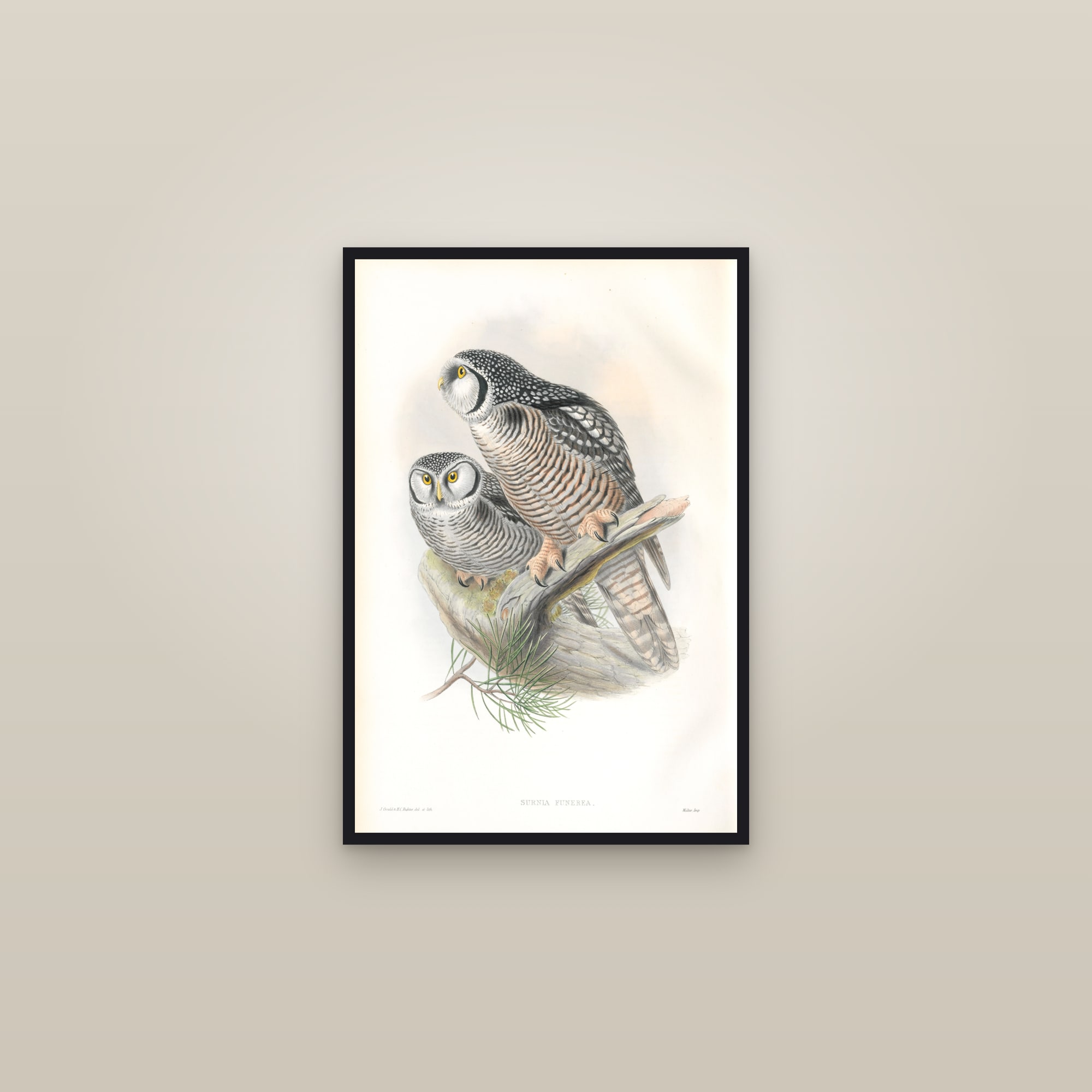
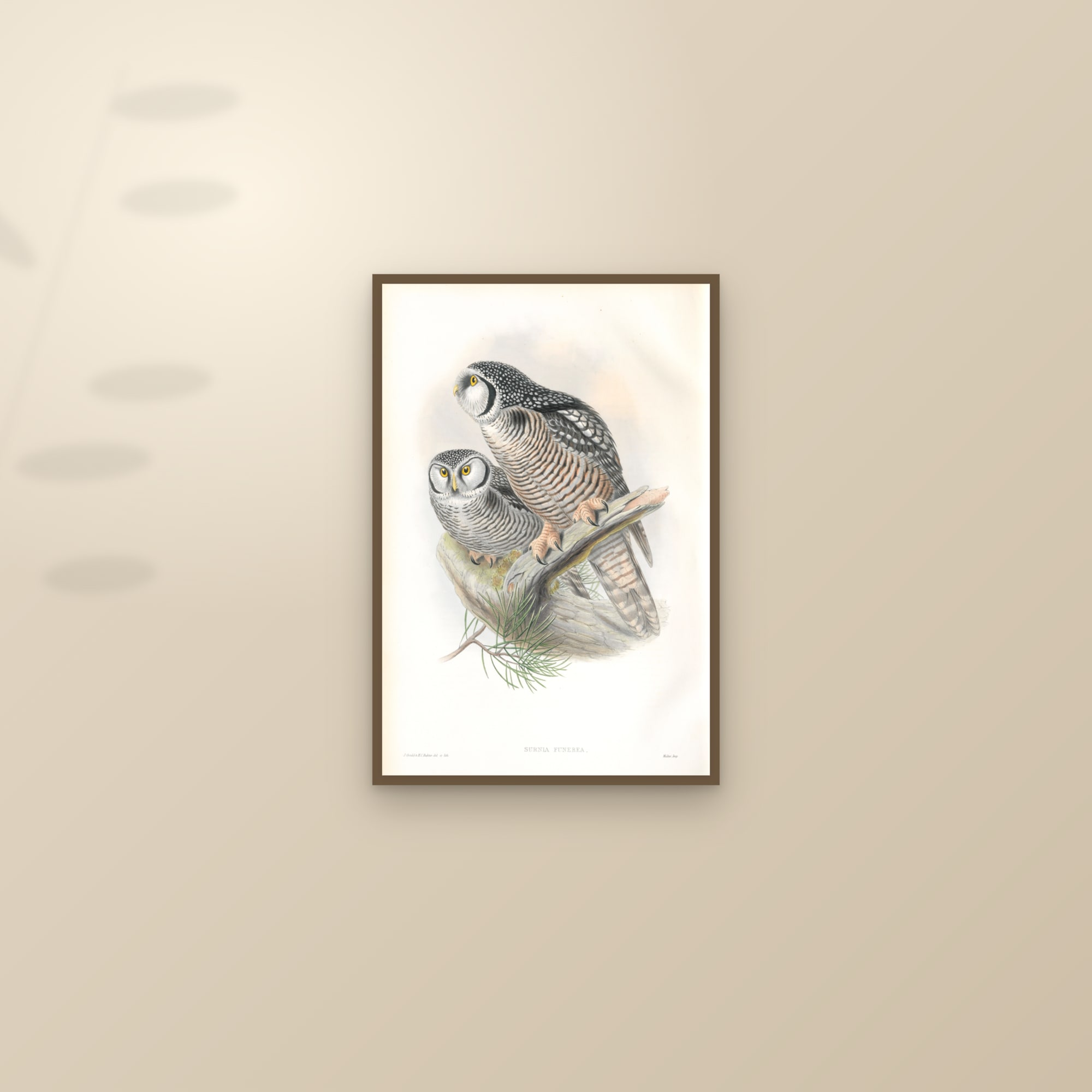
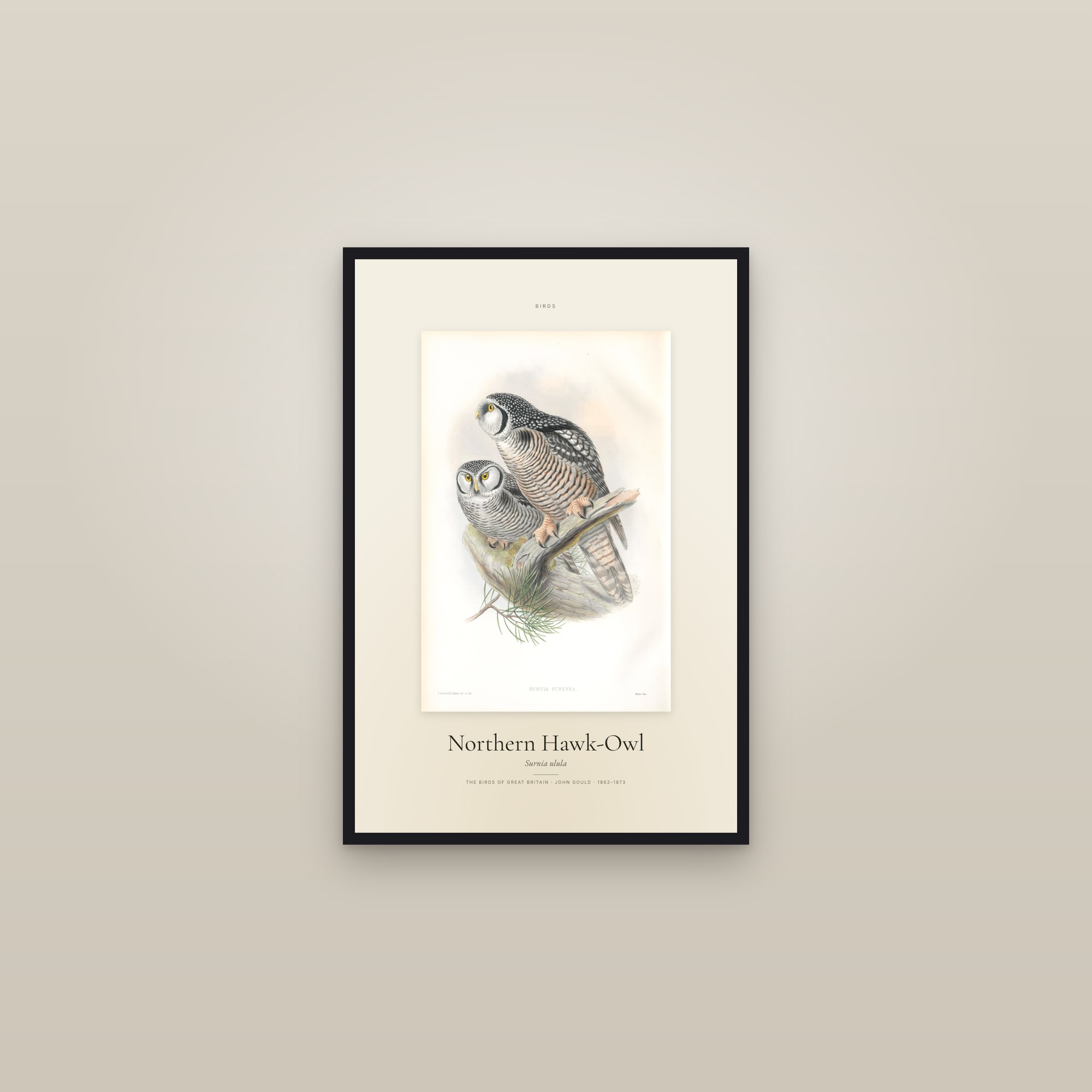
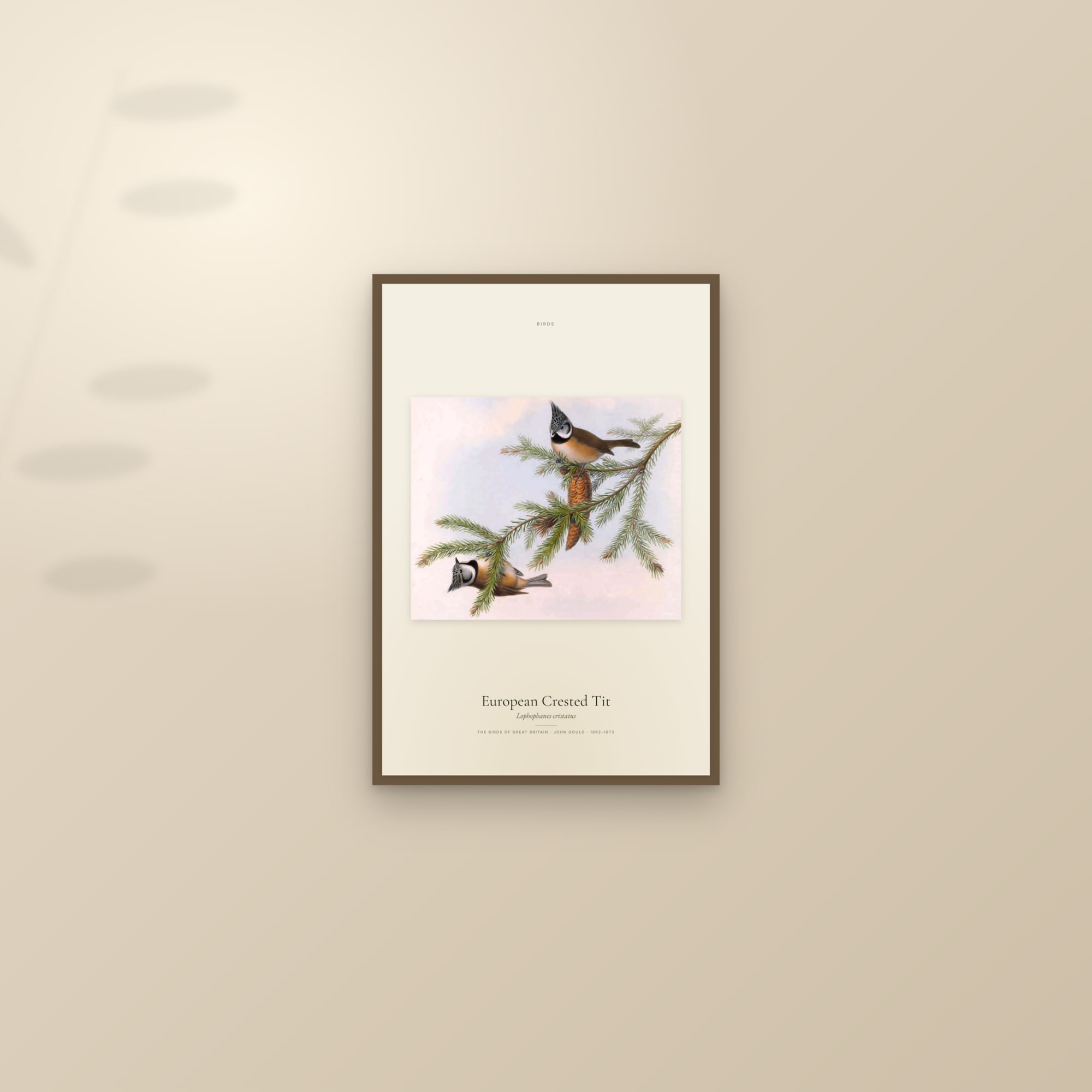
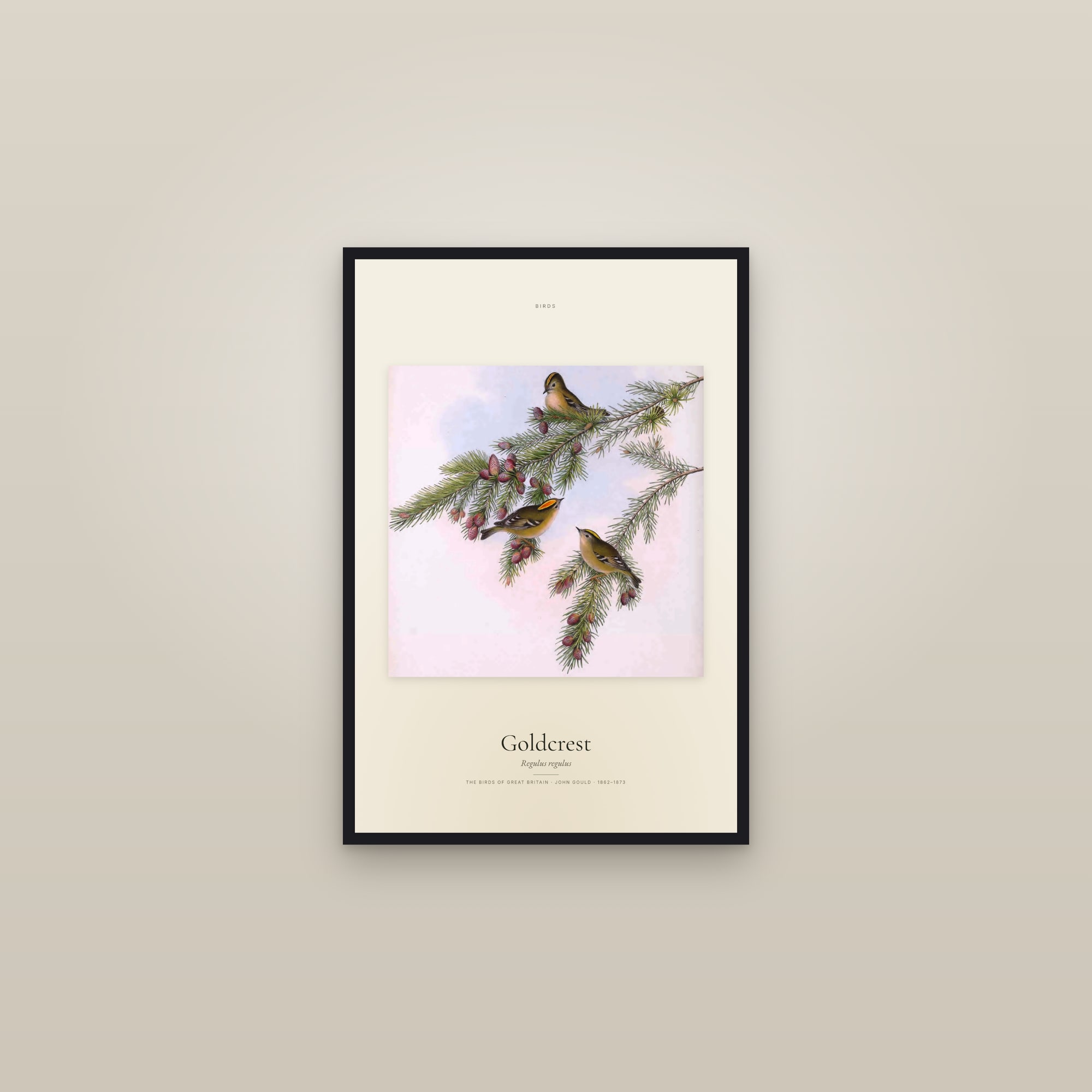
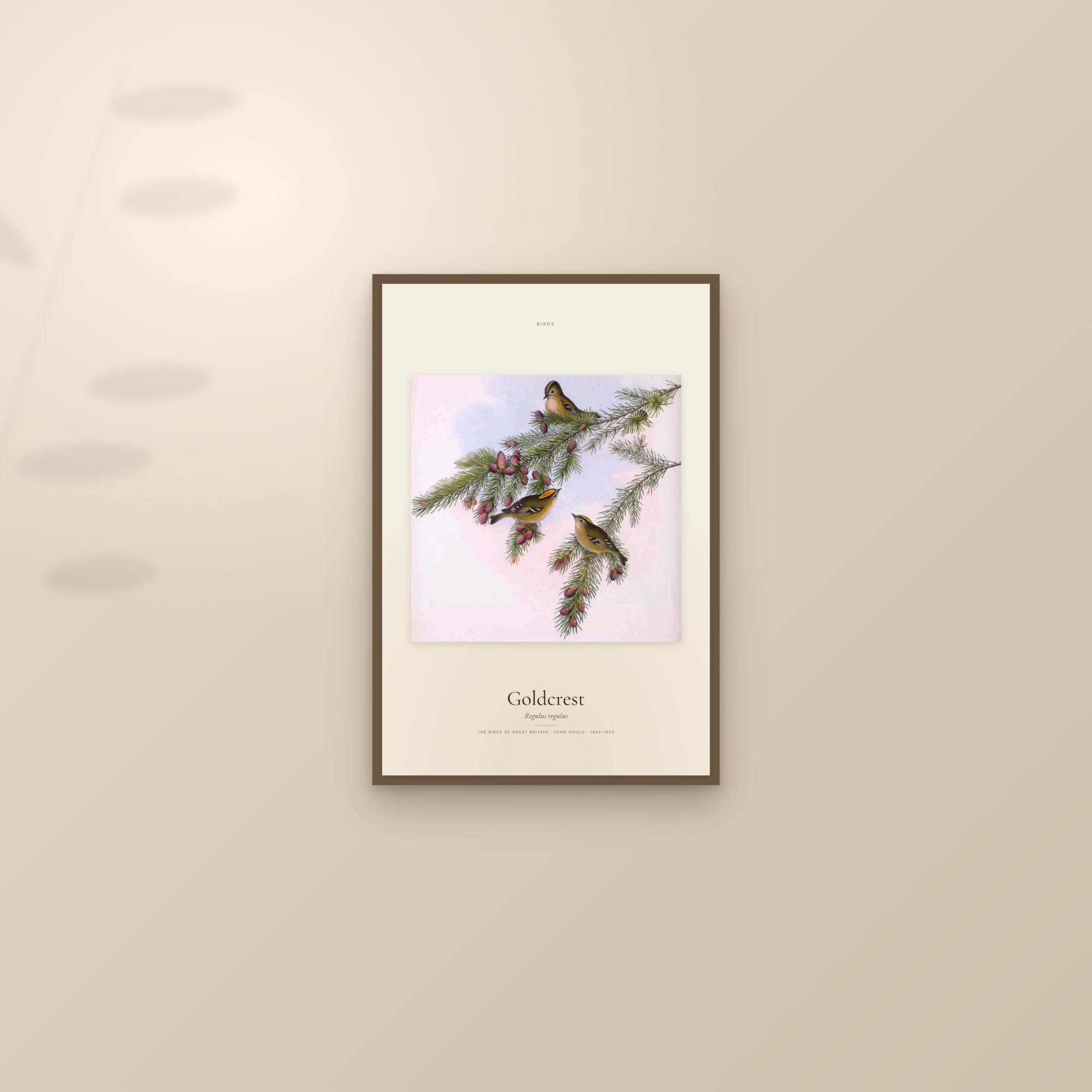
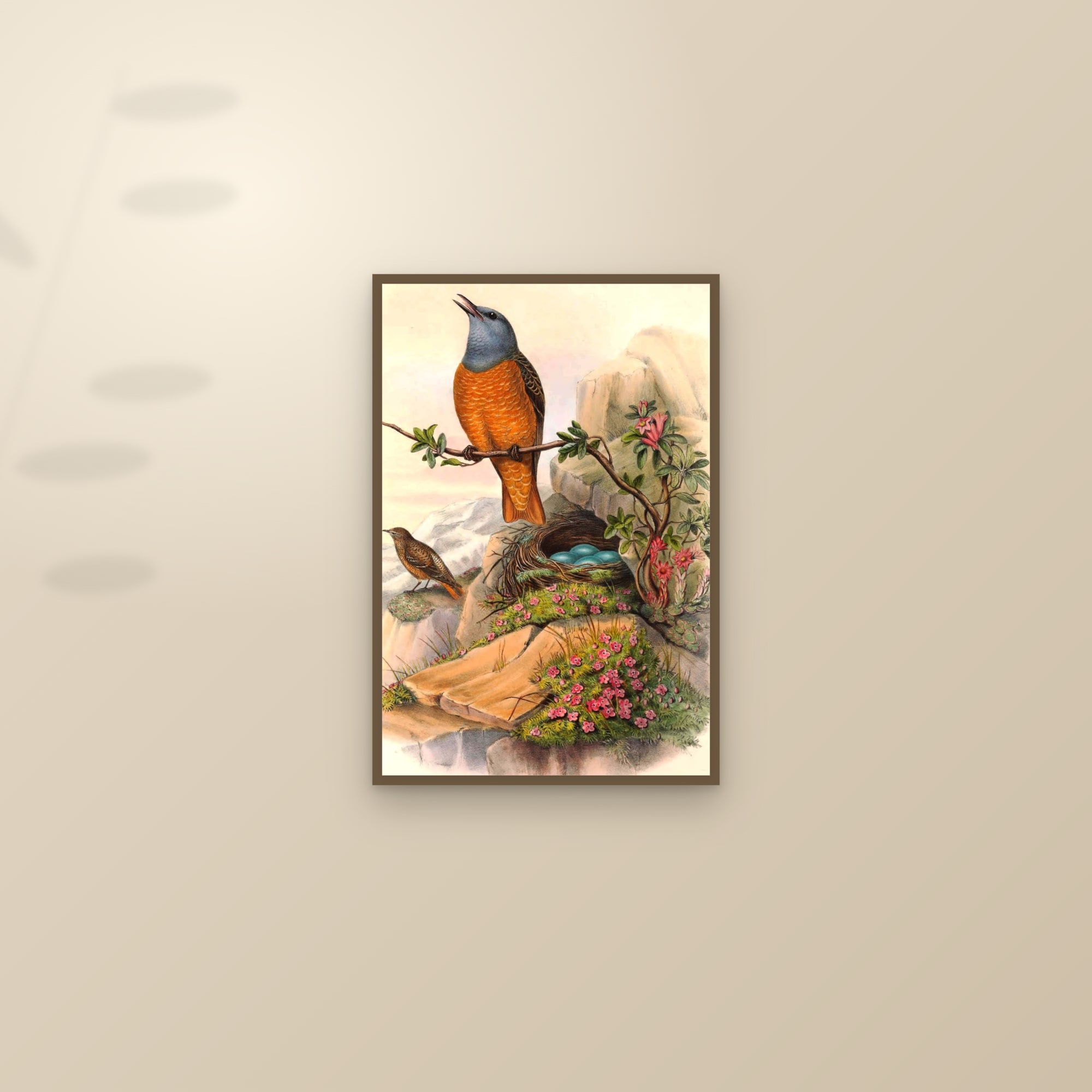
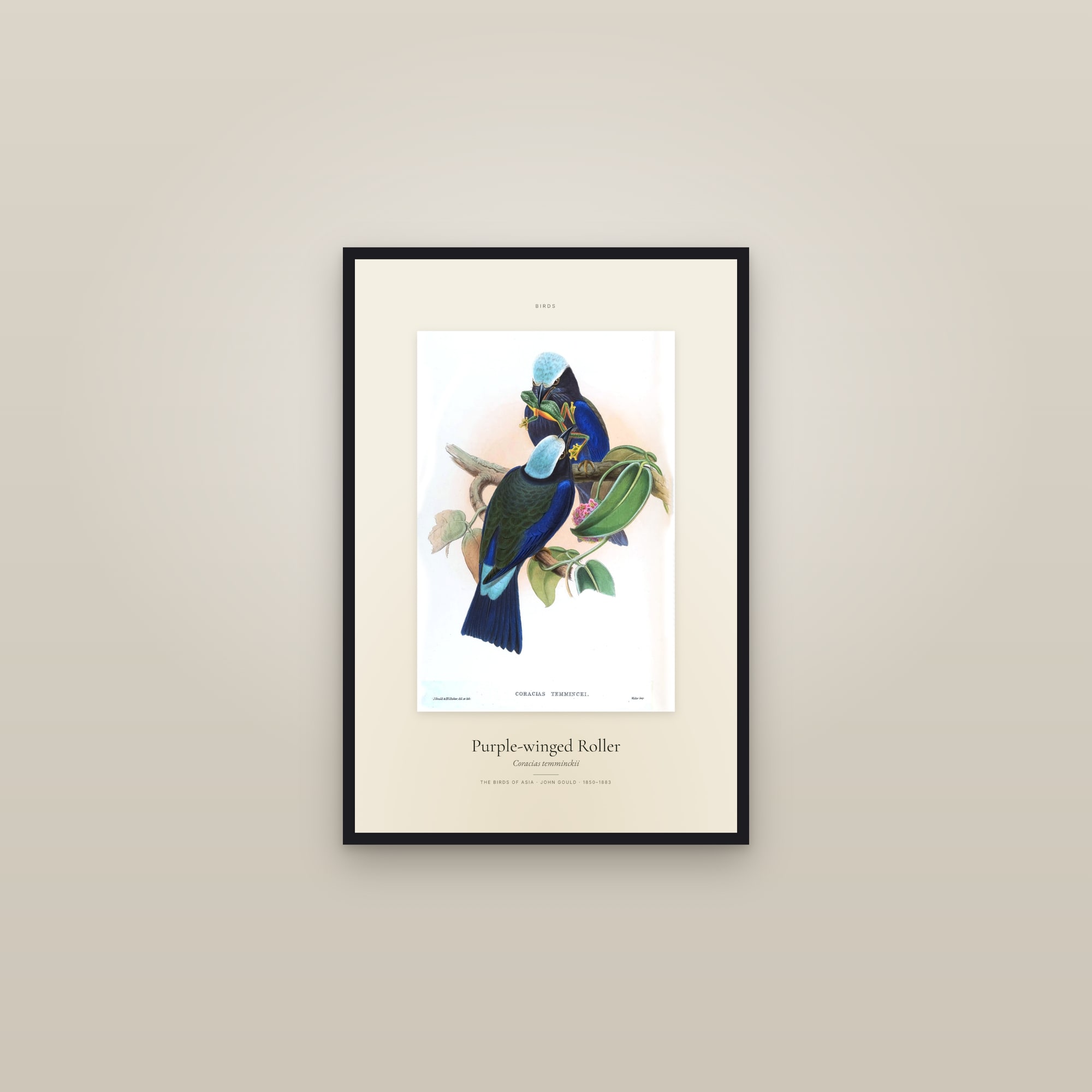
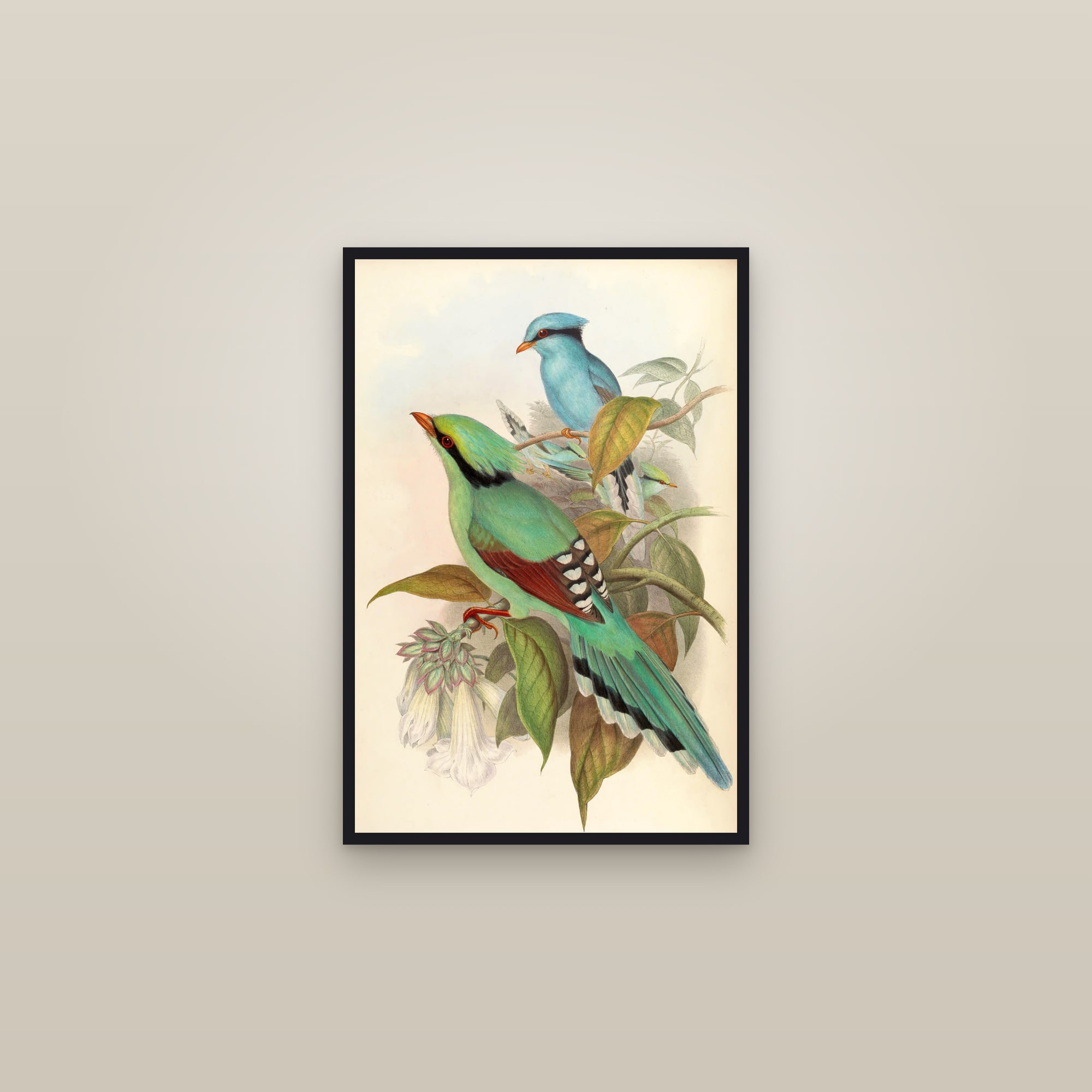
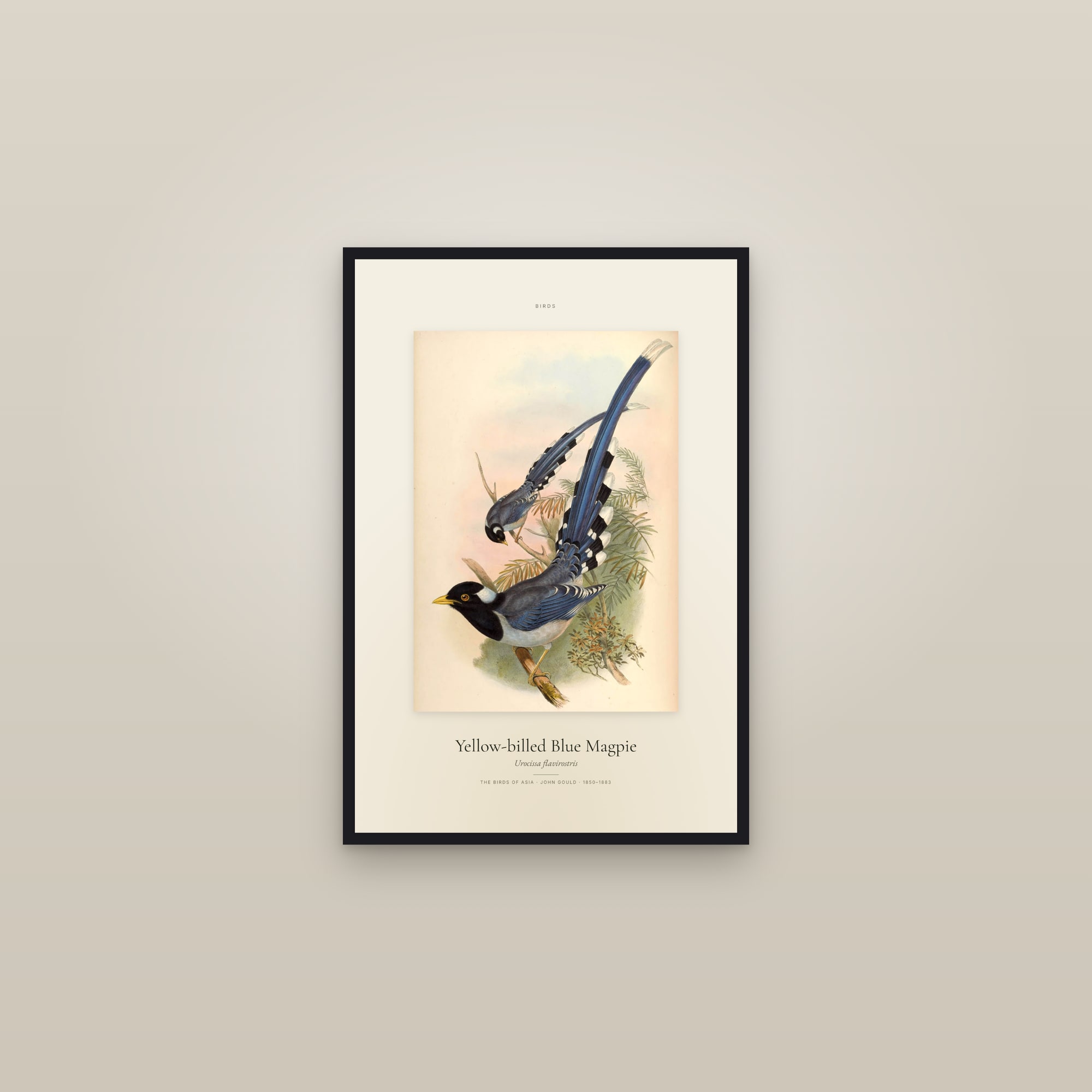
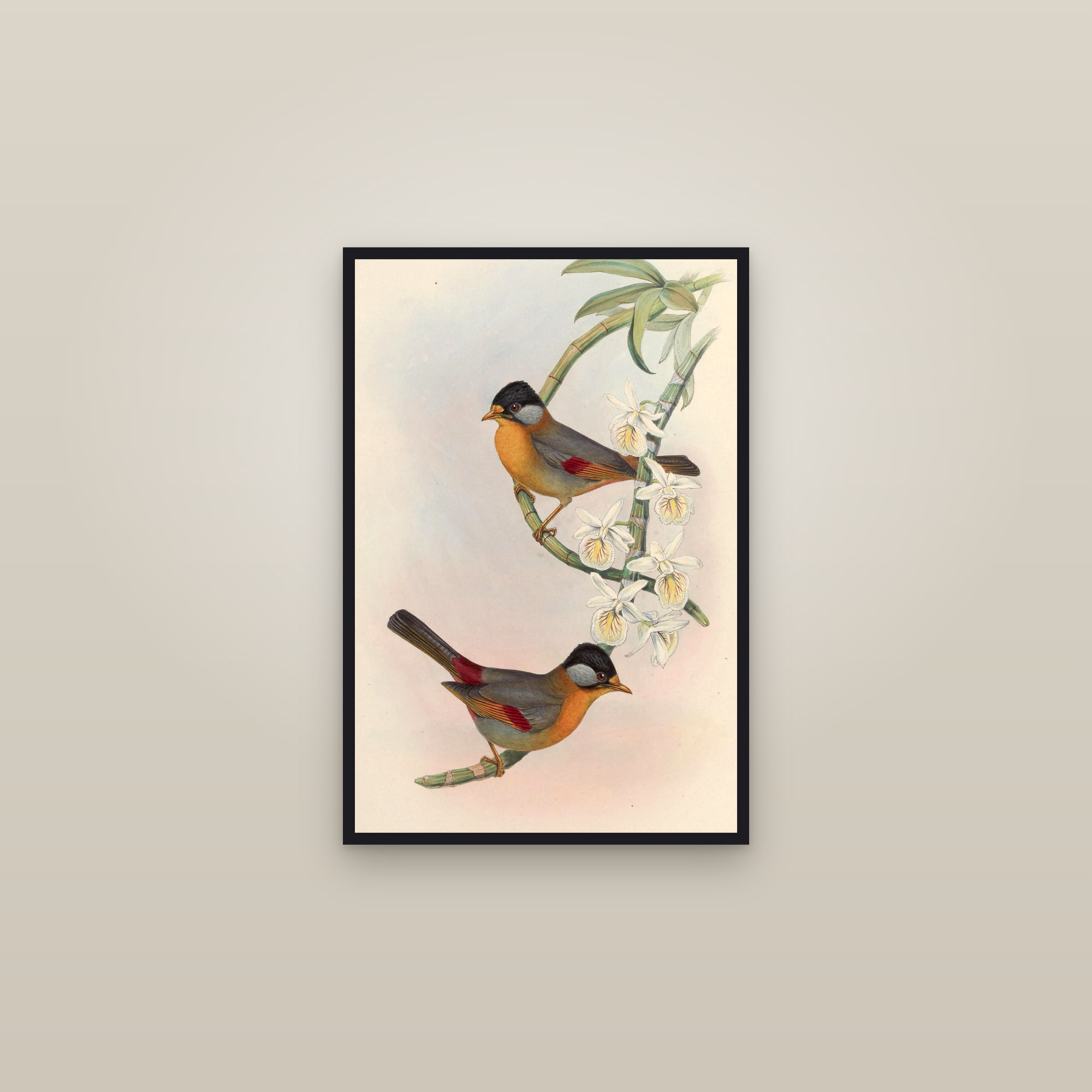
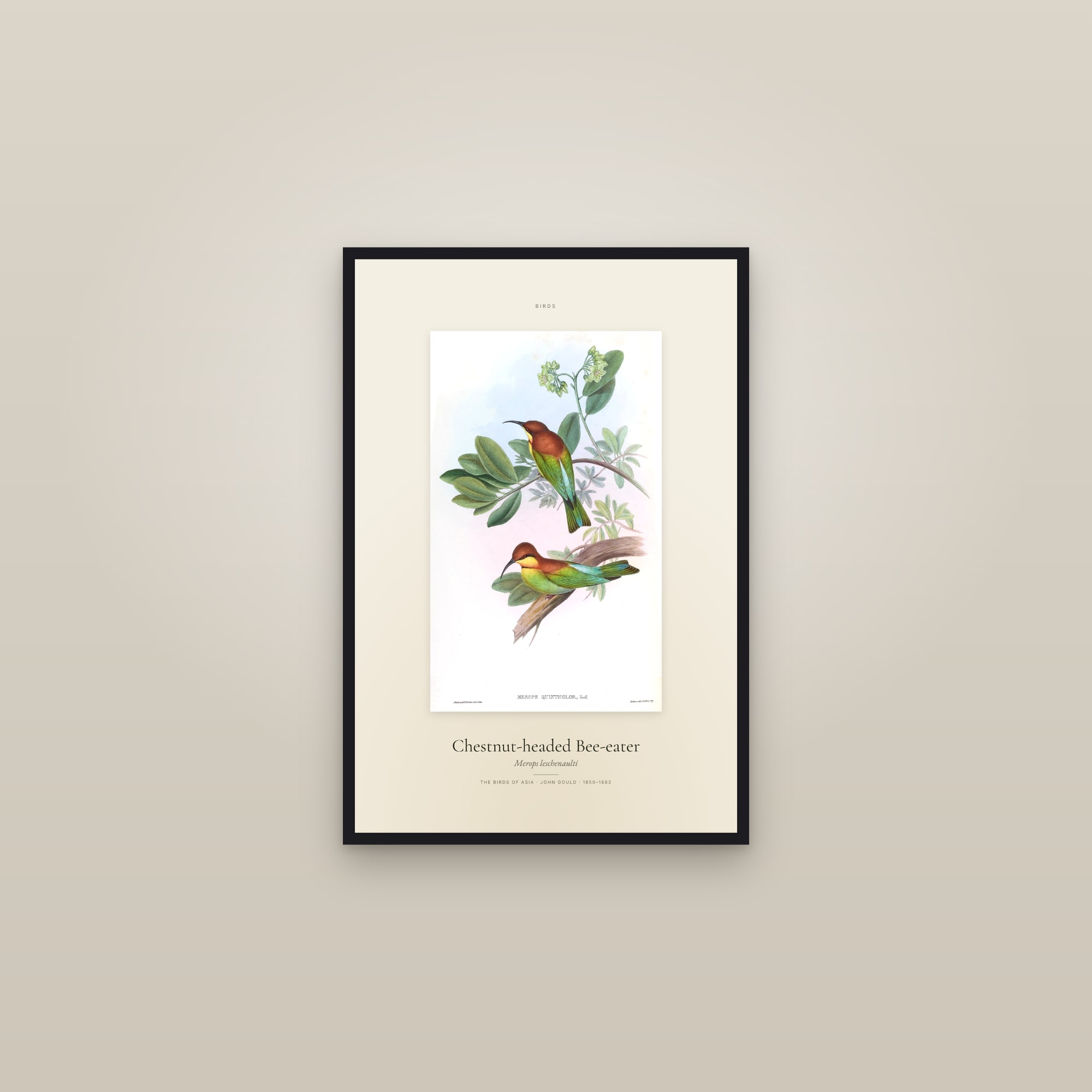
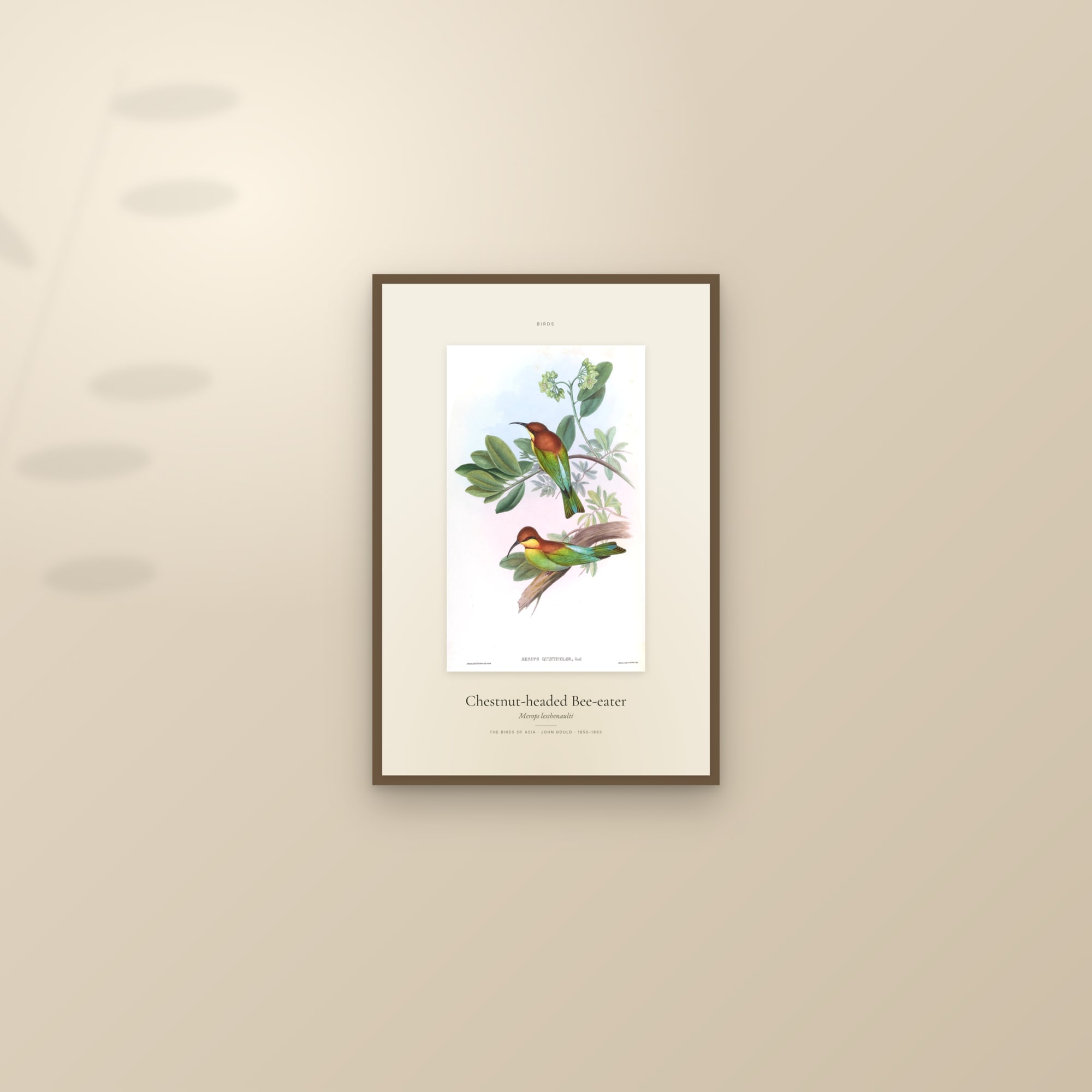
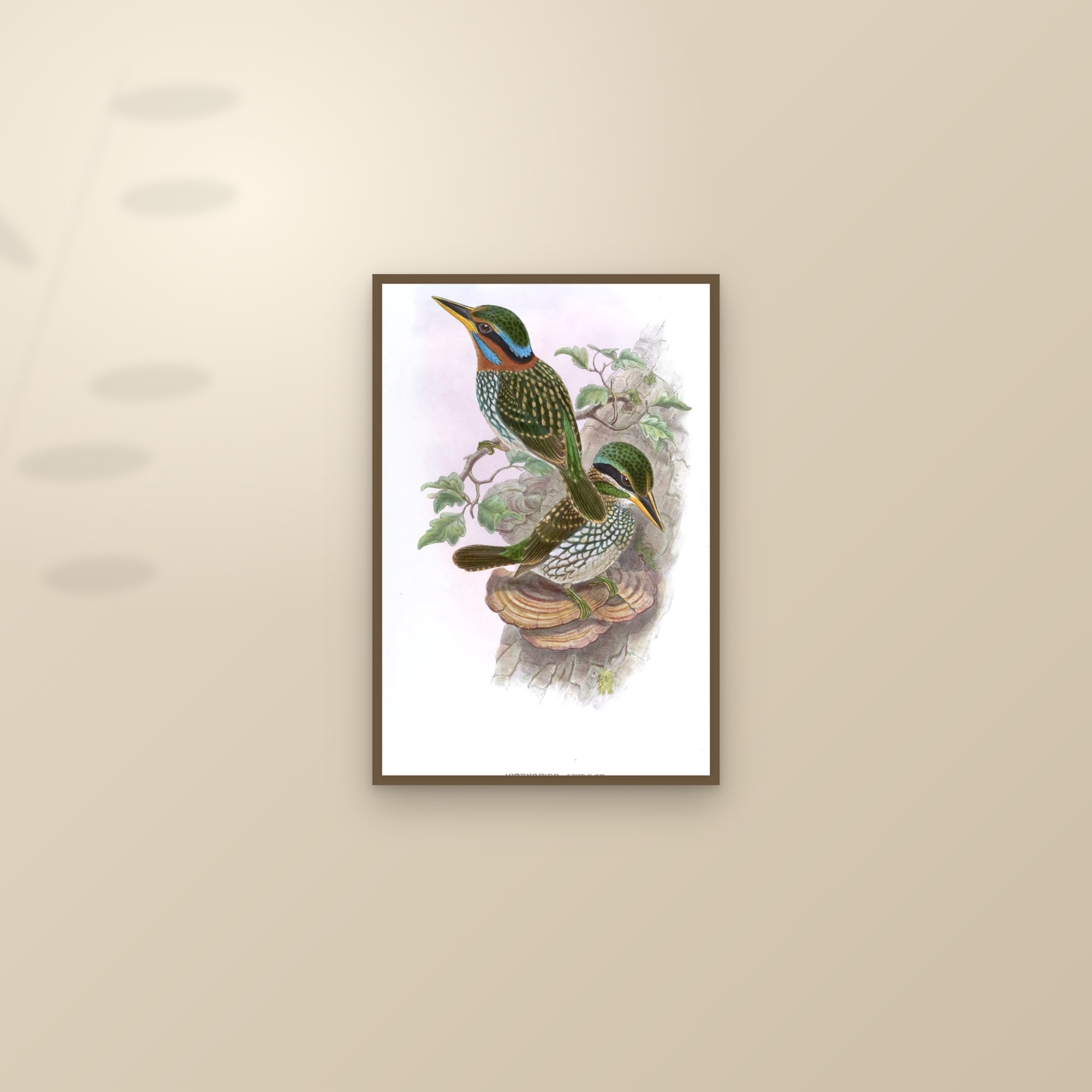
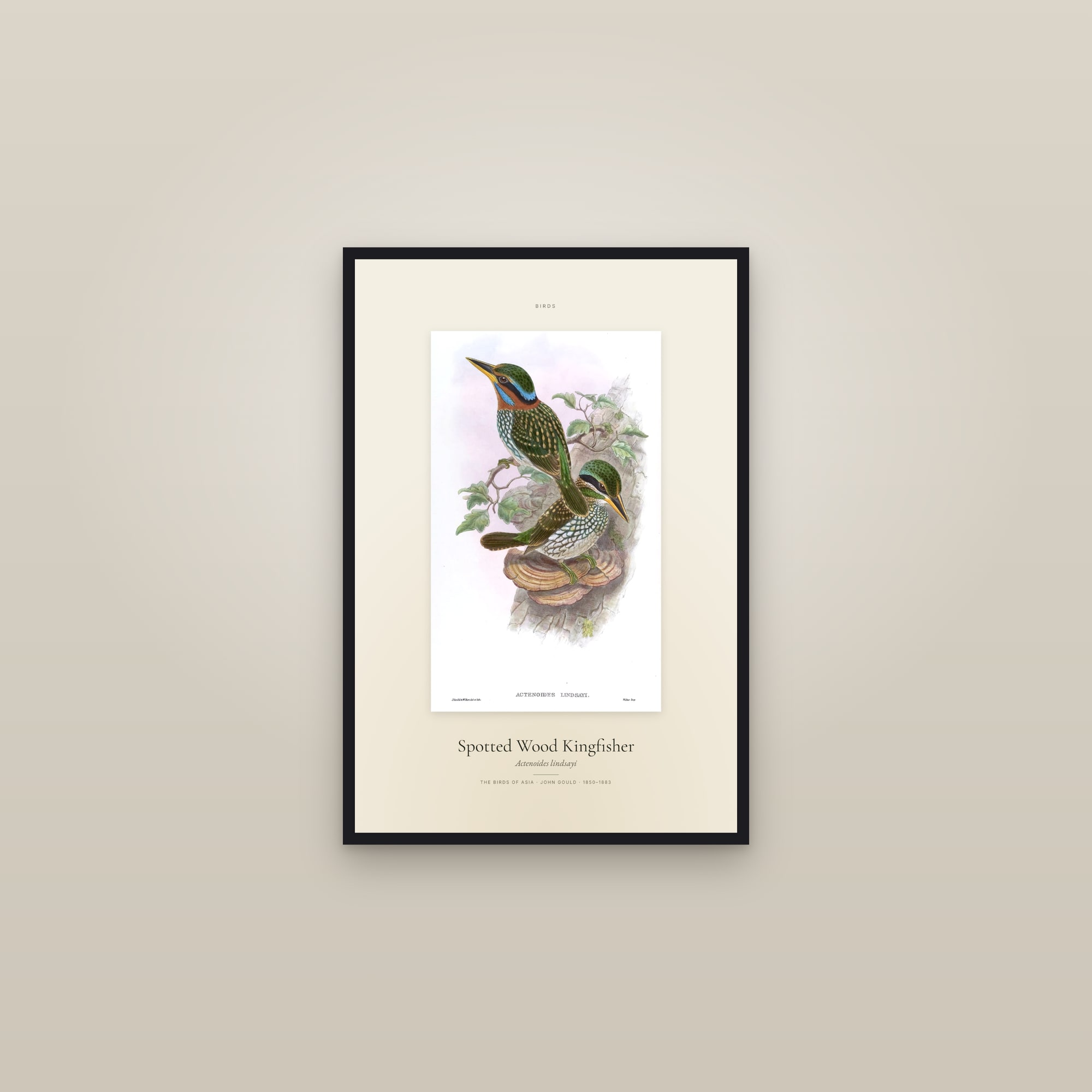
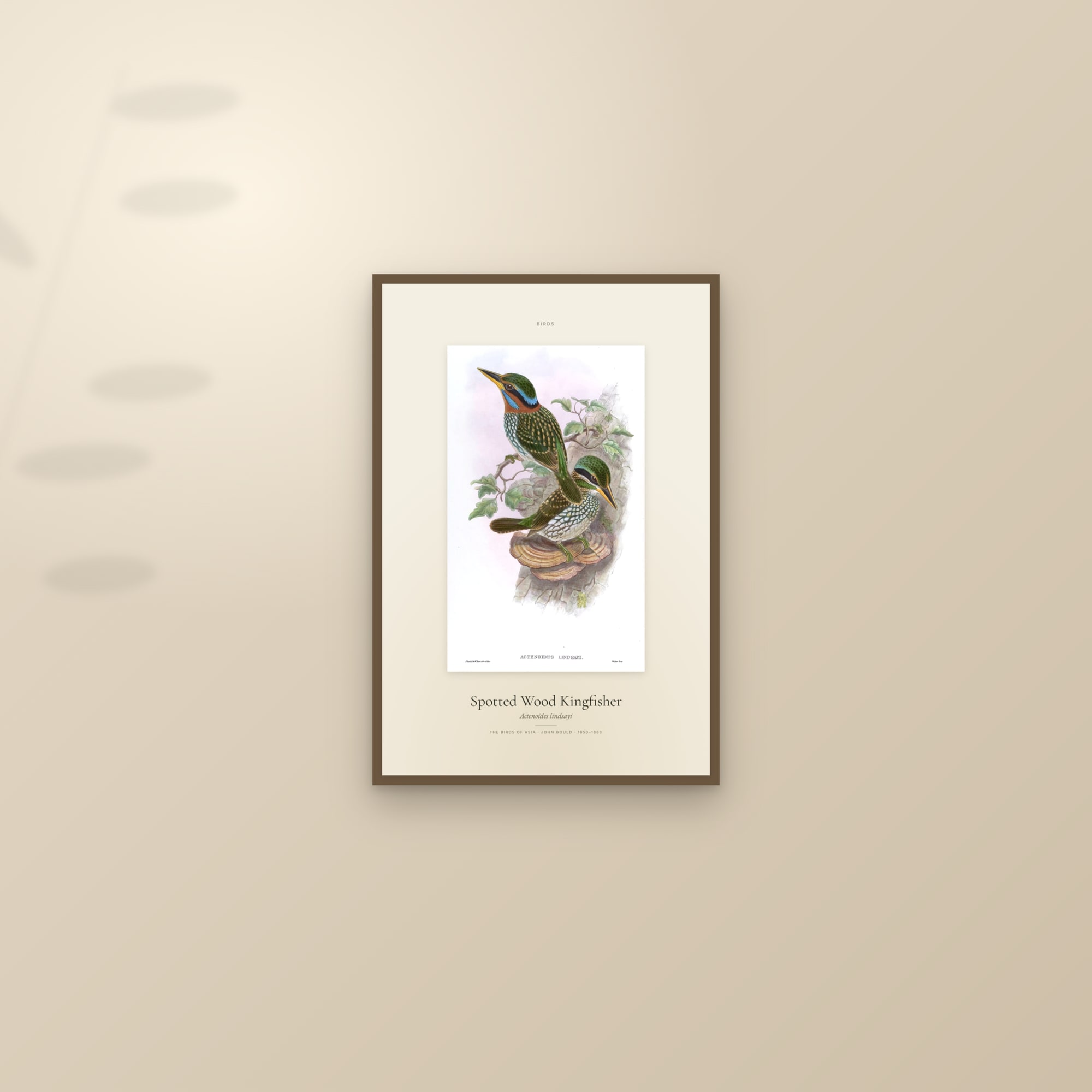
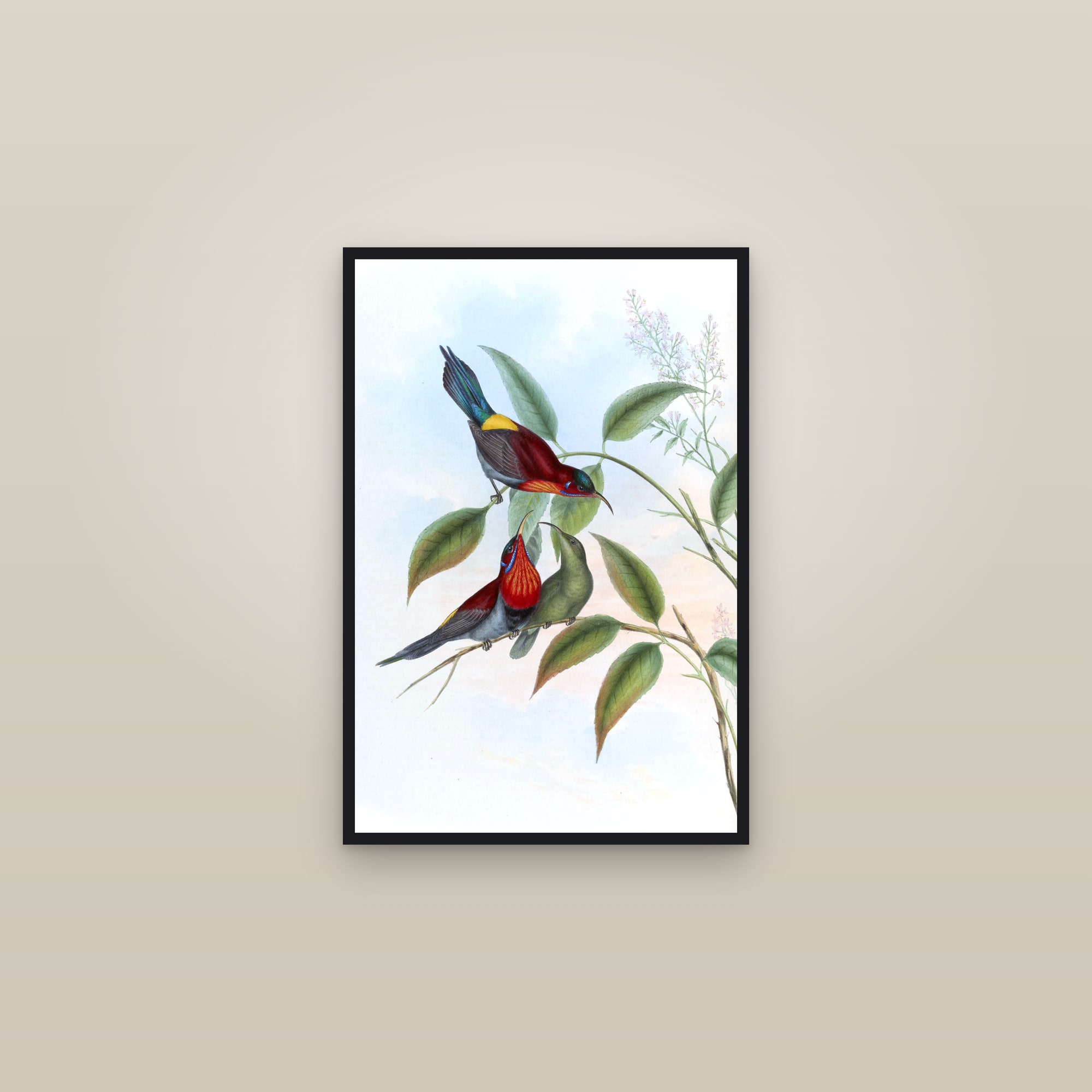
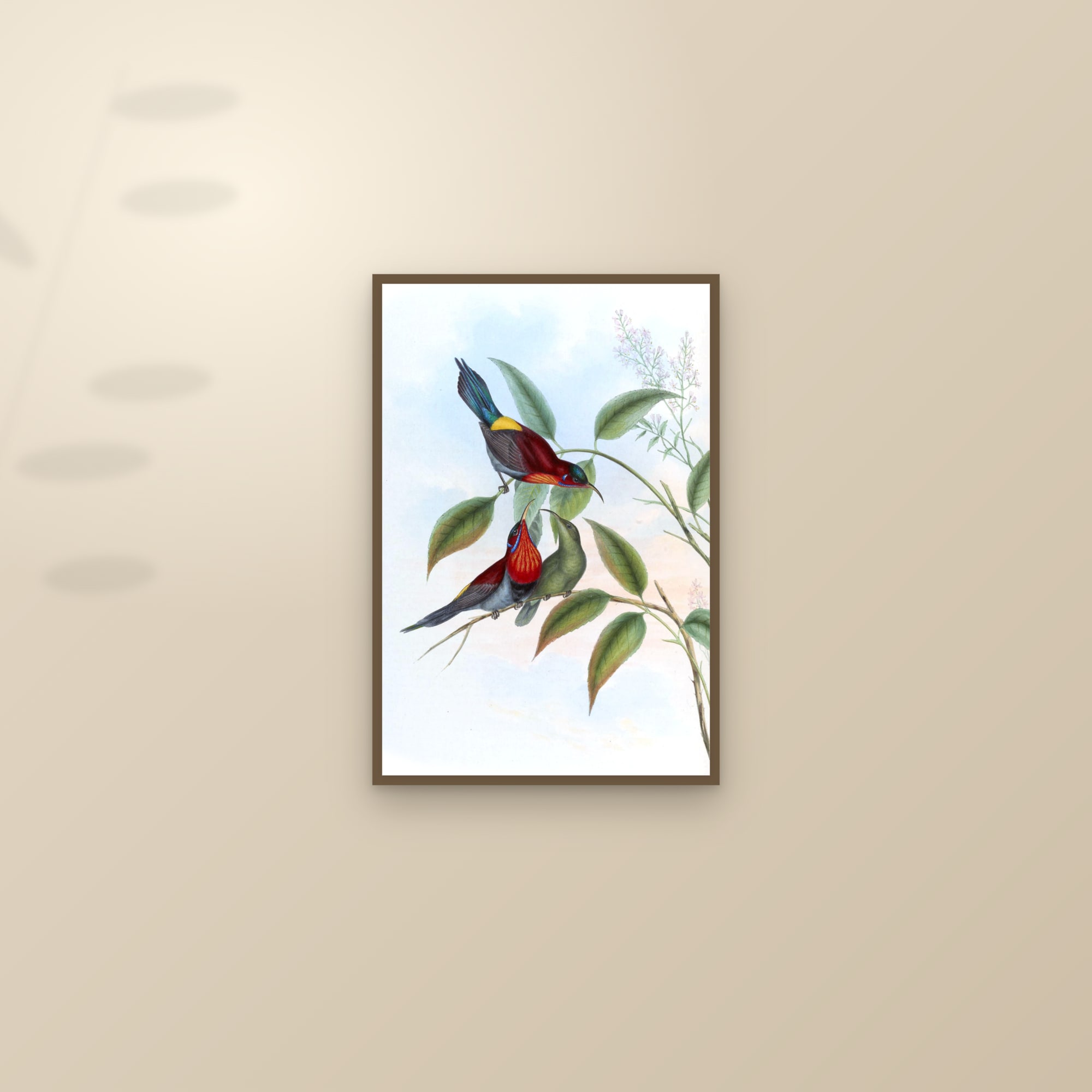
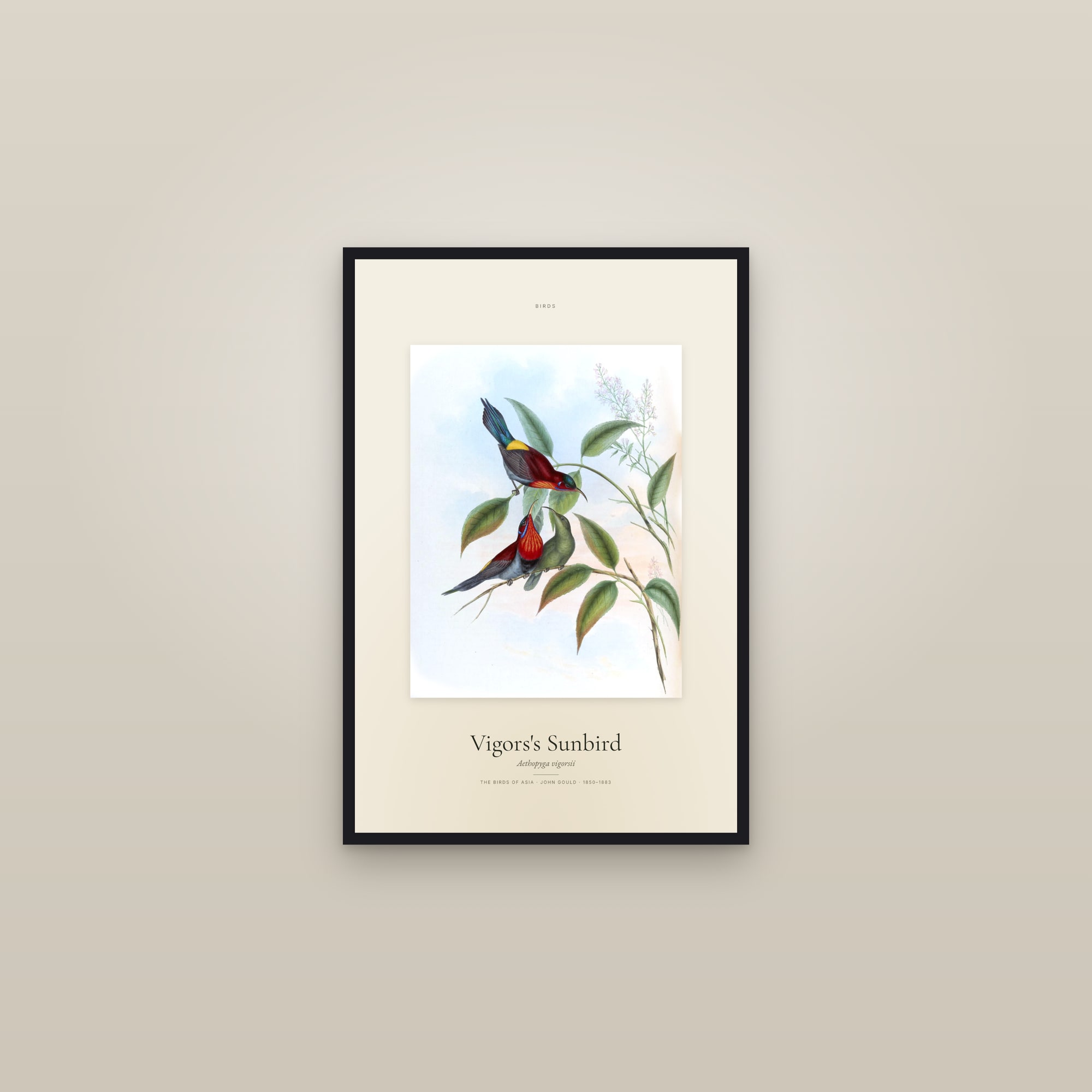
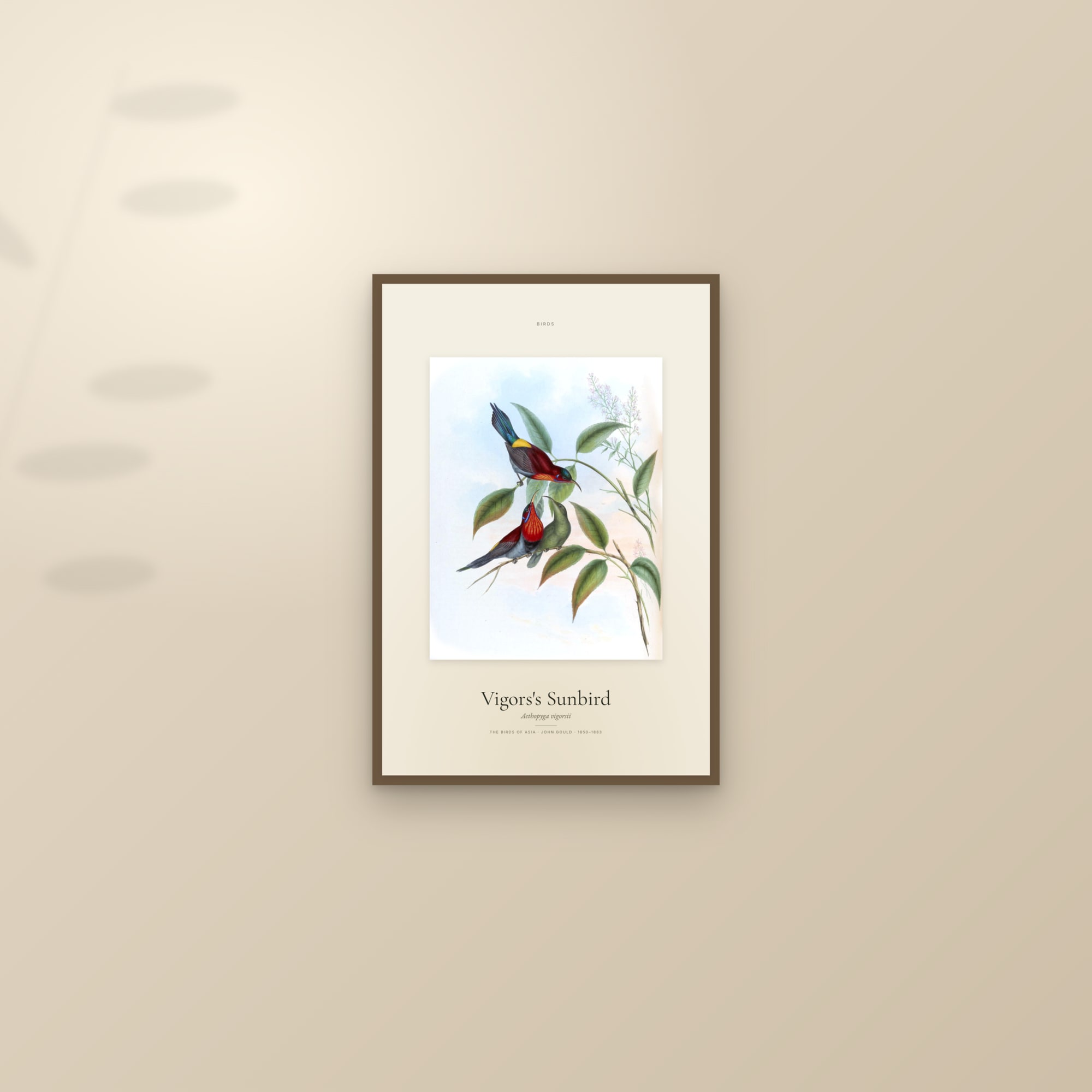
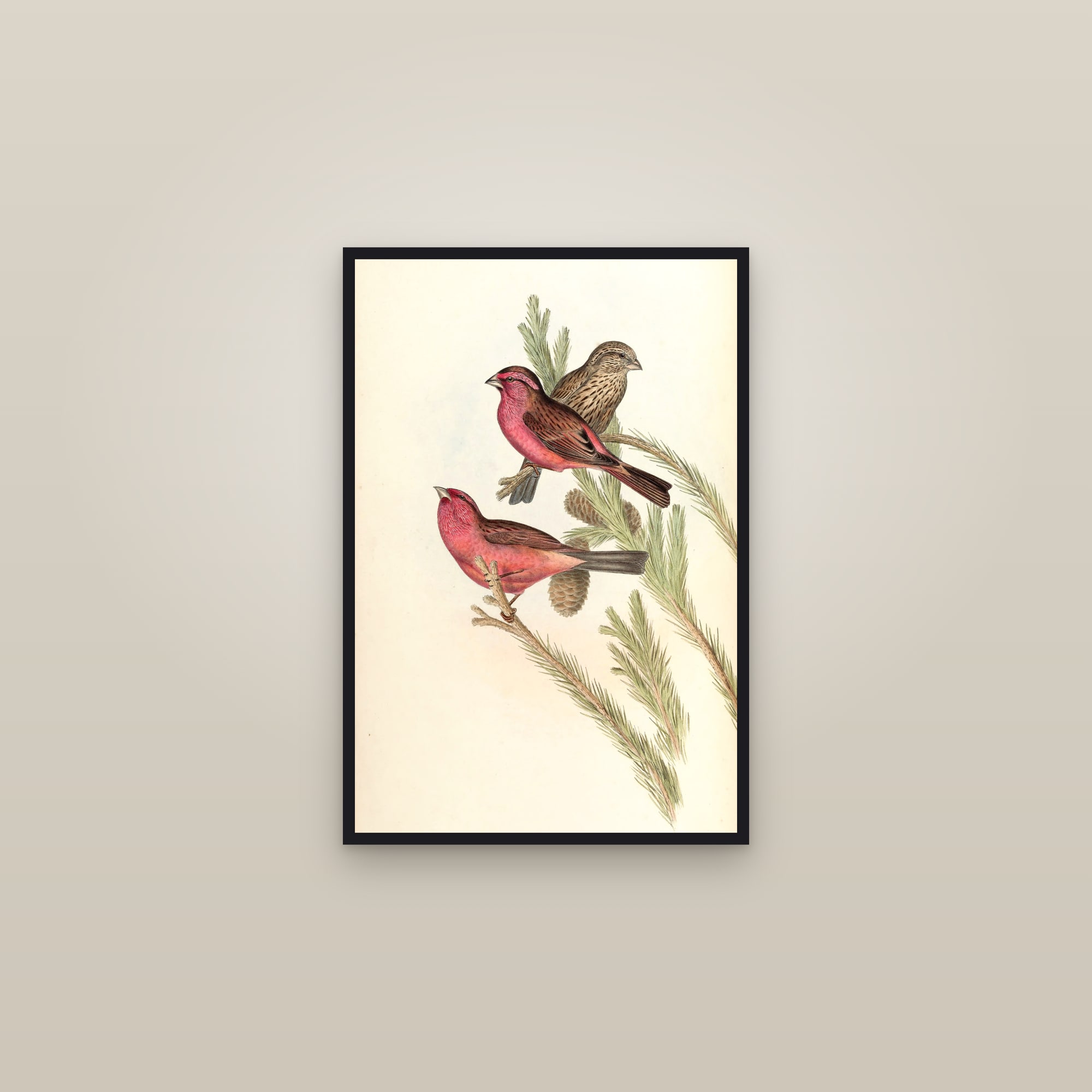
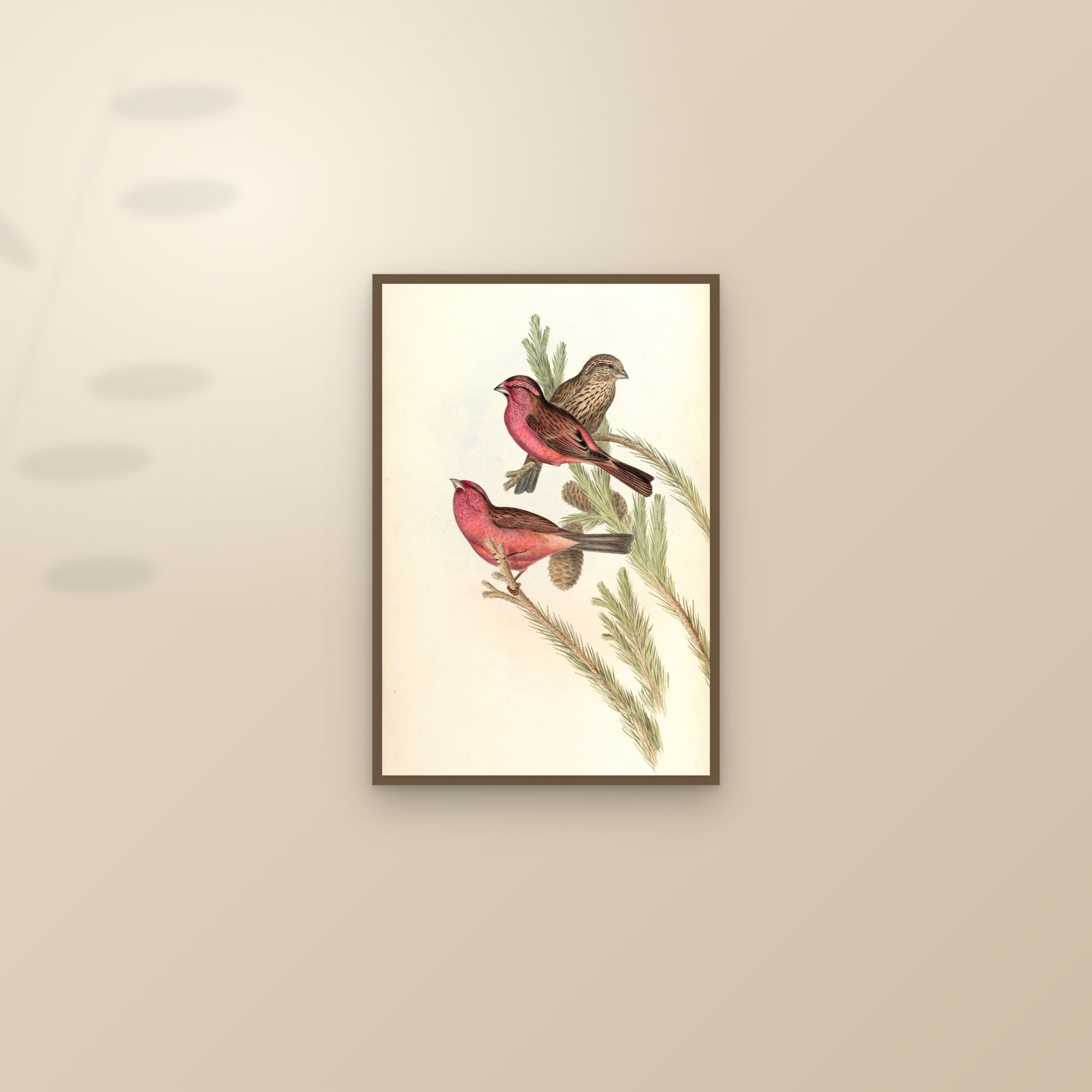
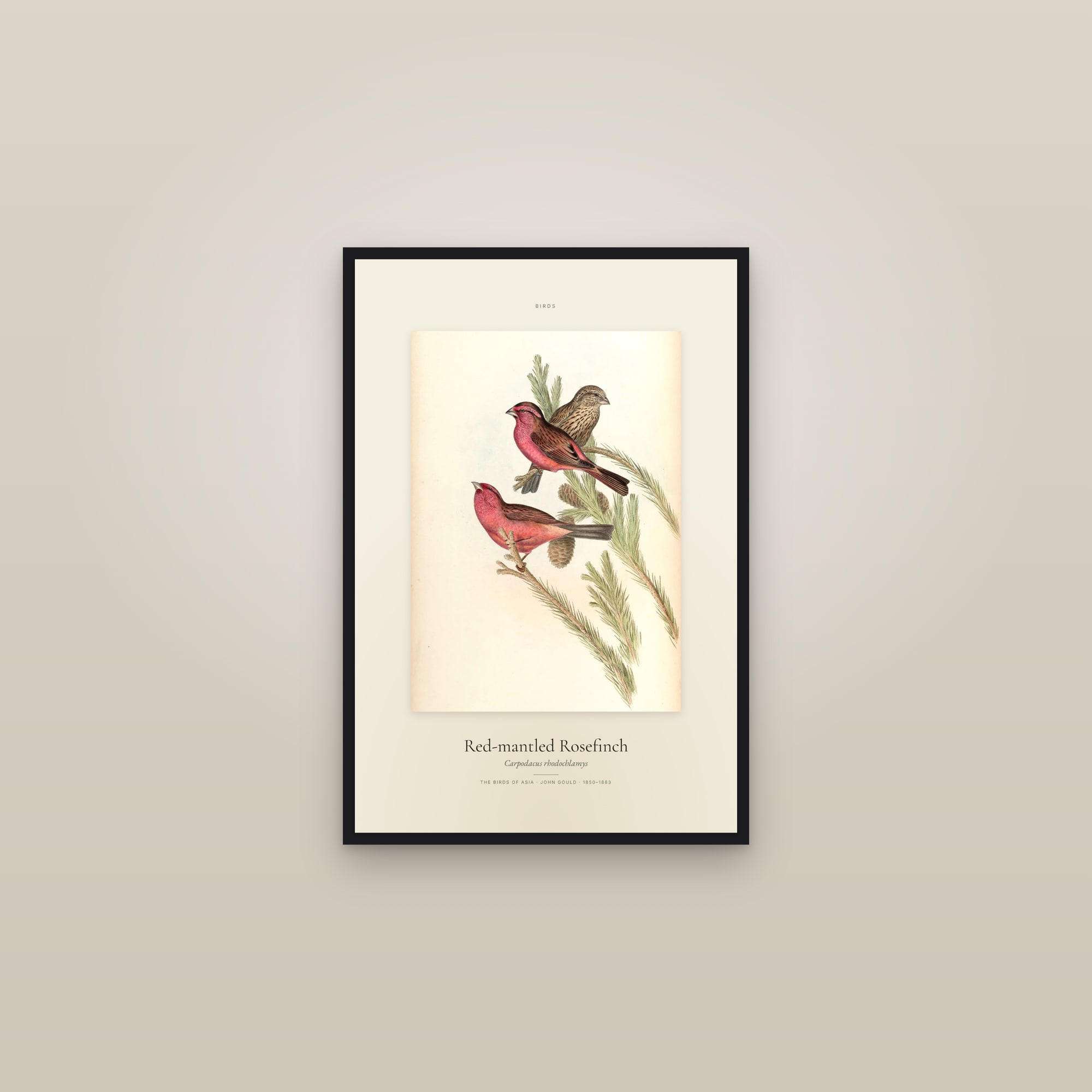
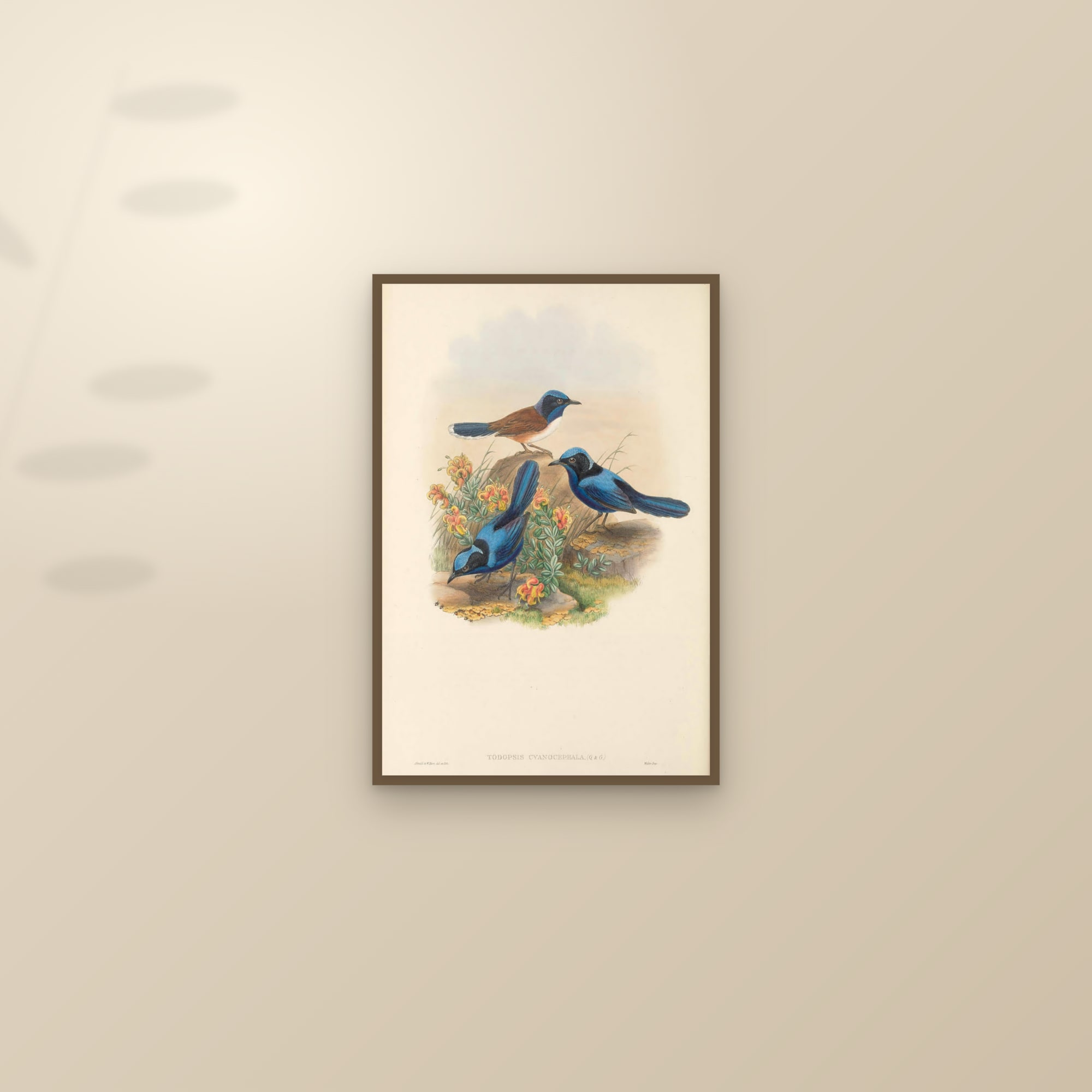
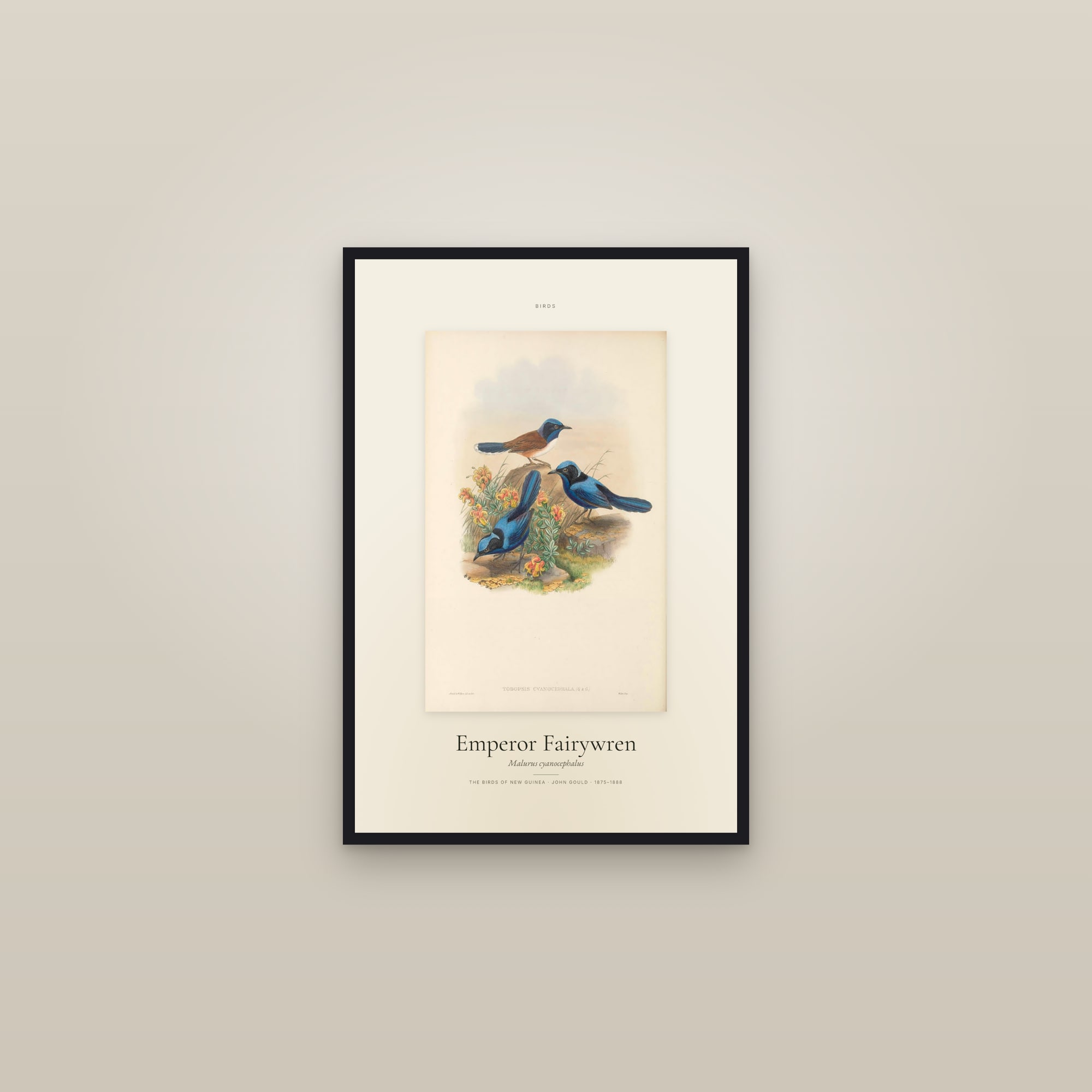
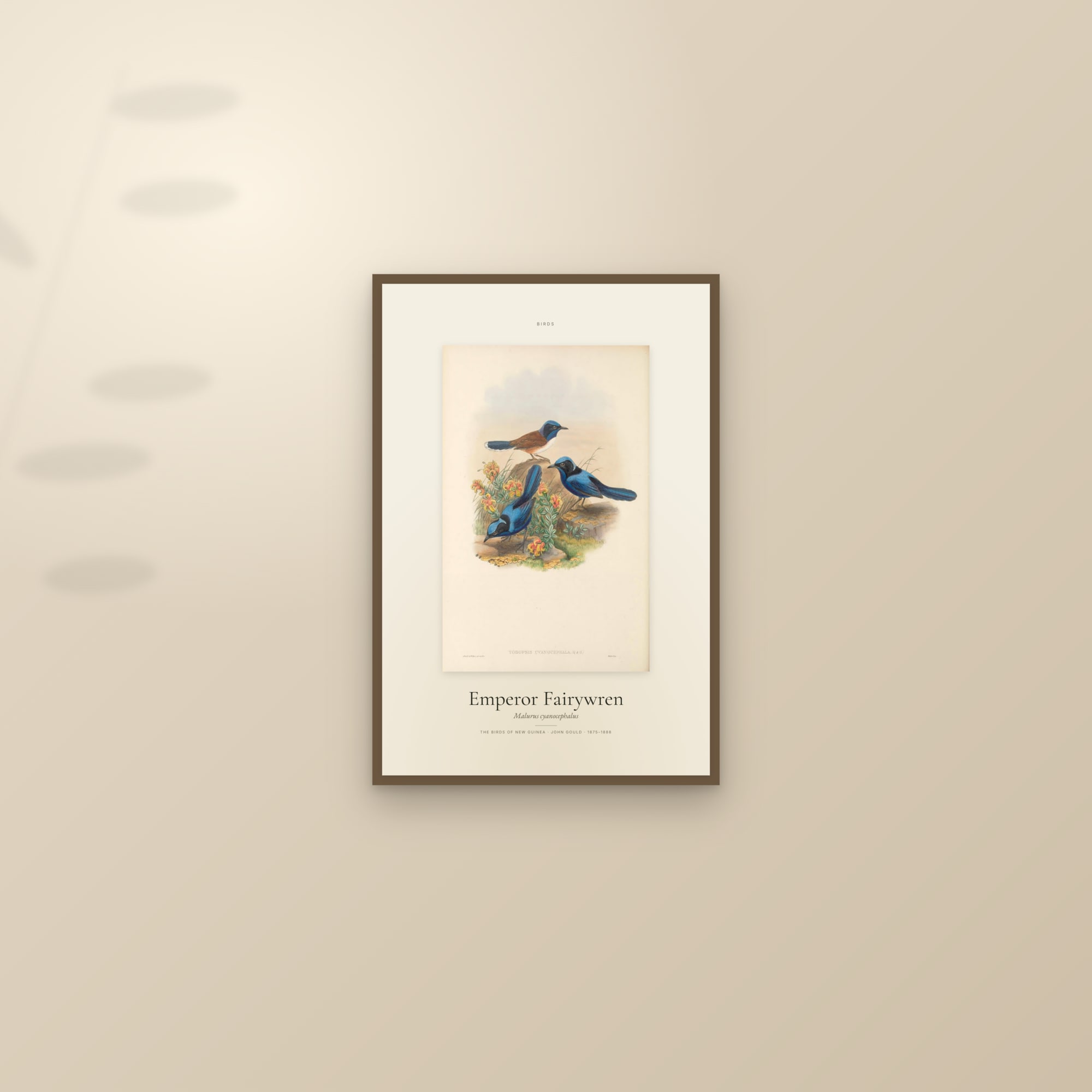
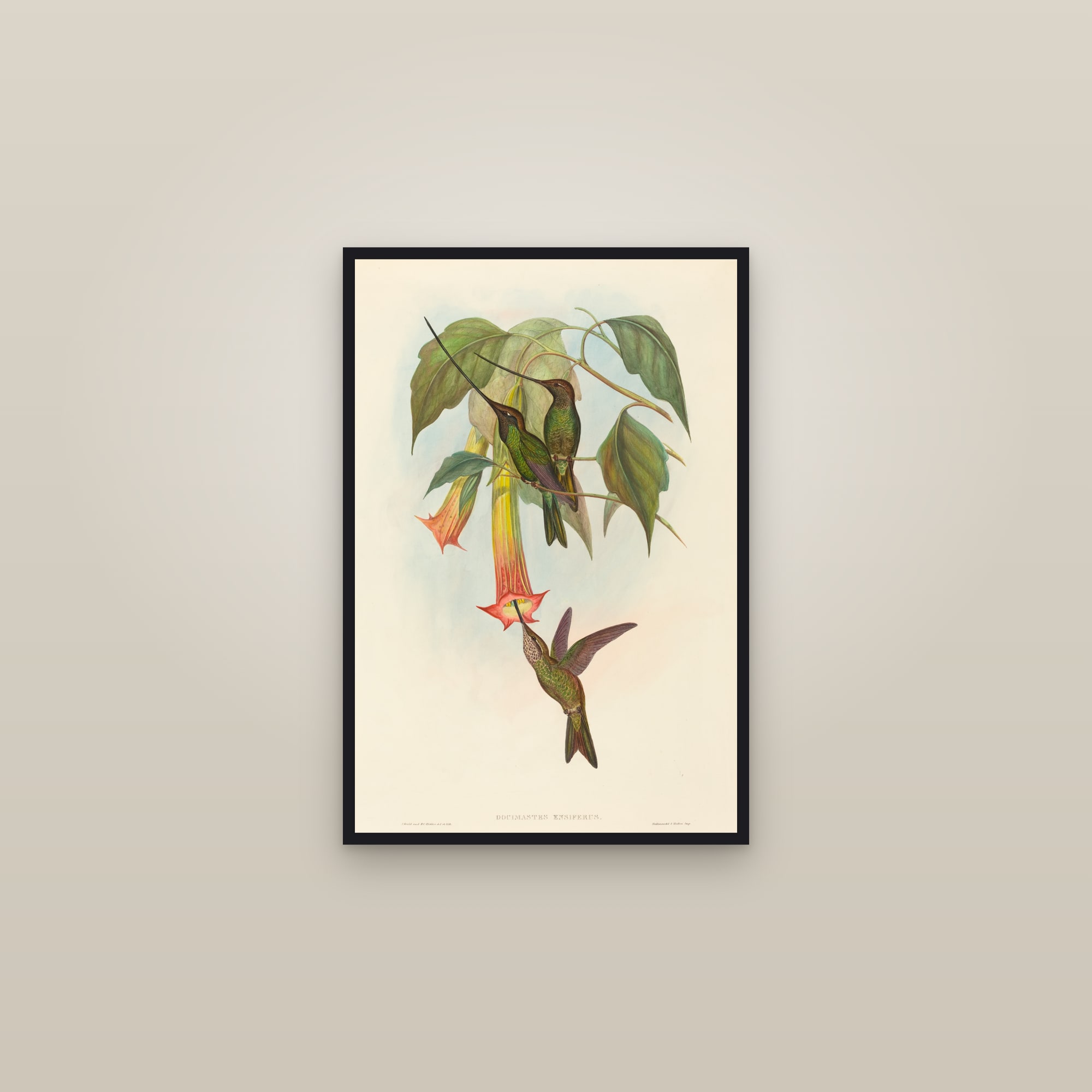
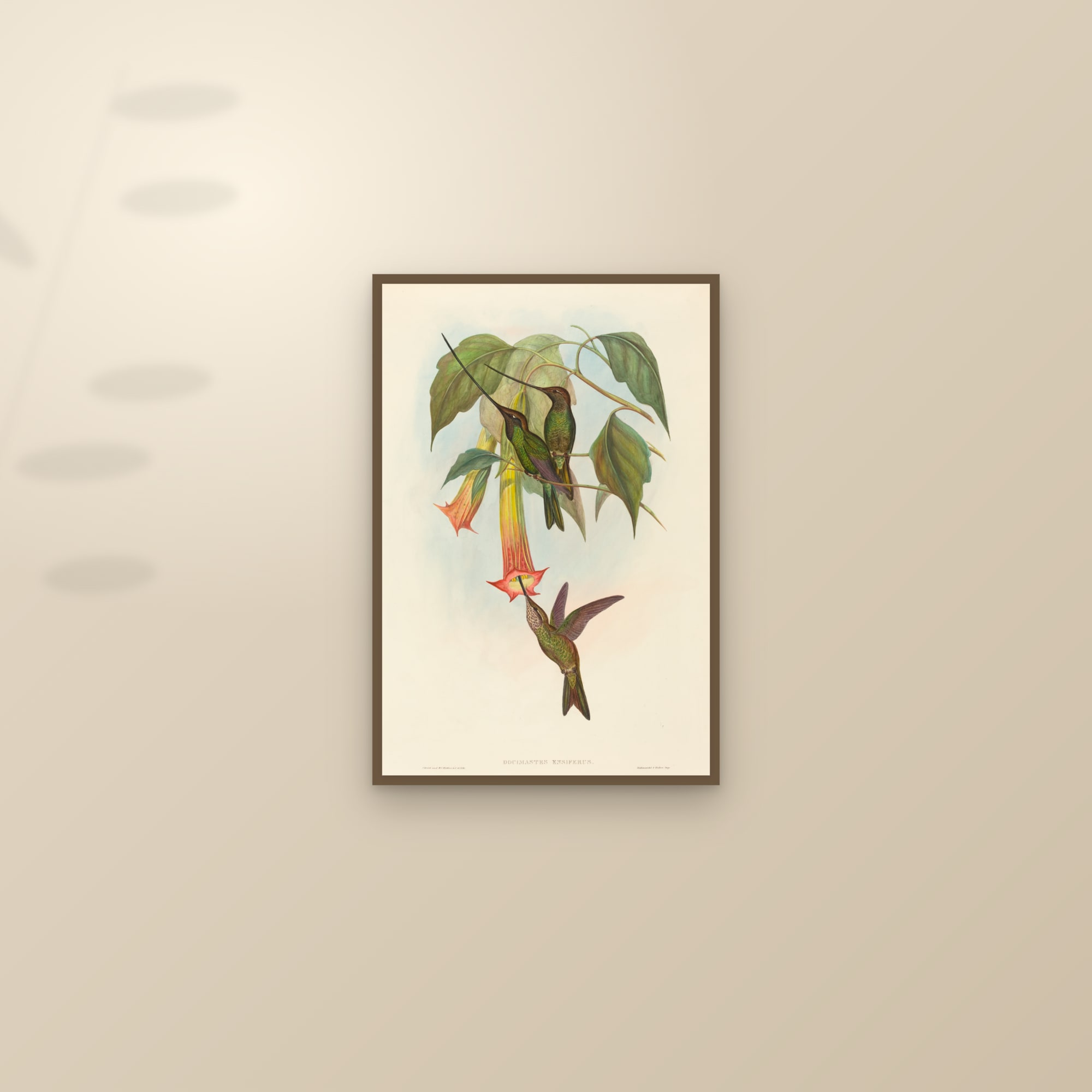
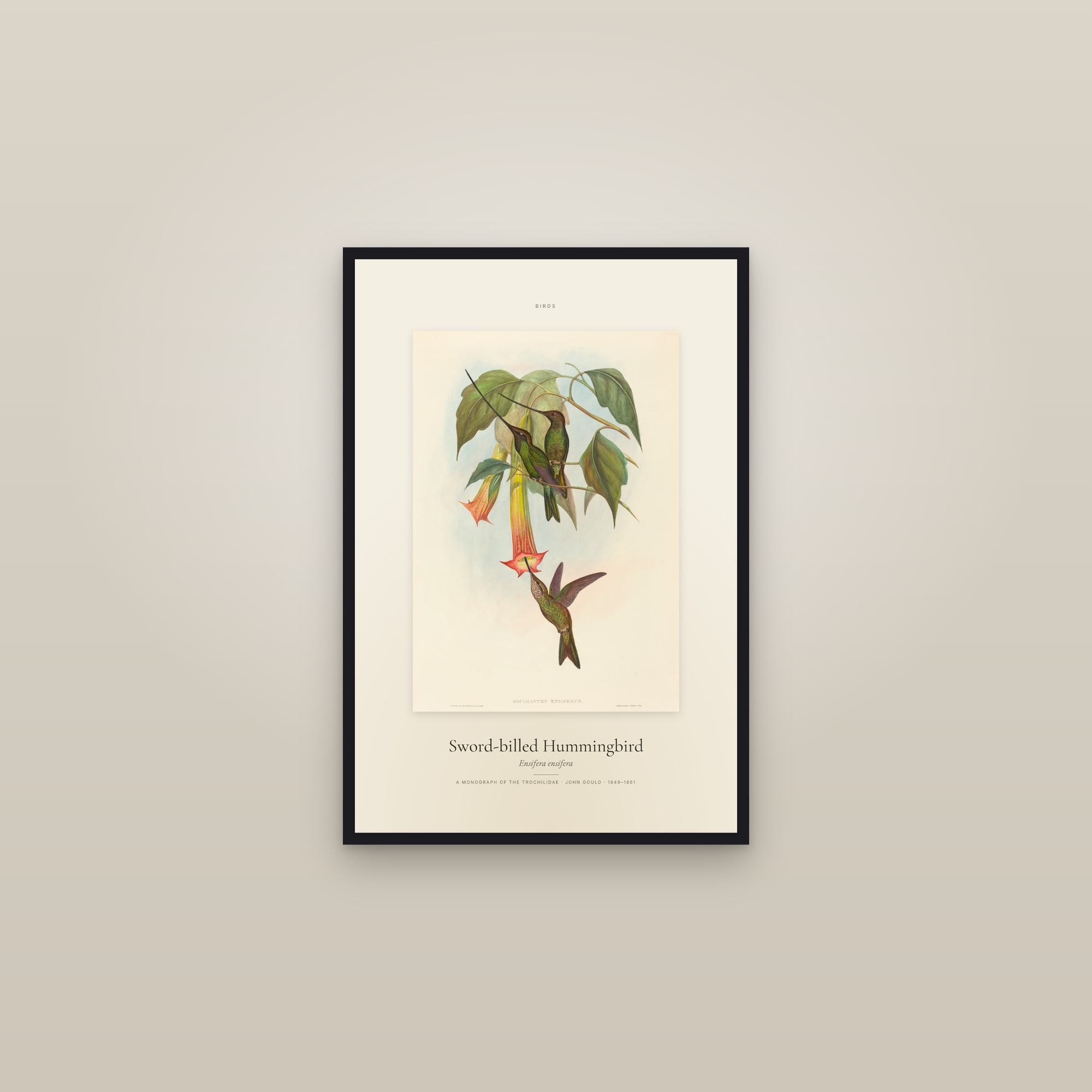
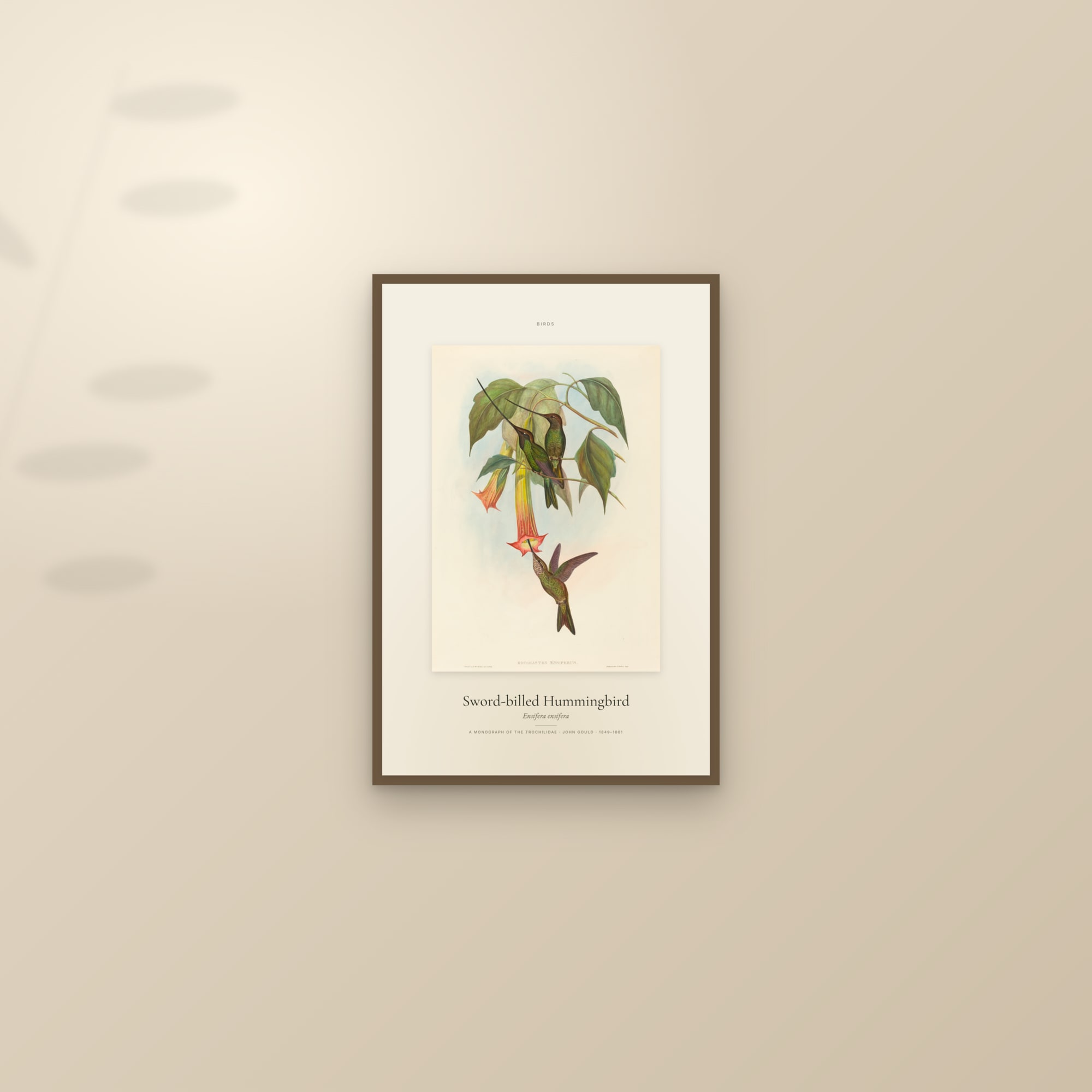
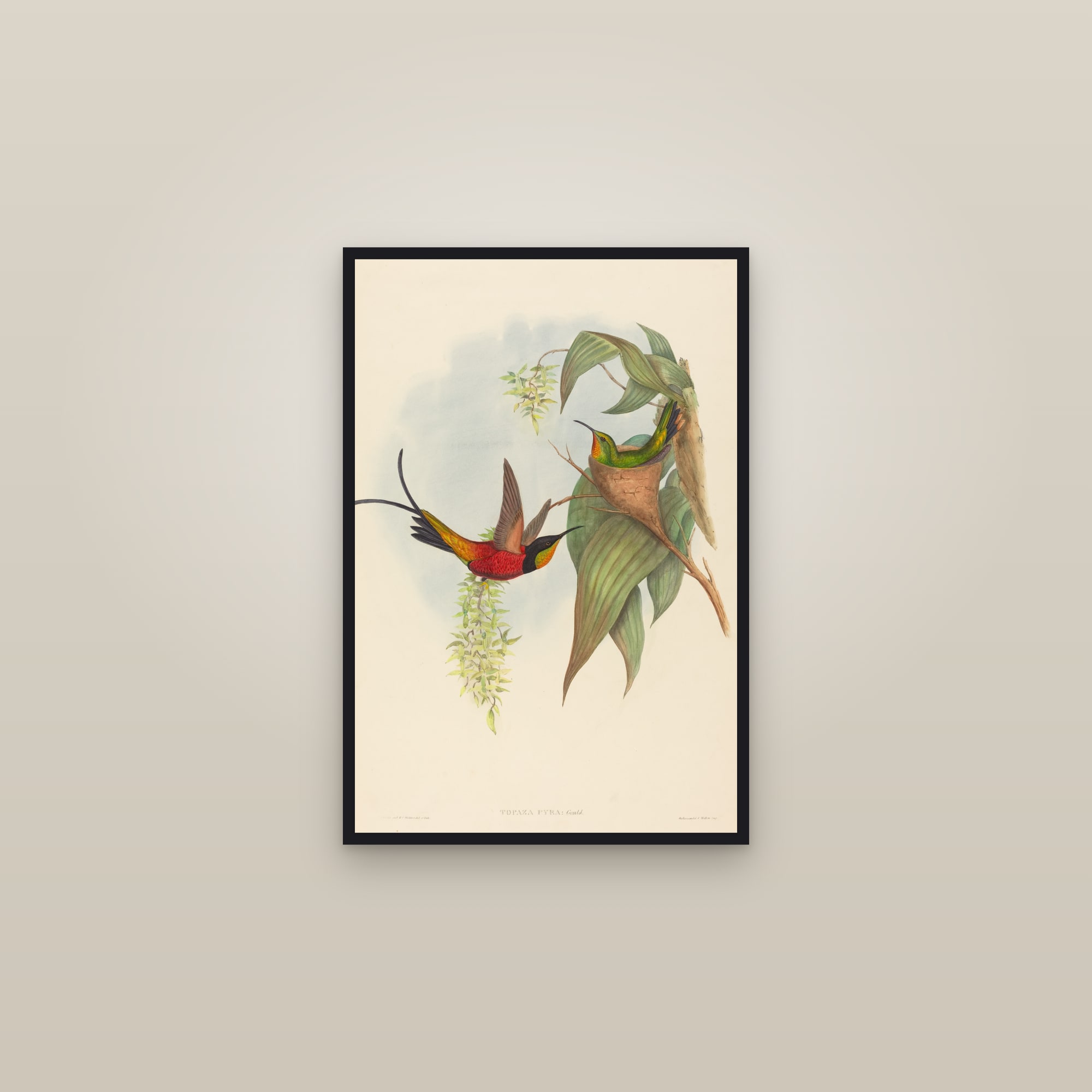
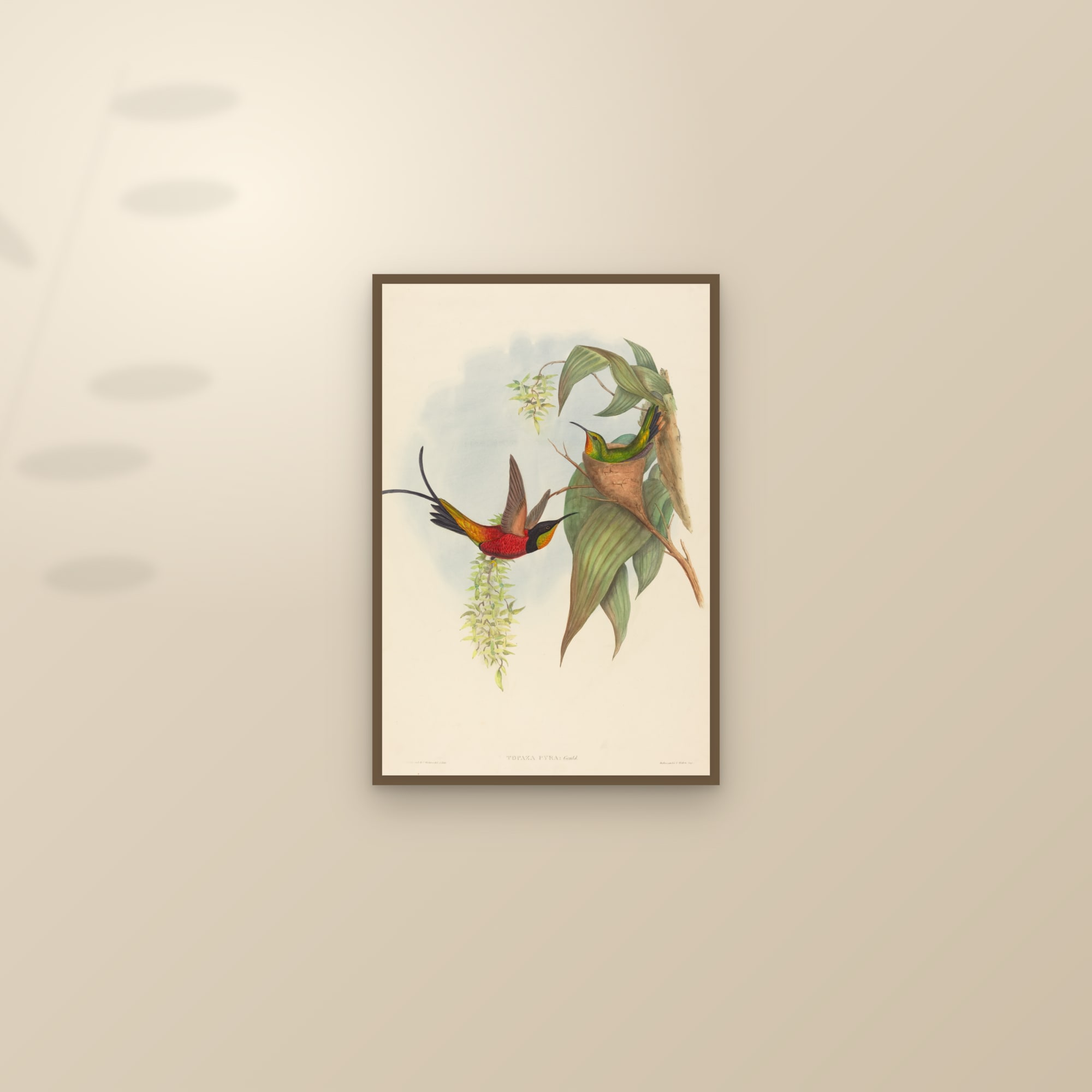
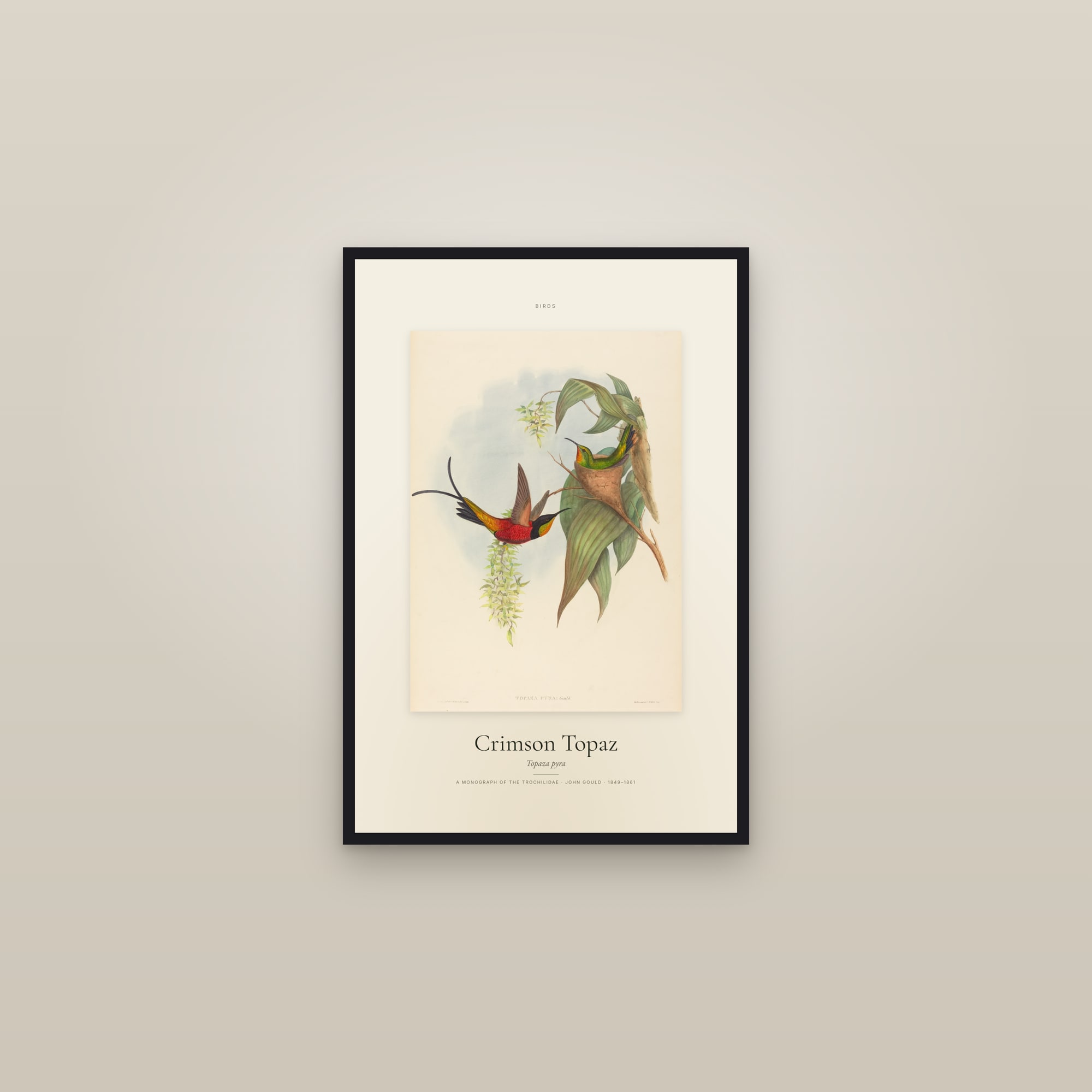
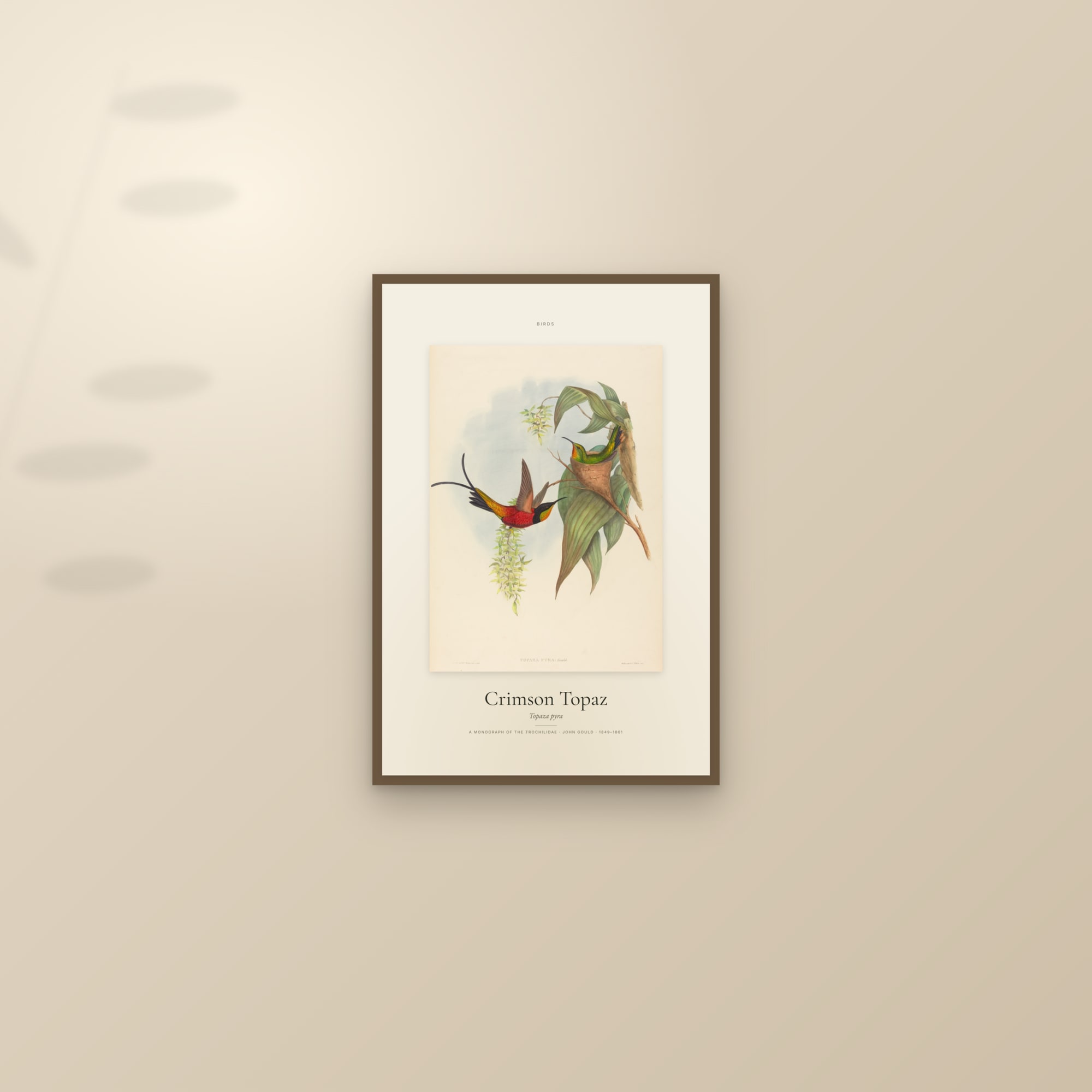
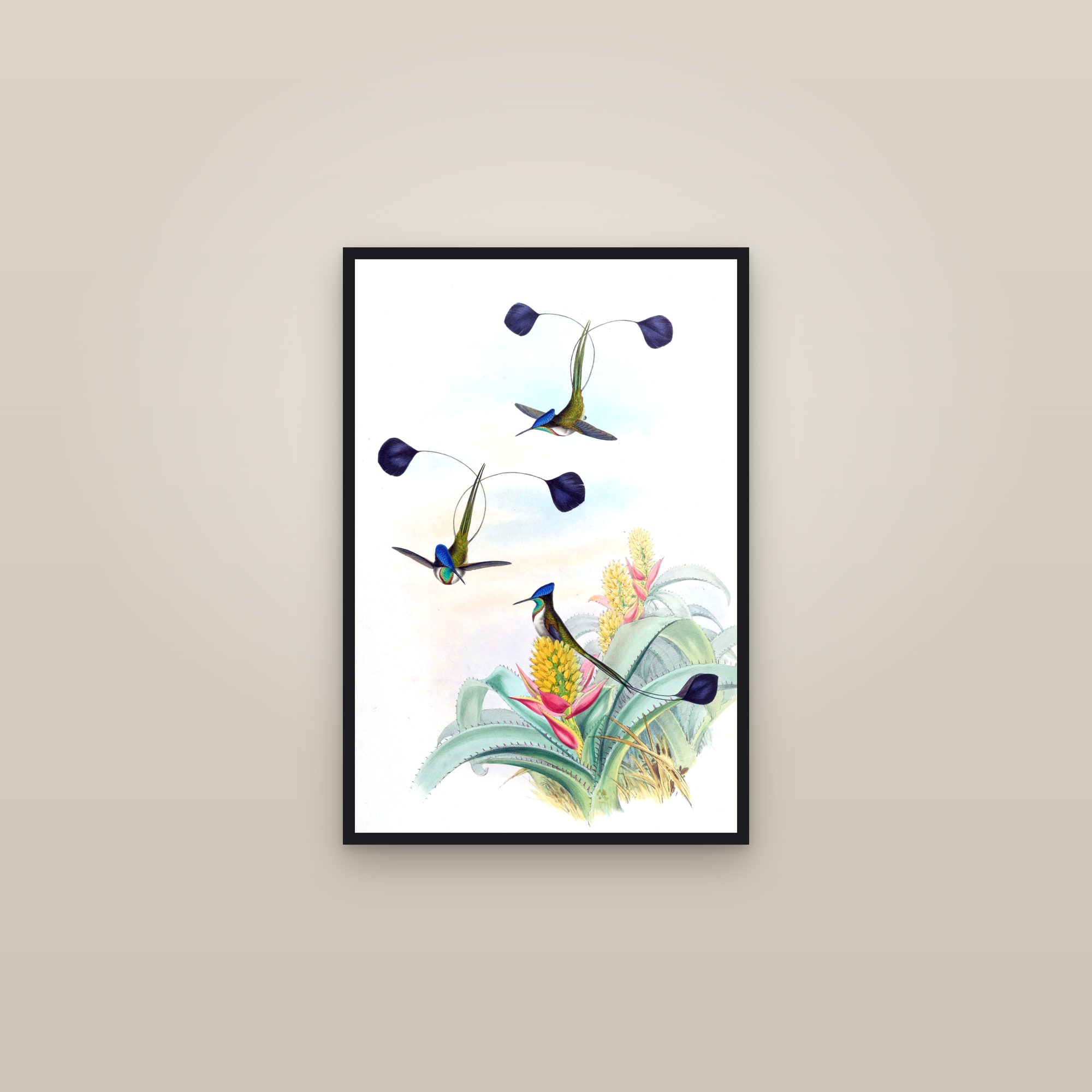
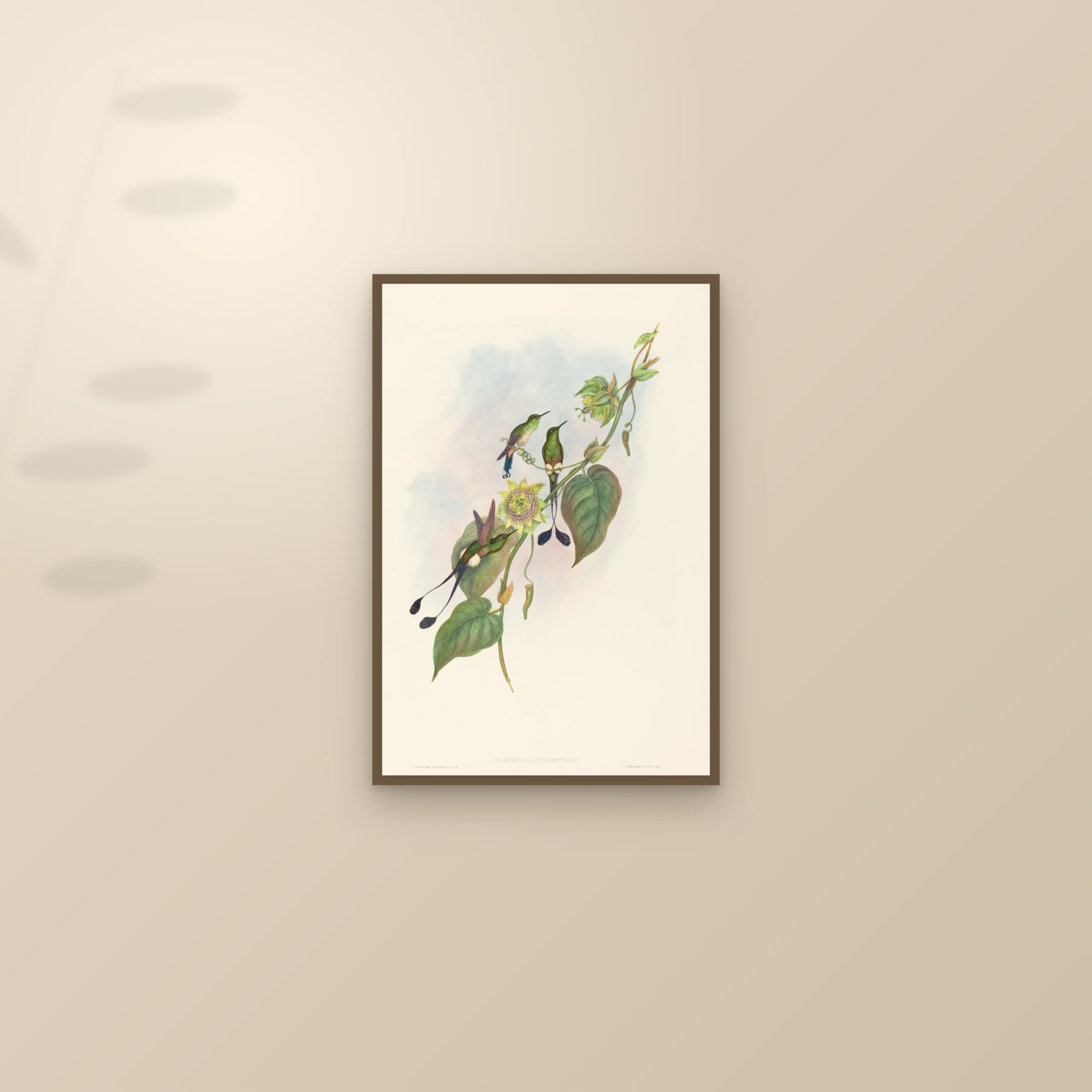
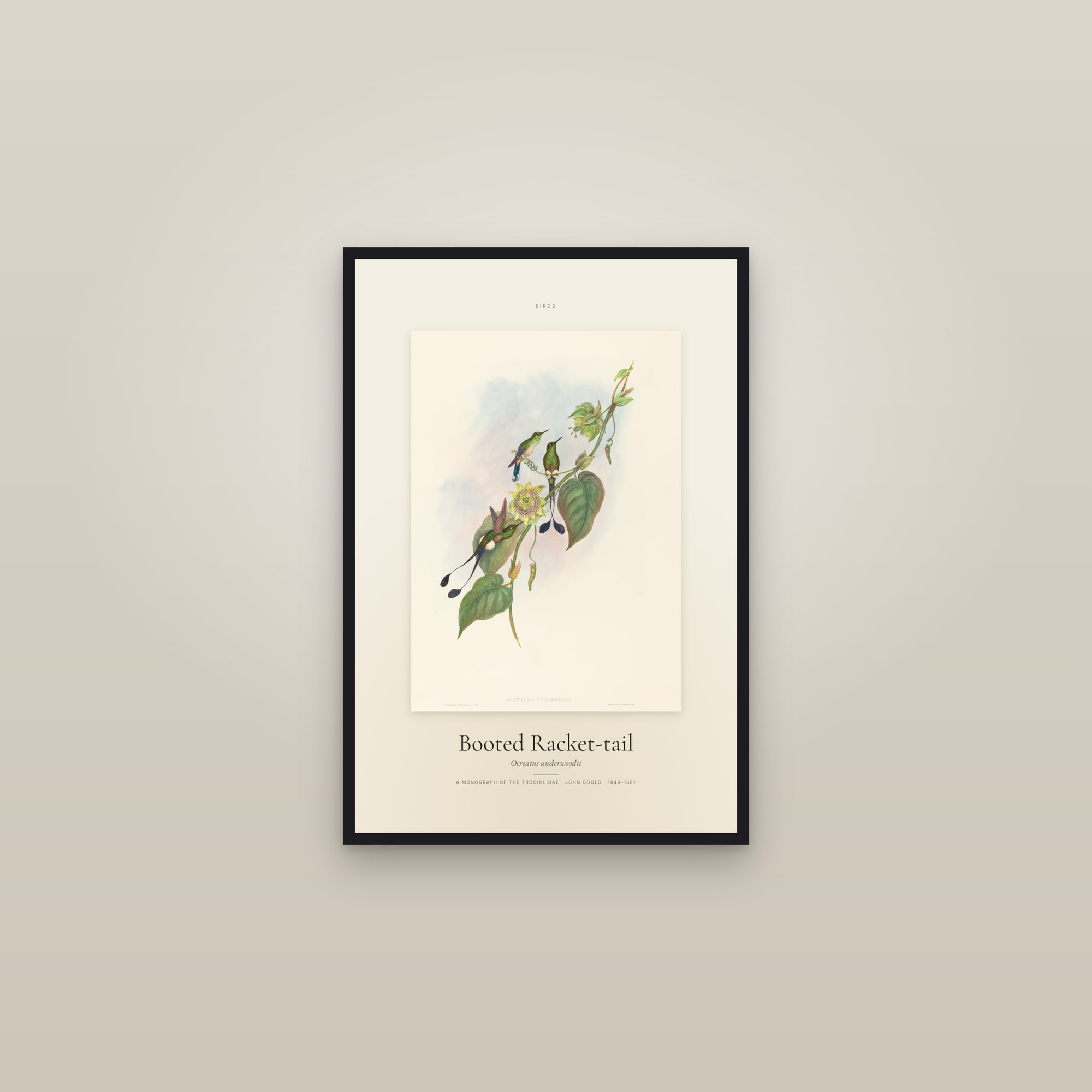
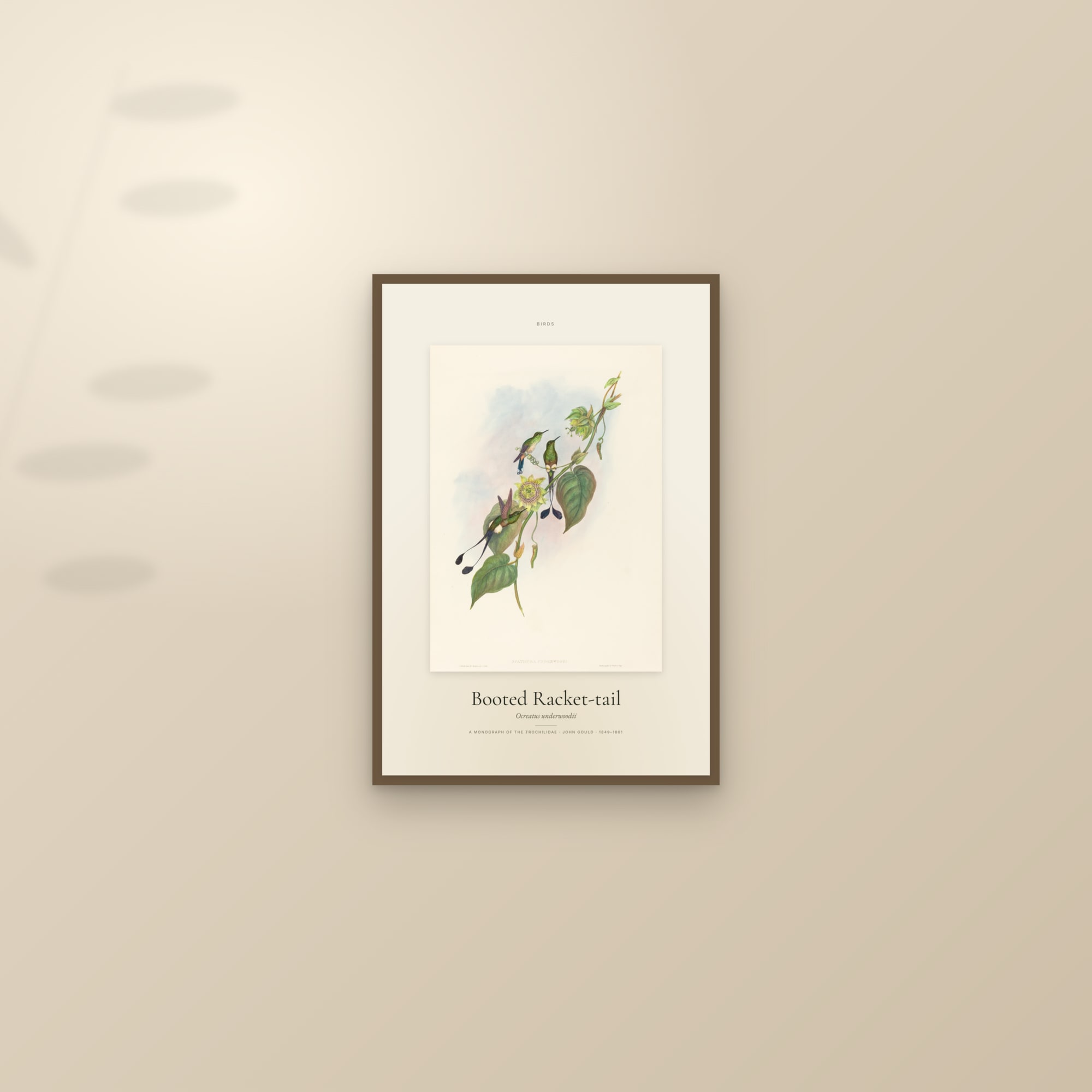
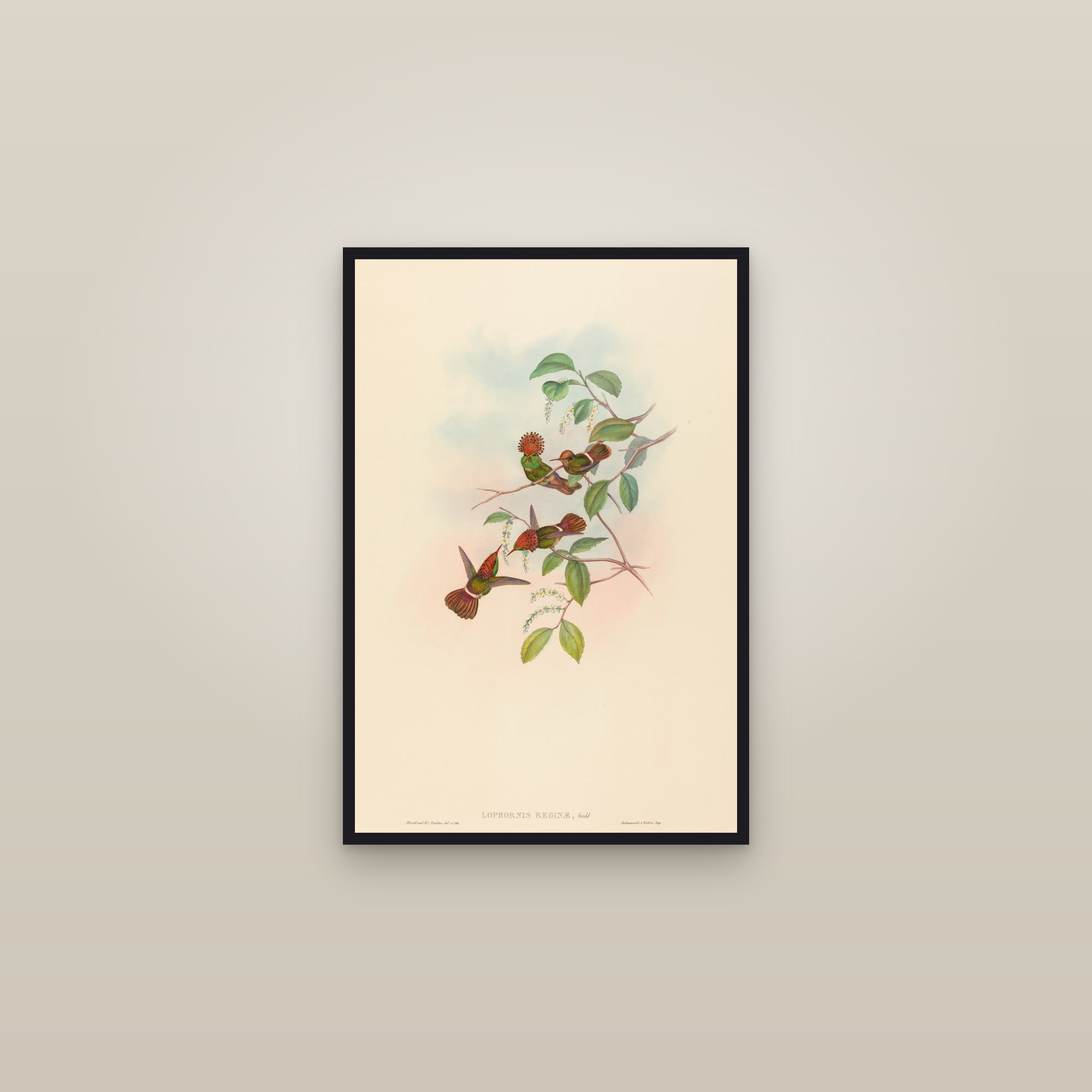
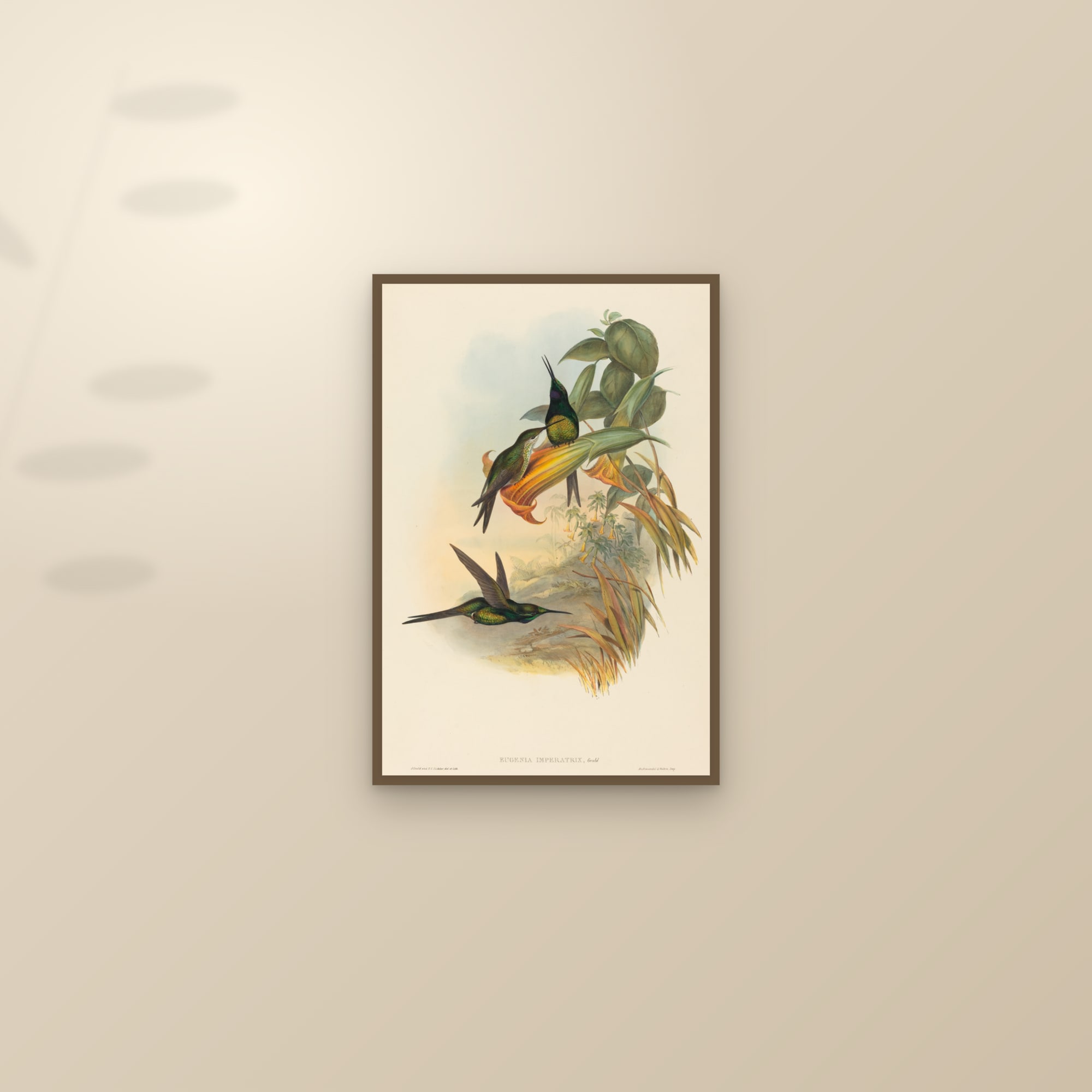
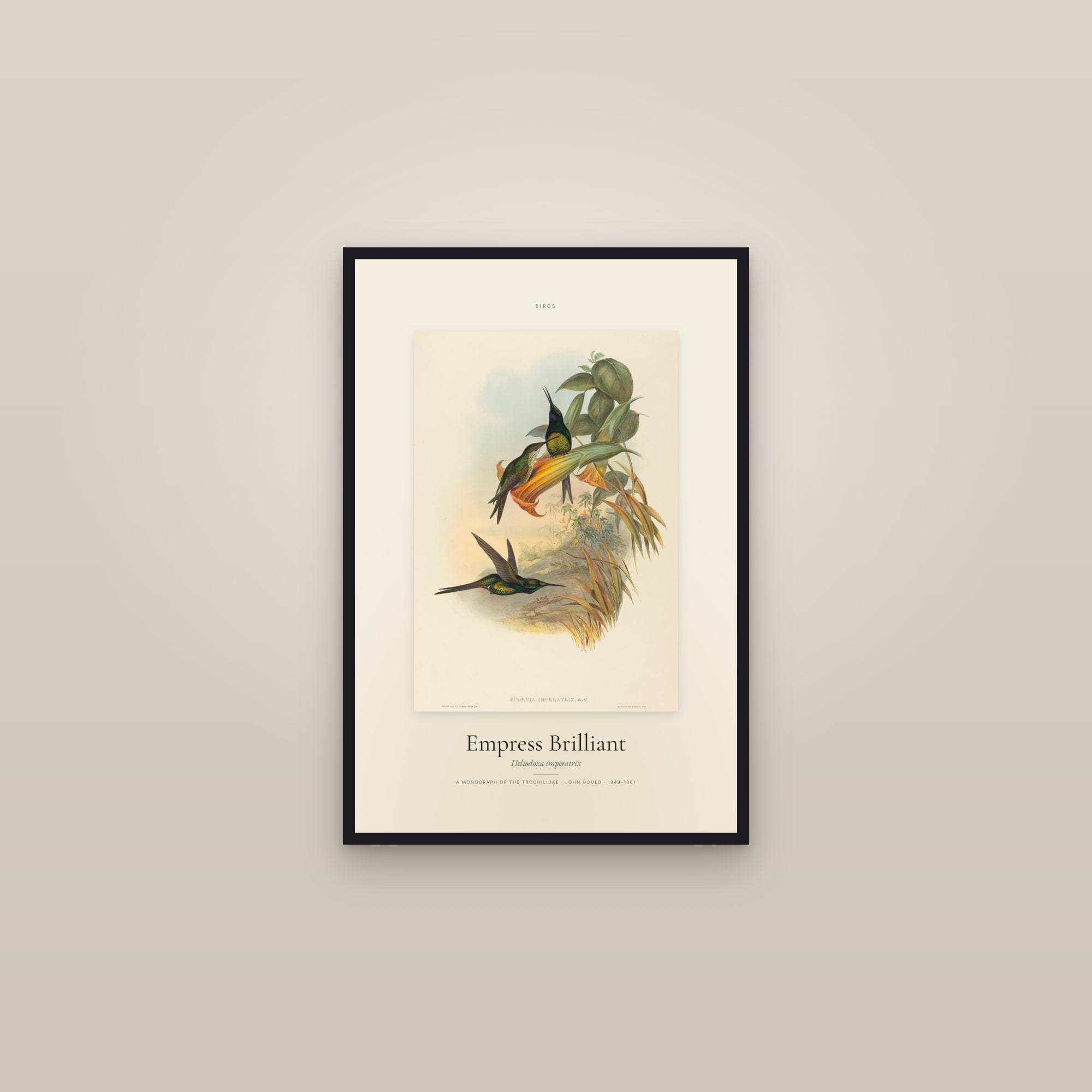
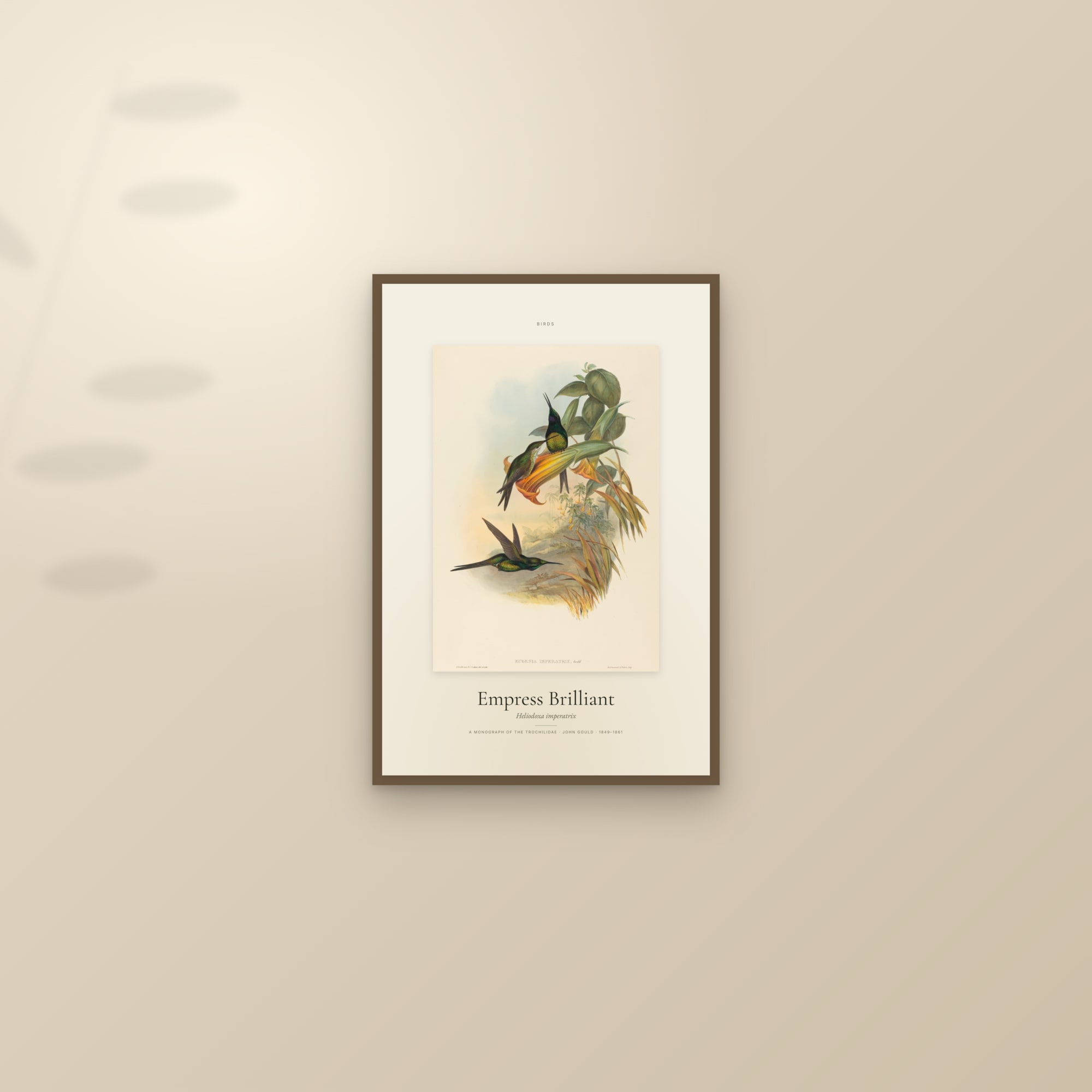
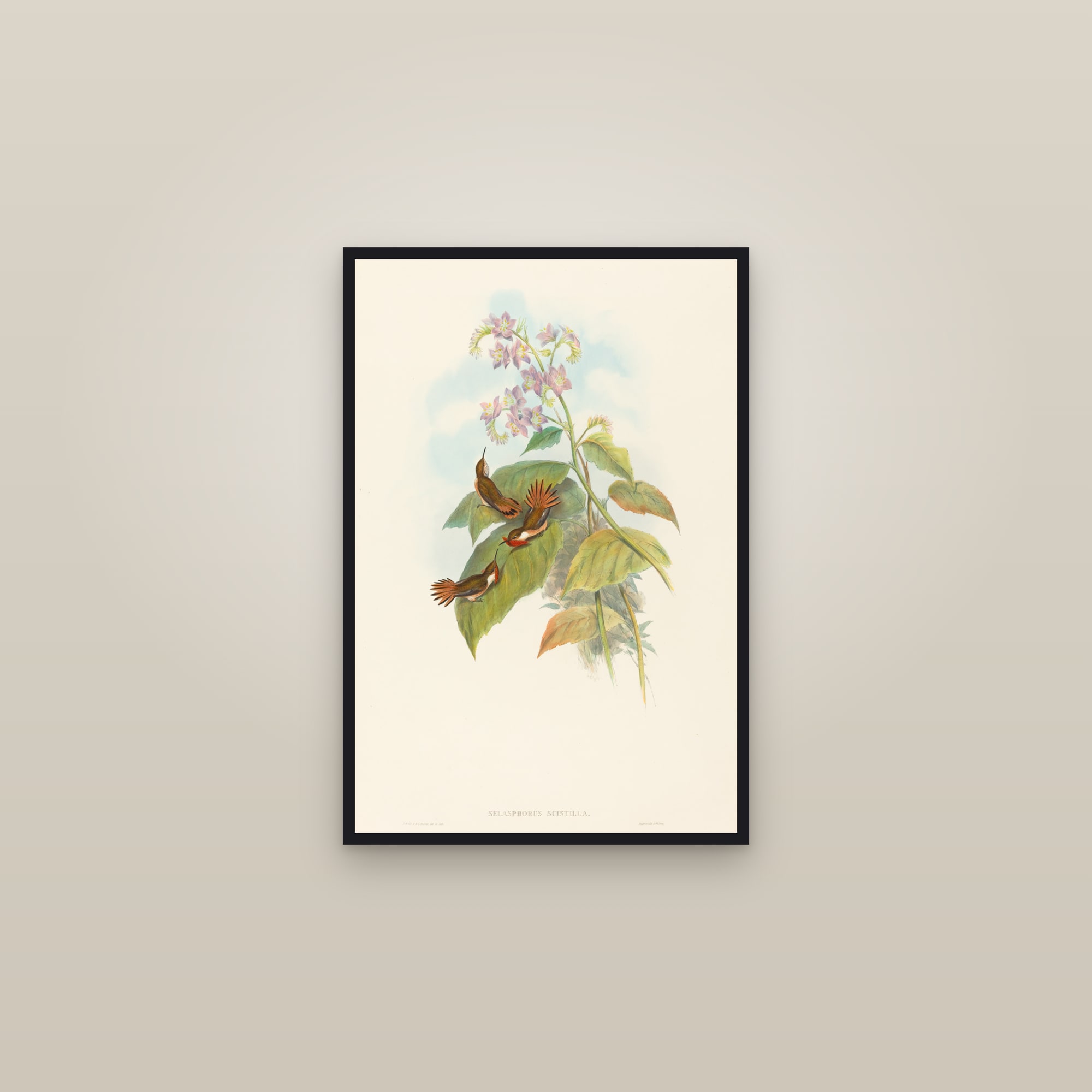
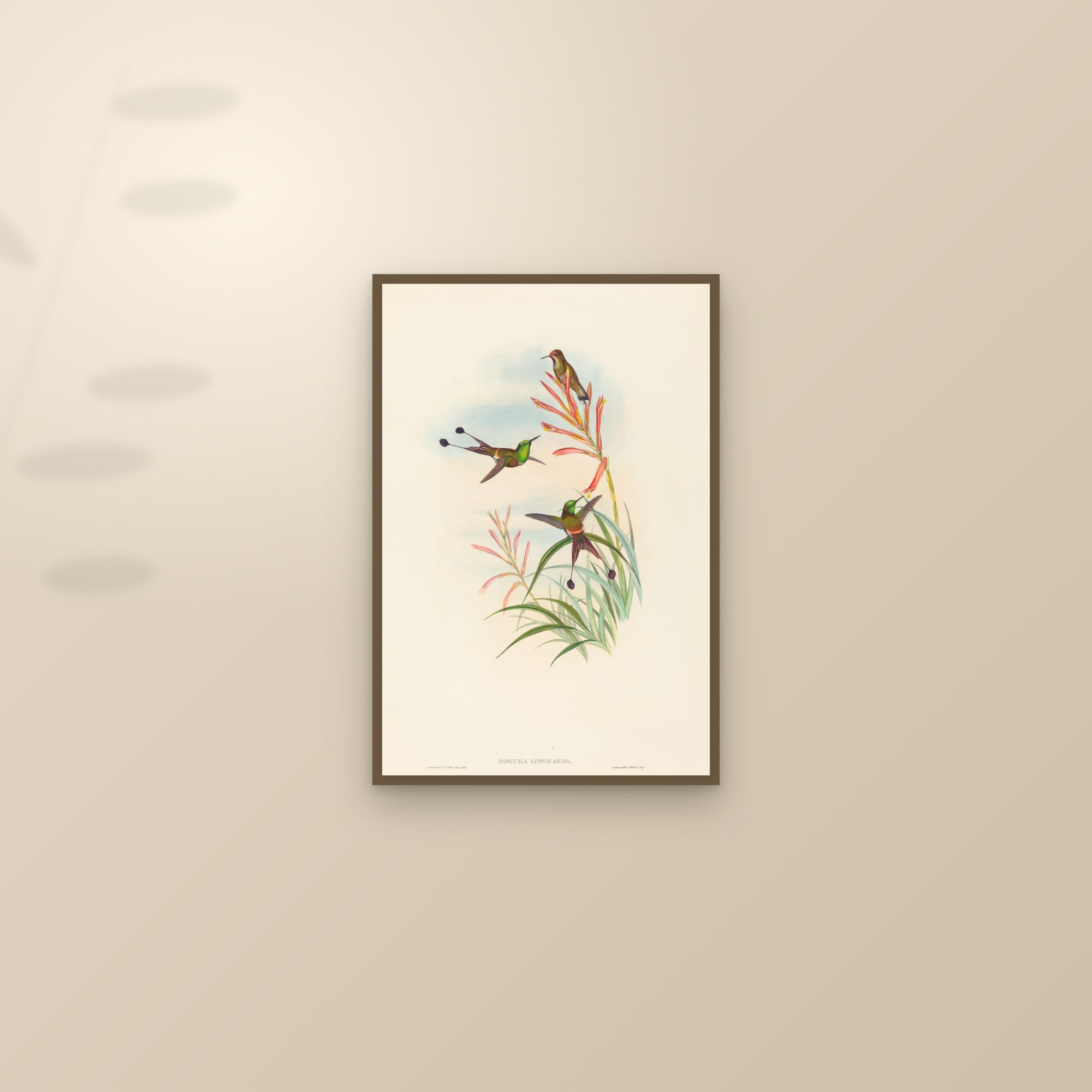
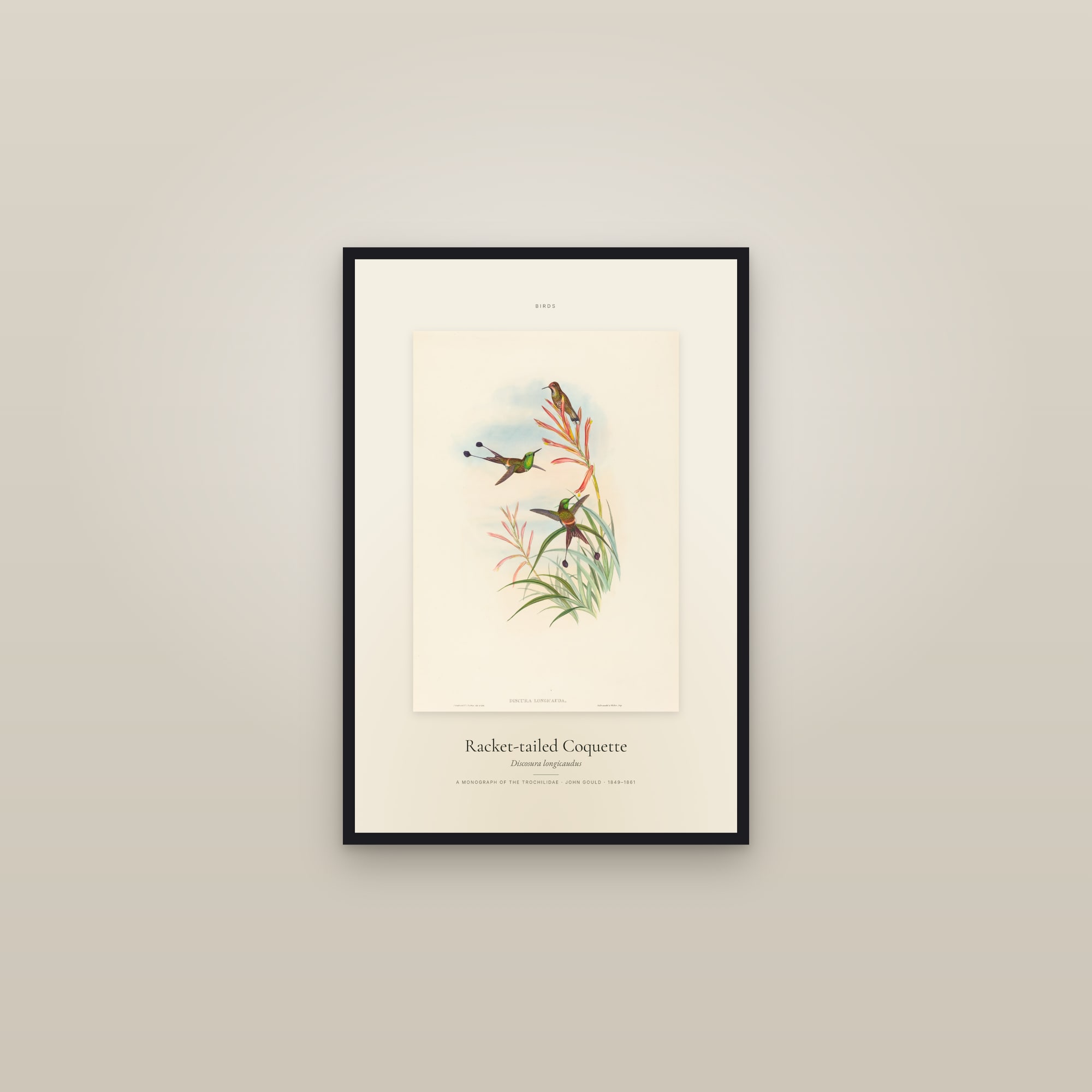
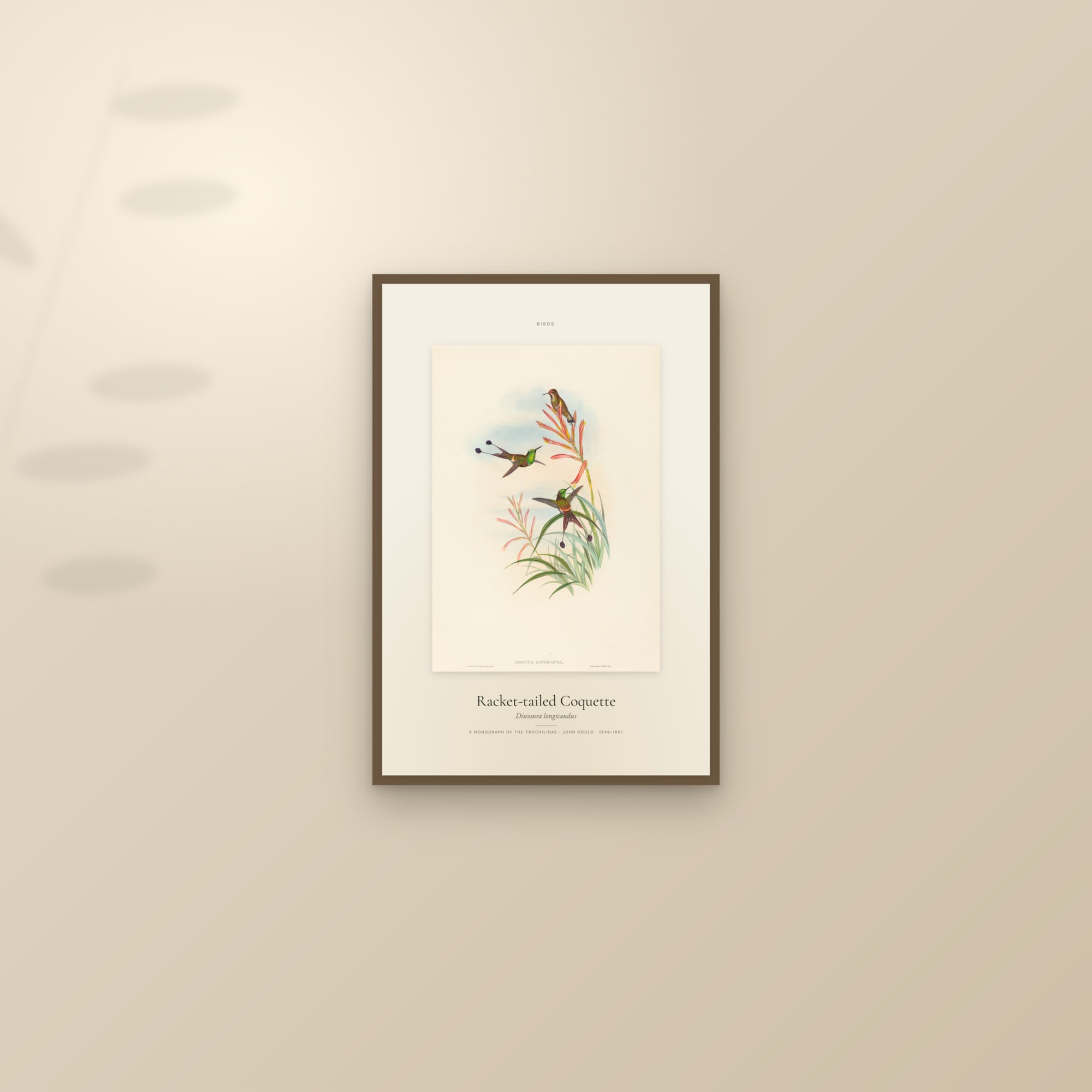
John Gould was born in September 1804 at Lyme Regis in Dorset, the son of a gardener, and after six years as an apprentice gardener at Windsor set up as a taxidermist in London in 1824. In 1827 he became the first curator of the Zoological Society of London's museum, and in January 1837 it was Gould who identified the Galápagos birds Darwin had brought back as a new group of finches. From 1830 he began the series of large folio bird books that occupied the rest of his life, with his wife Elizabeth drawing the first plates on stone: A Century of Birds from the Himalaya Mountains, The Birds of Europe in five volumes from 1832 to 1837, and The Birds of Australia, for which the couple spent two years in the field from 1838 to 1840. Later volumes were drawn by Edward Lear, Henry Constantine Richter, Joseph Wolf and William Hart from Gould's sketches: A Monograph of the Trochilidae, the hummingbirds, from 1849 to 1861, The Birds of Asia from 1850 to 1883, and The Birds of Great Britain from 1862 to 1873. He exhibited his collection of 320 hummingbird species at the Great Exhibition of 1851. He died in London in February 1881 with around 3,000 hand-coloured lithographs to his name. The plates set each bird on a branch or nest as a finished composition, which is why a single one frames so well.