Belle Époque Posters
Music halls, cafés, bicycles and cabarets: the colour lithographs that made the Paris street a gallery, from the scans the Bibliothèque nationale, the Rijksmuseum and the Boston Public Library keep.
103 prints · printed to order on heavyweight matte paper · framed or unframed
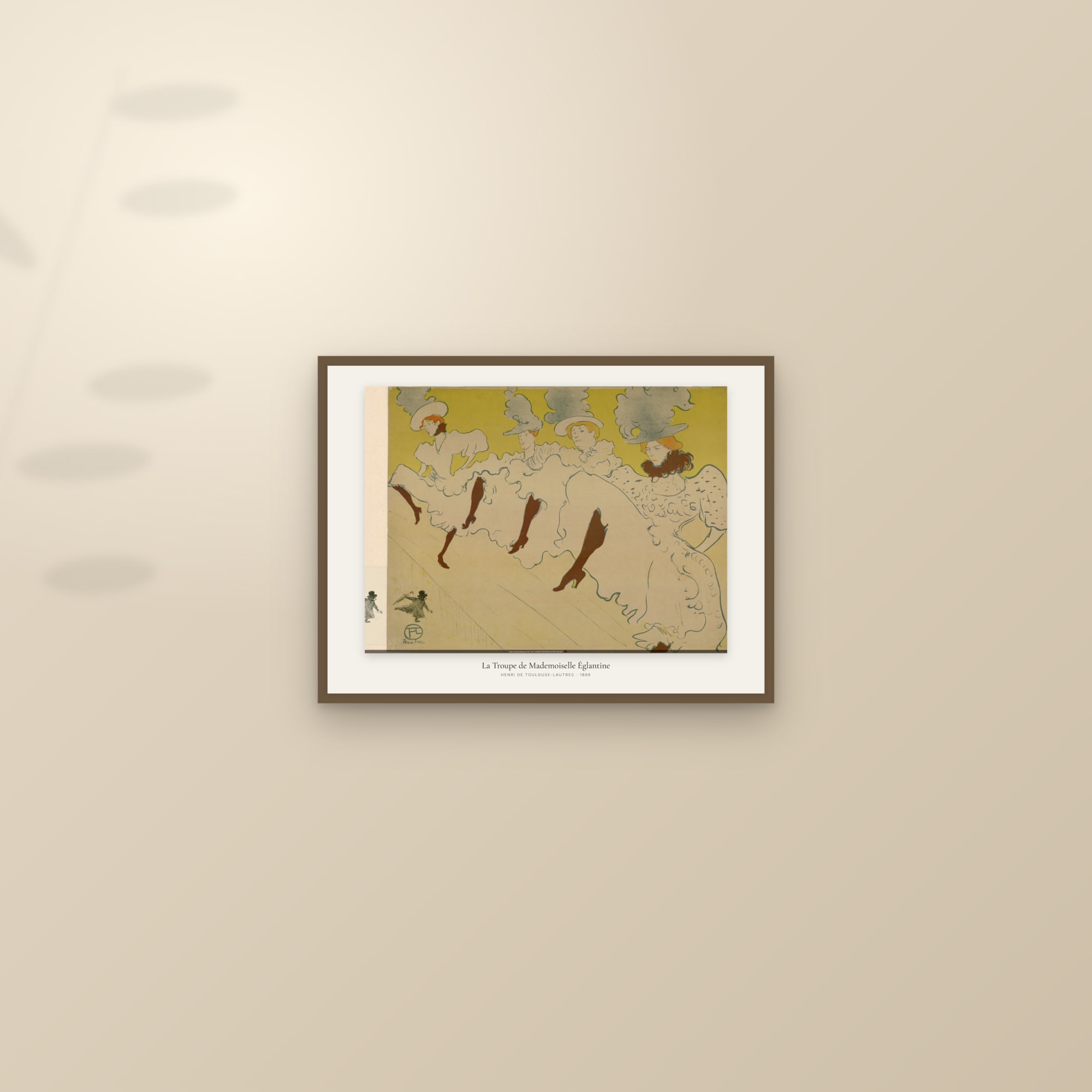
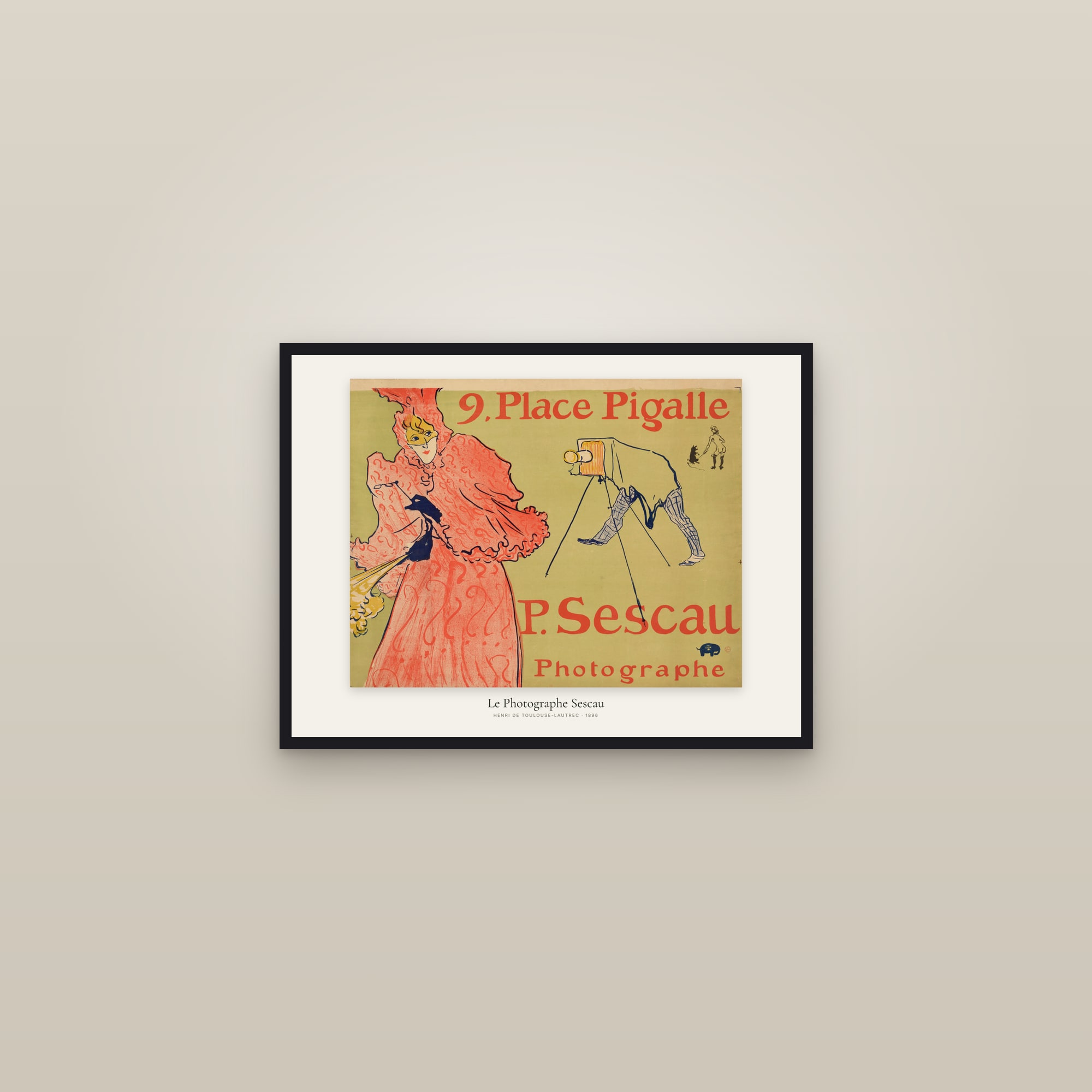
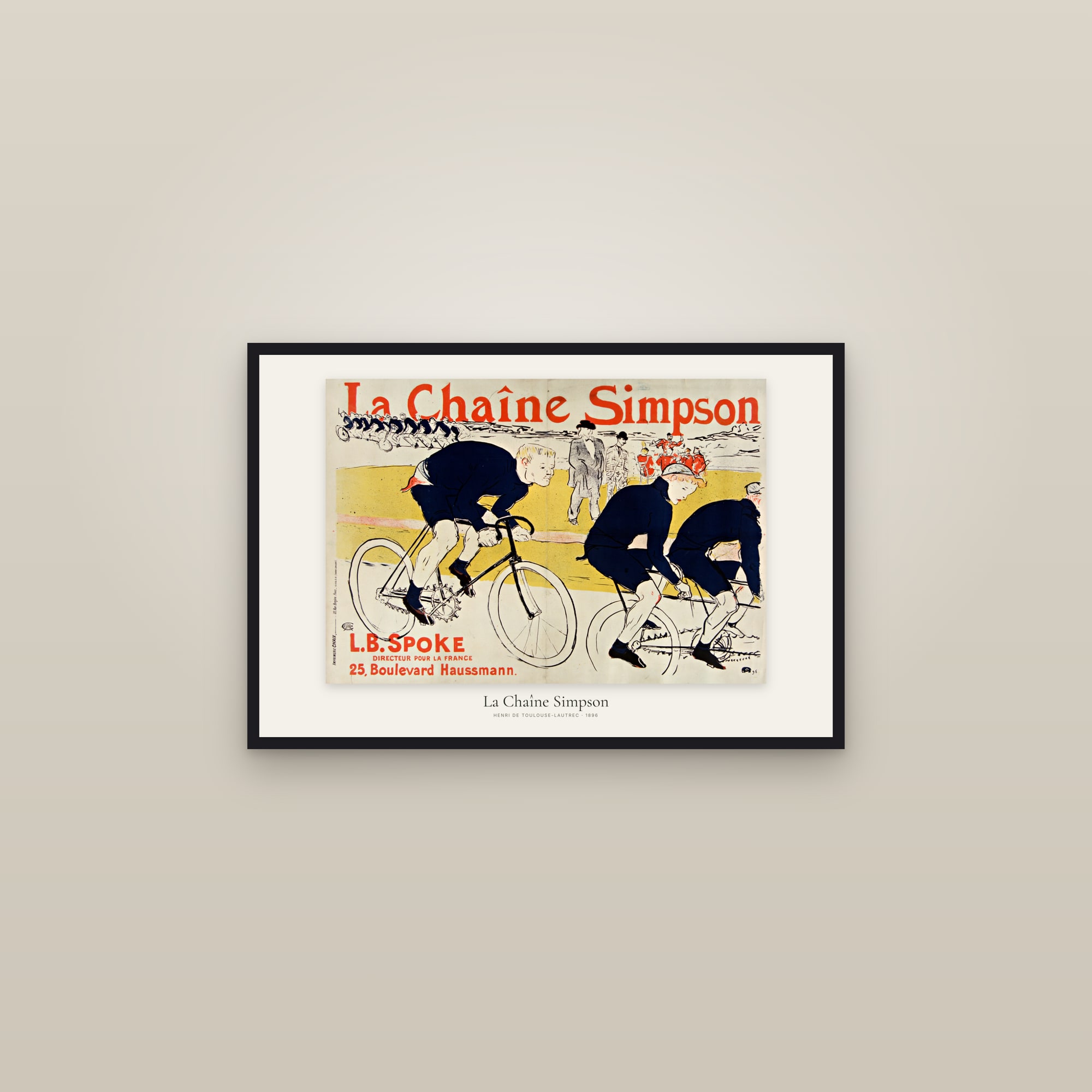
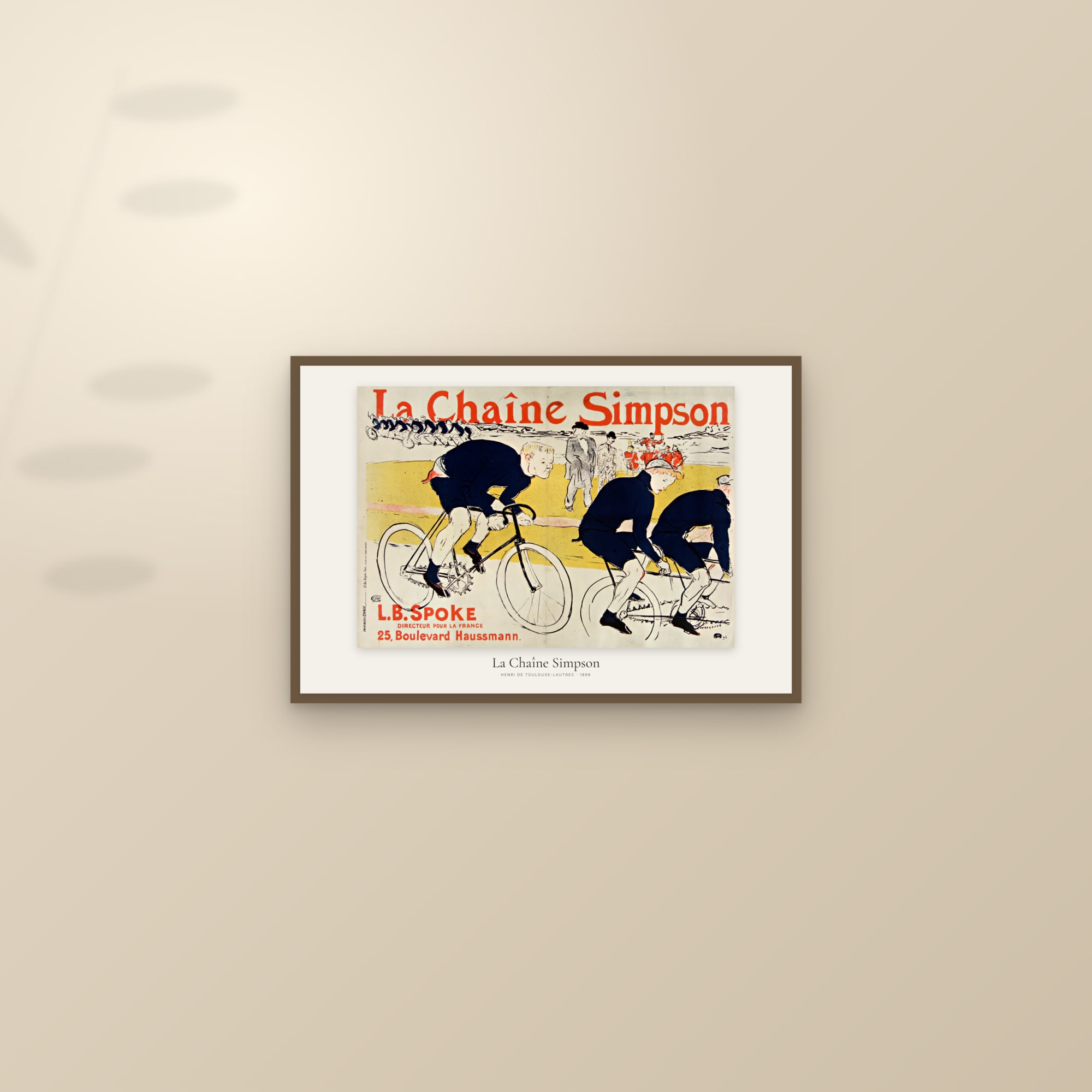
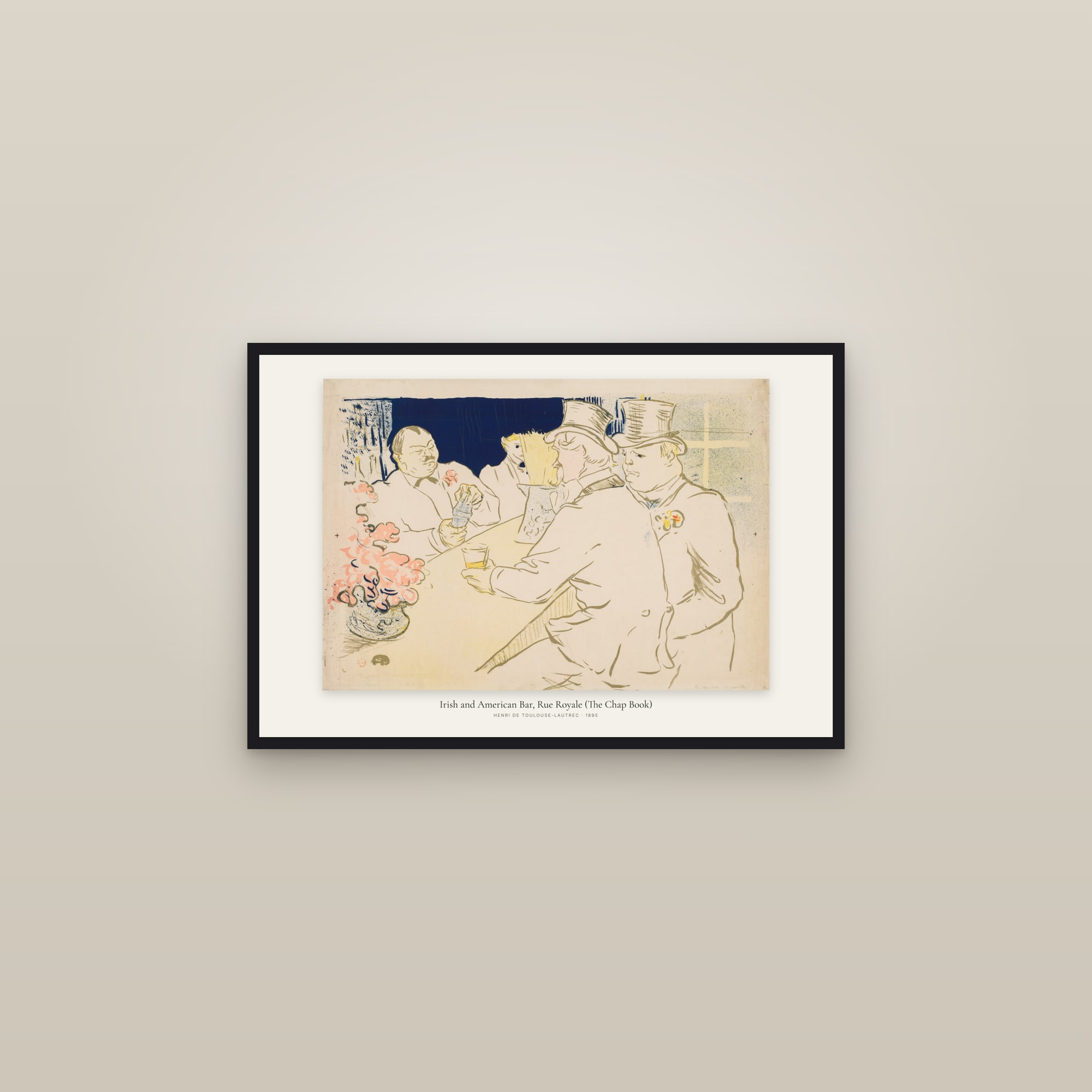
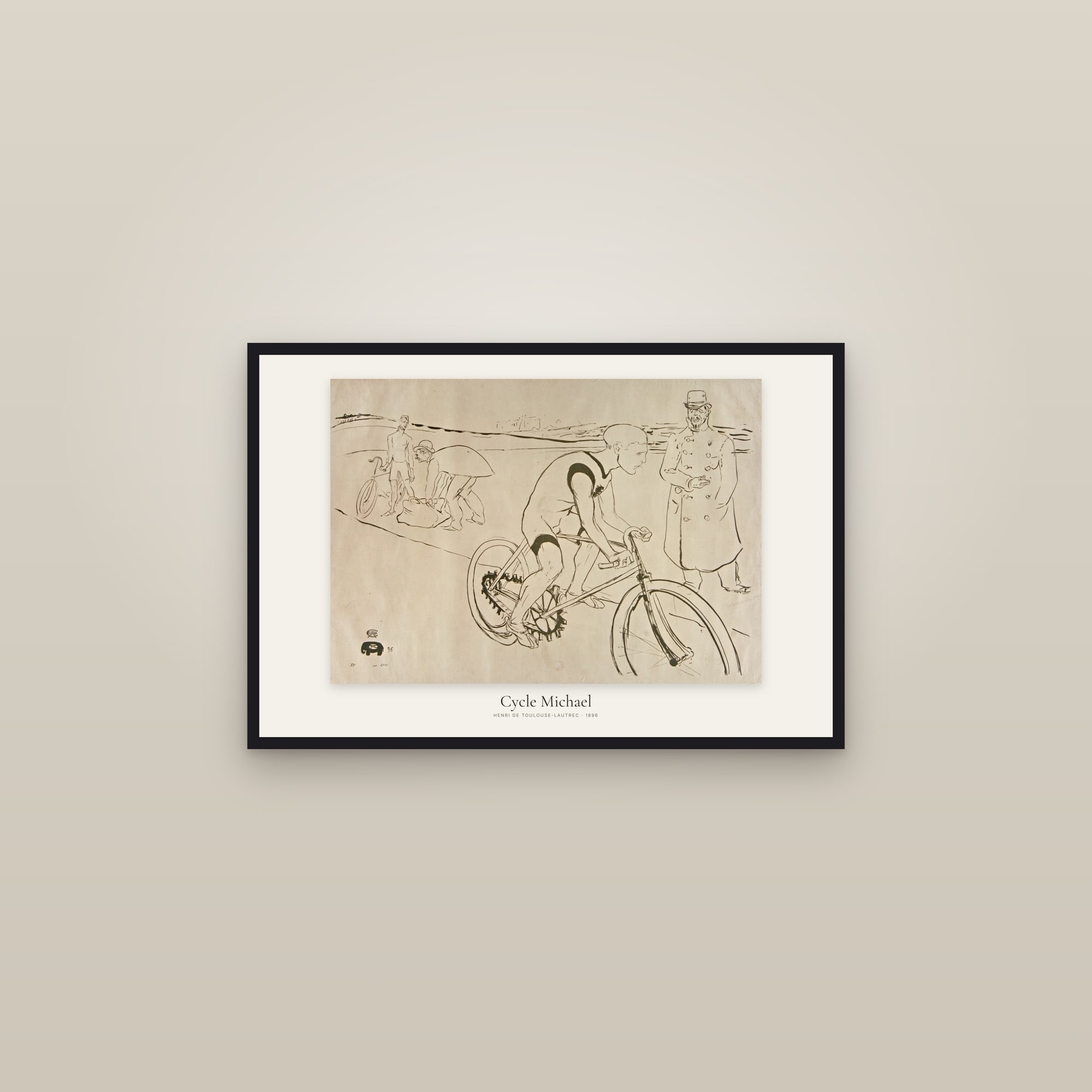
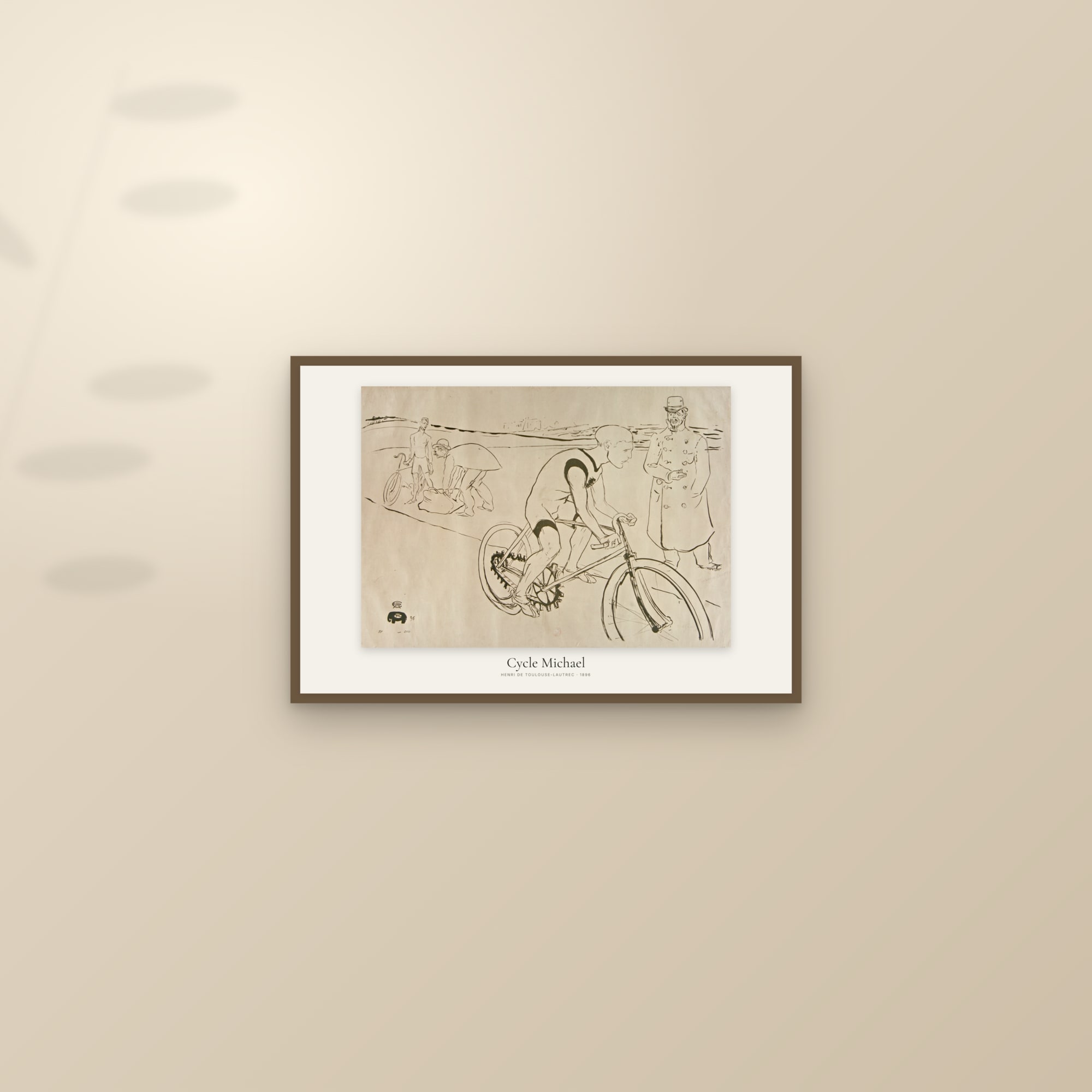
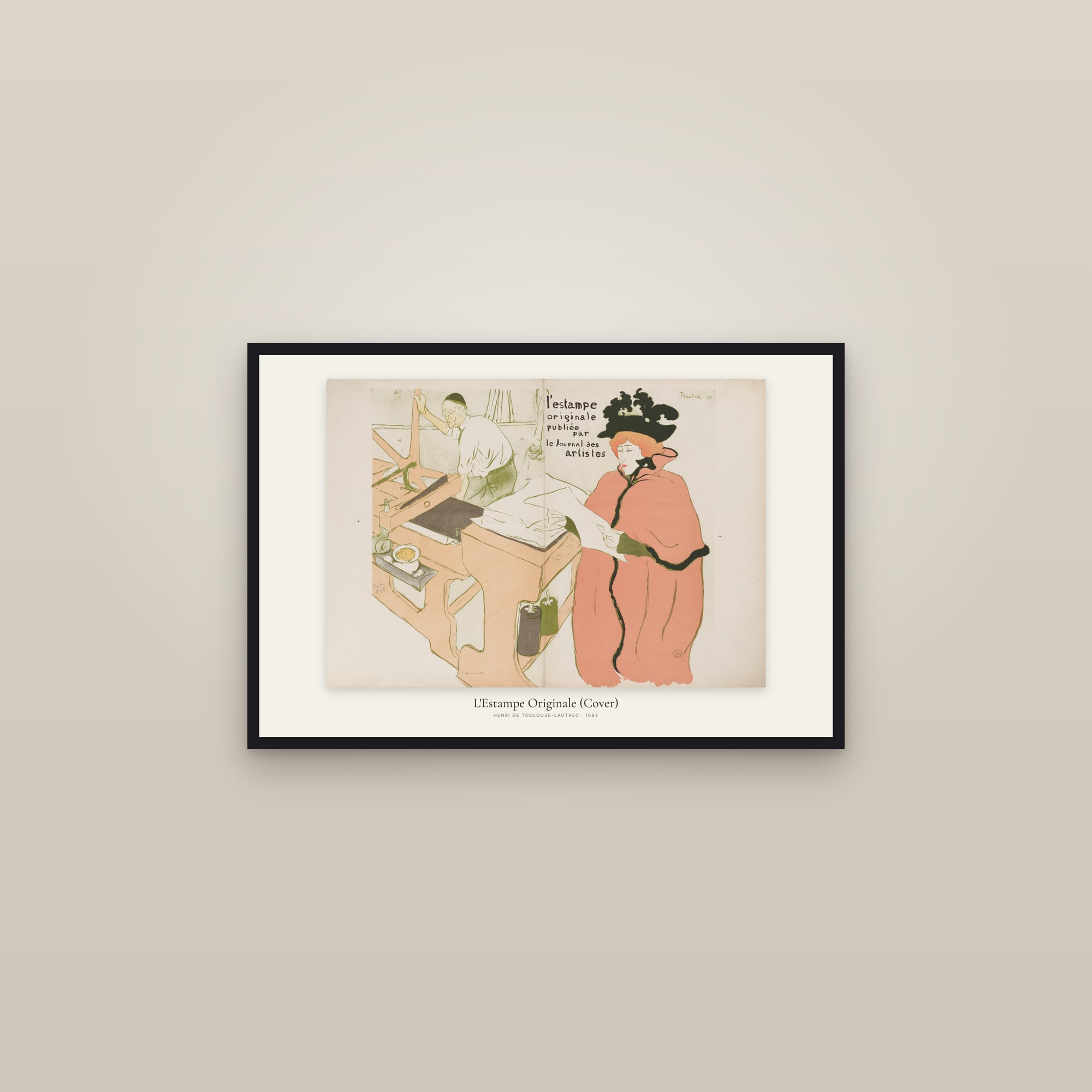
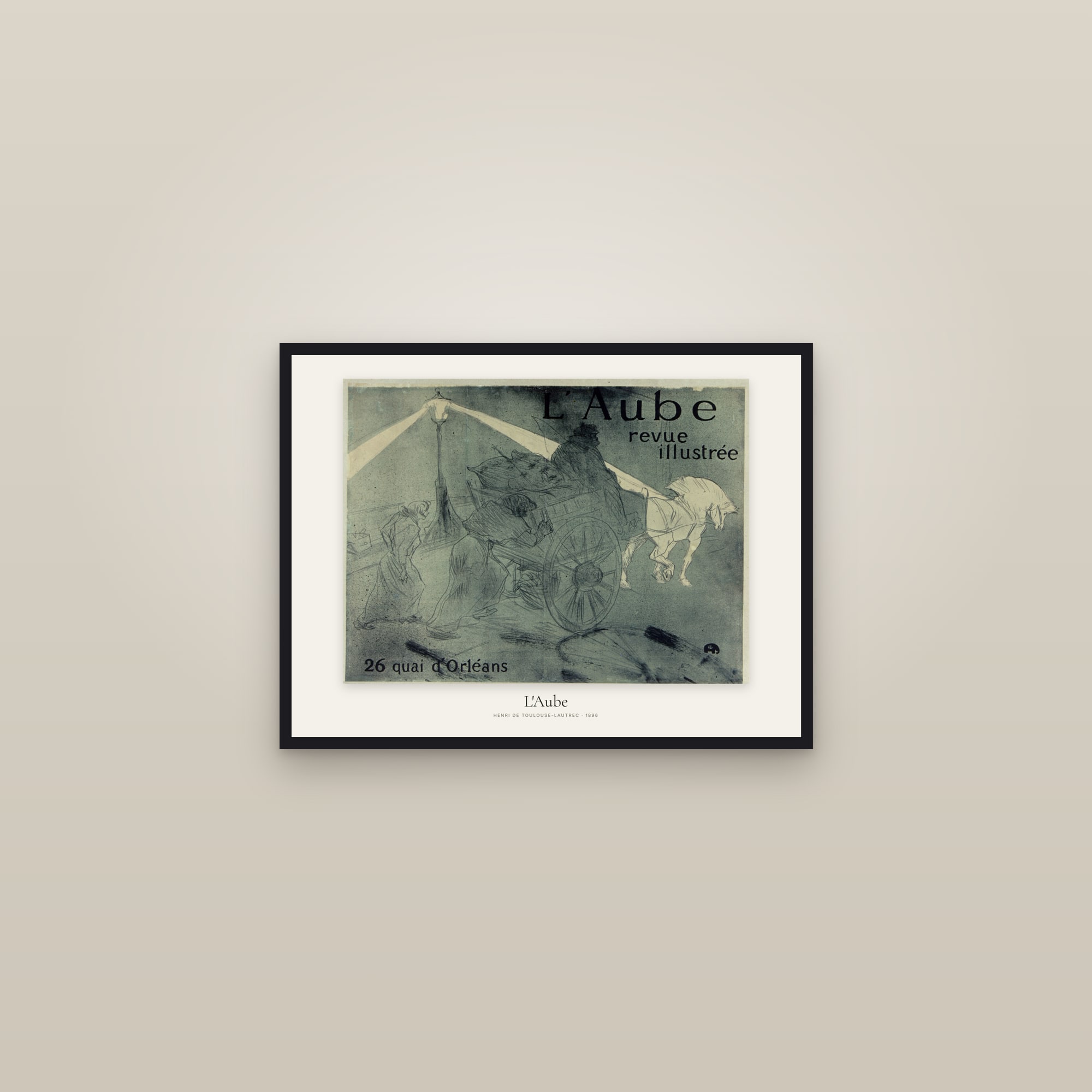
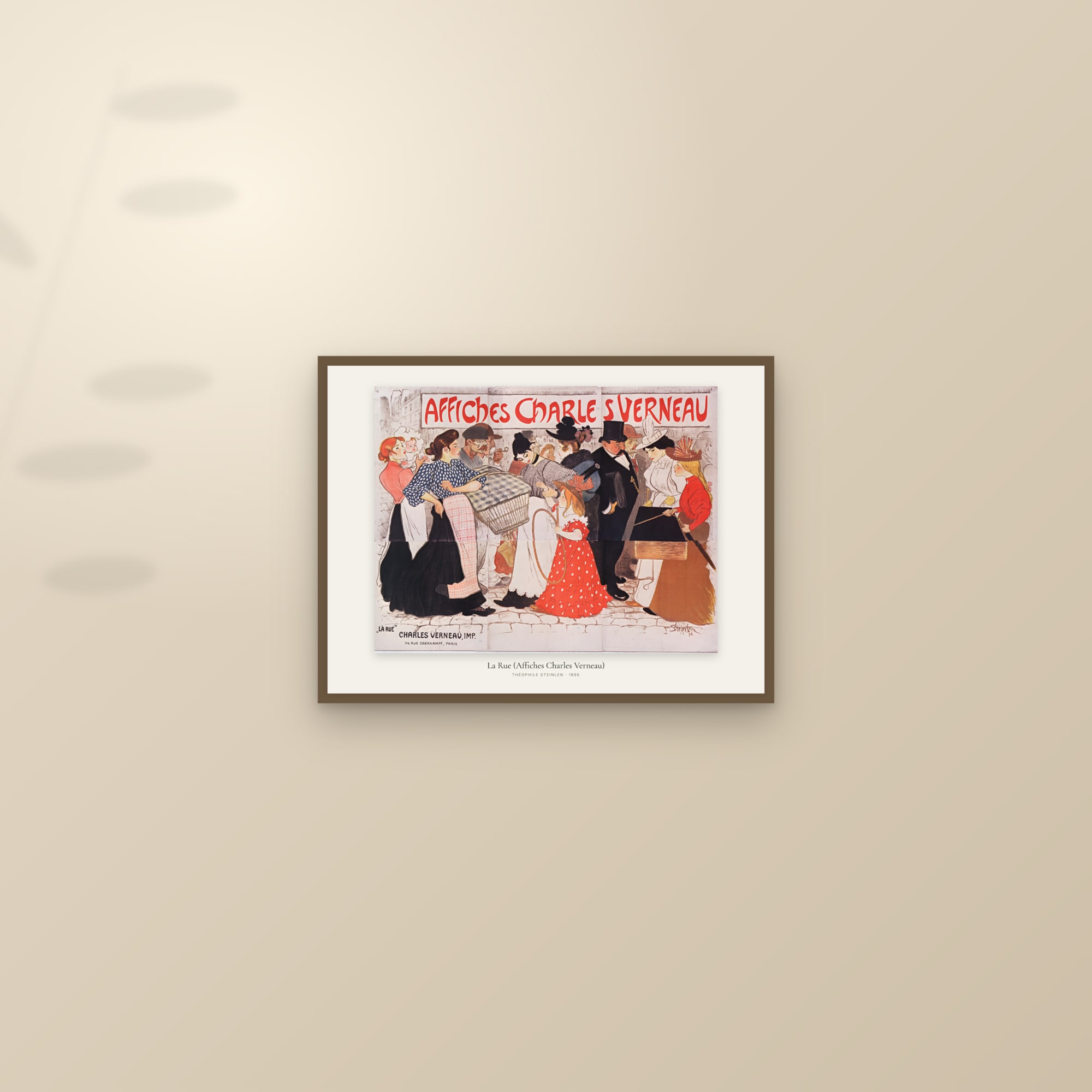
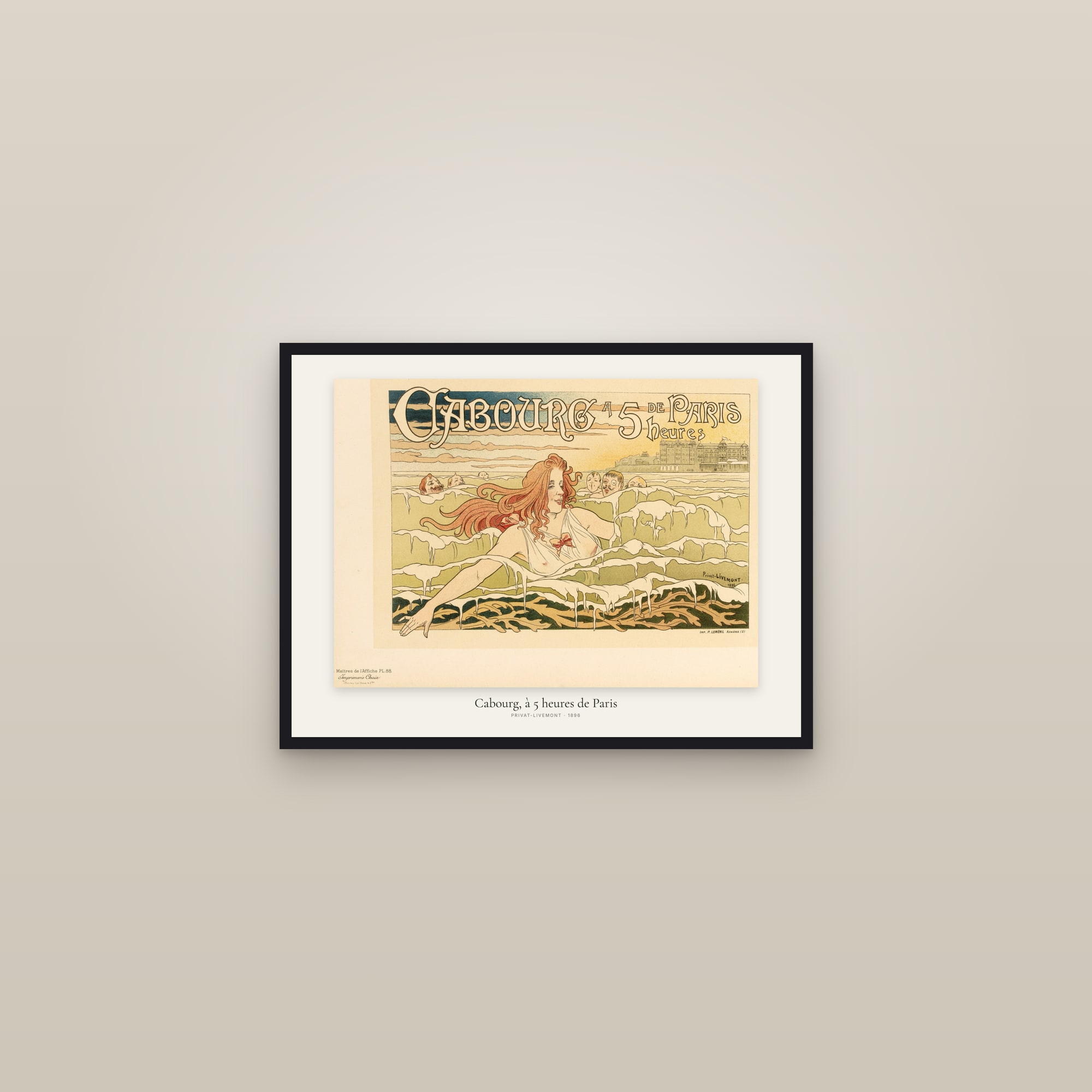
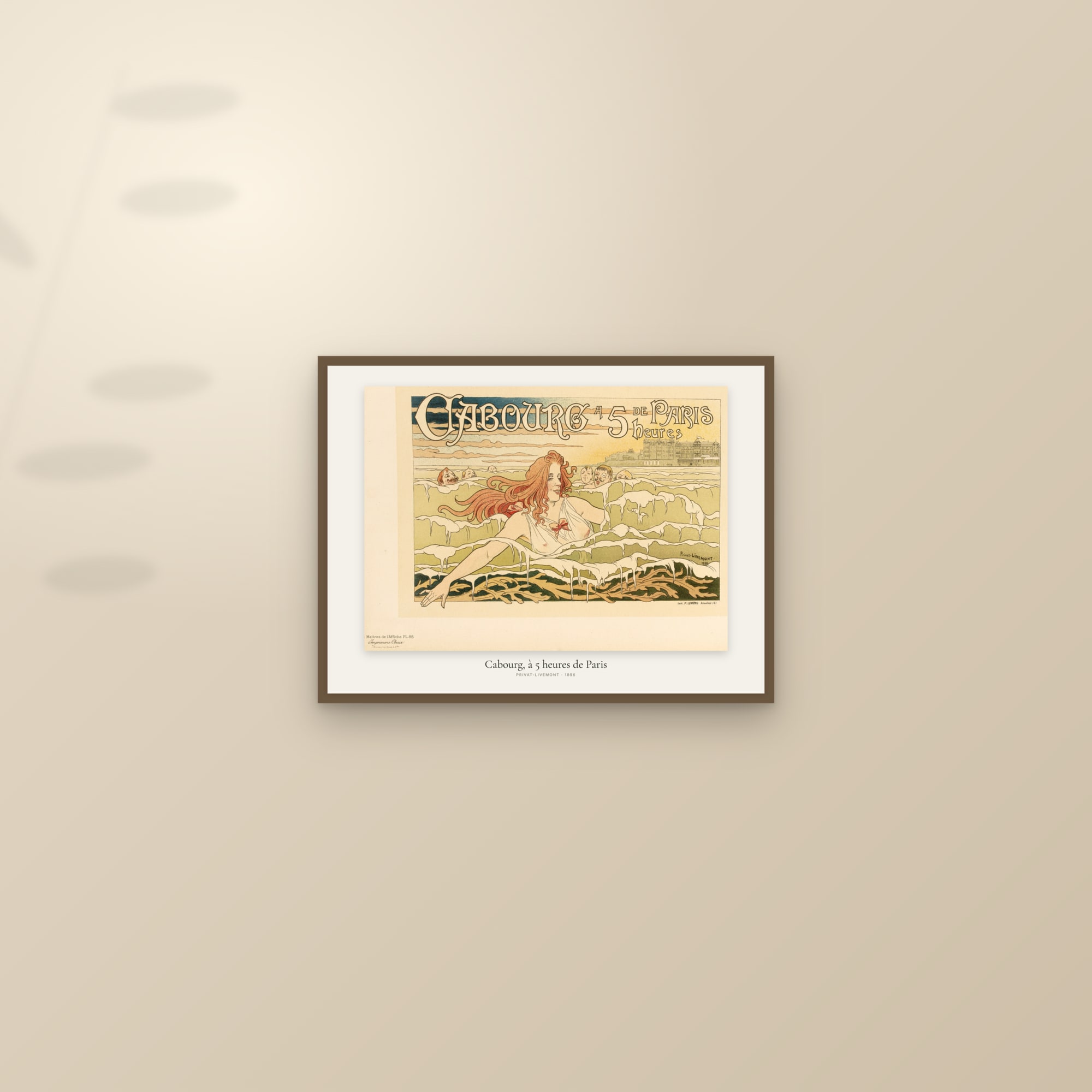
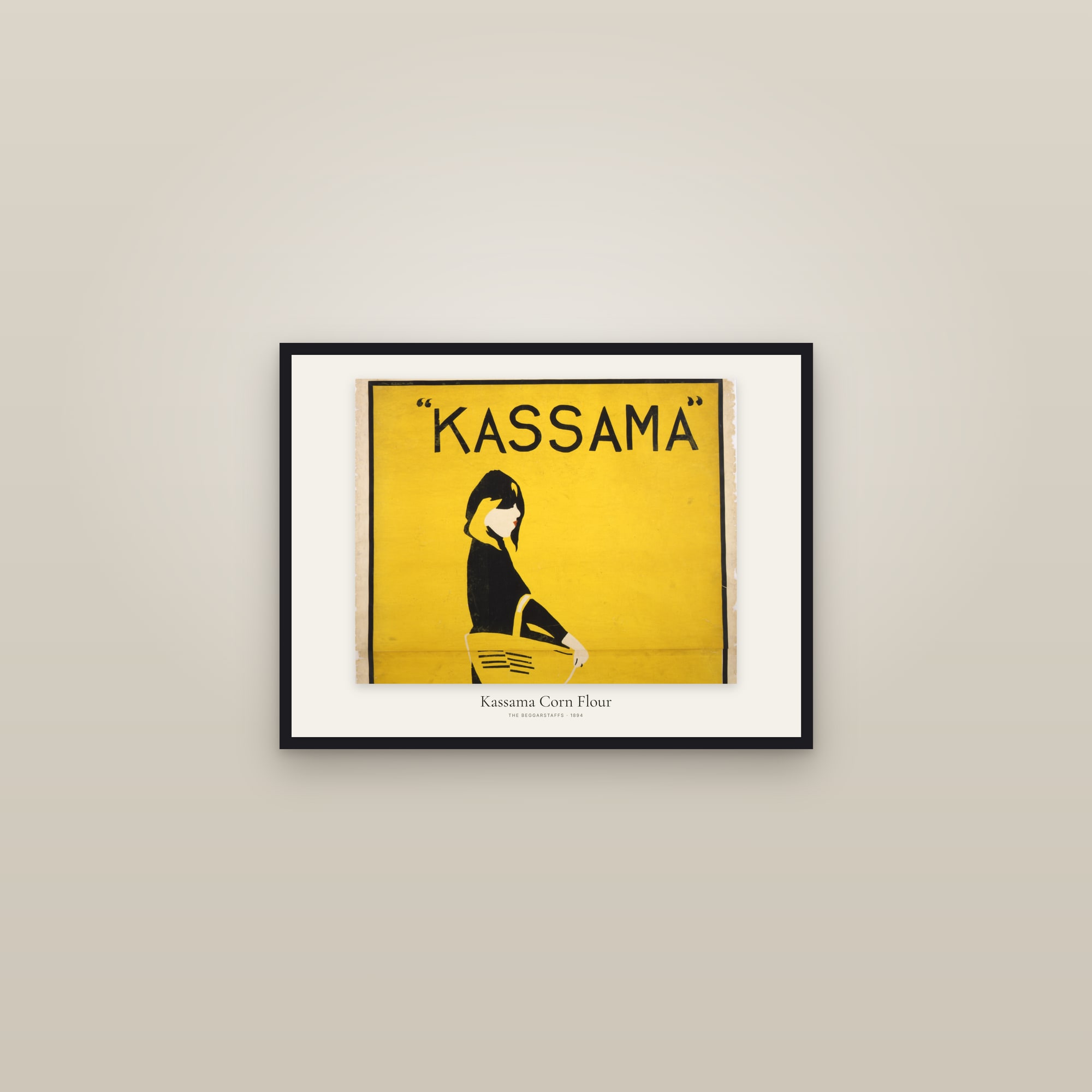
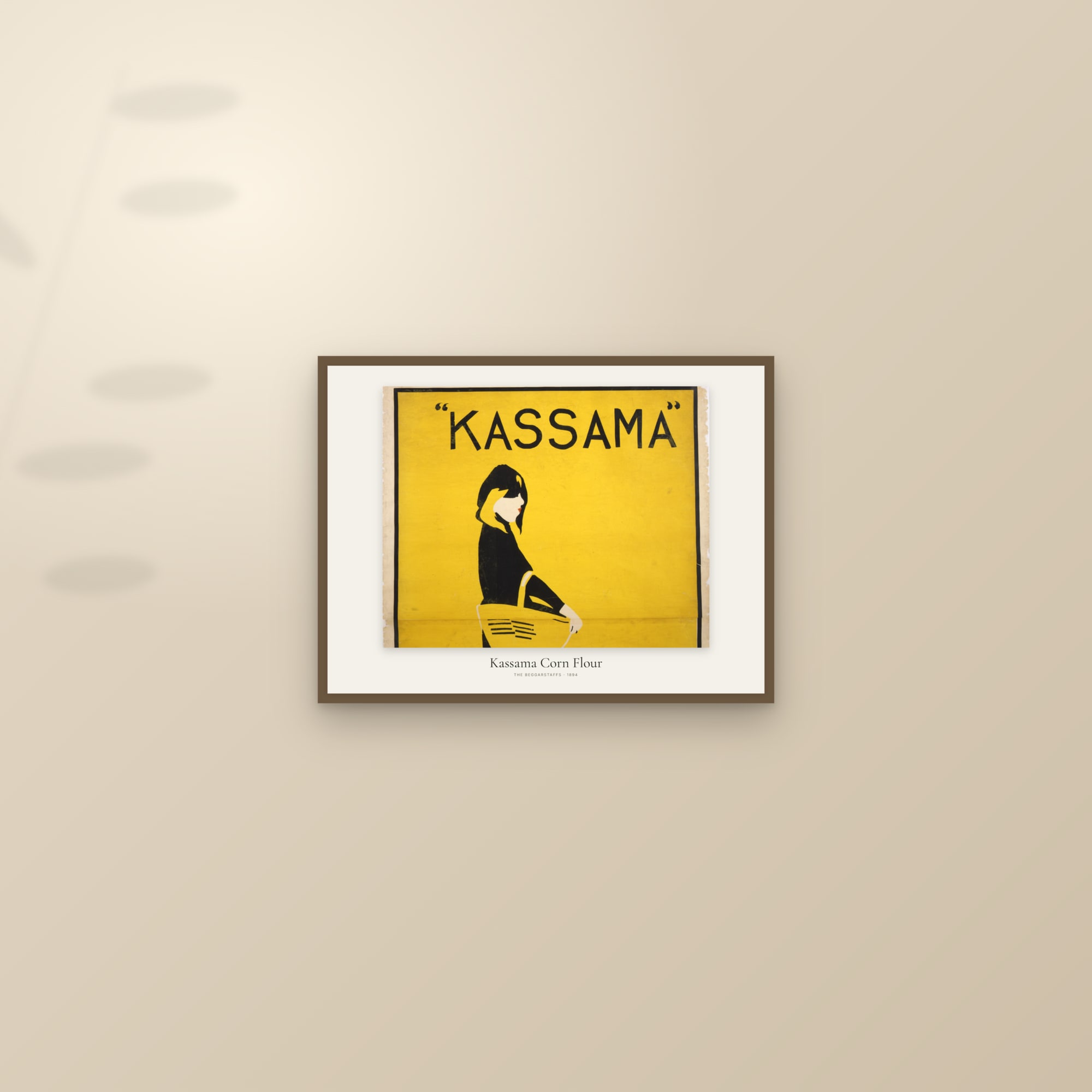
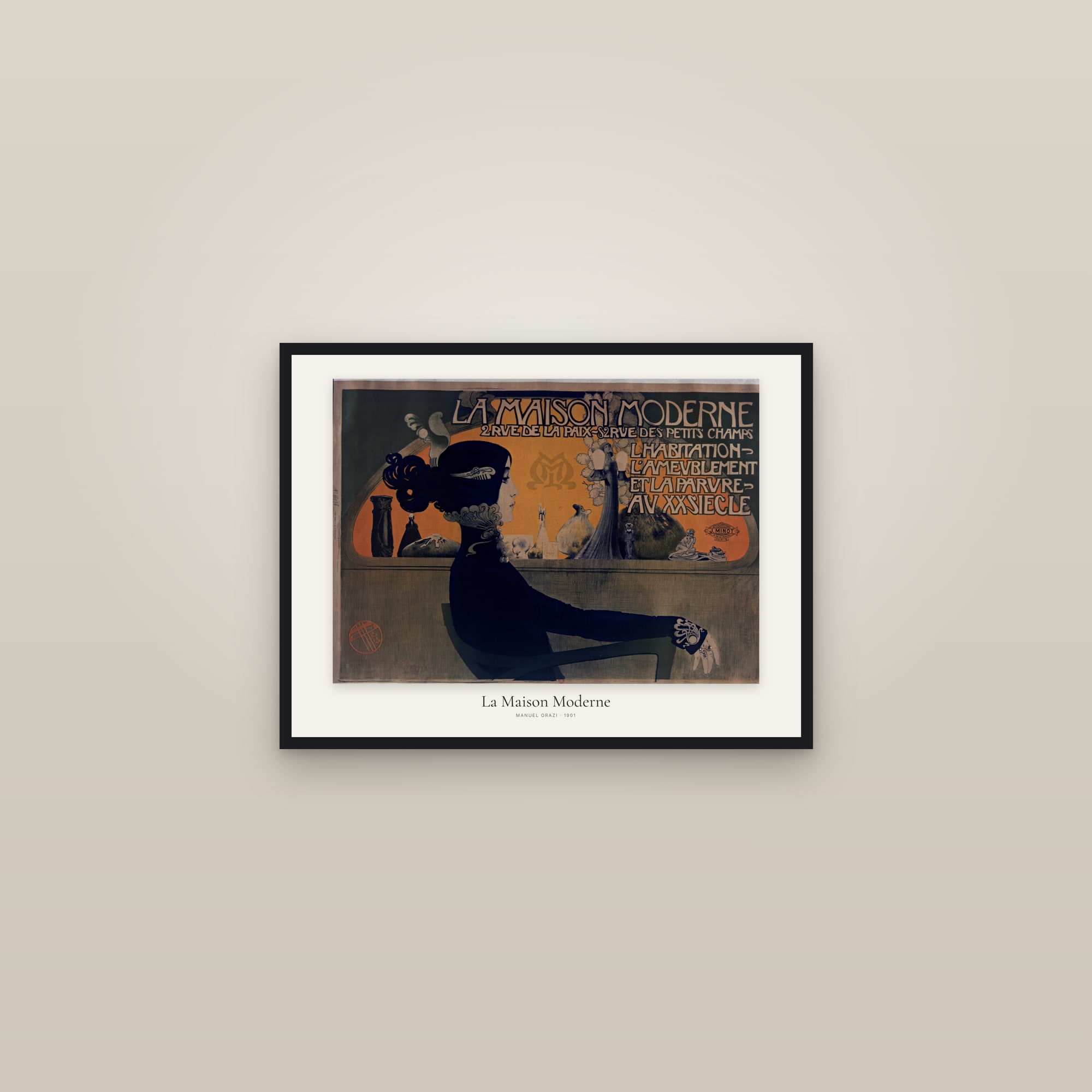
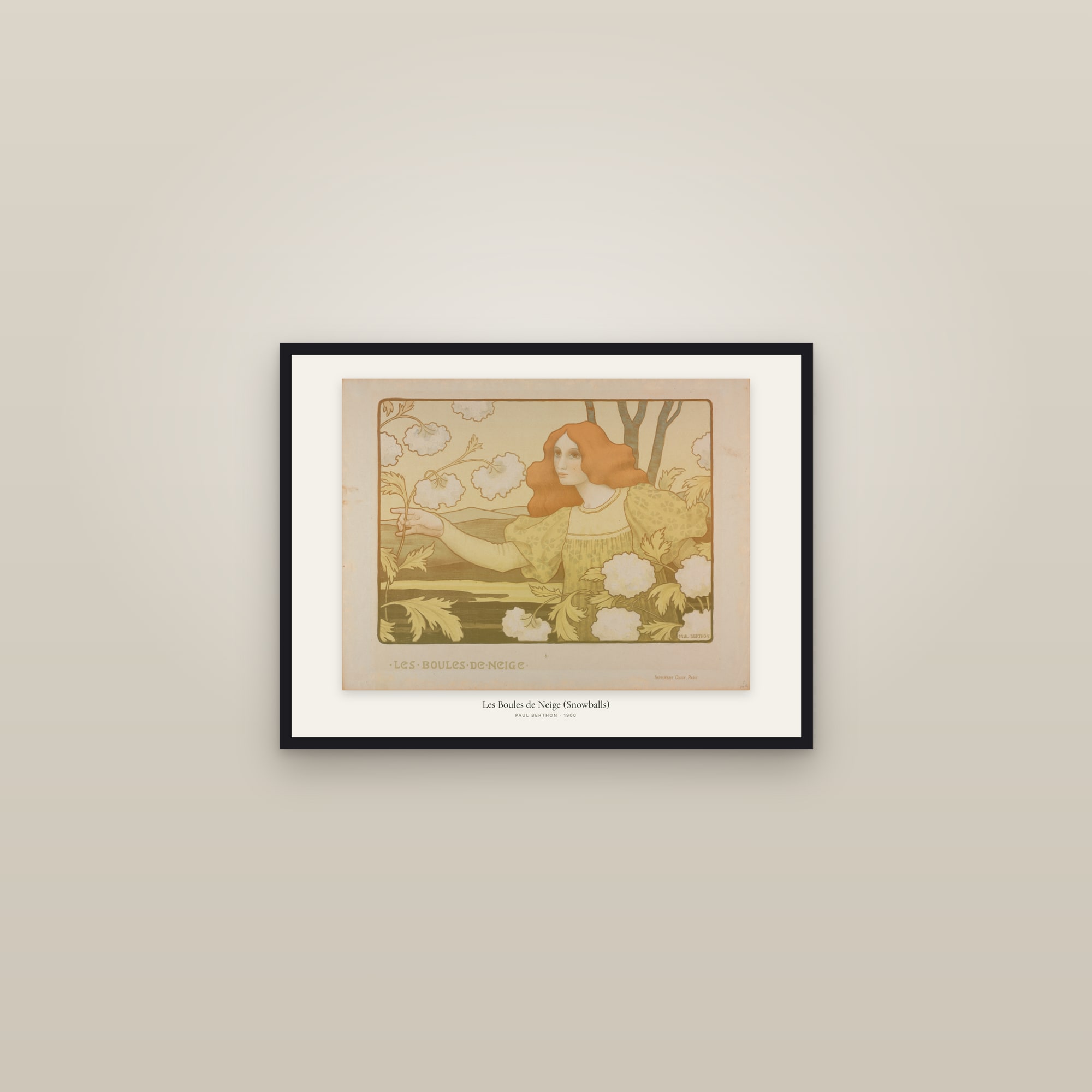
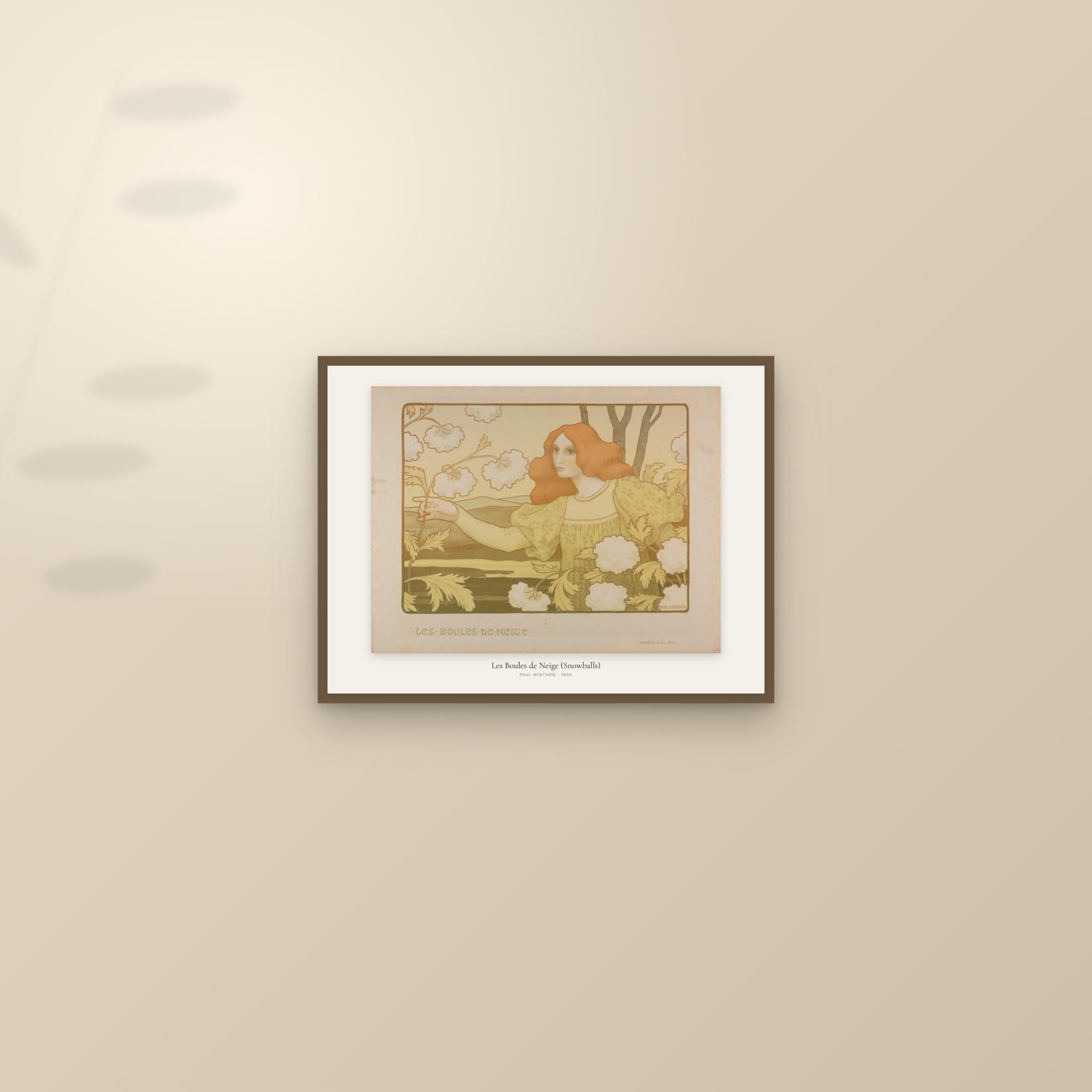
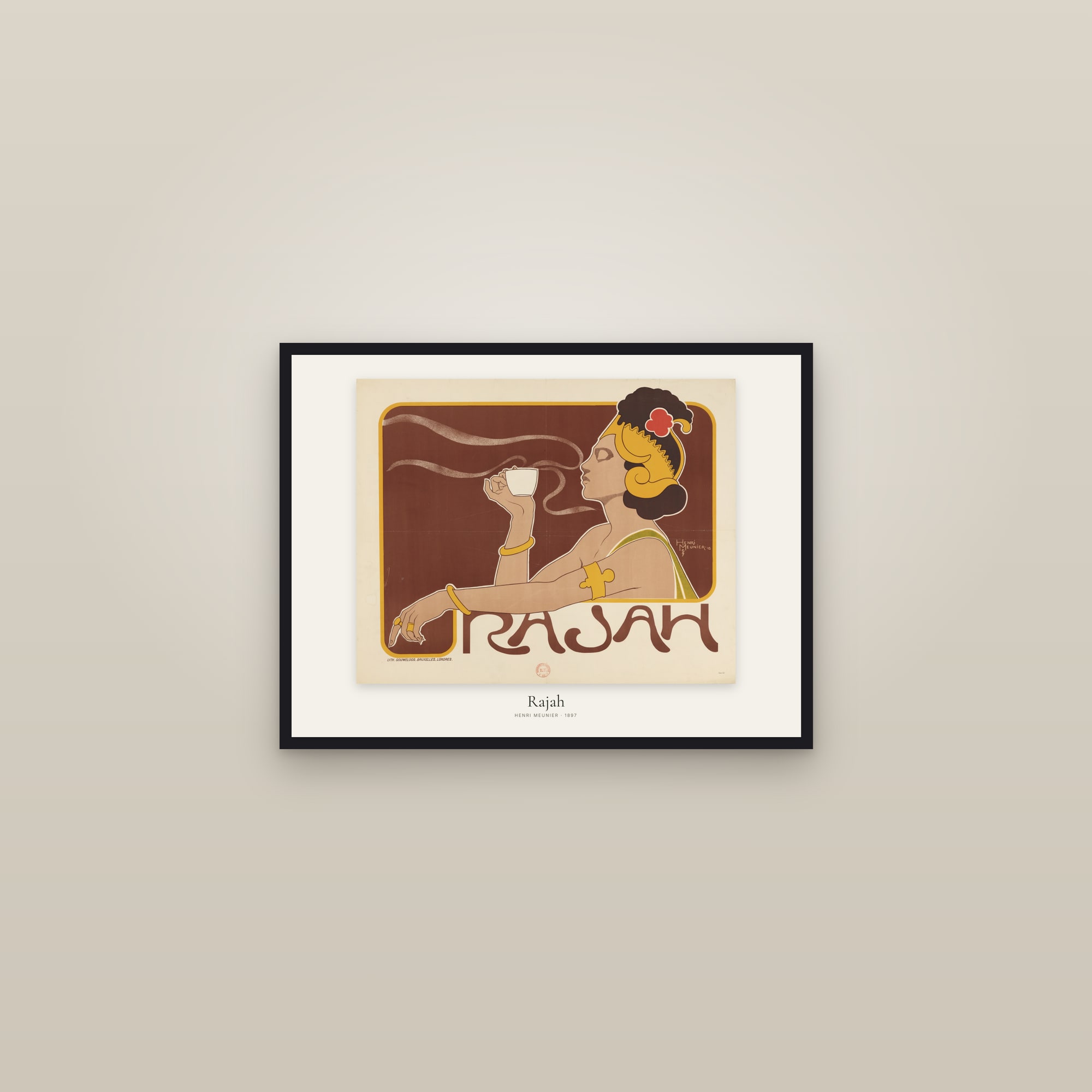
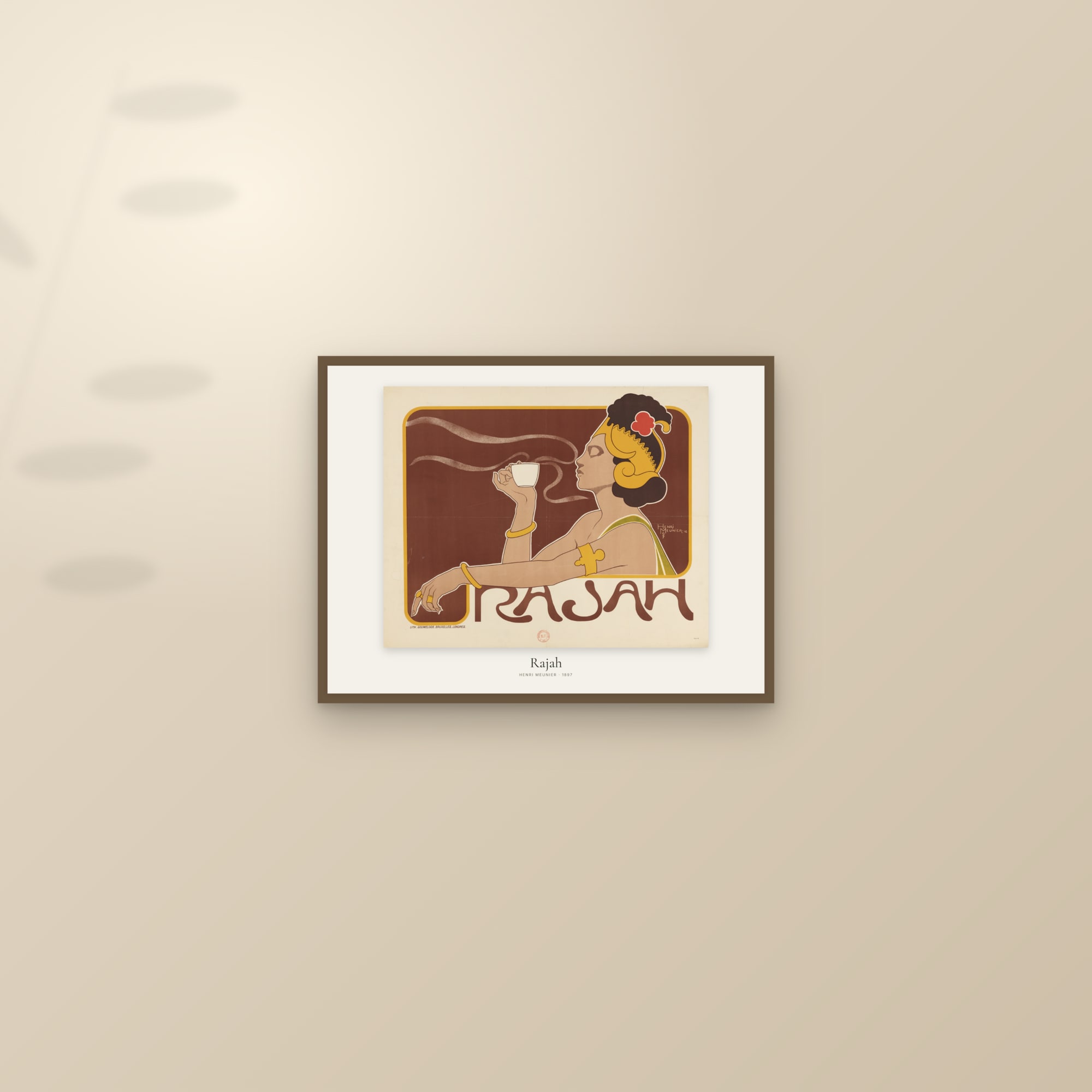
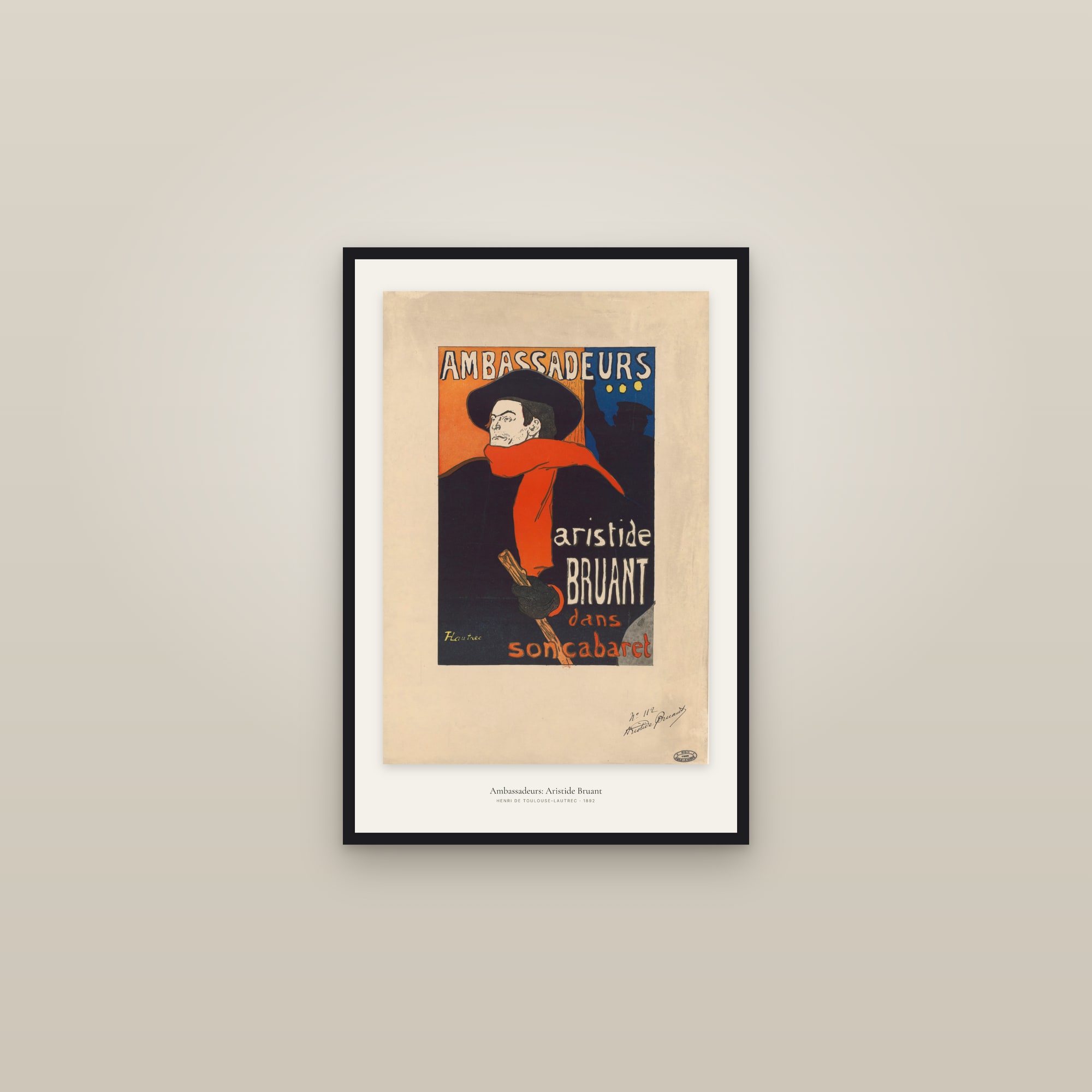
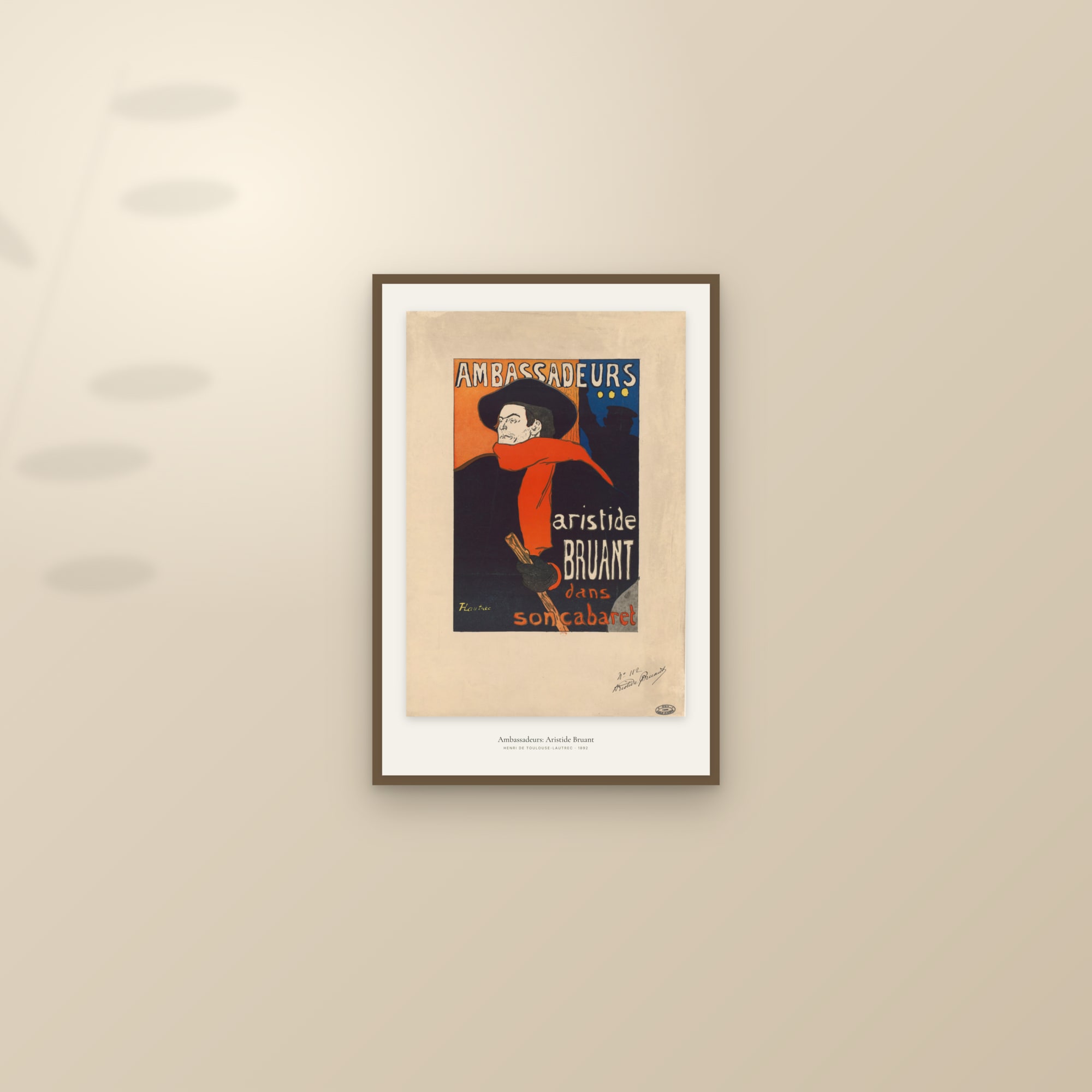
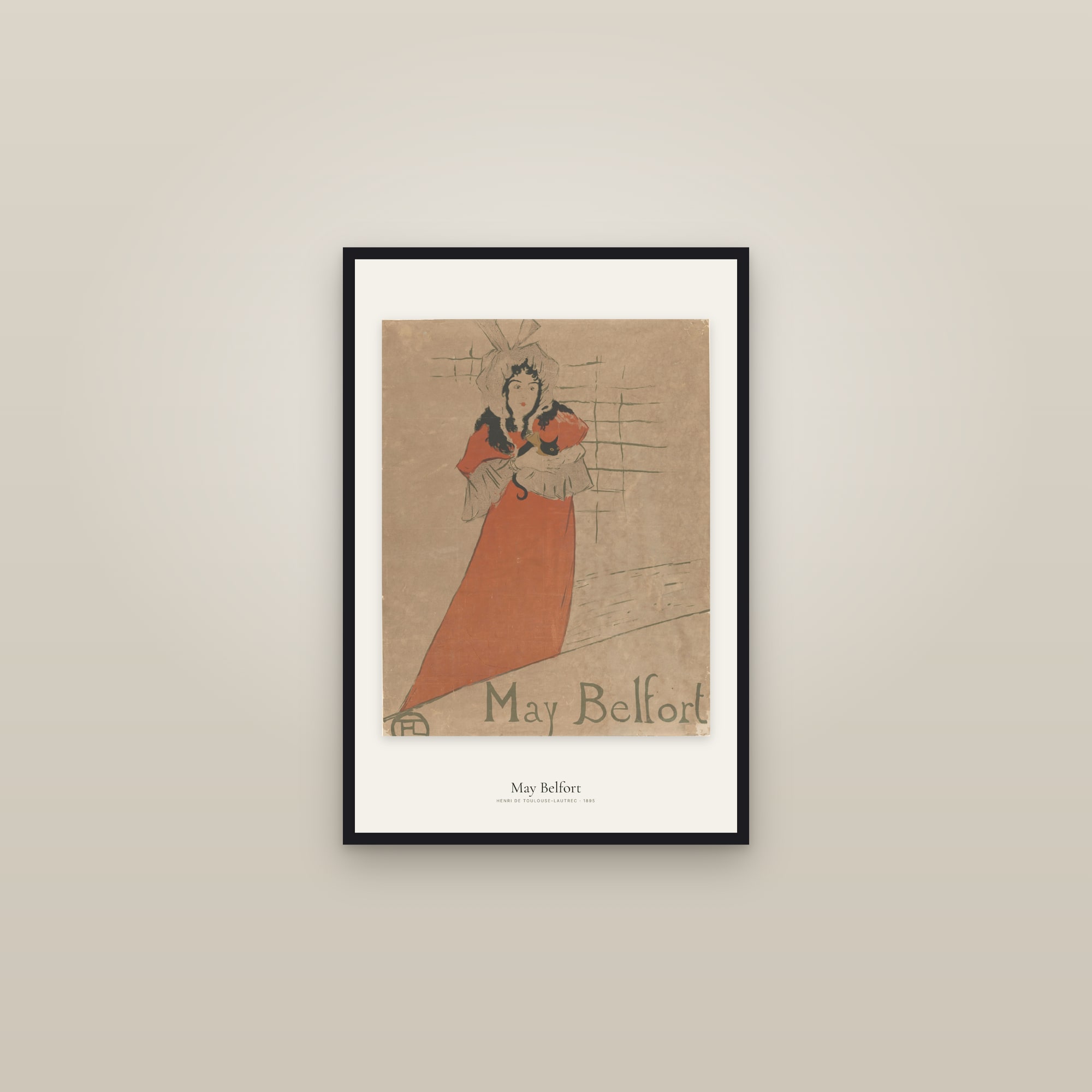
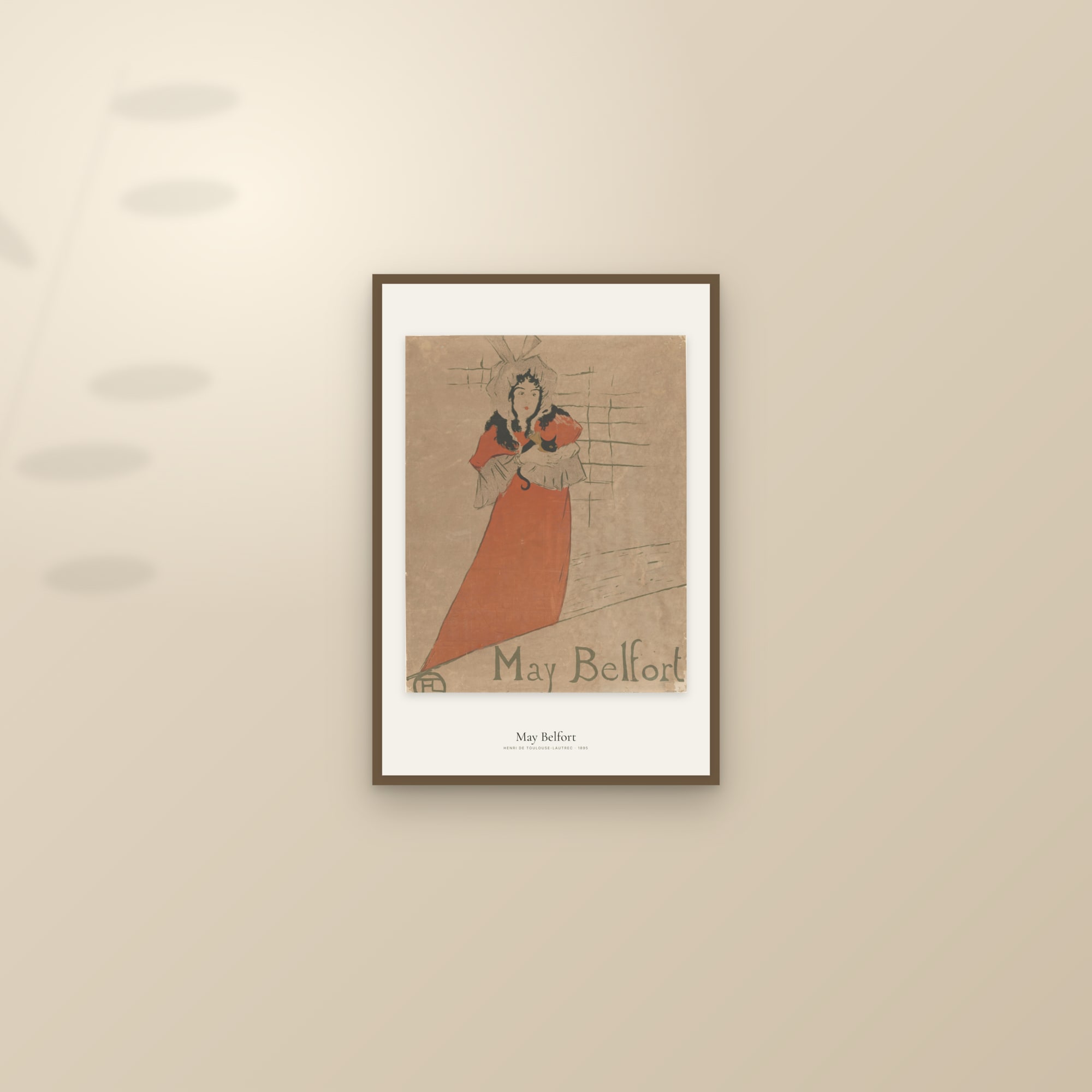
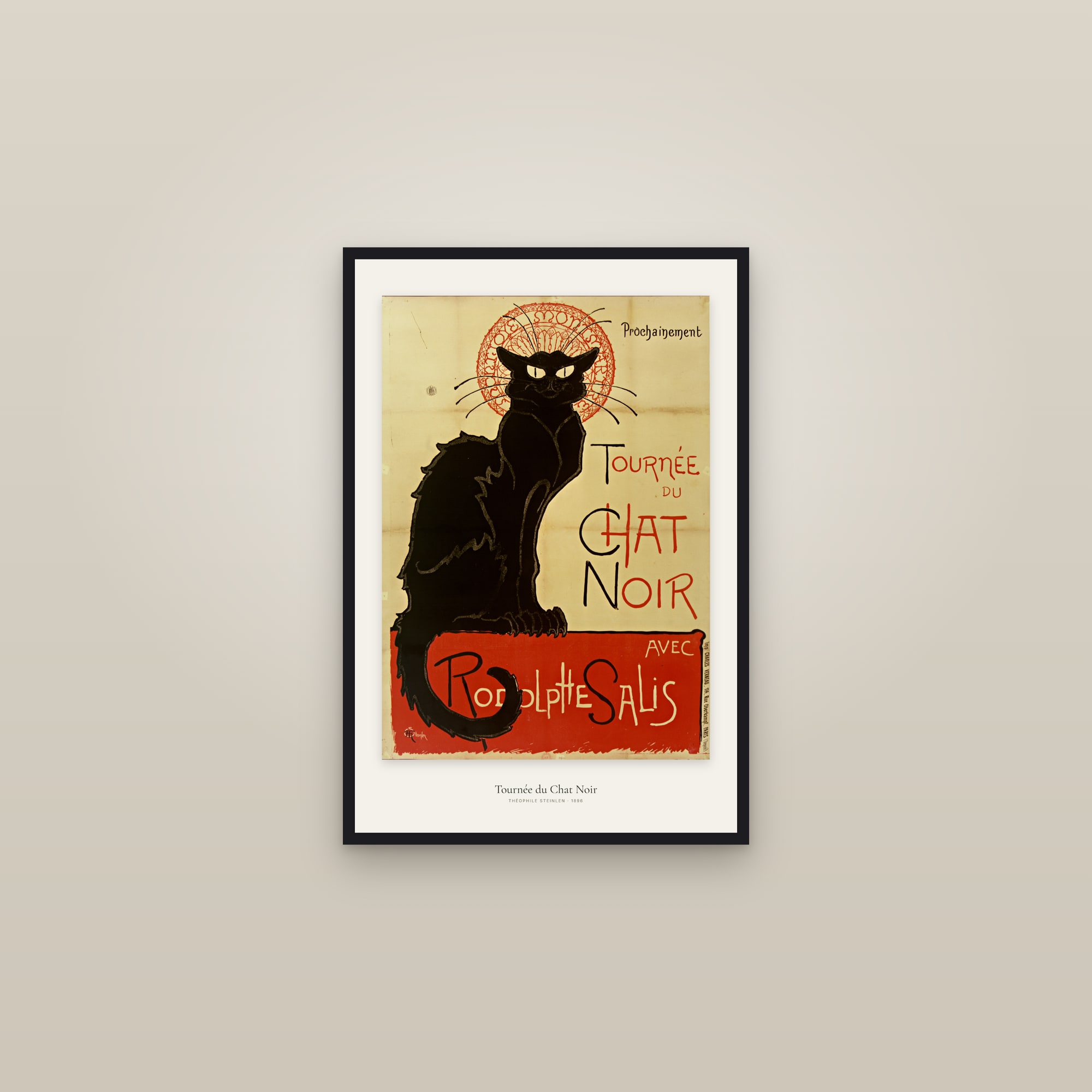
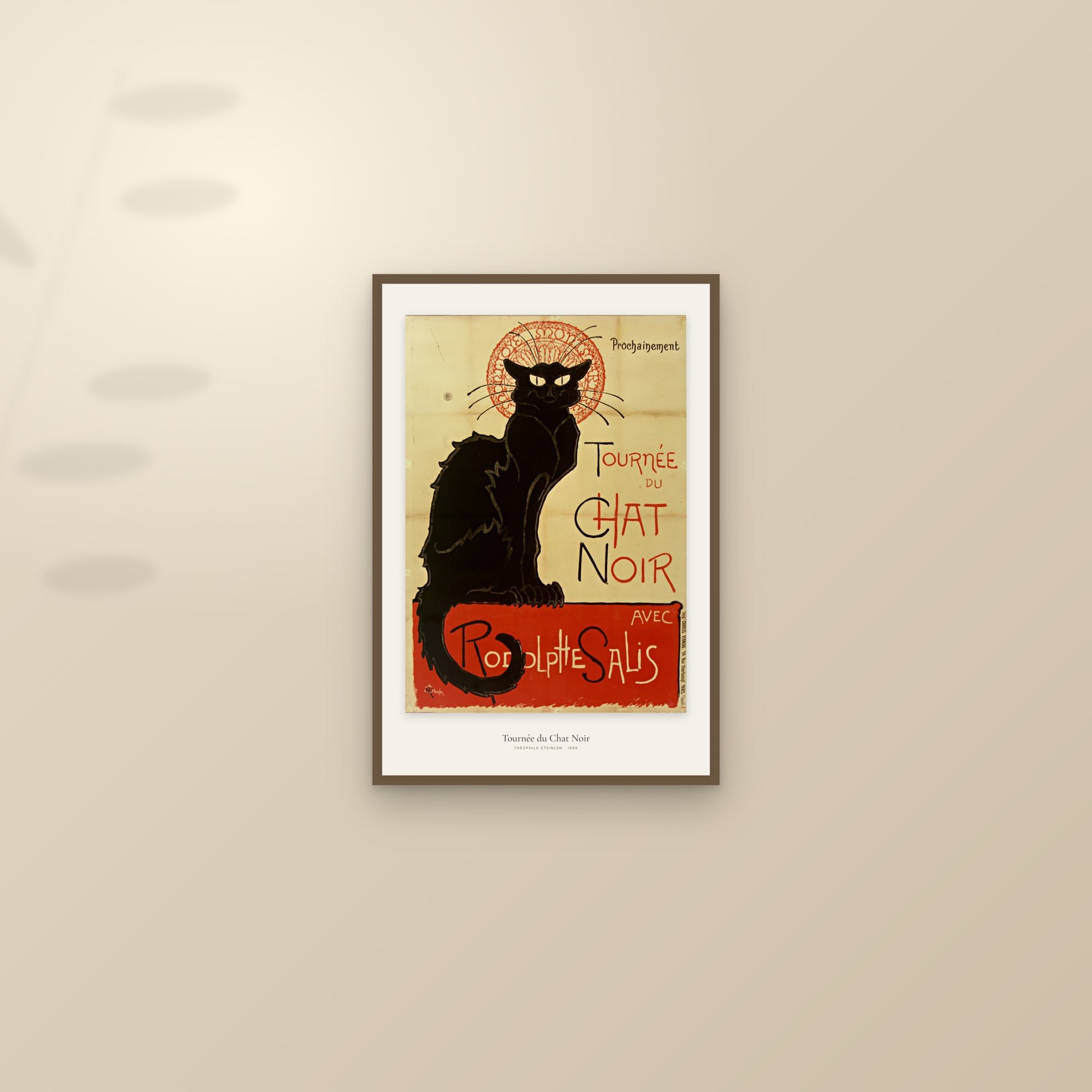
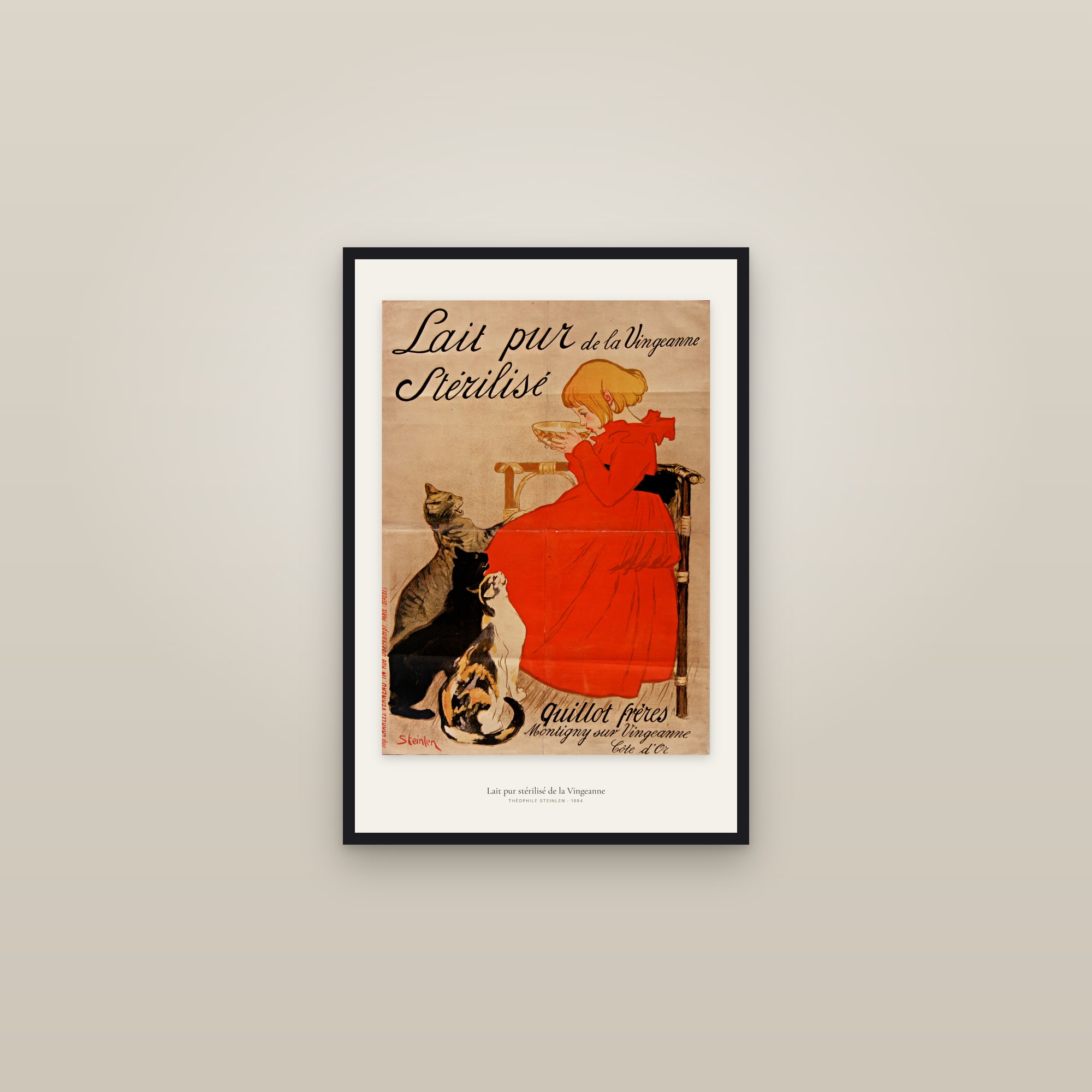
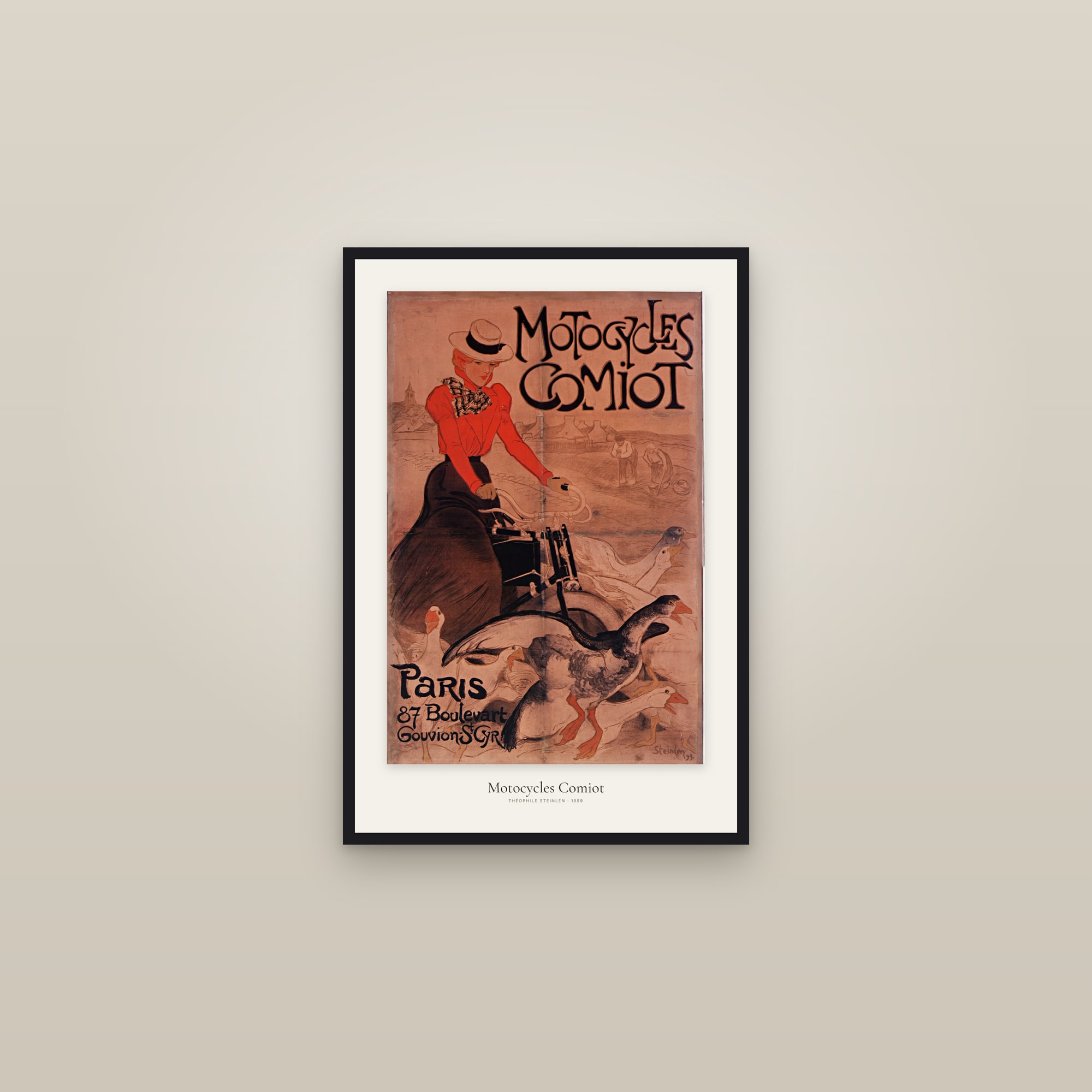
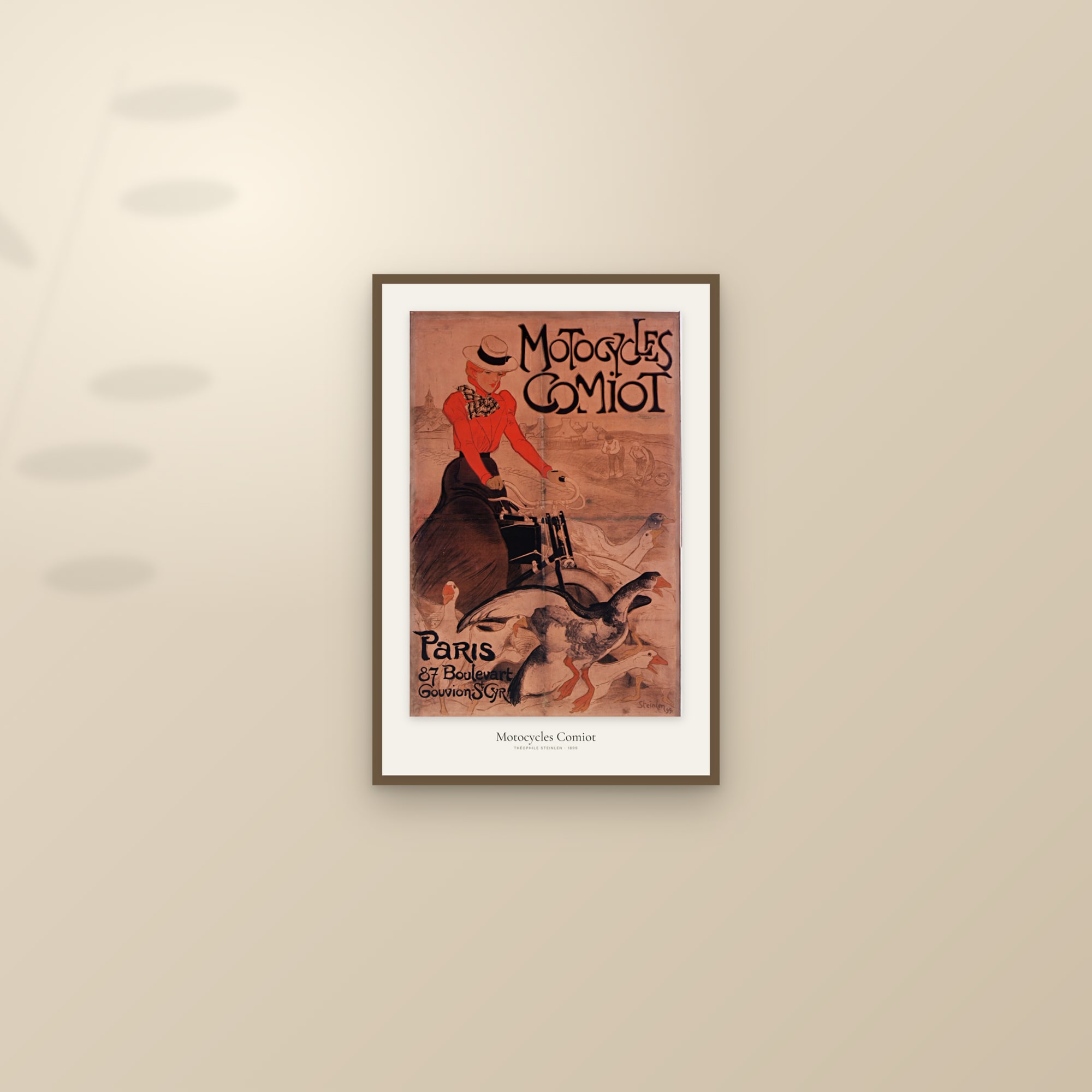
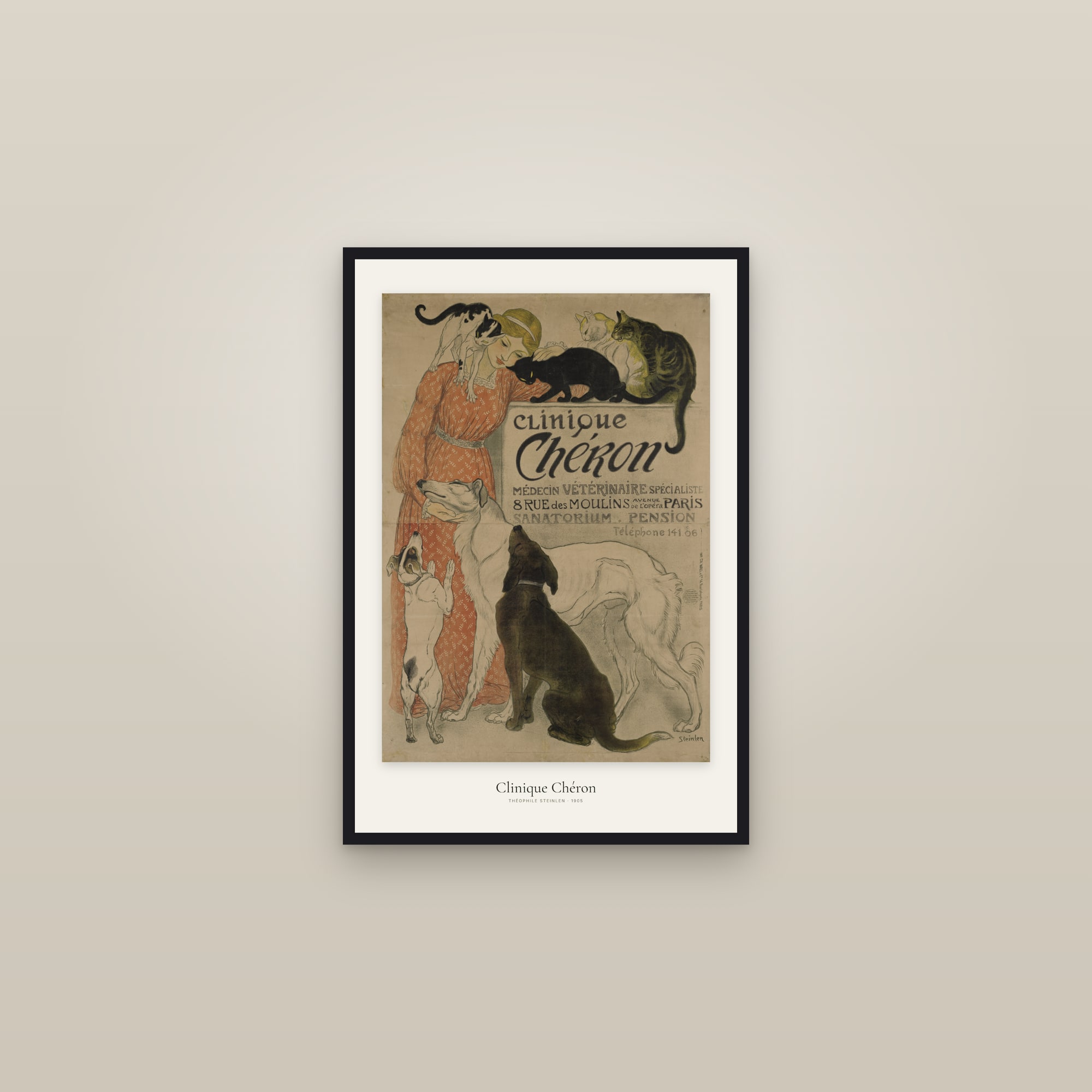
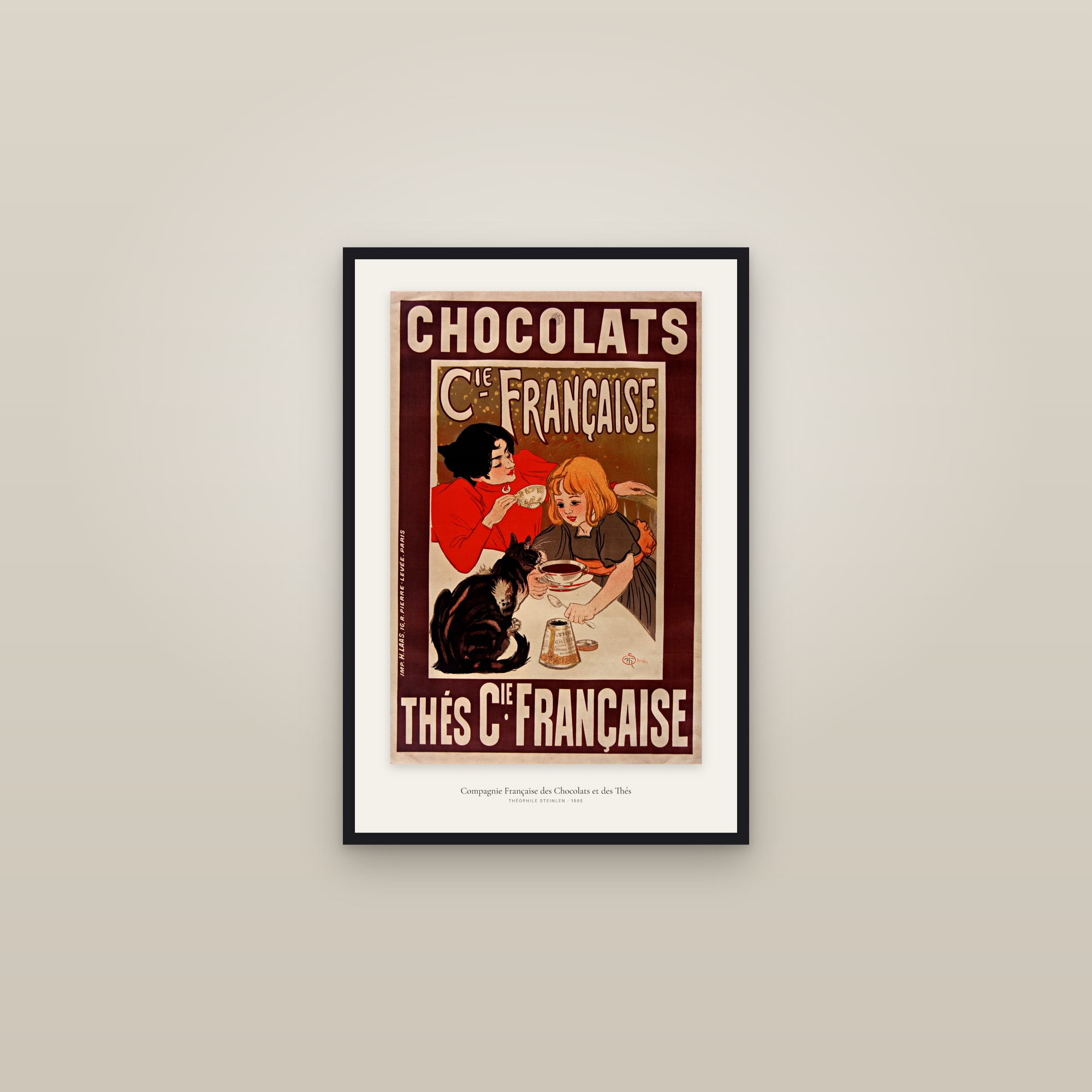
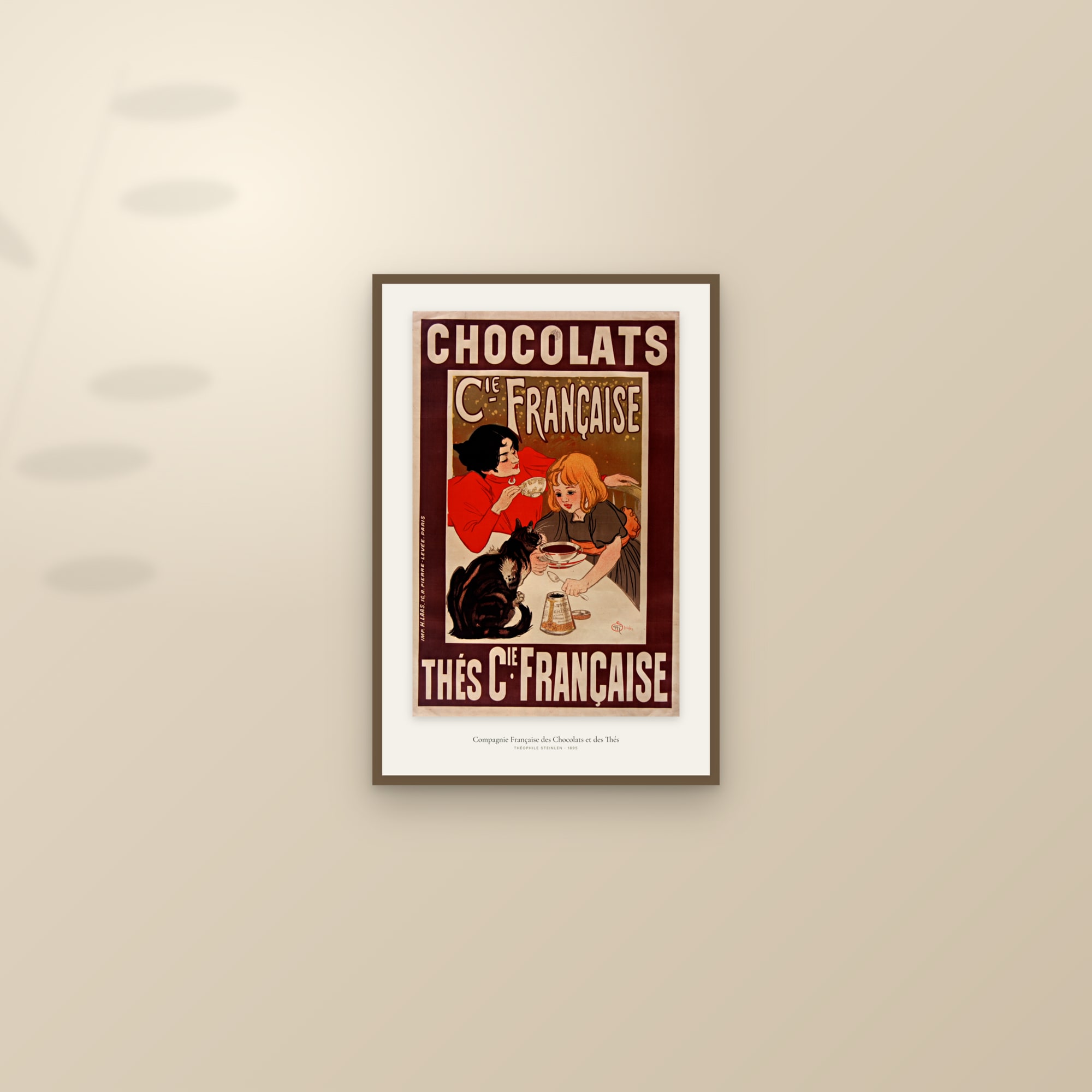
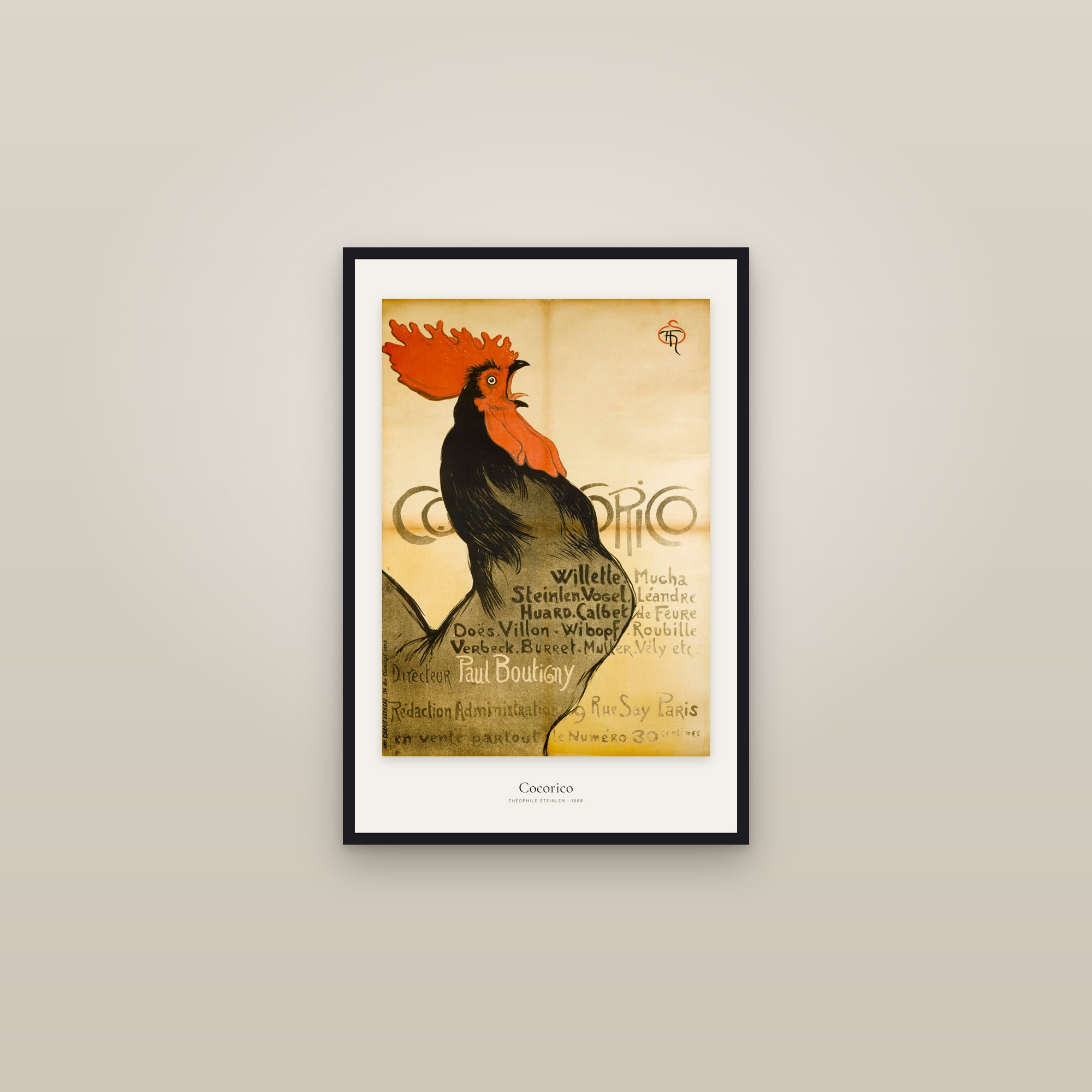
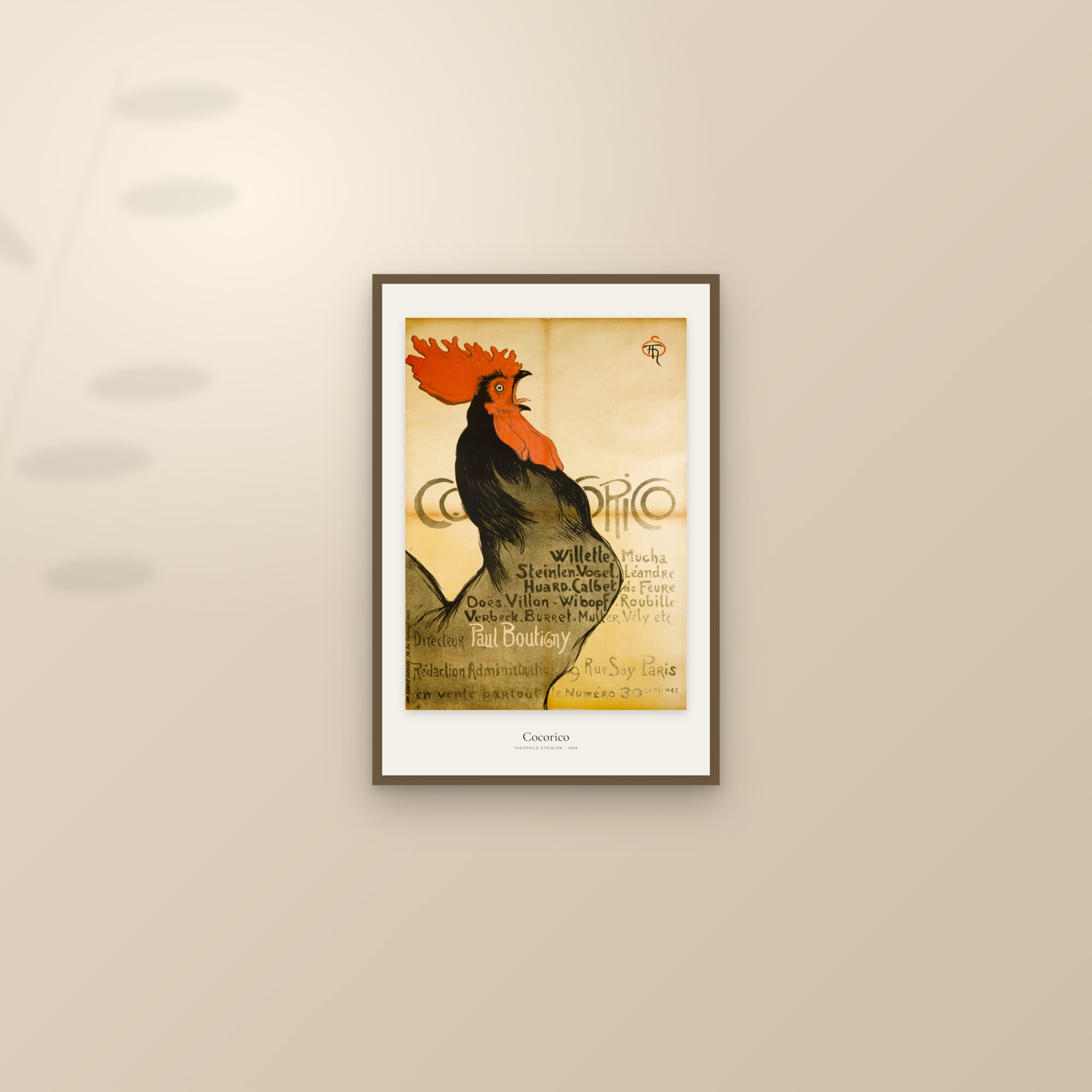
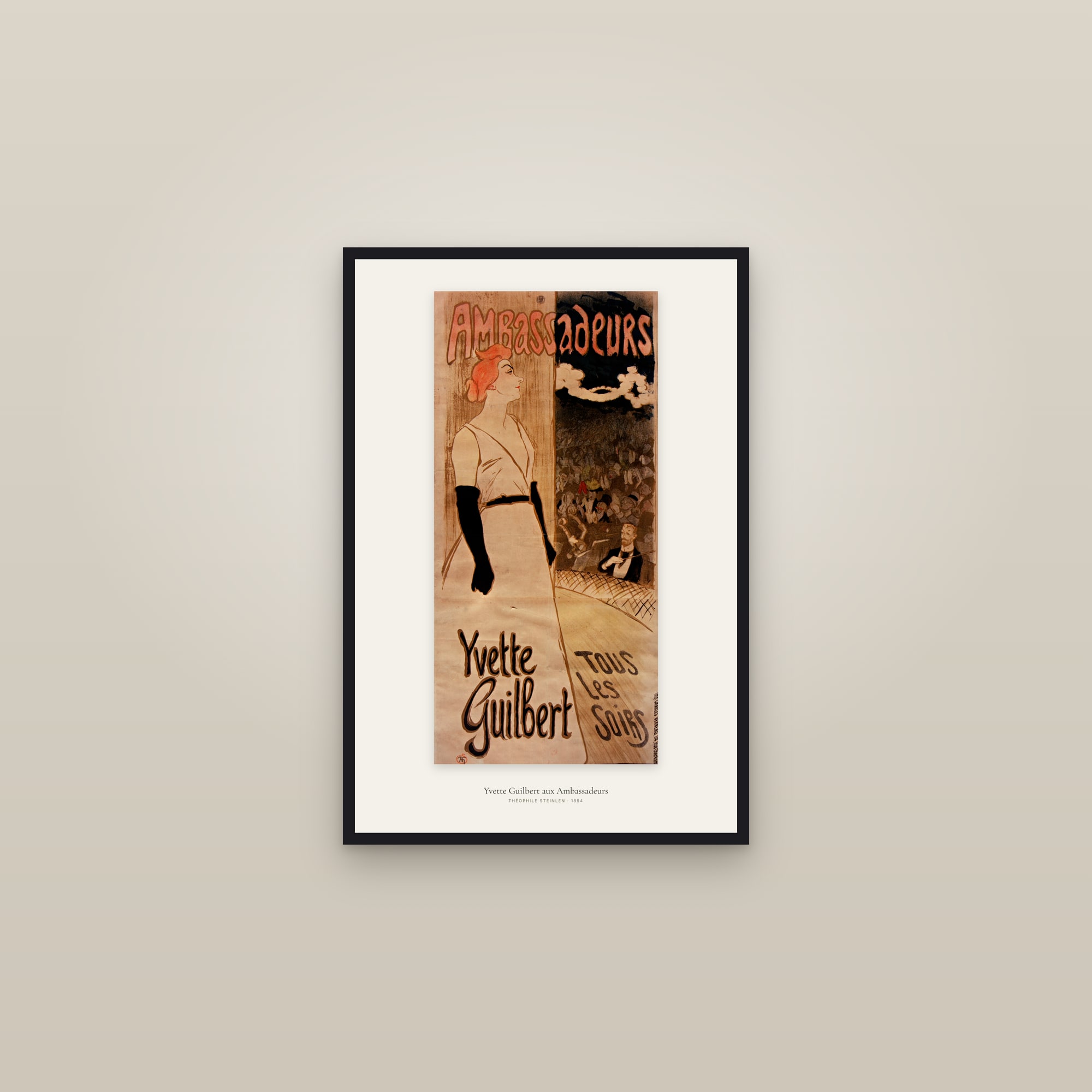
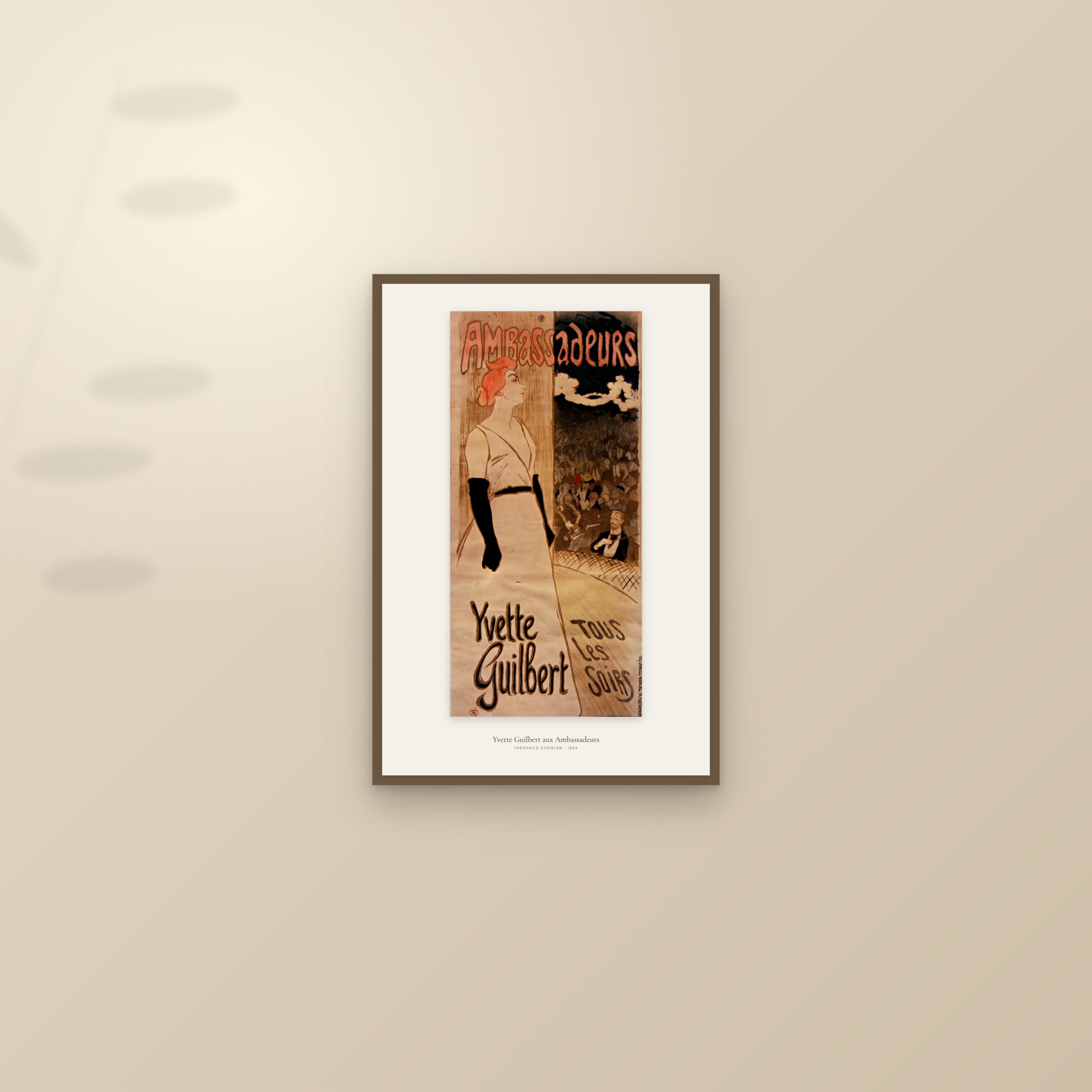
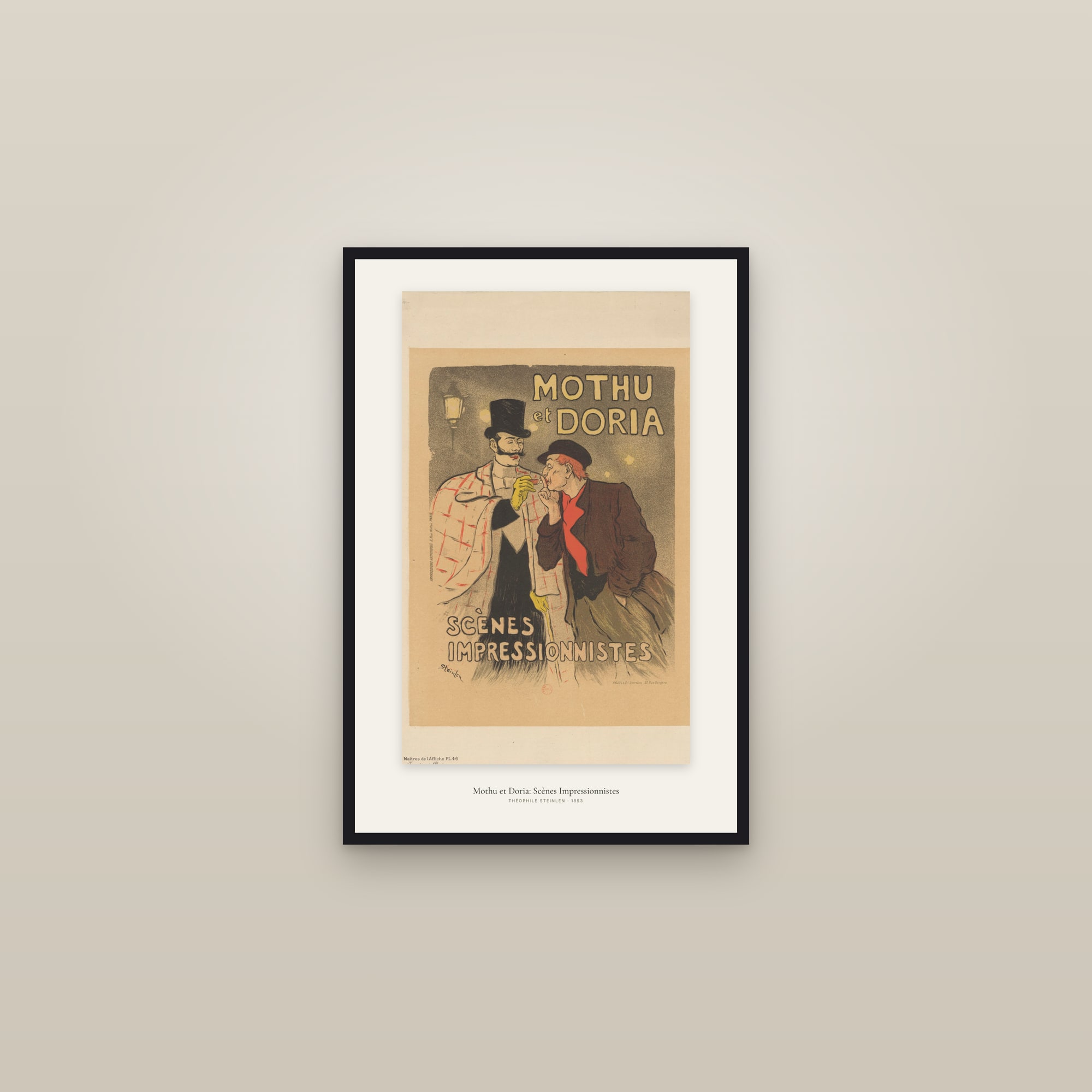
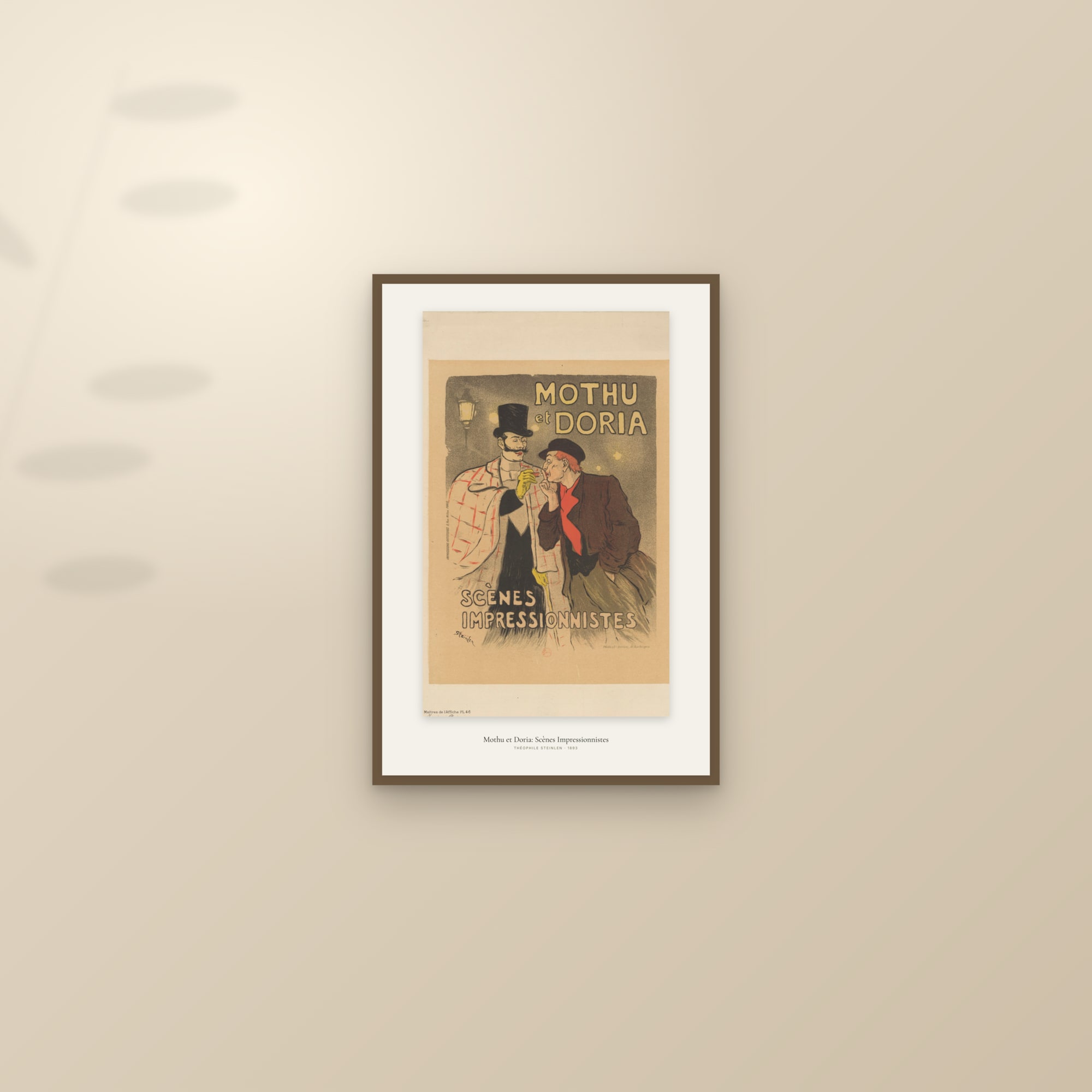
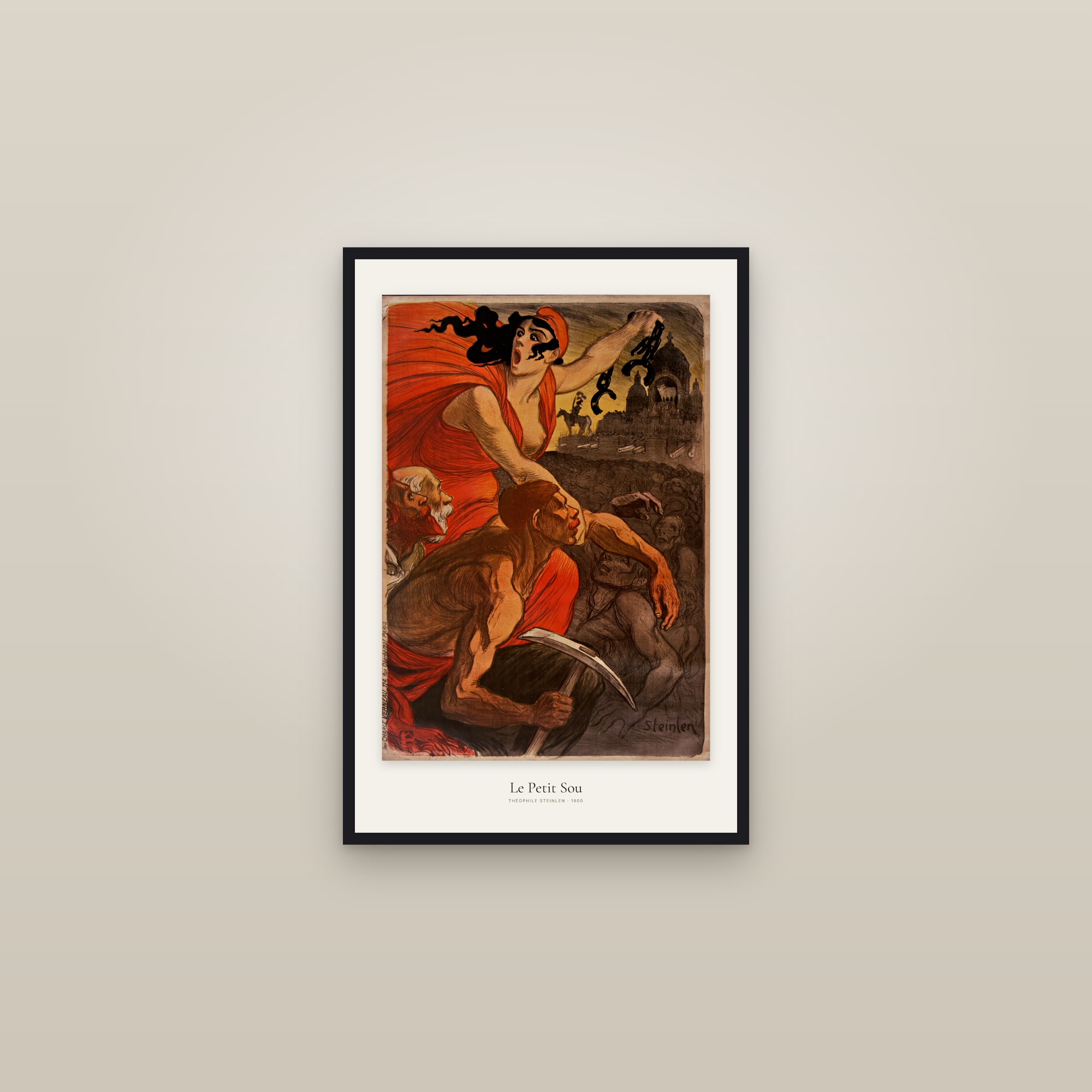
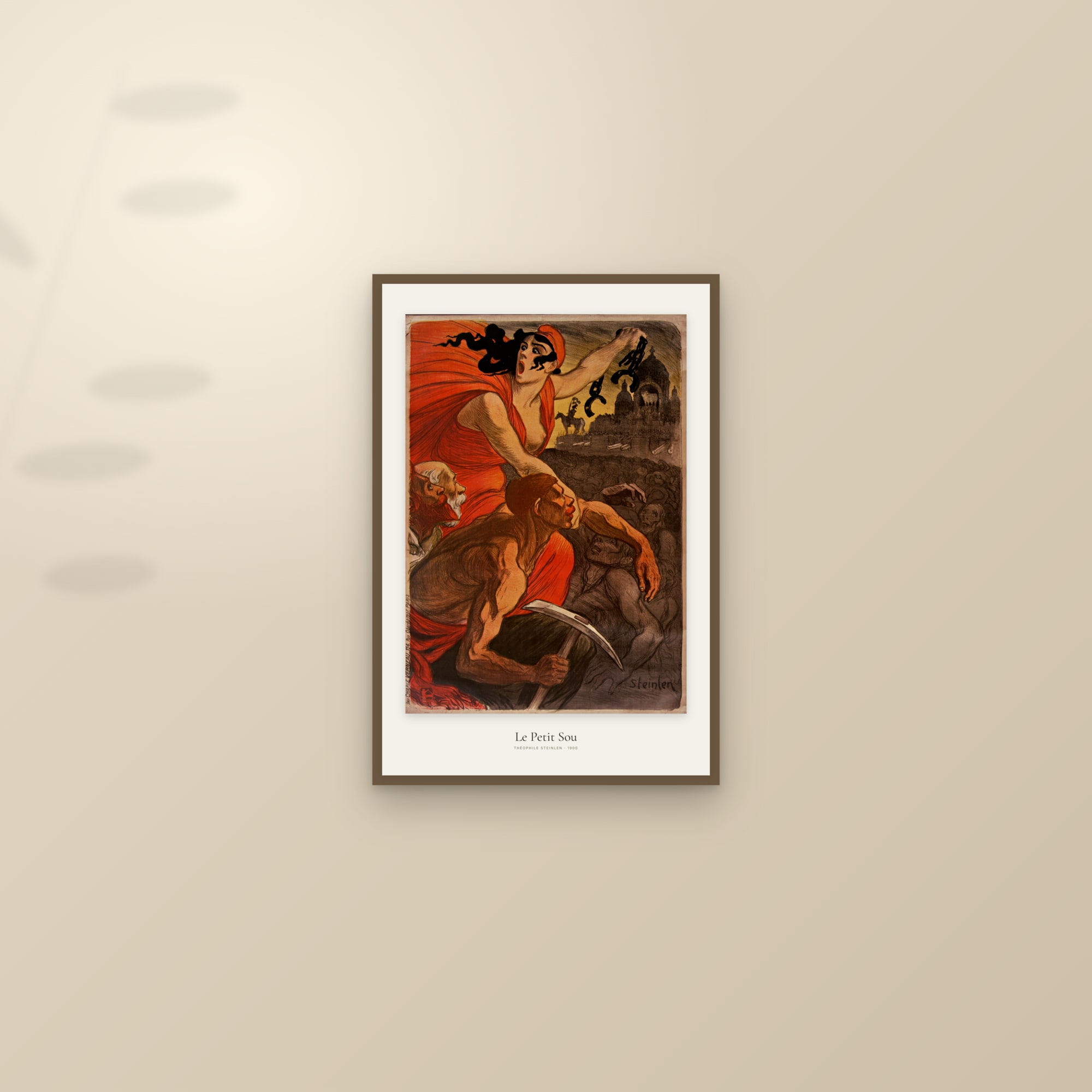
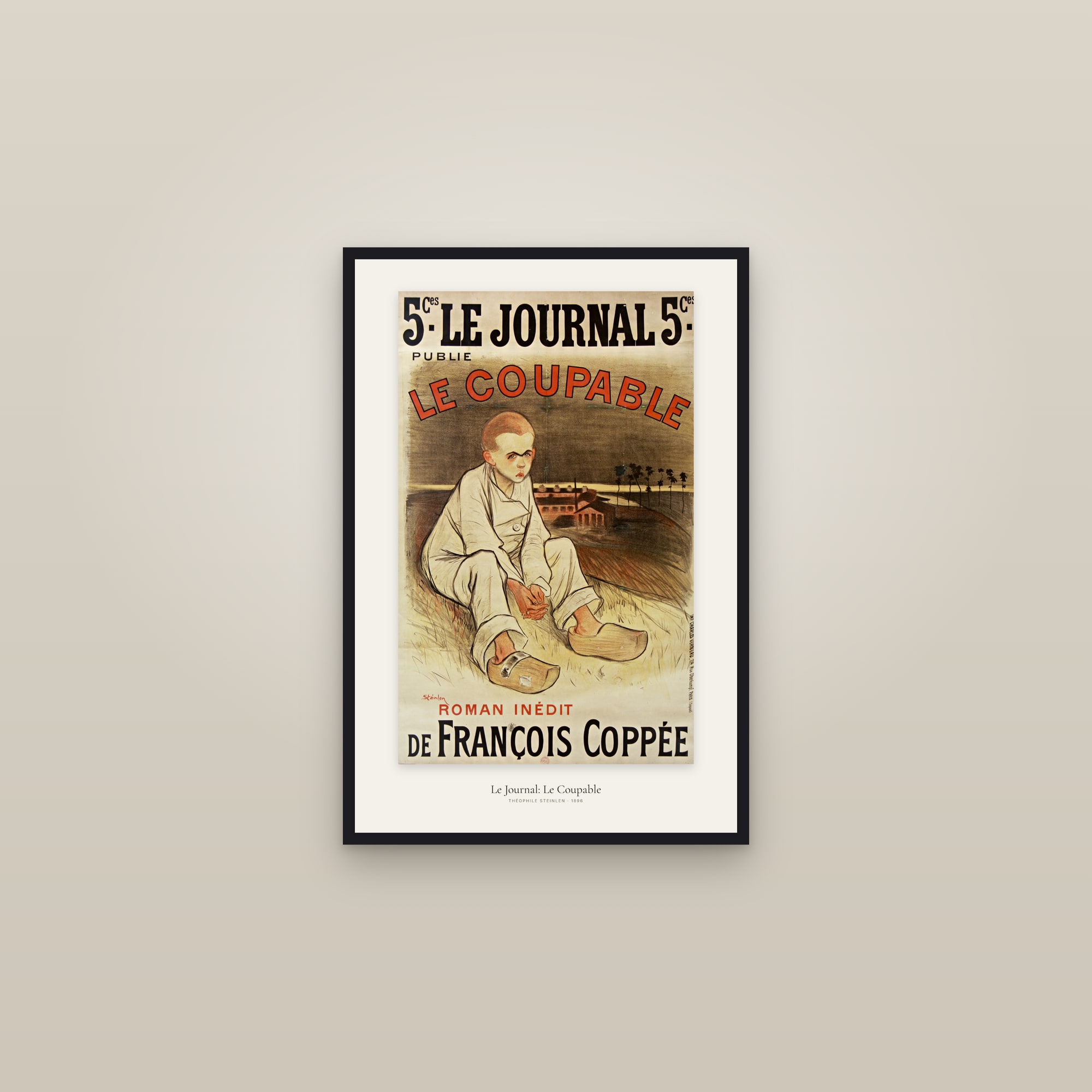
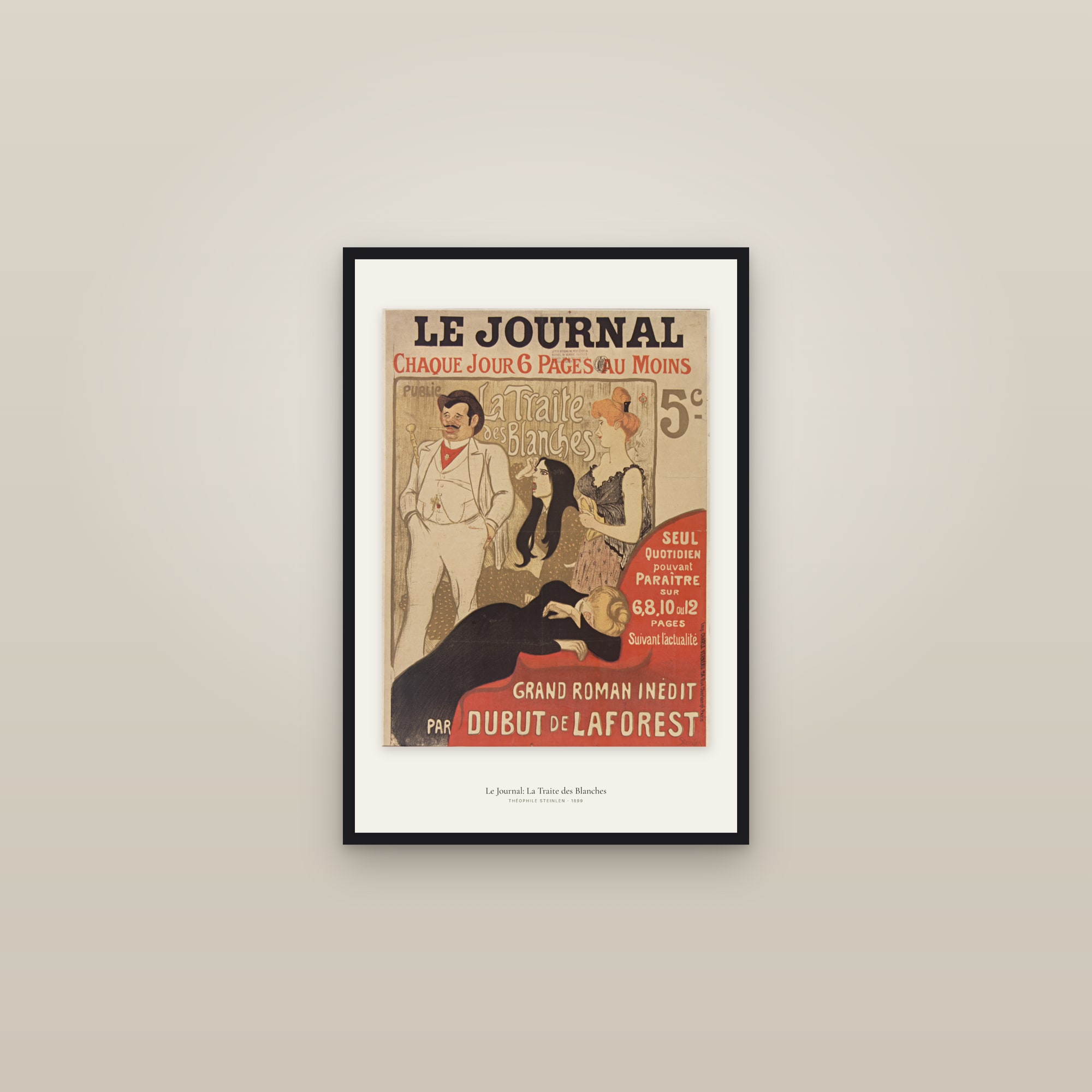
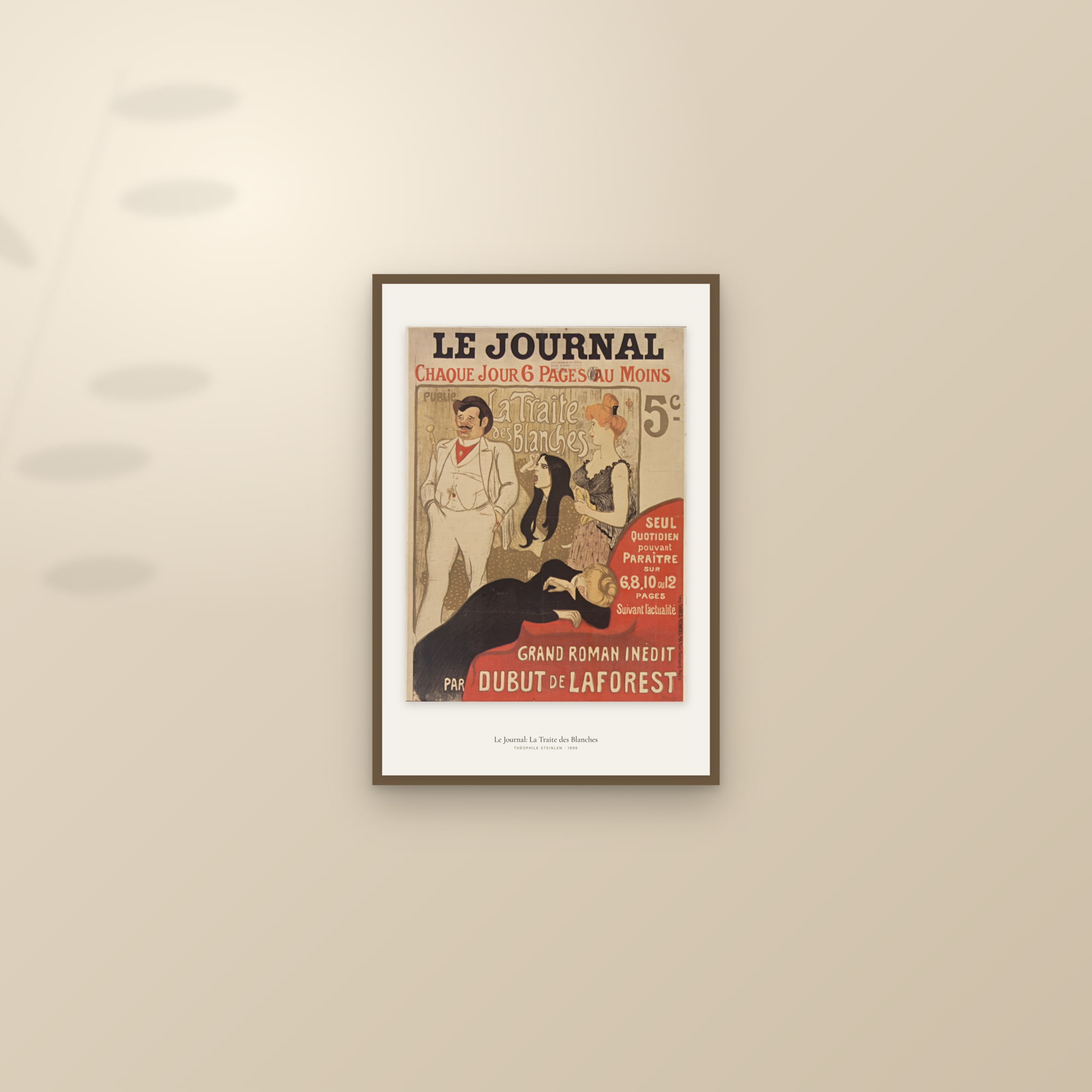
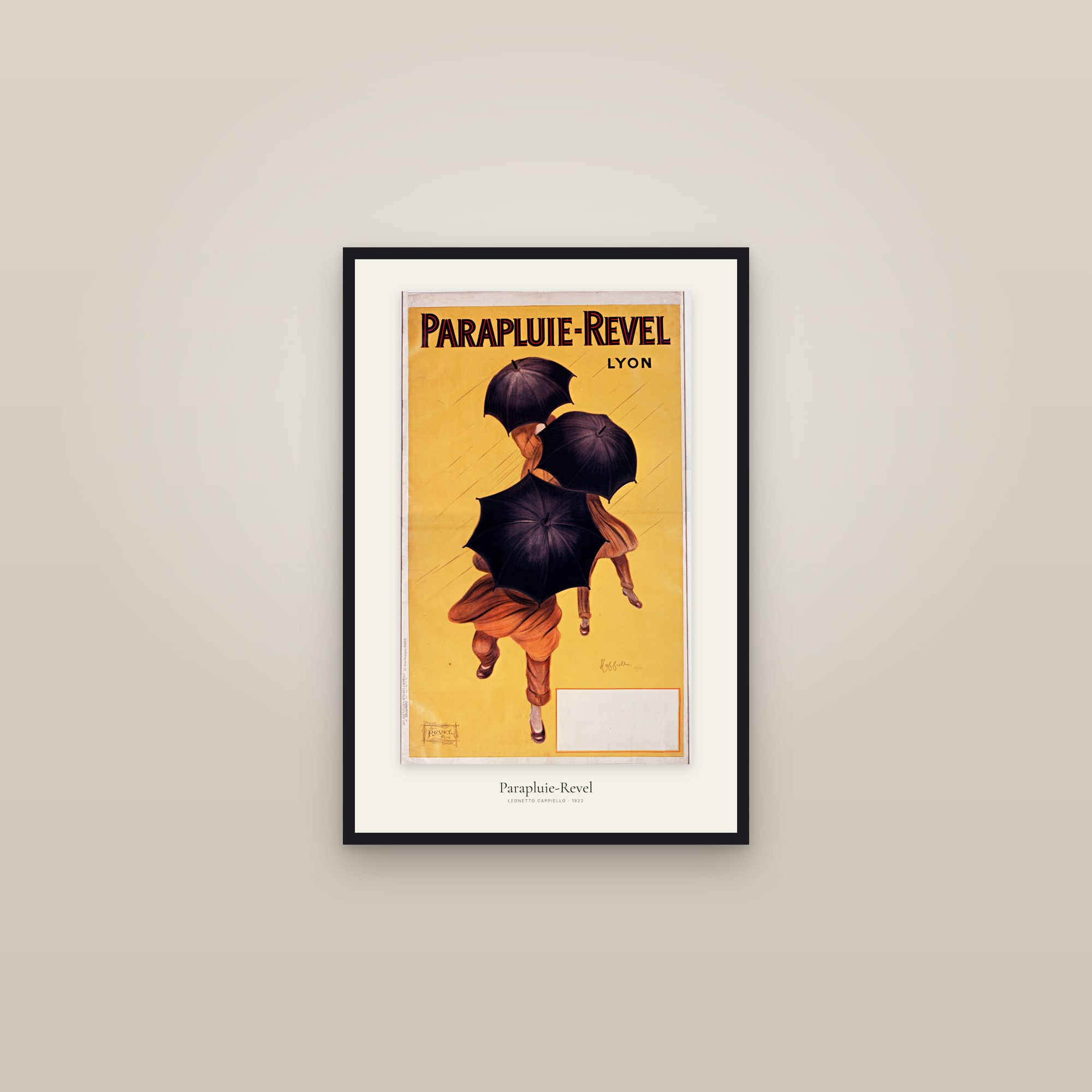
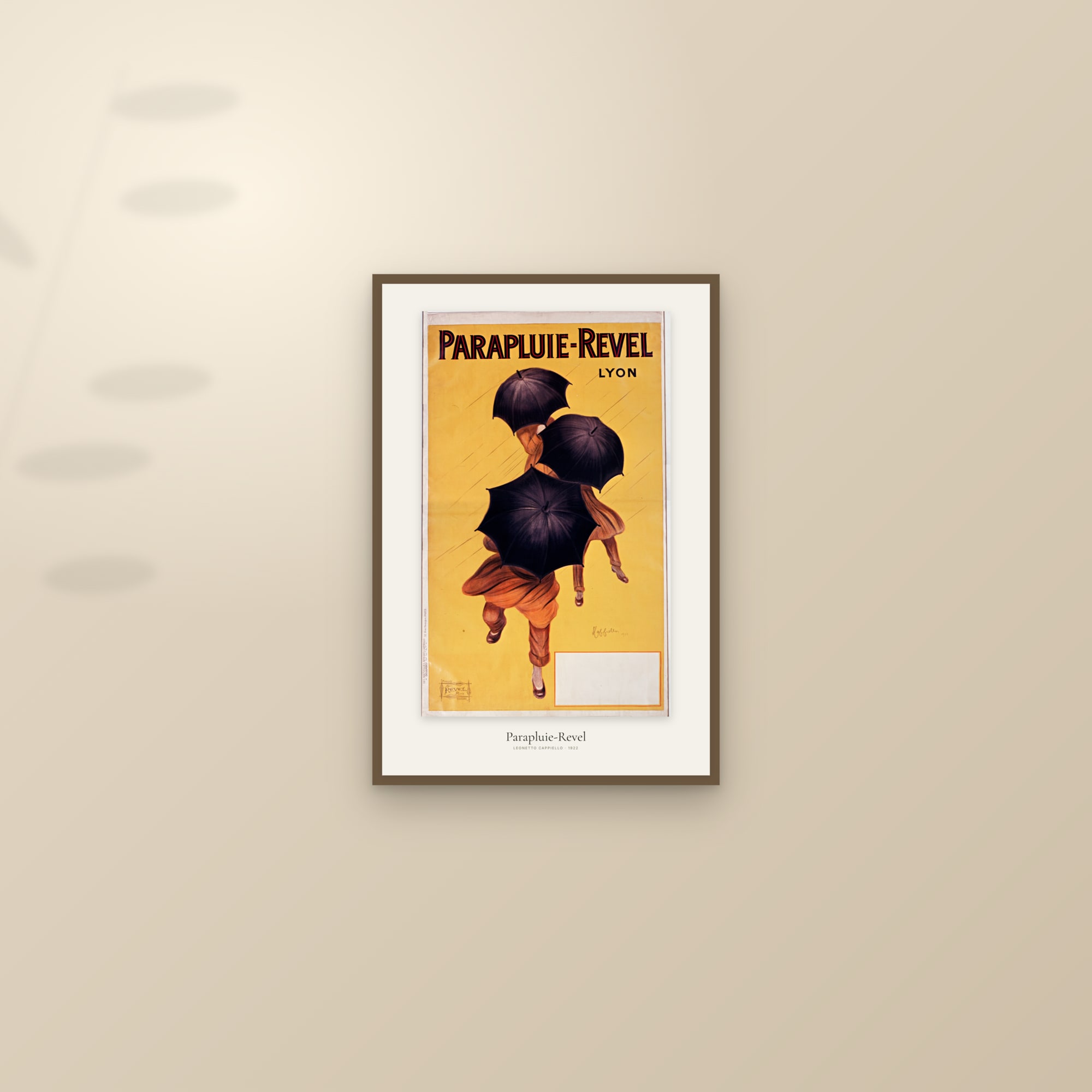
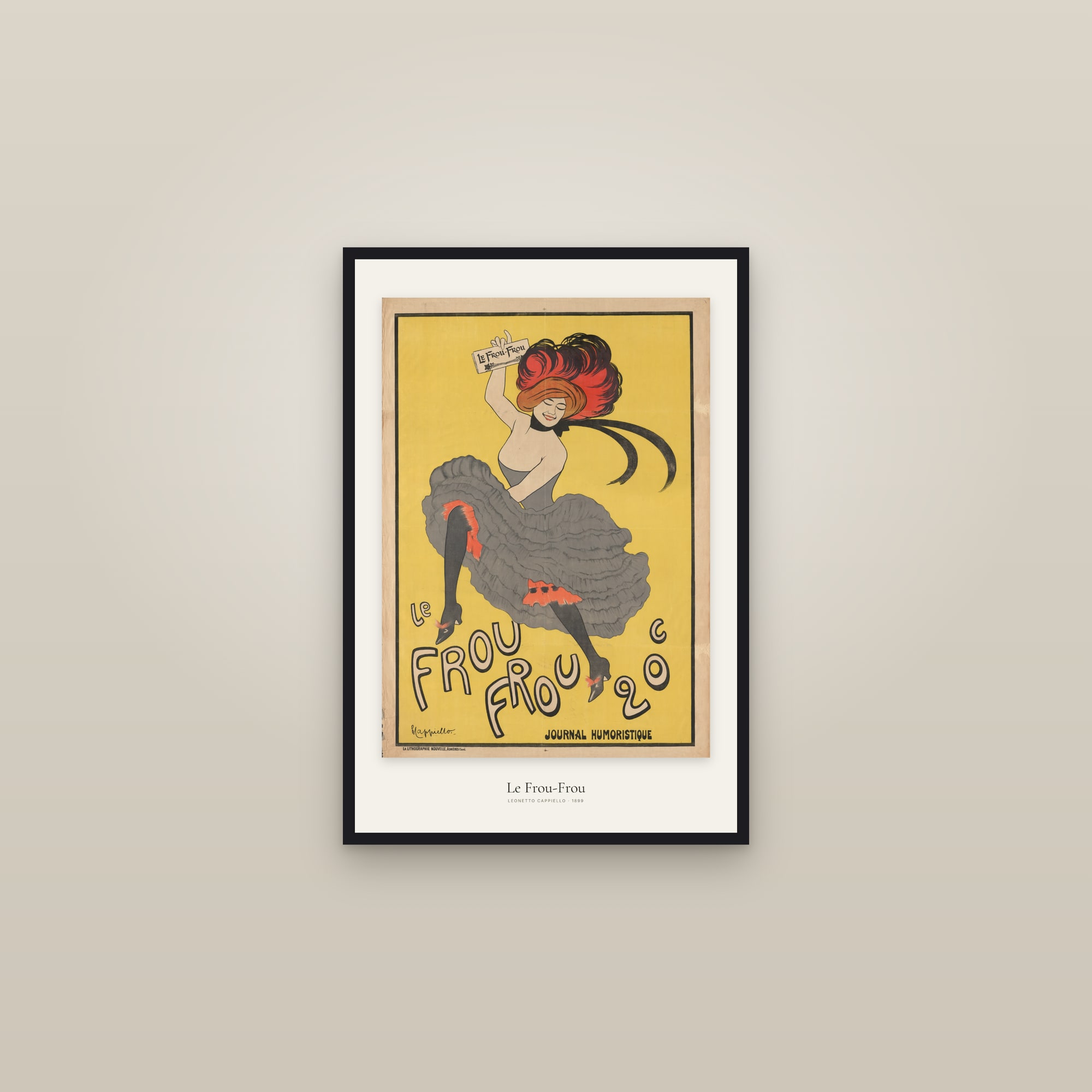
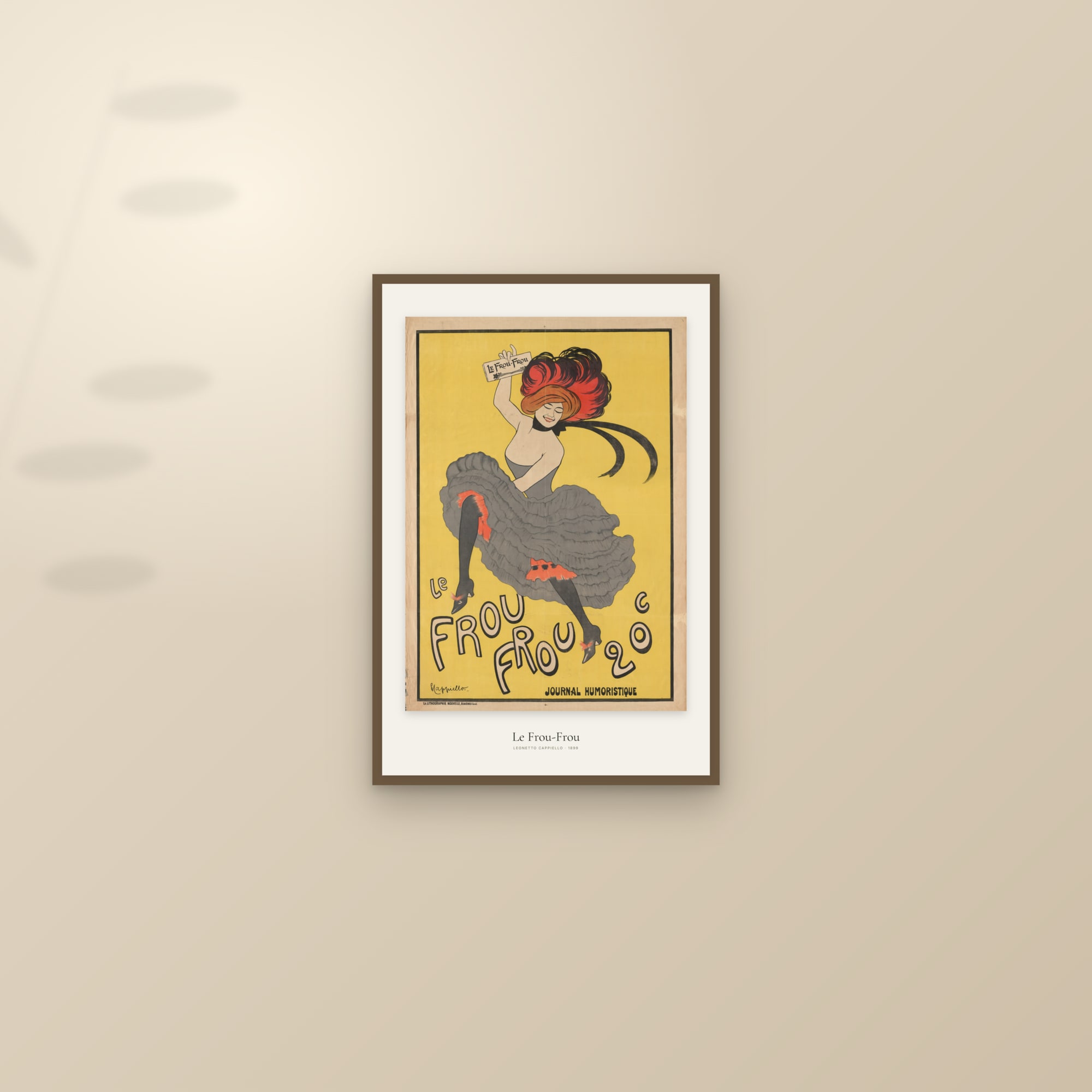
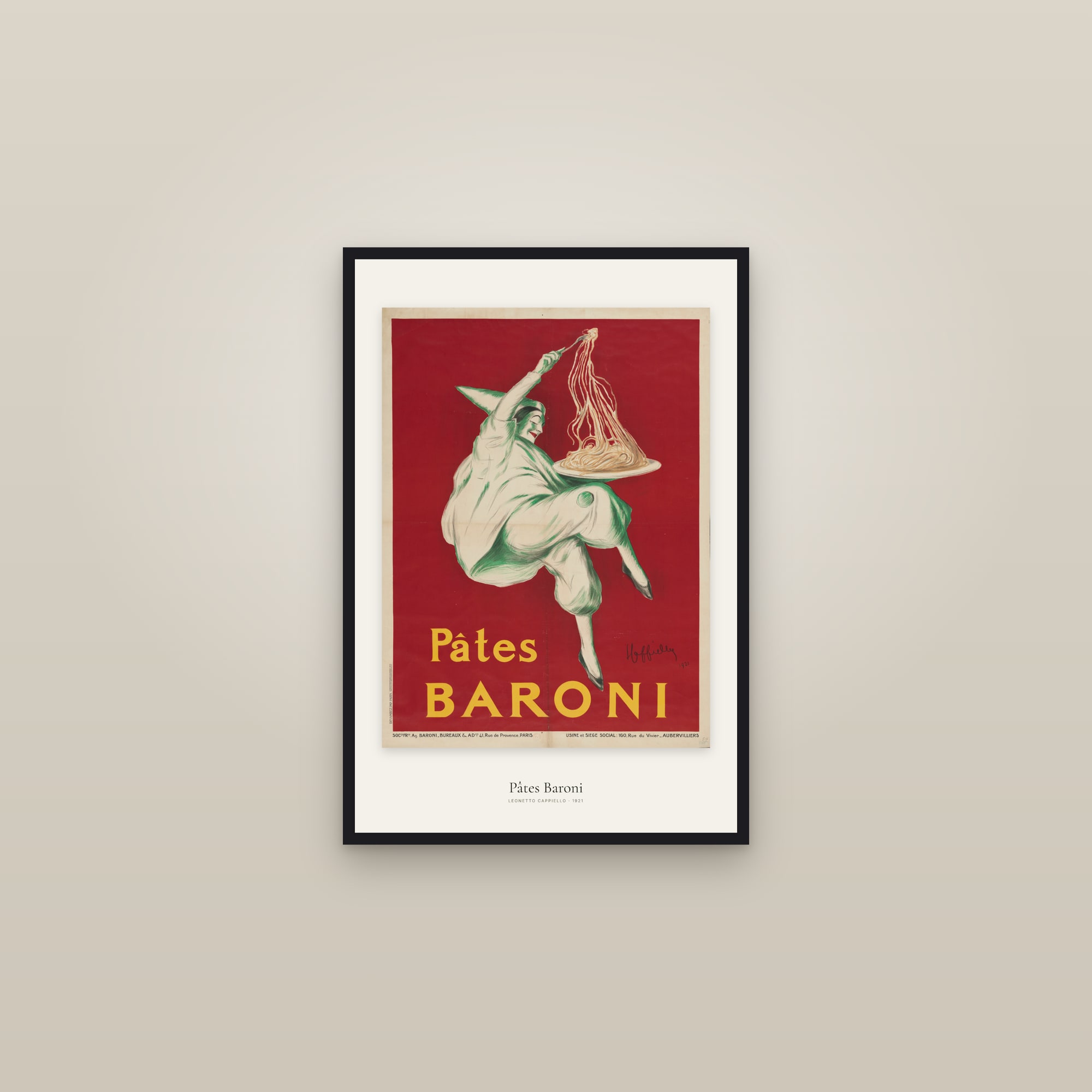
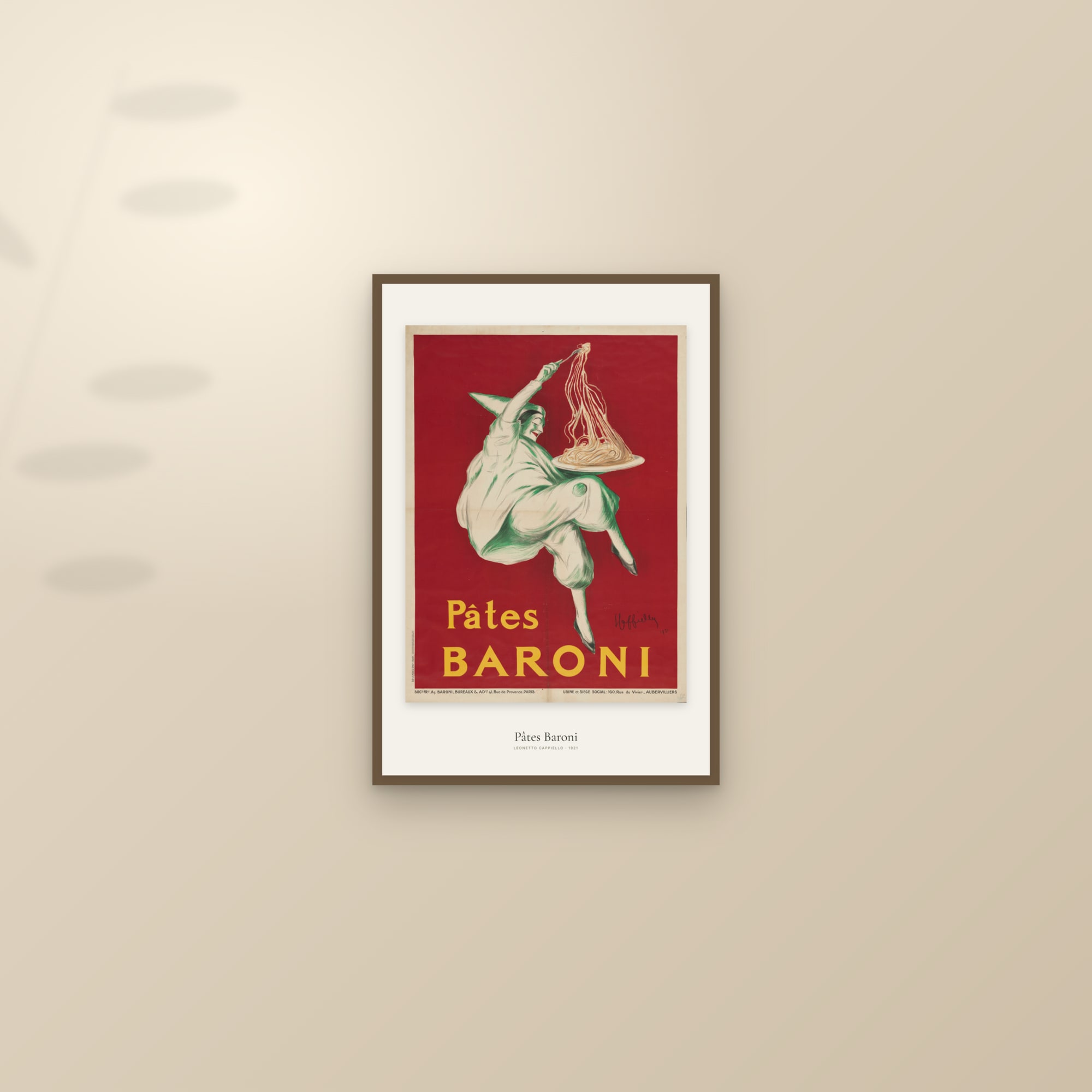
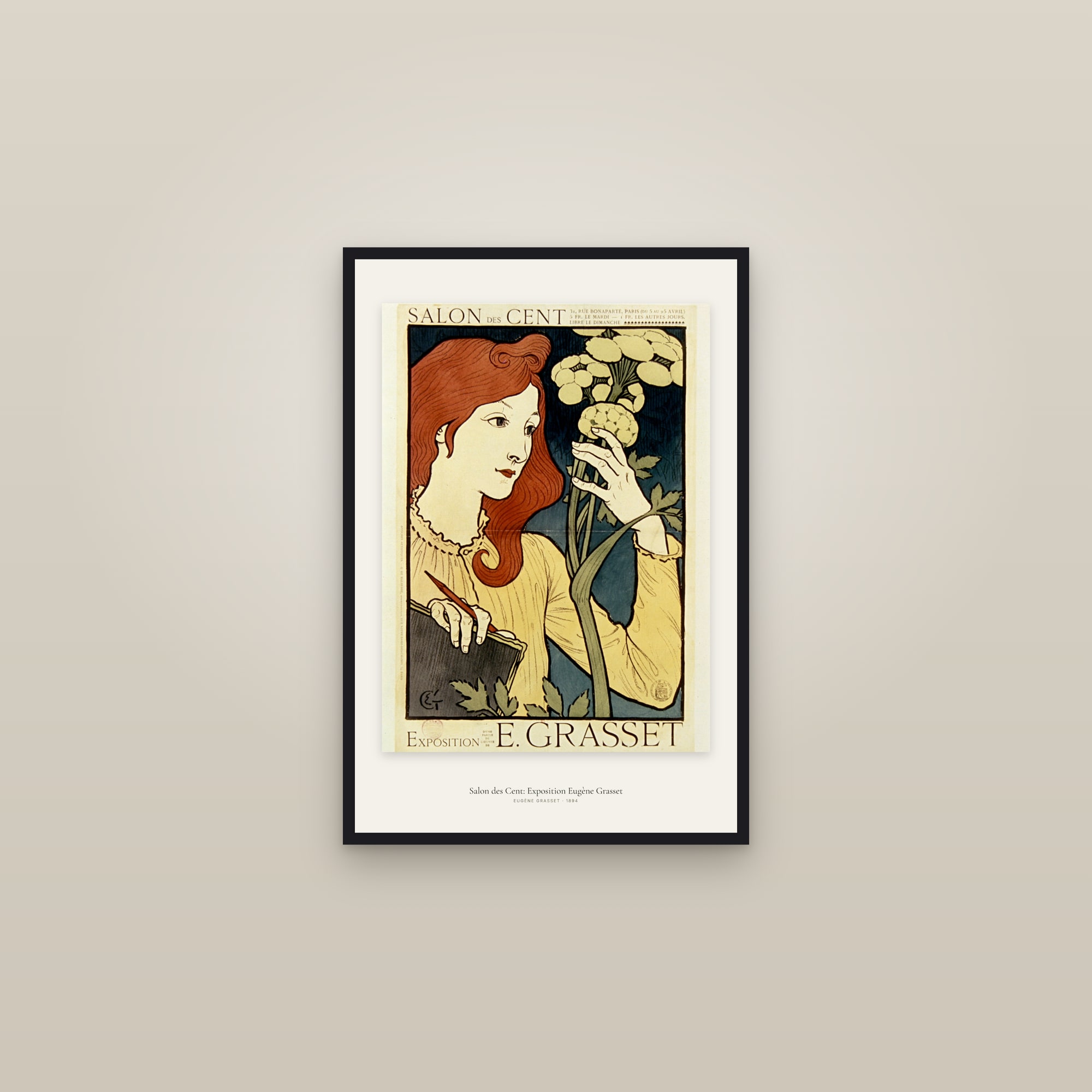
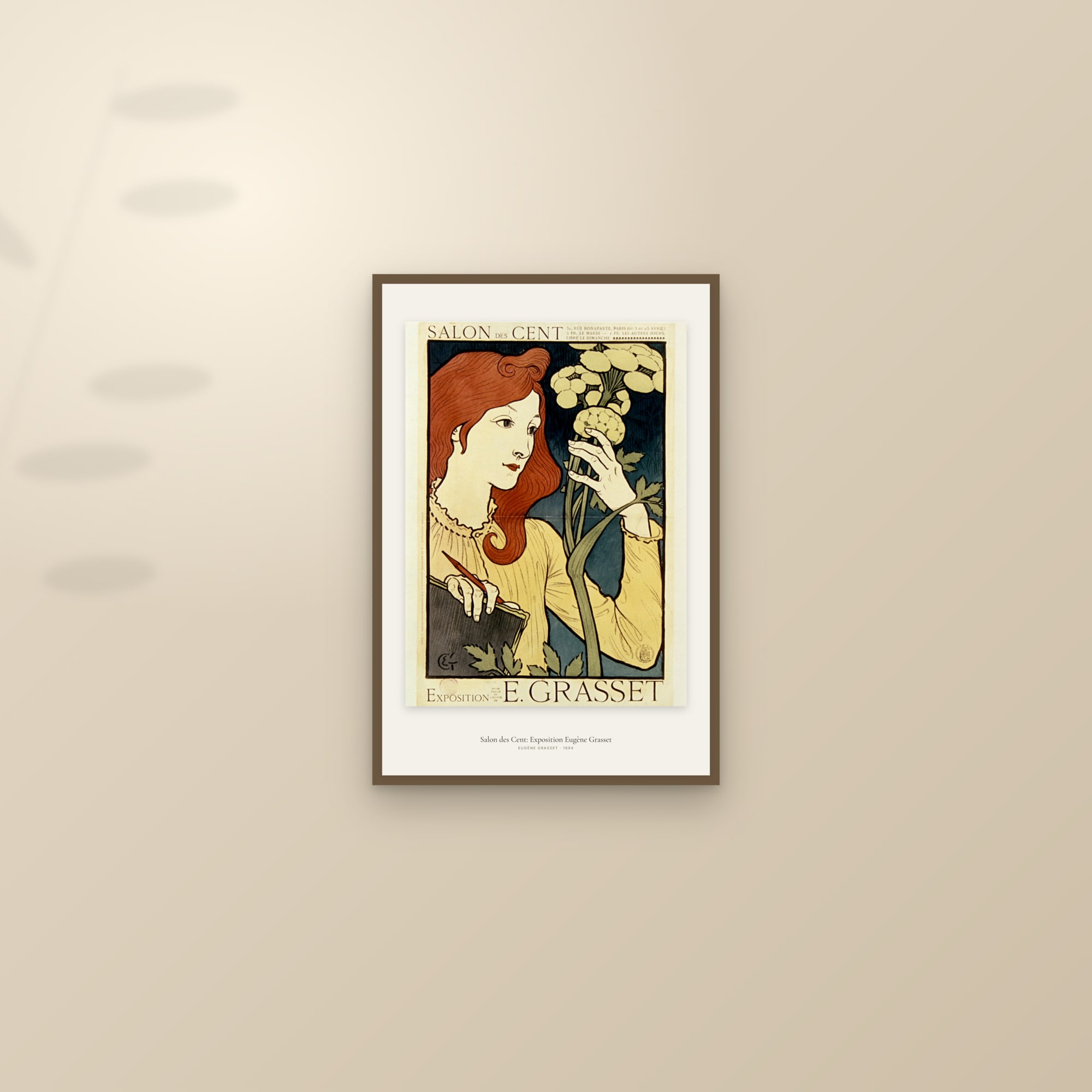
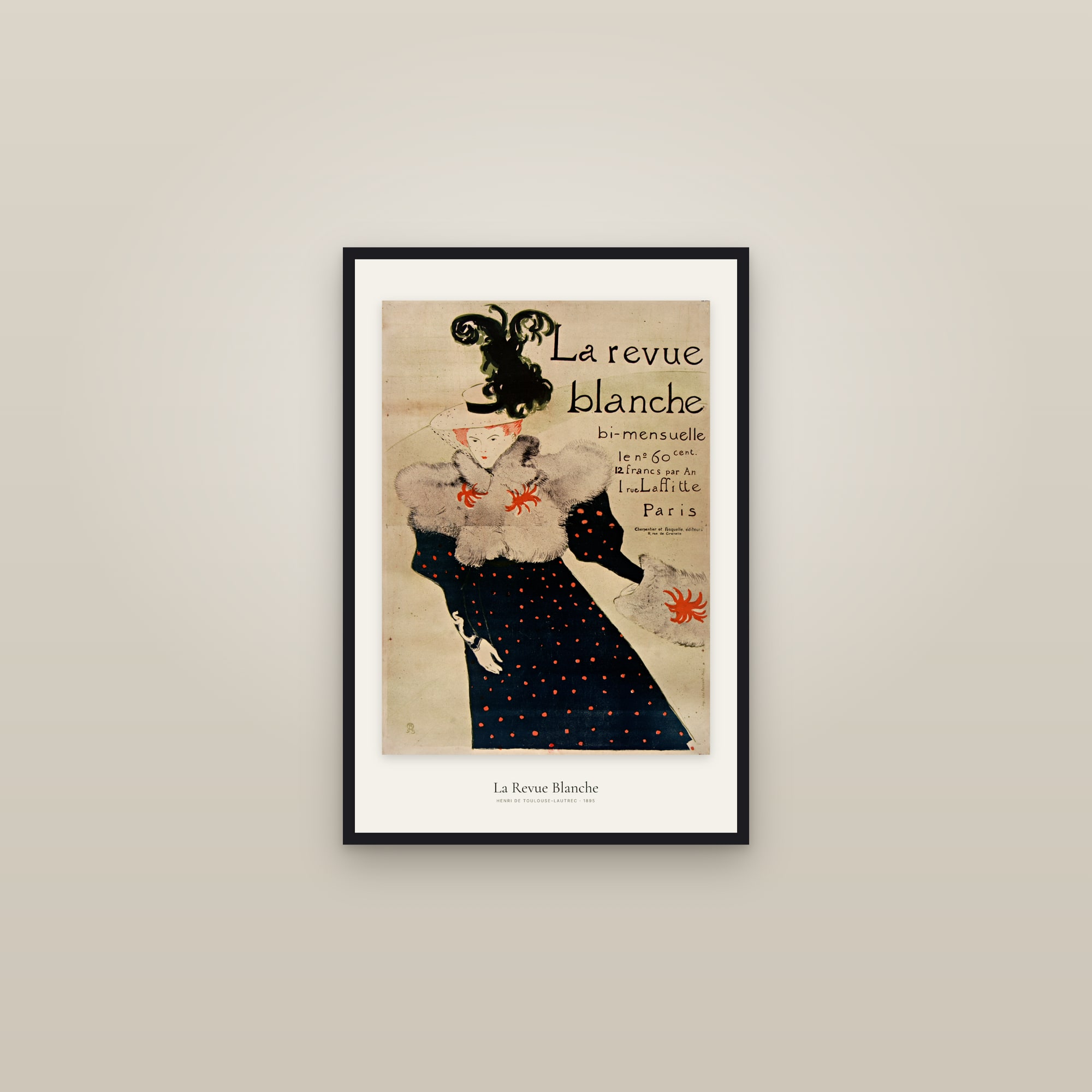
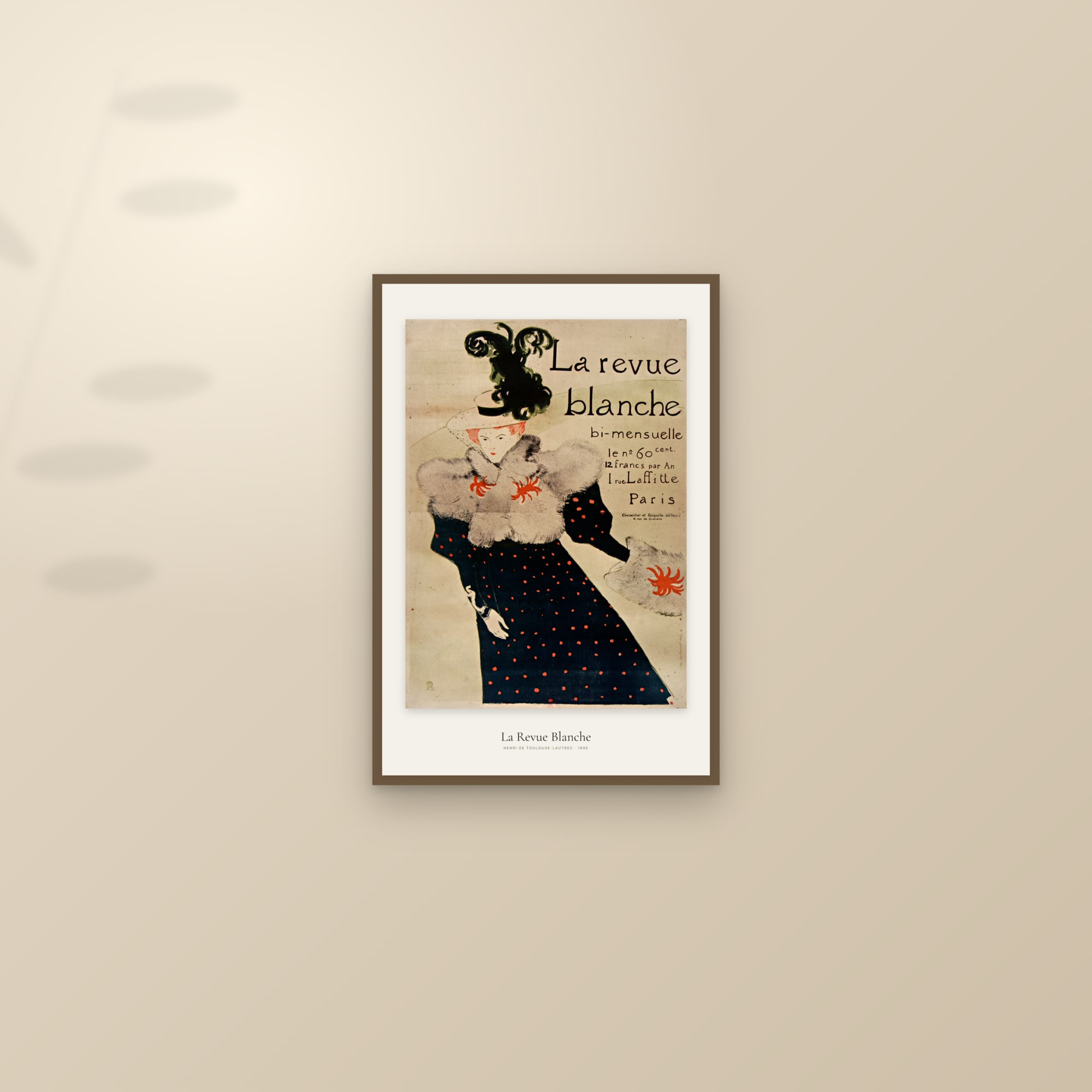
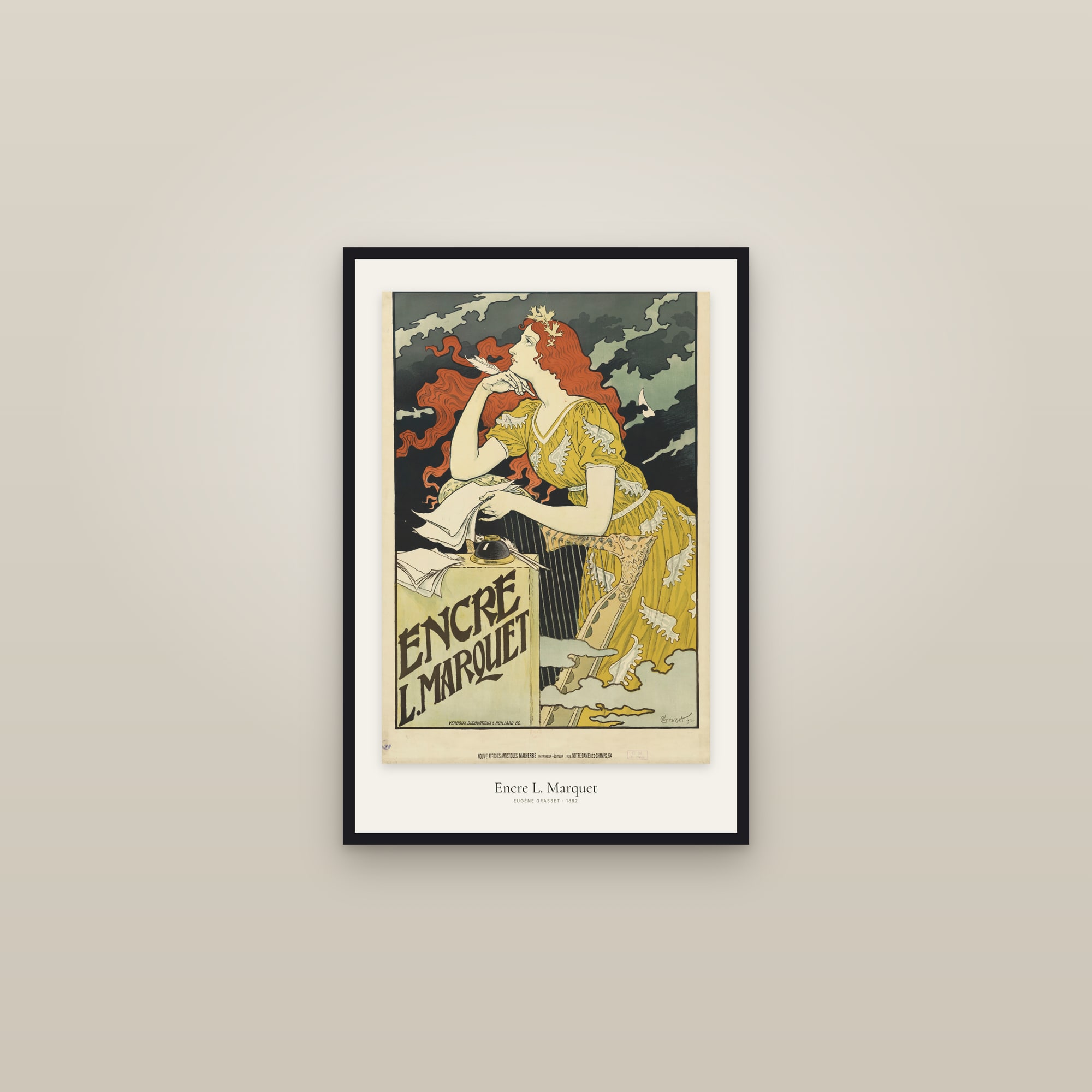
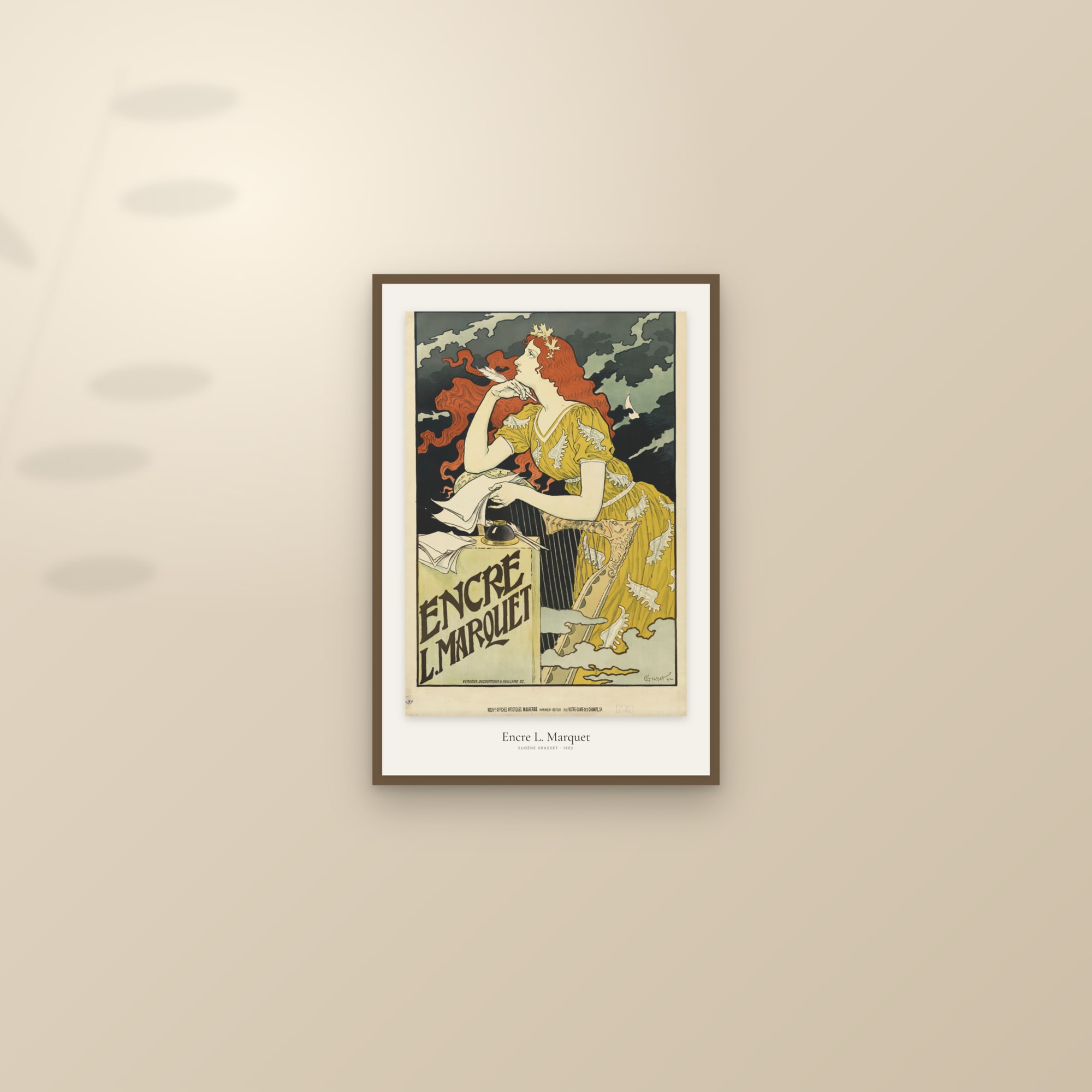
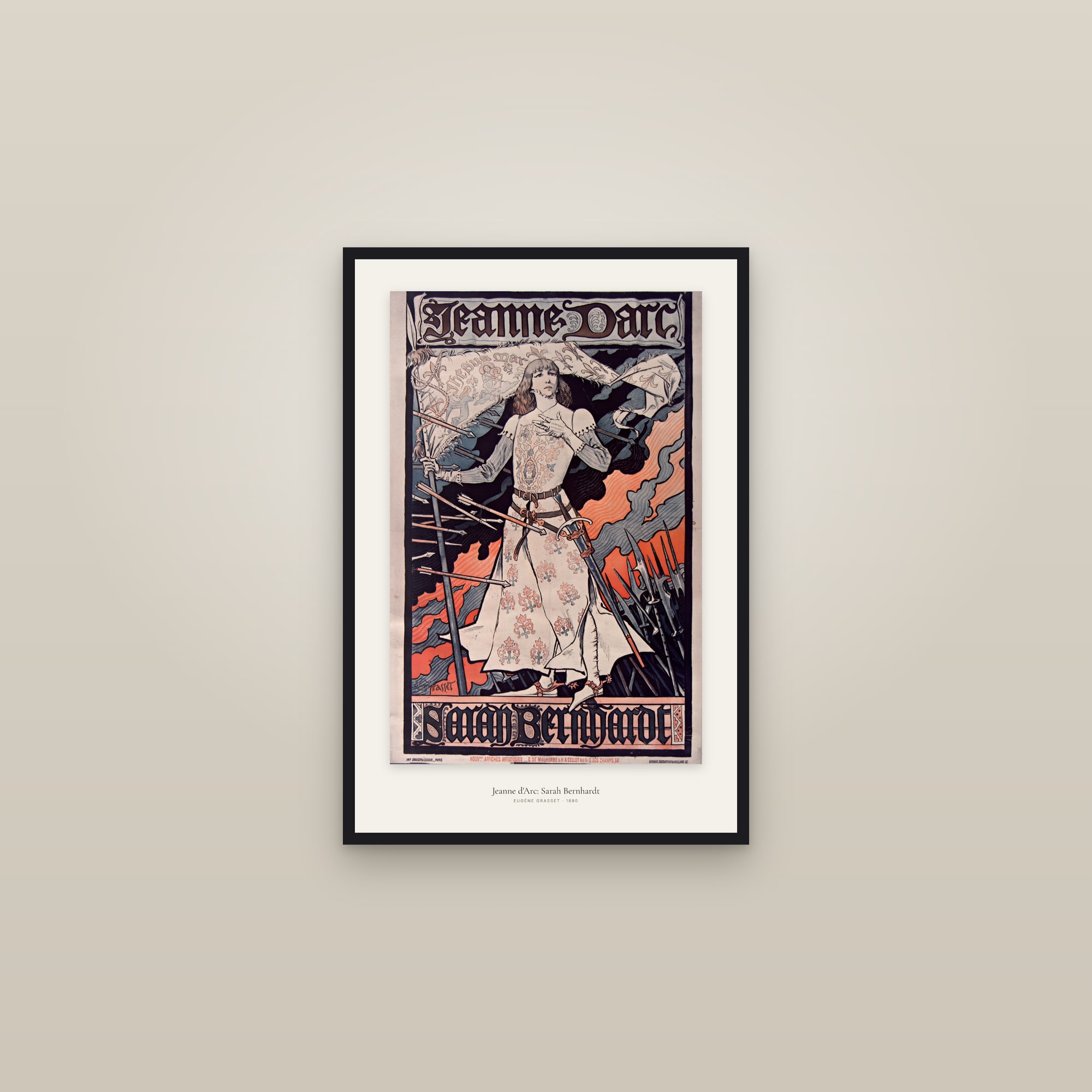
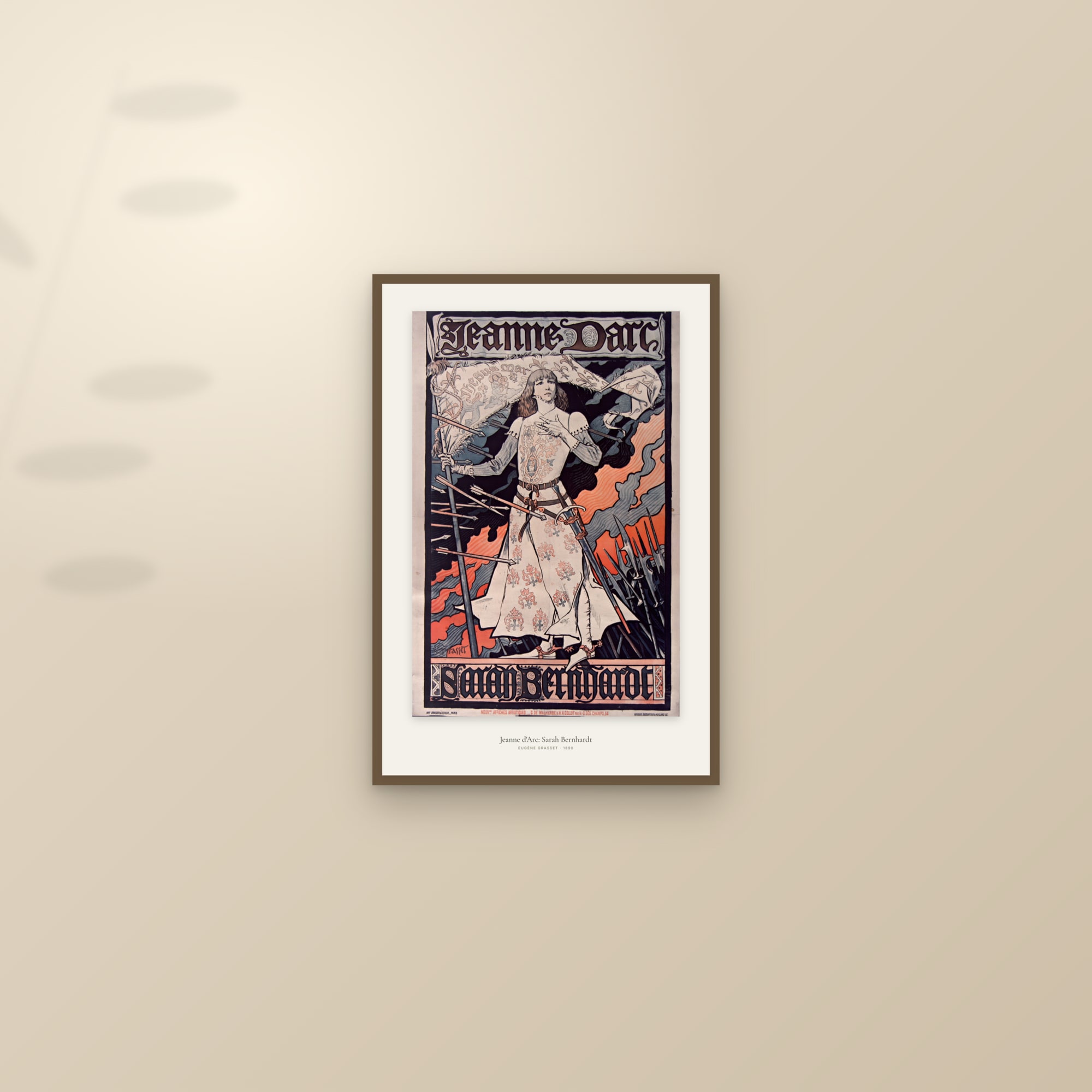
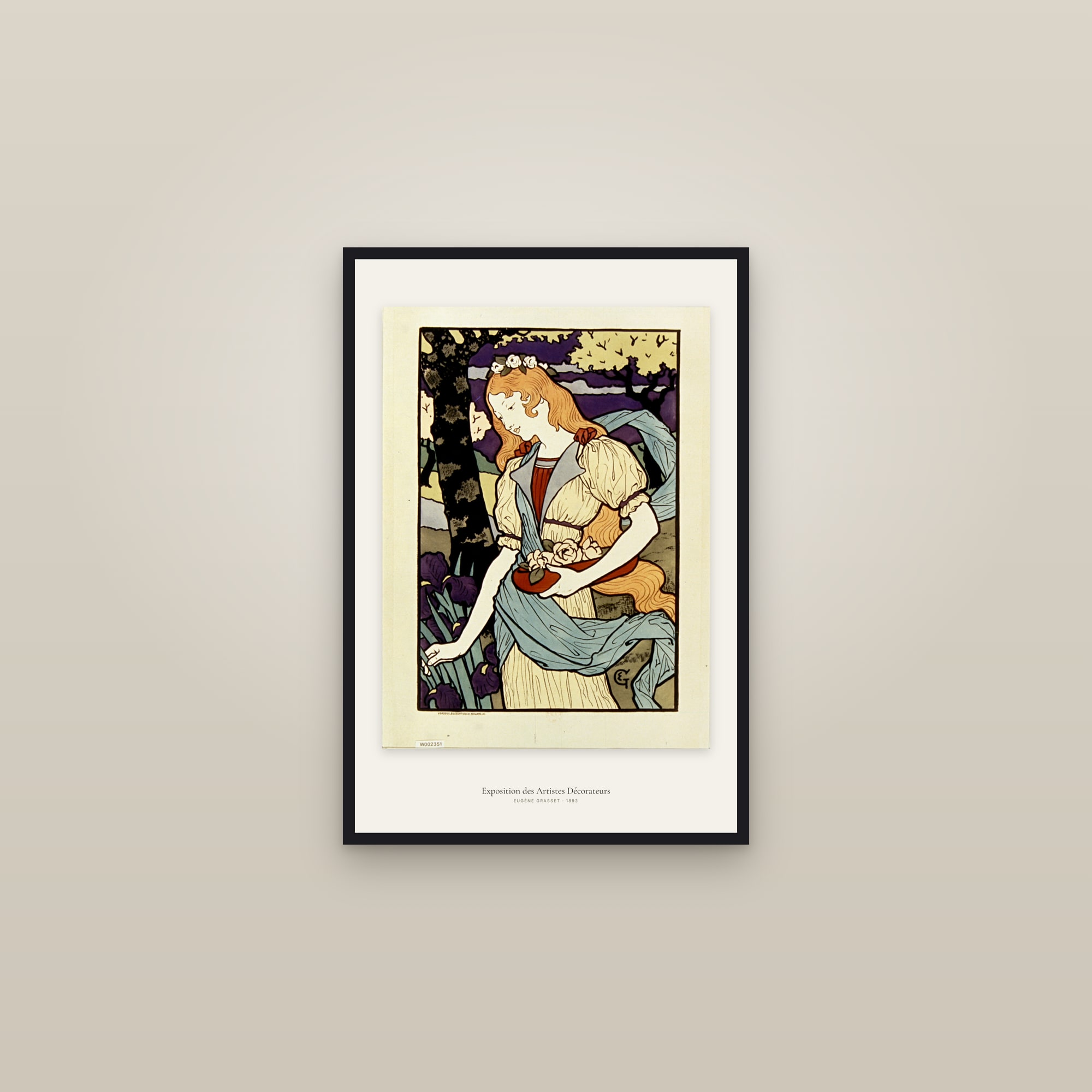
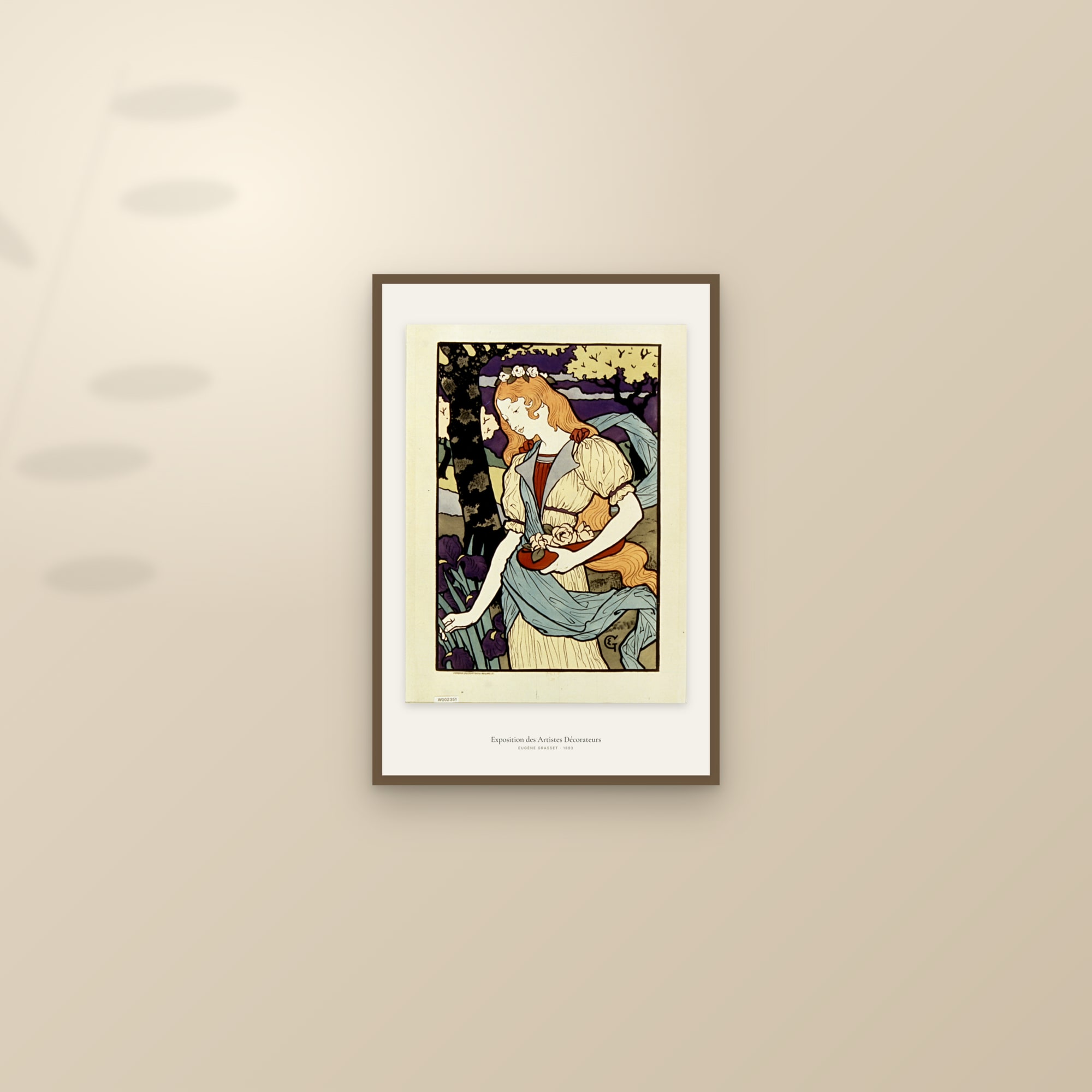
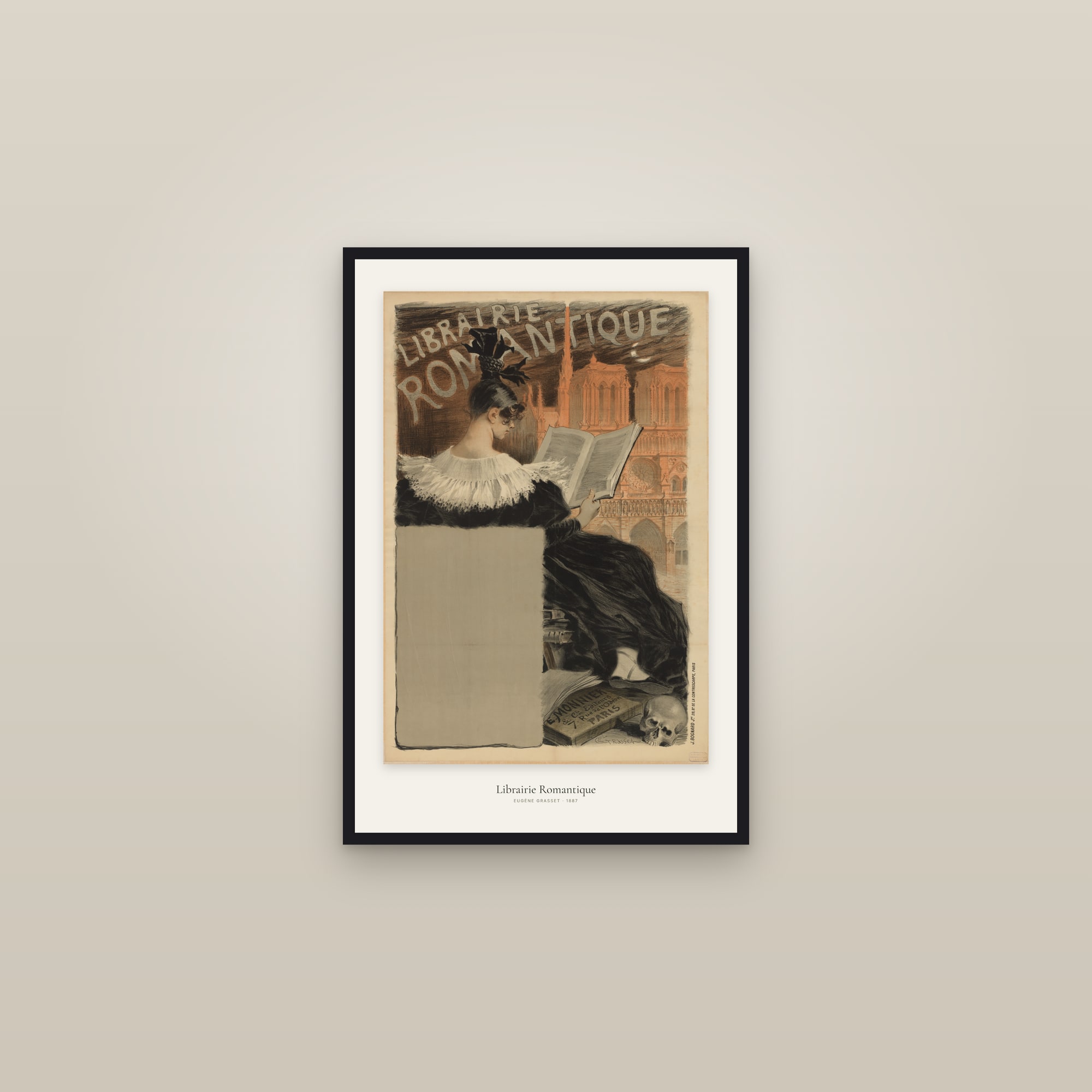
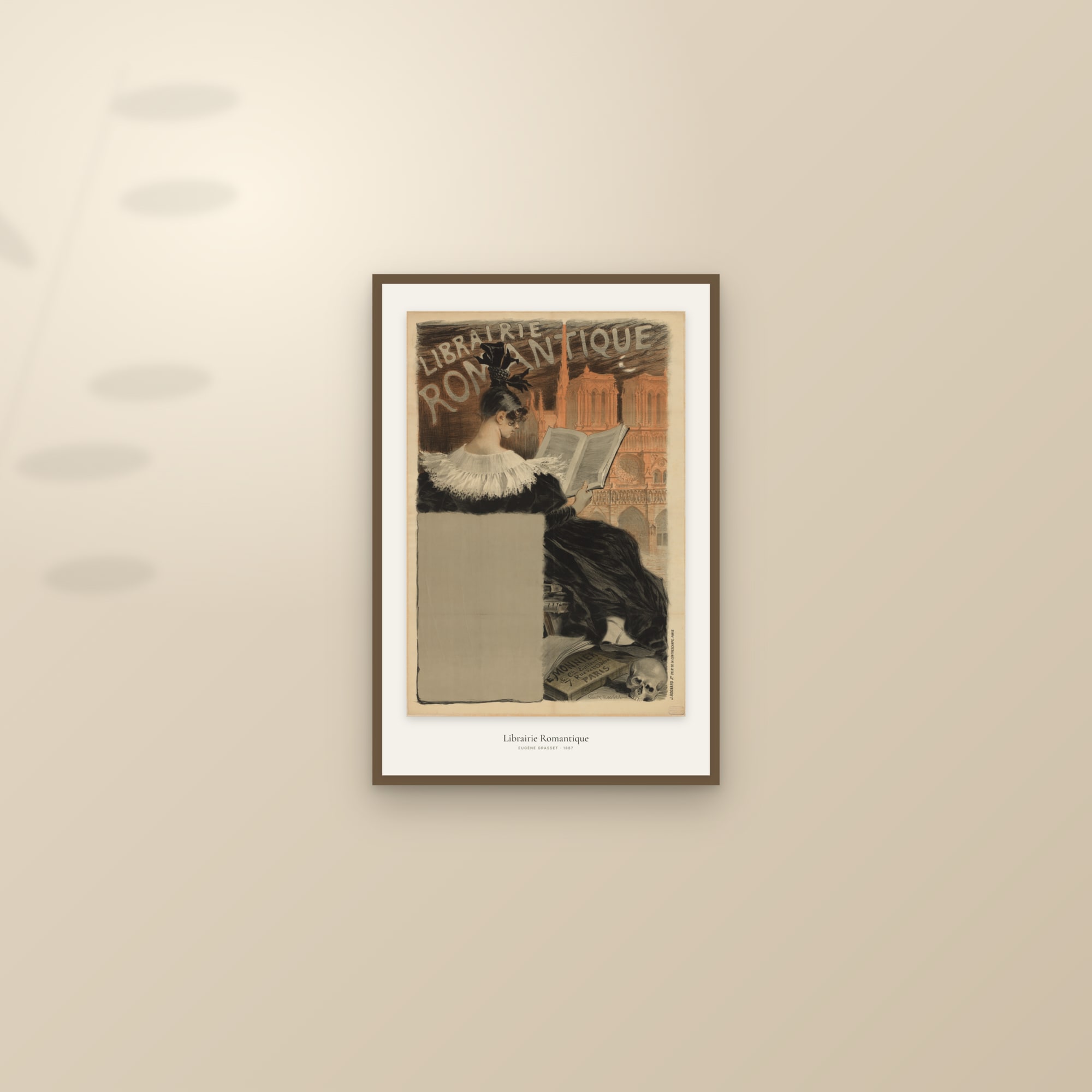
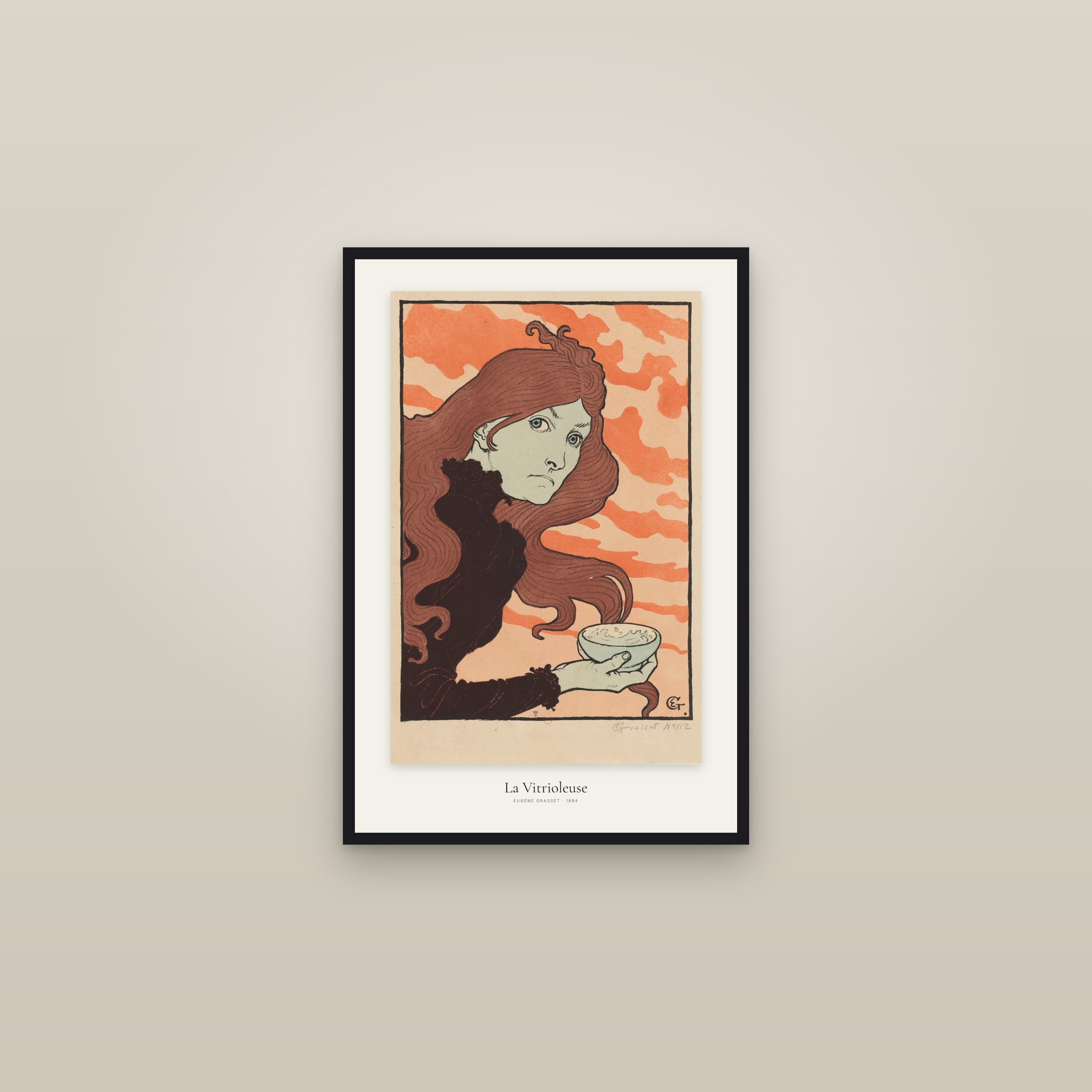
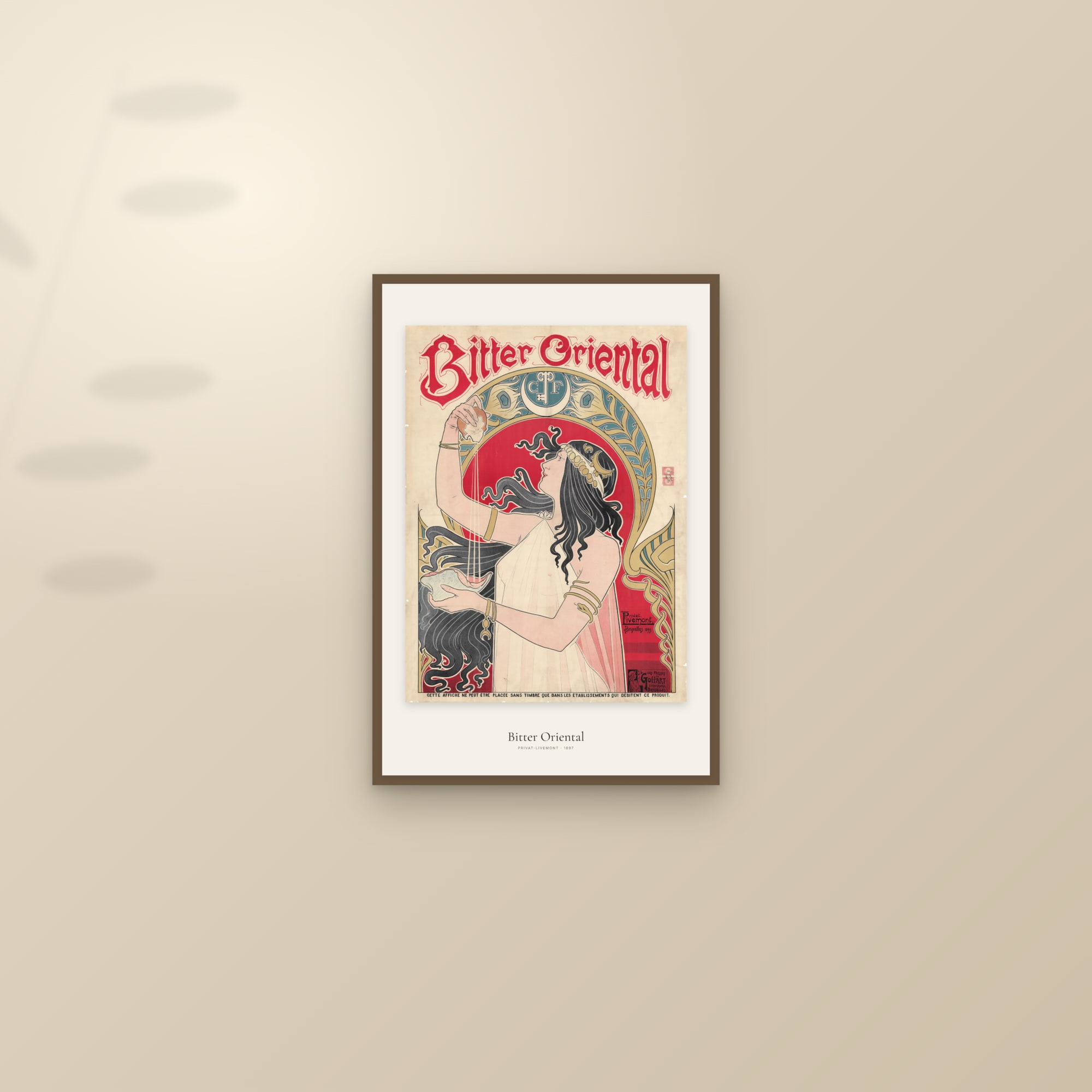
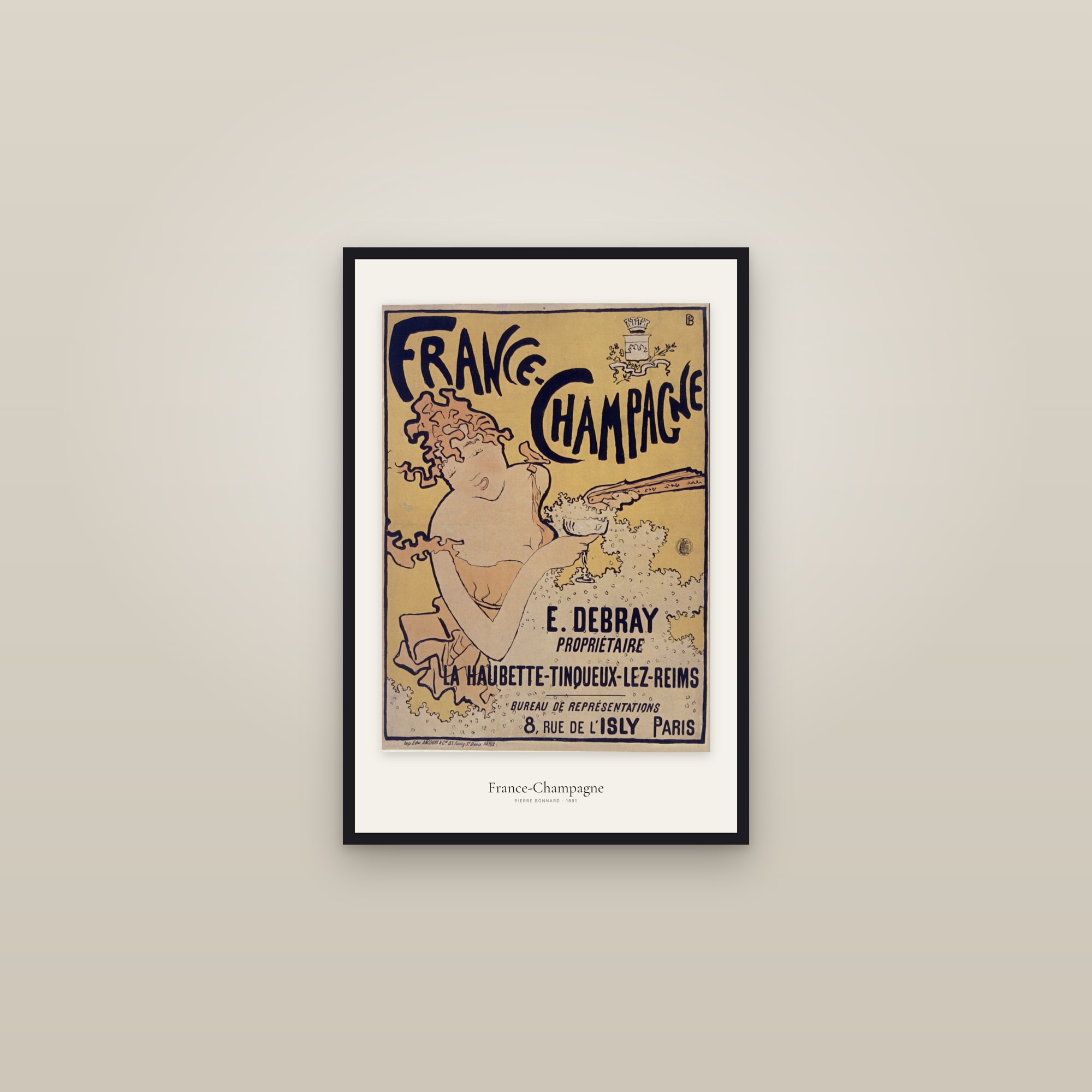
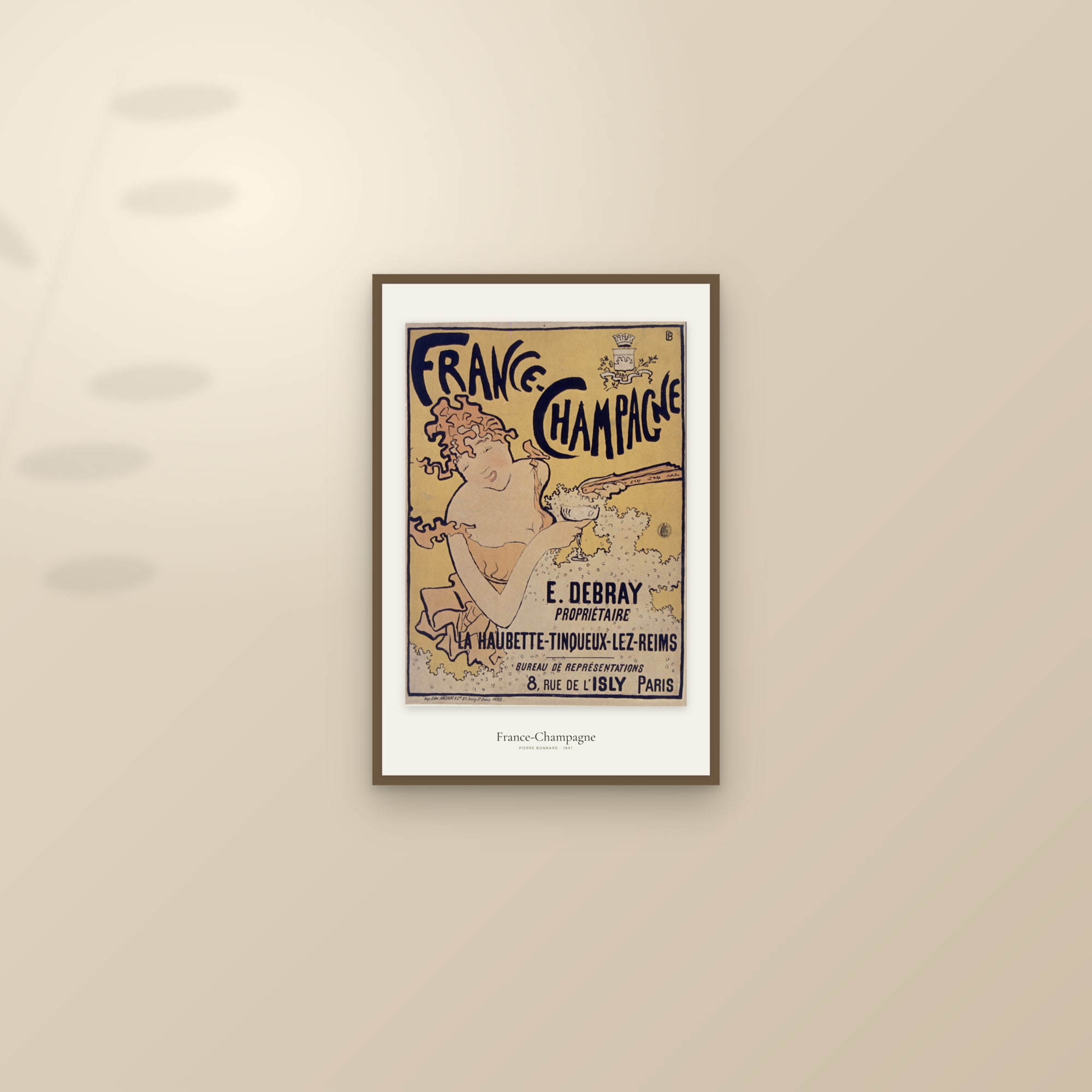
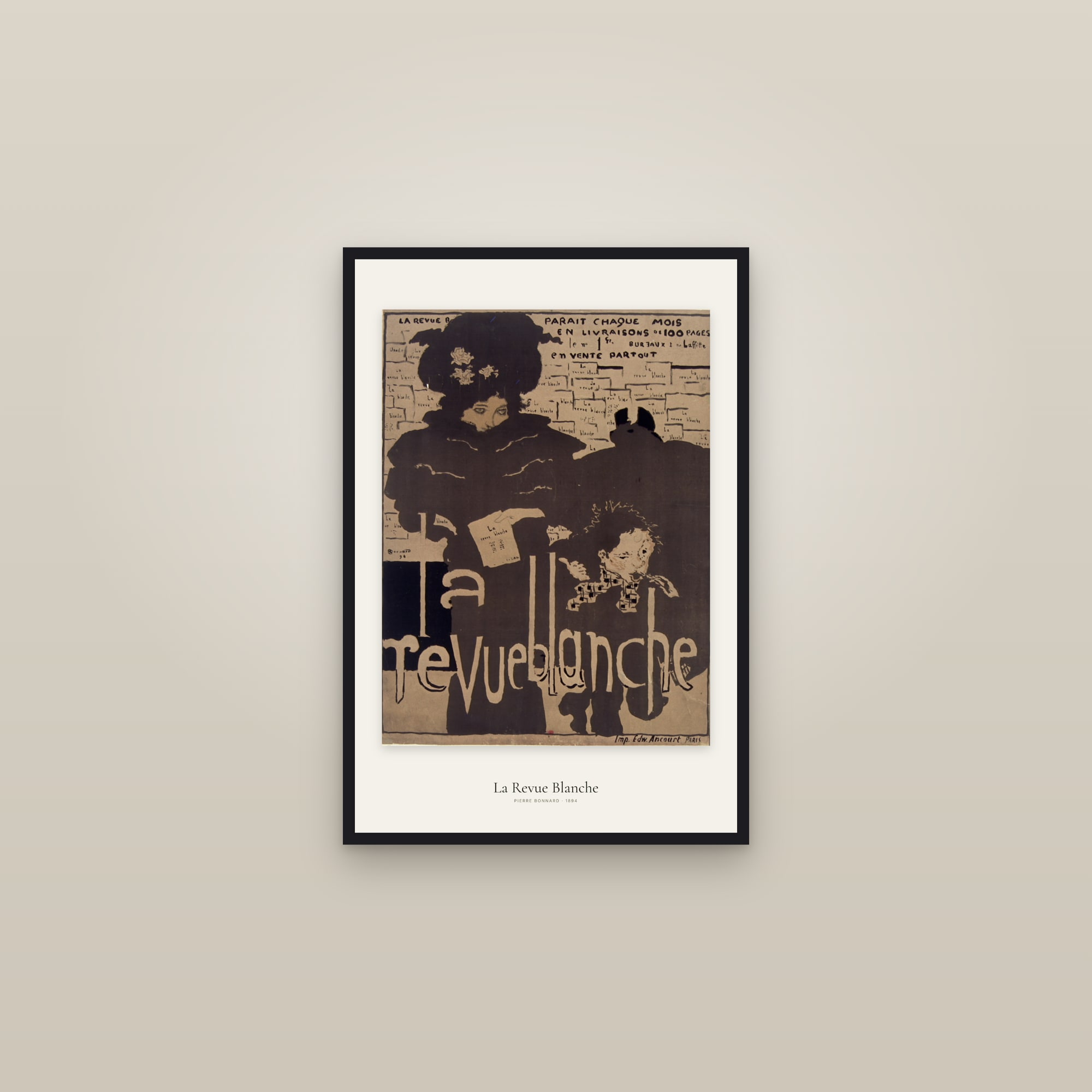
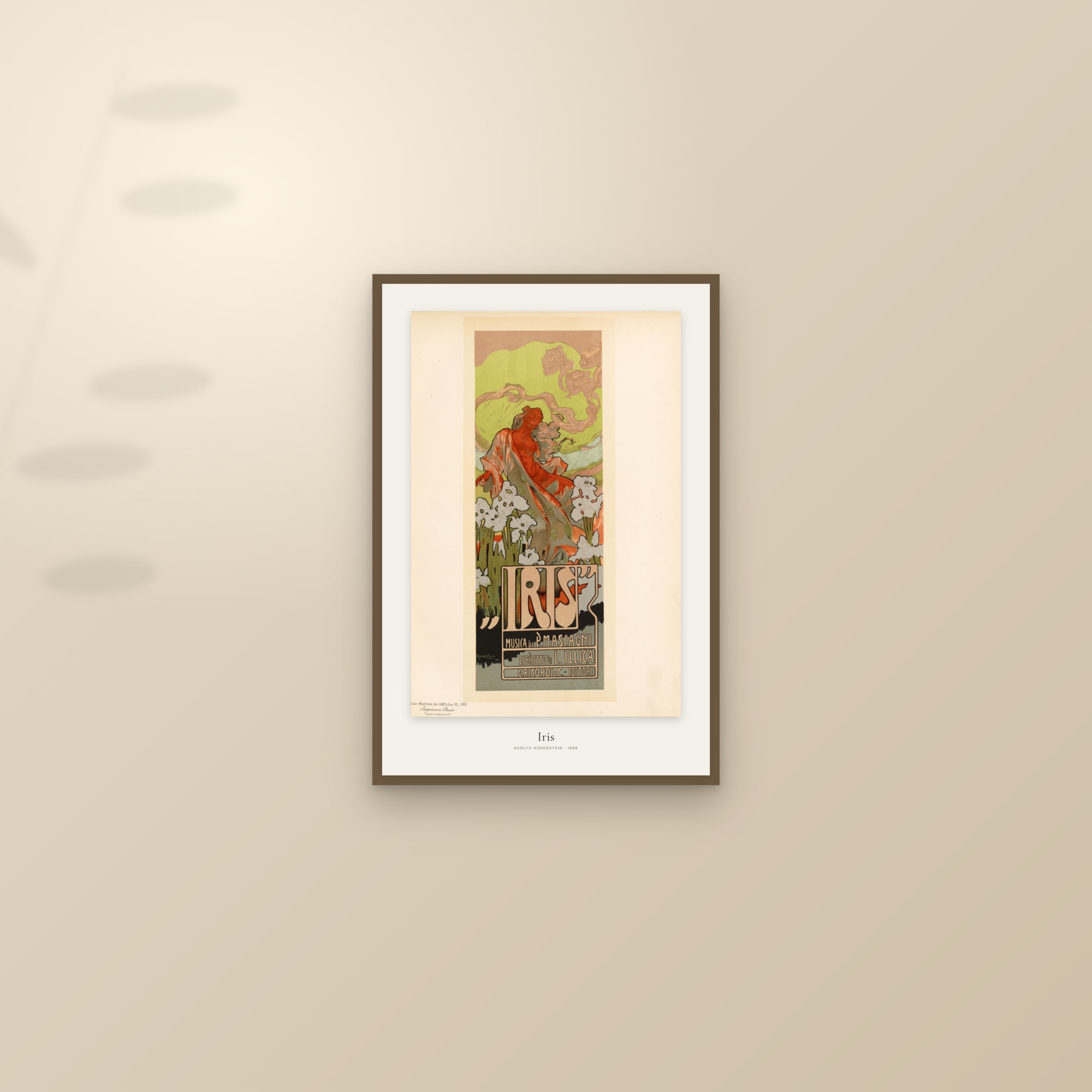
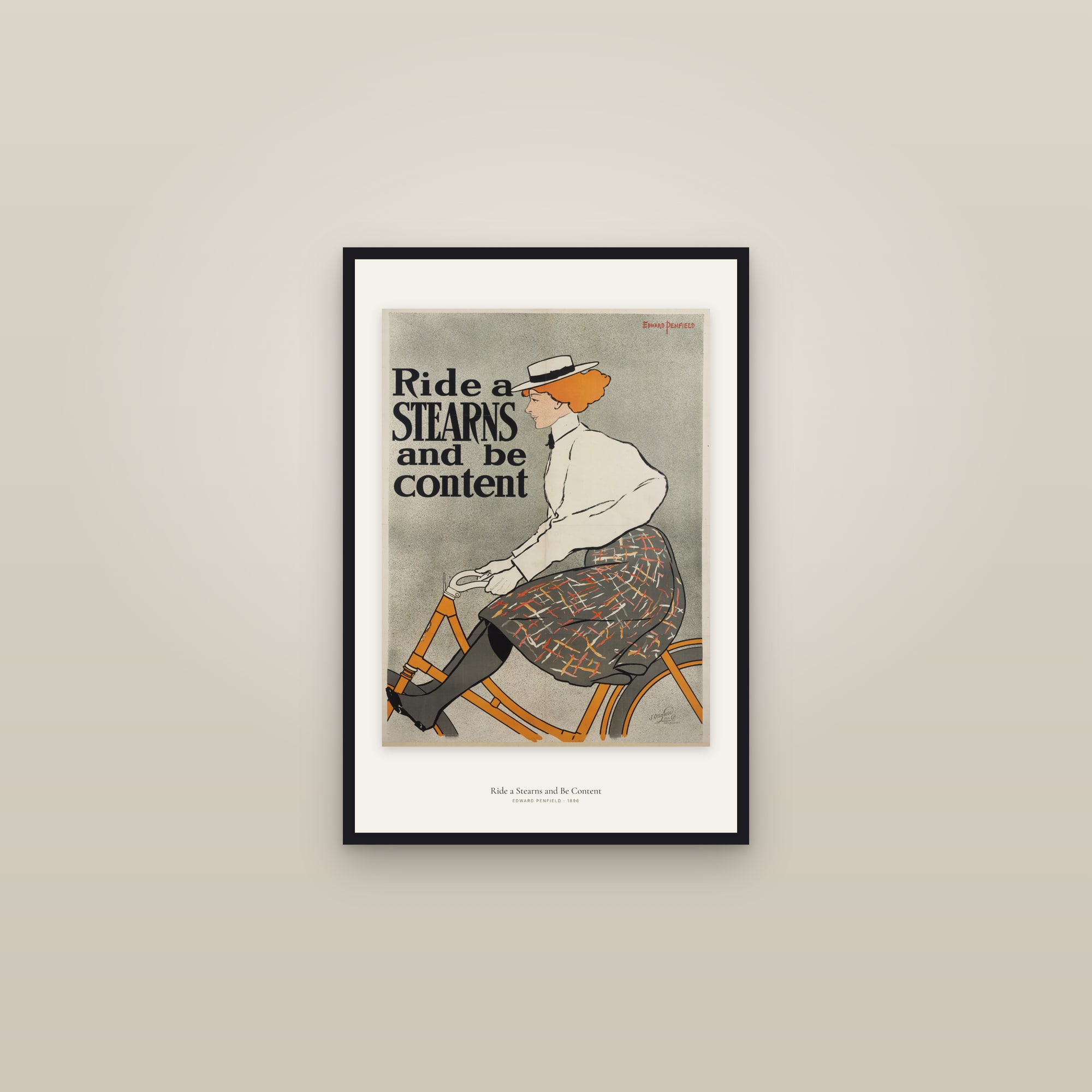
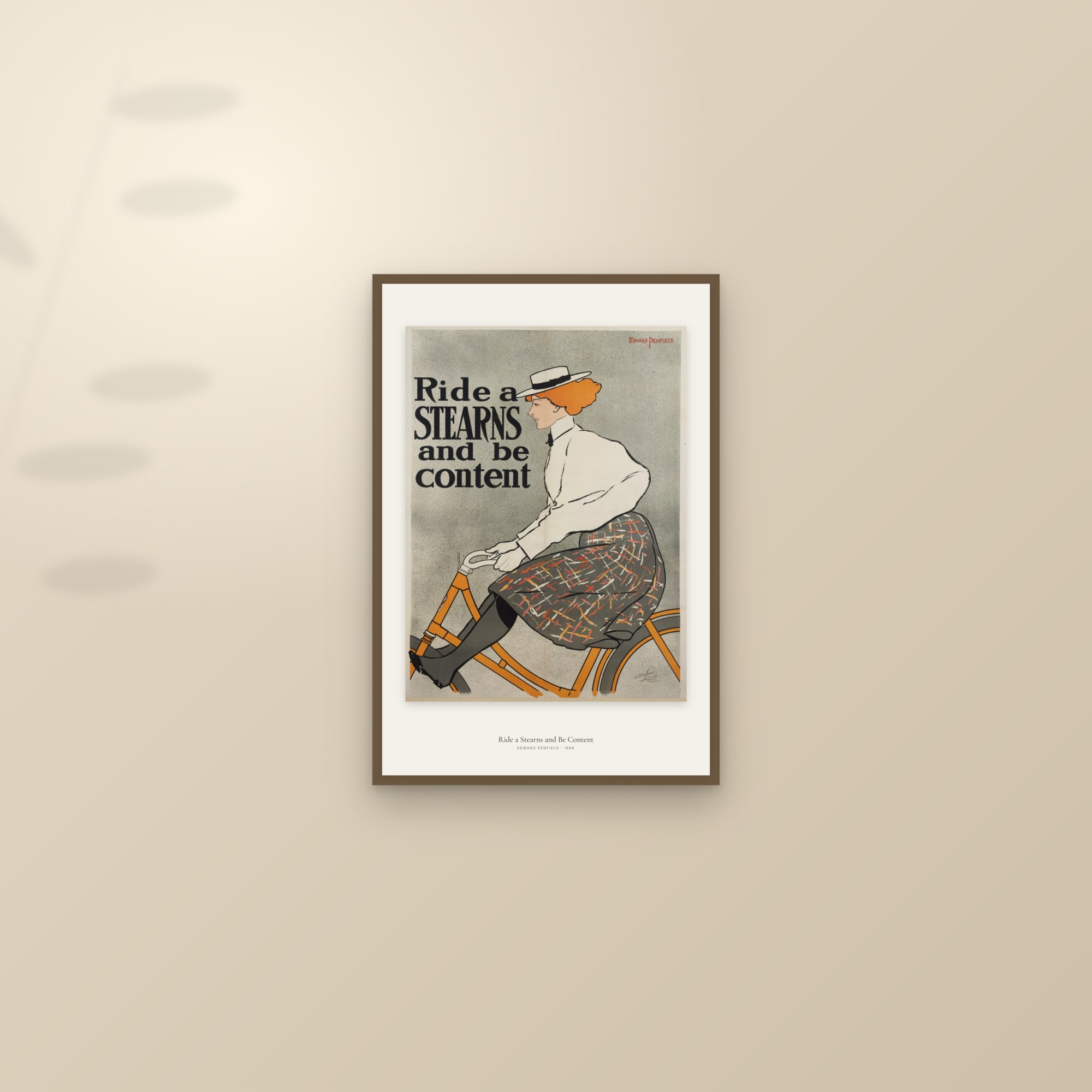
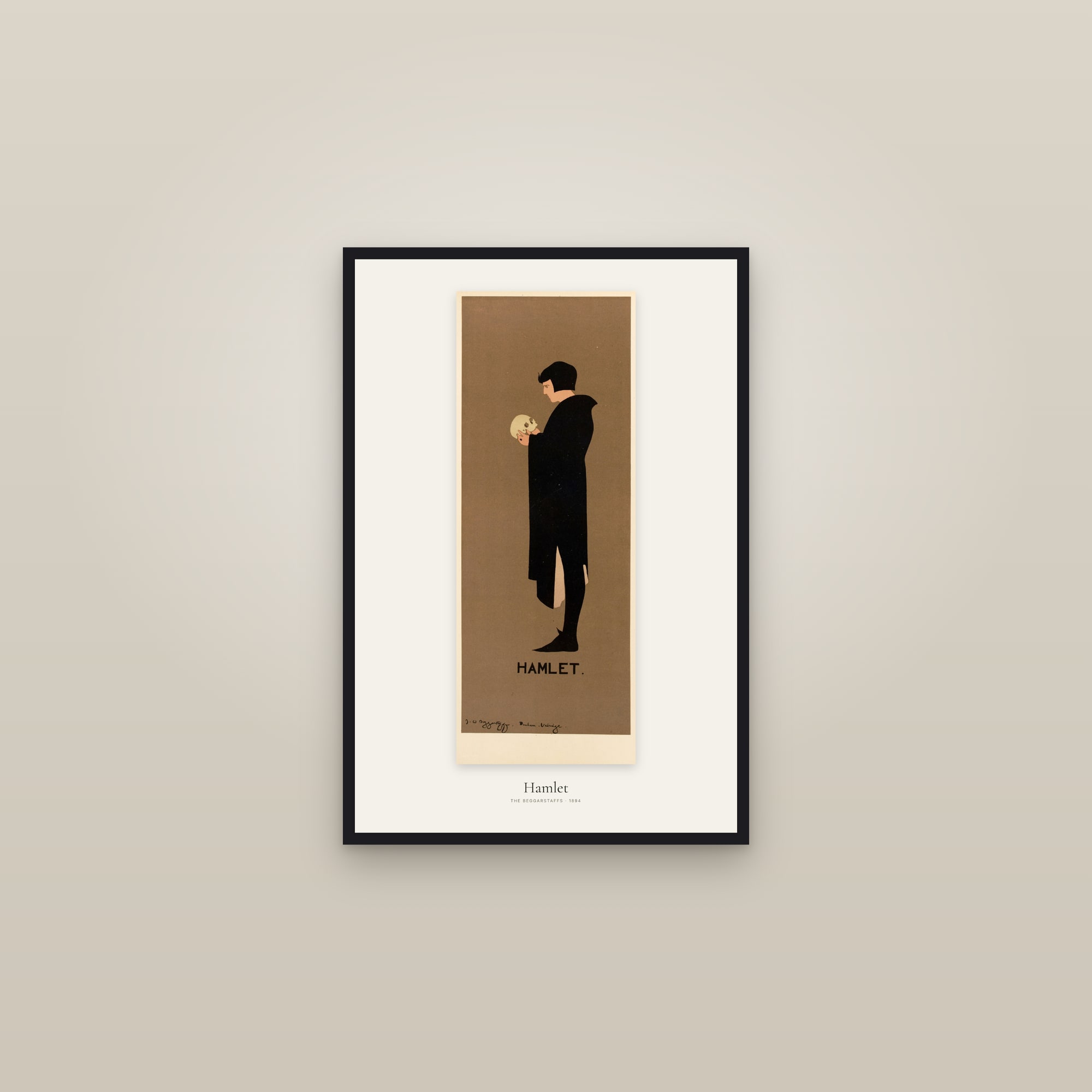
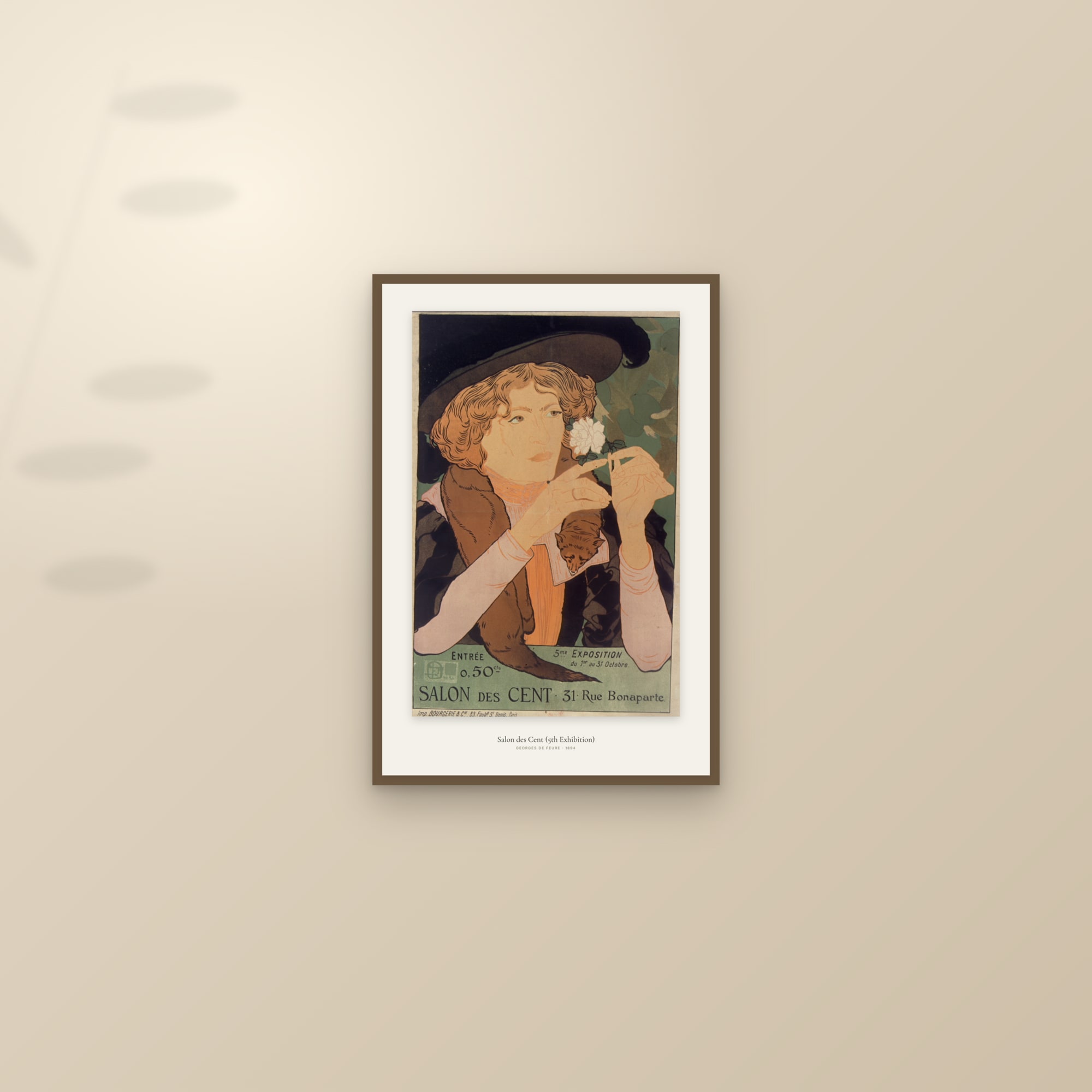
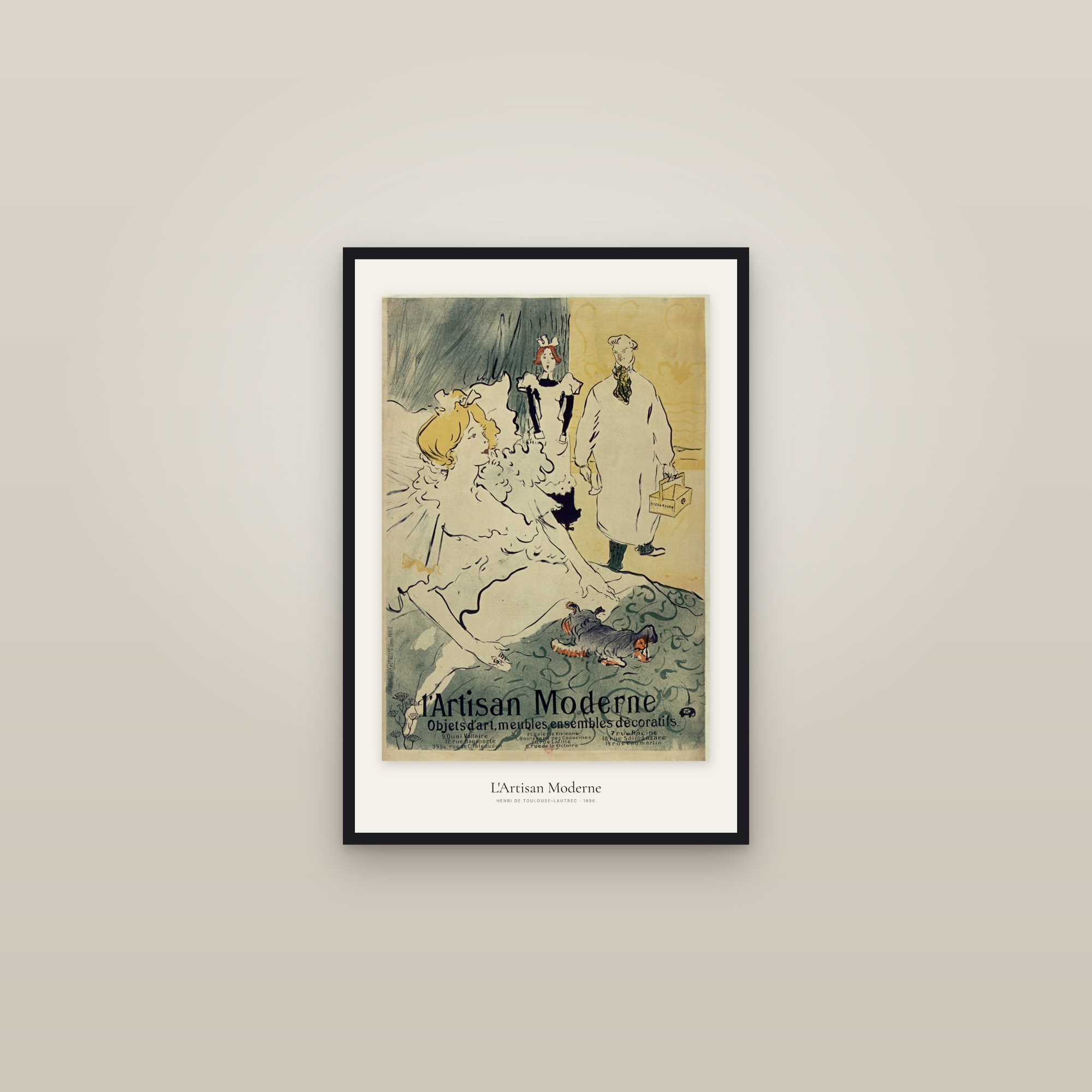
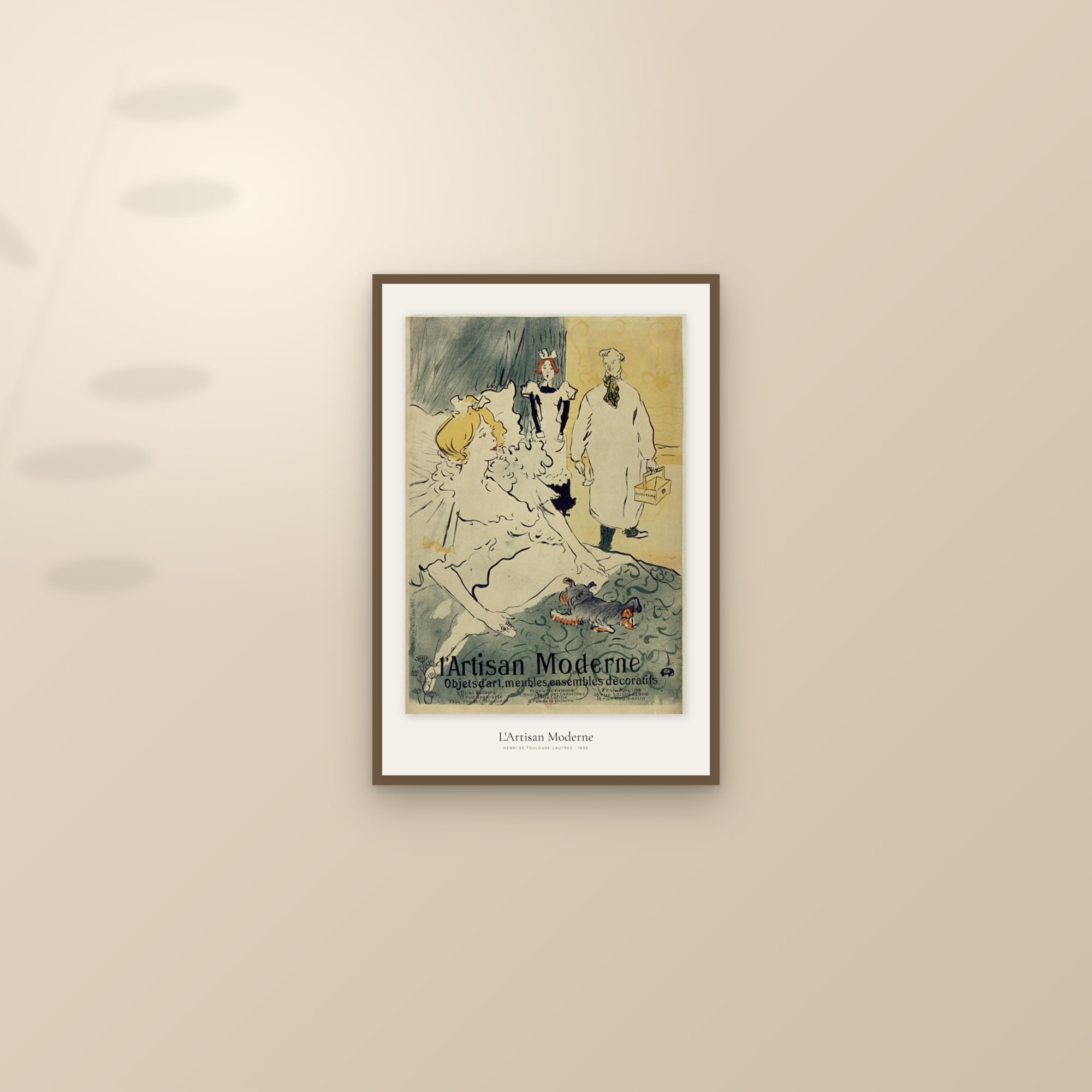
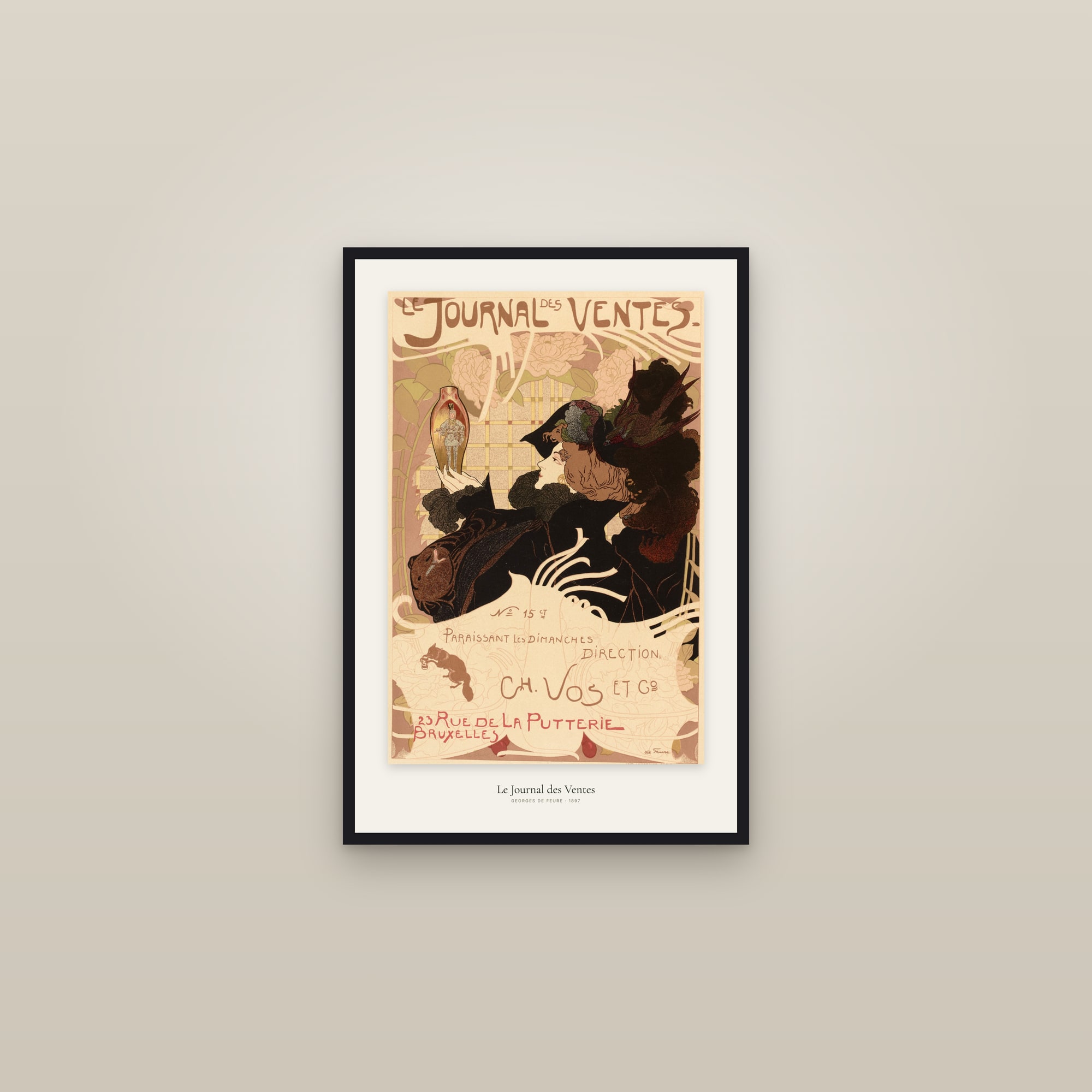
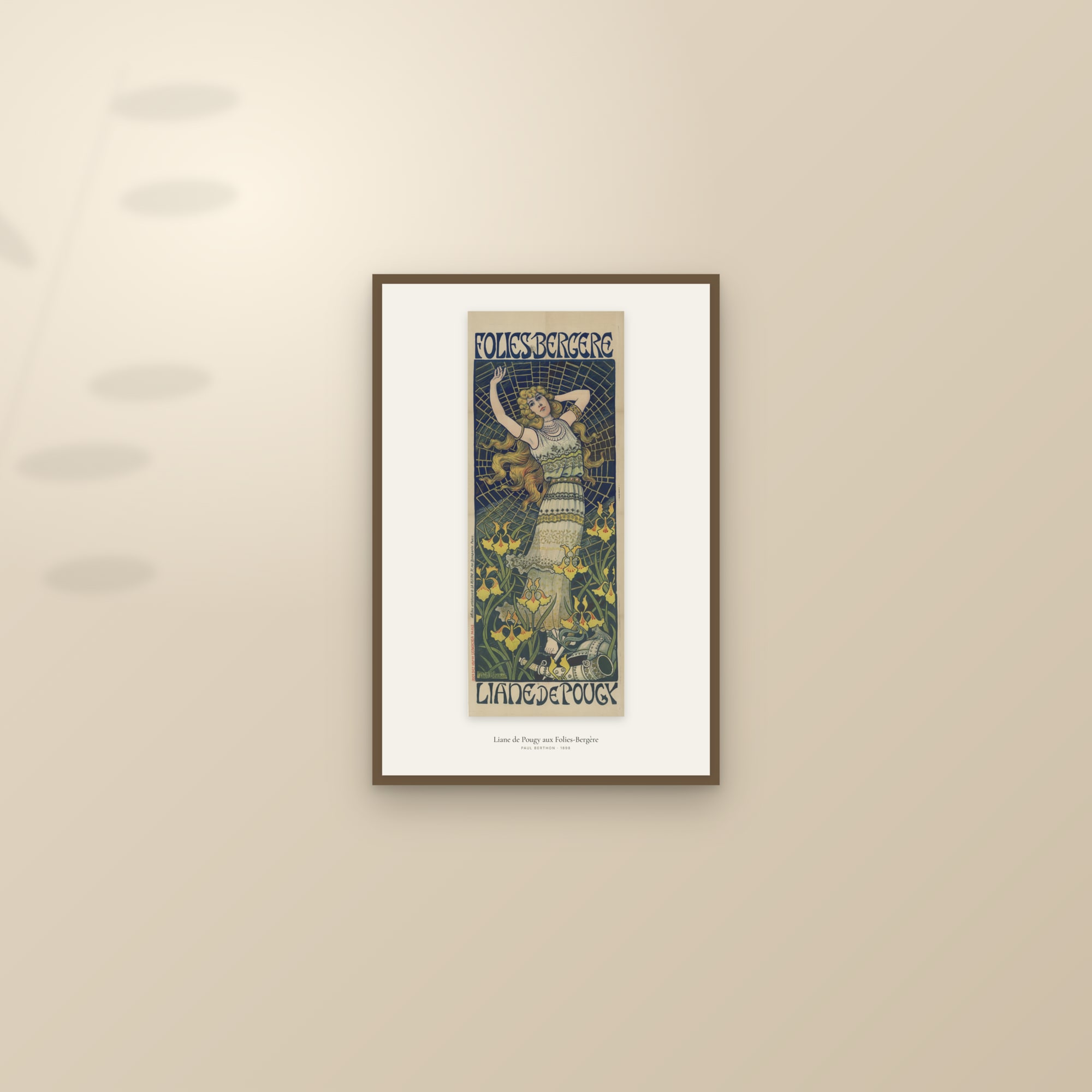
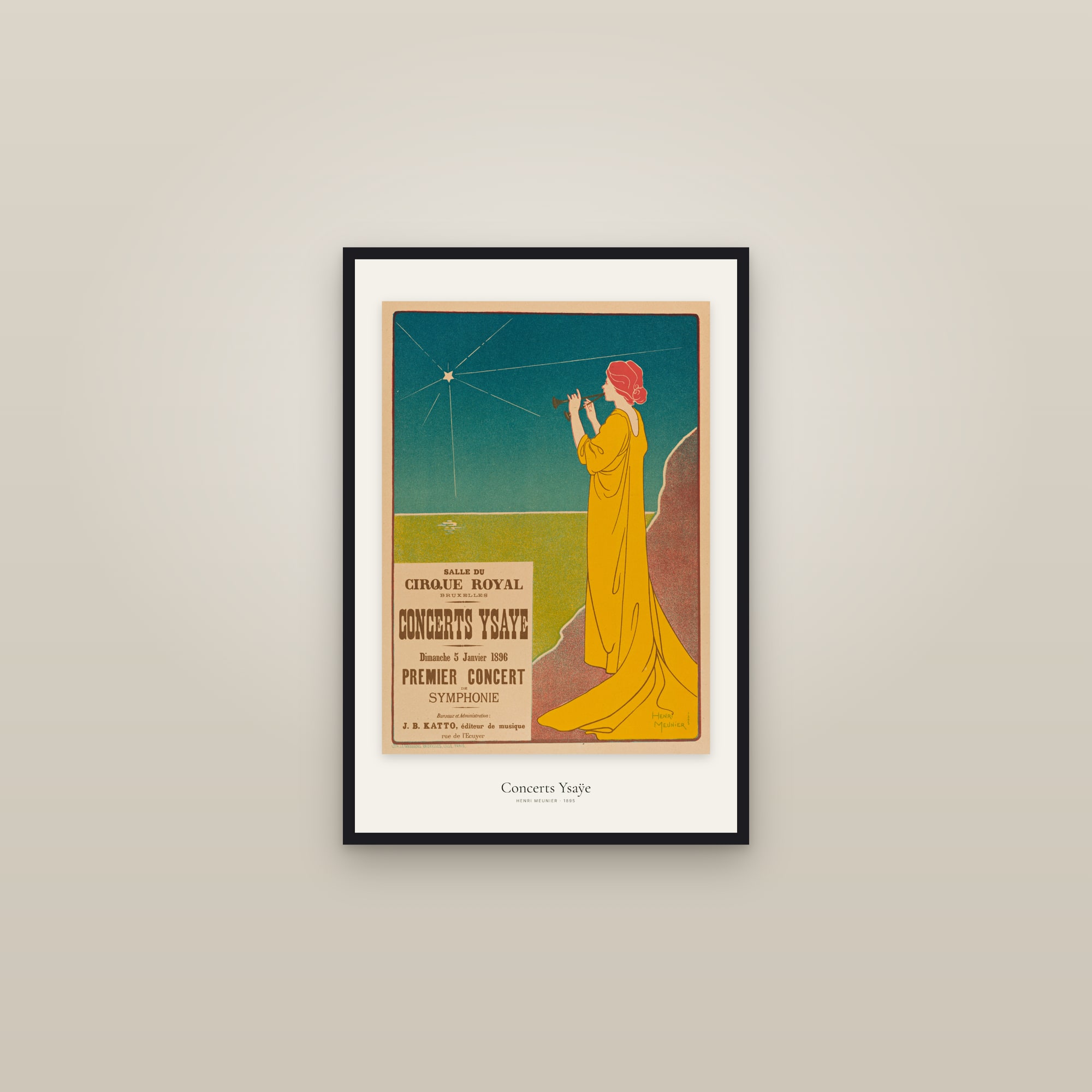
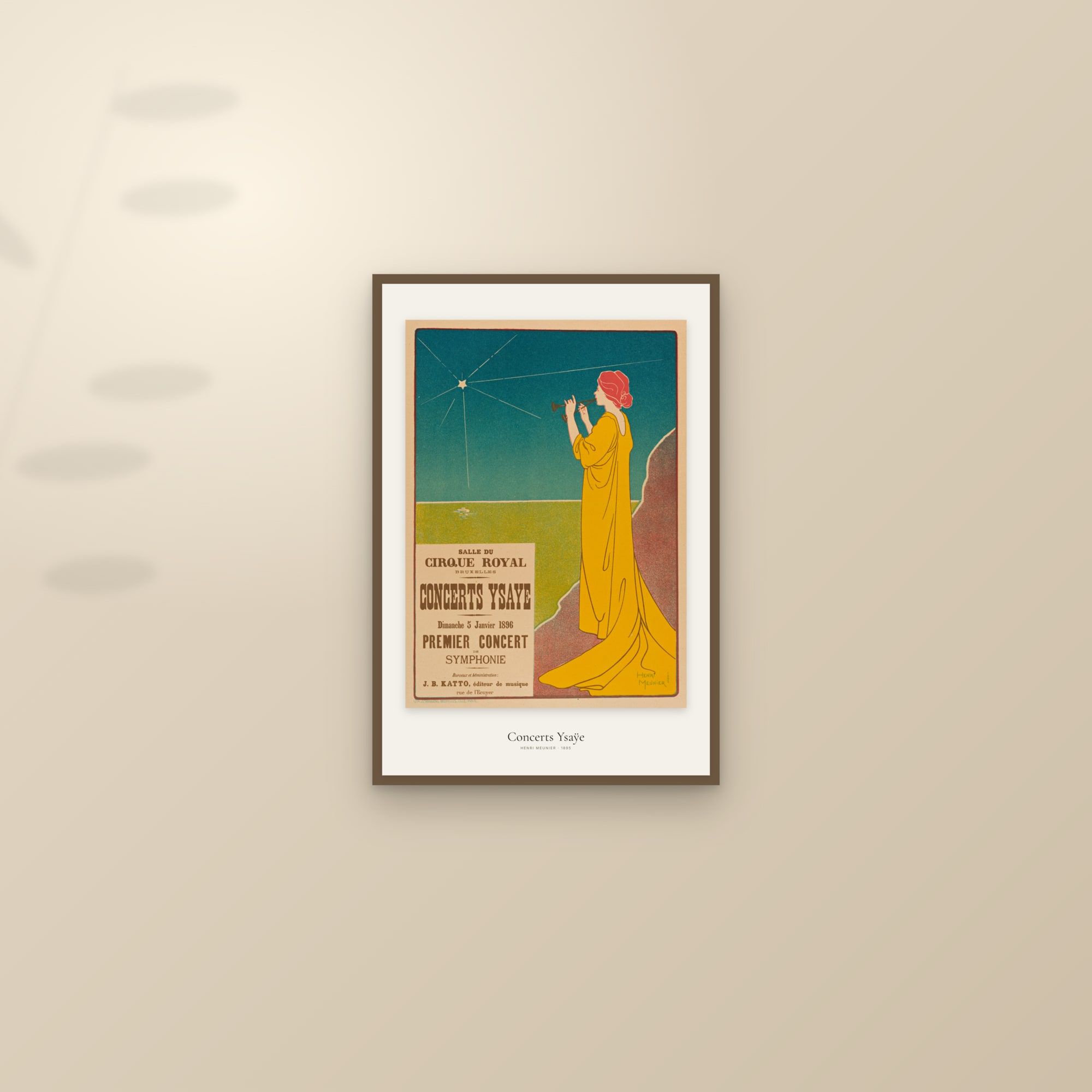
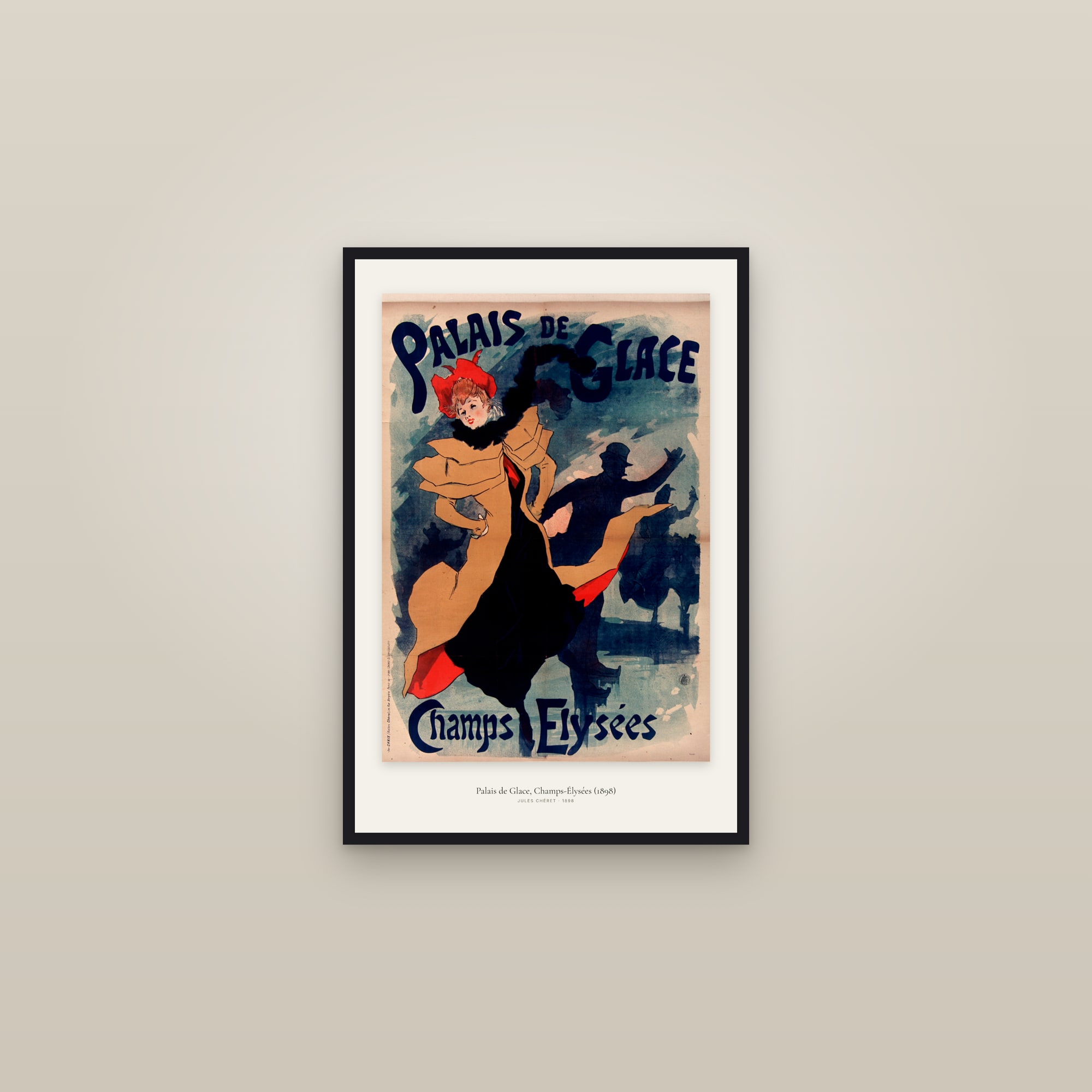
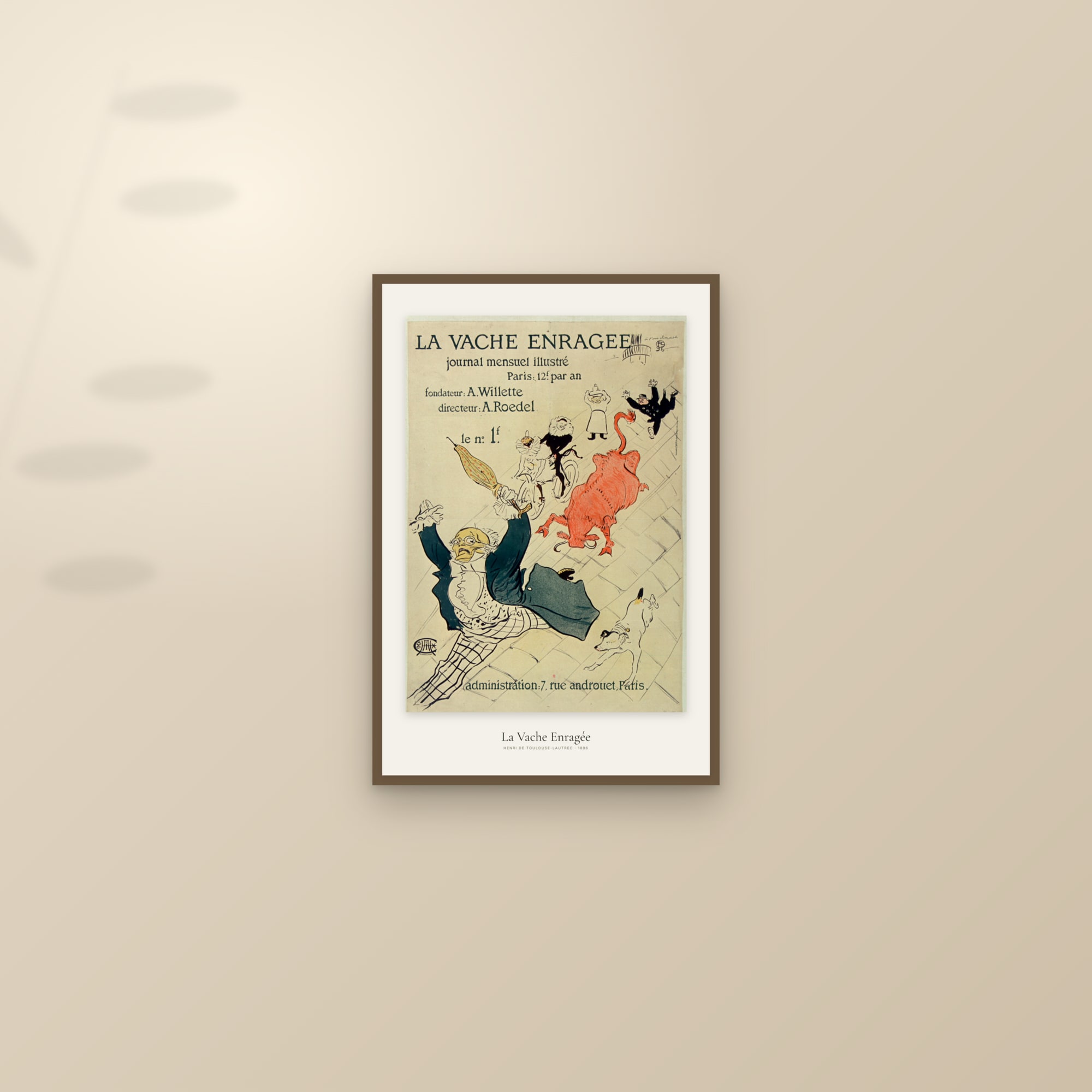
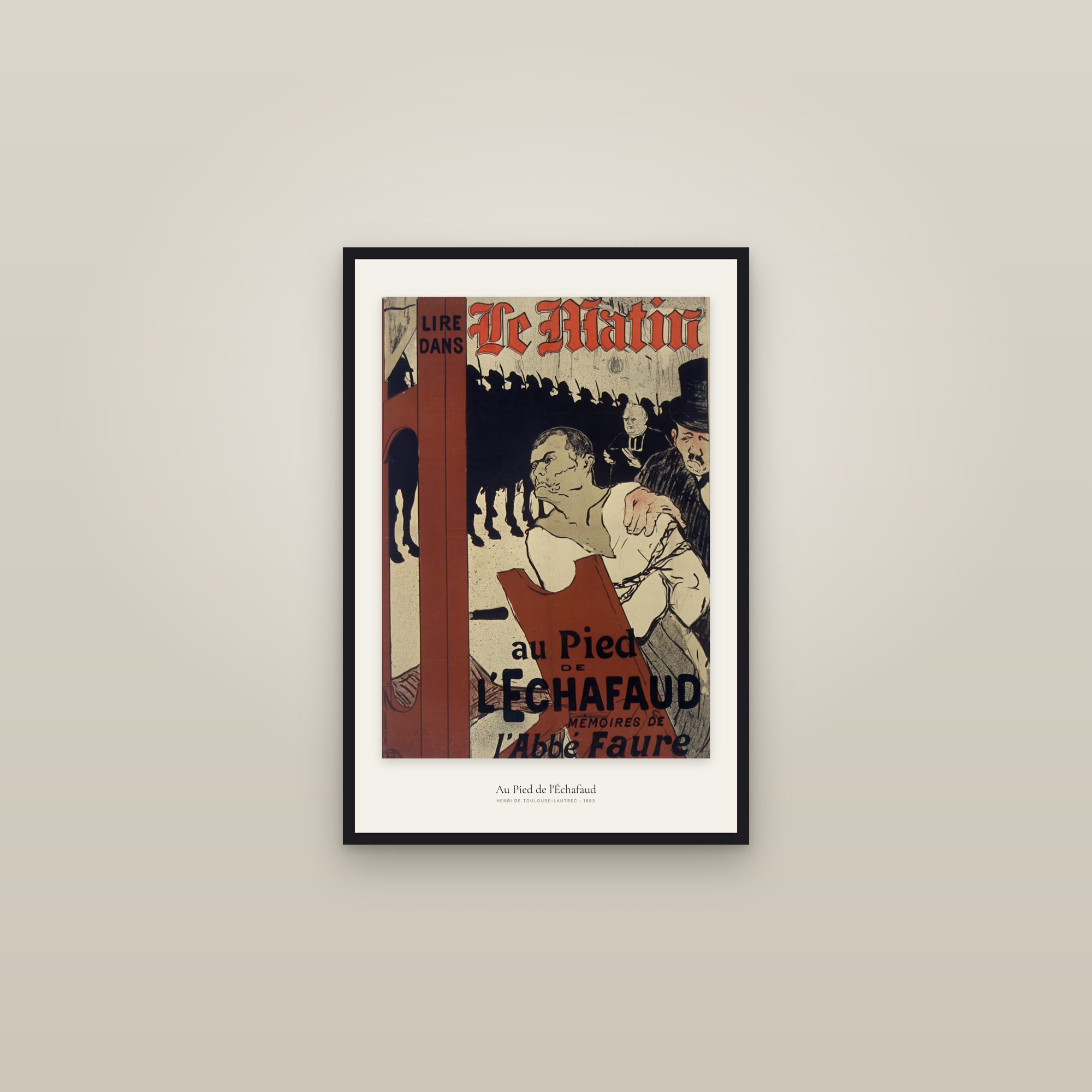
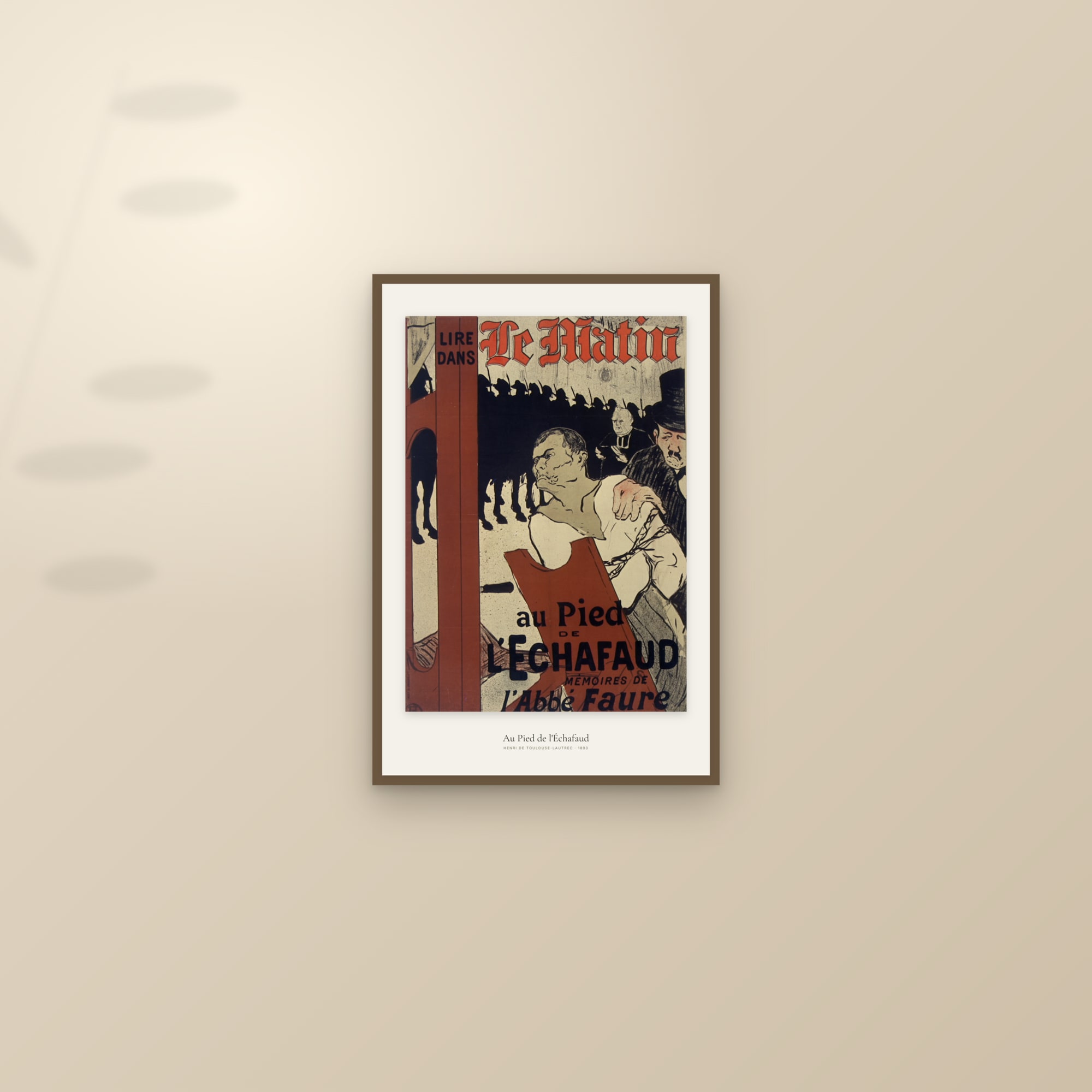
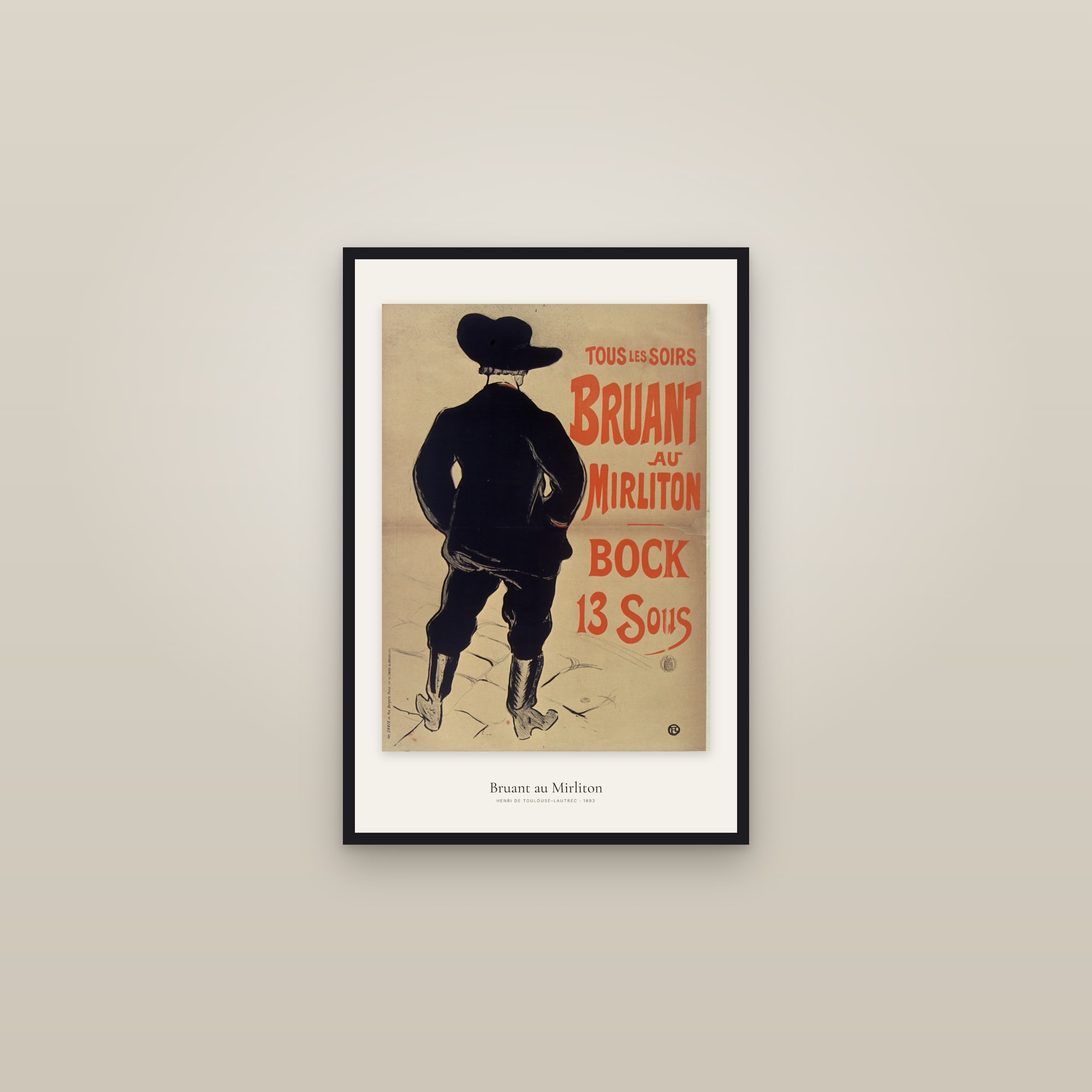
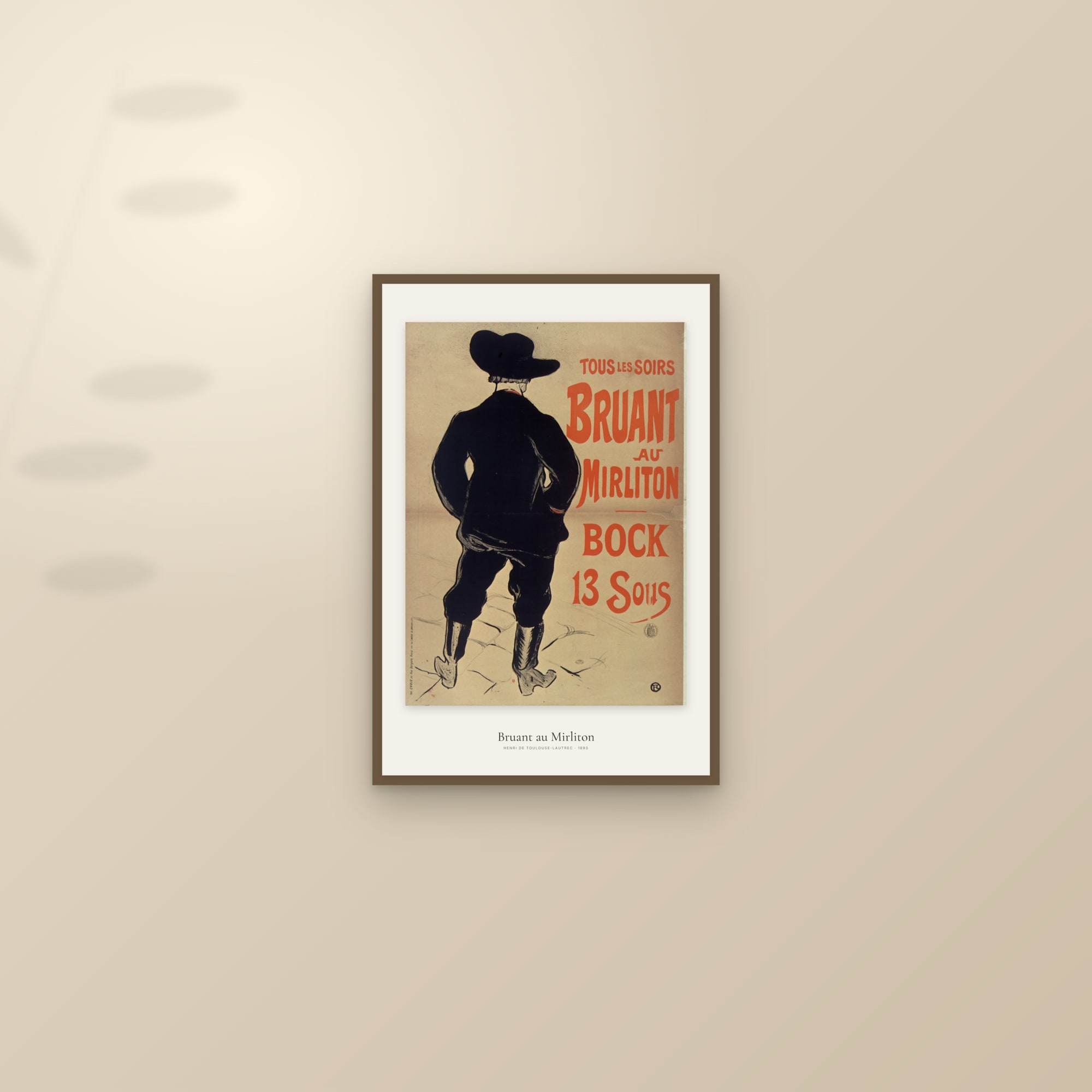
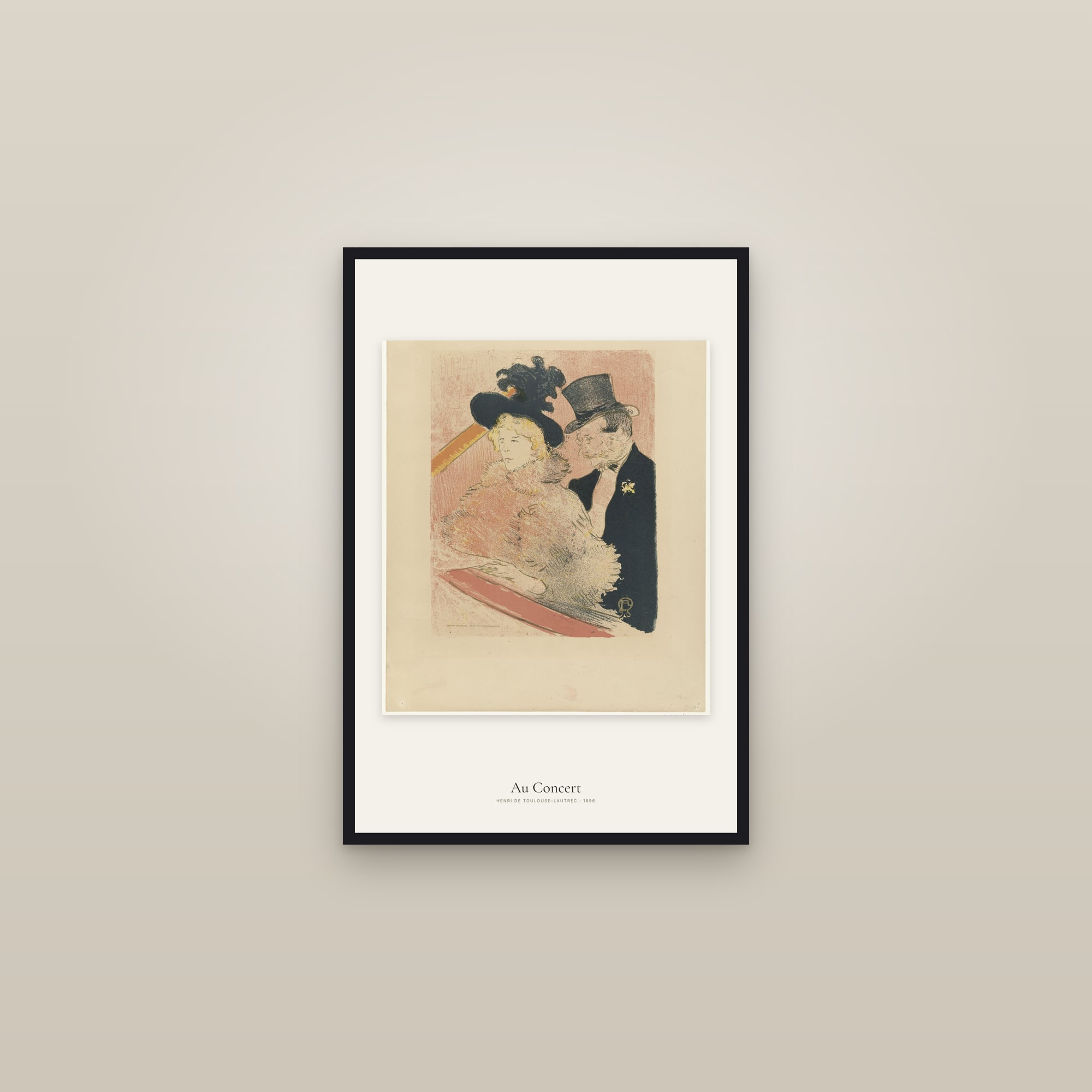
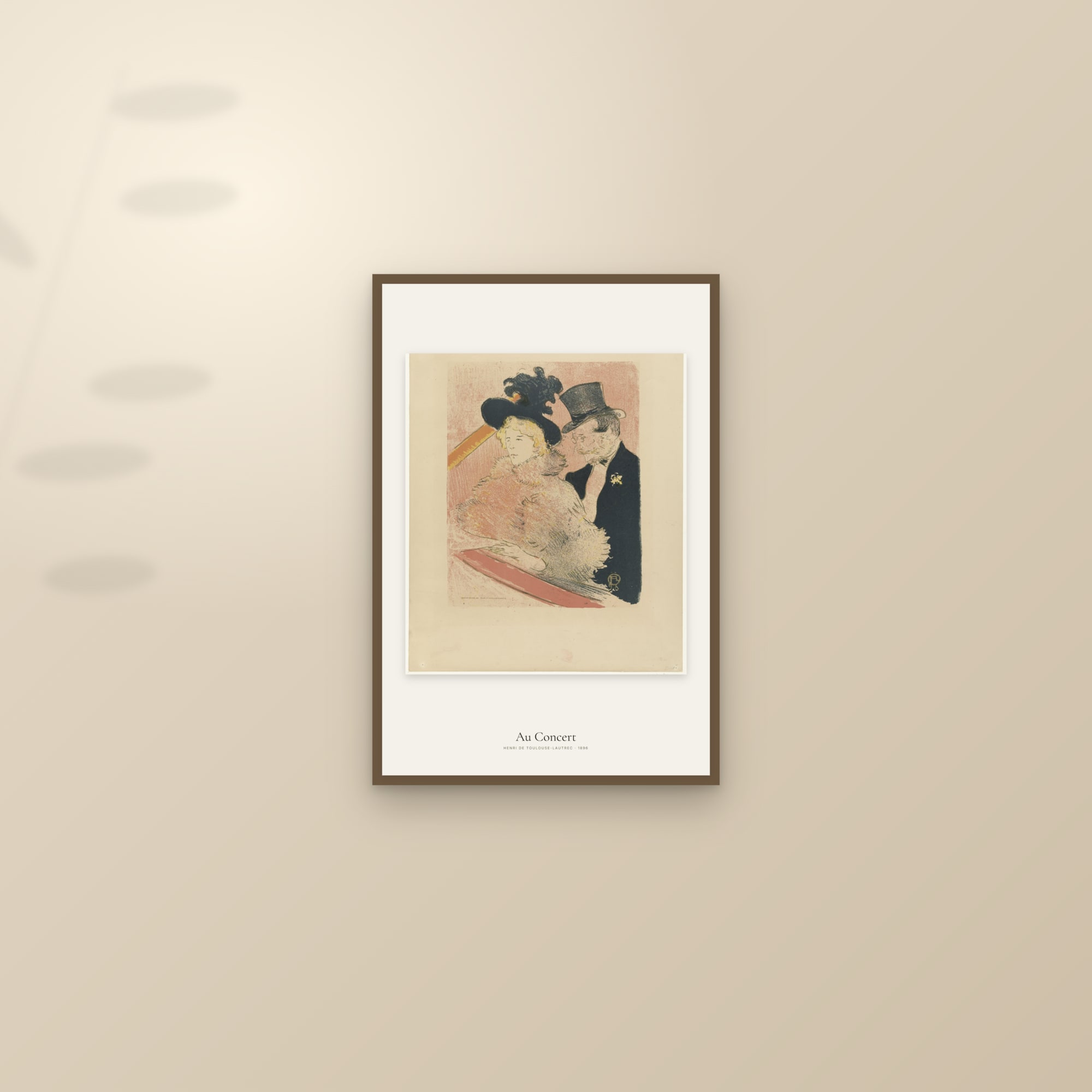
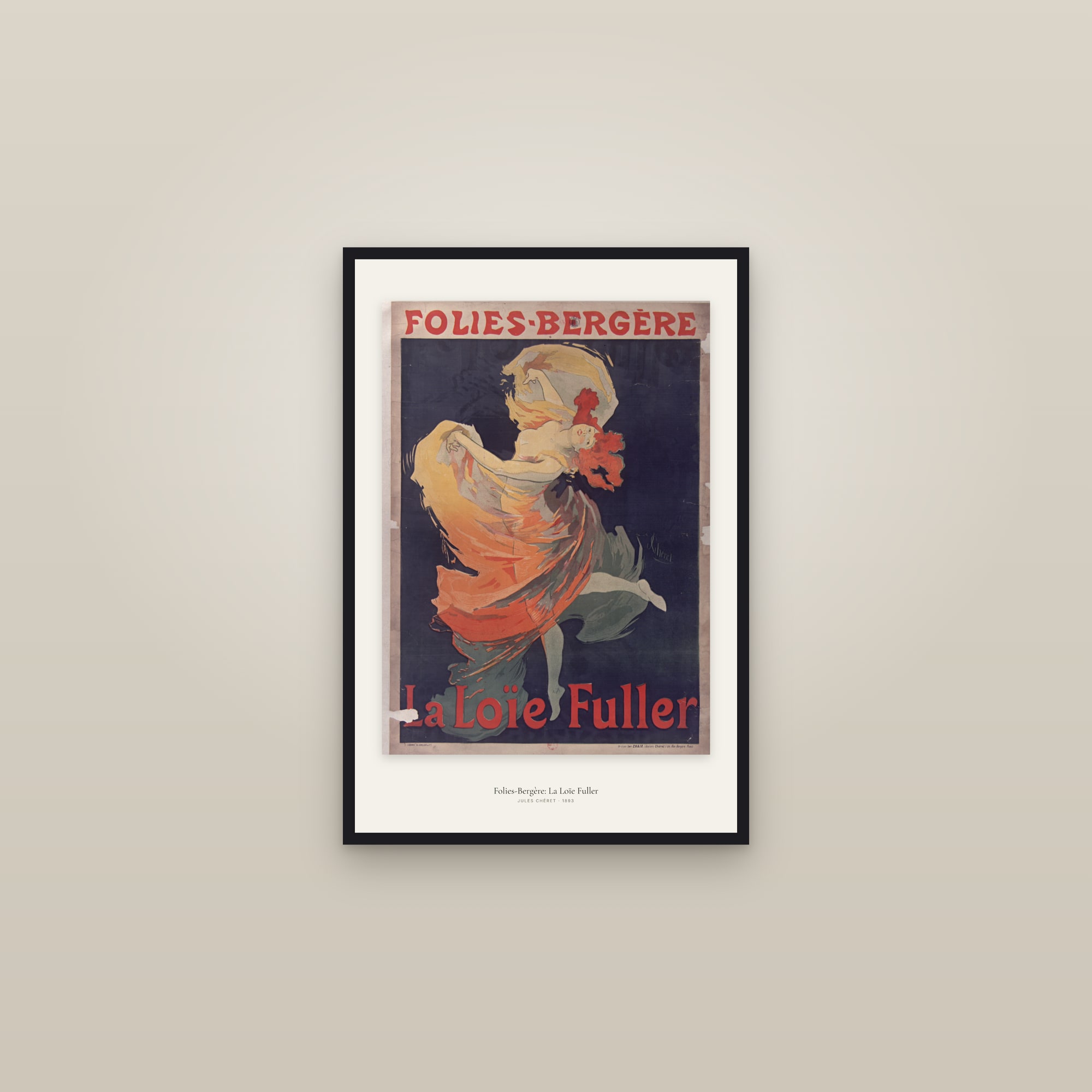
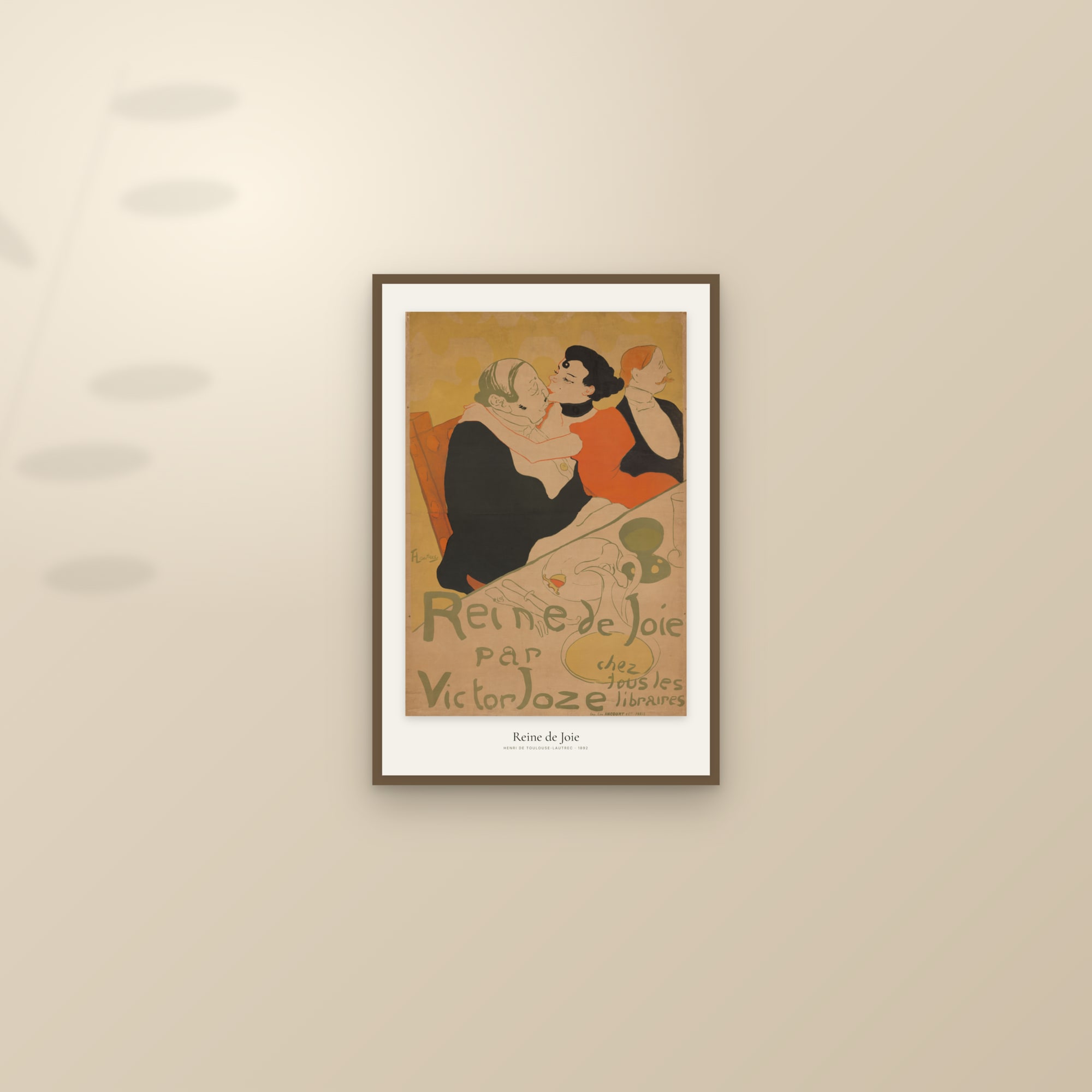
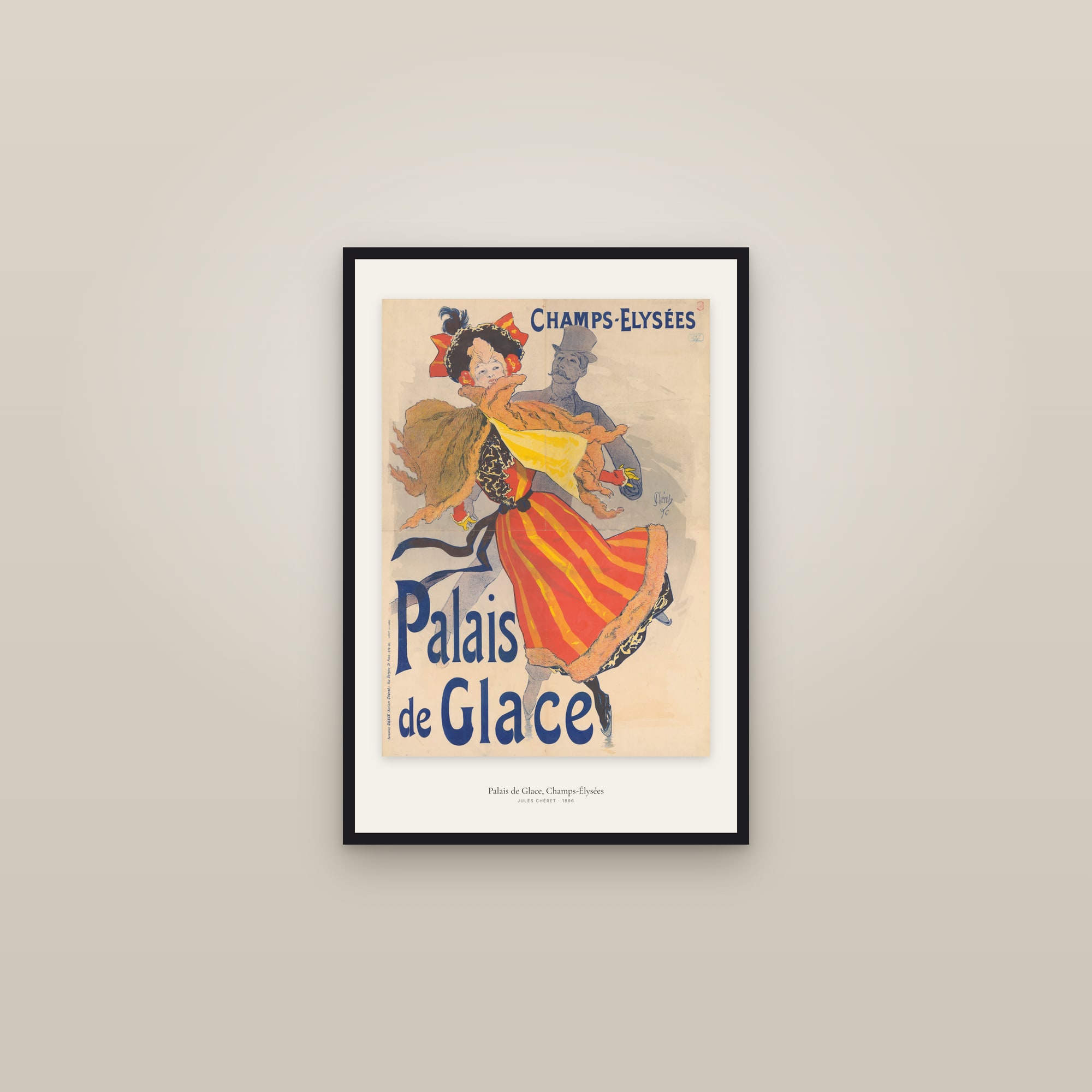
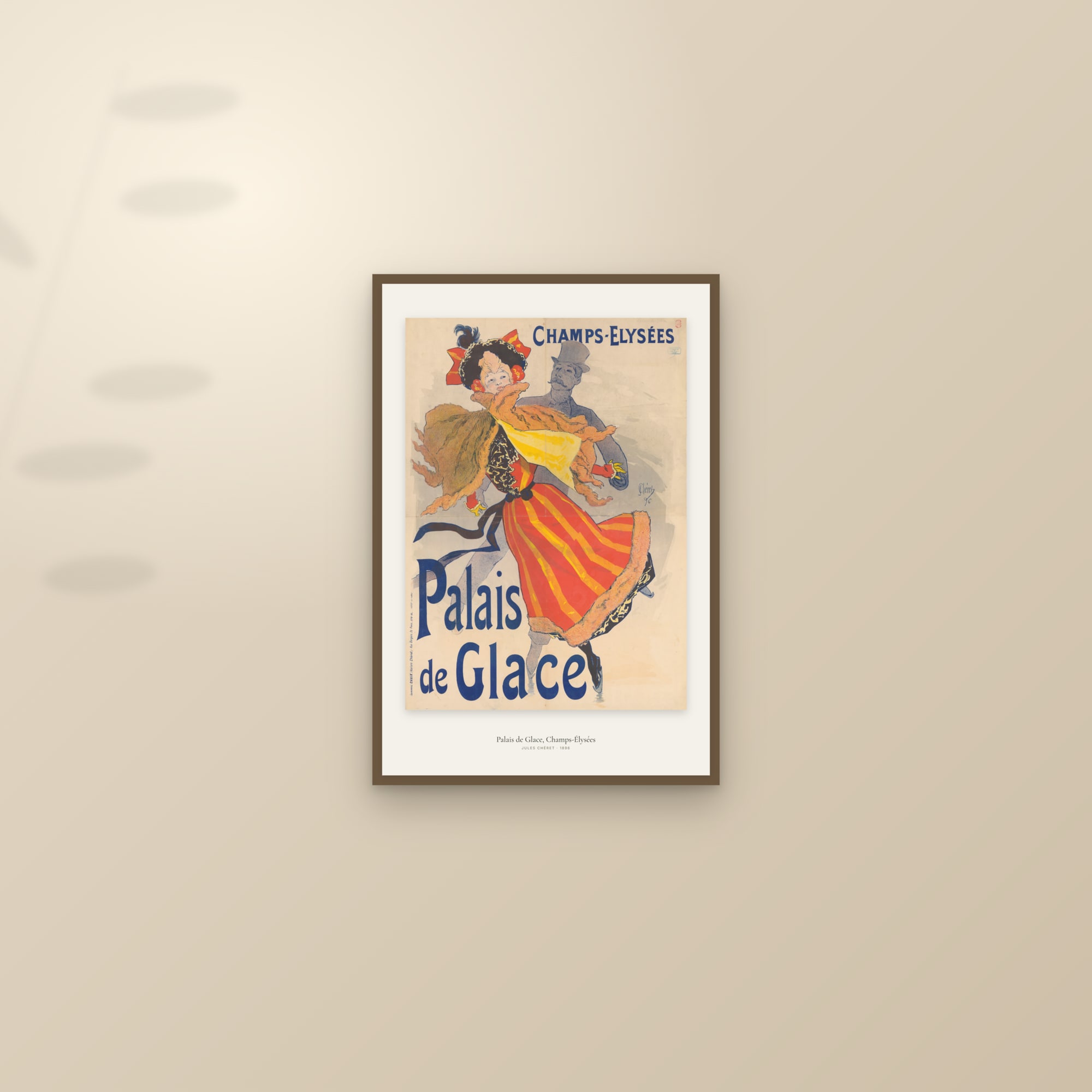
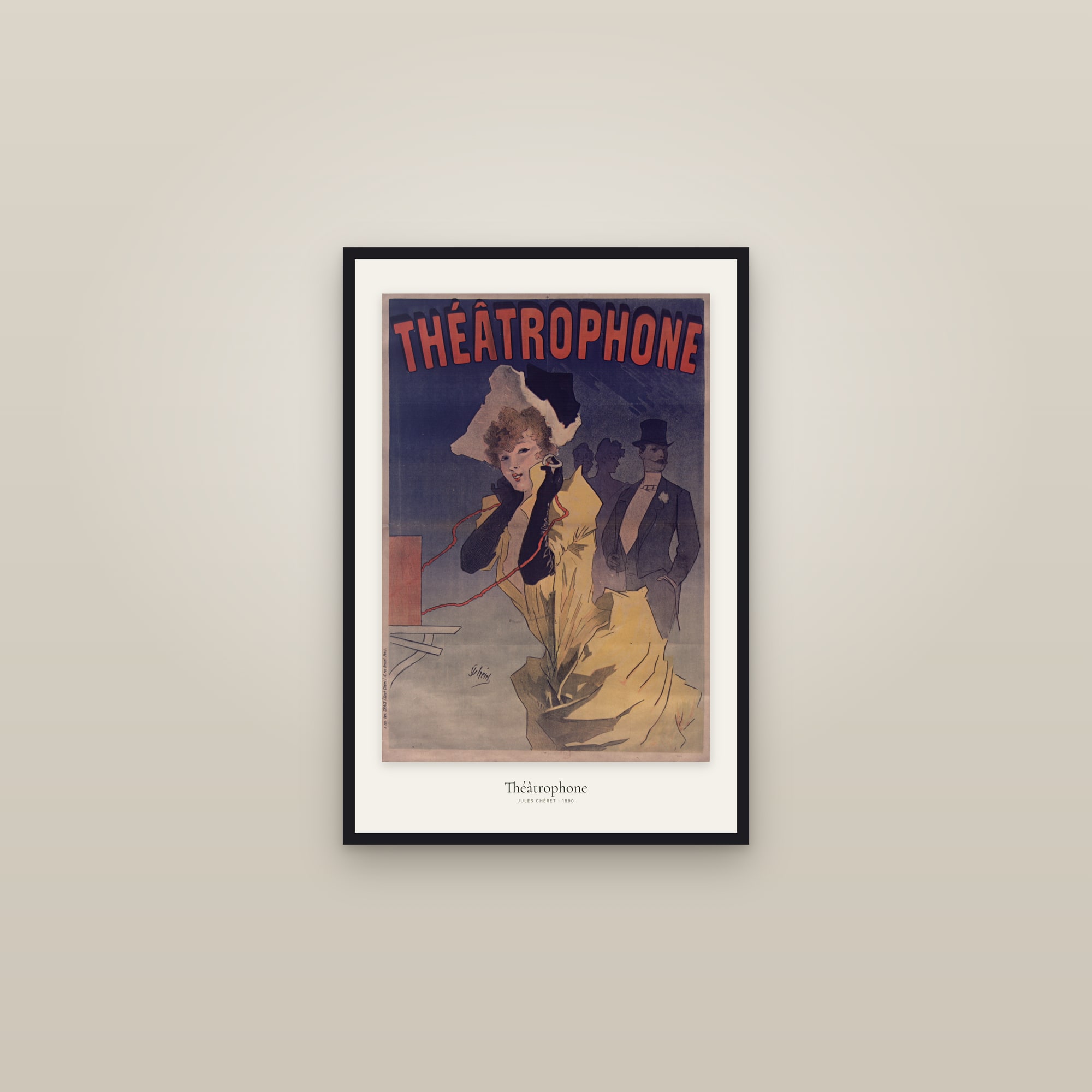
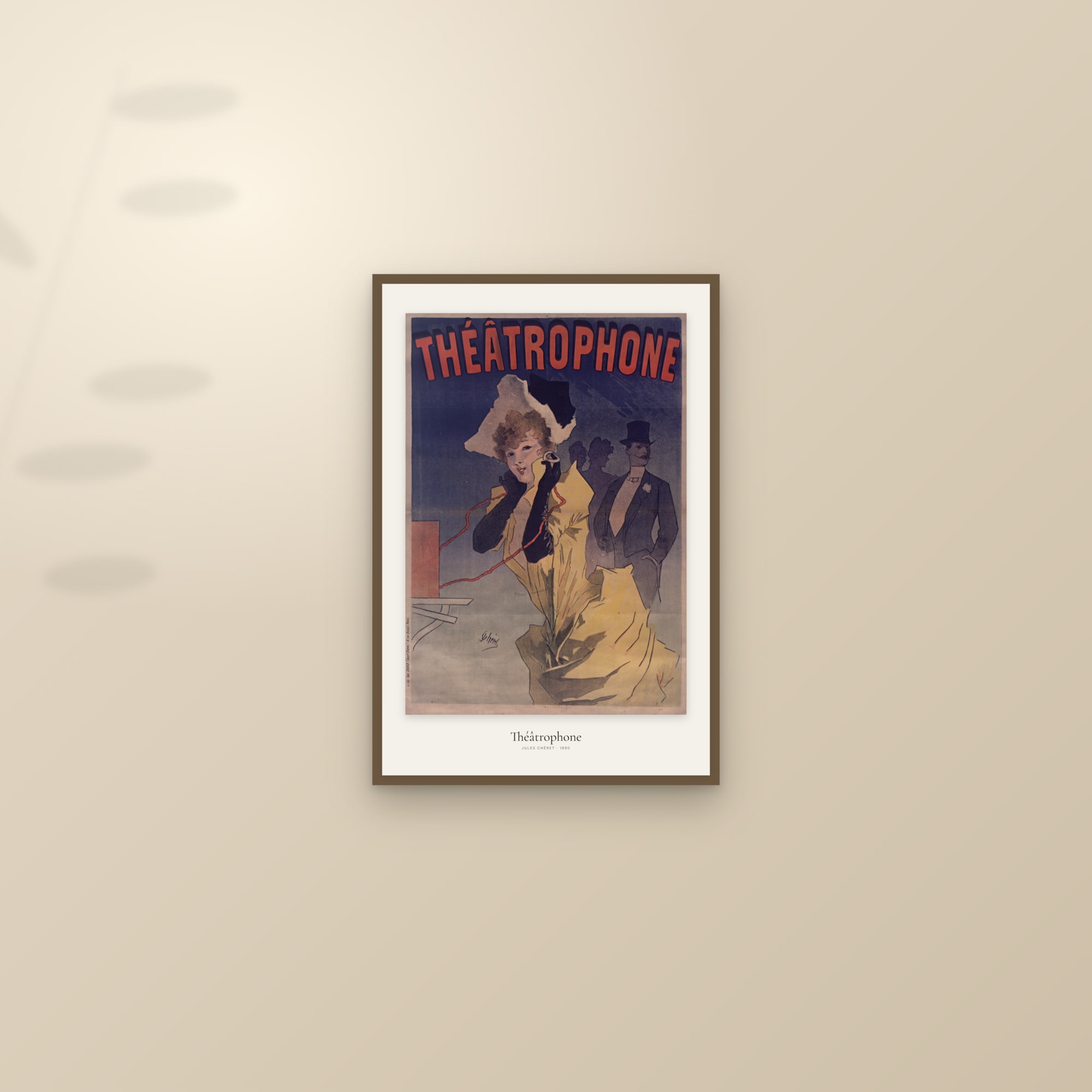
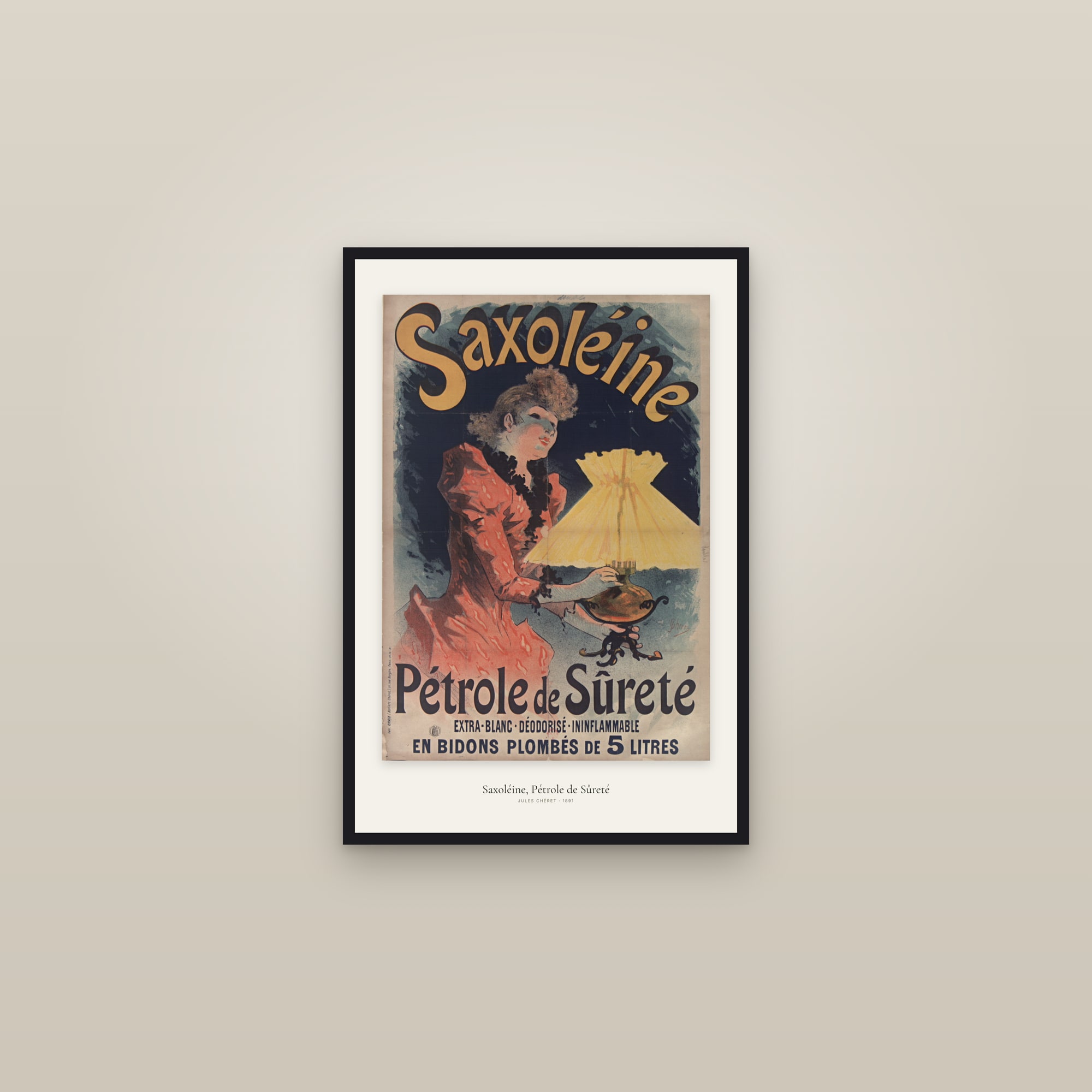
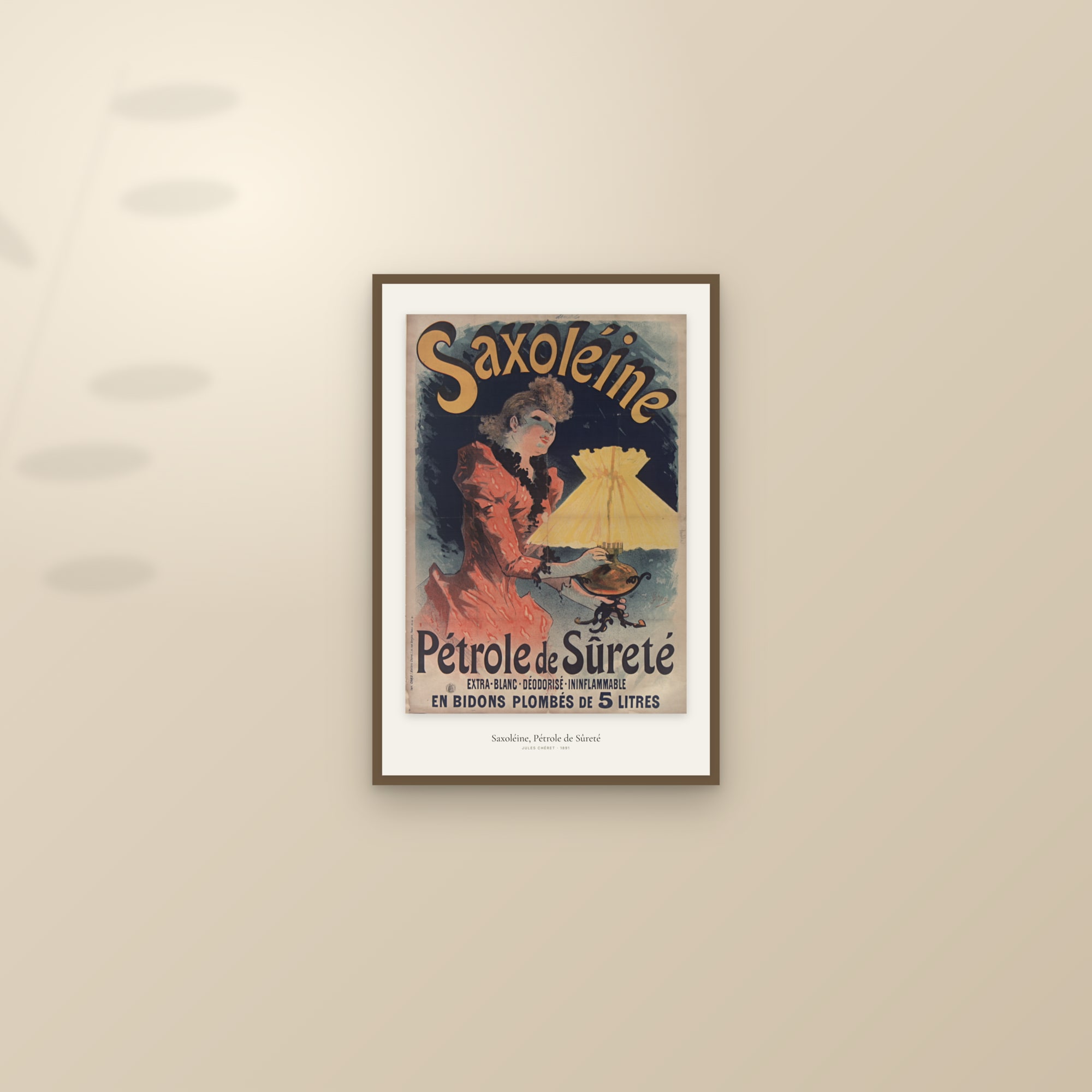
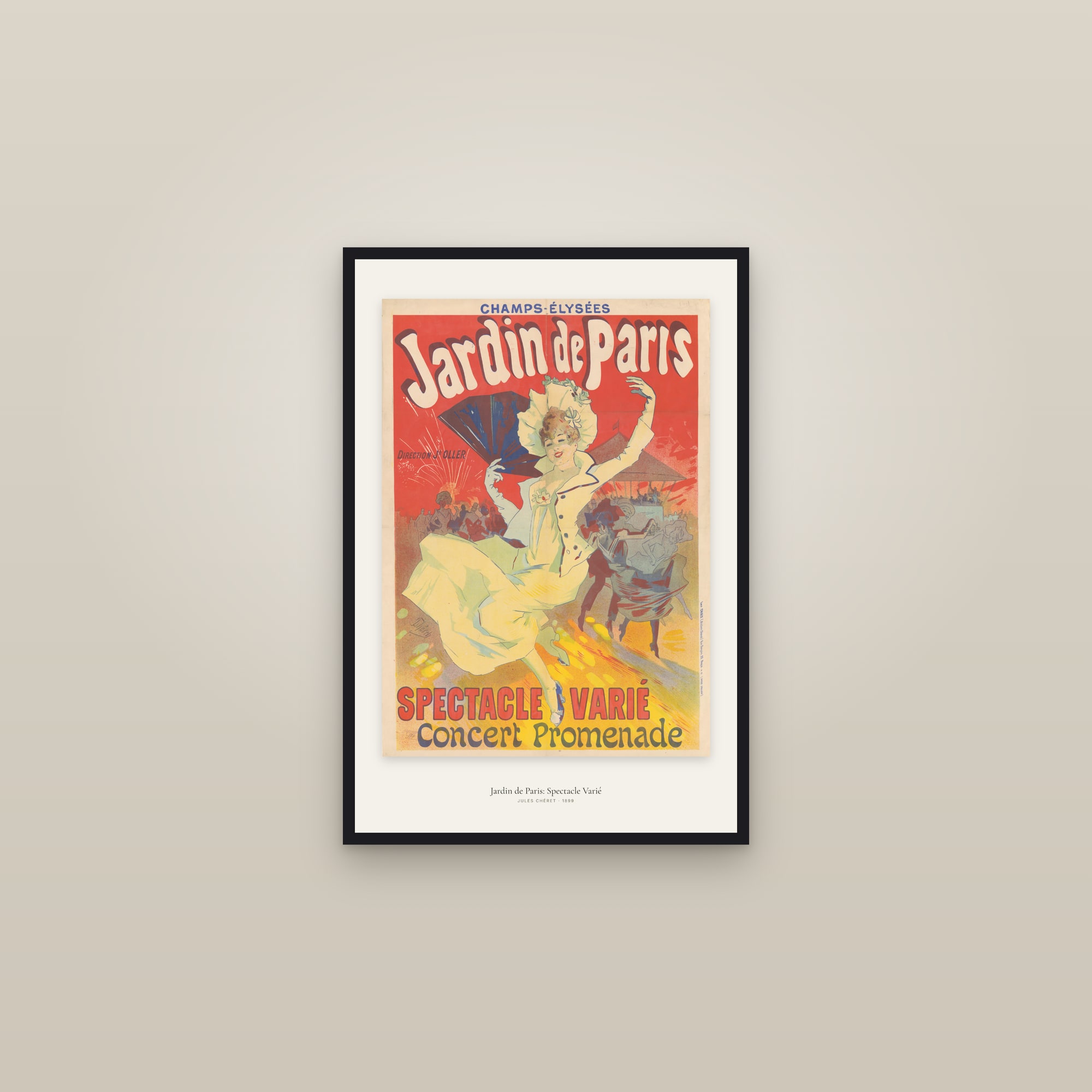
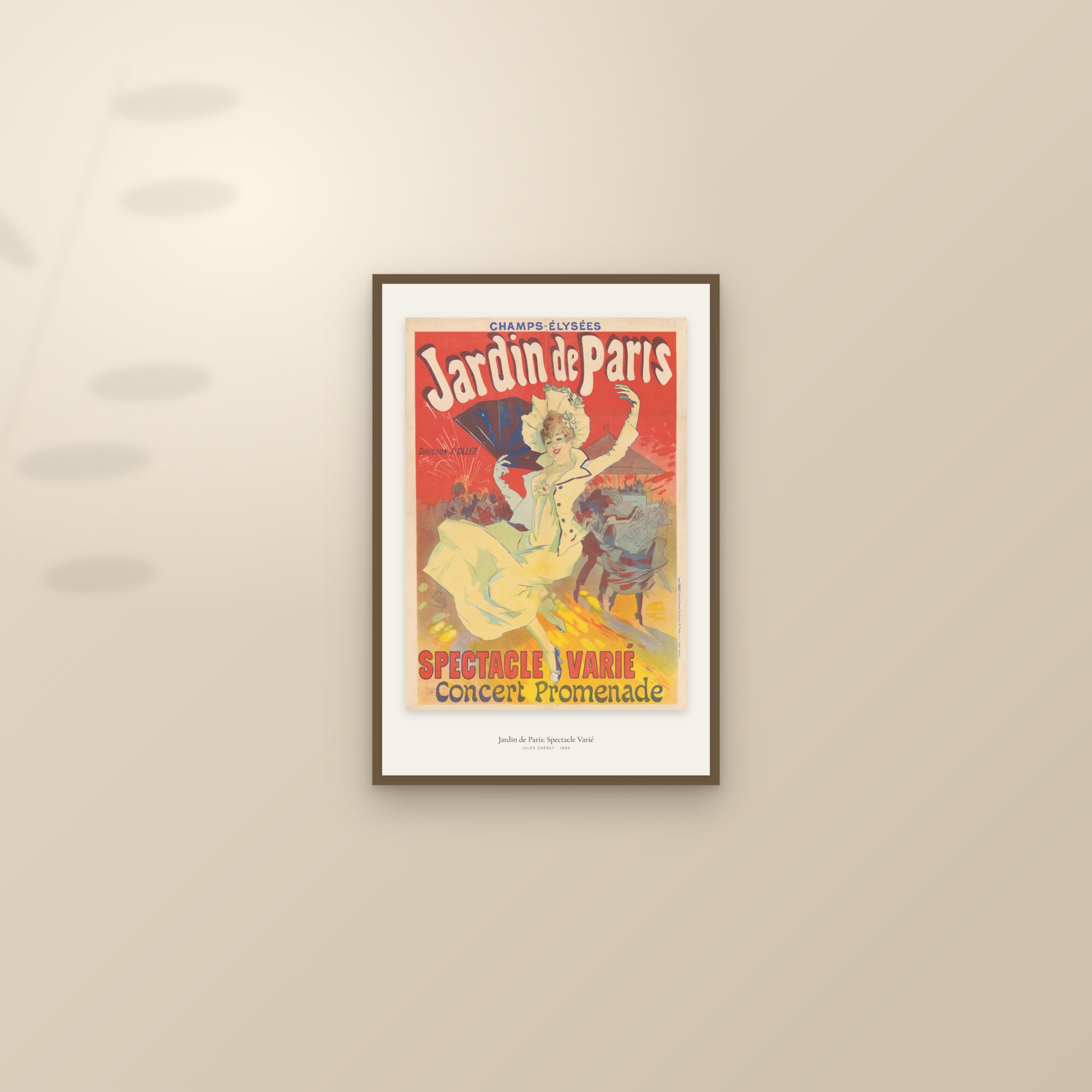
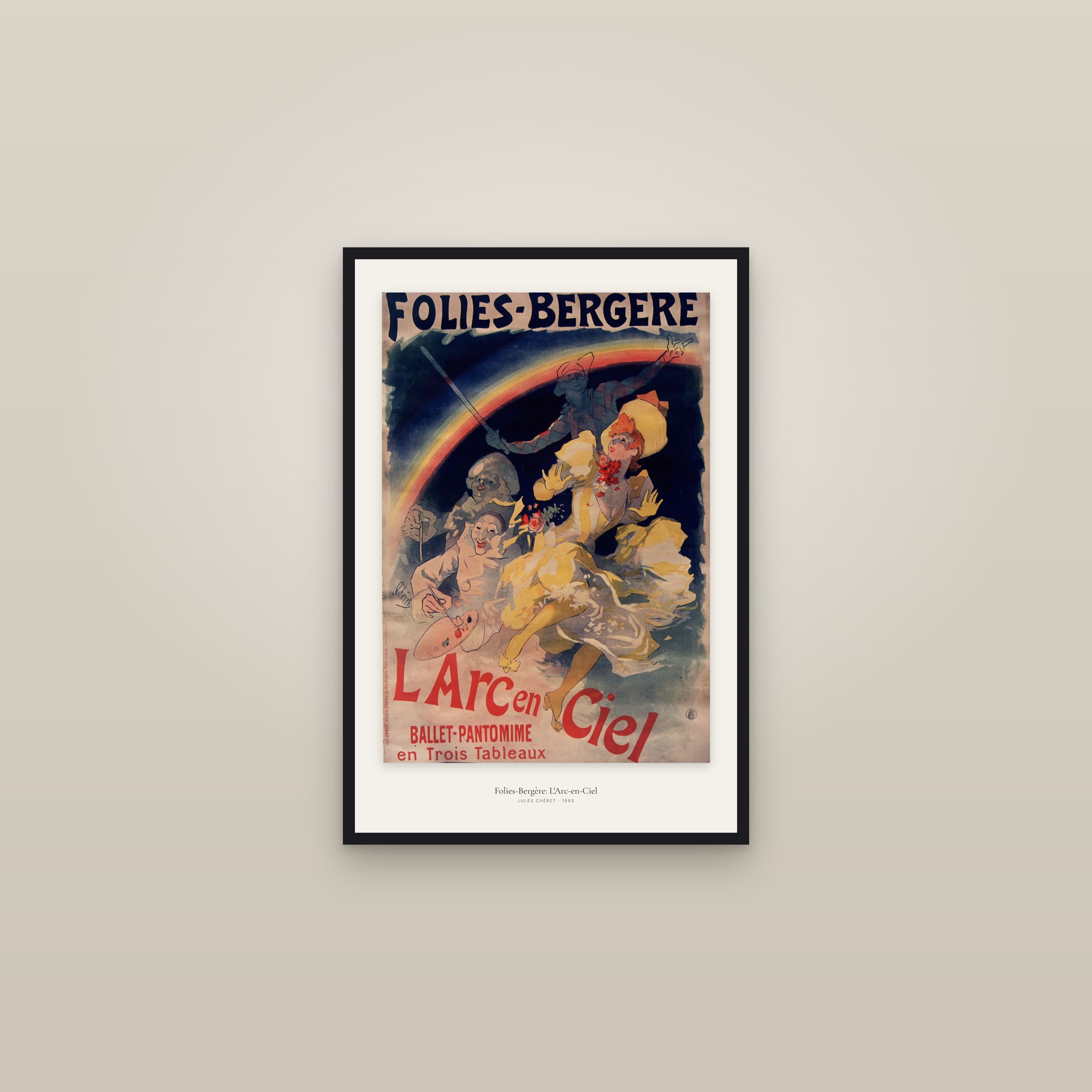
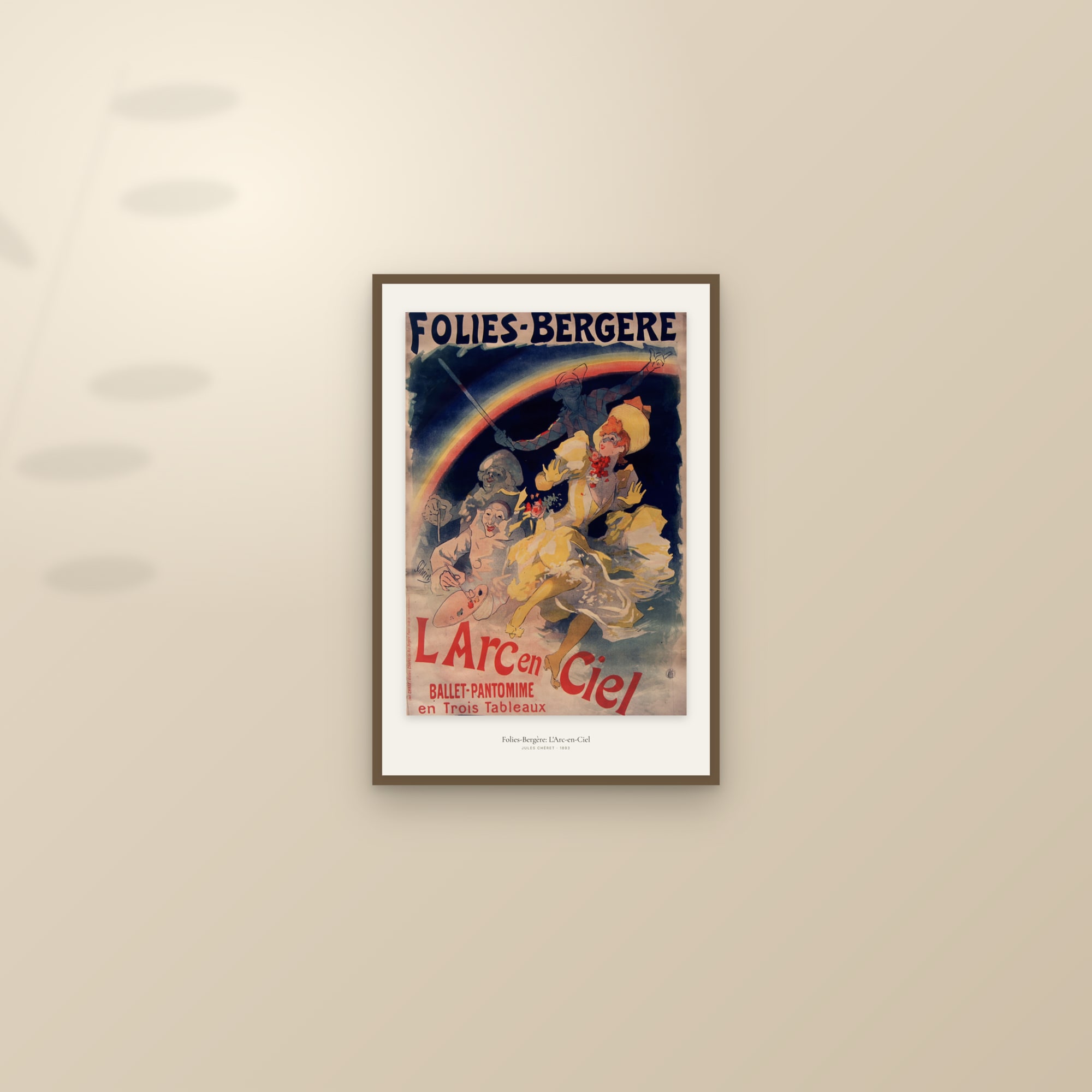
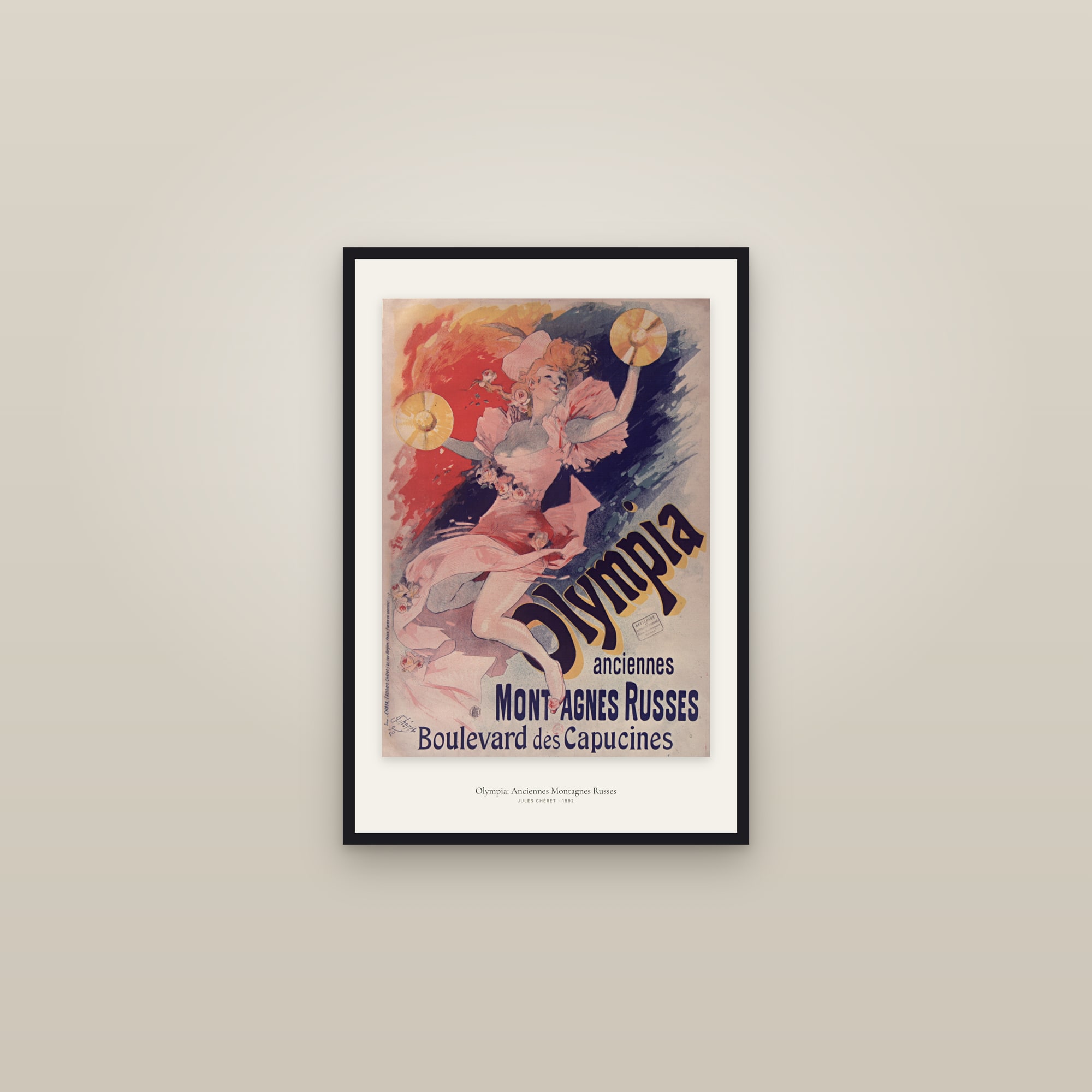
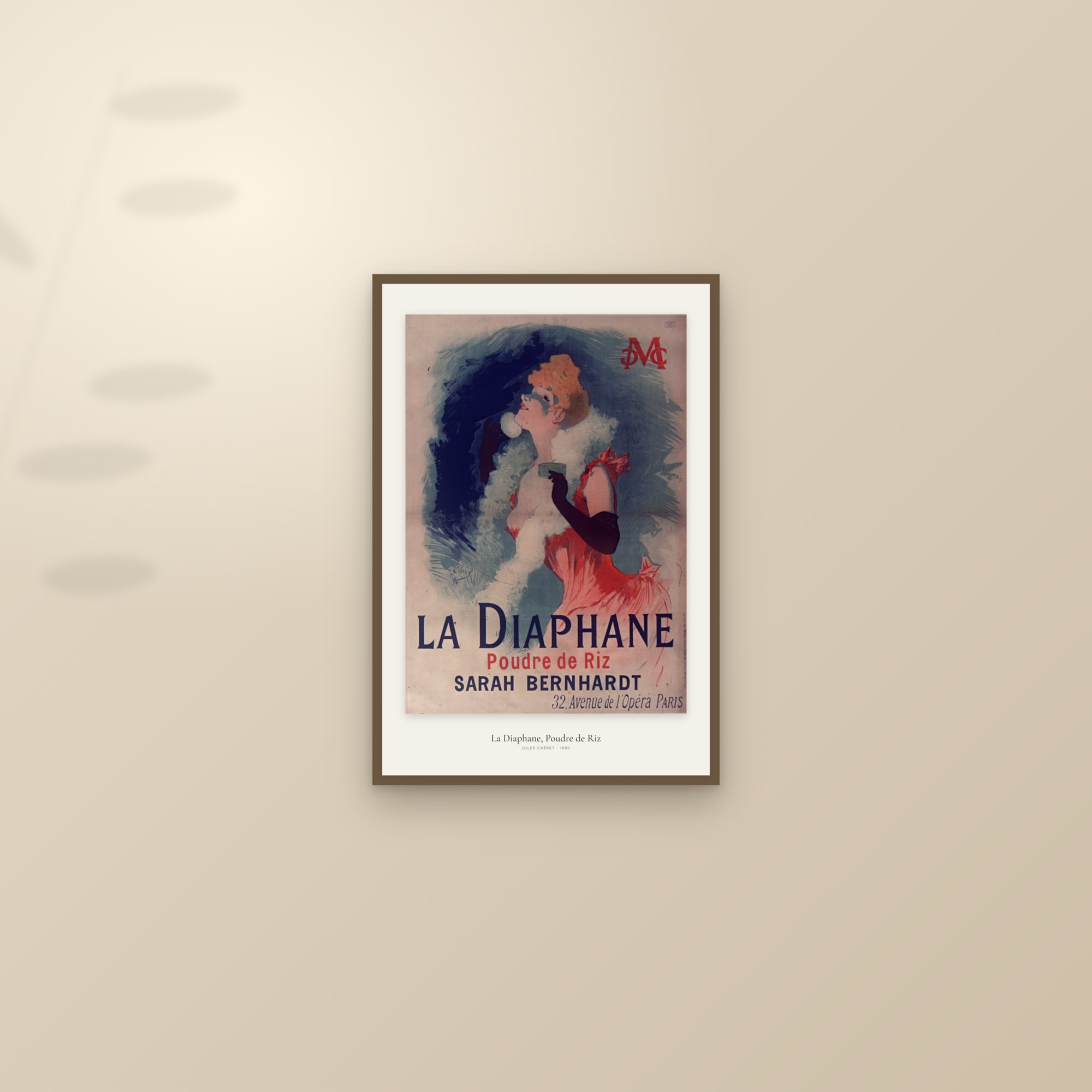
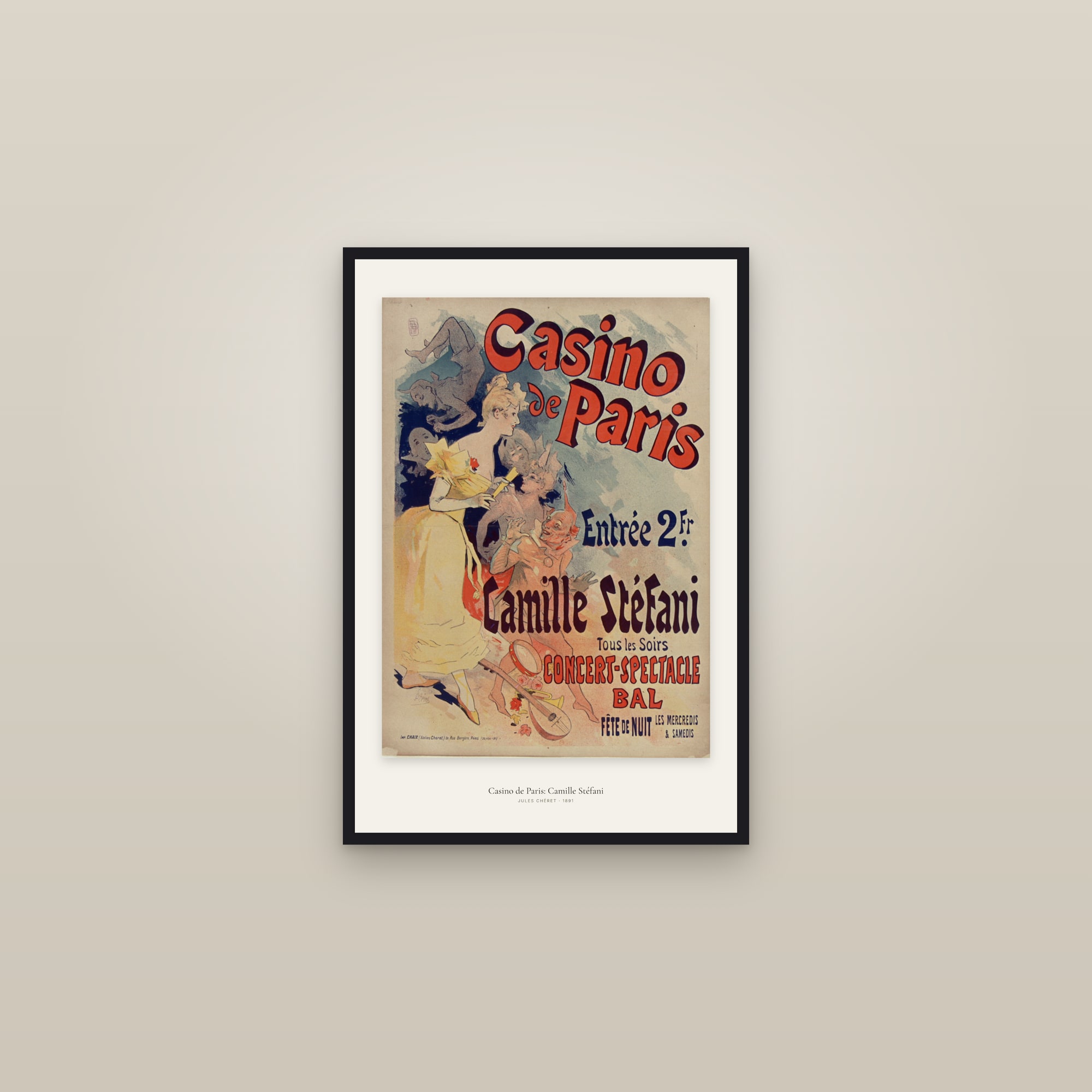
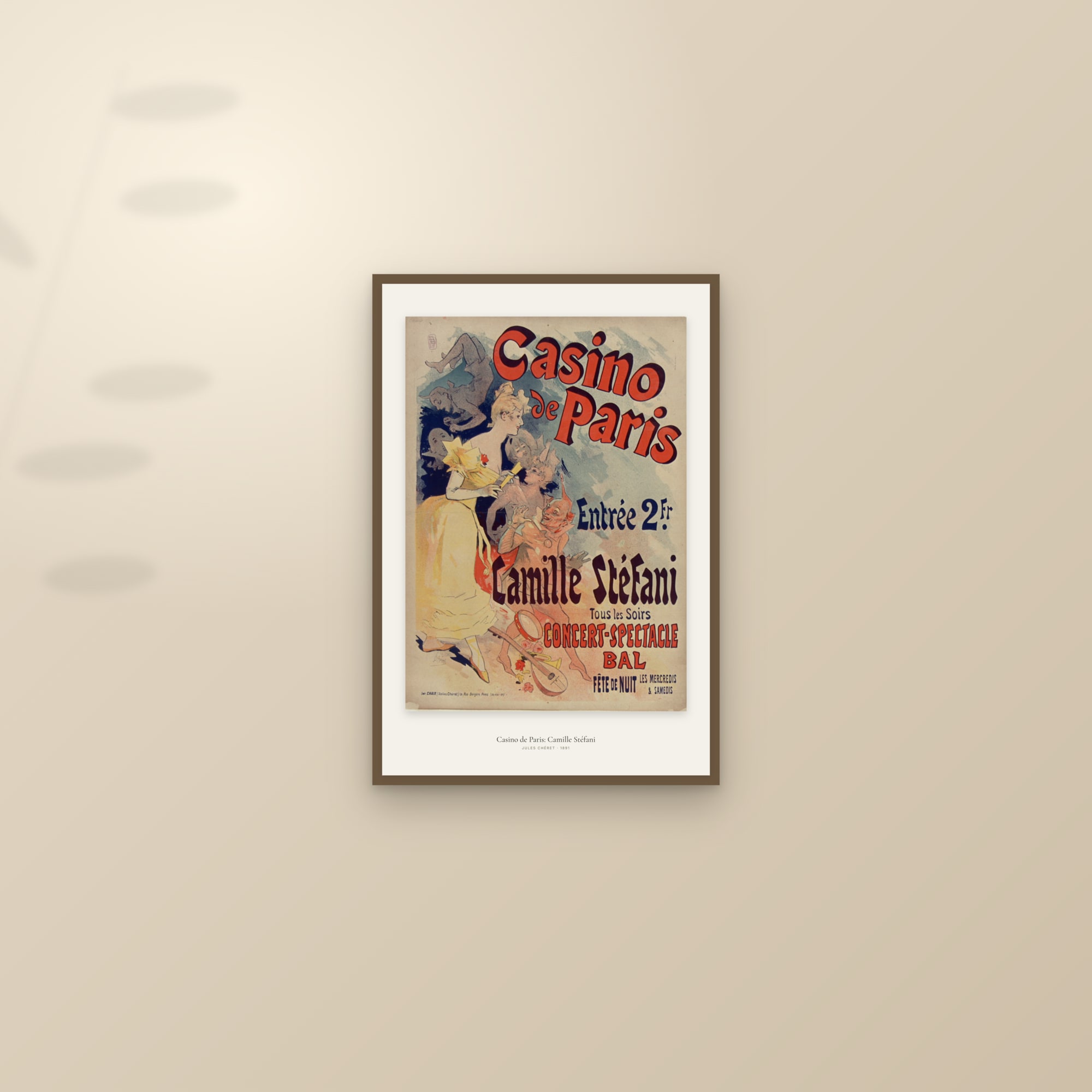
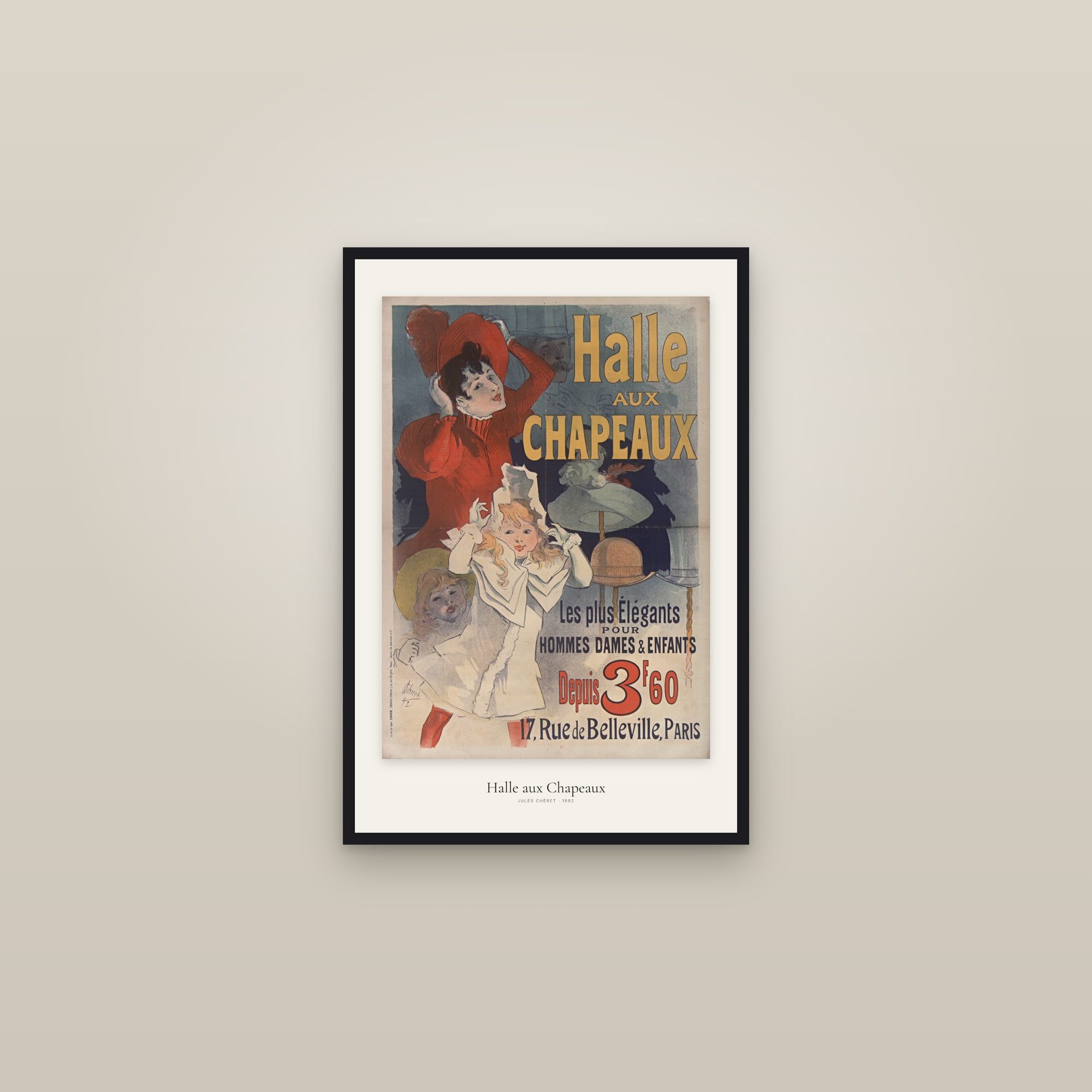
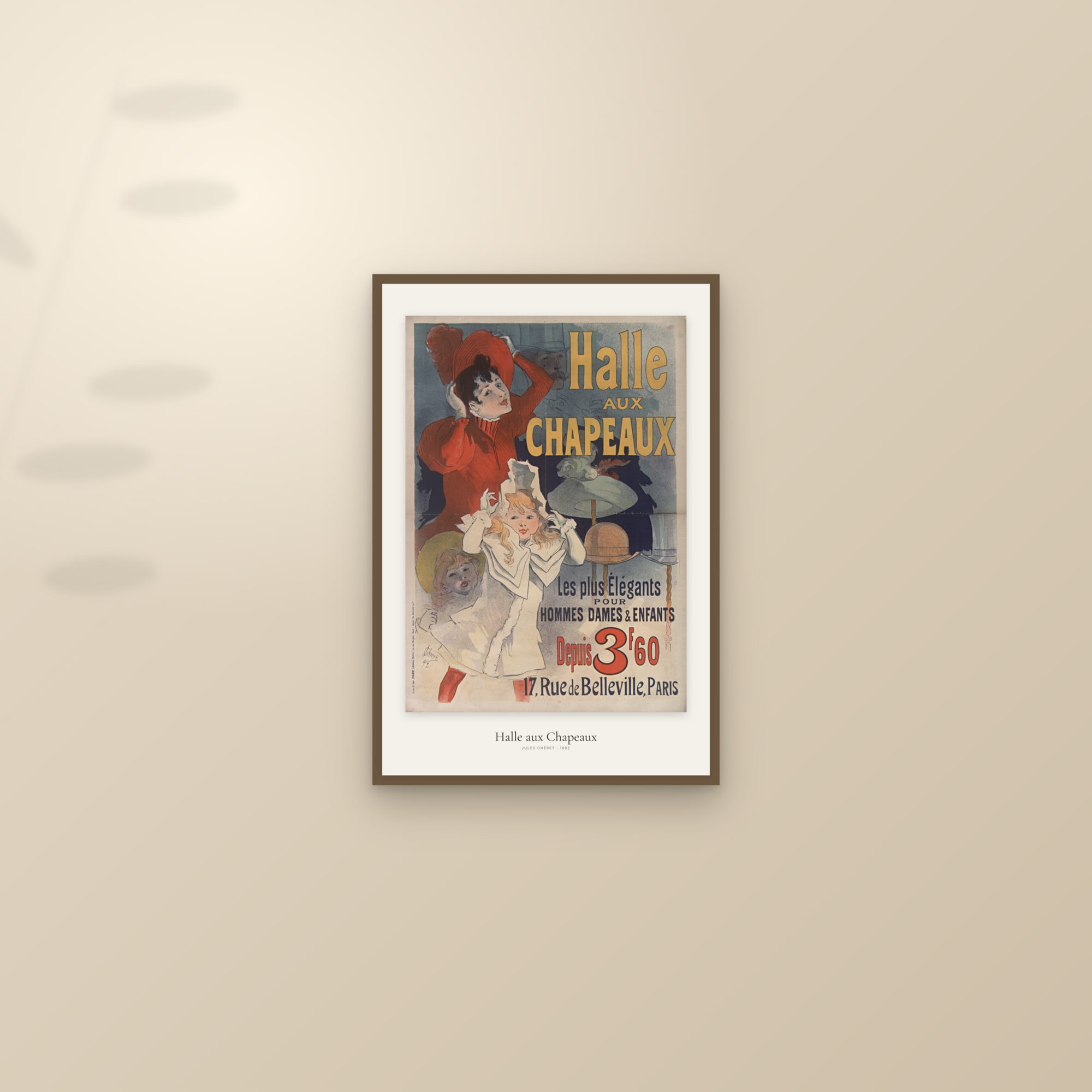
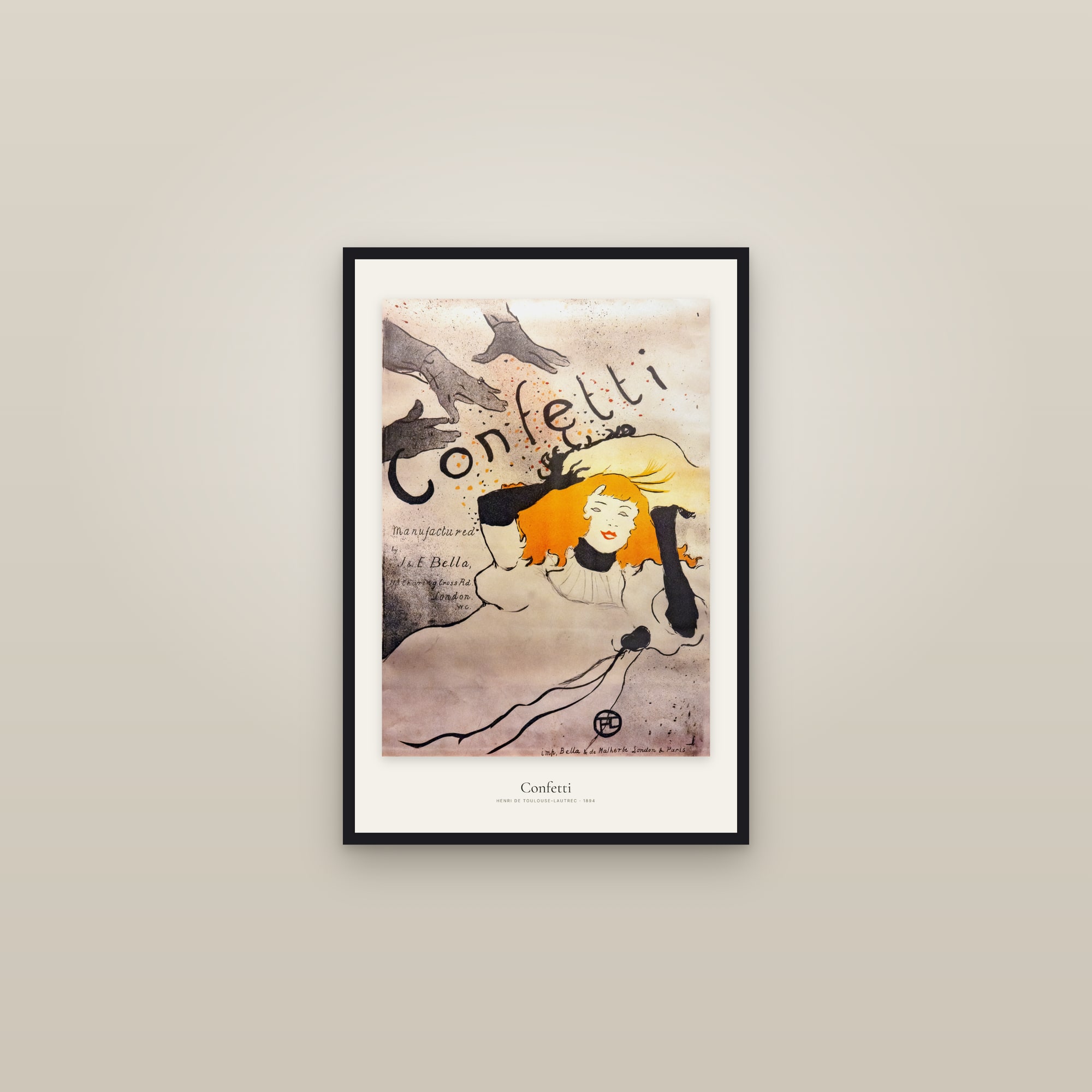
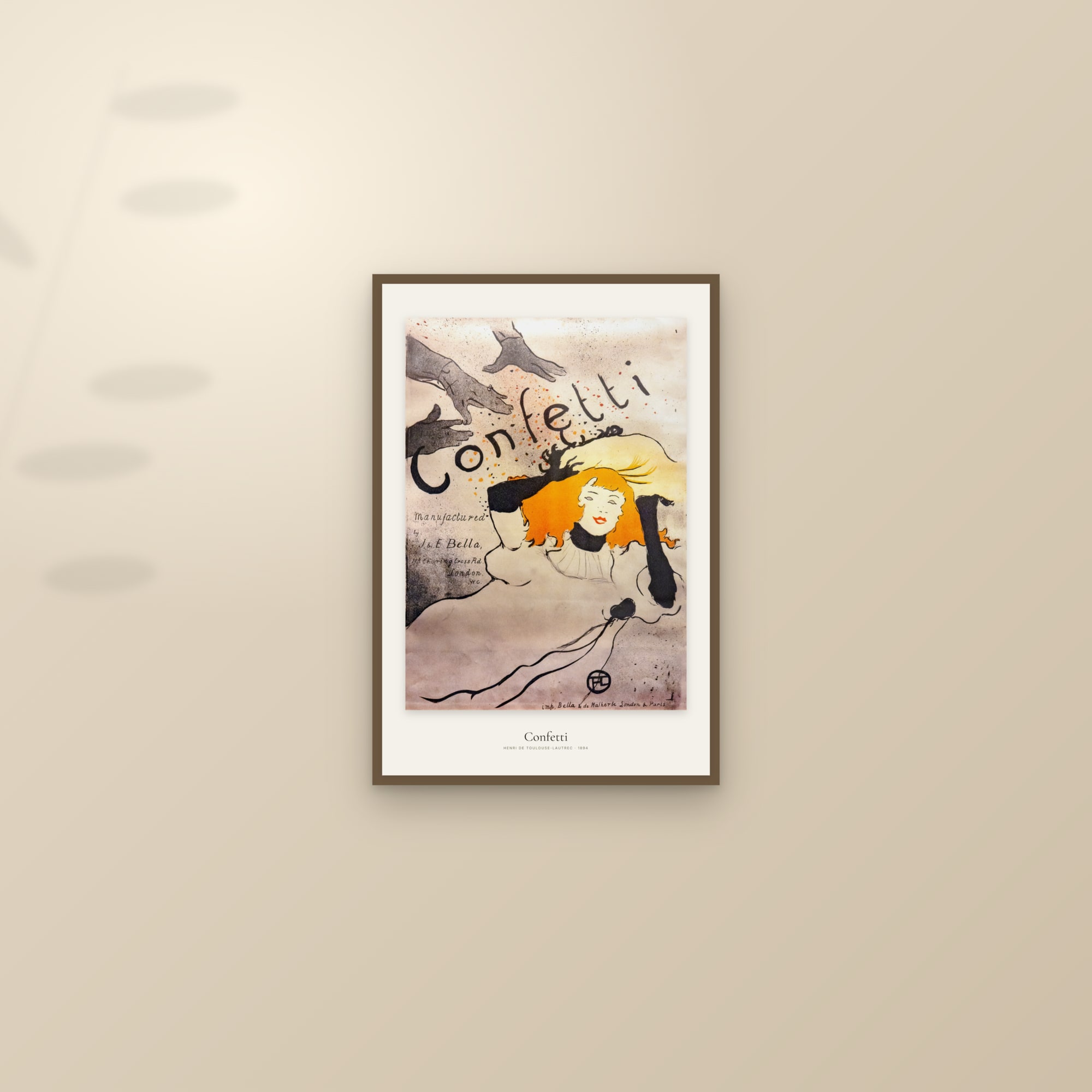
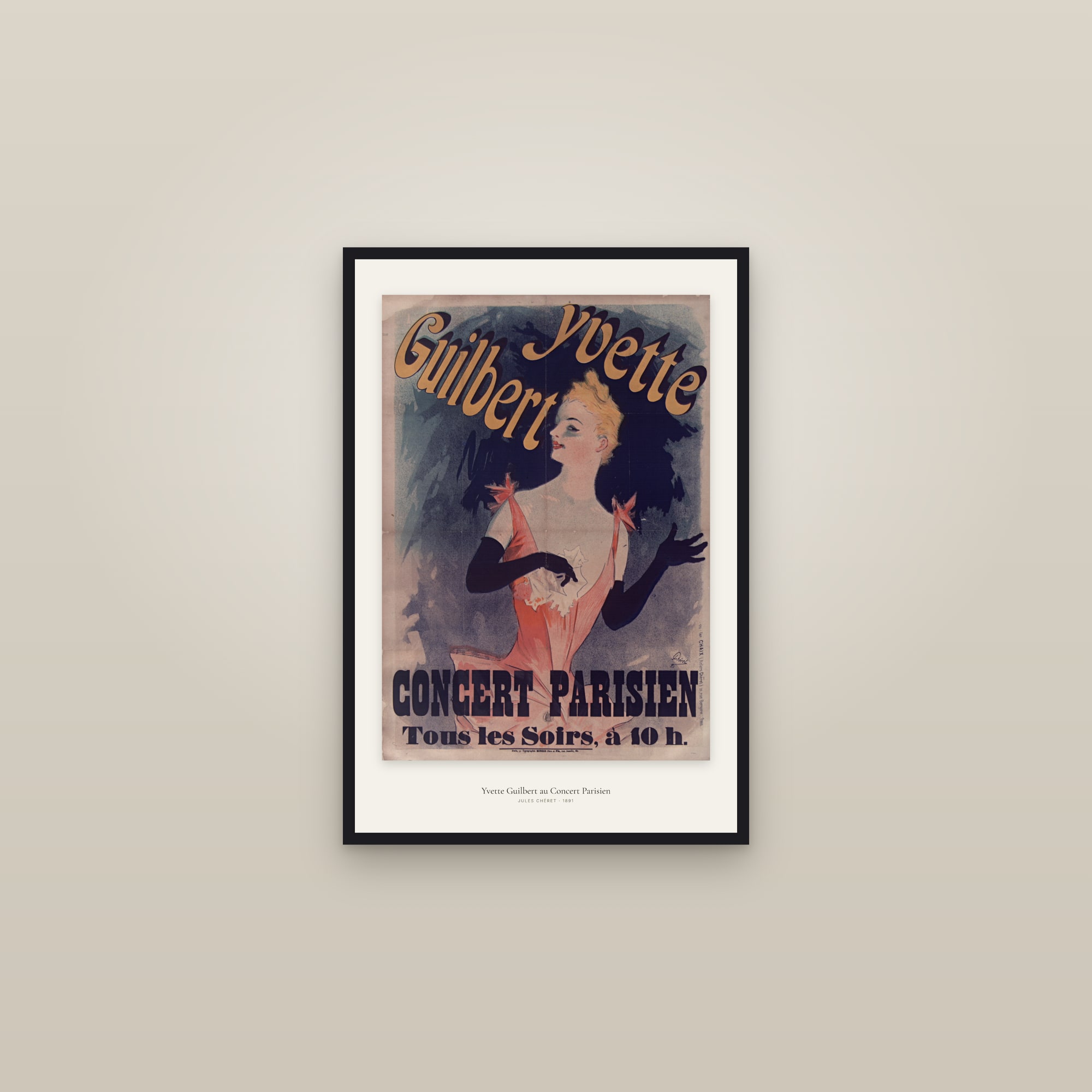
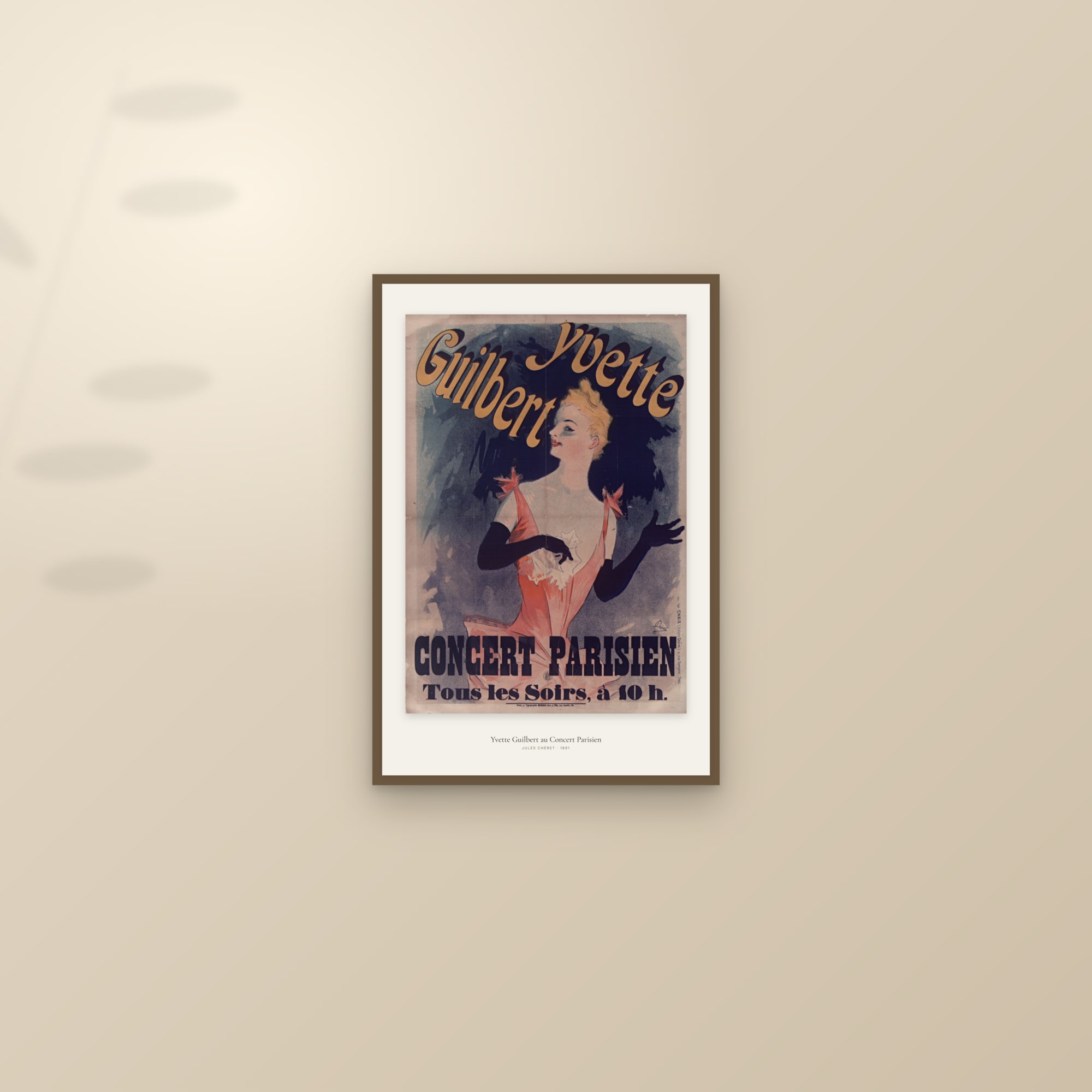
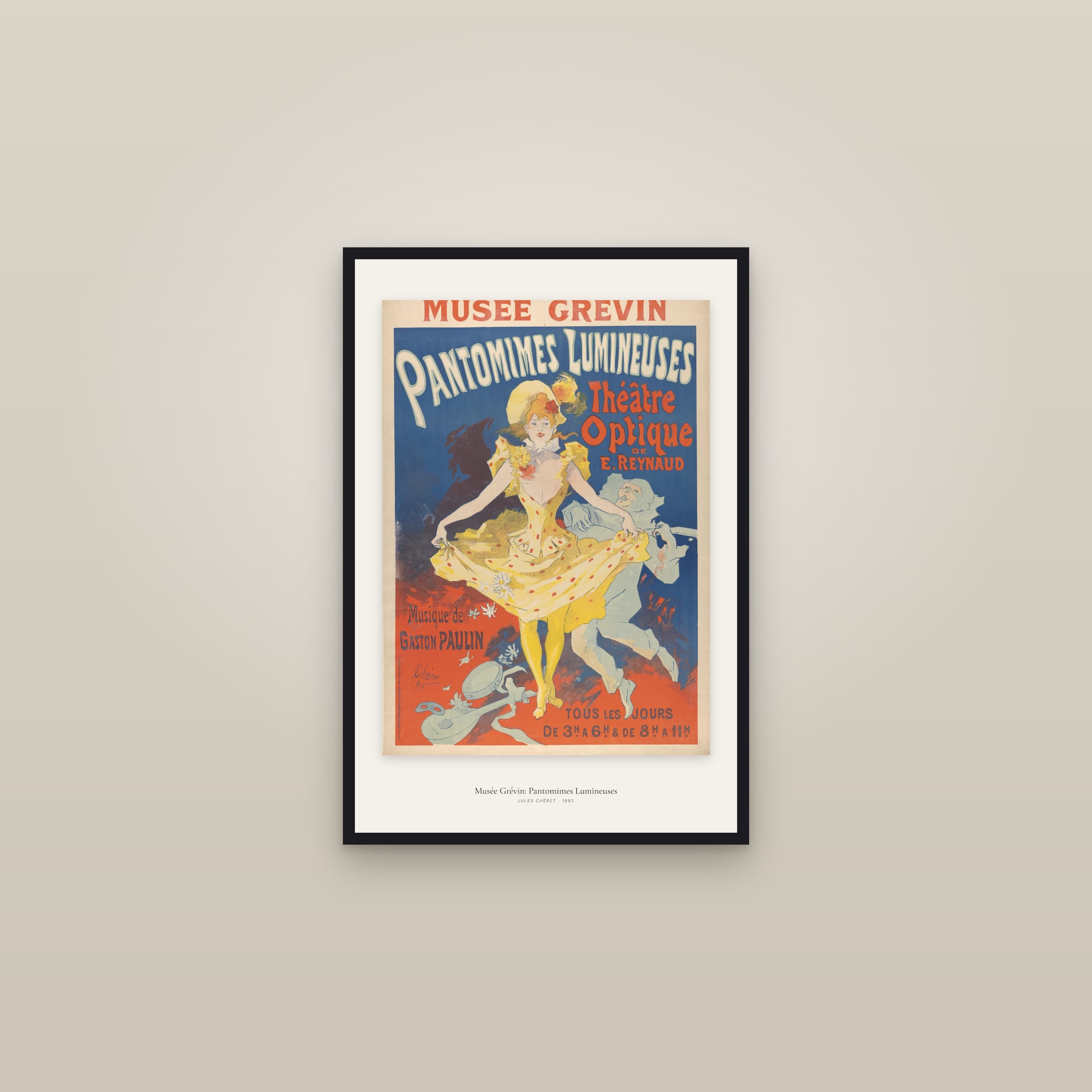
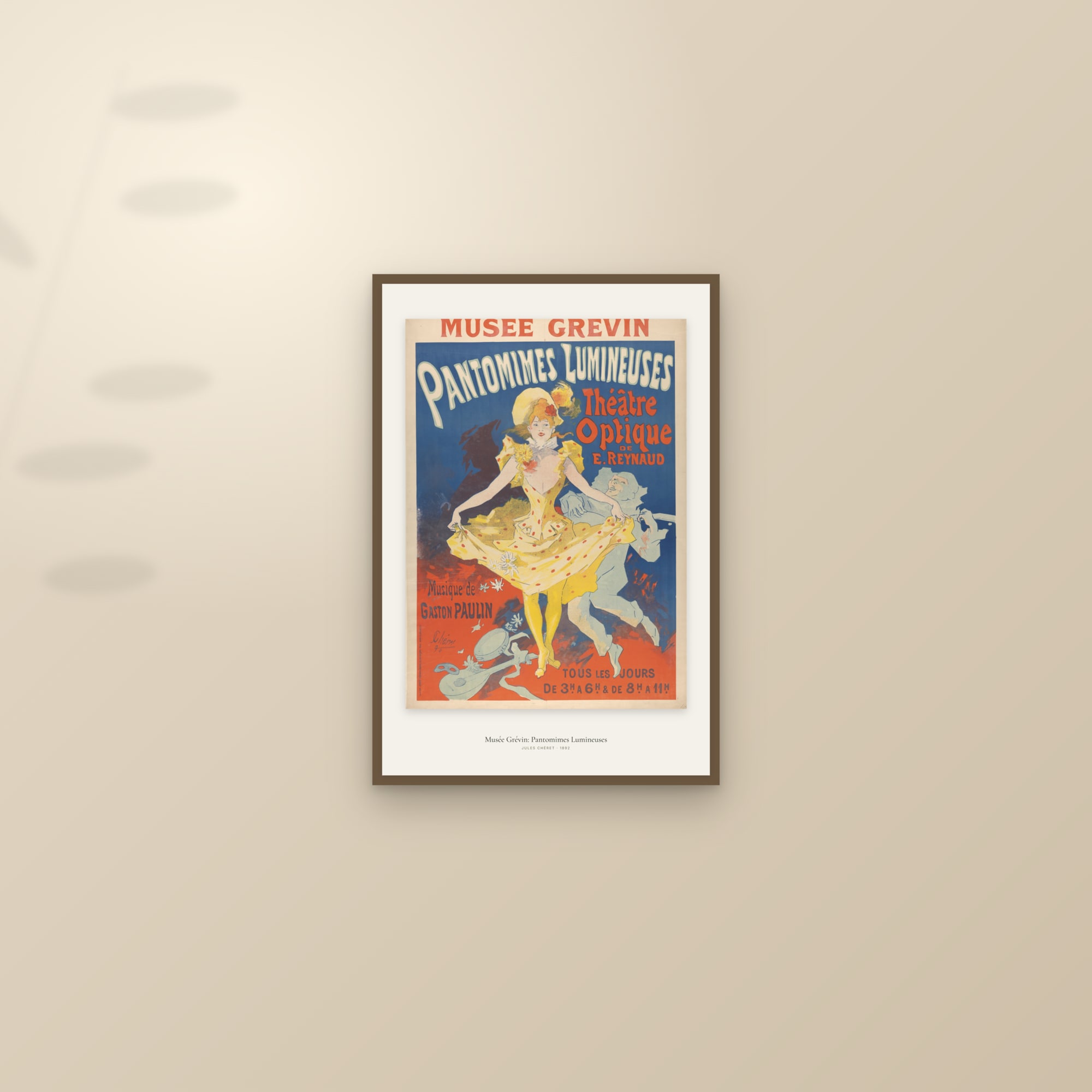
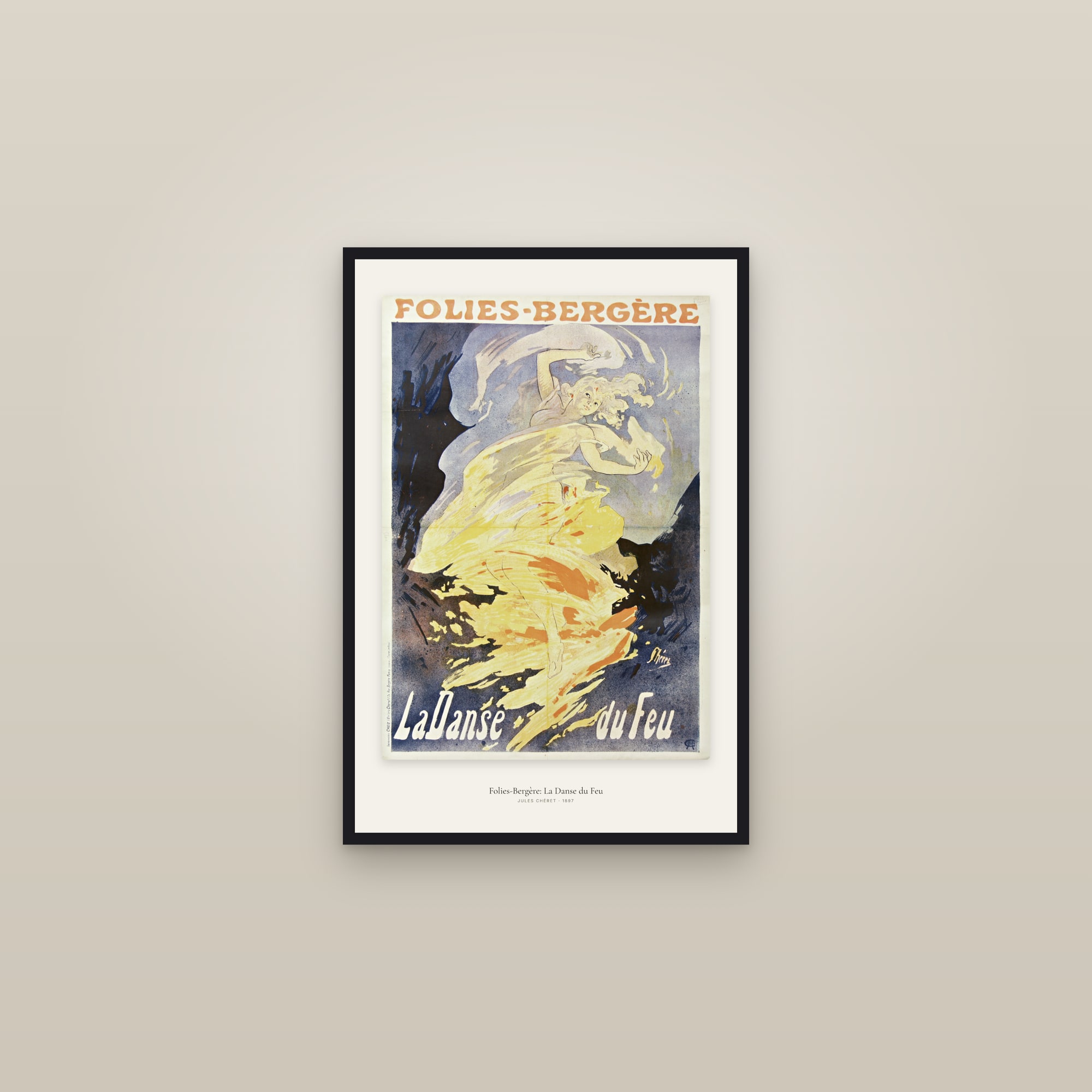
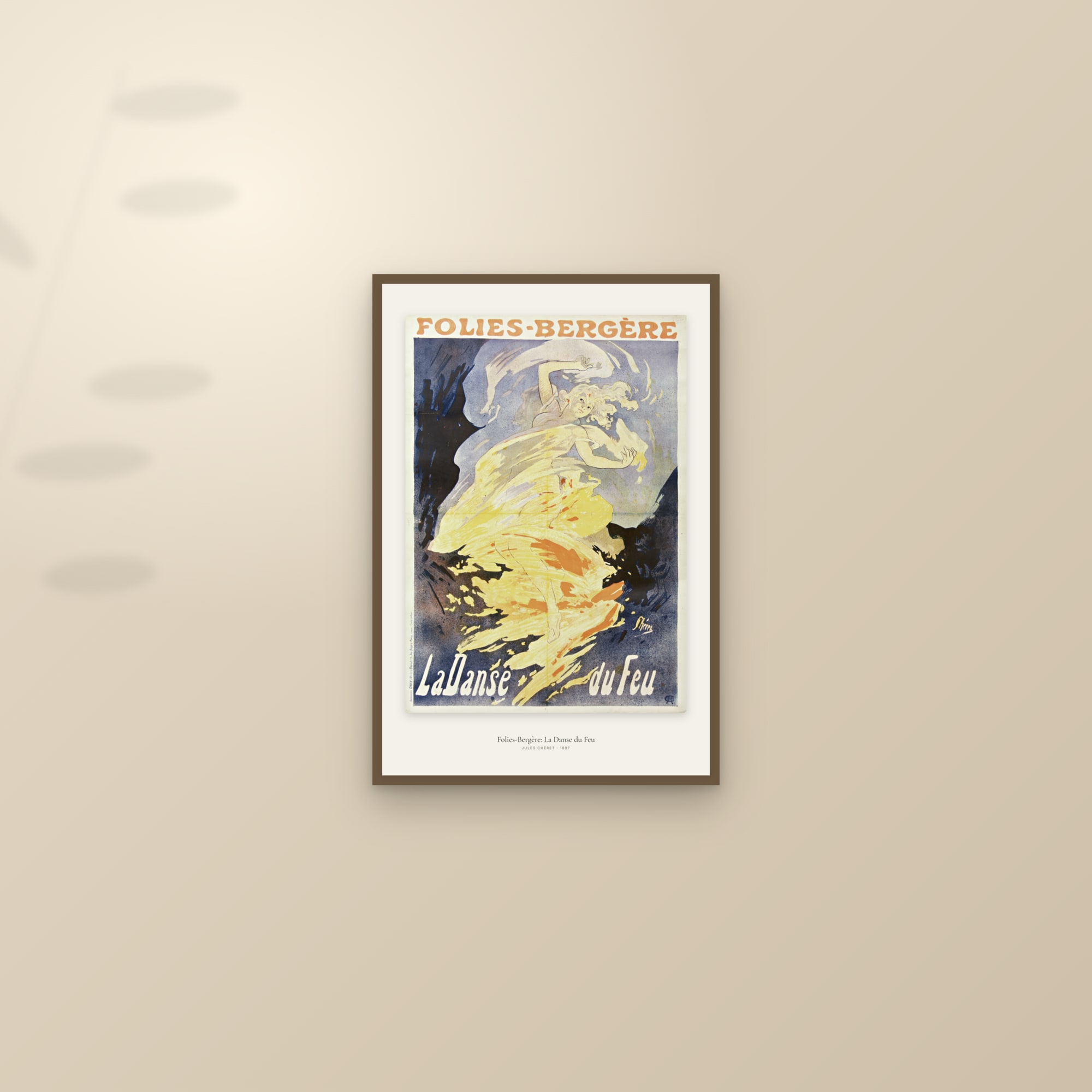
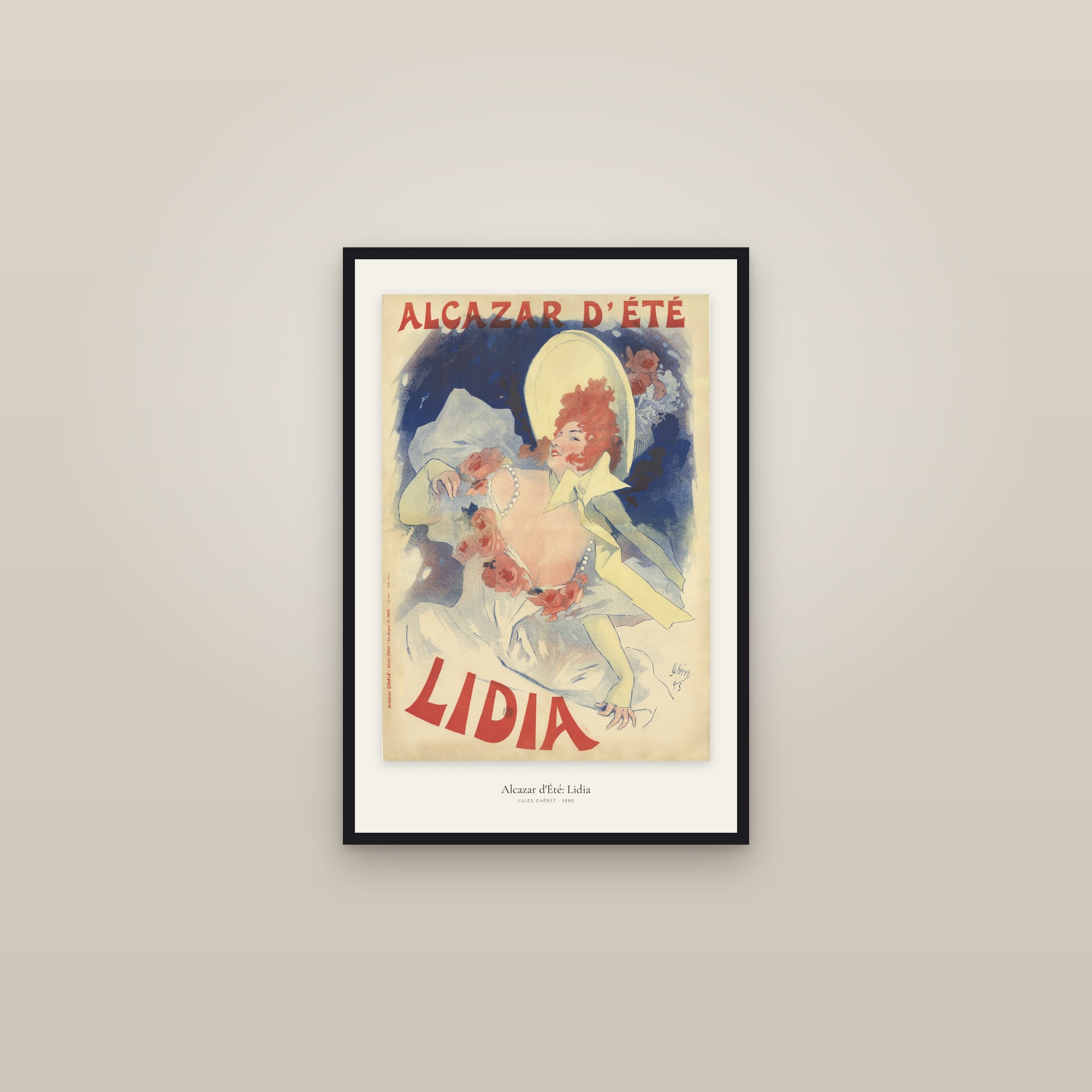
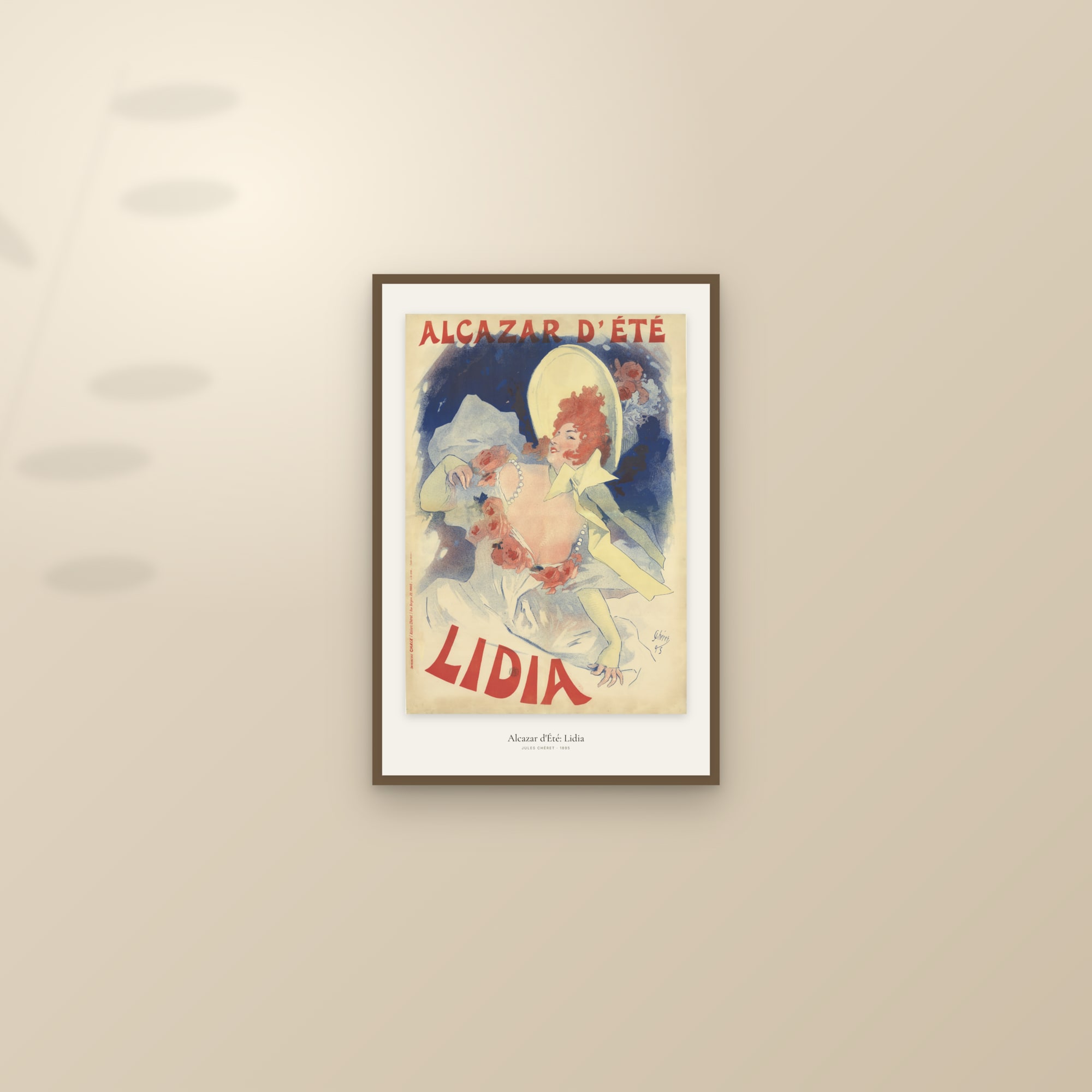
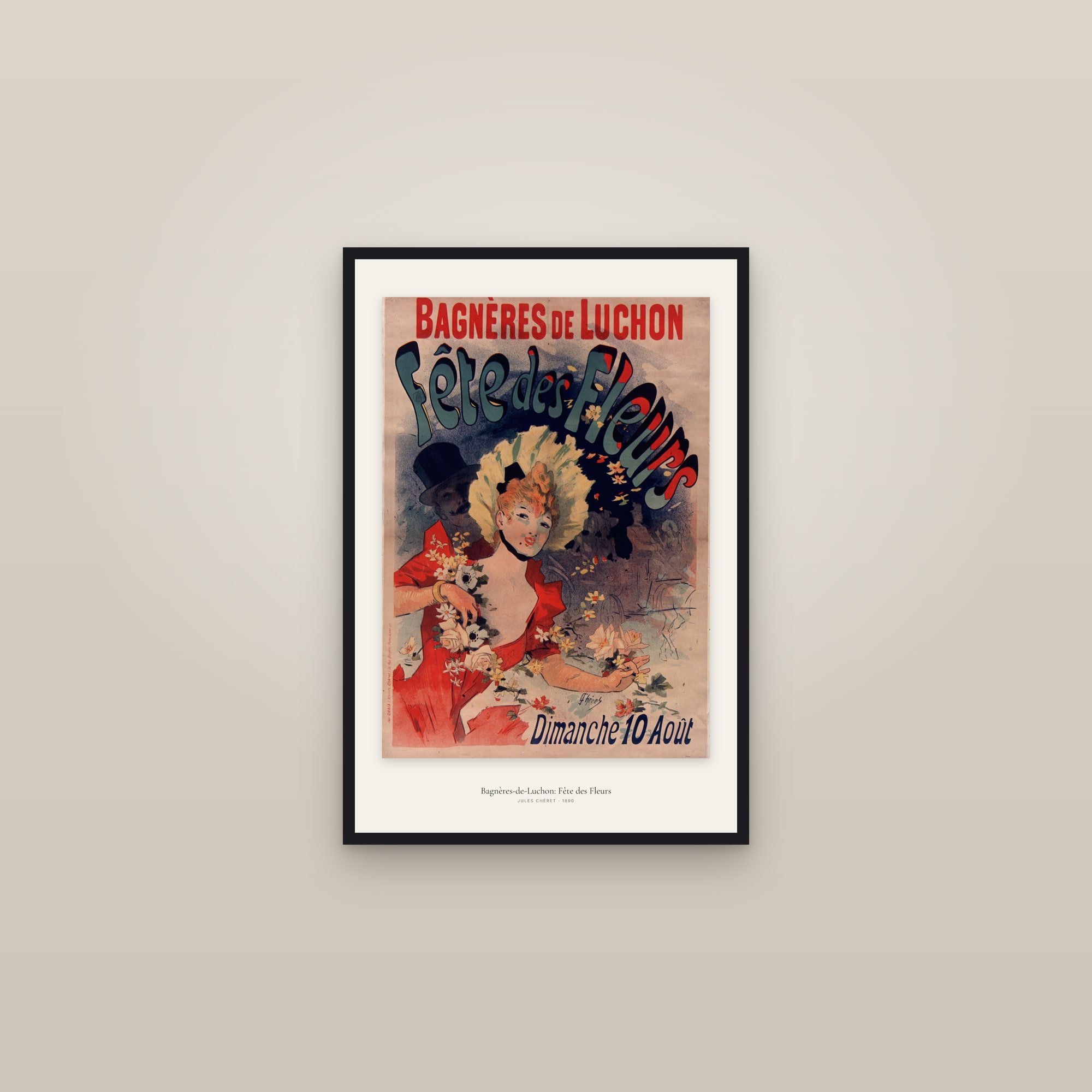
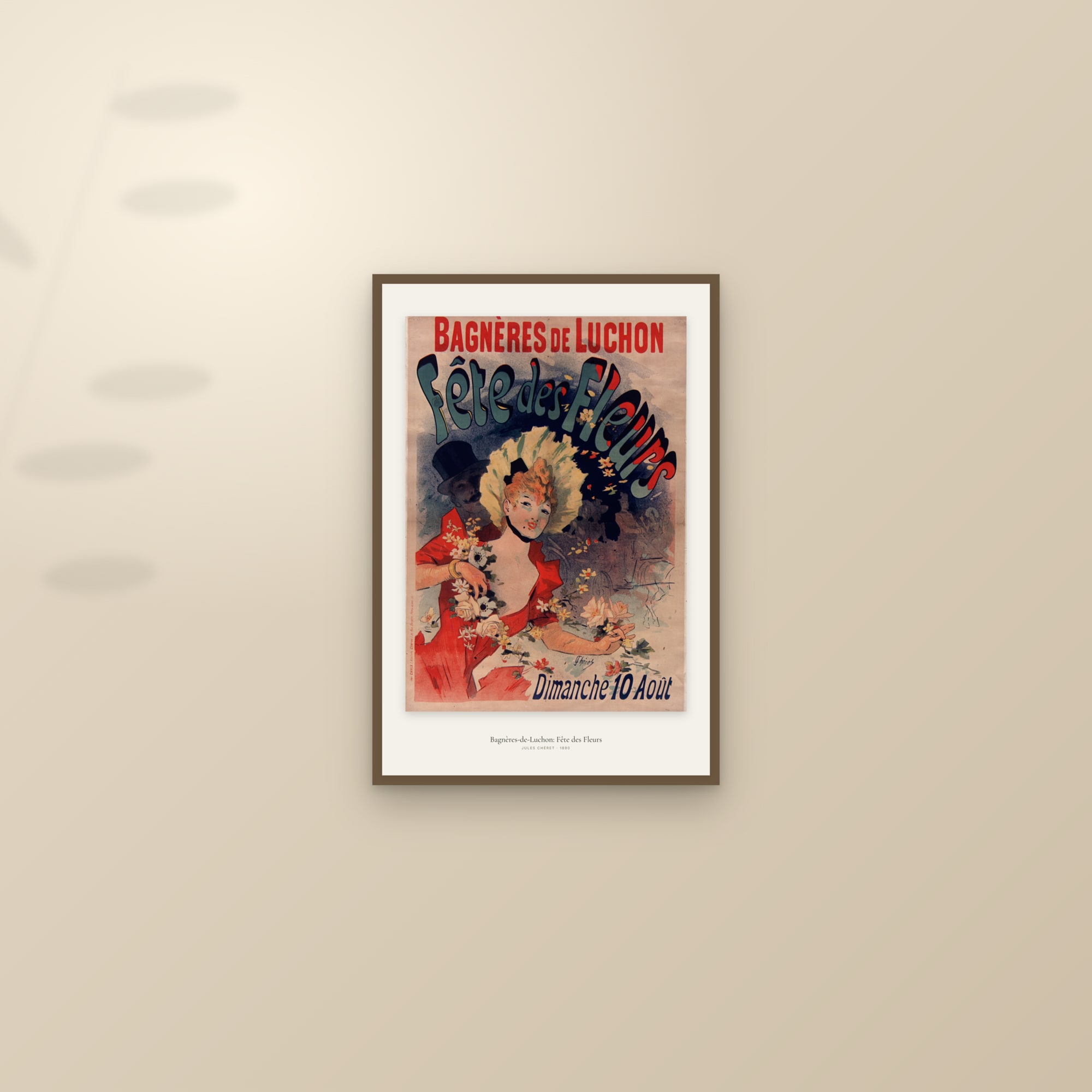
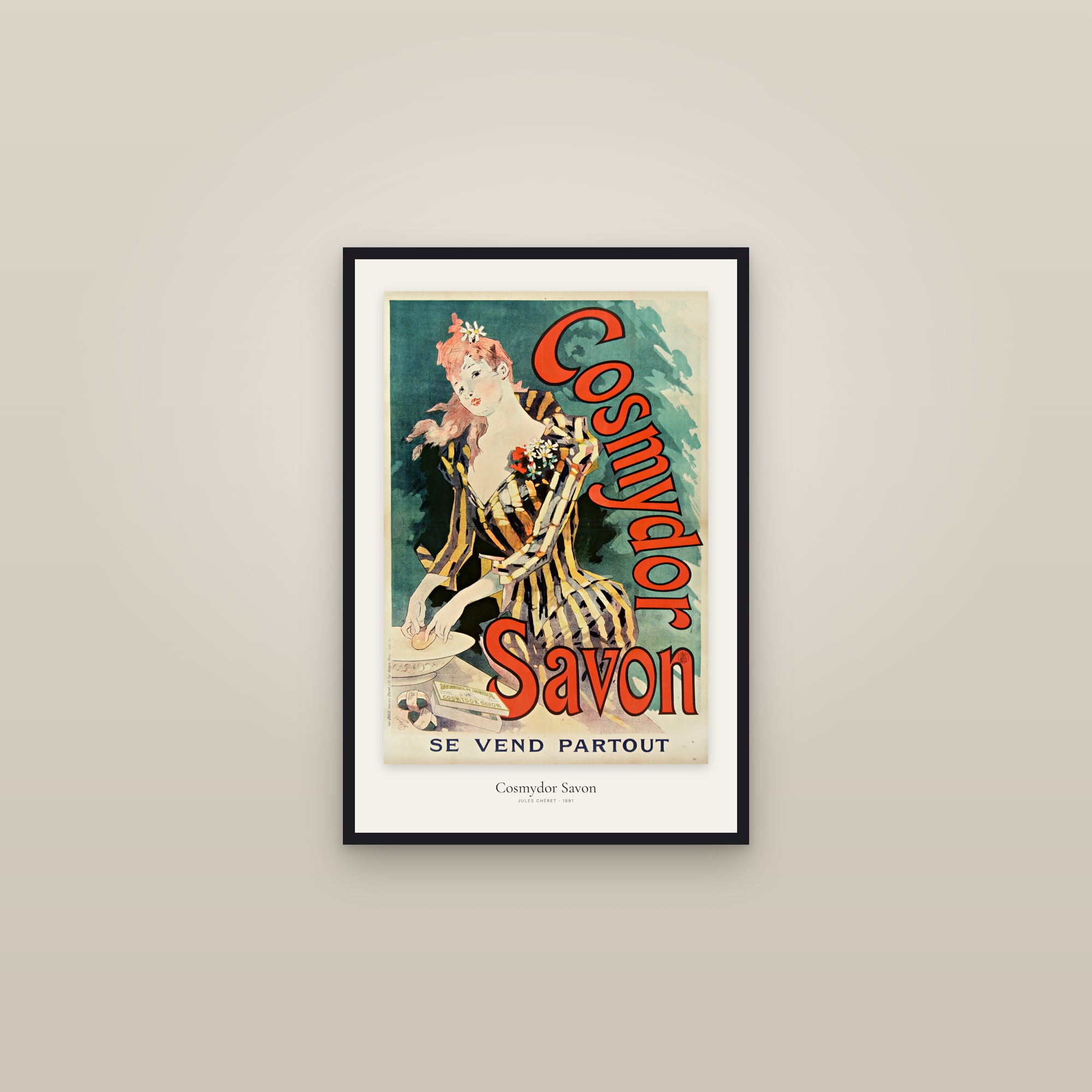
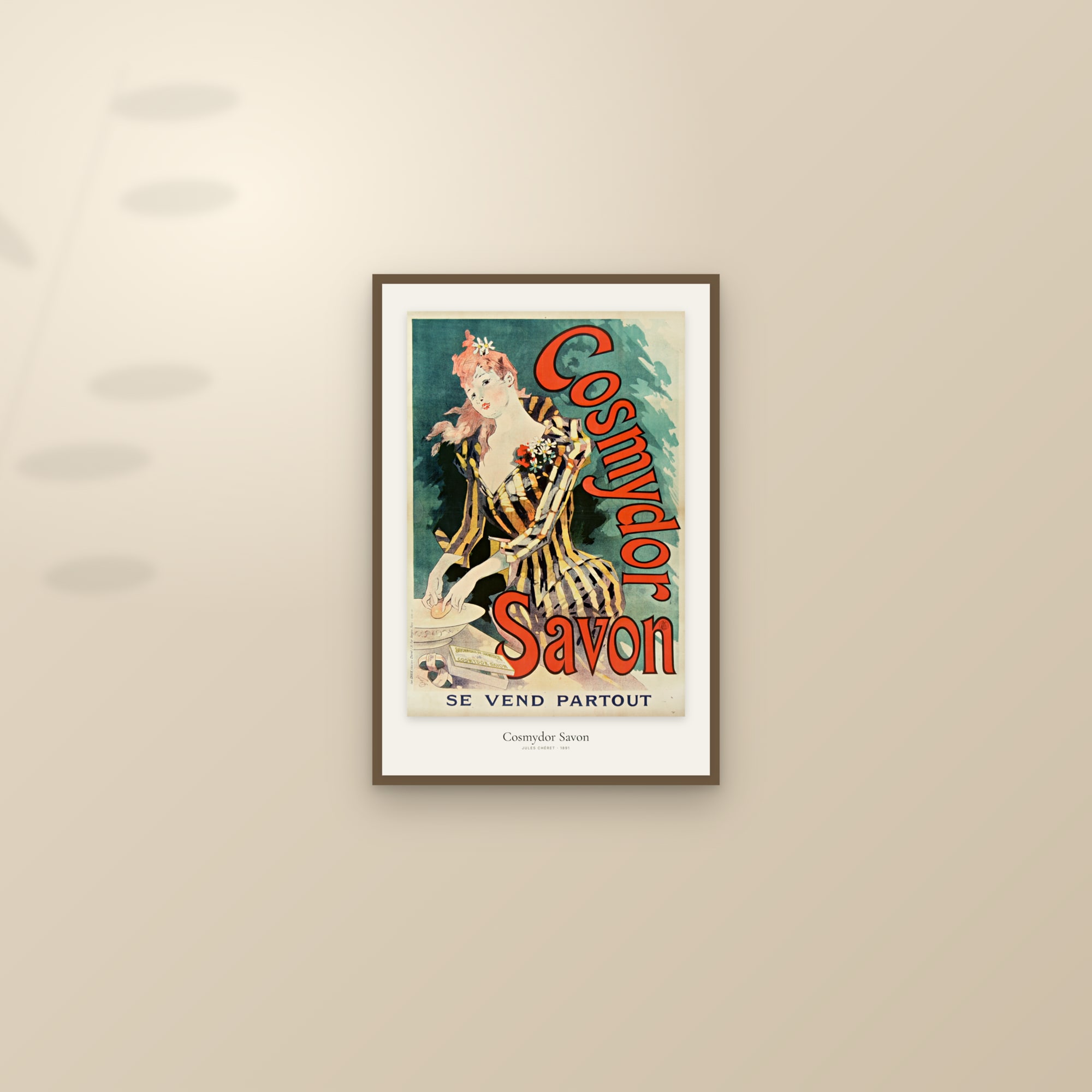
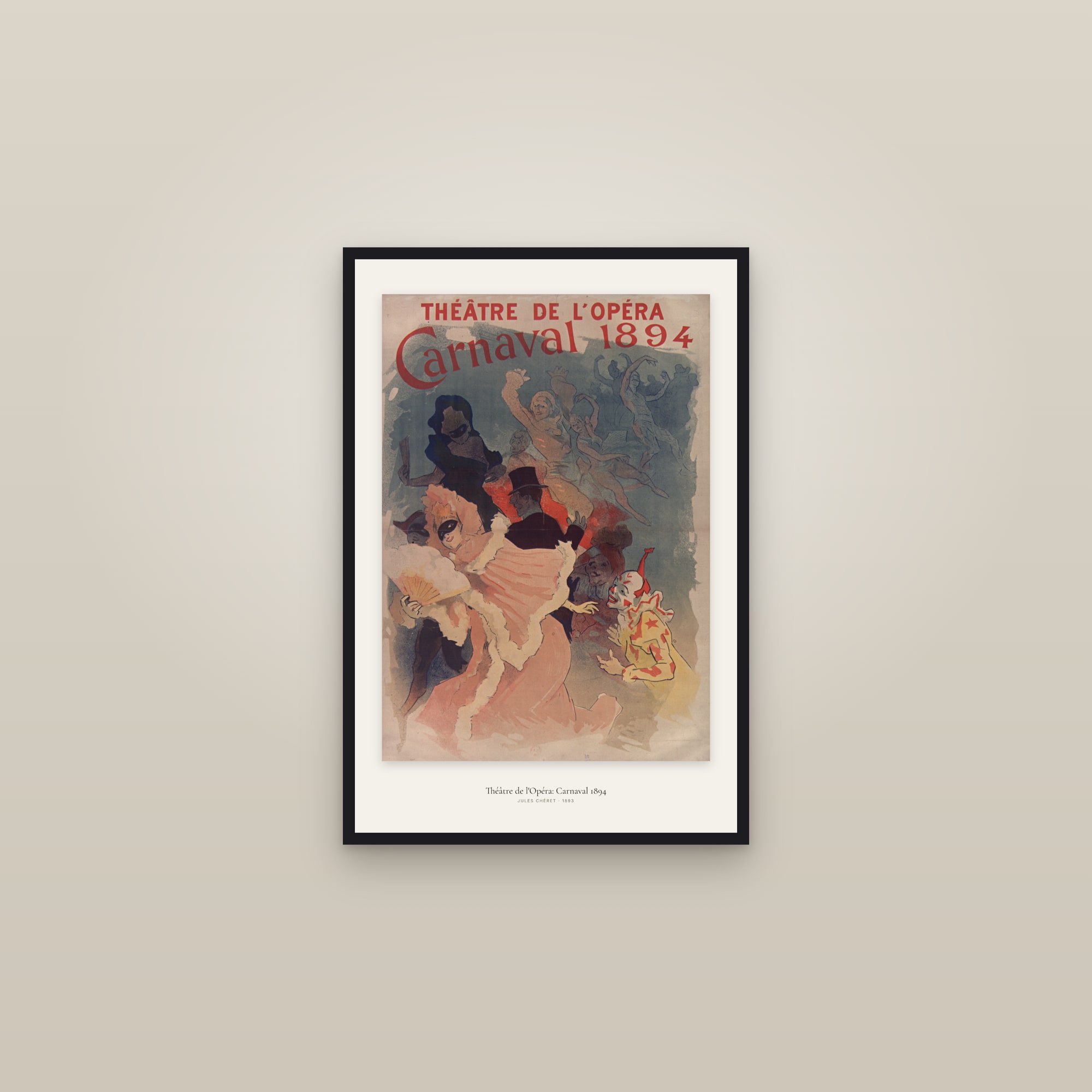
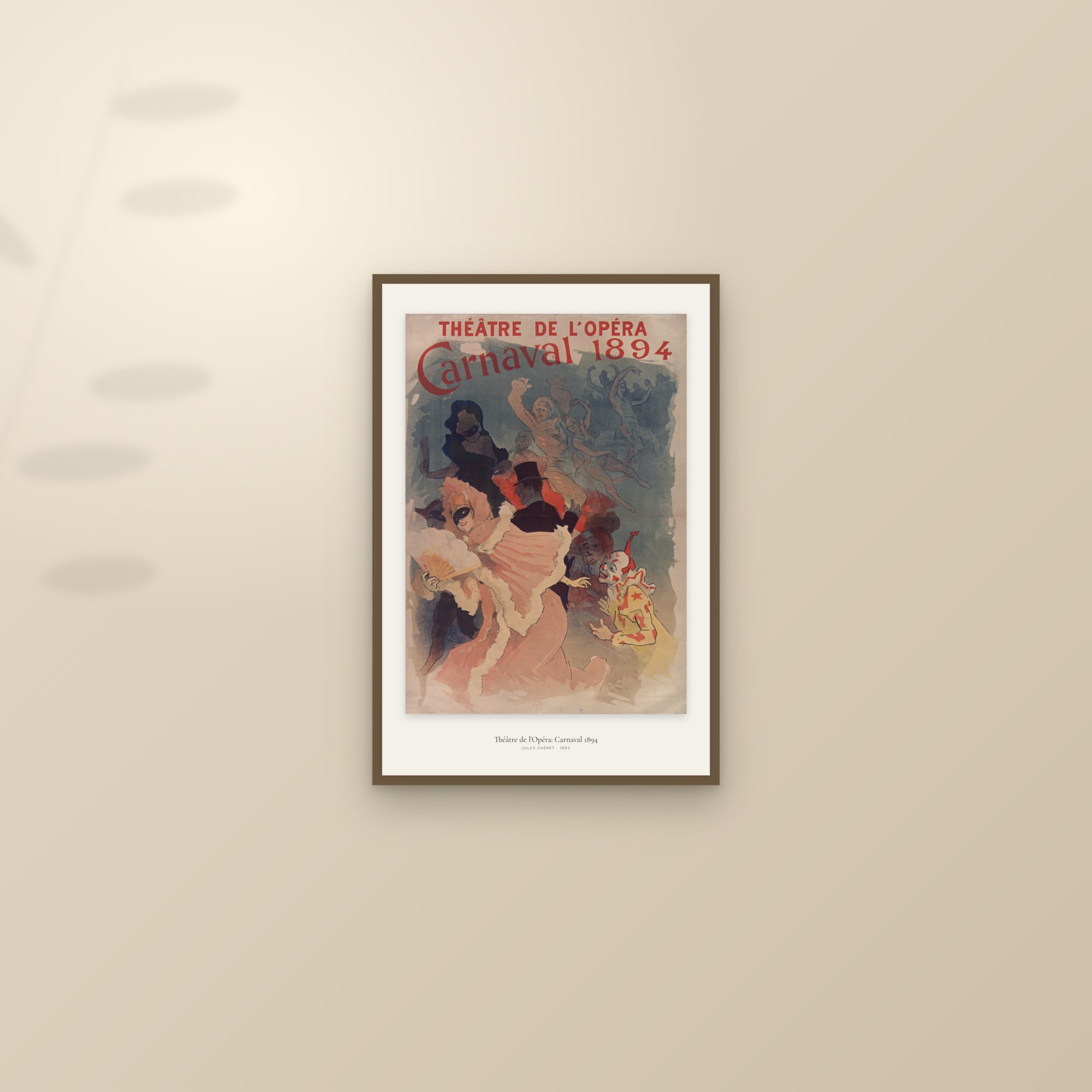
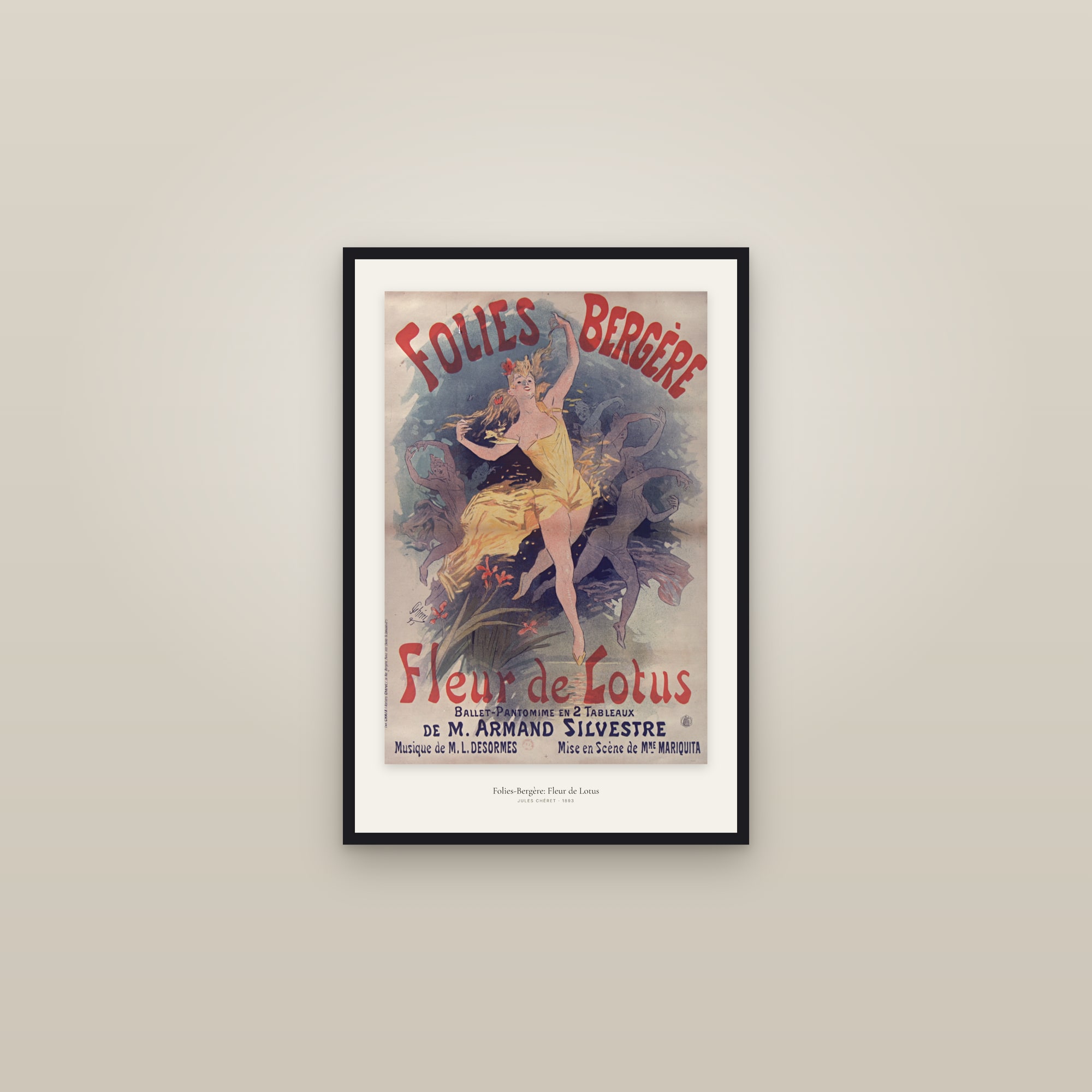
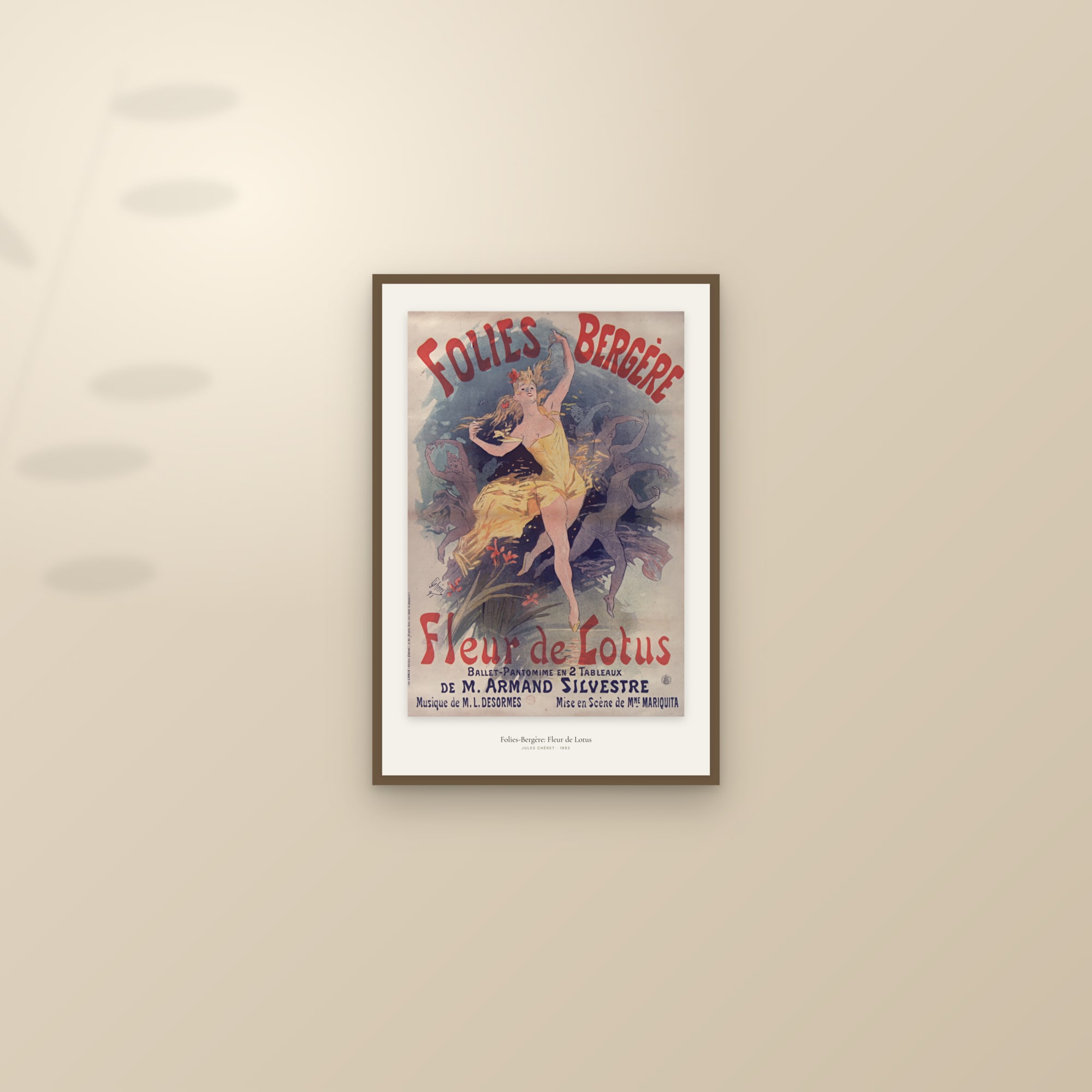
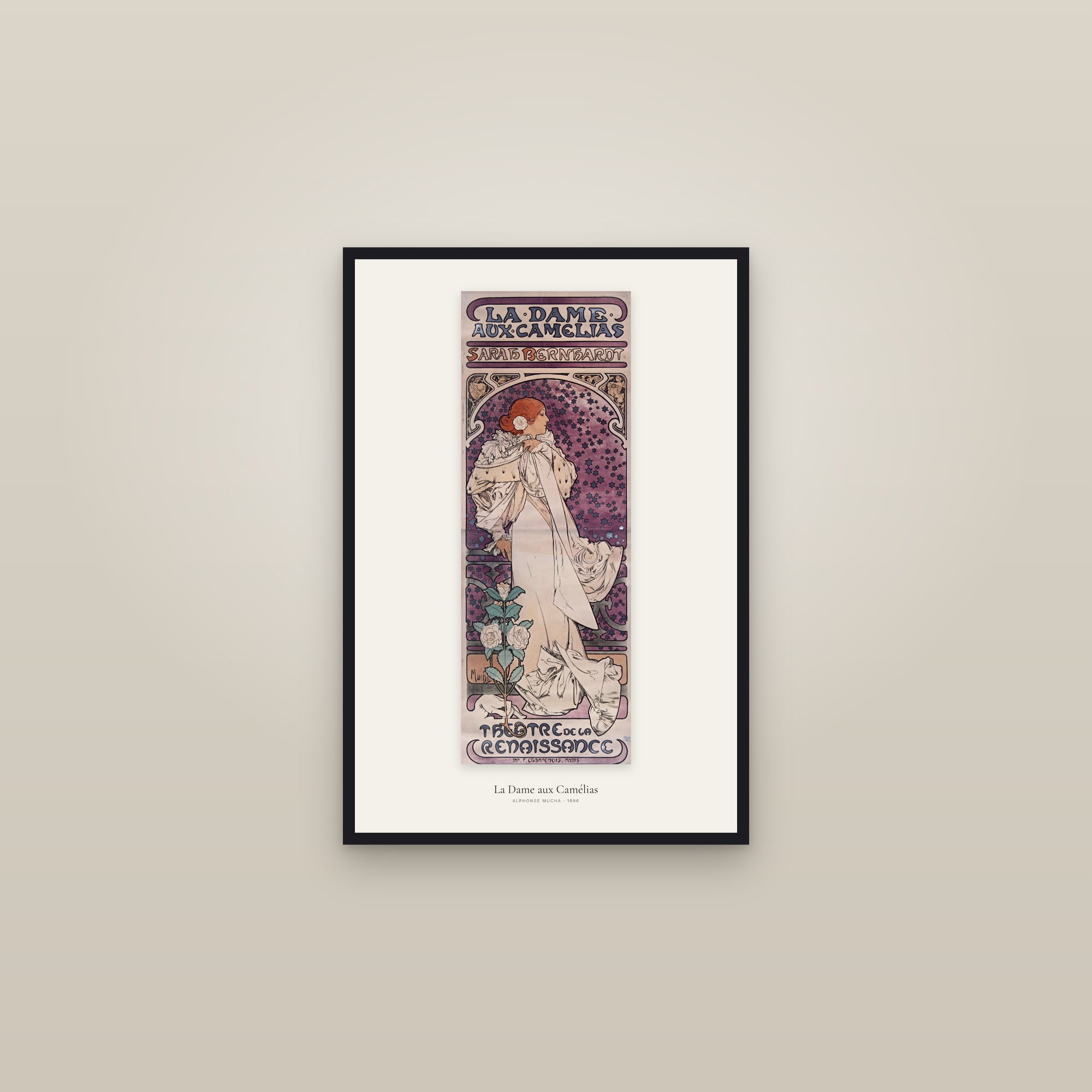
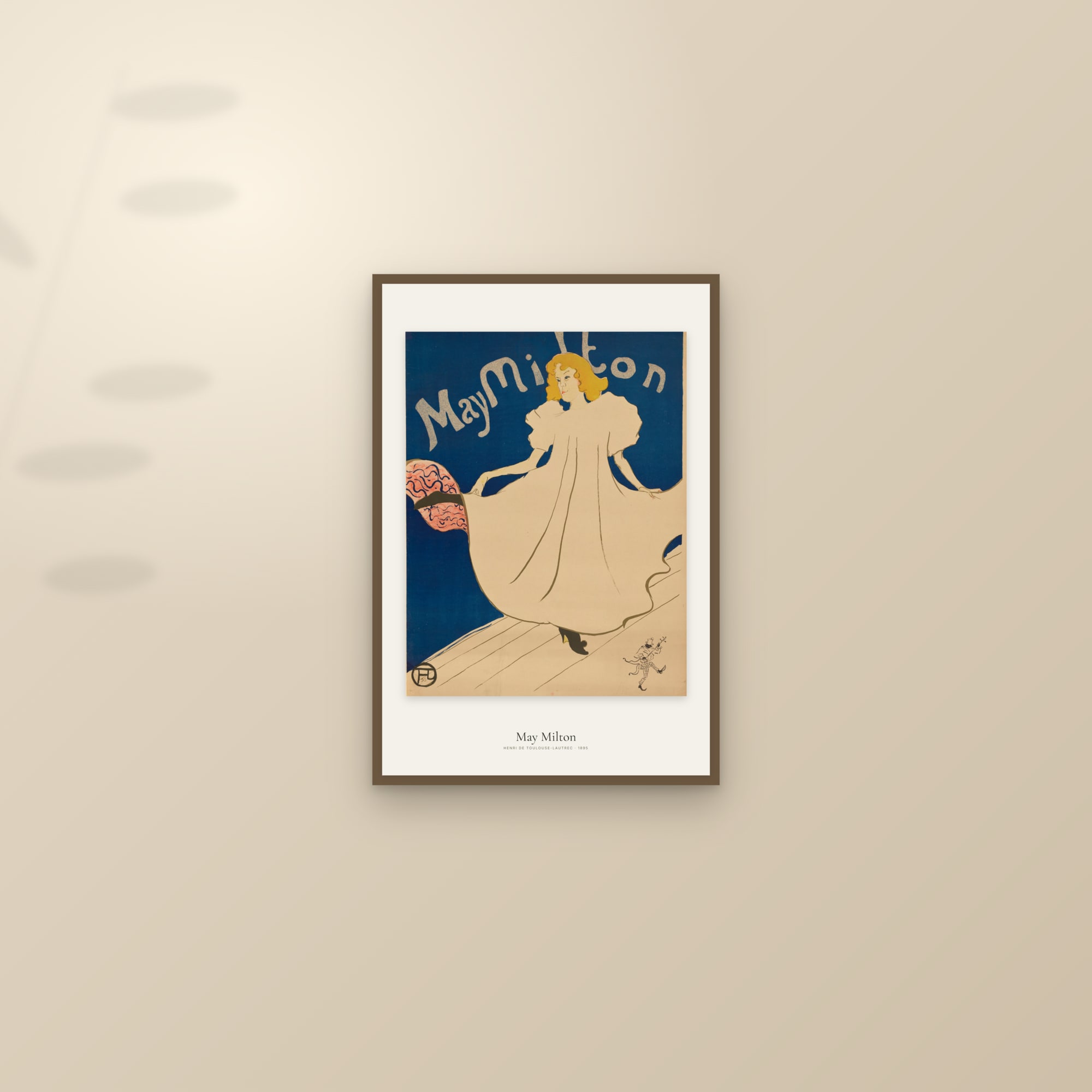
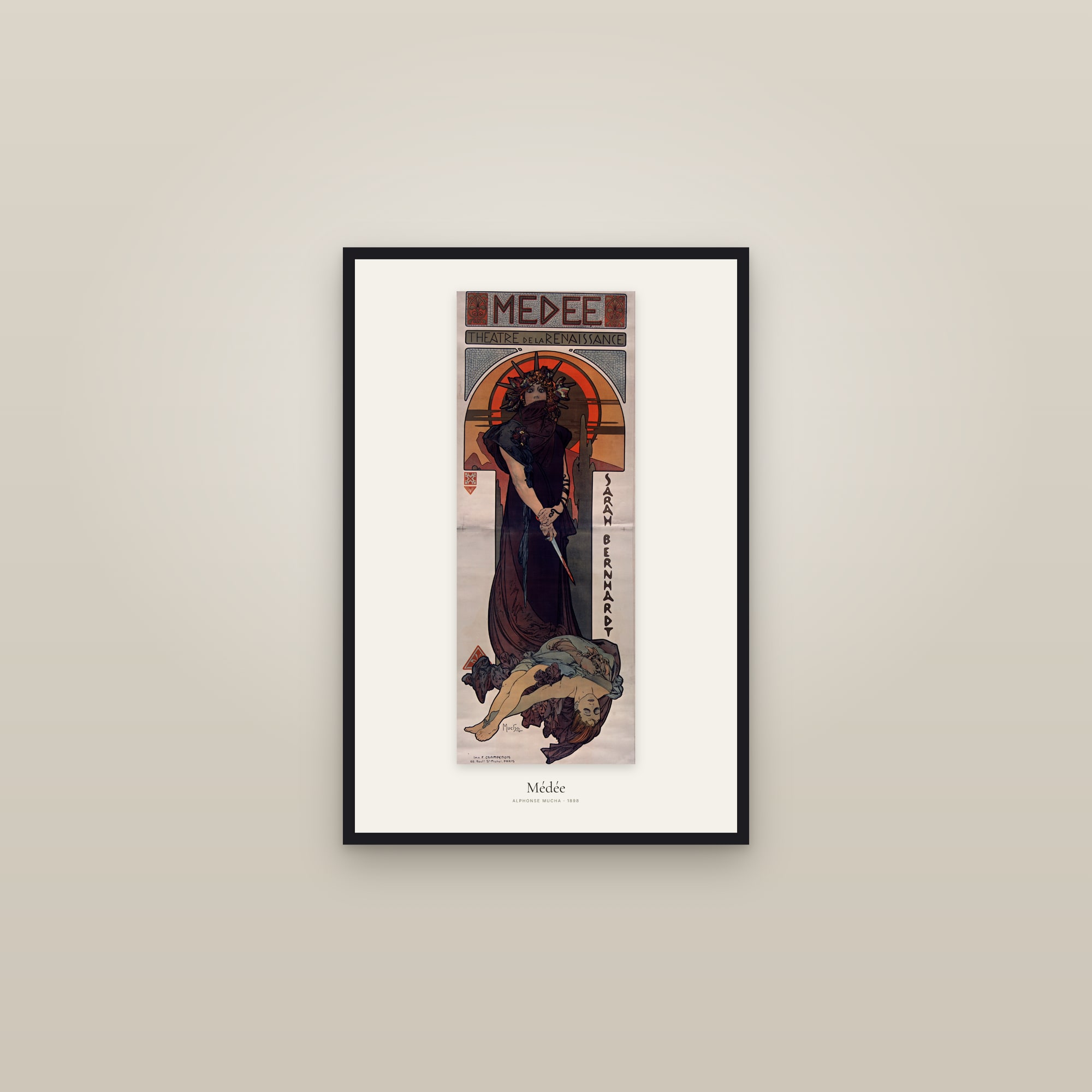
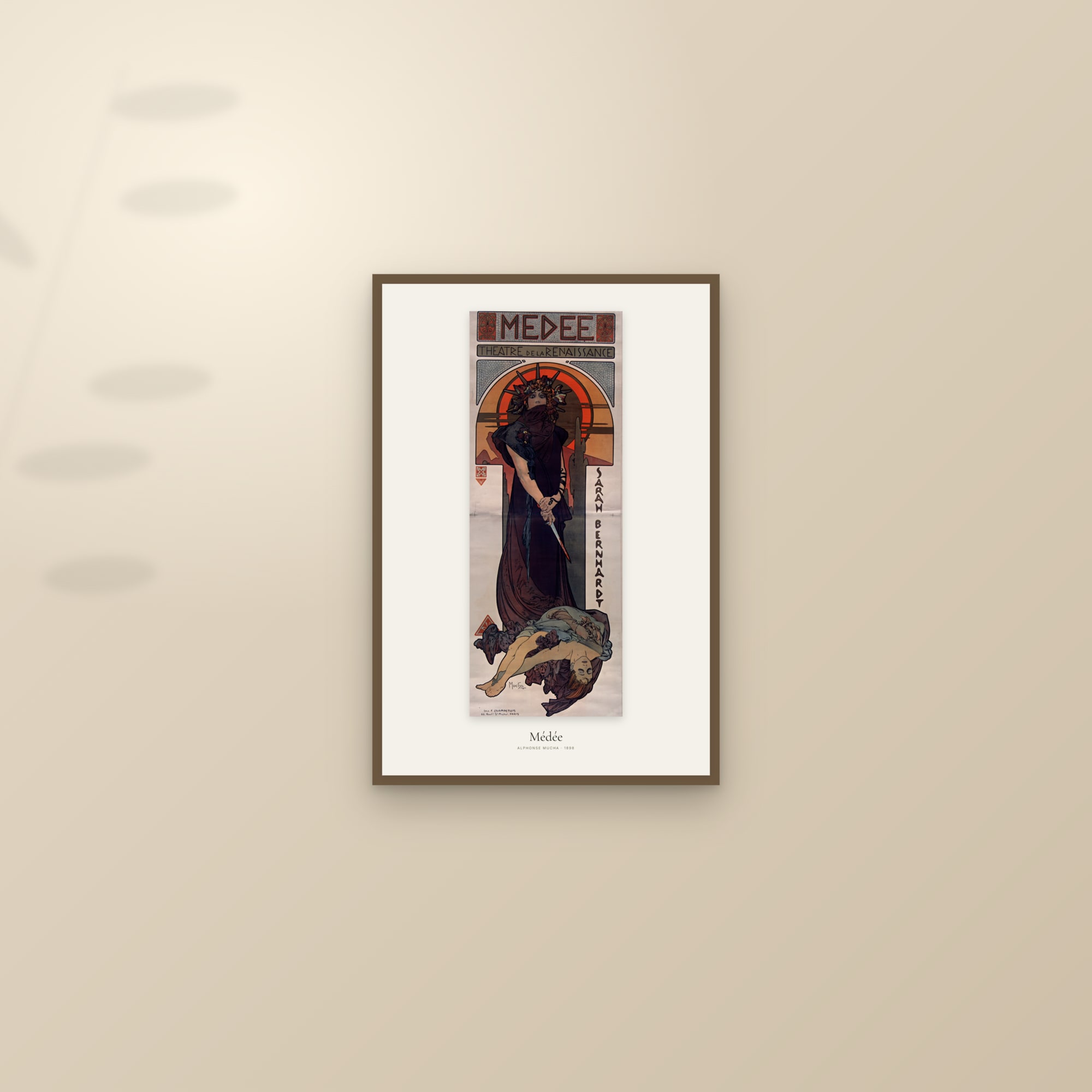
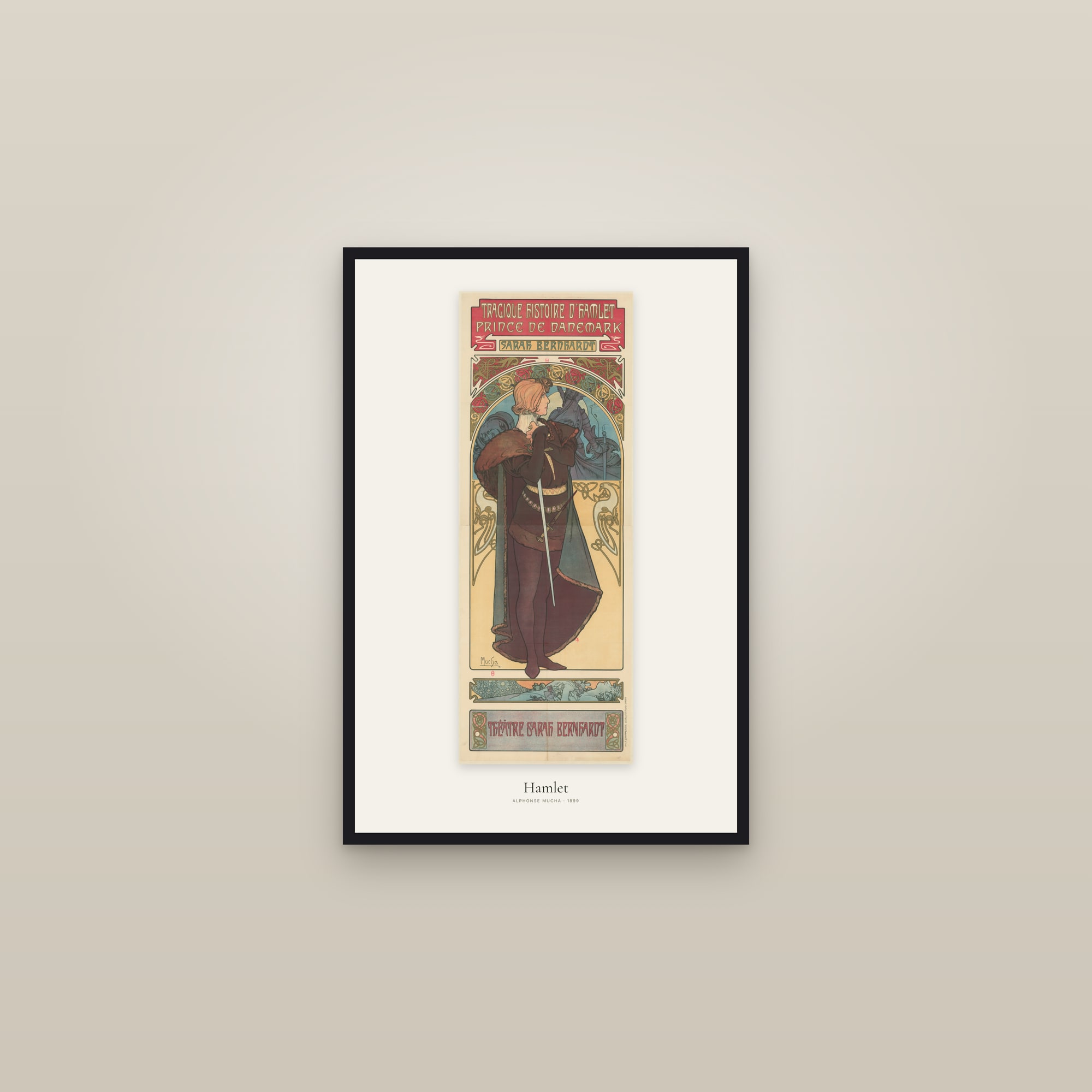
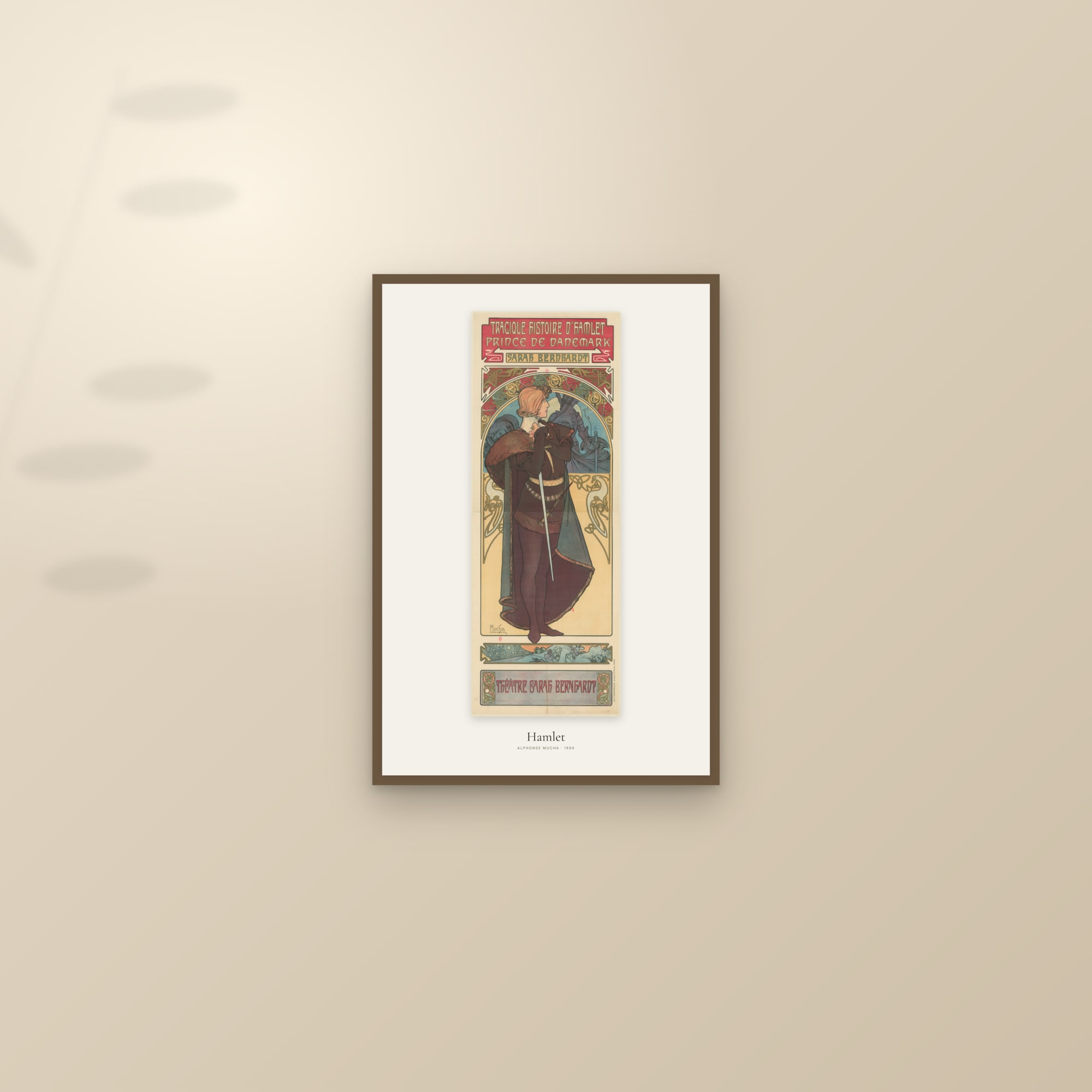
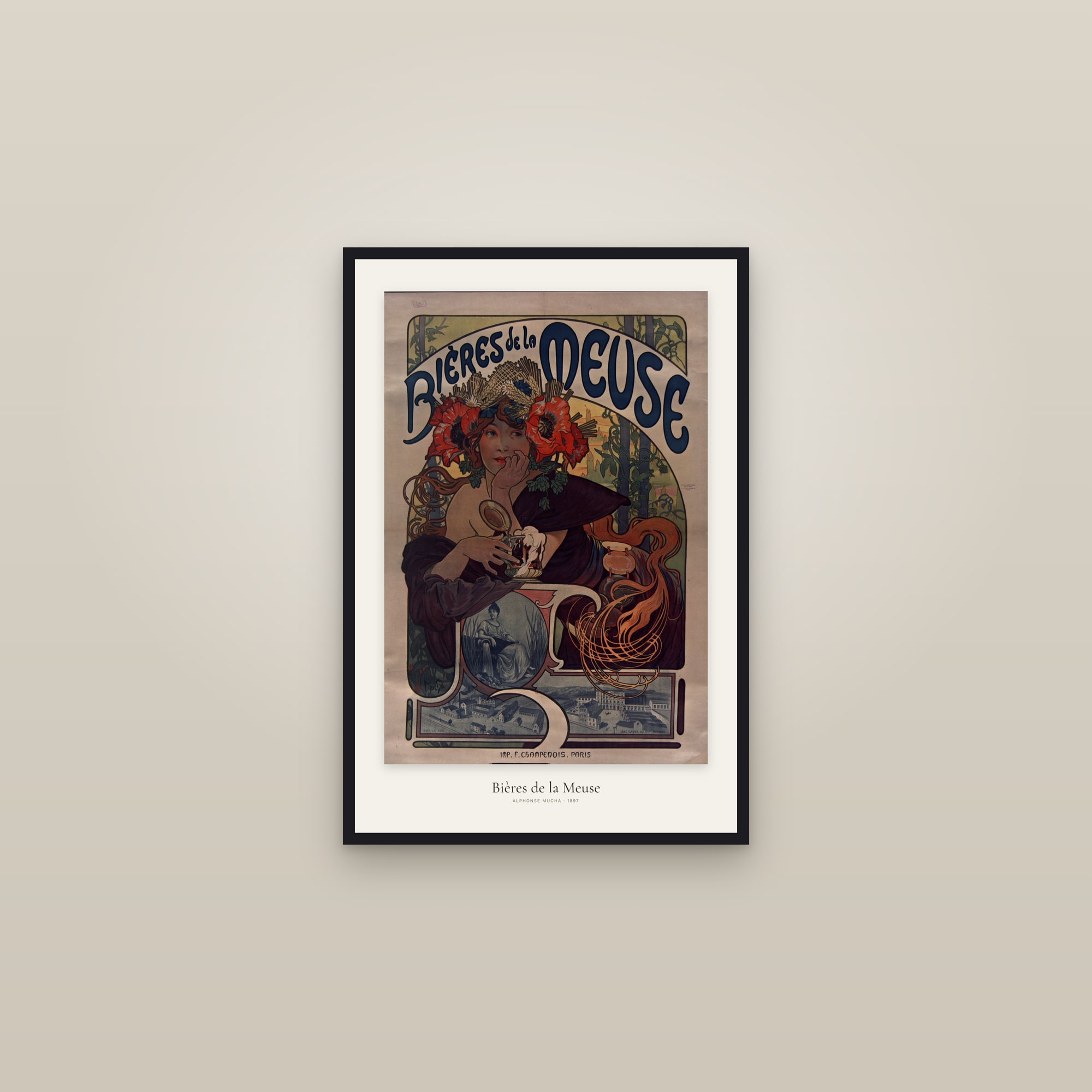
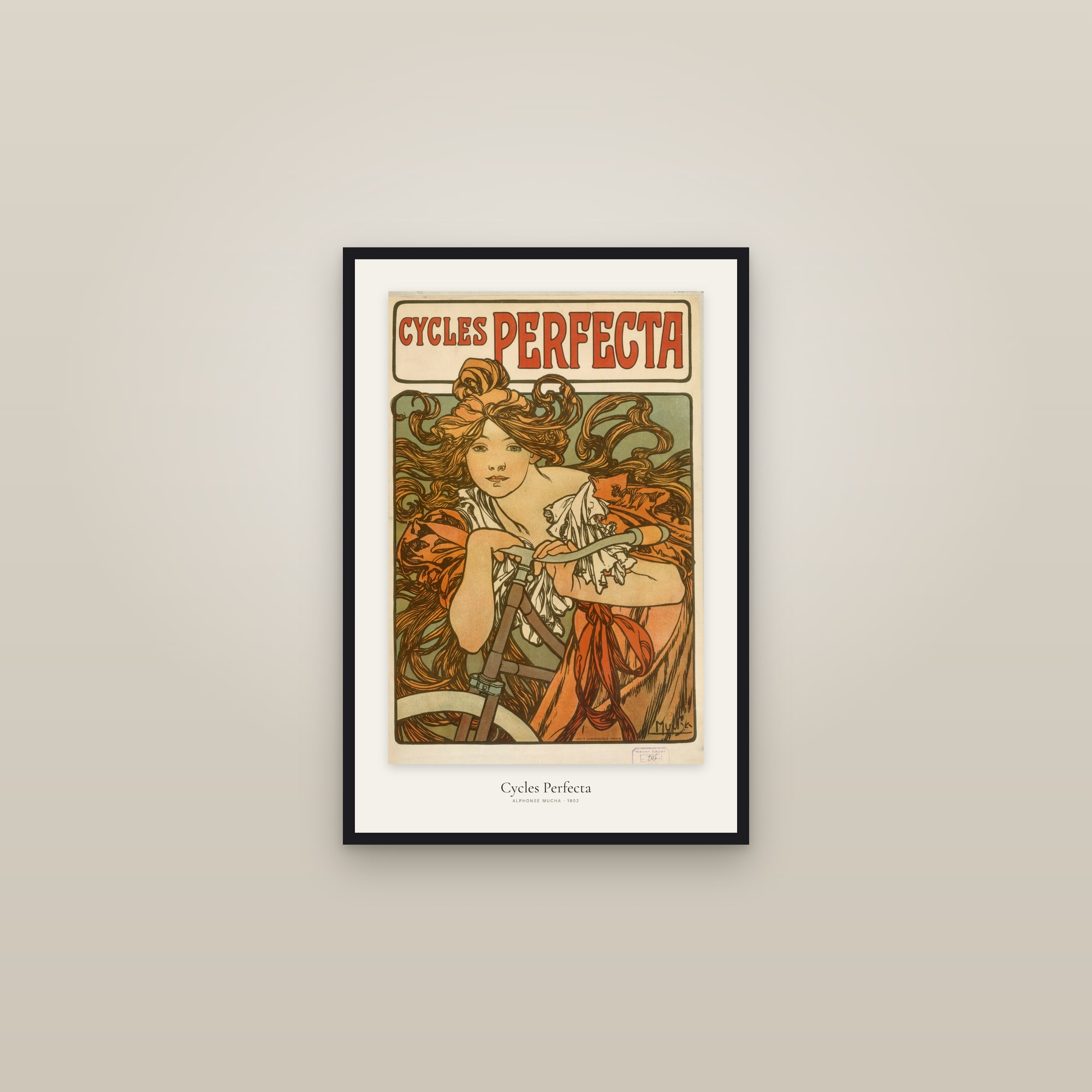
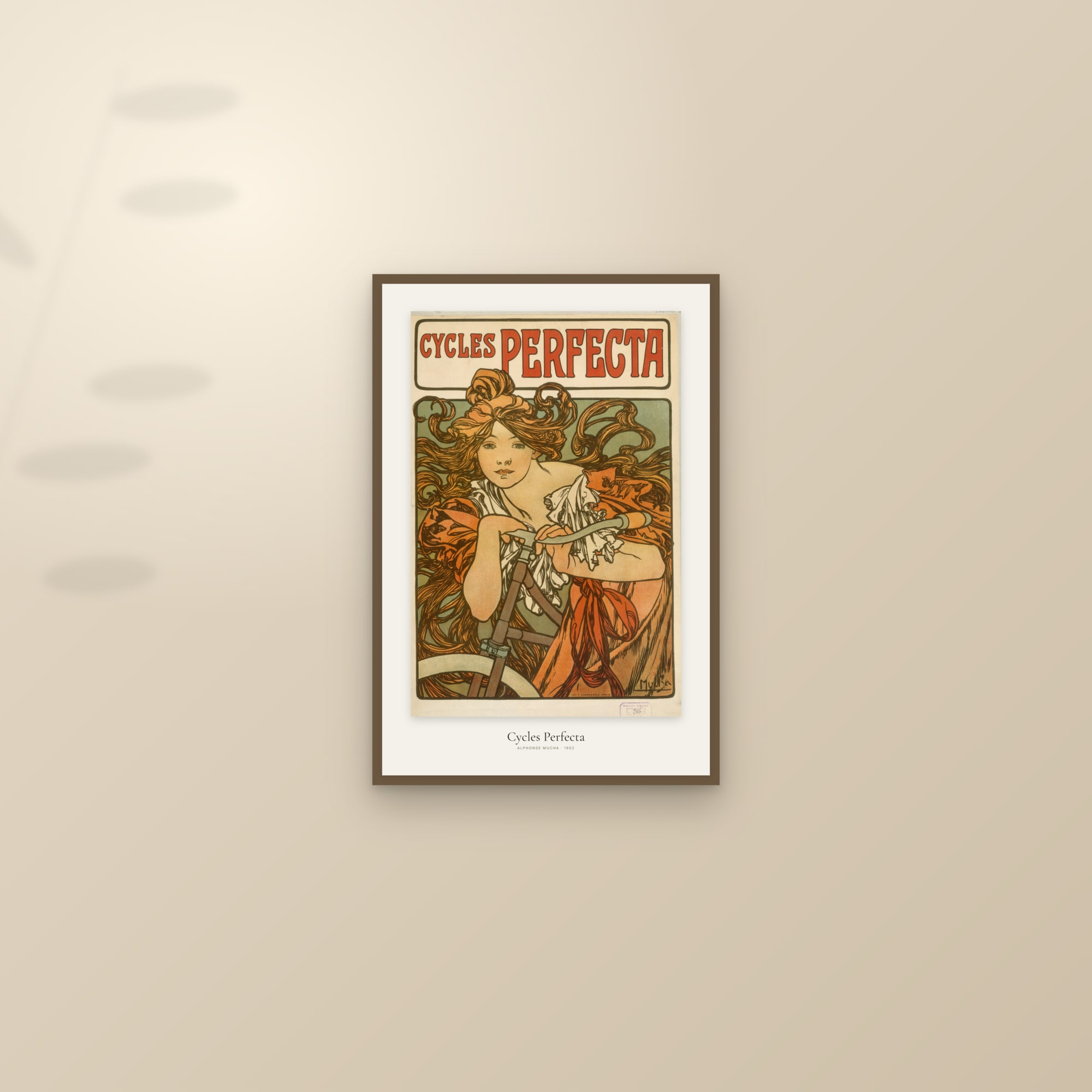
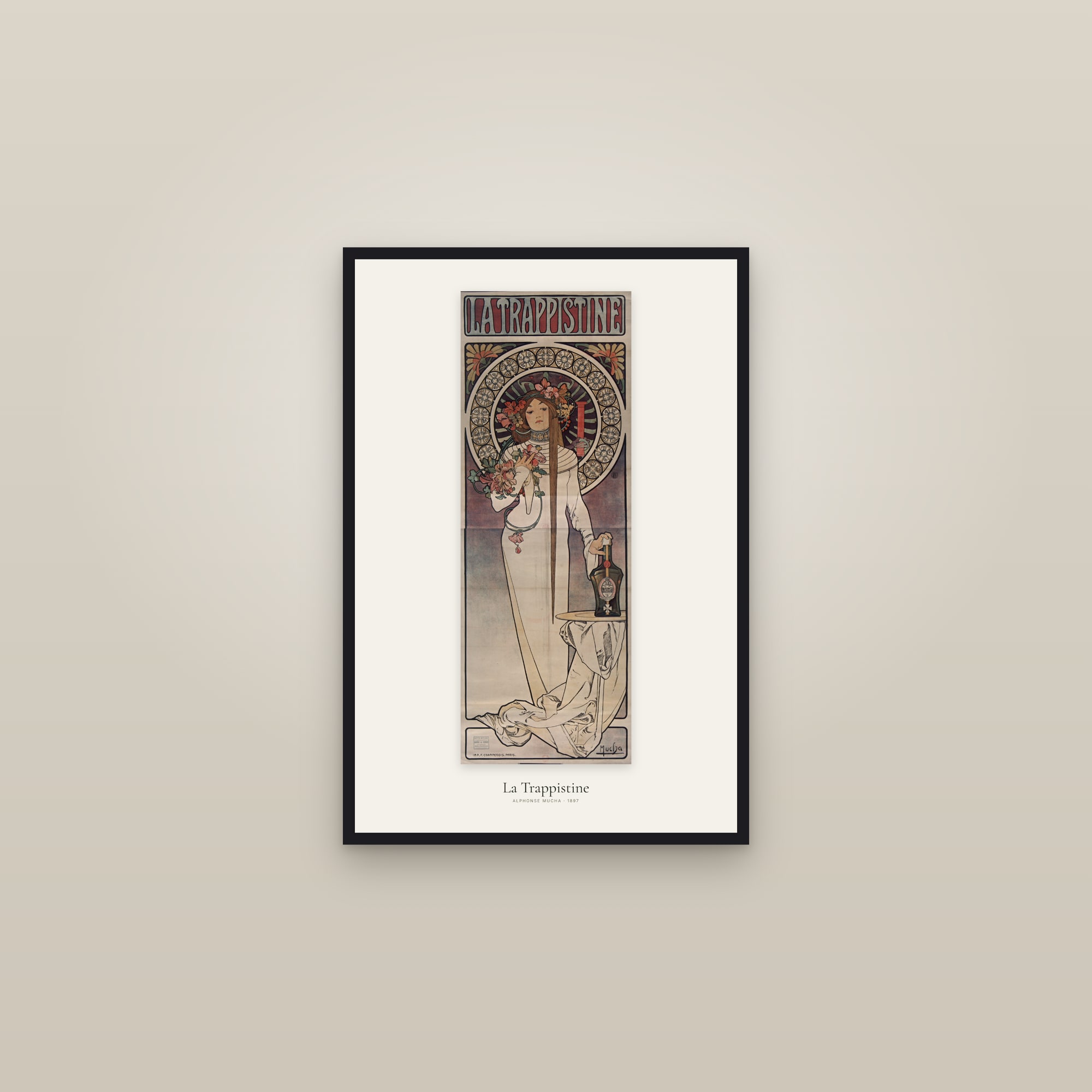
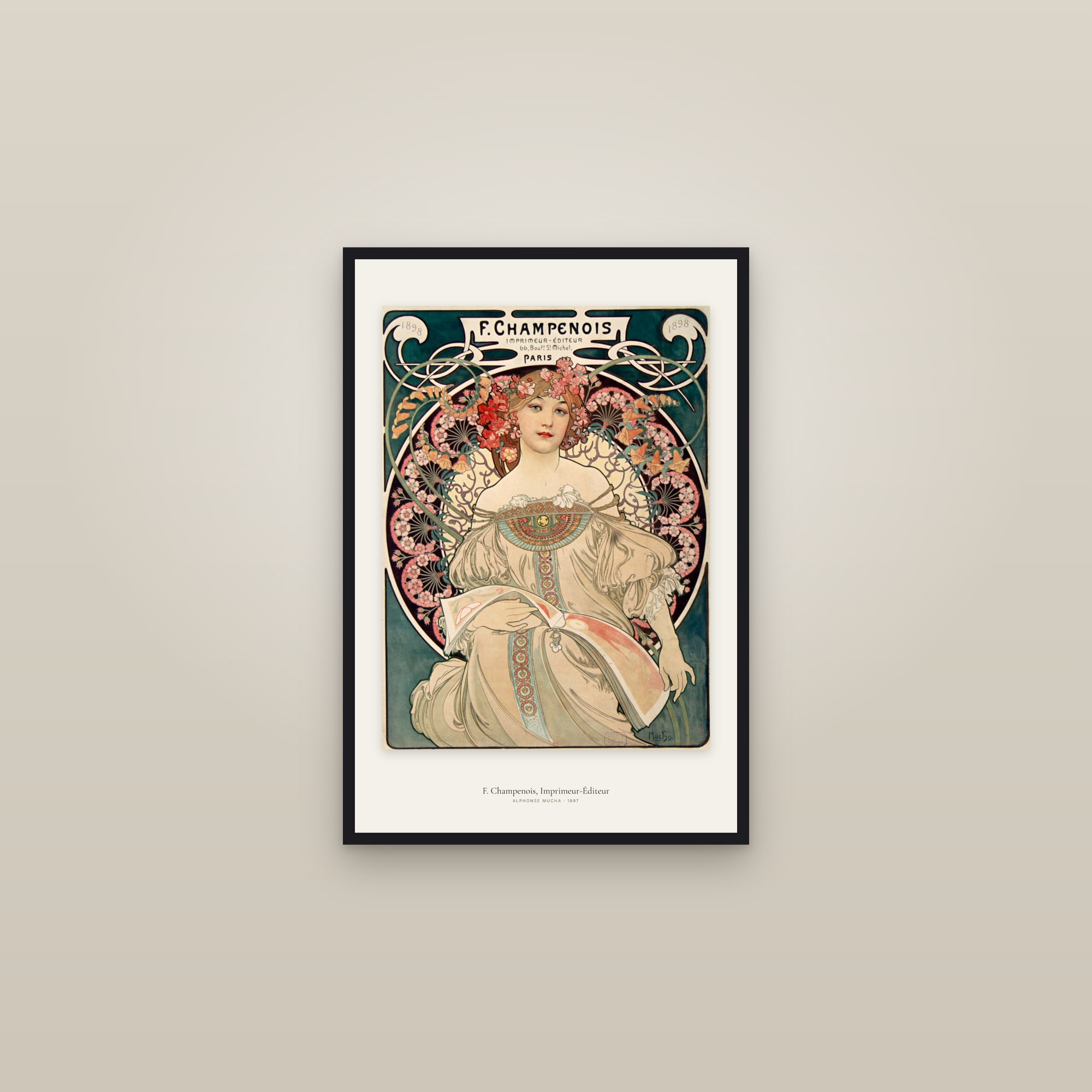
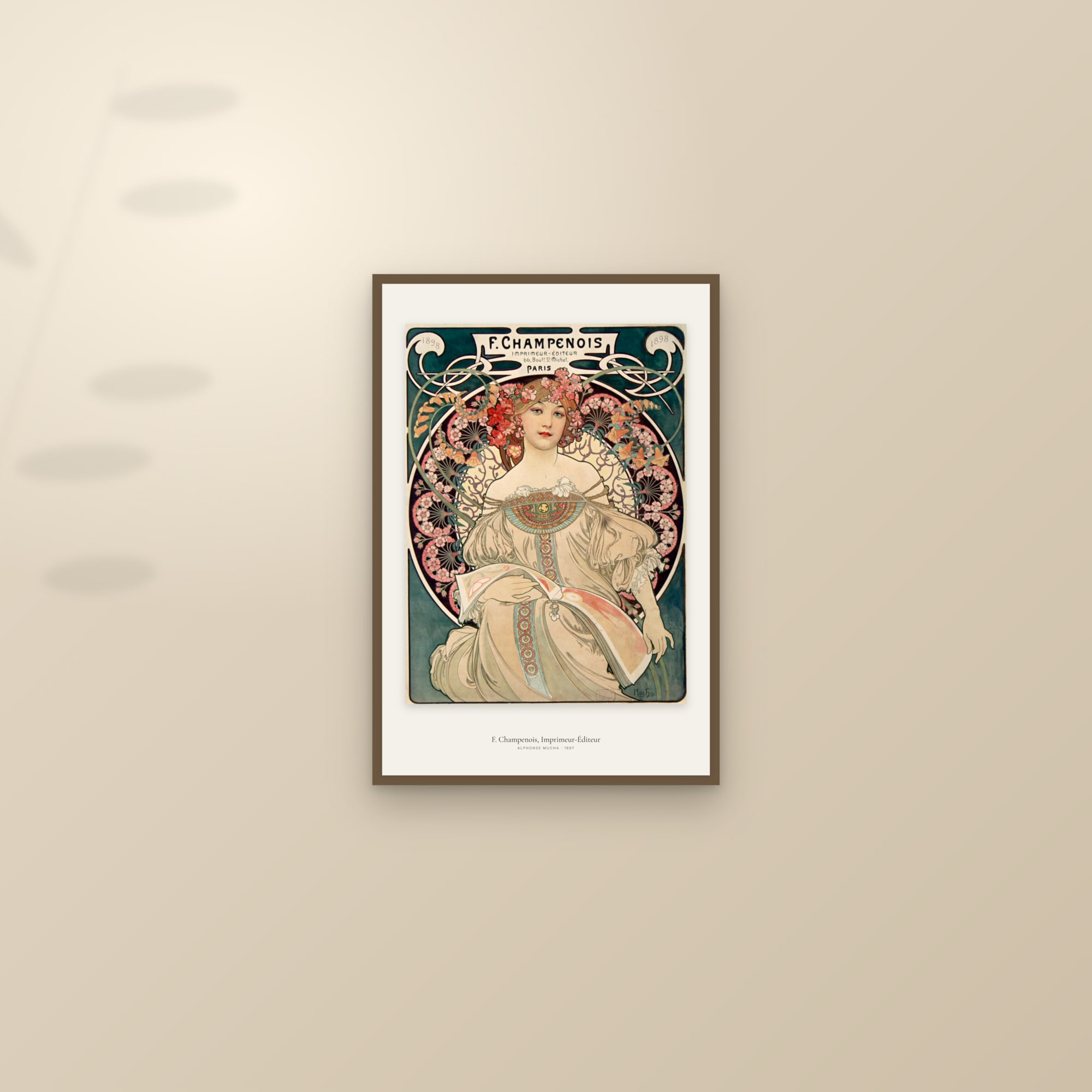
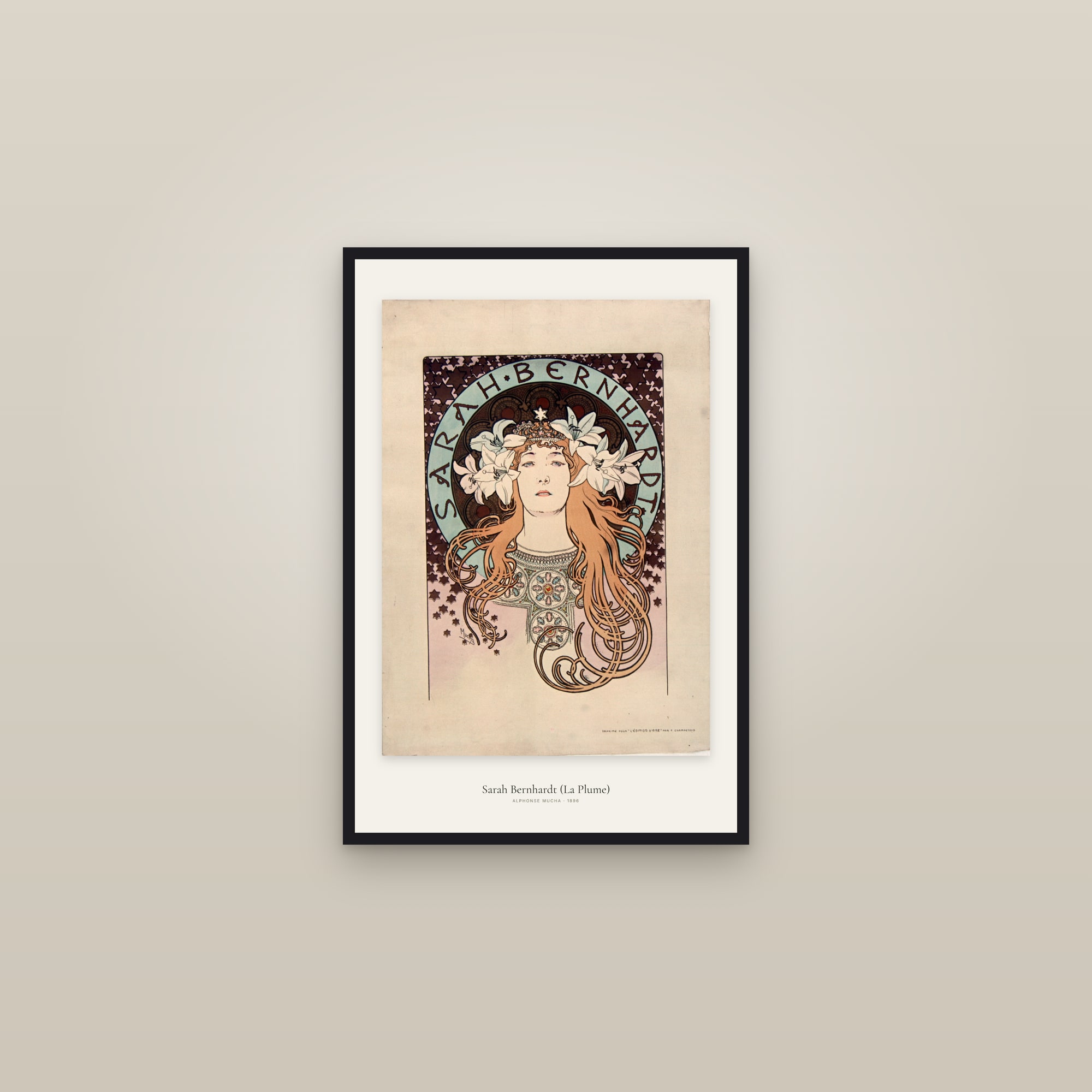
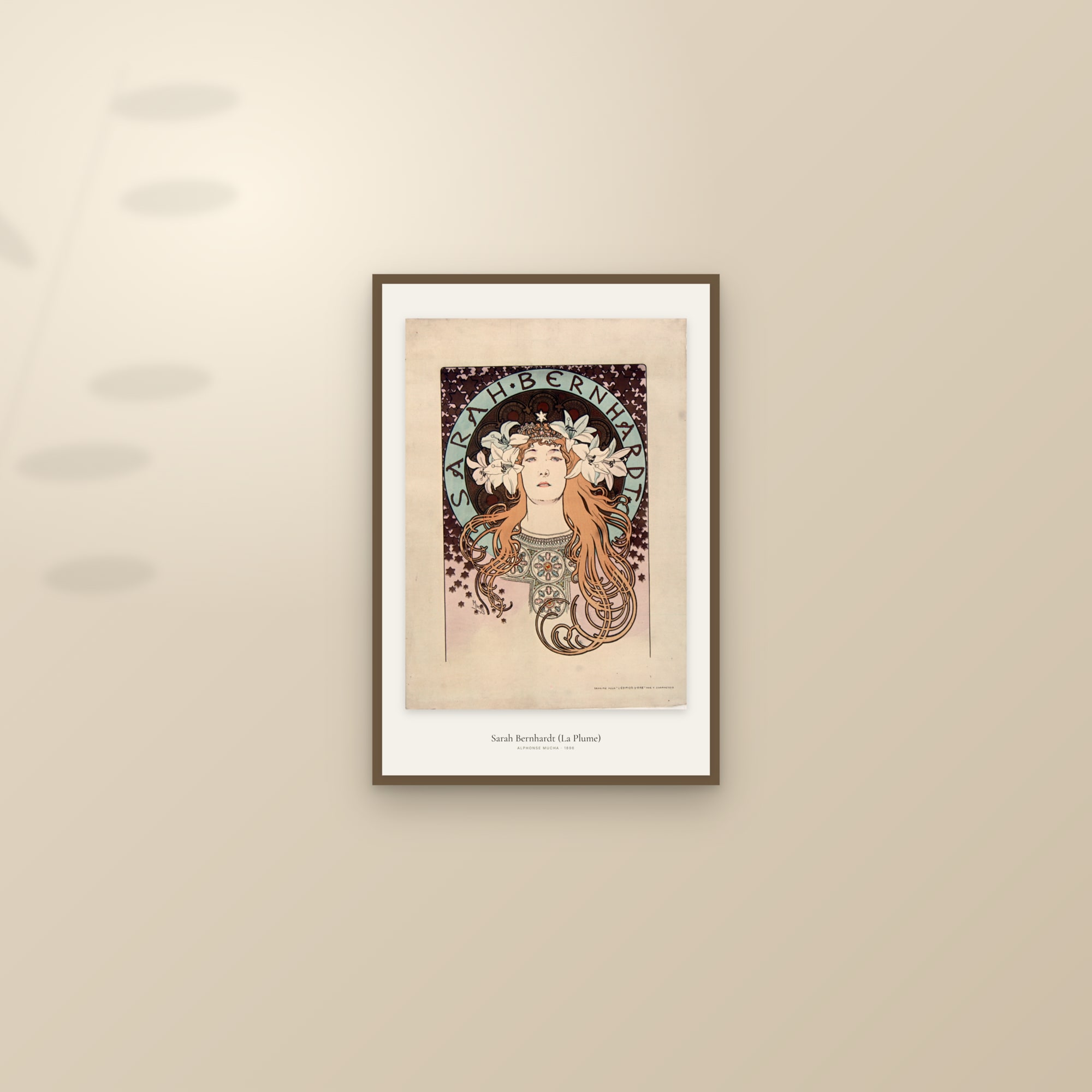
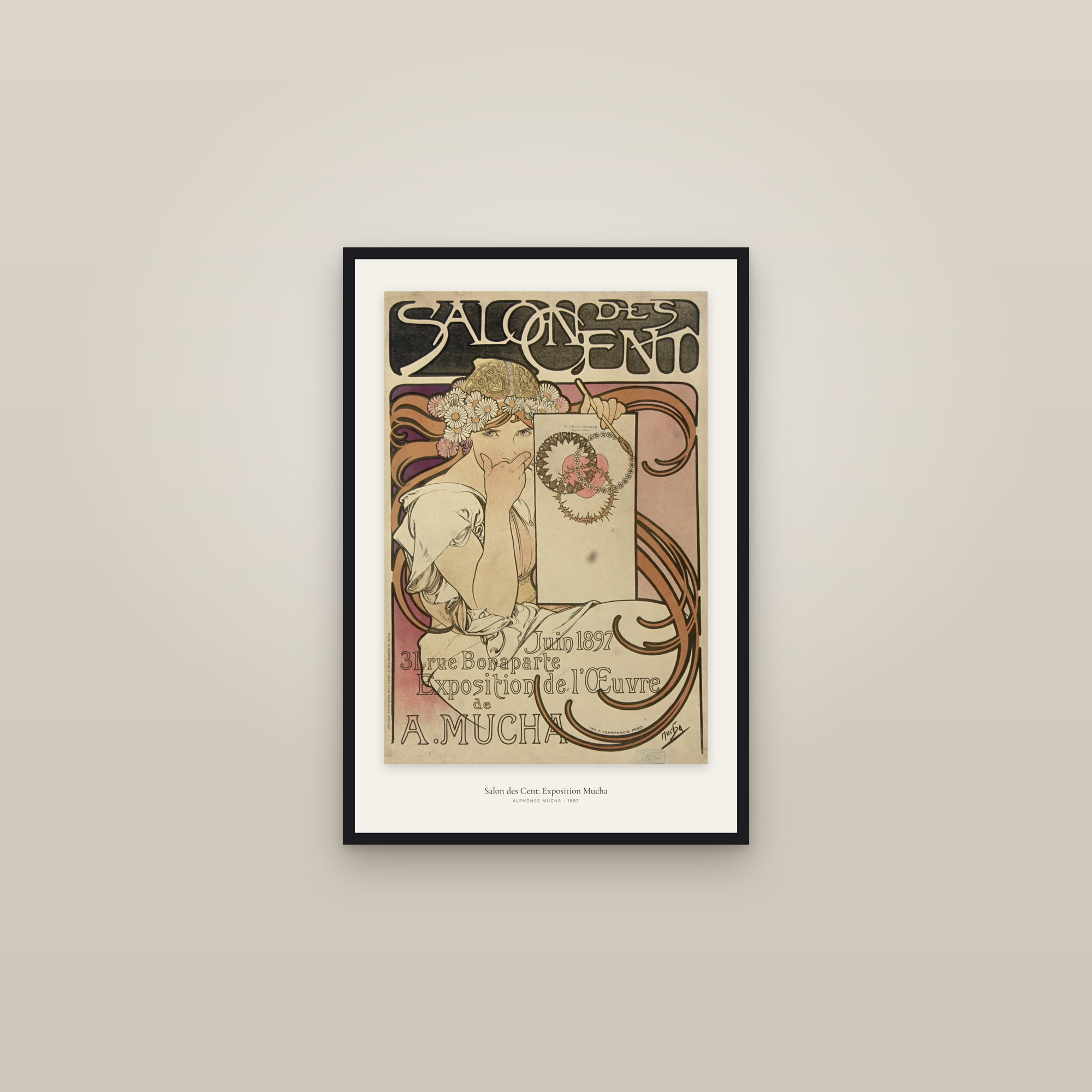
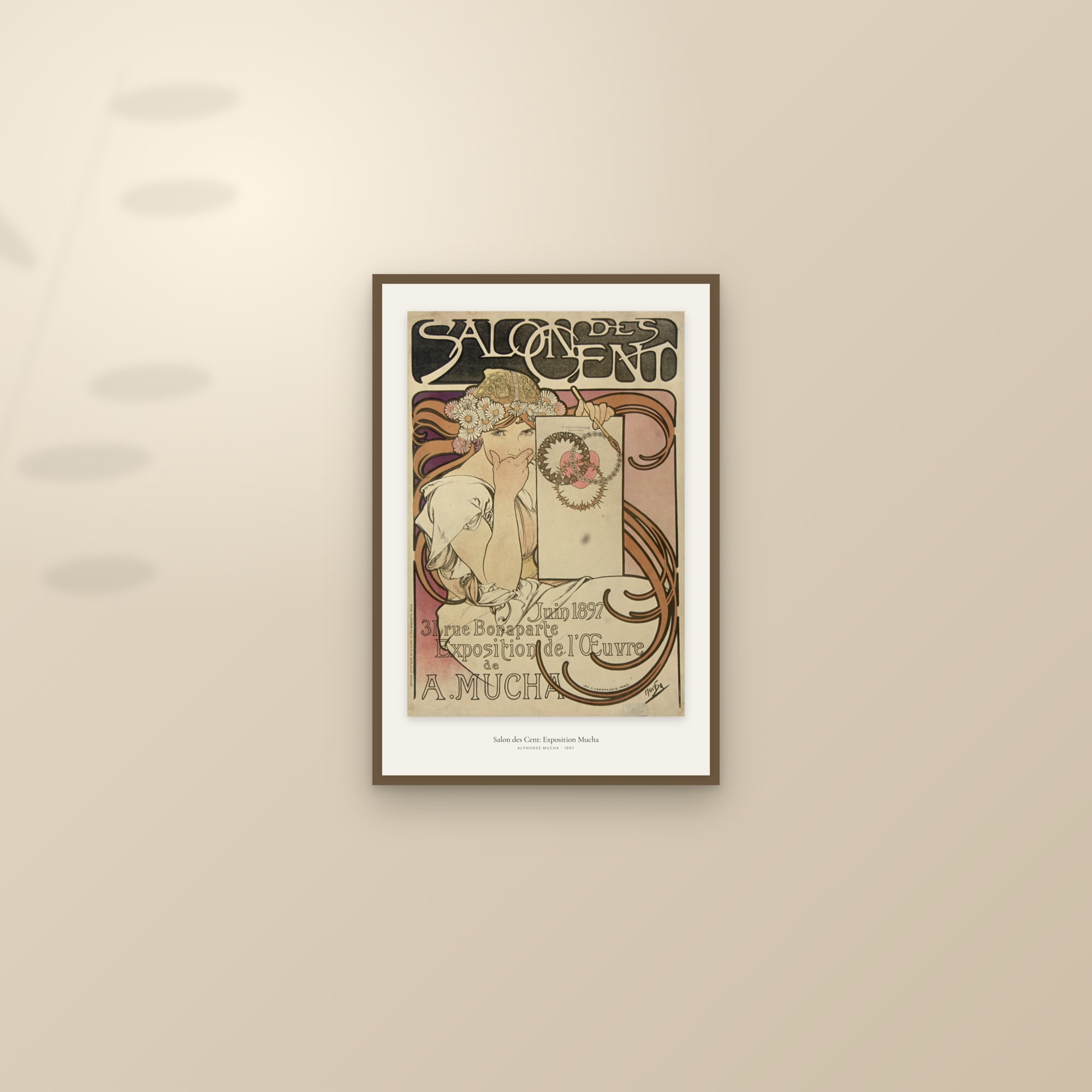
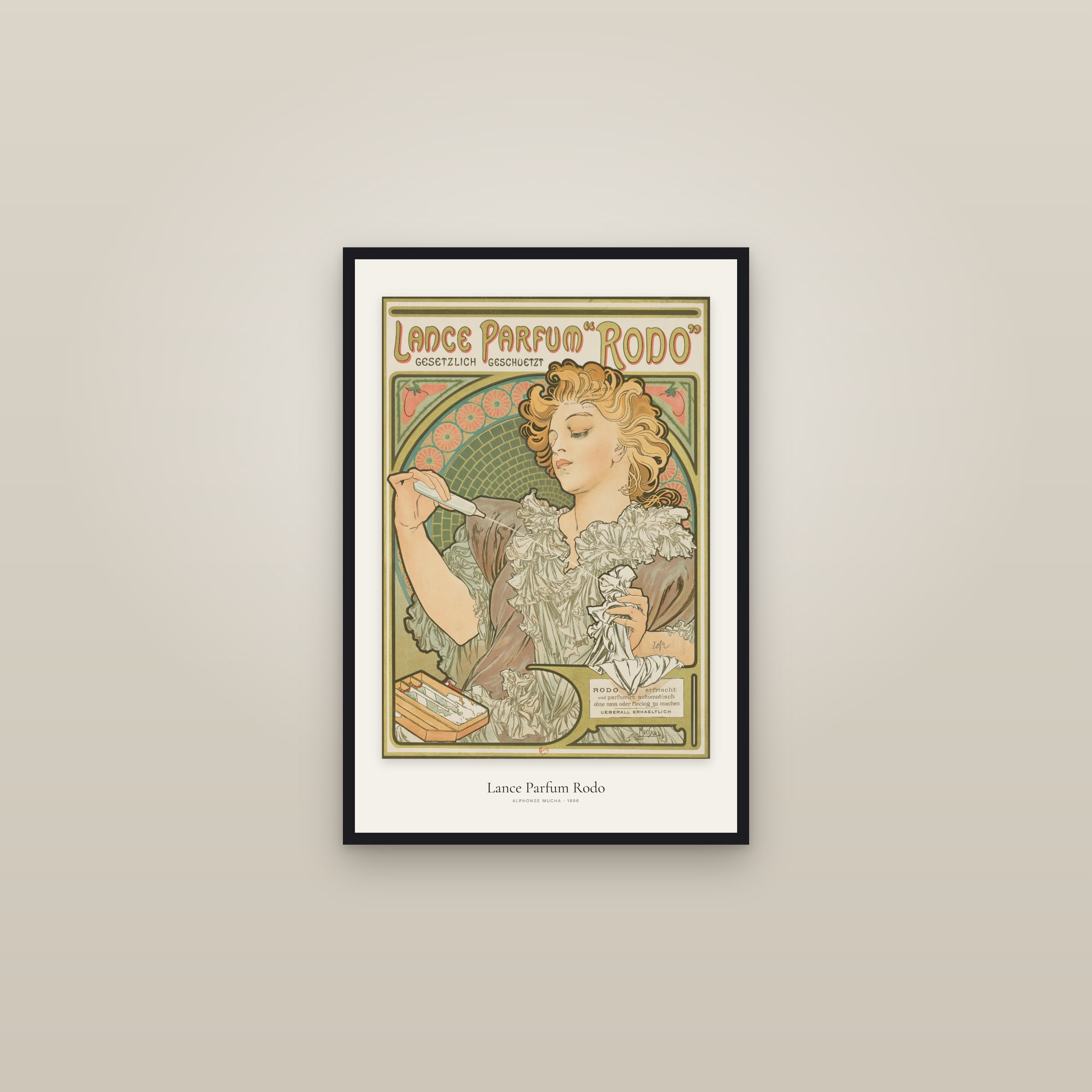
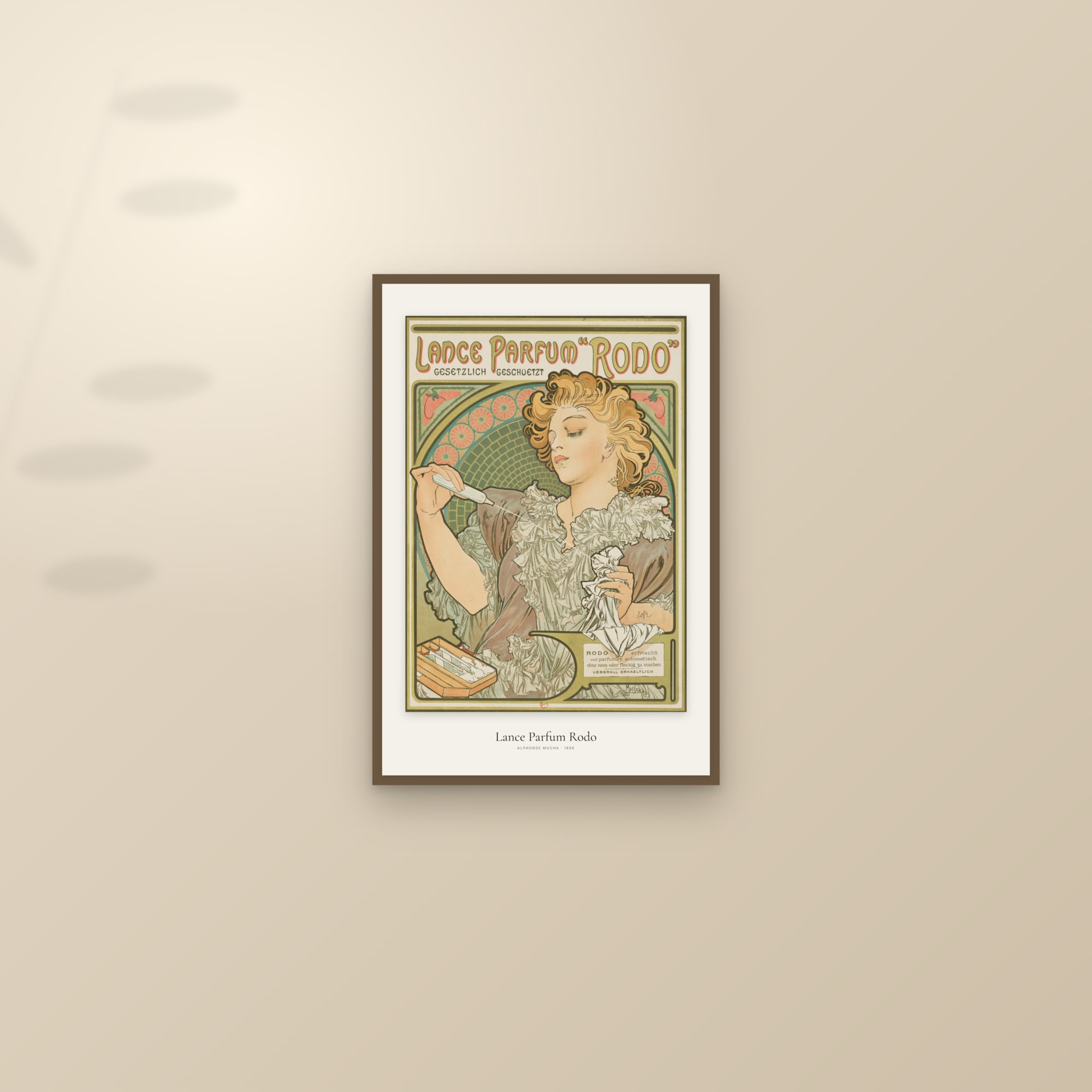
The poster becomes art
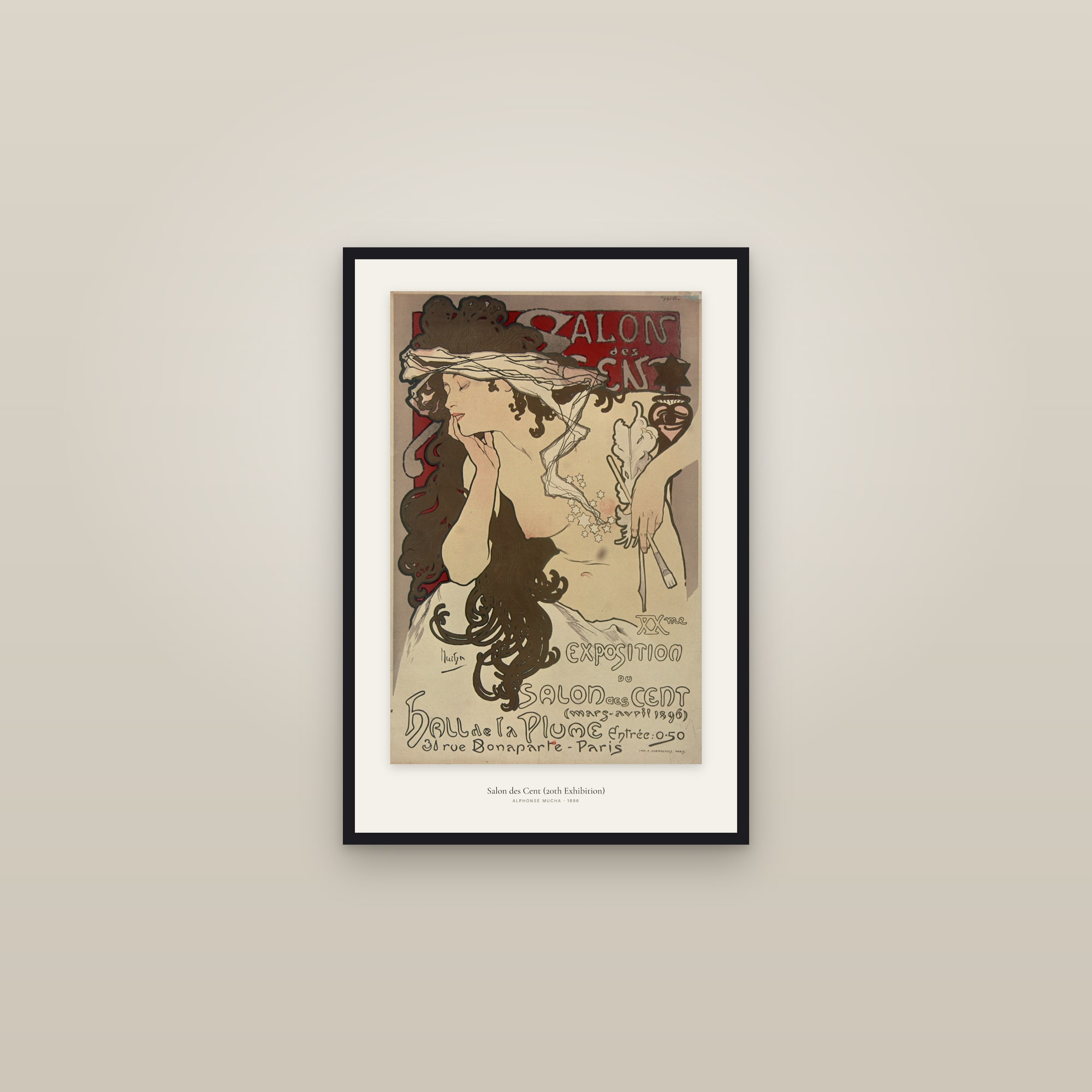
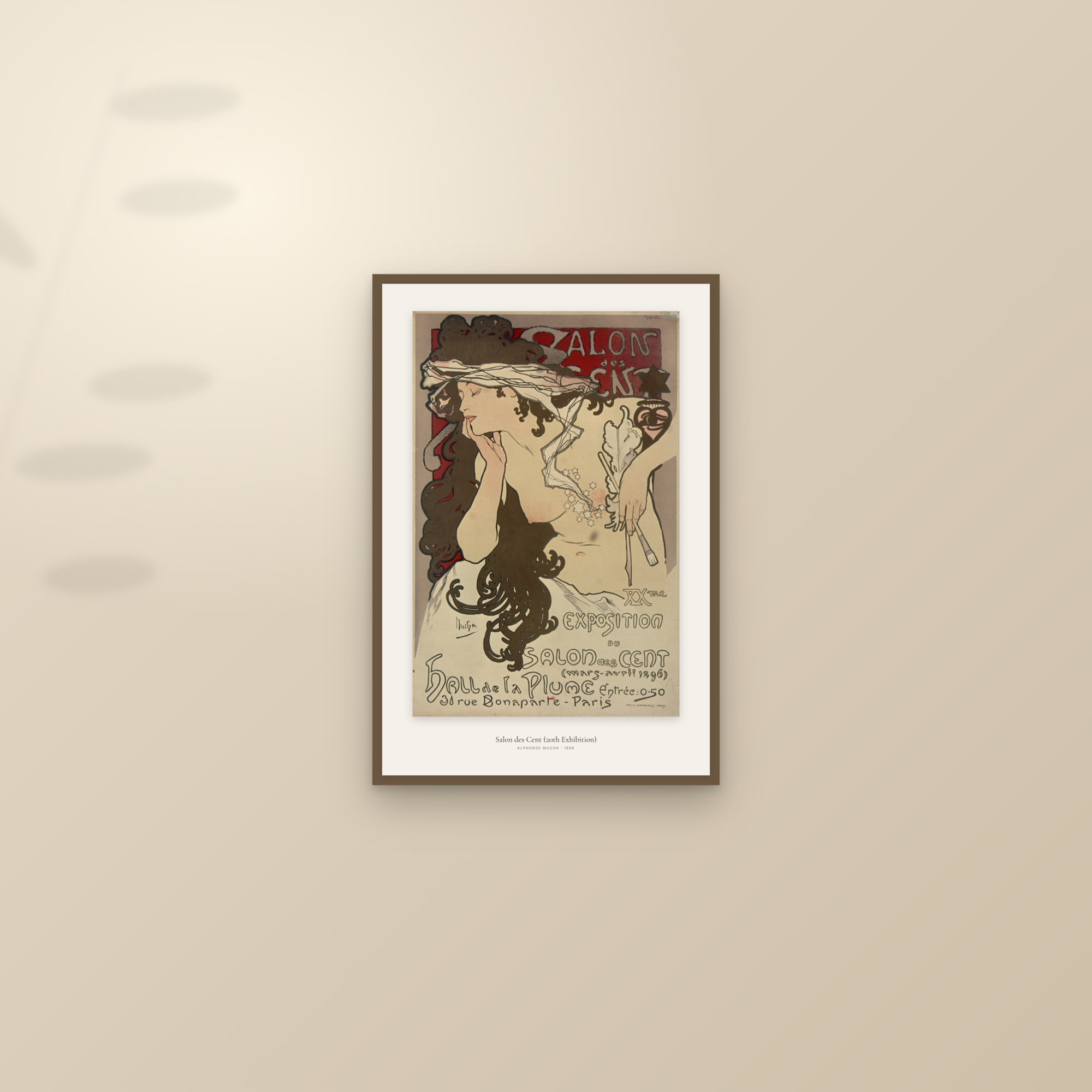
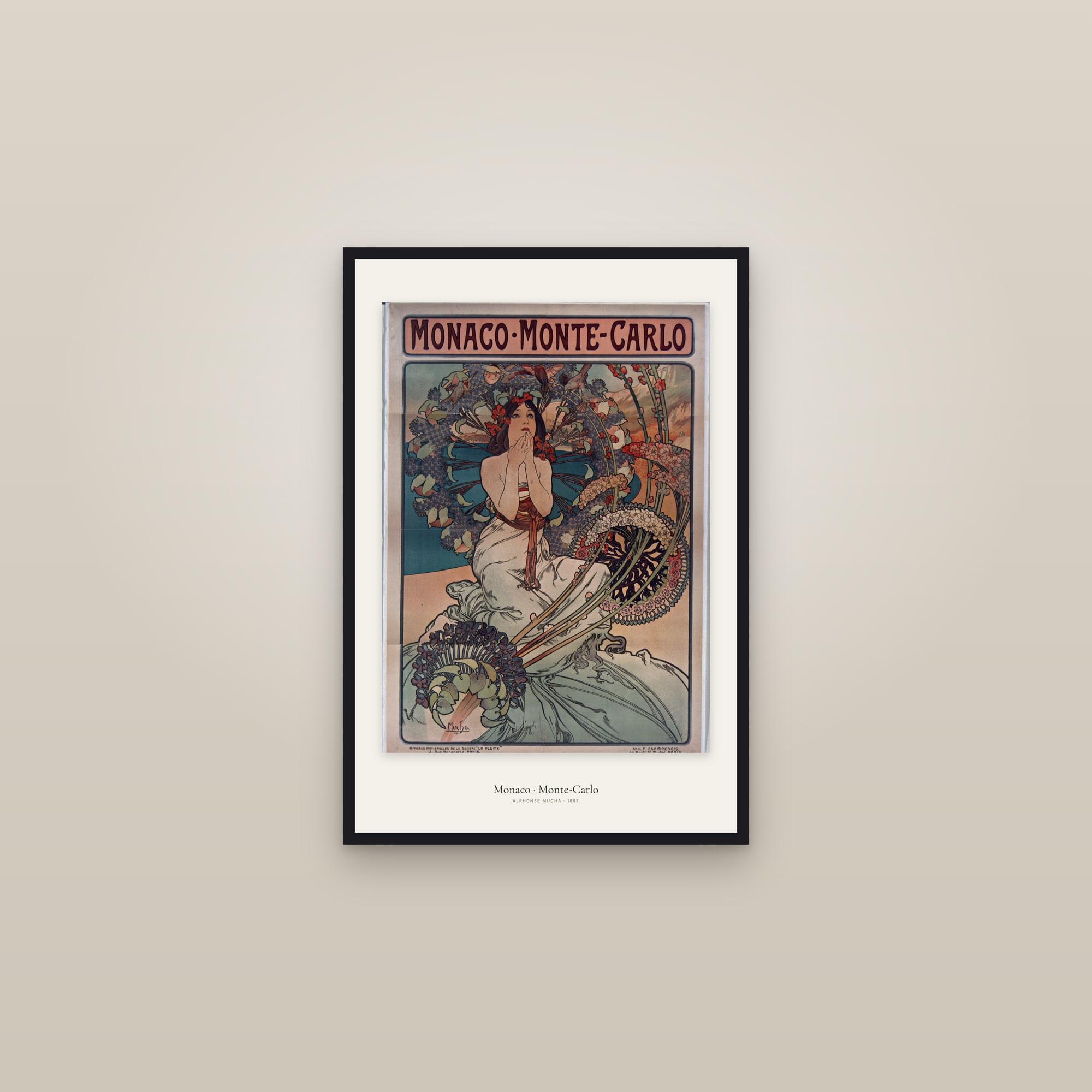
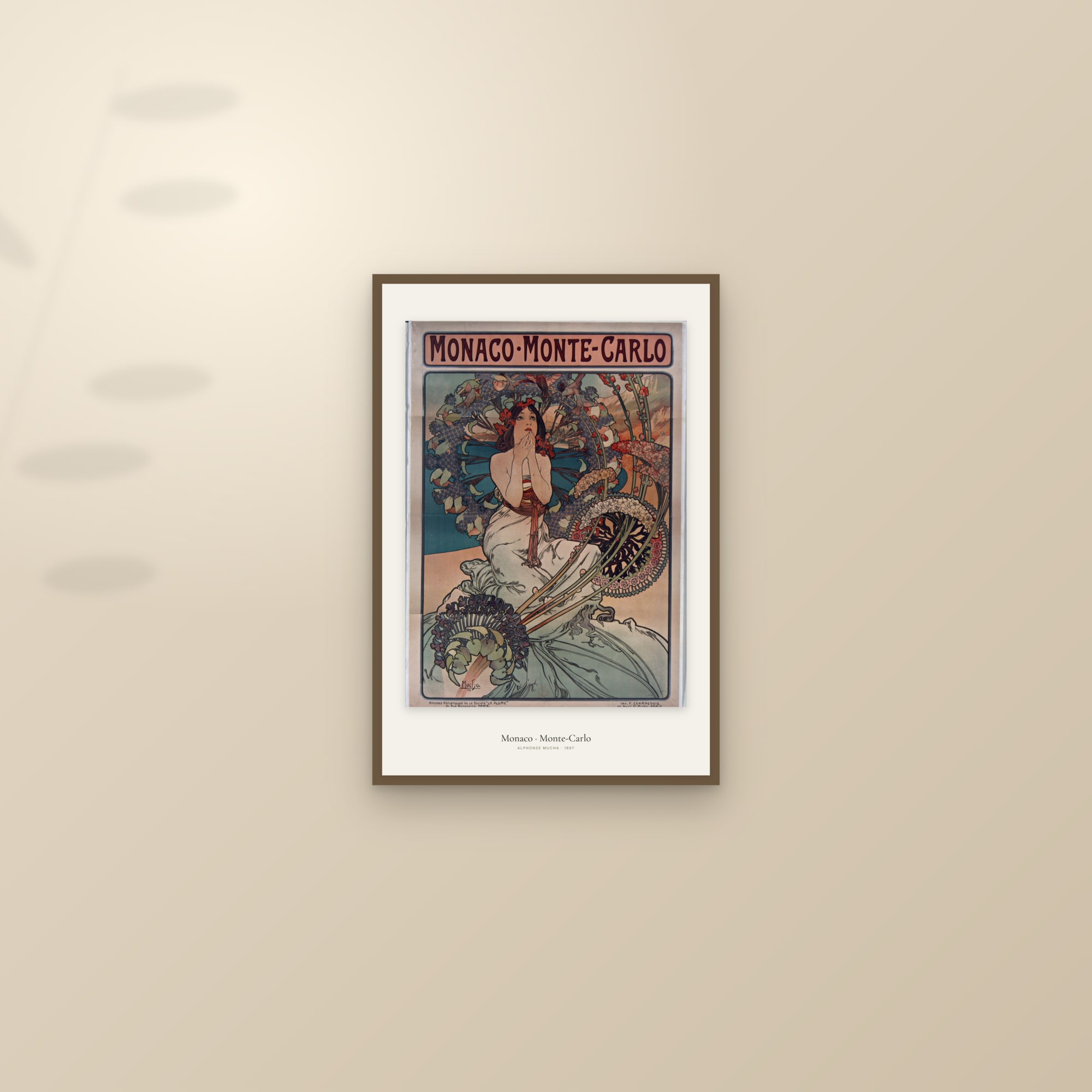
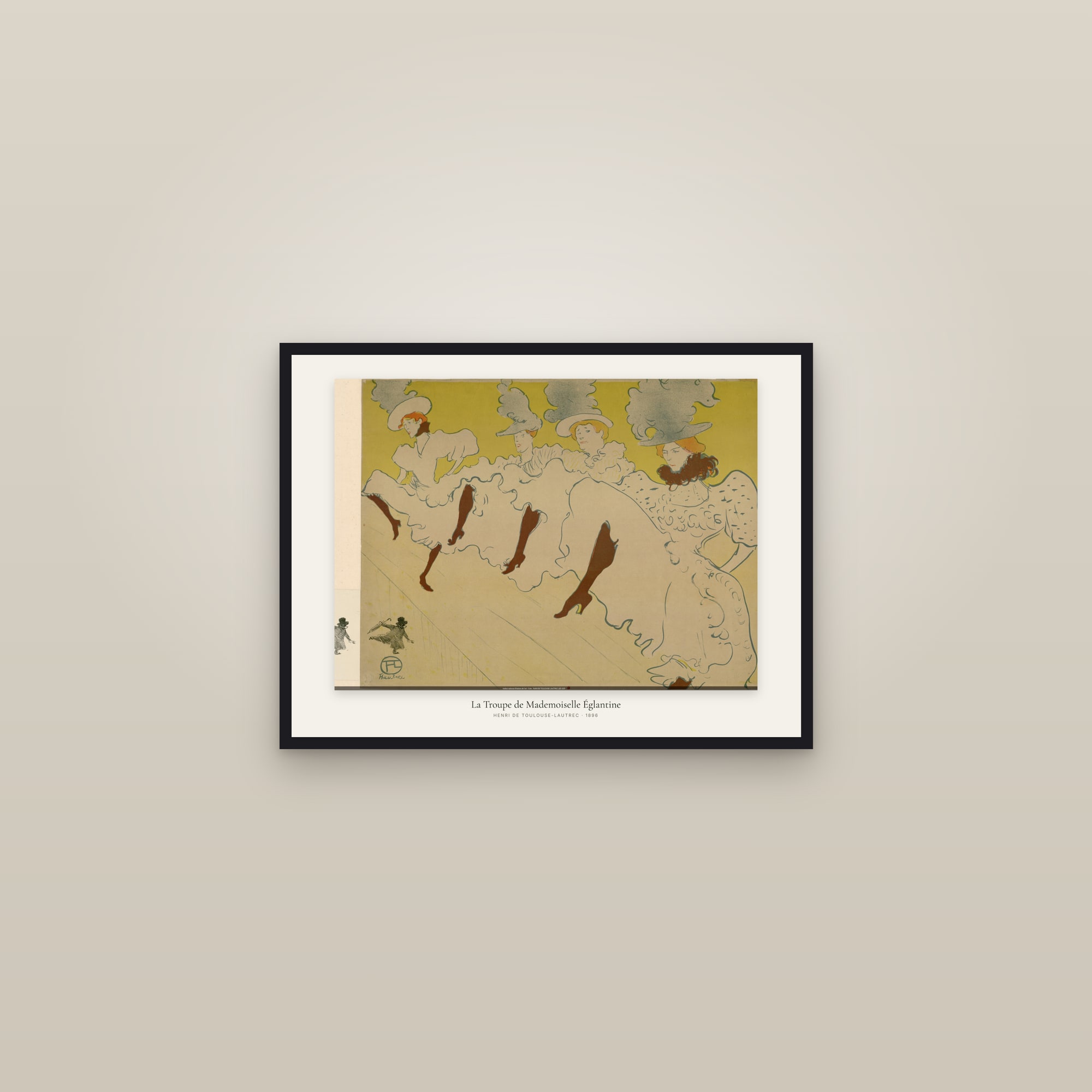
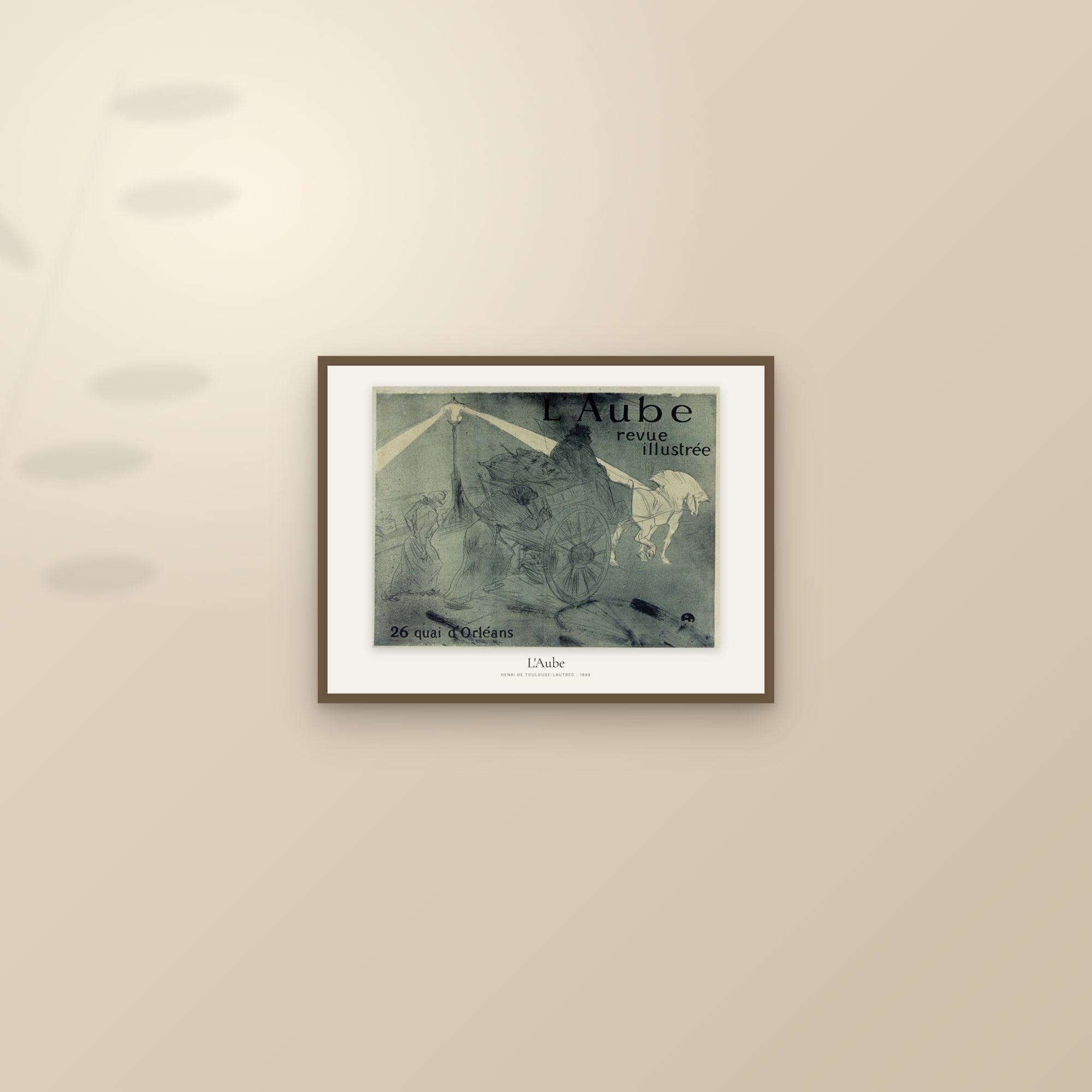
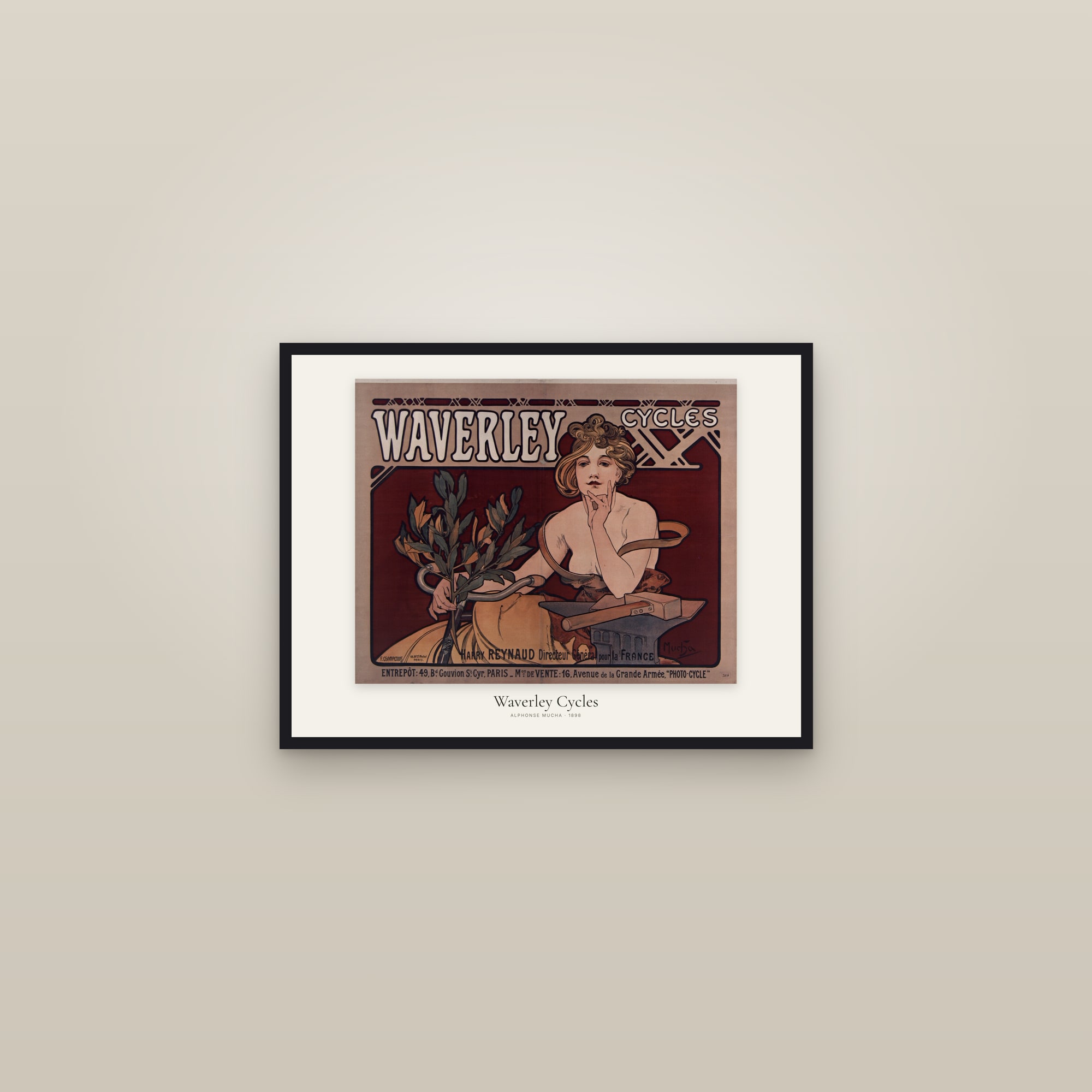
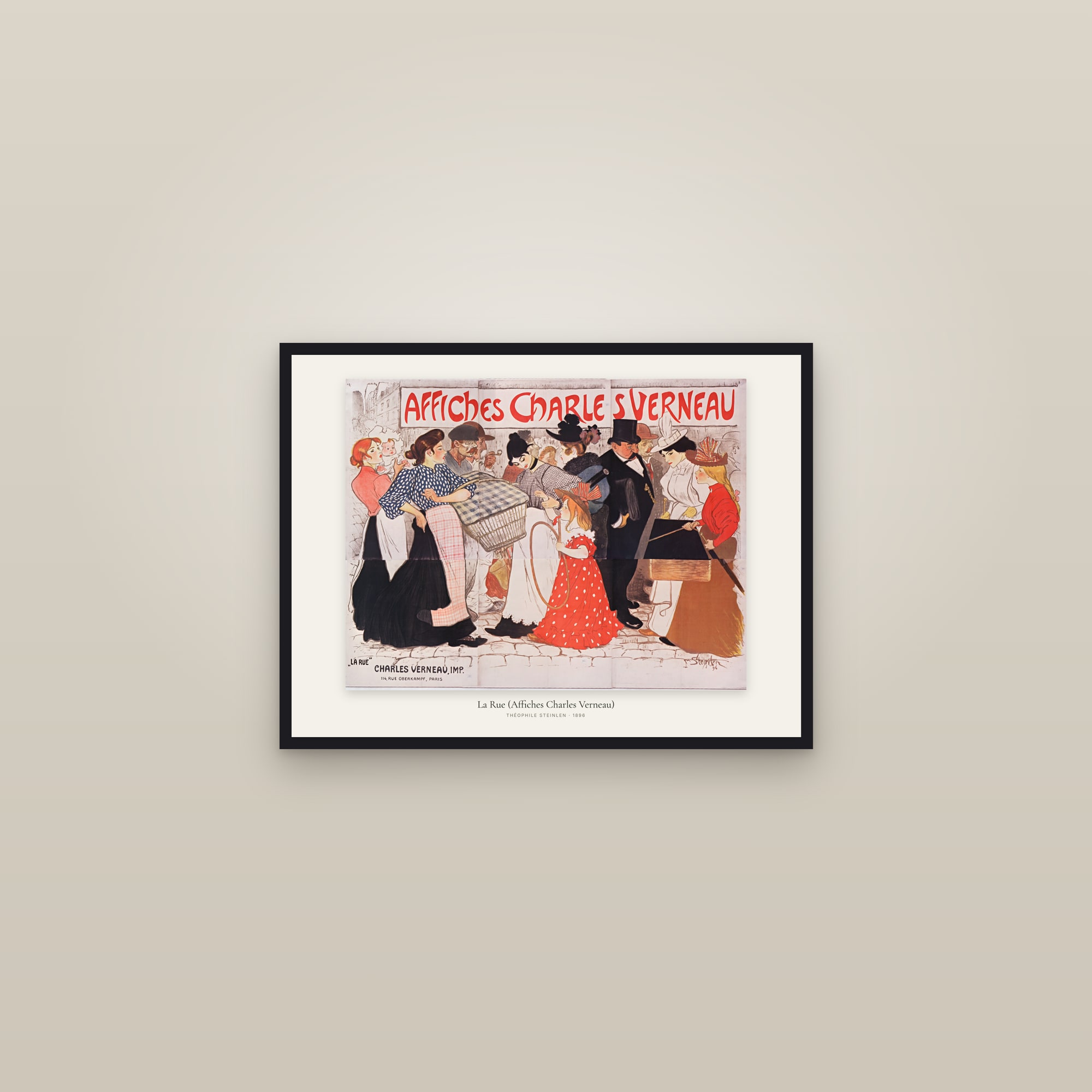
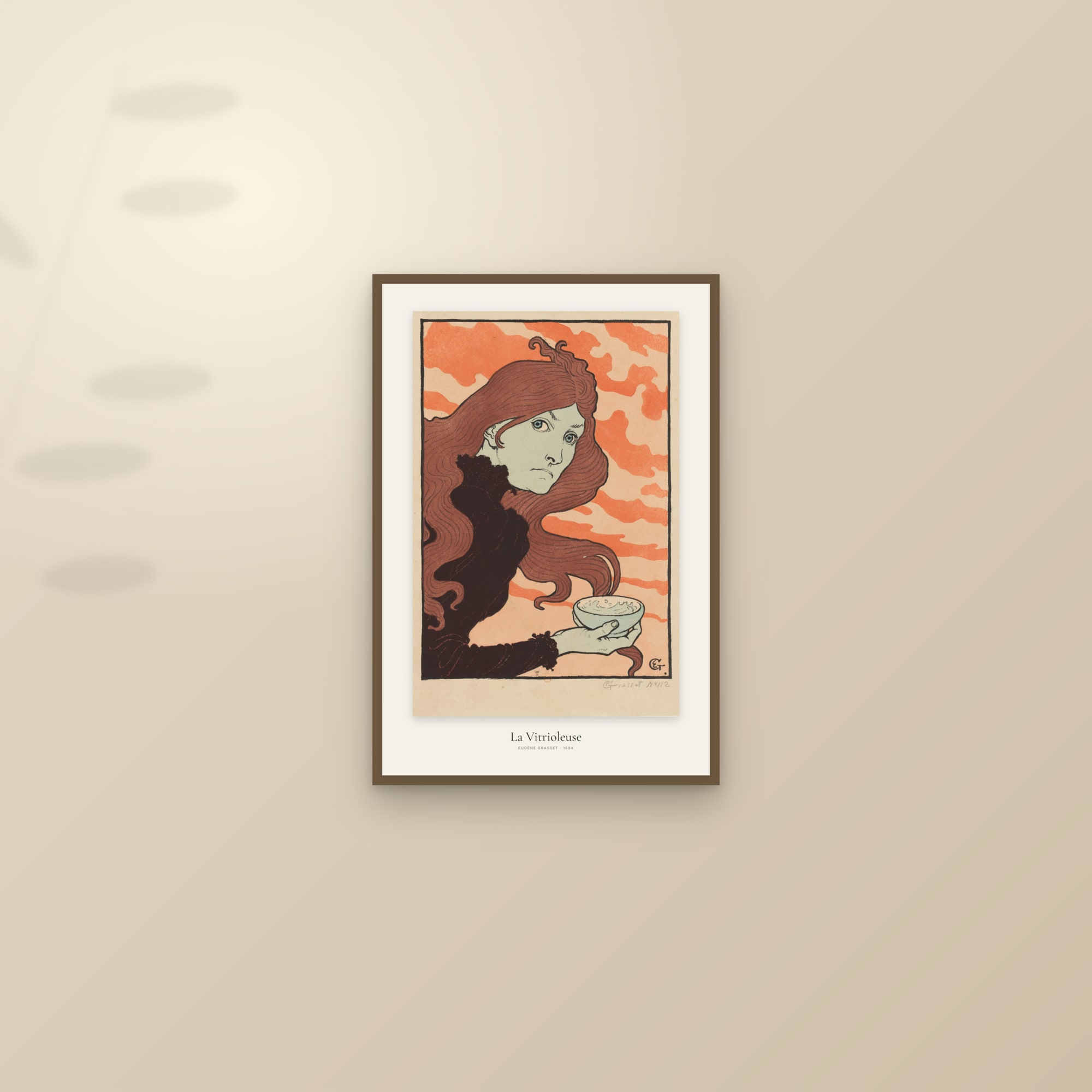
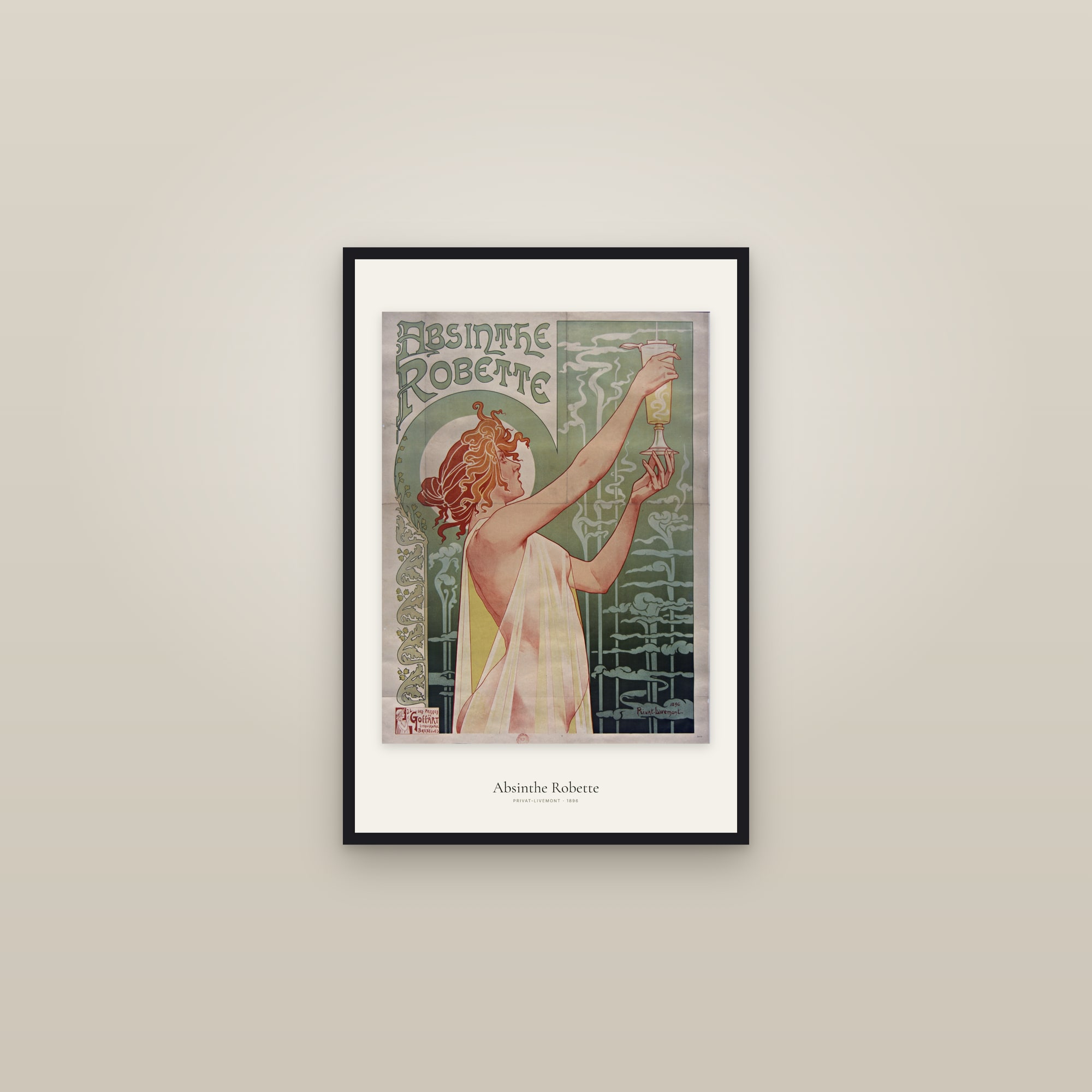
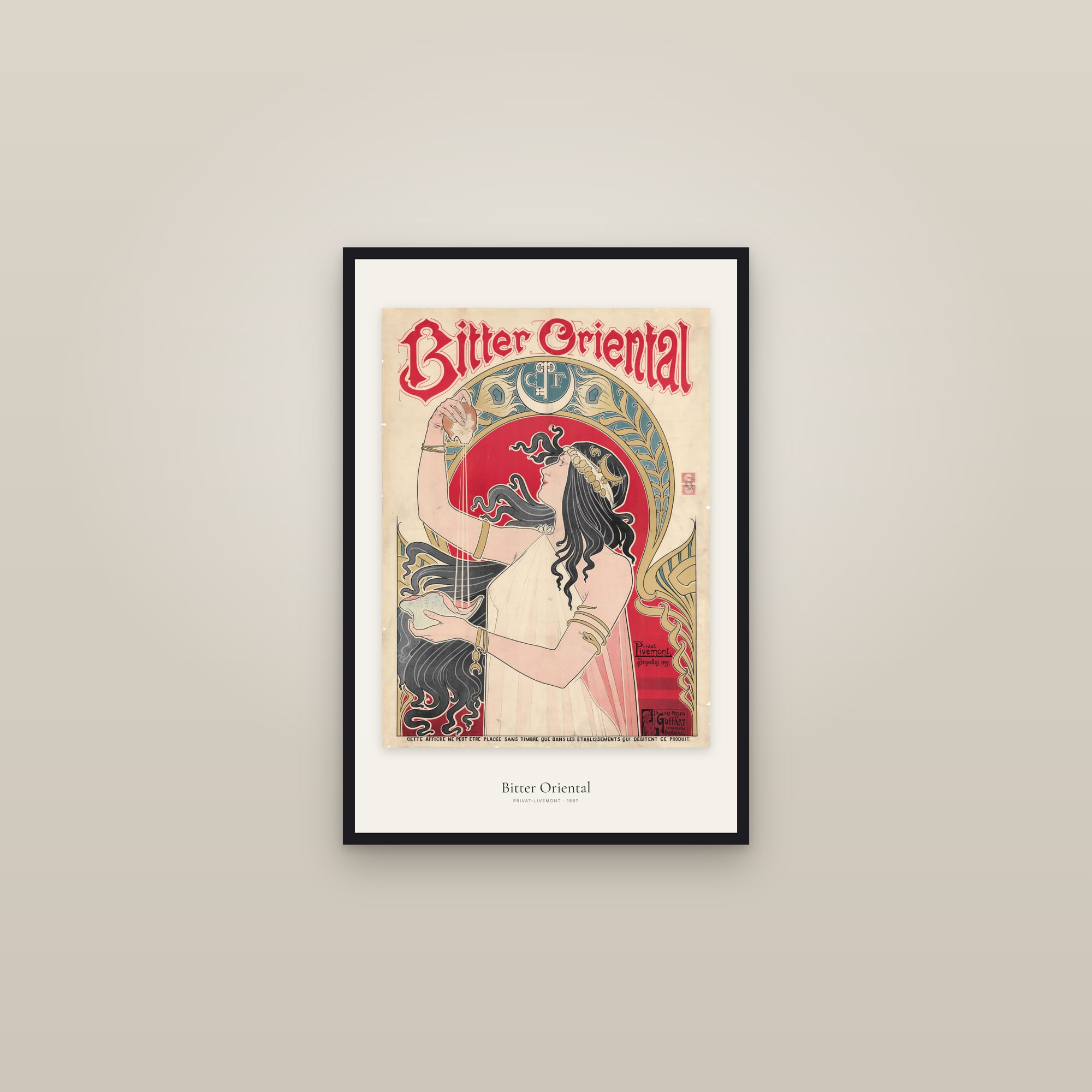
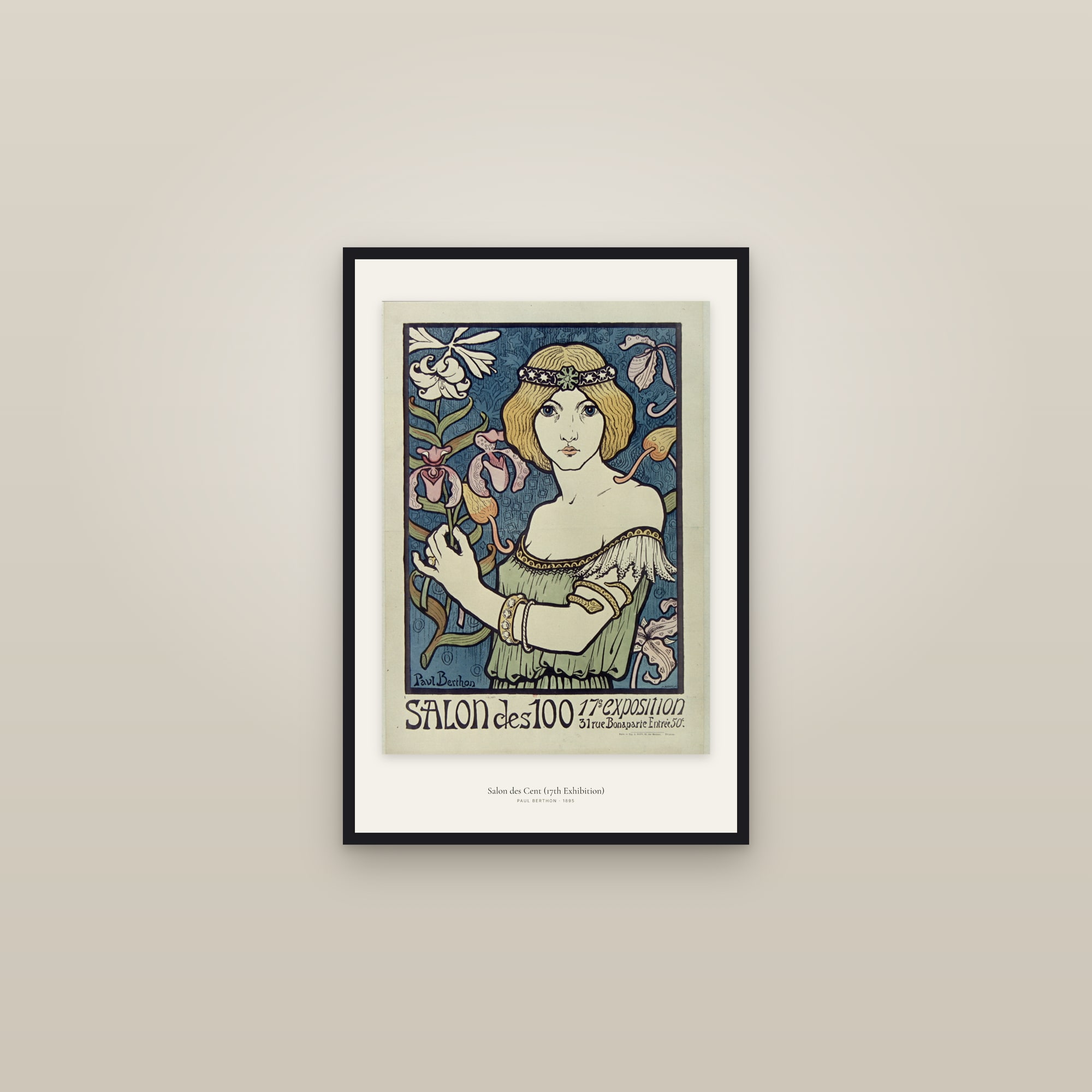
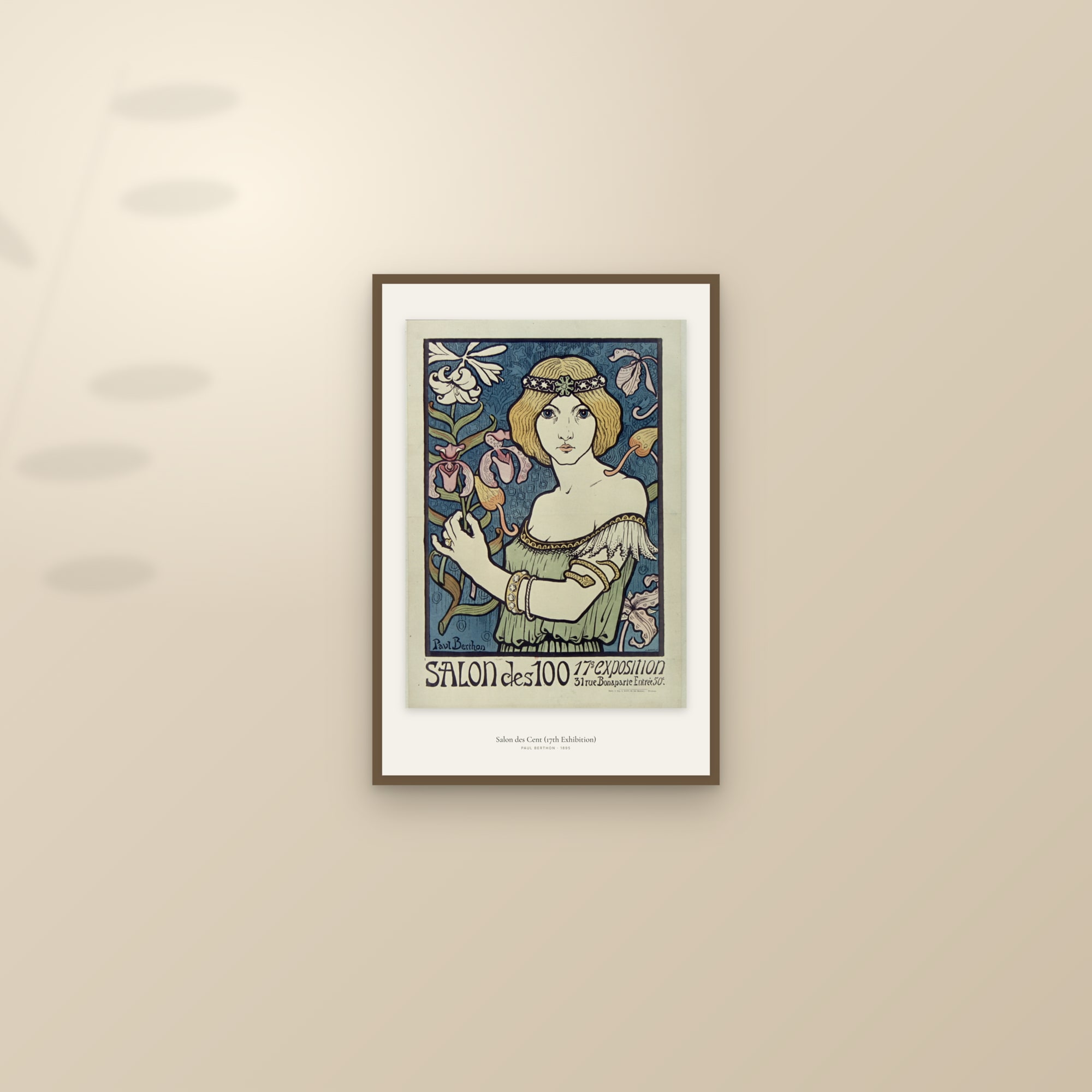
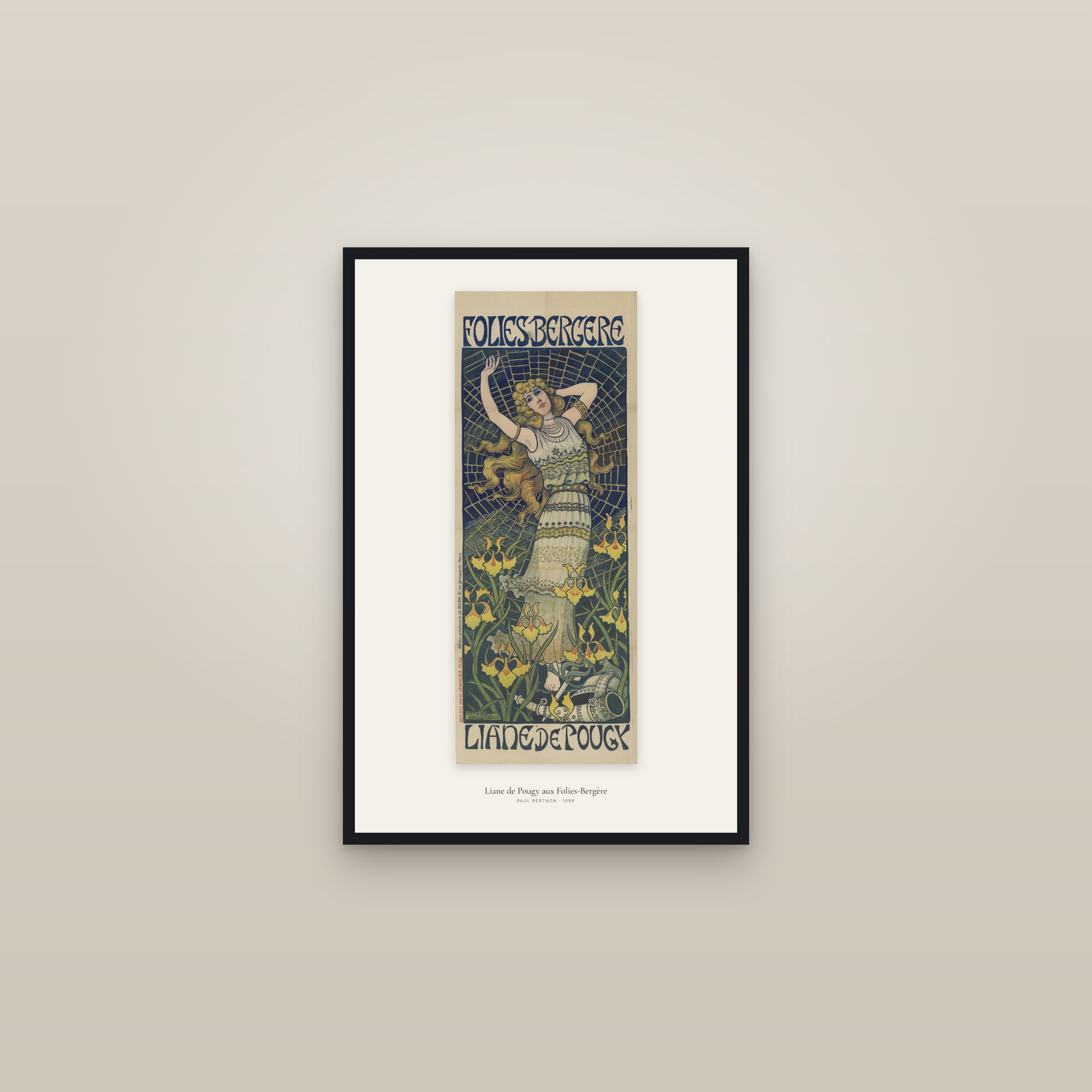
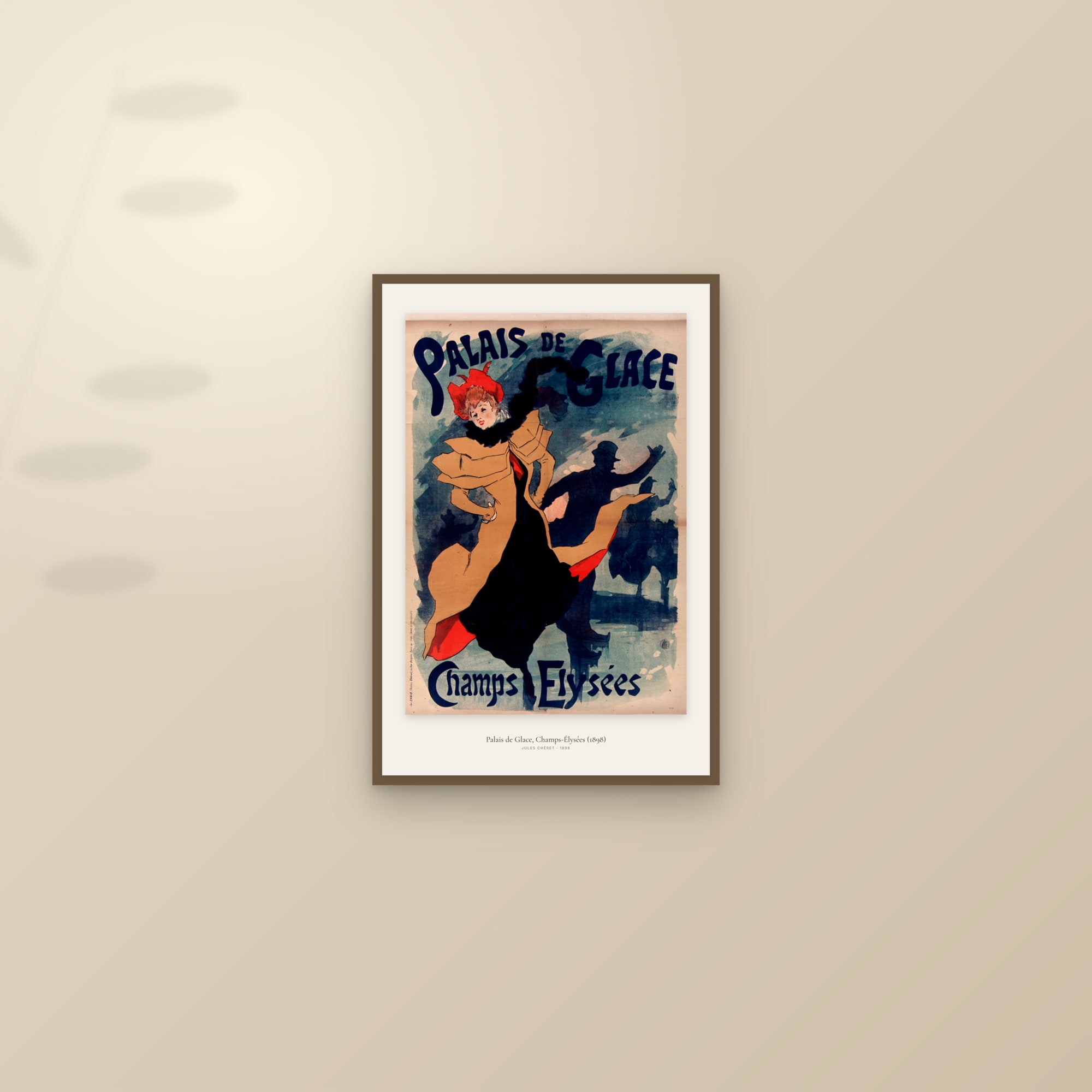
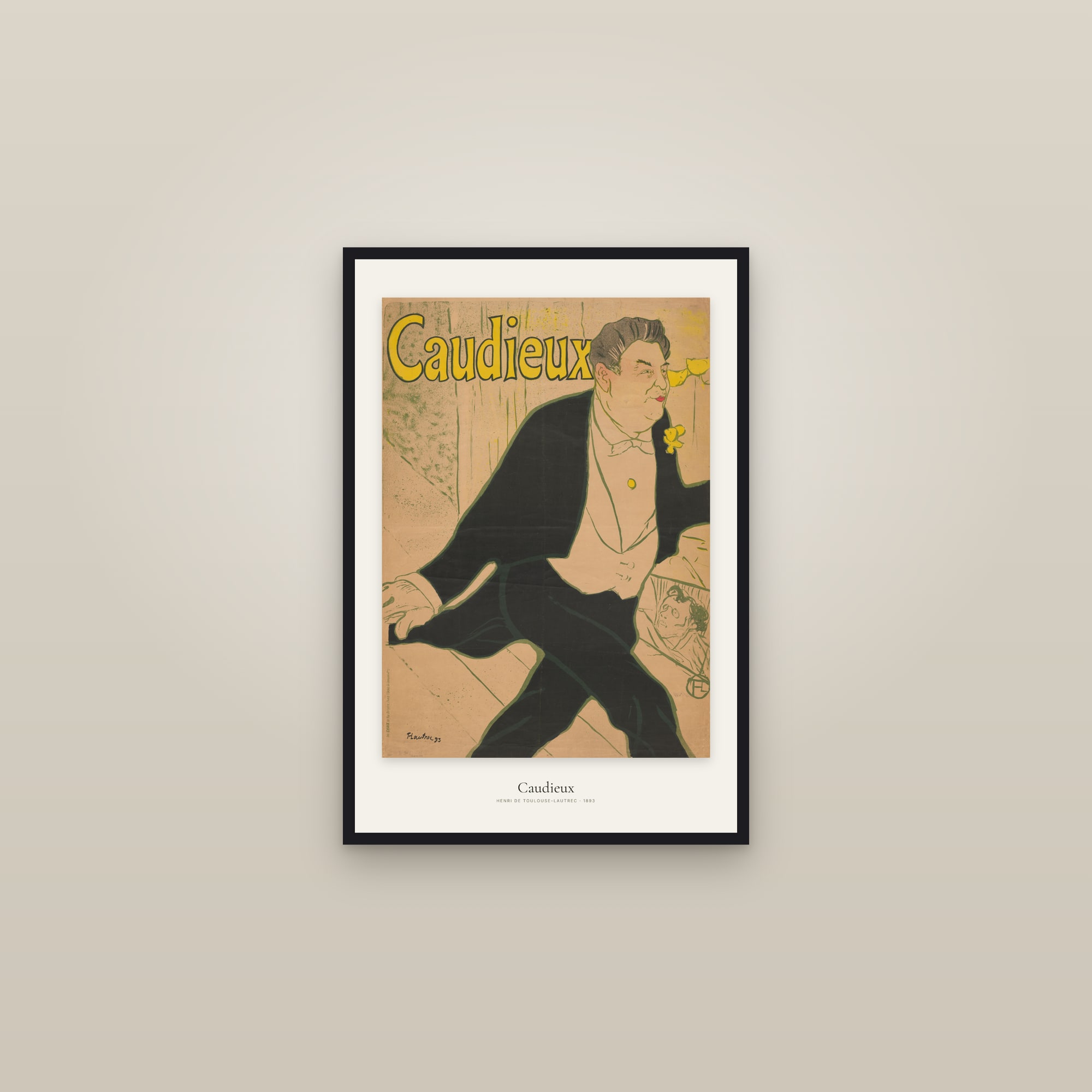
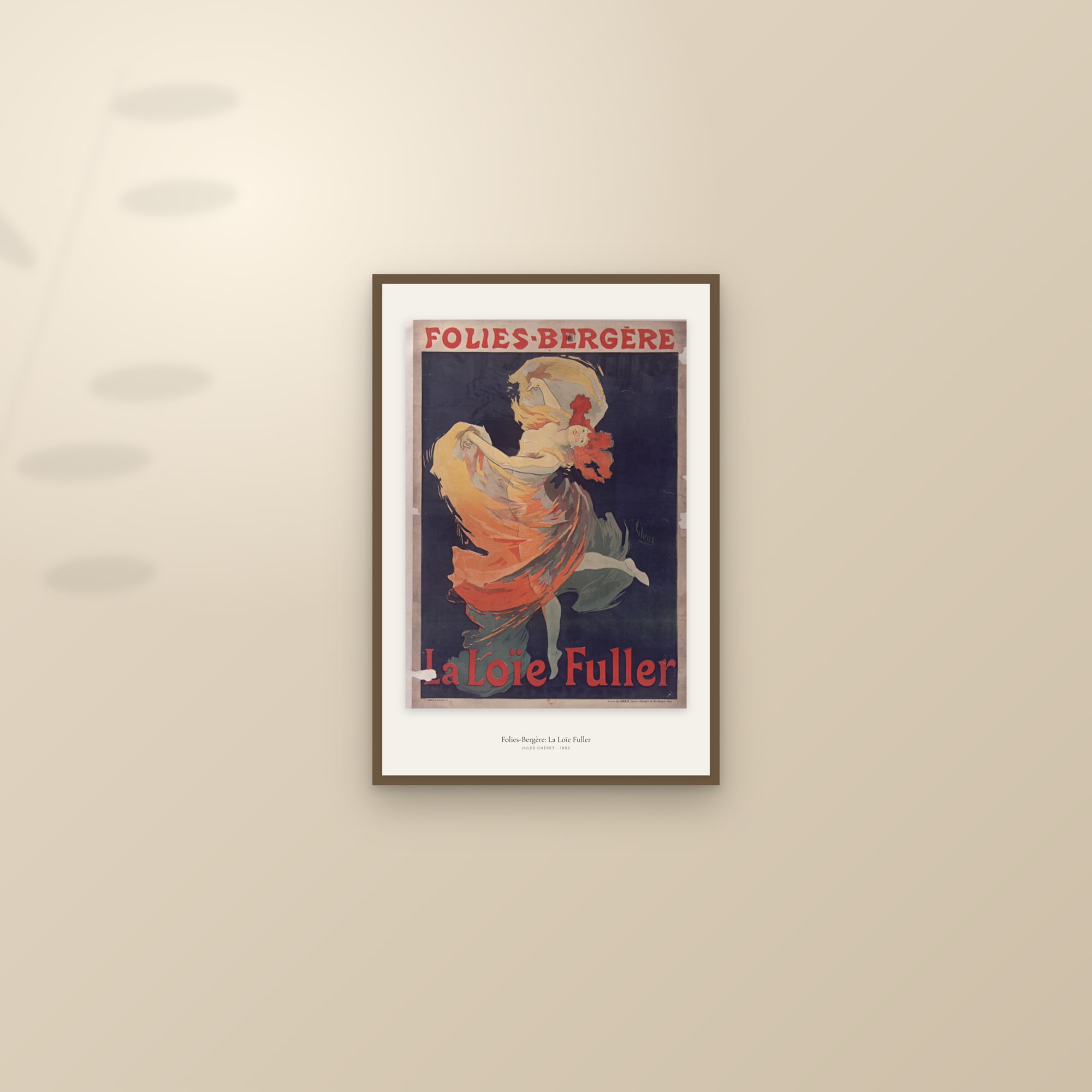
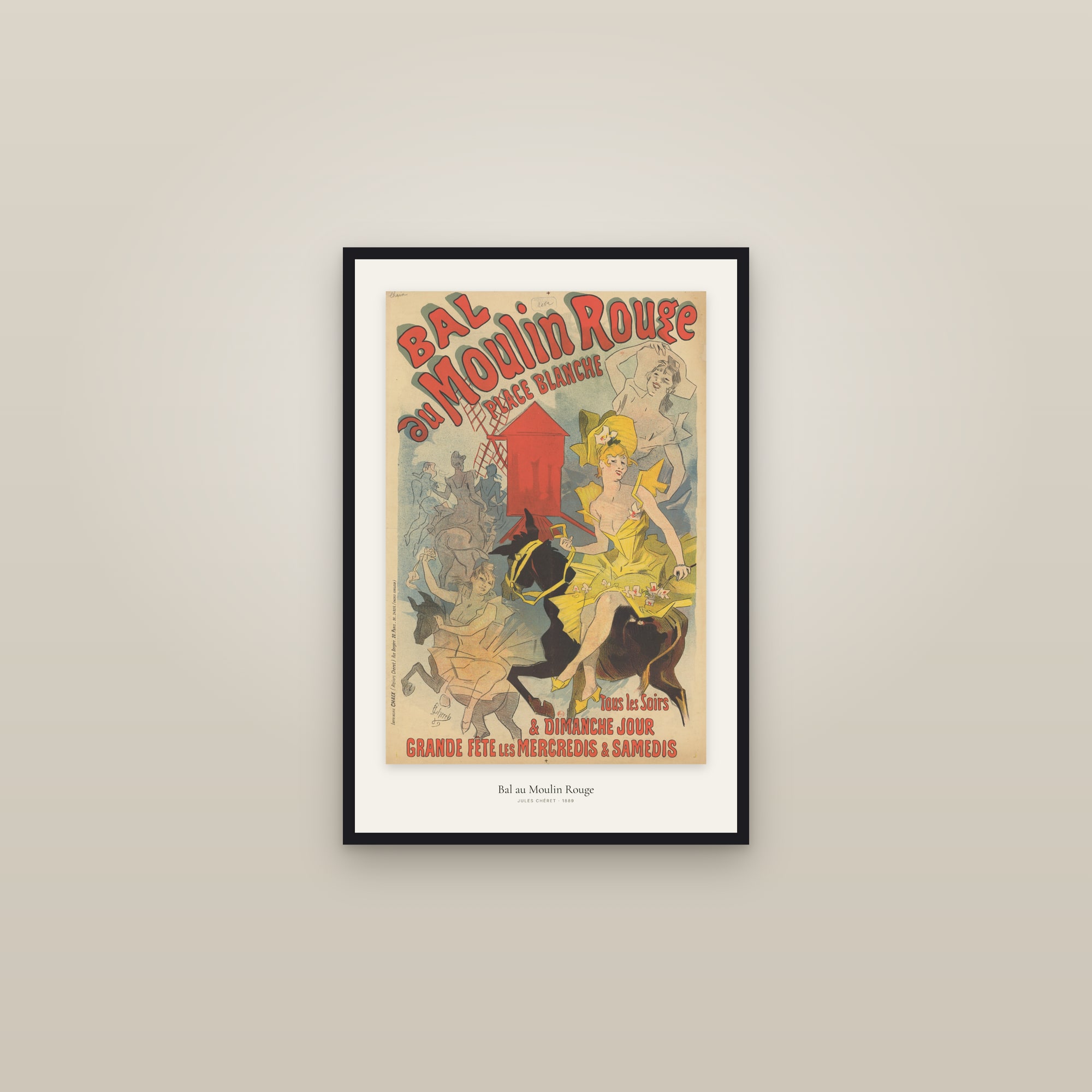
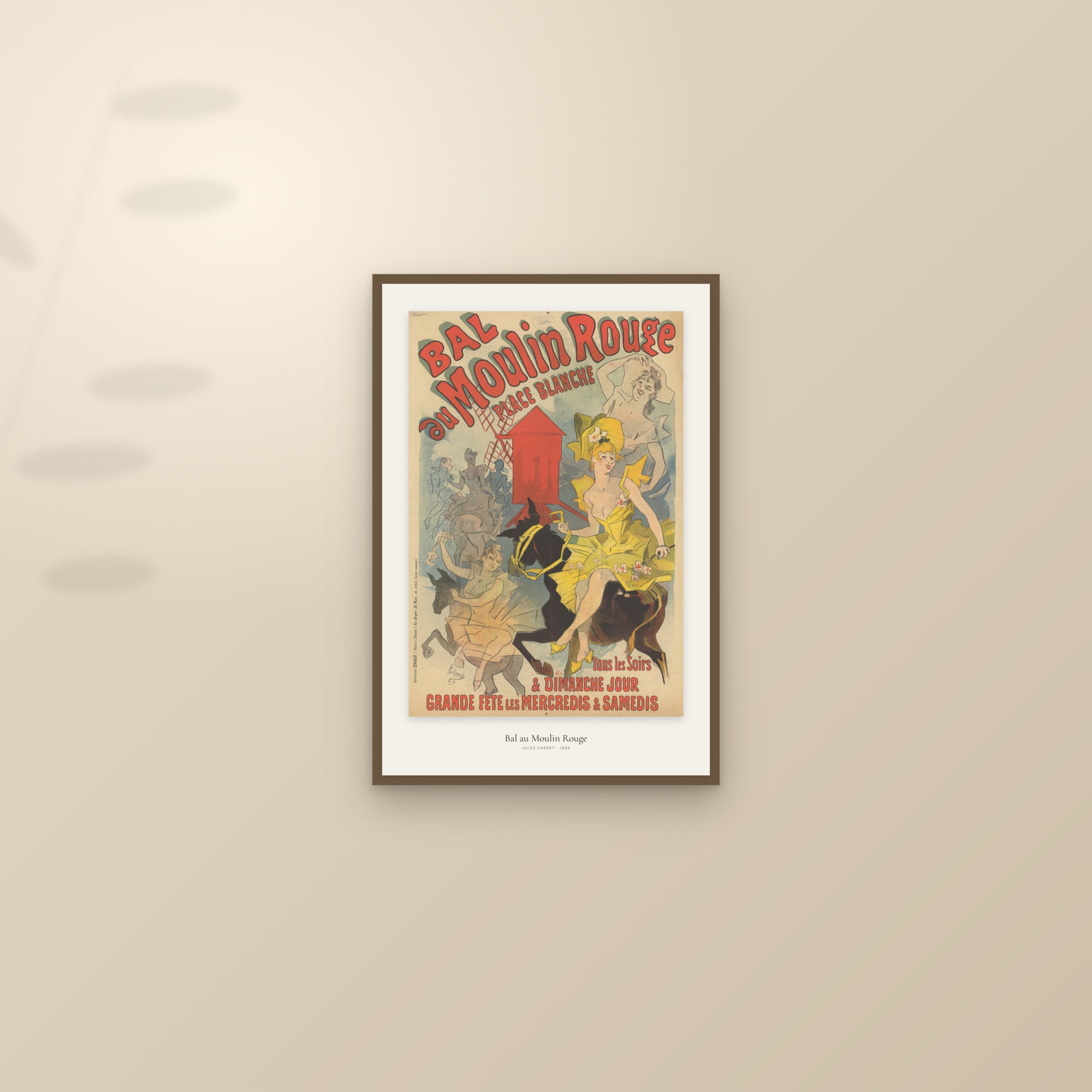
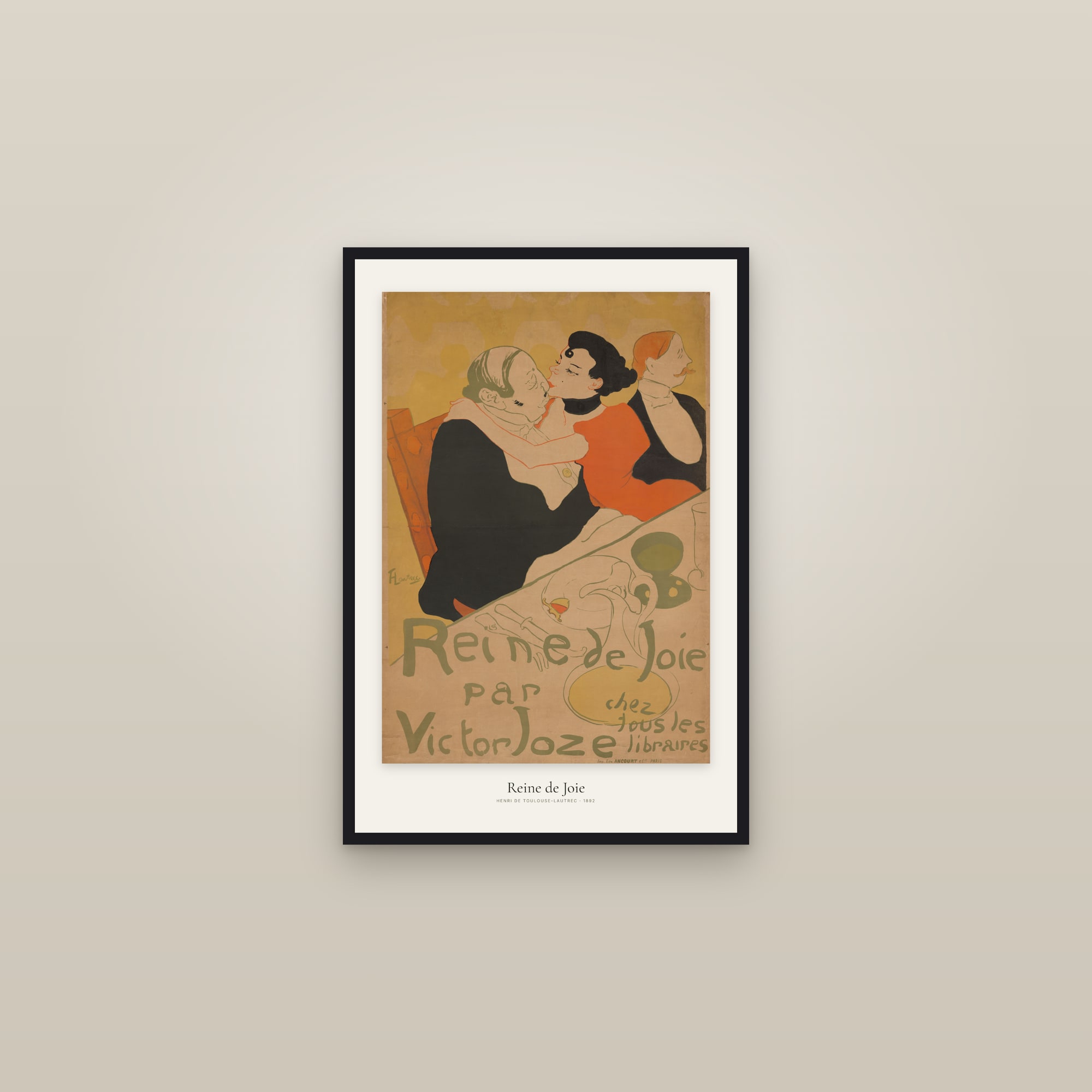
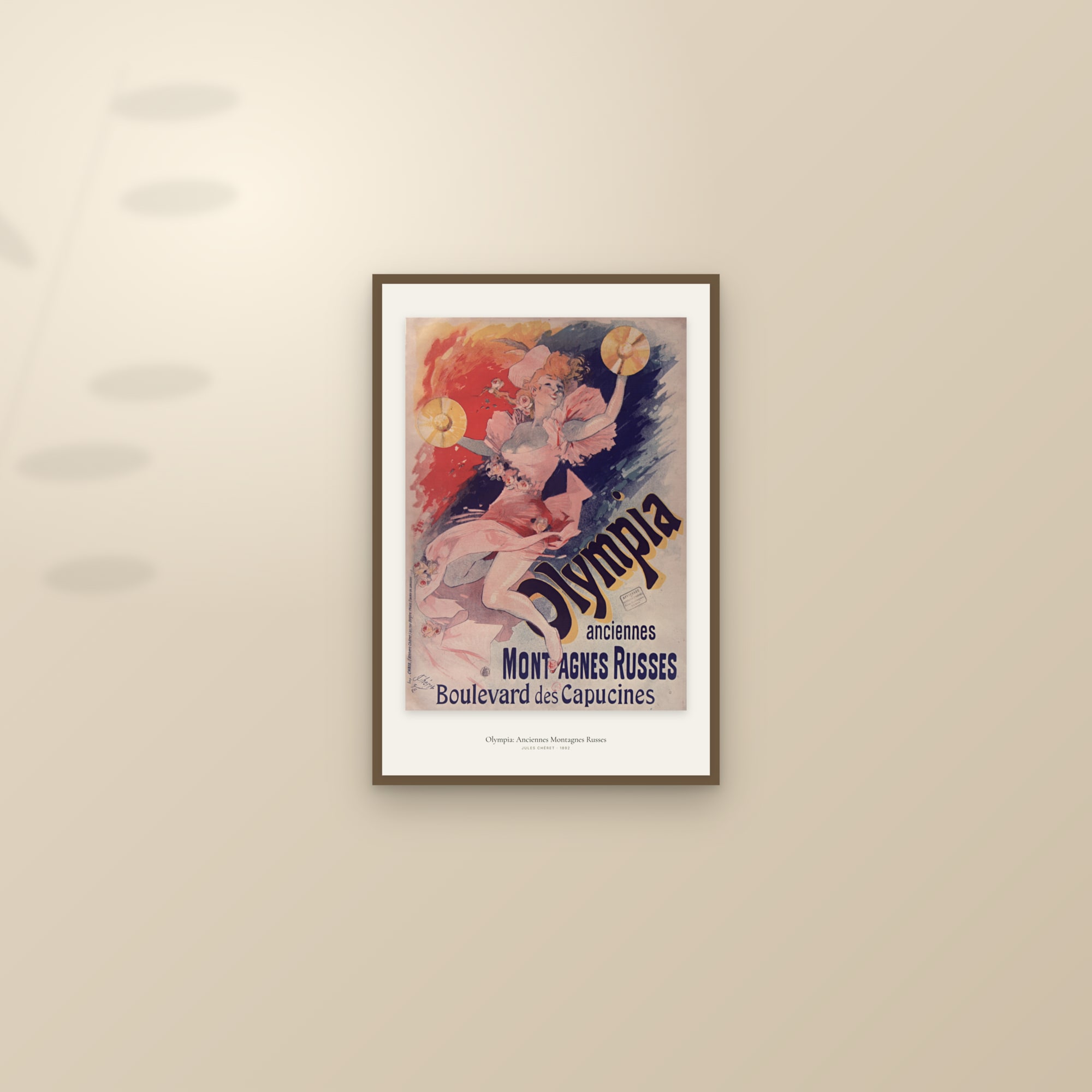
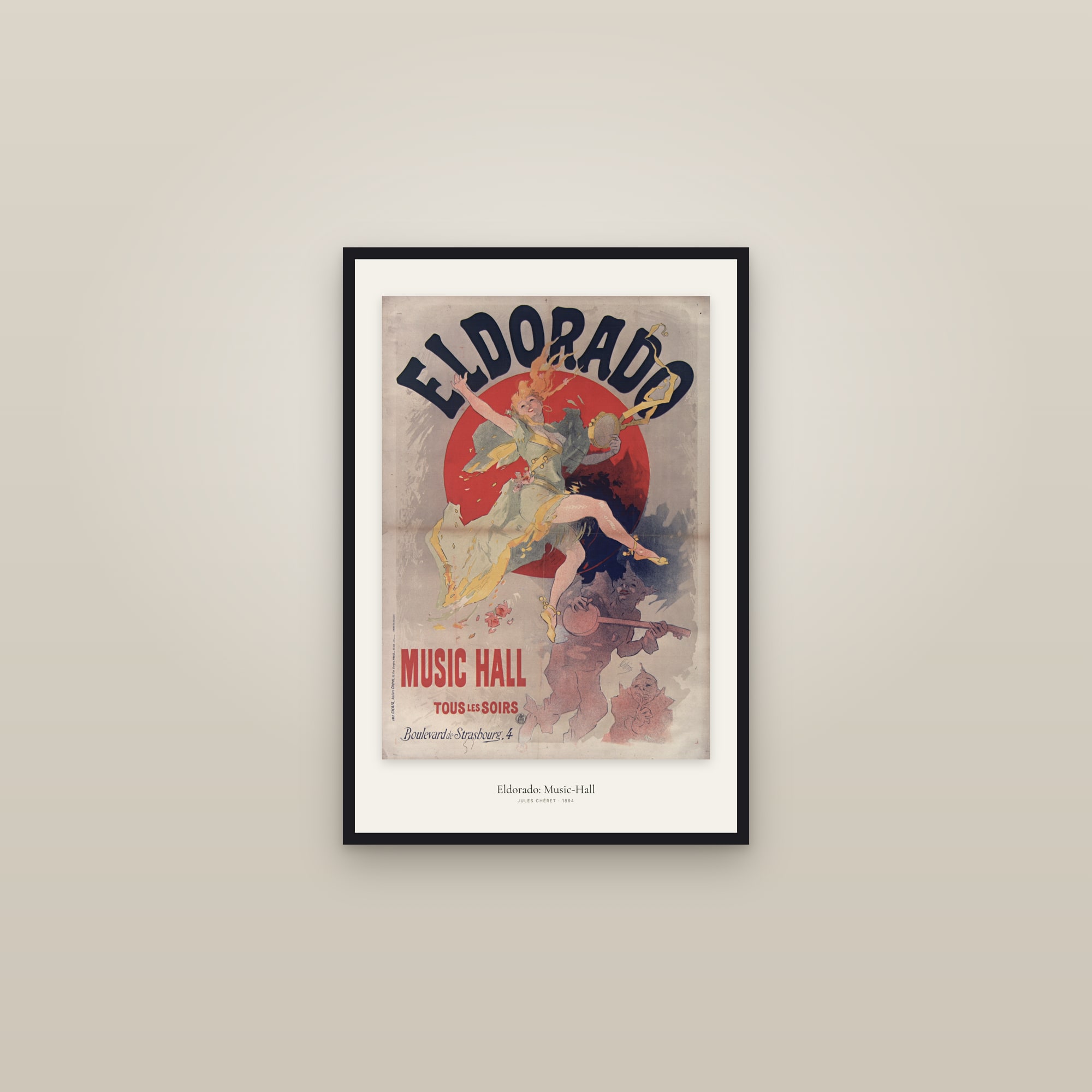
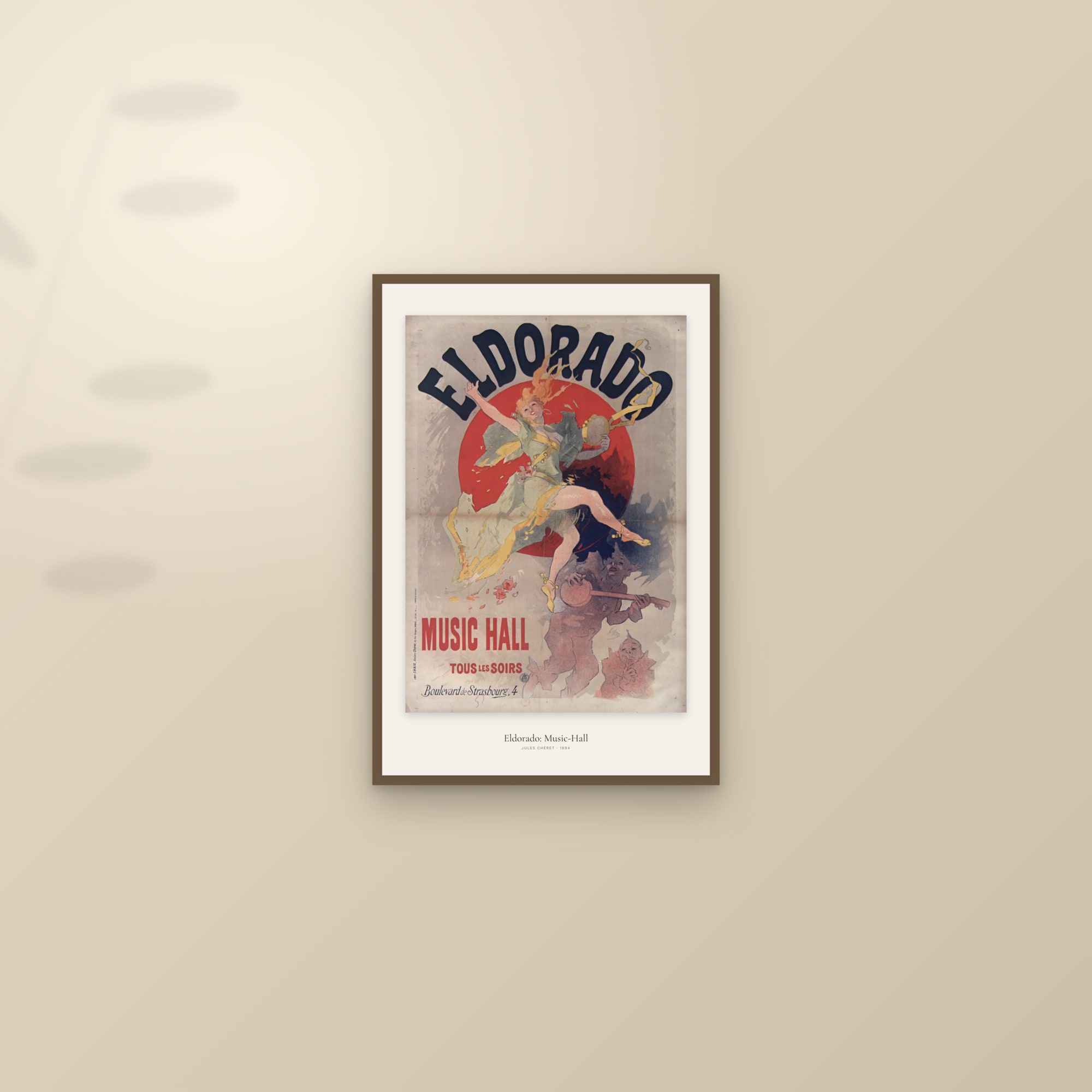
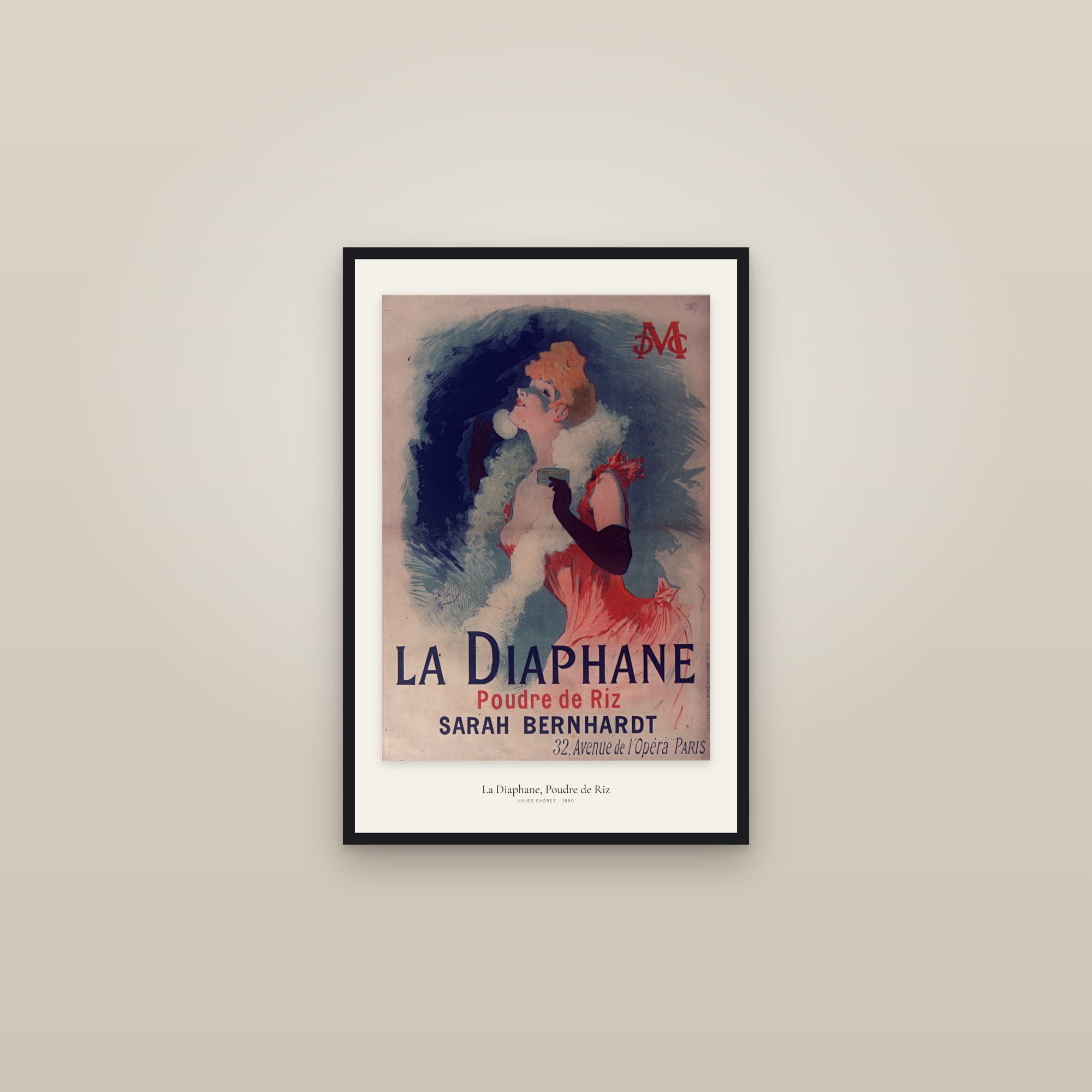
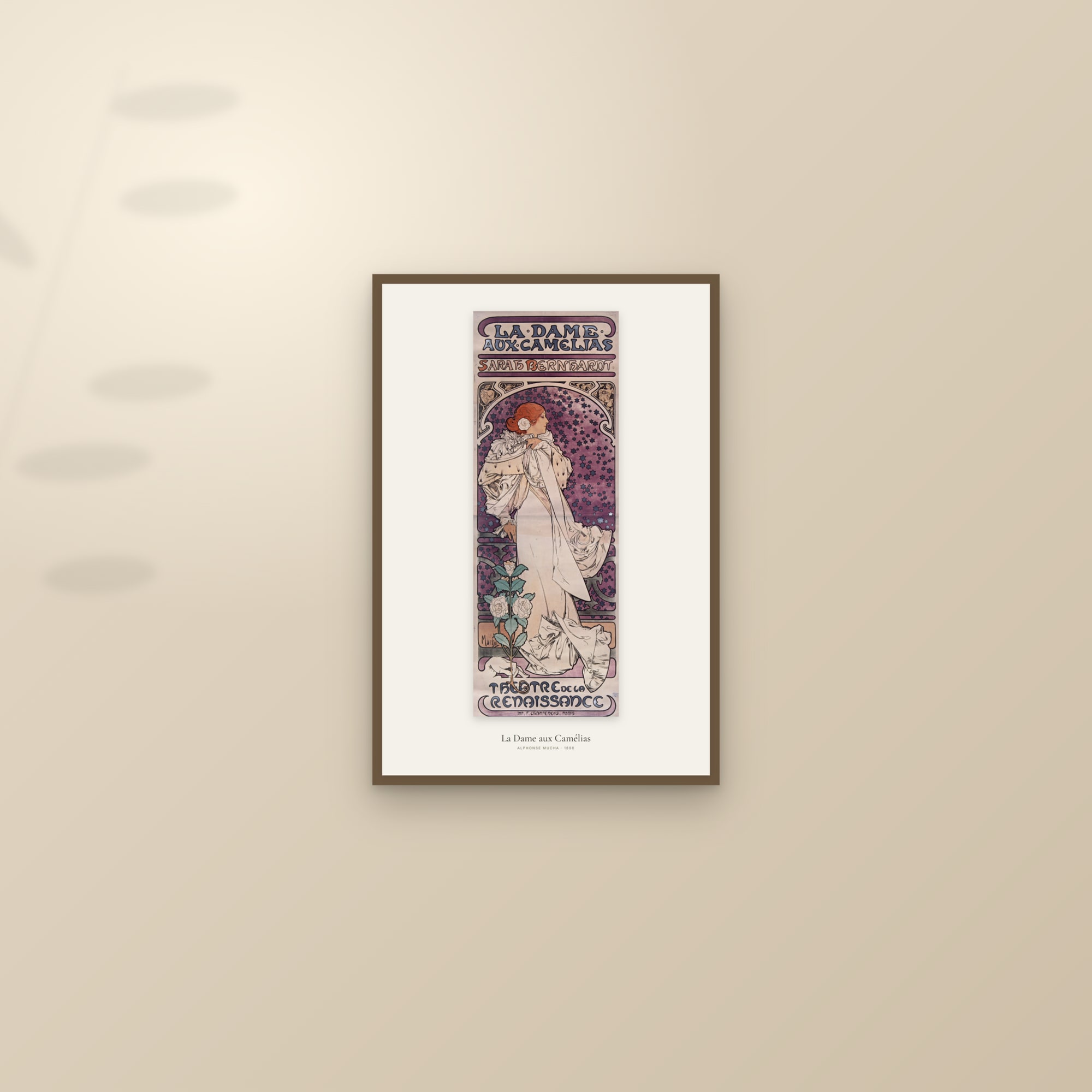
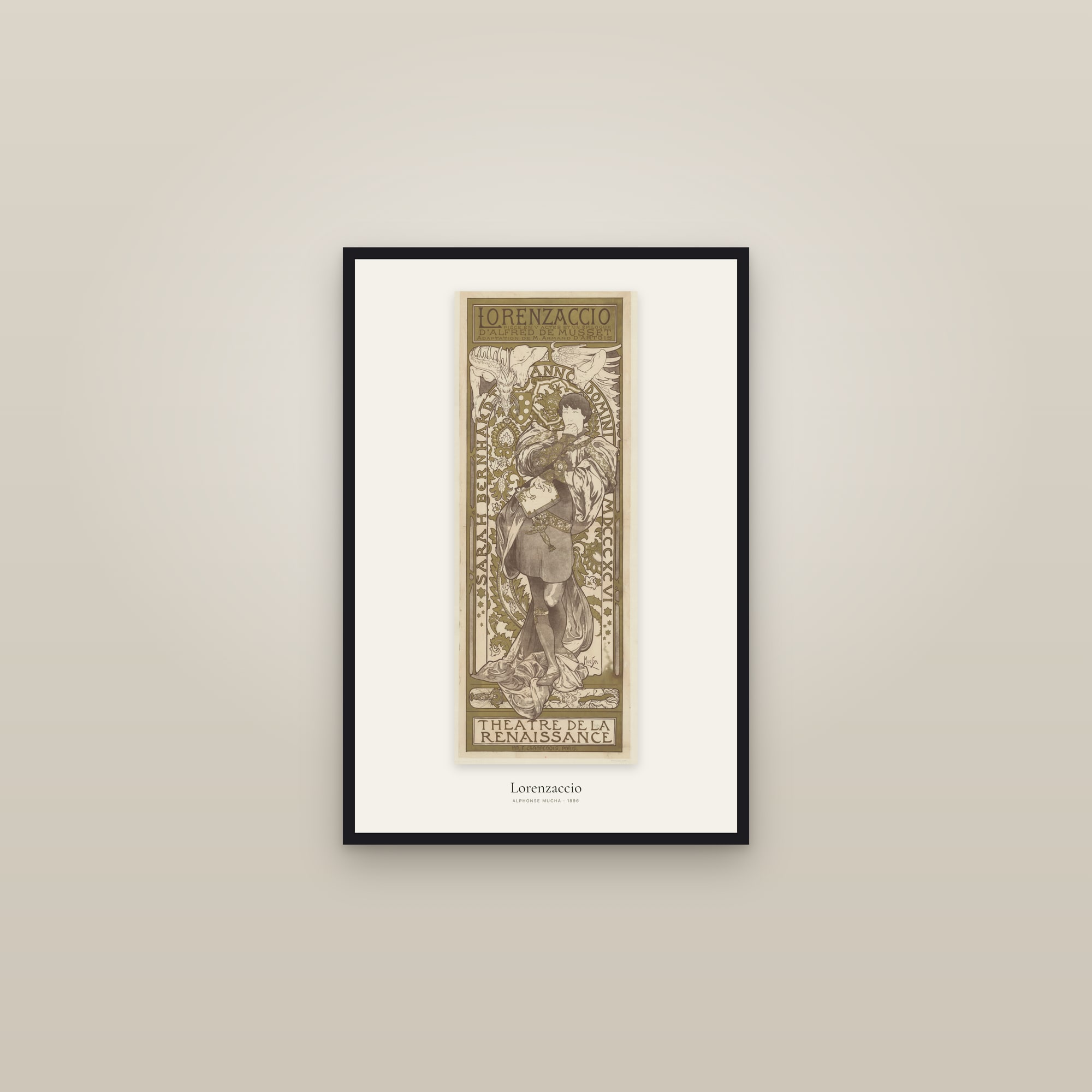
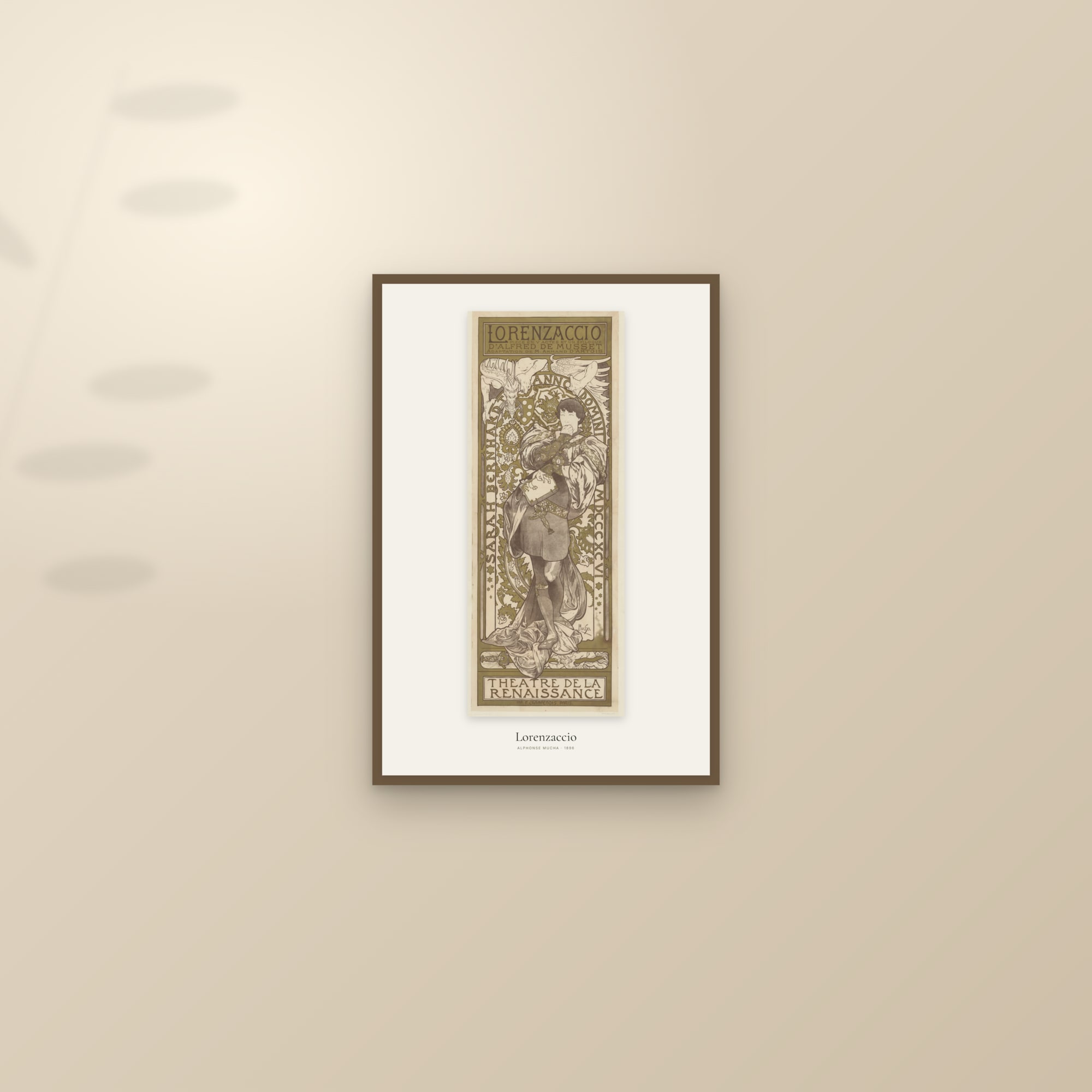
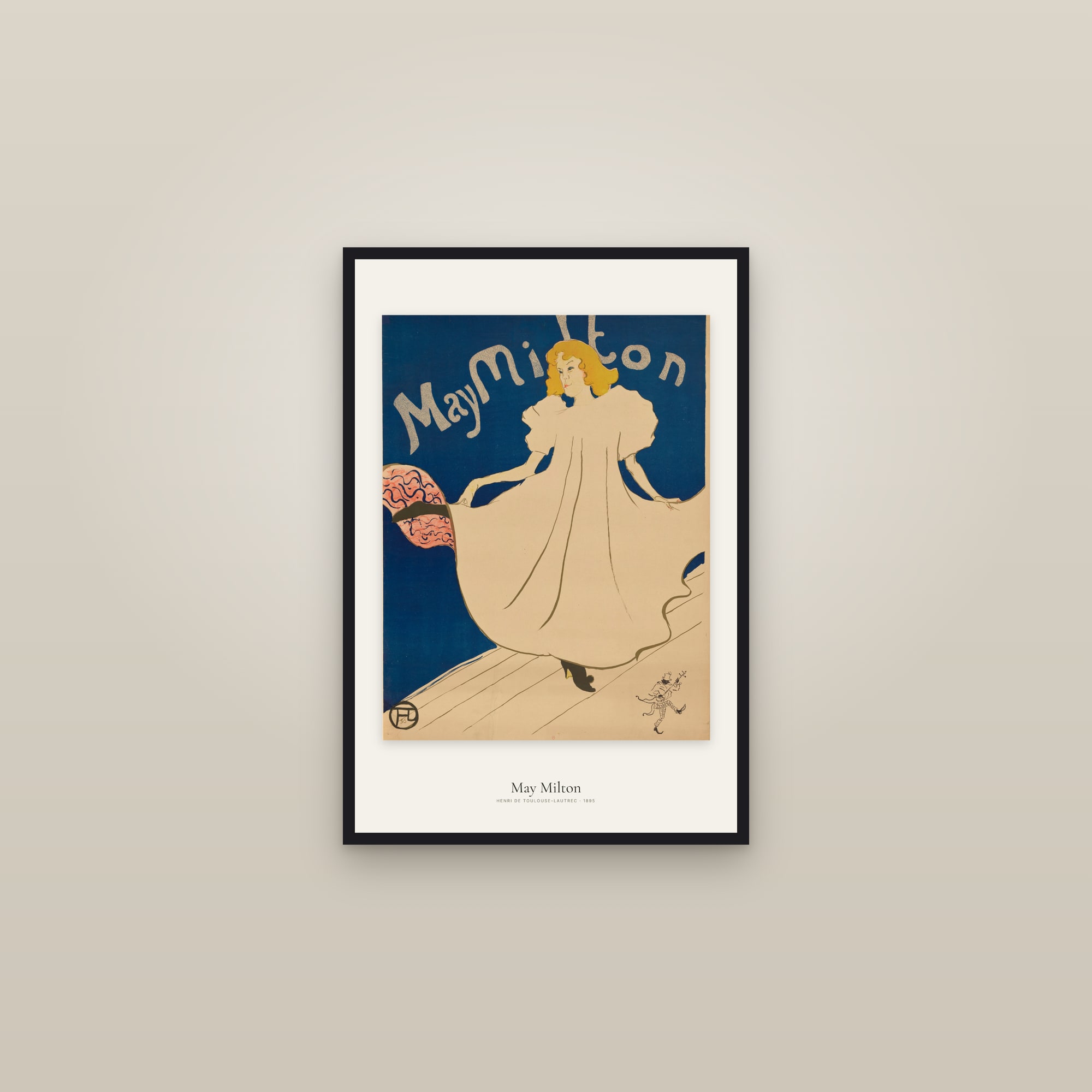
Colour lithography let a printer lay three or four stones of flat colour over one another on a sheet taller than a person, and from the 1870s Jules Chéret used it to cover Paris with dancers in yellow and red for the Folies-Bergère, the Moulin Rouge and the Palais de Glace. Within twenty years the posters were being peeled off the hoardings by collectors, sold through dealers, and reissued in reduced form in Les Maîtres de l’Affiche, the monthly portfolio that is the source of several plates here. Toulouse-Lautrec, Steinlen, Grasset, Mucha and Cappiello each took the form somewhere Chéret had not: the cabaret, the cat, the chocolate box, the theatre, the joke.
The works in this collection
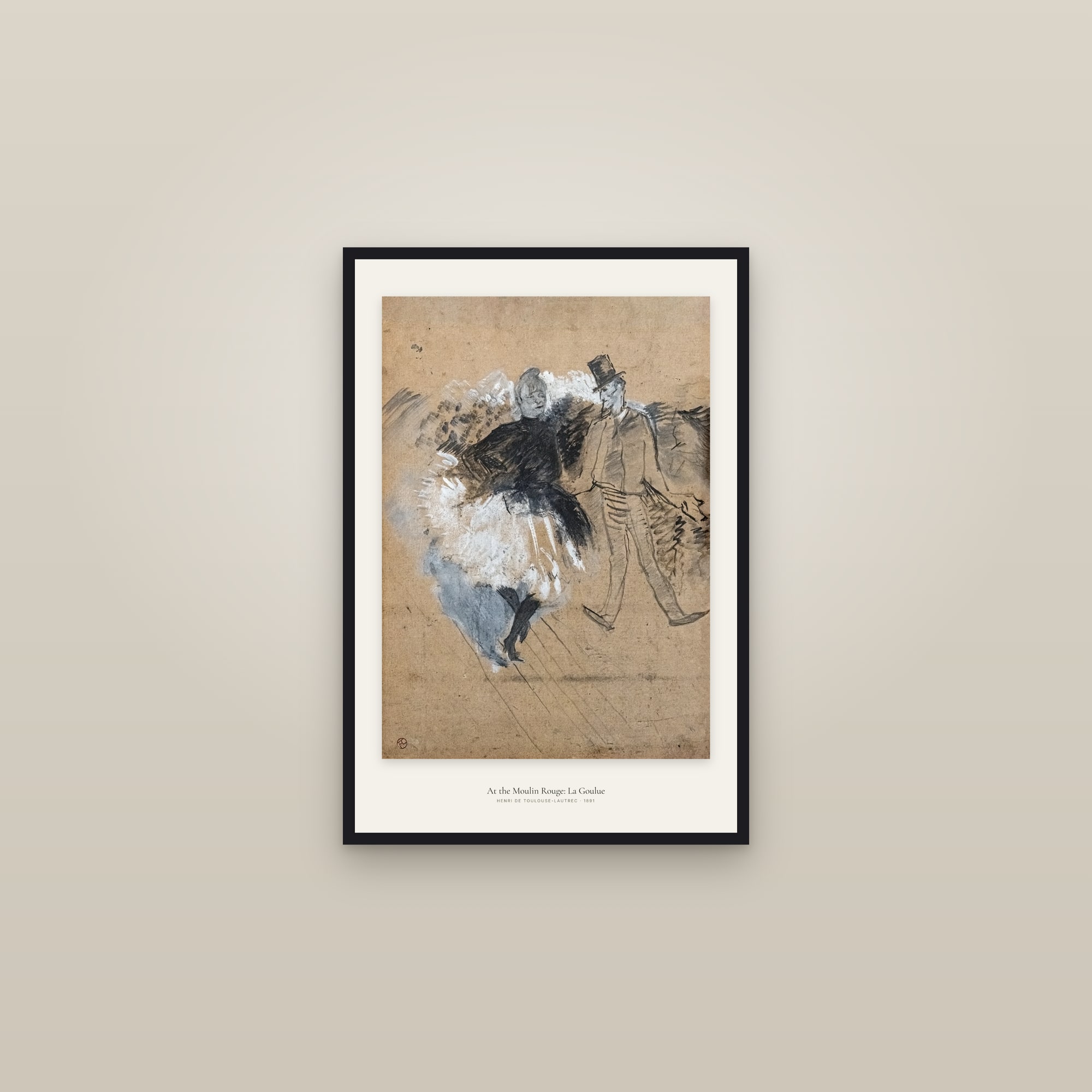
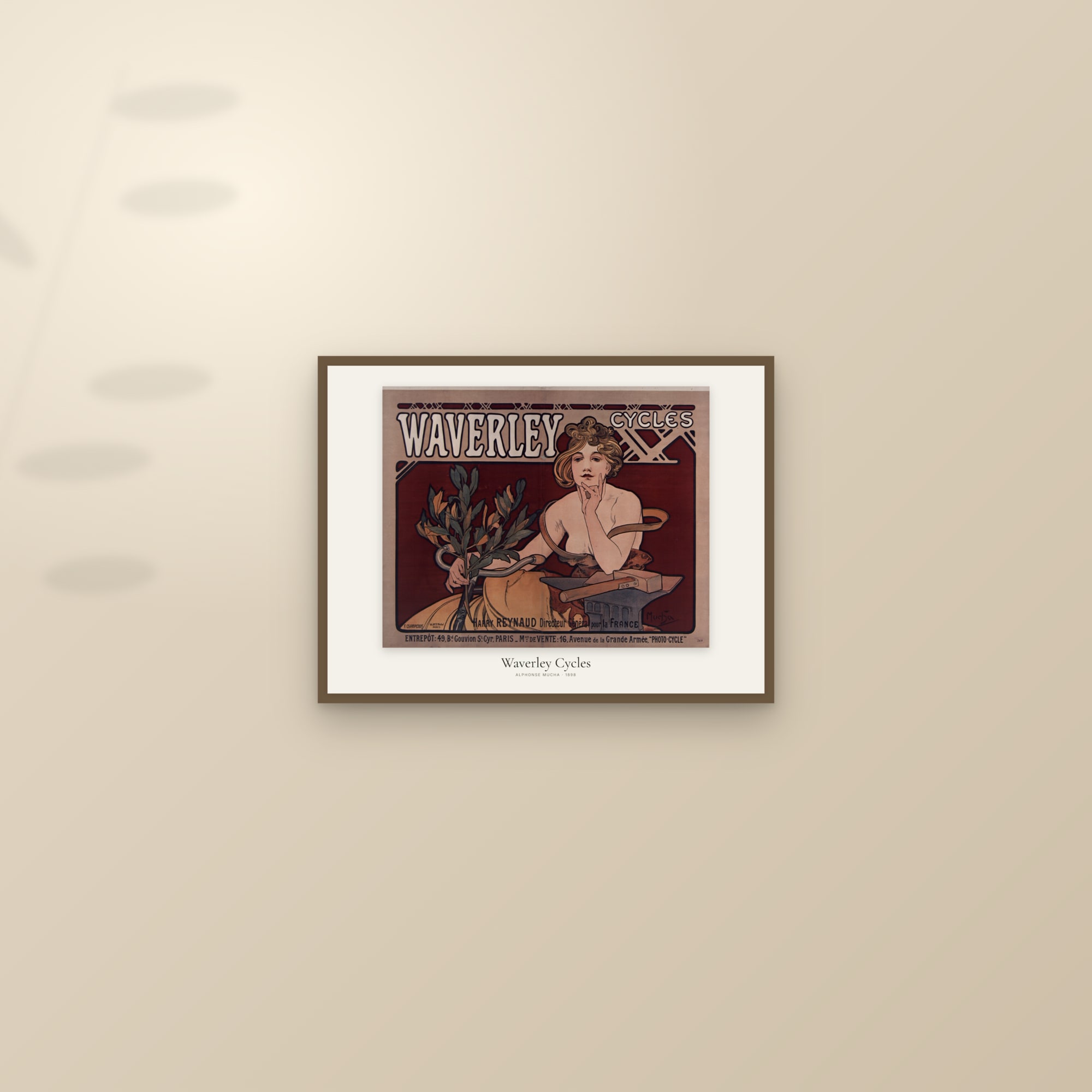
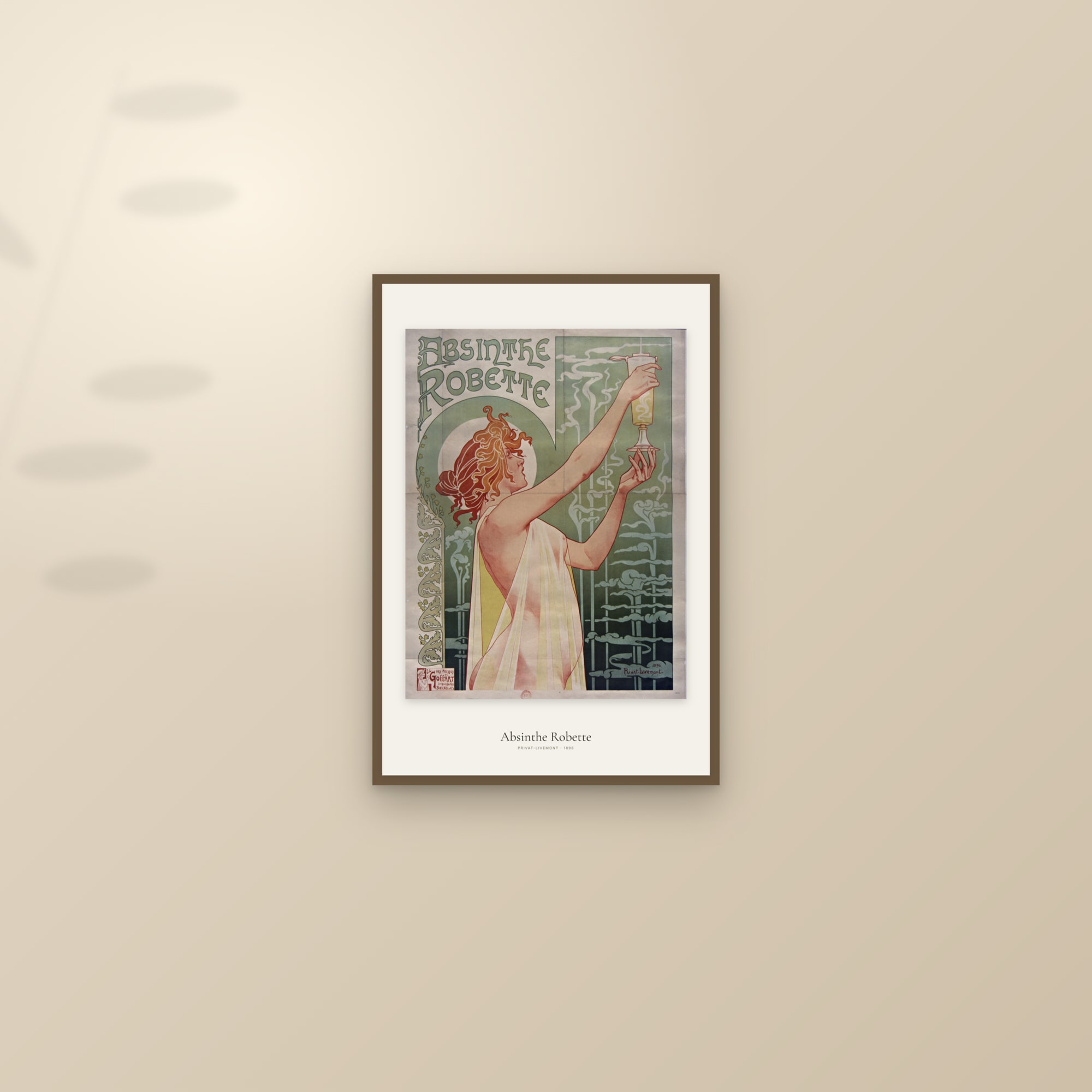
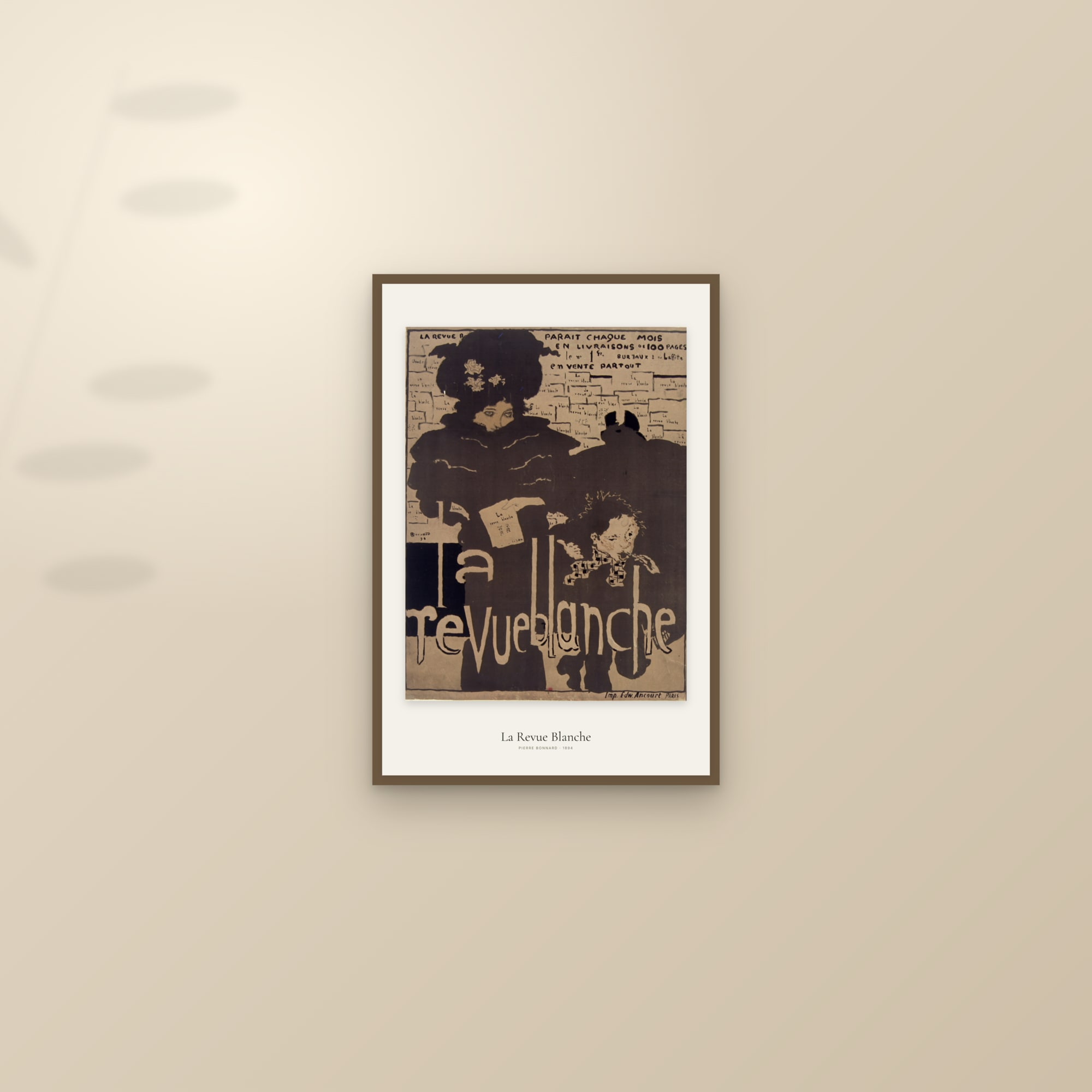
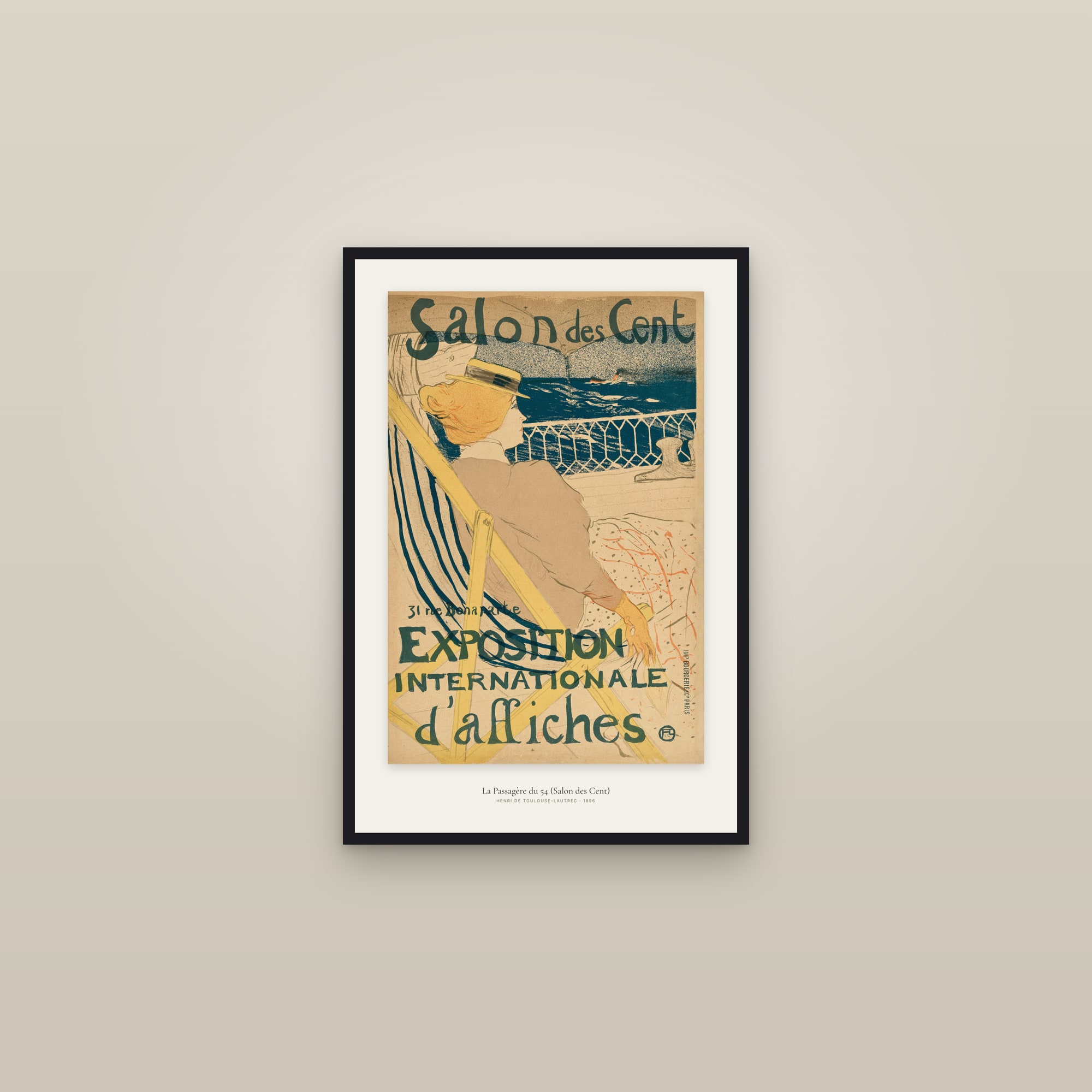
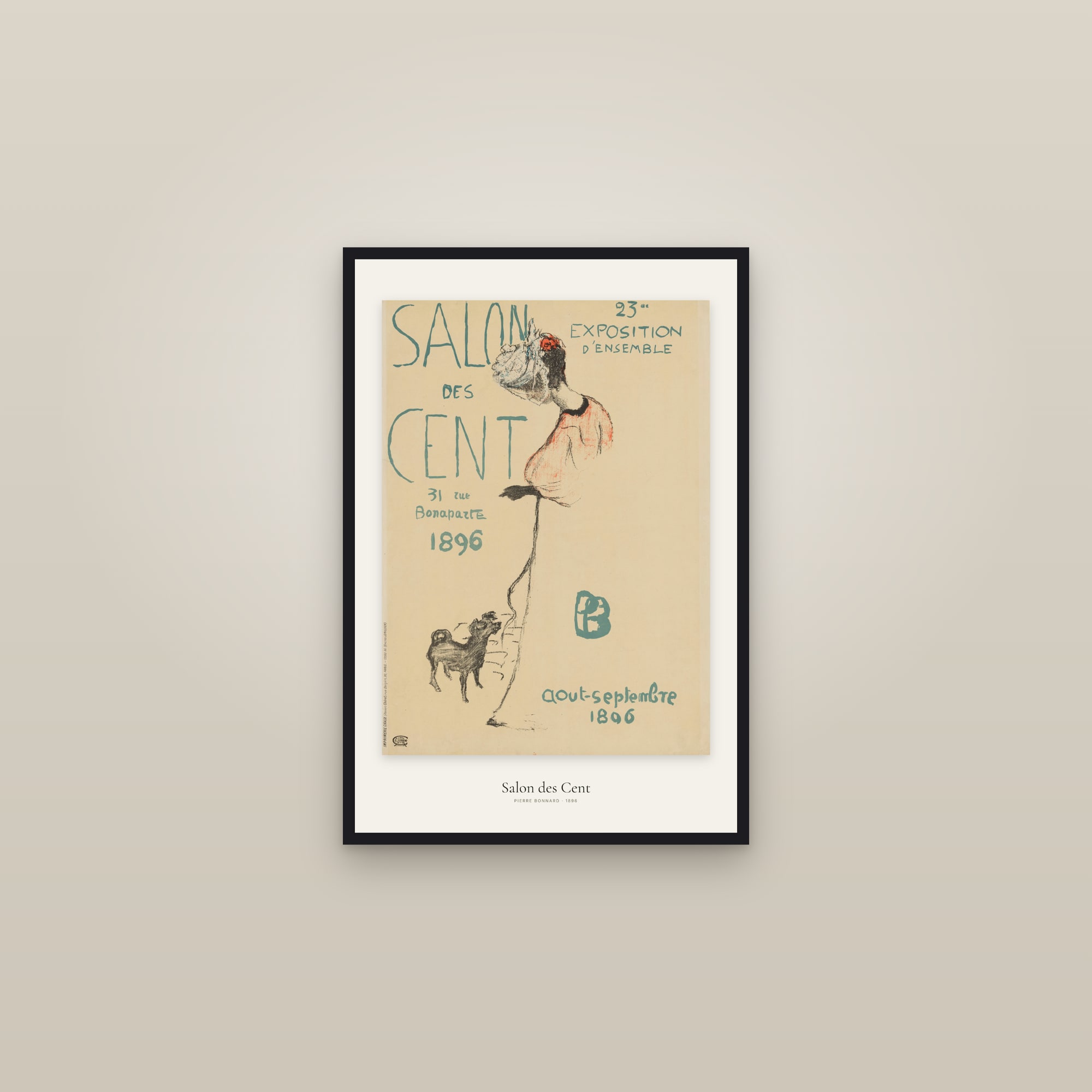
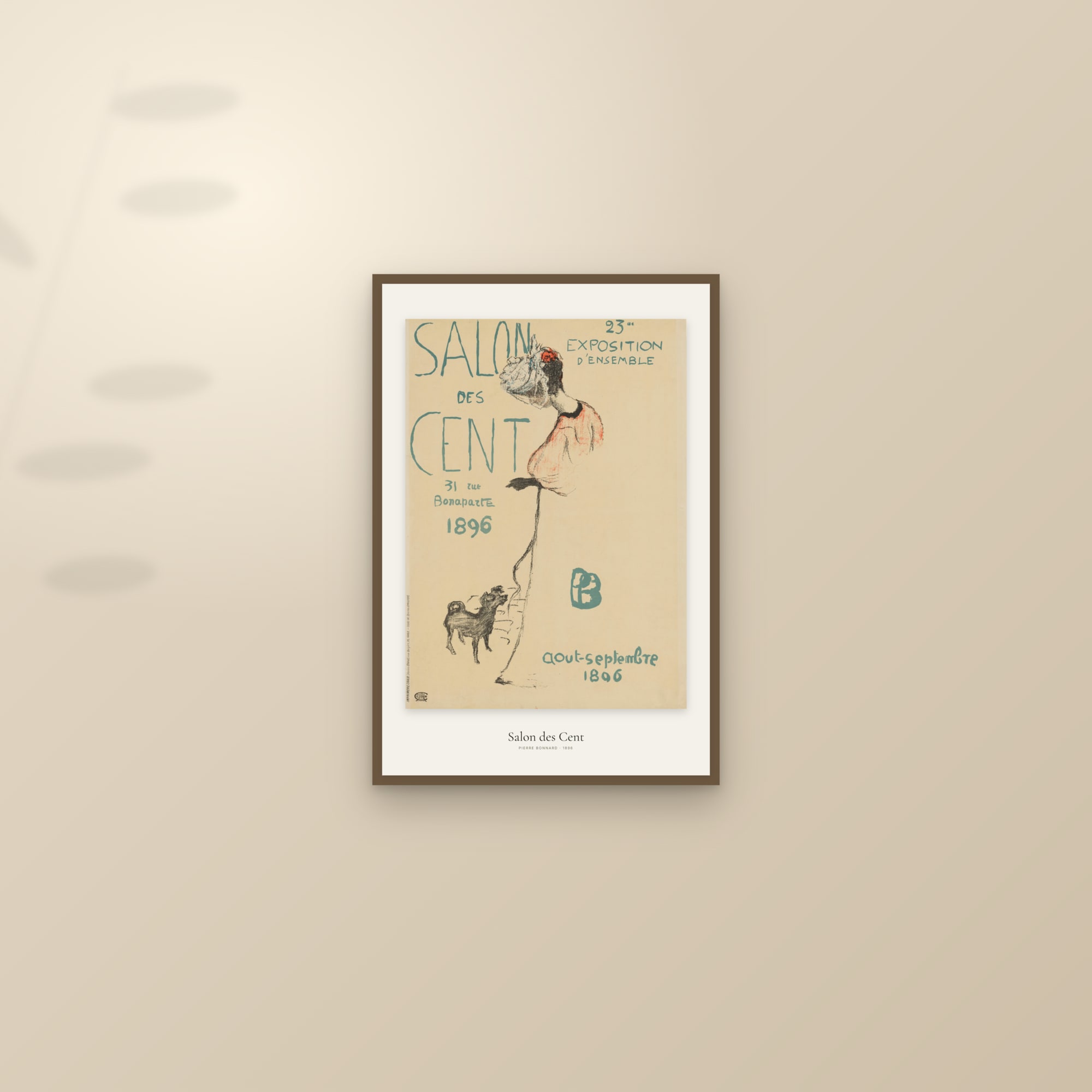
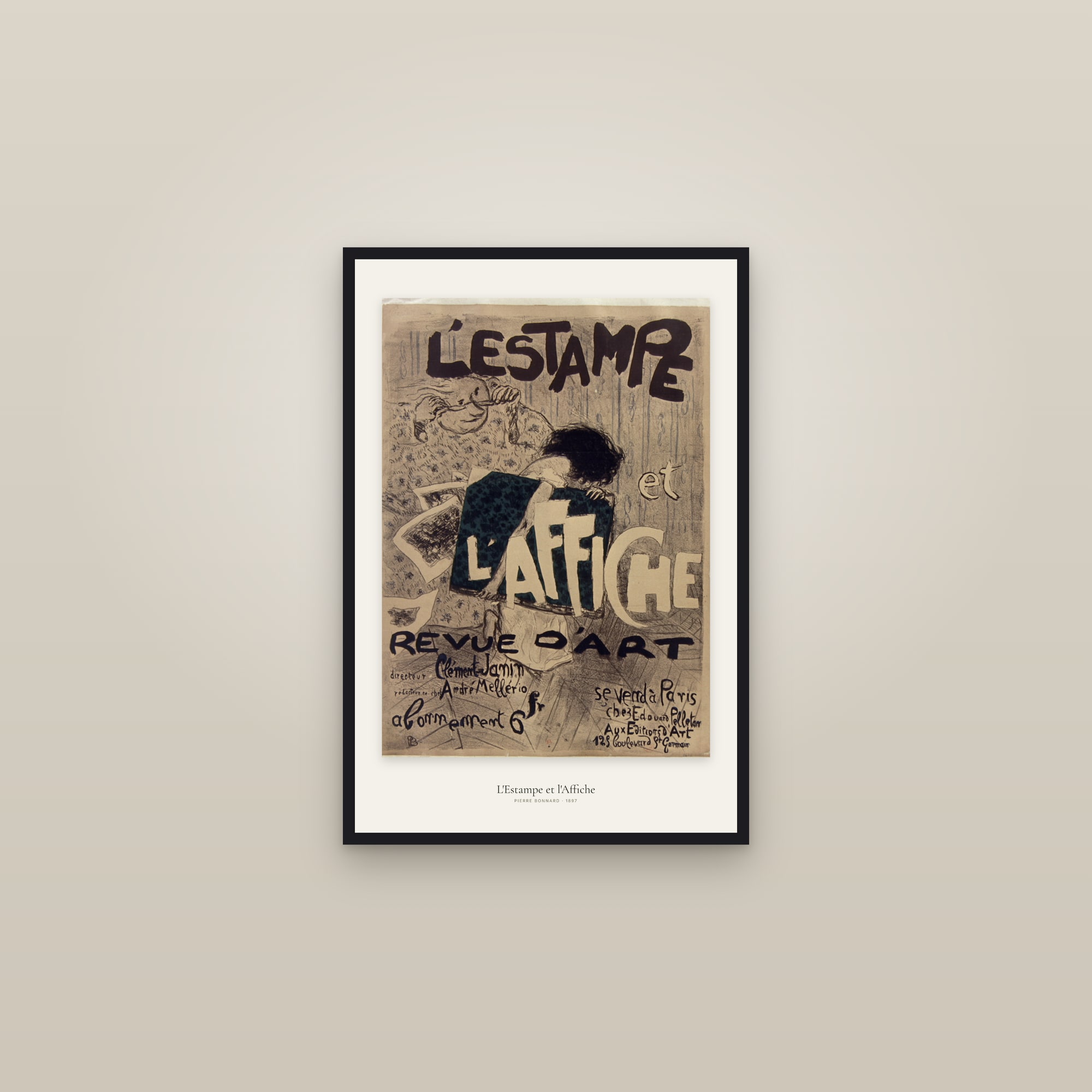
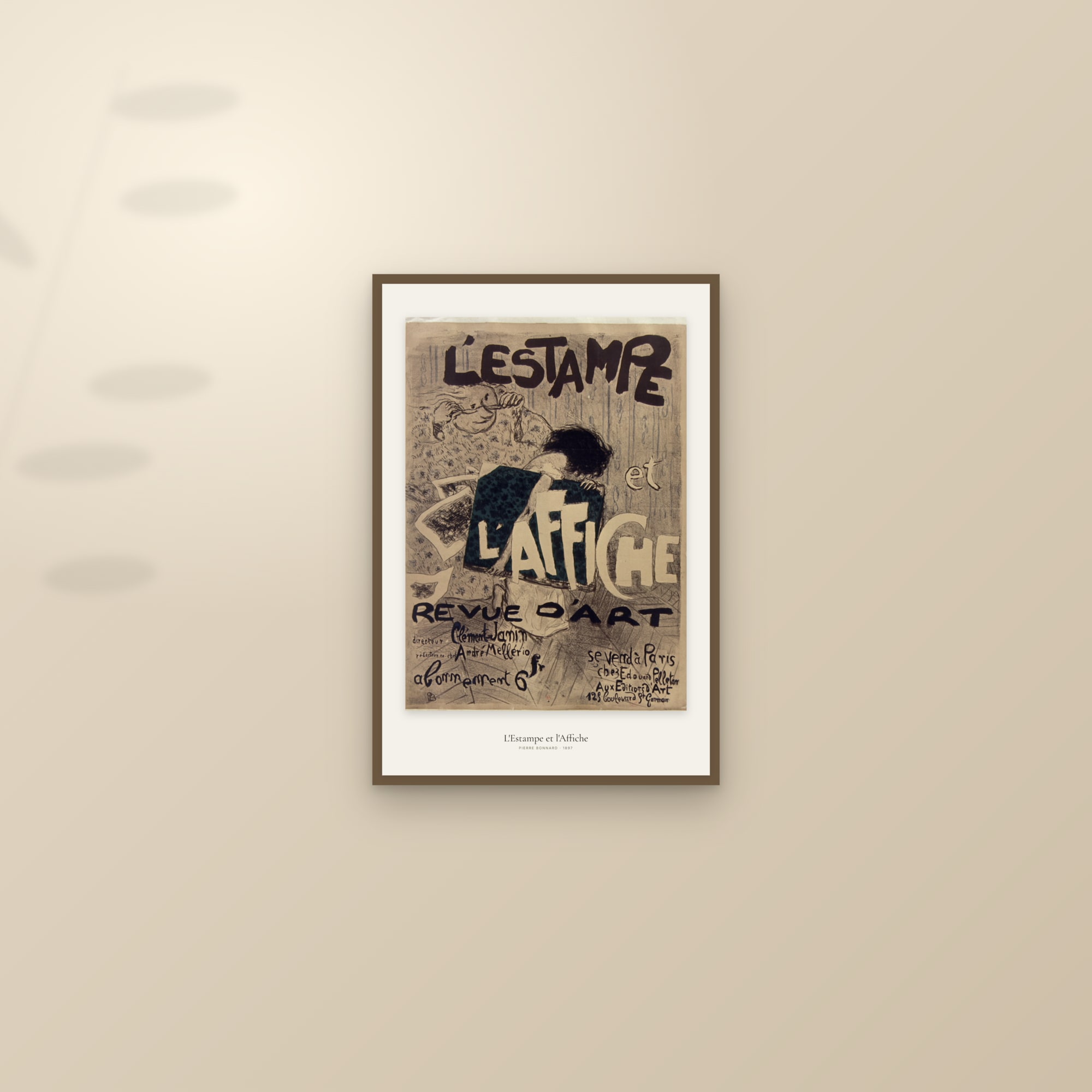
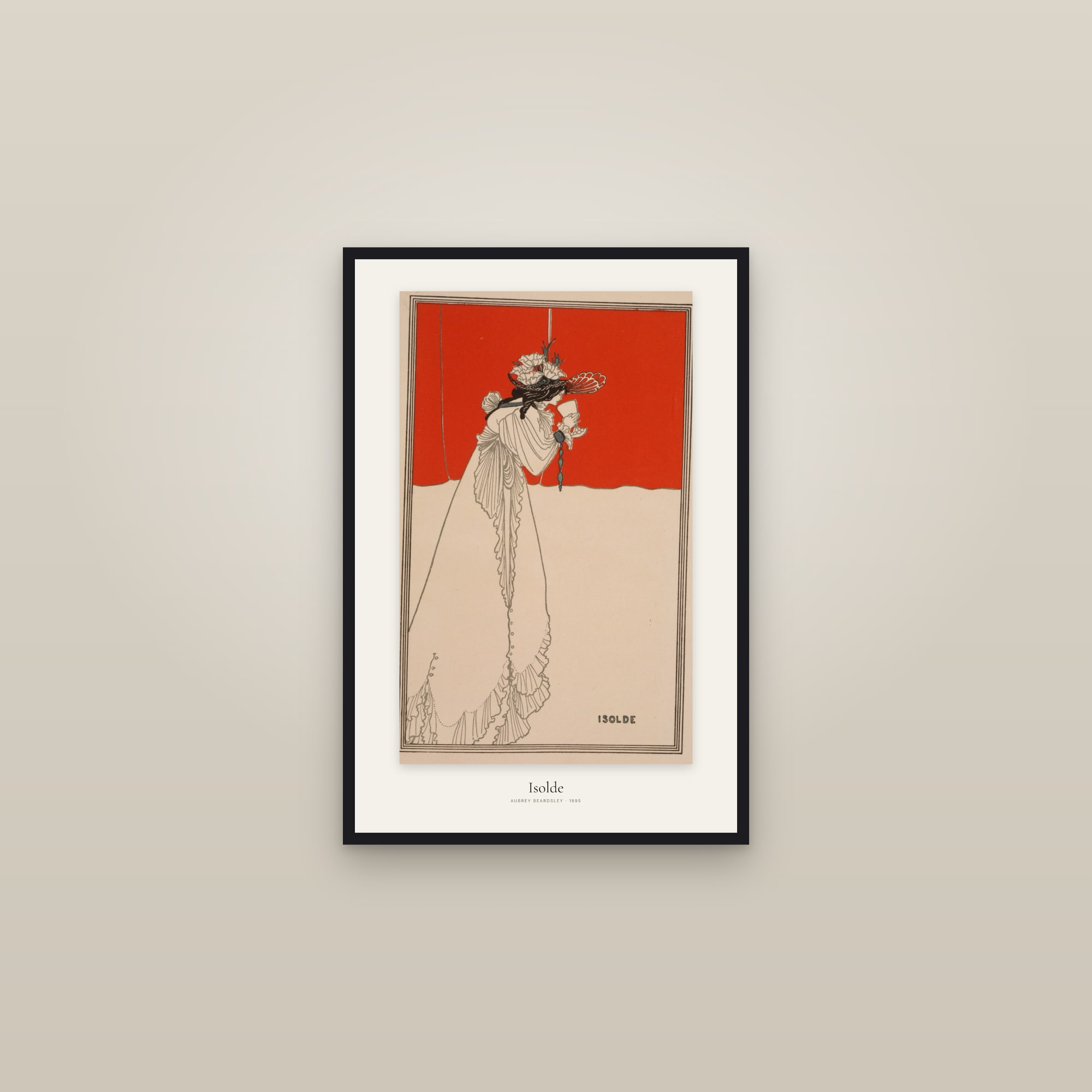
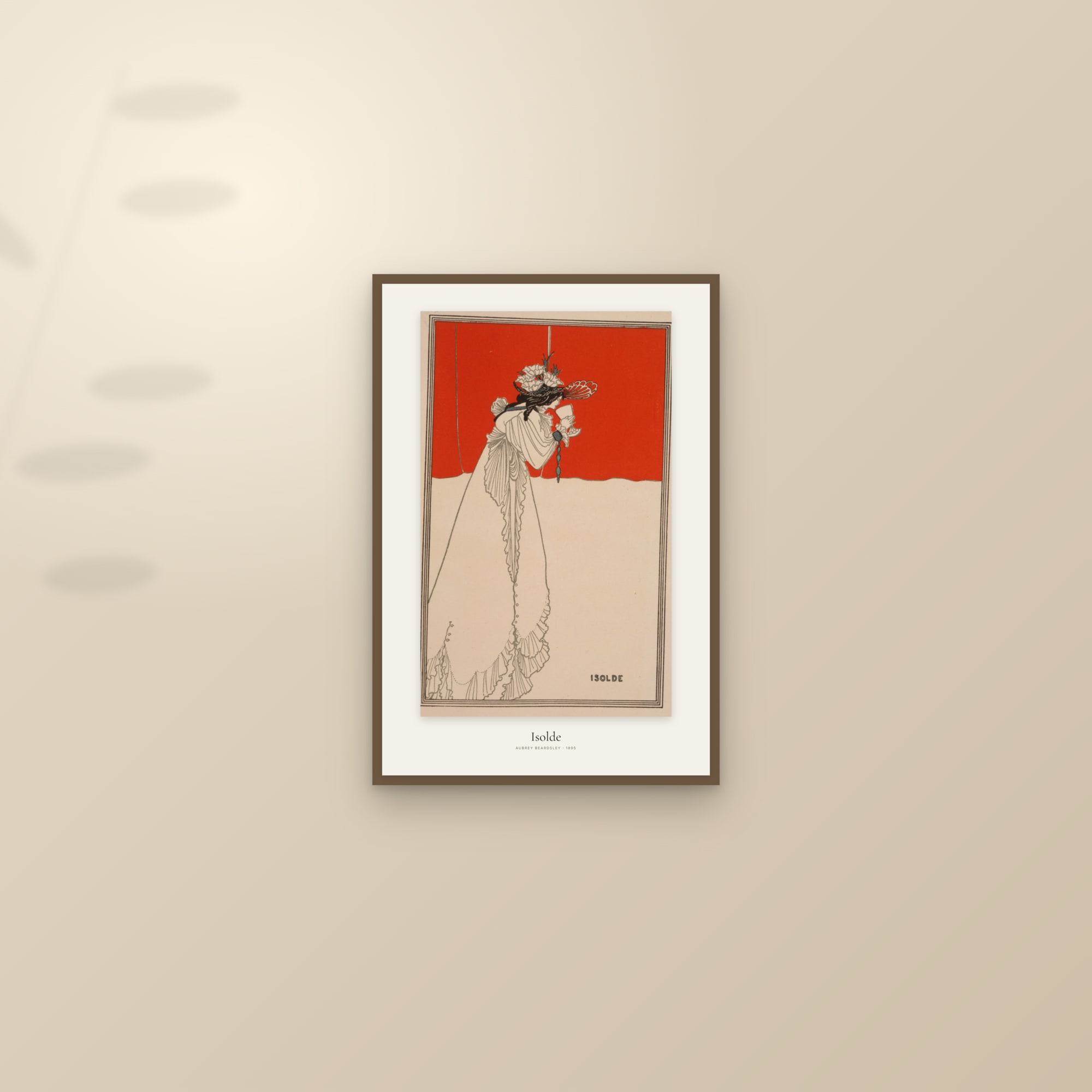
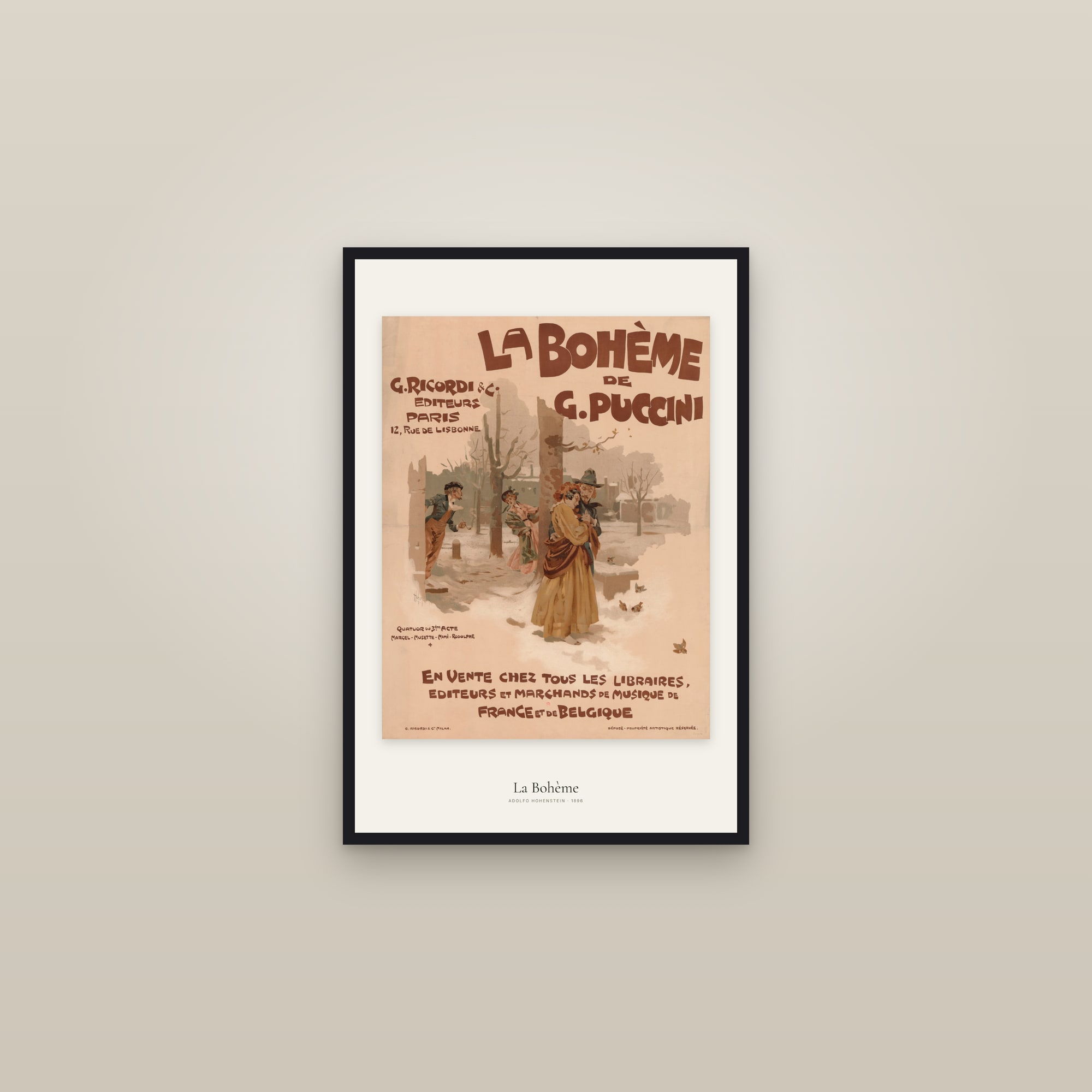
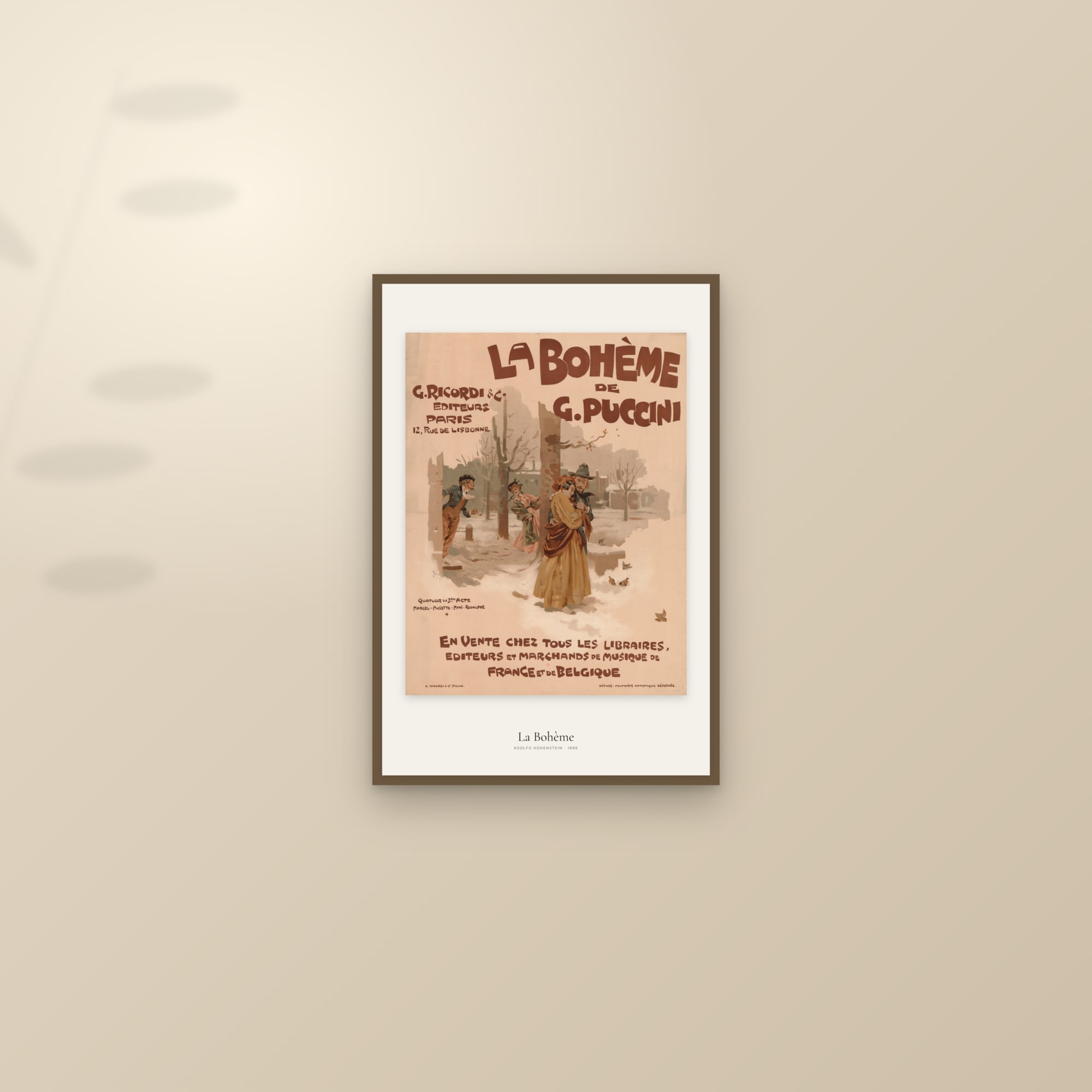
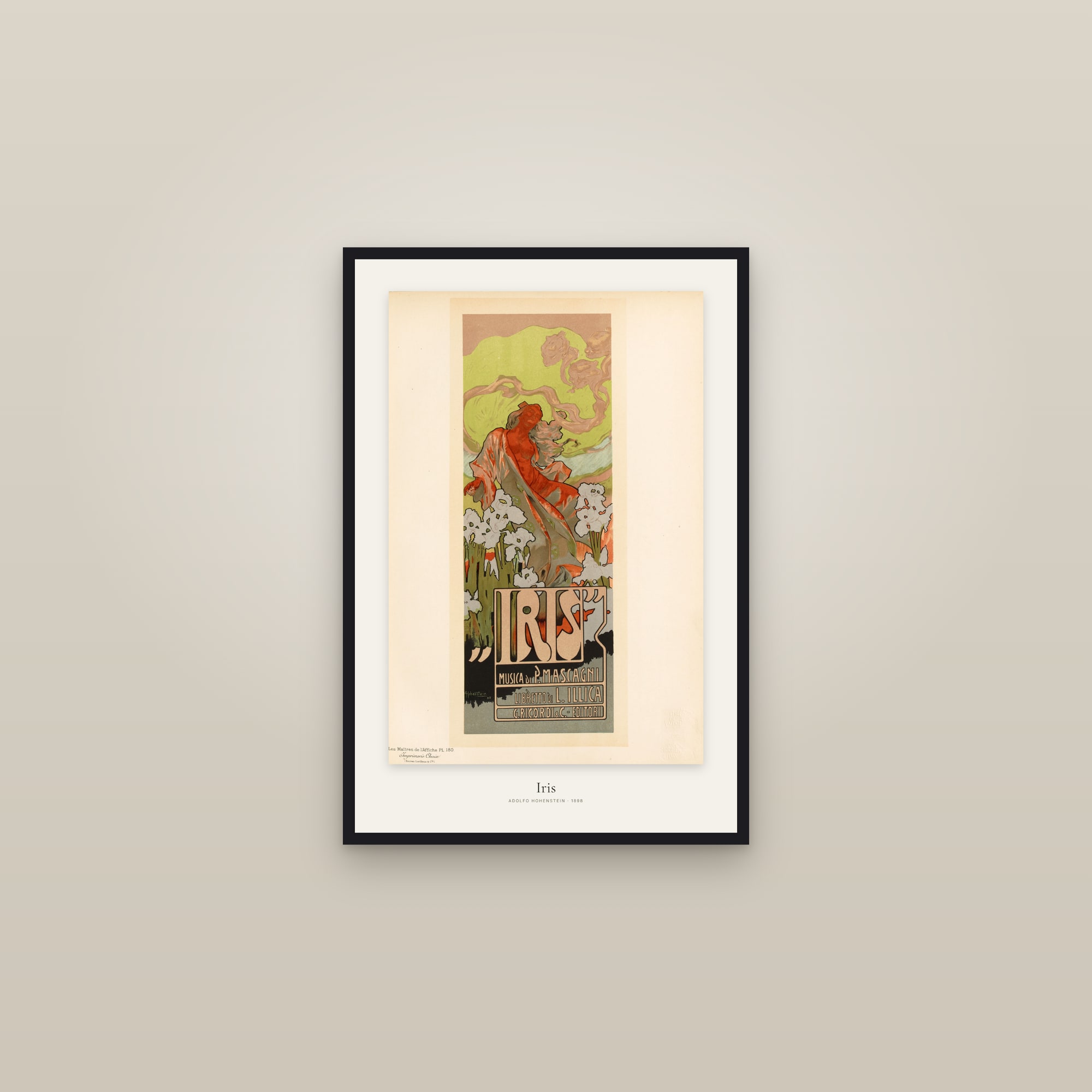
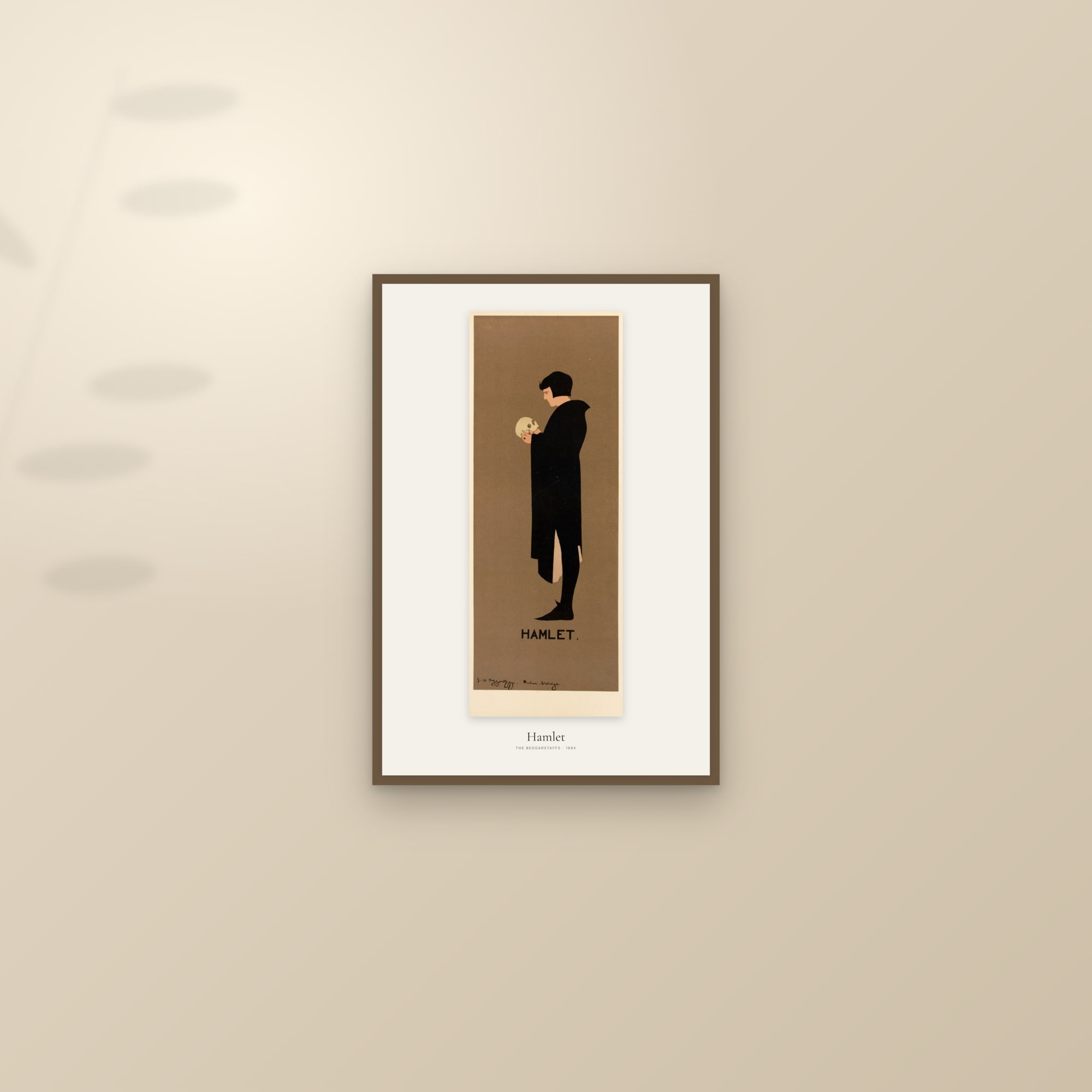
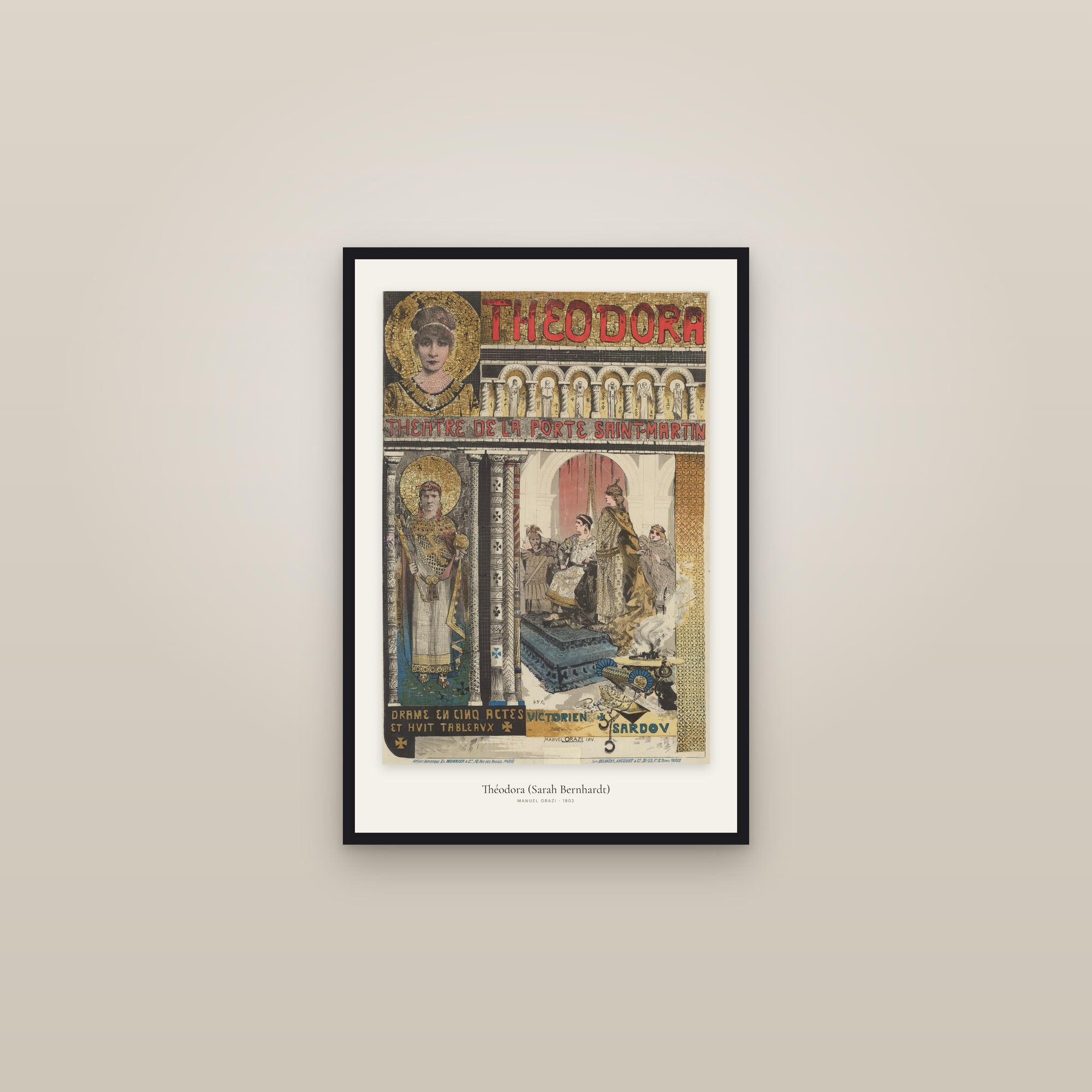
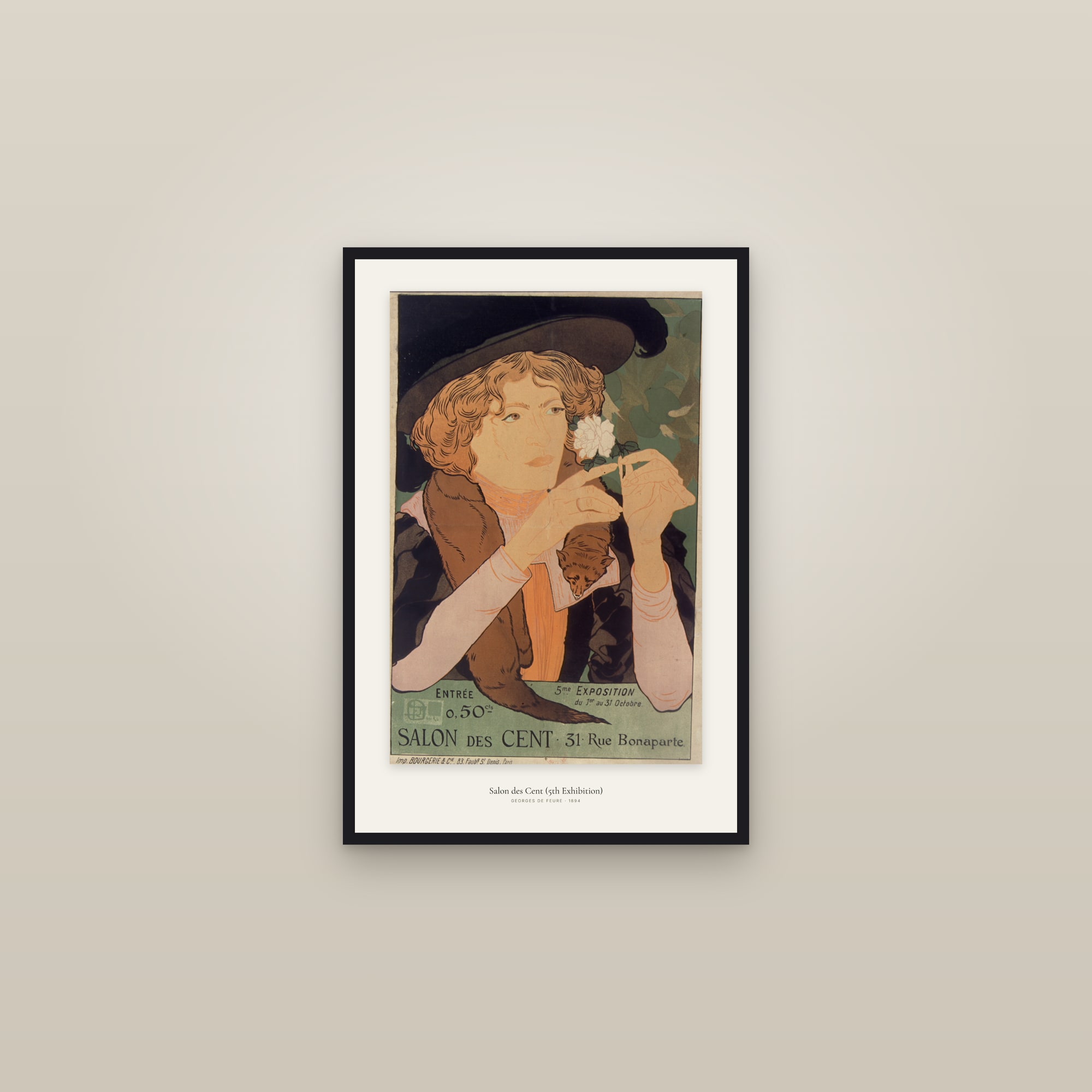
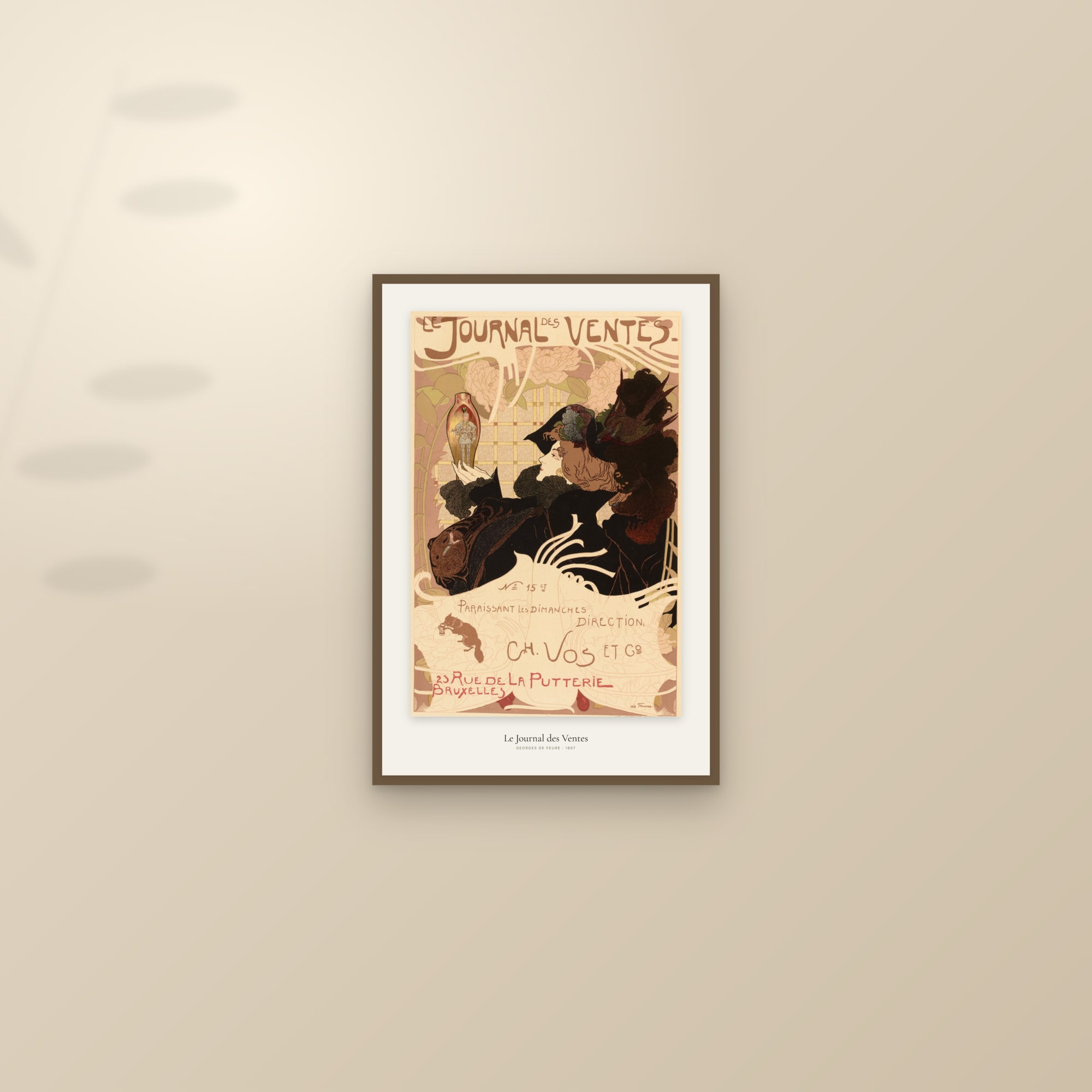
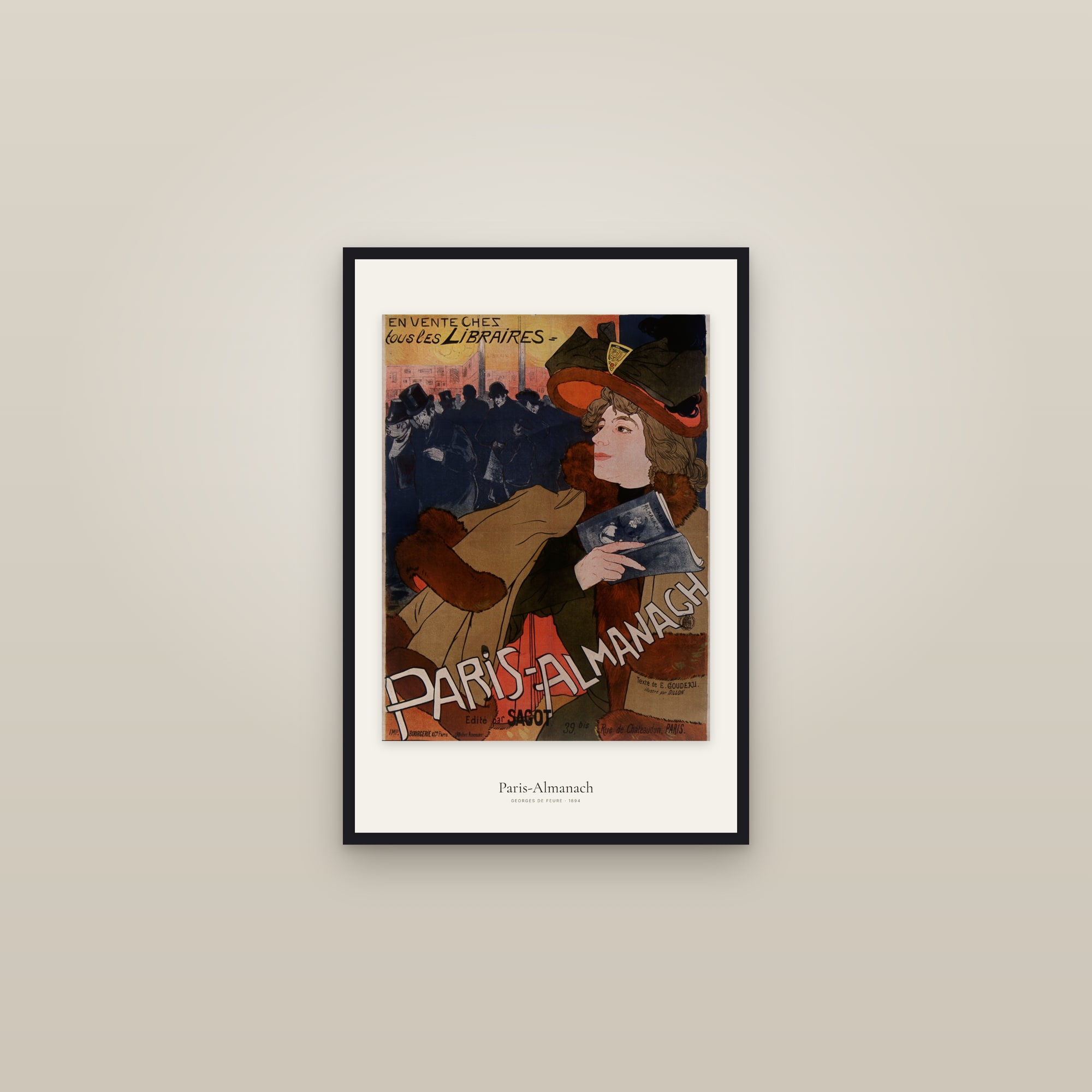
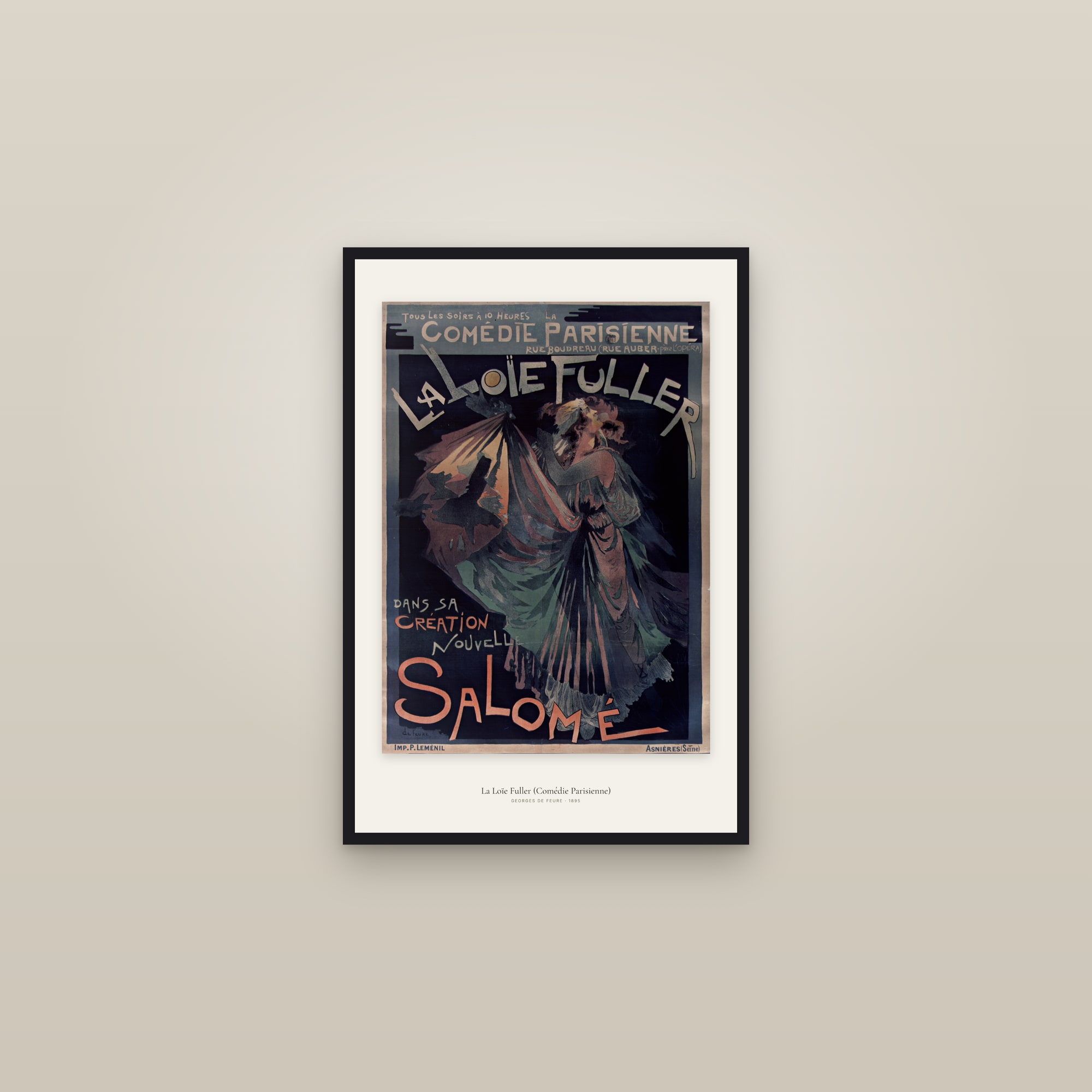
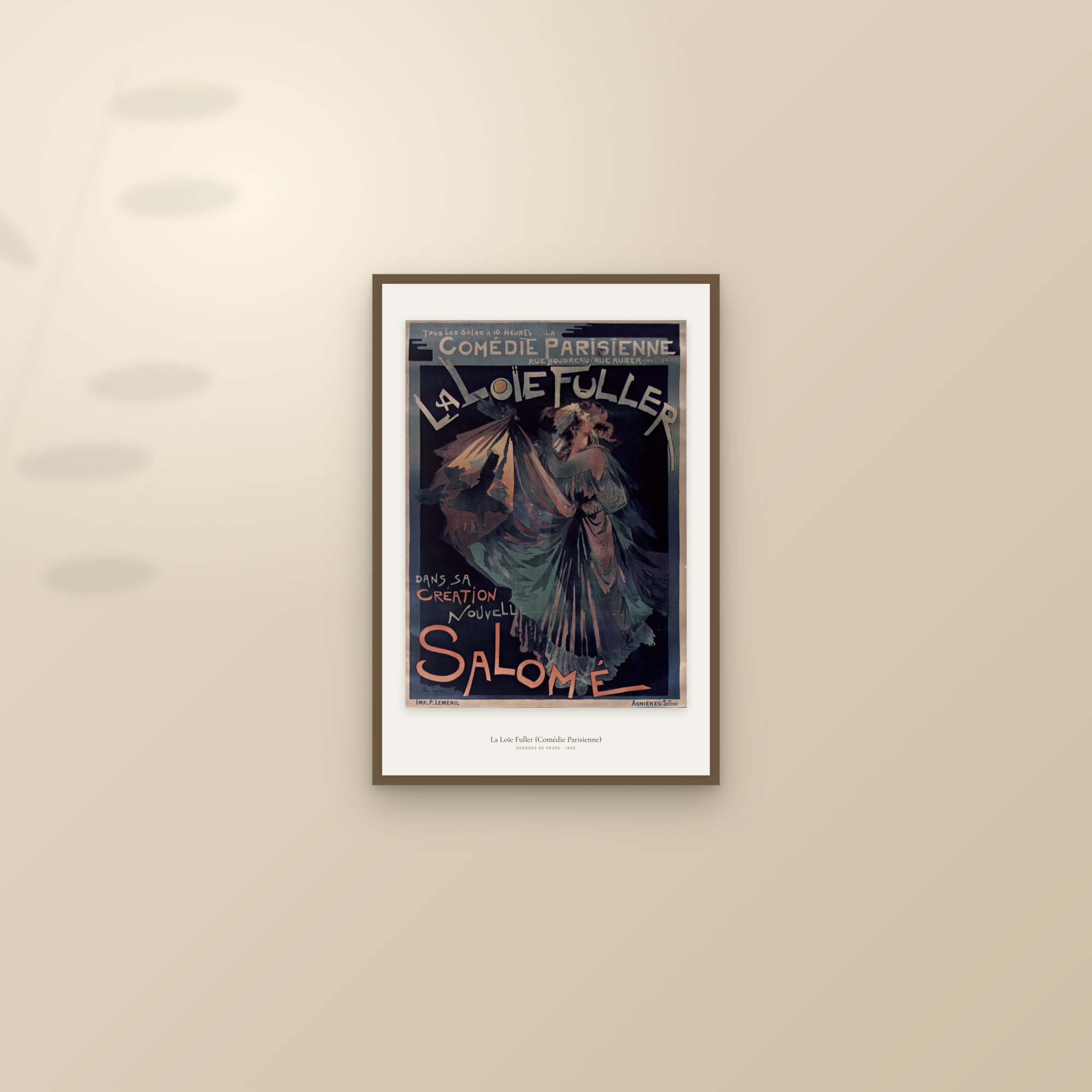
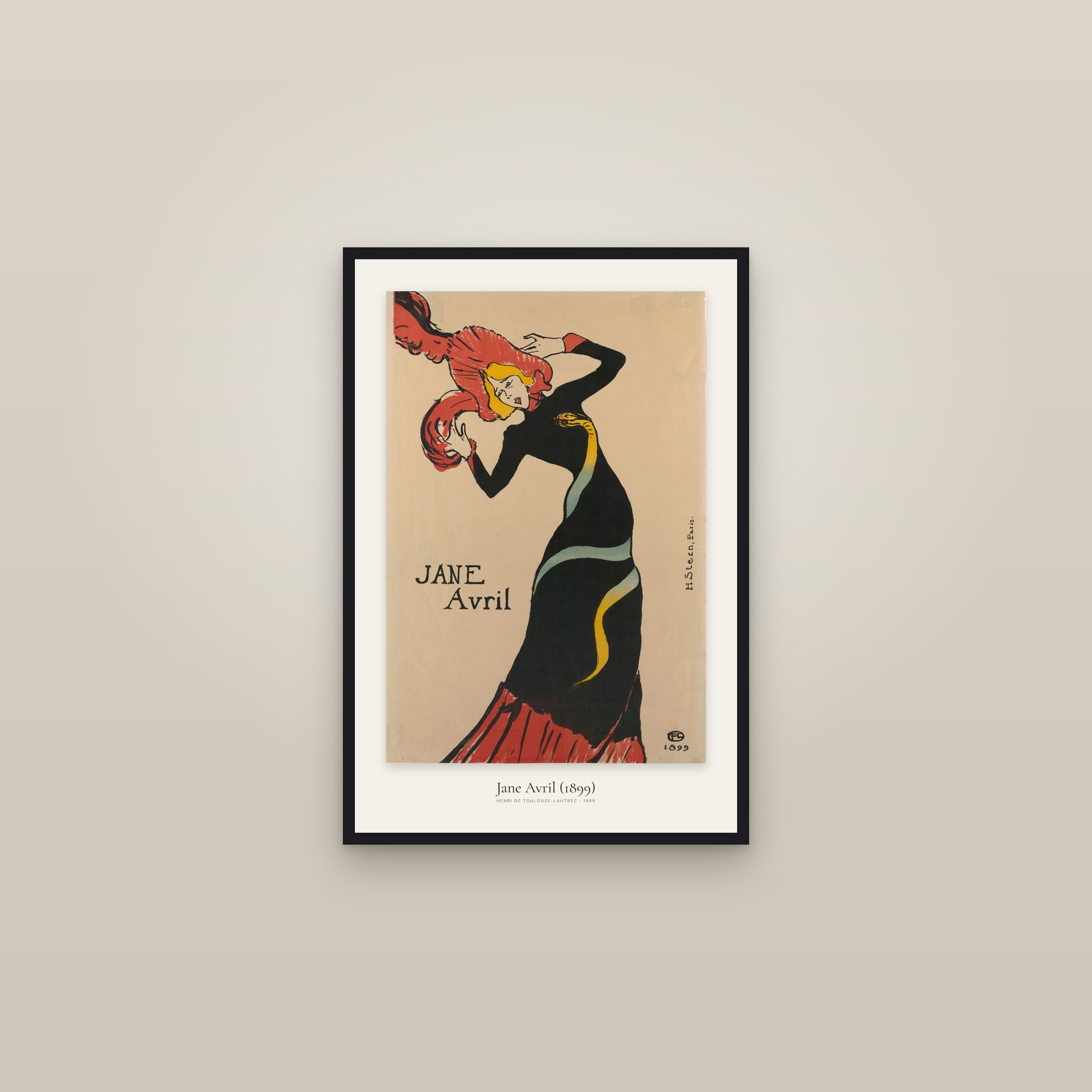
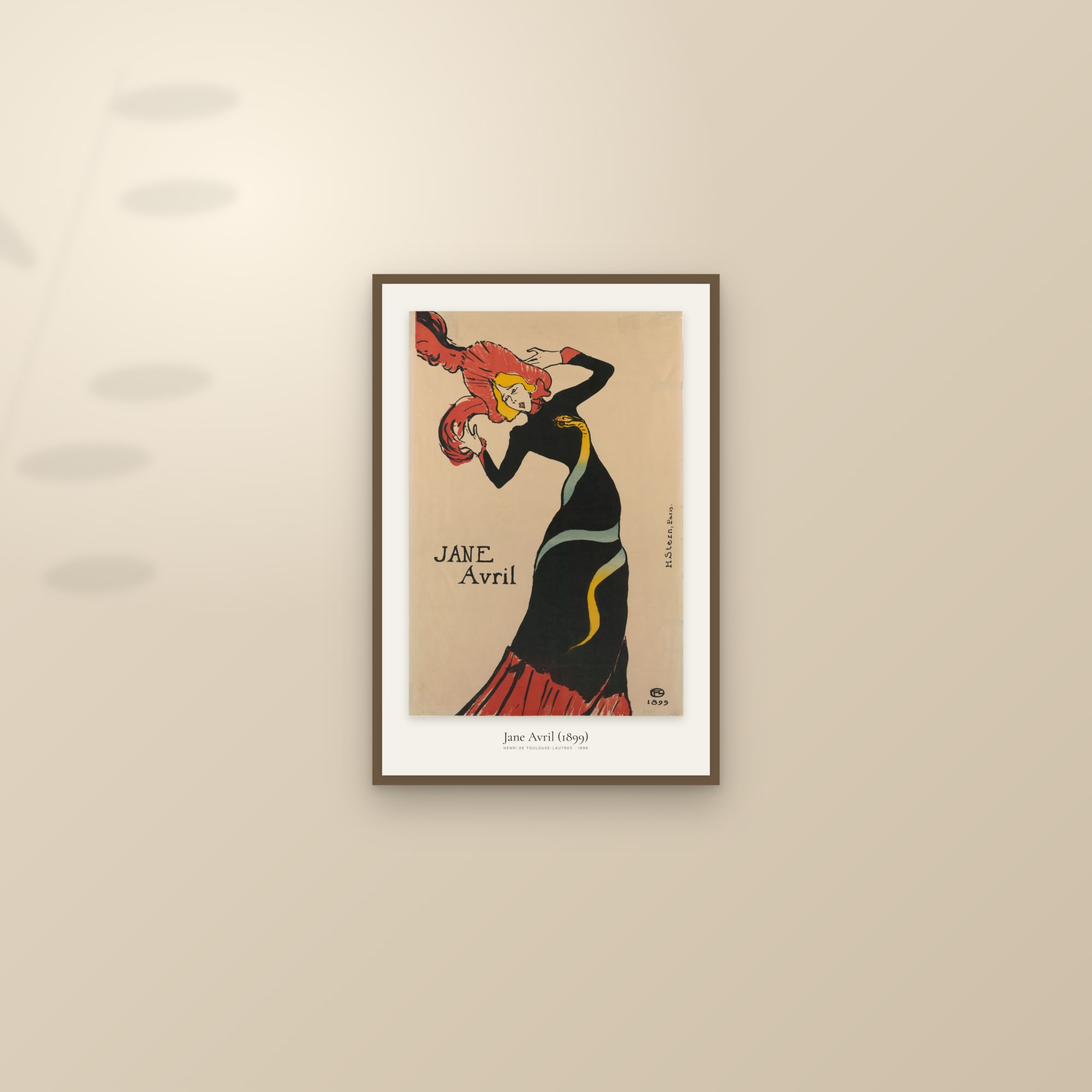
Toulouse-Lautrec’s Ambassadeurs, Jane Avril, Reine de Joie, Confetti and La Revue Blanche; Chéret’s Loïe Fuller, the Bal au Moulin Rouge and the Palais de Glace; Steinlen’s street scenes; Mucha’s Job and Waverley Cycles; Cappiello, Grasset, Privat-Livemont, Bonnard, Orazi and de Feure in Paris; the Beggarstaffs and Aubrey Beardsley in London; Penfield and Hohenstein further afield. Each comes as a gallery print of the whole sheet and as an exhibition poster. Every artist here died more than seventy years ago; posters for brands that still trade were left out.
Hanging a poster
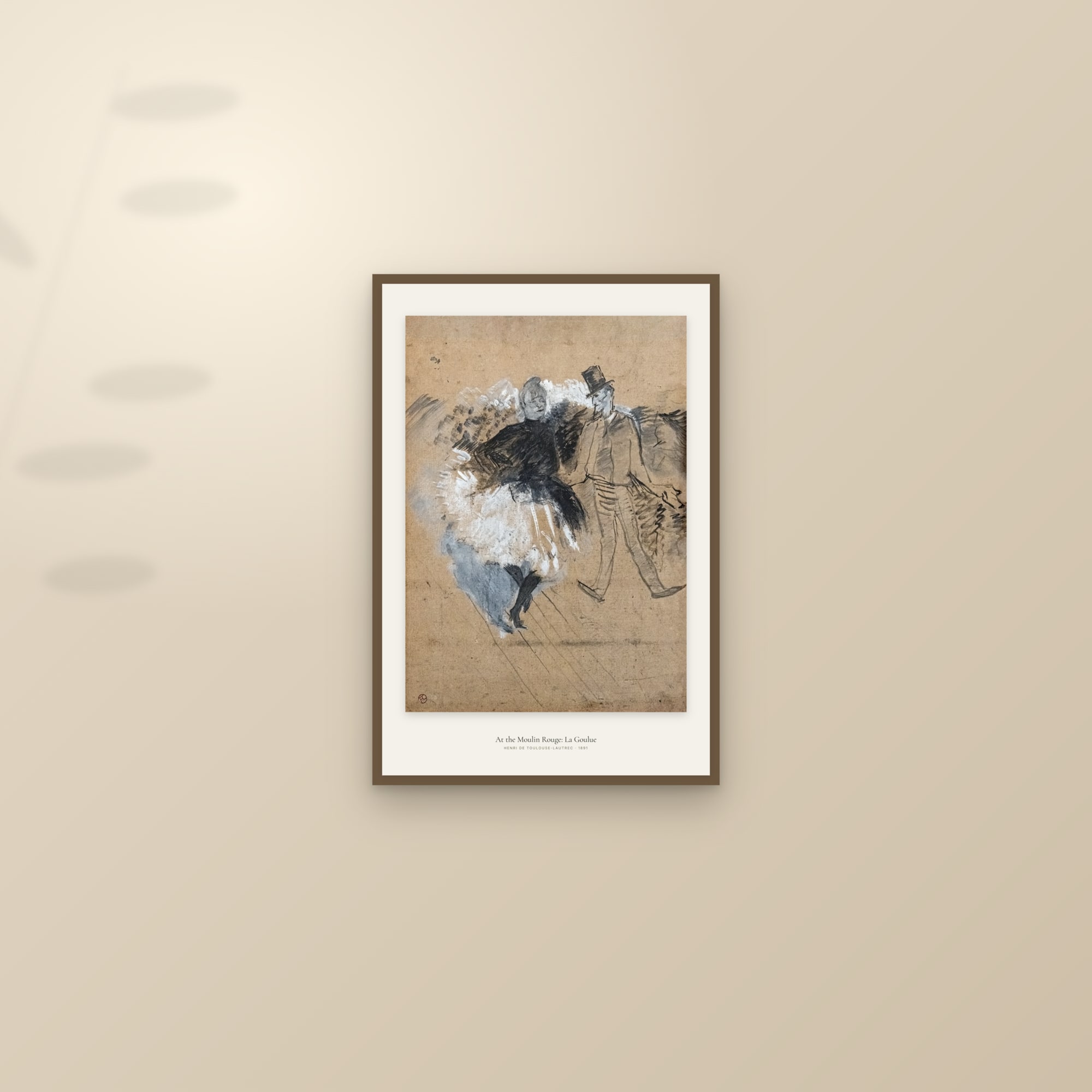
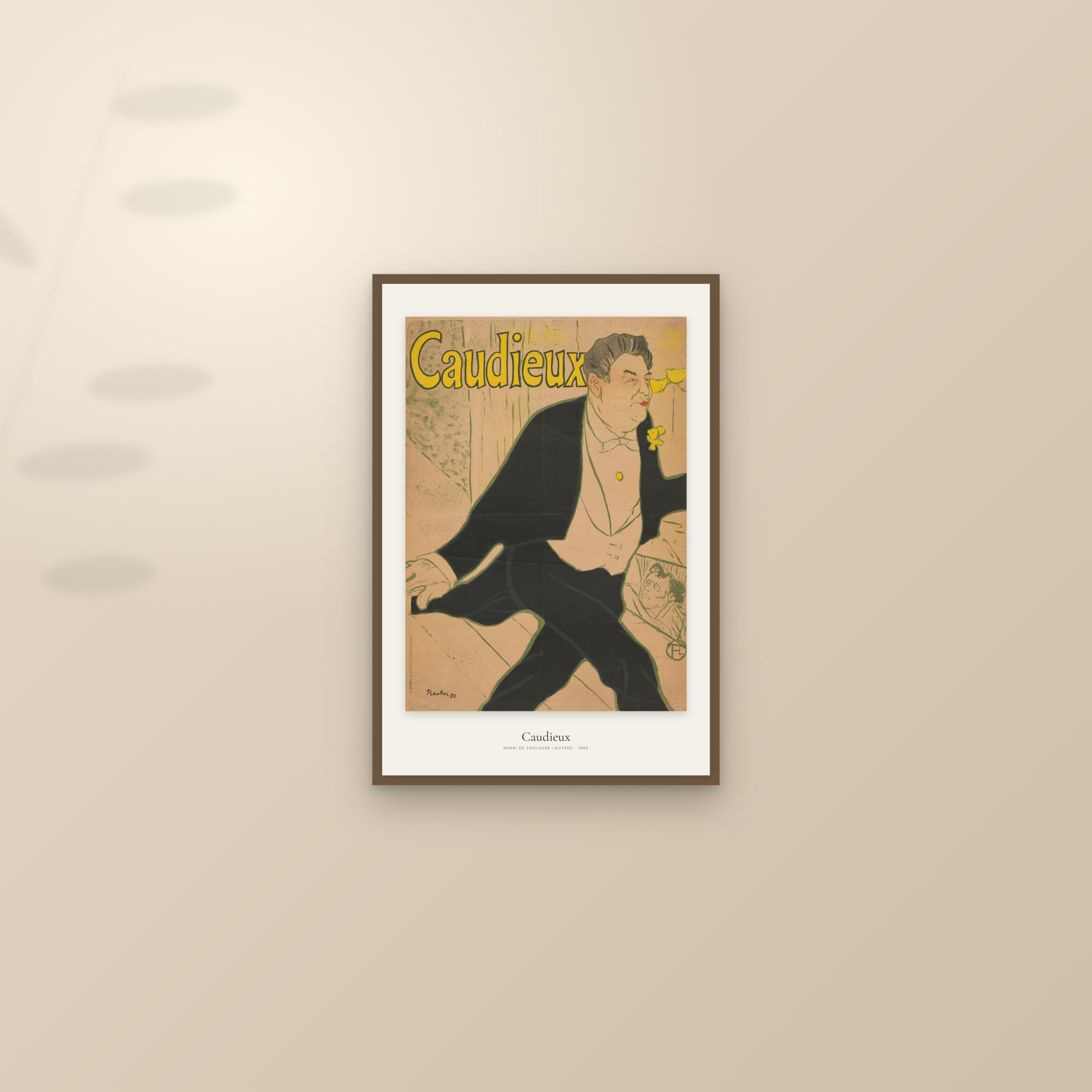
These were made to be read across a street, so they carry a wall on their own: one 24×36 above a sofa or in a hallway, in the black frame, is the usual answer. Two or three of one artist, the same size, in a row suit a kitchen or a bar wall; the Chérets and the Lautrecs are near enough in palette to mix. Keep them out of direct sun: a poster’s yellows were the first colours to go on the hoardings and are the first to go on a wall.