Paul Klee Prints
1879–1940 · German-Swiss · Bauhaus
Wall art by Paul Klee, restored in-house and printed to order on heavyweight matte fine-art paper.
32 prints · printed to order on heavyweight matte paper · framed or unframed
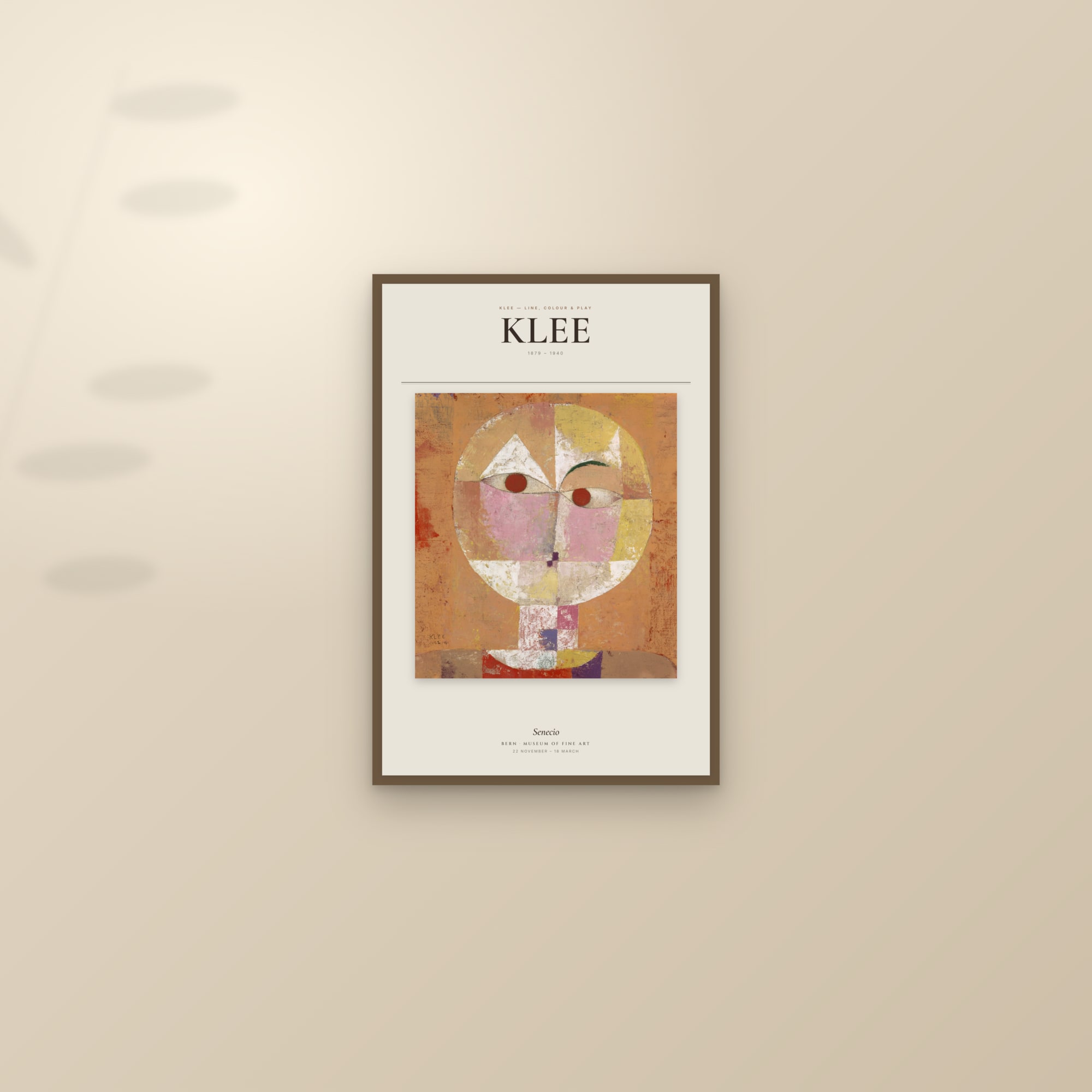
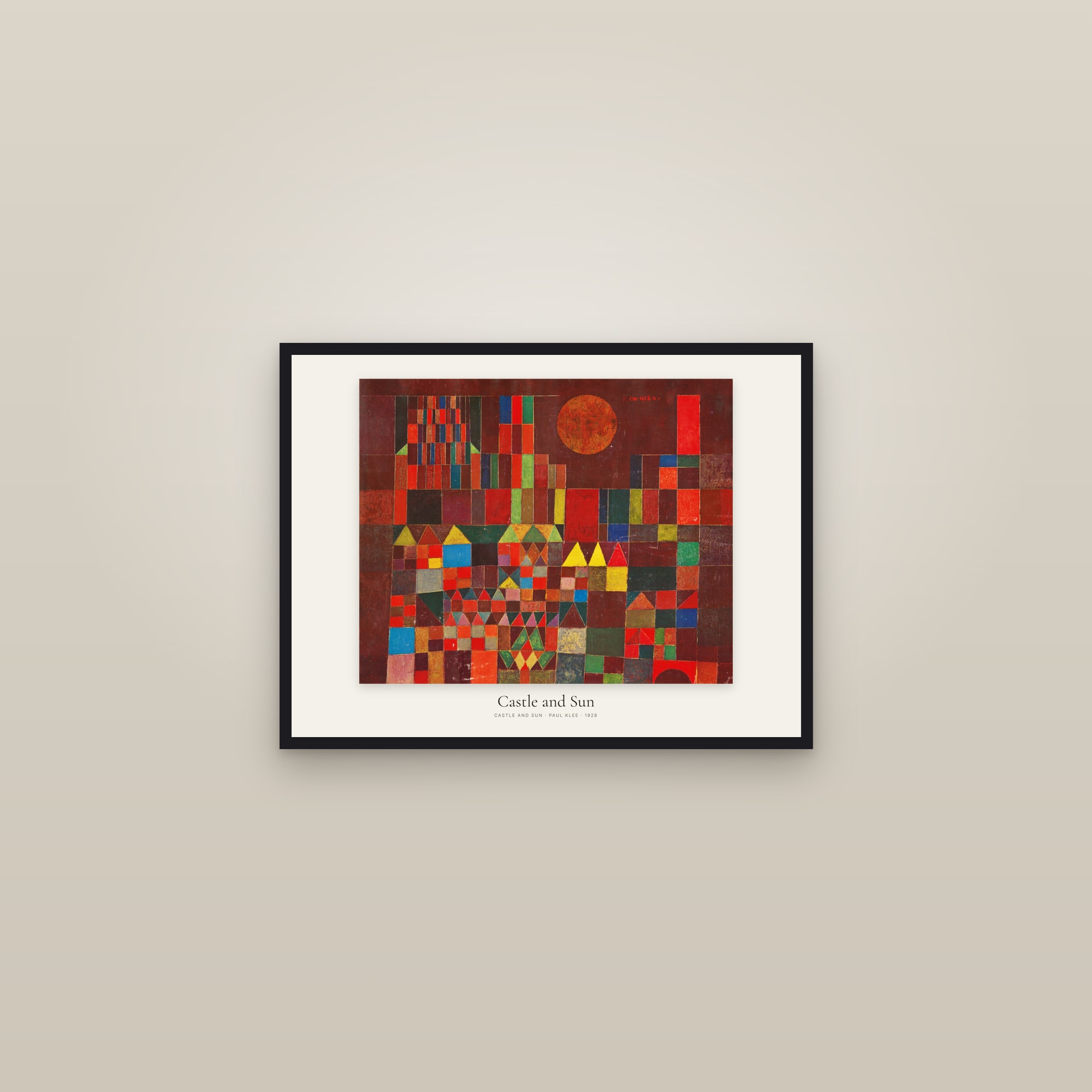
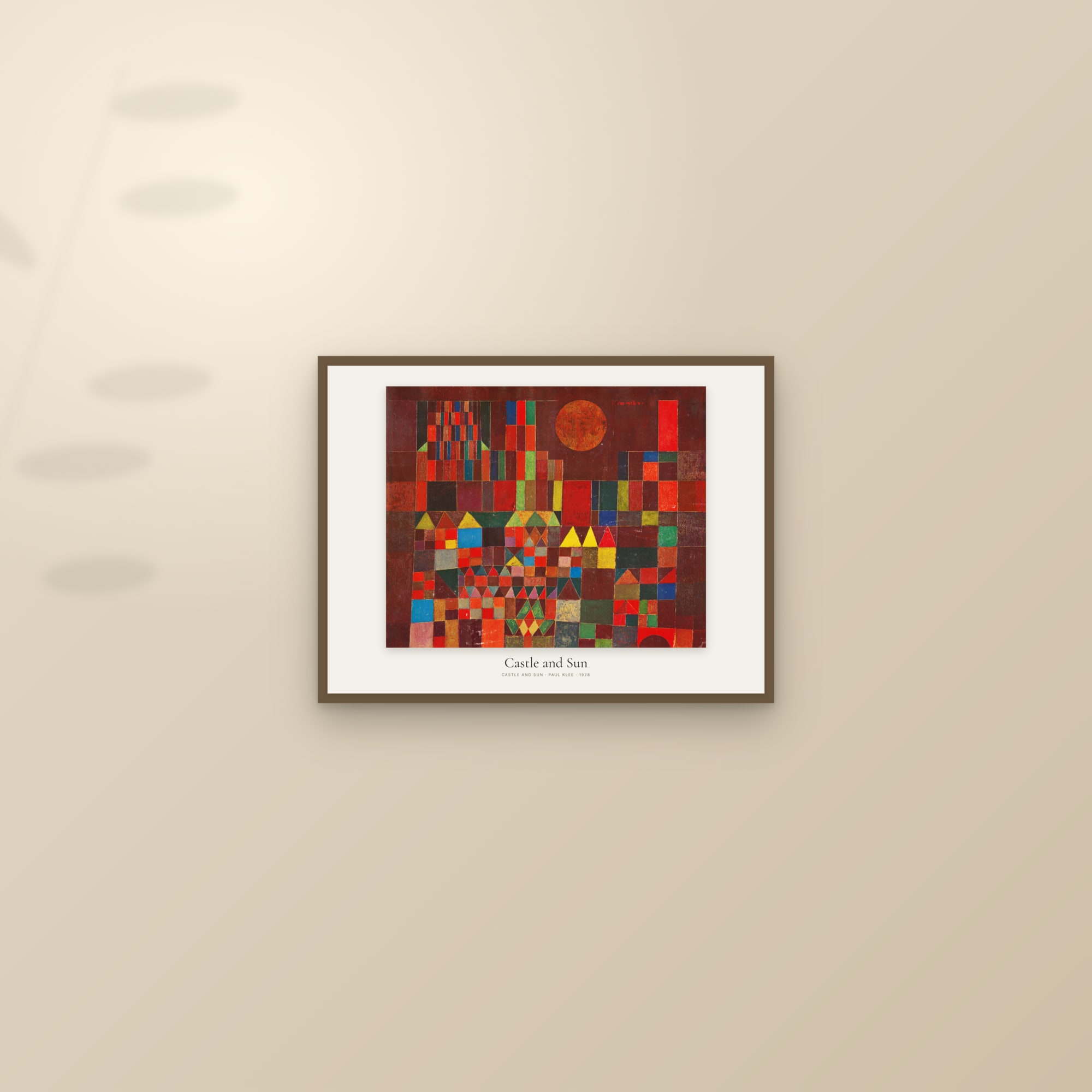
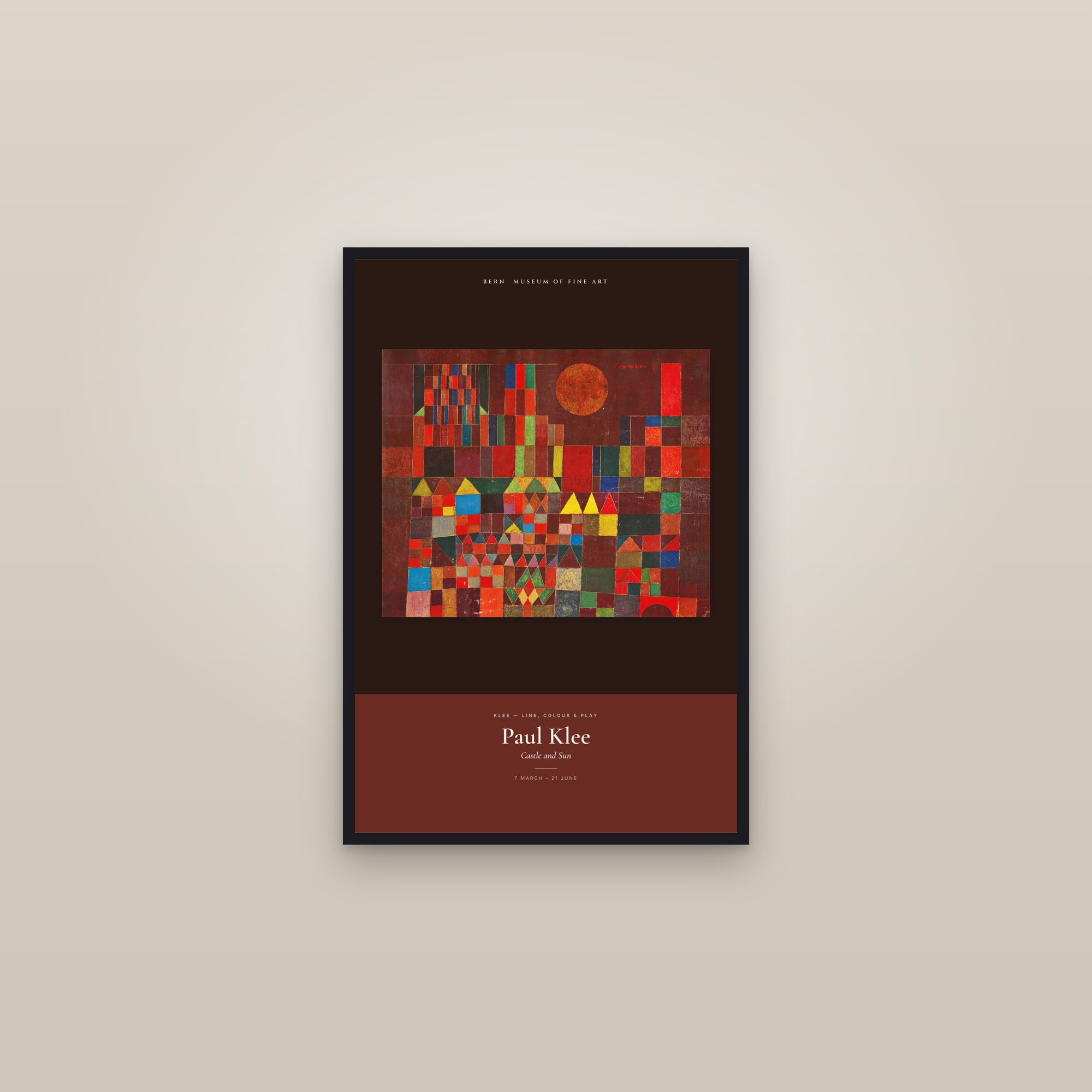
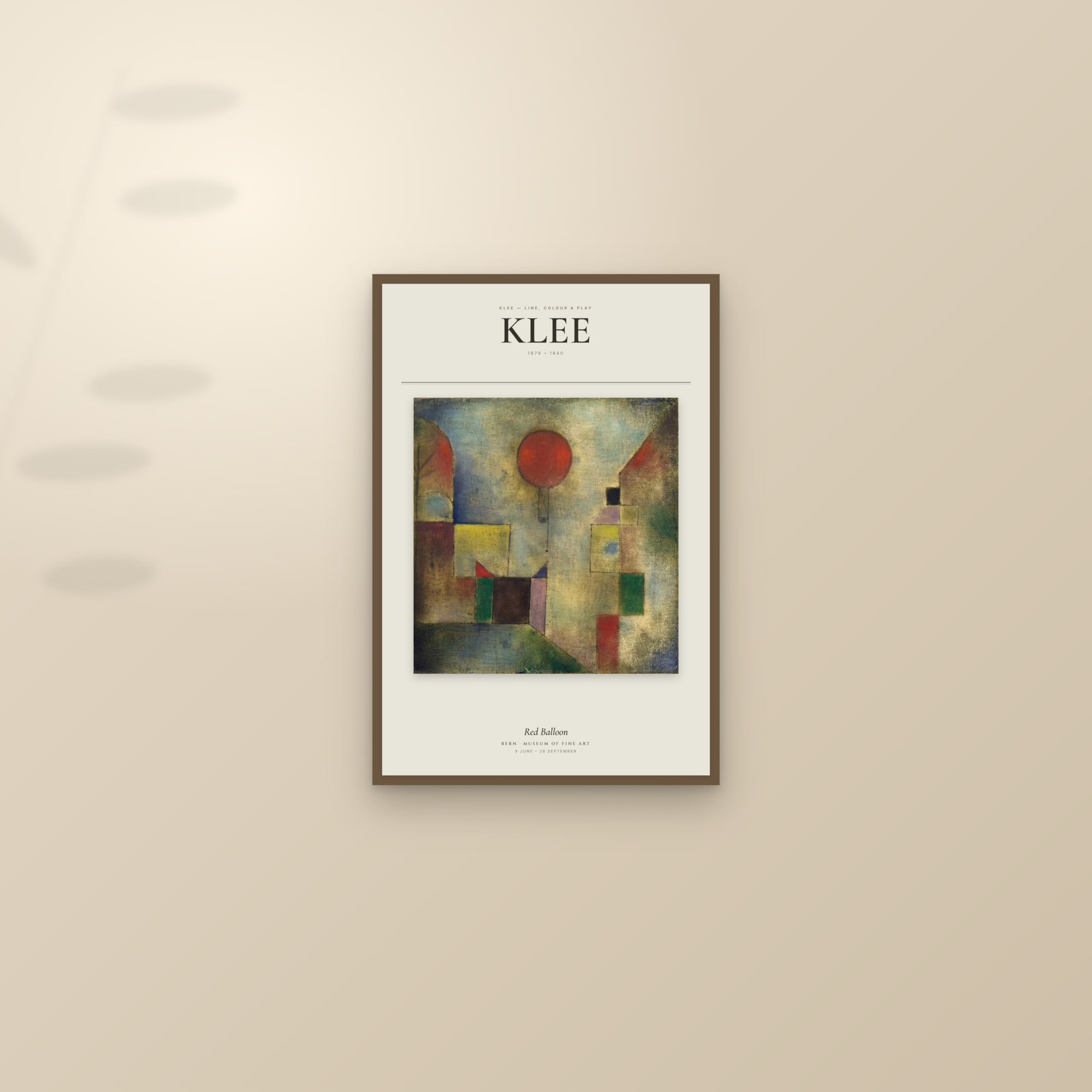
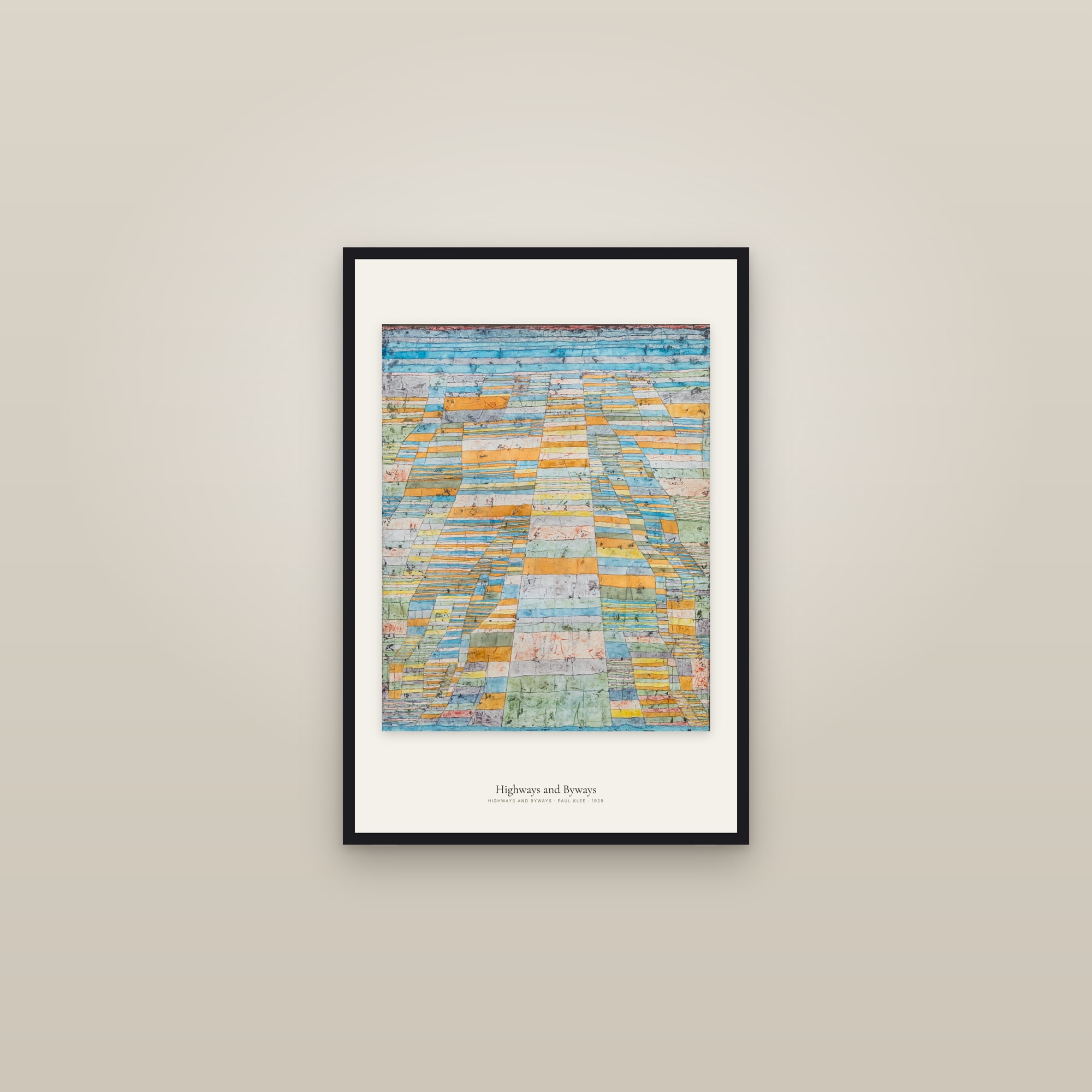
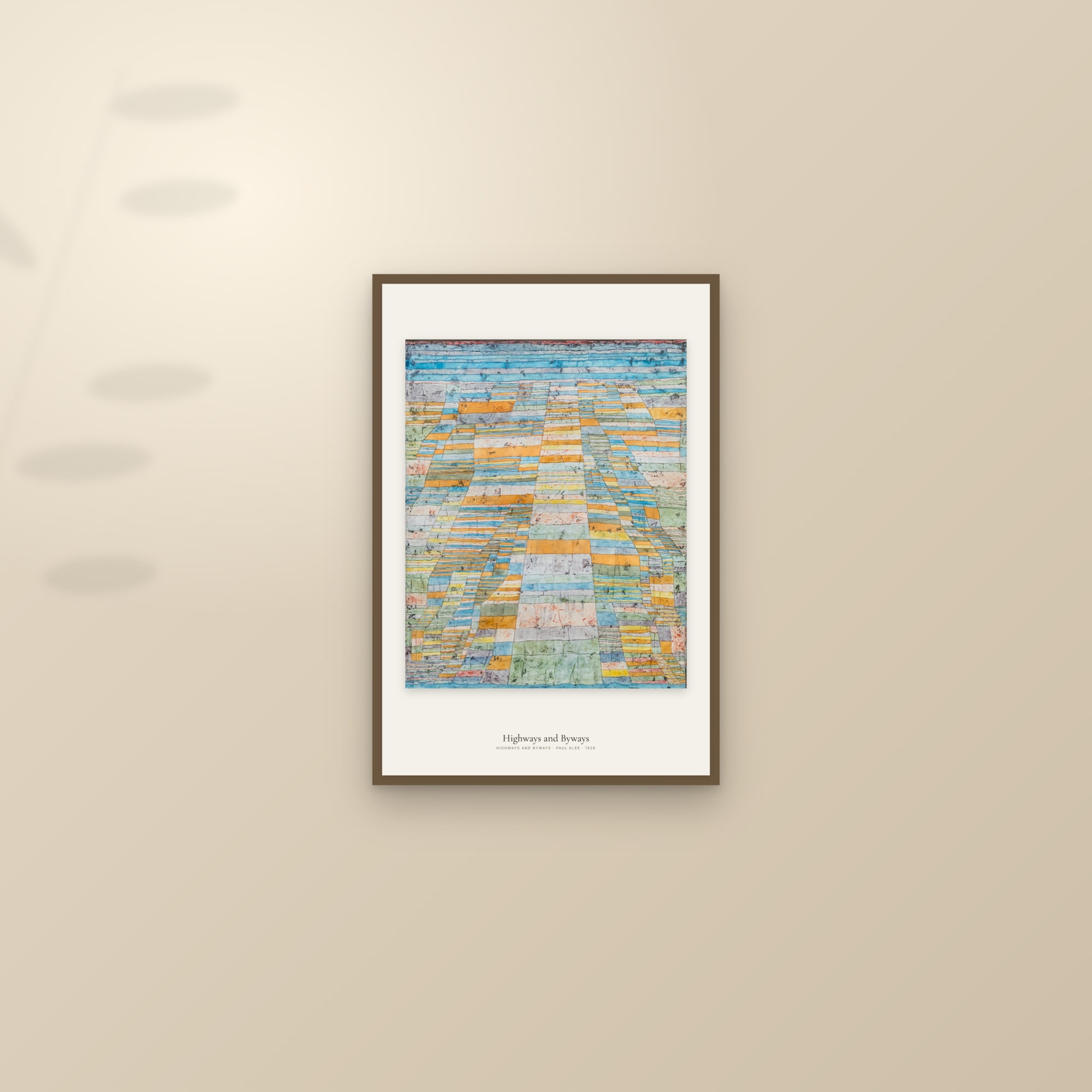
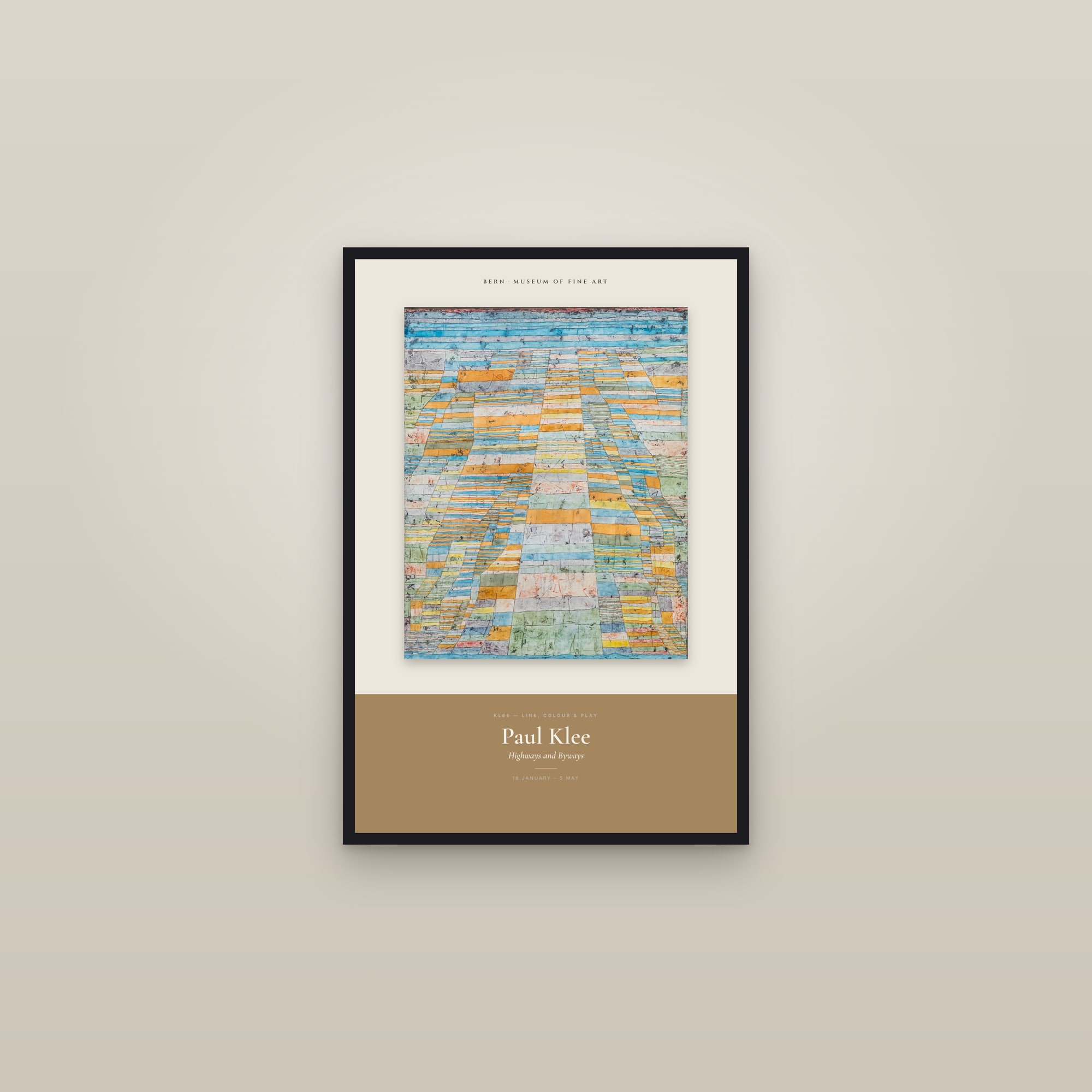
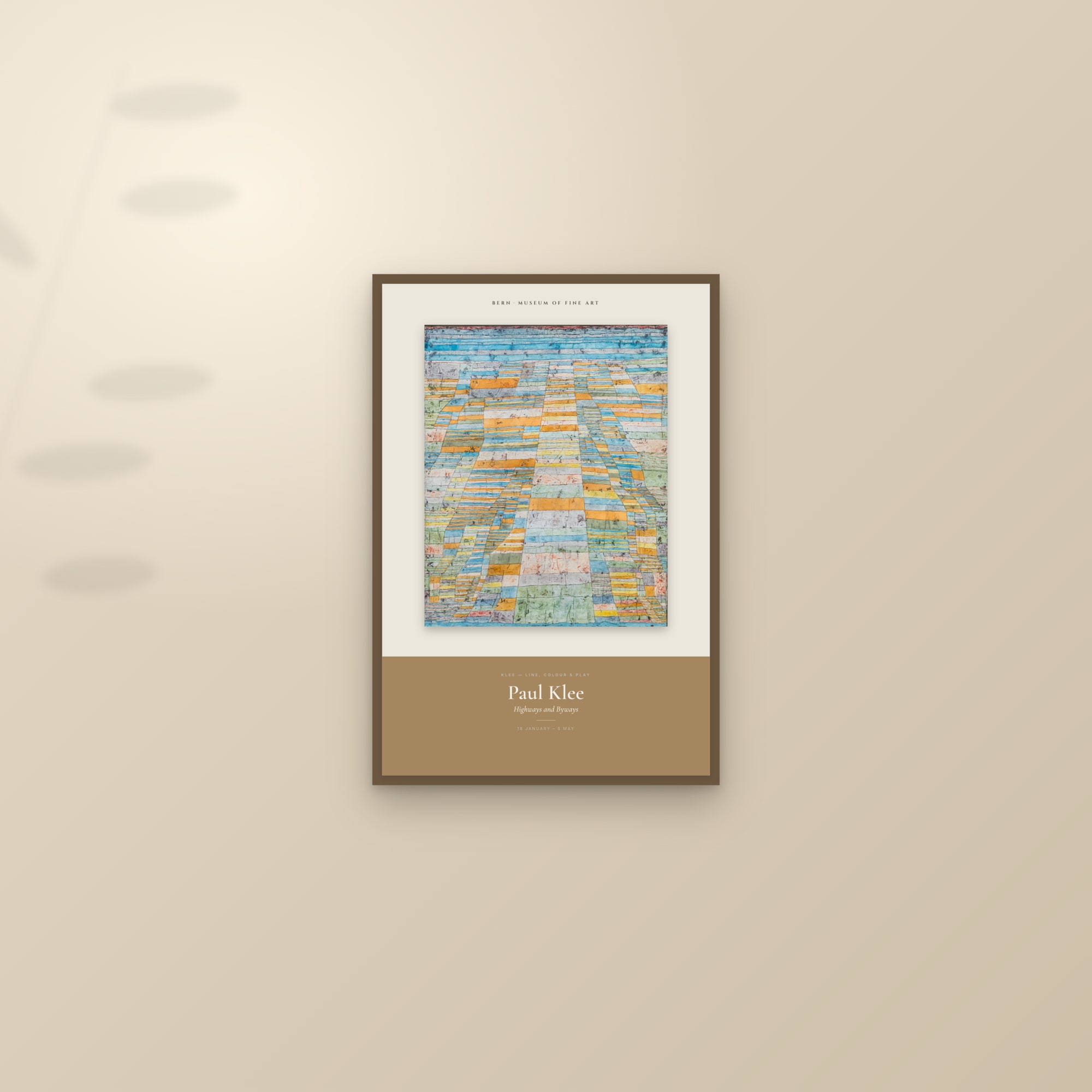
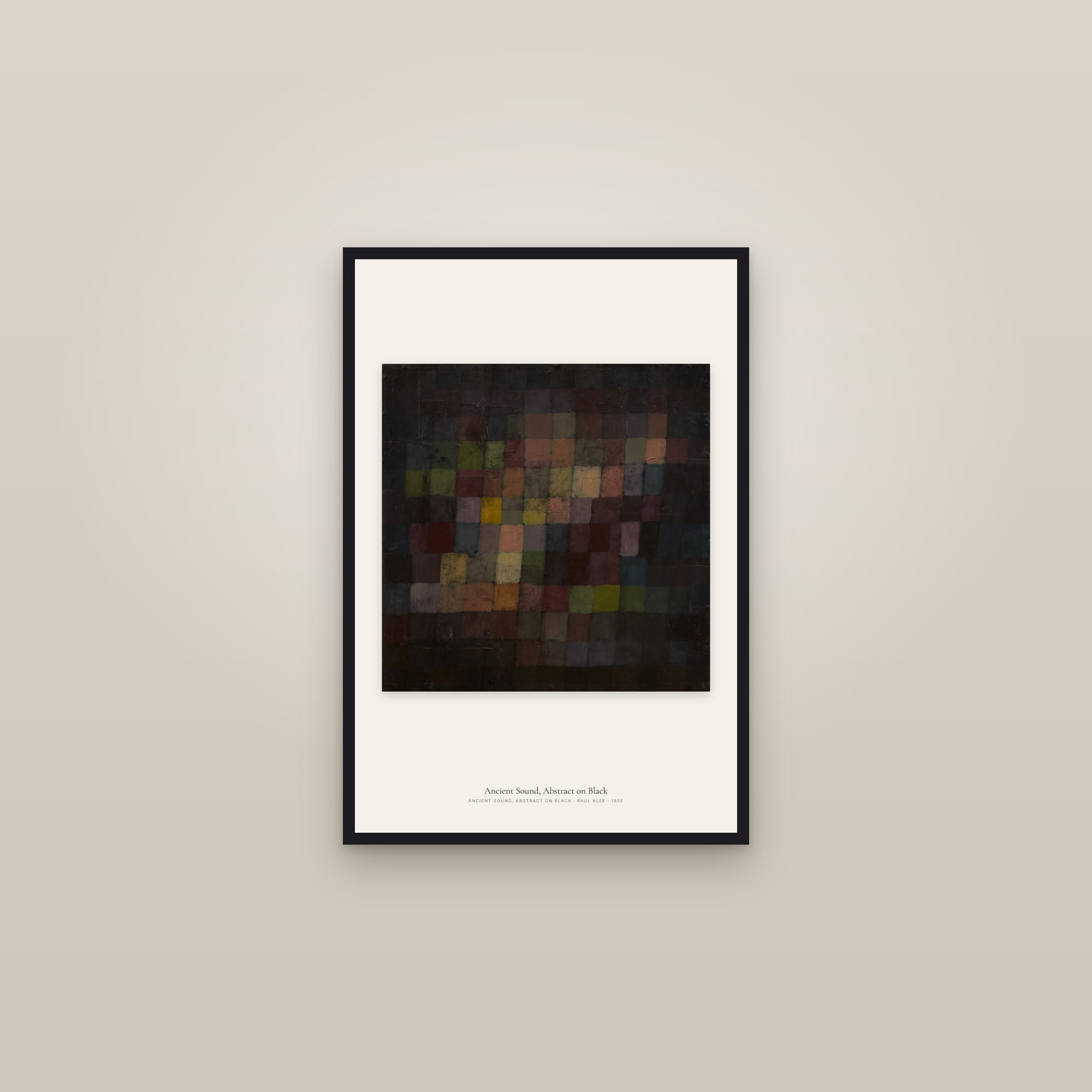
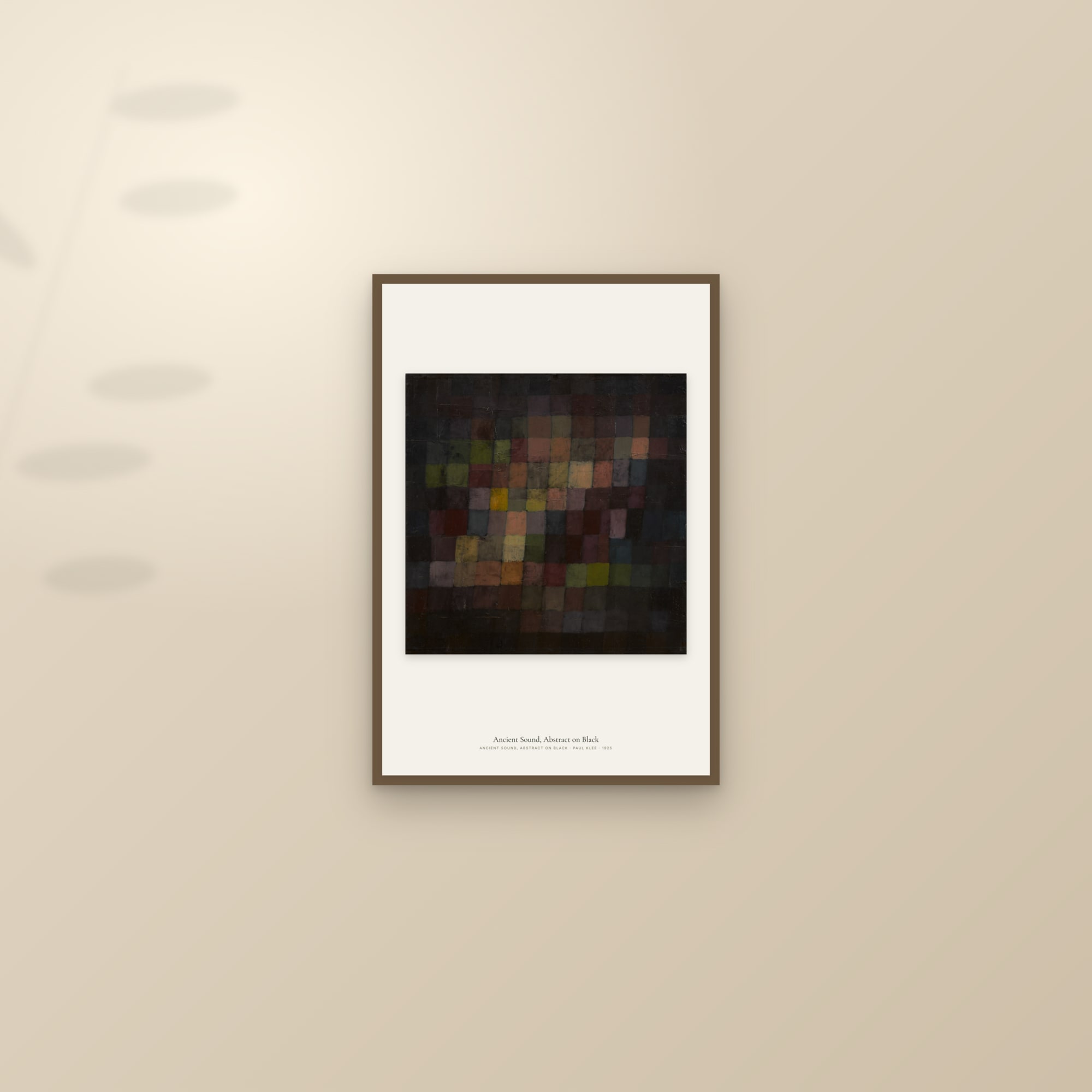
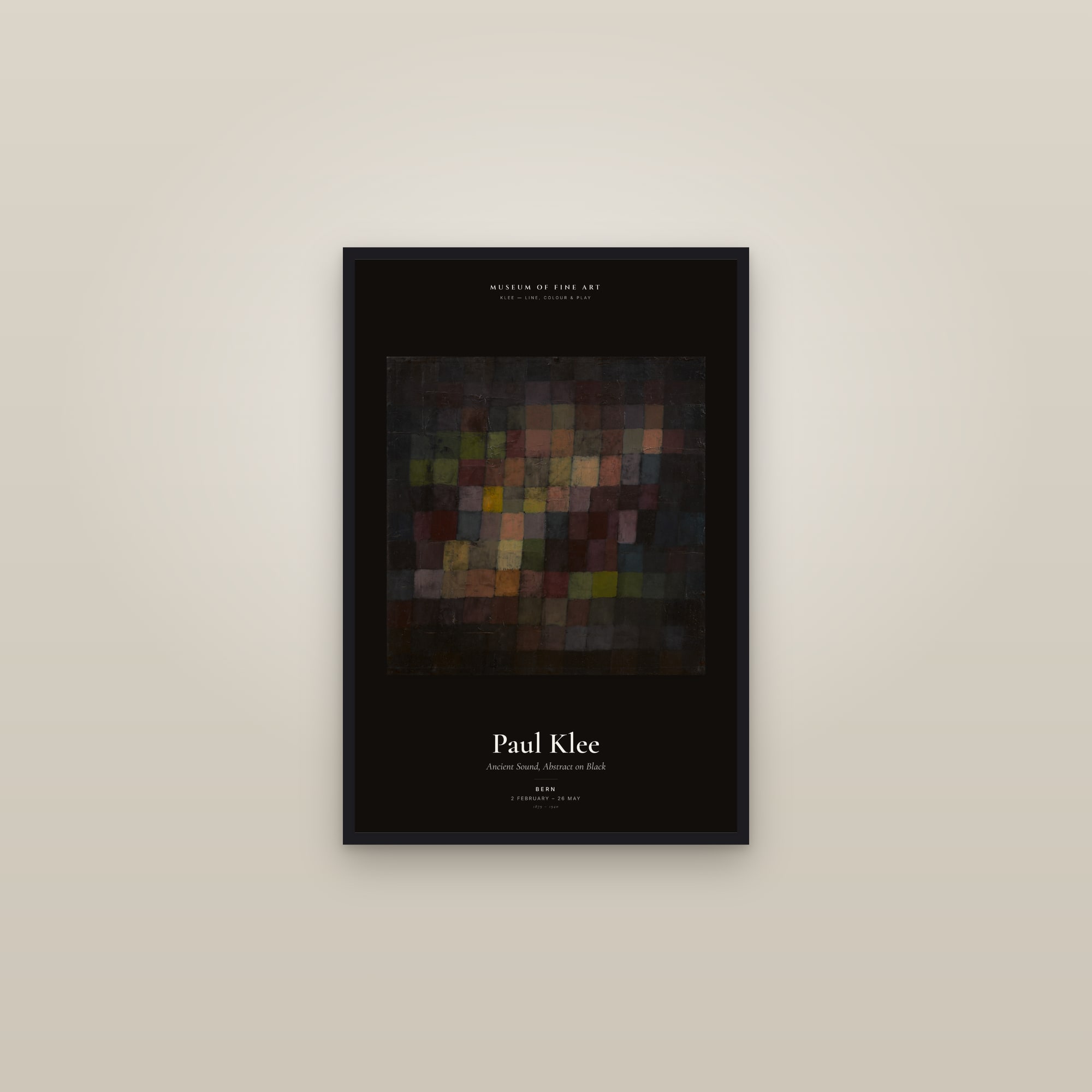
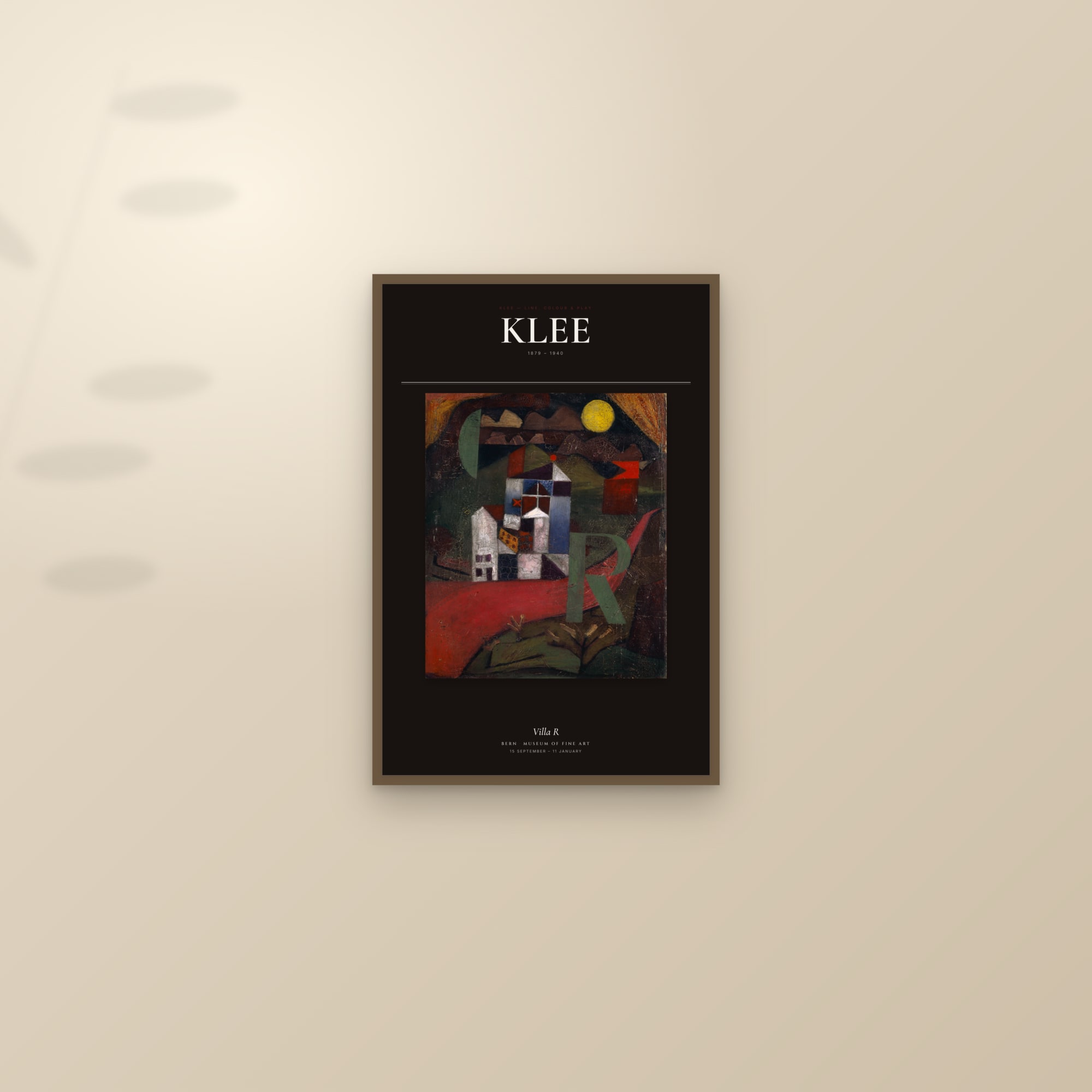
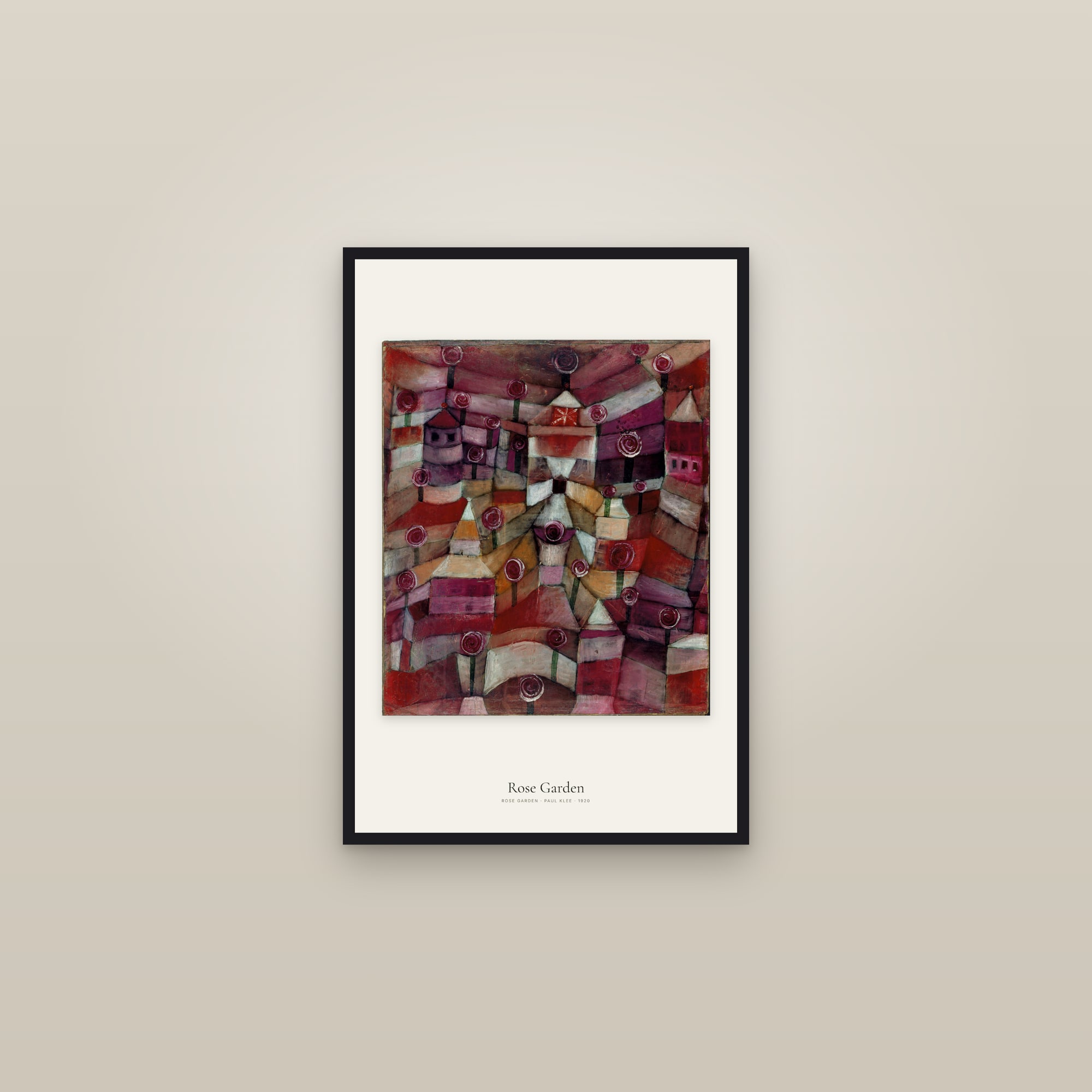
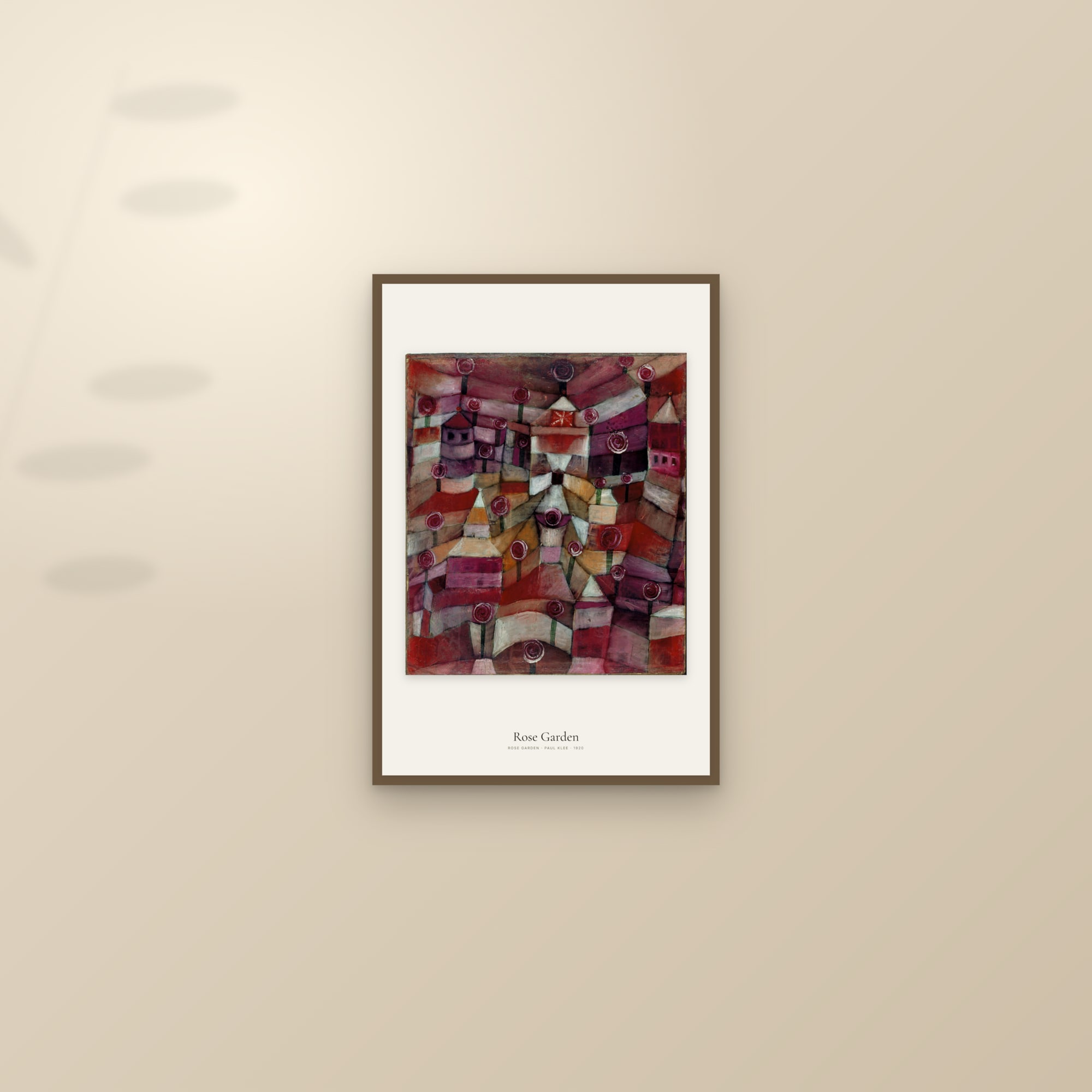
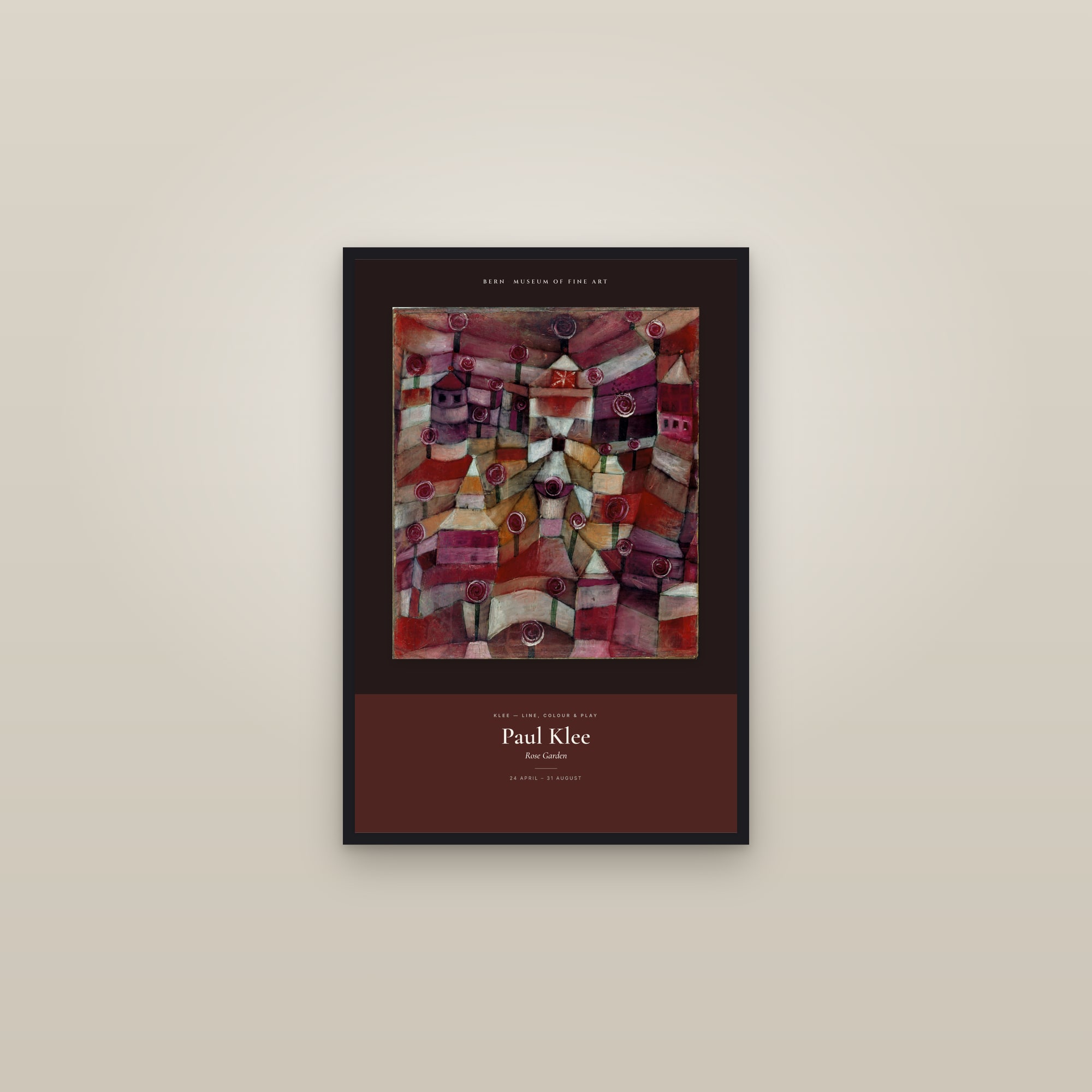
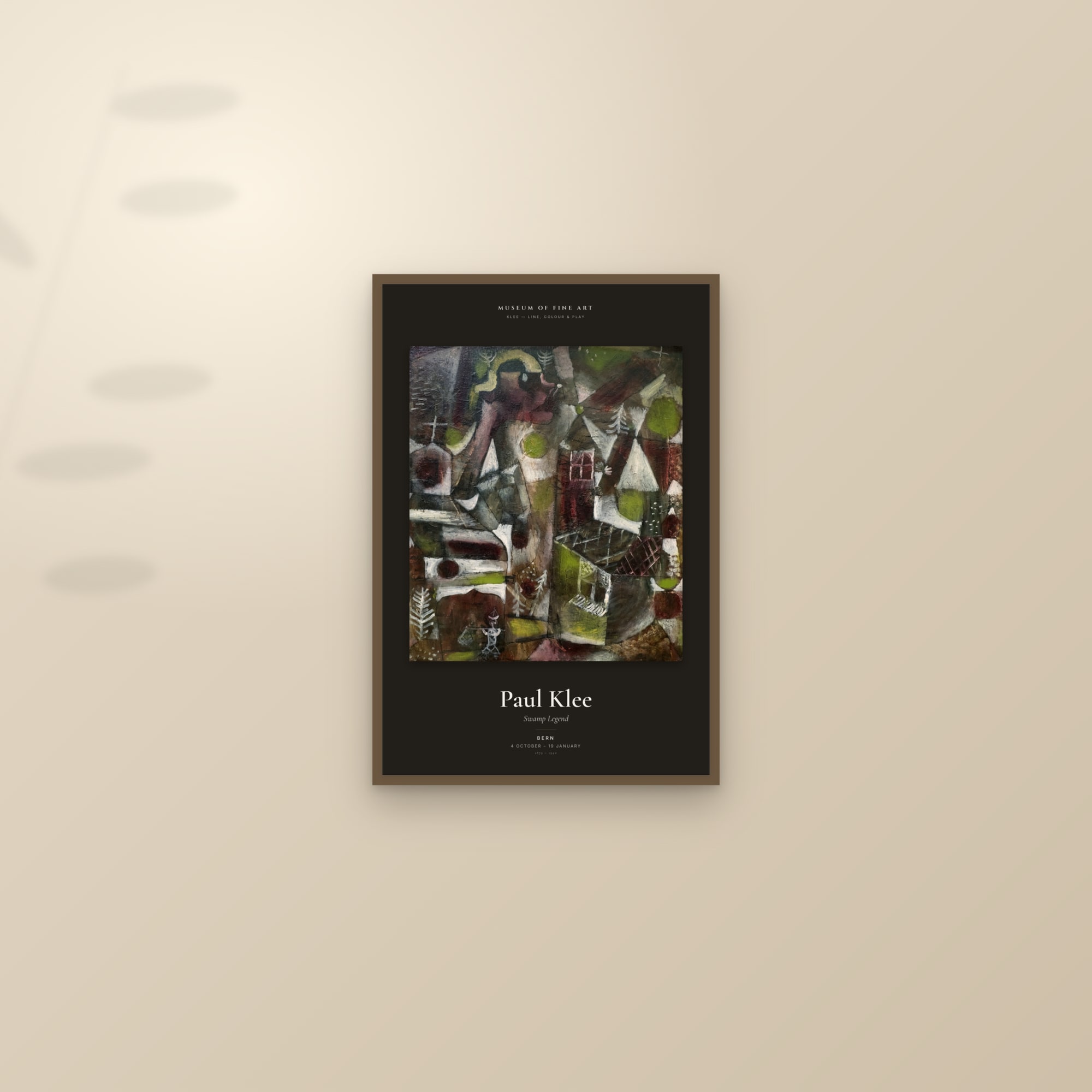
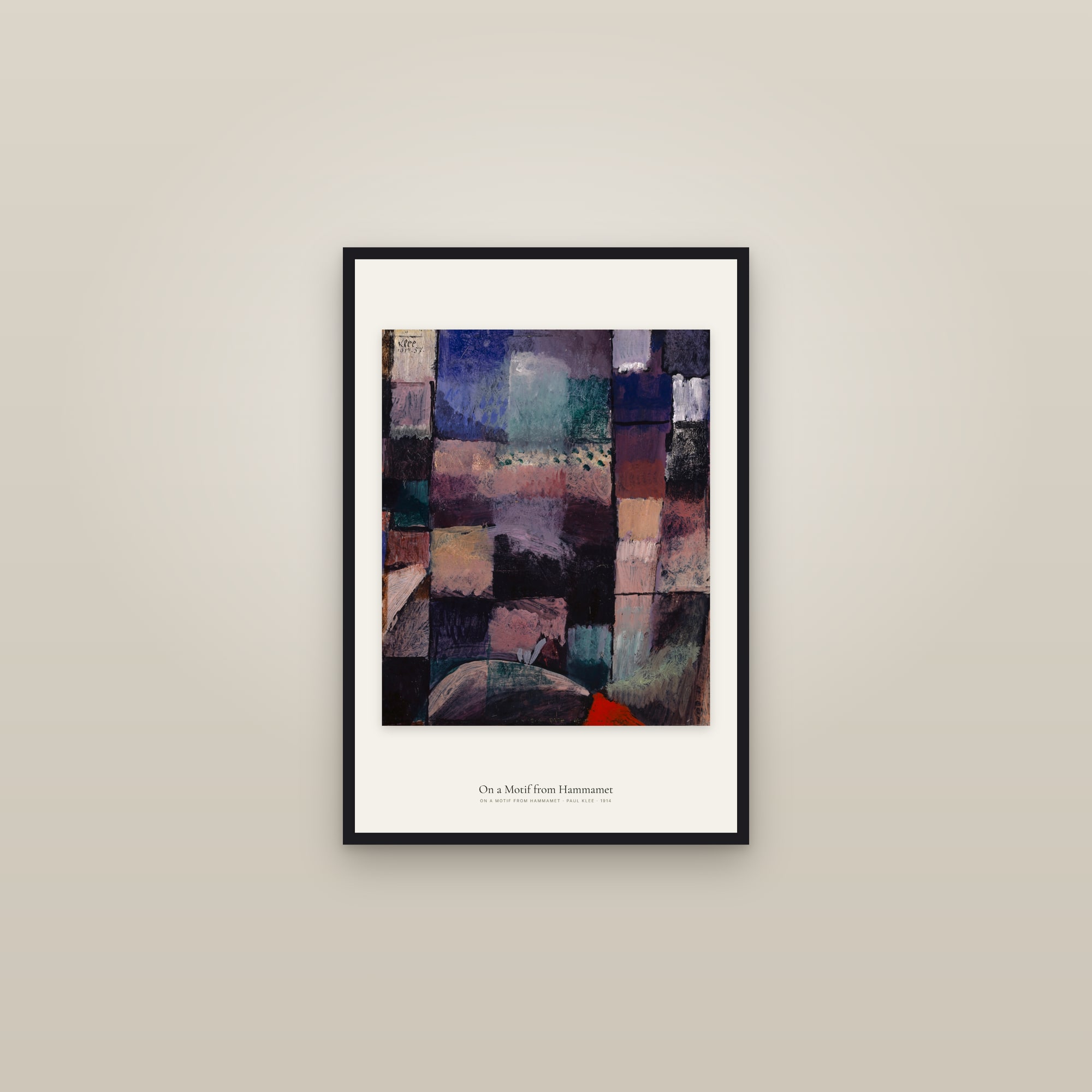
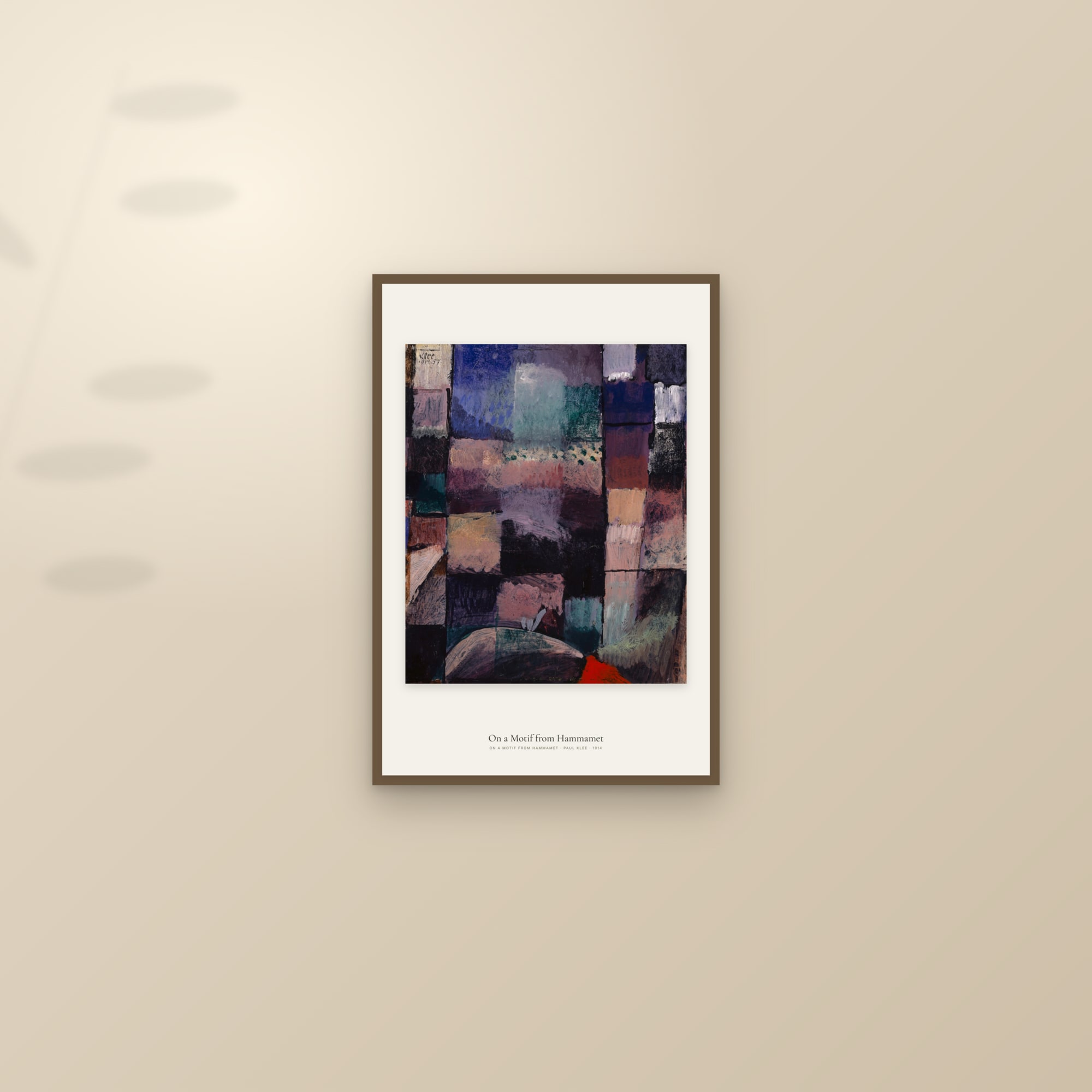
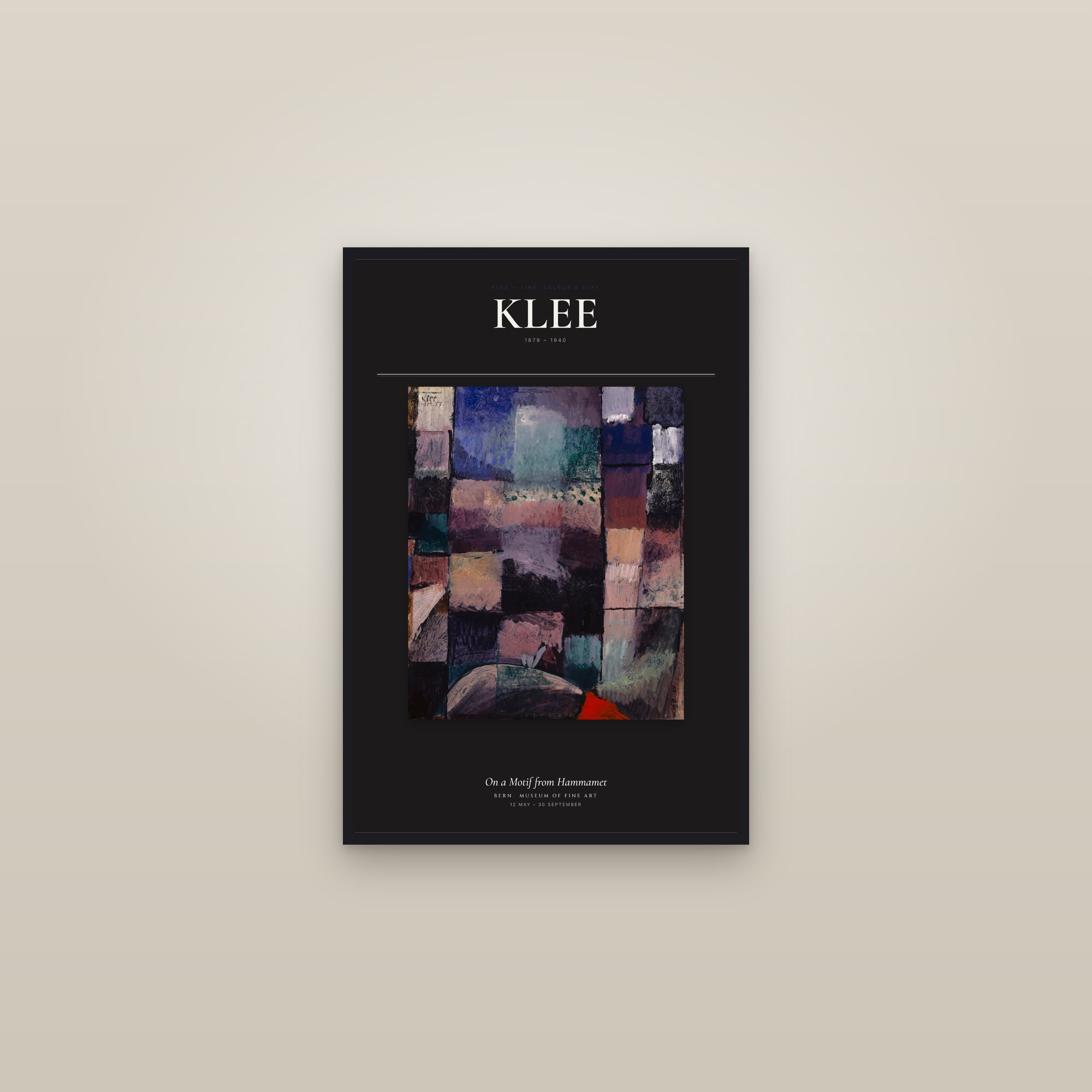
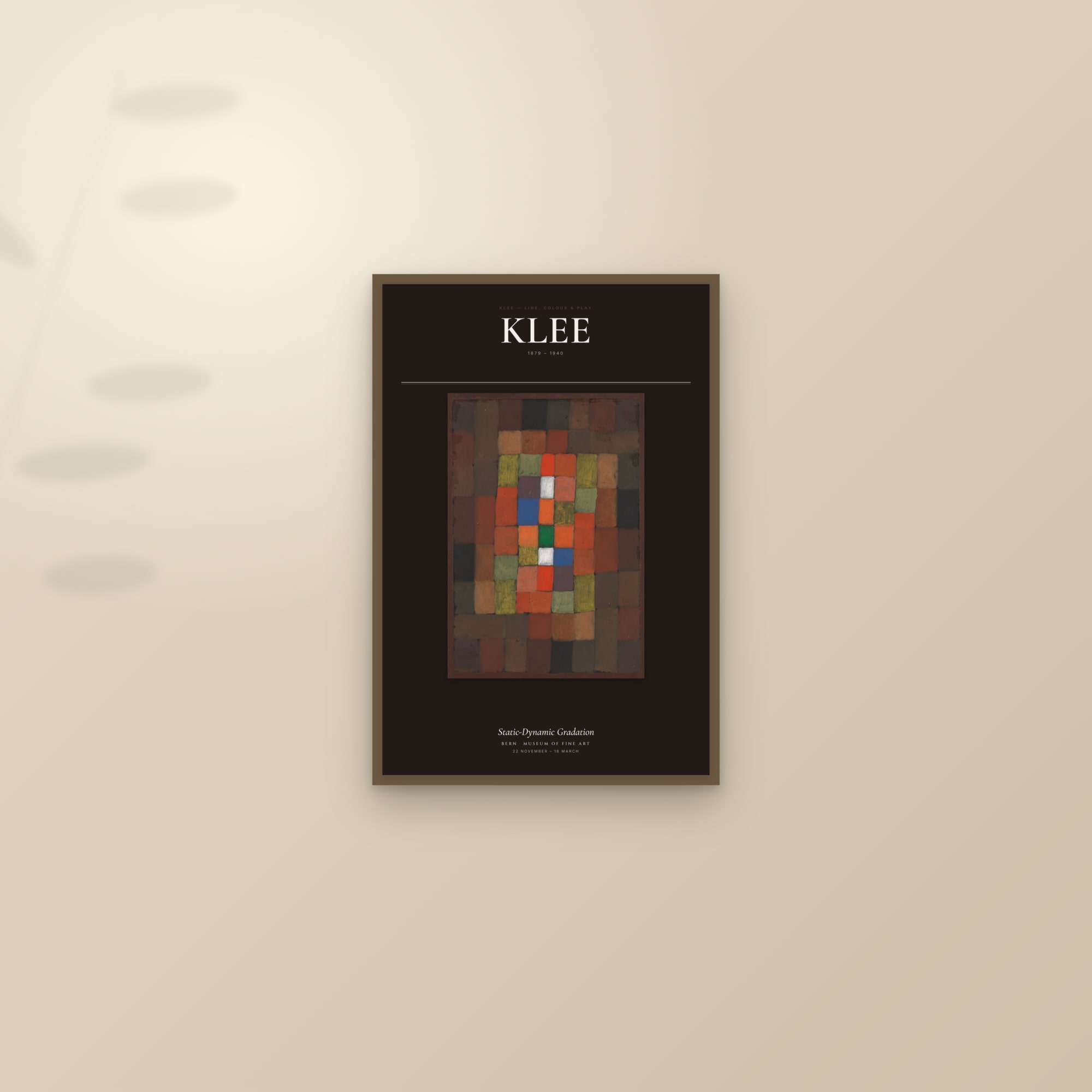
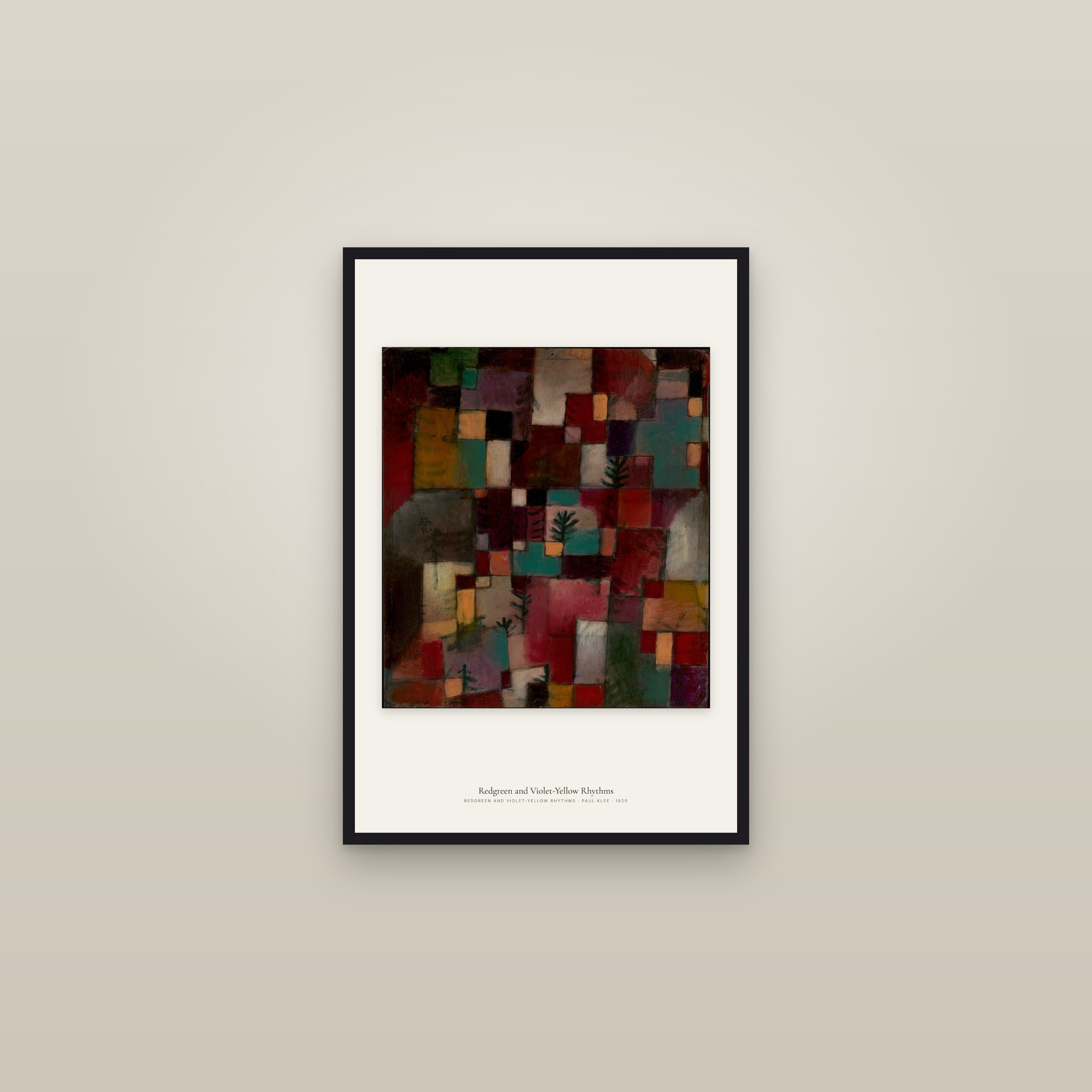
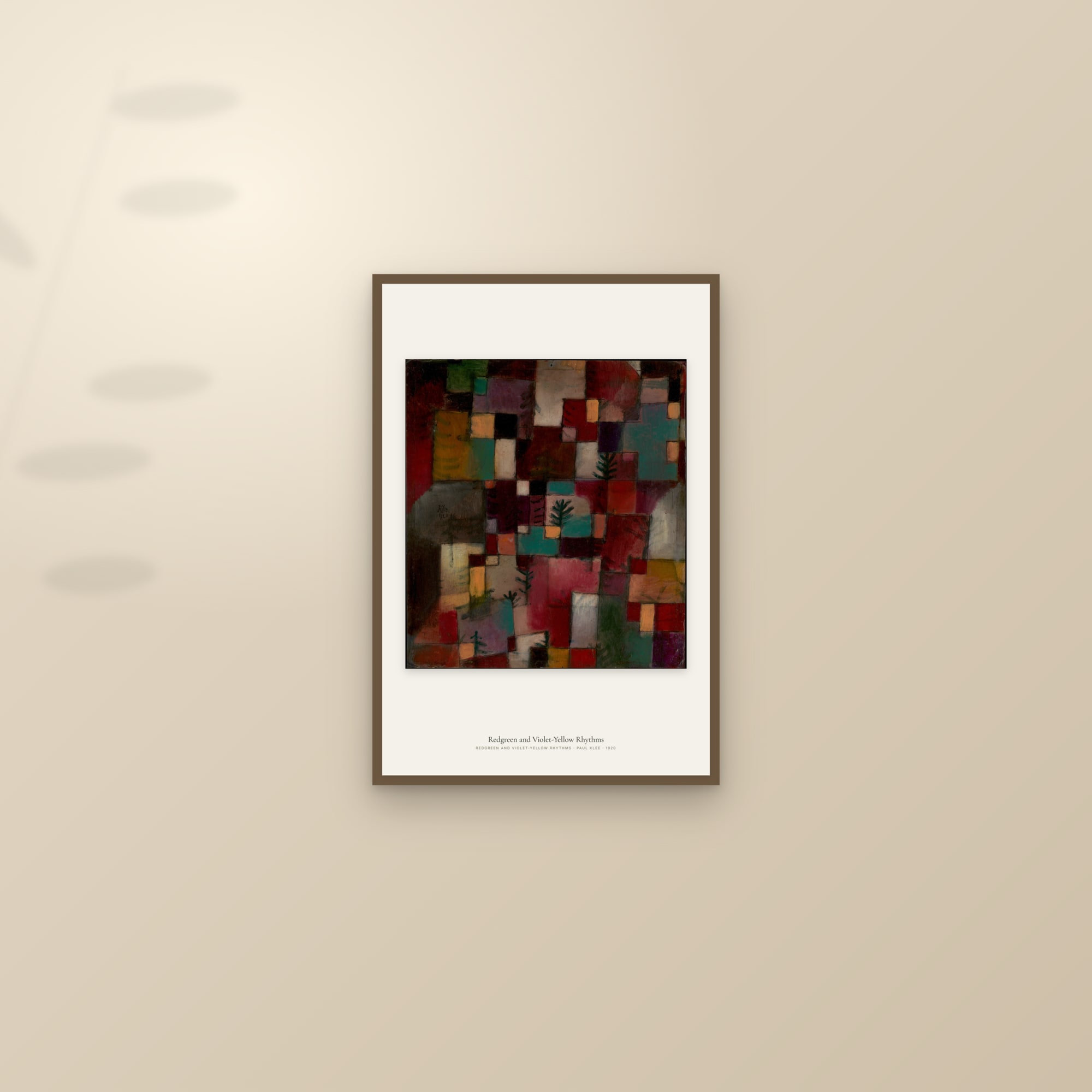
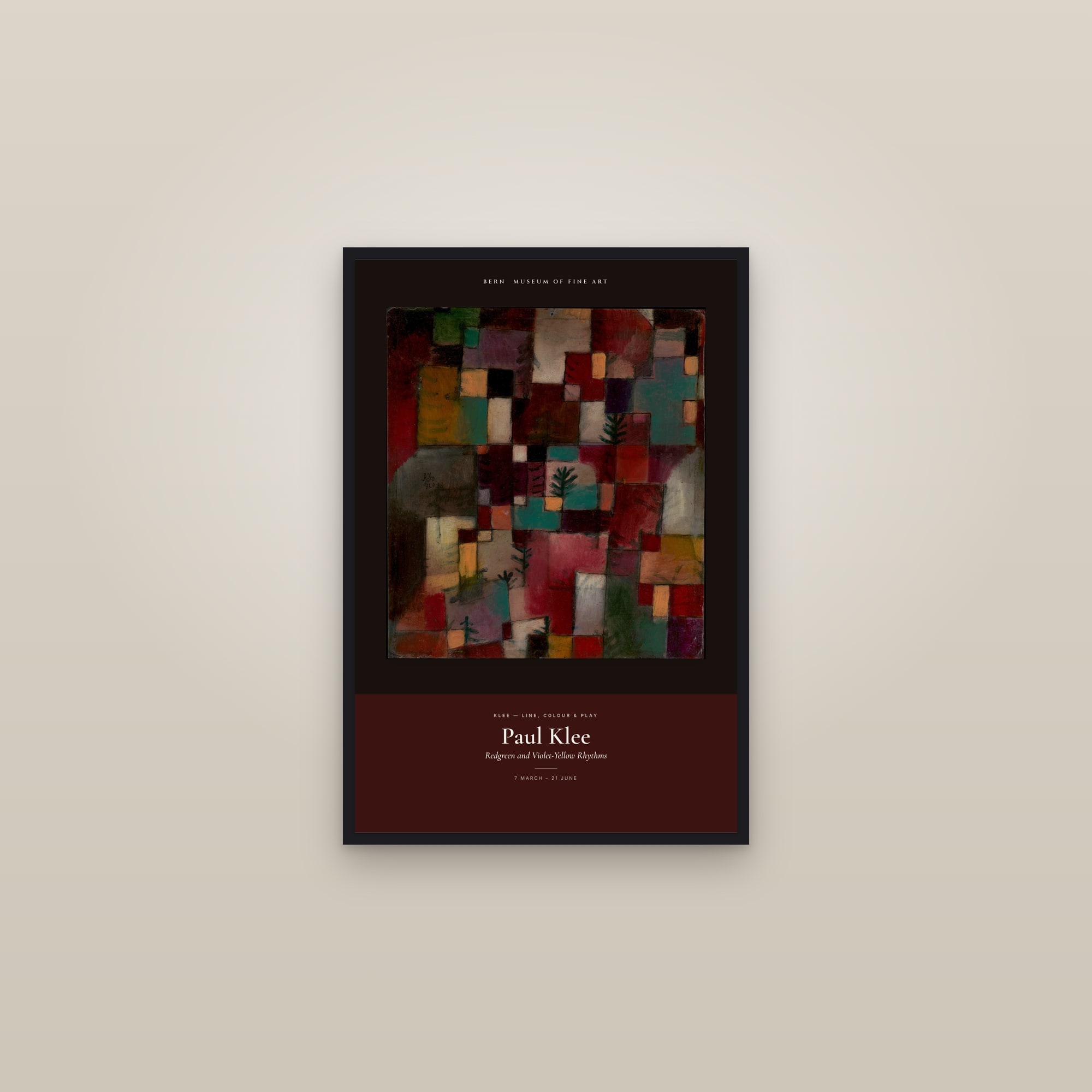
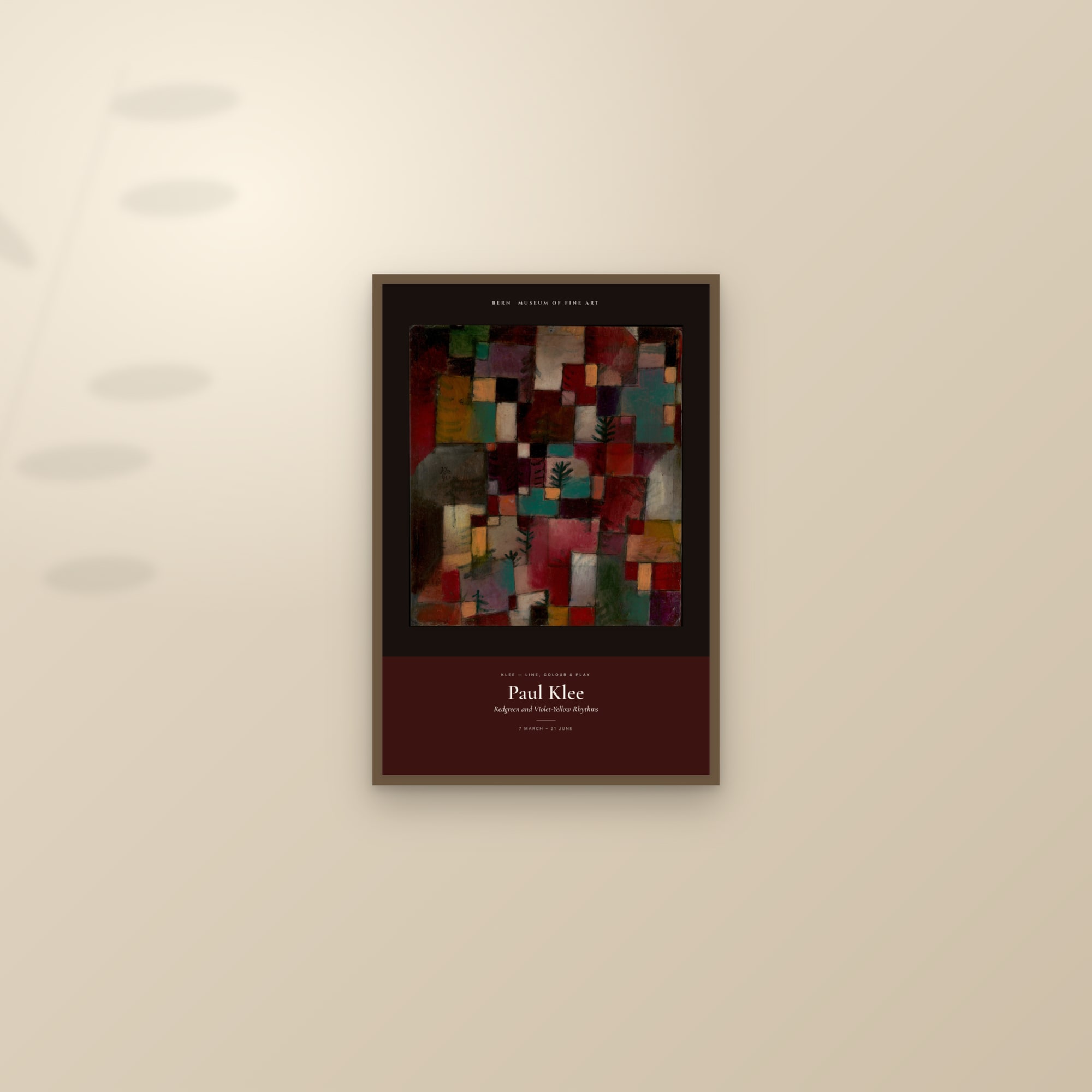
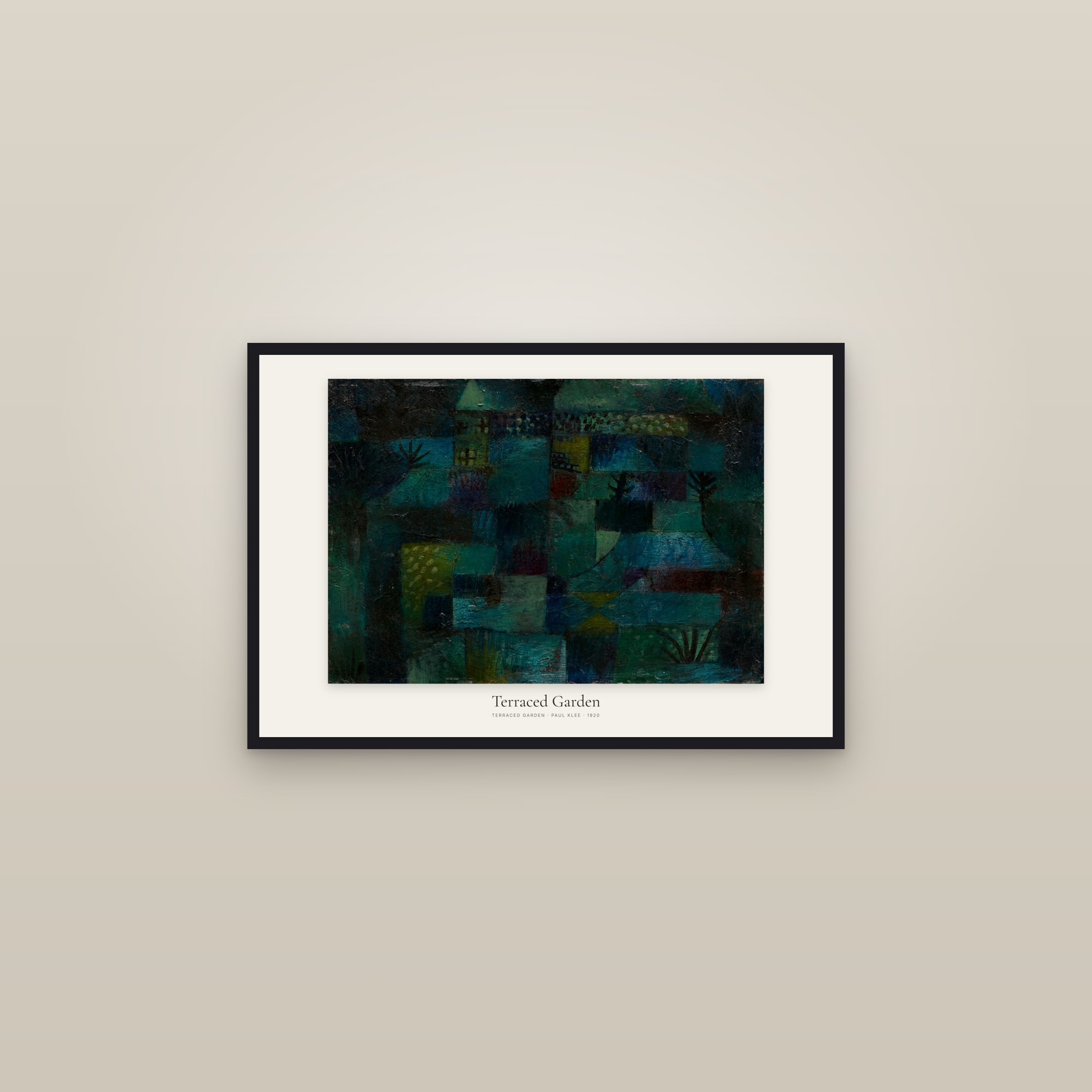
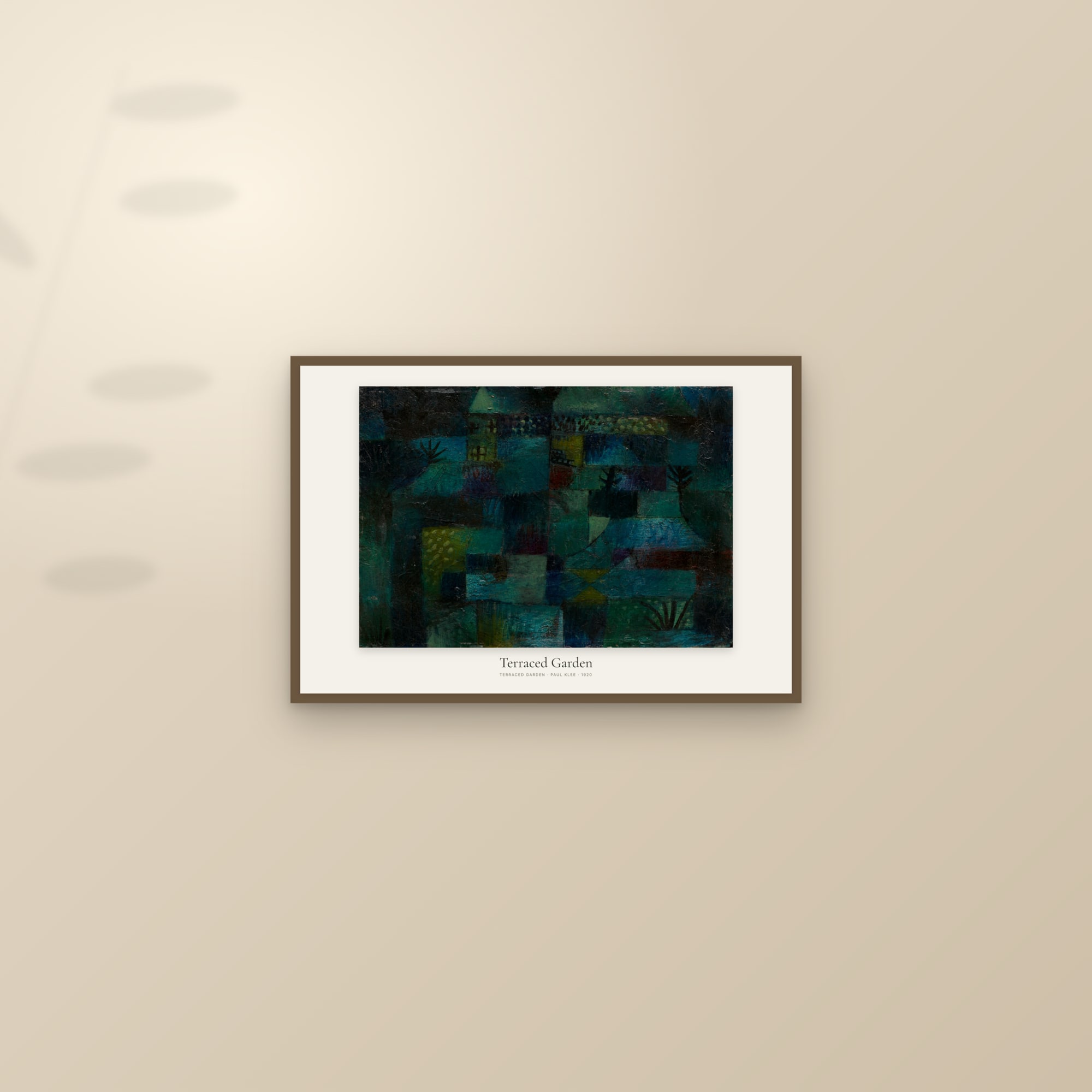
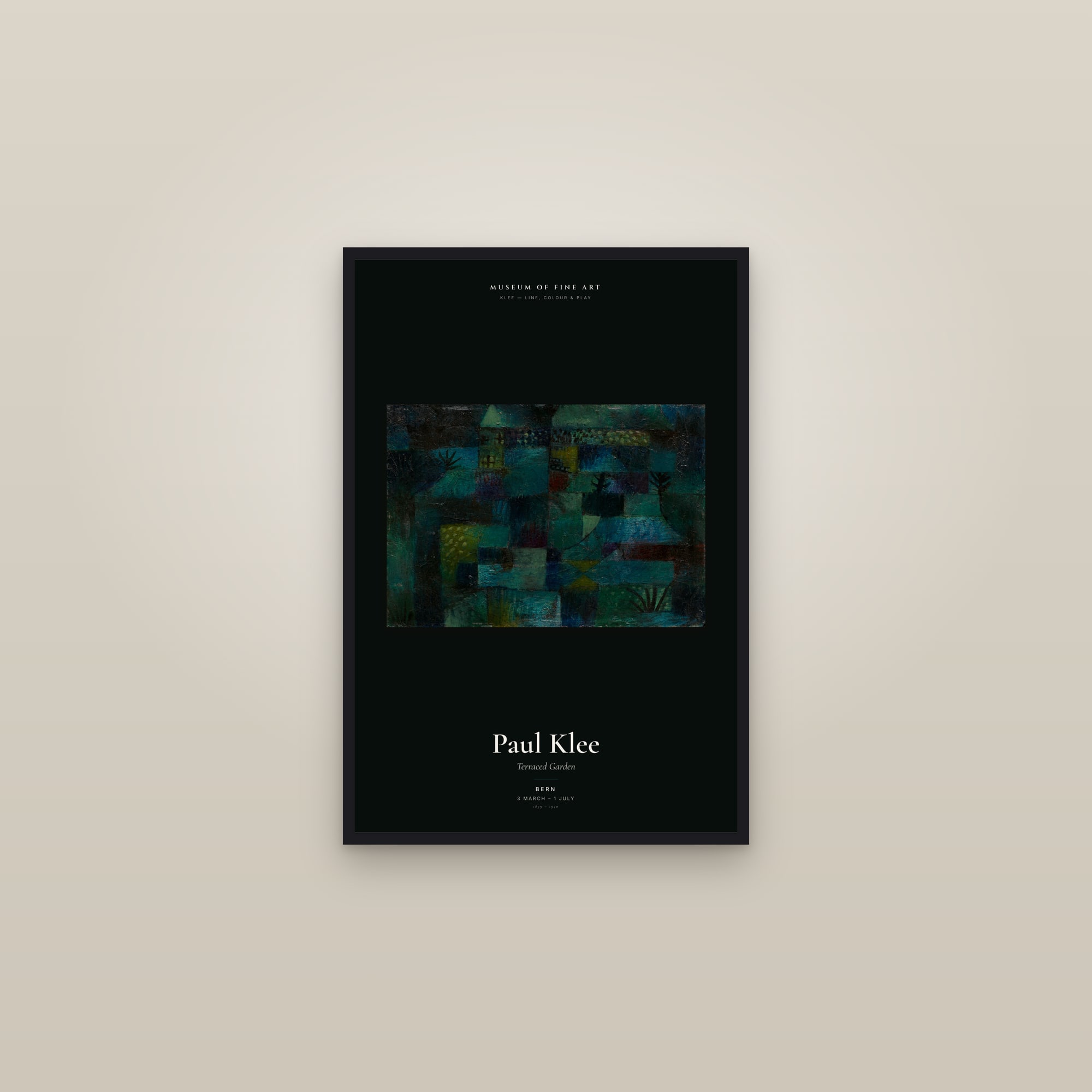
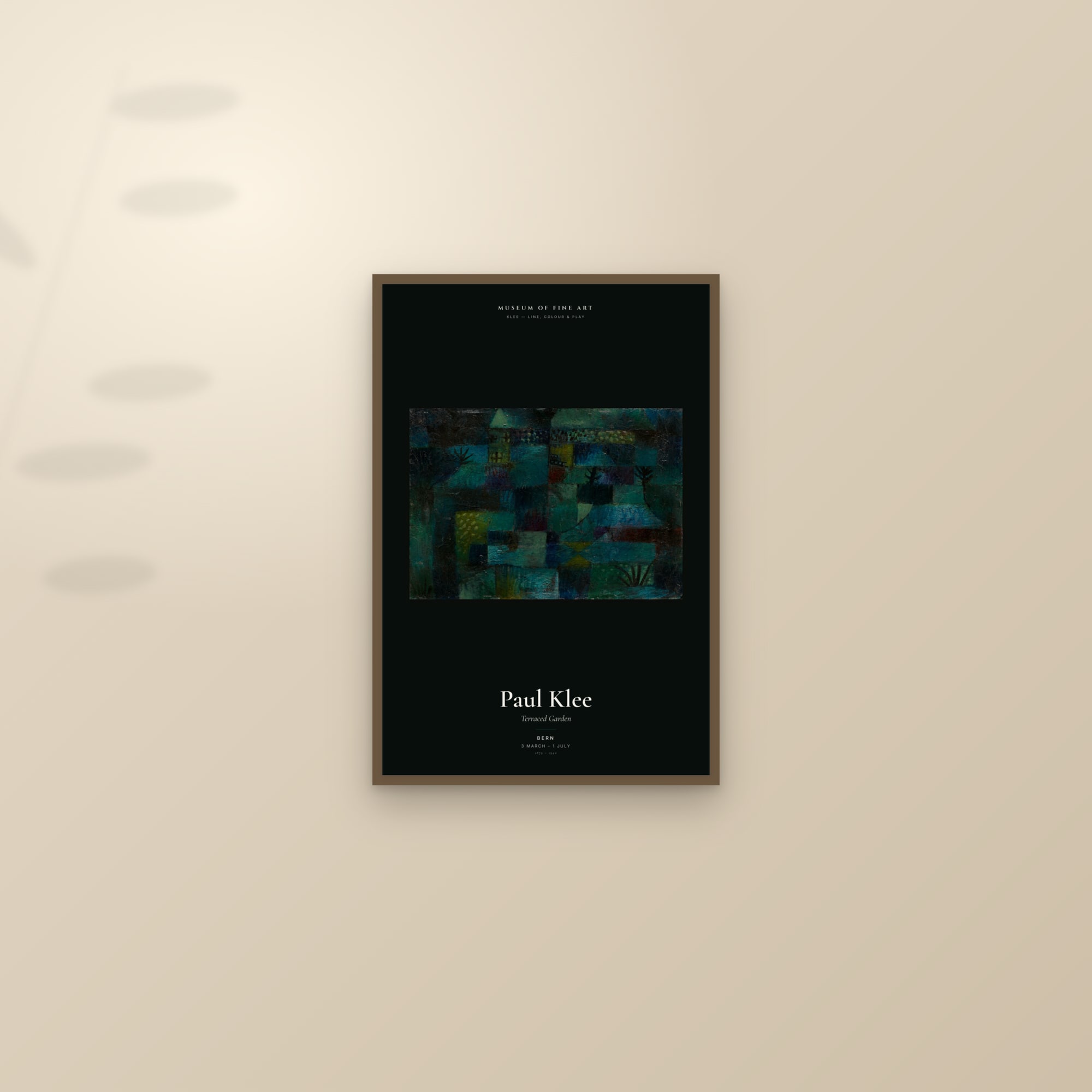
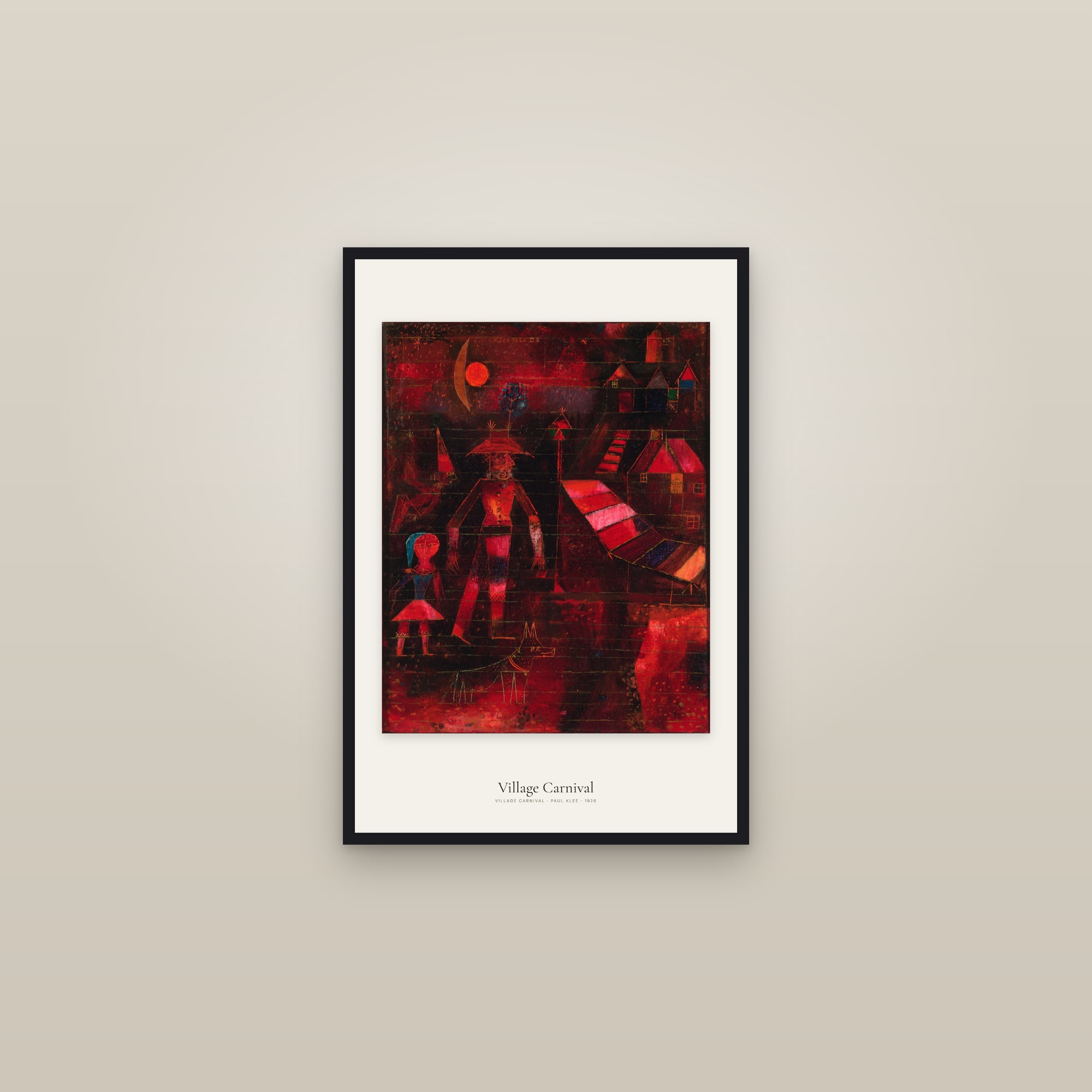
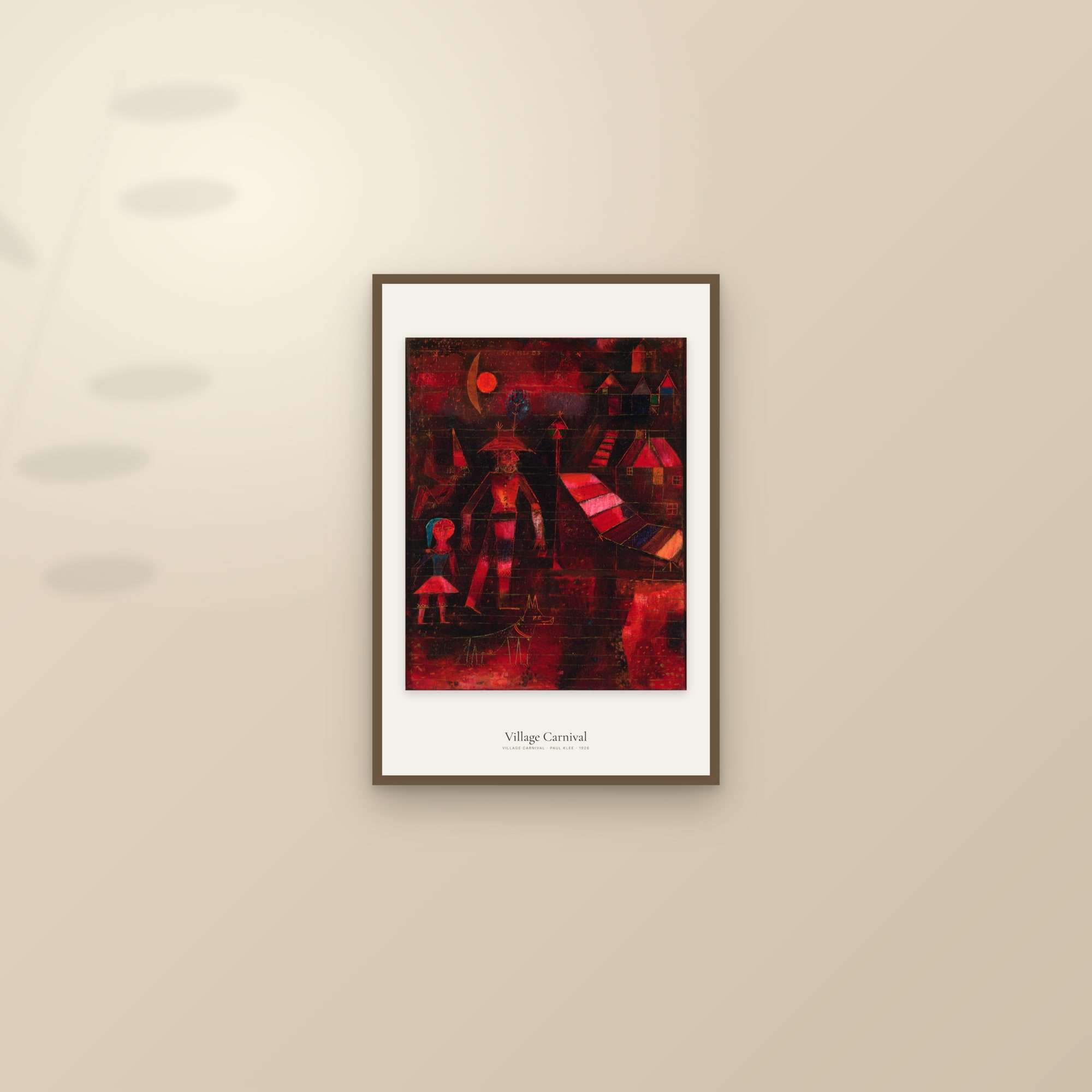
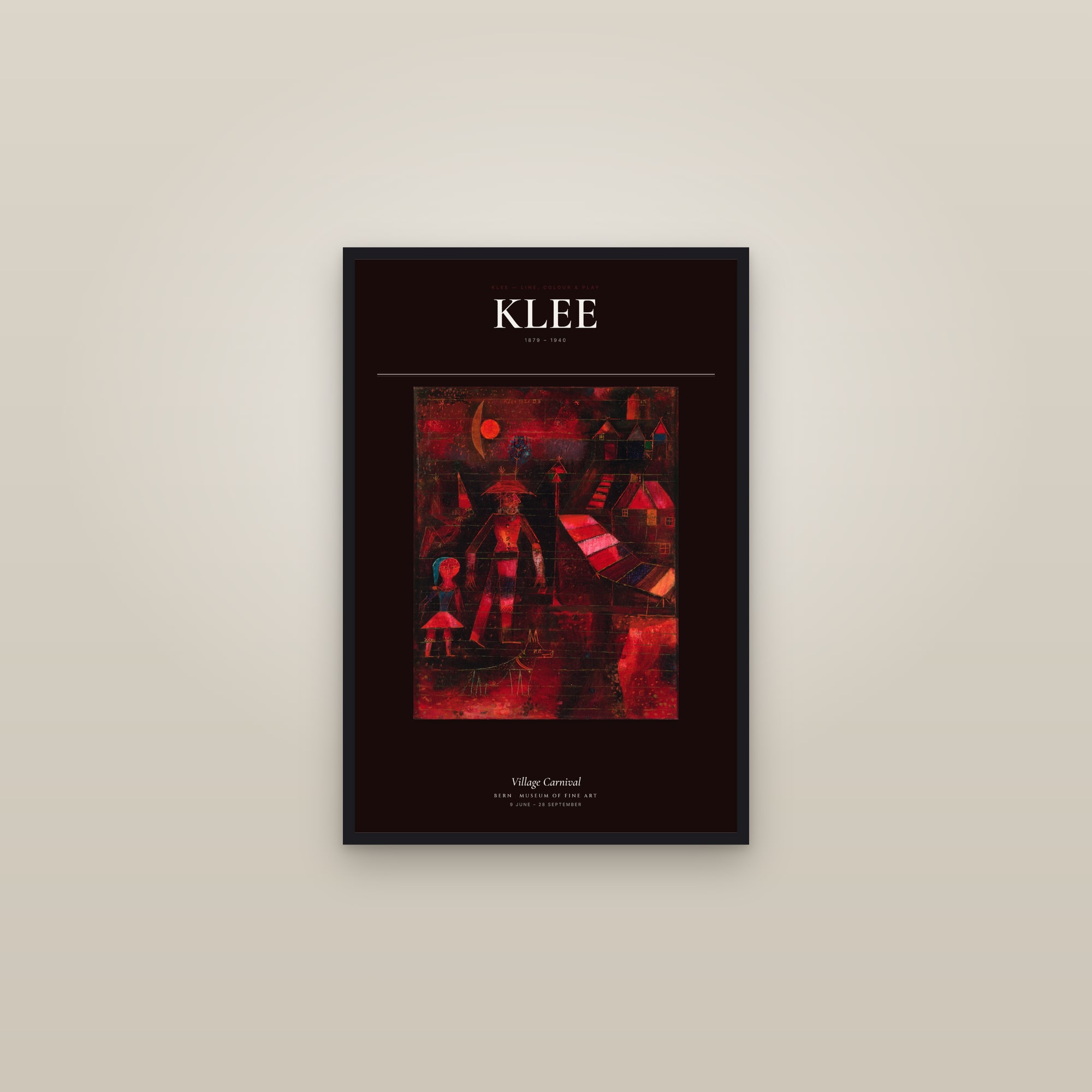
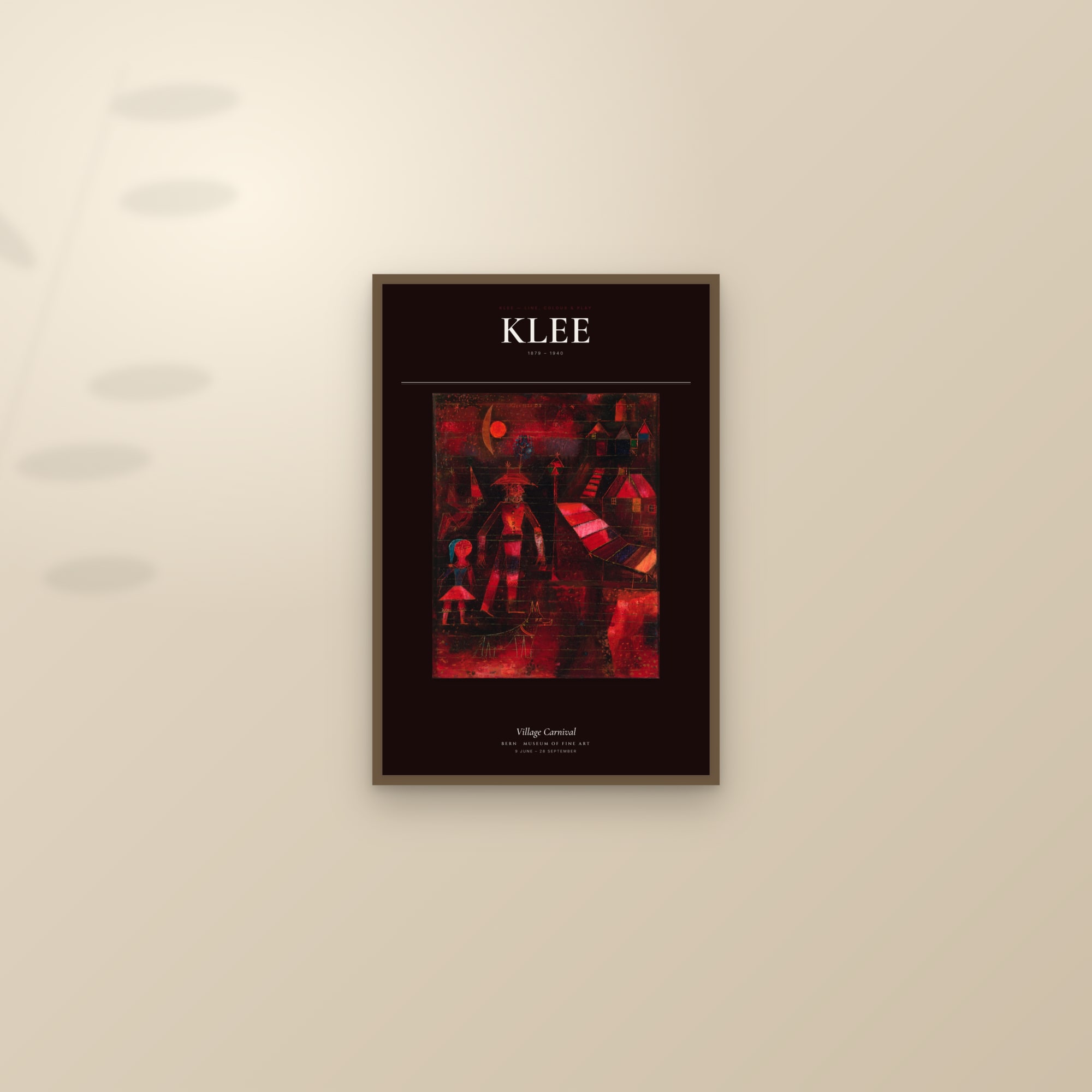
About Paul Klee
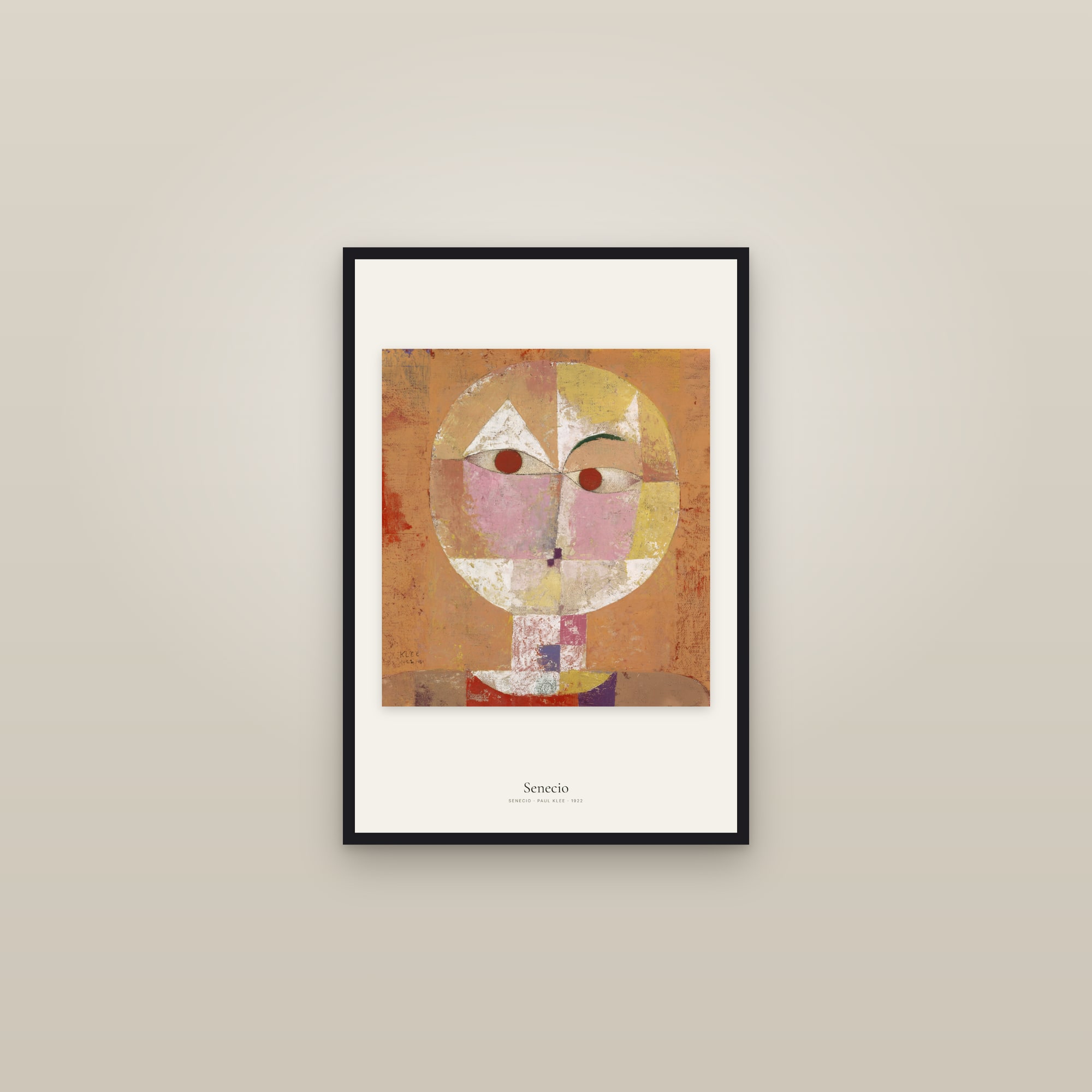
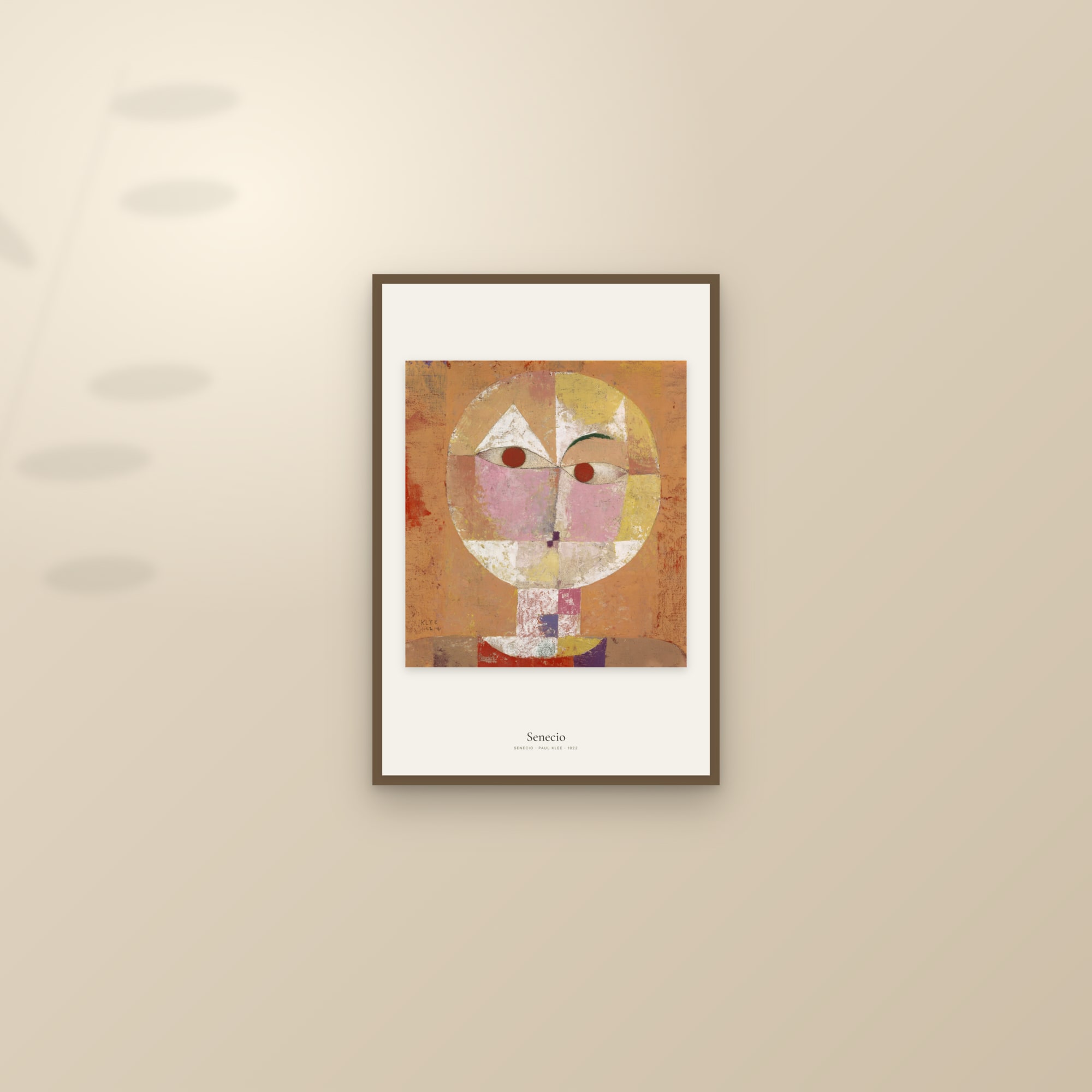
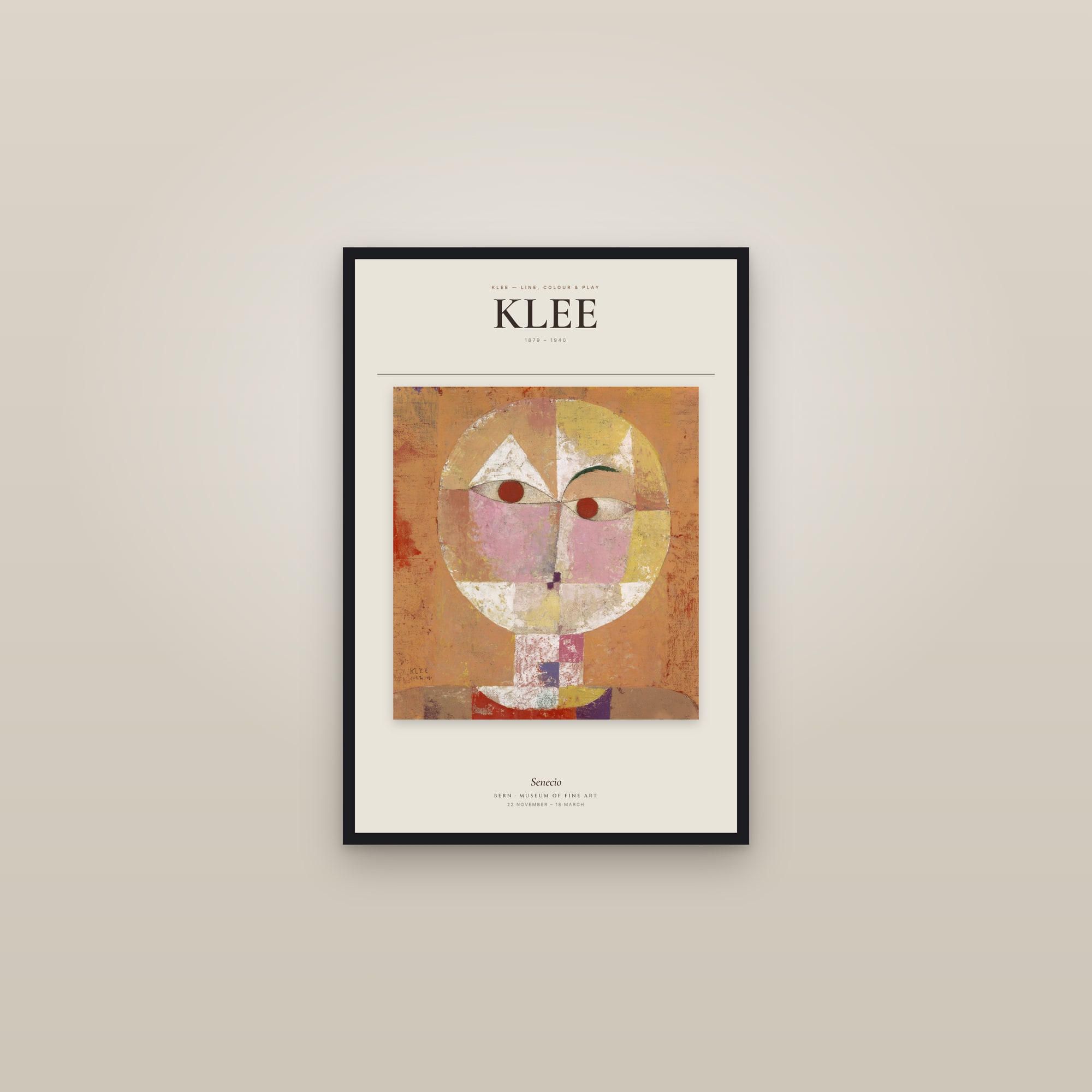
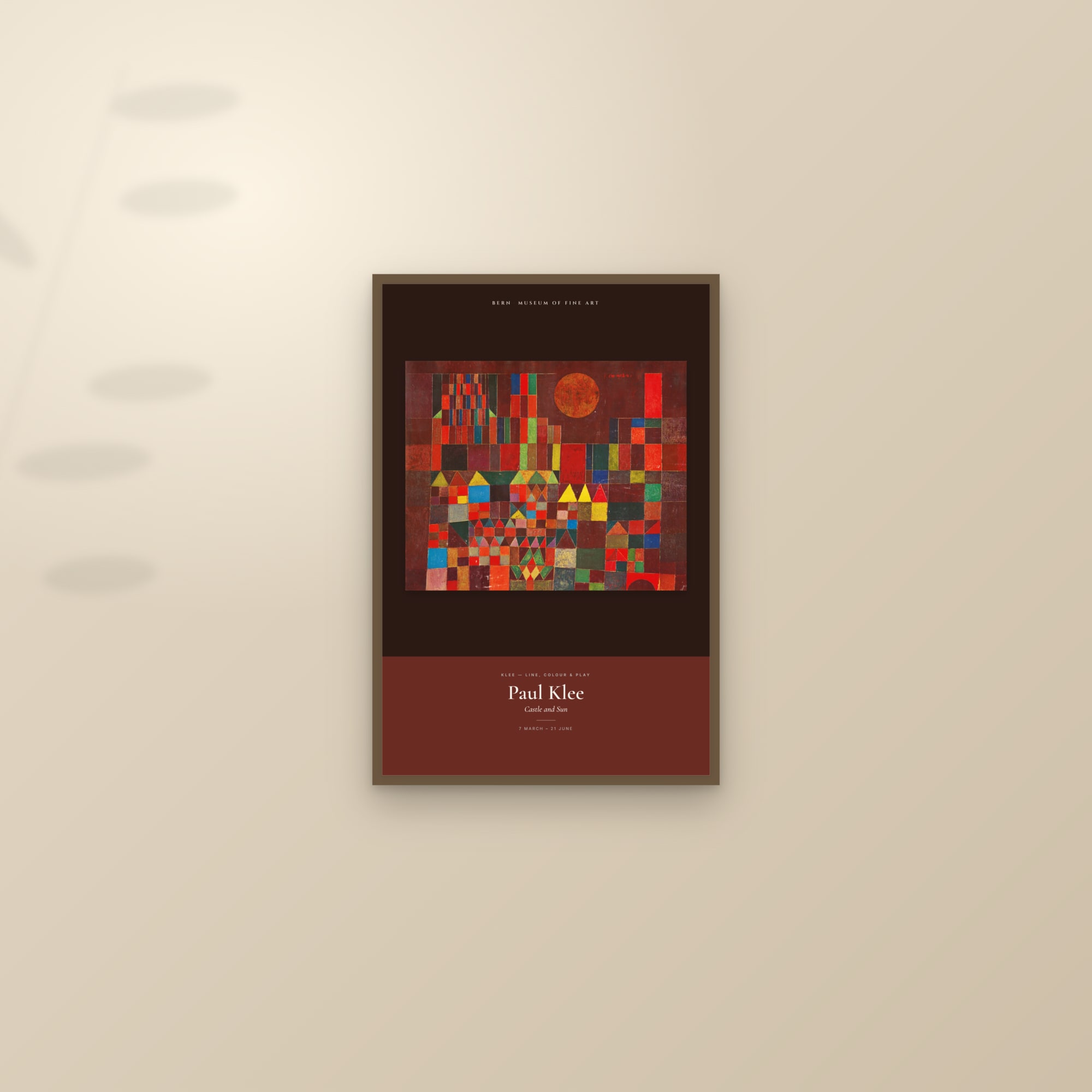
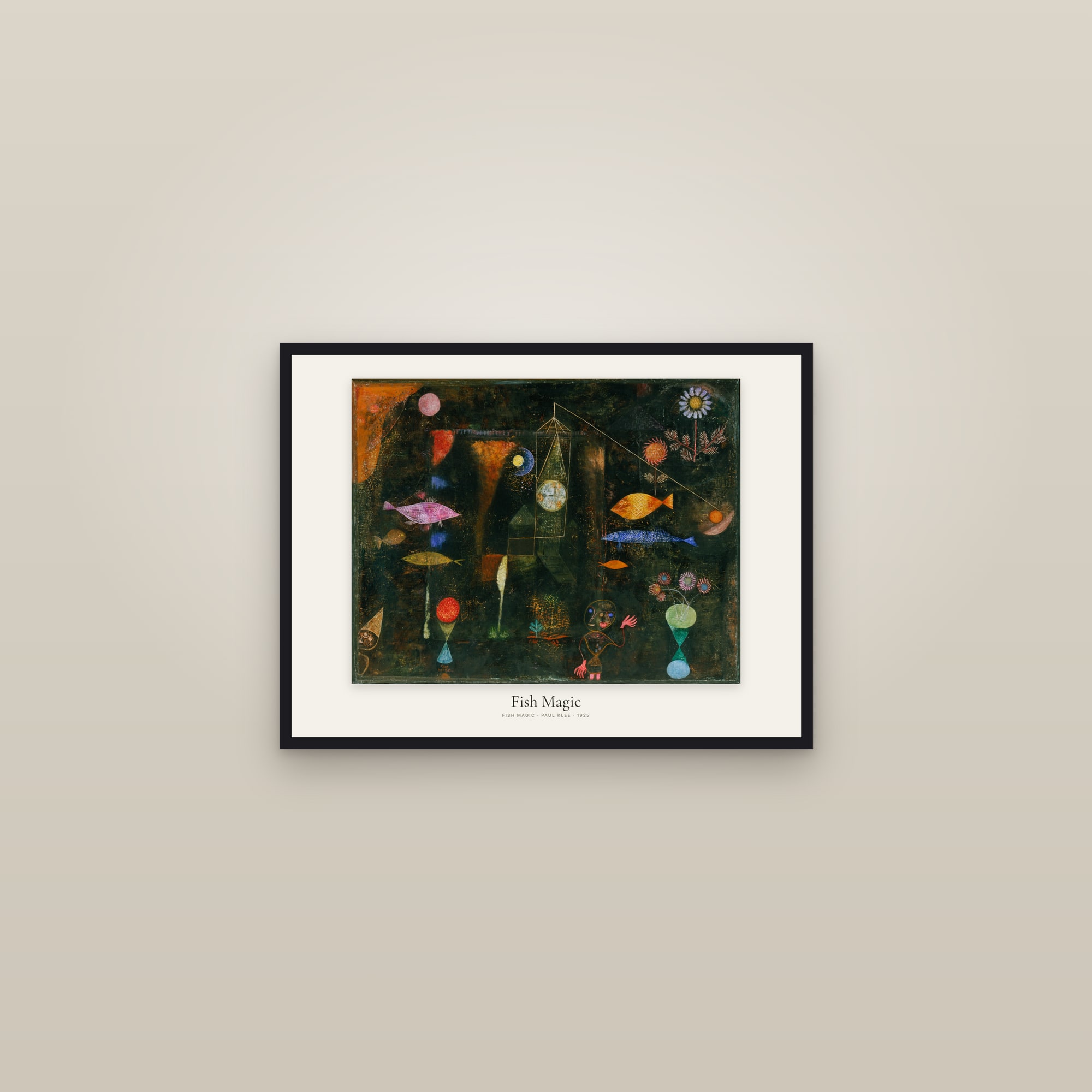
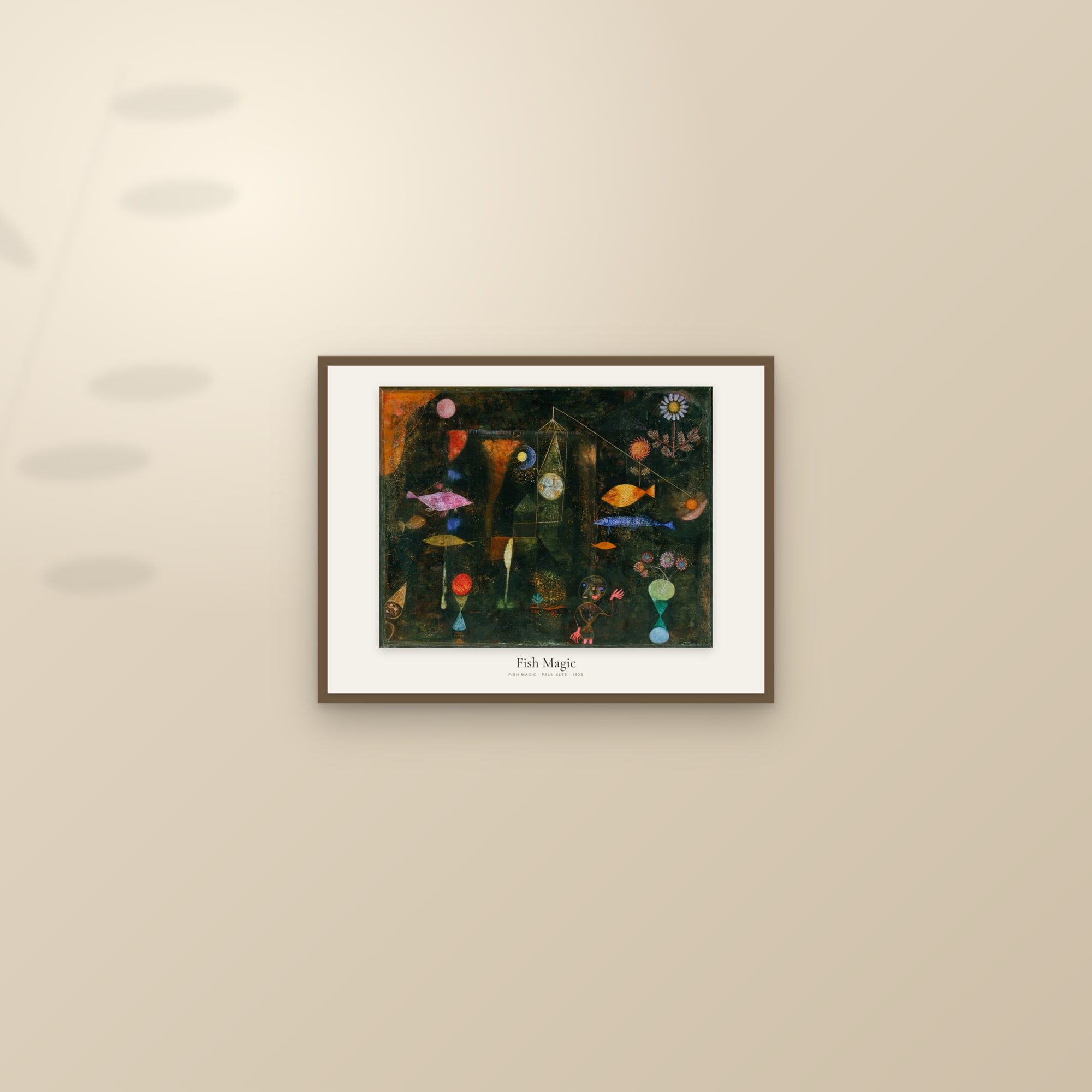
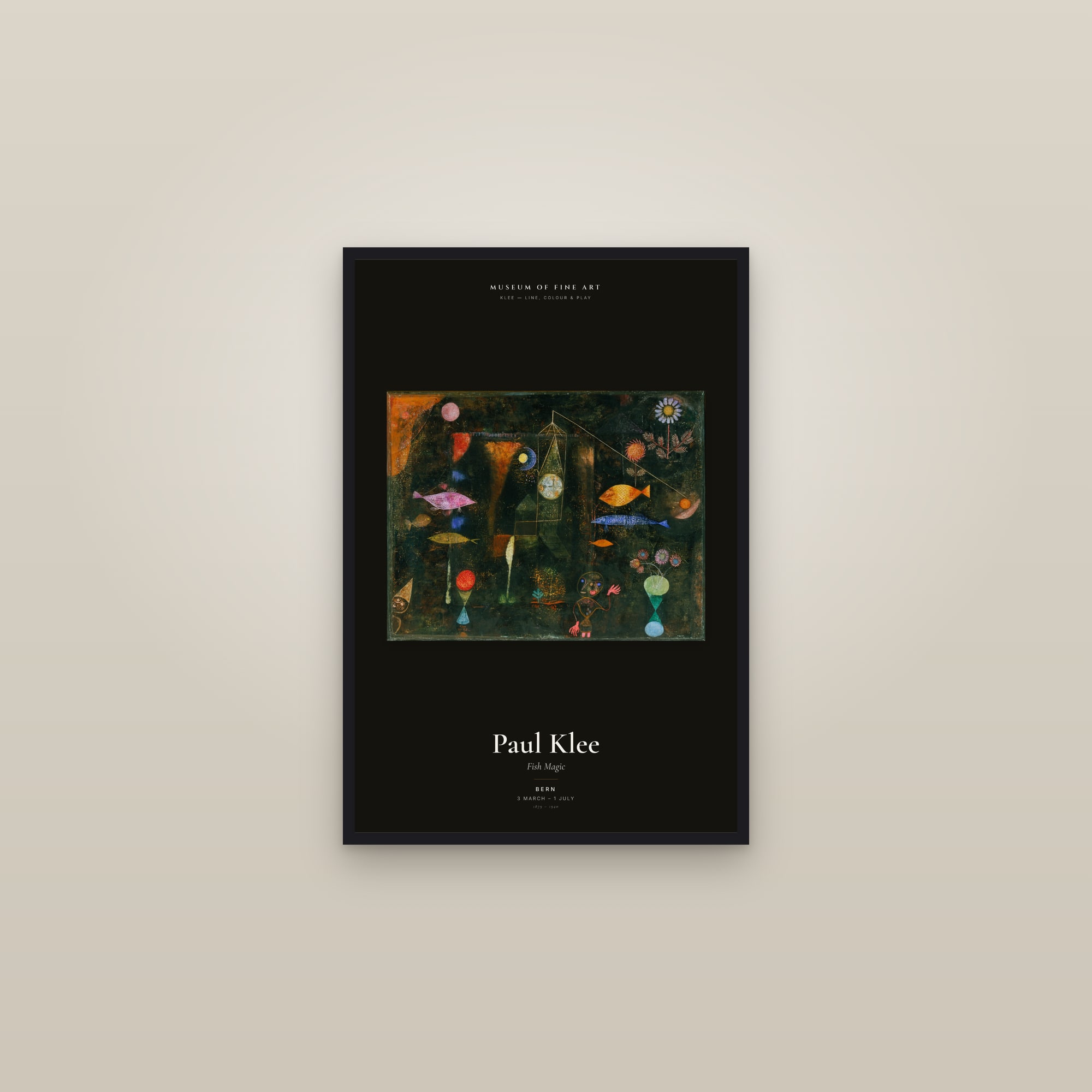
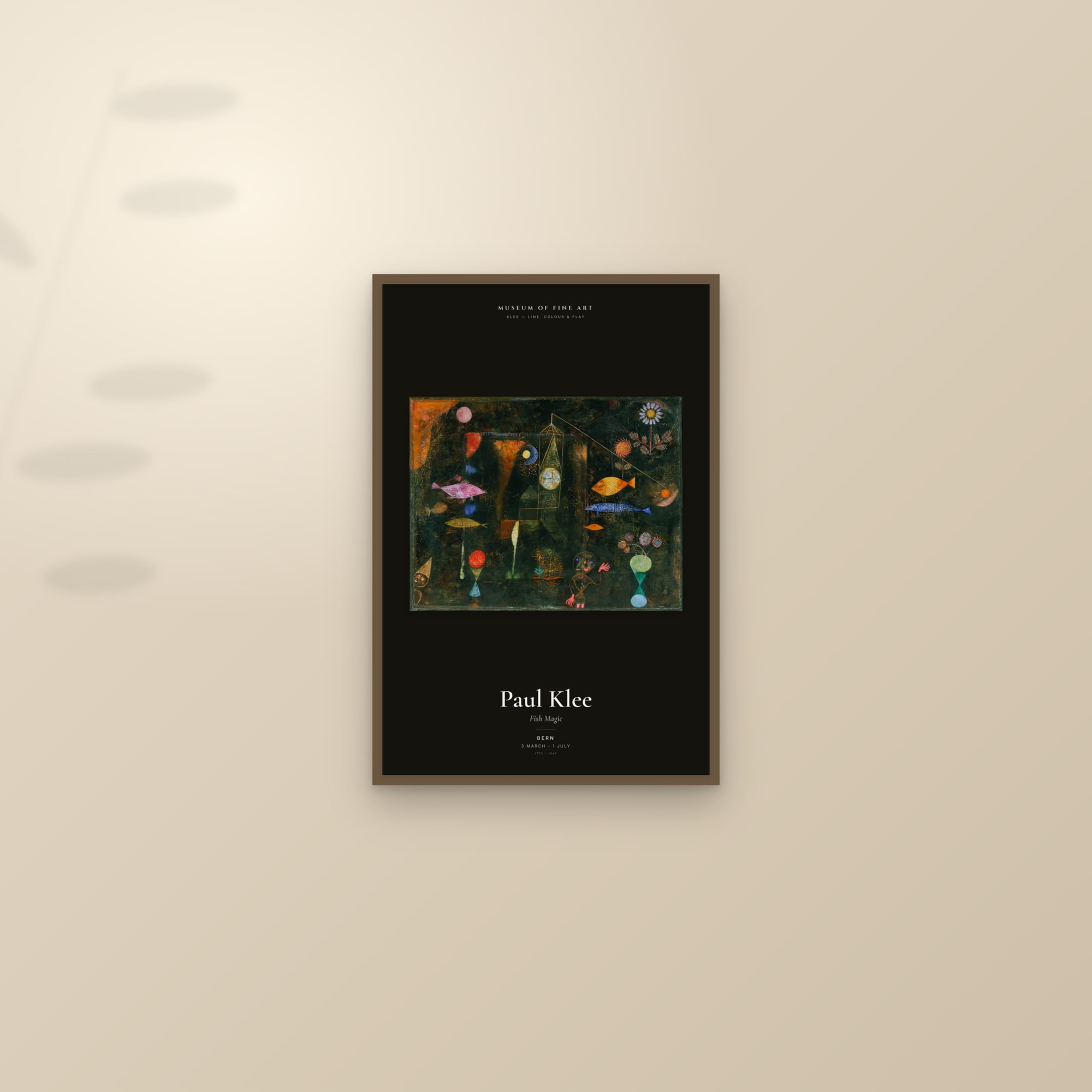
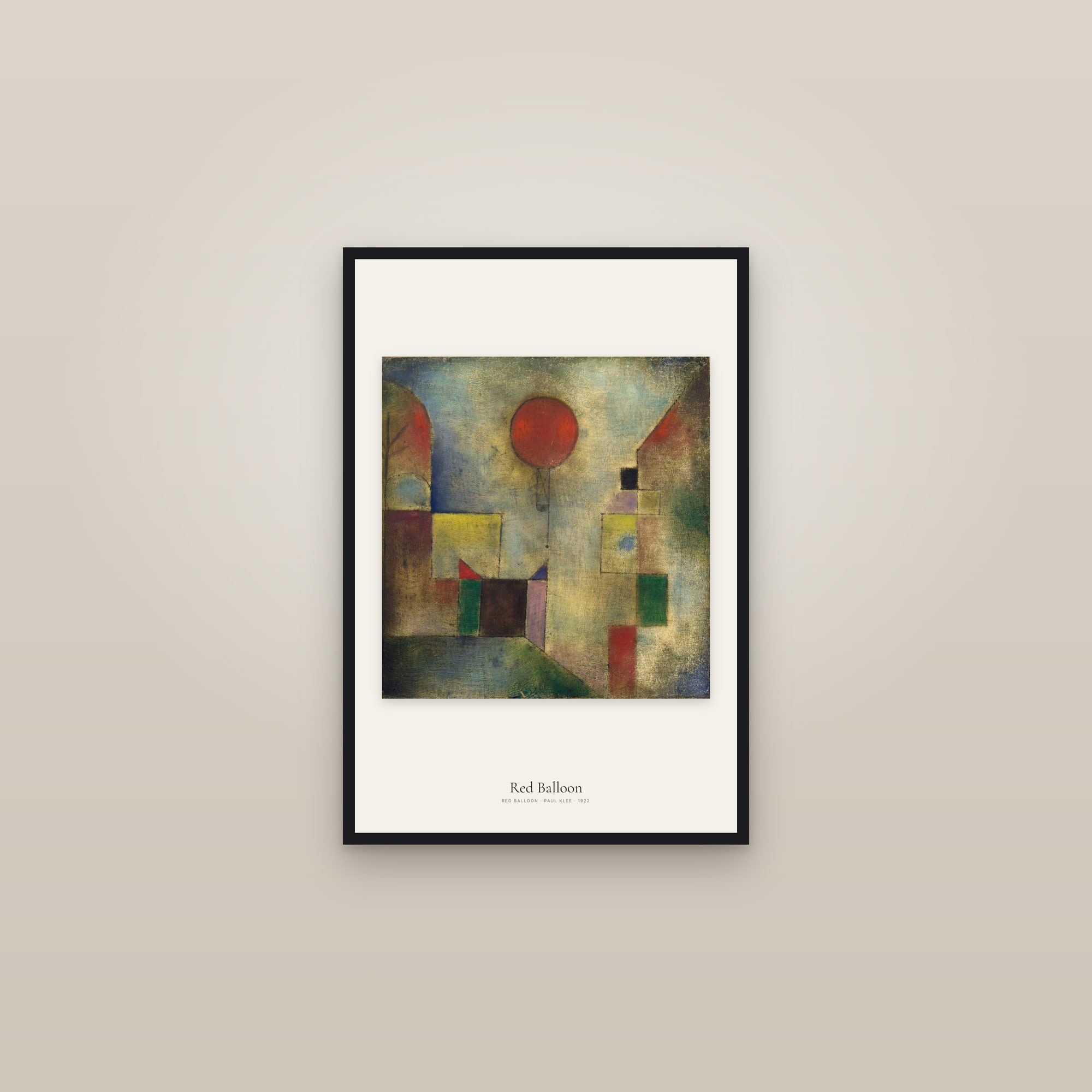
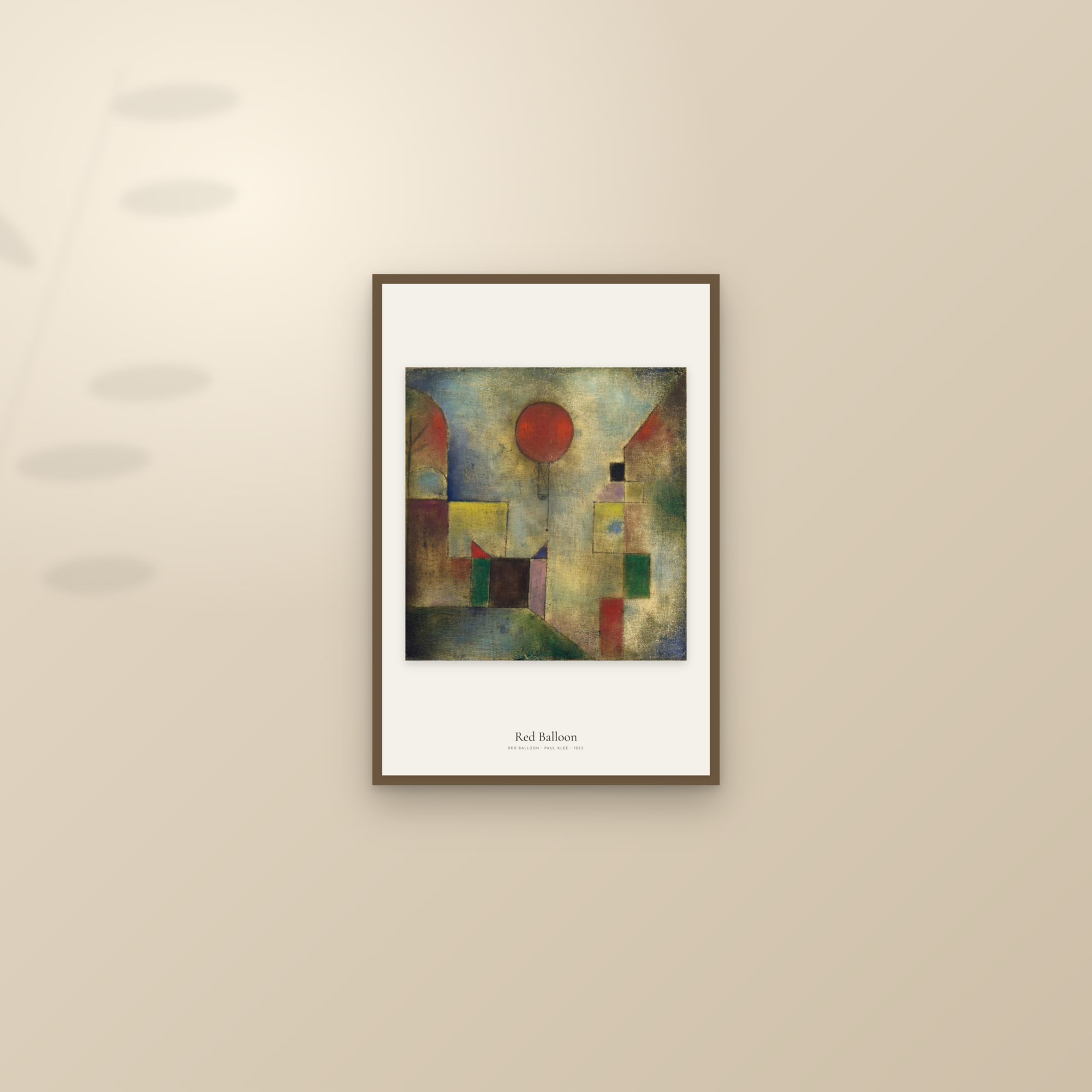
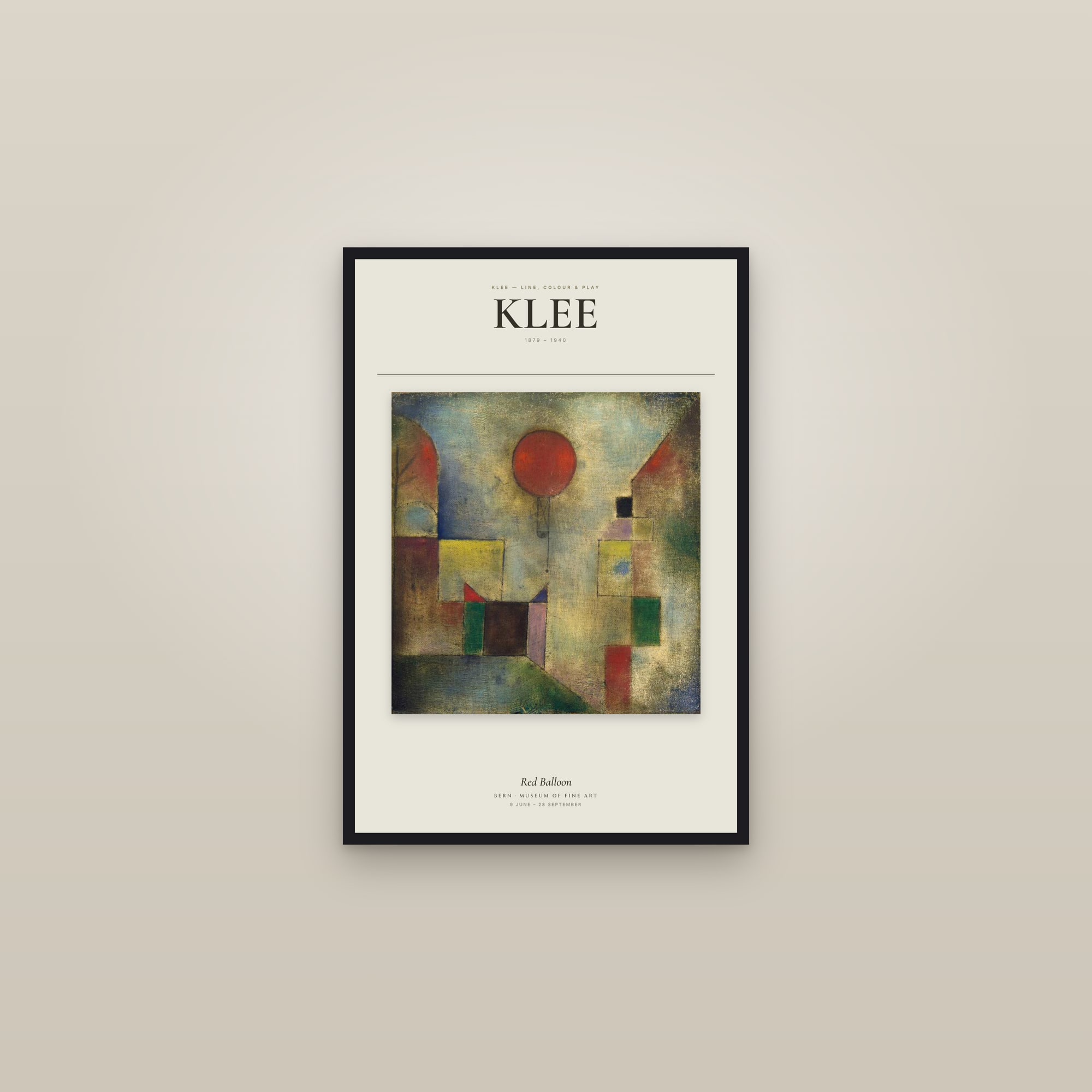
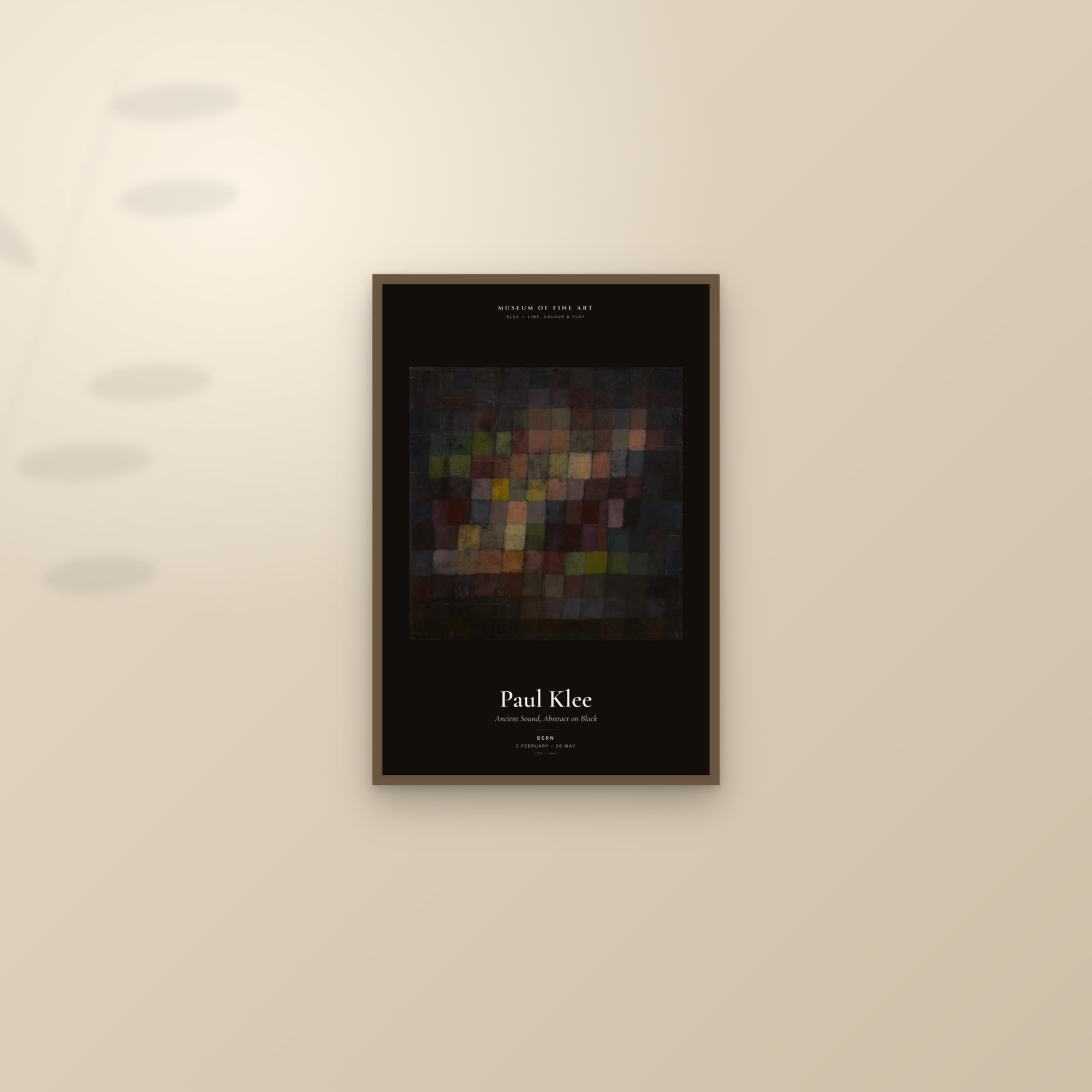
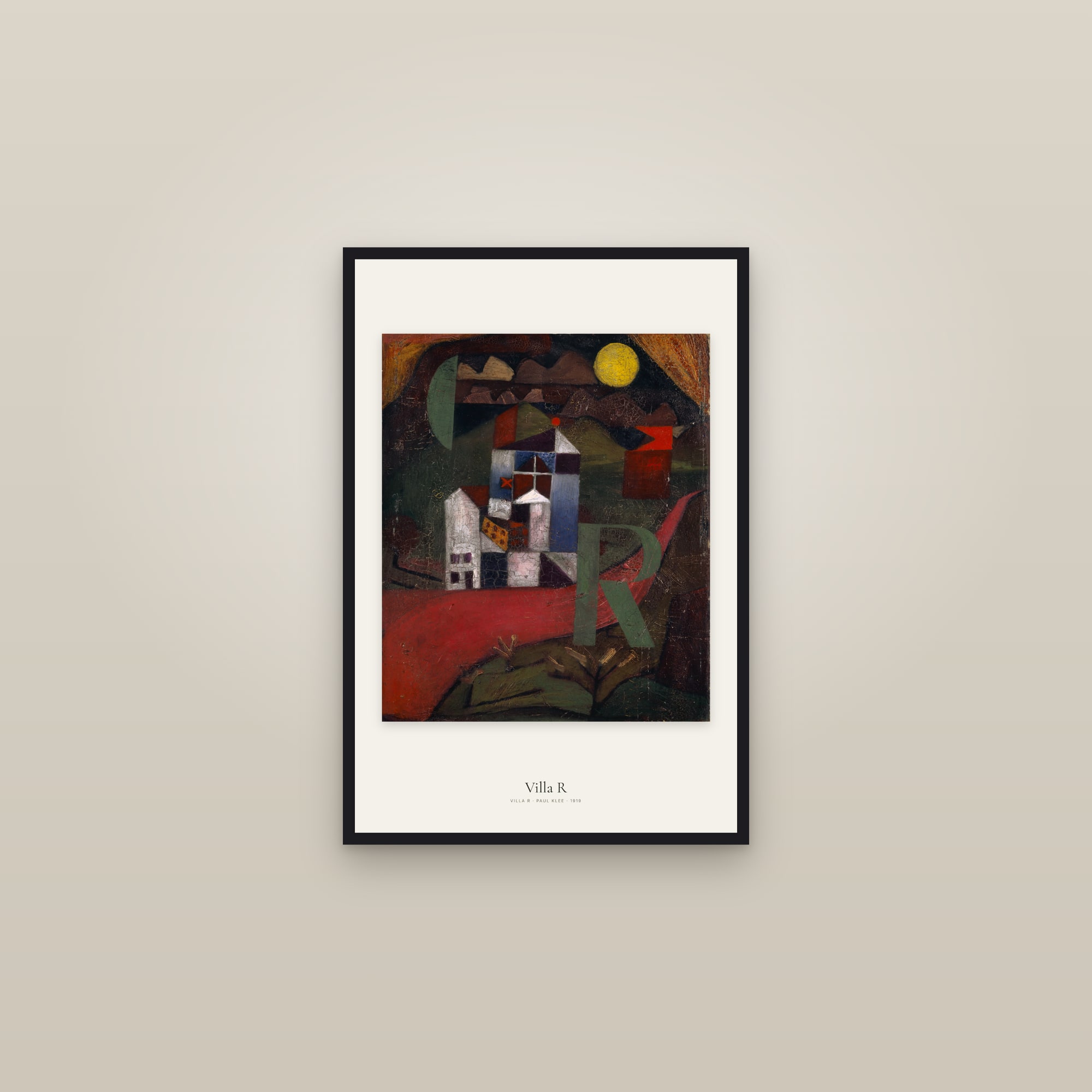
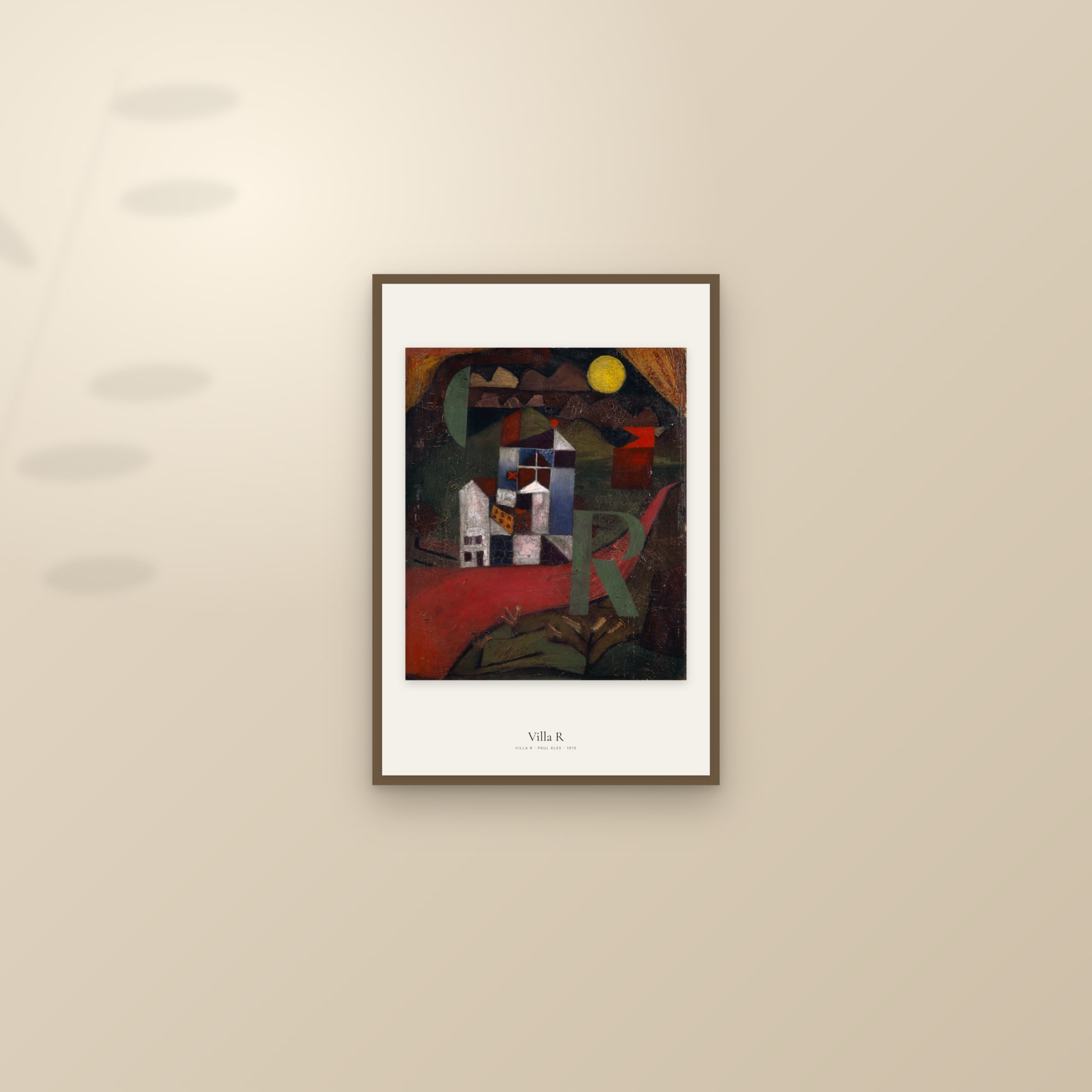
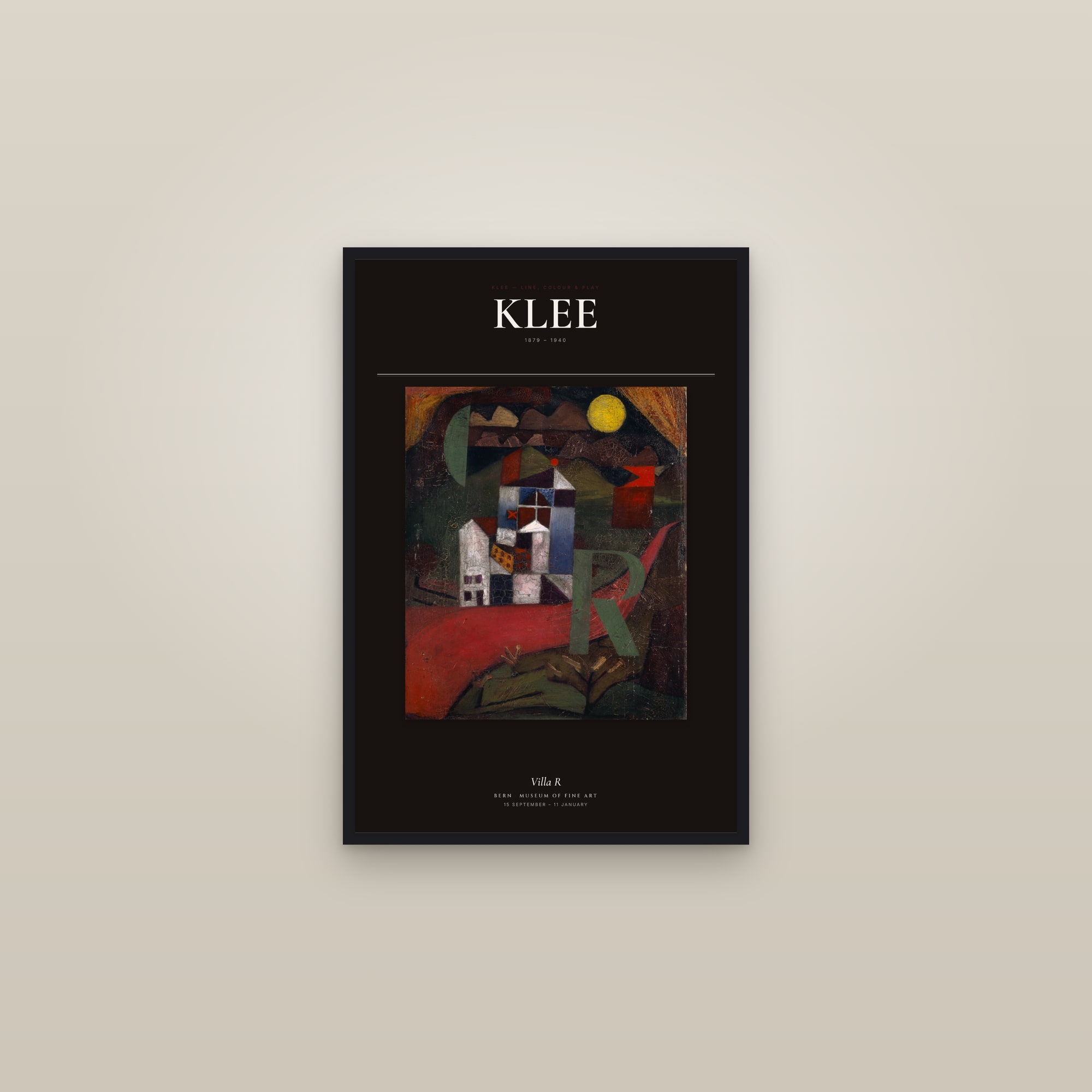
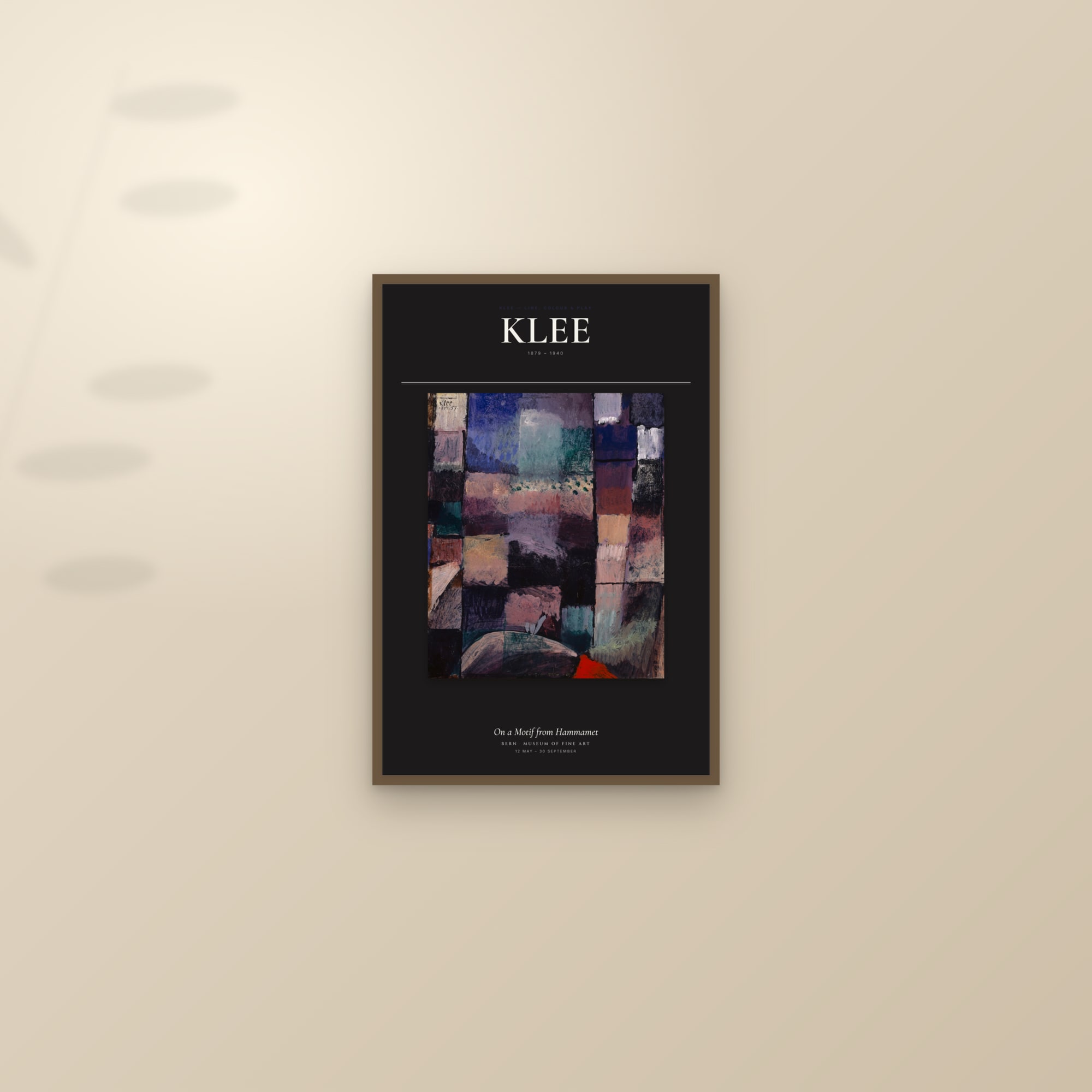
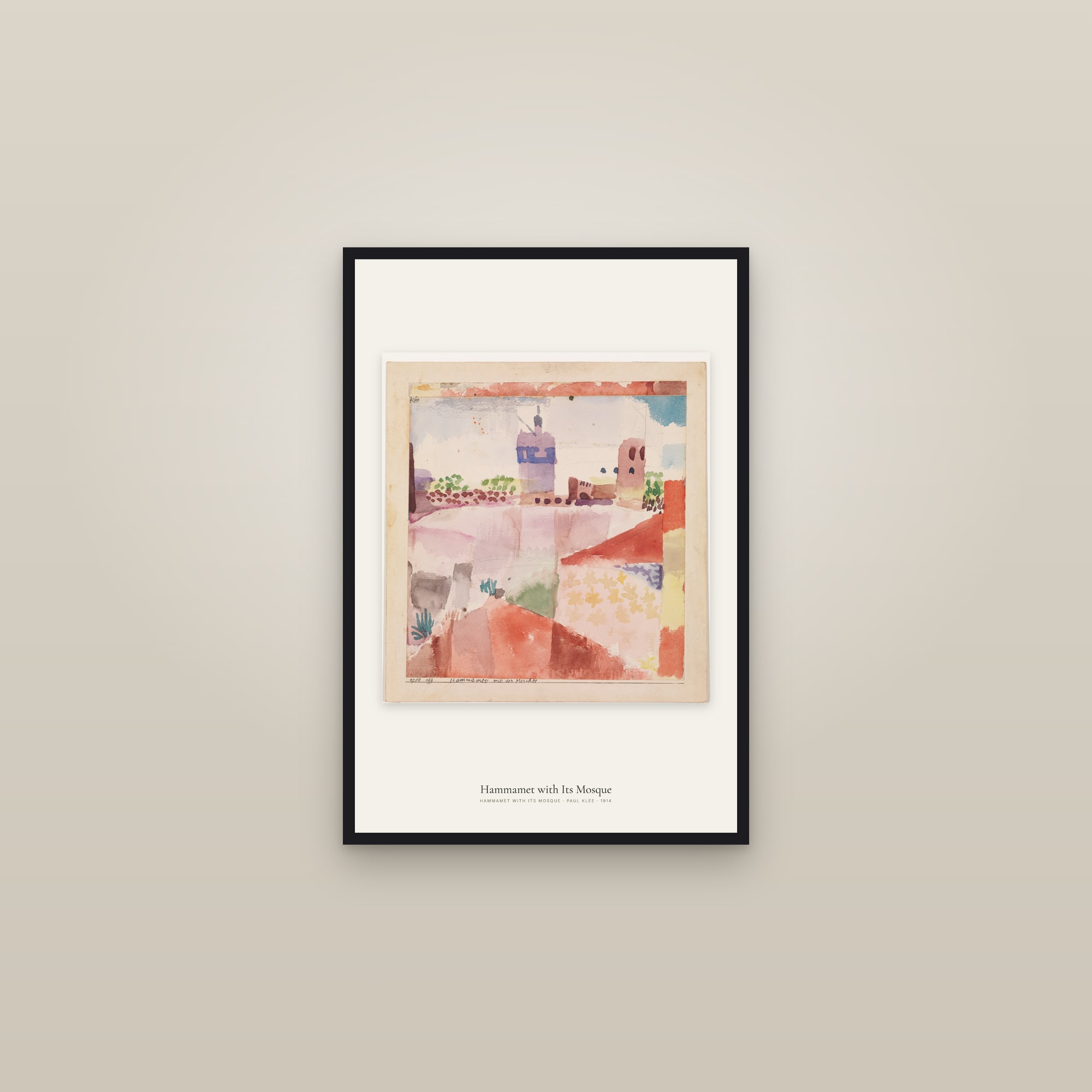
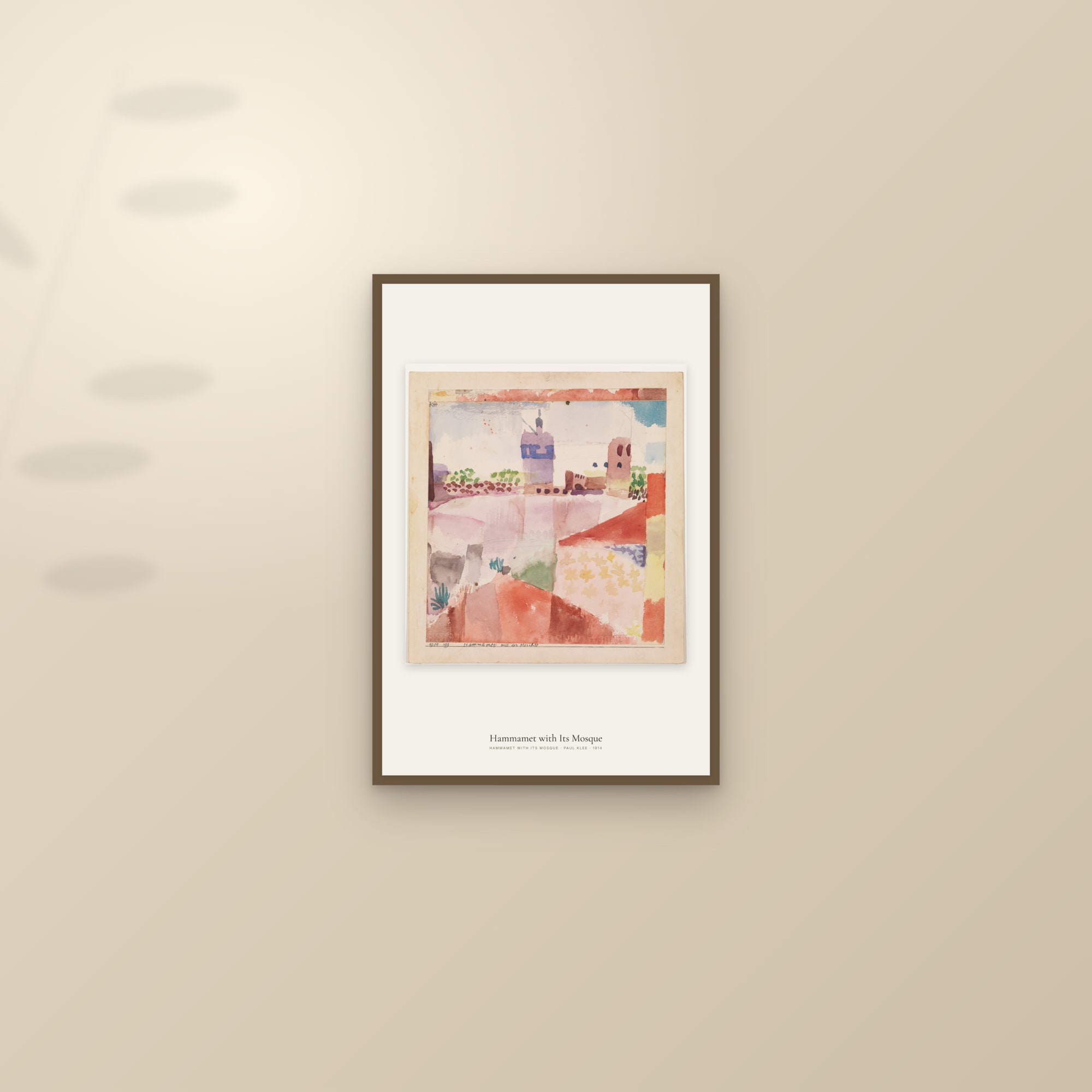
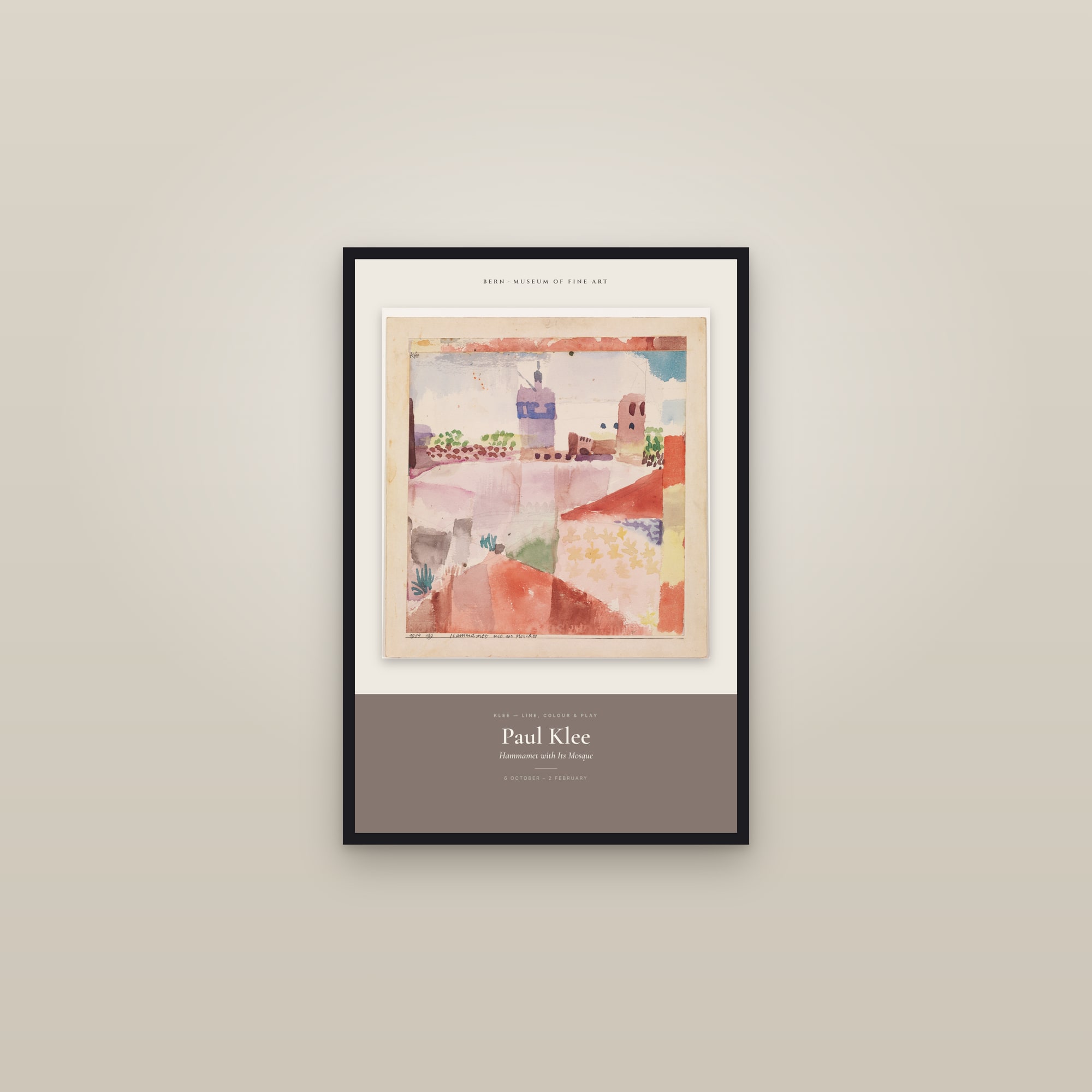
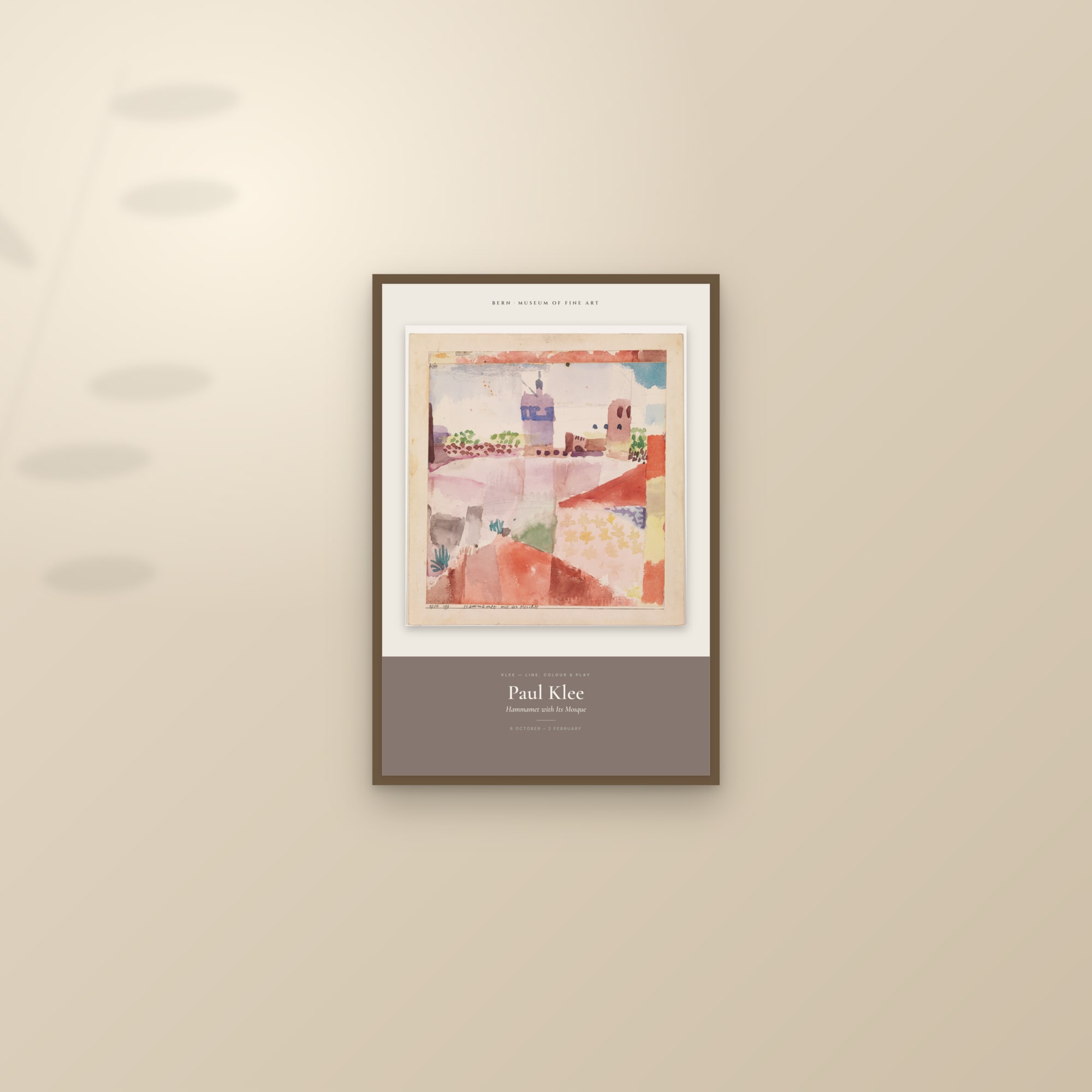
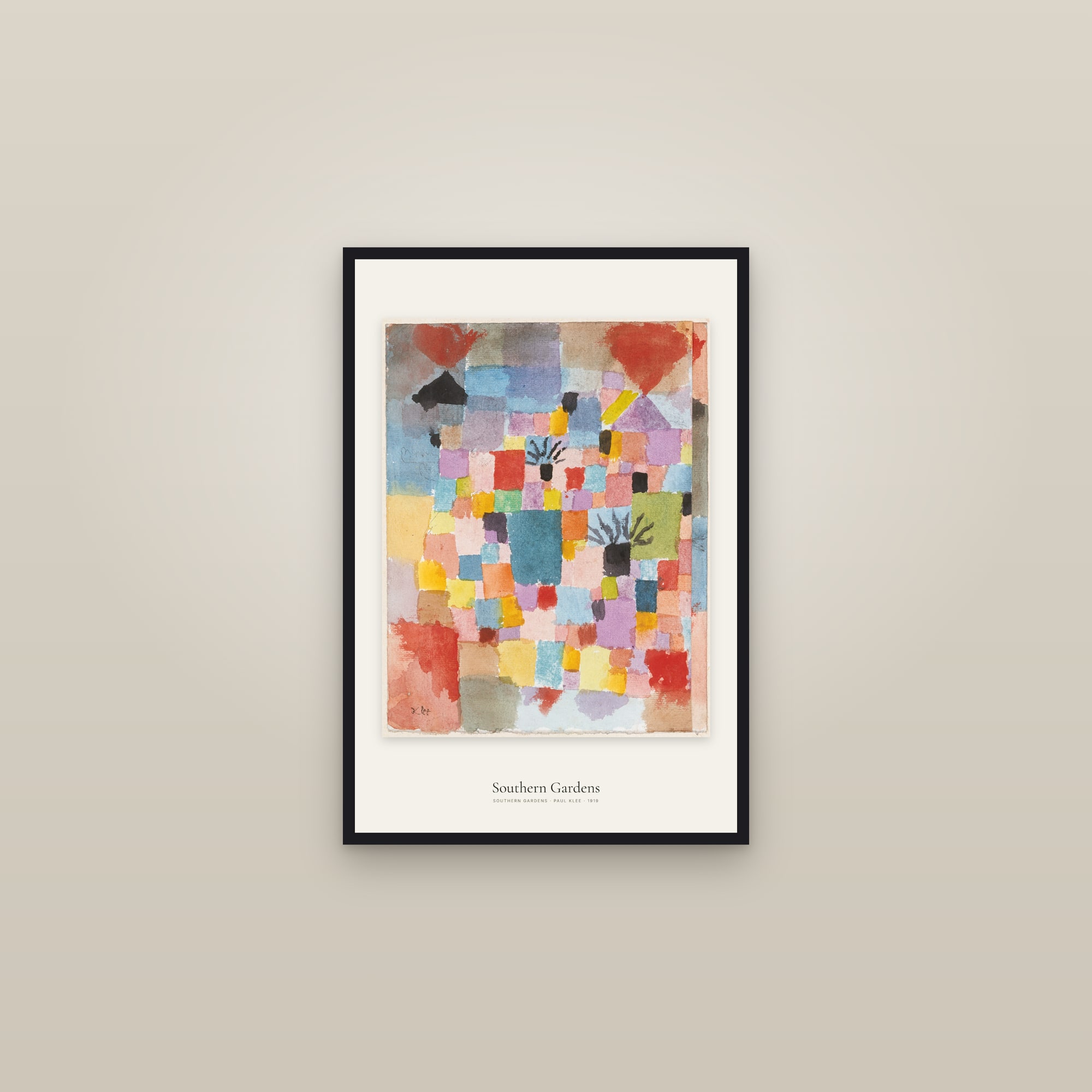
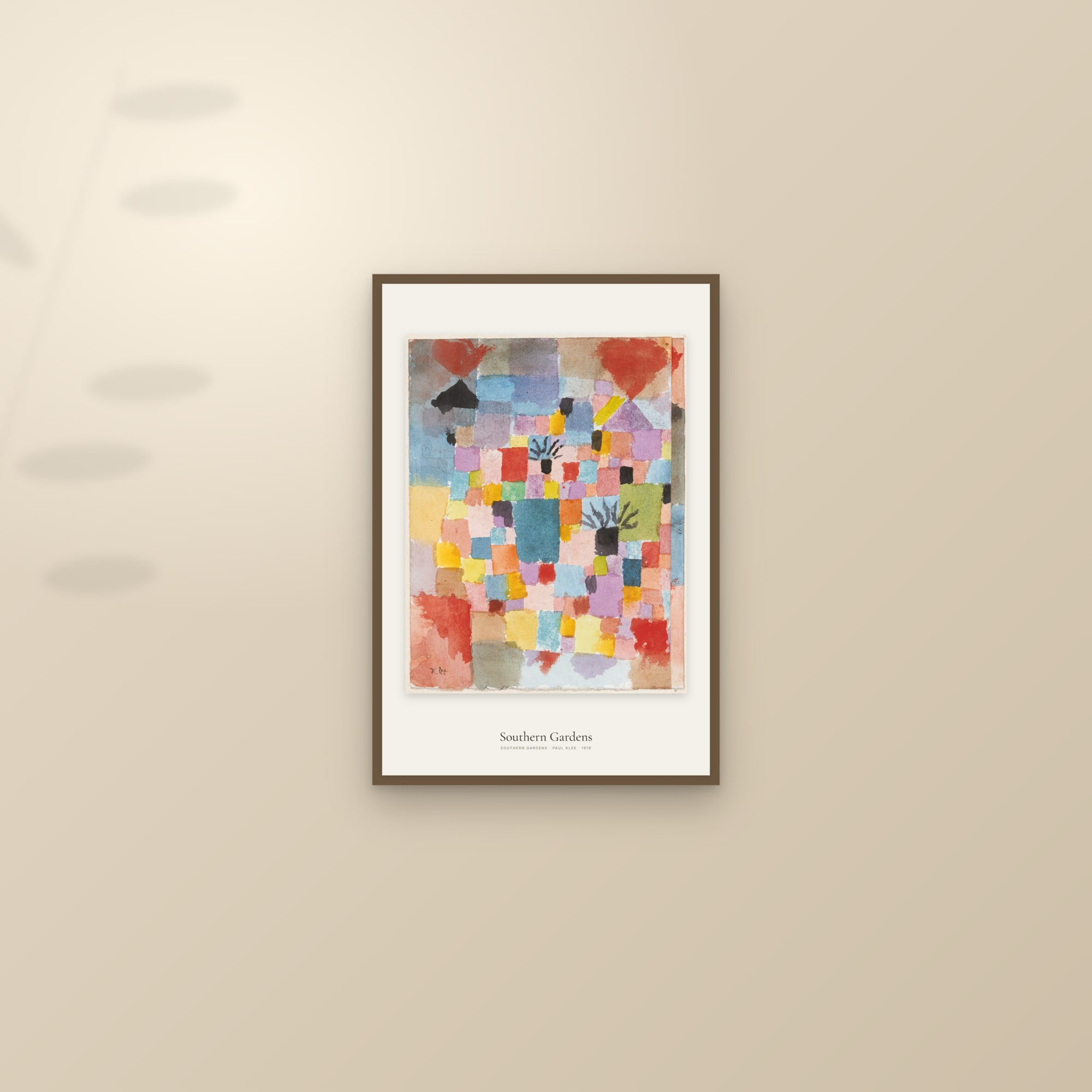
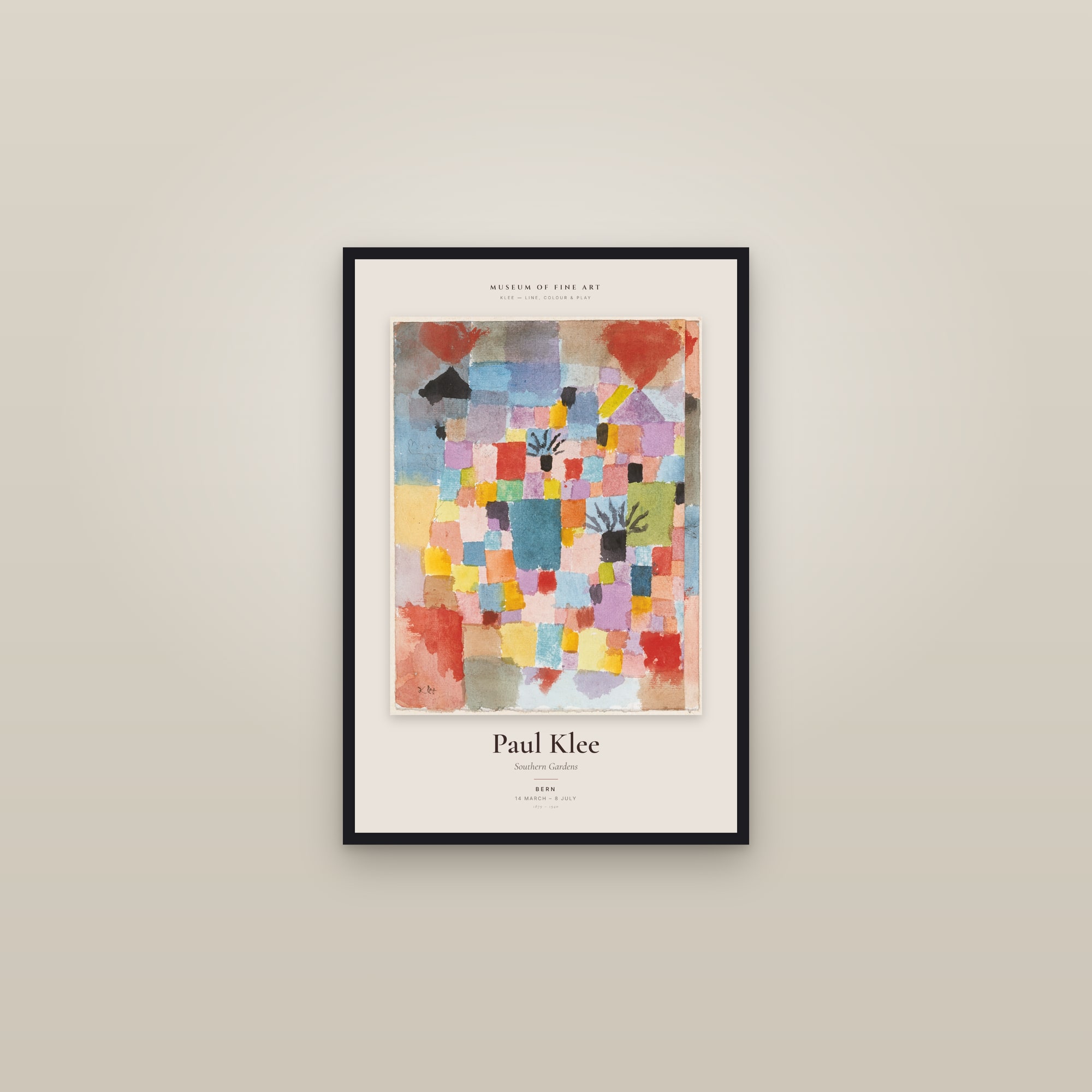
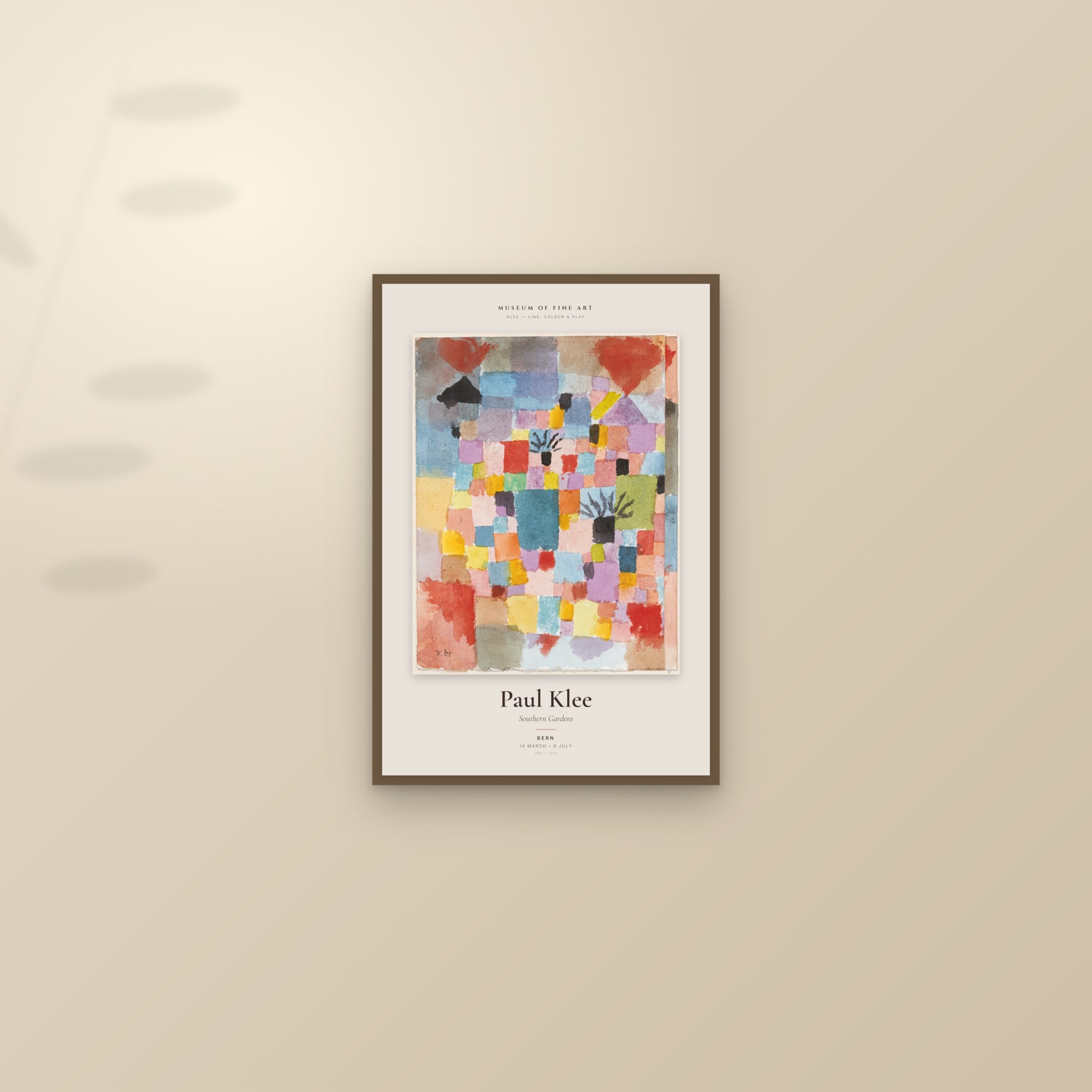
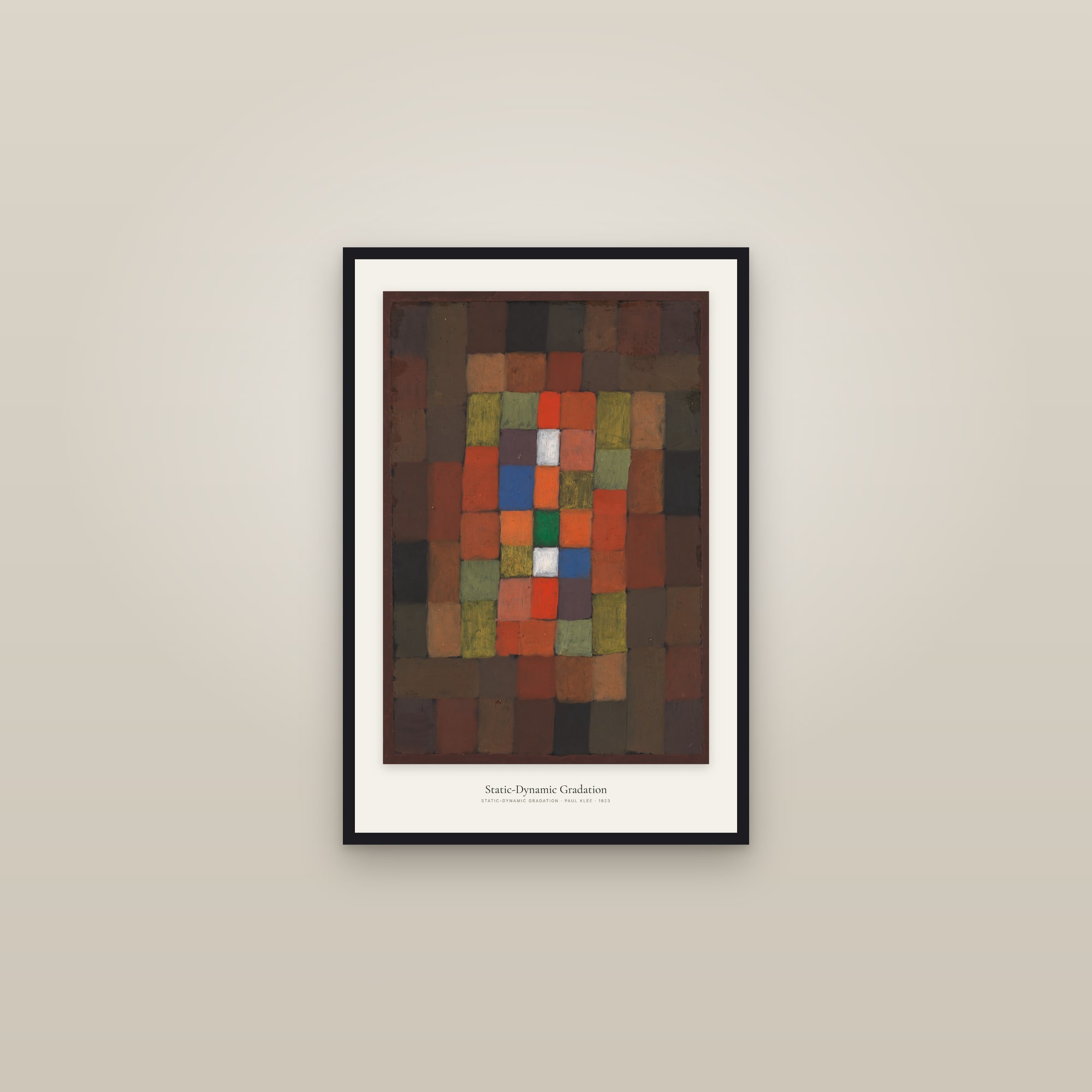
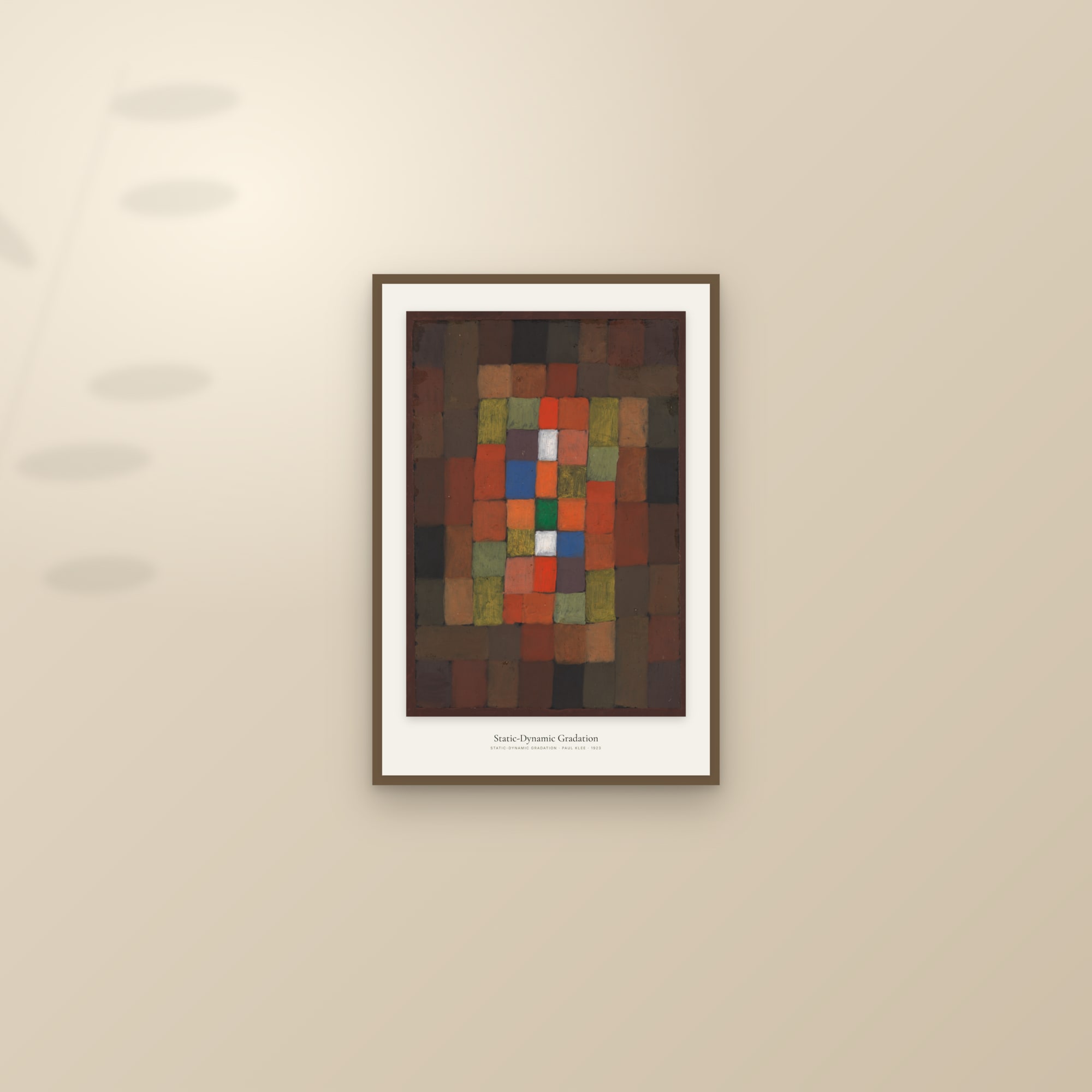
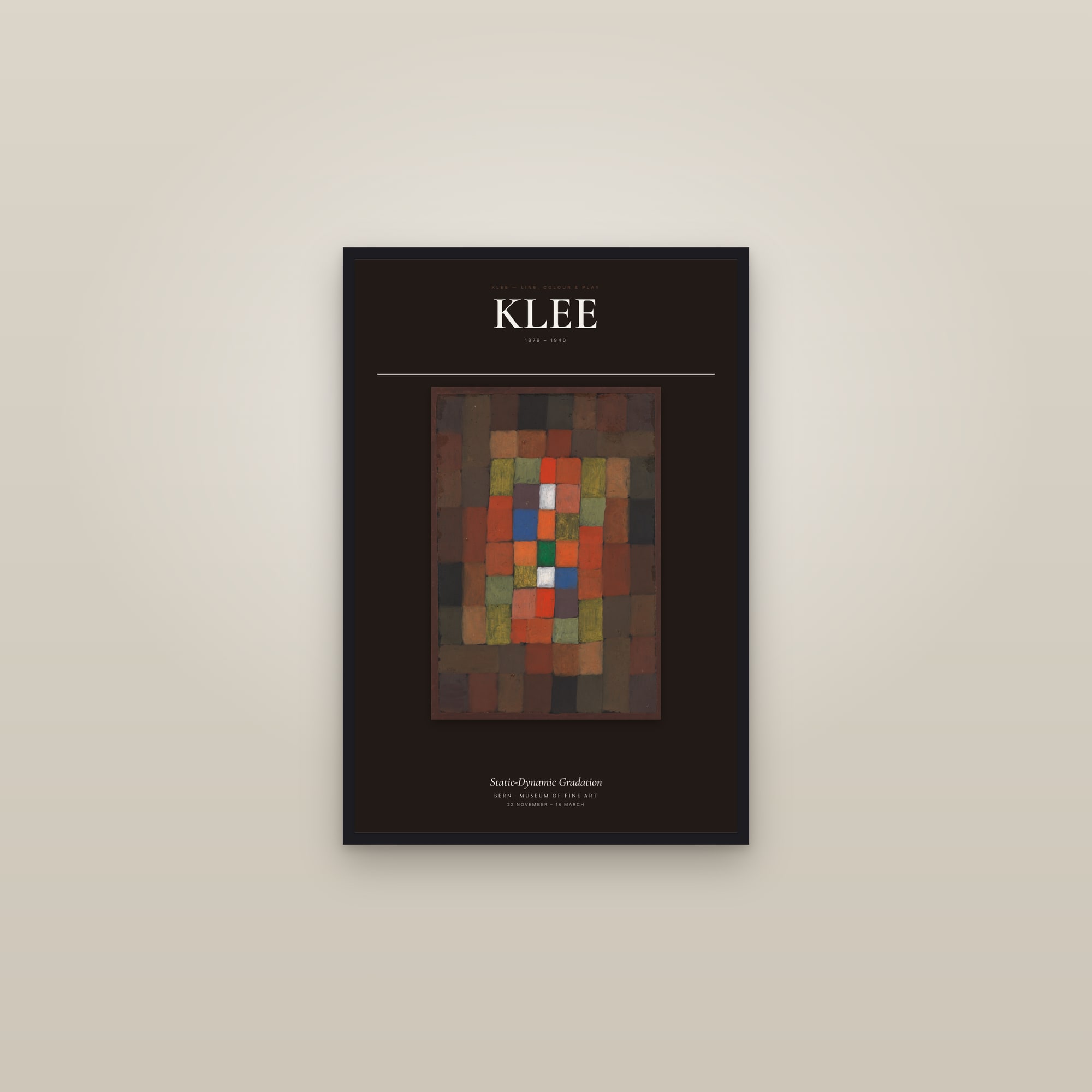
Paul Klee was born in 1879 at Münchenbuchsee, near Bern, to a German music teacher and a Swiss mother, and grew up a gifted violinist before choosing art. He trained in Munich, at Heinrich Knirr's private school and then under Franz von Stuck at the academy, and settled there in 1906 after marrying the pianist Lily Stumpf. For years he worked mainly in drawing and etching; contact with the Blue Rider circle, and above all a two-week journey to Tunisia with August Macke and Louis Moilliet in April 1914, turned him into a colourist. After war service he joined the Bauhaus at the start of 1921, teaching in Weimar and Dessau for a decade, and his lectures on form and colour became some of the most influential art teaching of the century. He moved to the Düsseldorf academy in 1931, was dismissed by the Nazis in 1933 and returned to Bern; in 1937 more than a hundred of his works were seized from German museums as degenerate. In his last years, seriously ill with what was later diagnosed as scleroderma, he worked at great speed, producing more than 1,200 works in 1939 alone. He died at Muralto, near Locarno, in 1940. Klee's pictures are small, witty and exactly made, part fairy tale and part diagram, and they reward a wall where they can be seen at close range.