Köhler Prints
1834–1879 · German · Botanical / medicinal-plant illustration
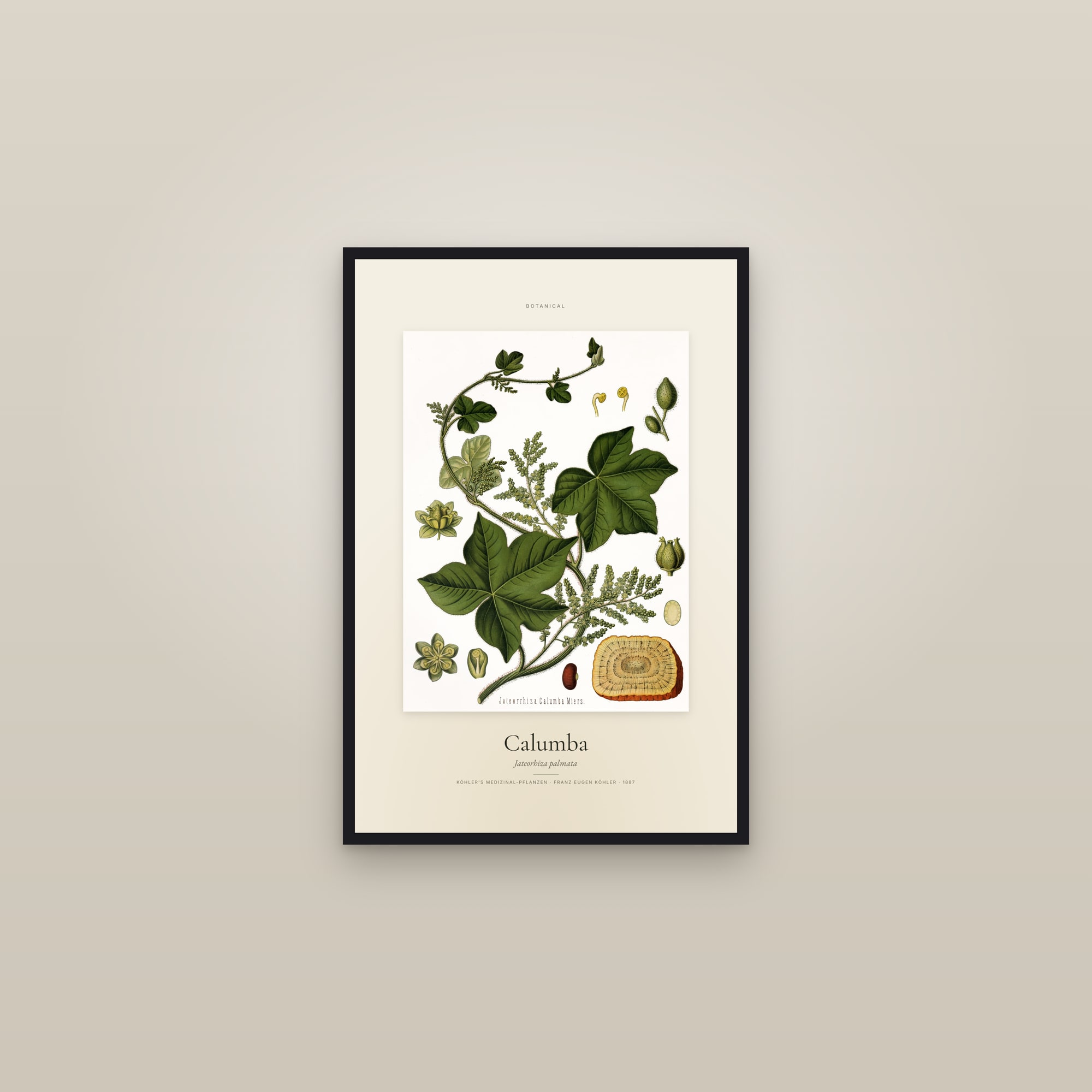
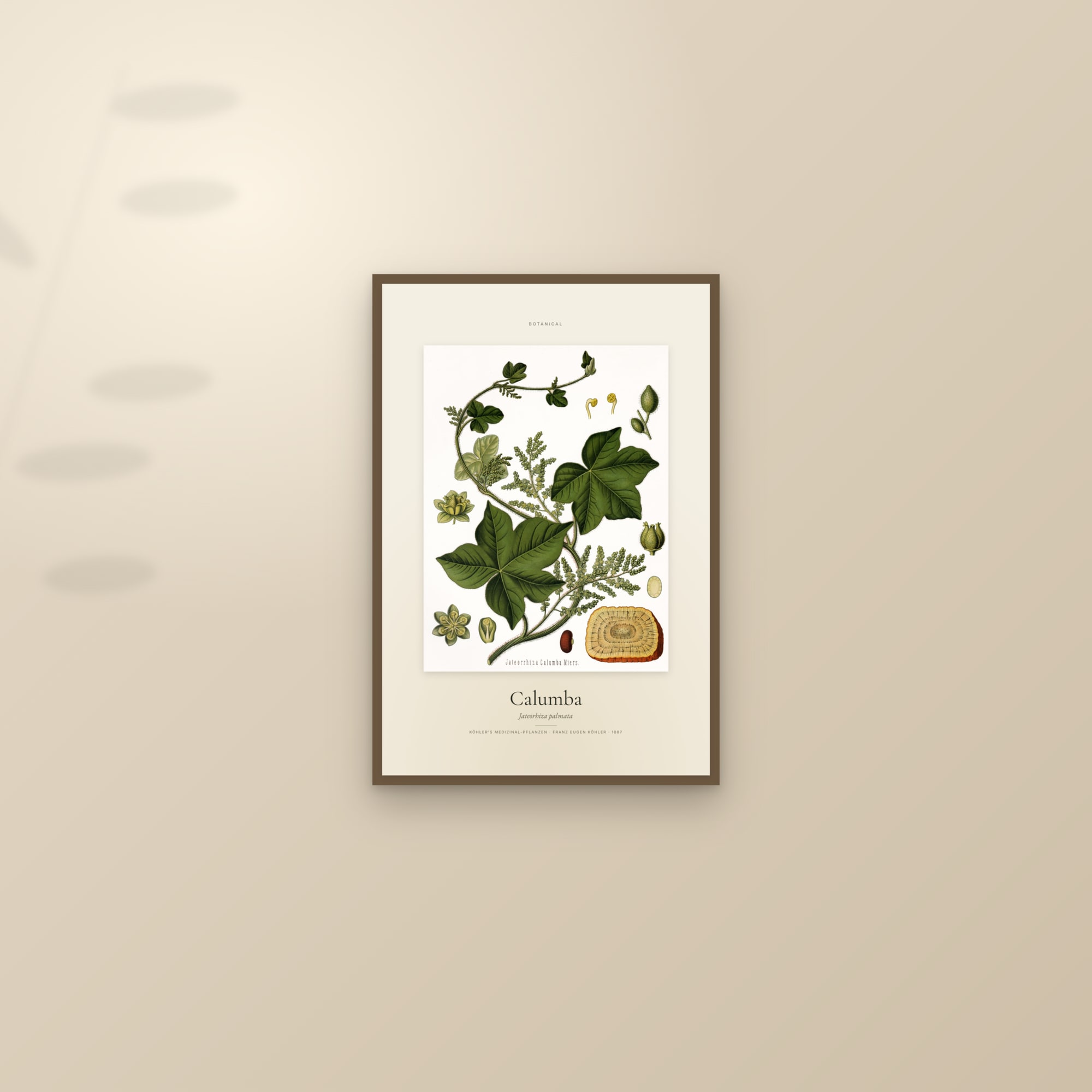
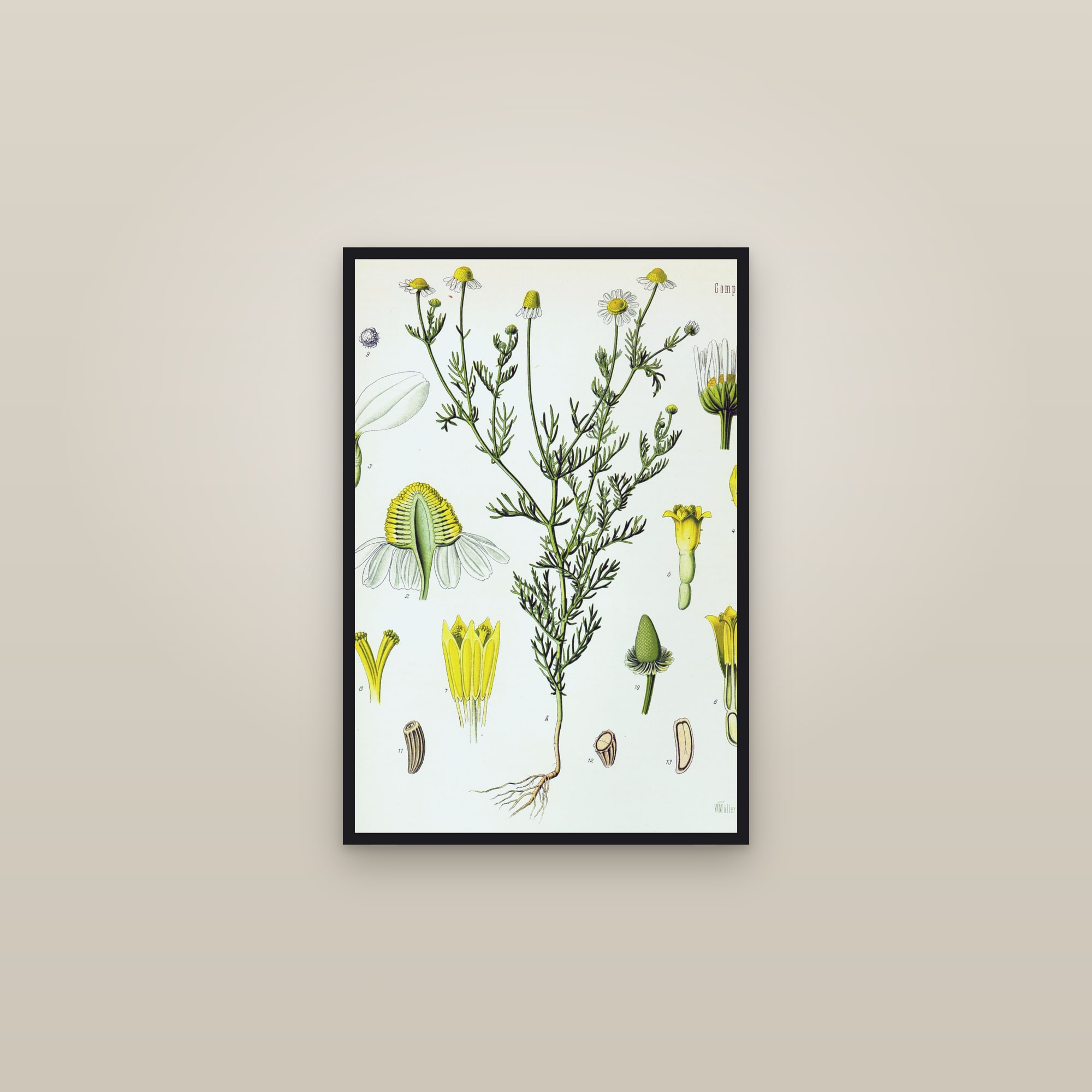
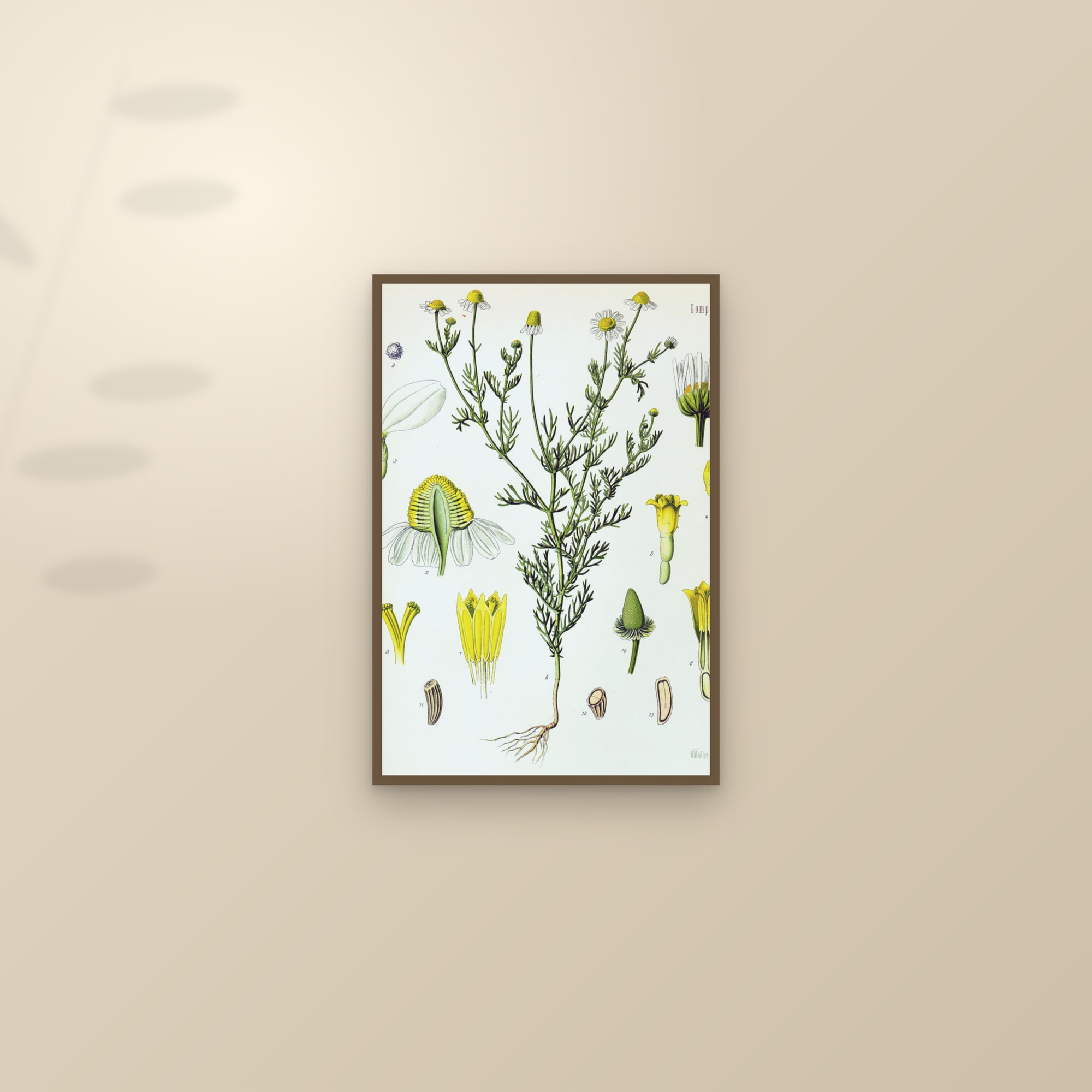
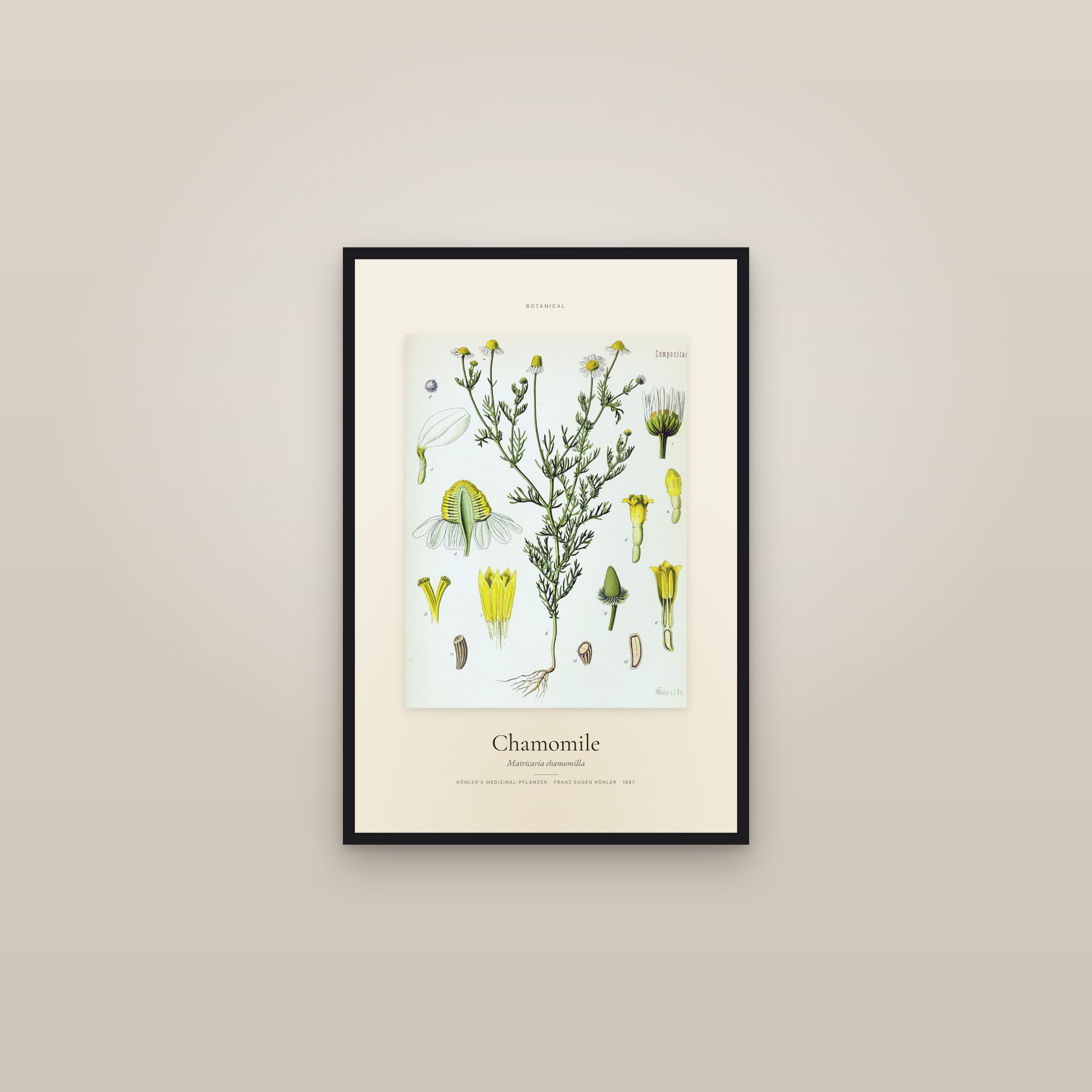
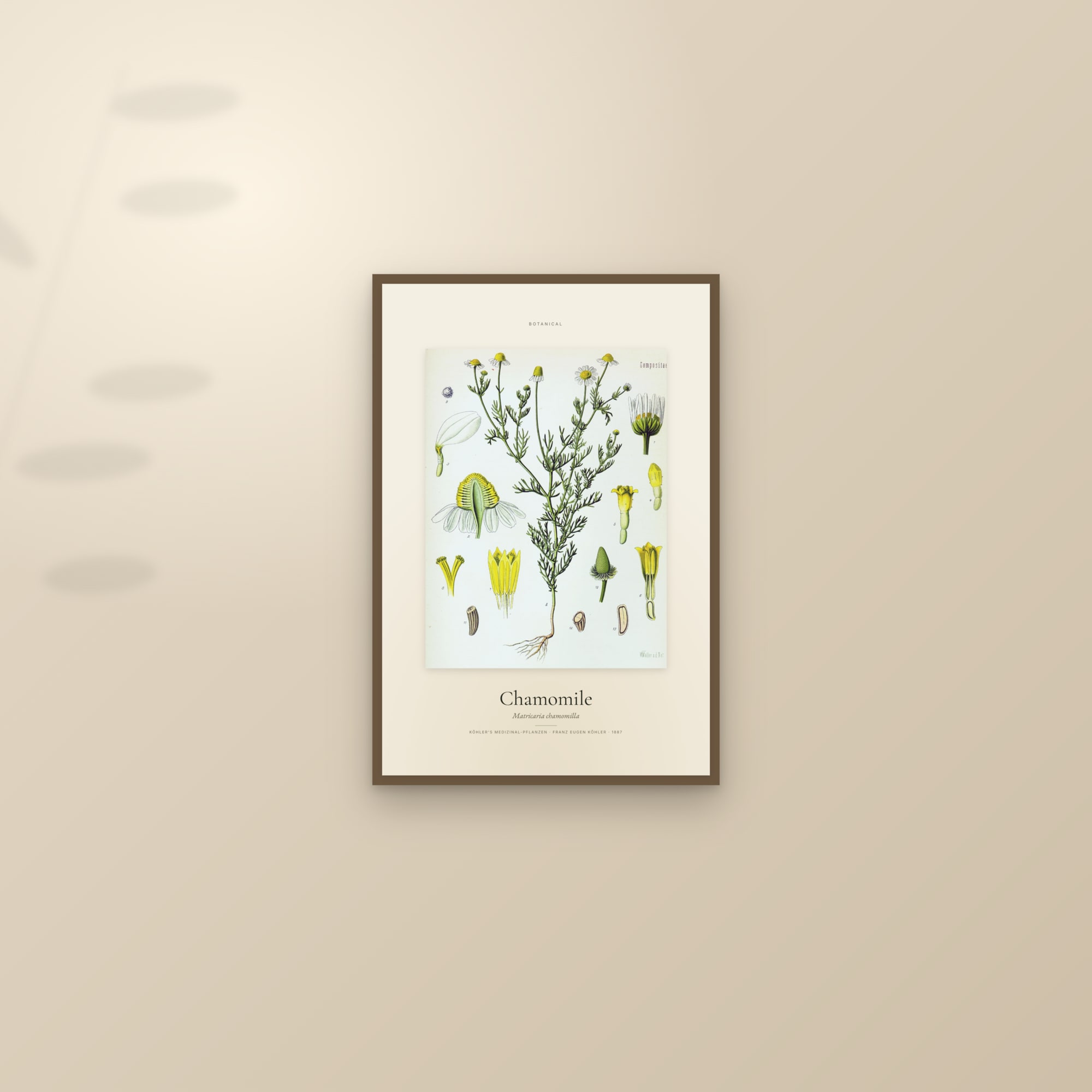
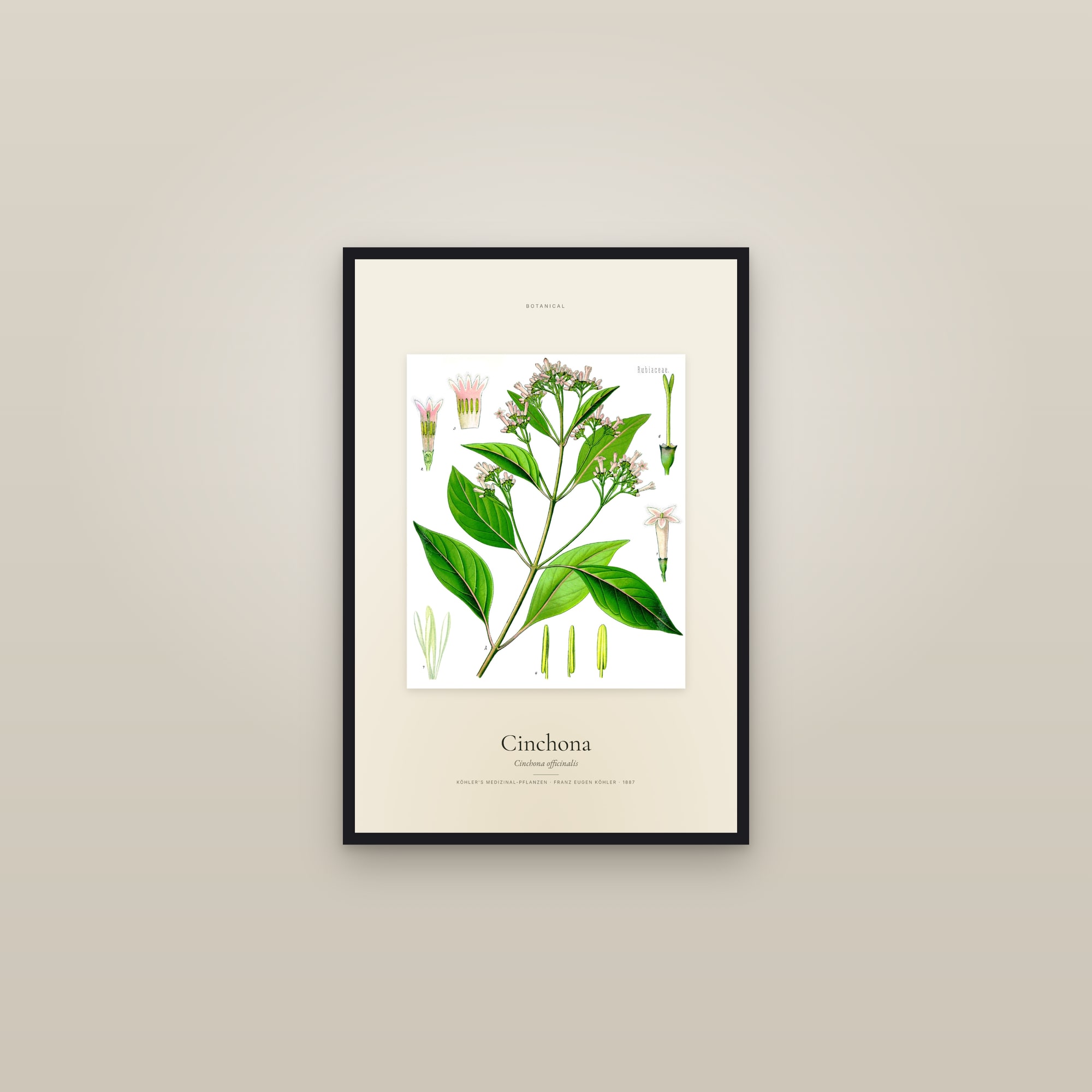
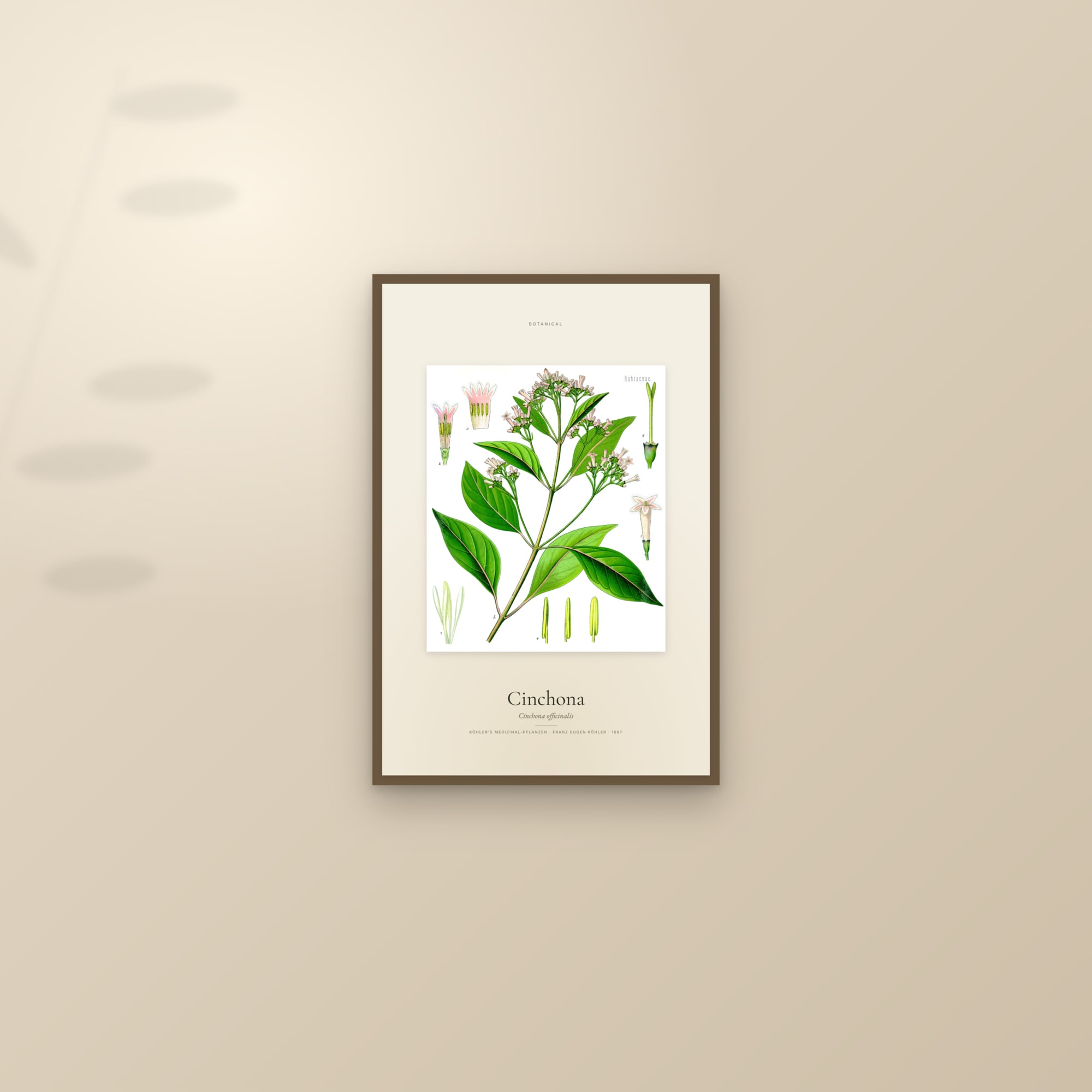
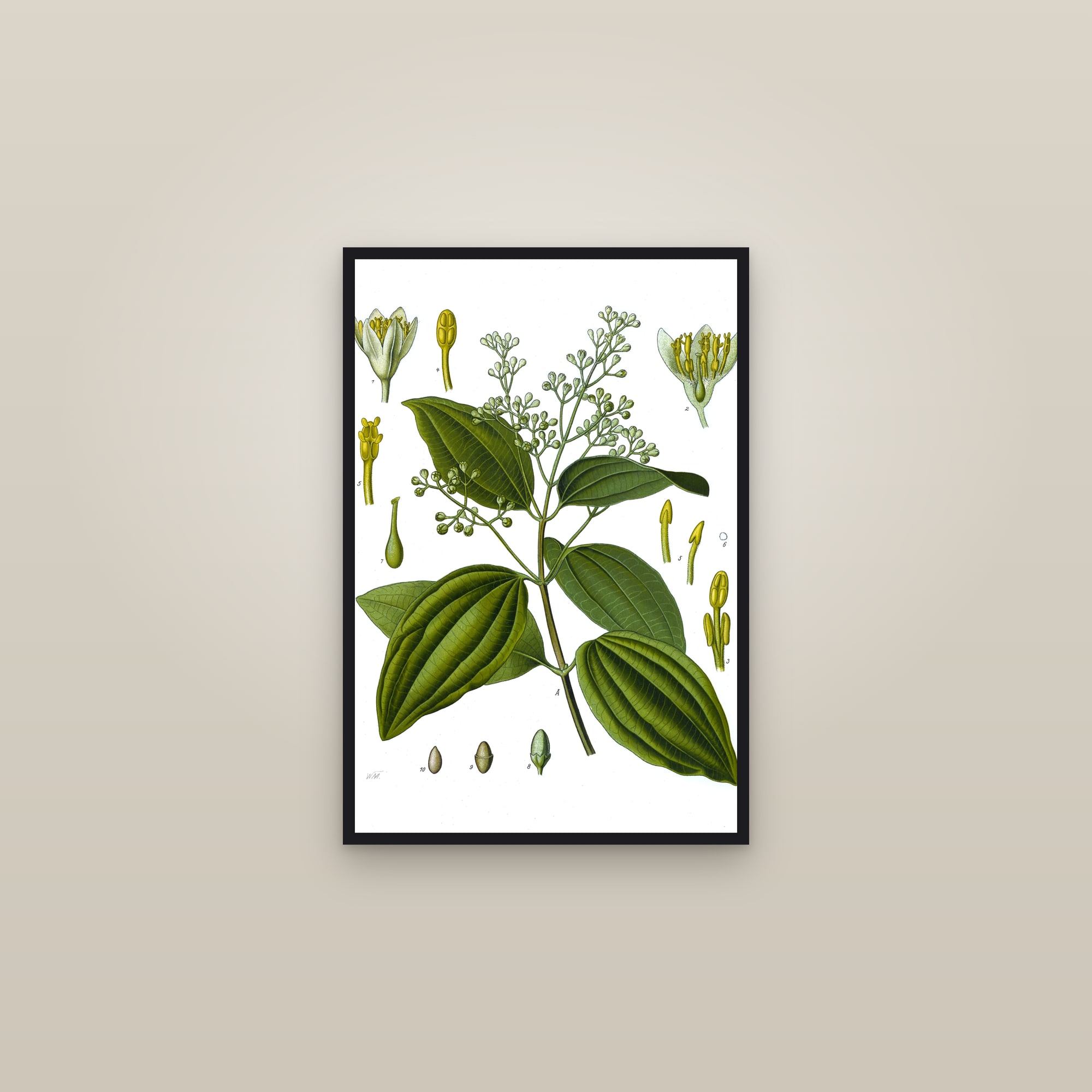
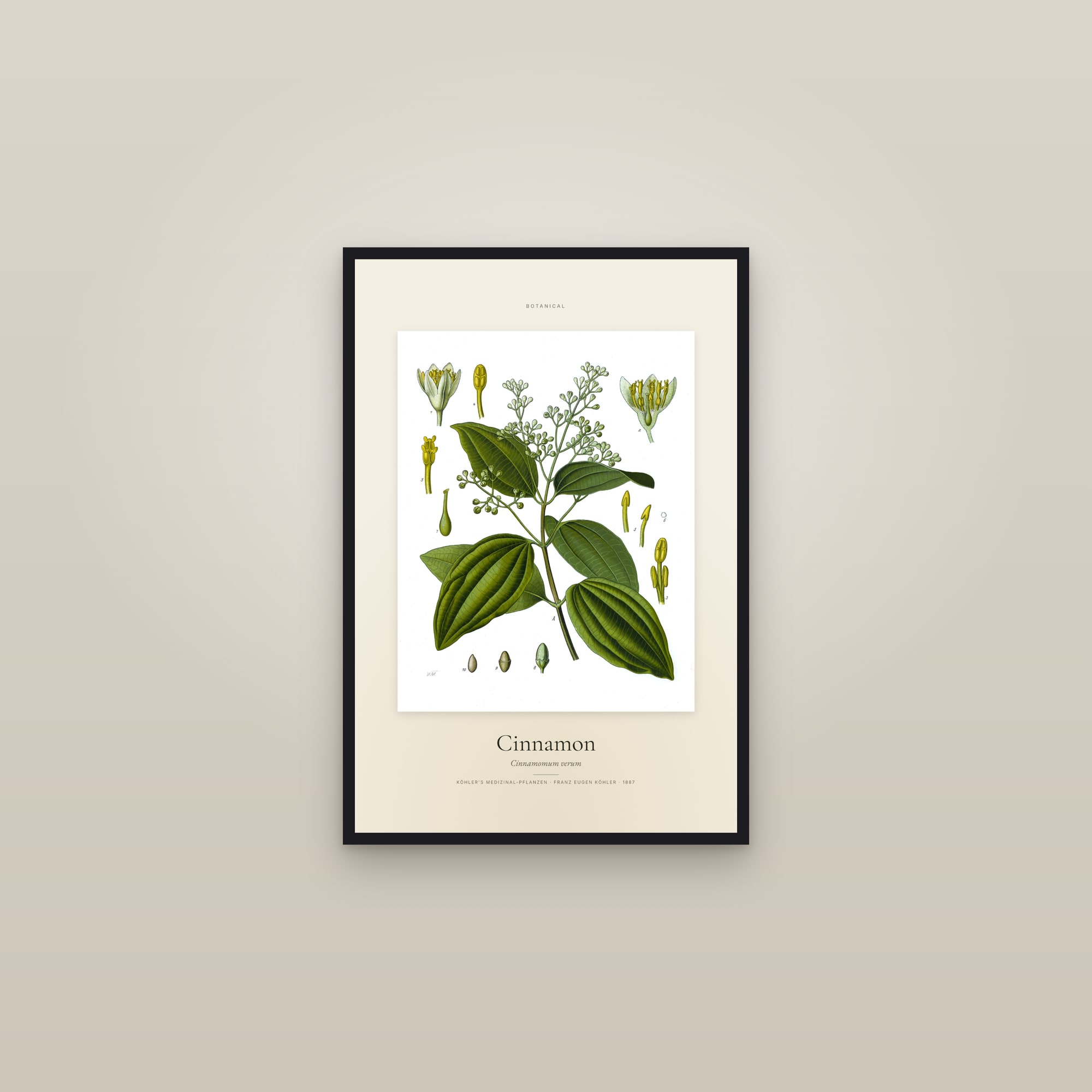
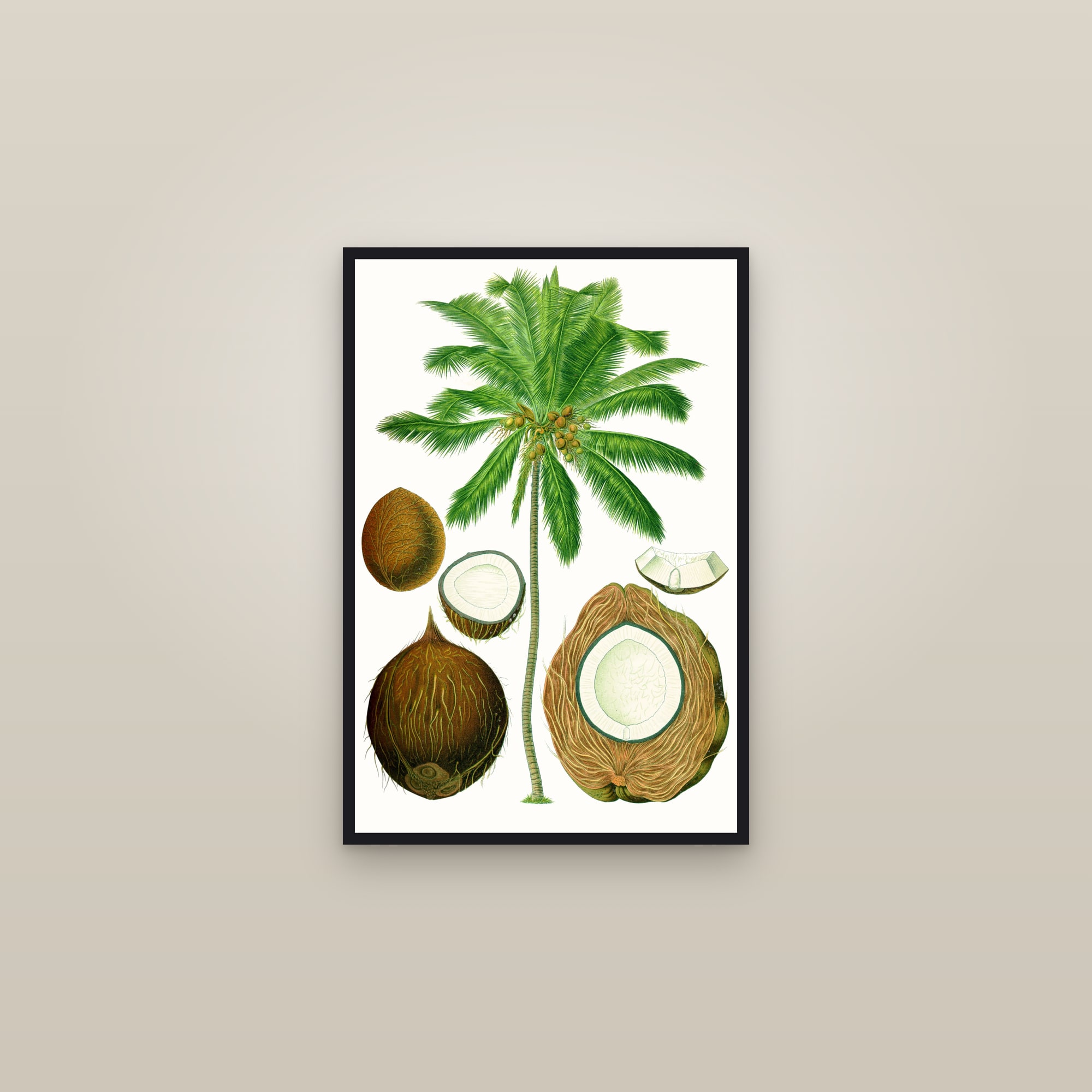
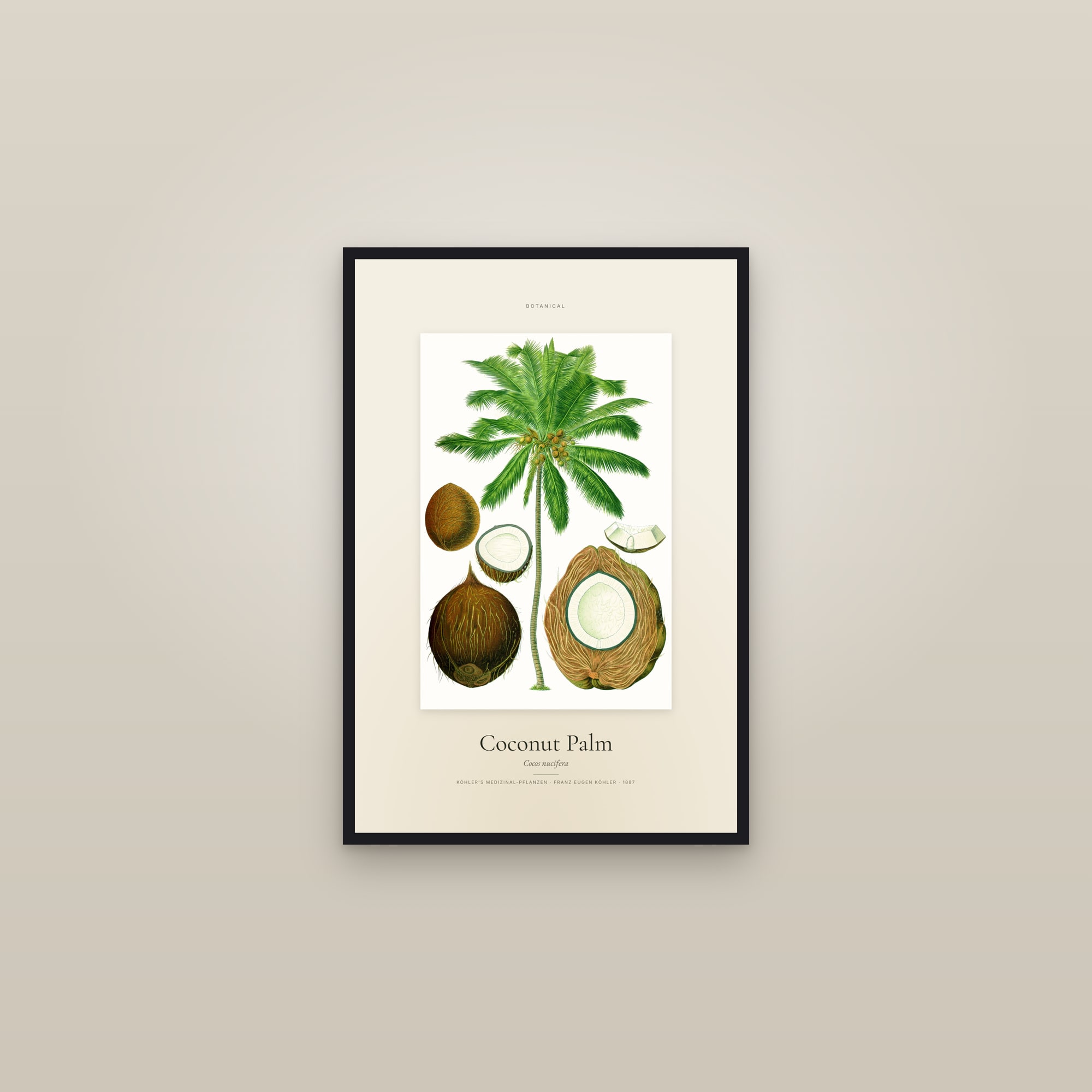
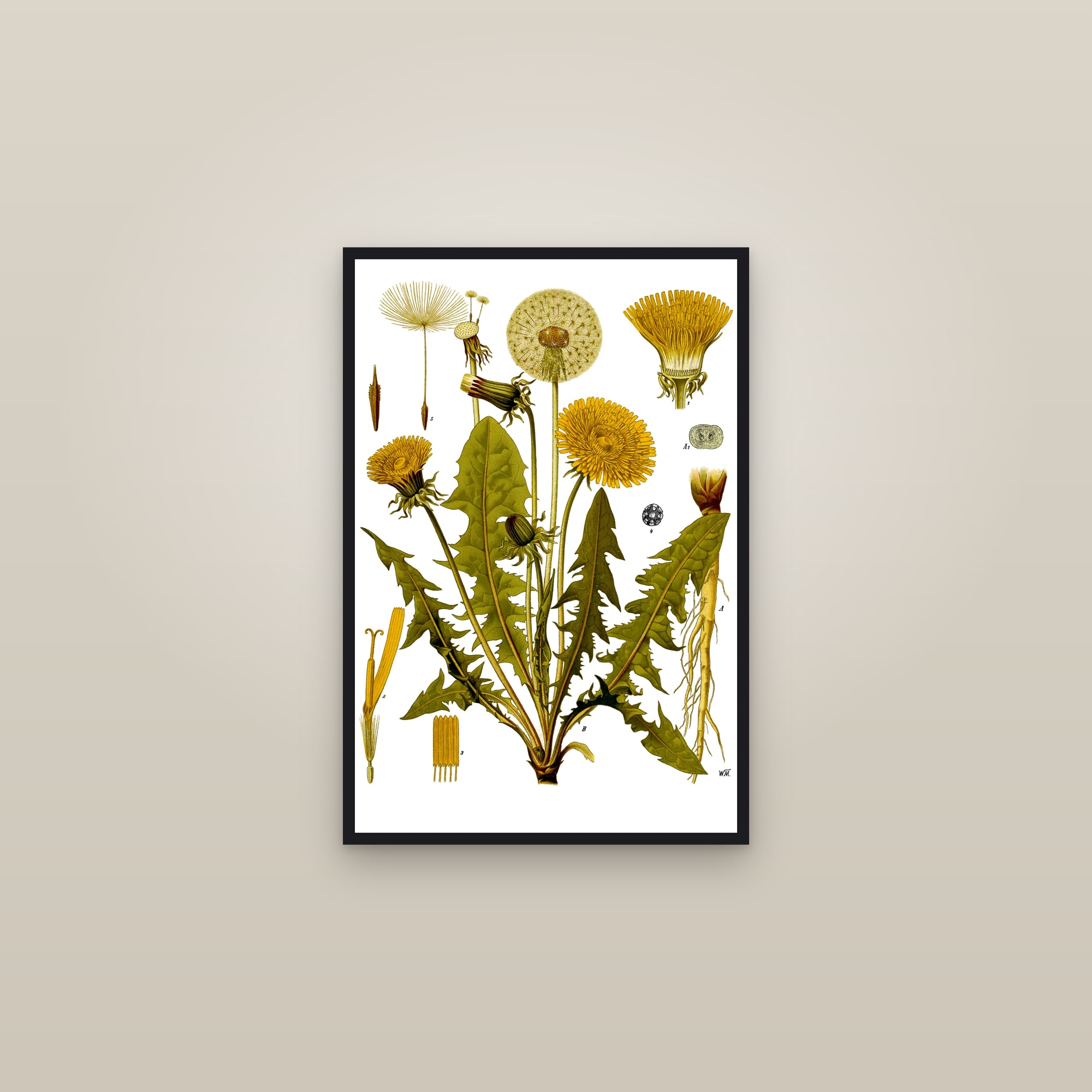
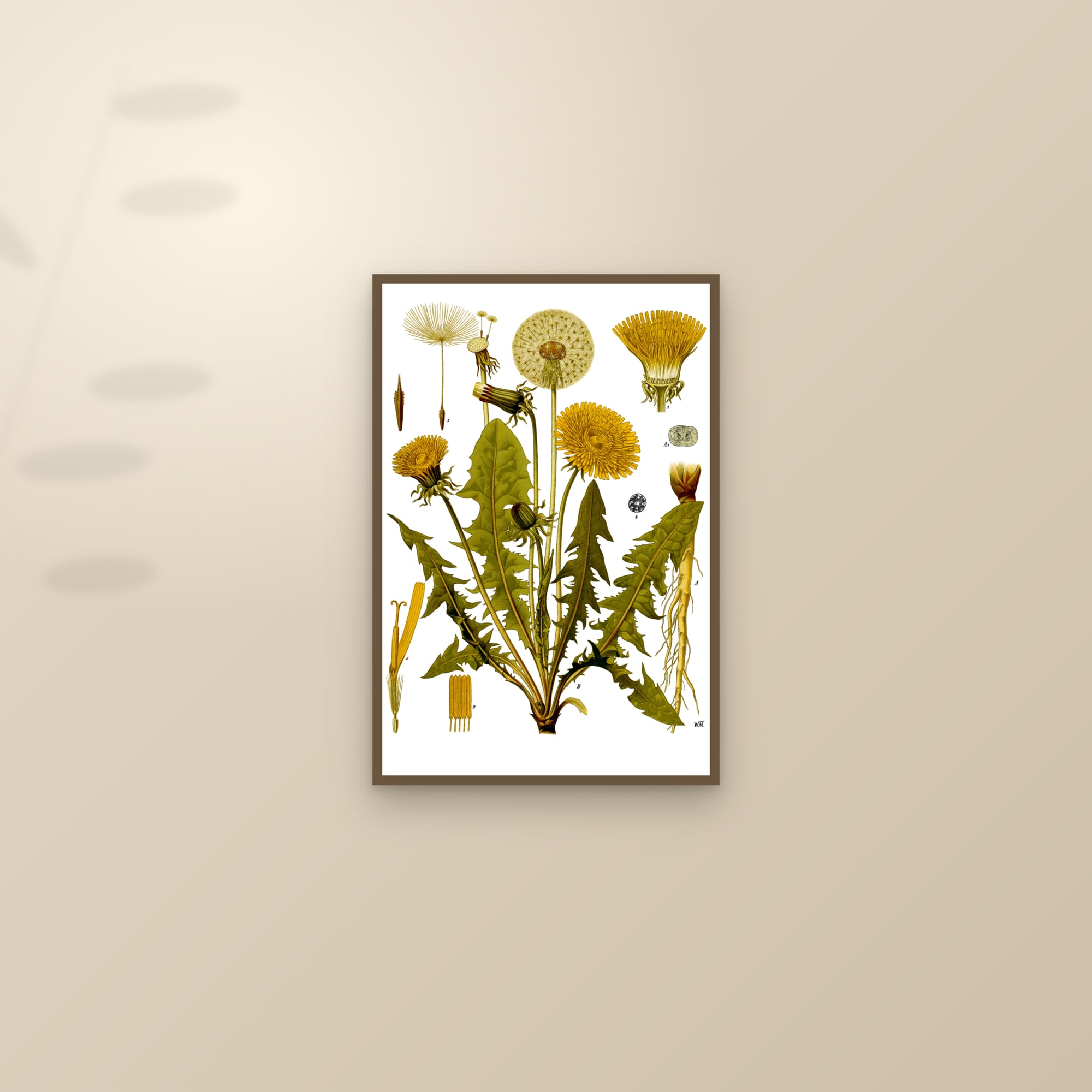
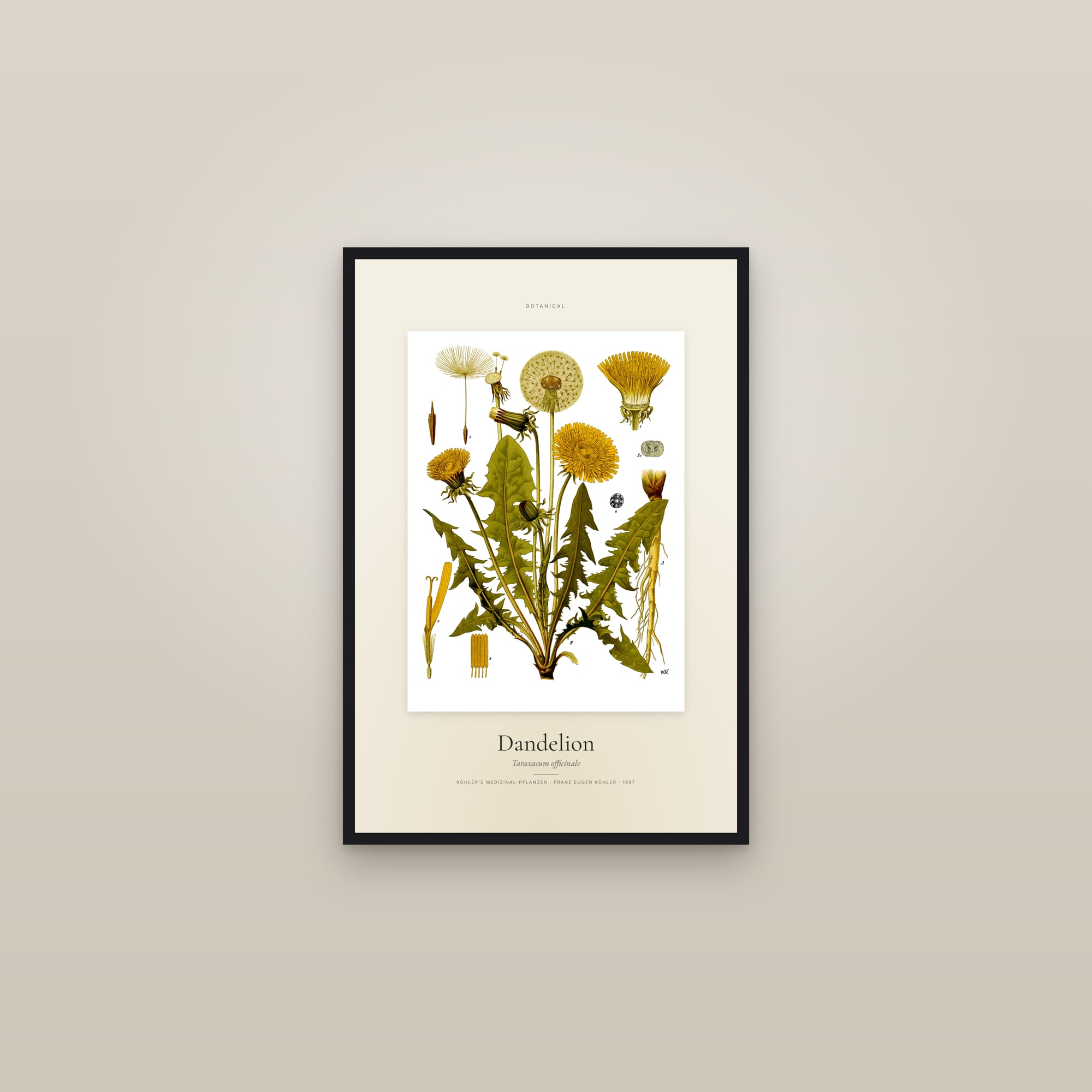
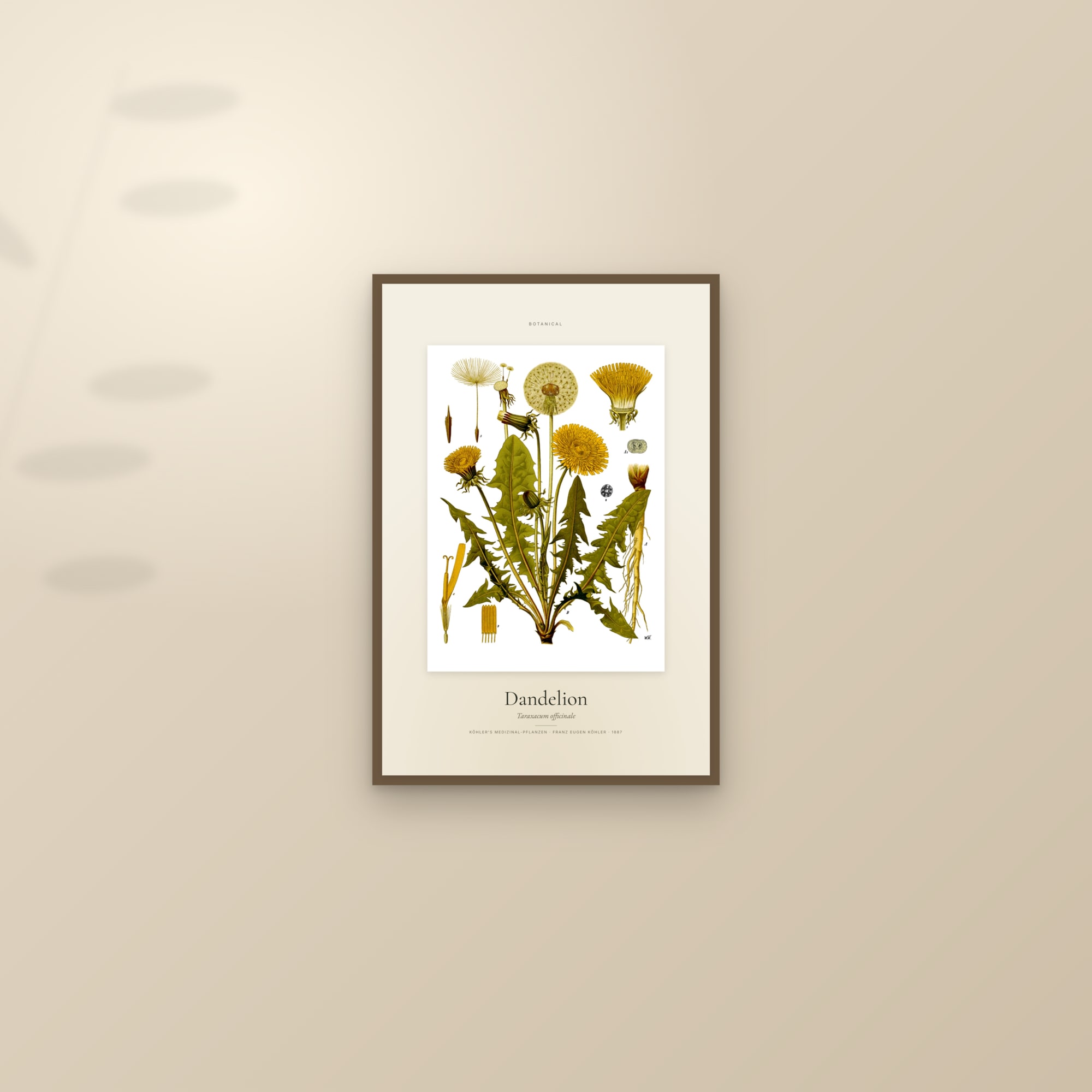
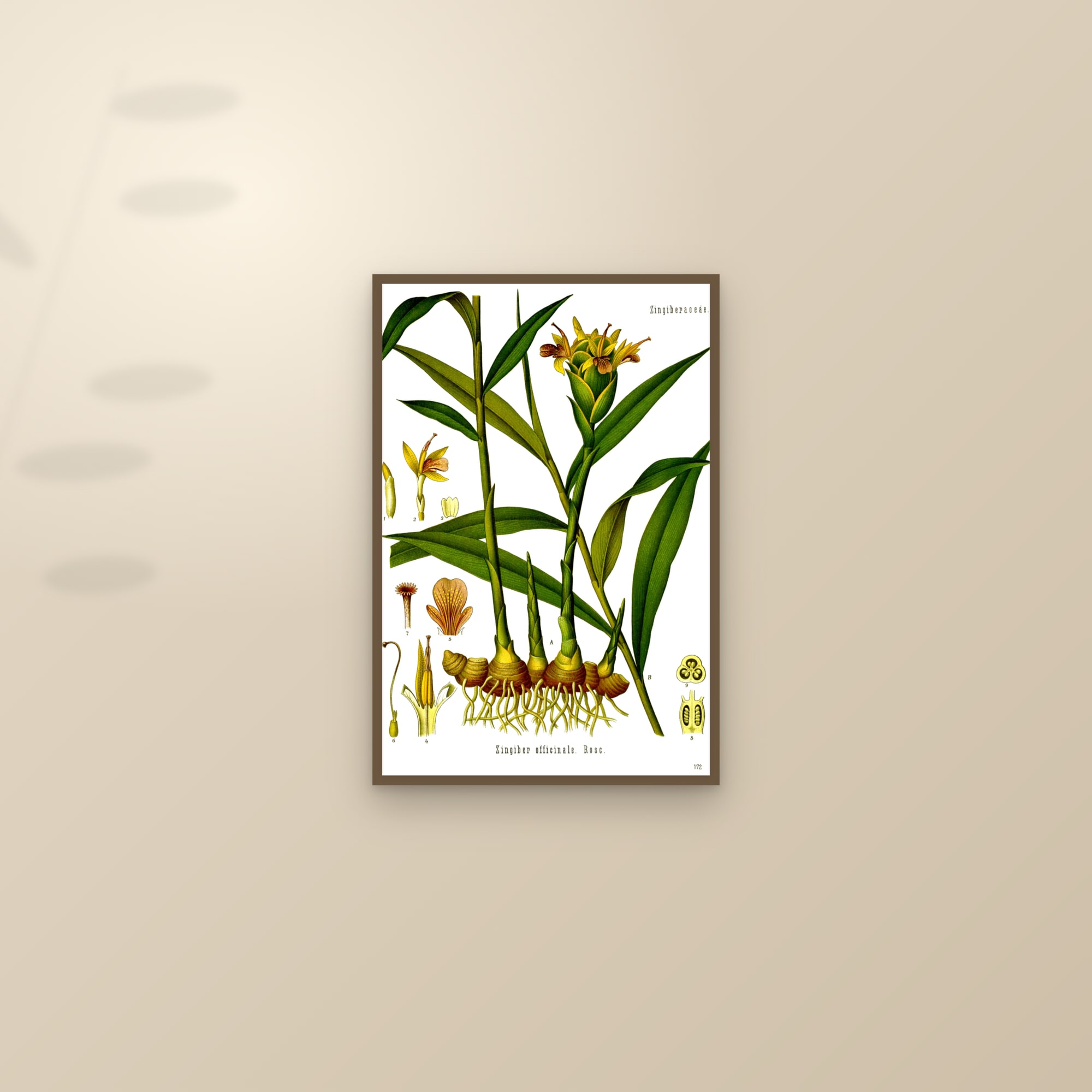
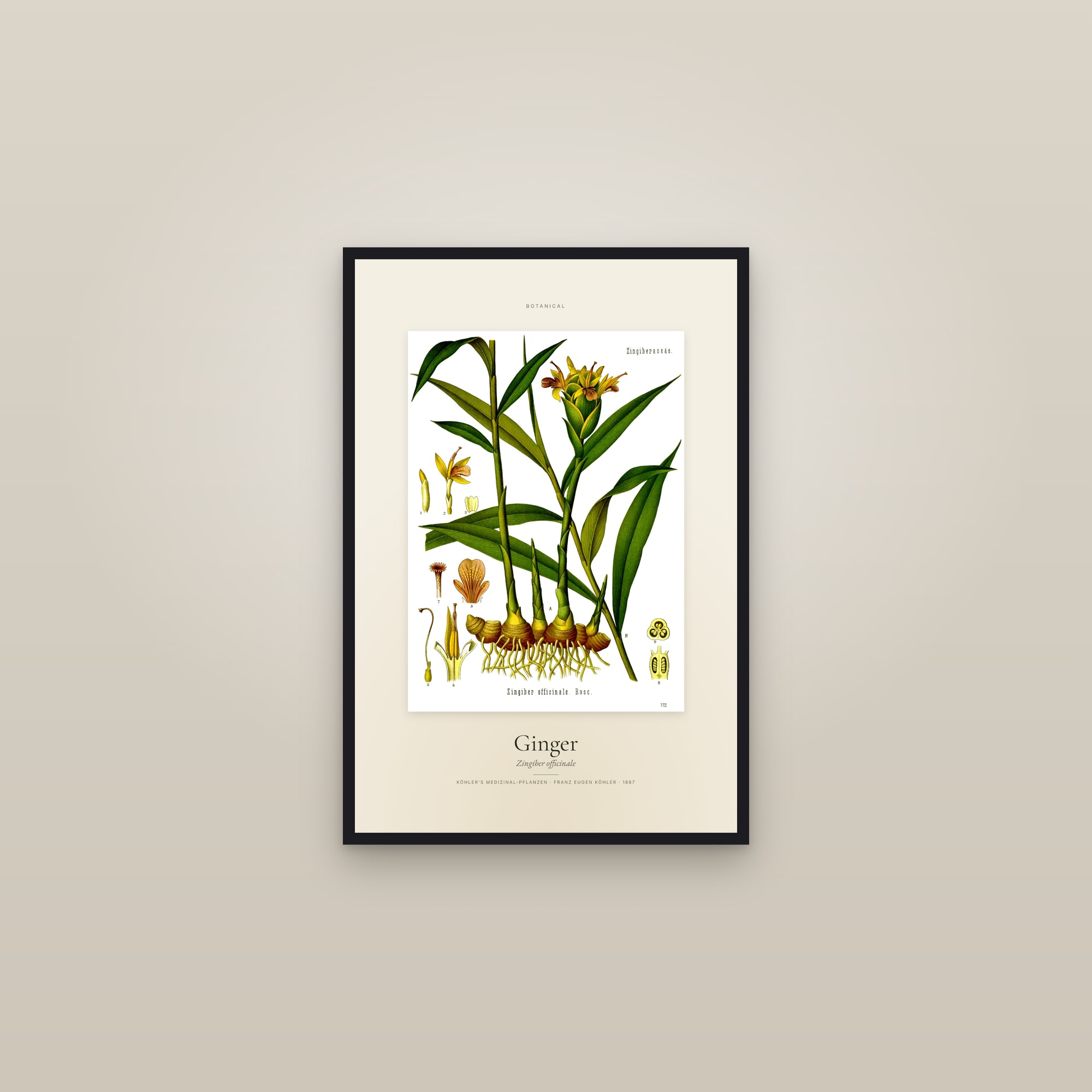
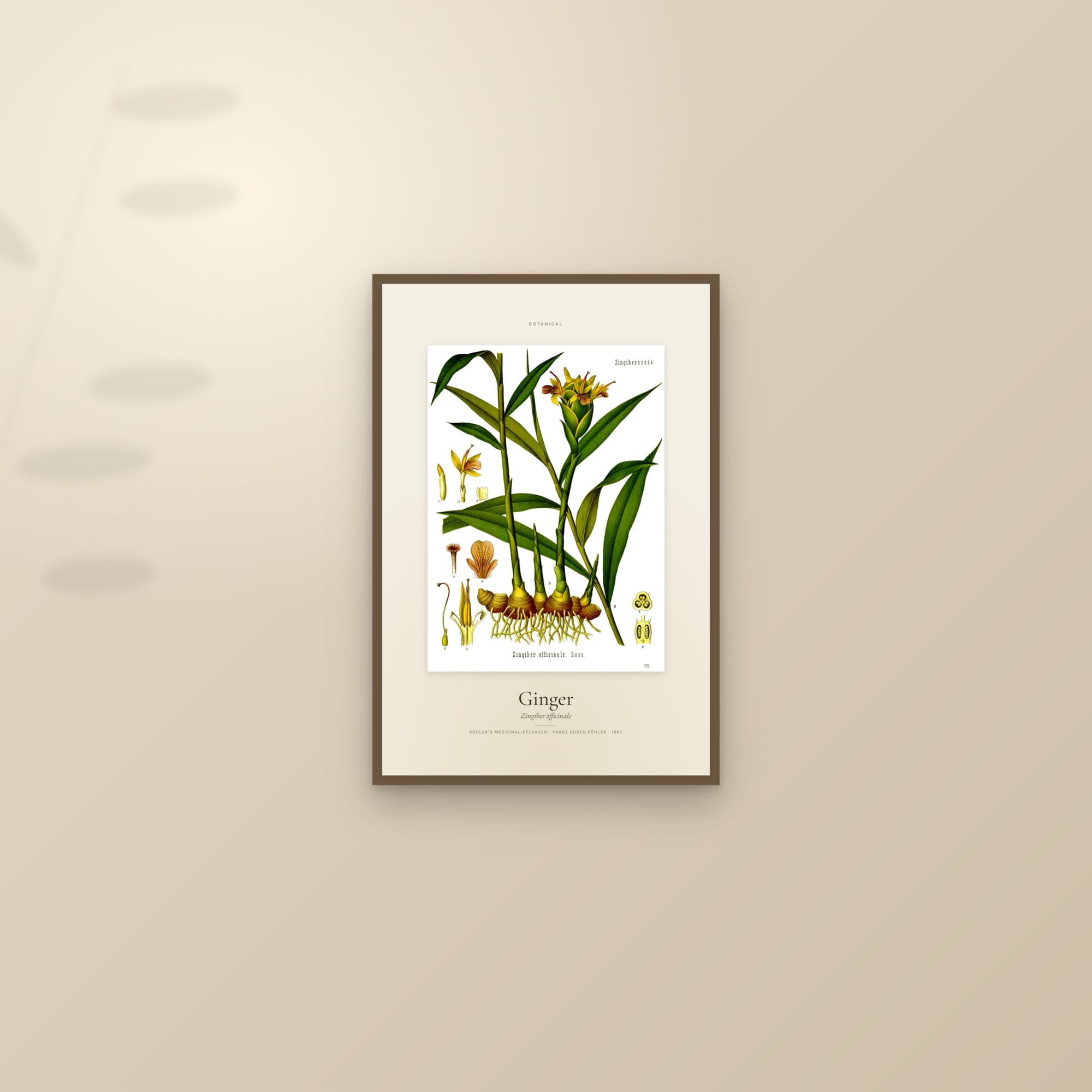
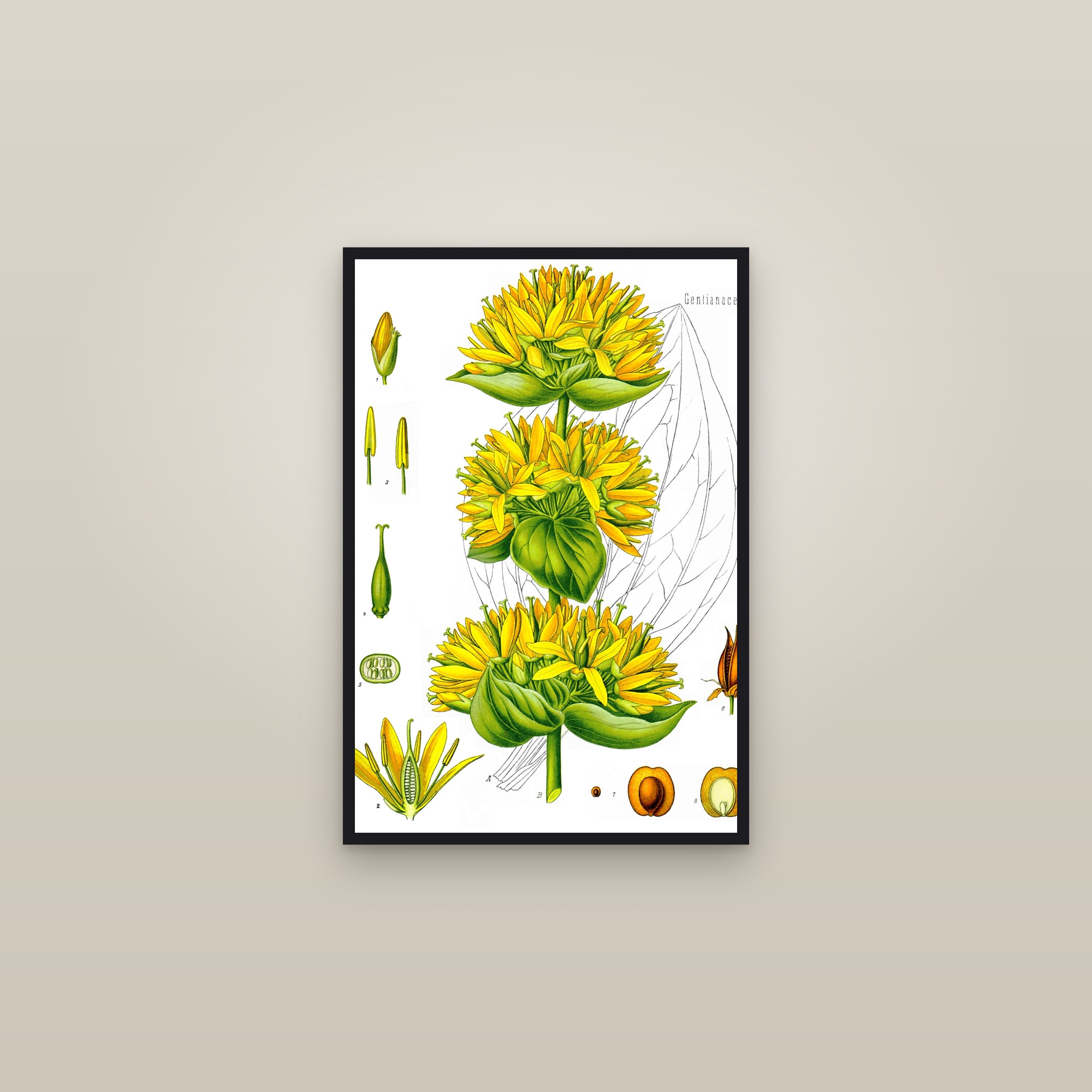
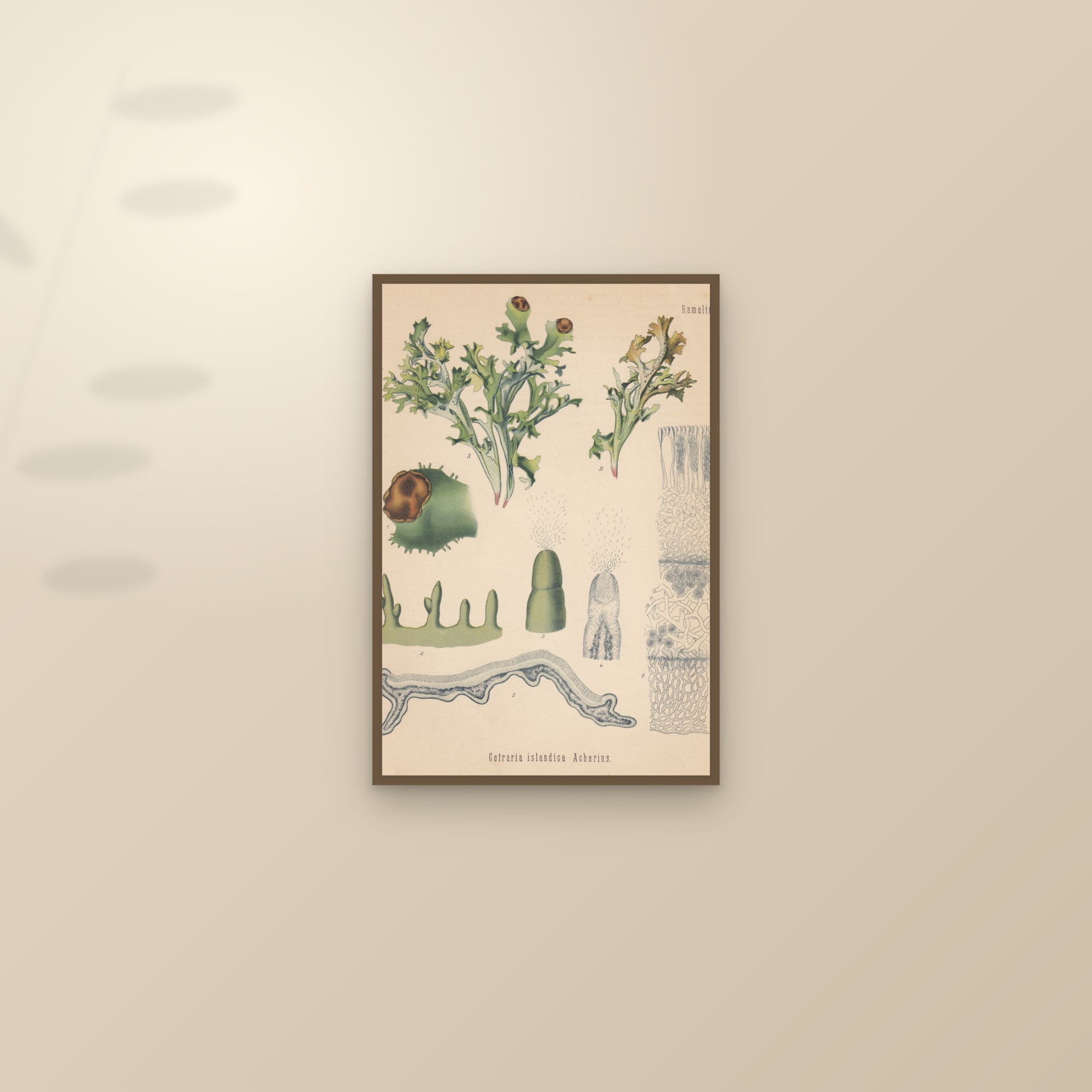
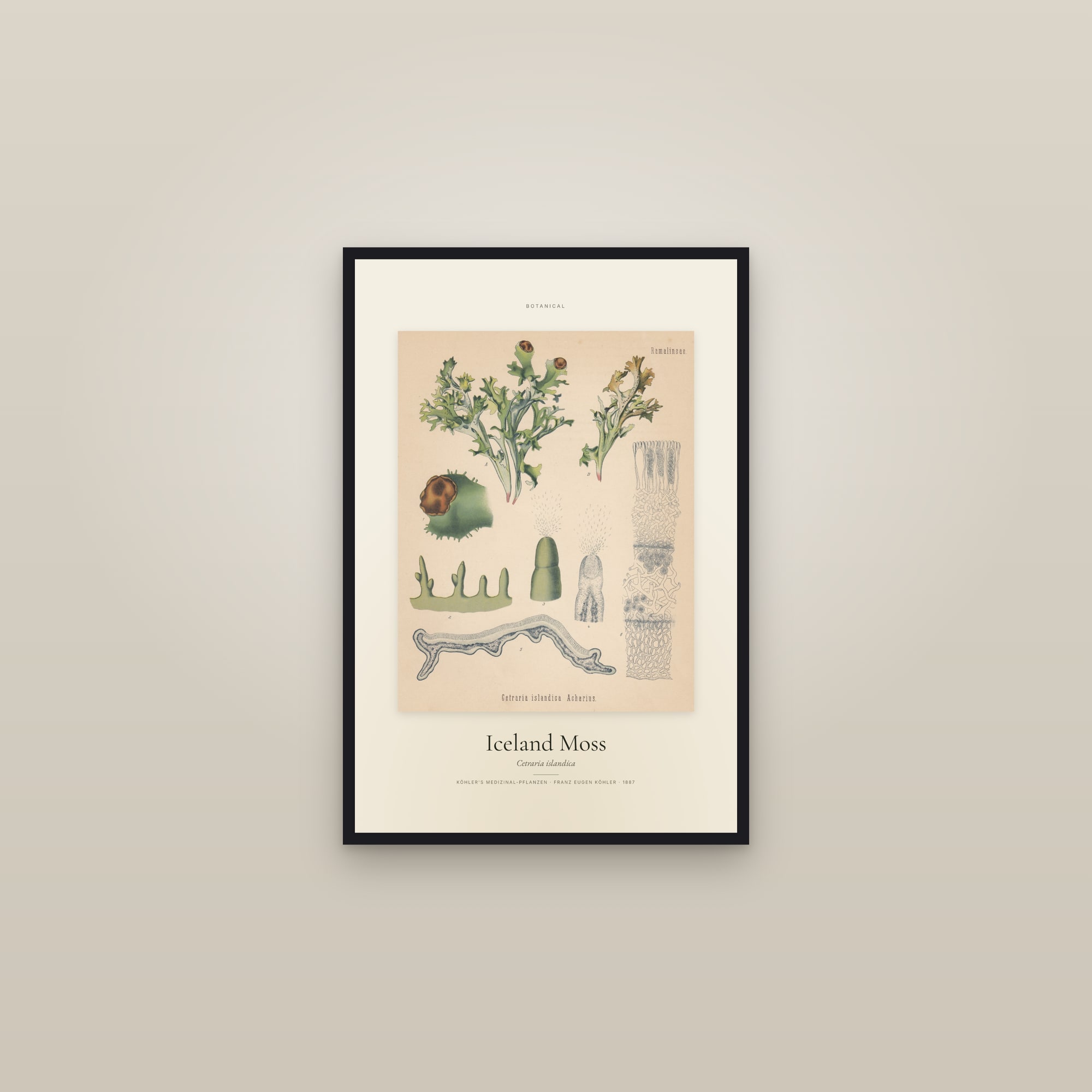
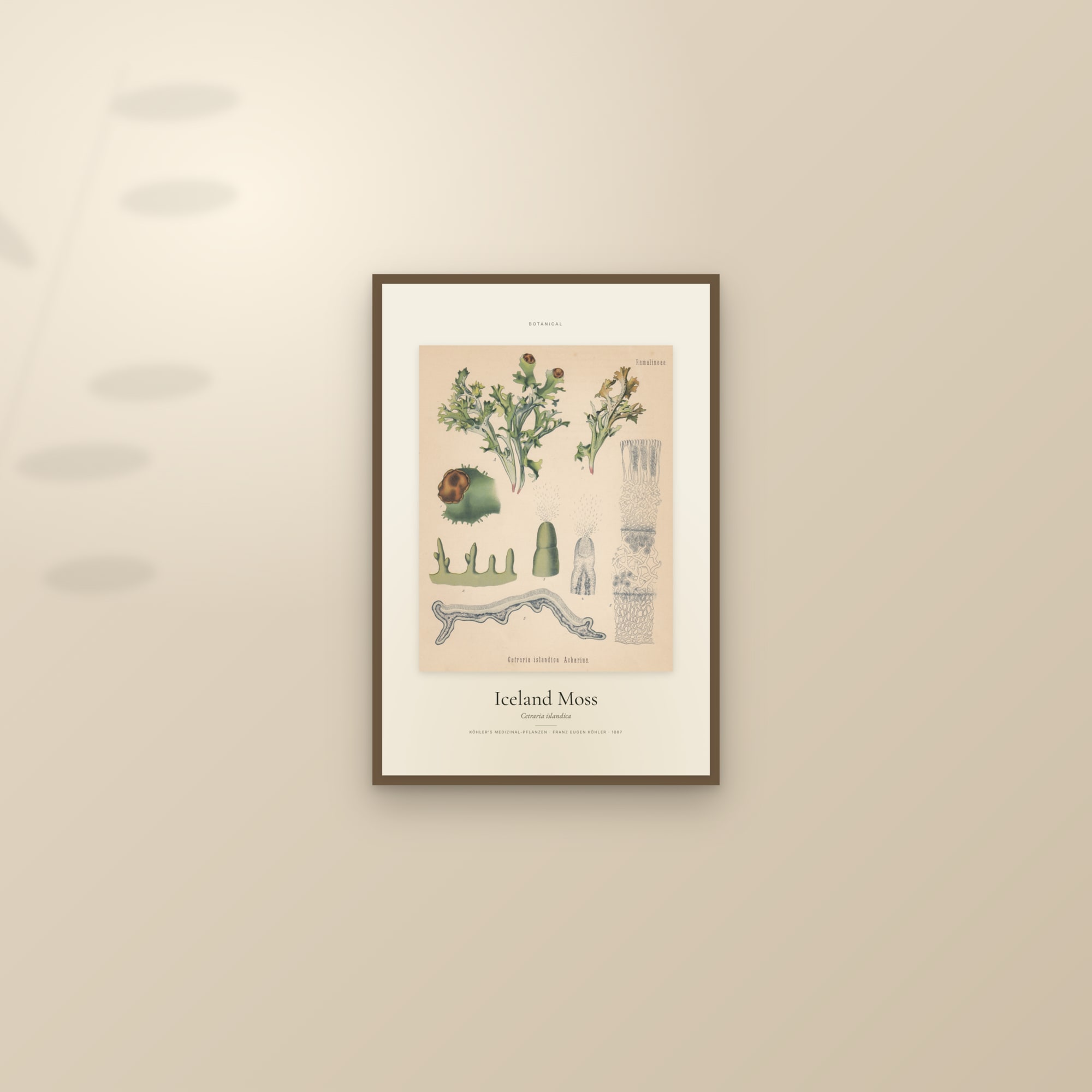
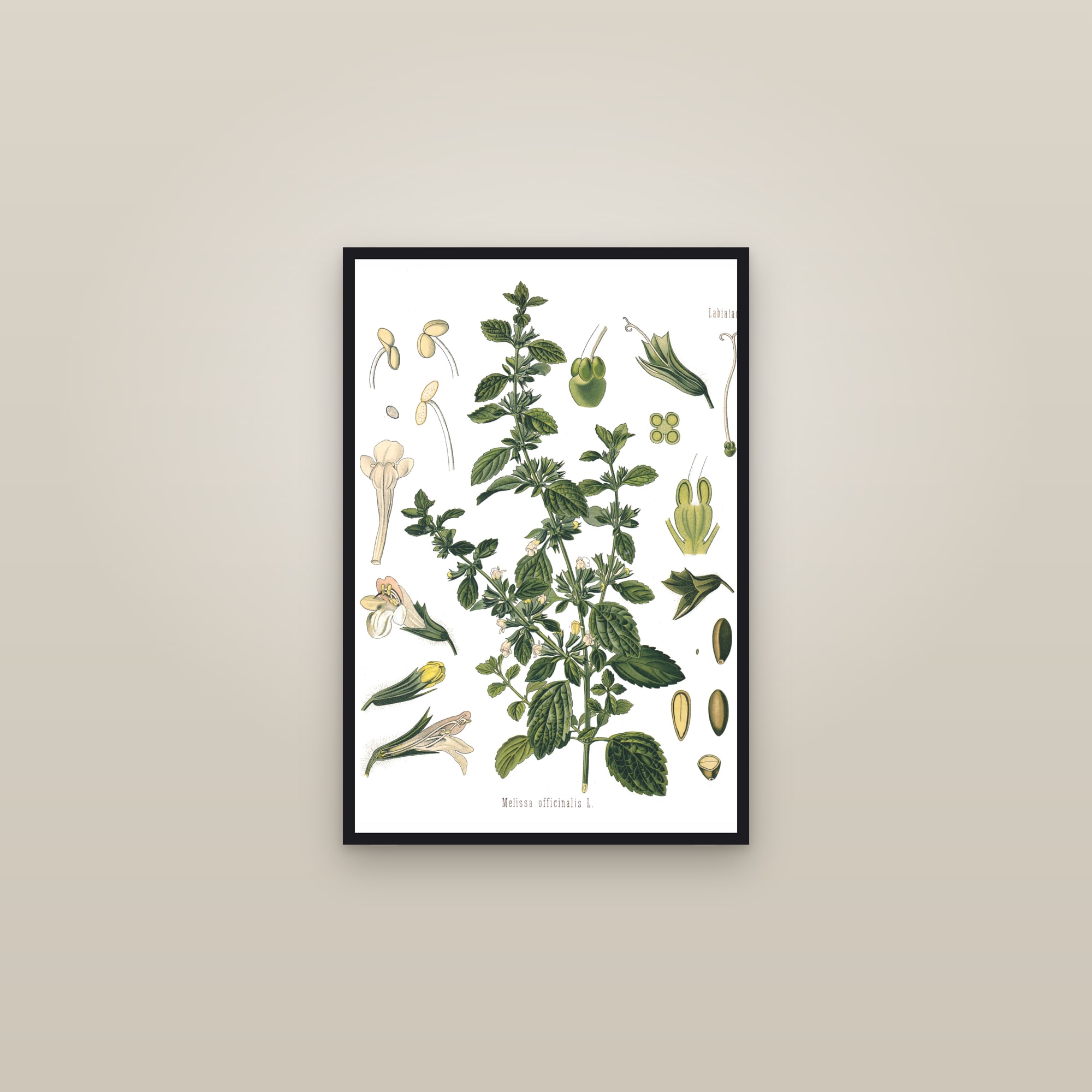
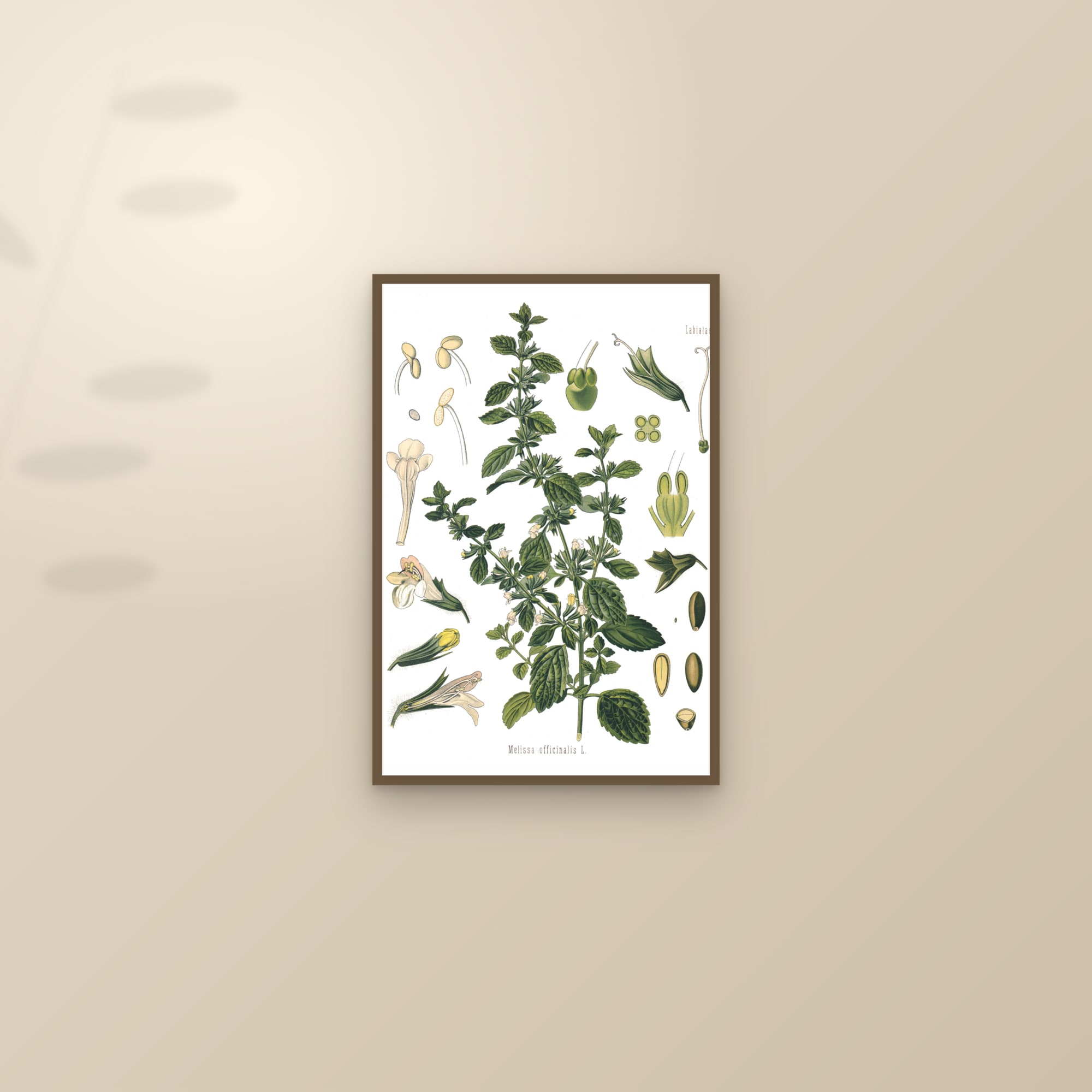
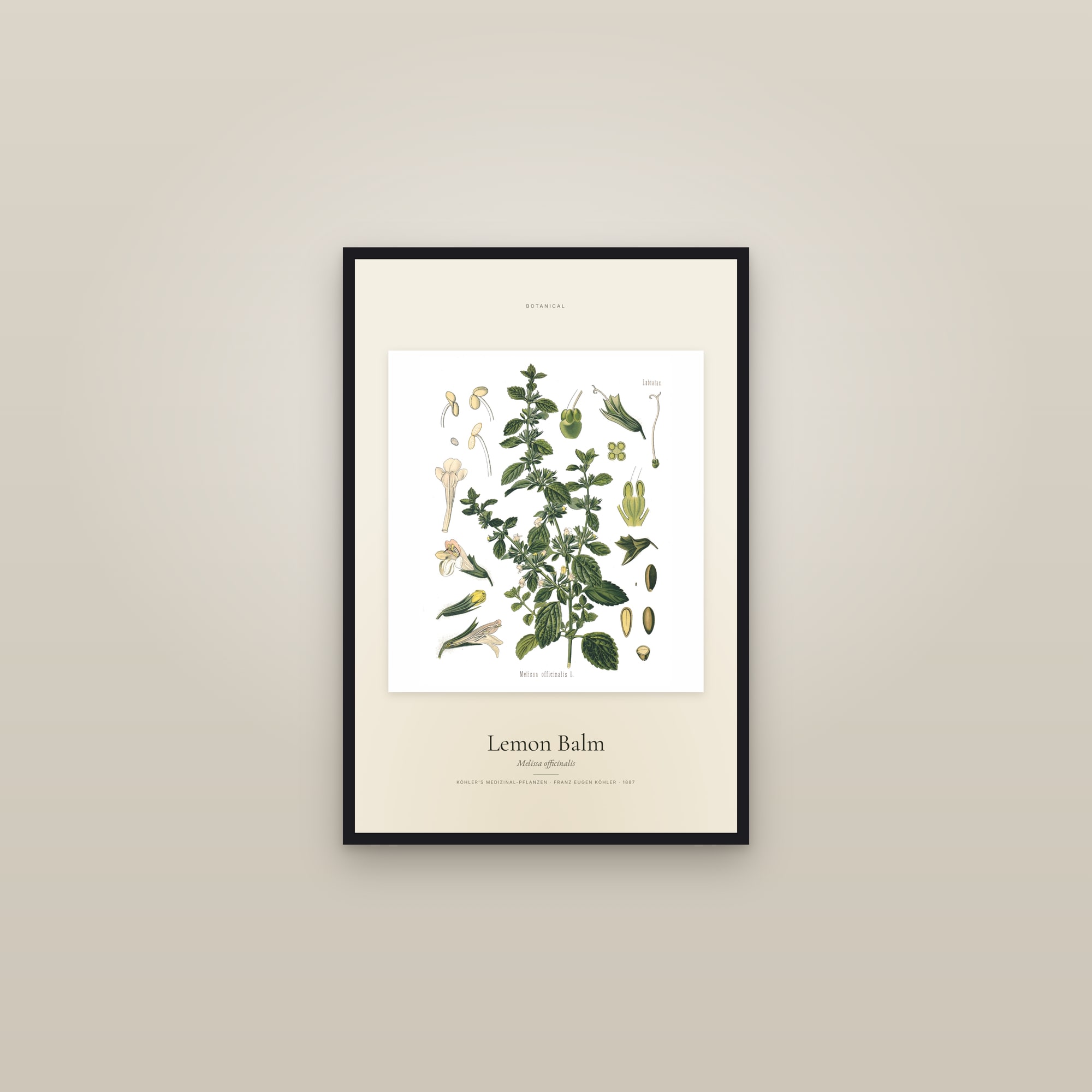
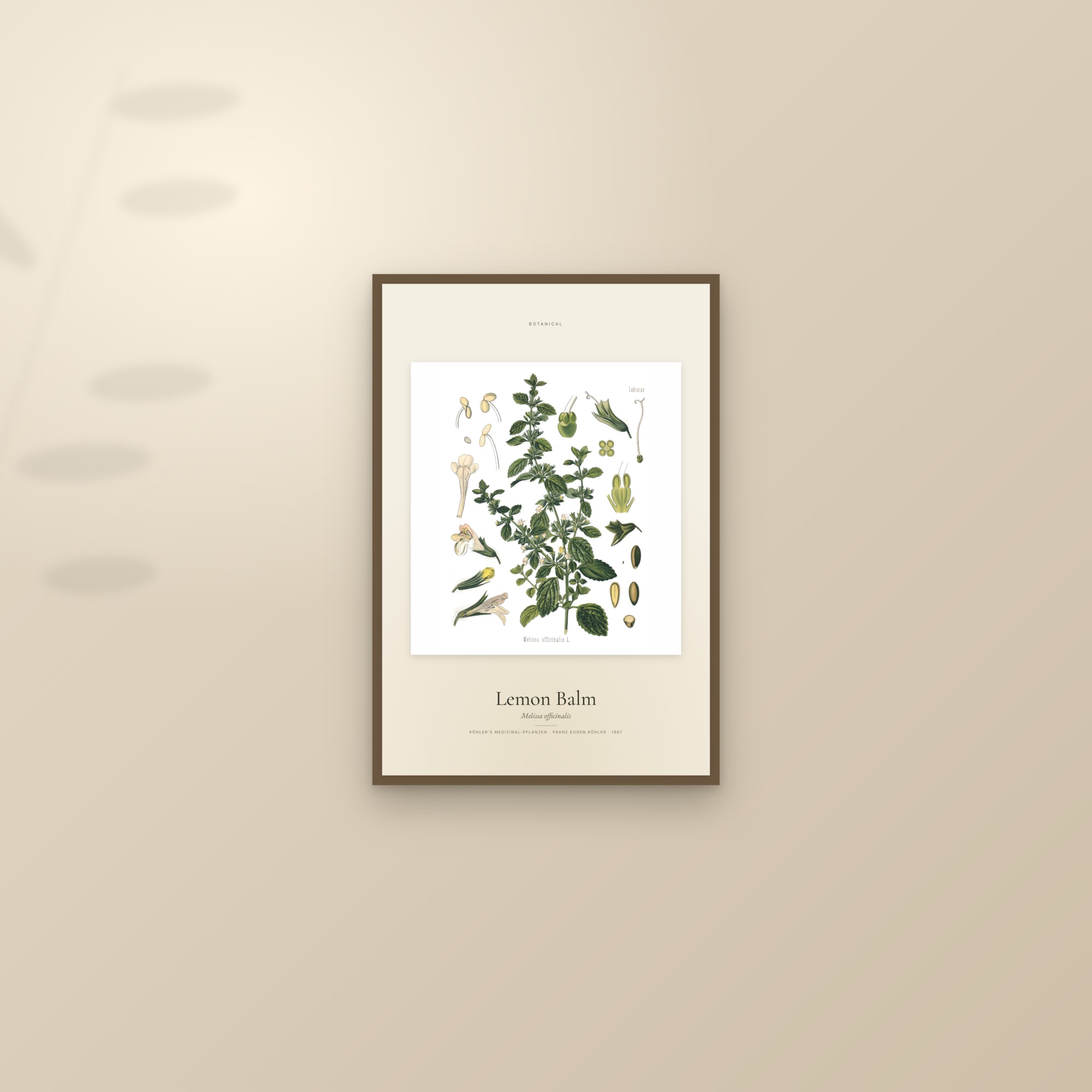
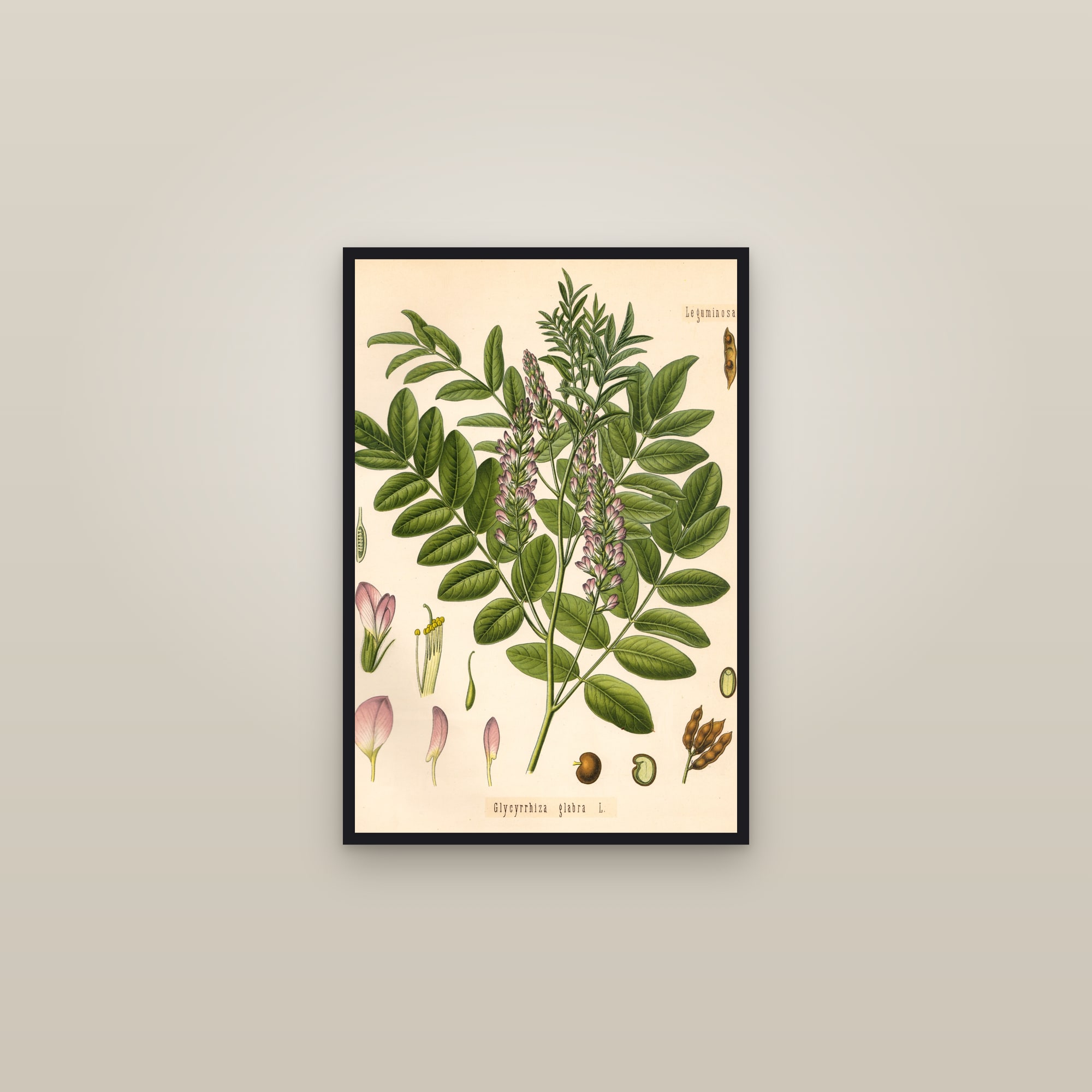
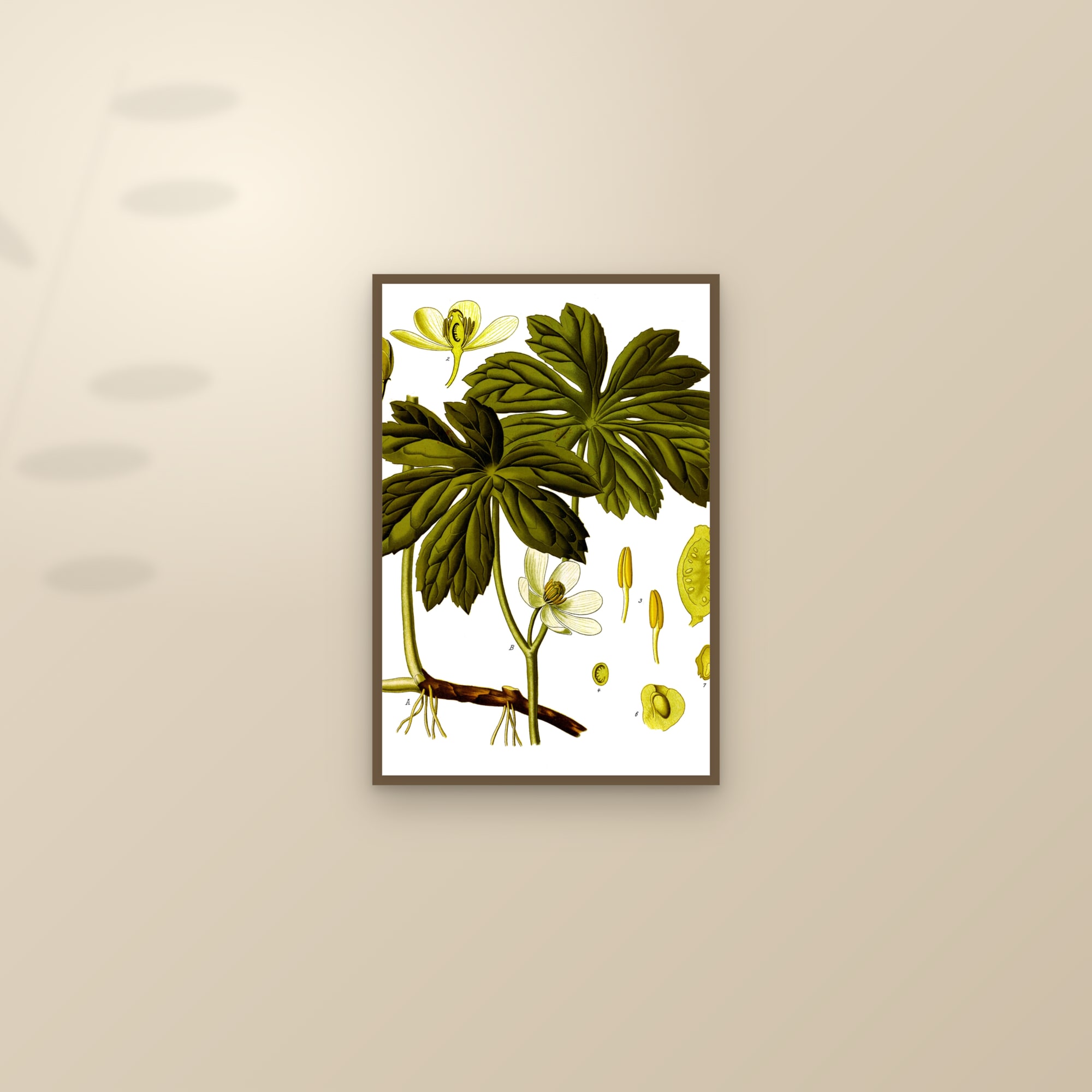
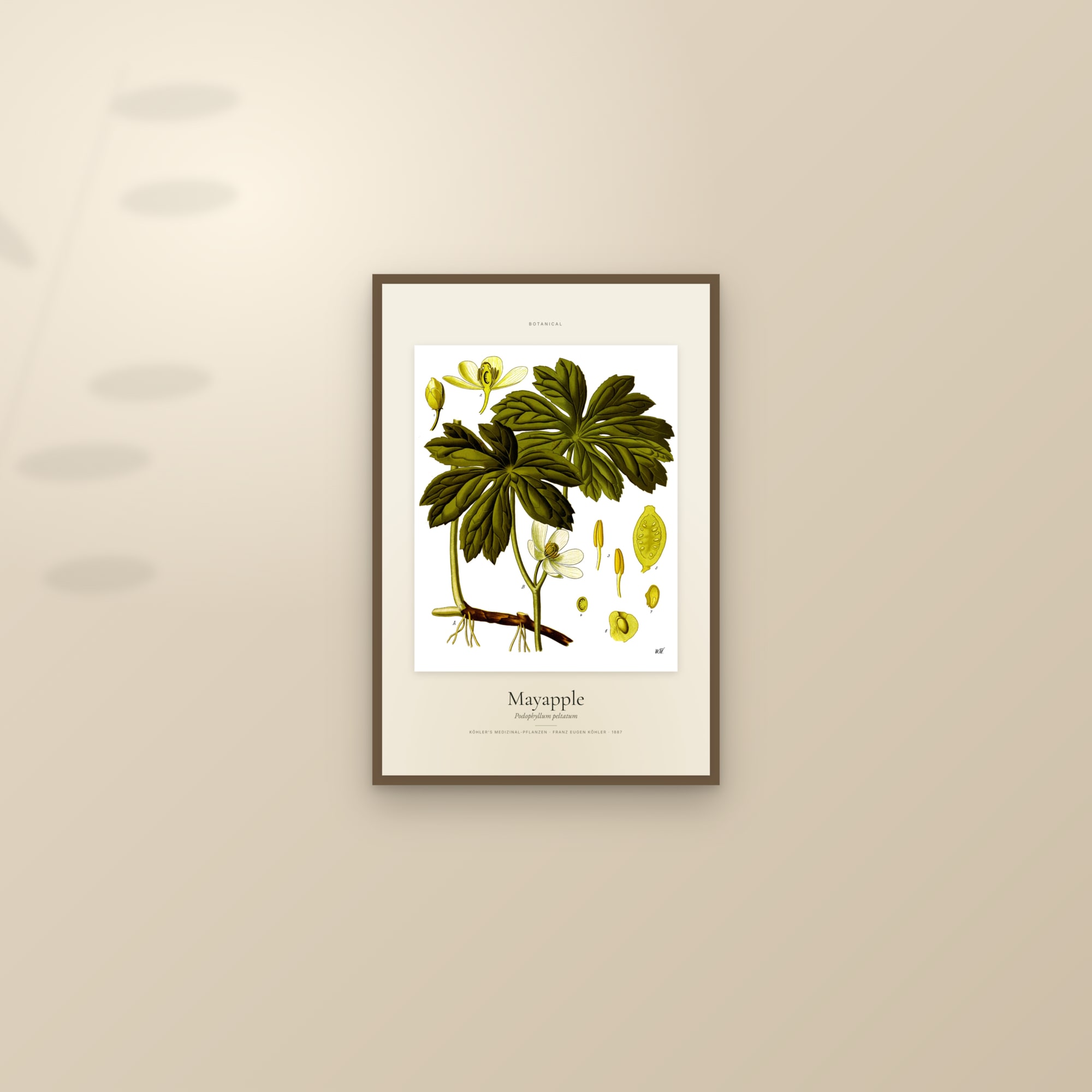
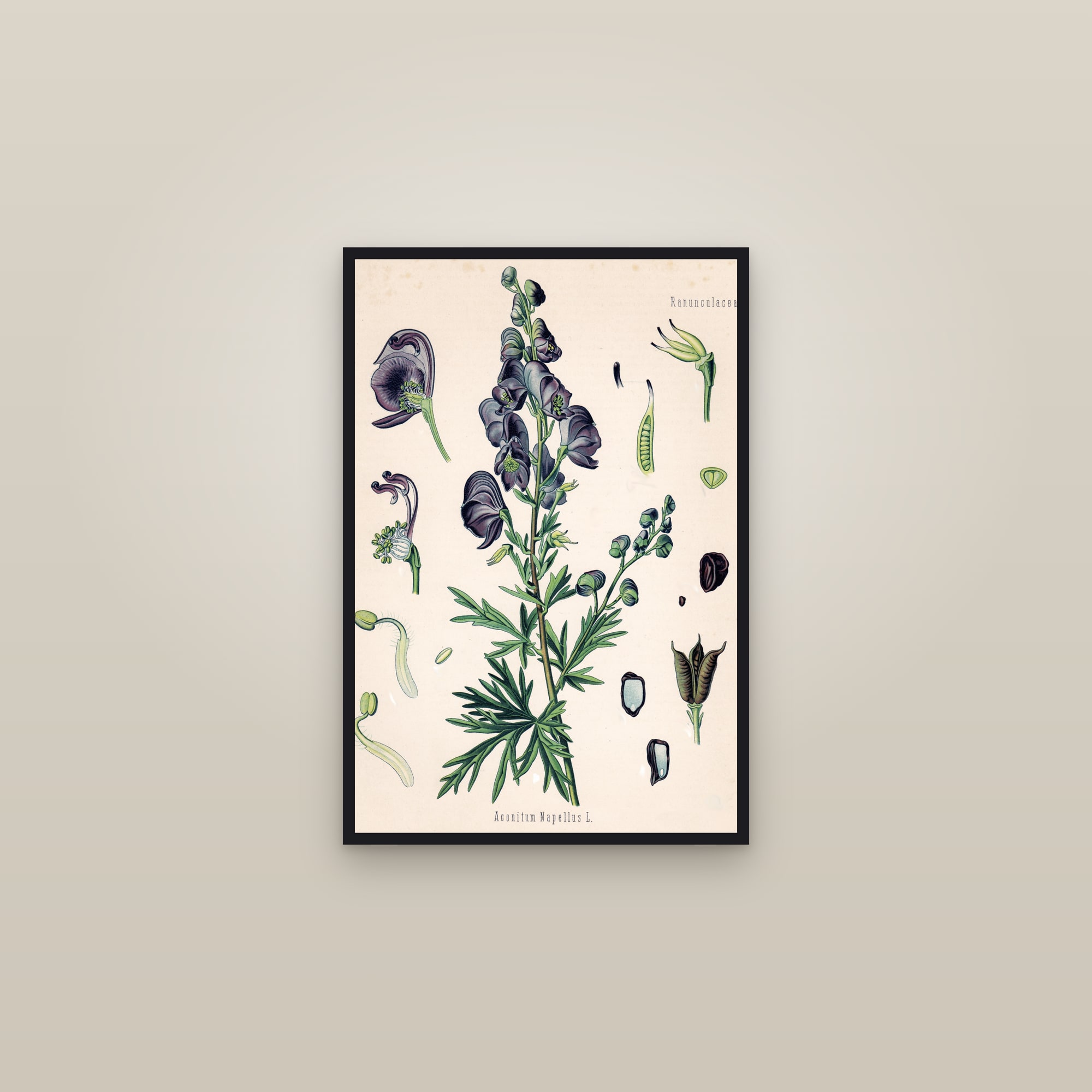
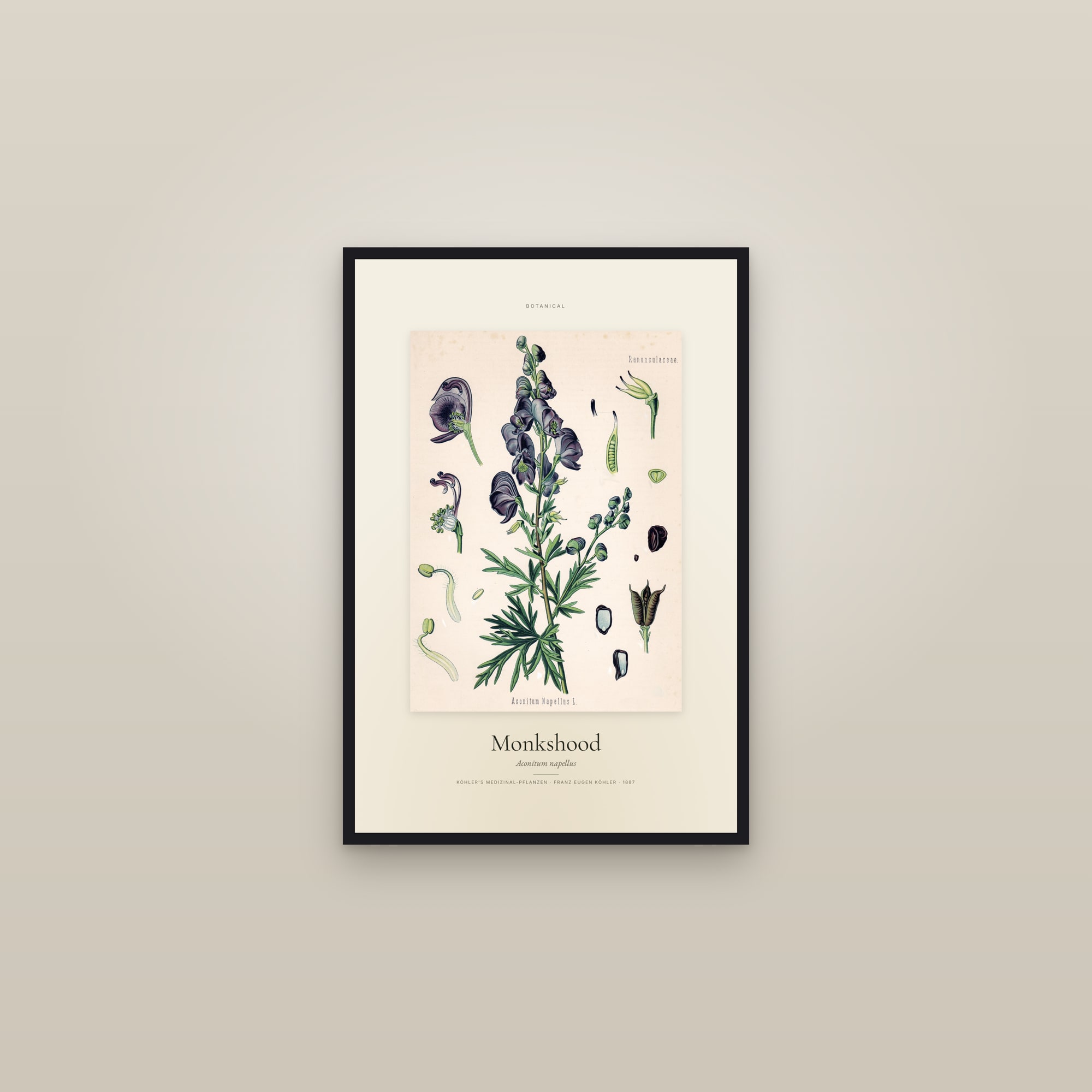
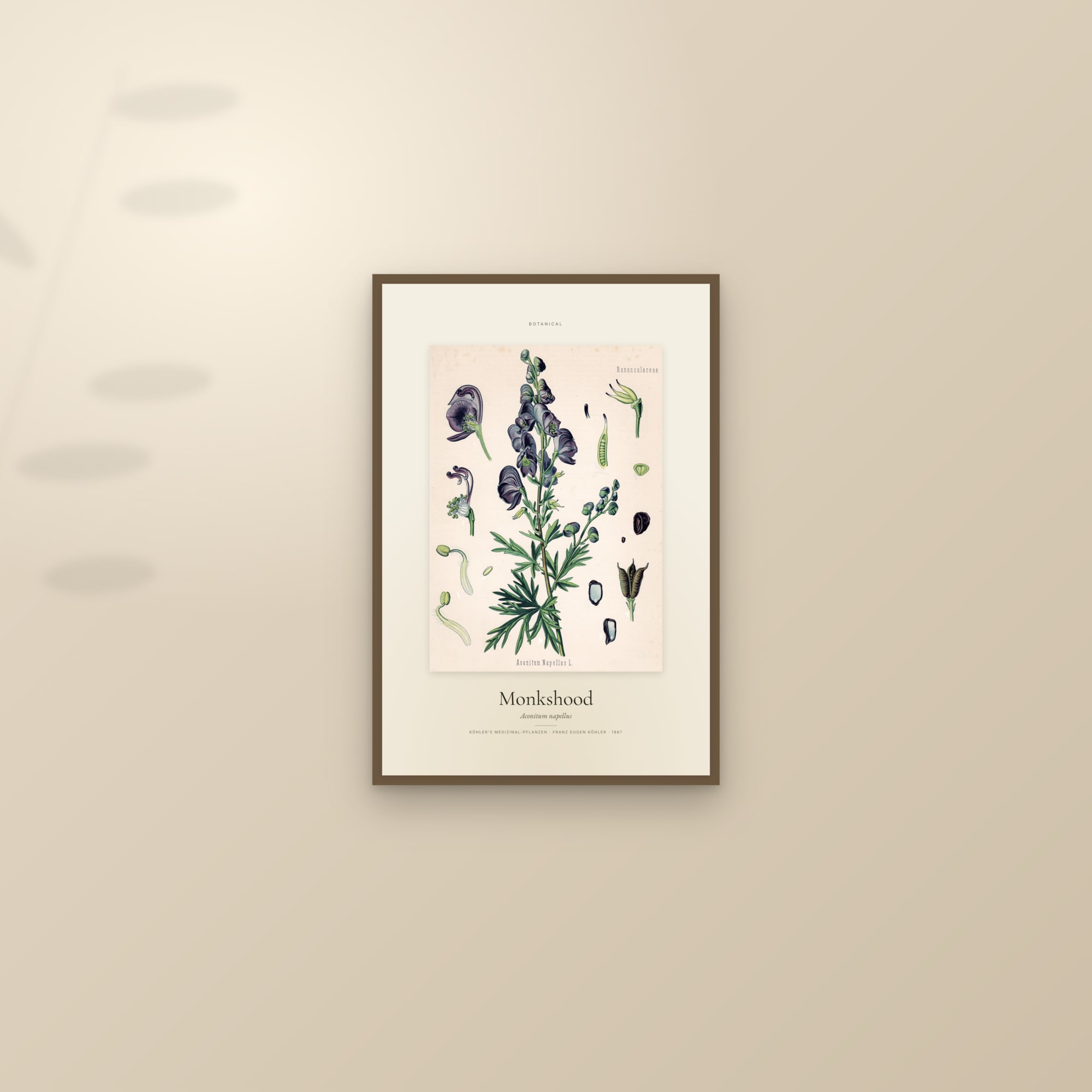
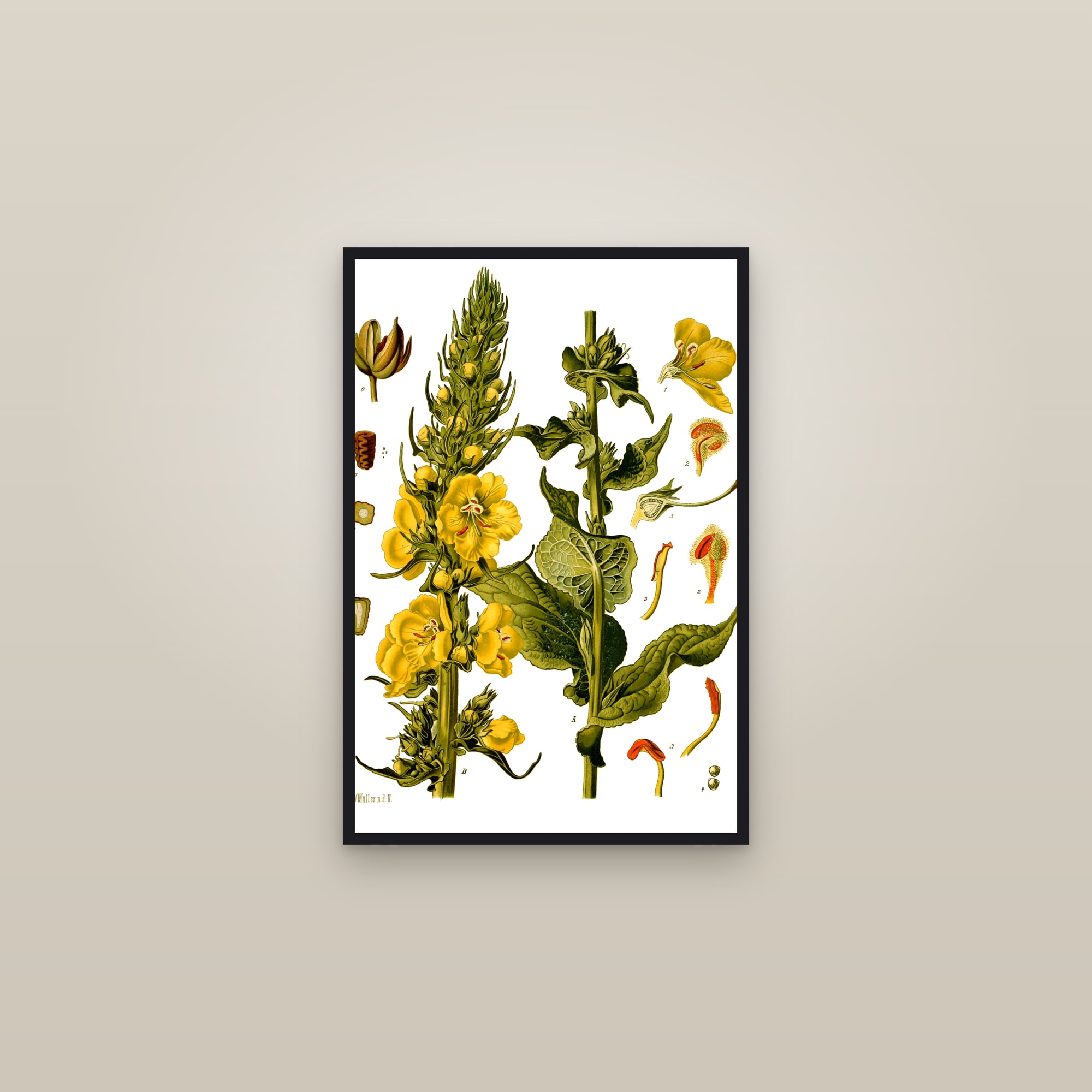
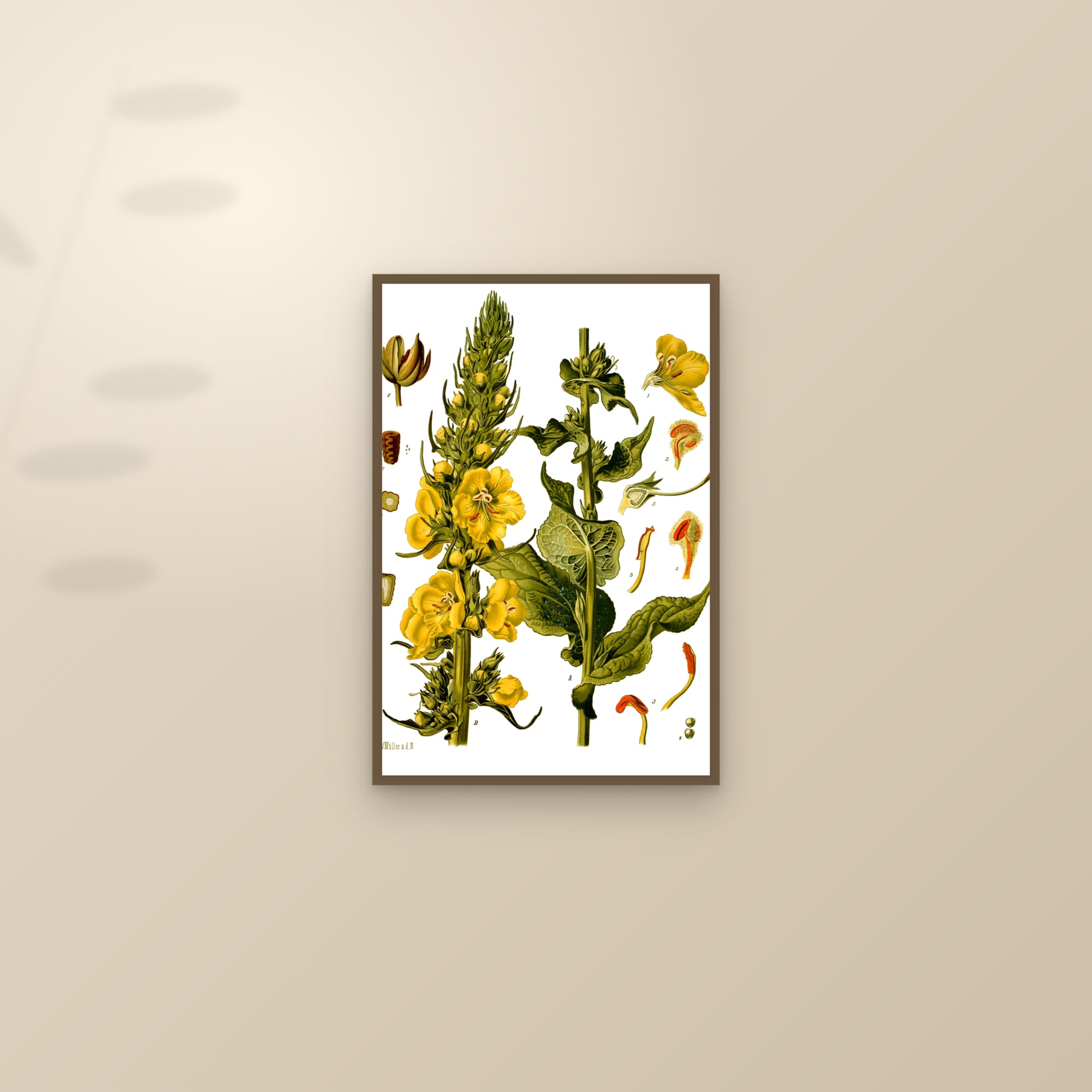
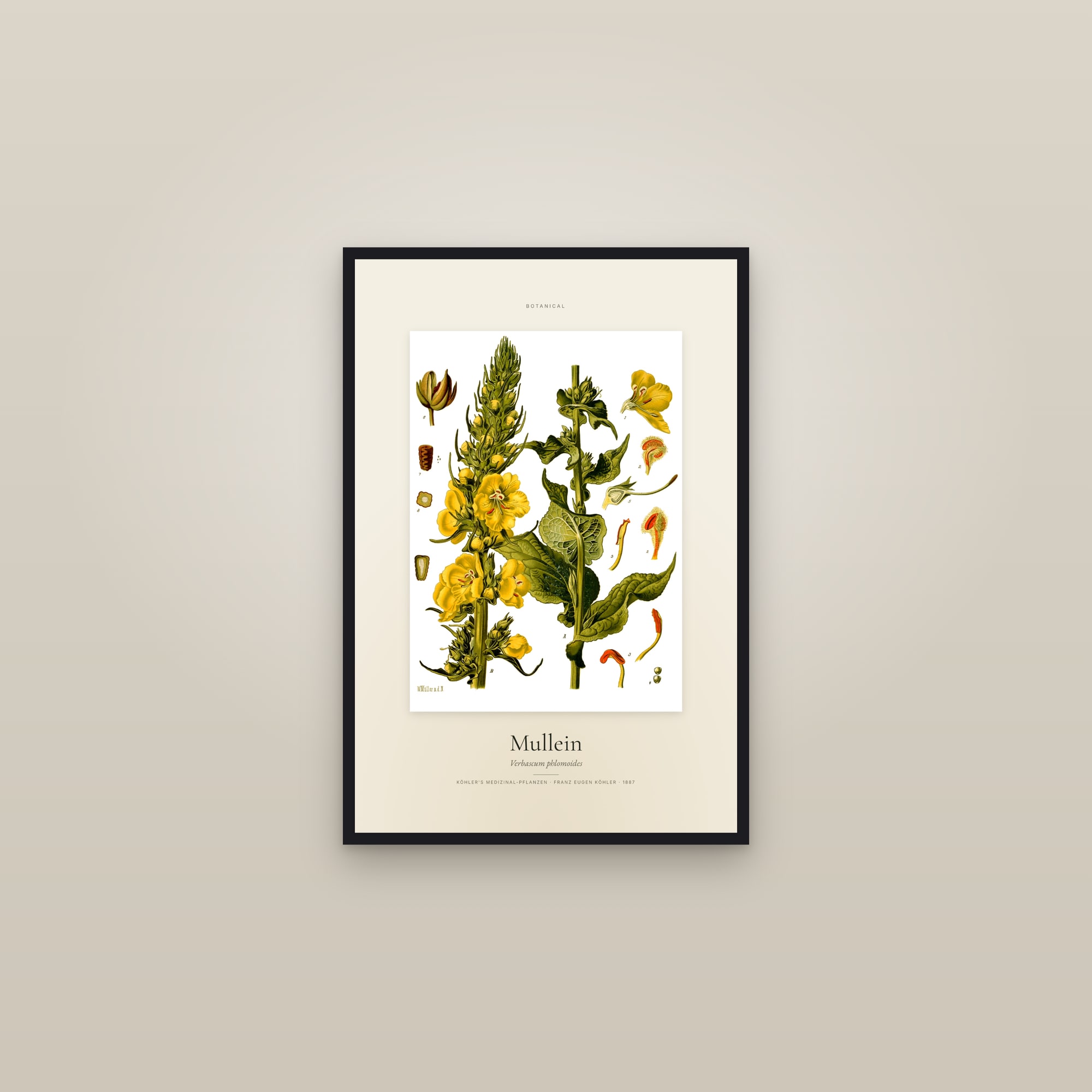
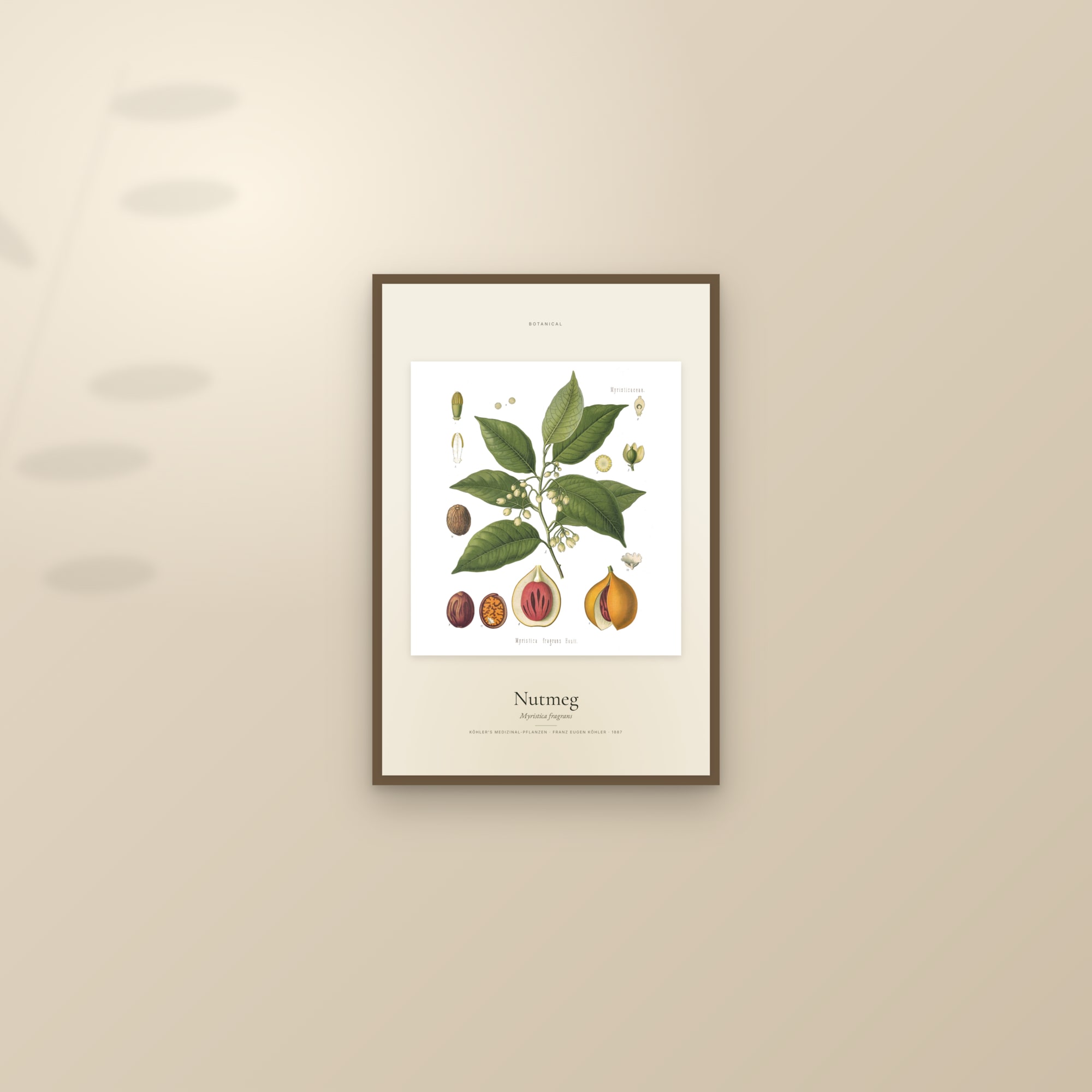
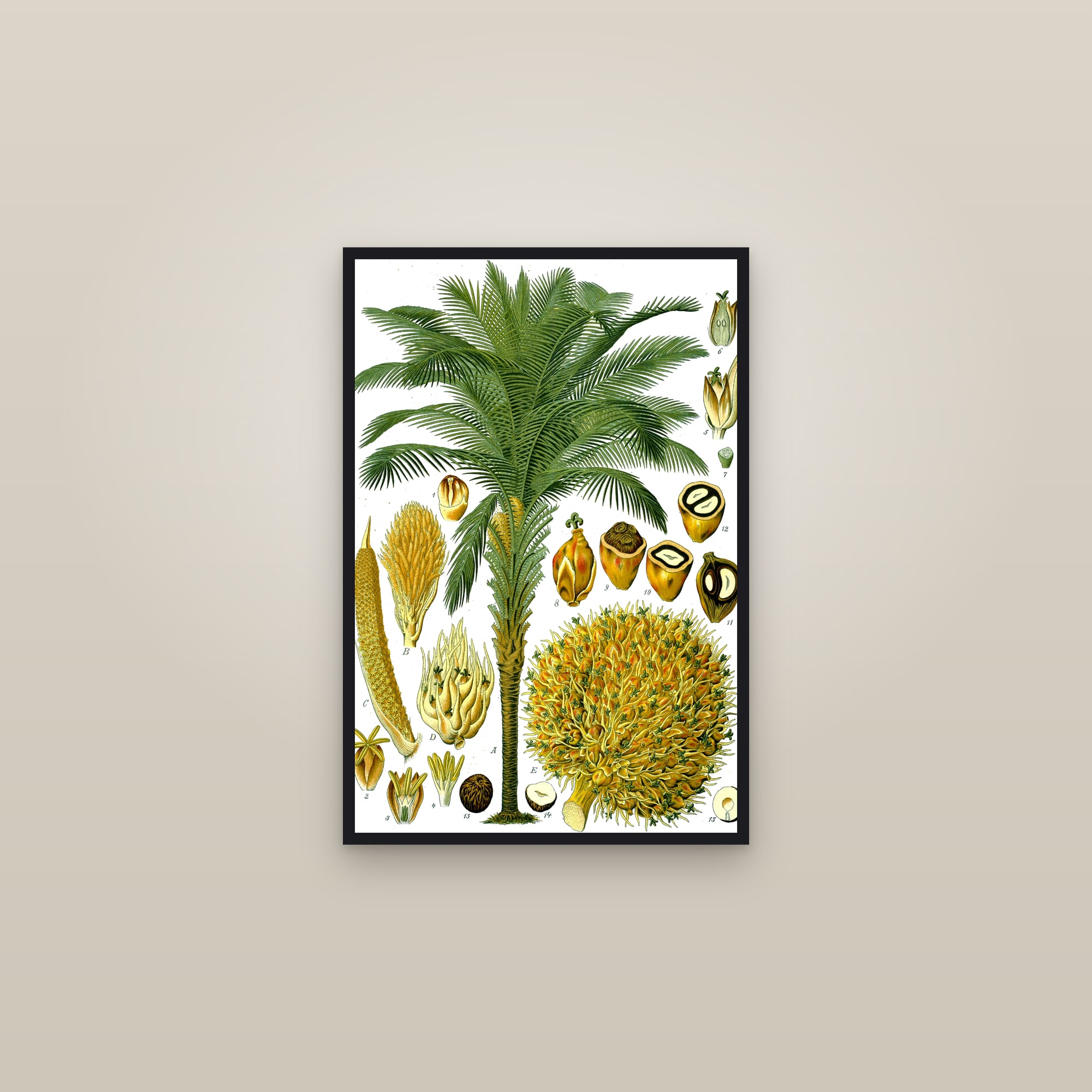
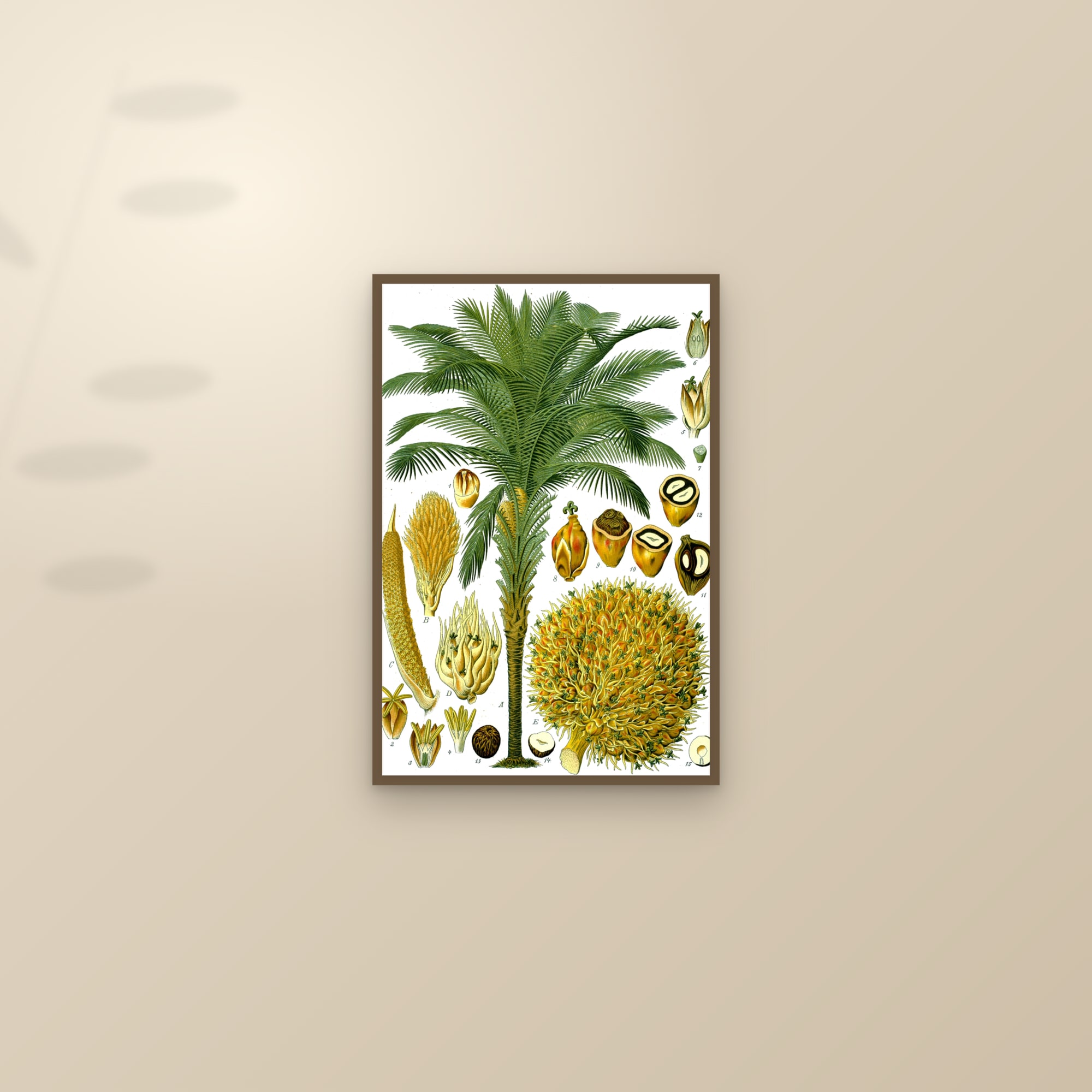
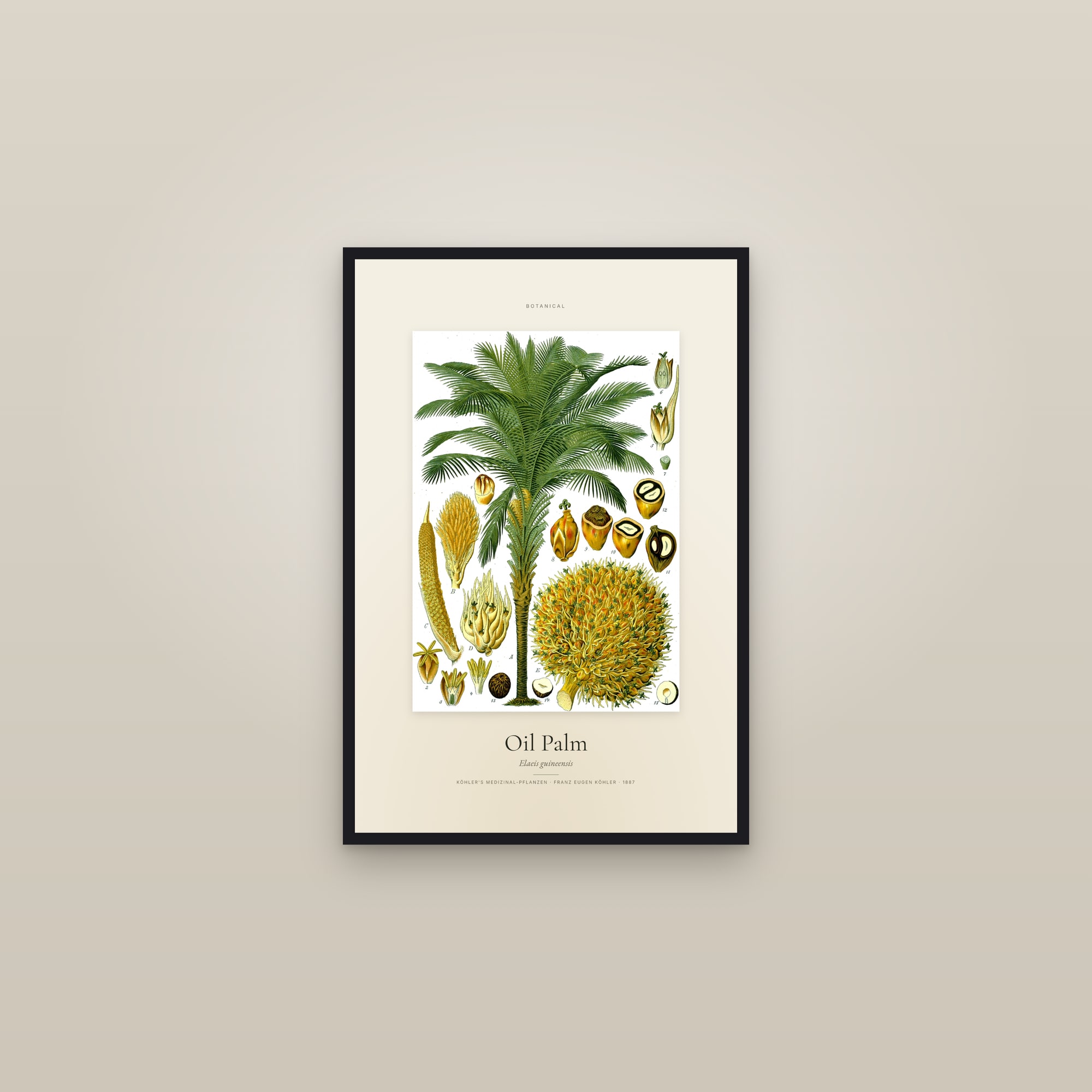
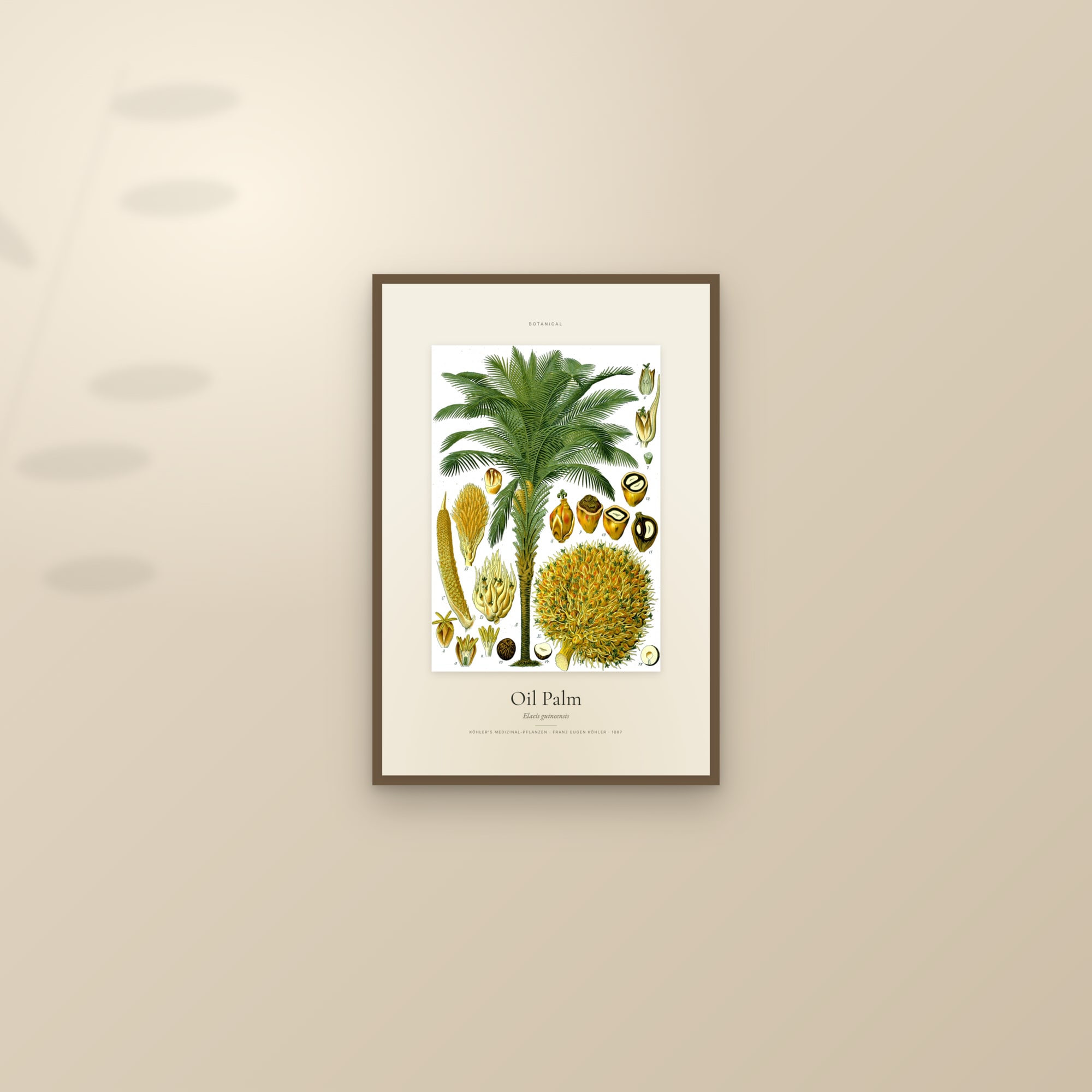
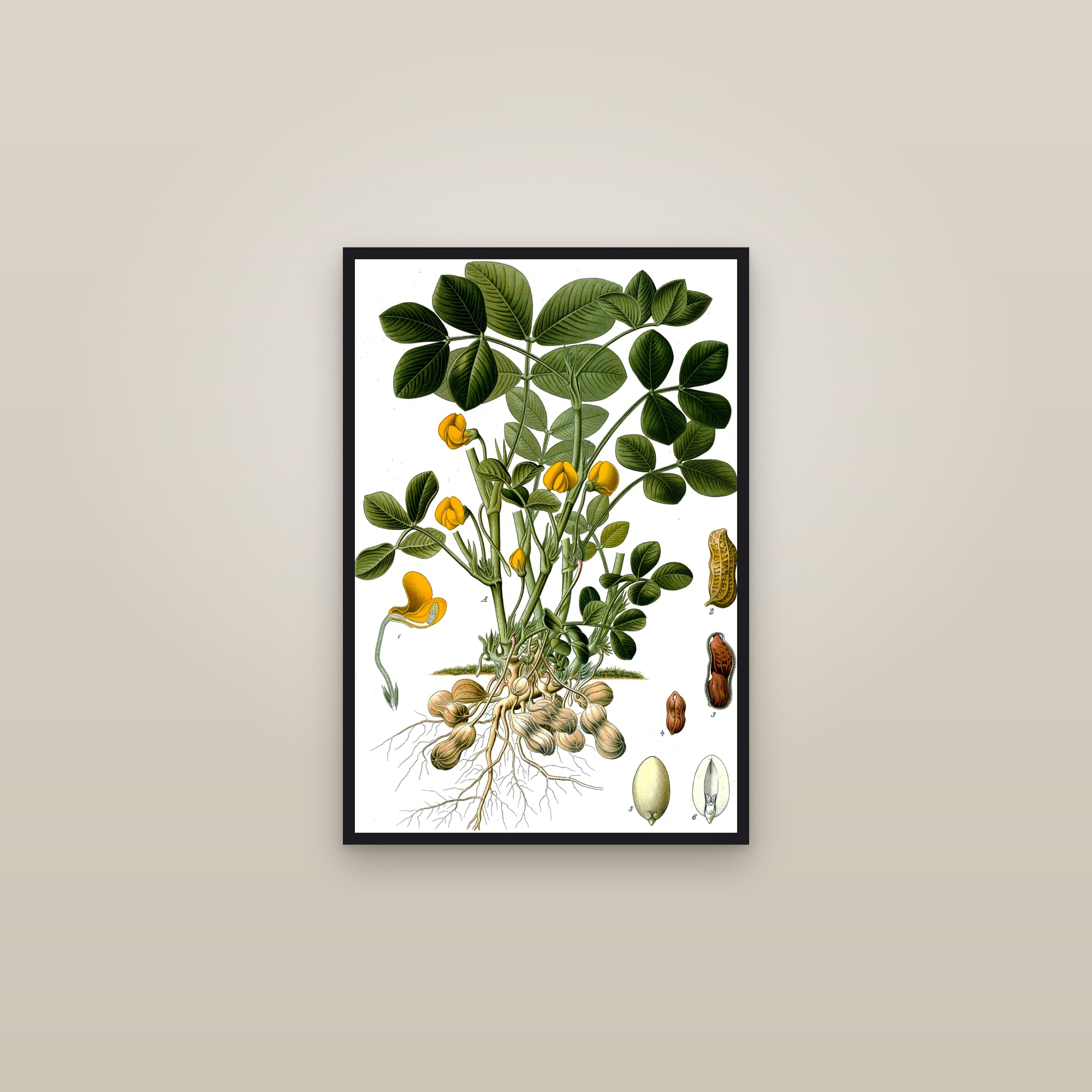
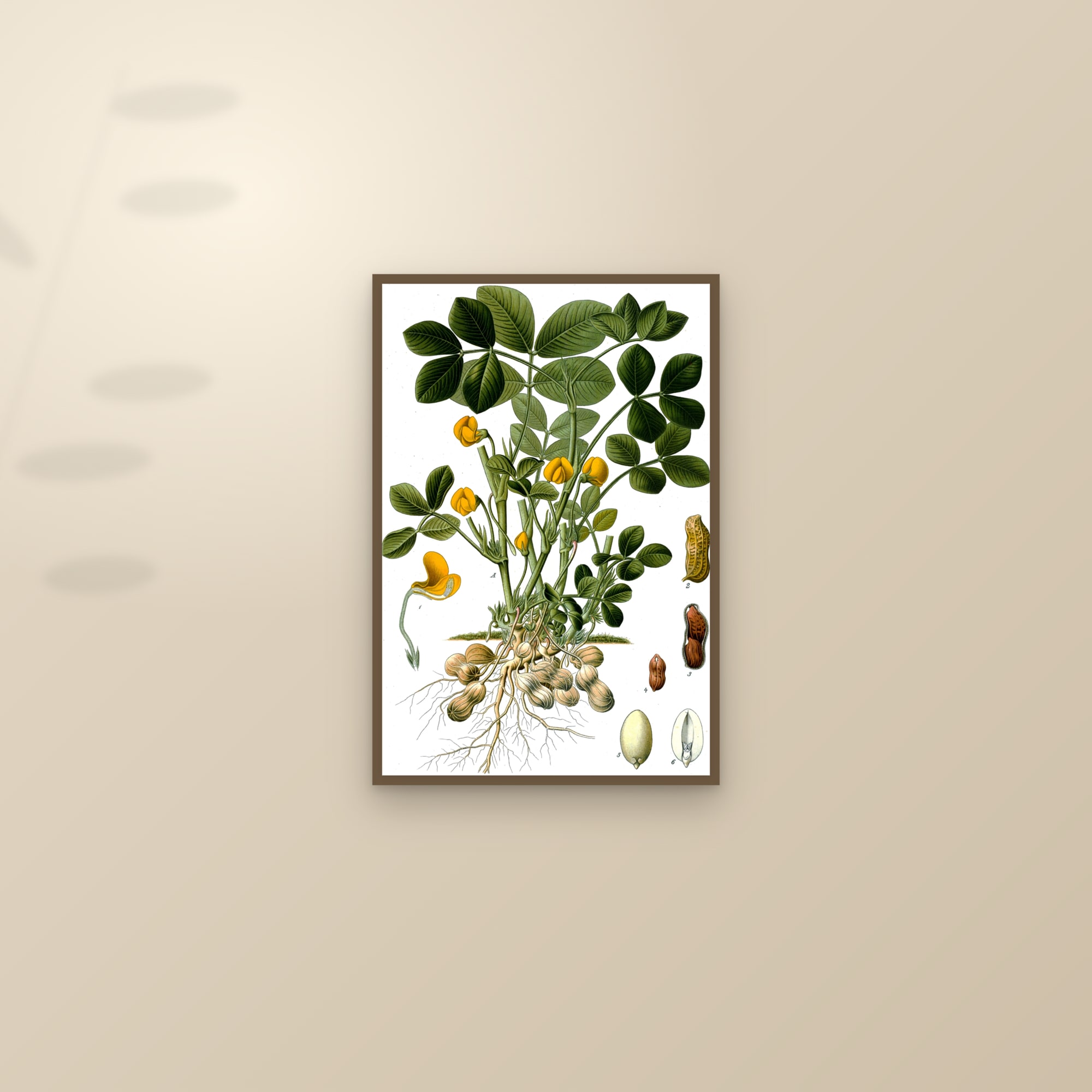
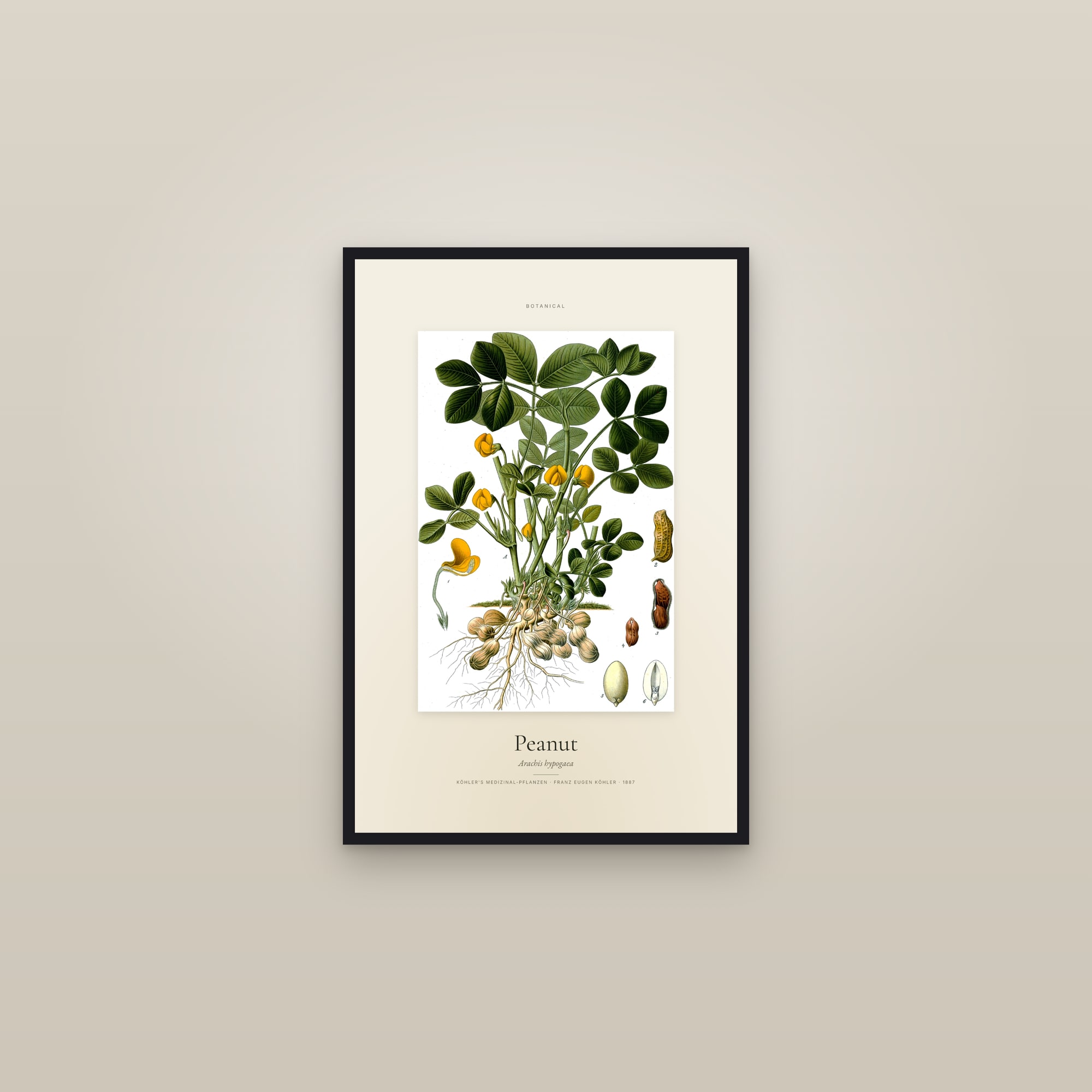
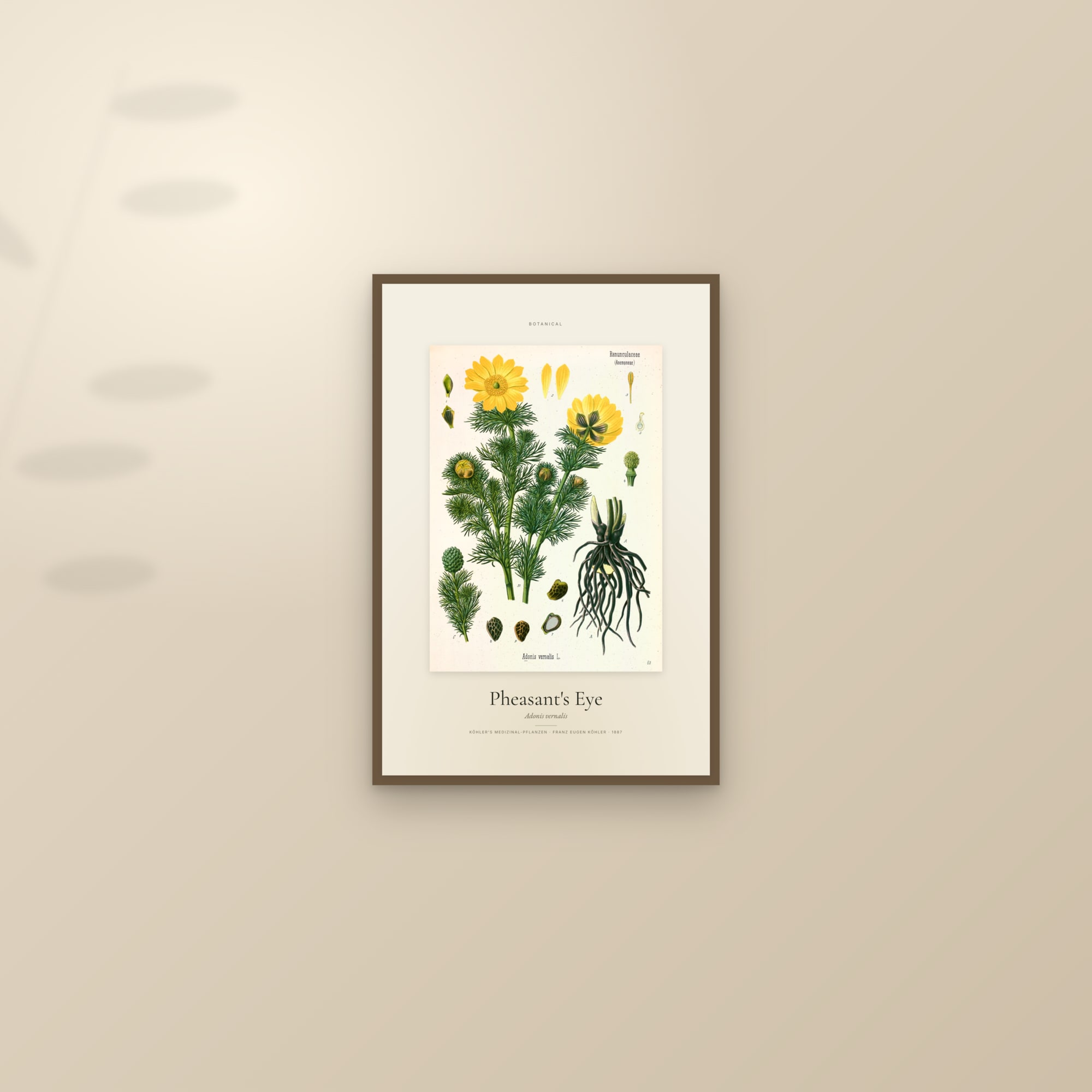
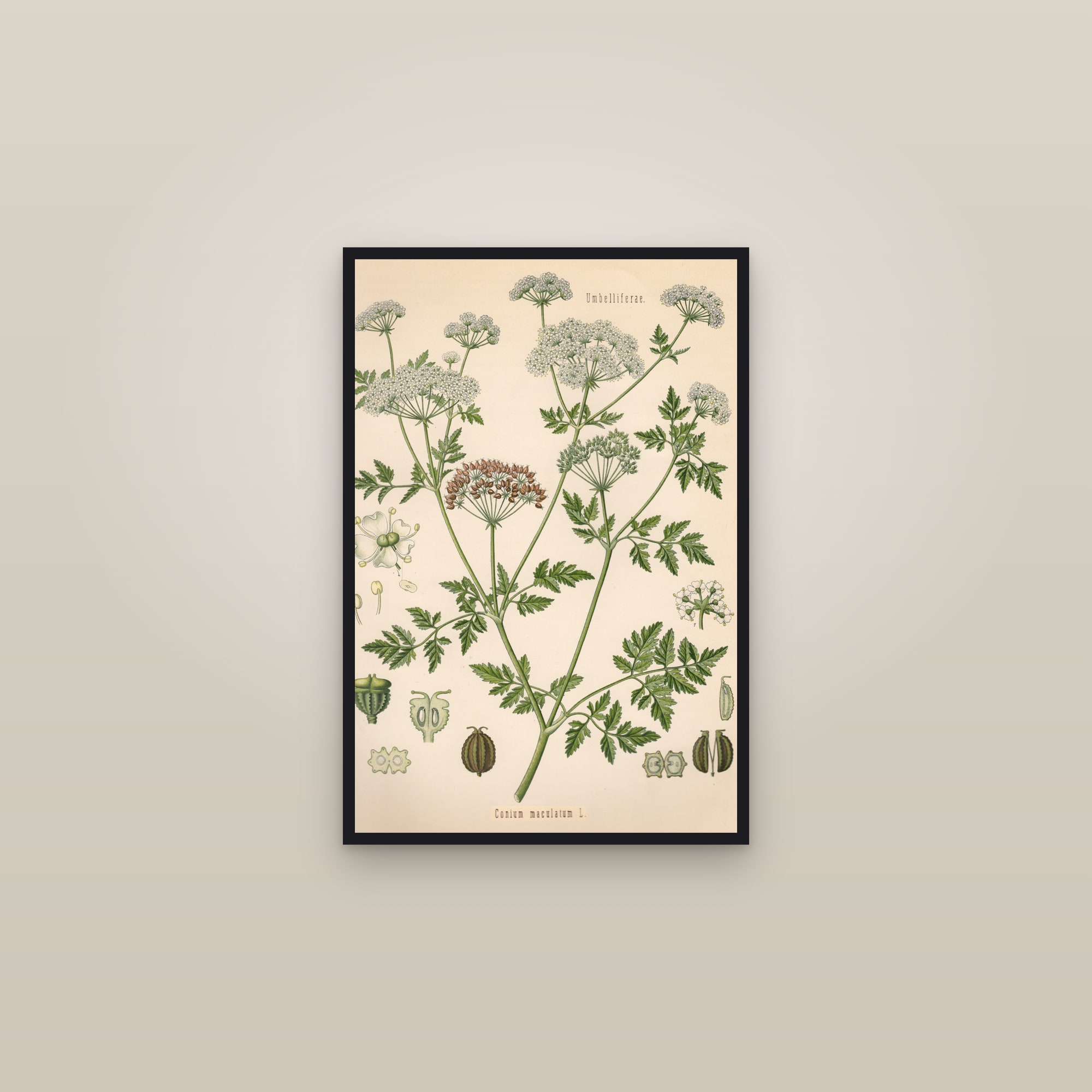
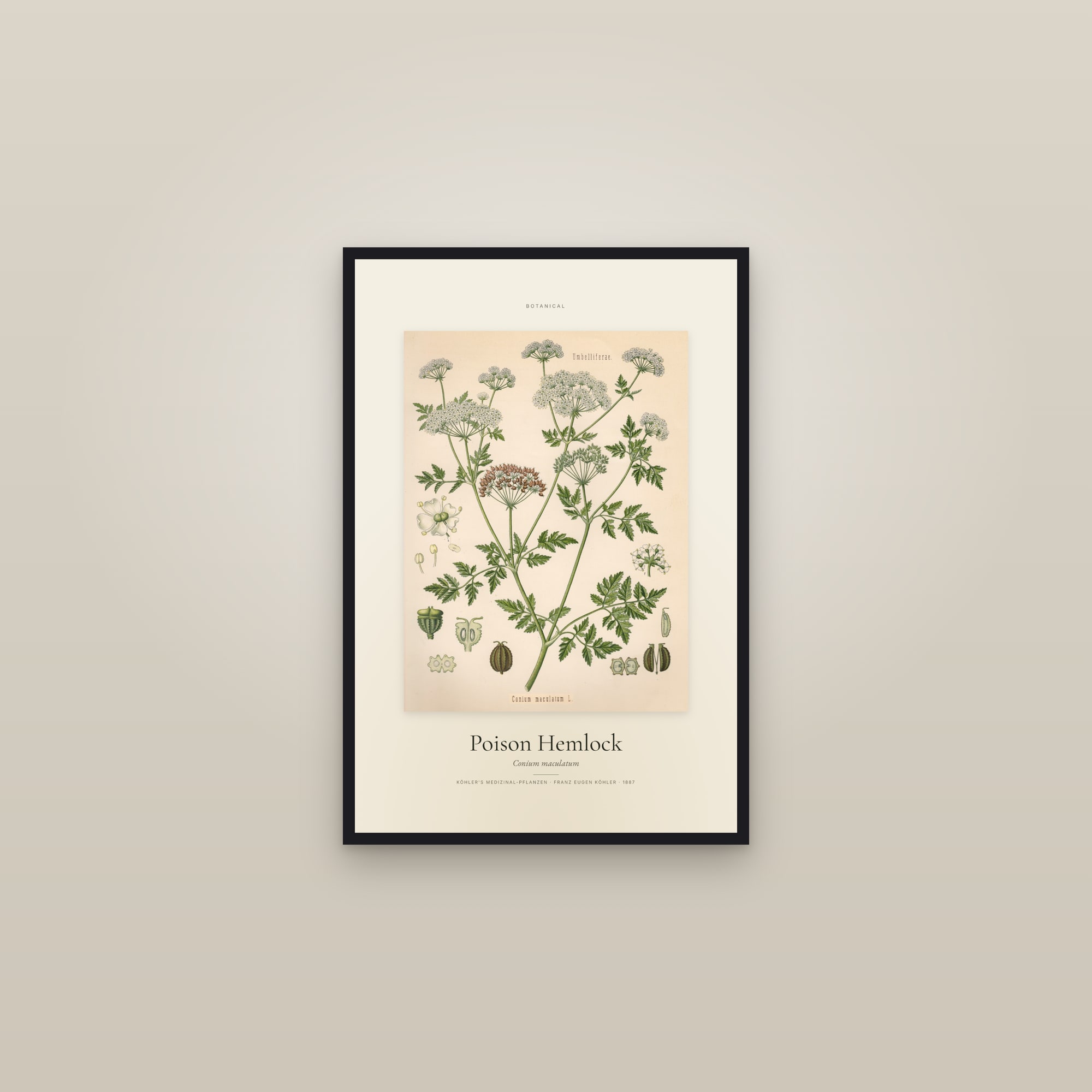
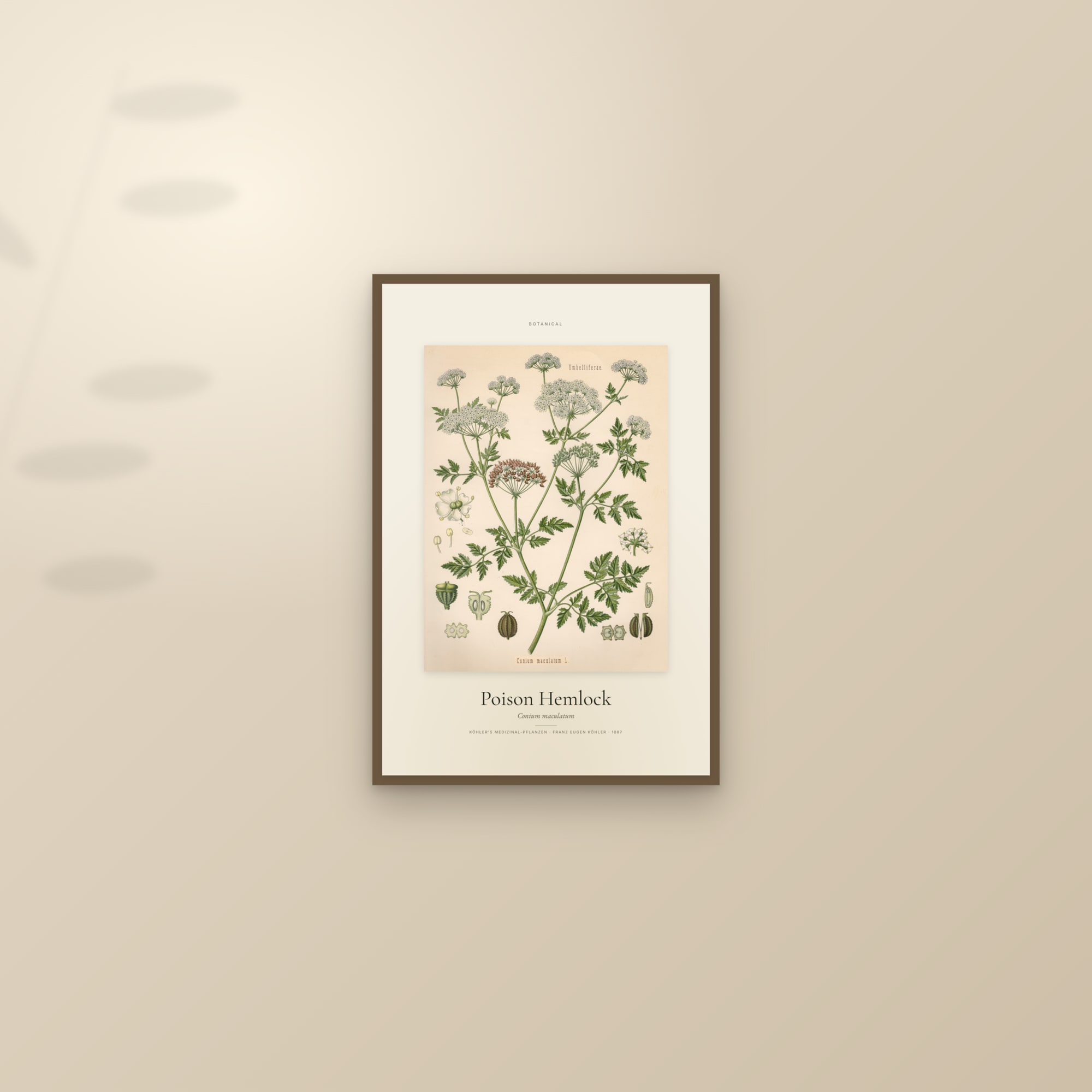
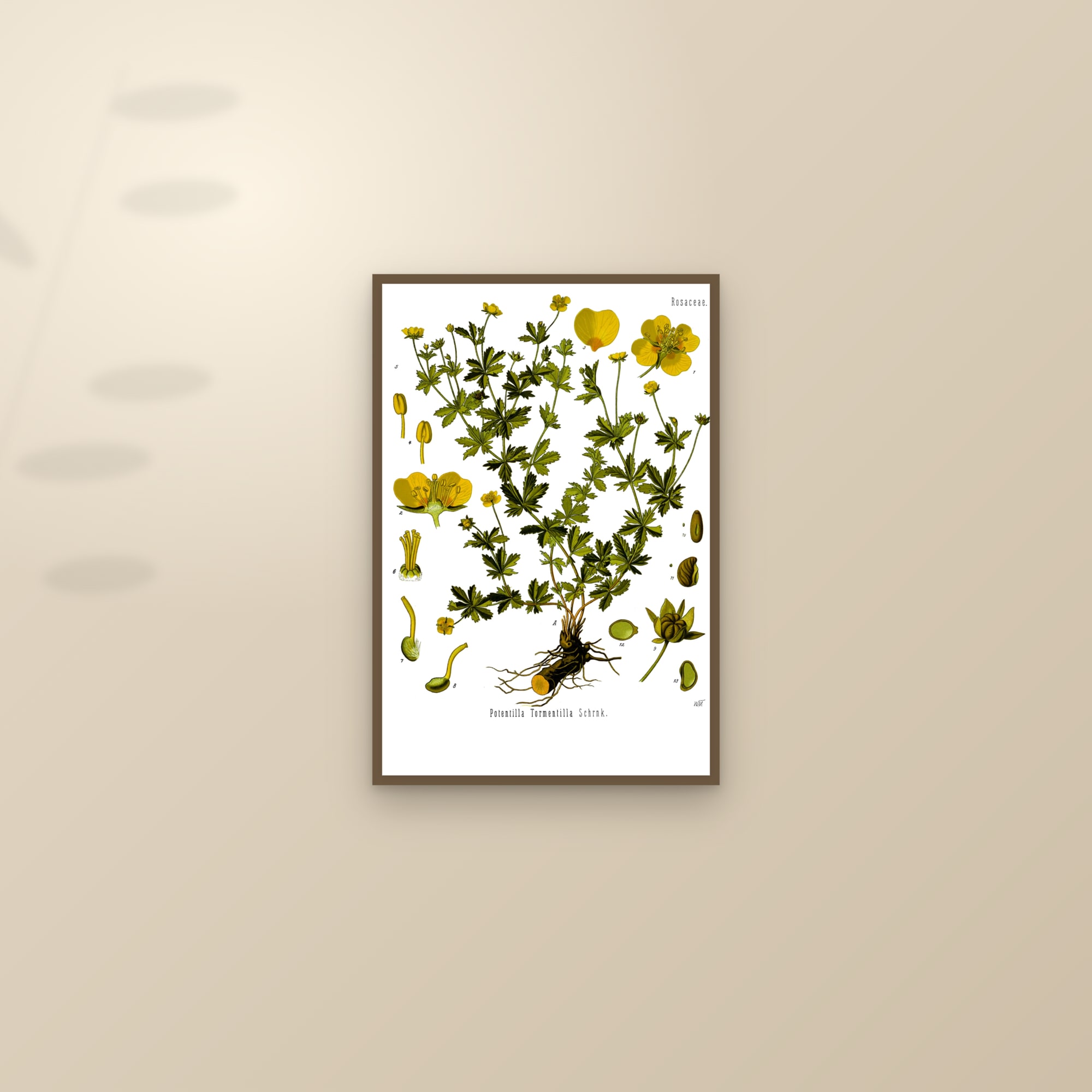
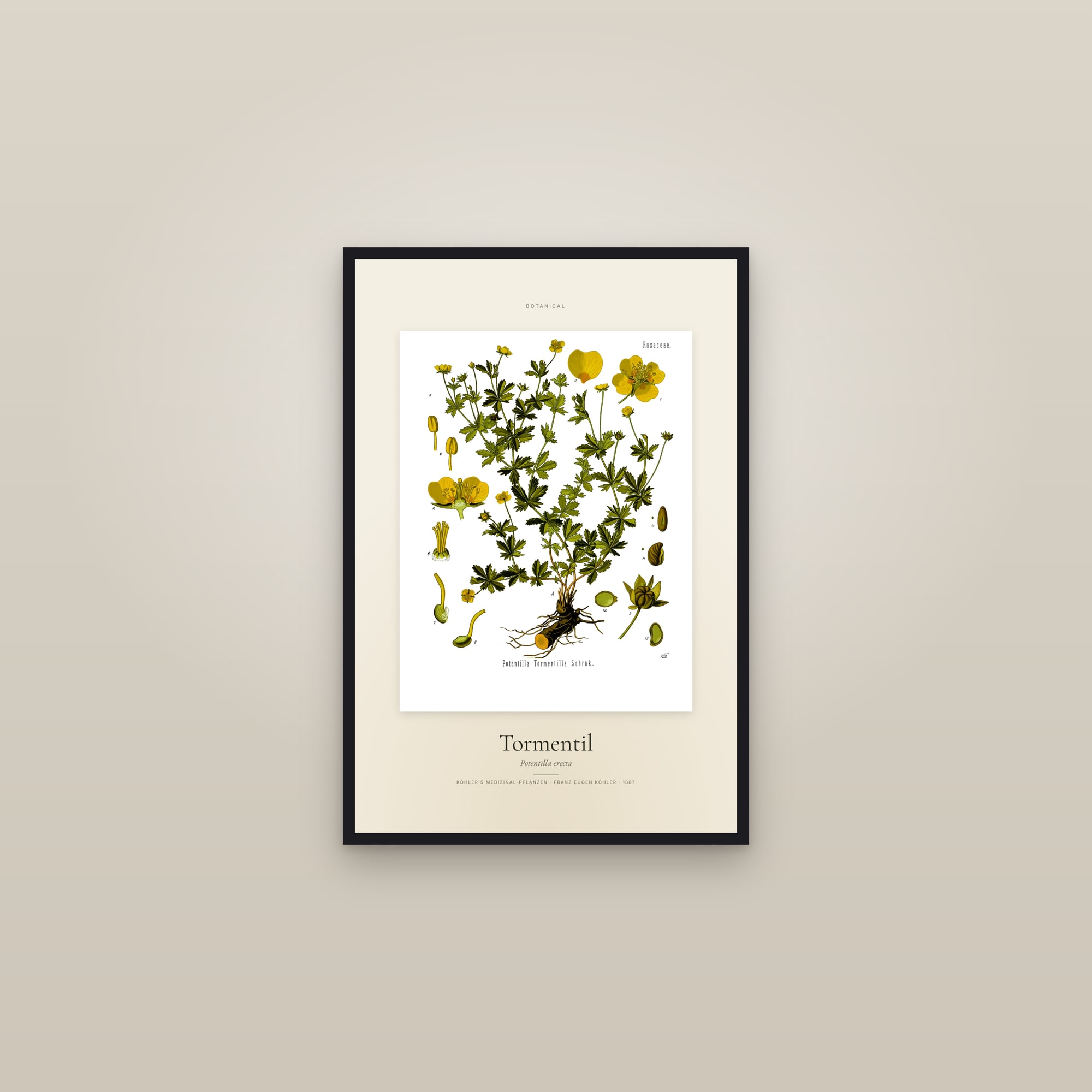
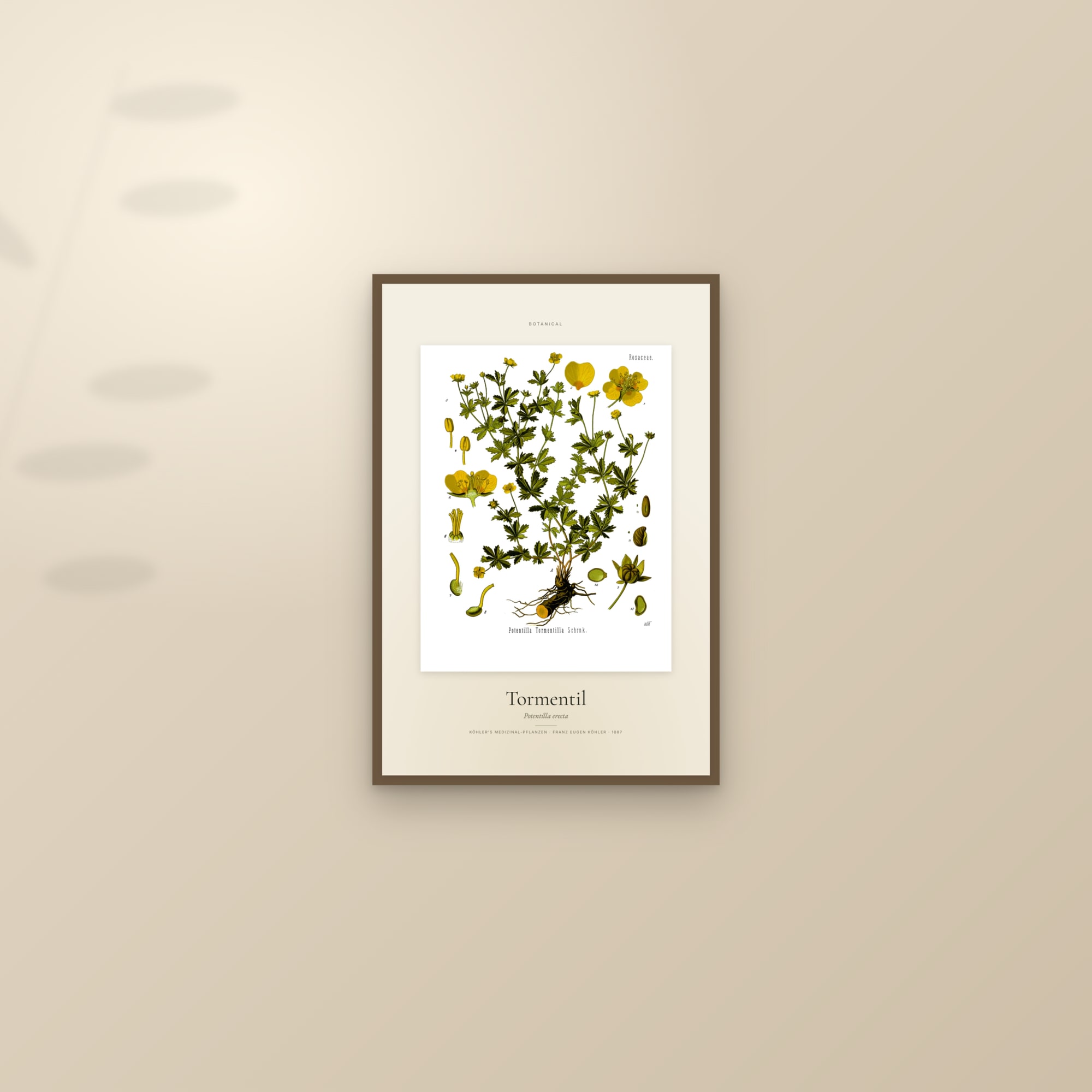
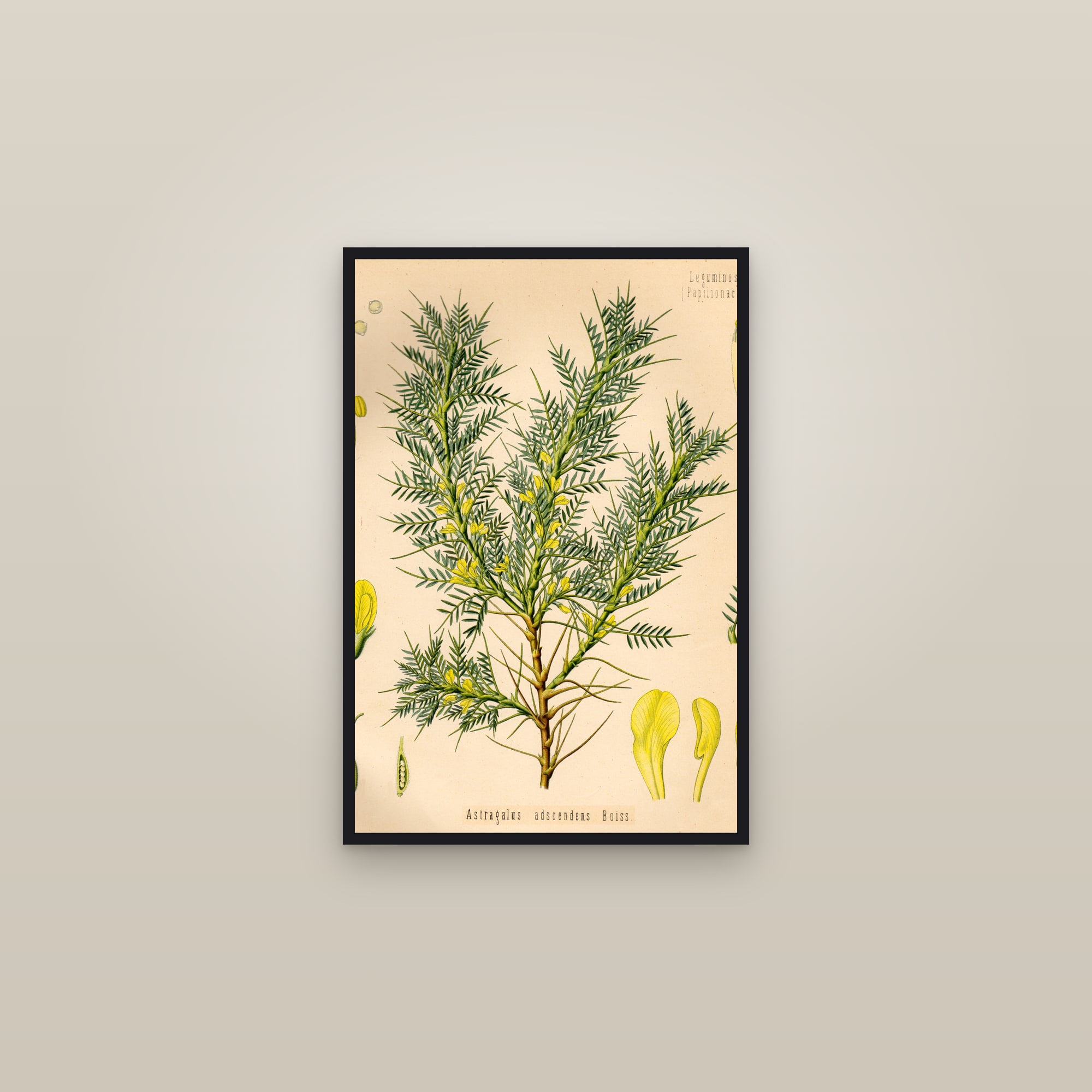
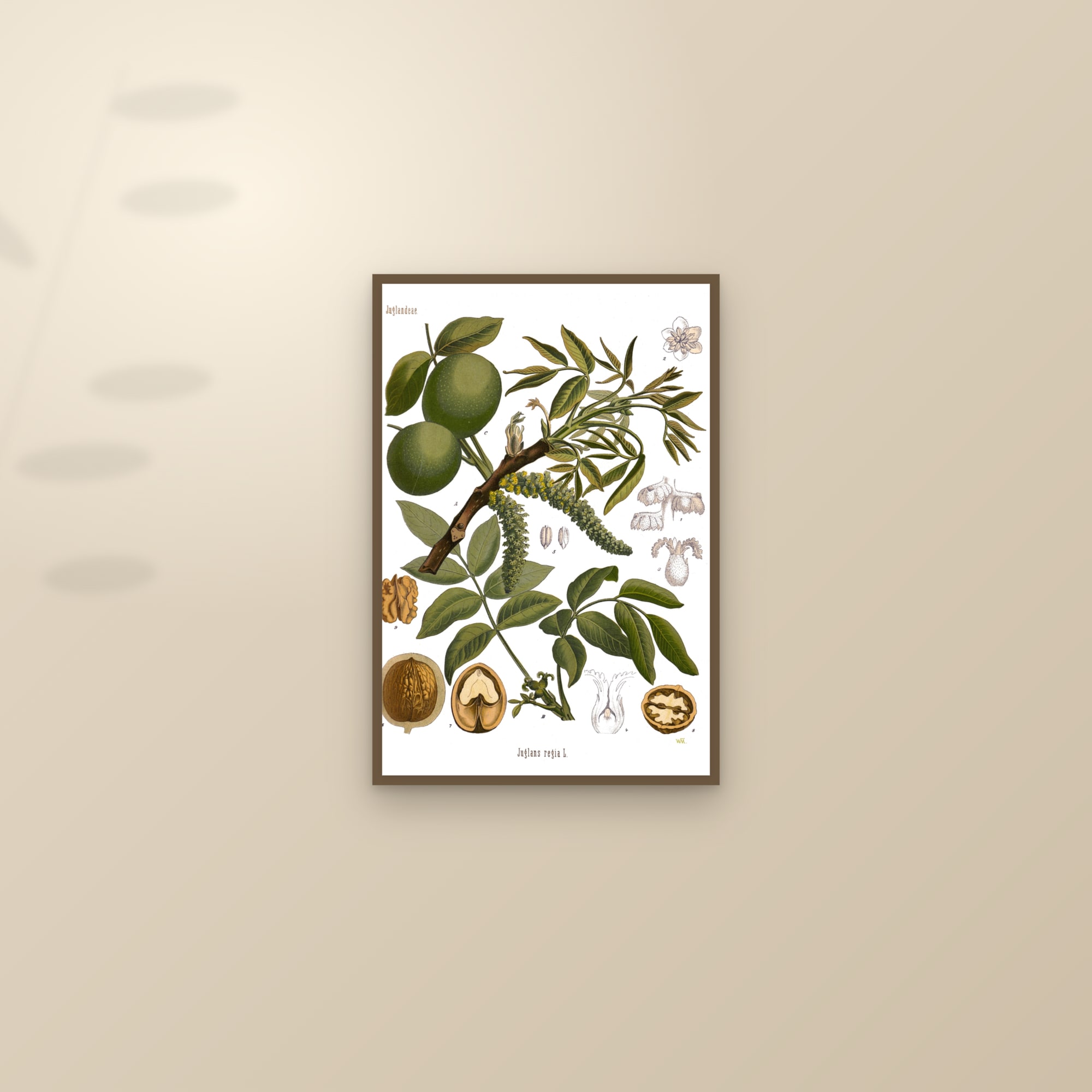
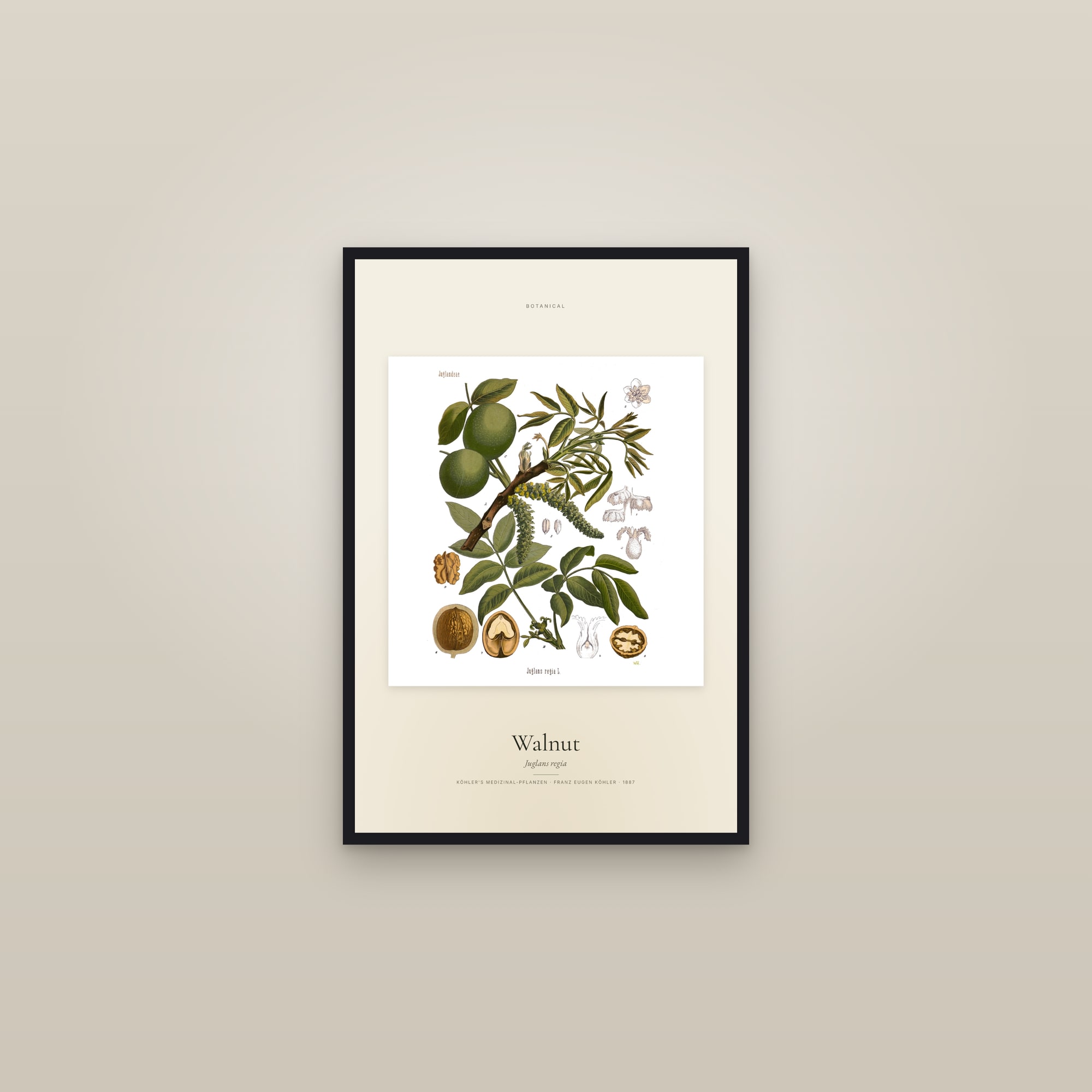
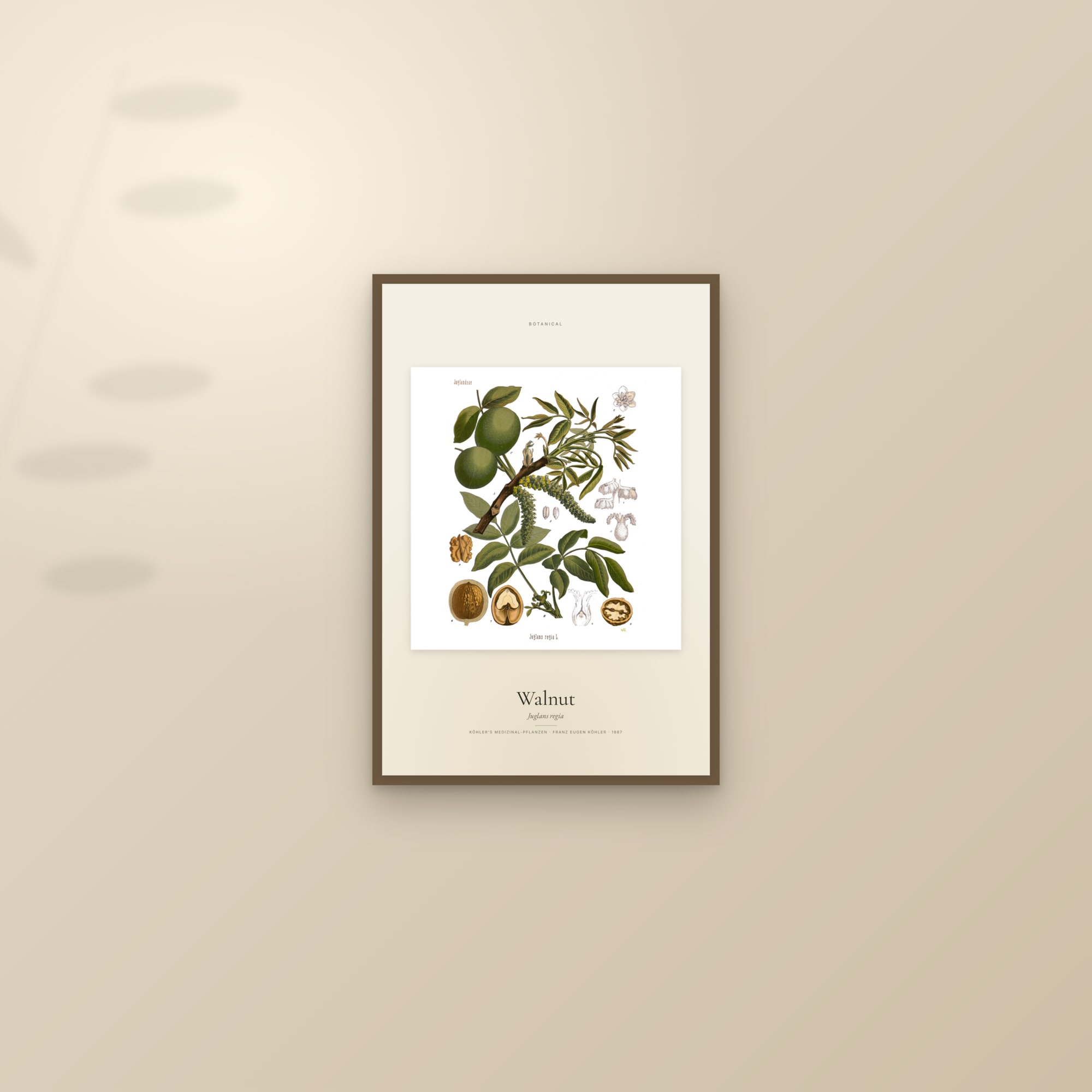
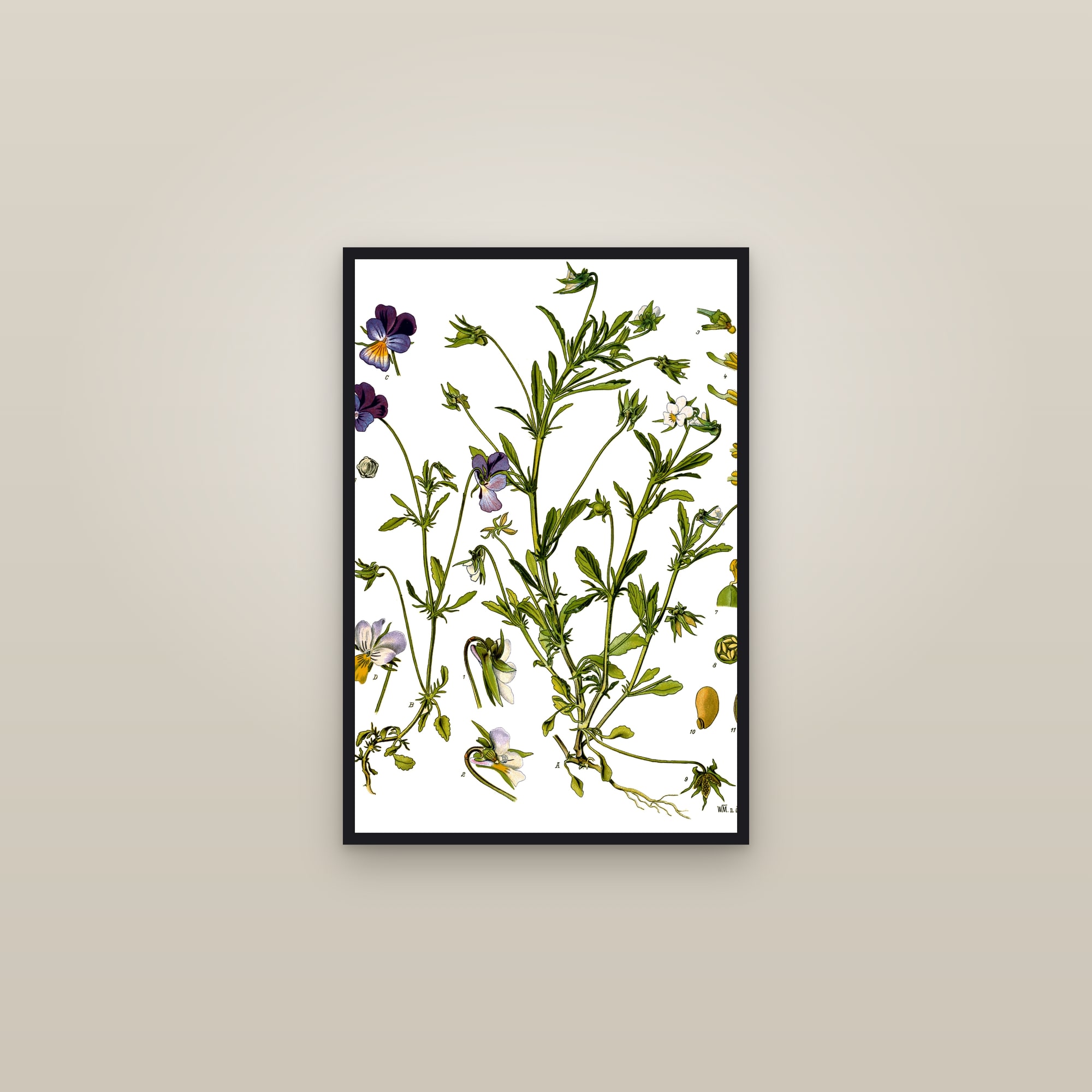
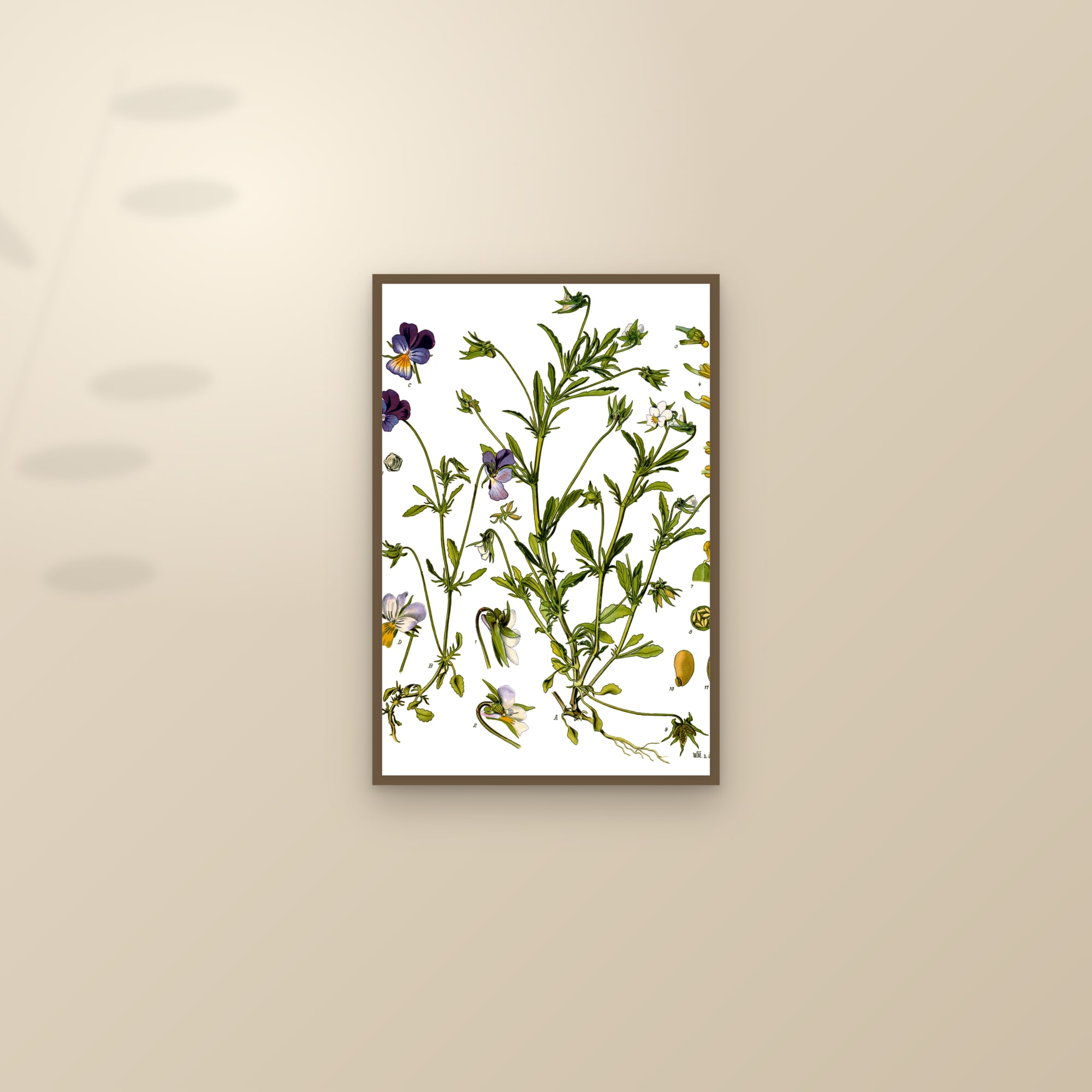
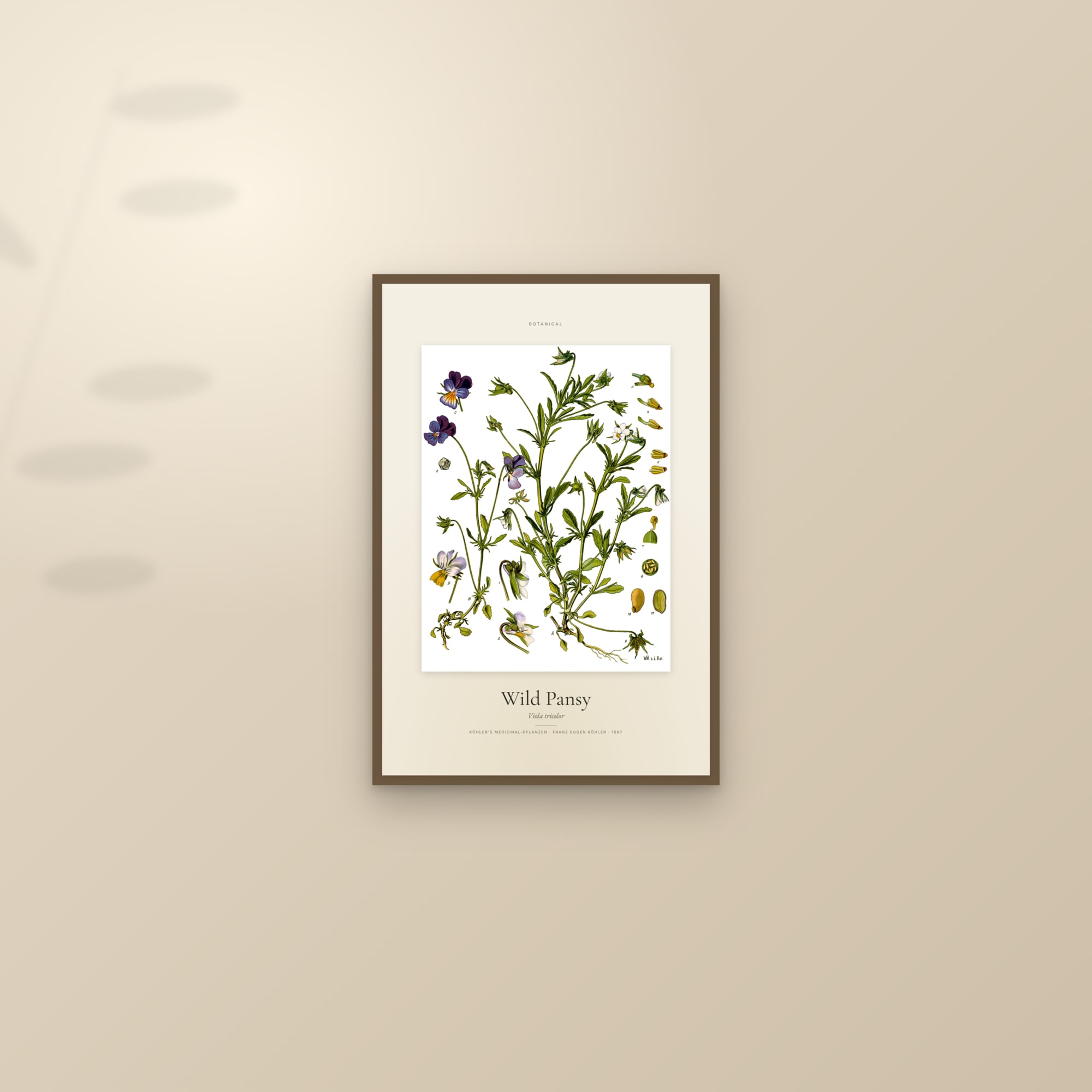
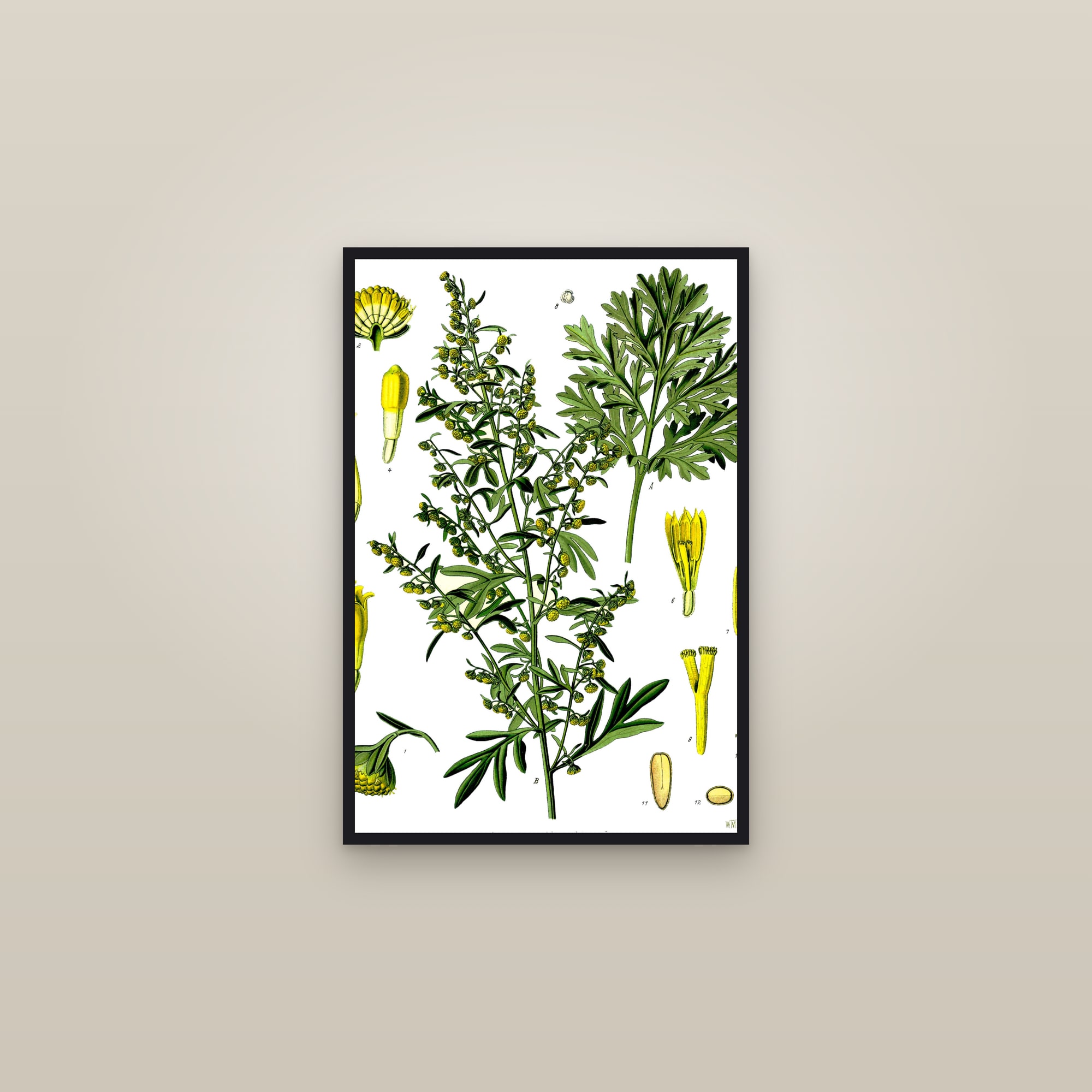
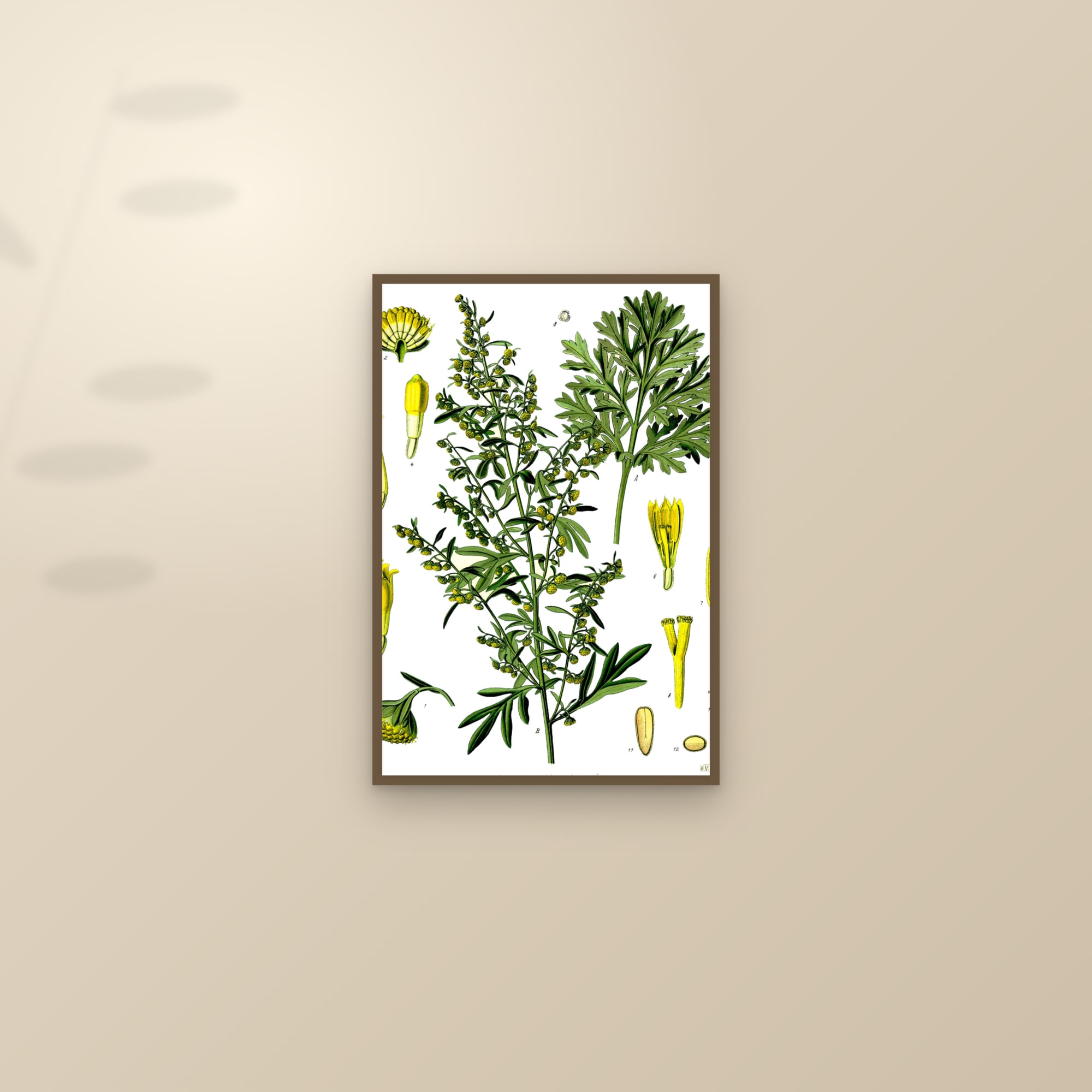
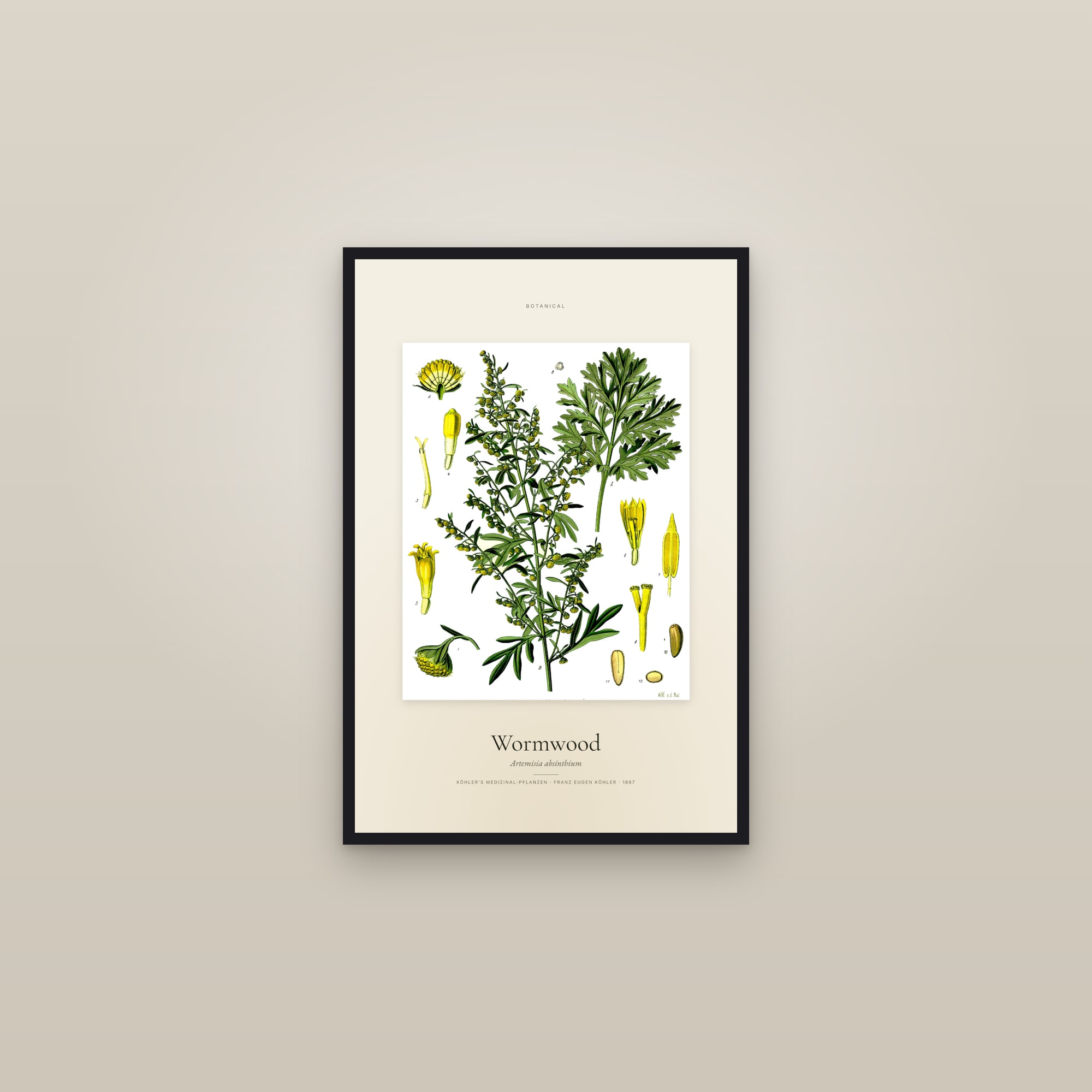
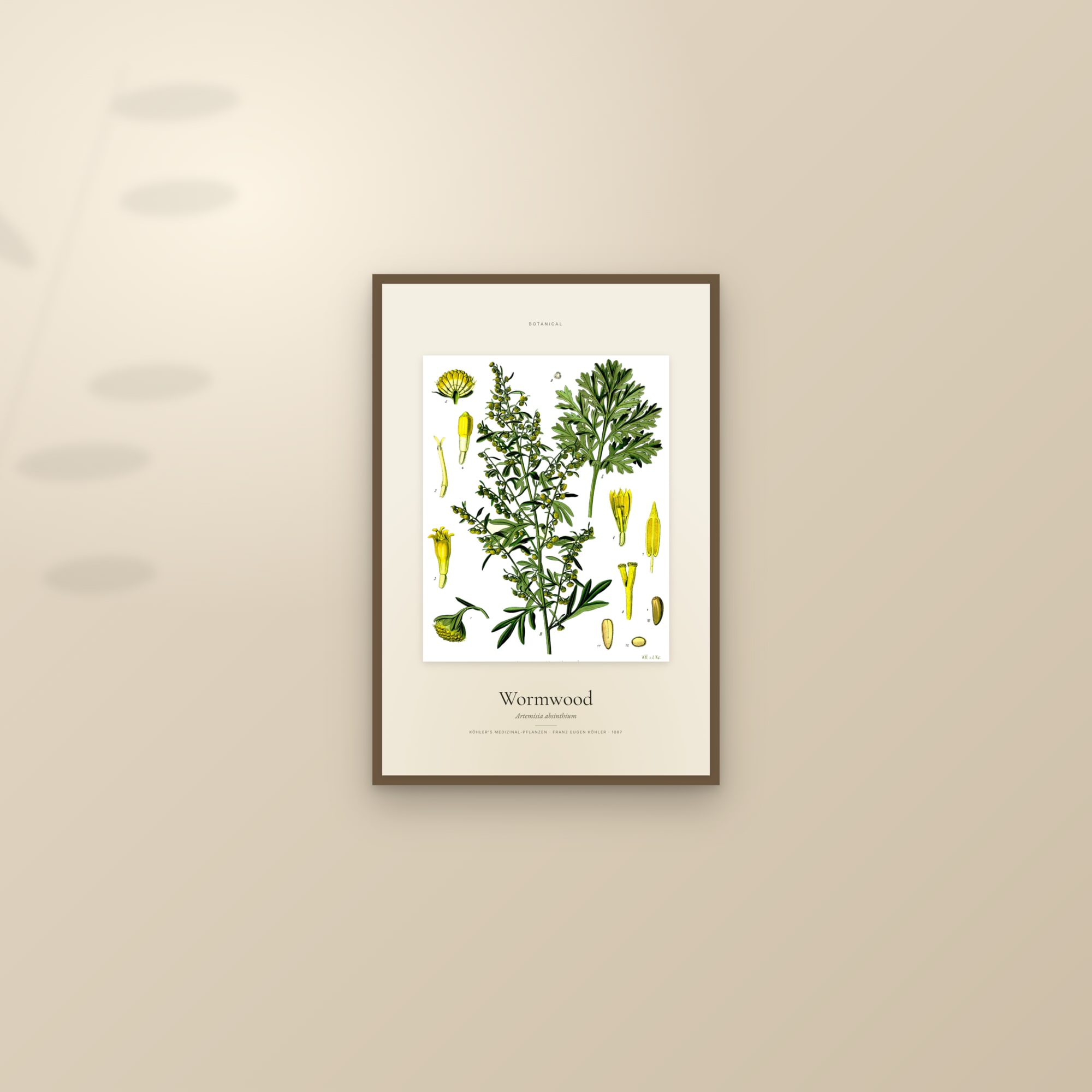
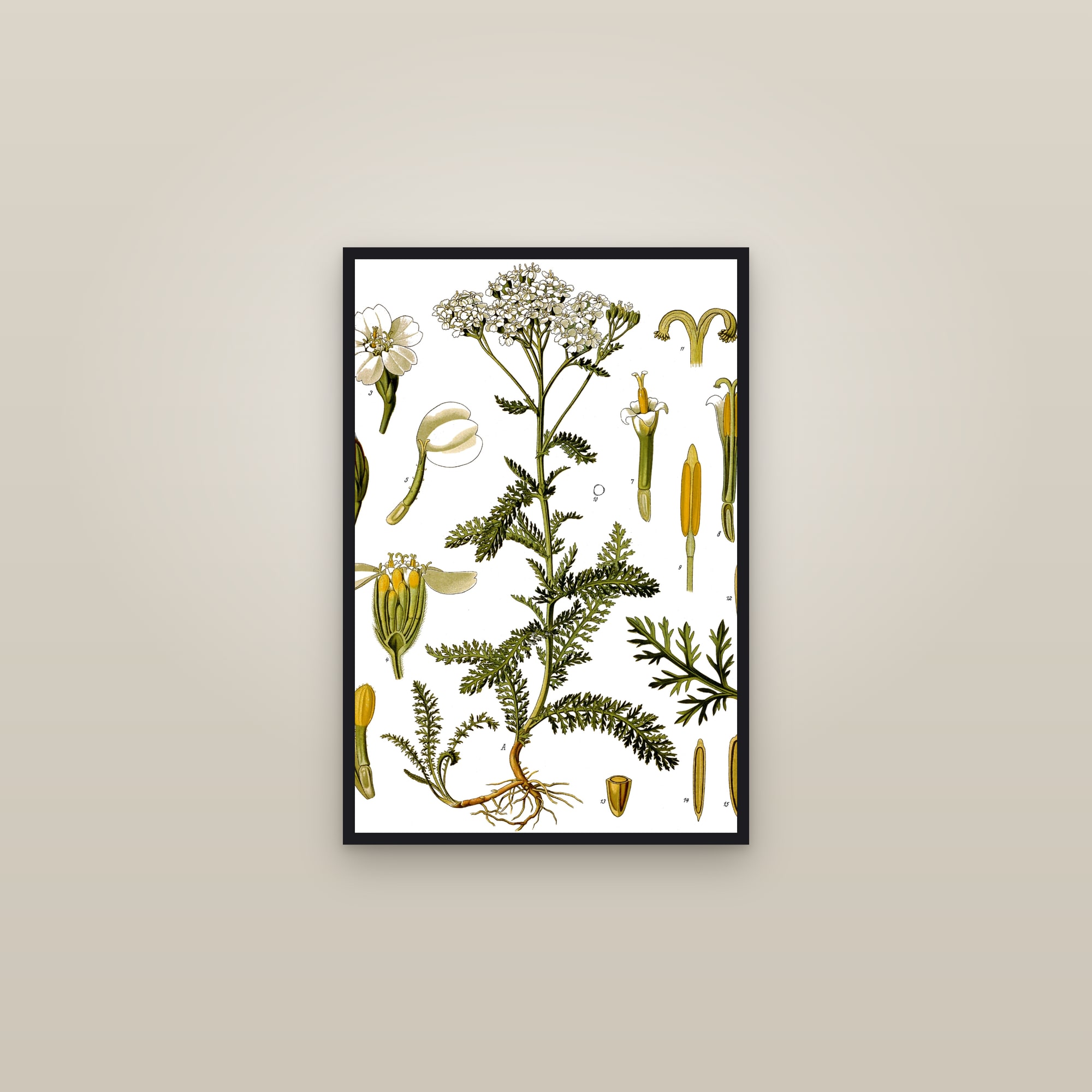
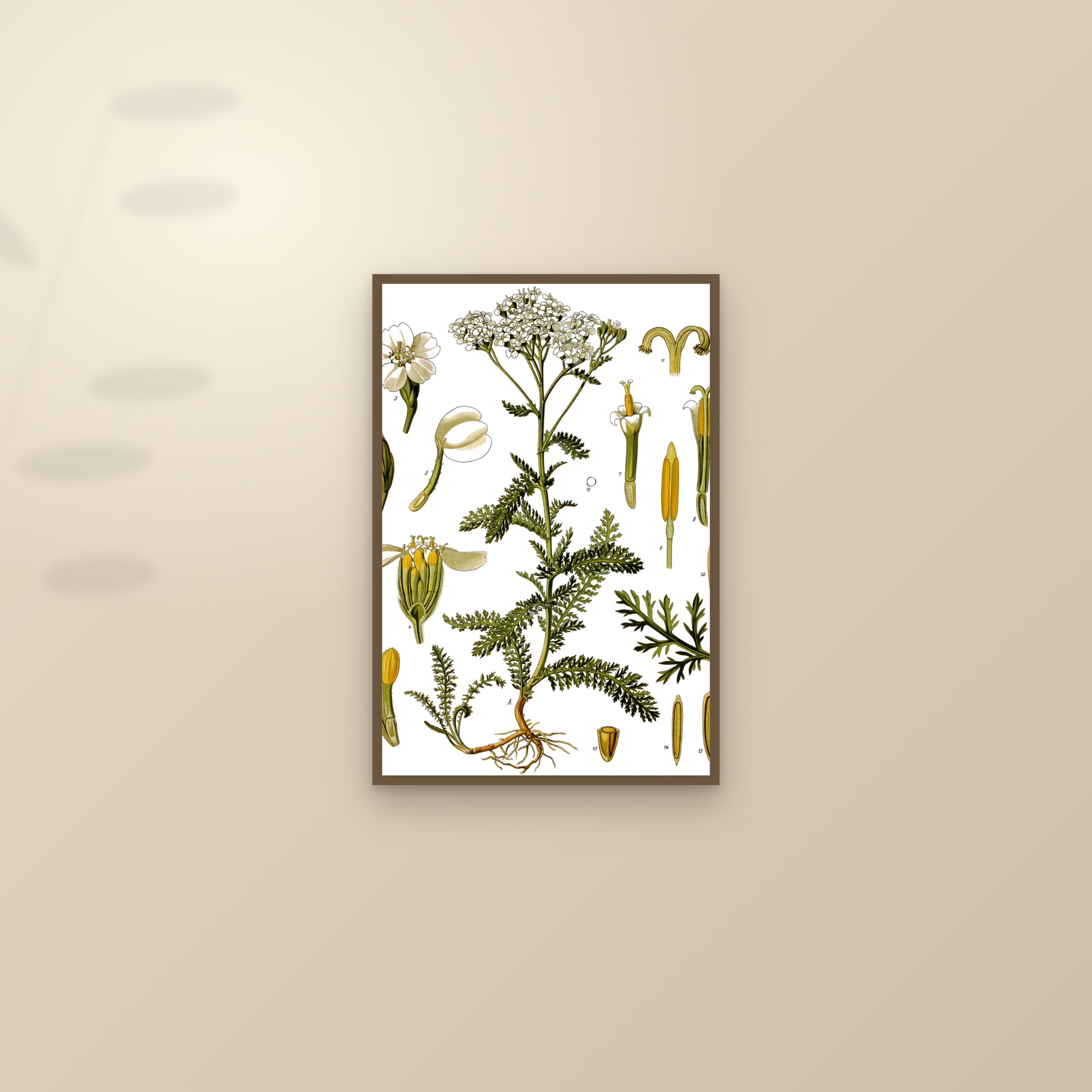
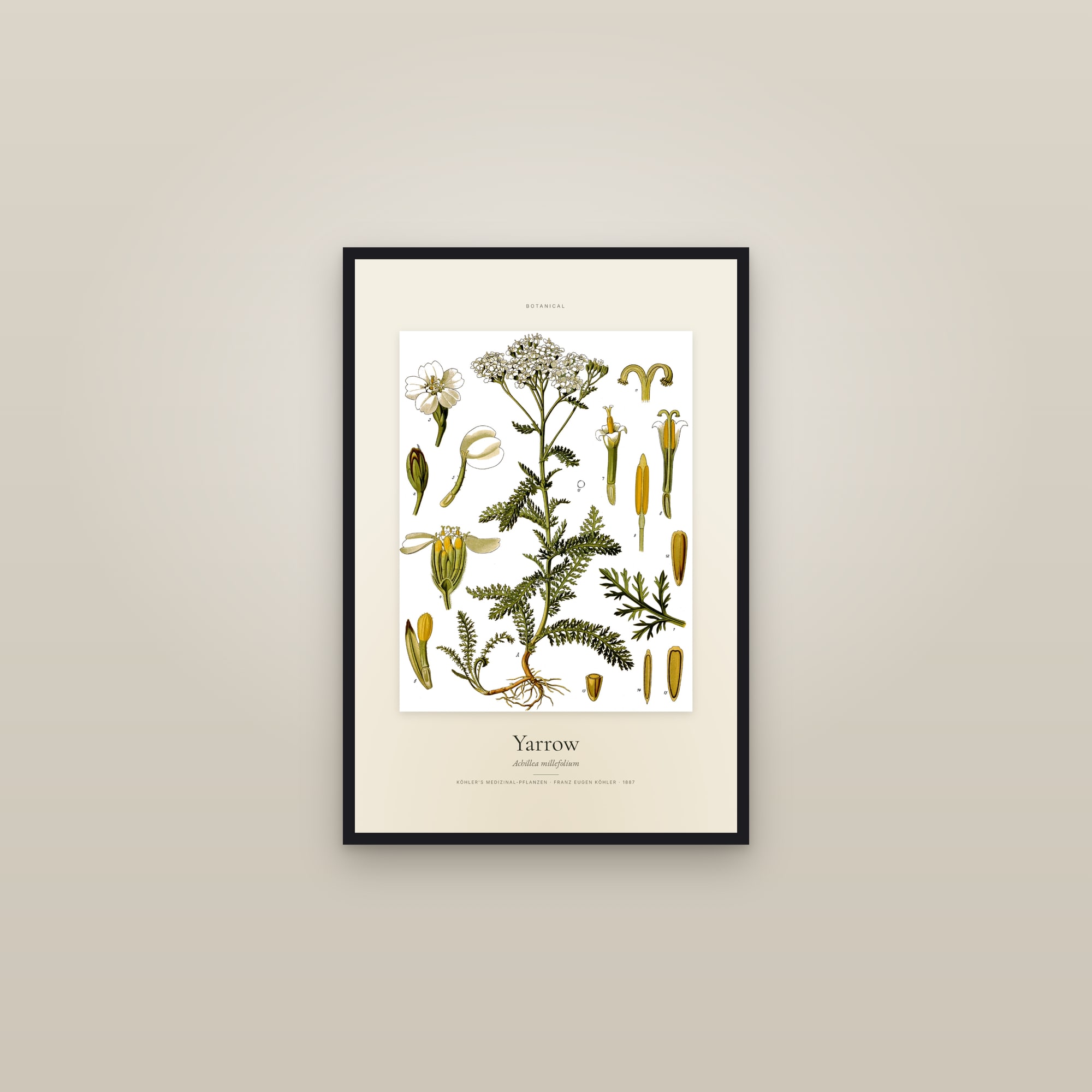
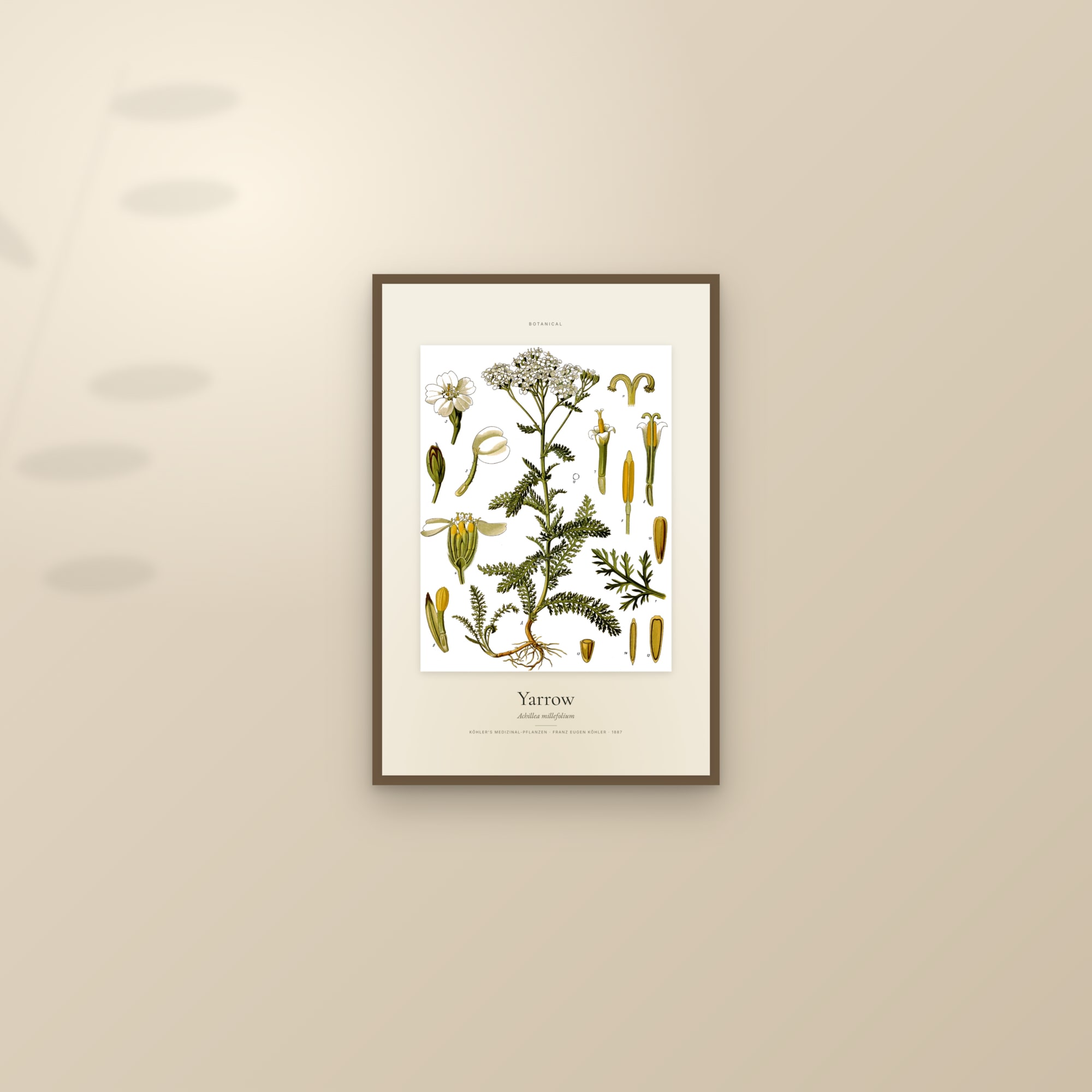
Köhler's Medicinal Plants (Medizinal-Pflanzen, 1887) — exact, jewel-bright botanical plates of arnica, chamomile, cinnamon and the great herbal apothecary. Restored and printed to order.
96 prints · printed to order on heavyweight matte paper · framed or unframed





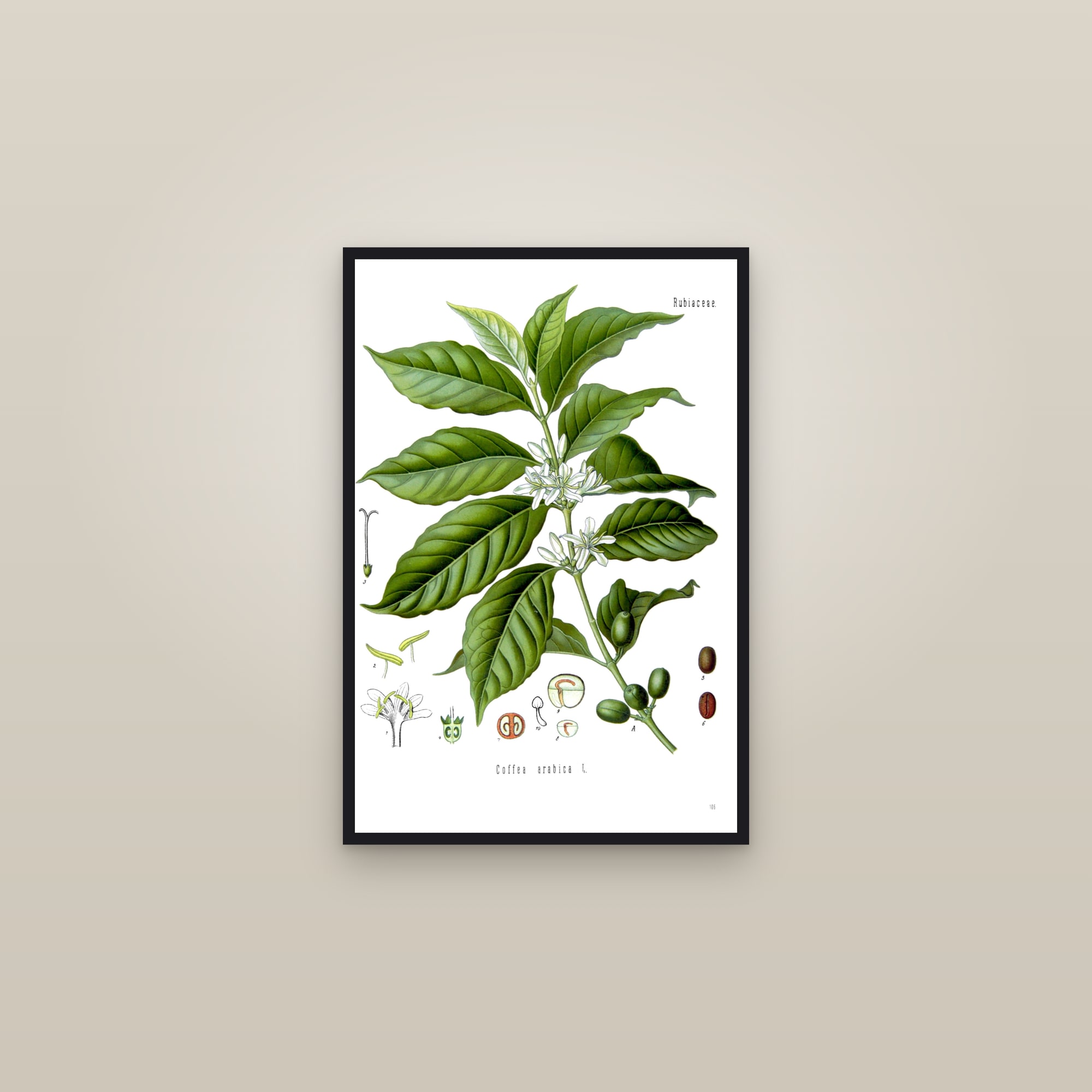
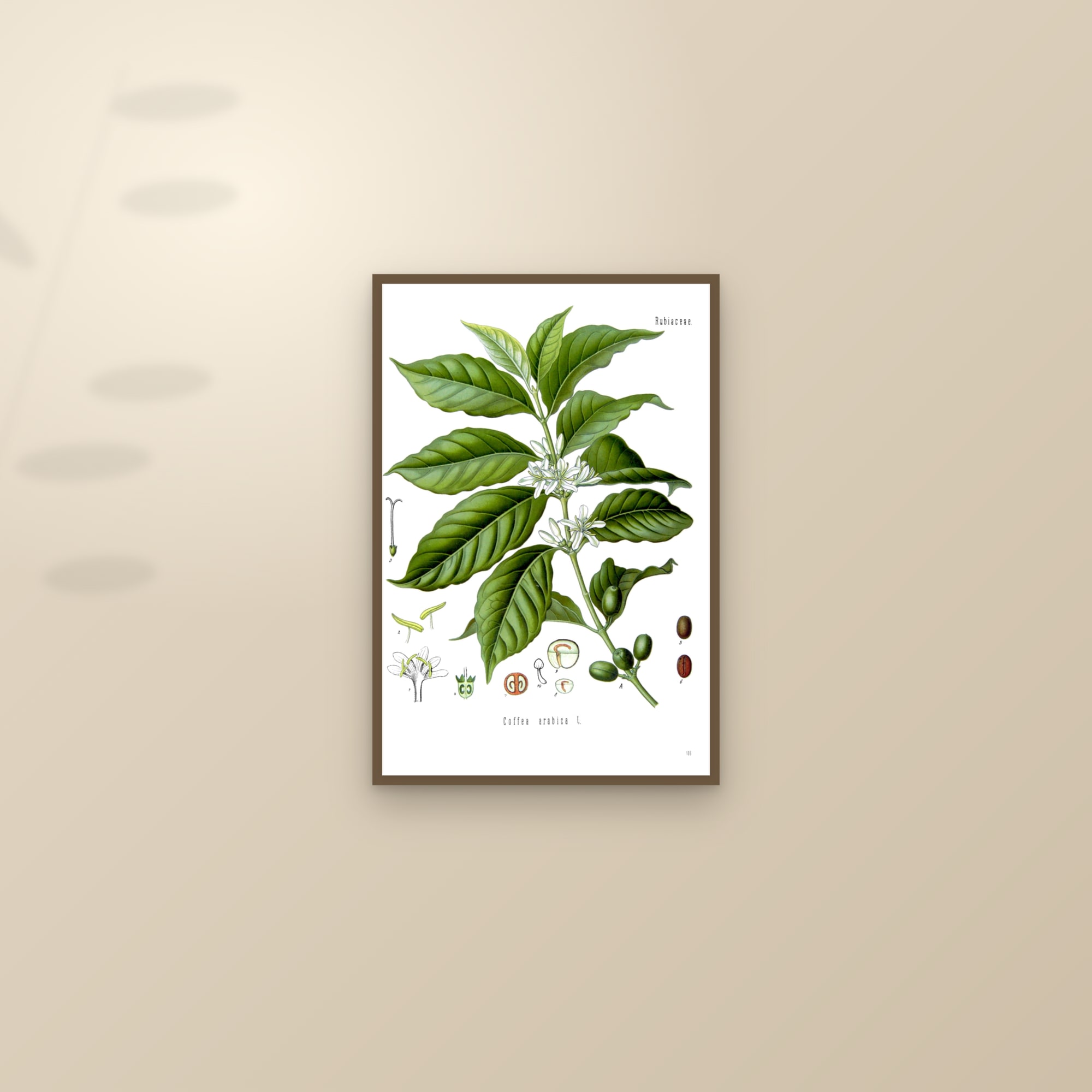
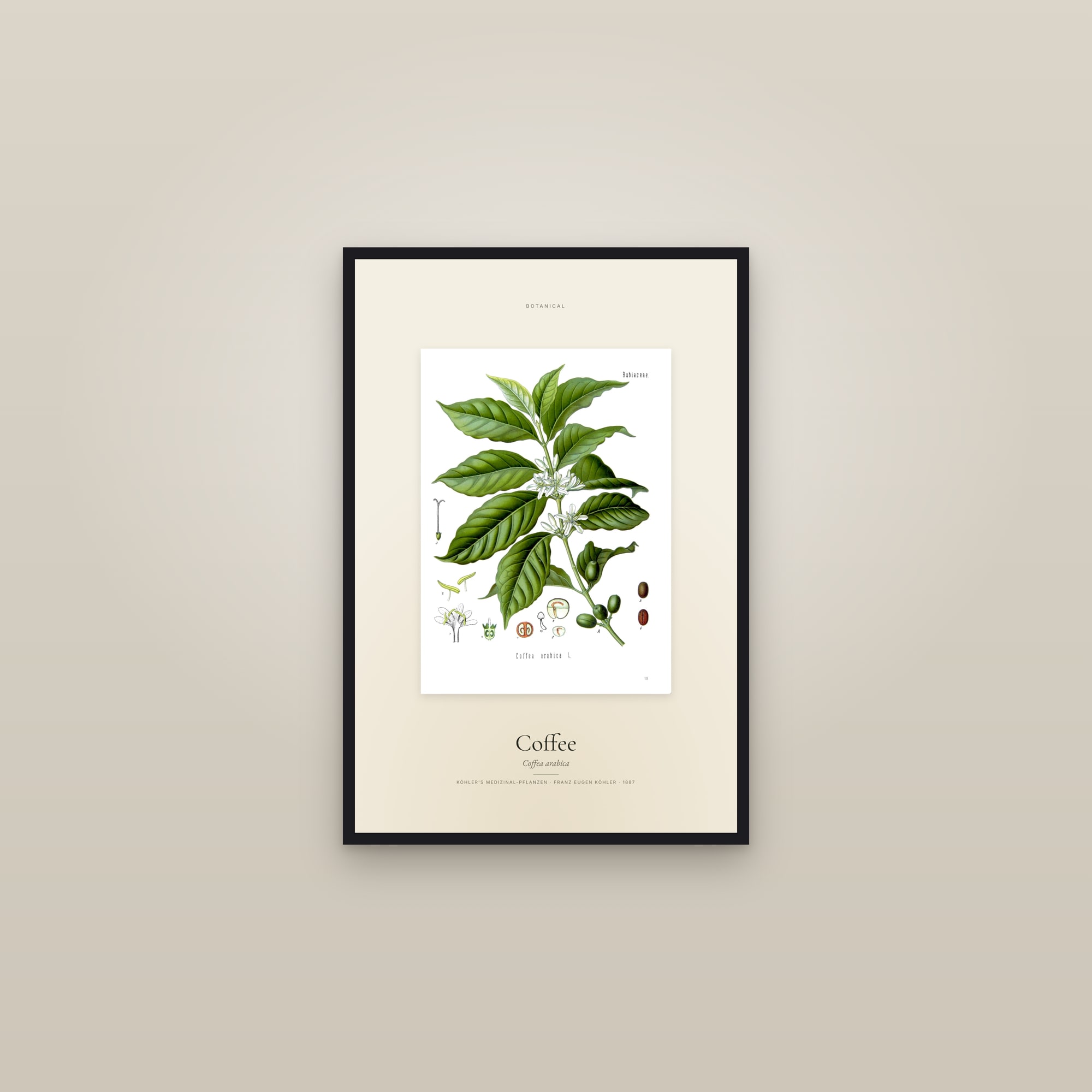
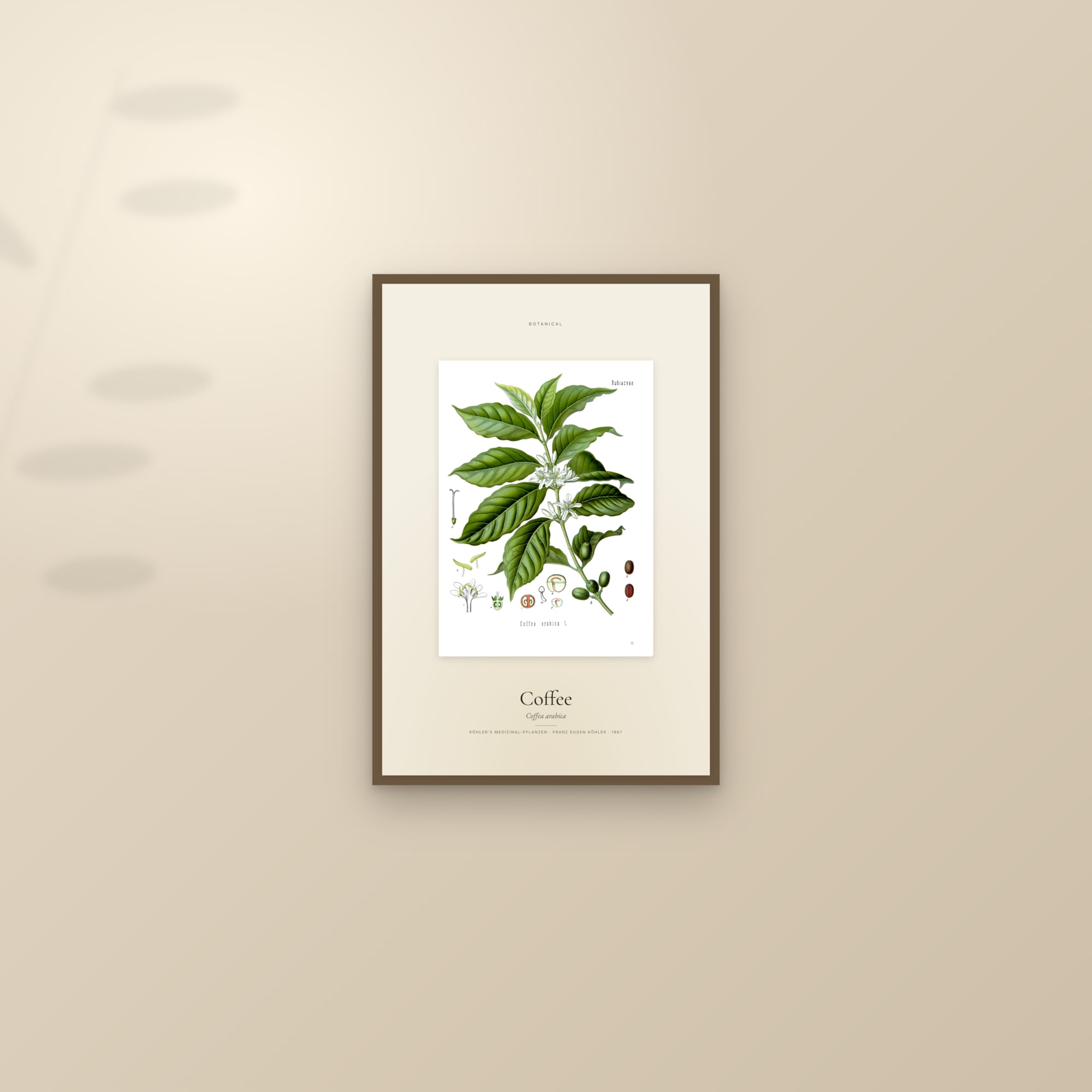






About Hermann Adolph Köhler
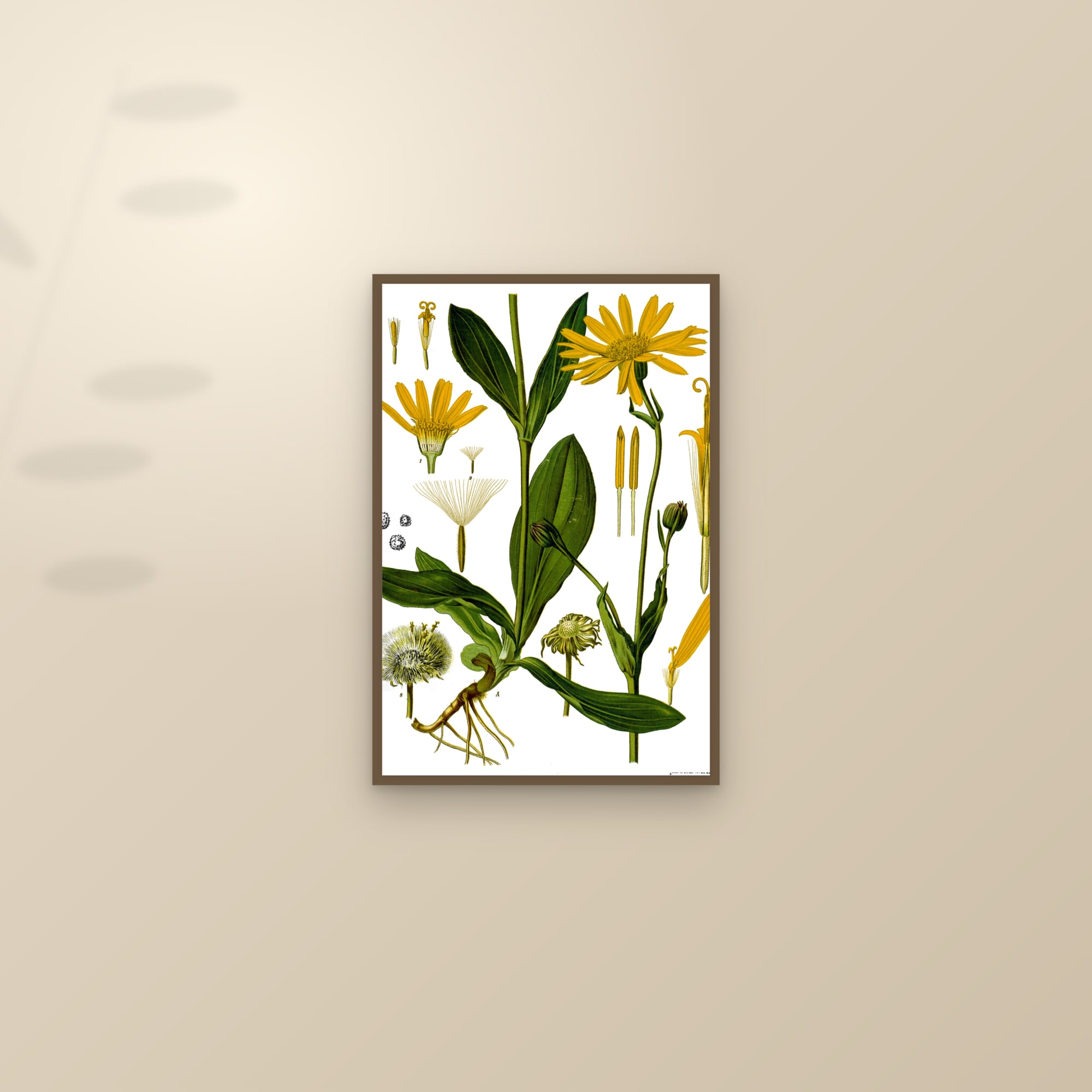
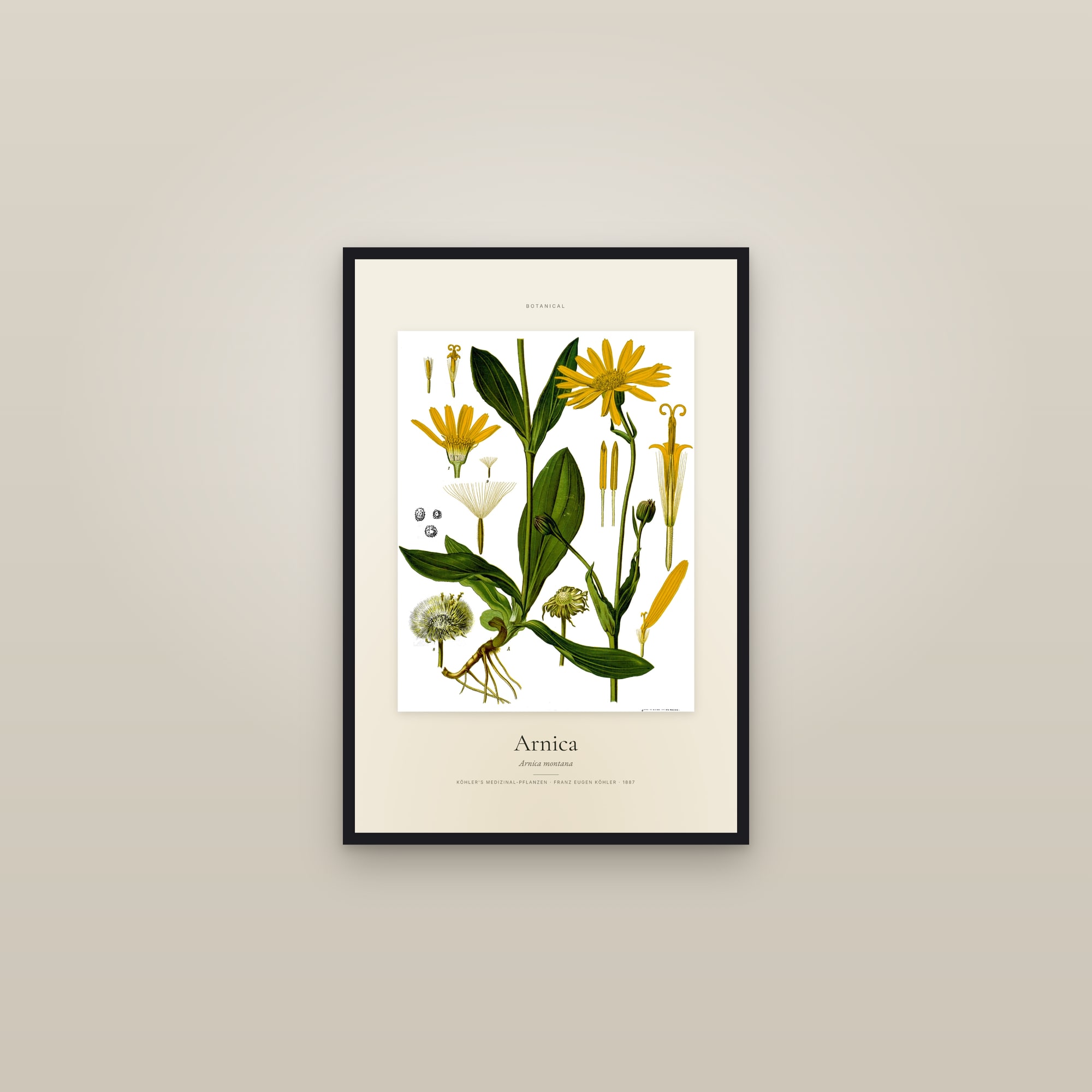
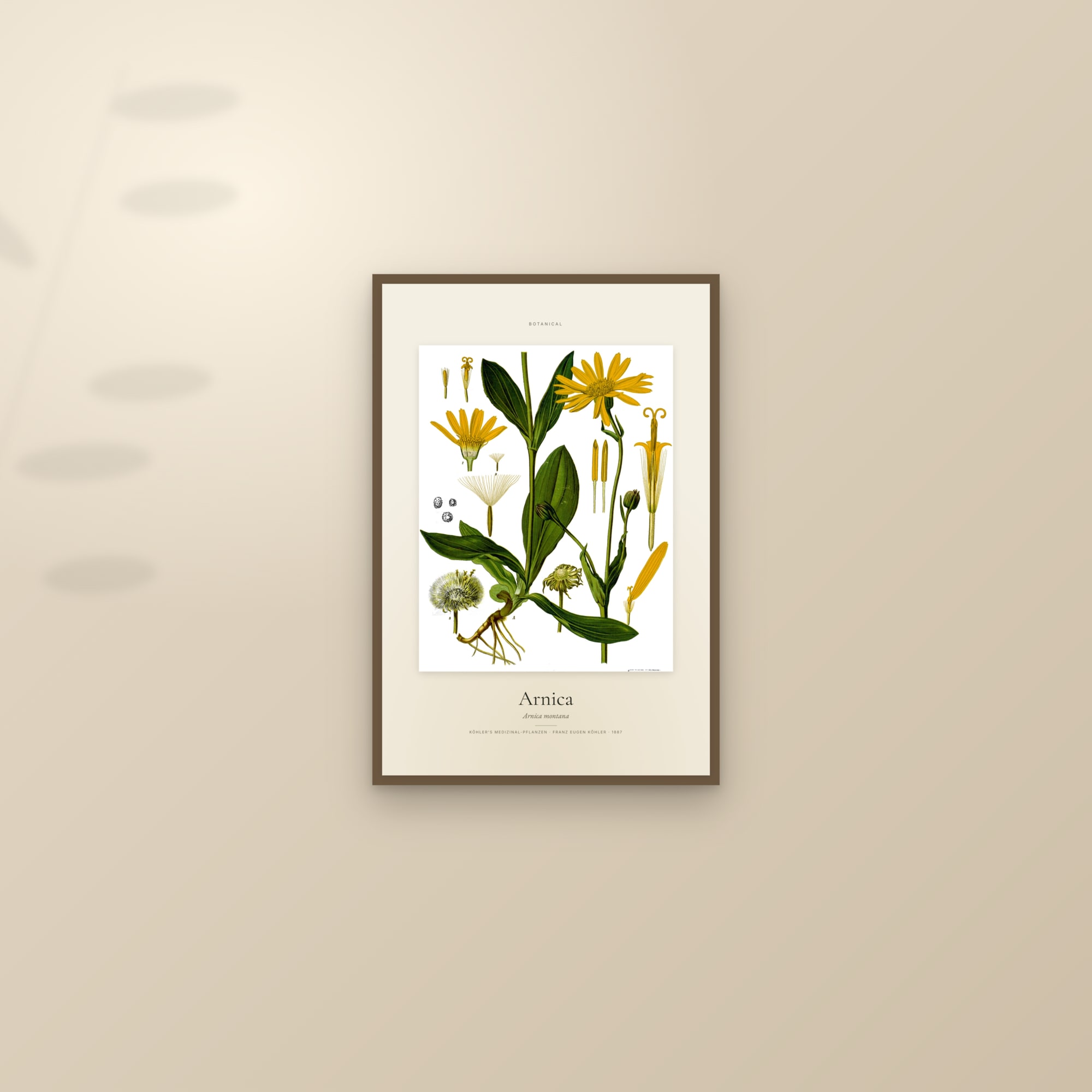
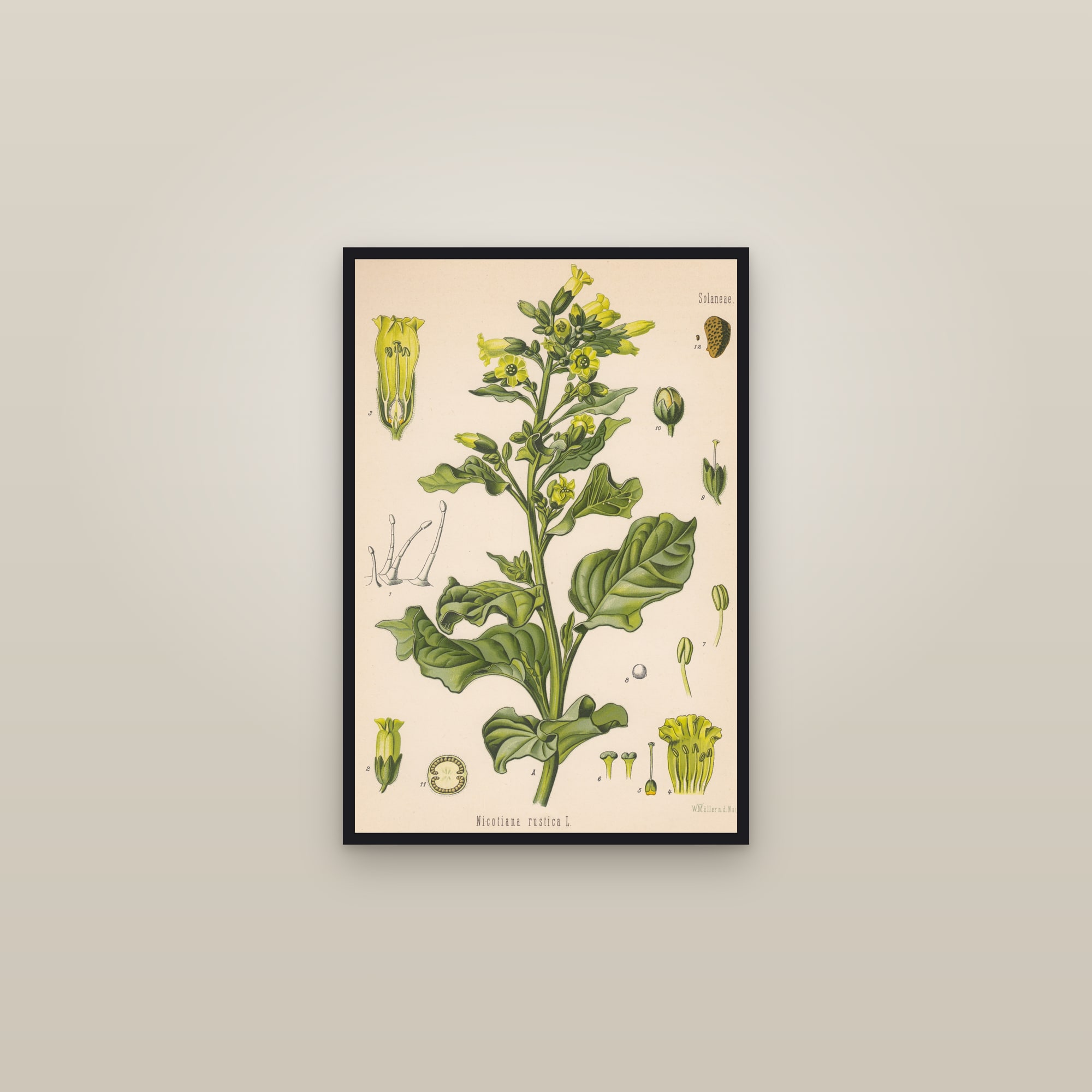
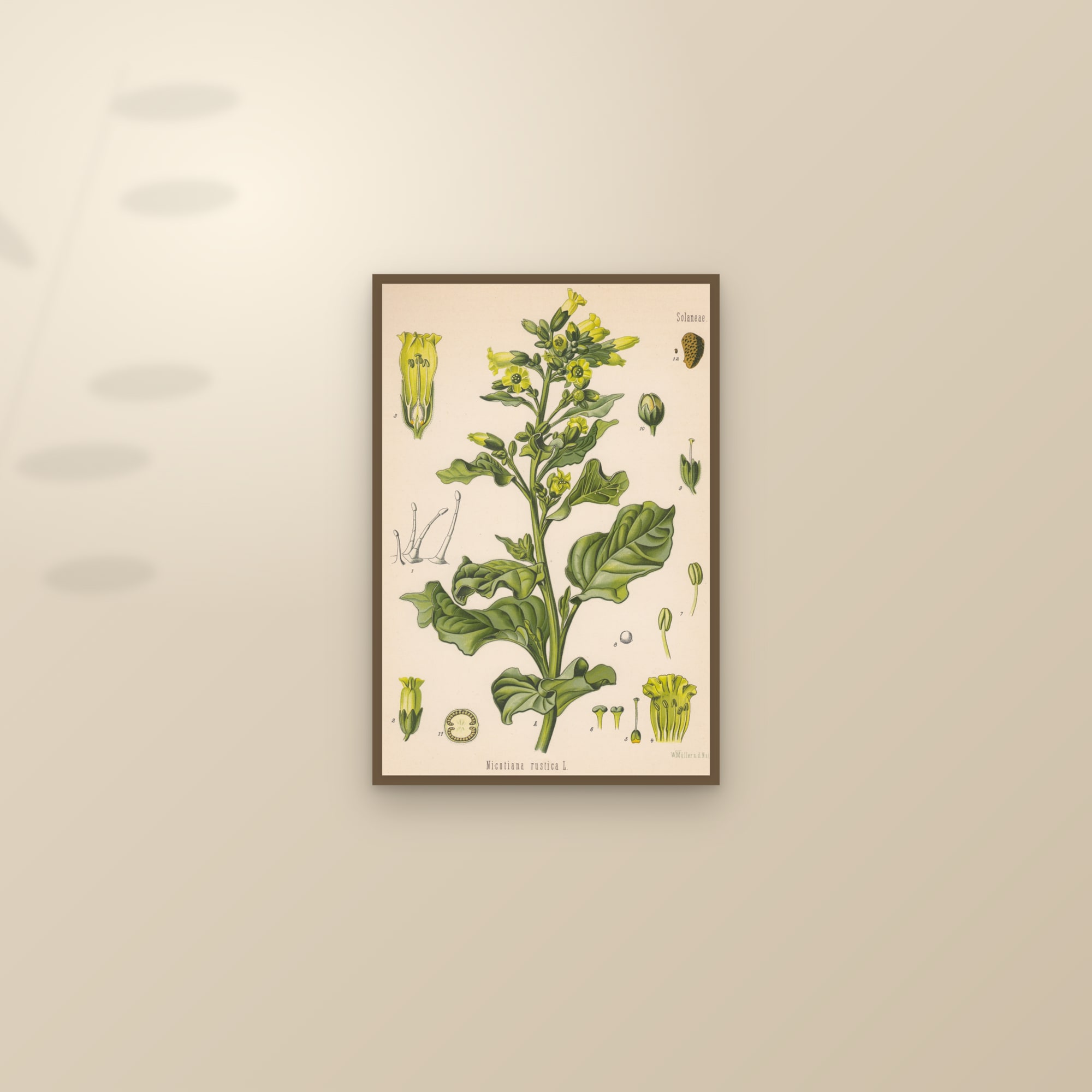
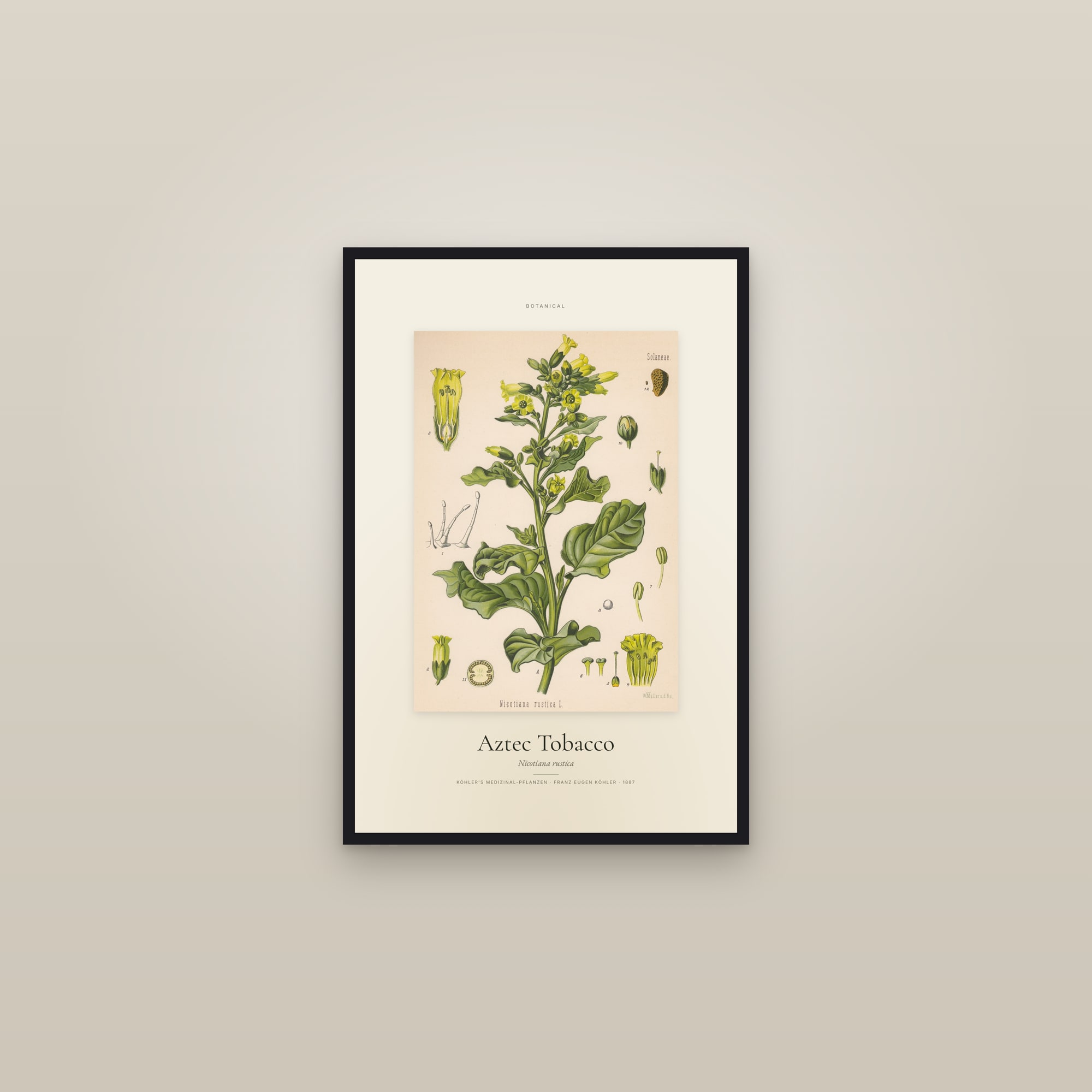
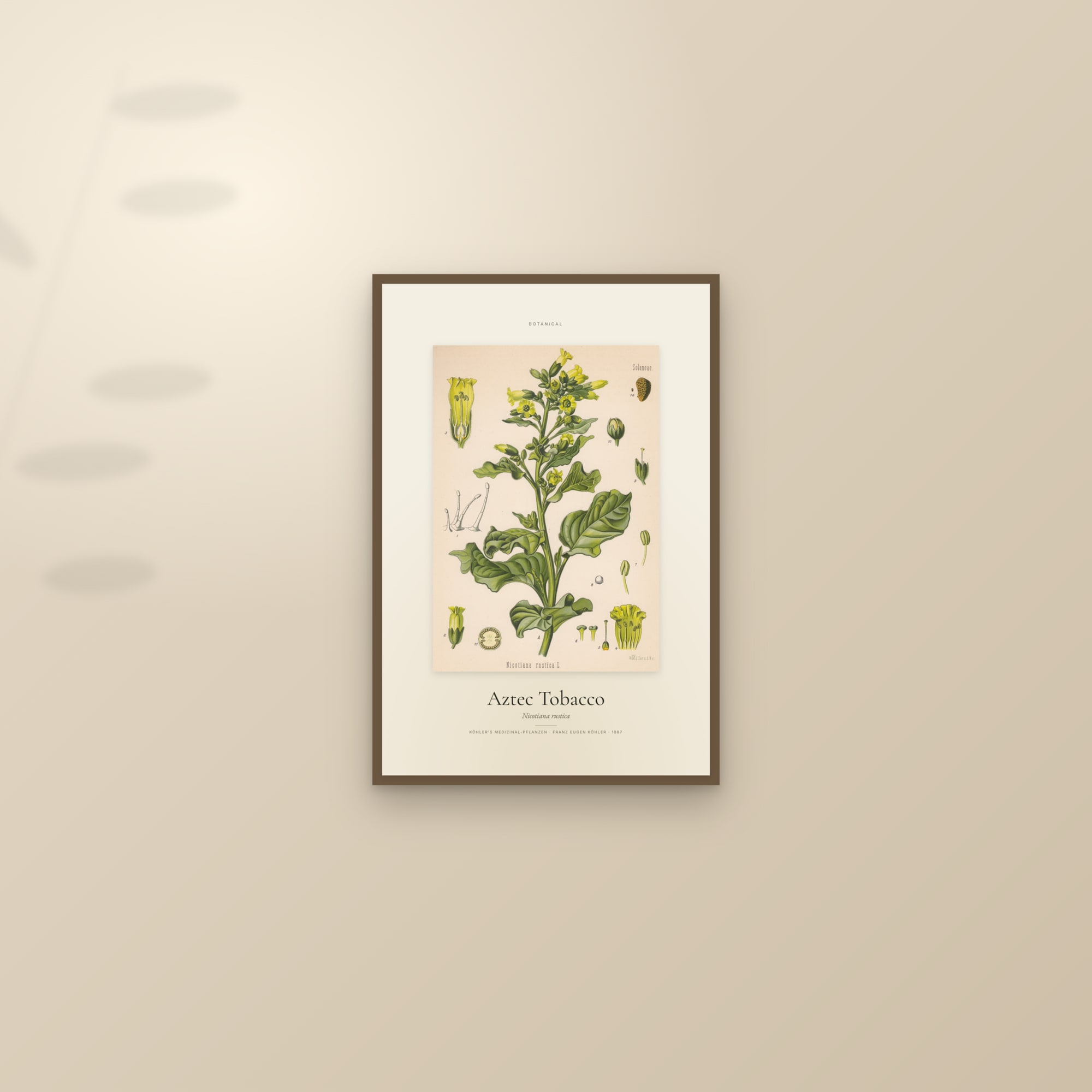
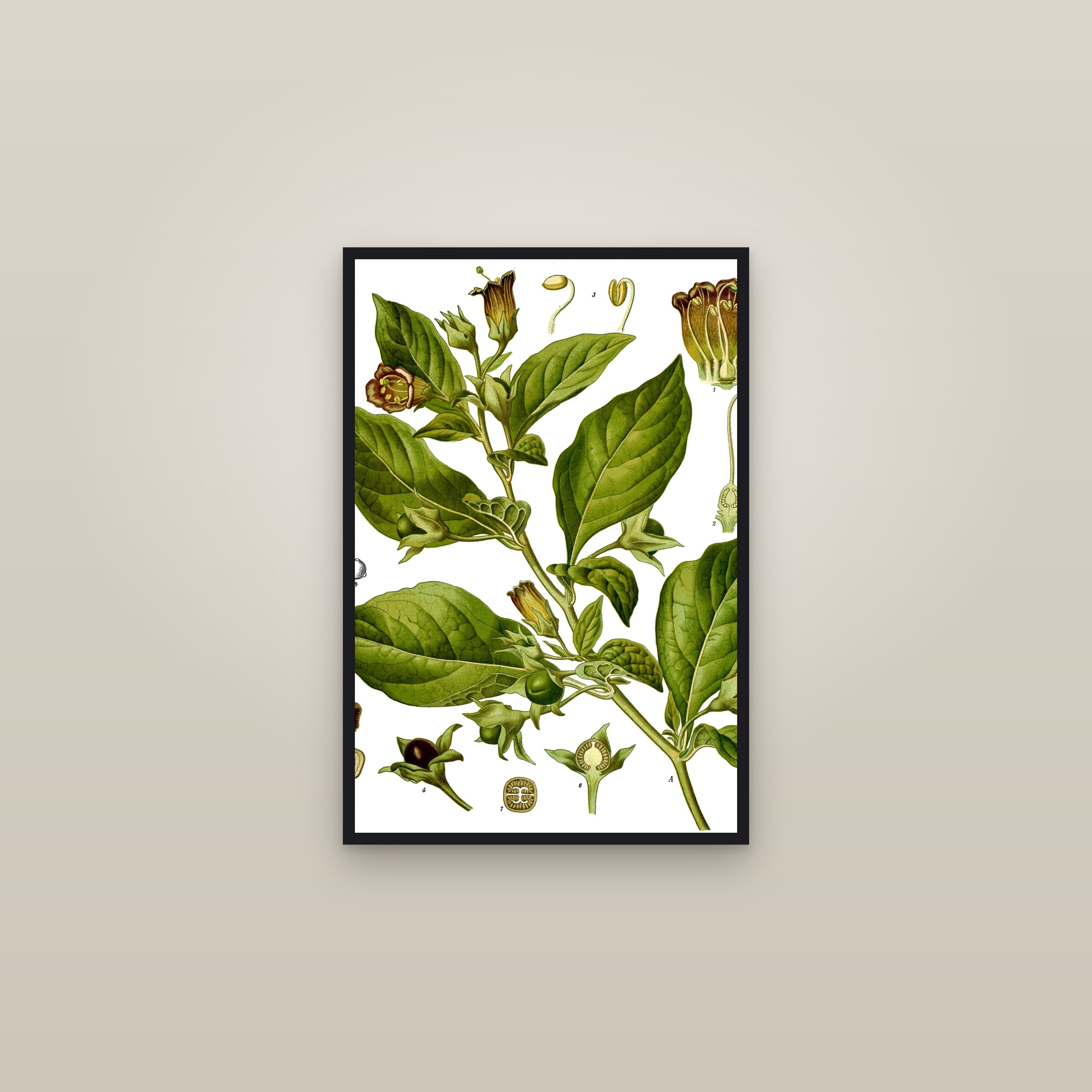
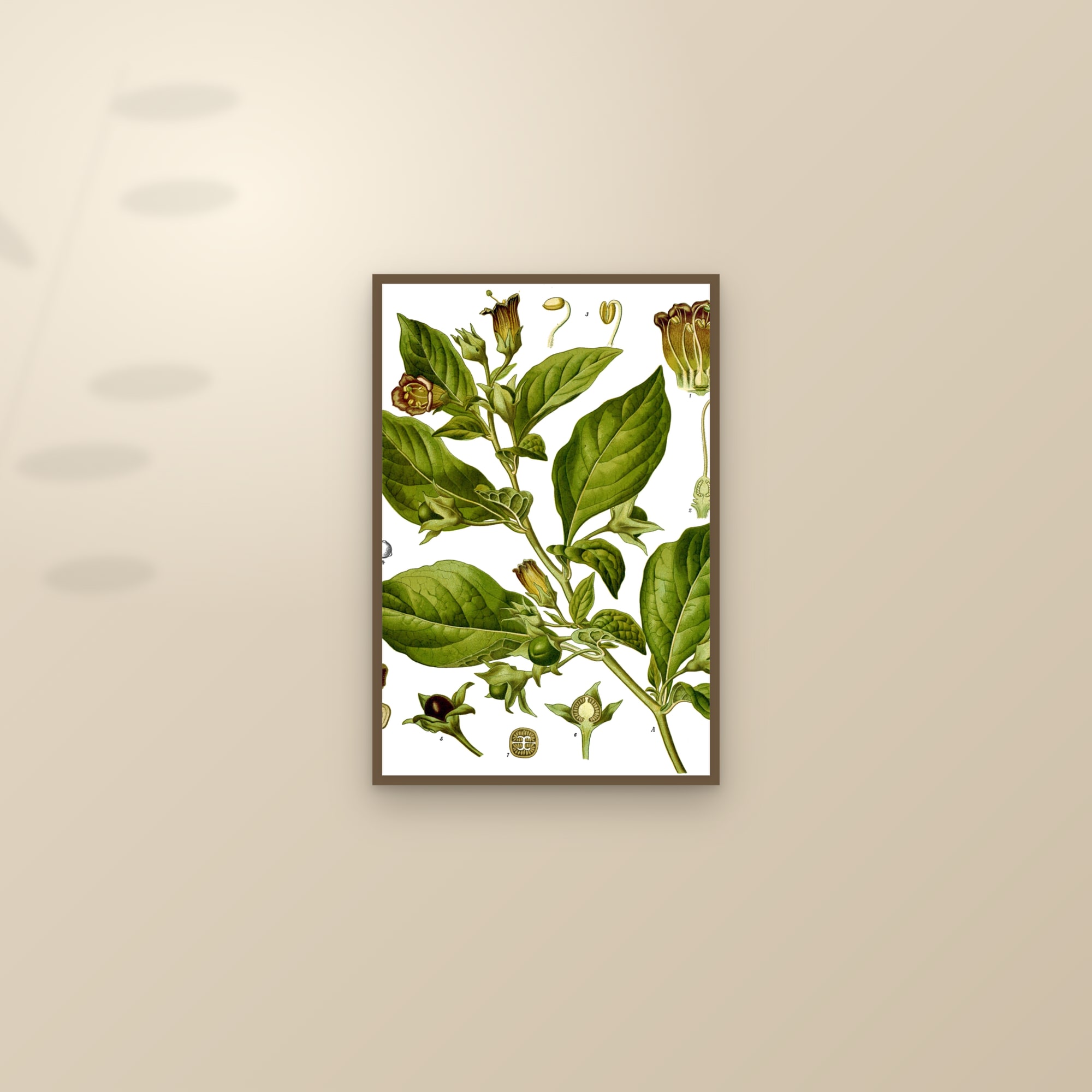
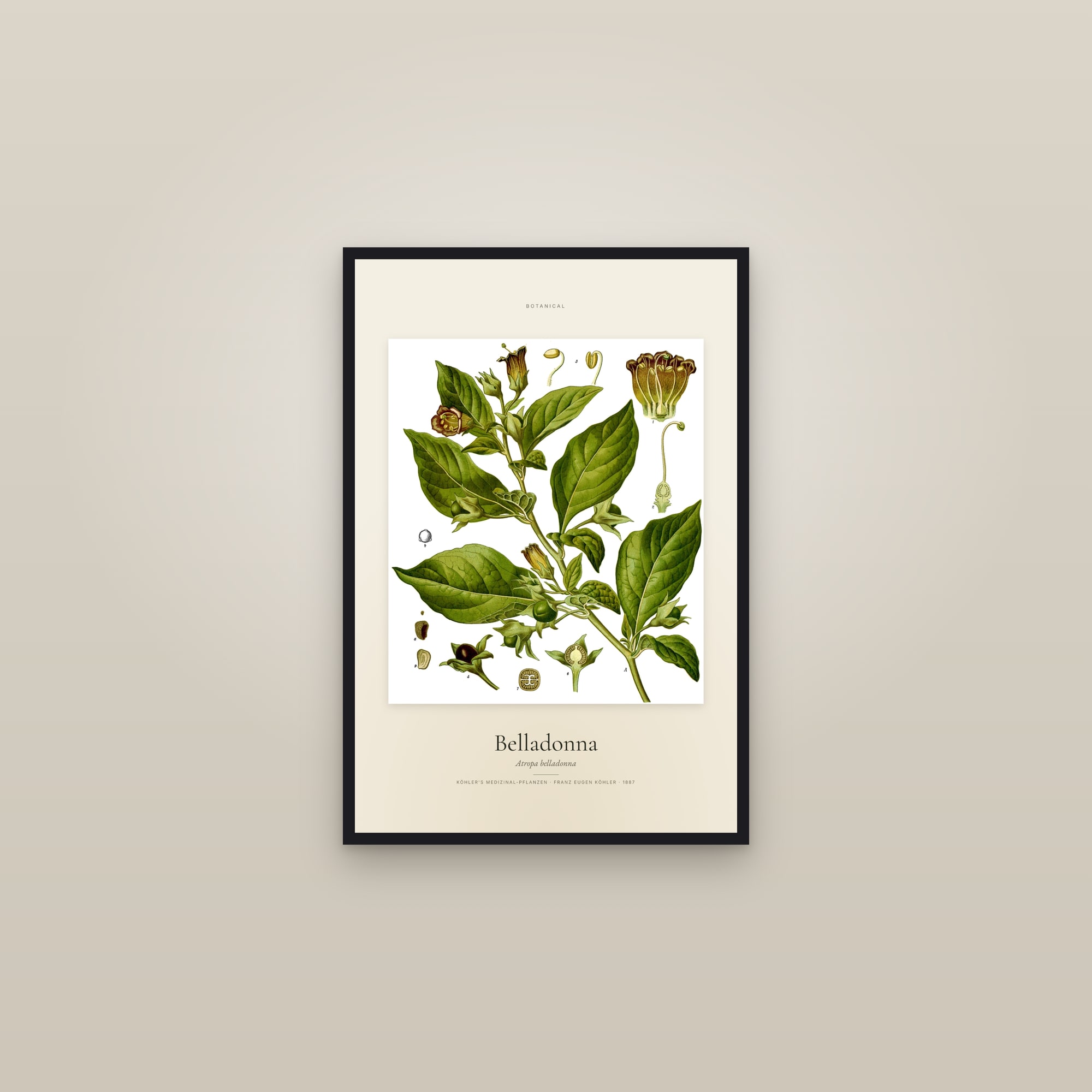
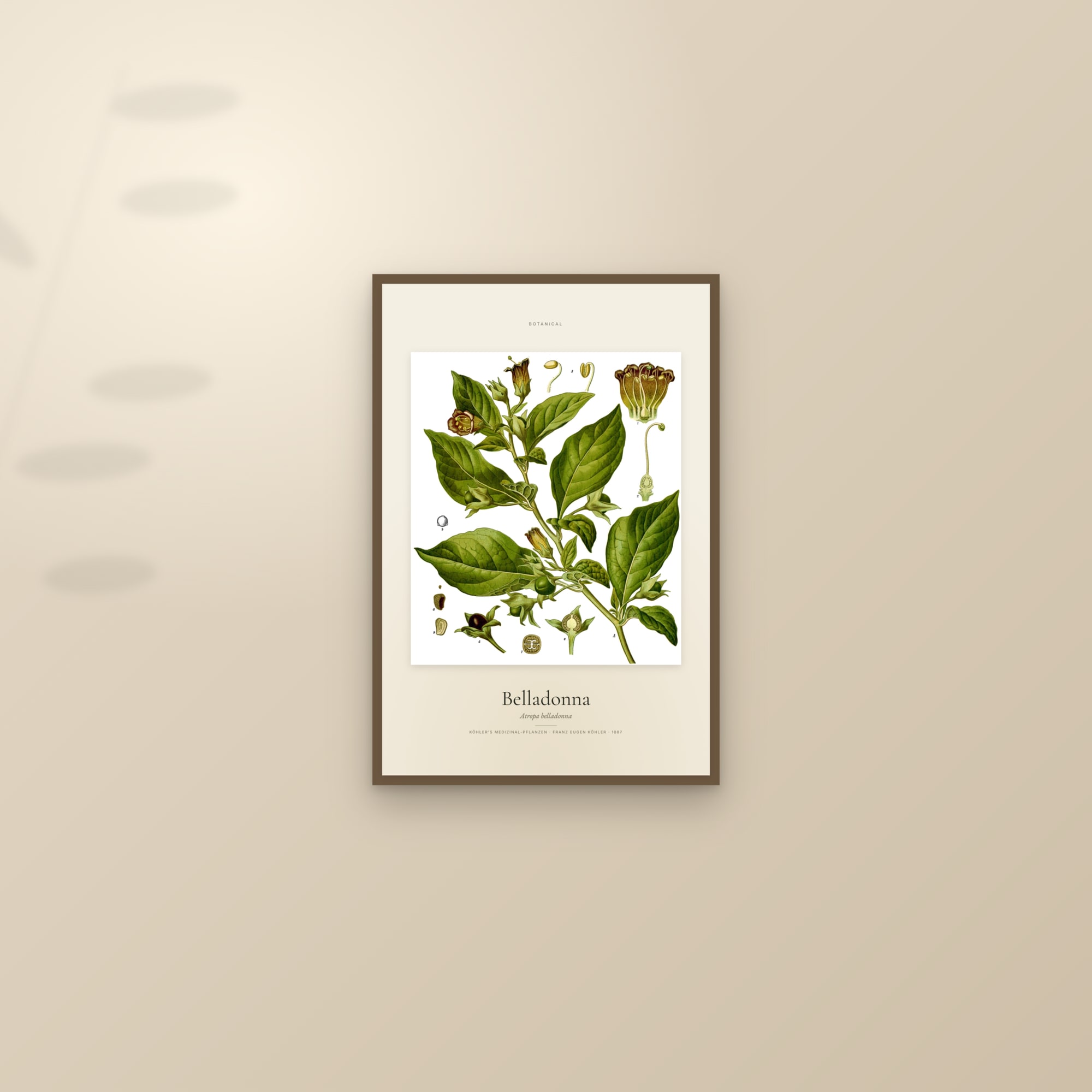
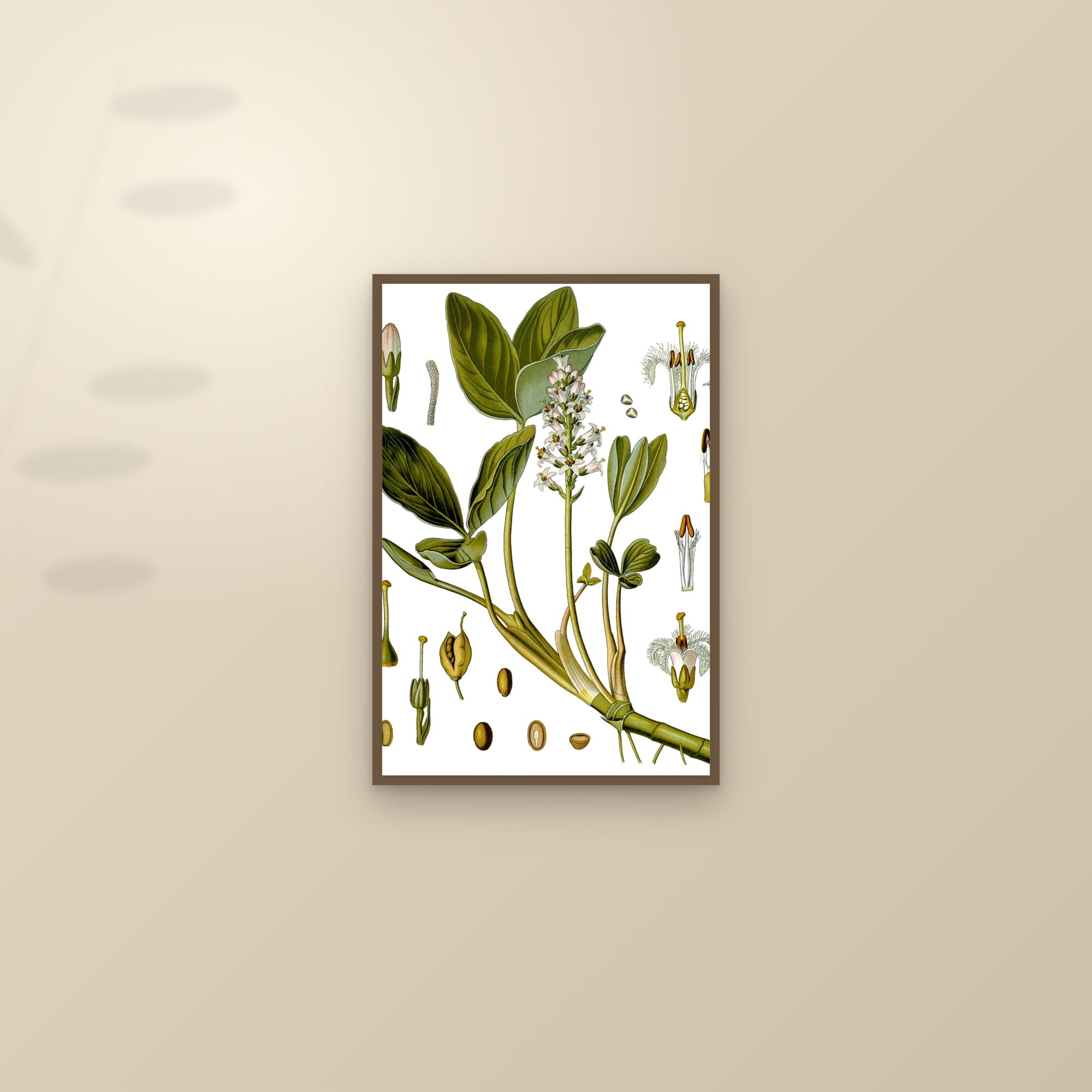
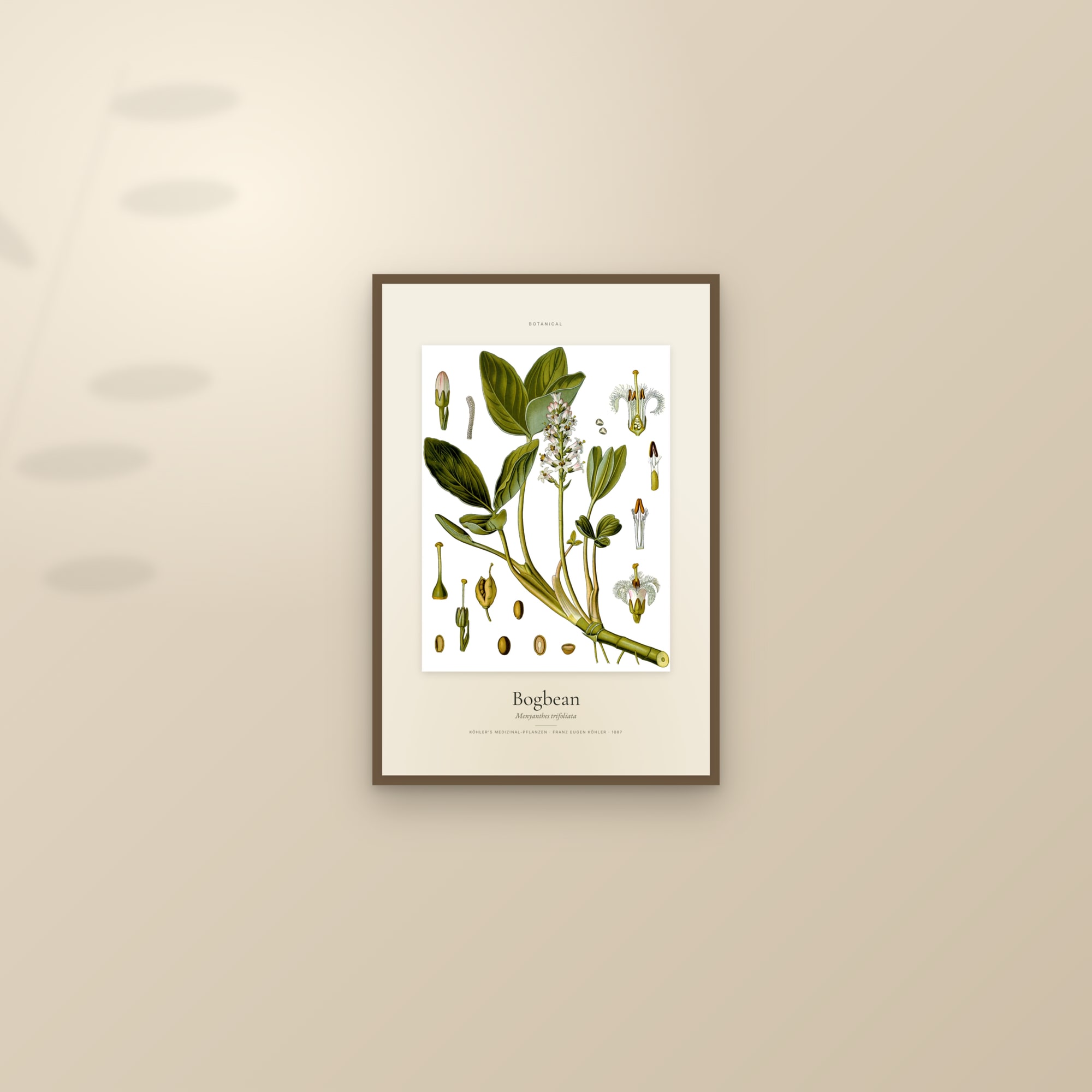
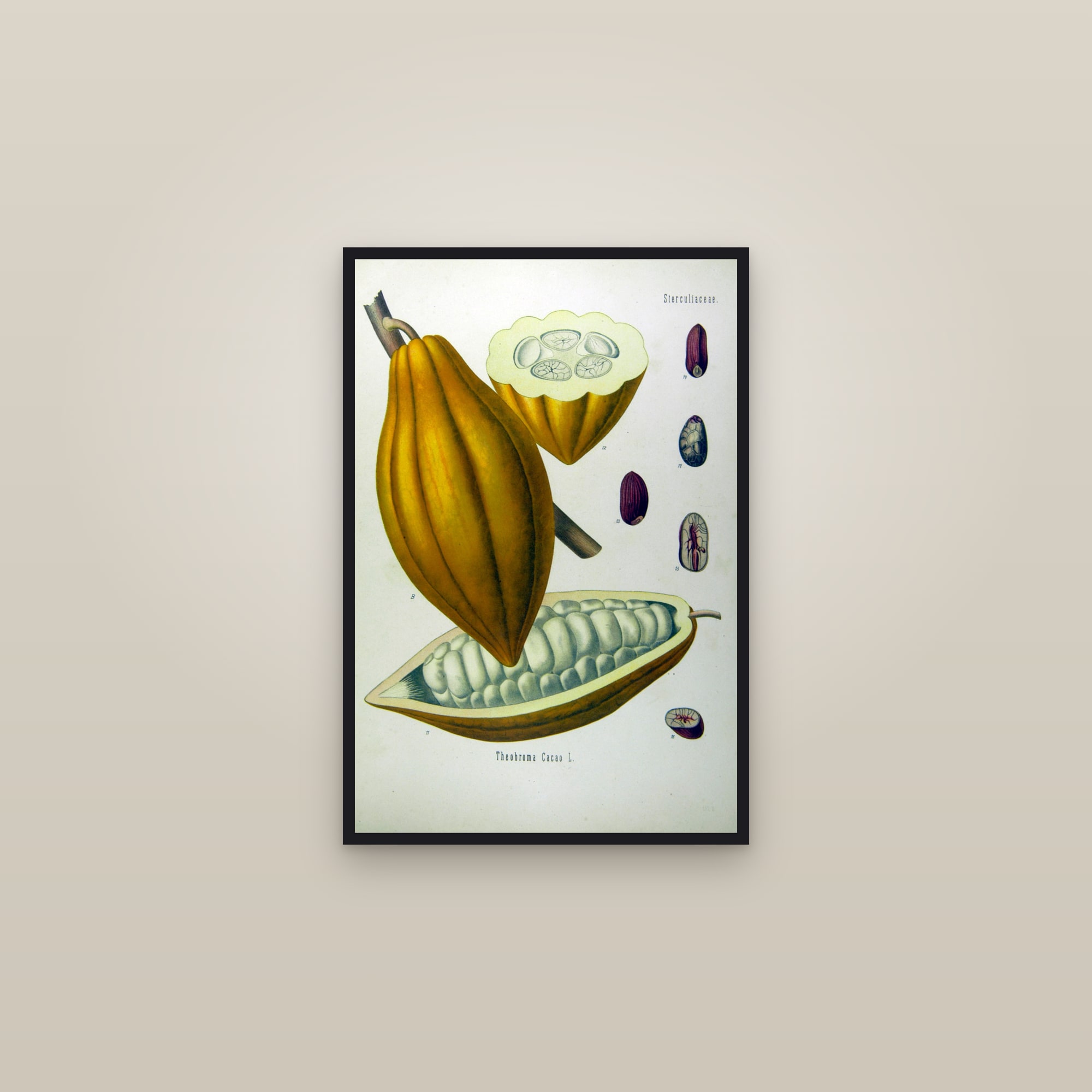
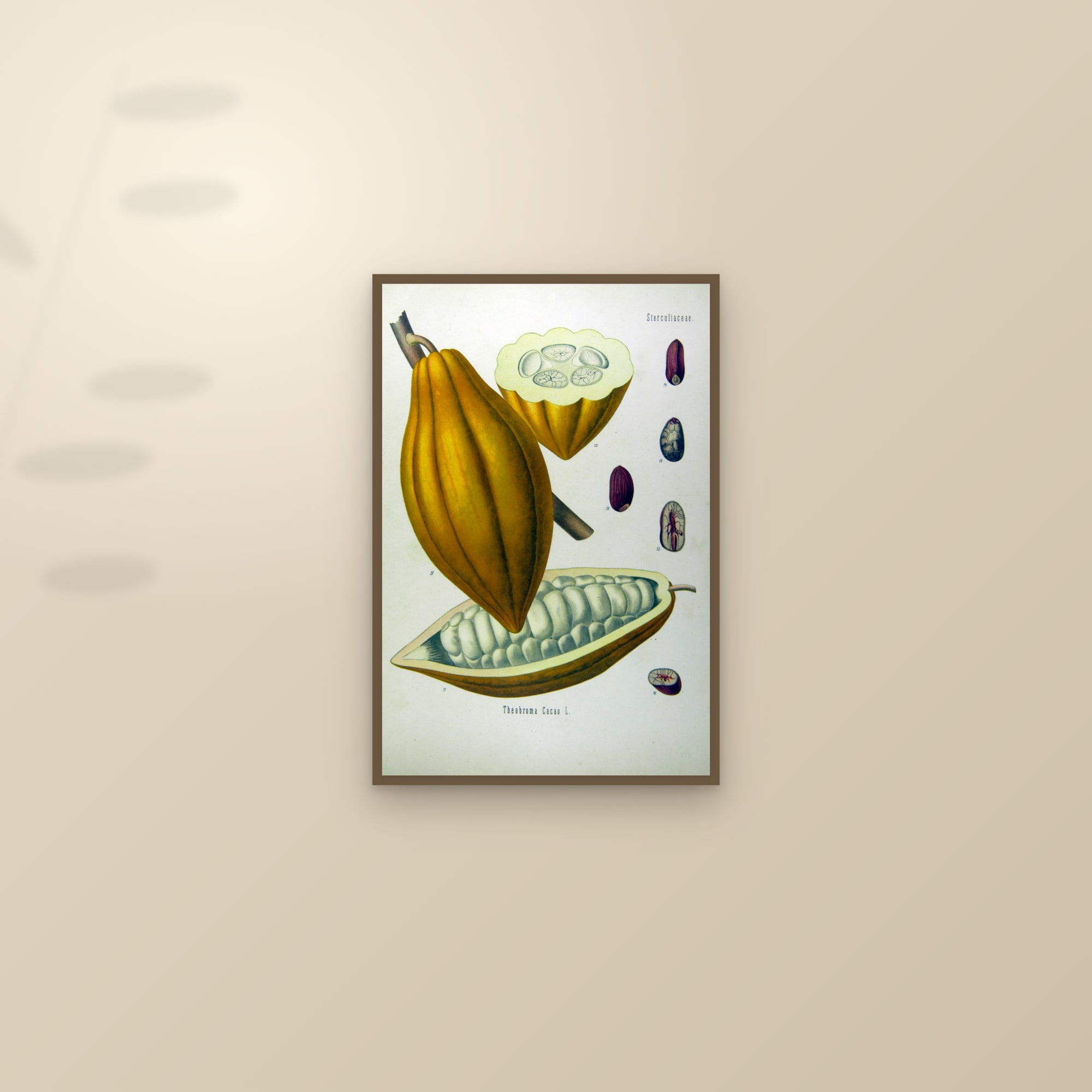
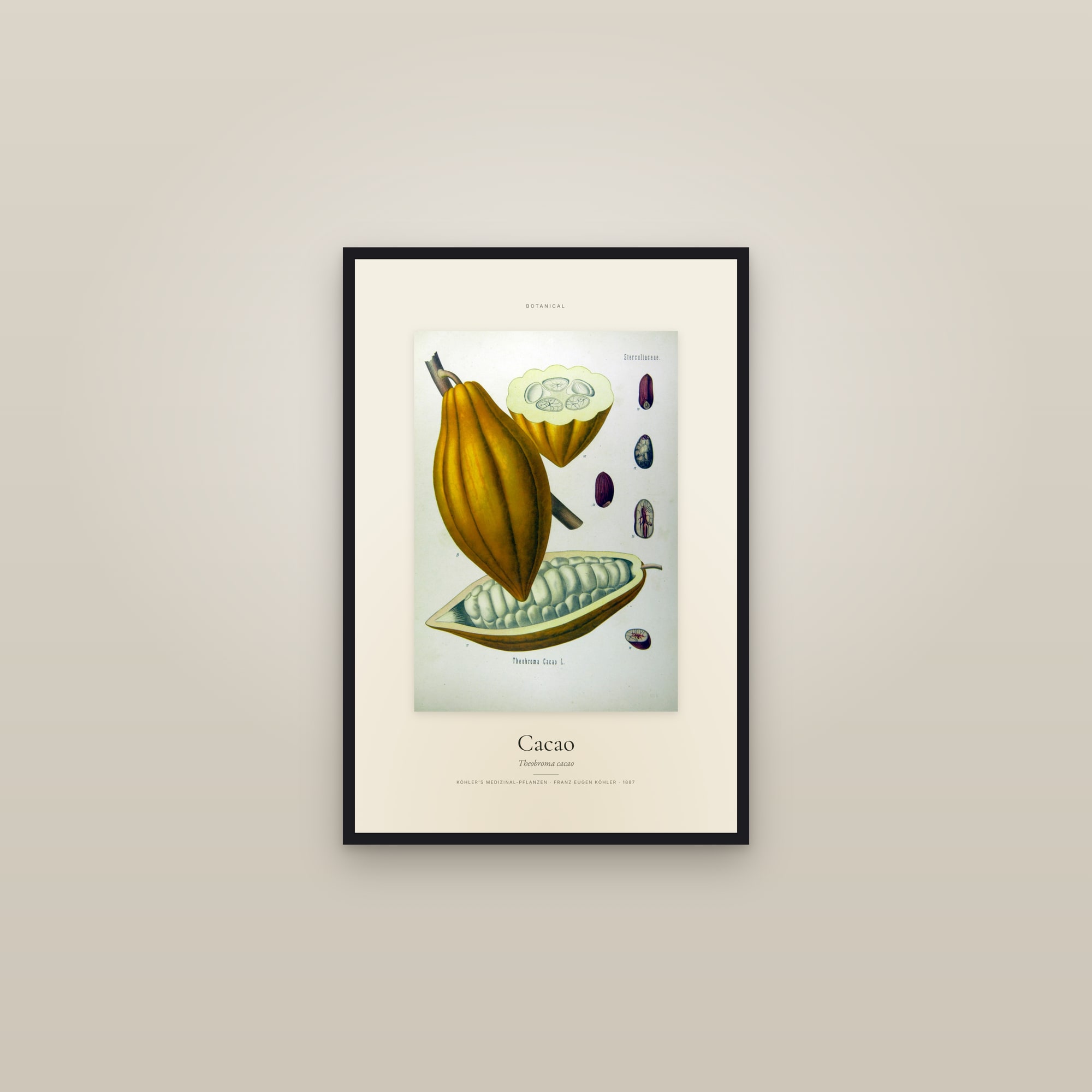
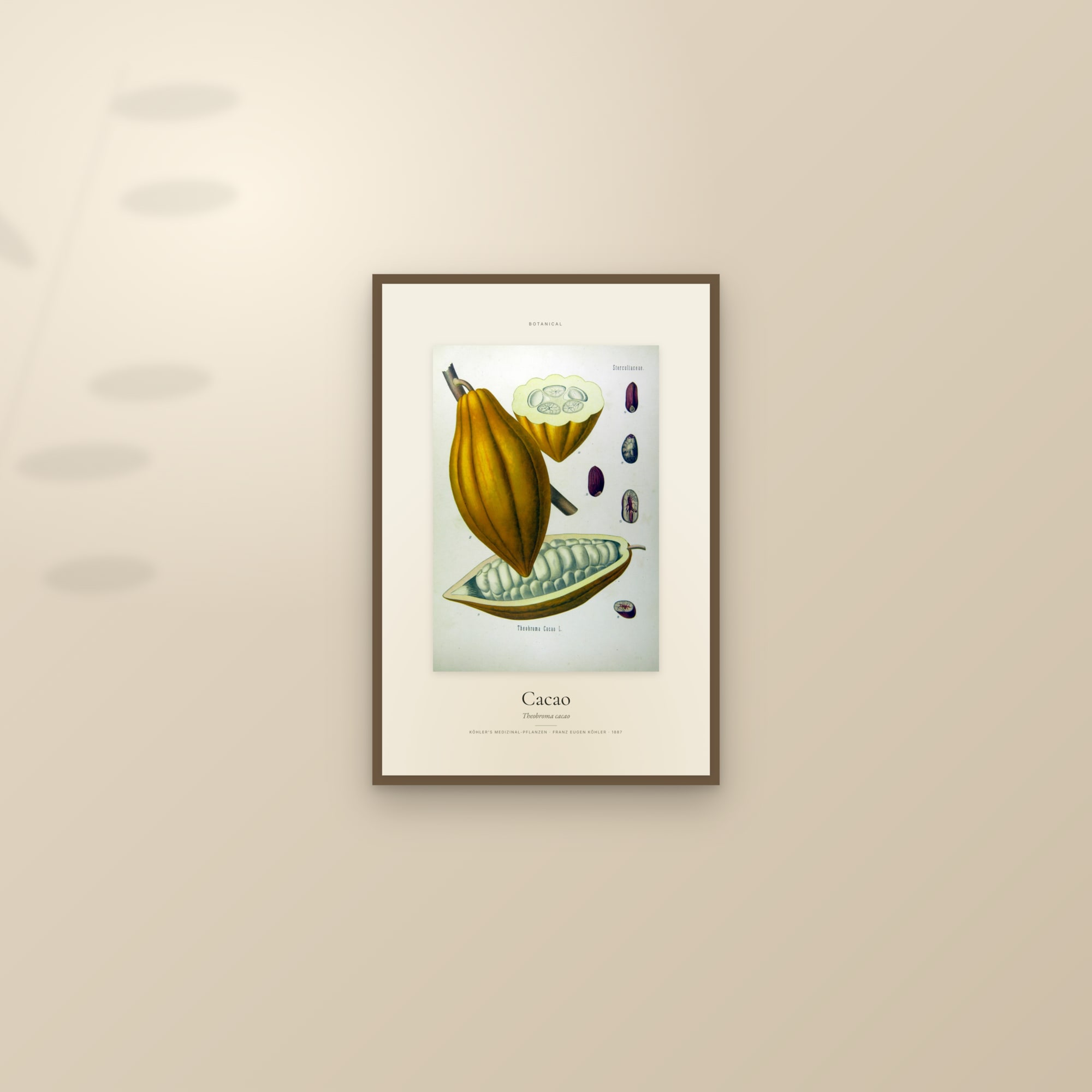
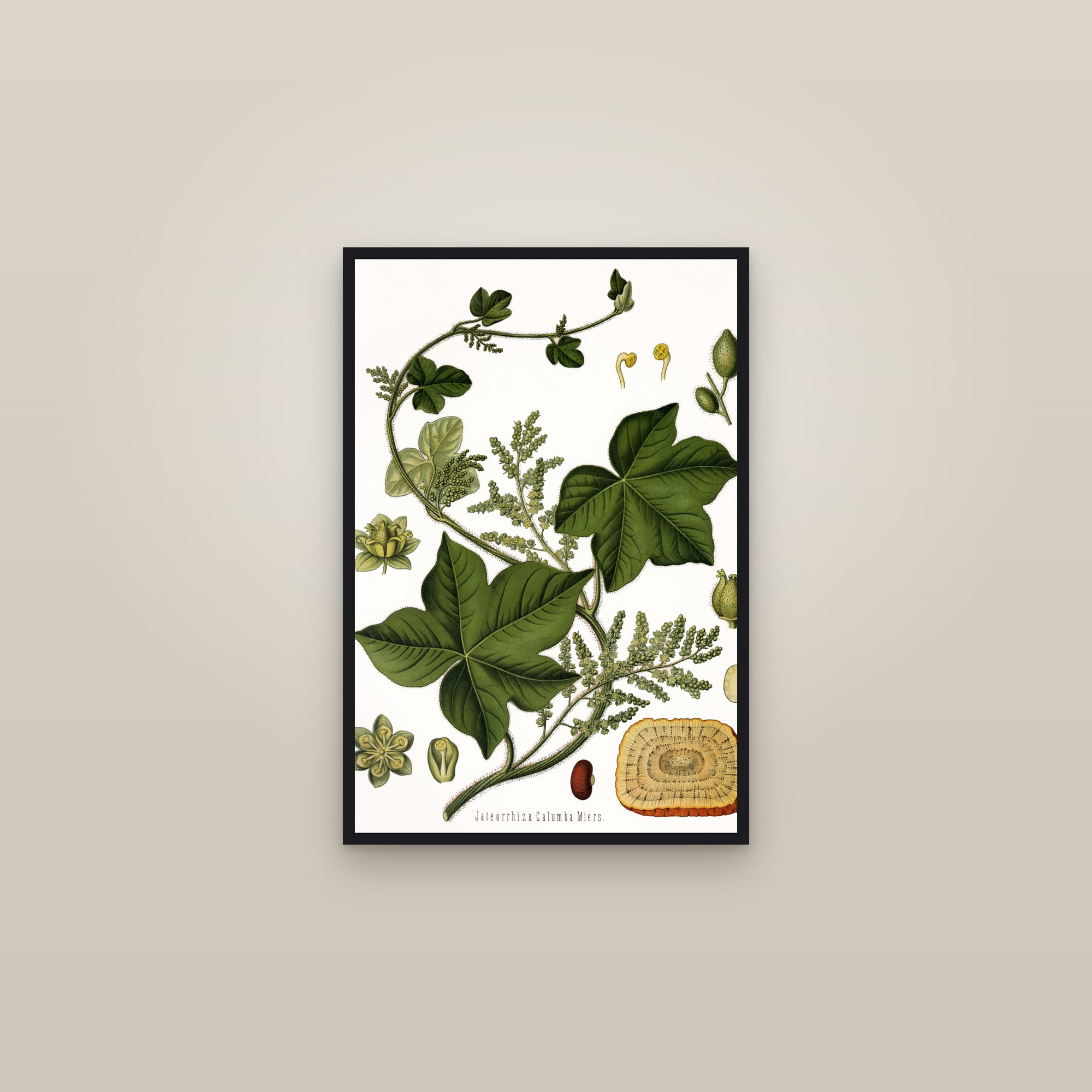
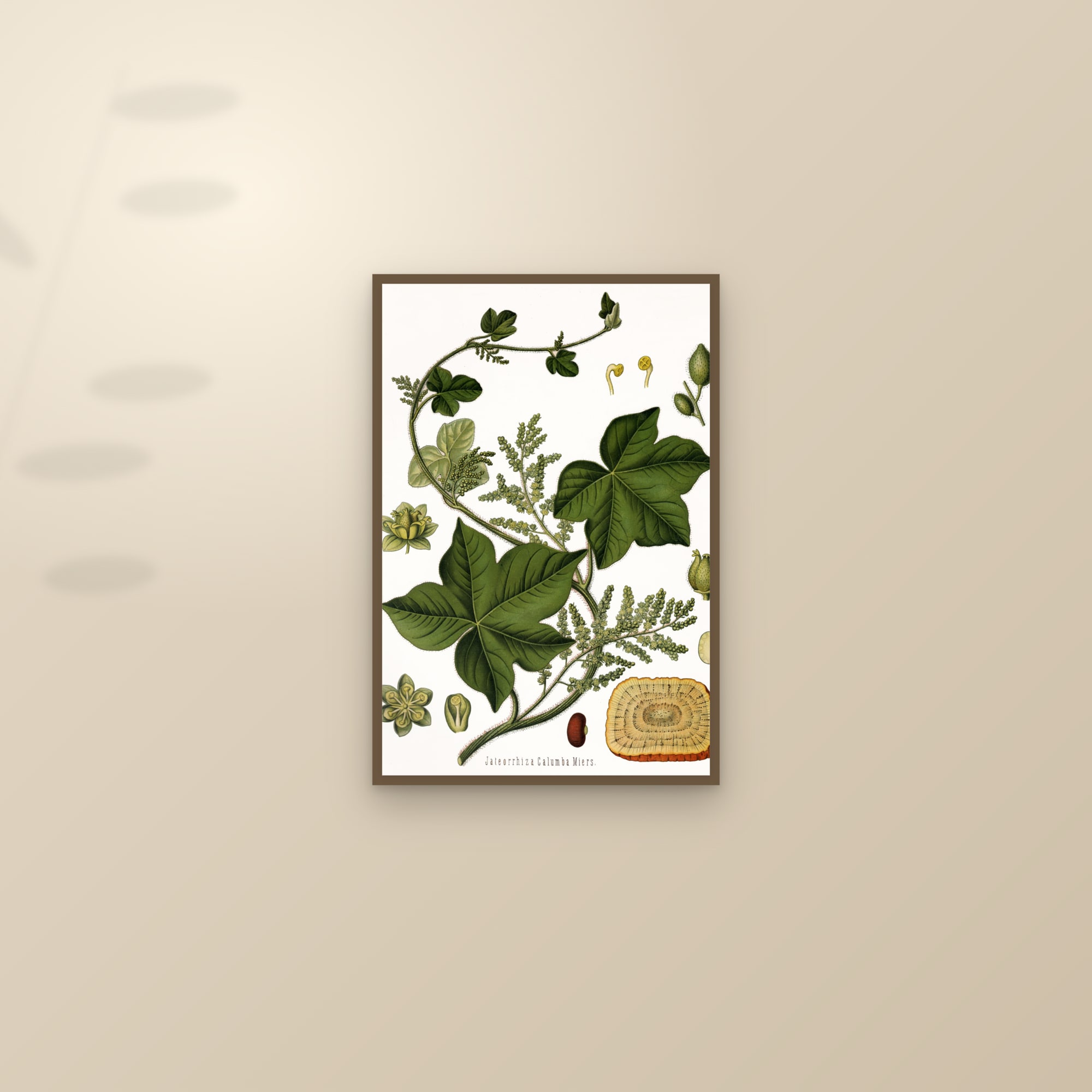
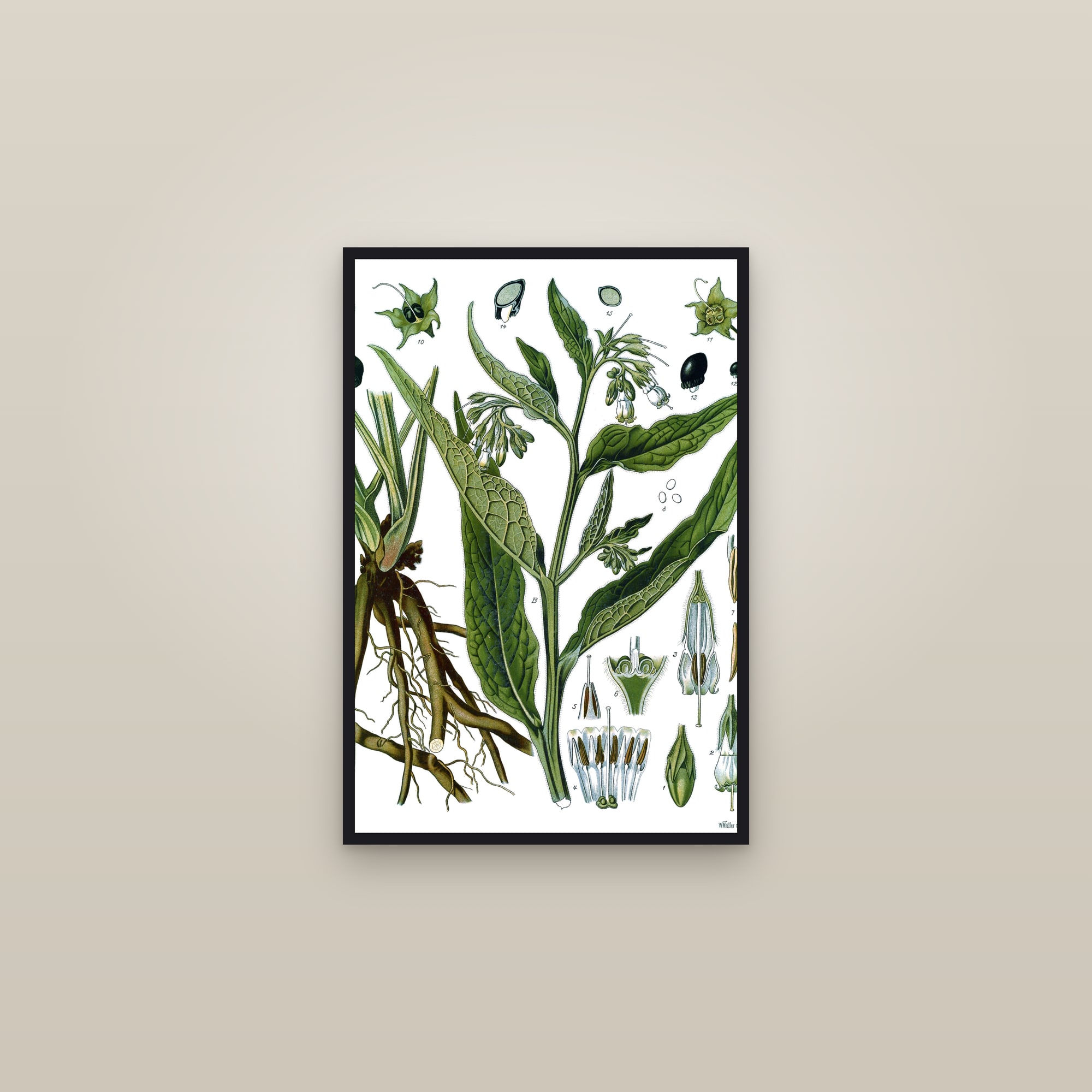
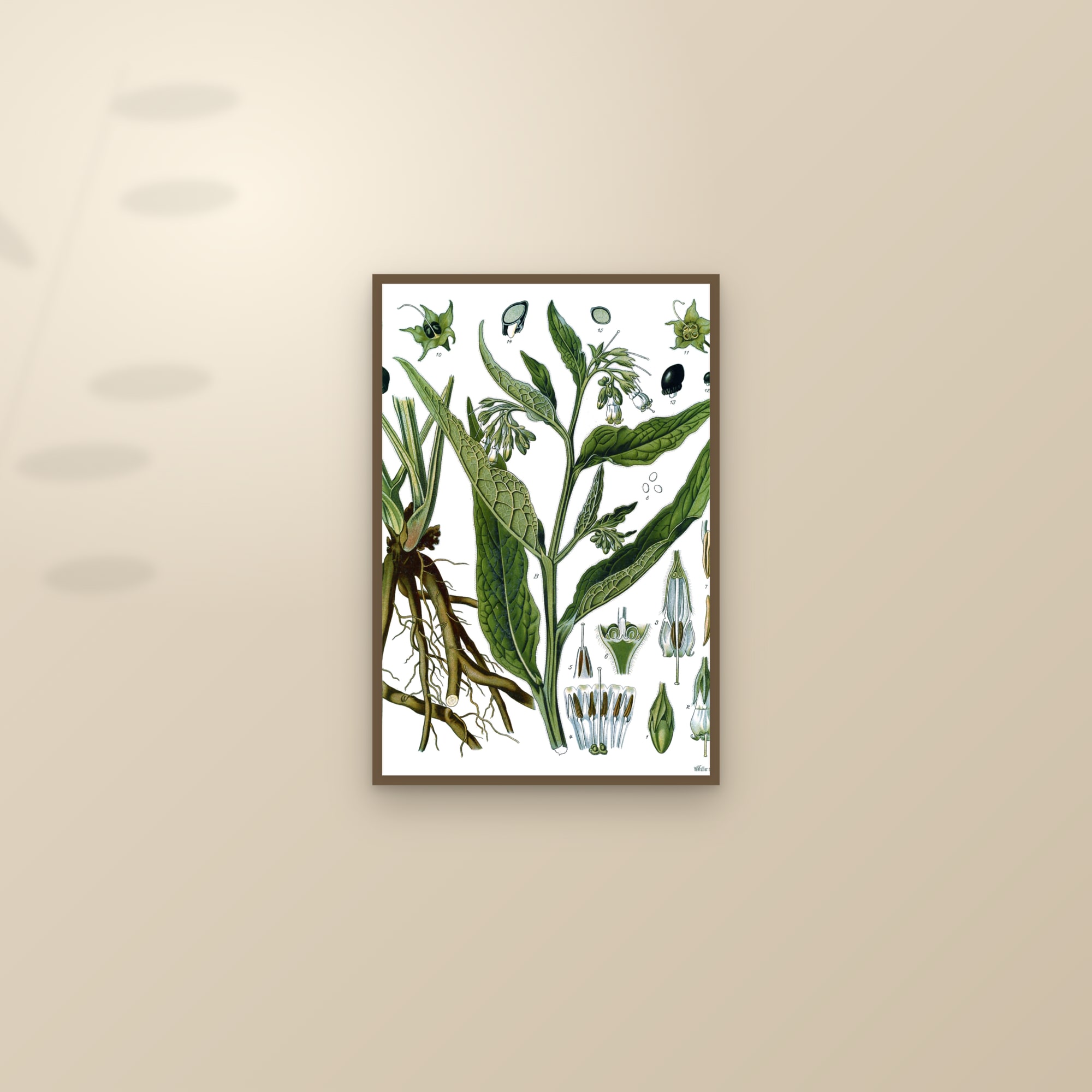
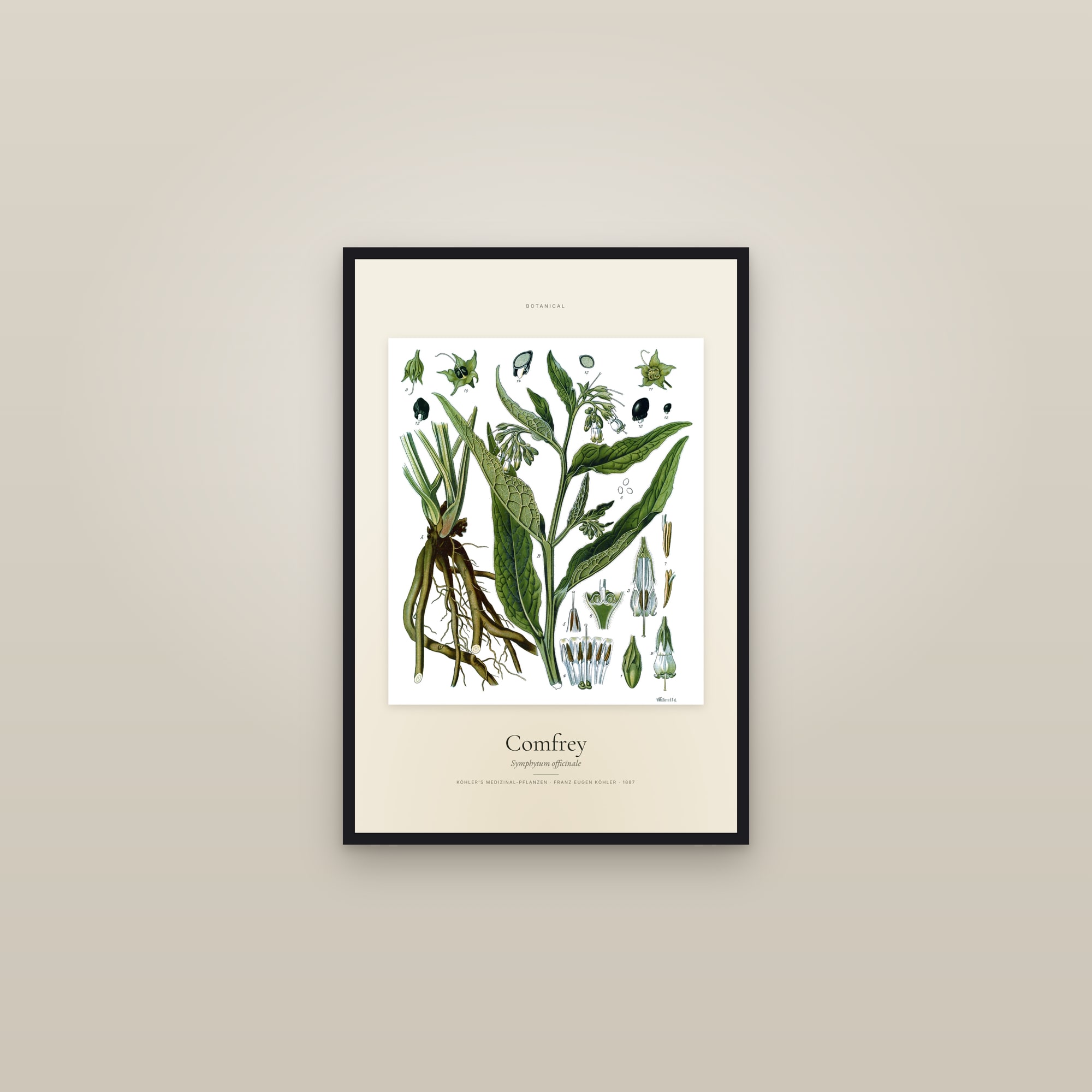
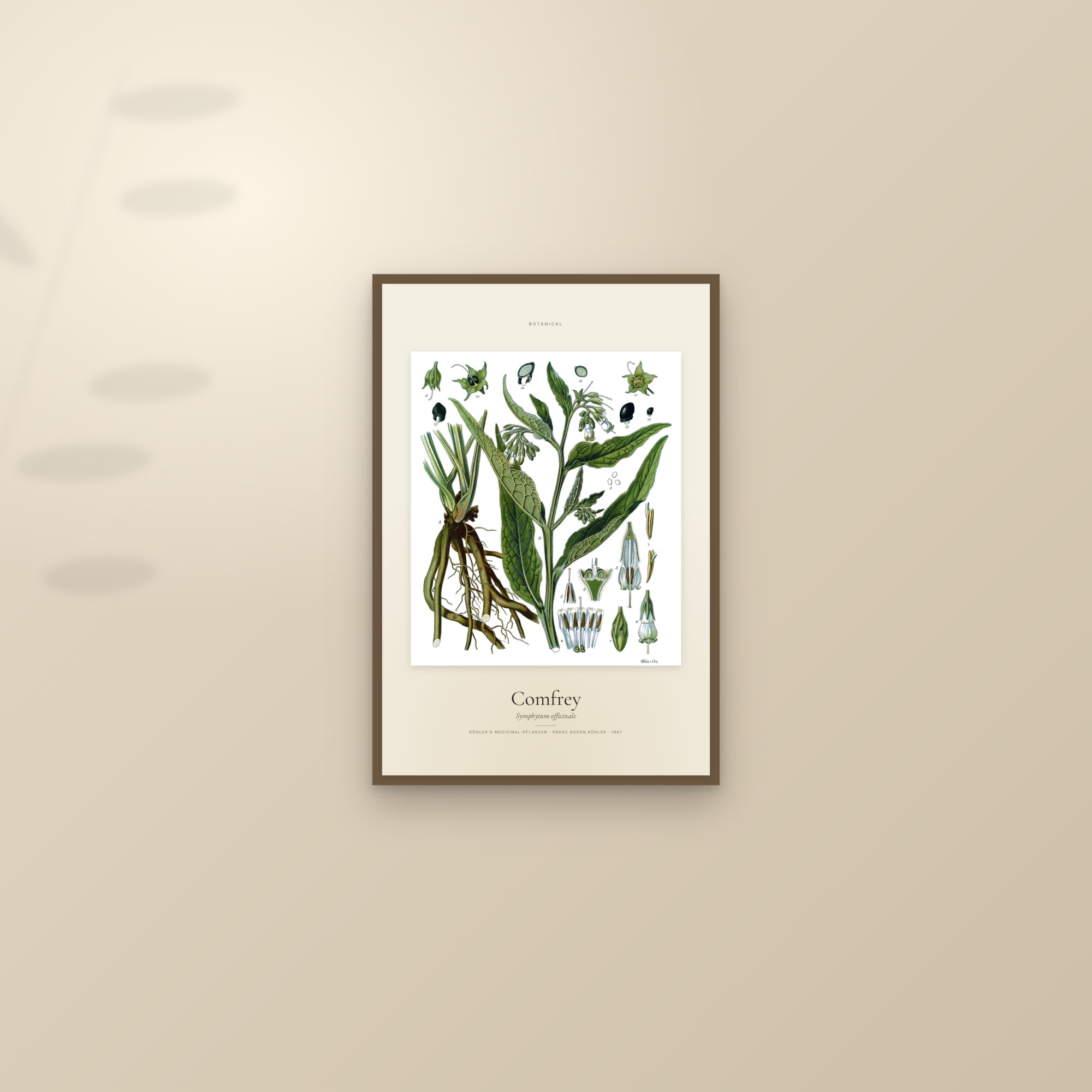
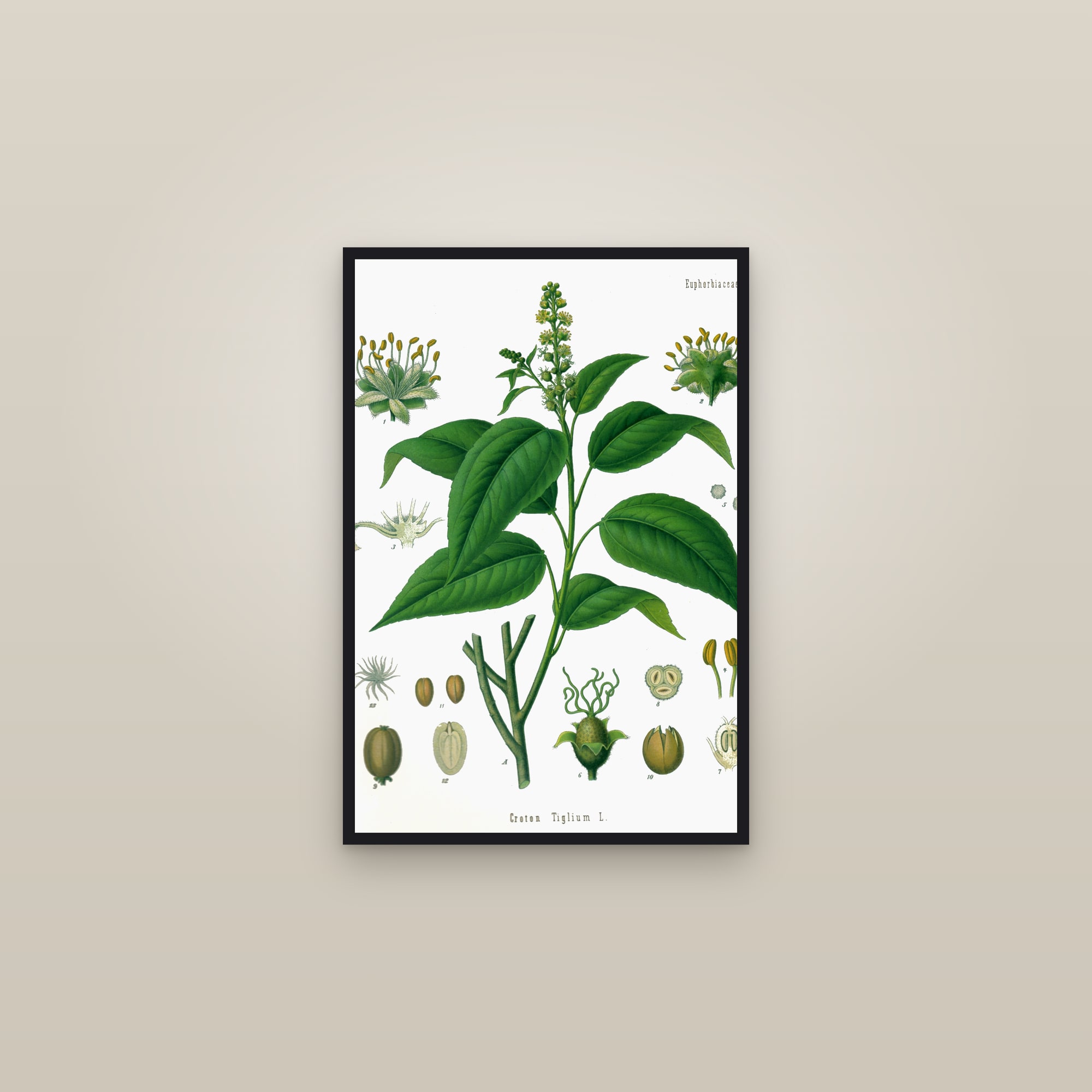
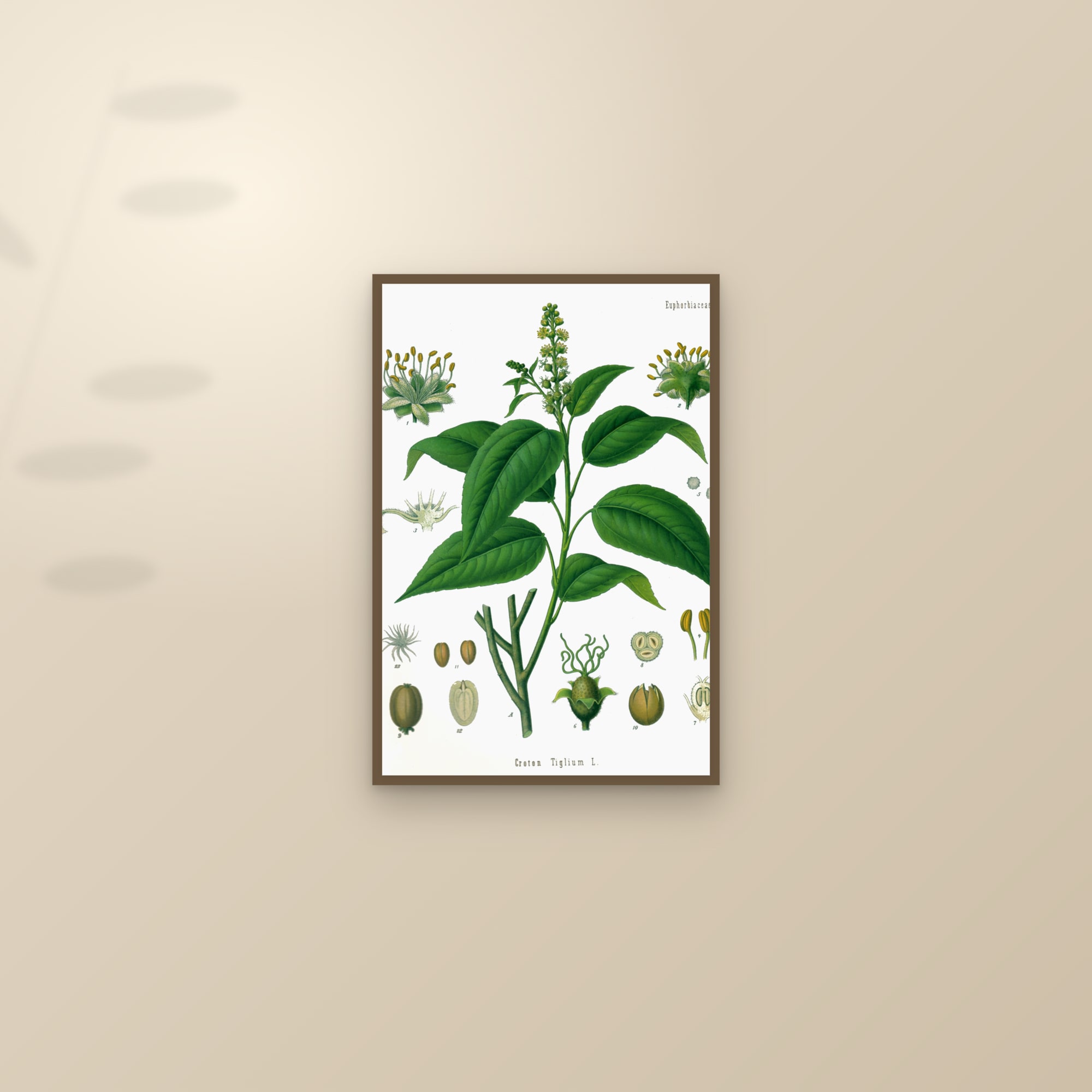
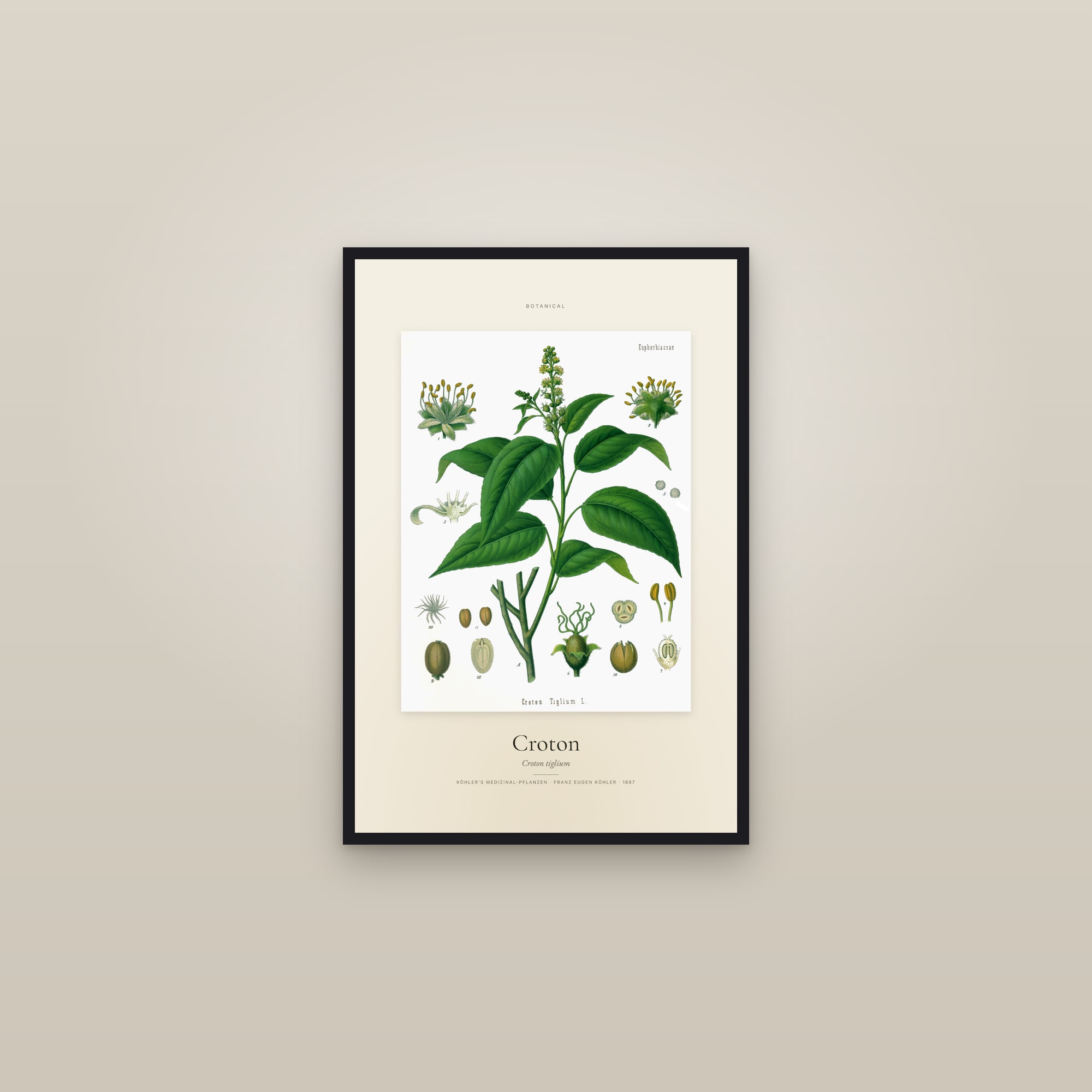
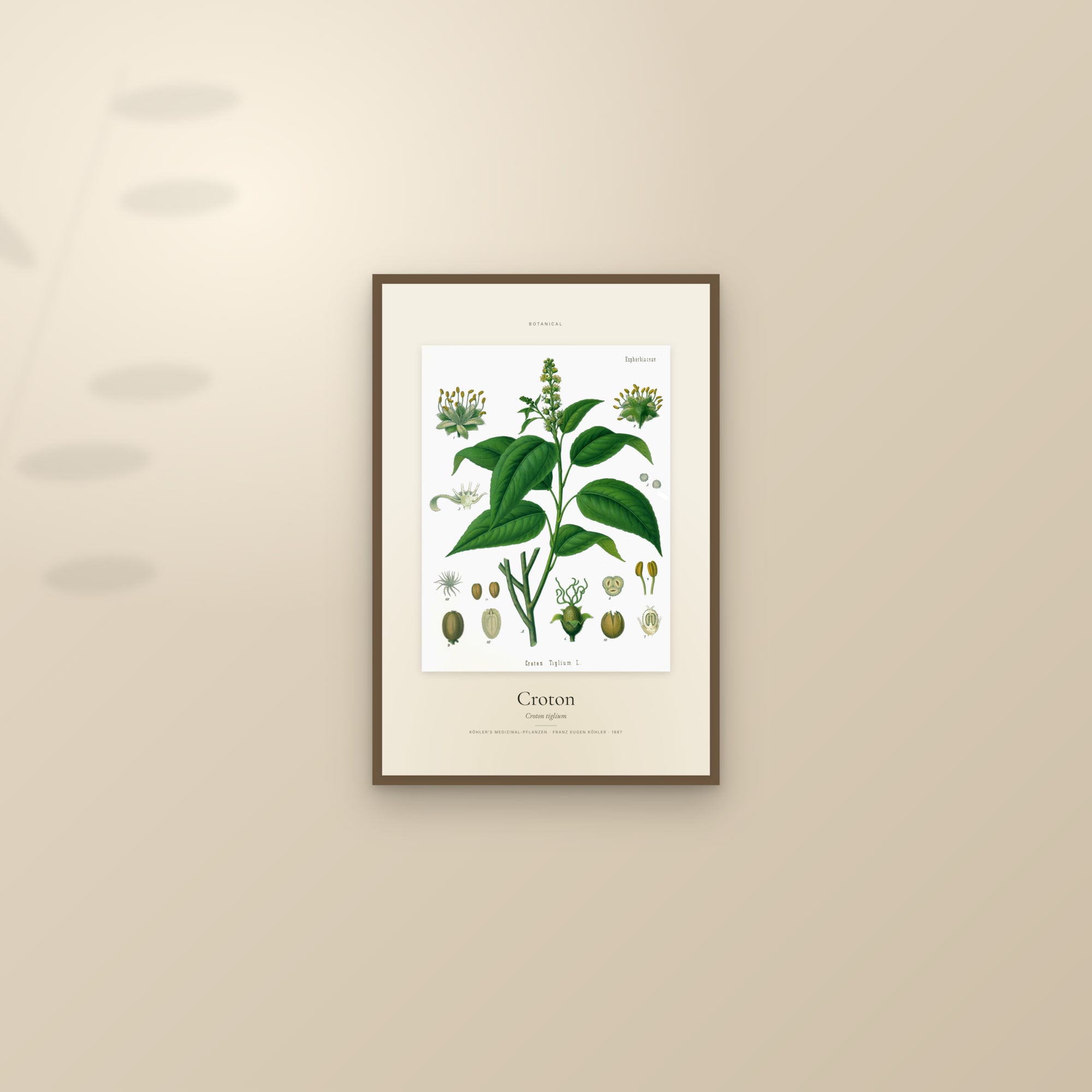
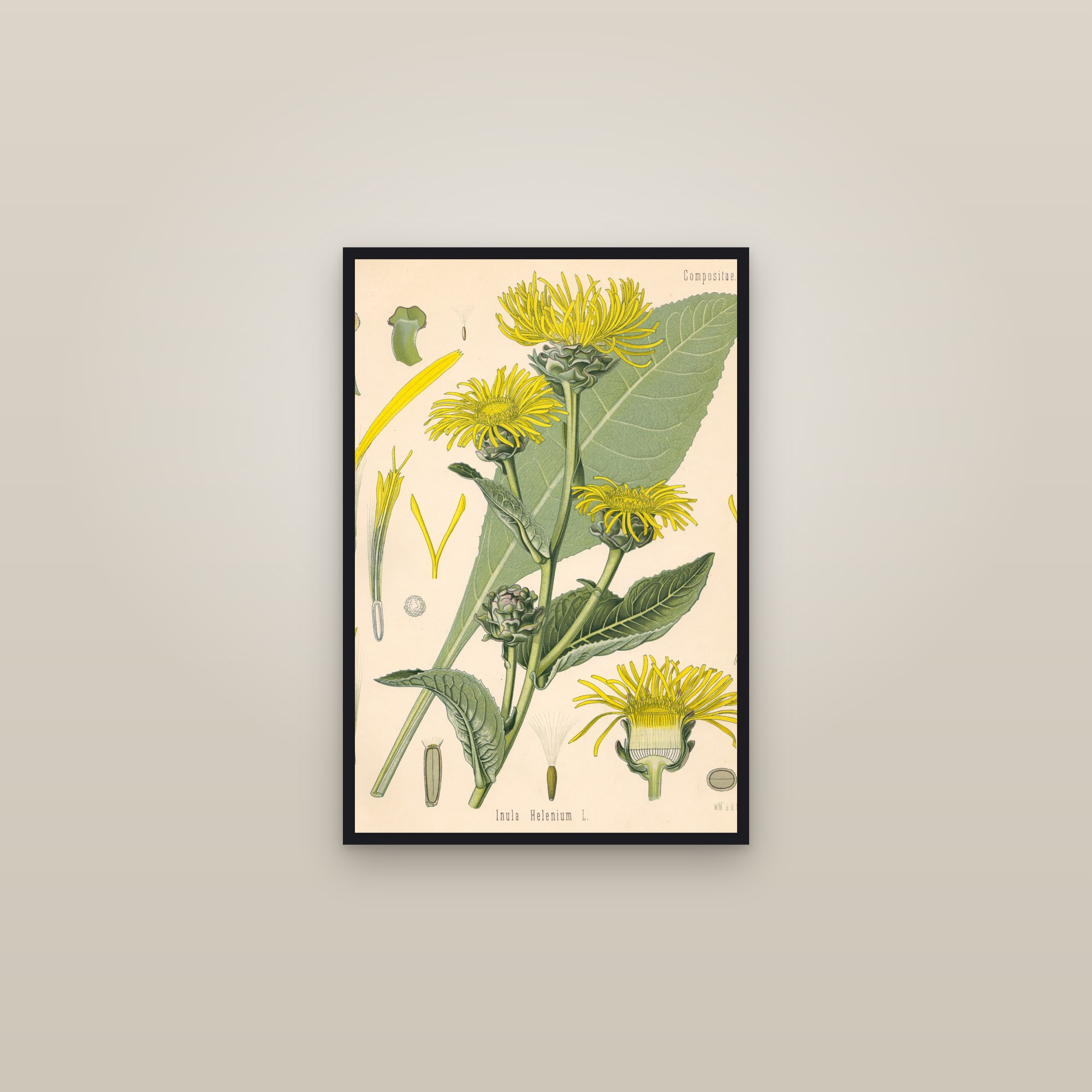
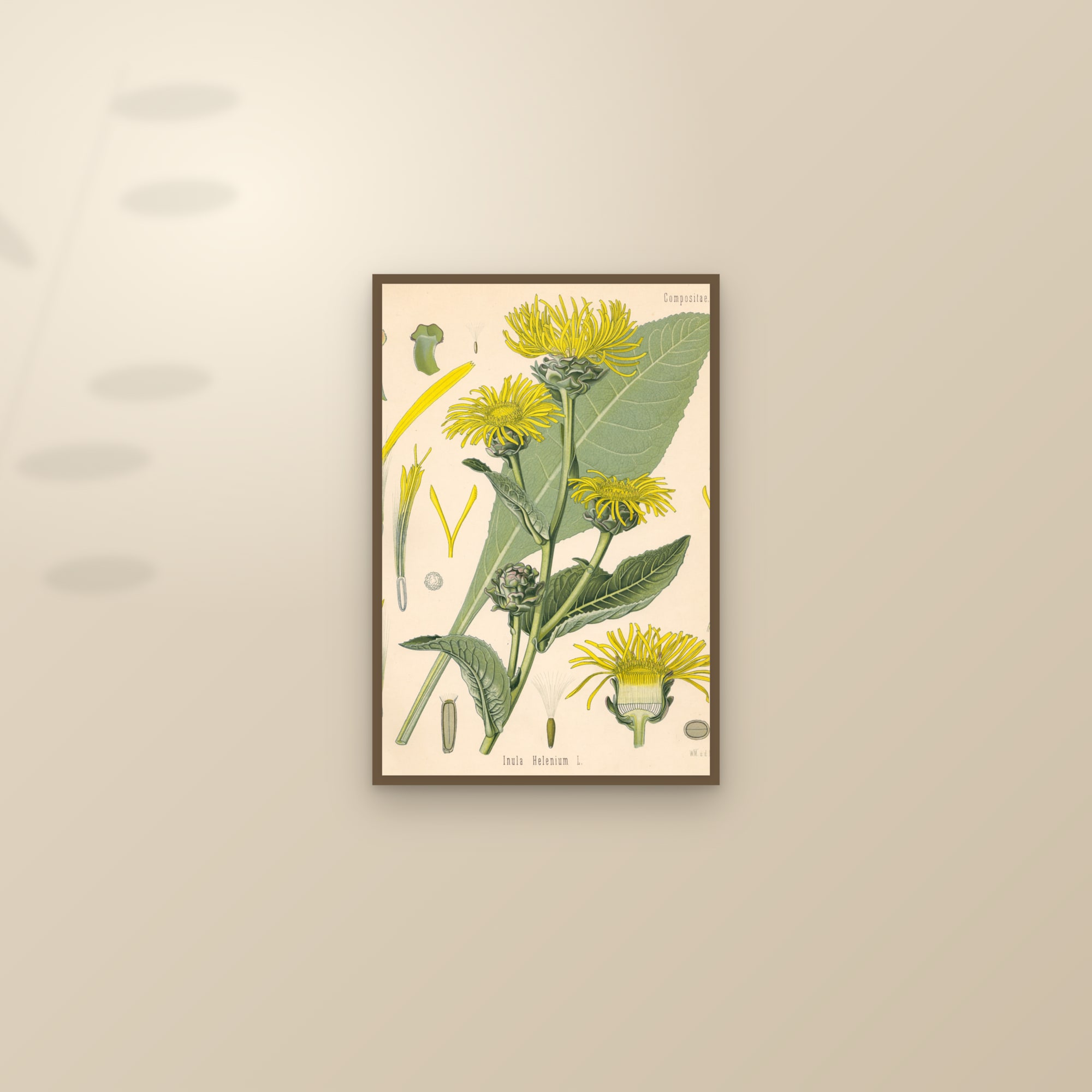
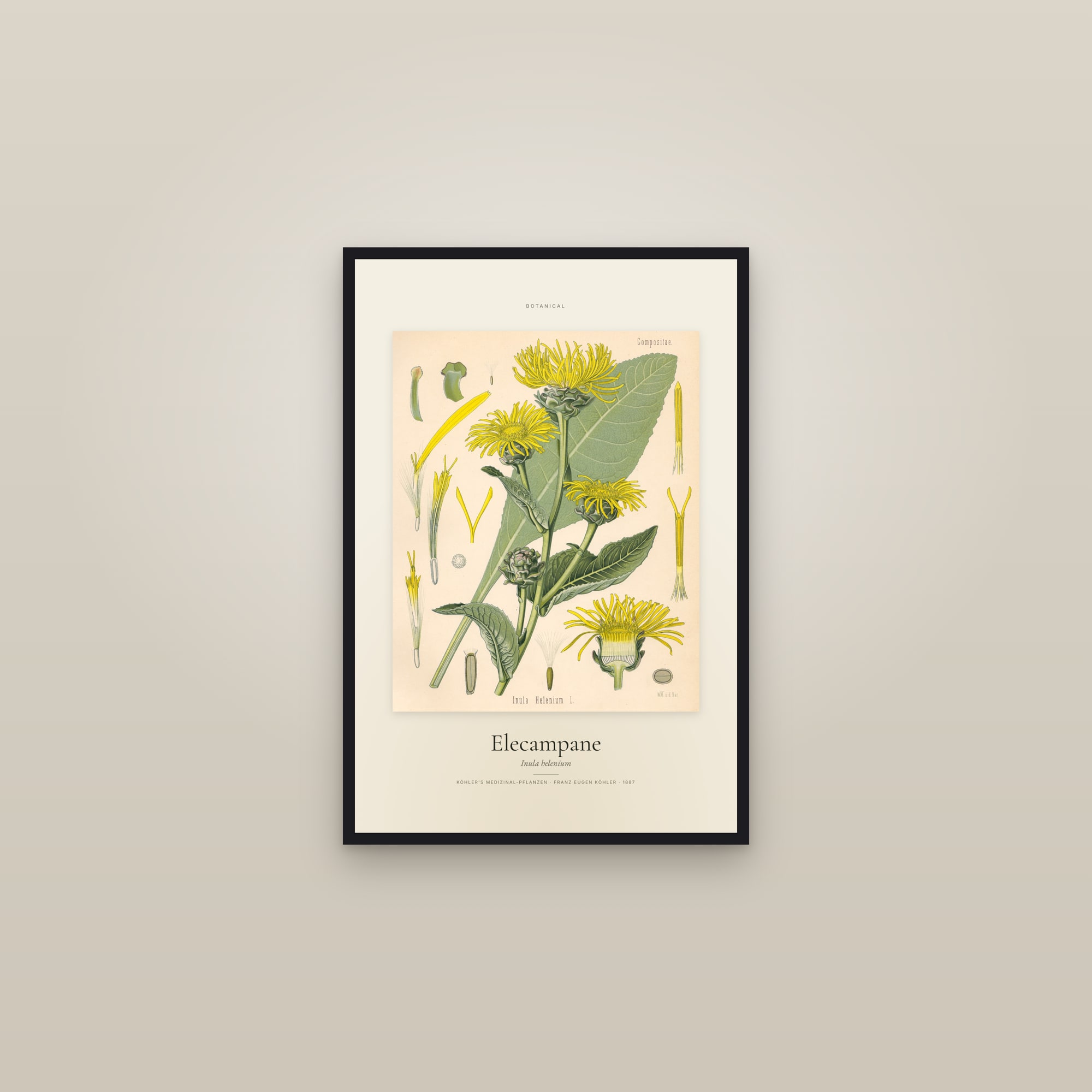
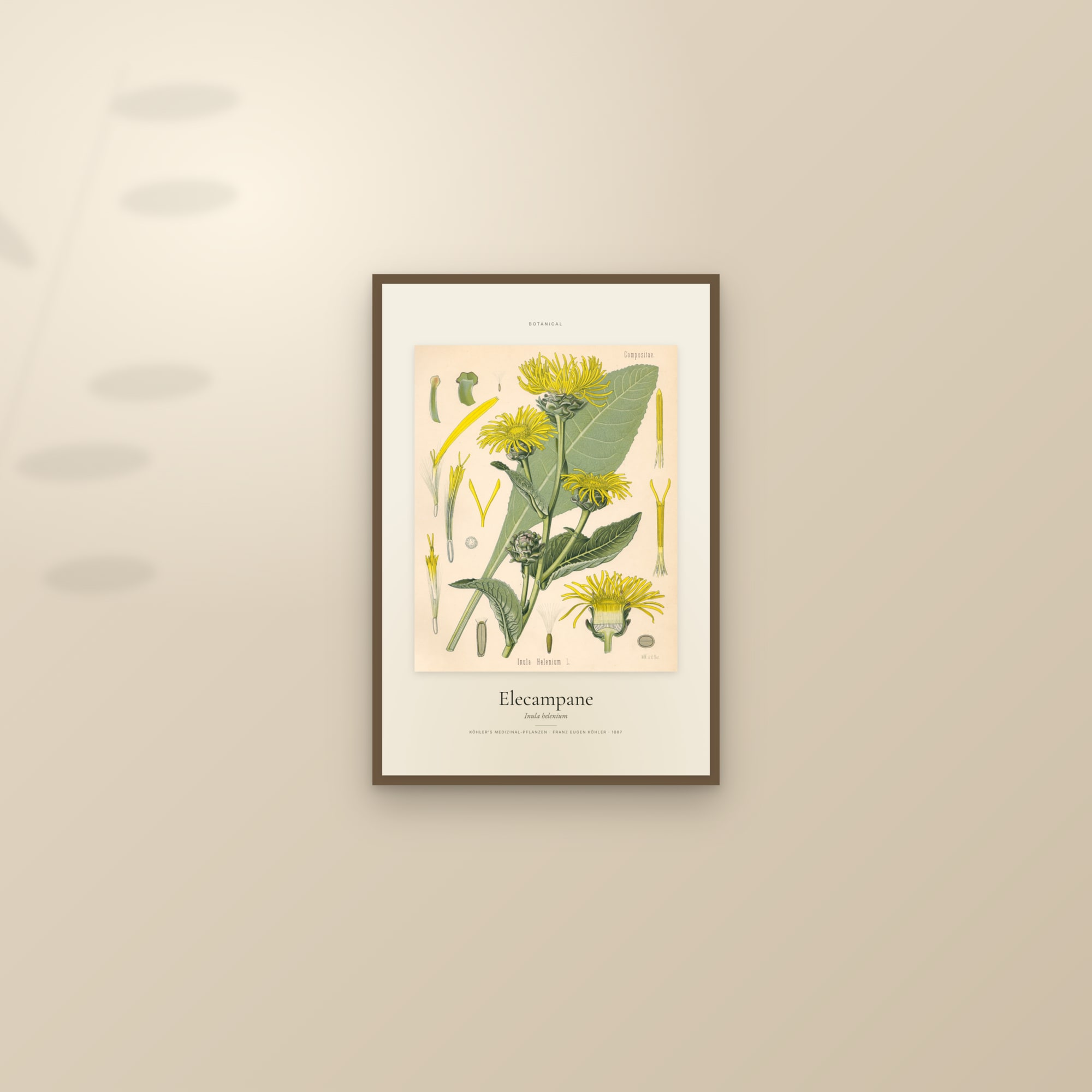
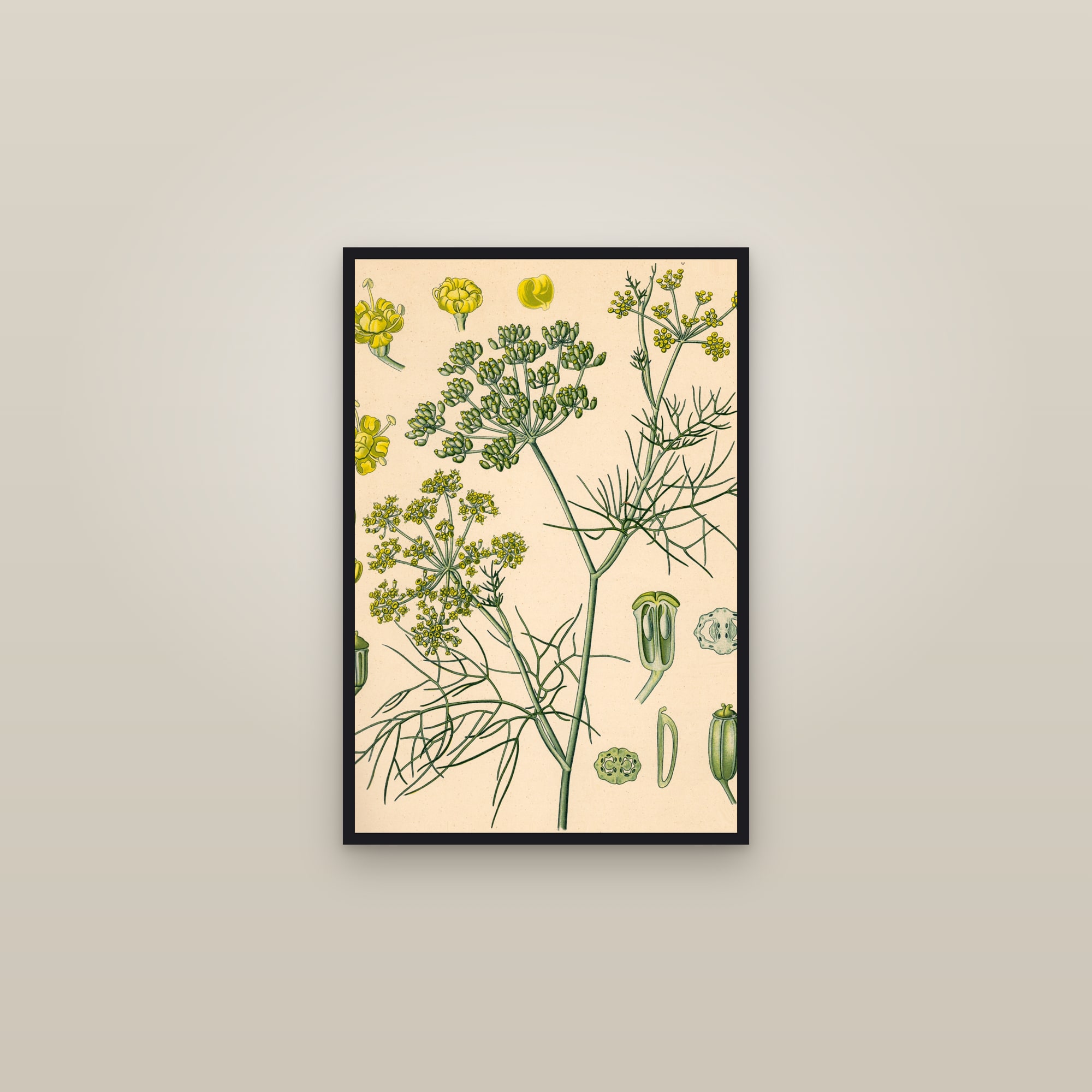
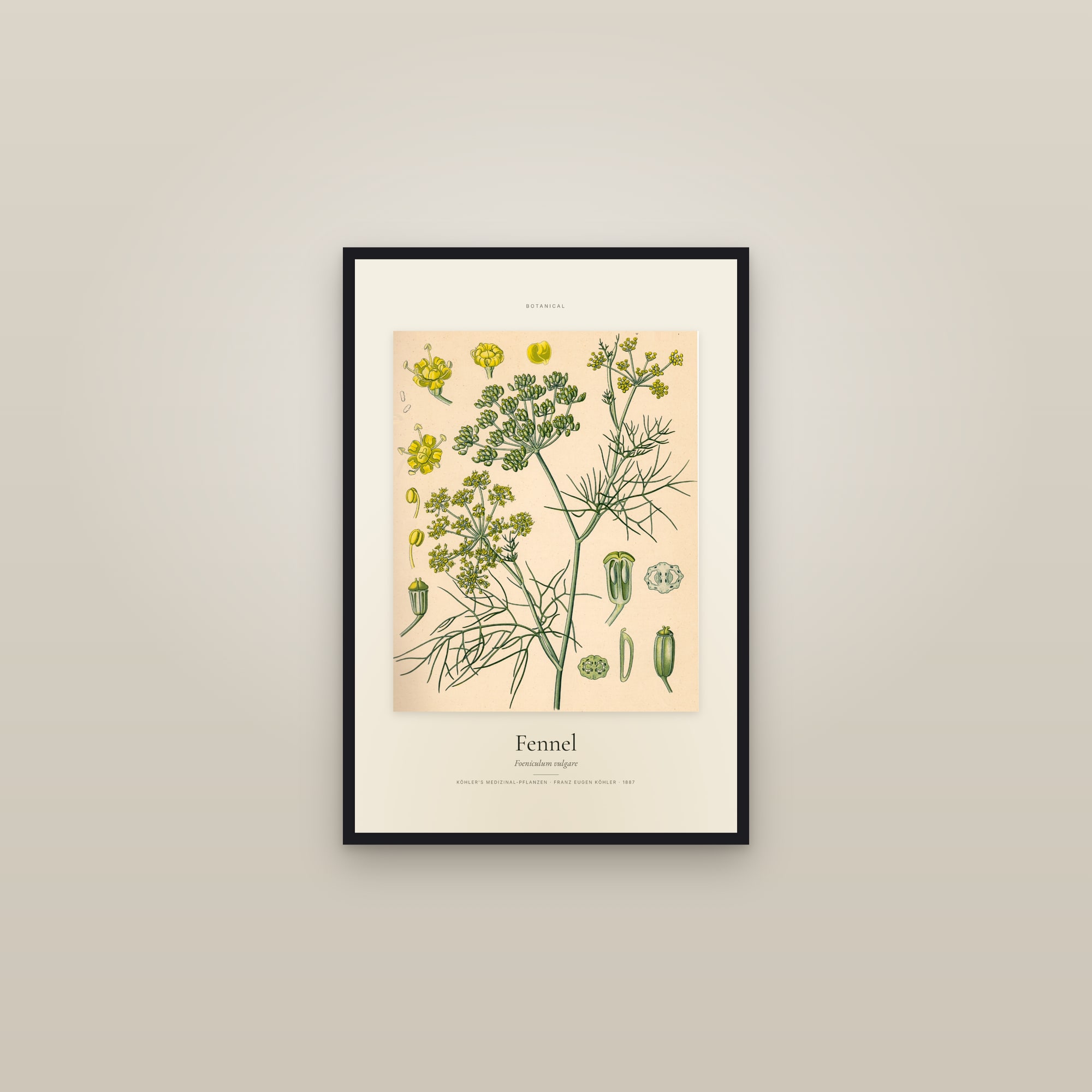
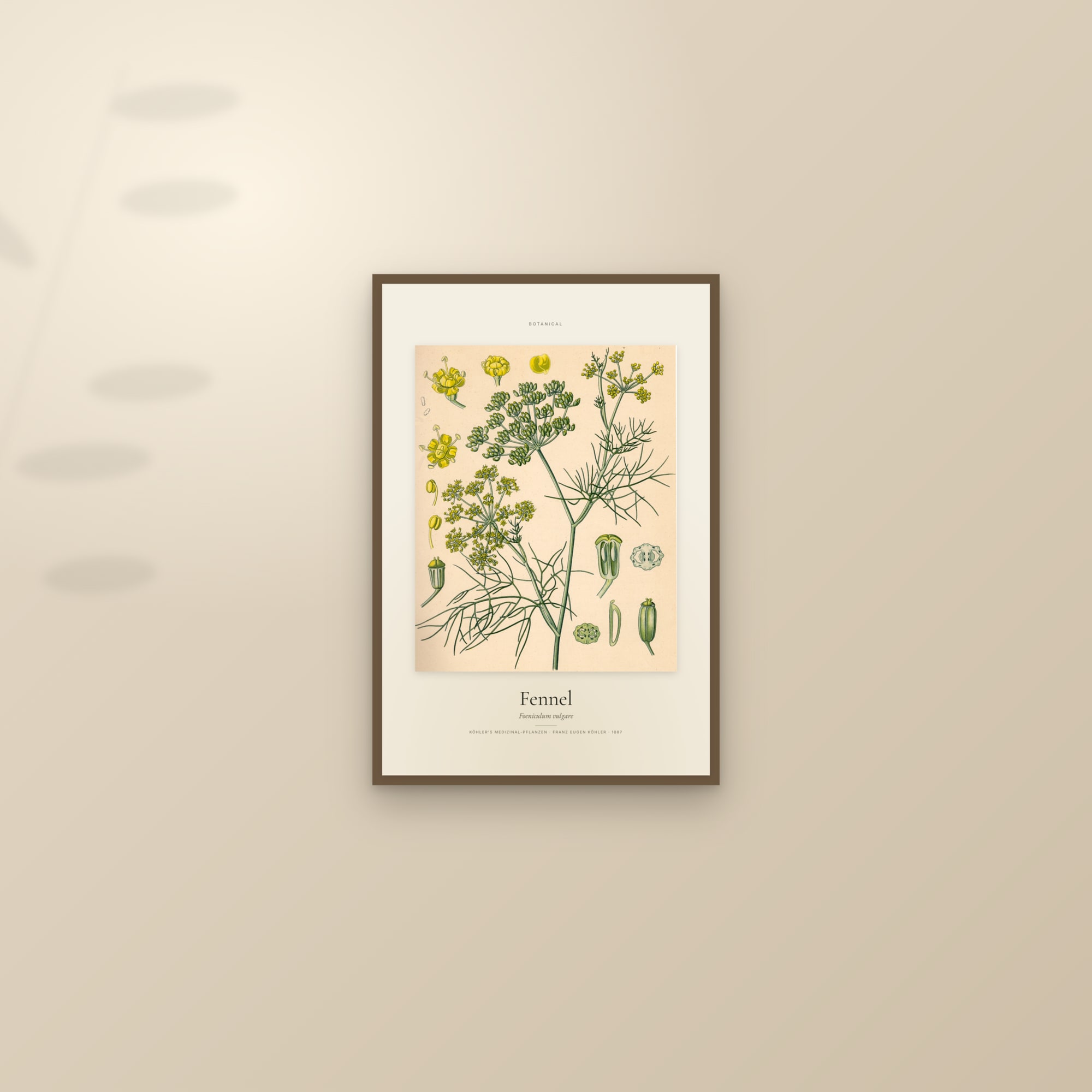
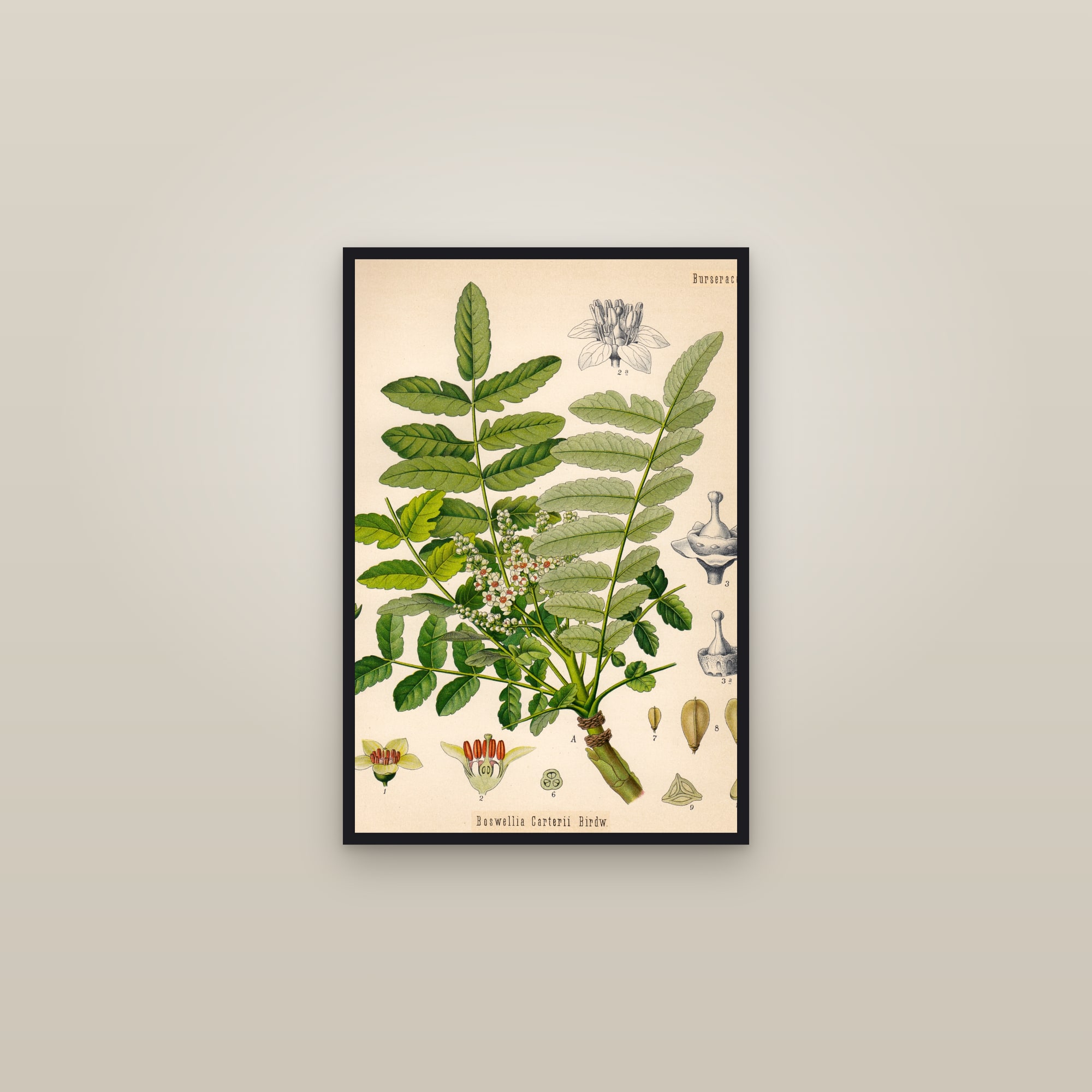
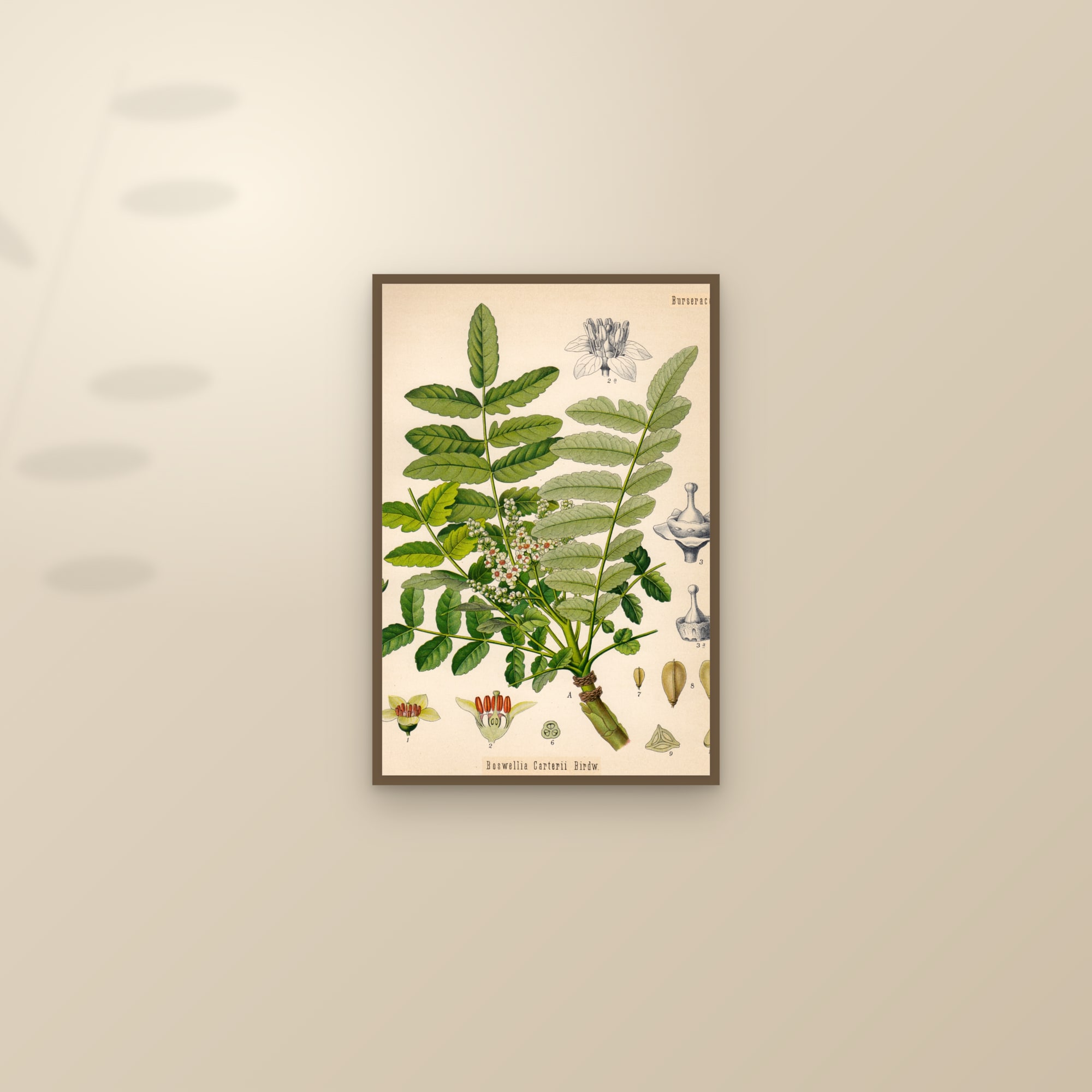
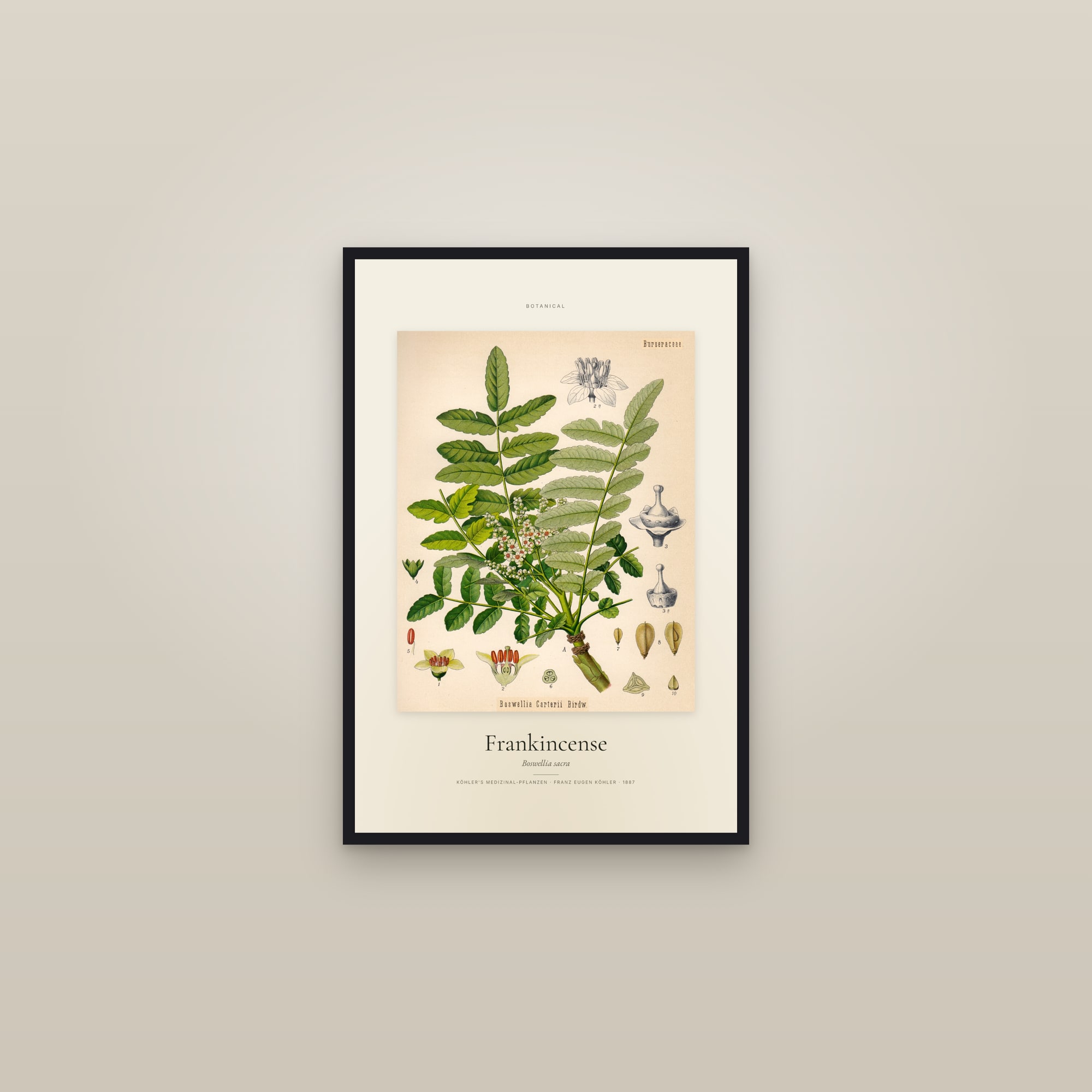
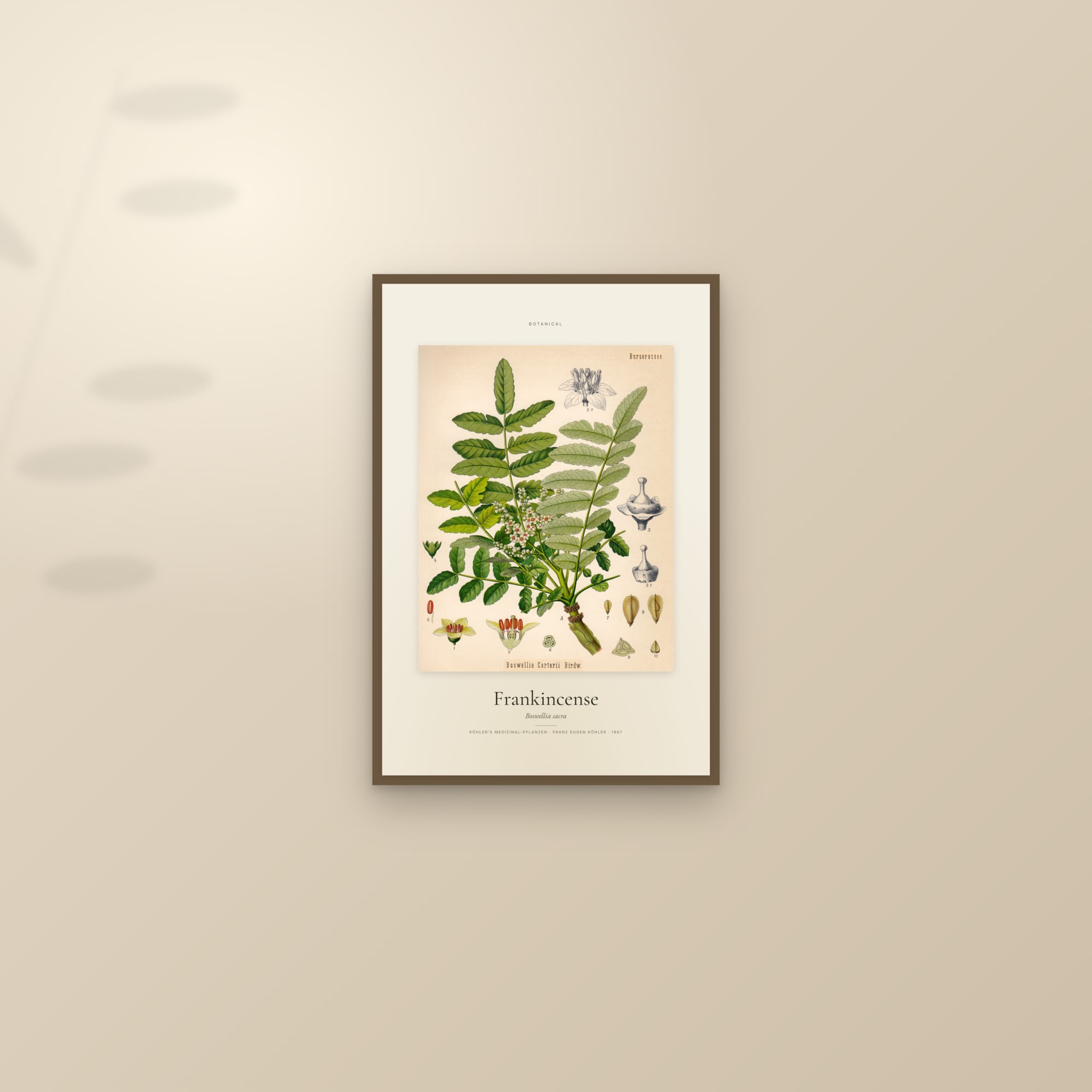
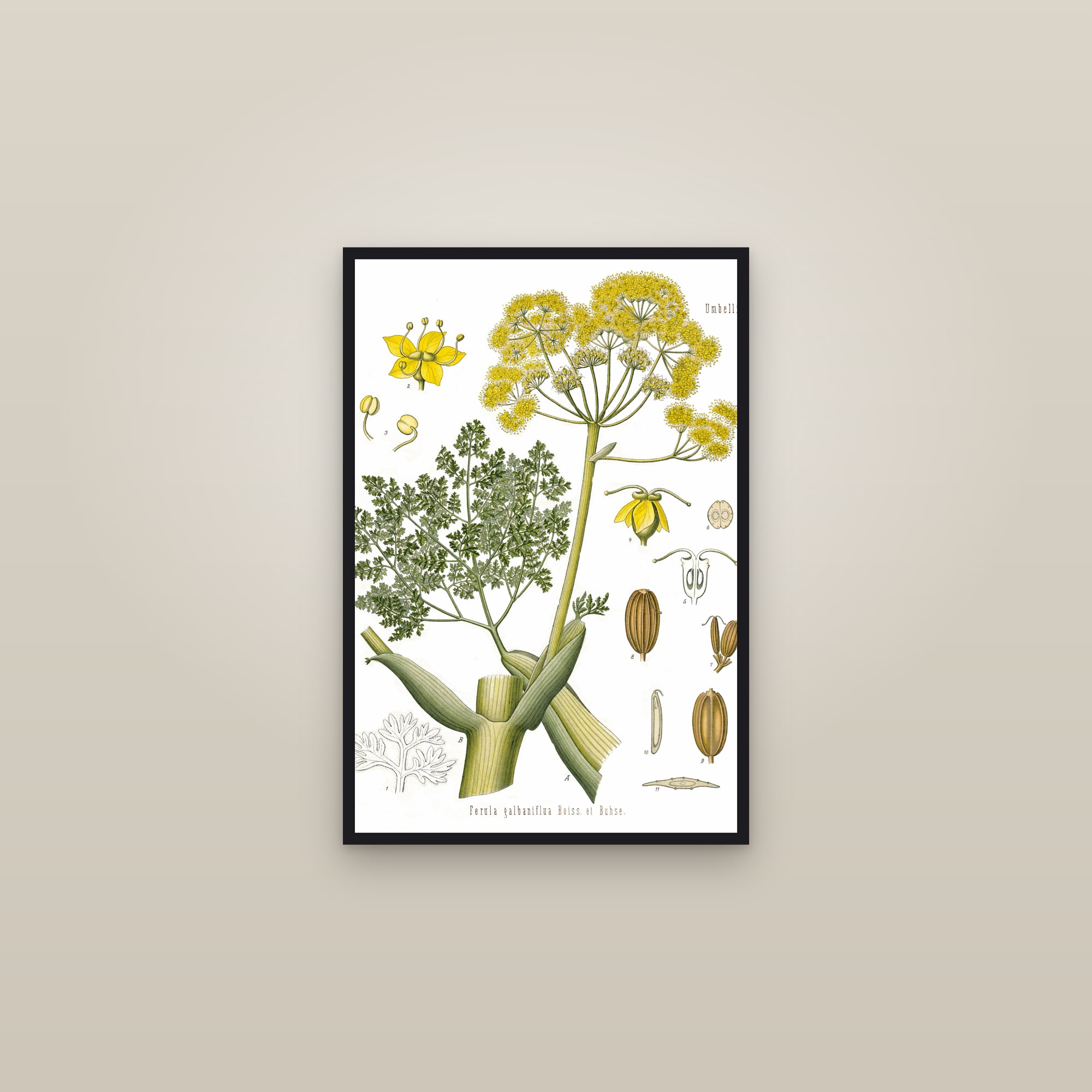
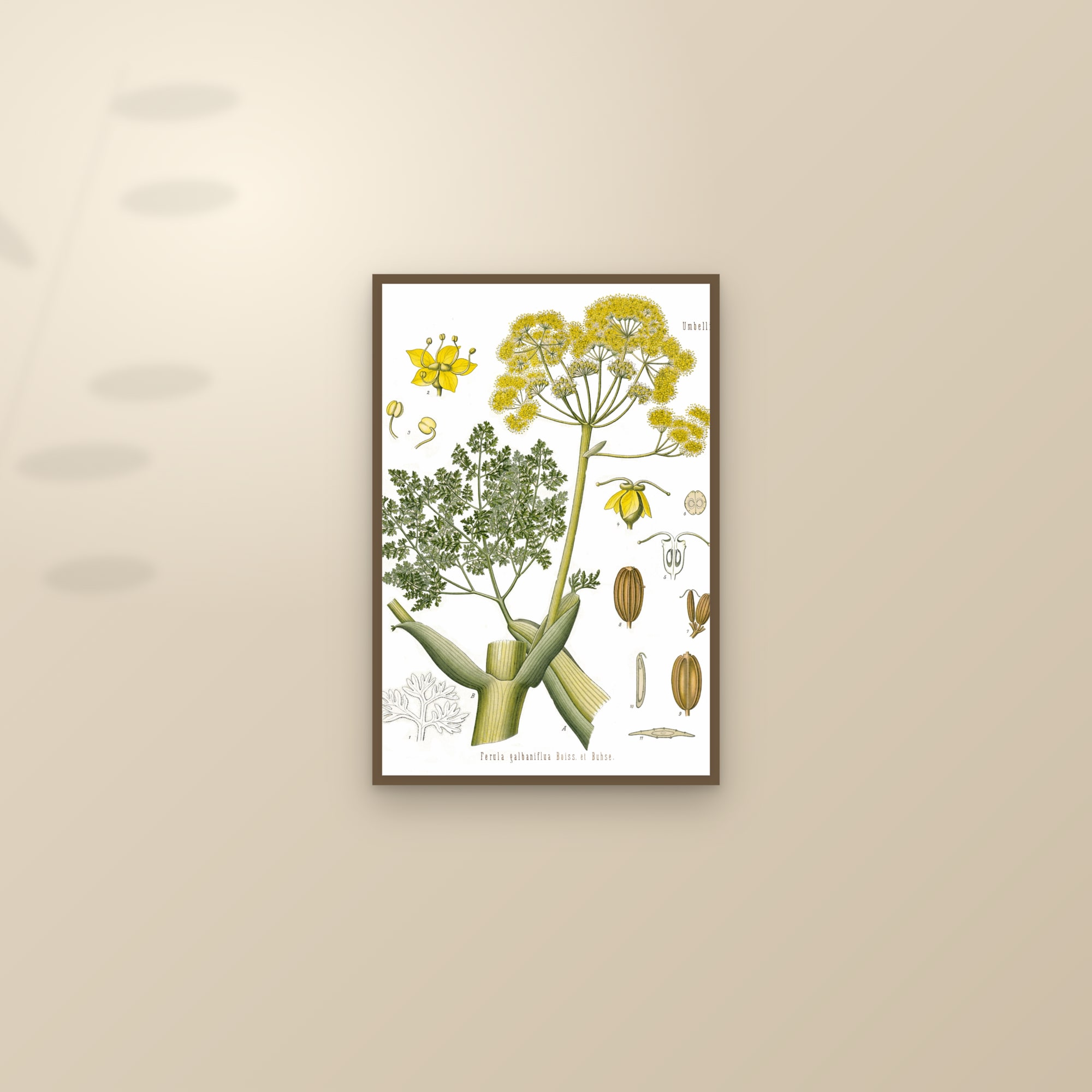
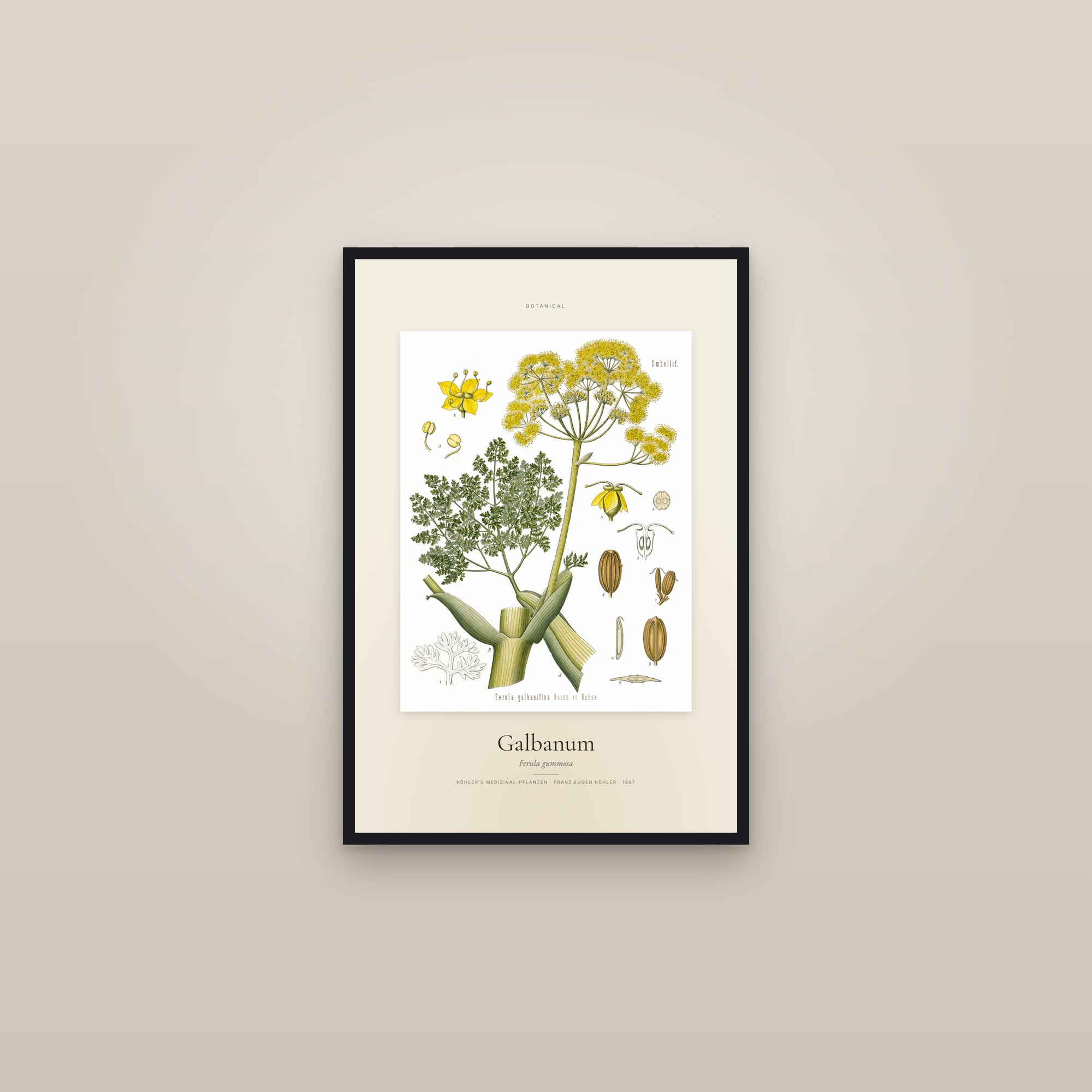
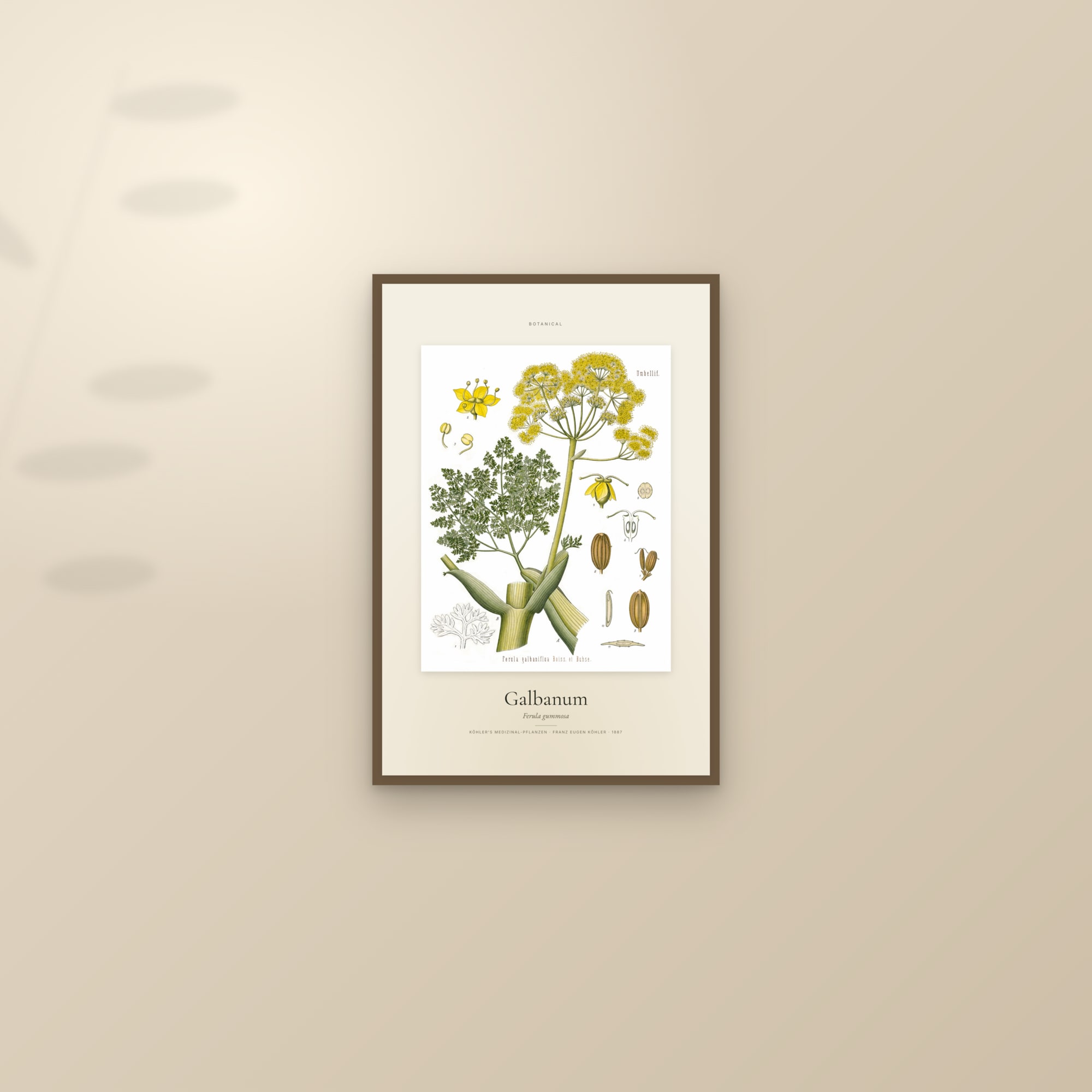
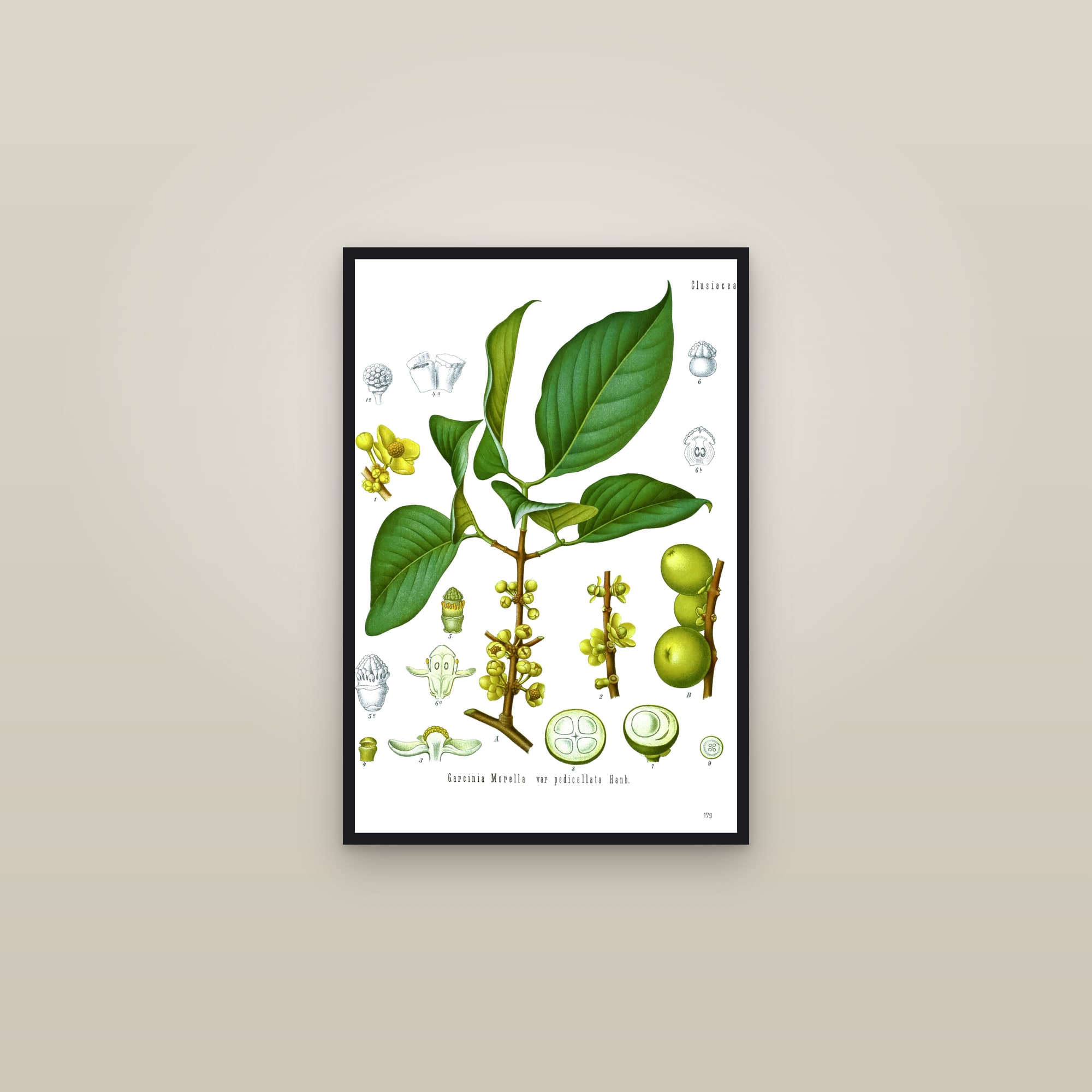
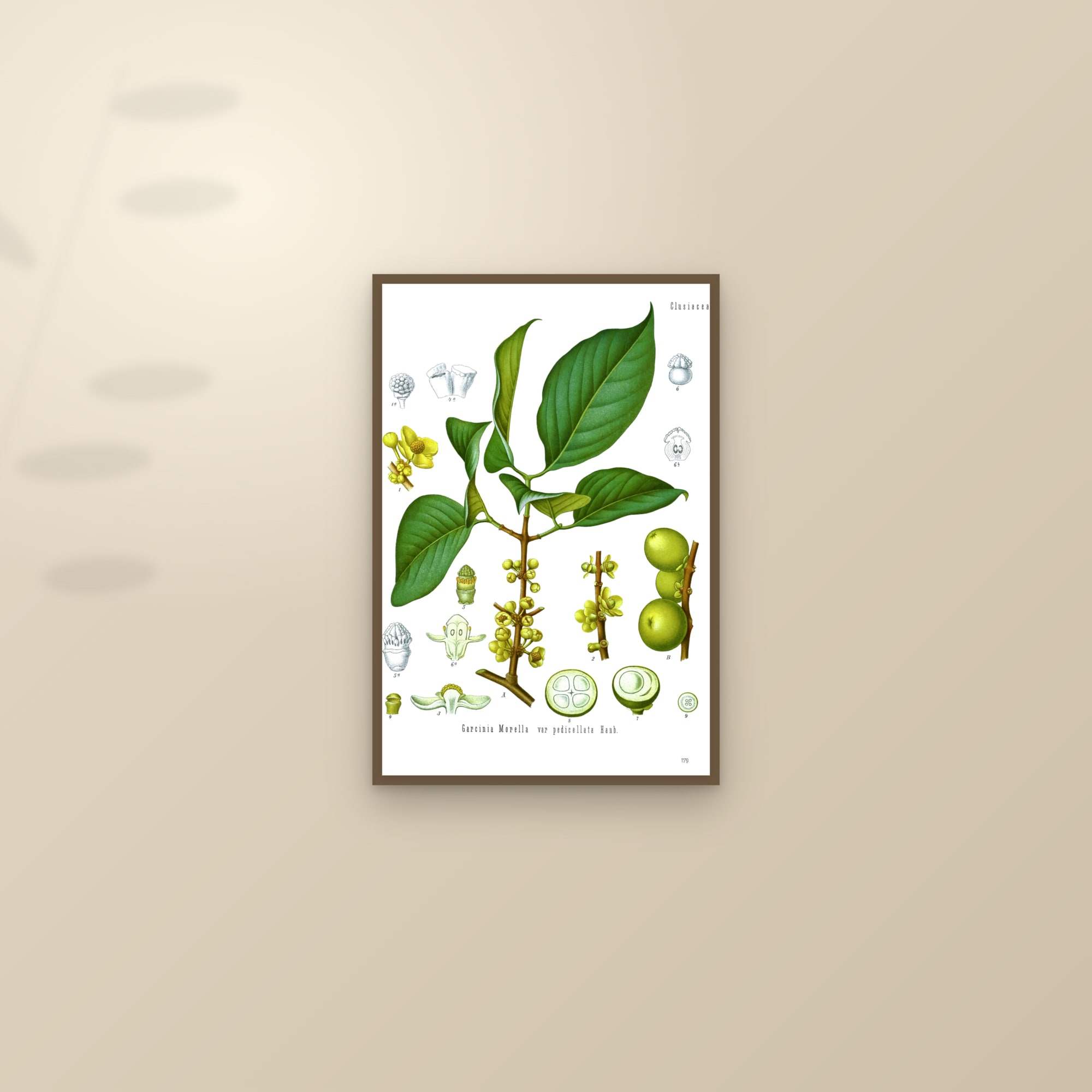
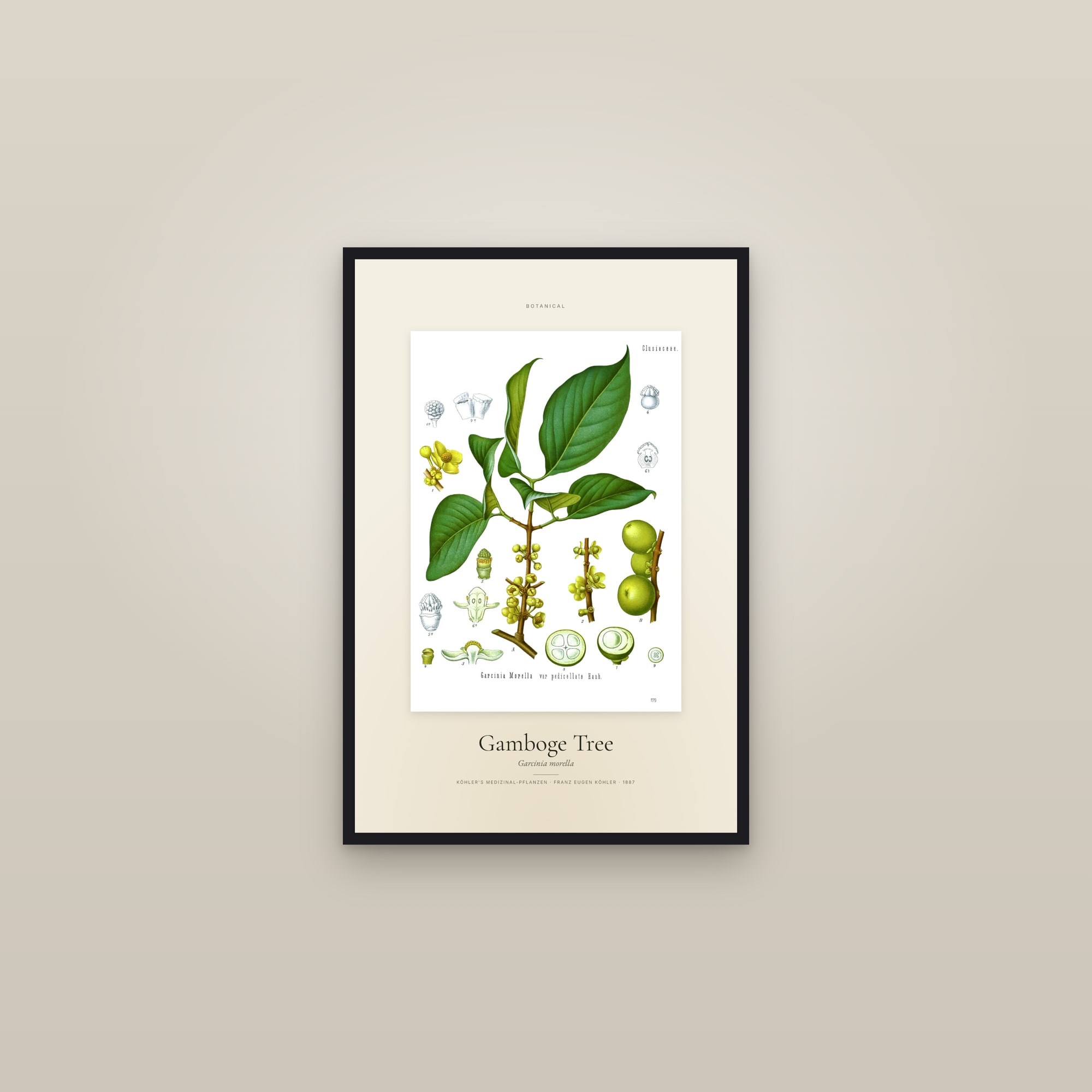
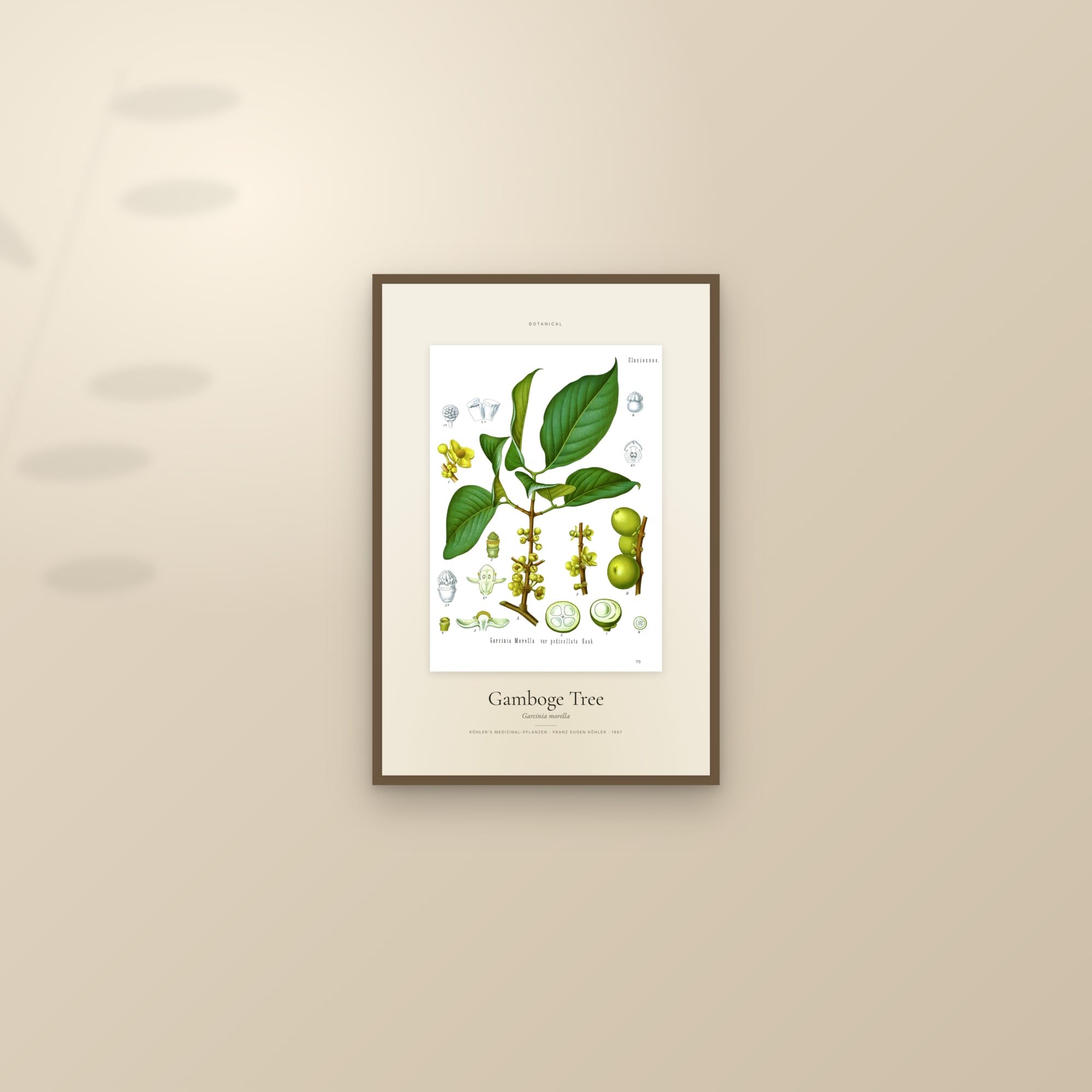
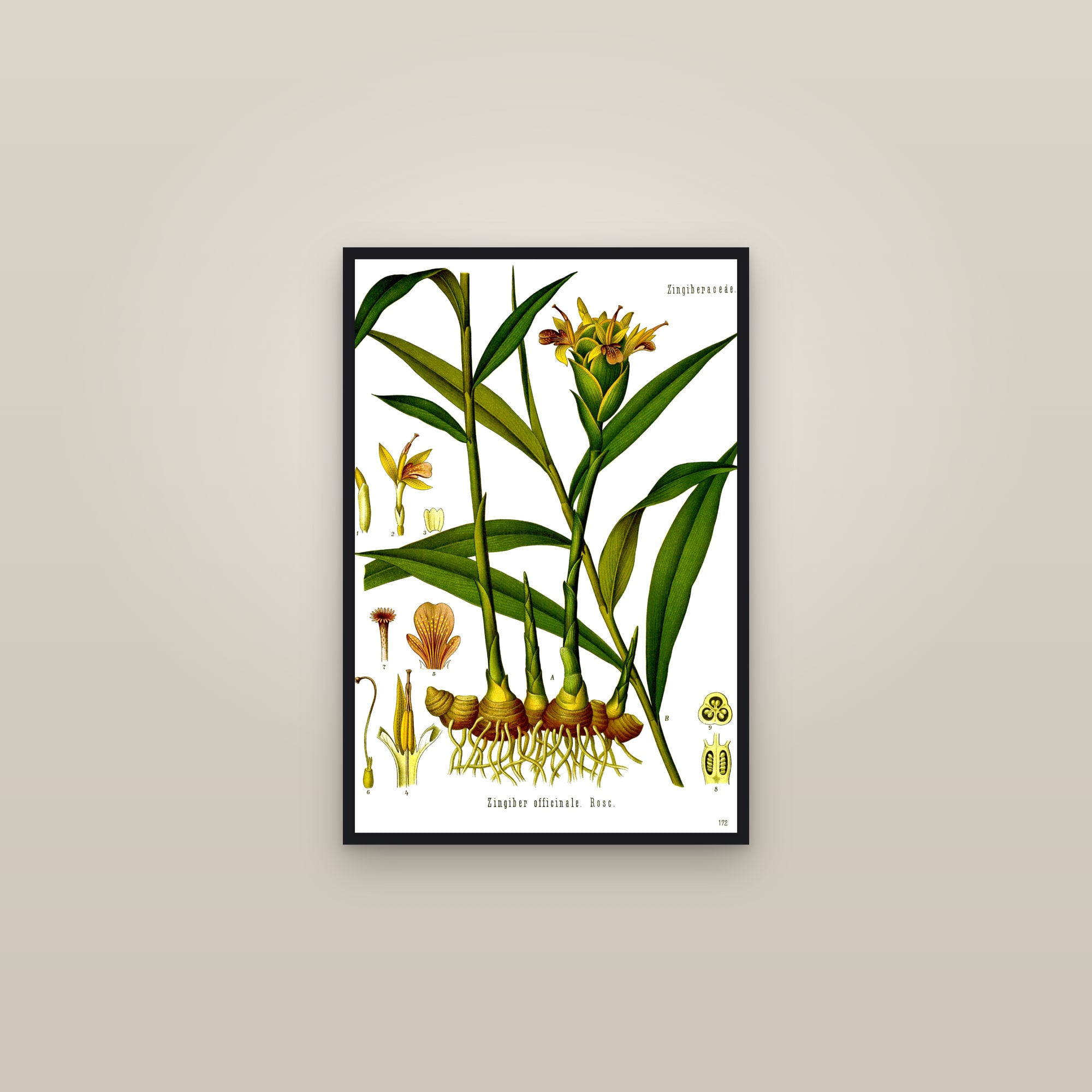
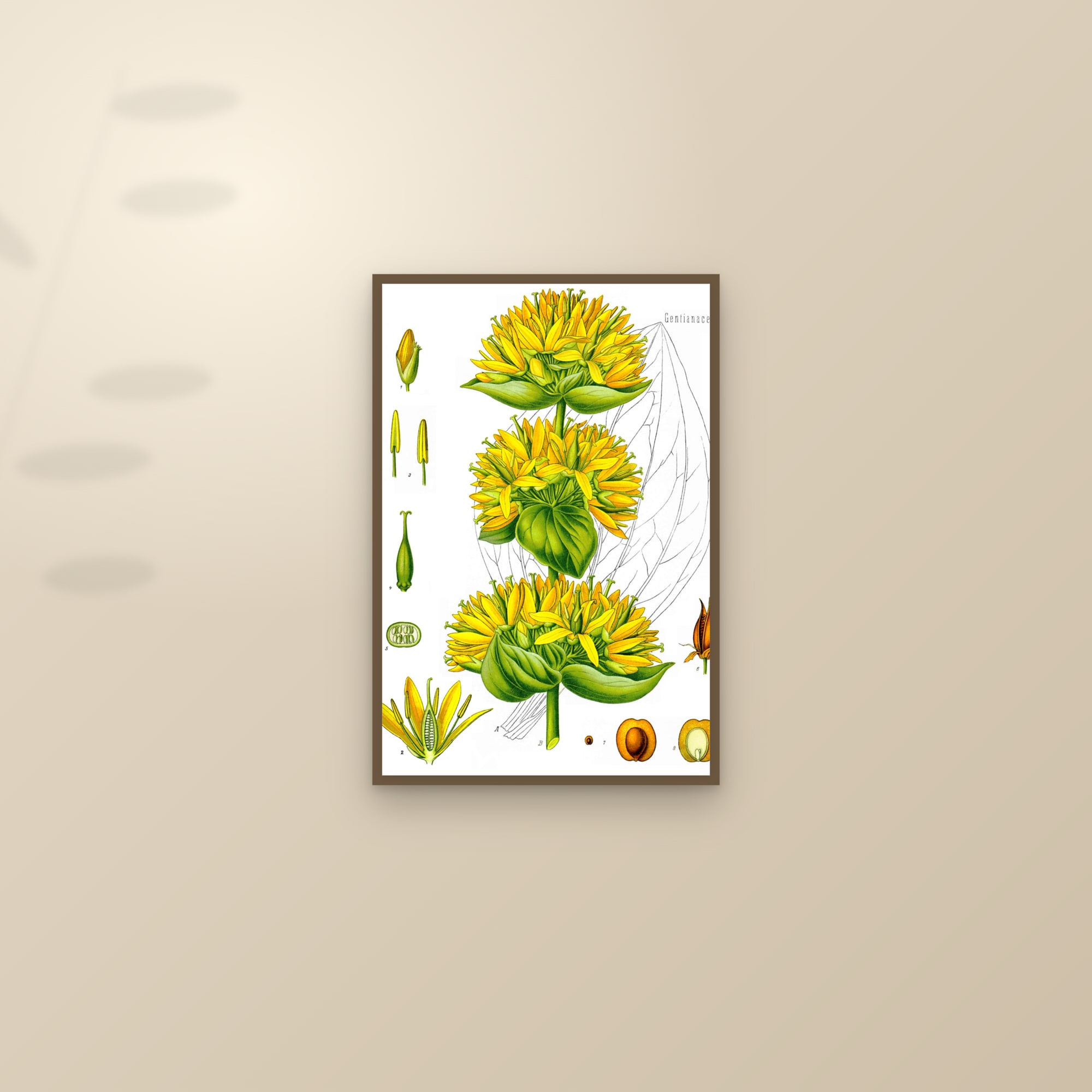
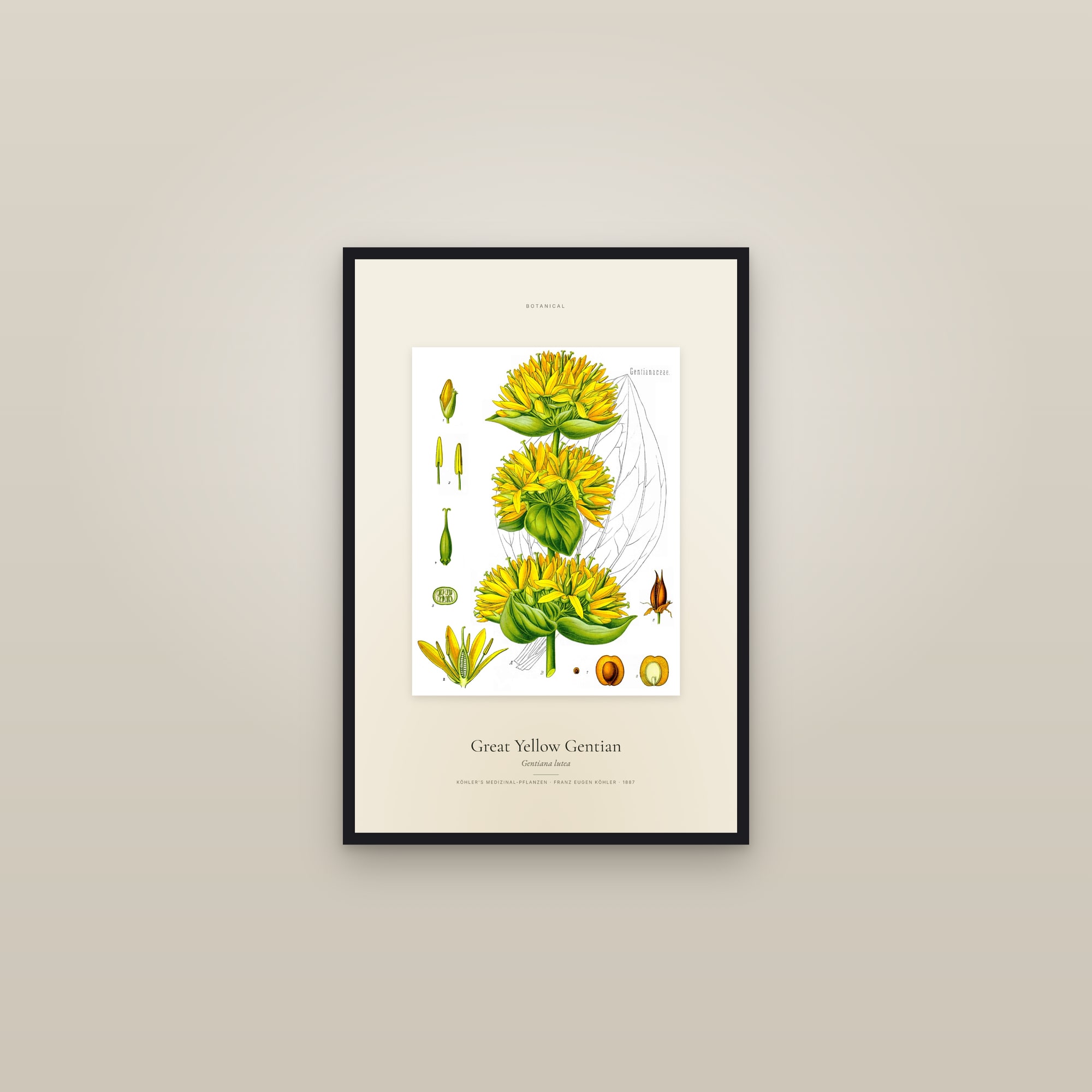
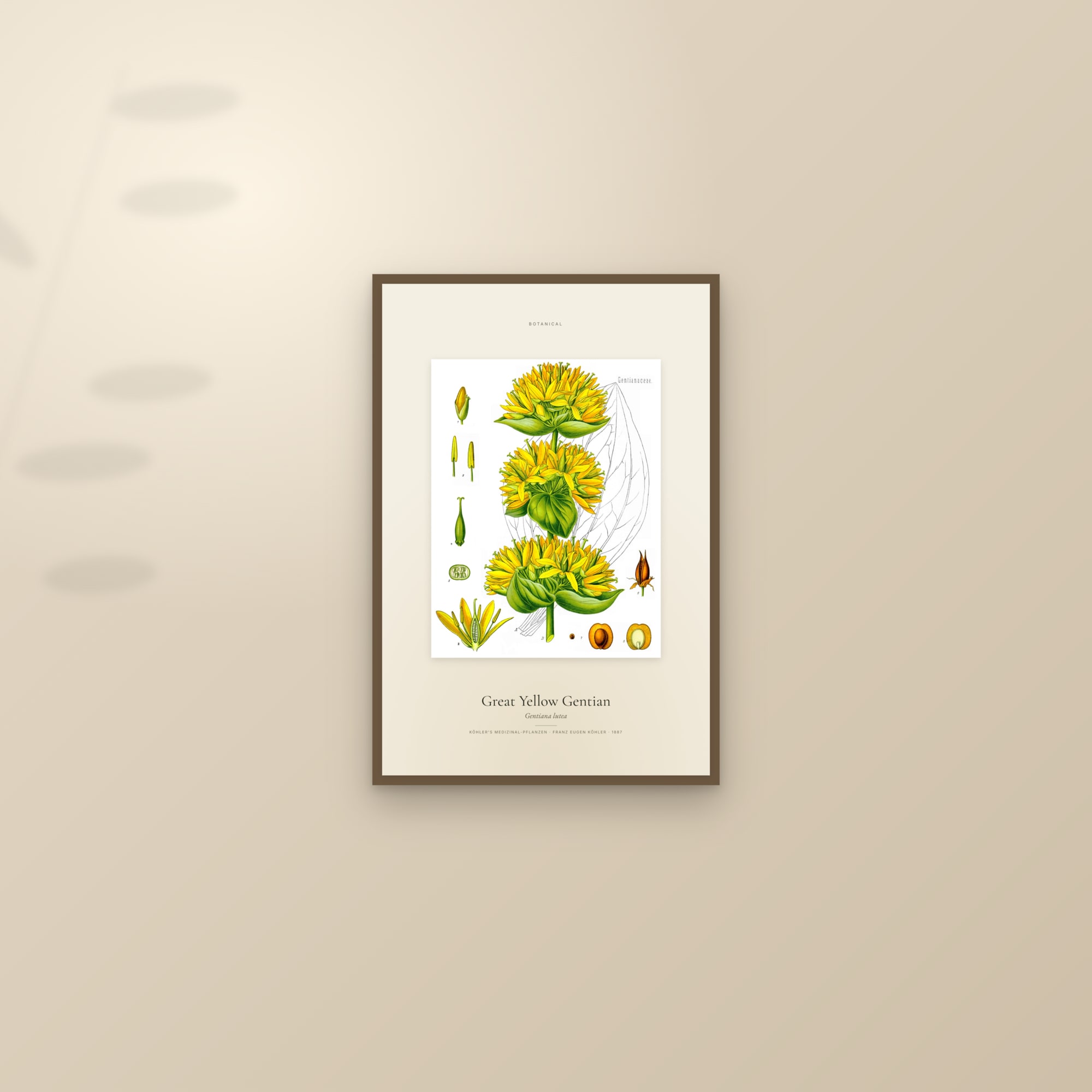
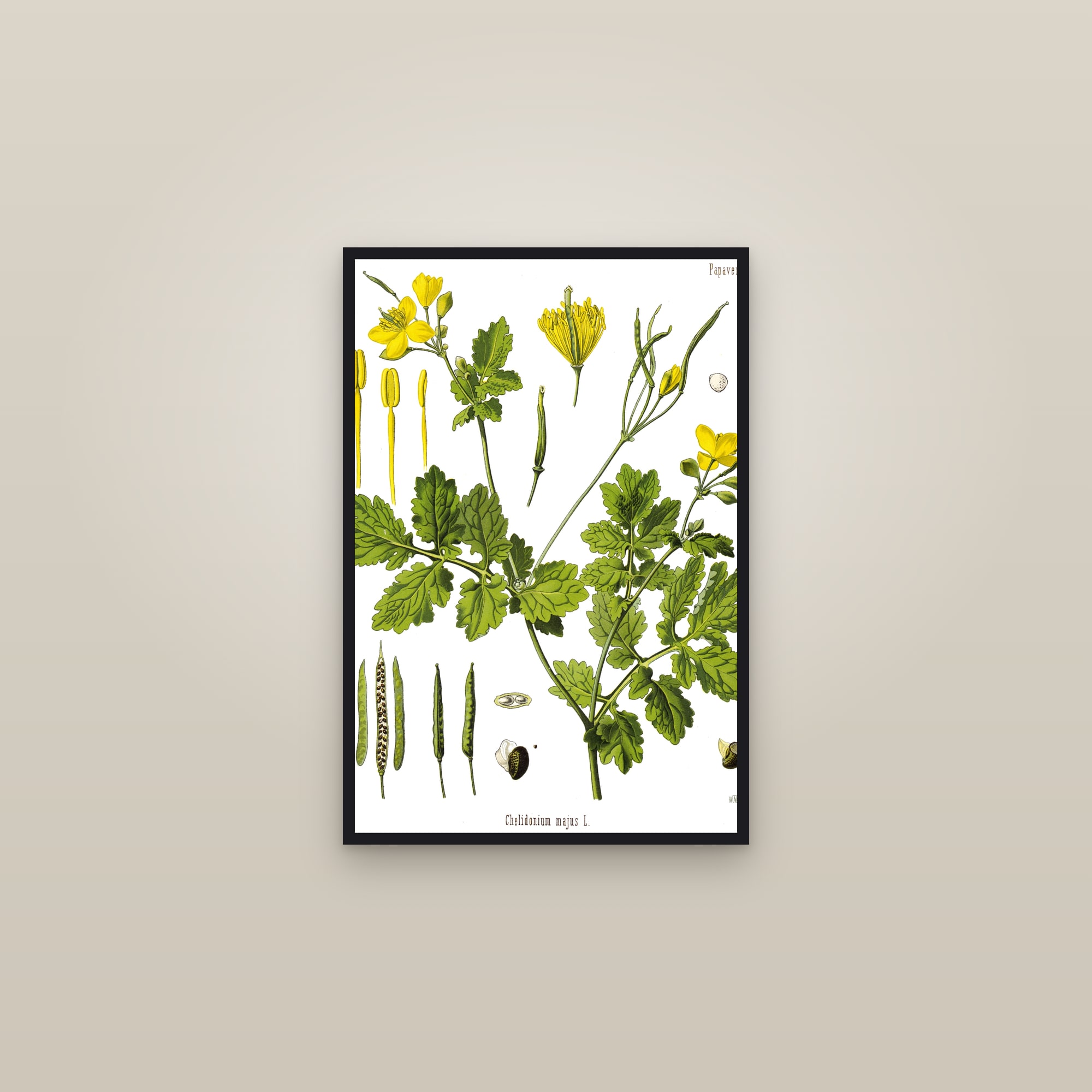
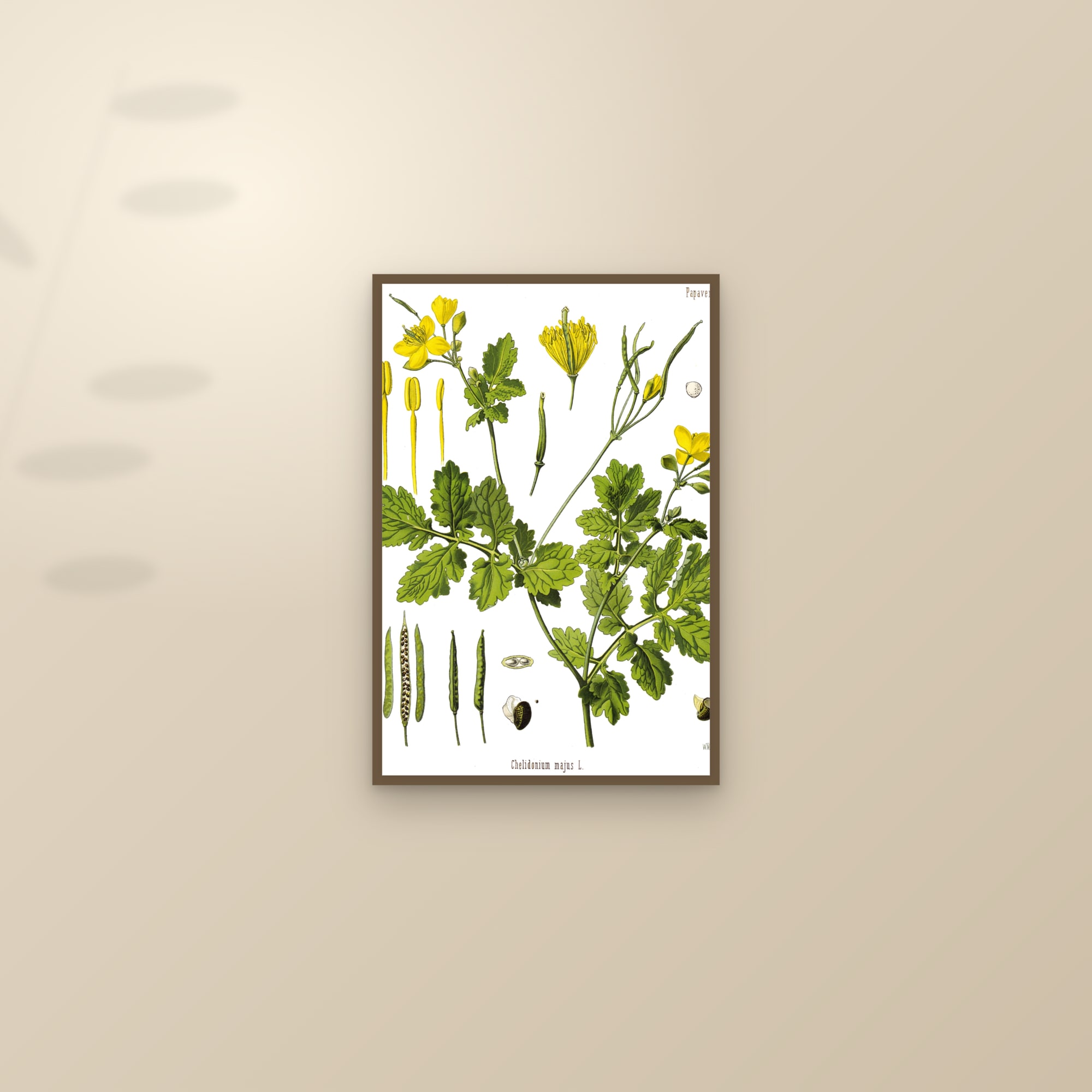
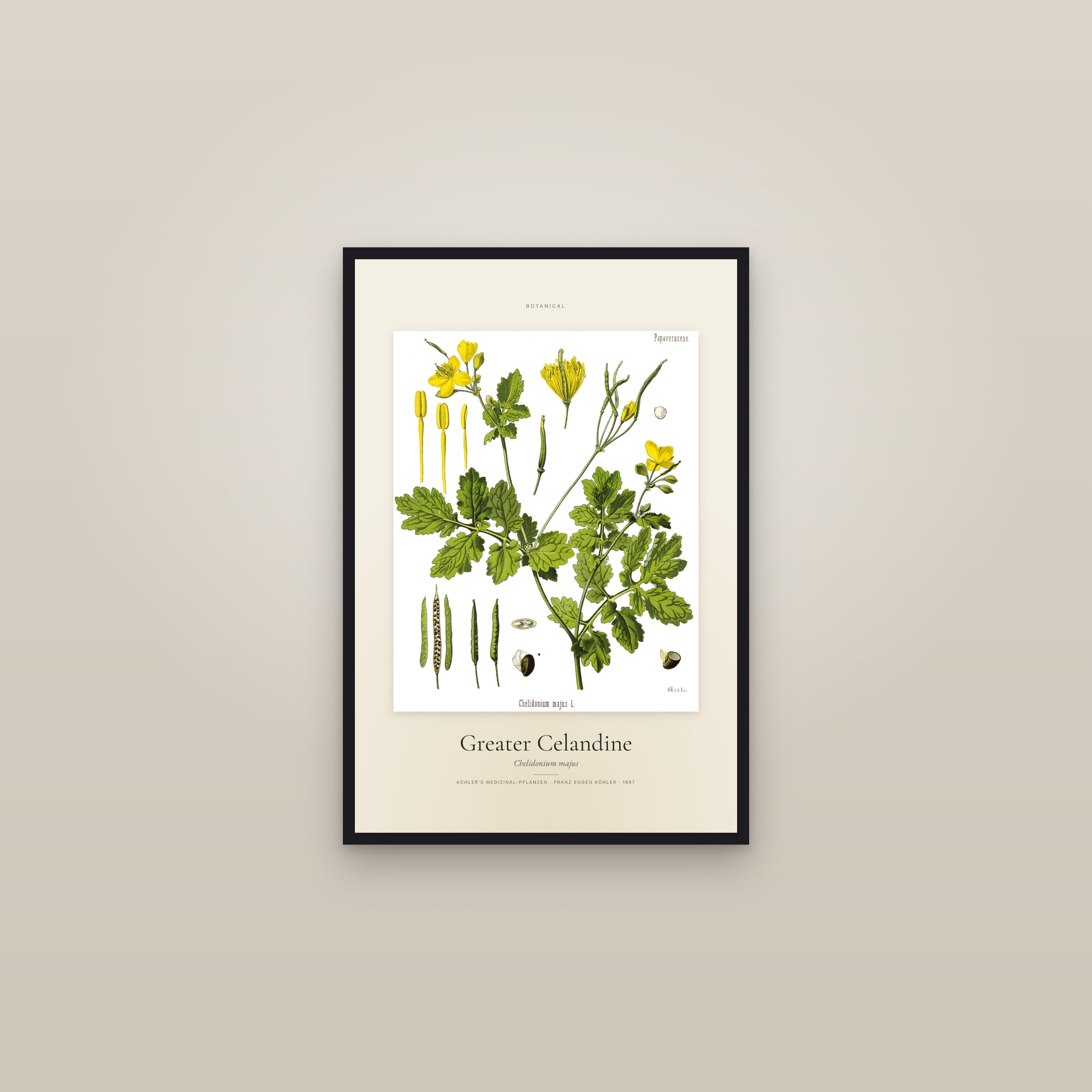
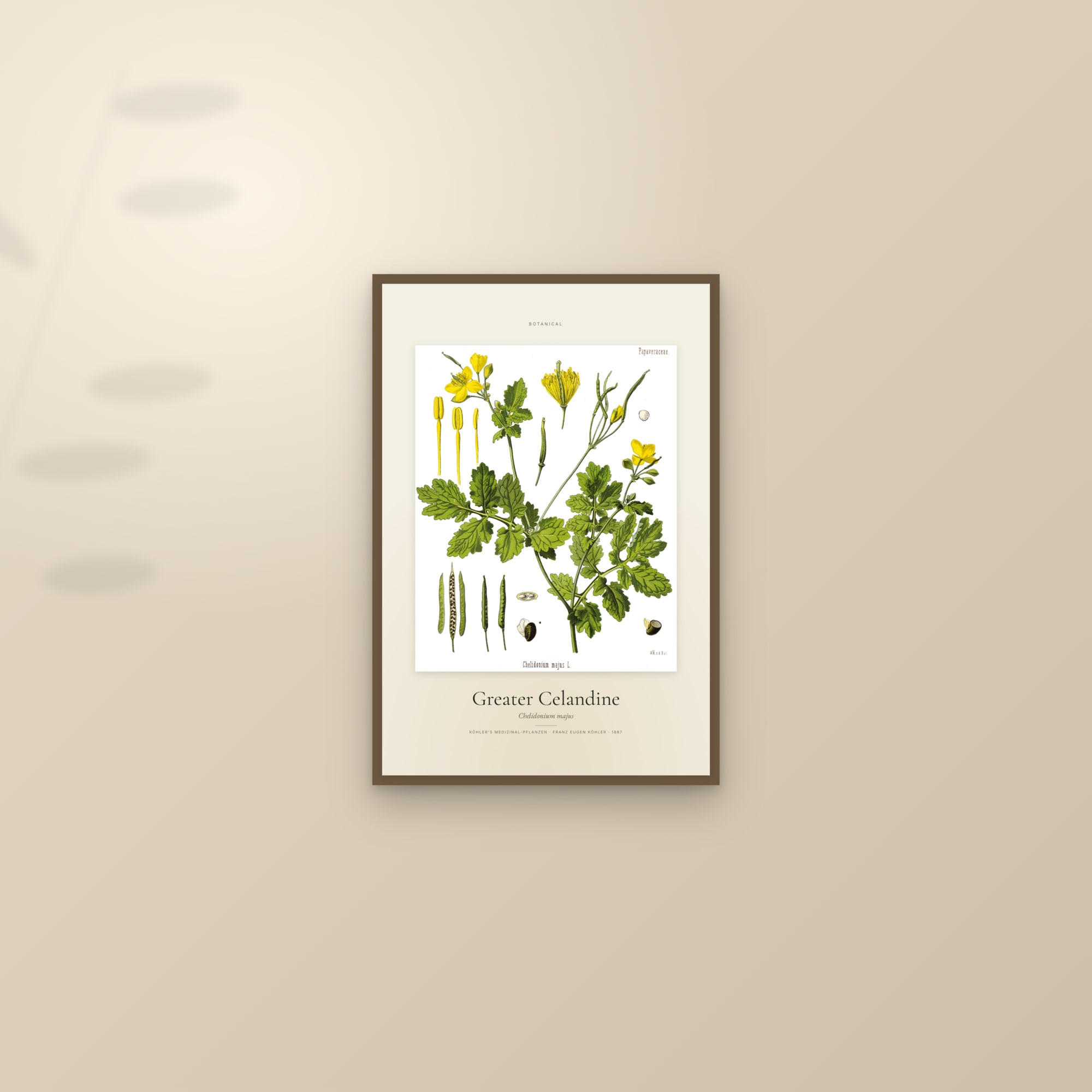
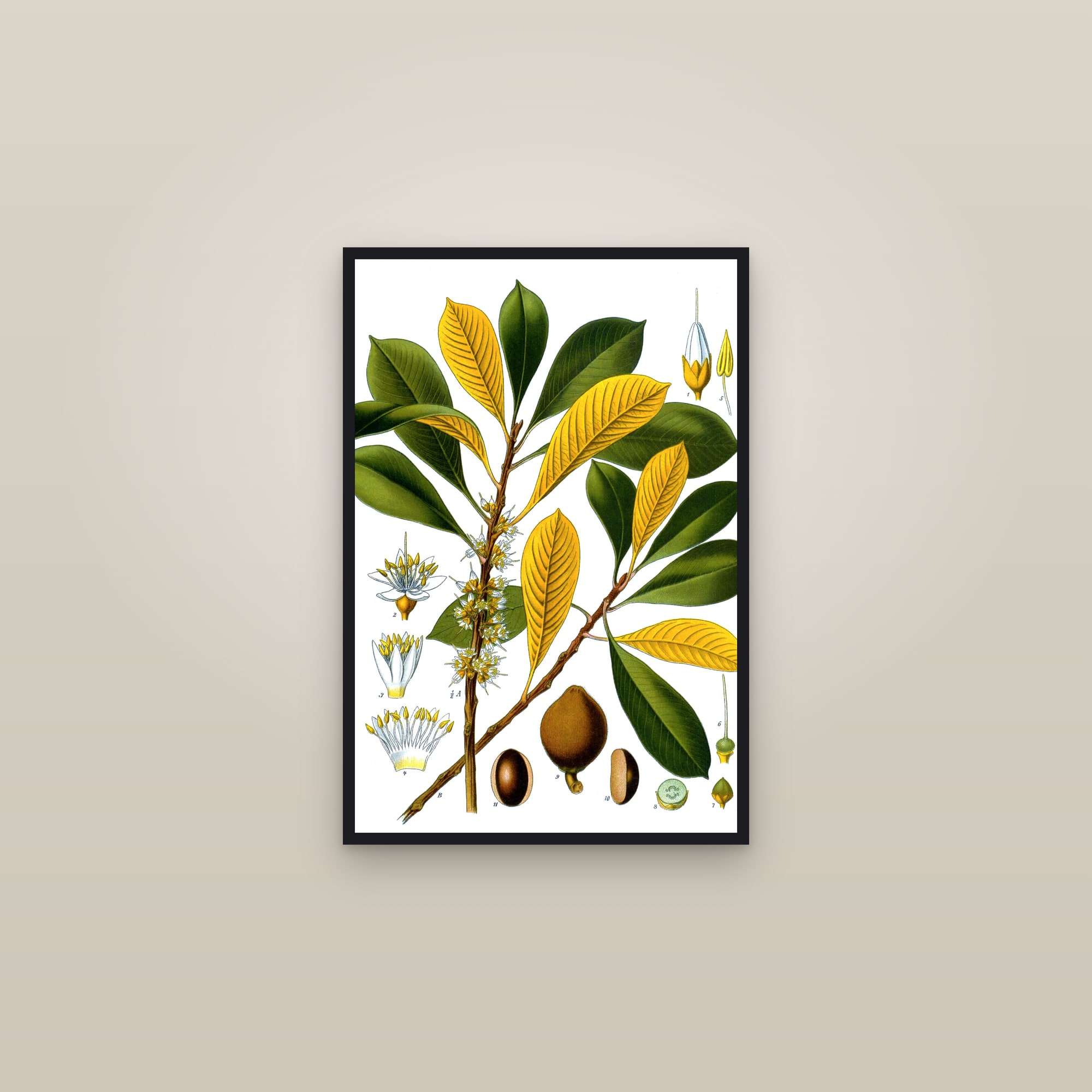
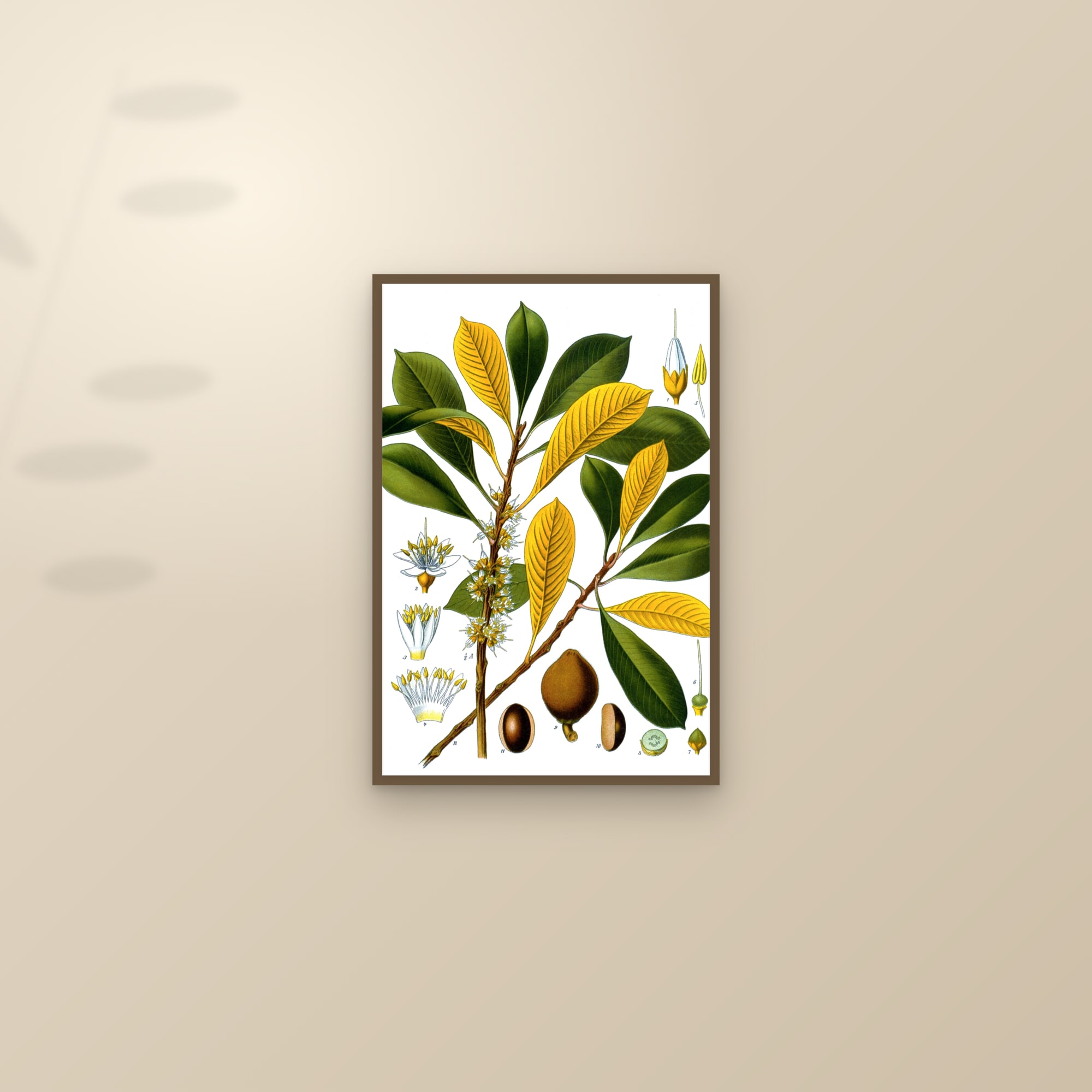
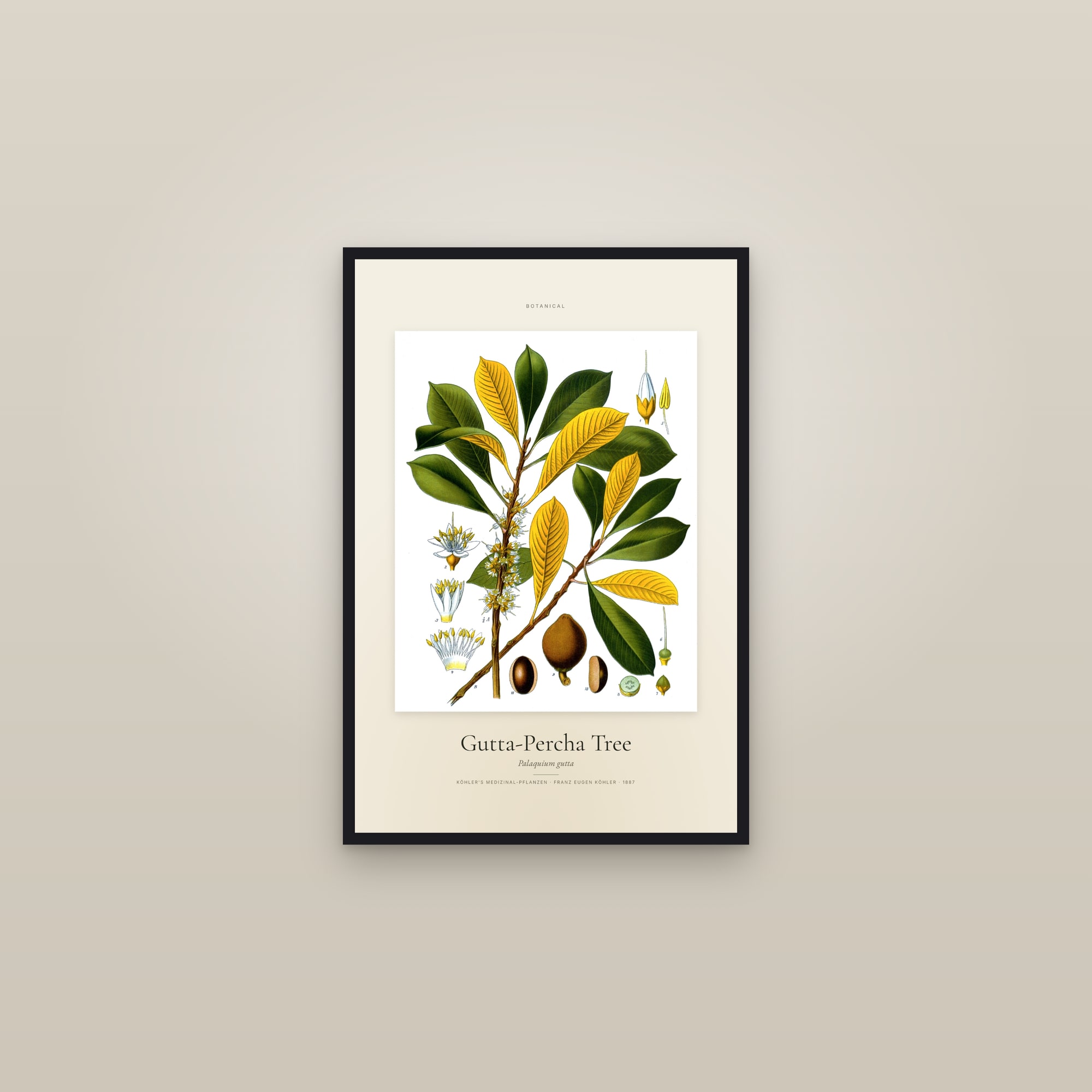
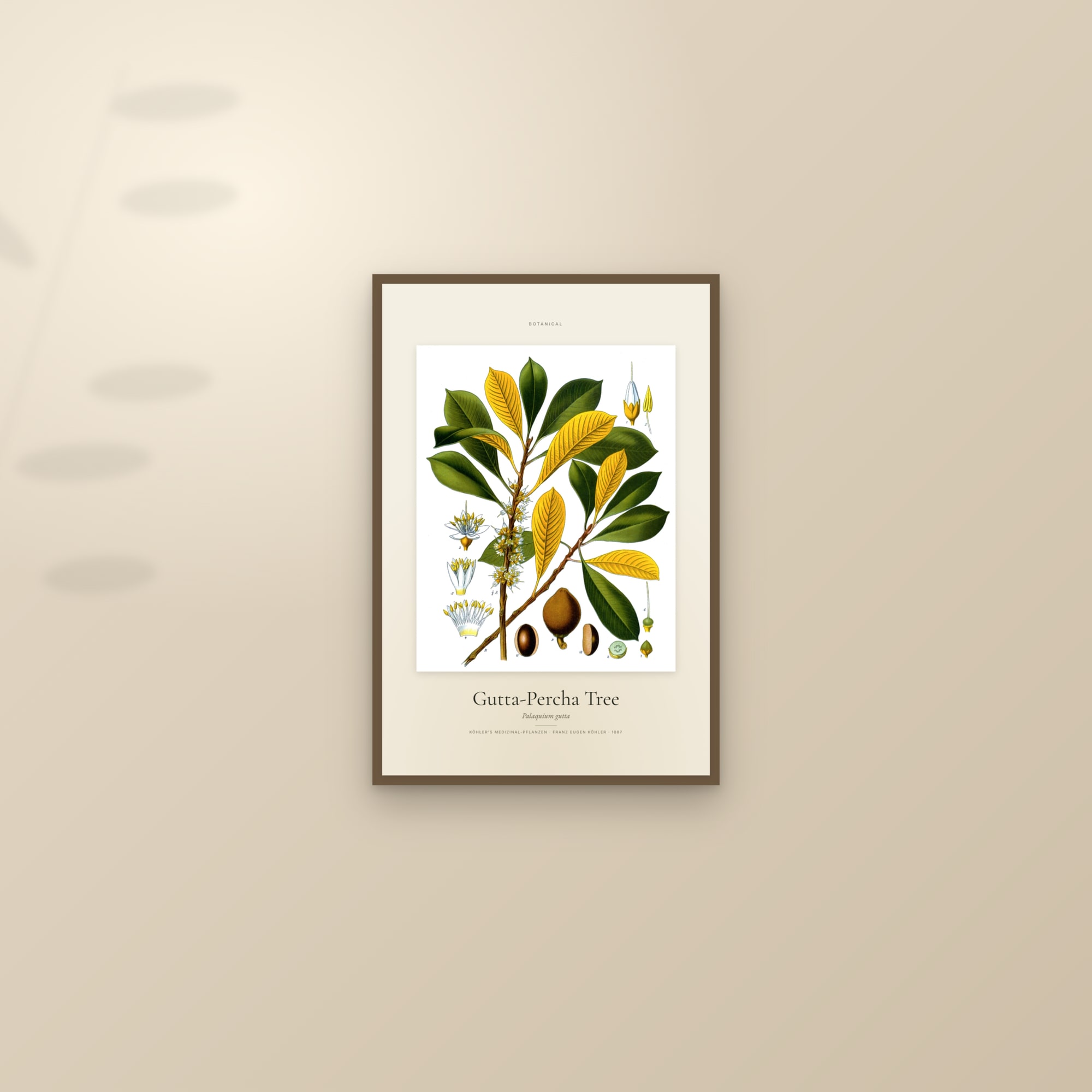
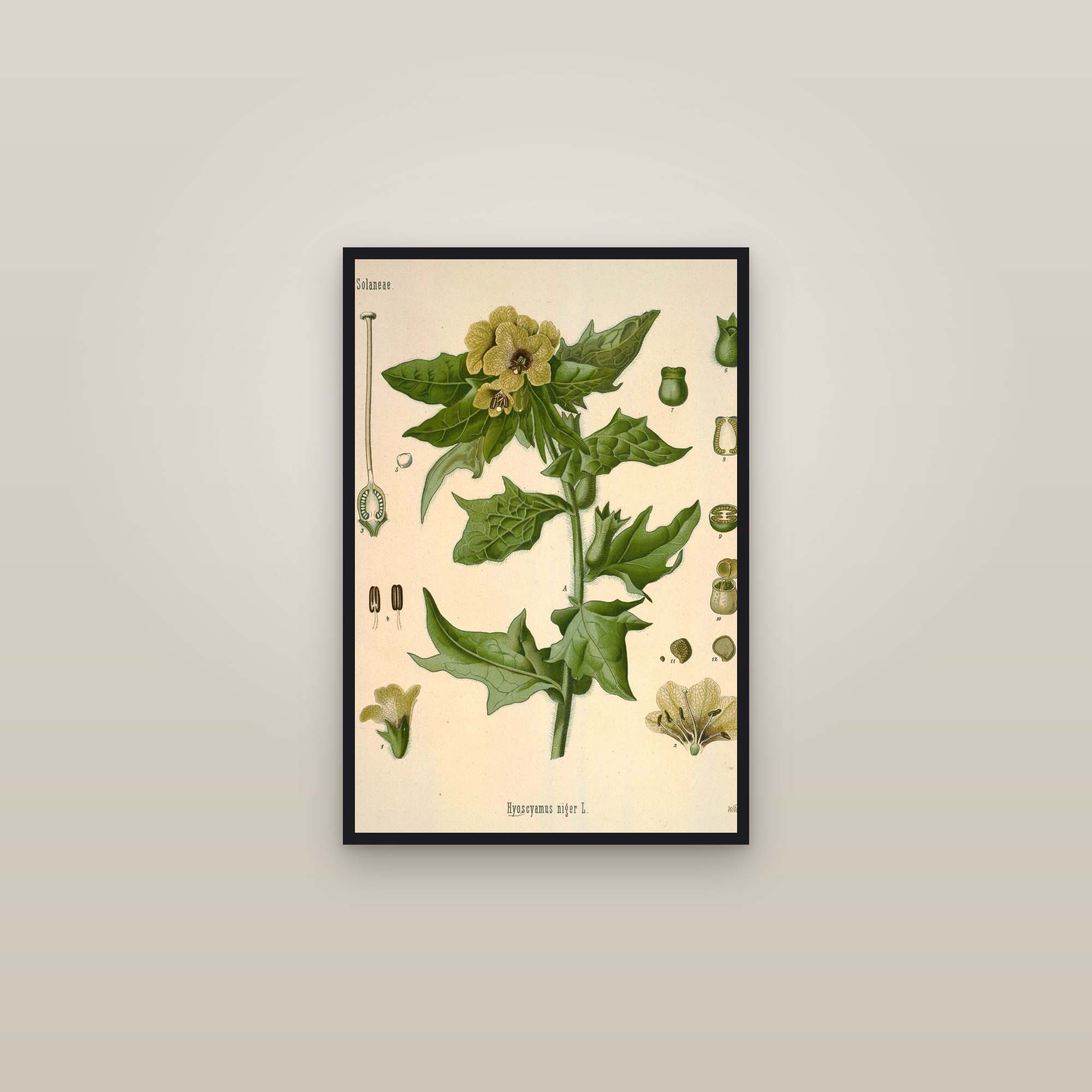
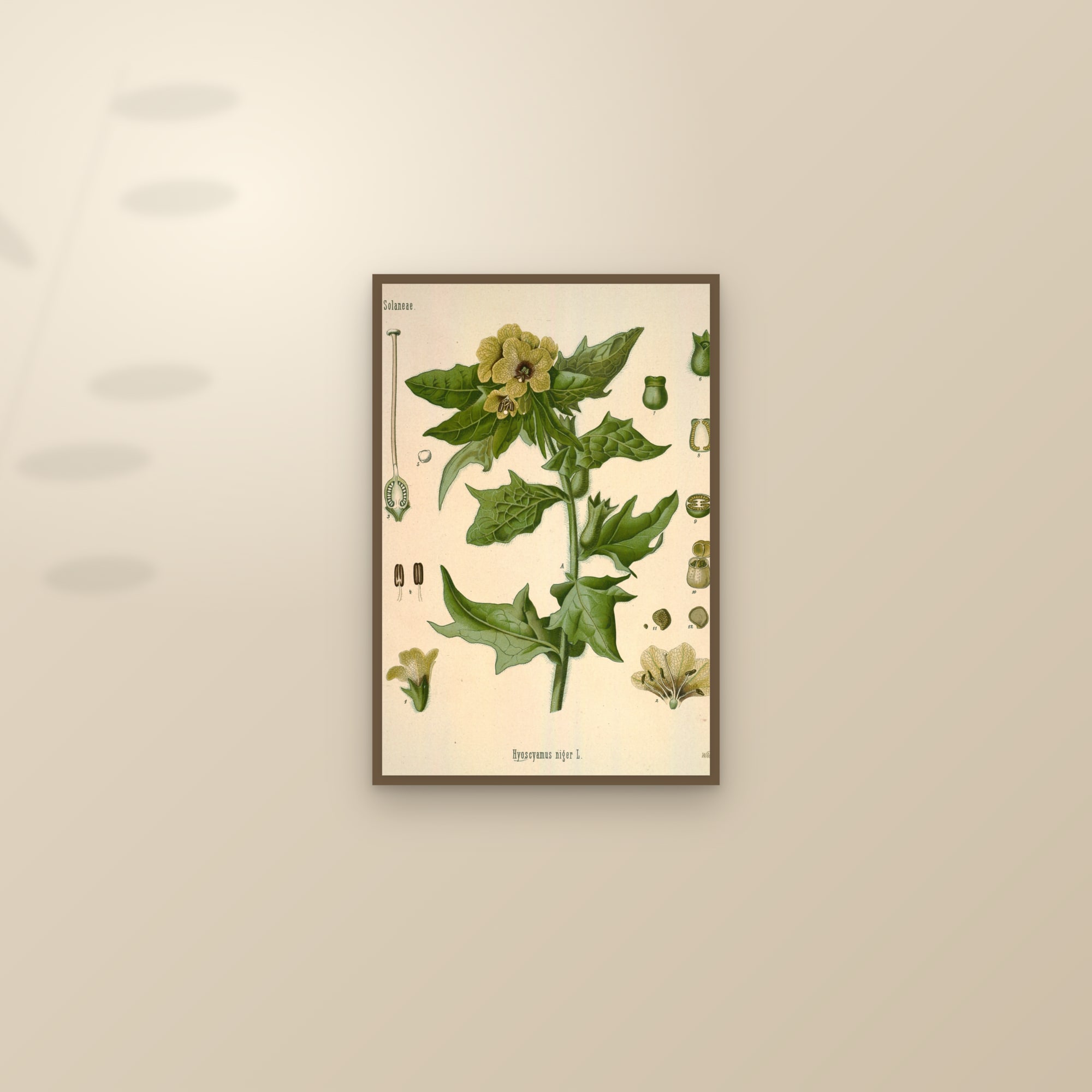
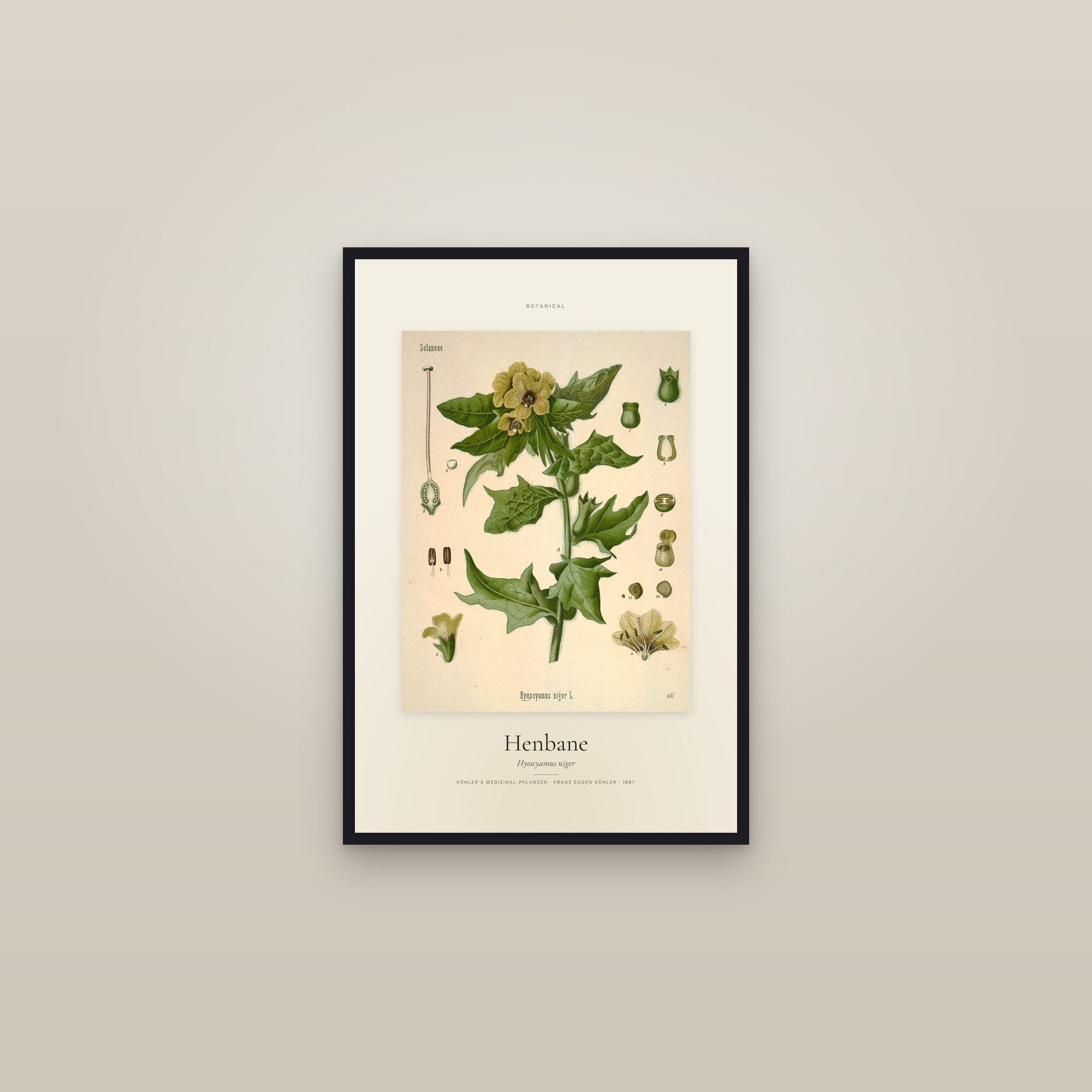
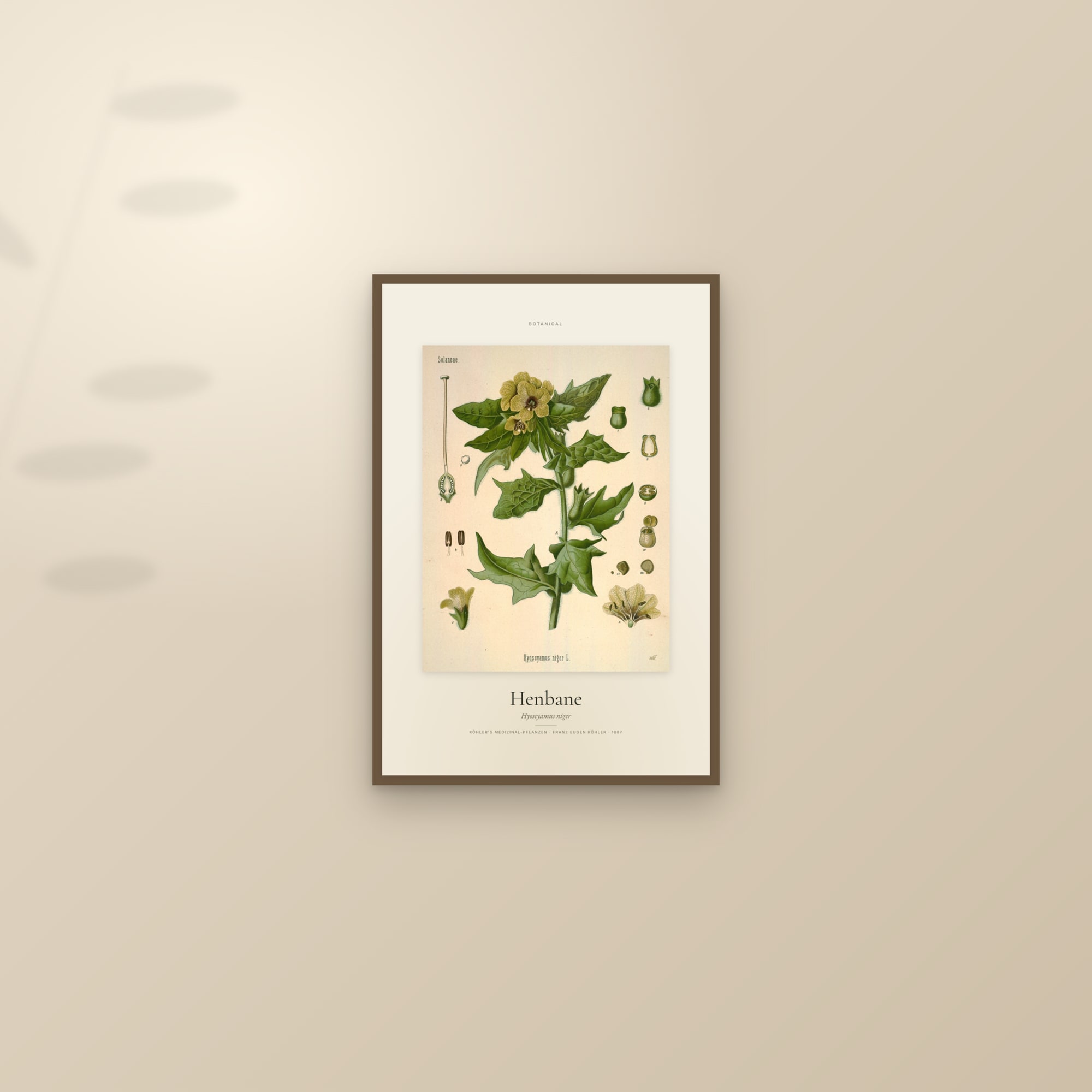
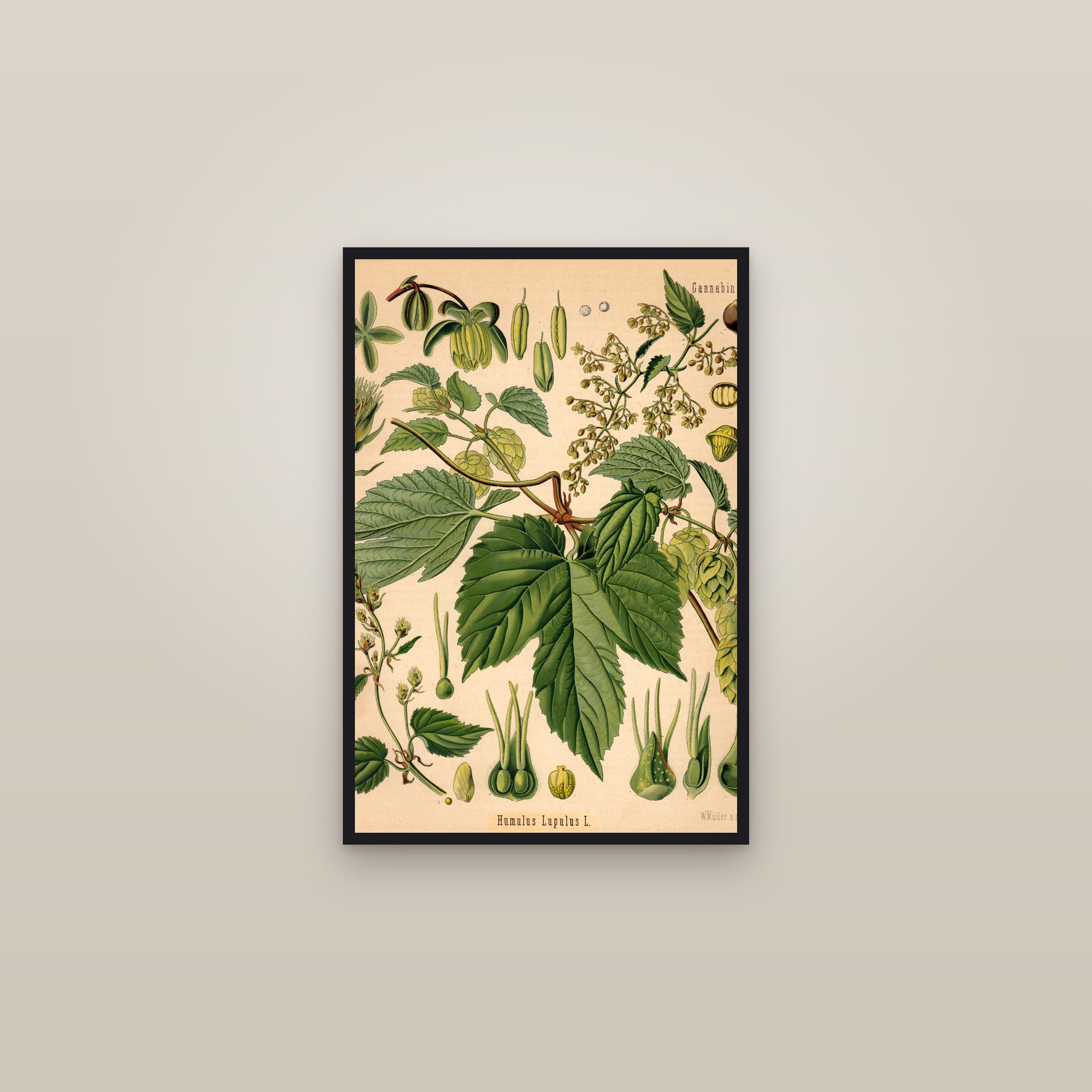
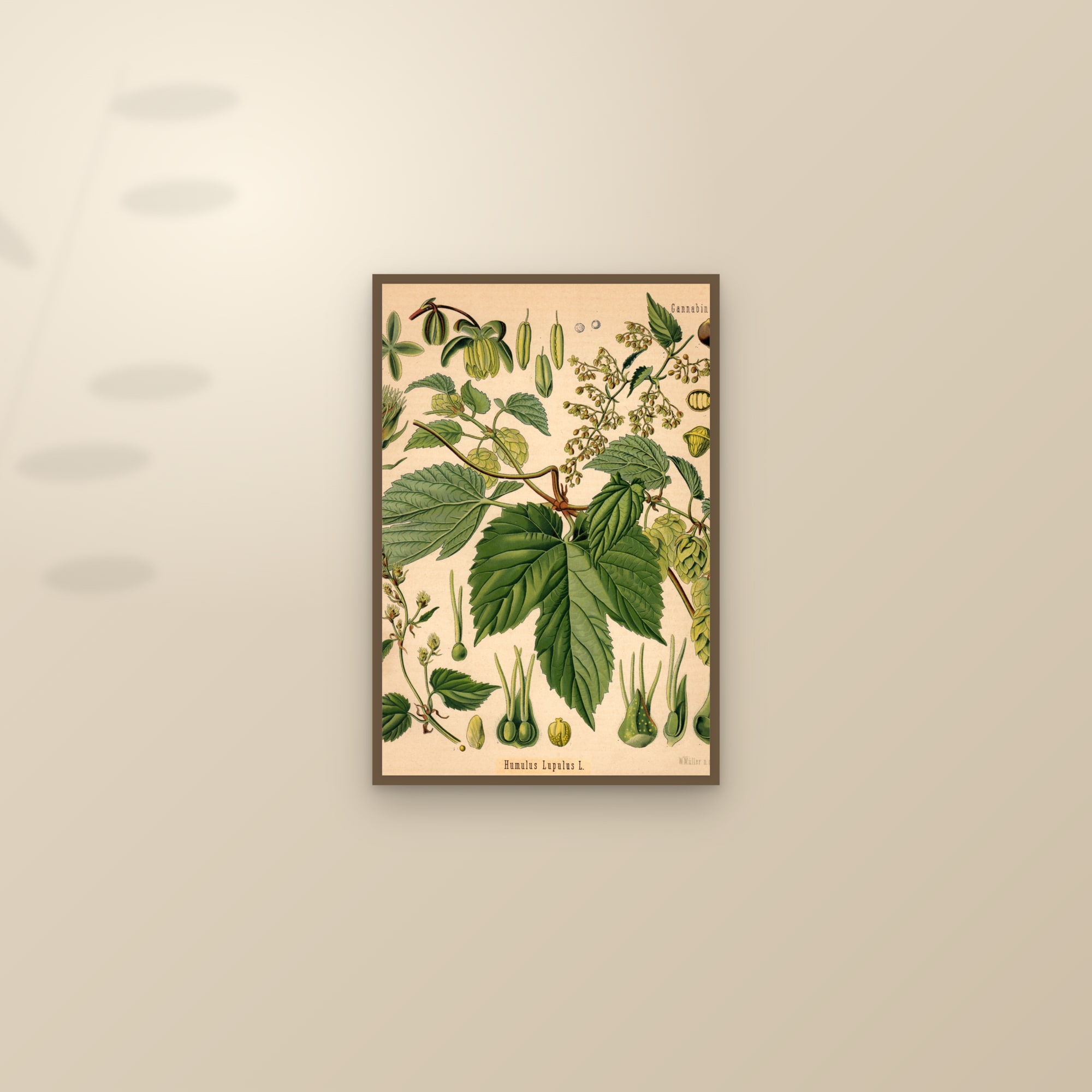
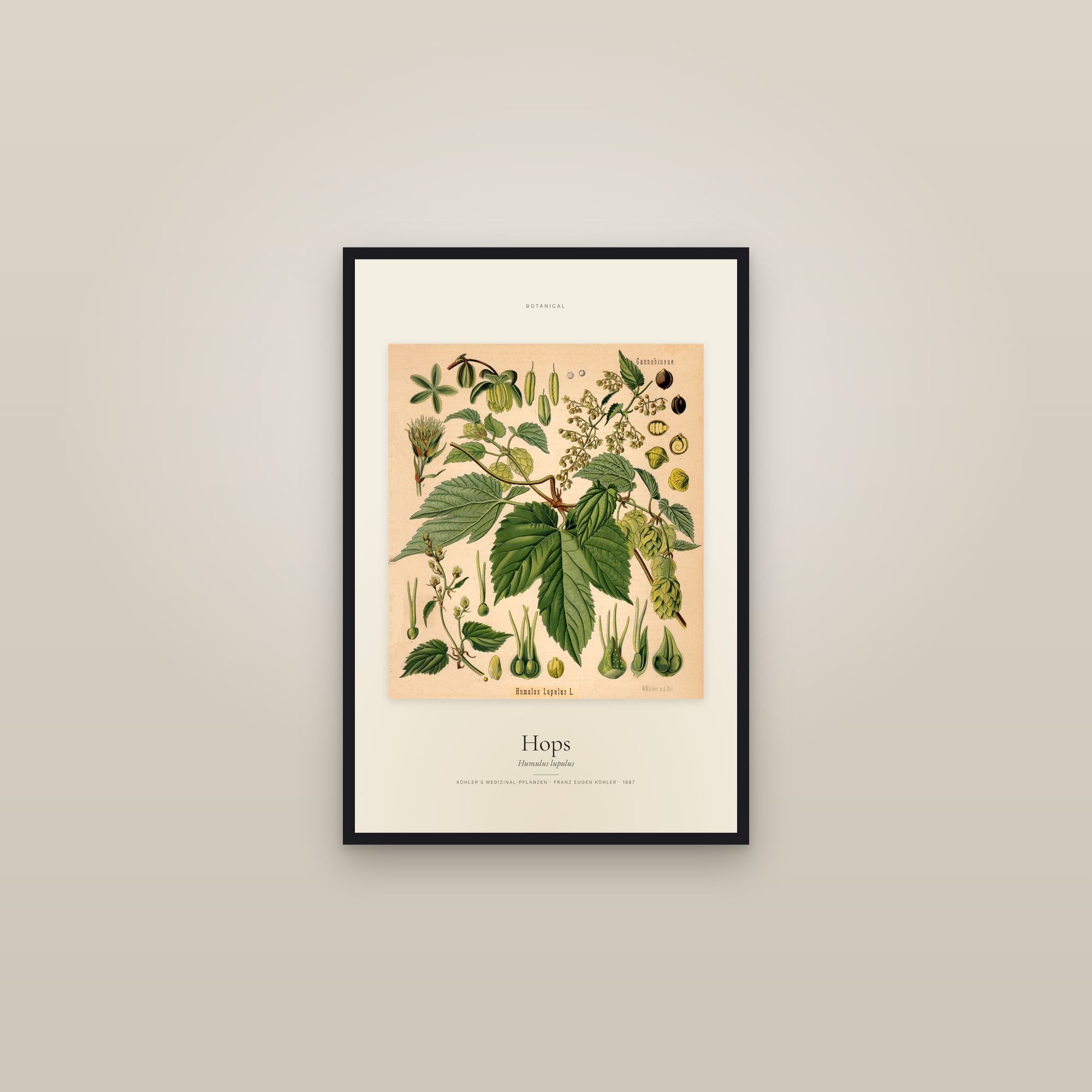
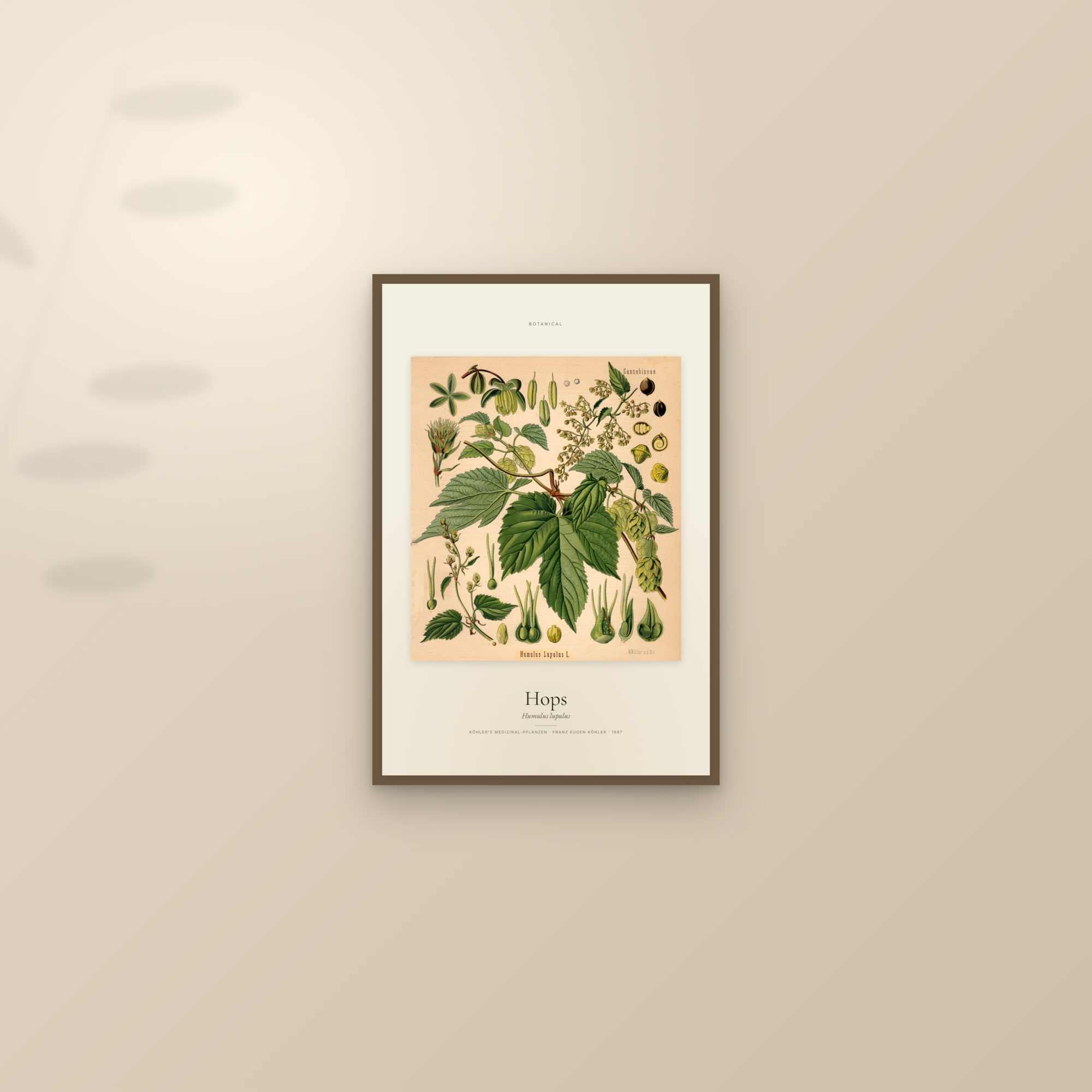
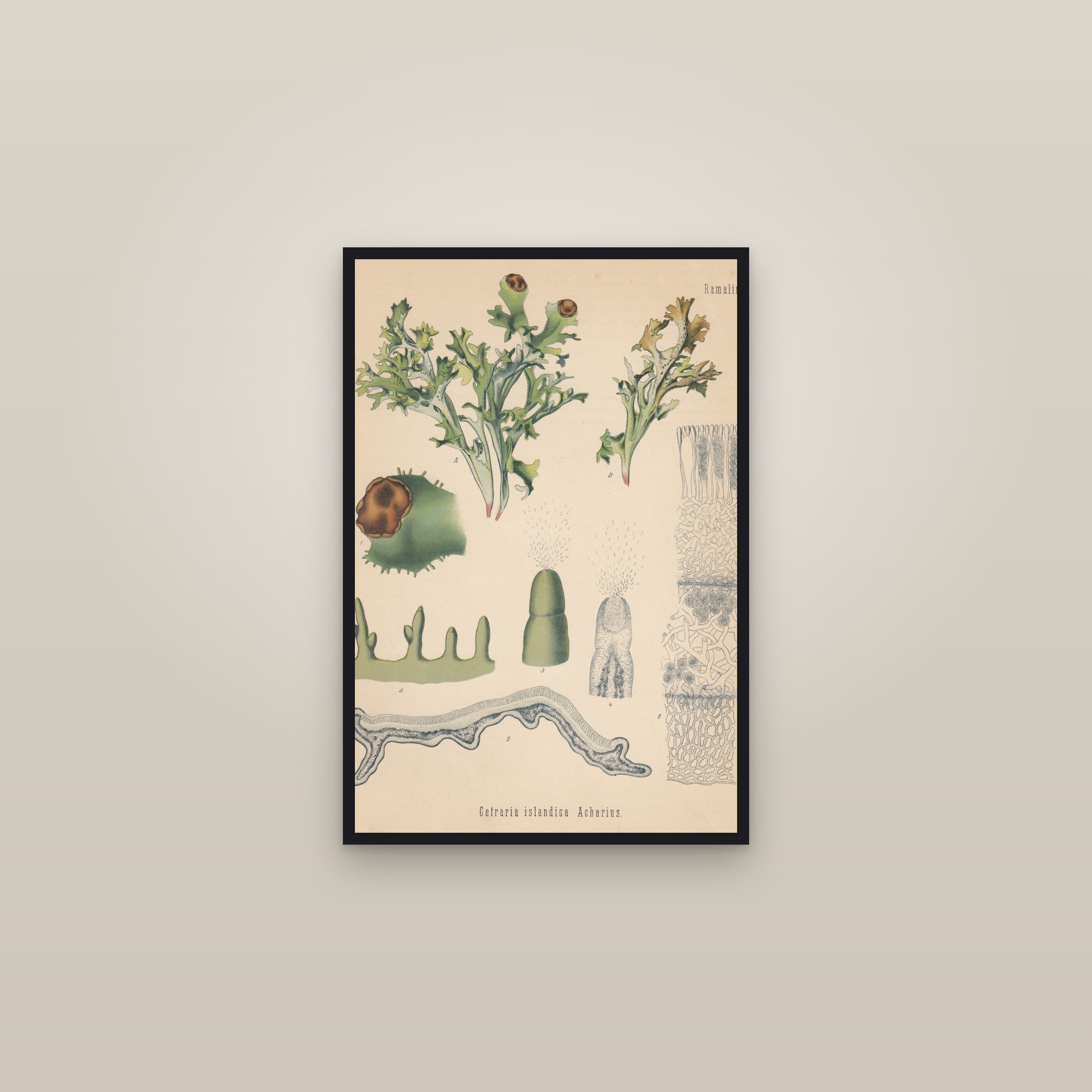
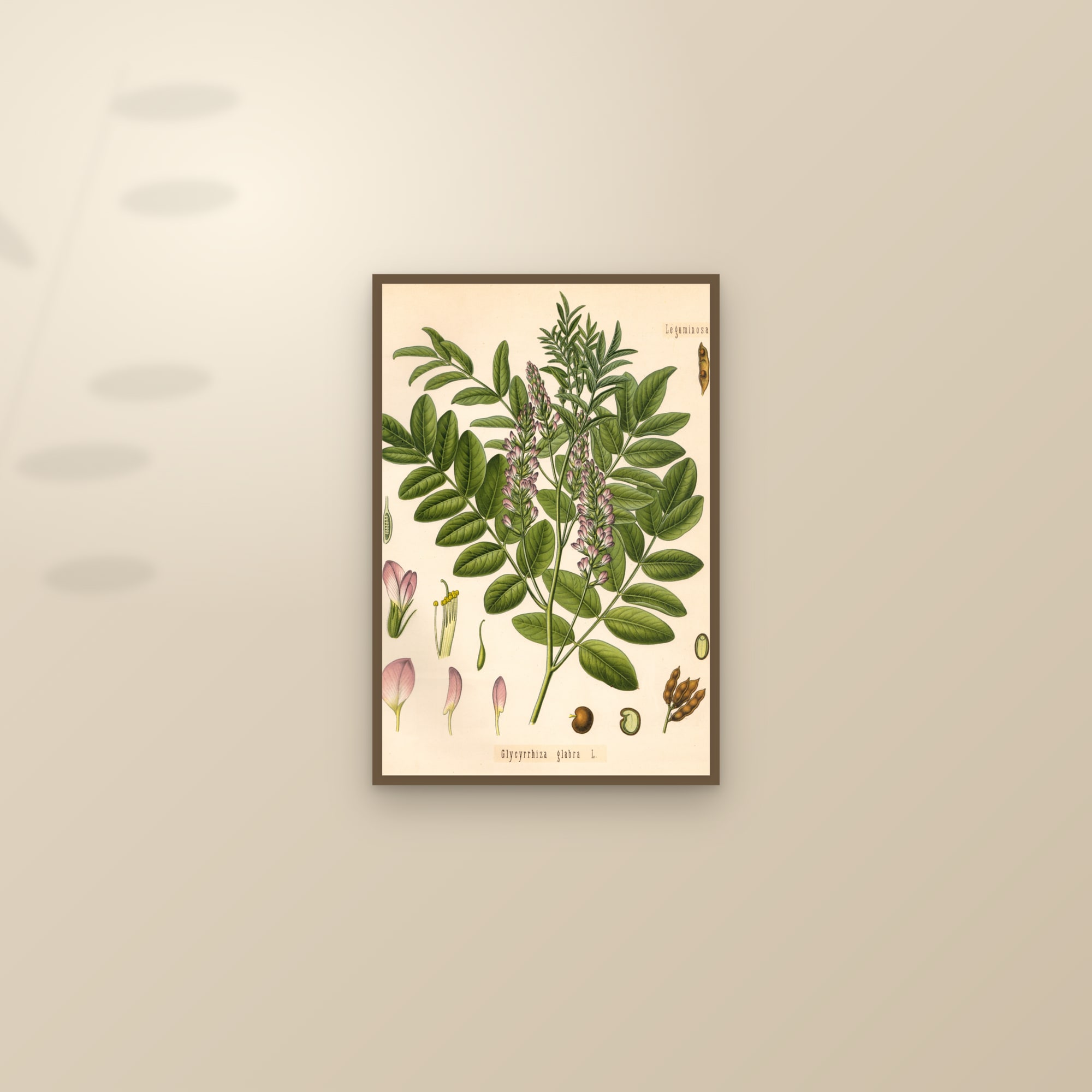
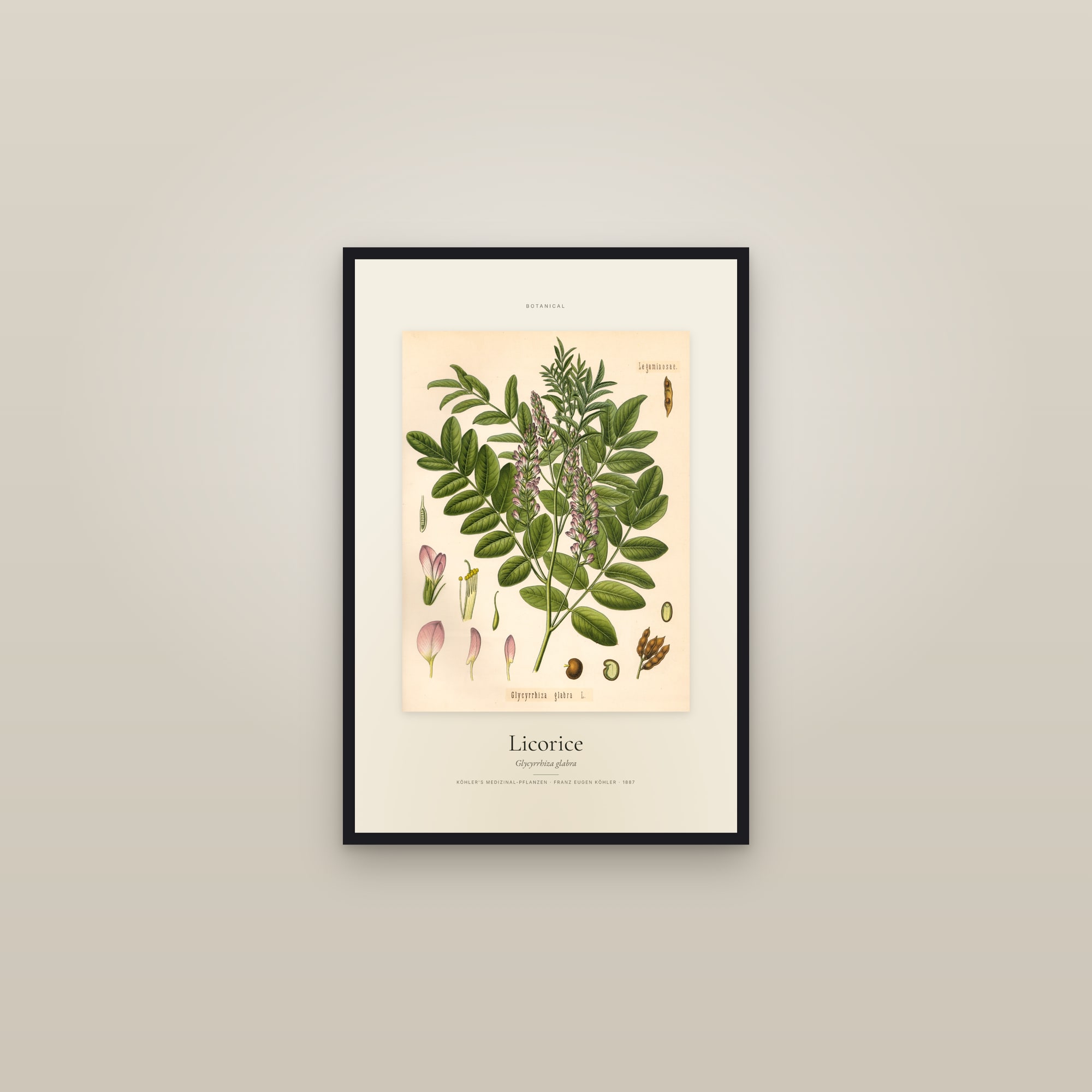
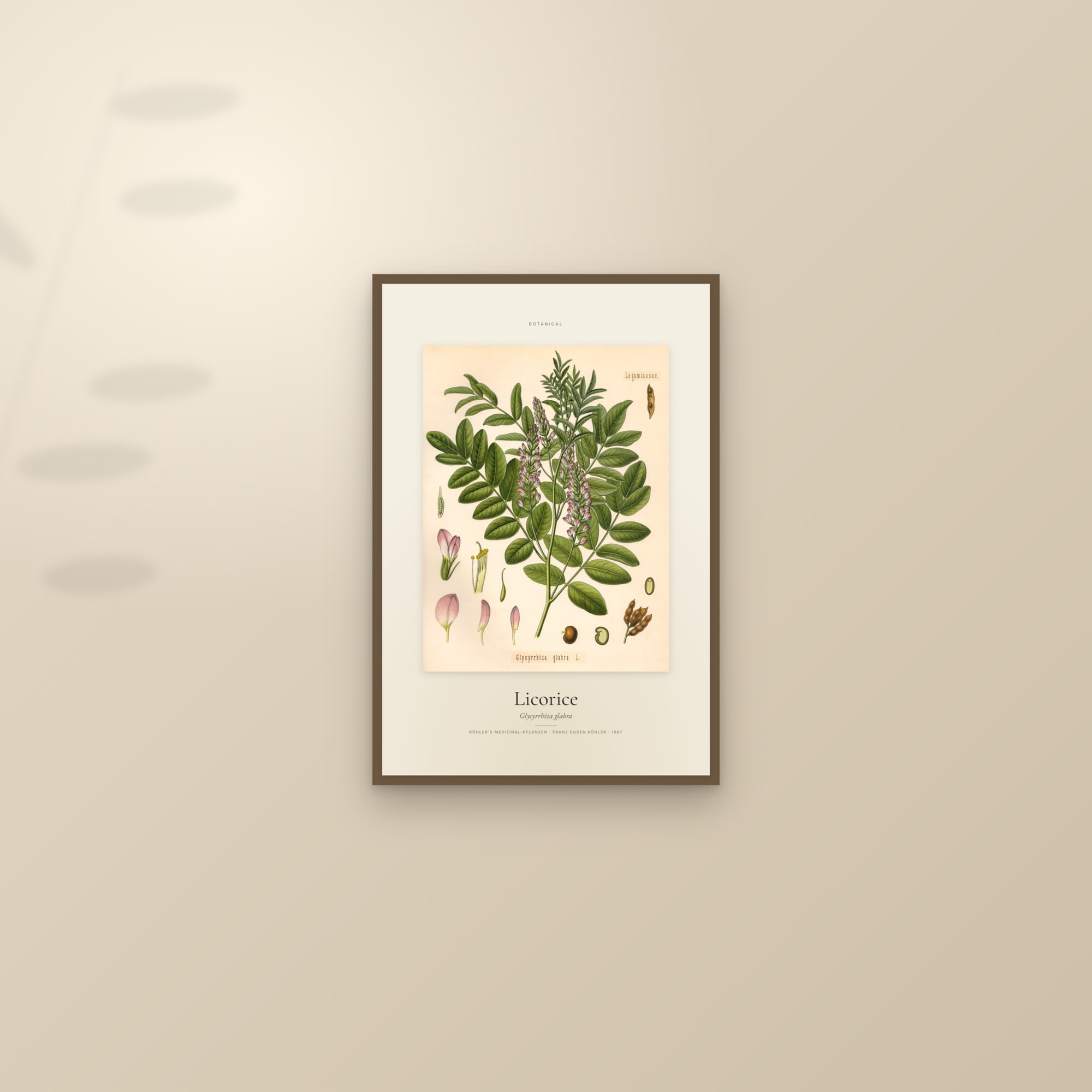
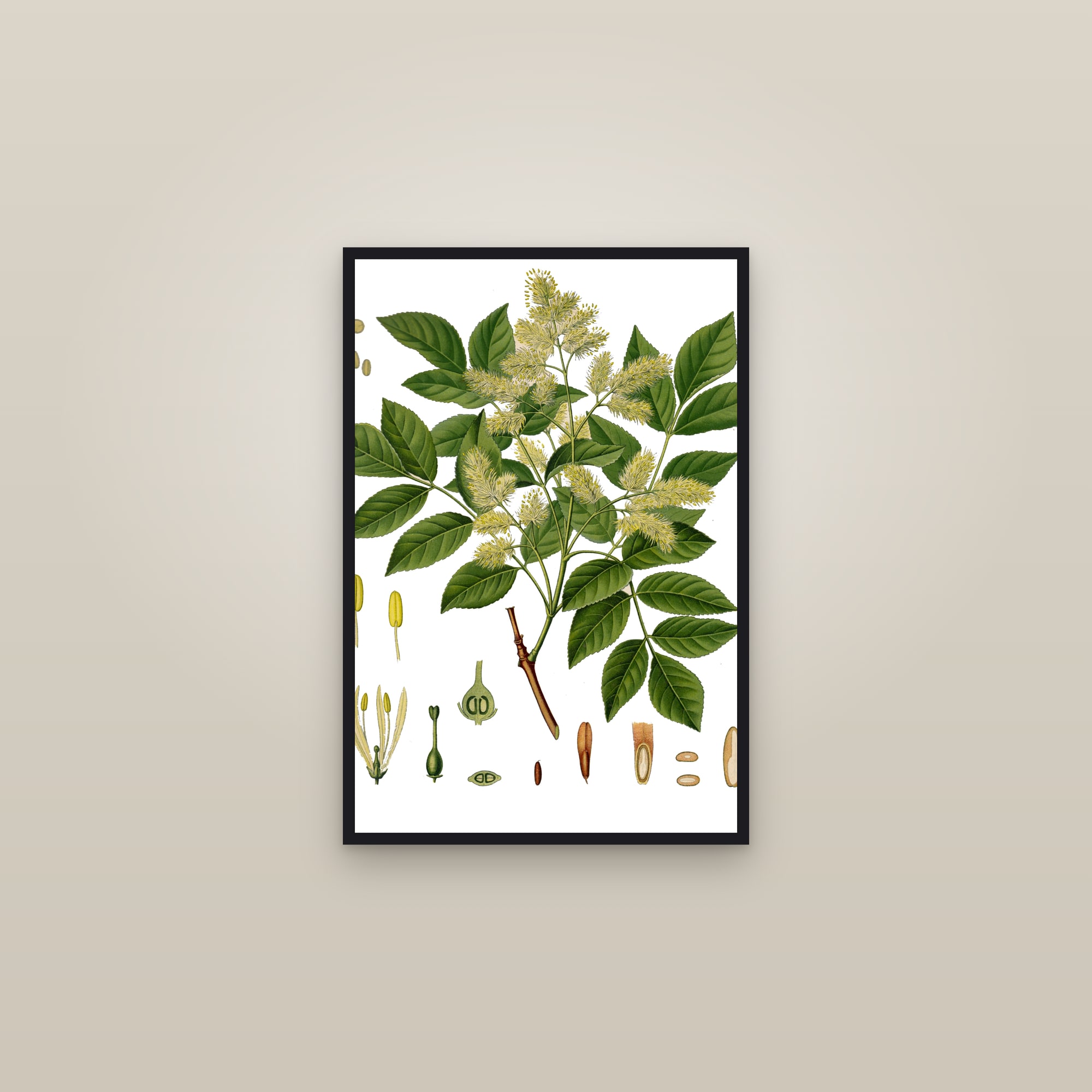
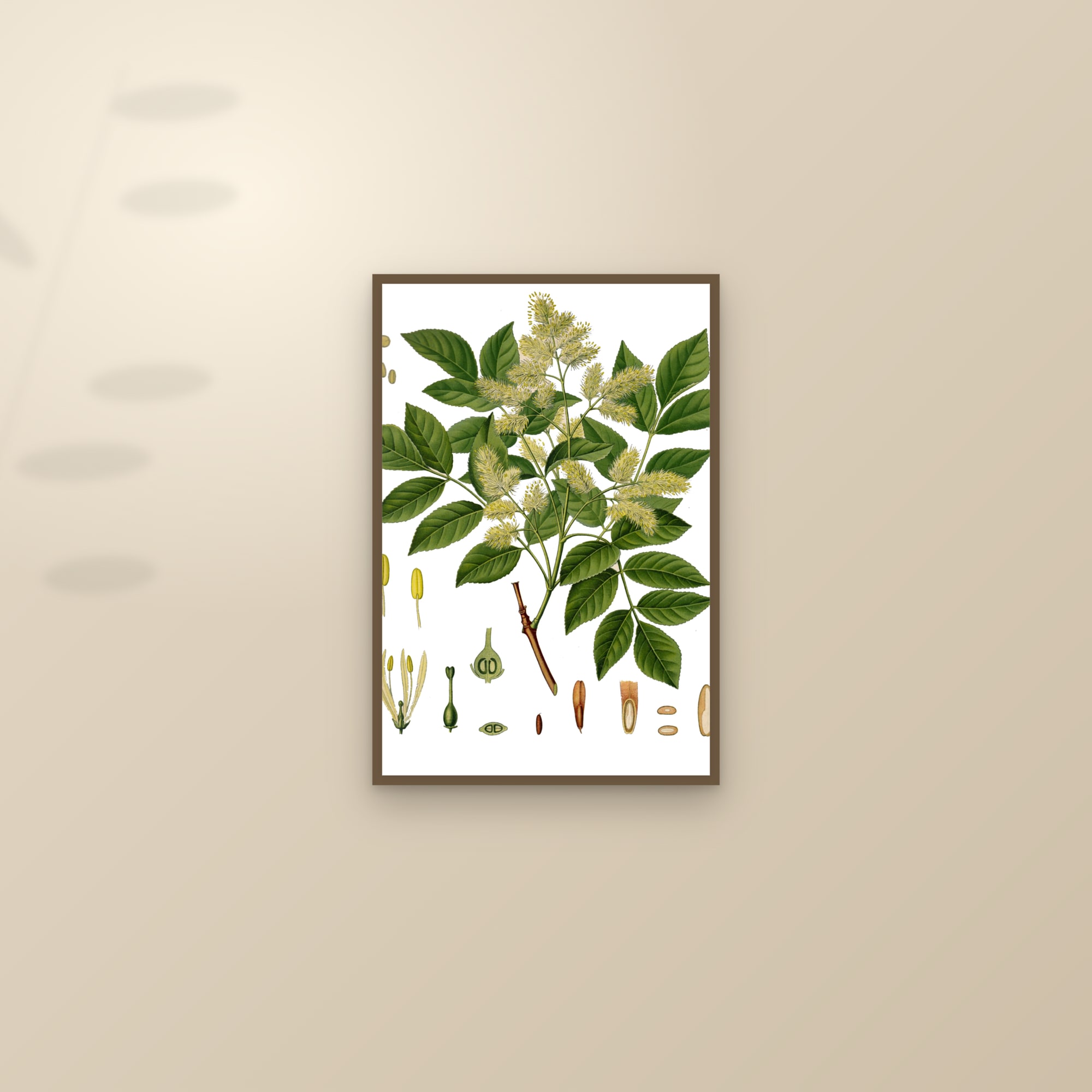
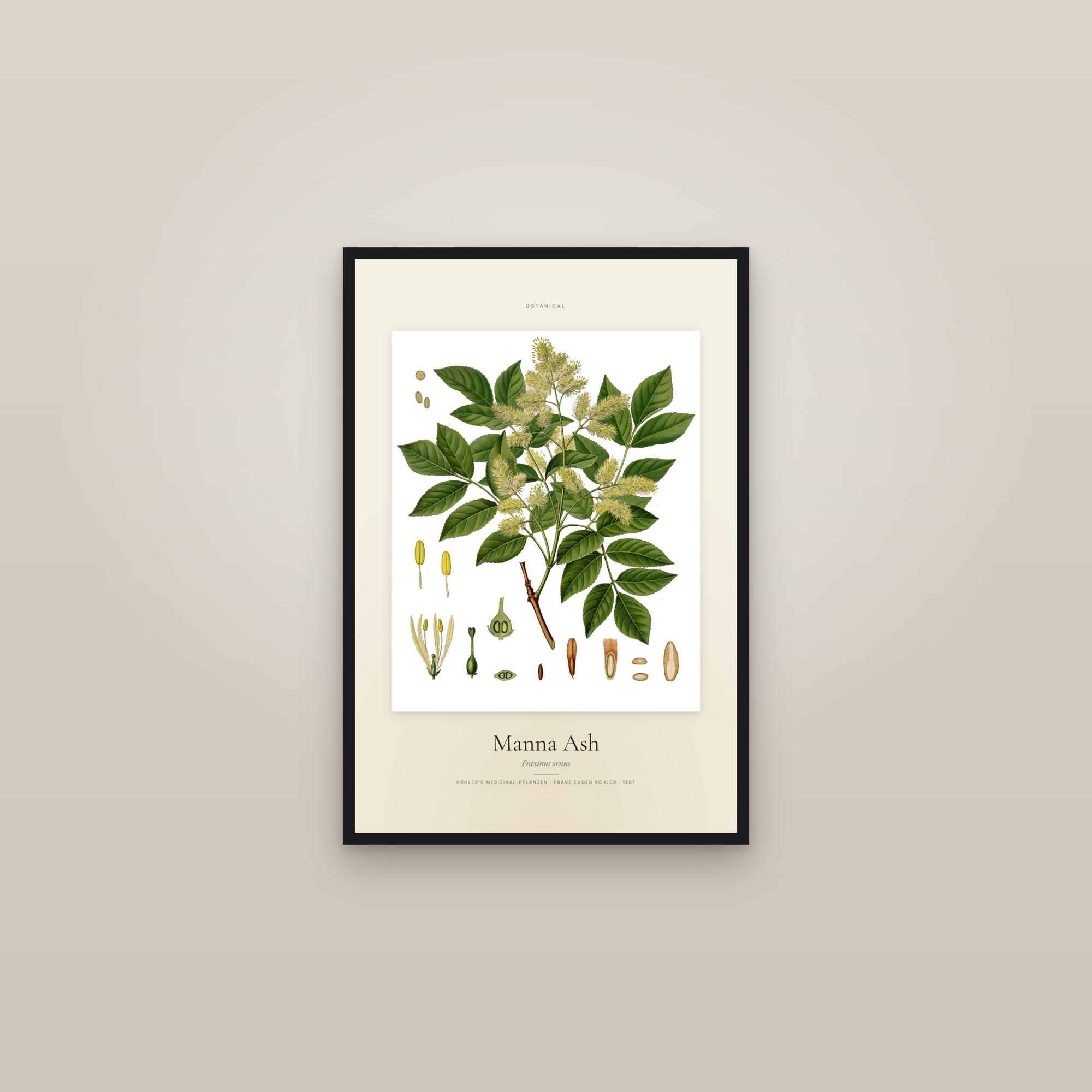
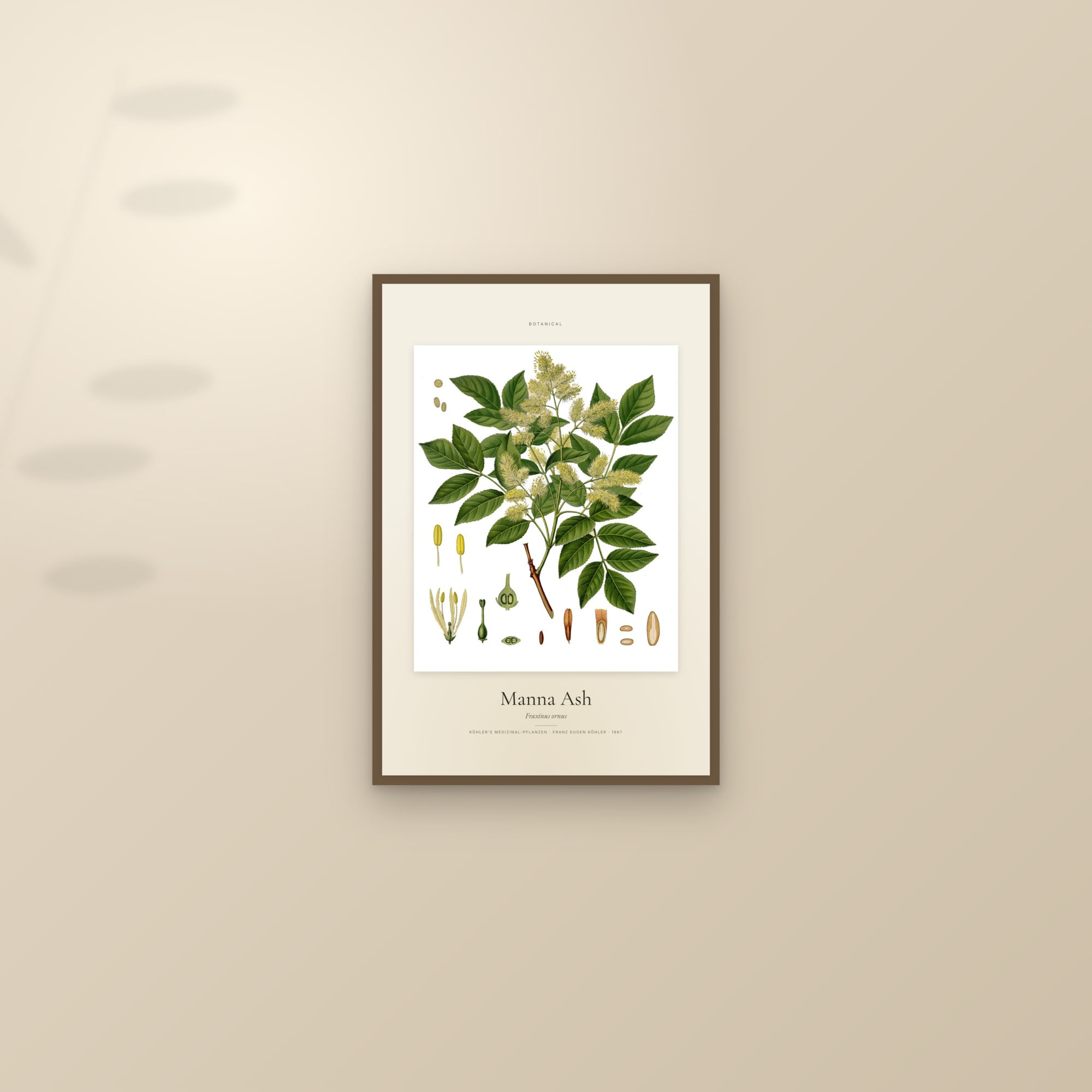
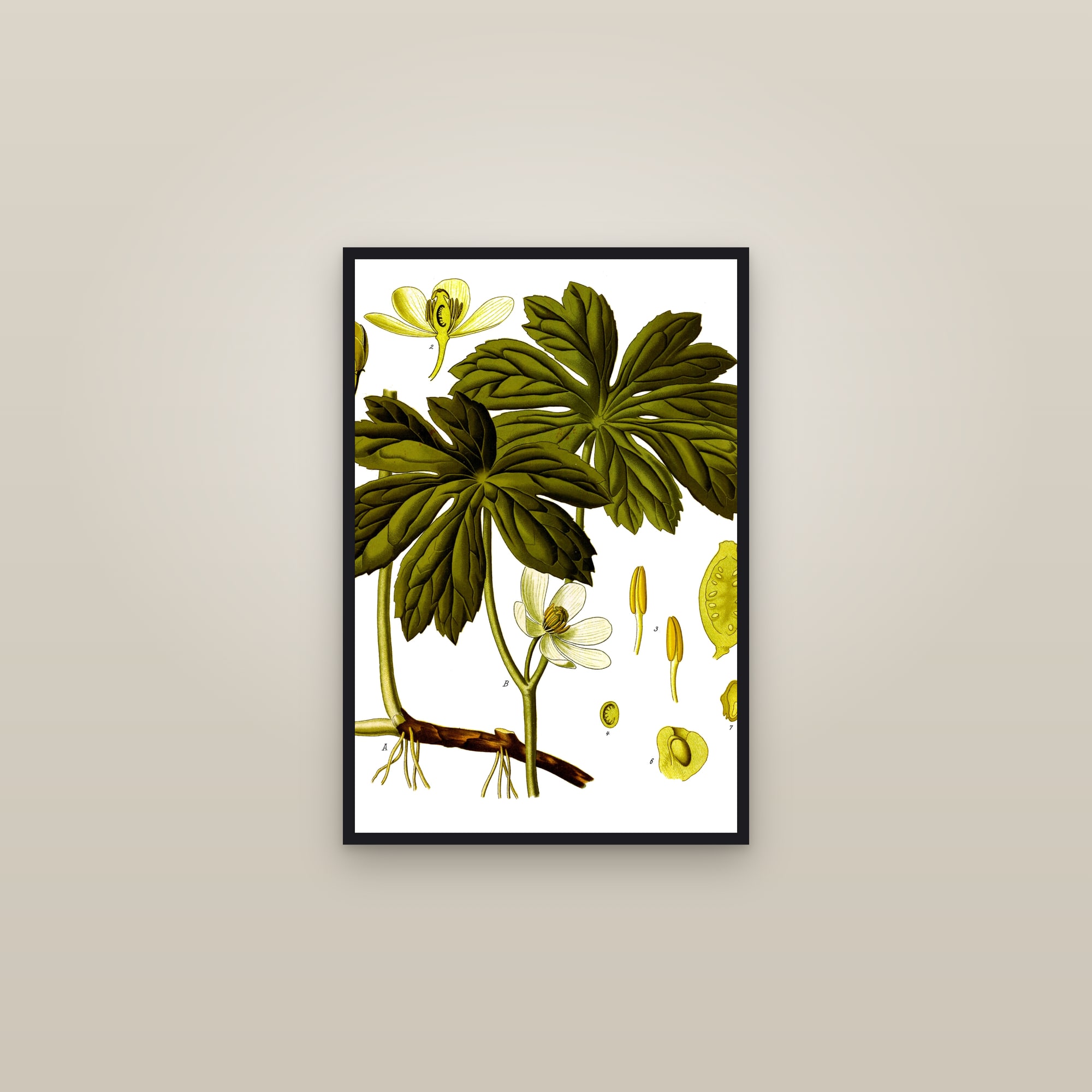
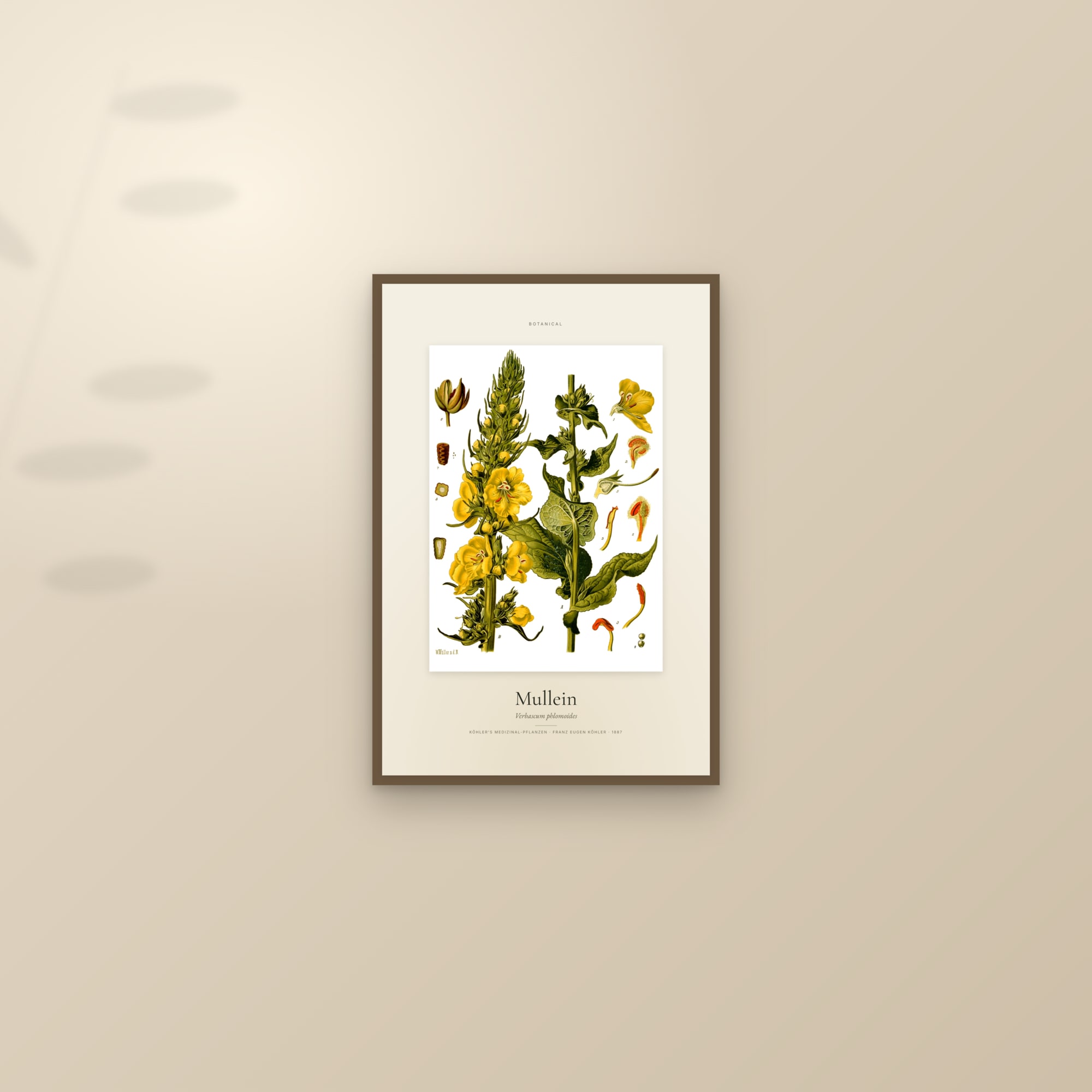
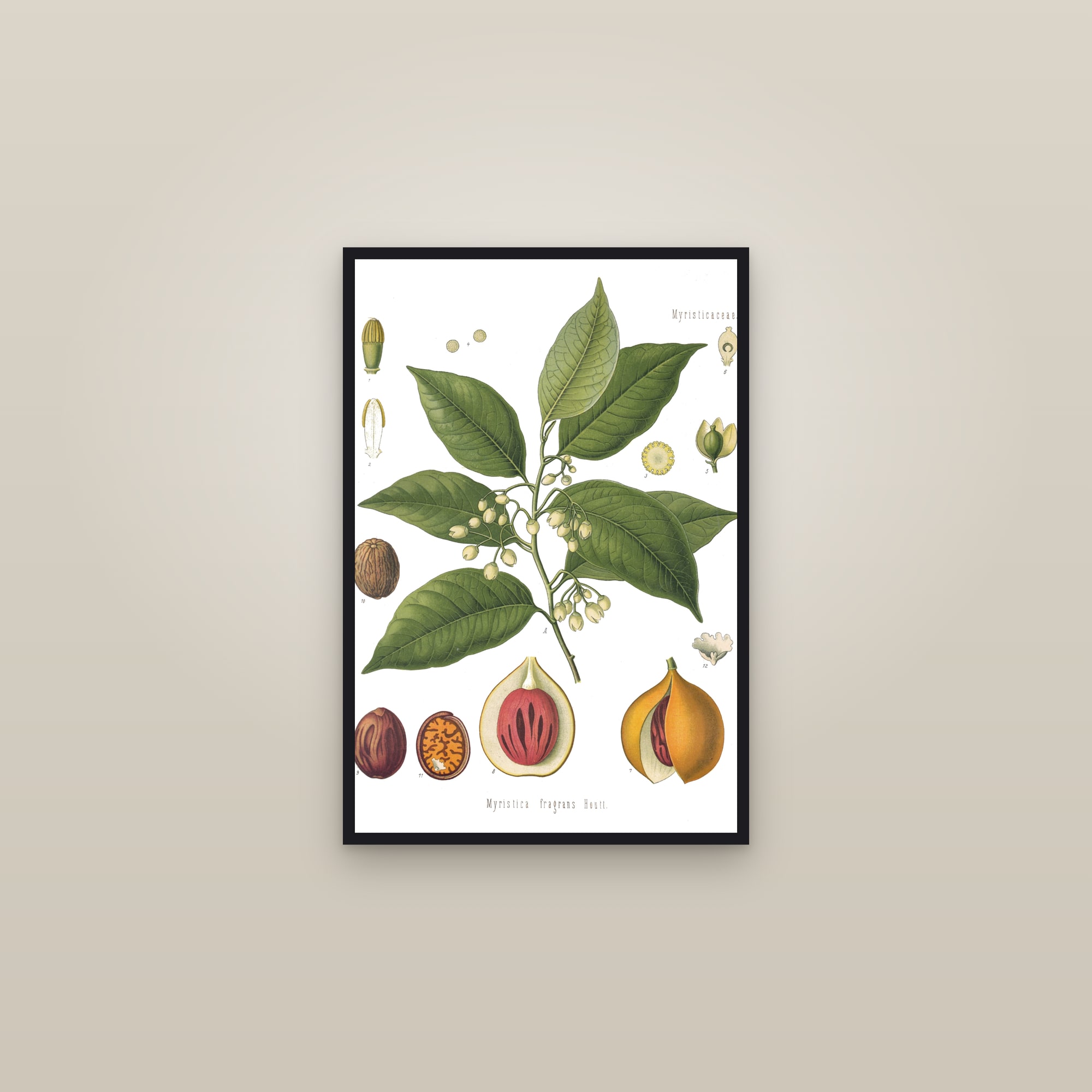
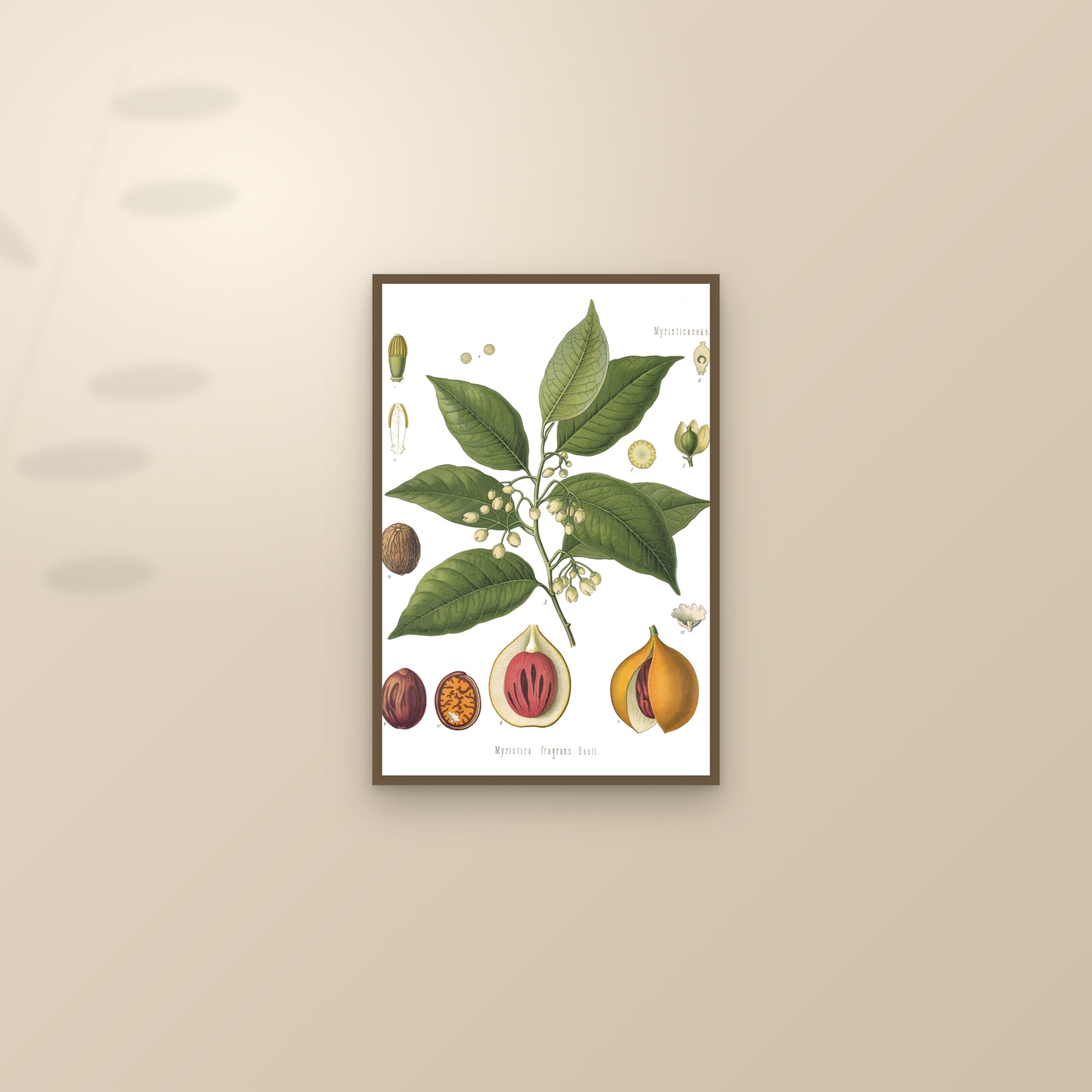
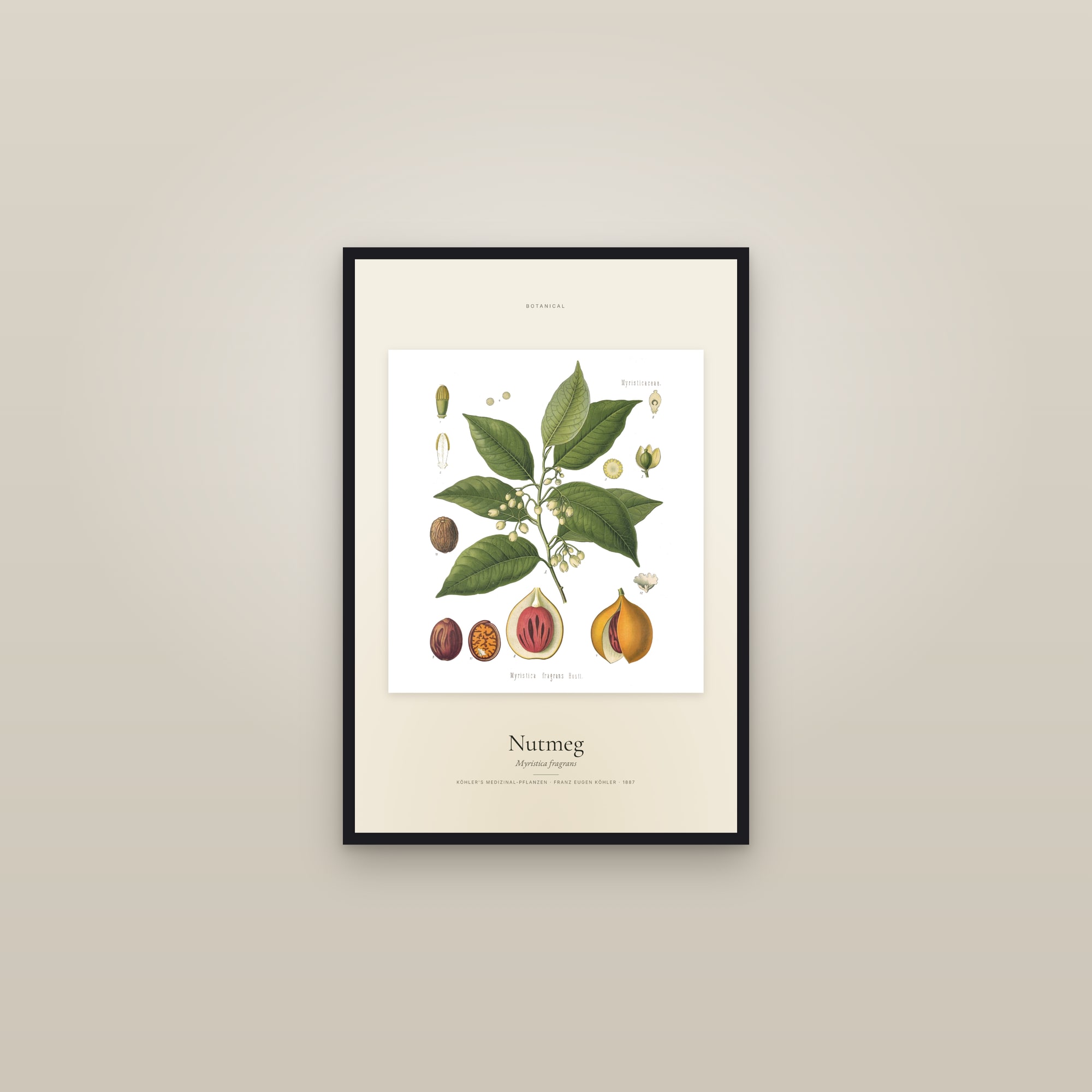
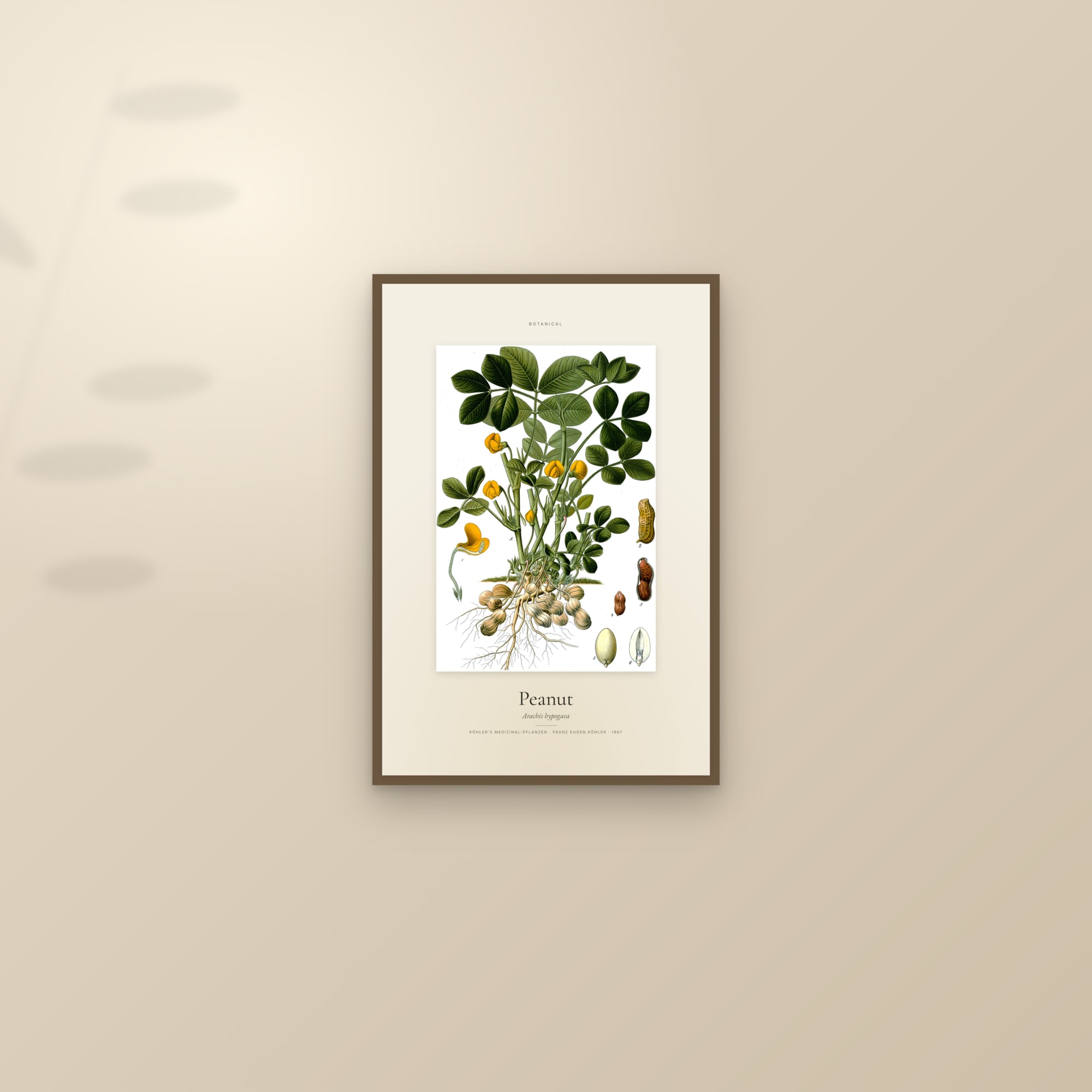
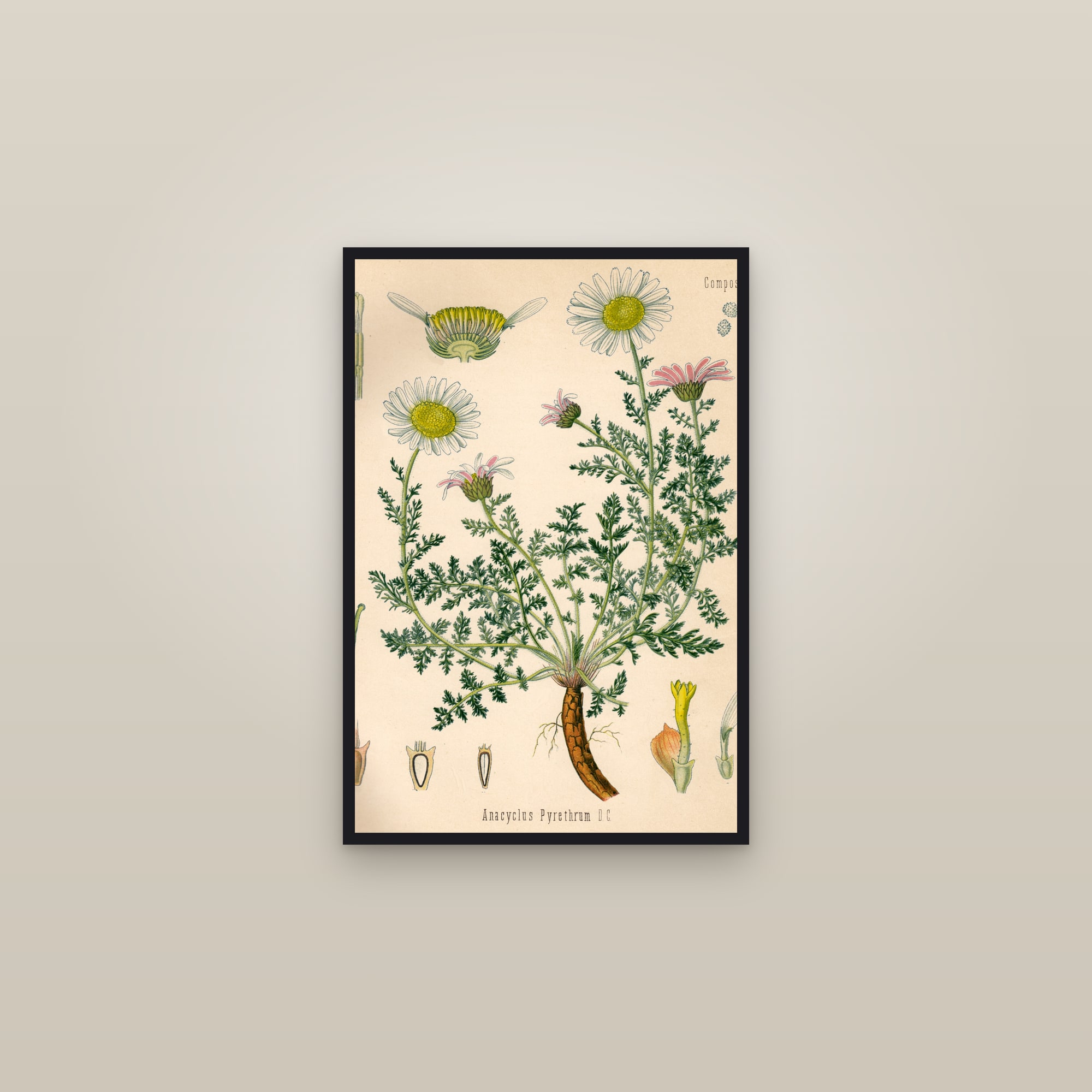
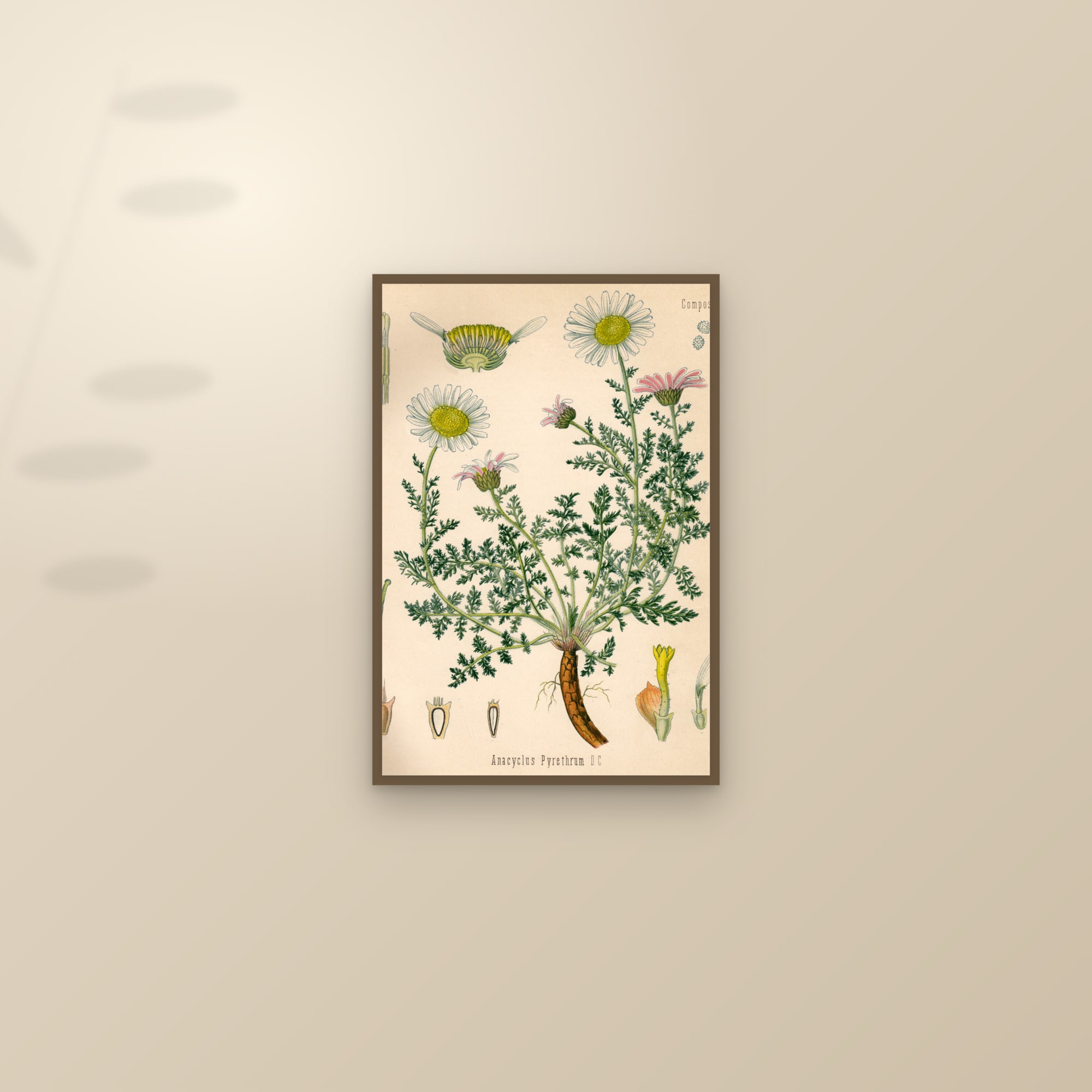
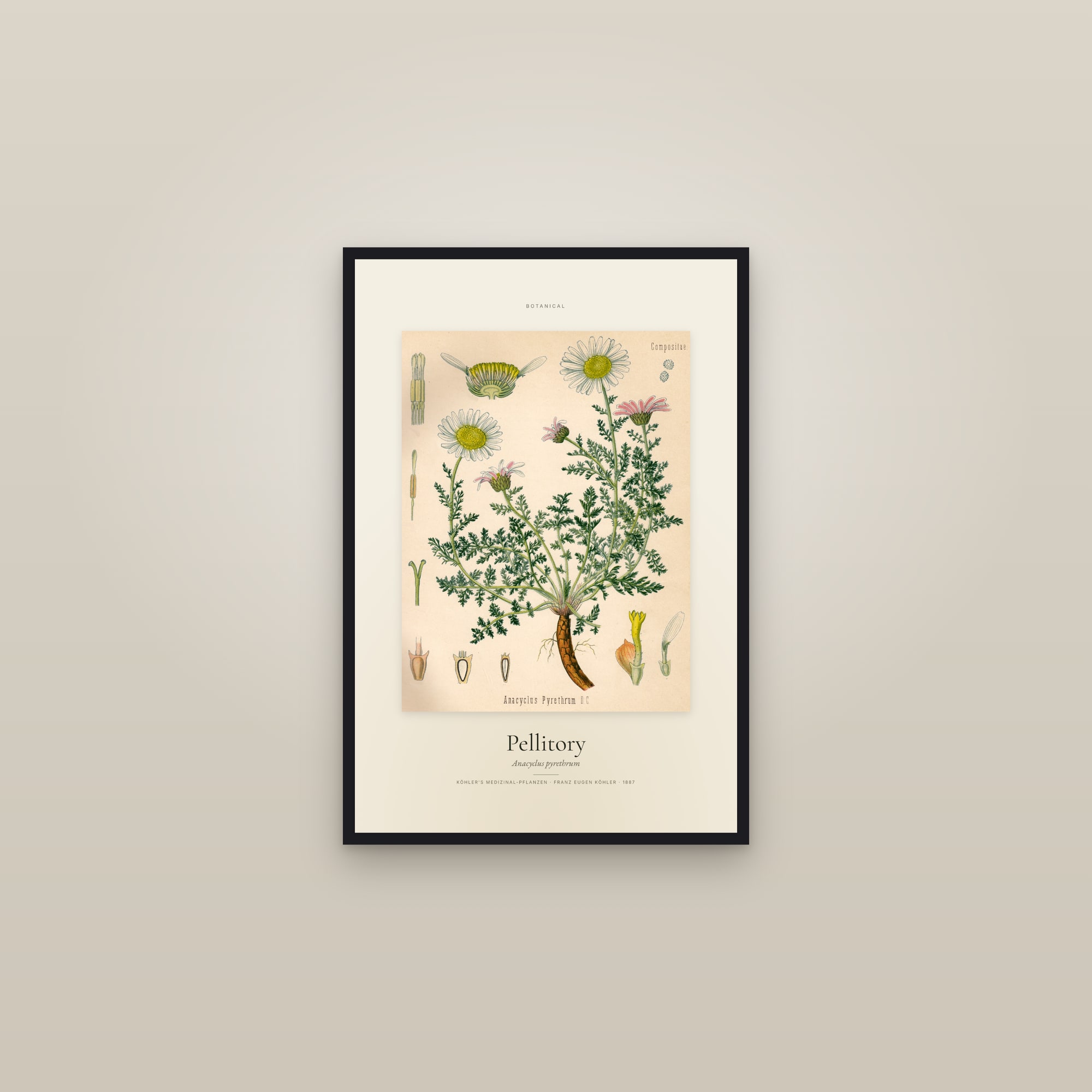
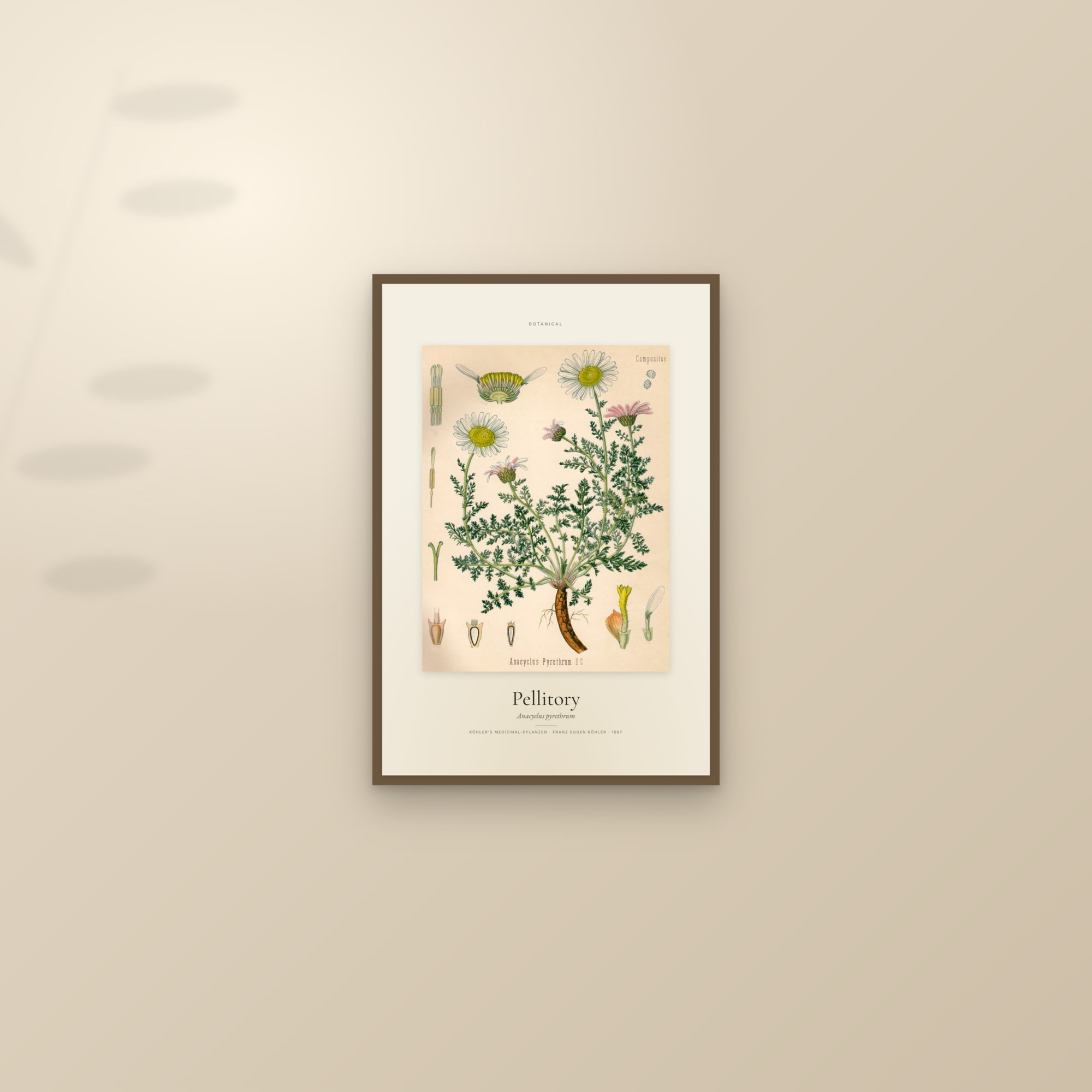
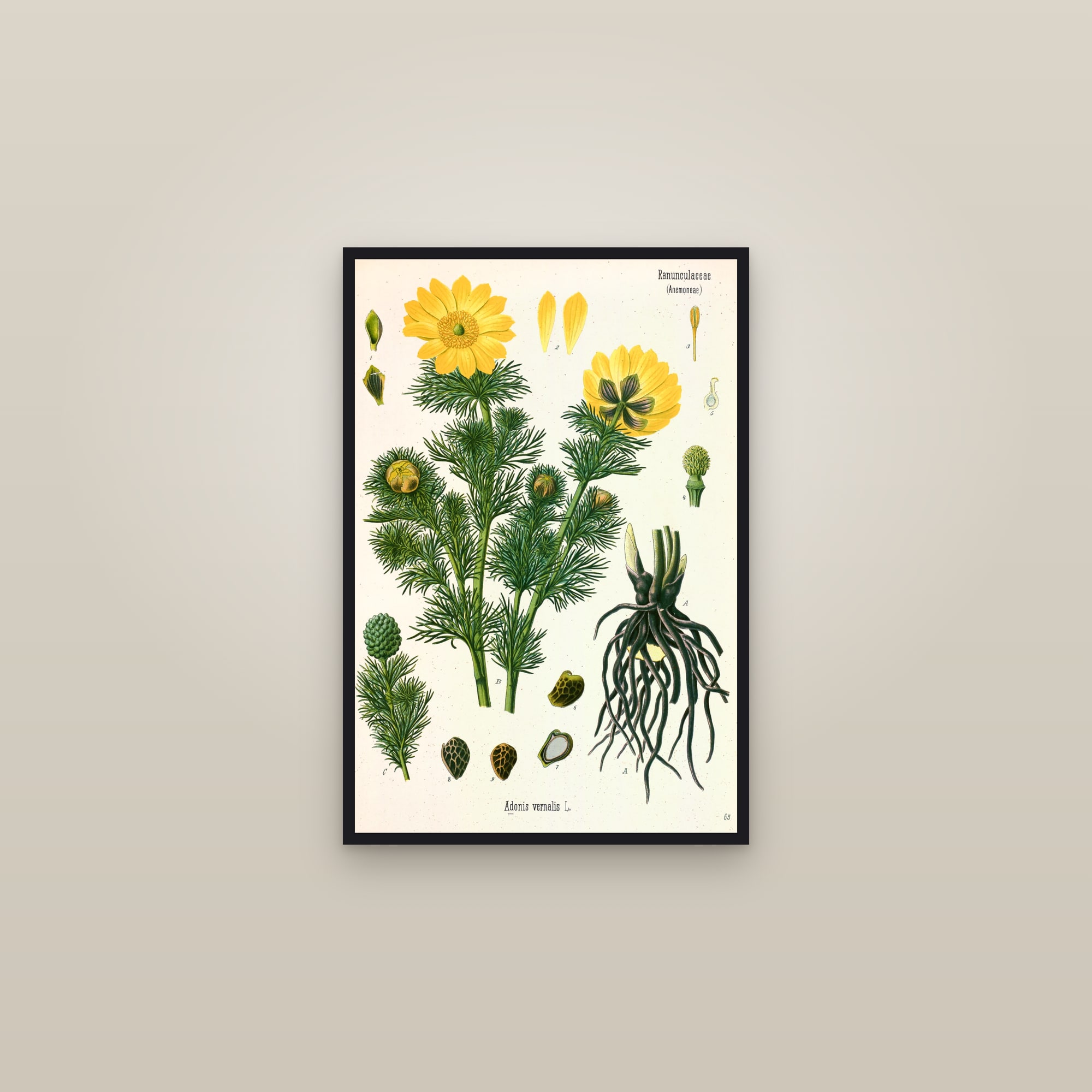
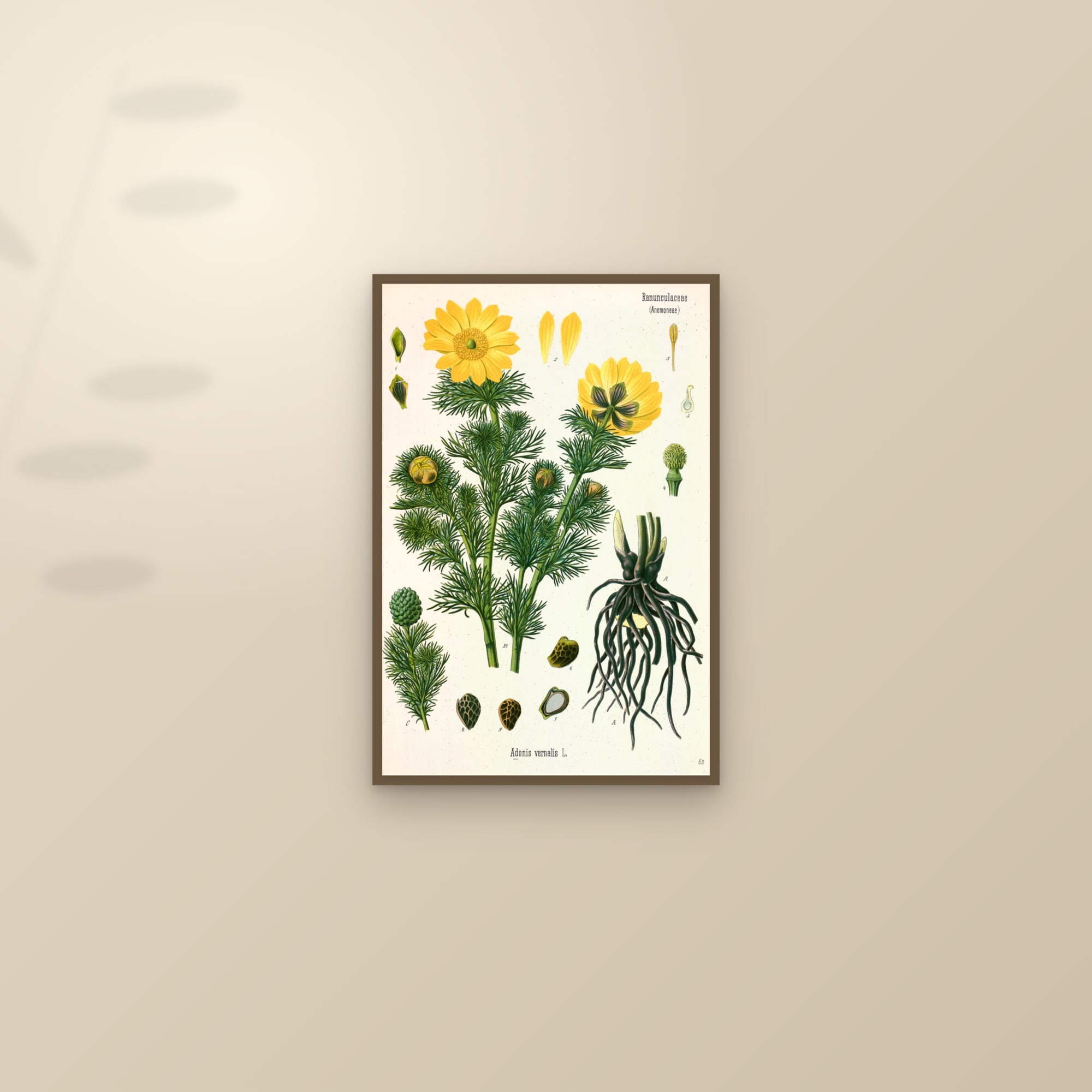
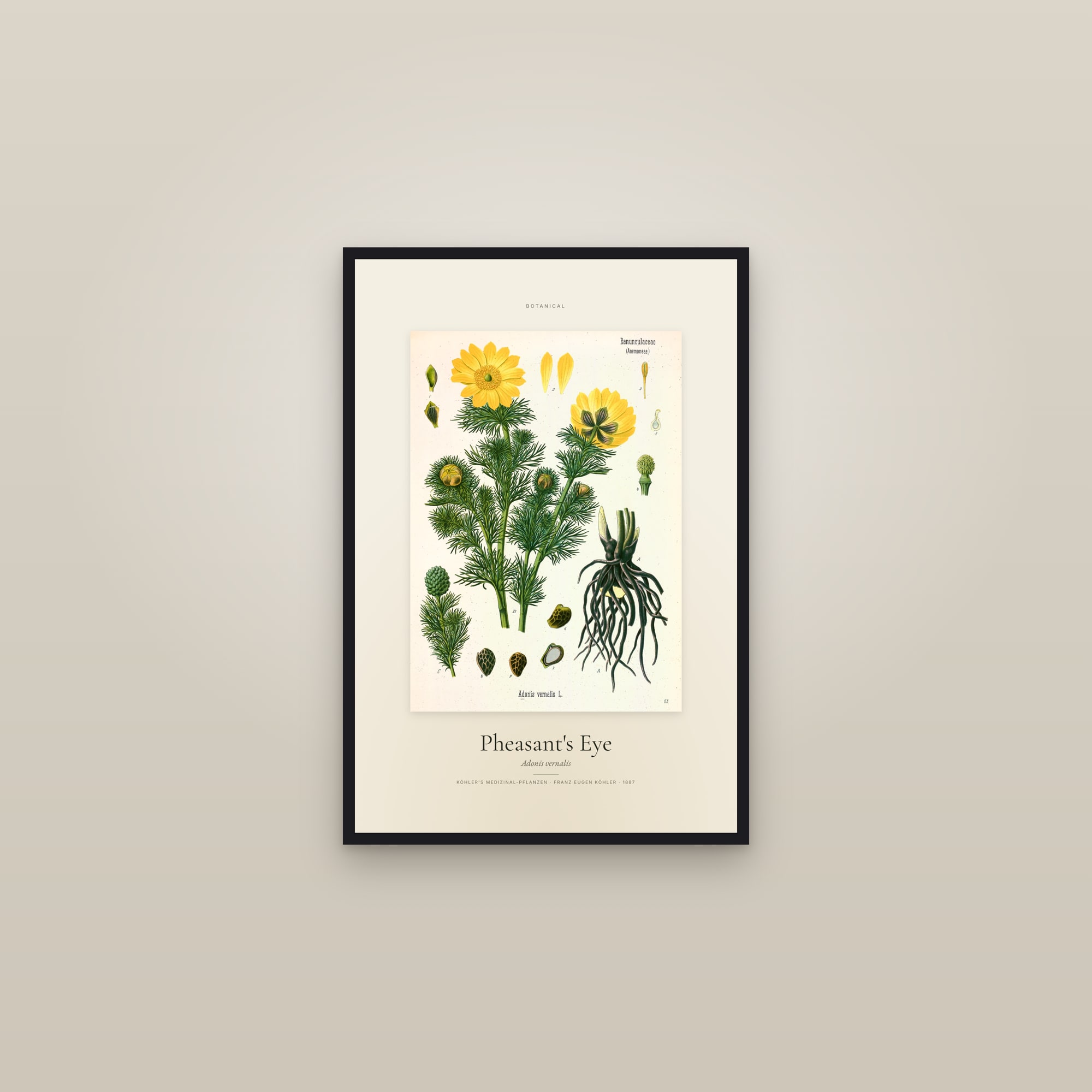
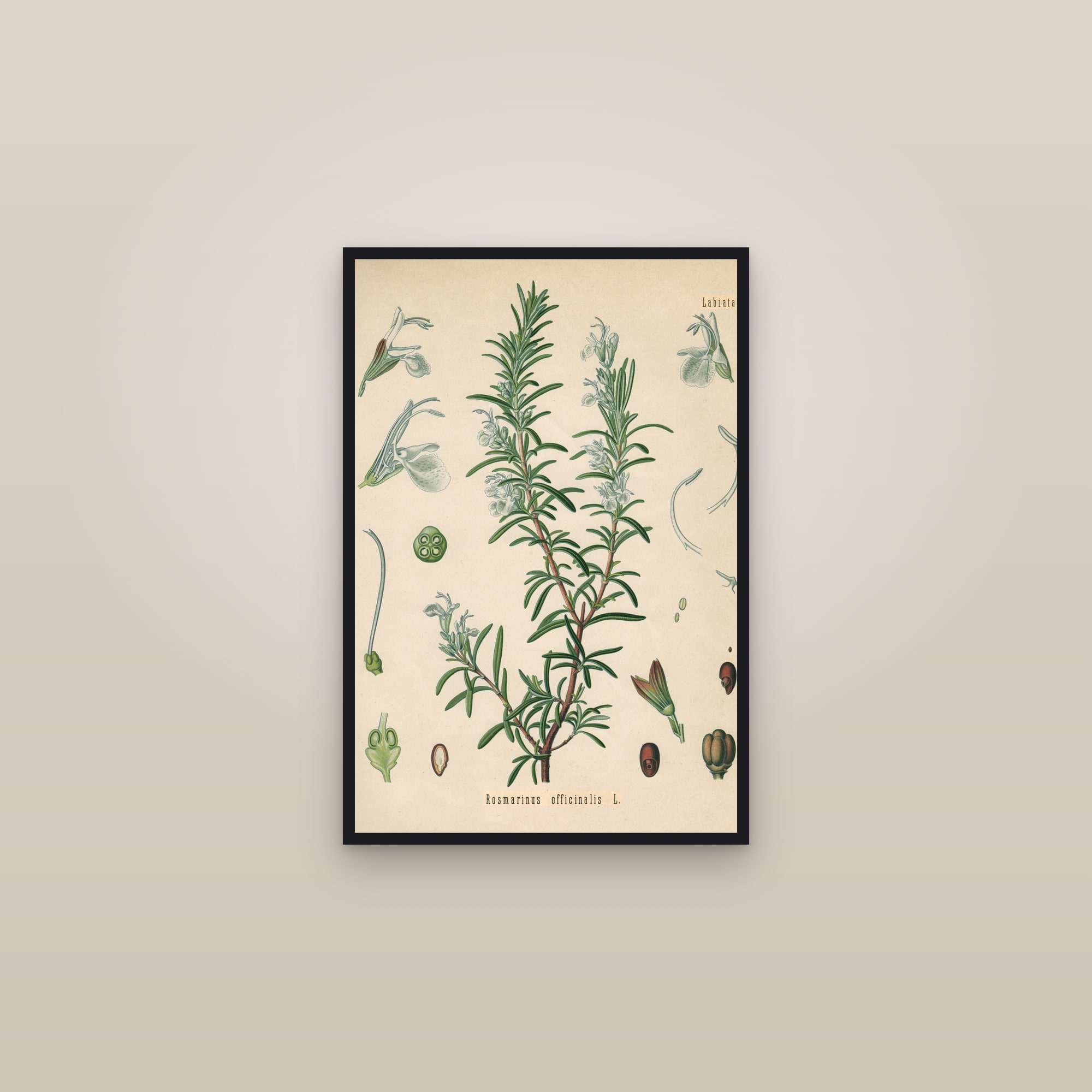
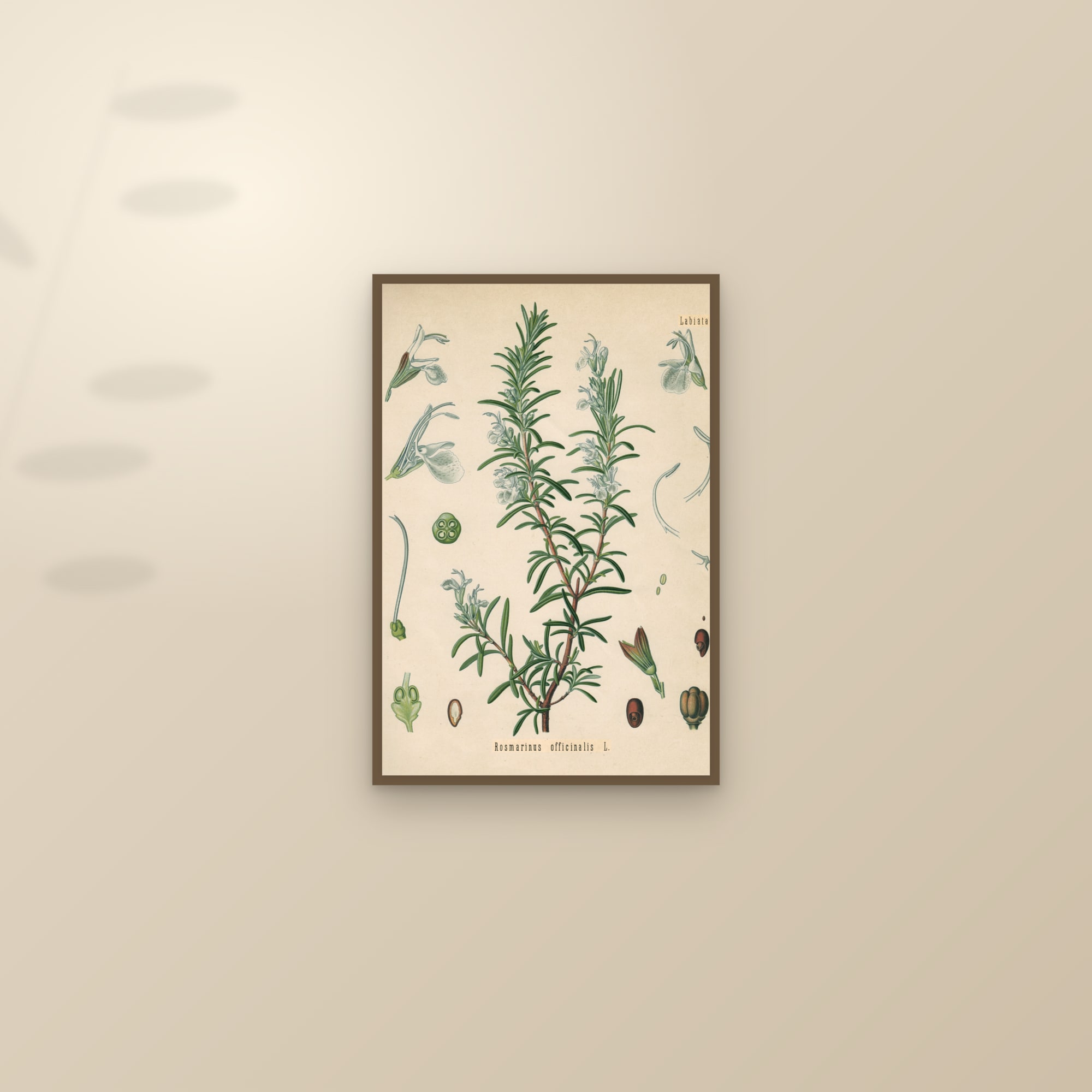
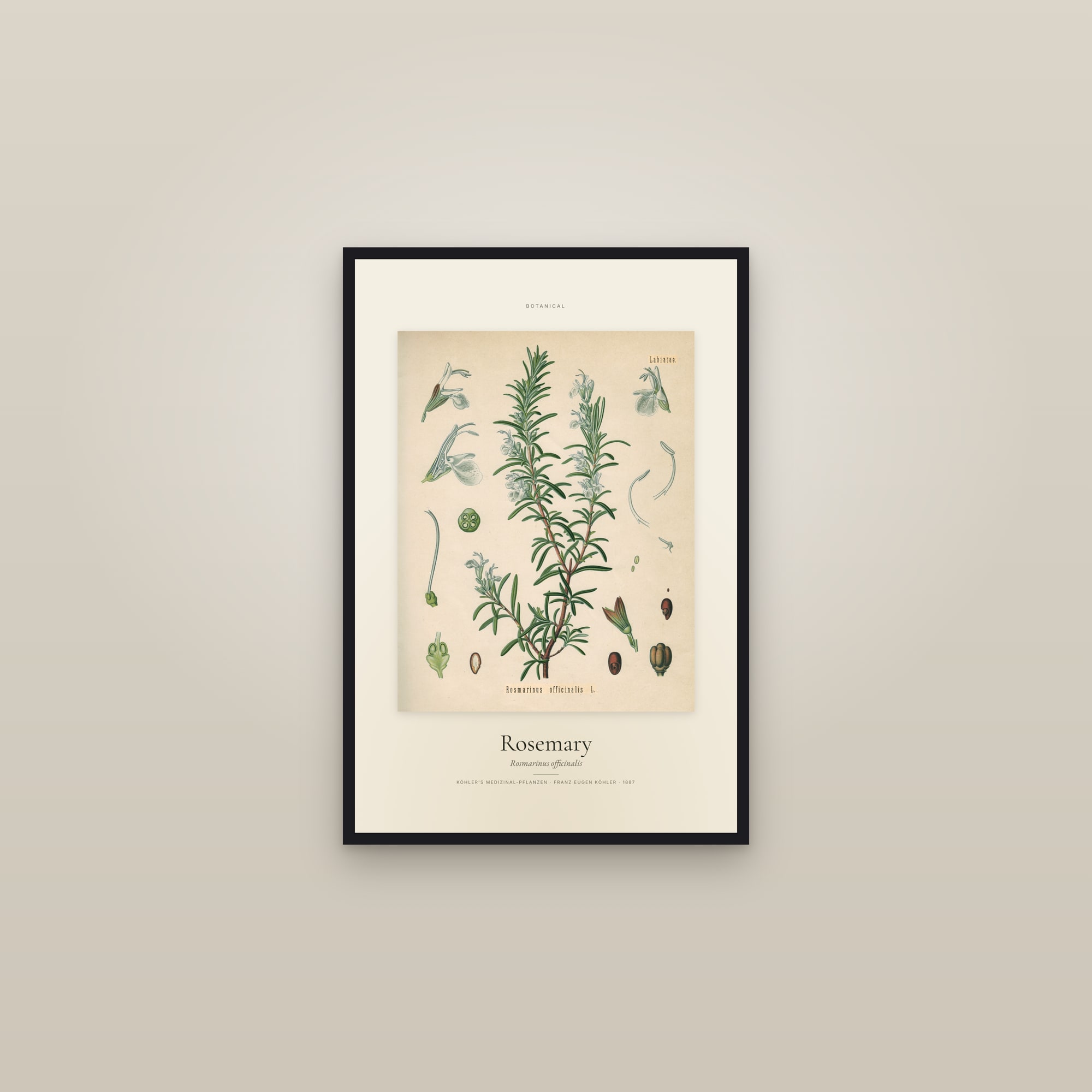
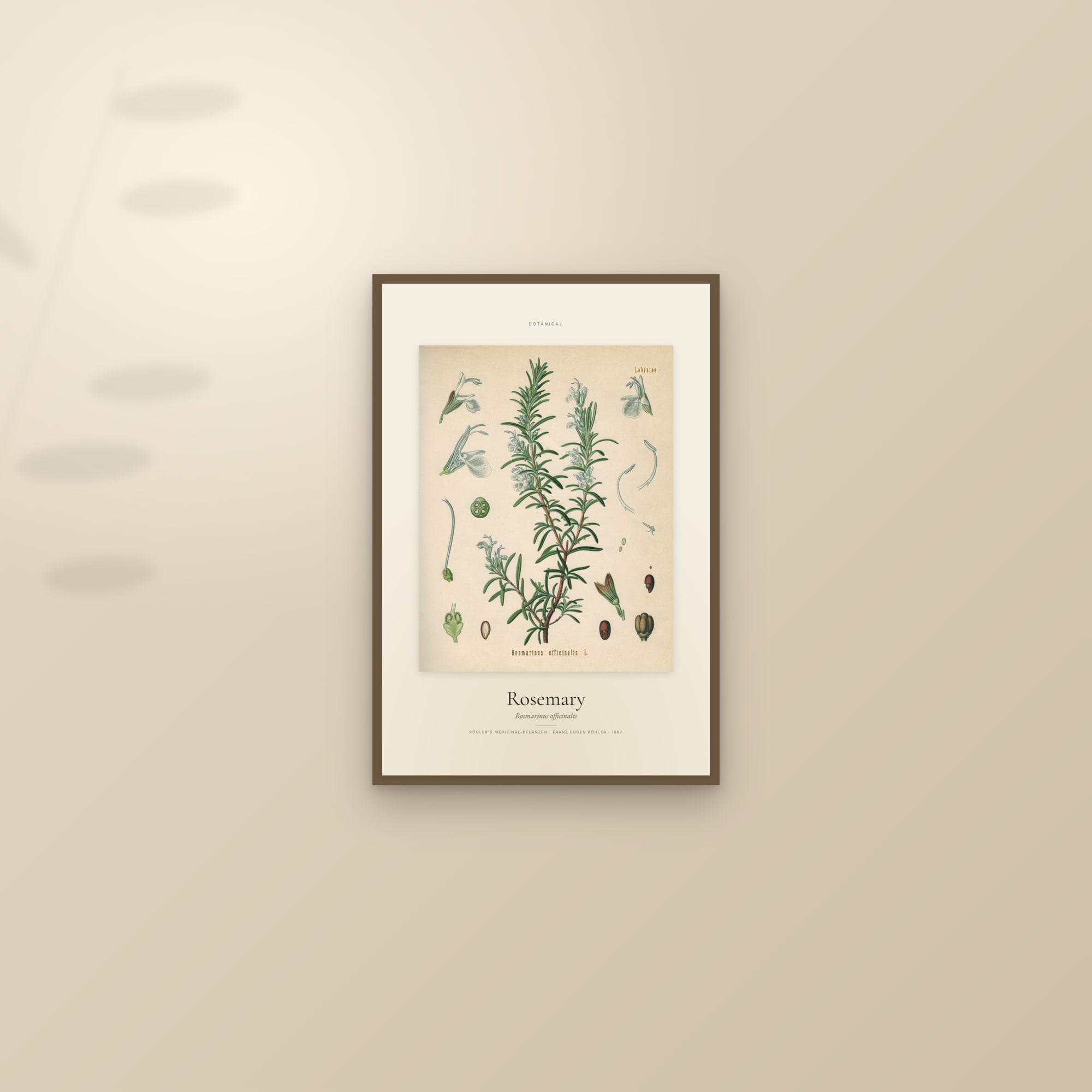
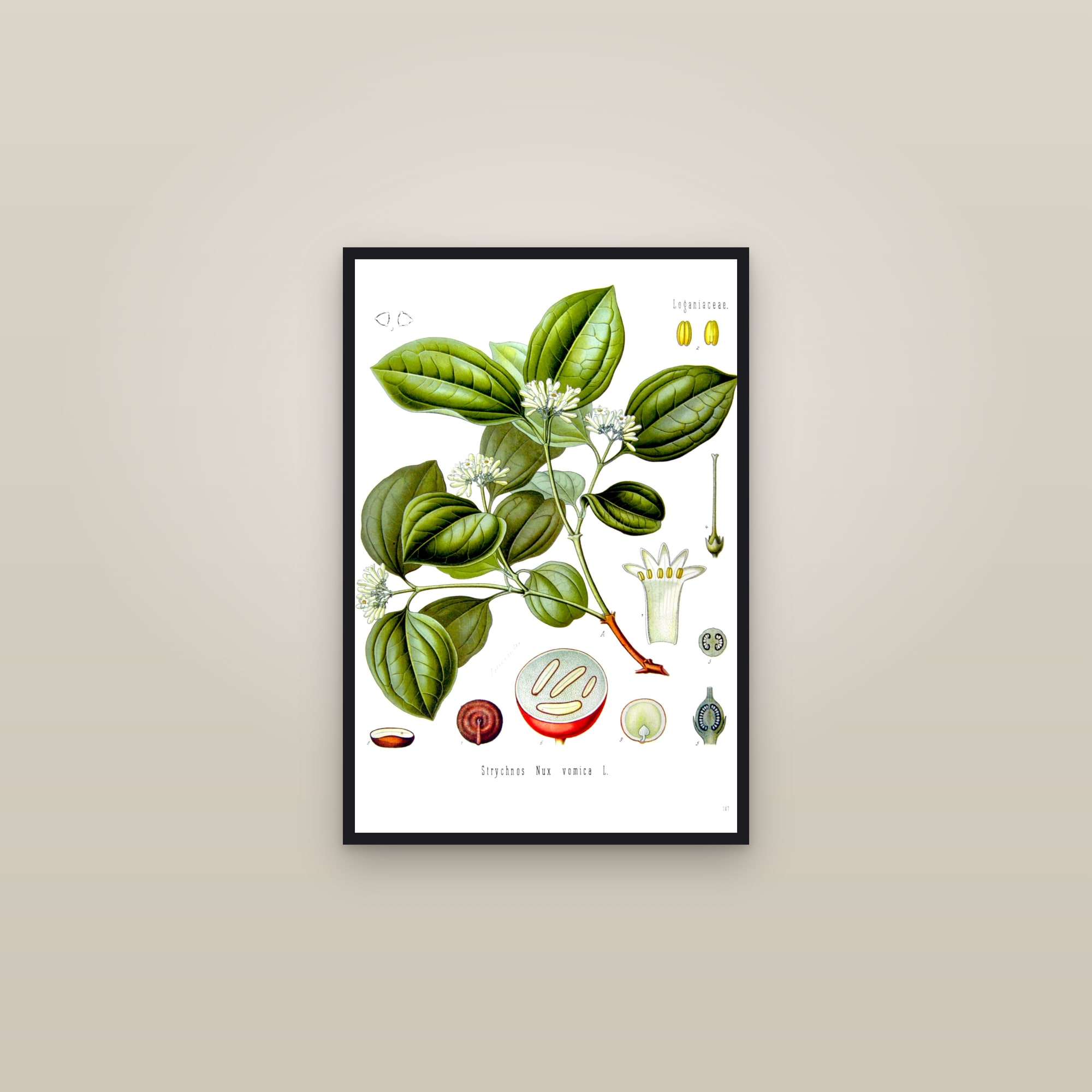
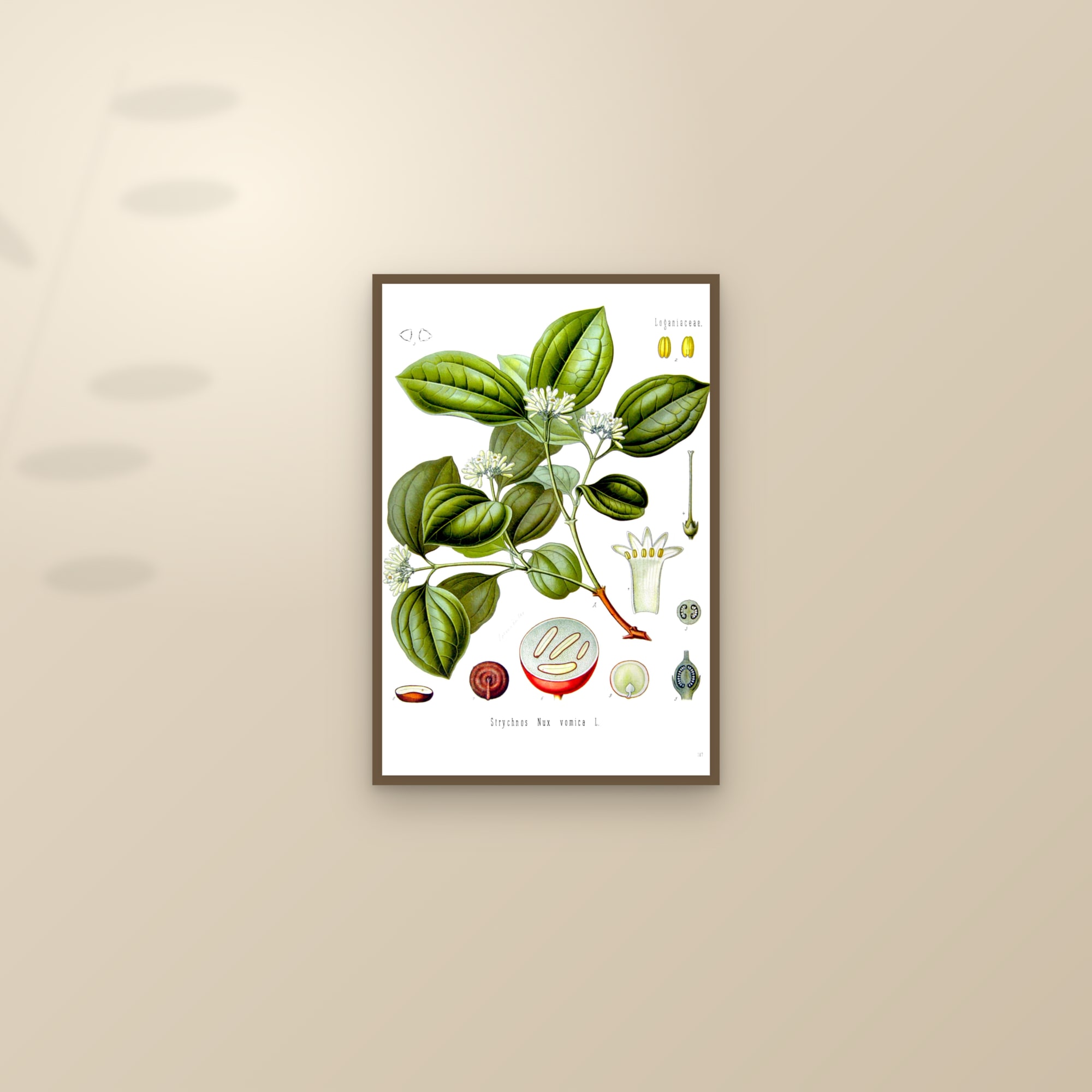
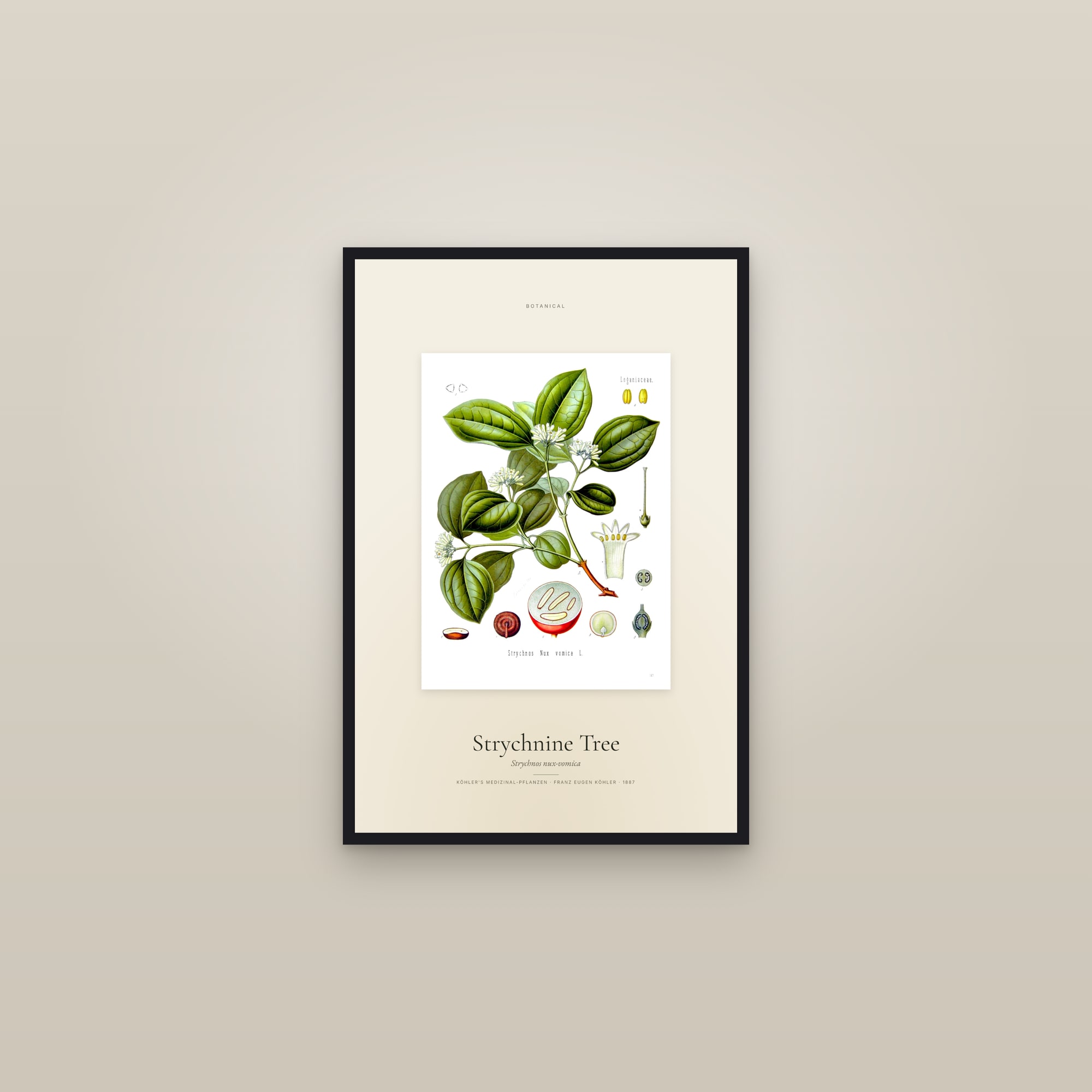
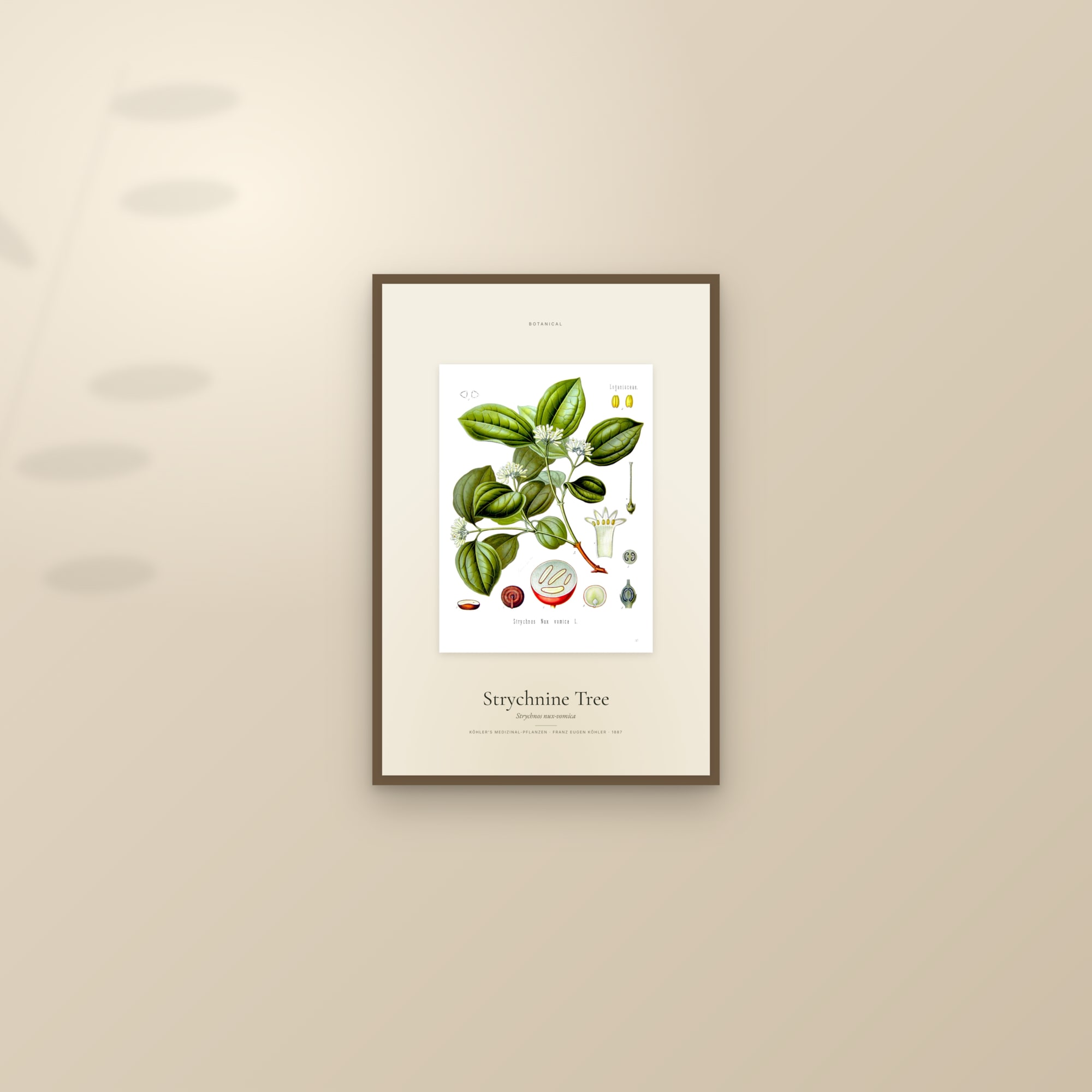
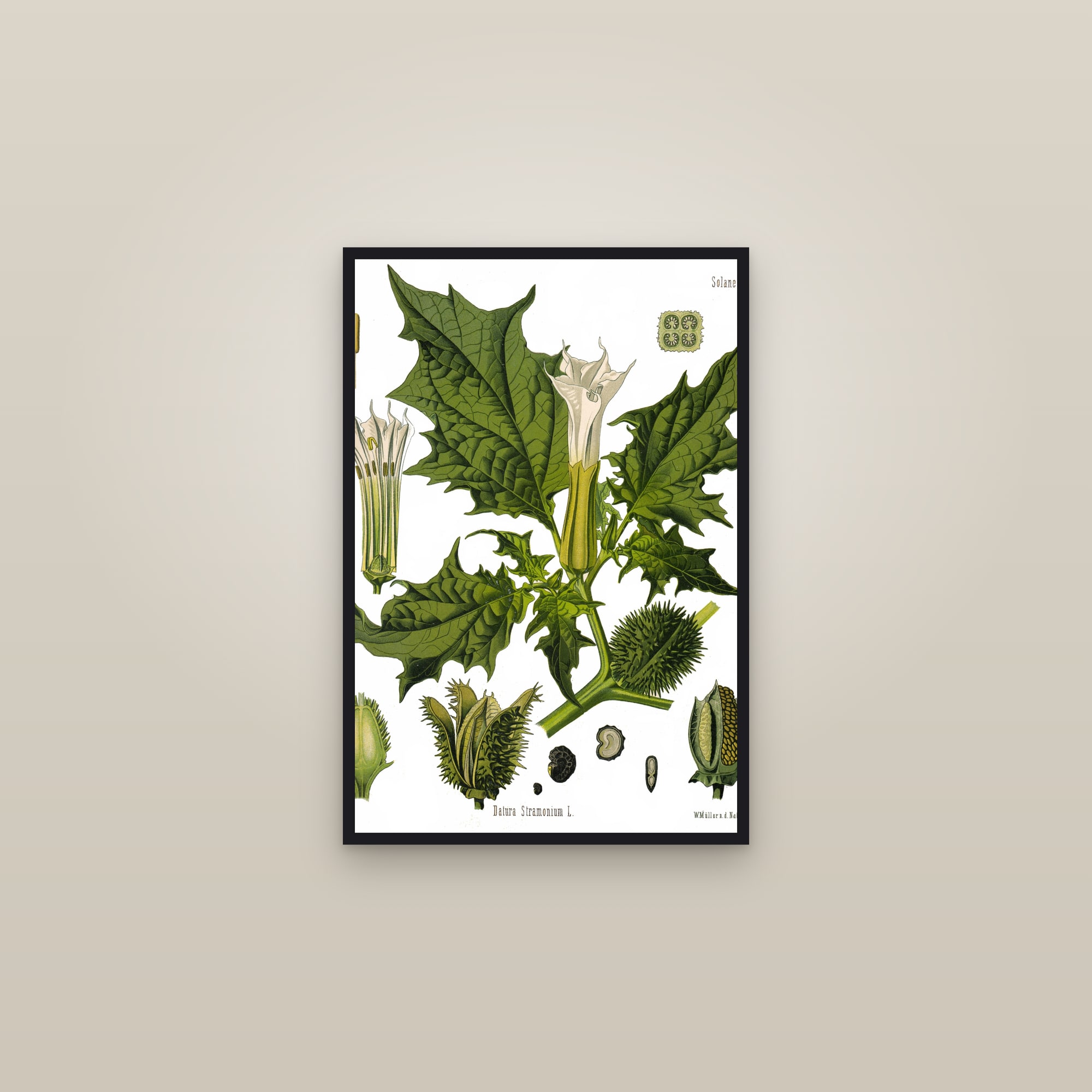
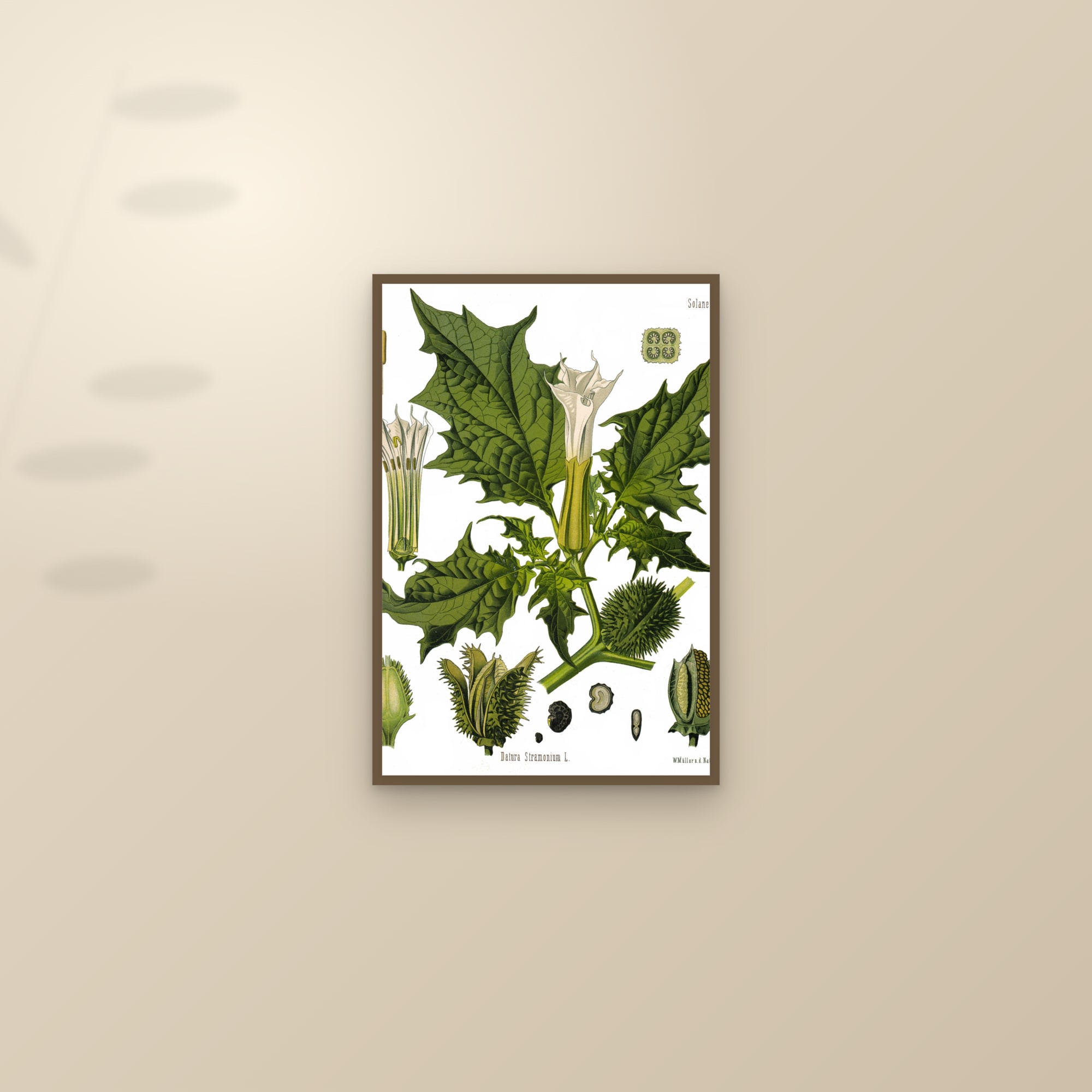
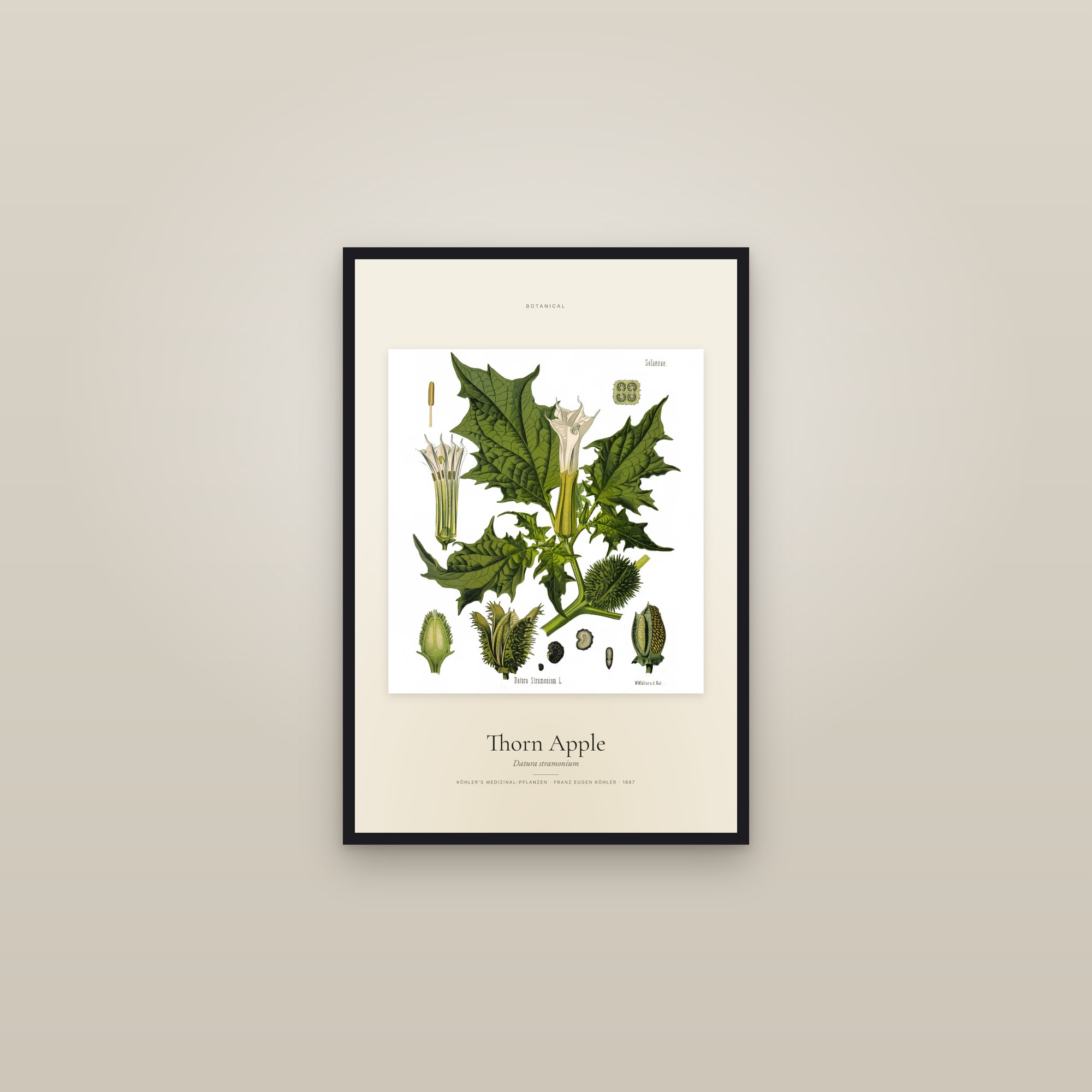
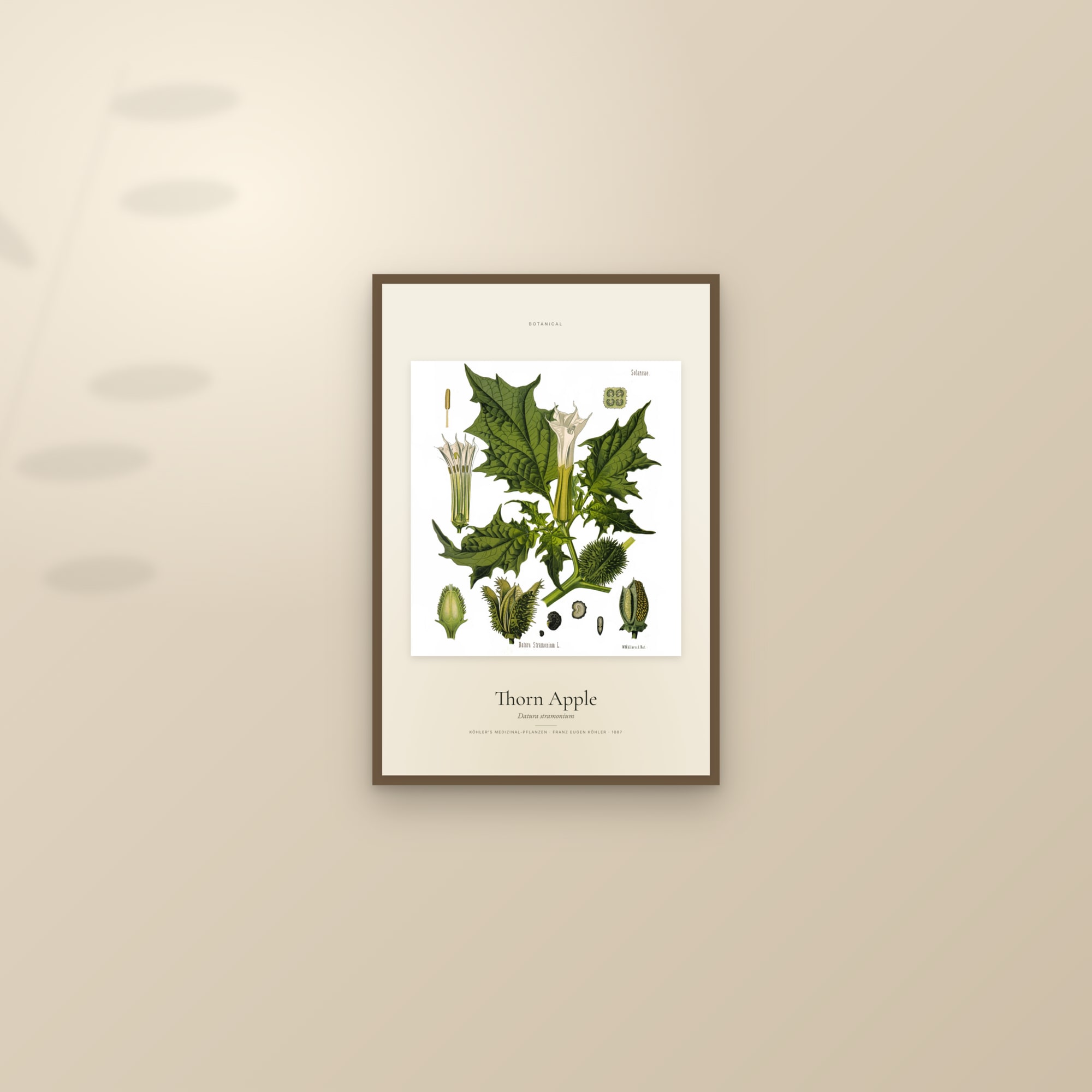
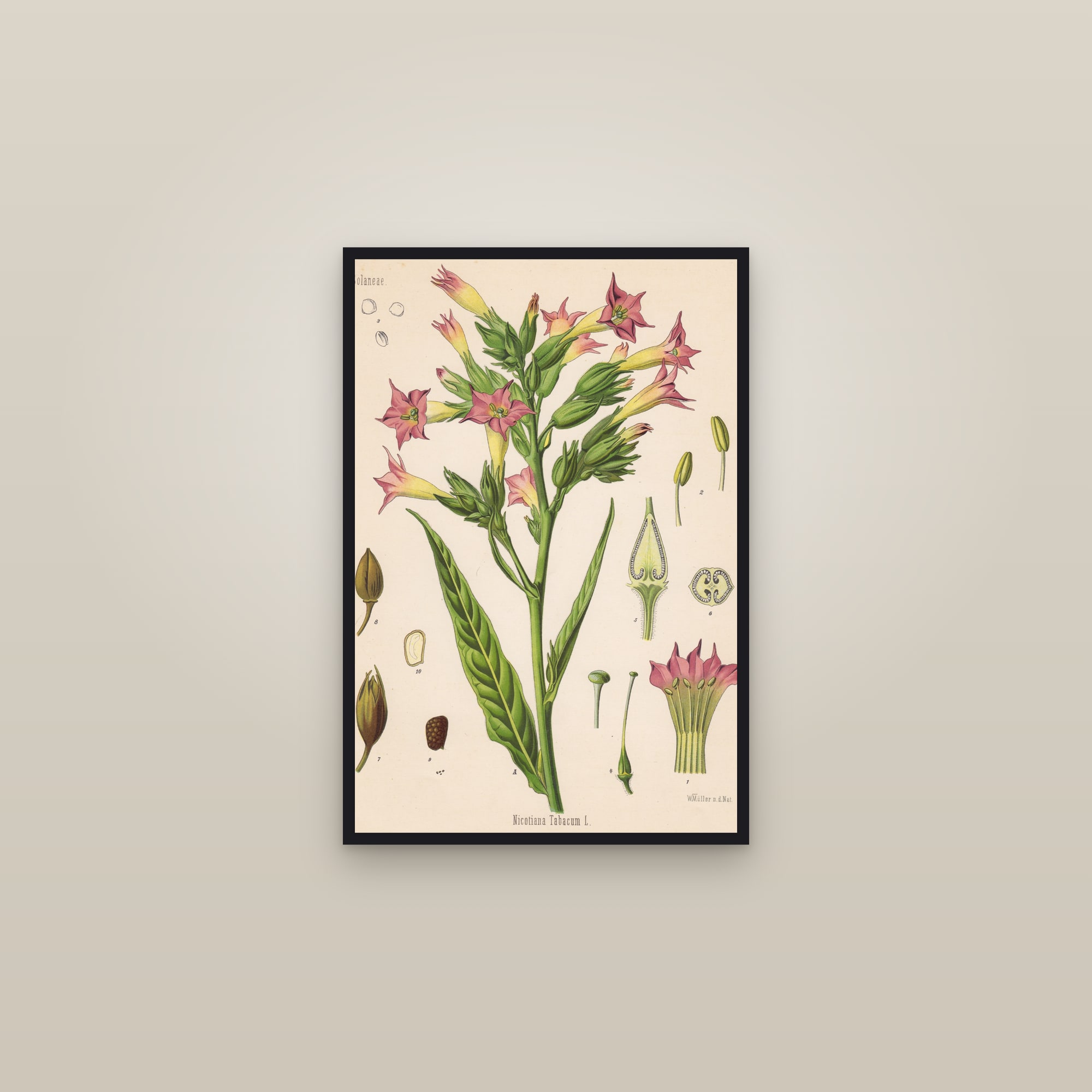
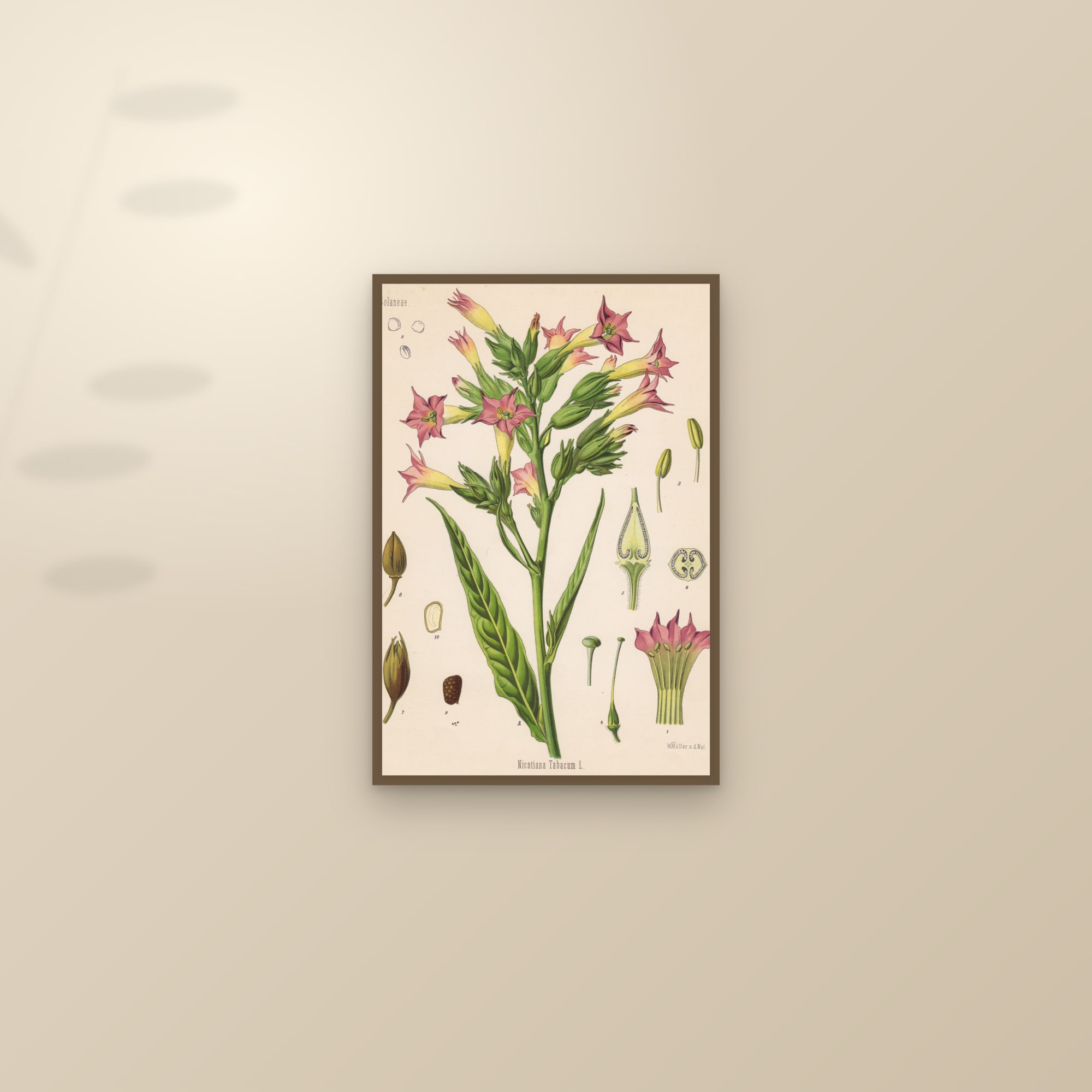
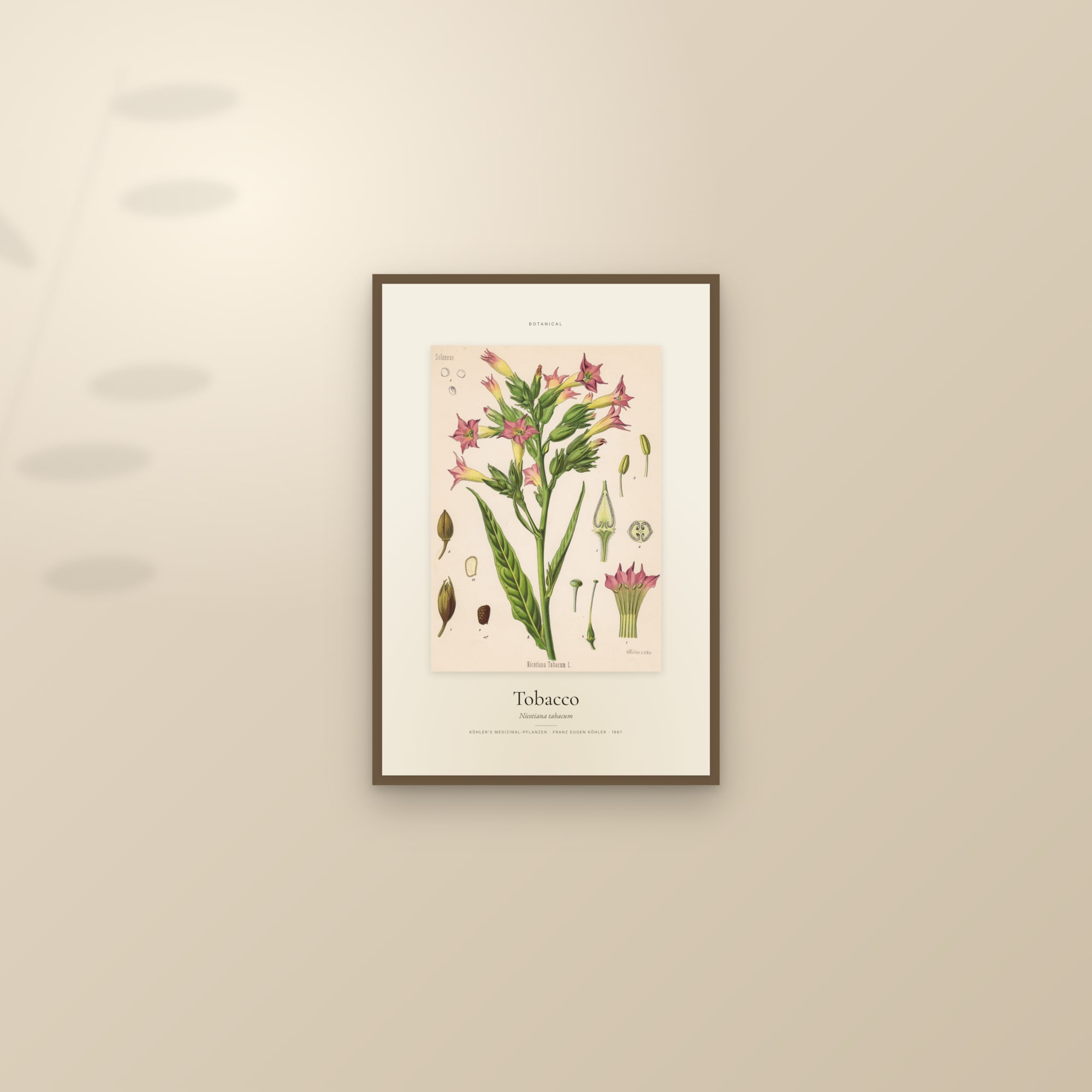
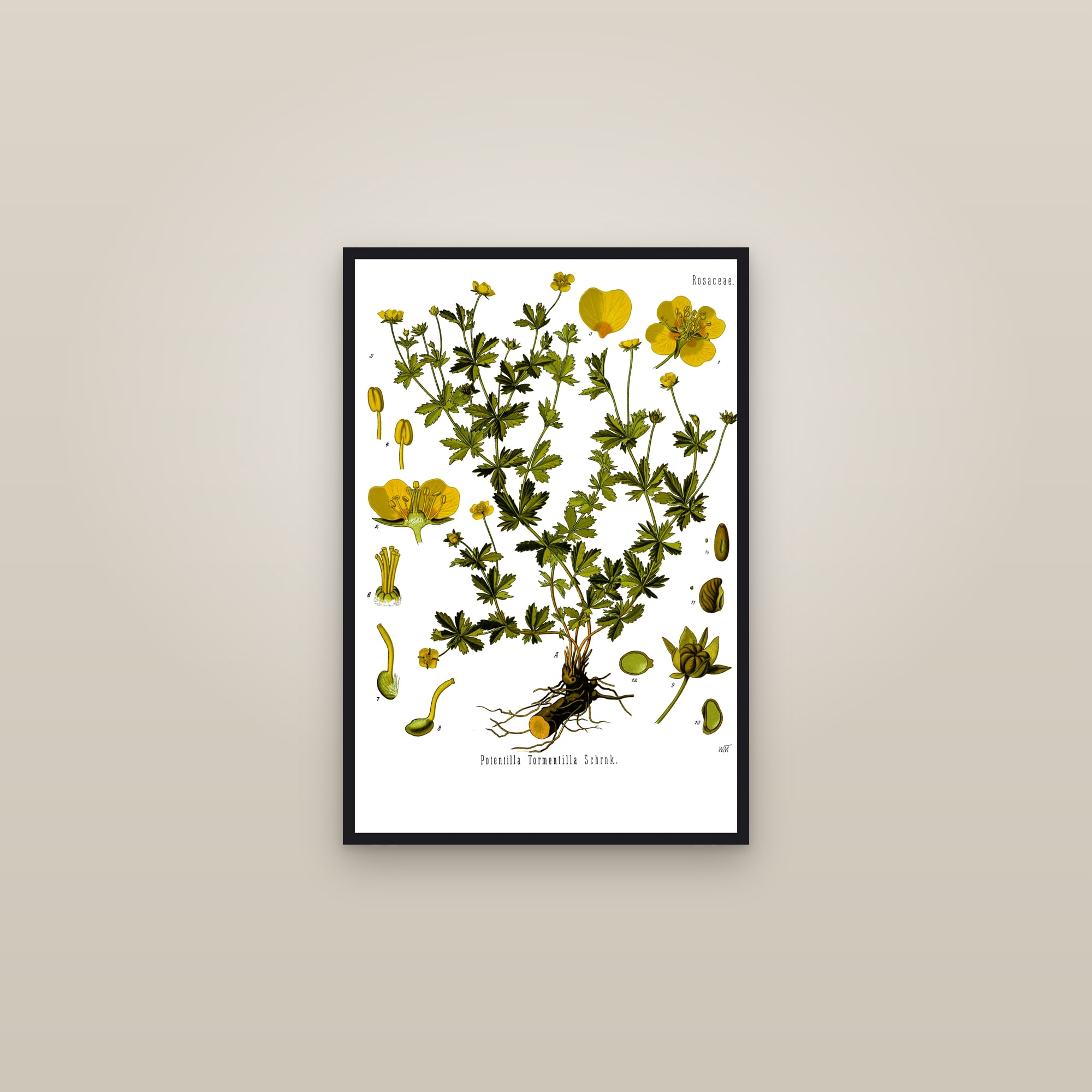
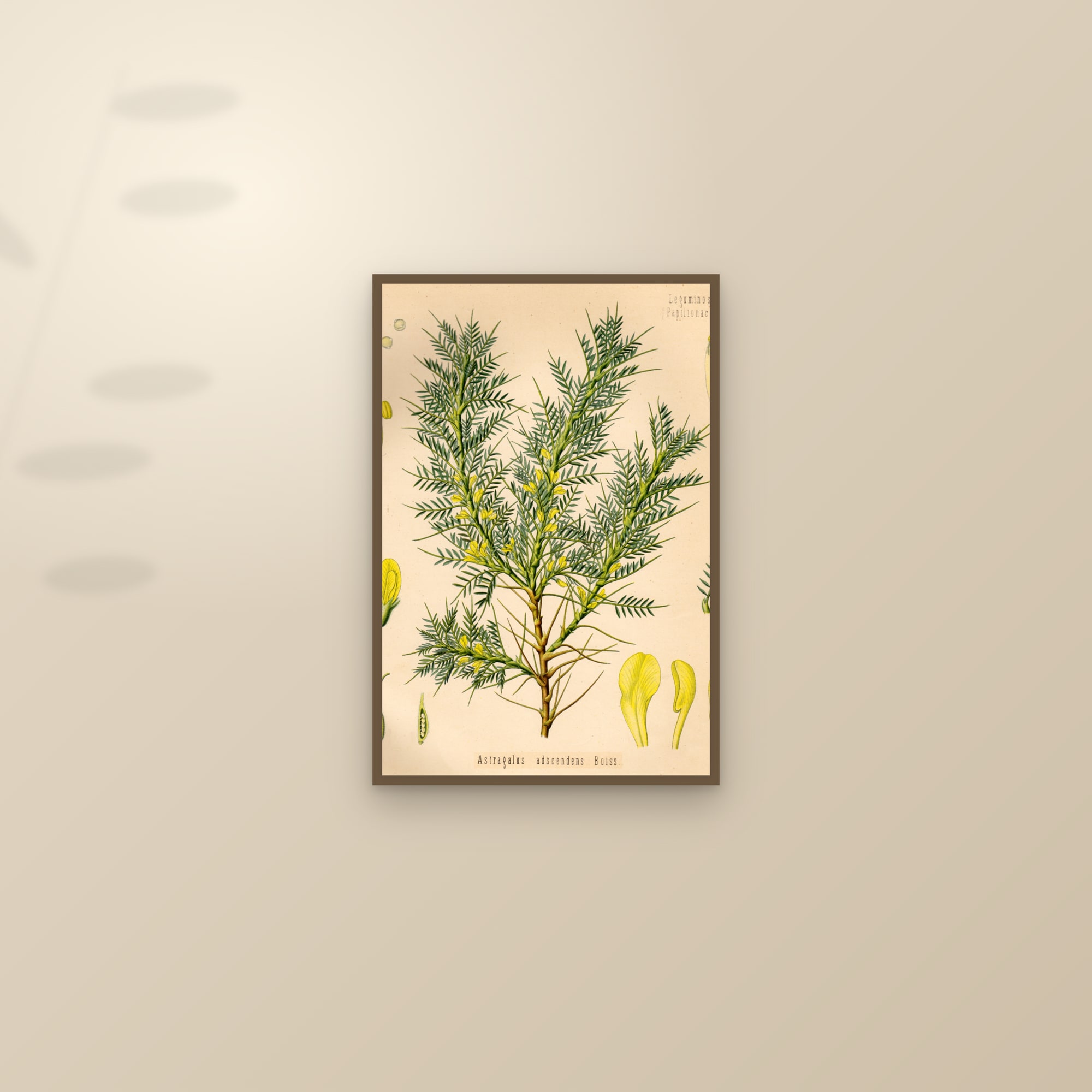
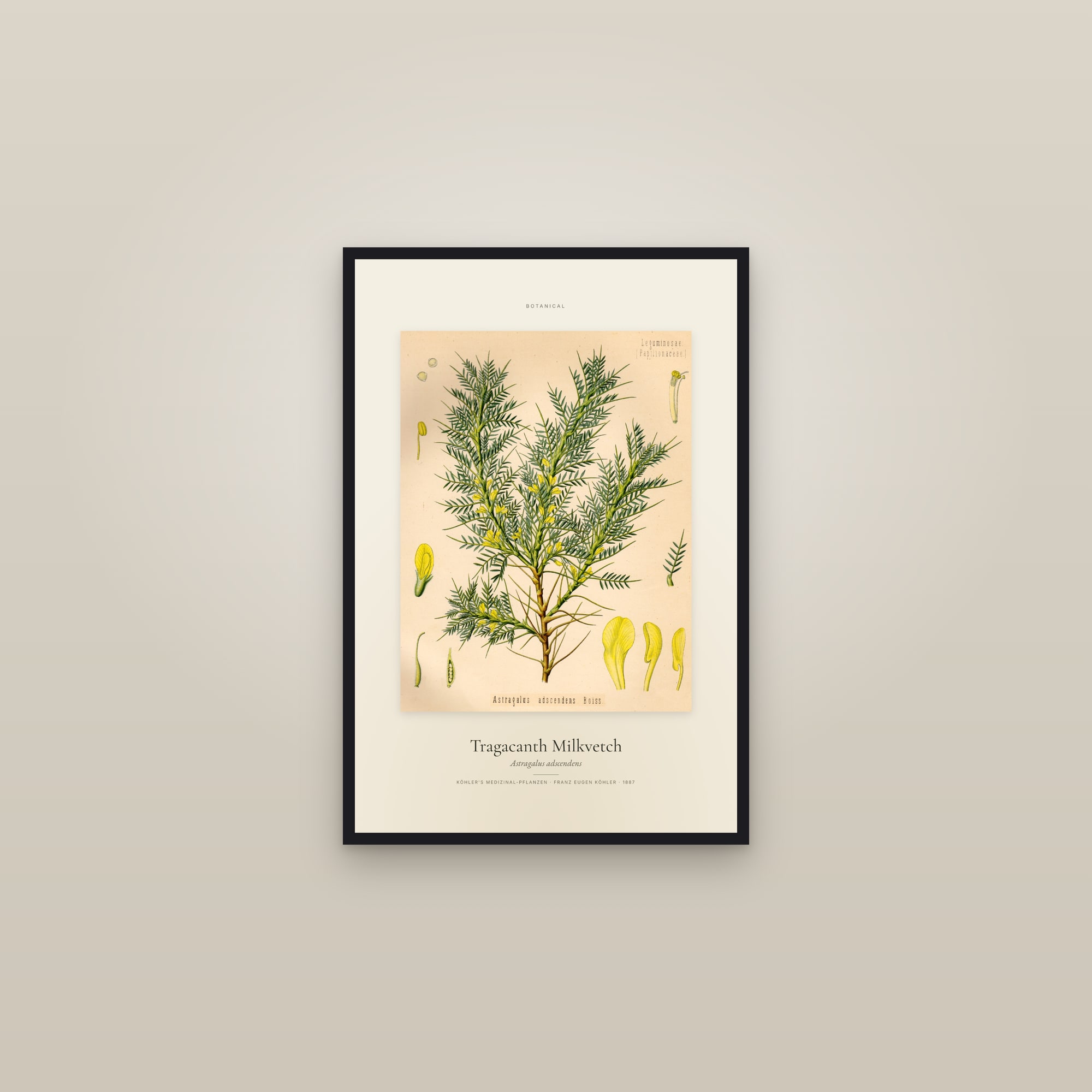
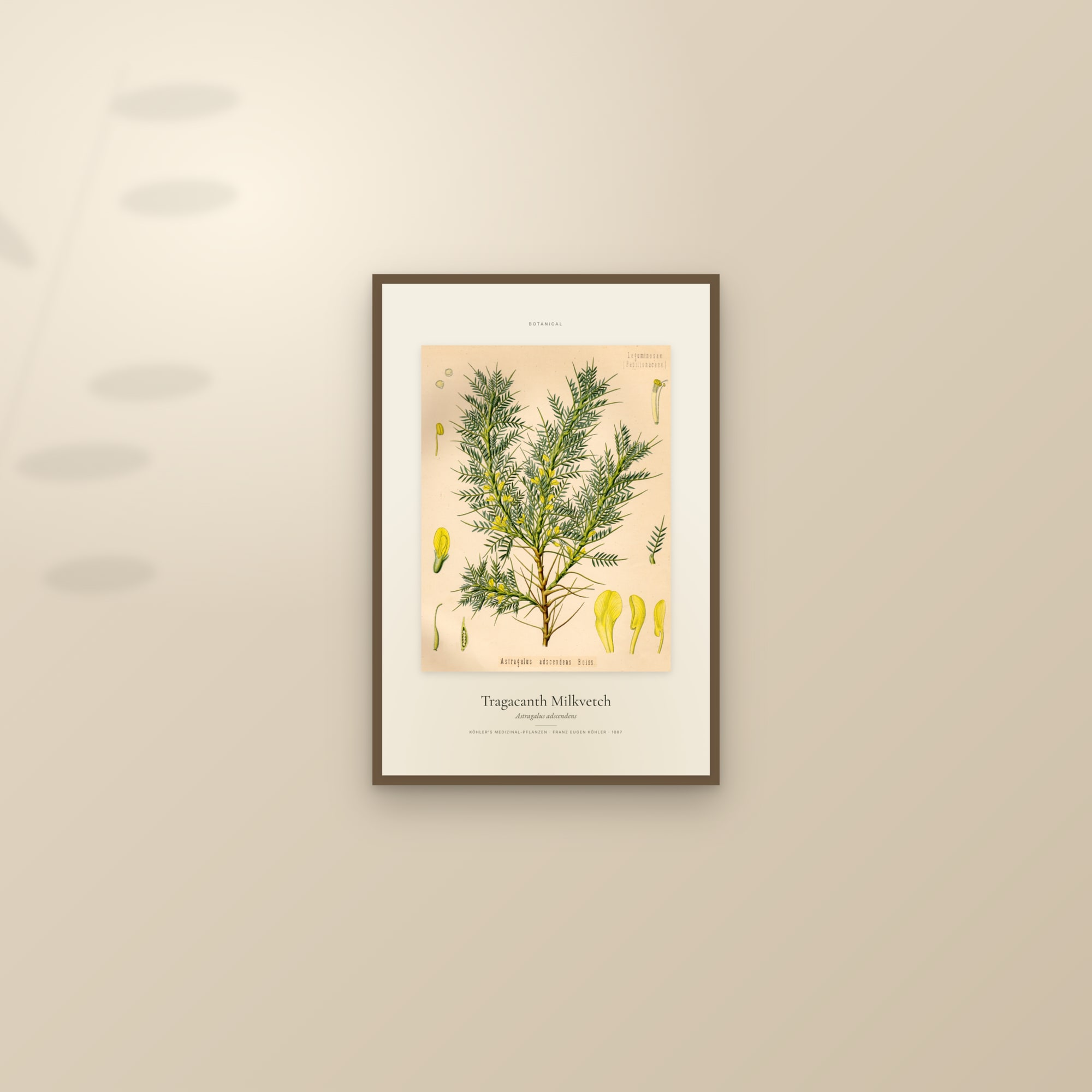
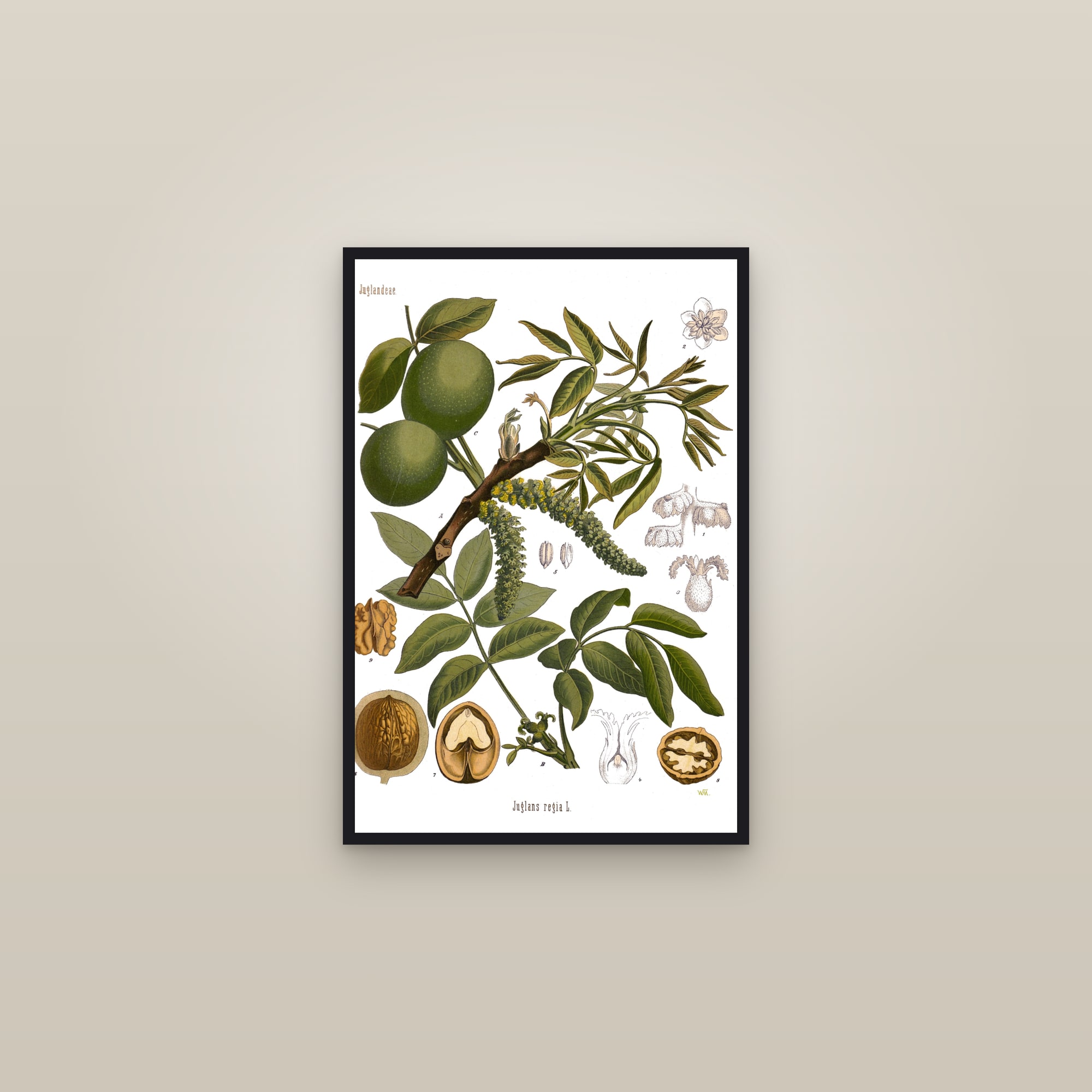
Hermann Adolph Köhler was born in Görlitz in July 1834 and worked as a physician and chemist in Halle, where he died in February 1879. He did not live to see the book that bears his name. Köhler's Medizinal-Pflanzen in naturgetreuen Abbildungen mit kurz erläuterndem Texte, Köhler's Medicinal Plants in True-to-Nature Illustrations with Short Explanatory Text, was conceived as an atlas to the German pharmacopoeia and was completed and edited after his death by the botanist Gustav Pabst, then published by Franz Eugen Köhler of Gera: a first volume of 84 plates in 1887, a second of 110 plates in 1890, and a supplement of 80 further plates in 1898 covering newly adopted drug plants and their look-alikes. The plates were drawn by Walther Otto Müller, C. F. Schmidt and K. Gunther and printed in chromolithography, each showing the whole flowering plant with separate dissected details of flower, fruit, seed and root beside it. The subjects are the plants behind nineteenth-century medicine, belladonna, foxglove, arnica, opium poppy, cinchona, cacao, coffee, papaya, tobacco, drawn with the precision a pharmacist needed to tell a true drug plant from an adulterant. That exactness, combined with the rich colour of the chromolithography, is what makes the plates hang so well: they are botanical, graphic and warm at once.