Kazimir Malevich Prints
1879–1935 · Russian (born in Kyiv, of Polish descent) · Suprematism
Wall art by Kazimir Malevich, restored in-house and printed to order on heavyweight matte fine-art paper.
12 prints · printed to order on heavyweight matte paper · framed or unframed
About Kazimir Malevich
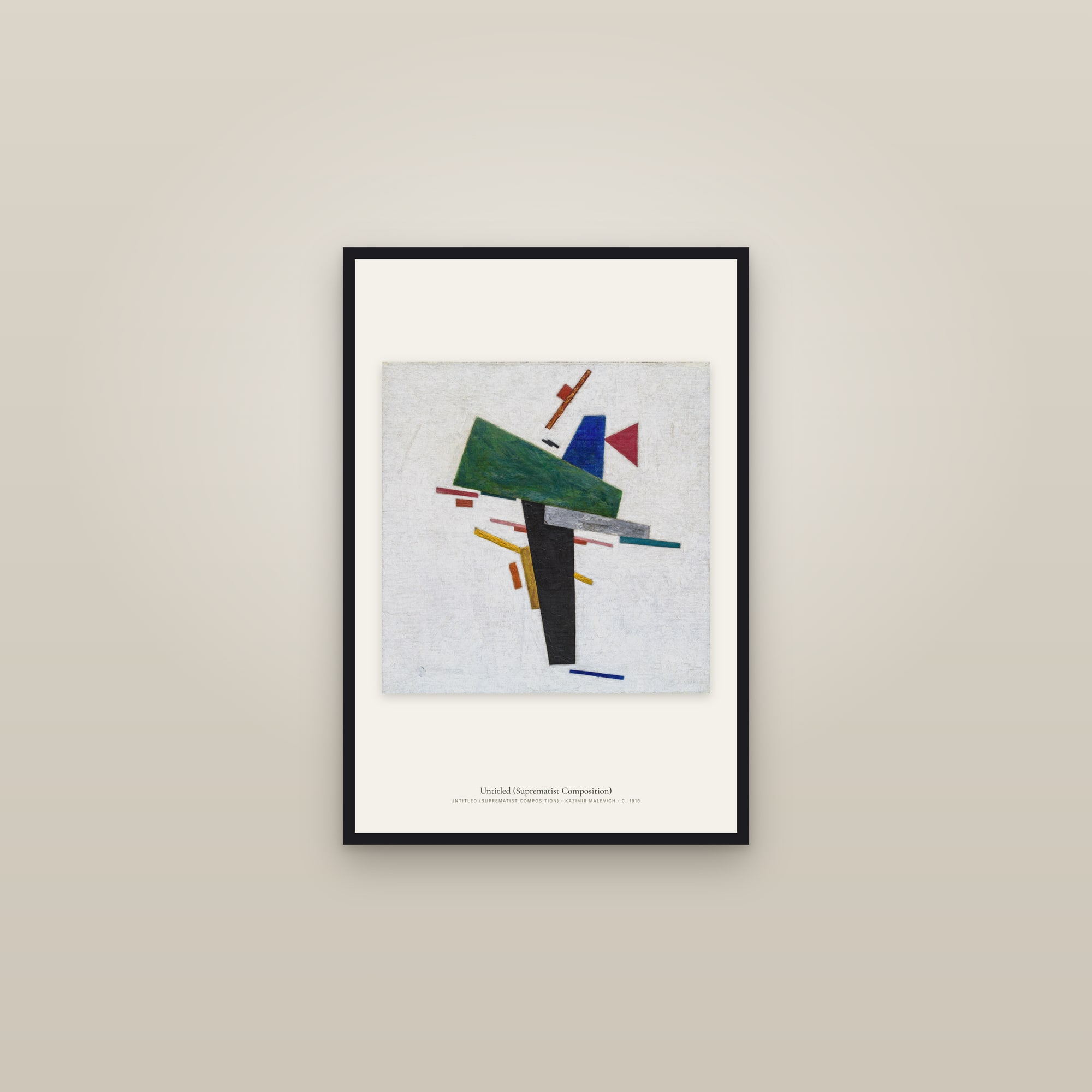
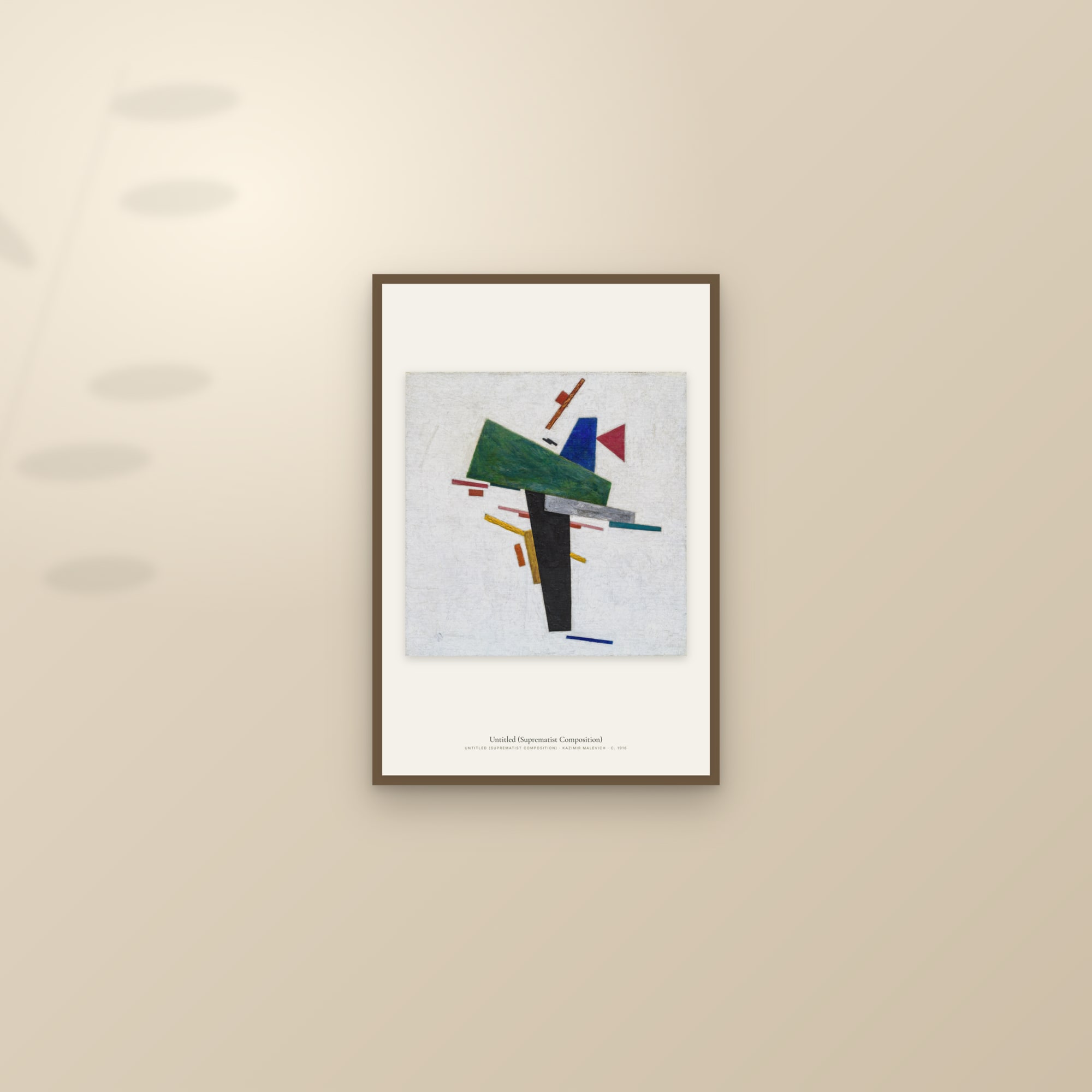
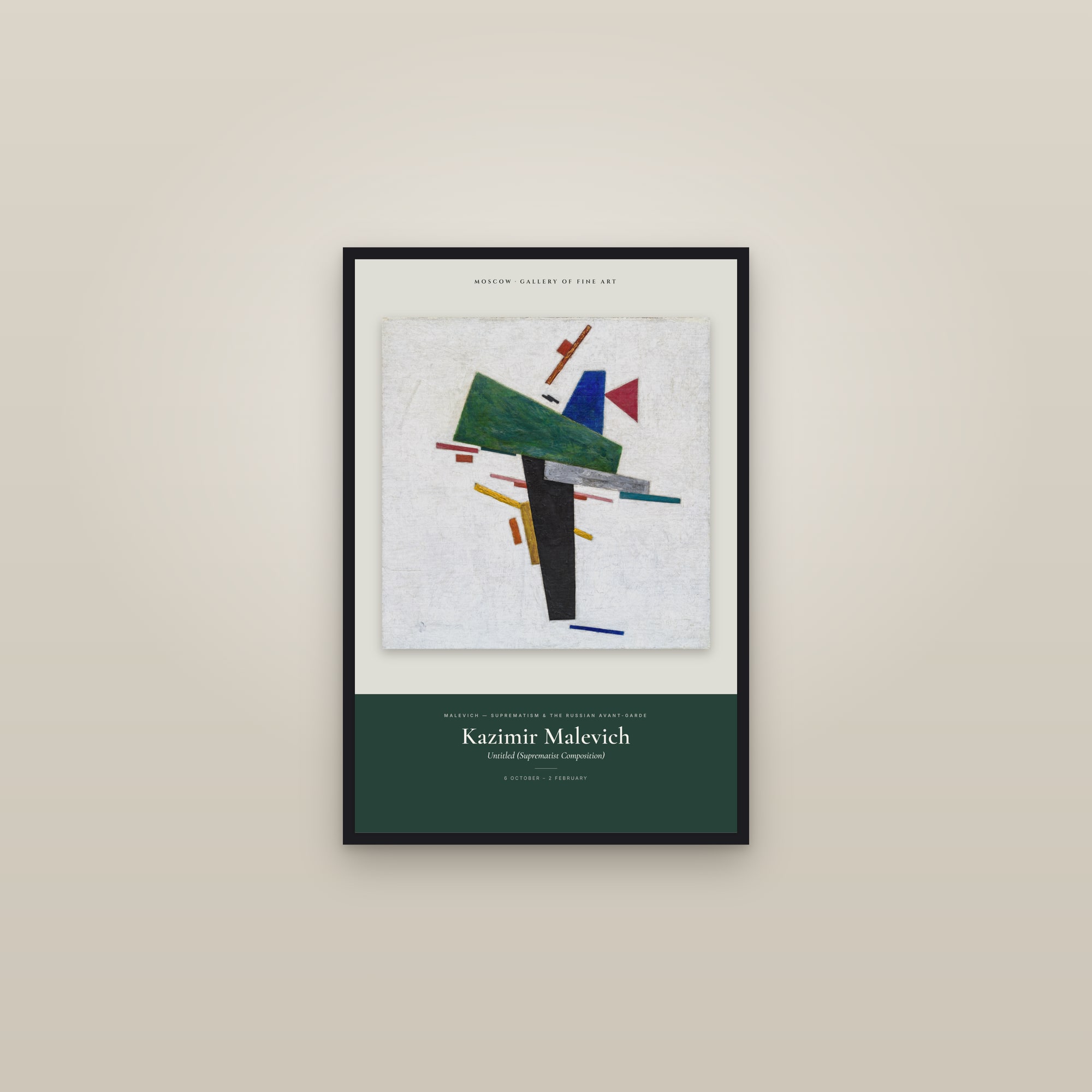
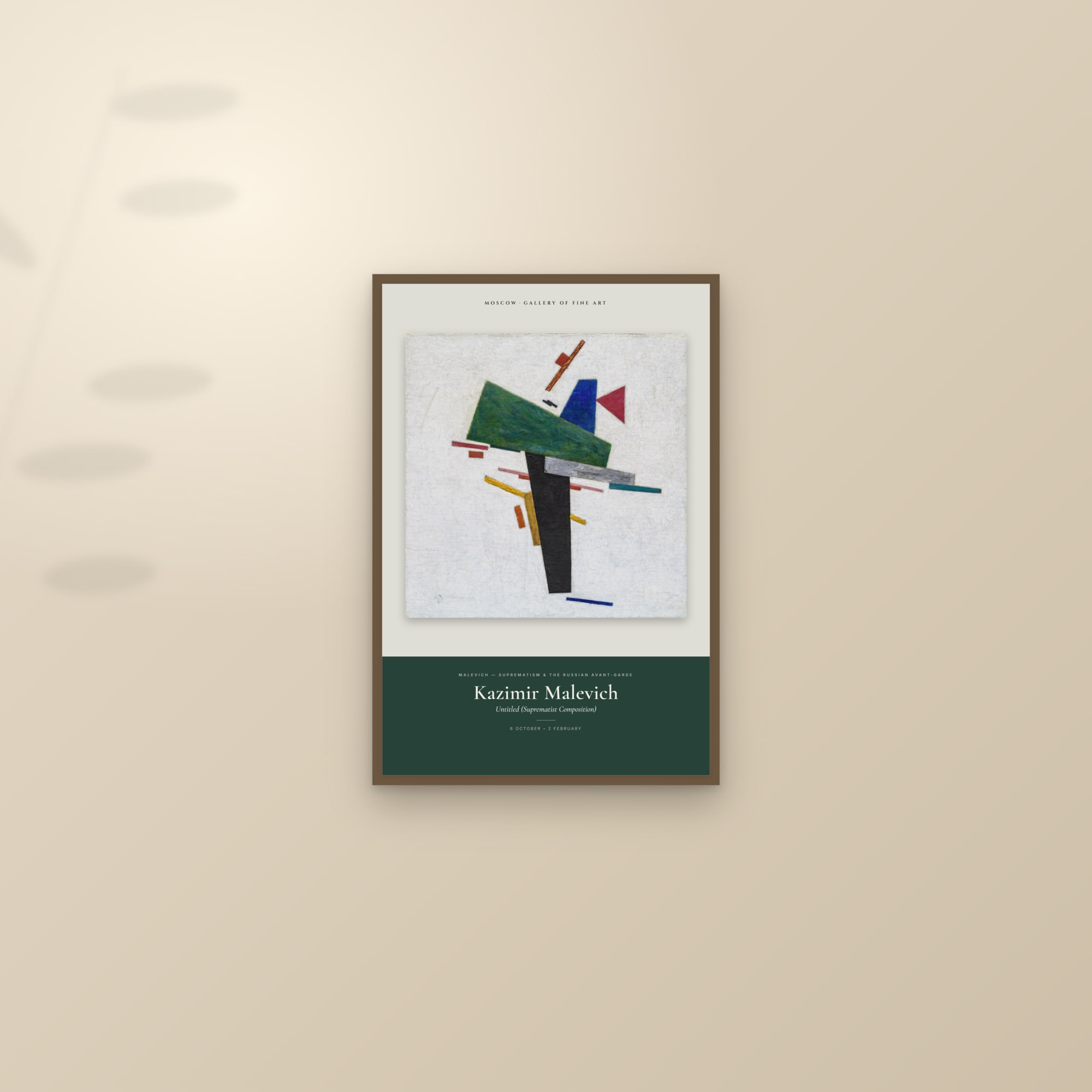
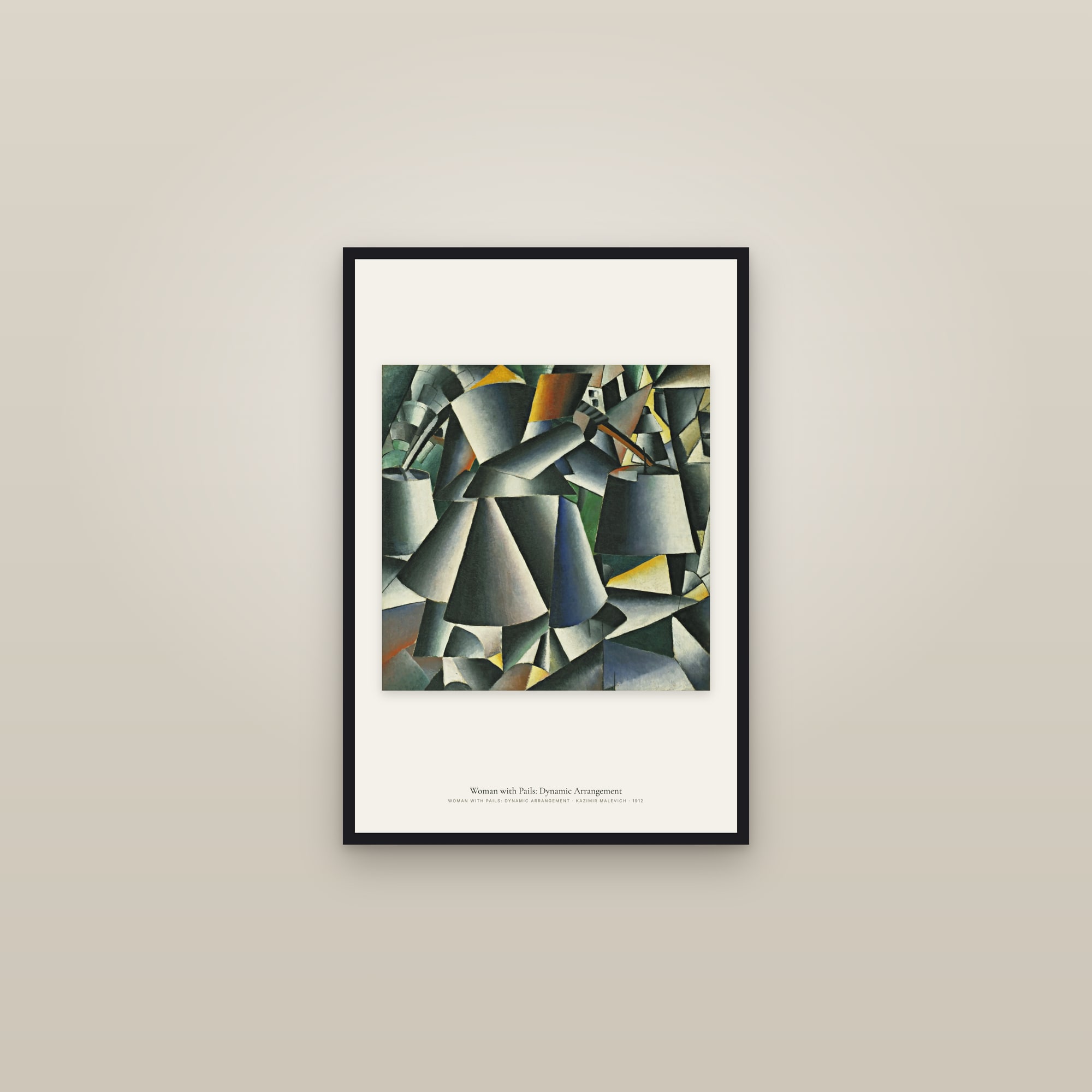
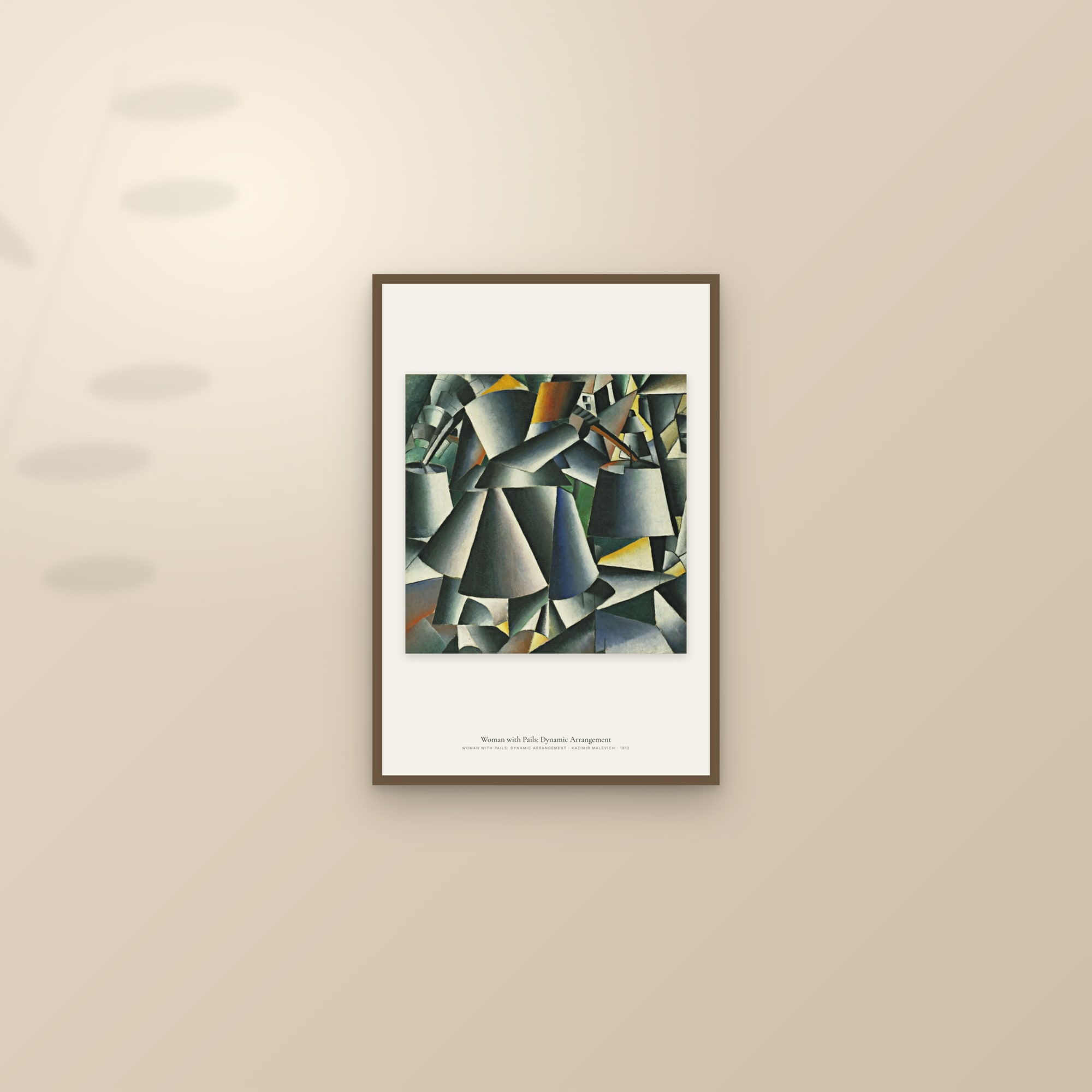
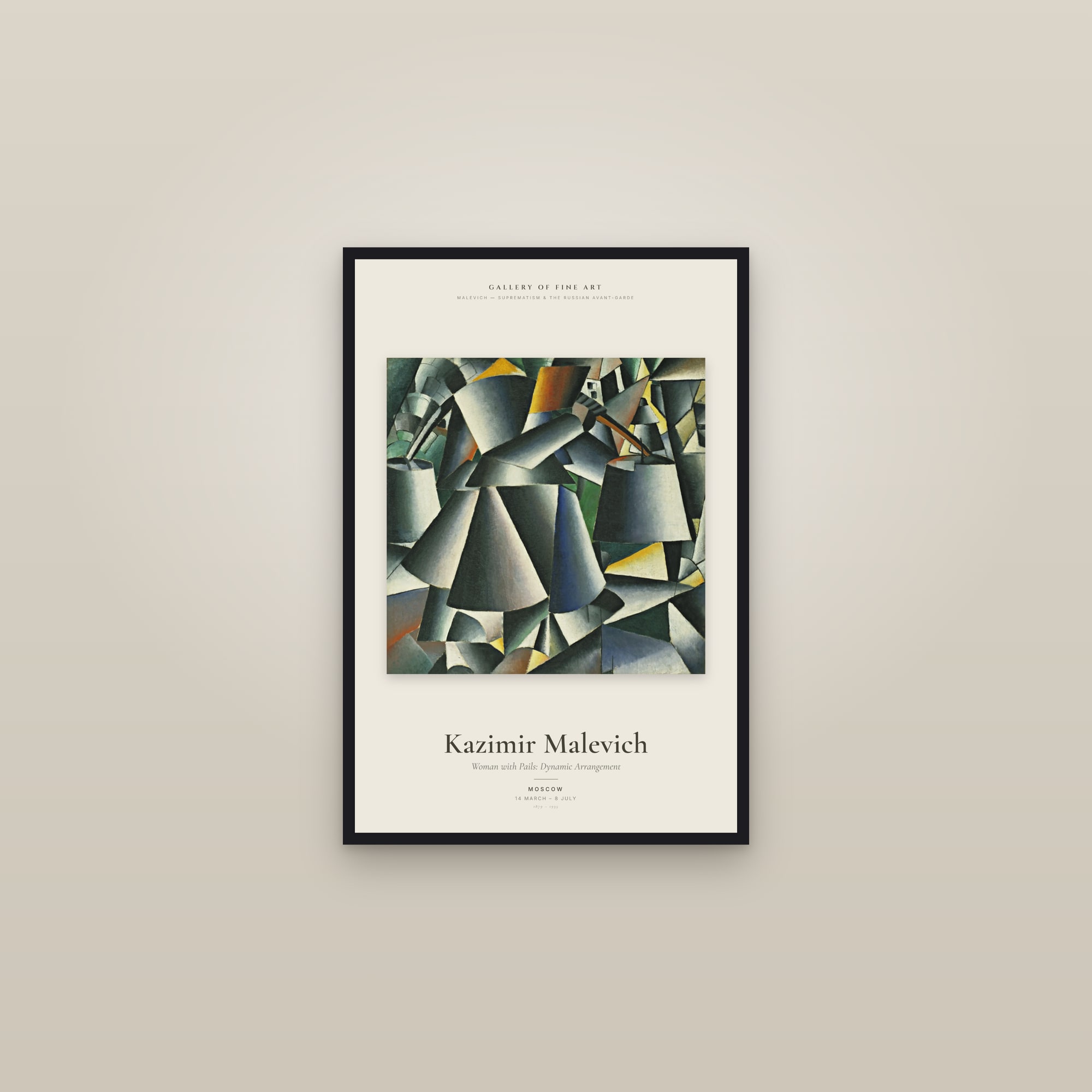
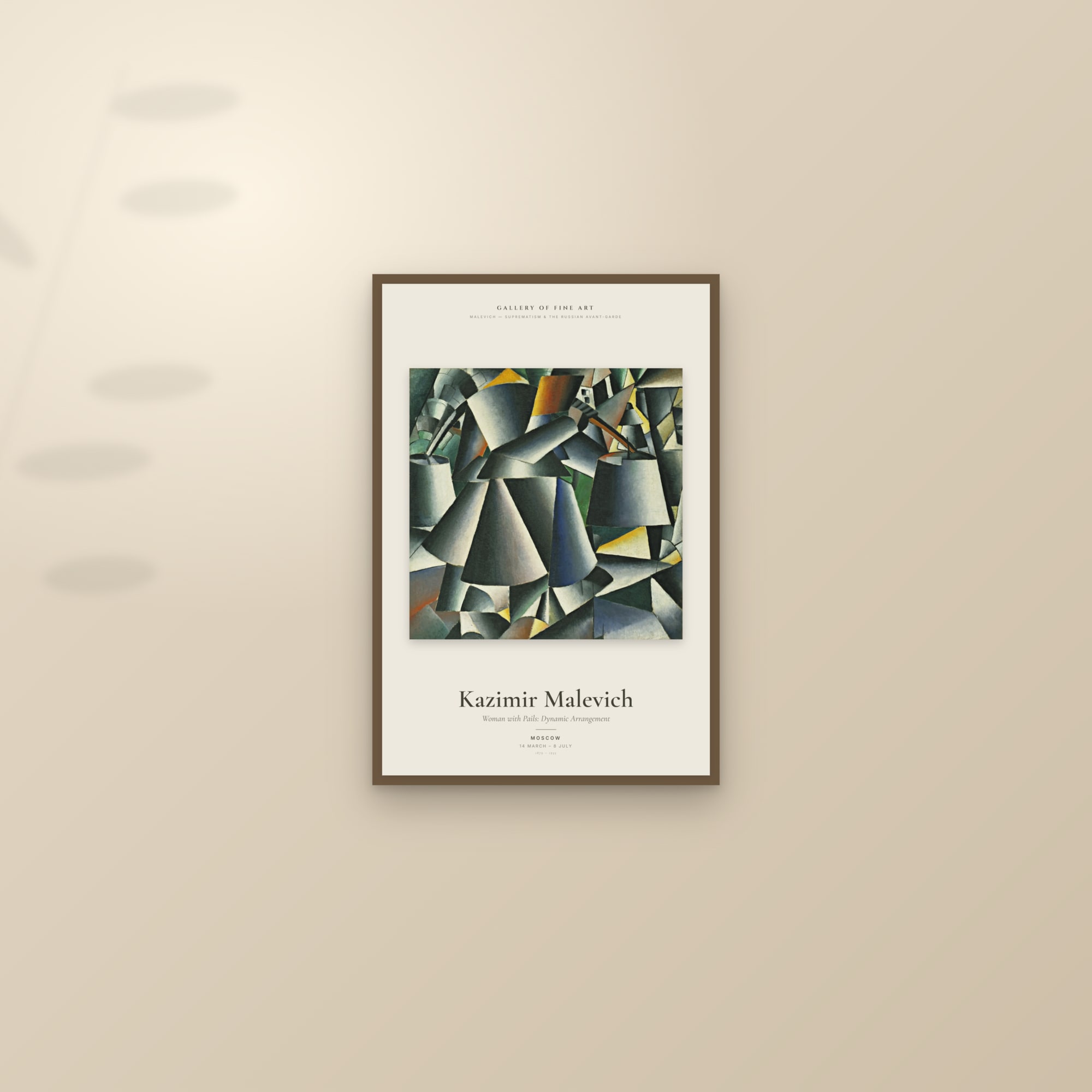
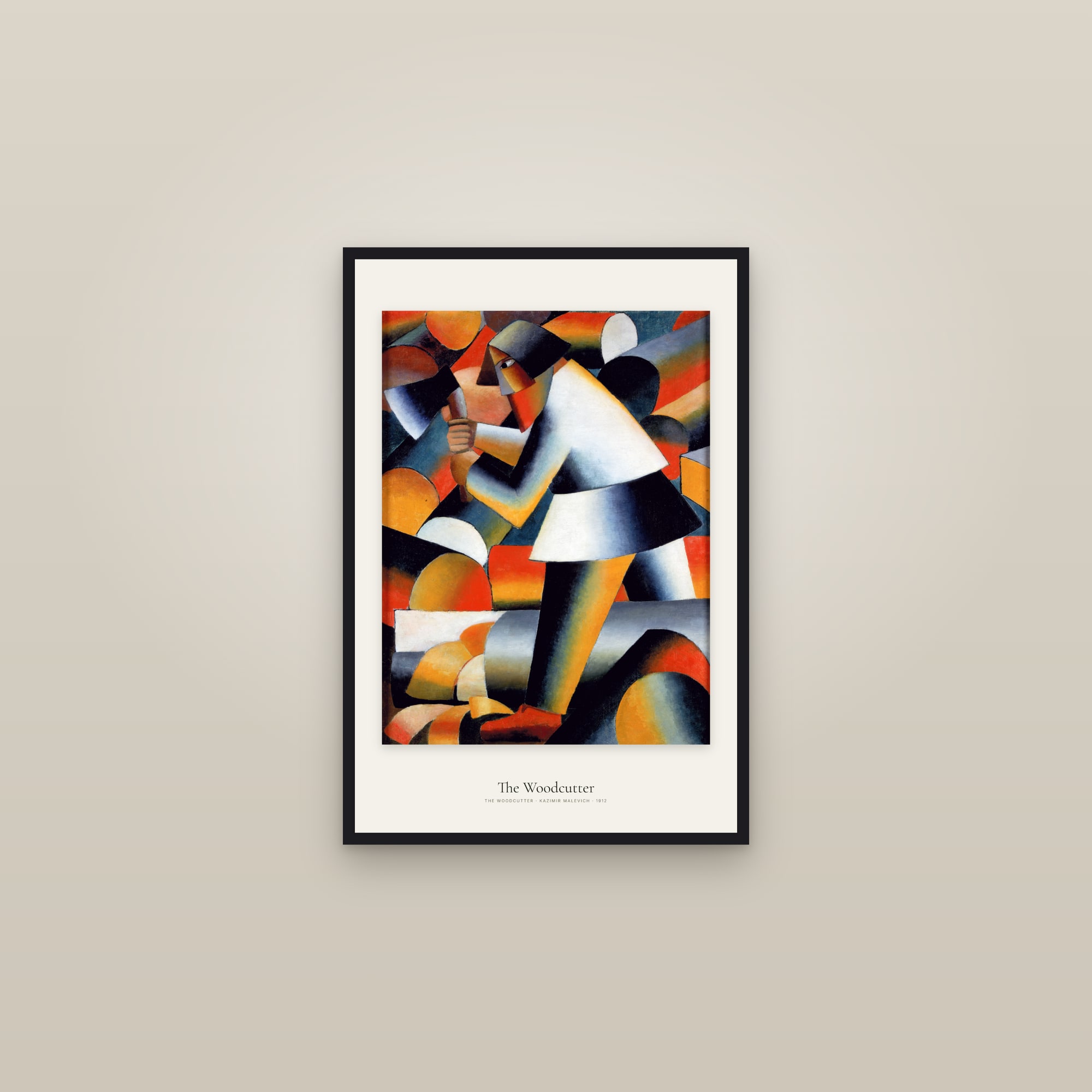
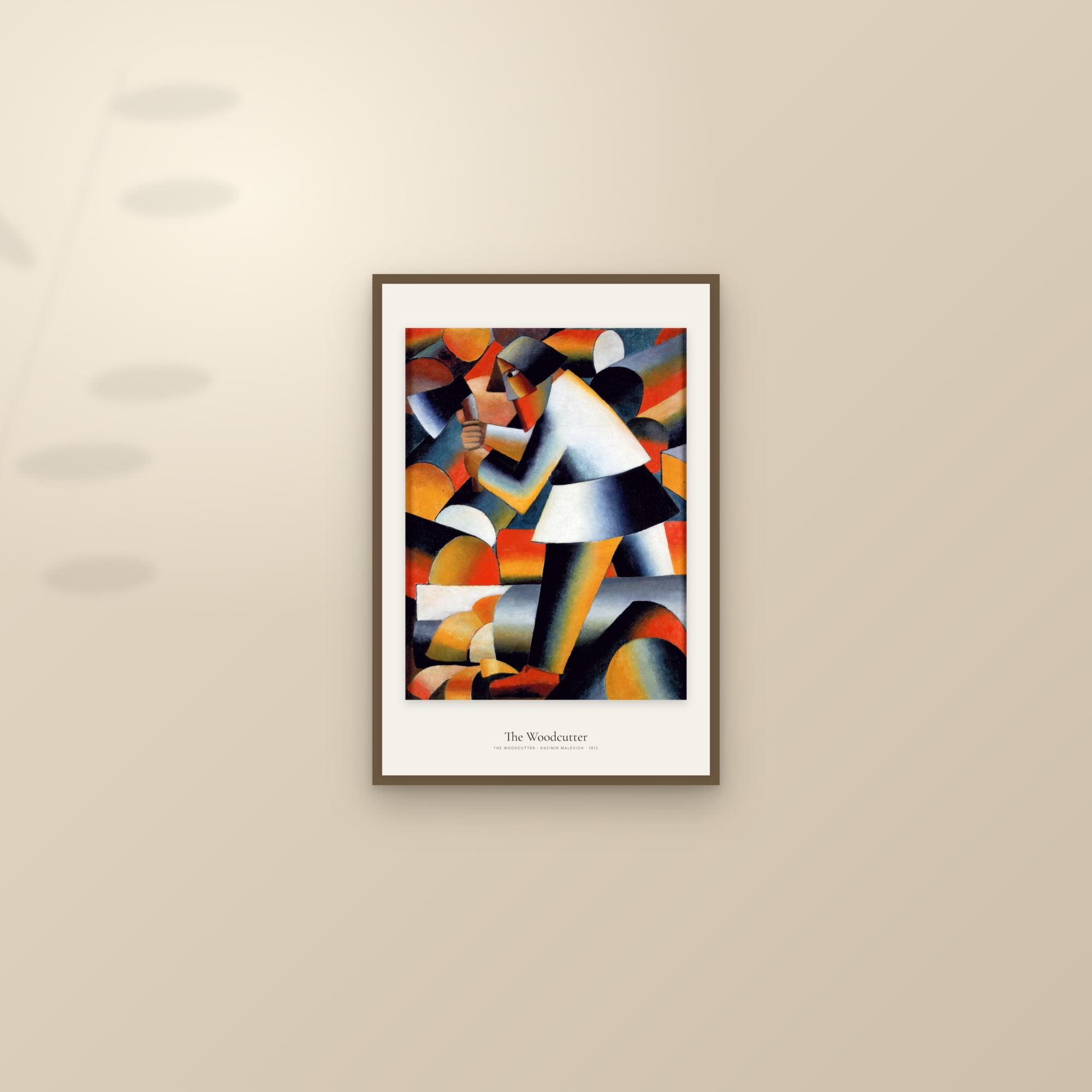
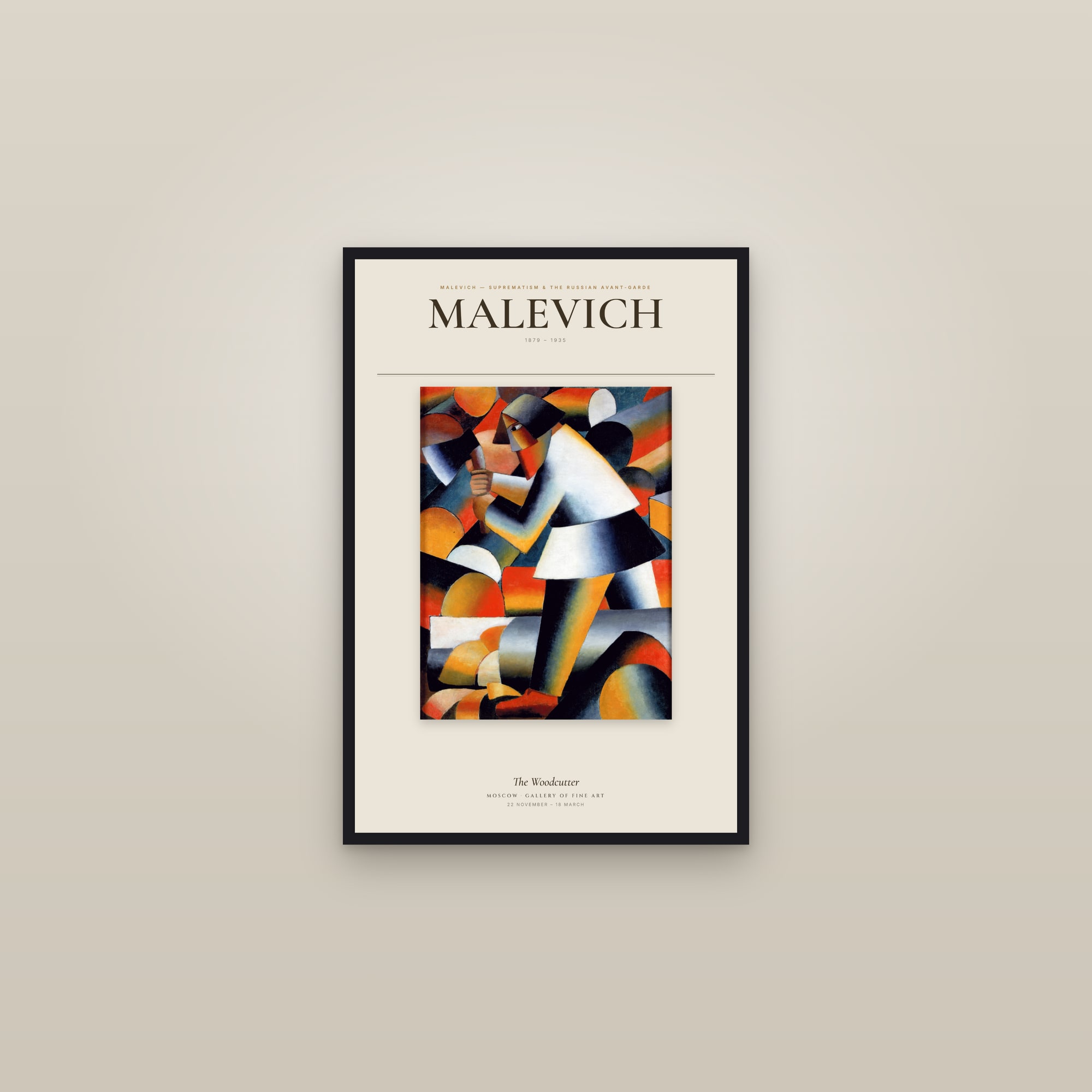
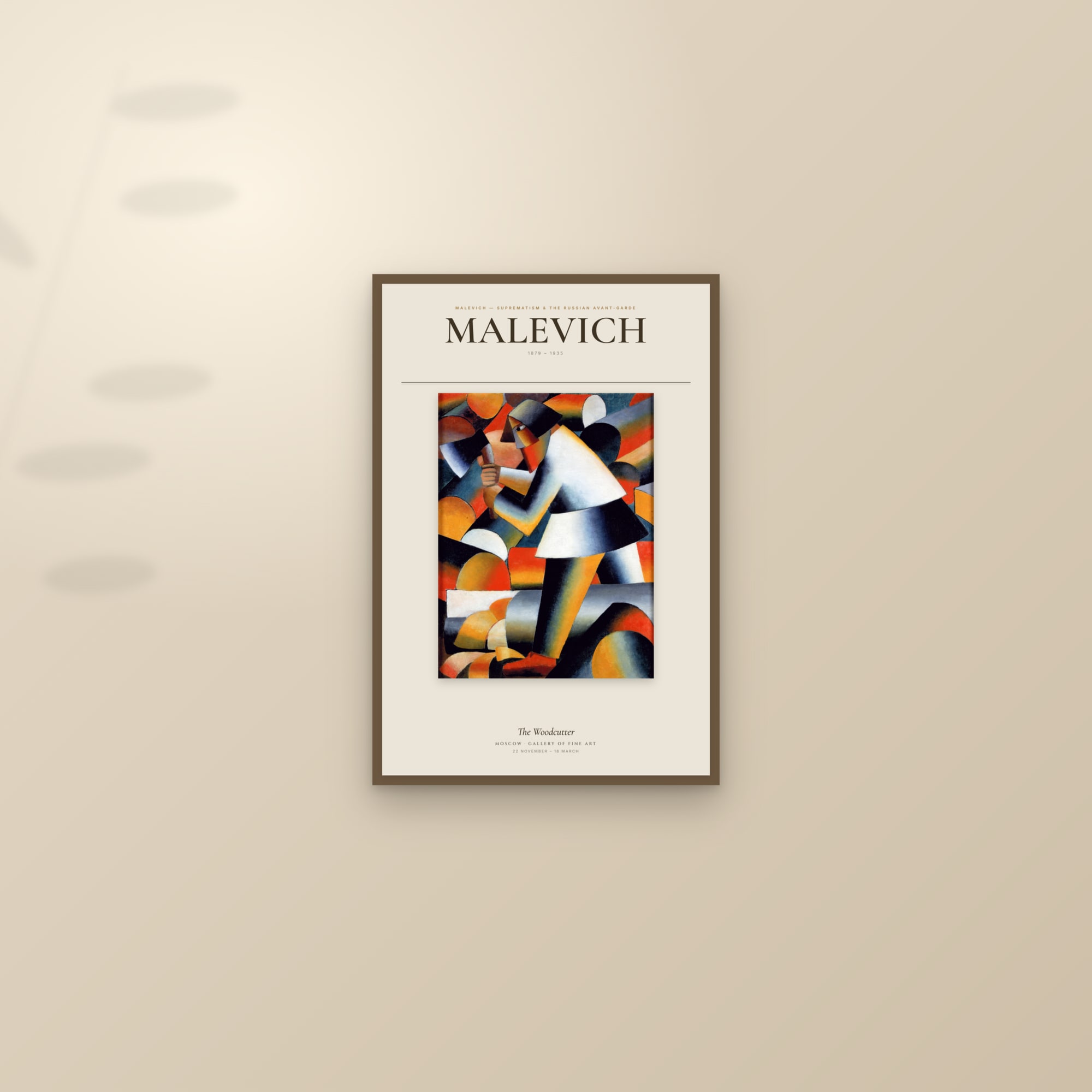
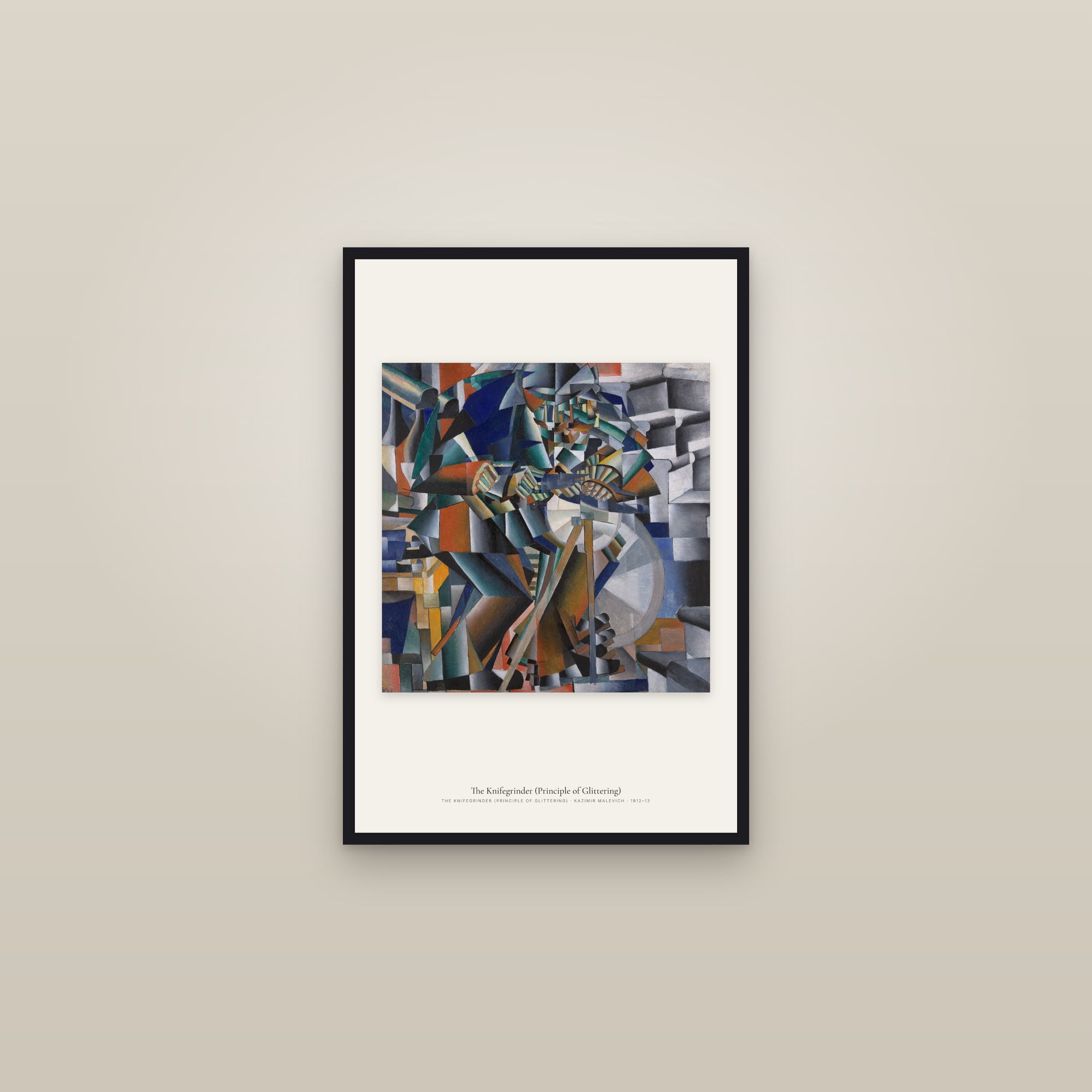
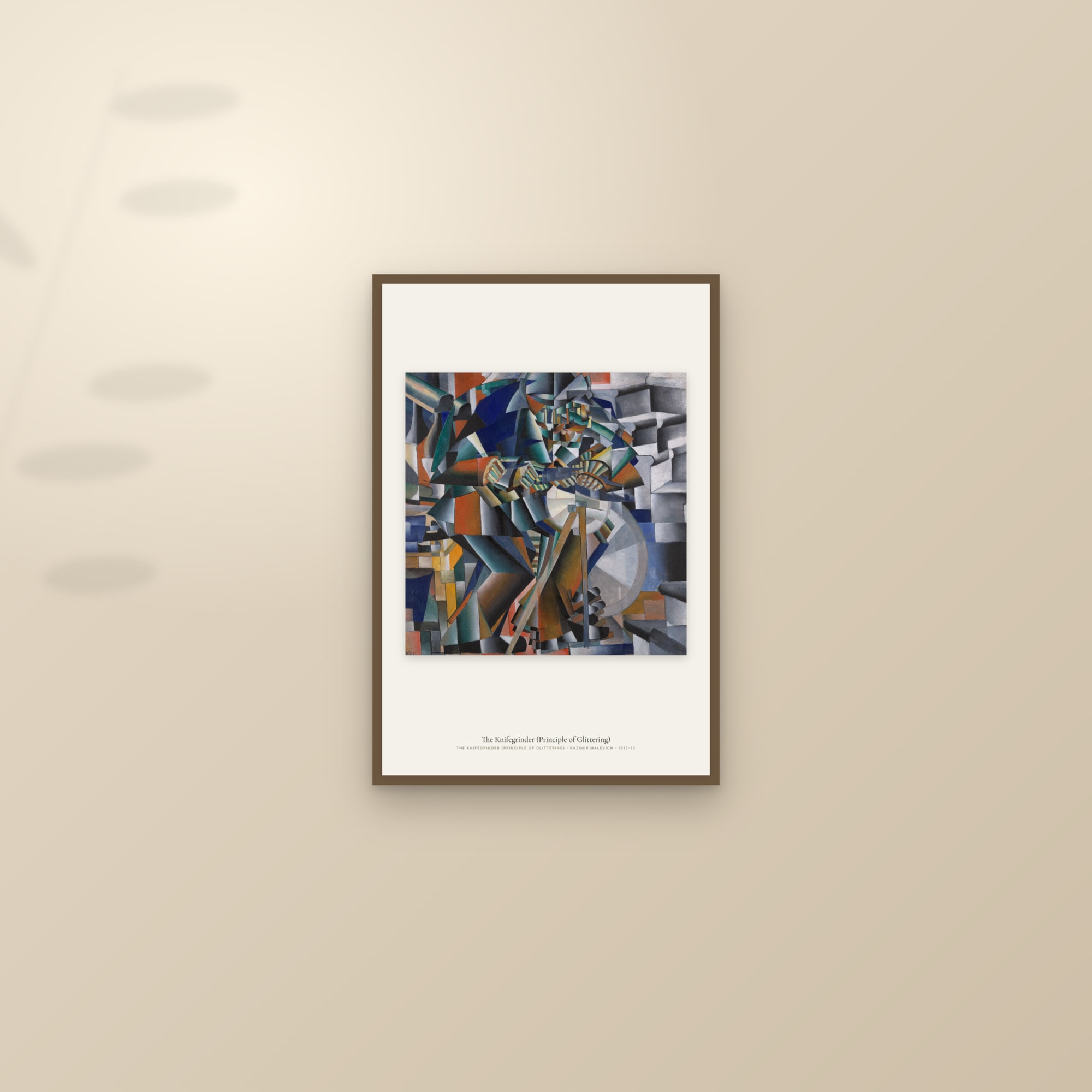
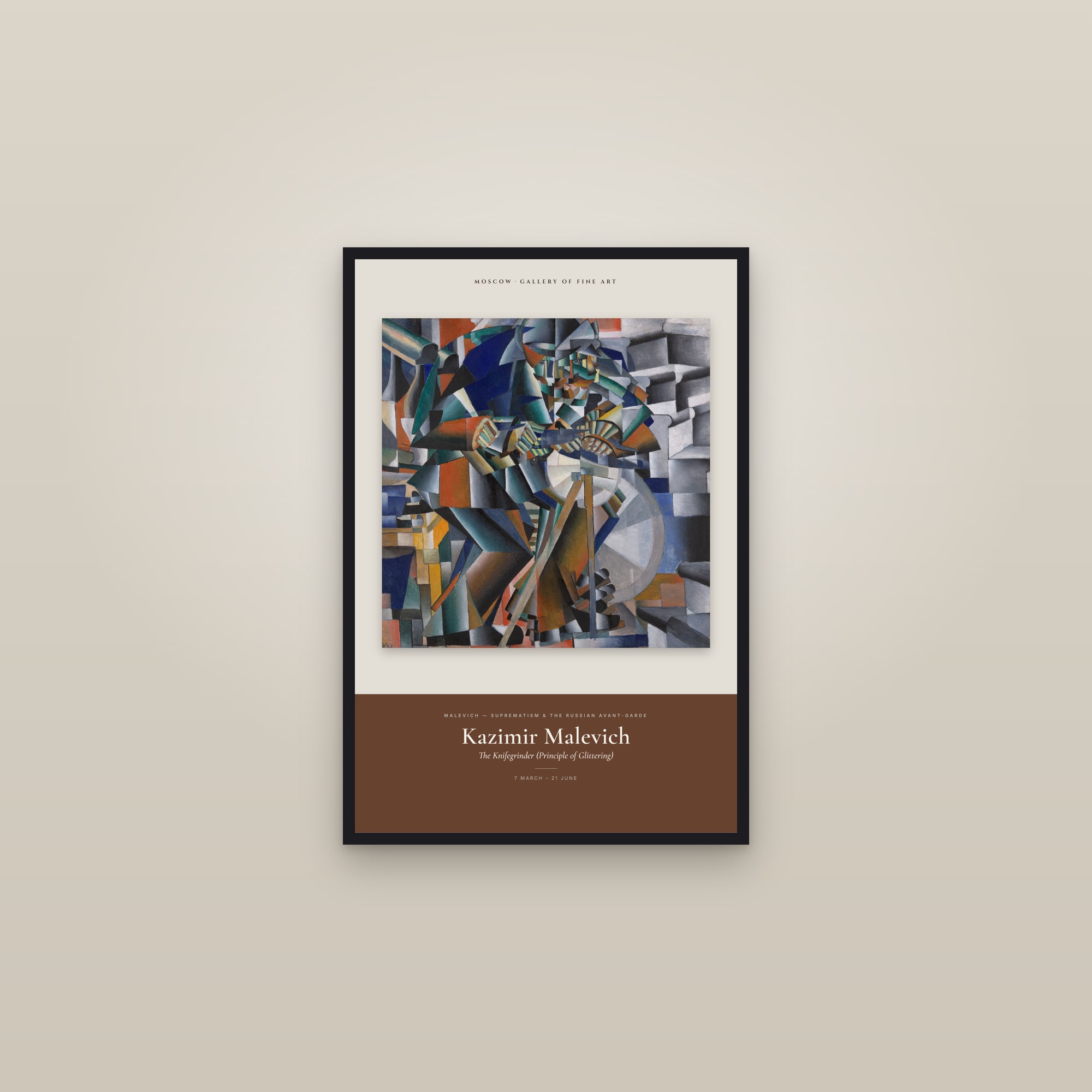
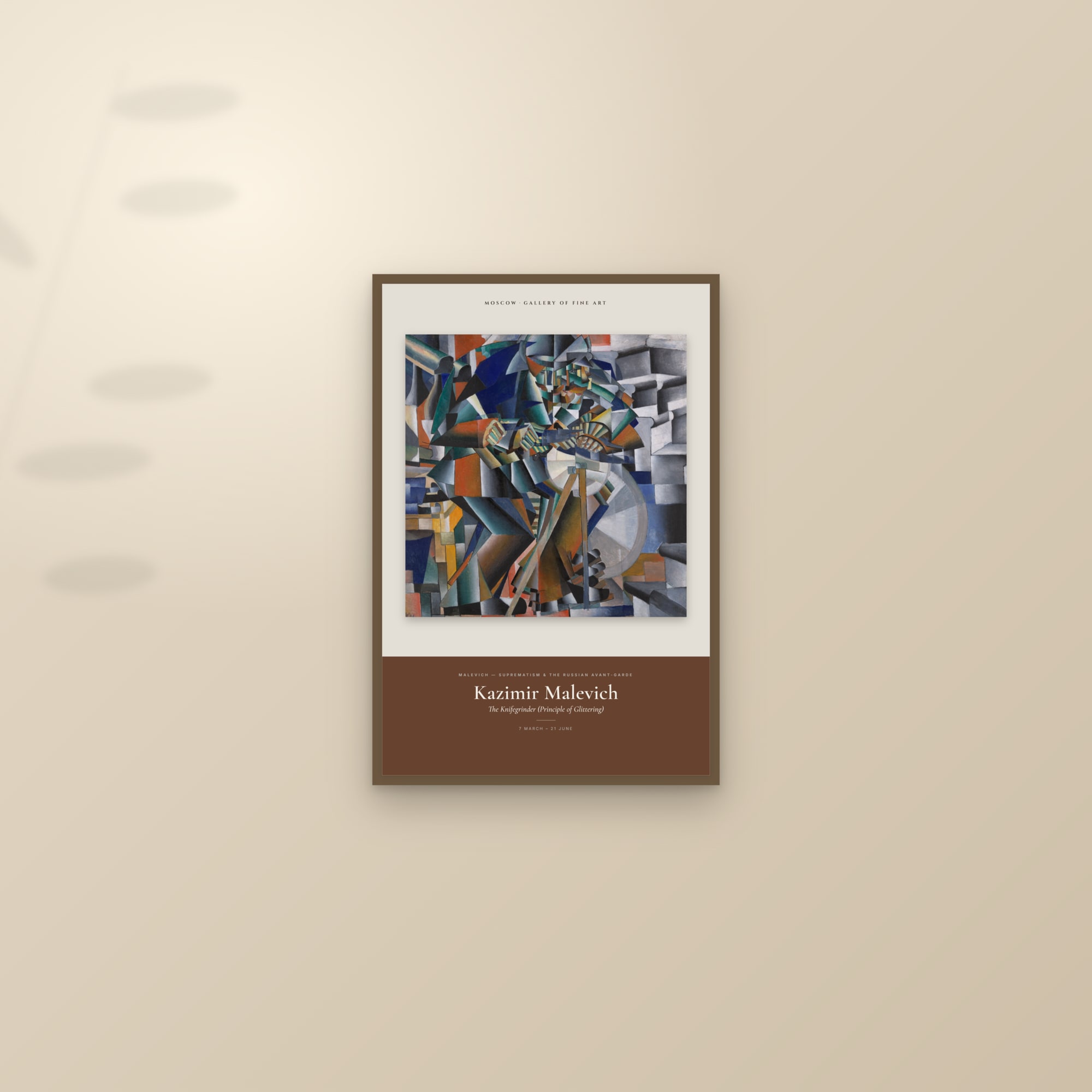
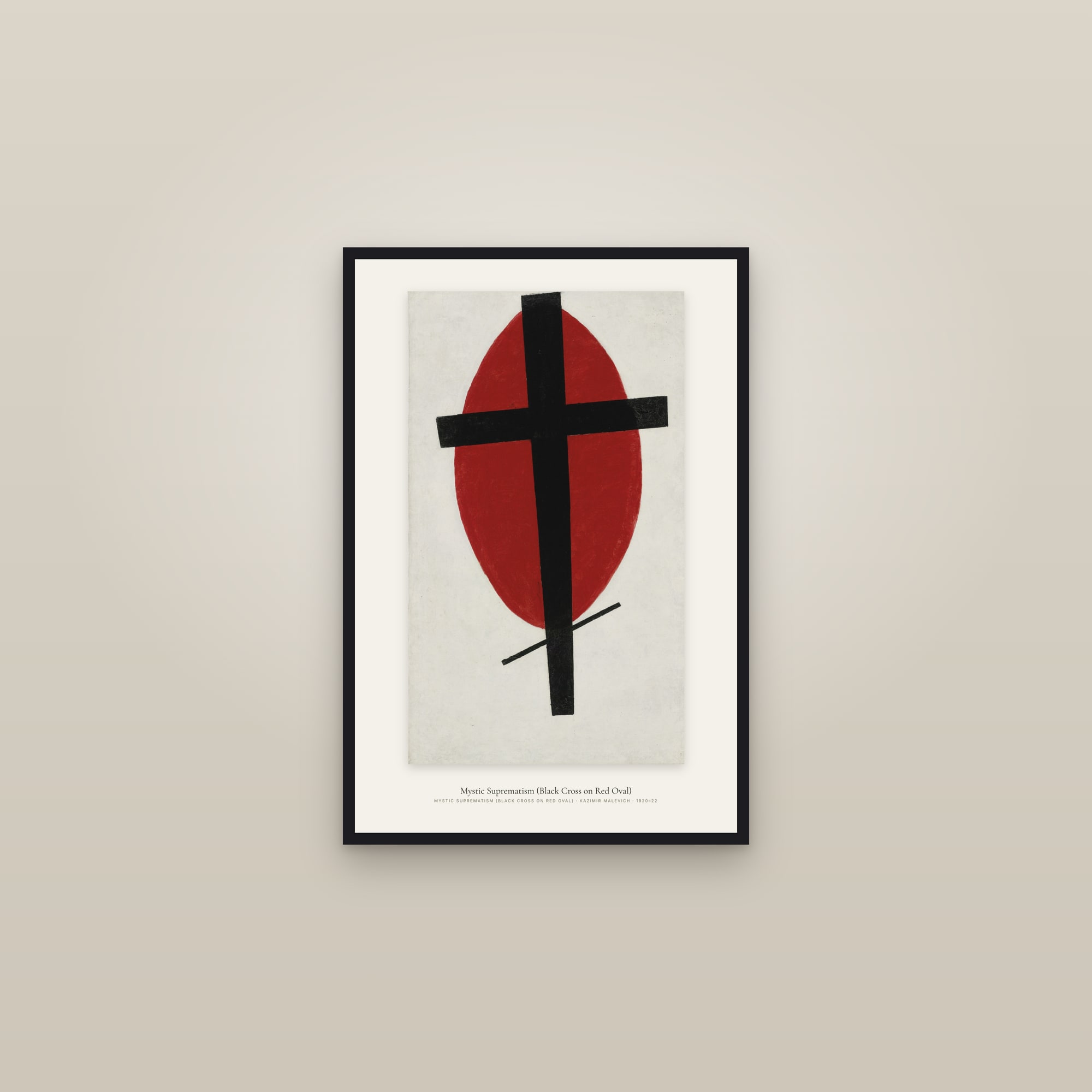
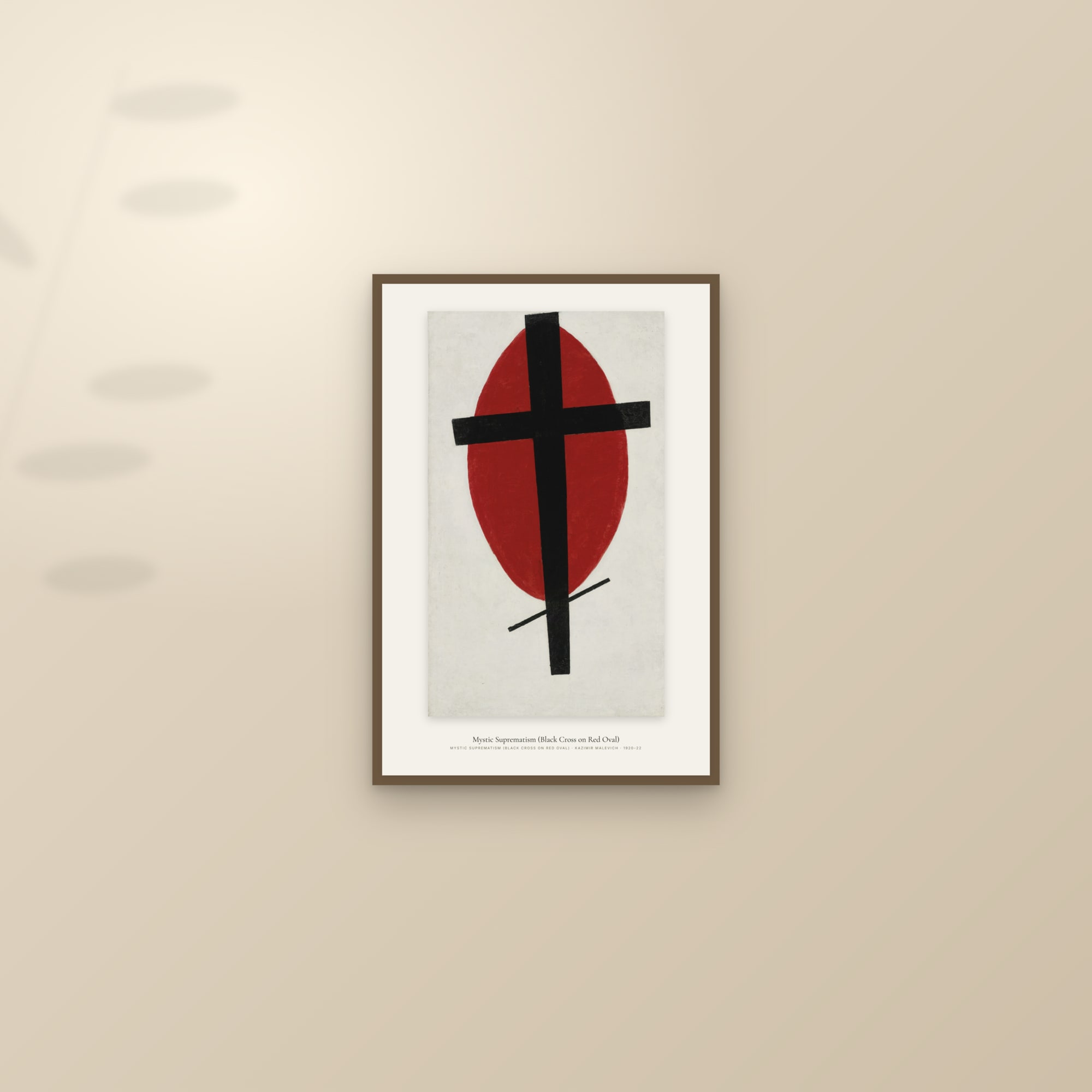
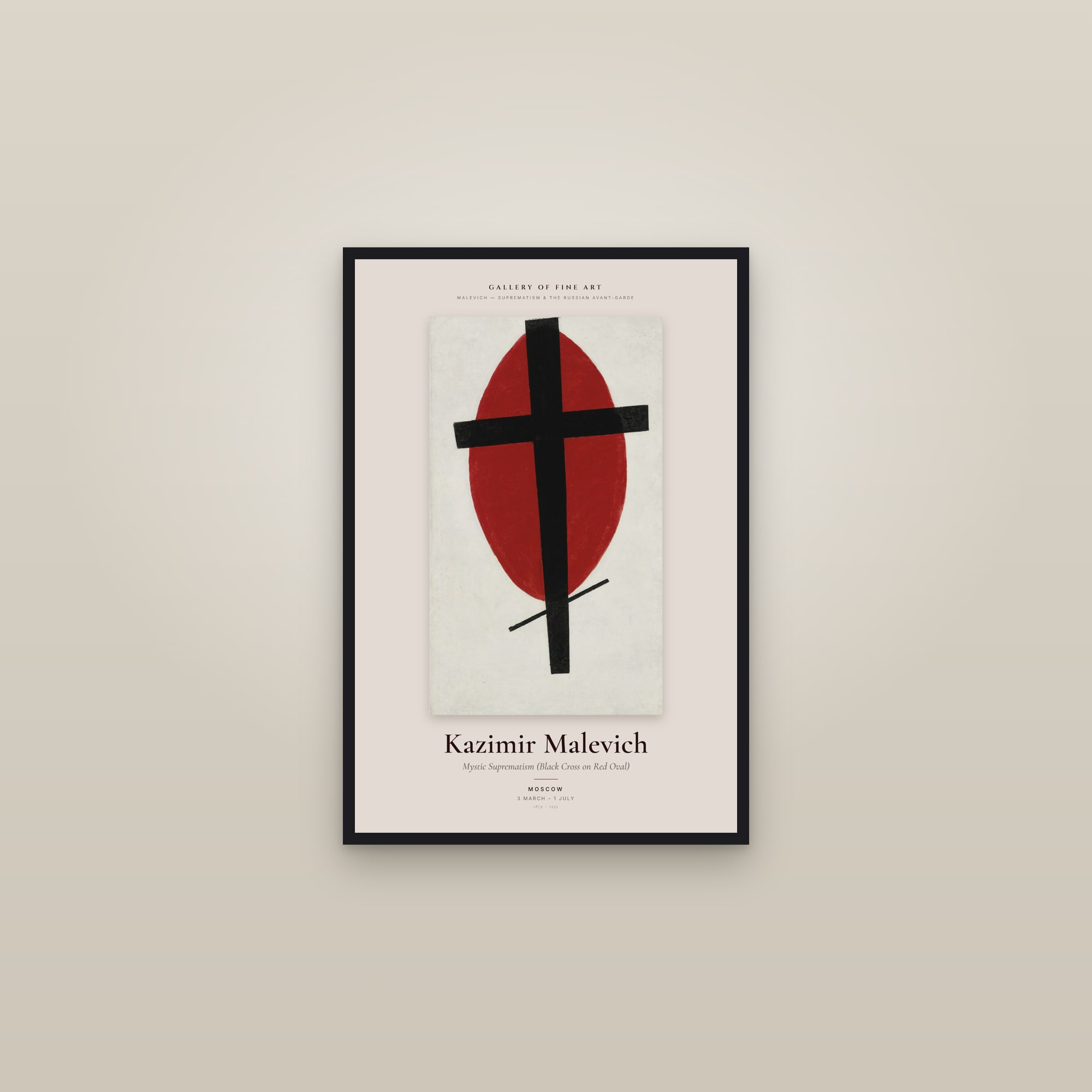
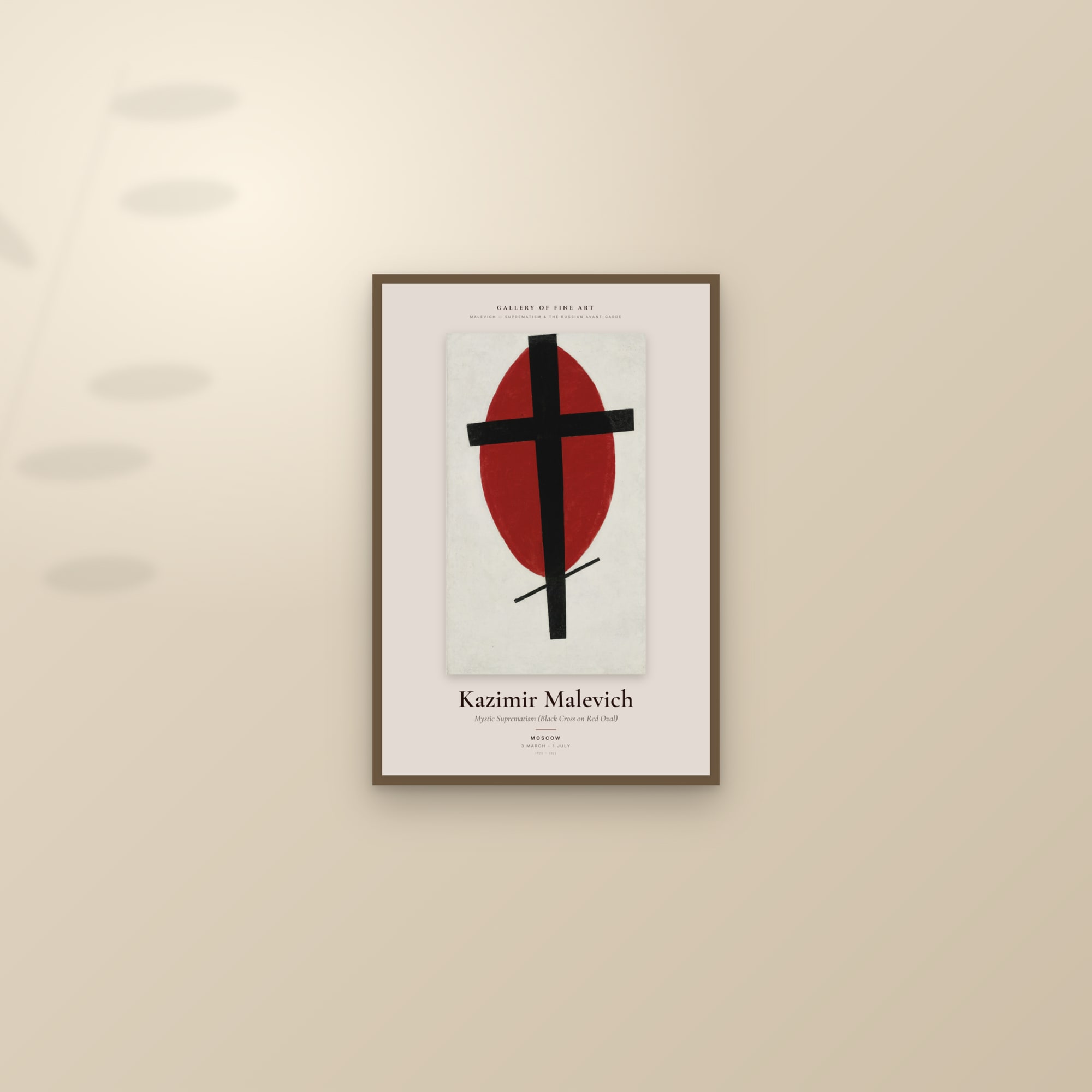
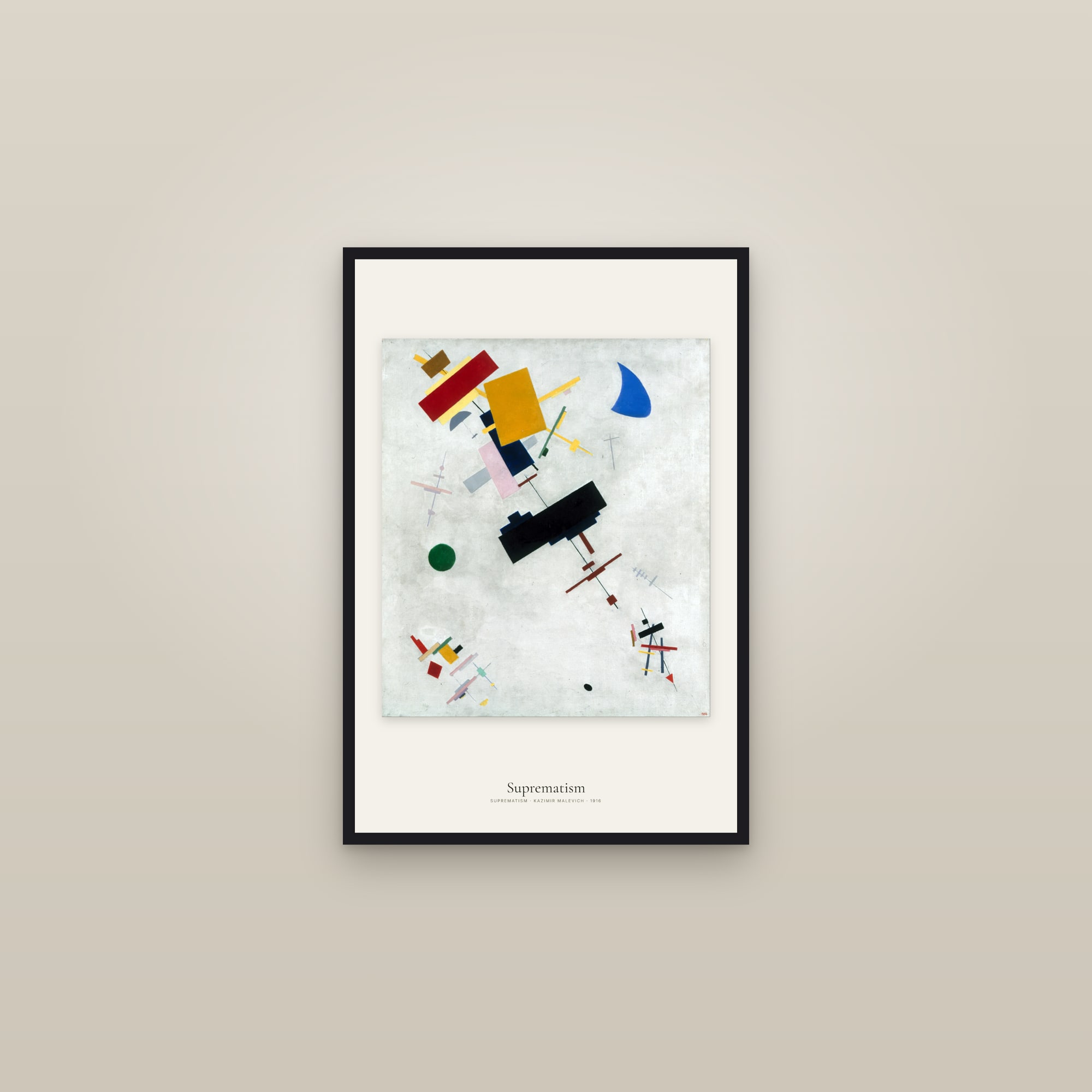
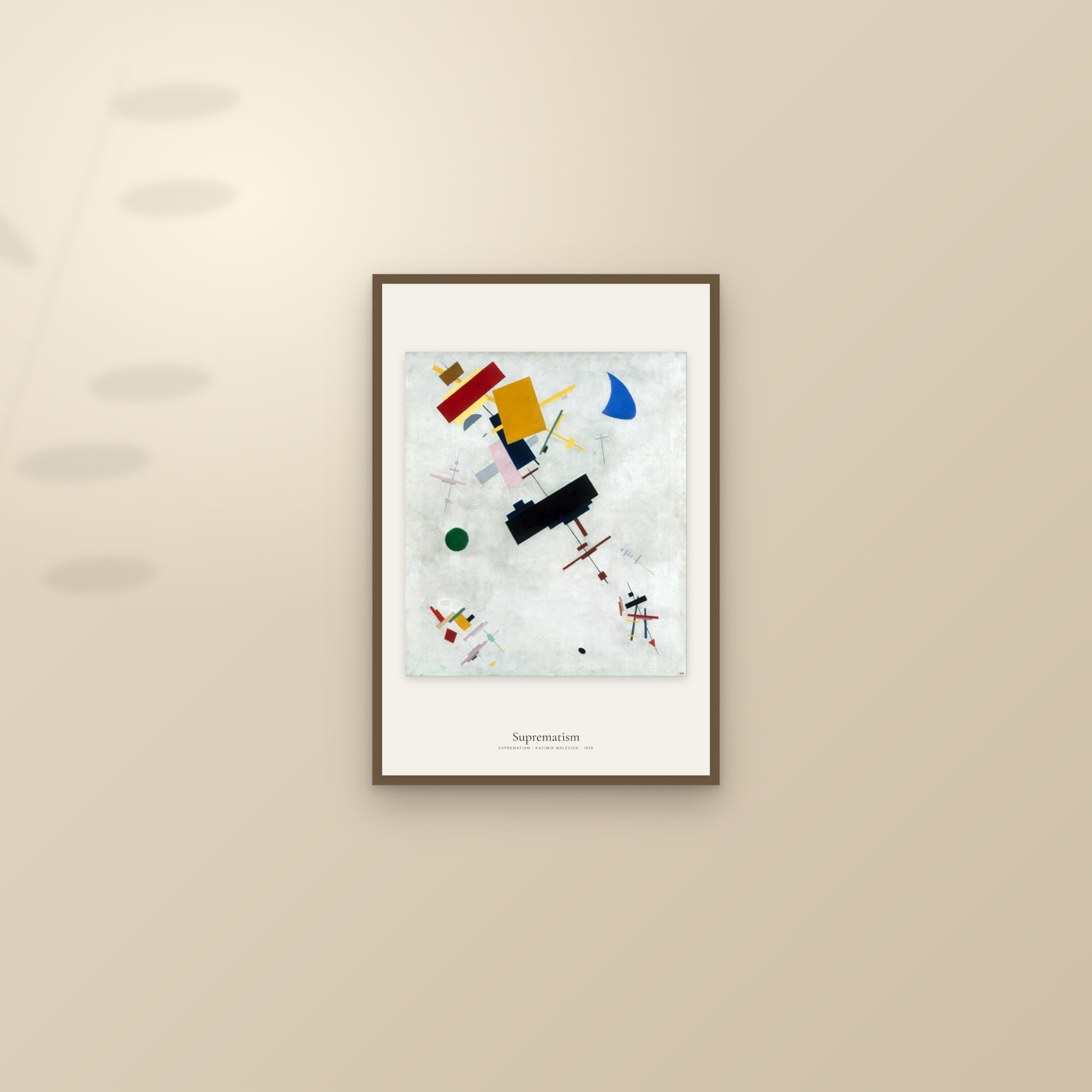
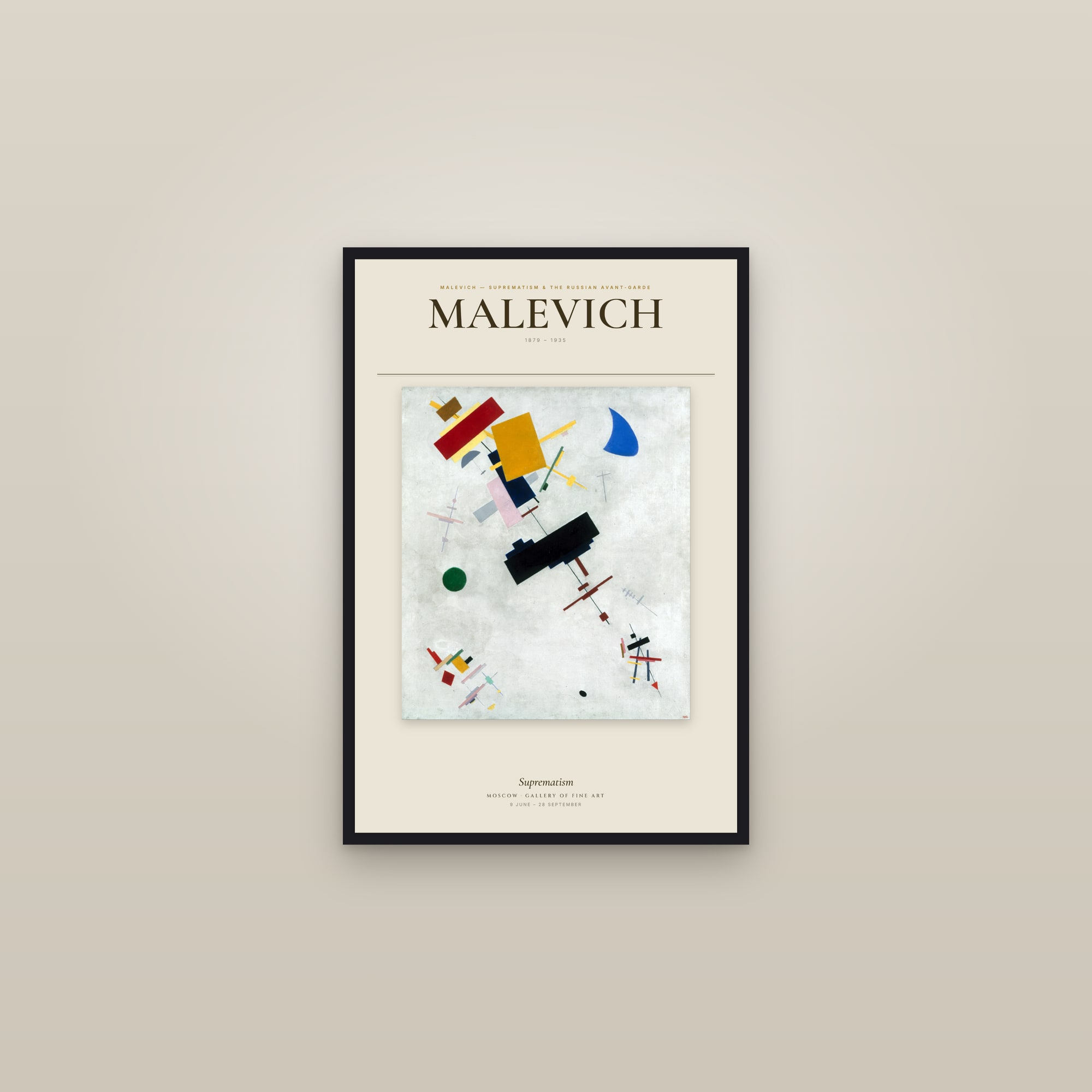
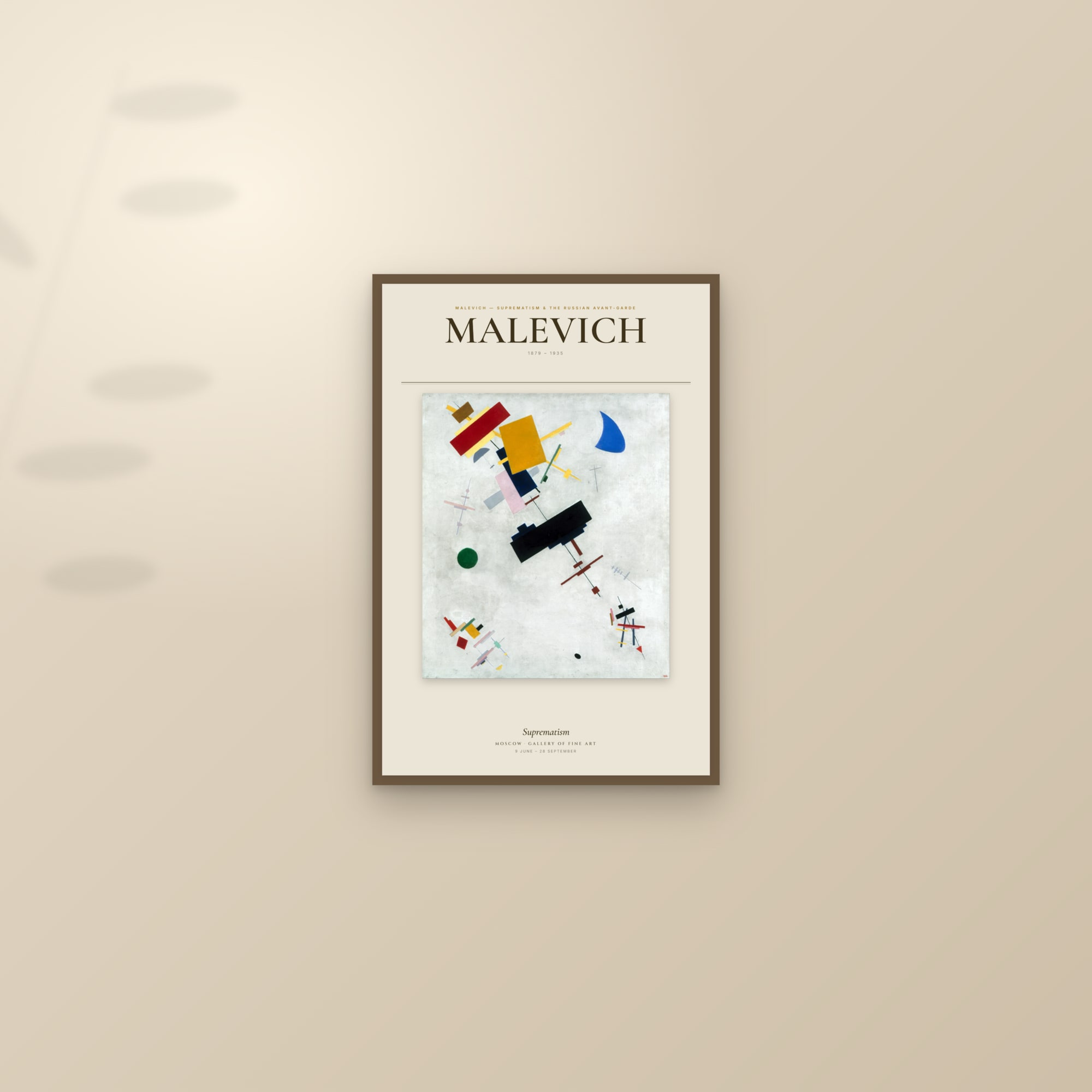
Kazimir Malevich was born in Kyiv in 1879 into a family of Polish descent and grew up in rural Ukraine, where his father managed sugar works; the peasant life and folk art of those years stayed in his painting. He studied art in Kyiv and, from 1904, in Moscow, and passed quickly through Impressionism and Symbolism to a style he called Cubo-Futurism, applying the faceting of Cubism and the motion of the Italian Futurists to Russian peasants, as in The Woodcutter and The Knifegrinder. In December 1915, at the exhibition 0.10 in Petrograd, he showed Black Square among more than thirty abstract canvases and named the new art Suprematism: flat geometric forms on white, meant to express pure feeling free of any object. After the Revolution he taught in Vitebsk, where he founded the group UNOVIS, and later in Petrograd. In 1927 he exhibited in Warsaw and Berlin and, when he was called home, left many paintings in Germany; they survived and later entered Western museums. Under Stalin his work fell out of favour and he returned to figurative painting. He died in Leningrad in 1935 and was buried in a coffin painted with Suprematist designs. His pictures reduce painting to a few shapes on a white field, and on a wall they act less like images than like a window onto open space.