Post-Impressionist Paintings
Van Gogh, Cézanne, Seurat, Gauguin and Toulouse-Lautrec — the painters who took Impressionism's colour and bent it toward structure, feeling and design.
13 prints · printed to order on heavyweight matte paper · framed or unframed
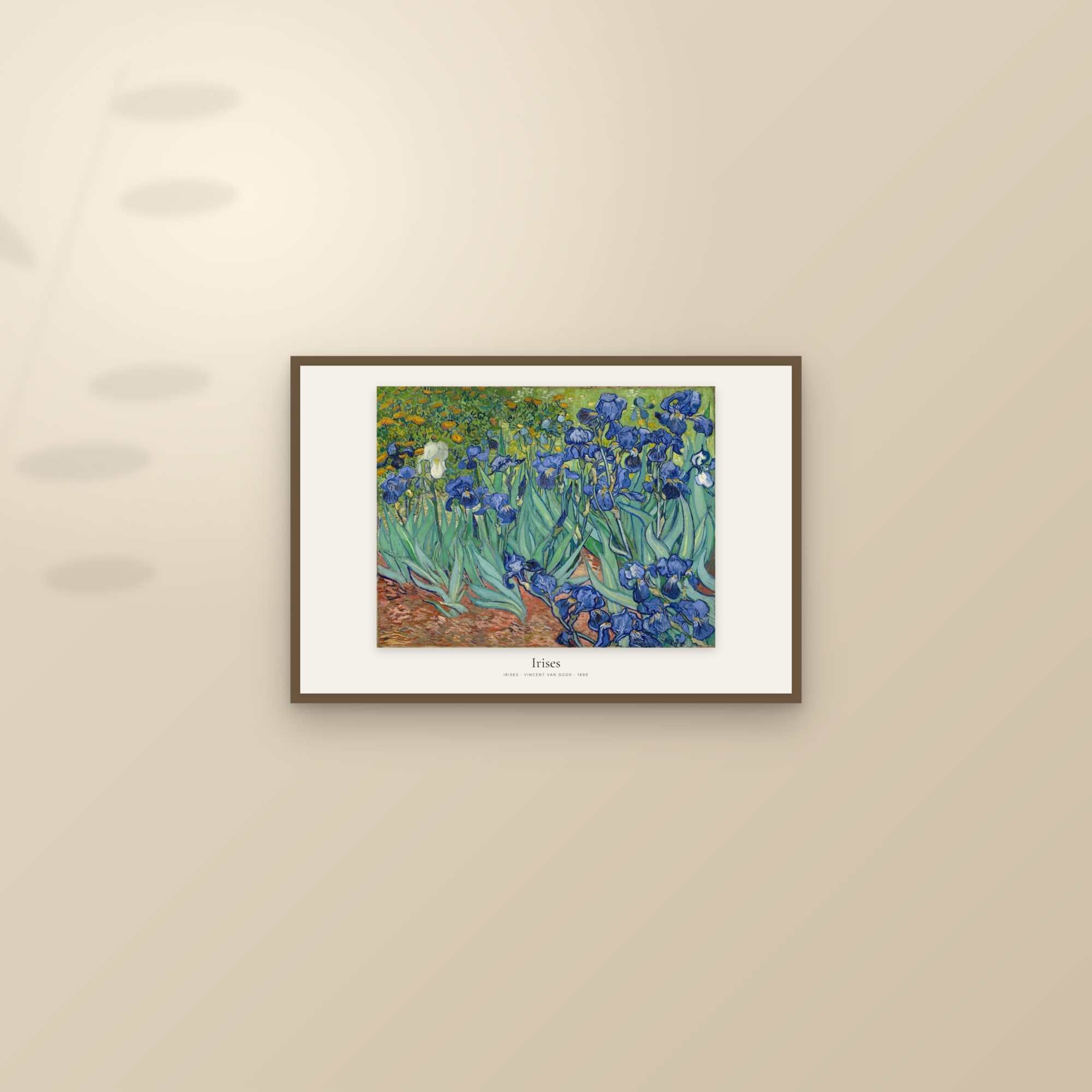
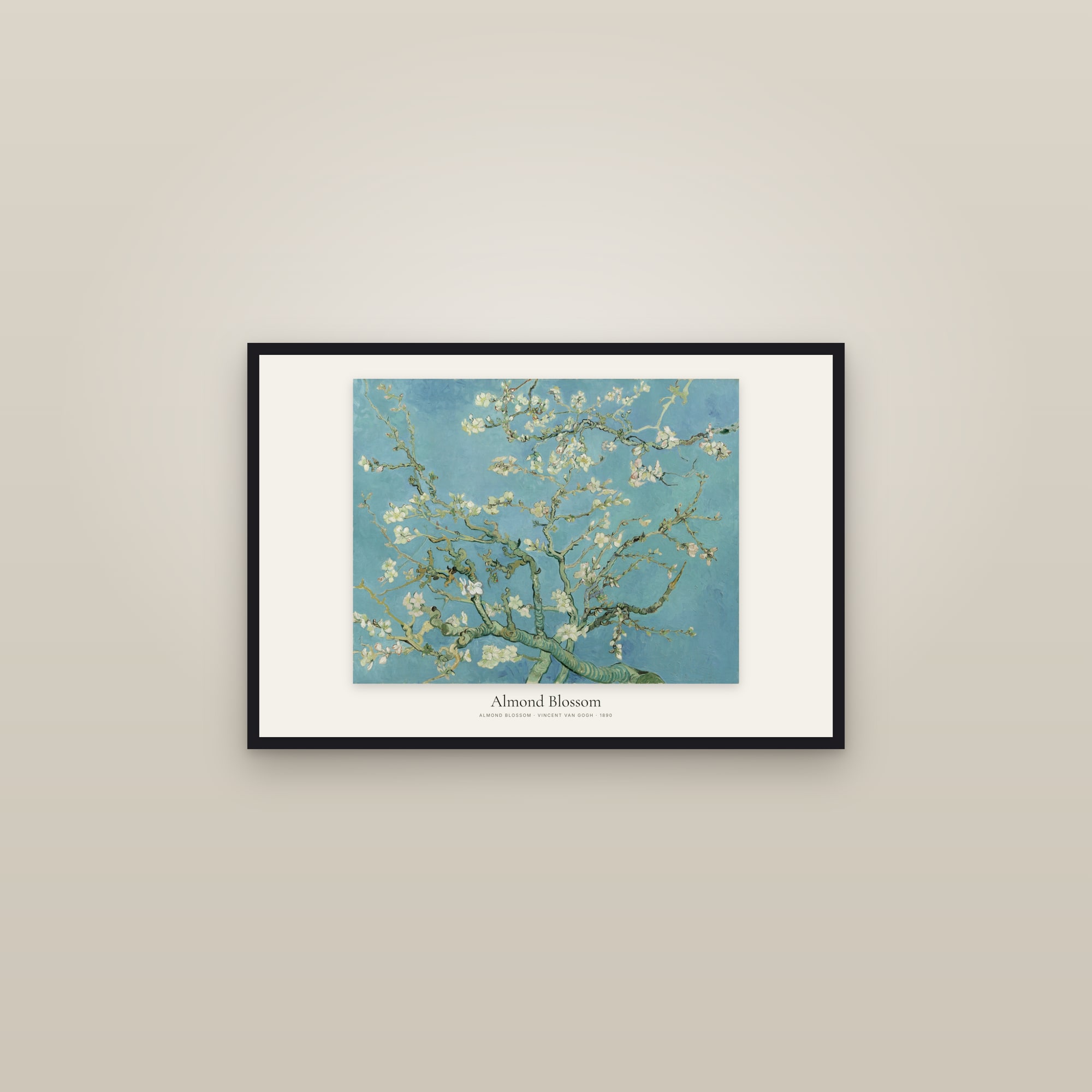
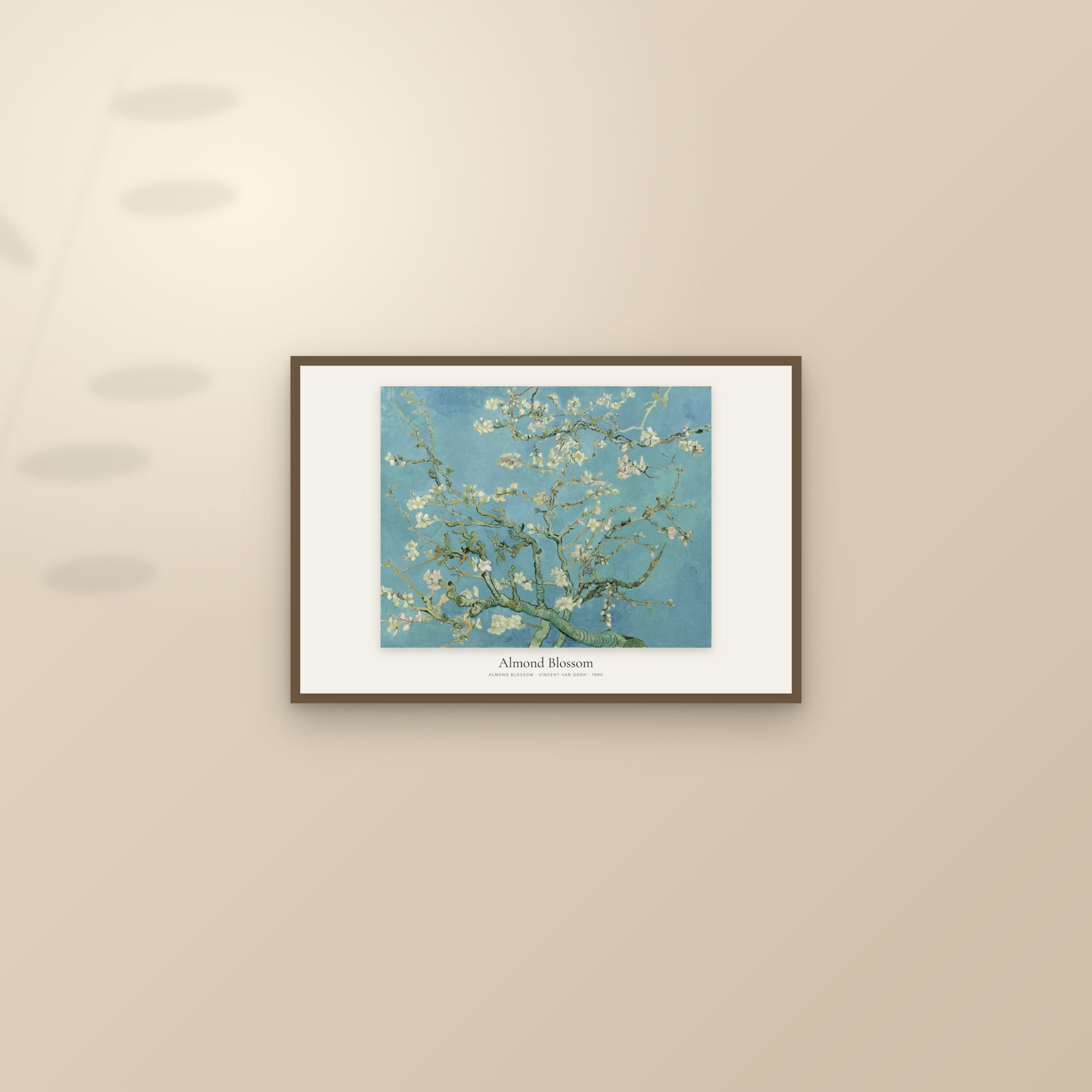
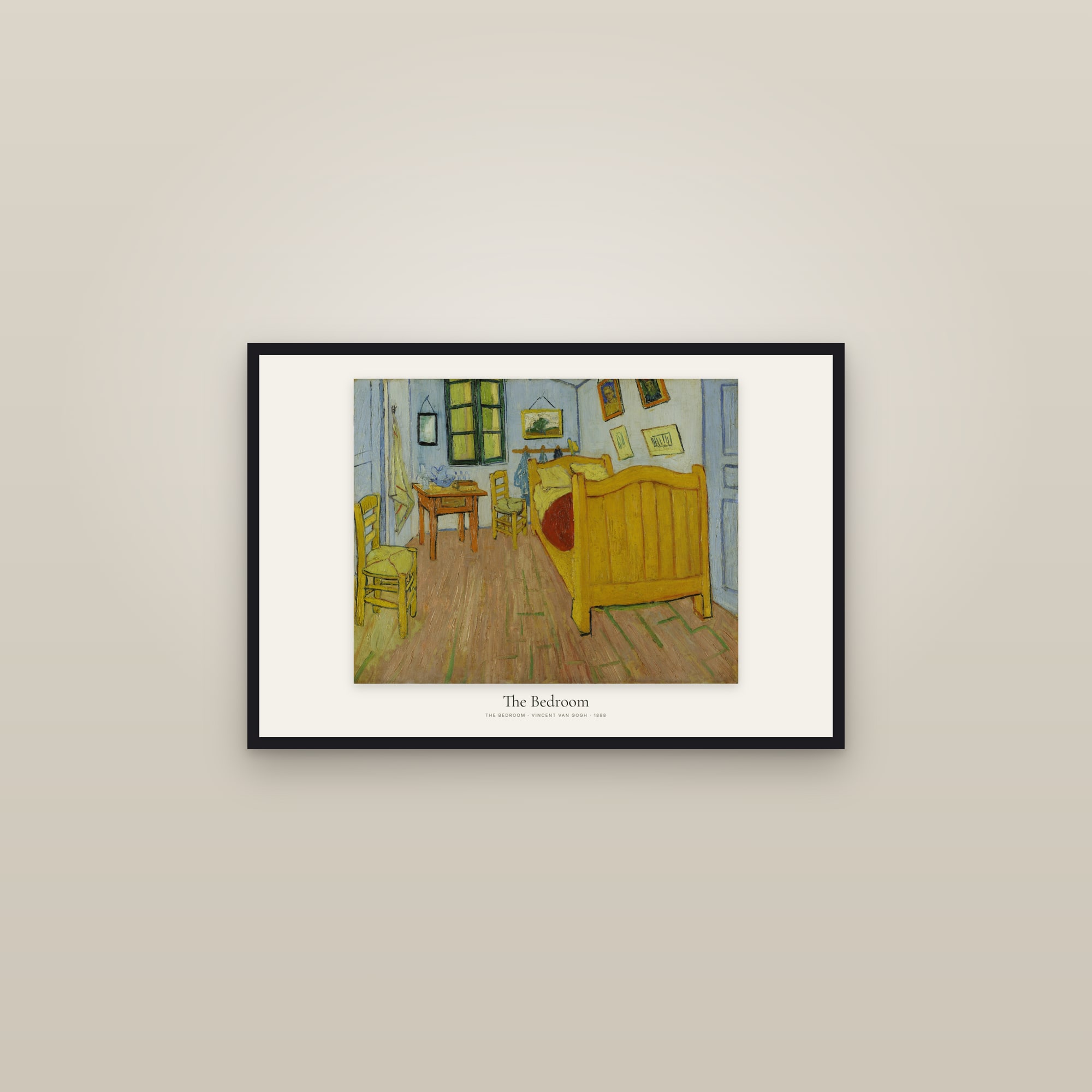
After Impressionism
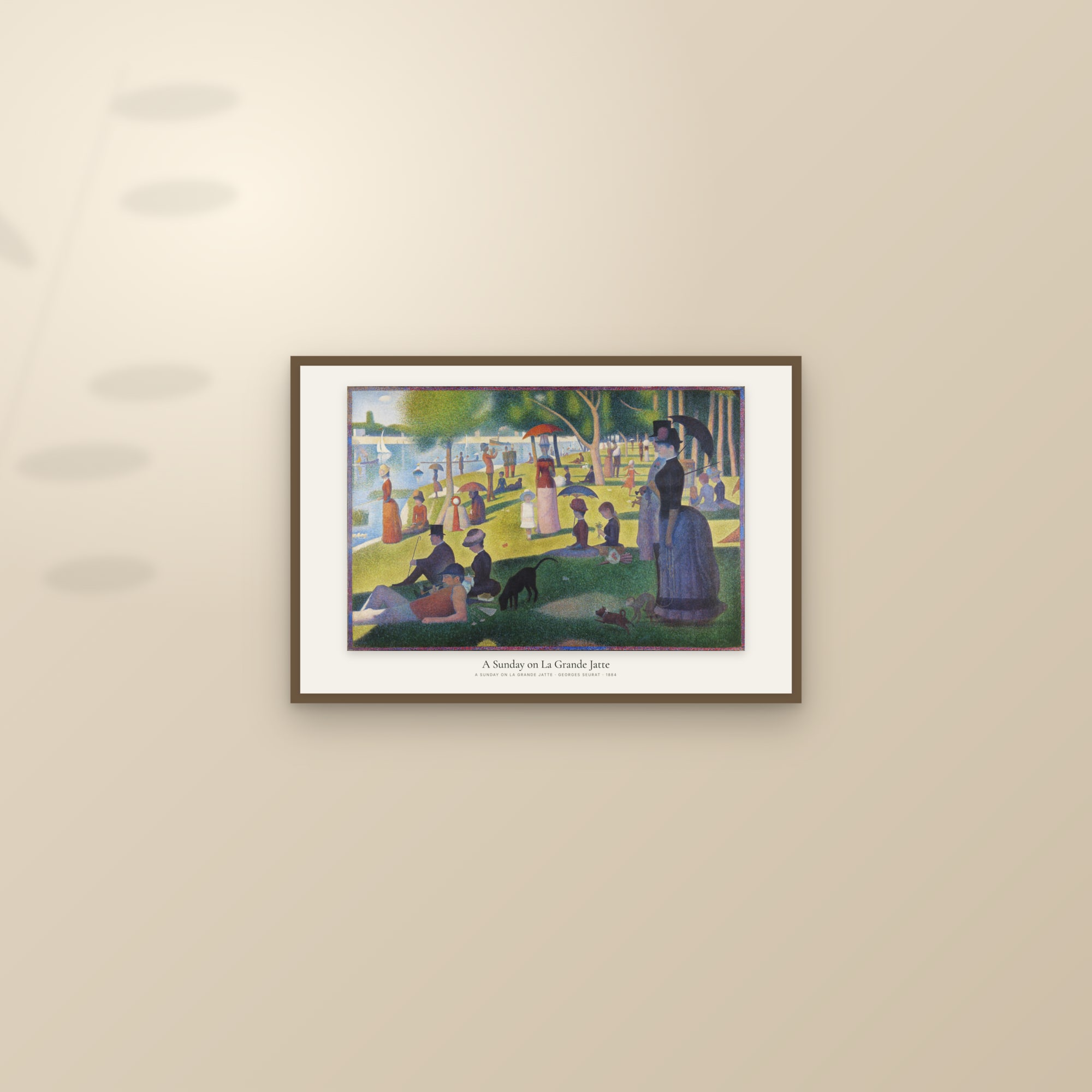
The term was coined in 1910 by the critic Roger Fry for a London exhibition, long after the painters it describes had done their work in the 1880s and 1890s. They had all absorbed Impressionism and each pushed past it in a different direction: Cézanne toward solid form, Seurat toward a science of dots of pure colour, Gauguin toward flat symbolic colour, Van Gogh toward colour as emotion. Between them they laid the ground for almost everything painted in the twentieth century.
The works in this collection
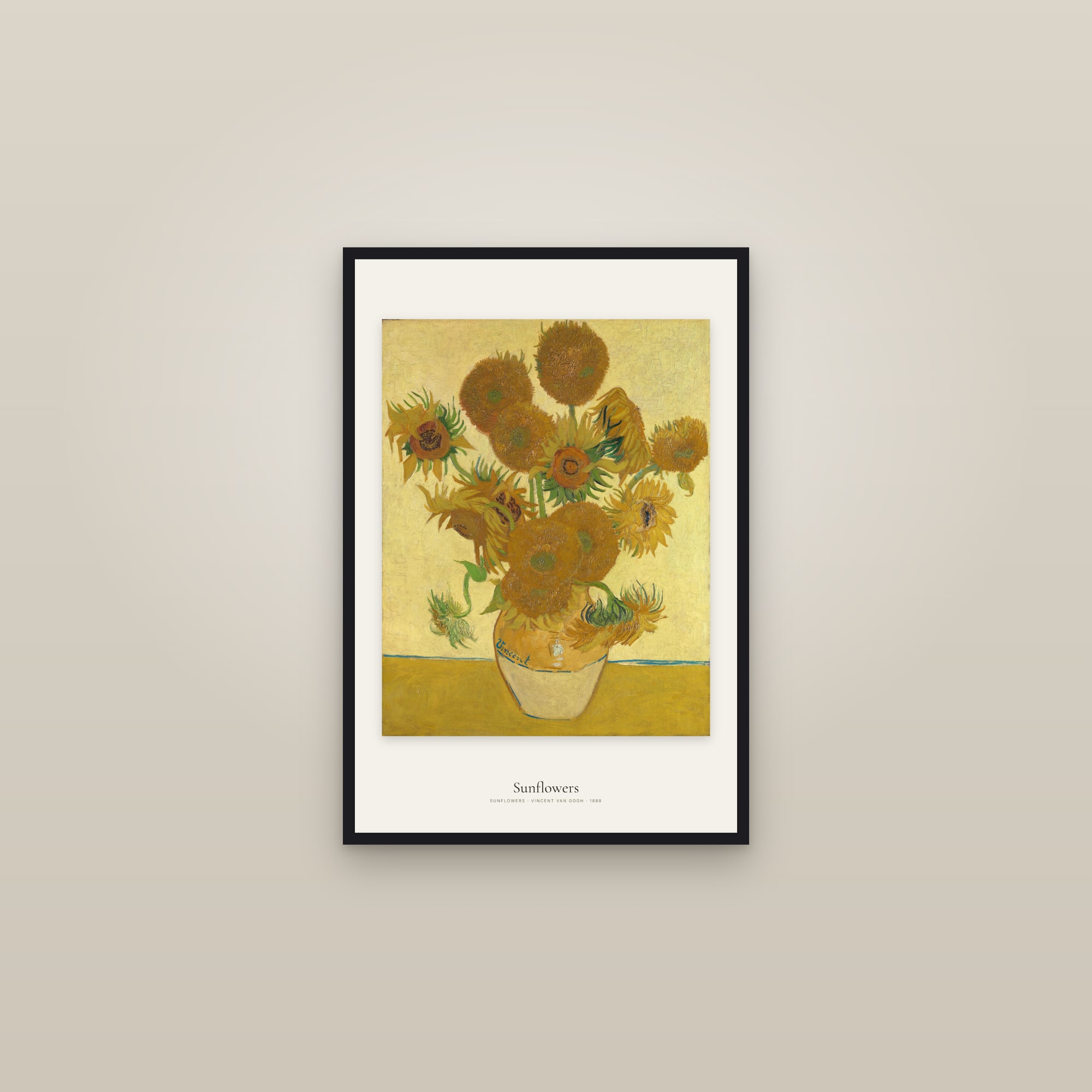
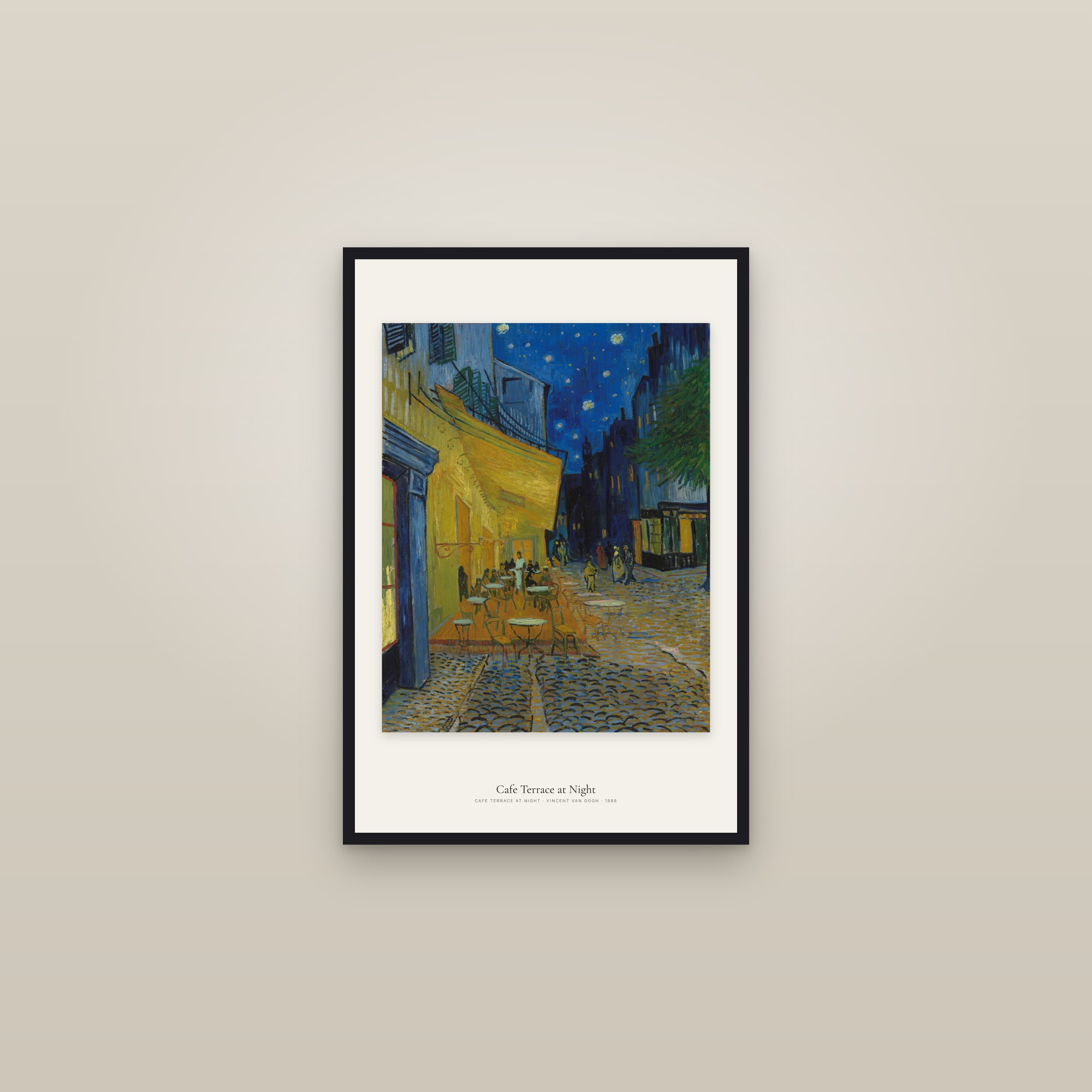
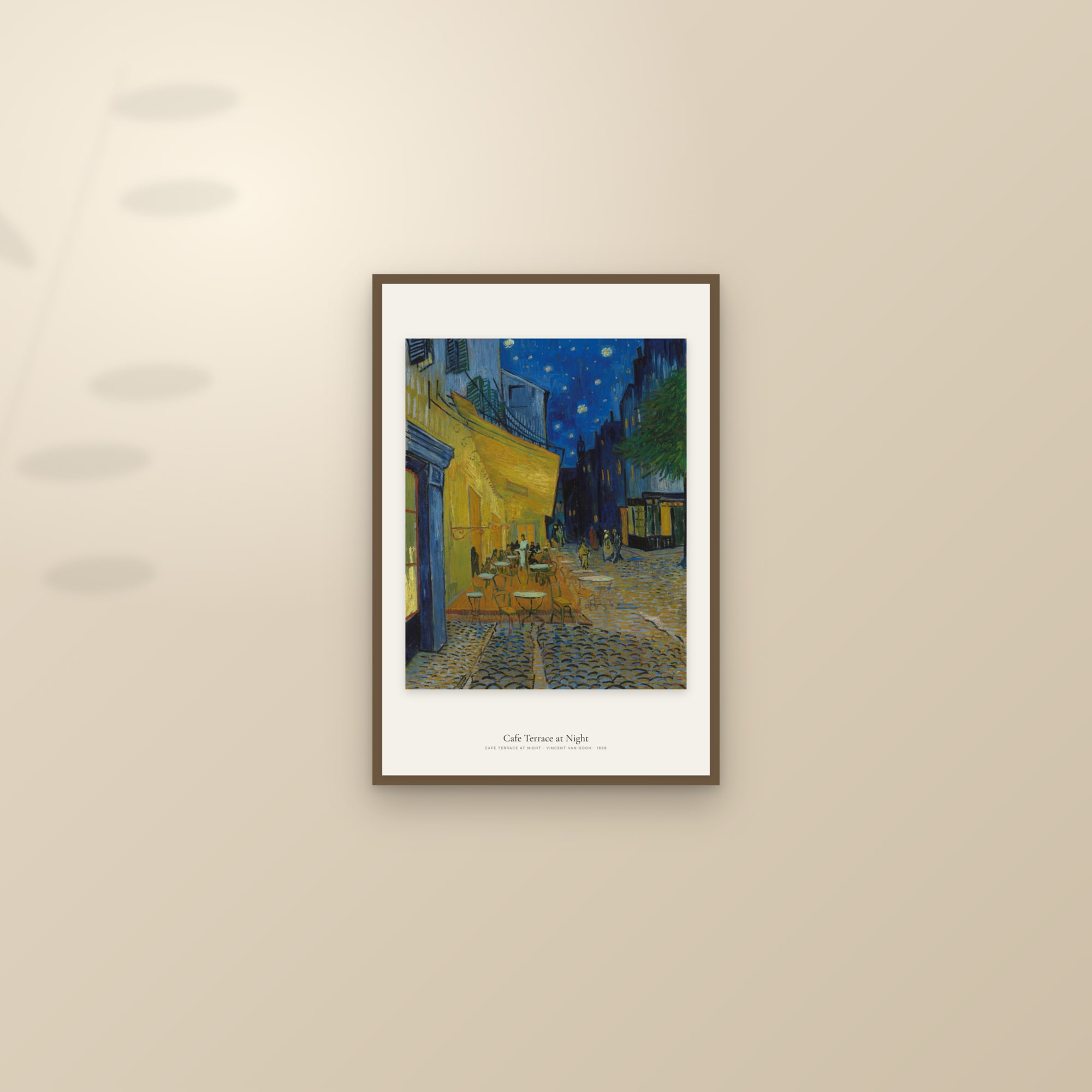
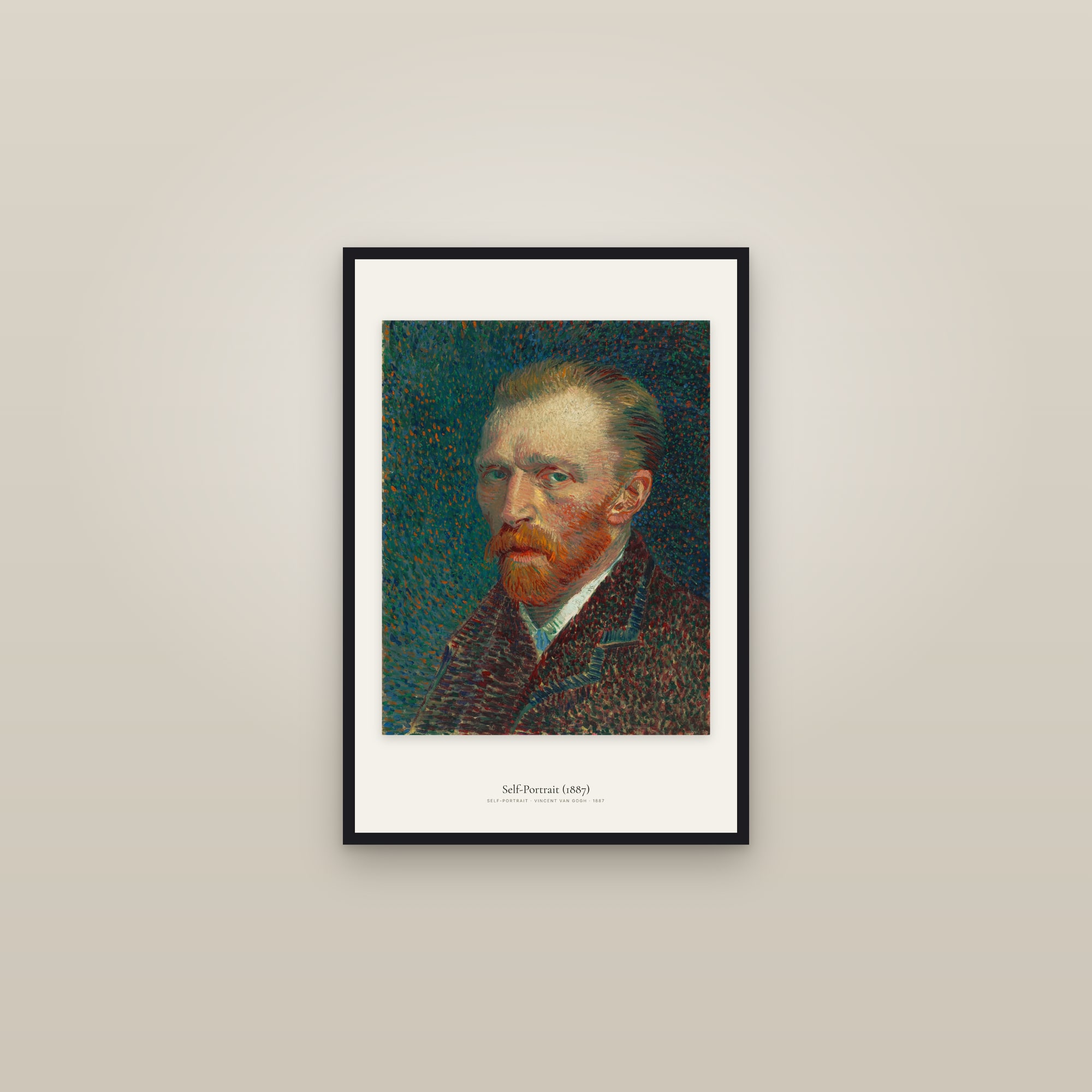
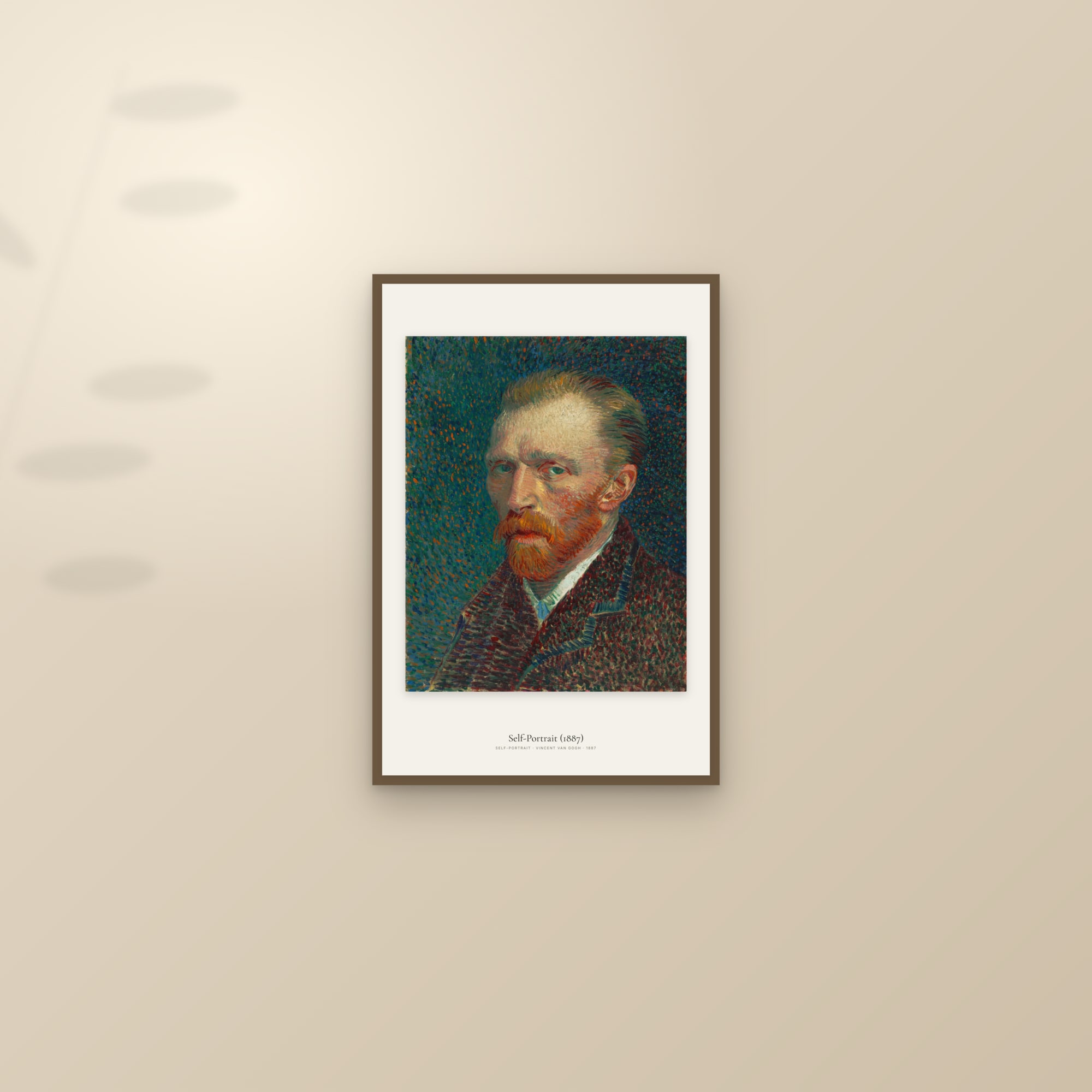
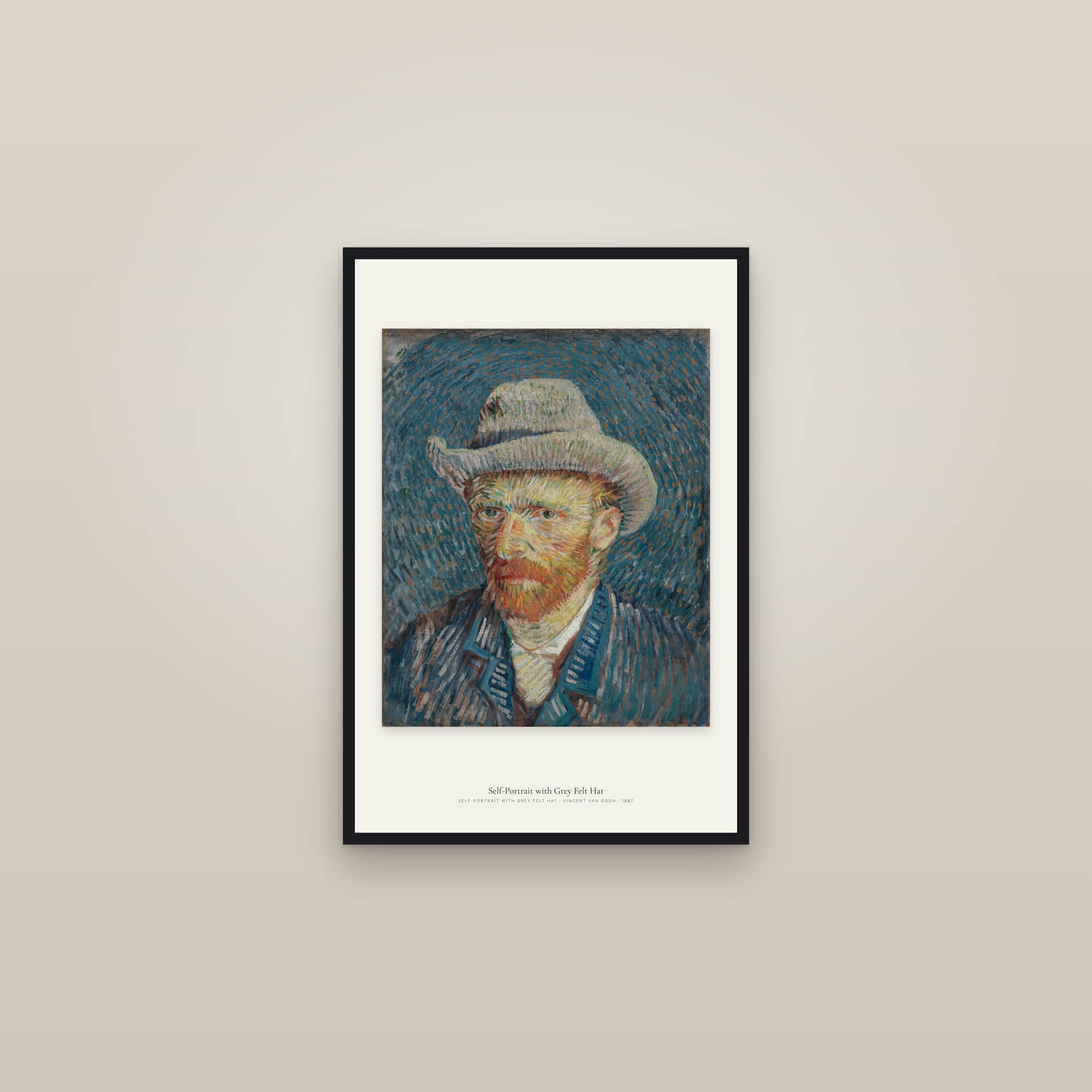
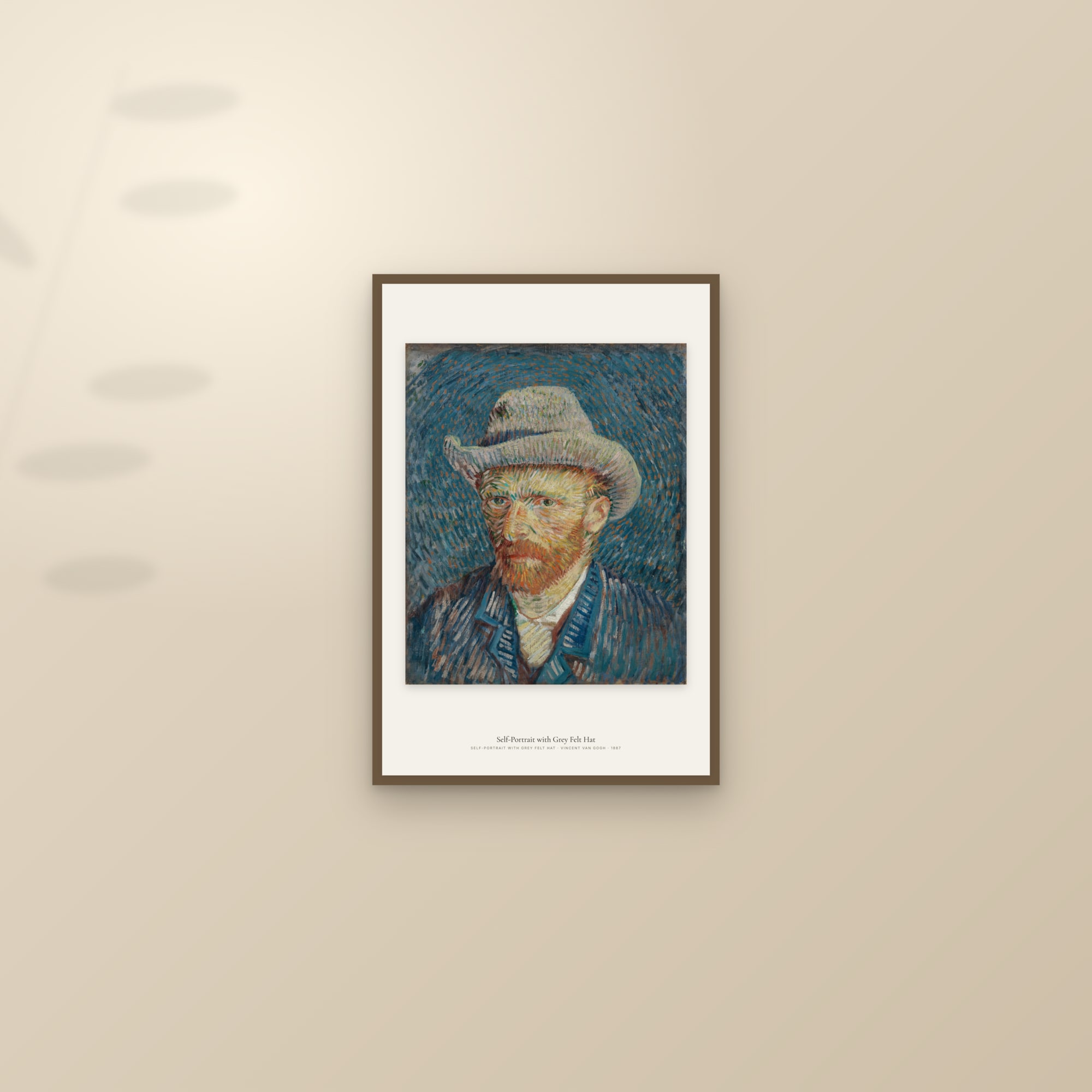
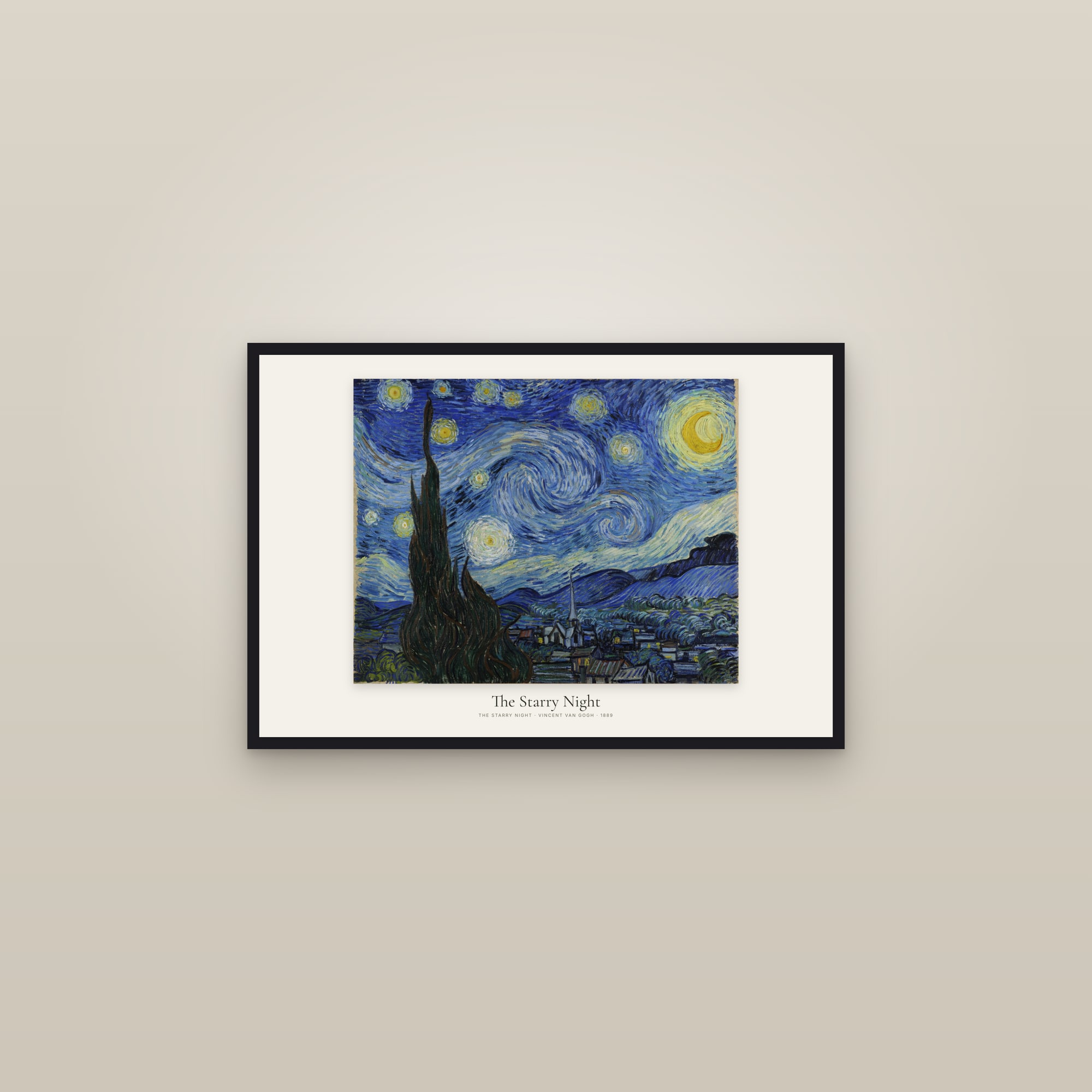
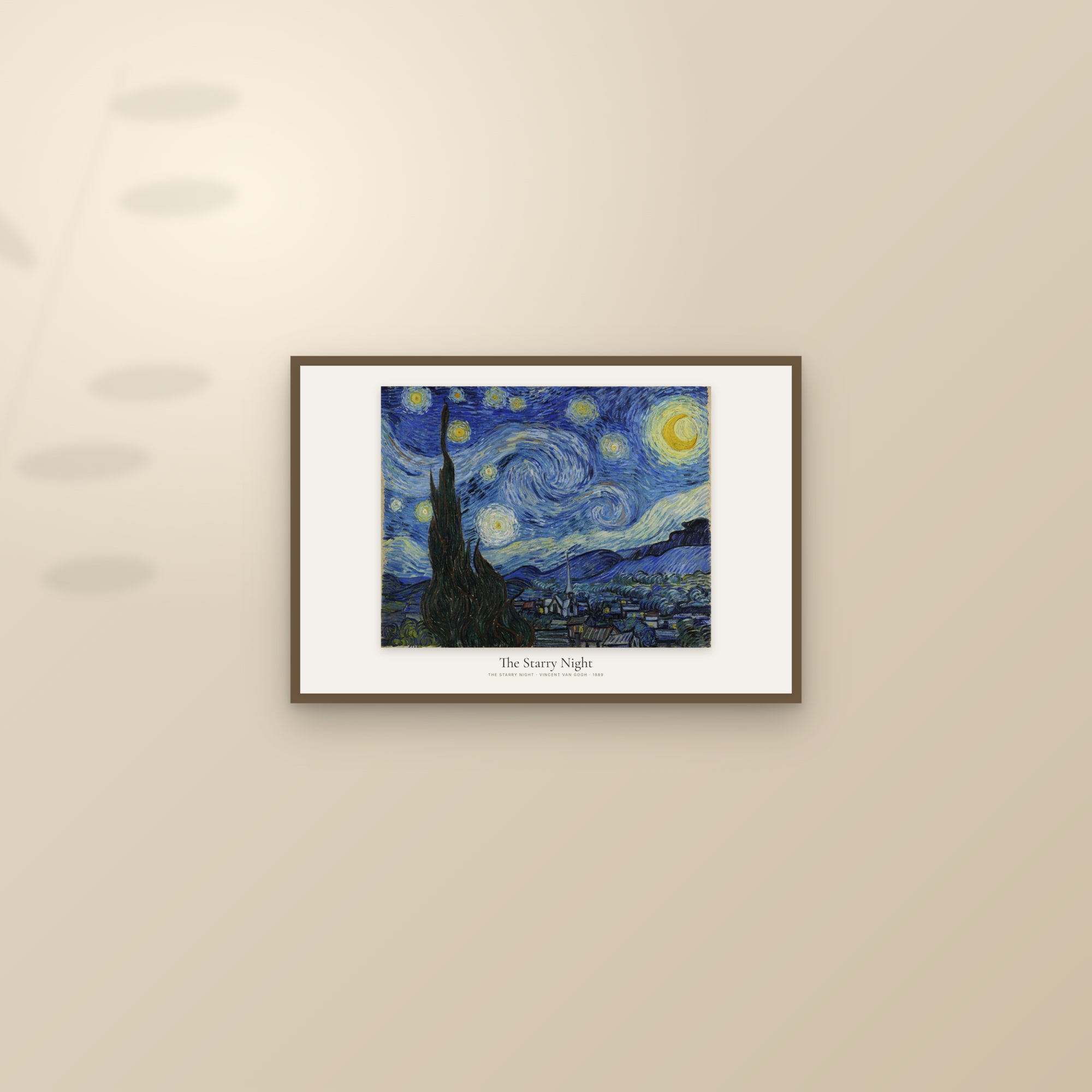
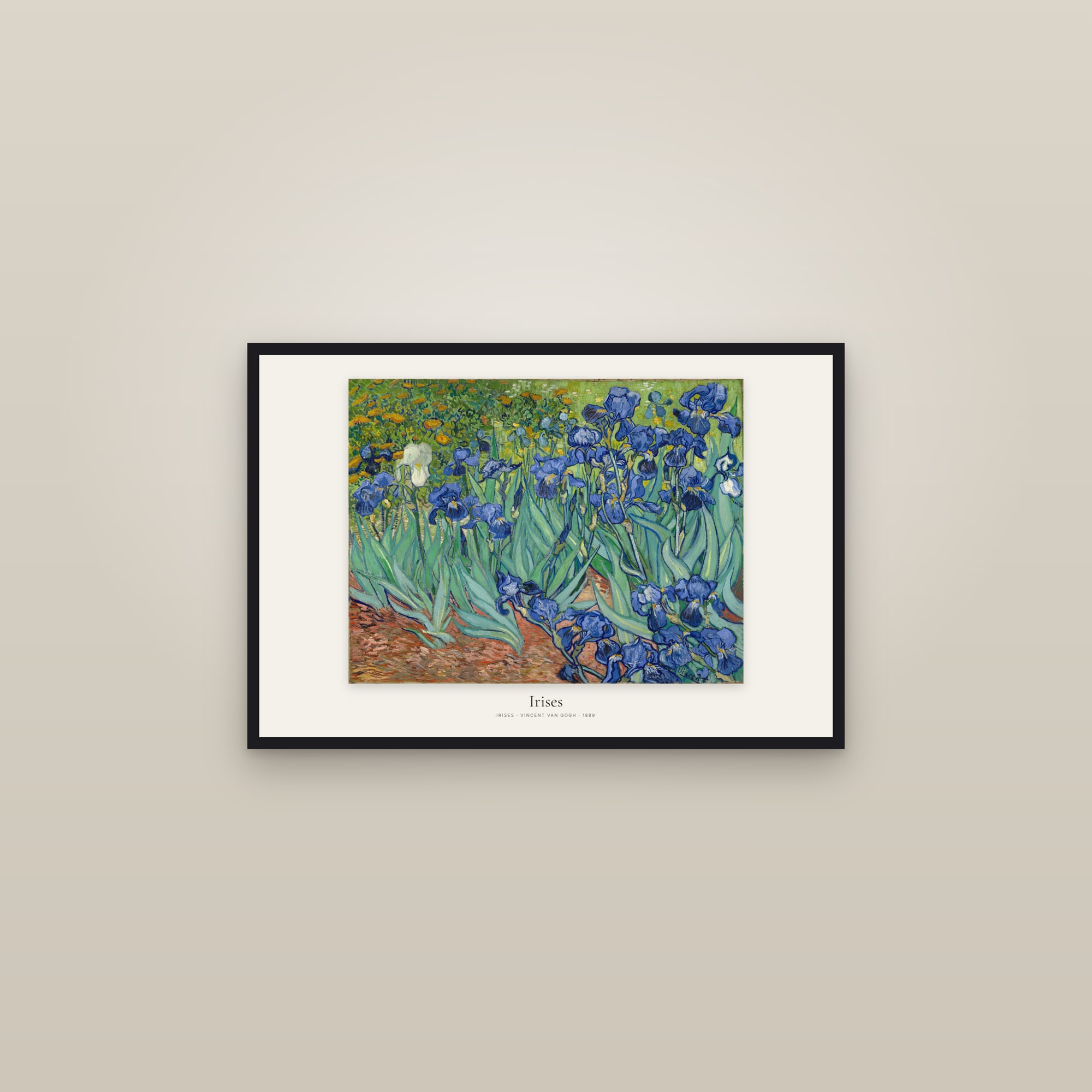
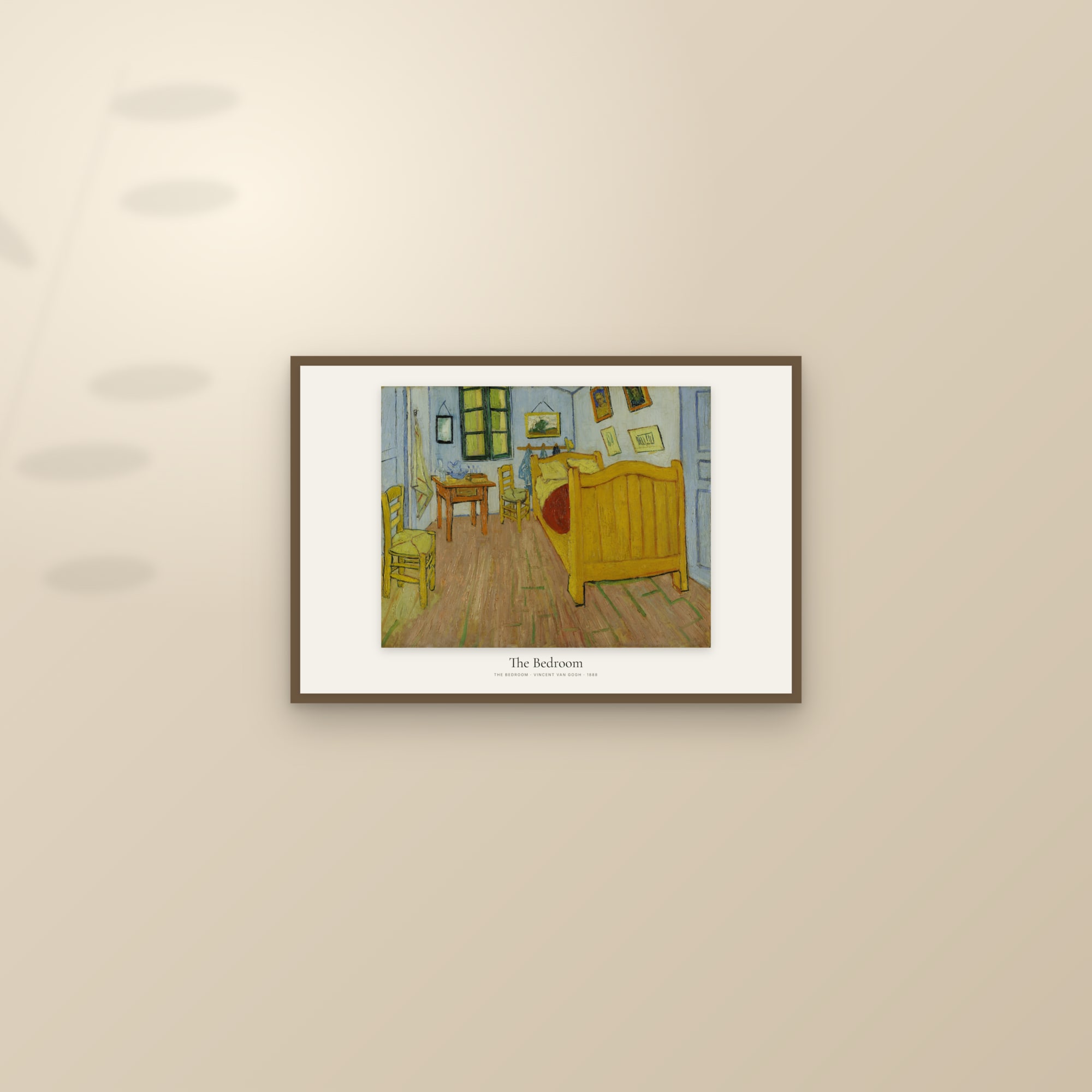
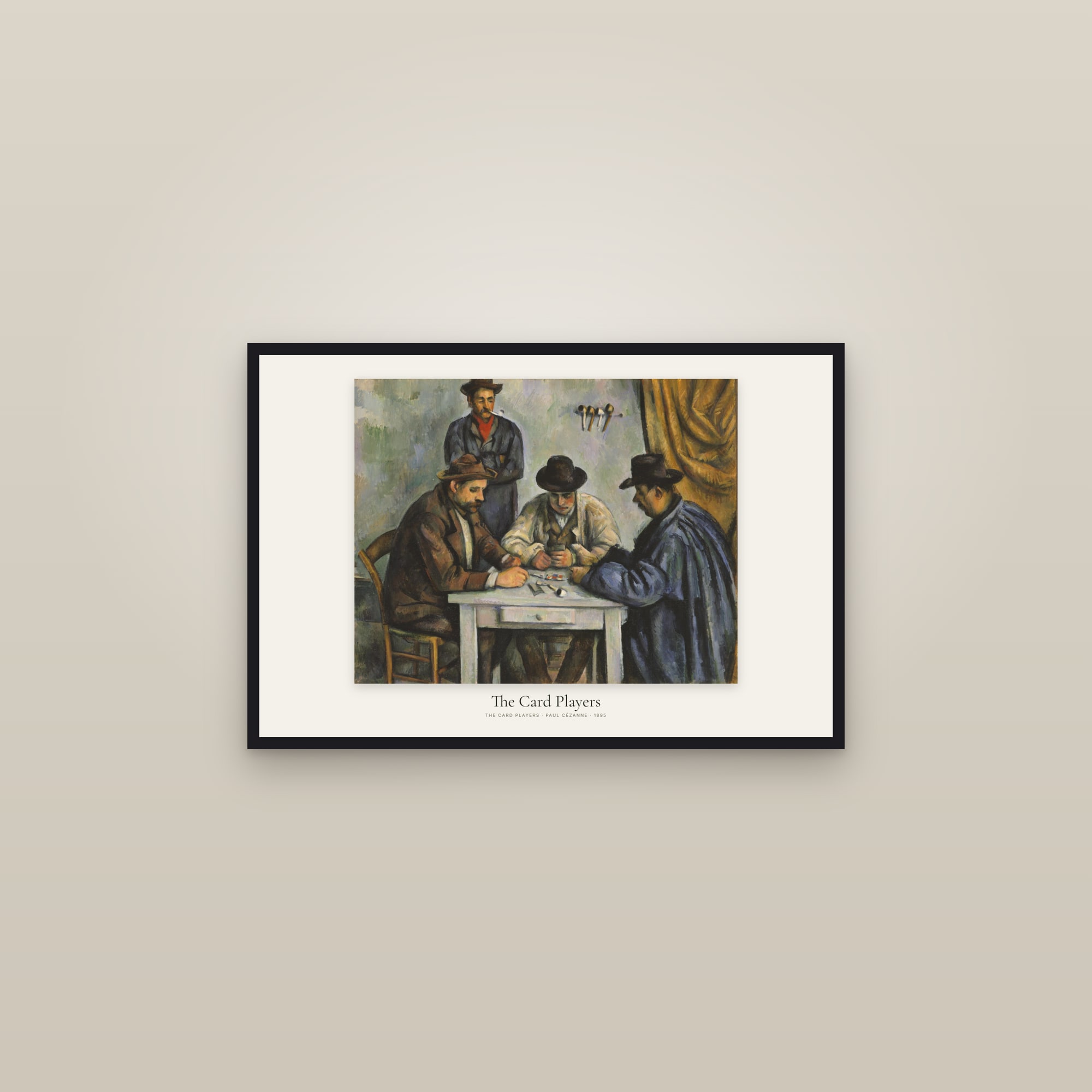
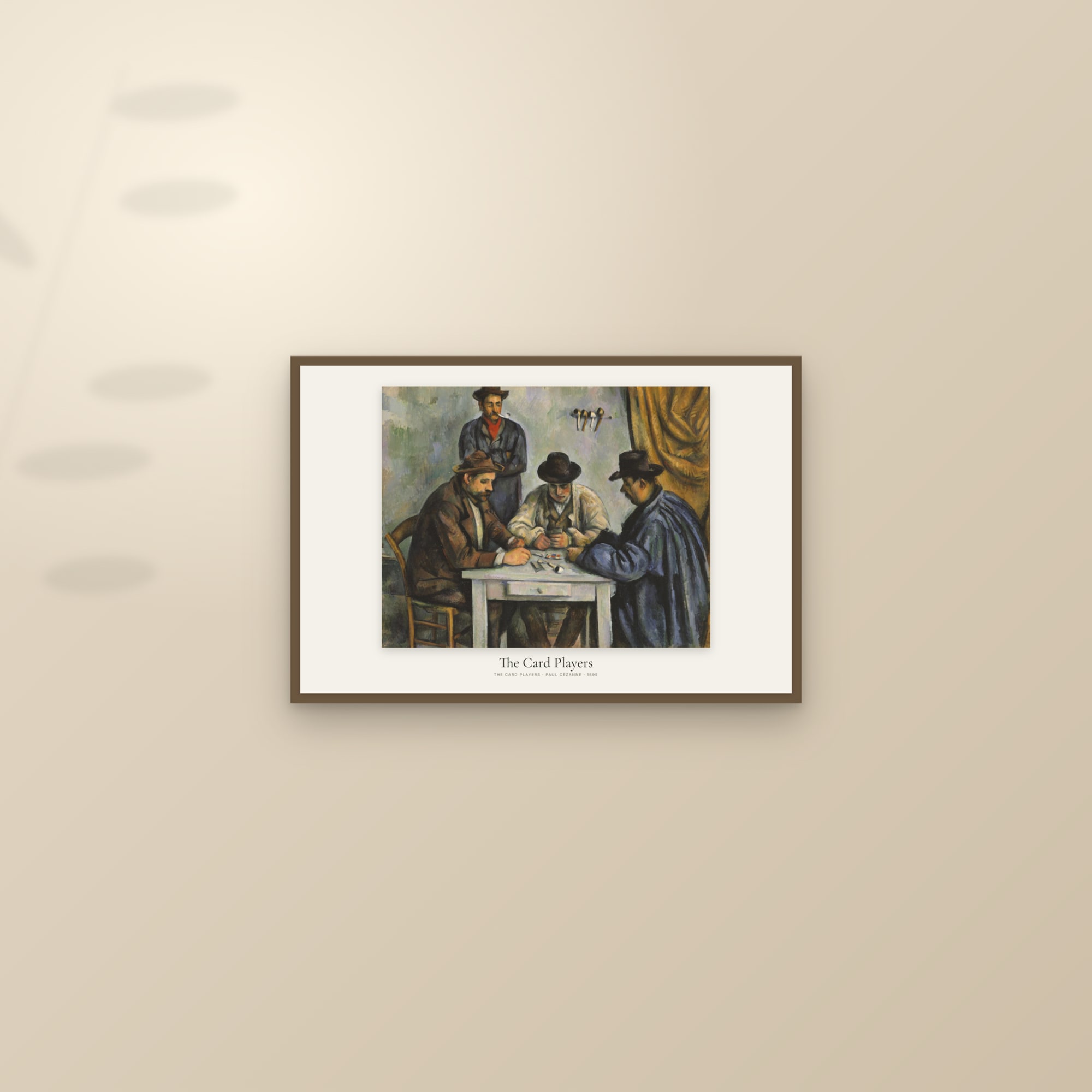
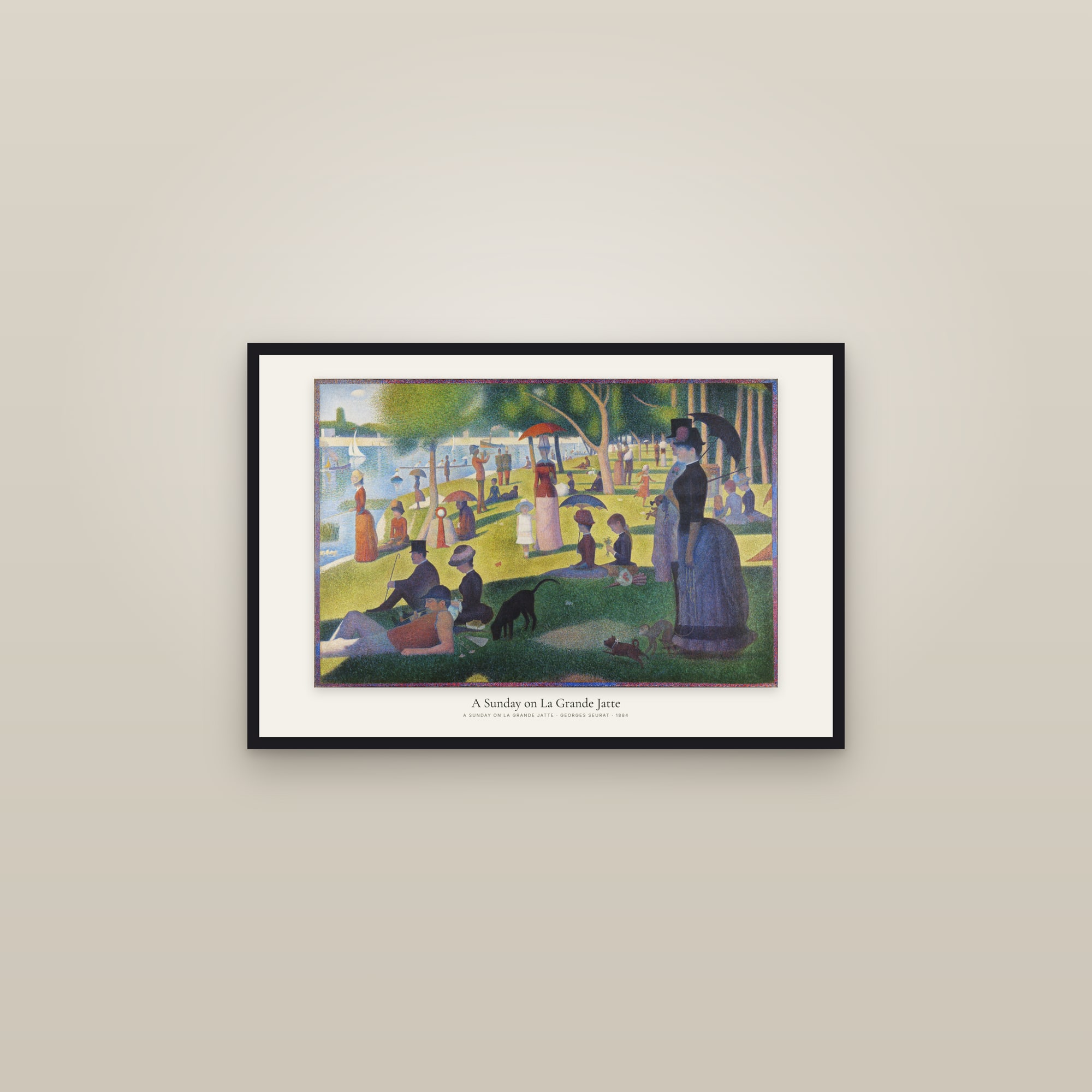
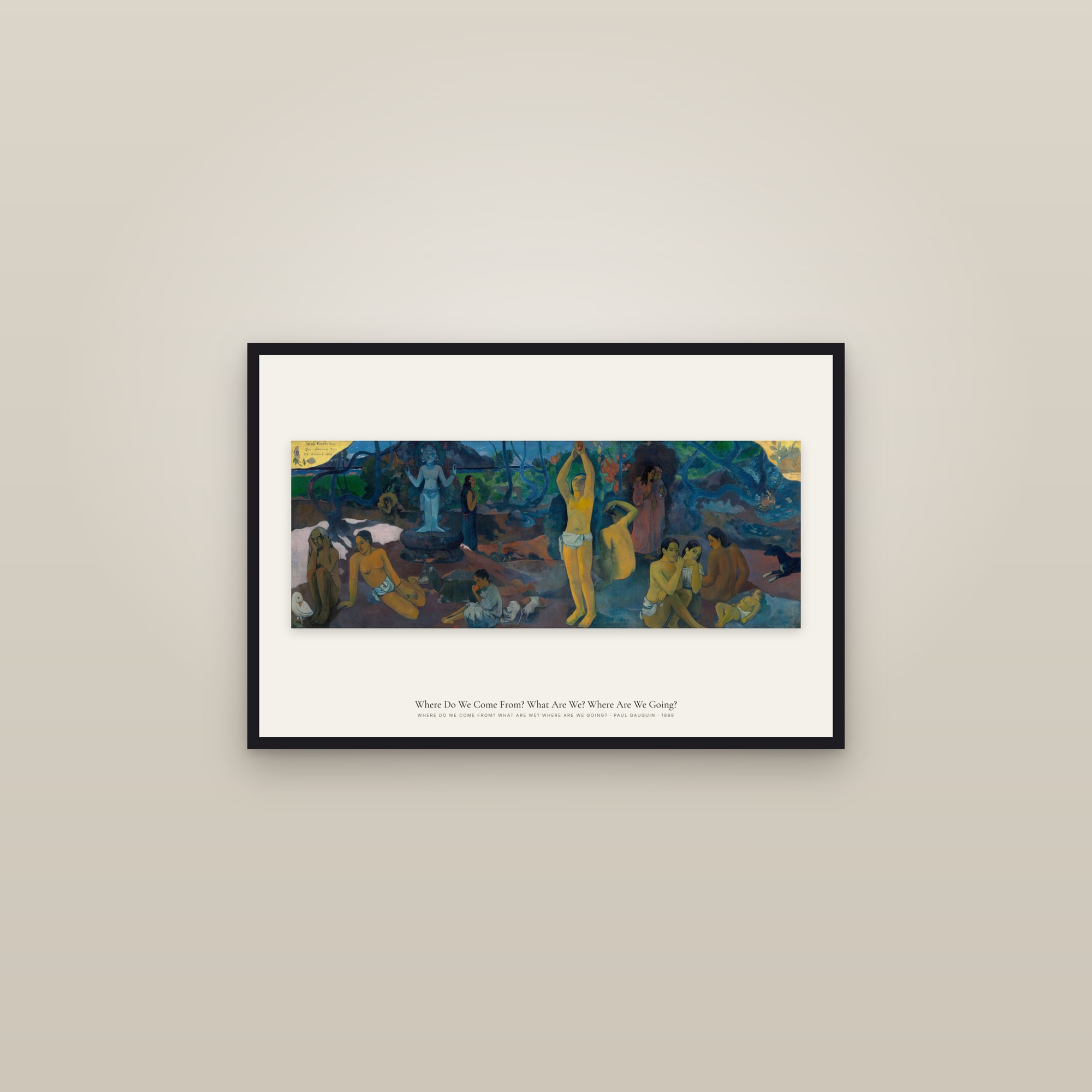
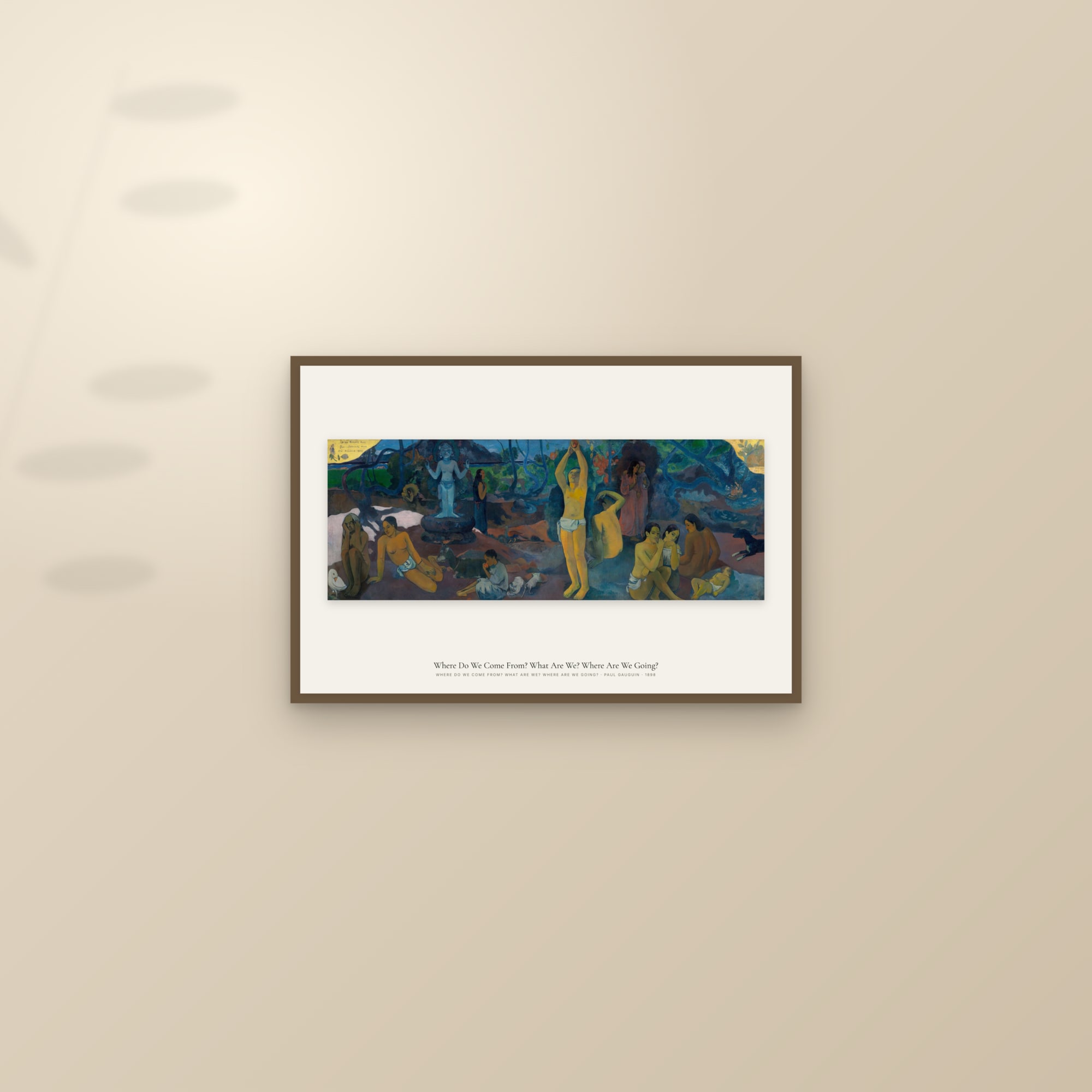
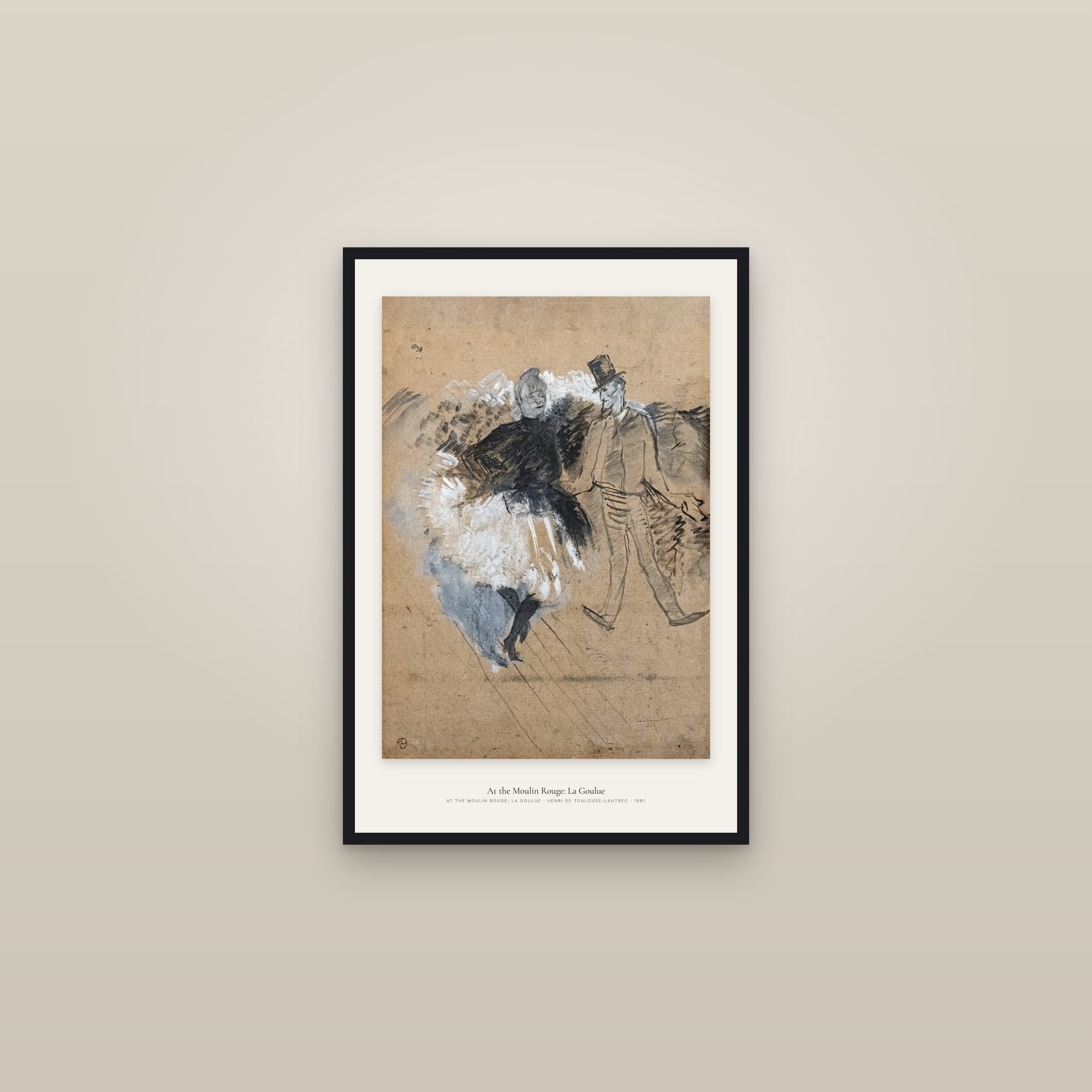
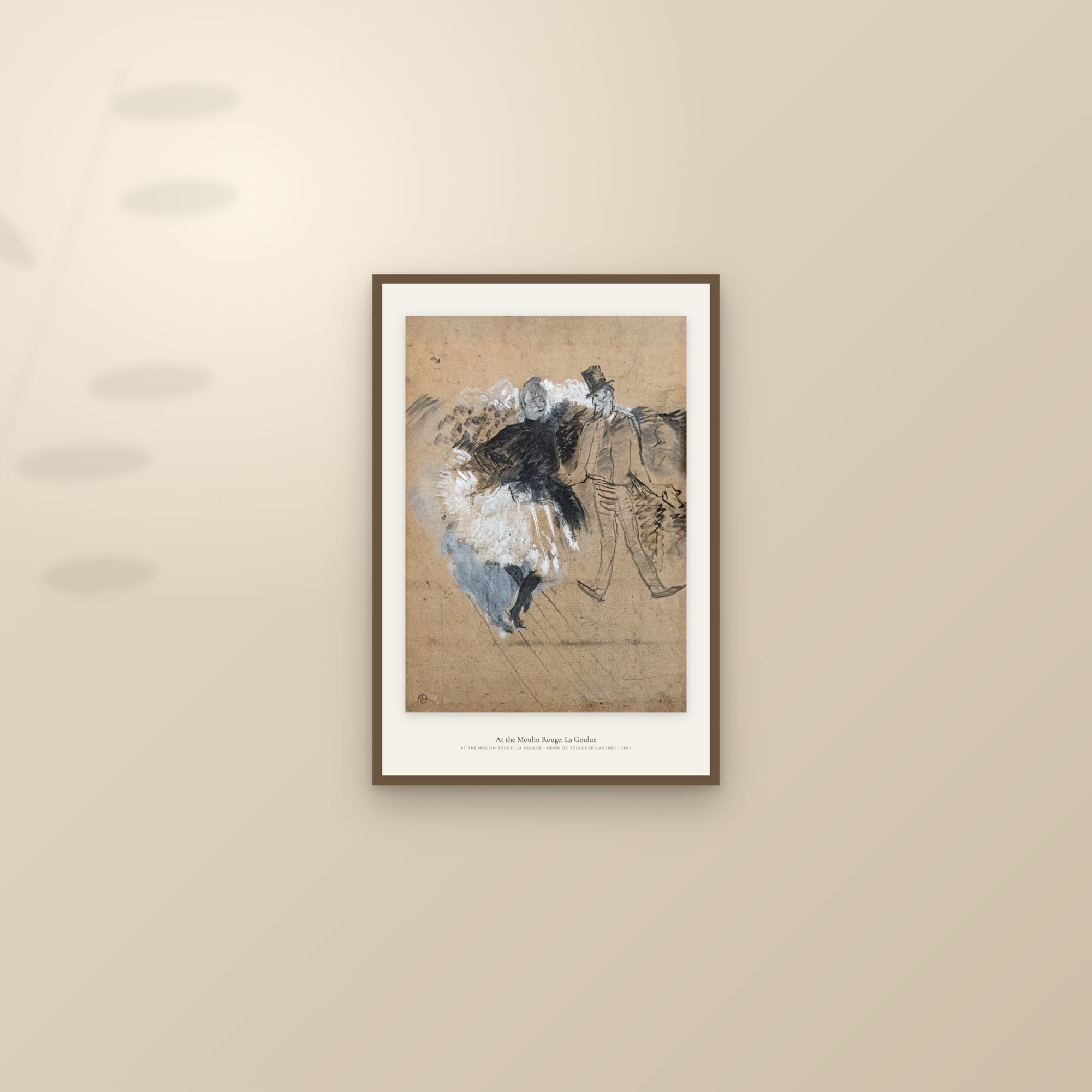
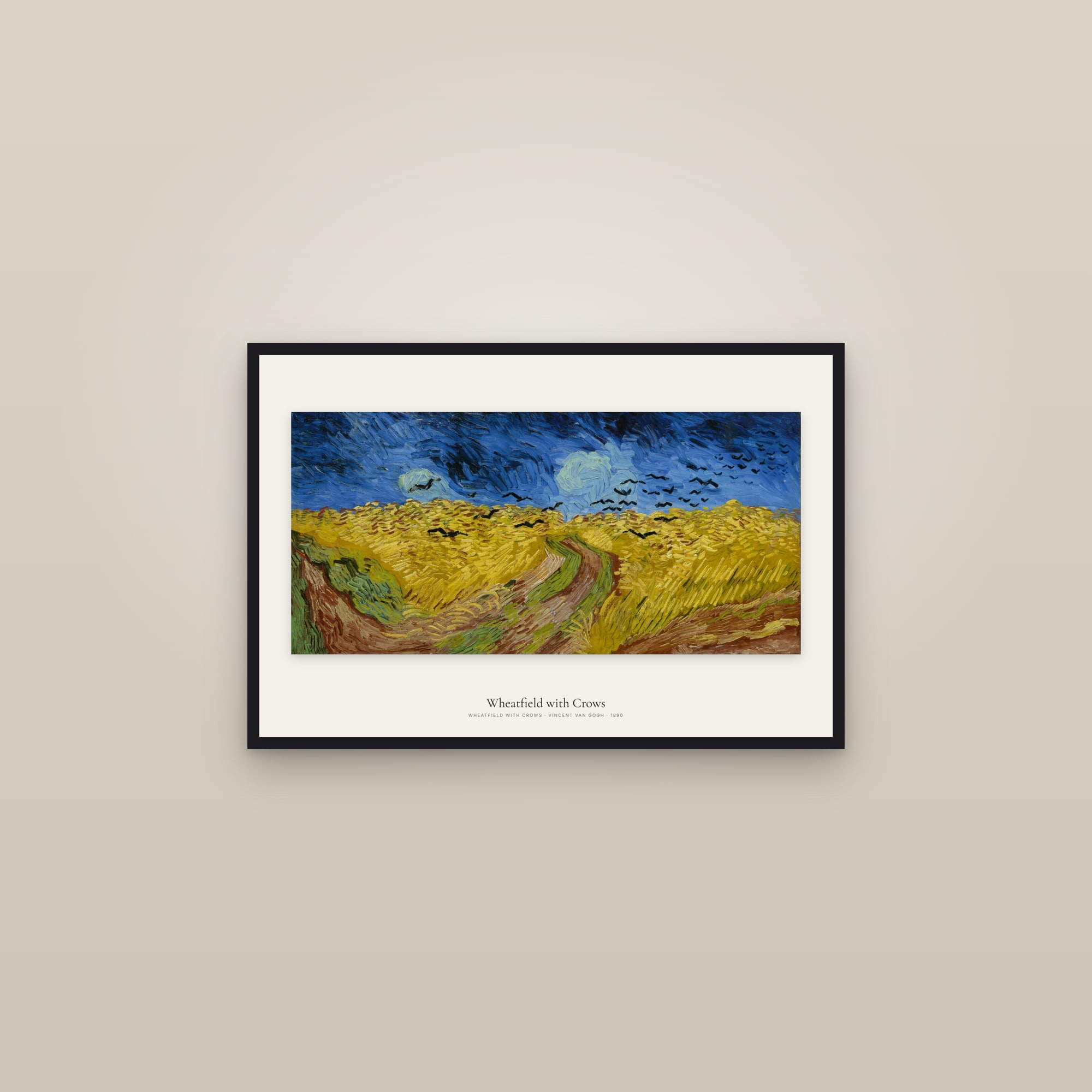
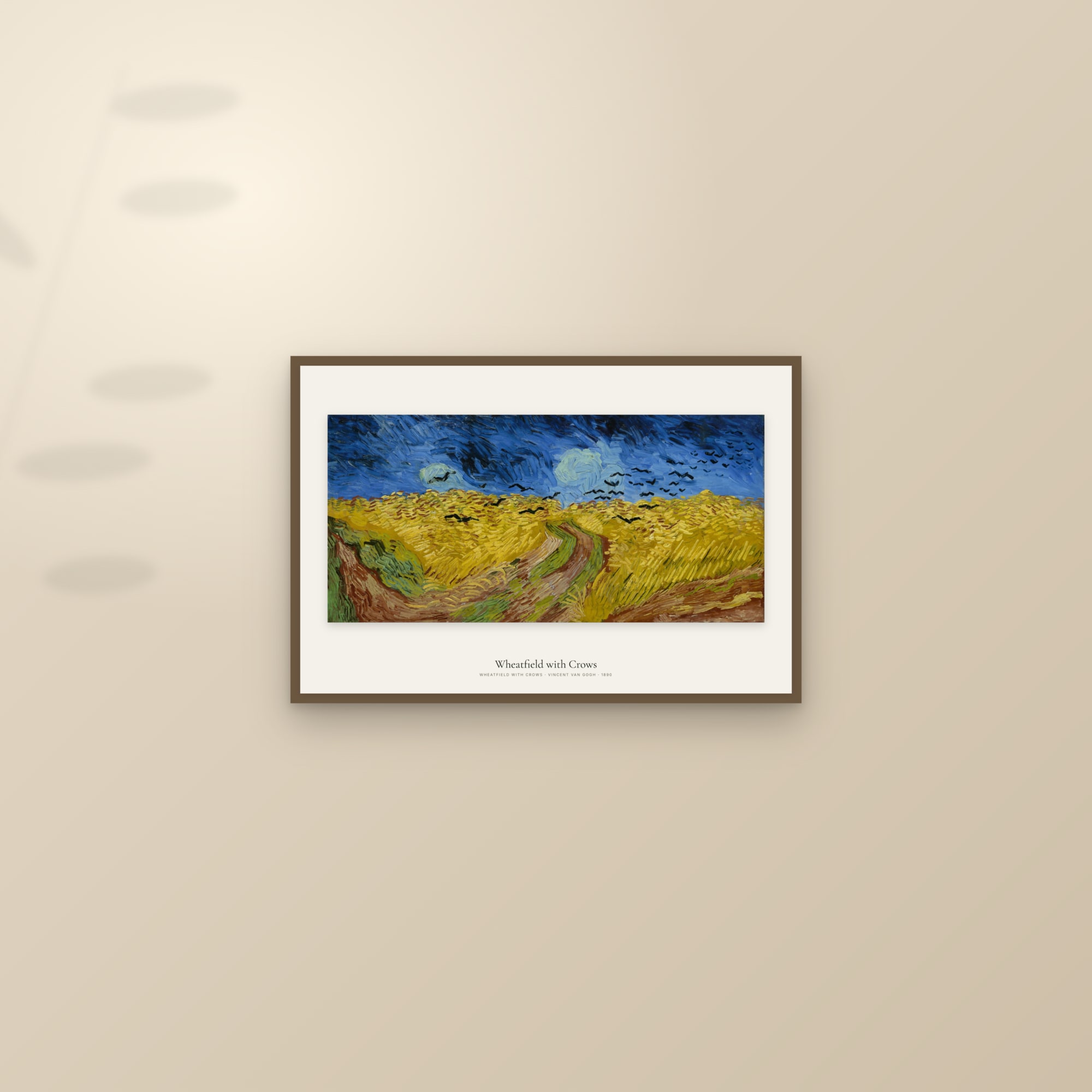
Van Gogh dominates: The Starry Night, Sunflowers, Irises, Almond Blossom, The Bedroom, Café Terrace at Night, Wheatfield with Crows and two self-portraits. Beside them hang Cézanne's The Card Players, Seurat's A Sunday on La Grande Jatte, Gauguin's Where Do We Come From? and Toulouse-Lautrec's Moulin Rouge poster, the work that made the lithographic poster an art form.
On the wall
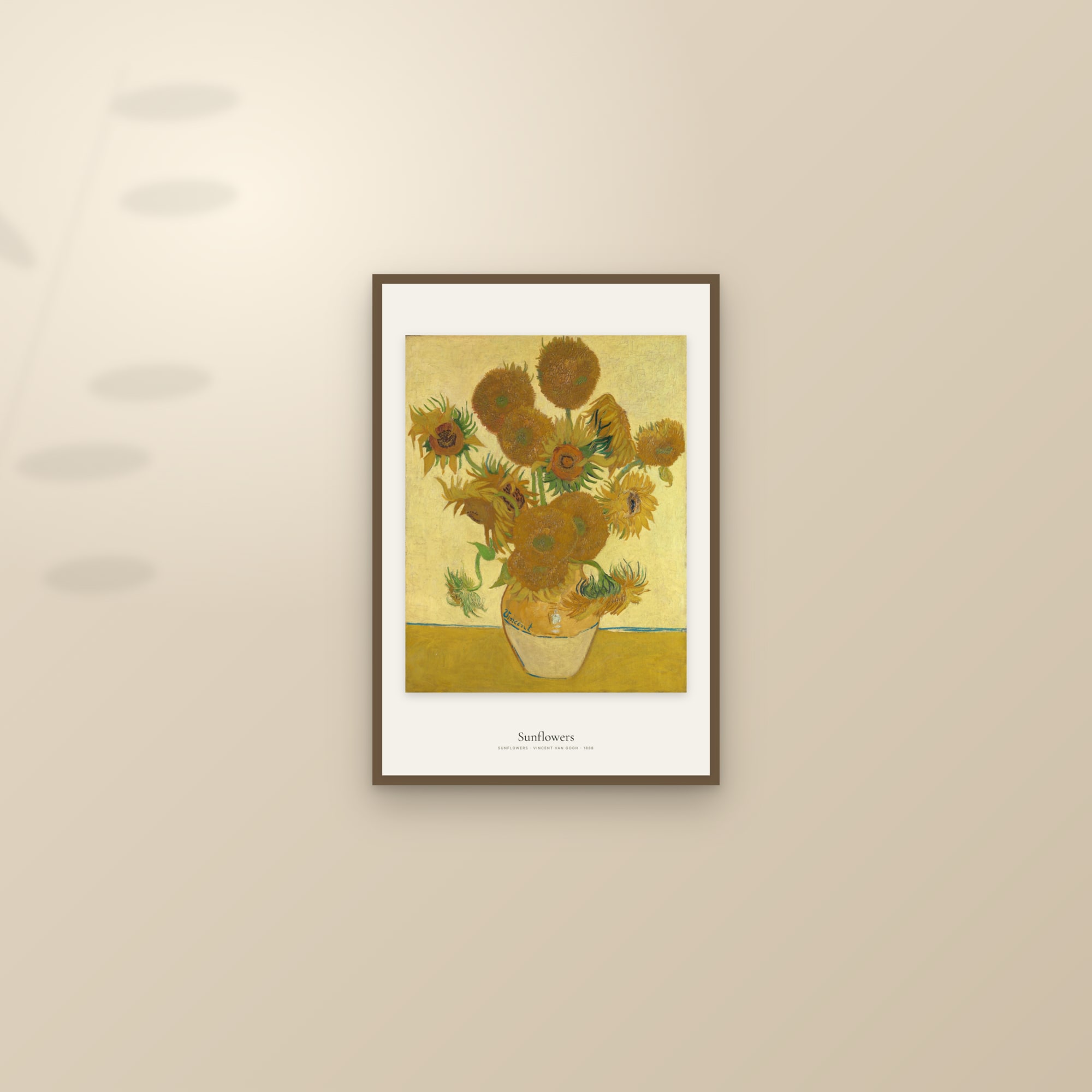
Van Gogh's saturated blues and yellows carry across a room, which is why The Starry Night and Sunflowers are the most-hung paintings in the world. They hold their own against strong wall colours; the Sunflowers in particular were painted for a yellow room. Each work is offered as a gallery-ground print and an exhibition poster, and the Sunflowers also edge to edge.