Giovanni Segantini Prints
1858–1899 · Italian (stateless) · Divisionism / Symbolism
Wall art by Giovanni Segantini, restored in-house and printed to order on heavyweight matte fine-art paper.
8 prints · printed to order on heavyweight matte paper · framed or unframed
About Giovanni Segantini
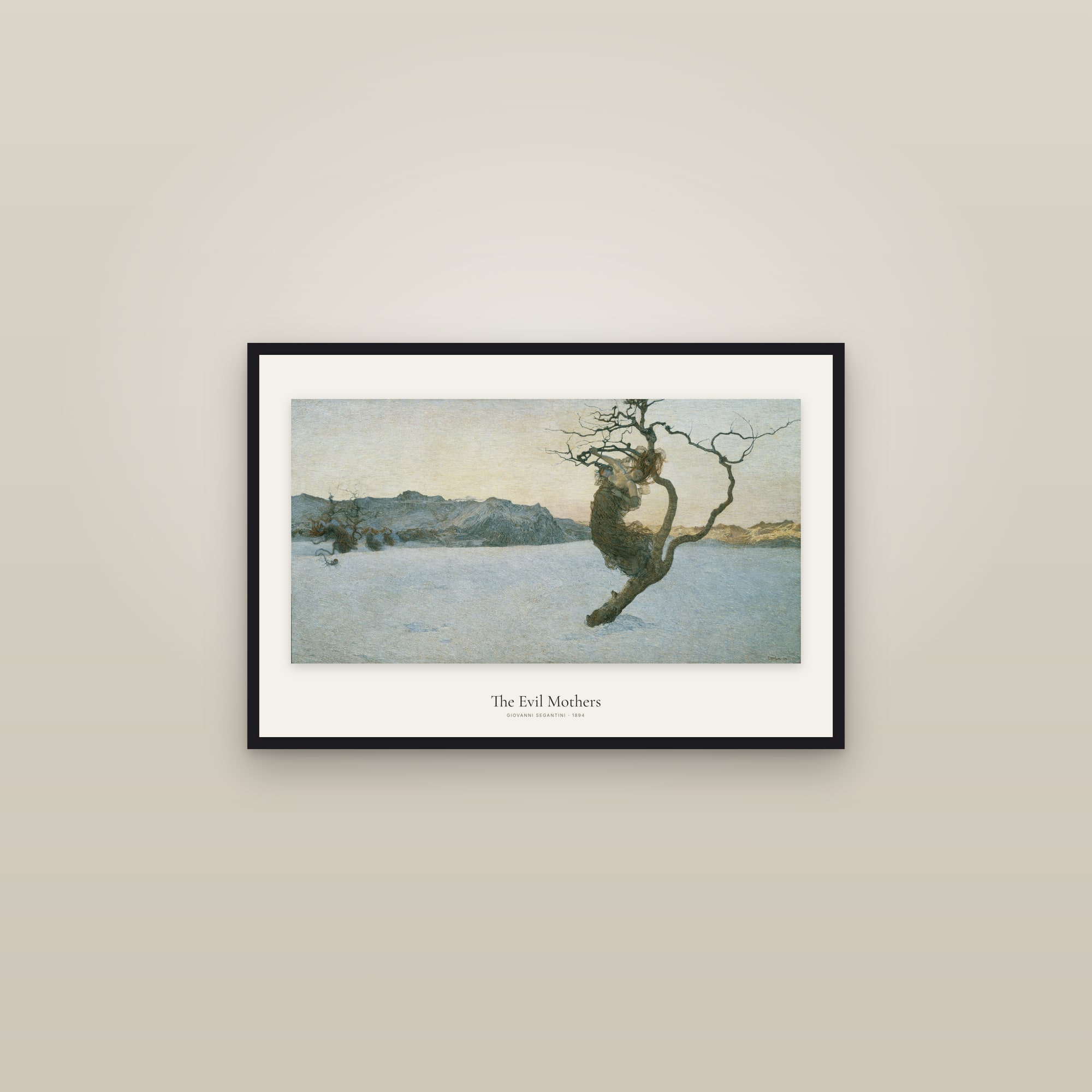
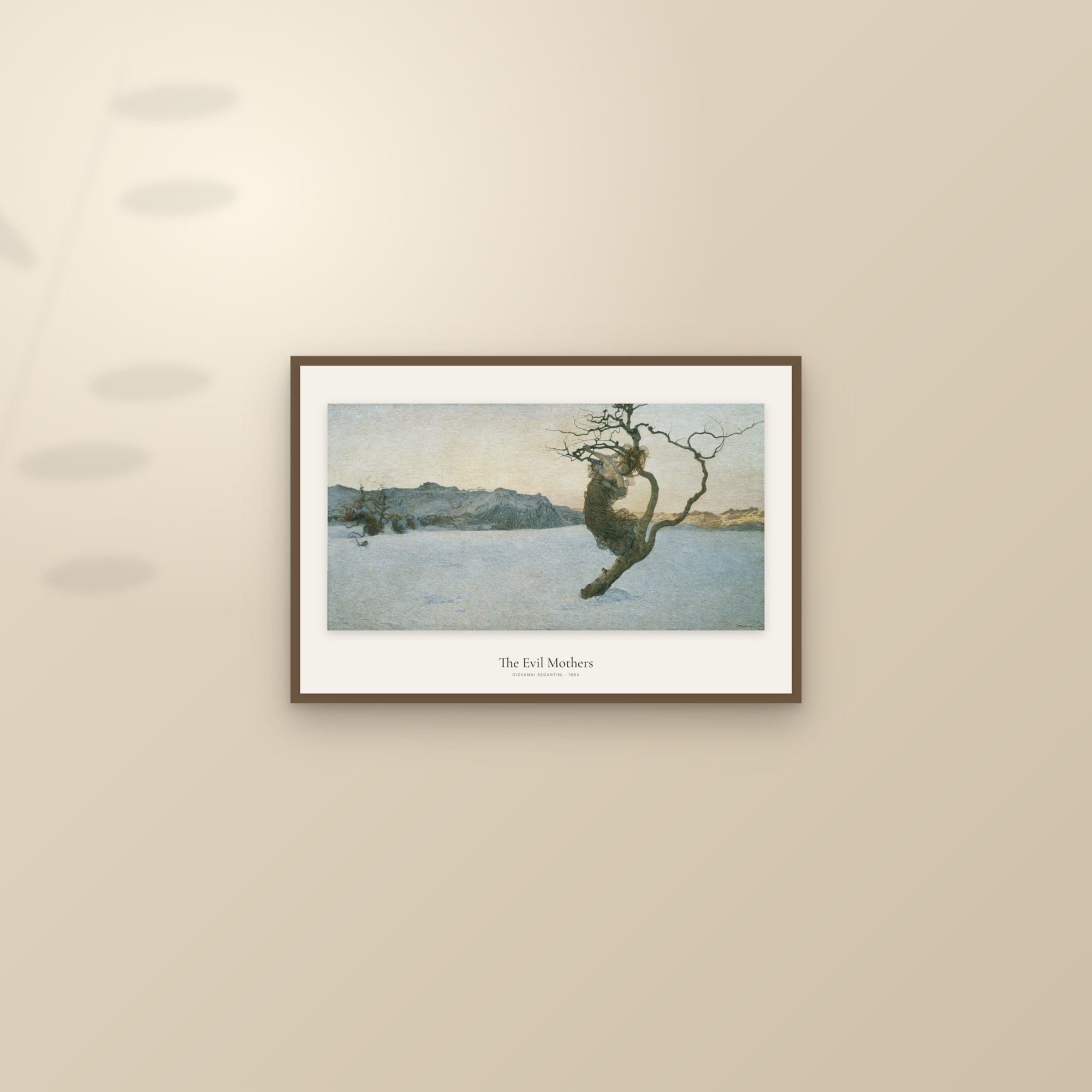
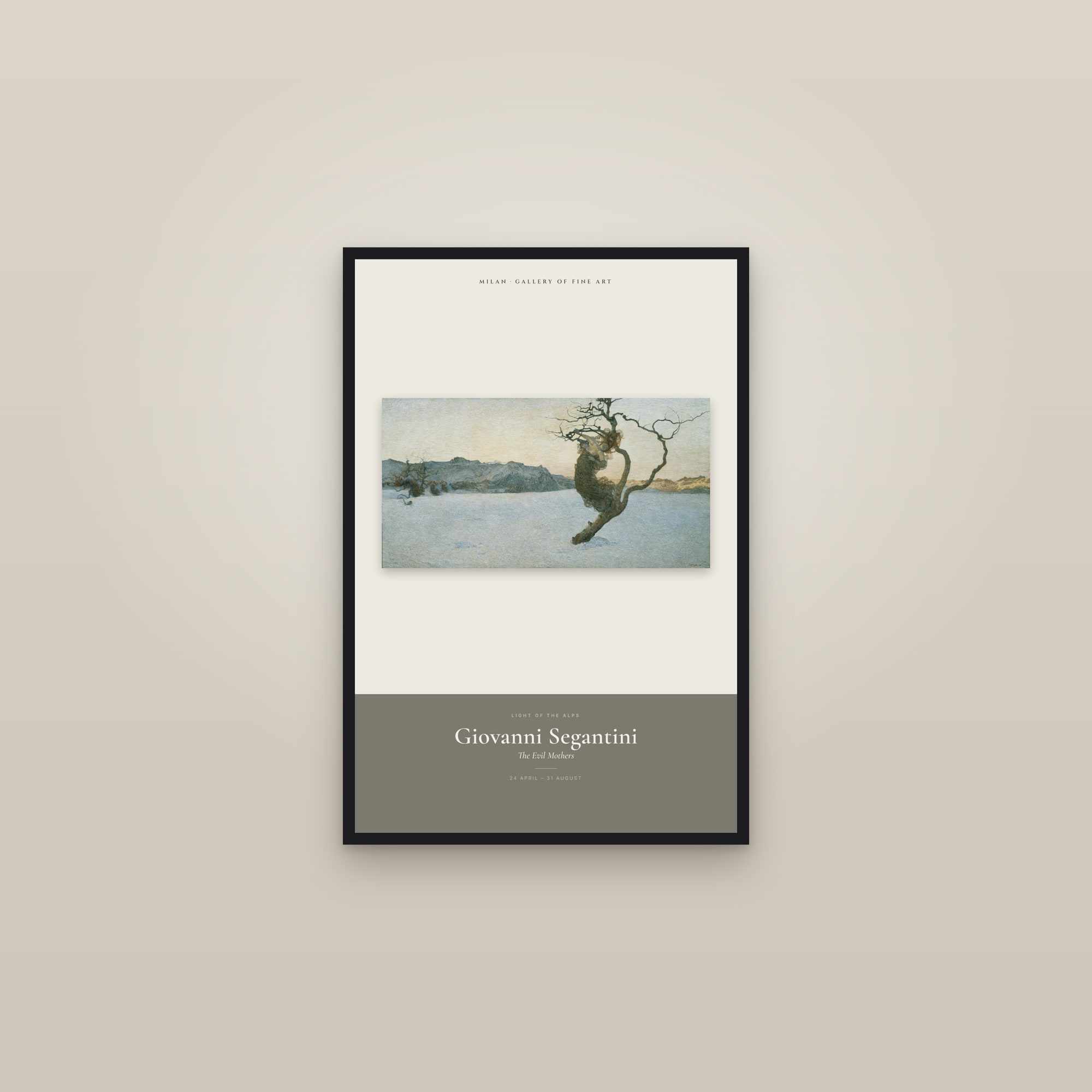
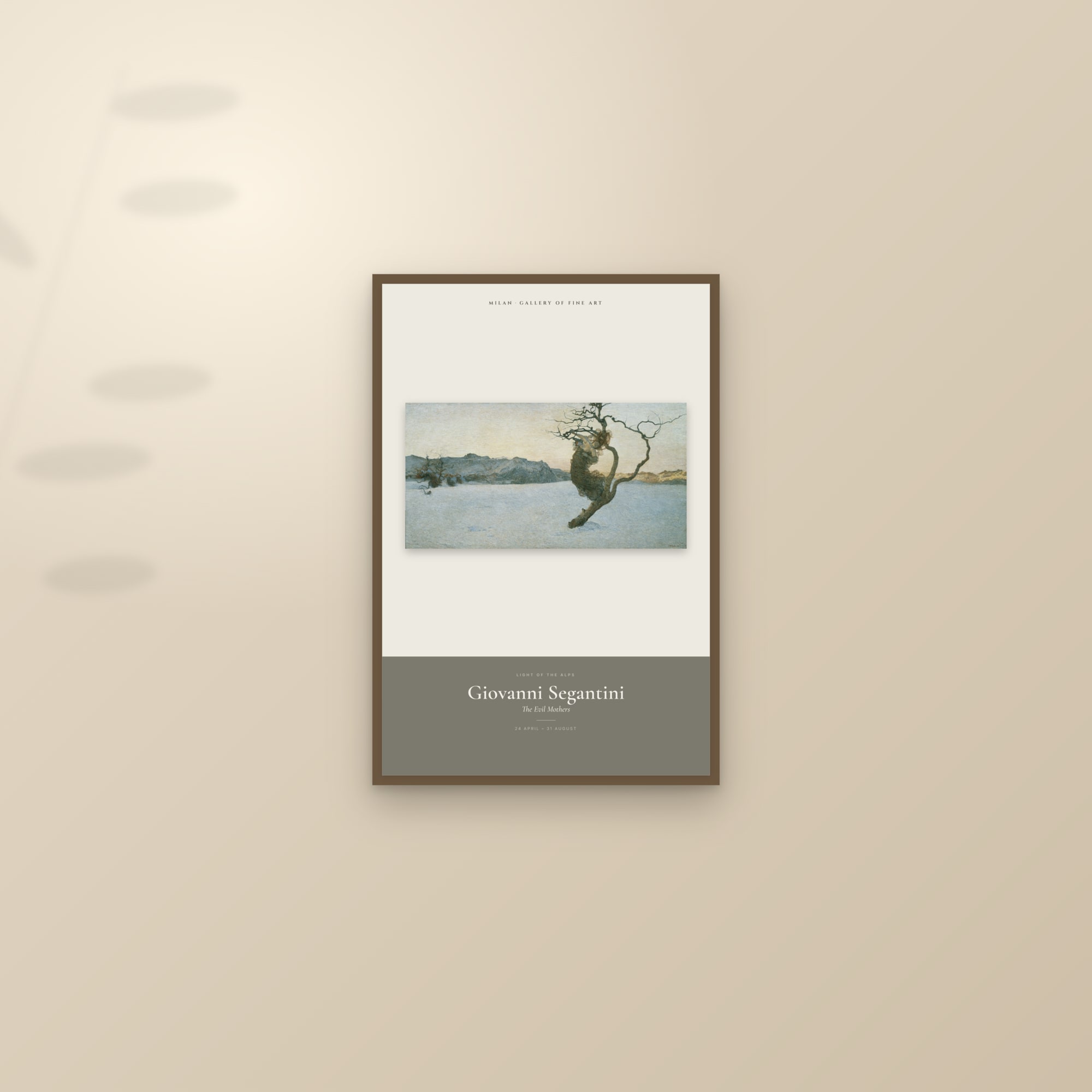
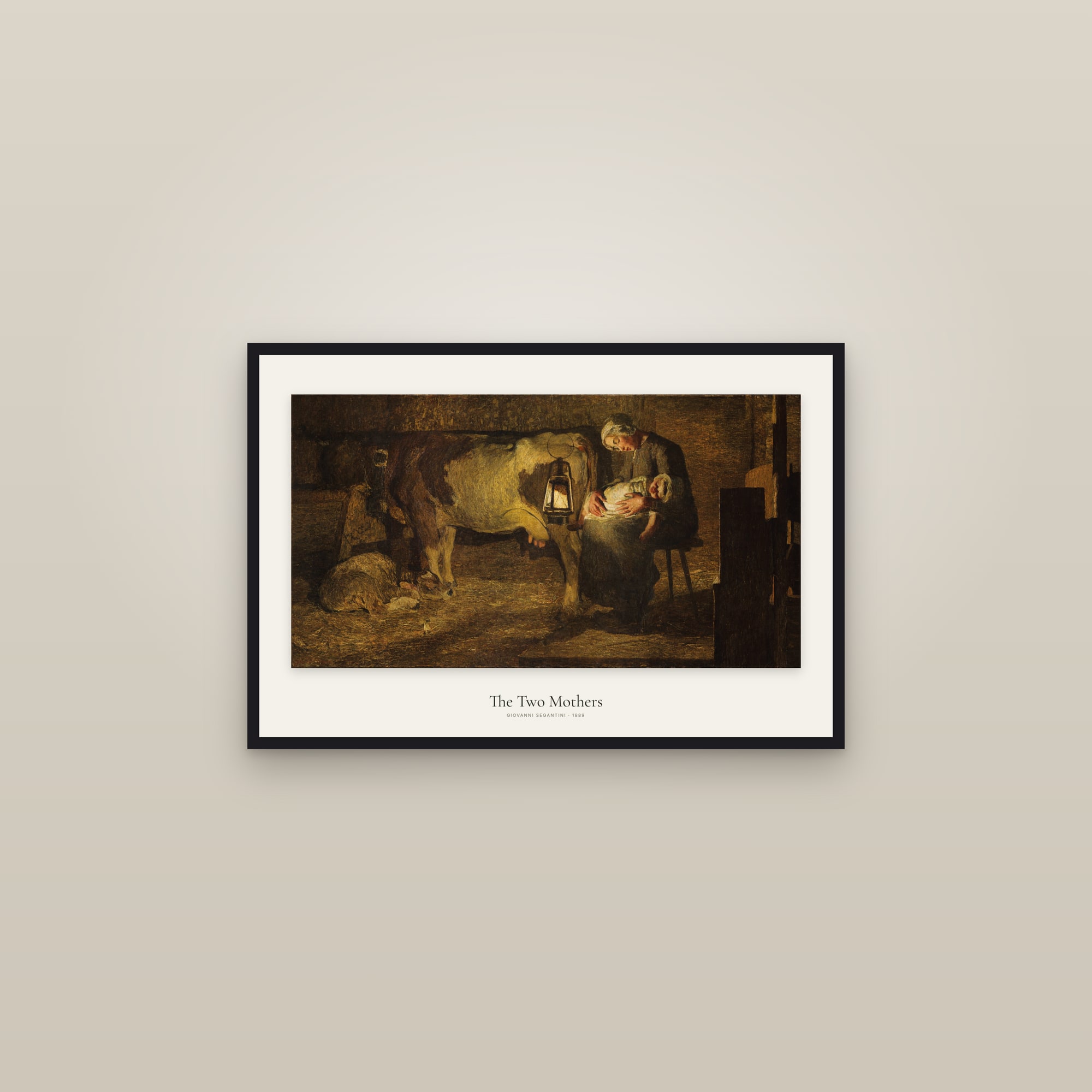
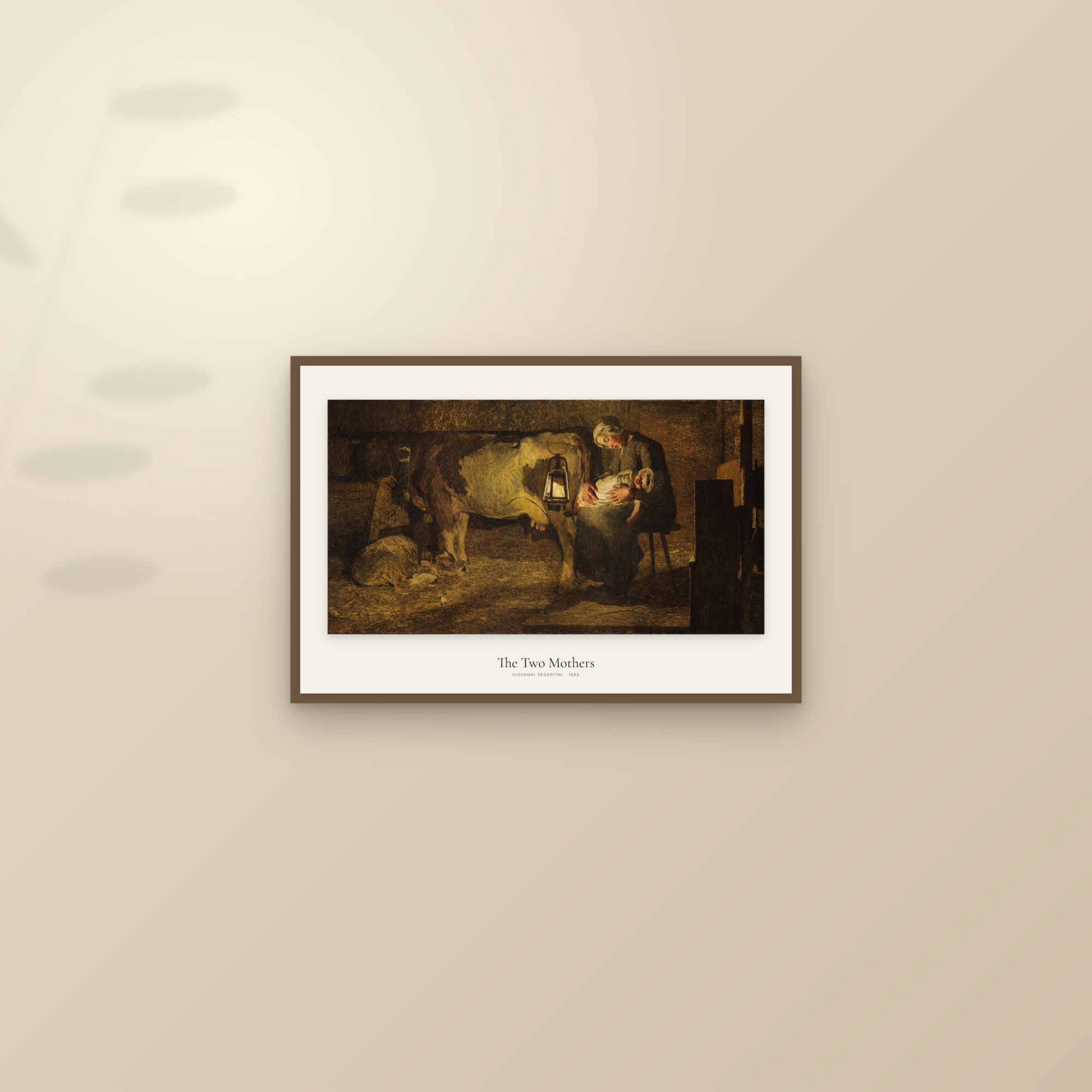
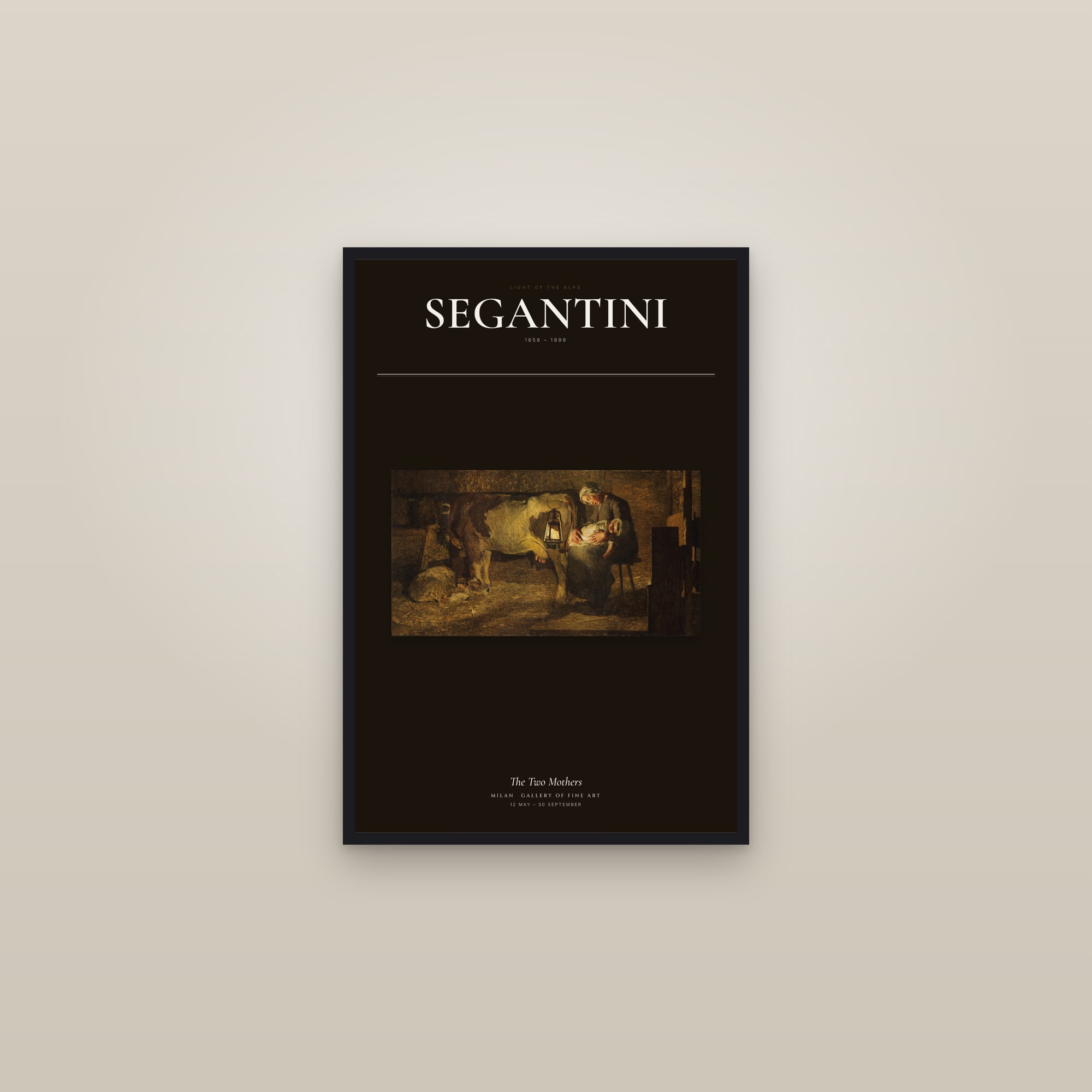
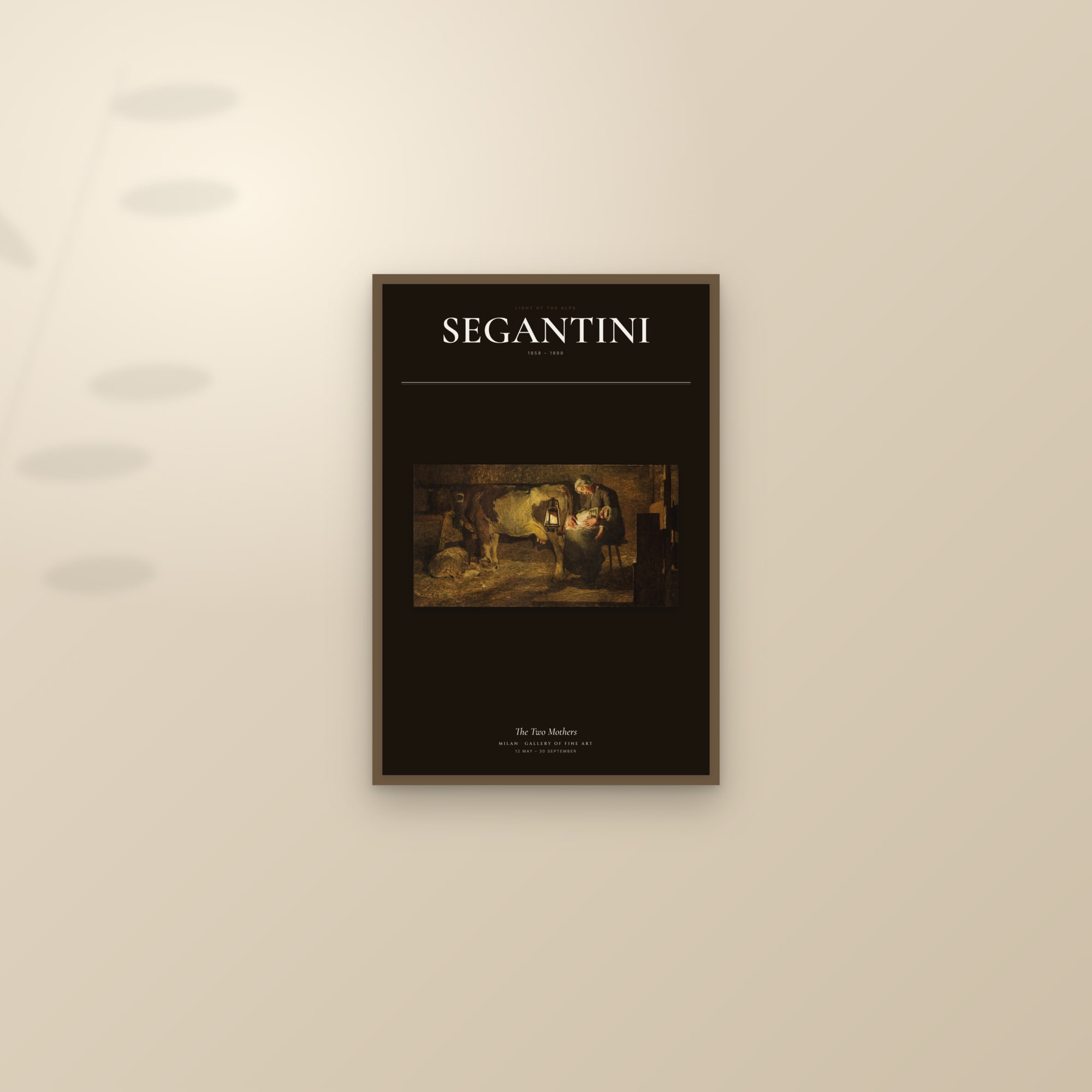
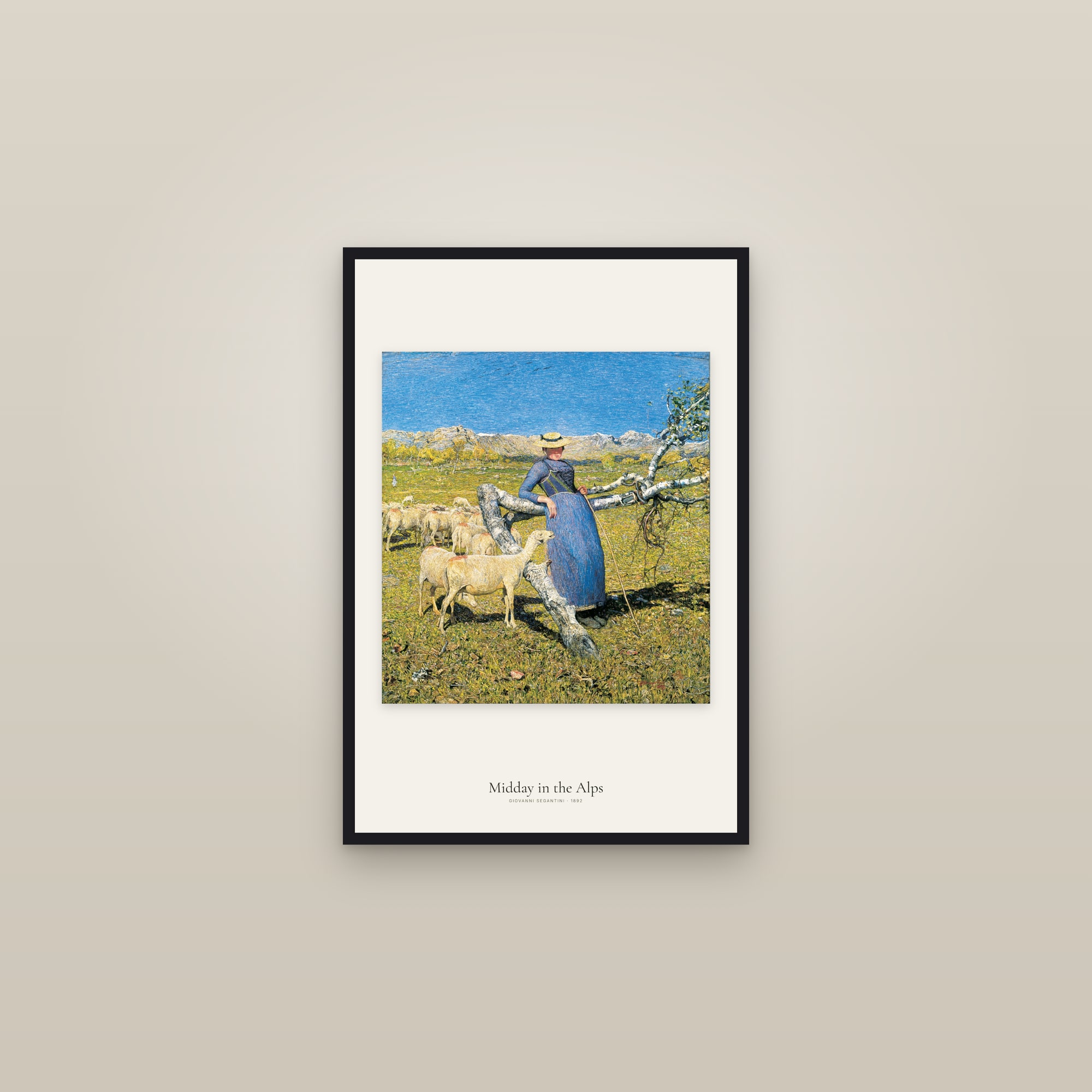
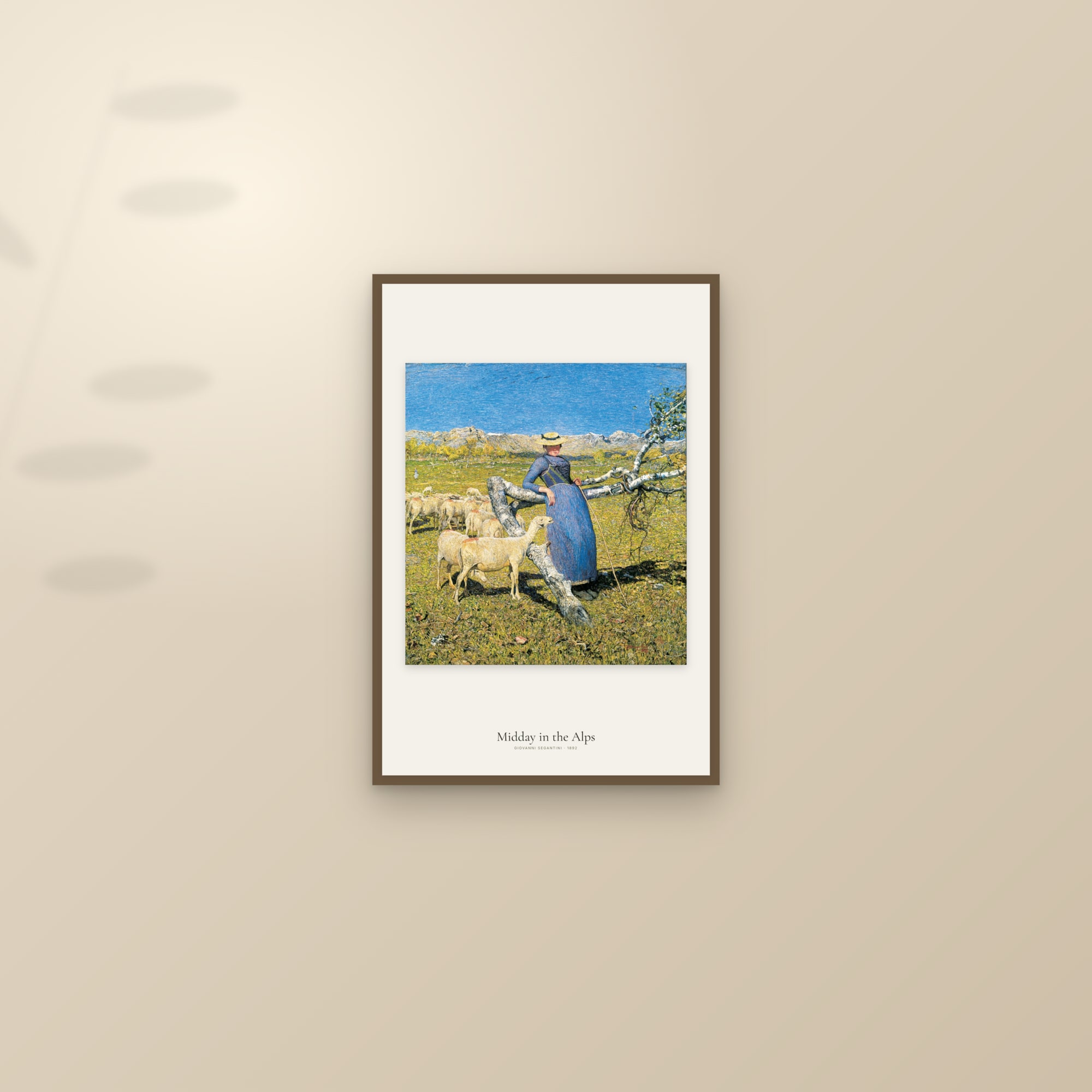
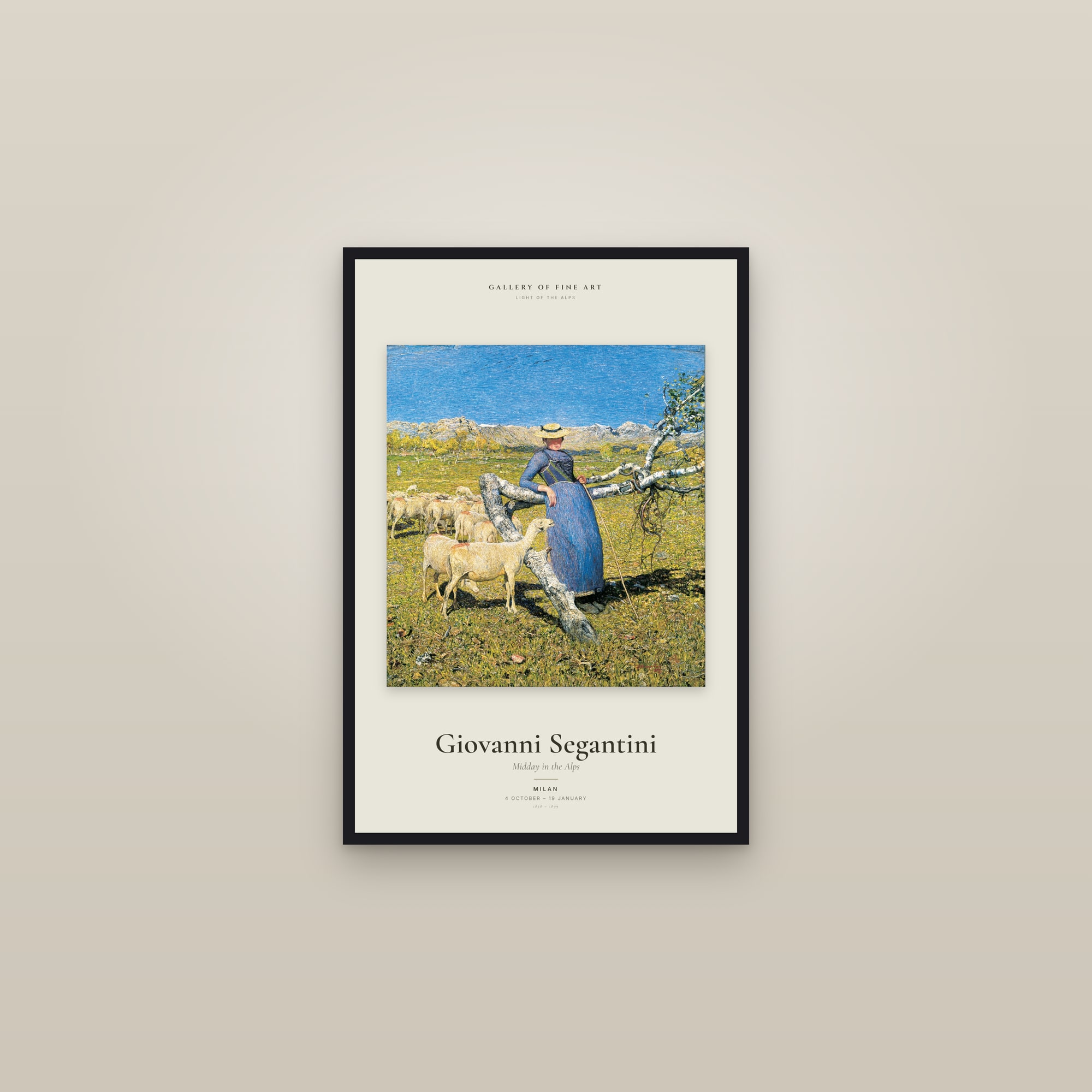
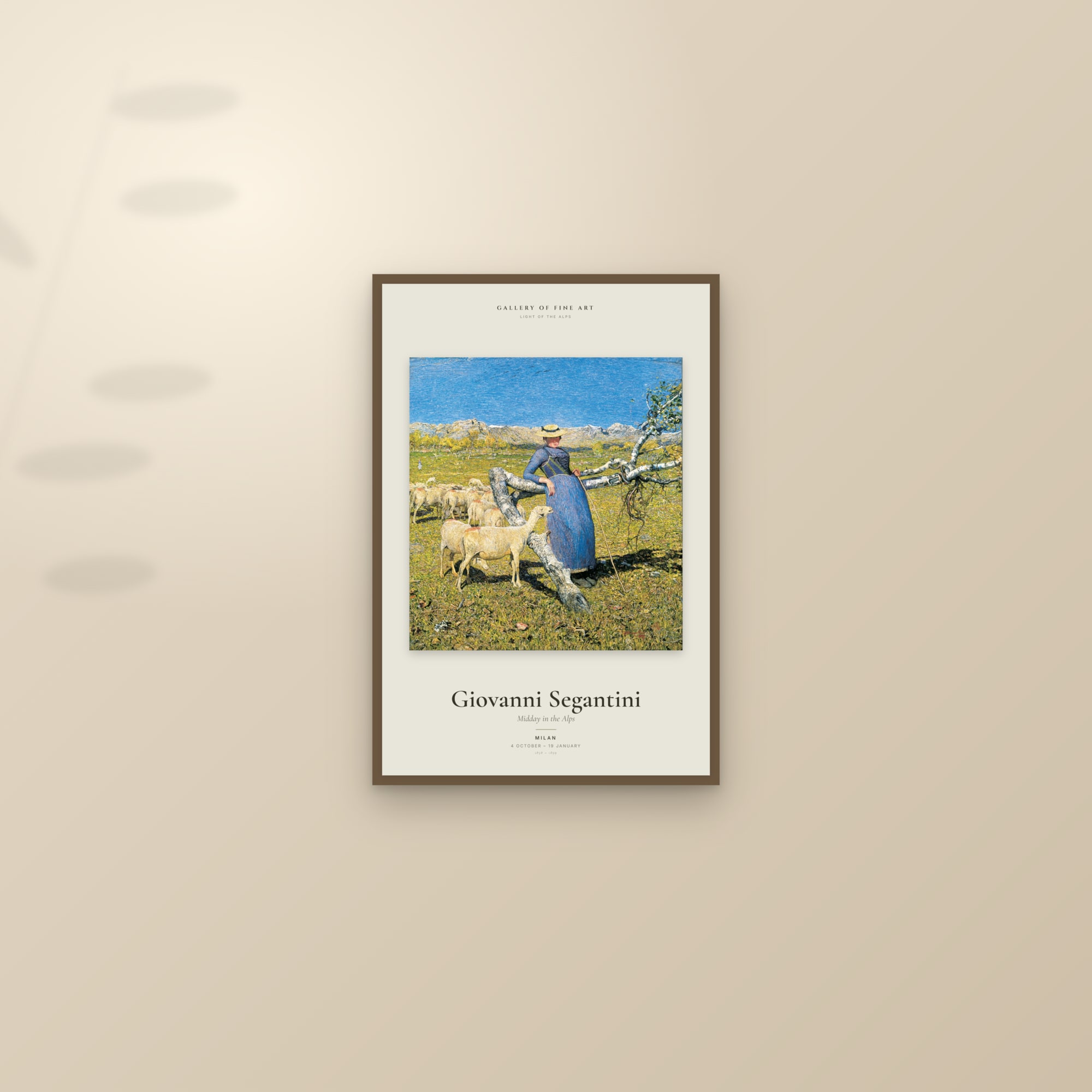
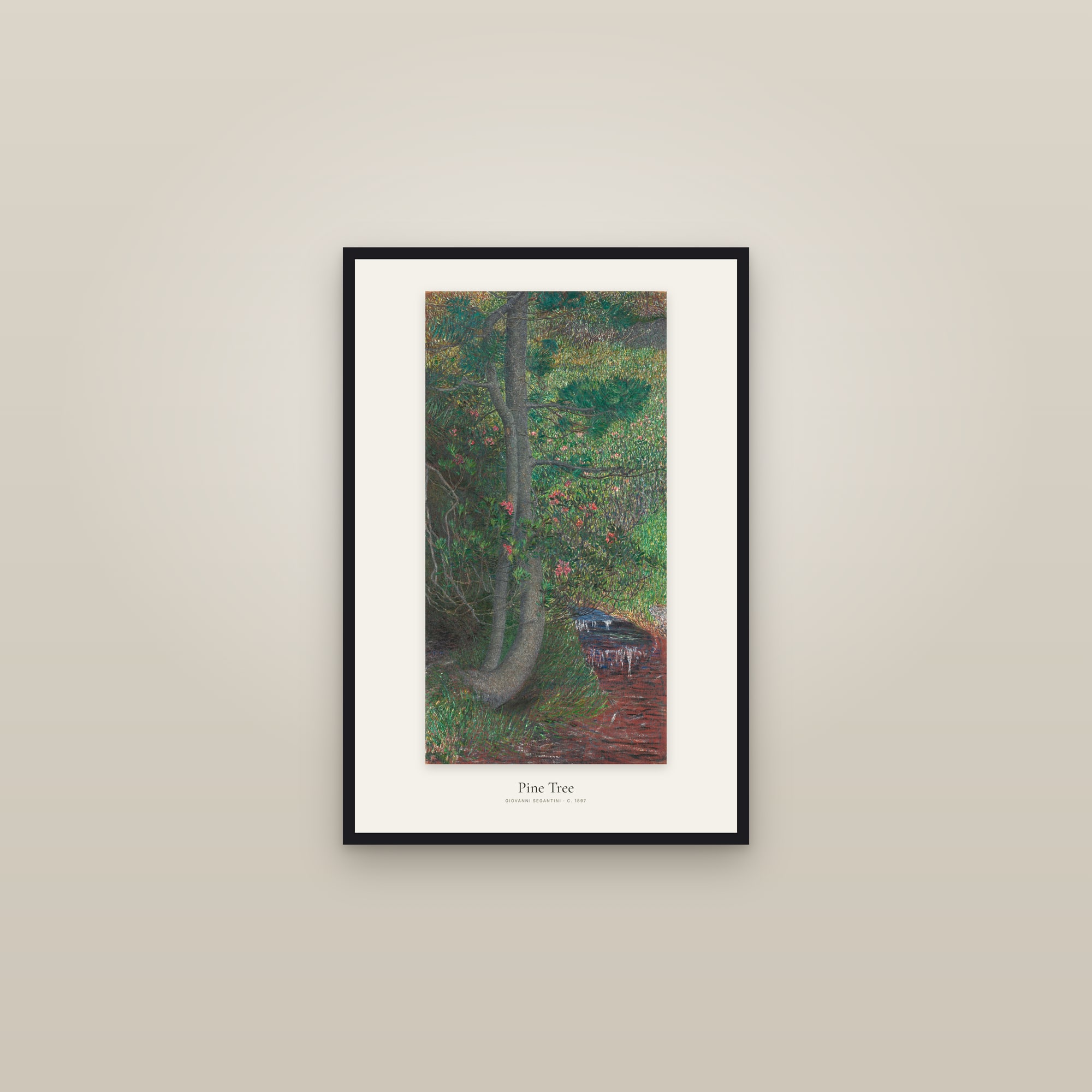
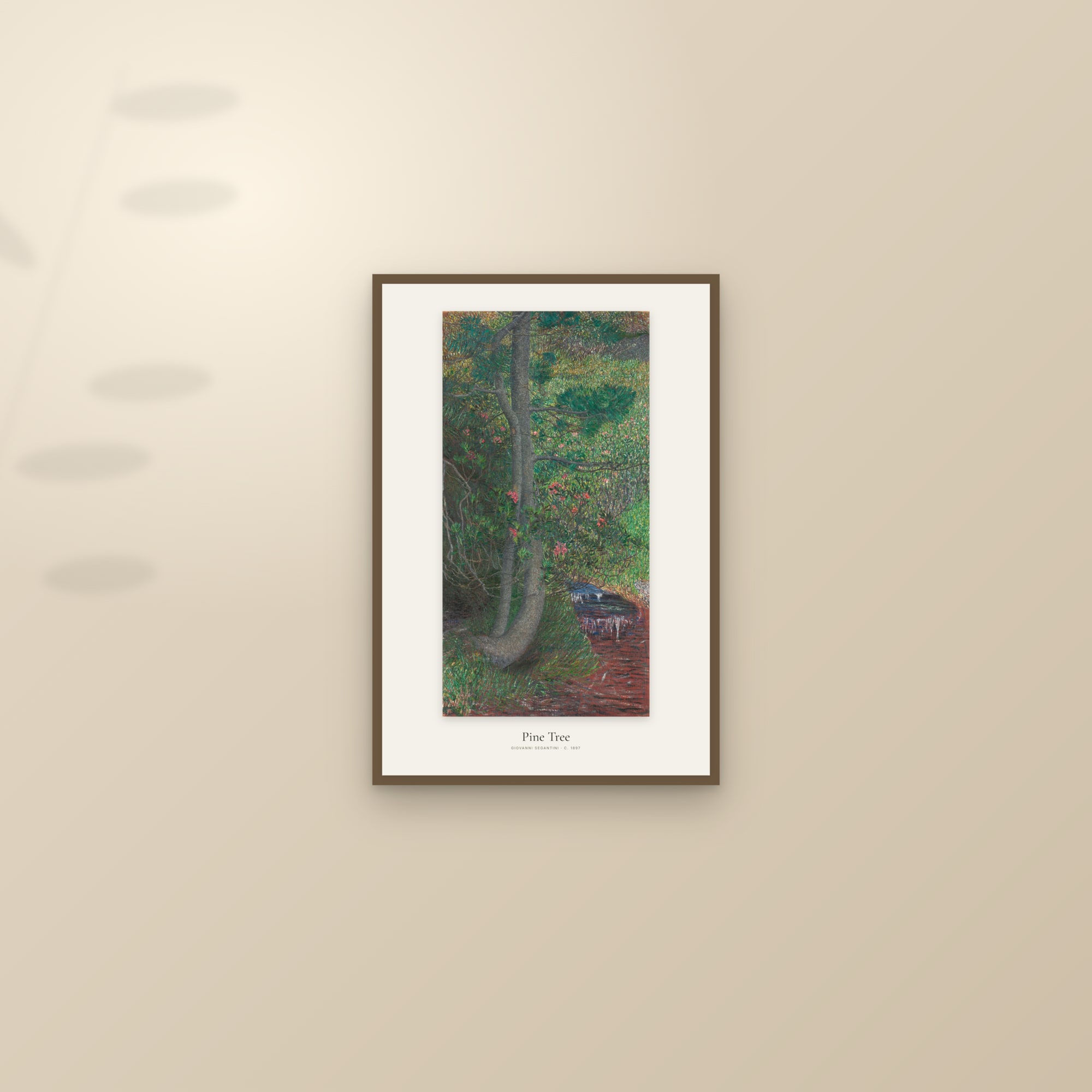
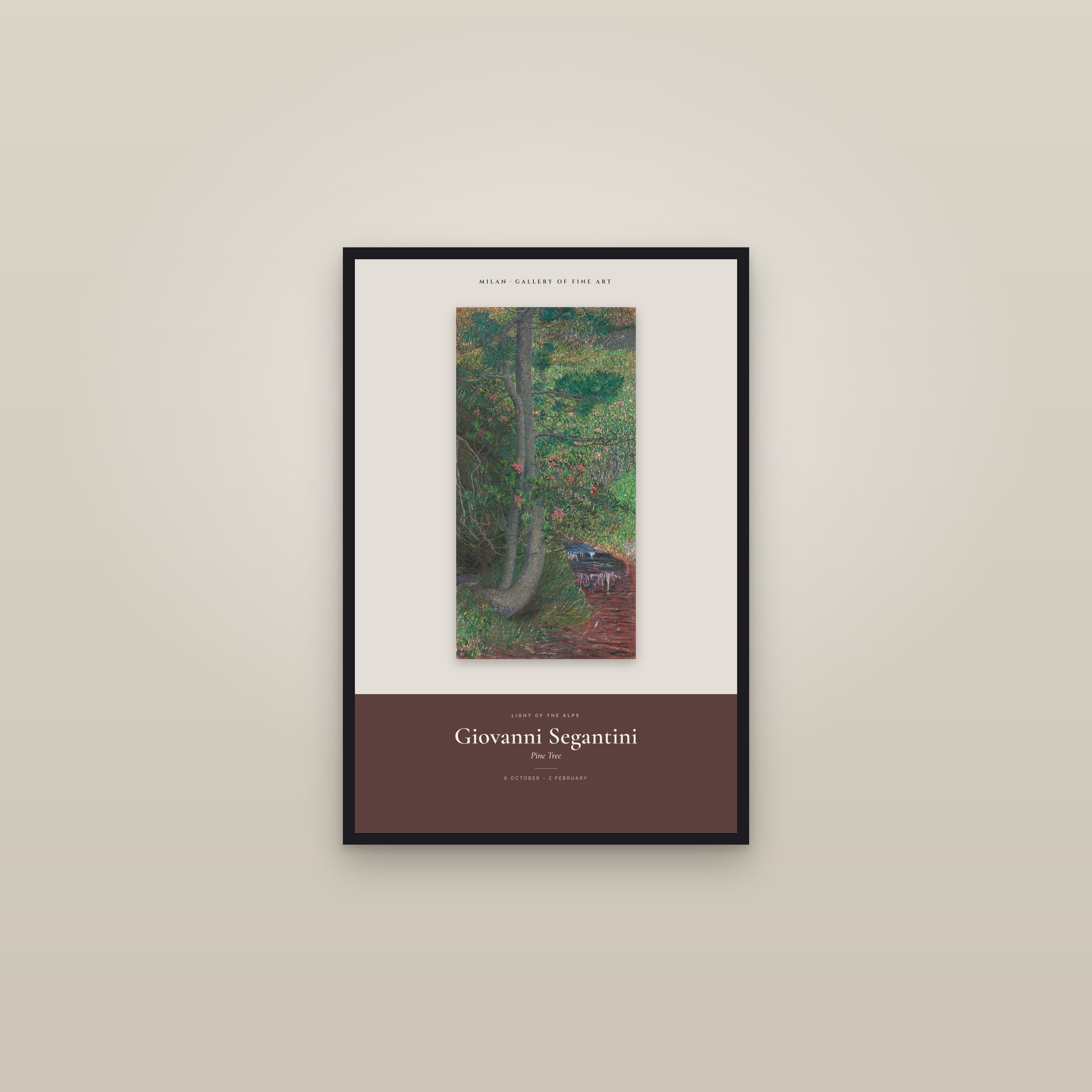
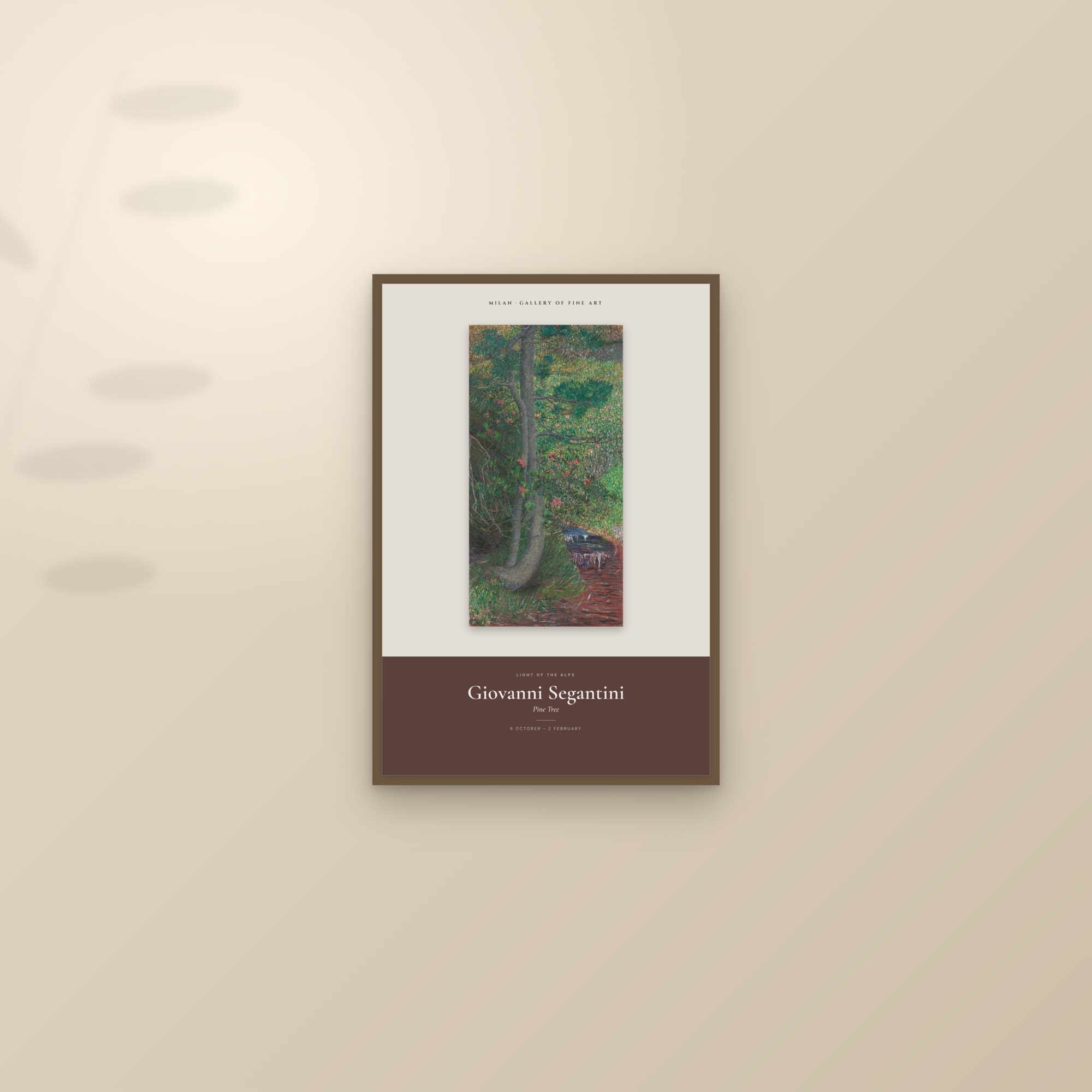
Giovanni Segantini was born in 1858 at Arco in Trentino, then part of the Austrian Empire. His mother died when he was seven and his father a year later; his half-sister gave up their Austrian citizenship without obtaining Italian papers, and he remained stateless for life. As a boy in Milan he was placed in a reformatory, where a chaplain encouraged his drawing, and he later attended classes at the Brera Academy. The dealer Vittore Grubicy de Dragon became his adviser and lifelong supporter. With his partner Bice Bugatti he moved to Pusiano and then Carella, painting outdoors, and the first Ave Maria won a gold medal in Amsterdam in 1883. In 1886 the family moved to Savognin in the Swiss canton of Graubünden, where, at Grubicy's suggestion, he began separating his colours in the Divisionist manner and soon turned to Symbolist themes such as The Punishment of Lust. He later moved higher, to the Engadine. In 1894 Milan's Castello Sforzesco held a retrospective of ninety of his works, and in 1897 he began a vast Engadine panorama for the 1900 Paris Exposition, later reshaped as the triptych Life, Nature and Death, on which he was still working when he died in 1899. Segantini's canvases are woven from long, separate strokes of unmixed colour, so mountain light seems to shimmer across the surface and carries well across a room.