James Sowerby Prints
1757–1822 · English · Natural-history illustration
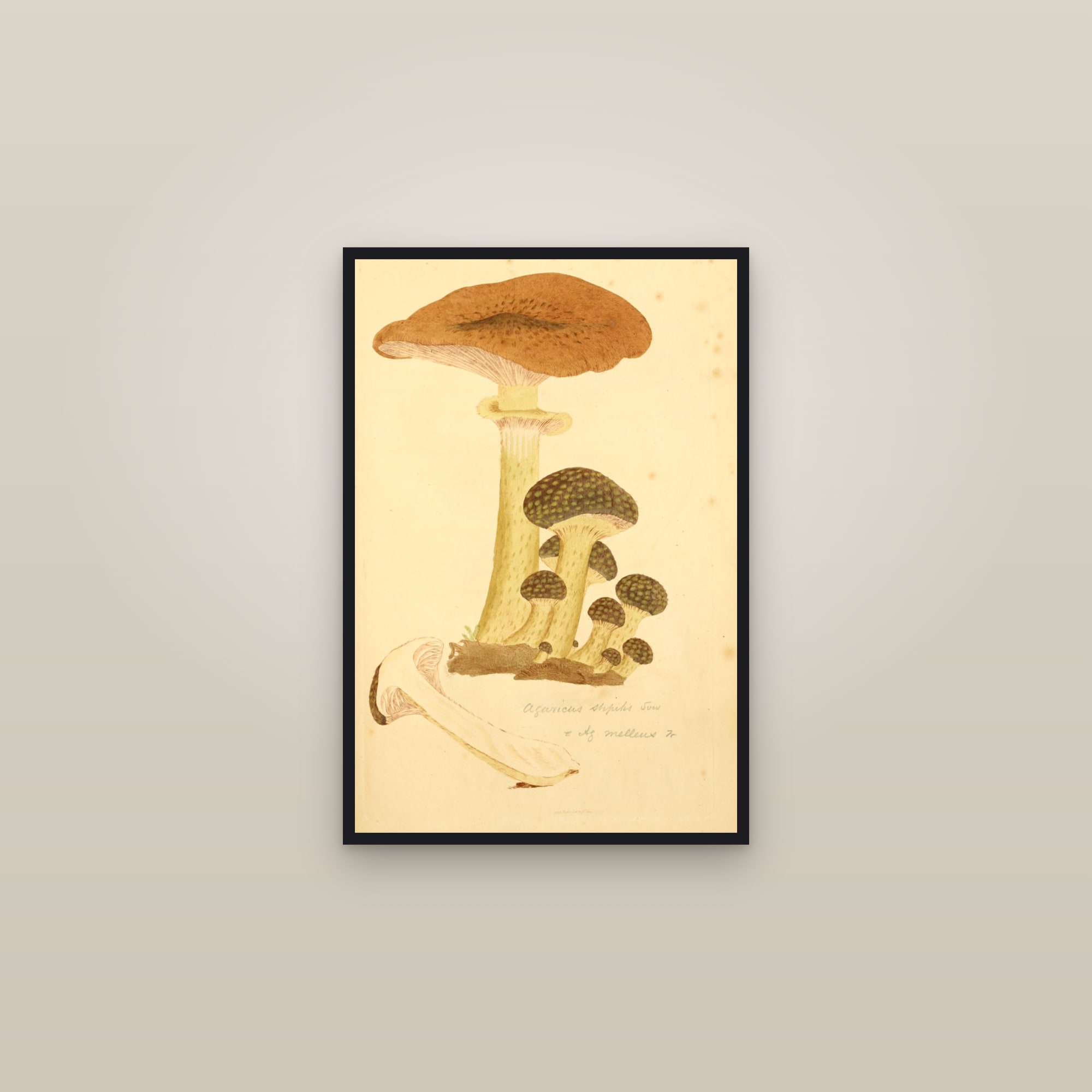
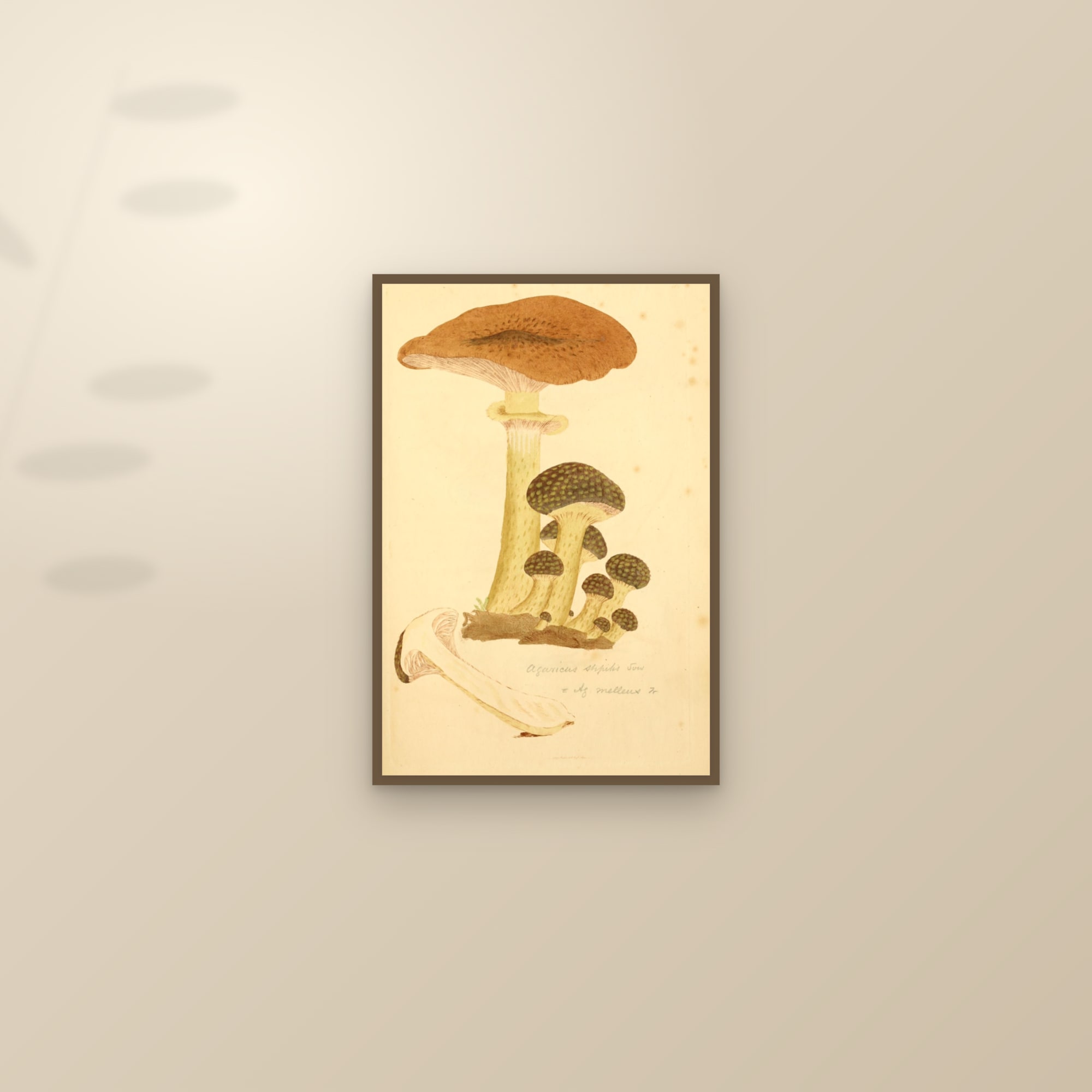
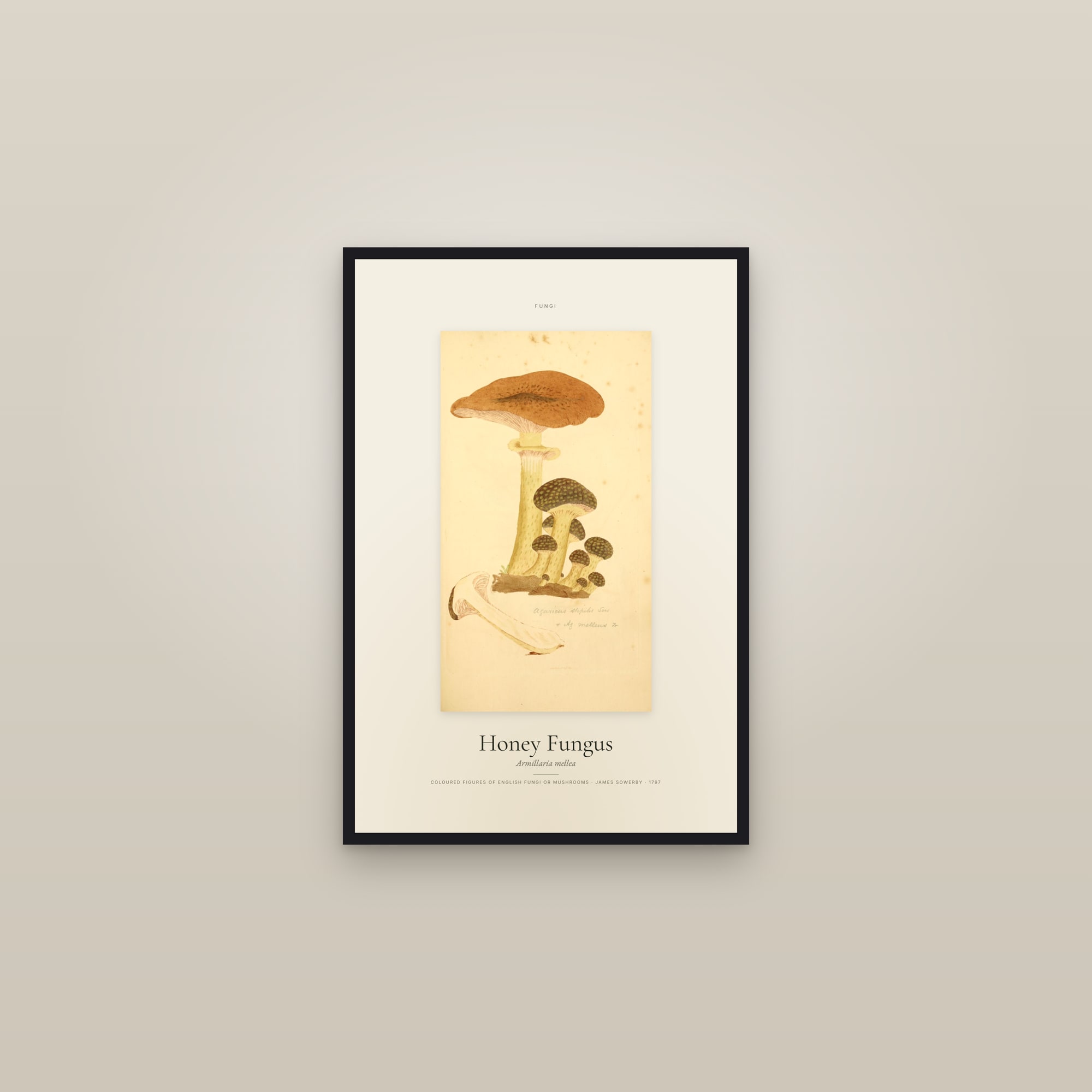
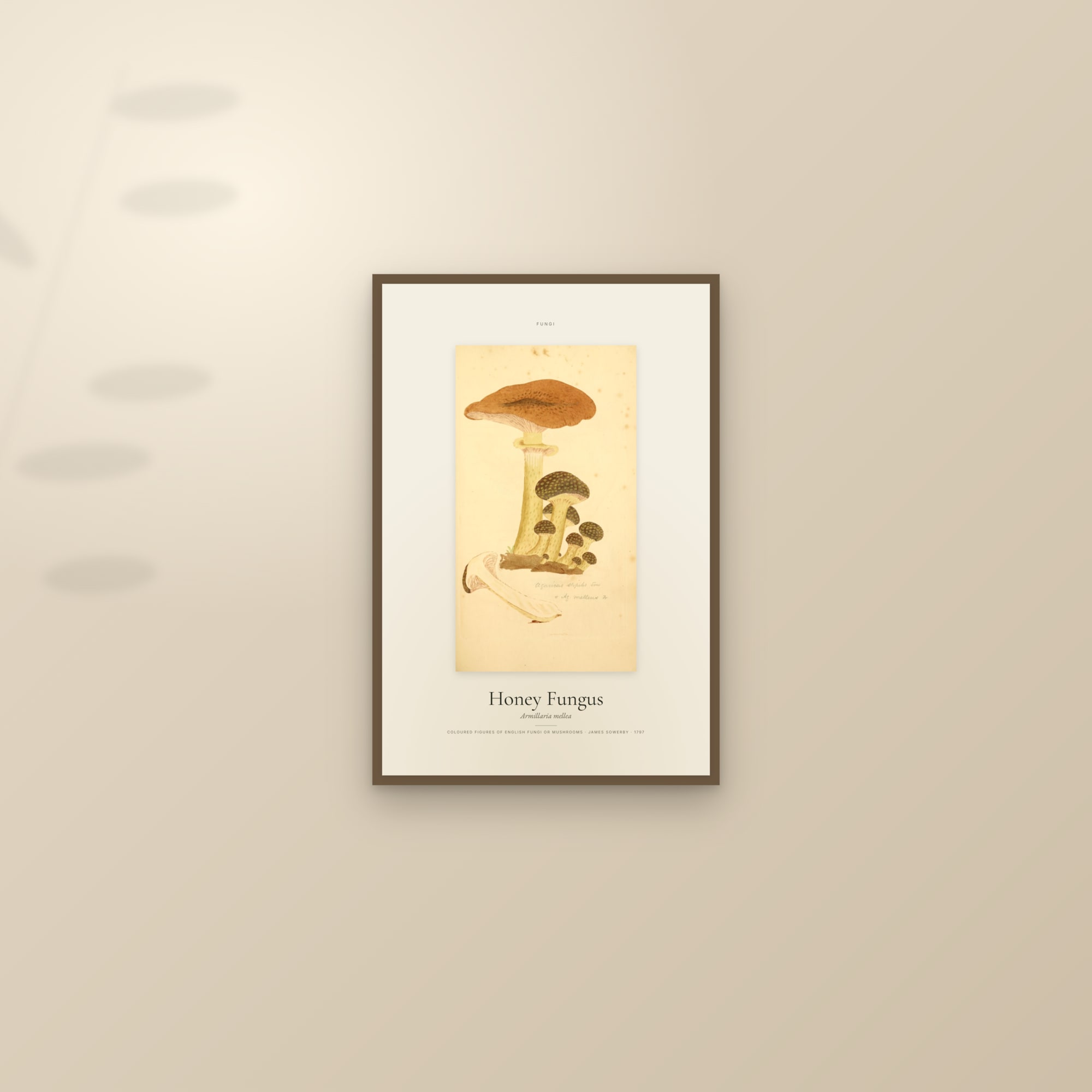
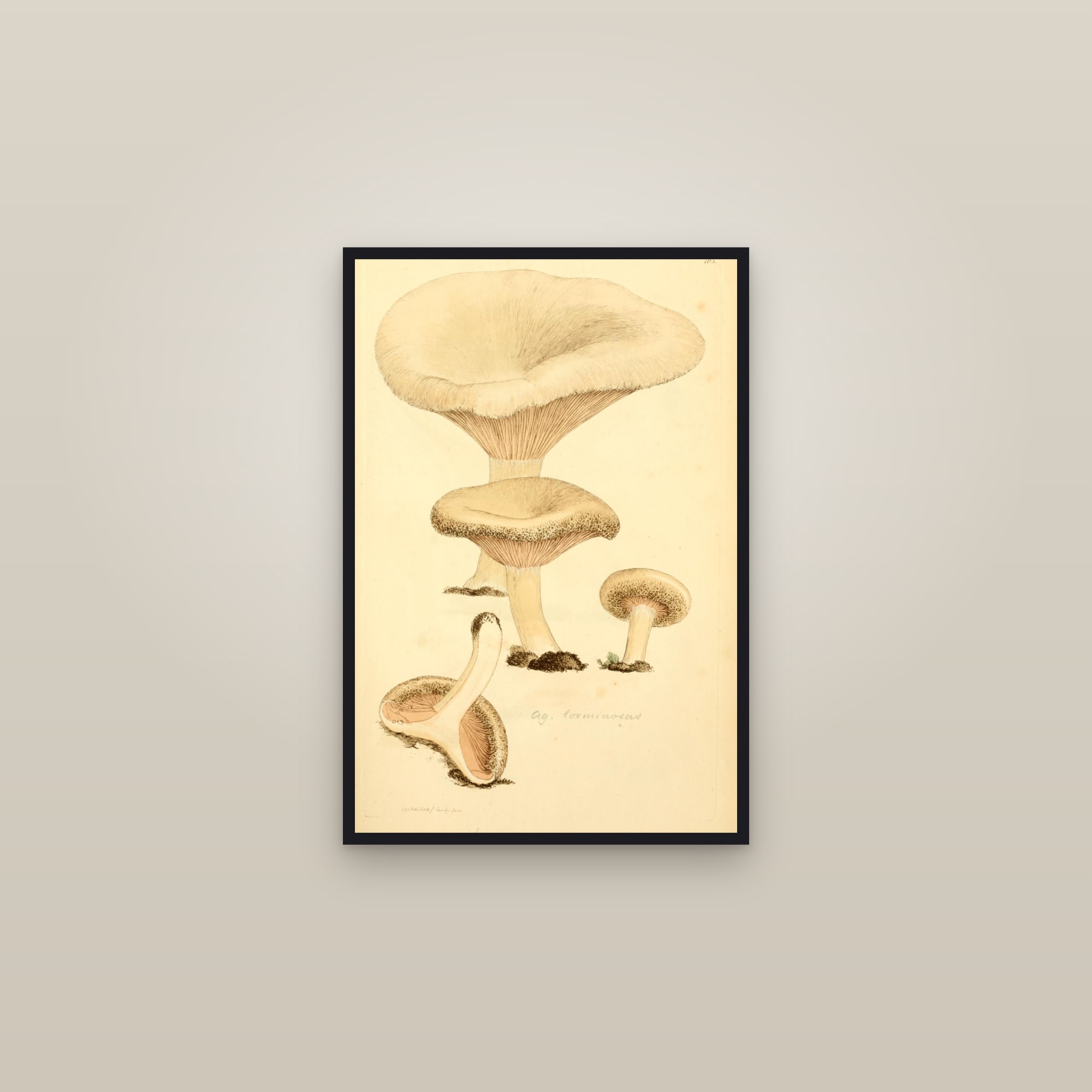
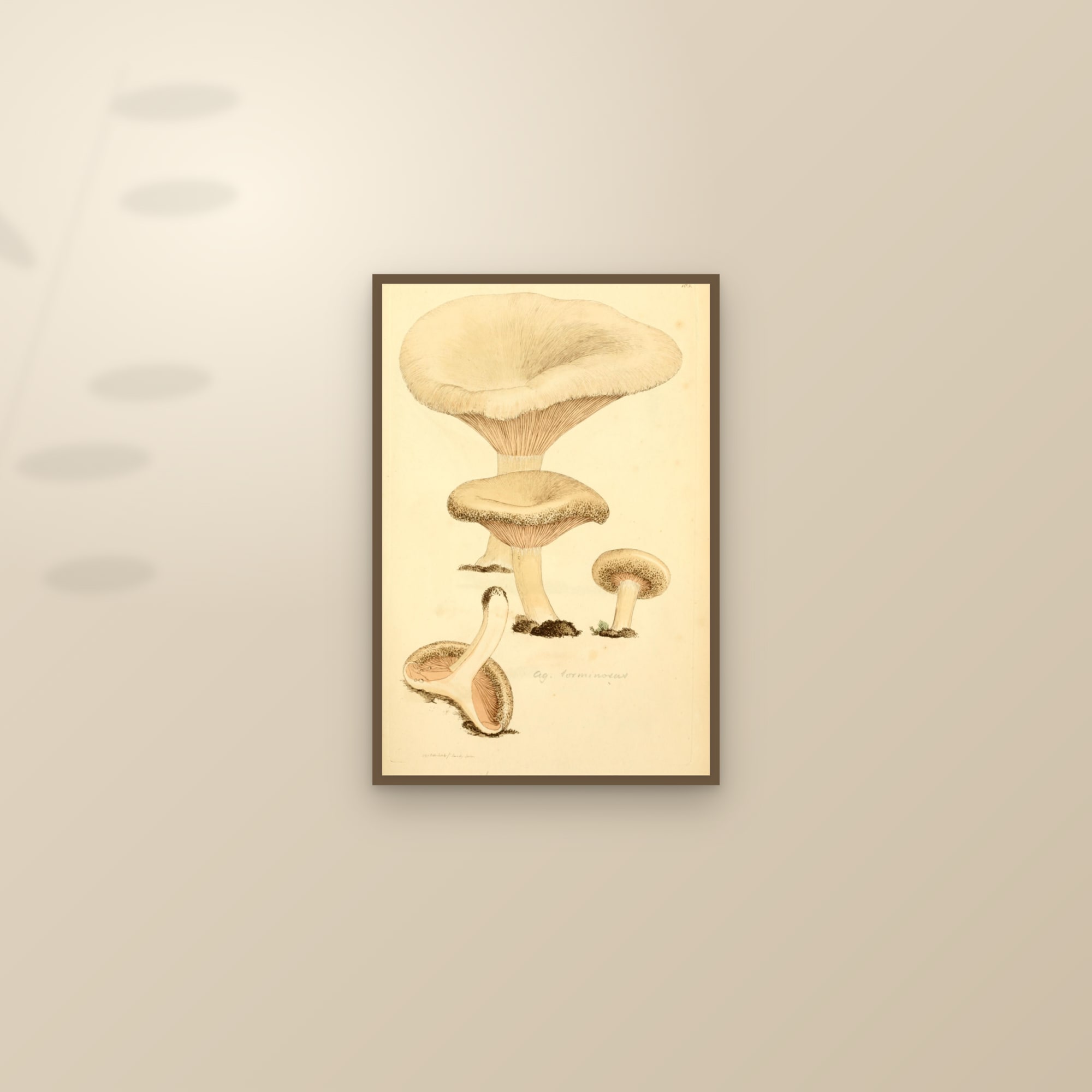
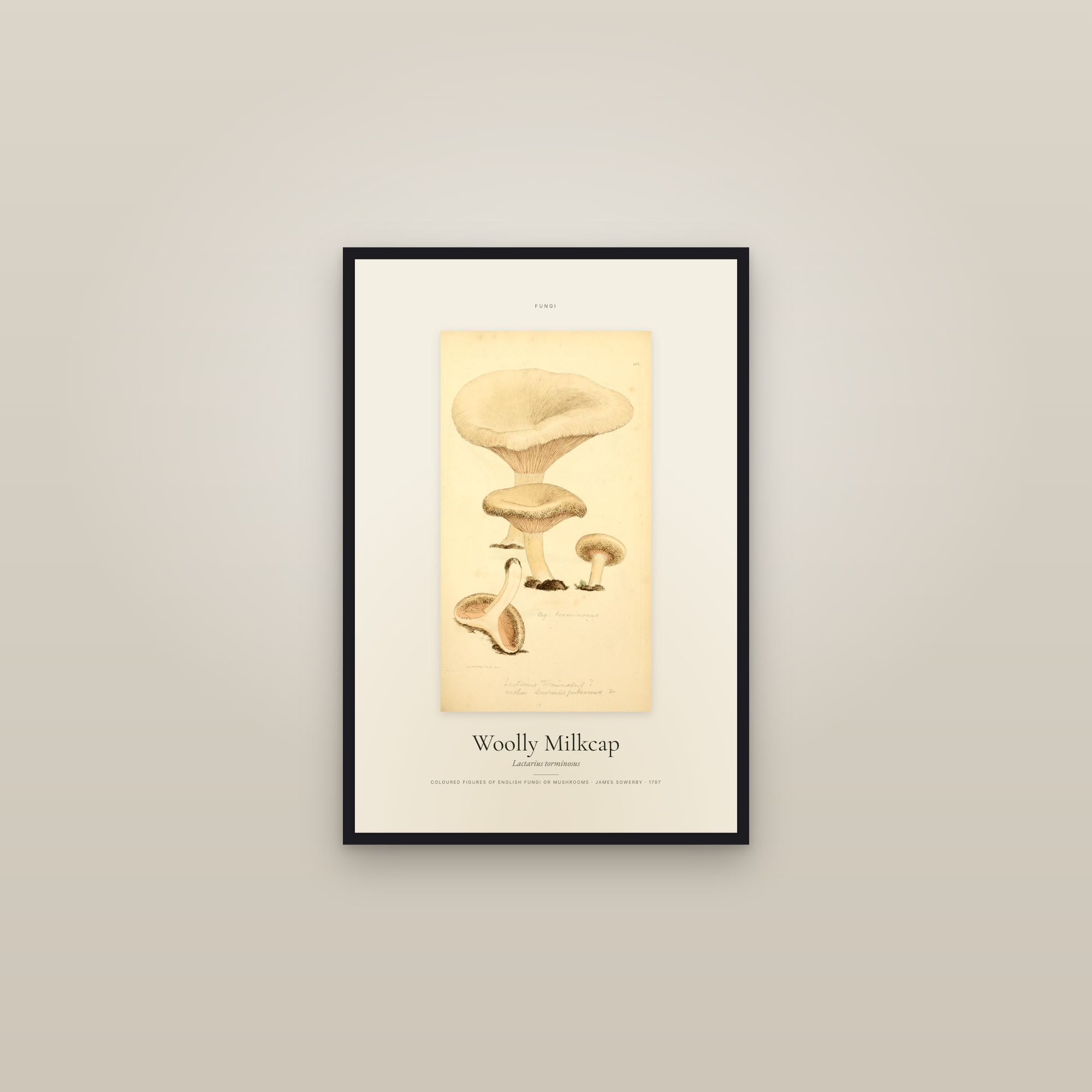
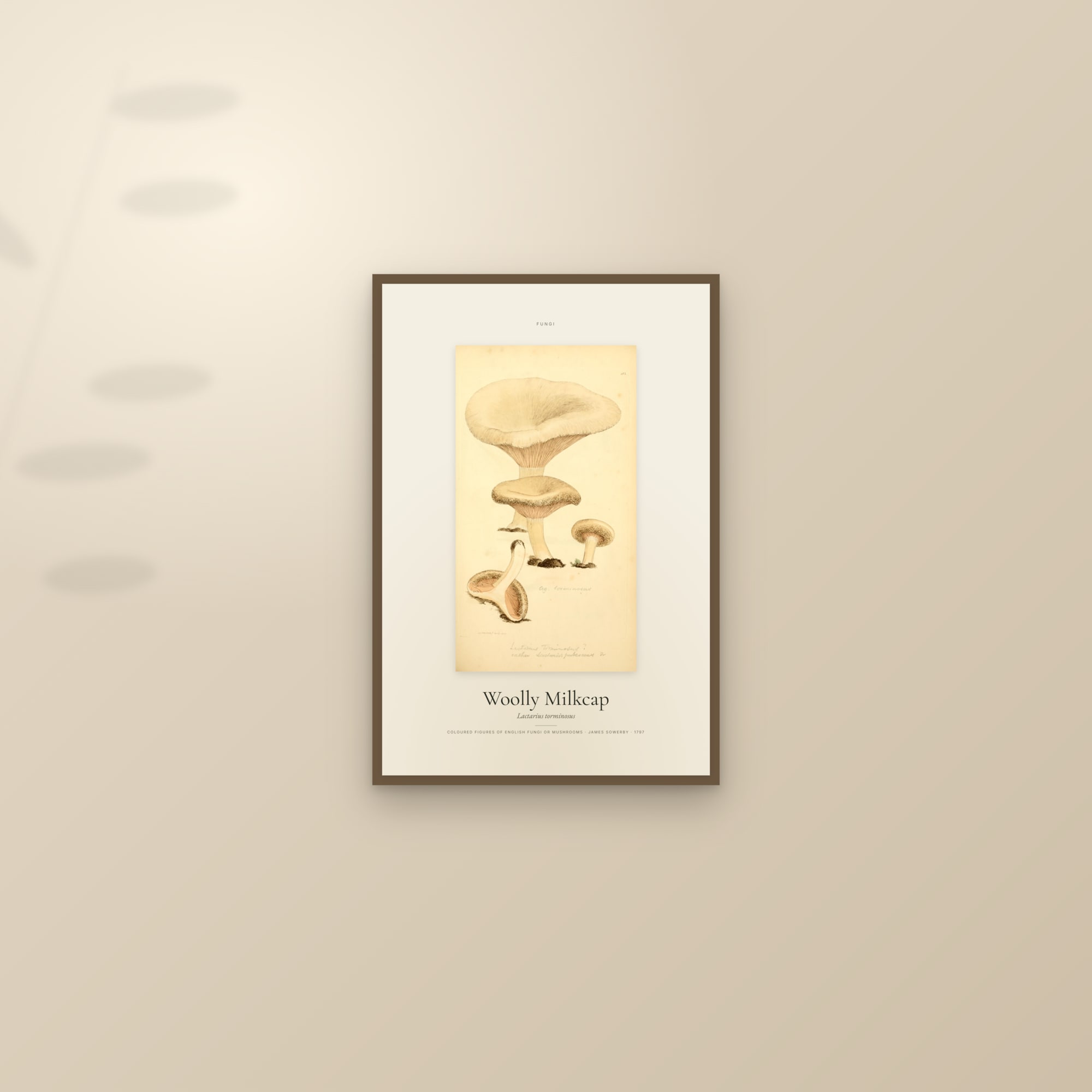
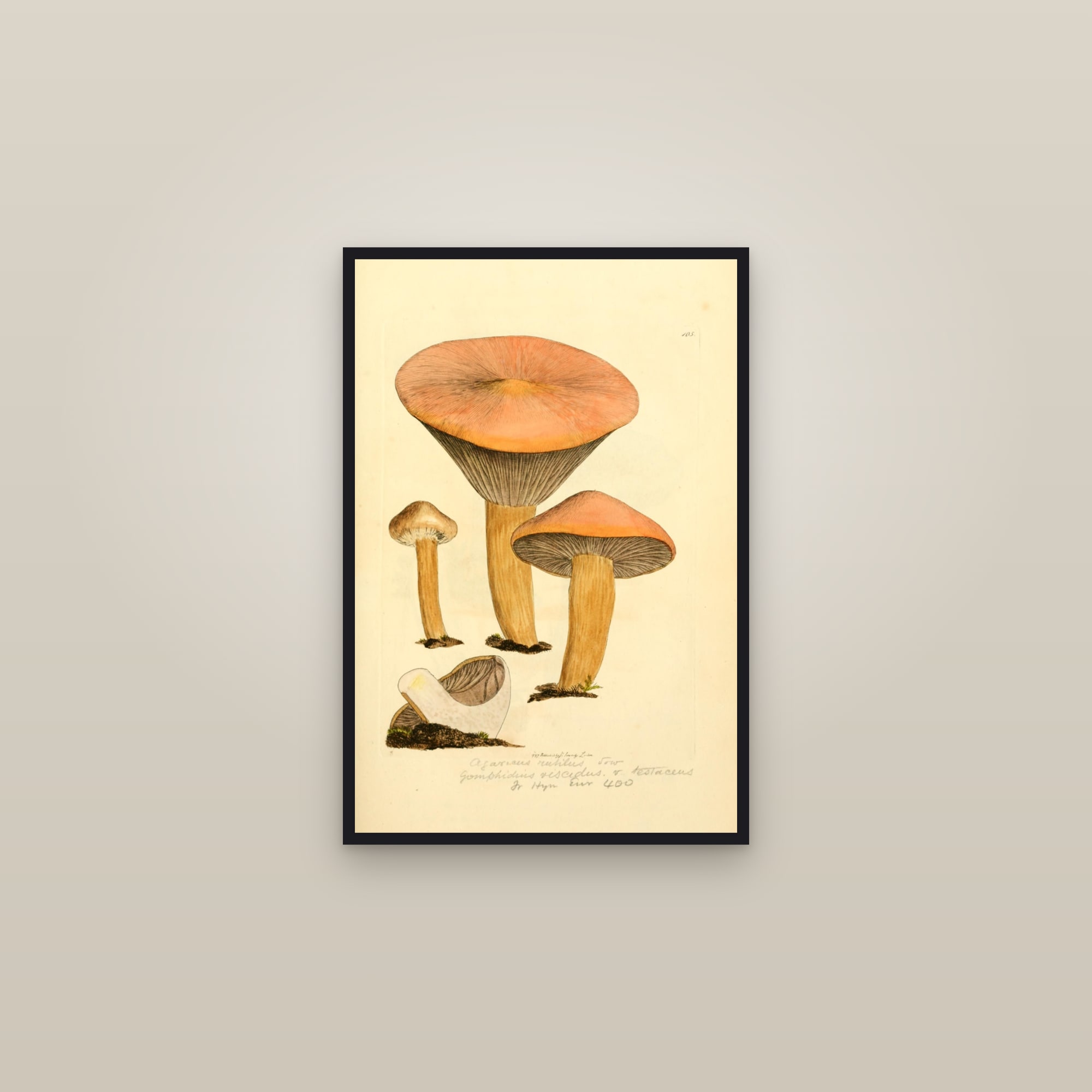
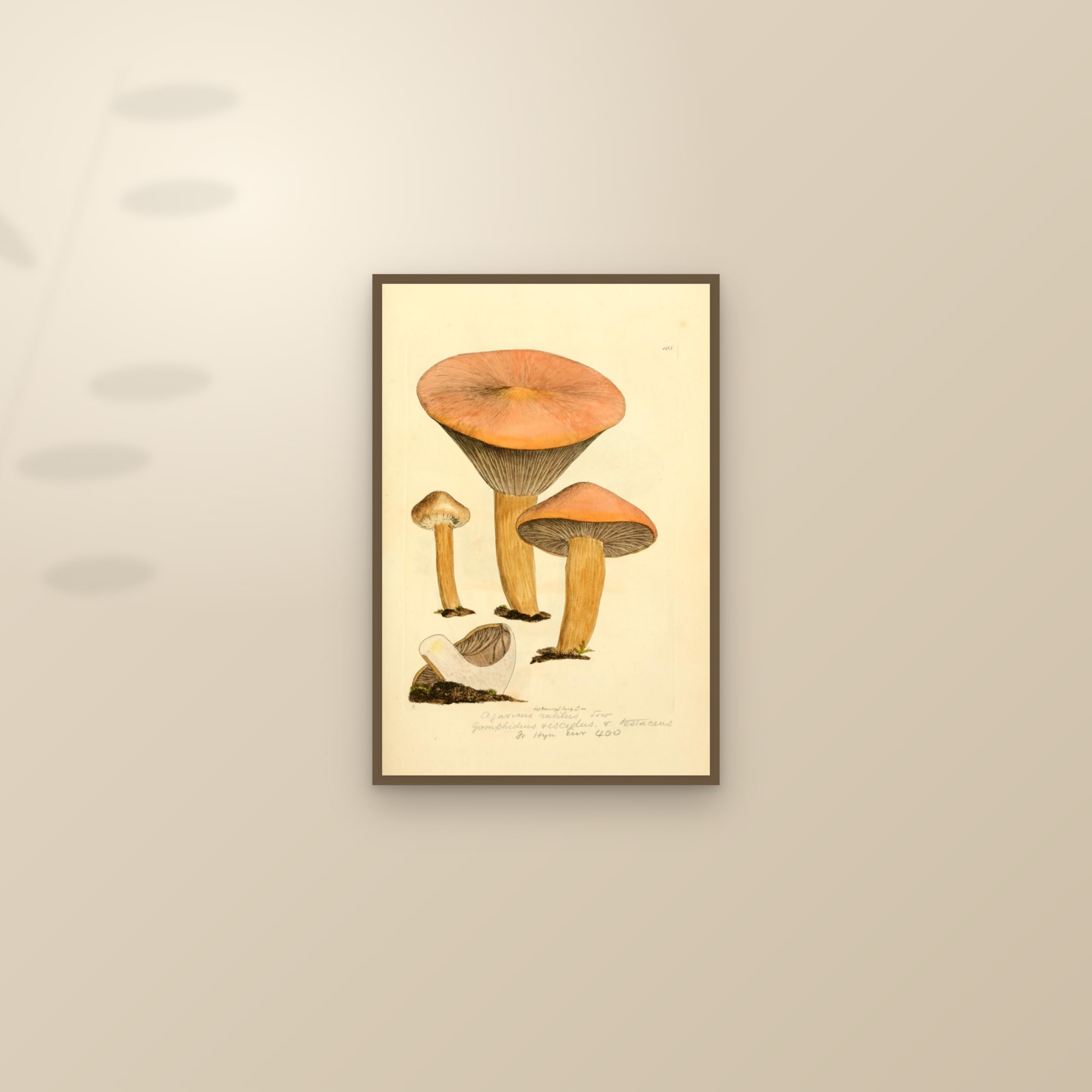
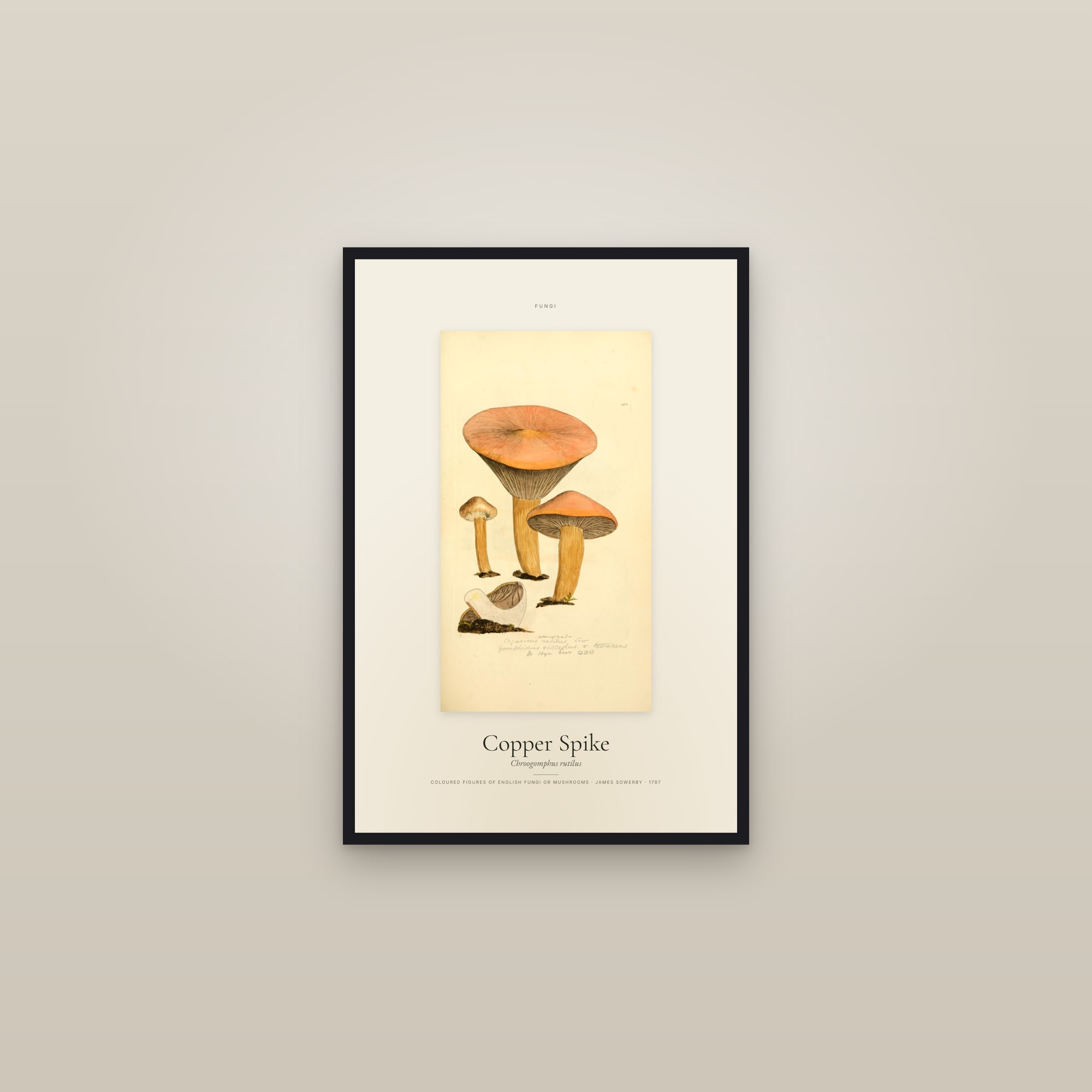
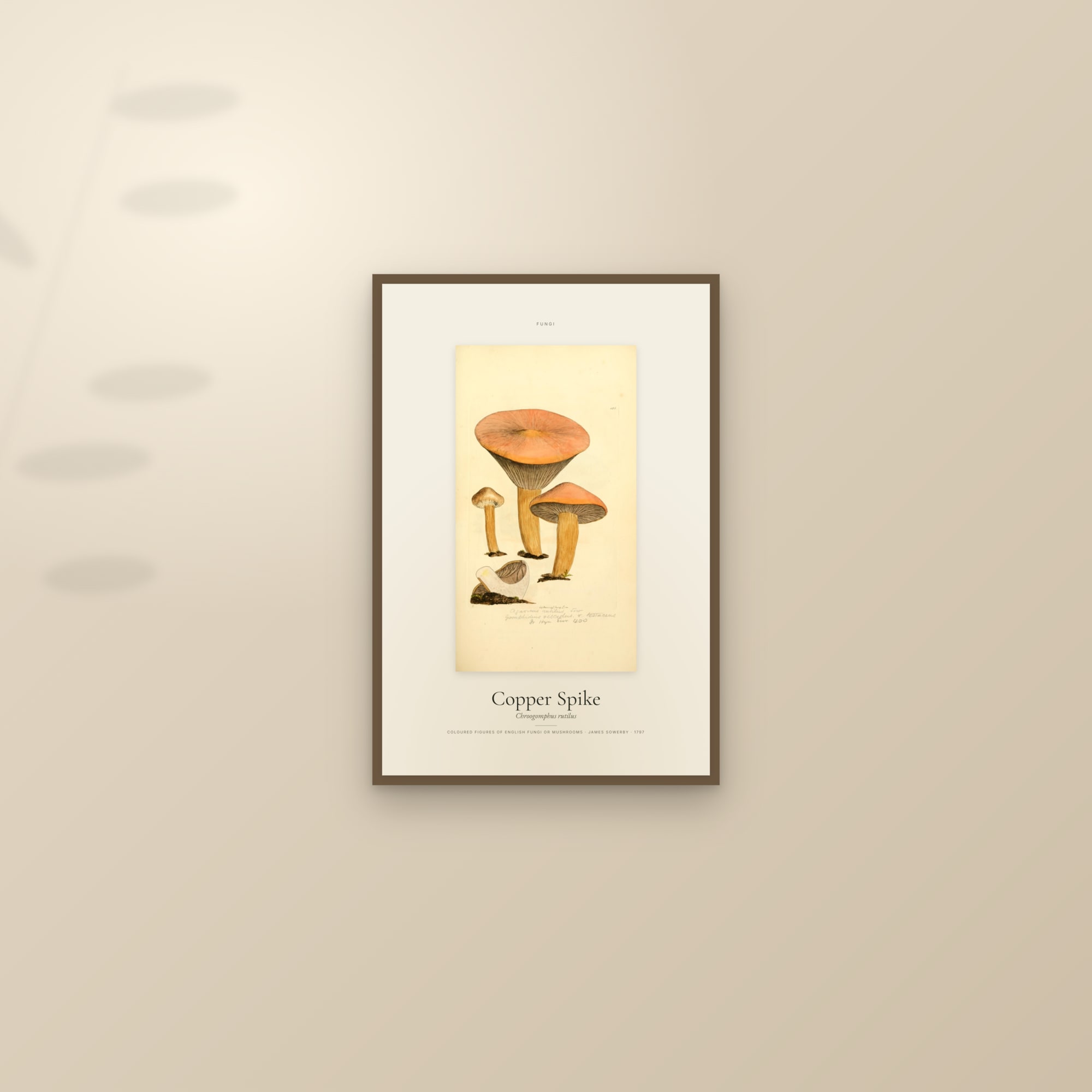
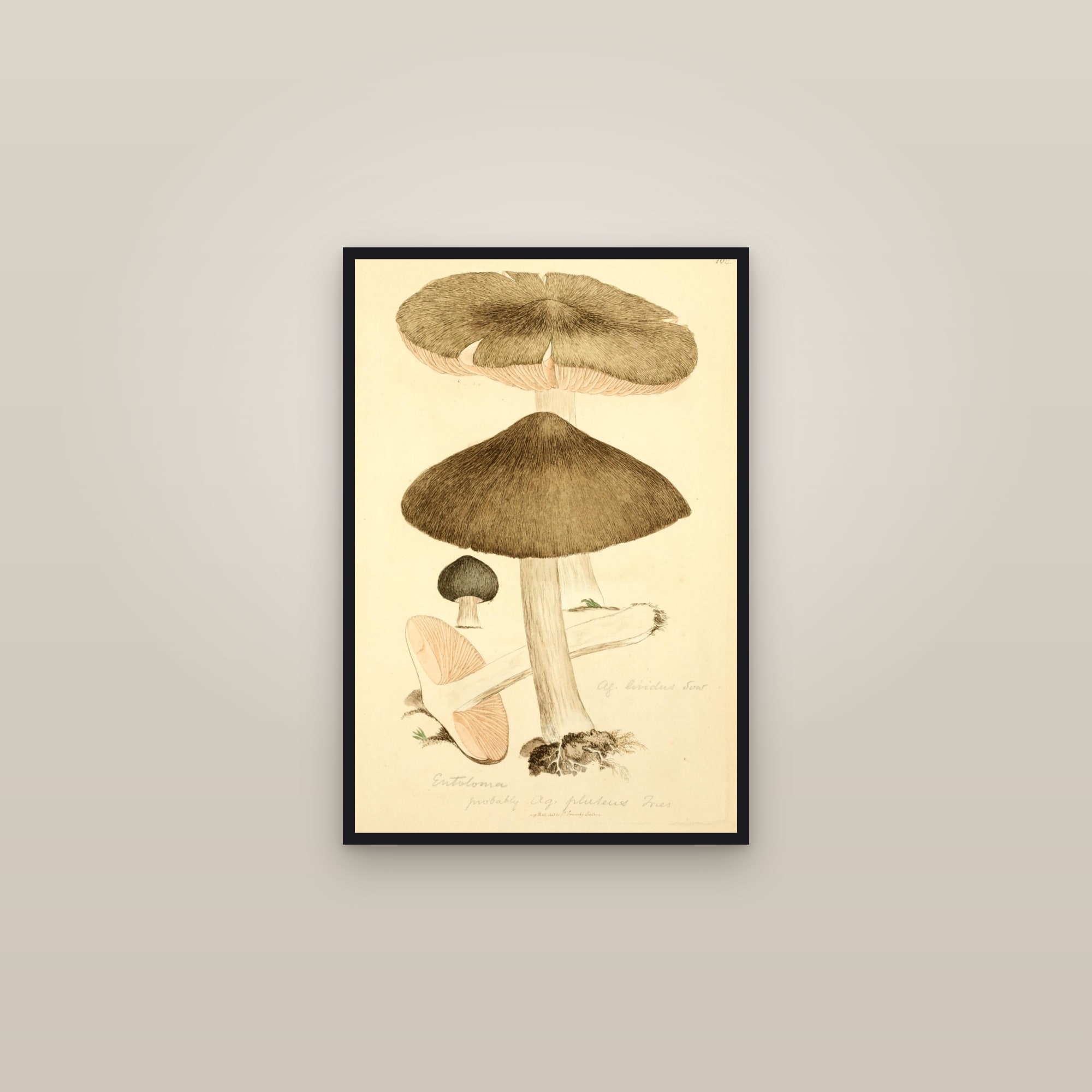
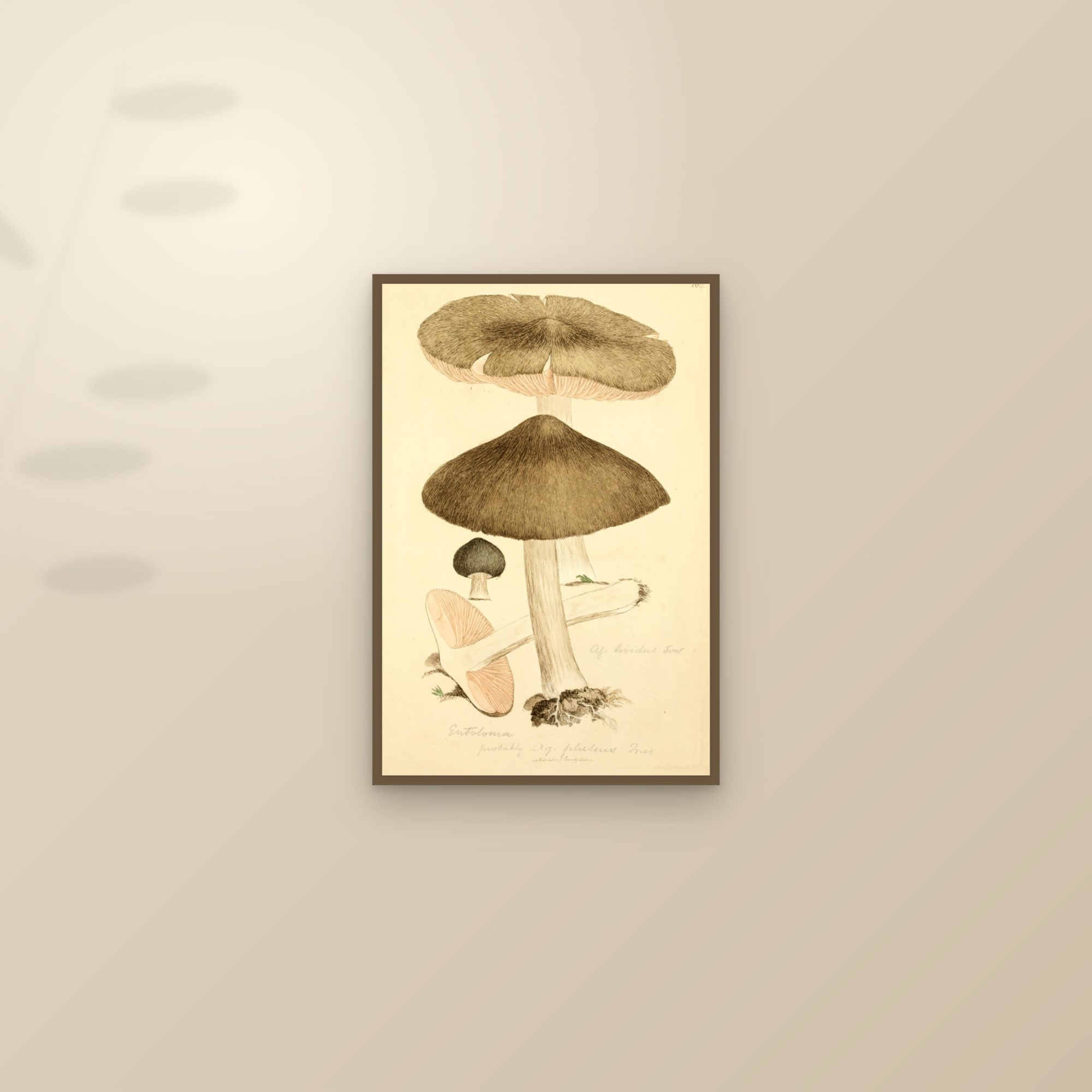
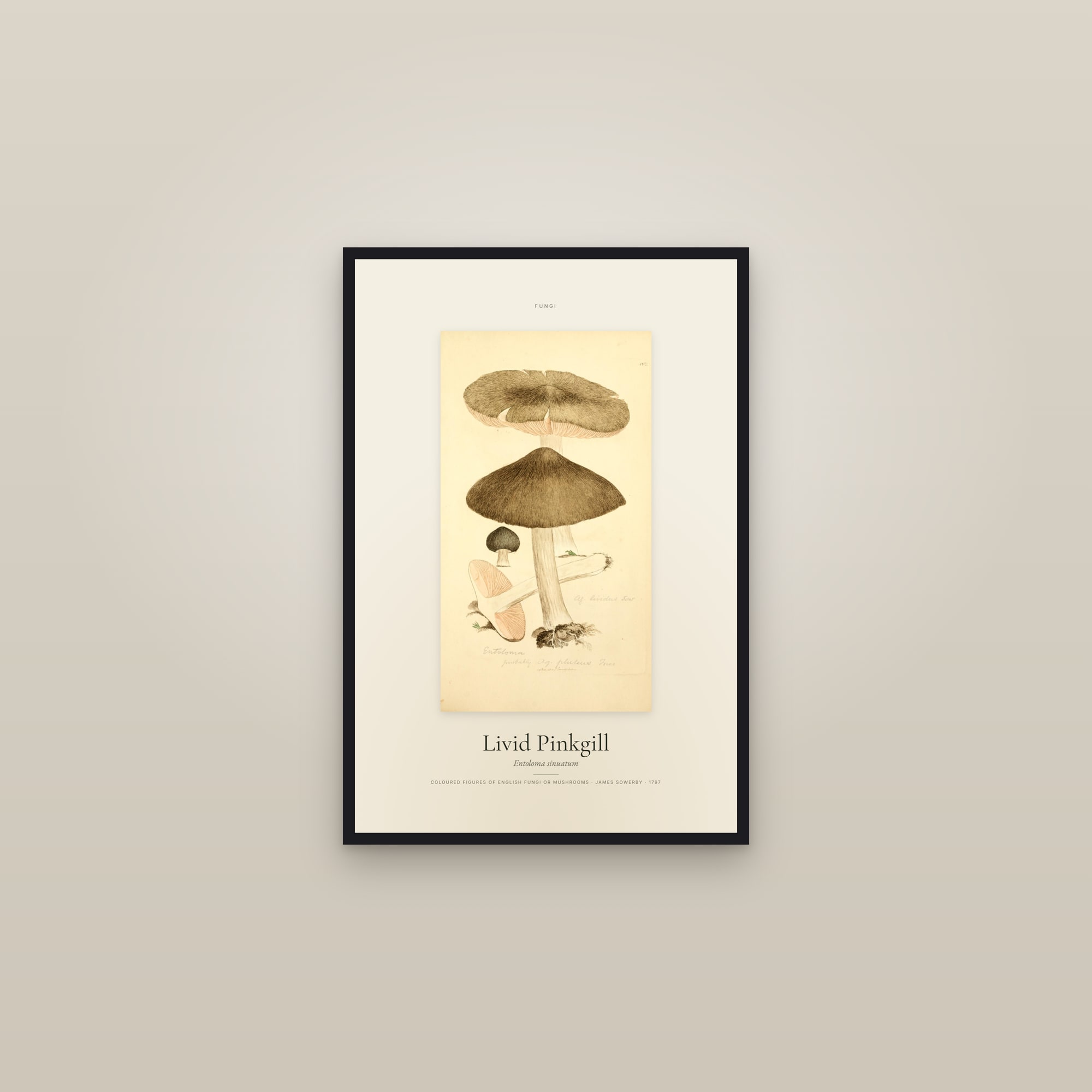
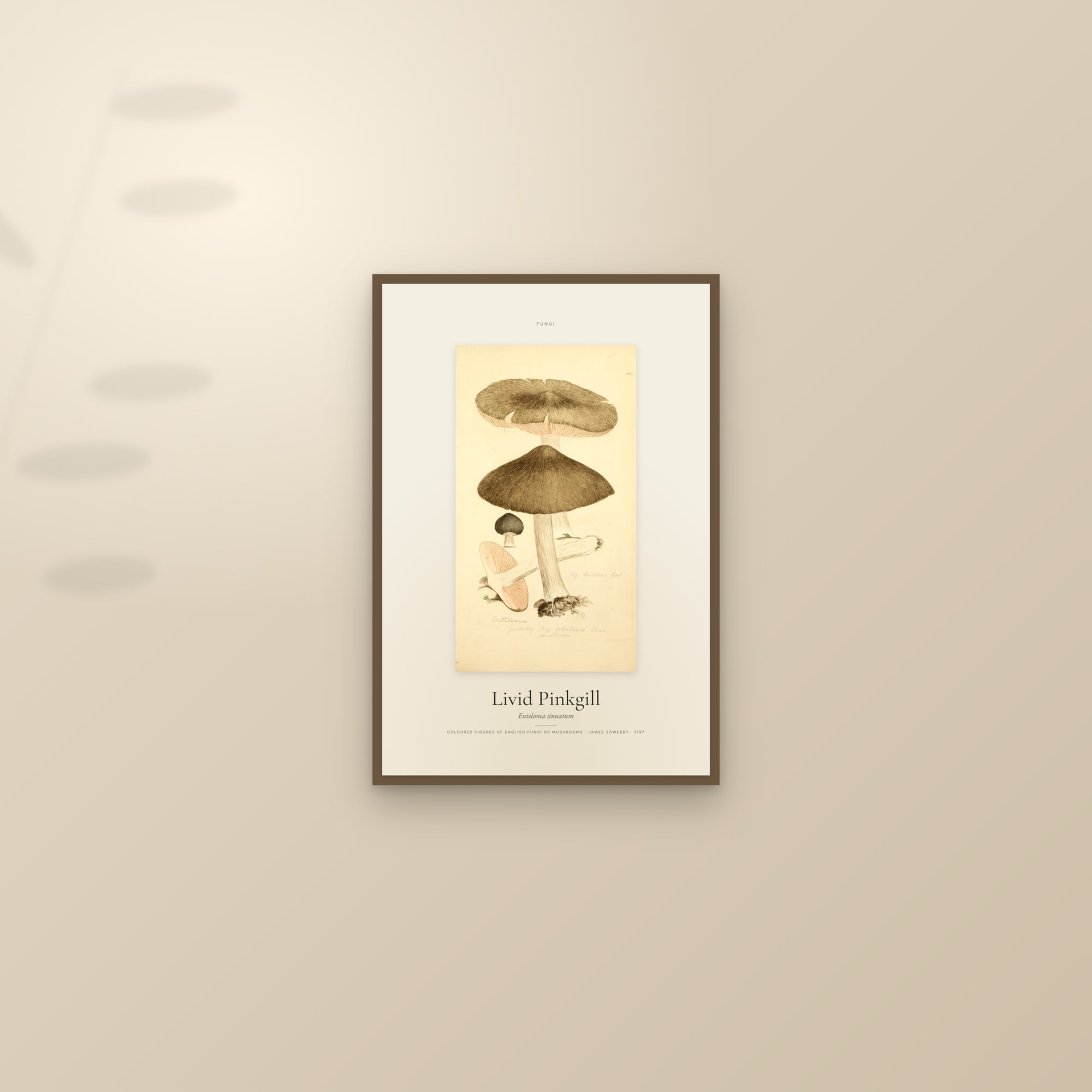
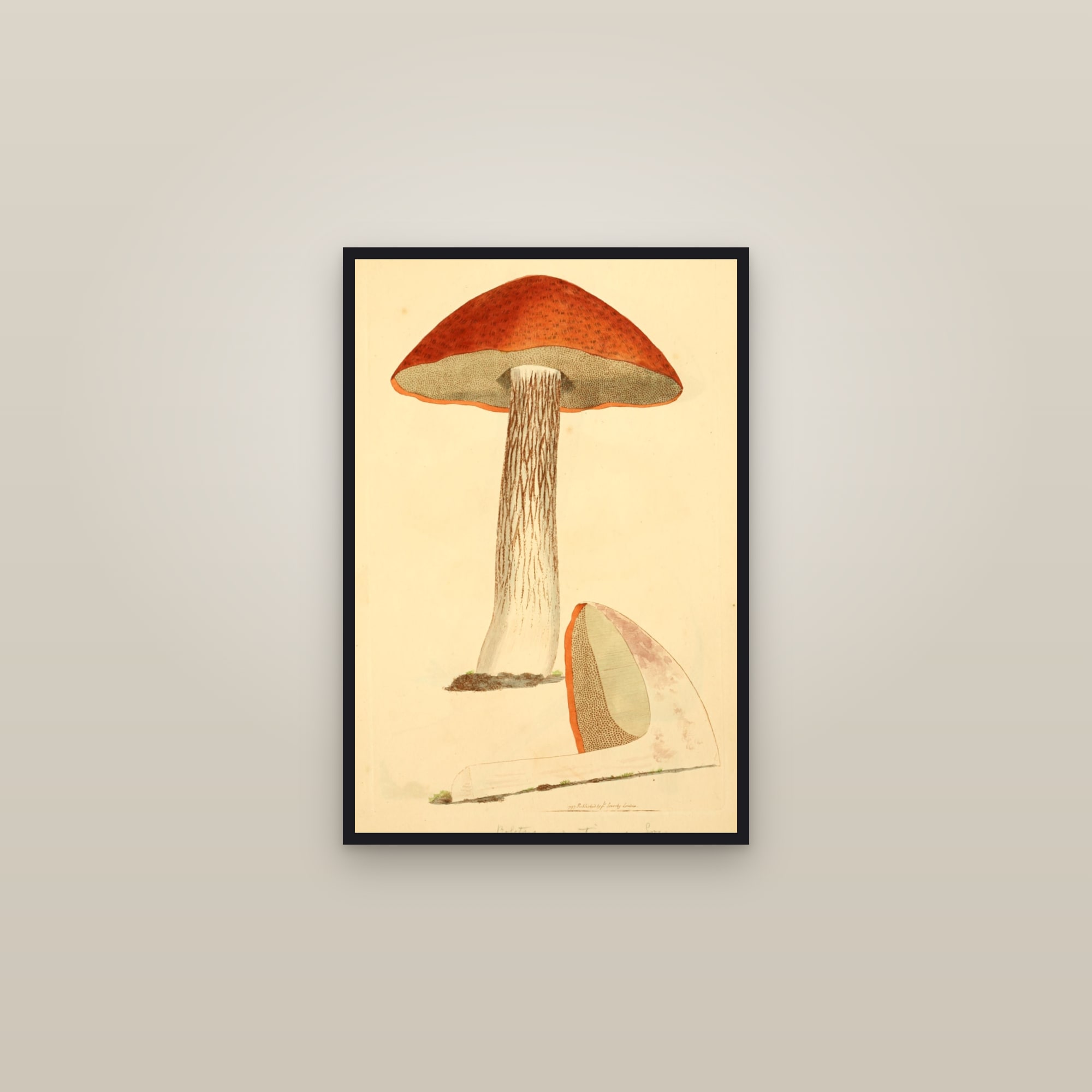
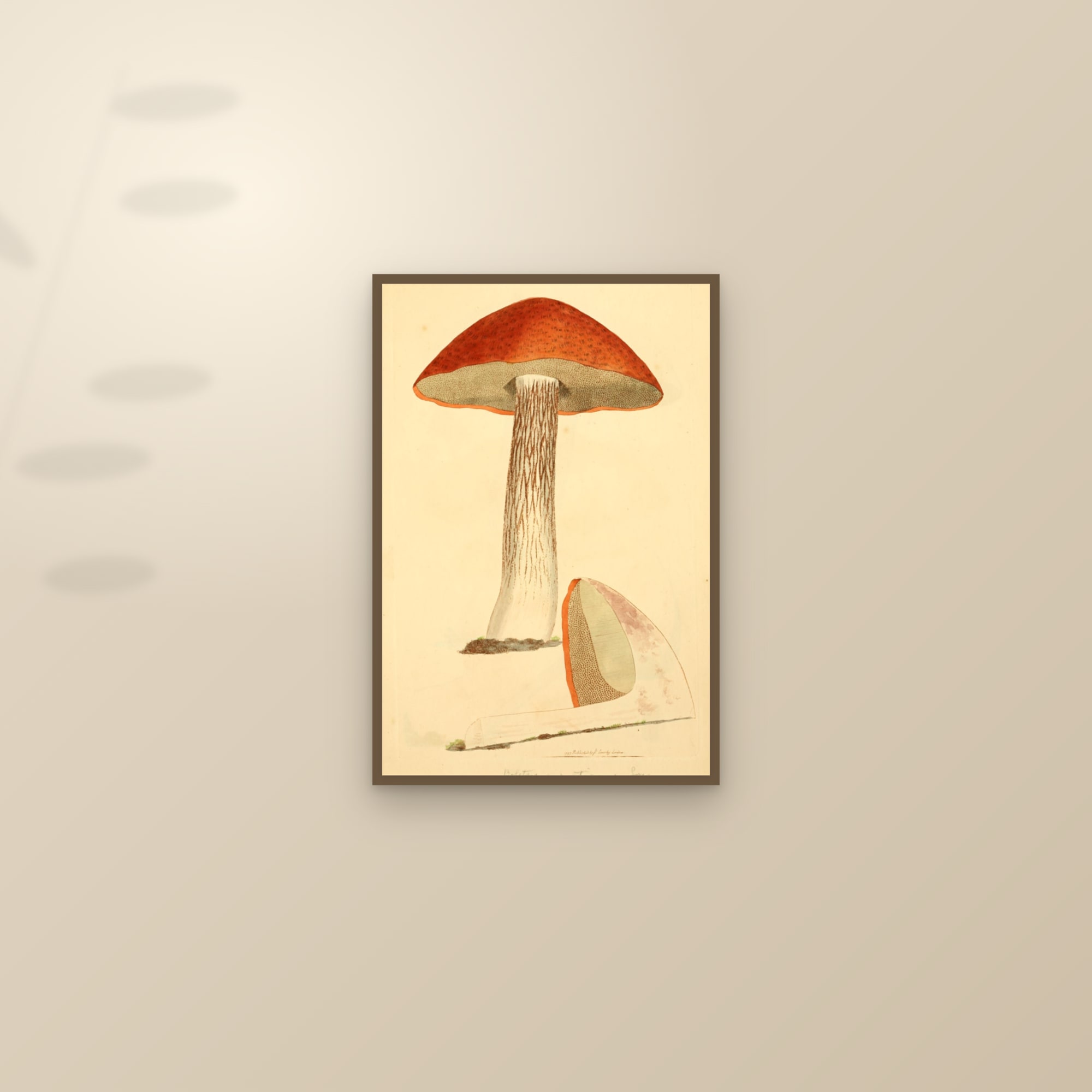
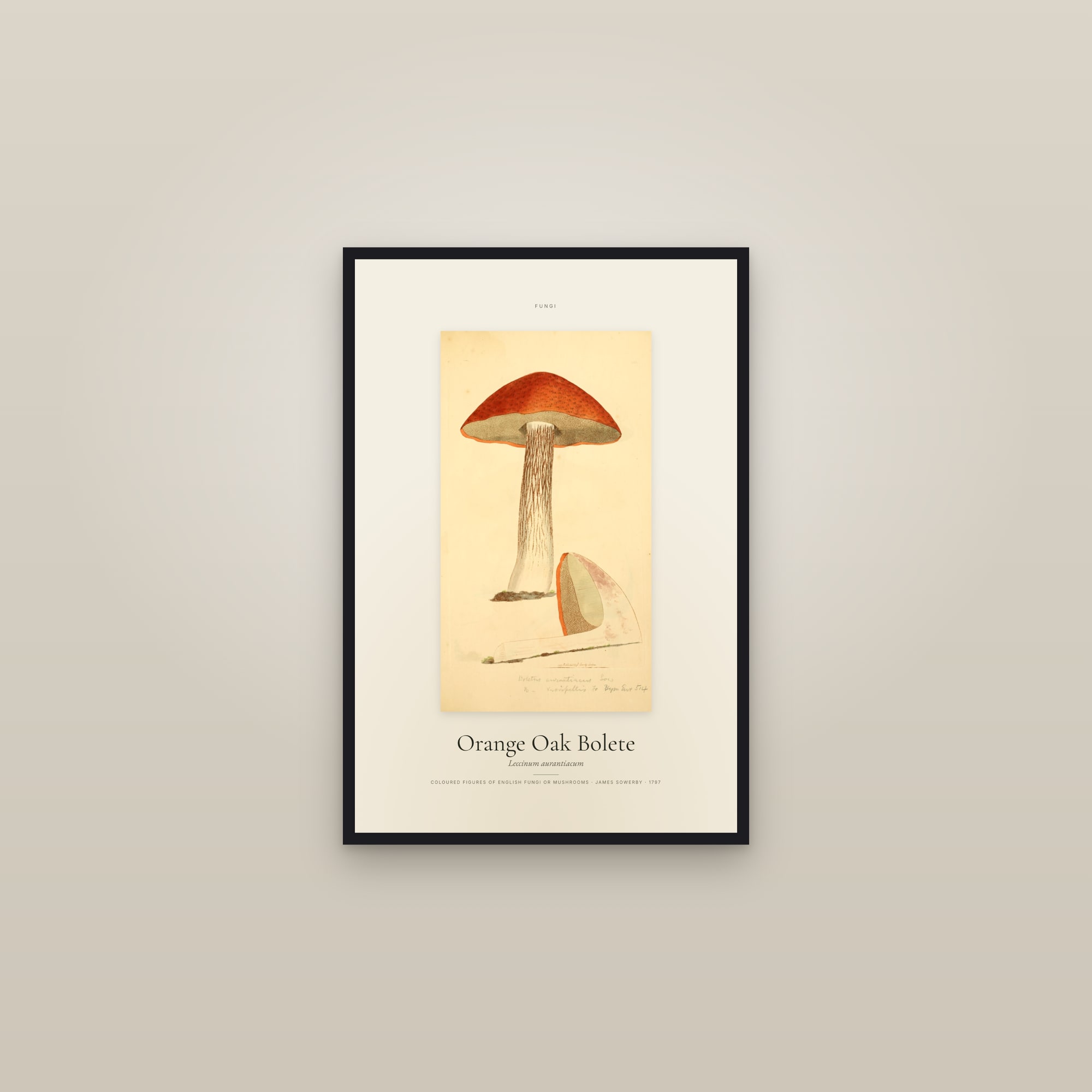
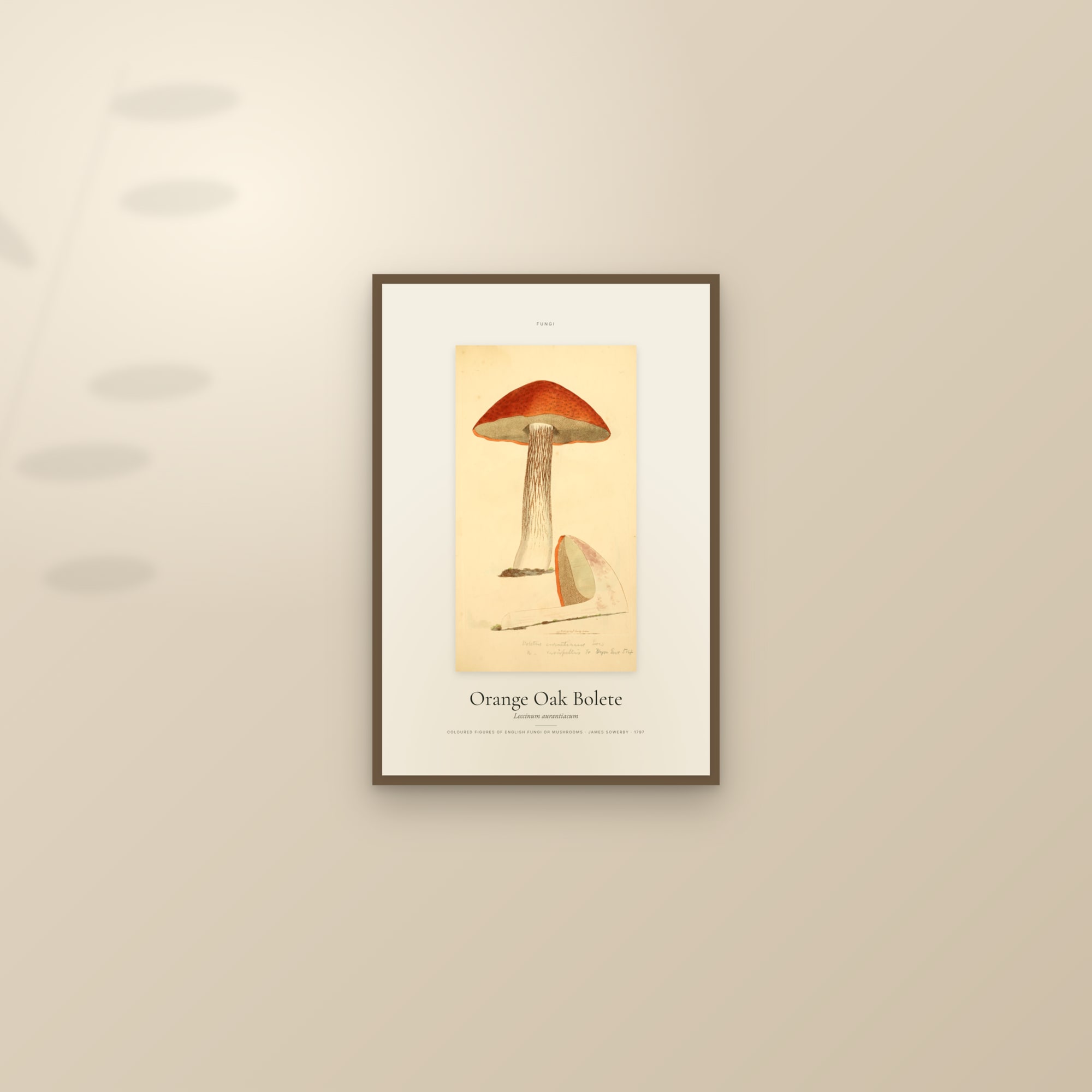
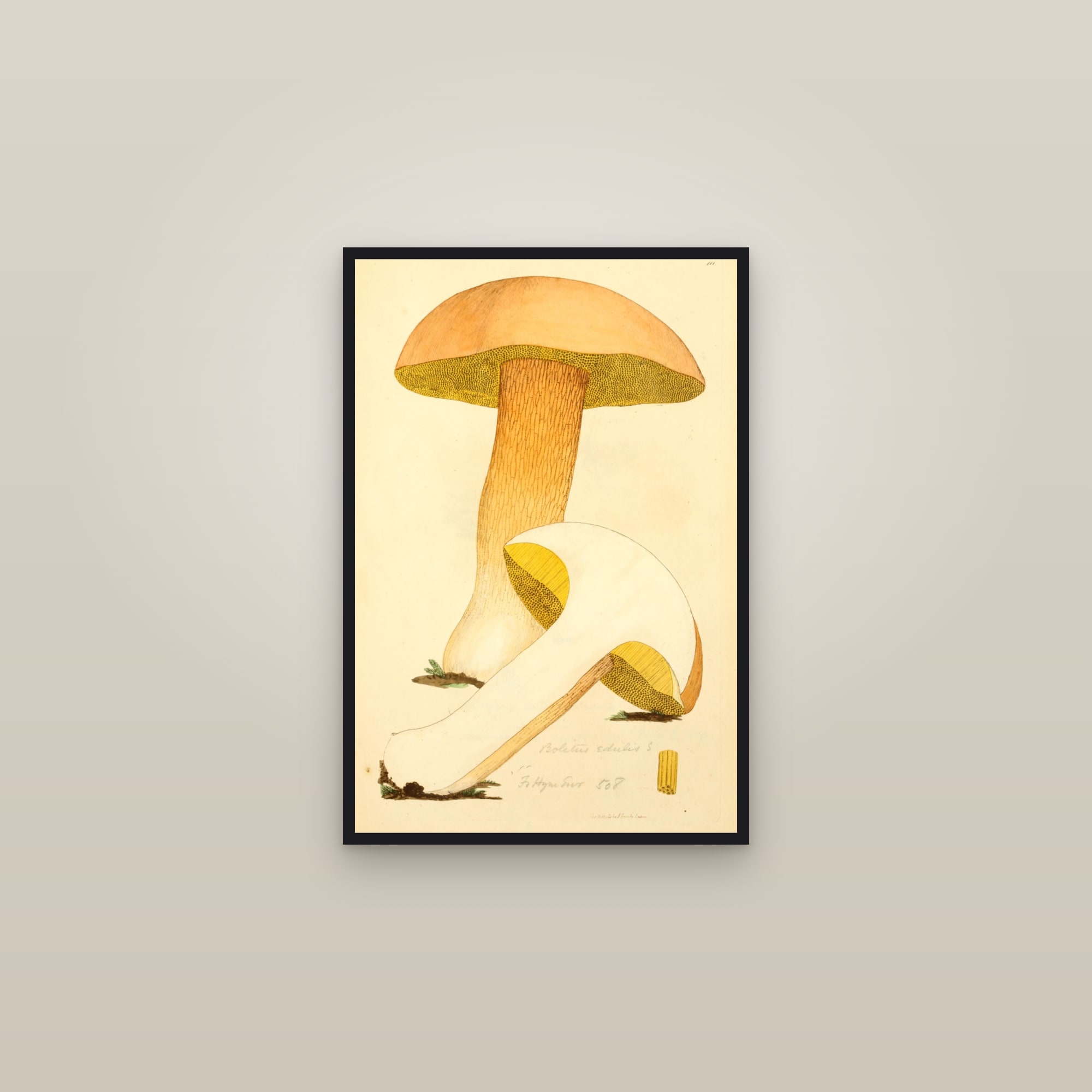
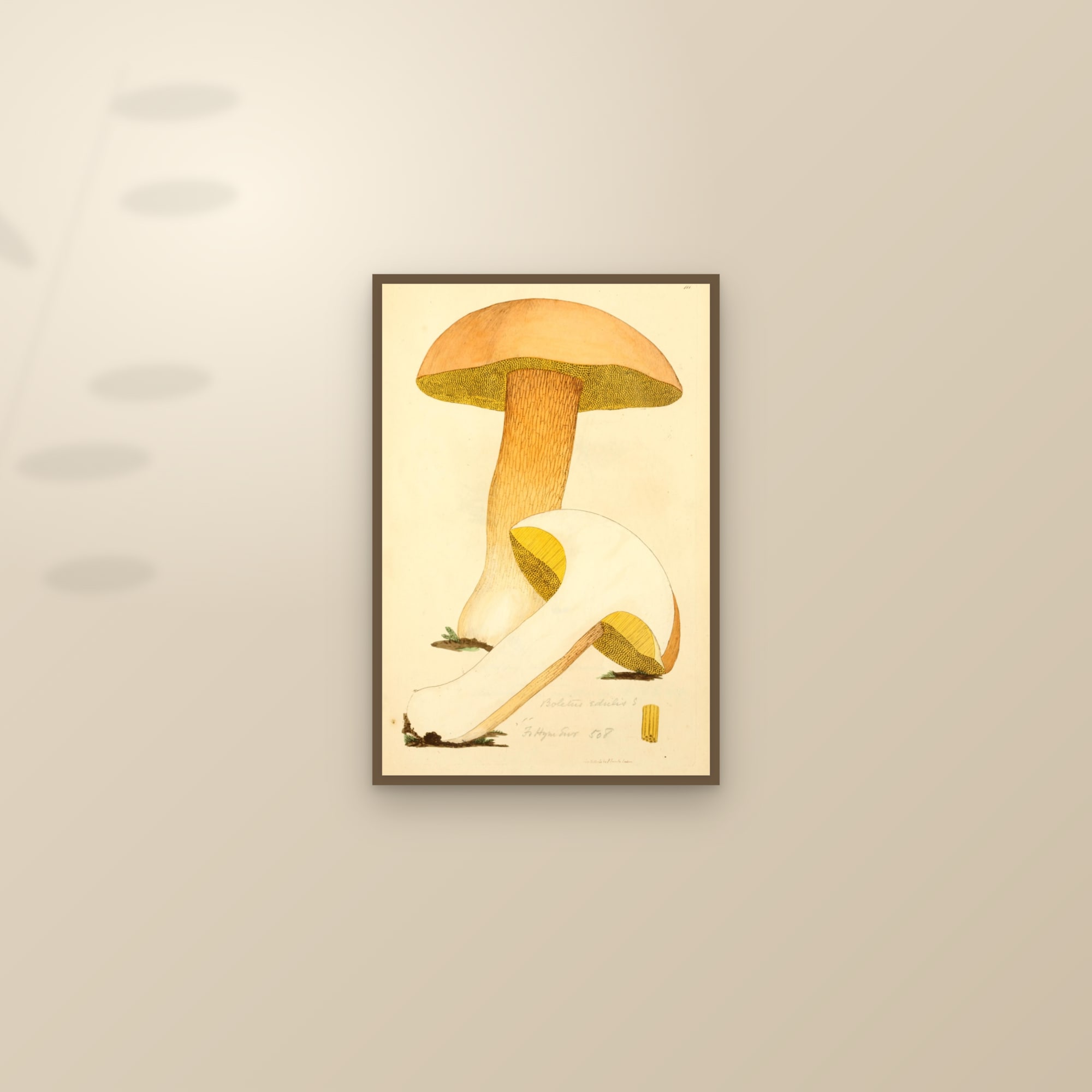
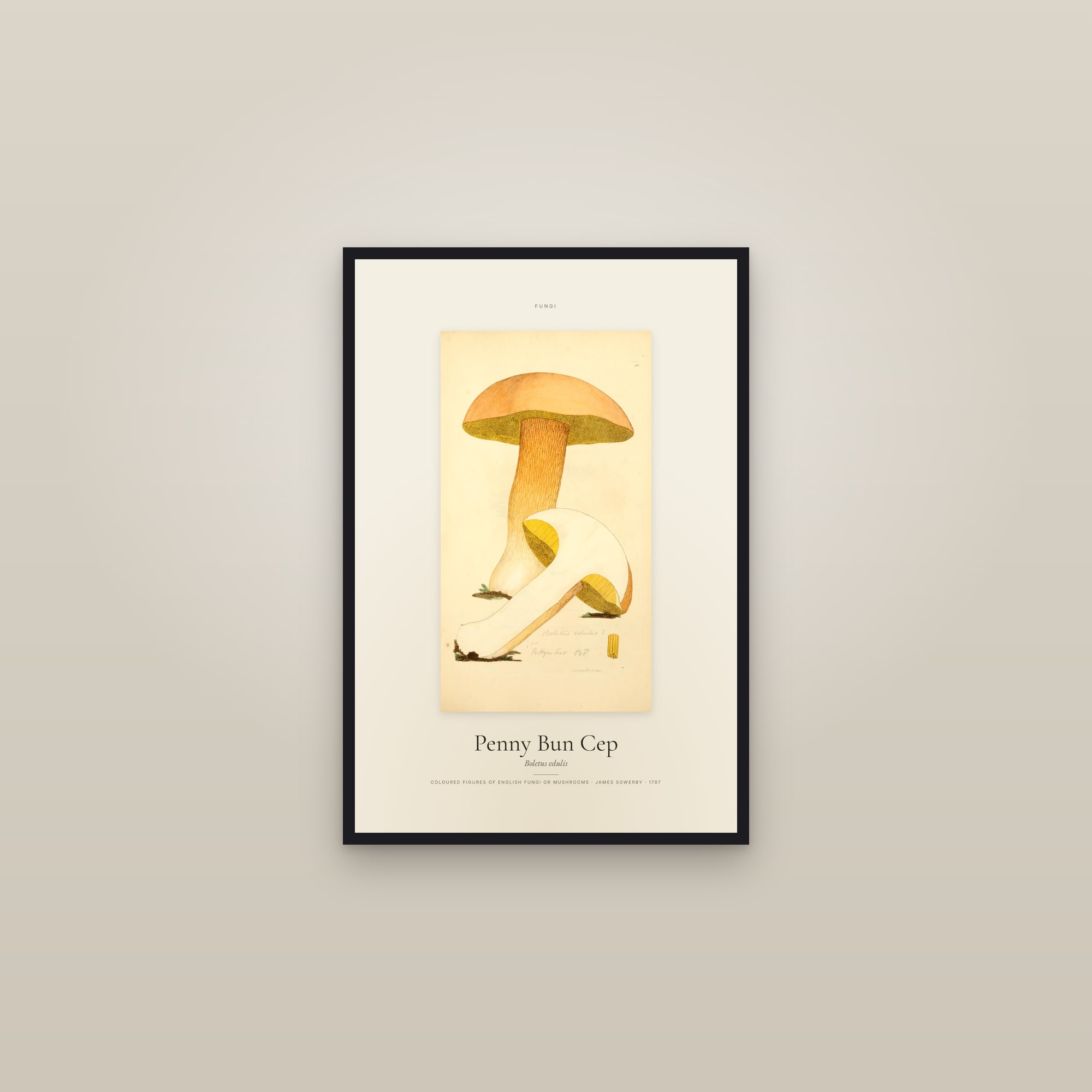
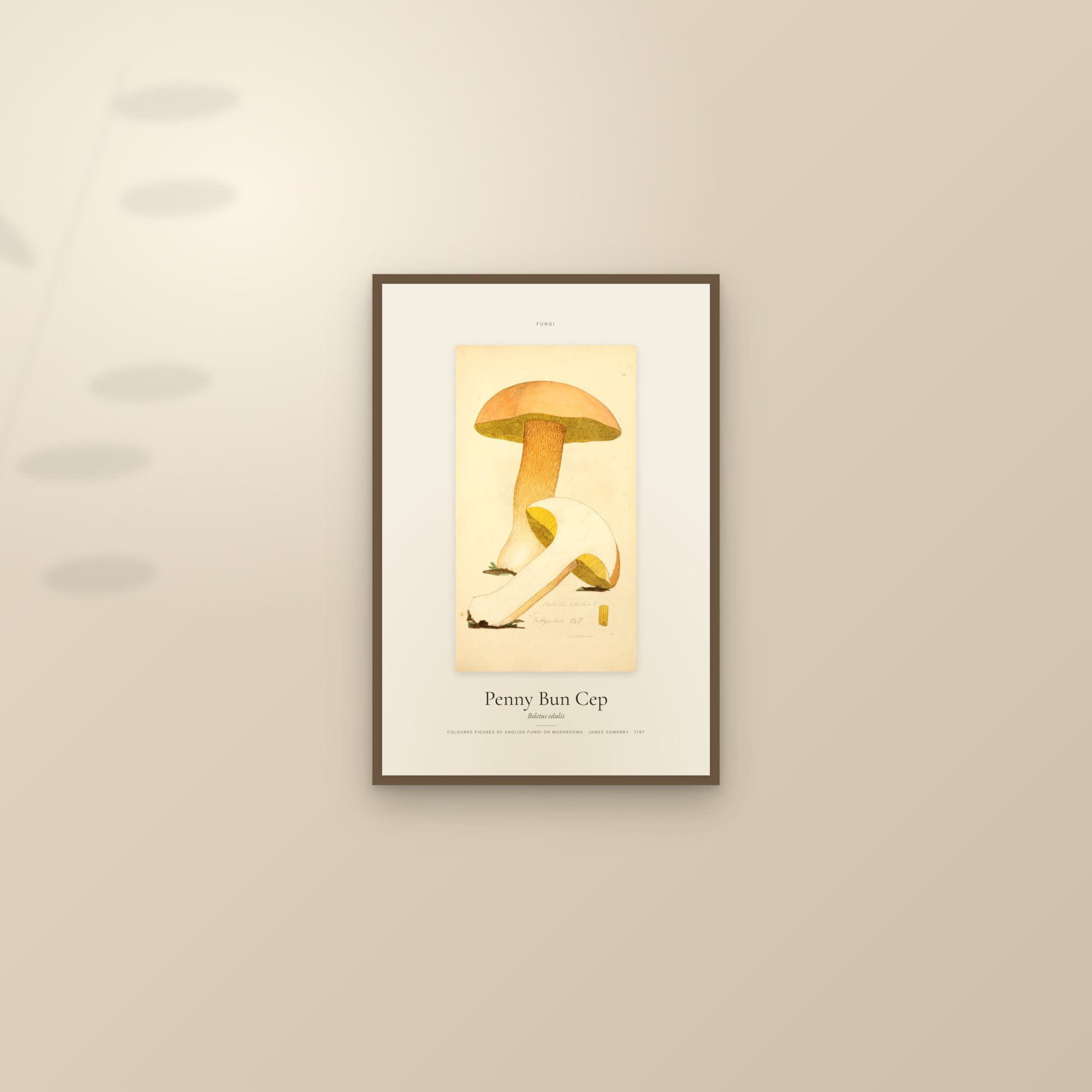
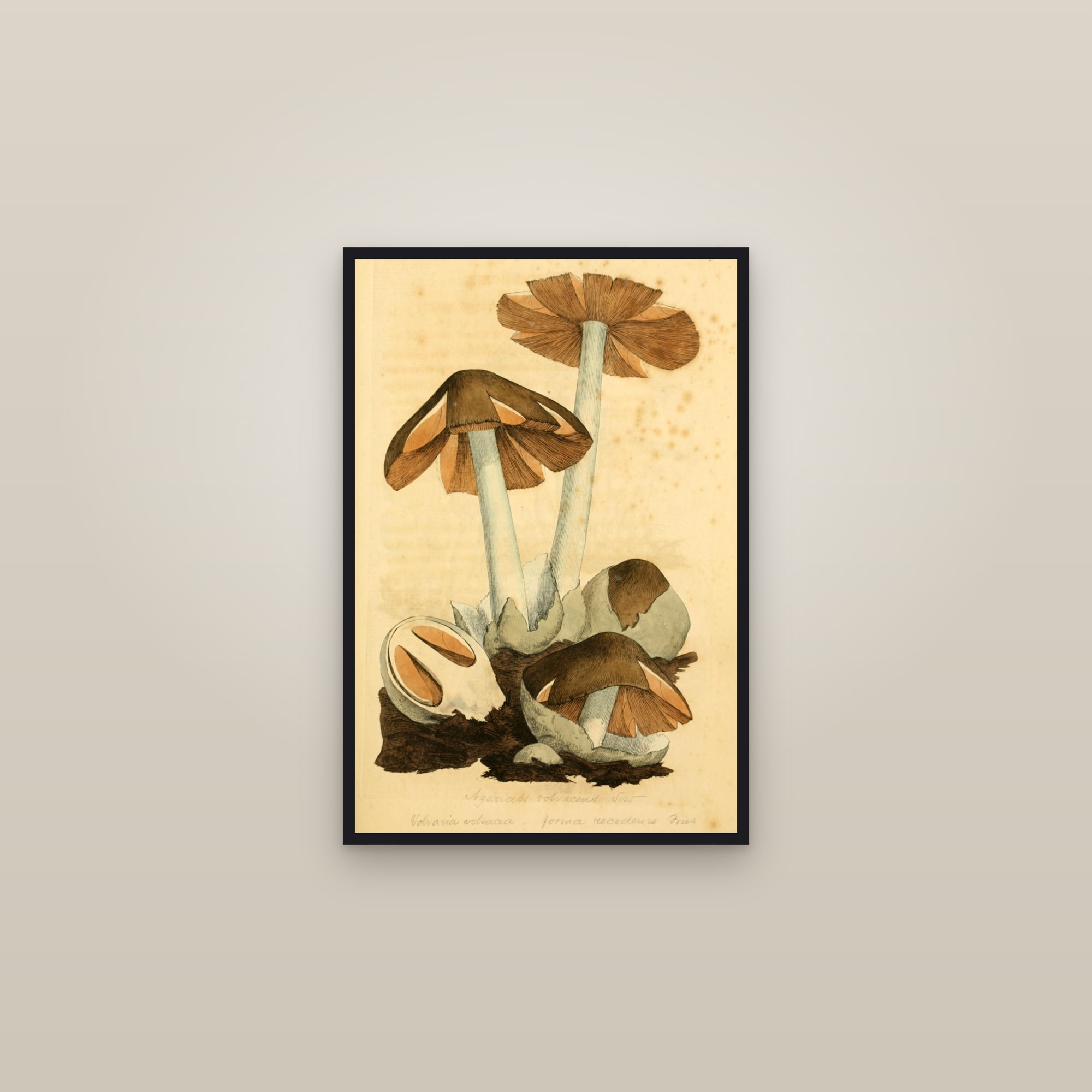
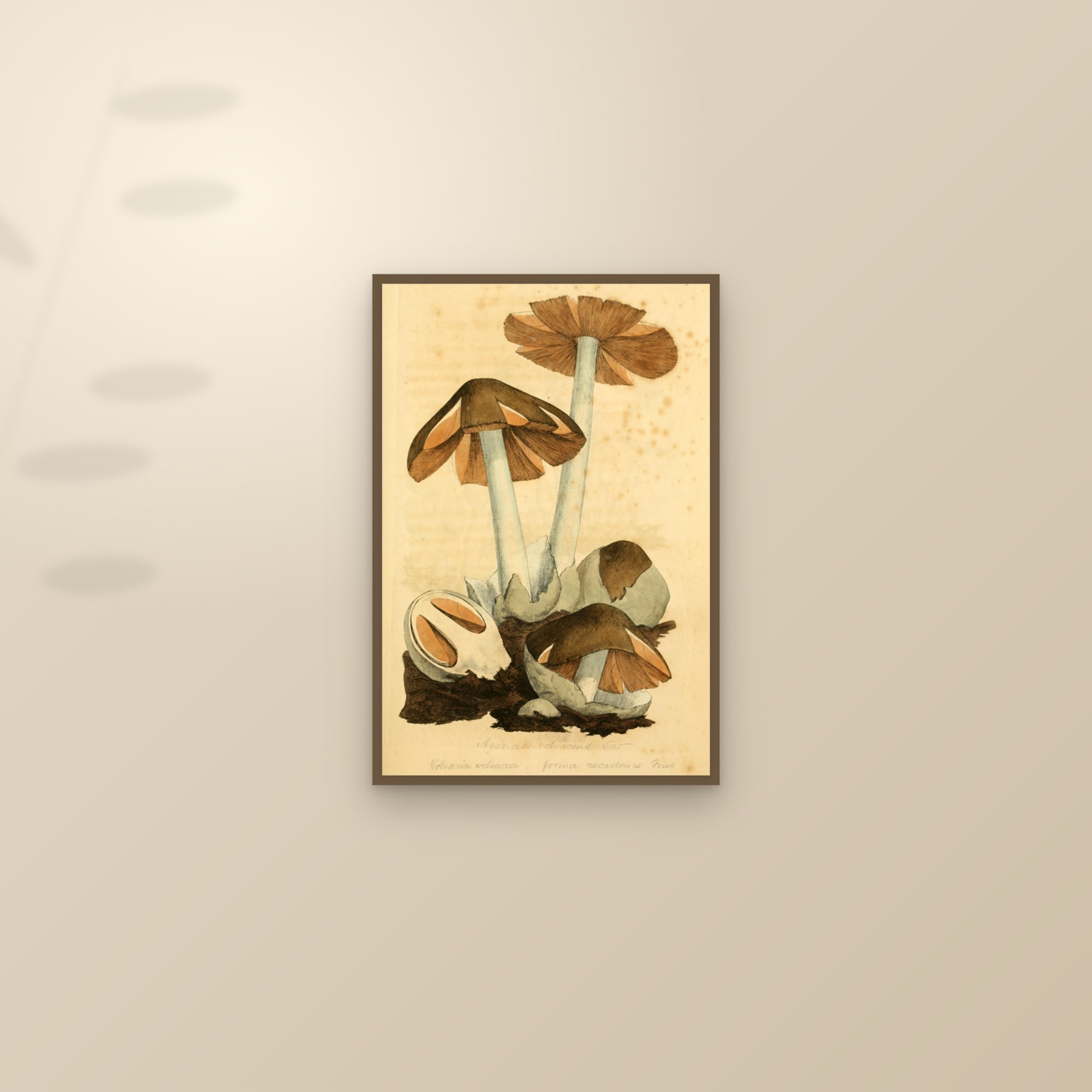
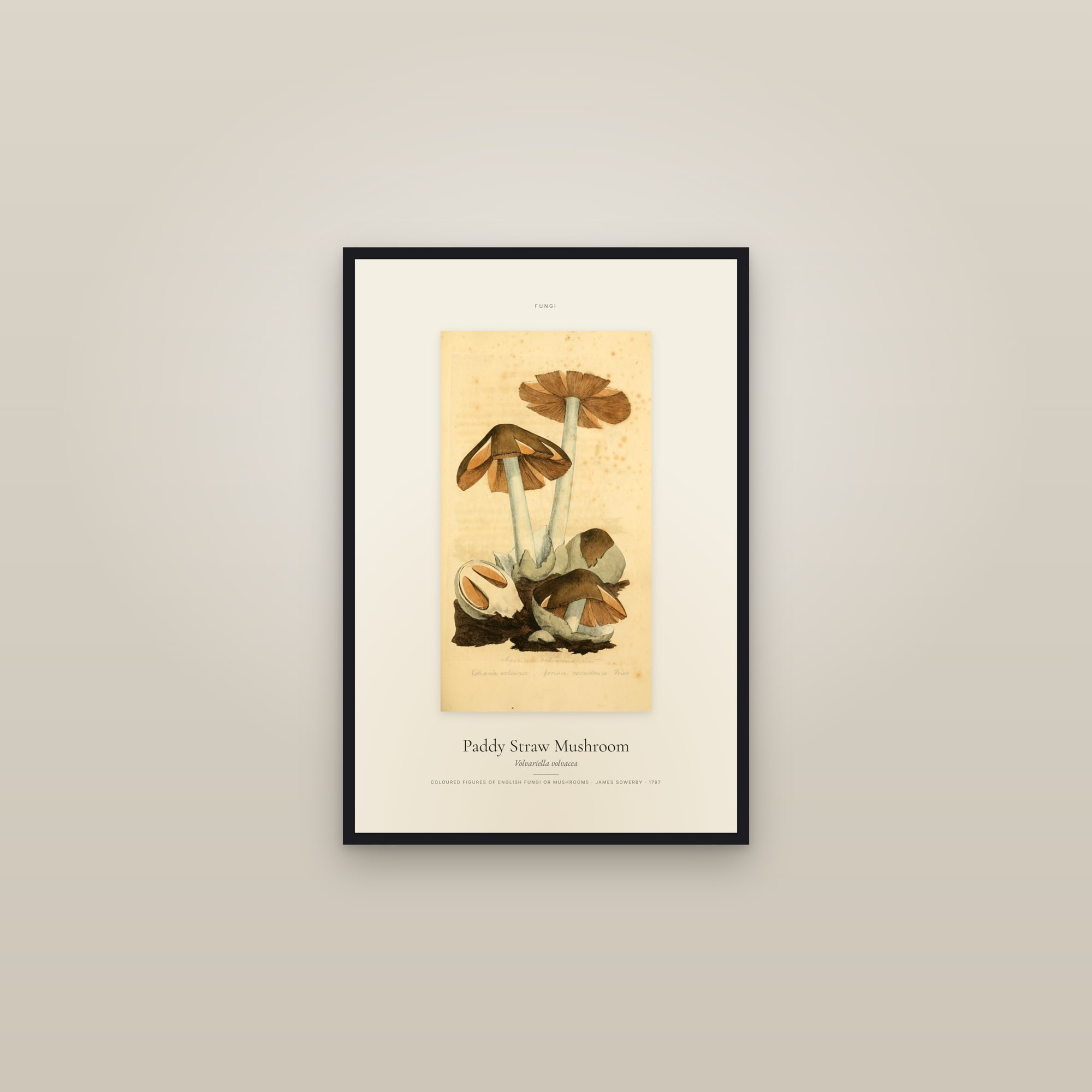
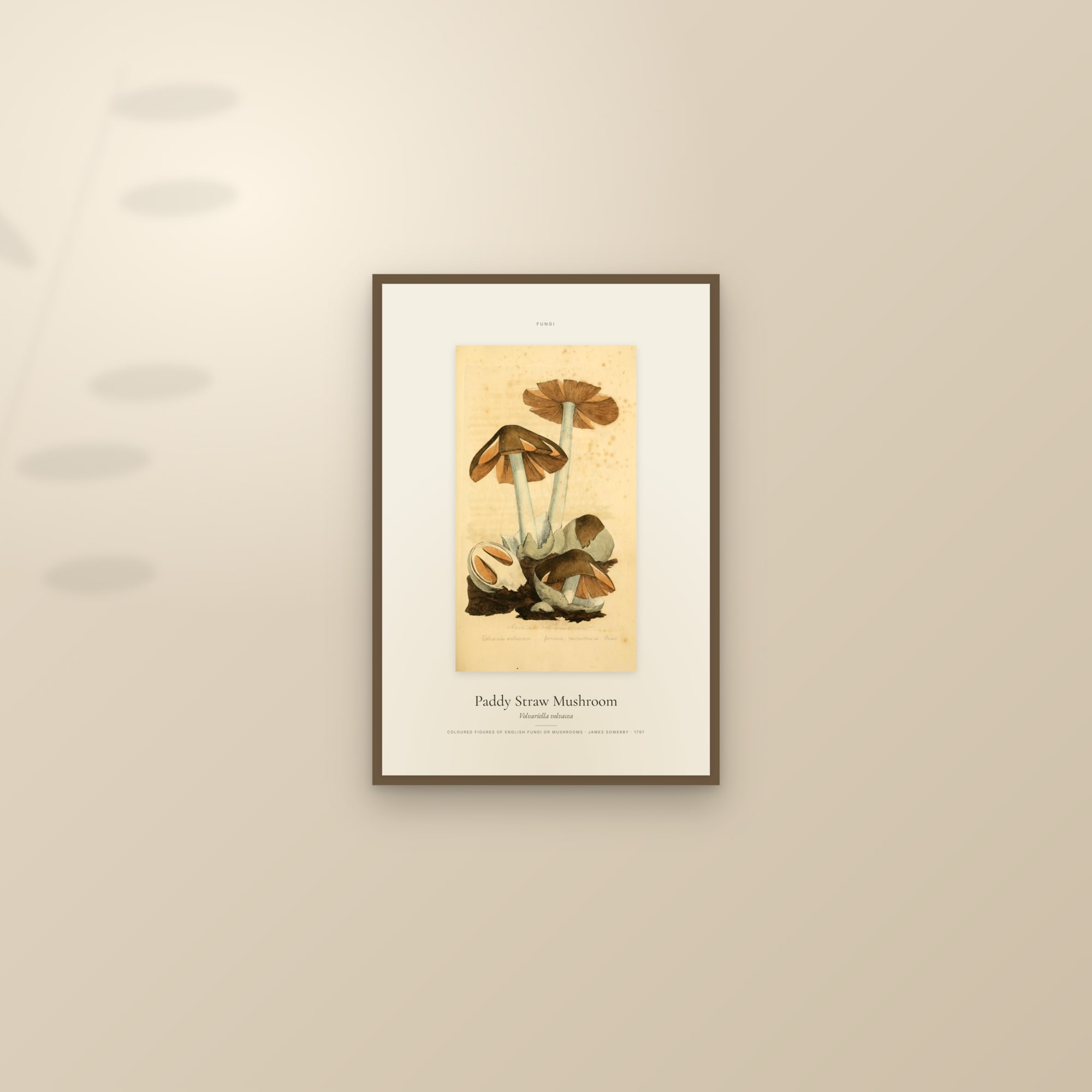
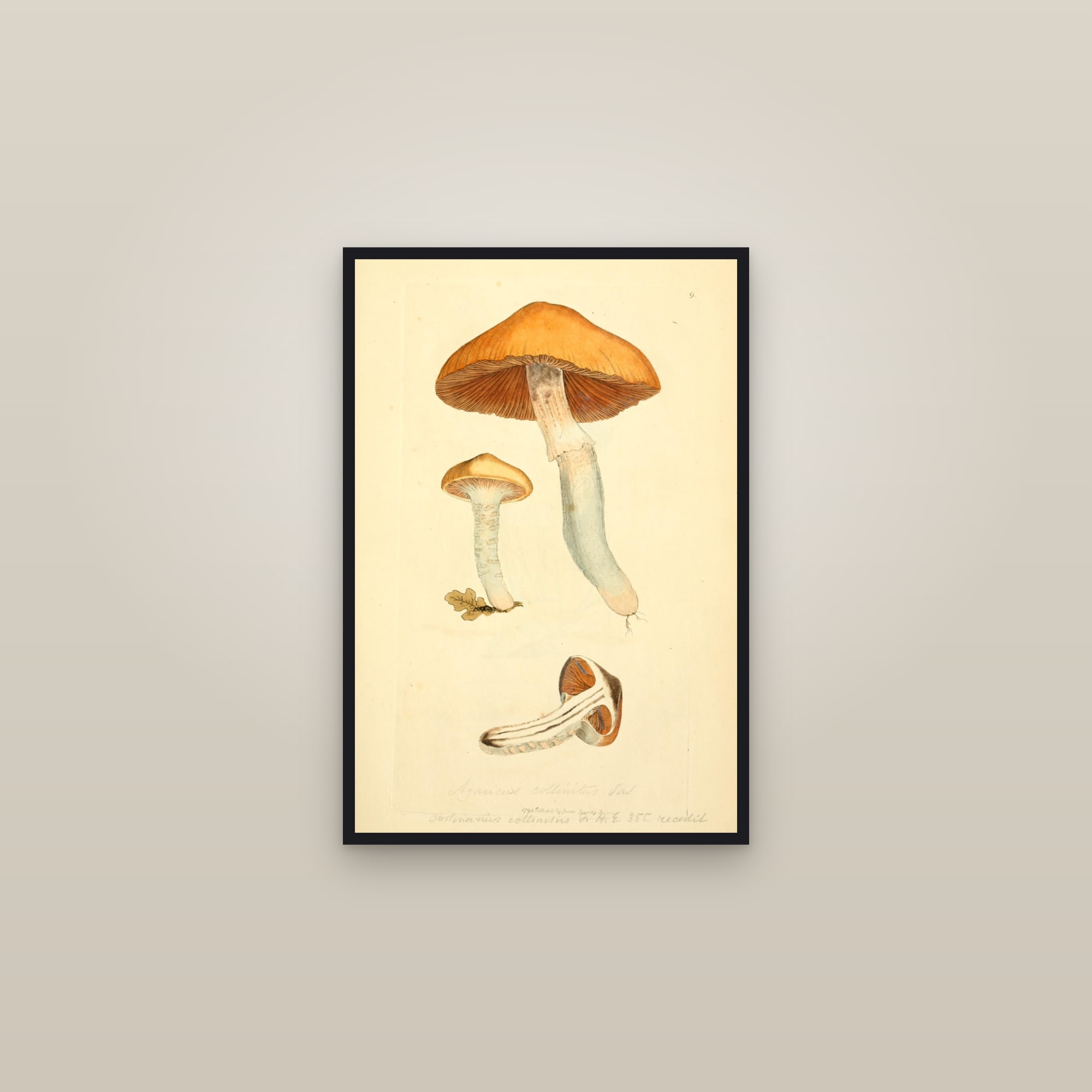
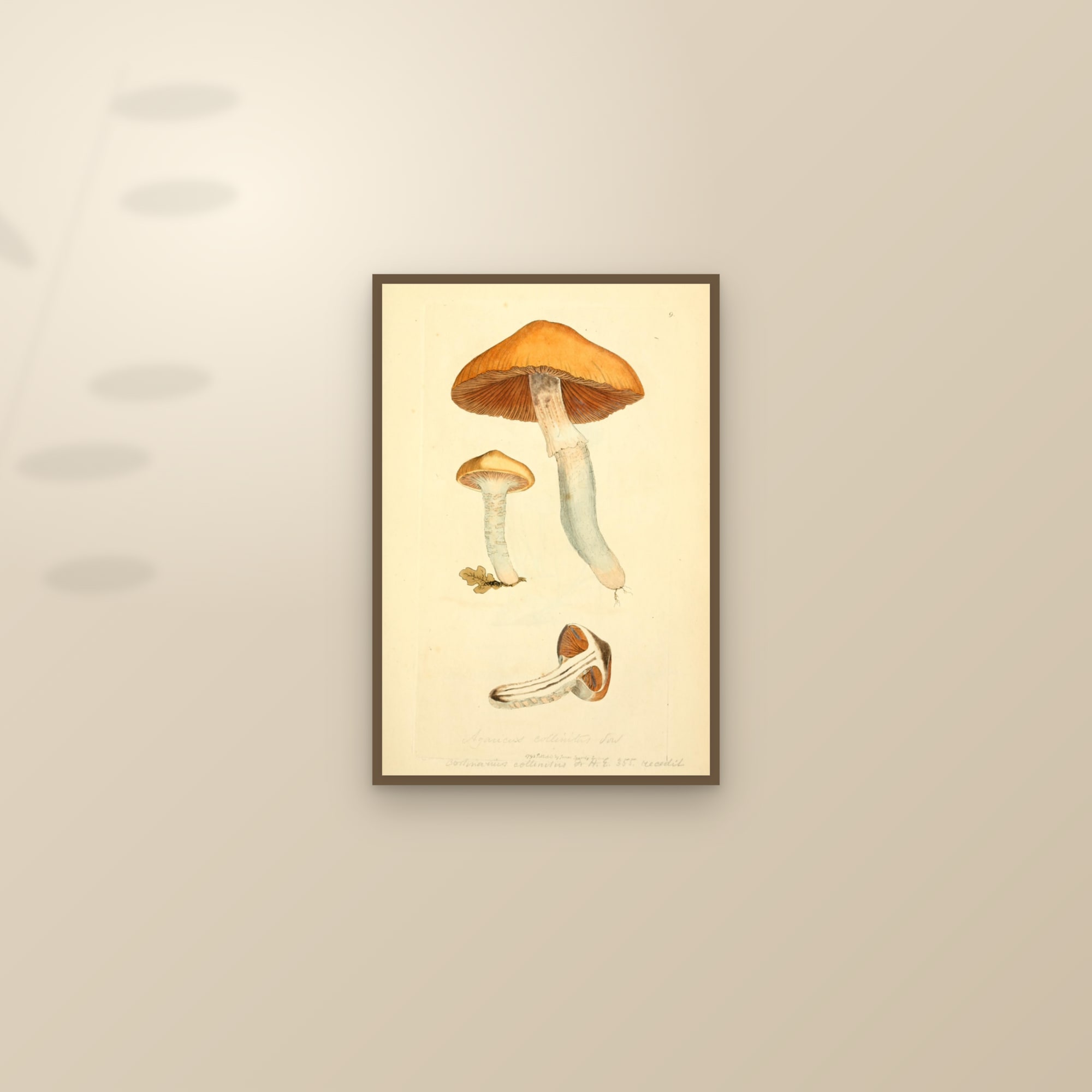
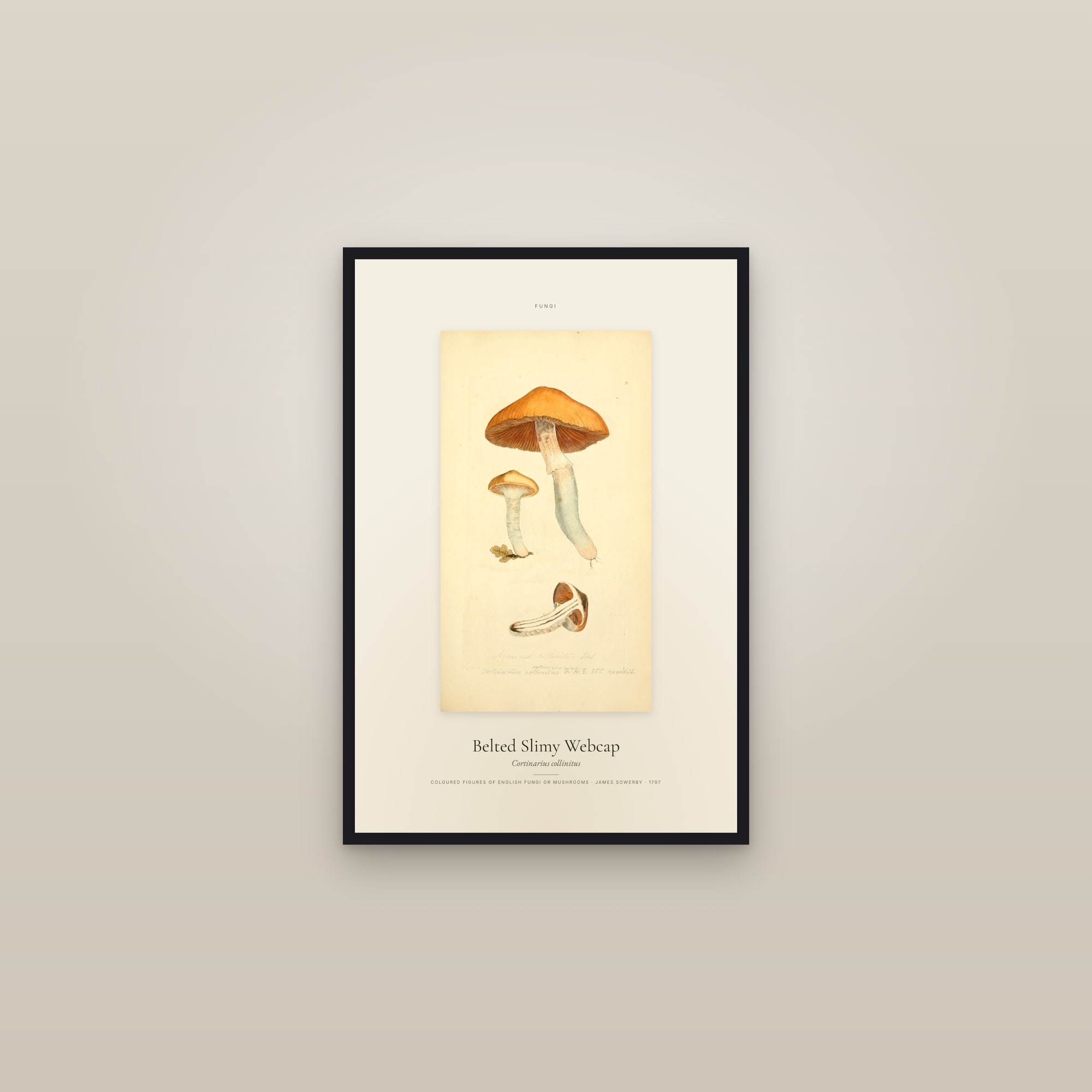
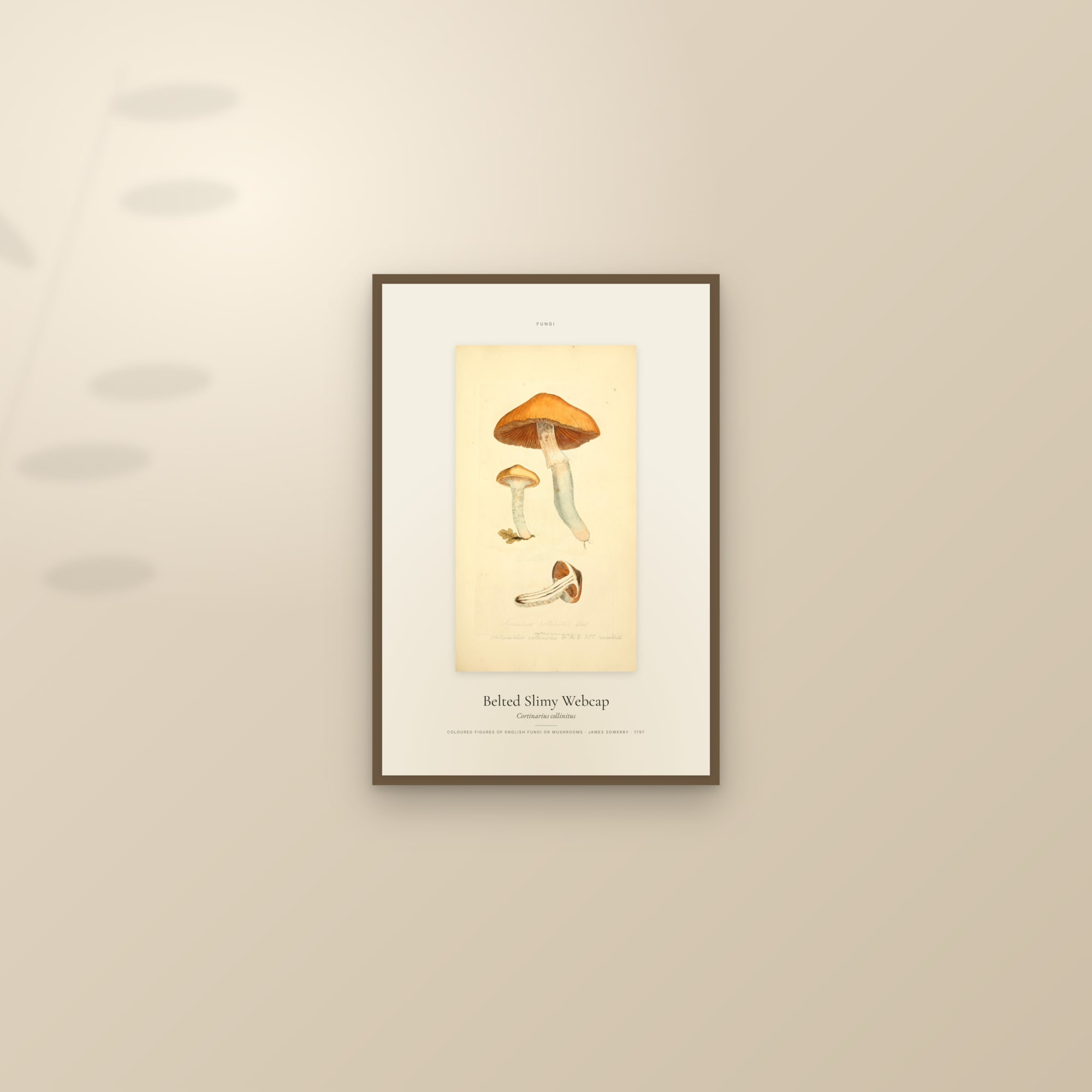
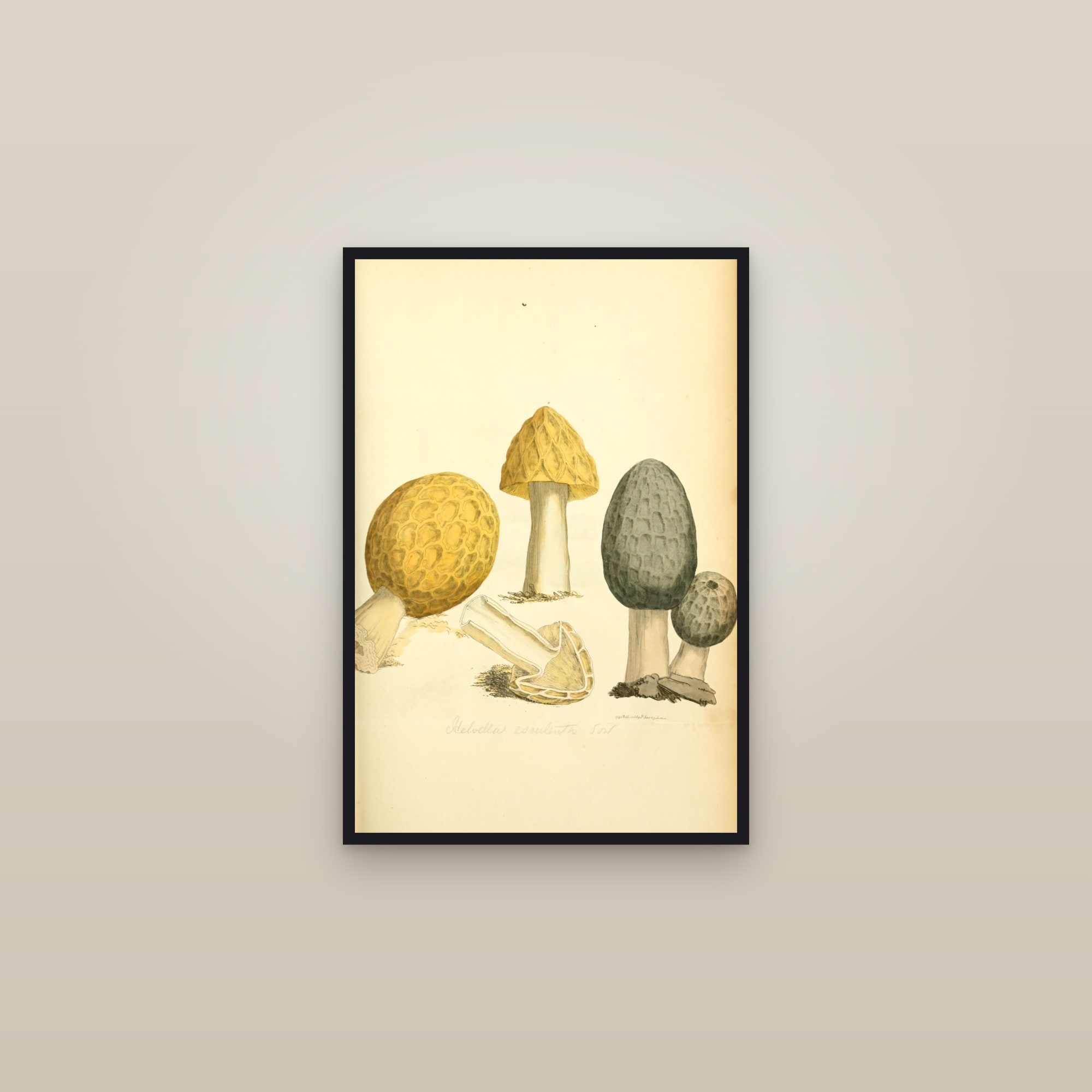
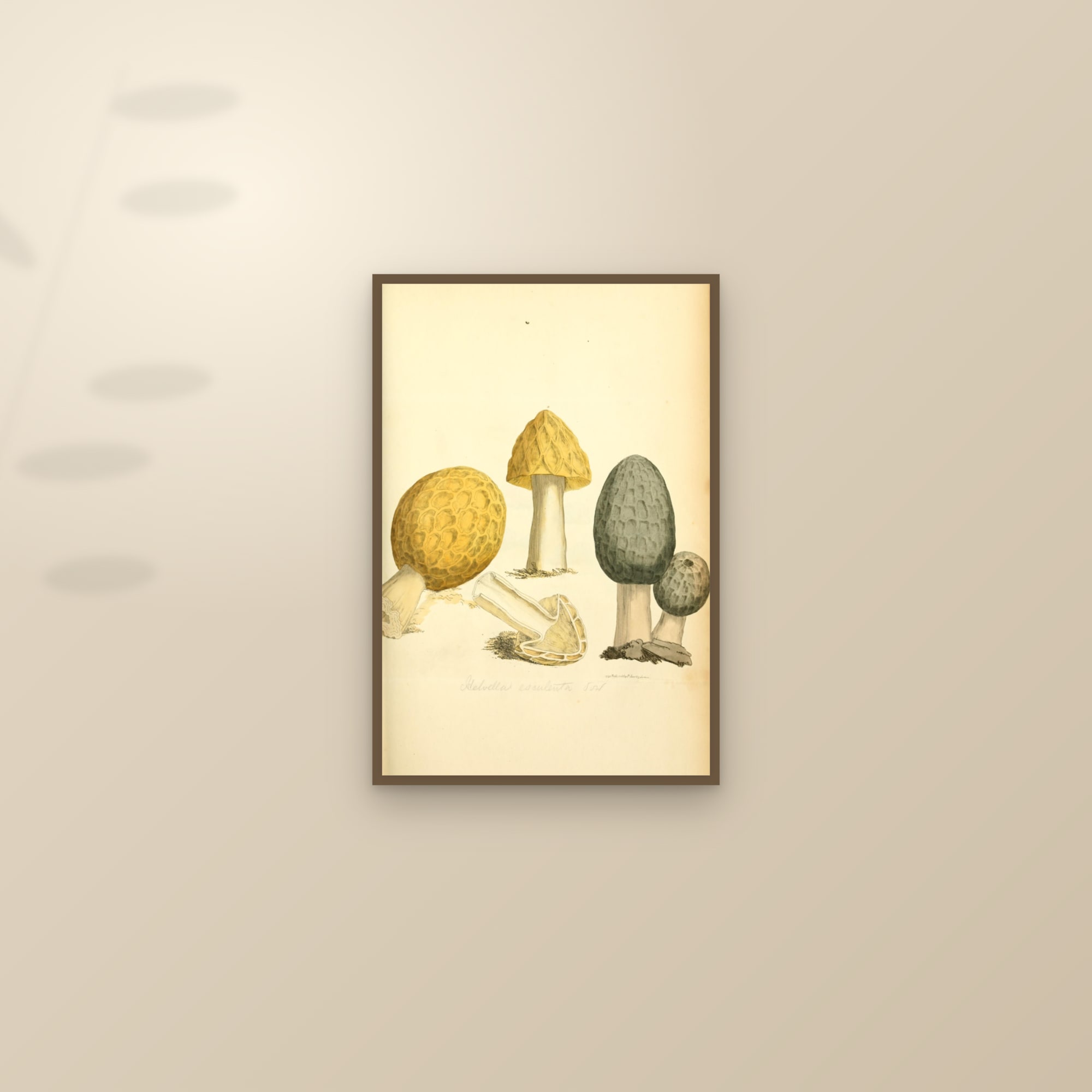
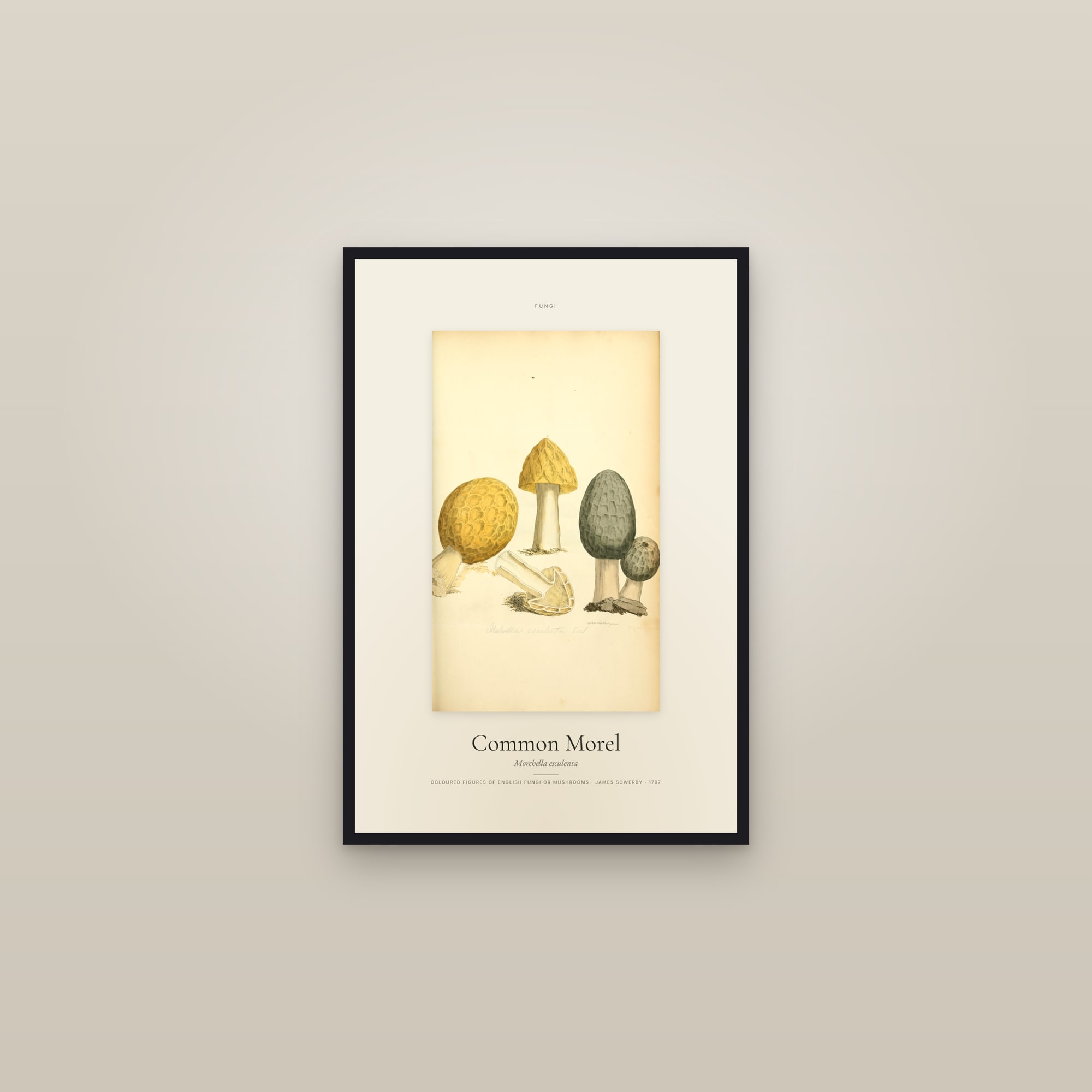
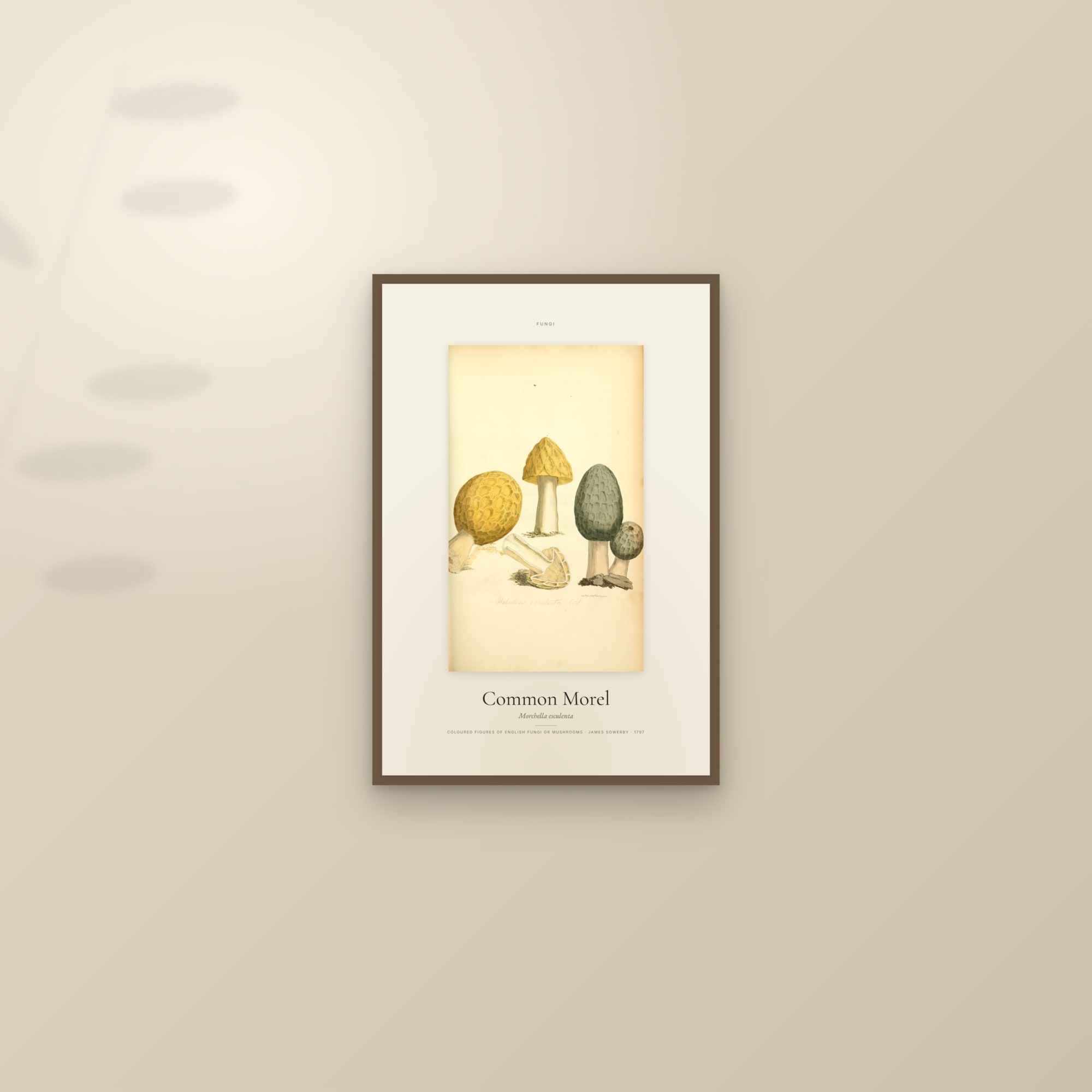
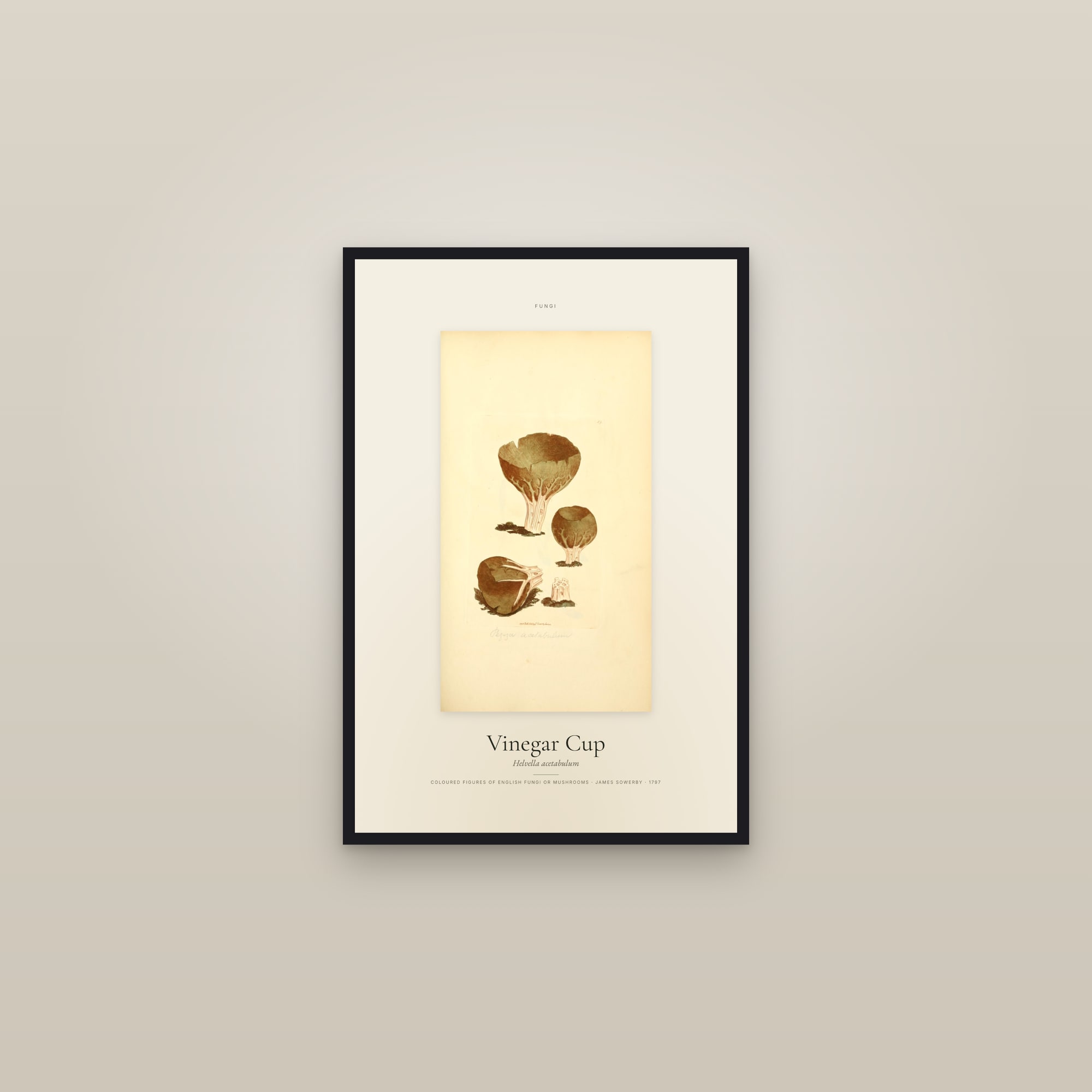
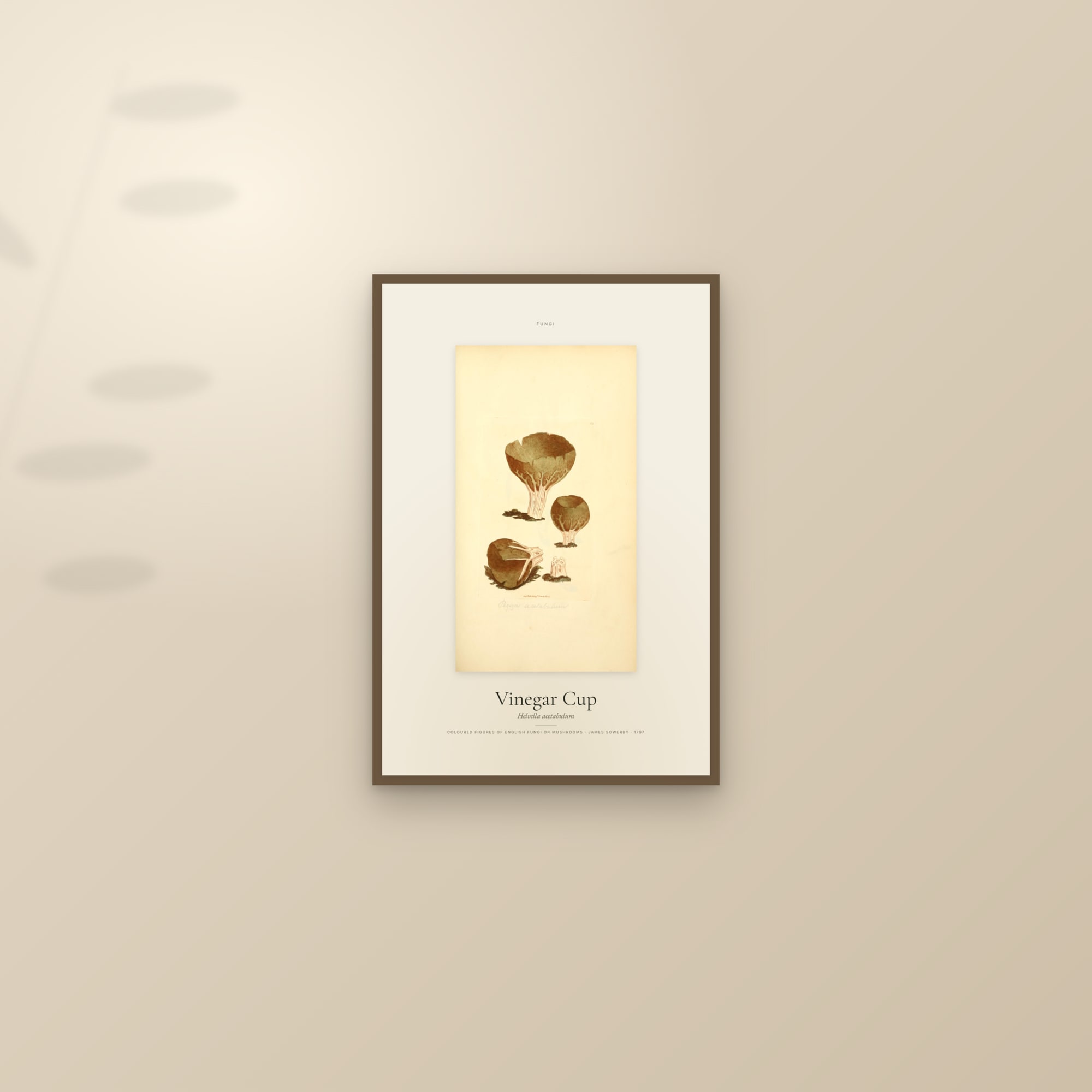
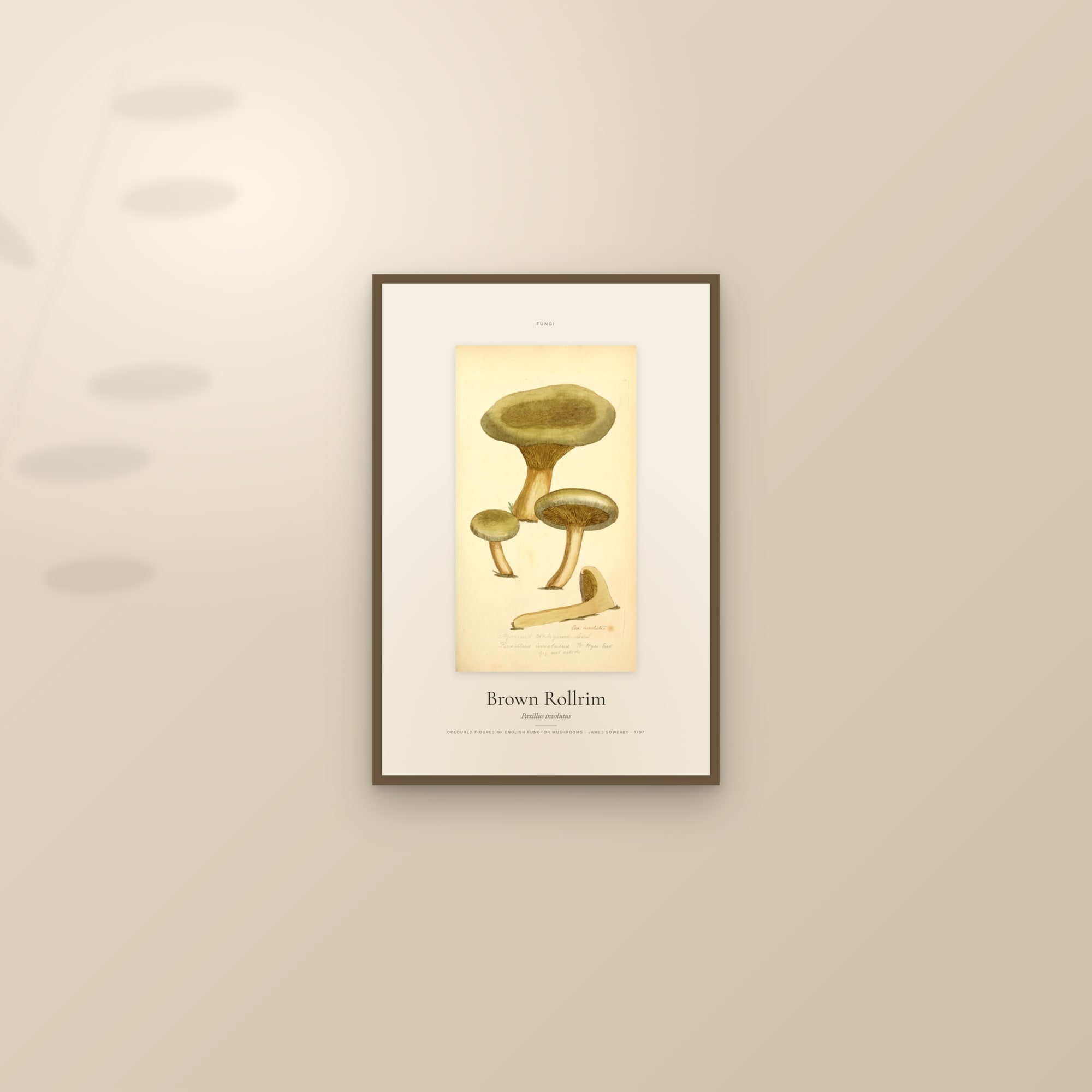
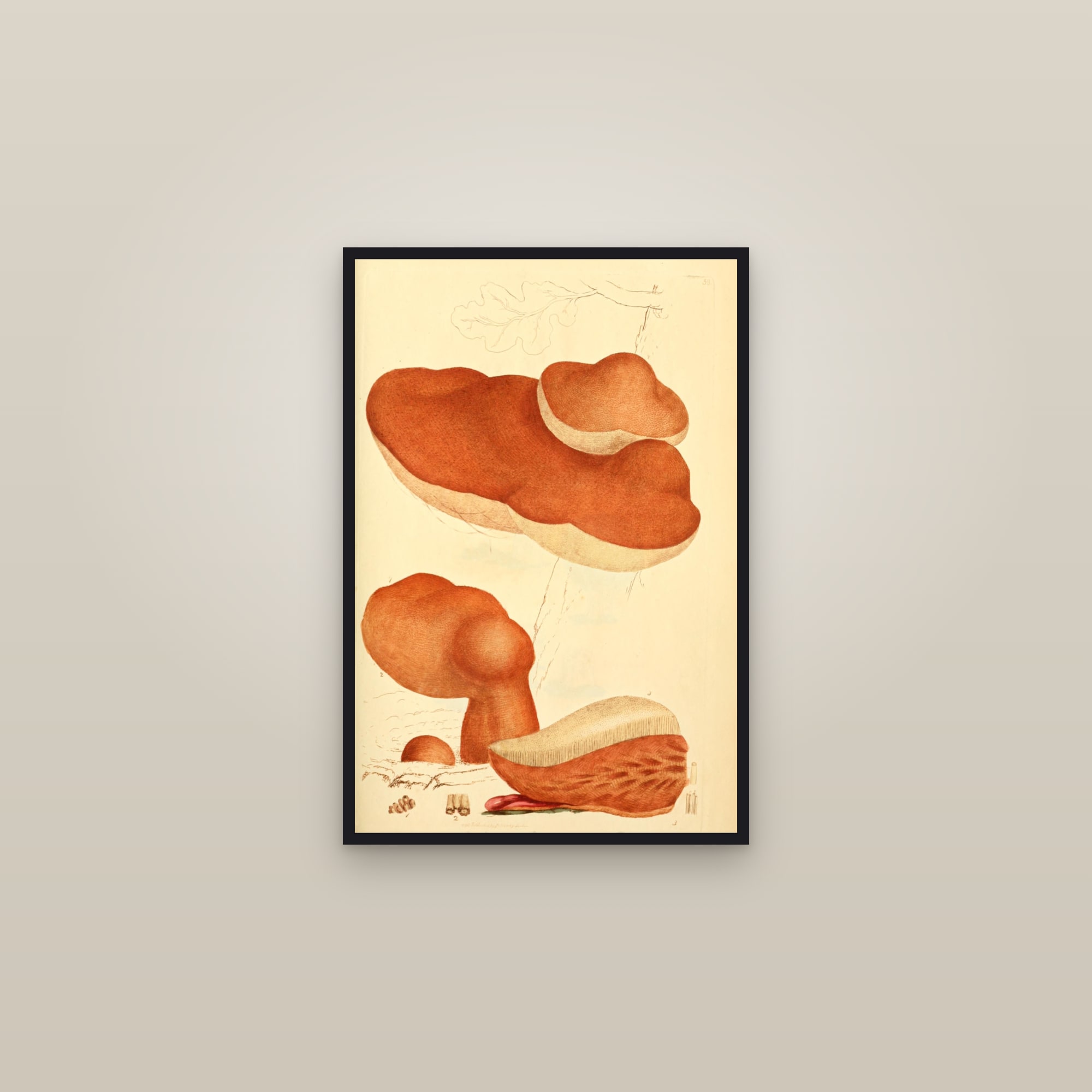
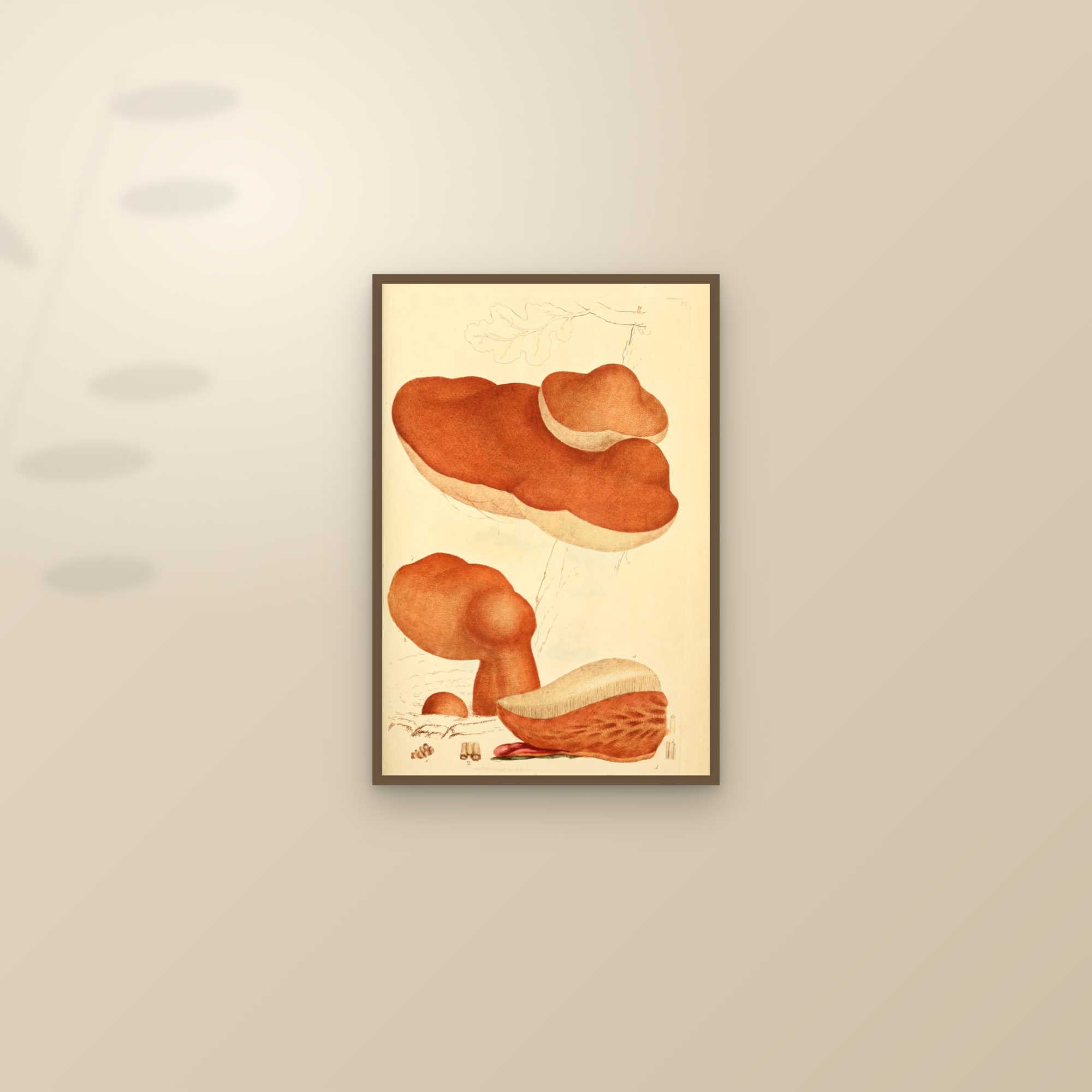
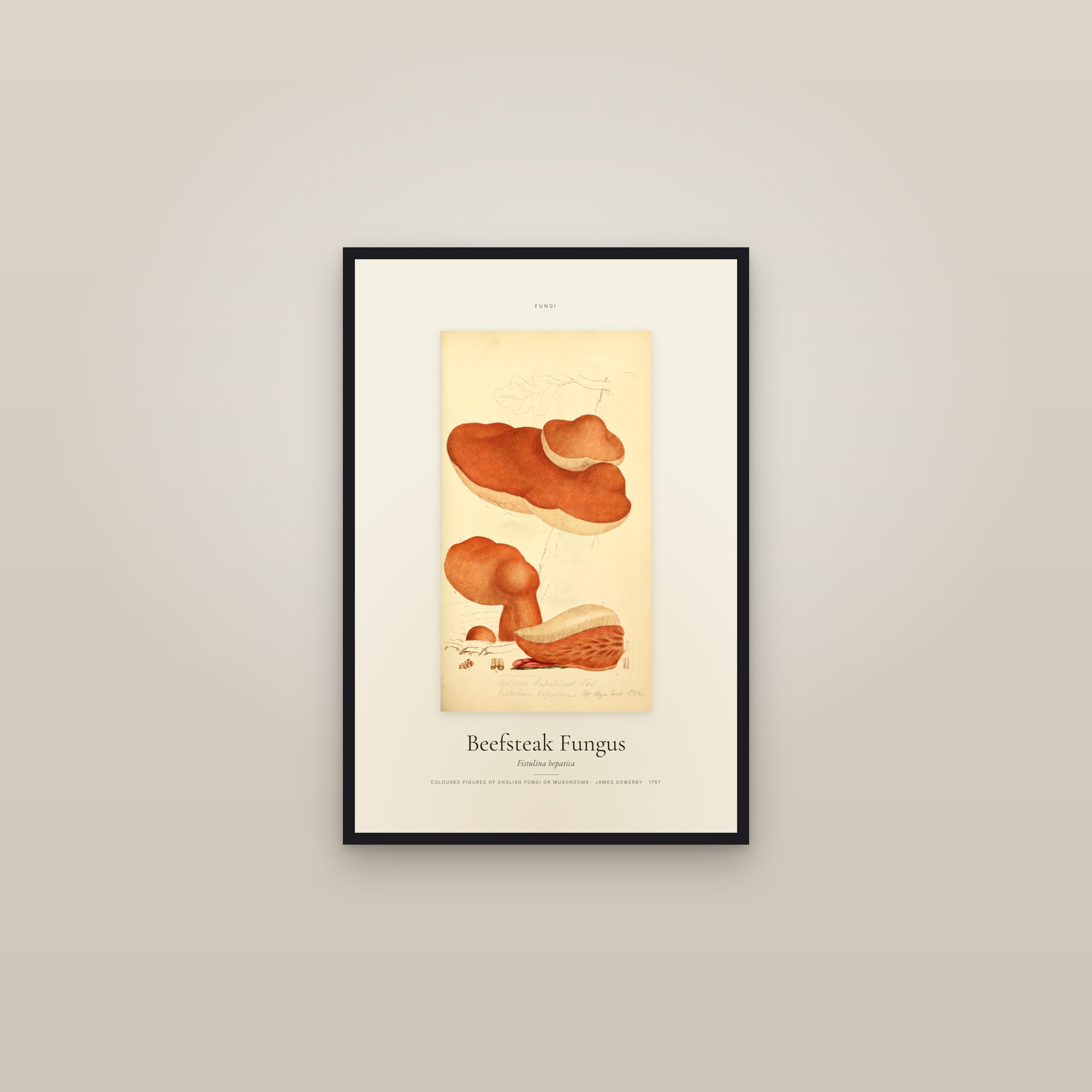
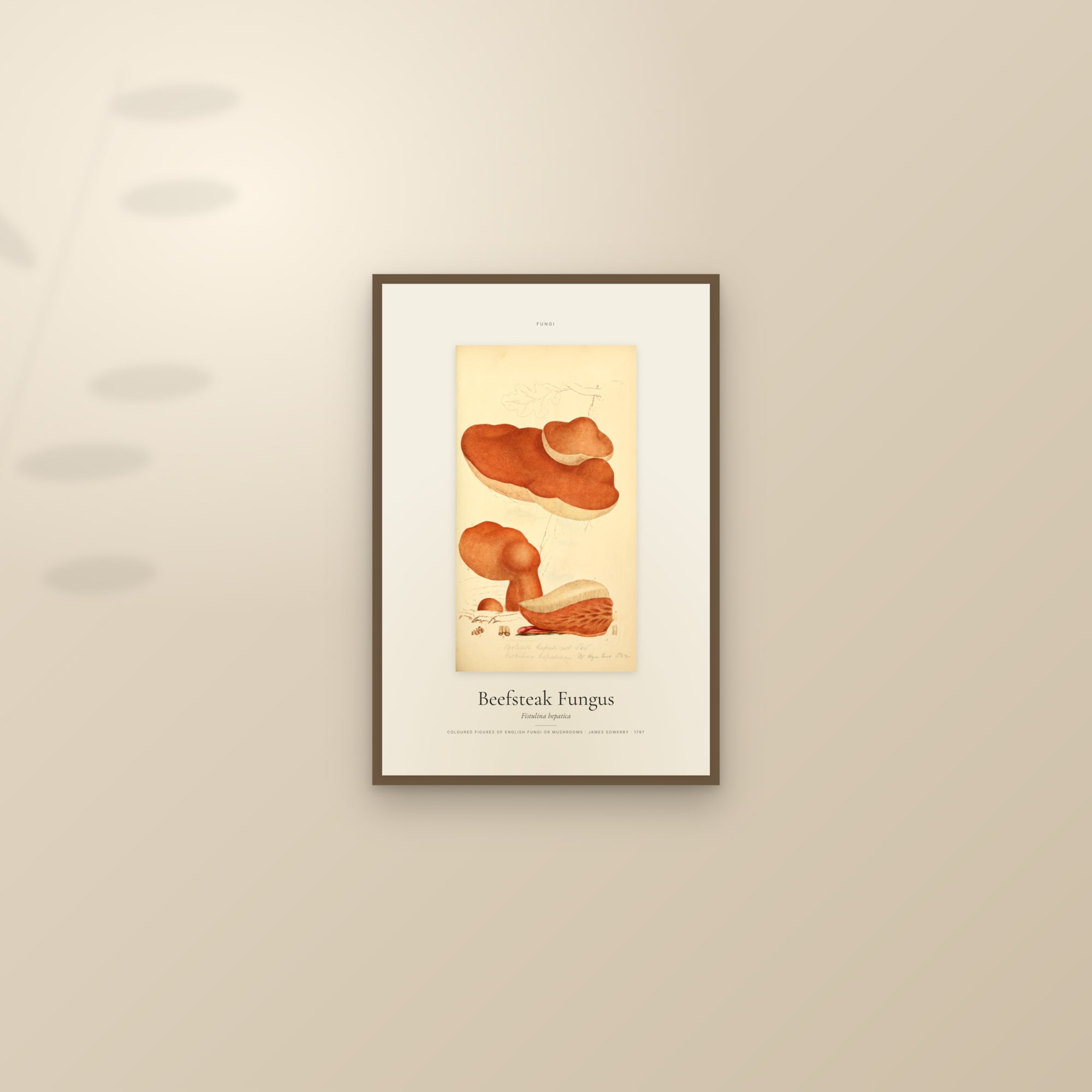
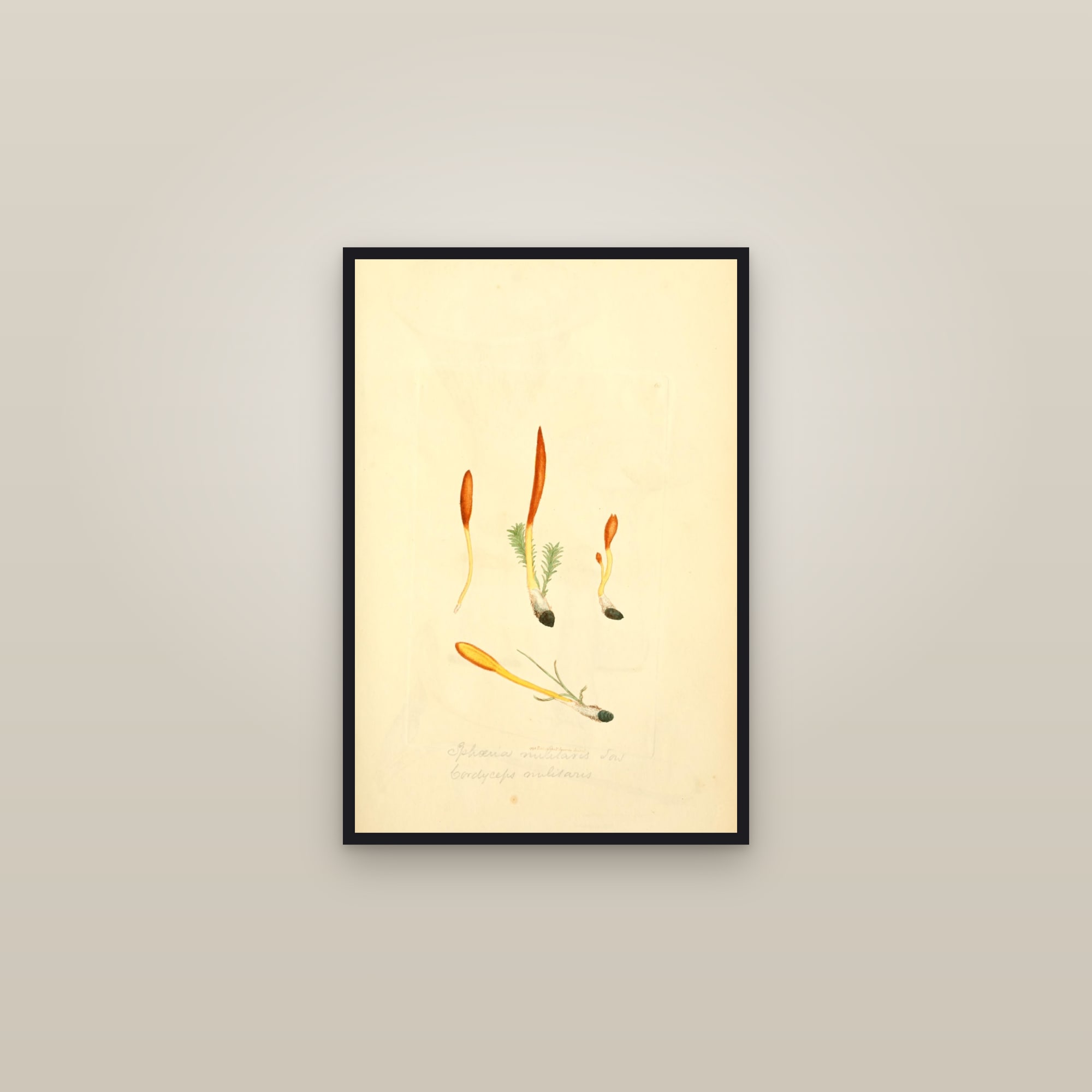
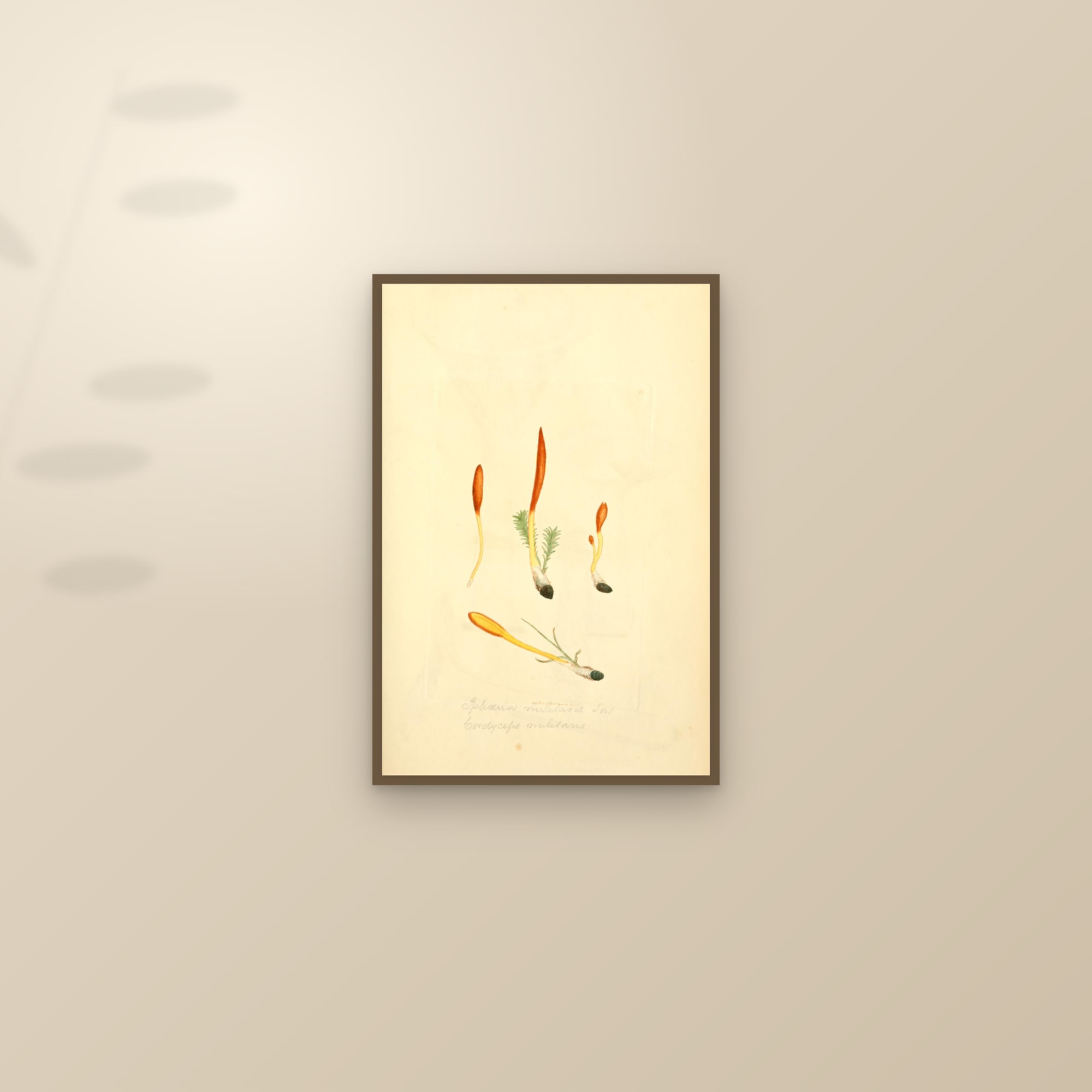
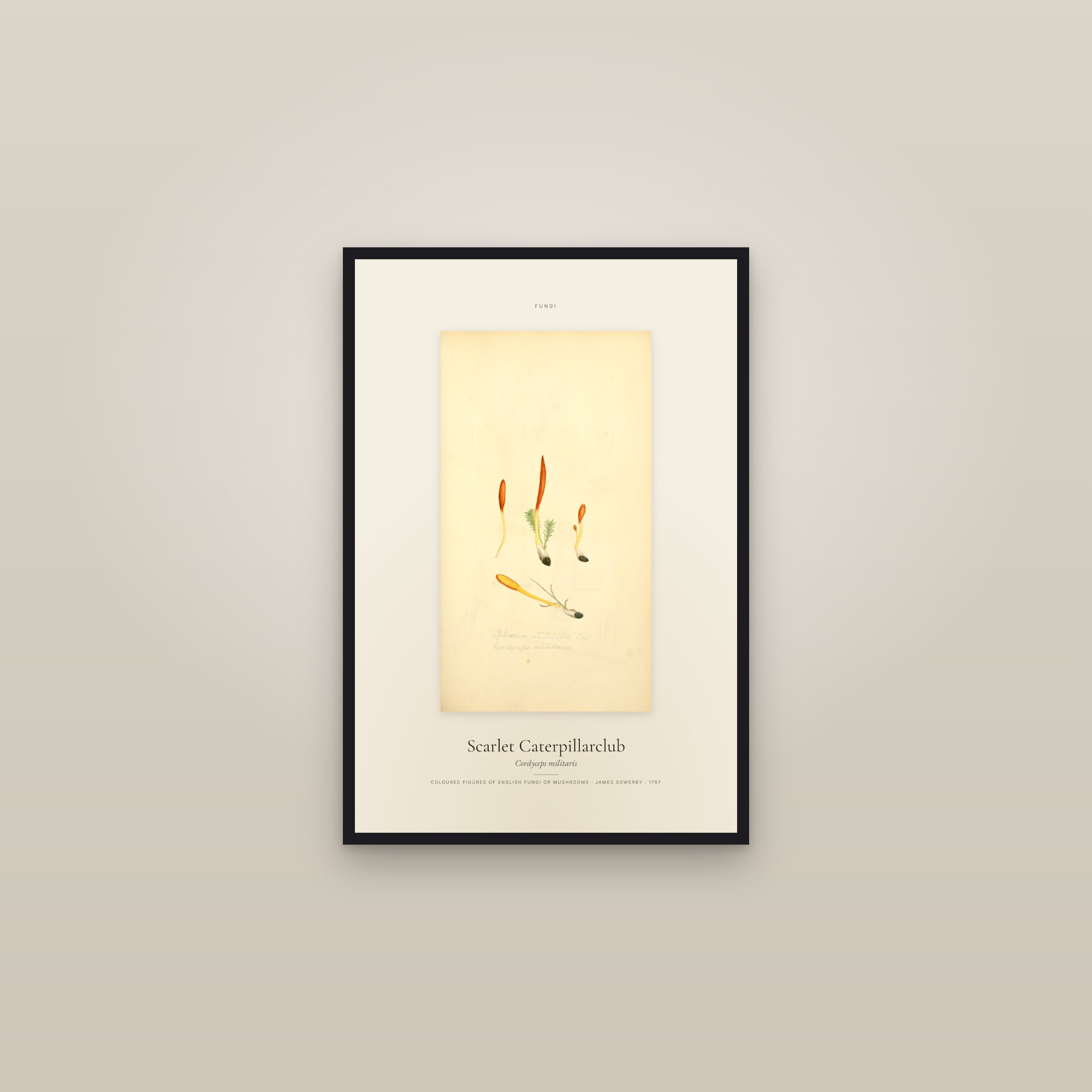
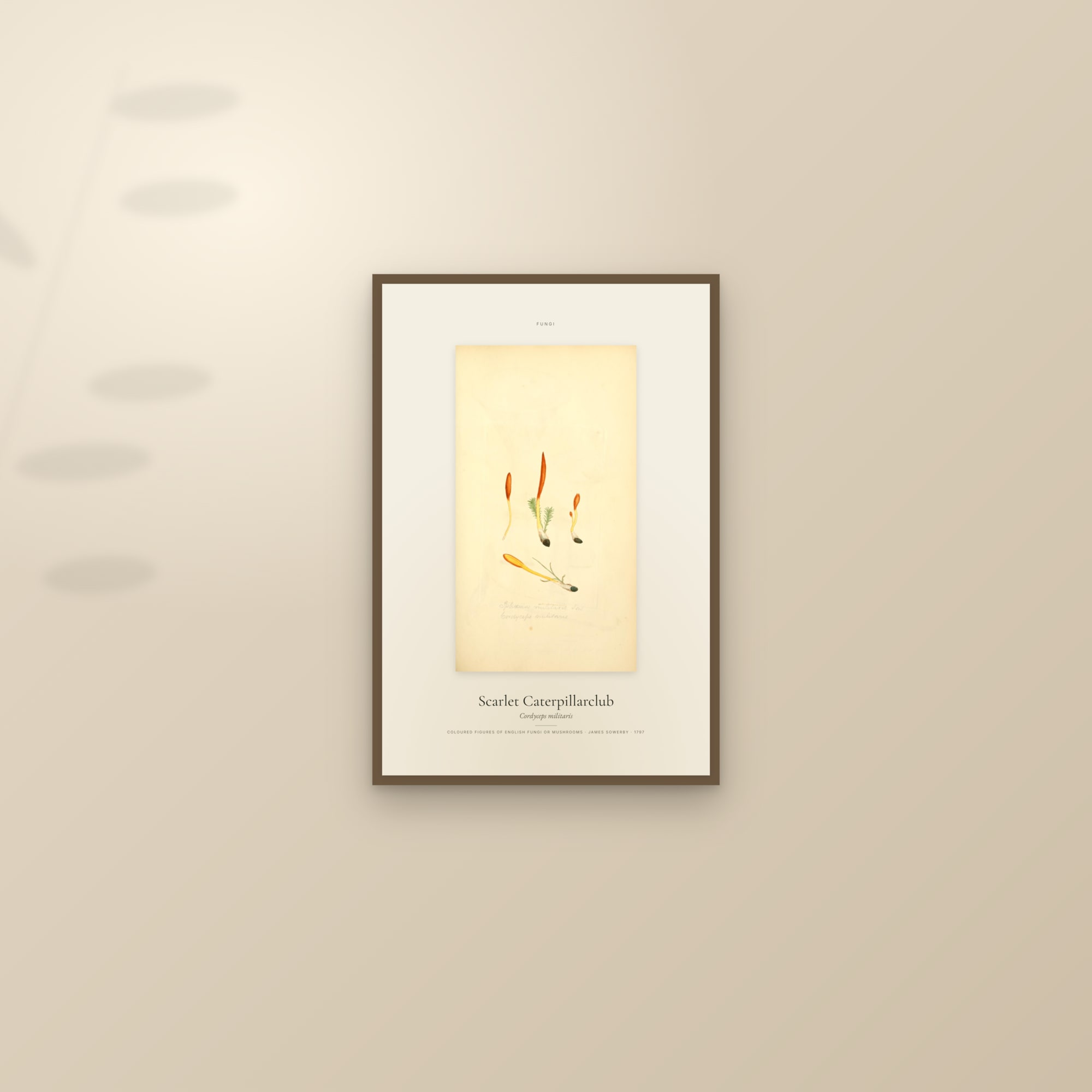
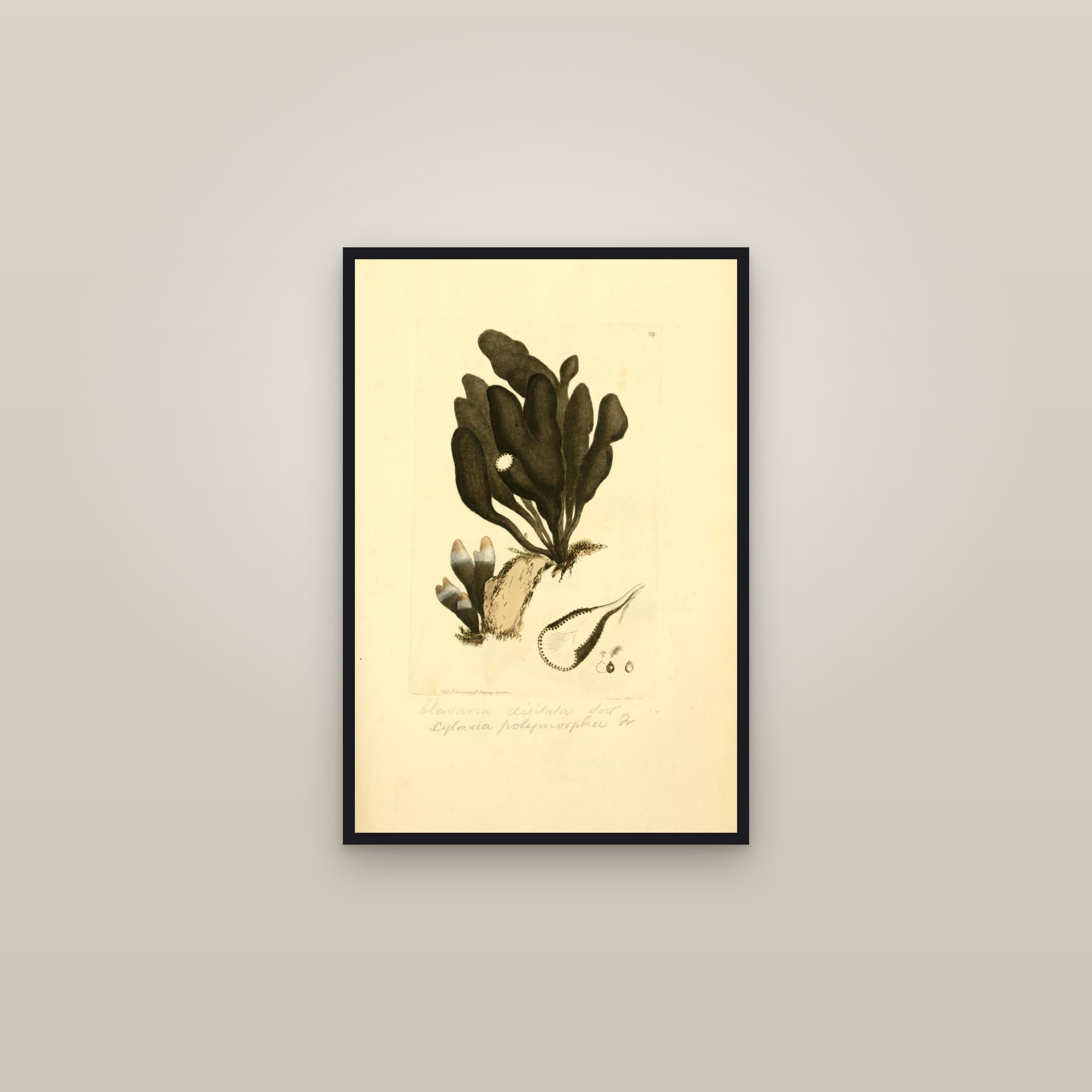
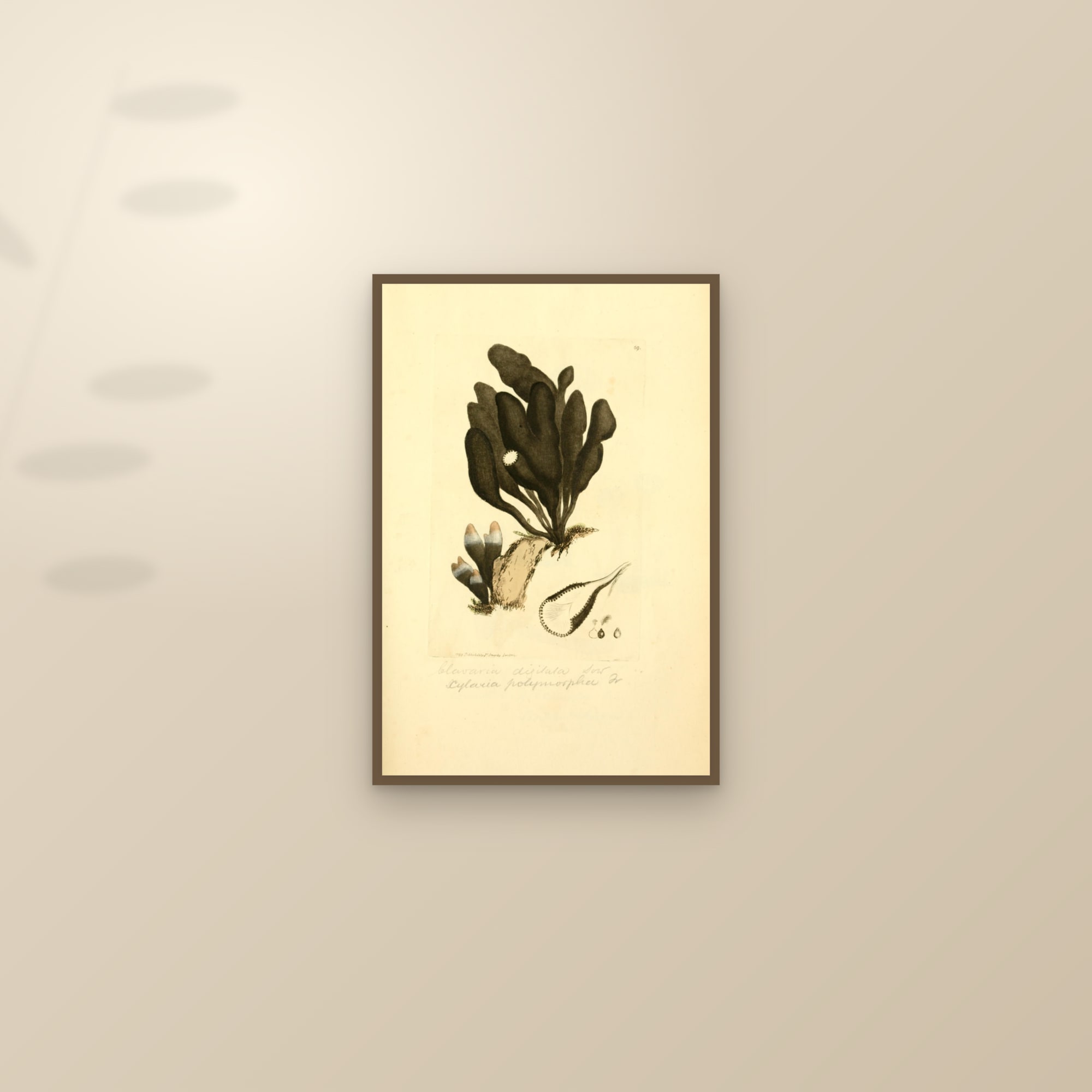
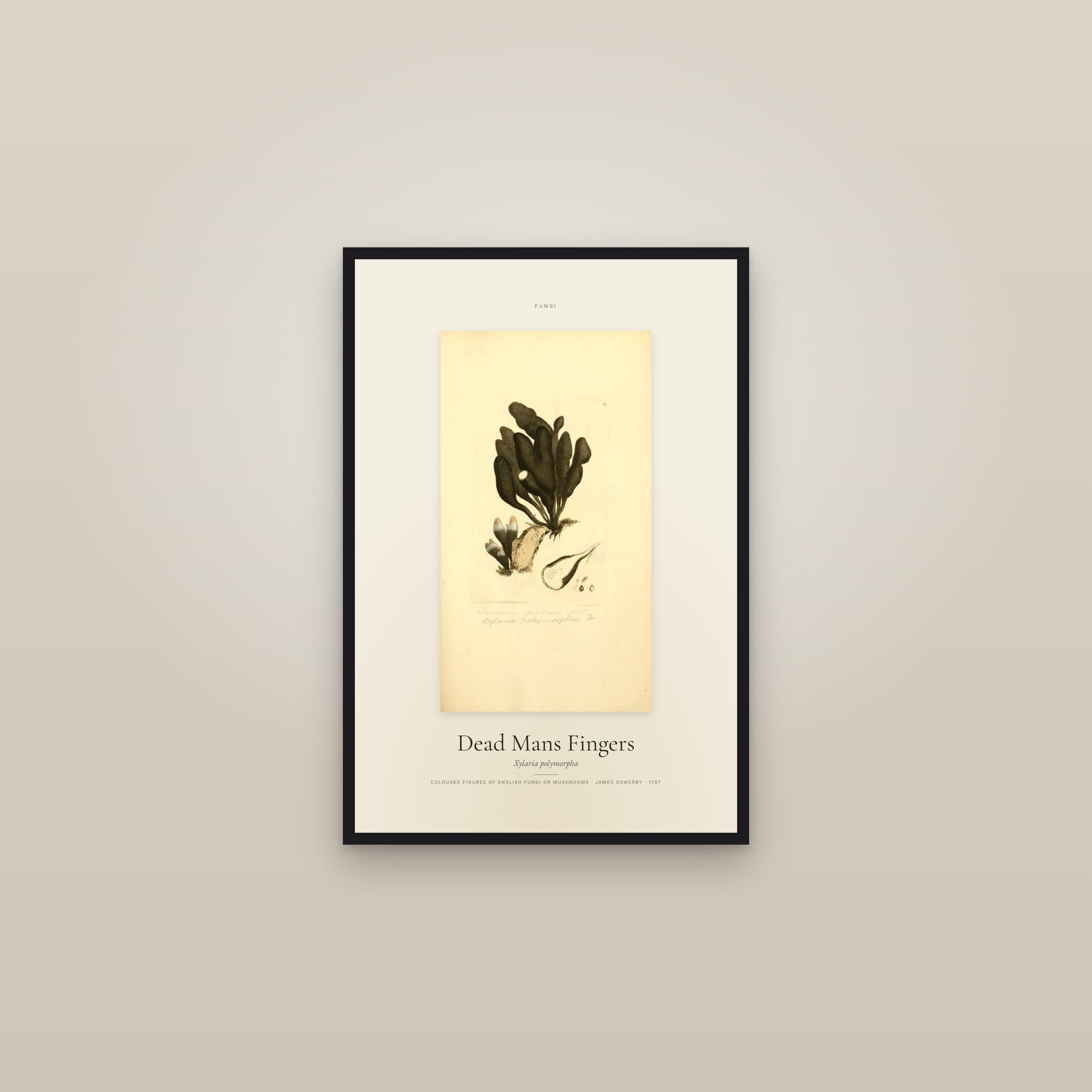
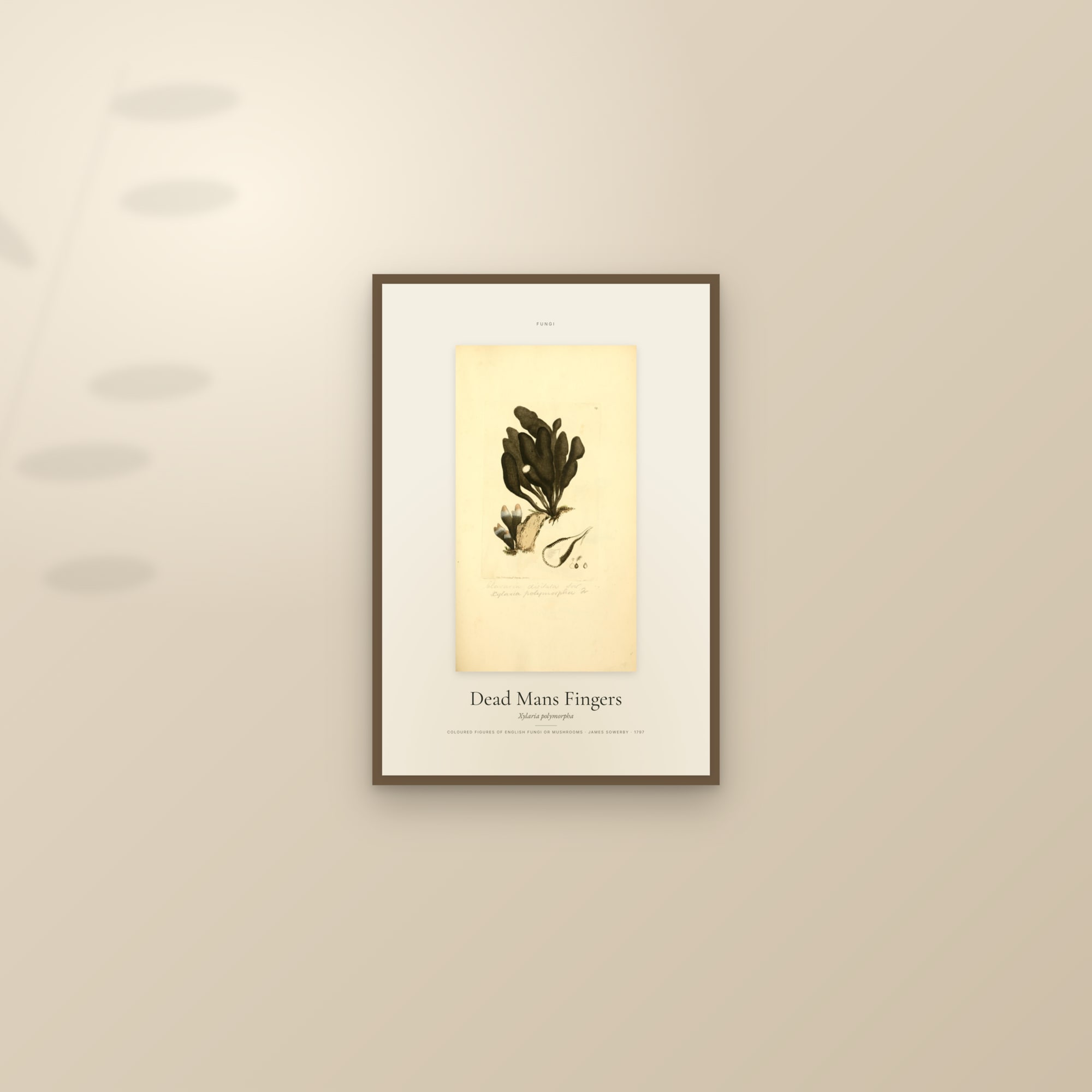
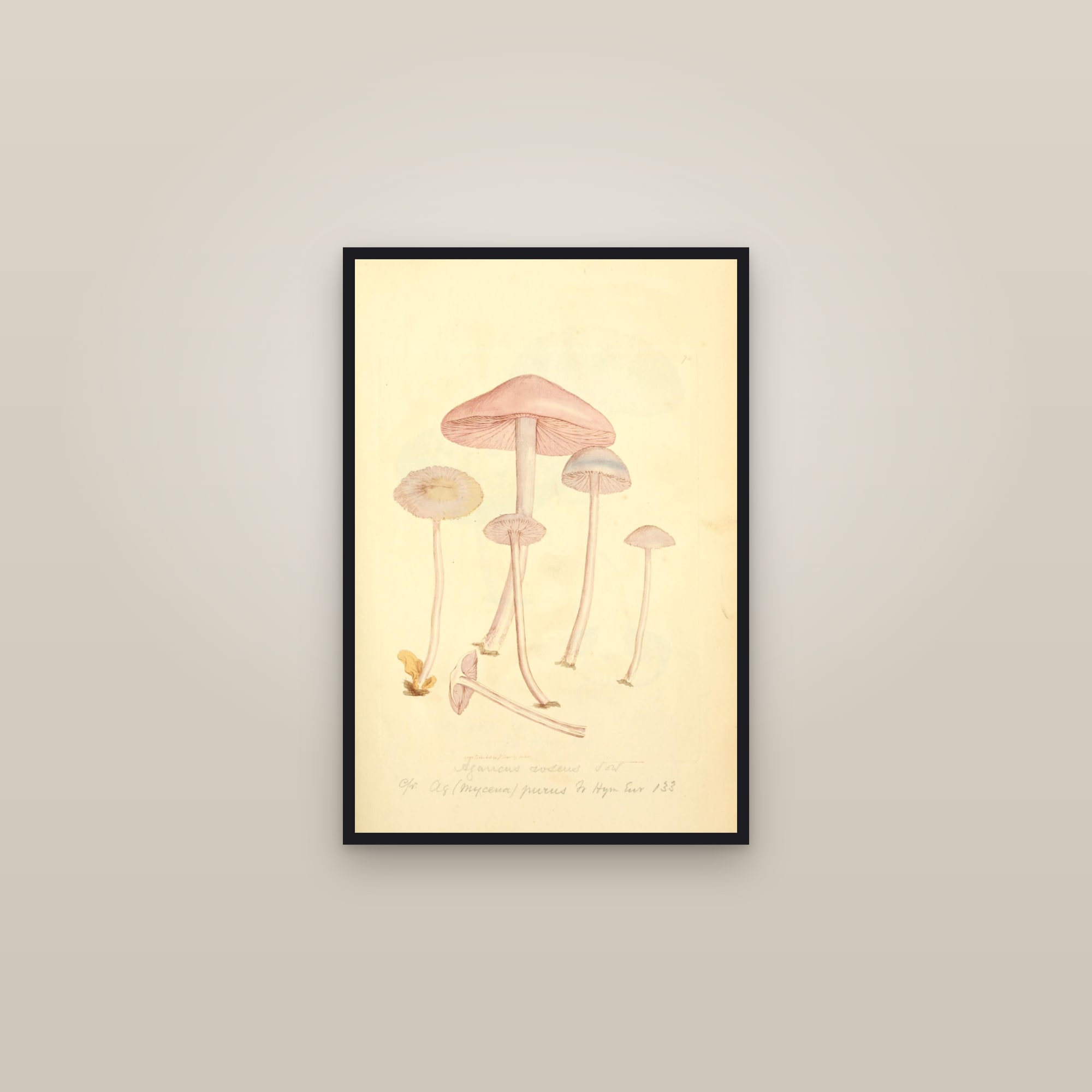
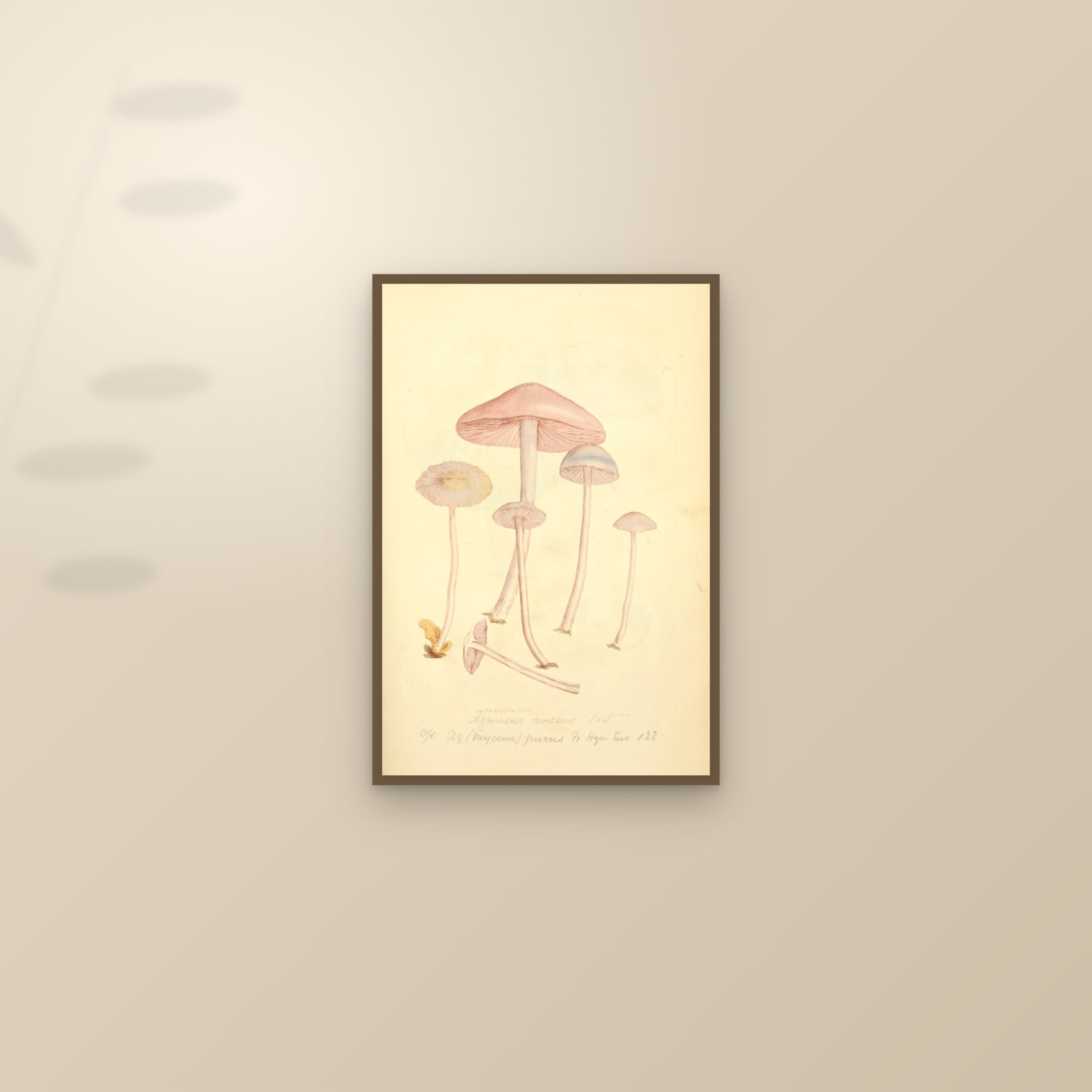
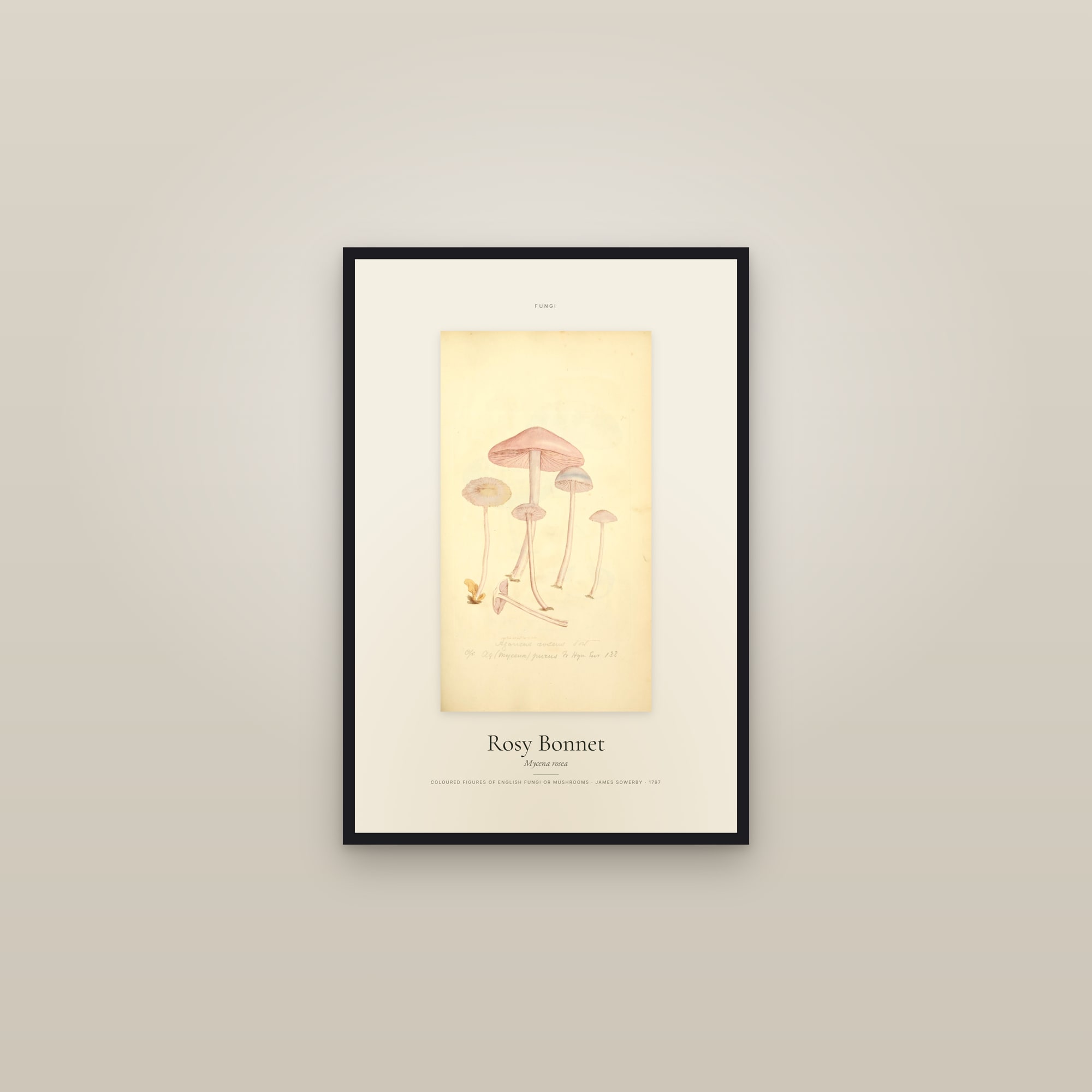
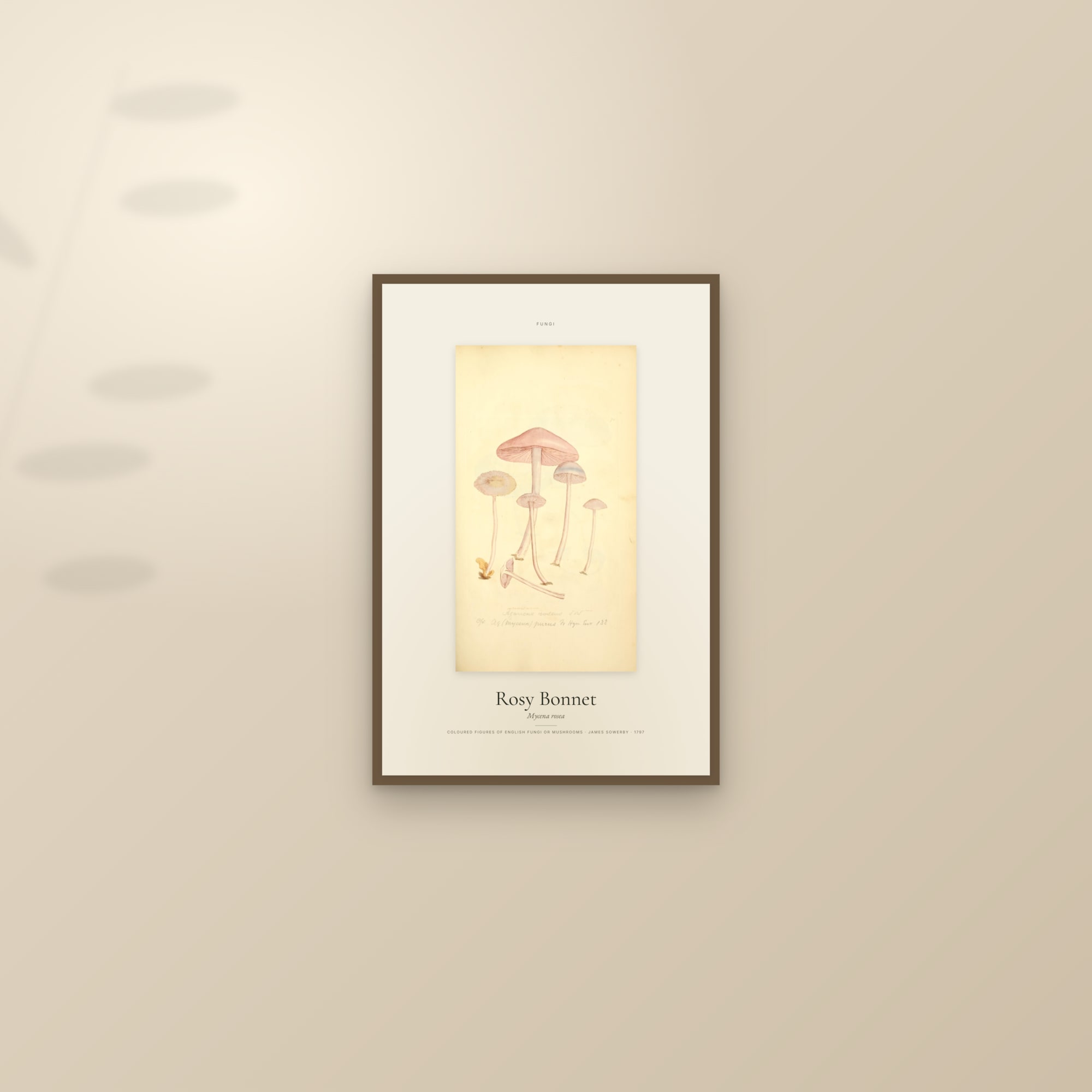
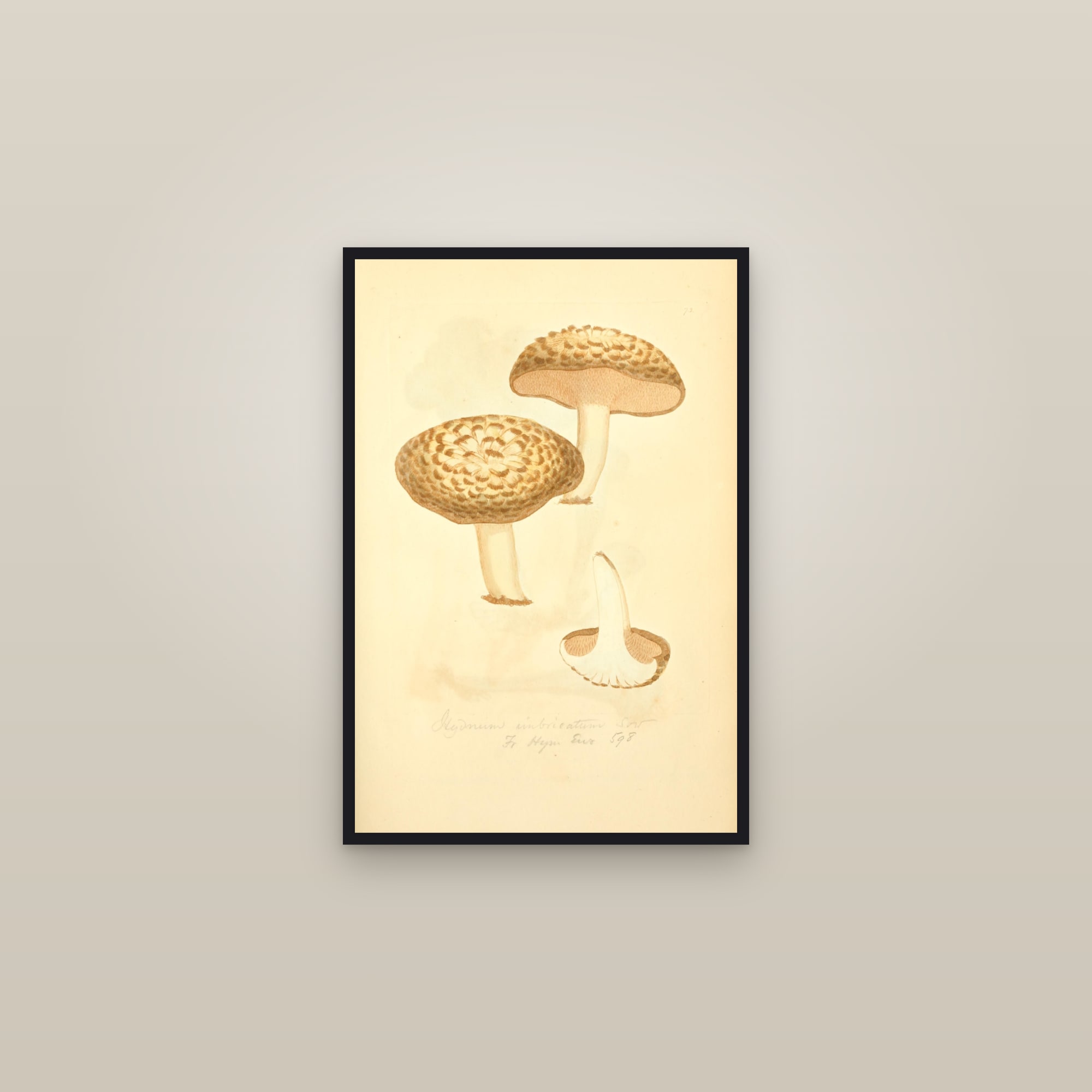
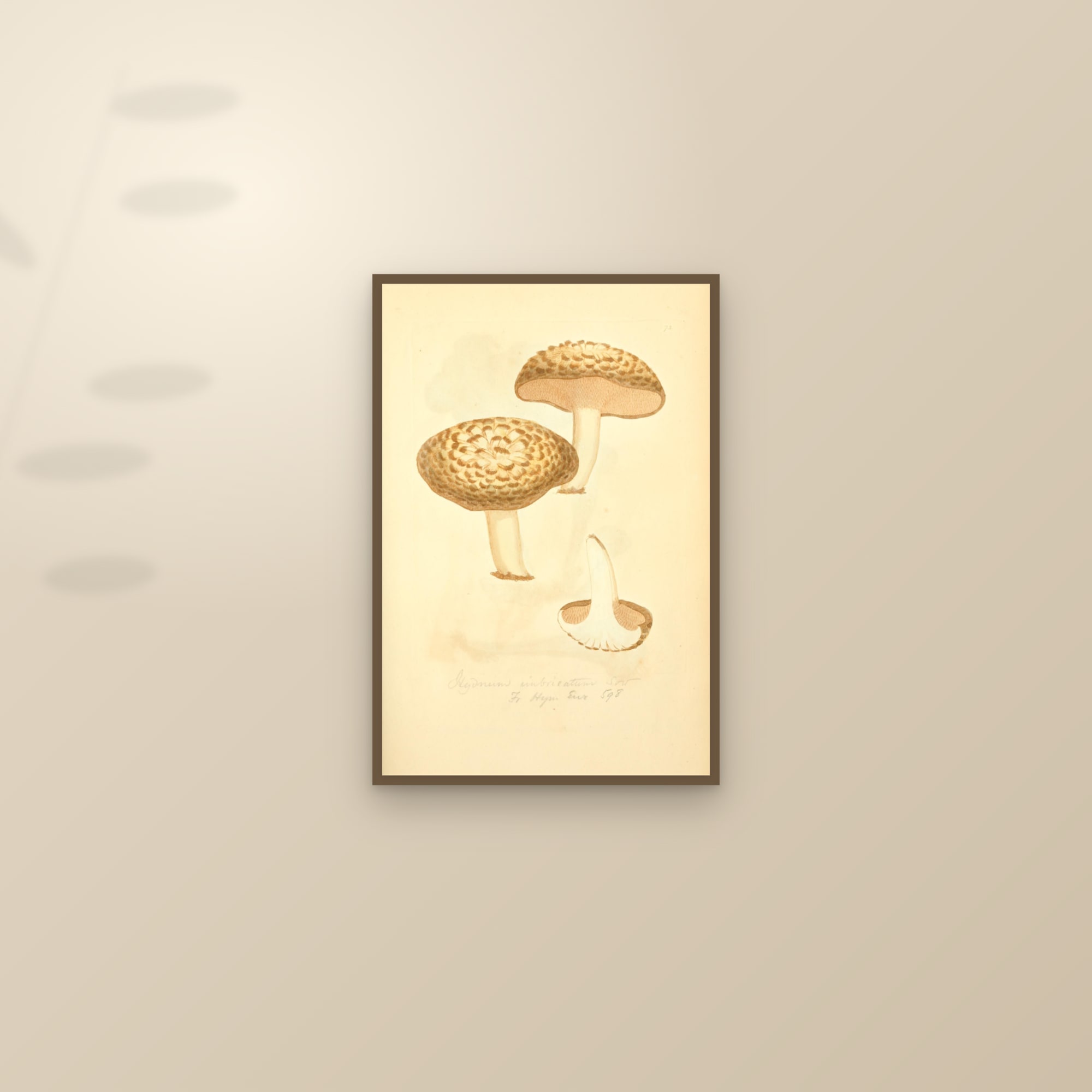
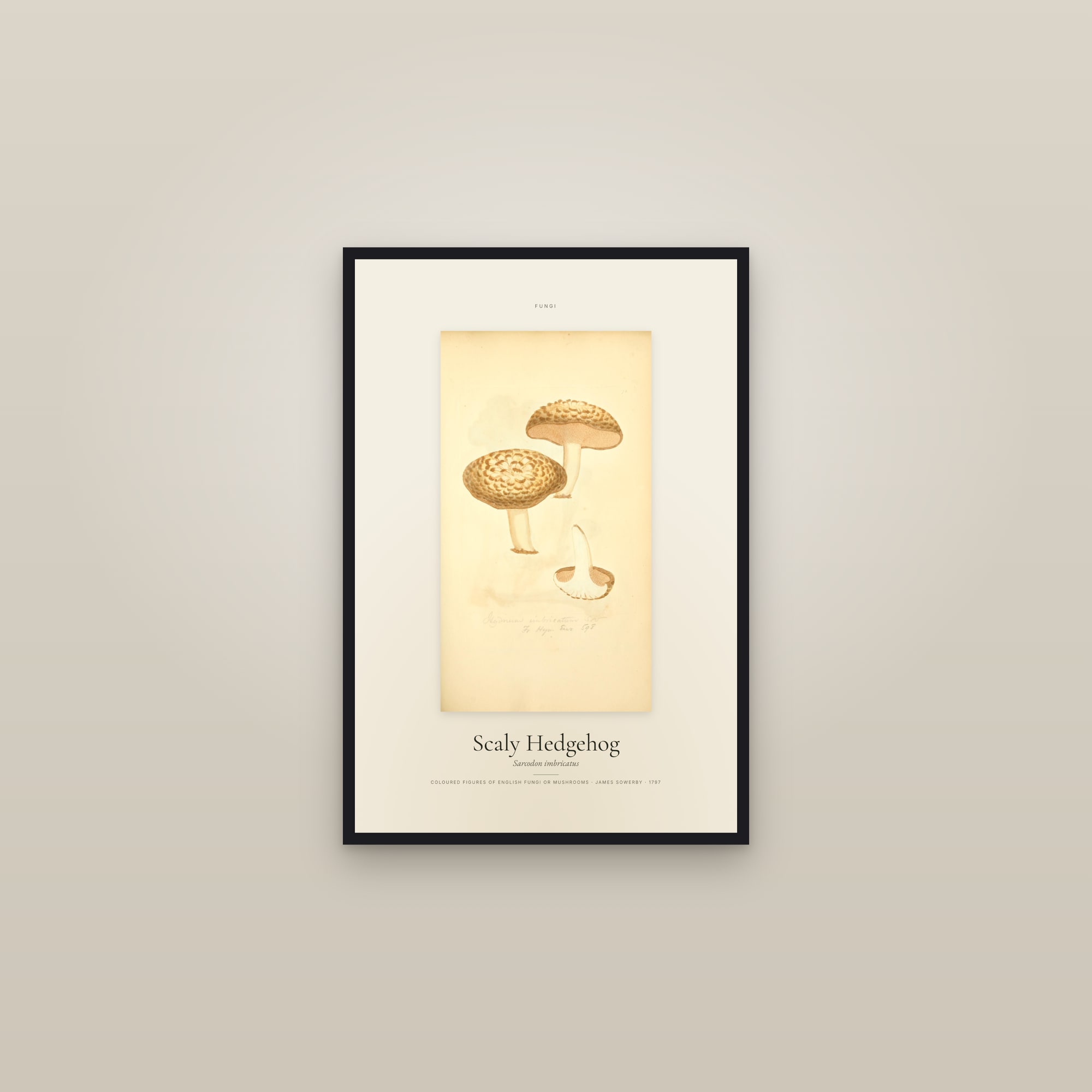
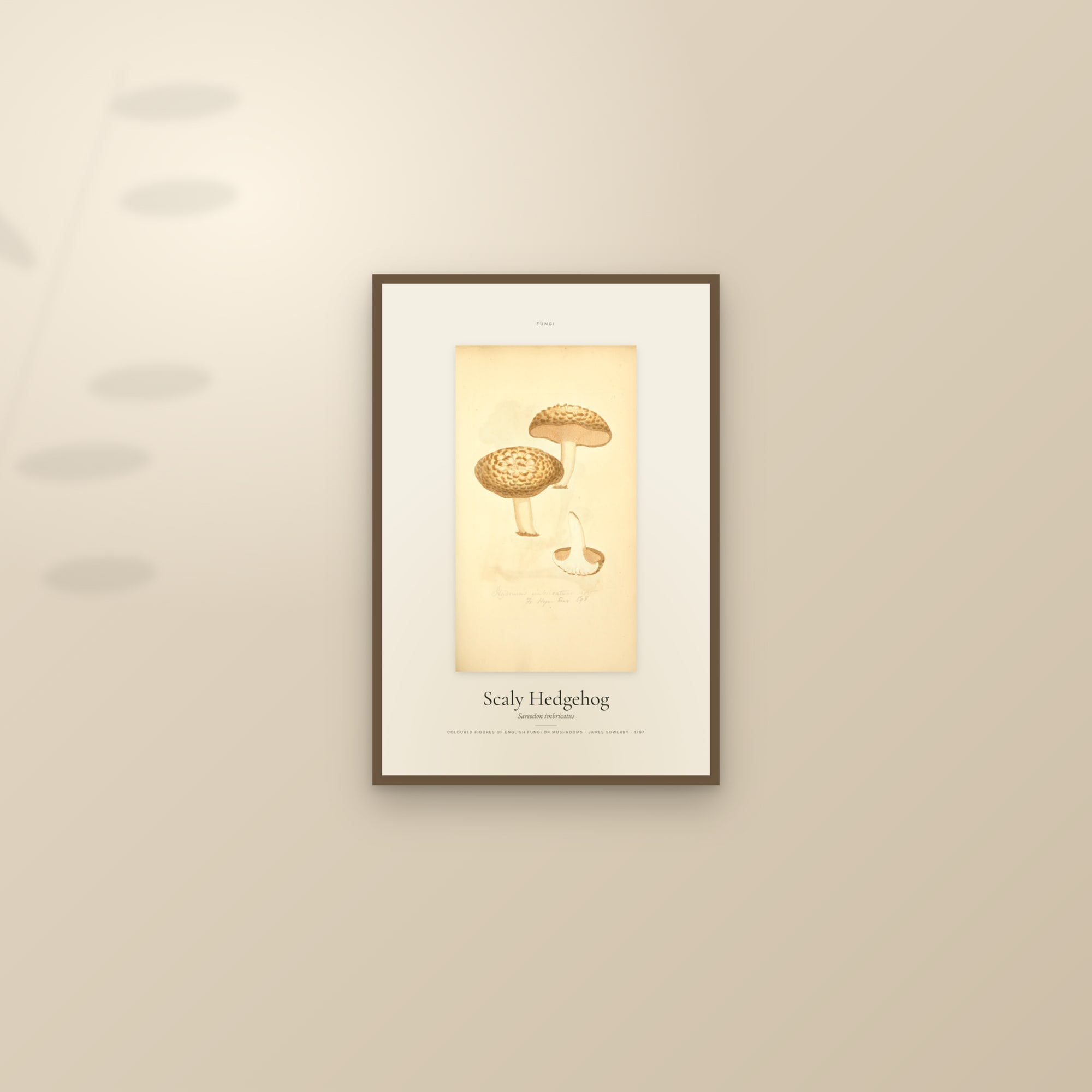
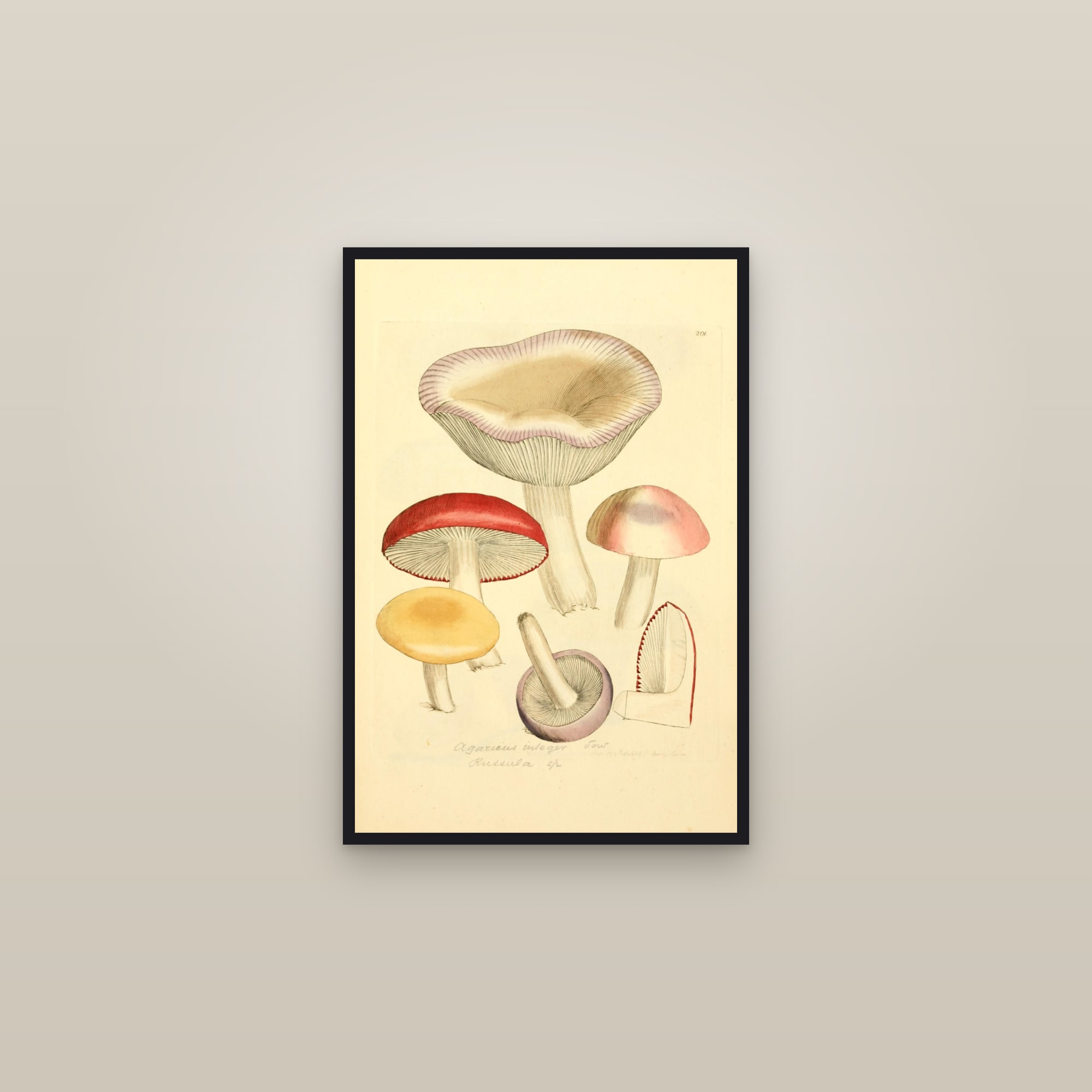
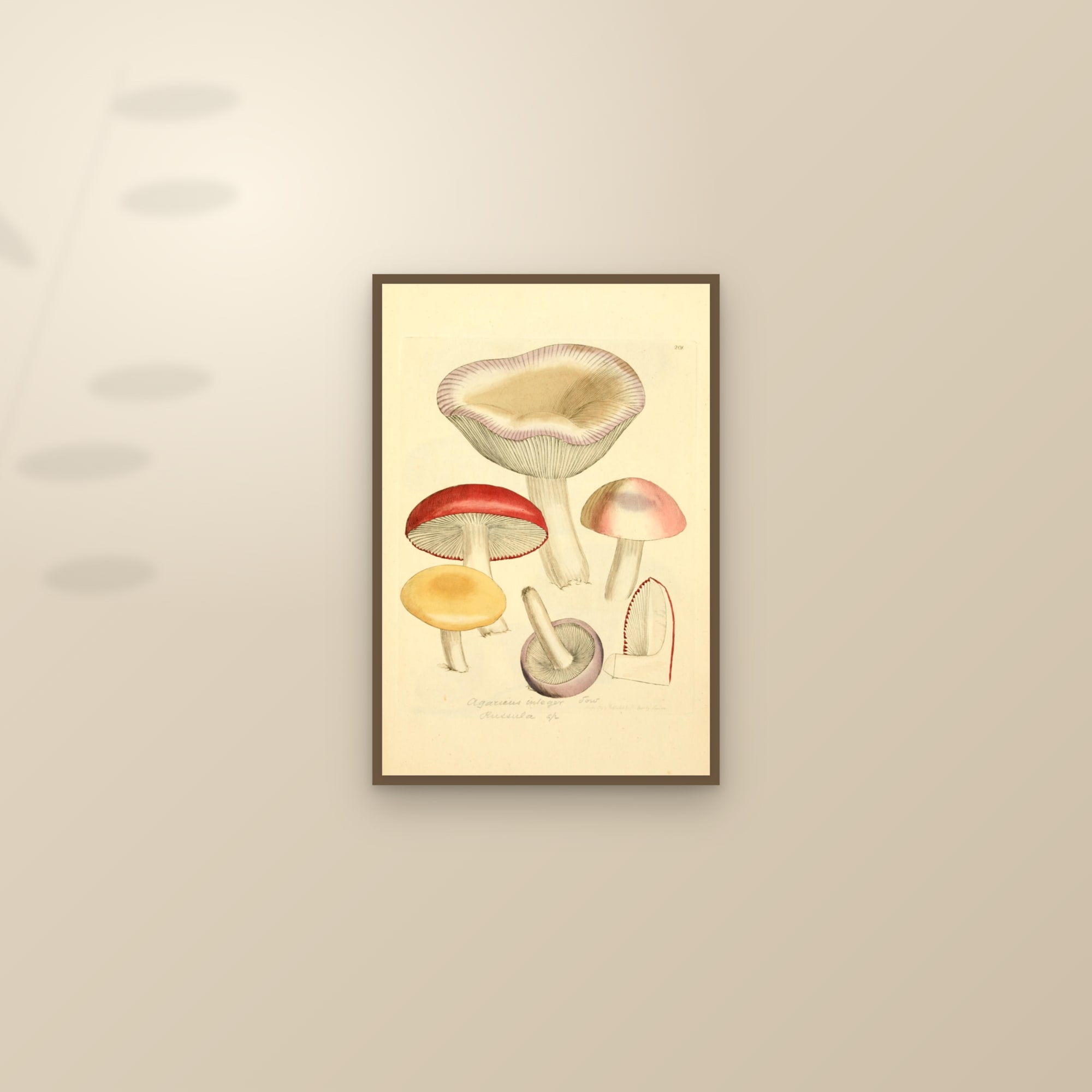
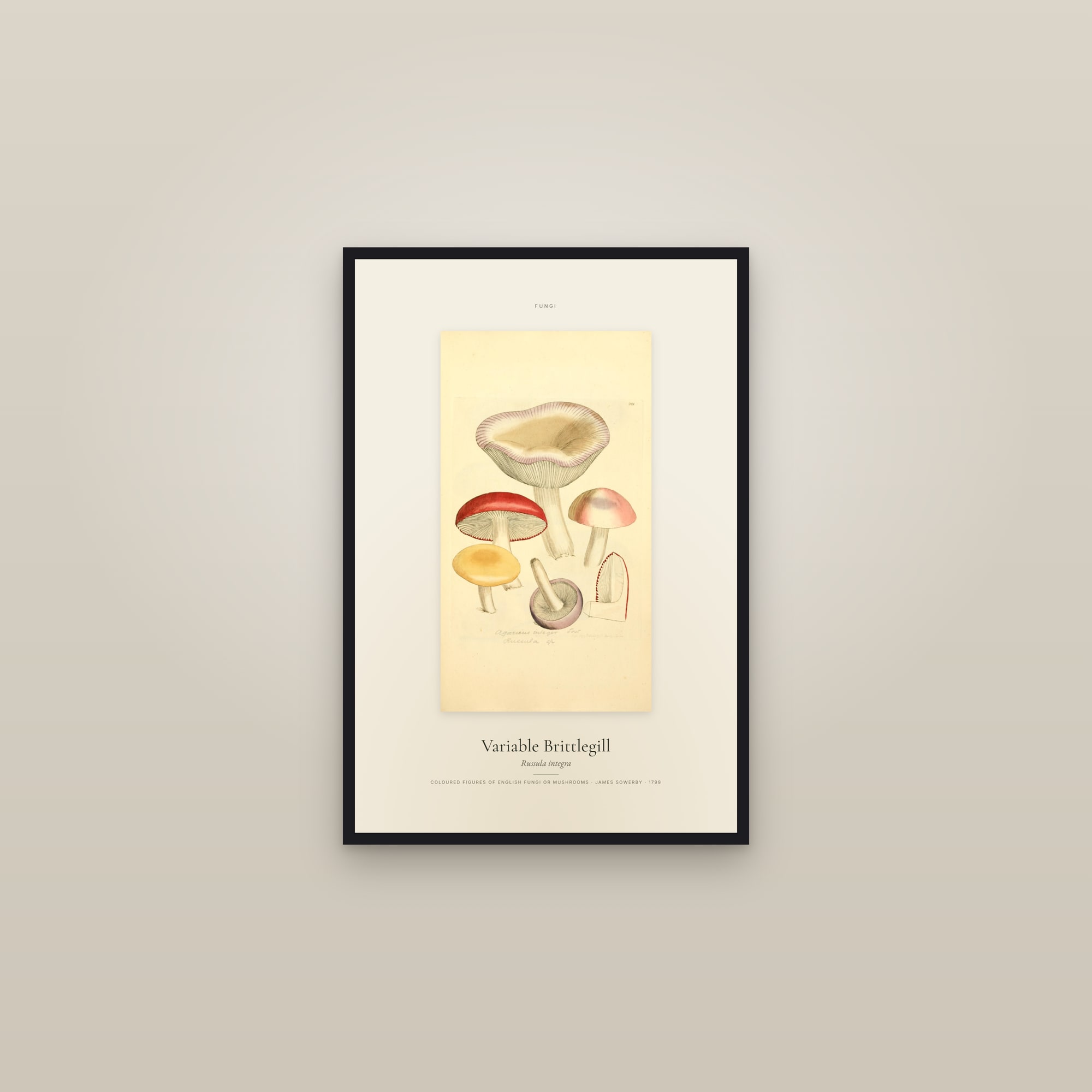
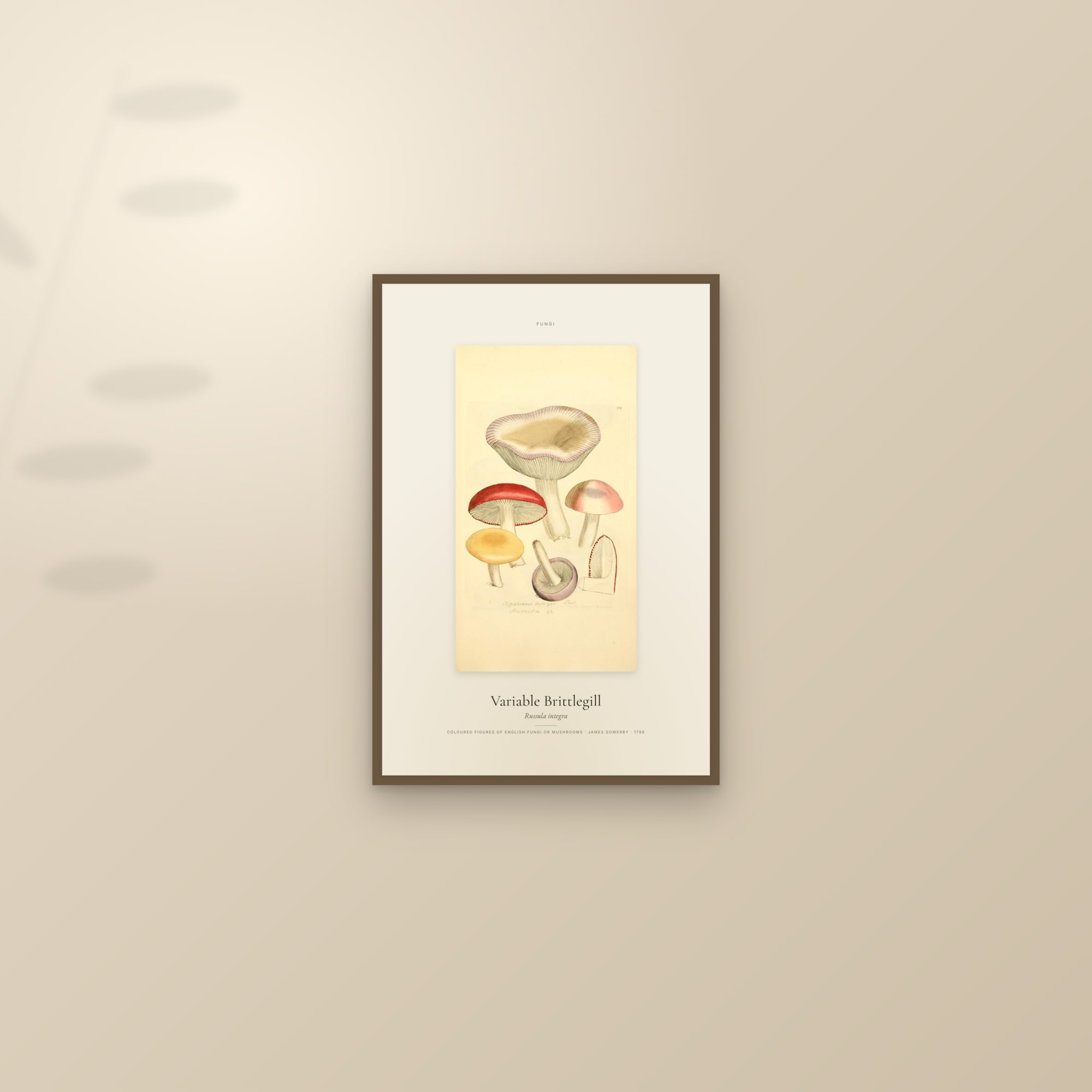
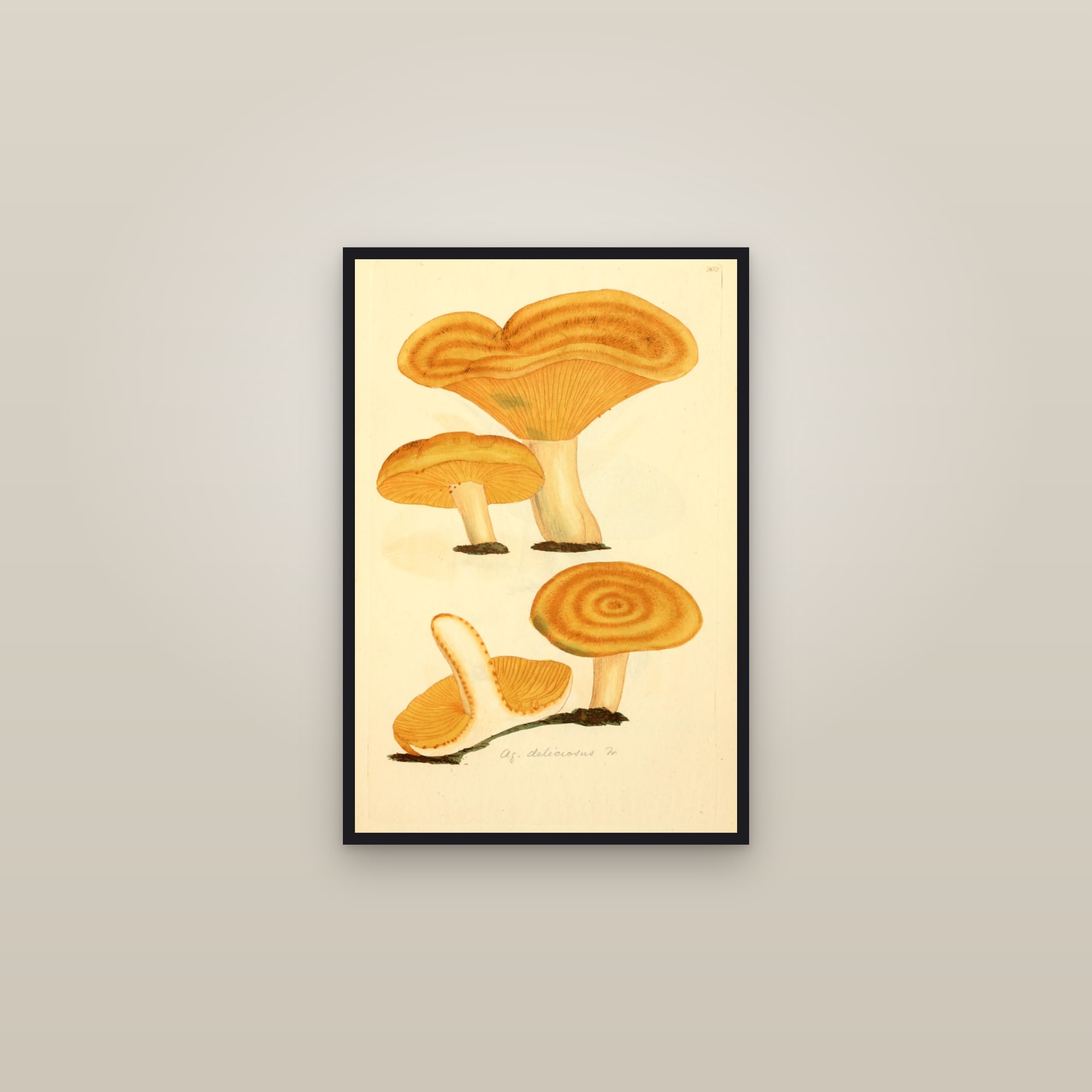
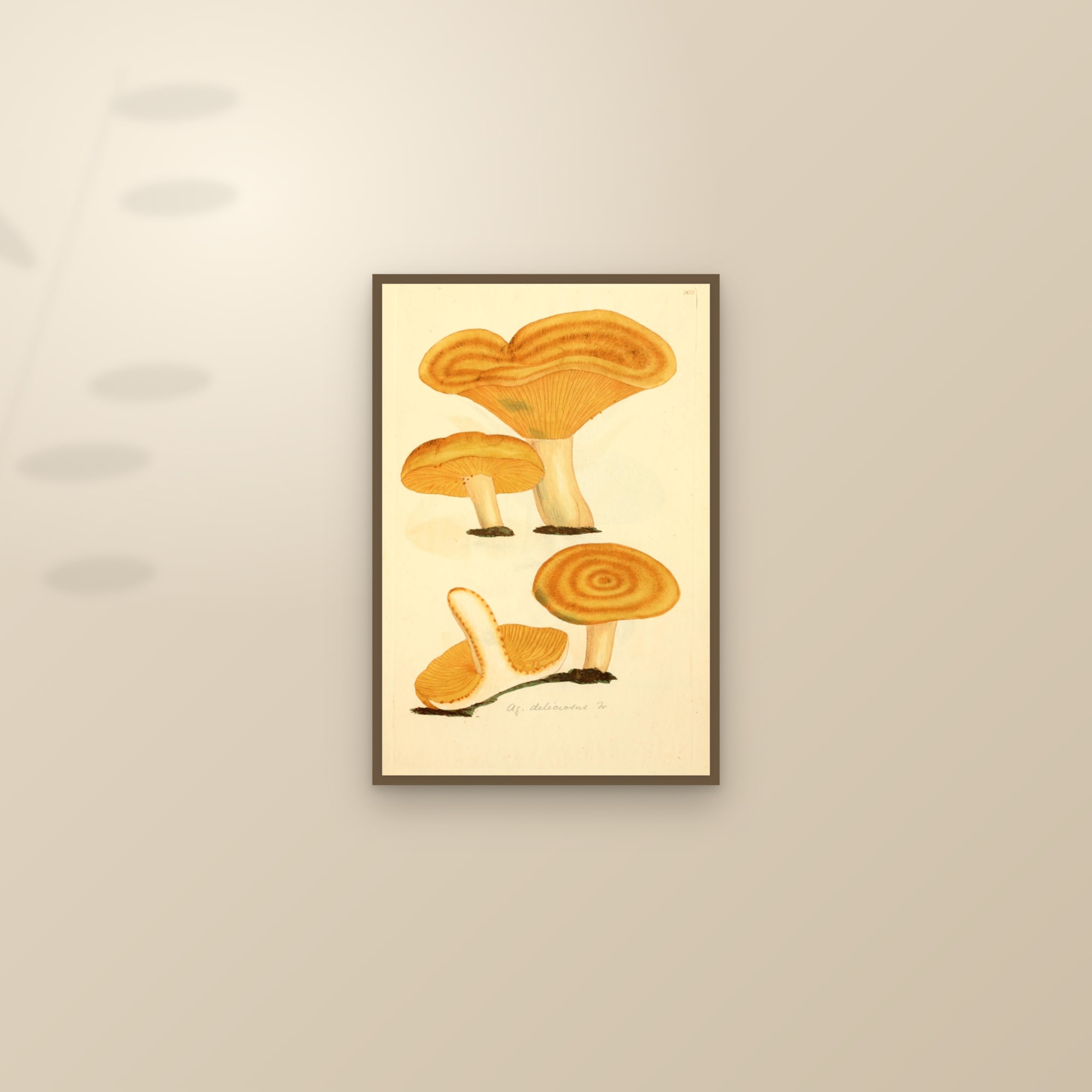
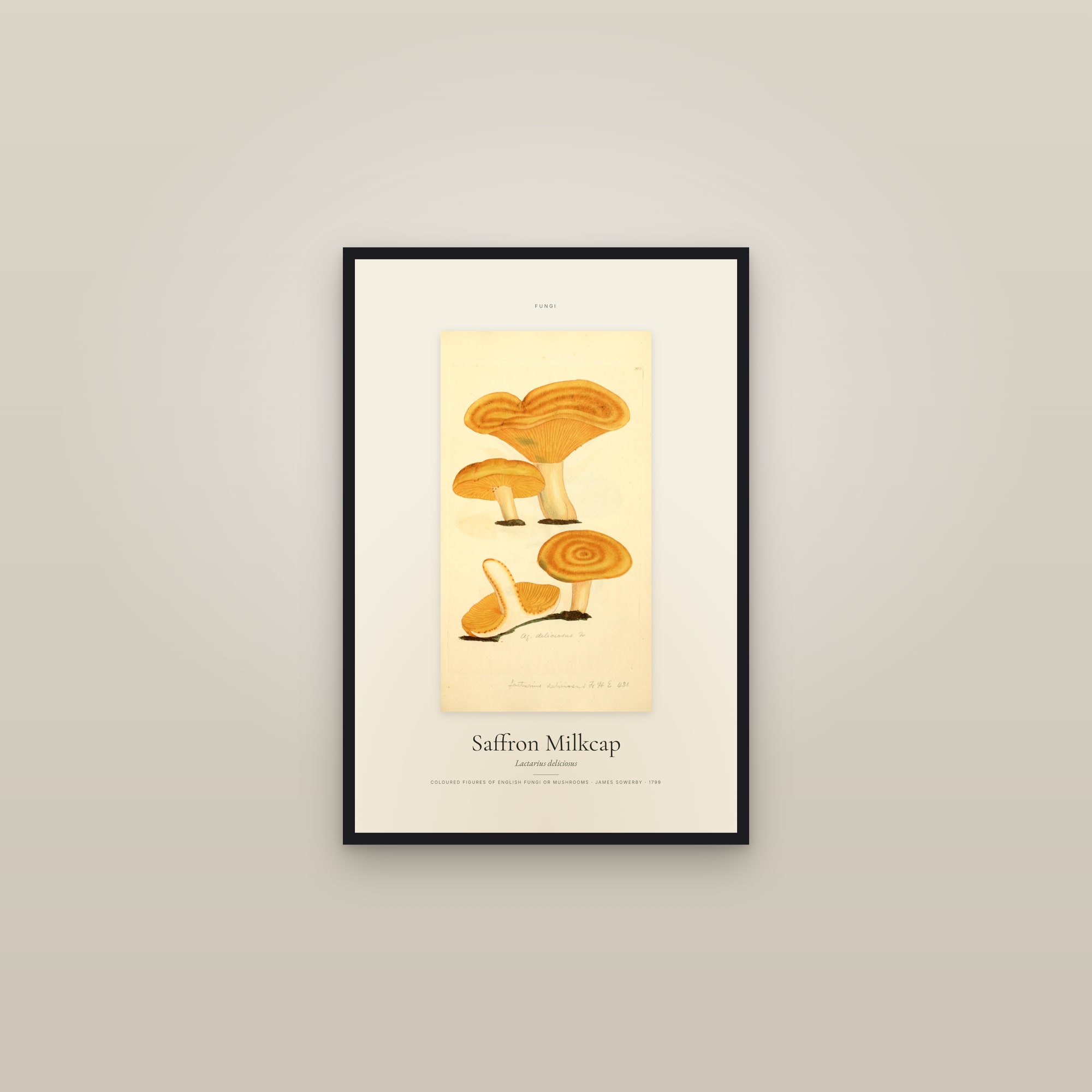
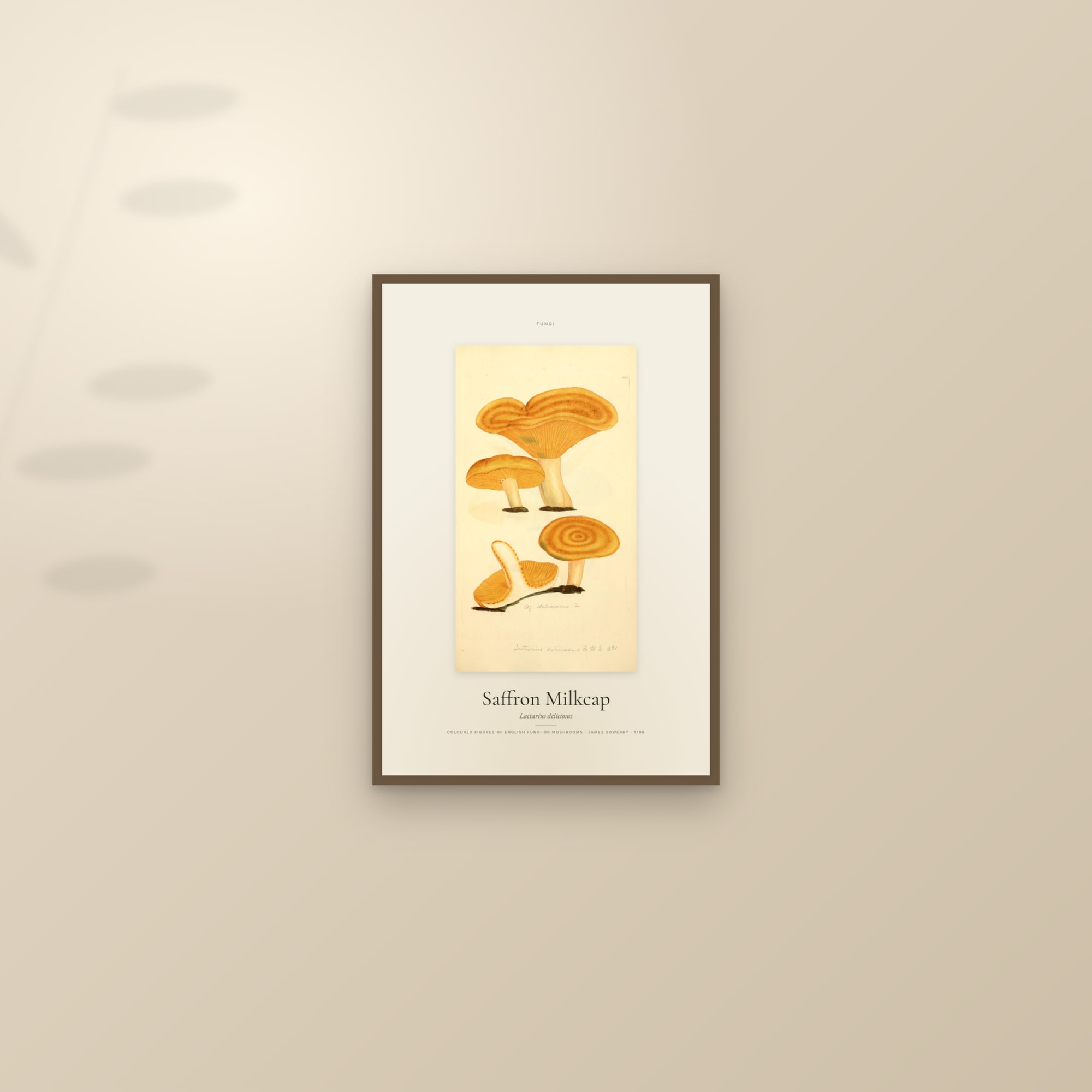
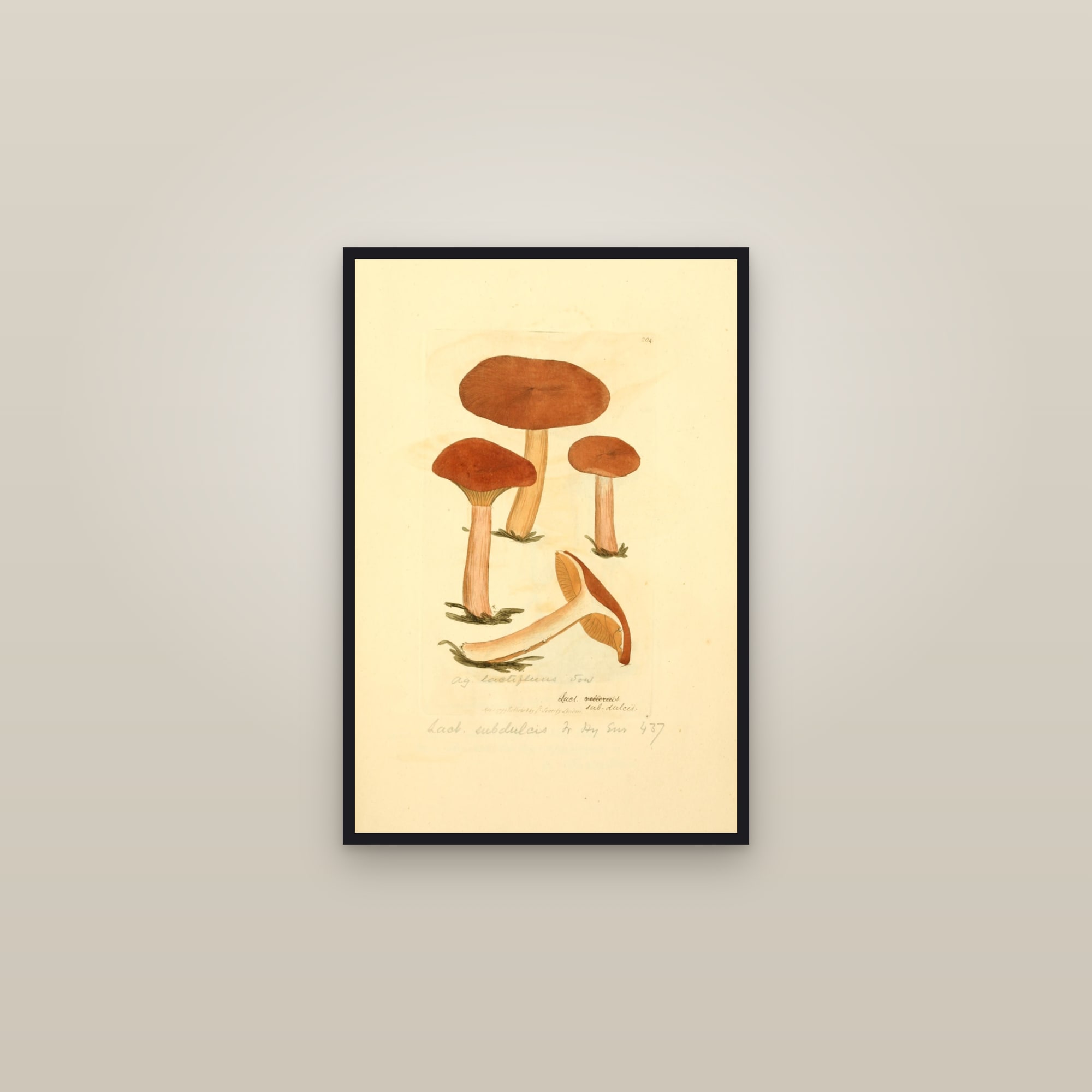
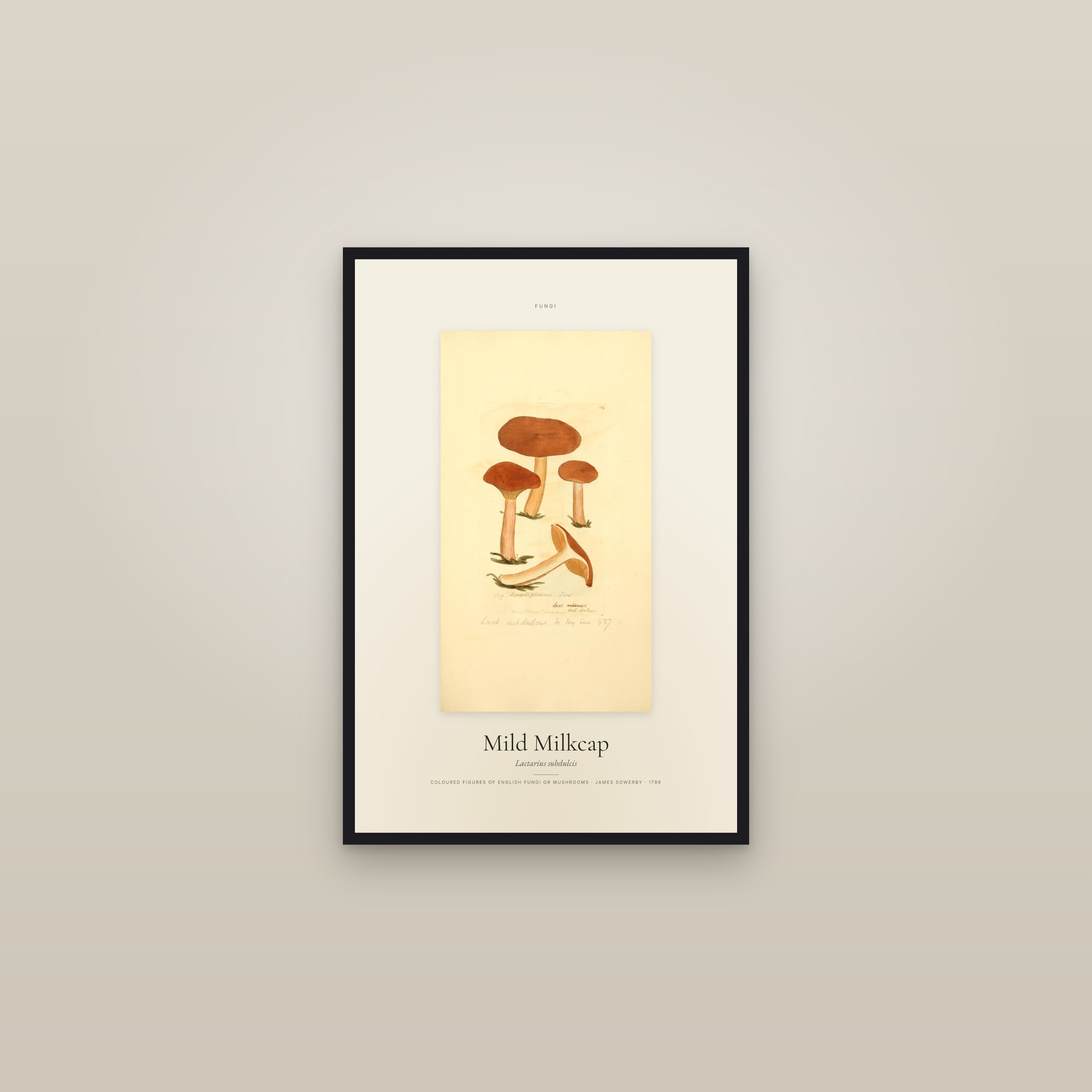
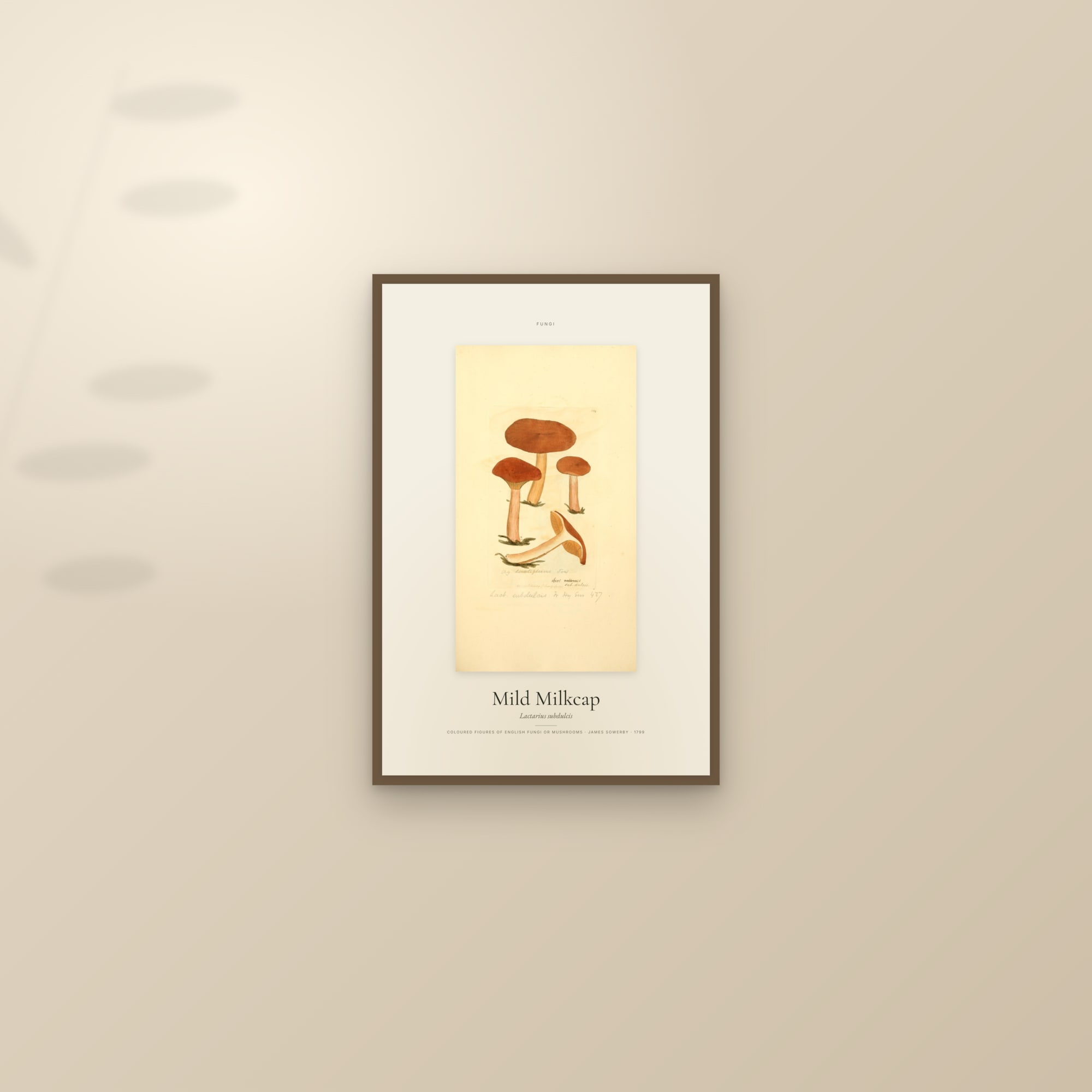
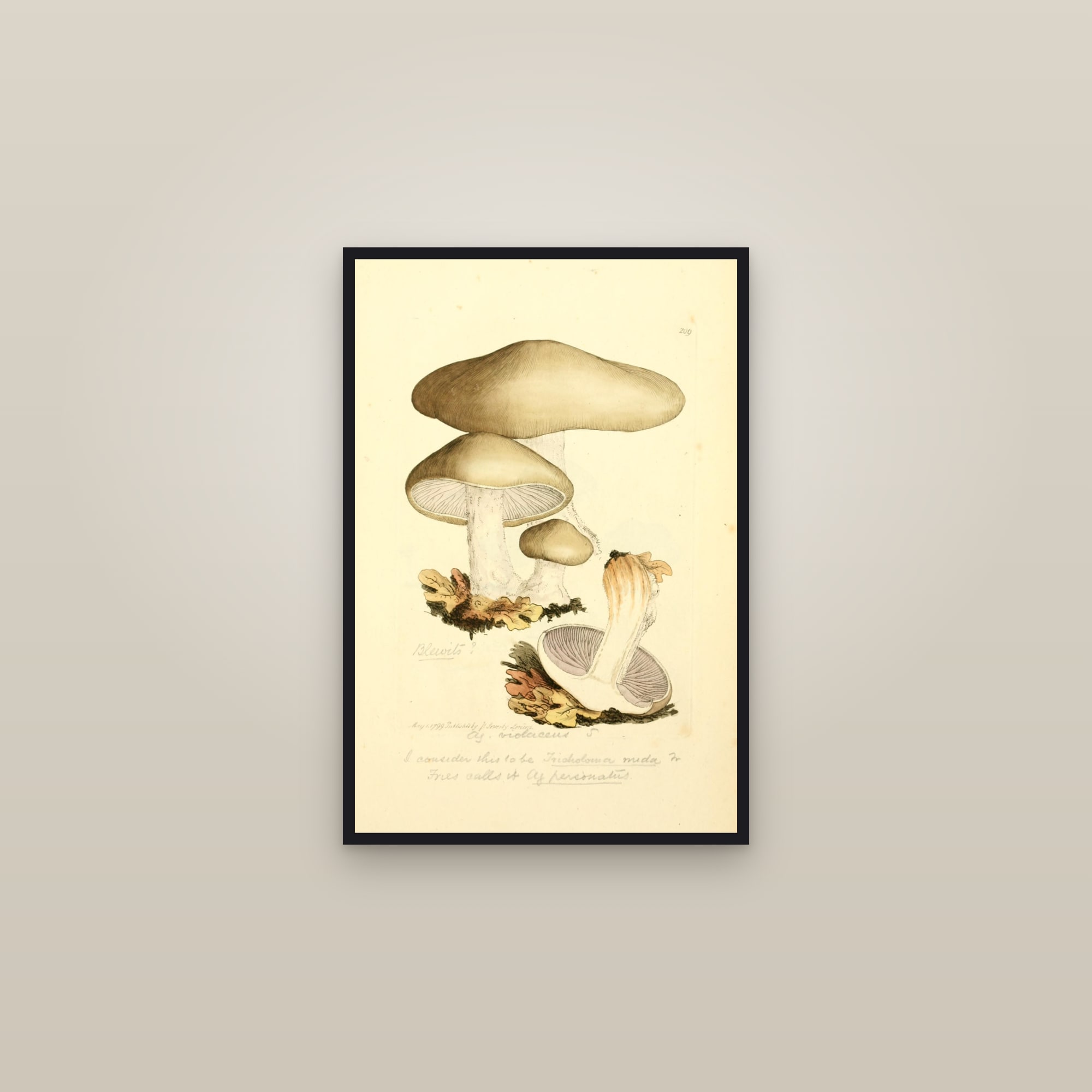
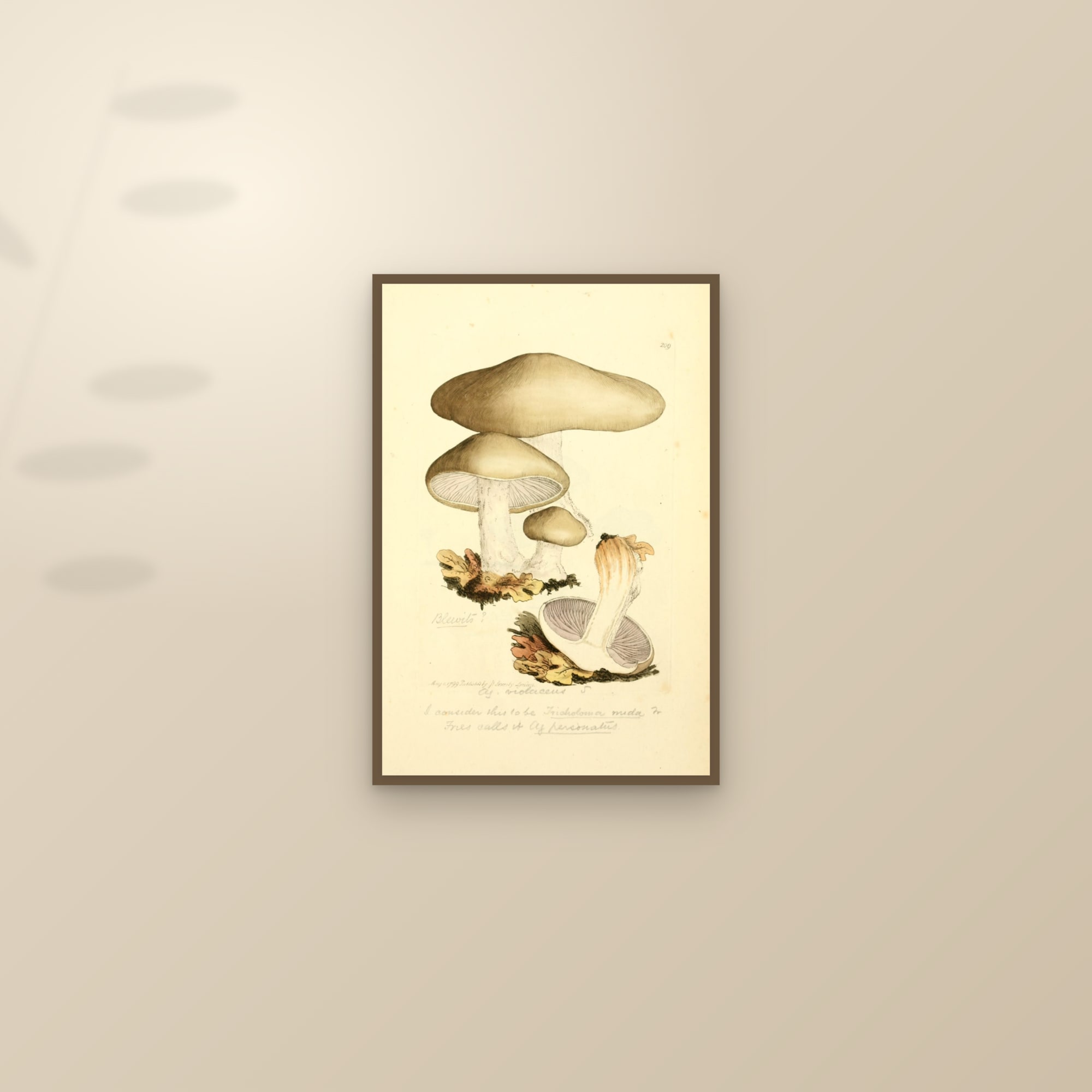
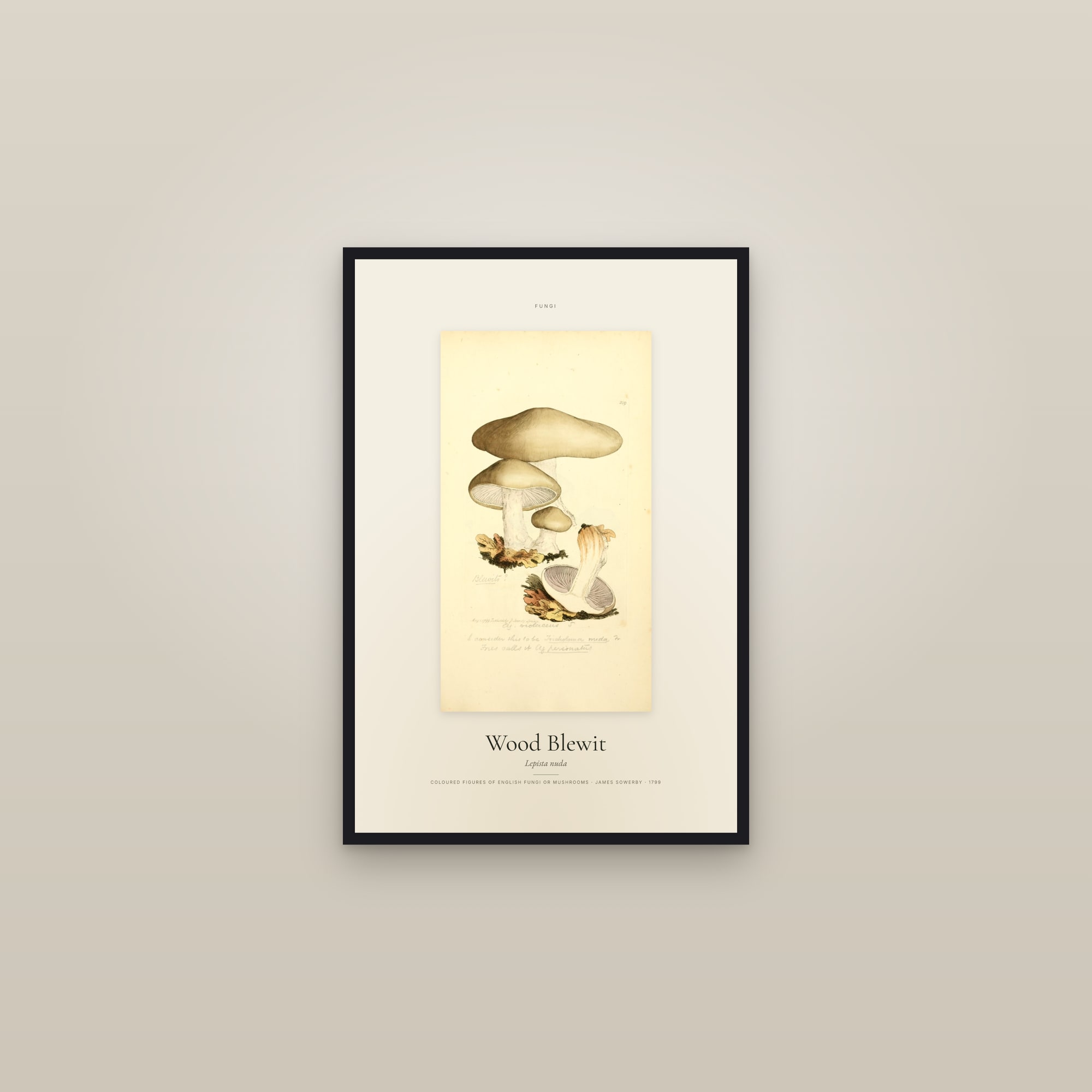
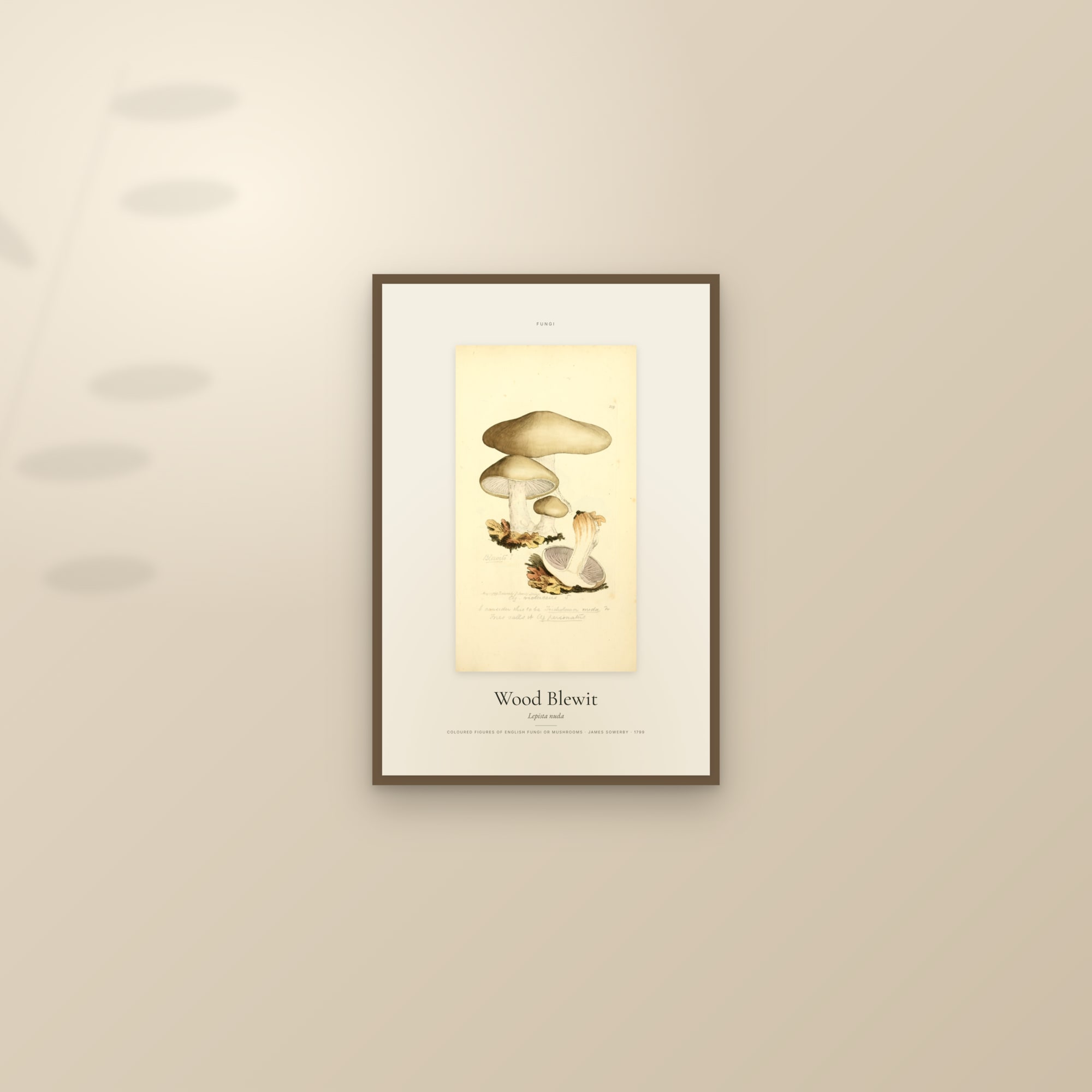
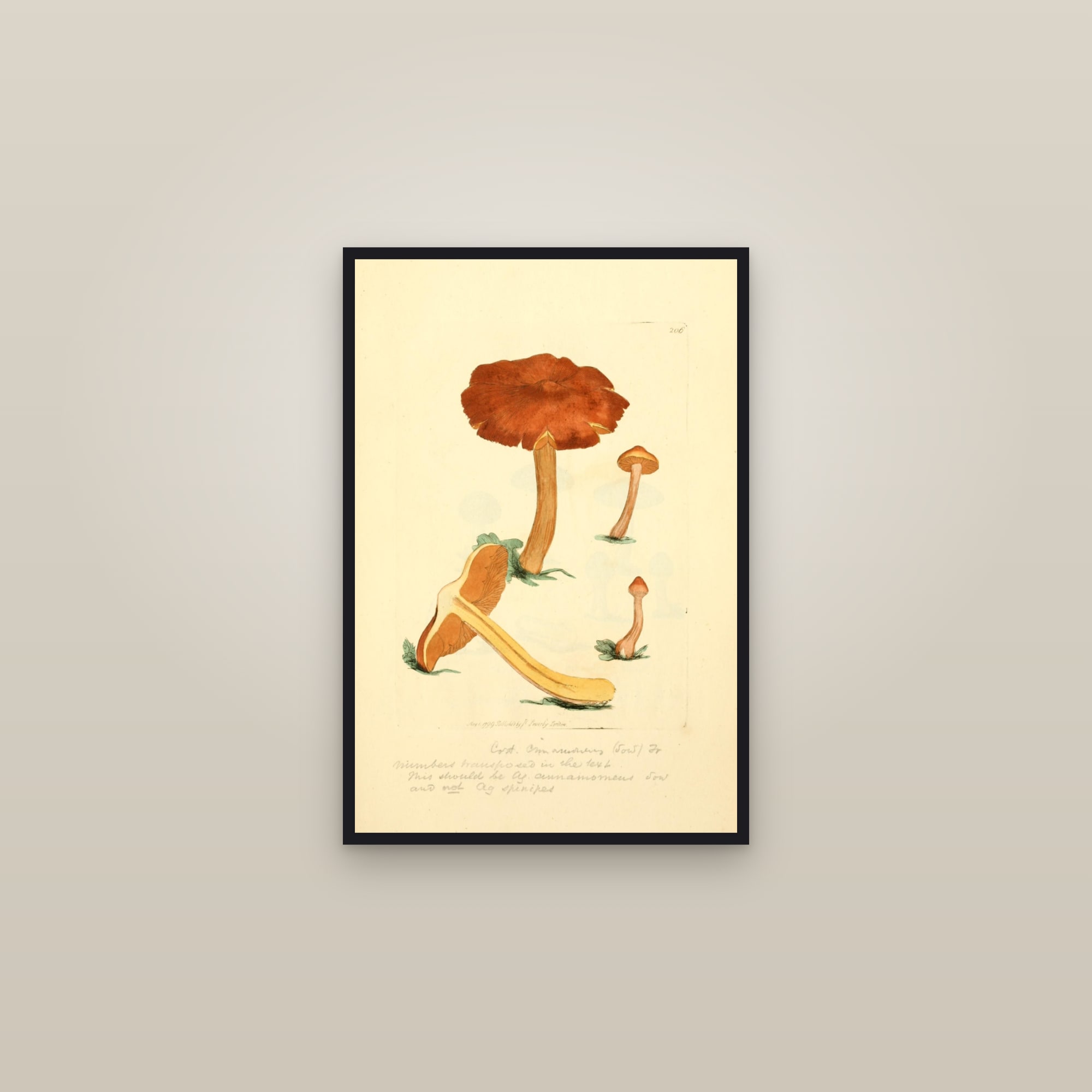
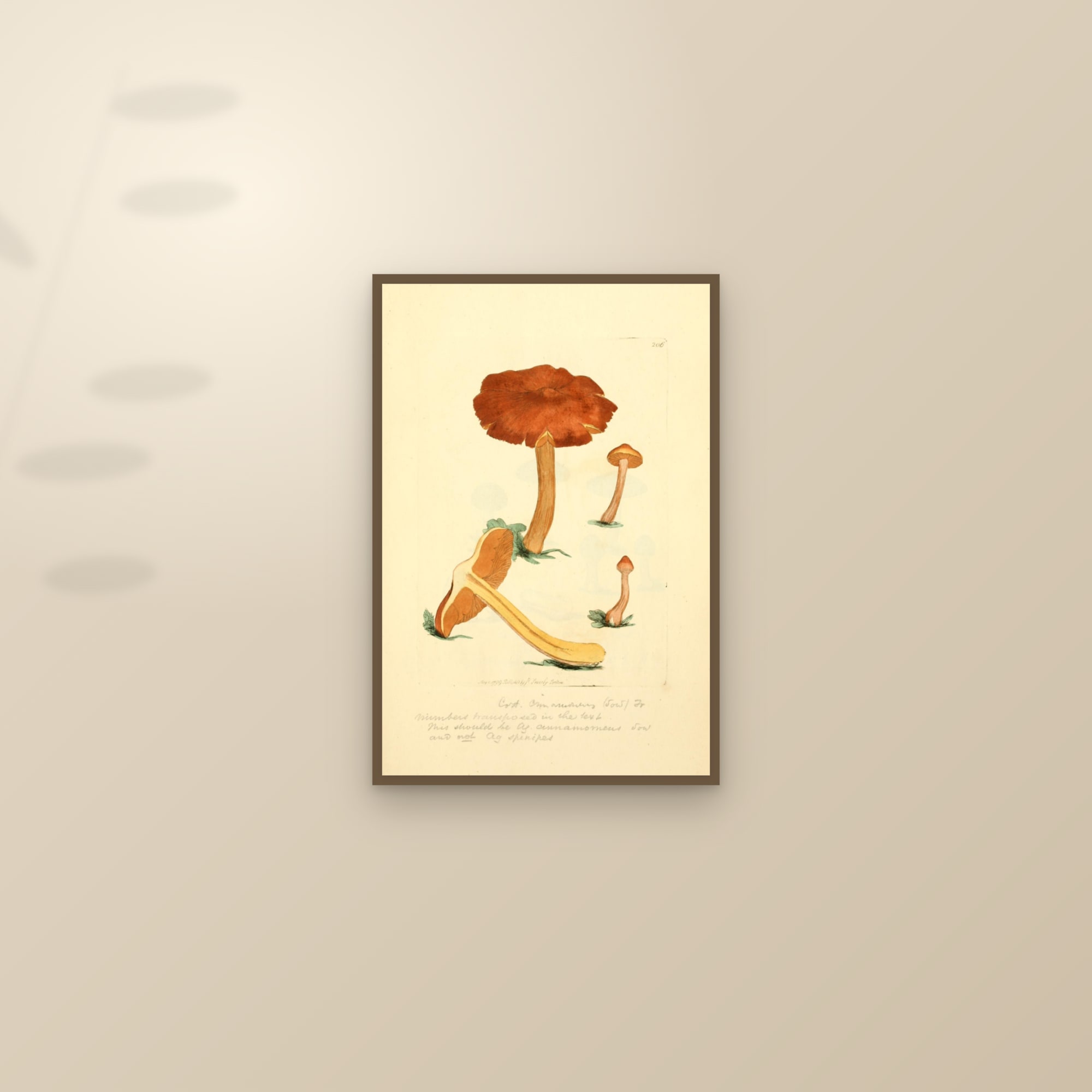
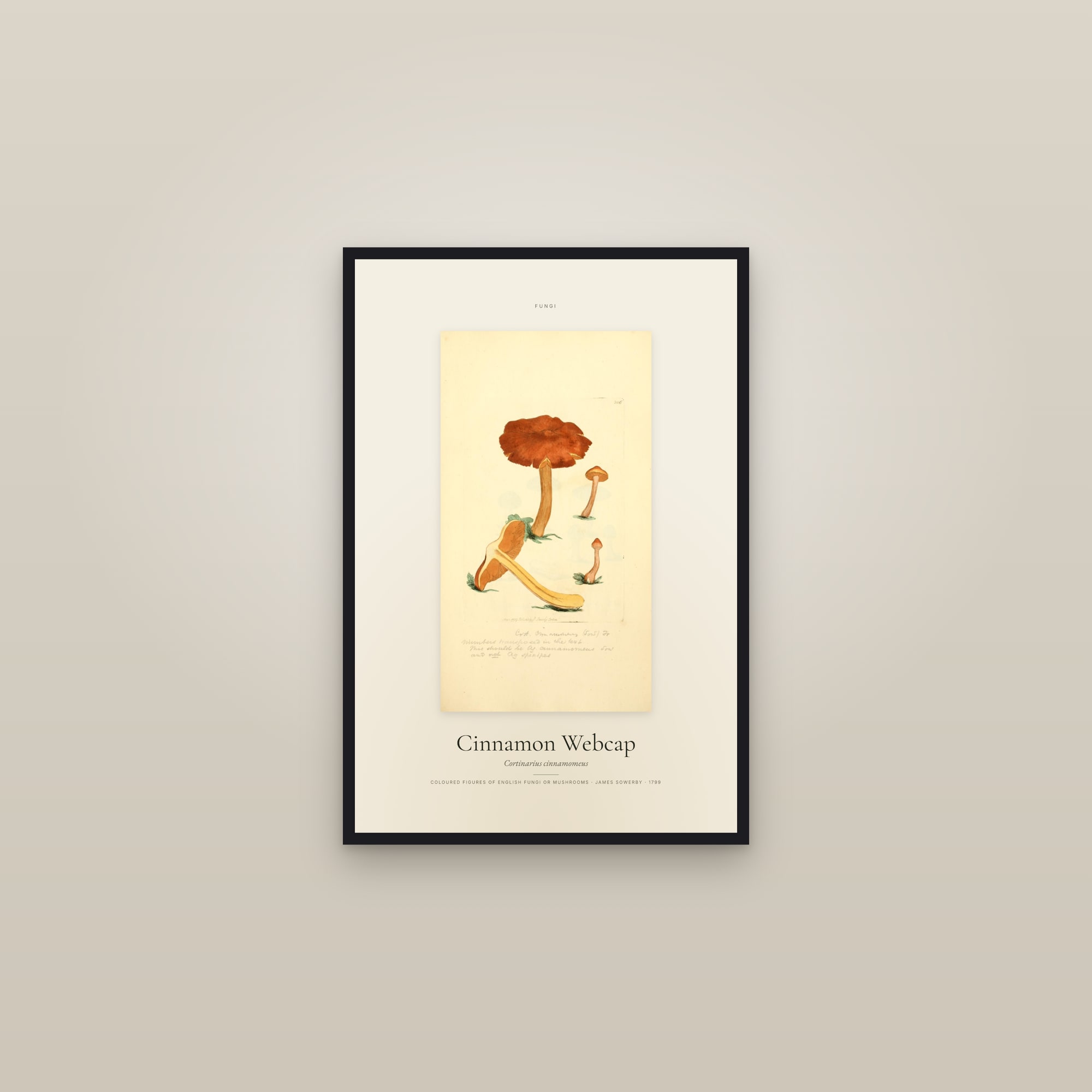
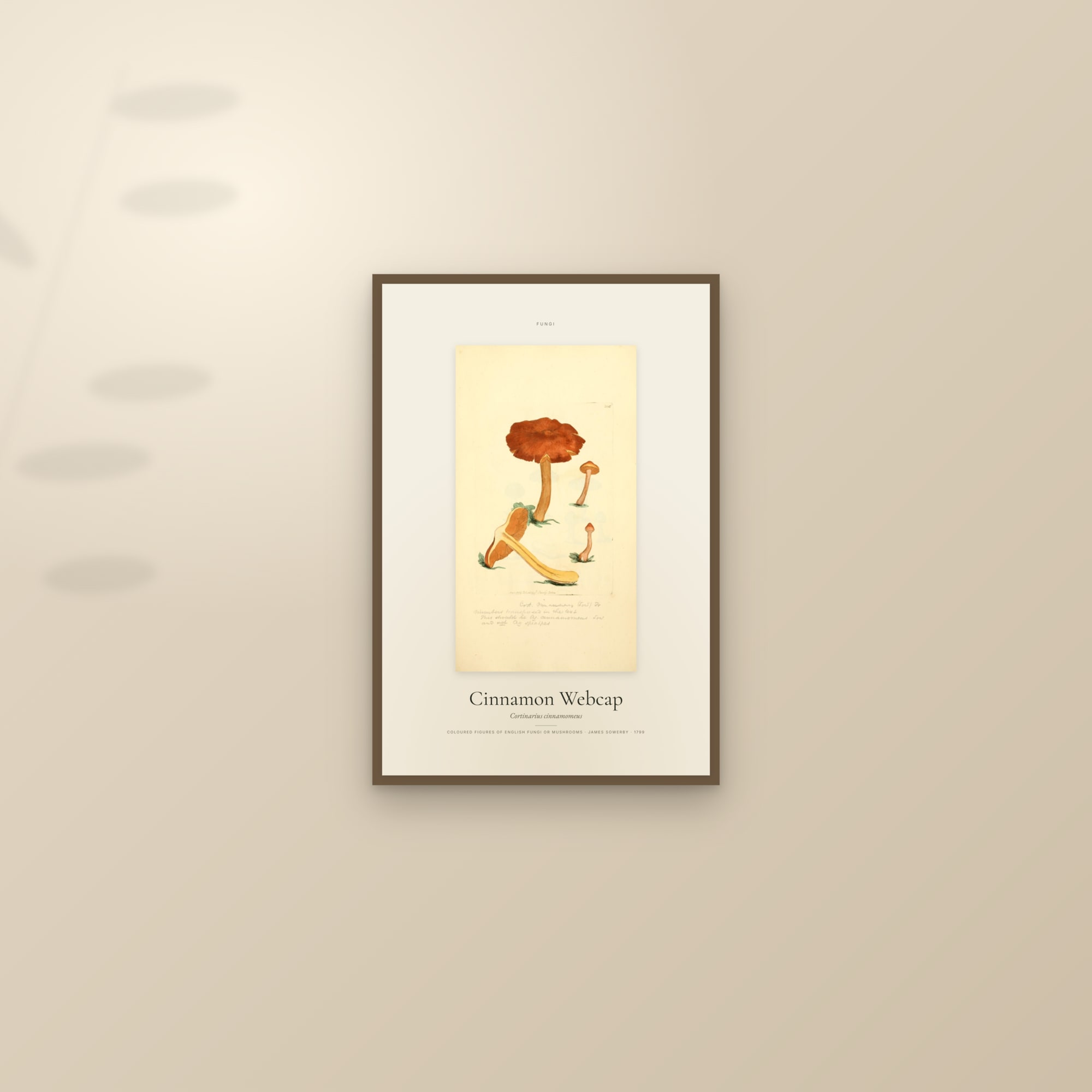
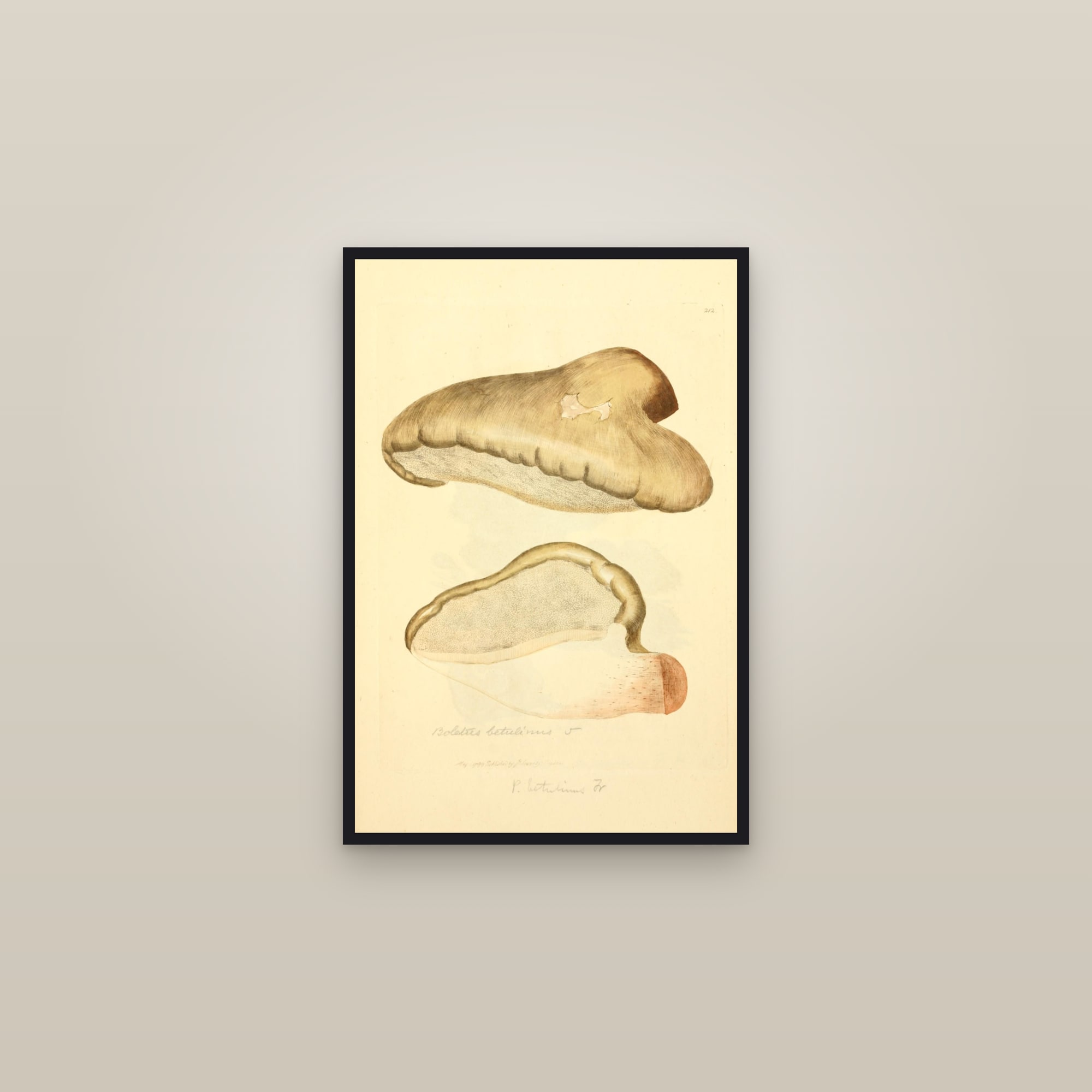
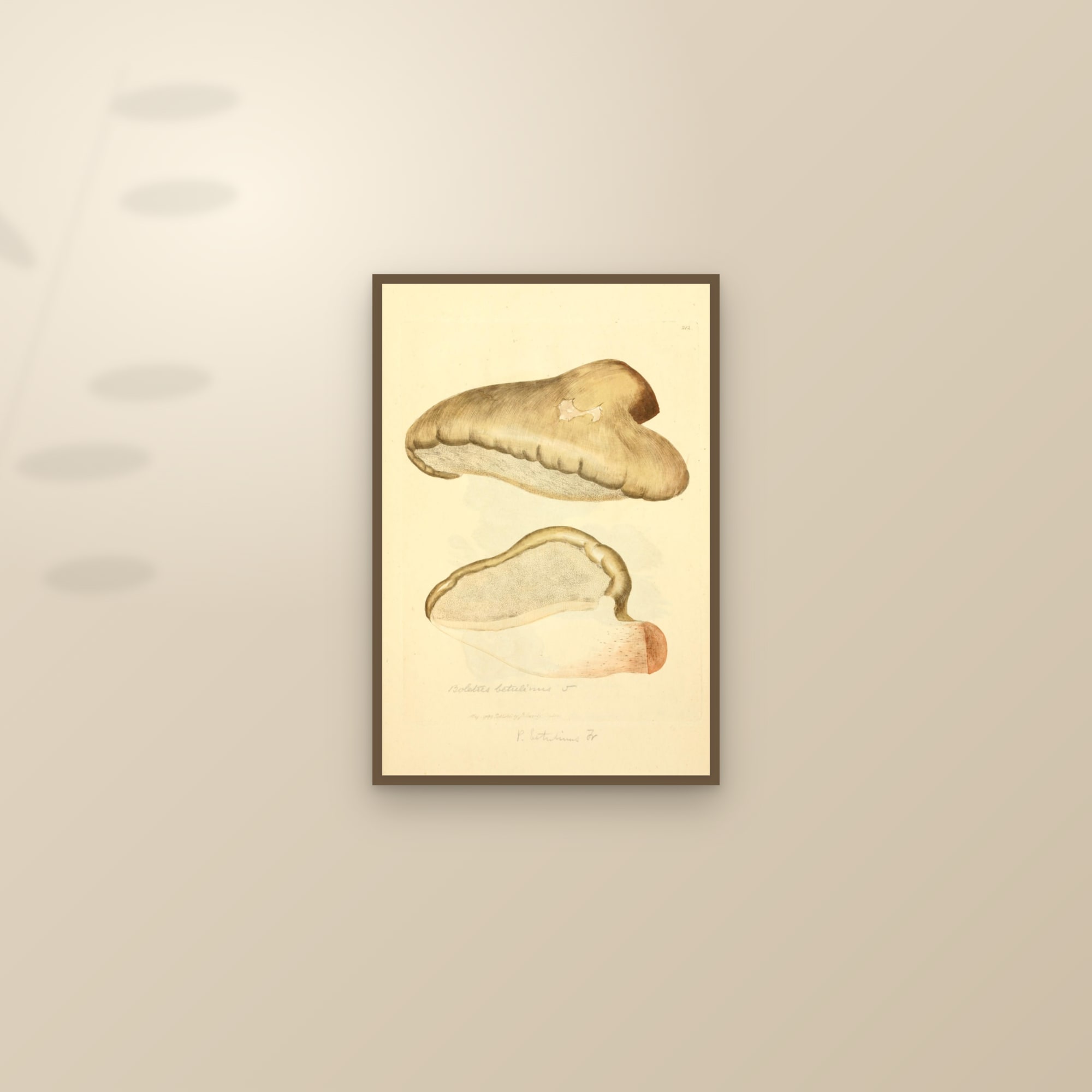
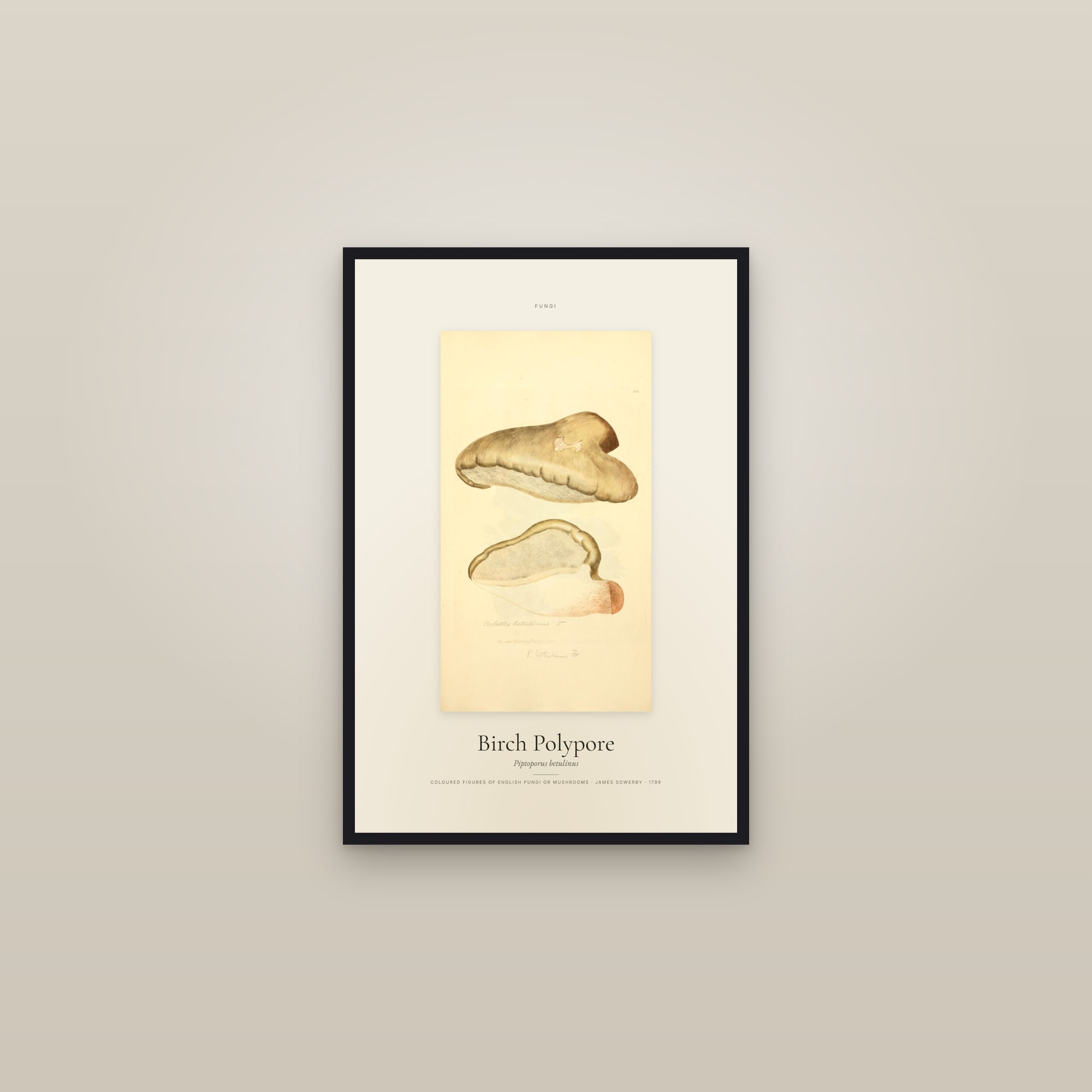
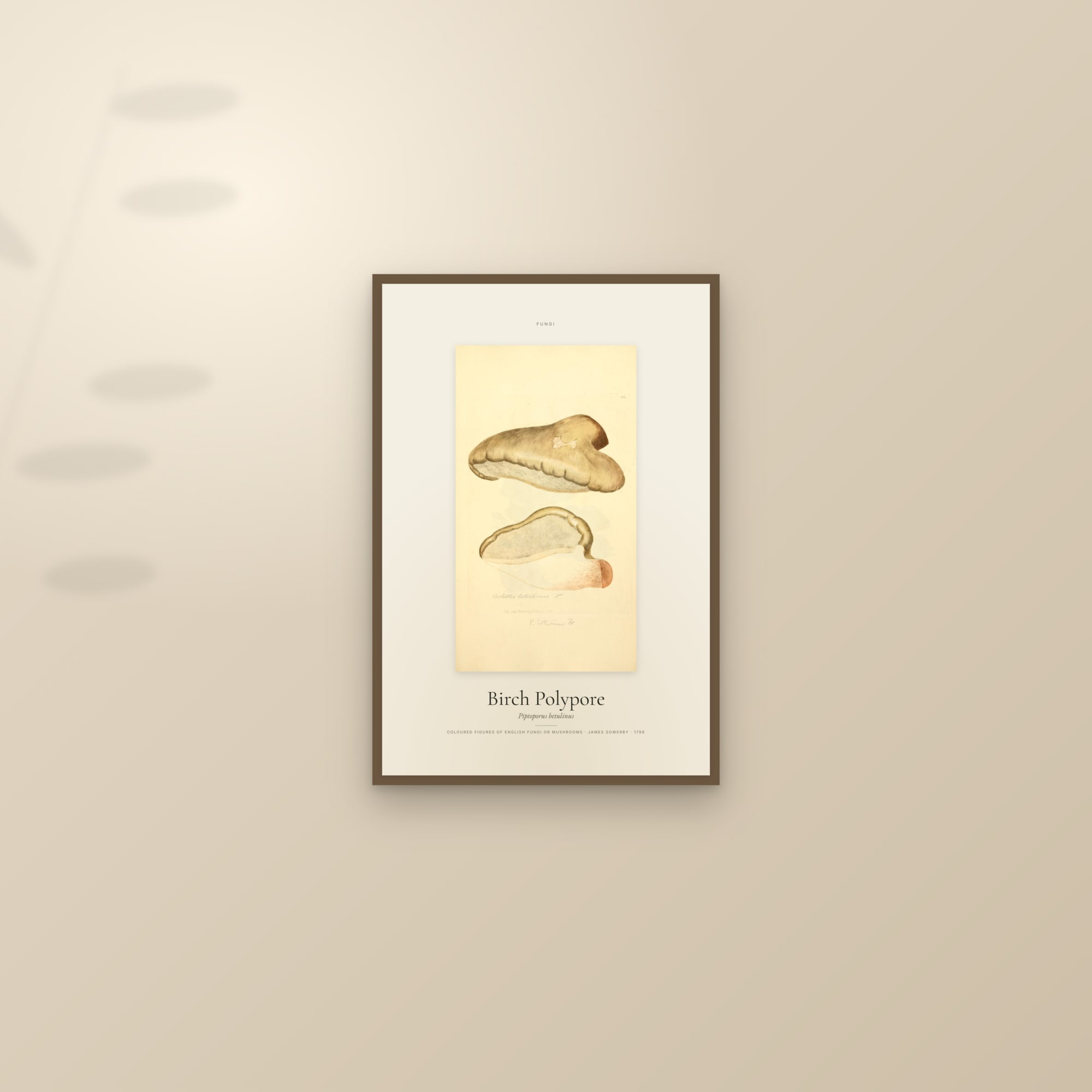
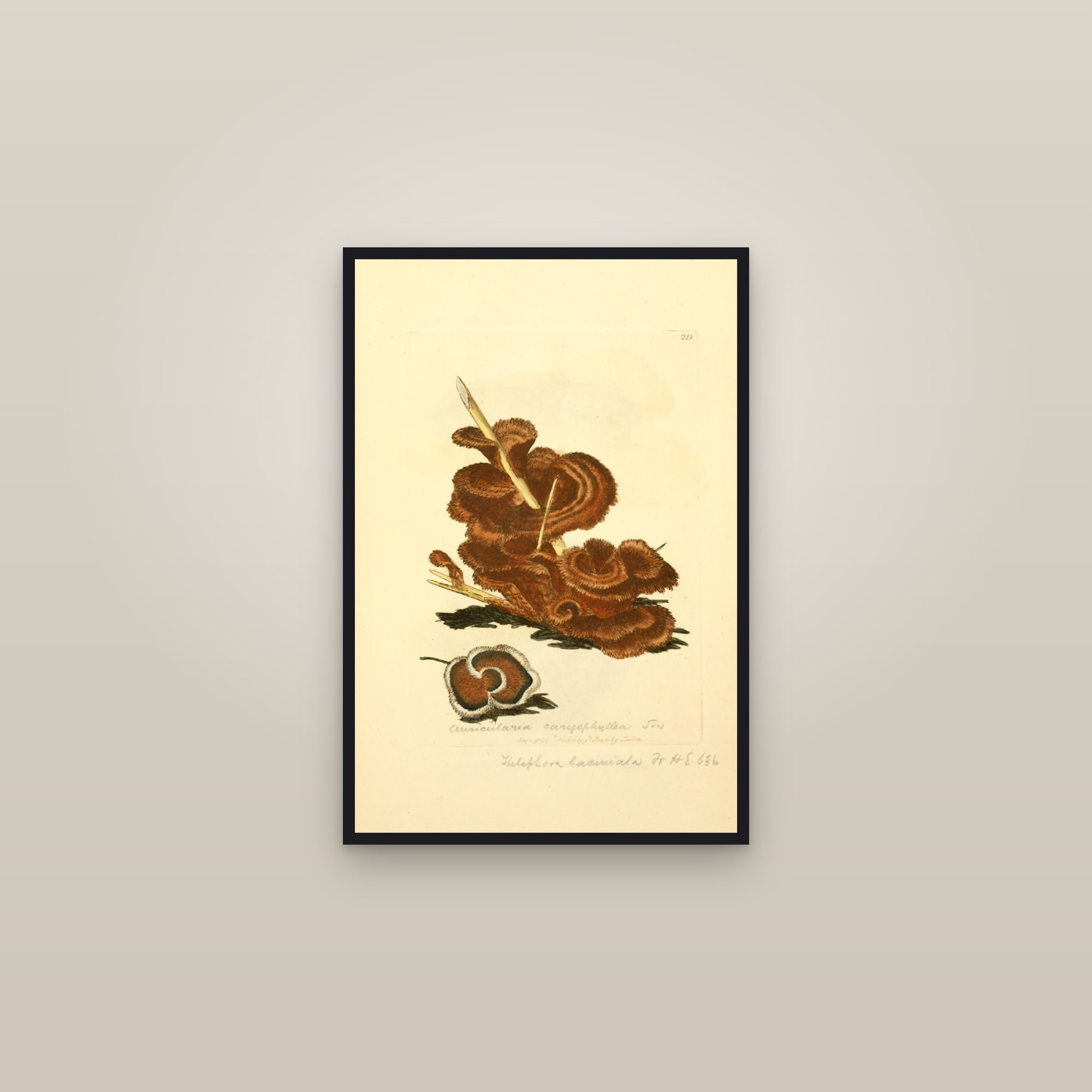
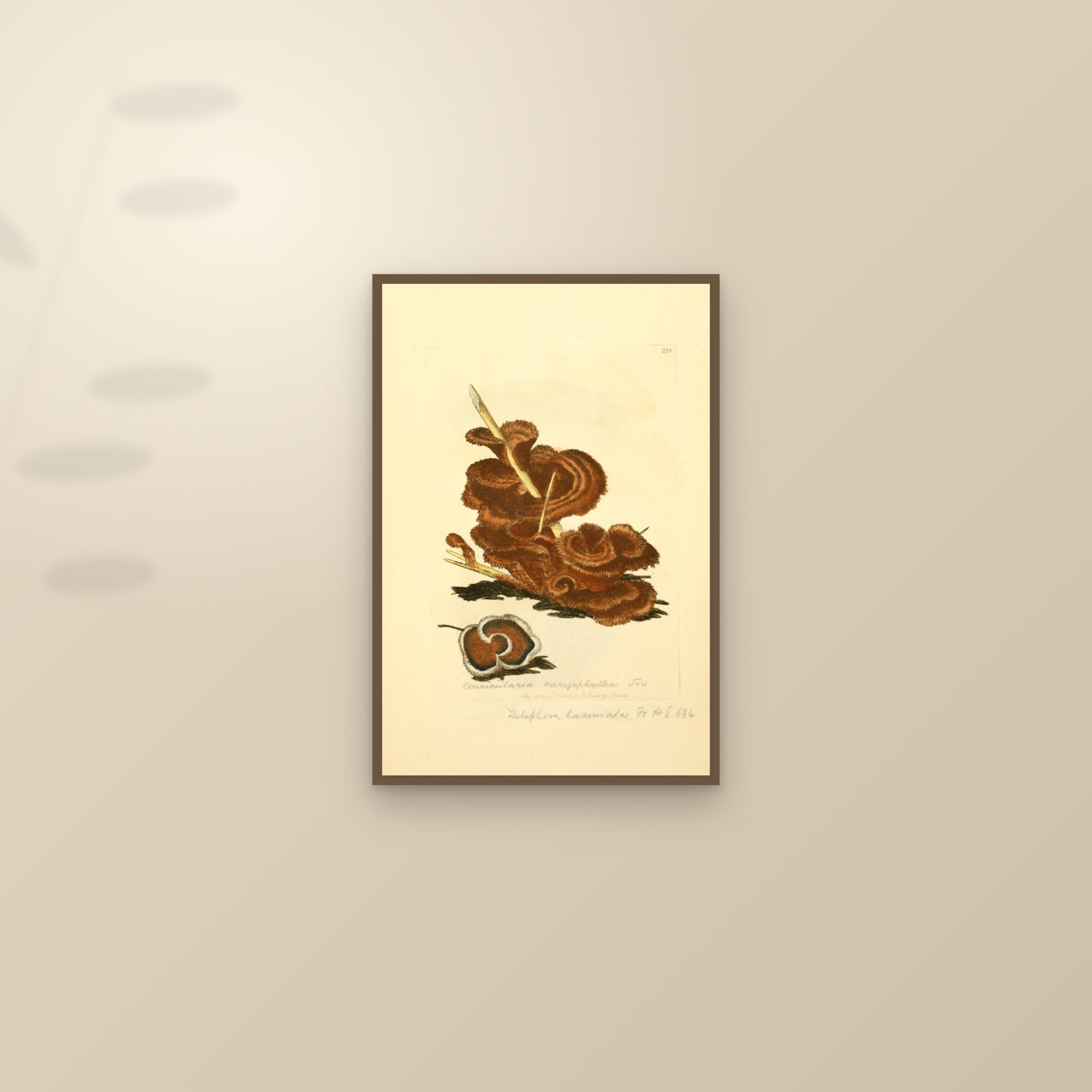
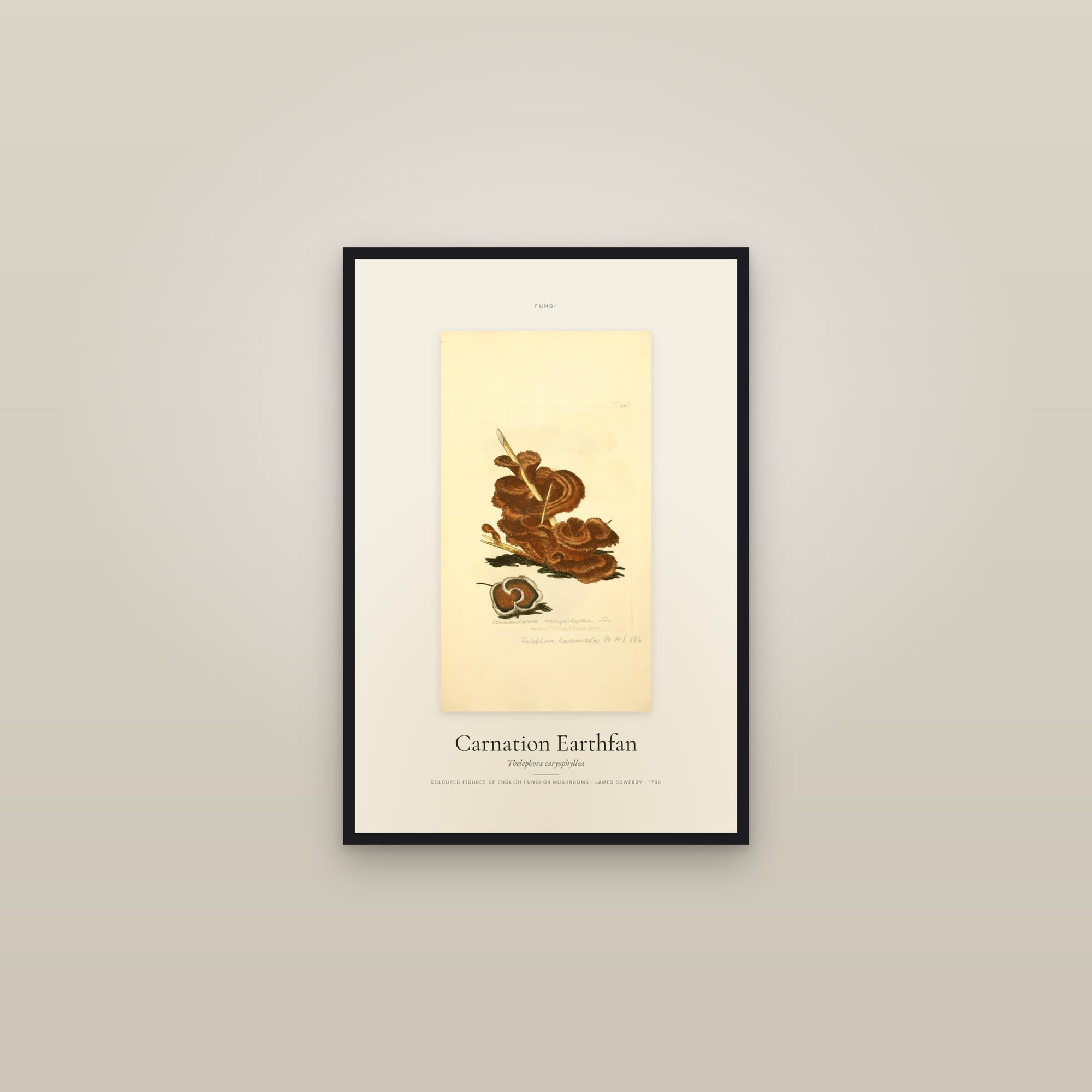
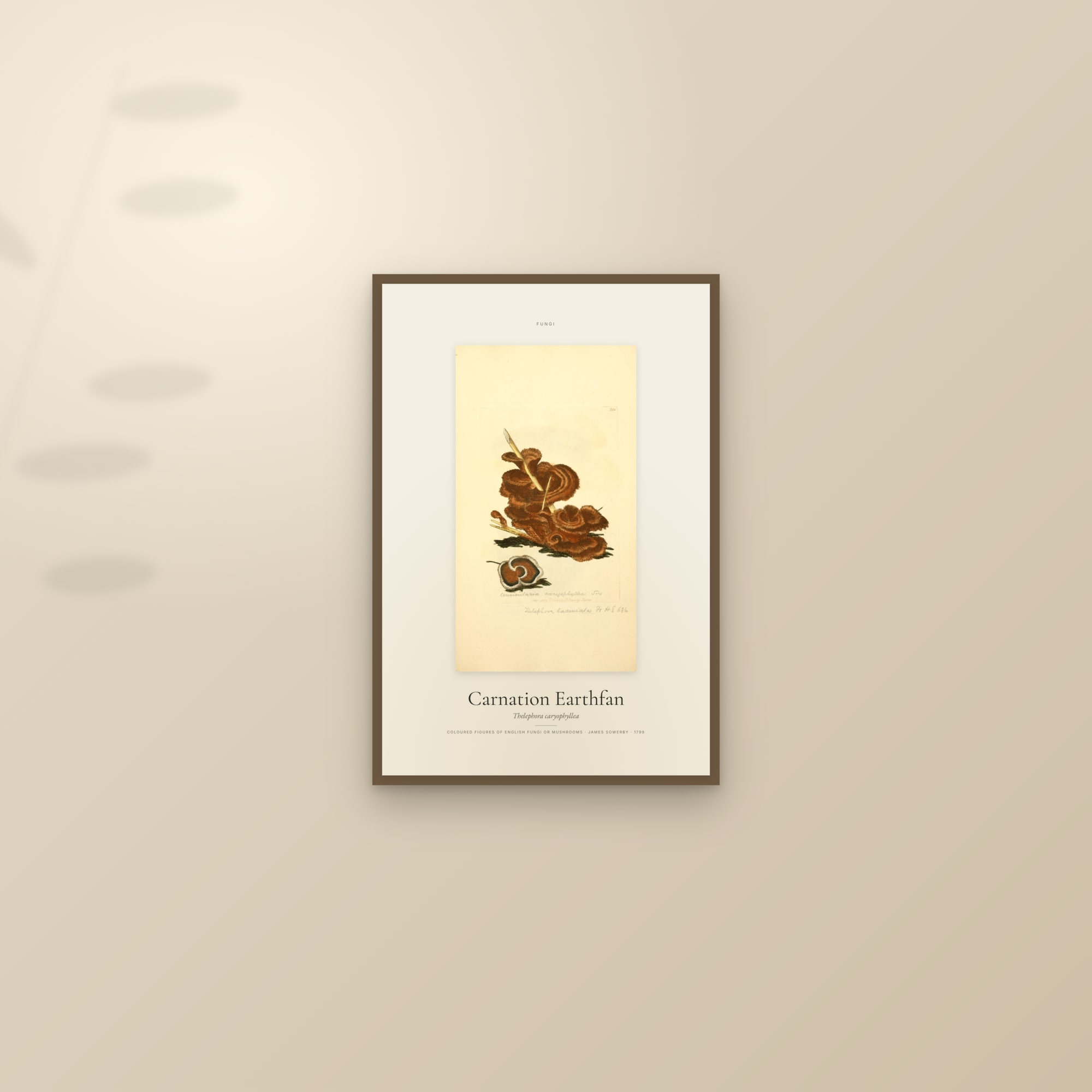
James Sowerby's Coloured Figures of English Fungi (1797–1809) — honey fungus, milkcaps, morels and boletes in soft antique colour. Restored as moody mushroom and kitchen wall art.
46 prints · printed to order on heavyweight matte paper · framed or unframed
About James Sowerby
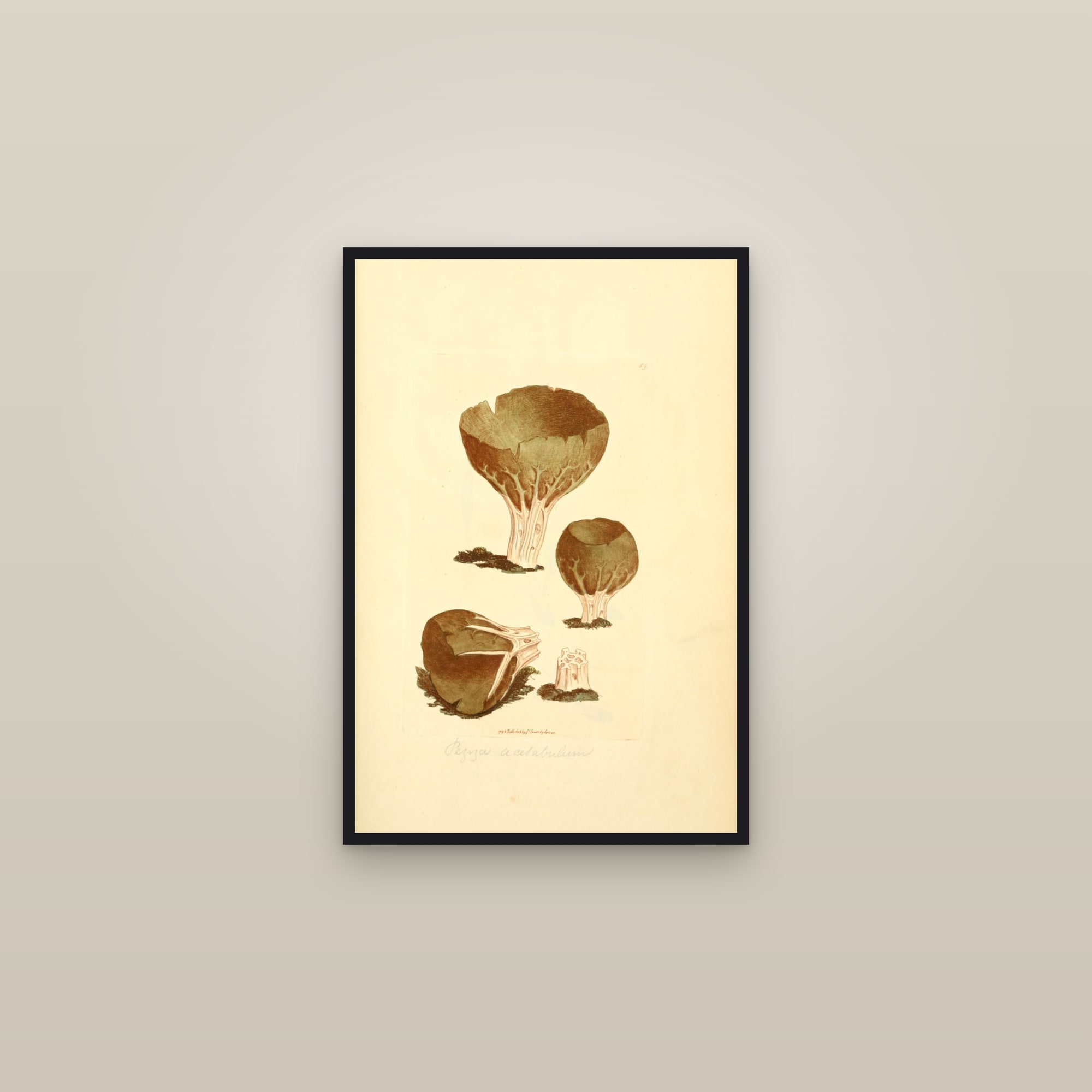
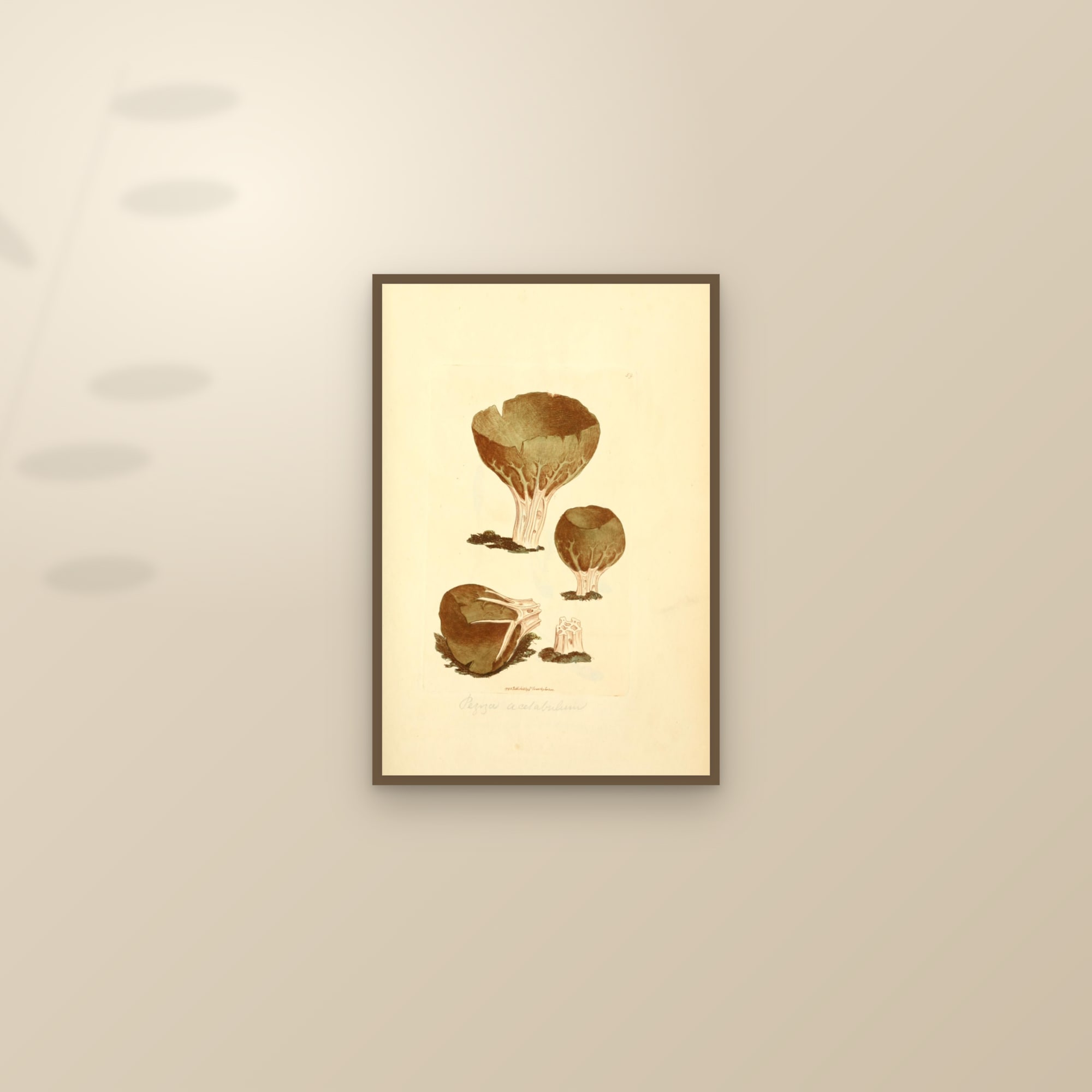
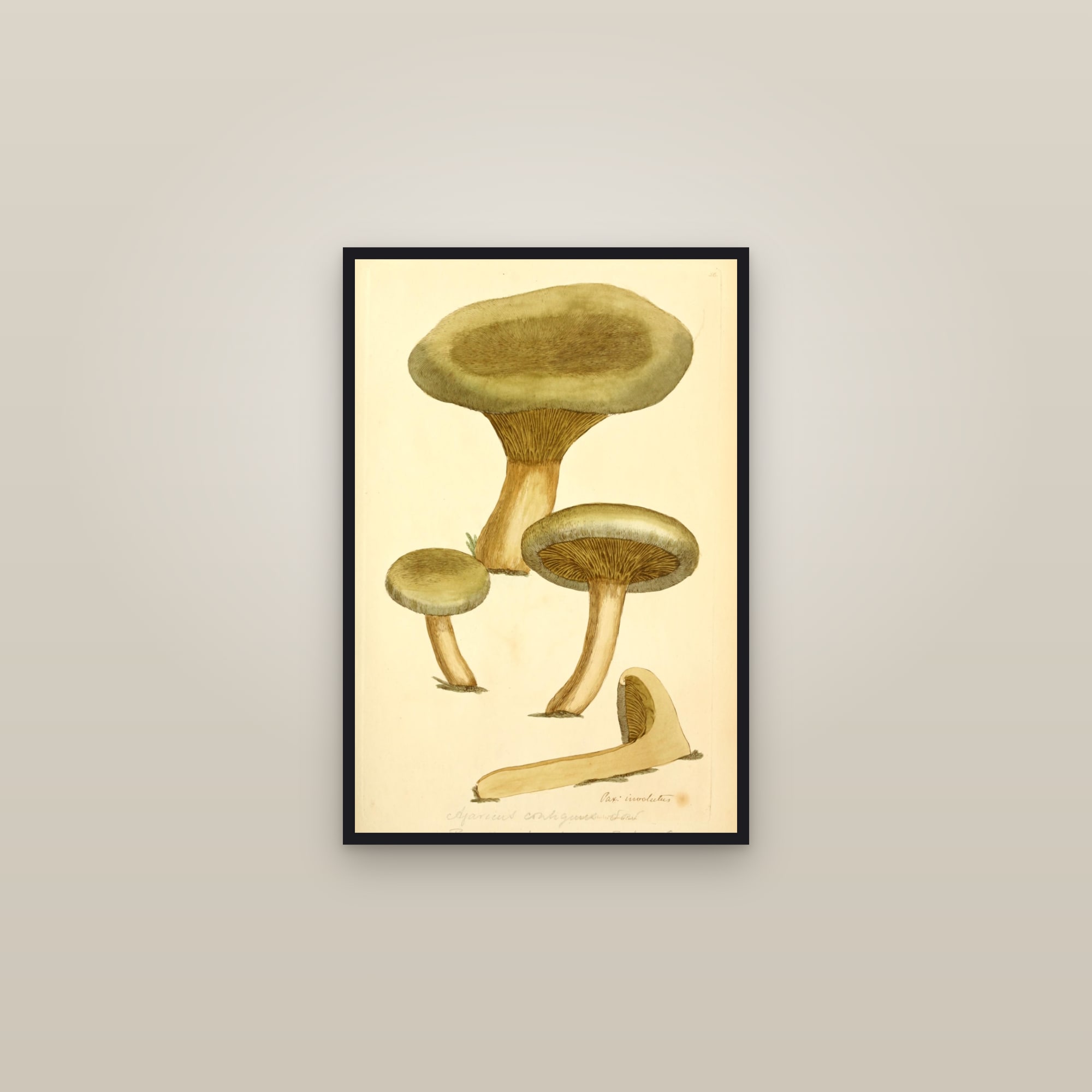
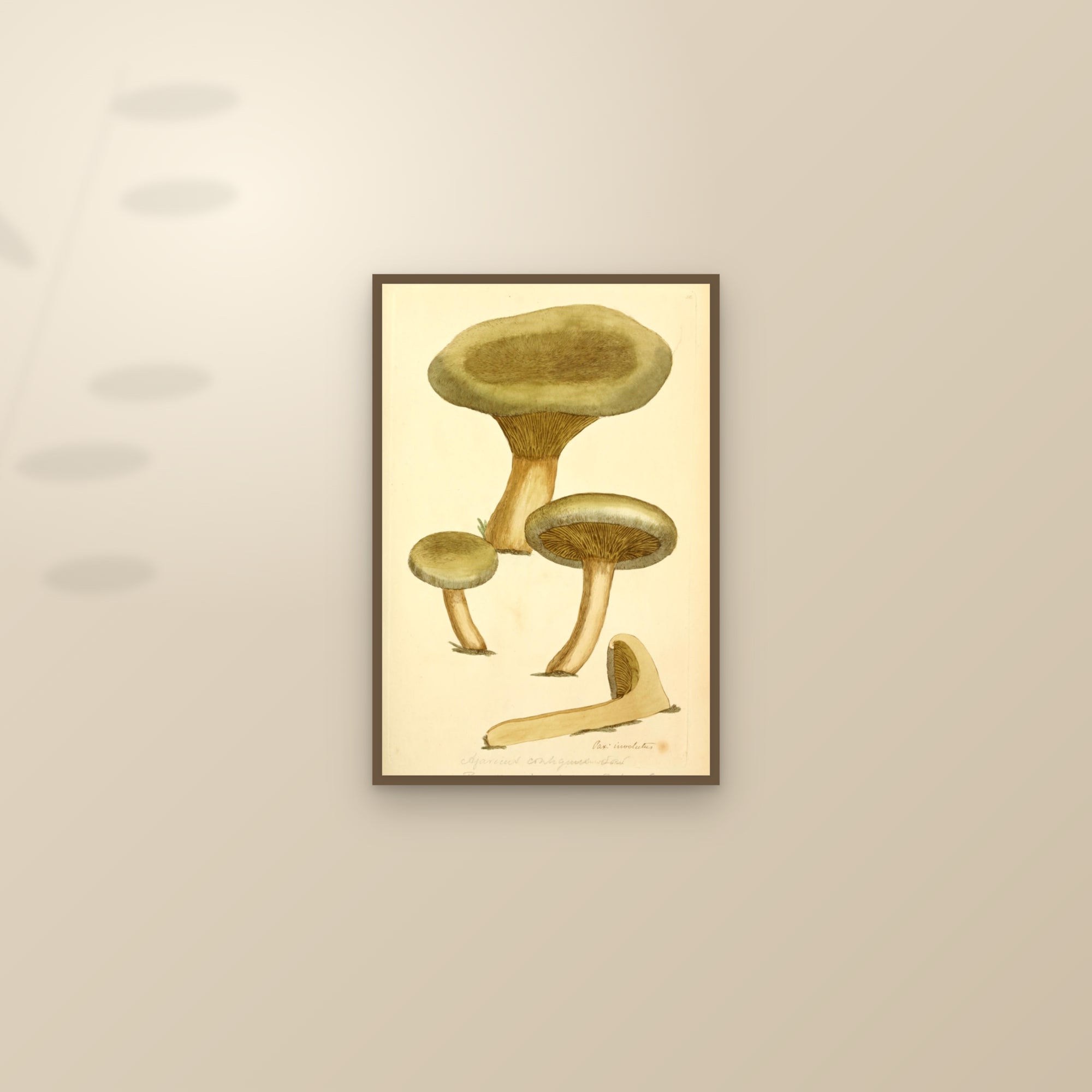
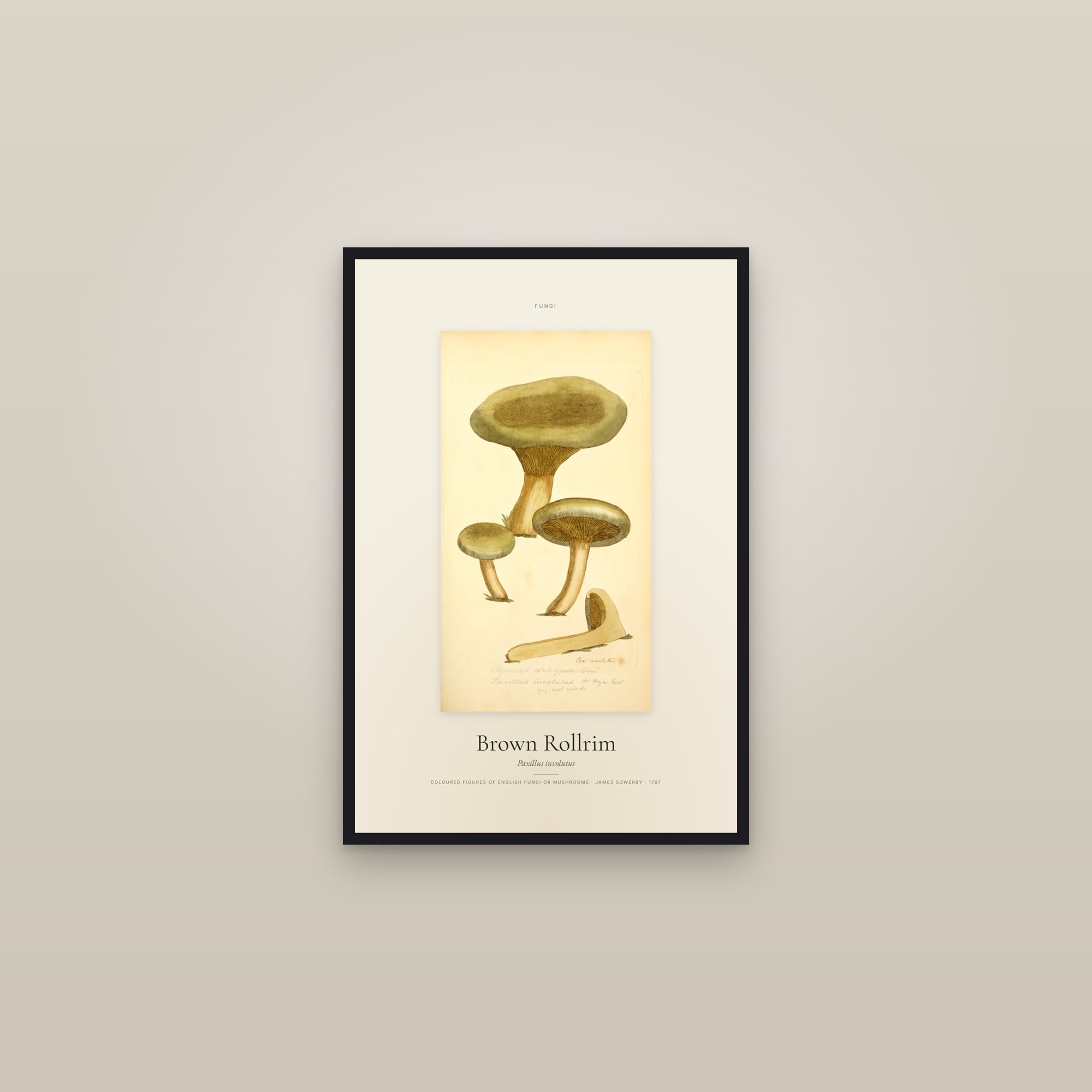
James Sowerby was born in Lambeth in March 1757, studied at the Royal Academy and was apprenticed to the marine painter Richard Wright before settling into the natural-history illustration that occupied his life. He engraved the first plate of Curtis's Botanical Magazine in 1787 and contributed dozens more to its early volumes. In 1790 he began English Botany, a plate and description of every native plant, with text by James Edward Smith; it ran to thirty-six volumes and 2,592 hand-coloured plates by 1814 and was known simply as Sowerby's Botany. His Coloured Figures of English Fungi or Mushrooms, issued in parts from 1797, was the first comprehensive illustrated work on British fungi, each species drawn from a fresh specimen and coloured by hand, and the plates that remain in circulation today, honey fungus, boletes, milkcaps, pinkgills, come from it. He turned to geology with British Mineralogy from 1802 and Mineral Conchology of Great Britain, 650 coloured plates of fossil shells in seven volumes, and the first recorded English meteorite, which fell in Yorkshire in 1795, ended up in his collection. He died in Lambeth in October 1822, founding a dynasty of naturalist-illustrators that lasted three generations. The fungi plates have a plain, unforced accuracy, each mushroom shown from above and below on white, that looks modern on a wall.