Ferdinand Hodler Prints
1853–1918 · Swiss · Symbolism
Wall art by Ferdinand Hodler, restored in-house and printed to order on heavyweight matte fine-art paper.
8 prints · printed to order on heavyweight matte paper · framed or unframed
About Ferdinand Hodler
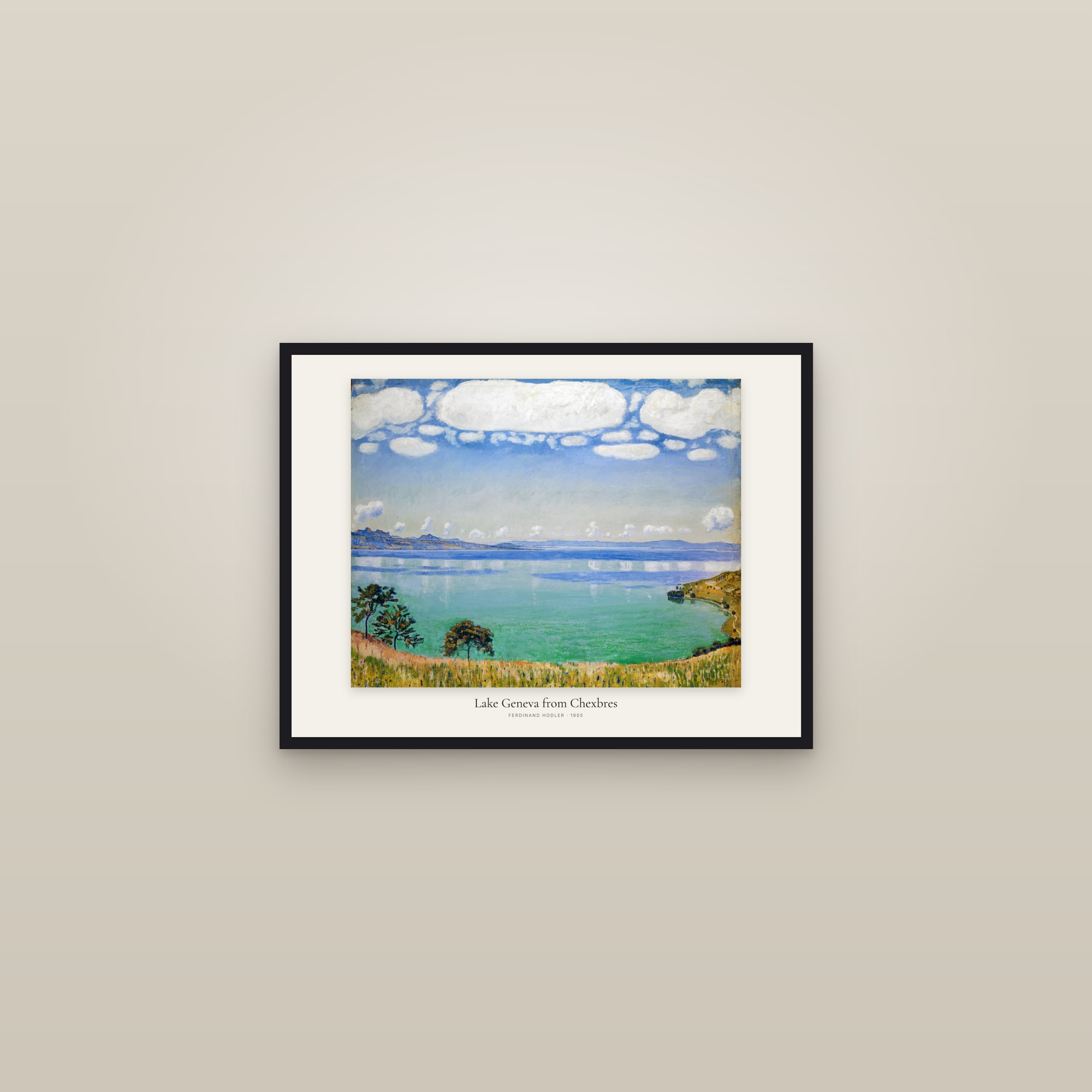
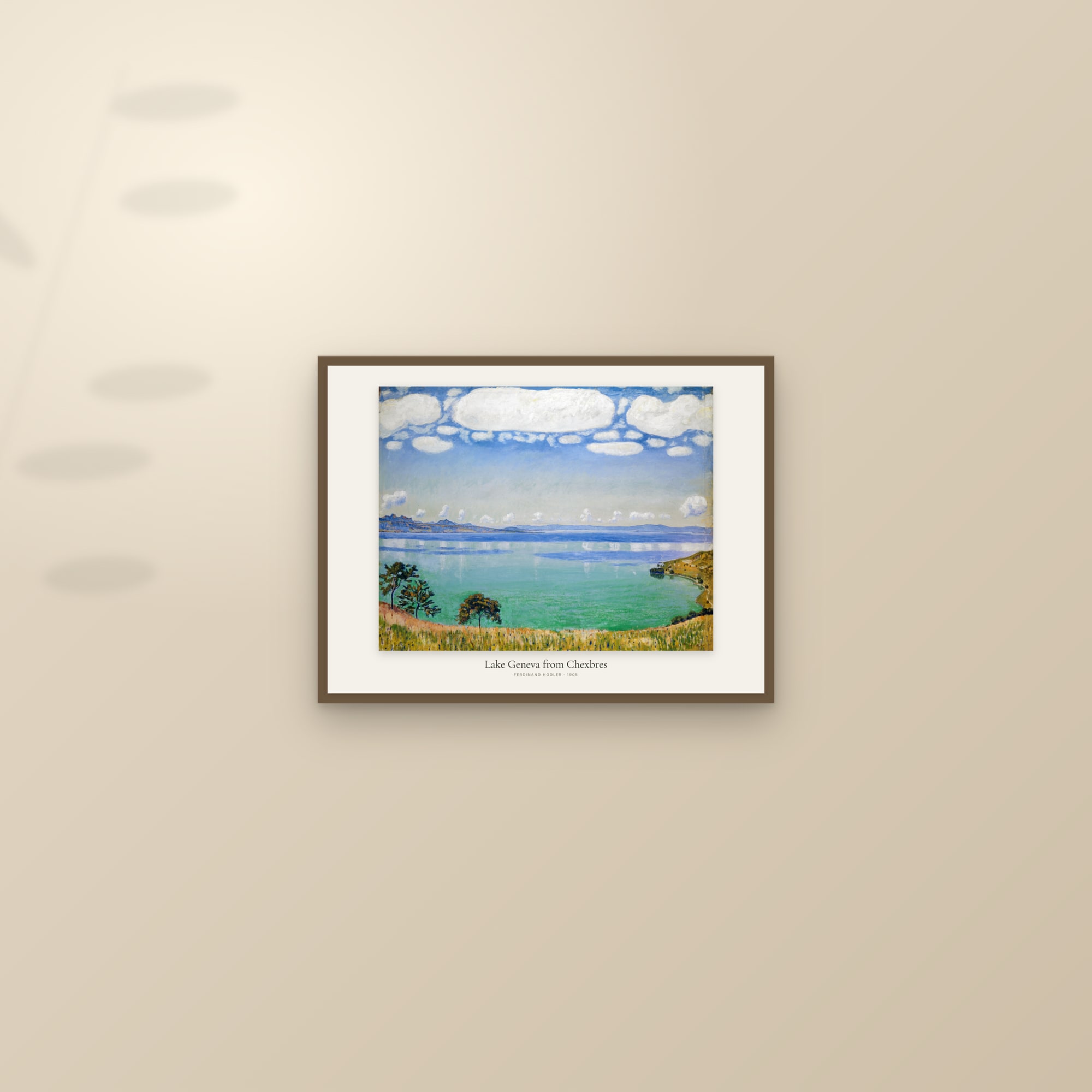
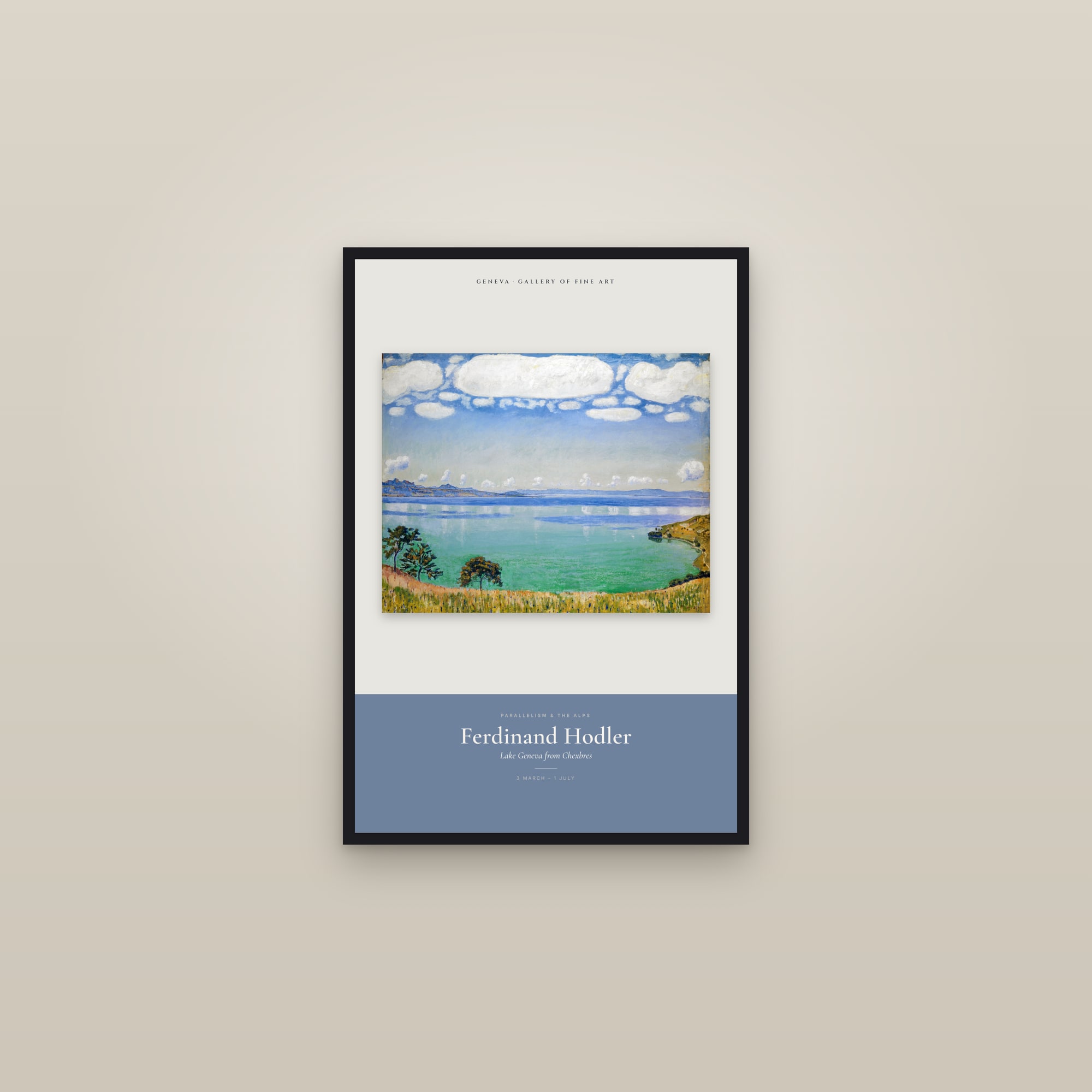
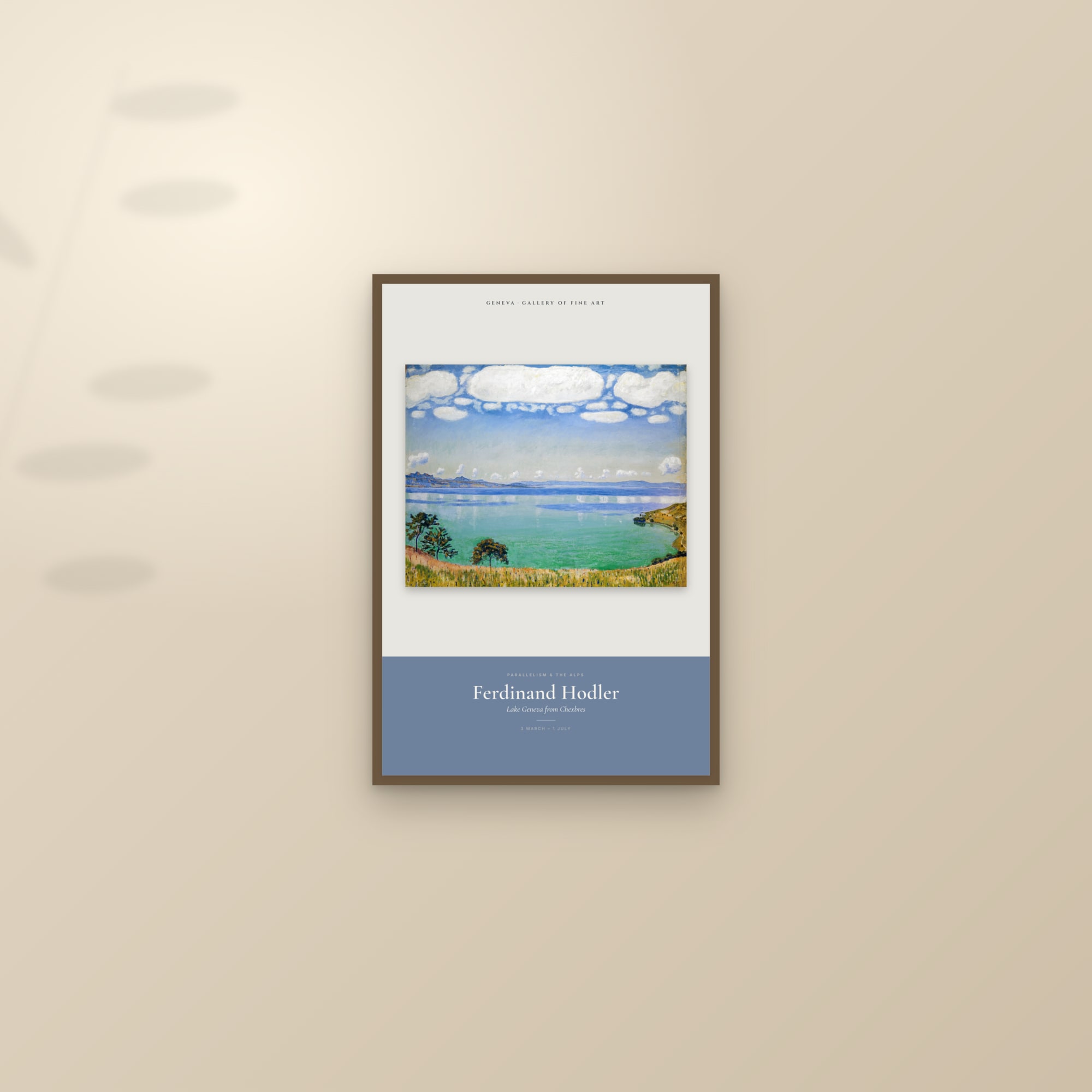
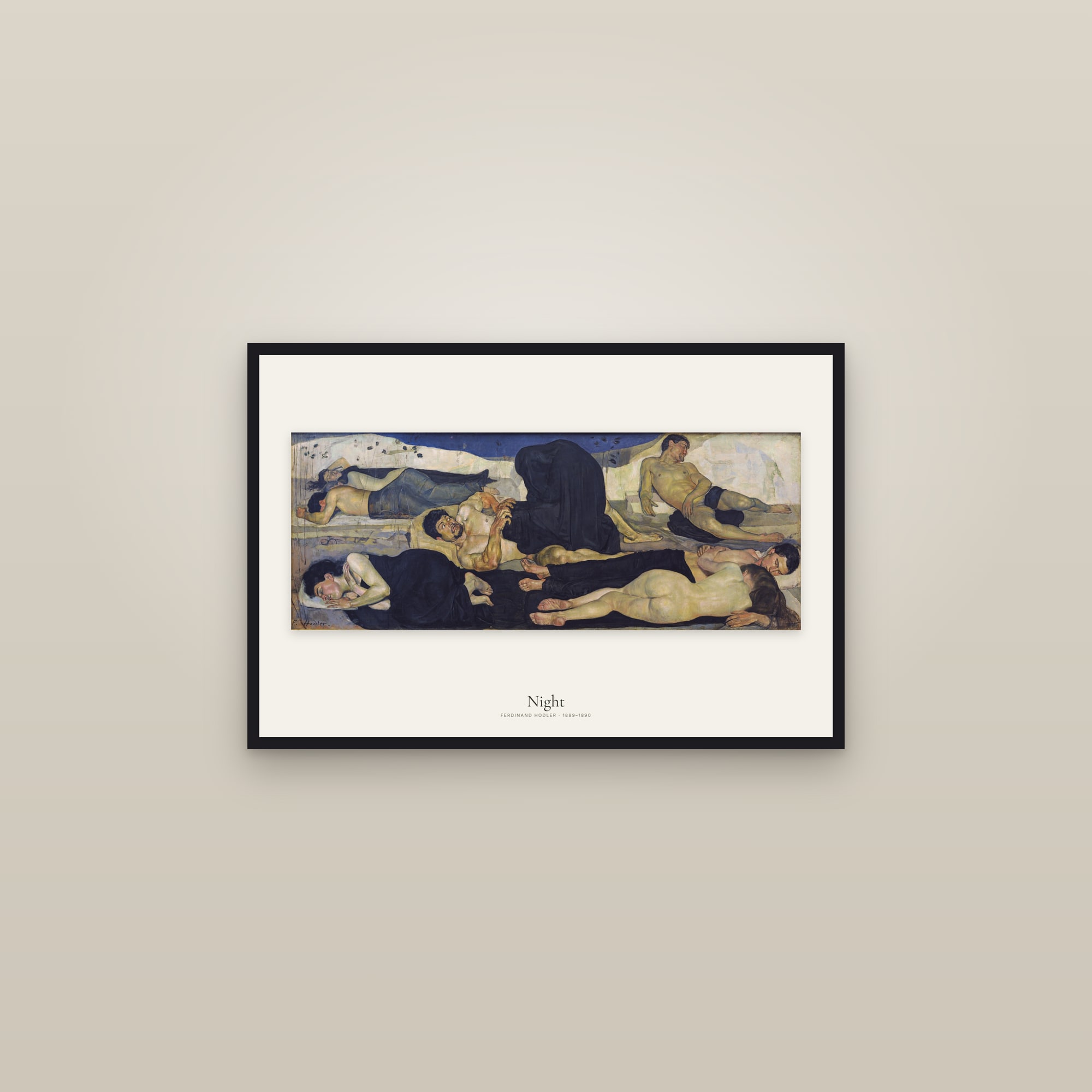
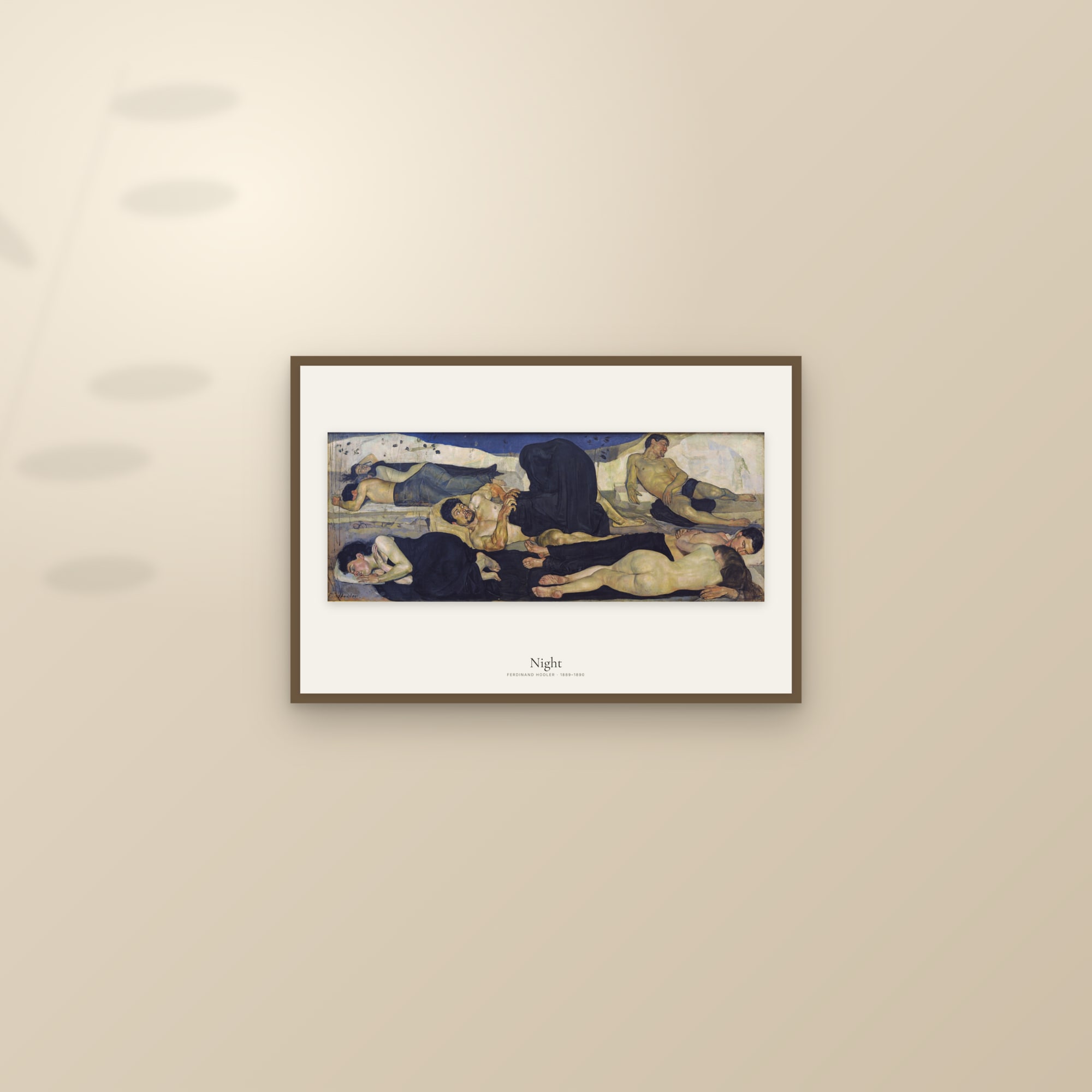
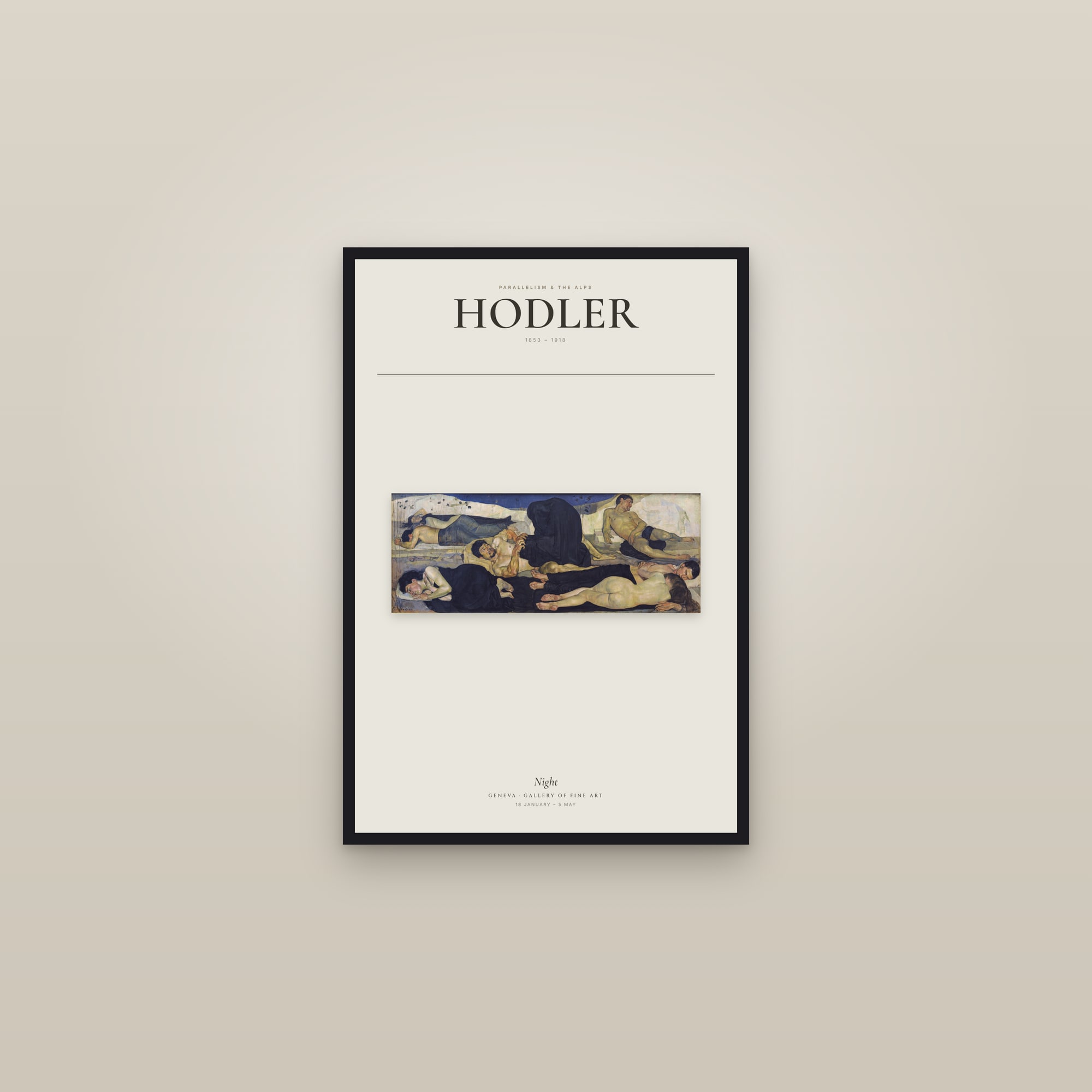
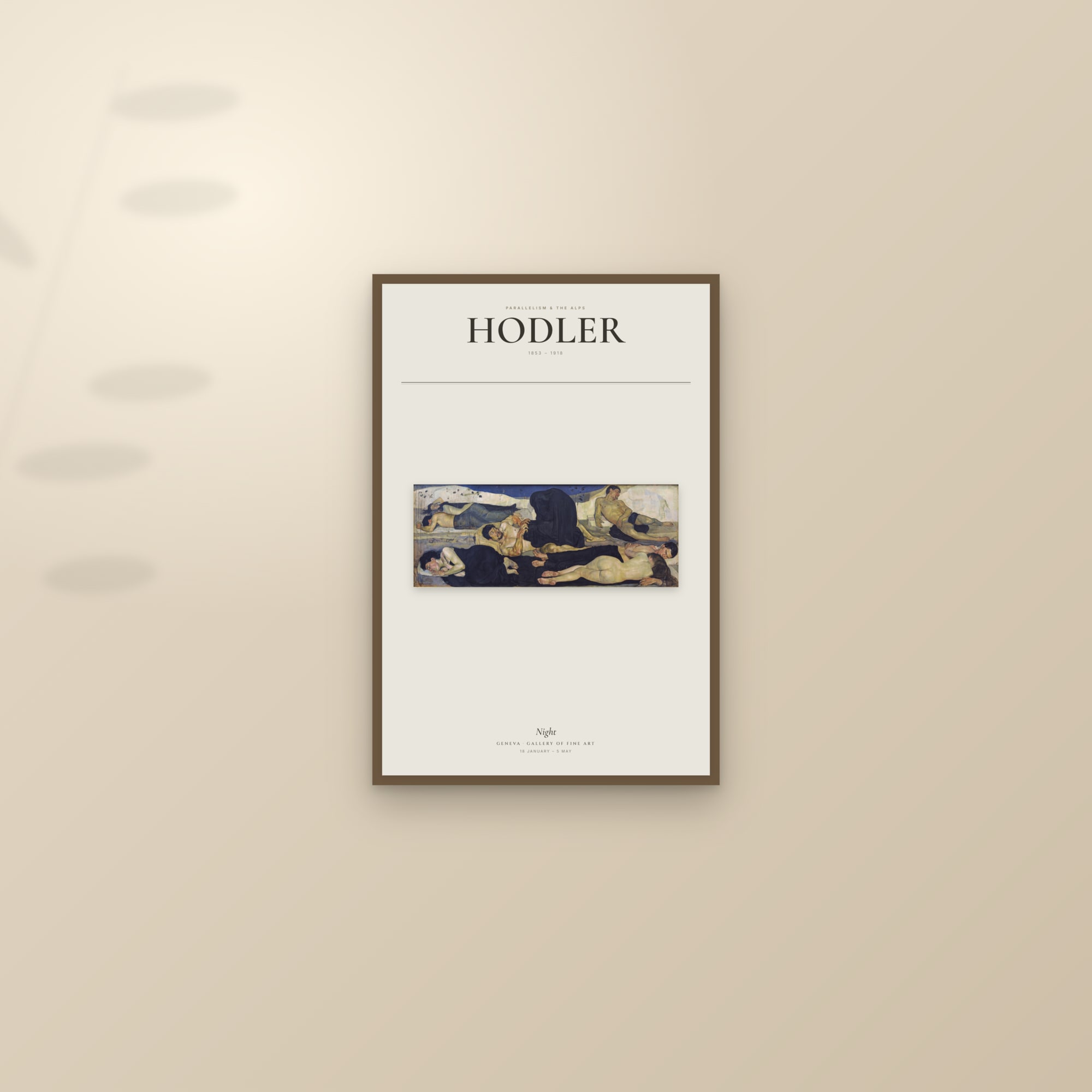
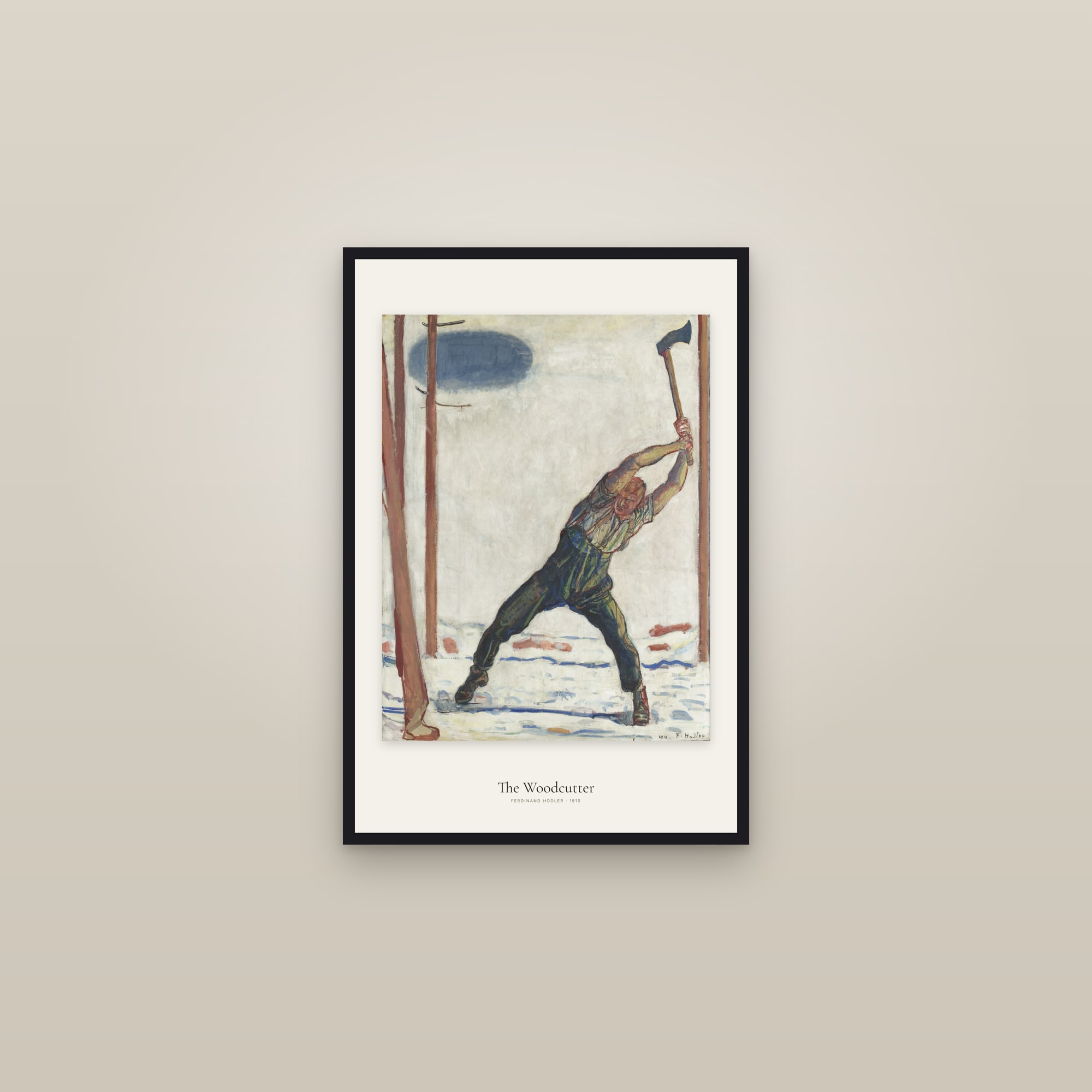
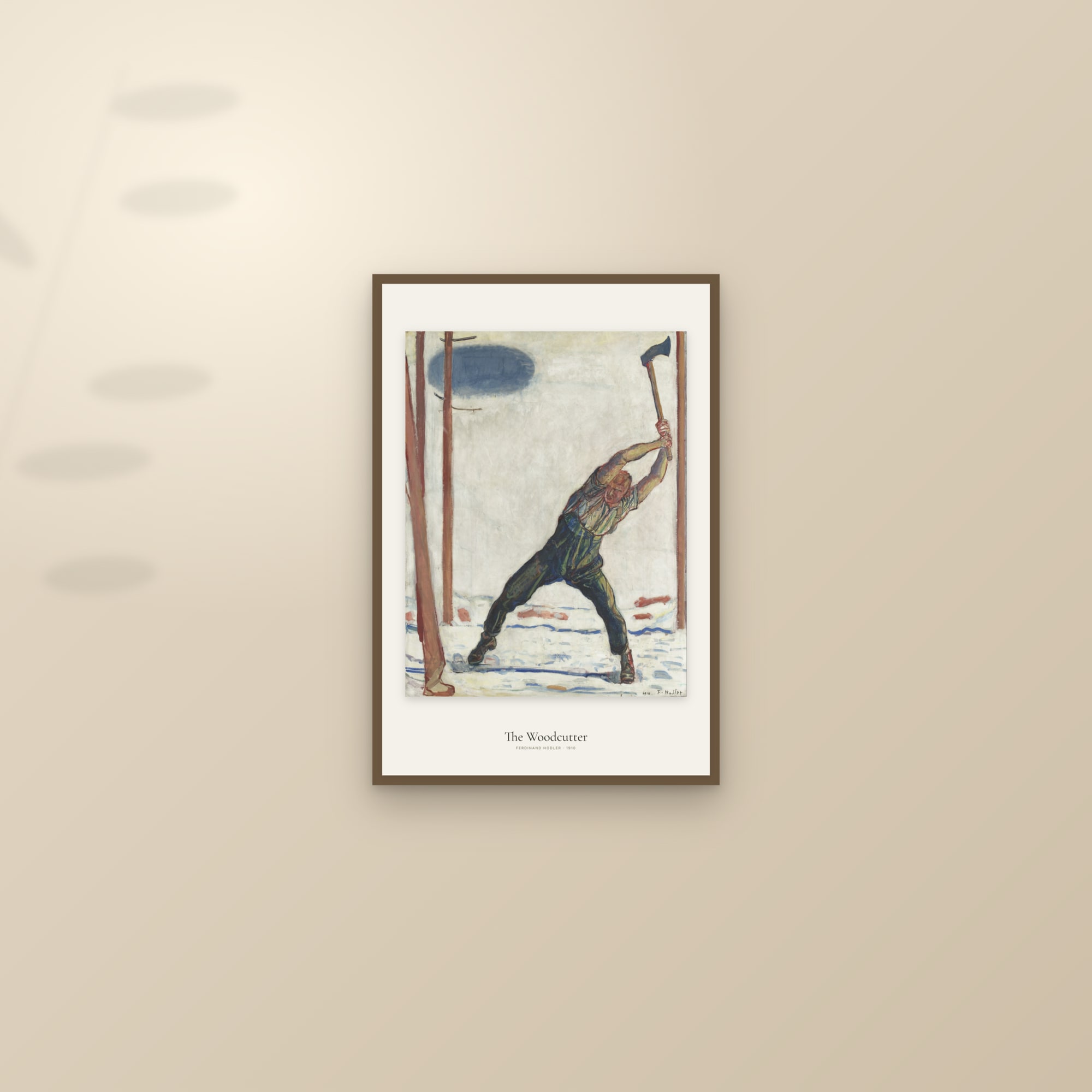
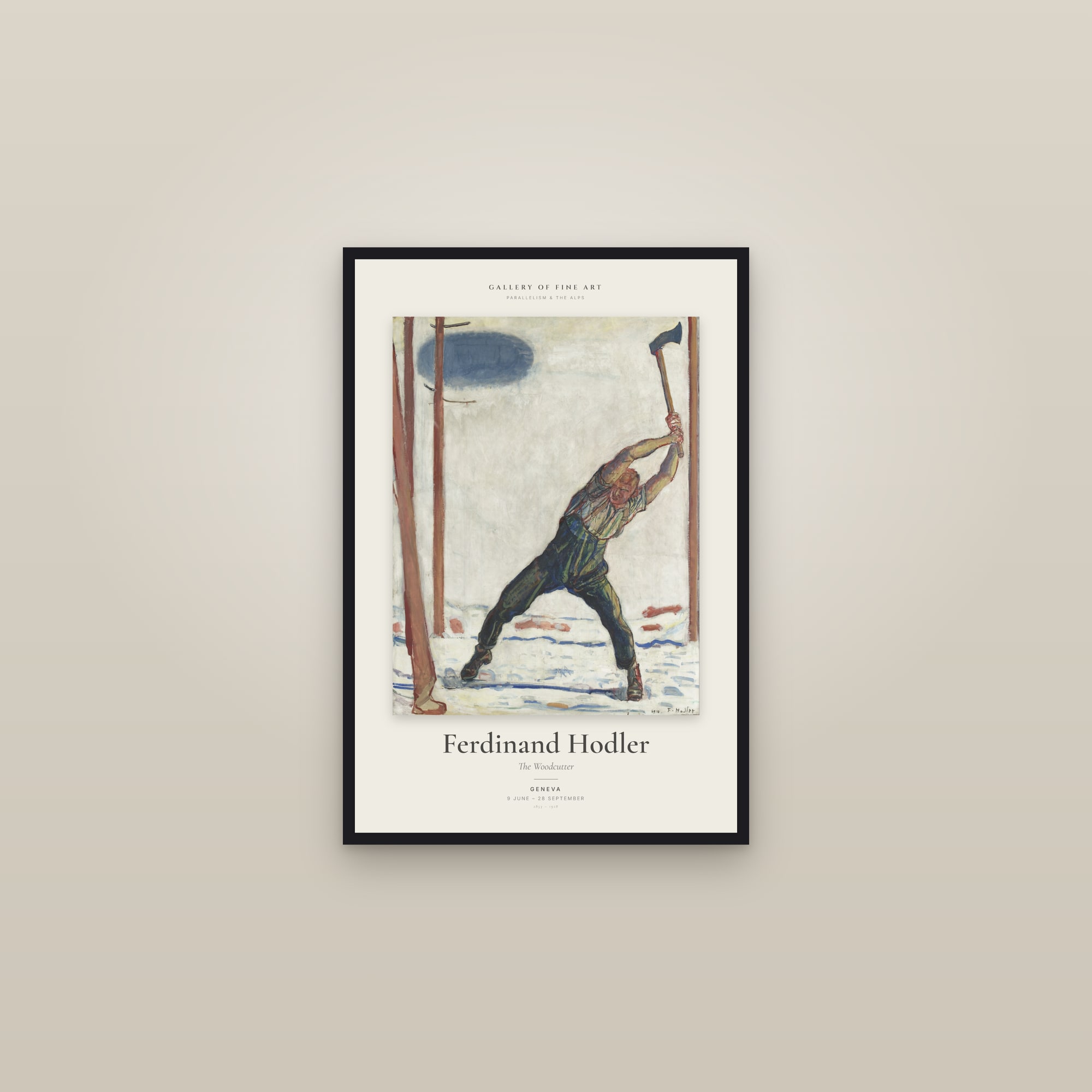
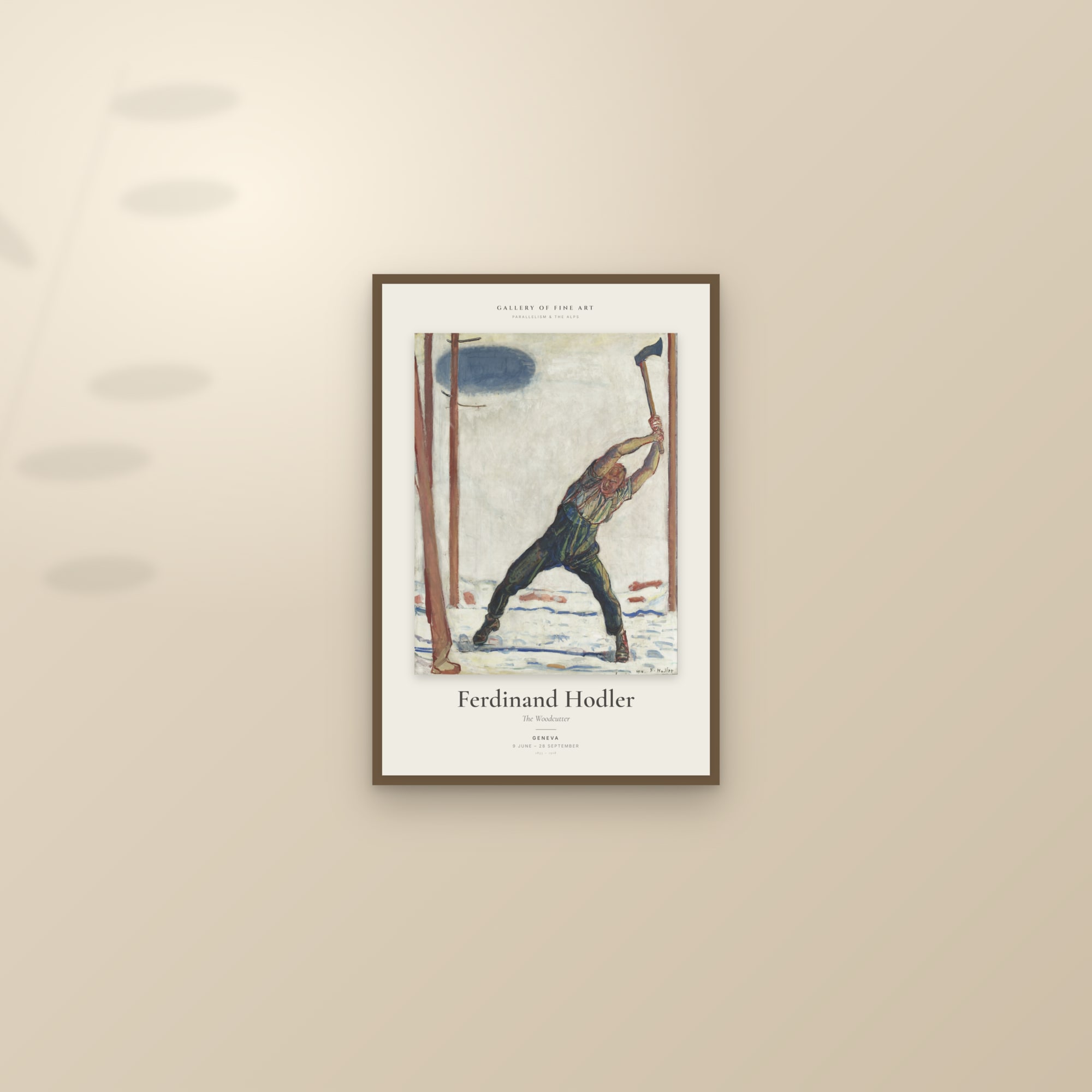
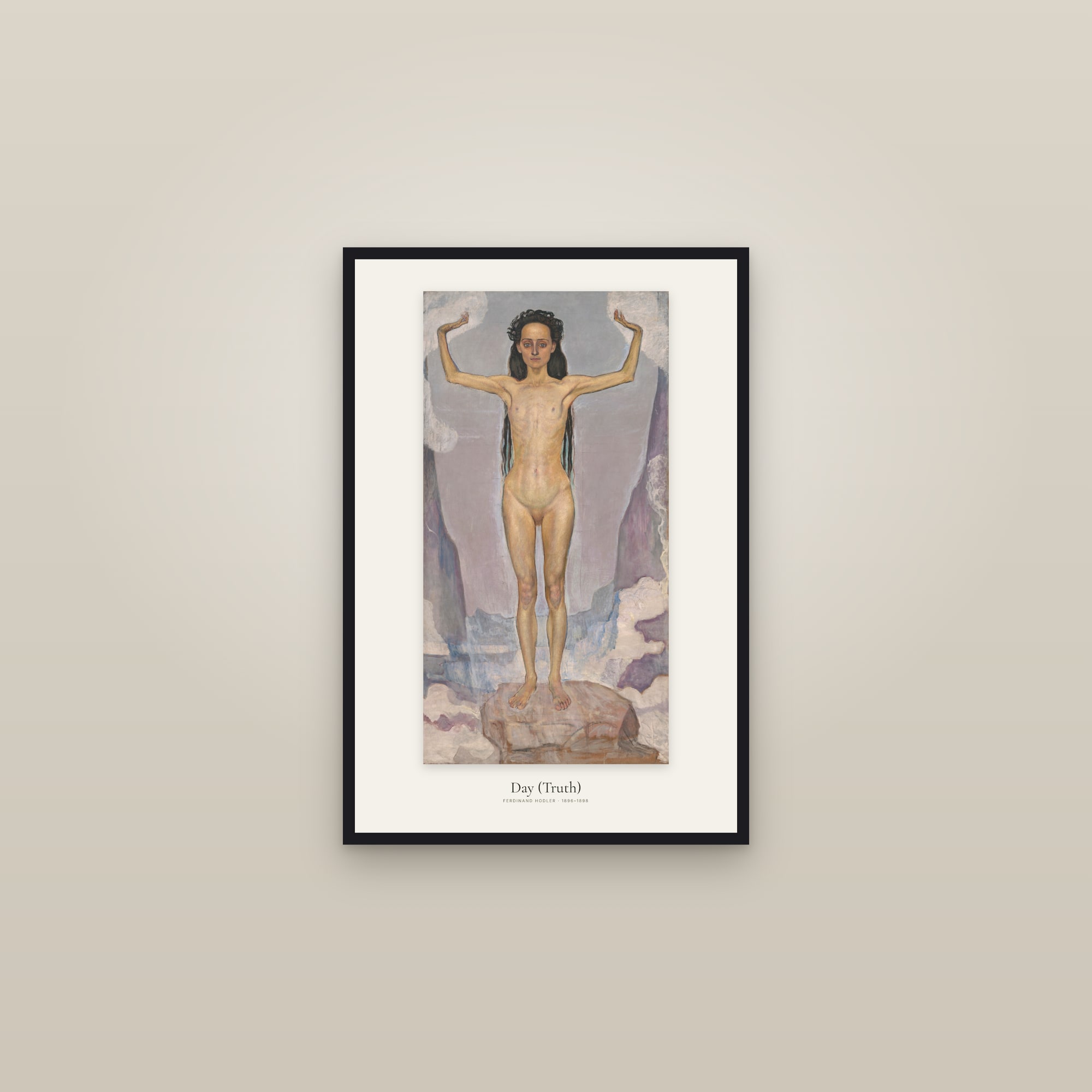
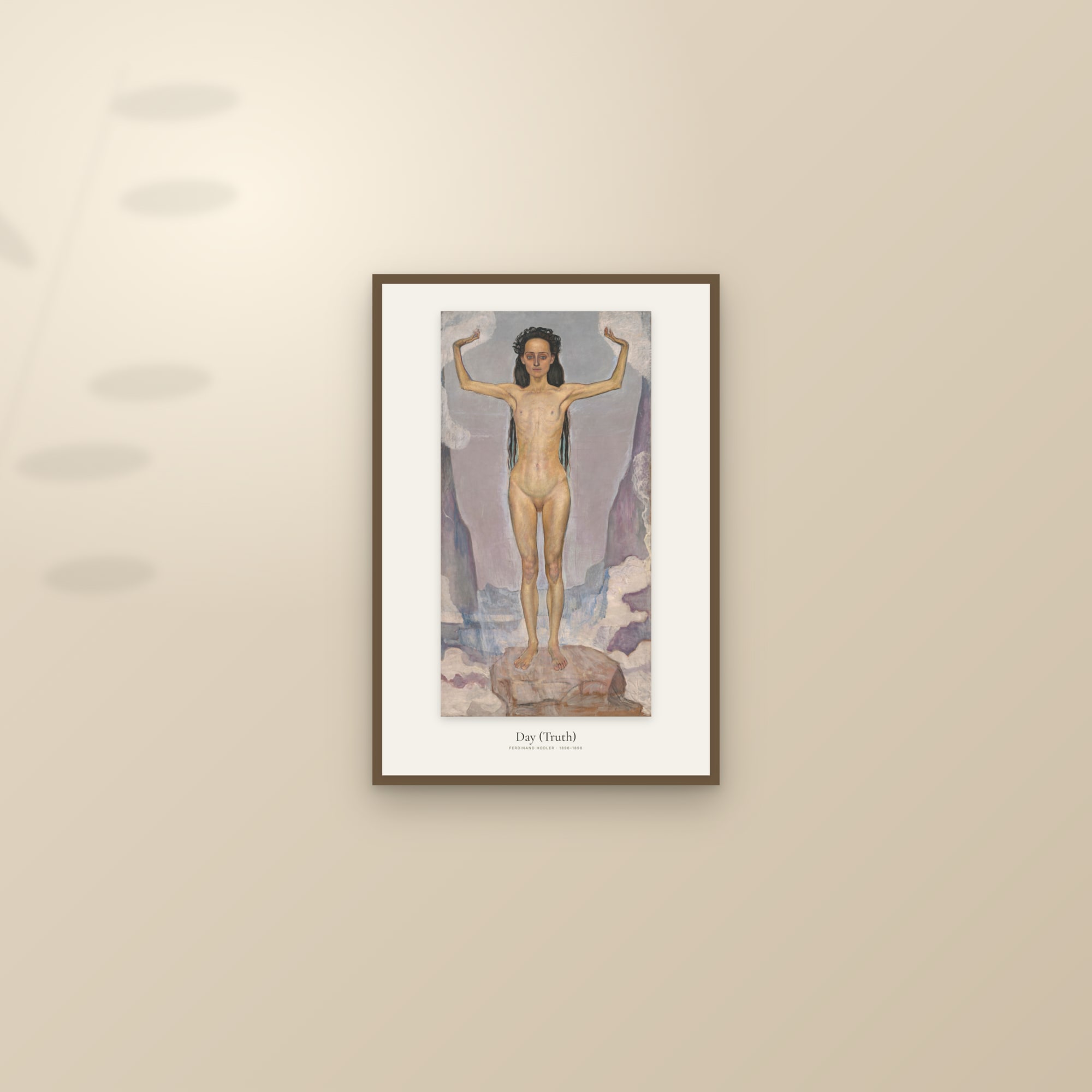
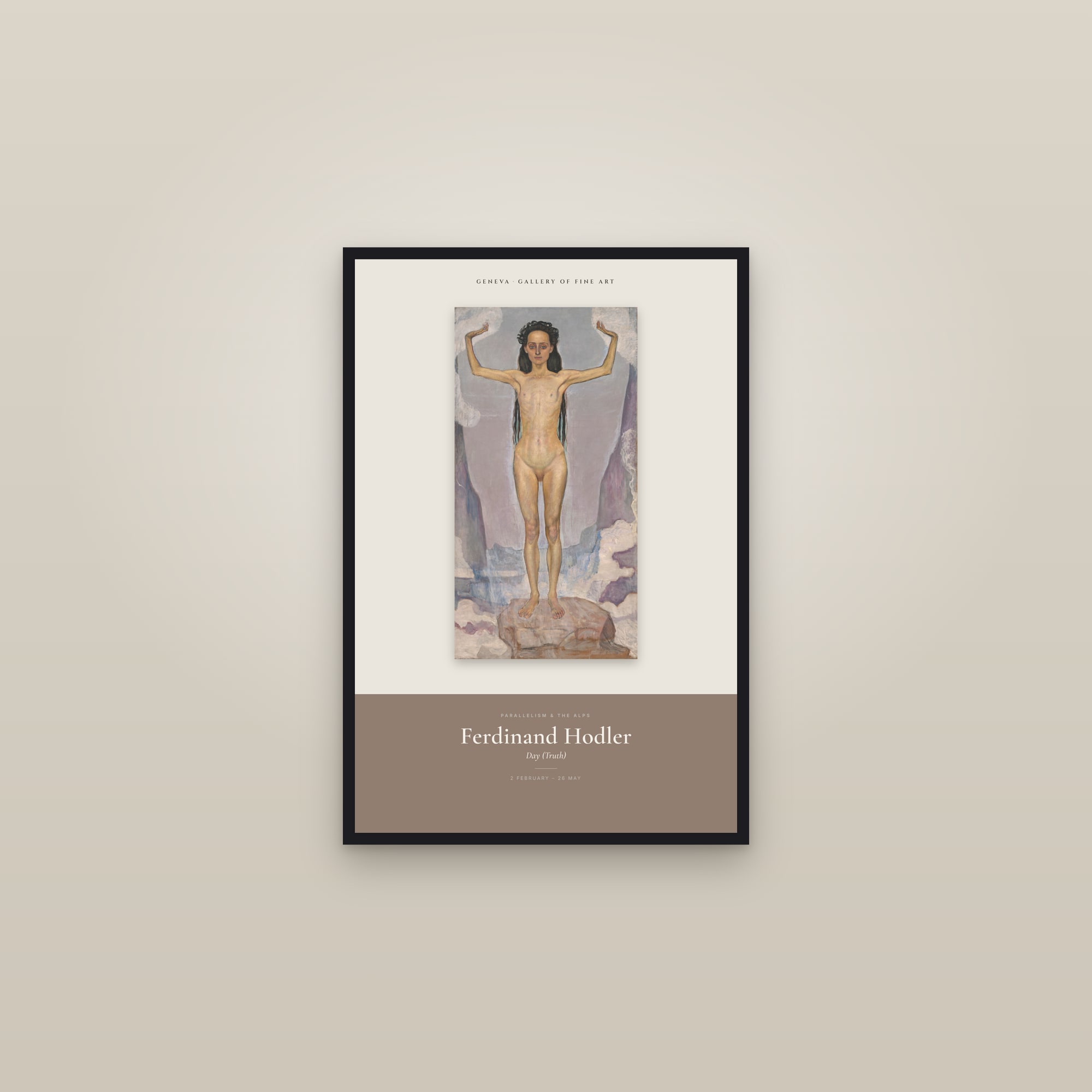
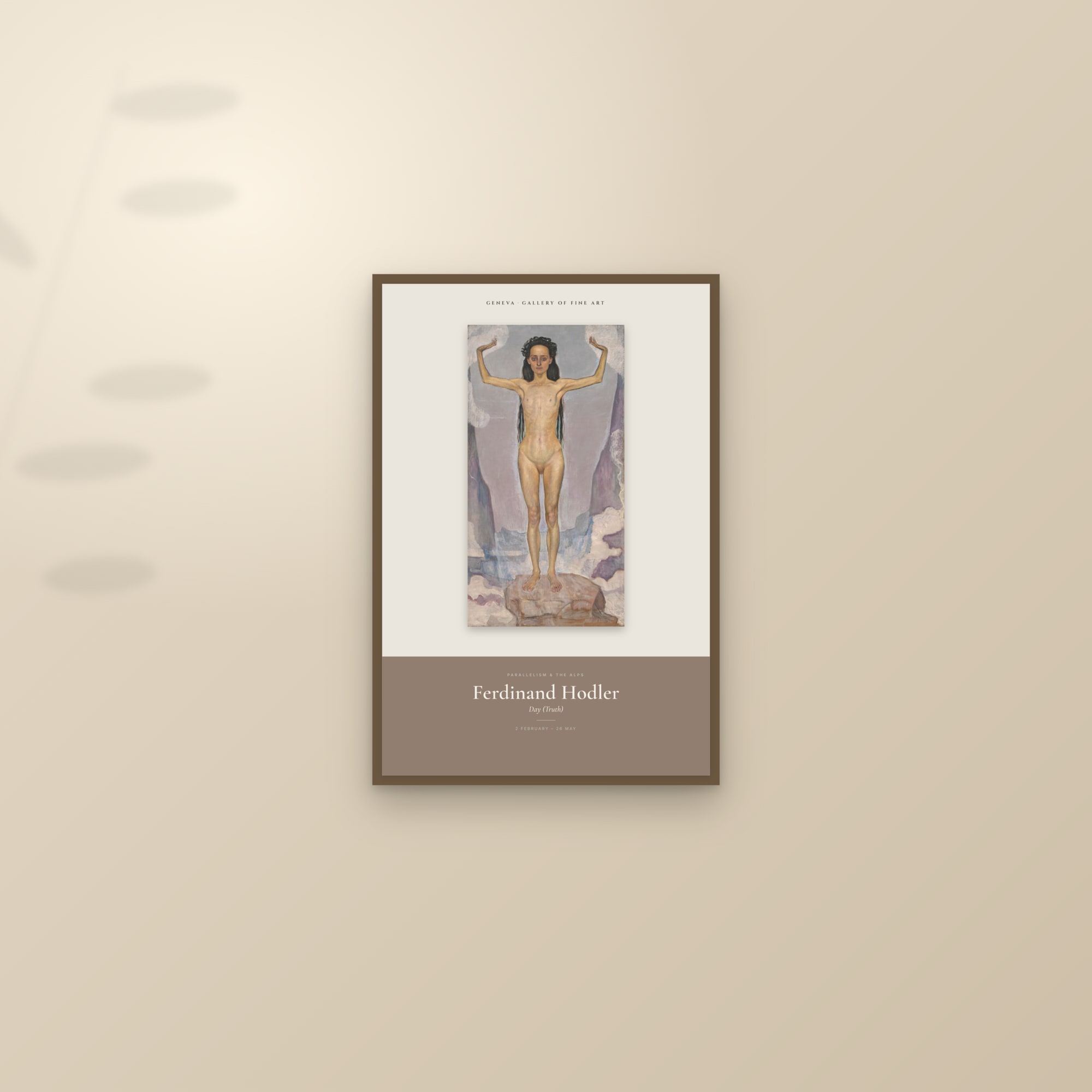
Ferdinand Hodler was born in Bern in 1853, the eldest of six children of a carpenter; by the age of eight he had lost his father and two younger brothers to tuberculosis. He worked for his stepfather, a decorative painter, and was then apprenticed in Thun to Ferdinand Sommer, painting conventional Alpine views for tourists. At eighteen he walked to Geneva, where from 1873 he studied under Barthélemy Menn; he later studied Holbein in Basel and the old masters at the Prado. His turn to Symbolism came with Night, completed in 1890: withdrawn as obscene from an exhibition in Geneva in 1891, it was admired at the Paris Salon the same year. He developed what he called parallelism, rhythmic and symmetrical arrangements of figures, set out in his 1897 lecture The Mission of the Artist, and painted patriotic frescoes for the Swiss National Museum in Zurich. Night, Eurythmy and Day won awards at the 1900 Exposition Universelle, and a show of 31 works in Vienna in 1904 finally eased his poverty. In 1908 he designed the woodcutter and reaper for new Swiss banknotes, and his later views of Lake Geneva were pared to bands of shore, water and cloud. He died in Geneva in May 1918. Hodler's paintings rely on firm contour, repetition and near-symmetry, so a single figure or a lake view holds a wall with calm, poster-like clarity.