Pierre Puvis de Chavannes Prints
1824–1898 · French · Symbolism
Wall art by Pierre Puvis de Chavannes, restored in-house and printed to order on heavyweight matte fine-art paper.
10 prints · printed to order on heavyweight matte paper · framed or unframed
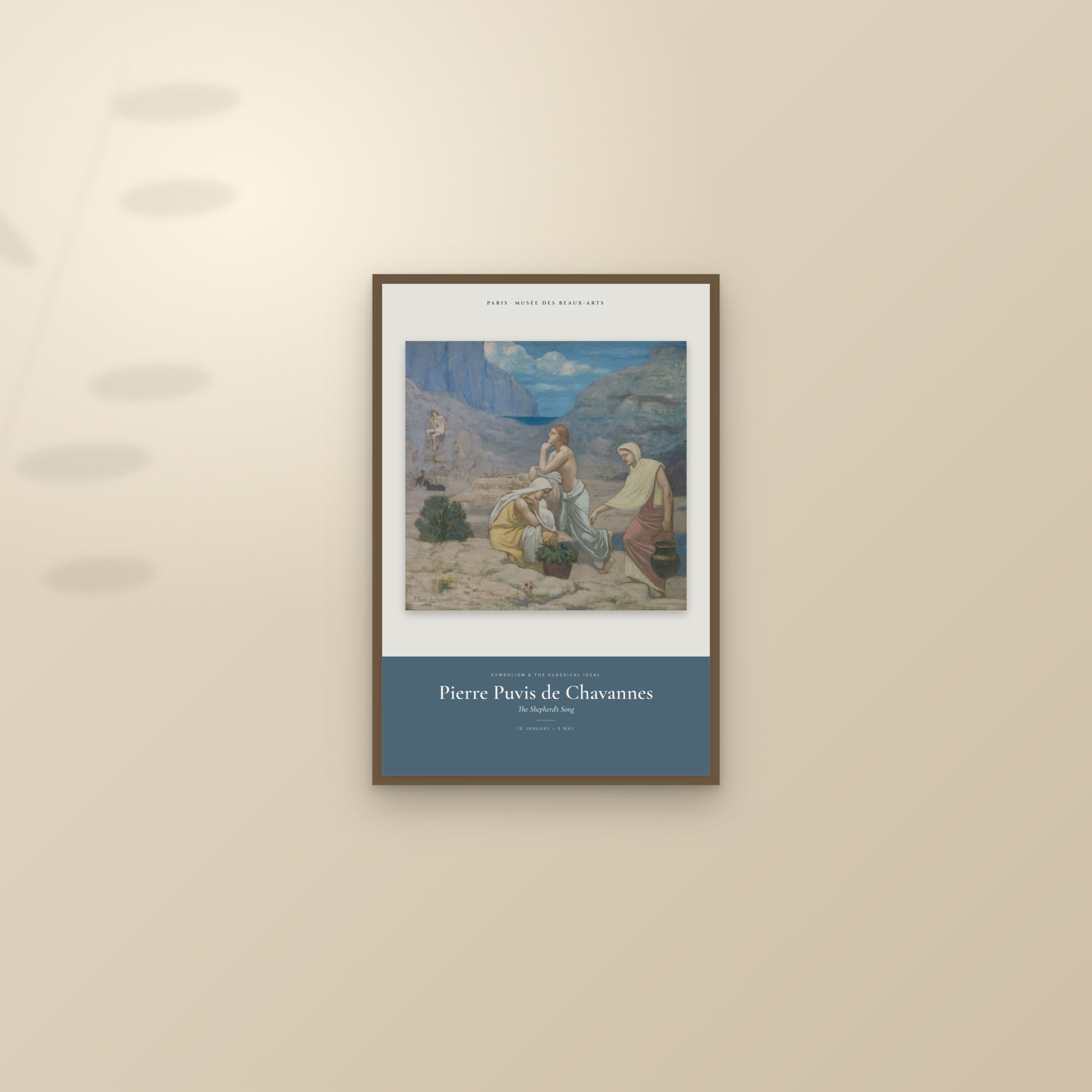
About Pierre Puvis de Chavannes
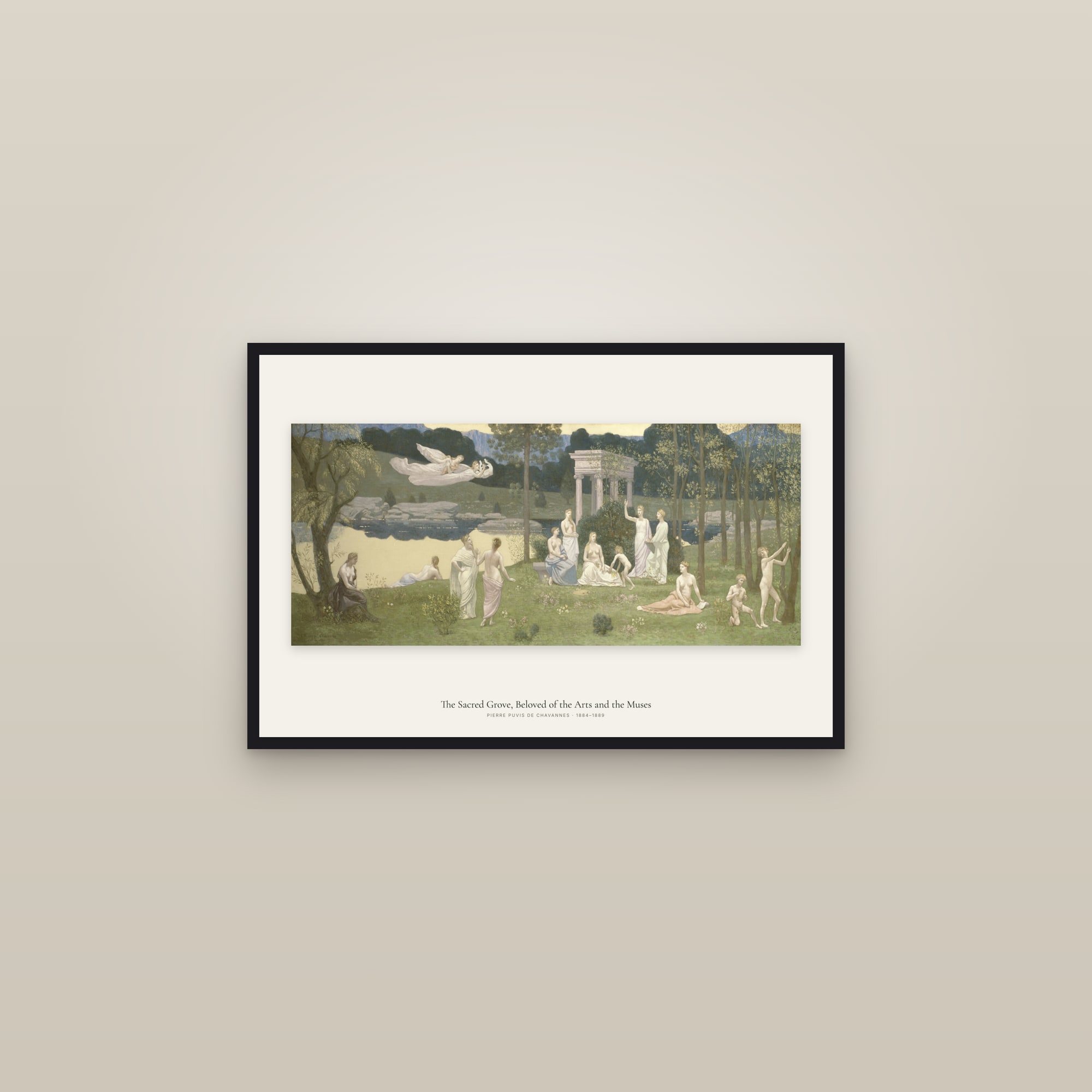
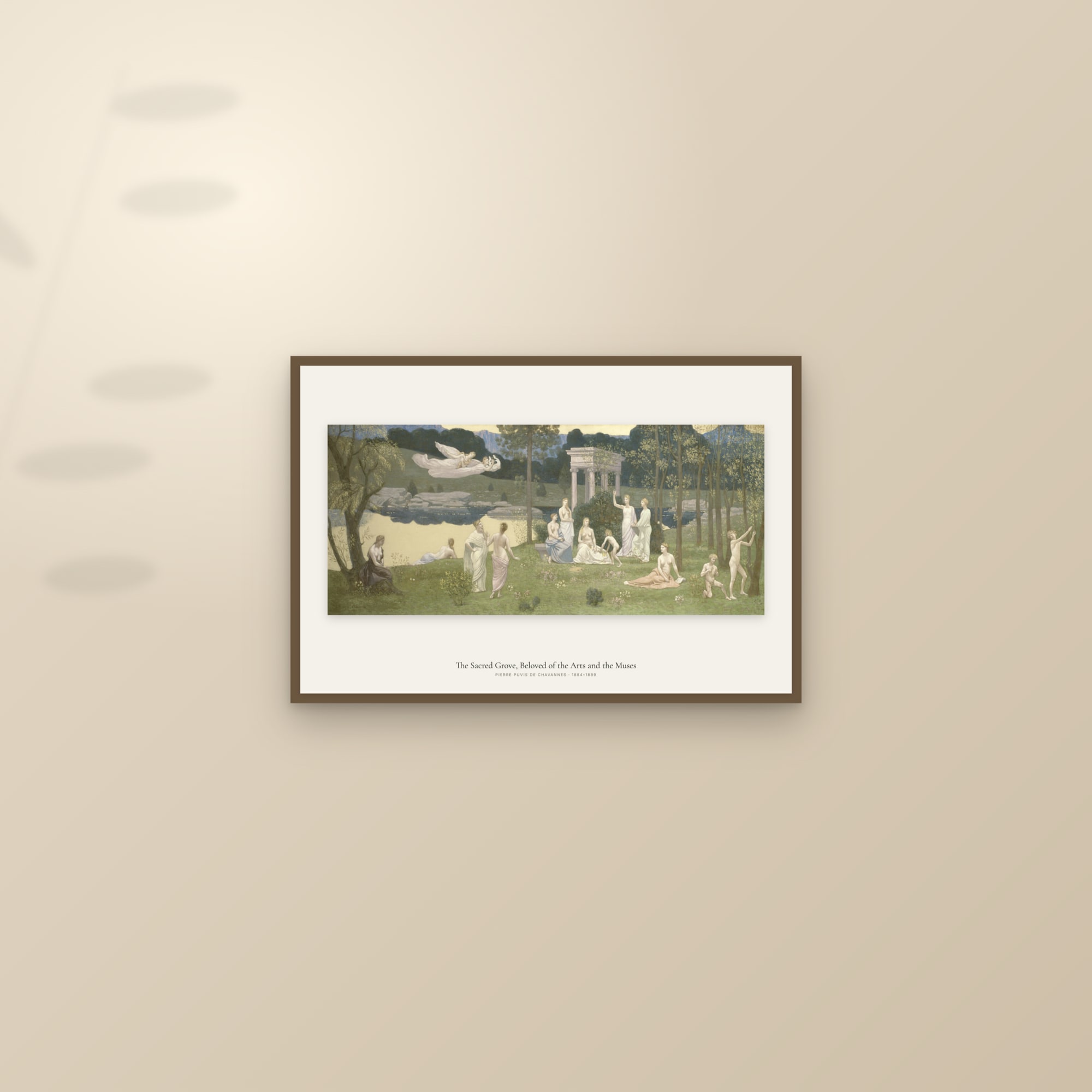
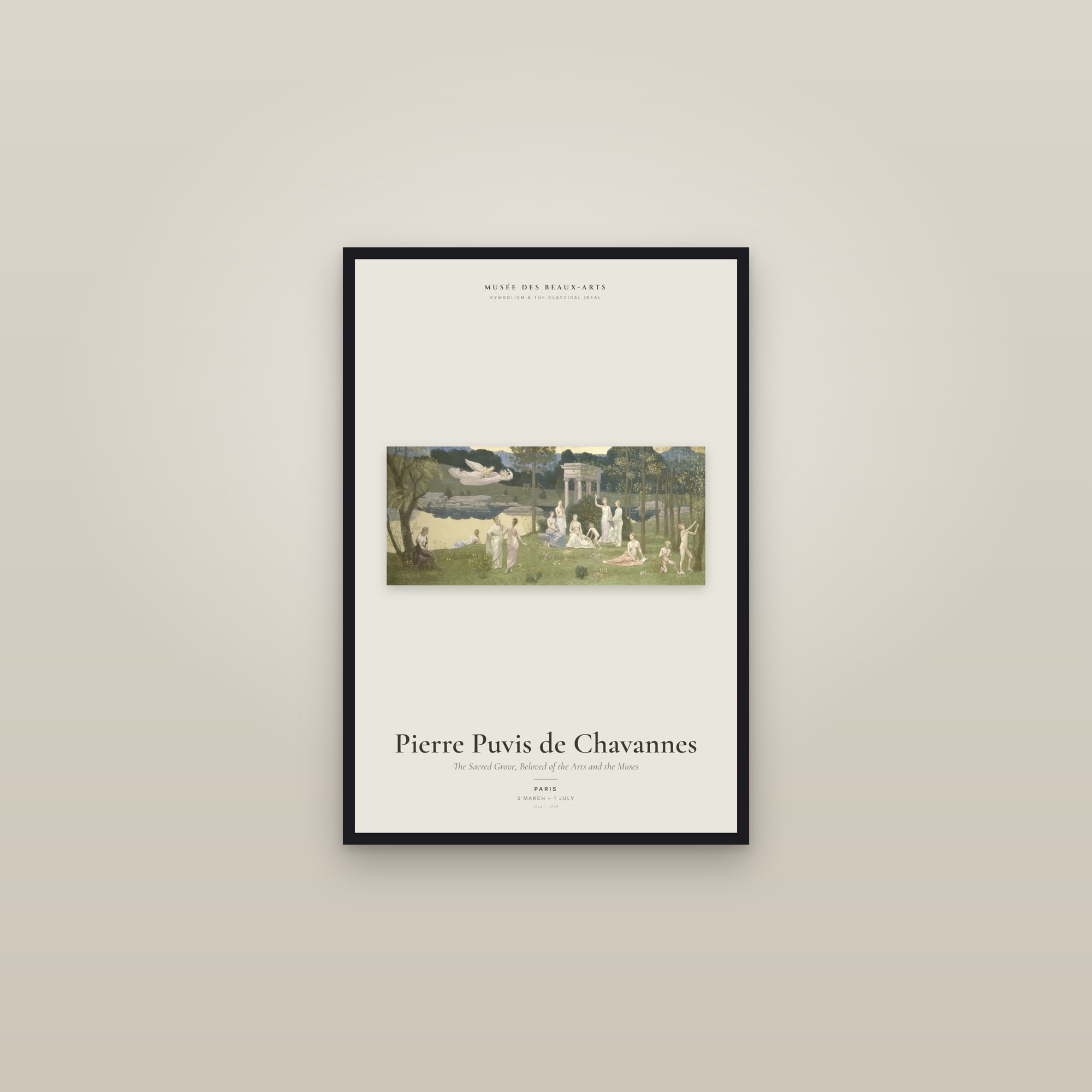
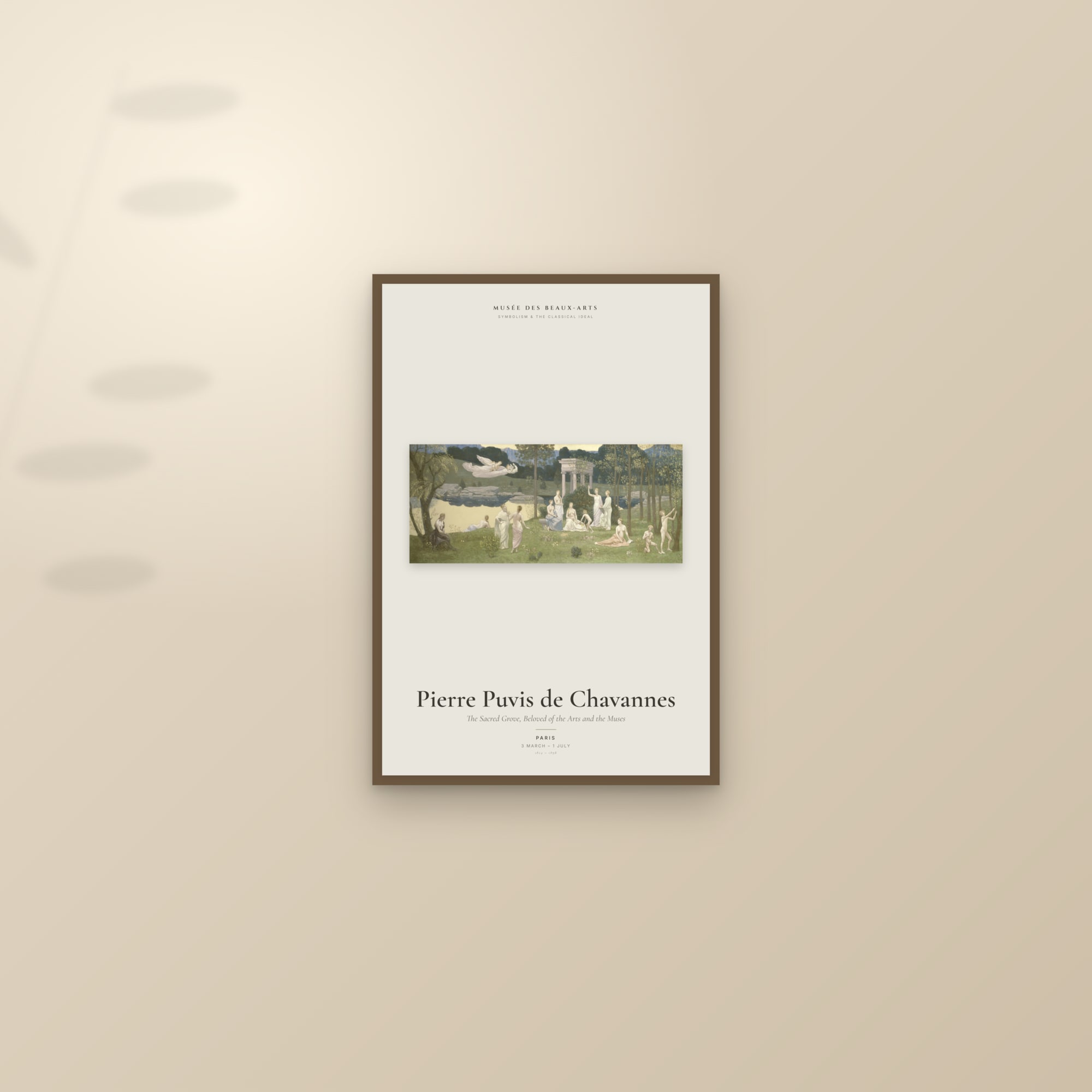
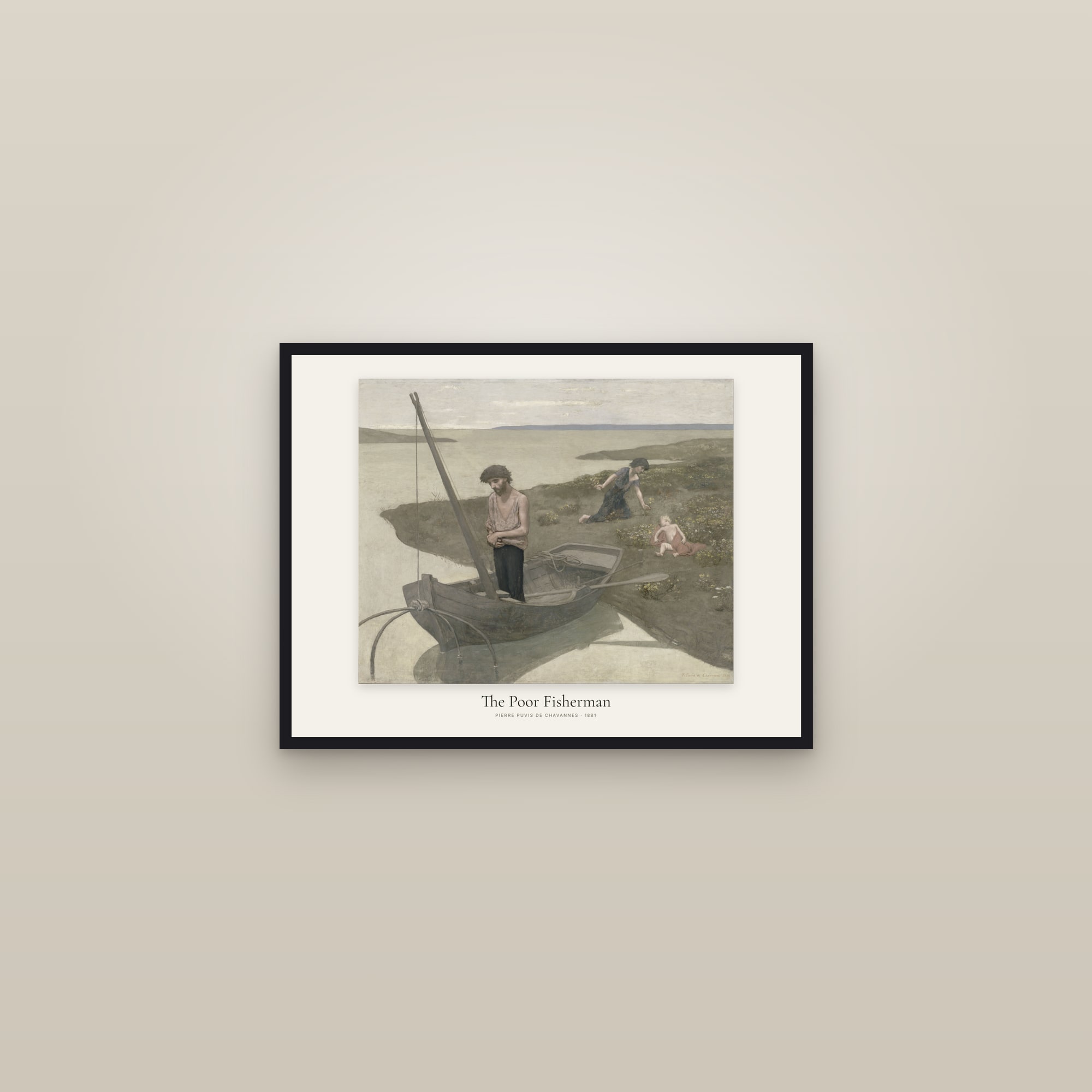
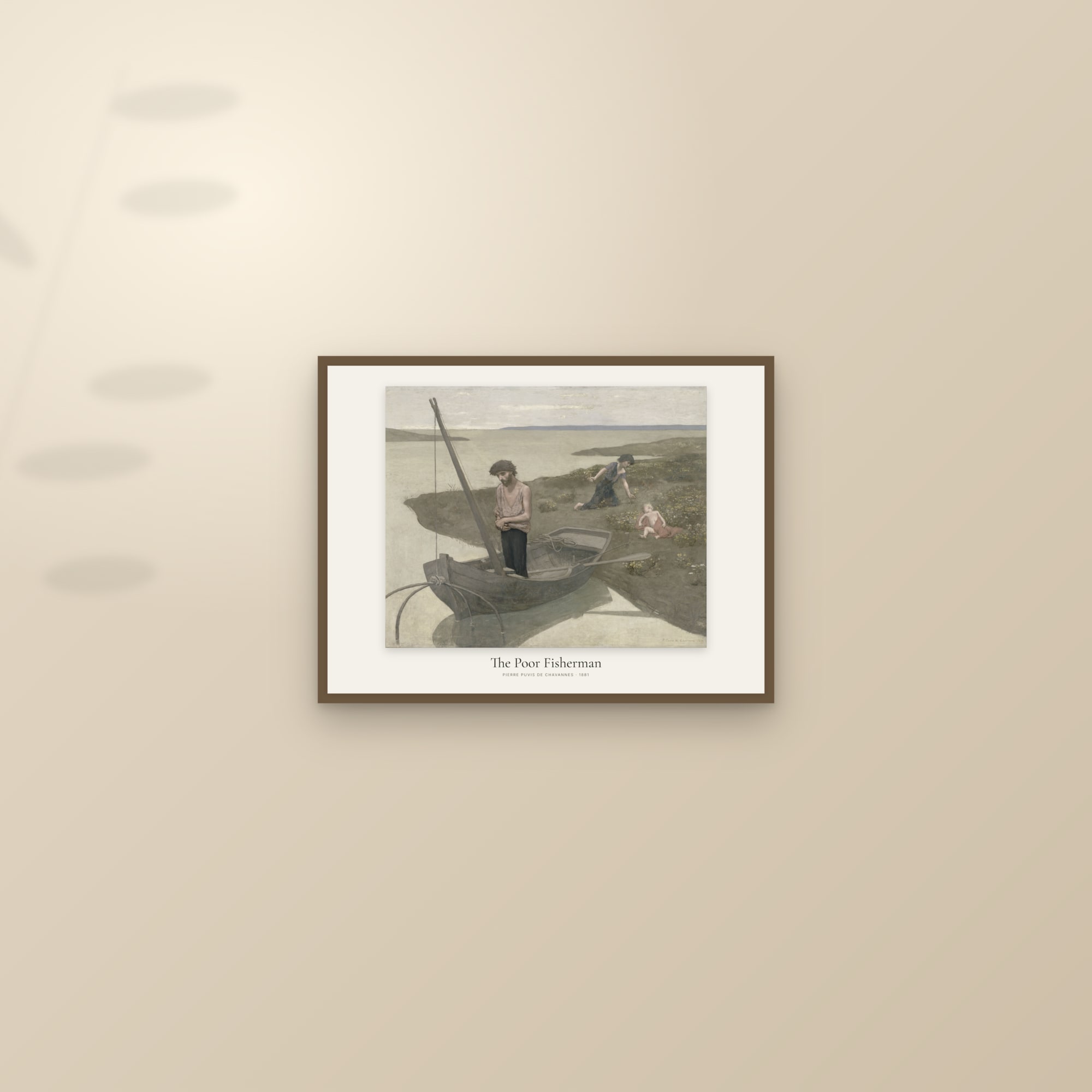
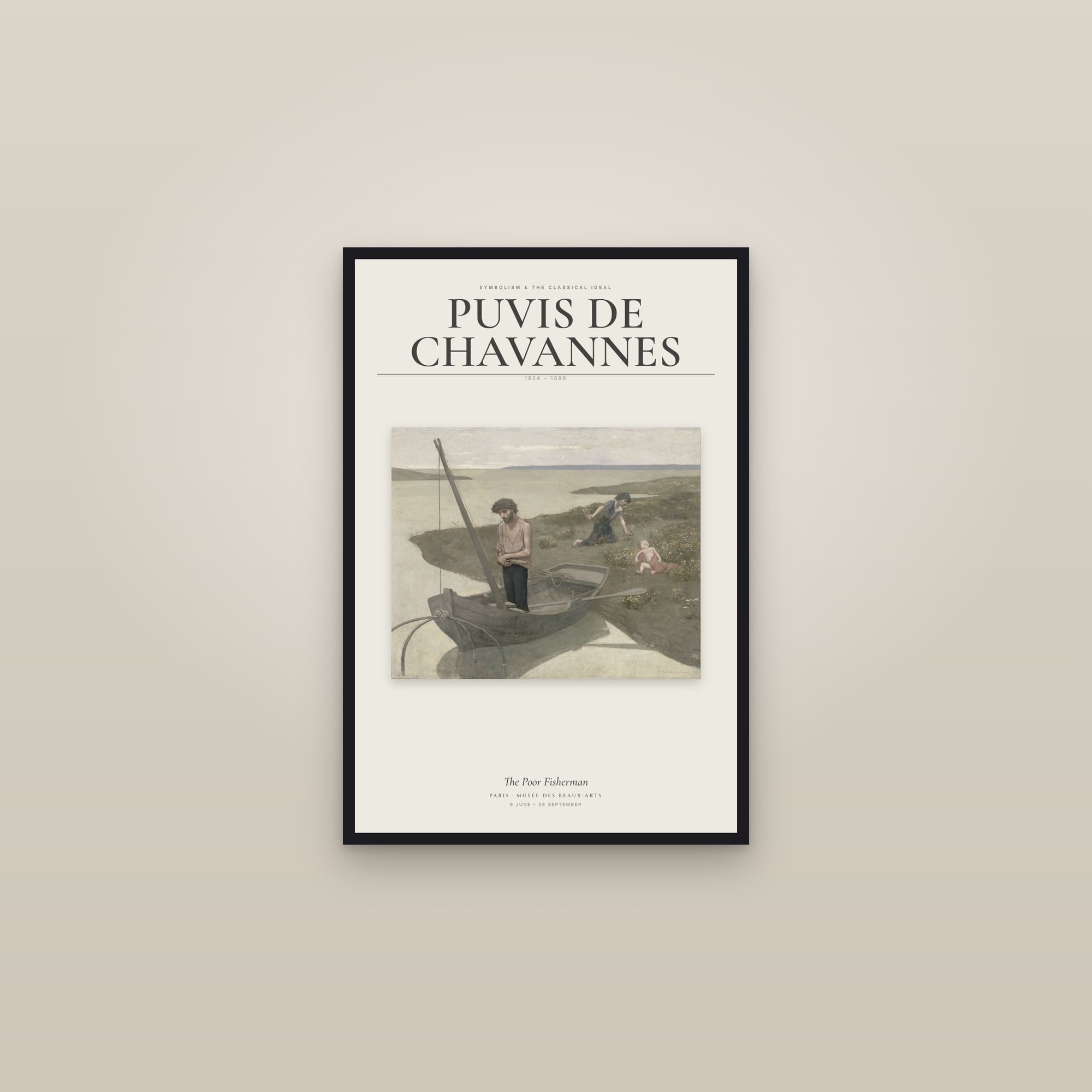
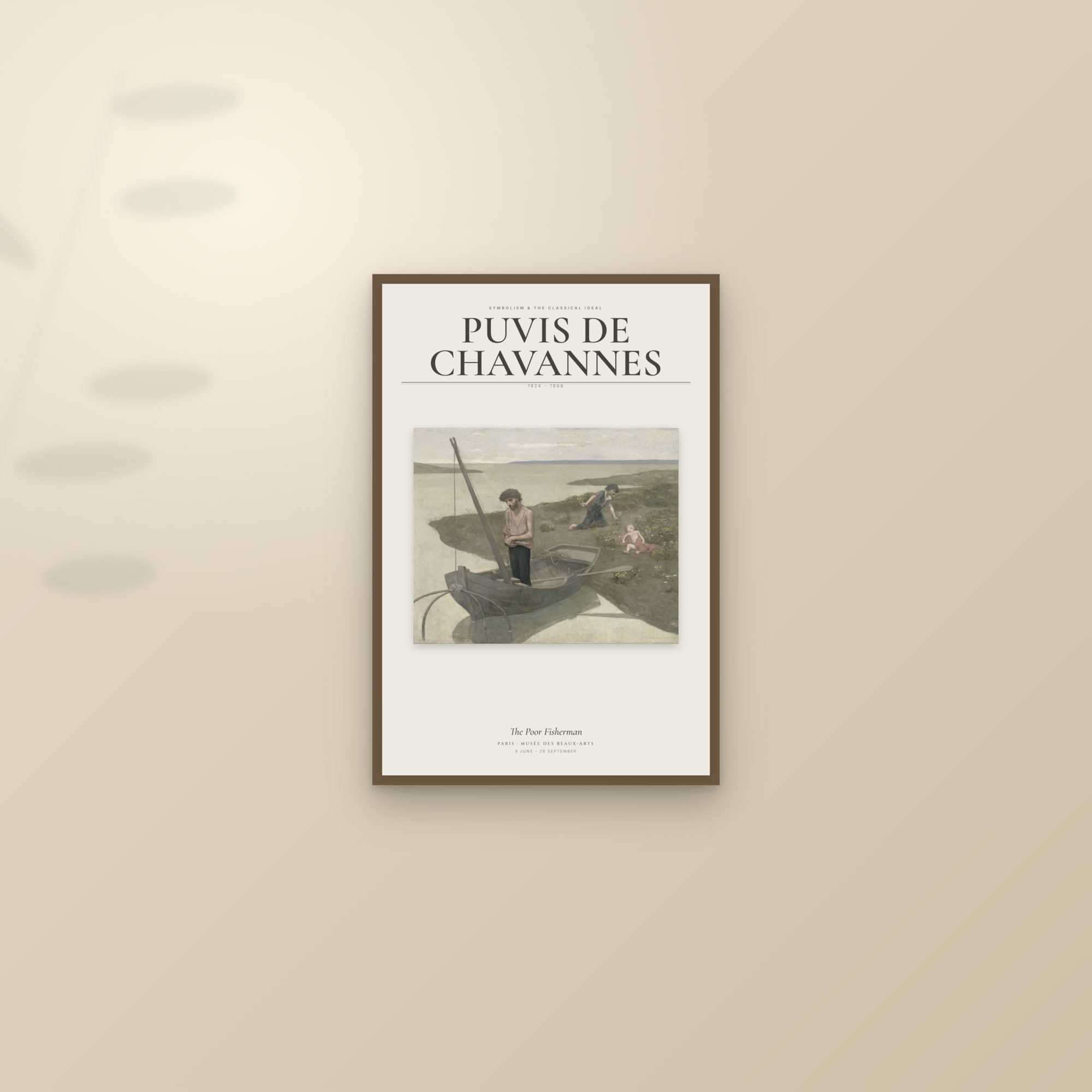
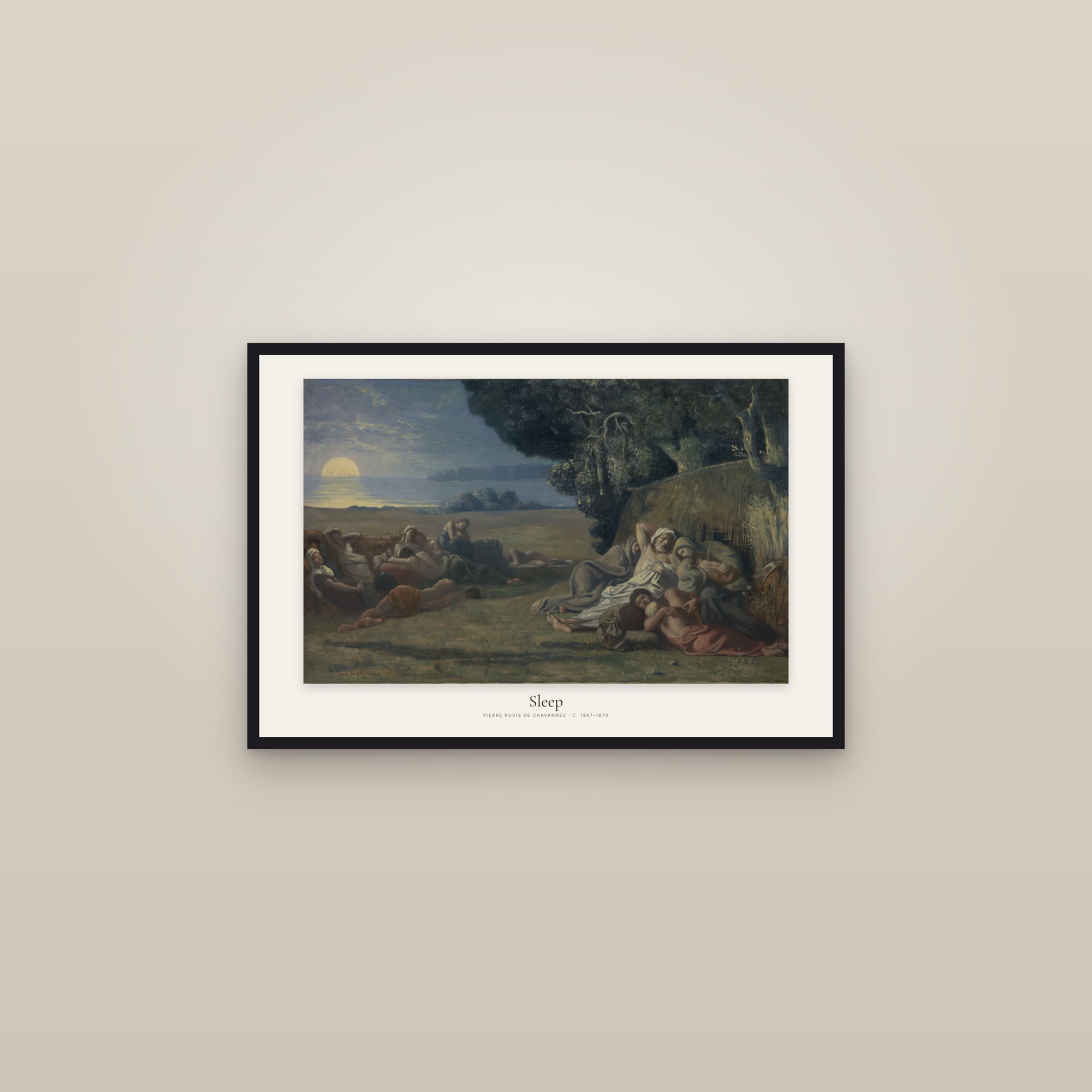
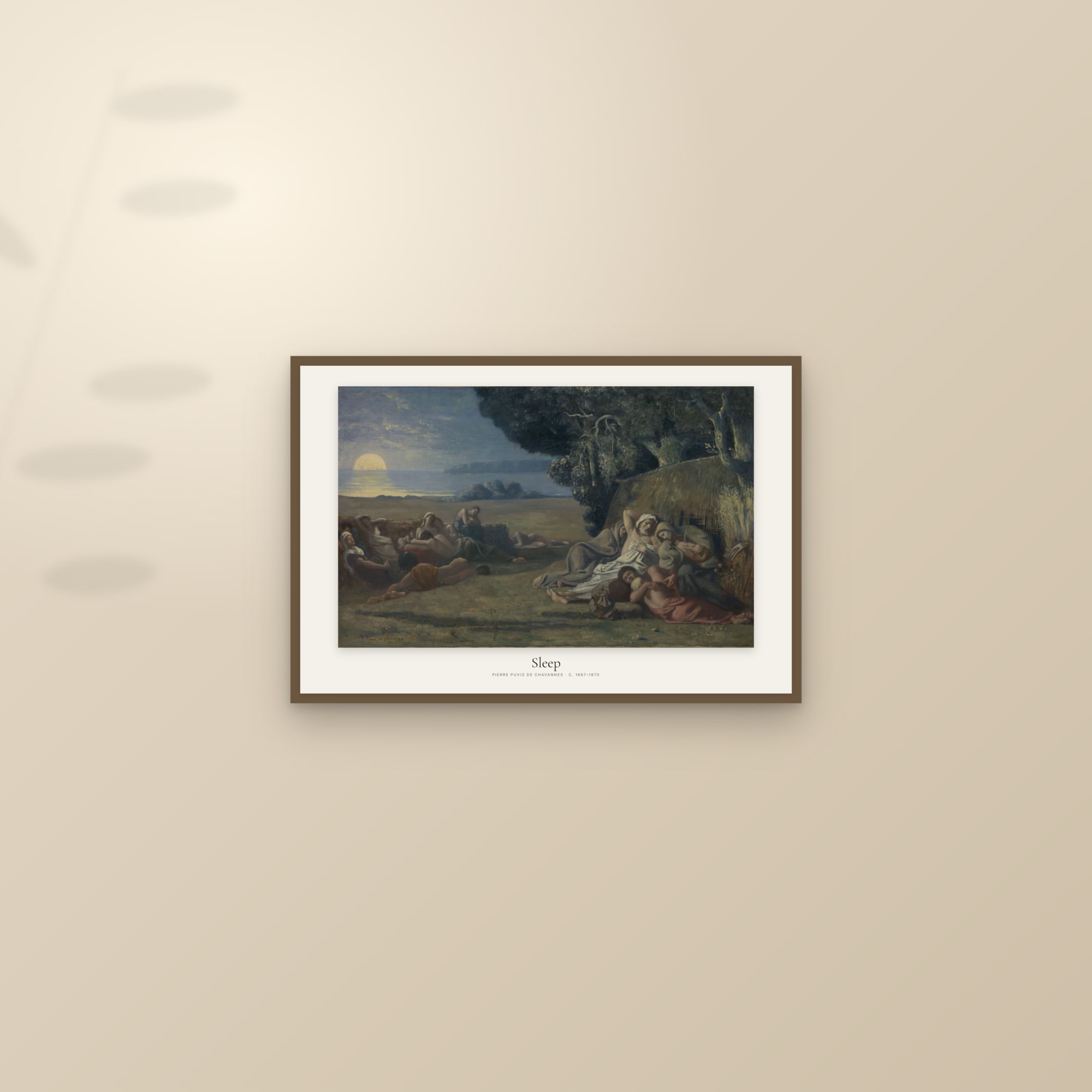
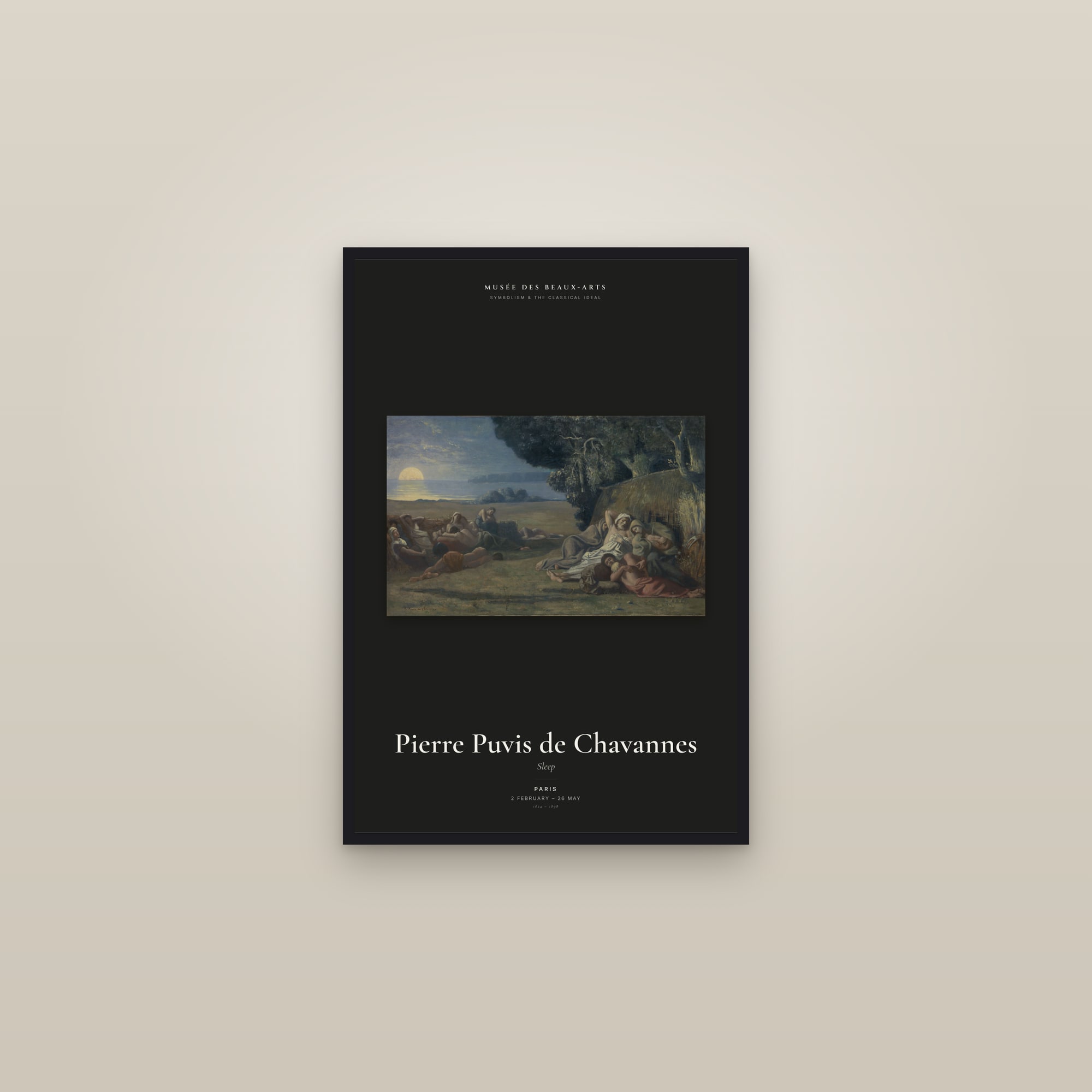
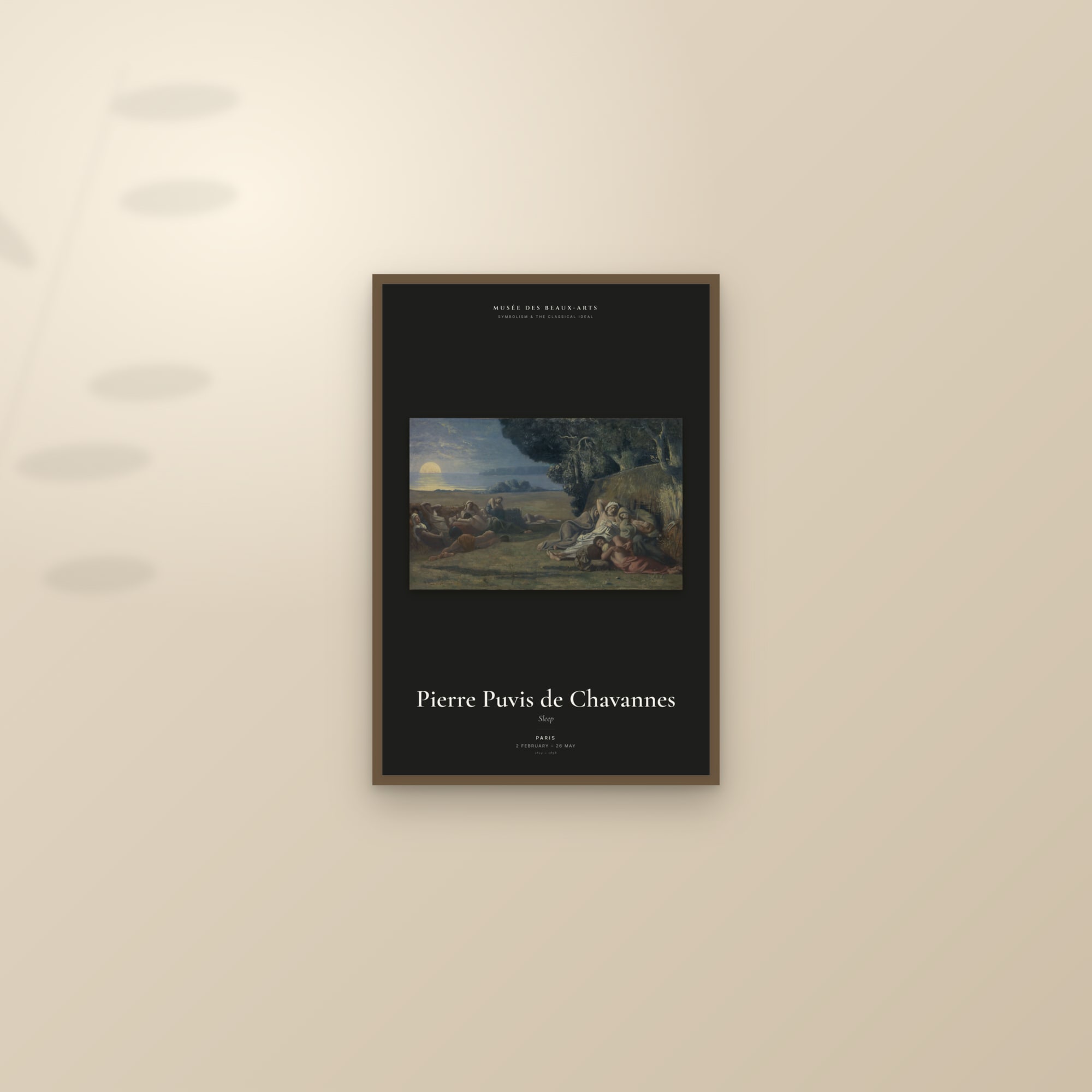
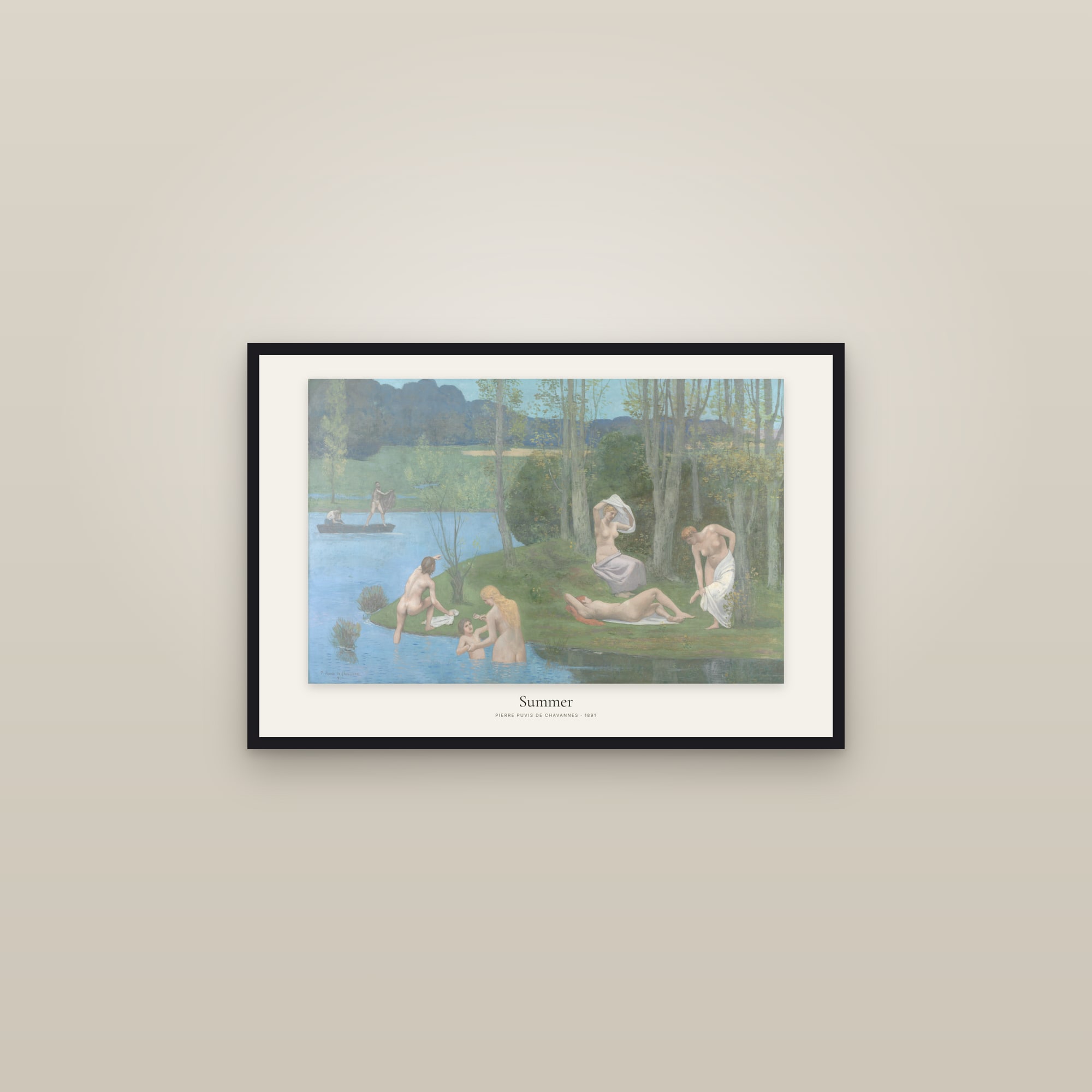
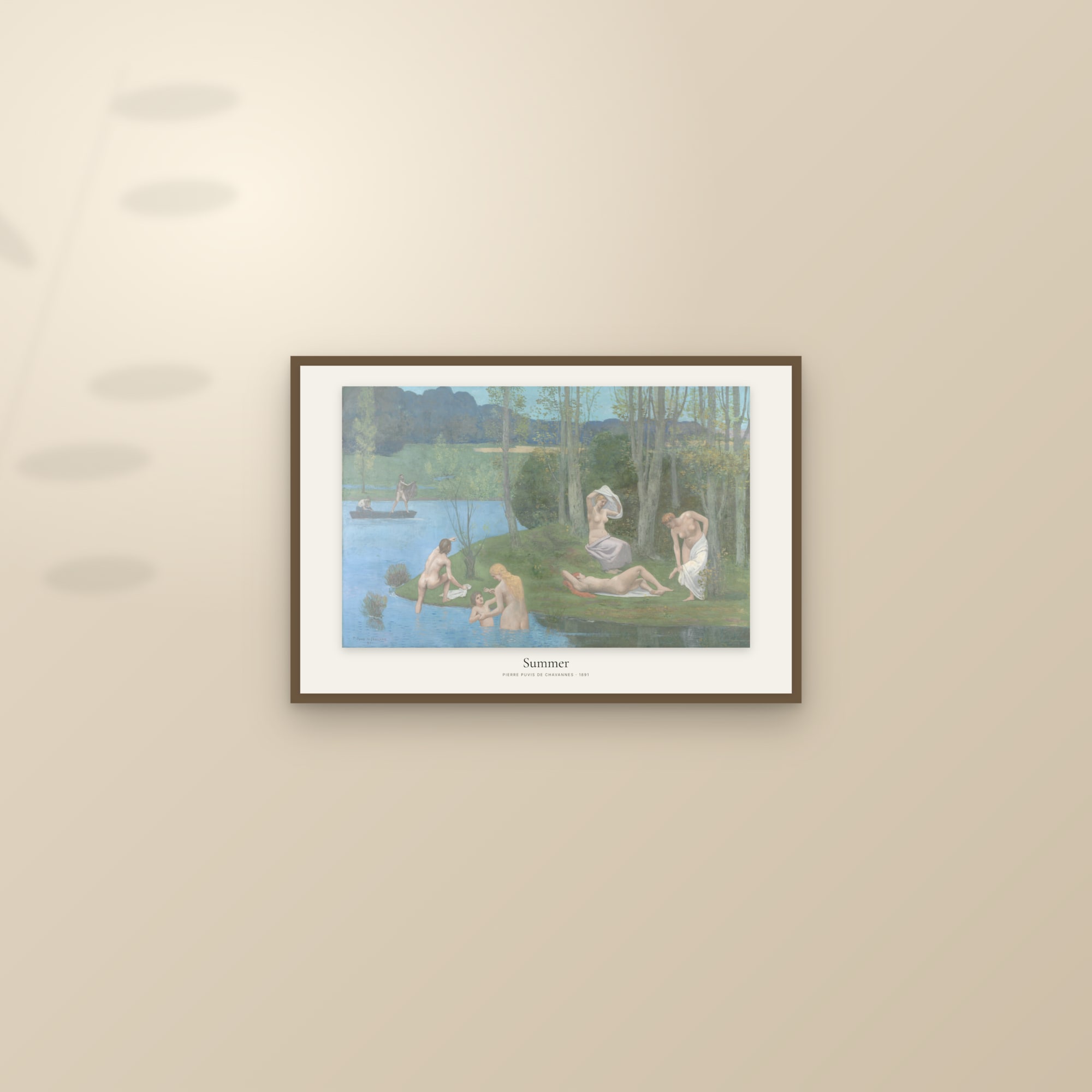
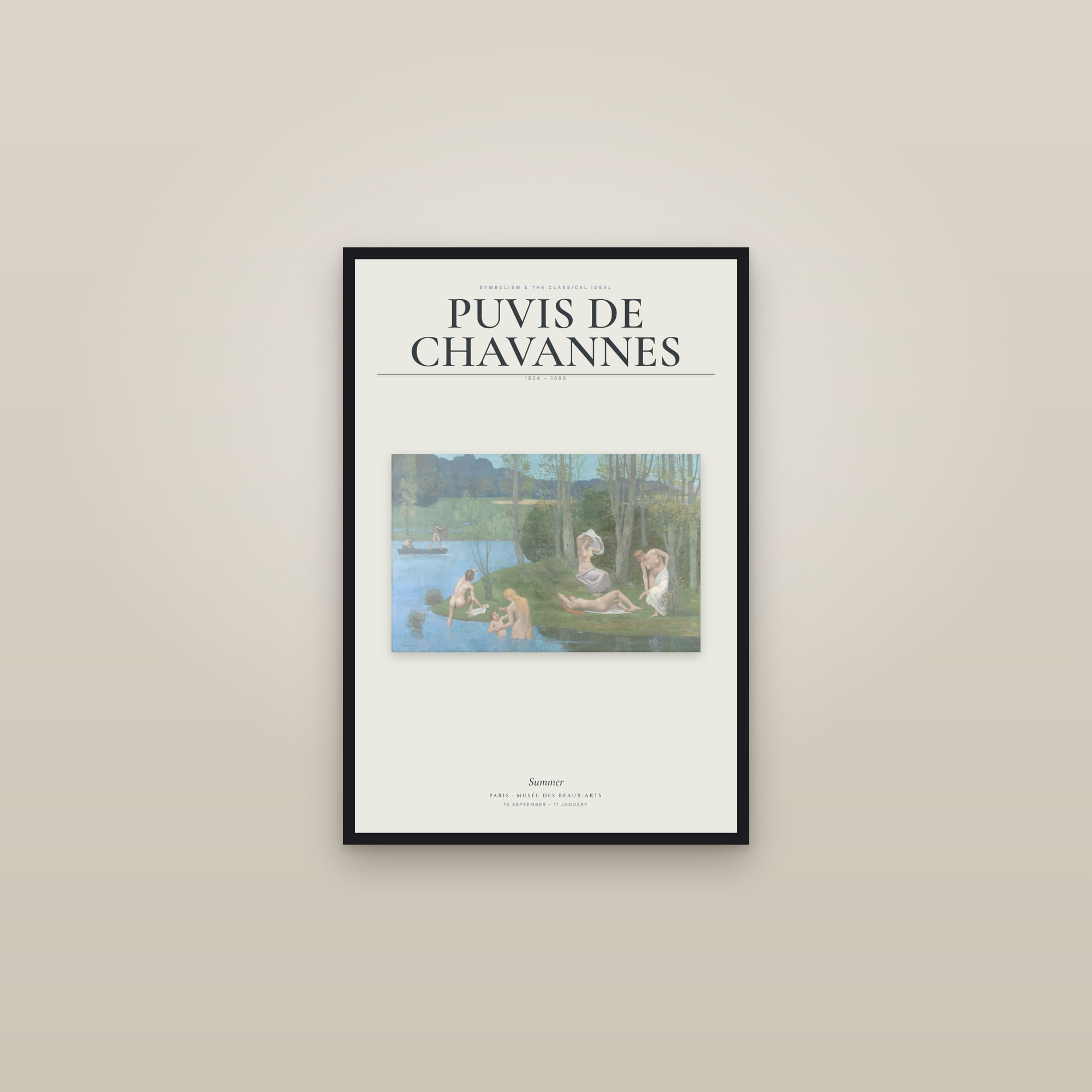
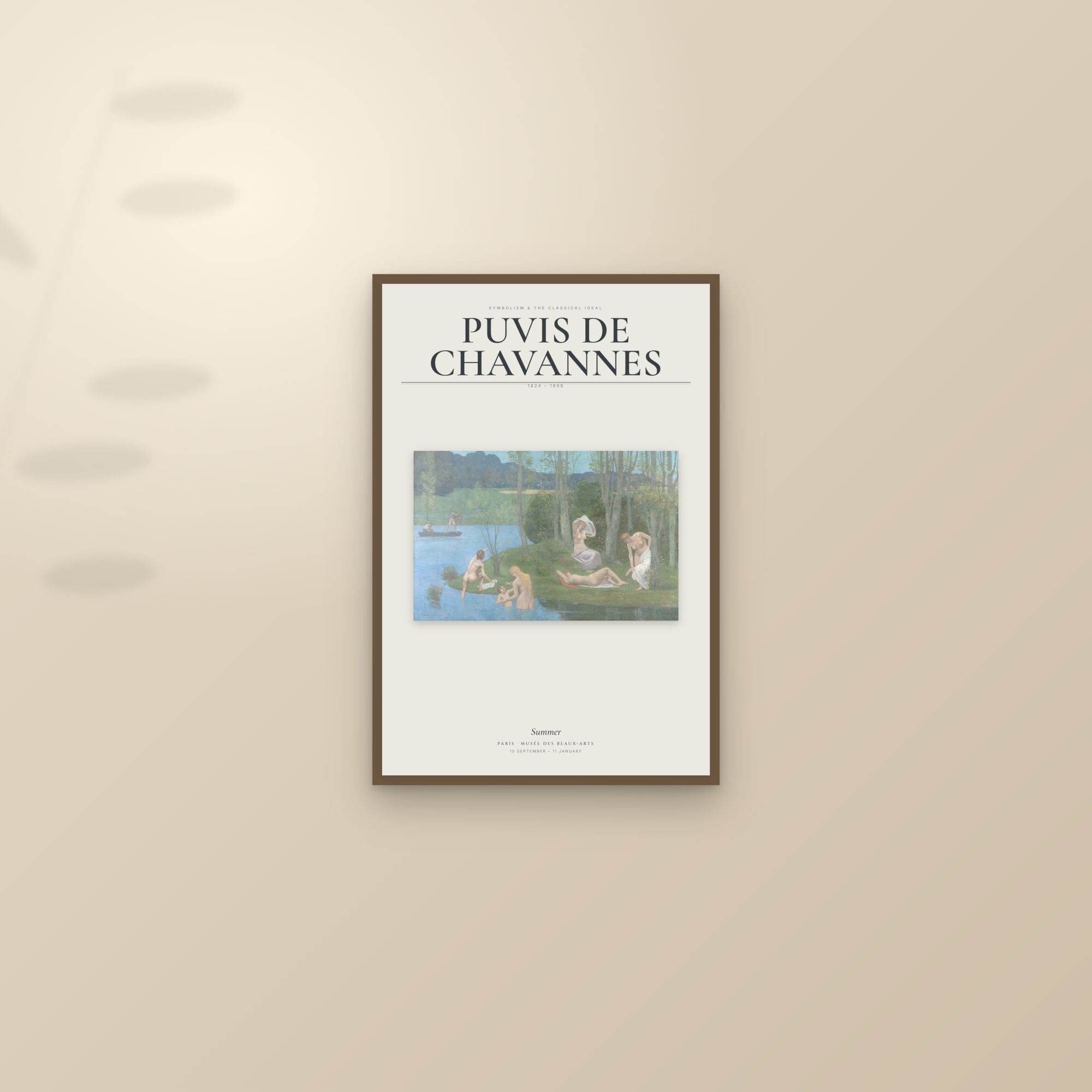
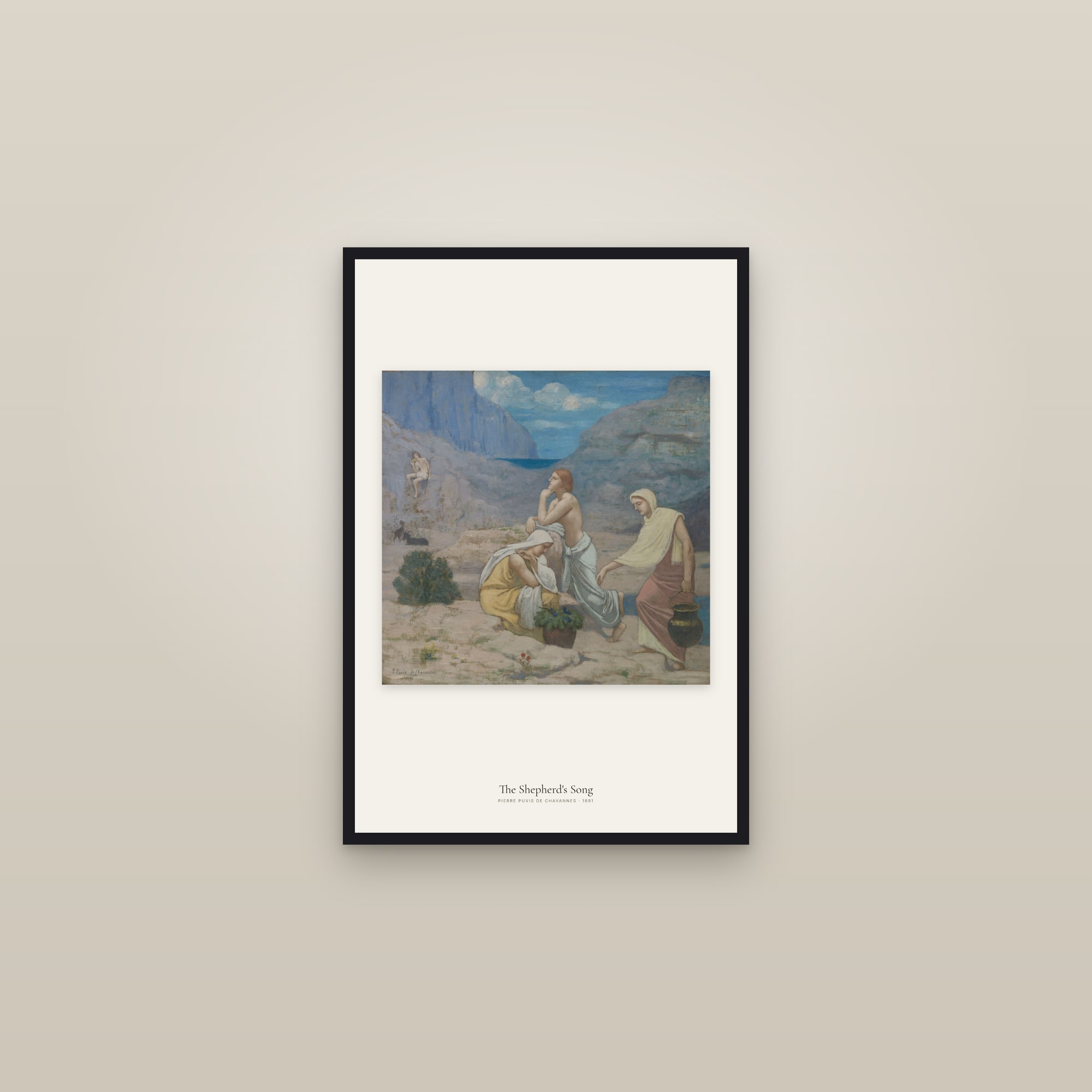
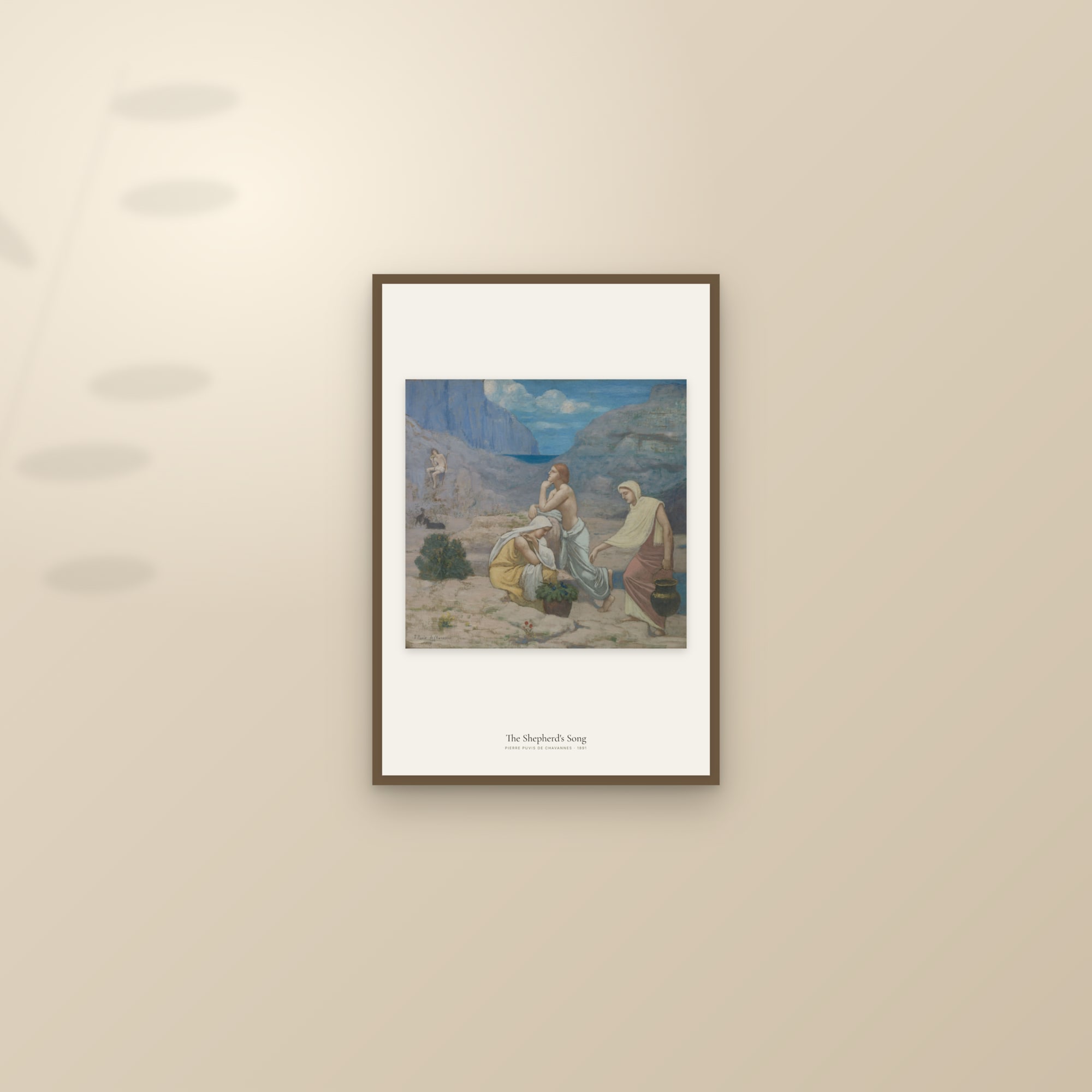
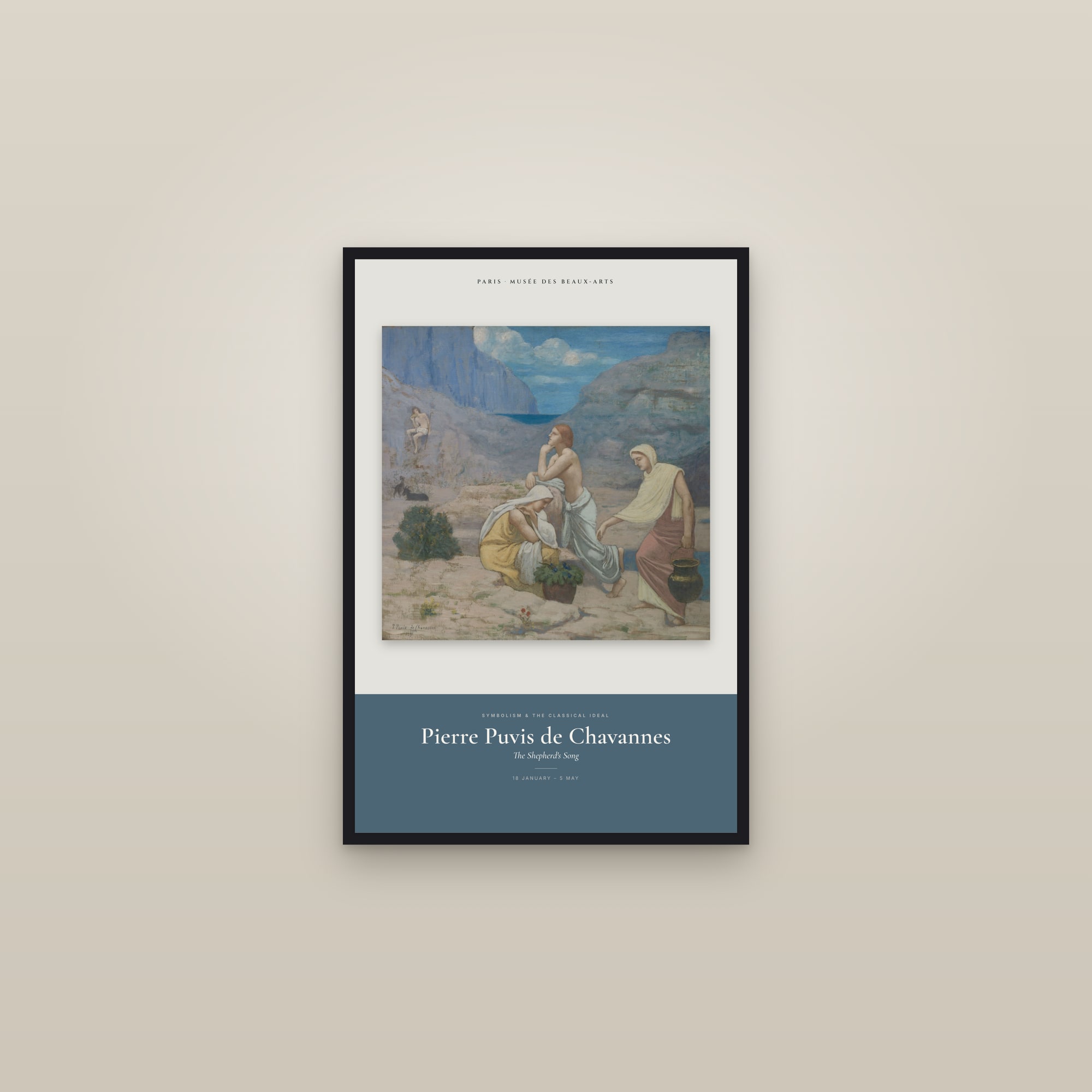
Pierre Puvis de Chavannes was born in 1824 near Lyon, the son of a mining engineer, and later added the ancestral 'de Chavannes' to his name. He meant to follow his father's profession until a serious illness interrupted his studies; a journey to Italy followed, and in 1846 he announced that he would become a painter. He studied very briefly with Eugène Delacroix, then with Henri Scheffer and Thomas Couture, and made his Salon debut in 1850. His first public commissions came in the early 1860s, at the Musée de Picardie in Amiens, and mural painting became his life's work: the cycle of Saint Genevieve in the Panthéon in Paris, begun in 1874, the staircase of the Musée des Beaux-Arts in Lyon, painted between 1883 and 1886, the great hemicycle of the Sorbonne, and Summer and Winter for the Hôtel de Ville. He also painted easel pictures, among them Sleep, shown at the Salon of 1867, and The Poor Fisherman of 1881. In 1890 he co-founded the Société Nationale des Beaux-Arts and became its president. Seurat, Gauguin and Picasso were among the painters who learned from his simplified forms, and Van Gogh called him the master of them all. He married his companion of forty years, Princess Marie Cantacuzène, before both died in 1898. His paintings are flat, pale and still, with chalky colour and figures arranged in calm horizontal bands, so they sit on a wall like a fresco rather than open a window in it.