
Curtis’s Botanical Magazine, by Plate Number
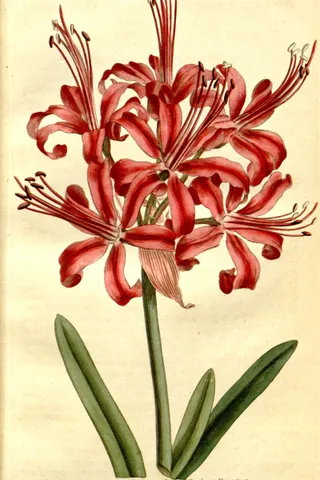
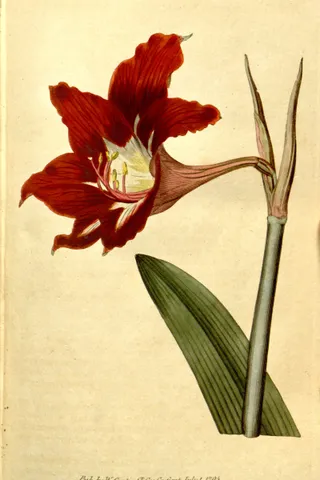
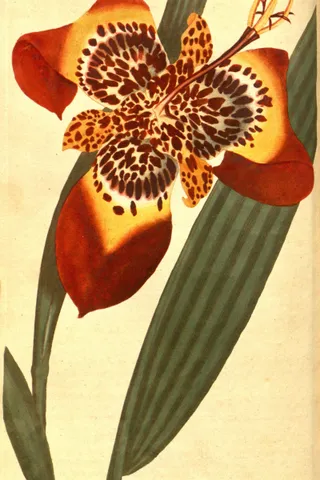
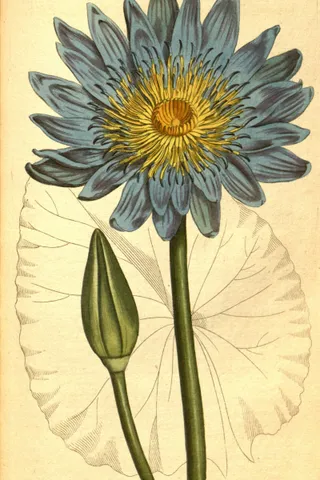
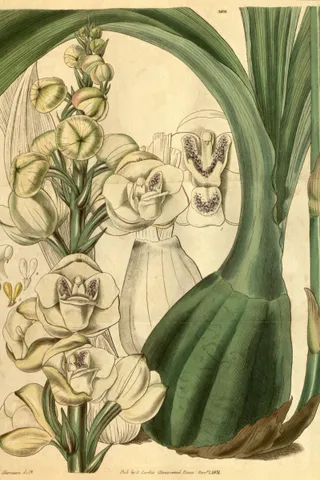
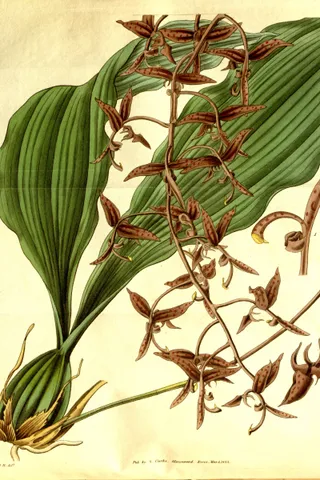
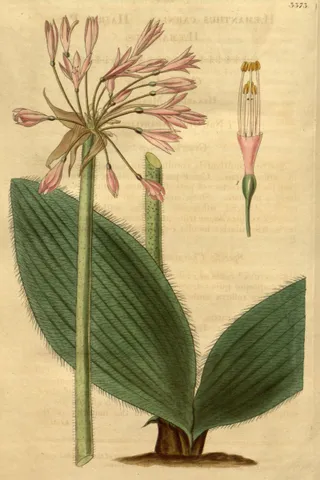
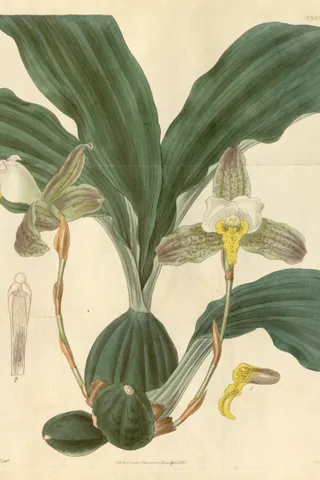
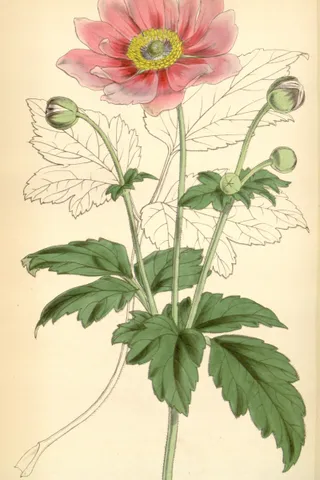
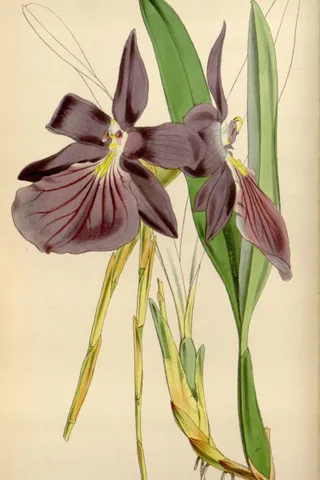
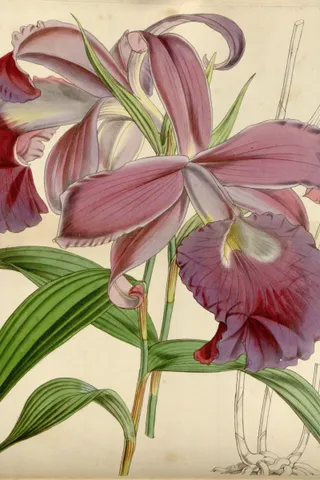
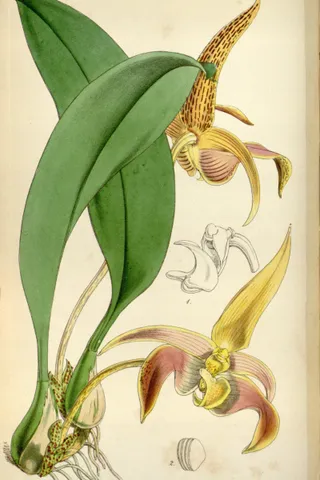
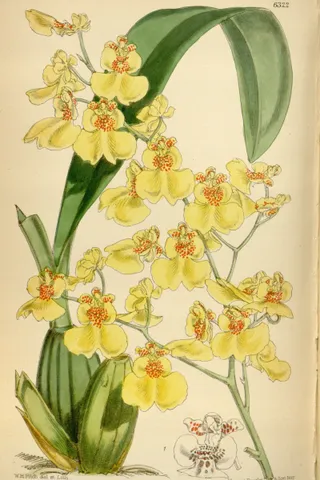
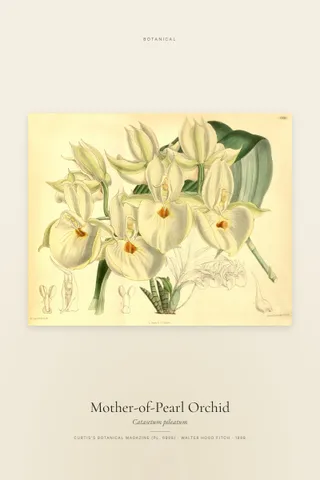
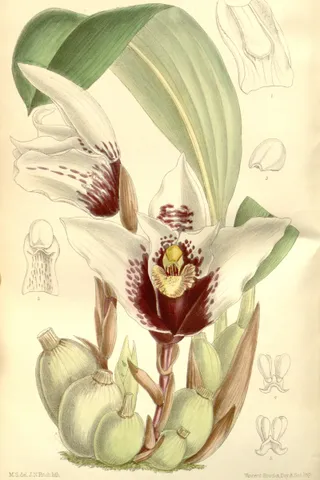
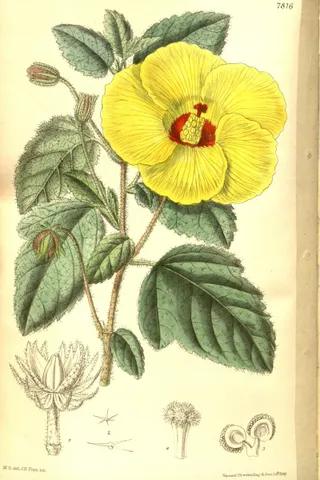
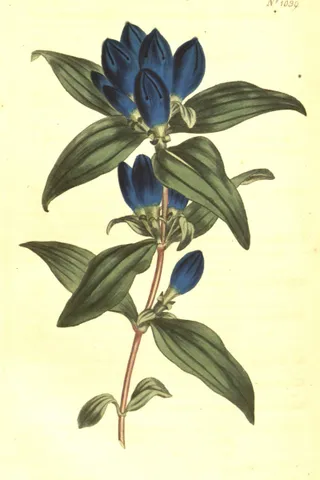
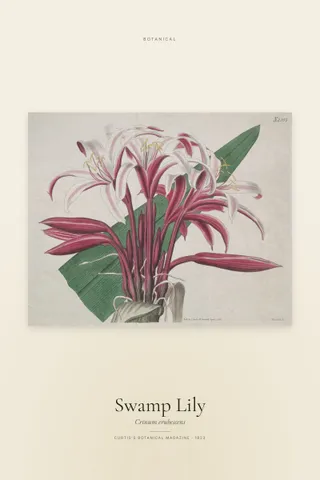
102 plates from the oldest botanical magazine still published, 1788 to 1913, in plate-number order, with the artist and year of each.
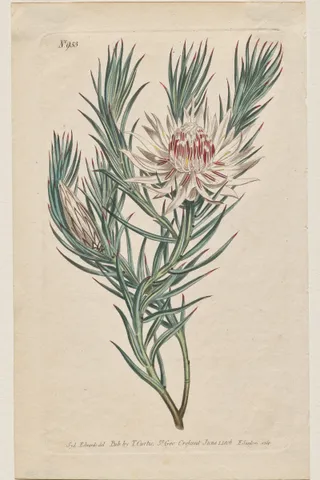
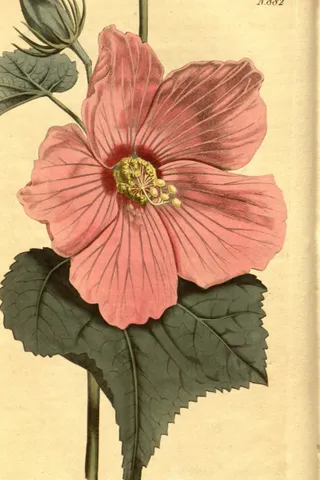
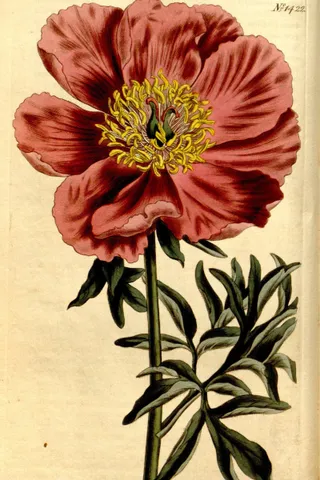
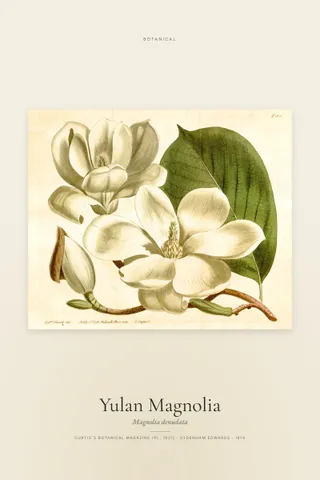
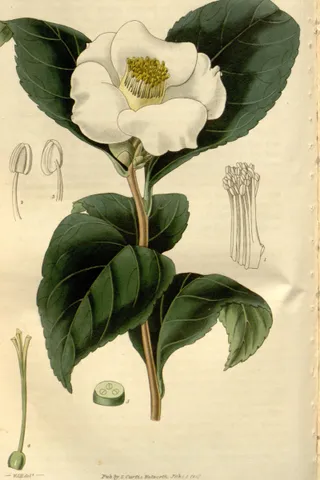
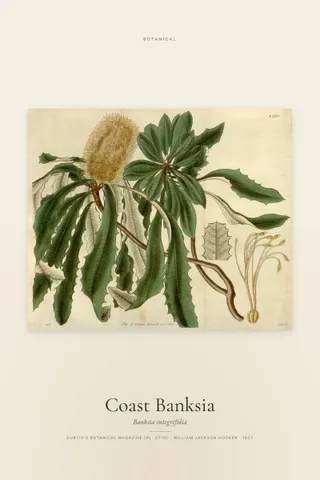
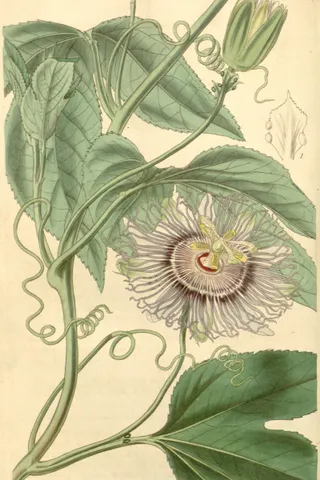
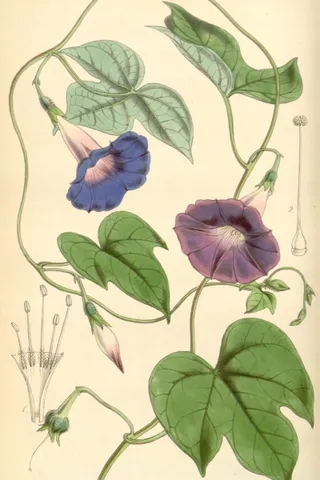
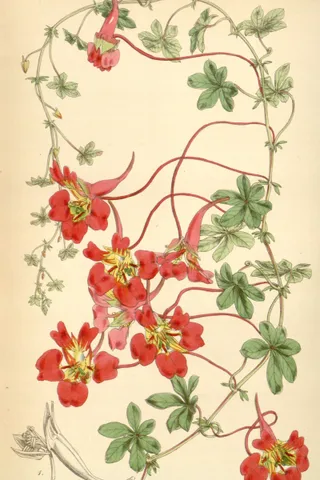
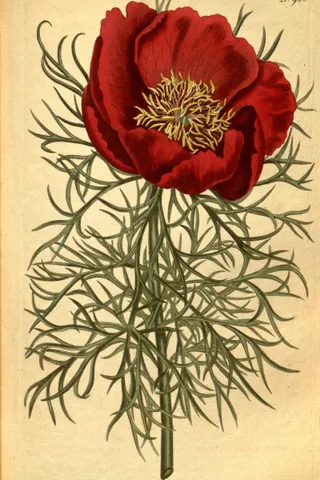
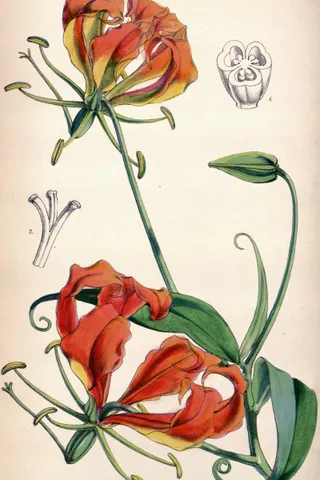
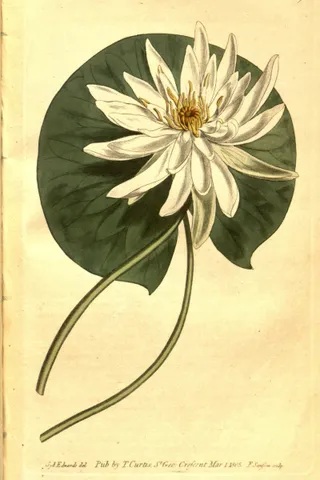
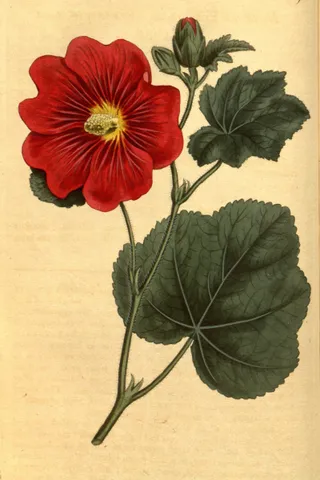
William Curtis, a London apothecary and botanist, started The Botanical Magazine in 1787. Each monthly part had a few hand-coloured engravings of plants grown in British gardens, each with a page of text on how to grow it. The magazine was a success and still appears today, published by the Royal Botanic Gardens, Kew. It is the longest-running botanical periodical with coloured plates.
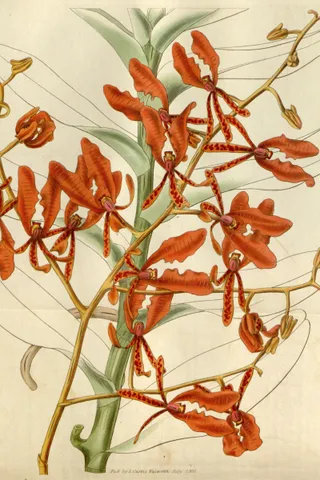
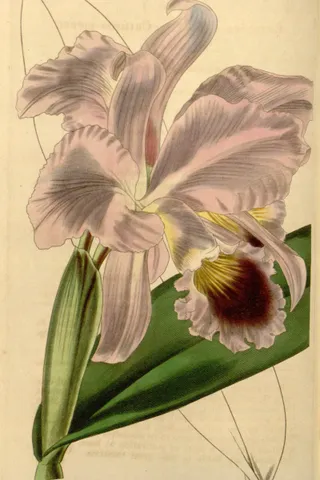
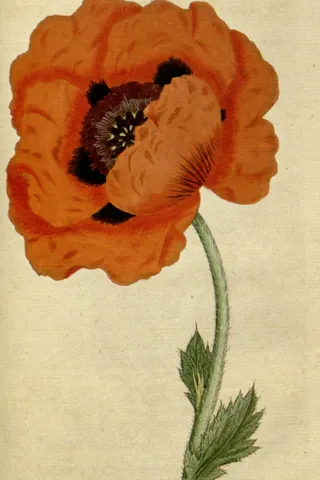
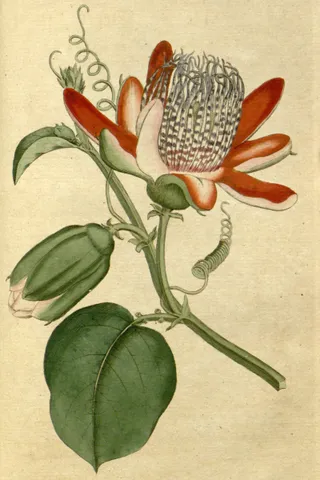
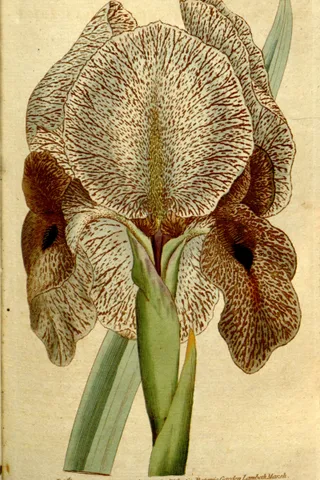
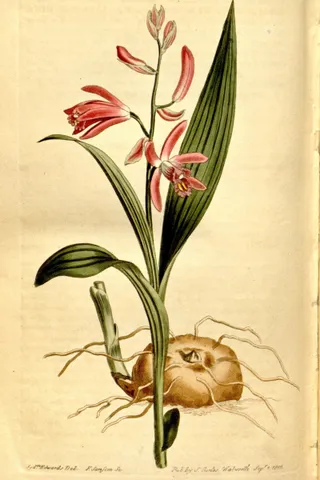
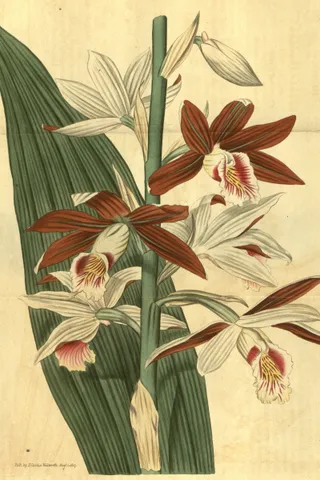
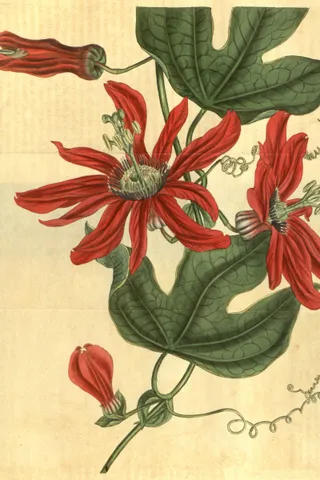
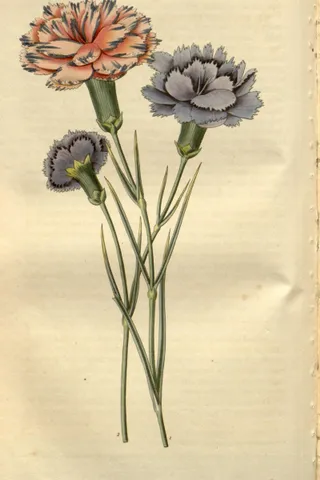
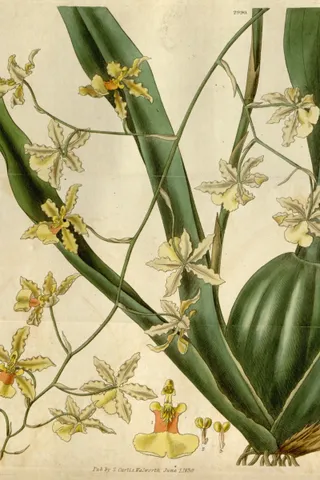
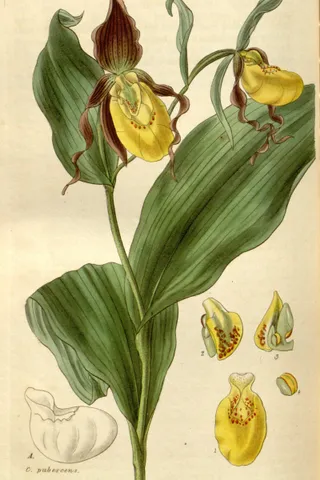
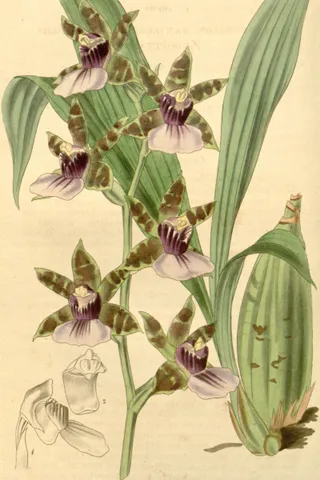
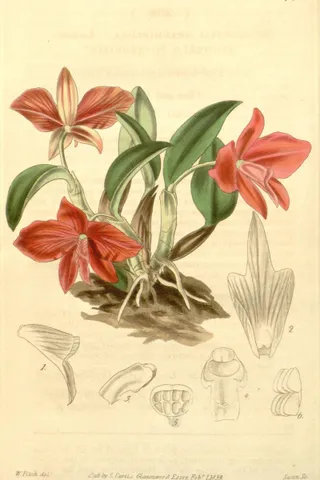
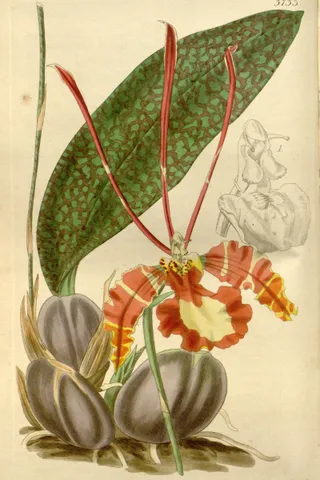
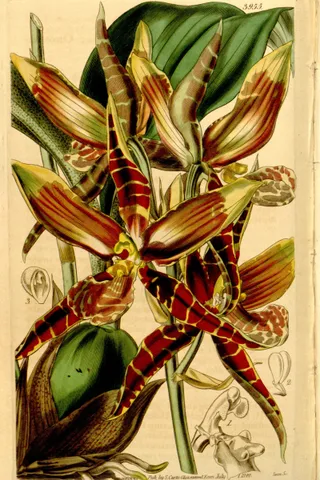
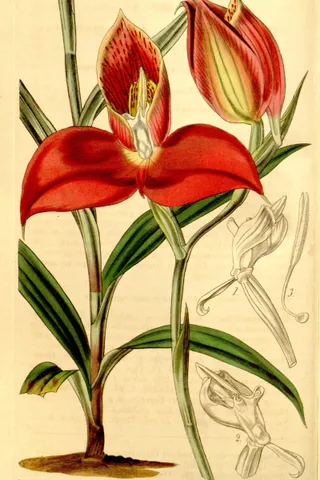
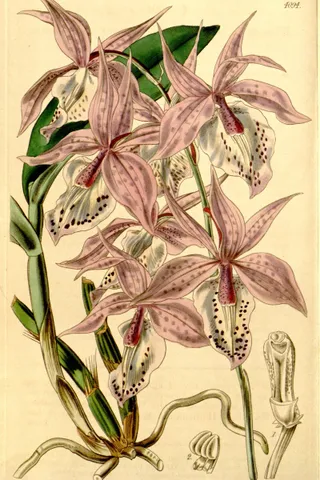
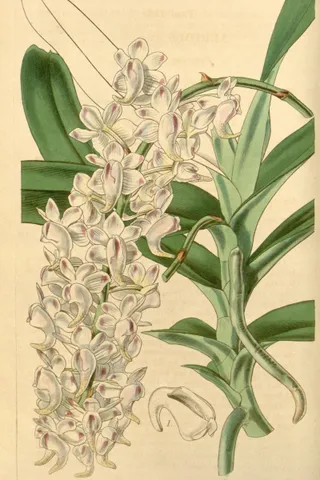
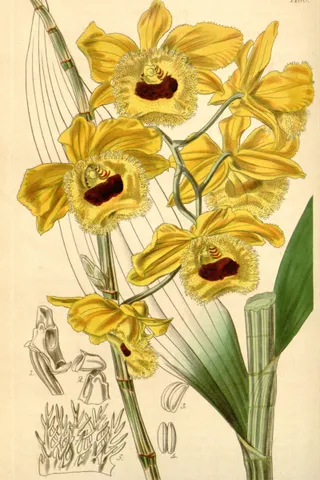
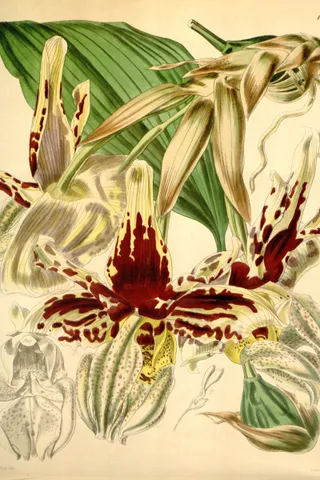
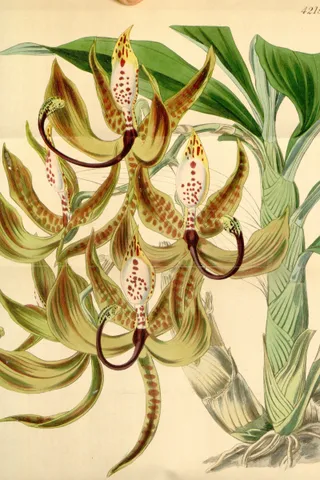
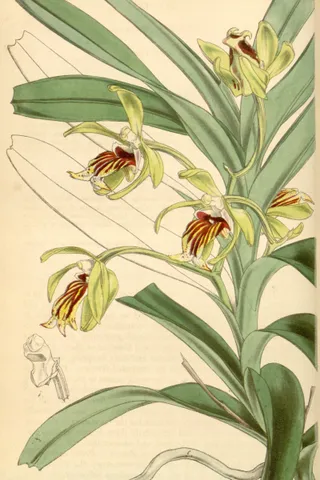
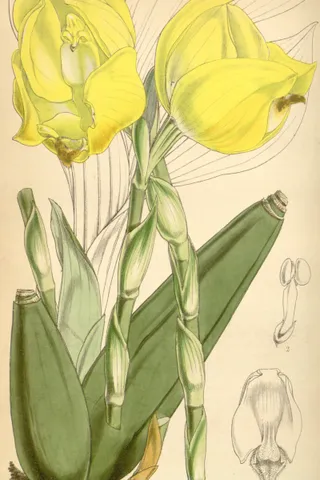
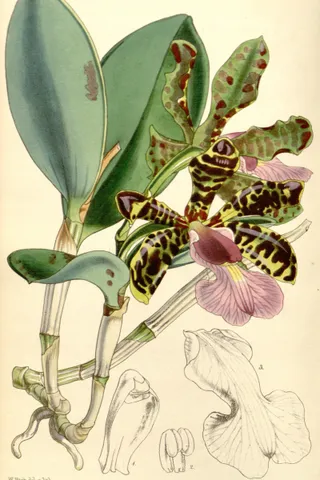
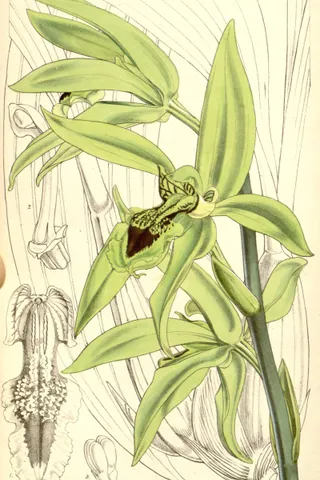
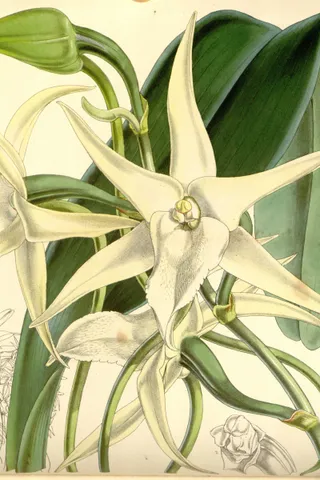
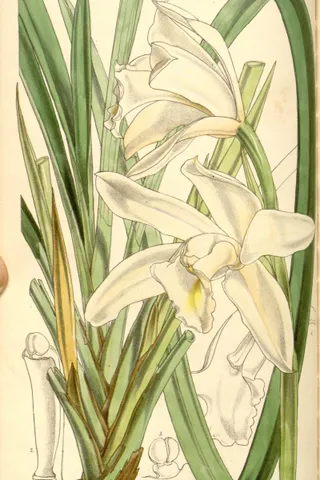
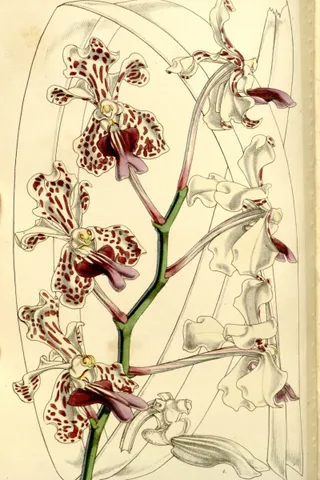
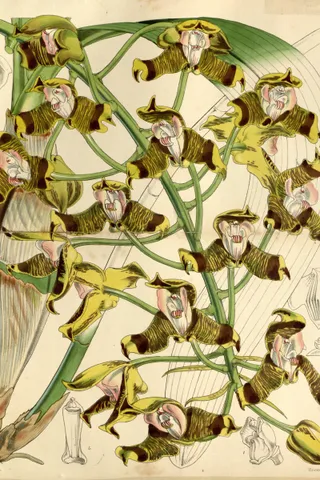
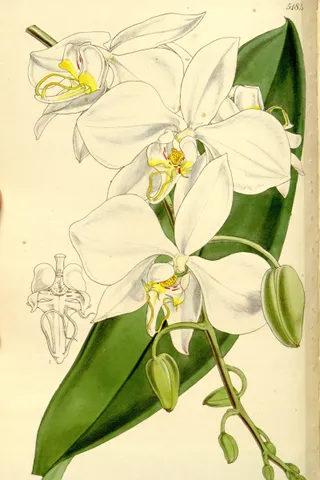
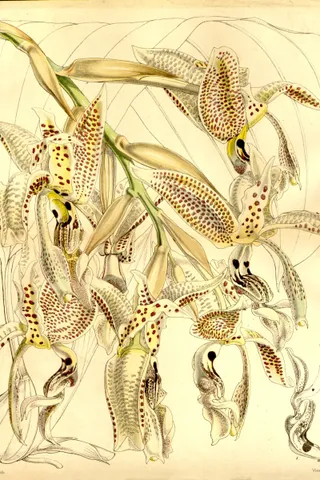
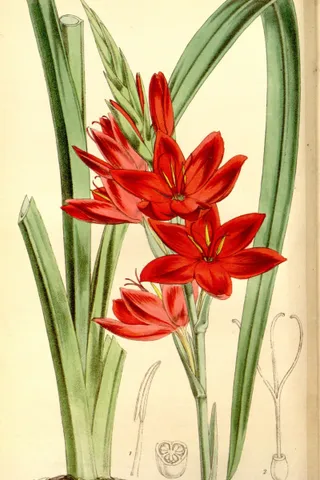
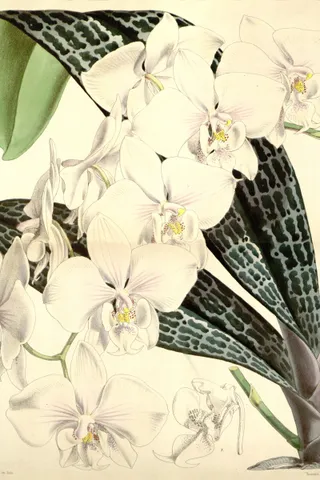
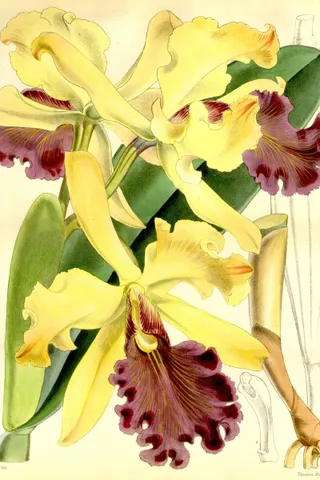
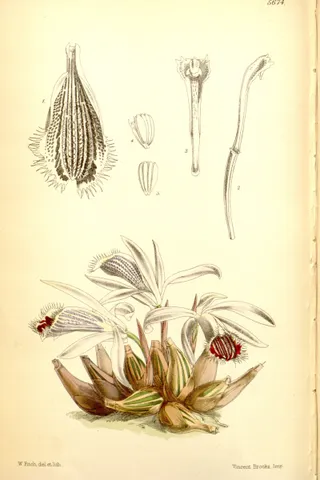
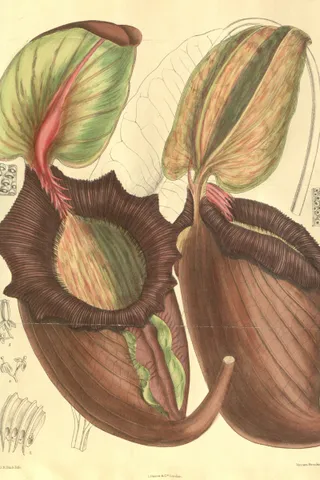
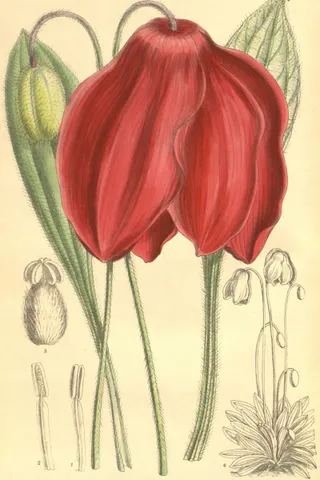
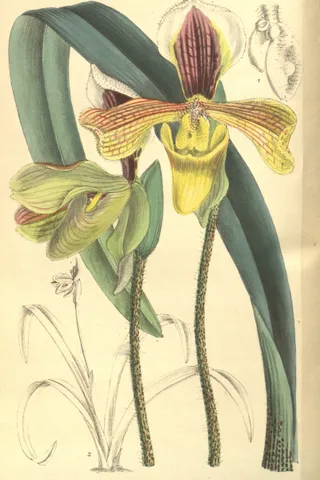
The plates are numbered in one continuous run from the first issue. Early plates show garden flowers and new arrivals from the Cape and the Americas. From the 1830s the magazine filled with tropical orchids, as wealthy growers raced to flower new species in their hothouses.
This page lists the plates in our restored set by that number, 102 in all, with the plant’s common name, its Latin name as accepted today, the artist where our record names one, and the year. 9 plates whose record carries no number are listed separately at the end.
The artists
The four artists named on plates in this set. Plates whose record names no artist are left blank, not guessed.
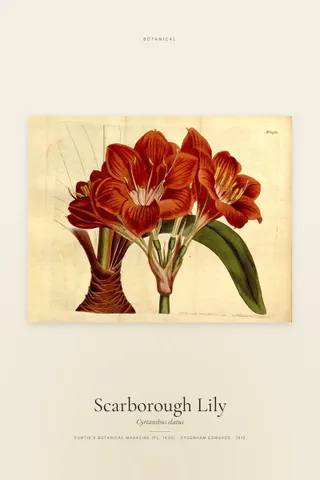
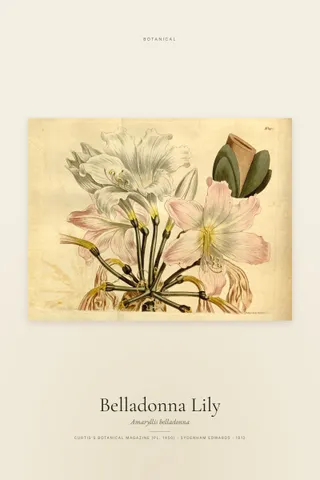
Sydenham Edwards
30 plates here1768–1819. The magazine’s main artist from its first years until 1815, when he left to start a rival, the Botanical Register.
William Jackson Hooker
4 plates here1785–1865. Editor of the magazine from 1827 and later the first official director of Kew. He drew some of the plates himself.
Walter Hood Fitch
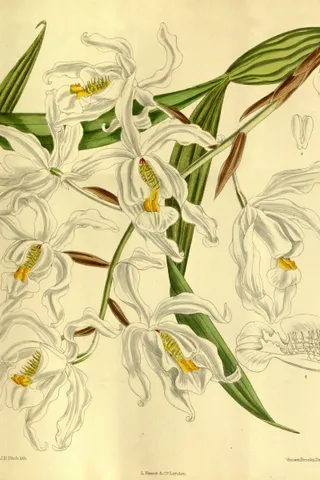
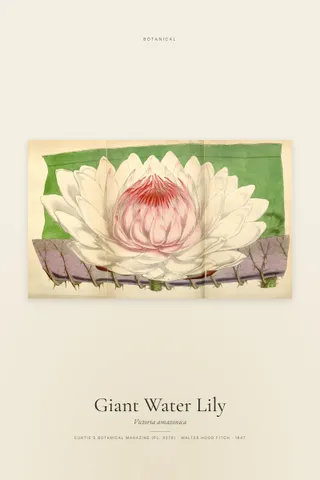
50 plates here1817–1892. Hooker’s protégé, who drew most of the plates from the 1830s until 1877. Many of the orchids here are his.
Matilda Smith
4 plates here1854–1926. Kew’s botanical artist and the magazine’s principal artist after Fitch, for more than forty years.
The plates, by number
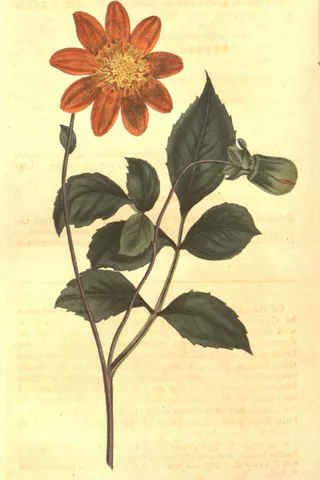
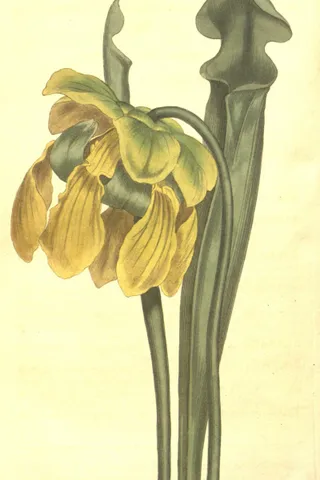
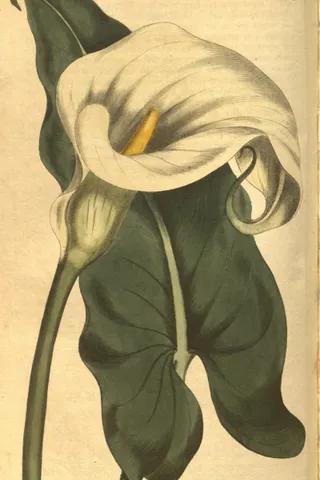
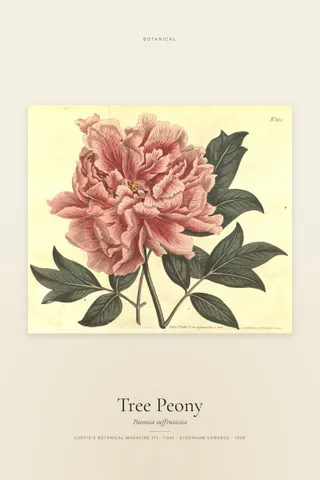
Plate number, common name, Latin name as accepted today (not always the name printed with the plate), artist and year. Each plate has its own anchor, for example #plate-57.
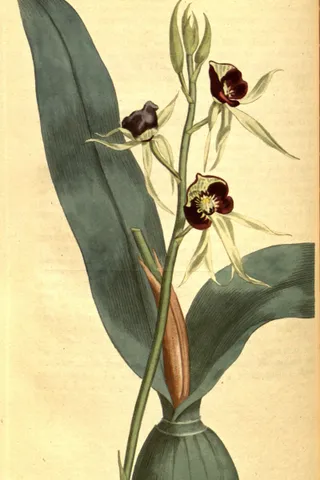
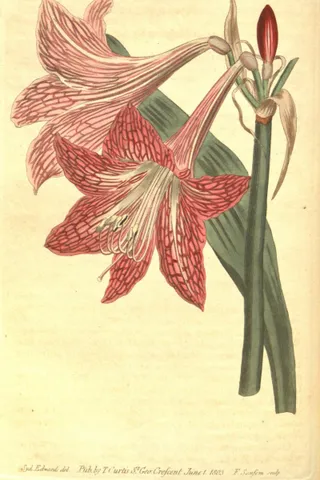
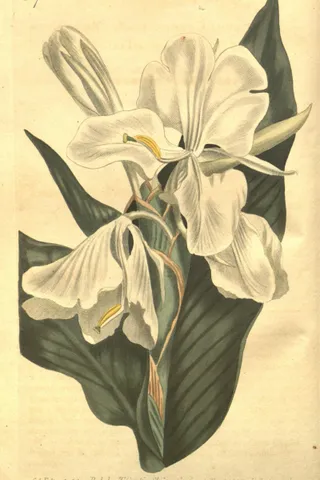
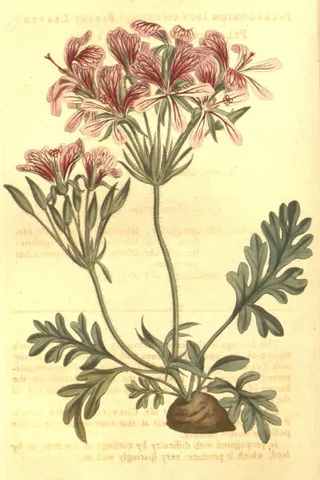
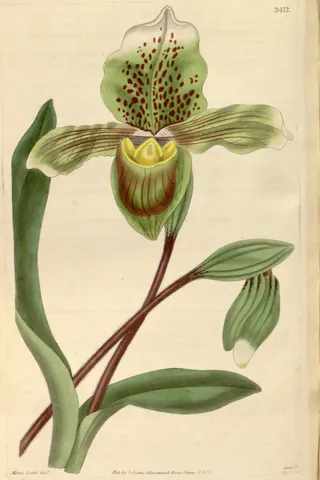
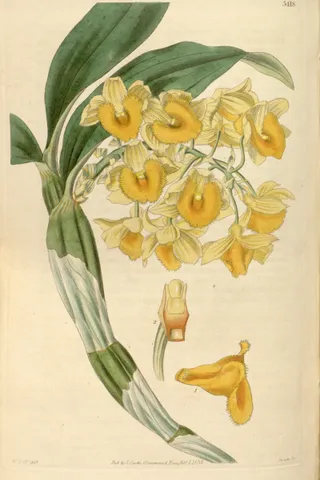
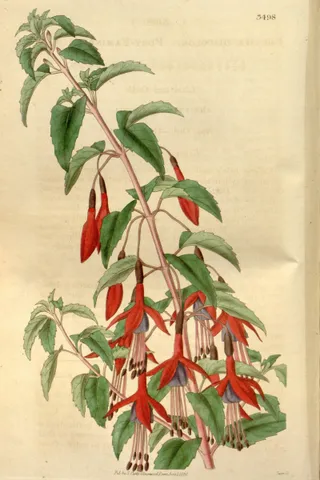
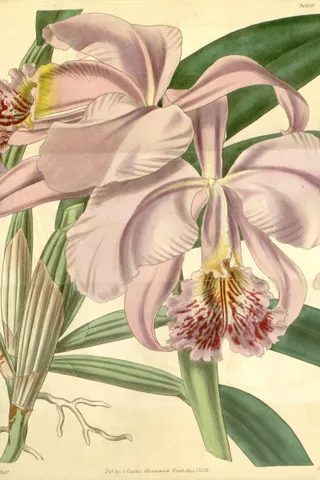
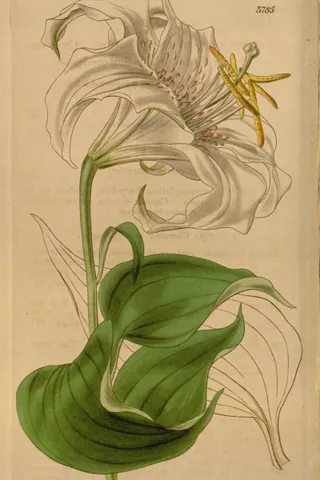
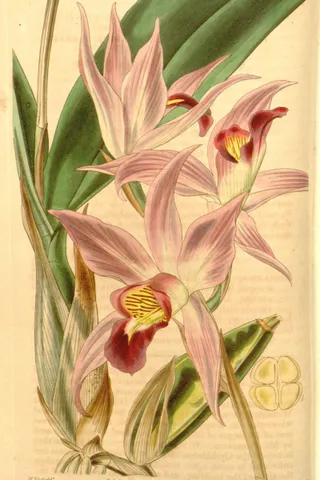
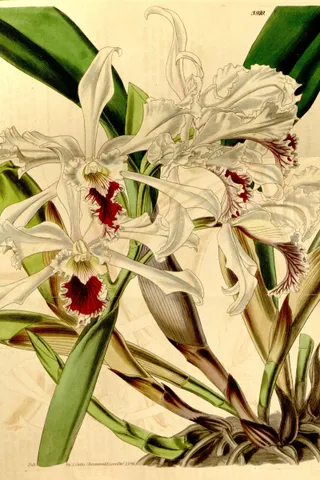
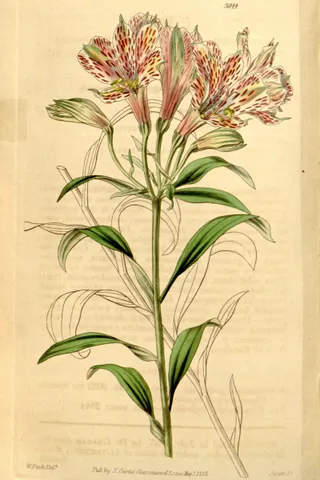
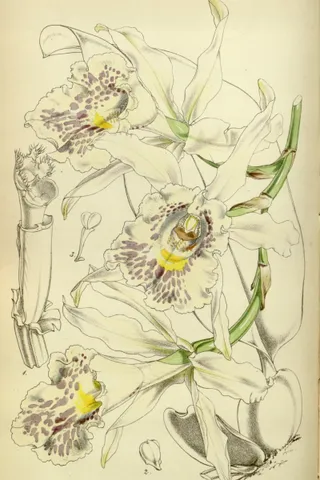
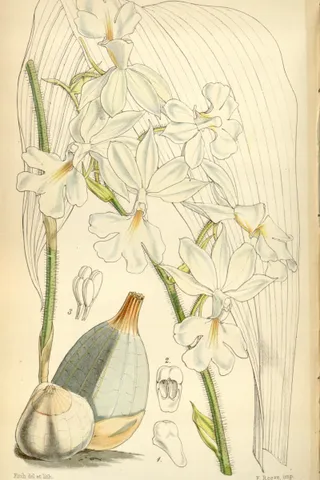
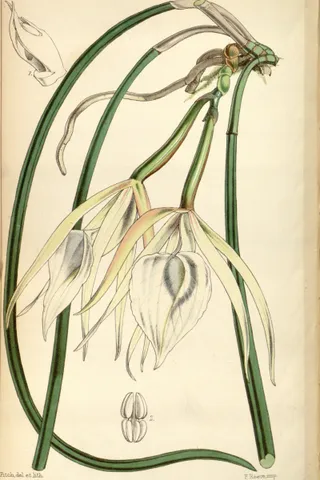
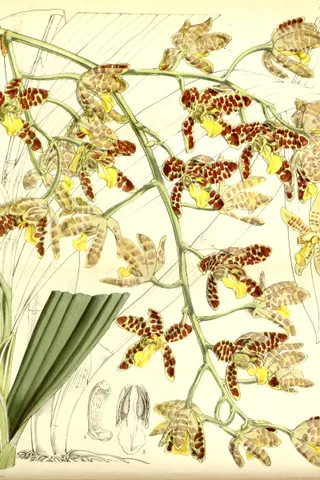
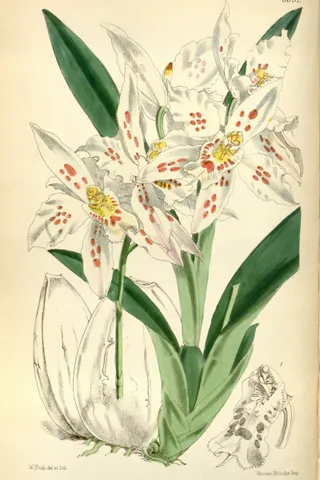
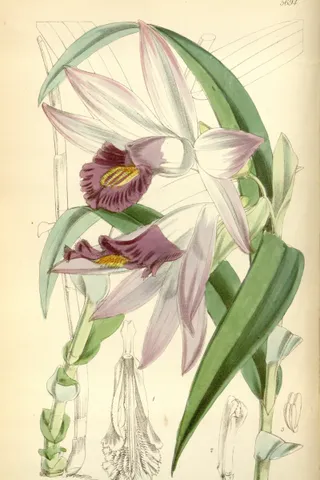
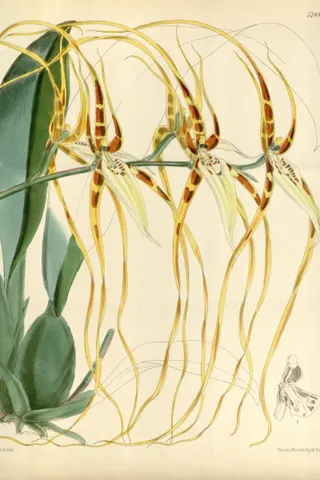
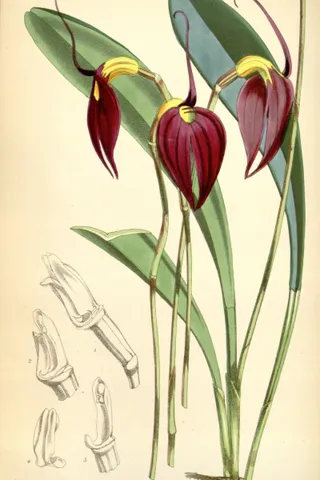
Plates without a number on the record
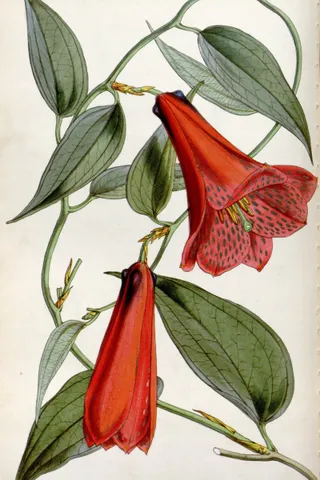
These plates are from the magazine, but our record does not carry the plate number, so they are listed alphabetically rather than given a guessed place.
Reading the plate numbers
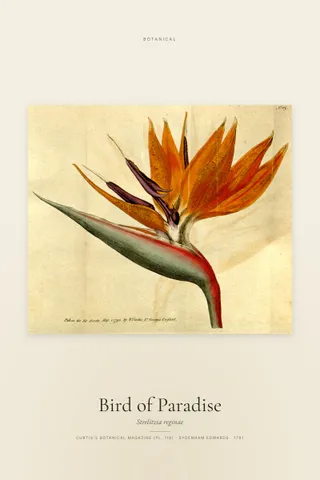
The numbers run straight through the magazine’s series and volumes, so a number alone identifies a plate. Early volumes were cited by plate rather than by page, and botanists still cite plates this way, for example “Bot. Mag. t. 119” for the bird of paradise flower.
The artist is left blank where our record names none, and on three late plates (6998, 7518 and 8126) whose record credits Walter Hood Fitch, who had stopped drawing for the magazine in 1877.
Plant names change. The Latin names here are the ones in use today. The name printed on the plate is often older: Strelitzia reginae has kept its name, but many orchids have moved genus since Fitch drew them.
Sources & citation
- Curtis’s Botanical Magazine in the Biodiversity Heritage Library (every volume, free to read)
- Curtis’s Botanical Magazine — Wikipedia
- Curtis’s Botanical Magazine — Biodiversity Heritage Library
The original engravings are in the public domain. The restorations shown here are Madten’s, at web resolution. Latin names follow current usage, not the name printed on the plate. To cite this page: Madten, “Curtis’s Botanical Magazine, by Plate Number,” https://www.madten.com/reference/curtis-botanical-magazine-plates, 2026-11-13.