Framed, unframed or canvas: which to buy for which wall
Framed paper for detail, margins and damp rooms; unframed if you have a framer; canvas for big walls, glare and bold edge-to-edge work.
Contents8 sections
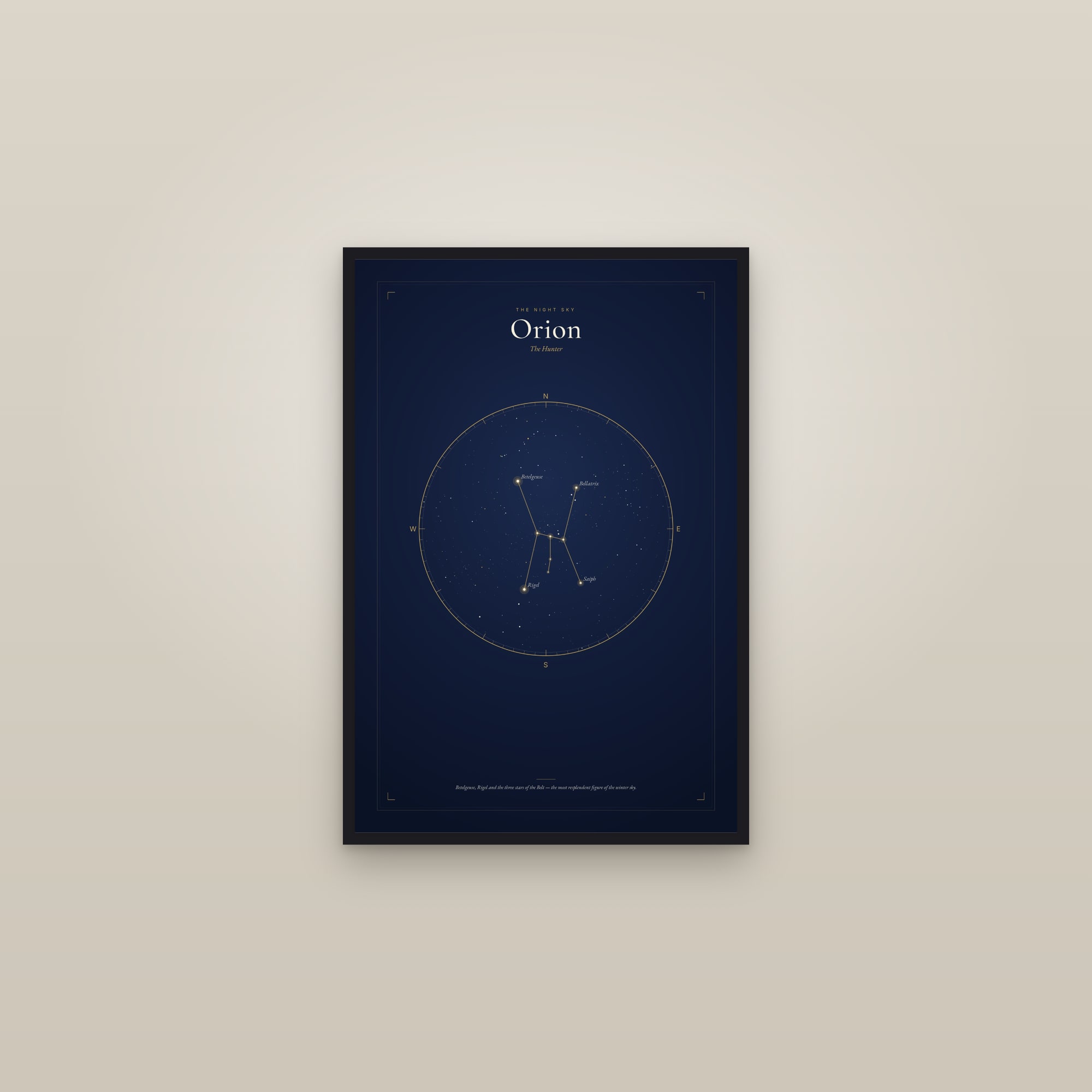
The print is chosen; what is left is deciding what it arrives as. Framed paper for anything with detail or a margin, and for any room with steam. Unframed if you have a framer or want to mat it yourself. Canvas for a large wall, a wall that faces a window, or a bold work that fills its edges, and whenever you would rather not buy a frame at all. The rule underneath all three: glazing reflects the room and protects the paper; canvas does neither, which is both its strength and its limit.
What are the three options, exactly?
Every print here is made to order in one of three forms. The table is the whole product range for this decision.
| Option | What arrives | Paper or surface | Suits | Price |
|---|---|---|---|---|
| Unframed paper | a flat sheet, printed to the edge or with its margin | 200 gsm matte (modern designs) or 250 gsm off-white archival (scans of real artworks) | your own framer, mats, pinning in a study | from $39 |
| Framed paper | the same sheet in a slim black or dark wood frame with acrylic glazing, ready to hang | as above | detail, margins, damp rooms, anything above a sofa | paper price plus the frame |
| Canvas | a gallery-wrapped stretched canvas; the whole image on the face, with a mirrored strip of its edge folded about 2.5 cm round each side | canvas | large walls, glare, no frame budget, bold edge-to-edge work | per size on the product page |
All three ship free by standard post in the US. The paper is chosen for you by the work: a Van Gogh, an Audubon plate or a Redouté rose prints on the heavier off-white archival stock, which matches the warm tone of the original sheet; a bold abstract or a paper cut-out prints on the bright white 200 gsm. If you want to know what the printing itself involves, see how the ink and paper are chosen.
When should you choose framed paper?
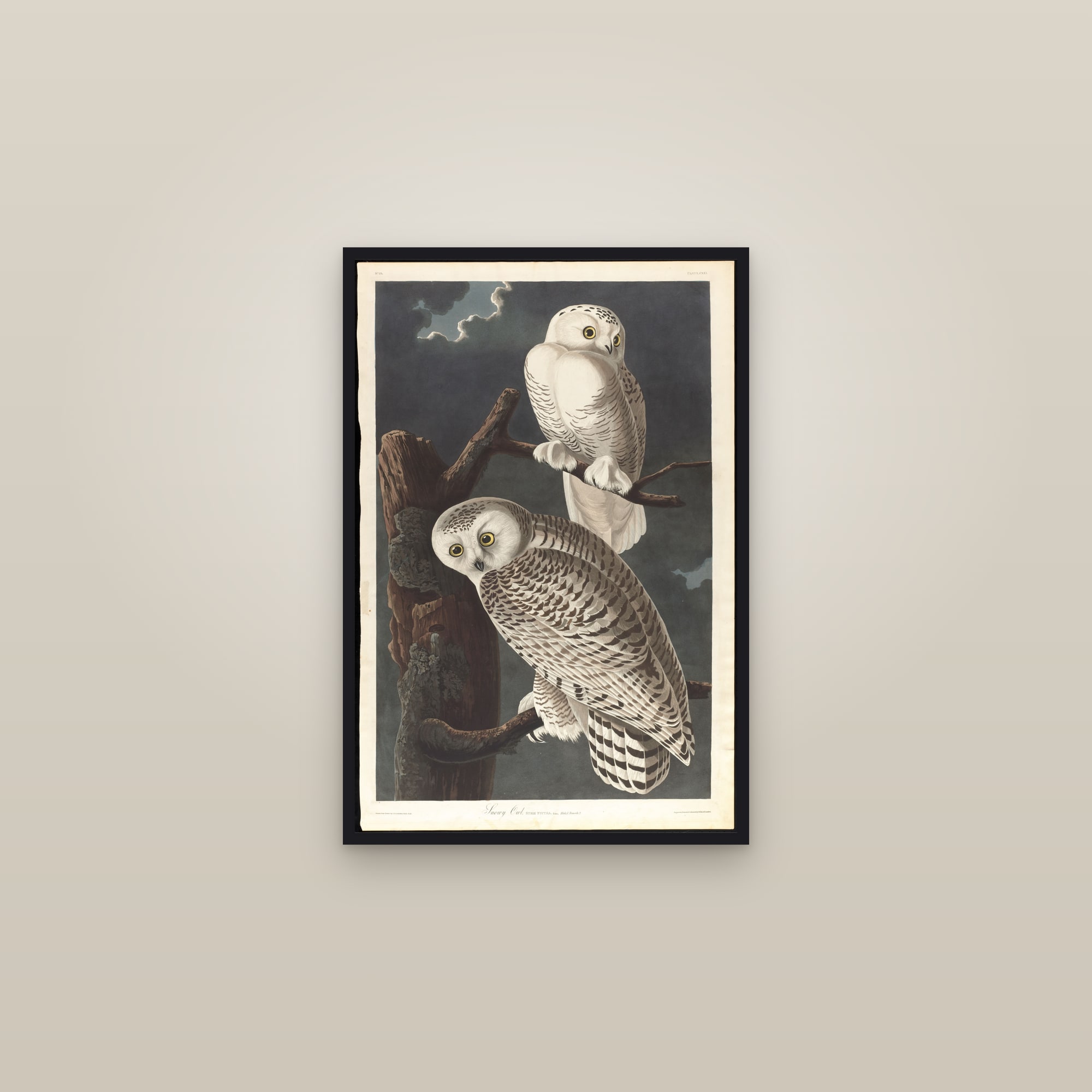
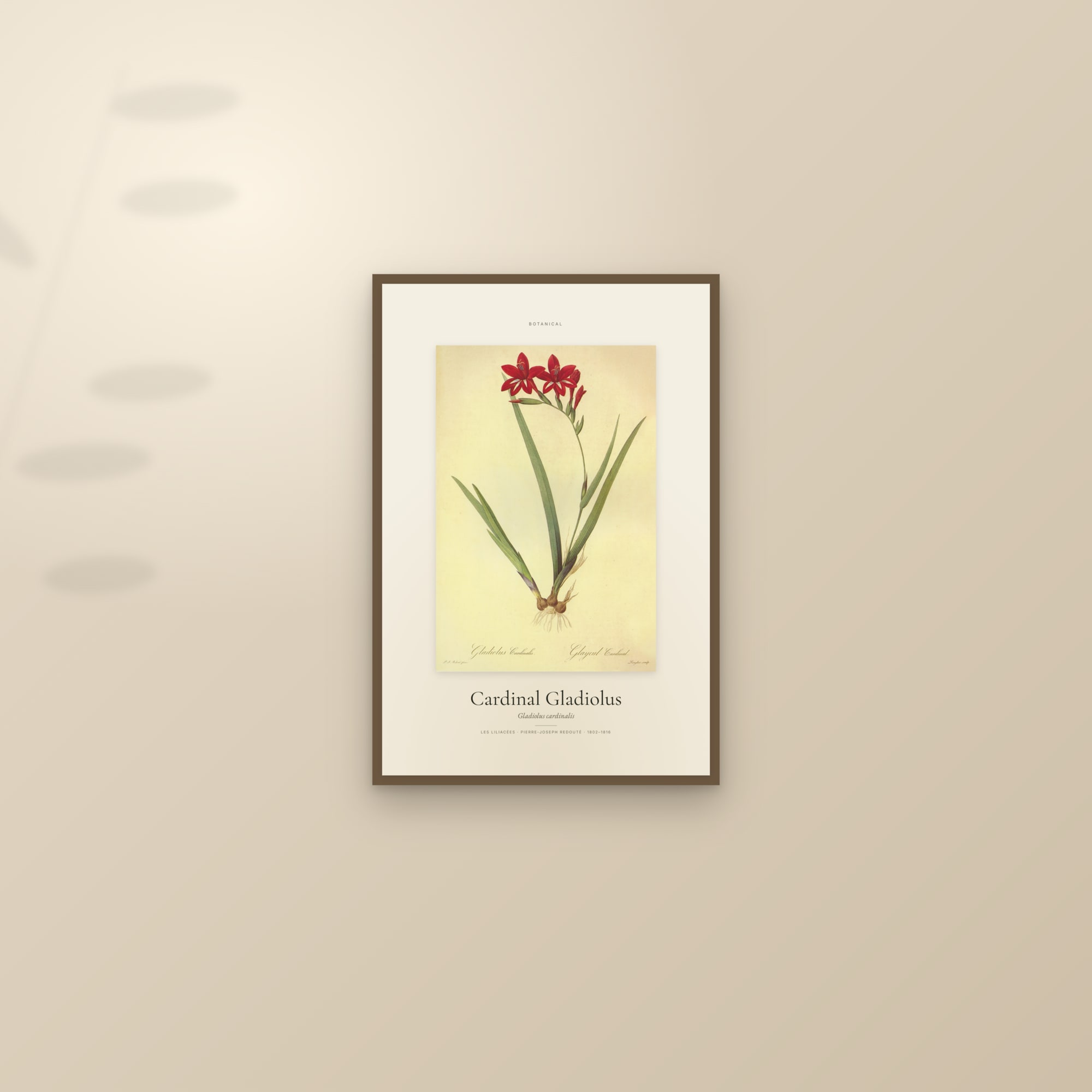
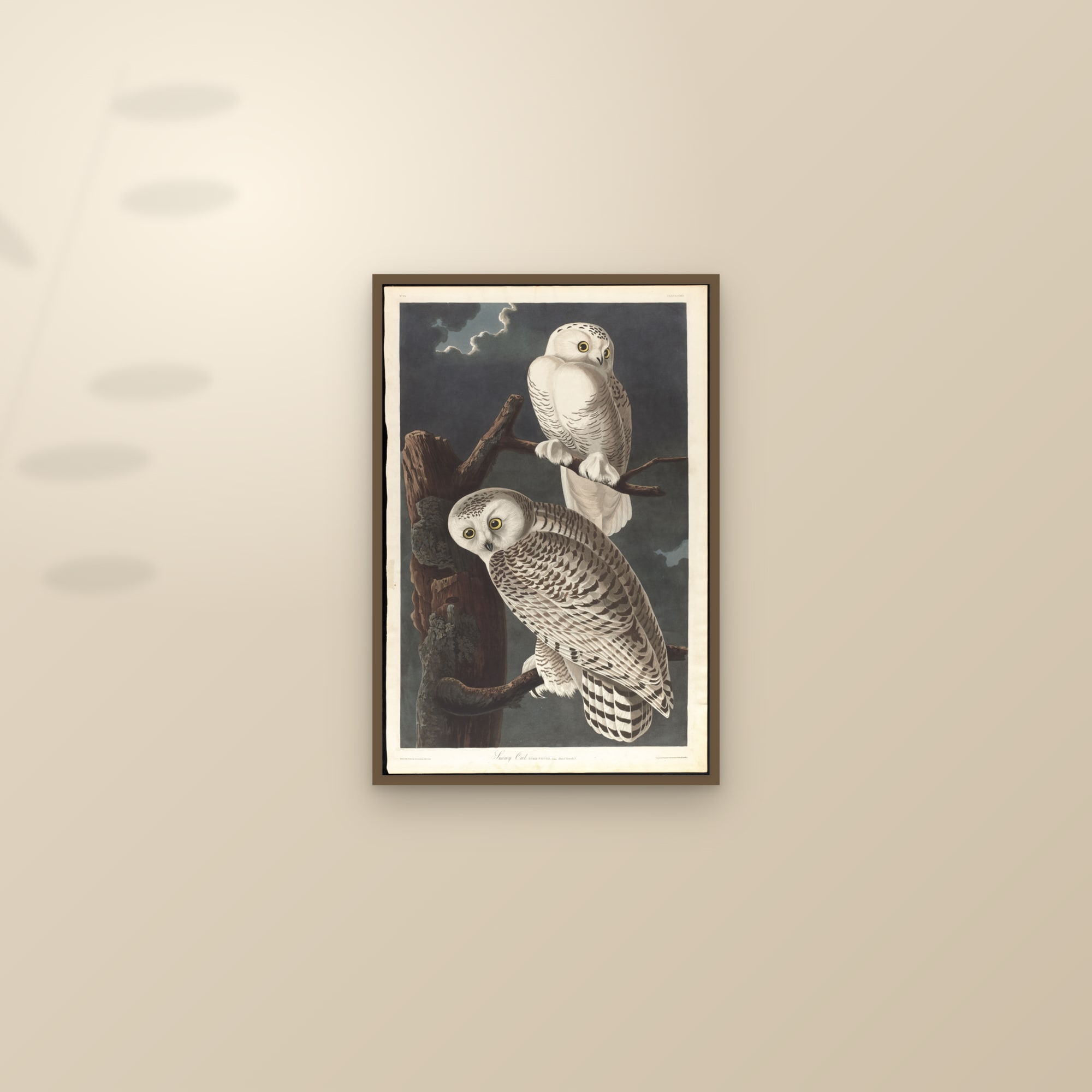
When the work has fine detail. An engraving, an Audubon bird, a botanical sheet with hairline stems: paper holds a sharper line than canvas, whose weave softens everything slightly. If you would lean in to look at it, it belongs on paper behind glazing.
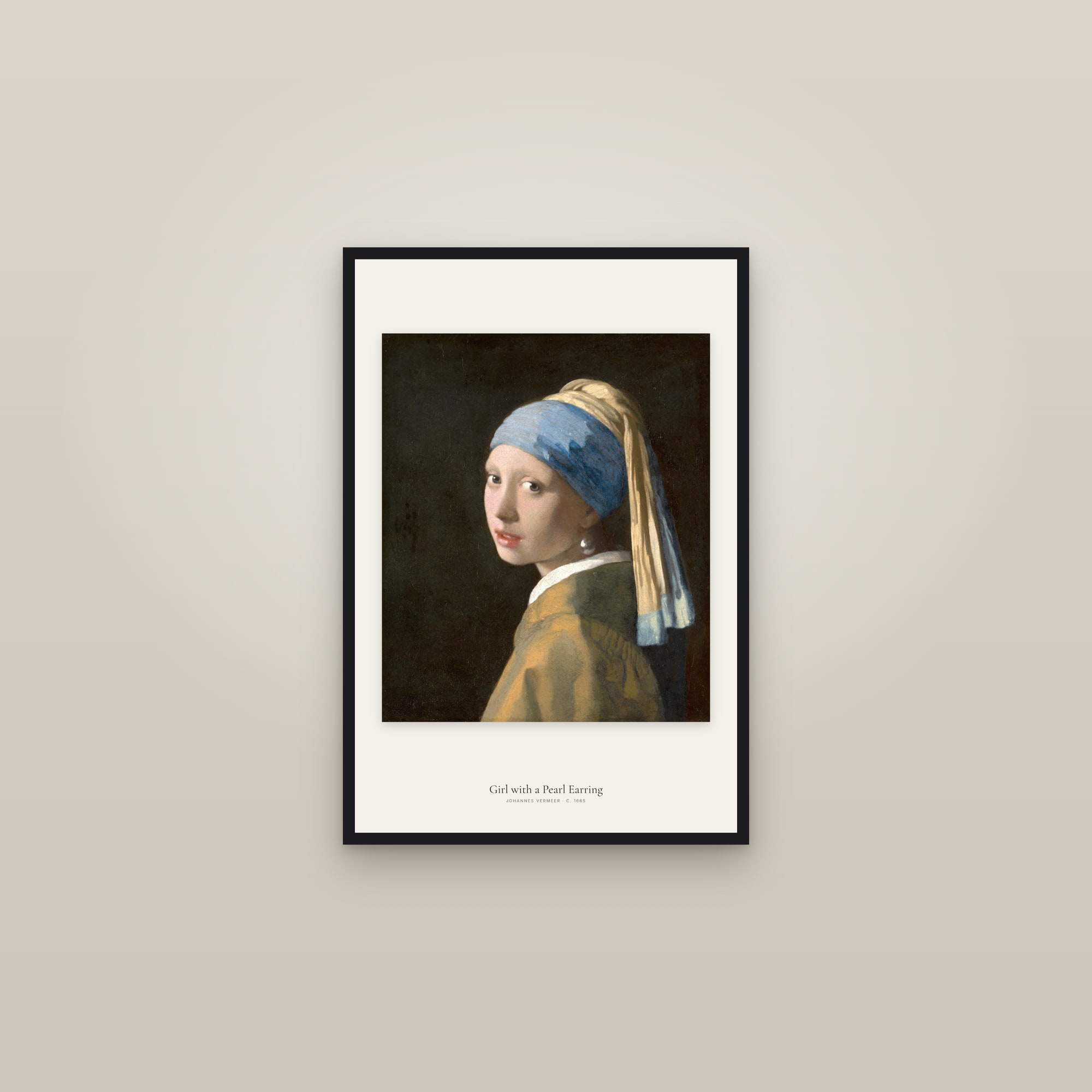
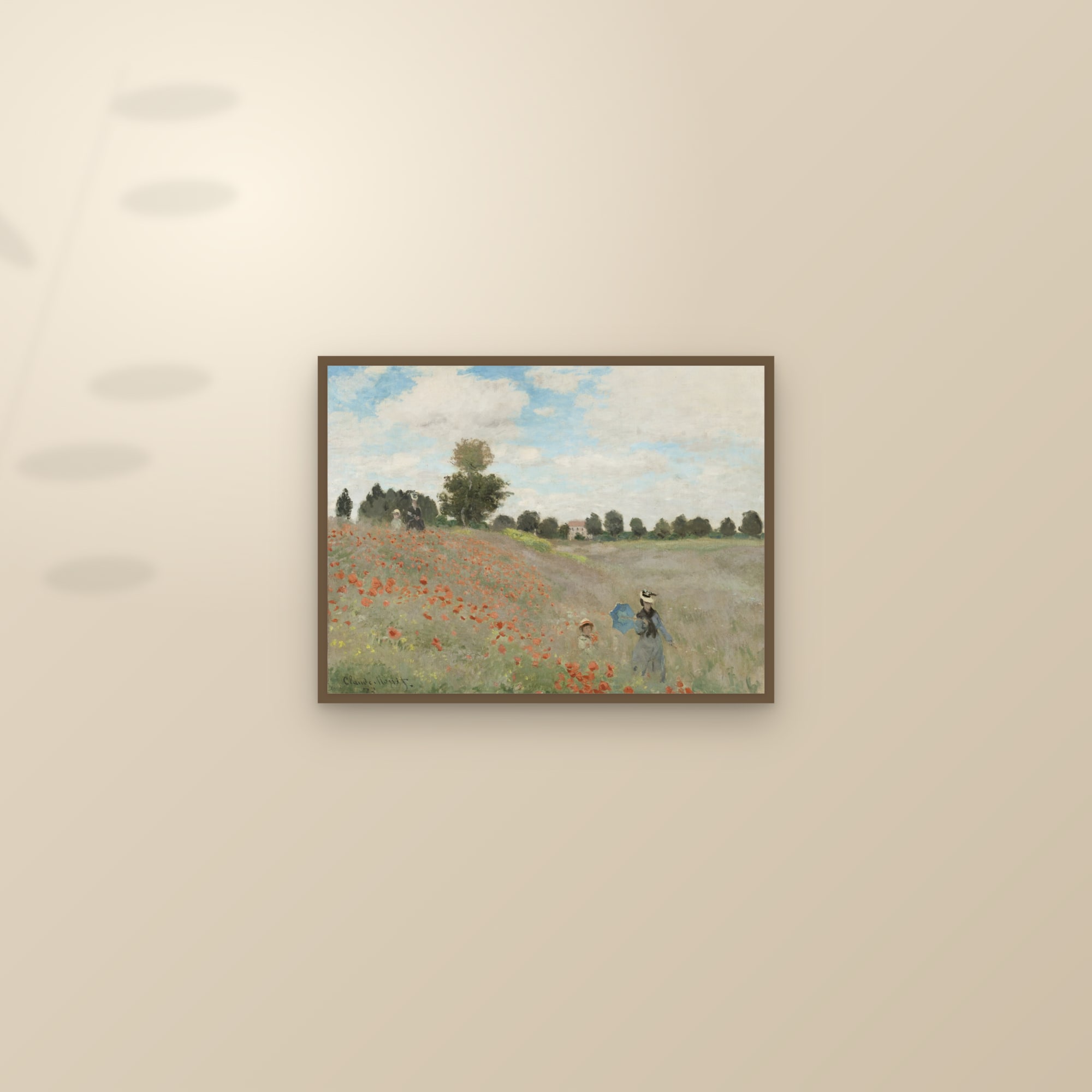
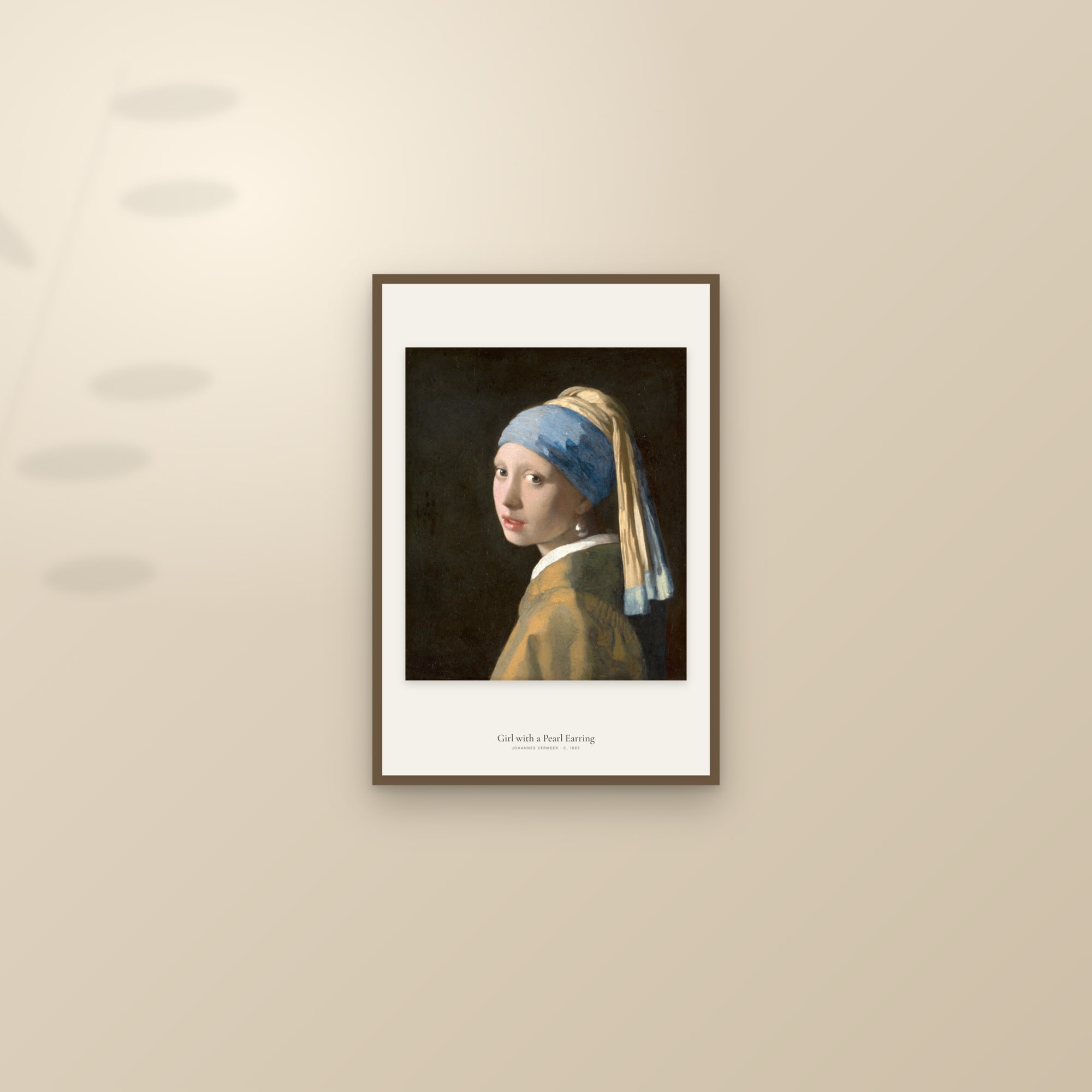
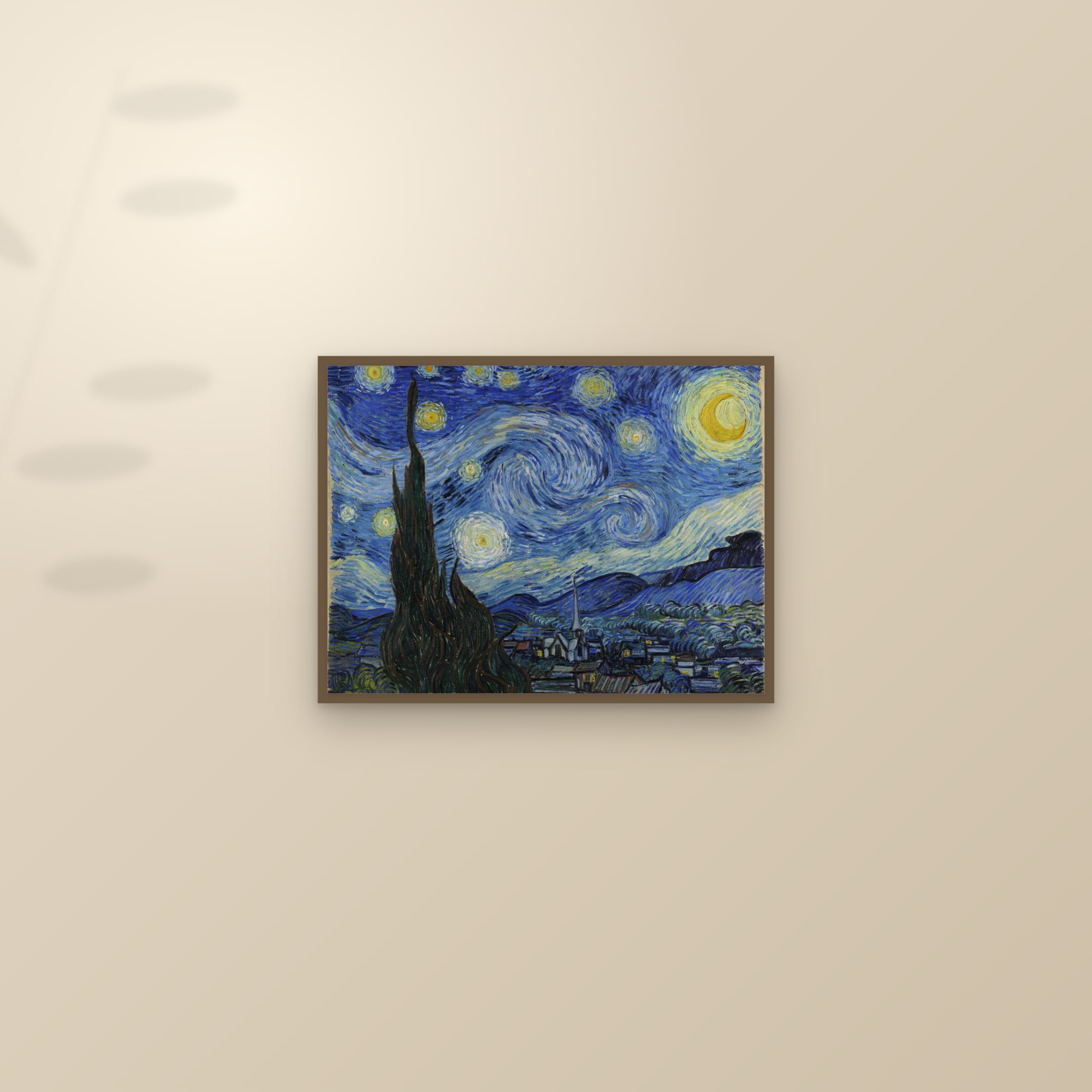
When the work has a margin. The gallery editions of paintings sit on a pale ground with a caption; the specimen editions of plates carry a typeset label; most 18th- and 19th-century sheets have the printer's own cream border. A margin is a design decision and a frame finishes it. On a wall with no frame, a margin looks like a mistake.

When the room is humid or greasy. Kitchens, bathrooms, a utility room. Steam makes an unframed sheet cockle and grease settles on it; glazing keeps both off. Hang framed prints away from the shower and the hob, but hang them framed.
When the wall has one job. Above a sofa or a bed, the eye expects an edge. A bare sheet there looks temporary. A frame, even a slim one, turns a print into a picture.
Black or dark wood is the only frame decision. Black for graphic, dark and modern work; dark wood for cream paper and warm grounds. Hang it with the centre about 57 inches from the floor, or 6 to 10 inches above furniture, the convention in the complete guide to choosing wall art.
When is unframed the right buy?
When you have a framer. A good local framer can mat the sheet, choose a moulding to match the room and glaze it with museum glass, none of which a made-to-order shop can do. Order the print unframed and take it in.
When you want a mat. A white or cream mat makes a small print read larger on the wall; a 12×18 in a mat and frame holds a space a bare 12×18 cannot. The sheets that already carry a margin (specimens, most plates) do not need one, but a full-bleed edition can take one well.
When you are starting out. A print from $39, clipped or pinned in a study, a kitchen corner or a studio, is a reasonable way to live with a picture before deciding to frame it. The paper is the same sheet that goes into our frames; nothing is lost by waiting.
What unframed is not for: the sofa wall, the bathroom, or any wall in direct sun, where the Library of Congress's advice applies, that all light damages paper and glazing only removes the worst of it.
When should you choose canvas?
A large wall. Canvas carries scale cheaply. A 24×36 or 36×24 canvas hangs with no frame and no glass, weighs little, and fills a wall that would need a large and heavy framed piece. The large and oversized prints page is where that decision usually starts.
A wall opposite a window or a lamp. Glazing reflects. A framed print facing a window shows you the window by day and the room's lights by night; canvas has a matte surface and shows you the picture. If the only wall for the art is the one facing the glass, choose canvas.
No frame budget. A gallery-wrapped canvas arrives ready to hang. The image continues round the edge of the stretcher, so there is nothing to finish and nothing to add. Floater frames exist for canvas, but they are a choice, not a need.
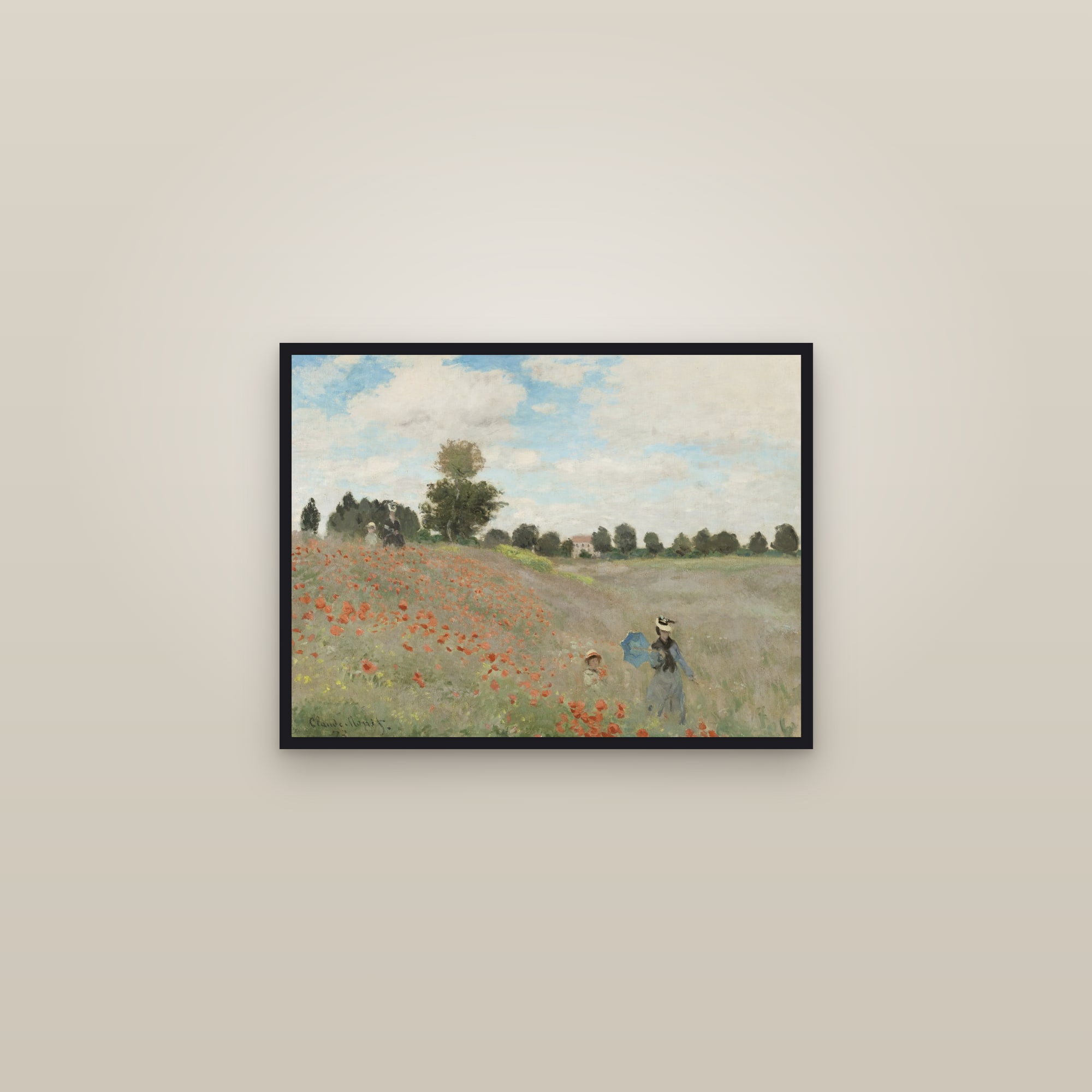
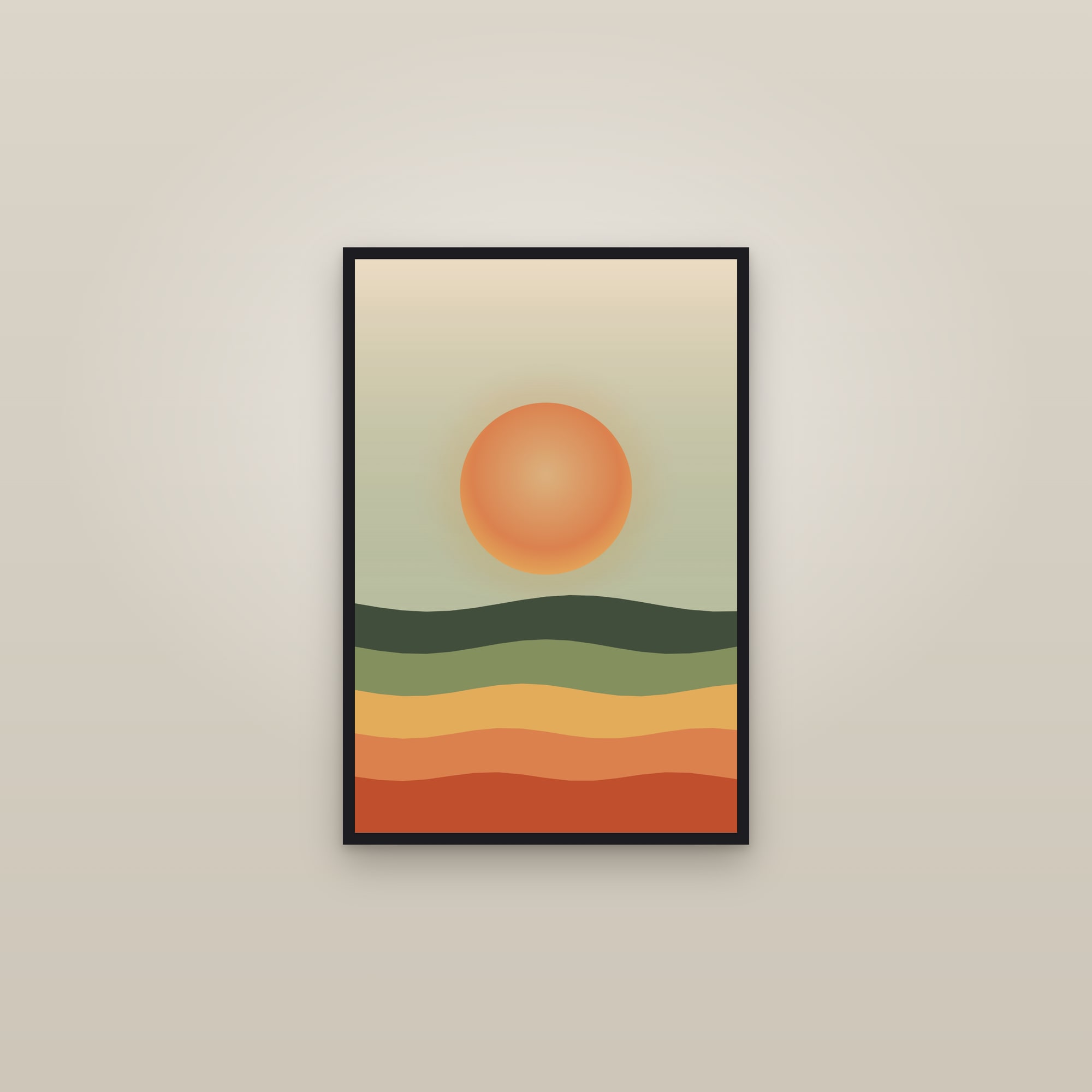
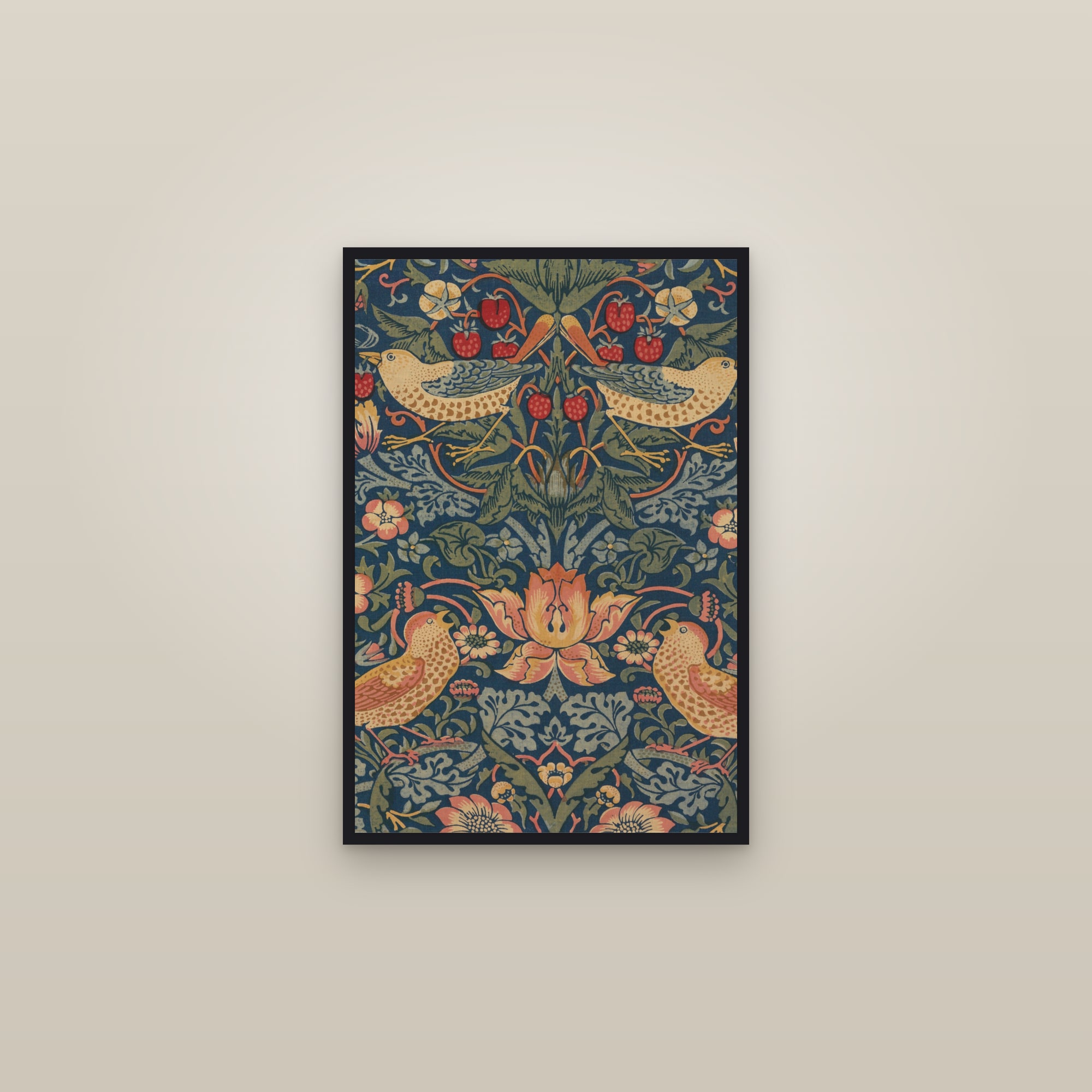
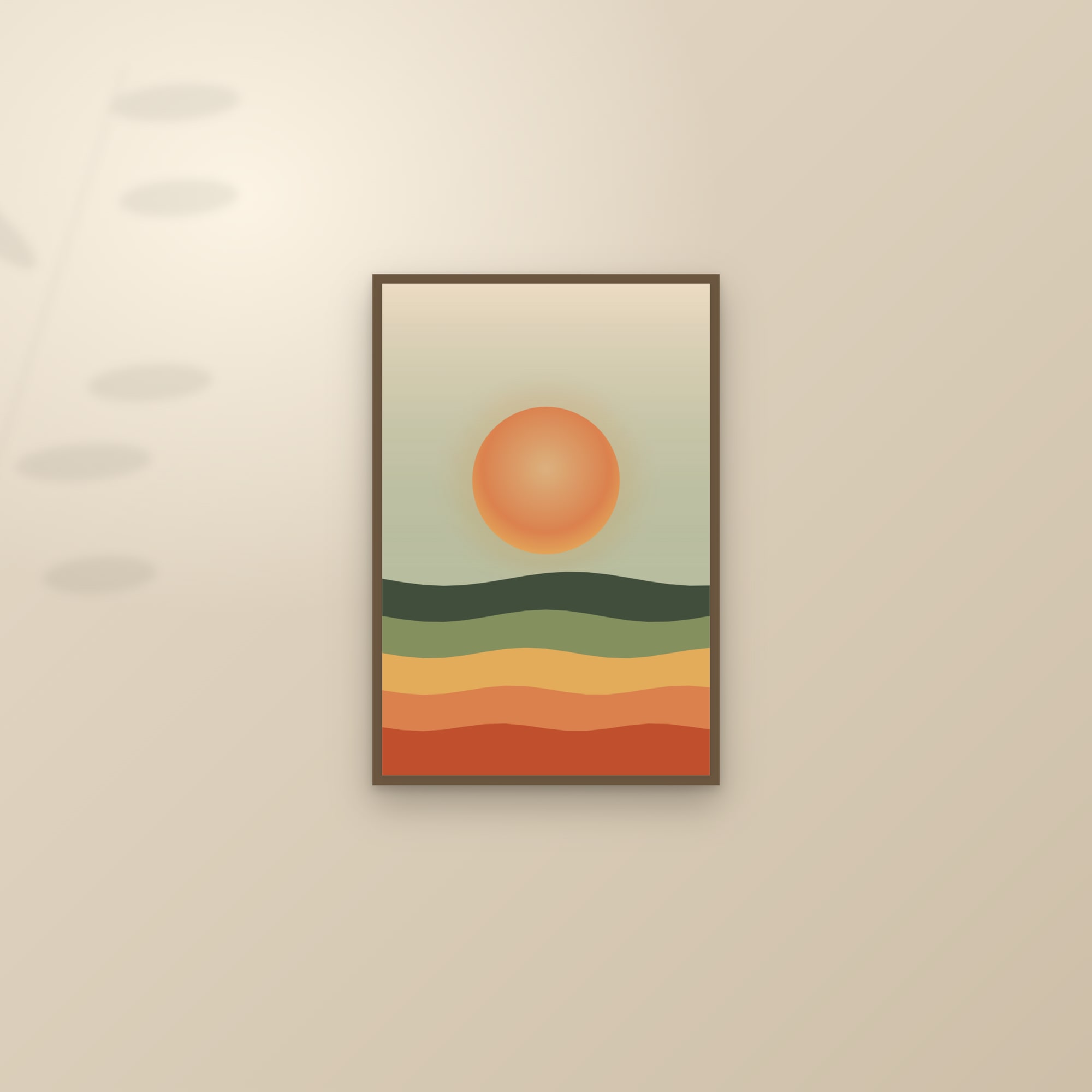
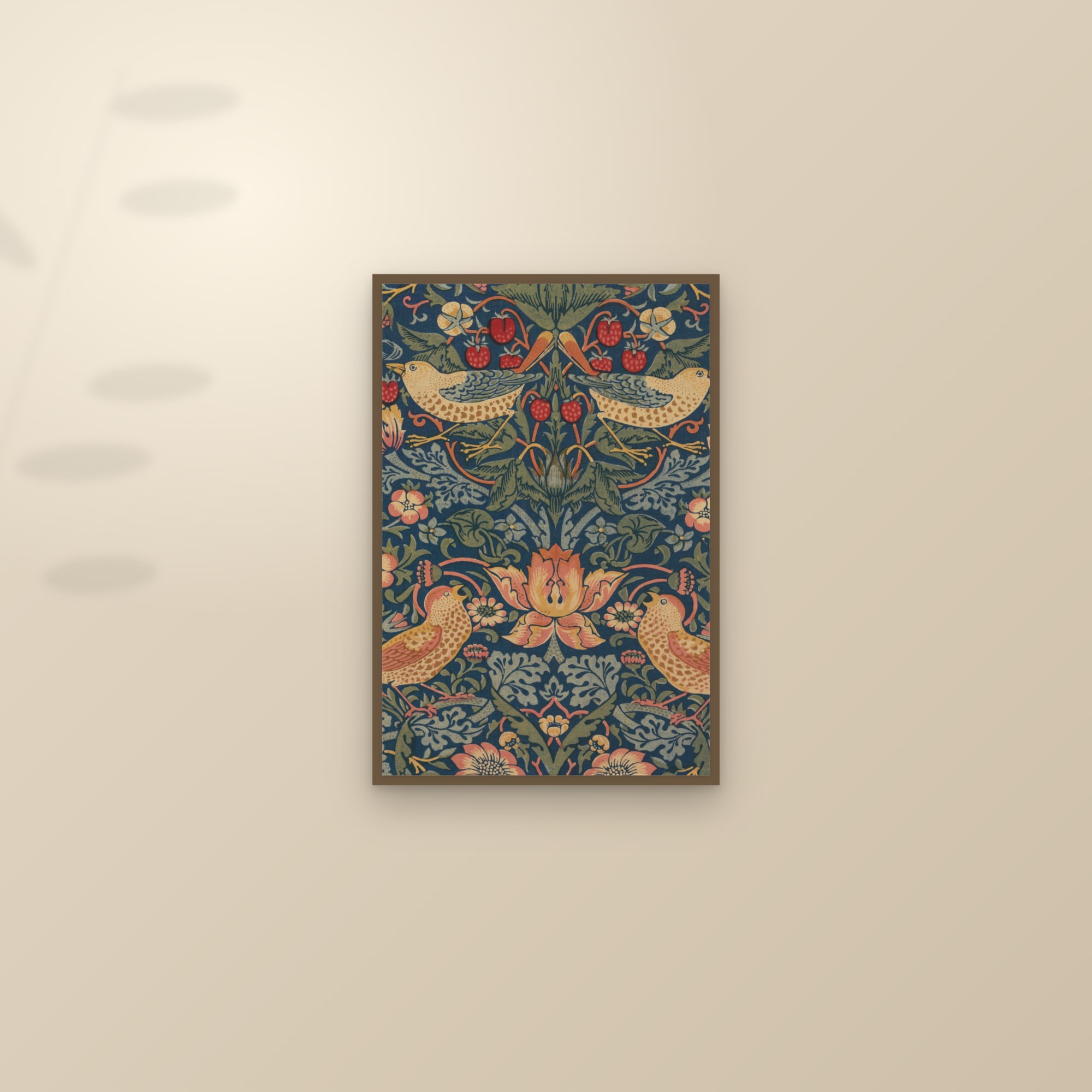
Bold, edge-to-edge work. A painting cropped to its bleed, a colour-field abstract, a Morris pattern, a paper cut-out: work that fills its surface looks right turning the corner. The wrap is a mirrored strip of the image's own edge, about 2.5 cm a side, which reads as the picture continuing on work like this and as a doubled border on a portrait with its margin.
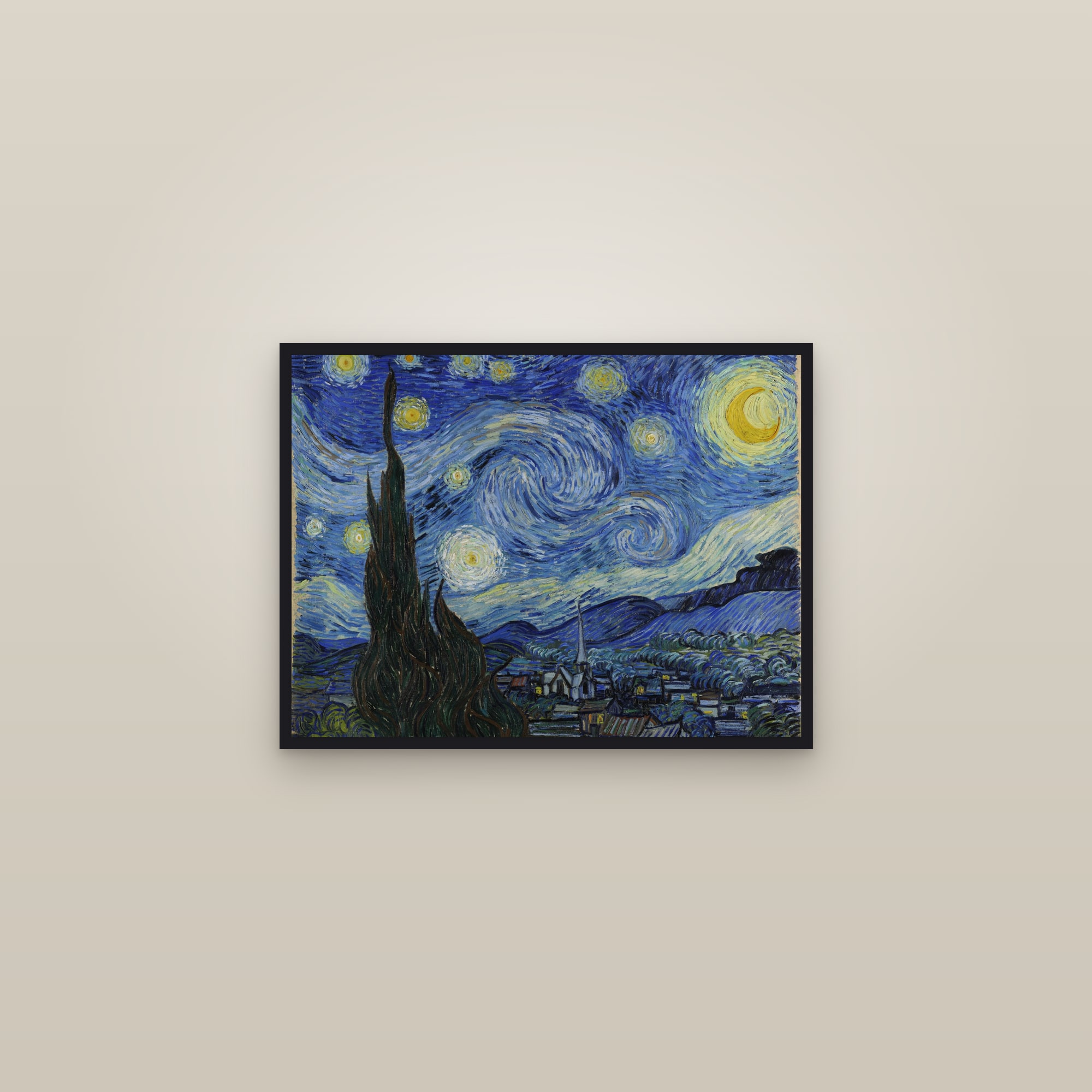
Canvas is also the quieter choice for a bedroom, where glazing can catch a bedside lamp, and the practical one for a stairwell, where a heavy glazed frame is a nuisance to hang.
Why do some works never come on canvas?
Because of how the wrap is made. Our canvas files keep the whole image on the face and extend it outward by about 2.5 cm a side with a mirrored strip of its own edge, which folds round the stretcher bars and is seen only from the side. For a work that fills its surface, that strip is a sliver of sky or field continuing round the corner and nobody notices it. For a contained work, the painting shown whole on a pale ground, or a specimen plate with its label beneath, the mirrored strip would repeat the border and the edge of the caption round the corner, and the ruled frame of a plate would appear twice. So those editions stay on paper, and the full-bleed editions, which are cut for the purpose, are the ones you will find on canvas wall art.
The same logic applies to the Audubon and botanical plates. A plate printed to the edge of its sheet, with the bird or flower well inside it, wraps without loss; the same plate in its specimen edition, contained with a label, does not.
What about light and glare?
Glazing reflects the room. Our frames are glazed with acrylic, and acrylic reflects as glass does. Before you hang a framed print, stand where you will see it from and look at the wall: if you can see a window or a lamp in a mirror held there, you will see it in the glazing. Move the lamp, hang the picture on the window wall rather than facing it, or use canvas on that wall.
Light also fades. All light damages paper, not only ultraviolet, as the Library of Congress preservation FAQ puts it; glazing removes the most damaging part and no more. Keep framed paper and canvas alike off the wall that takes full afternoon sun, or accept the fading as the price of that wall.
Kids' rooms, bathrooms and kitchens
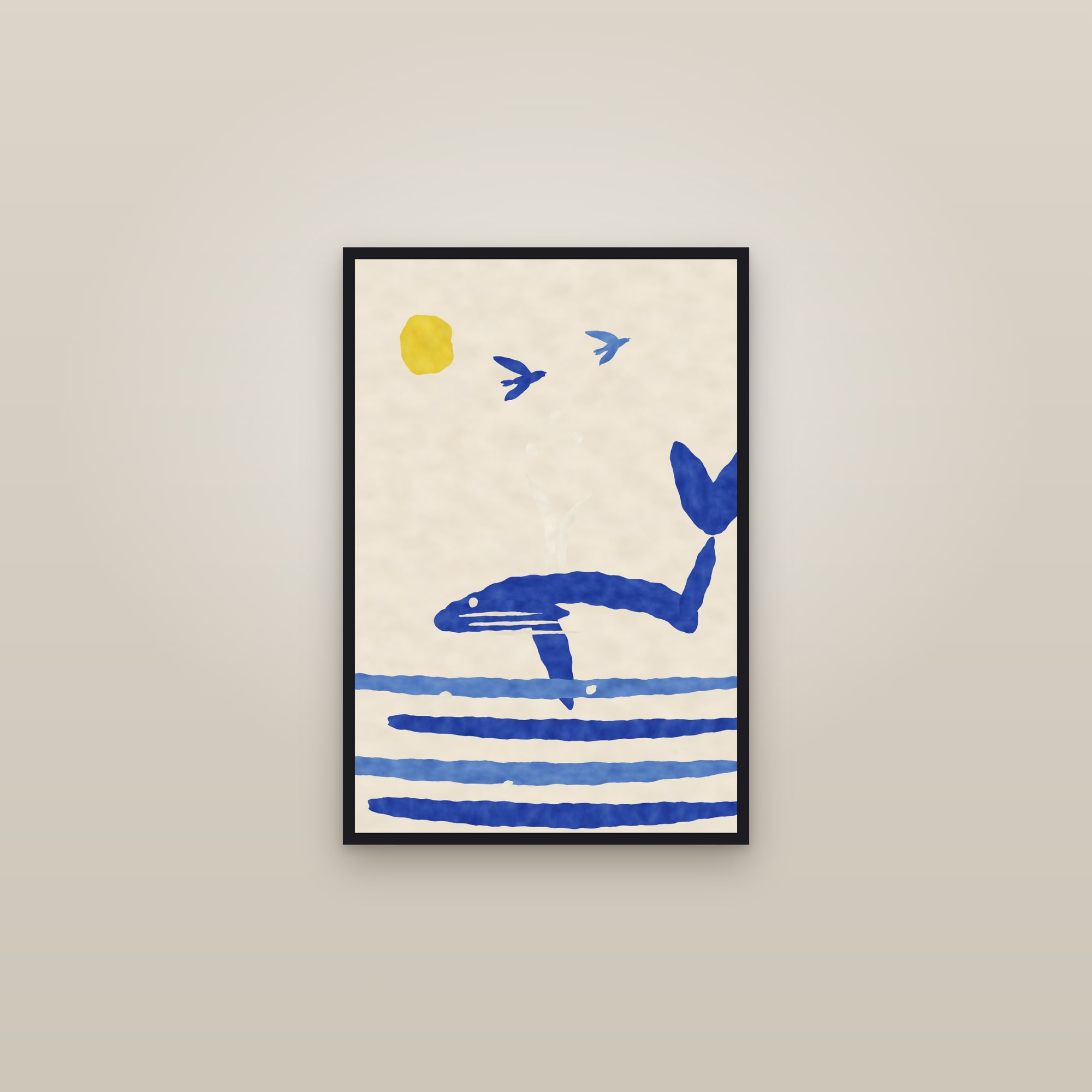
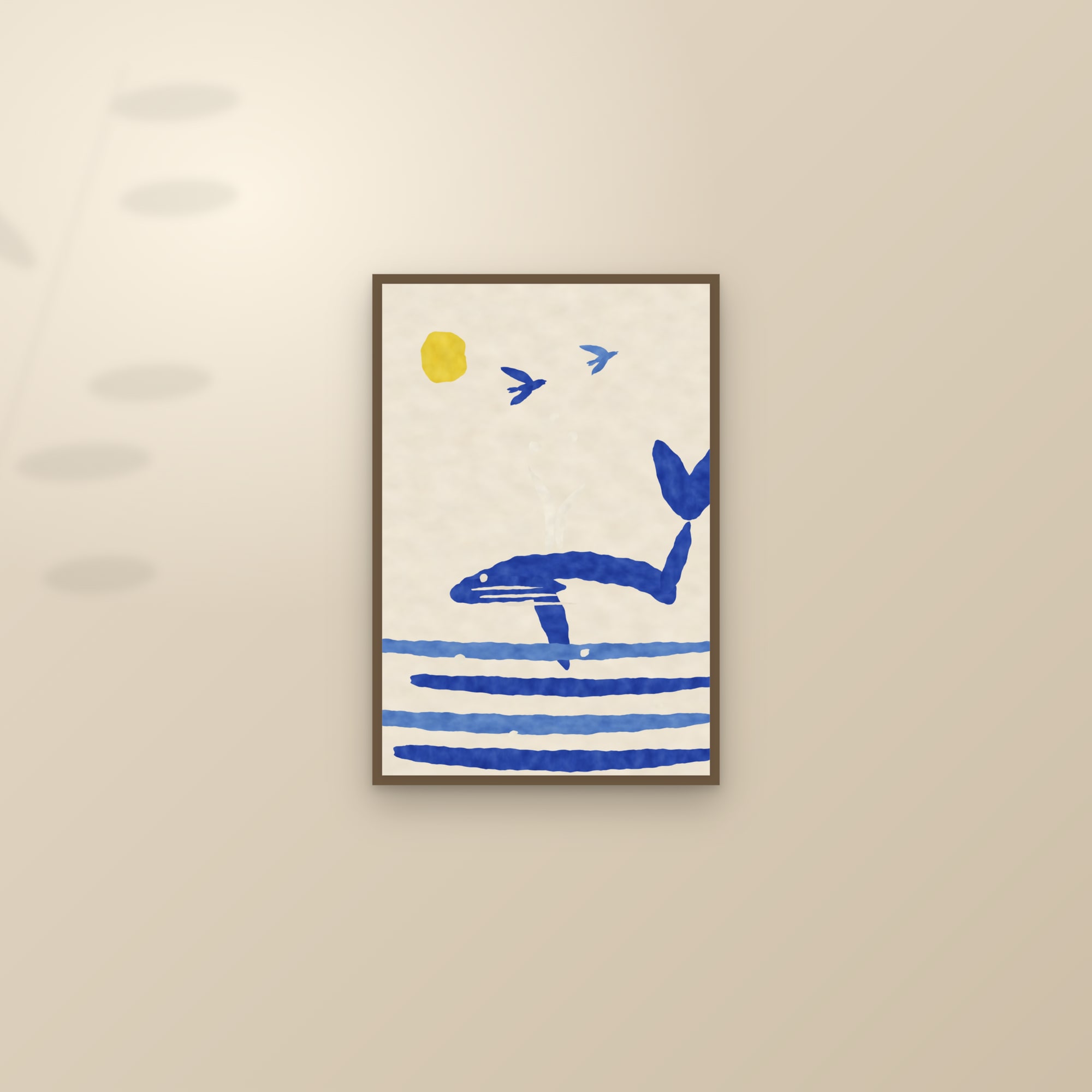
Kids' rooms. No glass. A frame that comes off the wall in a child's room should not shatter. Canvas has no glazing at all; our framed prints use acrylic, which cracks or flexes rather than breaking into pieces and is lighter to hang. Choose subjects the same way: birds, fruit, sea creatures, a paper cut-out whale. The kids' room wall art page is filtered for that.
Bathrooms. Framed paper only, away from the shower. Canvas has no glazing to keep steam off it; a glazed frame on the far wall is the safe answer.
Kitchens. Framed, away from the hob. Fruit and botanical sheets in dark wood, three in a row, is the classic kitchen wall for a reason: the glazing wipes clean.
The short version
Detail, margin or damp: framed paper. Your own framer or a mat: unframed. Big wall, glare, no frame, bold edge-to-edge work: canvas. Contained works never go on canvas; full-bleed editions do. For the size to buy once you have chosen the form, see what size art goes above a sofa; for hanging more than one, gallery wall layouts.
Questions people ask
Is a framed print or a canvas better?
Neither is better; they suit different work and different walls. Framed paper holds fine detail and anything with a margin, and the glazing protects it. Canvas suits a large wall, a wall opposite a window, and a painting or abstract that fills its edges, because there is no glass to reflect and no frame to buy.
Why are some prints not available on canvas?
A gallery-wrapped canvas folds about 2.5 cm round each edge of the stretcher. Our canvas files keep the whole image on the face and mirror a strip of its edge for the wrap, which only works when the image runs to the edge. A painting shown whole with its margins, or a specimen plate with its typeset label, would repeat its border and caption round the corner, so those editions stay on paper. The full-bleed editions are made to be wrapped.
Should I buy prints framed or frame them myself?
Buy them framed if you want them on the wall the week they arrive, in a slim black or dark wood frame with acrylic glazing. Buy them unframed if you have a framer you trust, want a mat or a particular moulding, or want to spread the cost; the paper is the same either way.
What paper are the prints on?
Modern designs print on a 200 gsm matte paper with a bright white base. Scans of real artworks, such as paintings, Audubon plates and botanical sheets, print on a 250 gsm off-white archival paper, which suits the warm tone of the originals.
Is canvas or framed art safer in a child's room?
Canvas, or a frame glazed with acrylic rather than glass. Our frames use acrylic glazing. Glass breaks into sharp pieces if a frame comes down; acrylic cracks or flexes and is lighter to hang.
Sources
- Library of Congress, Preservation FAQ: will UV-filtering acrylic or glass protect my framed paper item? (all light damages paper; acrylic is lighter and less brittle than glass, scratches more easily)
- Frame Destination, Glass vs Acrylic for Framing (acrylic is shatter-resistant, safer with children, and much lighter for large frames; glass resists scratches and static)
- Tribeca Printworks, What Is a Gallery-Wrapped Canvas? (the canvas wraps round the stretcher bars; ready to hang without a frame)
- Park West Gallery, Three Simple Rules for Hanging Art (centre at 57 inches; 6 to 8 inches above furniture)
Start hereThe complete guide to choosing wall art for a home