Hiroshige — The Fifty-three Stations of the Tōkaidō
Hiroshige's first great landscape series, complete: the road from Edo to Kyoto in fifty-five prints, through rain, snow, mist and river crossings.
55 prints · printed to order on heavyweight matte paper · framed or unframed
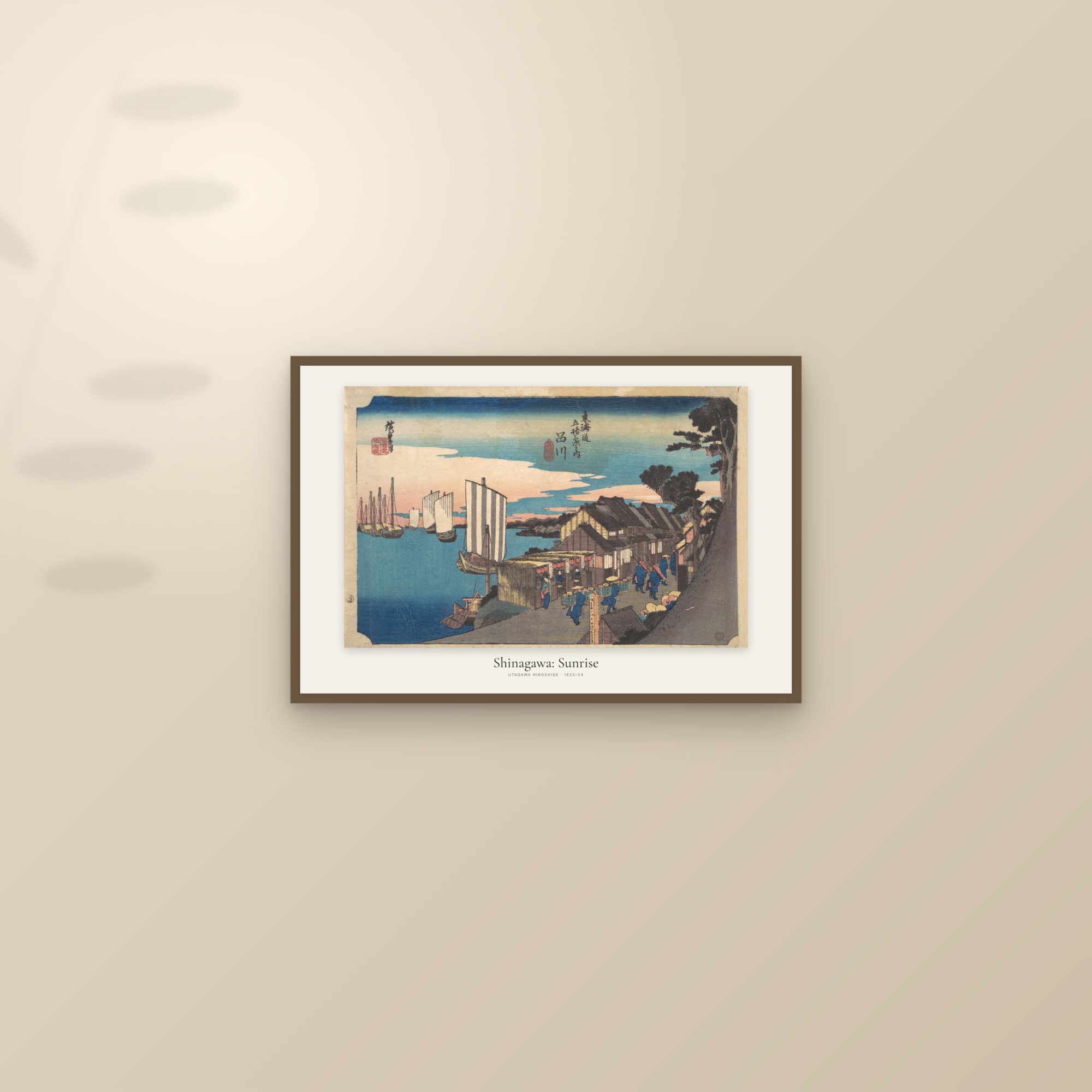
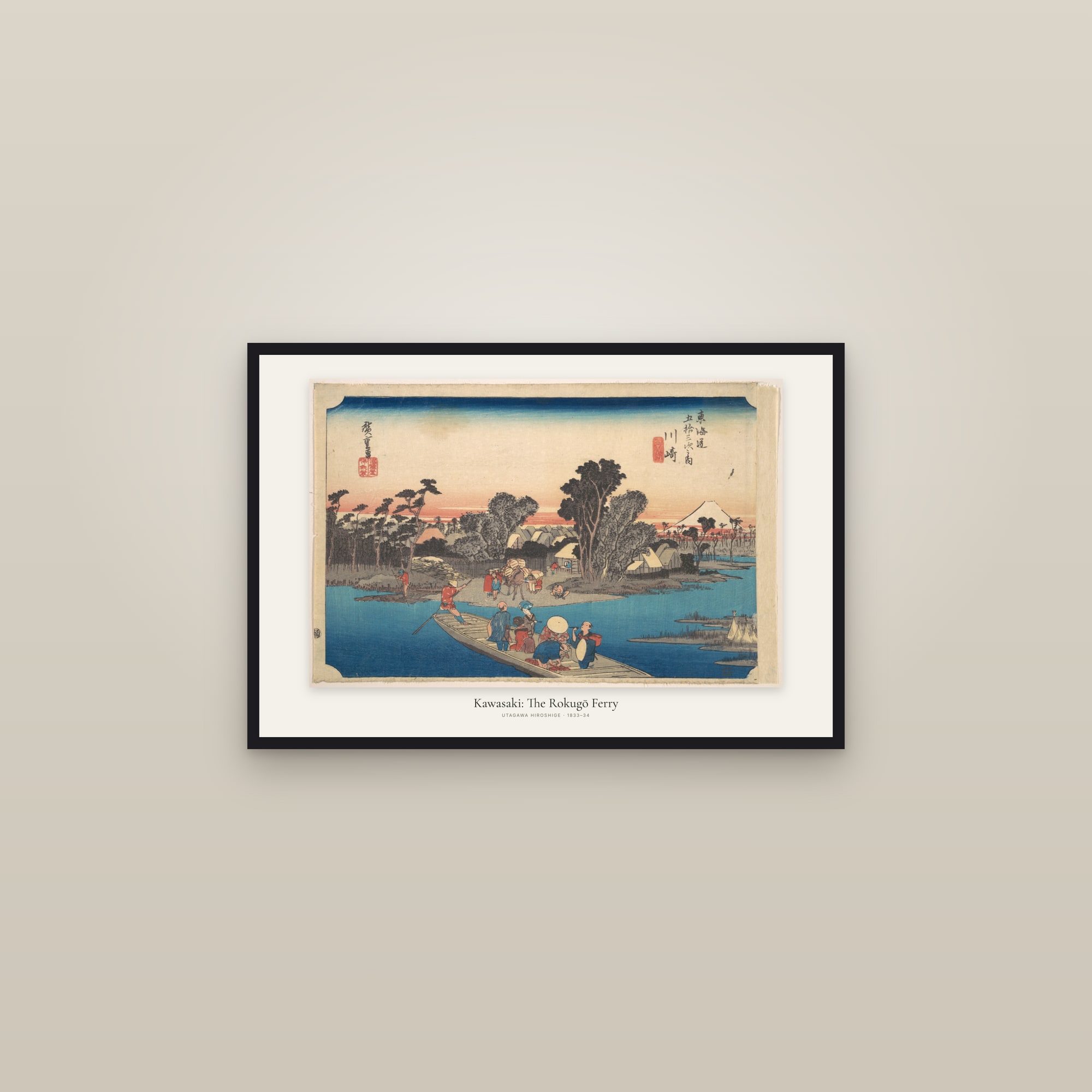
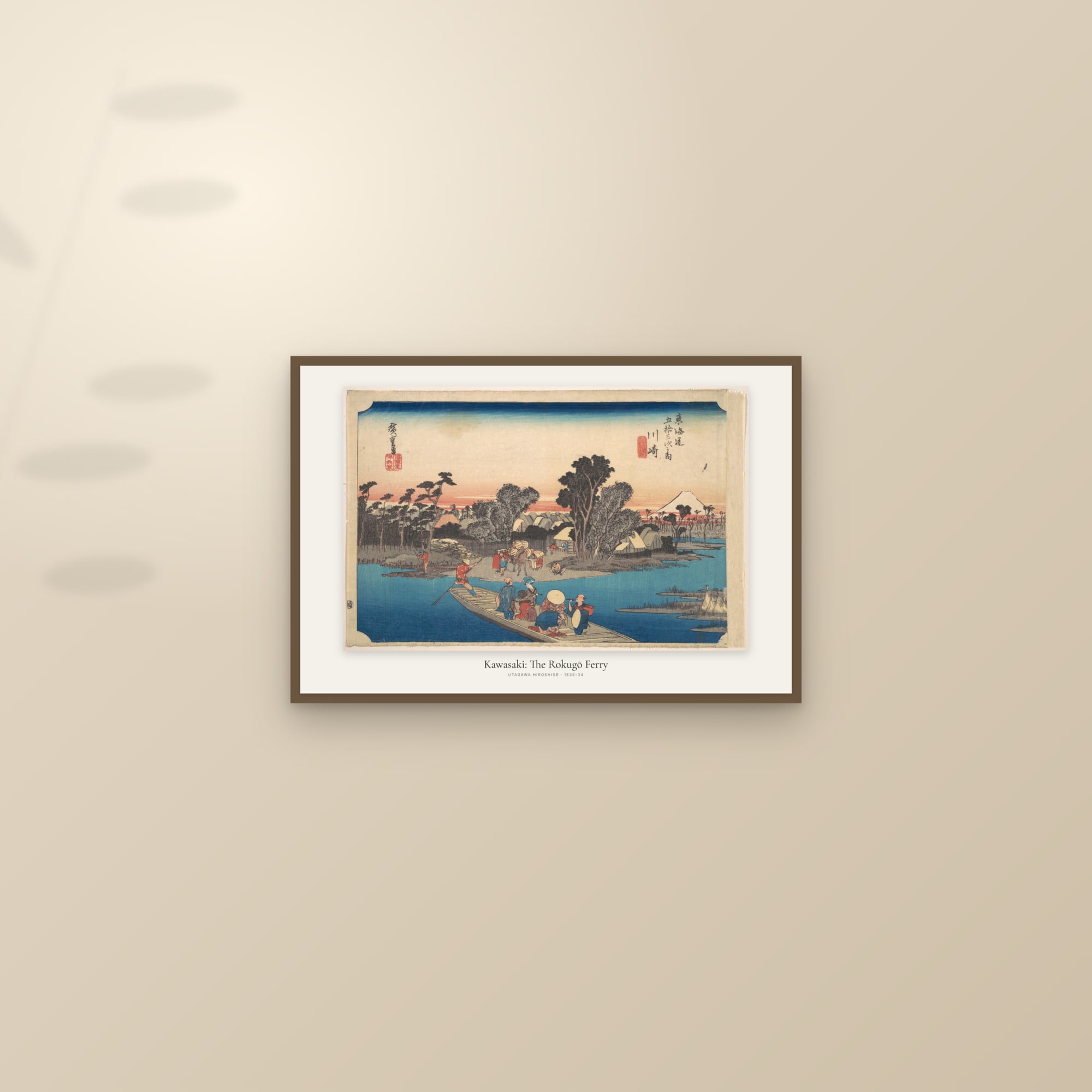
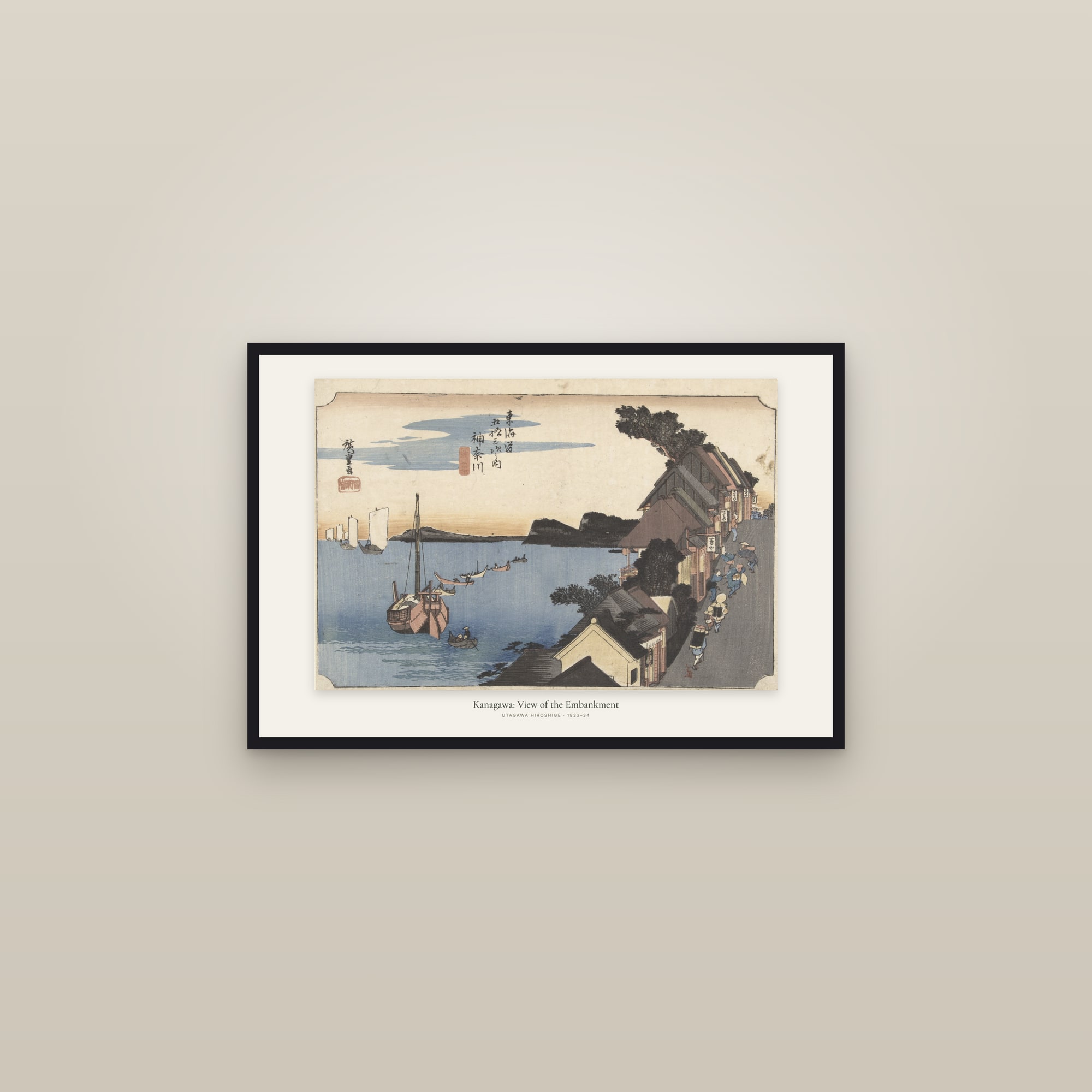
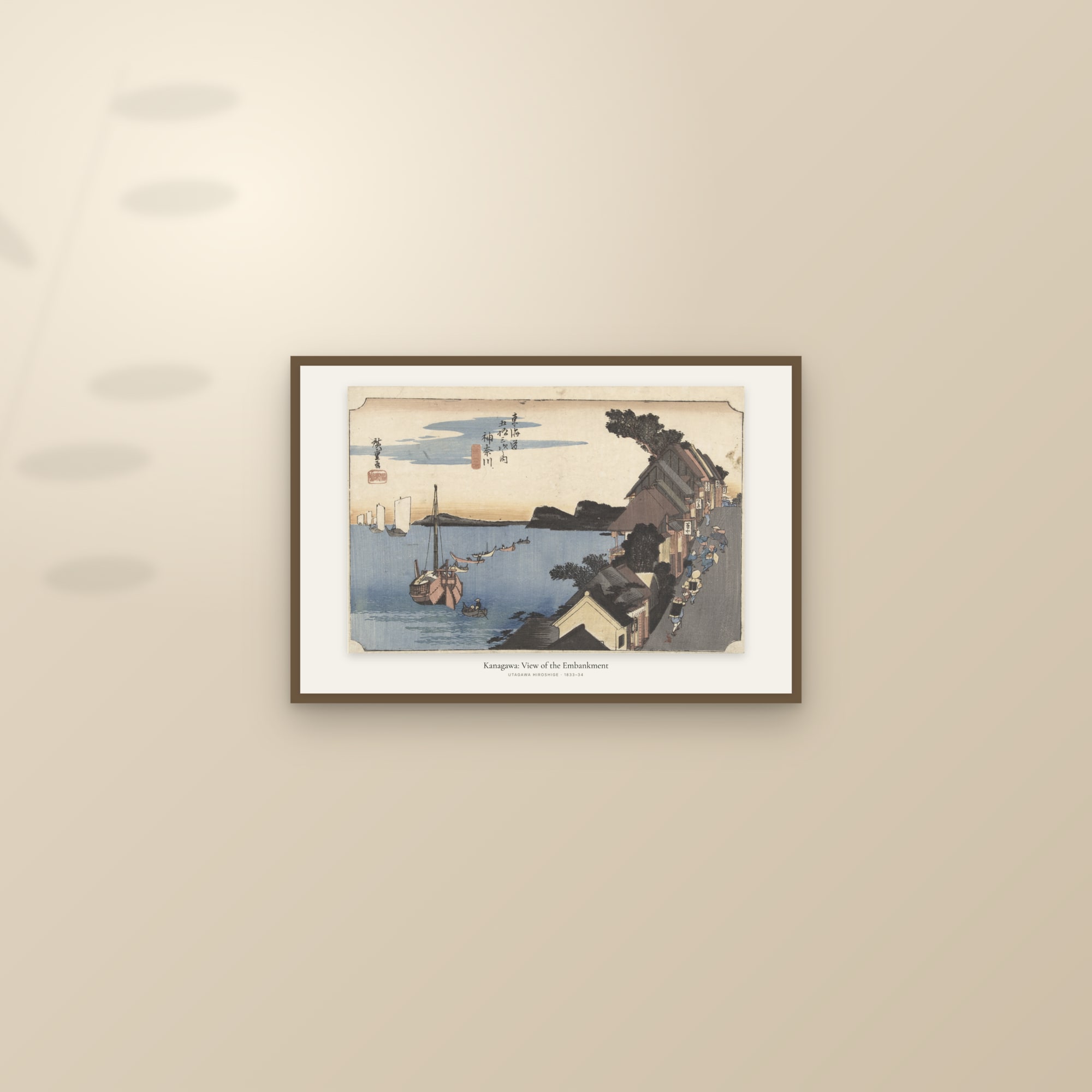
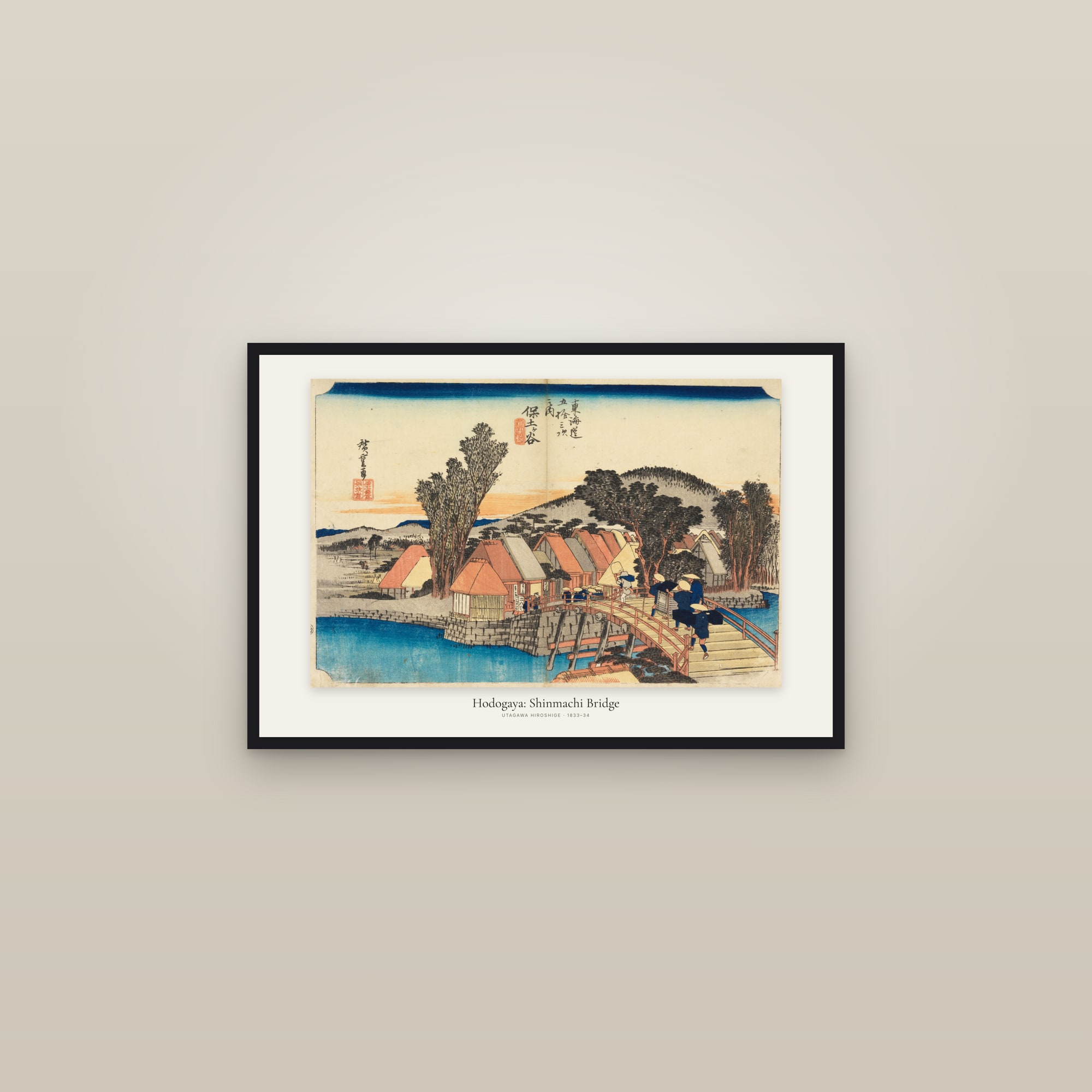
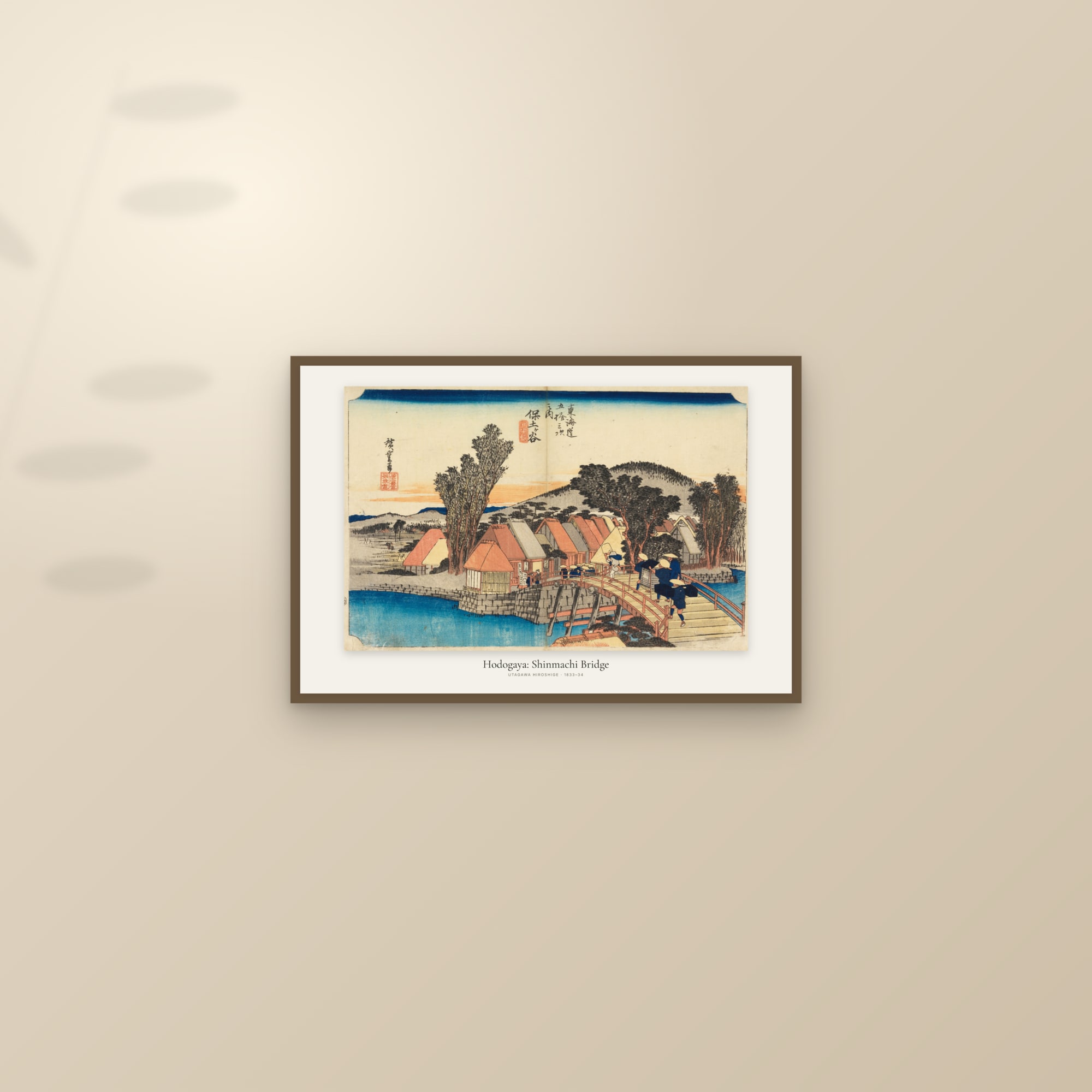
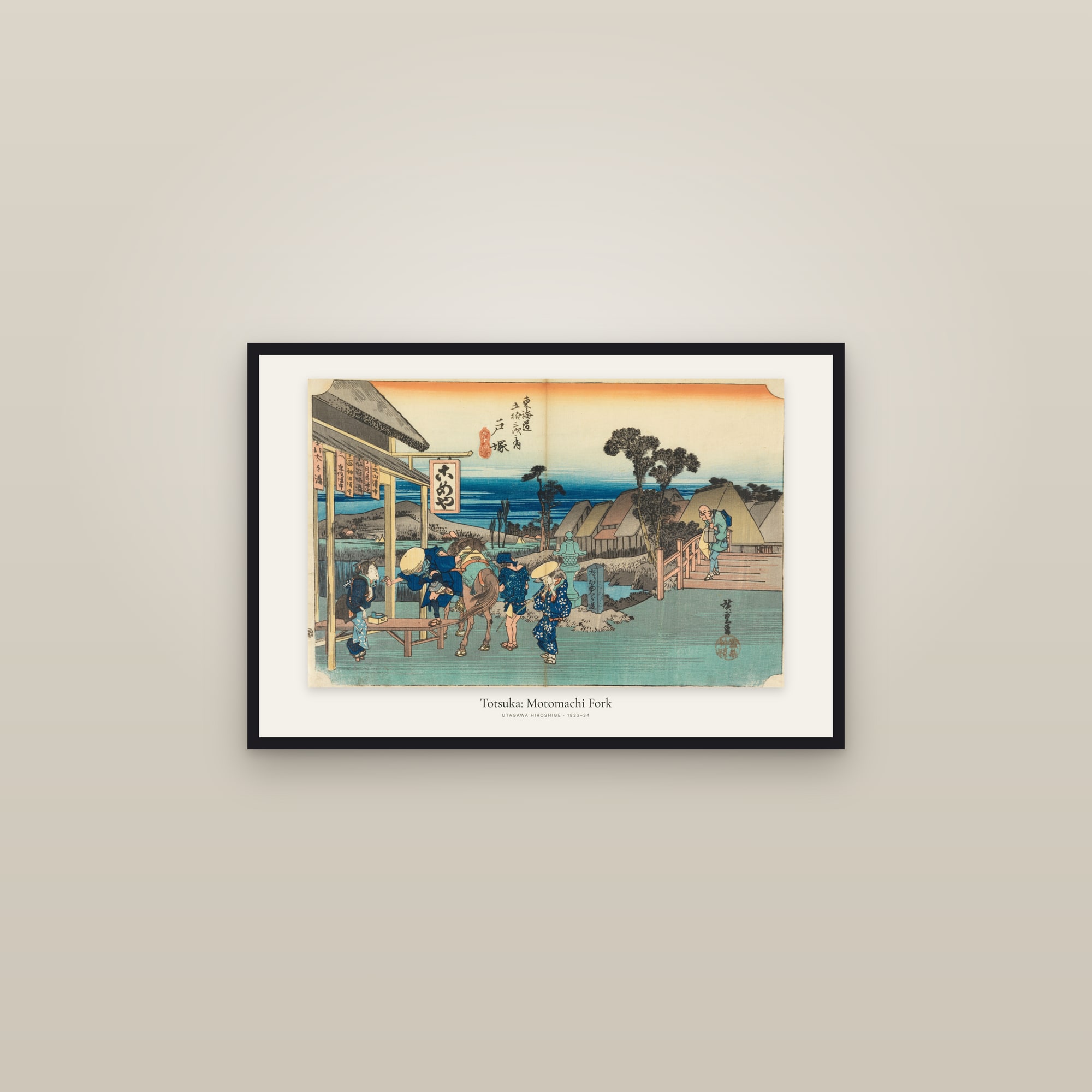
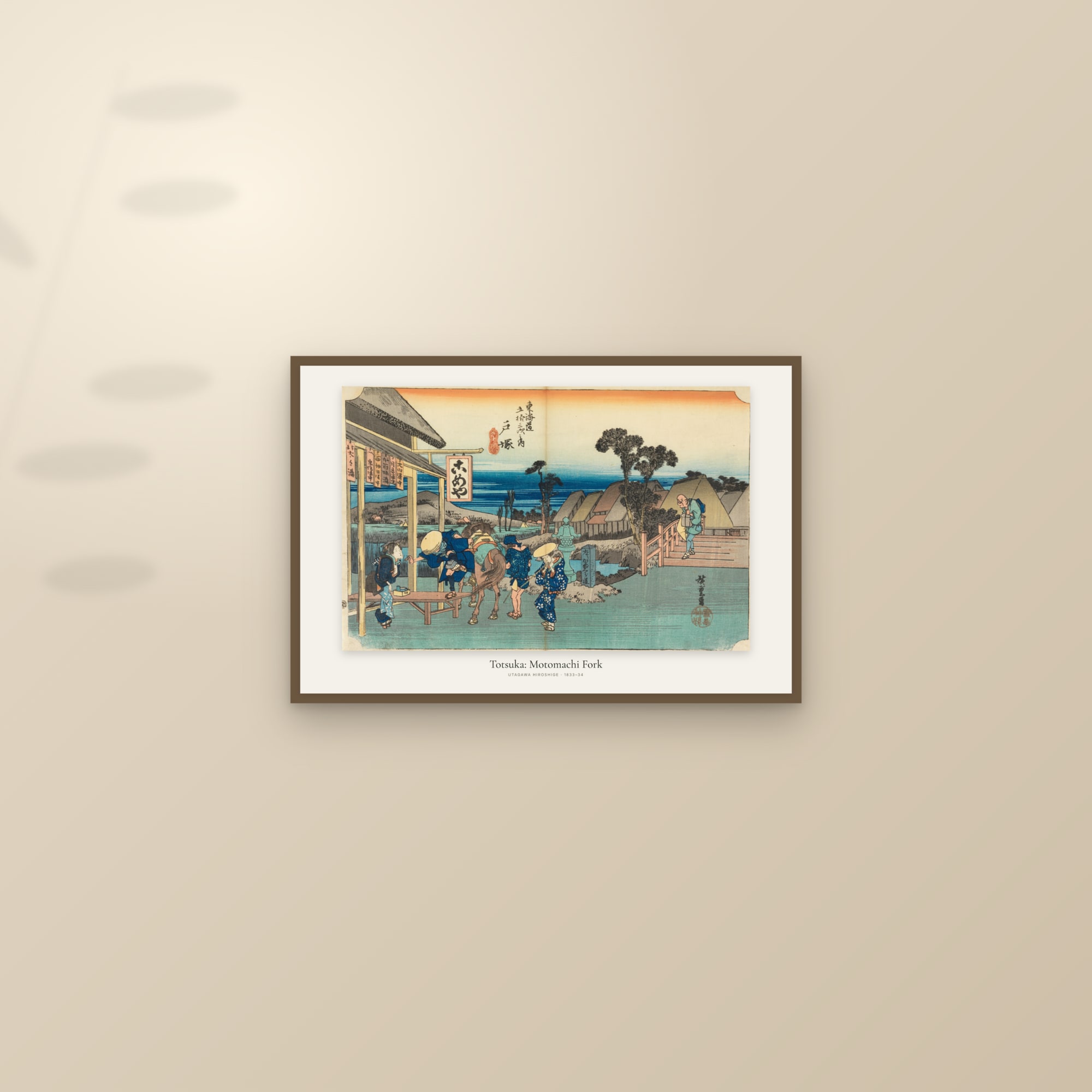
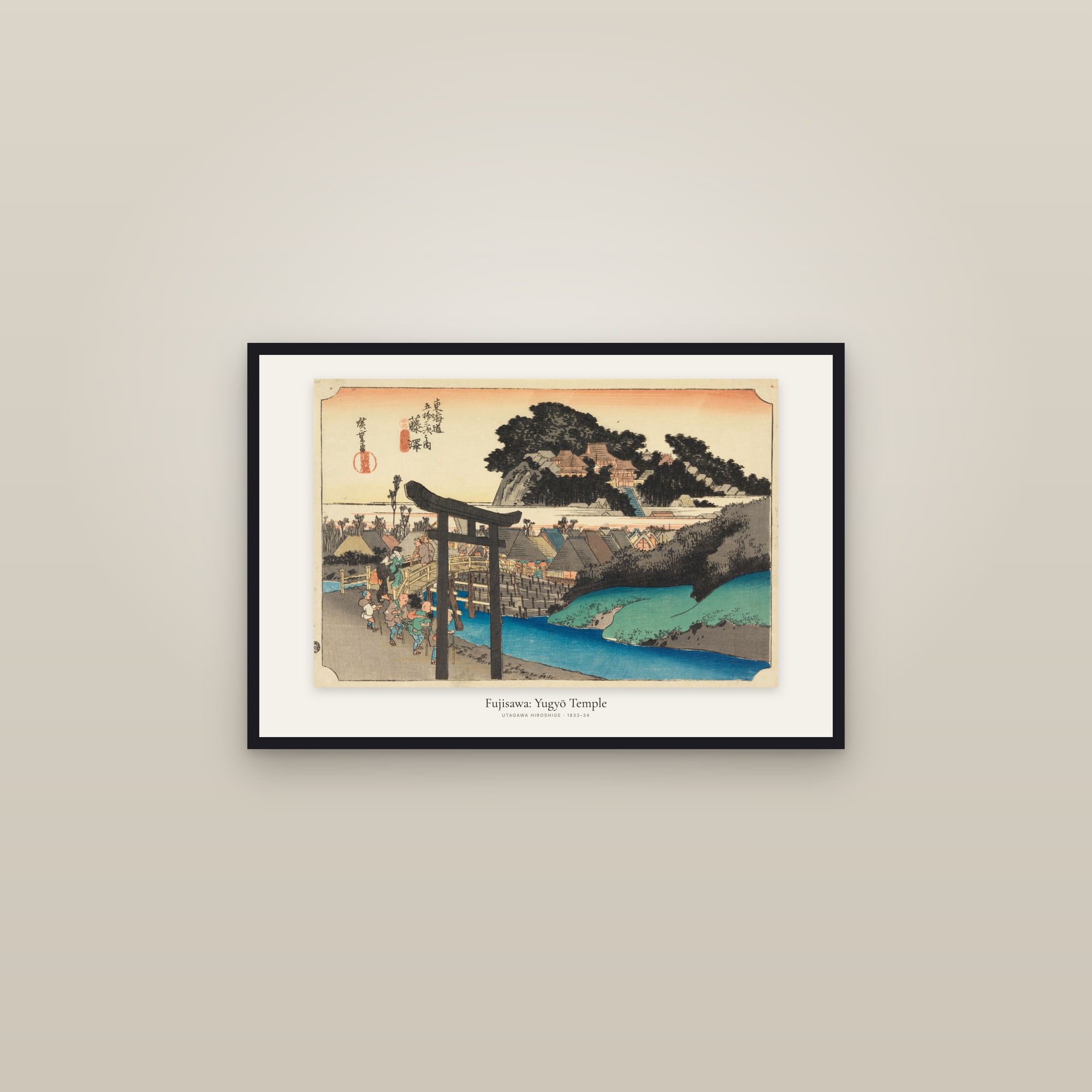
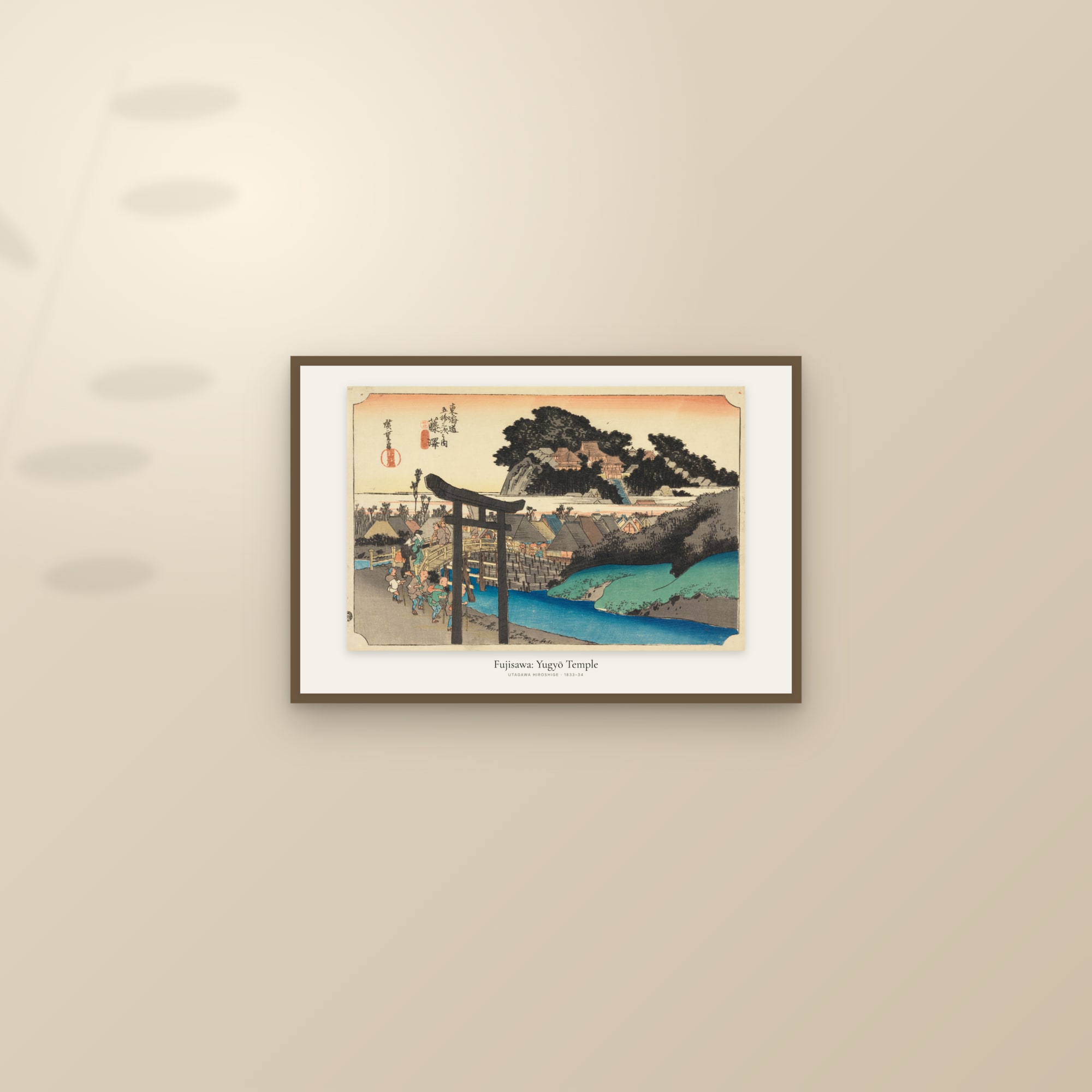
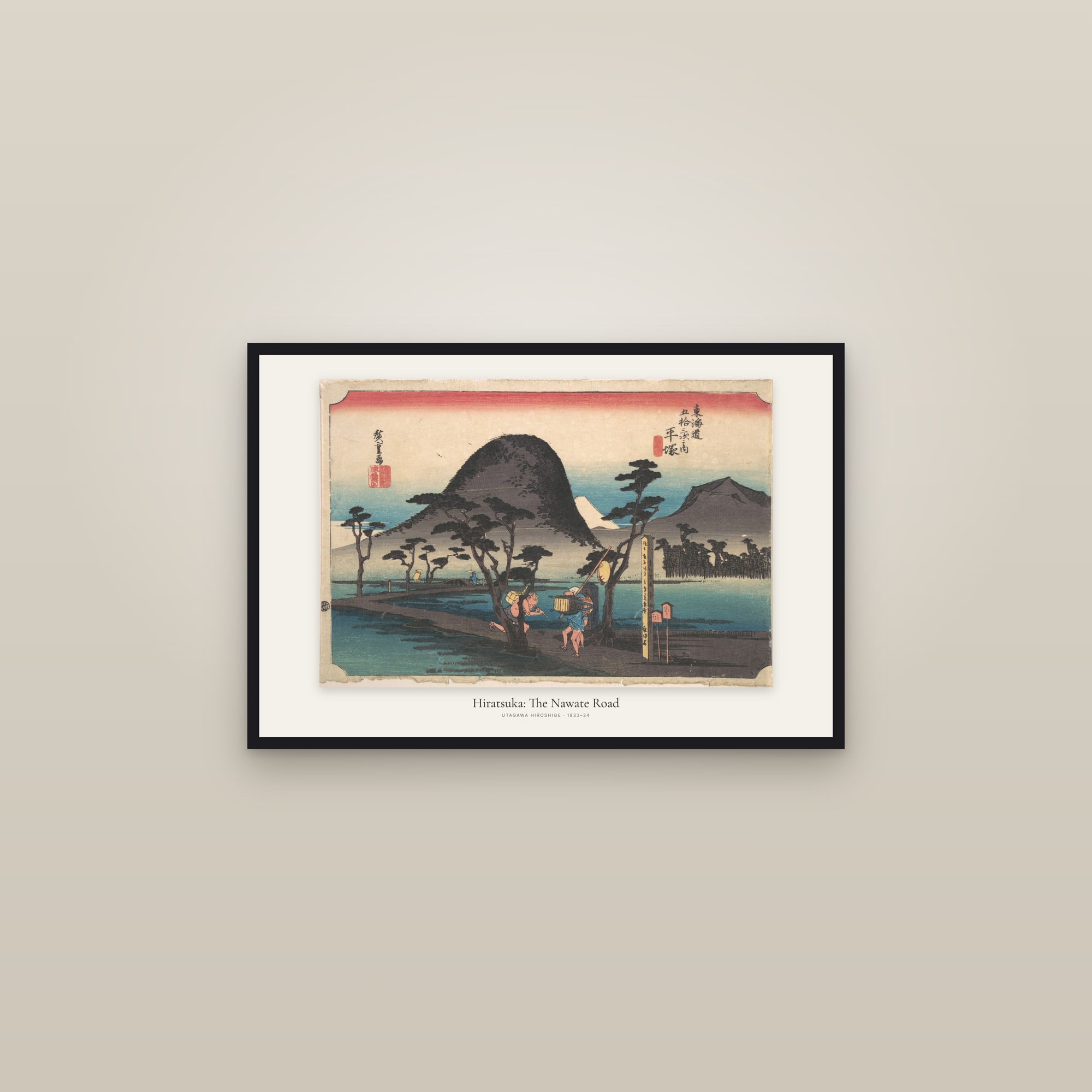
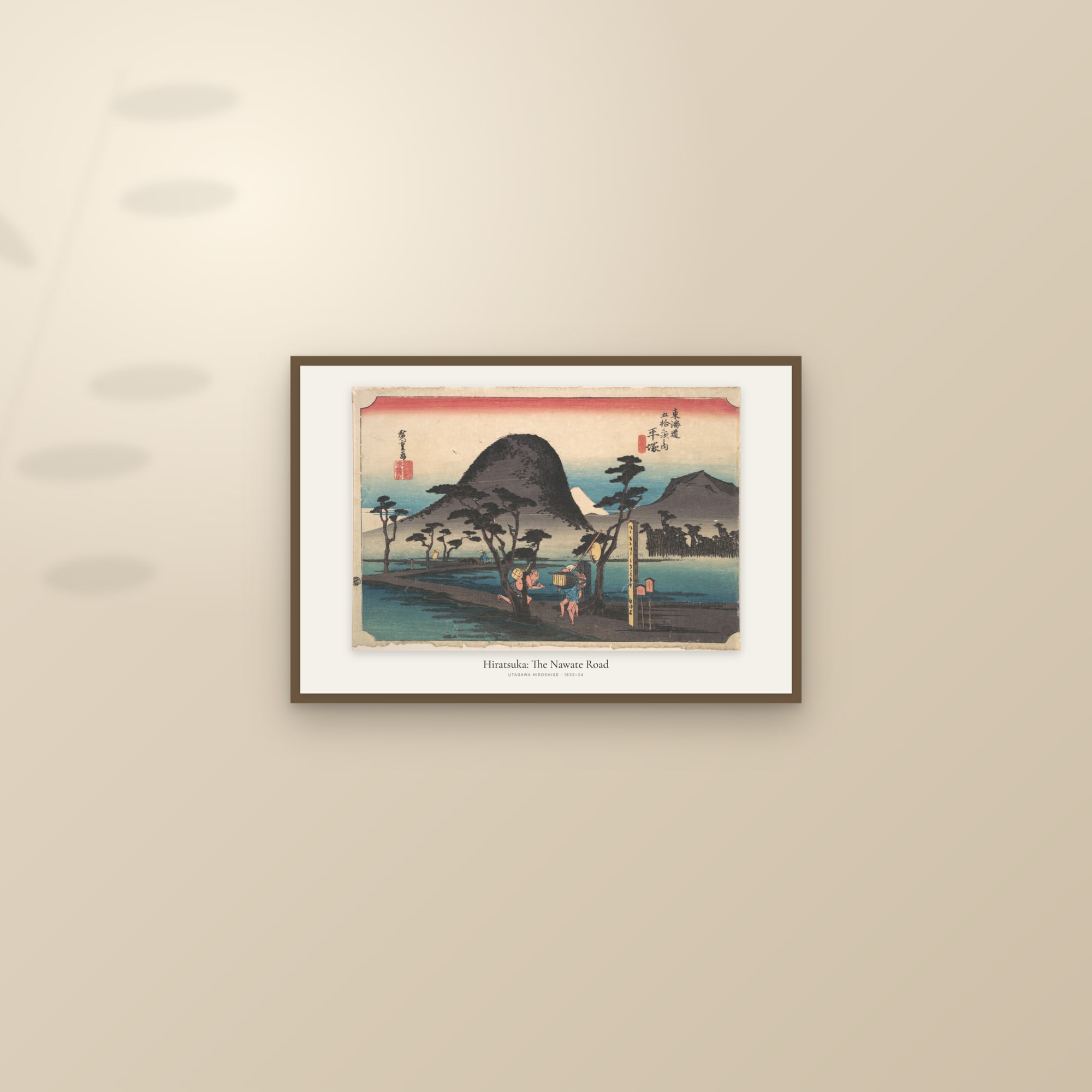
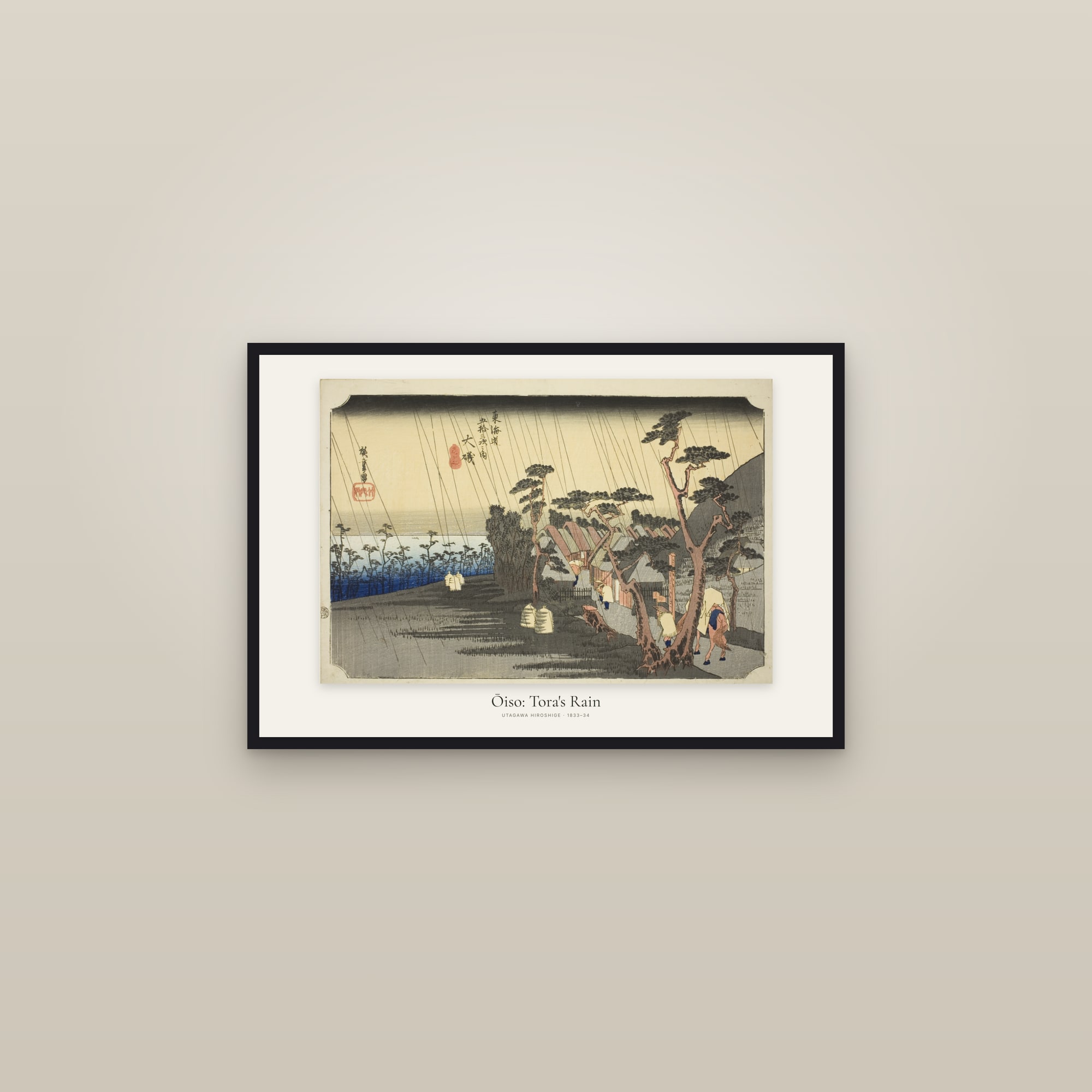
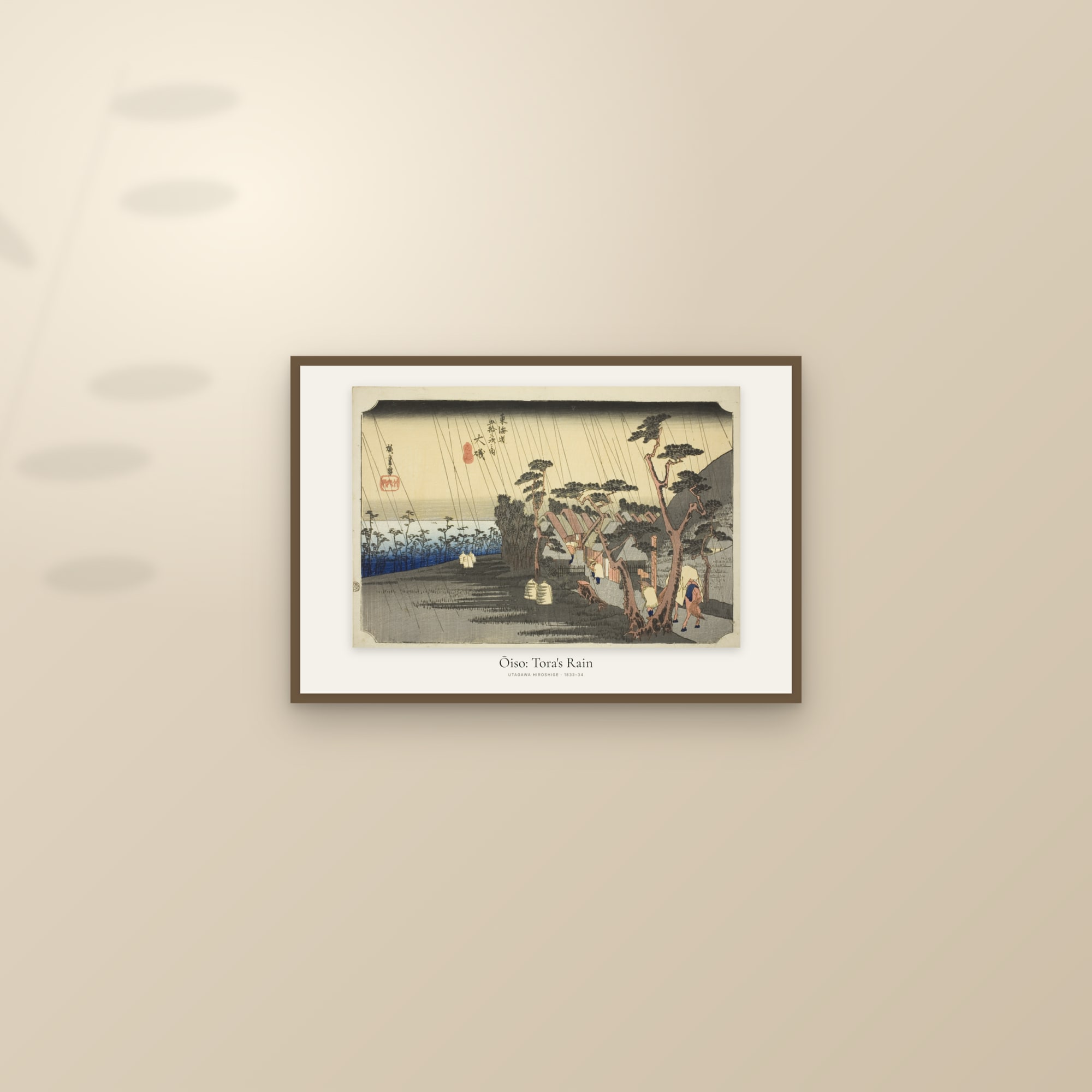
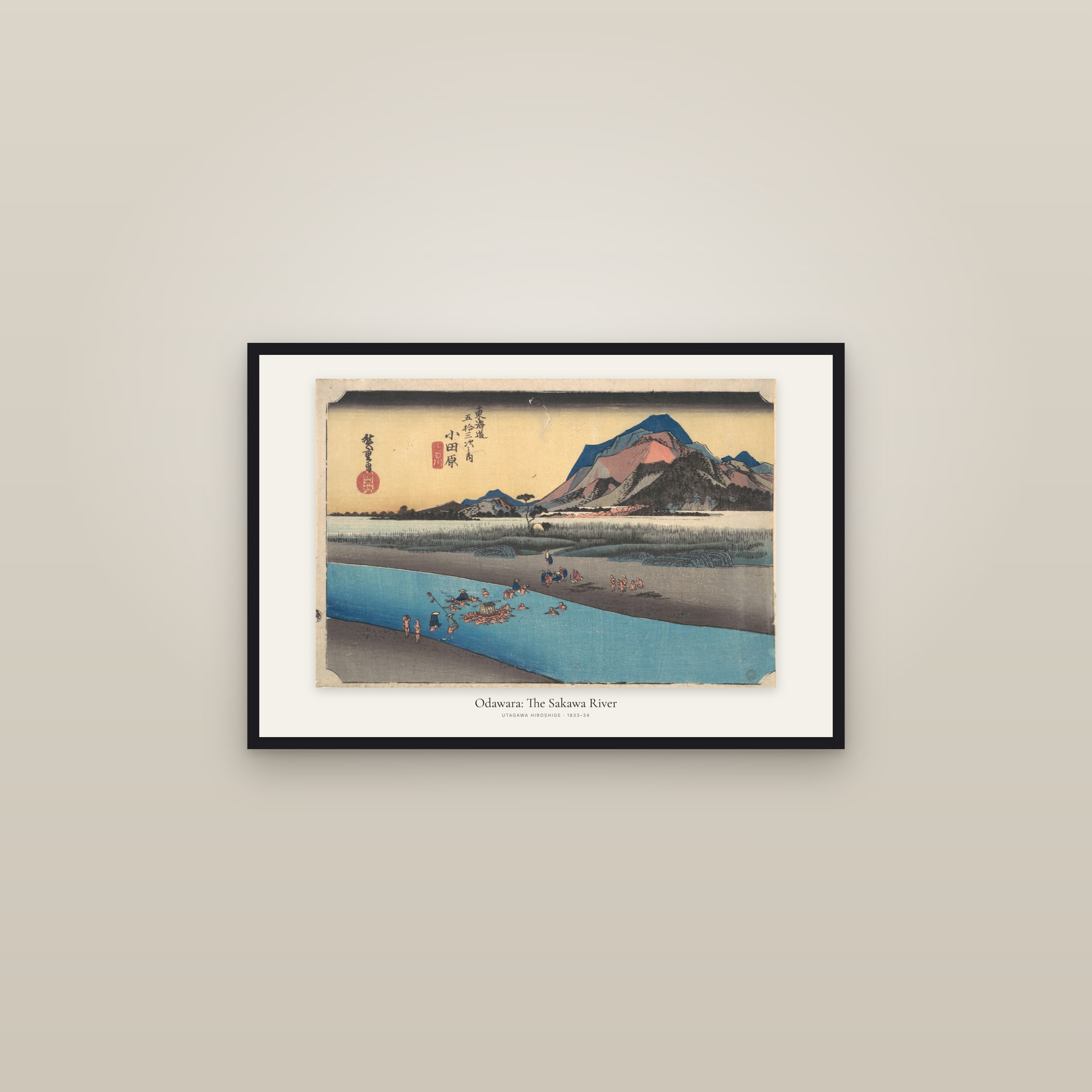
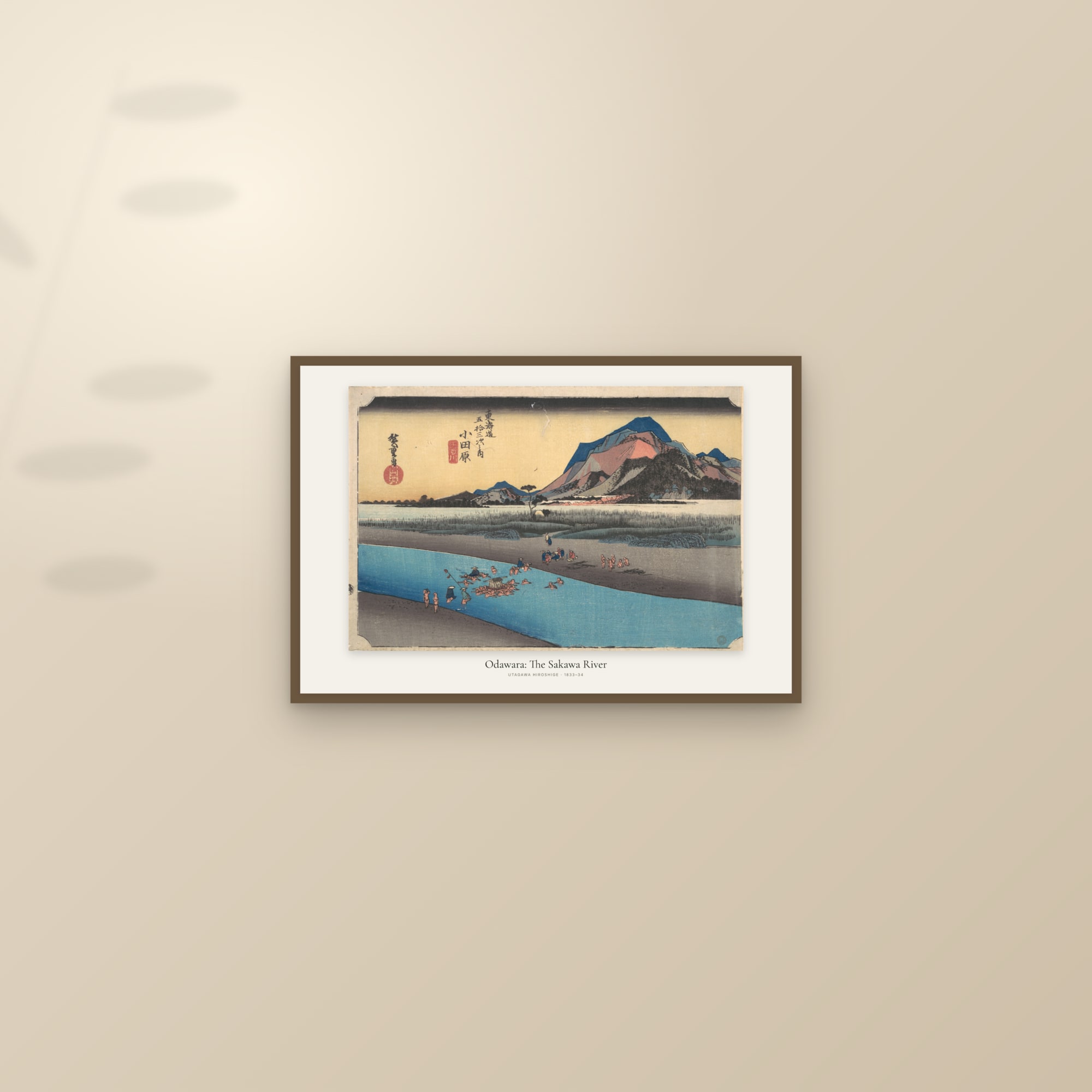
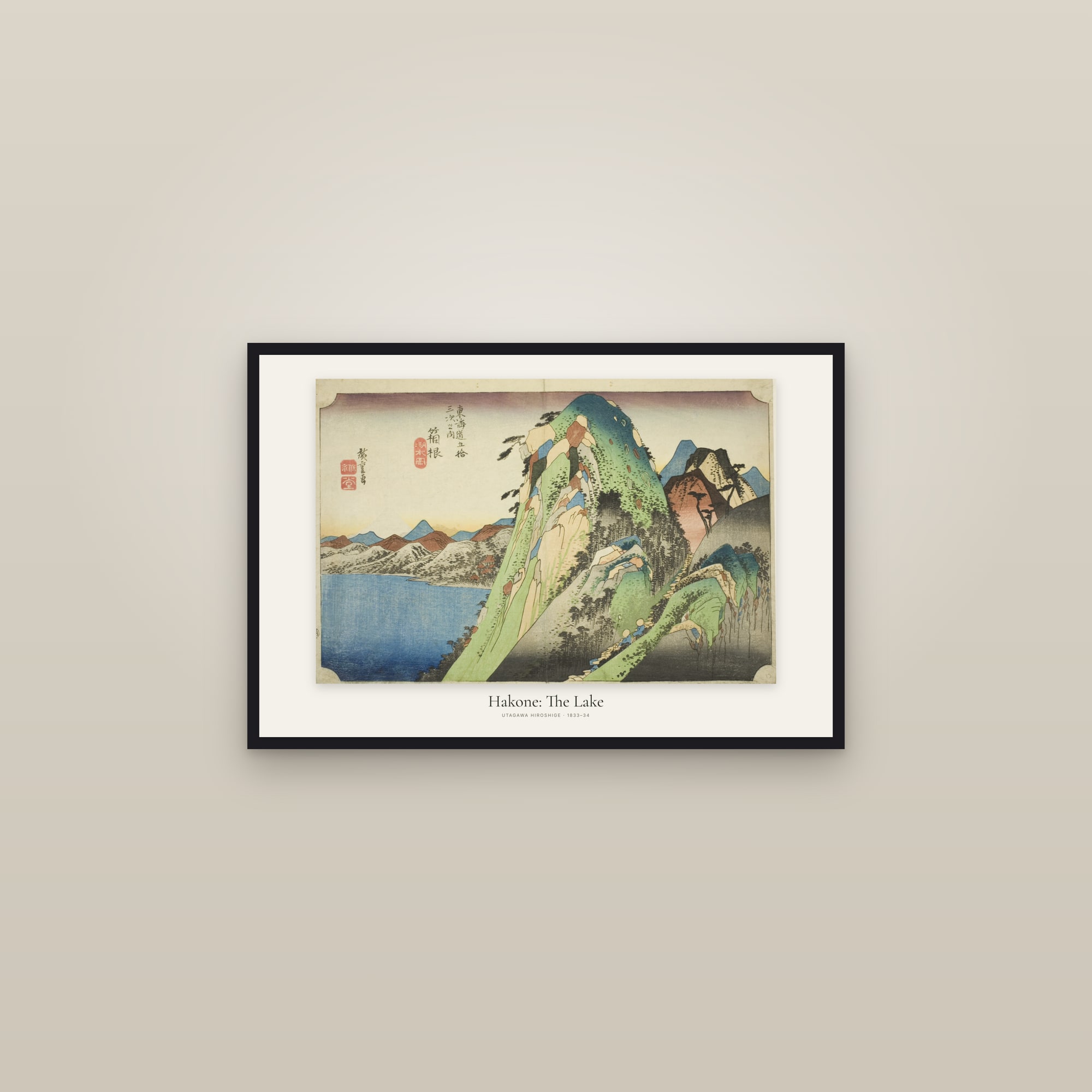
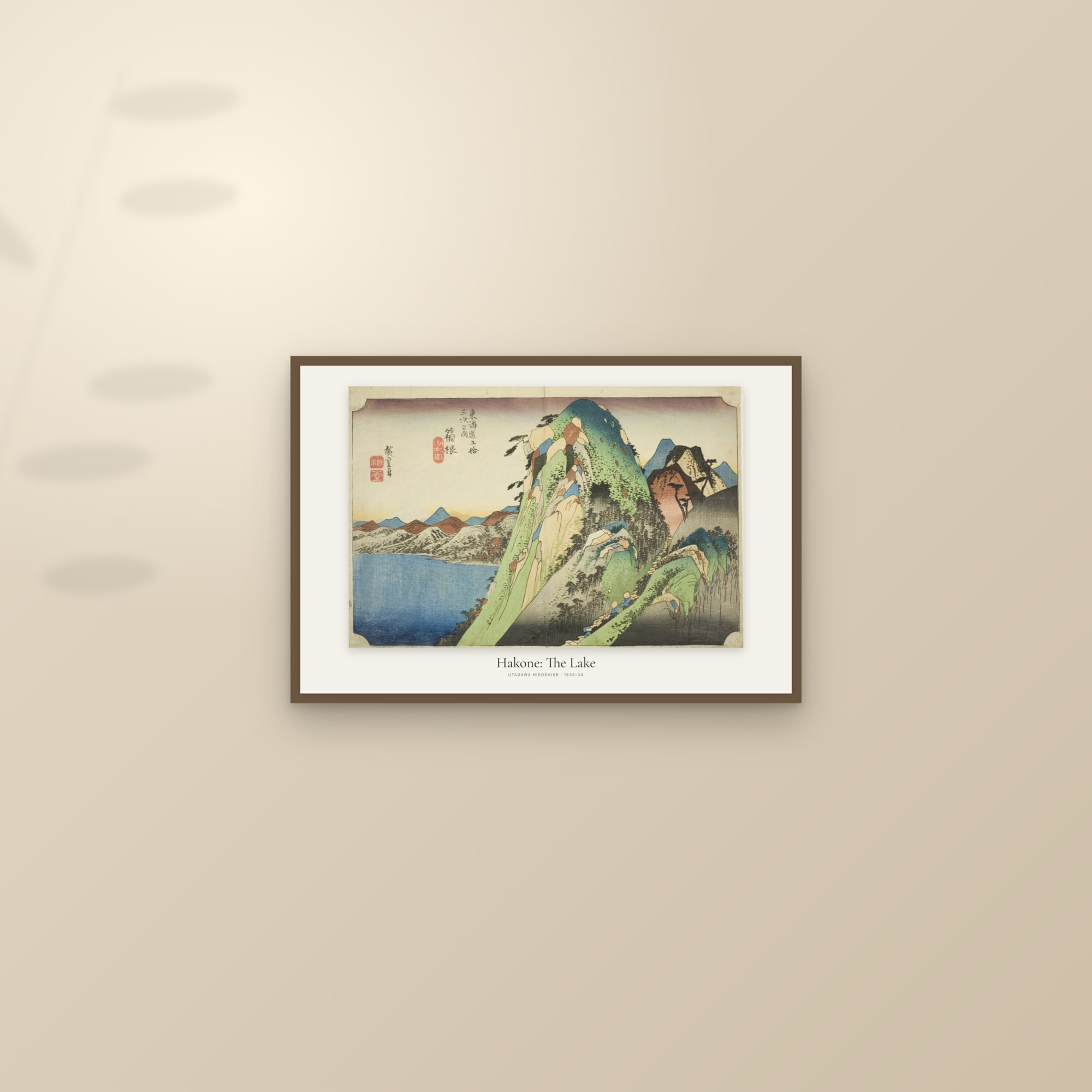
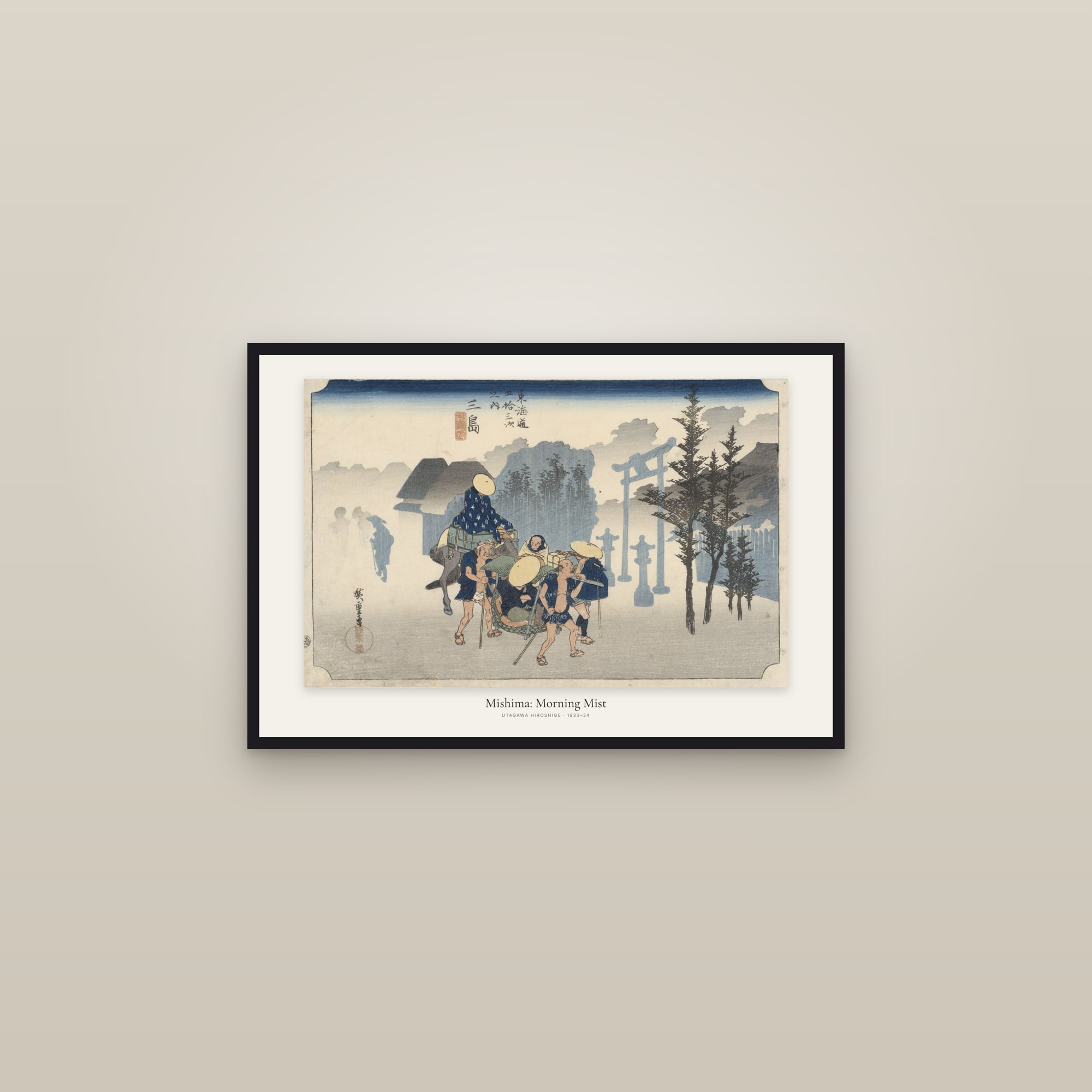
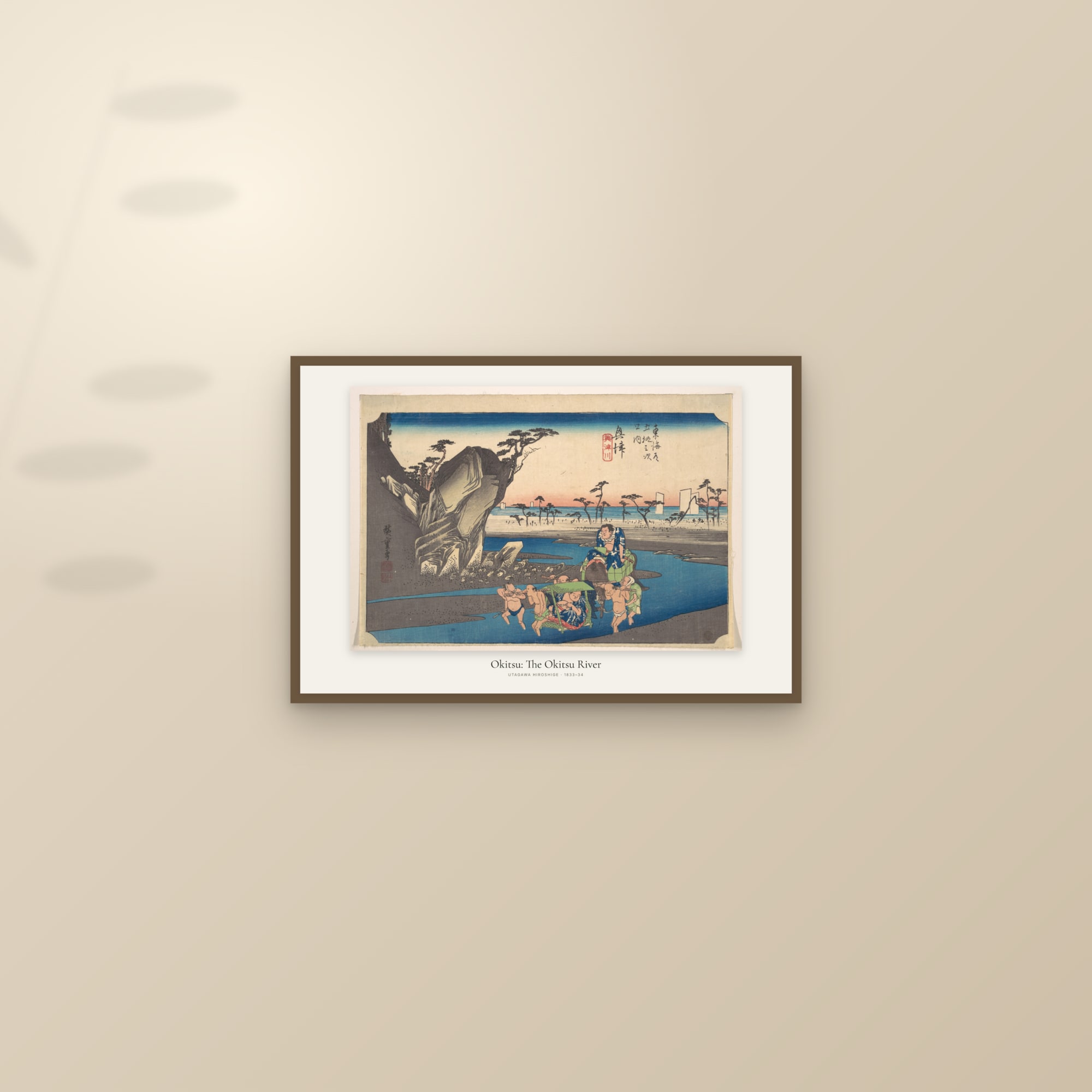
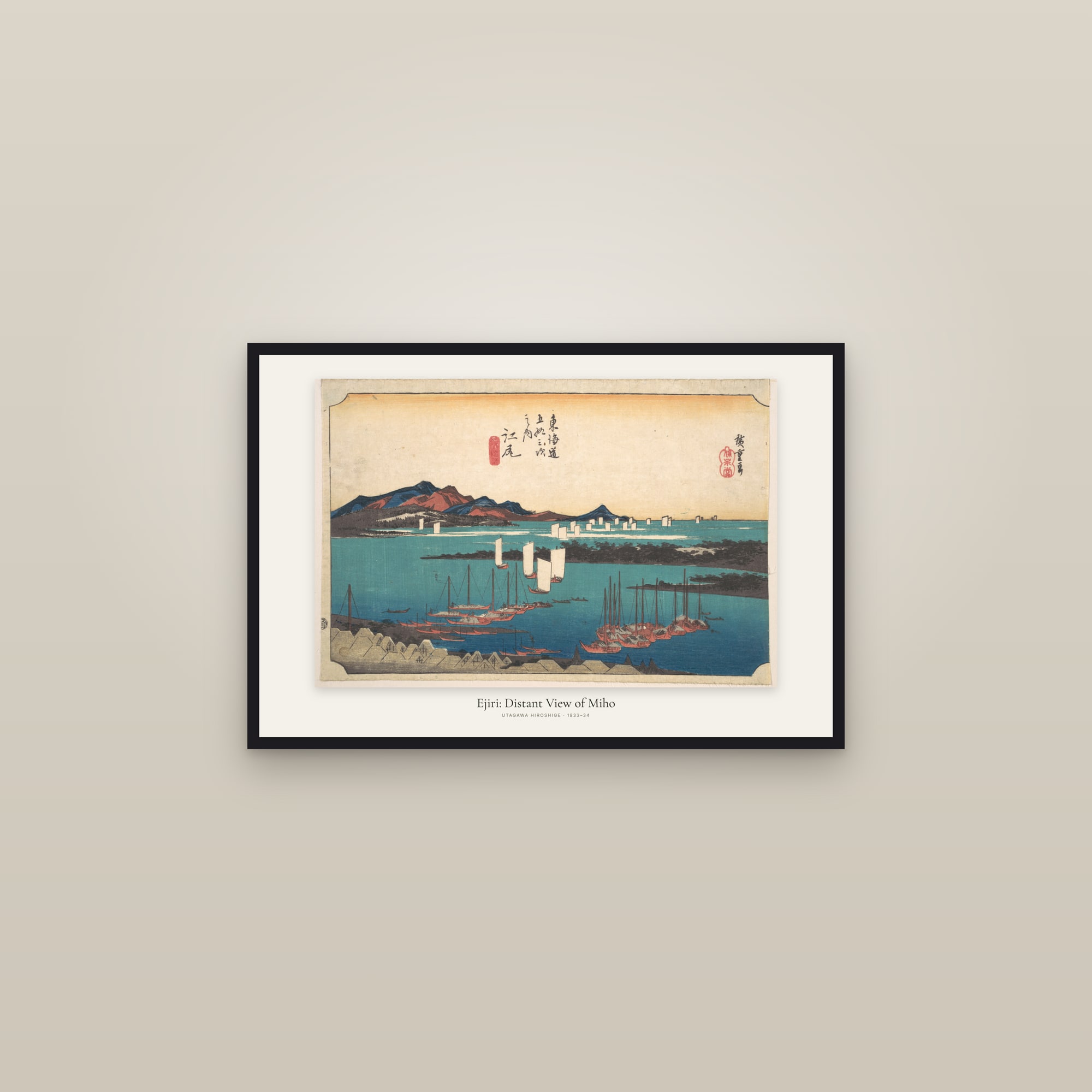
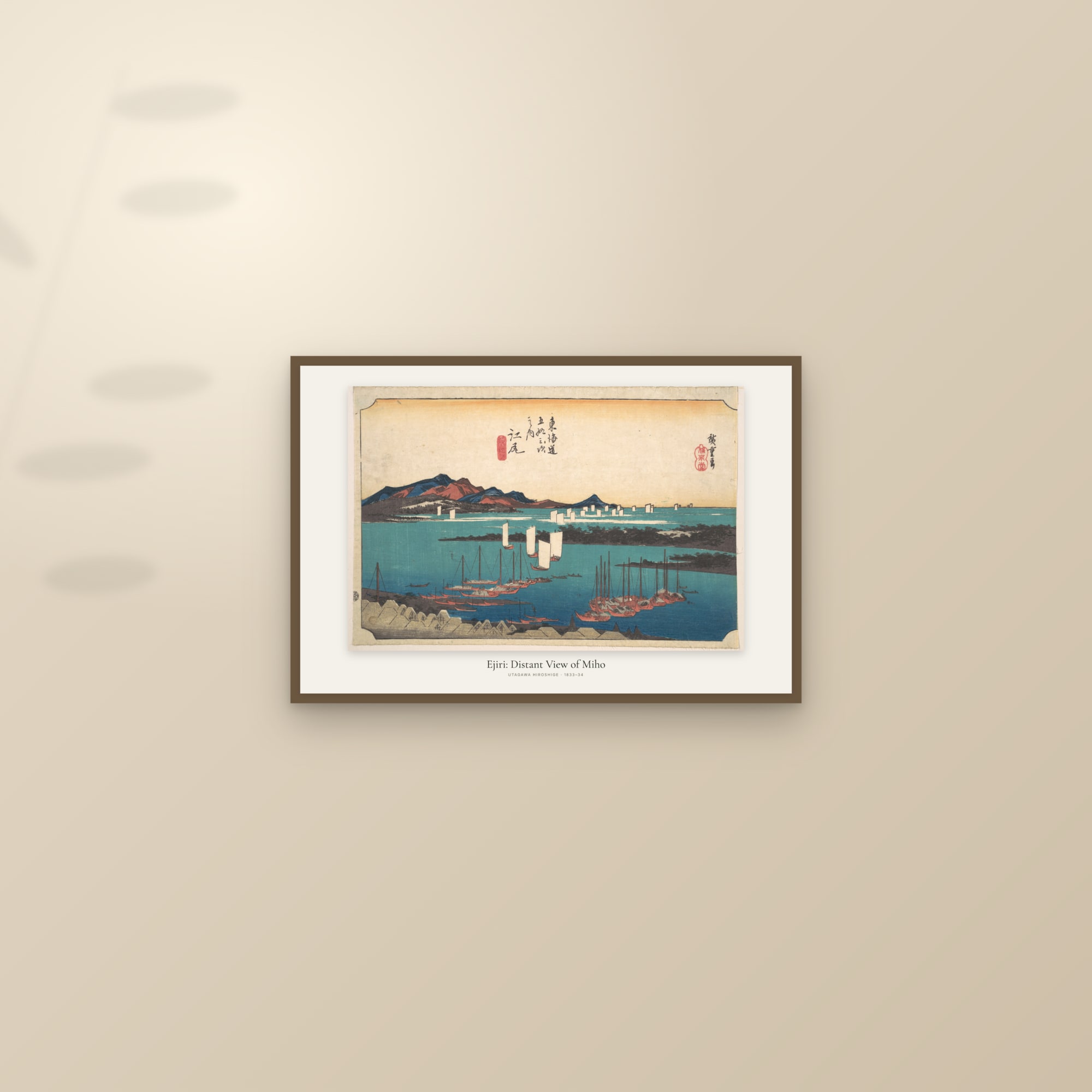
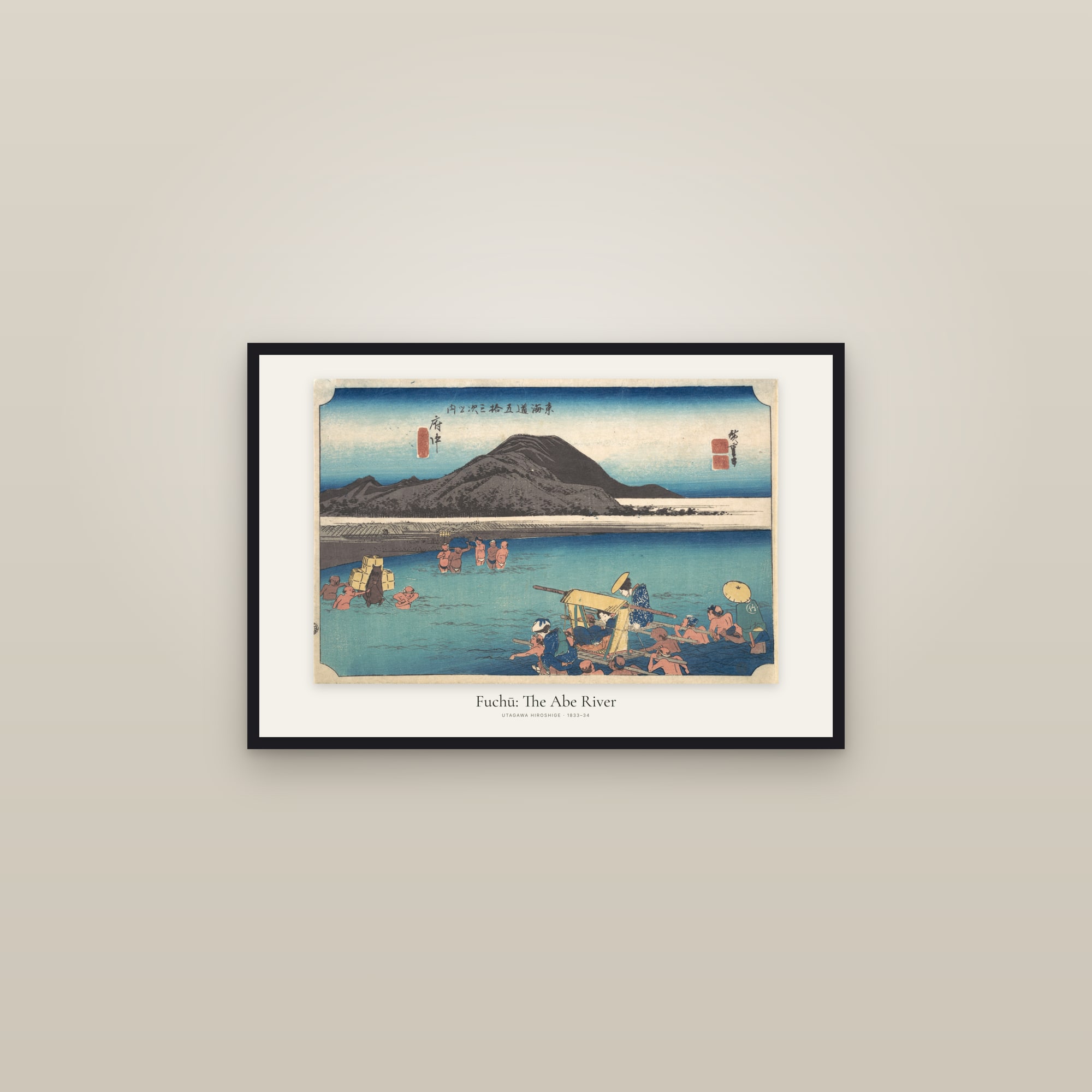
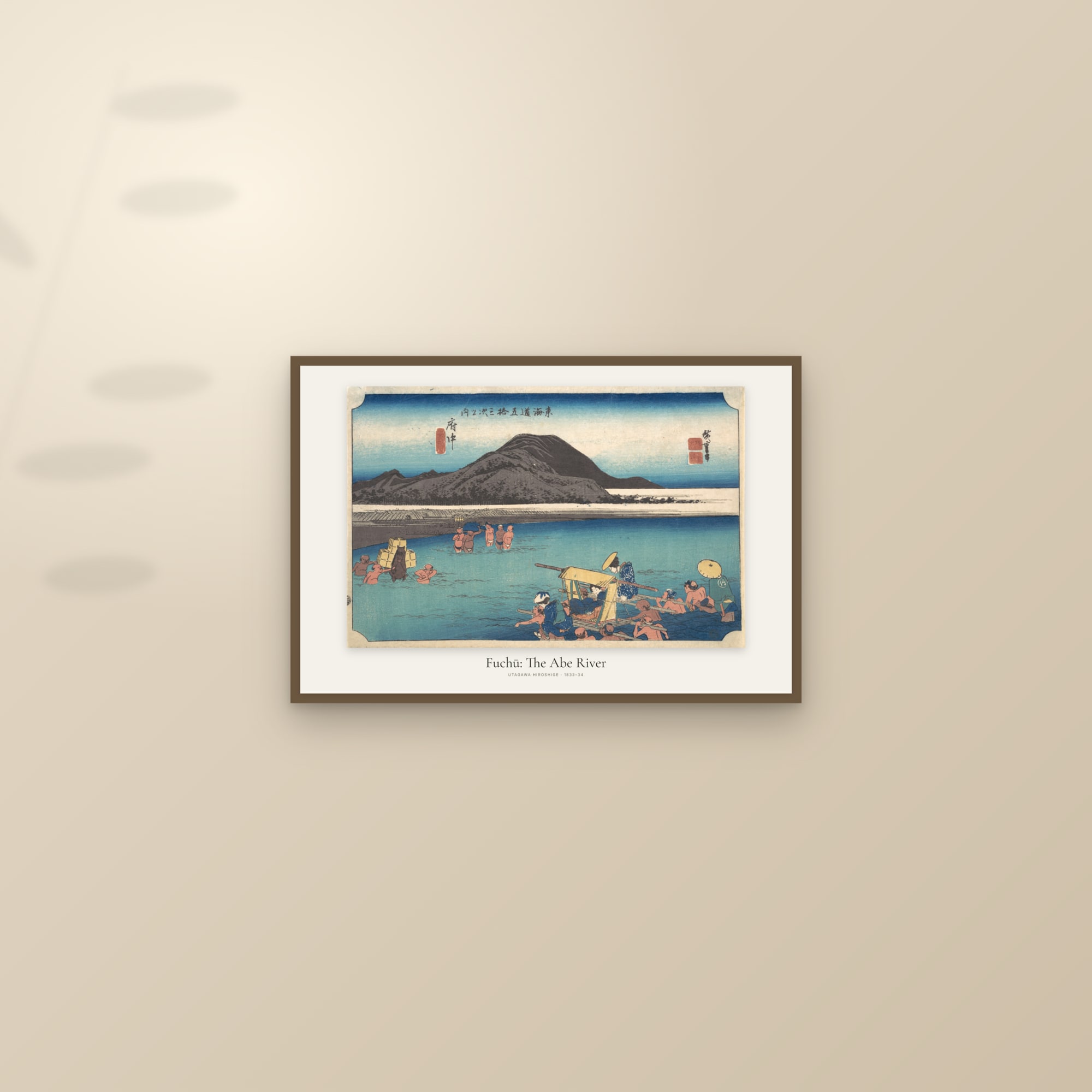
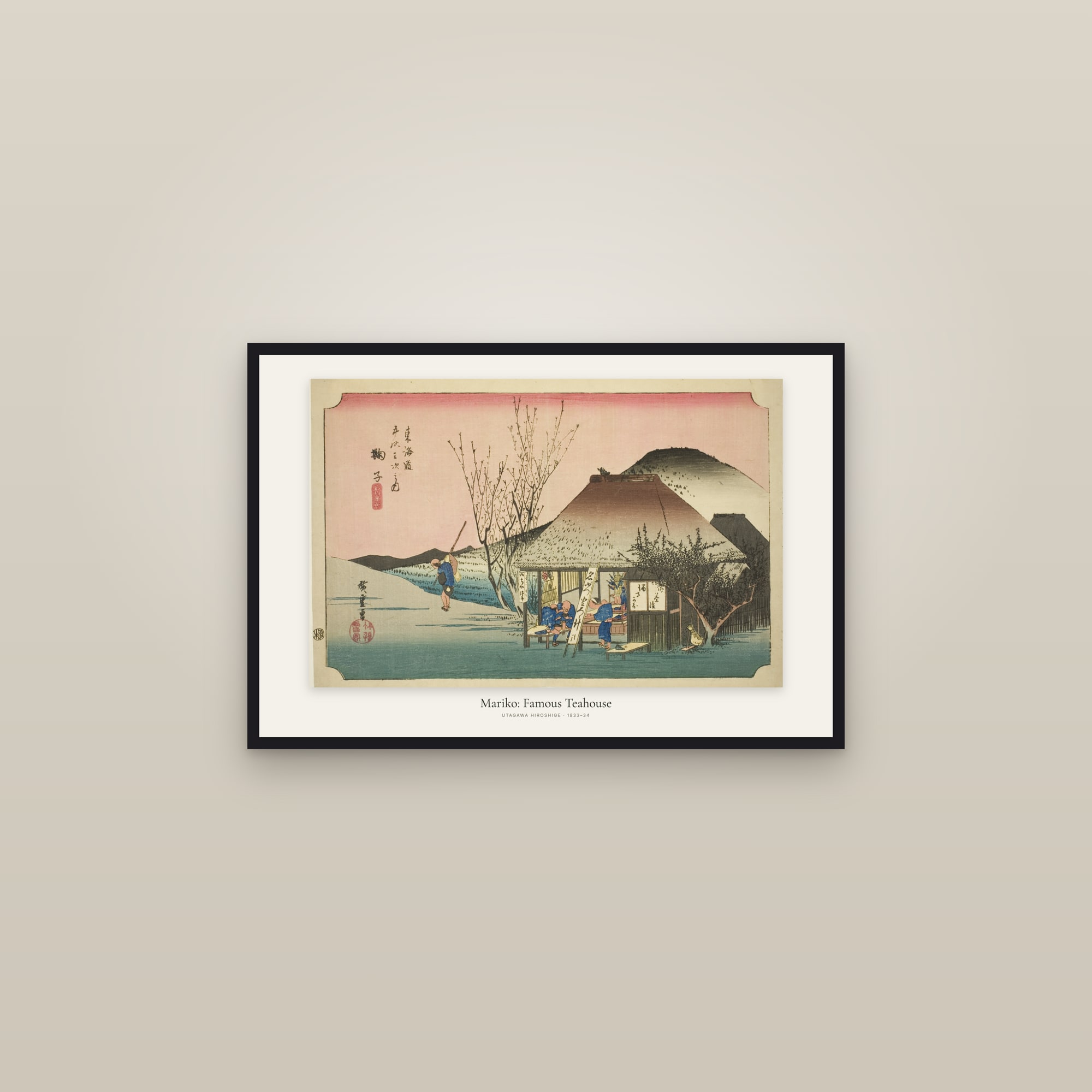
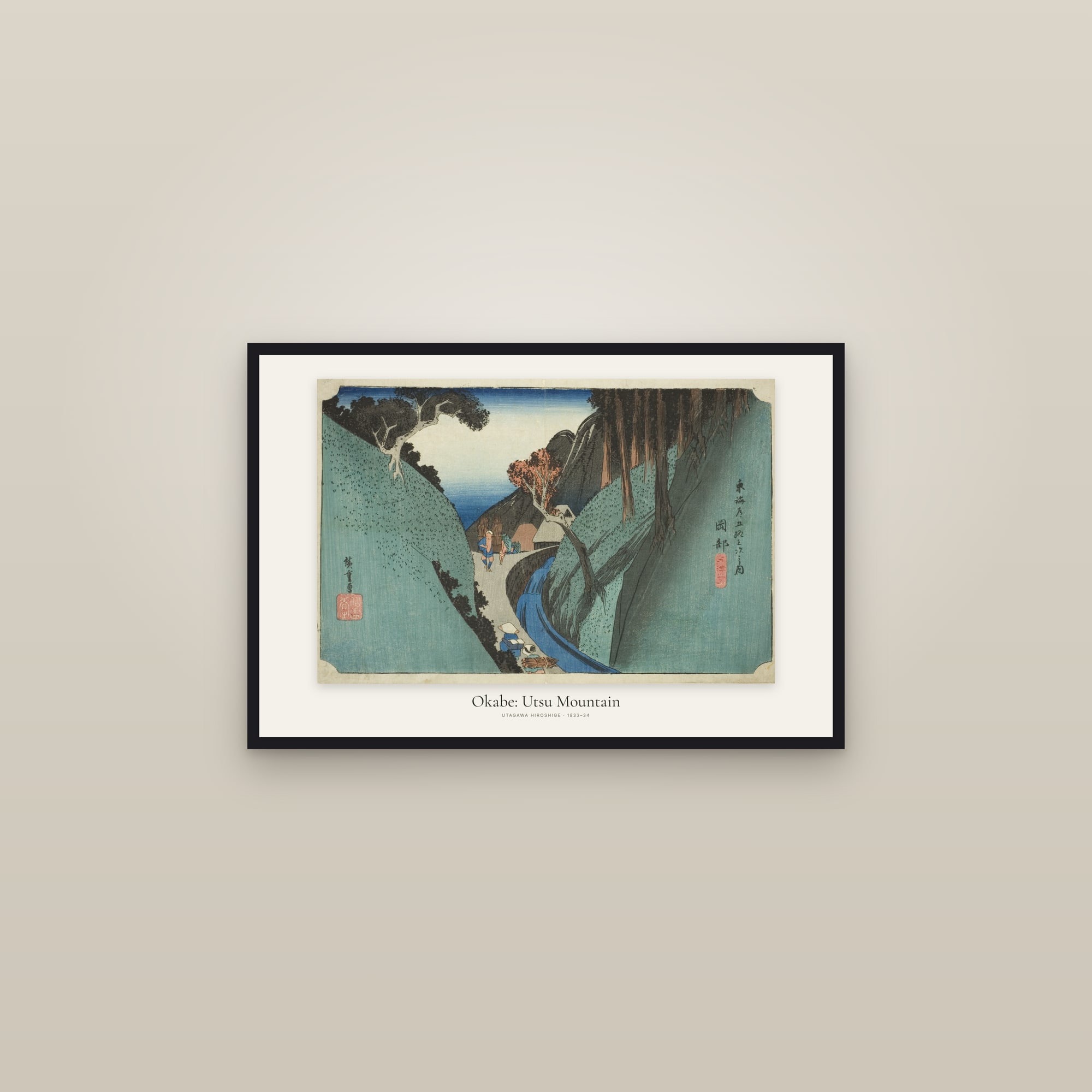
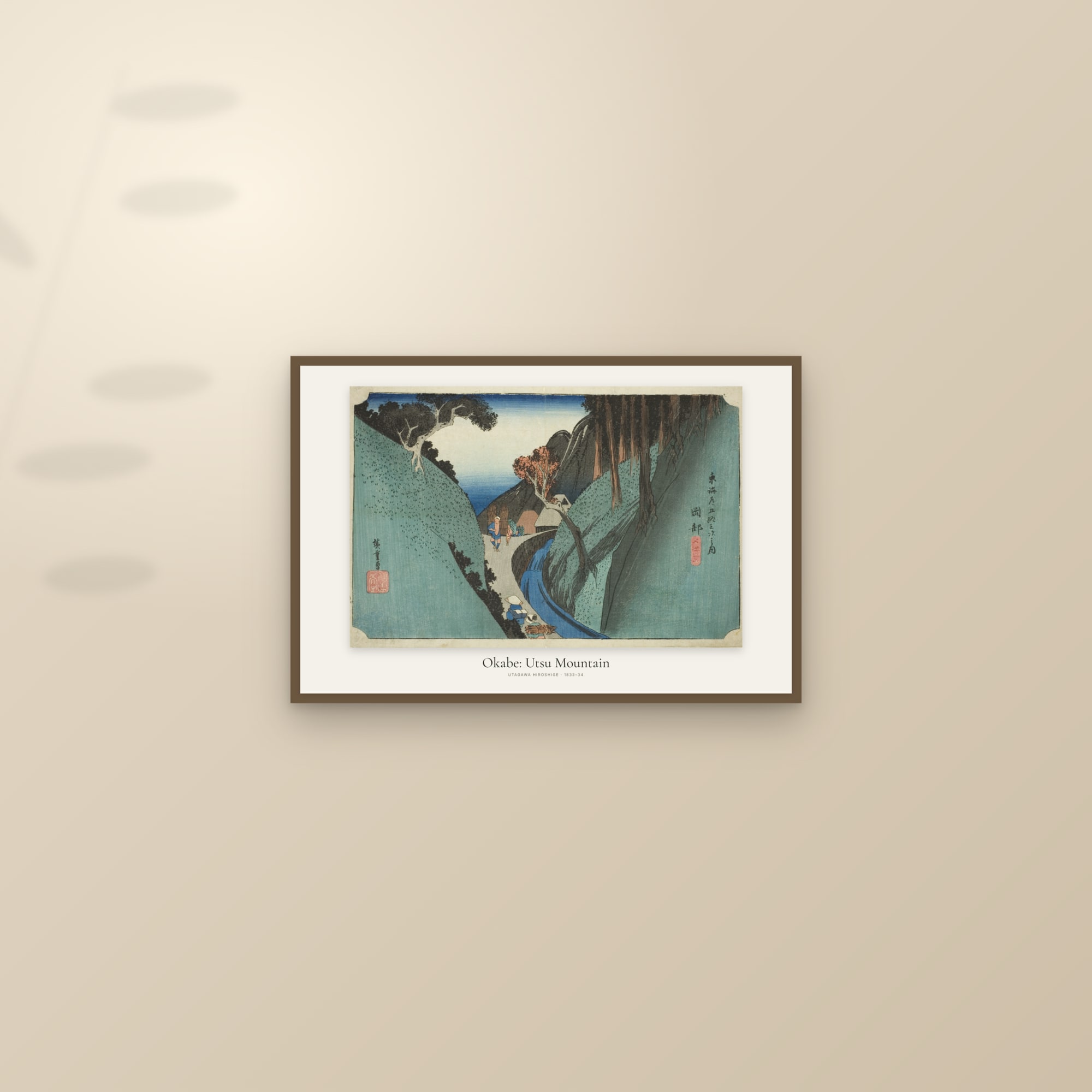
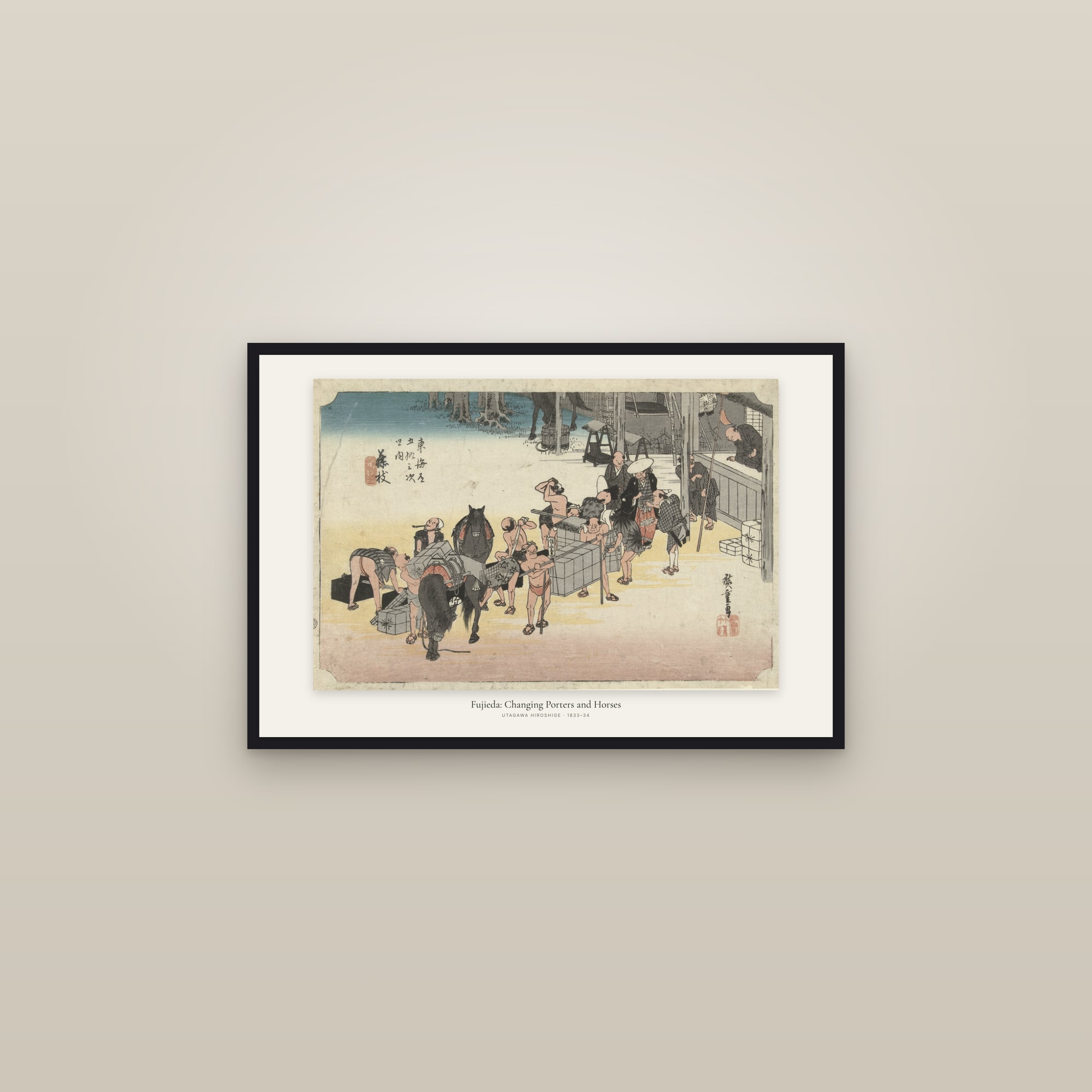
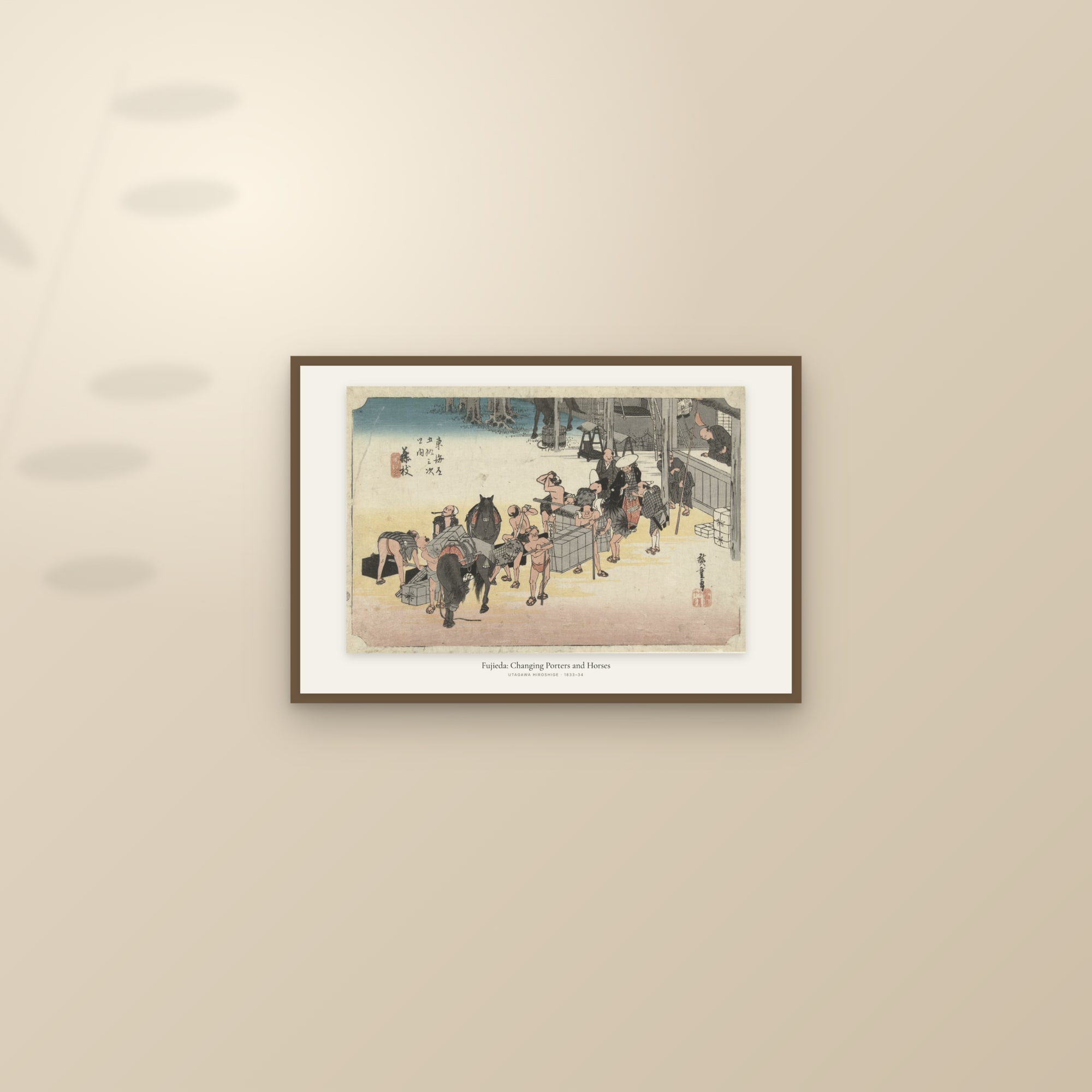
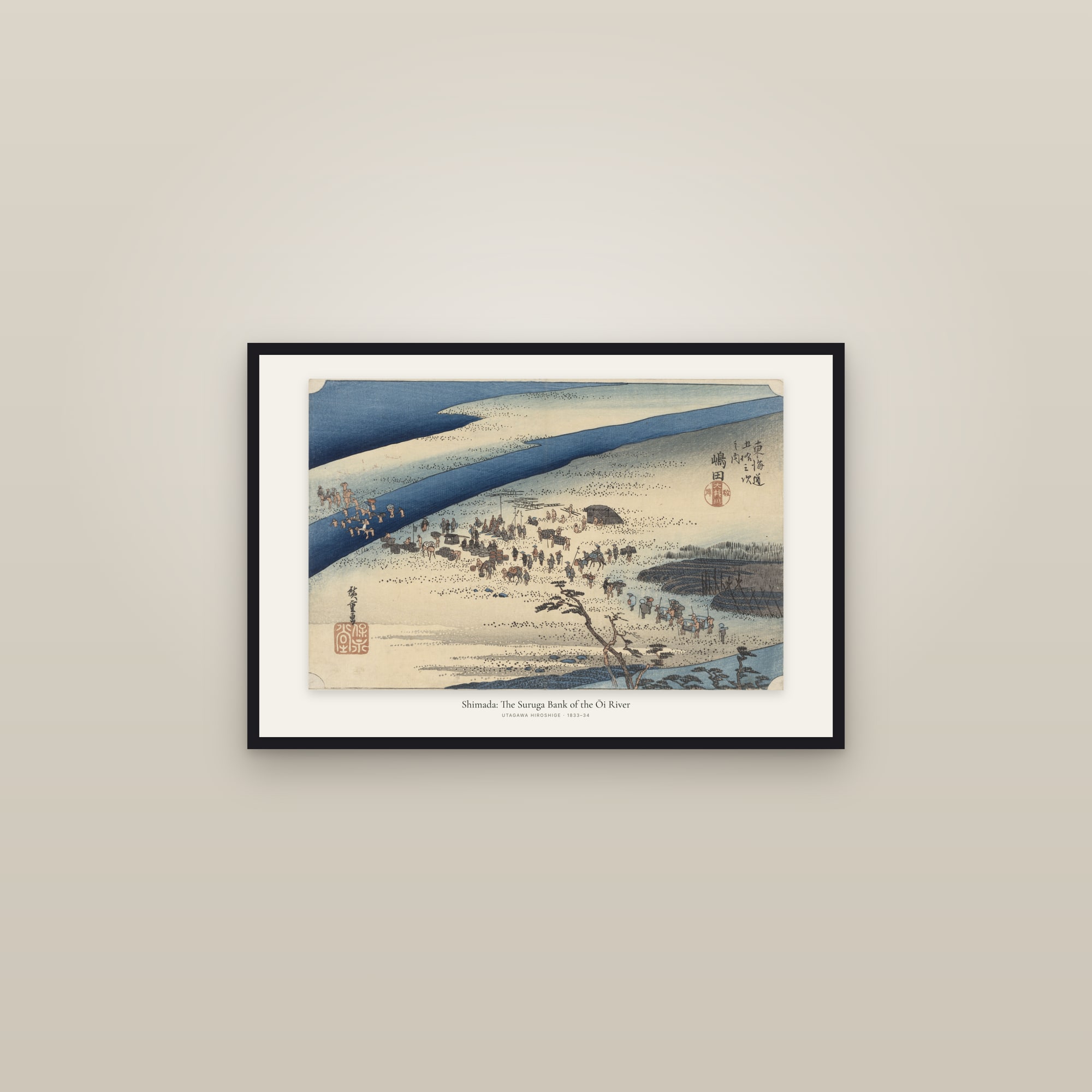
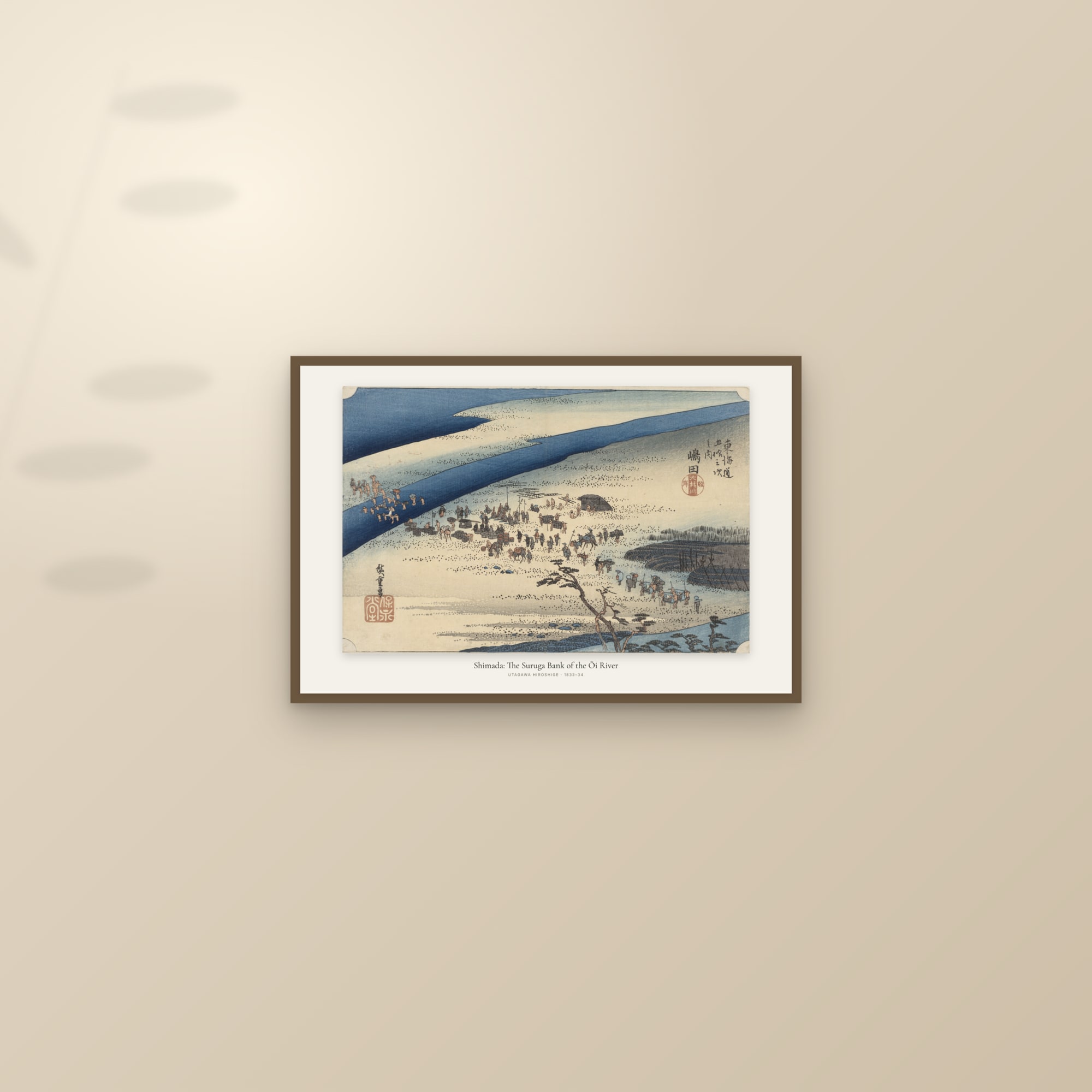
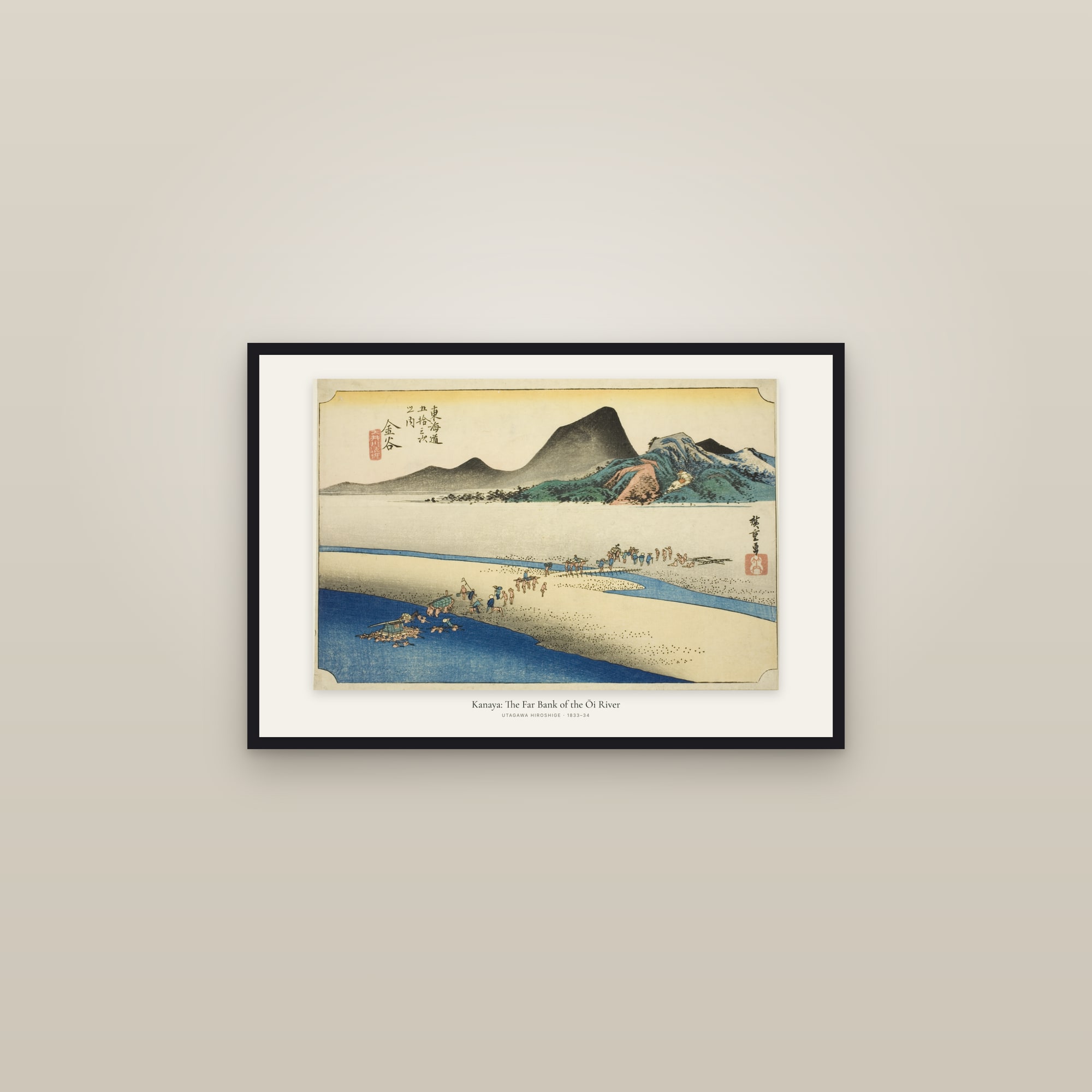
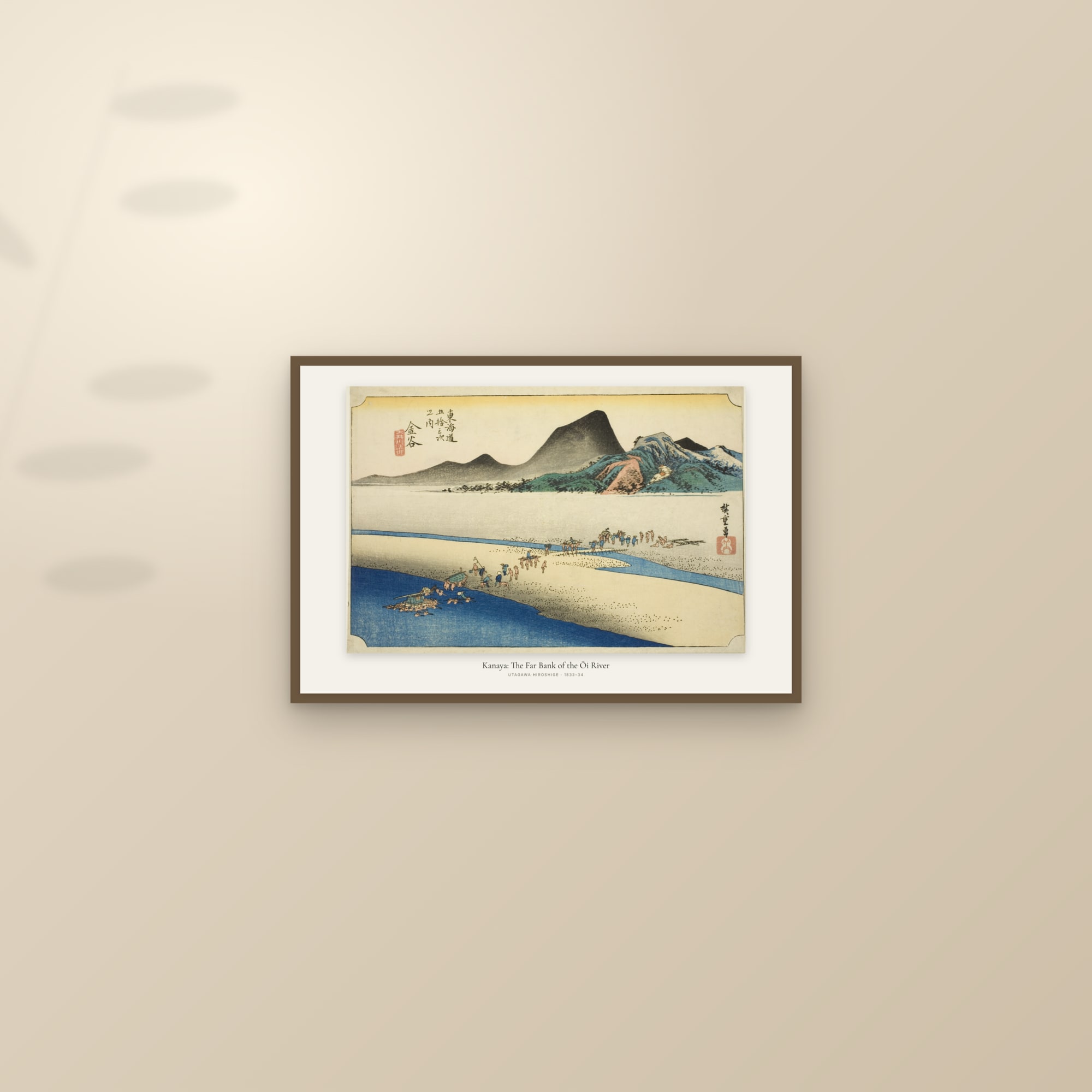
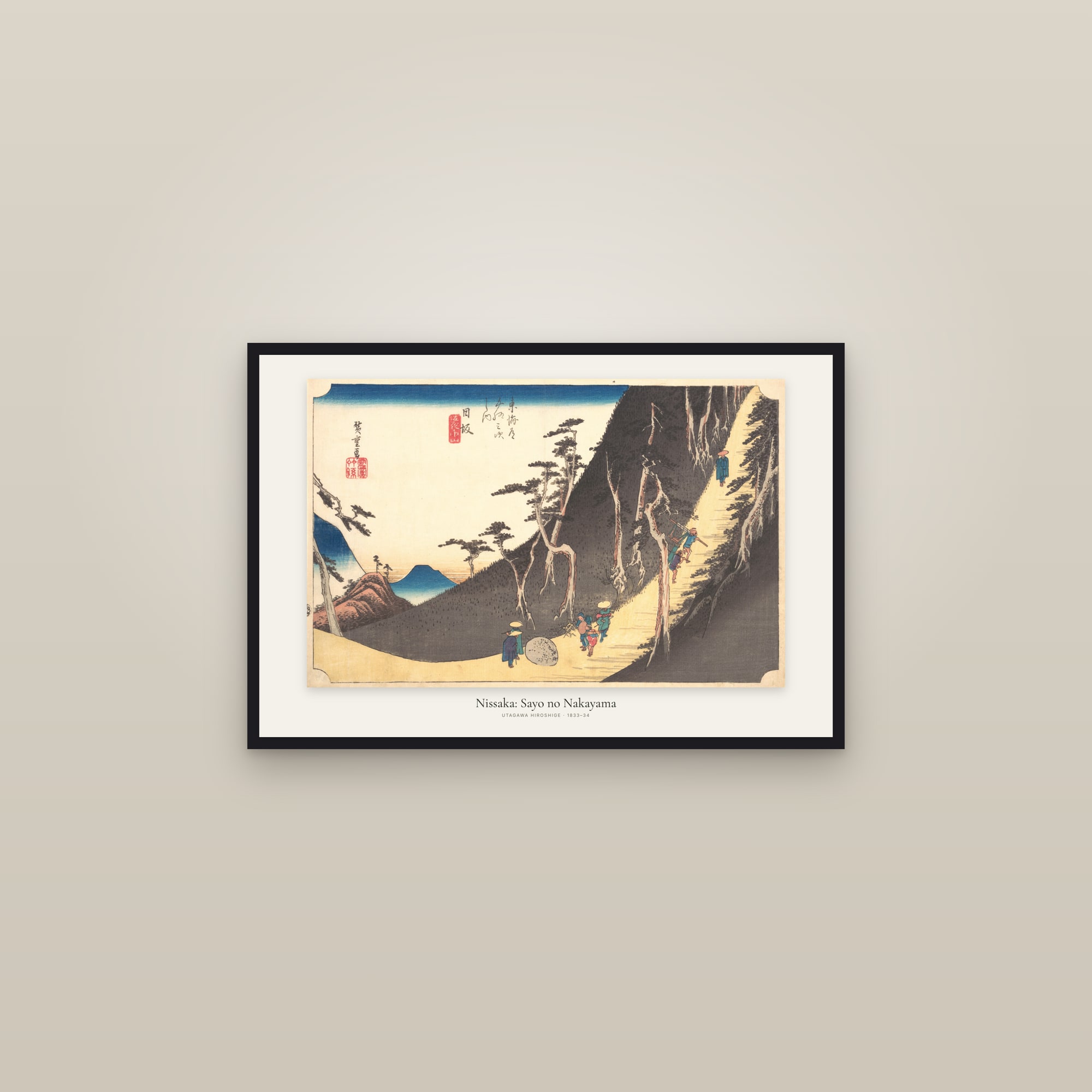
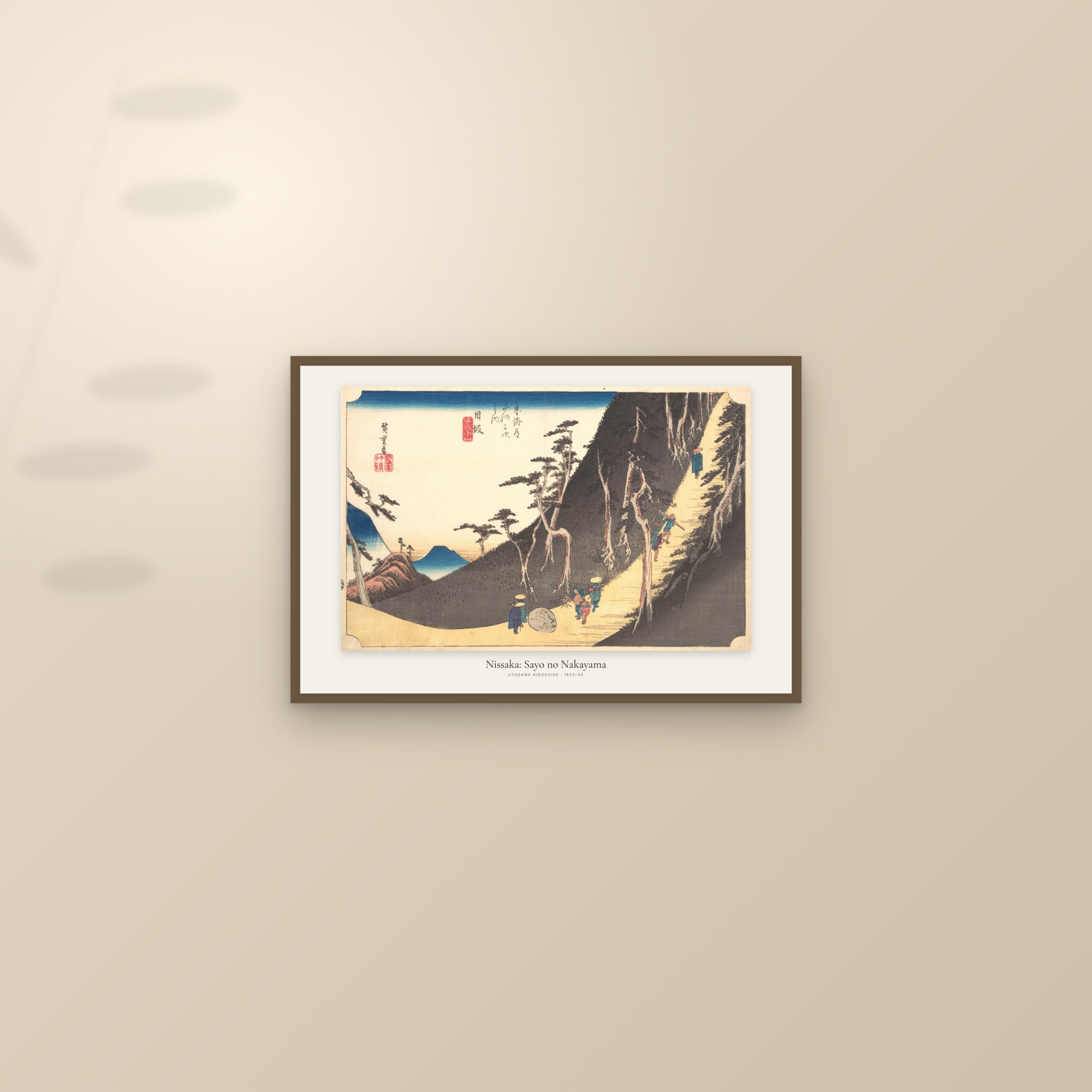
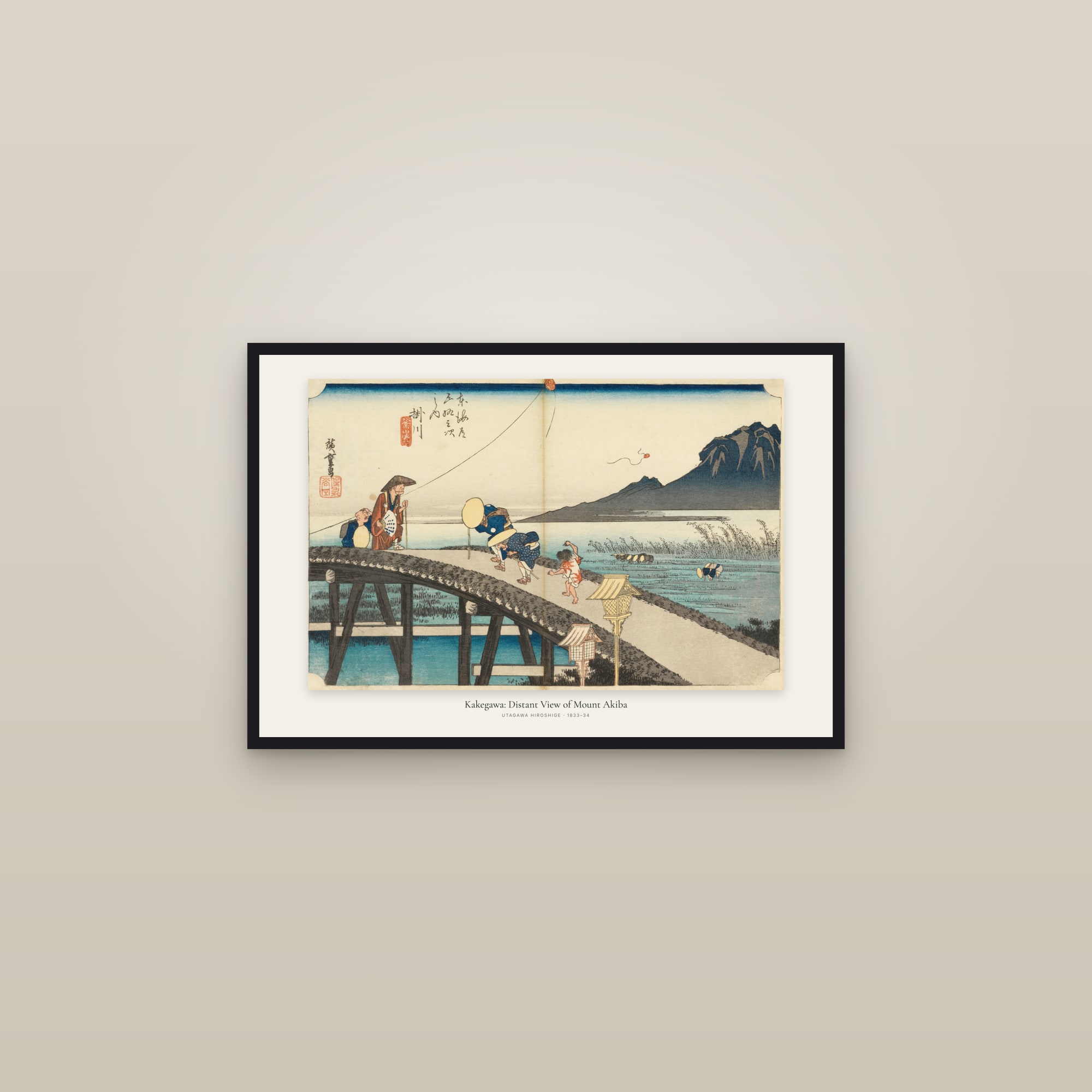
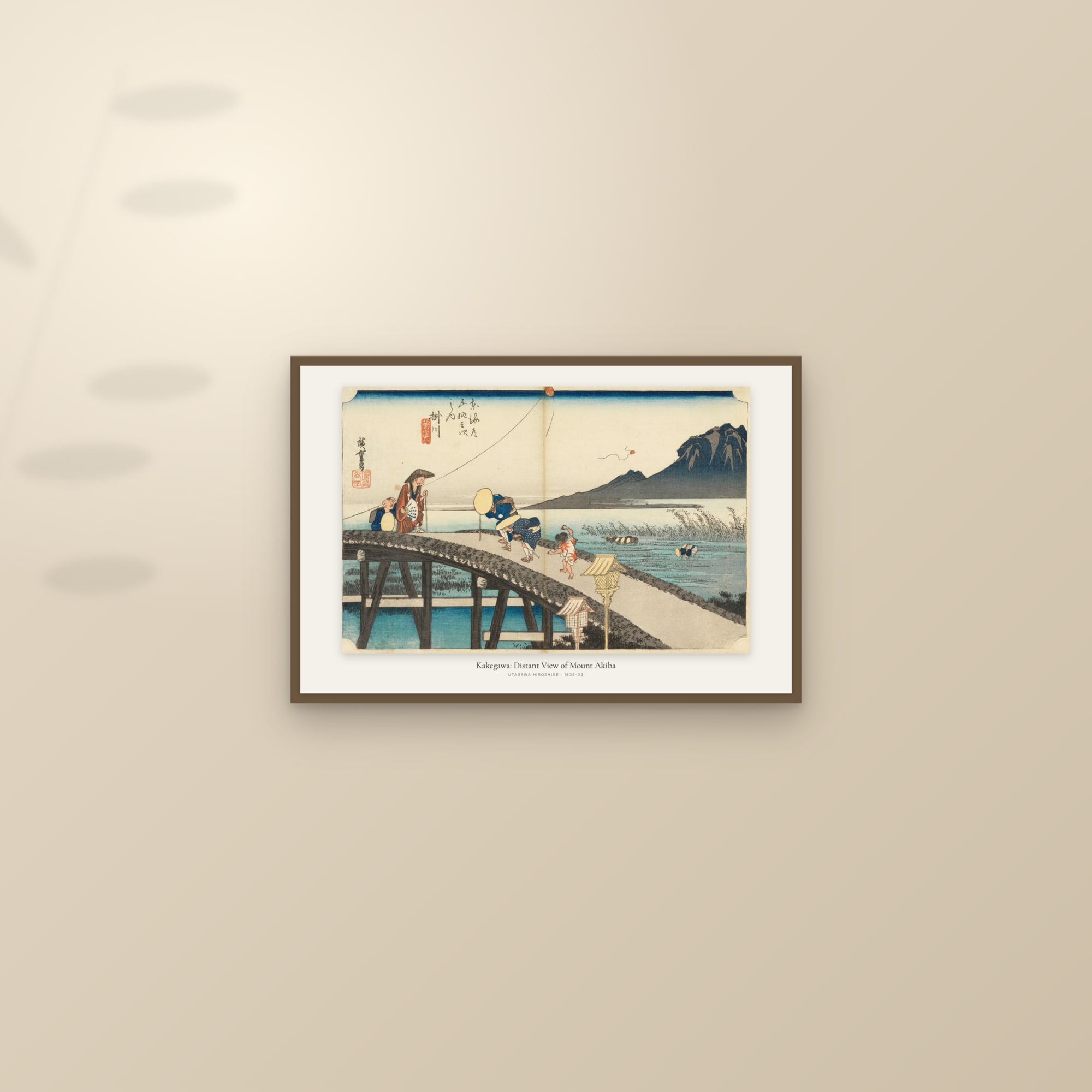
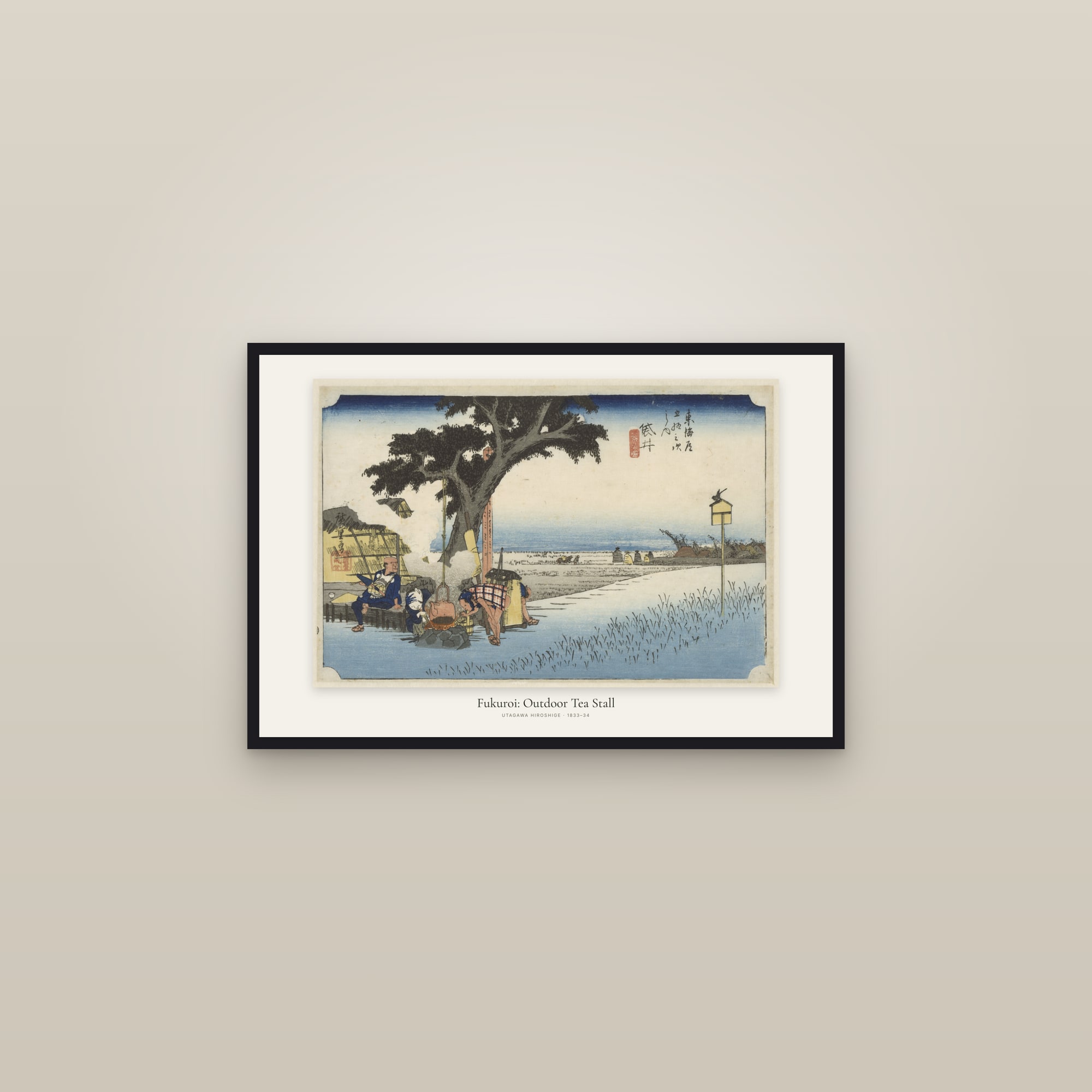
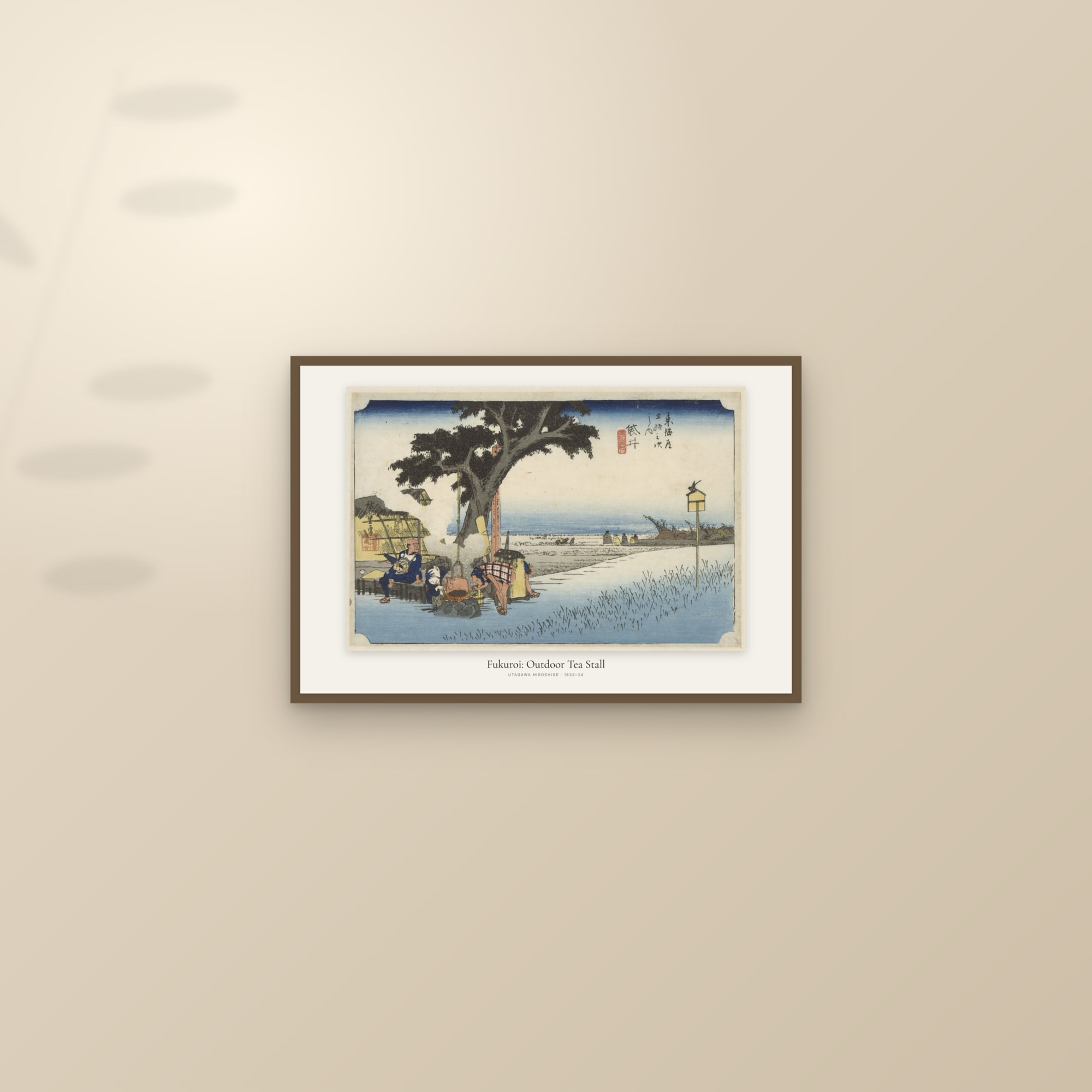
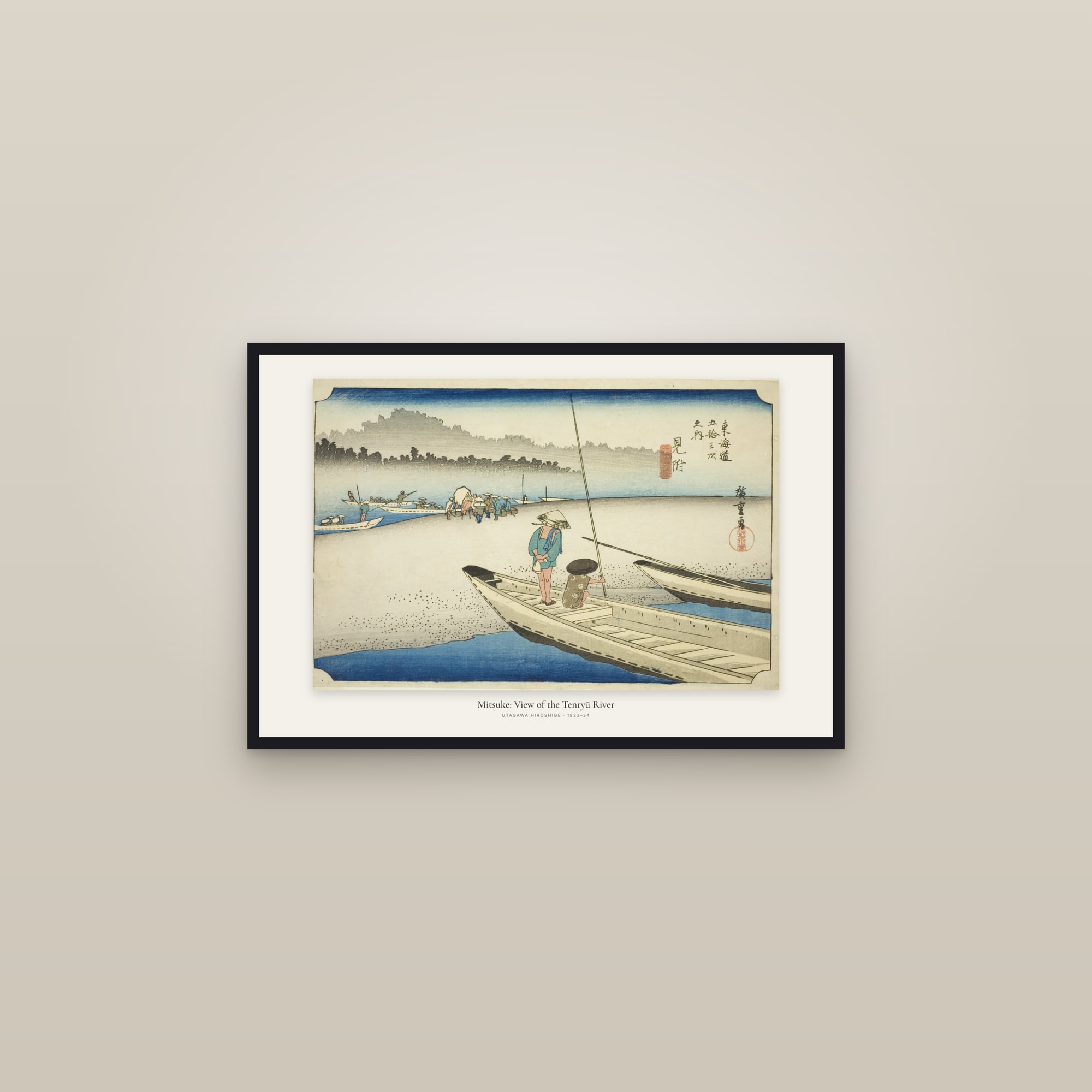
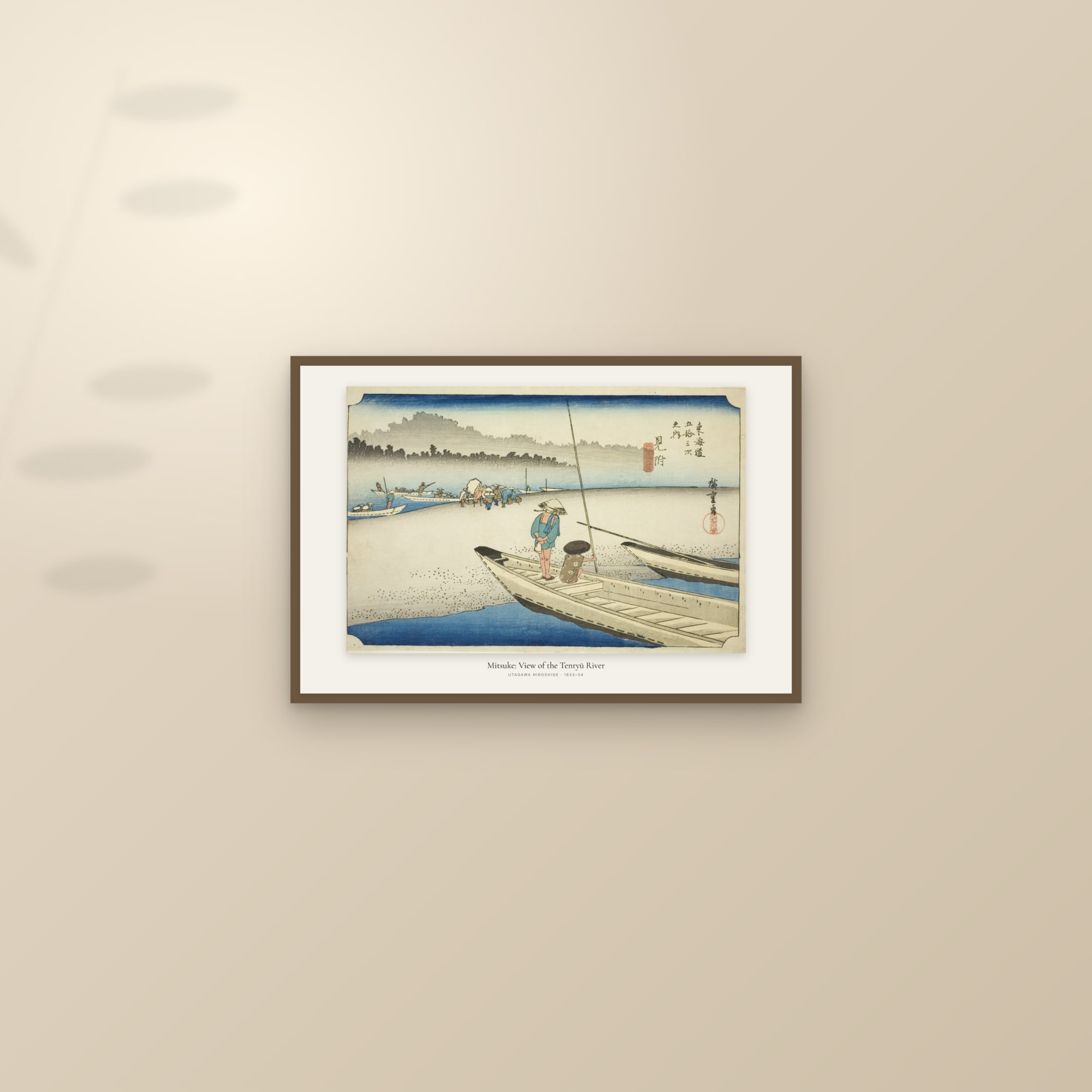
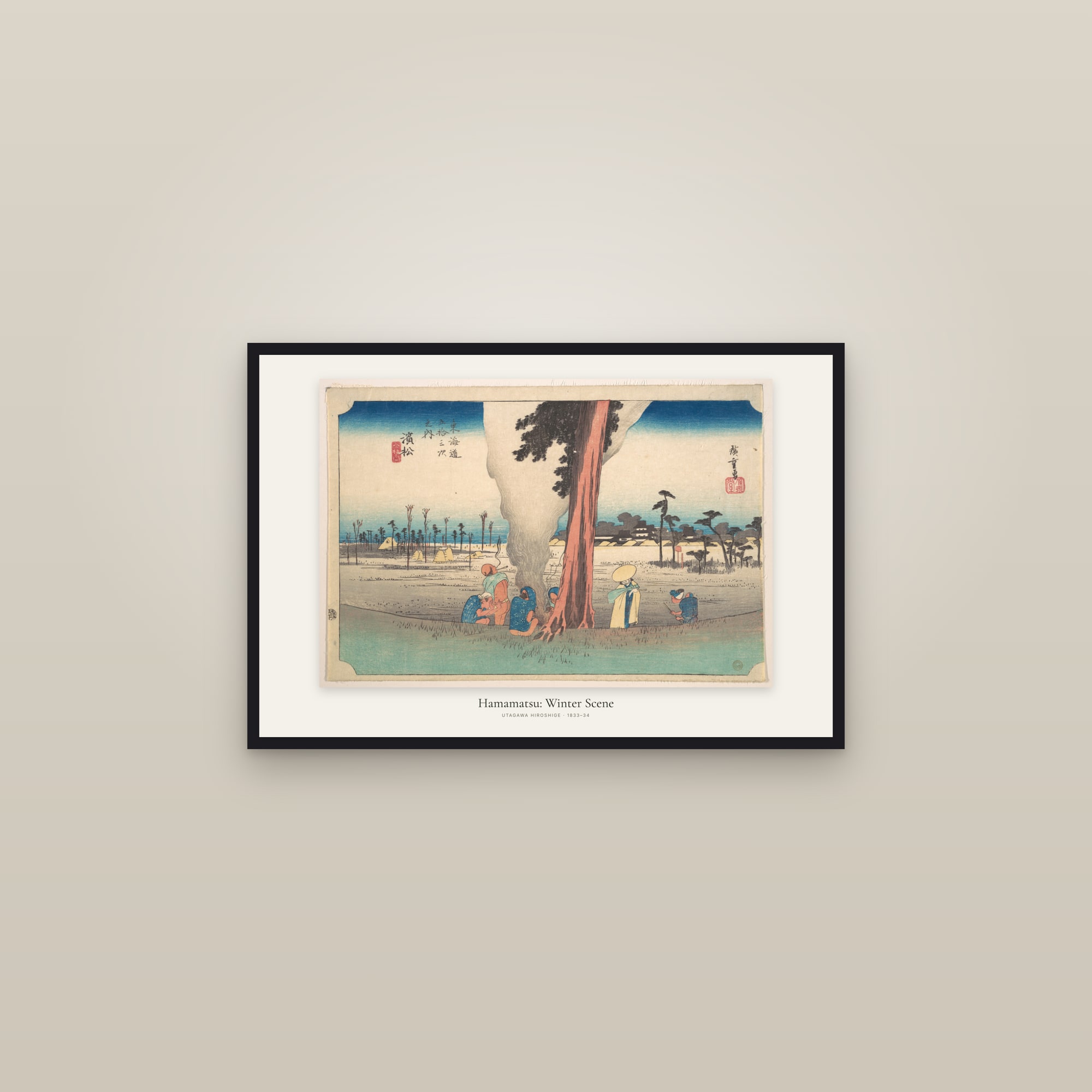
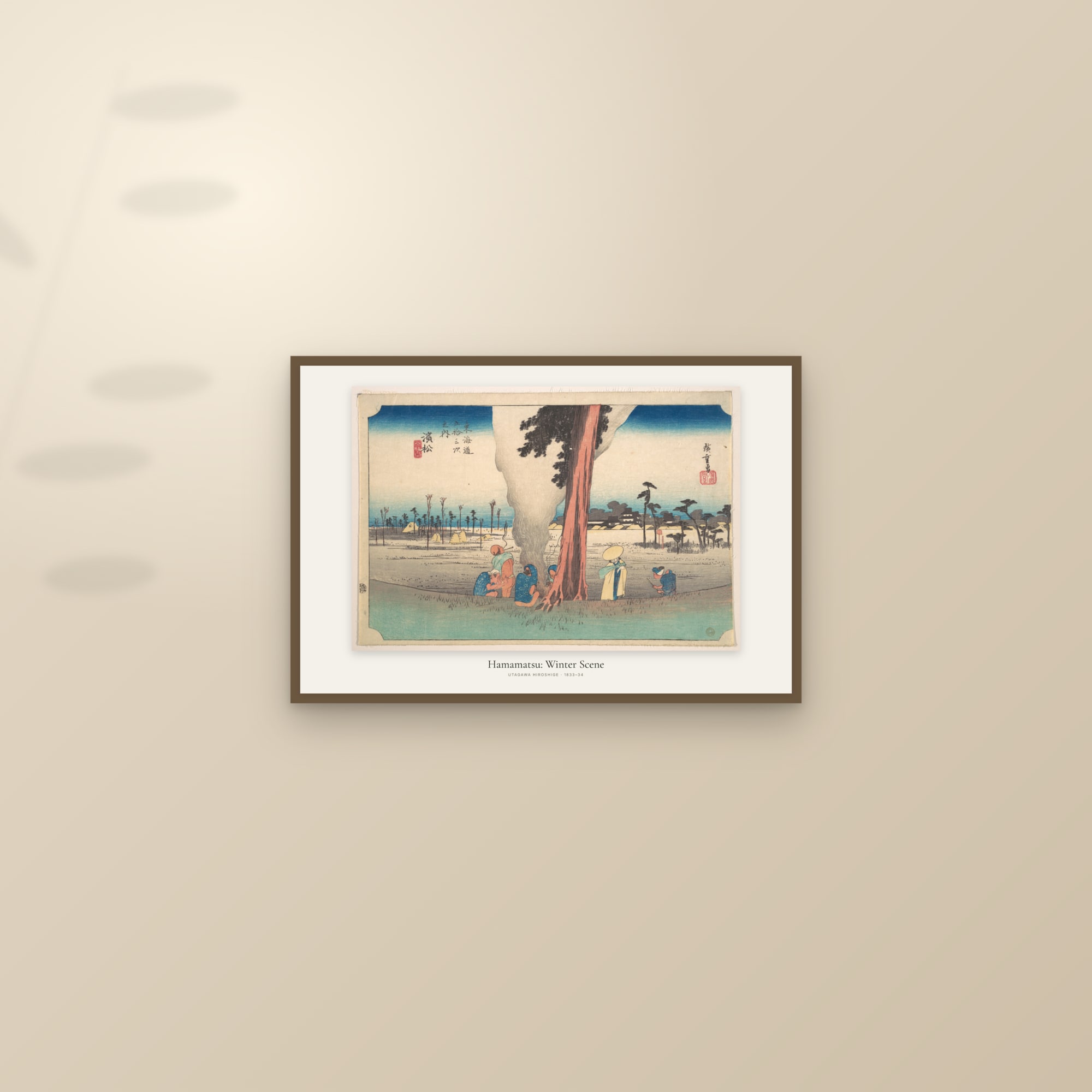
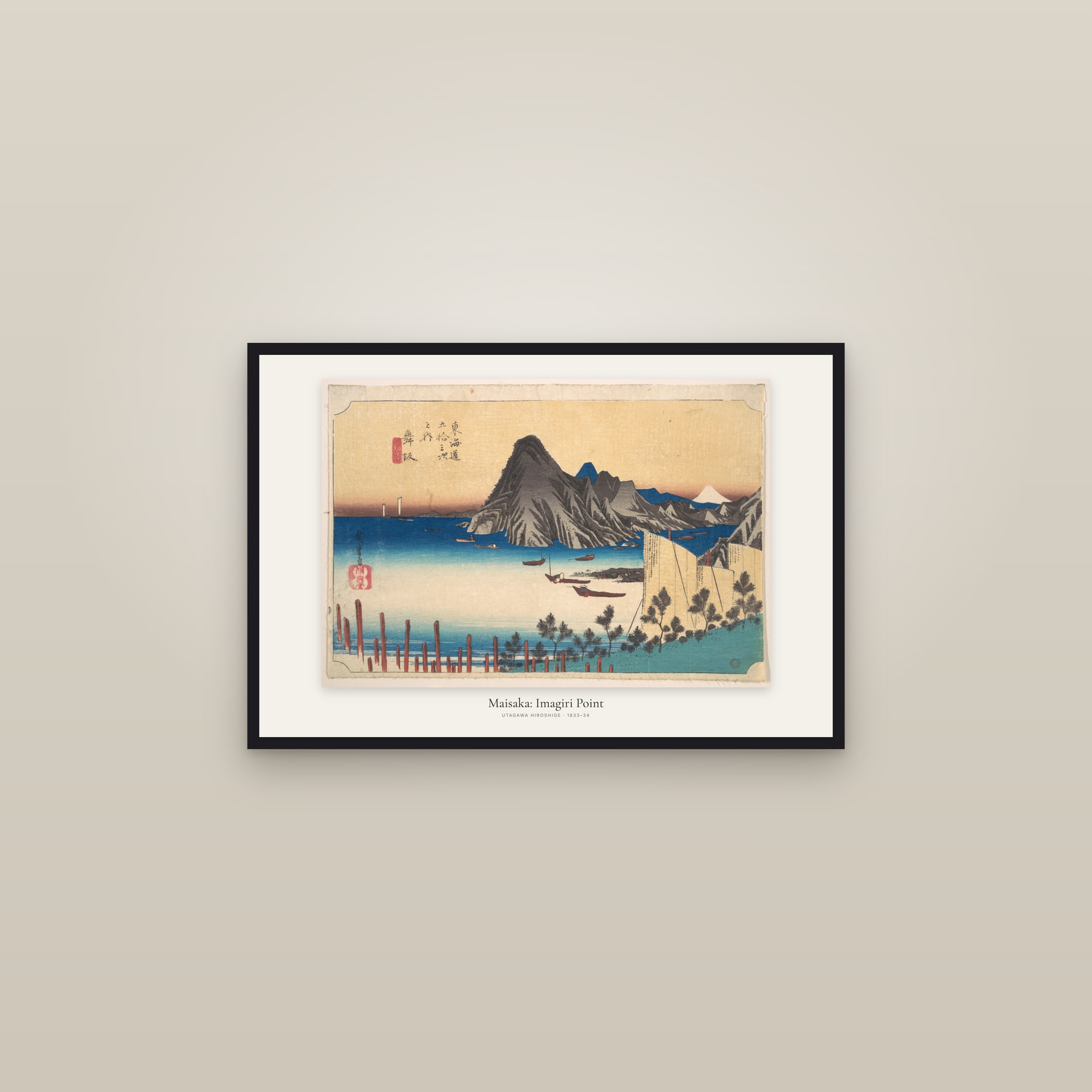
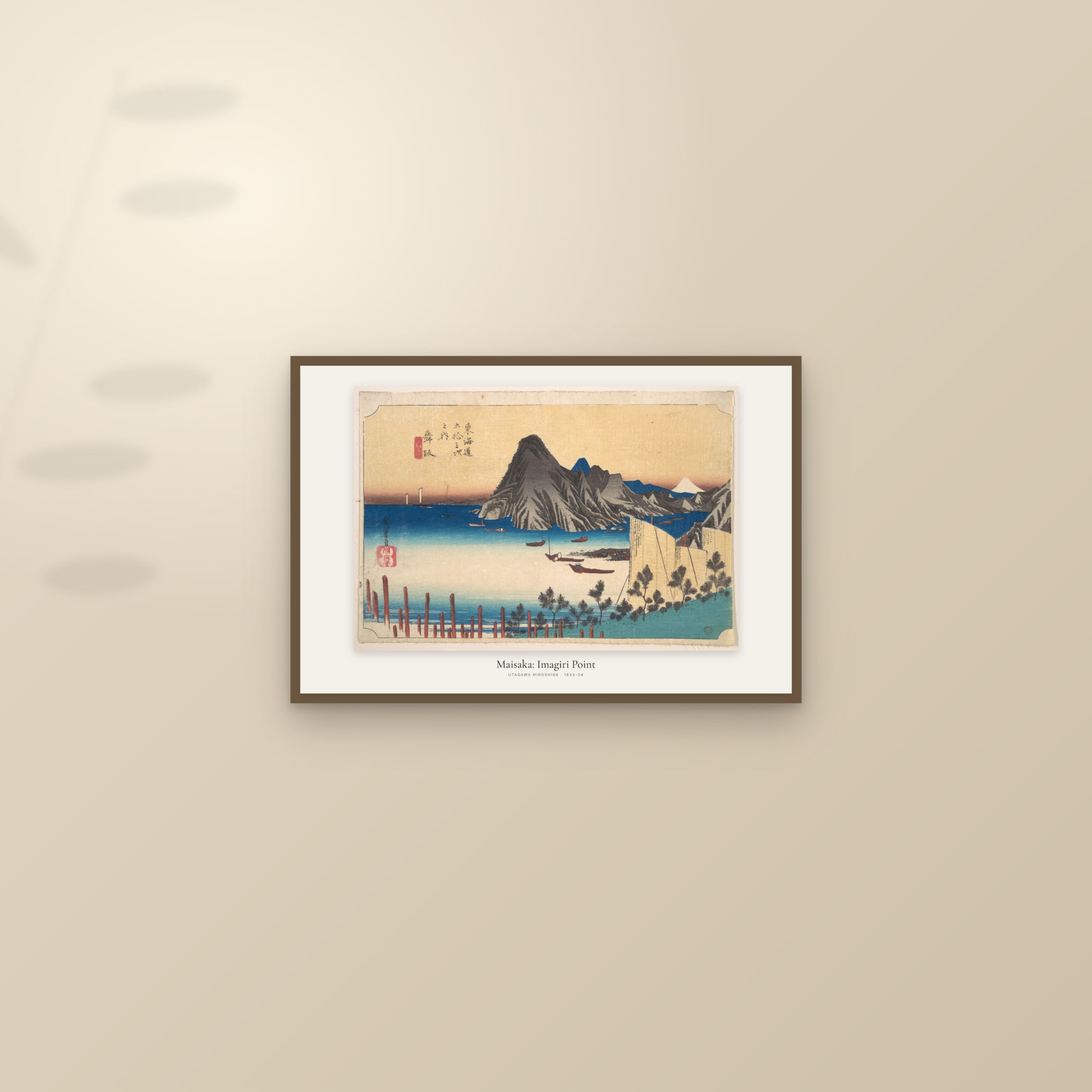
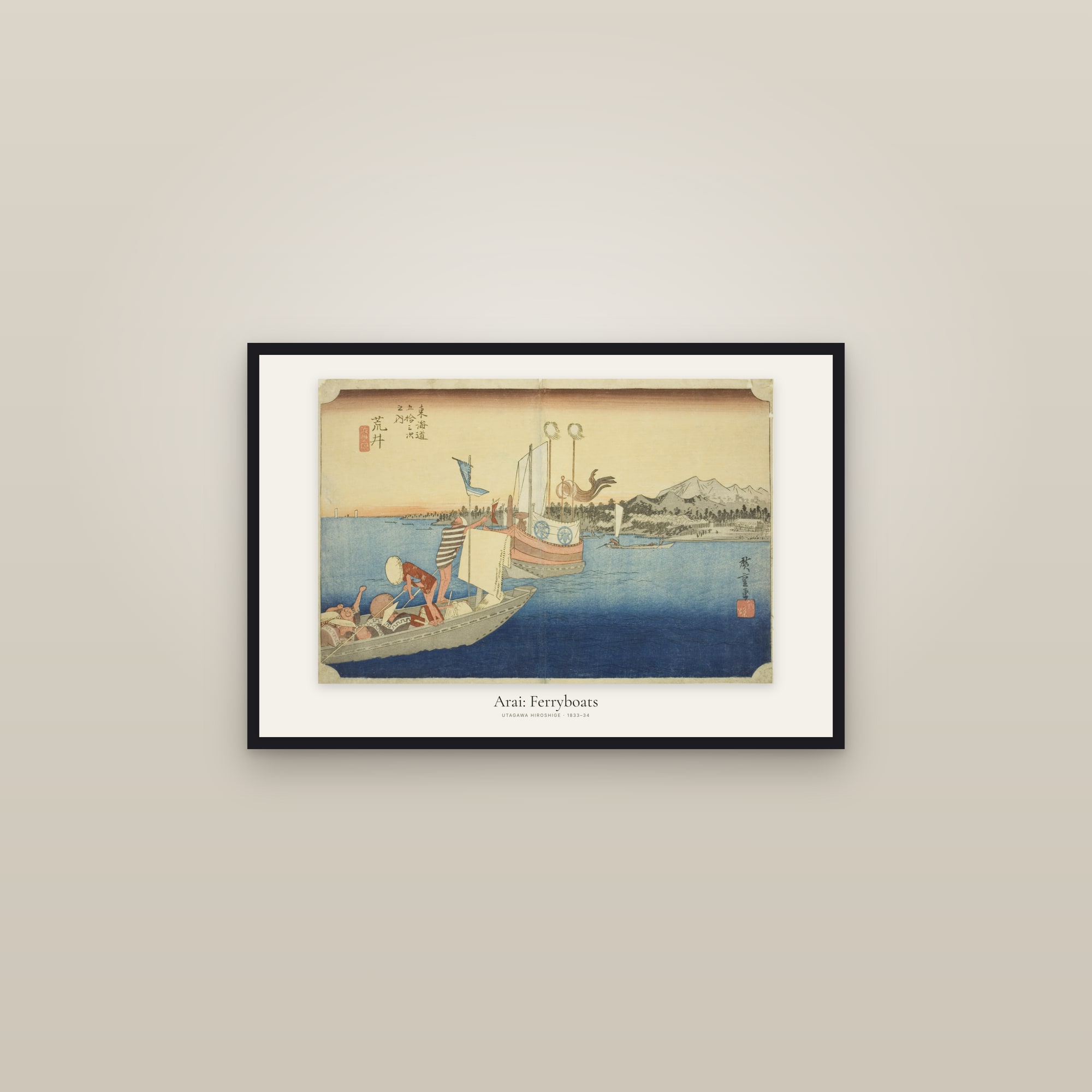
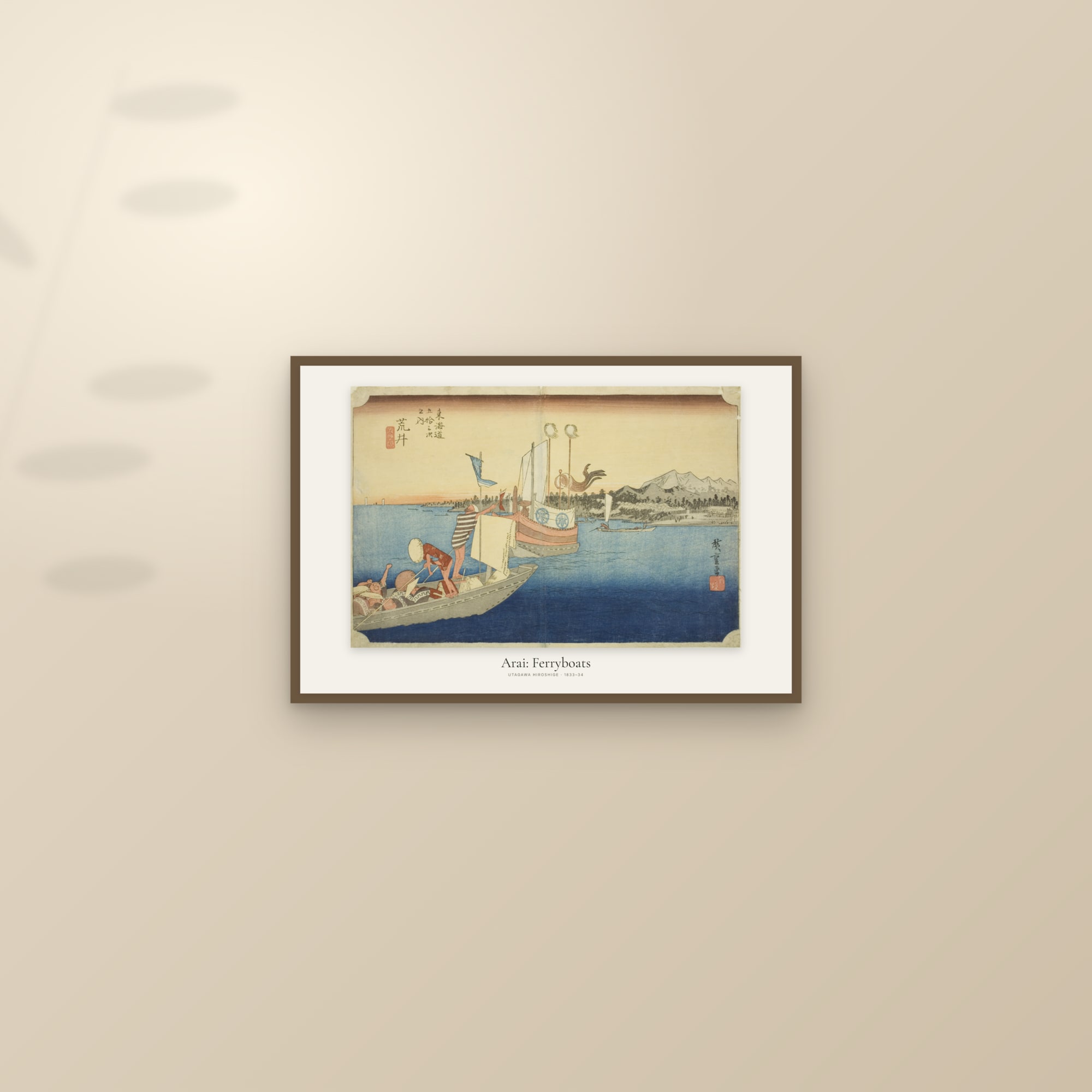
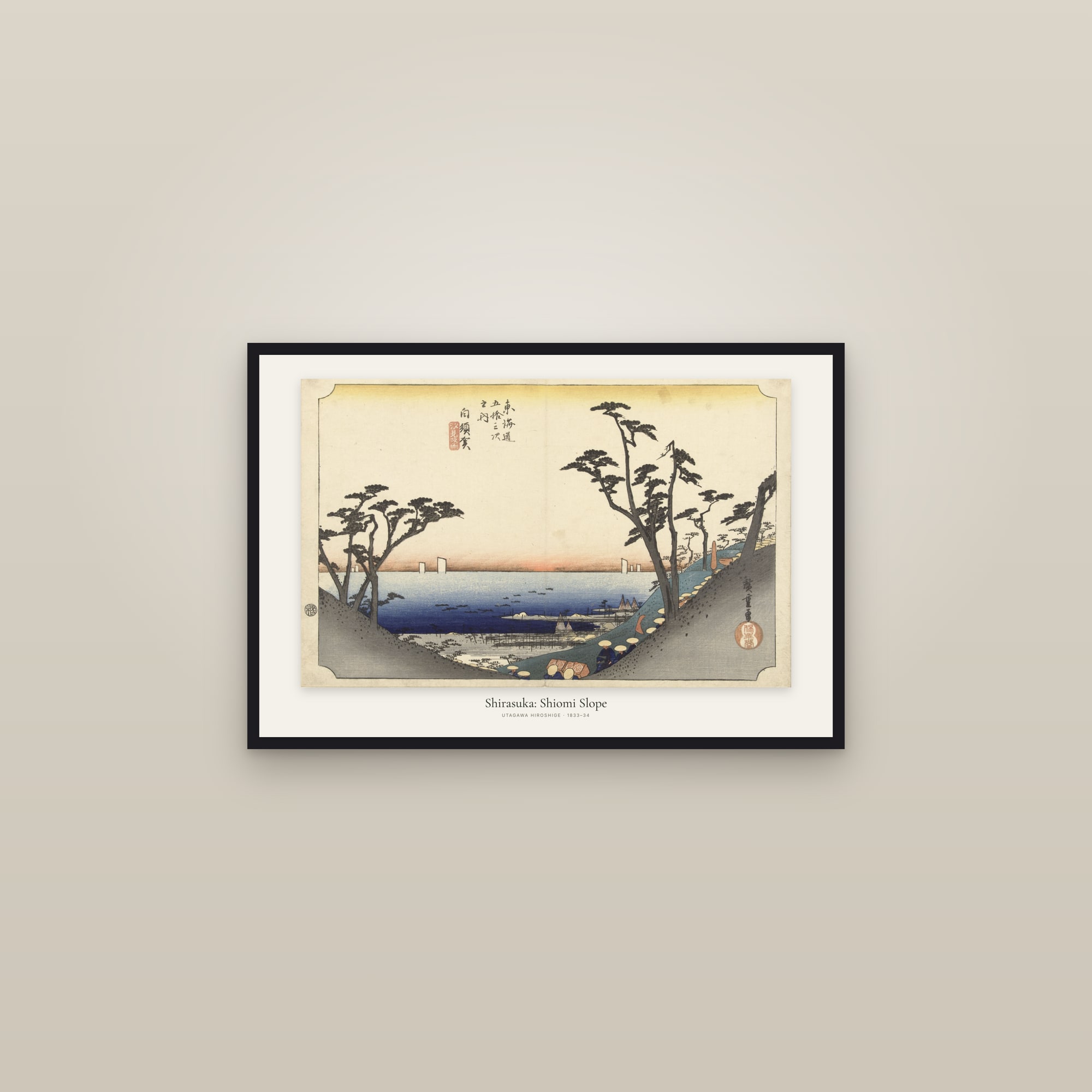
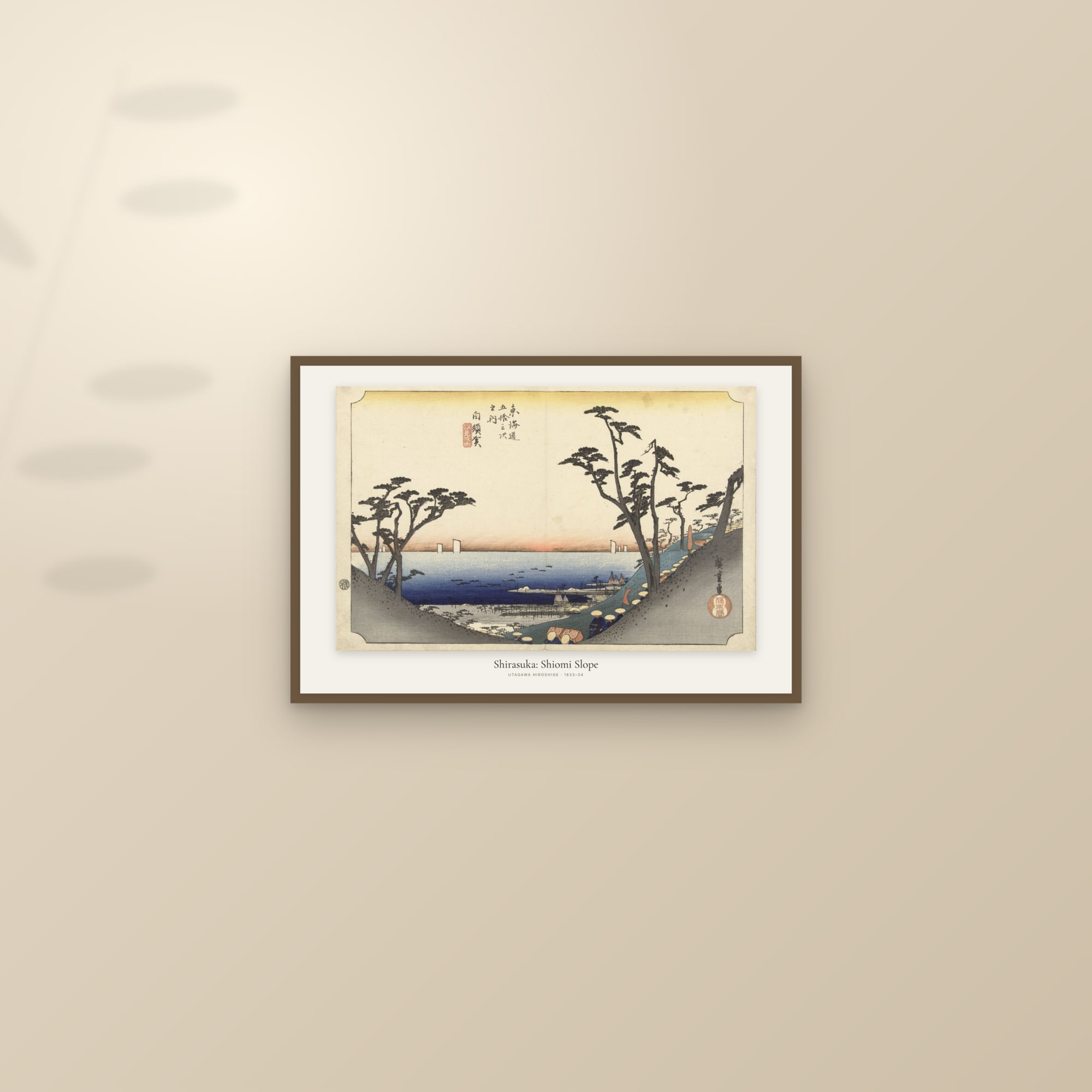
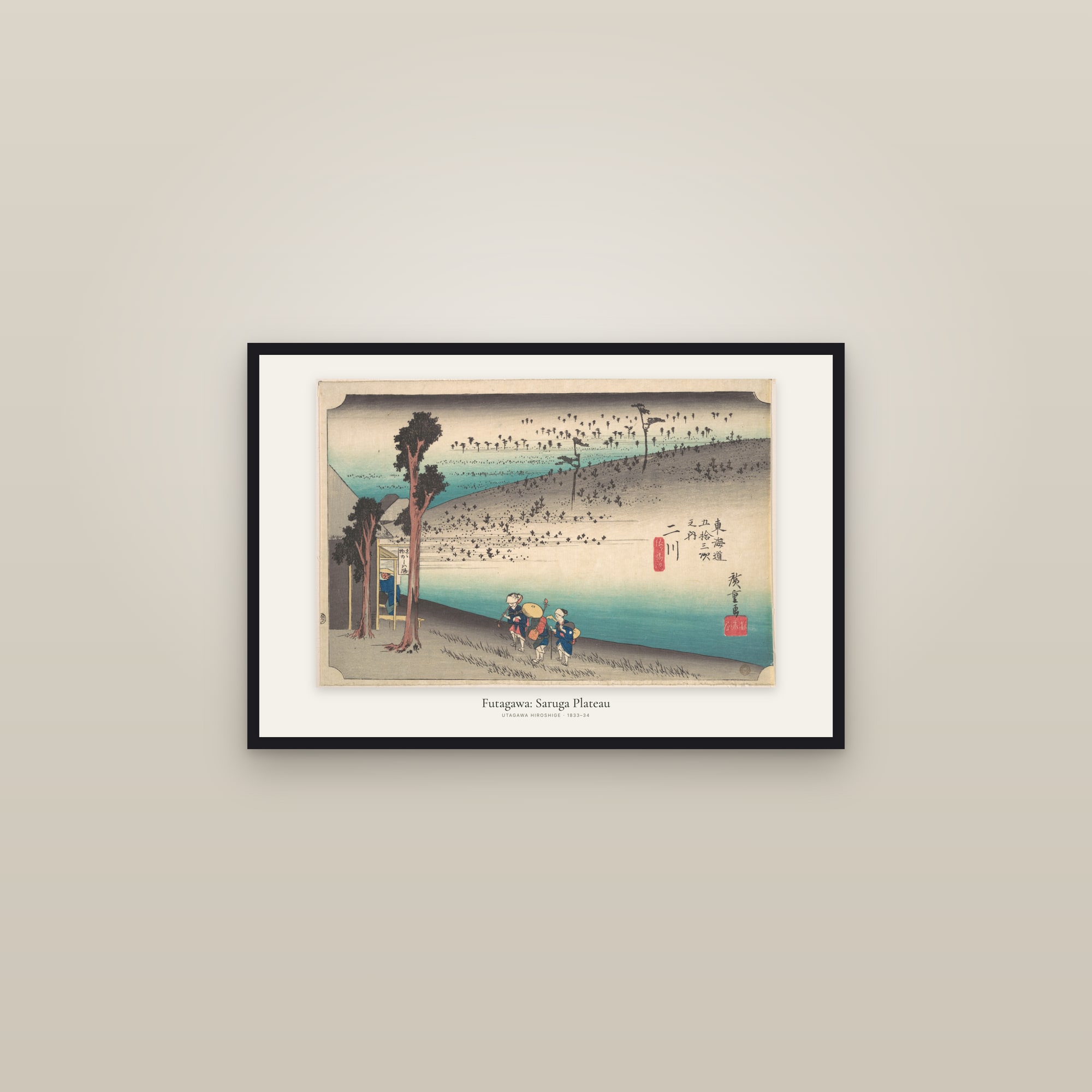
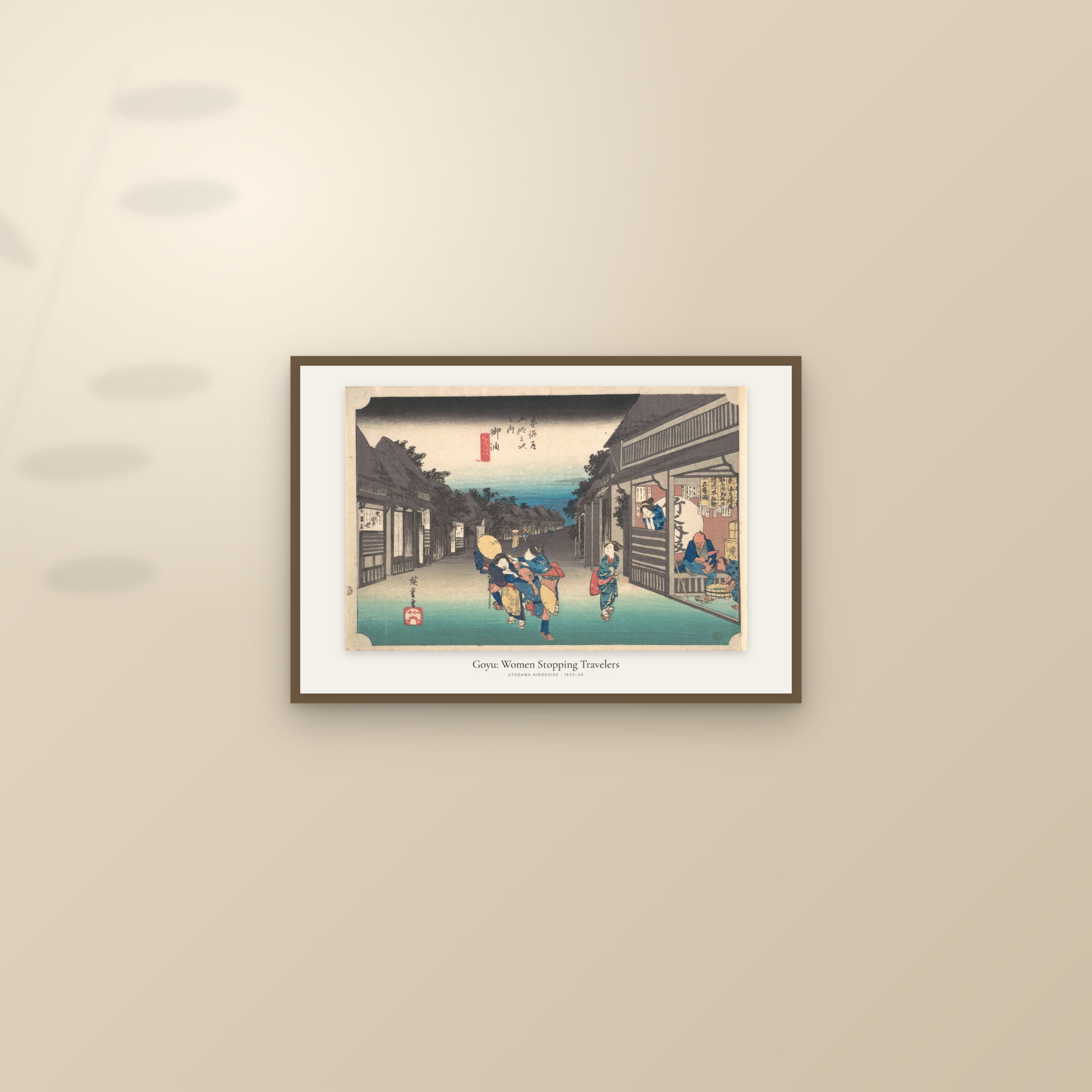
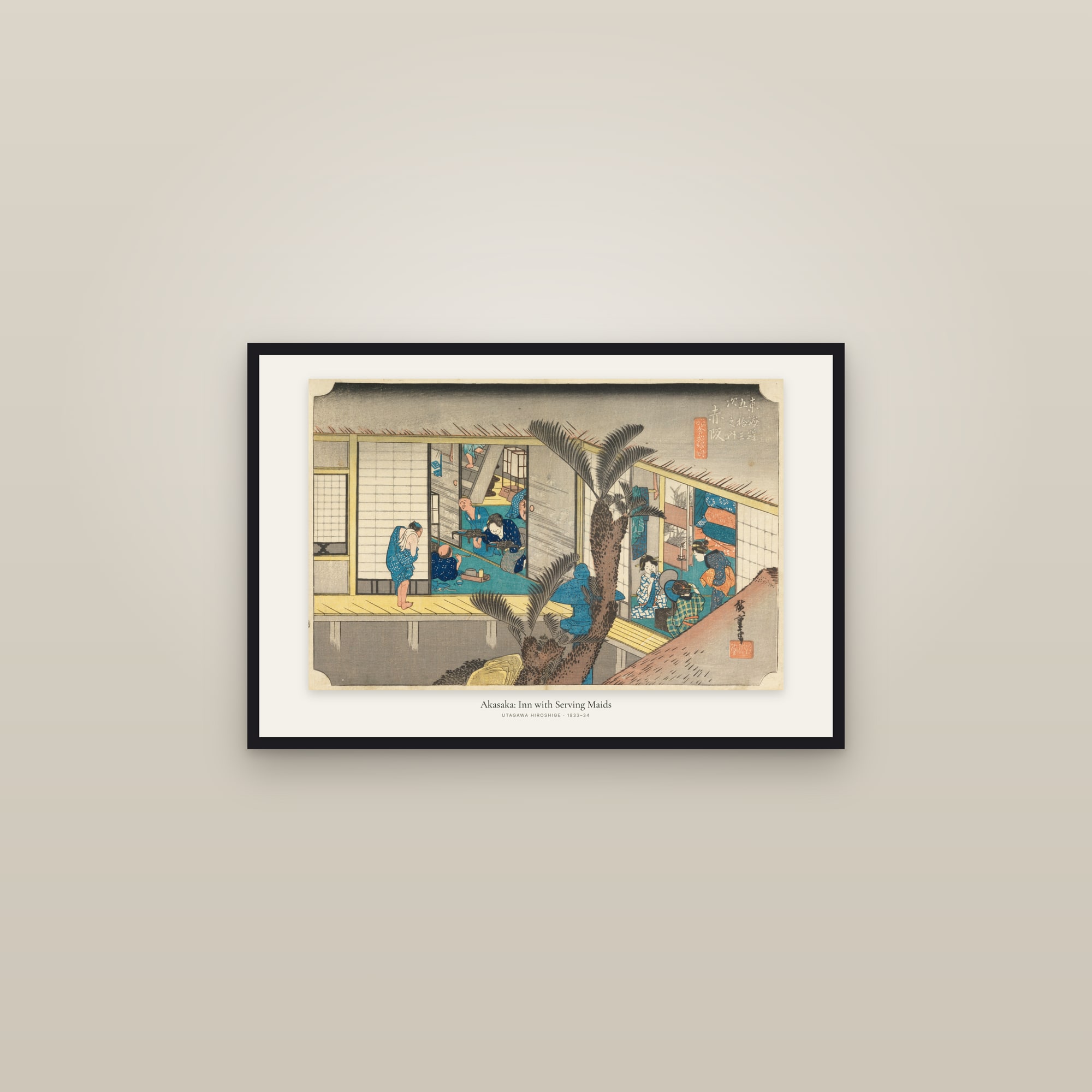
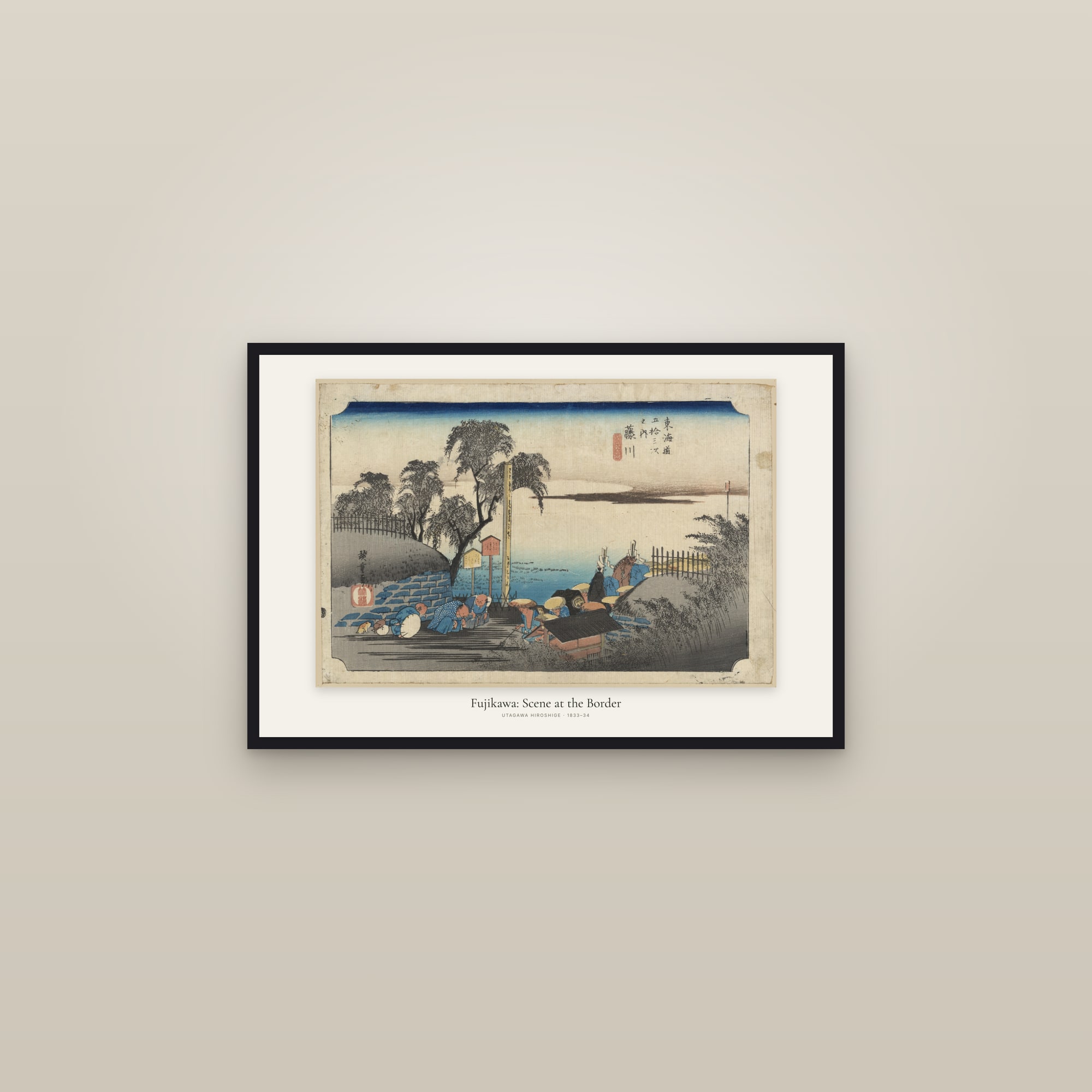
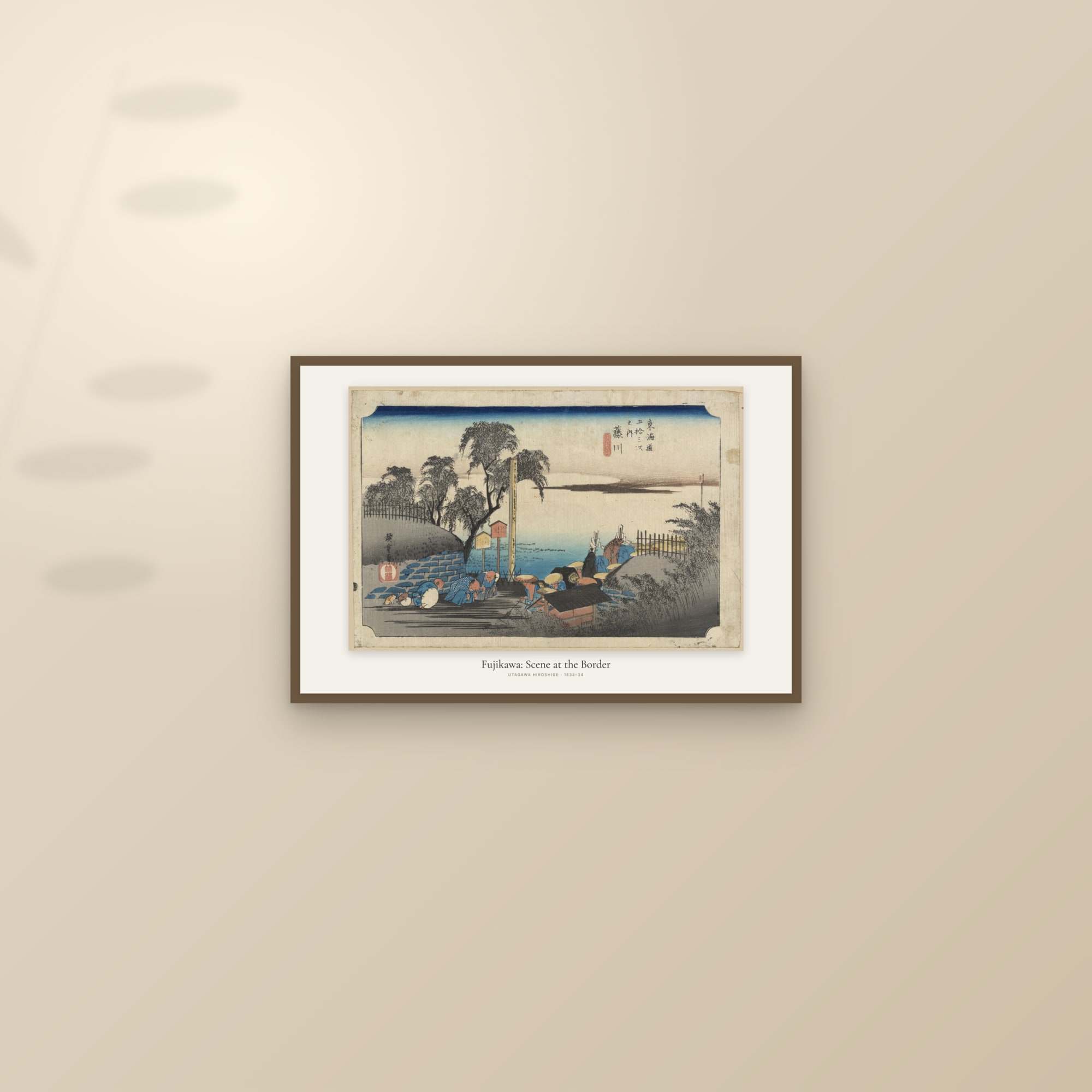
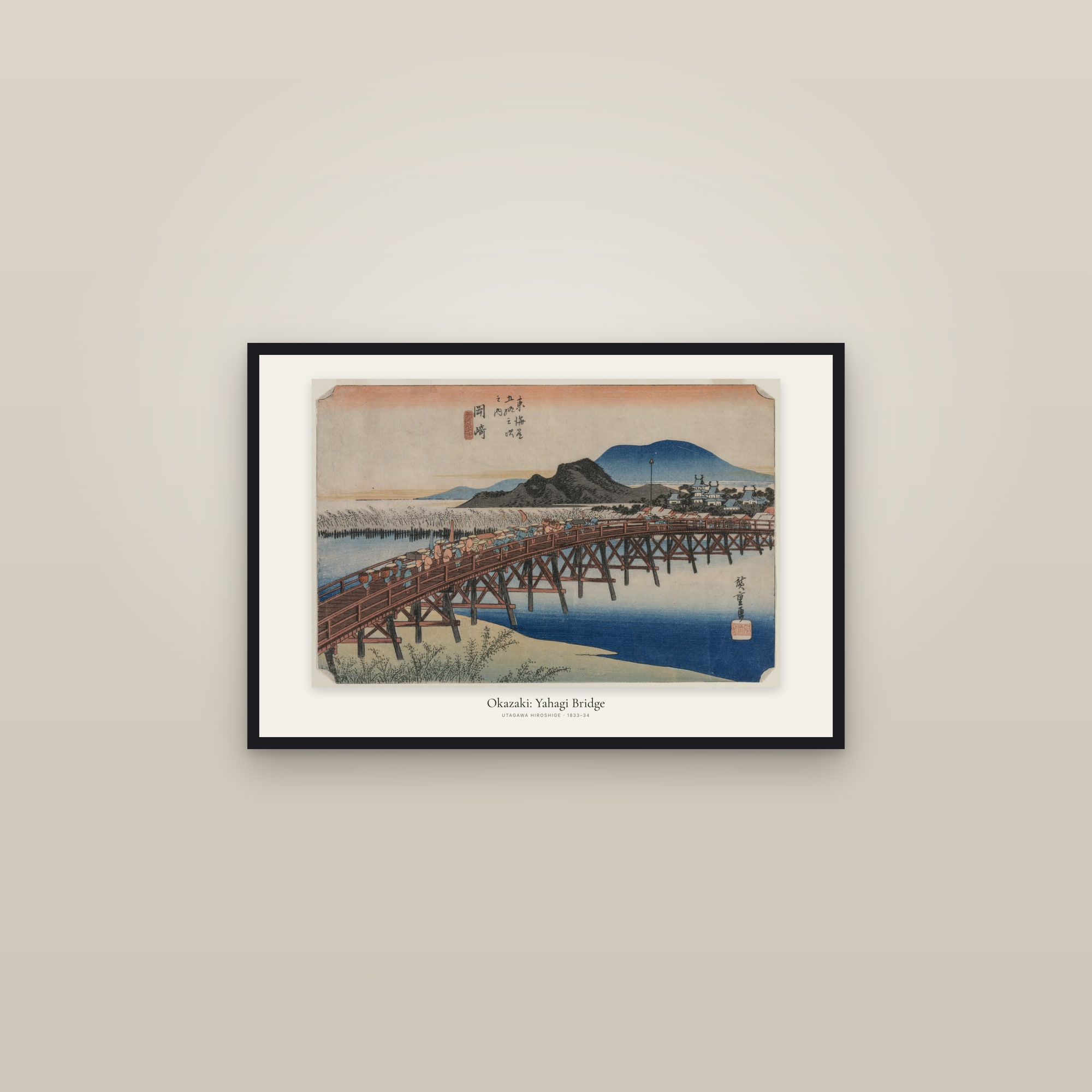
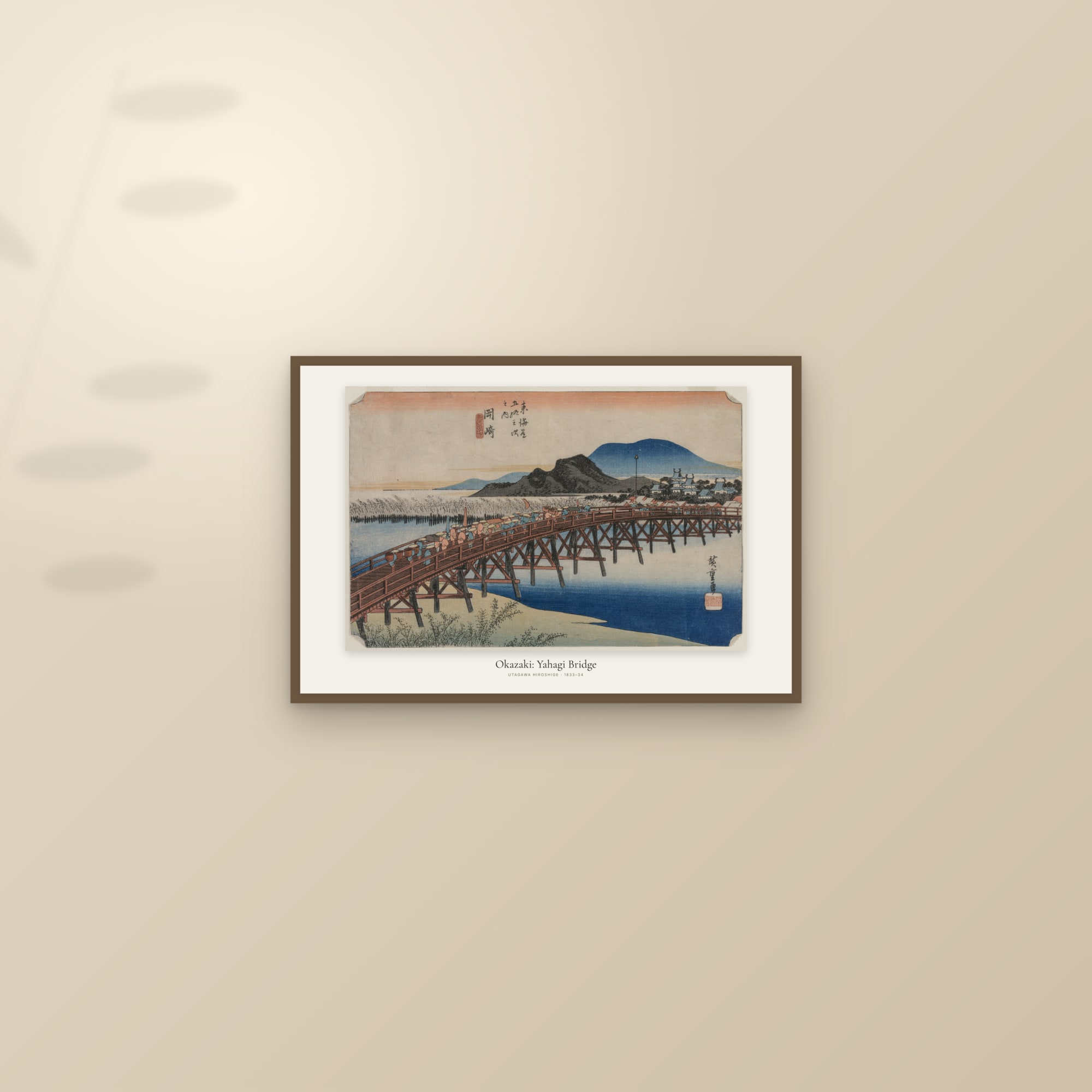
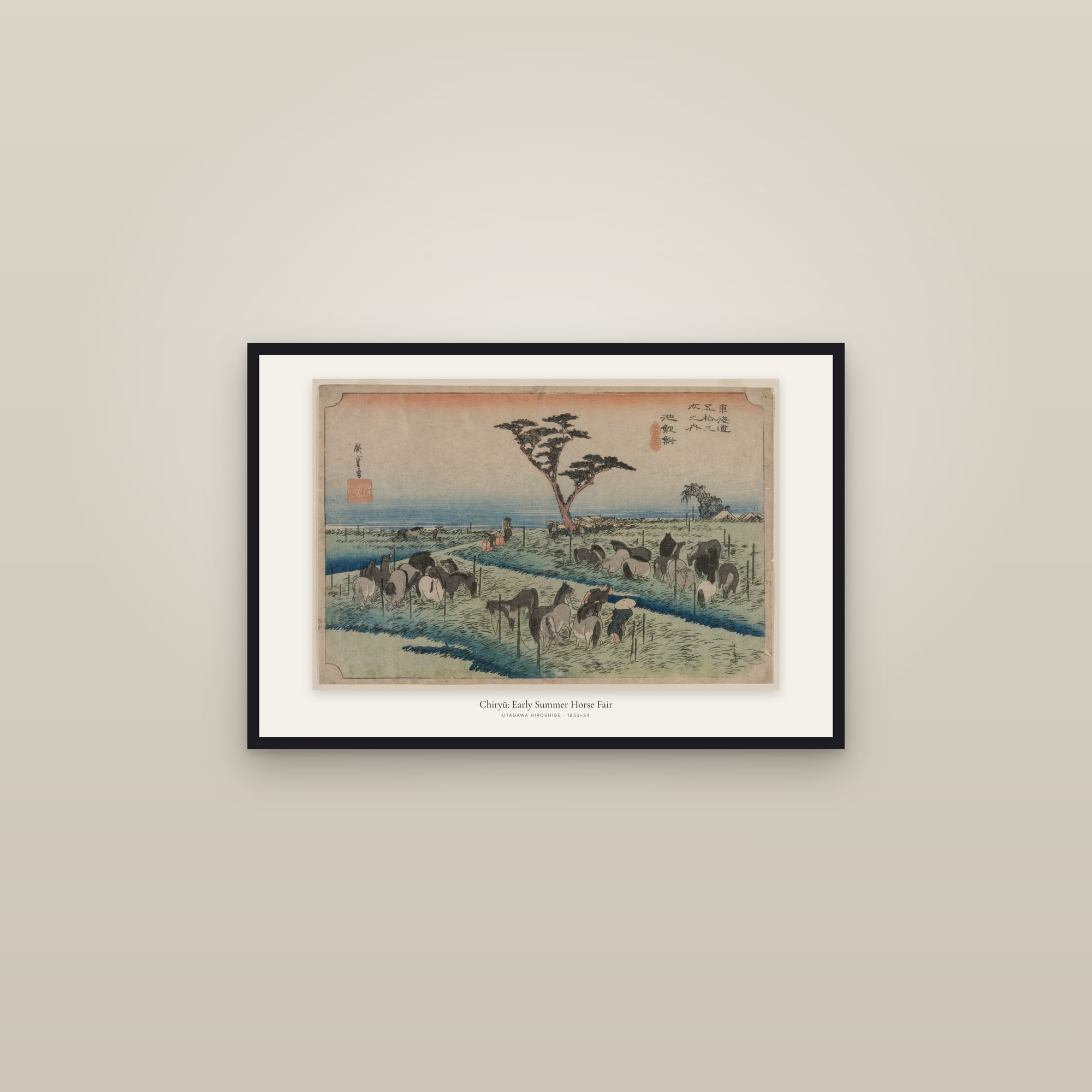
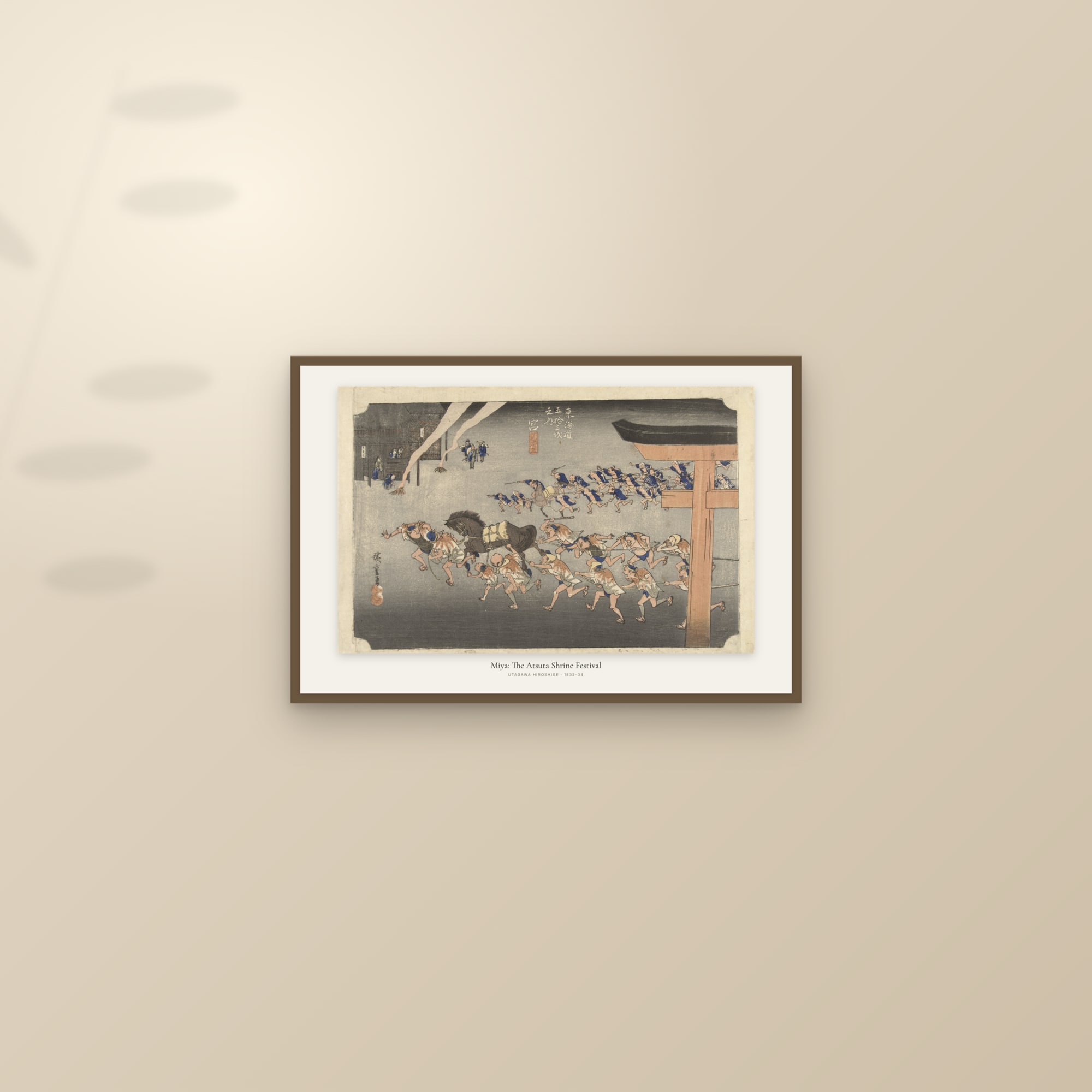
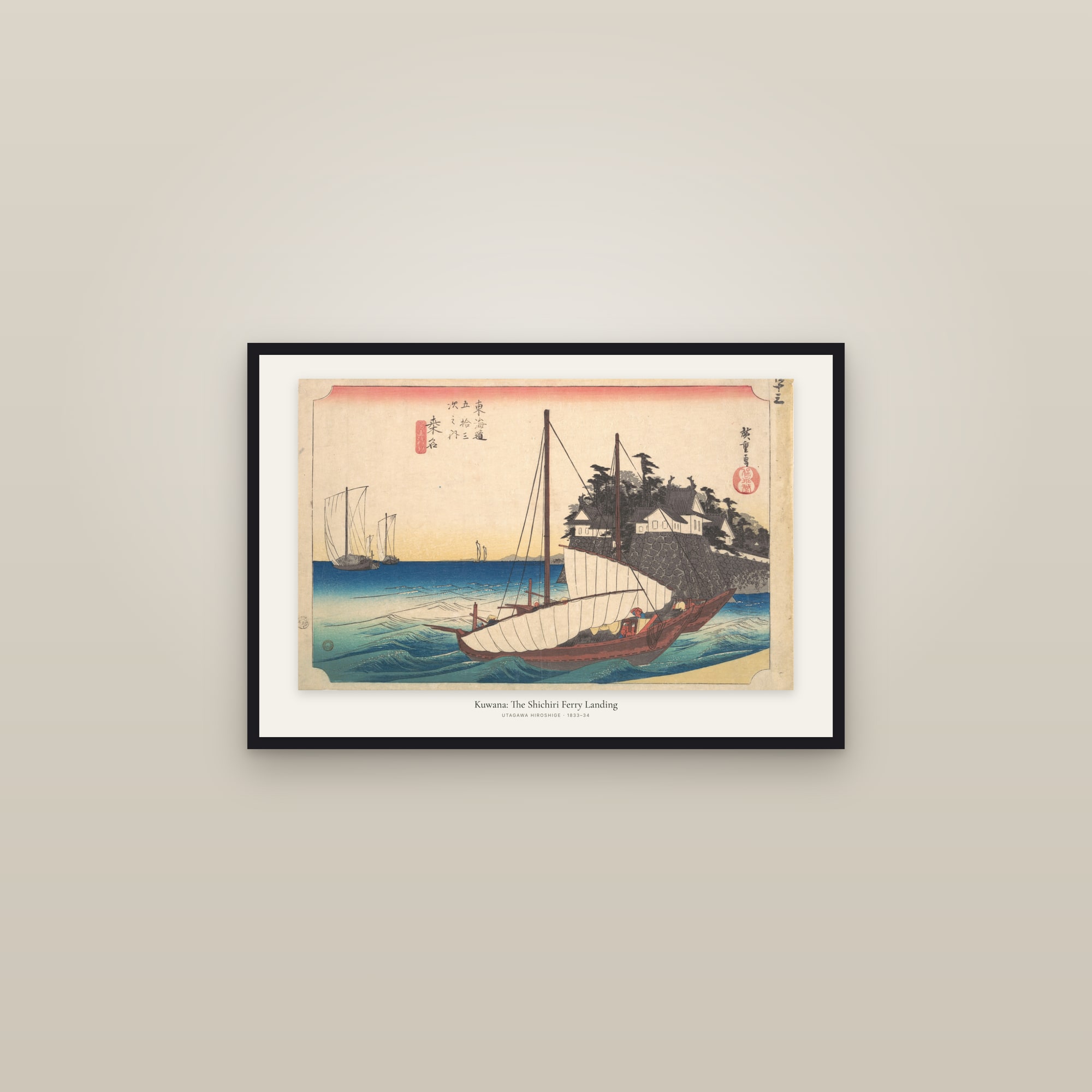
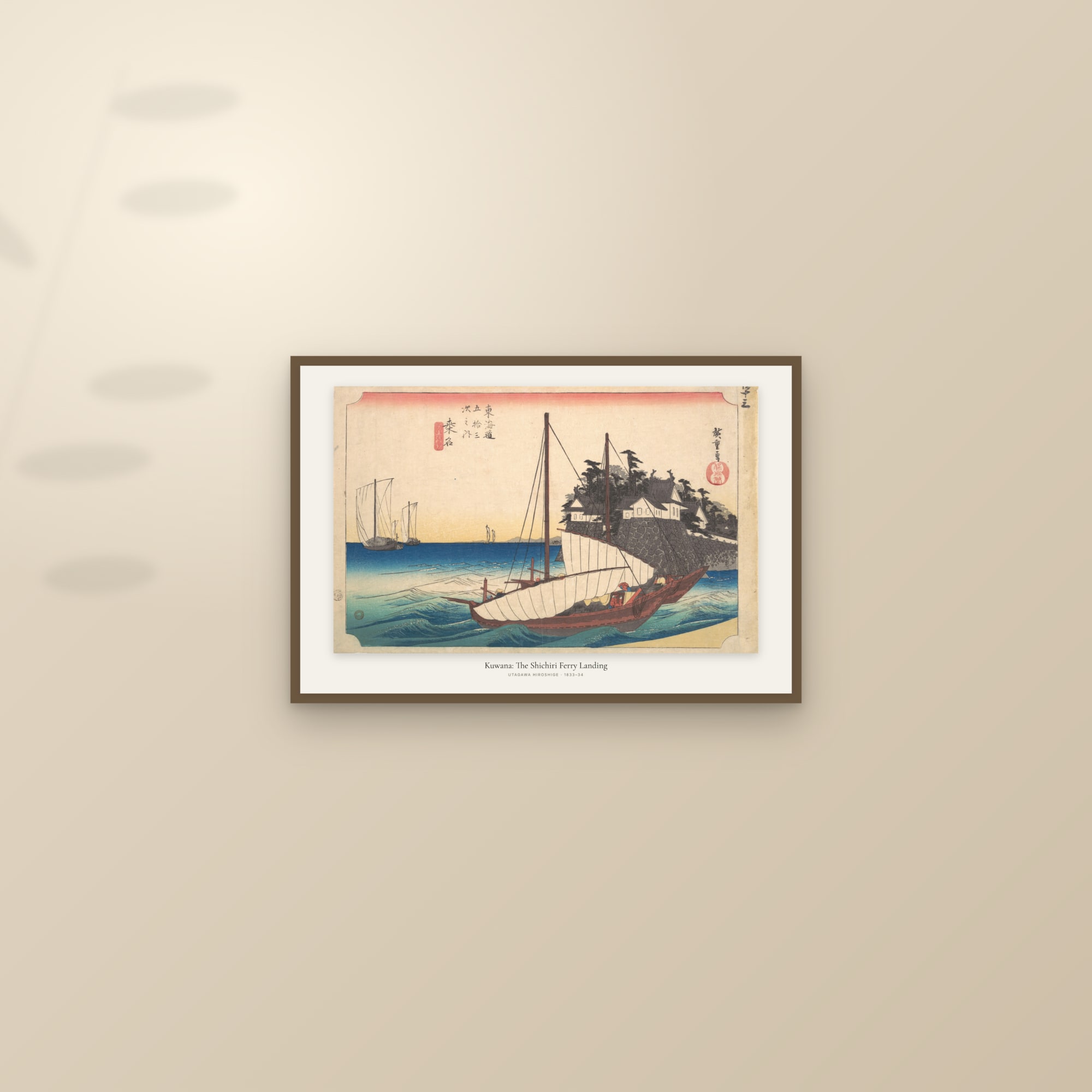
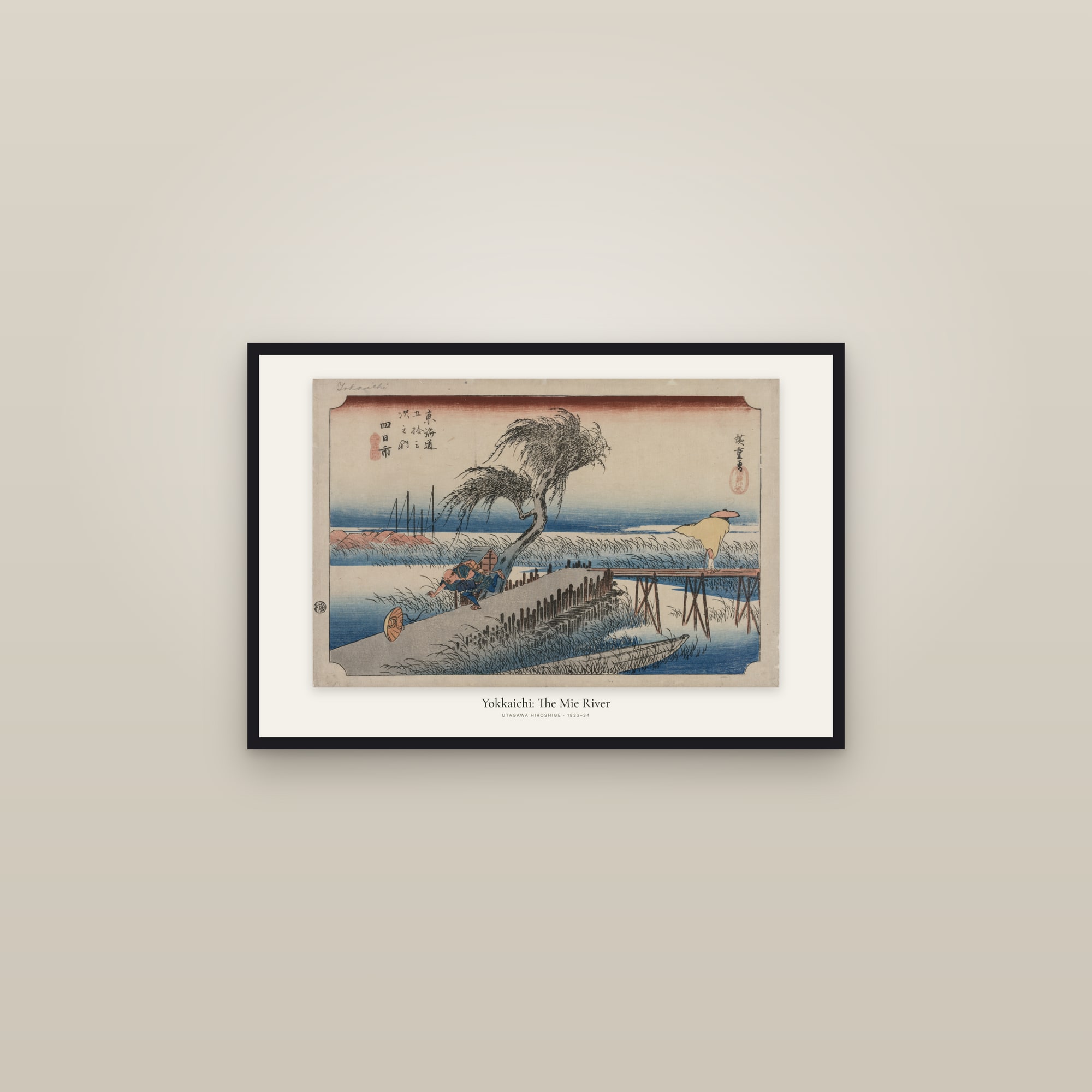
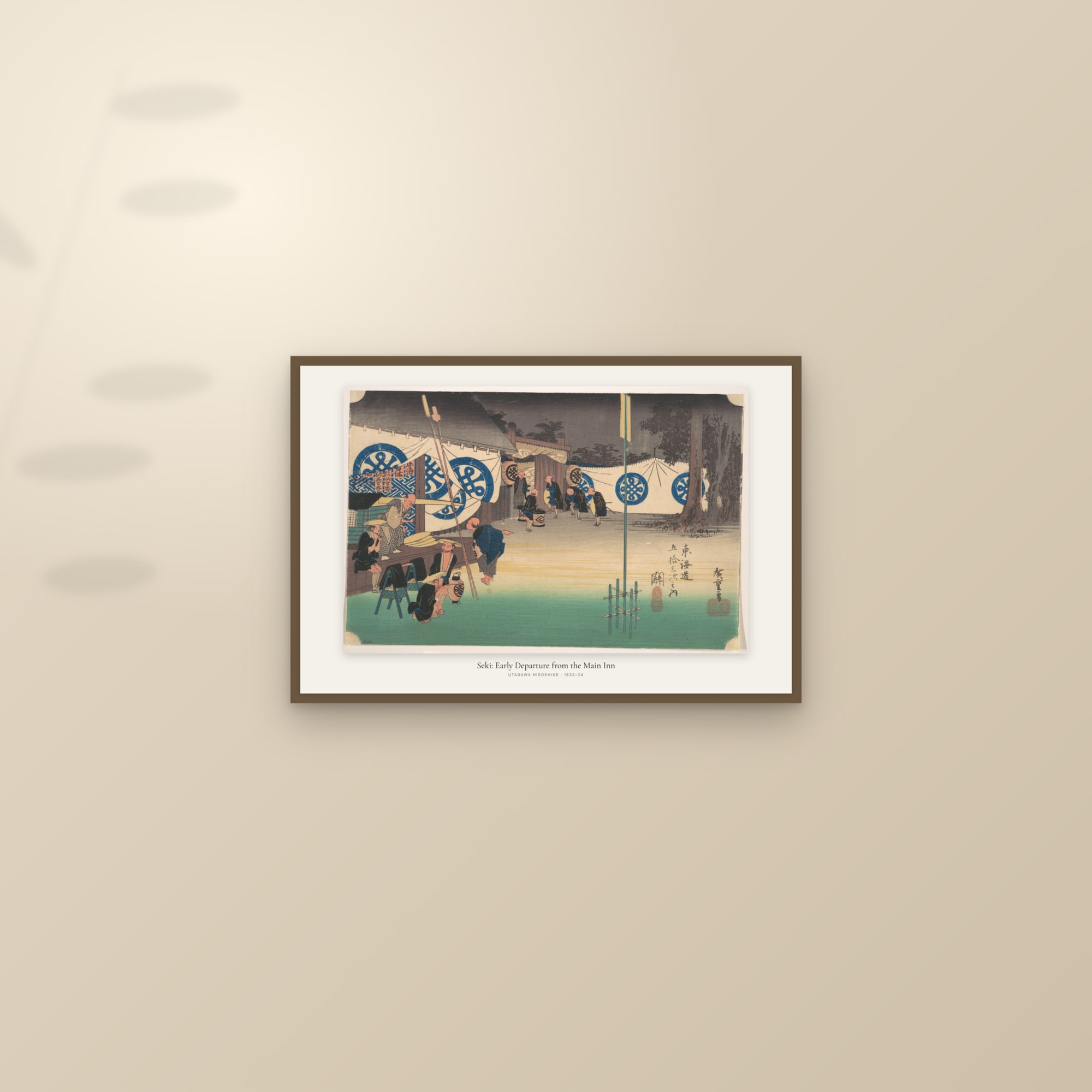
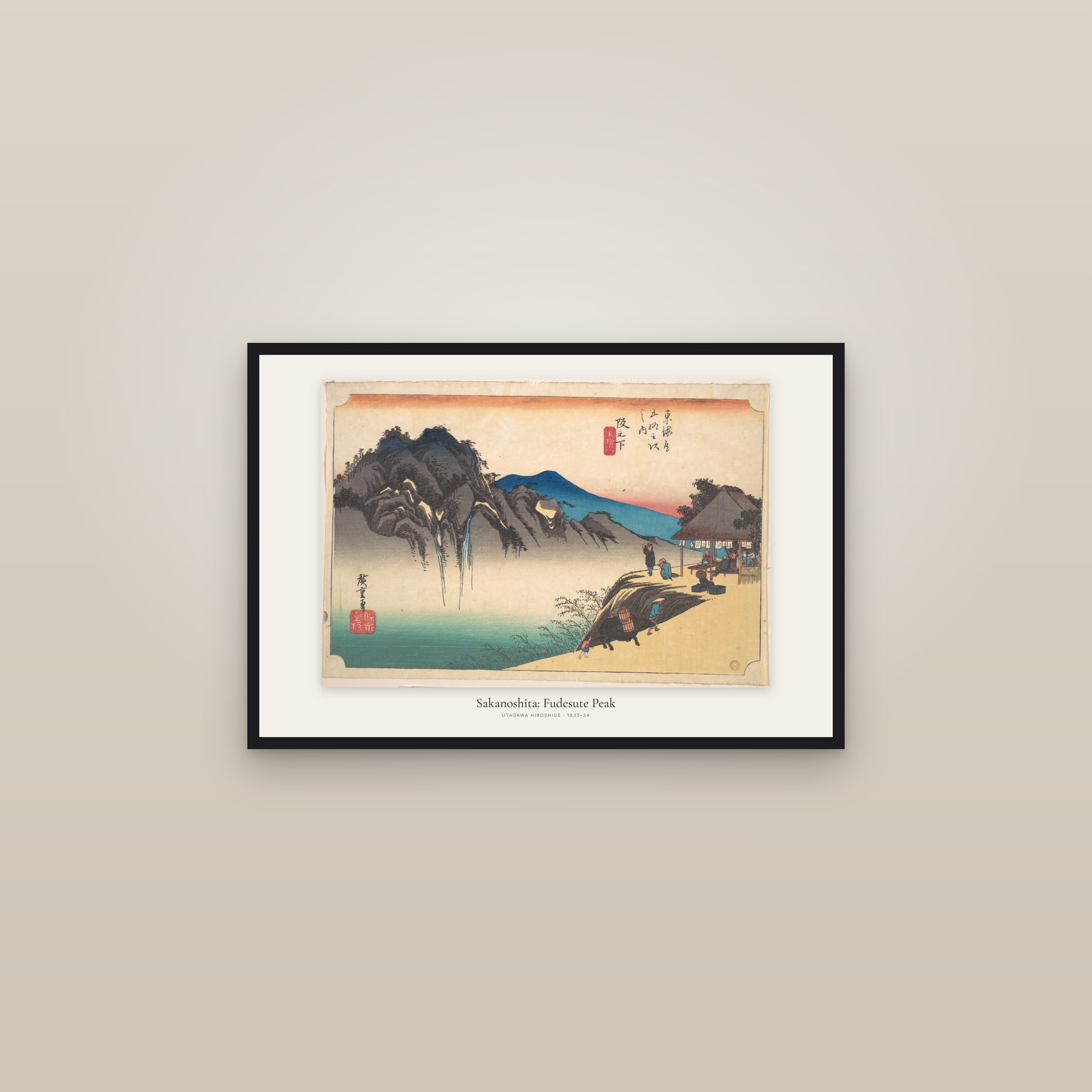
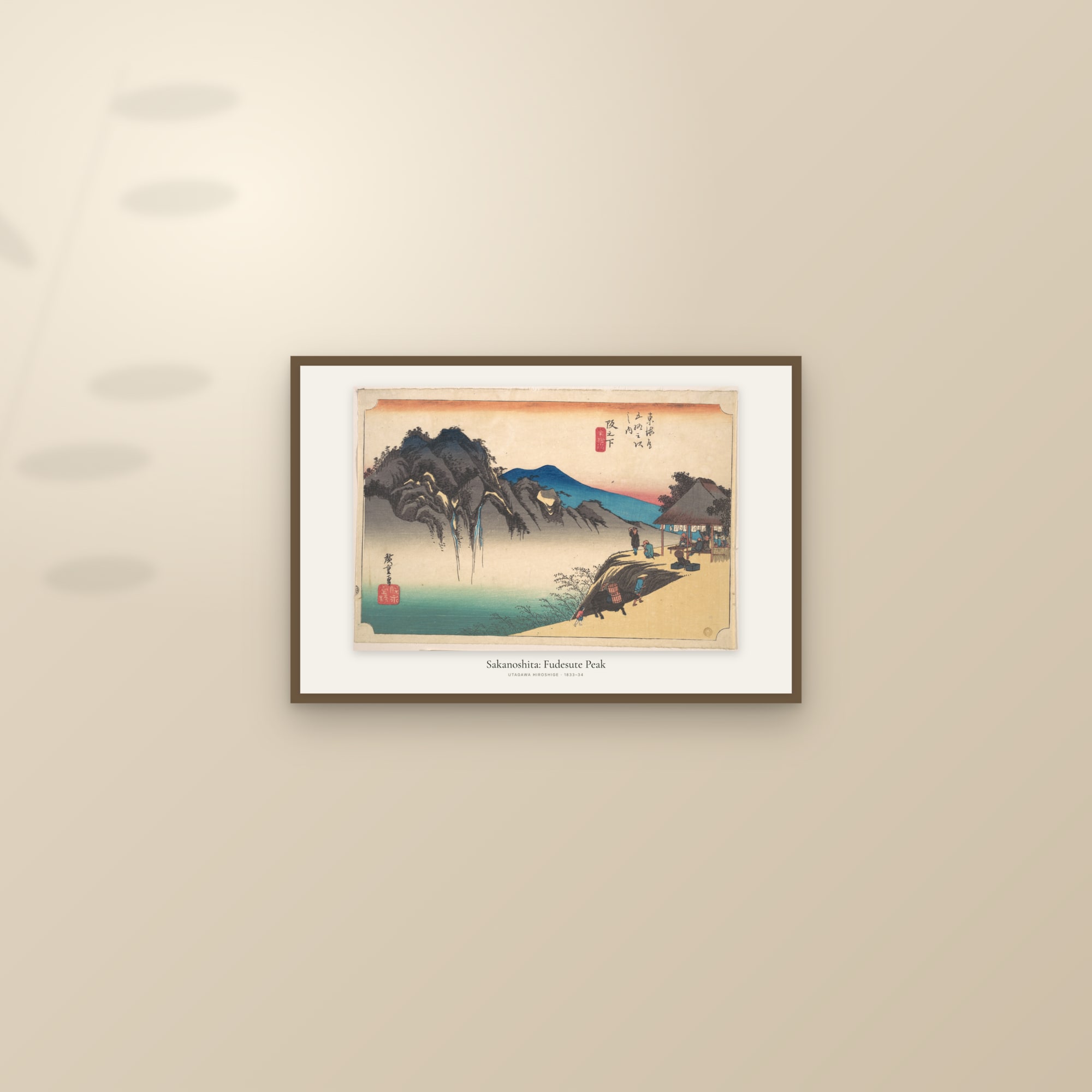
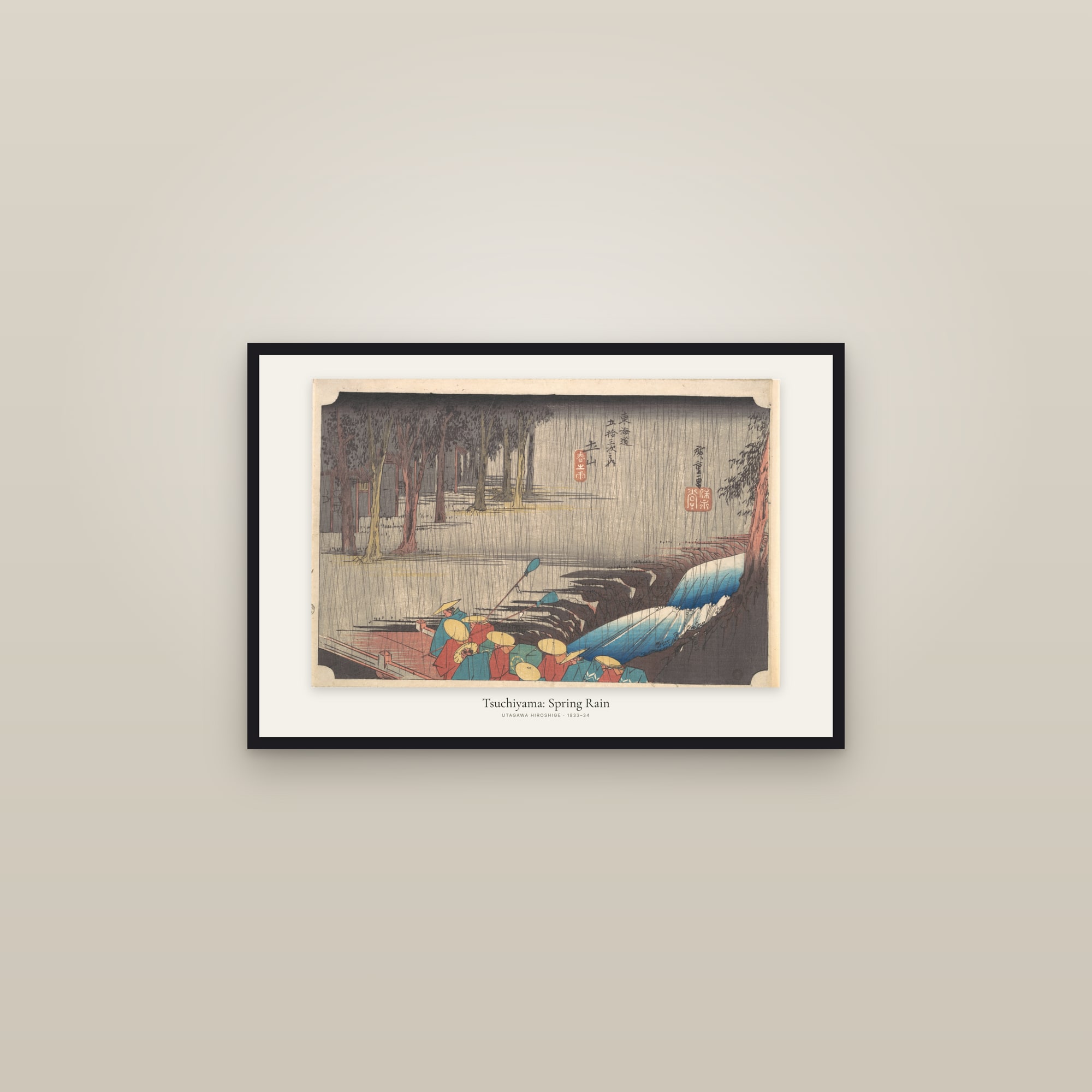
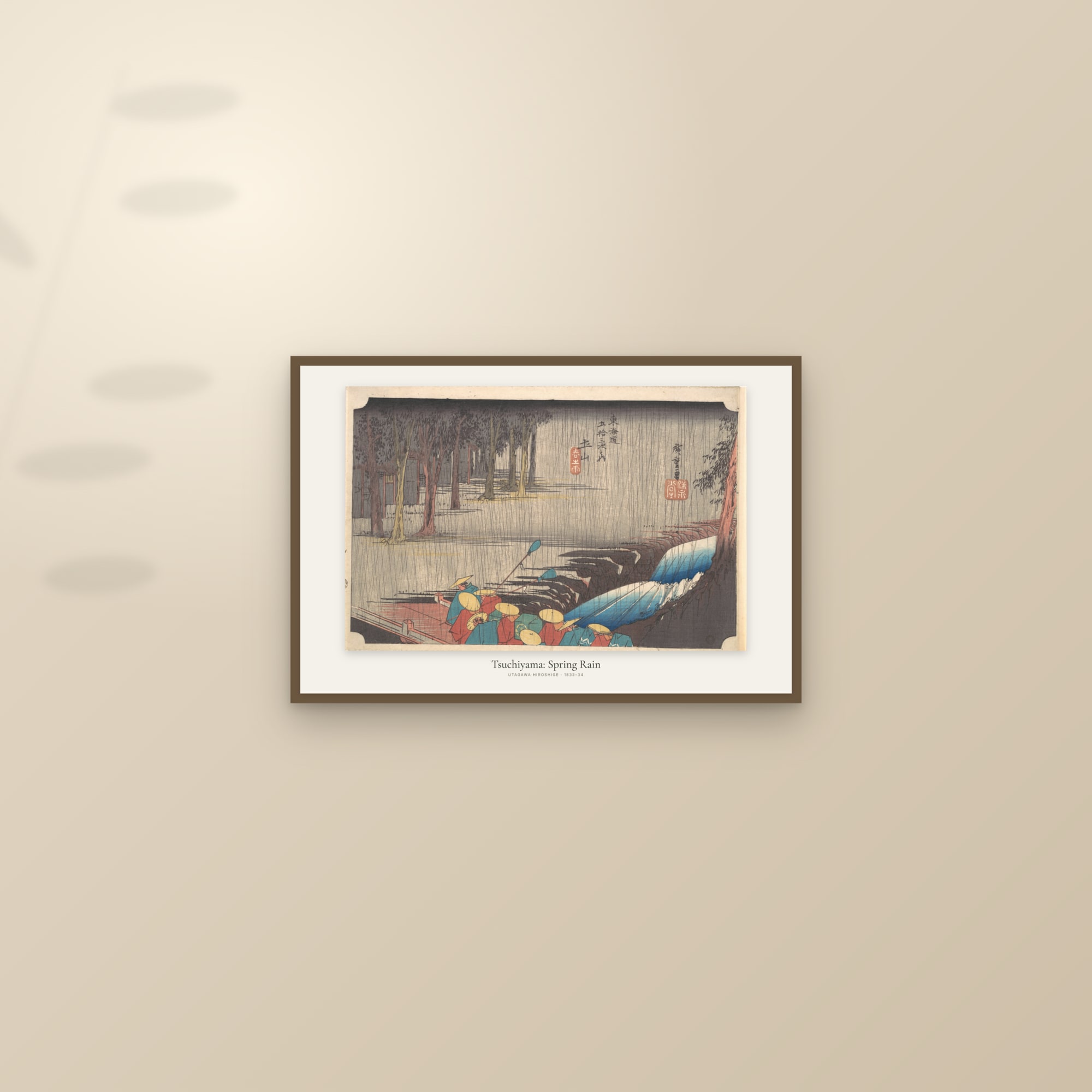
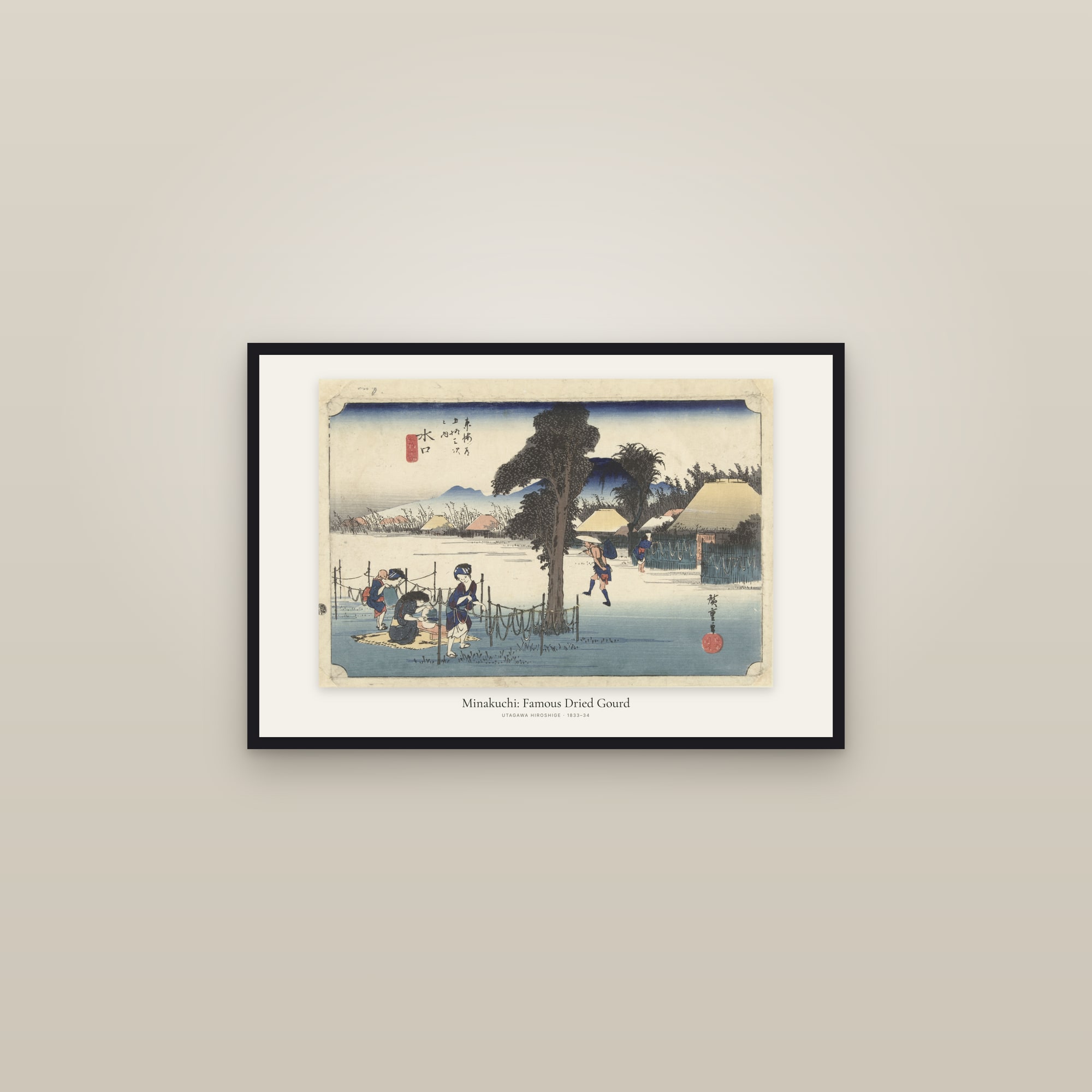
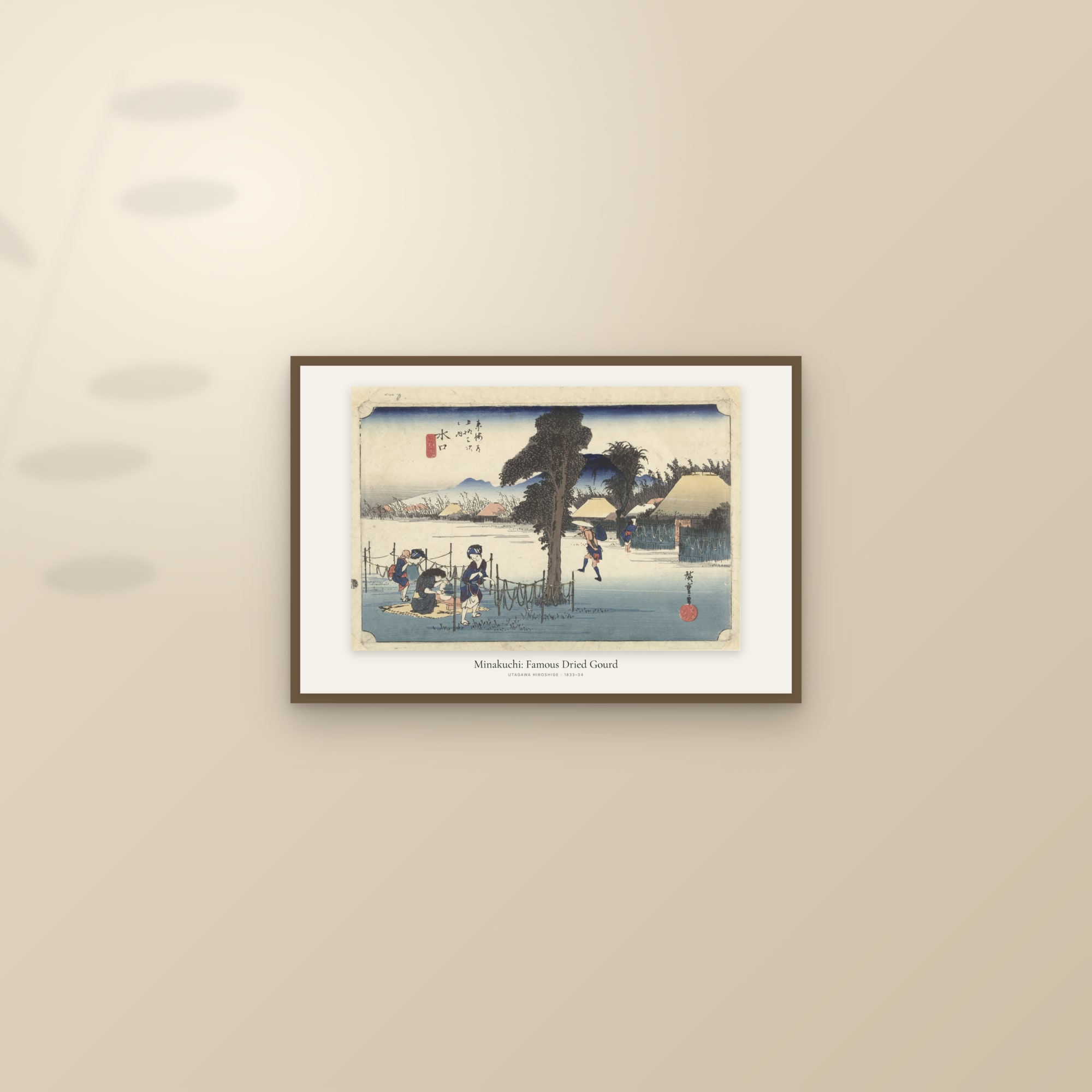
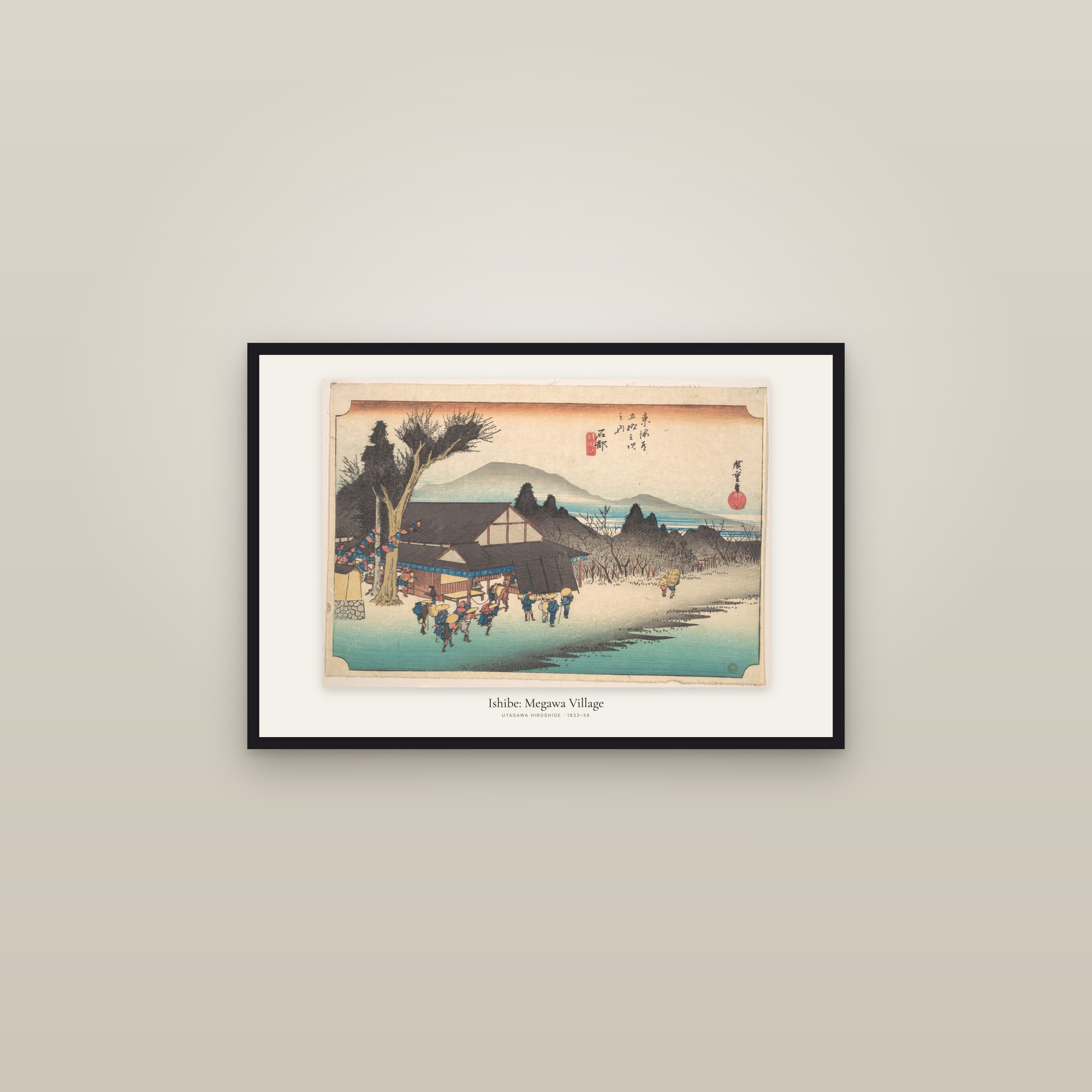
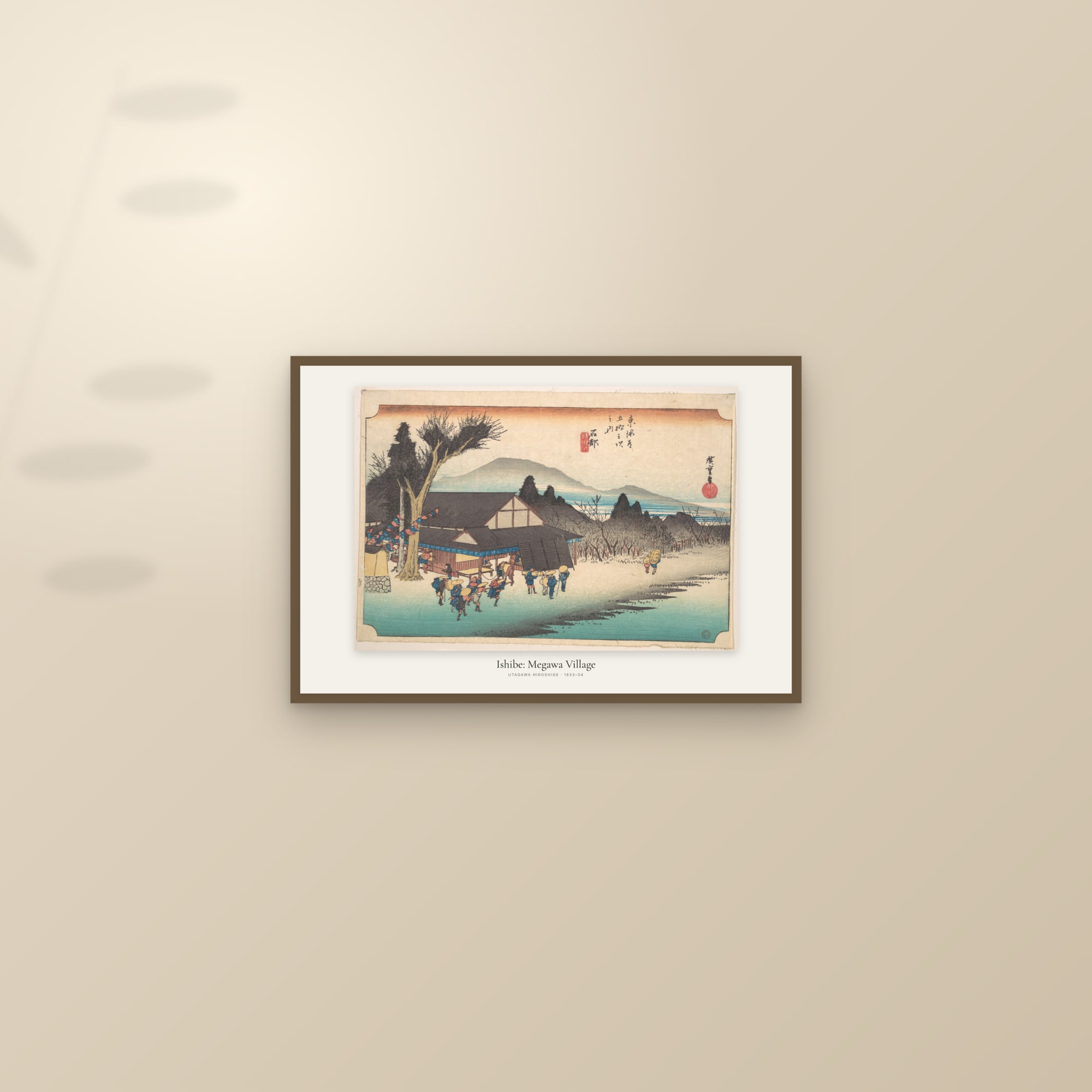
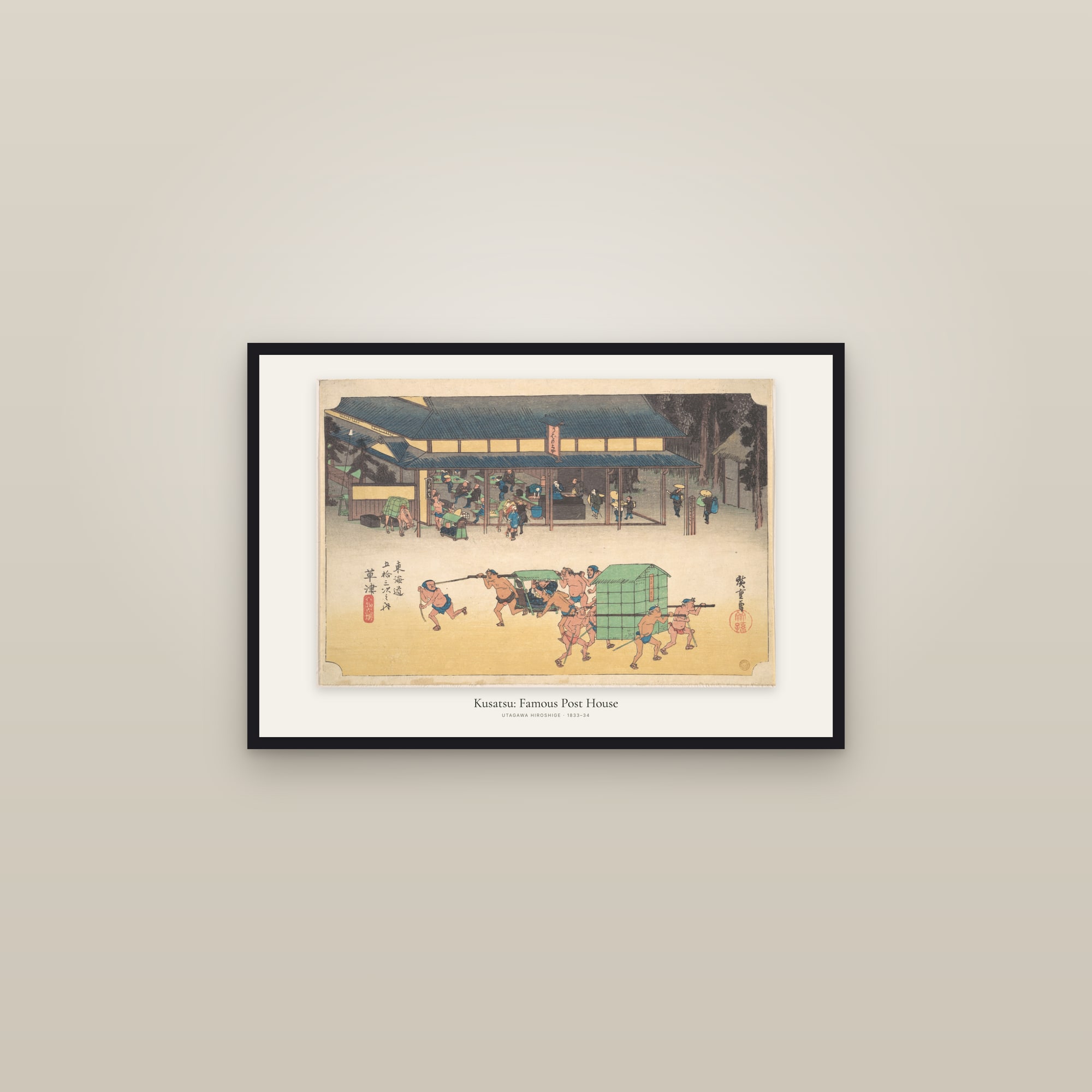
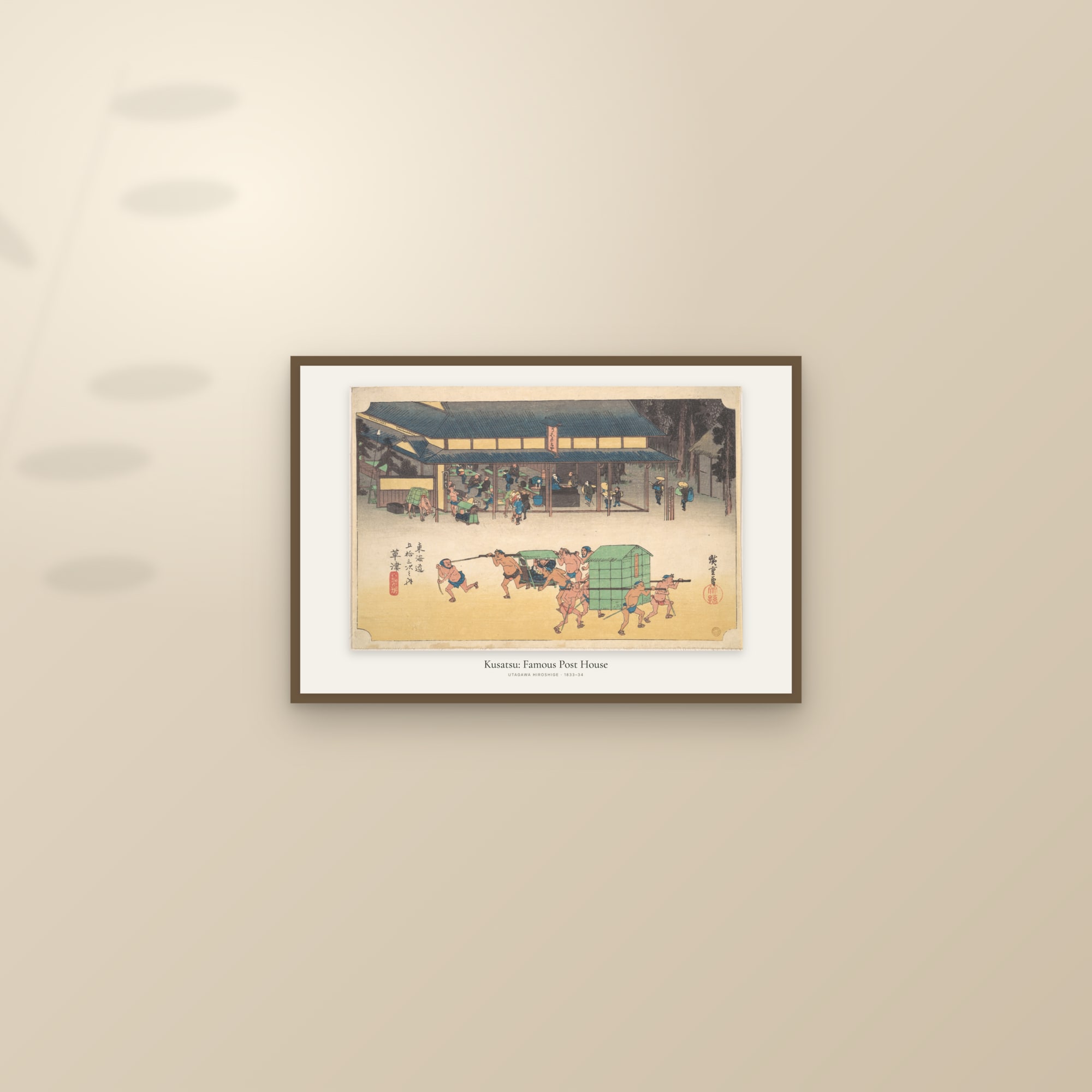
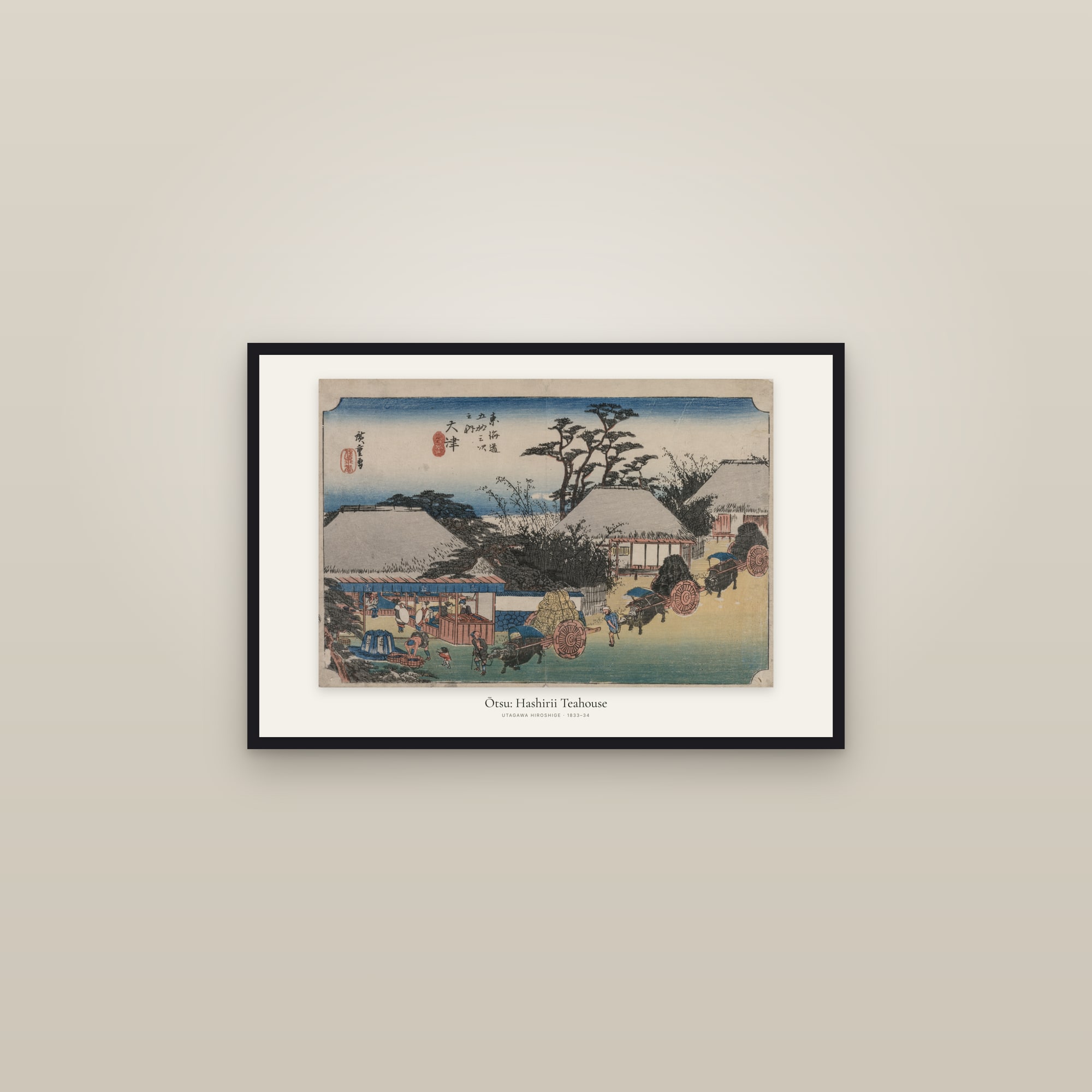
The series
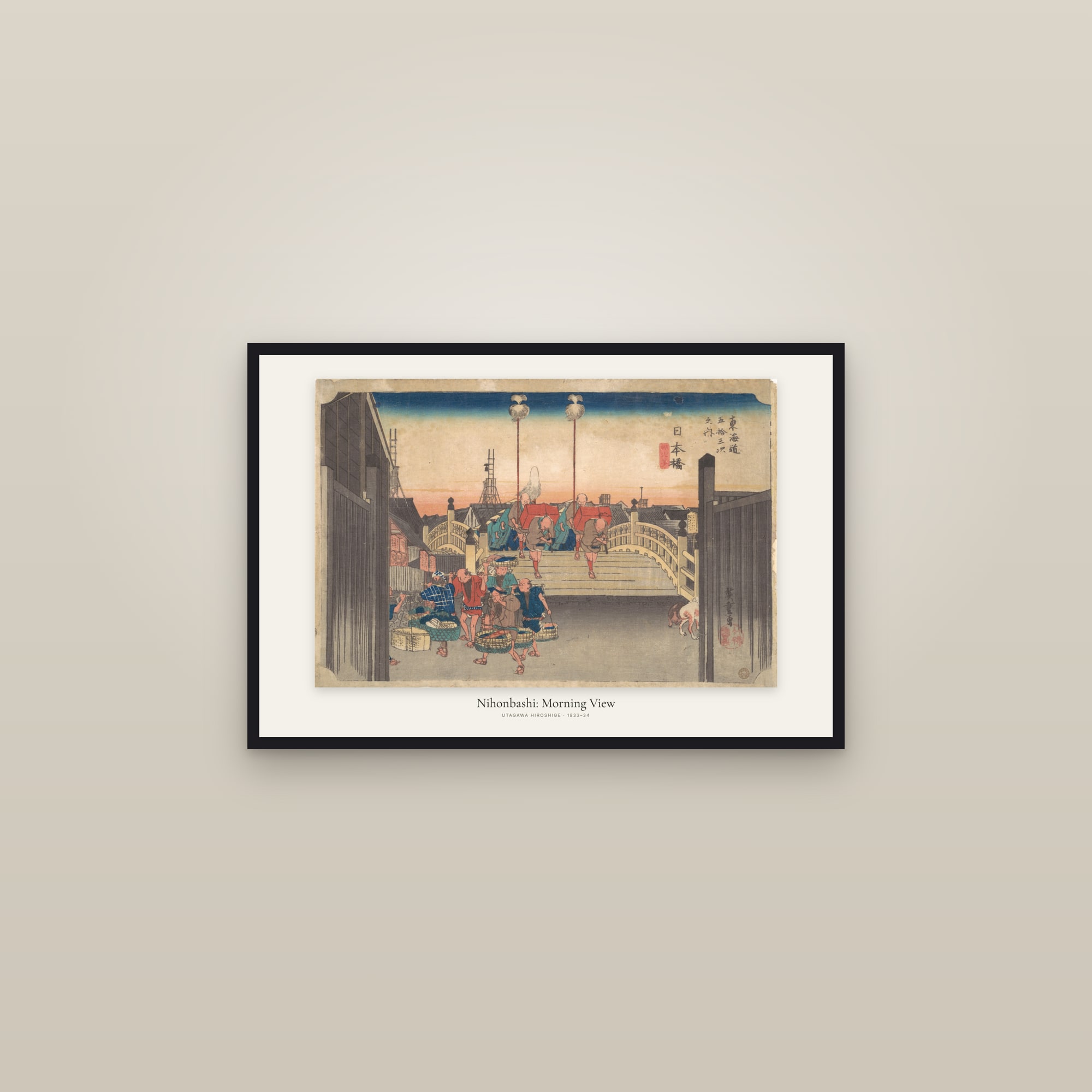
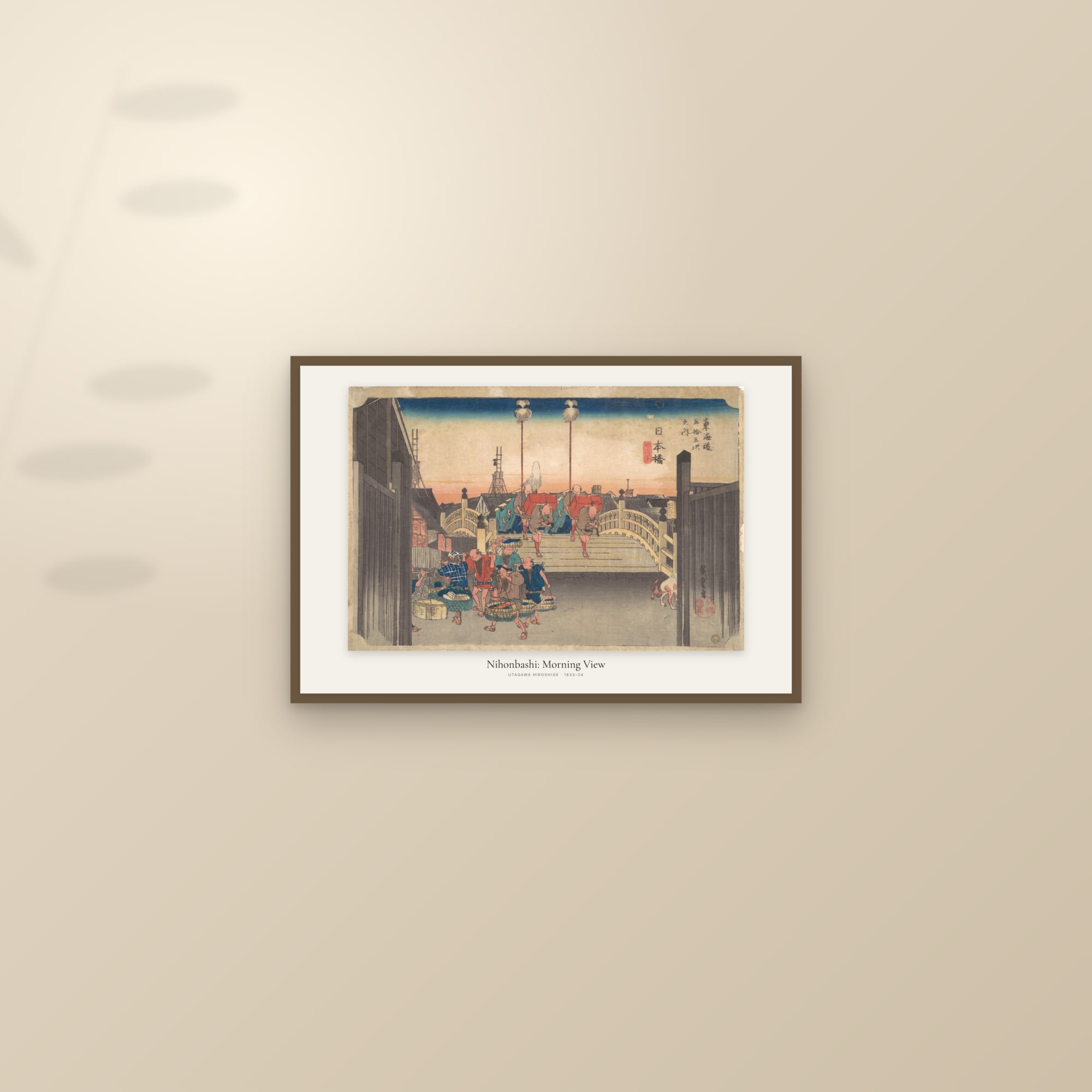
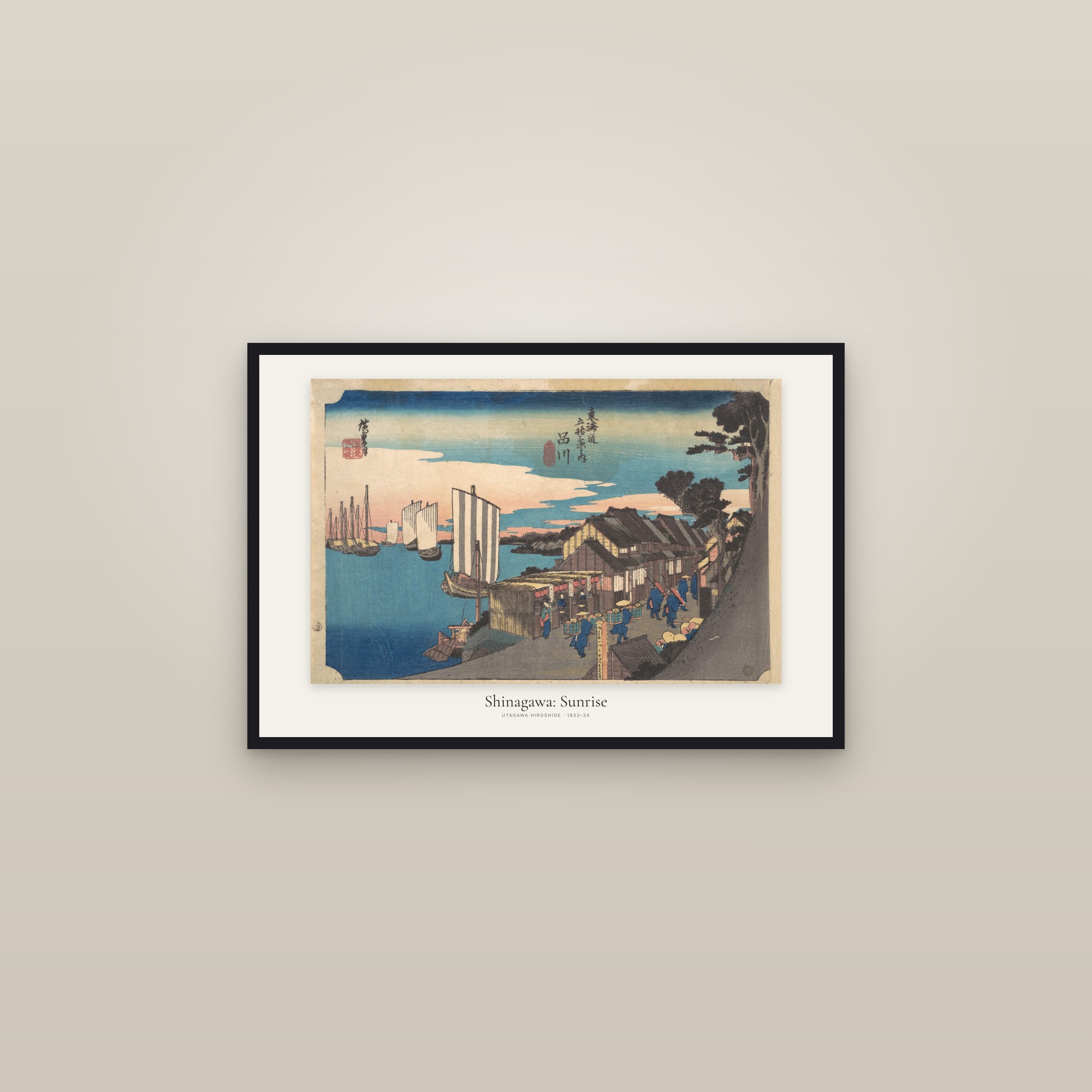
The Tōkaidō was the coastal highway between Edo, the shogun's city, and Kyoto, the old imperial capital, with fifty-three post towns along it where travellers ate, slept and changed porters and horses. Utagawa Hiroshige's prints of the road were published in 1833 and 1834 by Takenouchi Magohachi of the Hōeidō, the first few together with Tsuruya Kiemon of the Senkakudō. The set made Hiroshige's name, and he went on to design many more Tōkaidō series, but this first one, the Hōeidō edition, is the one usually meant.
The prints here
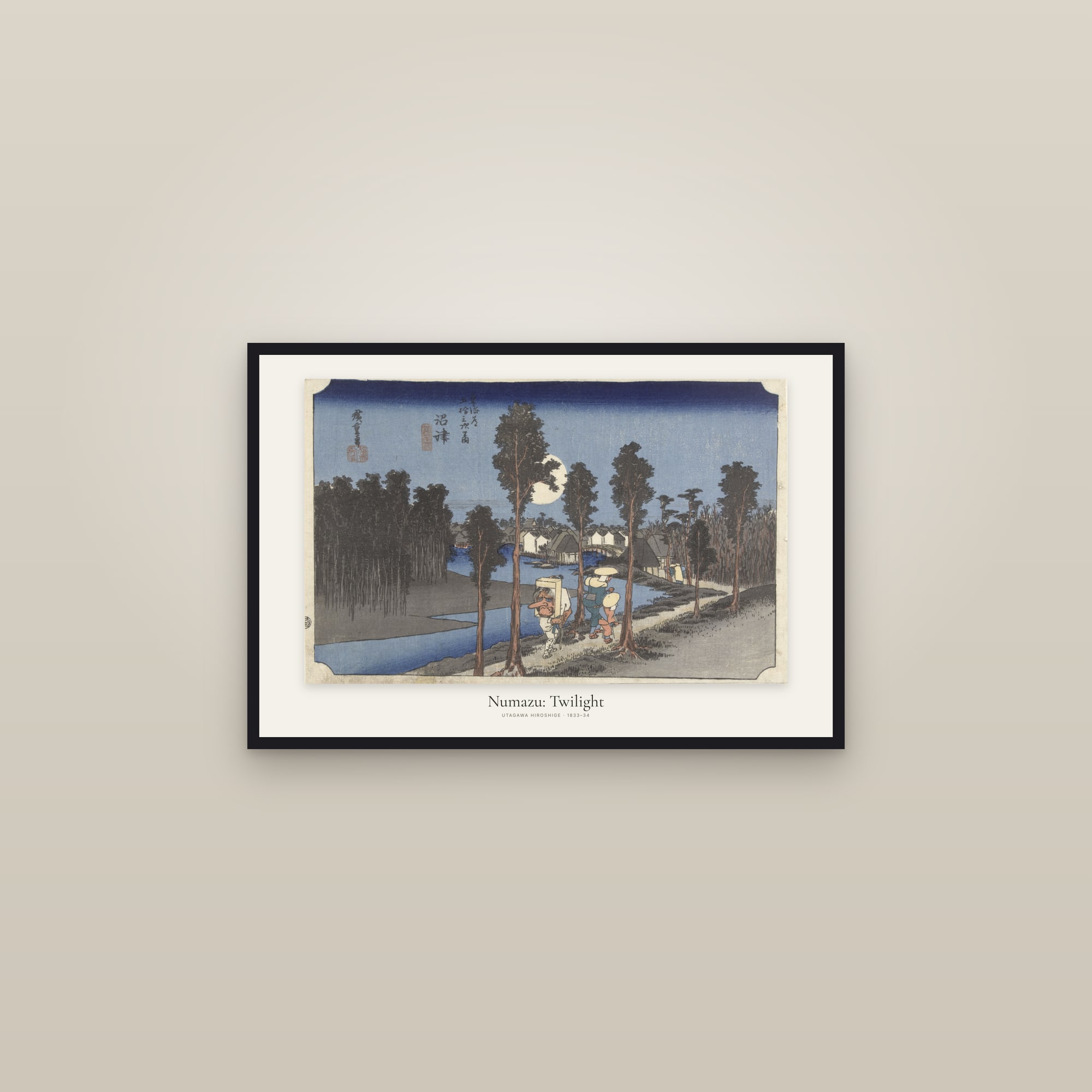
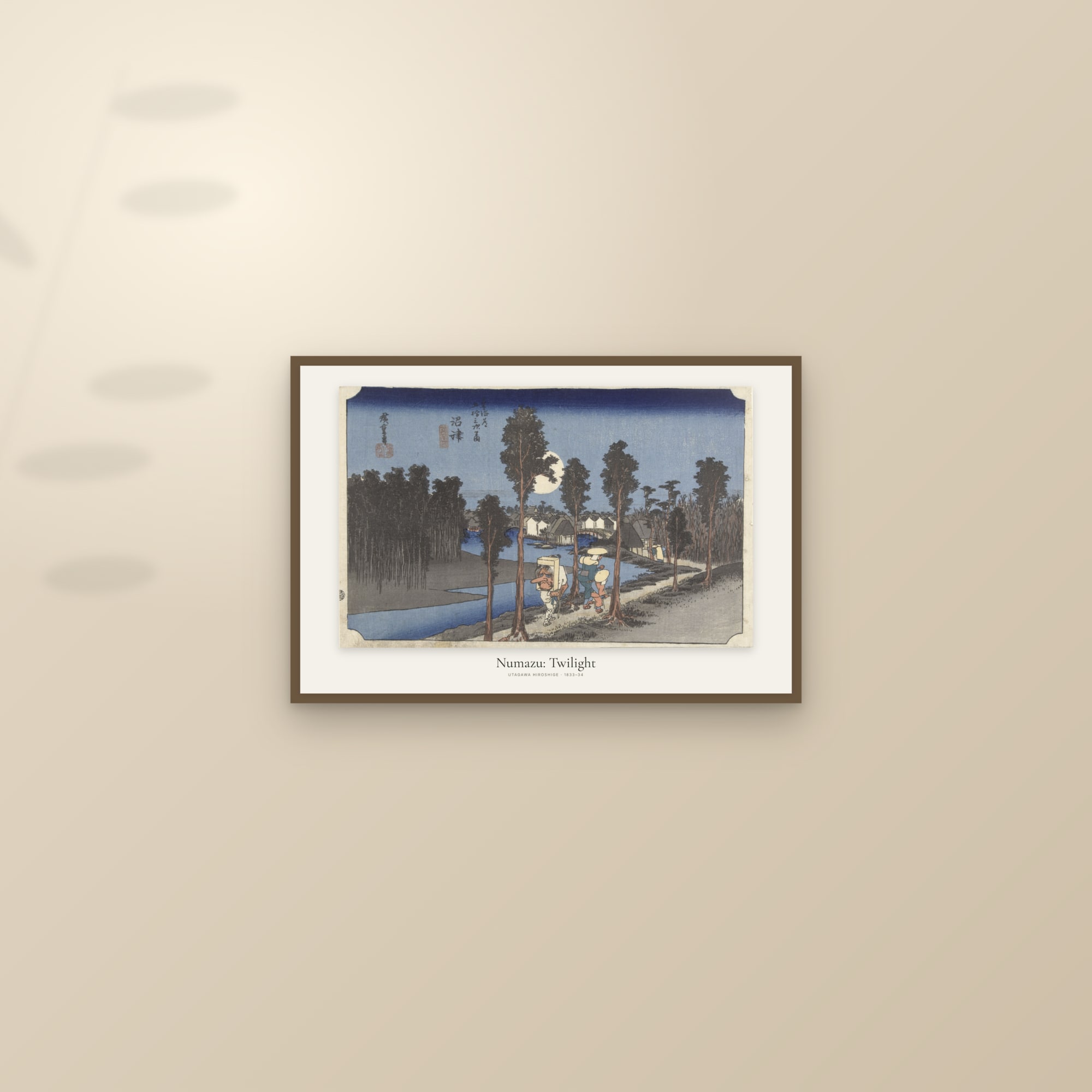
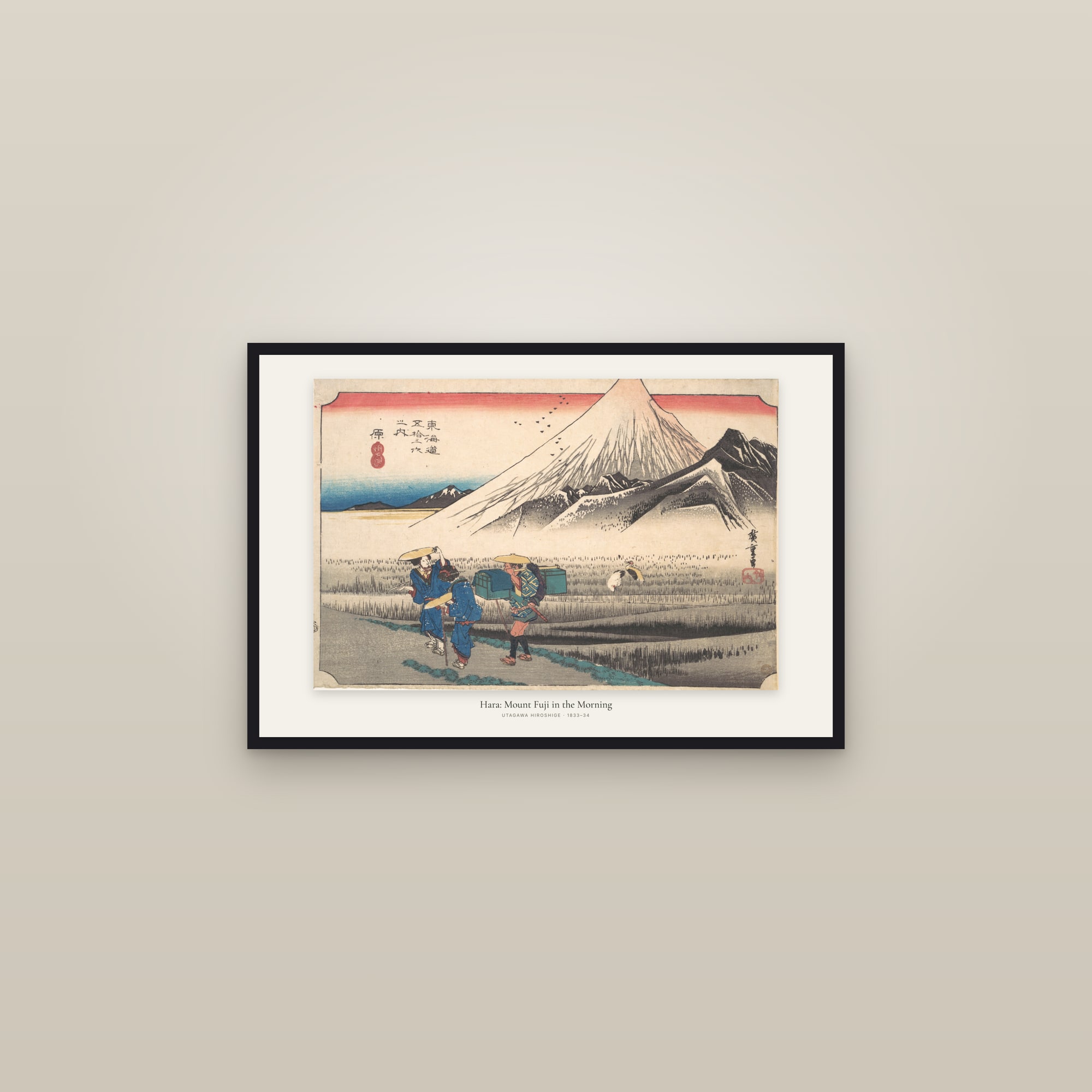
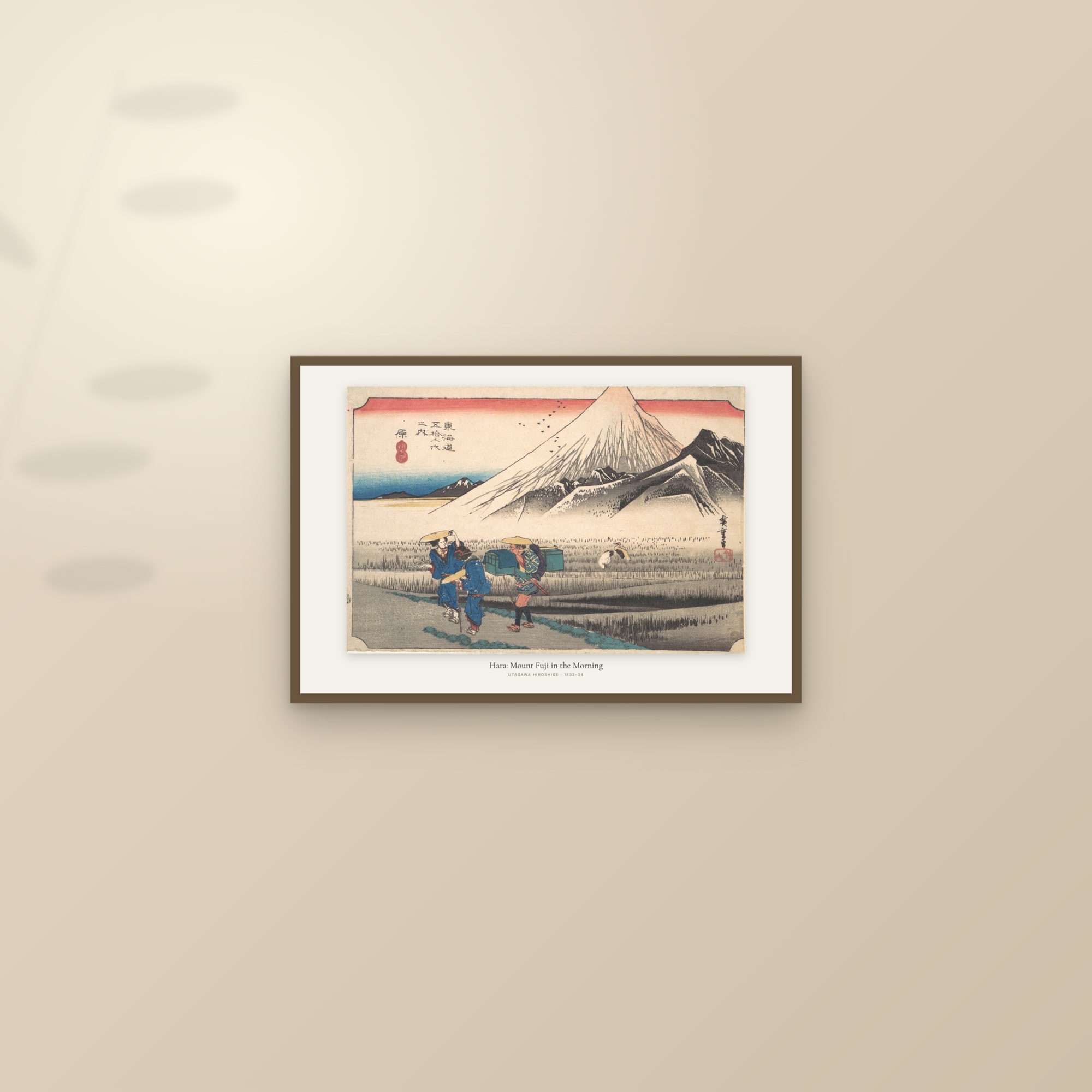
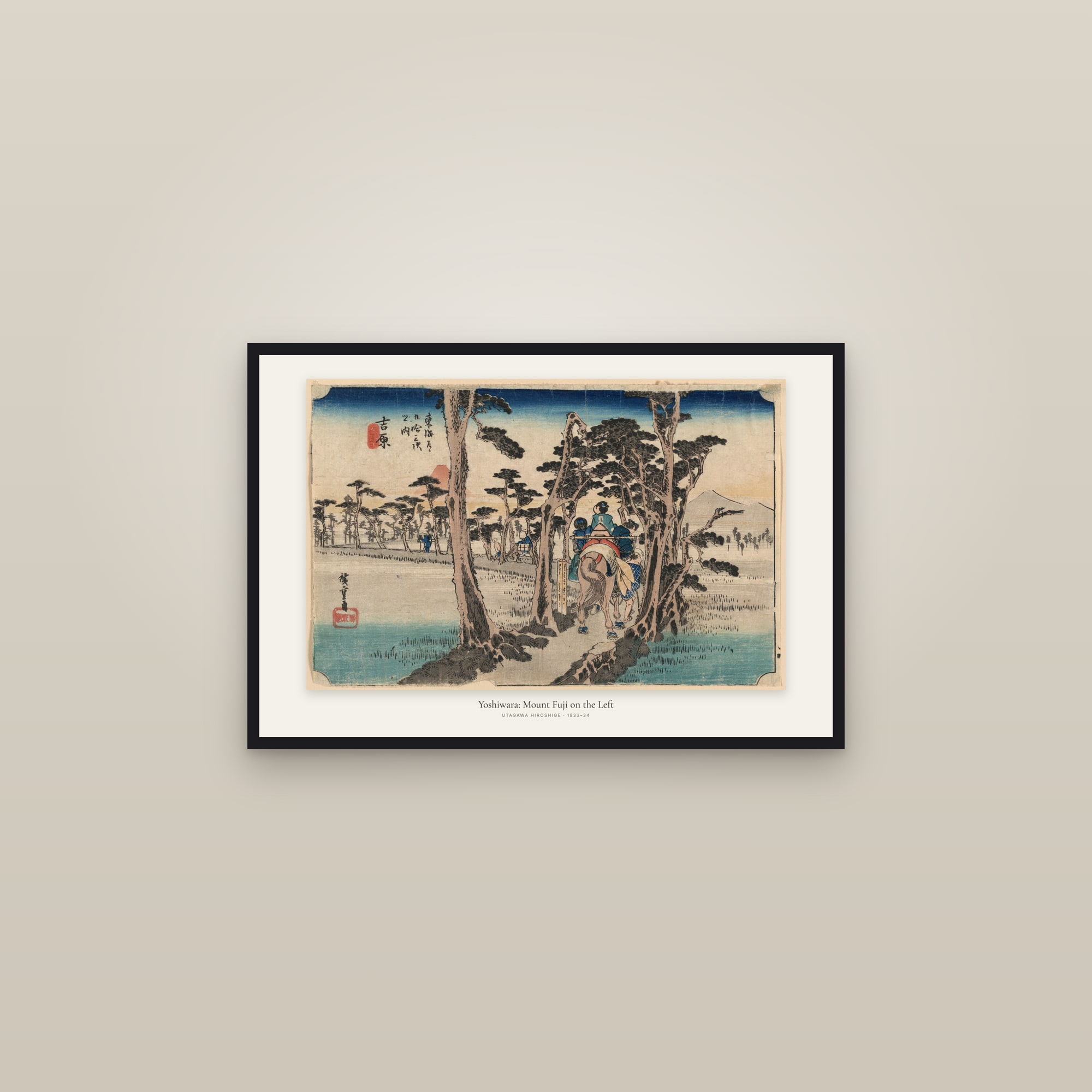
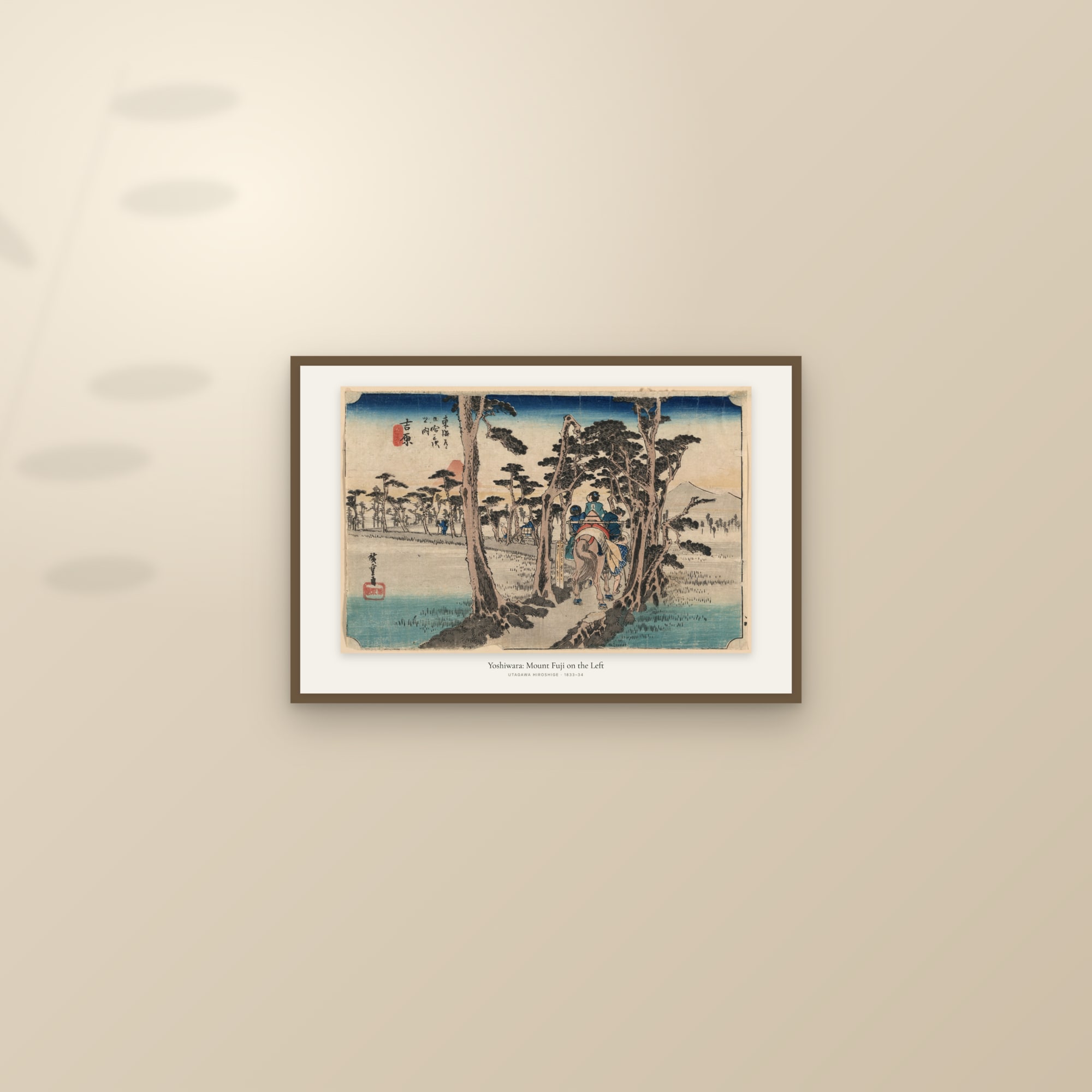
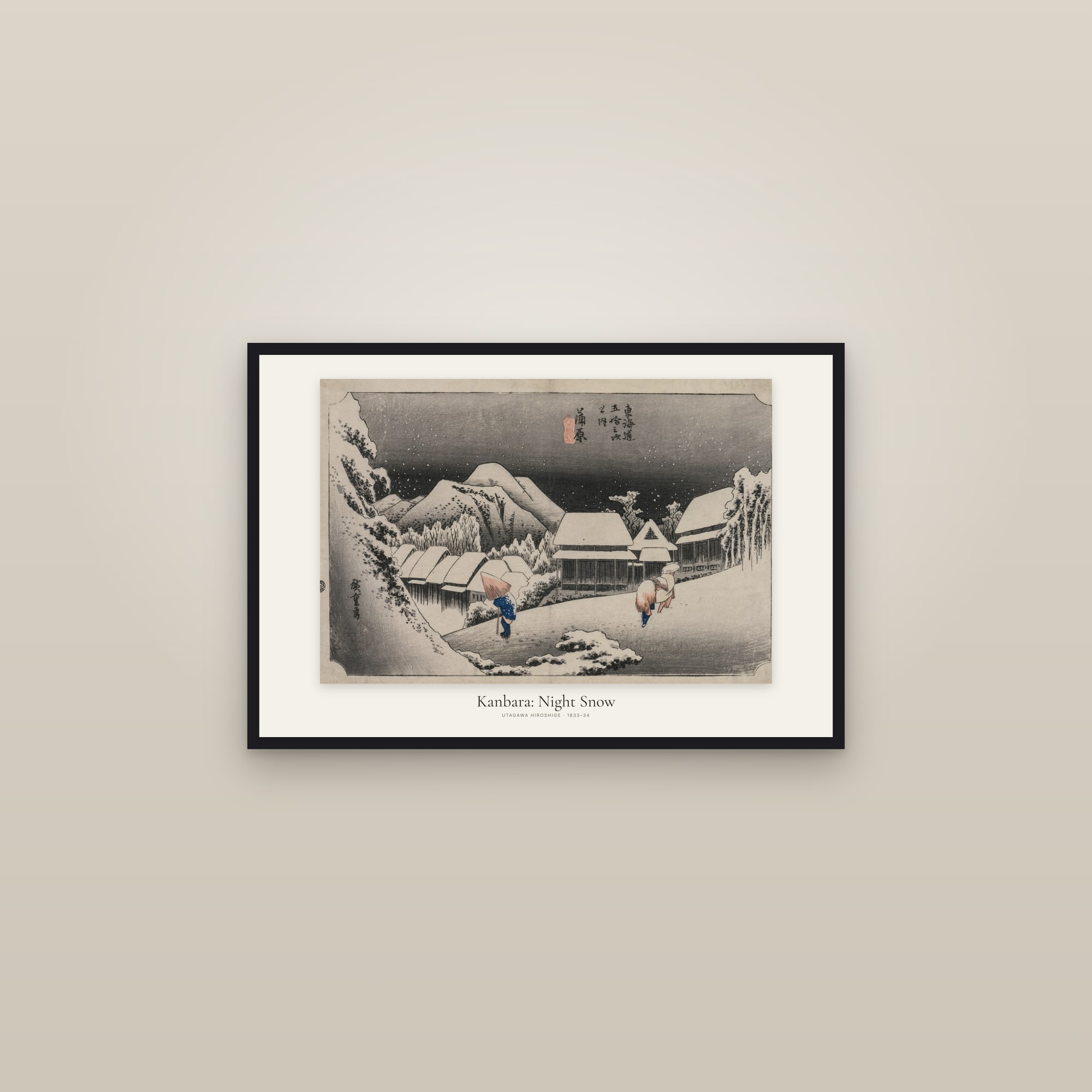
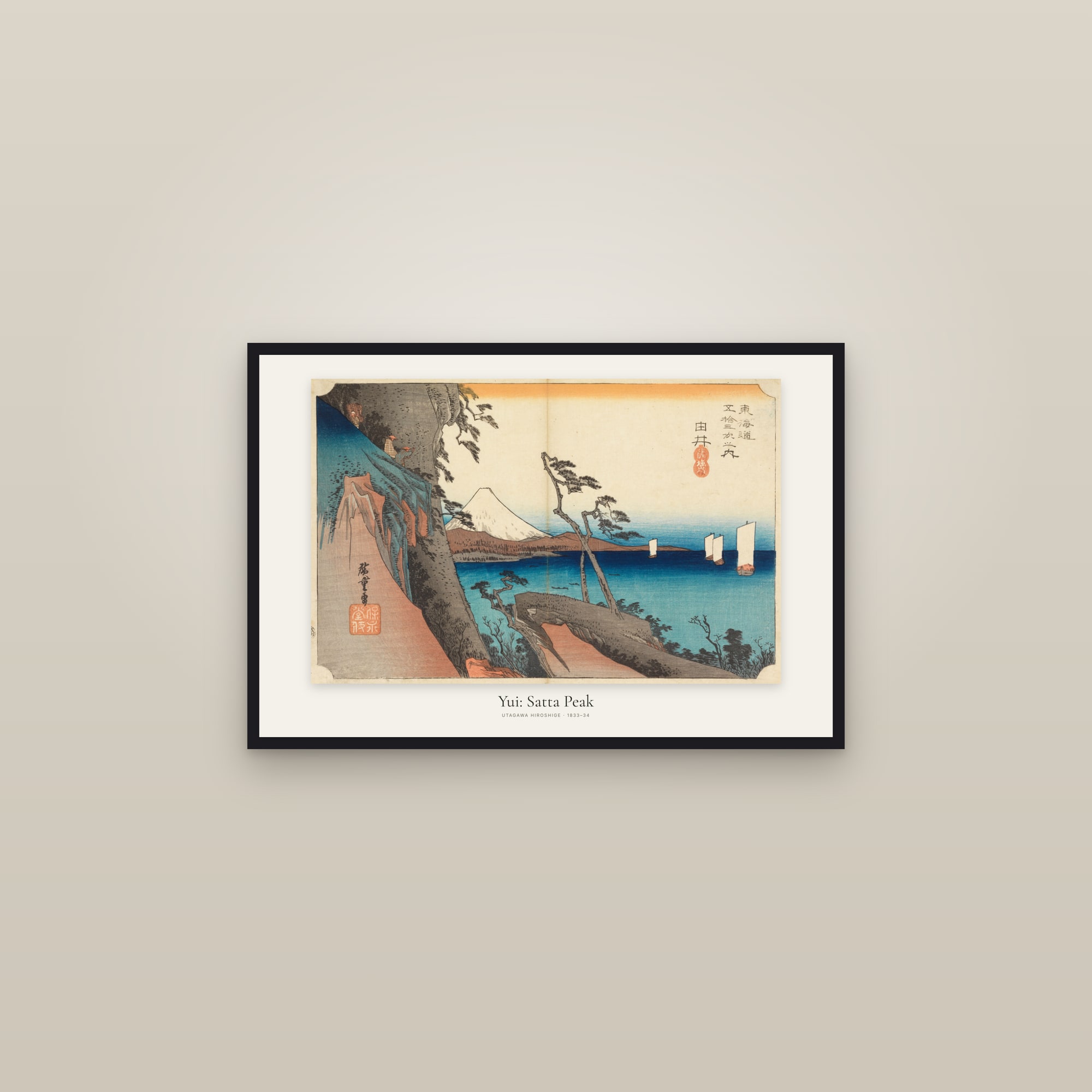
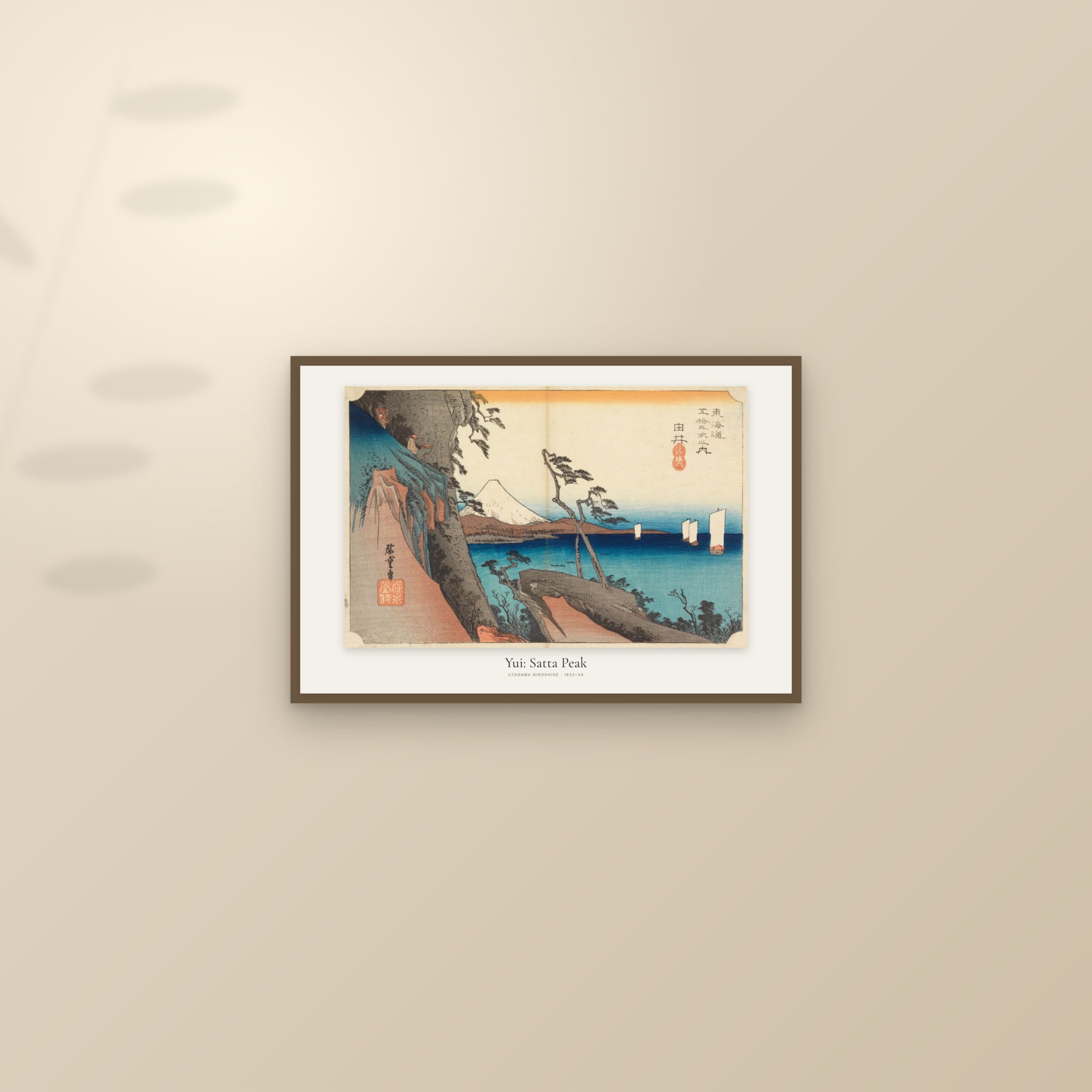
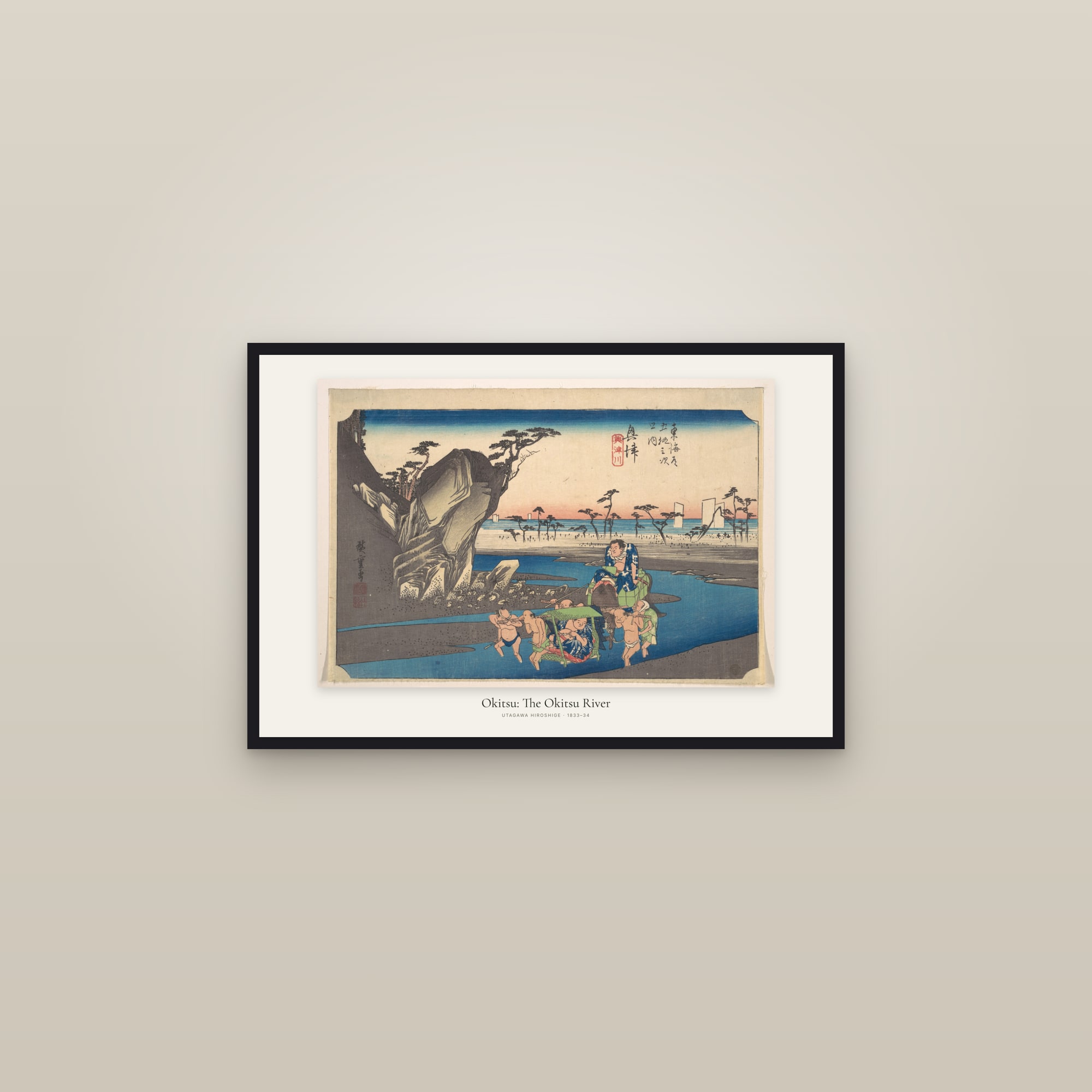
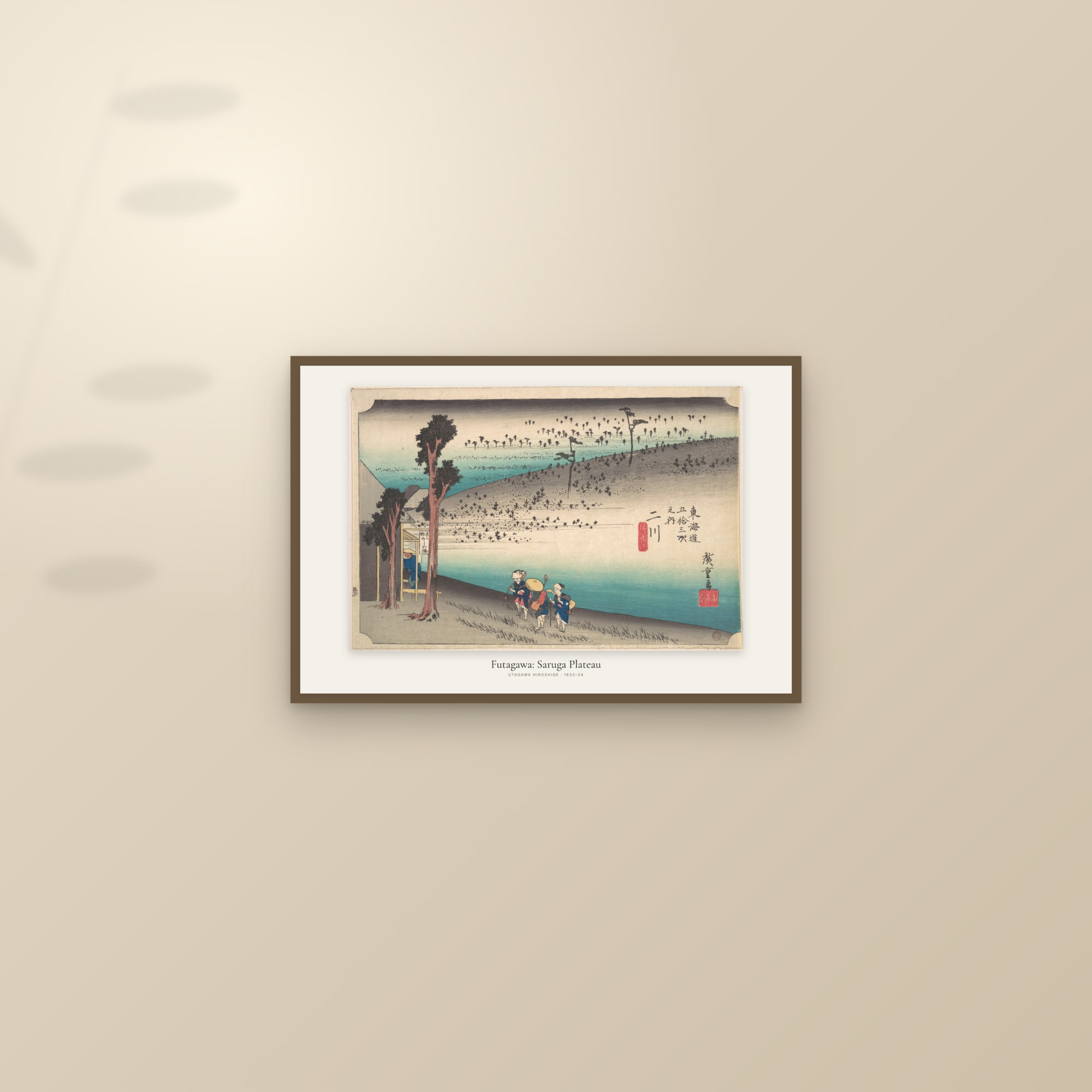
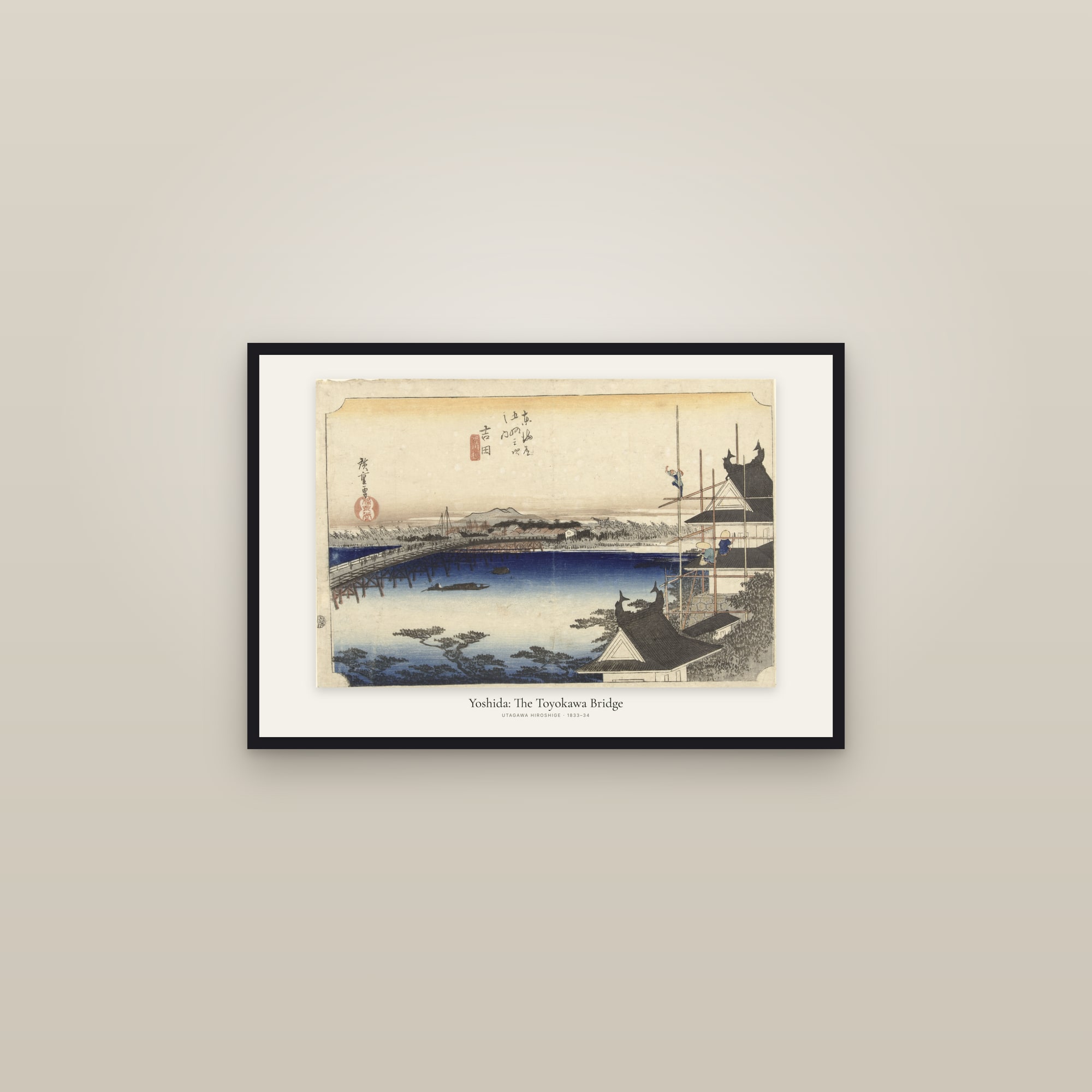
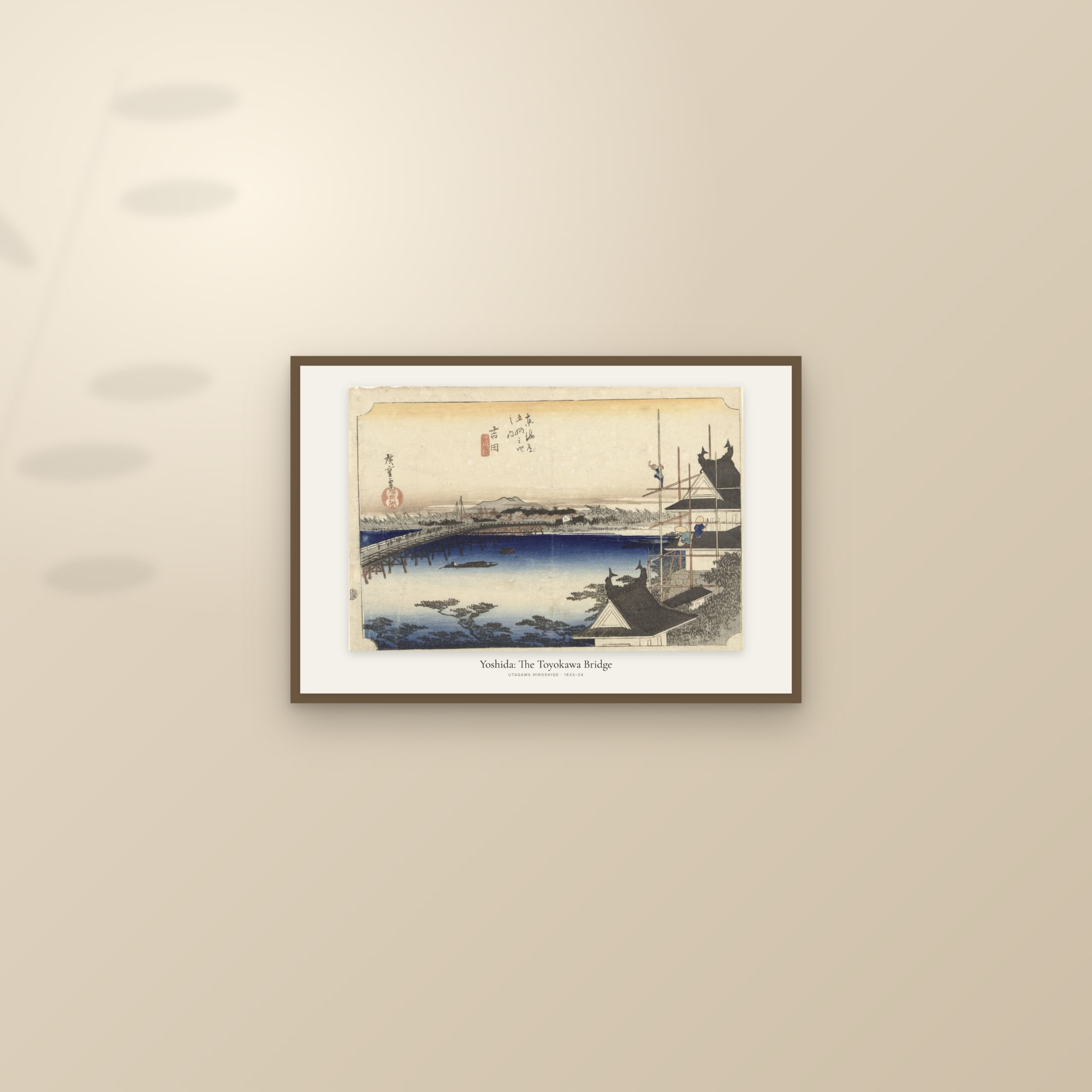
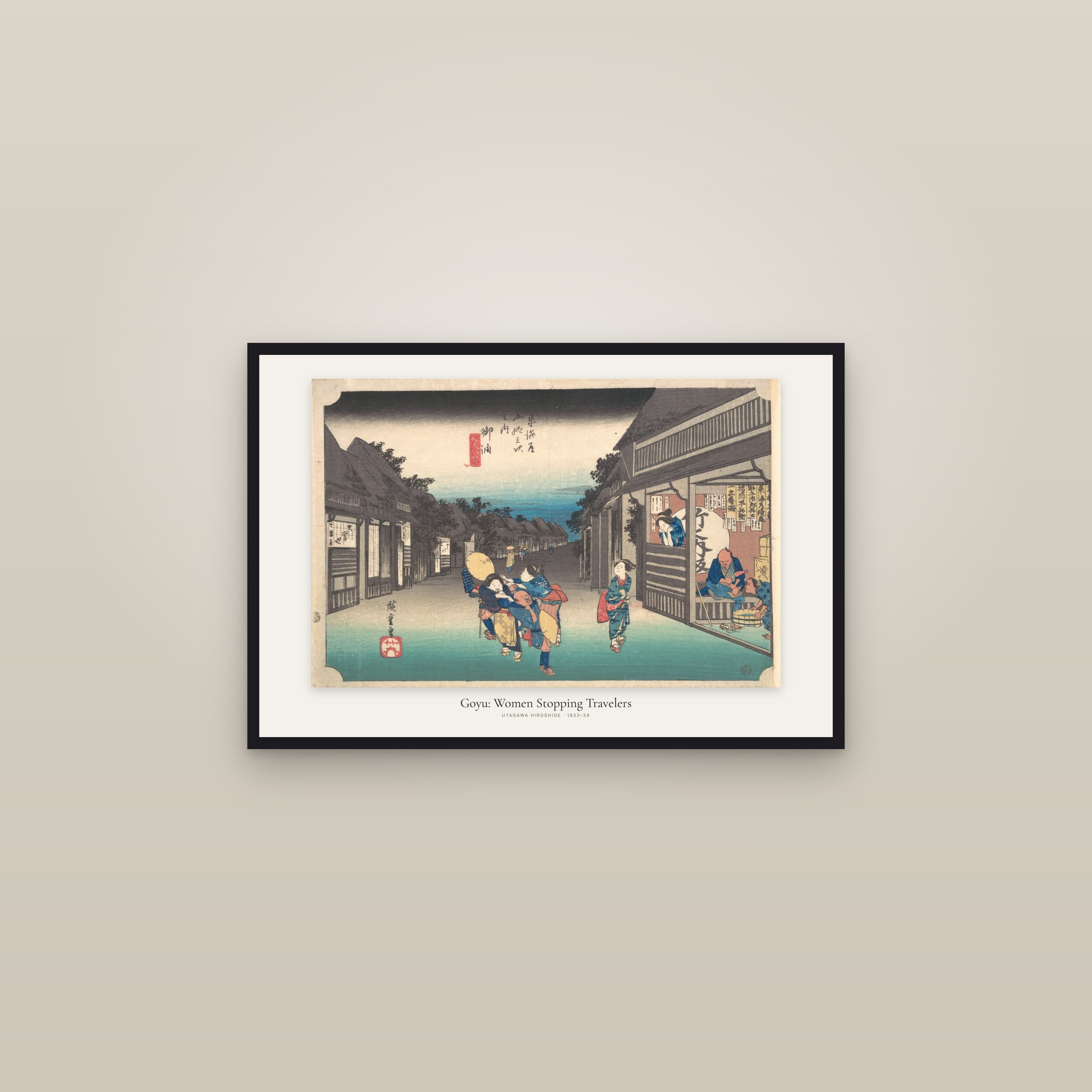
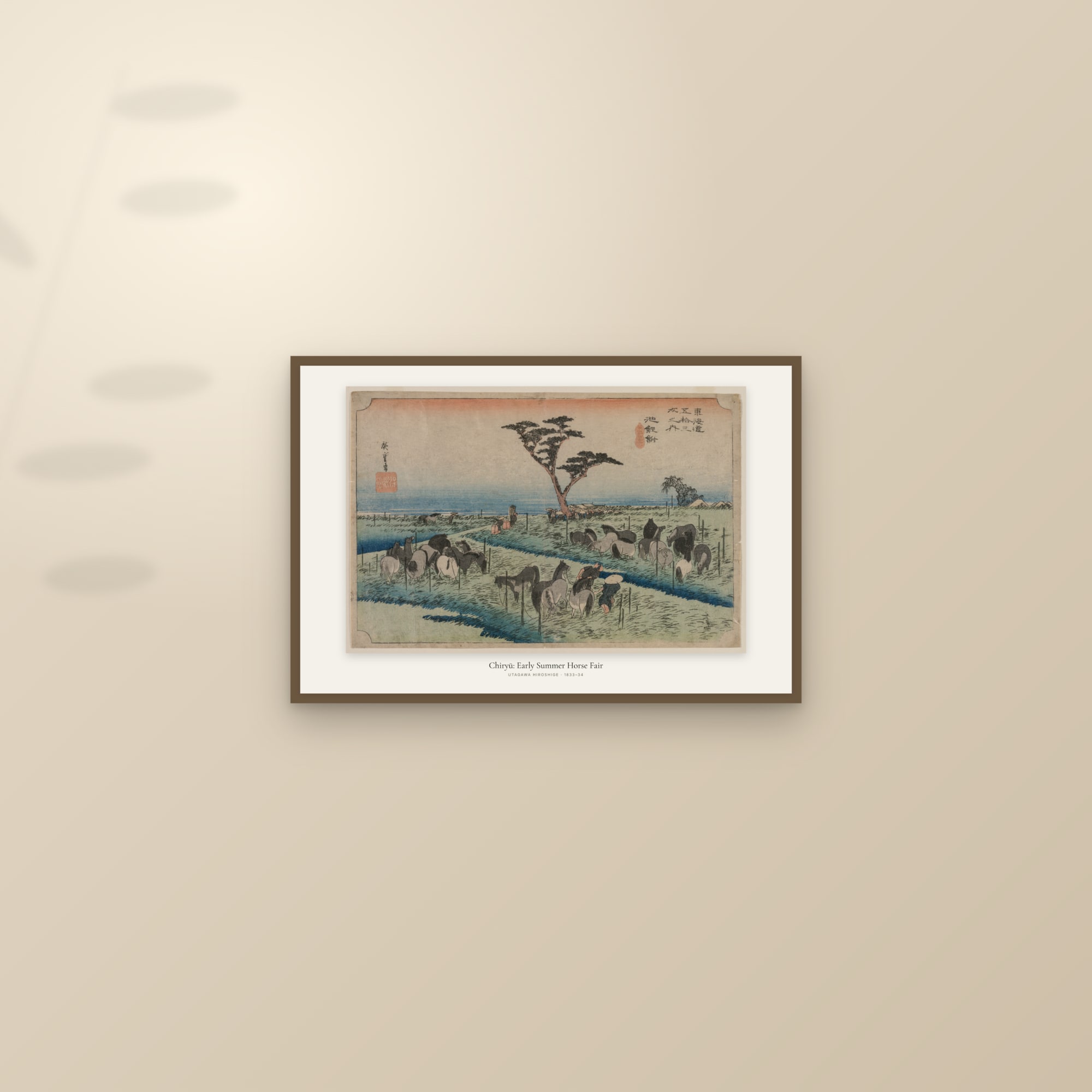
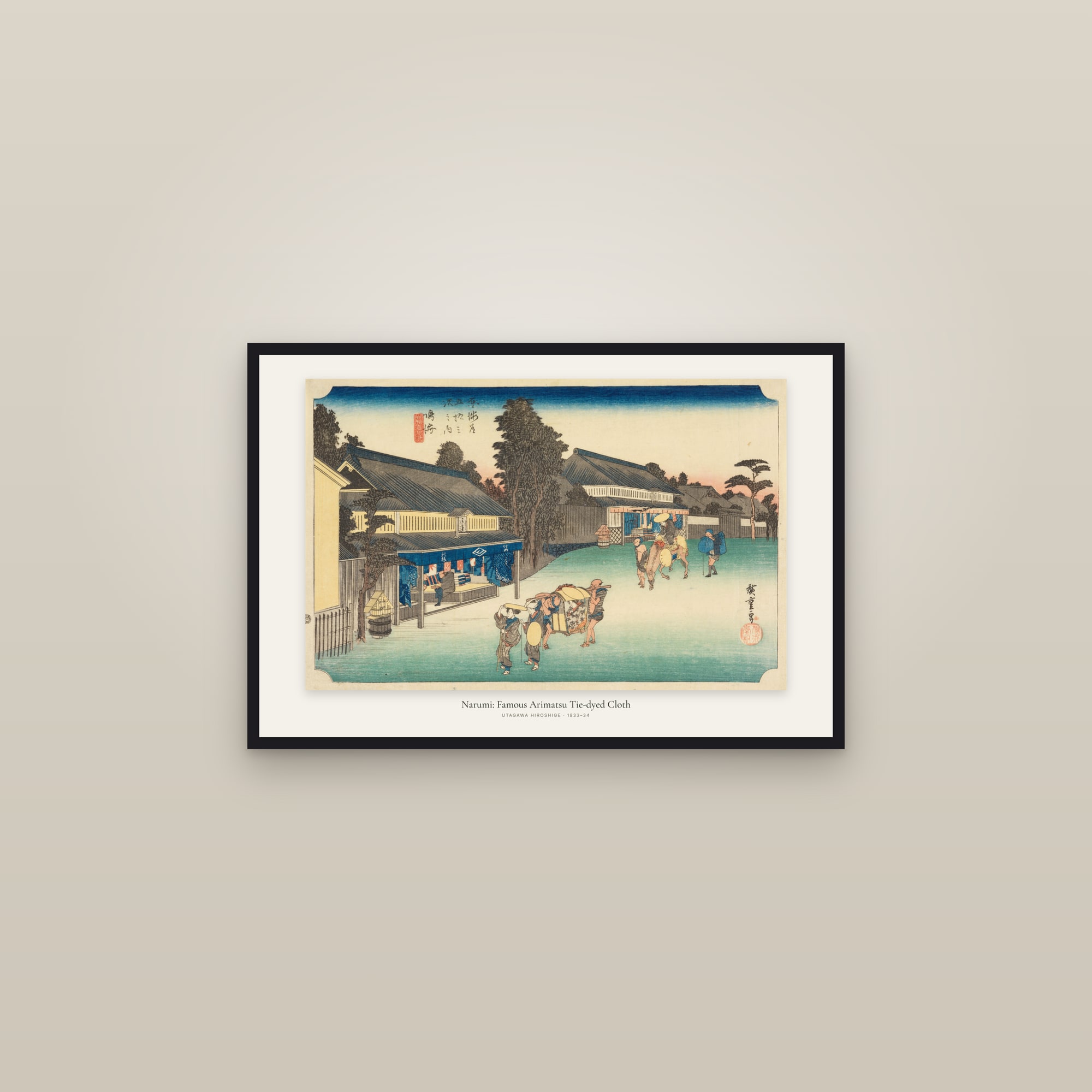
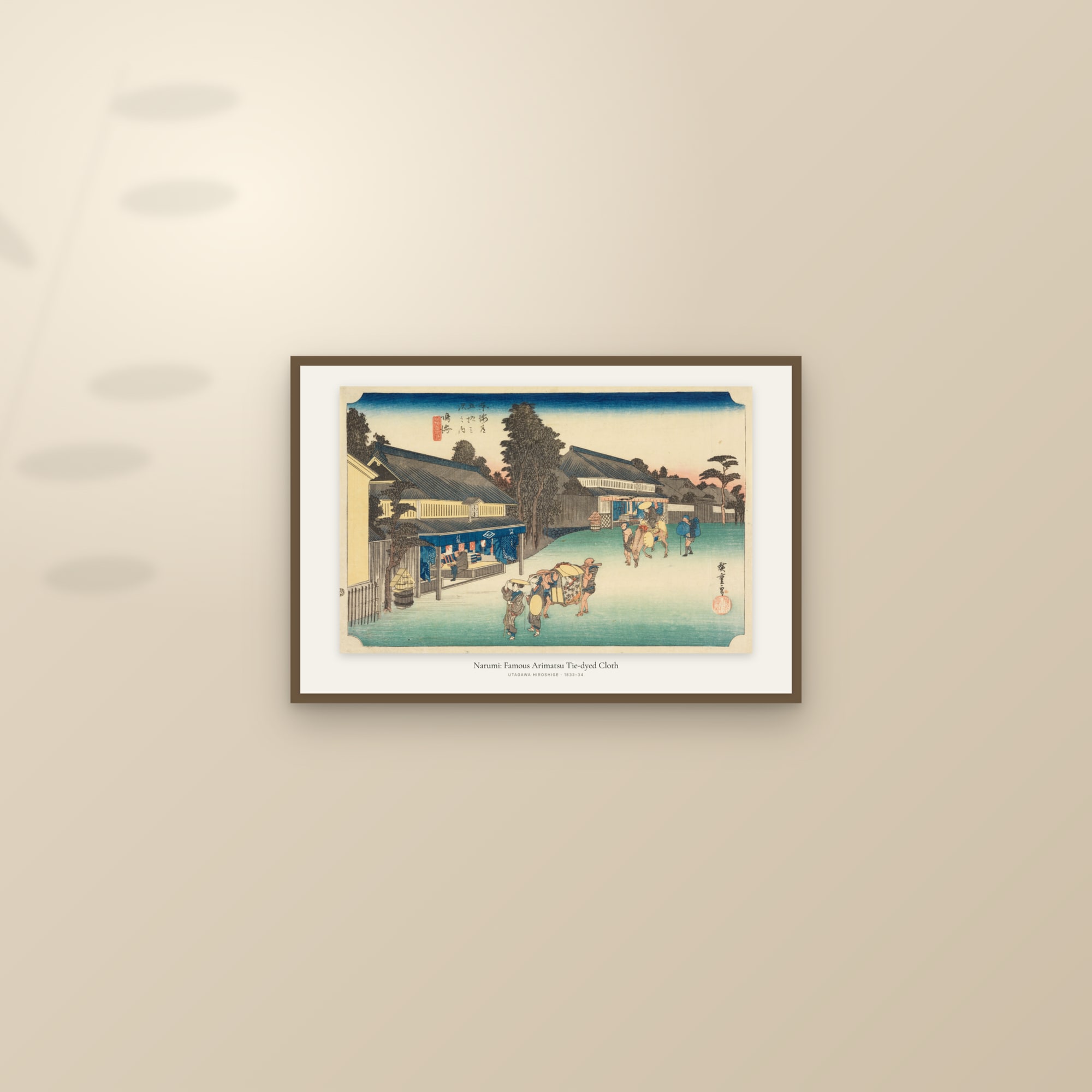
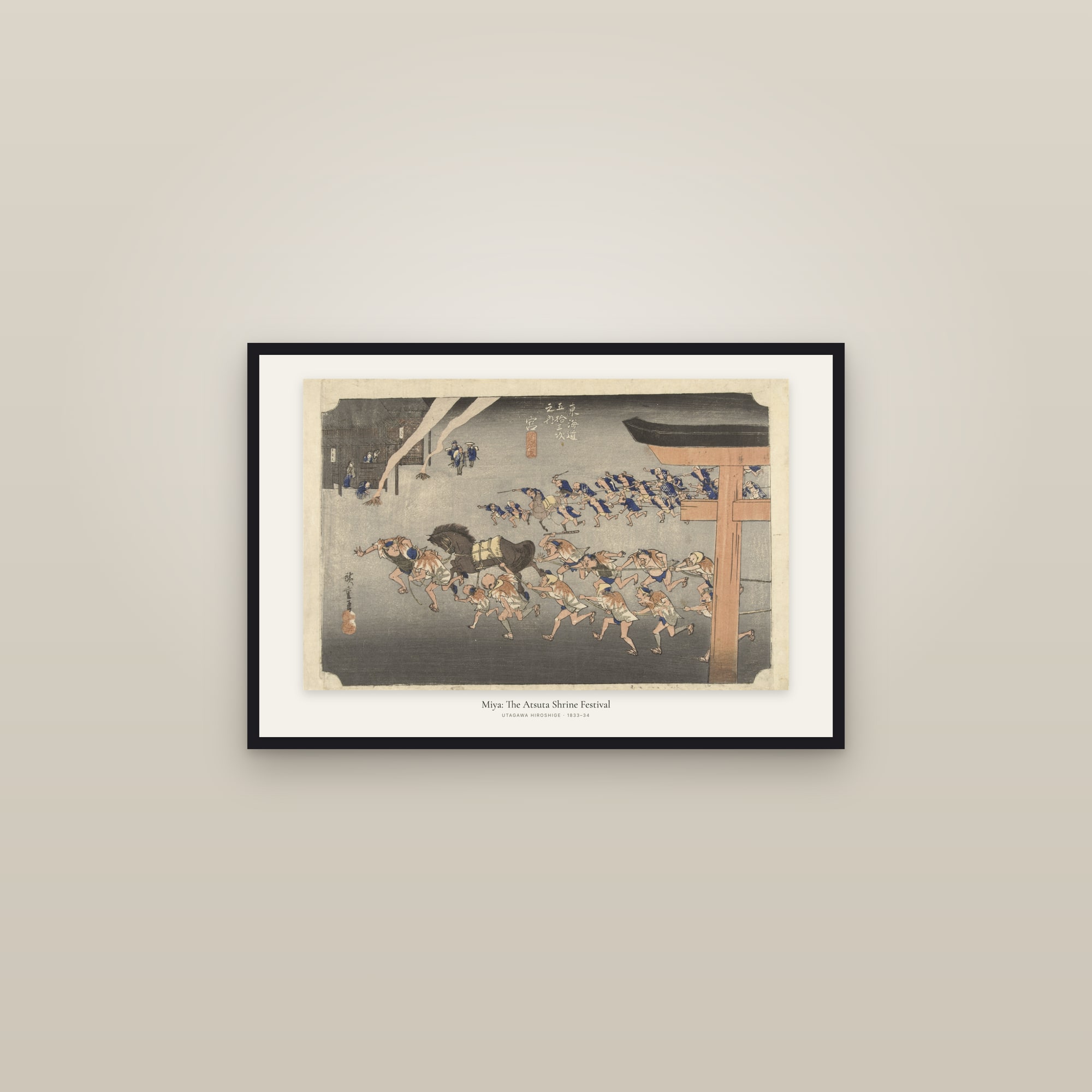
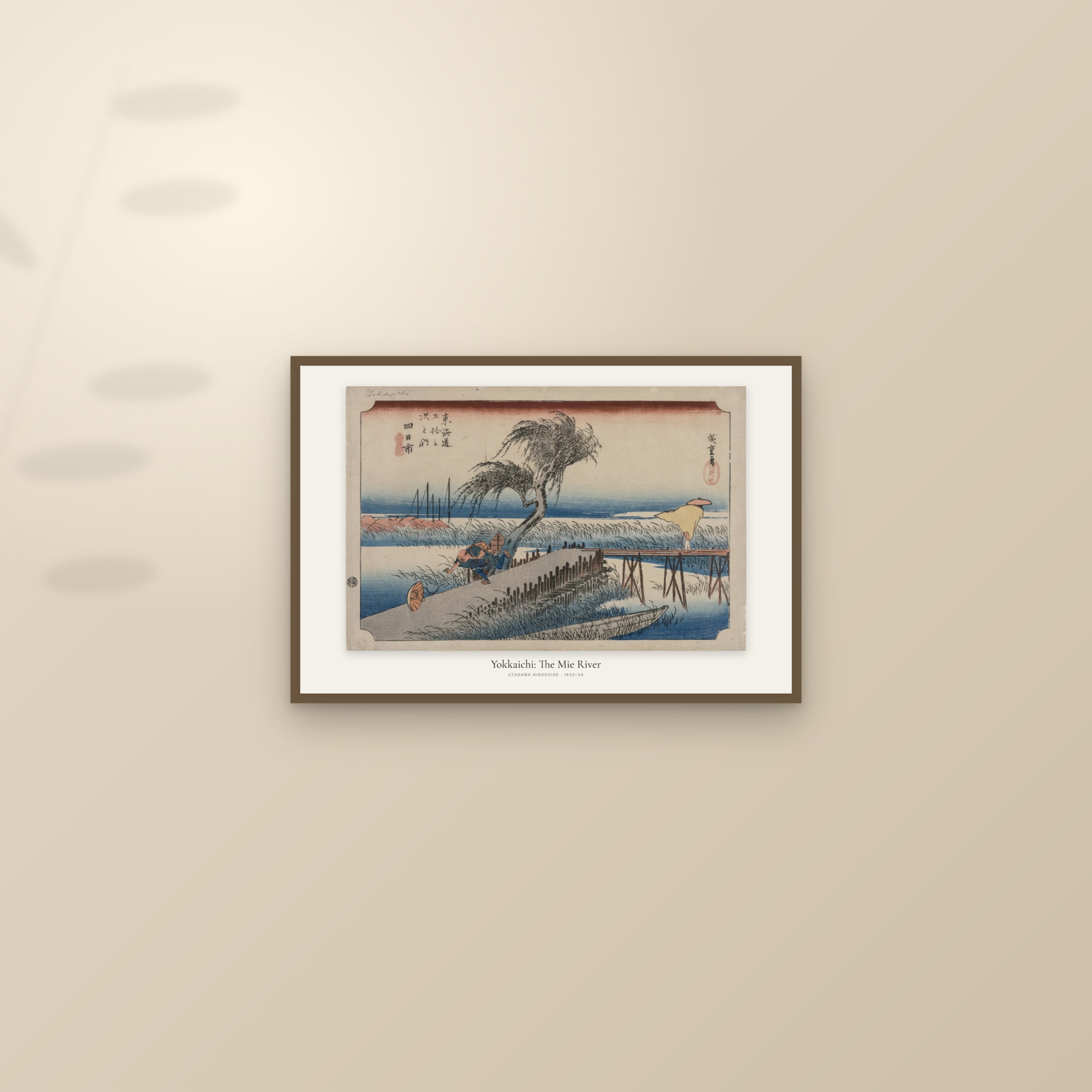
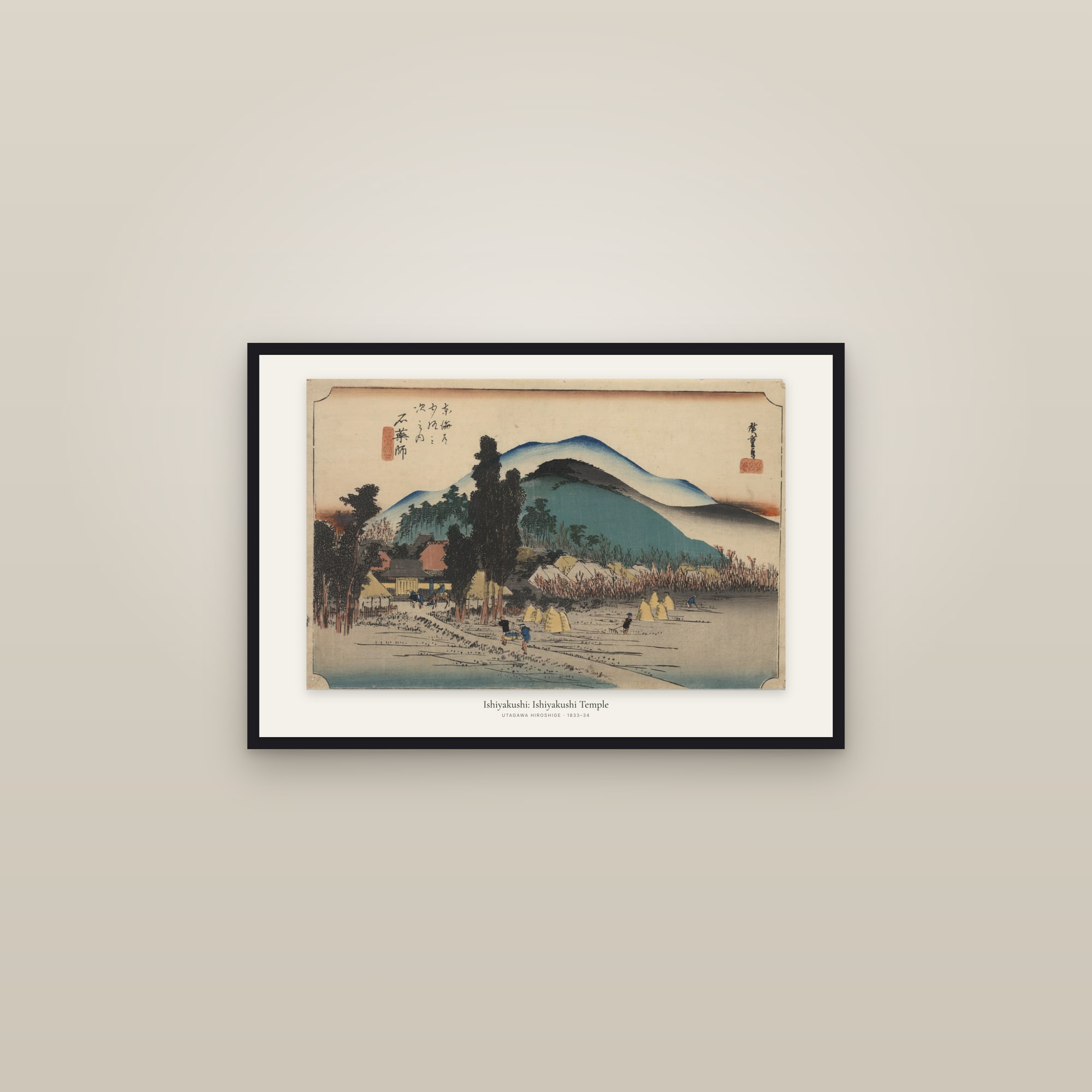
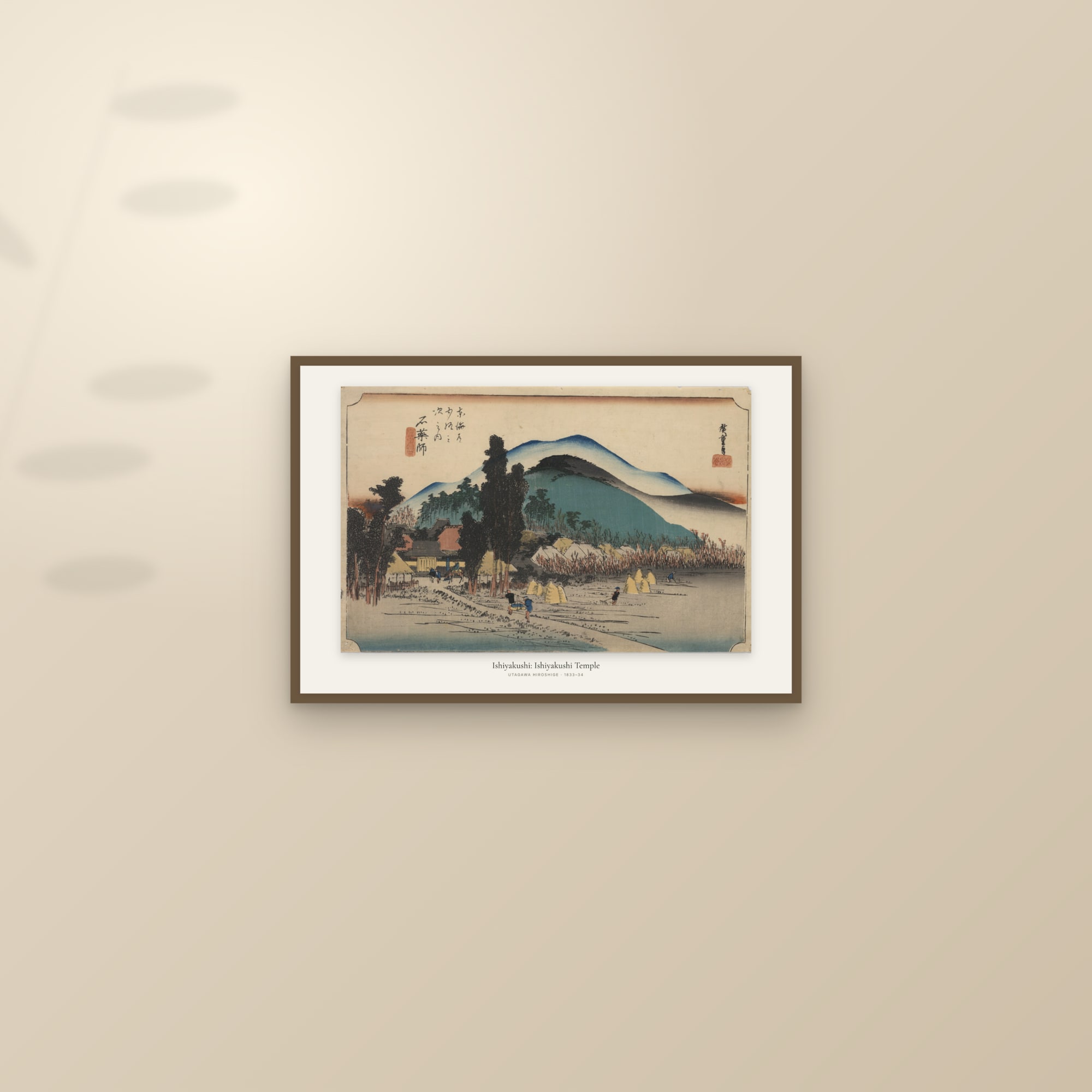
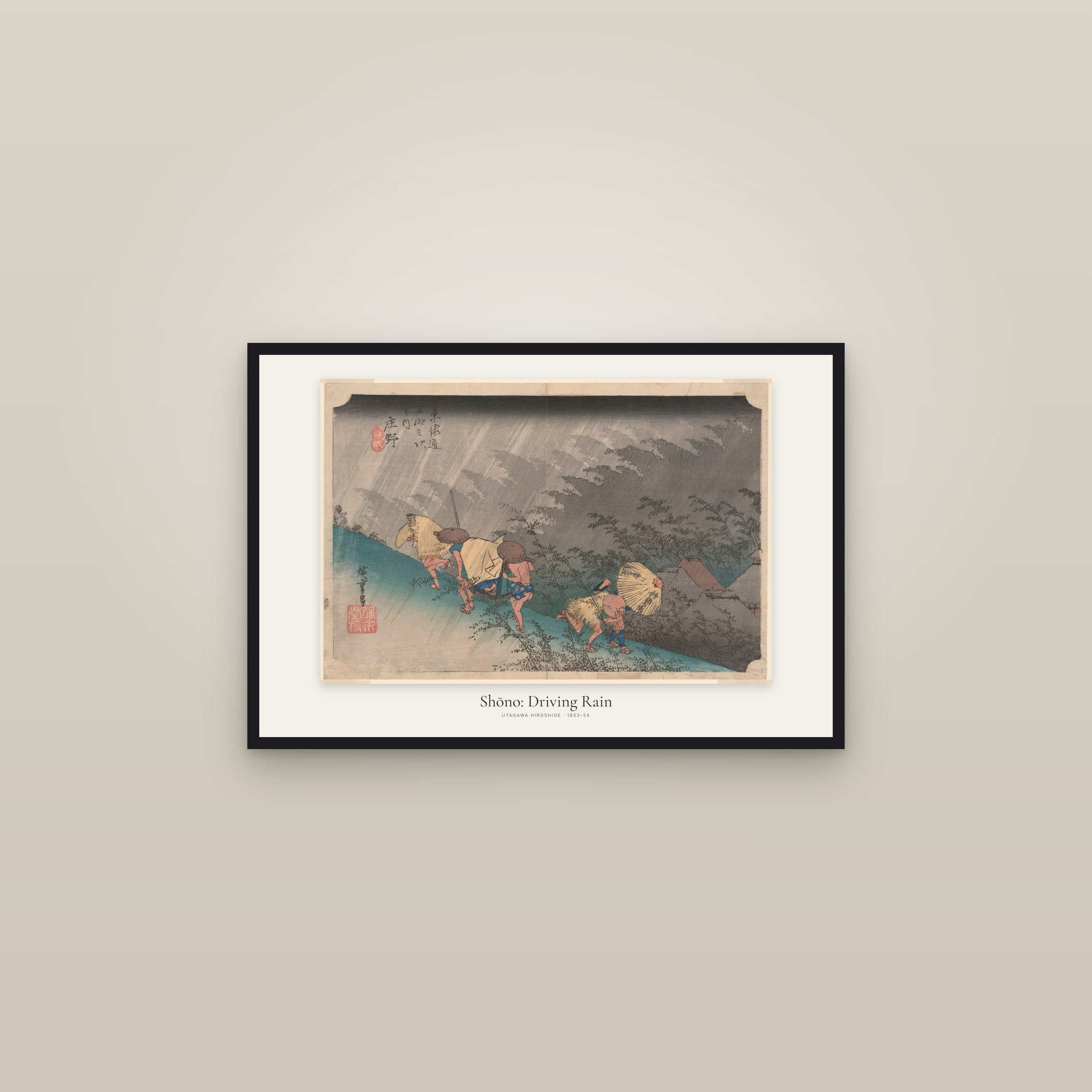
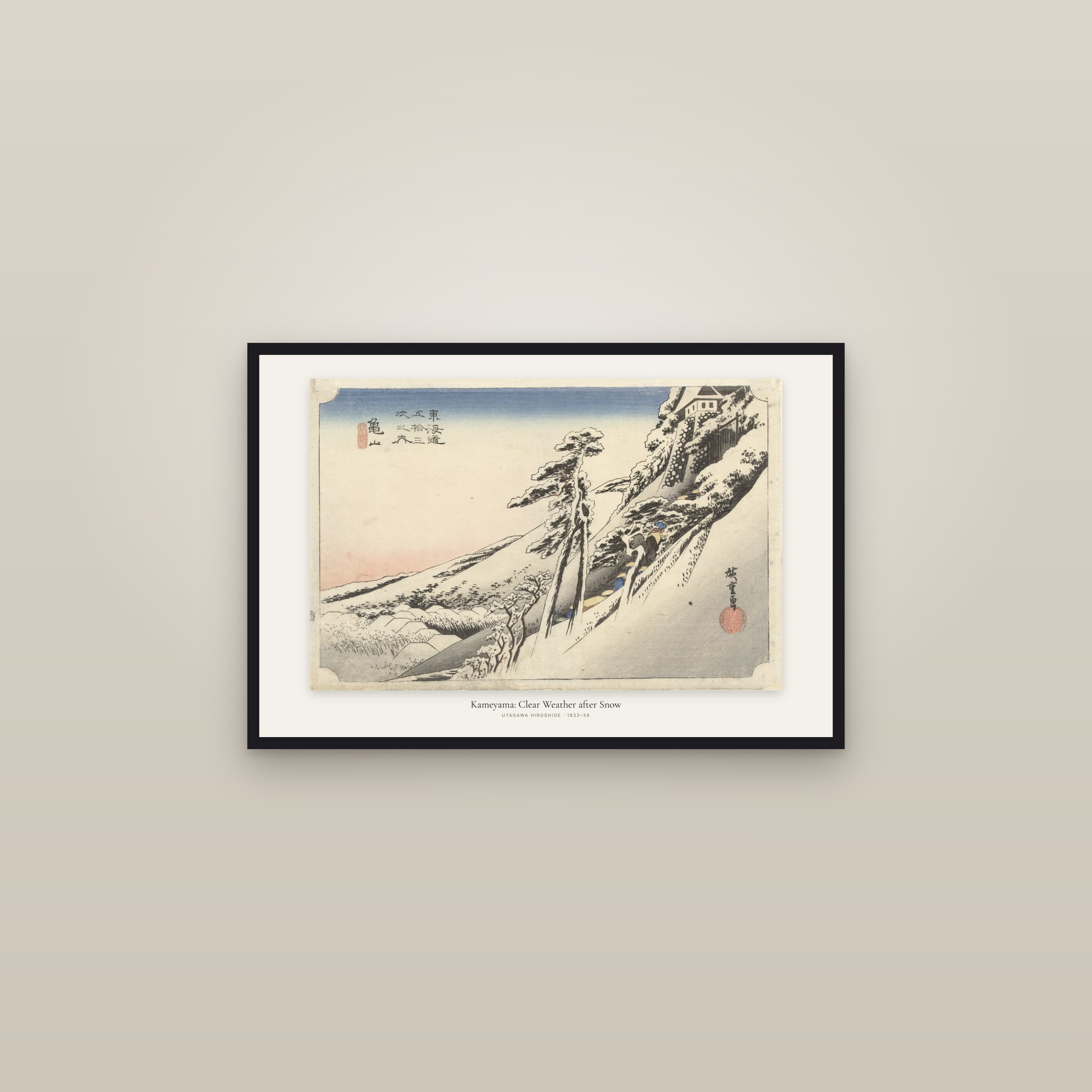
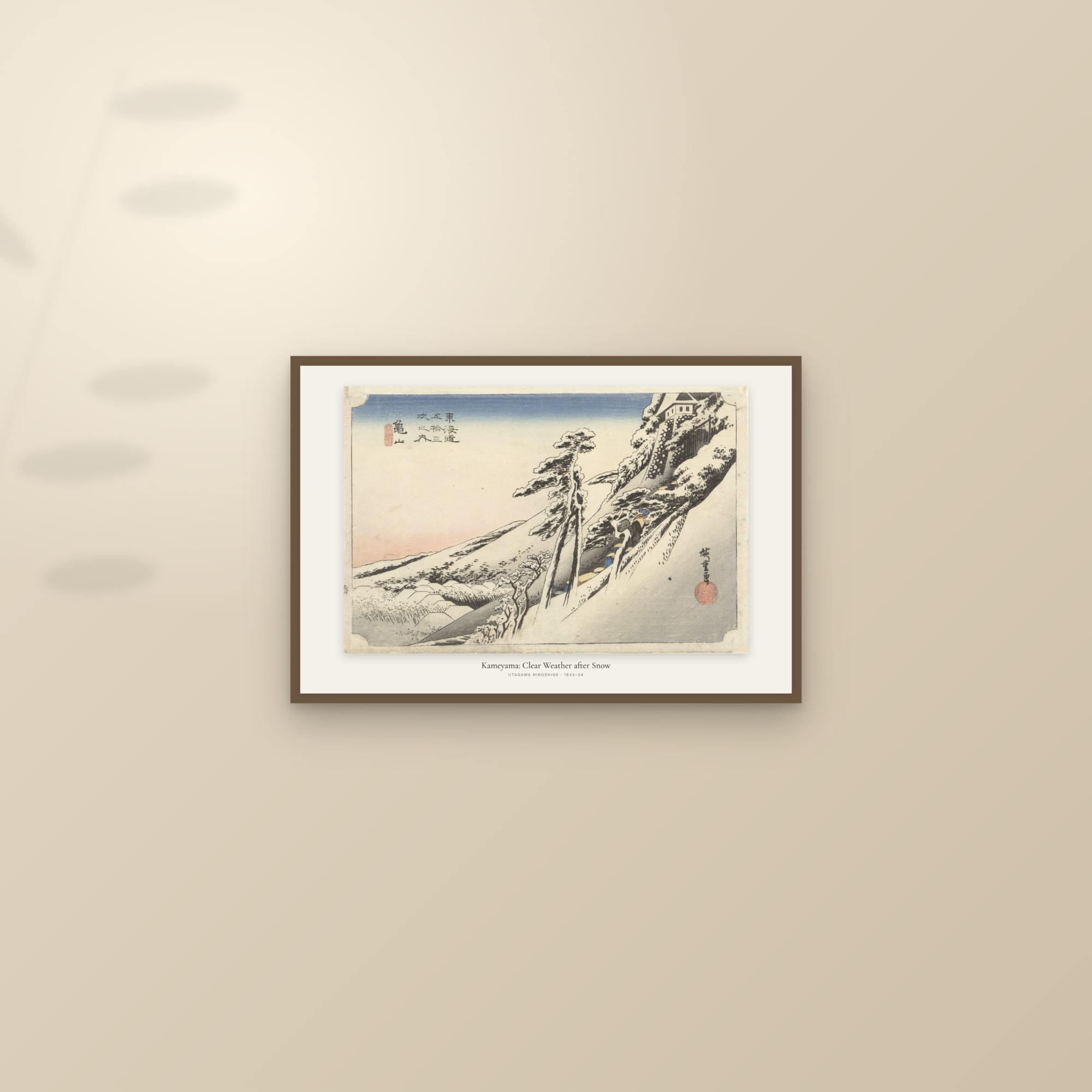
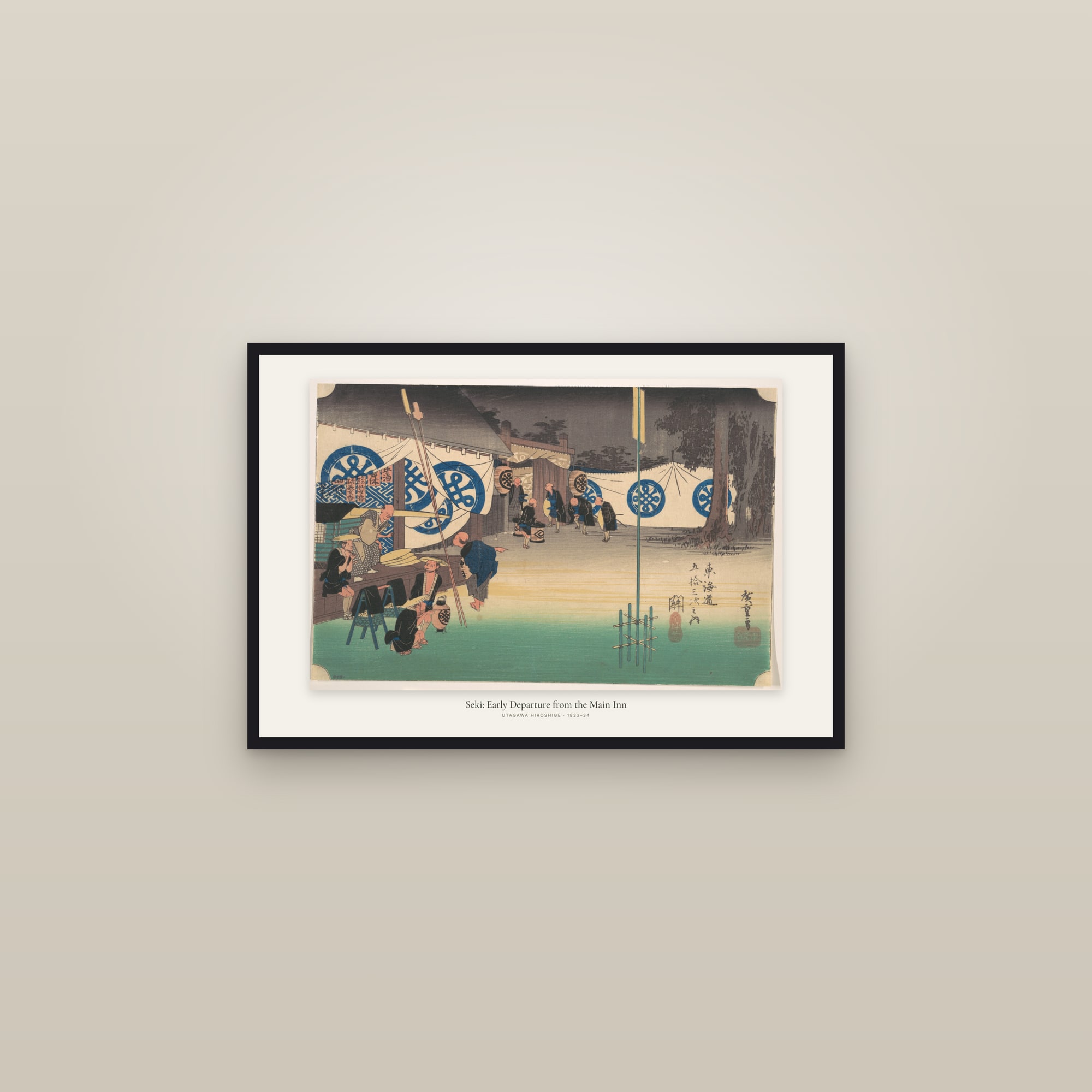
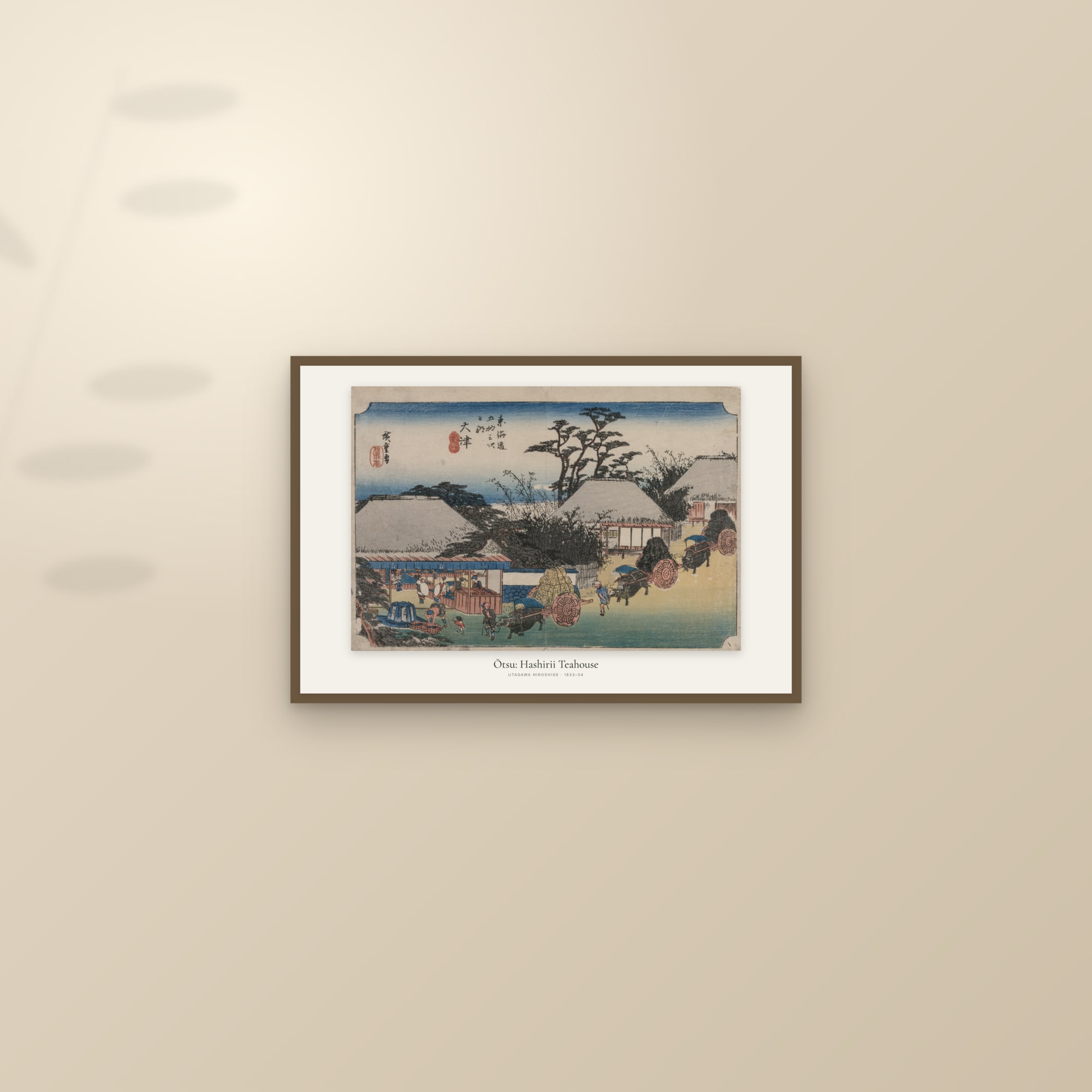
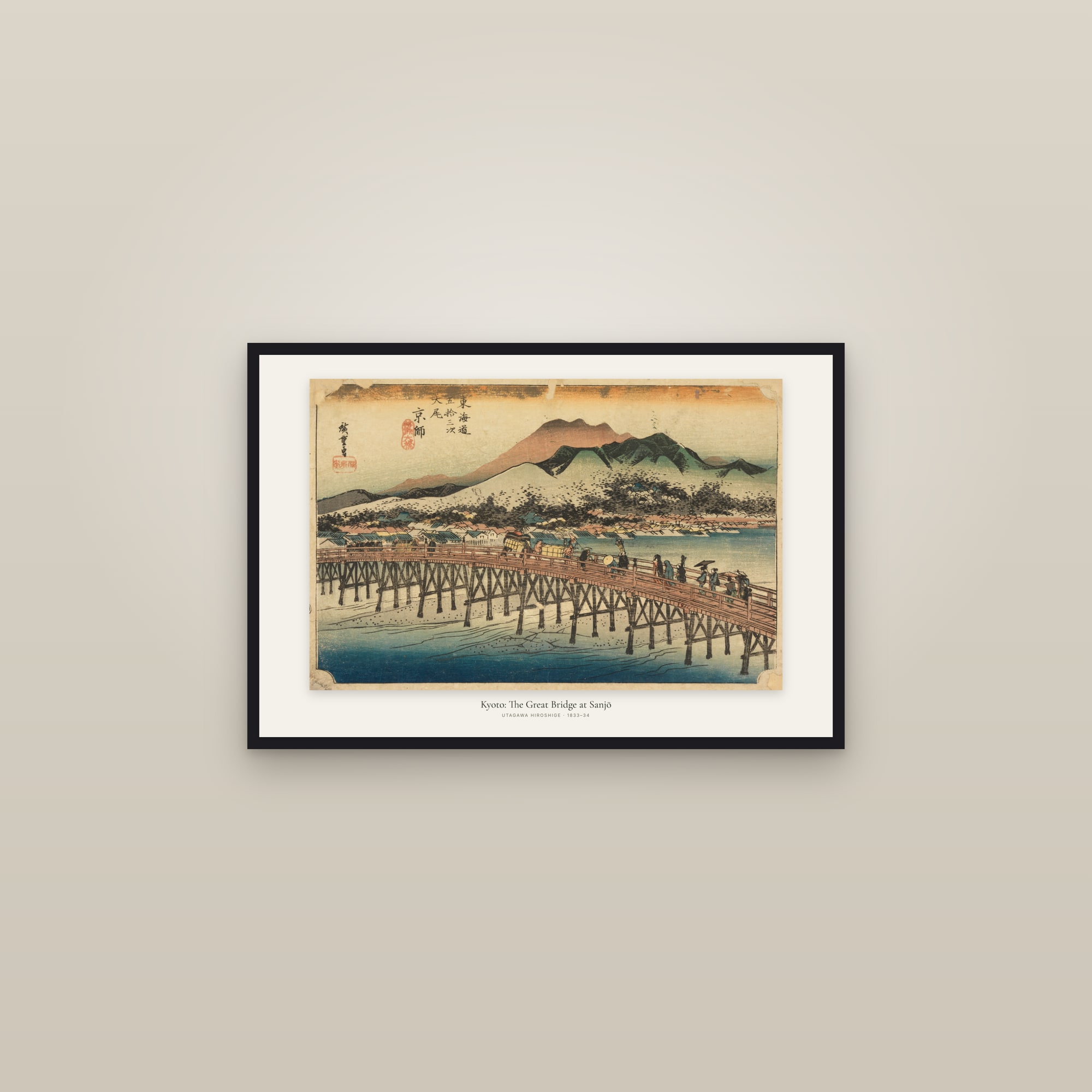
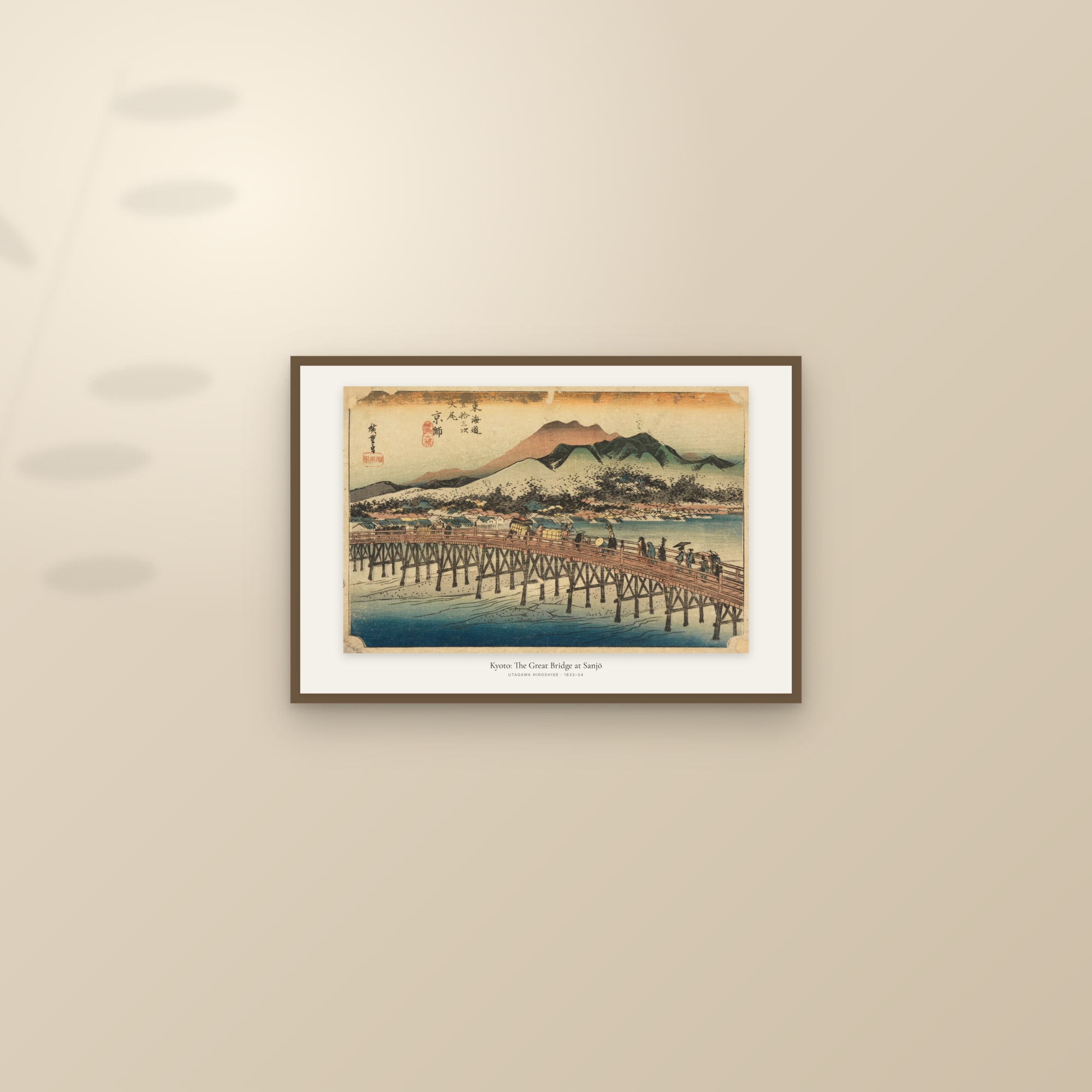
All fifty-five: Nihonbashi in Edo at the start, one view for each of the fifty-three stations, and Sanjō Bridge in Kyoto at the end. Each is reproduced whole from a single early impression, from the Metropolitan Museum of Art, the Rijksmuseum, the Art Institute of Chicago, the Cooper Hewitt, the Cleveland Museum of Art and the Library of Congress. Later reprints, including the 1930s re-cut blocks that circulate widely online, were left out.
Hanging the set
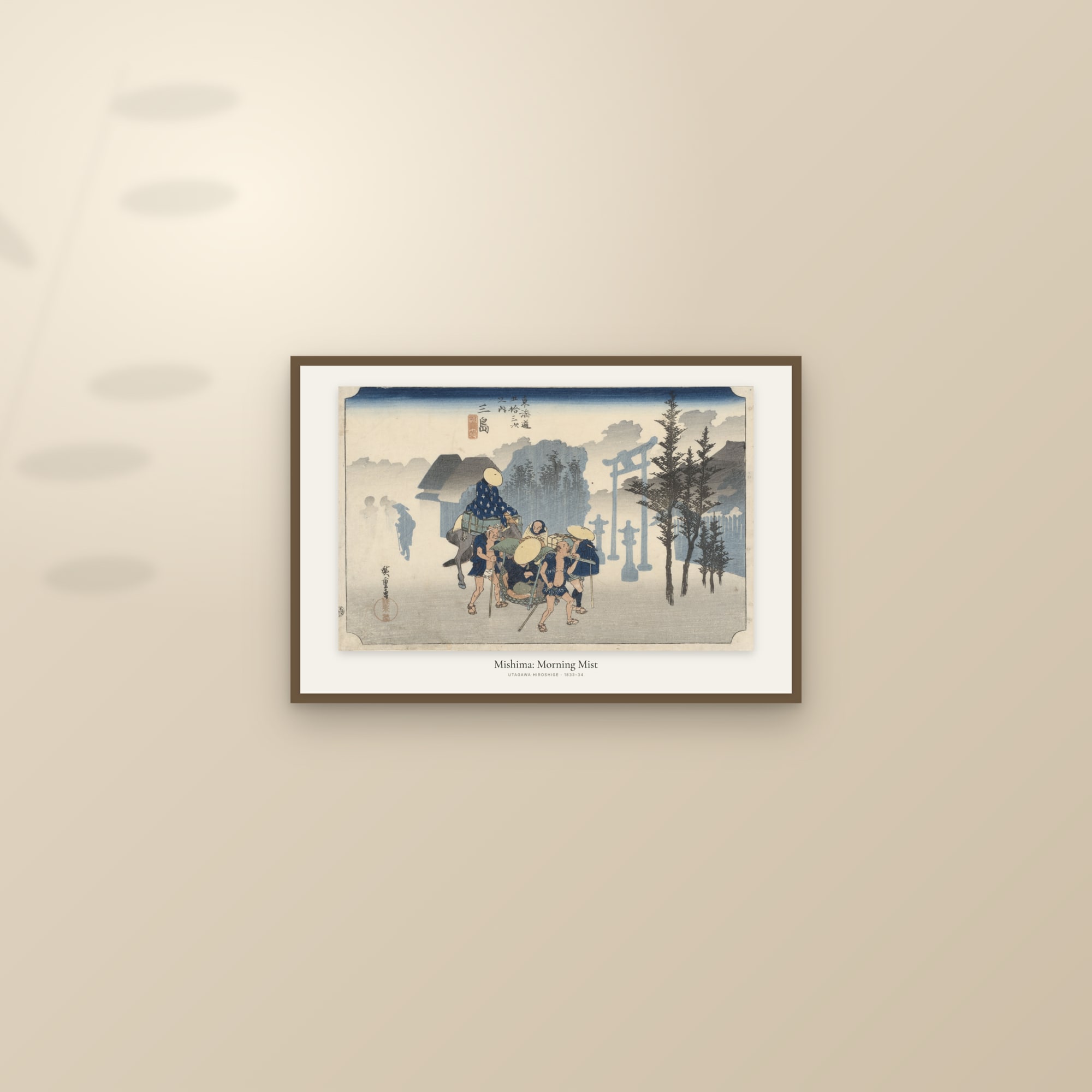
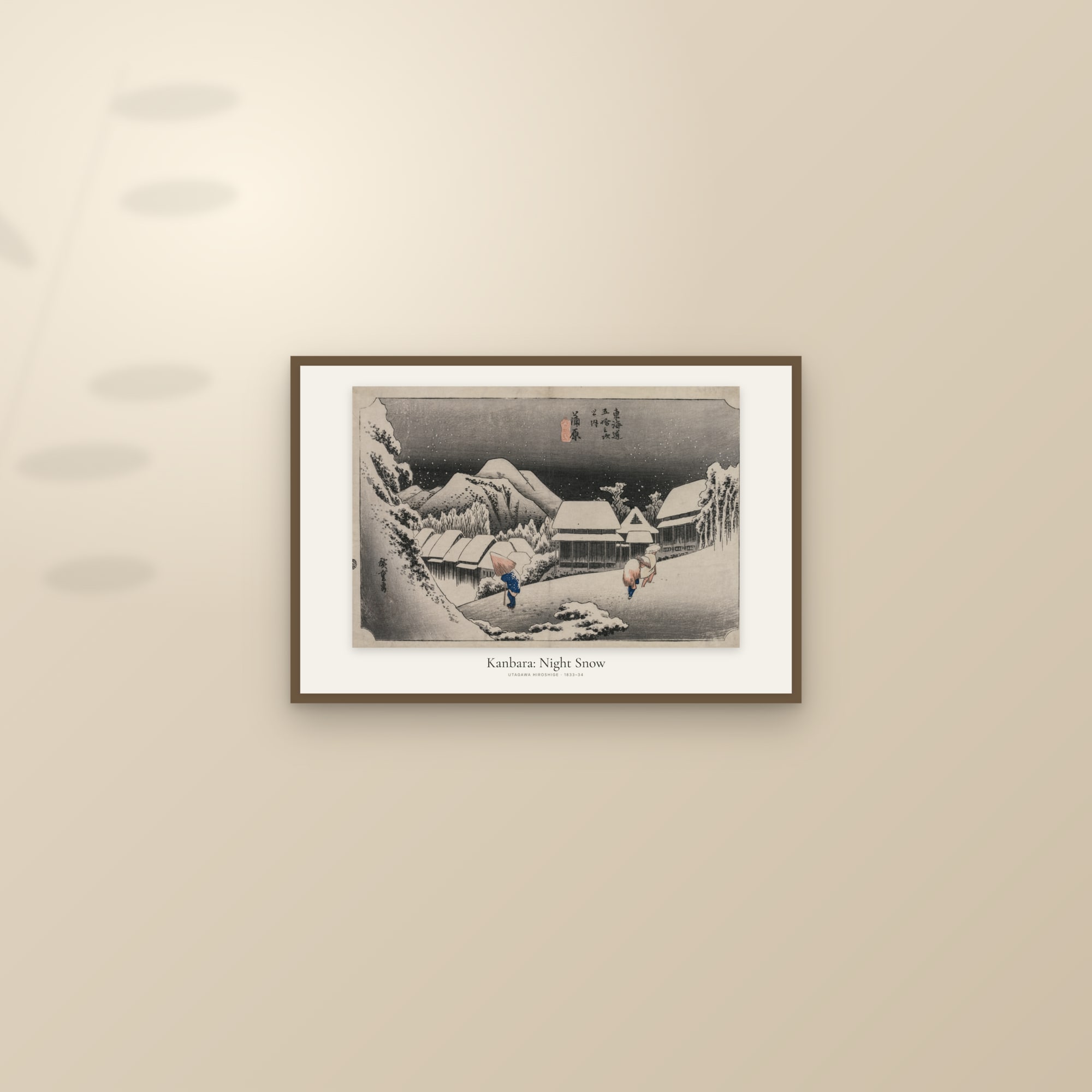
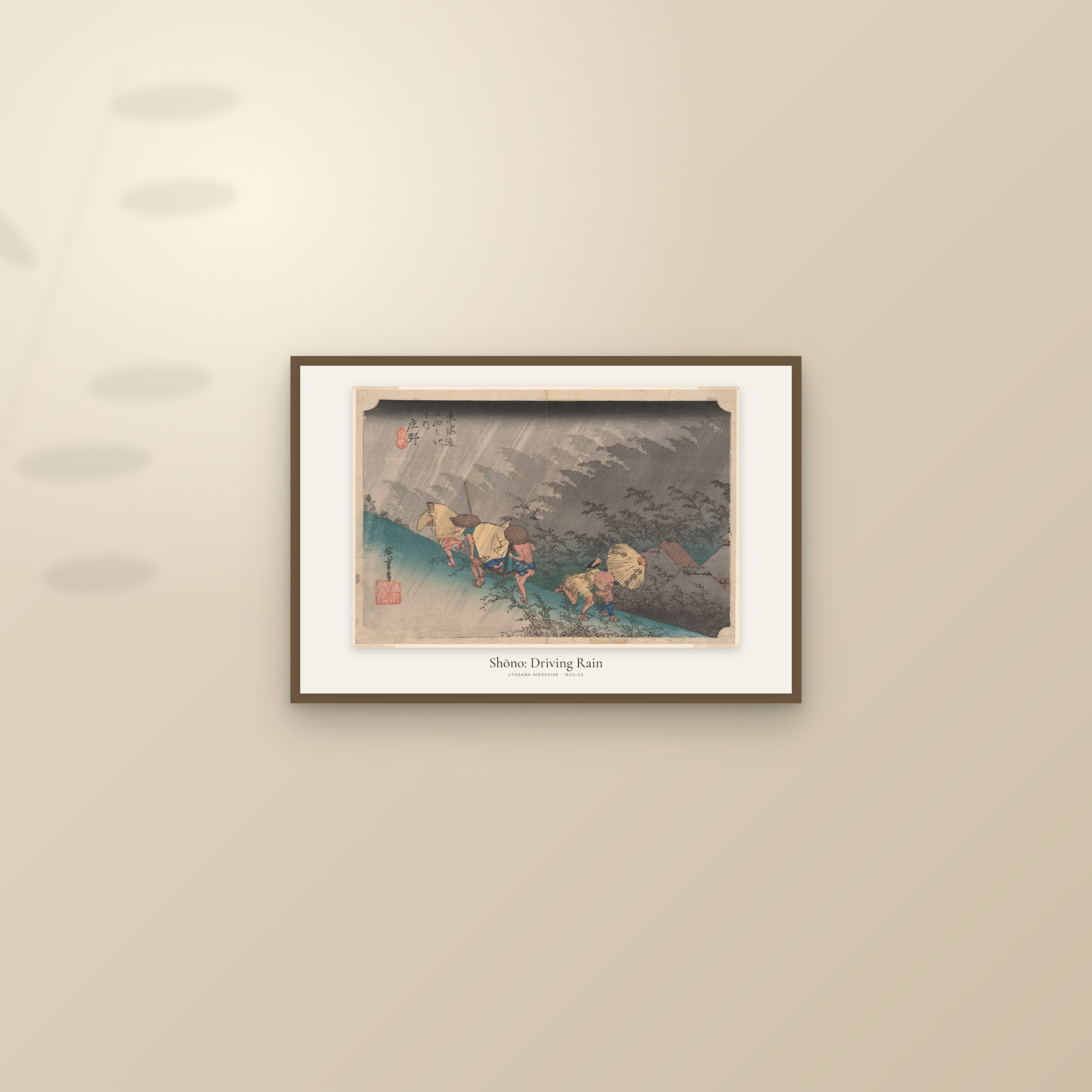
Every view is a landscape ōban sheet of roughly 10 by 15 inches. The sharpest scans print up to 36×24 and the rest to 24×16; each print's page lists its sizes. The weather prints group well: Shōno's rain, Kanbara's snow and Mishima's mist as a row of three in matched black frames.