How a fine-art print is made: from a 1714 plate to your wall
Where the scan comes from, what restoration does and does not touch, why some plates stop at 16 × 24, and how to check the print that arrives.
Contents12 sections
- What does "print" mean, and is ours the real kind?
- Where do the scans come from, and why does open access matter?
- What does a scan need checked at 100 %?
- What is restoration, and what is it not?
- Why are some plates capped at 12 × 18 or 16 × 24?
- How is the print file composed and proofed?
- What paper and ink are used?
- How is it framed?
- When does a print go on canvas, and when never?
- What does made-to-order mean for returns?
- How do you check a print when it arrives?
- Shop the art in this piece
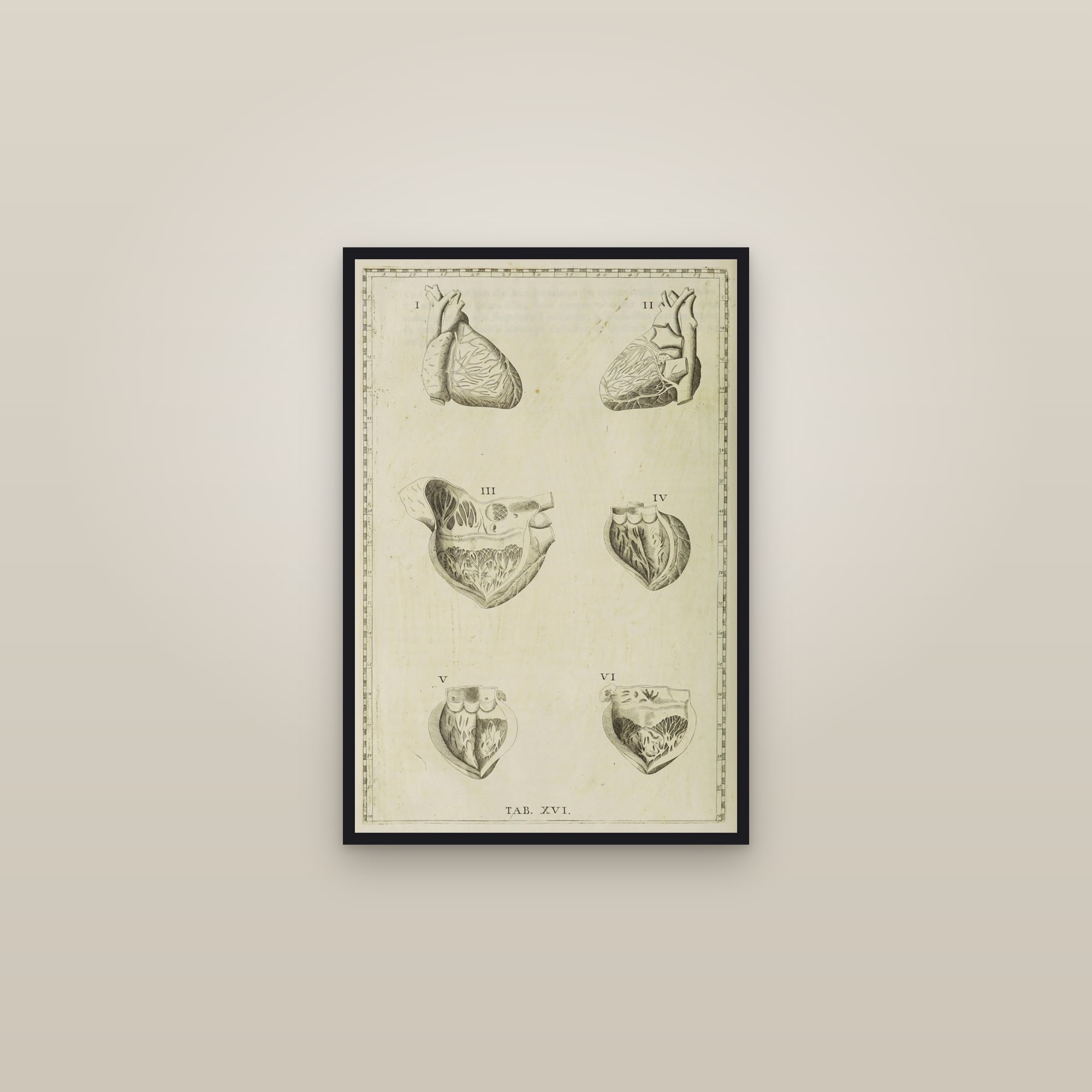
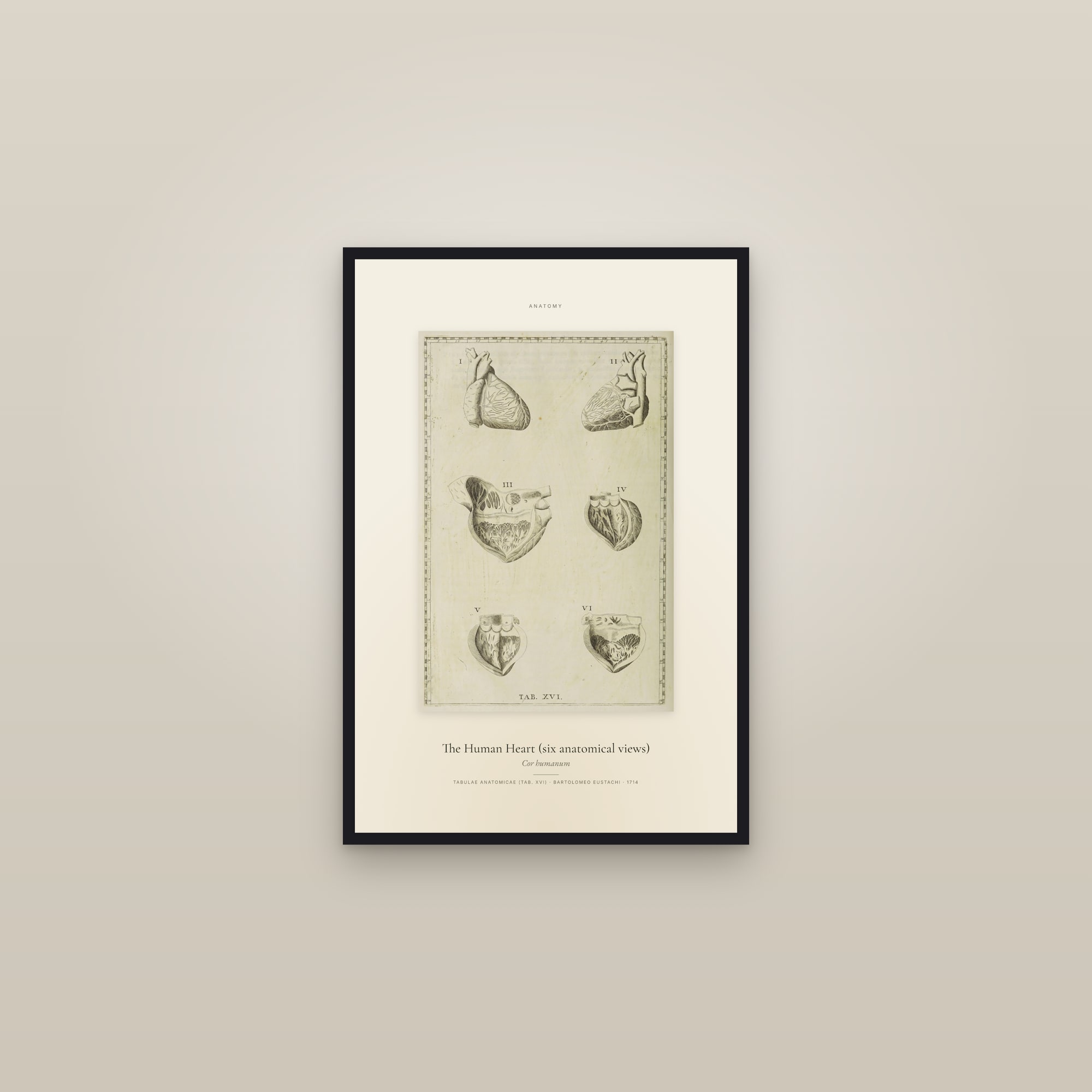
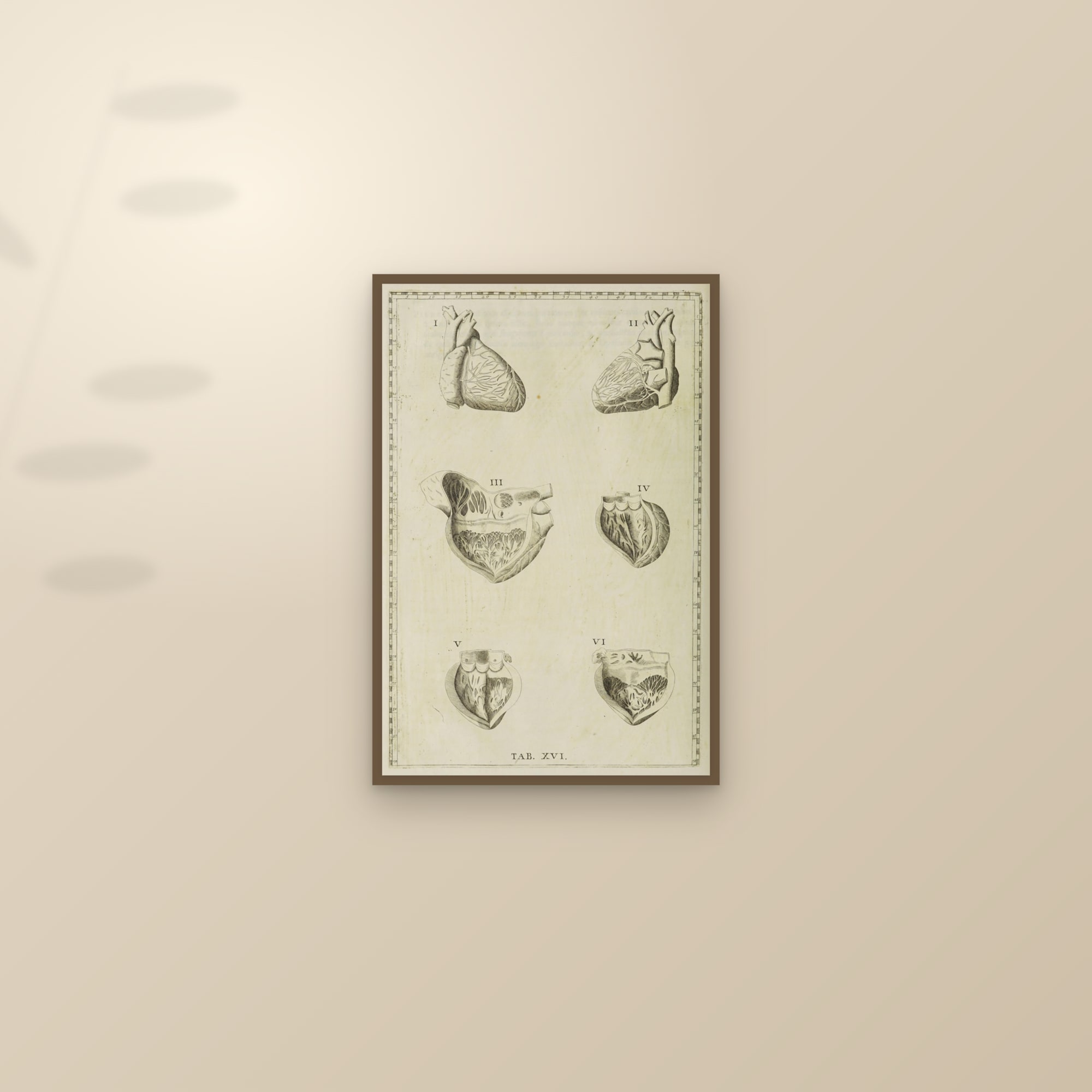
A fine-art print of a public-domain work is made in six steps. A museum or library scans the original and releases the file. We check the scan at full size for the marks the scanner left. We restore the page: re-centring, cropping and rotating, never repainting. We compose a print file at 7200 × 10800 pixels, 300 dots per inch, and proof it. A print partner prints it to order with pigment ink on 250 gsm archival paper, frames it or stretches it on canvas, and ships it. Then you check it against the light. The worked example throughout is Tab. XVI of Bartolomeo Eustachi's Tabulae anatomicae, six views of the human heart, engraved on copper by 1552 and first printed in Rome in 1714.
What does "print" mean, and is ours the real kind?
Tate's definition is the plain one: a print is an impression made by transferring an image from one surface to another. A copper plate inked and pressed onto paper makes a print. So does a woodblock, a lithographic stone, and an inkjet head laying pigment on a sheet.
The trade adds a second distinction. The Print Council of America's 1961 principles say an original print is one where the artist alone made the image on the printing surface, the impression was pulled from that surface by the artist or on the artist's instruction, and the artist approved the result. Everything else is a reproduction. The line it drew still holds.
By that test, what we sell is a reproduction. According to the Wellcome Collection's record of the plates, Eustachi had forty-six plates ready by 1552, engraved, the attribution goes, by Giulio de' Musi; he died in 1574 without printing most of them, and the physician Giovanni Maria Lancisi found the coppers with the heirs of Eustachi's collaborator Pier Matteo Pini and published them in 1714 with a text of his own. Nobody alive pulled an impression from those plates. What we print is a scan of an impression pulled in 1714, cleaned up and enlarged. We write "reproduction" on the product page because it is true, and because a seller who dodges the word usually has something else to dodge.
It is not a lesser thing for a wall. An original 1714 impression of Tab. XVI is a rare book leaf; it belongs in a folder in a library, out of the light. The reproduction gives you the same engraving, every line of it, at twice the size, on paper that will outlast the frame, from $39. The question for a wall is never "is it original" but "is it a faithful, high-resolution copy on paper that will last." The rest of this article is about making the answer yes.
Where do the scans come from, and why does open access matter?
The heart plate comes from the Wellcome Collection in London, which scanned its copy of the 1714 Tabulae anatomicae (Rome, Francesco Gonzaga, folio, 47 plates) and published it under a Public Domain Mark. Wellcome's catalogue note says you may use the work "for any purpose without restriction under copyright law." That sentence is the foundation of this store.
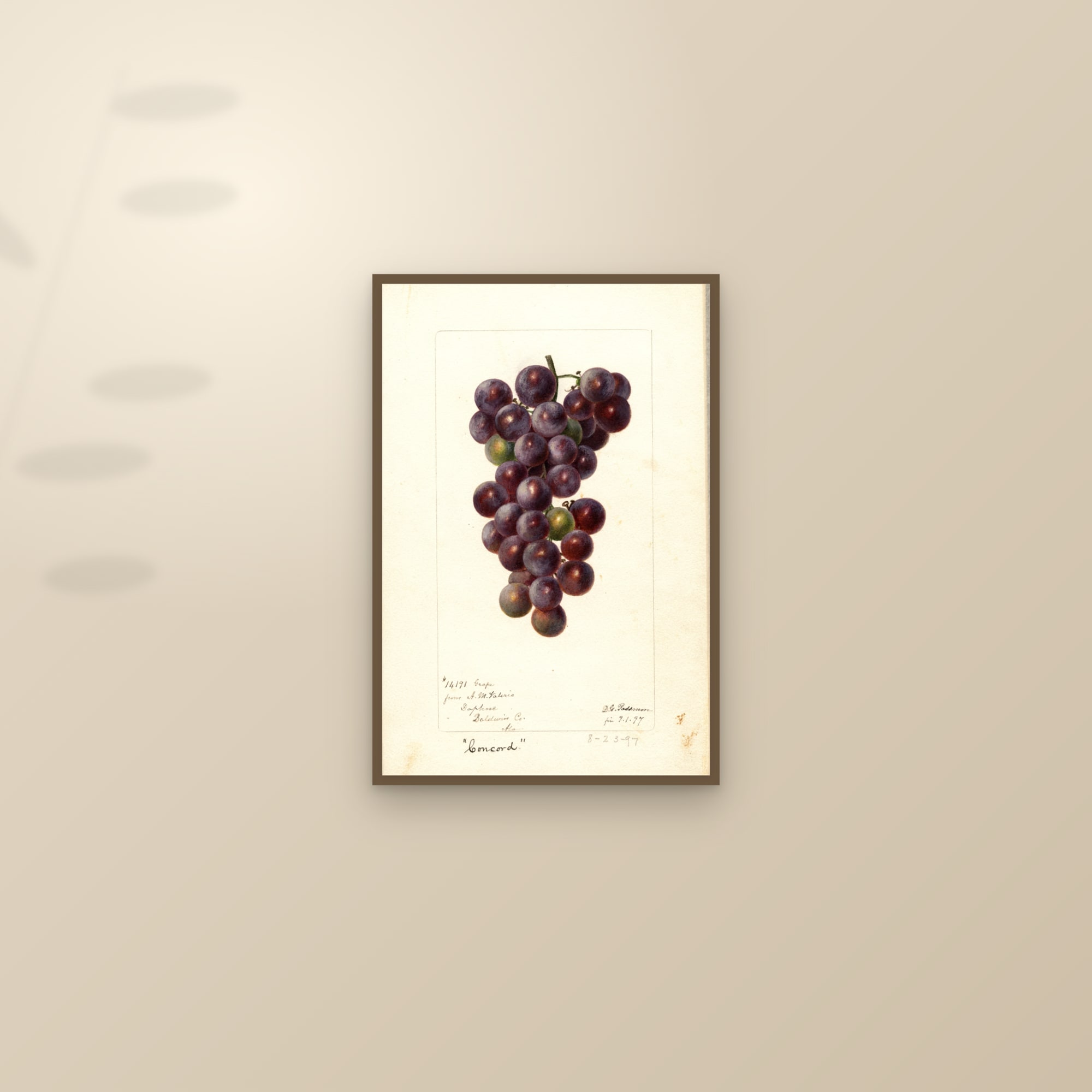
Open access is the policy under which museums and libraries release scans of works whose copyright has expired. The Cleveland Museum of Art has released more than half its collection under CC0 since January 2019, so that the public can "download, share, collaborate, remix, and reuse images of public-domain artworks." The National Gallery of Art, the Metropolitan Museum, the Rijksmuseum and the US National Agricultural Library run similar programmes. Our famous paintings come from those; our USDA fruit watercolours come from the agricultural library; our Audubon birds from a digitised Birds of America.
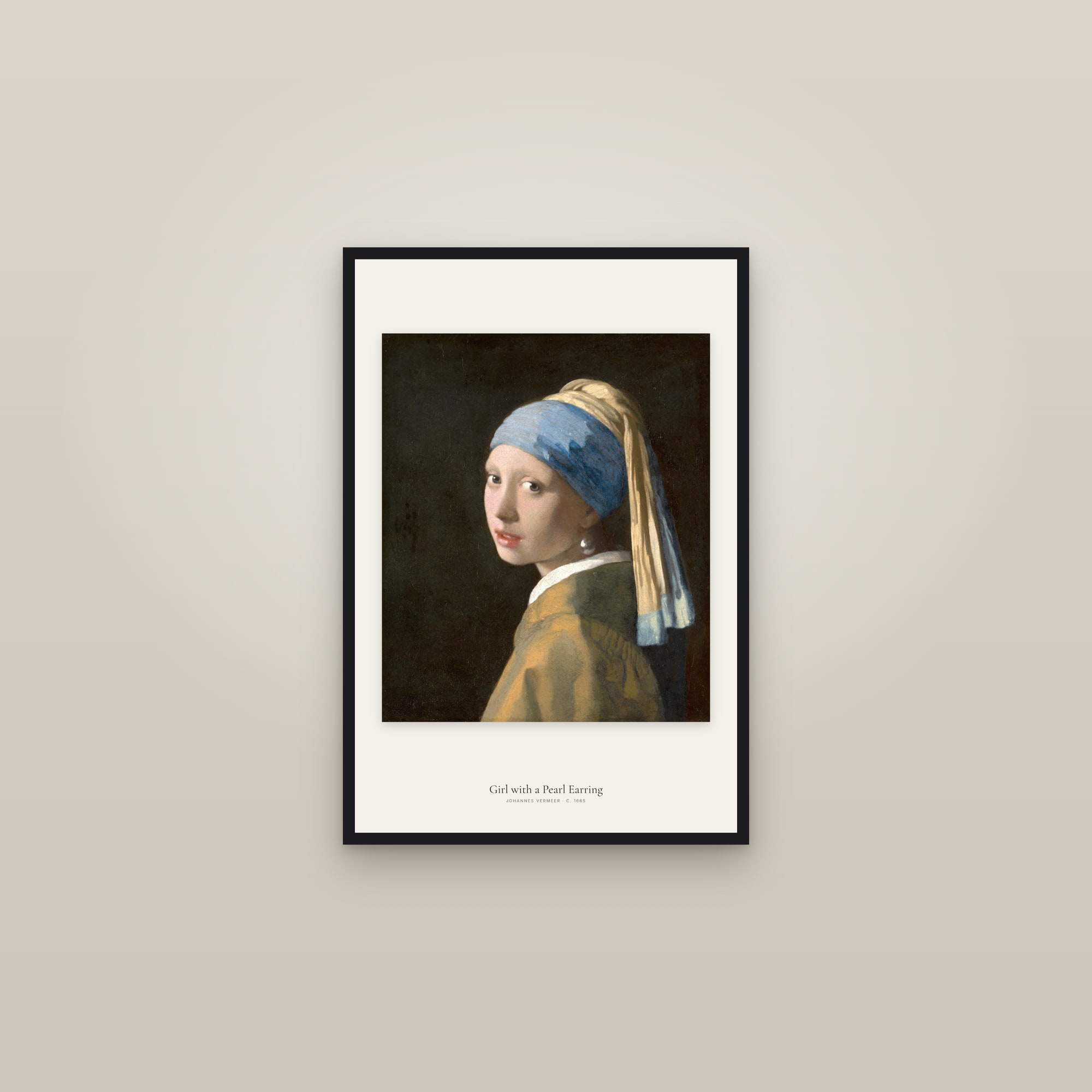
Why it matters beyond the legal question: an open-access scan is made by a conservator on a flatbed or a copy stand, under even light, with the page flat and a colour target in frame. A scan like that is the only thing we can restore honestly. The alternatives, a tourist's photo of a painting, a page photographed under a lamp, carry glare, keystone and colour casts that no amount of work removes. A photograph can pass every automated check, since it has the pixels; it fails the eye, and that is why every painting is looked at, at full size, before it goes on sale.
What does a scan need checked at 100 %?
Before anything is restored, the scan is inspected at full size, not on a contact sheet of thirty plates, which hides exactly the things that matter. What we look for:
- Calibration bars. Library scans of posters often carry a Kodak colour strip laid on the paper. The edge bands of every scan, top, bottom and both sides, go onto an edge-strip montage and are read by eye, because a strip can sit outside the picture and inside the crop.
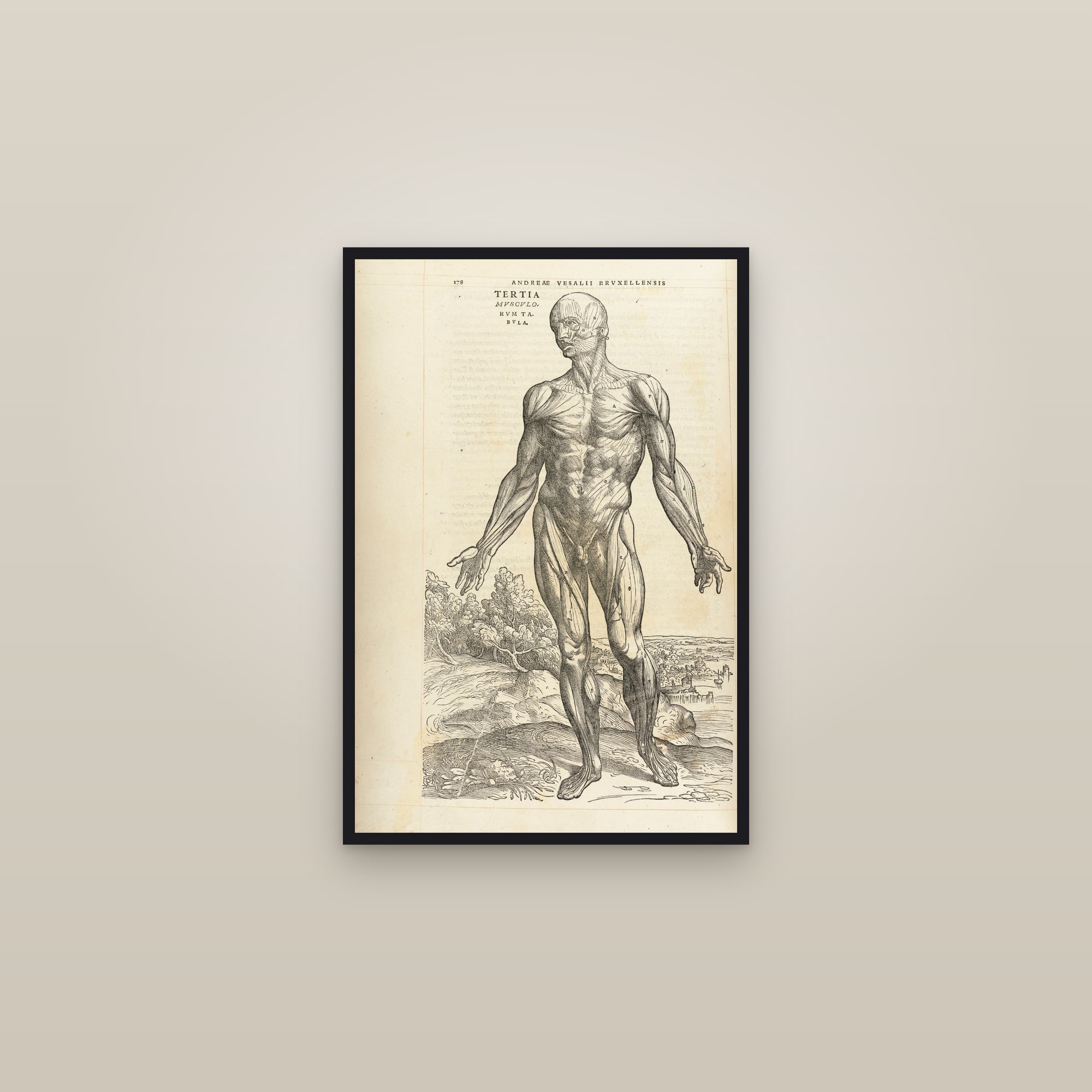
- Library footers. Book scans digitised by Google and others carry a "Digitized by" line at the foot of the page. Anatomy atlases often carry one on every page, and a Sobotta page in the 1919 volume carries a university library stamp under the skull. Both are cropped.
- Scanner board. Posters scanned on a dark board show the board as a dark margin; a cover crop would carry it into the print as a black sliver. It is detected and cut, and a dark poster ground can fool the detector, so the result is checked by eye.
- Studio backdrops. Museum photographs of unframed canvases sometimes include the grey studio wall around the corners of the stretcher. Printed as it comes, that wall becomes a thin grey frame around the painting, so every painting's corners are checked at full size and the backdrop is trimmed.
- Photos, and bitonal scans. Glare across a varnished surface is the tell for the first. The second is the subject of the next section.
What is restoration, and what is it not?
Restoration here is three operations: re-centre, crop, rotate. It is not repainting, recolouring, sharpening, or removing the marks of age from the paper. Foxing stays. Show-through of the printed text on the back of the sheet stays, because it is part of the sheet. We are reproducing a page, not inventing a cleaner one.
The heart plate is the clearest before and after we have, because the same page exists in two kinds of scan.
Before. A bitonal scan, the kind libraries made in bulk in the 2000s and the one most copies of this plate online descend from: every pixel black or white, no greys. On an engraving that is destructive. The engraver modelled the heart with cross-hatching, fine parallel lines whose spacing carries the shading; a bitonal threshold either drops them (the walls of figure I go flat) or merges them (the cut ventricle of figure III becomes a black mass). The paper tone was replaced with pure white. The numbered ruler that frames every Eustachi plate came through as a jagged black band. And the page sits off-centre on the sheet, as bound volumes do when scanned: this frame is 13.5 % to one side, and on some plates the ruler touches the cut edge.
After. The plate from Wellcome's continuous-tone scan of the 1714 volume. Now the lines are grey where the engraver cut shallow and black where he cut deep; the hatching in figures V and VI reads as modelling, not as a stain. The paper is its own warm cream, with foxing spots and, at the top, the faint ghost of the text on the verso. The frame is re-centred. The engraving's own ruler, numbered 5 to 55 across and 5 to 90 down, is the device Eustachi used so that the text could point to any structure by its coordinates instead of by letters in the figure, and on a bitonal scan it is barely legible. Here it reads to the digit.
How is a plate re-centred without faking paper?
With the plate's own paper, and nothing else. For each of the fifty-seven bordered plates in the anatomy line (Eustachi and Albinus), the restoration script finds the ink of the ruled frame at native resolution. The threshold is set per plate, because the Wellcome paper carries show-through from the verso and a fixed threshold reads that as frame; the rules themselves are a faint grey, not black. It then sets the margin outside the frame to 2.5 % of the frame's width on every side. Where the scan has real paper beyond that, it crops to it. Where it has a little less, it mirrors a strip of the plate's own paper to make up the difference. Where the scan clipped the frame itself, with fewer than 12 pixels of paper left, both sides of that axis are set flush, so the plate is at least symmetrical.
What it never does is paint new paper. Synthetic paper, flat, textured or sampled, reads at 100 % as a patch beside real fibres and real foxing. The fifty-seven plates are now centred within half a percent.
Nor is there an automatic crop to the inner rule of the frame. On an engraved plate a line detector cannot tell a tick mark, a numeral or a patch of hatching from the rule, so the edge-to-edge edition uses the re-centred plate as it is, with the 2:3 crop trimming the ruler band symmetrically, and a person looks at the corners at 100 % after every pass.
What about pages an atlas printed sideways?
Johannes Sobotta's Atlas der deskriptiven Anatomie (1919 to 1920) set some wide figures across the page, so that the reader turned the book. Seventeen of those pages were rotated 90° to read upright. A rotated page is landscape, so each ships as a single specimen print, the figure set on its sheet, rather than as an edge-to-edge crop that would slice the subject. The lungs below are one of them.

Why are some plates capped at 12 × 18 or 16 × 24?
Because resolution is a fact of the scan, not a setting. Our master print file is 7200 × 10800 pixels, which is 24 × 36 inches at 300 dots per inch. A scan that is narrower than that is enlarged to fill it. Enlargement does not add detail; it spreads the detail there is across more paper.
So every plate carries a size cap, computed from the width of its source scan. For the 2:3 portrait sheet the thresholds are:
| Scan width | Largest size offered | Why |
|---|---|---|
| under 2,000 px | 12 × 18 in | a 2,000-px scan is about 167 ppi at 12 in wide; at 16 in it would be 125 |
| 2,000 to 3,500 px | 16 × 24 in | 2,359 px at 16 in is about 147 ppi, which reads as crisp at arm's length |
| over 3,500 px | 24 × 36 in (the full ladder) | 3,500 px at 24 in is about 146 ppi; a good museum scan is well past that |
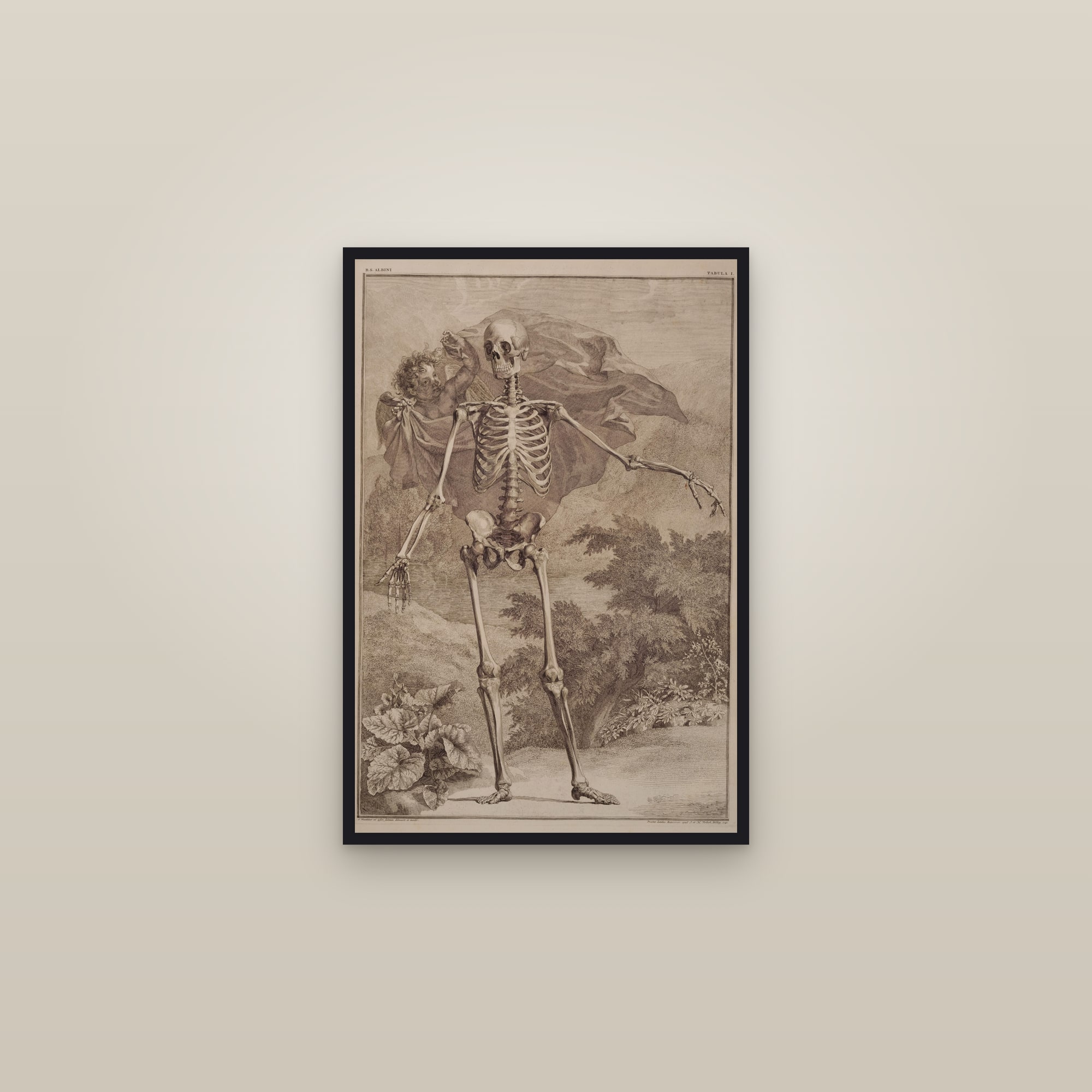
The heart plate is 2,656 pixels wide. At 12 inches that is 221 pixels per inch, at 16 it is 166, at 24 it would be 111, and at 111 the engraver's hatching starts to soften. So the heart plate stops at 16 × 24. Albinus's skeleton from the 1747 Tabulae sceleti et musculorum, scanned by Wellcome at 5,092 pixels wide, is open to 24 × 36. The Sowerby honey fungus, a 1797 plate from Coloured Figures of English Fungi whose scan on Wikimedia Commons is 1,774 pixels wide, stops at 12 × 18, and that is why you will not find it in the large prints collection.
The 3:4 sheet and the two landscape ladders have their own thresholds, set on the same rule of about 125 pixels per inch at the middle size. The cap is enforced on the product page: a plate never defaults to a size it cannot carry. The policy is to lock the sizes that would be genuinely soft and offer the ones that are acceptable, not to offer everything and hope. When a better scan appears (the Biodiversity Heritage Library often holds a volume at higher resolution than Wikimedia Commons), we re-source and the cap lifts.

How is the print file composed and proofed?
The restored plate goes into a layout, and the layout is rendered to a master; each edition has one. The edge-to-edge edition crops the plate to a 2:3 sheet, symmetrically, so the engraving runs to the edge of the paper. The specimen edition contains the whole page on a cream ground with a typeset label: title, artist, book, year. For a painting, the gallery edition contains the whole canvas on a neutral ground; we never crop a famous painting to fit a ratio, since a 2:3 crop of a Klimt or a Monet loses the composition. A painting's full-bleed edition exists only when the work is already within 6 % of one of our ratios, and even then it is a crop of a few percent per edge, labelled "very slightly cropped."
The master is 7200 × 10800 pixels for a 2:3 portrait sheet (5400 × 7200 for 3:4; 10800 × 7200 and 9600 × 7200 for the landscape sheets). Scans of artworks are saved as high-quality JPEG at 300 dpi, the right container for continuous tone; vector and line work as PNG. The file runs to ten or twenty megabytes and is the one thing the print partner receives.
Proofing is two checks. The first is mechanical: the master is verified against a known rendering fault in which a very tall image stops partway down and restarts as a repeated band; a master that trips it is never shipped. The second is a person looking at the full-height master with the corners at 100 %. Then a mockup is made of the print framed on a wall, and that is what the product page shows: the actual master, scaled, inside a frame of the actual proportions.
What paper and ink are used?
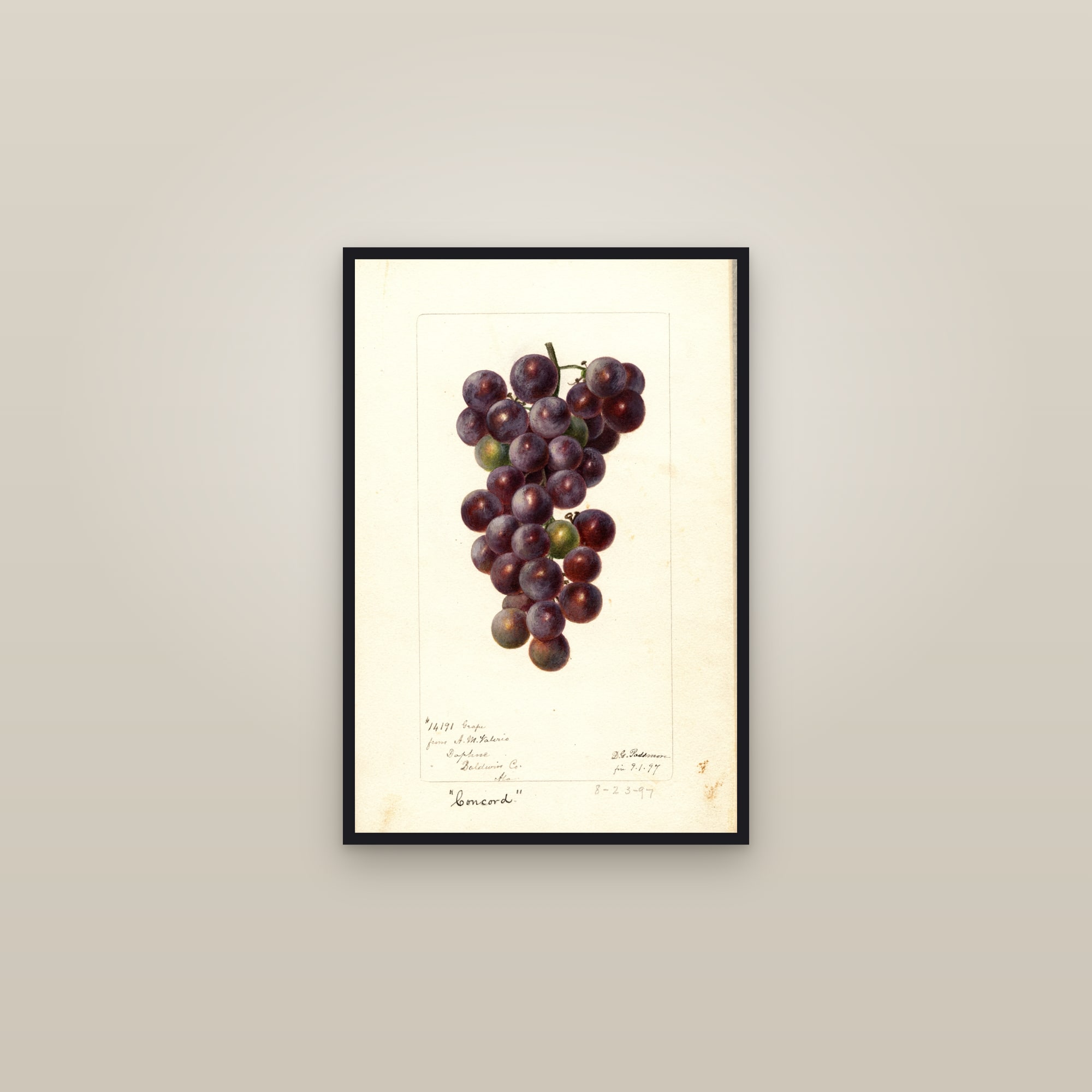
Two papers. Scans of real artworks, which is the anatomy, the natural-history plates, the fruit watercolours and the paintings, print on a 250 gsm off-white archival stock. Render-native modern designs, the lines drawn in code with bright whites and flat colour, print on a 200 gsm bright-white matte stock. The reasoning is simple: a 1714 engraving sits on a warm sheet in the book, so it should sit on a warm sheet on the wall; a design drawn in code with pure whites wants the brightest paper there is.
What "archival" means, in the language paper mills use, is acid-free and lignin-free, conforming to ISO 9706, the standard for permanent paper. Hahnemühle's product page for Photo Rag is the clearest public example of how a mill states it: "acid- and lignin-free," "ISO 9706 conform," "museum quality for highest age resistance." A paper that meets that standard will not yellow or go brittle in the way a newsprint poster does.
The ink is pigment, not dye. Dye inks dissolve in the carrier and sit in the coating; they are bright and they fade. Pigment inks are solid particles bonded to the surface, and Wilhelm Imaging Research, the independent permanence laboratory, rates them in decades. Epson, for instance, states that its UltraChrome HDX pigment set is rated by Wilhelm Research for "up to 200 years for color prints and up to 400 years for black-and-white prints," on specified papers, under glass. Those are the manufacturer's numbers citing the lab, and the conditions matter: under glass, indoors, out of direct sun. We do not quote a years figure for our own prints, because we have not had them tested; we say pigment on archival paper, which is the combination the ratings are about. What is a giclée print, and is it worth it? goes through the vocabulary.
How is it framed?
Two frames: black, or dark wood. Both are slim wood mouldings, 12 mm across the face and 22 mm deep, glazed with acrylic rather than glass (lighter, and it does not shatter in transit), with the print mounted and ready to hang. Both are offered at every size on the ladder, priced as an uplift on the print. A frame is the thinnest-margin thing we sell, so we do not push it; a local framer will do a 16 × 24 well too, and may be cheaper if you want a cut mat. On some edge-to-edge plates, the ones whose subject fills the sheet, the product page also offers a White mat option: a real white border baked into the print file, which gives the look of a mat without cutting one.
When does a print go on canvas, and when never?
Canvas is a gallery wrap: the printed sheet is stretched around a bar and the edges fold round the sides, so about 2.5 cm of the printed file on each side becomes the edge of the object, not the face. Sent the paper file, the wrap would eat the outer 2.5 cm of the composition on every side.
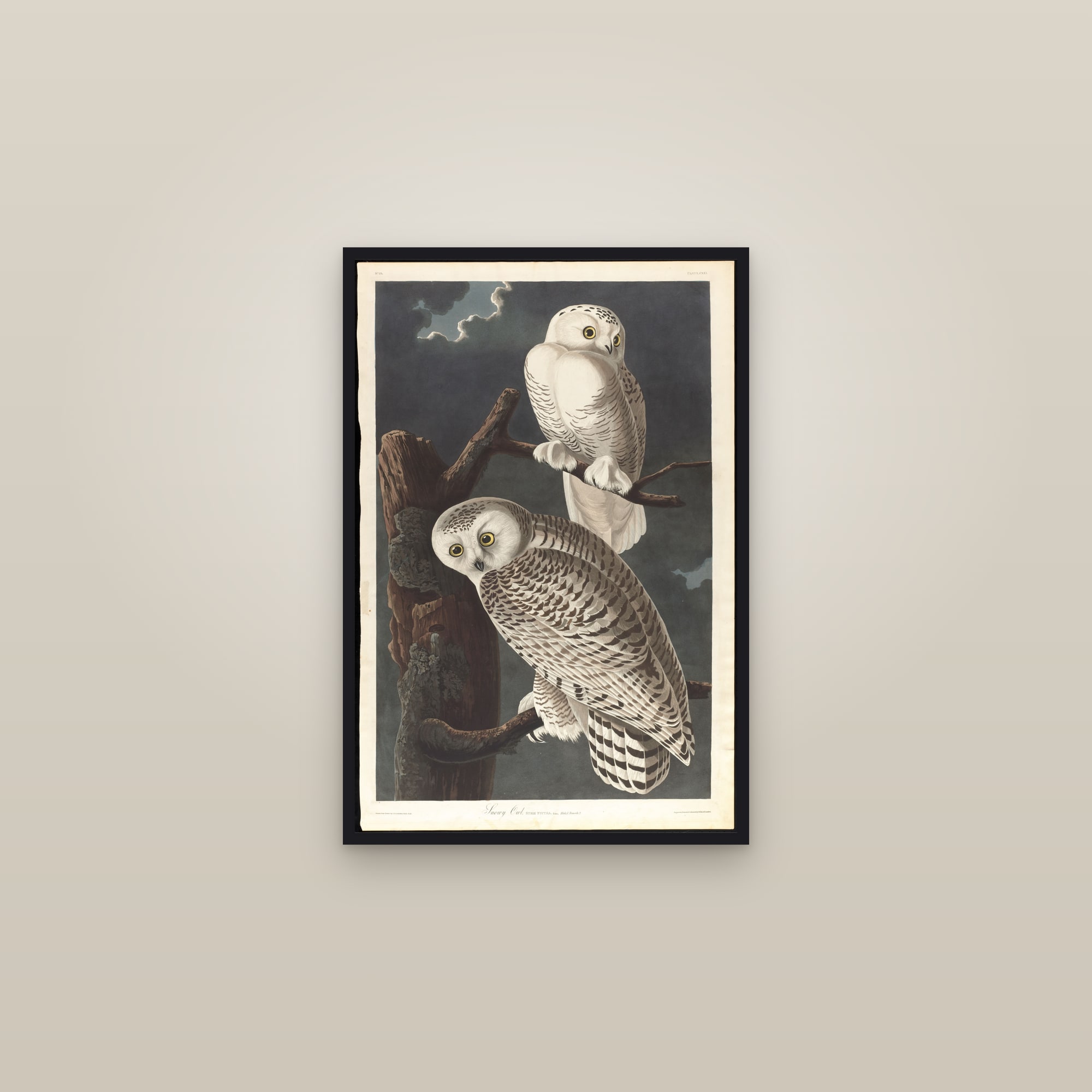
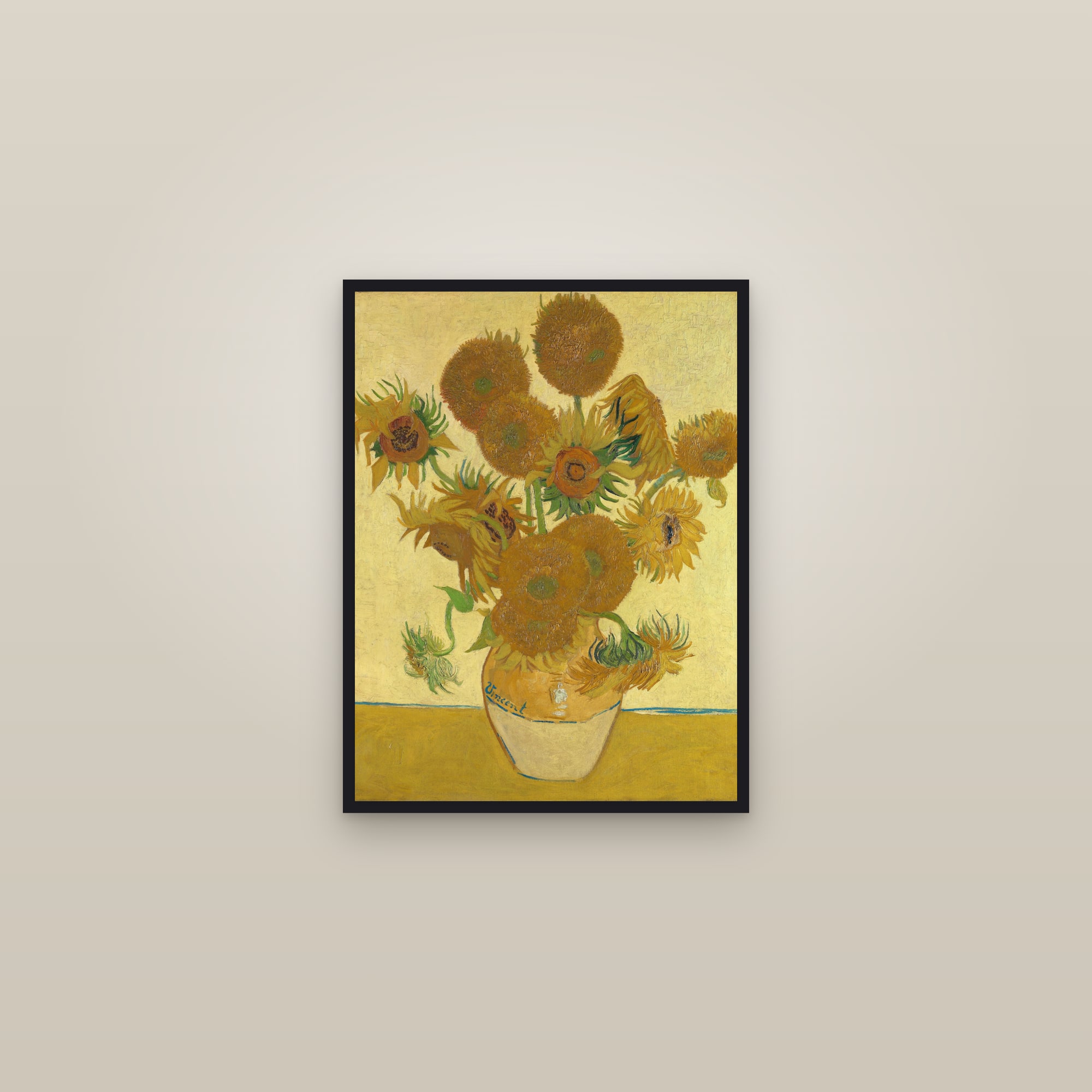
So canvas gets its own print file per size. The face keeps 100 % of the artwork, and the file is extended outward by the wrap allowance with a mirrored continuation of the image, which folds round the edge. On art that runs edge to edge, a full-bleed Audubon, a Van Gogh that fills its sheet, a woodblock print, the mirrored edge reads as the picture continuing round the side. Nothing on the face is lost.
That is also why contained artworks never go on canvas. A specimen print would wrap its label round the corner; a gallery edition of a painting would wrap its ground; a ruled border would appear twice, on the face and mirrored on the edge. The canvas collection therefore holds only edge-to-edge editions, and a product page offers canvas only when the edition qualifies.
What does made-to-order mean for returns?
Nothing is printed until it is ordered. There is no warehouse of rolled posters; the master file goes to the print partner at checkout, the sheet is printed, dried, cut, framed or stretched, and shipped. Standard shipping is free in the US on every order.
The consequence is worth stating plainly: a print made for you cannot be returned for a change of mind, because there is nobody else to sell it to. What we stand behind is the print itself. If it arrives damaged, misprinted or defective, it is replaced or refunded in full; email a photo and the order number within 30 days of delivery, and nothing needs to go back. That is the whole policy, and it is on the returns page.
How do you check a print when it arrives?
Take it to a window, out of direct sun.
- The corners and edges. On an edge-to-edge edition the image should run to the cut edge with no white sliver and no dark line; on a specimen or gallery edition the margins should be even, within a millimetre. A frame should sit square to the image.
- The finest lines. On an engraving, find the hatching and look at it from twenty centimetres. The lines should be separate lines. If they have merged into grey tone, the print is soft, and that is a problem to tell us about.
- The paper. Archival paper is heavier and stiffer than a poster and has a faint tooth; the surface should be matte, with no gloss patches where the ink is dense. Scans print on an off-white sheet; modern designs on bright white. That difference is intended.
- The colour against the product page. Screens are backlit and prints are not, so a print is a little quieter than its mockup. What it should not be is a different colour, a green or magenta cast across the whole sheet. The paper margin should be the colour of paper.
A print that passes those four is a good print. Hang it out of direct sunlight, under glass if the room is bright, and it will outlast the wall.
Shop the art in this piece
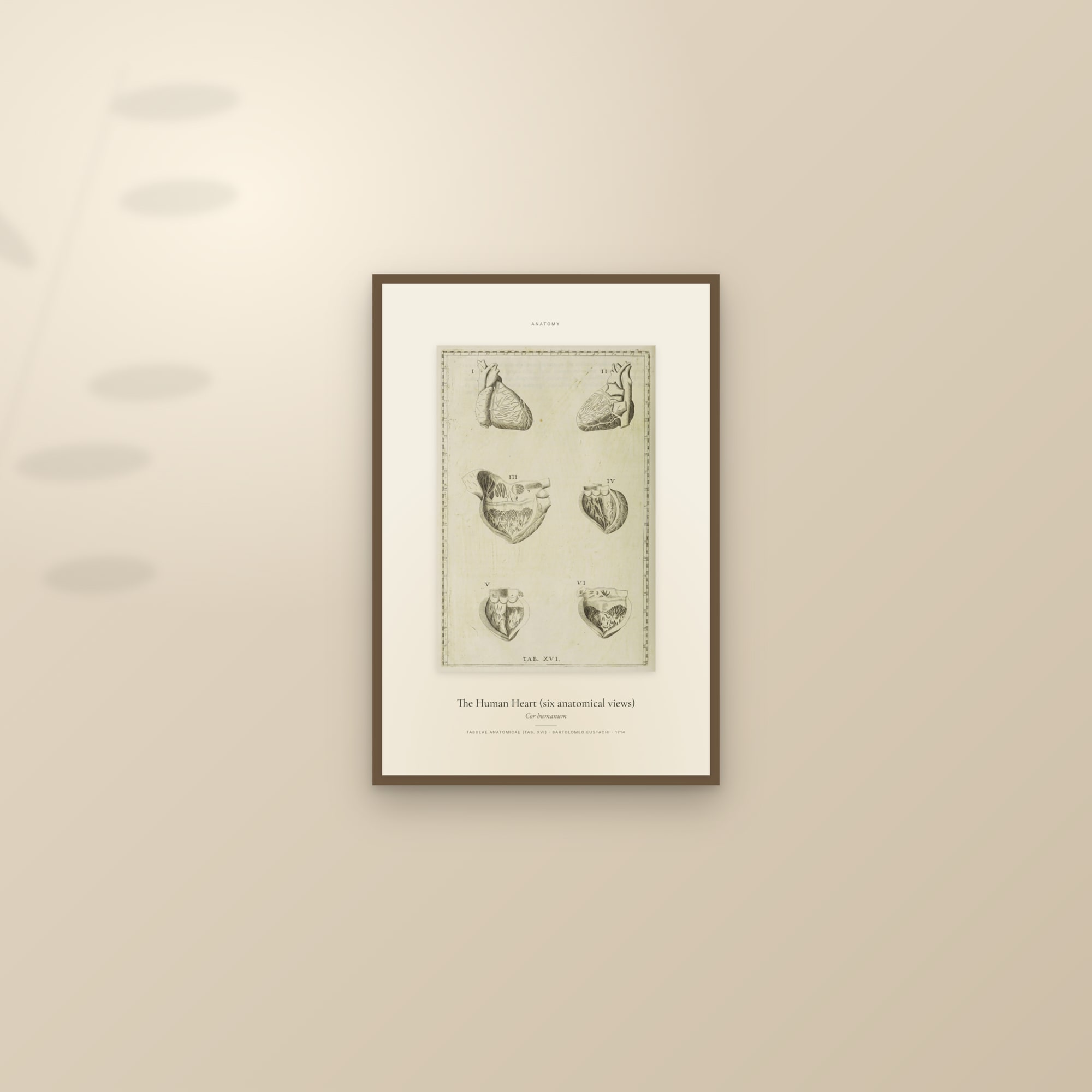
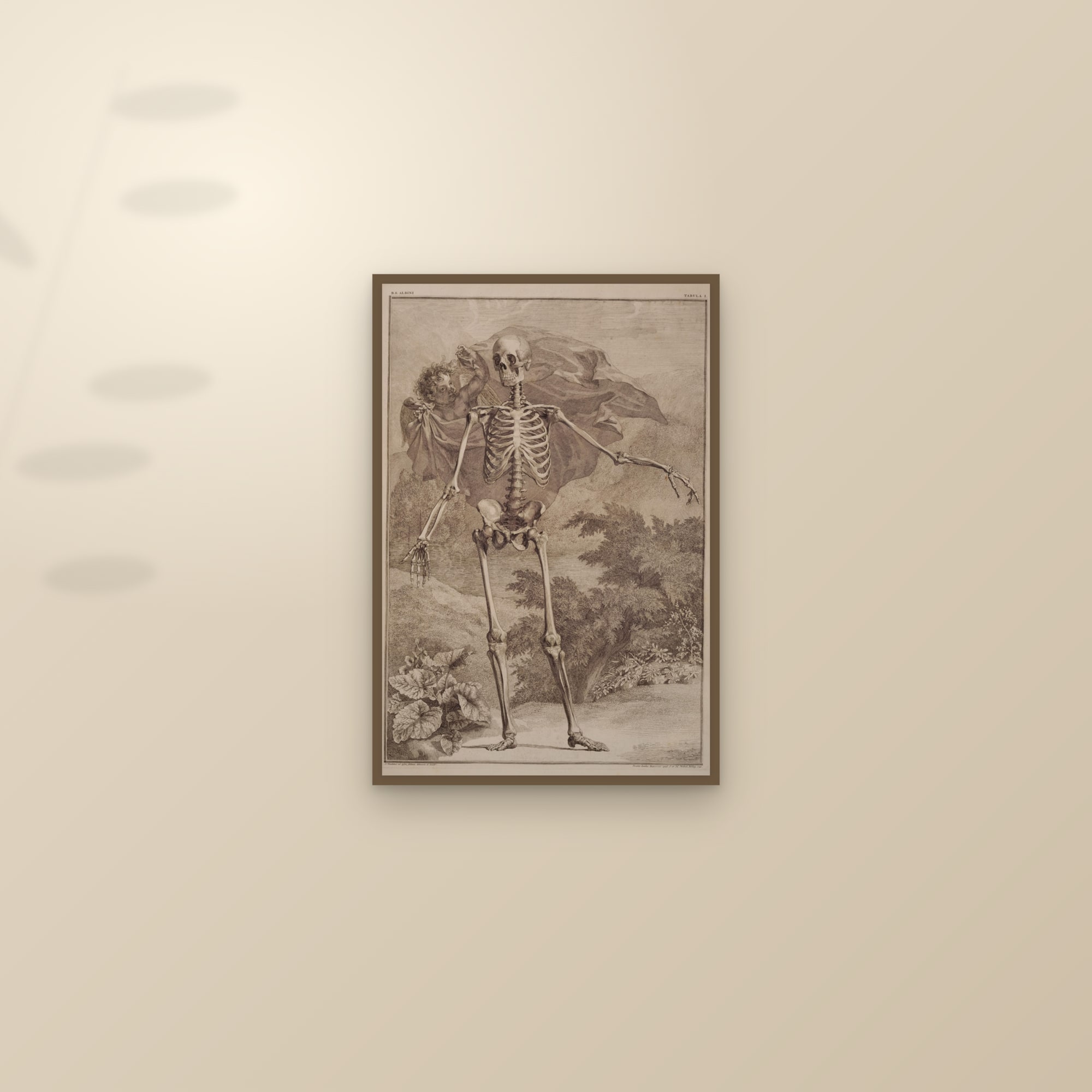
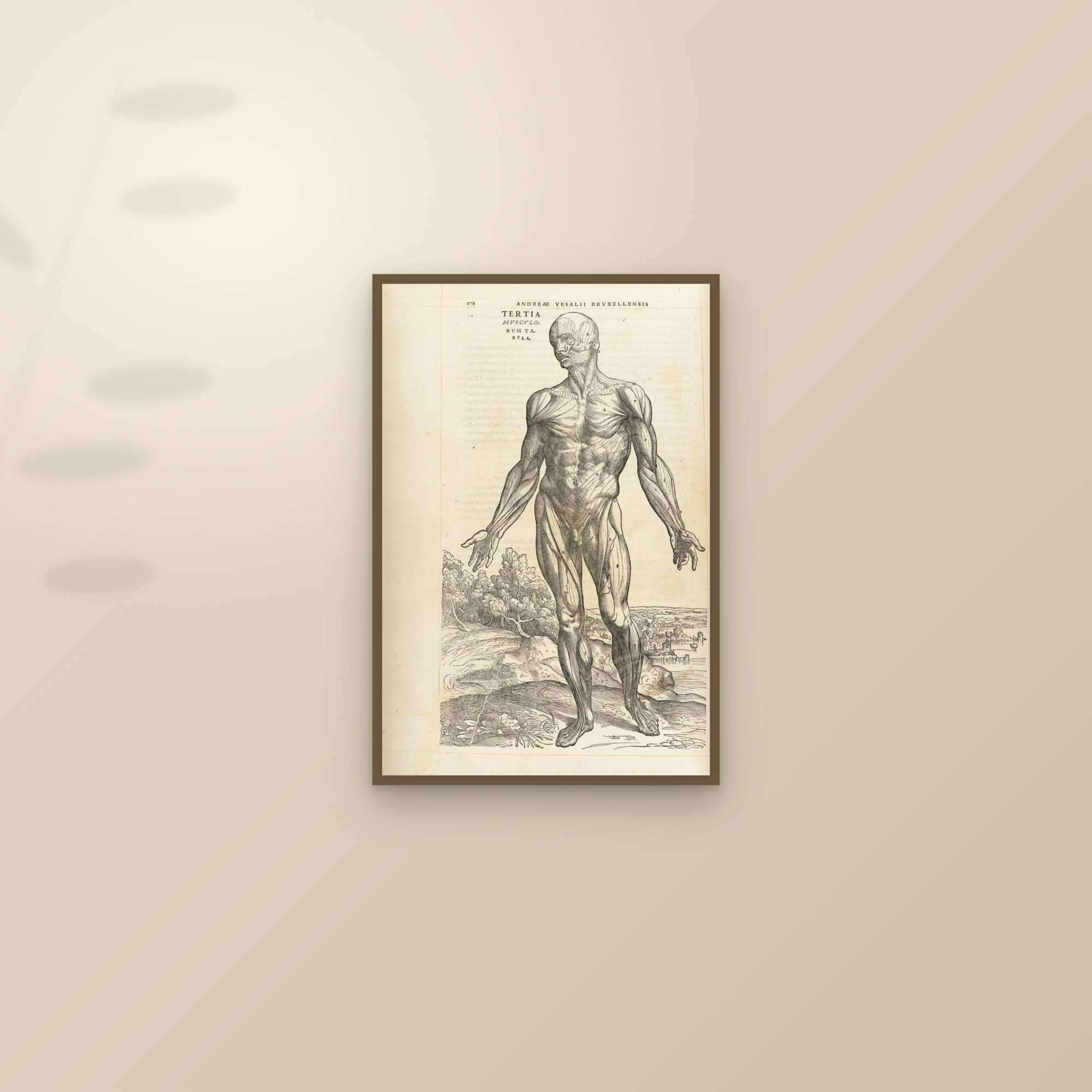
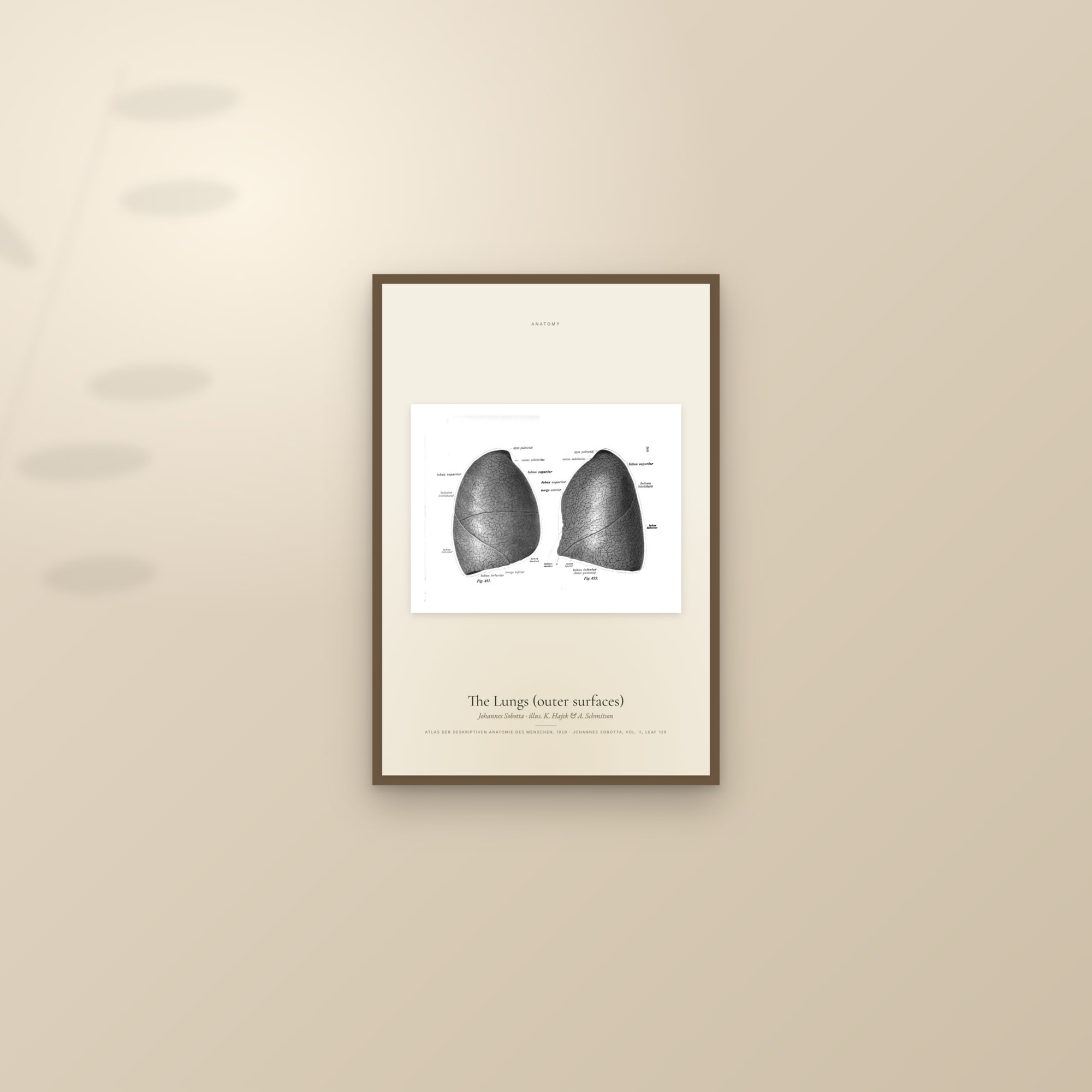
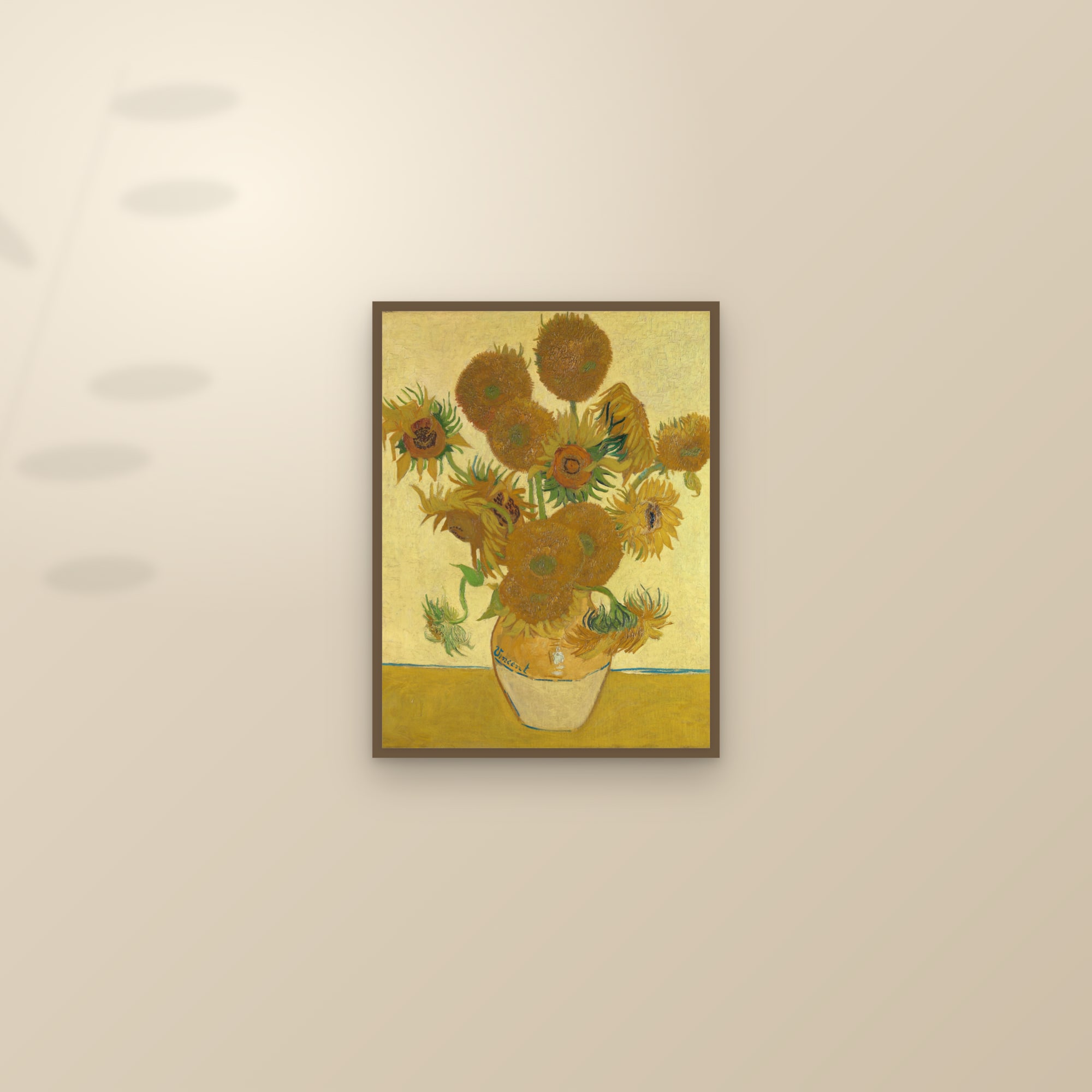
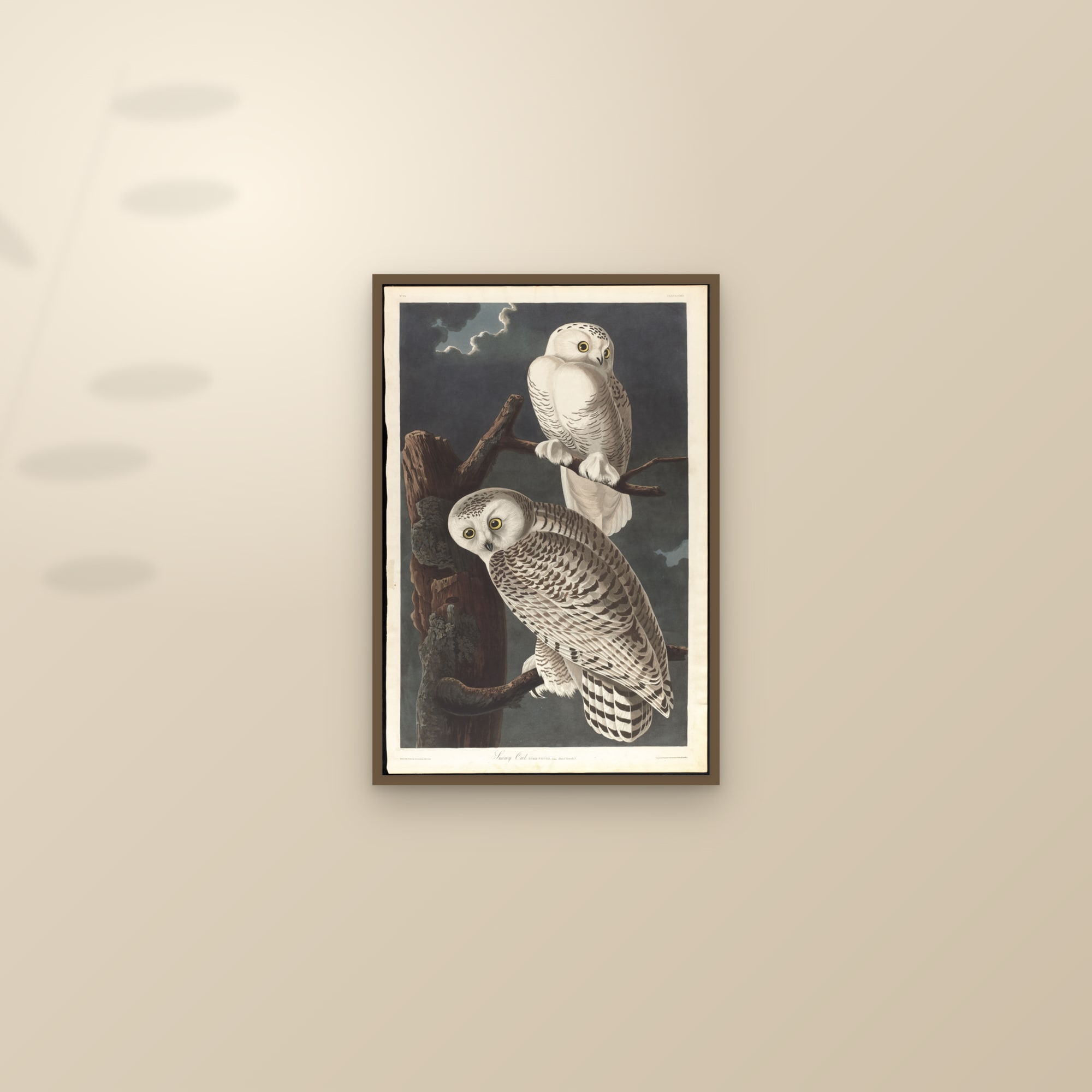
The anatomy line is where every step above was worked out at full scale: Eustachi, Vesalius, Albinus and Sobotta, by body part. For the sizes, see Print sizes and ratios explained; for the restoration pass with more plates, How we restore a plate.
Questions people ask
Is a Madten print an original print or a reproduction?
A reproduction. The original is a copper engraving, a woodblock or a painting in a museum or library. We print a restored, high-resolution scan of it, to order, on archival paper. We say so on every product page.
Where do the scans come from?
From museum and library open-access programmes: the Wellcome Collection, the Cleveland Museum of Art, the National Gallery of Art, the USDA archive and others that release scans of public-domain works under a public-domain mark or CC0.
What does restoration mean here?
Re-centring a plate inside even margins, cropping scanner artefacts such as calibration bars and library footers, and rotating pages an atlas printed sideways. We never repaint, recolour or sharpen the artwork.
Why can some prints only be ordered up to 16 × 24 inches?
Because the source scan is not wide enough. On the 2:3 sheet, a plate under 3,500 pixels wide is capped at 16 × 24; under 2,000 pixels it stops at 12 × 18. Above 3,500 the whole ladder is open, up to 24 × 36. The 3:4 and landscape ladders have their own thresholds on the same rule.
What paper is used?
Scans of real artworks print on 250 gsm off-white archival paper. Modern render-native designs print on 200 gsm bright-white matte. Both are pigment-ink prints.
Can I return a print?
Every print is made to order, so there are no change-of-mind returns. A print that arrives damaged or misprinted is replaced or refunded; email a photo within 30 days of delivery.
Sources
- Wellcome Collection: Tabulae anatomicae (Rome, 1714), Public Domain Mark
- Wellcome Collection: plate from the 1714 Tabulae, notes on the plates' history
- US National Library of Medicine, Historical Anatomies: Bartolomeo Eustachi
- Internet Archive: Albinus, Tabulae sceleti et musculorum corporis humani (Leiden, 1747), Wellcome Library scan b33543963
- Cleveland Museum of Art: Open Access (CC0)
- Print Council of America: What is an original print?
- Tate, art terms: Print
- Hahnemühle: Photo Rag 308 specification (acid- and lignin-free, ISO 9706)
- Epson SureColor P5000: UltraChrome HDX permanence ratings by Wilhelm Research
- Wilhelm Imaging Research: print display permanence