
The most stolen artworks, ranked by number of thefts
Most heist lists rank single crimes. This one ranks the works taken again and again, and says who made each count and how far to trust it.
Contents11 sections
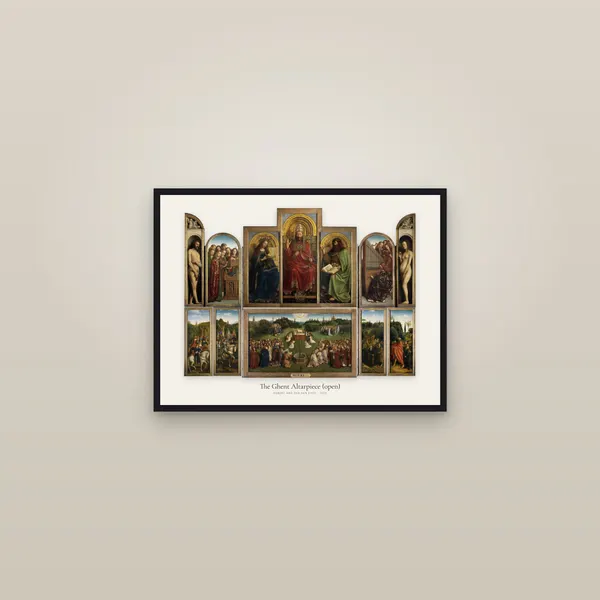
- The Ghent Altarpiece: six or seven thefts, by one scholar's count
- Rembrandt's Jacob de Gheyn III: four thefts
- Frans Hals's Two Laughing Boys: three thefts (tied)
- Two Russborough pictures: three thefts each (tied)
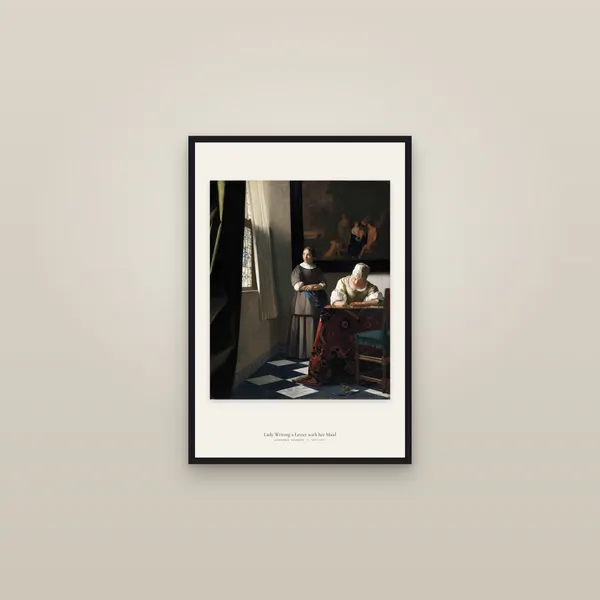
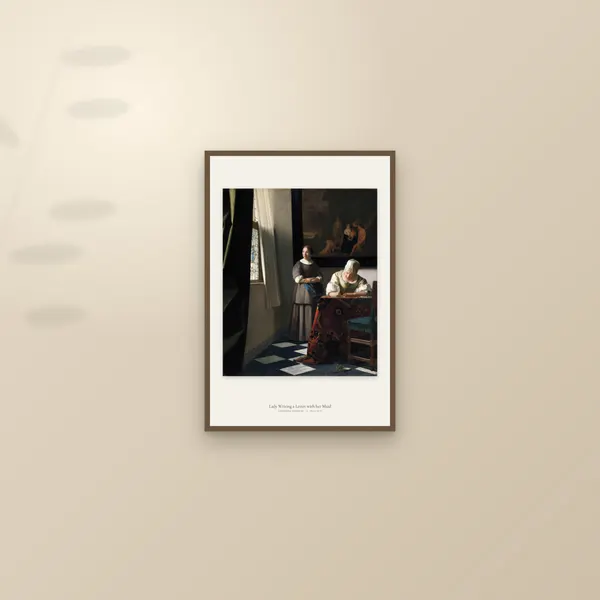
- Vermeer's Lady Writing a Letter with her Maid: two thefts (tied)
- Goya's Doña Antonia Zárate and Metsu's Man Writing a Letter: two thefts each (tied)
- Ruisdael's landscape from Leerdam: two thefts (tied)
- Van Gogh's Vase with Flowers: two thefts (tied)
- Michelangelo's Madonna of Bruges: looted twice (tied)
- Which famous thefts do not qualify?
- Why do the same pictures get taken again?
The most stolen artwork on record is the Ghent Altarpiece, a folding work of many panels by Hubert and Jan van Eyck, which the art historian Noah Charney counts as stolen, all or in part, six times, or seven in his book. The most stolen single painting is Rembrandt's portrait of Jacob de Gheyn III, taken four times from Dulwich Picture Gallery.
One caution, and then the stories. We found no official register of repeat thefts, so none of these numbers is a measurement: each belongs to whoever counted, and each depends on what counts as a theft. The table says who counted and how far we'd trust it.
This list answers a narrower question than the great art heists, which ranks single crimes by what is still gone. Here a work qualifies only if the same object was taken more than once. Ties are grouped. Looting is included where the counter includes it, and flagged. The two-theft tier lists only works a source names, so it is not complete.
| Rank | Work | Thefts | Who counts | How solid |
|---|---|---|---|---|
| 1 | Ghent Altarpiece | 6 or 7, in whole or part | Noah Charney | One scholar's tally, not itemised; appears to include wartime seizure |
| 2 | Rembrandt, Jacob de Gheyn III | 4 | Guinness; press since 1983 | Number firm, details not |
| 3= | Hals, Two Laughing Boys | 3 | Press, CODART | Firm |
| 3= | Gainsborough, Madame Baccelli | 3 | The Irish Times | Good |
| 3= | Bellotto, View of Florence | 3 | The Irish Times | Good |
| 6= | Vermeer, Lady Writing a Letter with her Maid | 2 | RTÉ | Firm |
| 6= | Goya, Doña Antonia Zárate; Metsu, Man Writing a Letter | 2 each | RTÉ | Firm |
| 6= | Ruisdael, the Leerdam landscape | 2 | CODART, AP | Good |
| 6= | Van Gogh, Vase with Flowers | 2 | The Art Newspaper | Number firm, first date disputed |
| 6= | Michelangelo, Madonna of Bruges | 2, both looting | Musea Brugge | Firm |
The Ghent Altarpiece: six or seven thefts, by one scholar's count
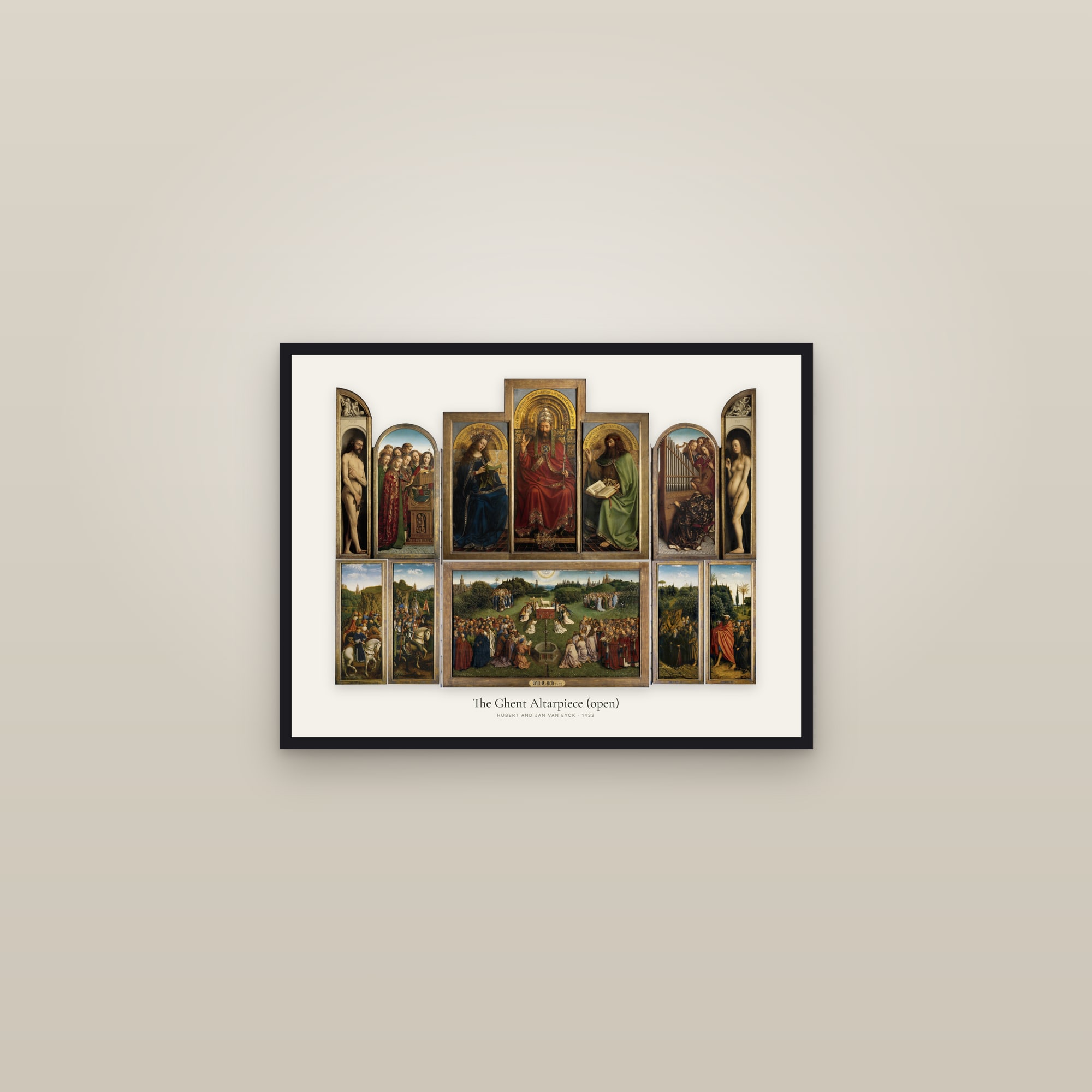
The Adoration of the Mystic Lamb, 1432, in St Bavo's Cathedral, Ghent, has spent centuries being carried off. French troops confiscated the central panel in 1794. The side panels were sold to a dealer on 19 December 1816, for 3,000 guilders, and later belonged to the King of Prussia. Two panels were stolen in 1934. The Nazis confiscated the whole work in 1942 and hid it at Altaussee in 1944; the Americans delivered it to Brussels on 22 August 1945. Ghent's own account gives those four removals and uses the word theft for only one.
The headline number comes from Noah Charney, who wrote in The Art Newspaper in 2018 that it was the target of "some 13 different crimes", including being stolen, all or in part, six times. His publisher's description of his book says "stolen a total of thirteen times". That is not what he wrote. Thirteen is crimes. The thefts are six in that article and "seven separate thefts" in his book, which names the Dulwich Rembrandt as runner-up at four.
So we're confident it leads, and less sure of the exact figure. Neither passage itemises the thefts. A sale is a theft only if you think the seller had no right to sell, and a reader may reasonably count fewer.
Where it is now St Bavo's, without its Just Judges panel, unseen since the night of 10 April 1934.
Print We print the altarpiece open; more in Van Eyck prints.
Rembrandt's Jacob de Gheyn III: four thefts
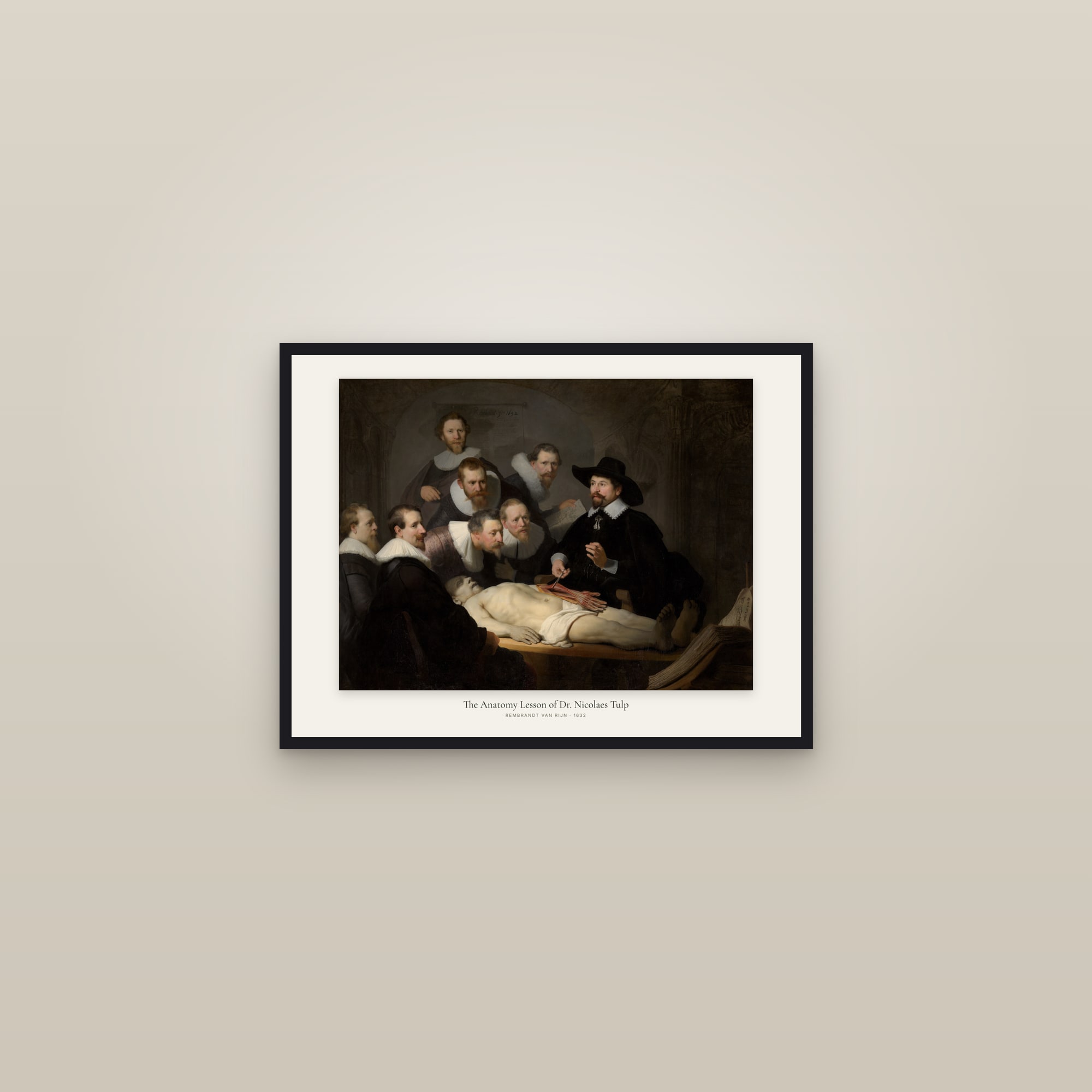
This small portrait of an engraver, painted by Rembrandt in 1632, is a panel of just 12 by 10 inches, nicknamed the takeaway Rembrandt. By May 1983 UPI was already reporting a fourth theft: burglars came through a skylight at Dulwich Picture Gallery in London and were gone before police arrived three minutes after the alarm. Guinness World Records lists it as the most stolen painting, at four times.
The number is firm. The story around it is not. UPI's 1983 report gives the first theft as 1967, with 13 other paintings, and the bicycle escape as 1973. Its 1981 report gives 1966, with seven others, and a bicycle in 1963. Guinness says the painting always came back anonymously and no one was ever charged; UPI's 1983 report says three men were jailed in 1982 after police found it with one of them, in a taxi, in a pillow case.
Where it is now Dulwich.
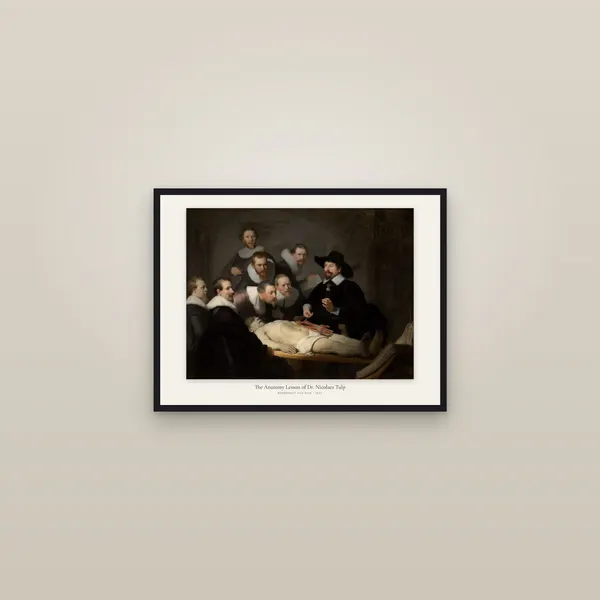
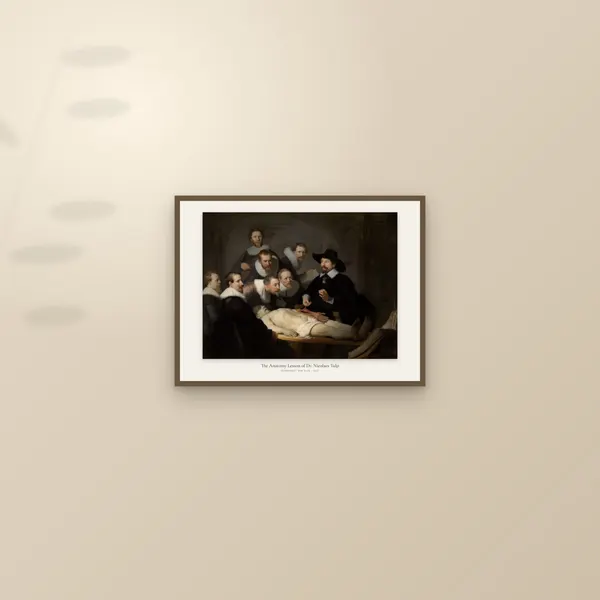
Print We do not print it. Rembrandt painted The Anatomy Lesson of Dr. Nicolaes Tulp in the same year; more in Rembrandt prints.
Frans Hals's Two Laughing Boys: three thefts (tied)
Two Laughing Boys with a Mug of Beer, about 1626, belongs to a small museum, the Hofje van Mevrouw van Aerden in Leerdam, and is estimated at €15 million, according to CODART, which follows Dutch and Flemish art in museums. Its history is short and repetitive. Stolen in 1988, back about three years later. Stolen in 2011, back within six months, four men convicted. Stolen on 27 August 2020, through a forced back door.
The press agrees, and this is the best-documented entry here: one object, one small museum, three dated crimes. In 2022 an appeal court upheld eight years for Nils M., who denies it, on DNA traces and the similarity to a Van Gogh theft, and ordered more than €8.7 million paid to the museum.
Where it is now Unknown. Still missing in September 2023; we found no later report of a recovery.
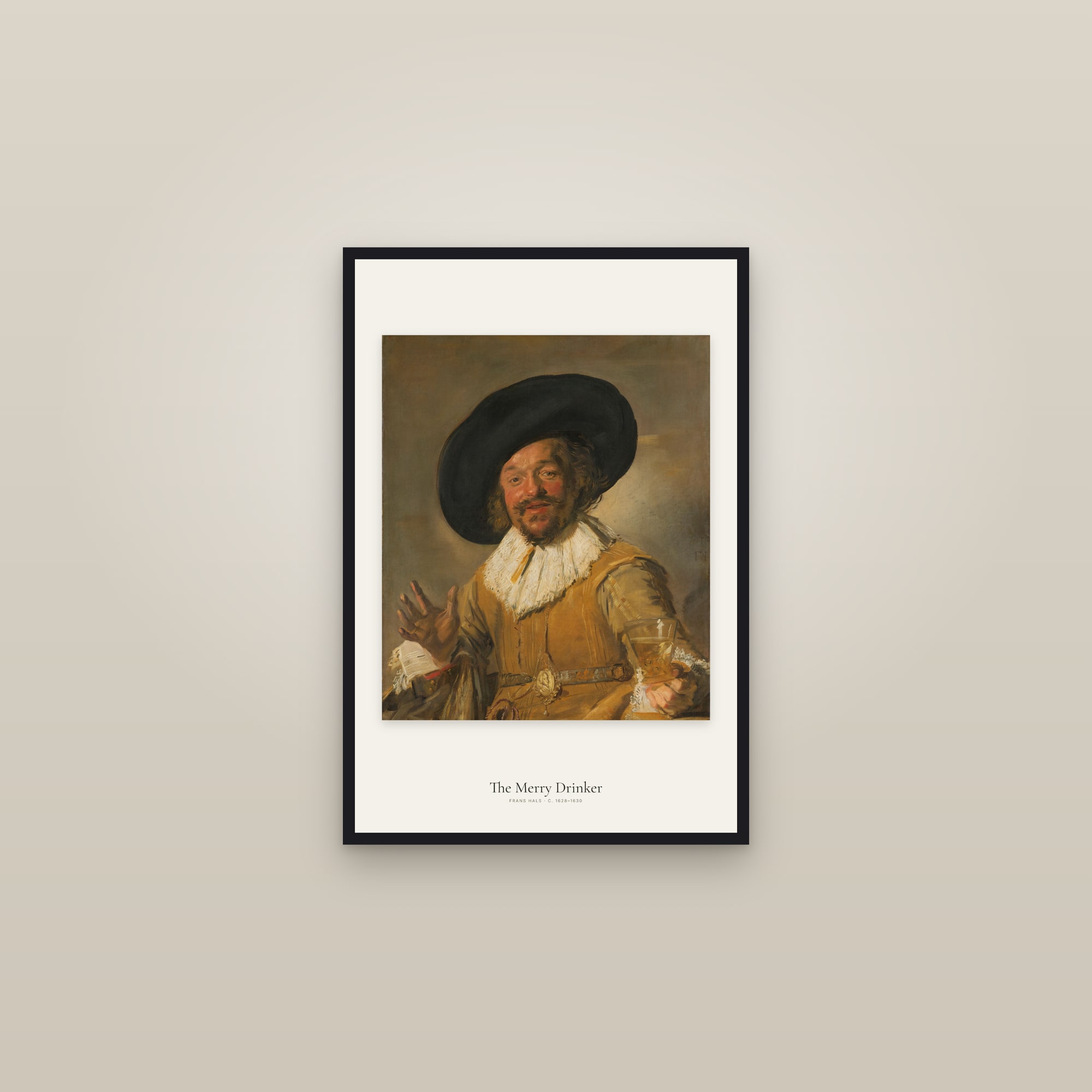
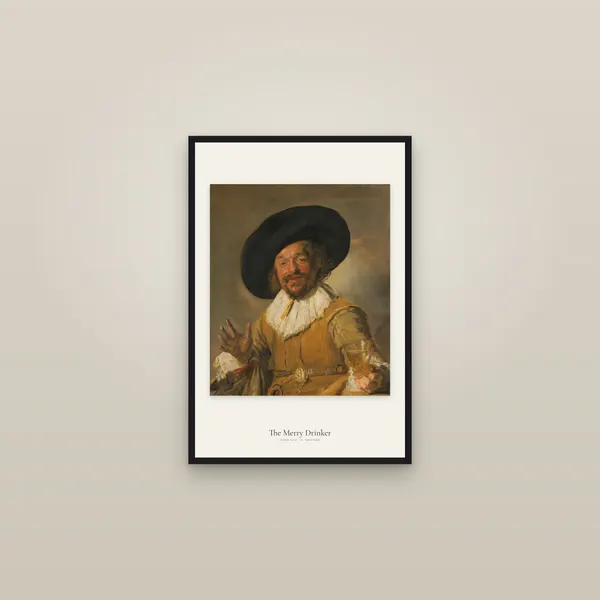
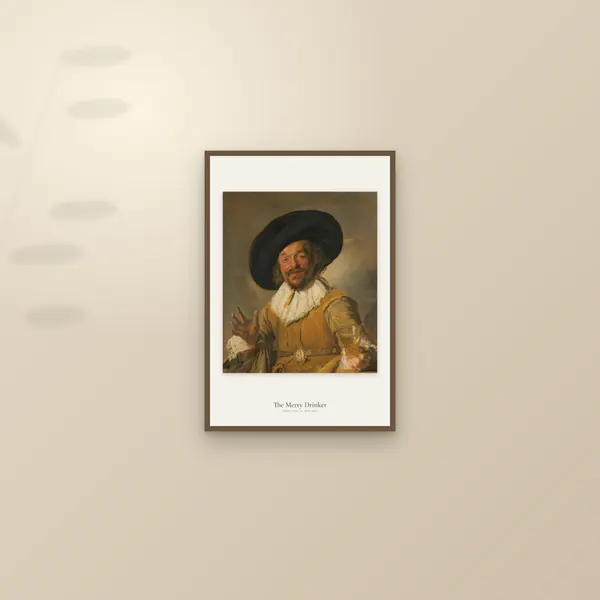
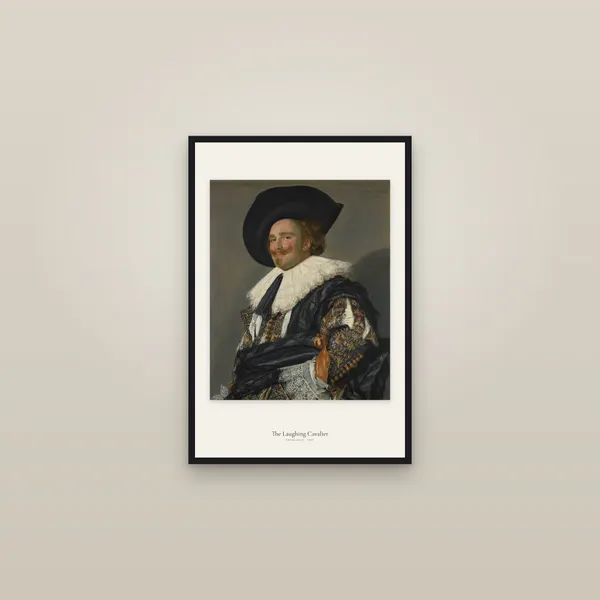
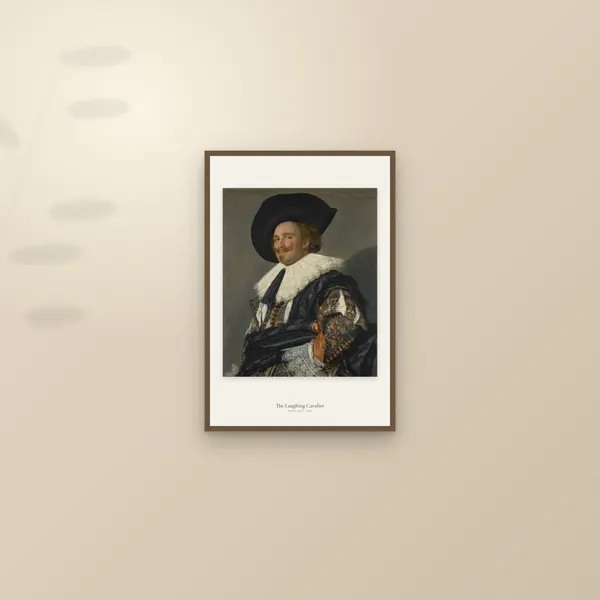
Print Not this one. We print Hals's The Merry Drinker and The Laughing Cavalier; more in Hals prints.
Two Russborough pictures: three thefts each (tied)
Thomas Gainsborough's portrait of Madame Baccelli and Bernardo Bellotto's View of Florence both hung in the Beit collection at Russborough House, County Wicklow, a private house that kept being raided. The raids of 1974, 1986 and 2001 account for all three thefts. The Irish Times reported the Gainsborough stolen for a third time in 2001, and in 2002 reported the same of the Bellotto.
Those reports are contemporary and name each work's third theft, though they don't give an item-by-item list for every raid.
Where they are now Both were found rolled up, out of their frames, at a house in south Dublin in September 2002. The Bellotto's value was put conservatively at €2 million.
Print We print neither.
Vermeer's Lady Writing a Letter with her Maid: two thefts (tied)
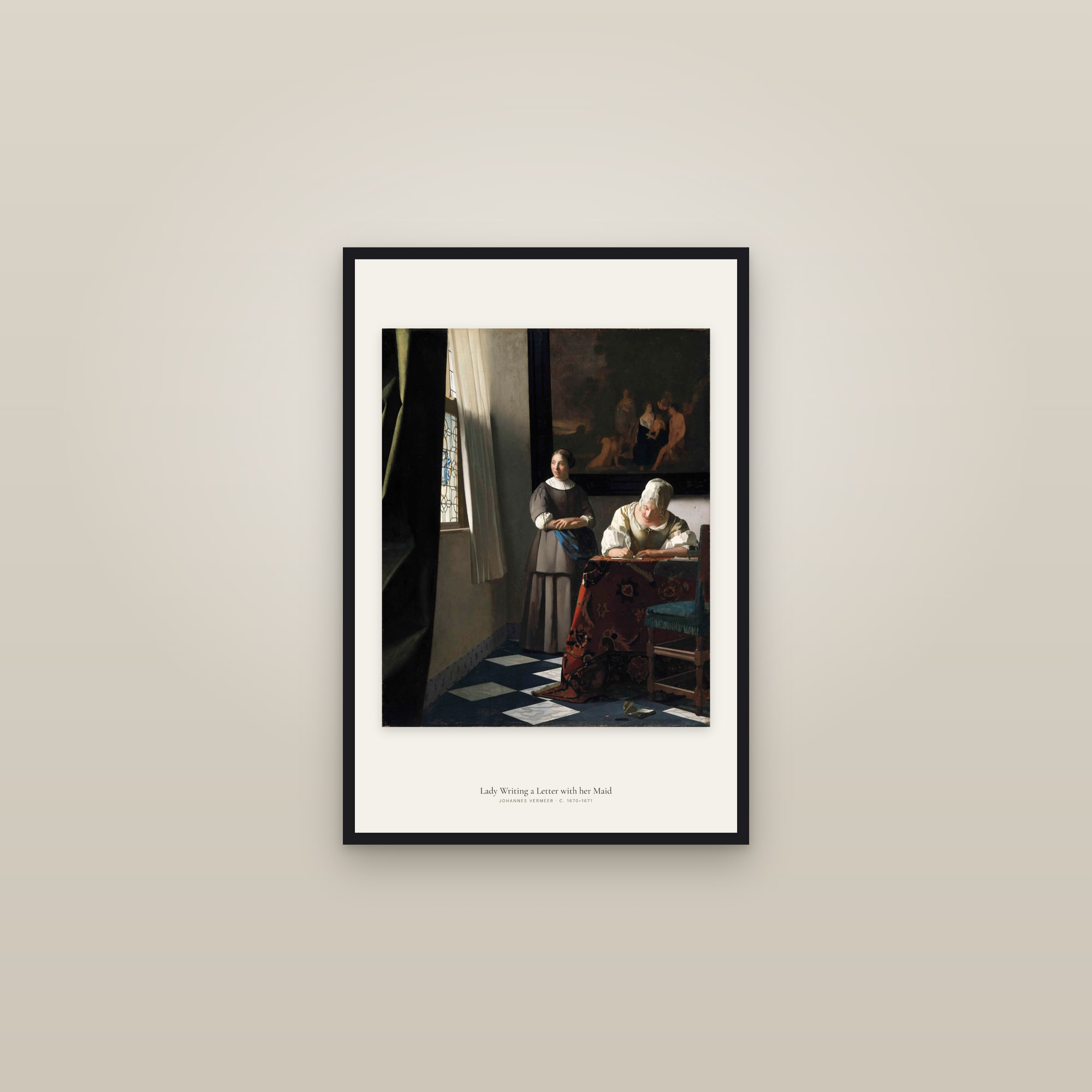
The same house lost its Vermeer twice. An IRA gang including Rose Dugdale took it from Russborough on 26 April 1974 among 19 paintings, all recovered in County Cork. Martin Cahill's gang took it again in May 1986, and it was recovered in Antwerp in 1993. RTÉ's archive records both raids, and the full account is in the heists list.
It dates from about 1670 and now hangs at the National Gallery of Ireland, Dublin, whose record calls it Woman Writing a Letter, with her Maid.
Print We print Lady Writing a Letter with her Maid; more in Vermeer prints.
Goya's Doña Antonia Zárate and Metsu's Man Writing a Letter: two thefts each (tied)
These are two more Russborough pictures: Francisco Goya's portrait and Gabriel Metsu's Man Writing a Letter, 1664 to 1666, which RTÉ called A Young Man Writing a Letter. Both were stolen in 1974 and 1986 and found in Belgium, and both were unveiled in Dublin with the Vermeer, as RTÉ reported in April 1994.
The Goya matters here because the Goya people remember, The Duke of Wellington, was taken only once, in 1961. Others may tie these two: The Irish Times says a number of the 1986 works had also gone in 1974, without listing them.
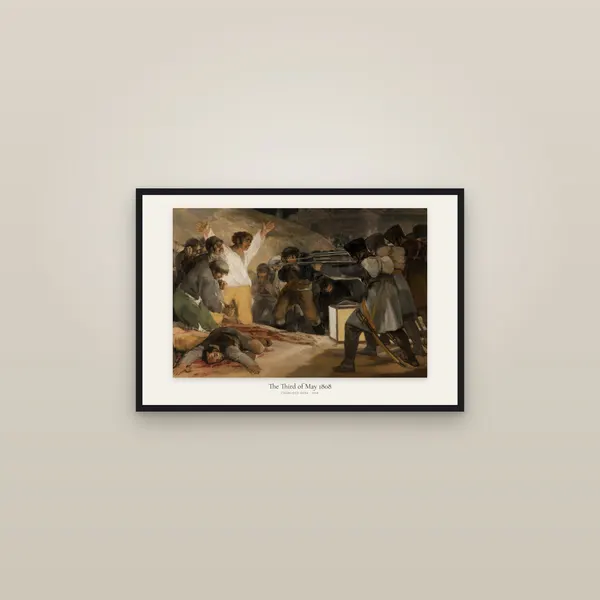
Print We print neither; Goya is here as The Third of May 1808 and in Goya prints.
Ruisdael's landscape from Leerdam: two thefts (tied)
This forest landscape by Jacob van Ruisdael hung in the same small museum as the Hals, and went with it in 1988. CODART says the 2011 thieves took it too, and the Associated Press named it among the two pictures recovered that November. Both times it came back with the Hals. In 2020 the thieves took only the Hals.
Print Not this one. We print The Windmill at Wijk bij Duurstede; more in Ruisdael prints.
Van Gogh's Vase with Flowers: two thefts (tied)
Vase with Flowers, also called Poppy Flowers, probably dates from summer 1886, and it has twice been taken from the Mahmoud Khalil Museum in Cairo. In the second theft, in August 2010, the canvas was cut from its frame during opening hours. The culture ministry announced a recovery at Cairo airport, then retracted it. The prosecutor said no alarm and only seven of 43 cameras had been working.
Two thefts is firm; the date of the first is not. The Art Newspaper puts it in 1978, with a recovery two years later after the painting apparently surfaced in Kuwait. Other accounts give an earlier year and a longer absence.
Where it is now Unknown. No trace by May 2021, and we found nothing since.
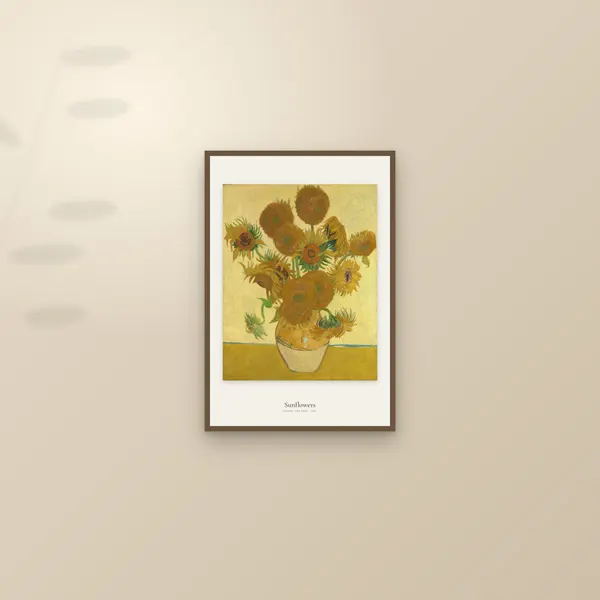
Print Not this one. Van Gogh's flowers here are the Sunflowers from the National Gallery, London; more in Van Gogh prints.
Michelangelo's Madonna of Bruges: looted twice (tied)
A marble Madonna and Child, 1503 to 1505, in the Church of Our Lady, Bruges, and the only sculpture here. It was taken to Paris in 1794 and came back after Waterloo. Then, on the night of 6 to 7 September 1944, German soldiers took it, wrapped in a mattress. The Monuments Men found it at Altaussee in May 1945. Musea Brugge, the museum that manages it, records both.
This entry stands only if you count looting. Include it and you accept the same rule that lifts Ghent; leave looting out and Ghent's count falls too. The two works went through the same two upheavals and came back from the same mine.
Print No sculpture. Michelangelo's The Creation of Adam is in Michelangelo prints.
Which famous thefts do not qualify?
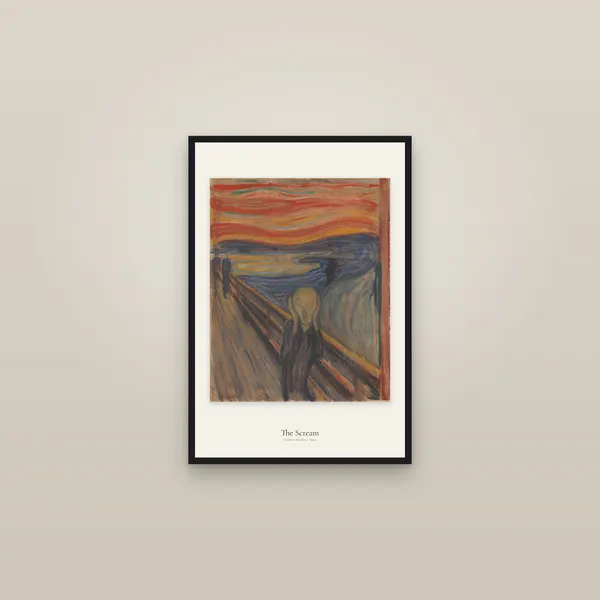
The Scream. It is often listed as stolen twice. The object was not. Thieves took the National Museum's 1893 painting in 1994, and the museum has it back. Armed men took the Munch Museum's painted version on 22 August 2004, recovered in a rubbish bag in 2006. Two different objects, one theft each. We print the 1893 painting, with the rest of Munch prints.
The Mona Lisa. The Louvre records one theft, in 1911. It is the most famous stolen picture and has no place in this ranking, which is the point of ranking by count. How it came to be copied so widely is in the most reproduced artworks.
Why do the same pictures get taken again?
This part is our reading, not a finding. Most of the pictures above share two properties: they are small enough to carry, and they hung somewhere modest in its security. Dulwich's alarm ran only at night in 1981. Leerdam is a small museum. Russborough is a private house. A recovered picture also goes back to the wall it was stolen from, which the thieves already know.



More in the Journal: the great art heists, the most famous paintings in the world, and paintings everyone knows but cannot name.
Famous Painting Prints Dutch Golden Age PaintingsQuestions people ask
What is the most stolen artwork in the world?
The Ghent Altarpiece, by Hubert and Jan van Eyck, 1432. The art historian Noah Charney wrote in The Art Newspaper in 2018 that it was the target of some 13 crimes, including being stolen, all or in part, six times; his 2010 book says seven. Neither figure is itemised. They appear to include wartime seizures and take in thefts of single panels.
Was the Ghent Altarpiece stolen thirteen times?
That is what the publisher's description of Charney's book says, but Charney himself wrote 13 crimes, of which six were thefts, and his book says seven thefts. Thirteen is the number of crimes, not the number of thefts.
What is the most stolen single painting?
Rembrandt's portrait of Jacob de Gheyn III, 1632, a panel about 12 by 10 inches at Dulwich Picture Gallery in London. It was stolen four times, last in 1983, and Guinness World Records lists it as the most stolen painting.
How many times has The Scream been stolen?
Each stolen version only once. The National Museum's 1893 painting was stolen in 1994 and the Munch Museum's painted version in 2004. Both came back. The image was stolen twice, but no single object was.
Has Frans Hals's Two Laughing Boys been found?
It was still missing when last reported on in September 2023, and we found no later report of its recovery. It was taken from the Hofje van Mevrouw van Aerden in Leerdam in 1988, 2011 and August 2020. A man was jailed for the 2020 theft.
Sources
- Noah Charney, The Art Newspaper, 22 August 2018: Lost art, chasing the elusive Ghent Altarpiece panel (13 crimes, stolen all or in part six times)
- NPR, 23 December 2010: excerpt from Stealing the Mystic Lamb (seven separate thefts; the Dulwich Rembrandt runner-up at four)
- Hachette Book Group: Stealing the Mystic Lamb, publisher's description ('stolen a total of thirteen times')
- Visit Gent: the adventures of the Ghent Altarpiece (1794, 1816, 1934, the wartime seizure, the 1945 return)
- Jenny Graham, International Journal of Cultural Property, 2021: The Ghent altarpiece after World War II (confiscated 1942, Altaussee 1944, delivered to Brussels 22 August 1945)
- VRT News, 10 April 2024: the mystery of the disappearance of the Just Judges, 90 years on
- The Art Newspaper, 14 November 2019: attempted robbery at Dulwich Picture Gallery (Jacob de Gheyn III stolen four times, last in 1983)
- Guinness World Records, March 2013: the record for most stolen painting
- UPI, 28 May 1983: Rembrandt painting stolen for fourth time
- UPI, 14 August 1981: a thief walked into the Dulwich Picture Gallery
- CODART: Frans Hals painting stolen for the third time (1988, 2011, 27 August 2020)
- Associated Press, via Claims Journal, 4 November 2011: police recover the Hals and a Ruisdael forest landscape, stolen in late May
- NL Times, 20 July 2022: eight years in prison for the theft of Van Gogh and Hals paintings
- DutchNews, September 2023: art detective recovers Van Gogh; the Hals still missing
- The Irish Times, 2001: 'Most beautiful house' robbed for third time (Madame Bacelli stolen for a third time; the 1986 works)
- The Irish Times, September 2002: gardaí recover stolen Beit masterpieces (Bellotto stolen three times; the recovery in Dublin)
- RTÉ Archives, 1974 report: art collection stolen from Russborough House (26 April 1974)
- RTÉ News, 26 June 2001: previous raids on Russborough (an IRA gang including Rose Dugdale, 19 paintings in 1974, the Cork recovery, May 1986)
- RTÉ Archives, 1994 report: stolen Beit paintings unveiled at the National Gallery (Vermeer, Metsu, Goya)
- National Gallery of Ireland: Vermeer, Woman Writing a Letter, with her Maid, c. 1670 (stolen 1986, recovered 1993)
- National Gallery of Ireland: Metsu, Man Writing a Letter, 1664 to 1666
- RTÉ Archives, 1995 report: the Beit Vermeer on display (stolen 1974 and 1986, recovered in Antwerp 1993)
- The Art Newspaper, 21 May 2021: how a Van Gogh painting was stolen from a Cairo museum, not once but twice
- NBC News, August 2010: security lapses blamed for Van Gogh theft in Egypt (the retracted recovery; alarms and cameras)
- Musea Brugge: Michelangelo, Madonna with Child (taken 1794 and 1944, returned 1816 and 1945)
- Nasjonalmuseet, Oslo: The Scream, 1893, NG.M.00939 (stolen 1994; the other versions)
- Al Jazeera, 2 May 2006: three found guilty over Scream theft (Munch Museum, 22 August 2004)
- UPI, 31 August 2006: Munch's Scream, Madonna recovered
- National Gallery, London: Goya, The Duke of Wellington (taken August 1961, recovered May 1965)
- Musée du Louvre, collections database: Portrait de Lisa Gherardini, INV 779 (the 1911 theft)
Start hereThe most famous paintings in the world and where to see them