
The most reproduced artworks, and why
Nobody has counted reproductions, so there is no honest number one. This list is ordered by evidence, then asks why some images copy so readily.
Contents12 sections
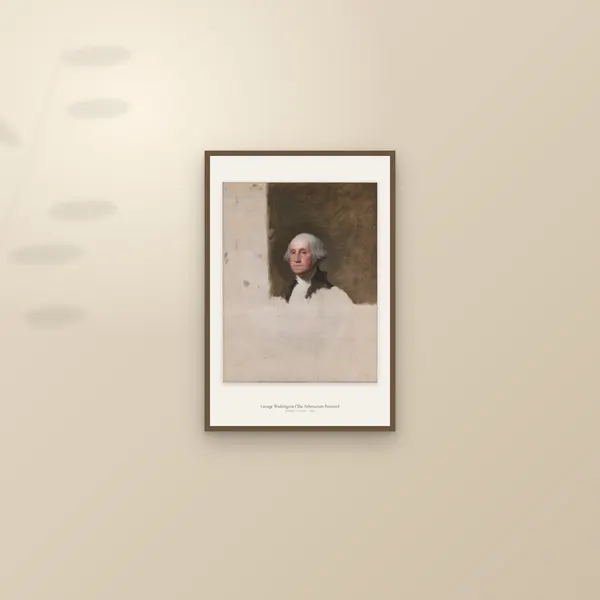
- George Washington (The Athenaeum Portrait), Gilbert Stuart, 1796
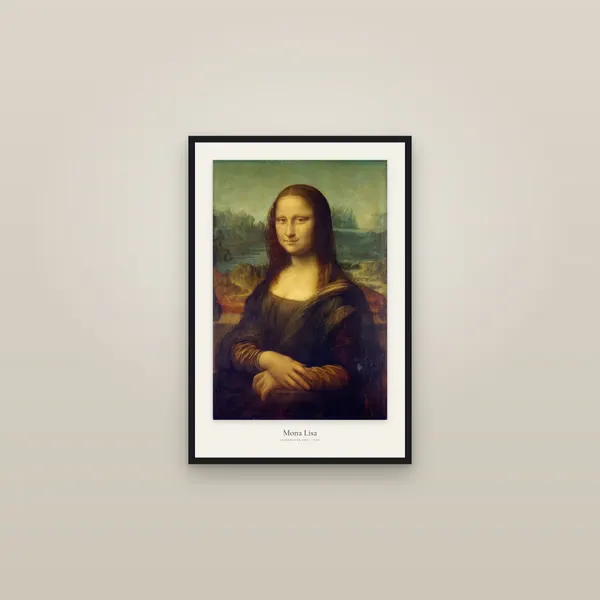
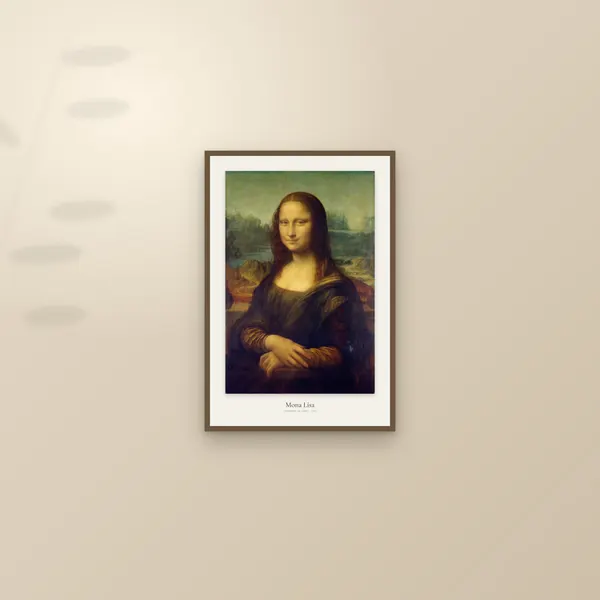
- Mona Lisa, Leonardo da Vinci, c. 1503 to 1519
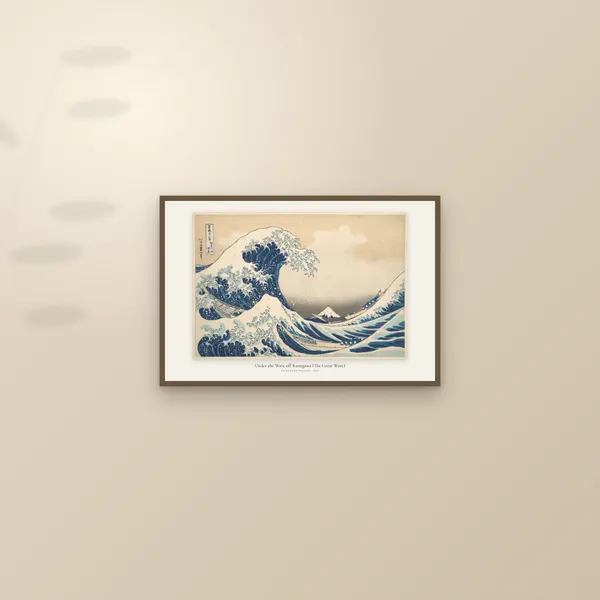
- Under the Wave off Kanagawa, Katsushika Hokusai, c. 1830 to 1832
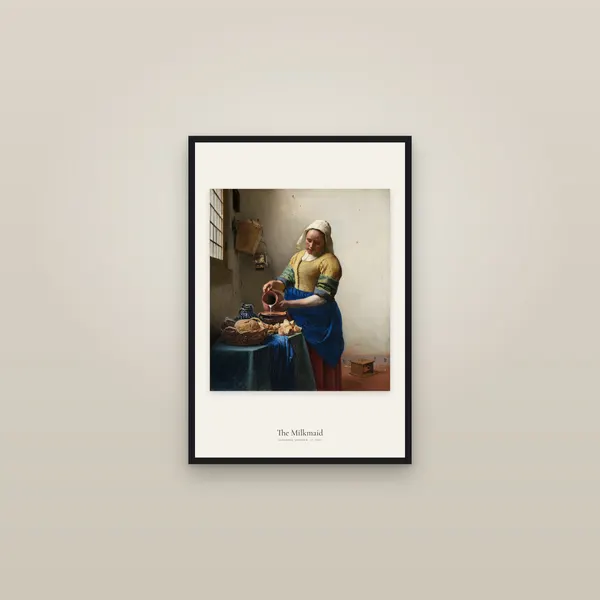
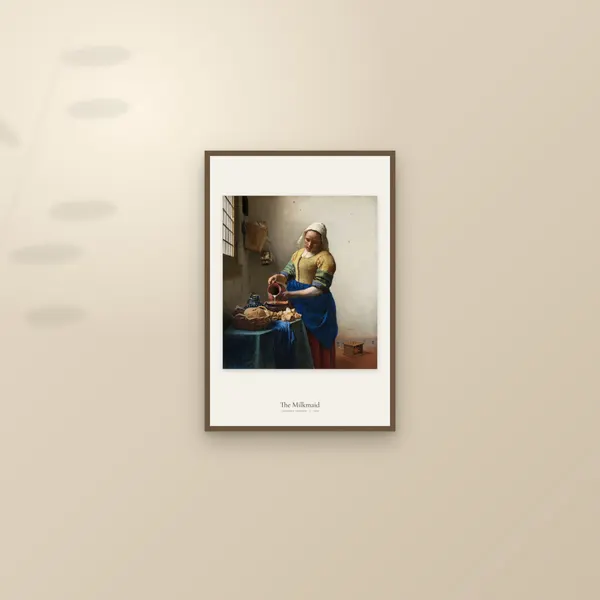
- The Milkmaid, Johannes Vermeer, c. 1660
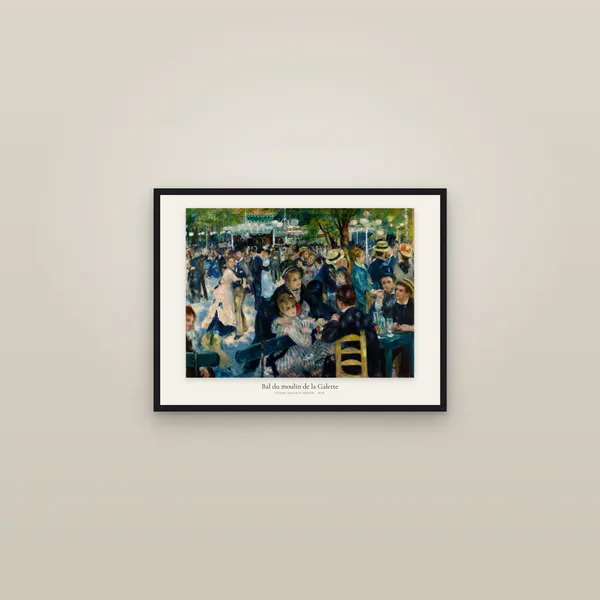
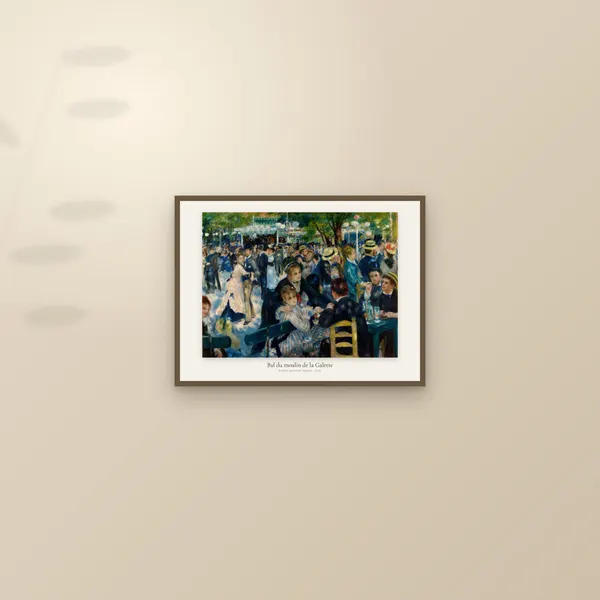
- Bal du moulin de la Galette, Pierre-Auguste Renoir, 1876
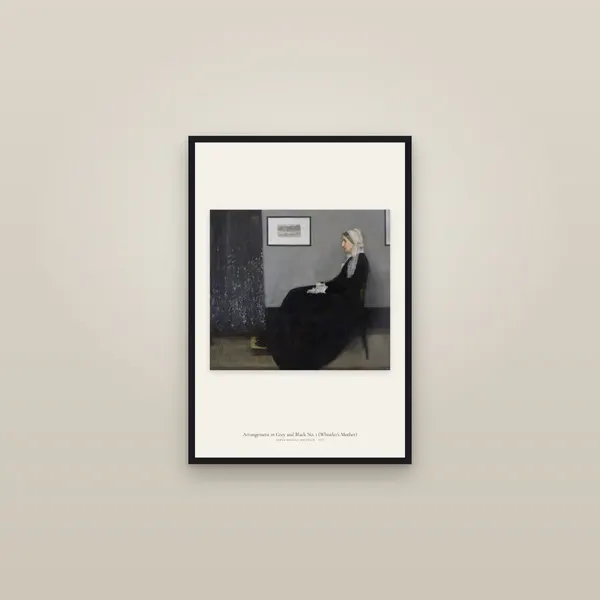
- Arrangement in Grey and Black No. 1, James McNeill Whistler, 1871
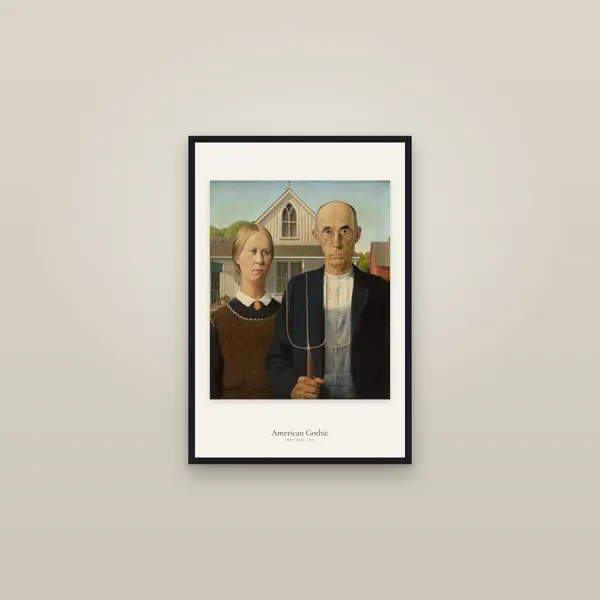
- American Gothic, Grant Wood, 1930
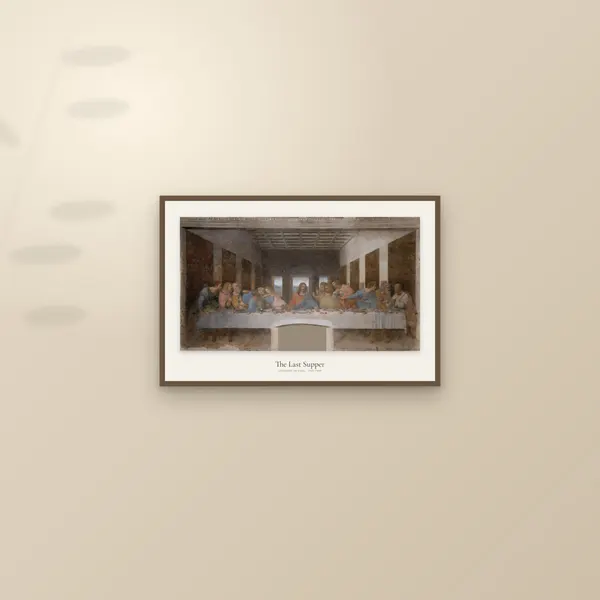
- The Last Supper, Leonardo da Vinci, 1495 to 1498
- Vitruvian Man, Leonardo da Vinci, c. 1490
- The Sistine Madonna, Raphael, 1512 to 1513
- The Scream, Edvard Munch, 1893
- Why do some images reproduce so readily?
No census of reproductions exists, so no one can honestly name the most reproduced artwork. The Mona Lisa has the strongest claim by reputation, and the largest number you can actually check belongs to Gilbert Stuart's portrait of George Washington, the source for the US $1 note. The Federal Reserve counted 15.2 billion of those notes in circulation at the end of 2025.
That gap between reputation and counting is the point of this list. Every figure below is partial, so the eleven works are ordered by evidence, not by copies: first those with a number or an institution's statement behind them, then those with scholarship, then those known by documented mass-market use. Moving up means the claim is better supported, not that more copies exist. The real answer to the question comes at the end: why some images copy so readily. All eleven works are ones we print.
| Work | Best evidence | Kind |
|---|---|---|
| Stuart, Washington | 15.2 billion $1 notes | Central bank figure |
| Leonardo, Mona Lisa | The Louvre's statement; over 100 known copies | Museum record |
| Hokusai, Under the Wave off Kanagawa | About 8,000 impressions (estimate); ¥1,000 note | Auction note, central bank |
| Vermeer, The Milkmaid | Over 10,000 copies online | Museum survey, as reported |
| Renoir, Bal du moulin de la Galette | 282 reproductions in Cornell library books | Peer-reviewed count |
| Whistler, Arrangement in Grey and Black No. 1 | US stamp, 1934 | Museum record |
| Wood, American Gothic | Book-length study of its afterlife | Scholarship |
| Leonardo, The Last Supper | About fifty sixteenth-century copies | Scholarship |
| Leonardo, Vitruvian Man | Italian €1 coin | Central bank |
| Raphael, The Sistine Madonna | Cherubs reproduced alone since the early 1800s | Magazine report |
| Munch, The Scream | The artist's own lithograph | Museum record |
George Washington (The Athenaeum Portrait), Gilbert Stuart, 1796
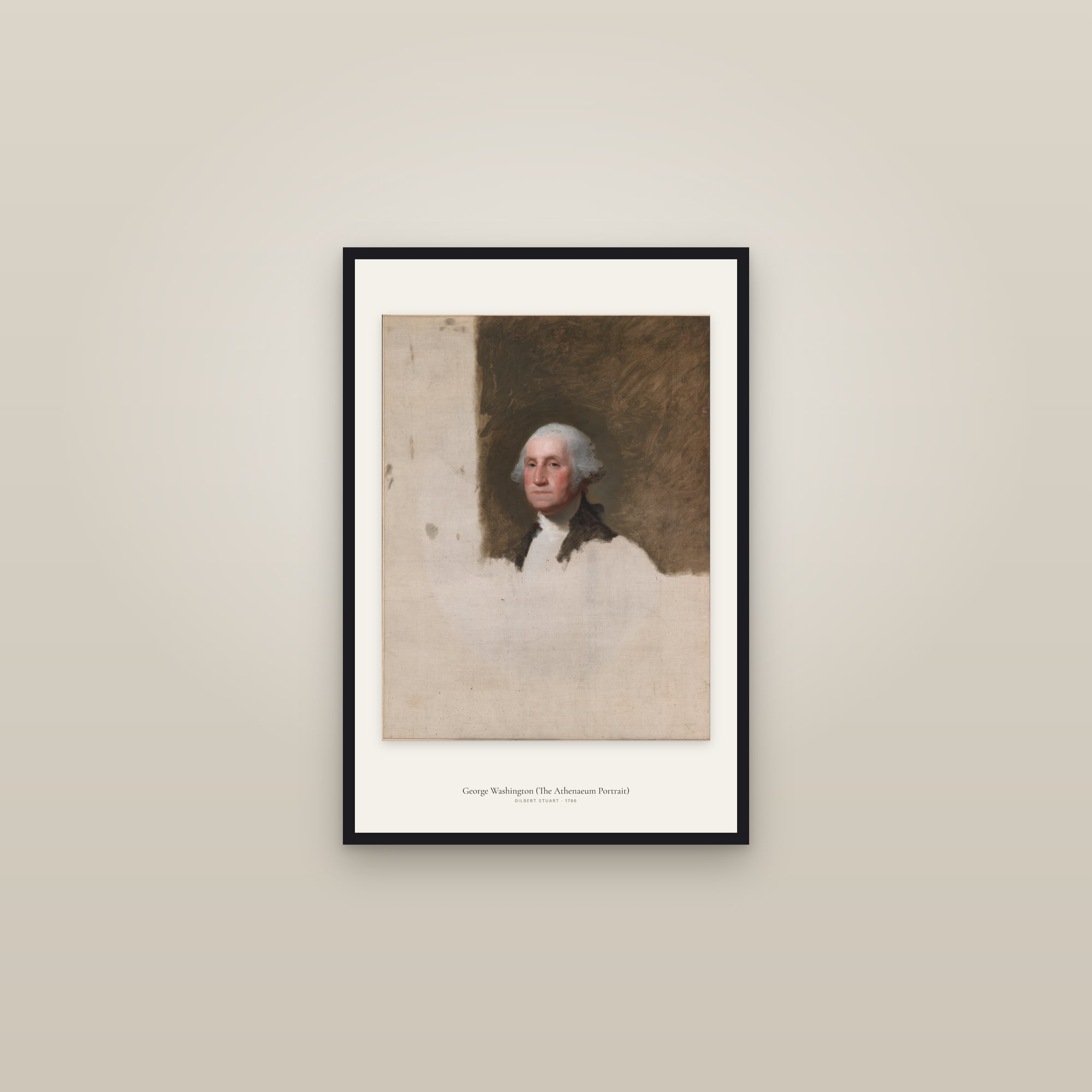
Few people have seen this painting, and billions of notes carry it. The US government's currency site says the portrait was used for the 1869 series of notes and the current $1 note, which makes the Federal Reserve's figure the largest hard count on this list.
It measures notes in circulation on one date, not all those ever printed, and it counts an engraving based on the painting. It is still the largest documented figure we could find for any image with a painting behind it.
Print George Washington (The Athenaeum Portrait); more in Gilbert Stuart prints.
Mona Lisa, Leonardo da Vinci, c. 1503 to 1519
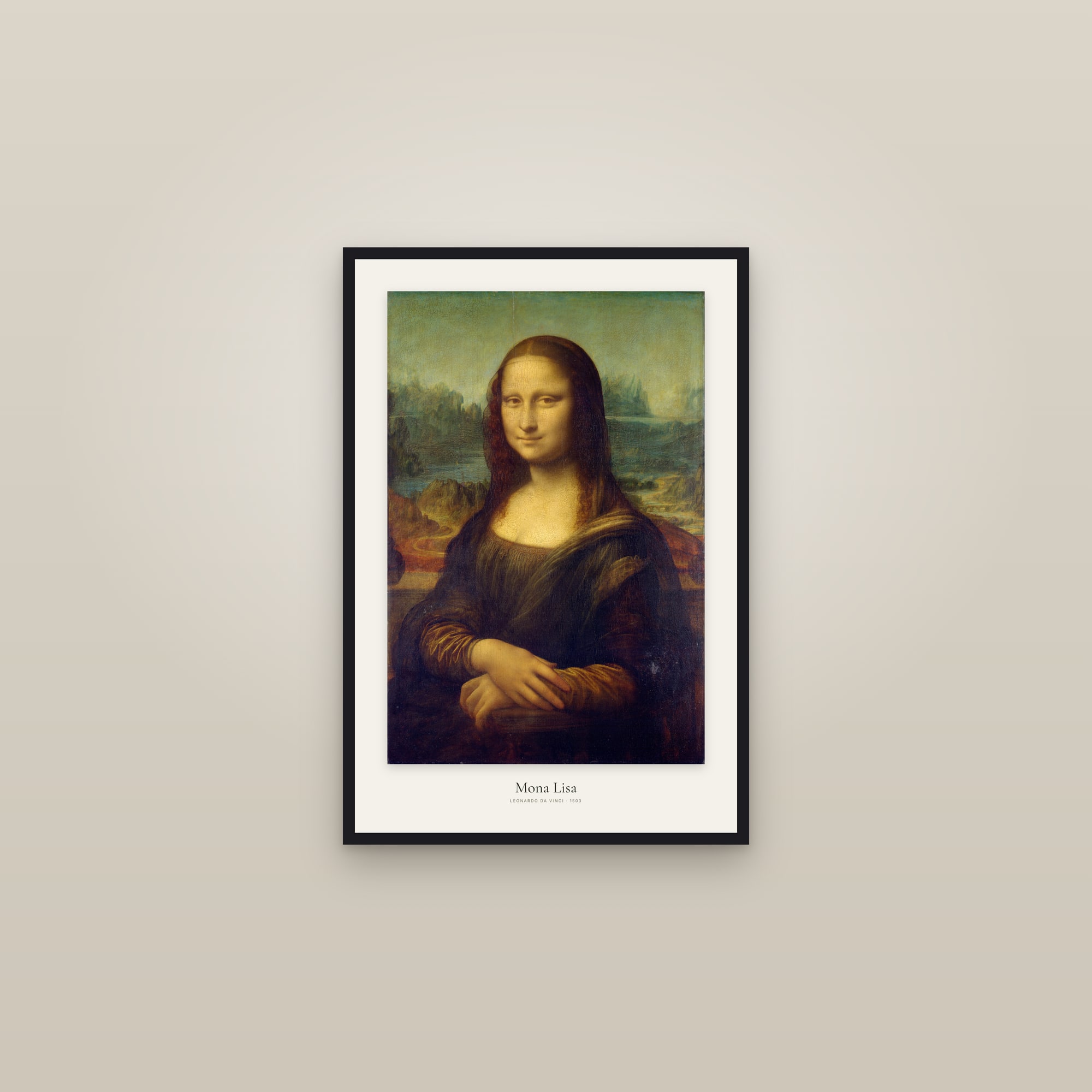
The Louvre's own record calls it the most famous painting in the world and says the 1911 theft gave it worldwide celebrity. It wasn't only the theft that spread it: copies have been made since the sixteenth century, with more than a hundred known today. The historian Donald Sassoon wrote a book-length account of the rise. As Charles Nicholl's review reports, the theft and the 1913 recovery set off a swarm of newspaper features, commemorative postcards and cartoons, and Duchamp's defaced version of 1919 is the best known of the send-ups.
A hundred copies is a count of old copies. No one has counted the postcards.
Print Mona Lisa; the theft is covered in the great art heists.
Under the Wave off Kanagawa, Katsushika Hokusai, c. 1830 to 1832
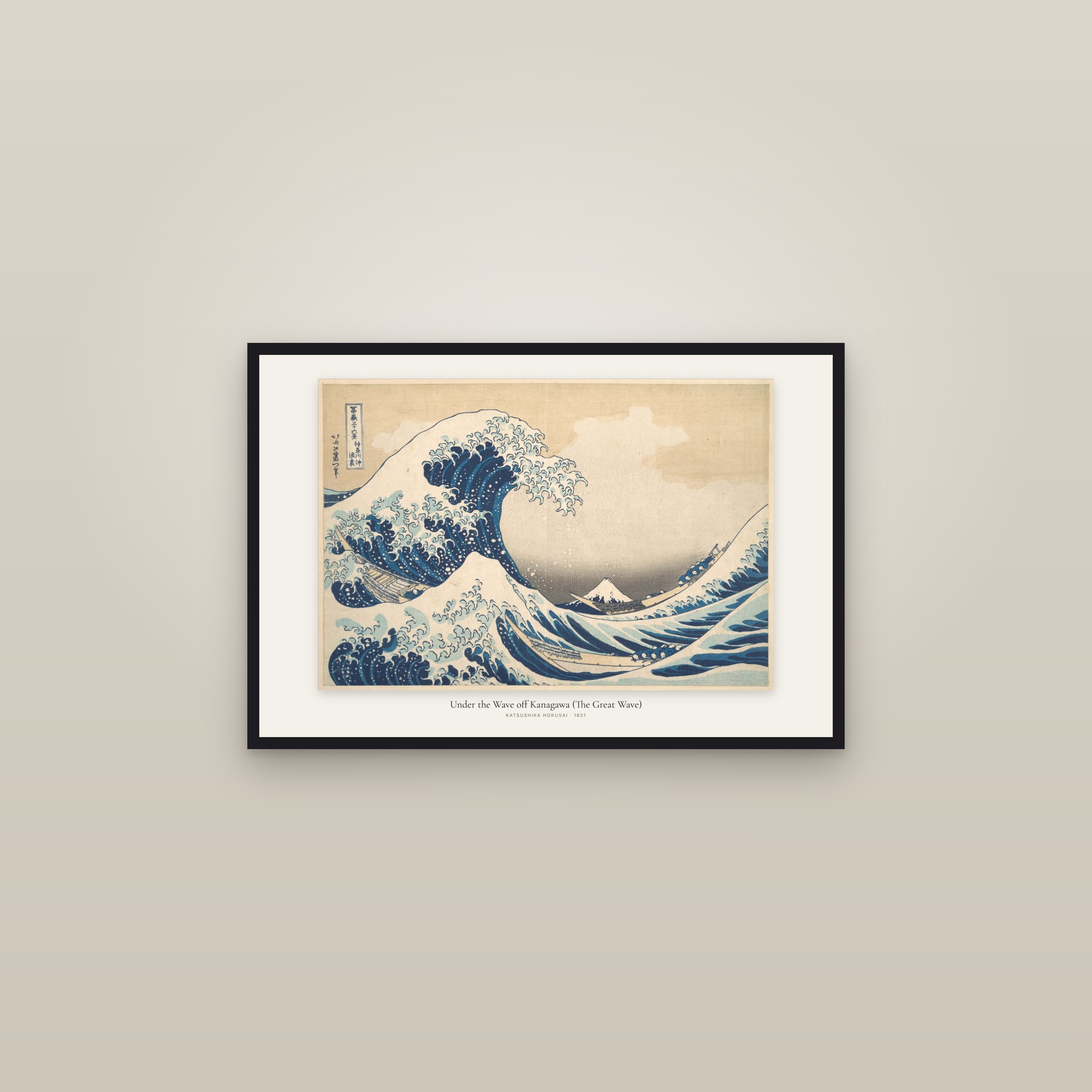
This is the one work here made from the start to be printed in numbers. It's a woodblock print, and the Met's impression is one of many. A Sotheby's catalogue note estimates about 8,000 impressions at the time and about 130 known today.
It has kept travelling. Christine Guth's 2015 book traces its route from Edo through Japonisme, the European craze for Japanese art, to manga and the internet, and a review of it notes the silhouette stays recognisable even when simplified. The Bank of Japan's new ¥1,000 note, first issued on 3 July 2024, carries it; a Sumida Hokusai Museum curator says it was chosen for its international fame.
The 8,000 is an estimate from a sale catalogue, not a printer's record.
Print Under the Wave off Kanagawa; more in Thirty-six Views of Mount Fuji.
The Milkmaid, Johannes Vermeer, c. 1660
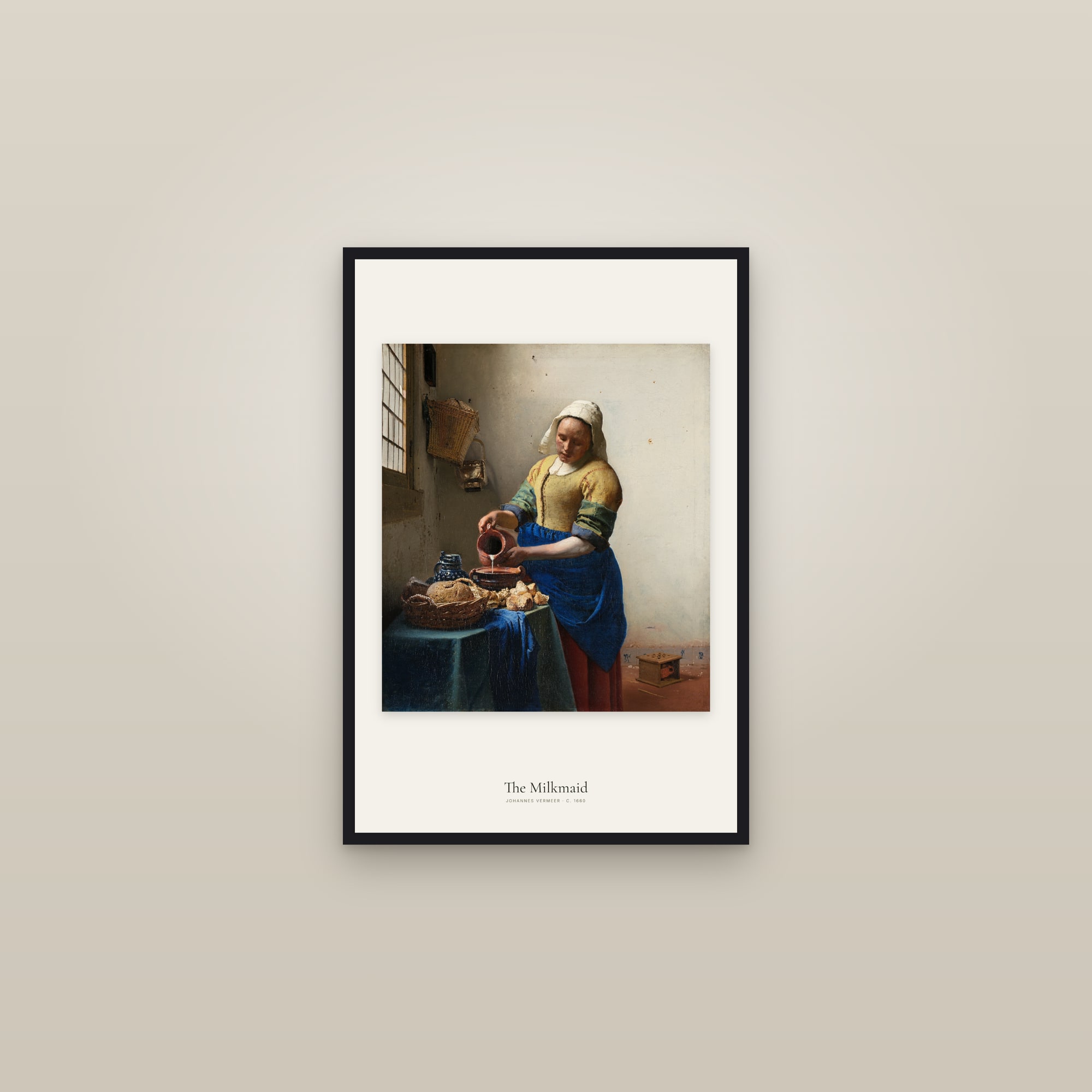
This is the rare painting with an online count, and the rare museum that fought back. Europeana's 2011 white paper reports that a Rijksmuseum survey found over 10,000 copies on the internet, mostly poor, yellowish reproductions. So the museum published a high-resolution image with open metadata as its defence, and its record now marks the work public domain.
We read the white paper, not the survey data behind it, and the figure is from about 2011.
Print The Milkmaid; more in Vermeer prints.
Bal du moulin de la Galette, Pierre-Auguste Renoir, 1876
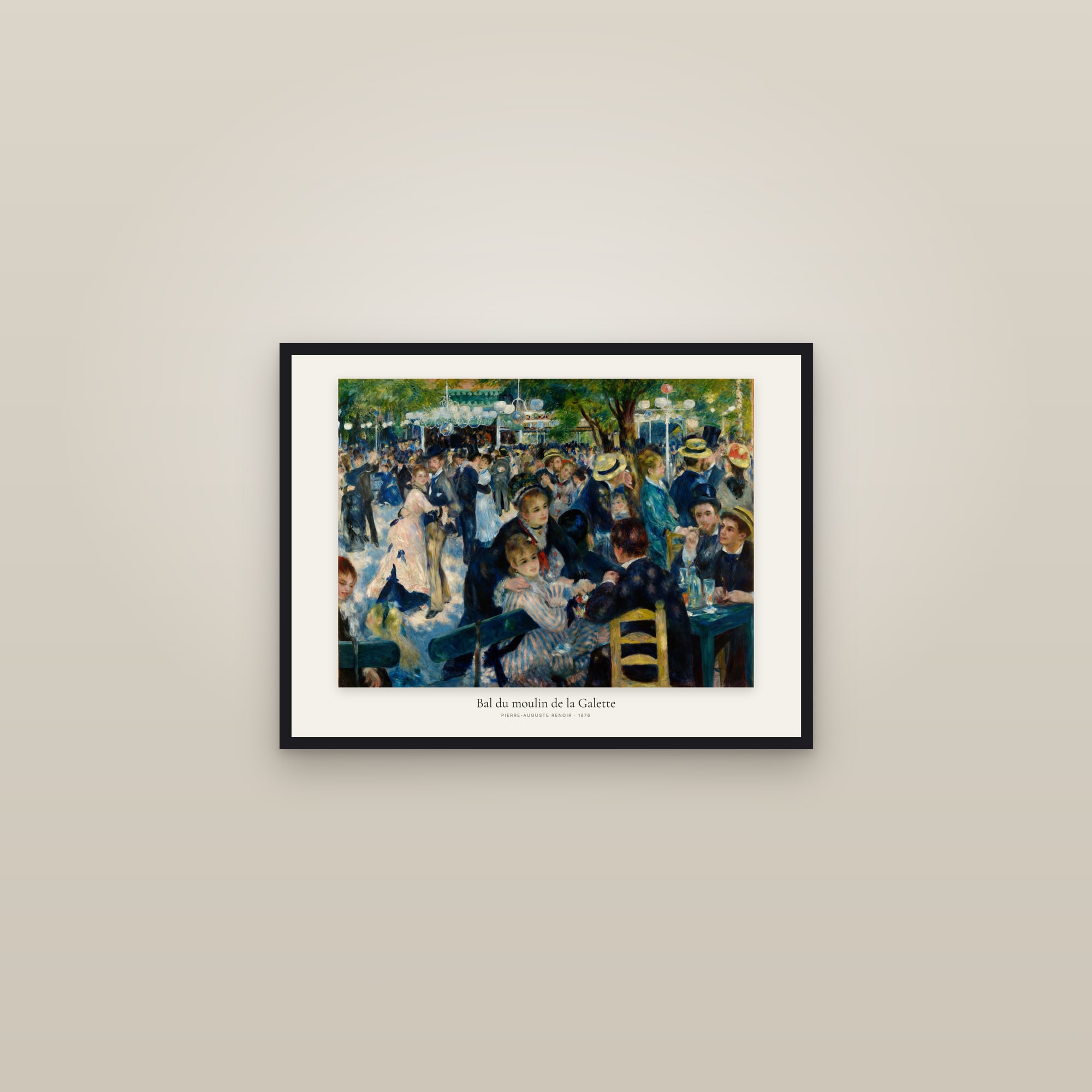
Here is the best method on the list, in a narrow field. In 2003 the Cornell psychologist James Cutting searched Cornell University's libraries for 132 Impressionist images and found 4,232 reproductions in 980 books published between 1901 and 2002. The counts ranged from 2 to 282, and the top image was this Renoir.
It covers one movement in one university's books, and it doesn't say Renoir outranks Leonardo. Its value is showing what a real count looks like, and how rare one is.
Print Bal du moulin de la Galette; more in Renoir prints.
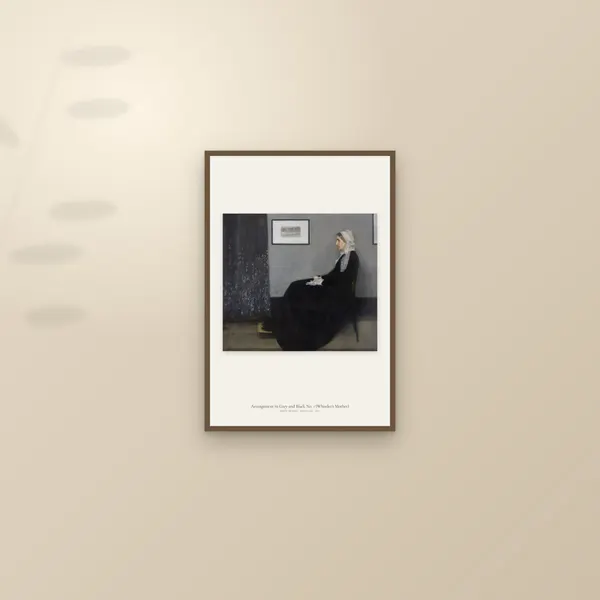
Arrangement in Grey and Black No. 1, James McNeill Whistler, 1871
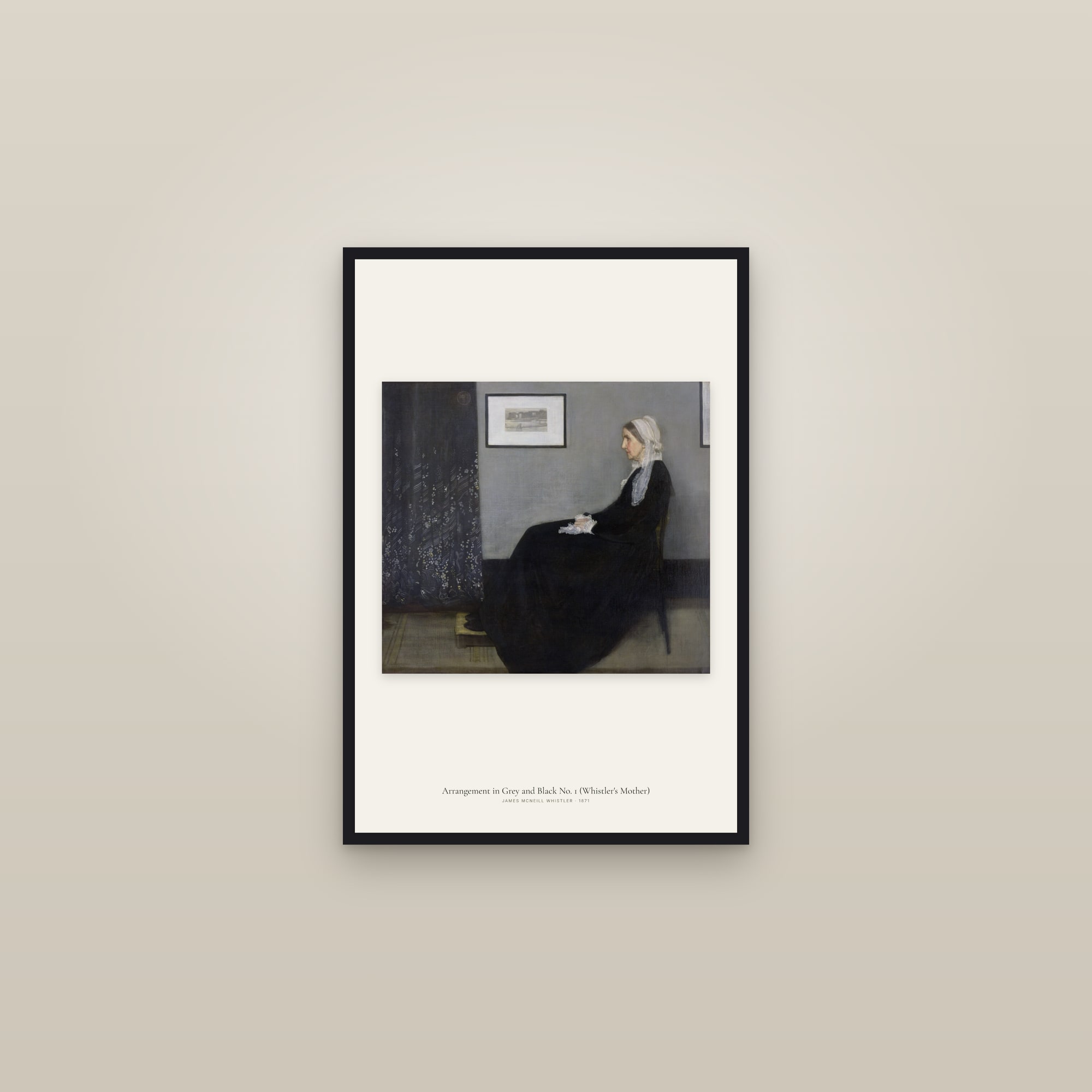
In 1934 the United States issued a stamp of it "In Memory and in Honor of the Mothers of America". The Art Institute of Chicago's record says Roosevelt is said to have chosen it, and that the designer cropped the picture and added a vase of flowers, which drew an objection from Alfred Barr.
The event is documented. We did not find an official print figure from a source we could check, so we give none.
Print Arrangement in Grey and Black No. 1. The story of its name is in paintings everyone knows but cannot name.
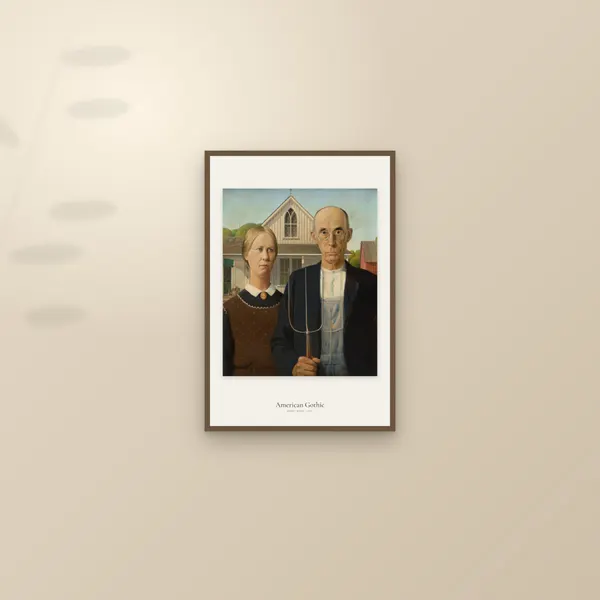
American Gothic, Grant Wood, 1930
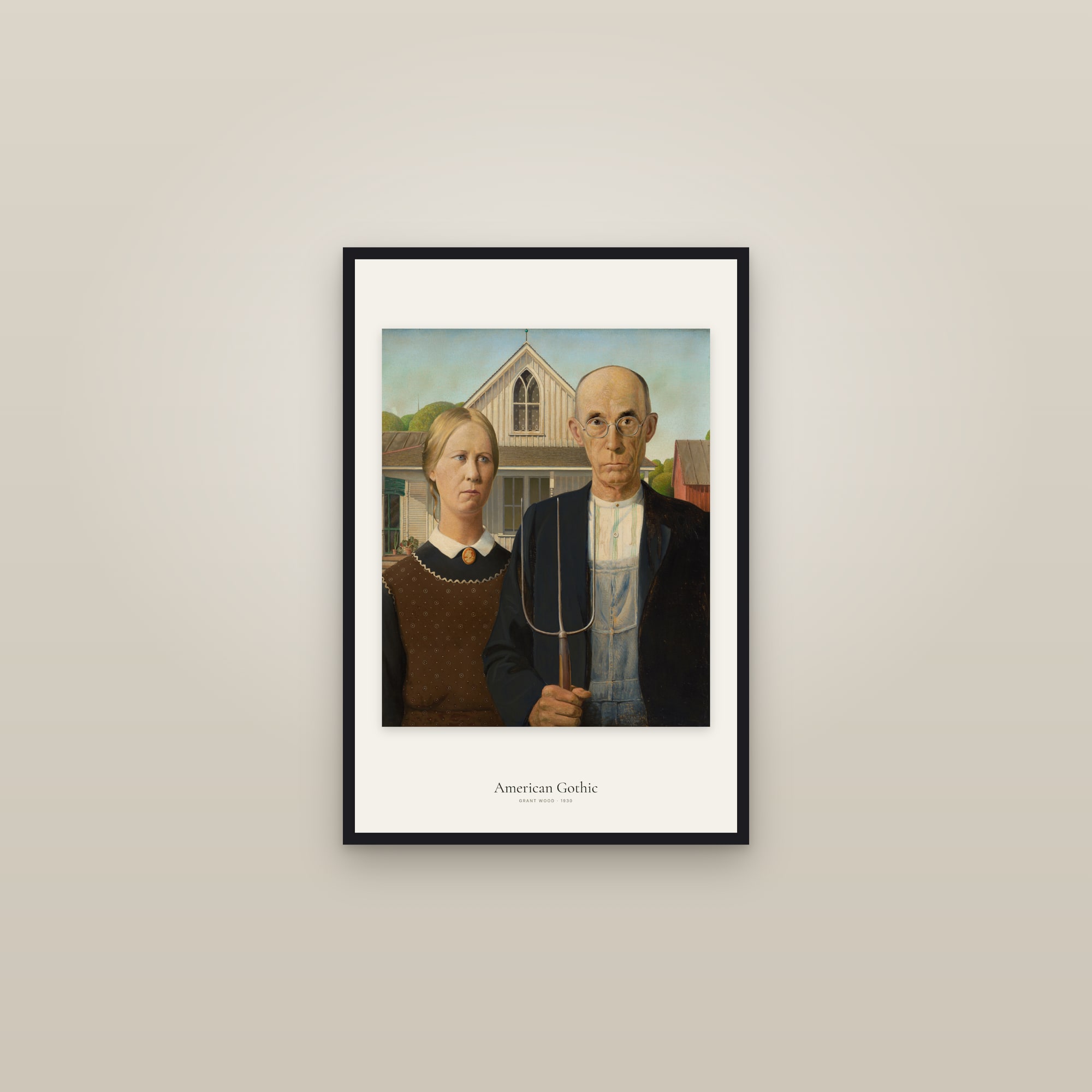
Harvard's Steven Biel wrote a whole book on this picture's afterlife. In an interview he explains that viewers get in and out of it very quickly, which is why it has been parodied in ads, cartoons and political commentary. That is evidence of reach and of the reason, not a count.
Print American Gothic.
The Last Supper, Leonardo da Vinci, 1495 to 1498
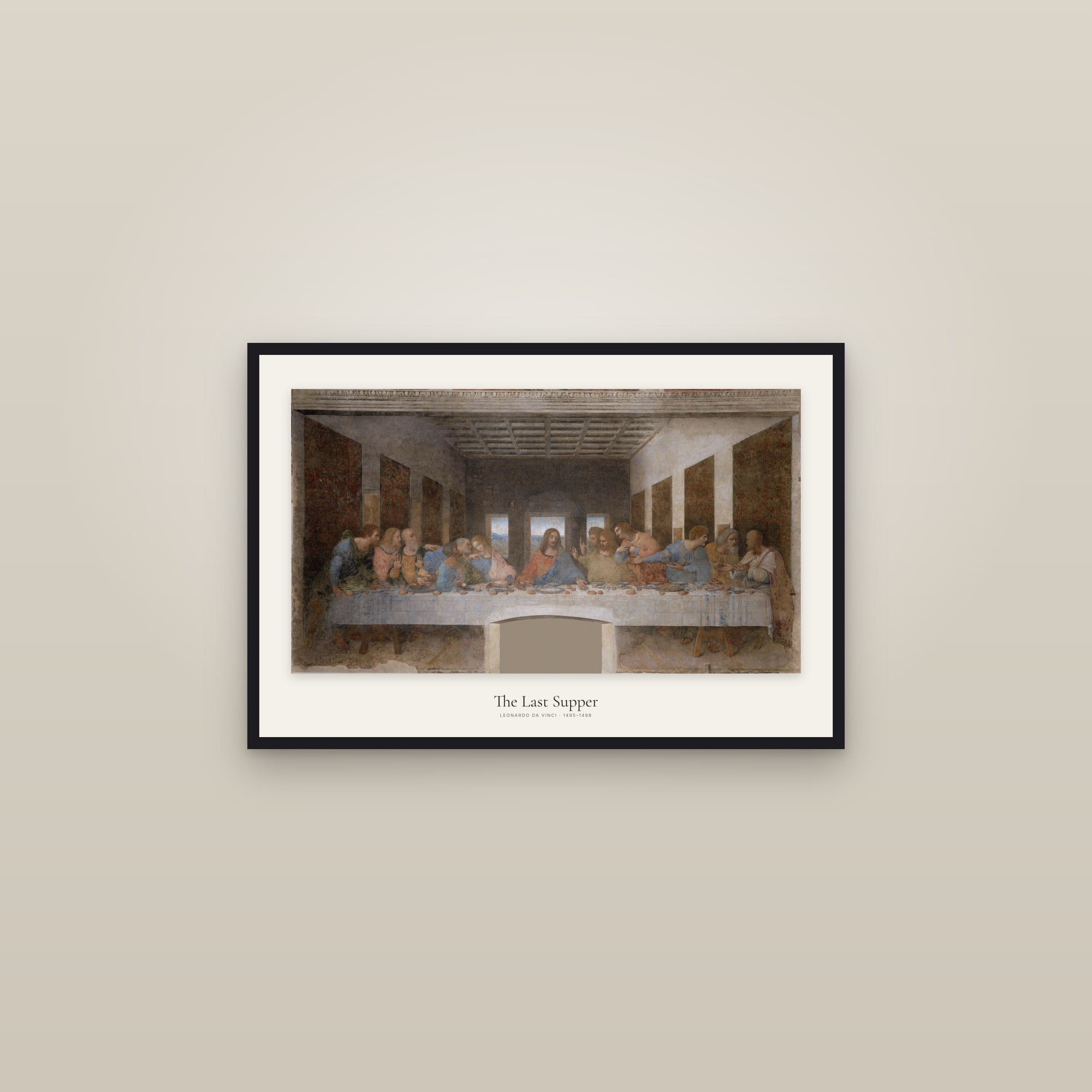
Copies mattered from the start, because the original, painted on dry plaster in the refectory of Santa Maria delle Grazie in Milan, cannot travel. If you wanted this picture, someone had to paint it again. Leo Steinberg's 2001 monograph analyses some fifty sixteenth-century copies, as Isbouts and Brown note in their study of the Tongerlo copy.
Fifty is a count of painted copies from one century, and it says nothing of later prints.
Print The Last Supper.
Vitruvian Man, Leonardo da Vinci, c. 1490
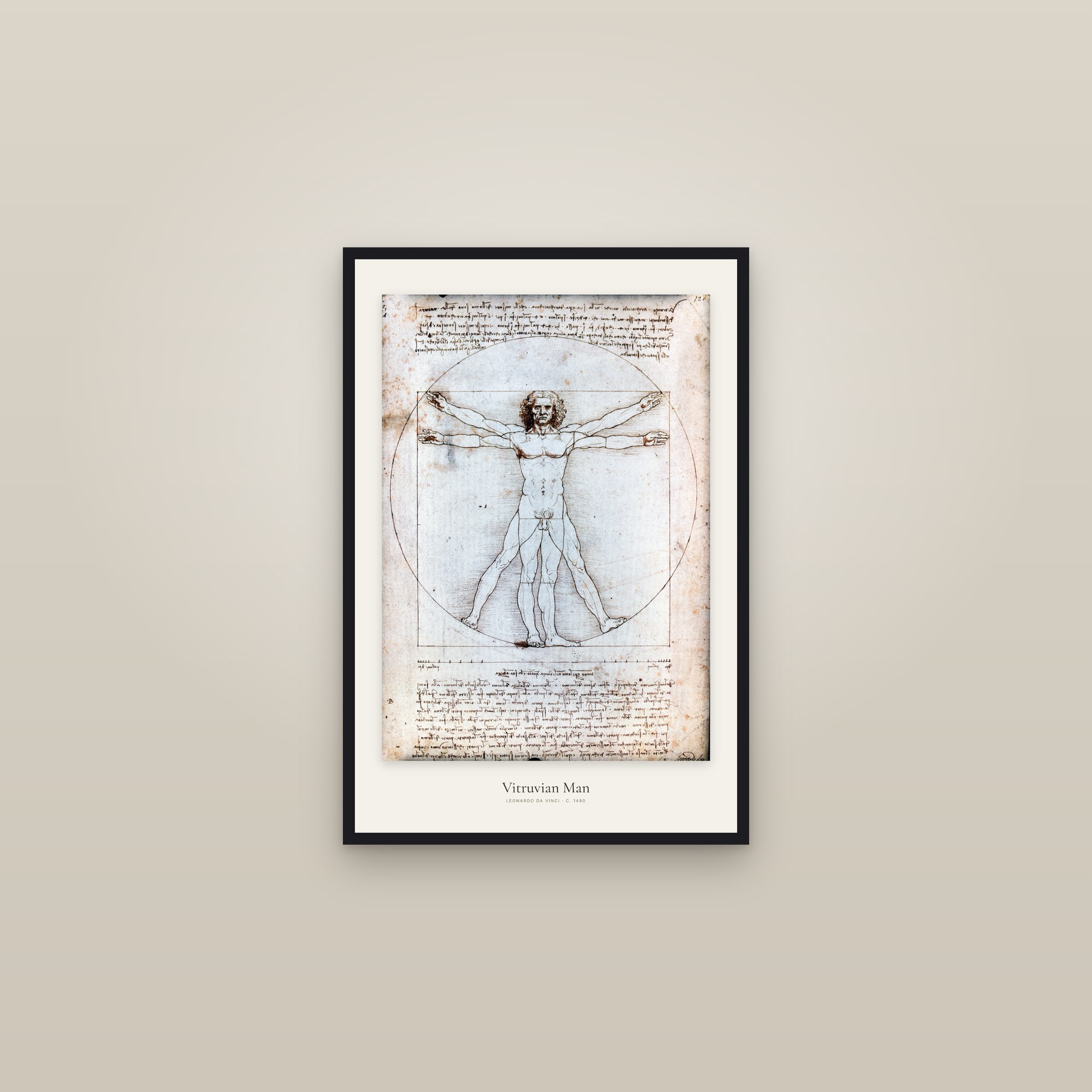
It's a drawing held at the Accademia gallery in Venice, and it reaches people through a coin that passes from hand to hand. The European Central Bank's page confirms it is the design on Italy's €1 coin. The coin is documented, but we give no figure for how many were struck.
Print Vitruvian Man.
The Sistine Madonna, Raphael, 1512 to 1513
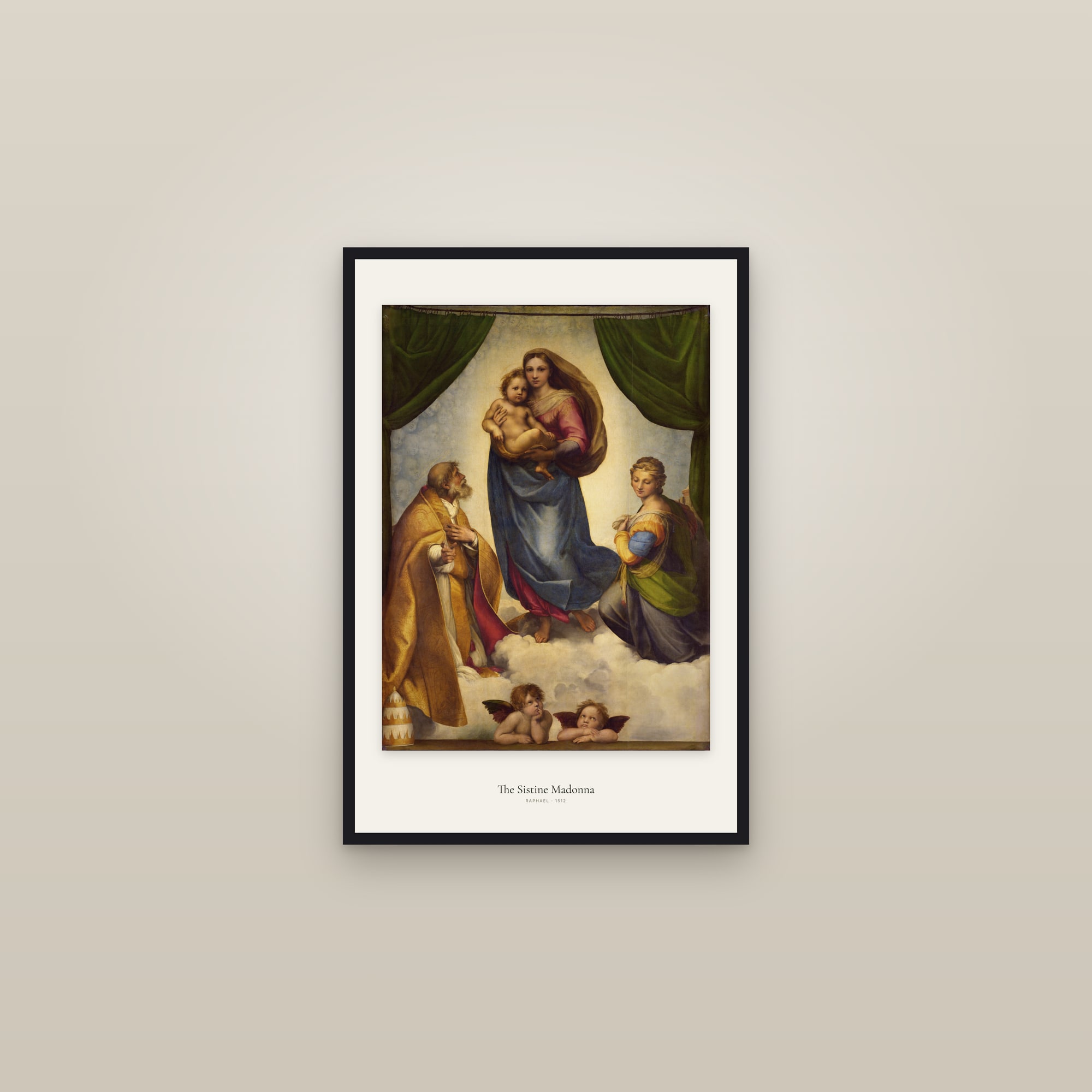
Its two small angels have long since left home. They have been reproduced on their own since the beginning of the nineteenth century, on everything from armbands to almanacs, and the 500th-anniversary exhibition in Dresden in 2012 followed them as far as T-shirts and toilet paper.
This is the weakest source here, one magazine report of the exhibition, with no count.
Print The Sistine Madonna.
The Scream, Edvard Munch, 1893
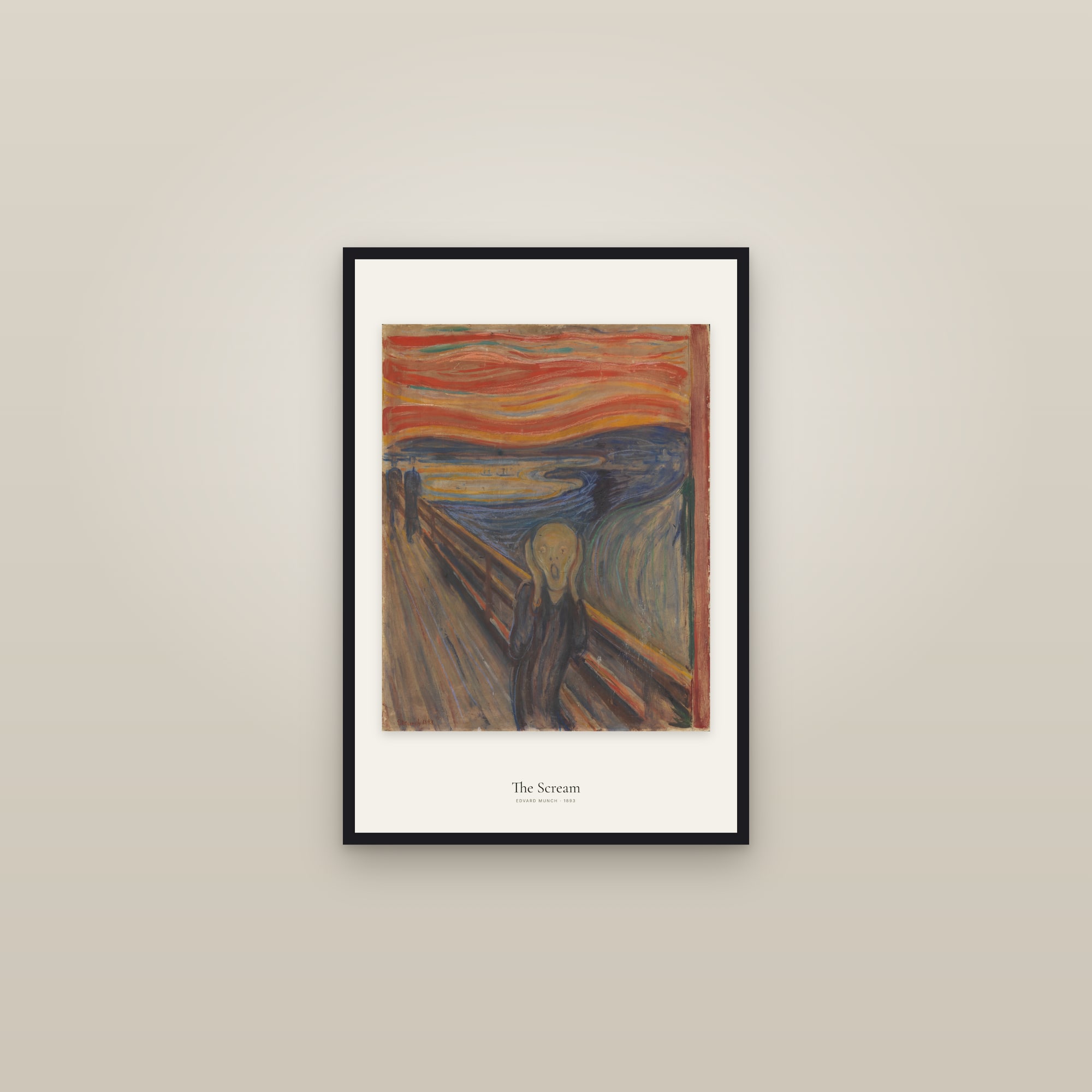
The artist began the multiplying himself. The National Museum in Oslo lists two painted versions, two pastels and a black-and-white lithograph of 1895, a print drawn on stone and made for repetition.
That documents Munch's own versions. We found no reliable measure of what came after, despite how often it is claimed.
Print The Scream.
Why do some images reproduce so readily?
Here is the answer the question is really after. The three reasons below are our reading of the evidence above, and most works on the list have at least two.
Nobody can stop you. The older works on this list are long out of copyright, and the law has moved to keep it that way. Article 14 of the EU's 2019 copyright directive says that once a visual work's term expires, a faithful reproduction of it gets no new copyright or related rights, unless the reproduction is itself an original creation. Museums have followed. The Rijksmuseum's answer to ten thousand bad copies was to release a good one.
It reads at a glance. One subject, one strong shape, legible at the size of a coin. A wave, a face, a figure clutching its head, a man and a woman with a pitchfork. Biel's remark about American Gothic and the review's point about Hokusai's silhouette say the same thing. Dense compositions rarely travel this way, and when they do they travel as a detail: two hands, two angels.
It has a story. The Louvre itself credits a theft for the Mona Lisa's worldwide fame, not its paint. The story gives people a reason to pass the picture on.
Then the effect feeds itself. Cutting found that adults' preferences among those Impressionist images correlated with how often the images appeared in books, and children's preferences did not. He concluded that mere exposure helps maintain an artistic canon. We see the works we see, and come to prefer them, and so they are printed again.
Fame in museums is a separate matter. One review of David Morgan's study of American devotional art puts Warner Sallman's 1940 Head of Christ at approximately five hundred million reproductions. We do not print it, and it is not on our list of famous paintings. It is the reminder that the most copied image and the most admired are different questions.


More in the Journal: the most famous paintings in the world, paintings everyone knows but cannot name, and the most stolen artworks. For how reproductions were made across the centuries, see a short history of the print.
Famous Painting Prints Japanese Ukiyo-e PrintsQuestions people ask
What is the most reproduced artwork in the world?
Nobody knows, because no census of reproductions exists. The Mona Lisa has the strongest reputation-based claim, with the Louvre itself calling it the most famous painting in the world. The largest number you can check belongs to Gilbert Stuart's portrait of George Washington, used for the US $1 note, with 15.2 billion notes in circulation at the end of 2025.
Is the Mona Lisa the most copied painting?
It is the most famous, and the Louvre says copies were made from the sixteenth century and that more than a hundred are known today. Nobody has counted all later reproductions, so 'most copied' is a reasonable belief and not a measured result.
How many Great Wave prints were made?
There is no record of the number. A Sotheby's catalogue note estimates about 8,000 impressions at the time and about 130 known survivors. Treat both as estimates. The image also appears on the Japanese ¥1,000 note issued from 3 July 2024.
Why are old paintings reproduced more than modern ones?
Largely, we think, because copyright has run out. Under Article 14 of the EU's 2019 copyright directive, a faithful reproduction of a public-domain work of visual art gets no new copyright, and museums such as the Rijksmuseum mark their images as public domain.
Does seeing a painting often make people like it more?
There is evidence that it does. The psychologist James Cutting found in 2003 that adults' preferences among Impressionist paintings correlated with how often each appeared in Cornell University library books, while children's preferences did not.
Sources
- US Currency Education Program: Portrait of George Washington (The Athenaeum Portrait), used for the 1869 series and the current $1 note
- Federal Reserve Board: currency in circulation, volume (15.2 billion $1 notes, 31 December 2025)
- Musée du Louvre, collections database: Portrait de Lisa Gherardini, INV 779 (the most famous painting in the world; the 1911 theft; more than a hundred copies)
- Charles Nicholl, London Review of Books, 2002: review of Donald Sassoon's Mona Lisa
- Sotheby's, catalogue note: Under the Wave off Kanagawa (about 8,000 impressions at the time, about 130 known)
- Pacific Affairs: review of Christine Guth, Hokusai's Great Wave, Biography of a Global Icon, University of Hawai'i Press, 2015
- Bank of Japan: the new series of Bank of Japan notes (first issued 3 July 2024)
- Tokyo Metropolitan Government, Tokyo Updates: The Great Wave, an artwork that connects Japan and the world (the ¥1,000 note, the Sumida Hokusai Museum curator)
- The Metropolitan Museum of Art: Under the Wave off Kanagawa, also known as The Great Wave, JP1847
- Europeana White Paper No. 2, November 2011: The Problem of the Yellow Milkmaid (over 10,000 copies online, the Rijksmuseum's response)
- Rijksmuseum: The Milkmaid, SK-A-2344 (public domain mark)
- James E. Cutting, Psychonomic Bulletin & Review, 2003: Gustave Caillebotte, French Impressionism, and mere exposure
- Art Institute of Chicago: Sheet of Stamps of Whistler's Mother, 1934
- Harvard Magazine: Steven Biel on American Gothic
- Jean-Pierre Isbouts and Christopher Brown: A Multidisciplinary Study of the Tongerlo Last Supper (citing Steinberg's fifty sixteenth-century copies)
- Museo del Cenacolo Vinciano, Milan: The Last Supper
- European Central Bank: 1 euro coin, Italian national side
- Maclean's, 30 July 2012: Happy 500th birthday, Raphael cherubs (reproduced alone from the beginning of the nineteenth century)
- Google Arts & Culture, Gemäldegalerie Alte Meister record: The Sistine Madonna, 1512 to 1513
- Nasjonalmuseet, Oslo: The Scream, 1893, NG.M.00939 (the painted, pastel and lithograph versions)
- Paul Nathanson, Material Culture Review: review of David Morgan, ed., Icons of American Protestantism (about 500 million reproductions)
- Directive (EU) 2019/790 on copyright in the Digital Single Market, Article 14: works of visual art in the public domain
Start hereThe most famous paintings in the world and where to see them