
Paintings everyone knows but cannot name
Eleven images you'd know anywhere, met through a nickname, a copy, a detail or a wrong title, and what they're really called. No survey measures this, so we state our test.
Contents12 sections
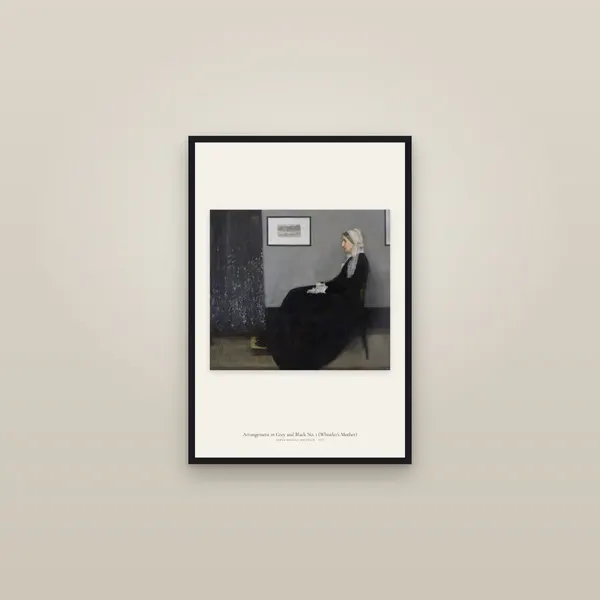
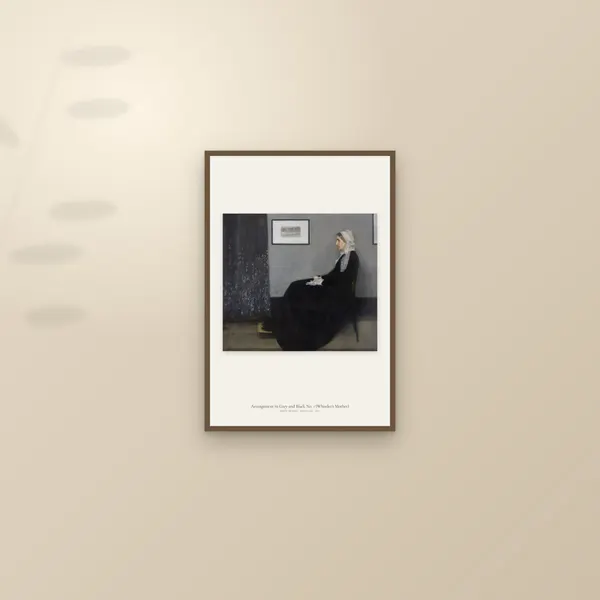
You've seen the woman in the chair, the wave, the pitchfork couple, the two hands almost touching. Now try to give the proper name of each. The clearest case is Whistler's Mother, whose title is Arrangement in Grey and Black No. 1.
No survey measures which famous paintings people recognise but cannot name, so this list does not rank them, and any list that does is guessing. It uses a test instead, and the test is ours. A work qualifies if it meets at least one of four conditions: a nickname replaced its title, most people meet it as a copy on something else, a detail stands in for the whole, or its name misdescribes what it shows. The order below follows that test rather than any score. Every work is one we print, listed under its proper title, artist, year and museum. The most famous paintings in the world ranks fame itself; this piece asks what you are actually looking at.
| Work as people know it | Proper title | Test |
|---|---|---|
| Whistler's Mother | Arrangement in Grey and Black No. 1 | Nickname |
| The Night Watch | Militia Company of District II | Nickname, misdescribes |
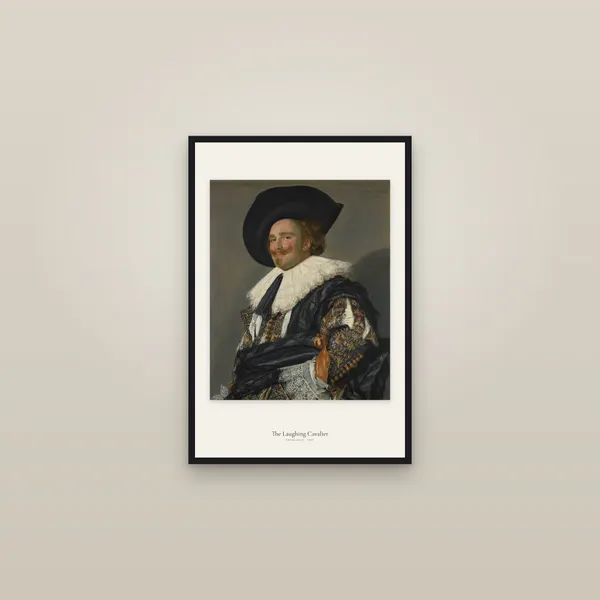
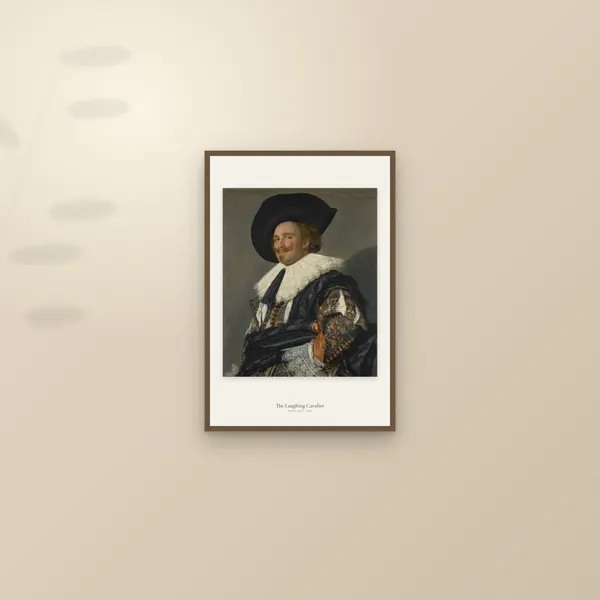
| The Laughing Cavalier | No title of the artist's that we could find | Nickname, misdescribes |
| The Hay Wain | Landscape: Noon | Nickname |
| The Great Wave | Under the Wave off Kanagawa | Nickname |
| The Fighting Temeraire | The Fighting Temeraire tugged to her last berth to be broken up | Nickname (shortened), copy (banknote) |
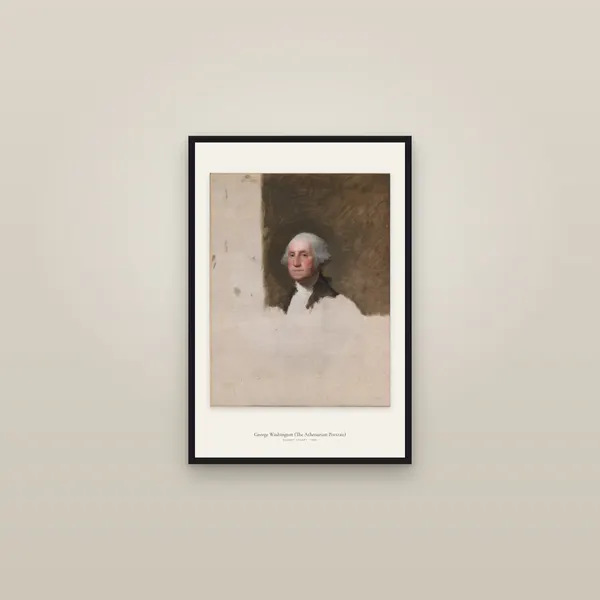
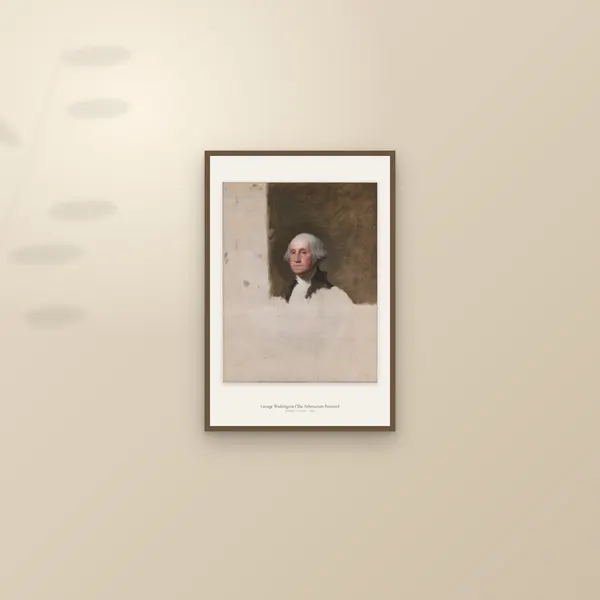
| The dollar bill Washington | George Washington (The Athenaeum Portrait) | Copy |
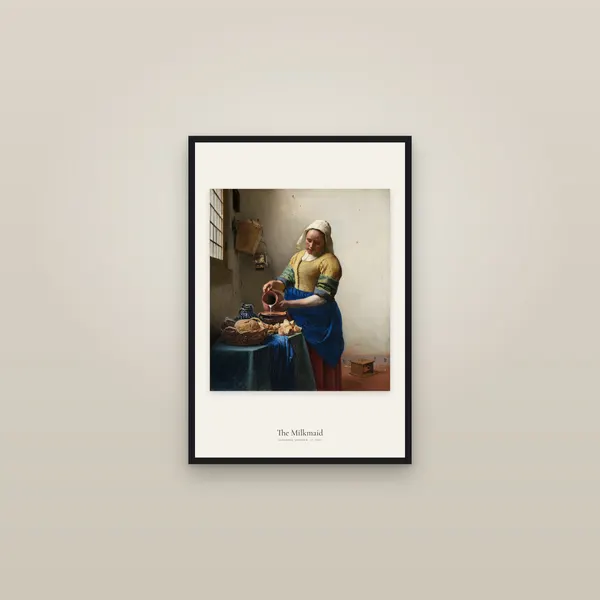
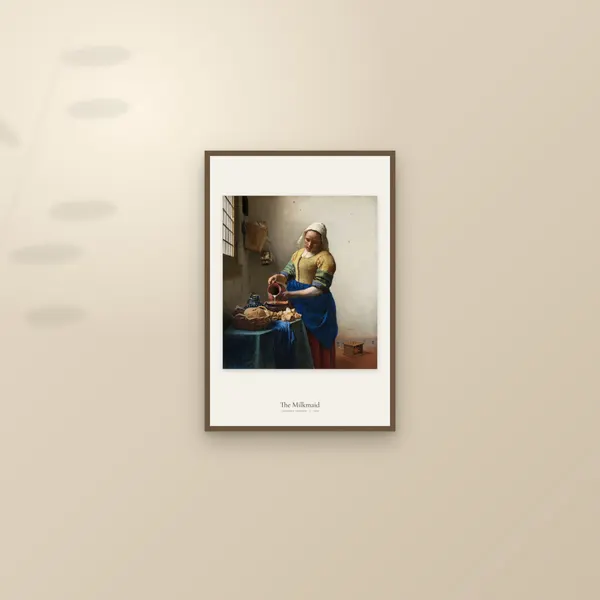
| The yellow milkmaid | The Milkmaid | Copy |
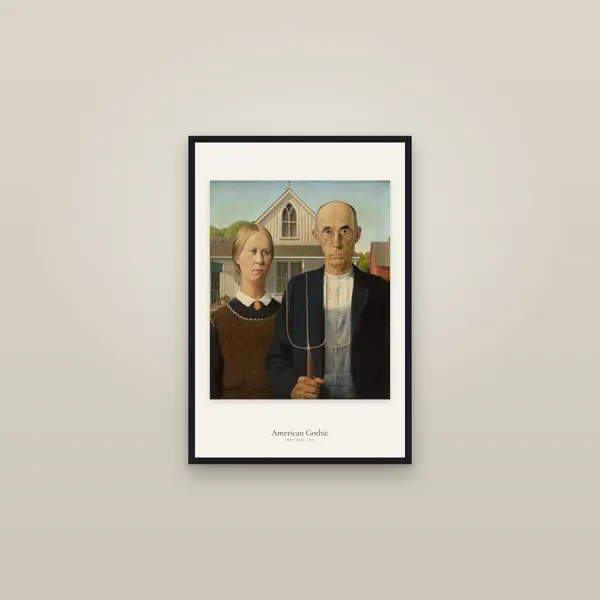
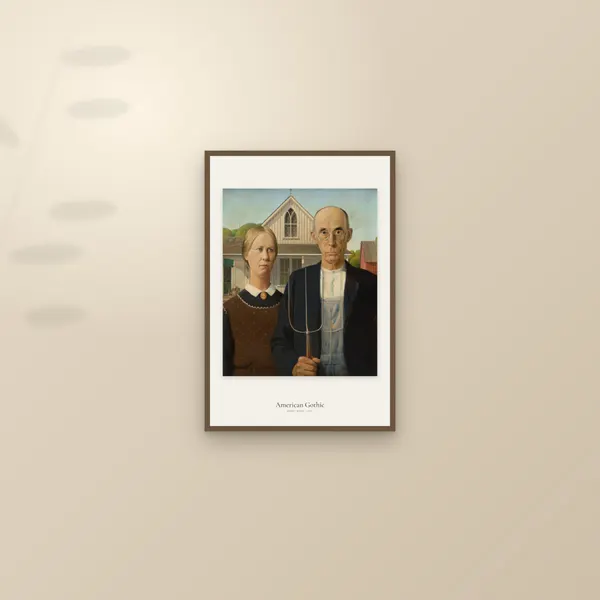
| The couple with the pitchfork | American Gothic | Copy (parody) |
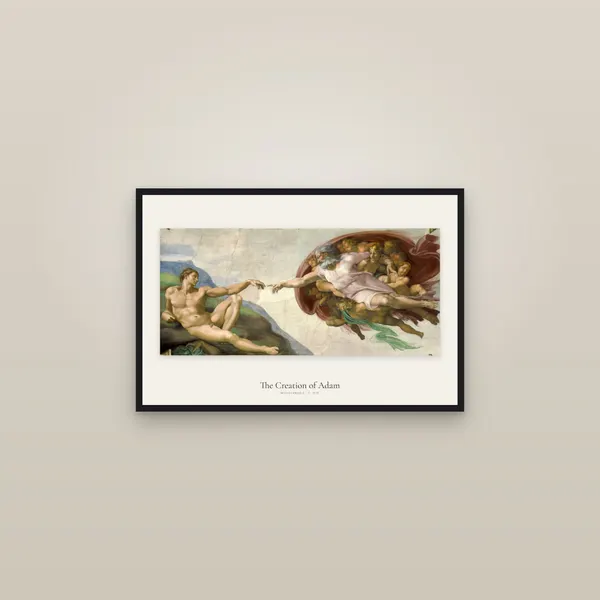
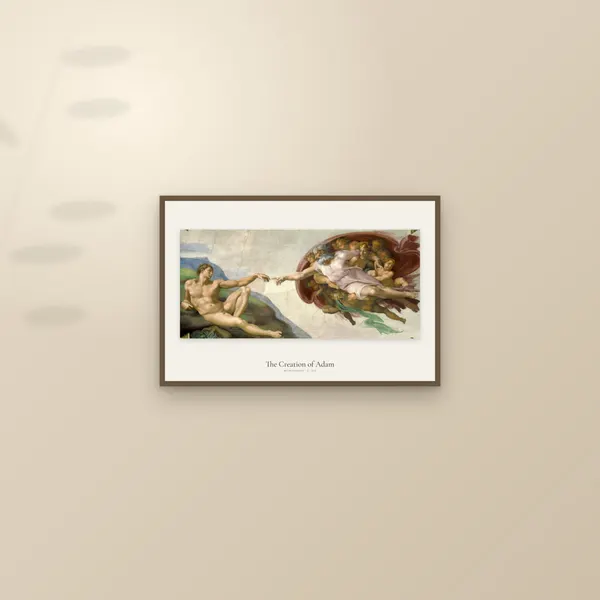
| Two hands almost touching | The Creation of Adam | Detail |
| The two bored cherubs | The Sistine Madonna | Detail |
Whistler's Mother
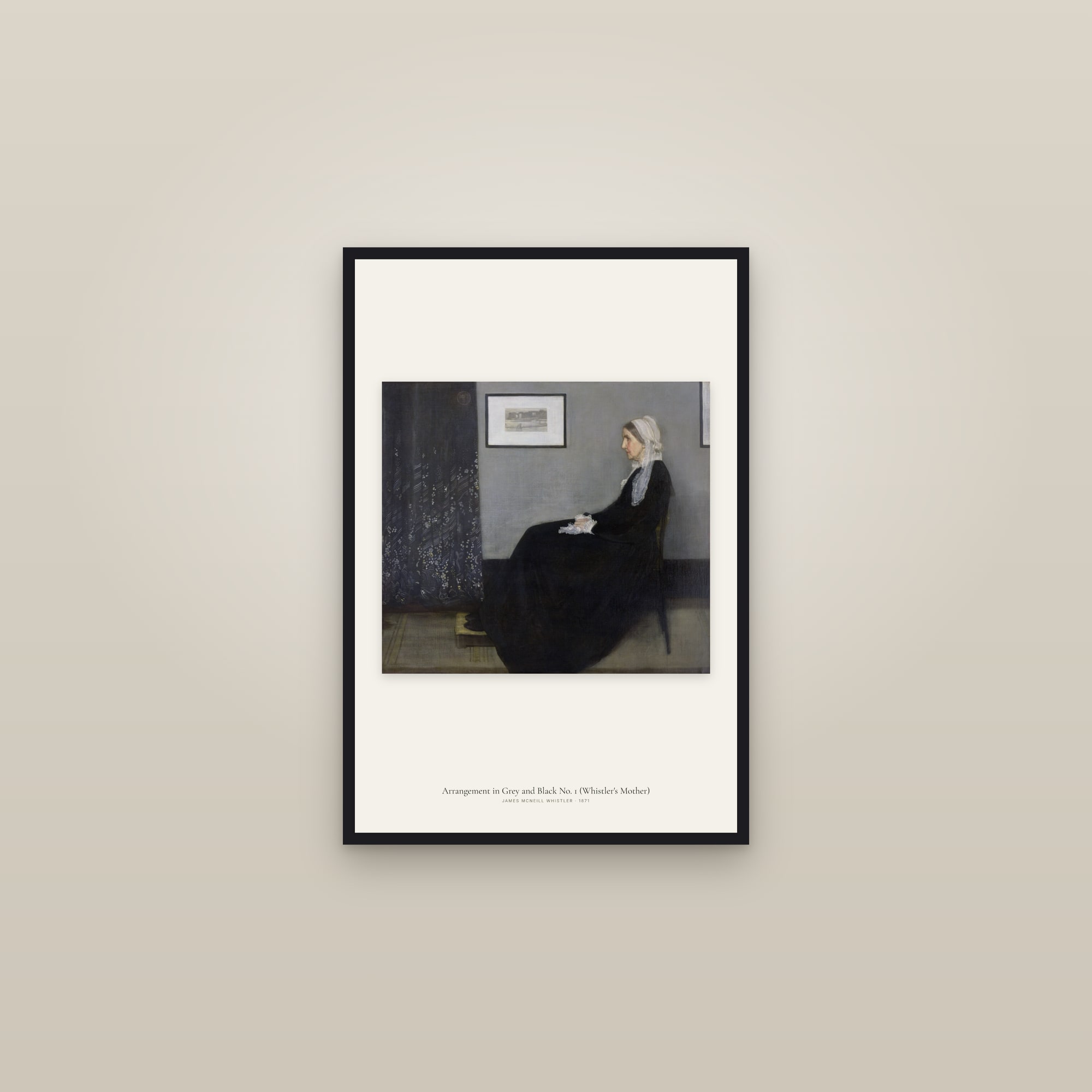
Whistler led his title with two colours. His mother Anna, the sitter, came second, in the subtitle he used at the Royal Academy in 1872: Portrait of the Painter's Mother. The nickname won anyway. In 1934 the United States put the picture on a stamp "In Memory and in Honor of the Mothers of America", and the designer cropped it and added a vase of flowers. Alfred Barr of the Museum of Modern Art objected on the painting's behalf. Its reputation as a picture of motherhood was stronger than its title by then.
Proper name Arrangement in Grey and Black No. 1, James McNeill Whistler, 1871, Musée d'Orsay, Paris. France's government bought it in 1891 for 4,000 francs.
Print Arrangement in Grey and Black No. 1.
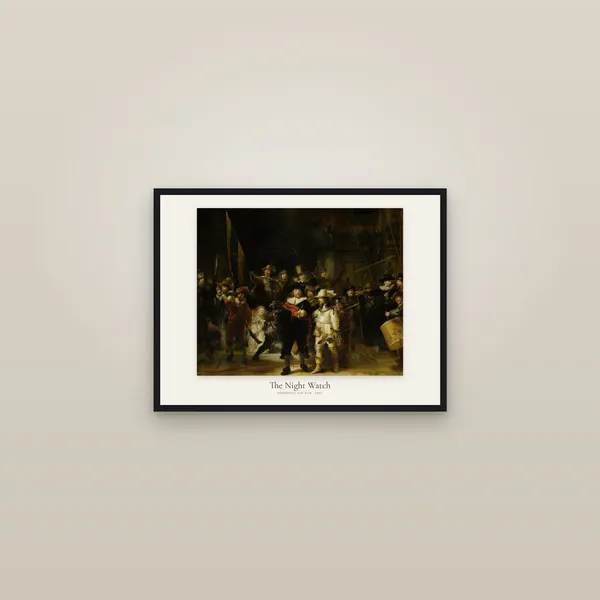
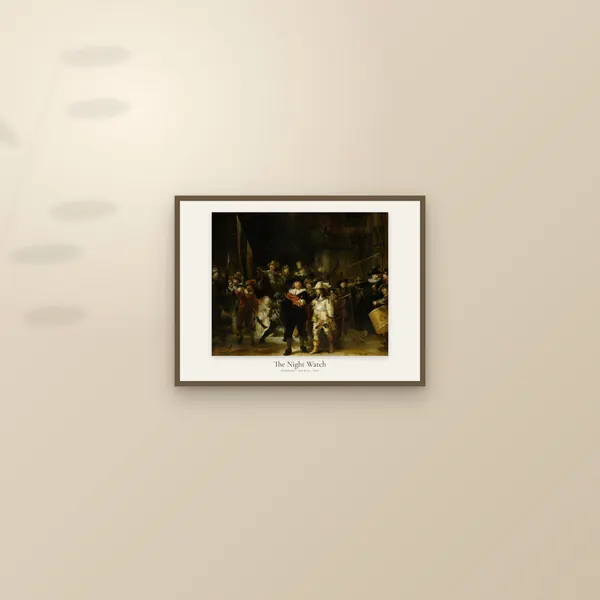
The Night Watch
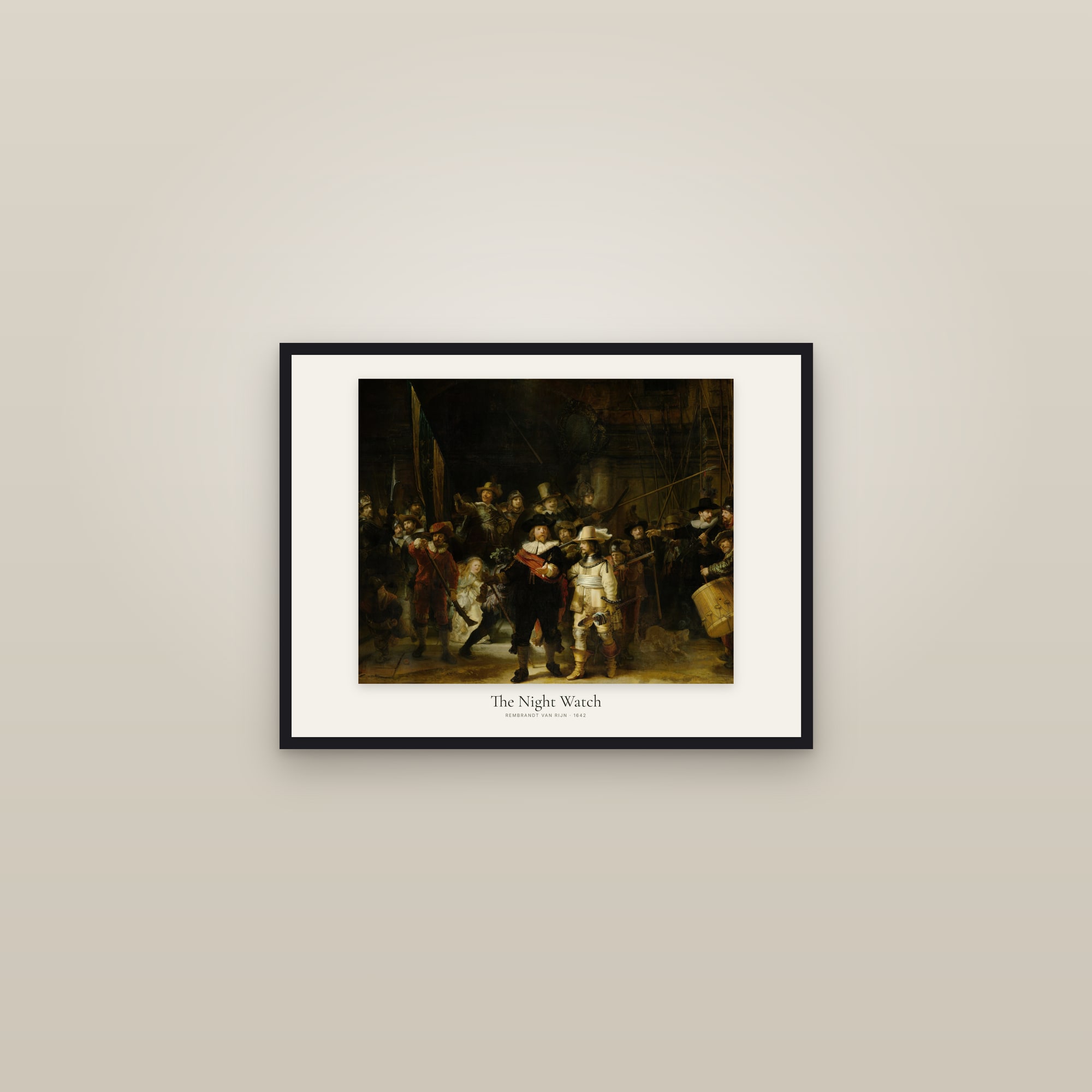
This name fails twice. It appears only at the end of the eighteenth century, and it's wrong. The Rijksmuseum says that "despite its dark tones, the scene is a daylight march". The museum now prints both names together, a sign of which one the public will look for.
Proper name Militia Company of District II under the Command of Captain Frans Banninck Cocq, Rembrandt van Rijn, 1642, Rijksmuseum, Amsterdam, on loan from the city since 1808.
Print The Night Watch.
The Laughing Cavalier
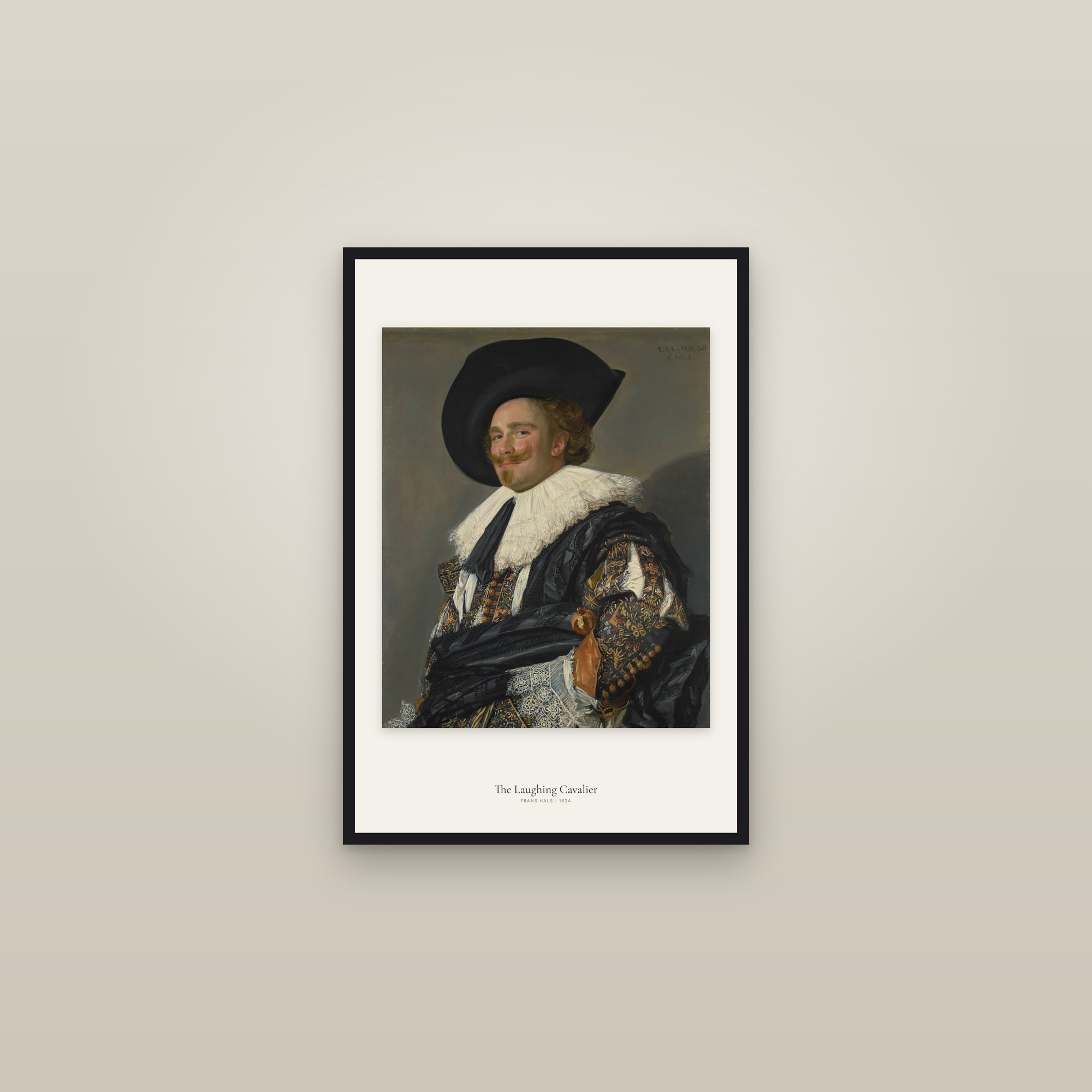
Neither word in the name holds up. The Wallace Collection's own text gives him a "coy expression" and an age, 26, but not a laugh. As for cavalier, its 2021 exhibition release says no one knows for certain who he was, and one proposal, Tieleman Roosterman, was a Haarlem textile merchant. The same release says the picture has featured in countless advertisements and in the London taxi knowledge test, so the name is firmly established.
Proper name None we could trace to the artist. Frans Hals, 1624, the Wallace Collection, London.
Print The Laughing Cavalier.
The Hay Wain
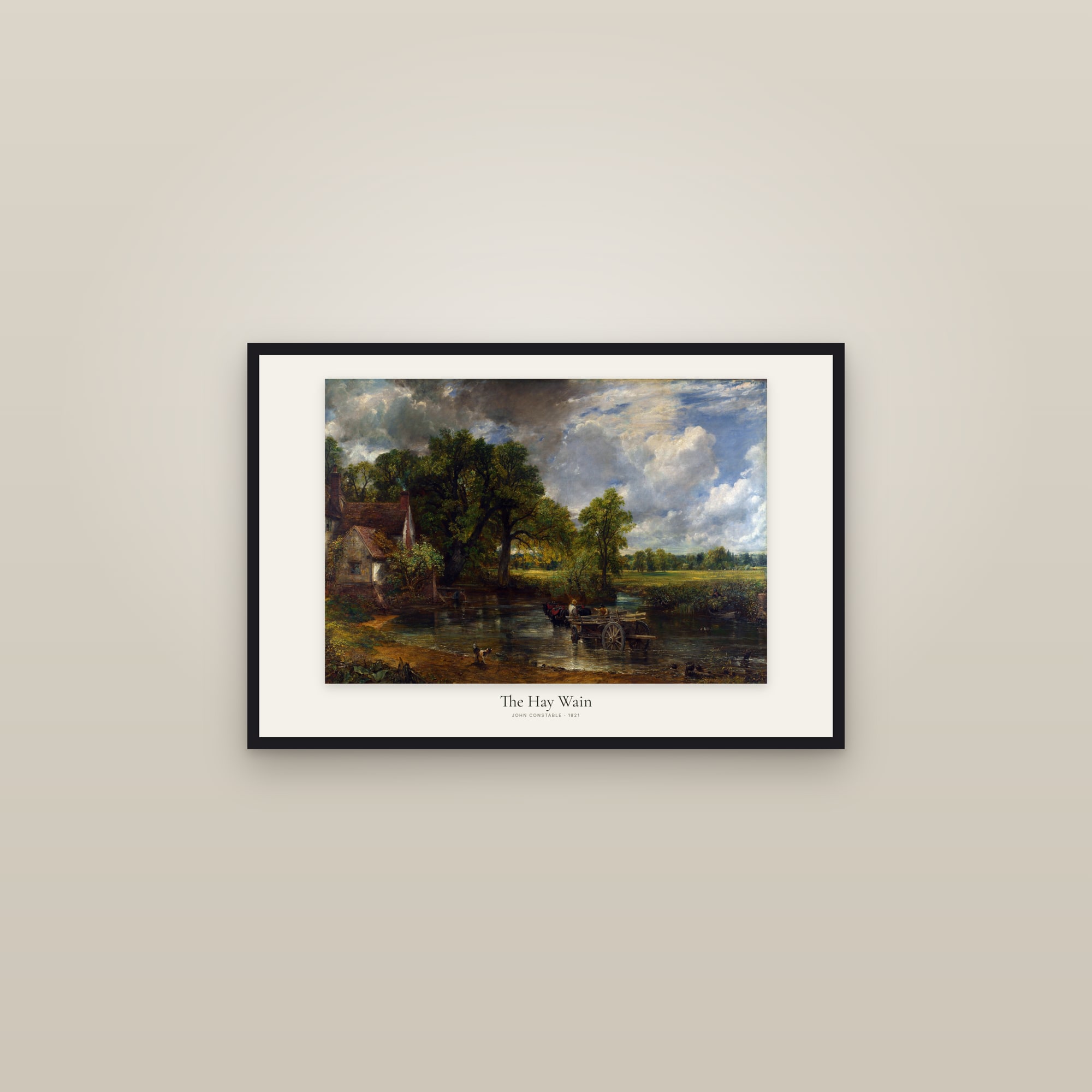
The name began in a friend's letter. The National Gallery's catalogue quotes Archdeacon Fisher, writing of 14 February 1821: "And how thrives the 'hay wain'?" Constable sent the picture to the Royal Academy that year under a different title, and when it won a gold medal at the Paris Salon in 1824, it was listed under a long French description. The nickname beat them both.
Proper name Constable sent it to the Royal Academy in 1821 as Landscape: Noon. John Constable, 1821, National Gallery, London.
Print The Hay Wain.
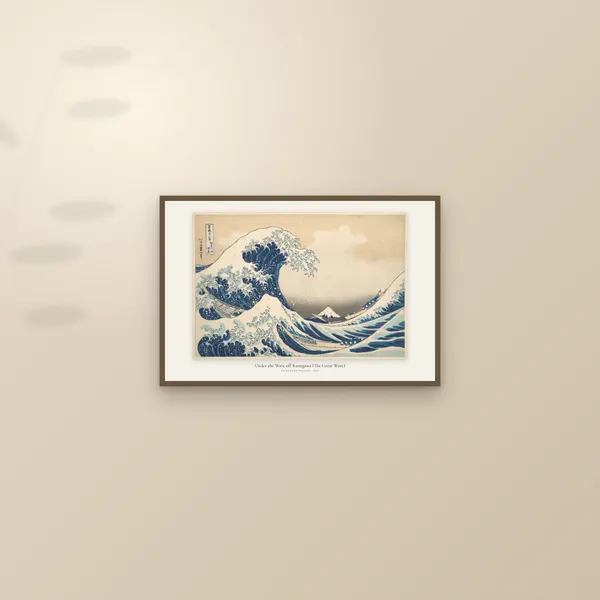
The Great Wave
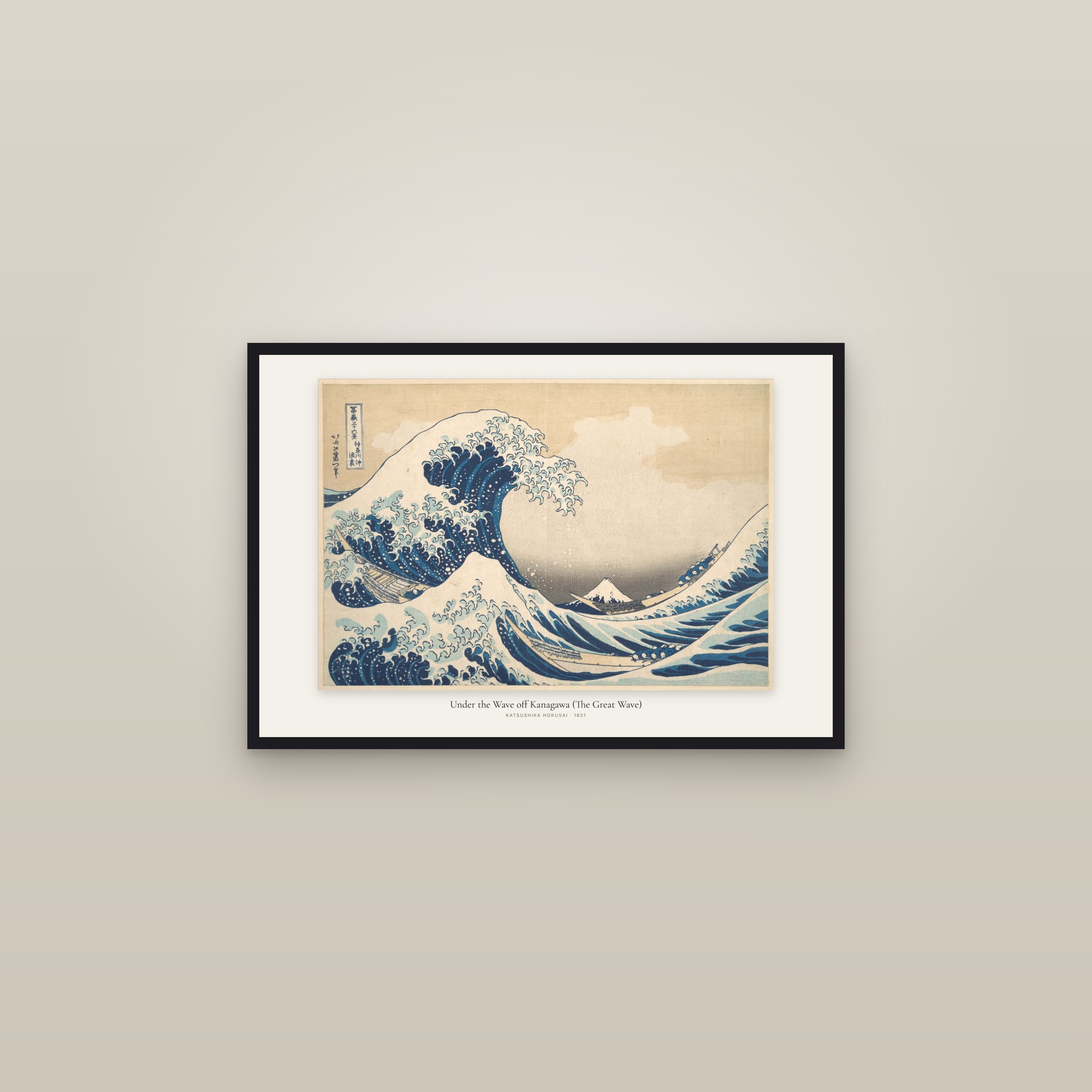
Three common errors in one work. It has a longer name, it is a woodblock print rather than a painting, and it belongs to a series about the mountain in the background. More in Thirty-six Views of Mount Fuji.
Proper name Under the Wave off Kanagawa, Katsushika Hokusai, about 1830 to 1832, from the series Thirty-six Views of Mount Fuji. Our print comes from the Metropolitan Museum of Art's impression, JP1847.
Print Under the Wave off Kanagawa.
The Fighting Temeraire
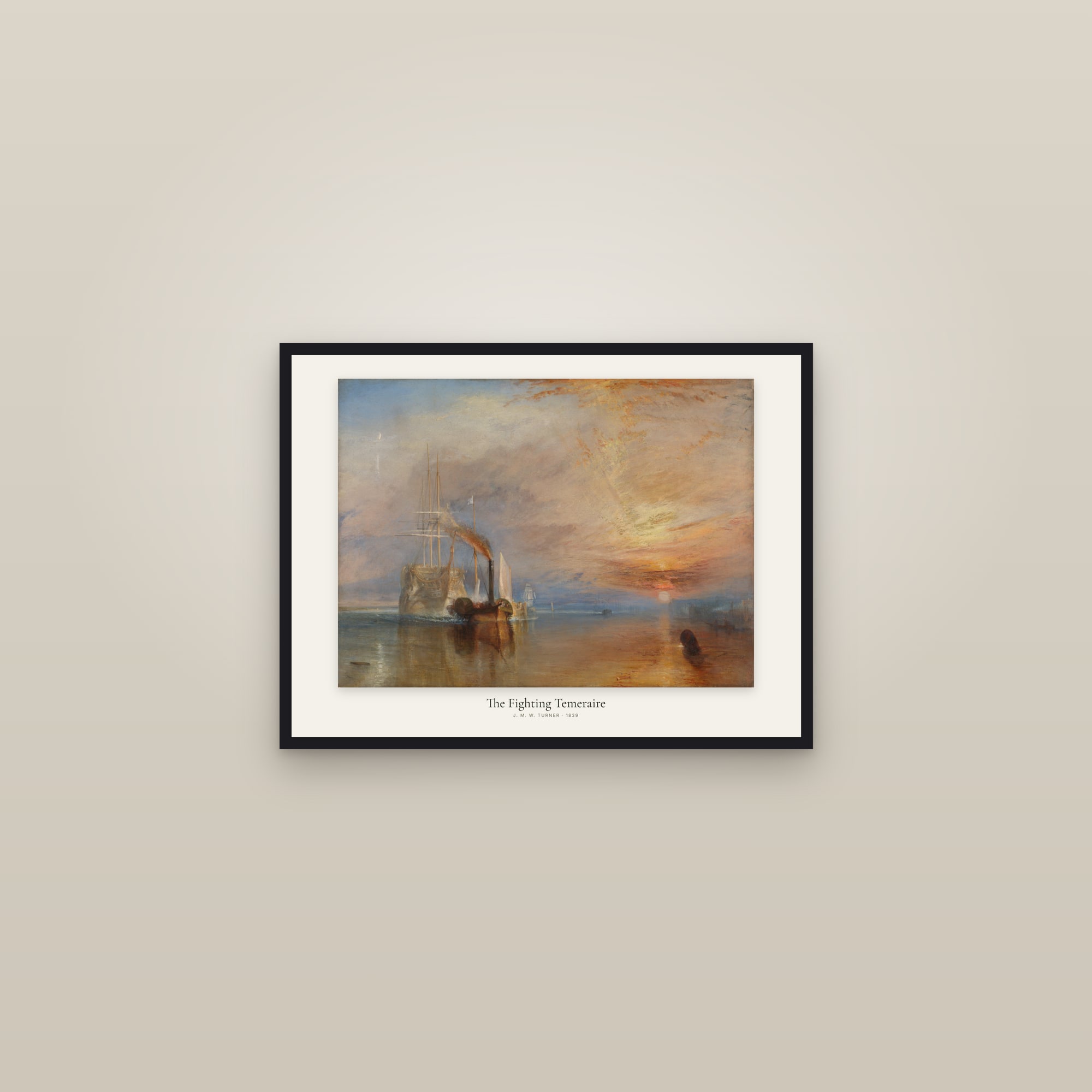
The short form drops the whole story: the warship is being towed to the breakers. A BBC radio poll voted it the greatest painting in Britain in 2005, and the Bank of England chose it for the £20 note design unveiled in 2016. The note entered circulation on 20 February 2020, which puts the picture in pockets, usually without the last-berth part of its name.
Proper name The Fighting Temeraire tugged to her last berth to be broken up, J. M. W. Turner, 1839, National Gallery, London.
Print The Fighting Temeraire.
The Athenaeum Portrait
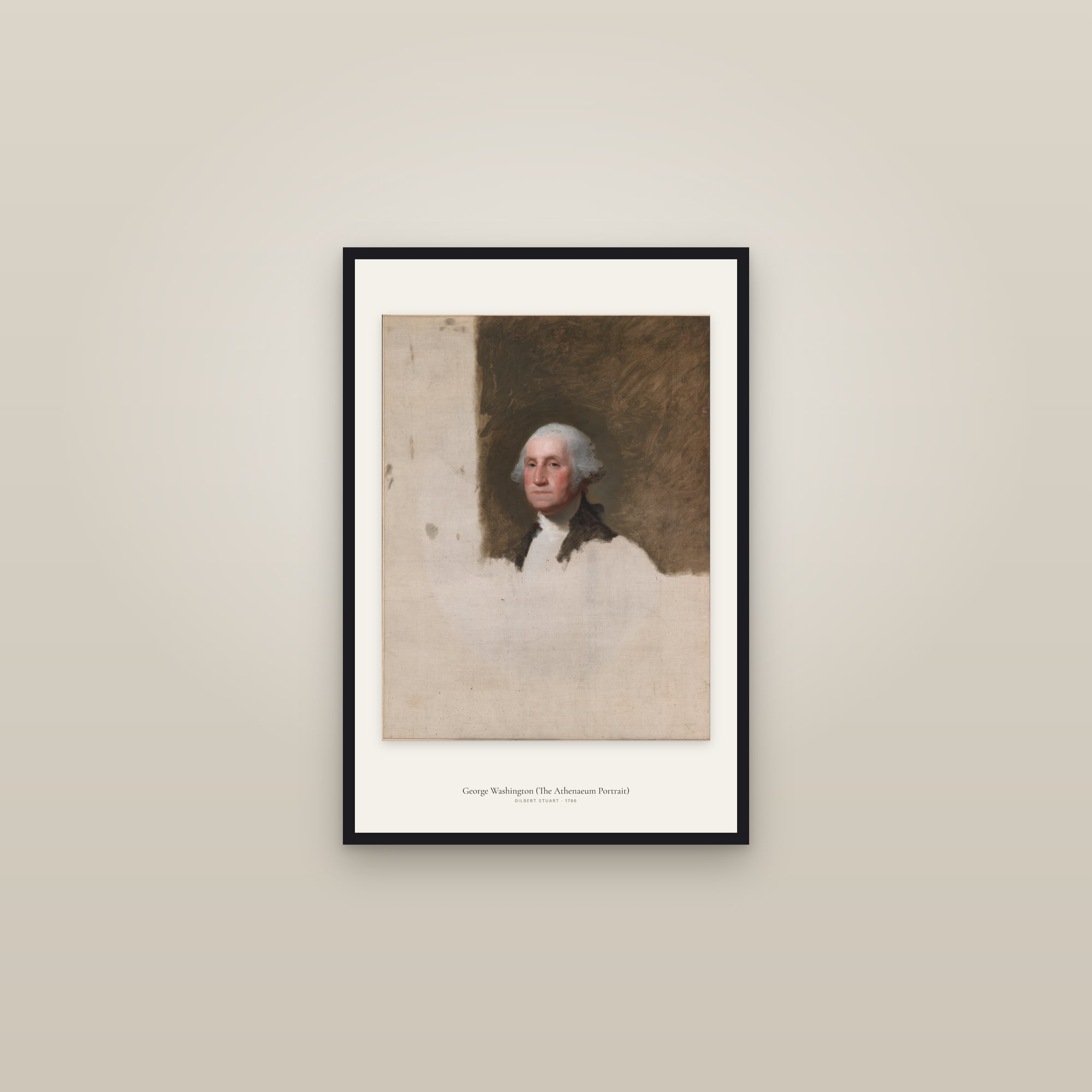
This may be the most handled painting image in the world. The US currency site says the portrait was used for the current $1 note, and the Federal Reserve counted 15.2 billion of those notes in circulation at the end of 2025. We would expect few holders to name the painter, and fewer to know the original is unfinished: the head sits in a patch of brown on bare canvas.
Proper name George Washington (The Athenaeum Portrait), Gilbert Stuart, 1796, owned jointly by the National Portrait Gallery, Washington, and the Museum of Fine Arts, Boston.
Print George Washington (The Athenaeum Portrait).
The Milkmaid
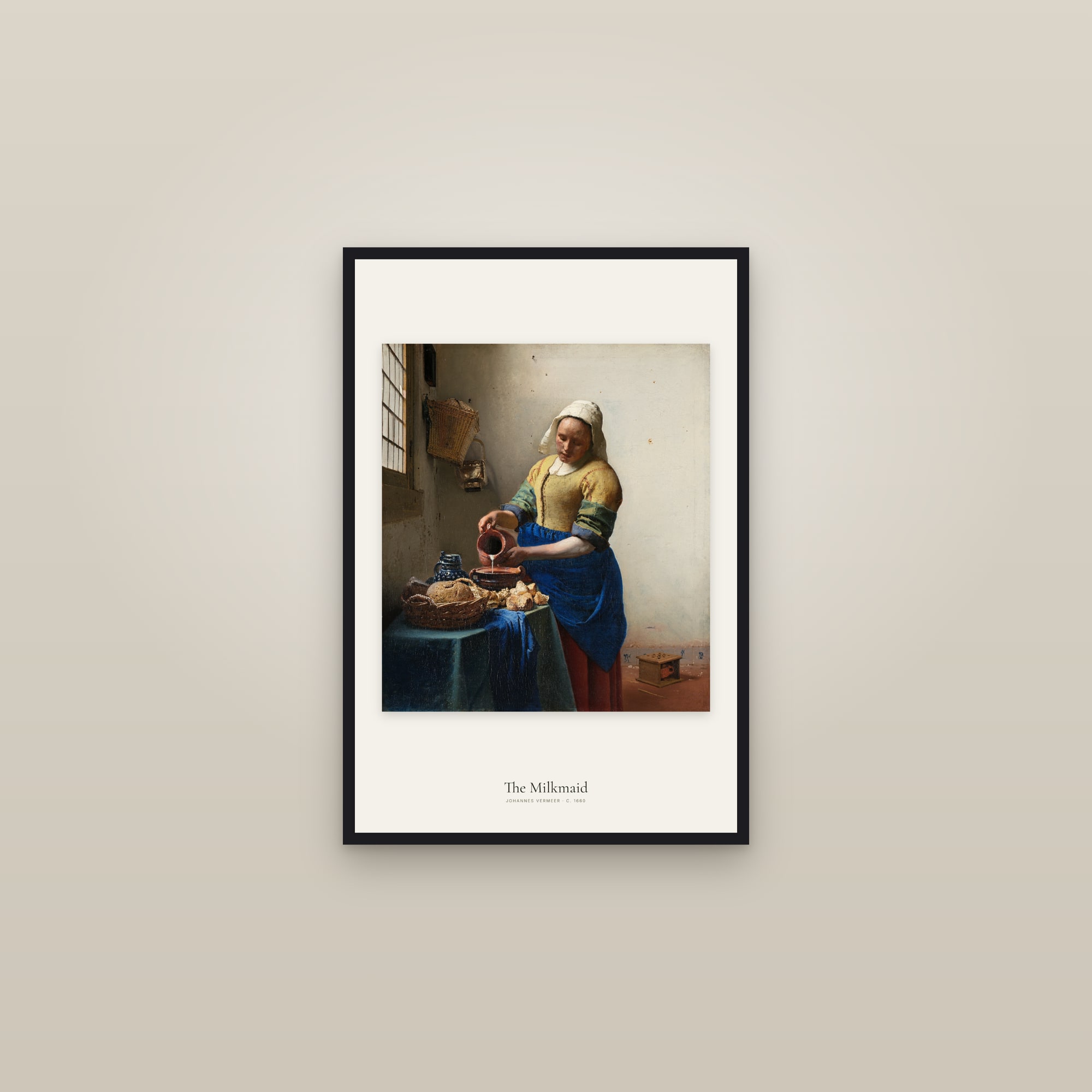
The title is right, but the picture most people have seen isn't. Europeana's 2011 white paper reports that a Rijksmuseum survey found over 10,000 copies online, mostly poor, yellowish reproductions. The museum's answer was to publish a high-resolution image with open metadata, calling open data its best defence against "the 'yellow Milkmaid'".
Proper name The Milkmaid, Johannes Vermeer, about 1660, Rijksmuseum, Amsterdam. It is 45.5 by 41 centimetres.
Print The Milkmaid.
American Gothic
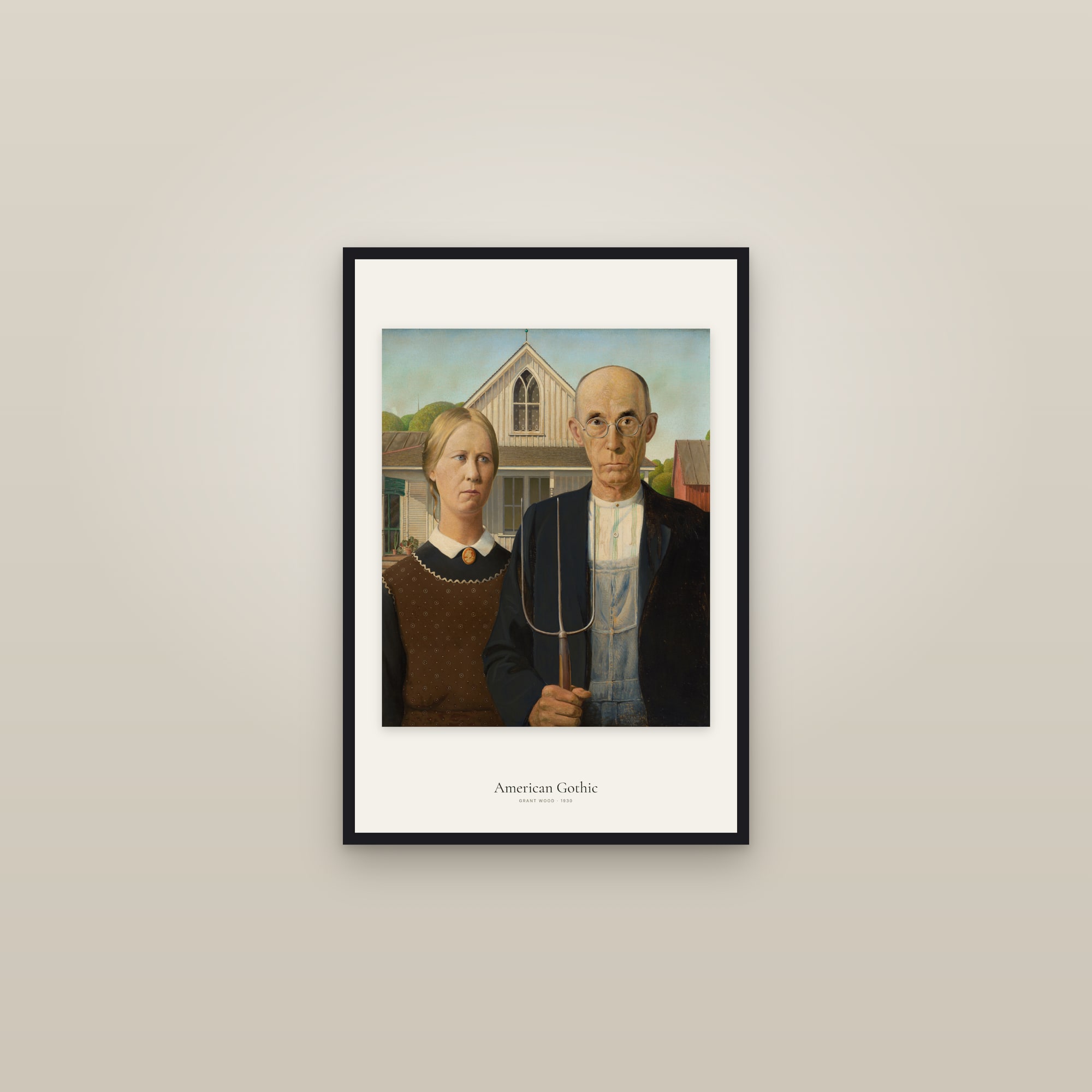
Plenty of people know the title. What they know less well is the picture, because they met it as a parody. Harvard's Steven Biel says it is so quick to read that viewers get in and out almost at once, which is why ads, cartoons and political commentary use it. And the Art Institute describes "a farmer and his daughter", not a married couple. The title refers to the house: Carpenter Gothic, the style of a farmhouse Wood saw in Eldon, Iowa.
Proper name American Gothic, Grant Wood, 1930, Art Institute of Chicago.
Print American Gothic.
The Creation of Adam
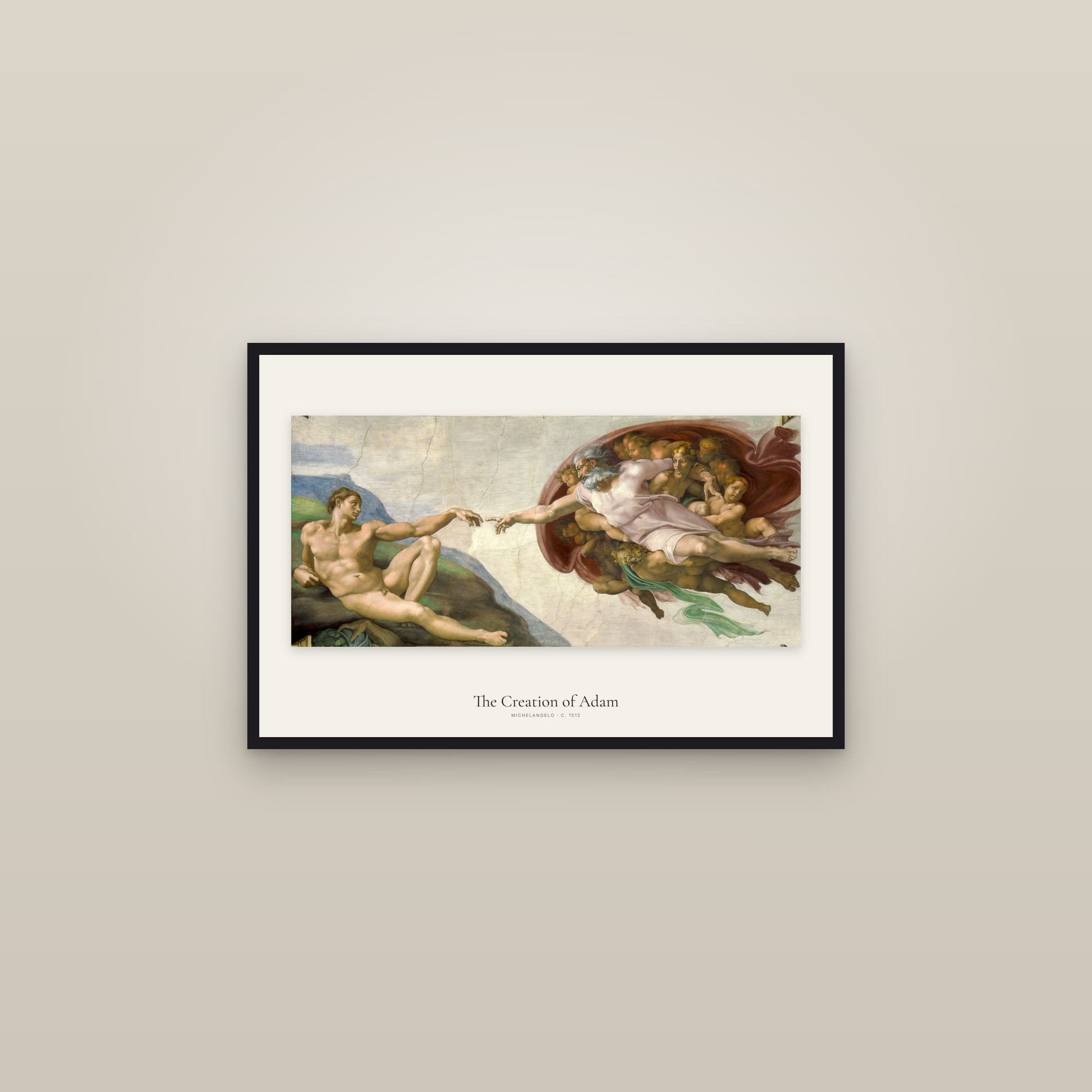
The name is easy; the location and context are not. What circulates is one gesture, God's outstretched finger and Adam's reaching hand. But the picture is one of nine central Genesis stories on a ceiling Michelangelo contracted to paint on 8 May 1508 and finished by 31 October 1512. In our experience people recognise the hands and could not place them on the ceiling, which is an impression, not a measurement.
Proper name The Creation of Adam, Michelangelo, about 1512, on the ceiling of the Sistine Chapel.
The Sistine Madonna
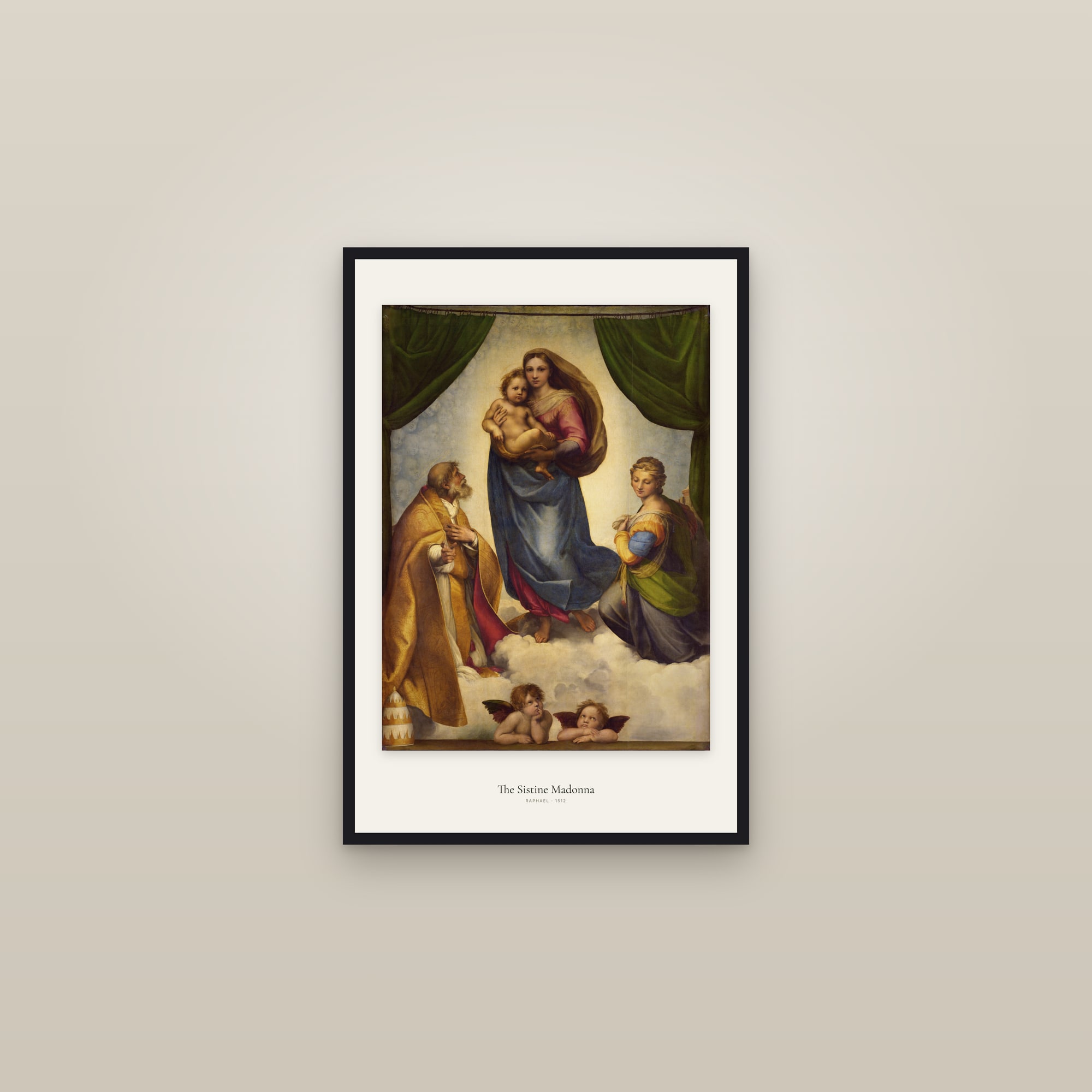
The two small angels leaning on the ledge at the bottom have had their own career. From the beginning of the nineteenth century they were reproduced on their own, on everything from armbands to almanacs. In 2012 the painting's 500th-anniversary exhibition in Dresden followed them as far as T-shirts and toilet paper. You can know the angels without ever having seen the Madonna above them.
Proper name The Sistine Madonna, Raphael, 1512 to 1513, Gemäldegalerie Alte Meister, Dresden.
What does the list tell you?
A nickname usually wins because it describes what people see. Grey and black describes nothing they care about; somebody's mother does. A wrong name also survives correction, as the Rijksmuseum's double title shows. And the copy often comes first. A picture on a stamp or a banknote reaches people who will never visit the museum, which is why the most reproduced artworks overlaps so heavily with this list.

More in the Journal: the most famous paintings in the world, the most reproduced artworks, and the most stolen artworks.
Famous Painting Prints Gilbert Stuart PrintsQuestions people ask
What is the real name of Whistler's Mother?
Arrangement in Grey and Black No. 1, by James McNeill Whistler, 1871, in the Musée d'Orsay, Paris. The sitter is the artist's mother, Anna Whistler. The United States put an altered version of the picture on a 1934 postage stamp honouring mothers.
What is The Night Watch really called?
The Rijksmuseum gives the full title as The Night Watch: Militia Company of District II under the Command of Captain Frans Banninck Cocq. Rembrandt painted it in 1642. The nickname dates from the end of the eighteenth century, and the museum calls the scene a daylight march.
Who are the people in American Gothic?
A farmer and his daughter, according to the Art Institute of Chicago, not a husband and wife. Grant Wood painted them in 1930 outside a house in the Carpenter Gothic style, which is where the title comes from.
What is the Great Wave actually called?
Under the Wave off Kanagawa, by Katsushika Hokusai, about 1830 to 1832. It is a woodblock print, not a painting, from the series Thirty-six Views of Mount Fuji.
Whose painting is on the US one-dollar bill?
Gilbert Stuart's Athenaeum Portrait of George Washington, 1796, owned jointly by the National Portrait Gallery in Washington and the Museum of Fine Arts, Boston. The US currency site says it was used for the current $1 note. The canvas itself is unfinished.
Is there a survey of which paintings people recognise?
We looked and did not find one that tests recognition against the ability to name a work, so this list uses a stated test instead of a score. Treat any ranking of this question as an opinion.
Sources
- Art Institute of Chicago: Sheet of Stamps of Whistler's Mother, 1934 (the stamp, the altered image, Barr's objection)
- University of Glasgow, The Paintings of James McNeill Whistler, YMSM 101 (shown at the Royal Academy in 1872 as Arrangement in grey and black: portrait of the painter's mother; bought for 4000 francs on 30 November 1891)
- Rijksmuseum: The Night Watch, SK-C-5 (full title, the nickname from the end of the eighteenth century, on loan from Amsterdam since 1808)
- Rijksmuseum, Operation Night Watch: why is The Night Watch so famous? (a daylight march)
- Art Institute of Chicago: American Gothic, 1930 (a farmer and his daughter, Carpenter Gothic, Eldon, Iowa)
- Harvard Magazine: Steven Biel on American Gothic (the third prize, the parodies)
- The Metropolitan Museum of Art: Under the Wave off Kanagawa, also known as The Great Wave, JP1847
- Vatican Museums: the Sistine Chapel ceiling (contract 8 May 1508, completion 31 October 1512, nine central stories)
- National Geographic, 2018: how Michelangelo's Sistine Chapel became a Renaissance icon
- Rijksmuseum: The Milkmaid, SK-A-2344 (c. 1660, 45.5 by 41 cm)
- Europeana White Paper No. 2, November 2011: The Problem of the Yellow Milkmaid (over 10,000 copies online, the Rijksmuseum's response)
- US Currency Education Program: Portrait of George Washington (The Athenaeum Portrait), used for the current $1 note
- Google Arts & Culture, National Portrait Gallery record: George Washington (The Athenaeum Portrait), 1796, jointly owned with the Museum of Fine Arts, Boston
- Federal Reserve Board: currency in circulation, volume (15.2 billion $1 notes, 31 December 2025)
- Maclean's, 30 July 2012: Happy 500th birthday, Raphael cherubs (reproduced alone from the beginning of the nineteenth century; the Dresden exhibition)
- Google Arts & Culture, Gemäldegalerie Alte Meister record: The Sistine Madonna, 1512 to 1513
- The Wallace Collection: The Laughing Cavalier (1624, aged 26, the coy expression)
- The Wallace Collection, press release: Frans Hals, The Male Portrait (the sitter unknown, Tieleman Roosterman proposed, bought 1865)
- National Gallery, London, catalogue entry: The Hay Wain (shown as Landscape: Noon; Fisher's letter of 14 February 1821)
- National Gallery, London, press release, April 2016: The Fighting Temeraire on the new £20 note (the full title, the 2005 poll)
- Bank of England, 20 February 2020: the Turner £20 enters circulation
Start hereThe most famous paintings in the world and where to see them