Caravaggio on the run: the murder and the last paintings
In 1606 Caravaggio killed a man in Rome. His last four years in Naples, Malta and Sicily under a death sentence, and the paintings he made on the run.
Contents10 sections
Caravaggio killed a man in Rome at the end of May 1606 and spent the four years he had left as a fugitive under a death sentence. He went south, to Naples, then to Malta, where the Knights of St John made him one of their own and expelled him five months later, then round Sicily and back to Naples, where he was attacked and his face was cut. He died at Porto Ercole on 18 July 1610, on his way back to Rome and a pardon. He painted all the way: altarpieces for confraternities and churches, and a picture for the Order that knighted him. This is the record, place by place, with the paintings each stop produced and the ones we print.
What happened on 28 May 1606?
Caravaggio and Ranuccio Tomassoni fought with swords in Rome. Tomassoni died; a report by the barber-surgeon who examined the body found that he bled to death from a wound to the femoral artery in the groin, the Italian Art Society notes. Caravaggio was wounded in the head. The Galleria Borghese dates the killing to 28 May 1606; the Italian Art Society gives the 29th.
Why they fought is not settled. The traditional account is a quarrel over a bet on a game of tennis; the biographer Andrew Graham-Dixon has proposed a dispute over the courtesan Fillide Melandroni. Either way the result was a death sentence. Pope Paul V sentenced Caravaggio to death in 1606, the Galleria Borghese records, and the painter, in the National Gallery's words, "chose not to face justice but leave Rome," expecting a quick pardon.
Where did he go first?
Into hiding on the estates of the Colonna family, who shared his Lombard origins. There he painted a second Supper at Emmaus, now in the Brera in Milan, a quieter picture than the one he had painted in Rome in 1601.
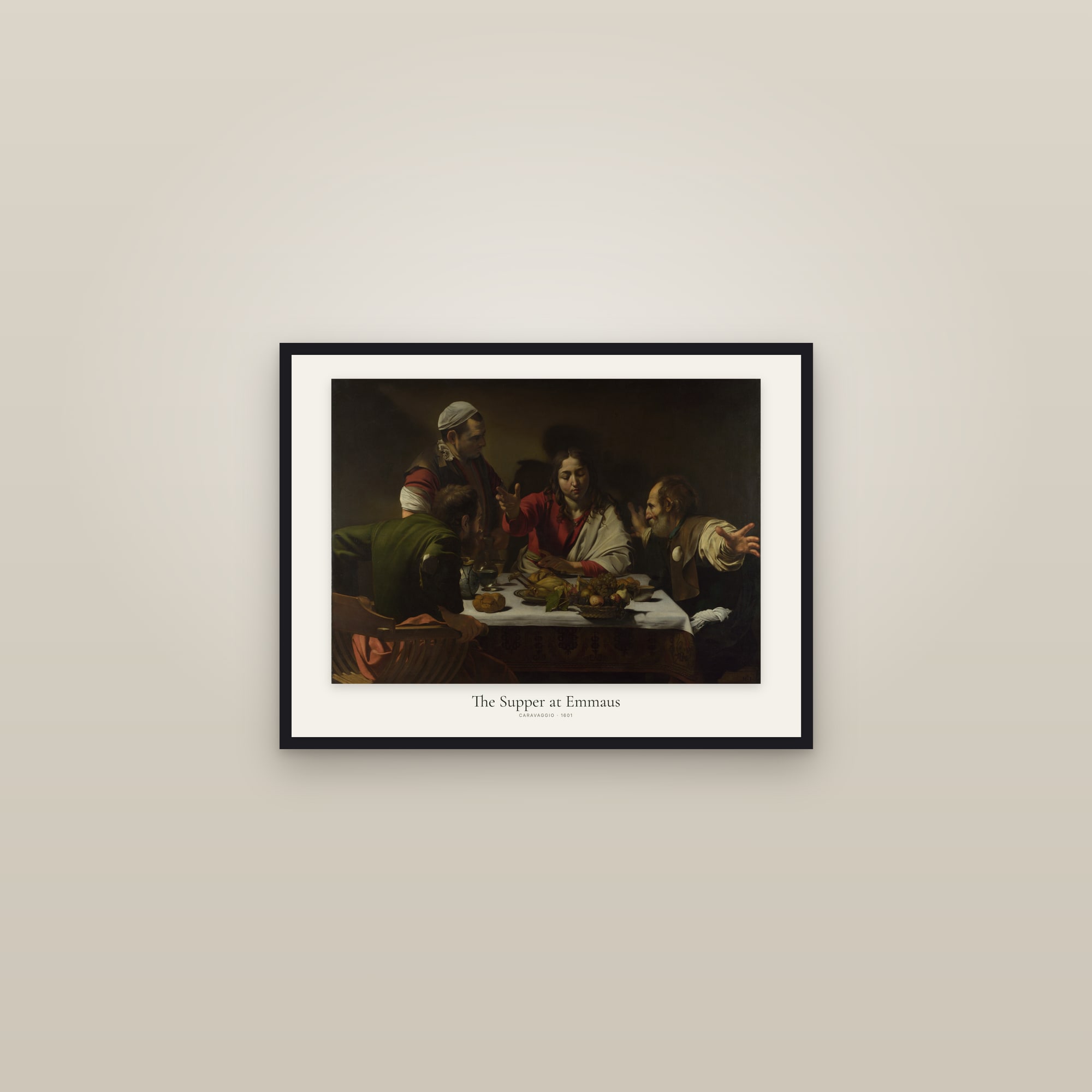
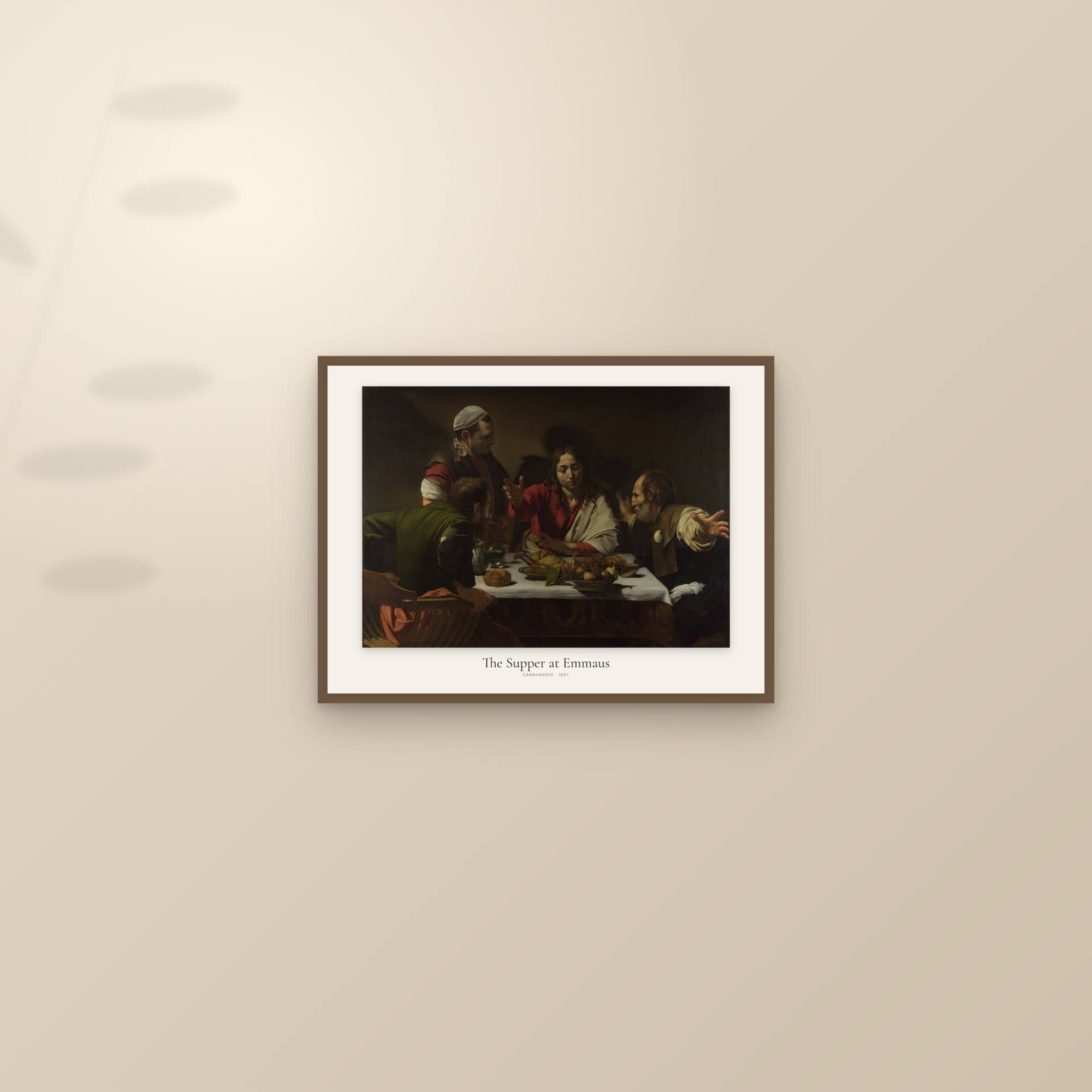
The 1601 version is the one we print, from the National Gallery, London: Christ young and beardless at an inn table, one disciple flinging his arms wide, a basket of fruit at the table's edge.
What did he paint in Naples?
By October 1606 he was in Naples. The National Gallery dates his two stays there to 1606 to 1607 and 1609 to 1610. The first produced The Seven Works of Mercy of 1607 for the Pio Monte della Misericordia, a charitable confraternity, which still hangs on its high altar (Pio Monte della Misericordia). In the confraternity's words, it gathers all the corporal works of mercy, from feeding the hungry to burying the dead, into one large canvas.
Why Malta, and how did it end?
He went to Malta to rebuild his career and his standing. He arrived in mid-July 1607, "a disgraced fugitive," in the words of Keith Sciberras of the University of Malta, looking for patrons and protectors. The Grand Master, Alof de Wignacourt, sat for him, and he painted a Saint Jerome for the Italian chapel of St Catherine in the conventual church, Paul Cassar's 1985 lecture records.
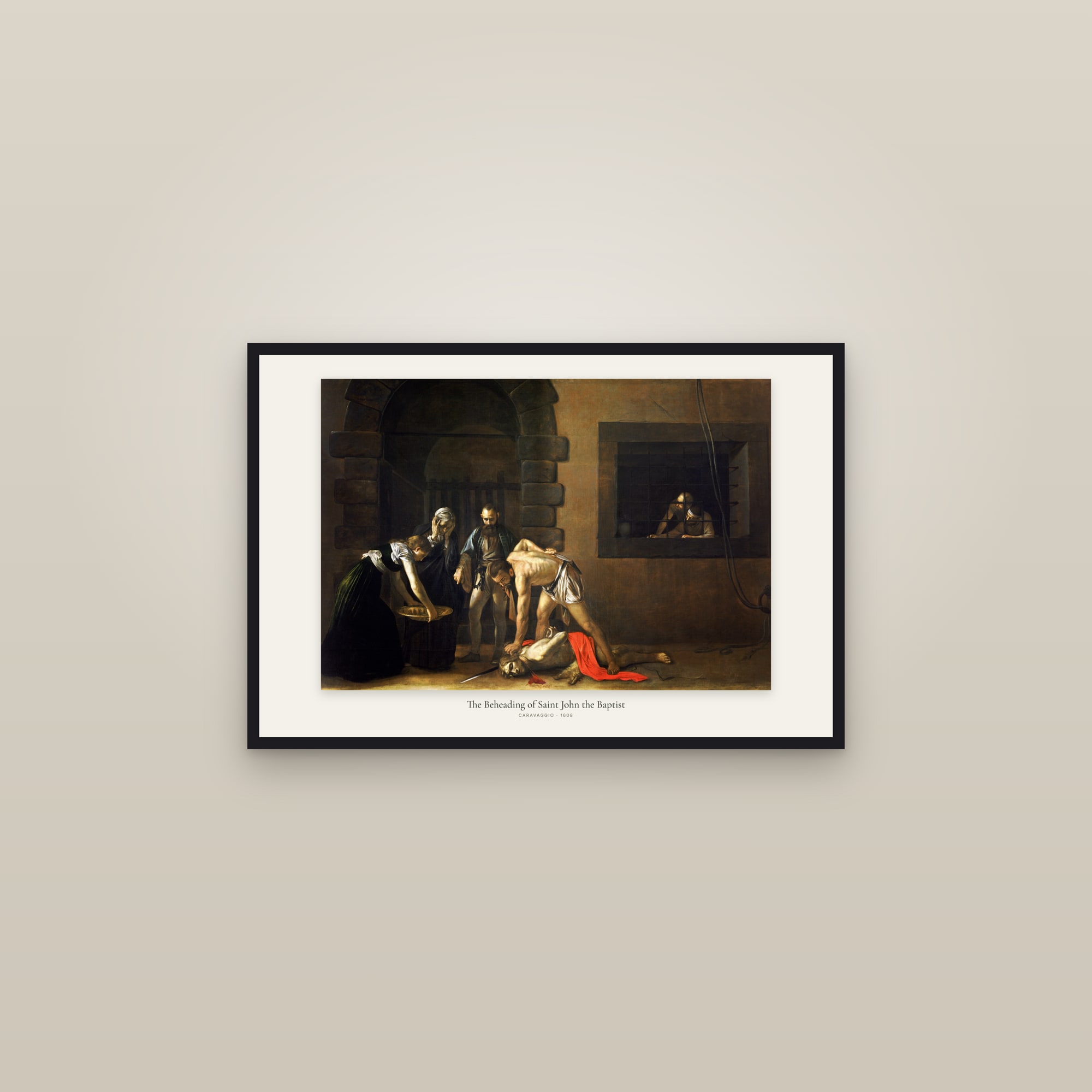
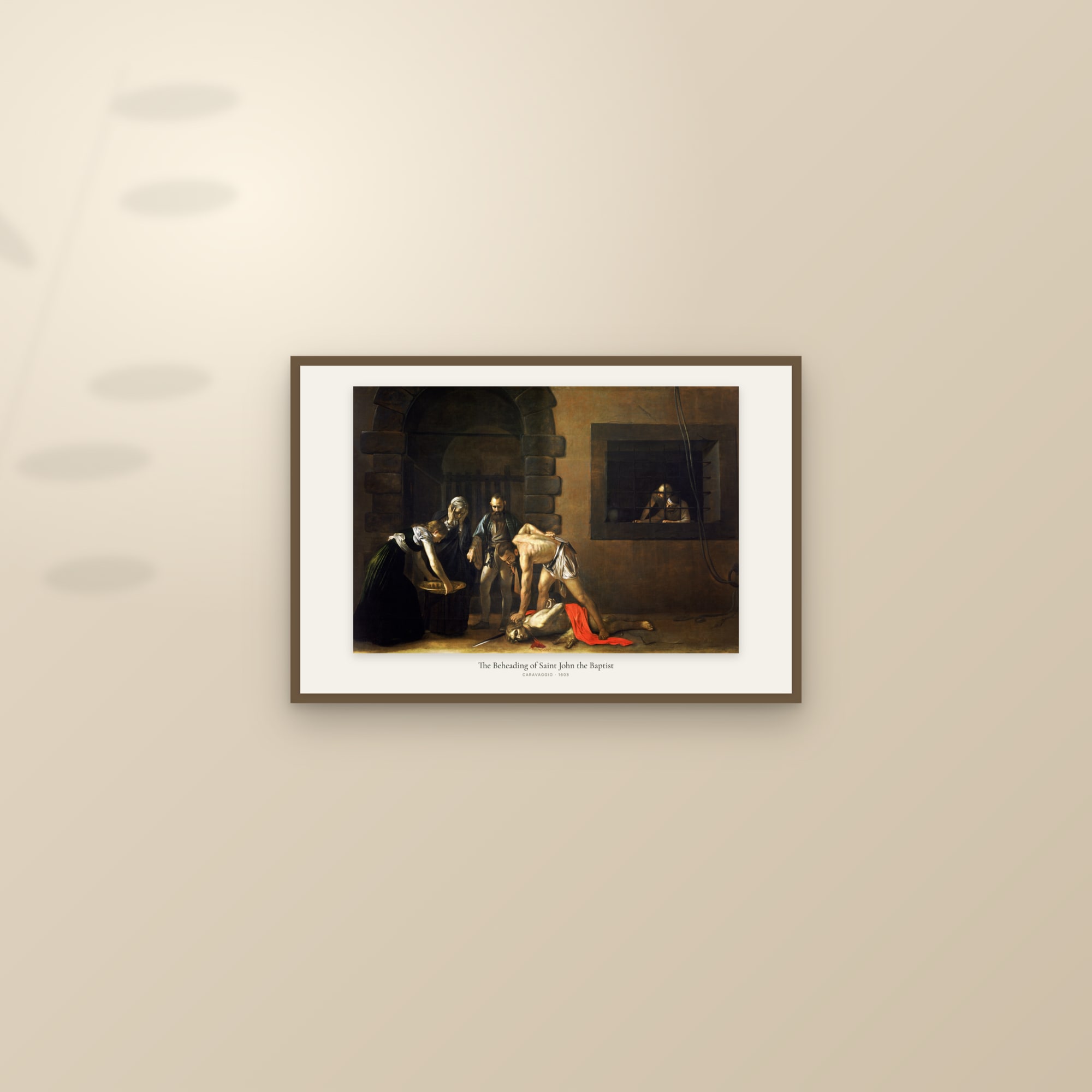
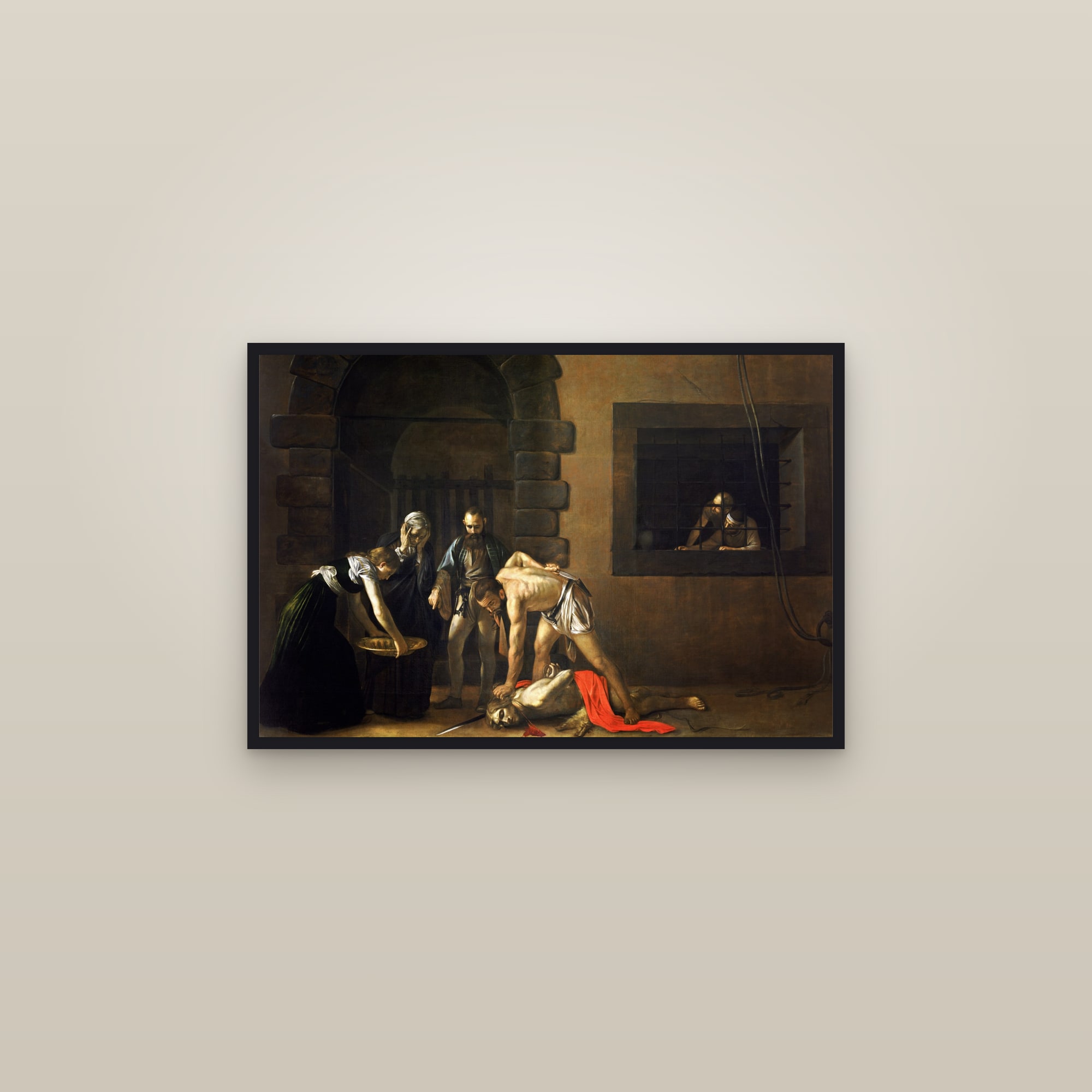
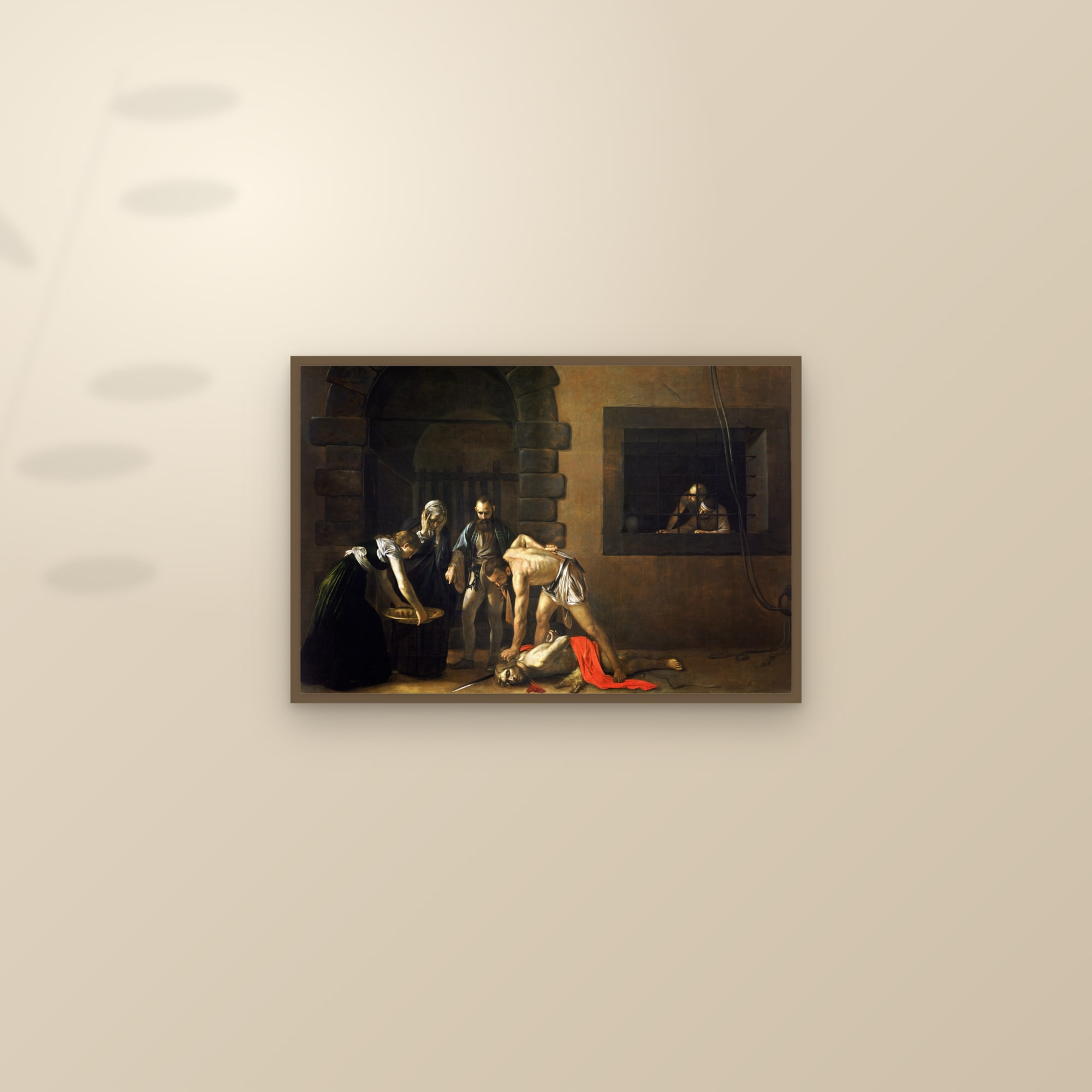
The Order received him as a knight of magistral obedience on 14 July 1608. At his first opportunity, Sciberras writes, he signed his name as Fra Michael Angelo, the "Fra" of a knight, in the blood running from the saint's neck in The Beheading of Saint John the Baptist, painted for the Oratory of the Decollato in Valletta. The canvas is more than five metres wide, and it still hangs there.
Four weeks later it fell apart. On the night of 18 August 1608 a fight broke out in the house of the organist of the conventual church; seven Italian knights were involved, a pistol was fired, and the knight Fra Giovanni Rodomonte Roero was seriously wounded. On 27 August Caravaggio and a companion were identified and detained in Fort St Angelo. On 6 October he escaped. On 1 December 1608 the Order expelled him "as a foul and putrid member."
What did he paint in Sicily?
He landed in Syracuse in the autumn of 1608, where his friend the painter Mario Minniti took him in and got him the commission for The Burial of Saint Lucy (1608), more than four metres tall, for the church of Santa Lucia al Sepolcro, where it hangs again after a loan, Finestre sull'Arte records. A Syracuse scholar, Vincenzo Mirabella, wrote in 1613 that Caravaggio gave the cave called the Ear of Dionysius its name.
In Messina, the Genoese merchant Giovan Battista Lazzari commissioned The Raising of Lazarus in 1608 for the church of the Padri Crociferi; it was placed in his family chapel in 1609, the Museo di Roma notes. It and The Adoration of the Shepherds, his other Messina canvas, are in the city's regional museum.
Palermo is the open question. The Nativity with Saint Francis and Saint Lawrence hung in the Oratory of San Lorenzo there until it was stolen in 1969. John Gash, writing in Apollo, keeps the traditional date of 1609 in Palermo; Michele Cuppone, citing a 1600 contract with the merchant Fabio Nuti, argues it was painted in Rome years earlier, Finestre sull'Arte reports. The theft is in our list of the great art heists.
What happened in Naples in 1609?
By the autumn of 1609 he was back in Naples. Outside the Osteria del Cerriglio, a tavern, four men held him down while one cut his face, Andrew Graham-Dixon writes; Rome first heard that he was dead, then that he was disfigured past recognising. Graham-Dixon ties the attack to the knight wounded in Malta. The National Gallery calls it "yet another bar brawl which left him badly disfigured."
He kept painting. From this second Naples stay come Salome receives the Head of Saint John the Baptist, now in London; The Denial of Saint Peter, 1610, now in the Metropolitan Museum; and The Martyrdom of Saint Ursula. He finished the Ursula in early May 1610 for Marcantonio Doria; it left Naples on 27 May and reached Genoa on 18 June 1610, the National Gallery records, and it was recognised as his only in 1980, after a letter about its commission was found.
When did he paint David with the Head of Goliath?
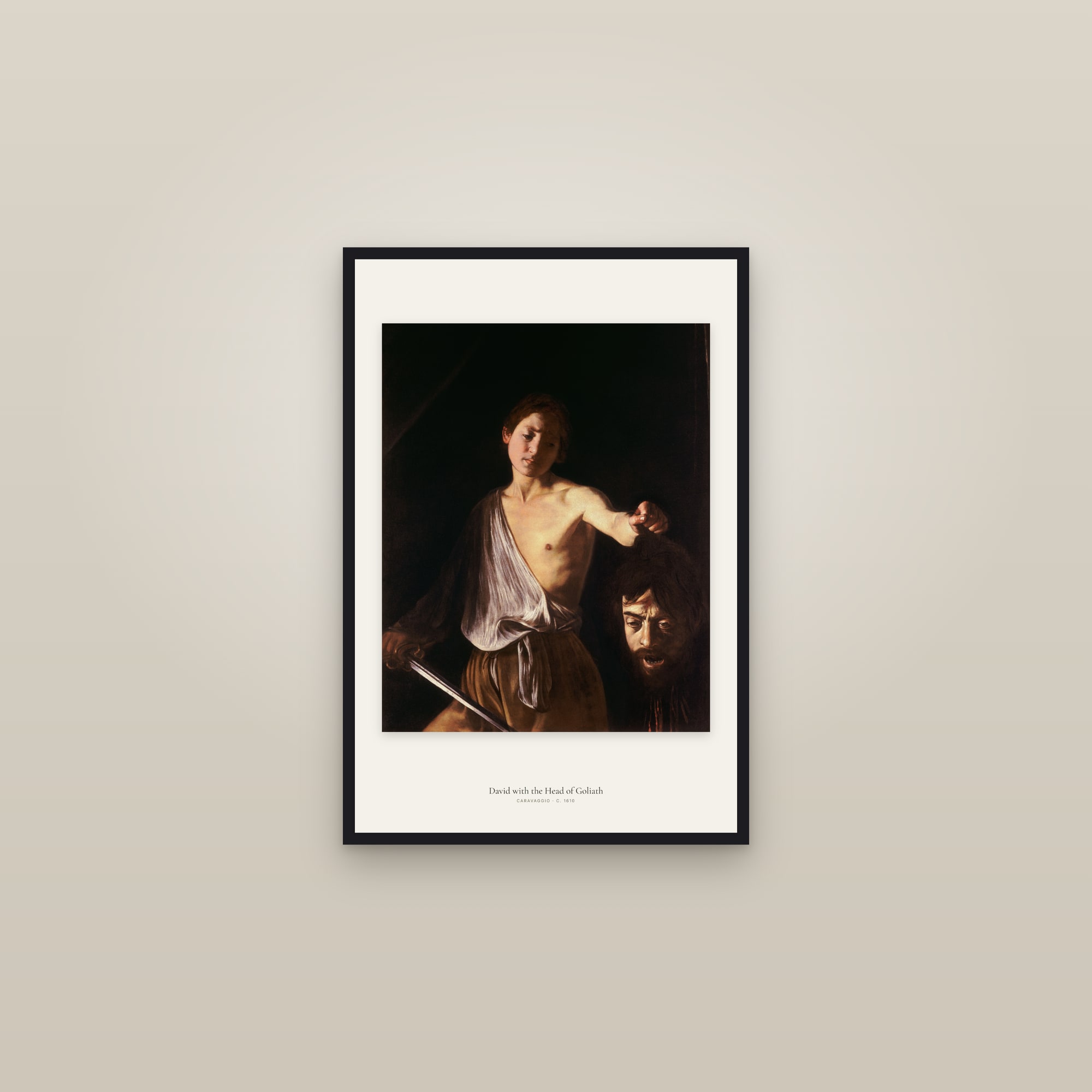
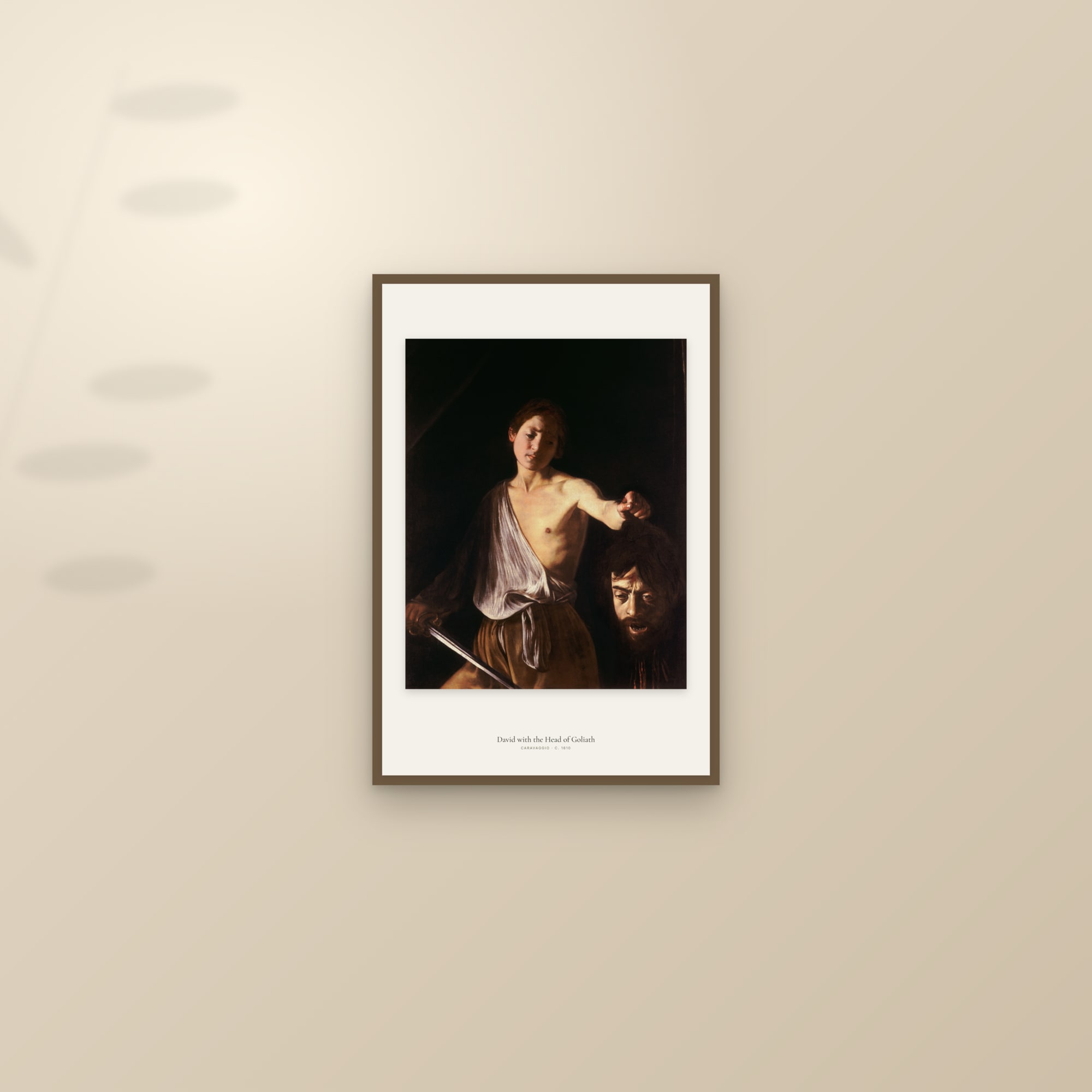
The Galleria Borghese, which owns it, gives two dates: 1606 to 1607, or 1609 to 1610. Its catalogue entry notes that most critics favour the second stay in Naples, but leaves the question open, because the preparation of the canvas resembles his work of 1606 to 1607. The painting was in Cardinal Scipione Borghese's collection by 1613. Giovanni Battista Manilli wrote in 1650 that Caravaggio "wished to portray himself" in the giant's face, and since Maurizio Calvesi's proposal of 1985 the most widely accepted reading is that the picture was a plea for the pope's pardon for Tomassoni's death; the museum adds that the earlier date would not rule that out. The letters on David's sword, H.AS O S, are read as an Augustinian motto, humility kills pride.
Our print's label gives "c. 1610", the date most critics prefer.
How did he die?
In July 1610 he sailed from Naples towards Rome. According to the National Gallery, friends in Rome had successfully petitioned the pope for a pardon. He carried paintings for Scipione Borghese, the pope's nephew: two of Saint John the Baptist and a Mary Magdalene, which the Galleria Borghese reads as a gift offered in exchange for the pardon. At Palo, on the coast north of Rome, he was arrested and did not board the boat carrying the paintings, which went on without him. He reached Porto Ercole without them, fell ill, possibly with malaria, and died there on 18 July 1610, the National Gallery records.
The news travelled by letter. Two letters to the Duke of Urbino, dated 28 and 31 July 1610, report his death at Porto Ercole on the road to Rome, ANSA reported in 2014. From 29 July 1610 the nuncio Deodato Gentile wrote to Cardinal Borghese about the paintings; the authorities in Naples seized them, the viceroy kept one Saint John for himself, and the other left for Rome on 29 August 1611 and reached Borghese safely. It is still in the Galleria Borghese.
The cause of death is not known. In 2018 a team writing in The Lancet Infectious Diseases proposed sepsis from Staphylococcus aureus, from bones excavated at Porto Ercole and attributed to him; other researchers disputed that the bones are his.
The four years, in order
| When | Where | What happened | Paintings |
|---|---|---|---|
| 28 or 29 May 1606 | Rome | Kills Ranuccio Tomassoni; sentenced to death | |
| Summer 1606 | Colonna estates | In hiding | Supper at Emmaus (Brera) |
| 1606 to 1607 | Naples | First stay | The Seven Works of Mercy (1607) |
| July 1607 to October 1608 | Malta | Knighted 14 July 1608; brawl 18 August; jailed 27 August; escapes 6 October; expelled 1 December | The Beheading of Saint John the Baptist; Saint Jerome; portrait of Alof de Wignacourt |
| Autumn 1608 to 1609 | Syracuse, Messina, Palermo | In Sicily | The Burial of Saint Lucy; The Raising of Lazarus; The Adoration of the Shepherds; the Palermo Nativity (date disputed) |
| 1609 to 1610 | Naples | Attacked outside the Osteria del Cerriglio | Salome receives the Head of Saint John the Baptist; The Denial of Saint Peter; The Martyrdom of Saint Ursula; probably David with the Head of Goliath |
| July 1610 | Palo, Porto Ercole | Arrested at Palo; dies at Porto Ercole on 18 July |
Sources for each row are linked in the sections above.
Which of these do we print?
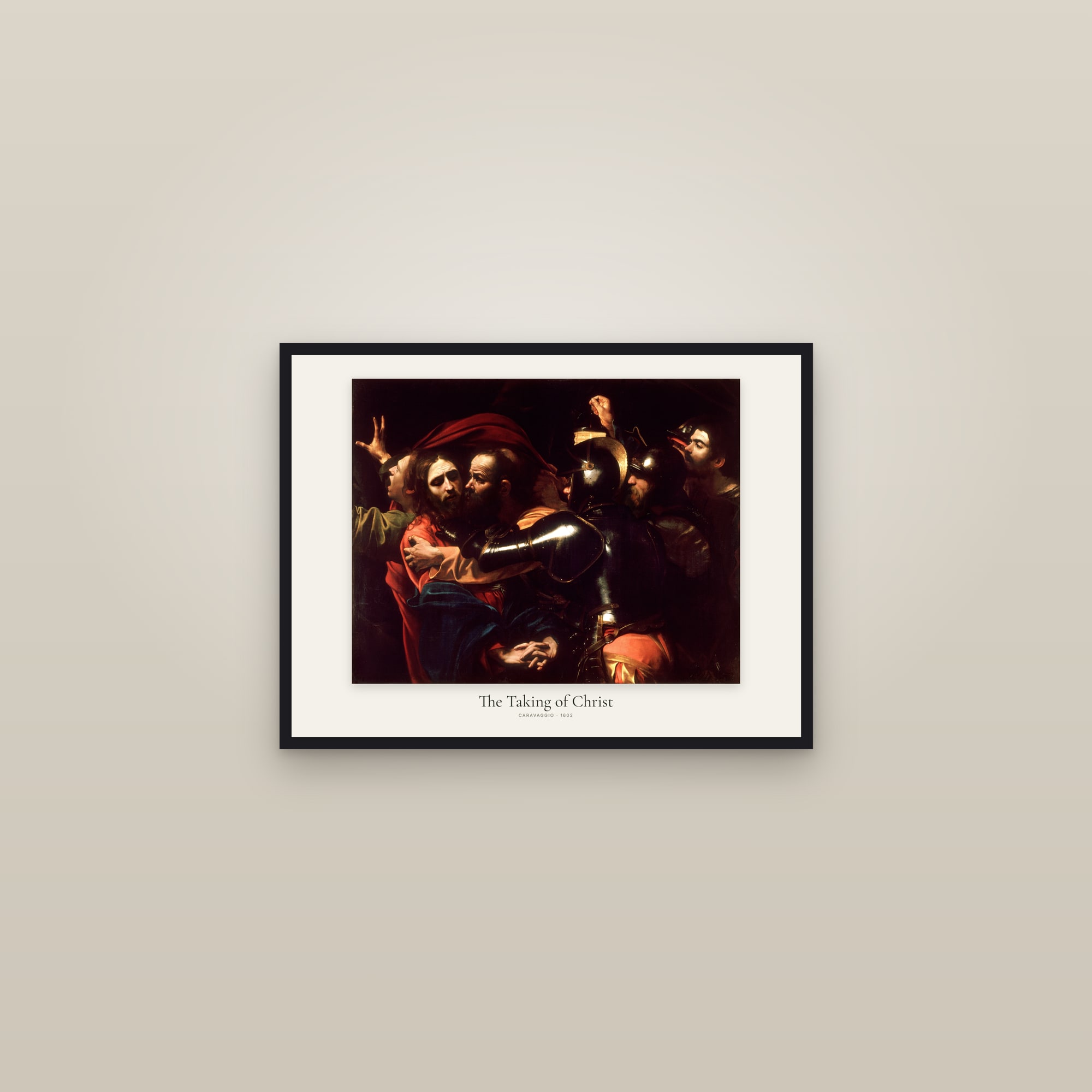
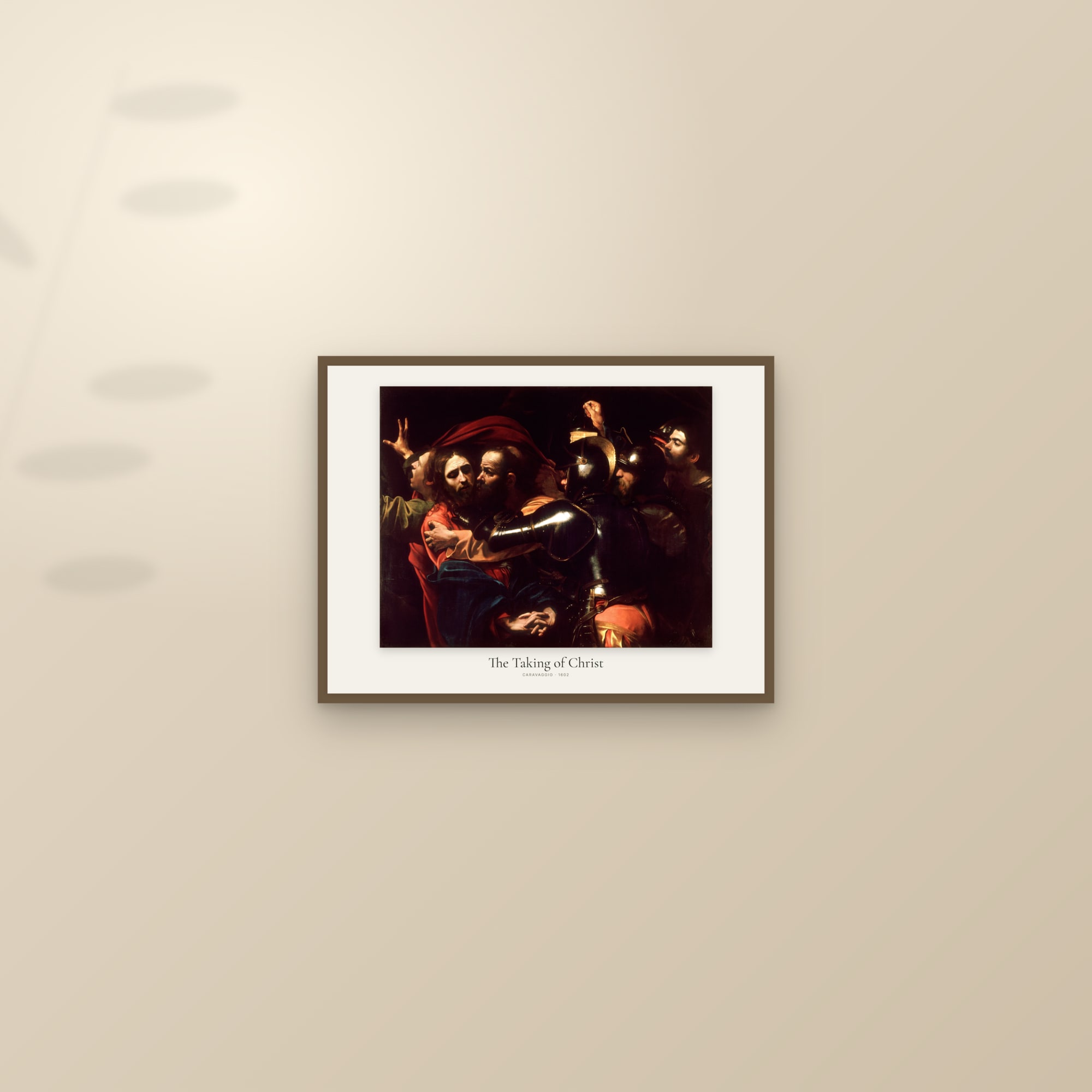
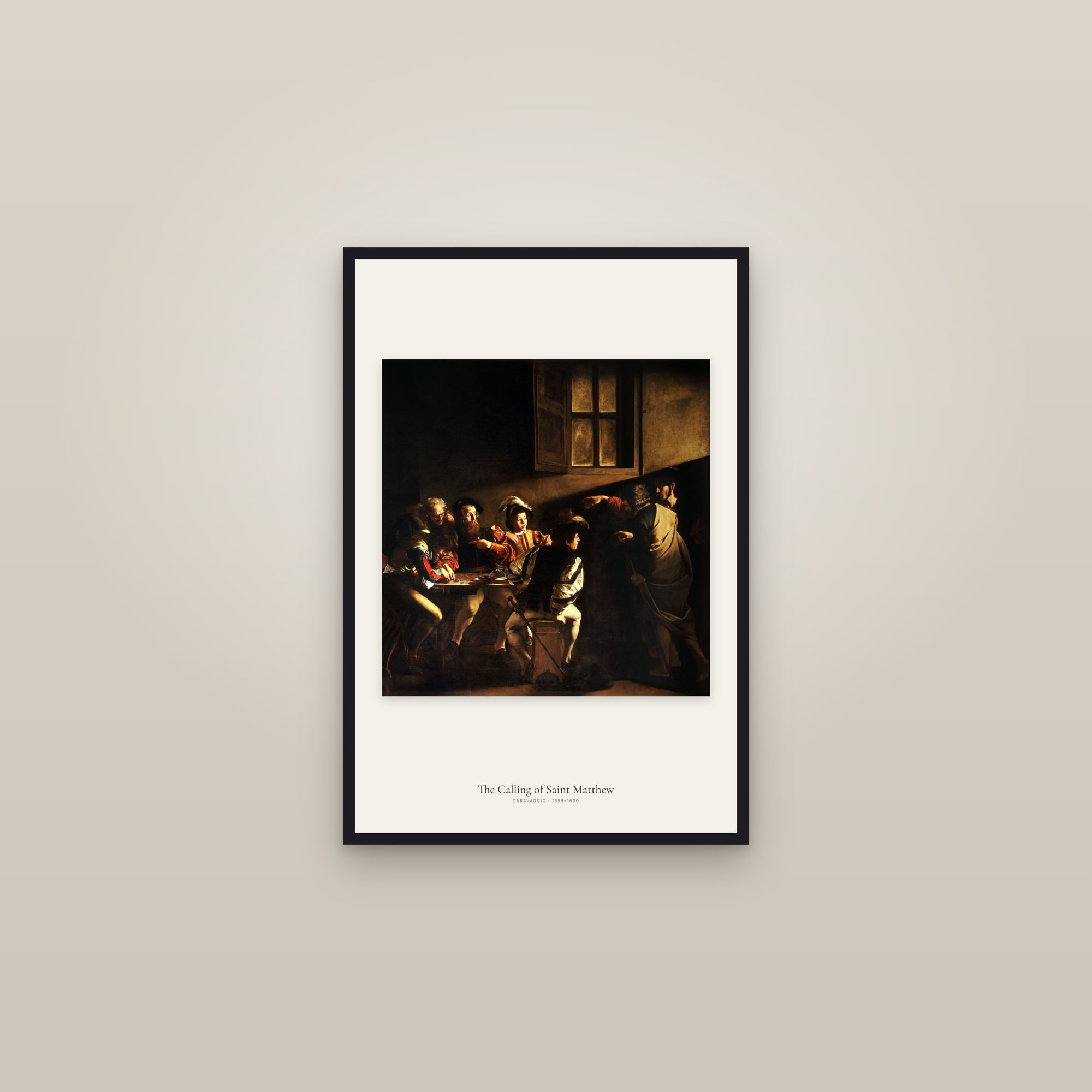
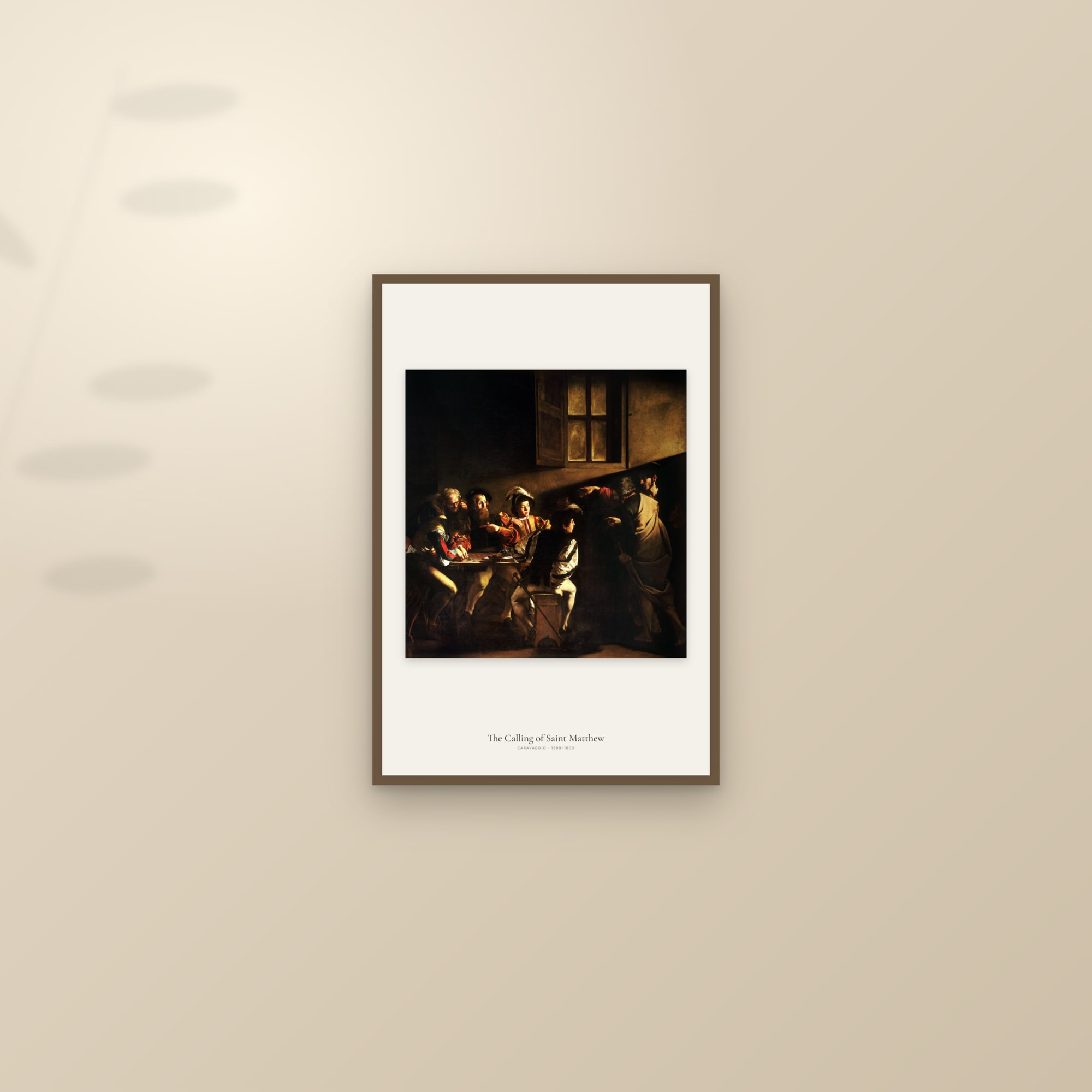
From the run itself we print two: The Beheading of Saint John the Baptist, whole and uncropped on a cream ground, or edge to edge, very slightly cropped; and David with the Head of Goliath. From the Roman years before it, The Calling of Saint Matthew, The Taking of Christ and the London Supper at Emmaus. The rest are in Caravaggio prints and Baroque prints.
The Beheading is a wide picture, and at 36 by 24 inches it holds the long wall of a dining room or a study, where the dark ground and the single light read across the room. David is upright and works at 24 by 36 inches in a hall or above a desk. Both are violent subjects: a study, a library or a dining room, not a child's room. All print on 250 gsm archival paper, from $39, unframed or in a black or dark wood frame.
More in the Journal: the great art heists, the paintings that were cut down, painted over or found underneath and the forgers who fooled the museums.
Caravaggio Prints Baroque PaintingsQuestions people ask
Who did Caravaggio kill?
Ranuccio Tomassoni, in Rome, at the end of May 1606. The two fought with swords; a barber-surgeon's report says Tomassoni bled to death from a wound to the femoral artery in the groin, and Caravaggio was wounded in the head. The cause of the quarrel is disputed: a bet on a game of tennis is the traditional account, and Andrew Graham-Dixon has proposed a dispute over the courtesan Fillide Melandroni. Paul V sentenced Caravaggio to death, and he left Rome.
Why was Caravaggio expelled from the Knights of Malta?
He was received into the Order of St John as a knight of magistral obedience in July 1608. On the night of 18 August 1608 he was involved in a brawl in Valletta in which the knight Giovanni Rodomonte Roero was seriously wounded; he was detained in Fort St Angelo on 27 August and escaped on 6 October. On 1 December 1608 the Order expelled him as a foul and putrid member.
How did Caravaggio die?
In July 1610 he sailed from Naples towards Rome, where a pardon was expected, carrying paintings for Cardinal Scipione Borghese. He was arrested at Palo, on the coast north of Rome, the boat left with the paintings, and he reached Porto Ercole, where he died on 18 July 1610, ill and possibly with malaria according to the National Gallery, London. A 2018 study of bones attributed to him proposed sepsis; the identification of the bones is disputed.
What was Caravaggio's last painting?
The Martyrdom of Saint Ursula, now in the collection of Intesa Sanpaolo in Naples, is usually called his last. He finished it in early May 1610; it was sent from Naples to its patron Marcantonio Doria in Genoa on 27 May and arrived on 18 June 1610, a month before Caravaggio died. It was attributed to him only in 1980, after a letter about its commission was found.
Is the head of Goliath a self-portrait?
Yes, by long tradition. The Galleria Borghese, which owns the painting, records that Giovanni Battista Manilli wrote in 1650 that Caravaggio portrayed himself in the giant's head. Since Maurizio Calvesi in 1985 the most widely accepted reading has been that the picture was a plea for the pope's pardon for the killing of Tomassoni.
Sources
- Galleria Borghese, collection catalogue: Caravaggio, David with the Head of Goliath, inv. 455 (1606 to 1607 or 1609 to 1610; Manilli 1650; Calvesi and the pardon)
- Galleria Borghese, collection catalogue: Caravaggio, Saint John the Baptist, inv. 267 (the 1606 death sentence, the felucca, Palo, the Gentile letters, departure for Rome on 29 August 1611)
- Galleria Borghese: Caravaggio and the killing of Ranuccio Tomassoni on 28 May 1606
- Italian Art Society (Anne Leader): on 29 May 1606 Caravaggio killed Ranuccio Tommasoni (the wound, the theories of motive, the Colonna estates, the Brera Supper at Emmaus)
- National Gallery, London, press release: The Last Caravaggio (the 1606 killing, Naples, Malta, the Ursula's dates, Palo, death at Porto Ercole on 18 July 1610)
- National Gallery, London: Salome receives the Head of Saint John the Baptist, about 1609 to 1610 (Naples, 1606 to 1607 and 1609 to 1610)
- Keith Sciberras, University of Malta, Think magazine: Caravaggio in Malta (arrival in July 1607, knighthood, the signature, the brawl of 18 August 1608, detention on 27 August, escape on 6 October)
- Paul Cassar, Michelangelo Merisi da Caravaggio, St Luke's Day Lecture, 1985, University of Malta (knighthood on 14 July 1608, the Malta paintings, expulsion on 1 December 1608)
- Pio Monte della Misericordia, Naples: Google Arts and Culture, The Seven Acts of Mercy (1607)
- Pio Monte della Misericordia: the church (the Seven Works of Mercy on the high altar)
- Finestre sull'Arte: Caravaggio in Syracuse (Mario Minniti, the Burial of Saint Lucy, 1608, Santa Lucia al Sepolcro, the Ear of Dionysius)
- Museo di Roma: Caravaggio and The Raising of Lazarus (commissioned 1608 by Giovan Battista Lazzari, placed 1609)
- Regione Siciliana: the Raising of Lazarus and the Adoration of the Shepherds at the Museo regionale, Messina
- Apollo, 8 June 2018 (John Gash): the murky mystery of Caravaggio's stolen Palermo Nativity (a 1609 Palermo date)
- Finestre sull'Arte: Caravaggio's Nativity, painted in Rome, sent to Palermo (the 1600 contract with Fabio Nuti)
- Andrew Graham-Dixon, Caravaggio 400 years on, 26 April 2010 (the Osteria del Cerriglio attack, the death sentence, the journey of July 1610)
- The Metropolitan Museum of Art: Caravaggio, The Denial of Saint Peter, 1610, 1997.167
- ANSA, 13 November 2014: new letters confirm Caravaggio died at Porto Ercole (letters to the Duke of Urbino of 28 and 31 July 1610)
- Drancourt and others, Did Caravaggio die of Staphylococcus aureus sepsis?, The Lancet Infectious Diseases, 2018
Start hereA short history of the print, from woodblock to giclée