The forgers who fooled the museums
Eleven forgers whose fakes reached museums, from Van Meegeren's Vermeers to the Knoedler Rothkos: what they faked, how each was caught, what happened.
Contents12 sections
- Giovanni Bastianini, Florence, 1860s
- Alceo Dossena, Rome, 1928
- Han van Meegeren's Vermeers, the Netherlands, 1945
- Elmyr de Hory, 1967
- Tom Keating, Dedham, 1976
- Eric Hebborn, 1978
- John Myatt and John Drewe, London, 1995
- The Greenhalgh family, Bolton, 2006
- Mark Landis, 2007
- Wolfgang Beltracchi, Cologne, 2010
- Knoedler and Glafira Rosales, New York, 2011
- What the eleven cases have in common
The most famous forger to fool a museum is Han van Meegeren. In 1937 Museum Boijmans Van Beuningen in Rotterdam bought his Supper at Emmaus as "an extraordinary Vermeer, right under the nose of the Rijksmuseum," in the museum's own words, and it was unmasked only after he confessed in 1945. He is one of eleven forgers below whose work reached museums, or the dealers and collectors museums rely on. Each entry gives what was faked, how it was caught and what happened, in the order the forgers were found out, with the record linked where each fact is used.
The pattern is plain once they sit together. Most were caught by a person who talked or noticed, not by a laboratory; the science usually confirmed a suspicion someone already had.
Giovanni Bastianini, Florence, 1860s
What was faked Renaissance portrait busts in the manner of Donatello, Verrocchio and Mino da Fiesole, made in Florence for the dealer Giovanni Freppa, according to the V&A's record. The best known is a terracotta bust of the poet Girolamo Benivieni, sold as fifteenth-century work; the Louvre paid 13,250 francs for it, the Italian Art Society notes.
How it was caught The dealer said so. Freppa announced that the bust was modern, and was not immediately believed. The V&A records that the sitter may have been Giuseppe Buonaiuti, a tobacco-factory worker chosen for his likeness to an engraved portrait of Benivieni.
What happened Bastianini died in Florence on 29 June 1868, aged 38. The bust is still in the Louvre, under his name; the V&A has the plaster model, given in 1869.
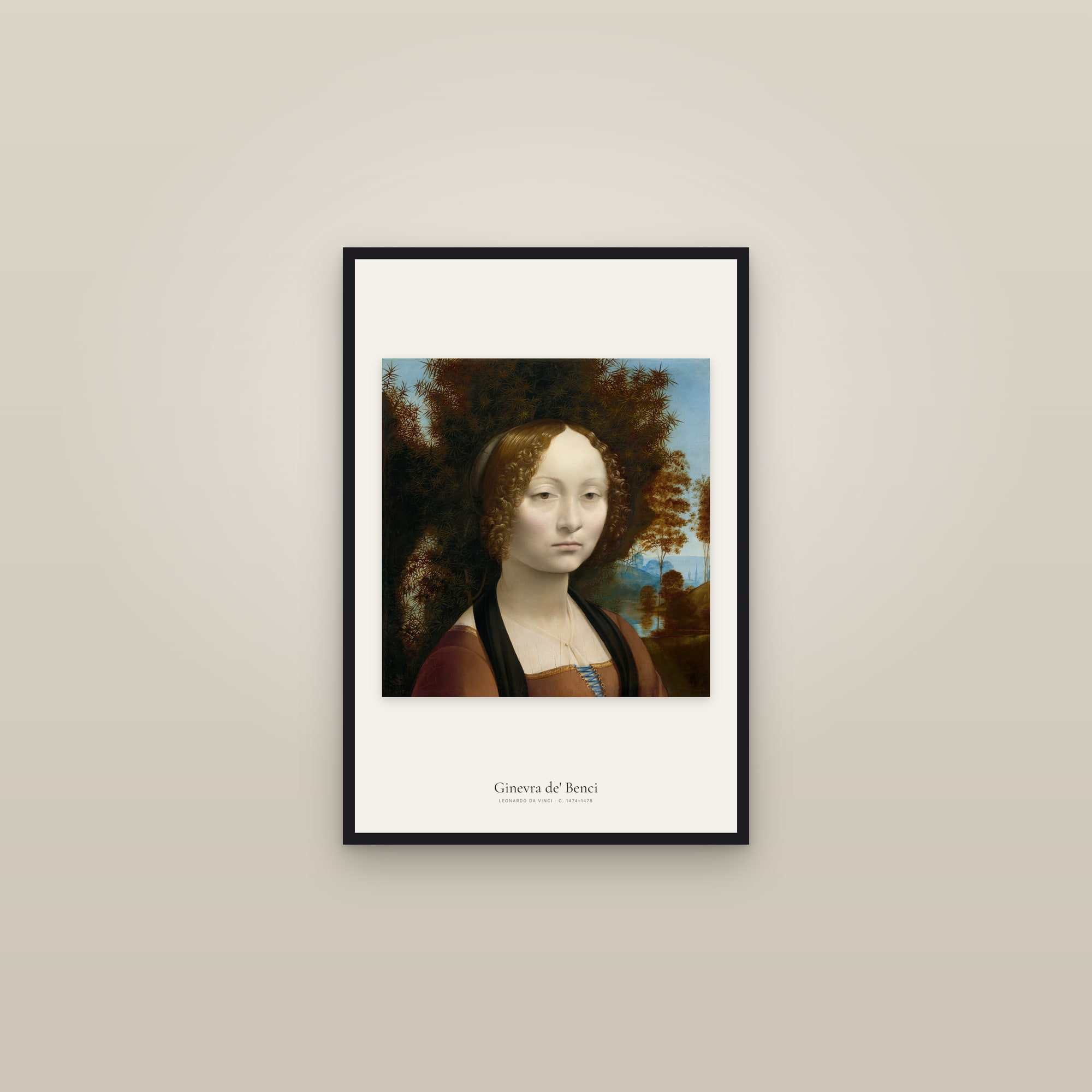
Print We print paintings, not sculpture. Florentine portraiture of the century he imitated is in Renaissance prints, among them Leonardo's Ginevra de' Benci.
Alceo Dossena, Rome, 1928
What was faked Sculpture sold as Renaissance and ancient: works given to Donatello, Verrocchio, Mino da Fiesole and Niccolò Pisano, and an archaic Greek statue that the Metropolitan Museum bought. The Museum of Fine Arts, Boston paid $100,000 for a tomb attributed to Mino da Fiesole, and Helen Clay Frick bought an angel attributed to Simone Martini, who made no sculpture, Time reported in 1933. The Cleveland Museum of Art and a dozen European museums were also supplied.
How it was caught A panel of experts ruled two of Frick's statues forgeries in 1925, and Dossena's authorship became public in November 1928, Finestre sull'Arte records. The occasion was a quarrel over money with the dealer Alfredo Fasoli. Time says Dossena sued for unpaid wages; Finestre sull'Arte says he sued for fraud, embezzlement and slander after Fasoli had him charged with insulting Mussolini.
What happened Dossena had sold only to dealers, for about $200 a piece, and never claimed the work was old, so he stayed within the law; several dealers were fined. His remaining stock was auctioned in Manhattan under his own name, each piece with an Italian government document certifying it as a genuine fake. He died in Rome in 1937.
Print We do not print sculpture.
Han van Meegeren's Vermeers, the Netherlands, 1945
What was faked Paintings in the manner of Vermeer, Pieter de Hooch and Frans Hals, Winterthur Museum's account notes. The Supper at Emmaus was hailed as a Vermeer by Abraham Bredius in the Burlington Magazine in November 1937, and the Boijmans bought it for between 520,000 and 550,000 guilders, Essential Vermeer records. Christ and the Adulteress went to Hermann Göring for 1,650,000 guilders.
How it was caught After the war the Adulteress was found in Göring's collection and Van Meegeren was arrested in May 1945 for selling Dutch heritage to the enemy, a charge that carried the death penalty. He said he had painted it himself, and painted a new "Vermeer", Jesus among the Doctors, under guard to prove it. He had mixed his paint with Bakelite, an early plastic, and baked it hard so that it resisted the alcohol test used to spot fresh paint. In 1967 a team at Carnegie Mellon measured the radioactivity of the lead white and showed it was modern (Science, 1967; Chemistry World).
What happened In November 1947 an Amsterdam court convicted him of forgery and fraud and gave him one year. He died in Amsterdam in December 1947 before serving it. The Emmaus is still at the Boijmans, accession St 1, catalogued as his.
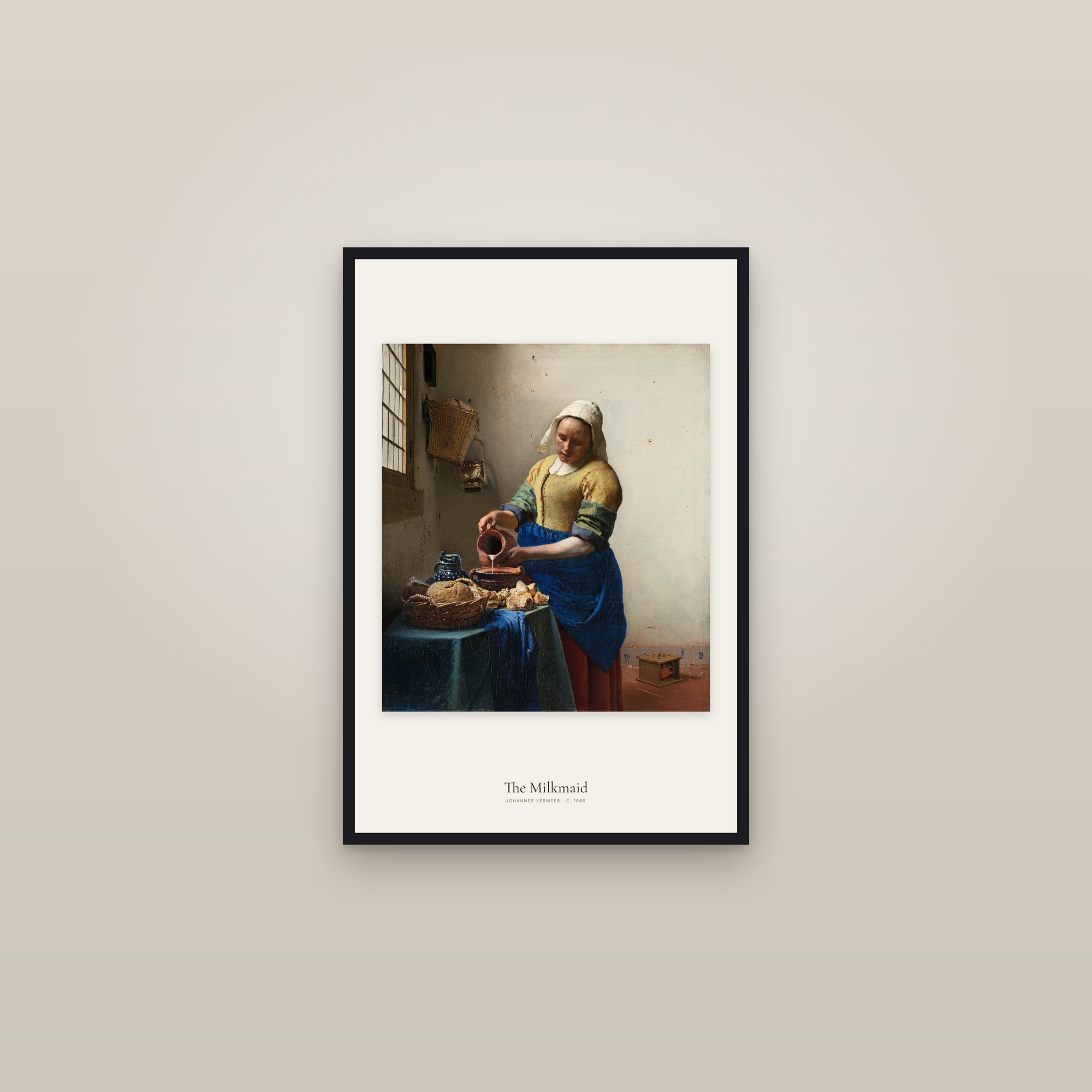
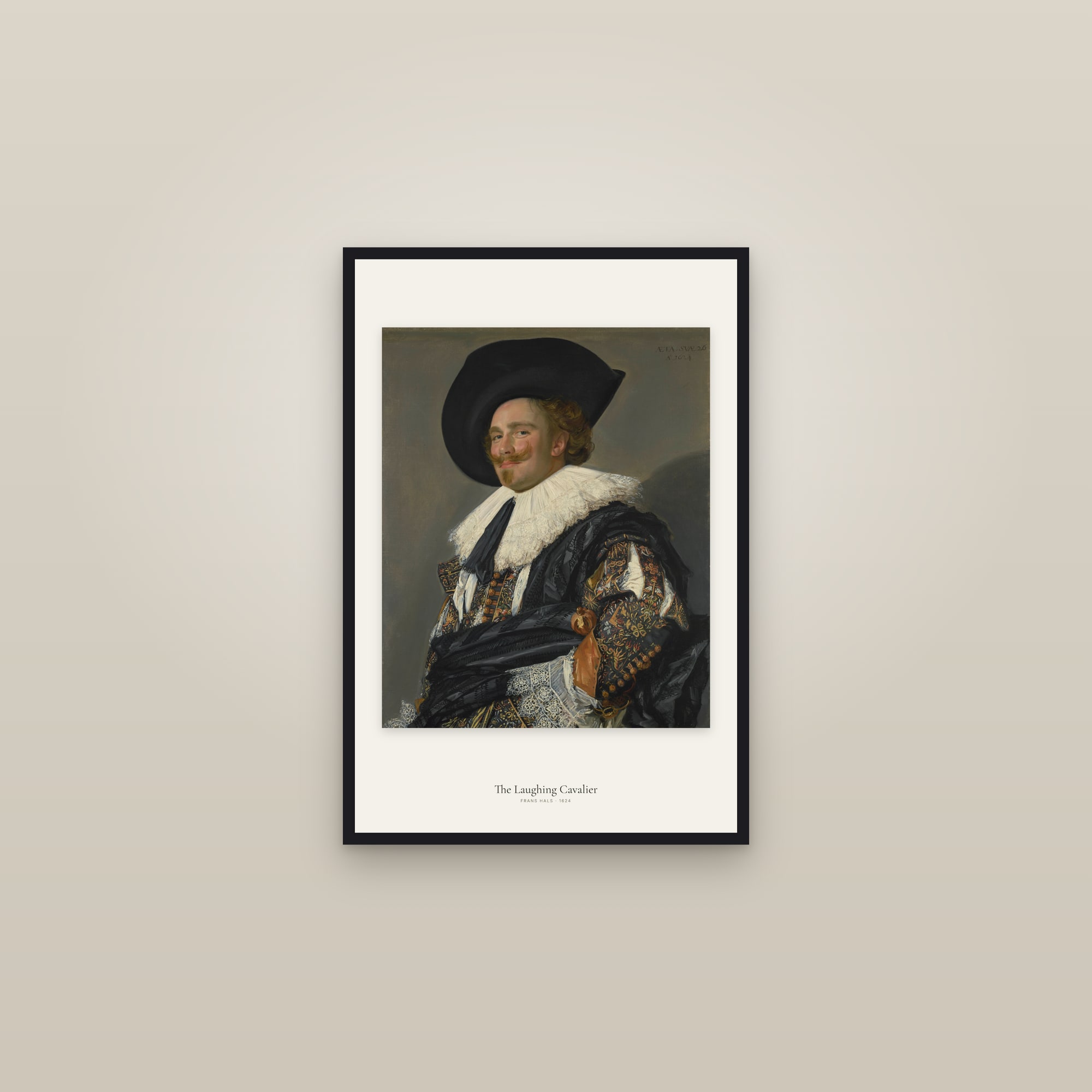
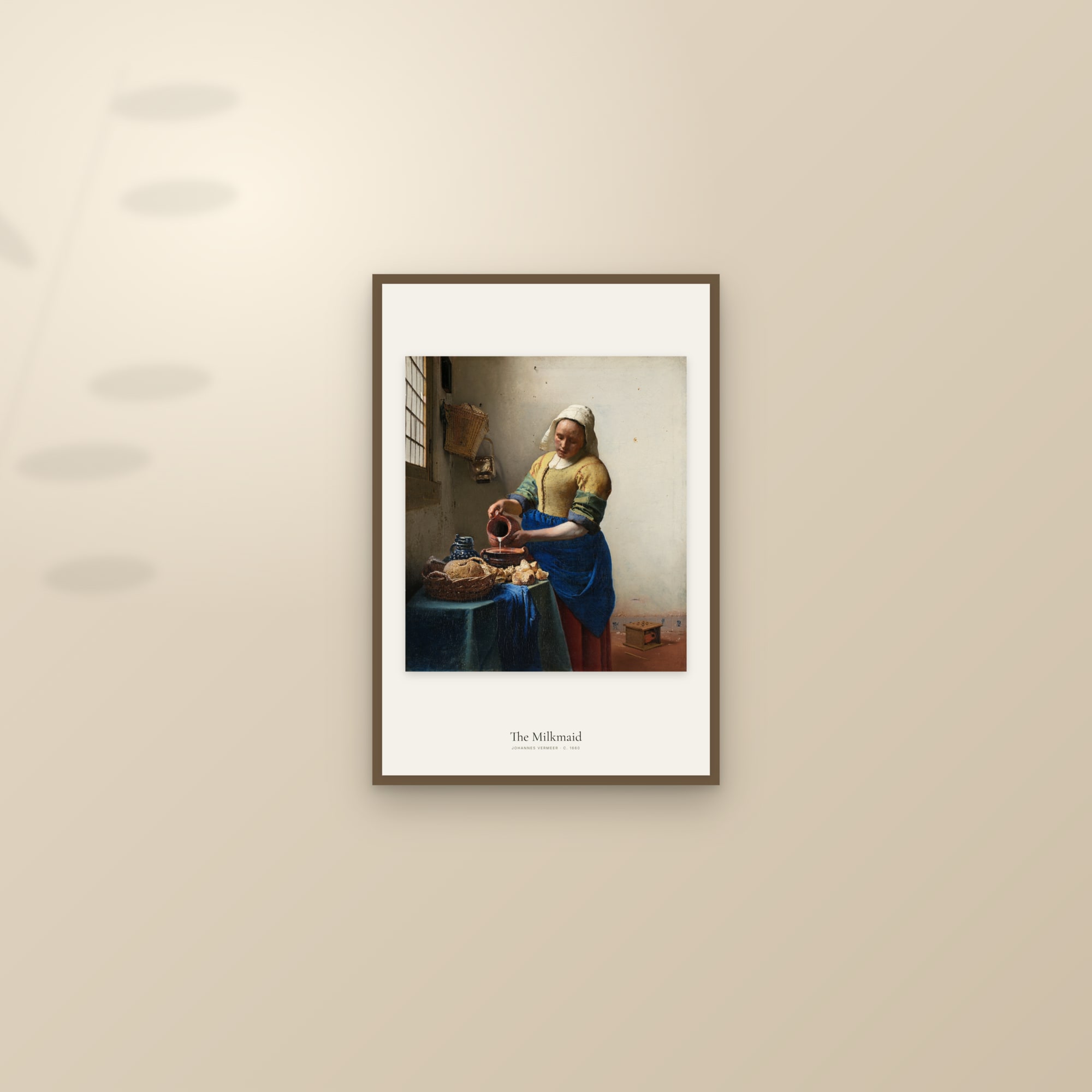
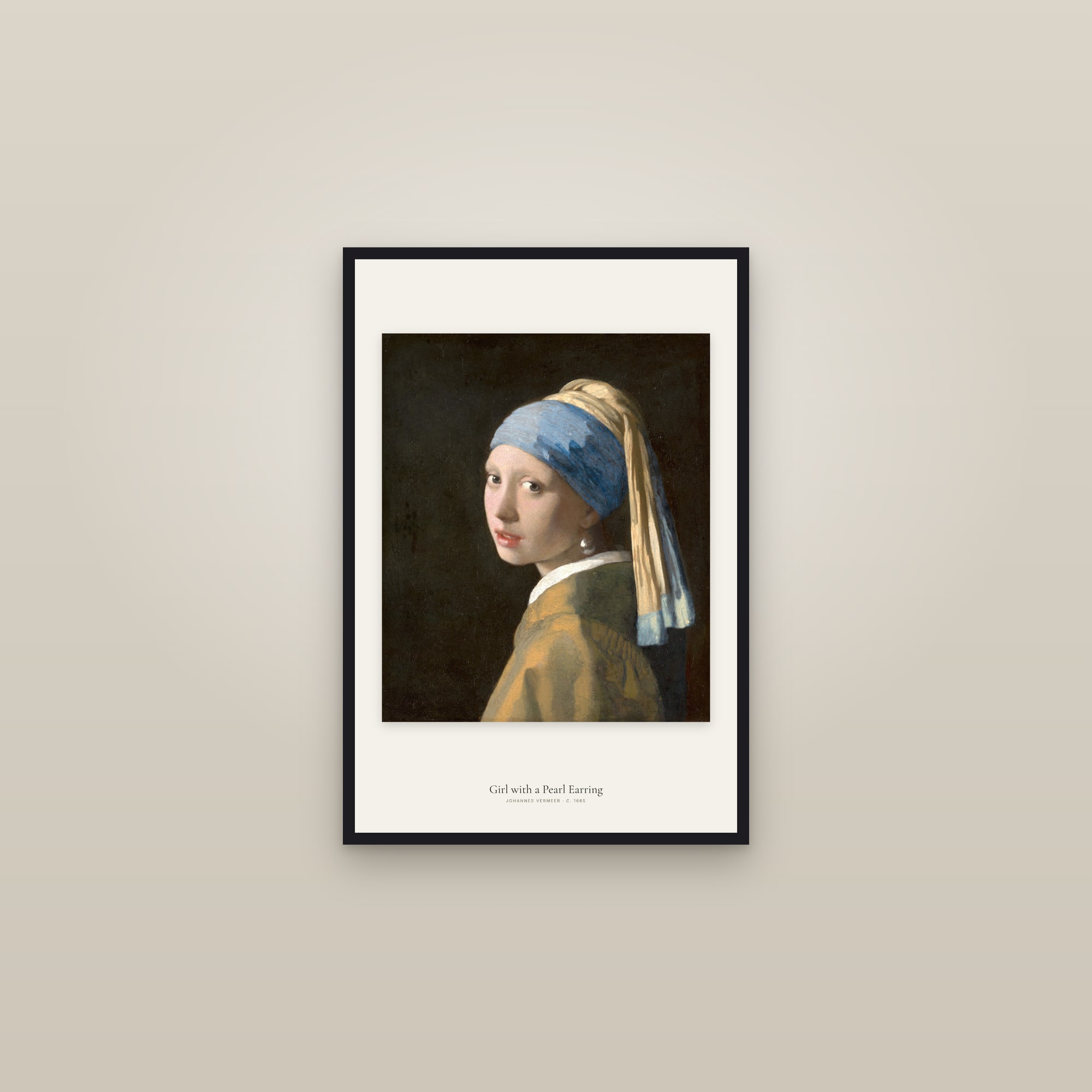
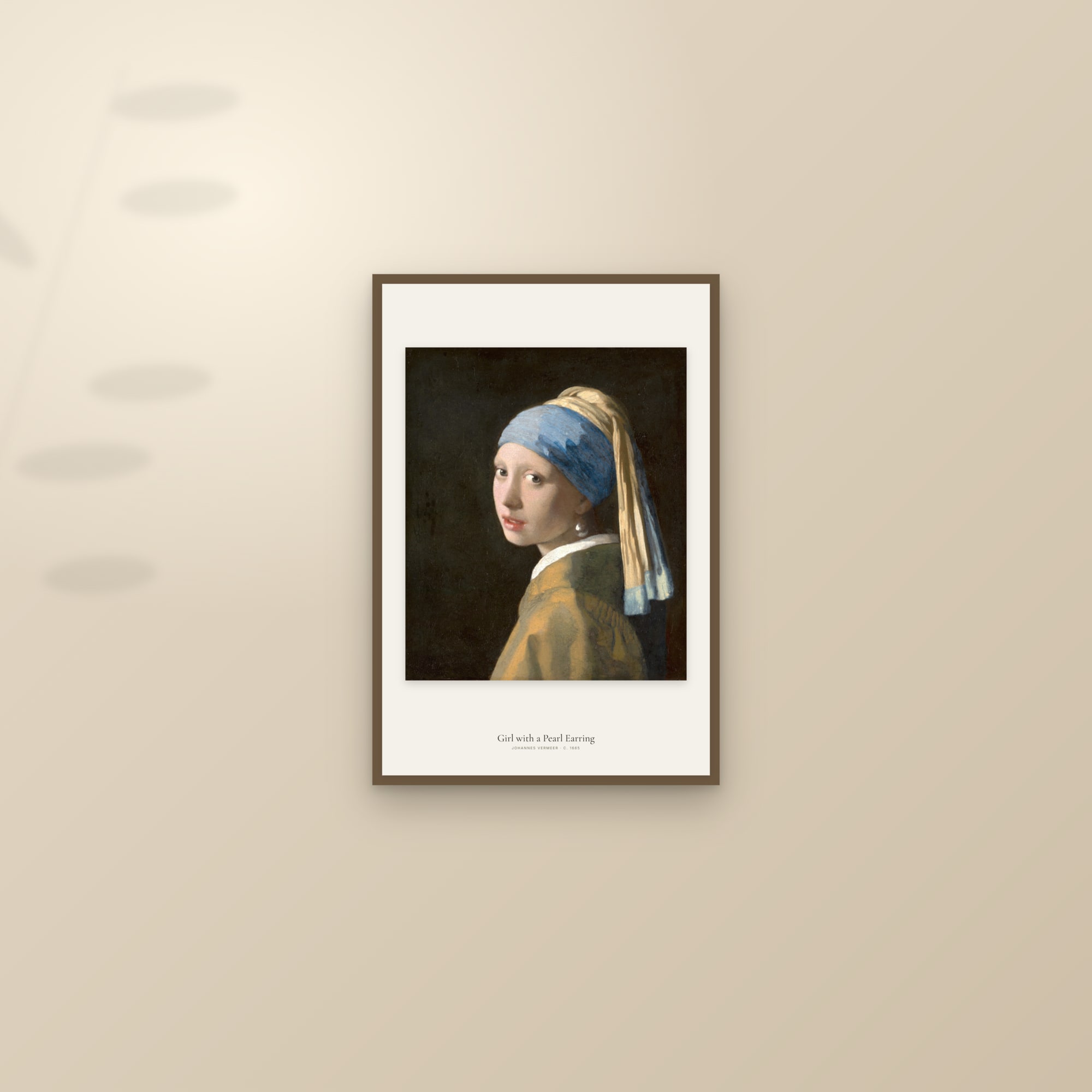
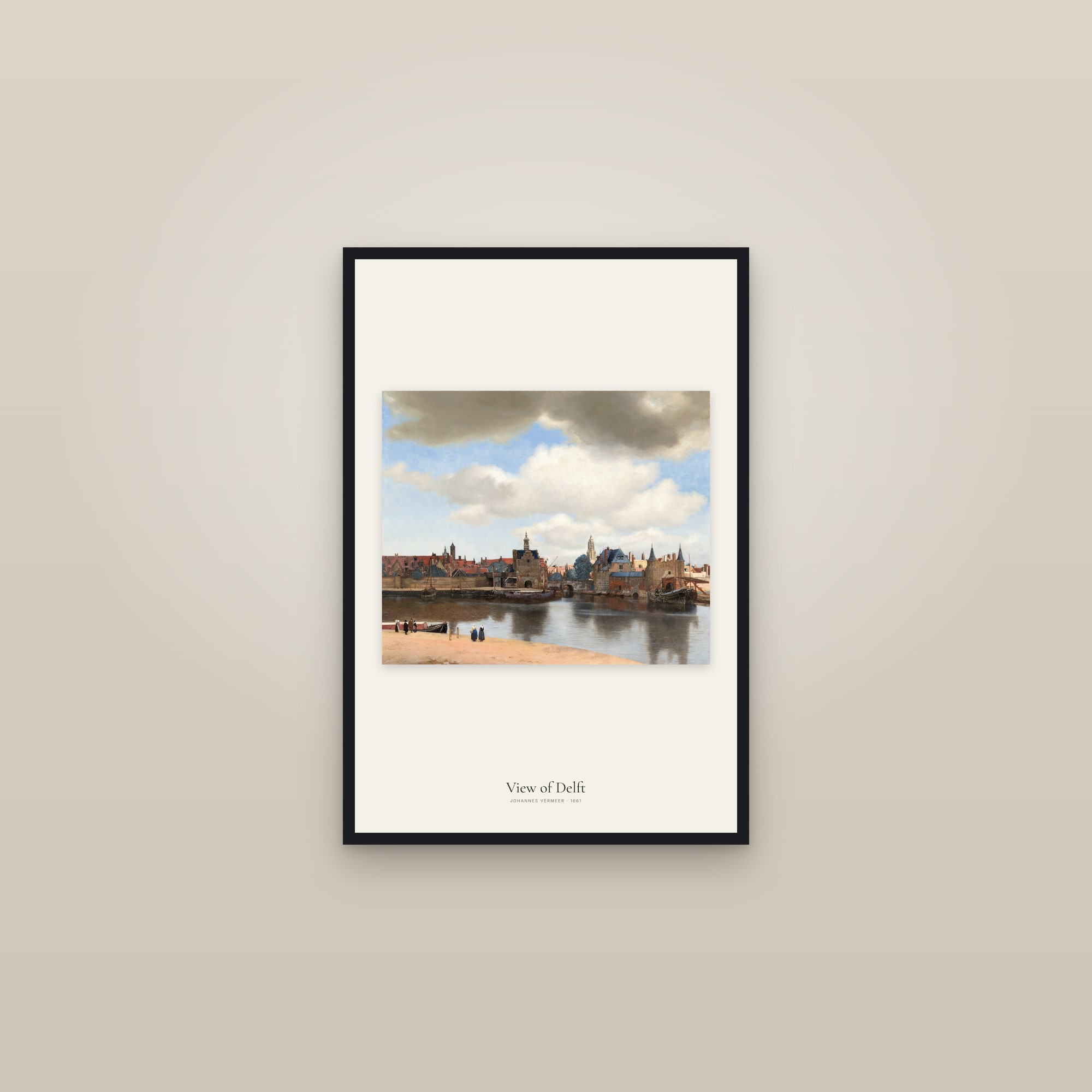
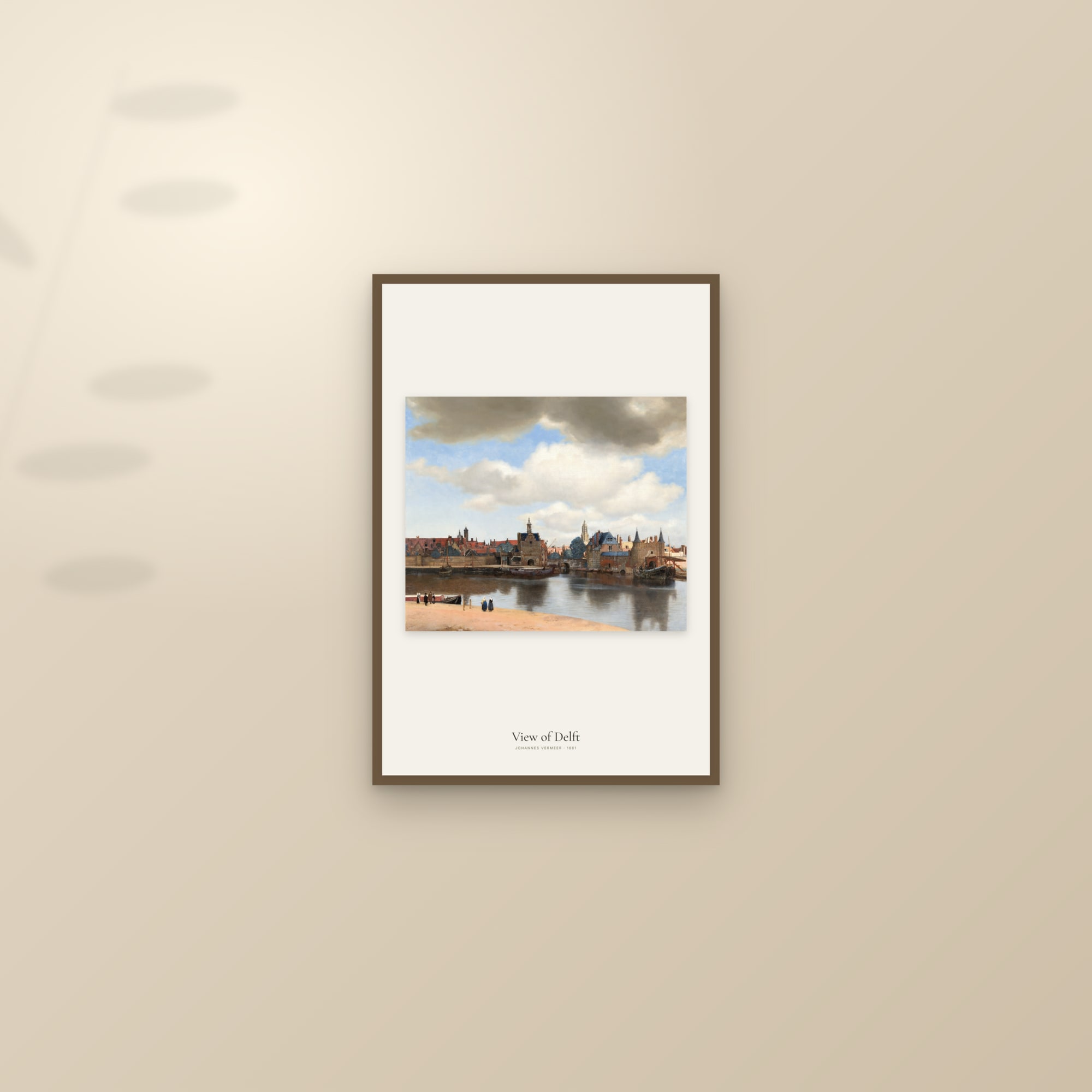
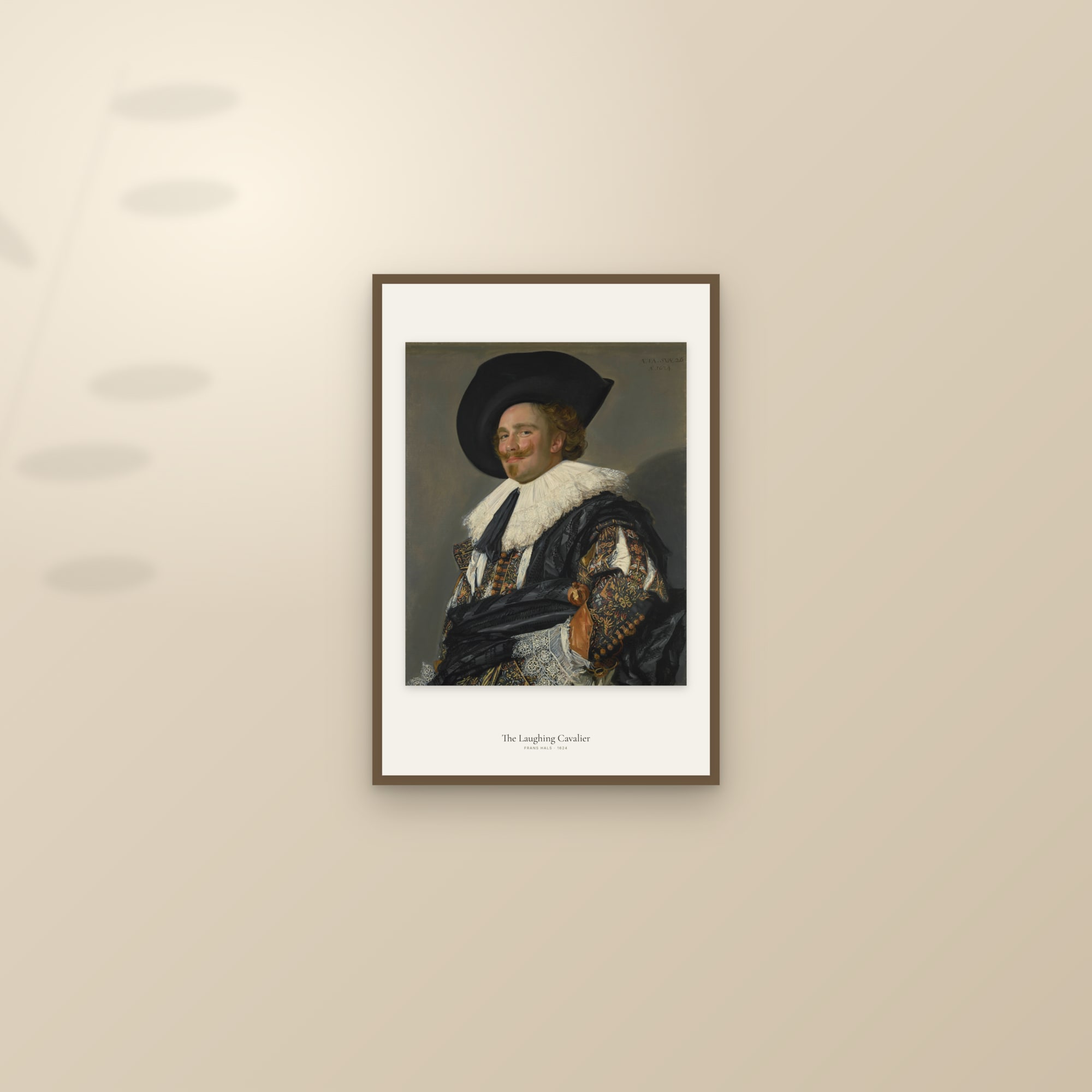
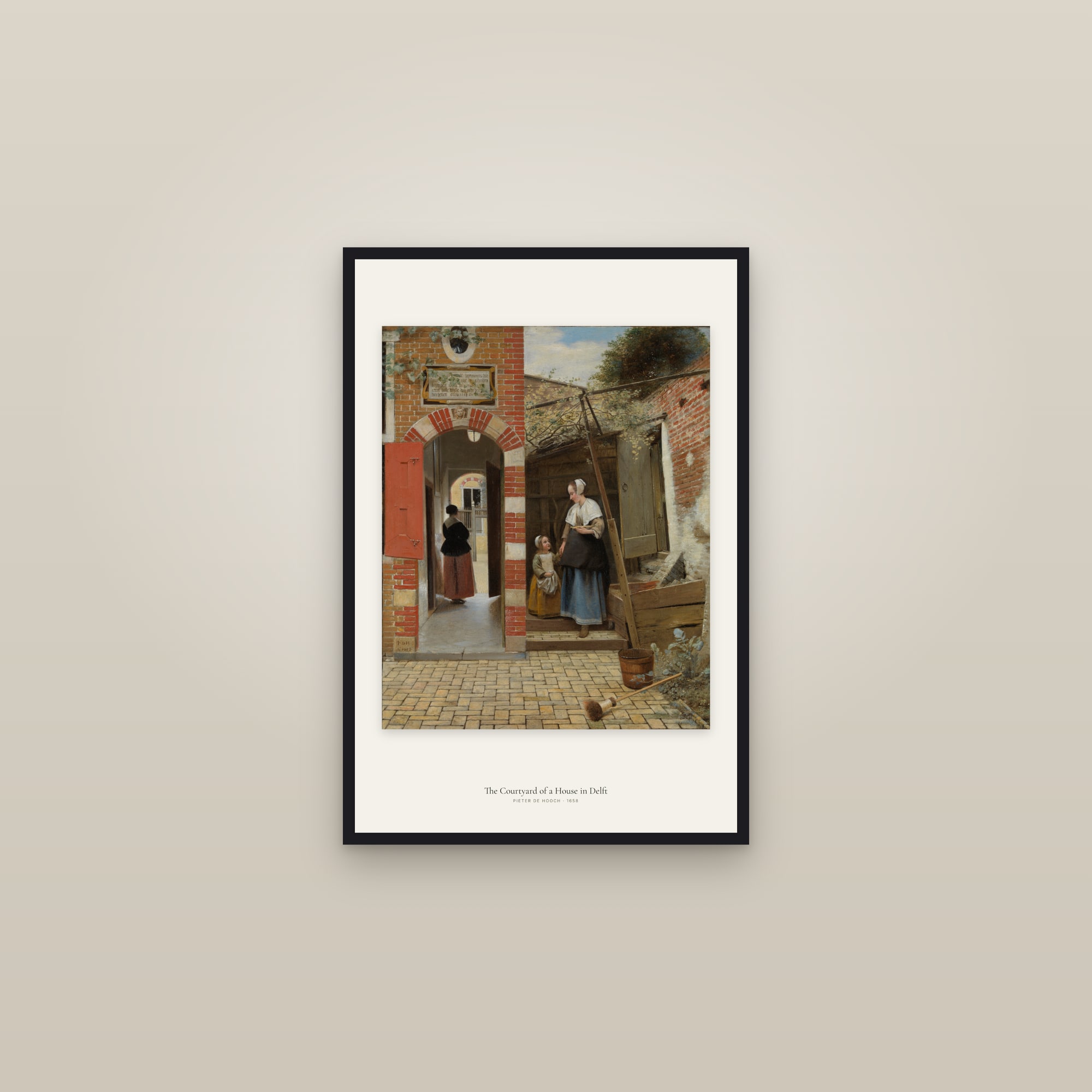
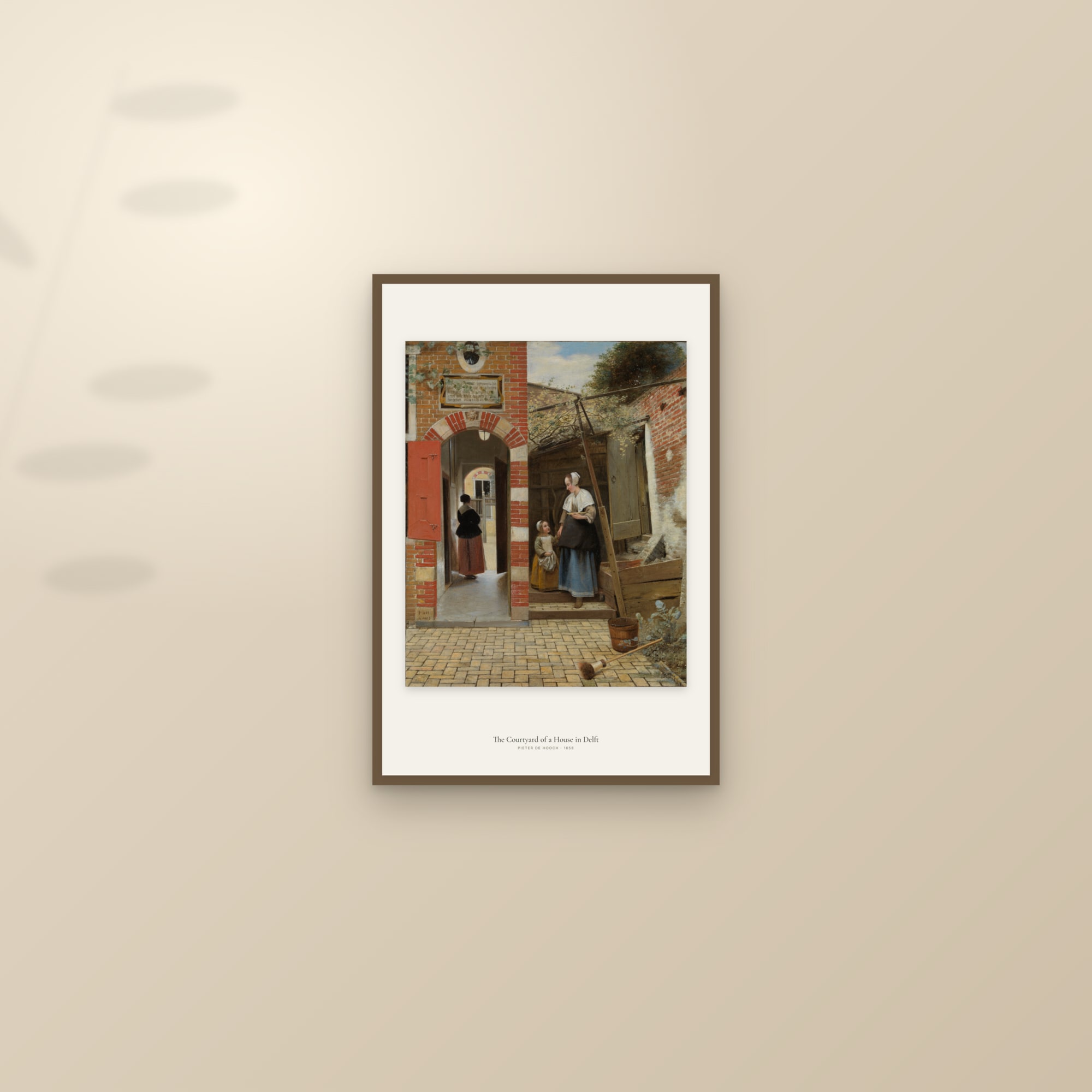
Print We print the real ones: The Milkmaid, Girl with a Pearl Earring and View of Delft, with the rest of Vermeer prints; de Hooch's Courtyard of a House in Delft; and Hals's Laughing Cavalier.
Elmyr de Hory, 1967
What was faked Paintings and drawings in the manner of Matisse and Modigliani among others, often painted over nineteenth-century canvases bought at Paris flea markets. By one estimate he put more than 1,000 forgeries on the market over thirty years, Winterthur records.
How it was caught Through his dealer. Fernand Legros bribed or fooled experts, copied their certification stamps and slipped photographs of forgeries into catalogues. He sold forty paintings to the Texas oil millionaire Algur Meadows, and in 1967 they were identified as forgeries.
What happened Spain agreed to extradite De Hory to France, and he took his own life in 1976. Spanish police took his fingerprints because of his many aliases; Budapest birth records give his name as Elemér Hoffman.
Print We print Modigliani's Reclining Nude of 1917 from the Metropolitan Museum, with the rest of Modigliani prints.
Tom Keating, Dedham, 1976
What was faked By his own count "anywhere from 1,000 to 3,000 pastiches" over 25 years, about 80 of them in the manner of Samuel Palmer, made by copying details from genuine Palmers and combining them, Time reported in 1976.
How it was caught A "Palmer" called Sepham Barn sold at auction in 1969 to the Leger Galleries for £9,400. Sir Karl Parker had called it a fake more than four years before the story broke. Geraldine Norman, the Times auction-room correspondent, traced the Palmers to Keating's cottage in Dedham, and he admitted he was "a terrible faker."
What happened He was tried in 1979 with the antiques dealer Lionel Evans and Jane Kelly. The trial was halted and the jury dismissed because of Keating's health, and the charges against him were dropped; Evans and Kelly were given suspended sentences, LBC reported on 27 February 1979. In October 1984 Christie's auctioned paintings by "the late" Keating under his own name, LBC reported.
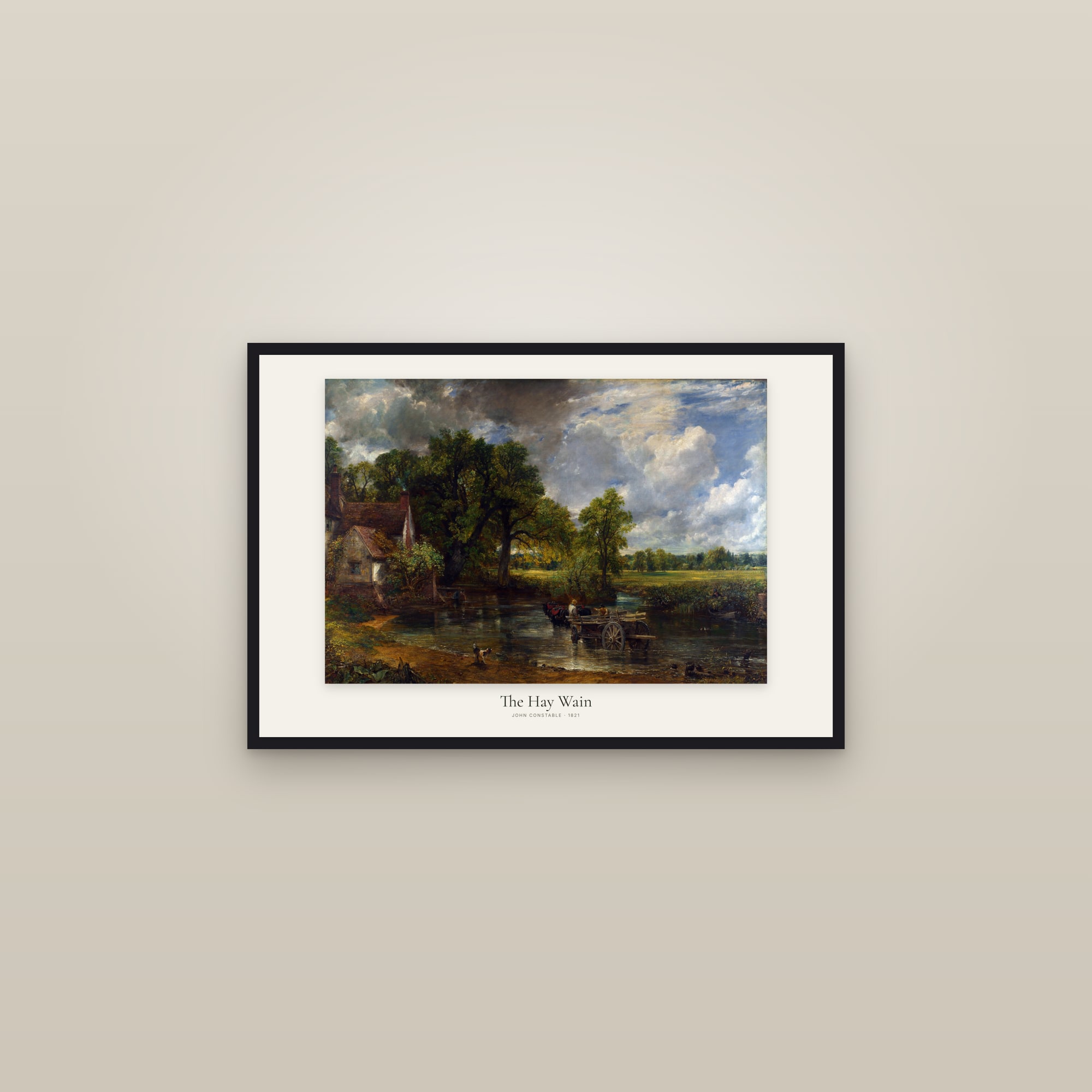
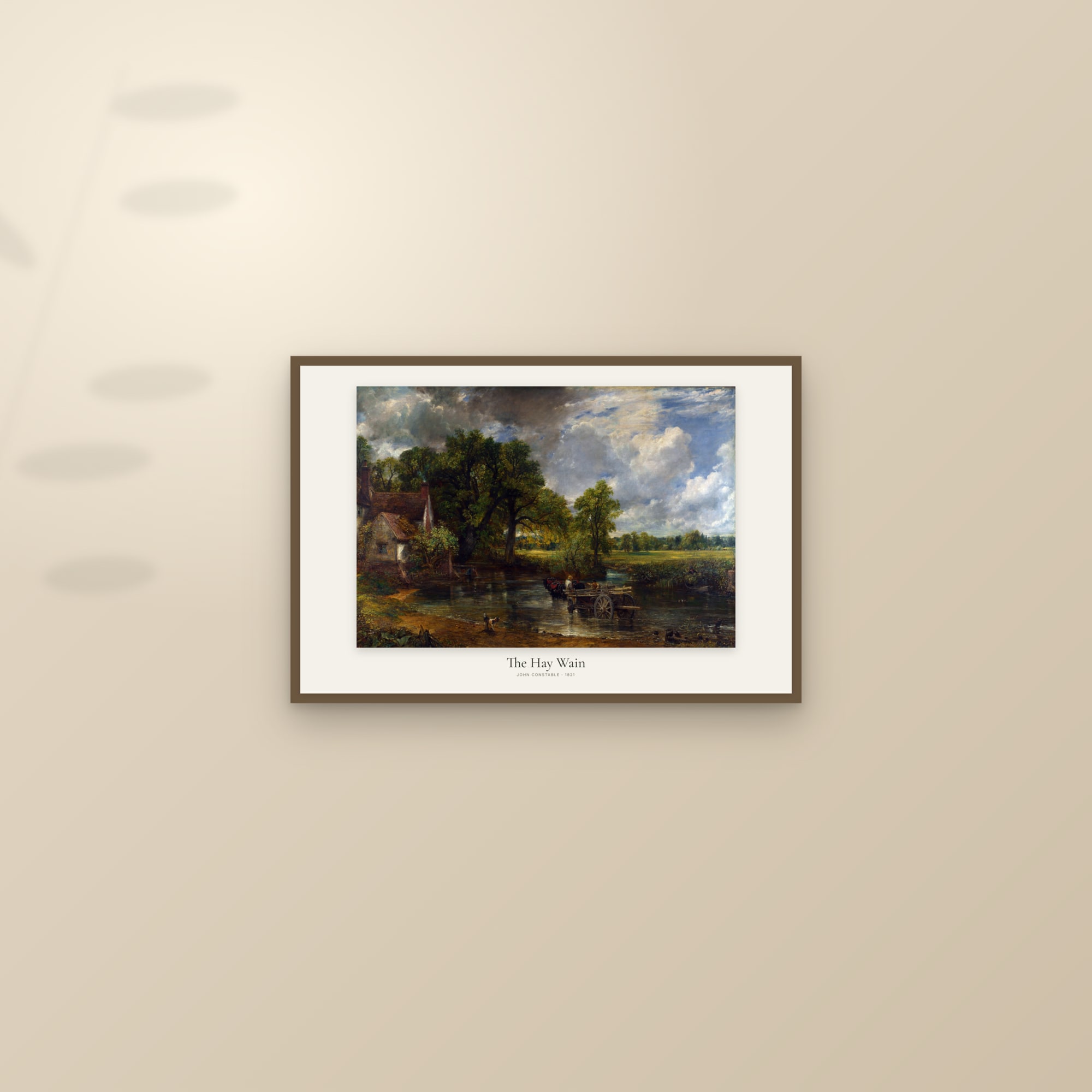
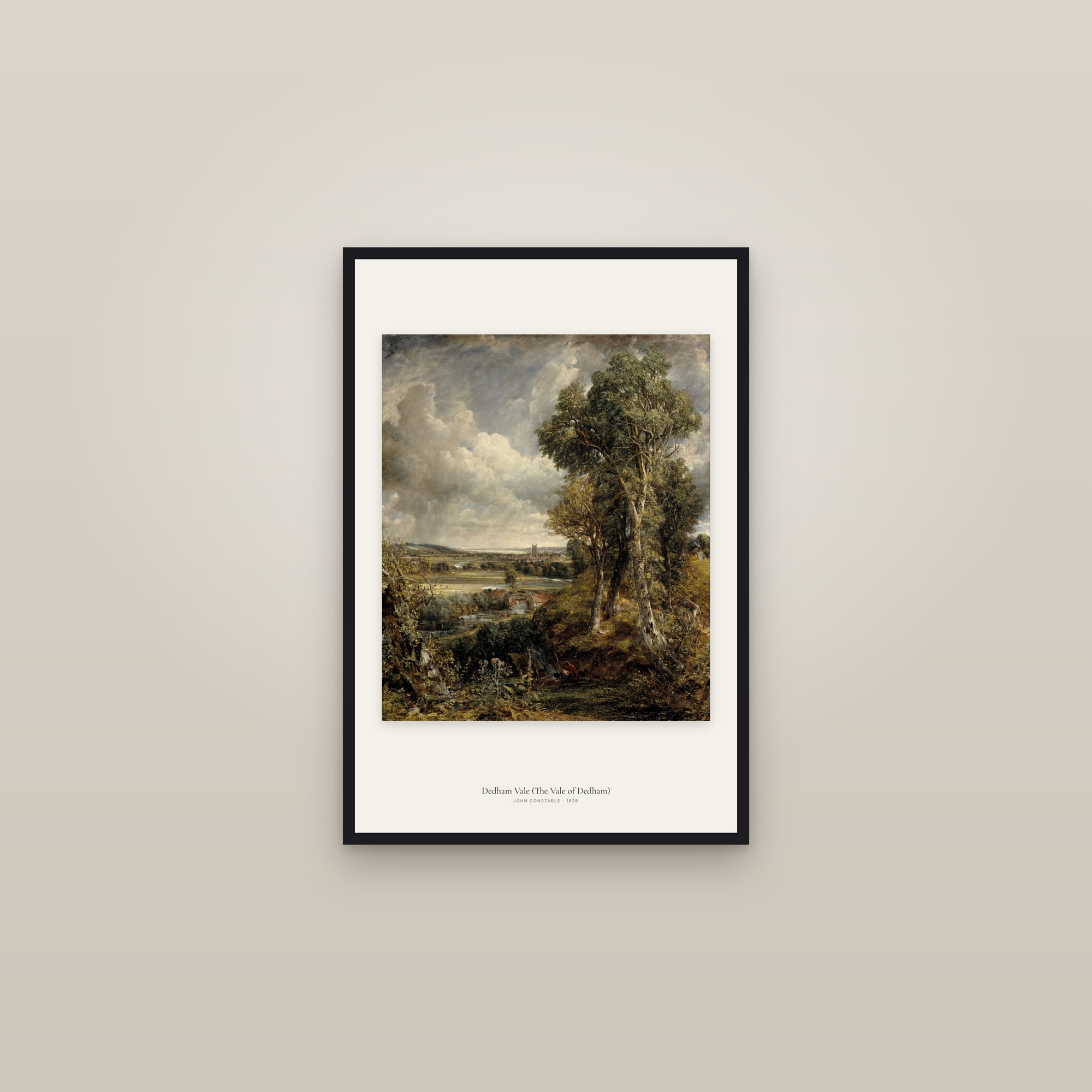
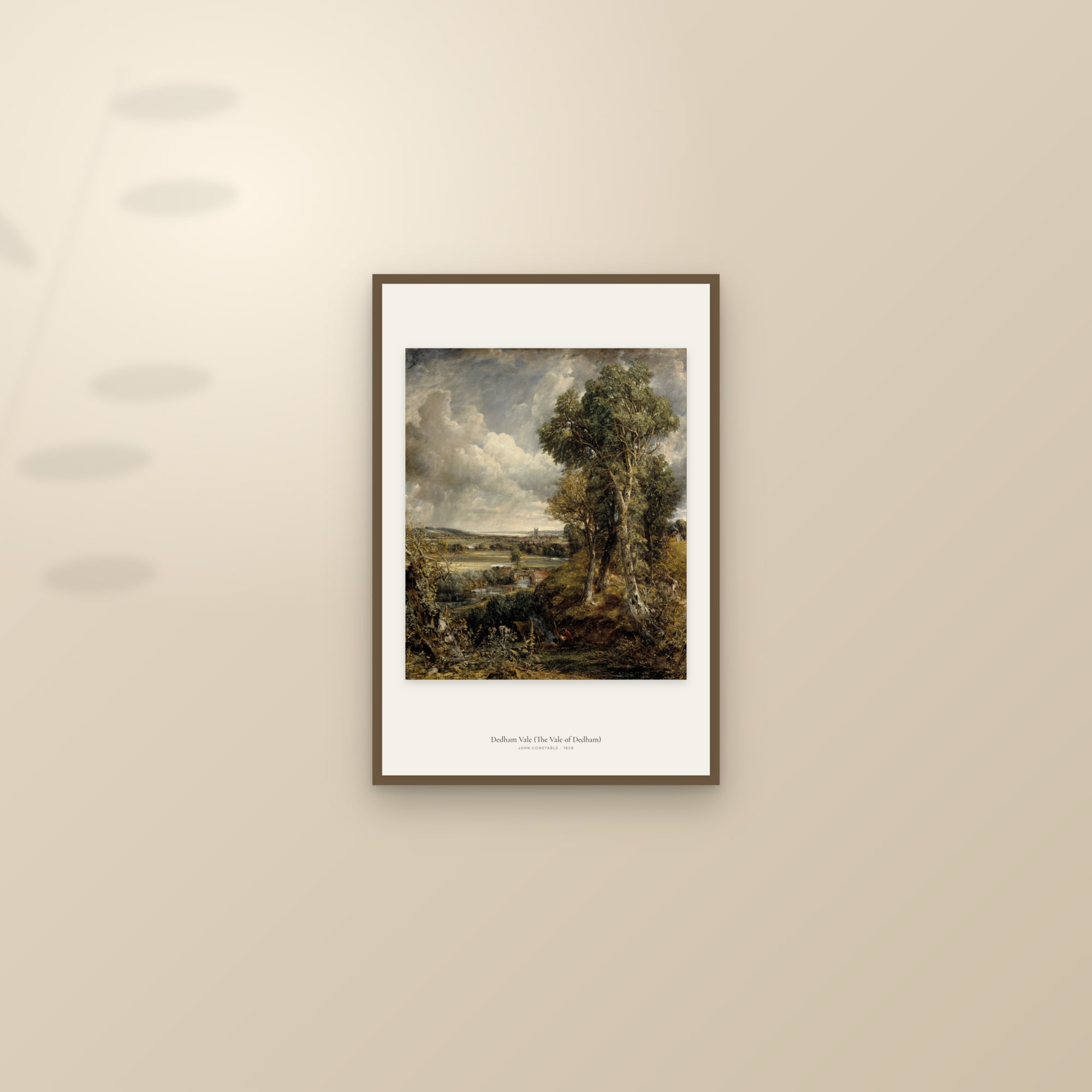
Print We do not print Palmer. Dedham is Constable's valley: we print his Dedham Vale and The Hay Wain, with the rest of Constable prints.
Eric Hebborn, 1978
What was faked Old master drawings. His claimed output runs from Mantegna and Giorgione to Van Dyck and Piranesi and on to Augustus John, about 1,100 sheets by his own count, The Art Newspaper reported in 1991; it could trace about forty.
How it was caught By a curator who saw the same hand twice. Konrad Oberhuber, research curator at the National Gallery of Art in Washington, had bought a drawing as Francesco del Cossa and then saw a "Raphael" and an "Ercole de' Roberti" by the same hand; he linked the hand to a drawing sold to the Morgan Library. The paper says the Cossa came through the dealer Hans Calmann; Hebborn's own book says Colnaghi. Geraldine Norman's report in The Times in 1978 ended his British market.
What happened He published his own account, Drawn to Trouble, in 1991. Some attributions are still argued: a "Piranesi" in Copenhagen that Hebborn claimed is considered his by Oberhuber and genuine by its curator. He died in 1996 (Royal Academy of Arts).
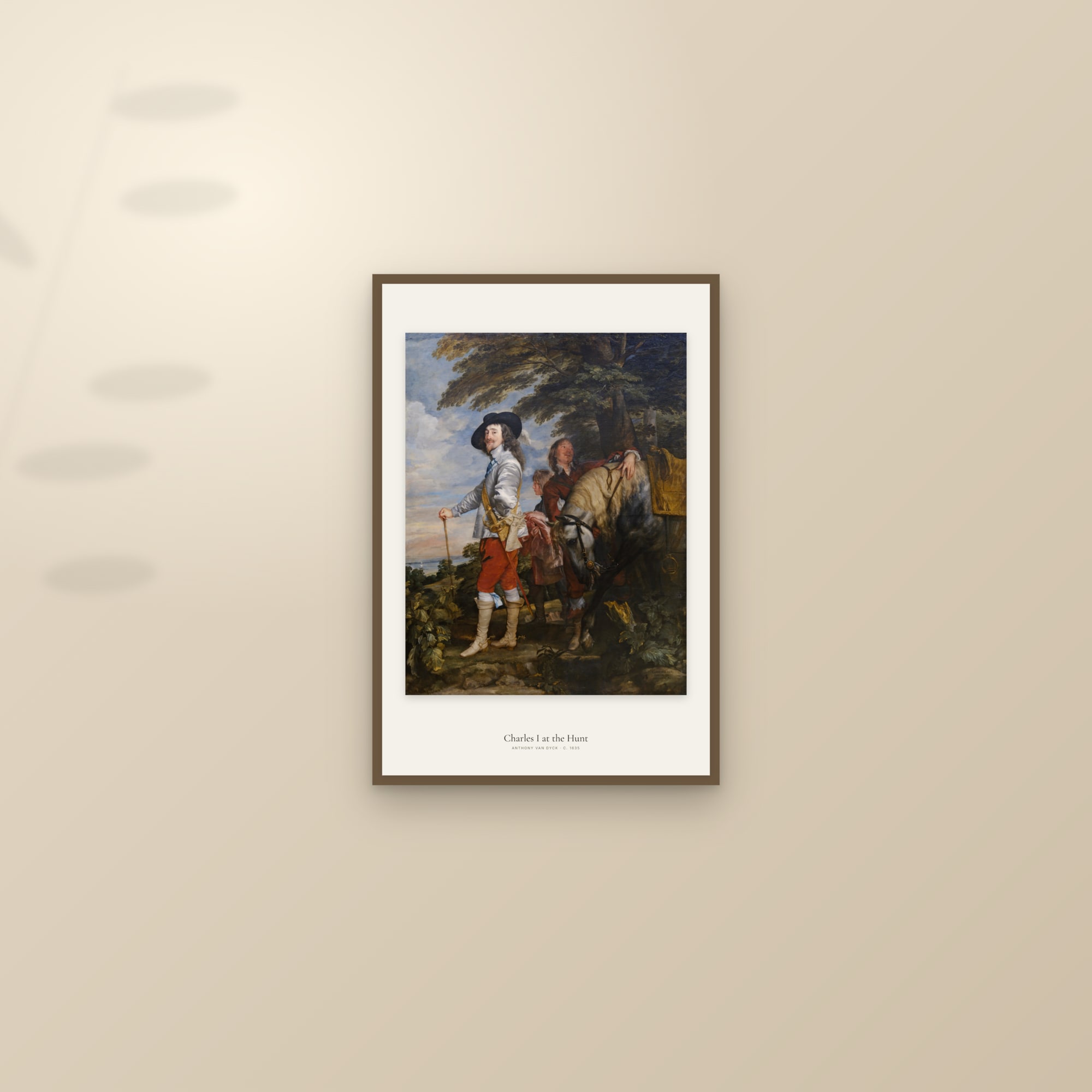
Print We print Van Dyck's paintings, not drawings: Charles I at the Hunt from the Louvre, in Van Dyck prints.
John Myatt and John Drewe, London, 1995
What was faked About 200 paintings in the manner of Chagall, Dubuffet, Bissière, de Staël, Le Corbusier, Giacometti, Sutherland and Ben Nicholson. It began in 1986, when Myatt advertised in Private Eye offering "genuine fakes" for £150, The Art Newspaper reported.
How it was caught The paintings were ordinary; the provenance was the crime. Drewe inserted photographs of the fakes into the Tate Archive's records of the Hanover and Ohana galleries, planted invented catalogues in the V&A's National Art Library and interfered with the archives of the Institute of Contemporary Arts. He had given the Tate £20,000. A London dealer, Peter Nahum, grew suspicious and went to the police. The V&A still keeps one of Drewe's forged catalogues.
What happened At Southwark Crown Court in February 1999 Drewe was given six years and Myatt, who had confessed and given evidence, one. About sixty of the paintings had been traced; the rest were still in circulation.
Print We print none of these painters; their work is still in copyright.
The Greenhalgh family, Bolton, 2006
What was faked For nearly twenty years: paintings as L. S. Lowry and Samuel Peploe, sculpture as Hepworth, Brancusi and Henry Moore, a Gauguin vase, Assyrian reliefs and Roman and Anglo-Saxon silver, The Irish Times reported. The "Amarna Princess", an Egyptian figure, went to Bolton Museum for more than £400,000. A ceramic Faun attributed to Gauguin was consigned to Sotheby's in 1994 under Olive Greenhalgh's maiden name, sold for £20,700, and bought by the Art Institute of Chicago in 1997 for £180,000, The Art Newspaper found.
How it was caught In February 2006 the family offered the British Museum three Assyrian reliefs for £500,000. The museum doubted them and alerted the police, who searched the house the next month and found the materials, among them an 1892 catalogue used as a source.
What happened In November 2007 Shaun Greenhalgh was jailed for four years and eight months and his mother Olive given twelve months suspended; his father George's sentence was deferred. The Art Institute of Chicago took the Faun off display and called it "a creative, well-researched forgery of a lost Gauguin, produced by the Greenhalghs."
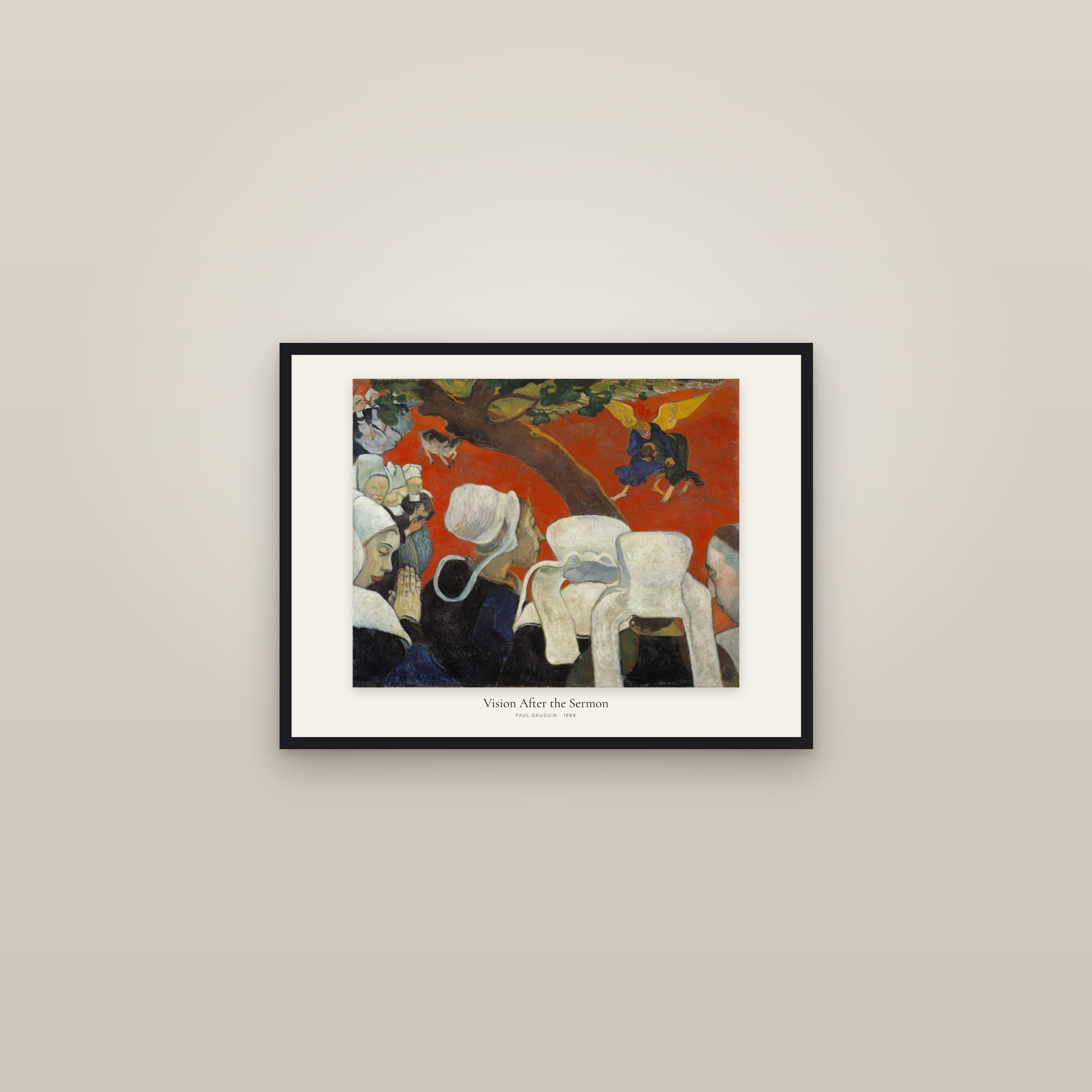
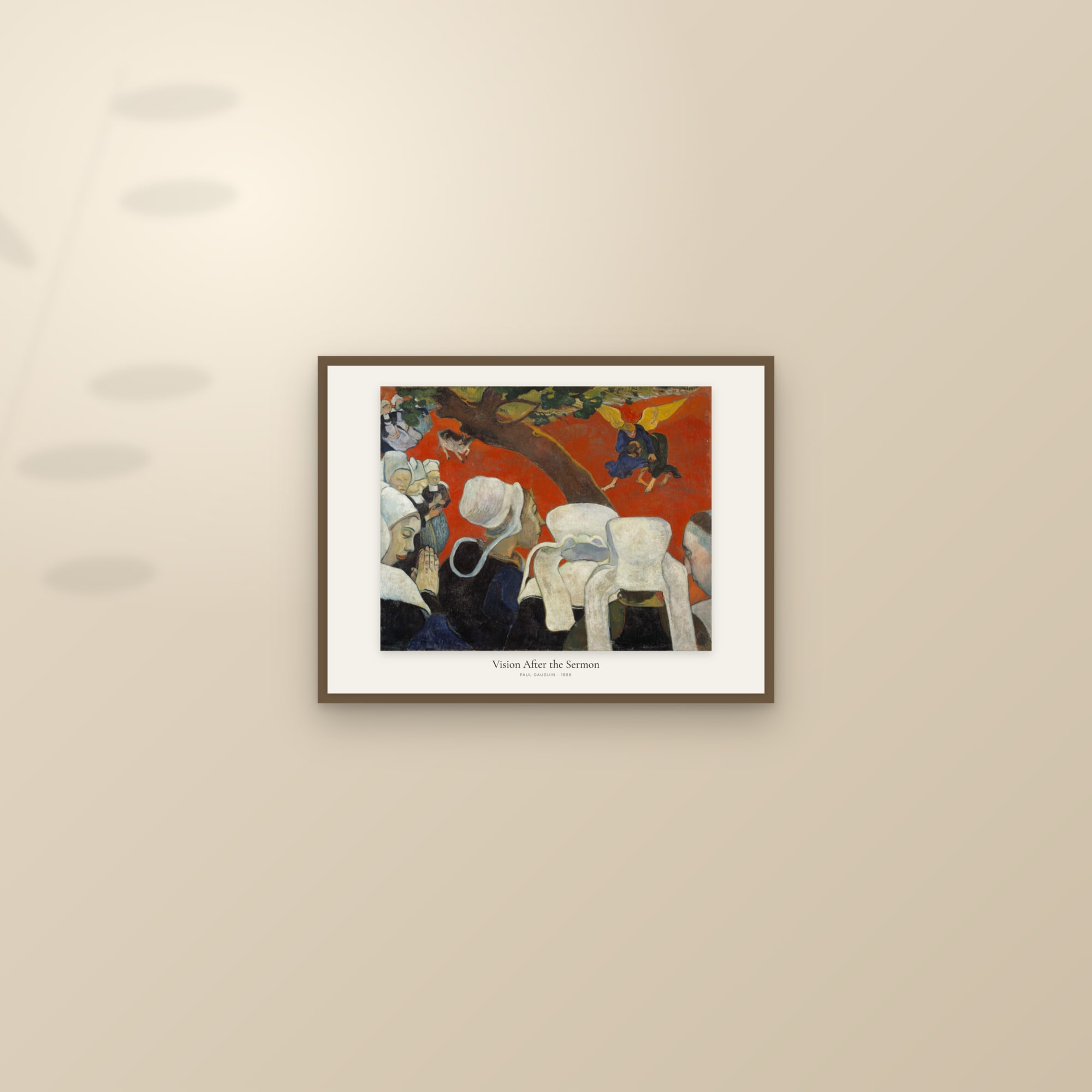
Print We print Gauguin's paintings: Vision After the Sermon from Edinburgh, with the rest of Gauguin prints.
Mark Landis, 2007
What was faked Copies of religious icons, impressionist and modern paintings and academic studies, given free to museums for nearly thirty years, often while dressed as a Jesuit priest, NPR reported. More than 45 museums accepted them. He worked with marker pens and shop-bought frames.
How it was caught Matt Leininger, registrar at the Oklahoma City Museum of Art, looked into Landis in 2007 when he offered works there, and found the same pictures in other collections: one Alfred Jacob Miller copy had gone to six or seven museums.
What happened Nothing, legally. He never asked for money, and never went to jail.
Print Nothing here to print.
Wolfgang Beltracchi, Cologne, 2010
What was faked Paintings in the manner of around fifty artists, among them Max Ernst, Heinrich Campendonk and Fernand Léger, he told Der Spiegel, presented as the "Werner Jäger" collection, said to have been formed by his wife's grandfather, The Art Newspaper reported. The fourteen works in the trial would have been worth about €34 million if genuine. One "Max Ernst", La Forêt (2), sold for $7 million in 2006, and the Ernst scholar Werner Spies had declared at least five Ernst fakes genuine, The National reported.
How it was caught By a pigment. Red Picture with Horses, sold as a Campendonk of 1914, was bought for €2.4 million at a Lempertz auction in Cologne in 2006 by a Maltese company. It contained titanium white, which was not in use when the picture was supposed to have been painted; the scientist Nicholas Eastaugh has said it was found in a sketch on the back, The Art Newspaper reported. In September and October 2010 the Rathgen Research Laboratory of the Berlin State Museums examined seven seized paintings and found titanium white and phthalocyanine pigments, the museums record.
What happened In October 2011 a Cologne court sentenced him to six years for forging fourteen works. He was freed on 9 January 2015, Artlyst reported.
Print We print none of these painters; their work is still in copyright.
Knoedler and Glafira Rosales, New York, 2011
What was faked Paintings attributed to Rothko, Pollock, de Kooning and Motherwell, painted by Pei-Shen Qian in Queens and sold by Glafira Rosales, a Long Island dealer, to Knoedler & Company and one other New York gallery. Winterthur's account counts 31 paintings over fourteen years, 24 of them resold by Knoedler (Winterthur); her guilty plea covered more than 60, for which collectors paid more than $80 million, The Art Newspaper reported.
How it was caught The Dedalus Foundation told Knoedler that two "Motherwells" were fake. The gallery commissioned the forensic conservator James Martin of Orion Analytical, who found two red pigments not used until the 1960s and signs that an electric sander had been used on the canvases. In January 2009 Knoedler's head of research asked him to delete those findings, and he refused, according to trial evidence reported in 2016.
What happened Knoedler closed in 2011. Rosales pleaded guilty on 16 September 2013, agreed to forfeit $33.2 million and to pay $81 million in restitution, and in January 2017 was sentenced to the three months she had already served, 90 days of home detention and three years of supervised release. Ann Freedman, Knoedler's former director, settled the last of the buyers' civil suits in 2017, The Art Newspaper reported.
Print We print none of these painters; their work is still in copyright.
What the eleven cases have in common
People caught most of them. A dealer talked (Bastianini, Dossena), a curator saw one hand in two drawings (Hebborn), a registrar compared notes with other museums (Landis), a dealer and a museum grew suspicious (Drewe, the Greenhalghs). Van Meegeren gave himself up to escape a worse charge.
The paperwork was often the forgery. Drewe's catalogues, Legros's stamps, Beltracchi's invented grandfather and Rosales's unnamed collector did more work than the paint did.
The science confirms. Bakelite, lead-210, titanium white and the 1960s reds are the proof that went to court. None of them was the first reason anyone looked.
Of the painters on this list whose own work is in the public domain, we print Vermeer, Hals, de Hooch, Gauguin, Constable, Van Dyck and Modigliani, each page with the museum that owns the painting: from $39 on 250 gsm archival paper, unframed or in a black or dark wood frame.

More in the Journal: the great art heists, the most famous paintings in the world and the paintings that were cut down, painted over or found underneath.
Johannes Vermeer Prints Dutch Golden Age Paintings Famous Painting PrintsQuestions people ask
Who is the most famous art forger?
Han van Meegeren, a Dutch painter who made 'Vermeers' in the 1930s and 1940s. Museum Boijmans Van Beuningen bought his Supper at Emmaus in 1937 as a Vermeer, and another of his fakes, Christ and the Adulteress, was sold to Hermann Göring. Arrested in 1945 for selling Dutch heritage to the enemy, he confessed to forgery instead, was convicted of forgery and fraud in 1947 and died before serving his one-year sentence.
How was Van Meegeren caught?
Through Göring. After the war his Christ and the Adulteress was found in Göring's collection, and the trail led to Van Meegeren, who was arrested in May 1945 on a charge that carried the death penalty. To prove he was a forger rather than a collaborator he painted a new 'Vermeer' under guard. He had hardened his paint with Bakelite, an early plastic; in 1967 a Carnegie Mellon team showed by lead-210 measurement that the lead white in the pictures was modern.
How was Wolfgang Beltracchi caught?
By a pigment. A painting sold as Heinrich Campendonk's Red Picture with Horses of 1914 contained titanium white, which was not in use as a paint when the picture was supposed to have been made. Berlin's Rathgen Research Laboratory then found titanium white and phthalocyanine pigments in seven seized paintings. In October 2011 a Cologne court sentenced Beltracchi to six years for 14 works.
What was the Knoedler forgery case?
Over fourteen years the Long Island dealer Glafira Rosales sold paintings attributed to Rothko, Pollock, de Kooning and Motherwell to Knoedler & Company and one other New York gallery. They had been painted by Pei-Shen Qian in Queens. Knoedler closed in 2011; Rosales pleaded guilty in September 2013 and agreed to pay $81 million in restitution.
Are there forgeries in museums today?
Yes, some of them on purpose. Museum Boijmans Van Beuningen keeps Van Meegeren's Supper at Emmaus as his work, the Louvre keeps Bastianini's bust of Girolamo Benivieni, and the V&A has its plaster model. Others are disputed: in 1991 a Piranesi drawing in Copenhagen that Eric Hebborn claimed as his was still considered authentic by its curator.
Sources
- Museum Boijmans Van Beuningen: Han van Meegeren, The Supper at Emmaus, 1937, accession St 1 (bought in 1937 as a Vermeer, unmasked after his confession)
- Essential Vermeer (Jonathan Janson): Han van Meegeren (Bredius in the Burlington Magazine, November 1937; the Emmaus and Göring prices; the 1945 arrest and test painting; the 1947 sentence)
- Winterthur Museum, Treasures on Trial: Han van Meegeren (Vermeer, de Hooch and Hals fakes; Bakelite; the charge and the sentence)
- Keisch, Feller, Levine and Edwards, Dating and authenticating works of art by measurement of natural alpha emitters, Science 155 (1967), 1238 to 1242
- Chemistry World, 30 September 2015: A veneer of Vermeer (the 1967 lead-210 study at Carnegie Mellon)
- Victoria and Albert Museum: plaster model for the Benivieni bust, Giovanni Bastianini, accession 591-1869
- Italian Art Society: Giovanni Bastianini and the Benivieni bust (13,250 francs, Freppa's disclosure, Bastianini's death on 29 June 1868)
- Time, 13 March 1933: Art, Stupendous Impersonator (Alceo Dossena, the dealers, the museums supplied)
- Finestre sull'Arte: the story of Alceo Dossena (the 1925 Frick verdict, November 1928, the Boston tomb at $100,135, the Fasoli case)
- Winterthur Museum, Treasures on Trial: Elmyr de Hory (Legros, the forty Meadows paintings, 1967, his death in 1976)
- Time, 13 September 1976: Art, Palming Off the Palmers (Tom Keating, Sepham Barn, Geraldine Norman)
- Learning on Screen, LBC/IRN news, 27 February 1979: the Tom Keating trial halted, charges dropped
- Learning on Screen, LBC/IRN news, October 1984: Christie's auction of paintings by the late Tom Keating
- The Art Newspaper, 1 December 1991: Hebborn the fake, what we learned from the forger's autobiography
- Royal Academy of Arts: Eric Hebborn (1934 to 1996)
- The Art Newspaper, 1 March 1999: the biggest contemporary art fraud of the century (Drewe and Myatt sentenced)
- Victoria and Albert Museum, National Art Library: forged exhibition catalogue produced by John Drewe
- The Irish Times, 17 November 2007: mother and son sentenced for forging artworks (the Greenhalgh sentences, the British Museum reliefs)
- The Art Newspaper, 1 January 2008: Art Institute of Chicago Gauguin sculpture is fake
- NPR (via KUNC), 27 September 2014: Art and Craft explores how one forger duped more than 45 museums
- The Art Newspaper, 1 July 2011: four to go on trial in German Werner Jäger forgery case
- The National, 21 June 2011: fraud case involving 50 allegedly forged modern paintings (the Campendonk at Lempertz, La Forêt (2), Werner Spies)
- The Art Newspaper, 1 December 2012: how the detection of titanium white gave away Beltracchi
- Staatliche Museen zu Berlin: Rathgen Research Laboratory experts in the Beltracchi case (seven paintings, September and October 2010)
- The Art Newspaper, April 2012: Beltracchi admits to faking the work of an estimated 50 artists (the October 2011 sentence)
- Artlyst: Wolfgang Beltracchi completes jail term (freed 9 January 2015)
- The Art Newspaper, 16 September 2013: dealer pleads guilty to selling Abstract Expressionist fakes
- The Art Newspaper, 5 February 2016: Knoedler asked forensic conservator to revise negative report
- The Art Newspaper, 11 September 2017: Ann Freedman, former Knoedler director, settles final lawsuit
- Winterthur Museum, Treasures on Trial: the Knoedler Gallery case (Qian, the 31 paintings, the closure, Rosales's sentence)
Start hereThe most famous paintings in the world and where to see them