
Baroque Paintings
Caravaggio's drama of light and shadow, and Velázquez's Las Meninas — the seventeenth century at its most theatrical.
51 prints · printed to order on heavyweight matte paper · framed or unframed
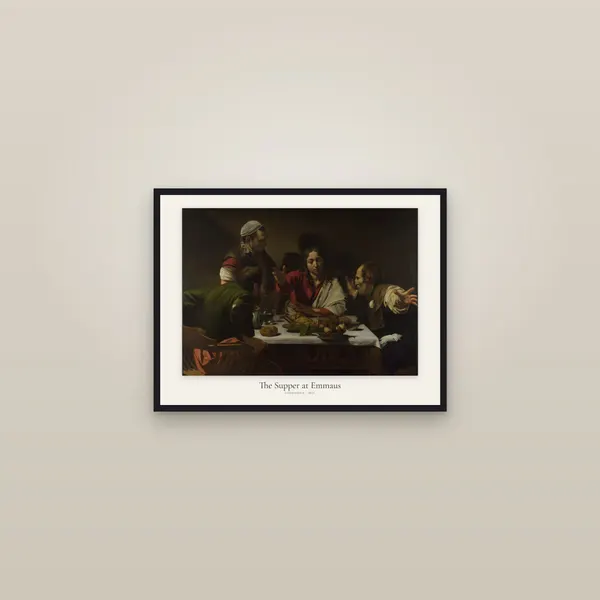

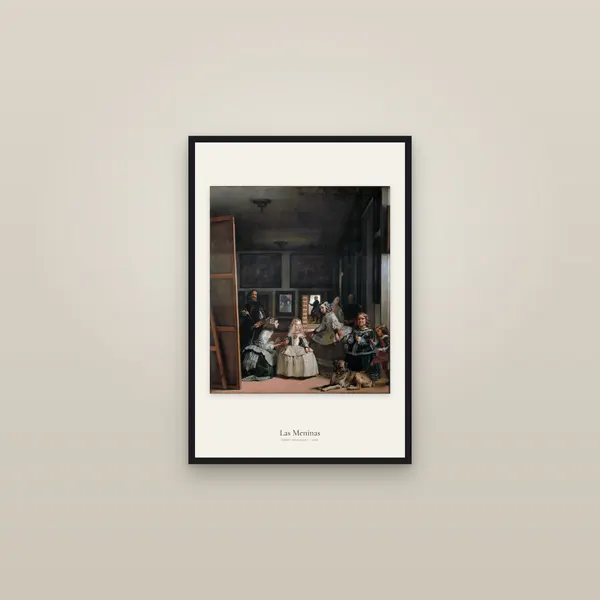
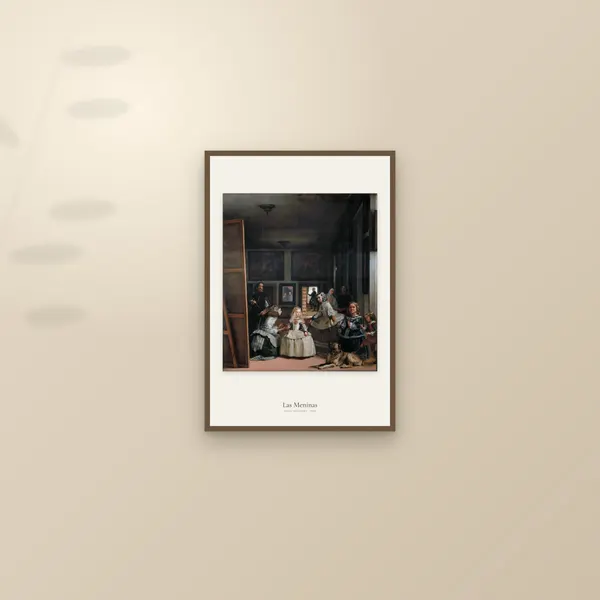
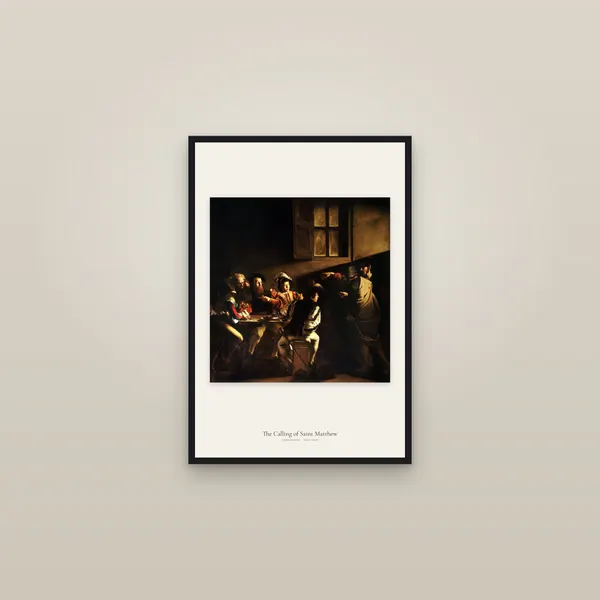
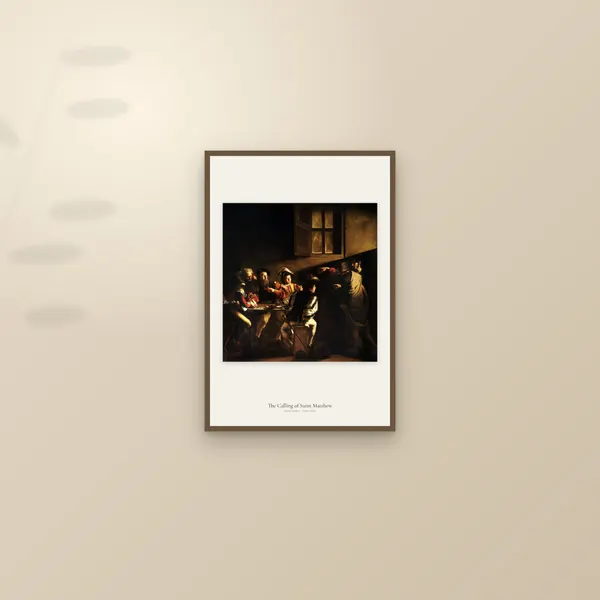
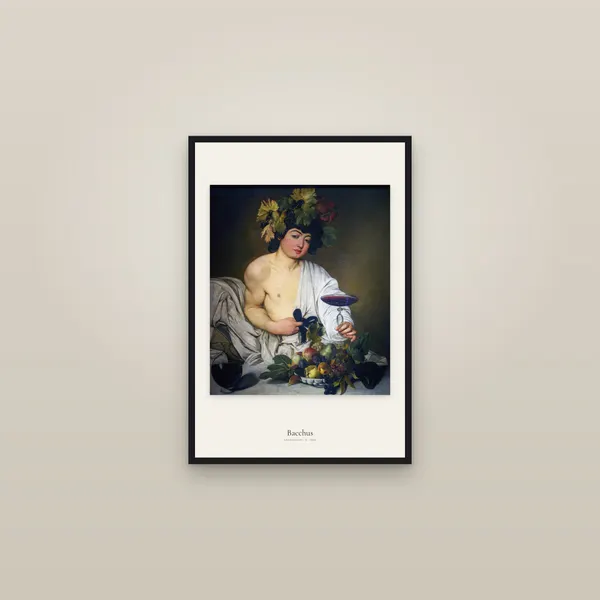

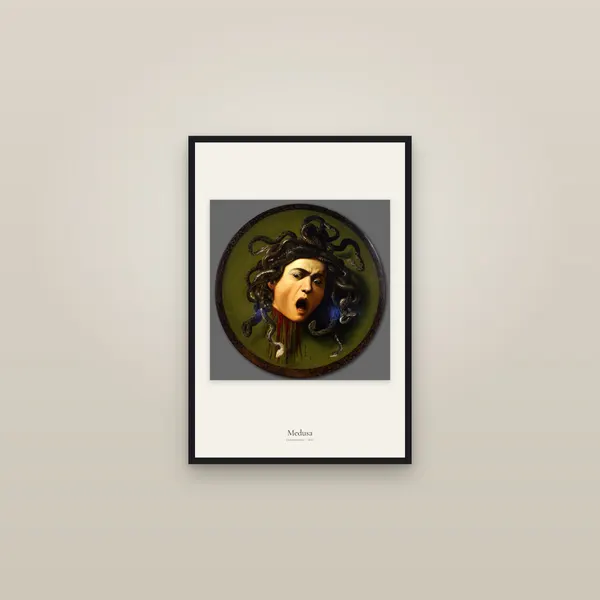
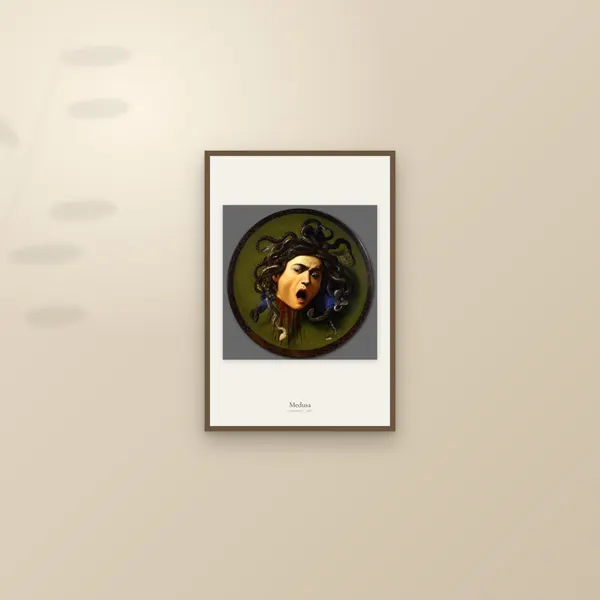




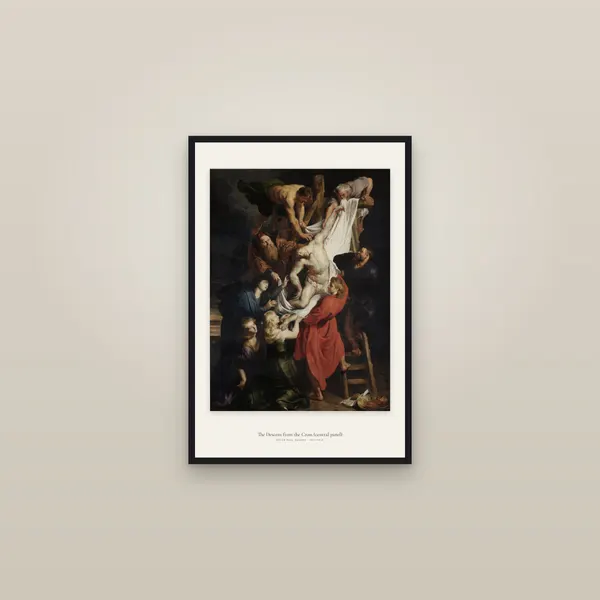
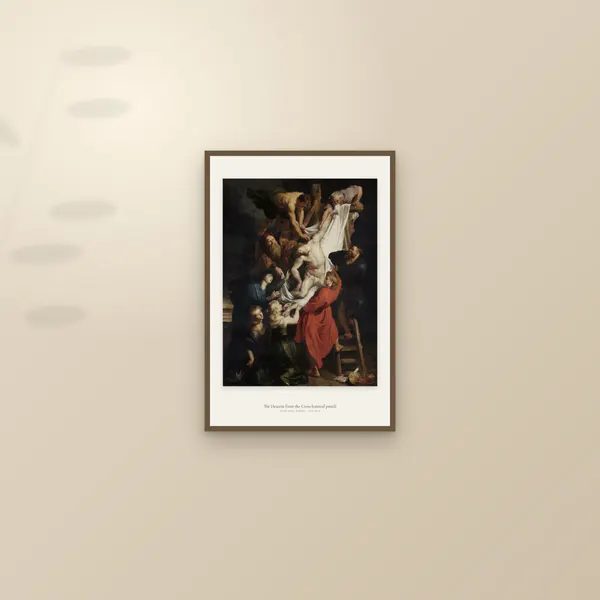
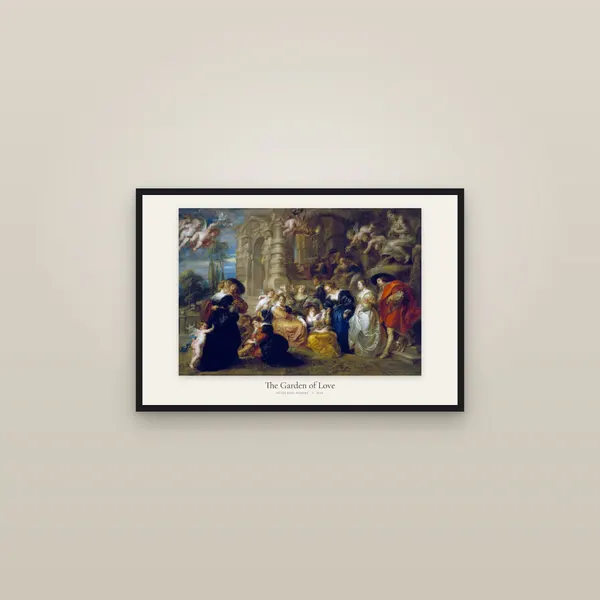

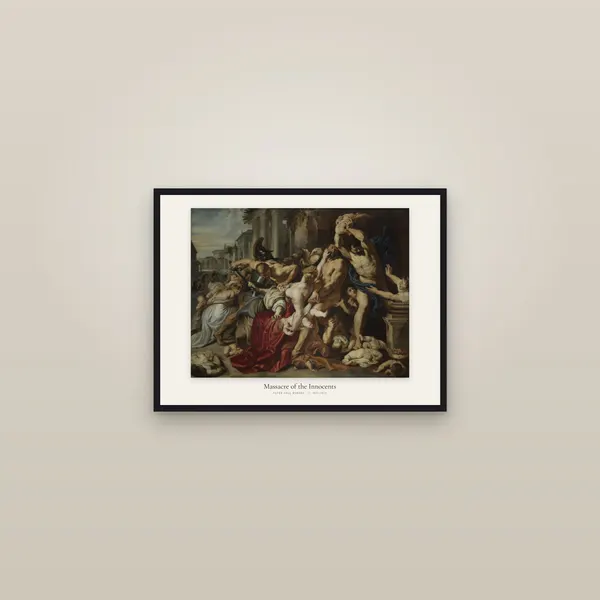
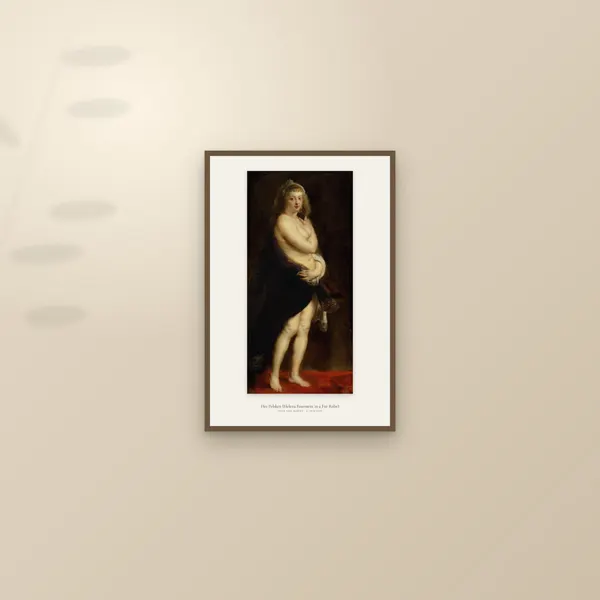

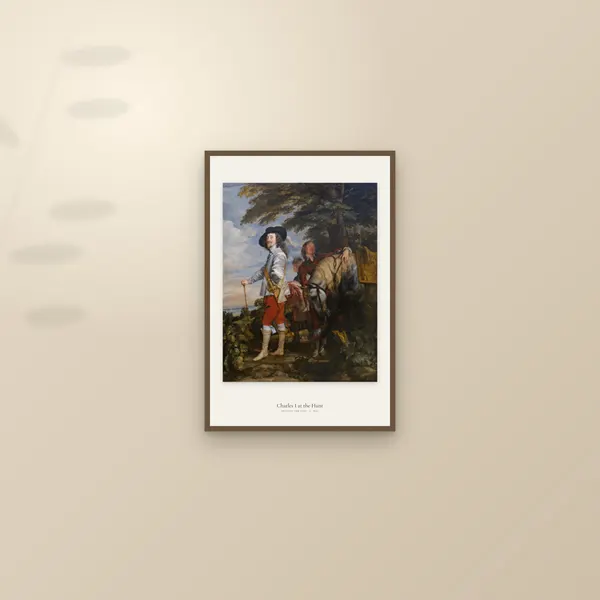


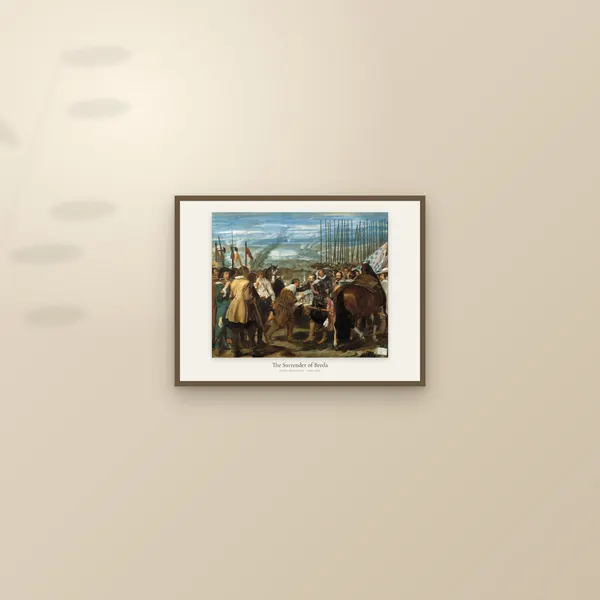
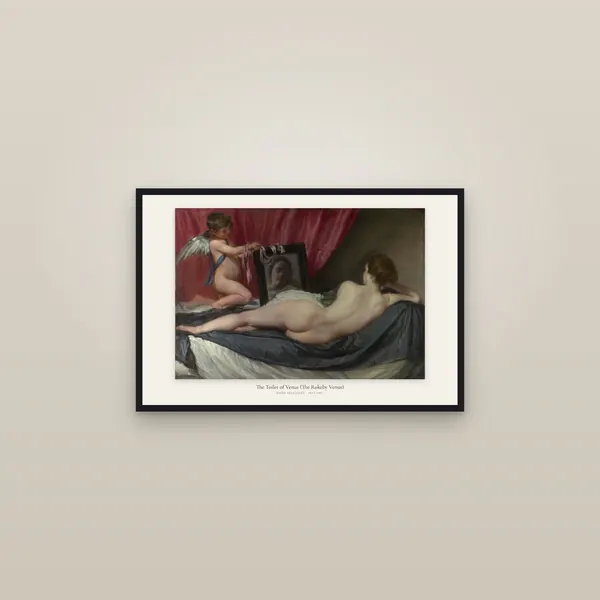
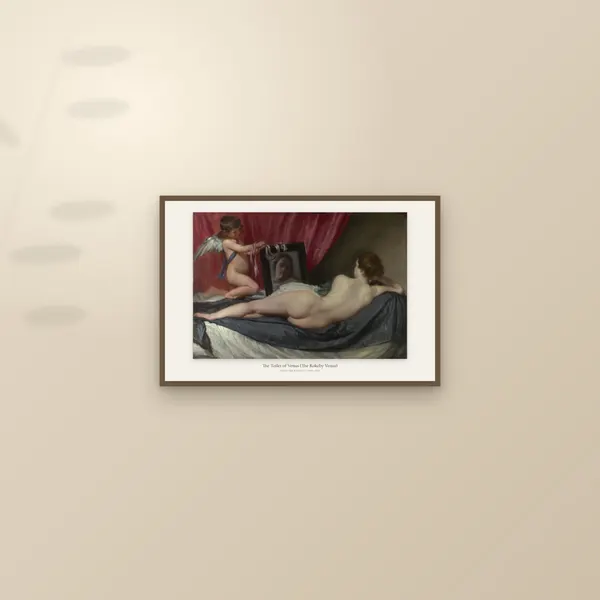
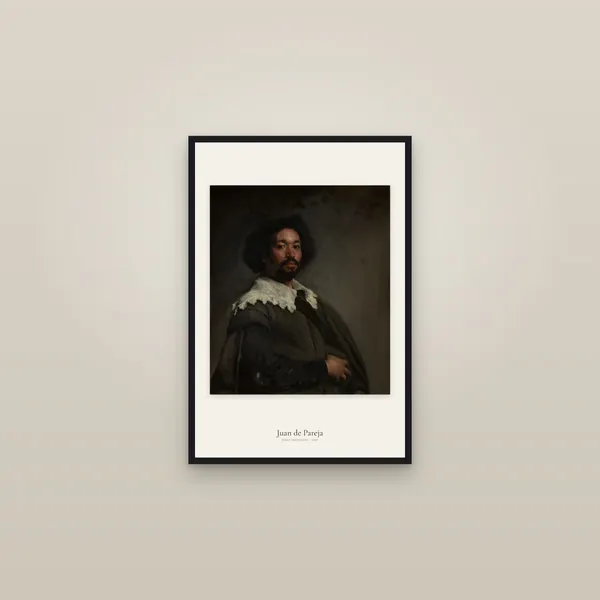
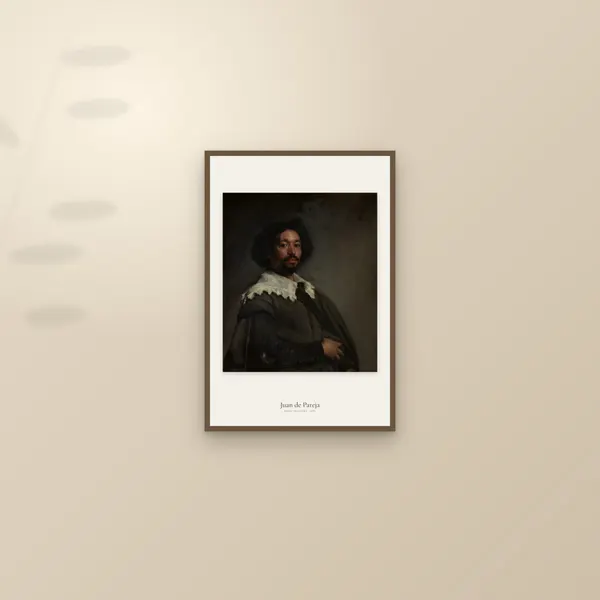
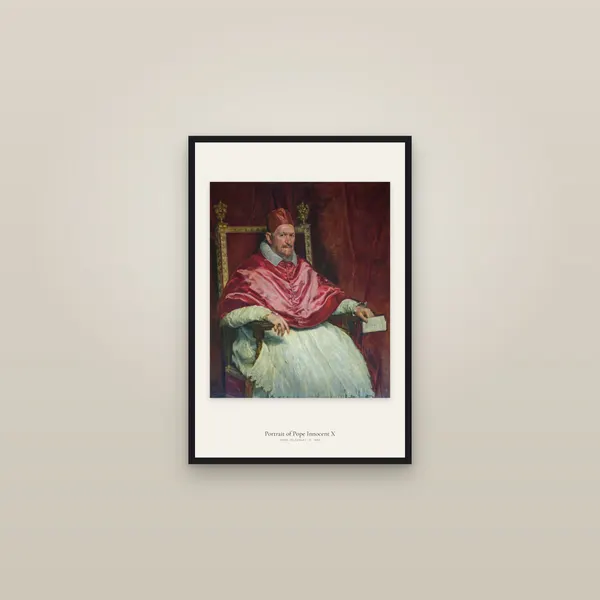
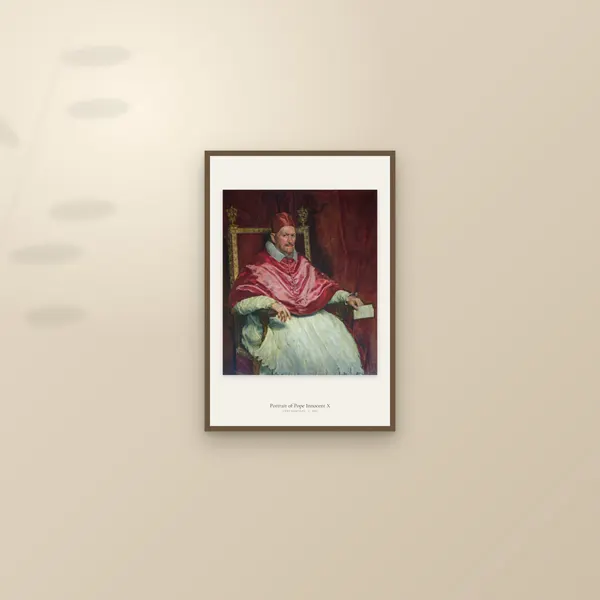
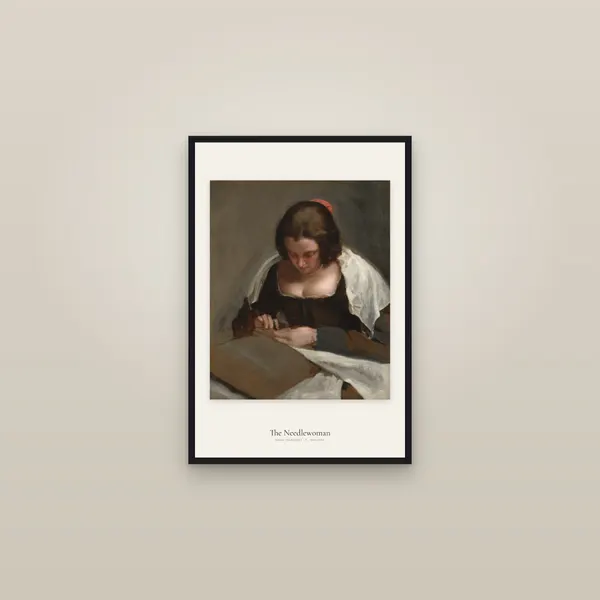
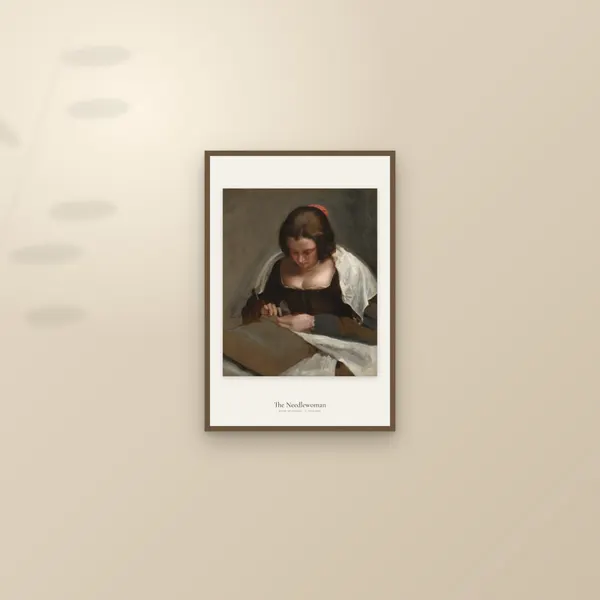
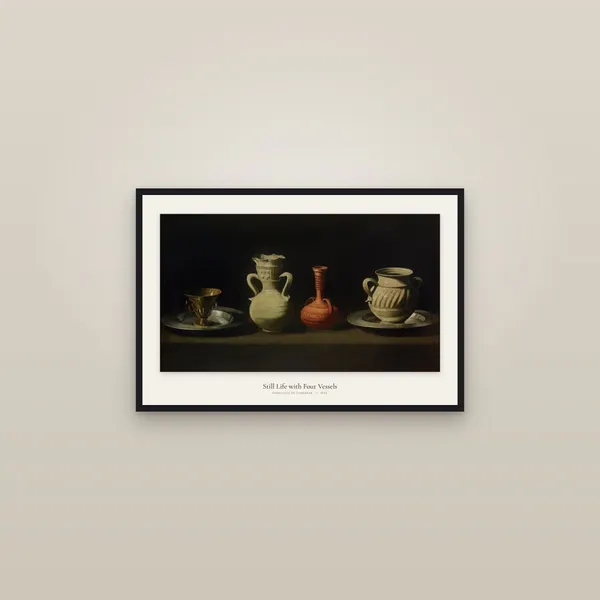
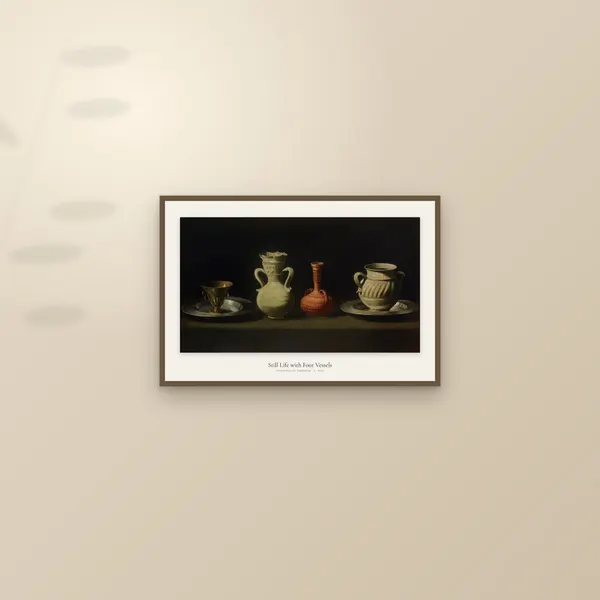
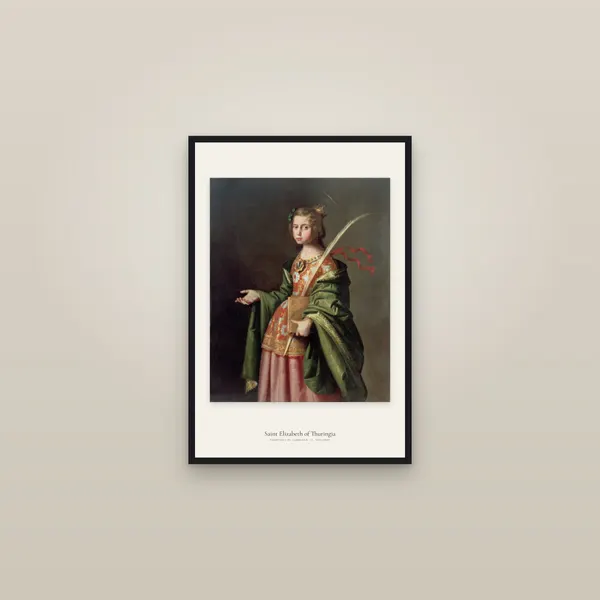
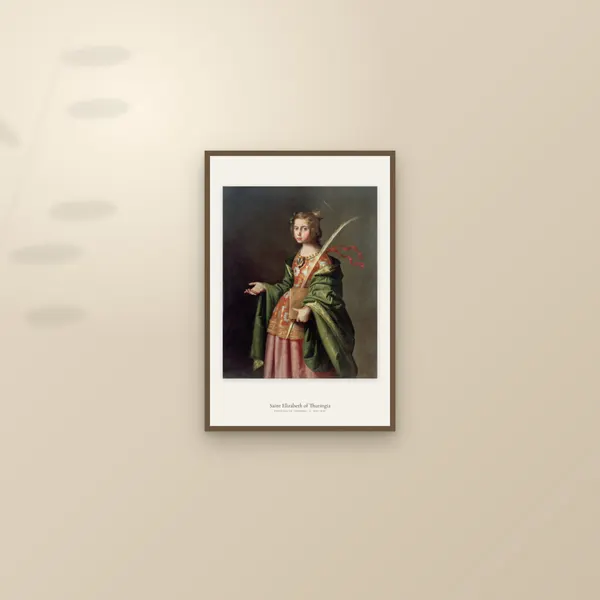
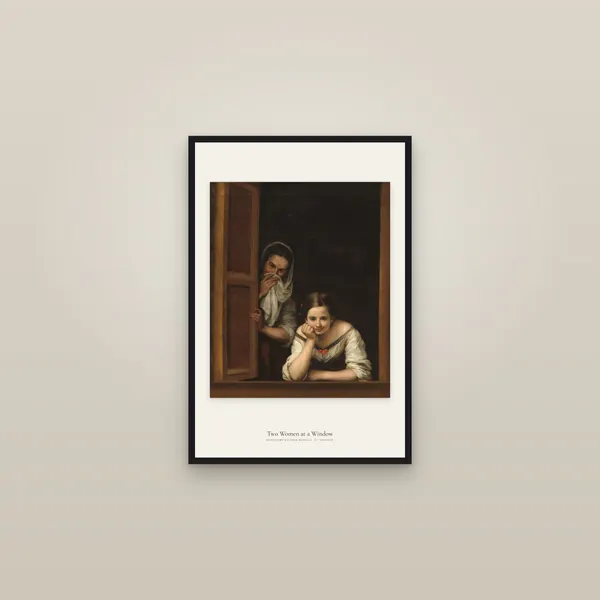
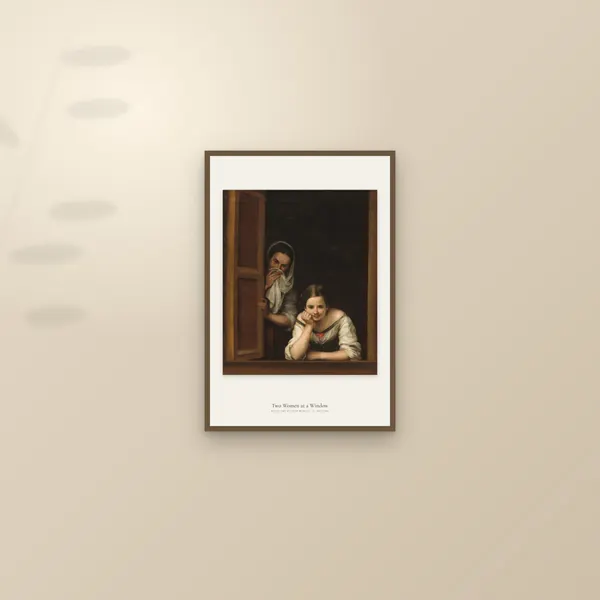


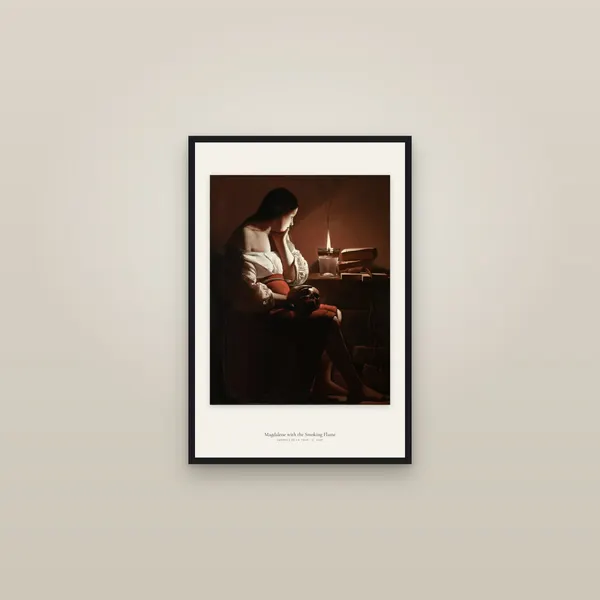

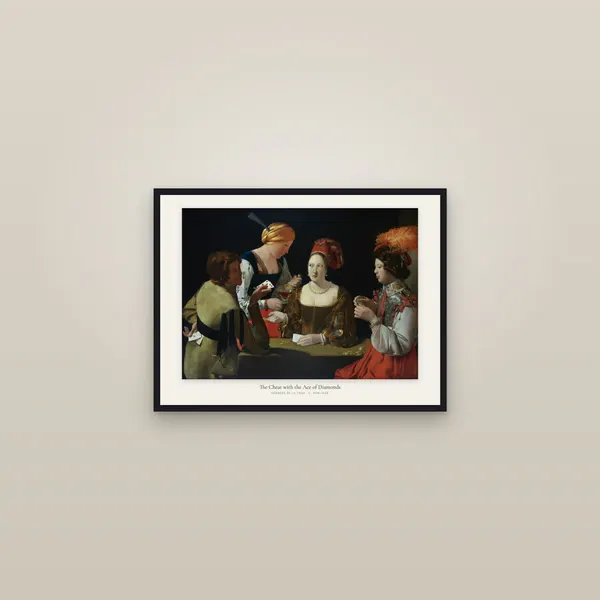

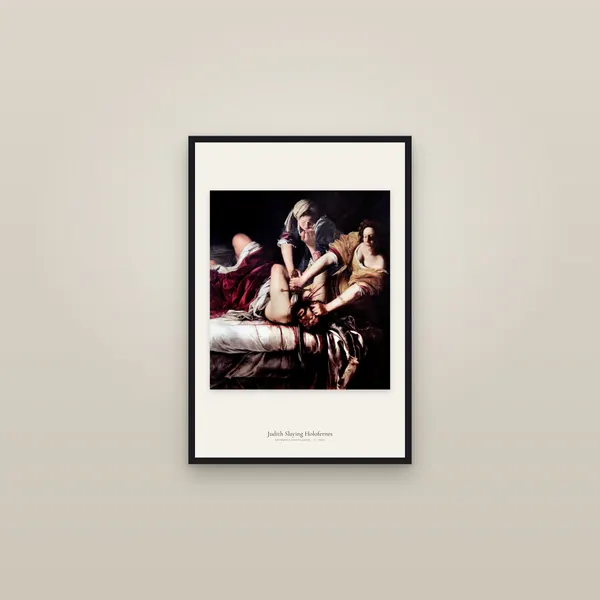
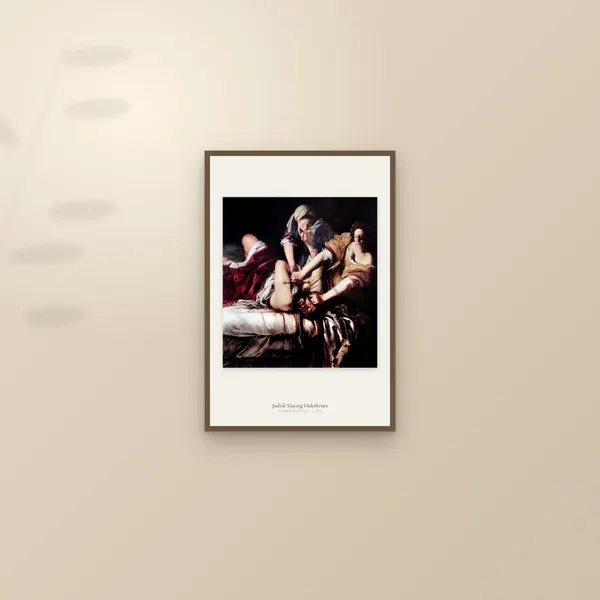
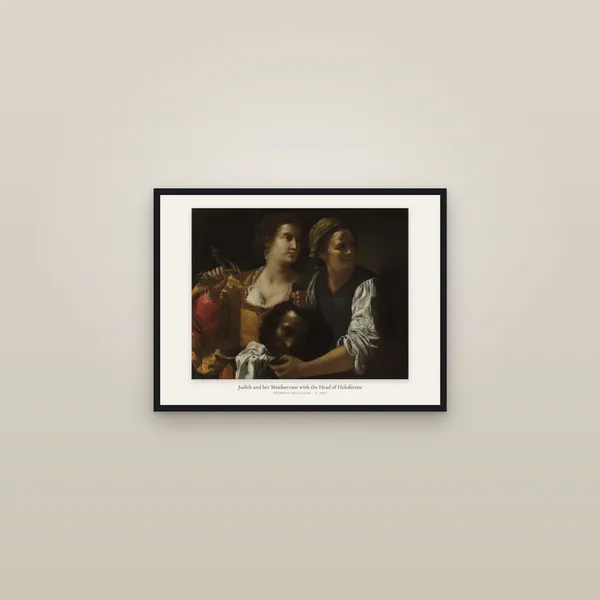
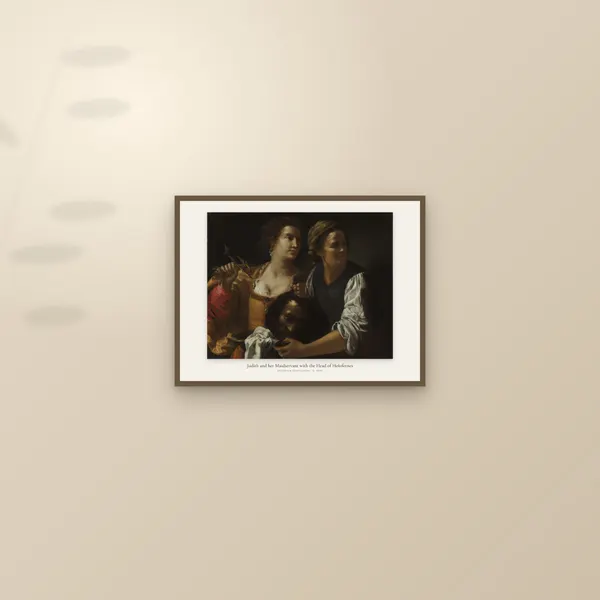


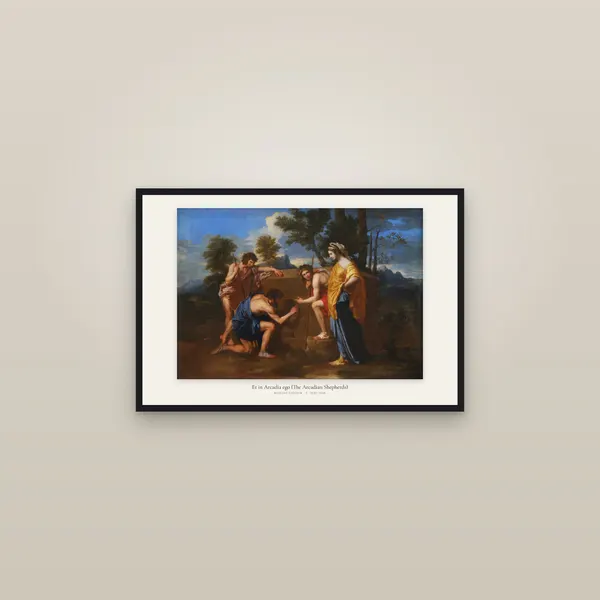
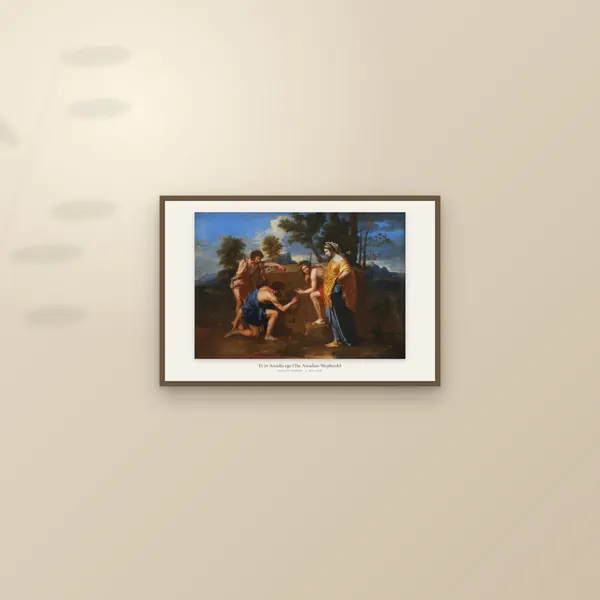


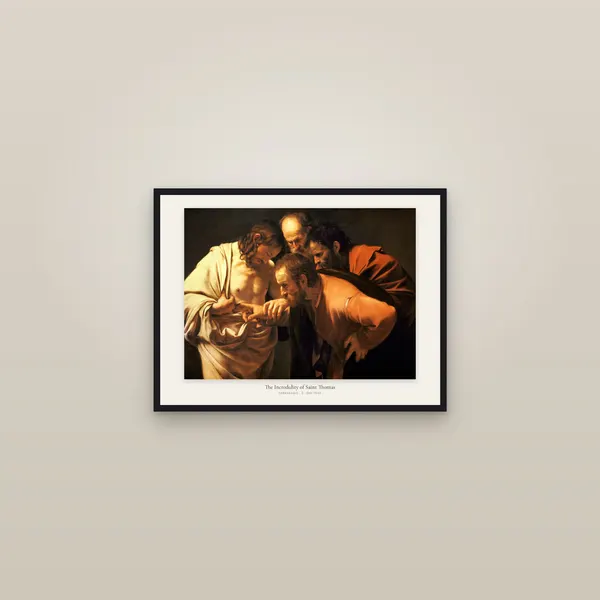

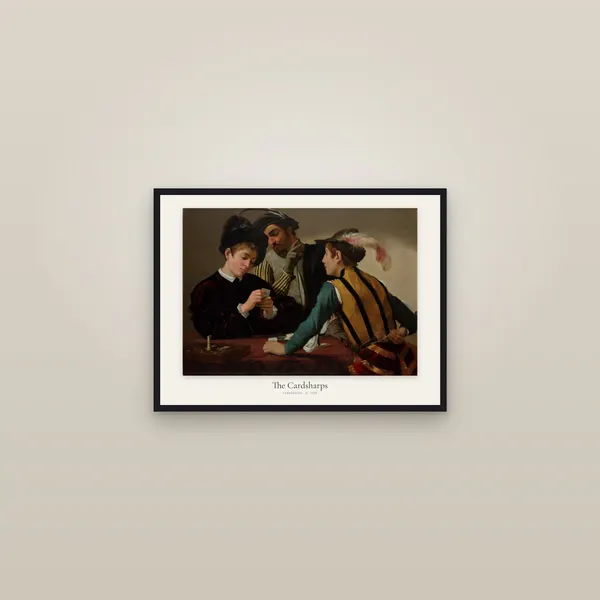
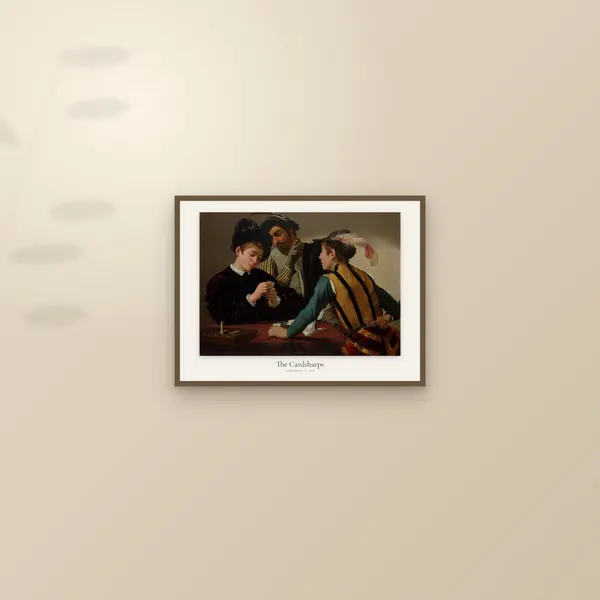
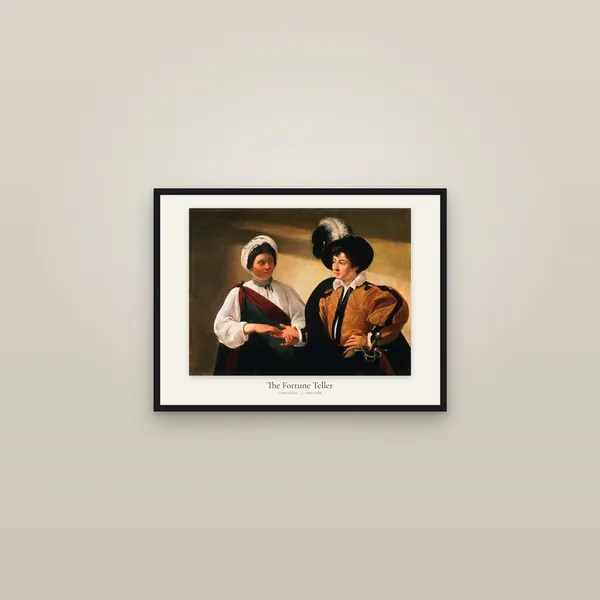
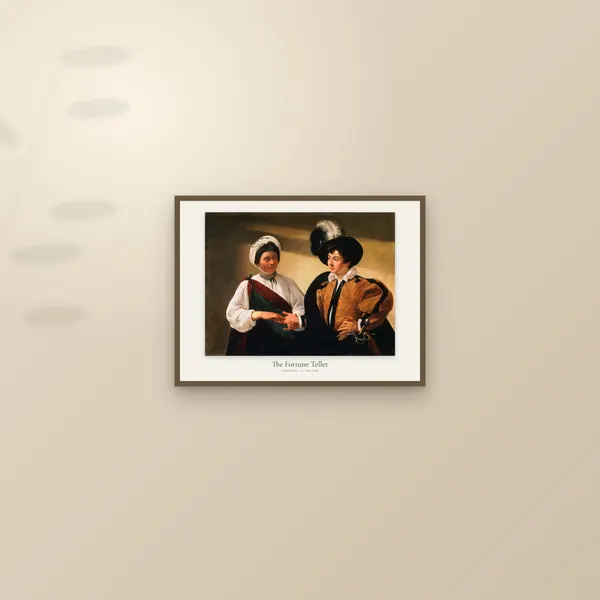
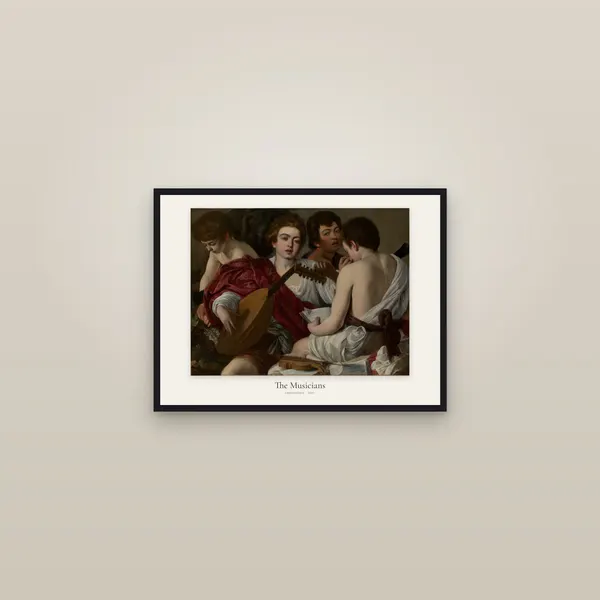
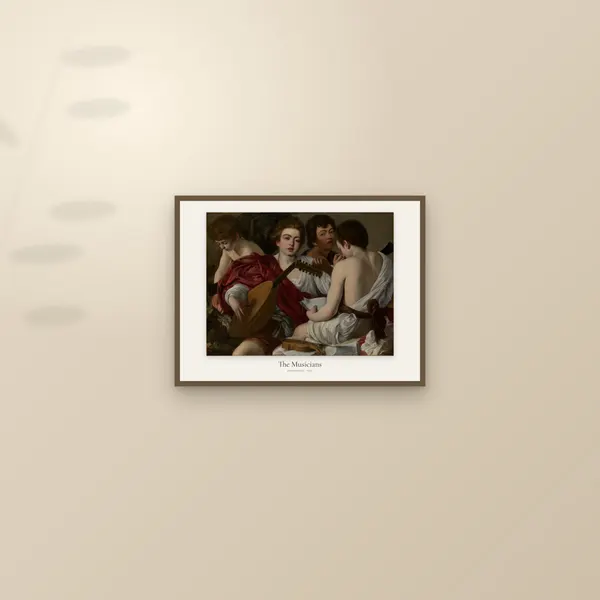
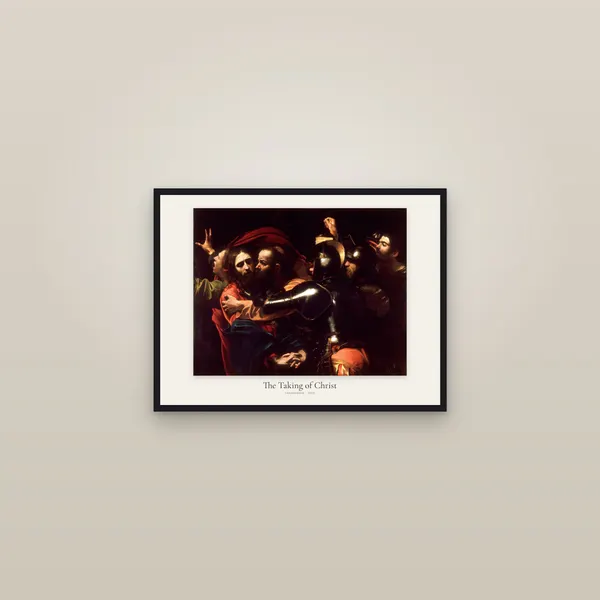

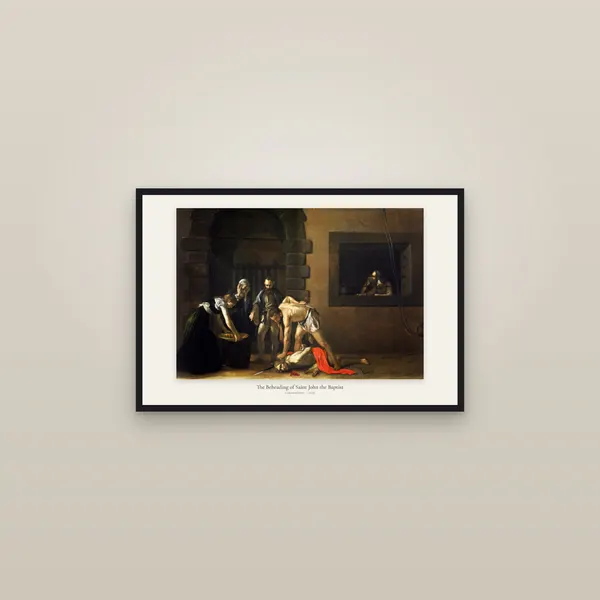

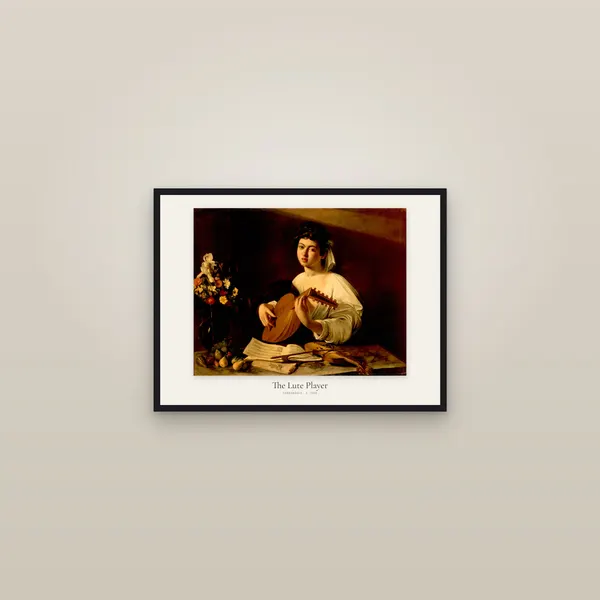

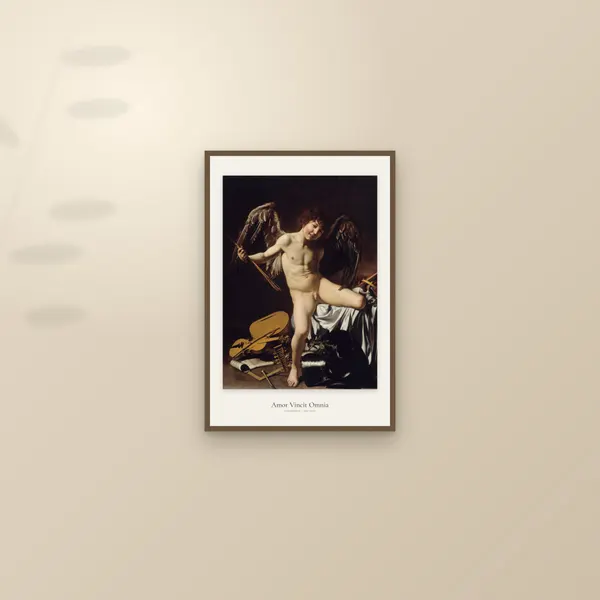
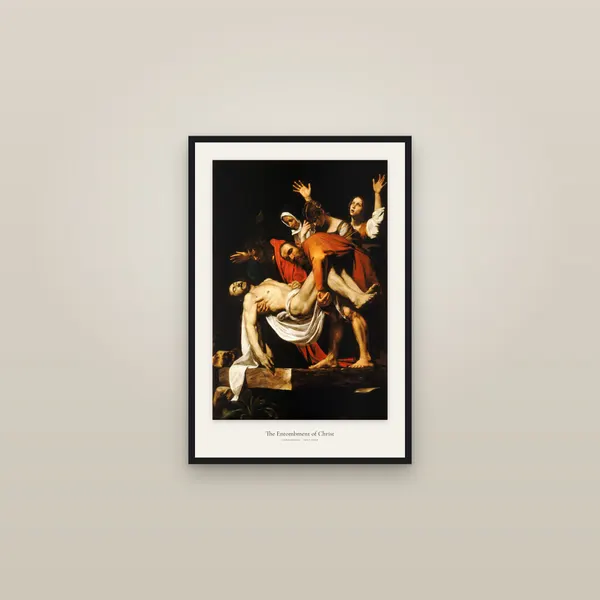

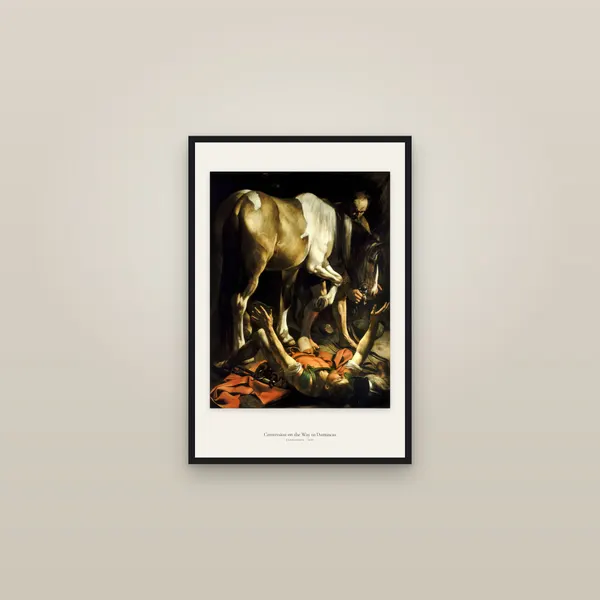
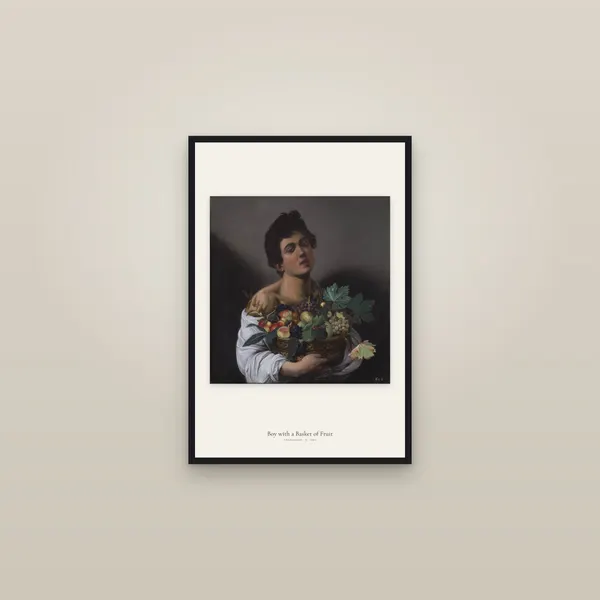
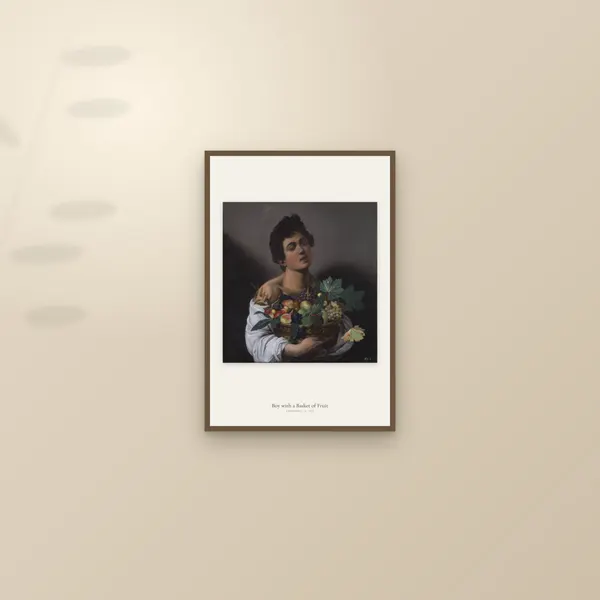
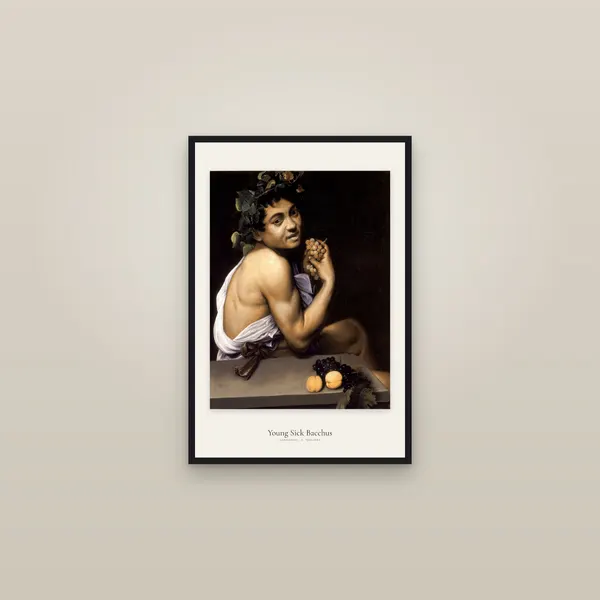
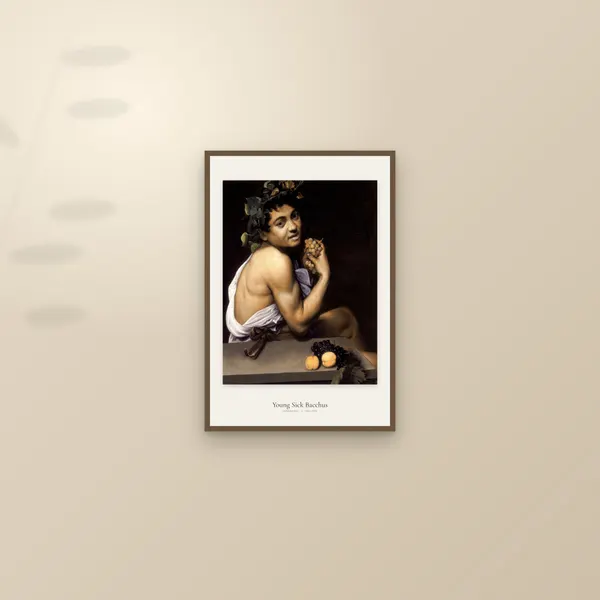
Light against dark
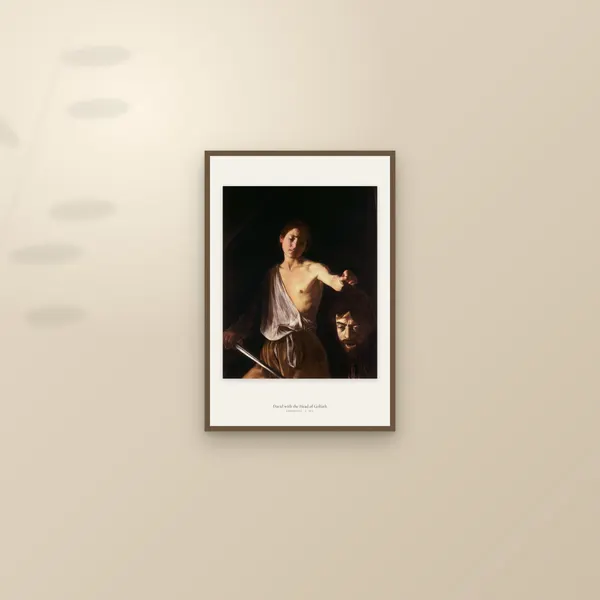
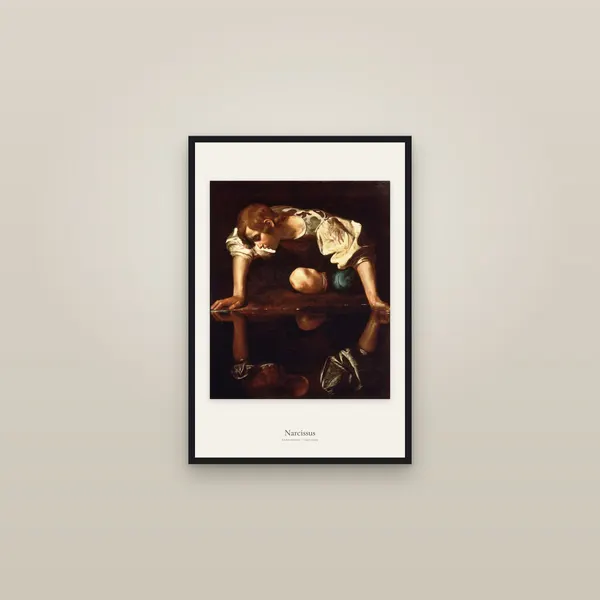
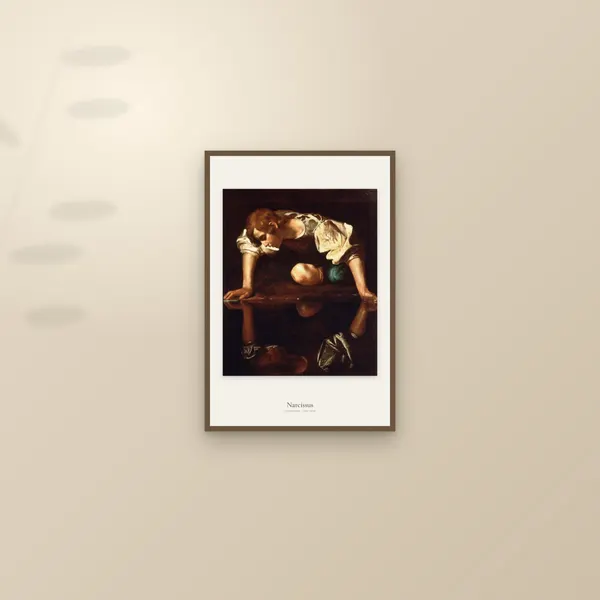
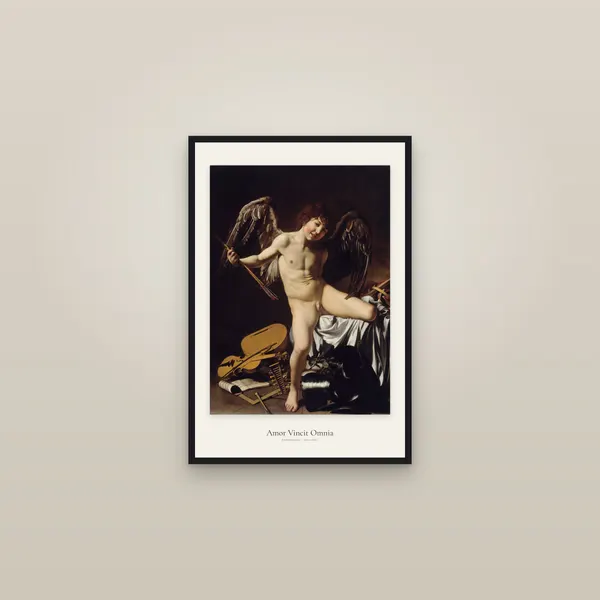
Caravaggio arrived in Rome in the 1590s and changed European painting within a decade: ordinary models, no idealisation, and a single raking light that picks figures out of darkness. The manner, called tenebrism, spread through Naples, Spain and the Netherlands, and Rembrandt learned from it at second hand. Velázquez, court painter to Philip IV of Spain, took the same realism toward something cooler and stranger in Las Meninas of 1656.
The works in this collection
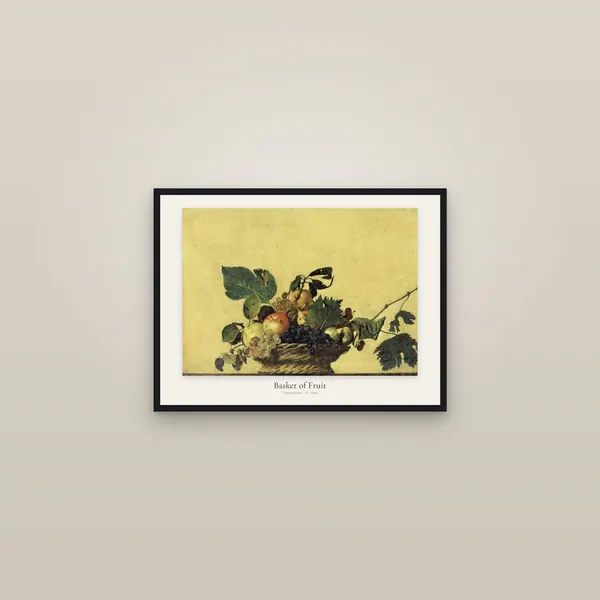
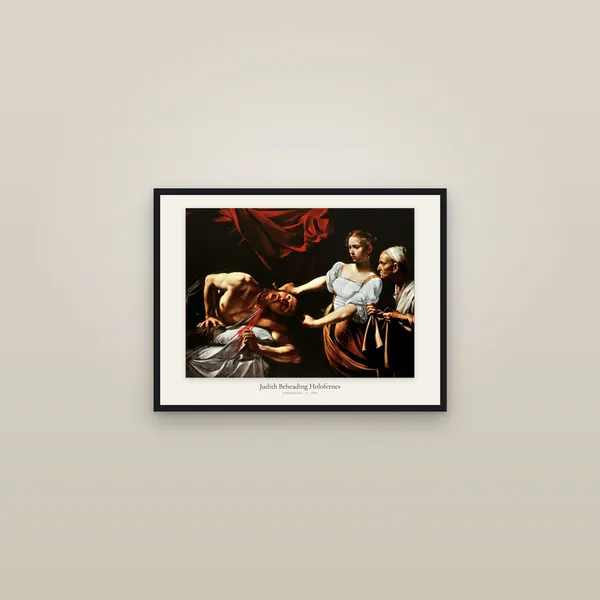
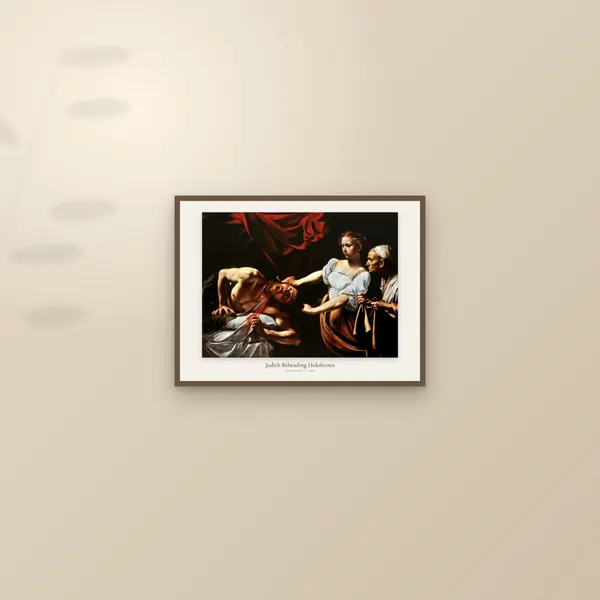
Caravaggio's The Calling of Saint Matthew, Supper at Emmaus, Judith Beheading Holofernes, Bacchus, the Medusa shield and the Basket of Fruit, which is often called the first Italian still life. Velázquez's Las Meninas.
On a dark wall
Caravaggio was made for dark rooms. The near-black grounds disappear into a charcoal, oxblood or deep green wall and the figures seem lit from within the frame. These prints are best in a dining room or study, hung singly, 16×24 or larger.
- Caravaggio on the run: the murder and the last paintings · In 1606 Caravaggio killed a man in Rome. His last four years in Naples, Malta and Sicily under a death sentence, and the paintings he made on the run.
- The paintings that were cut down, painted over, or found underneath · The Night Watch lost 64 cm to fit between two doors, Vermeer's Cupid spent centuries under grey paint, and a Van Gogh turned up on the back of another. What the museums found, and what a print shows.