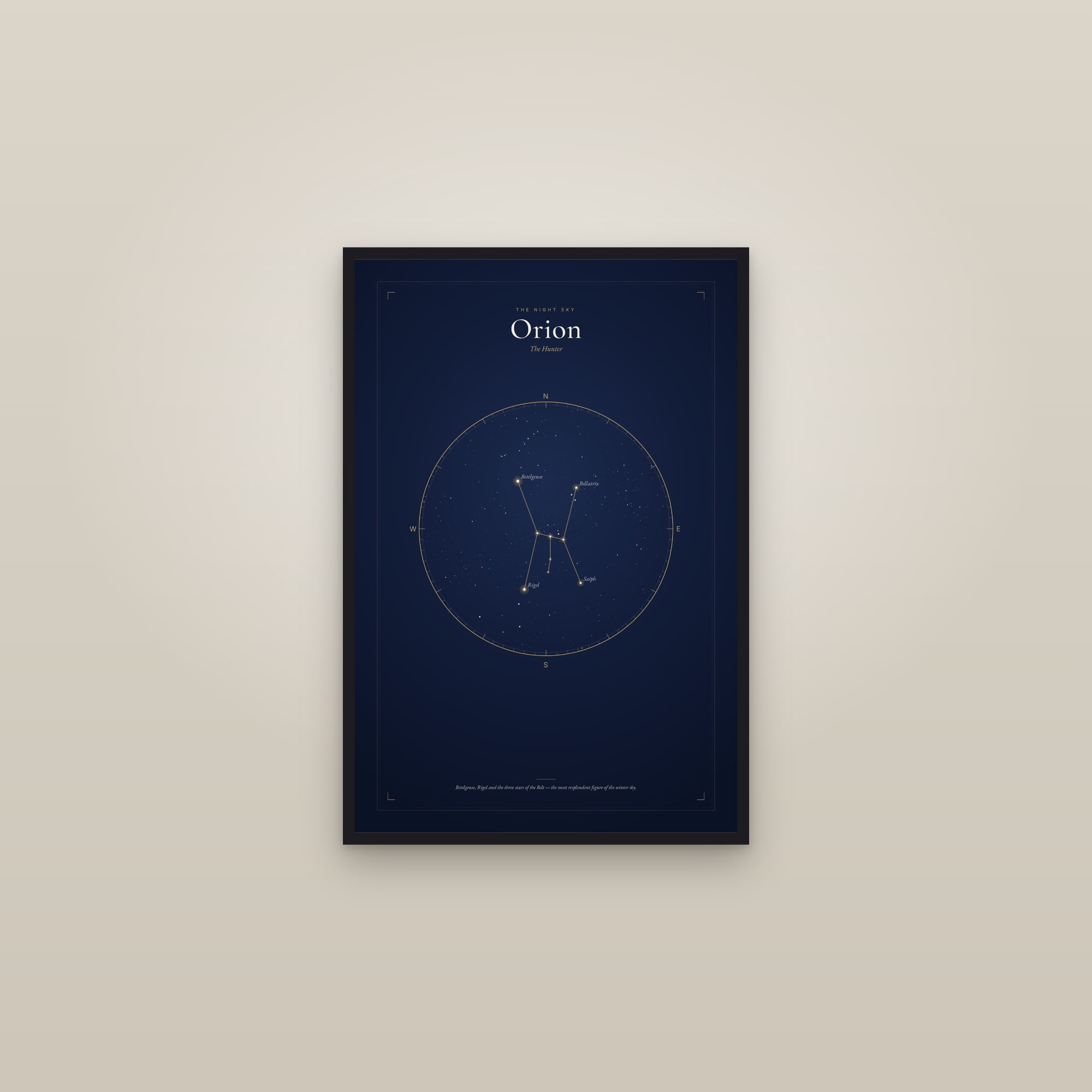
Katsushika Hokusai Prints
1760–1849 · Japanese · Ukiyo-e
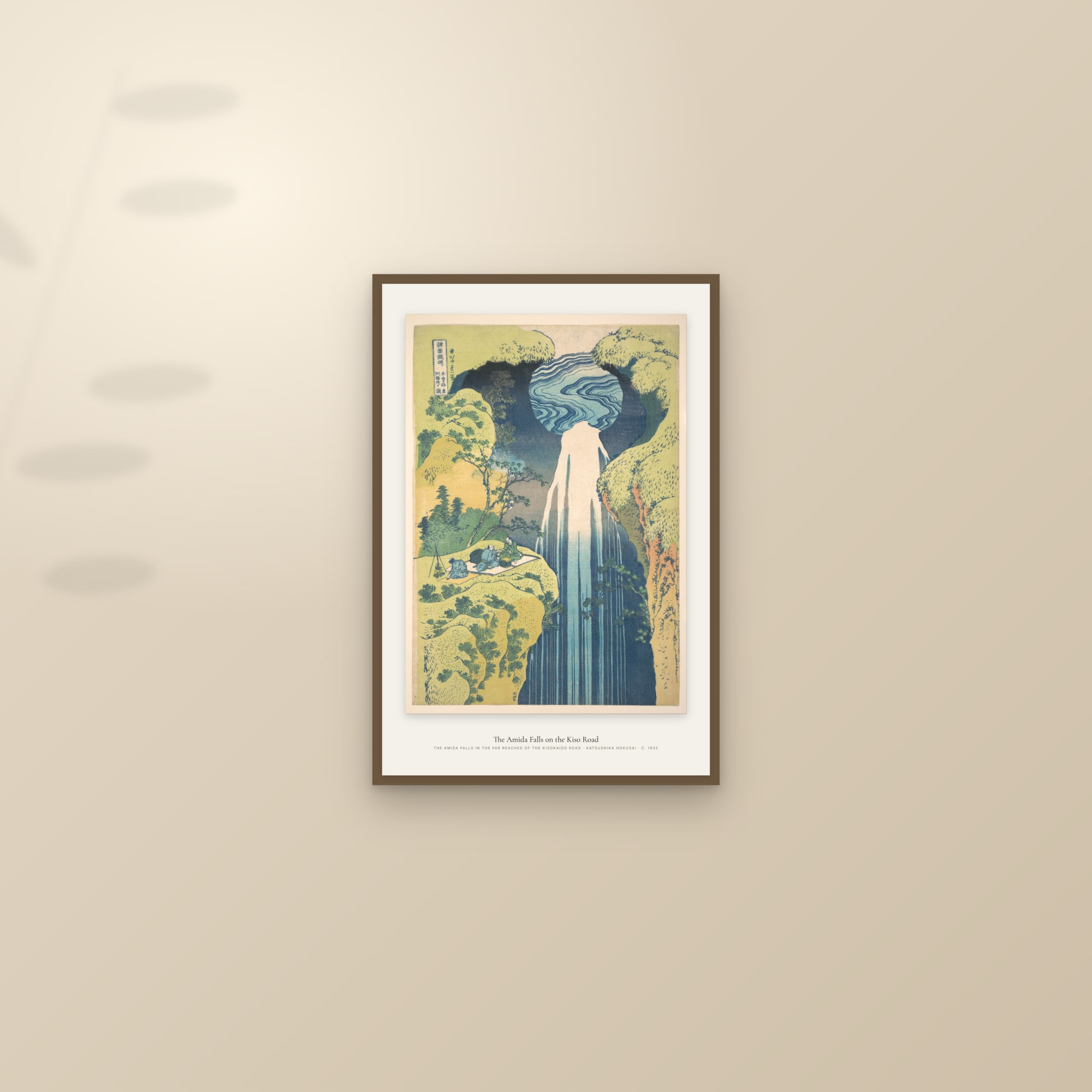
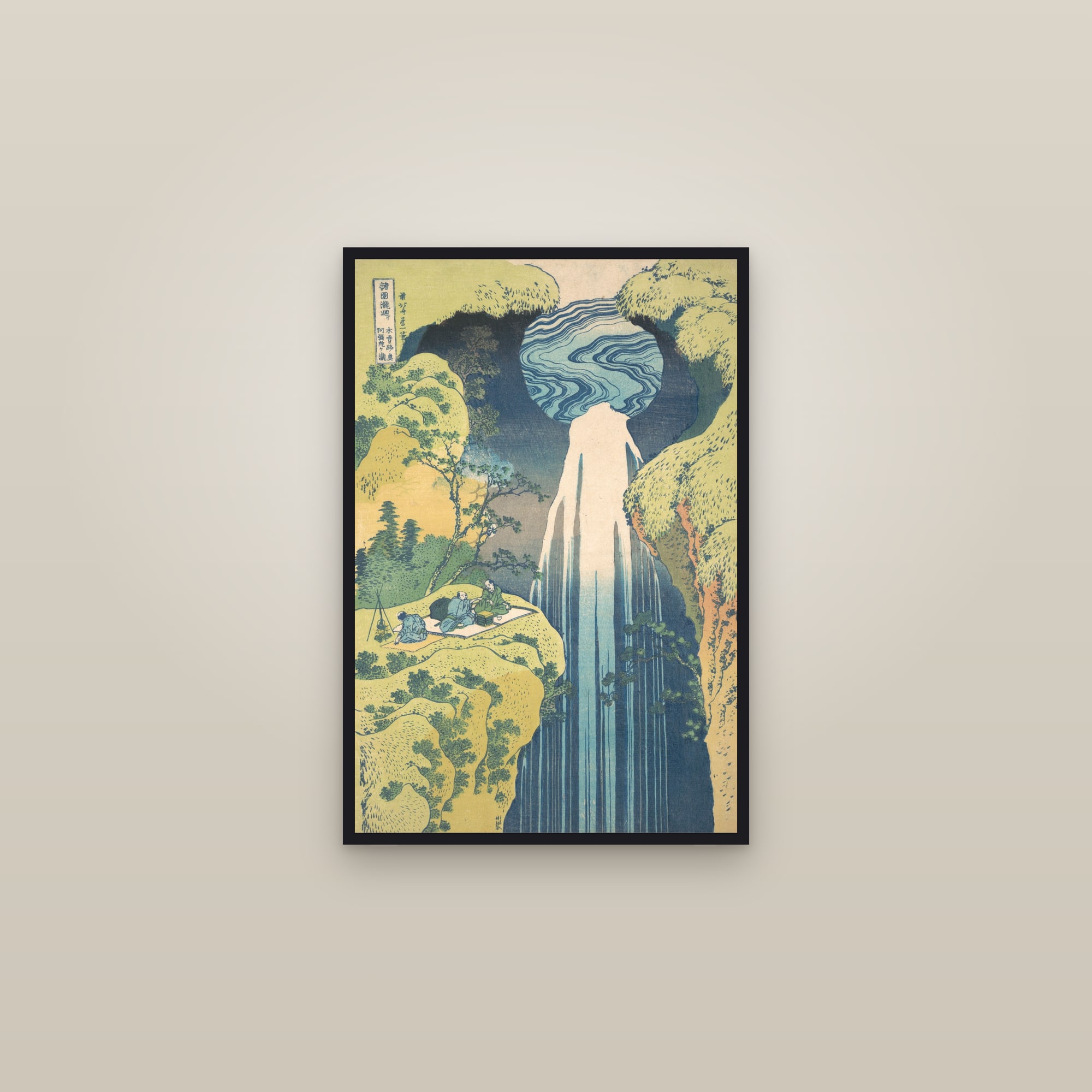
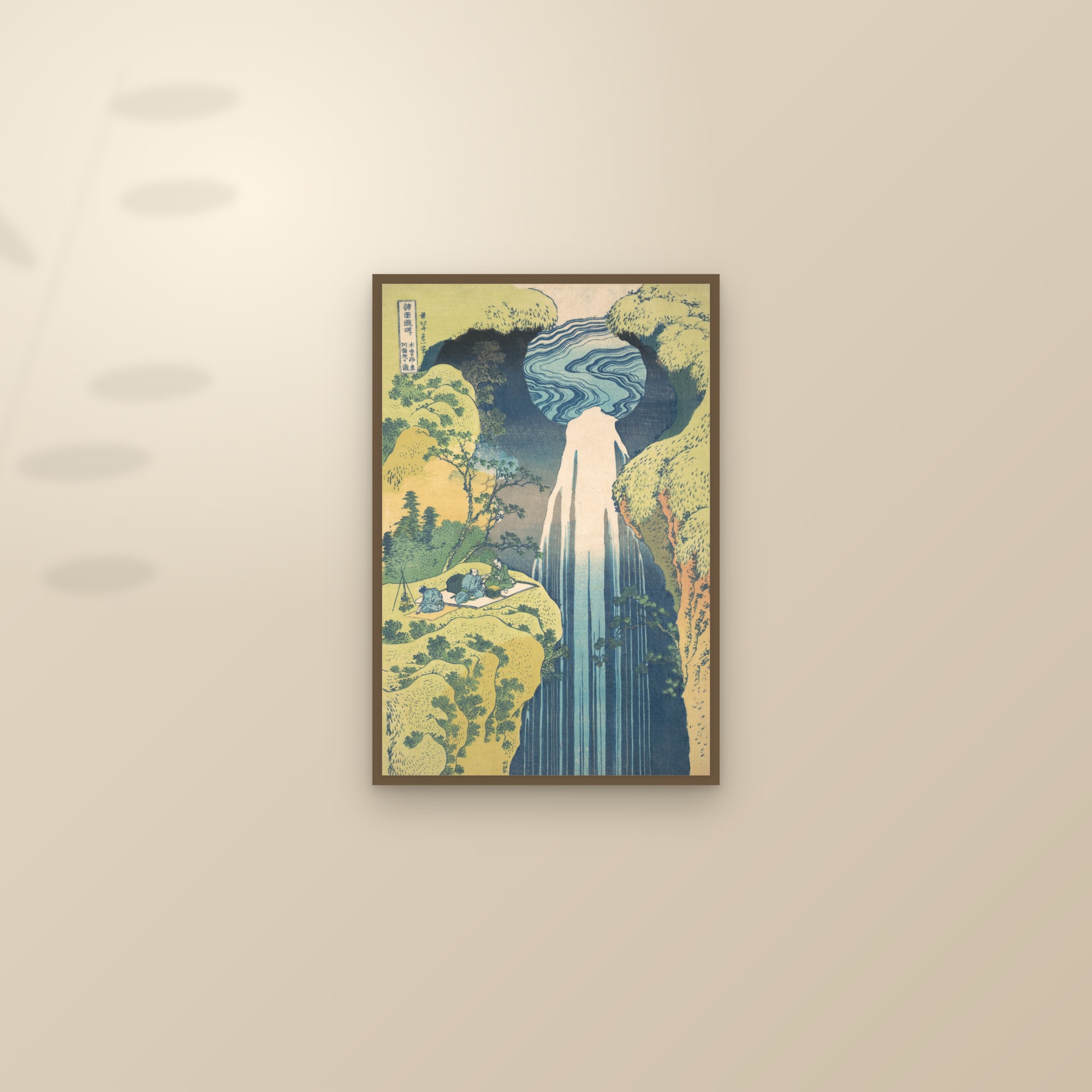
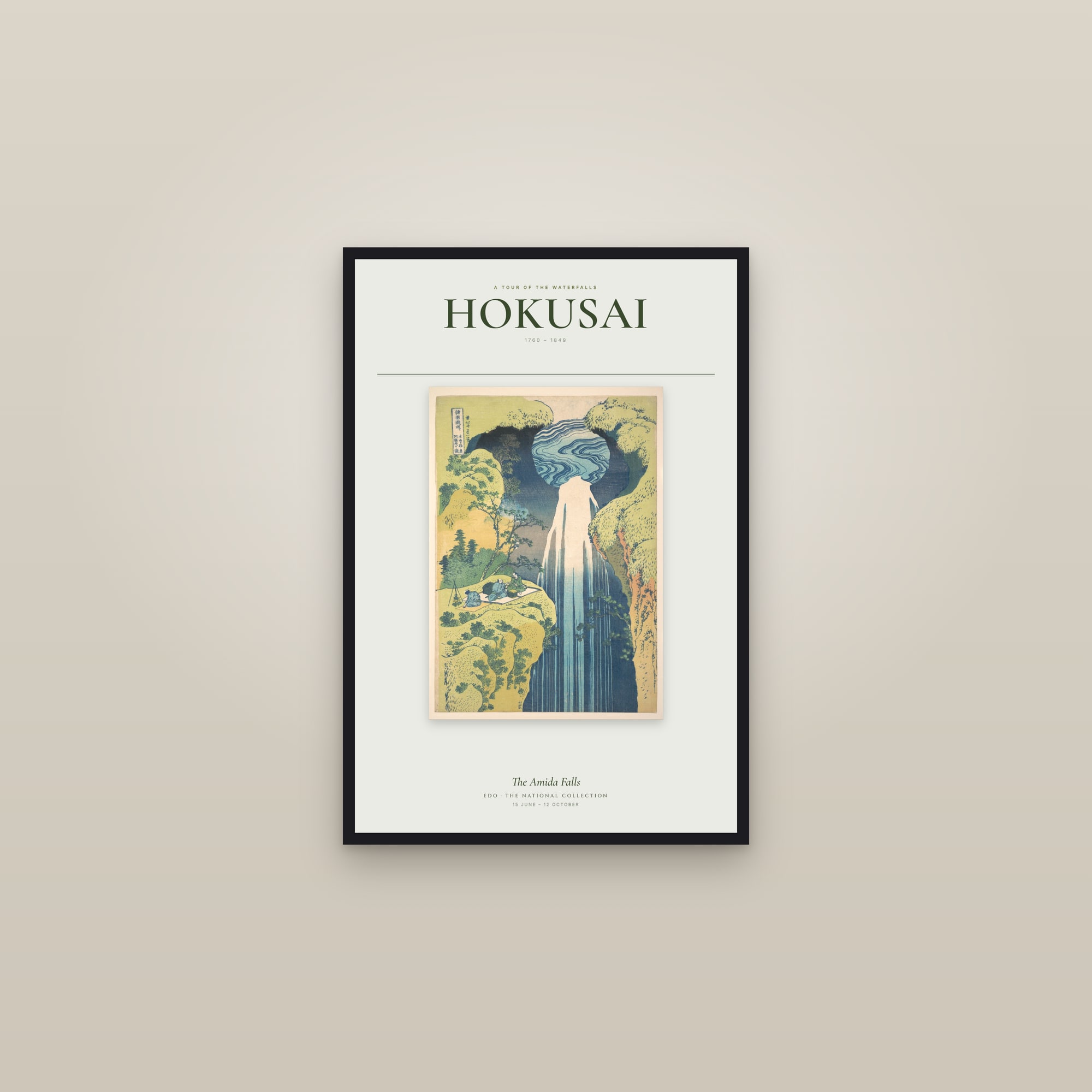
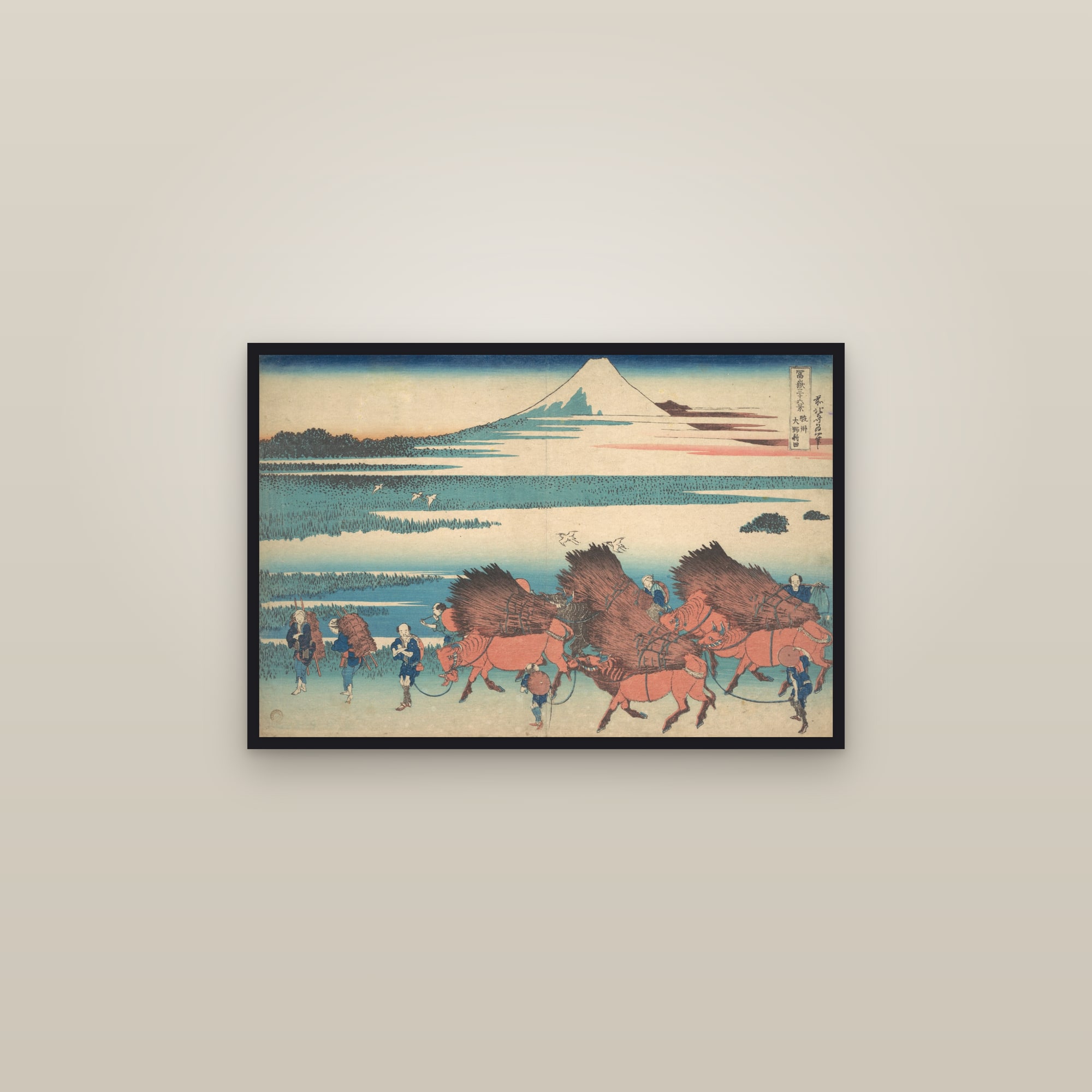
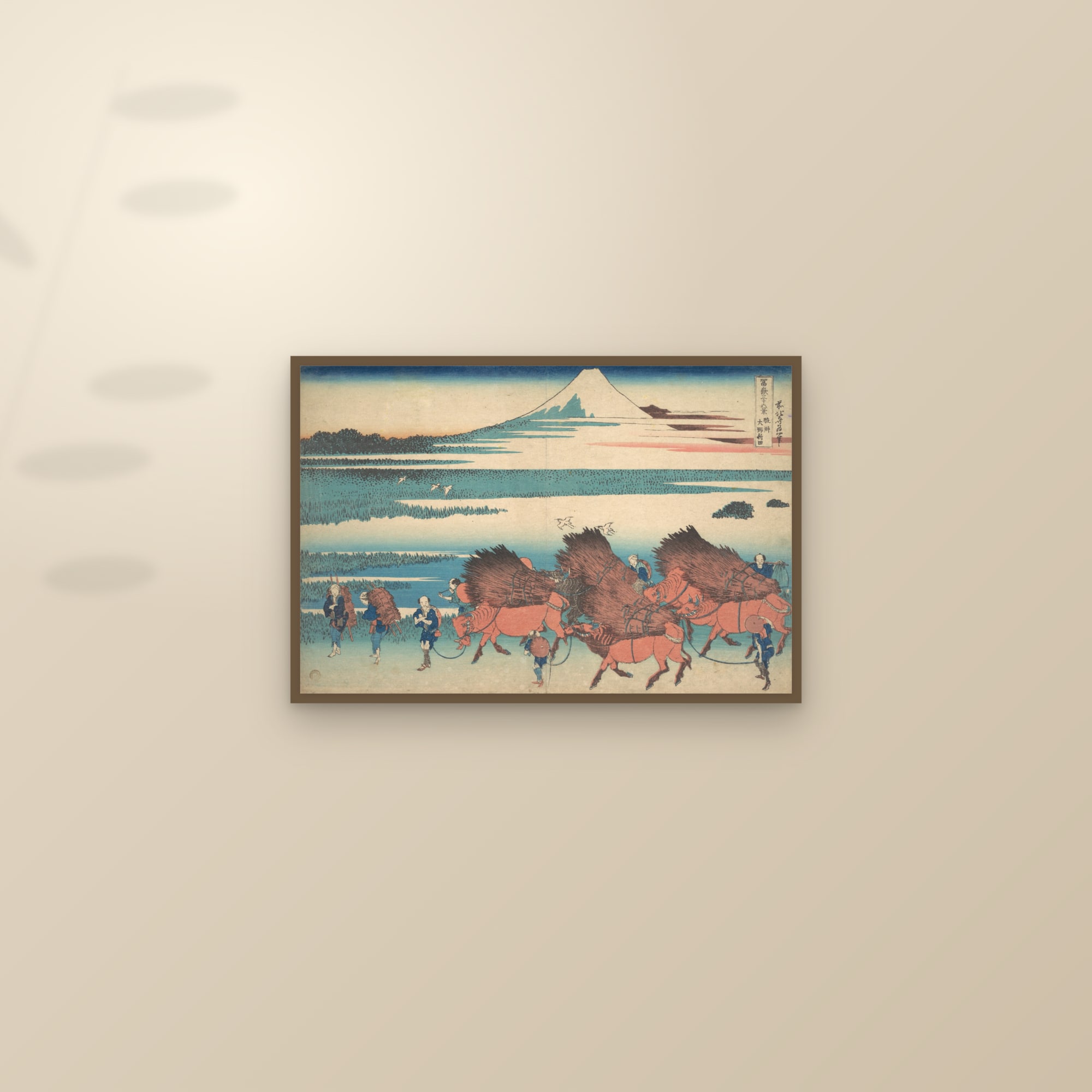
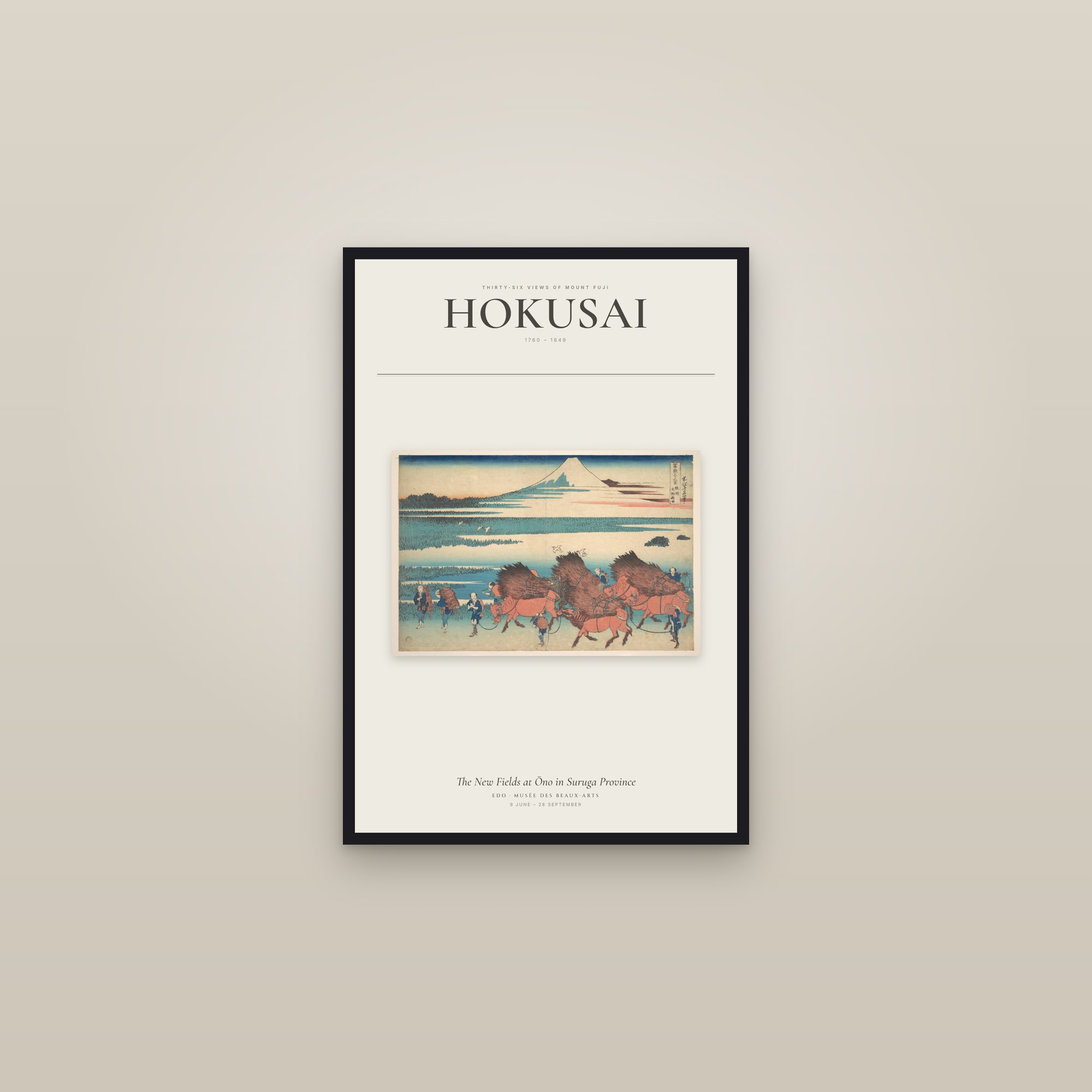
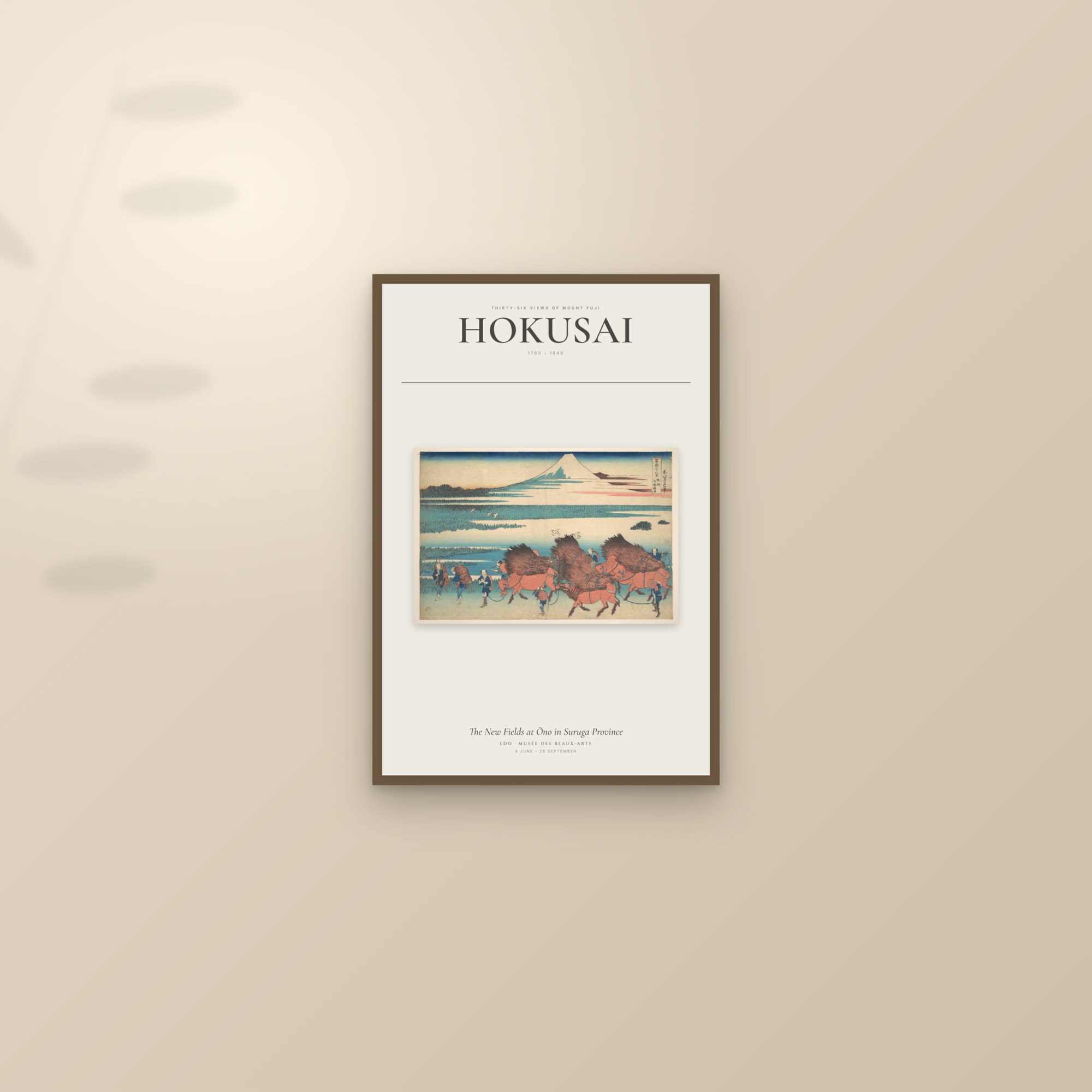
The master of ukiyo-e — Hokusai's waterfalls and famous views, graphic and serene. Restored in-house and printed to order on heavyweight matte paper.
131 prints · printed to order on heavyweight matte paper · framed or unframed
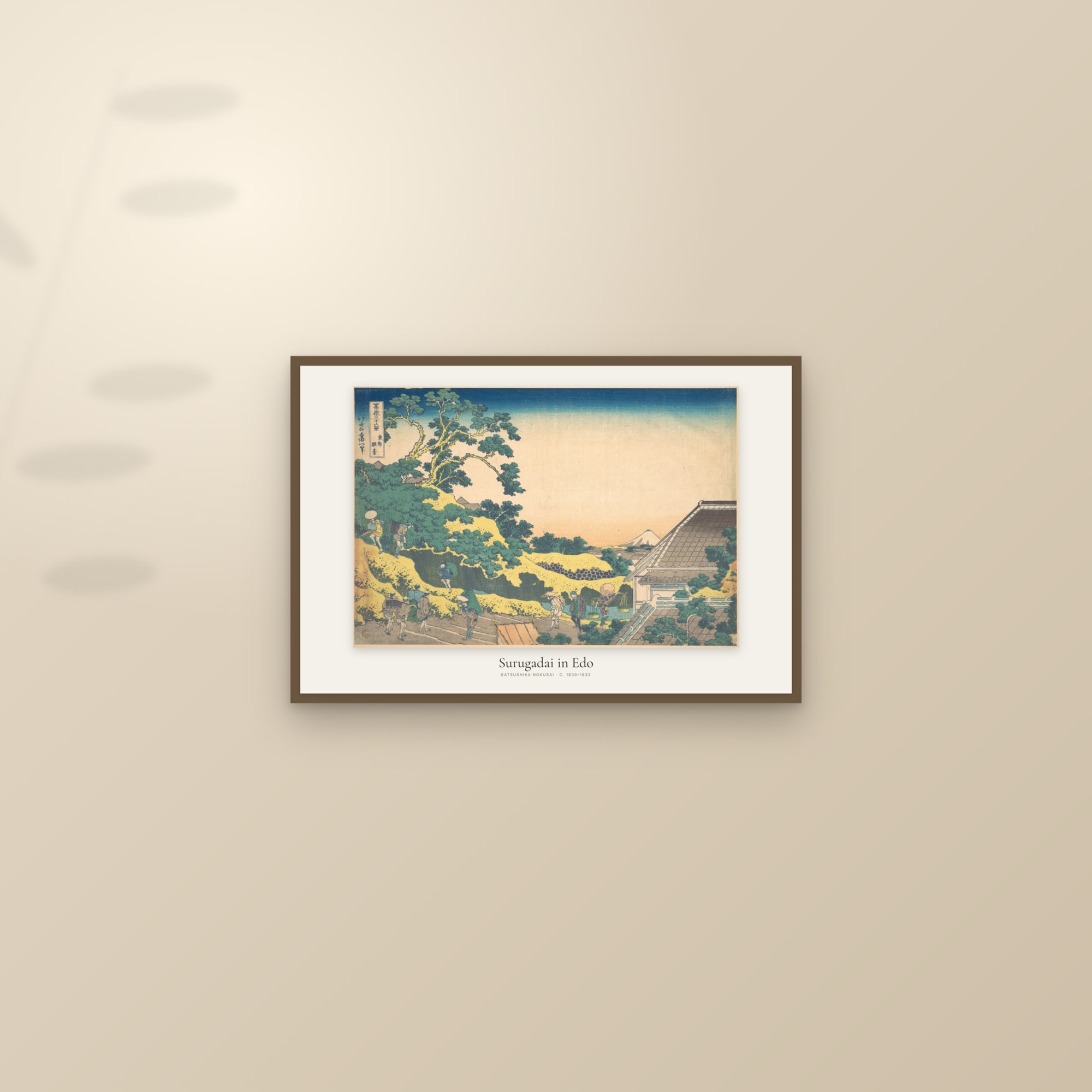
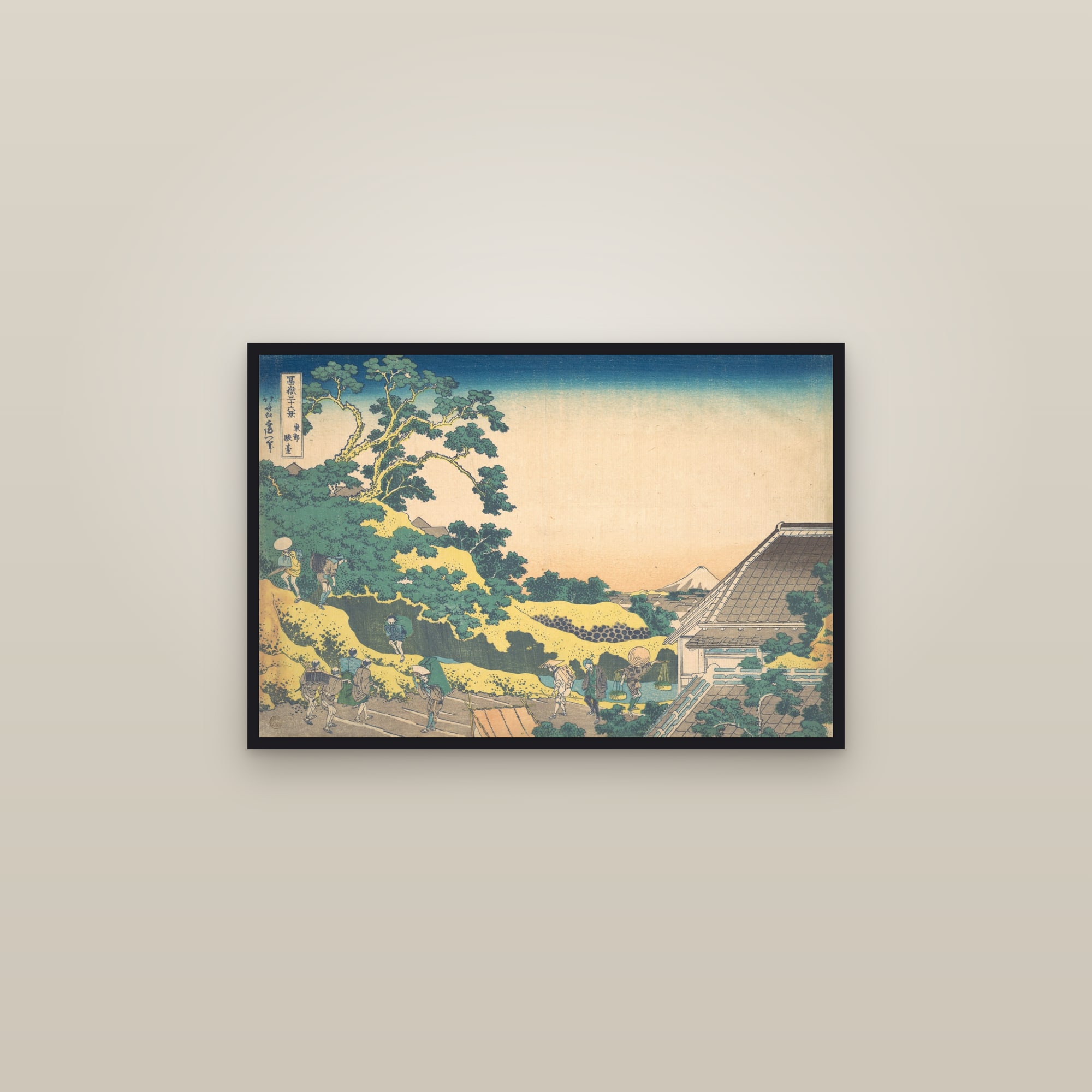
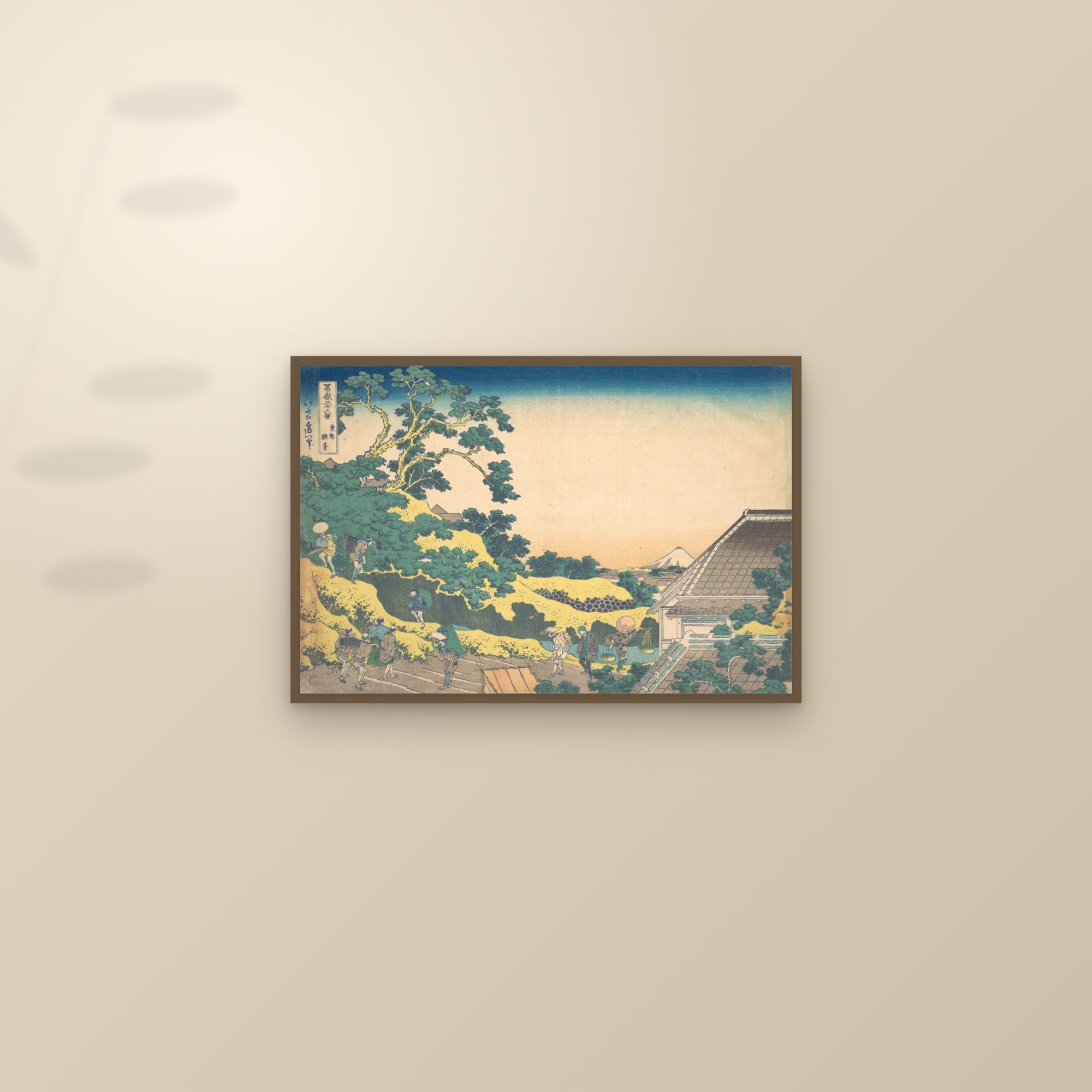
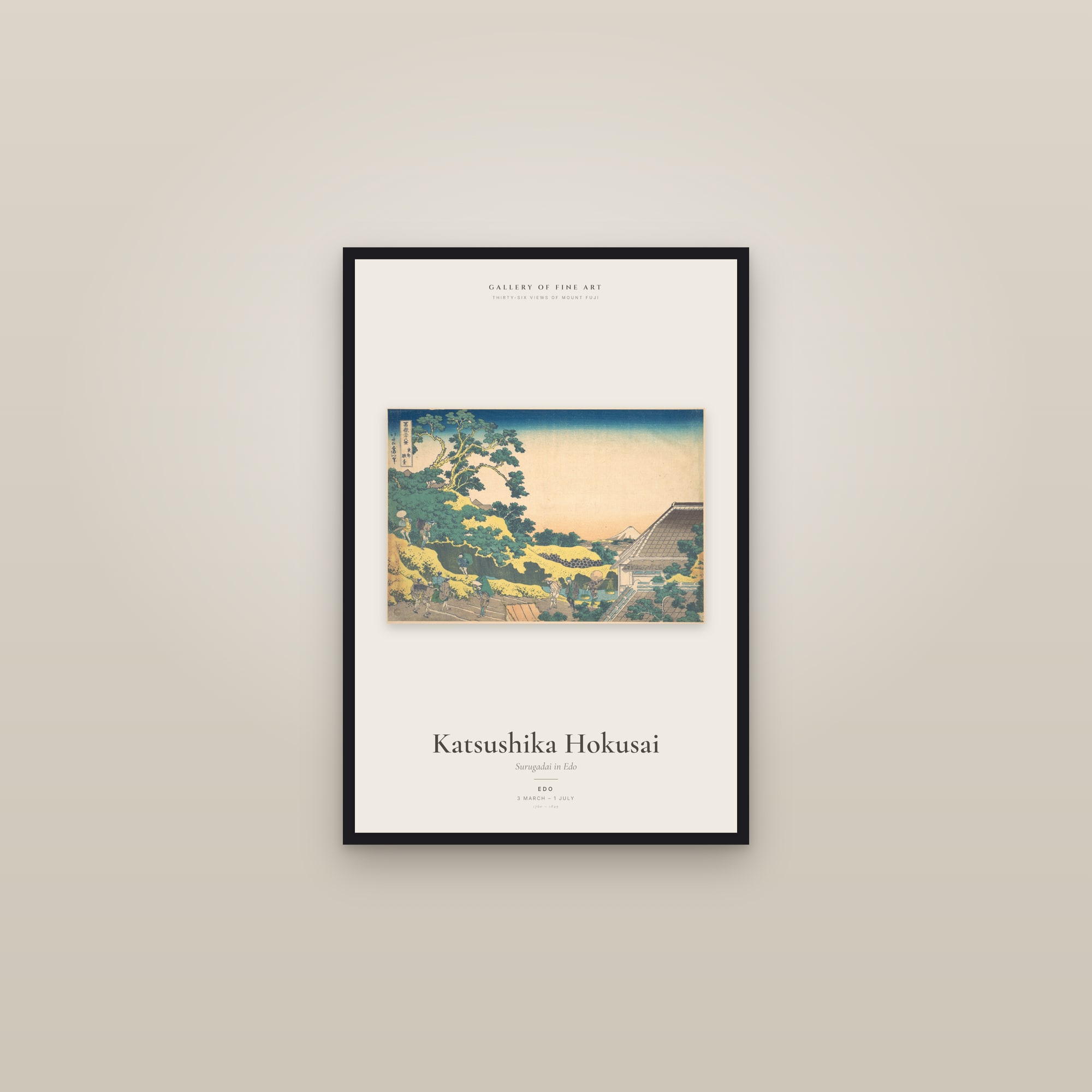










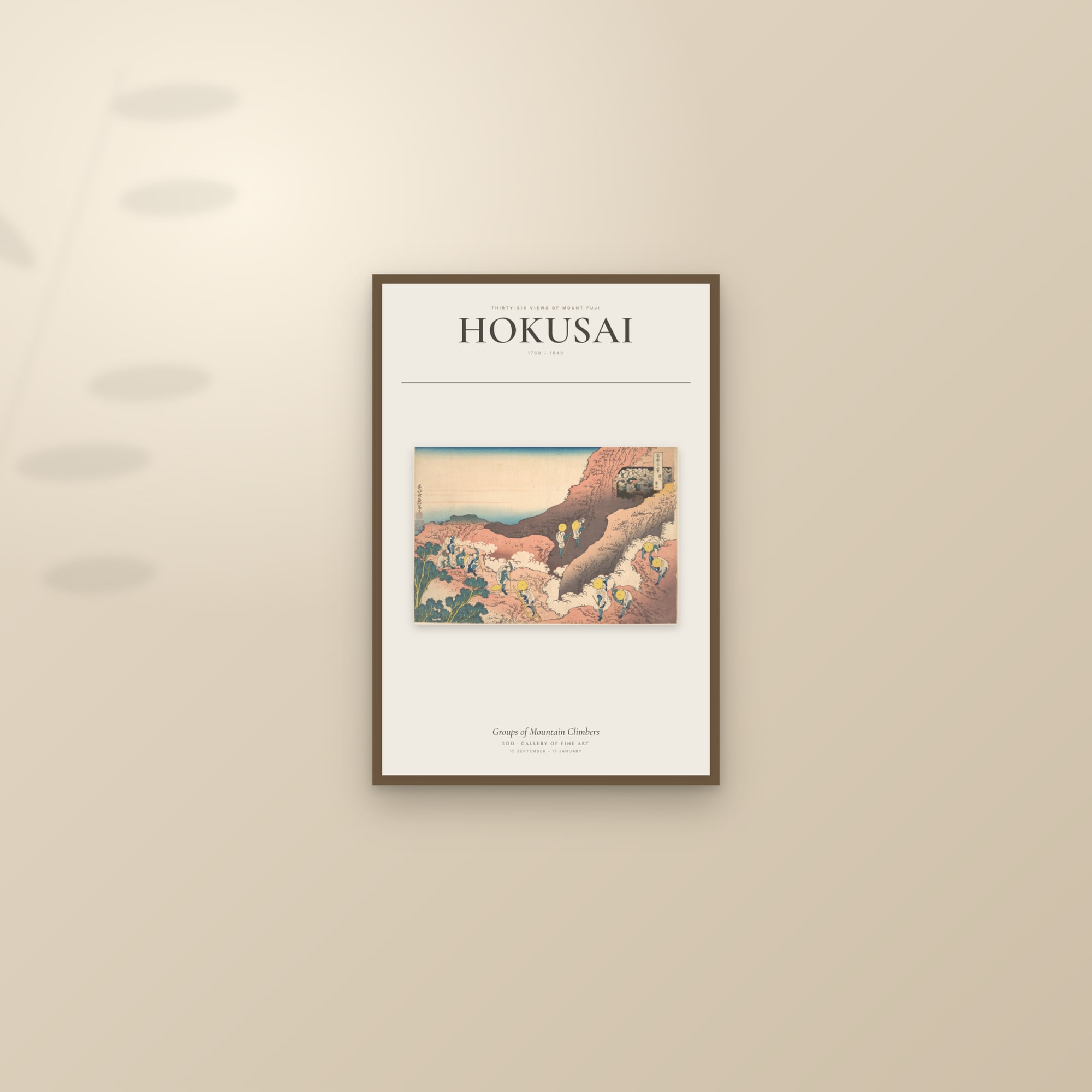
About Katsushika Hokusai
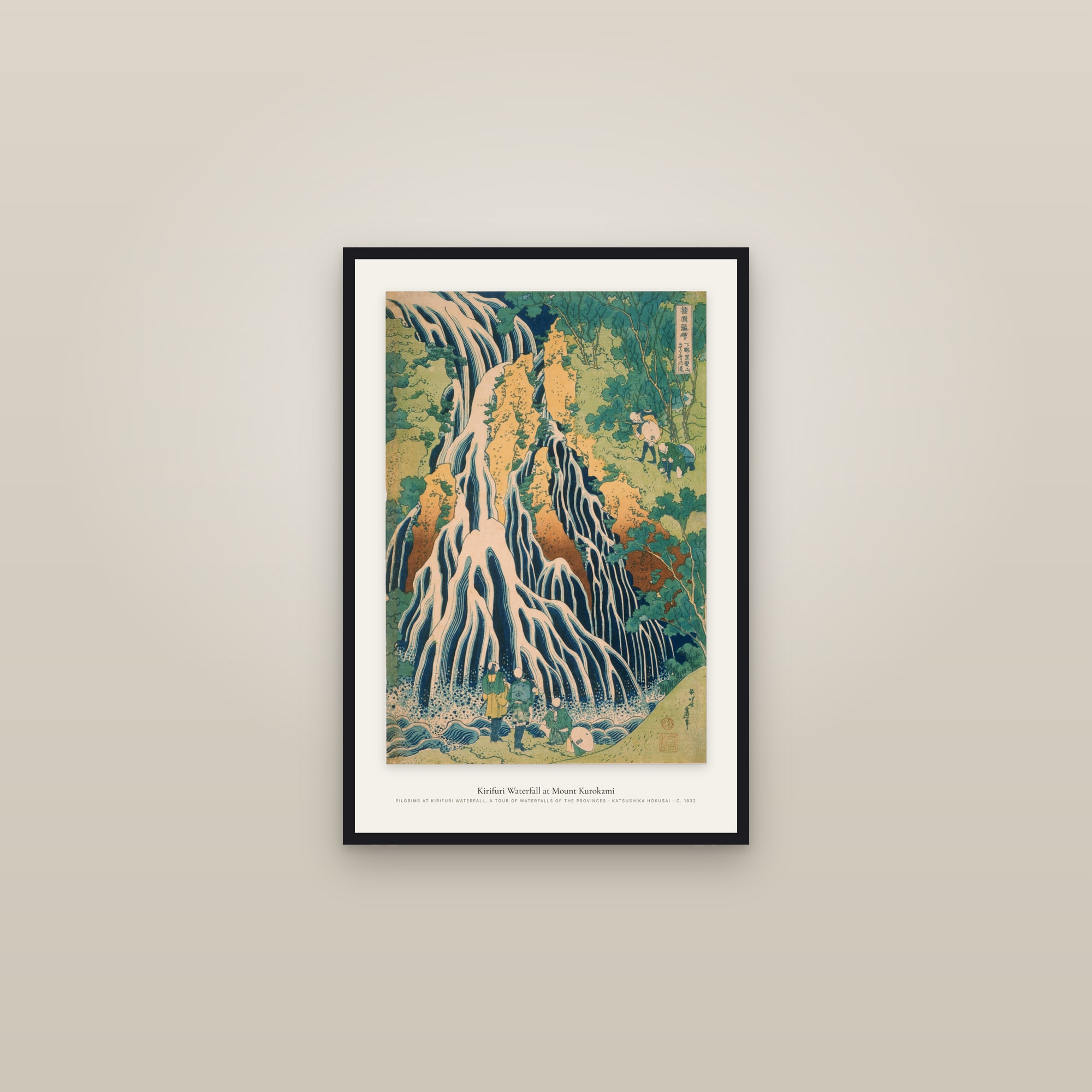
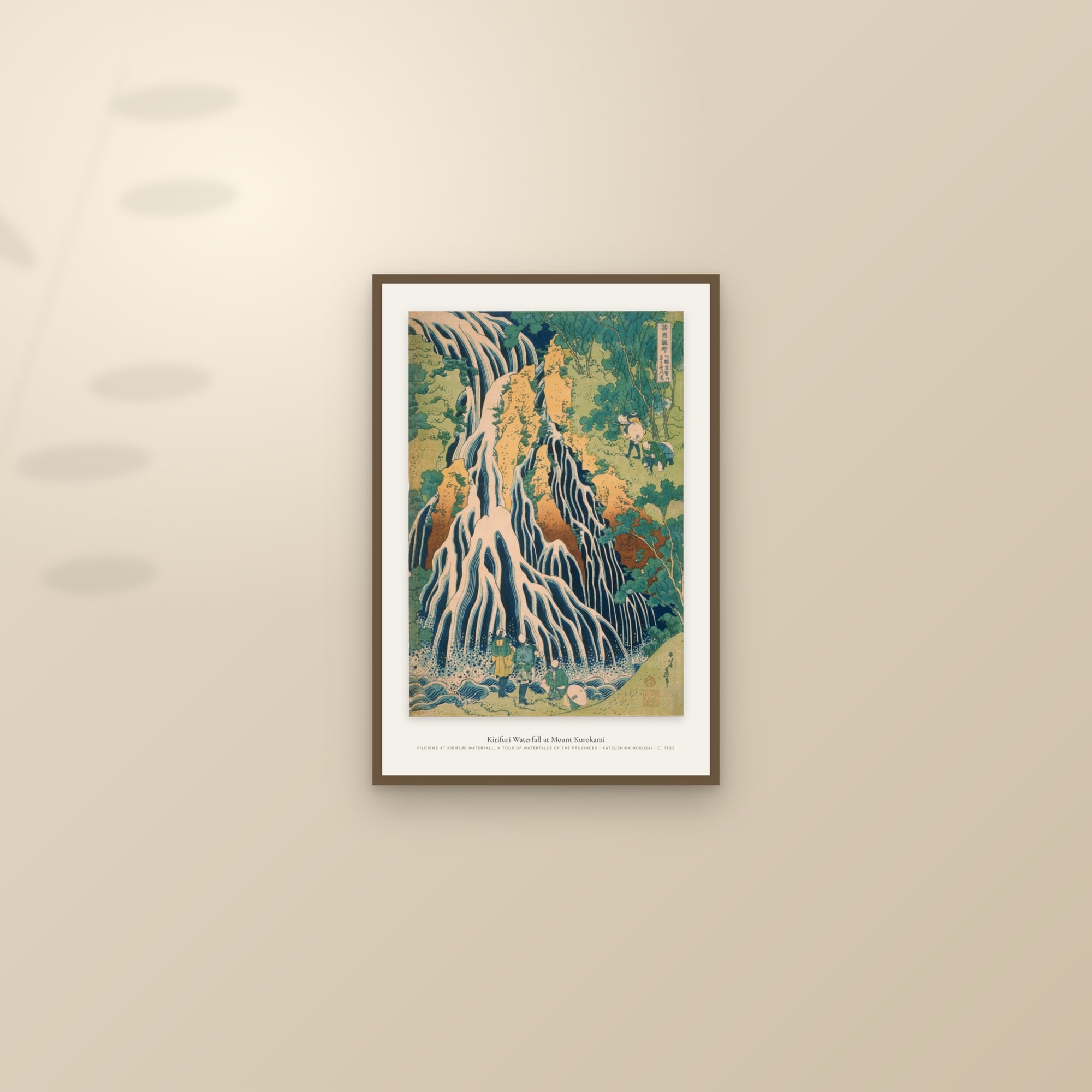
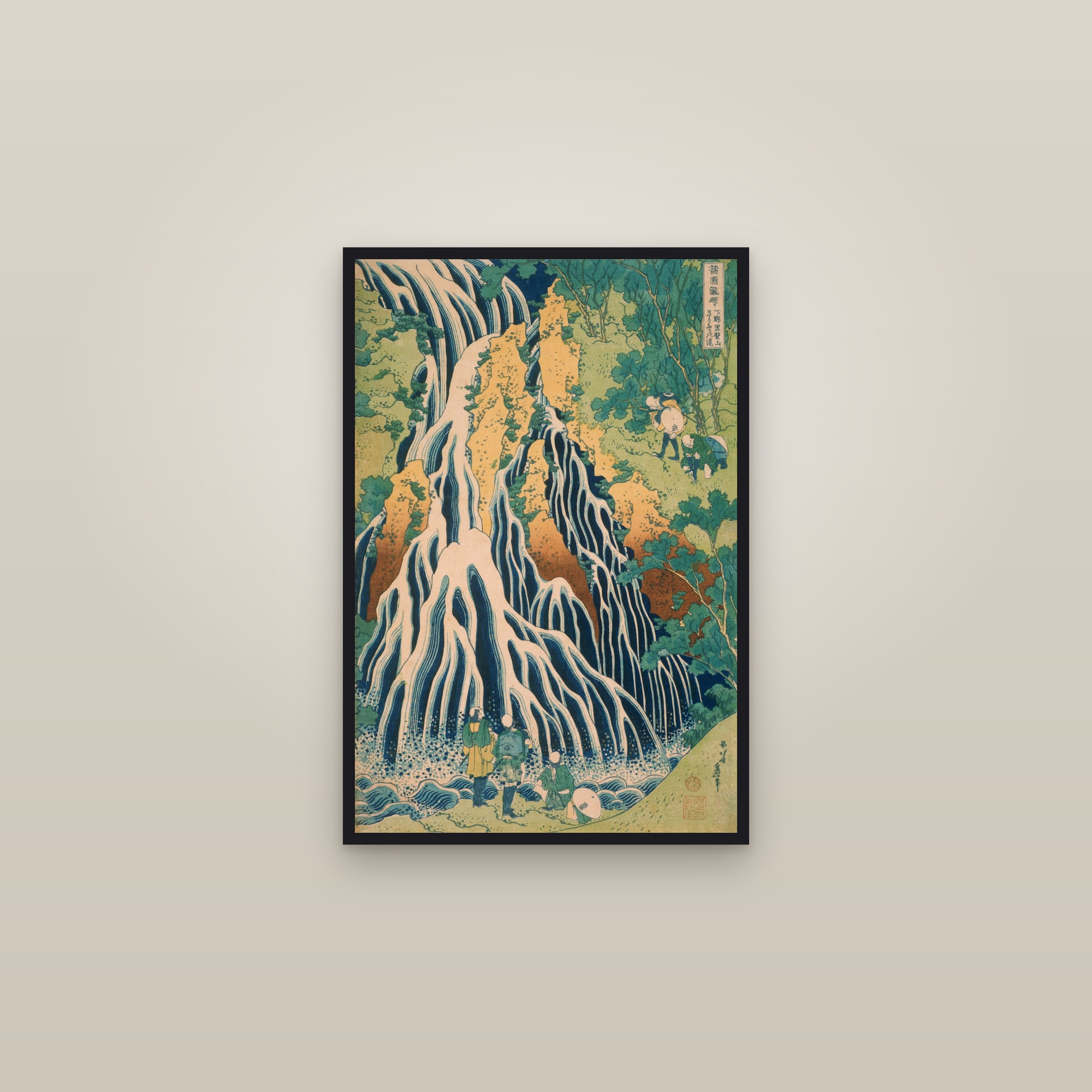
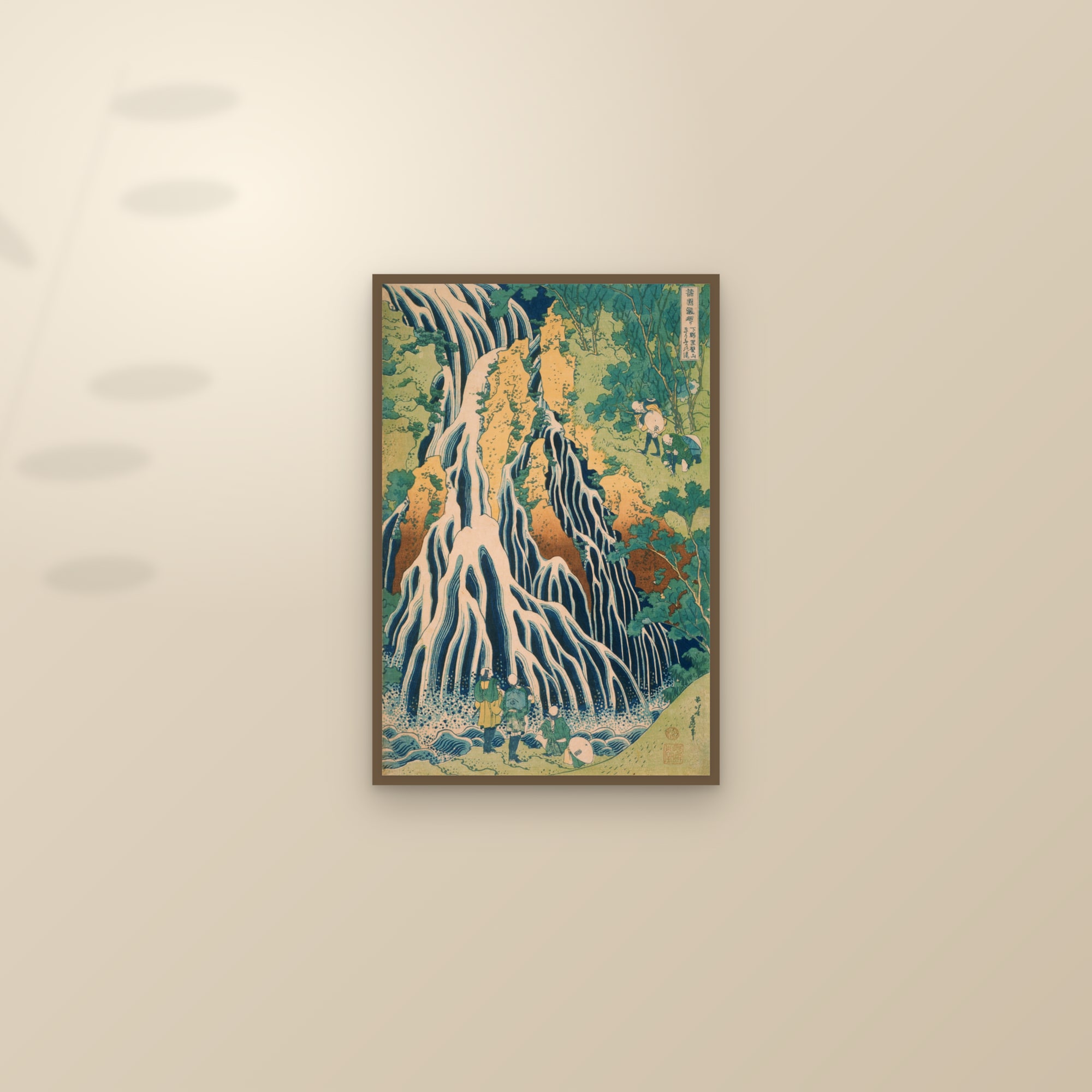
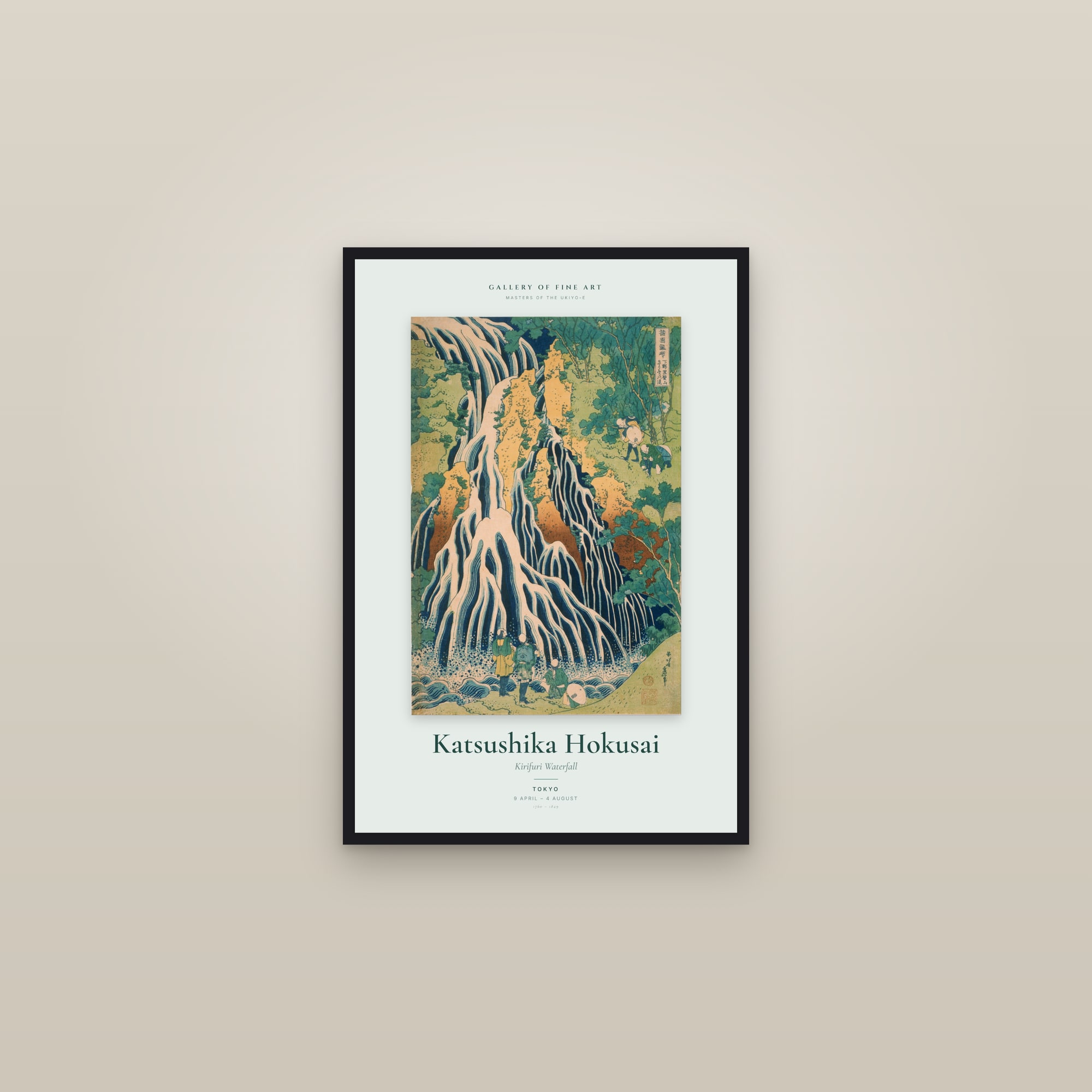
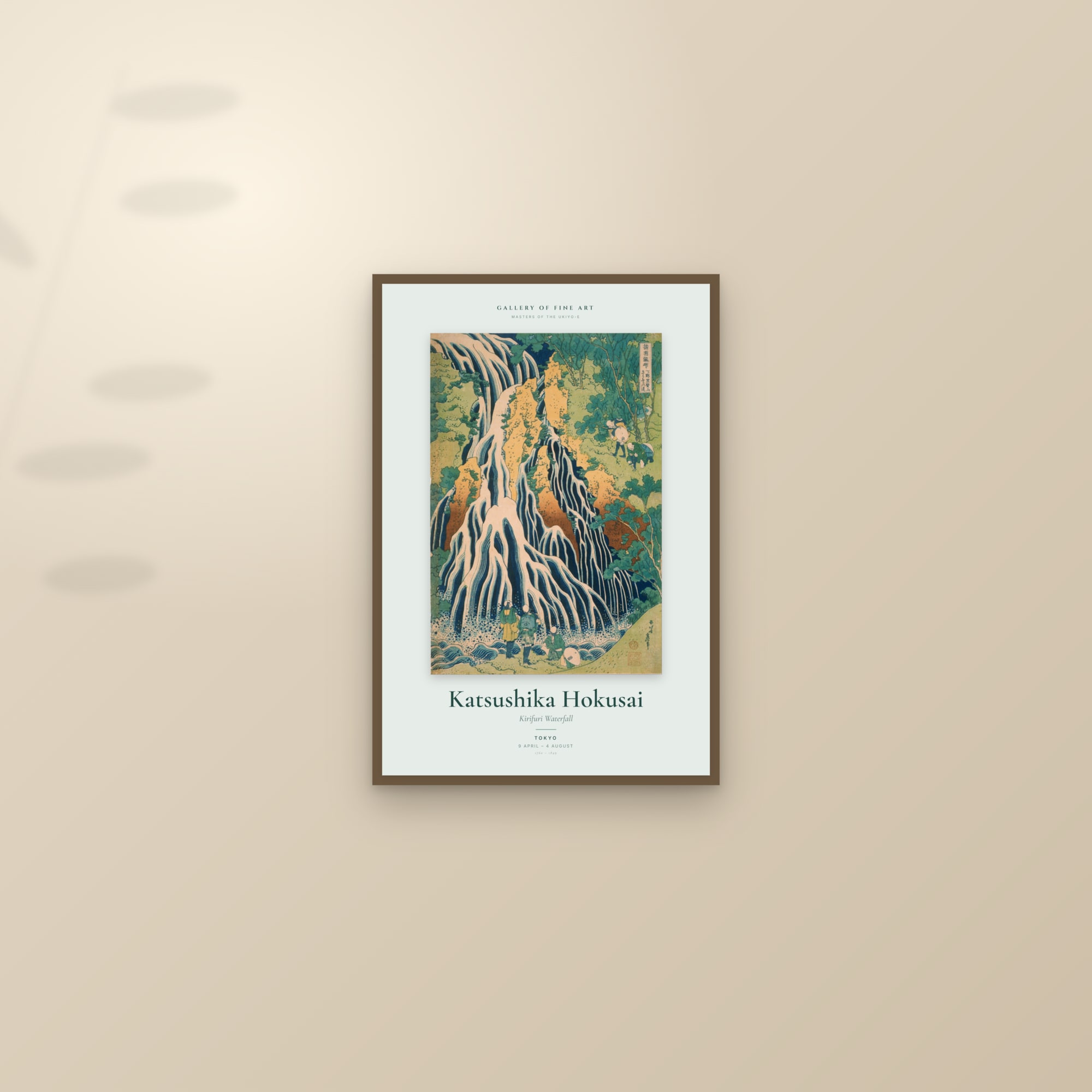
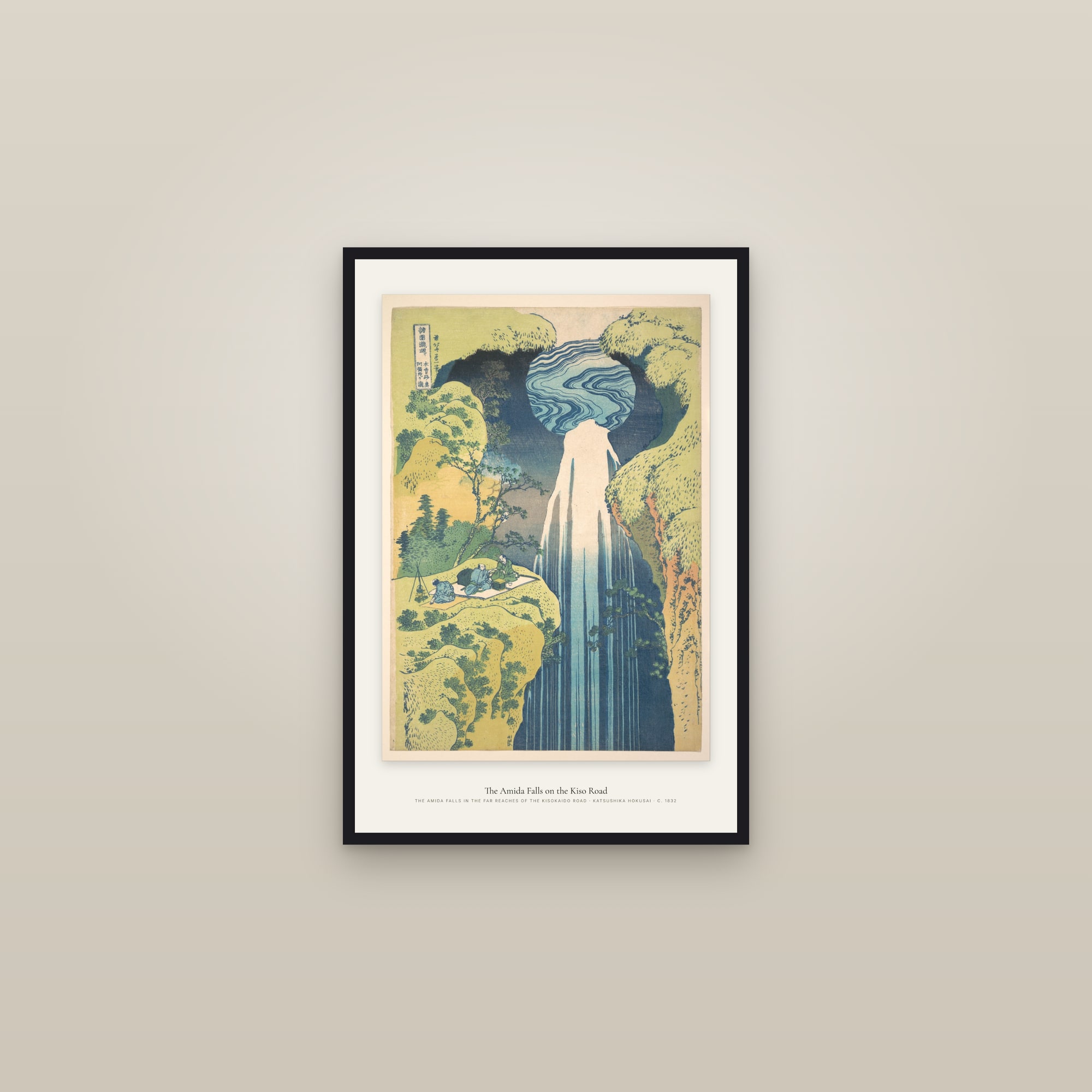
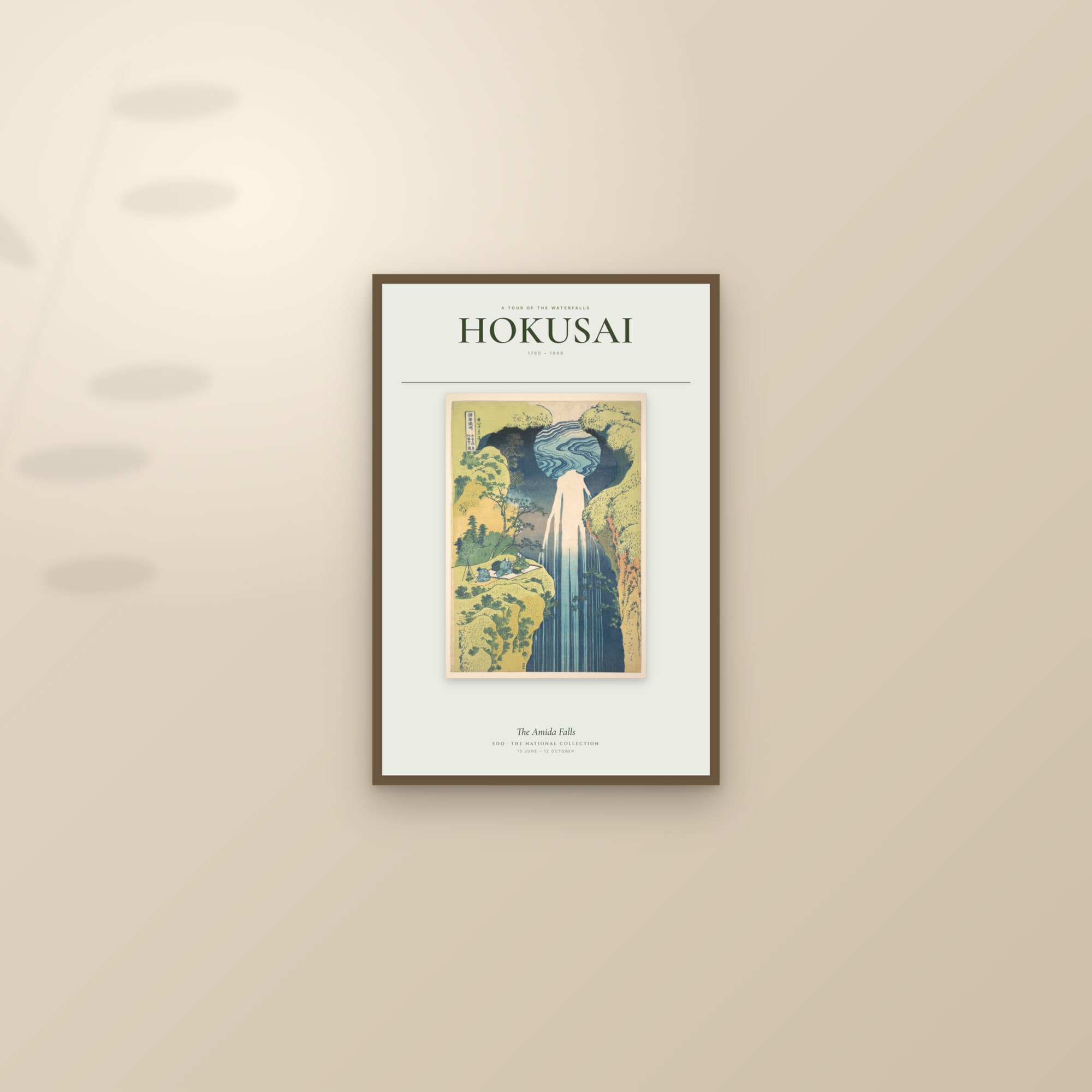
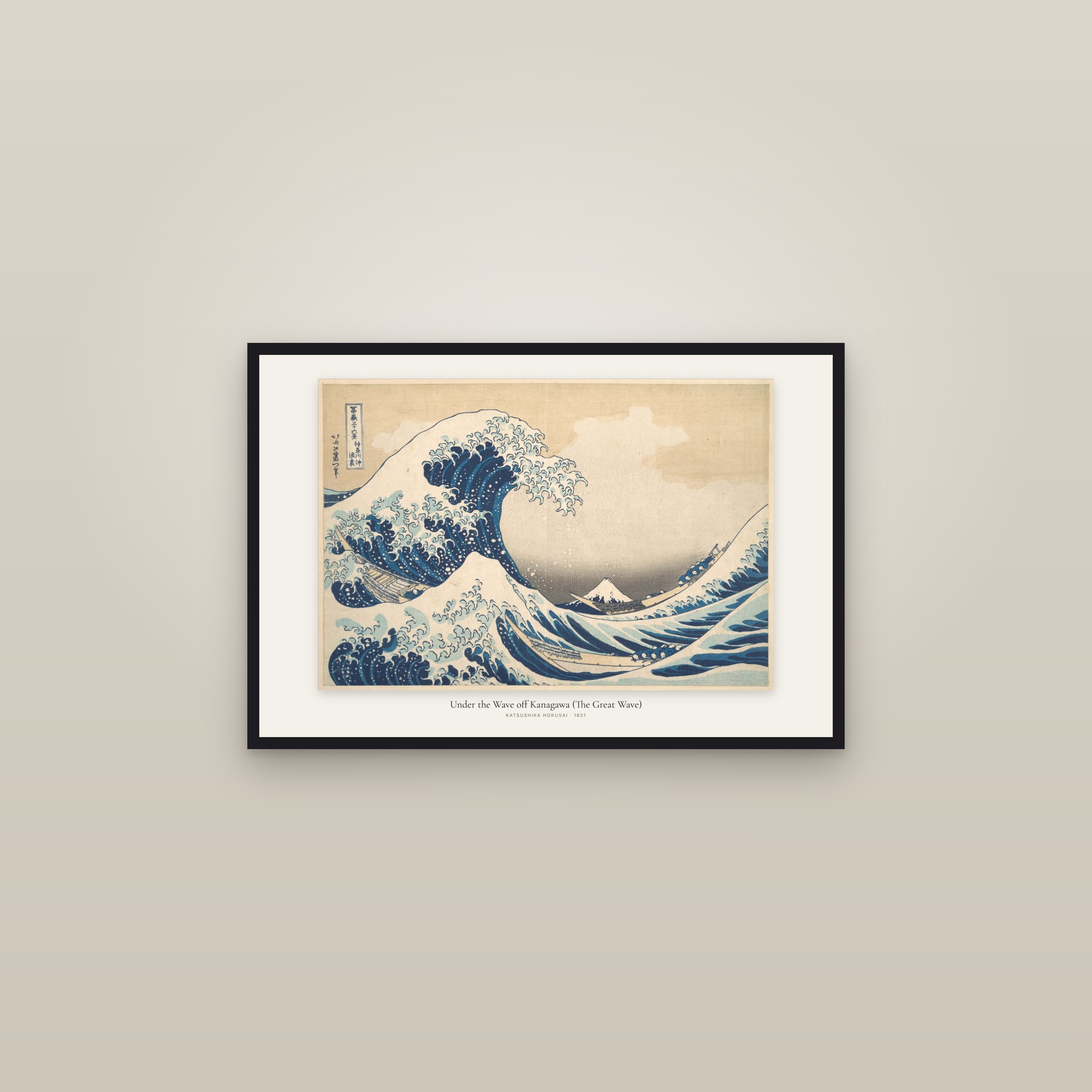
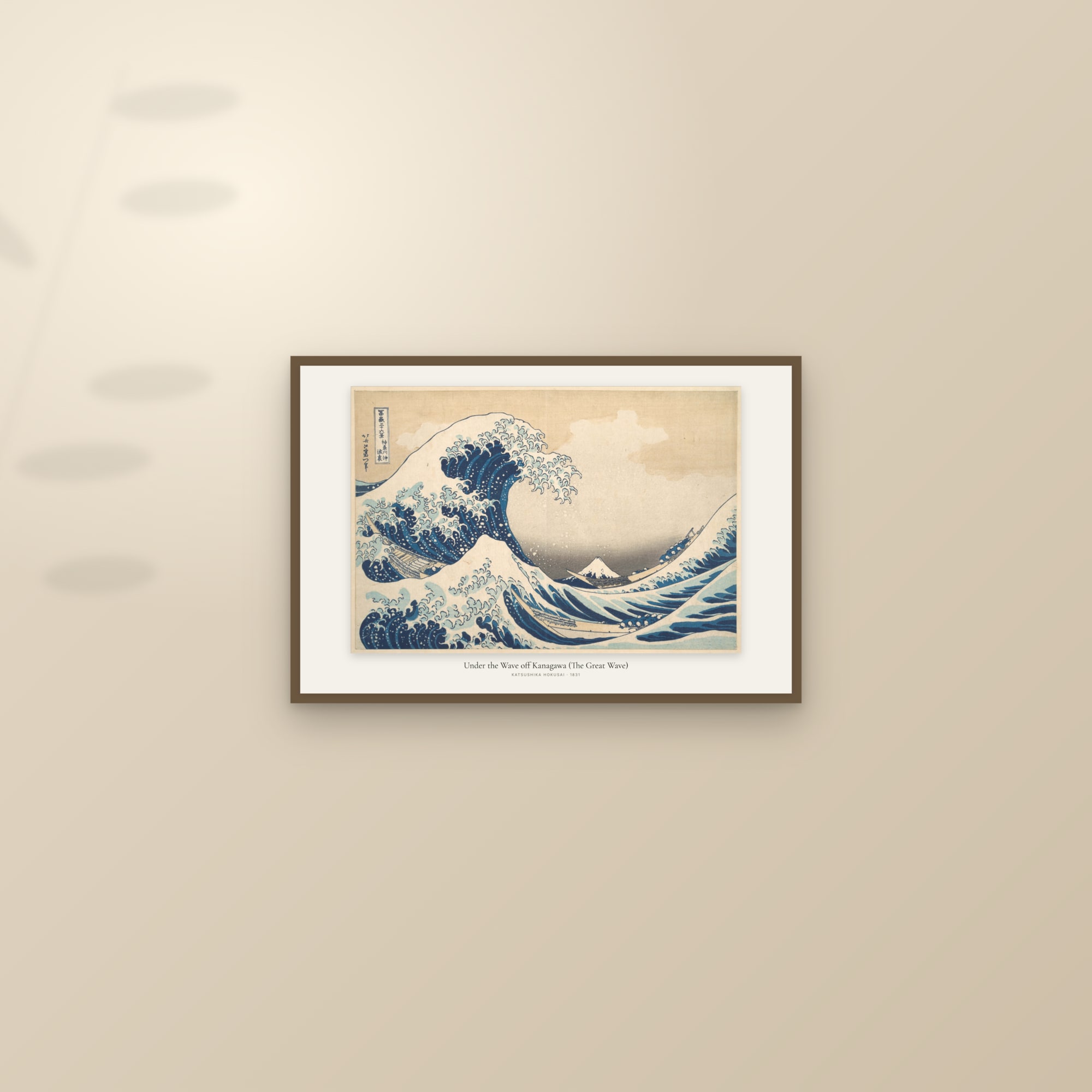
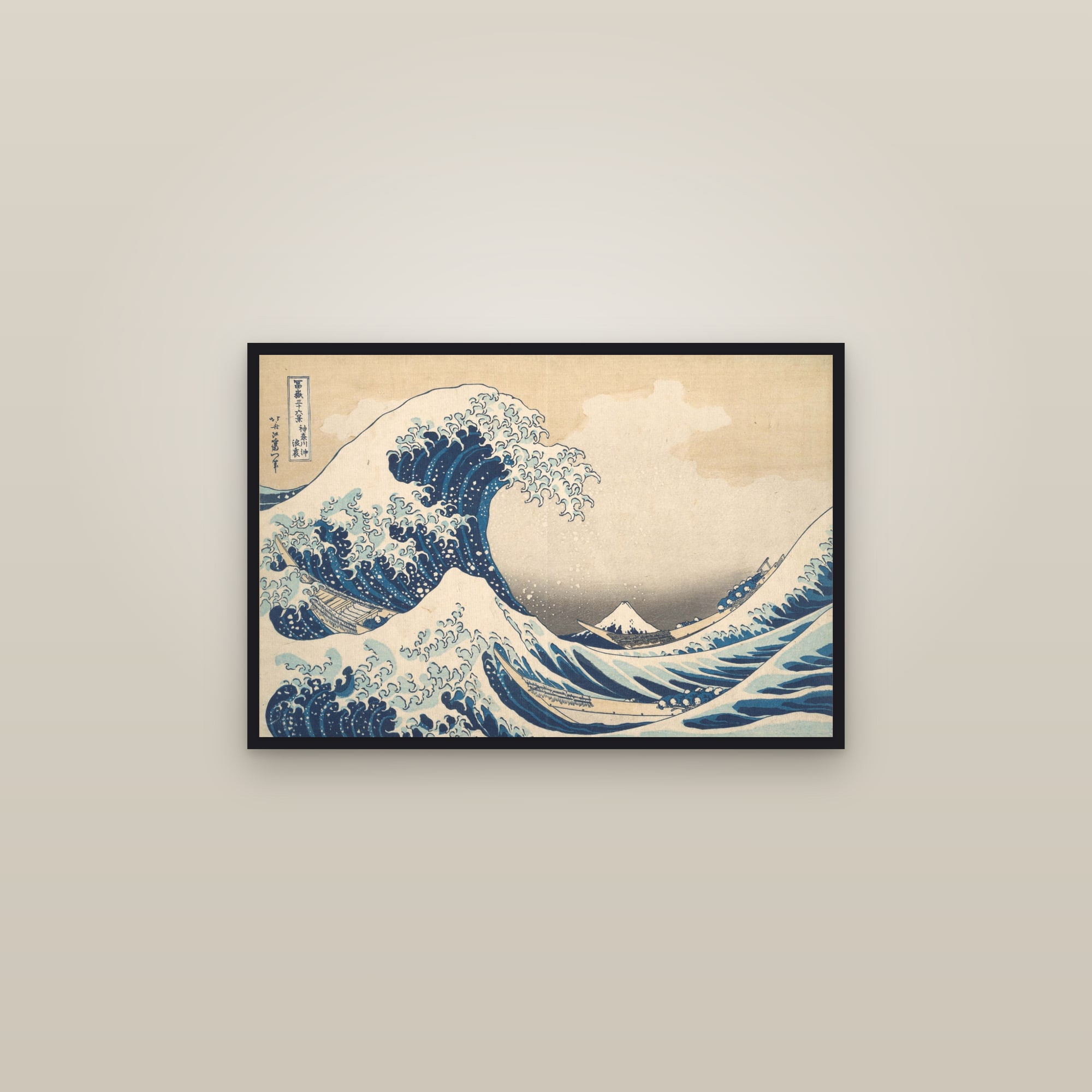
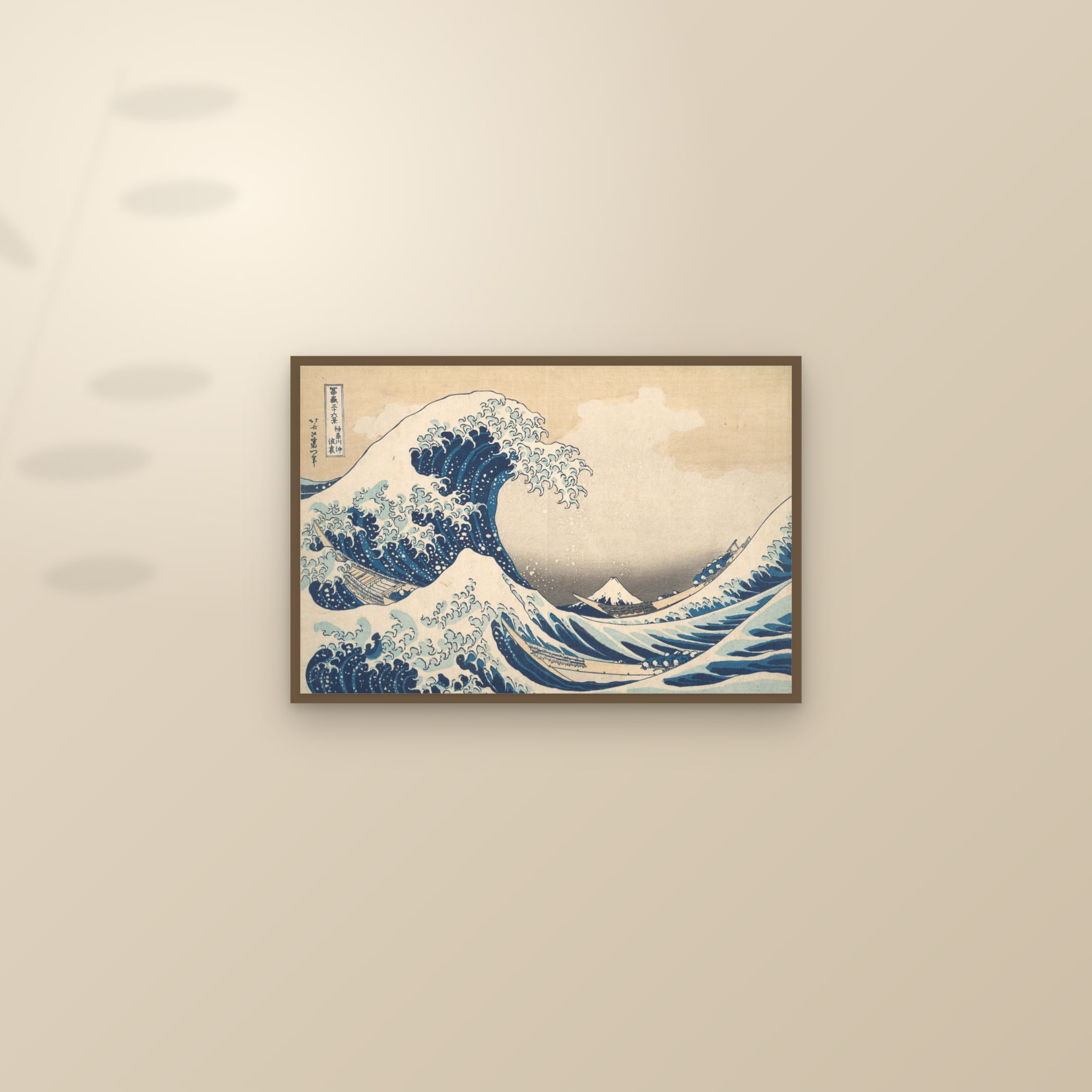
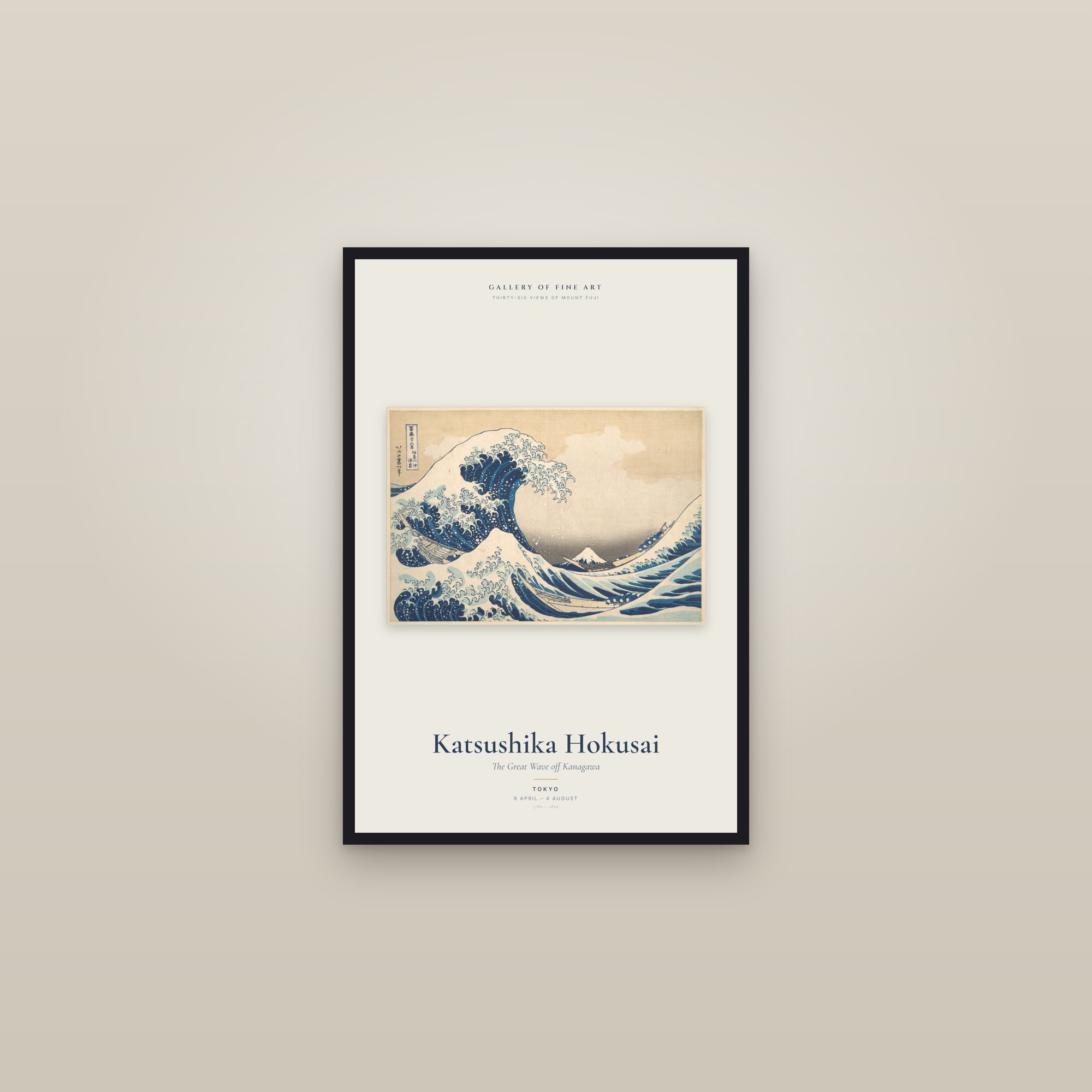
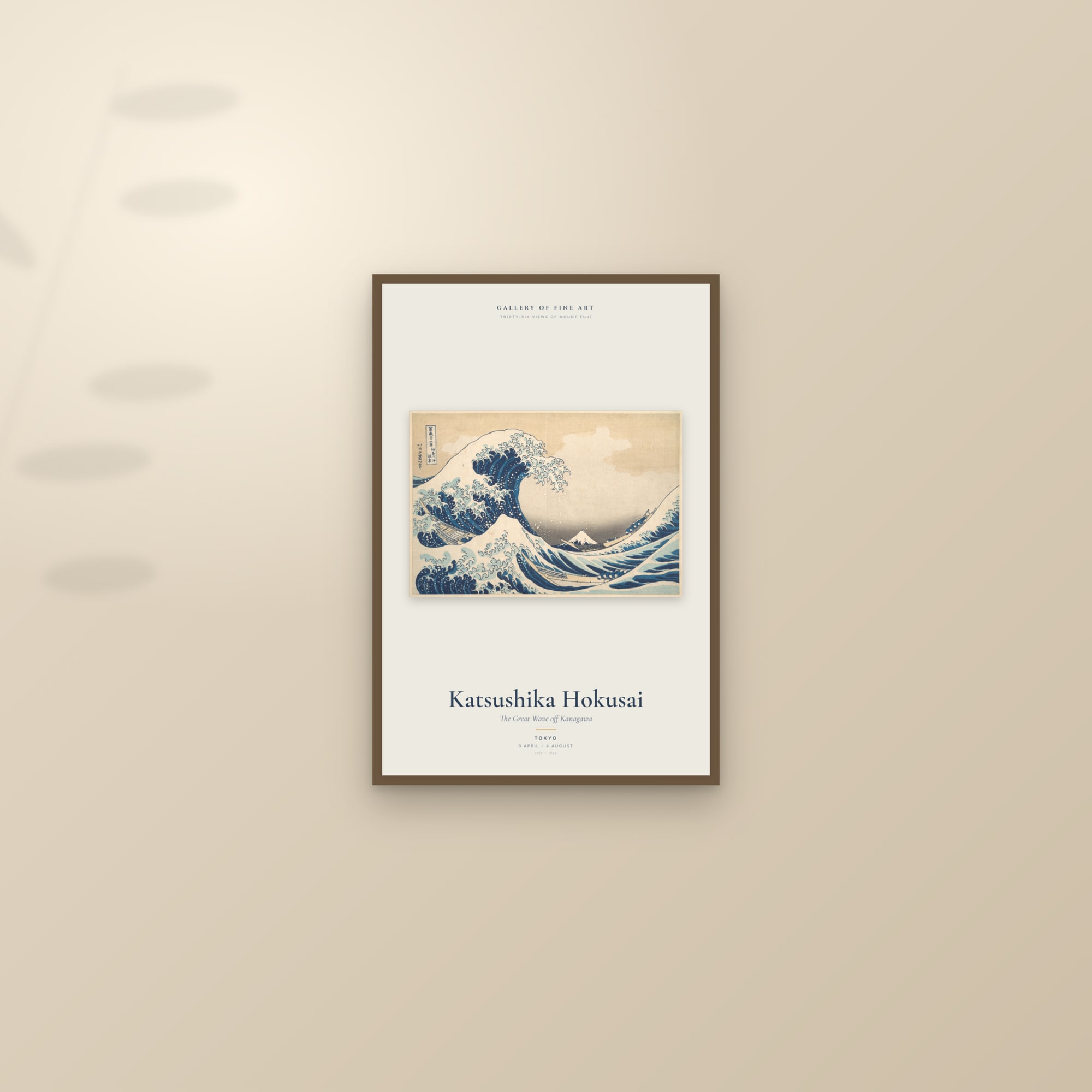
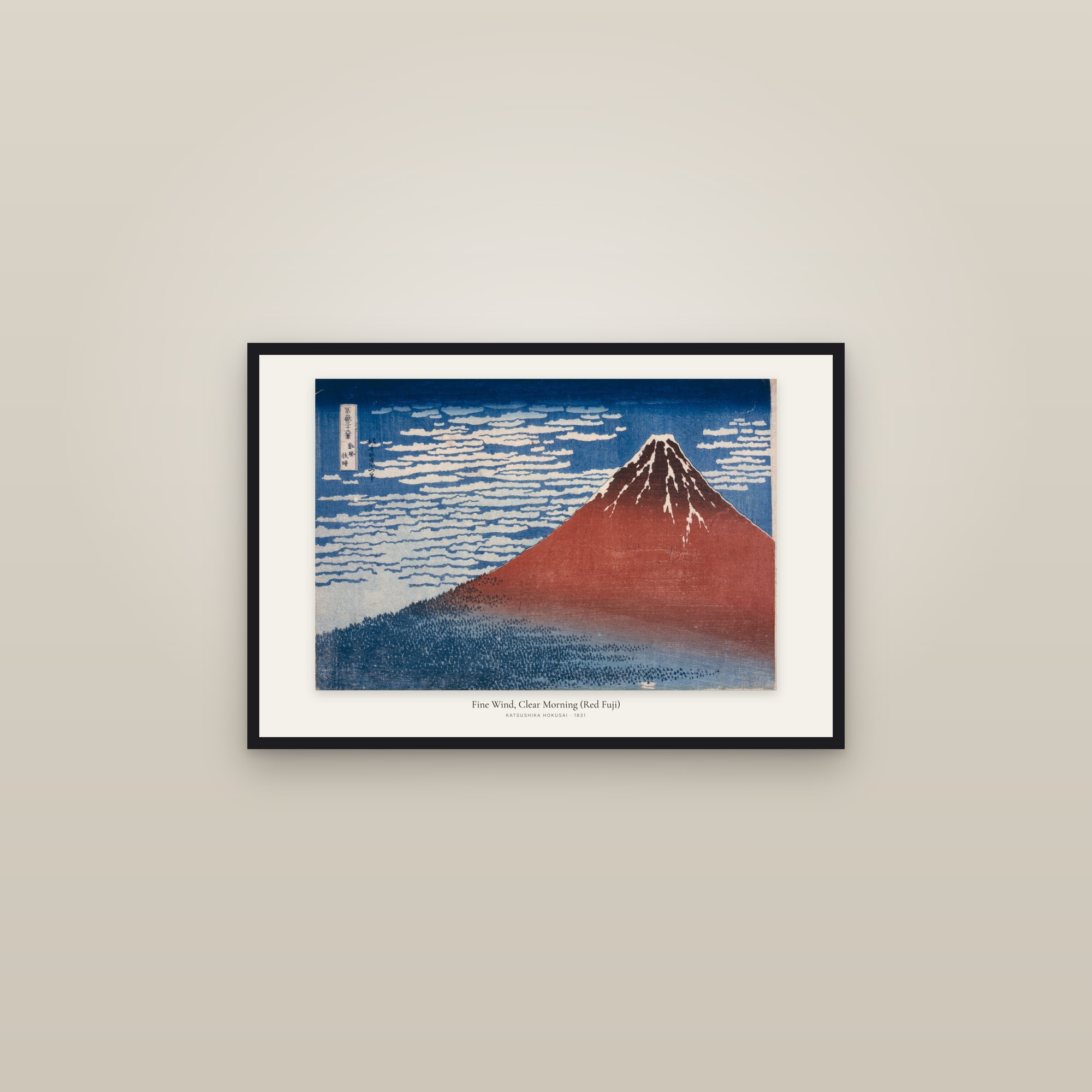
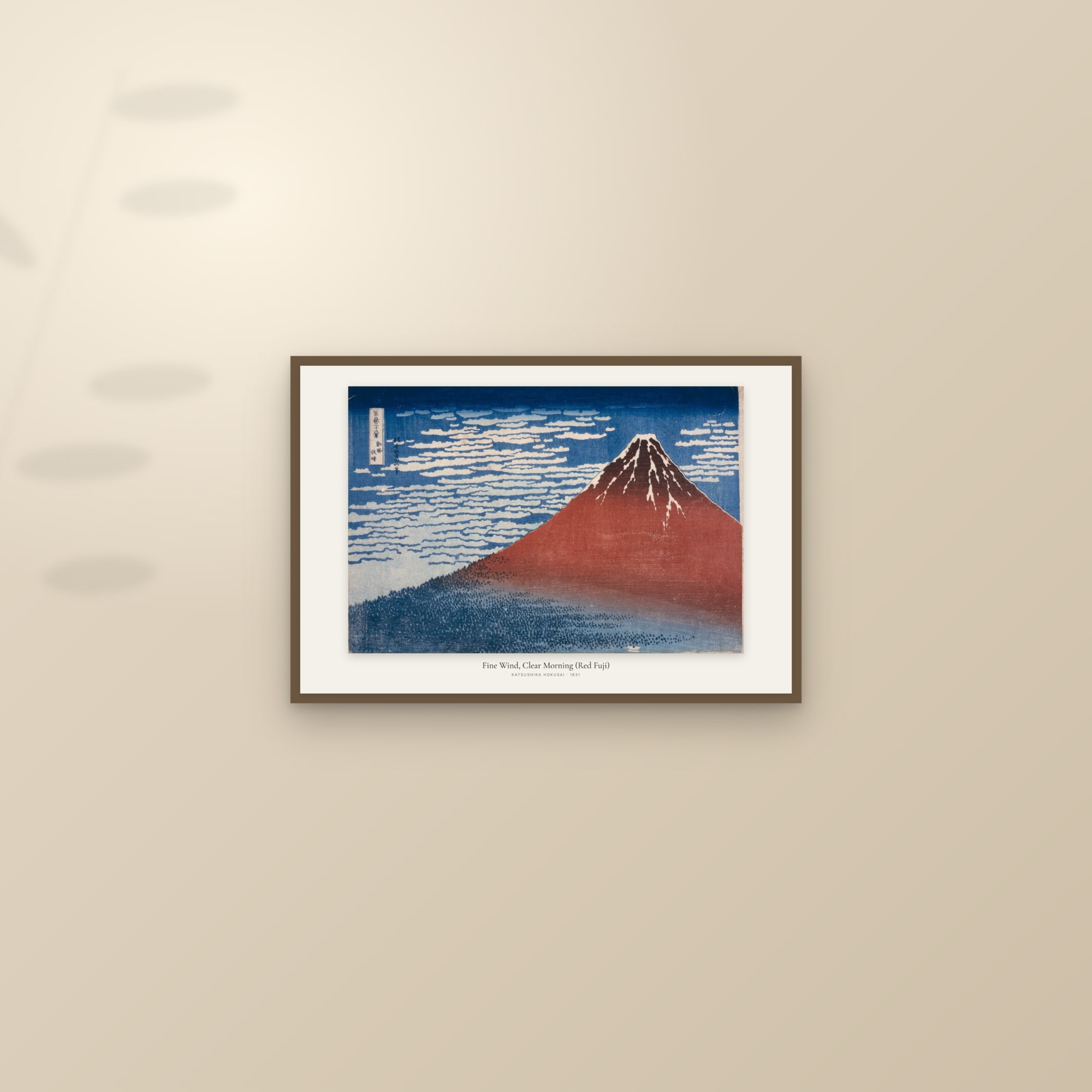
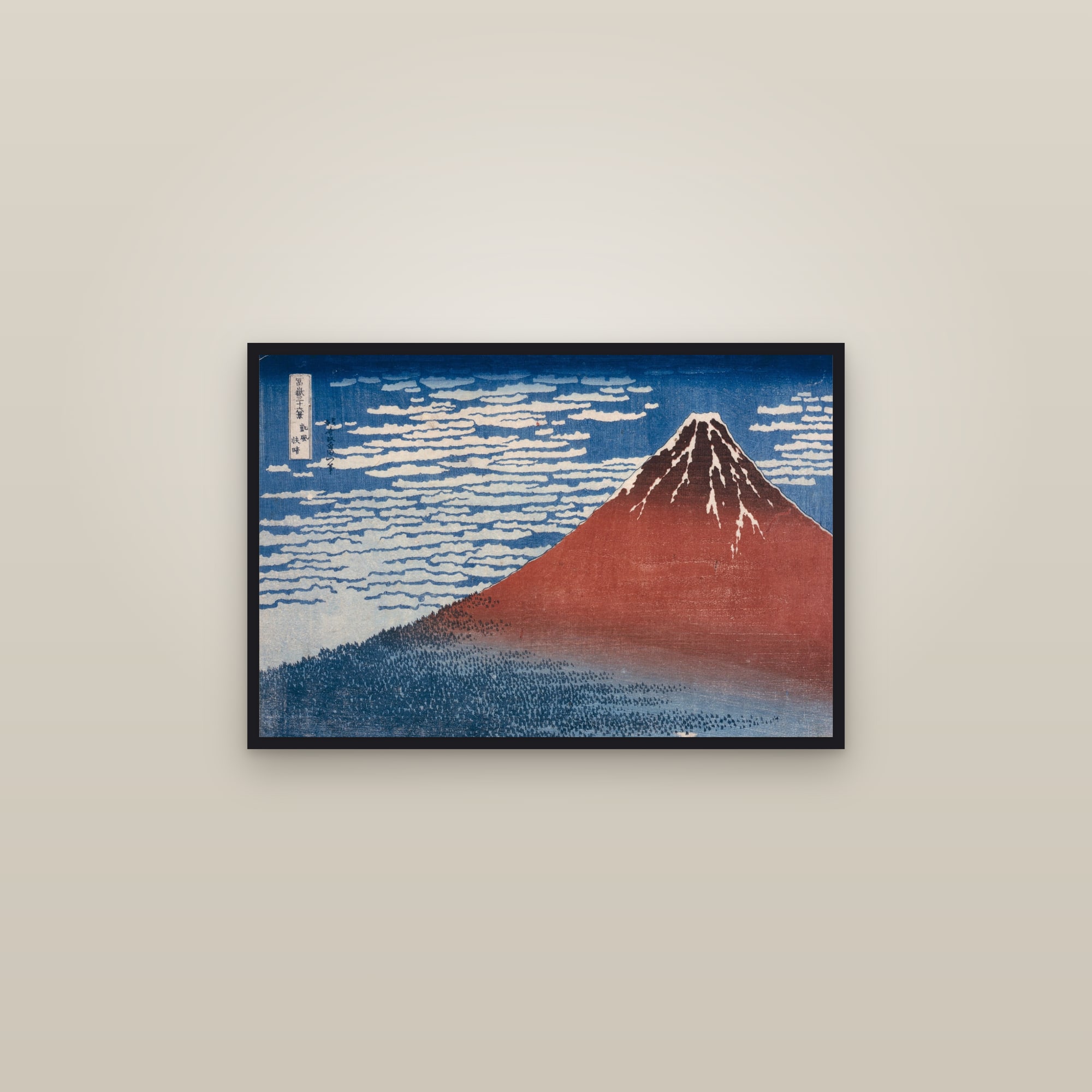
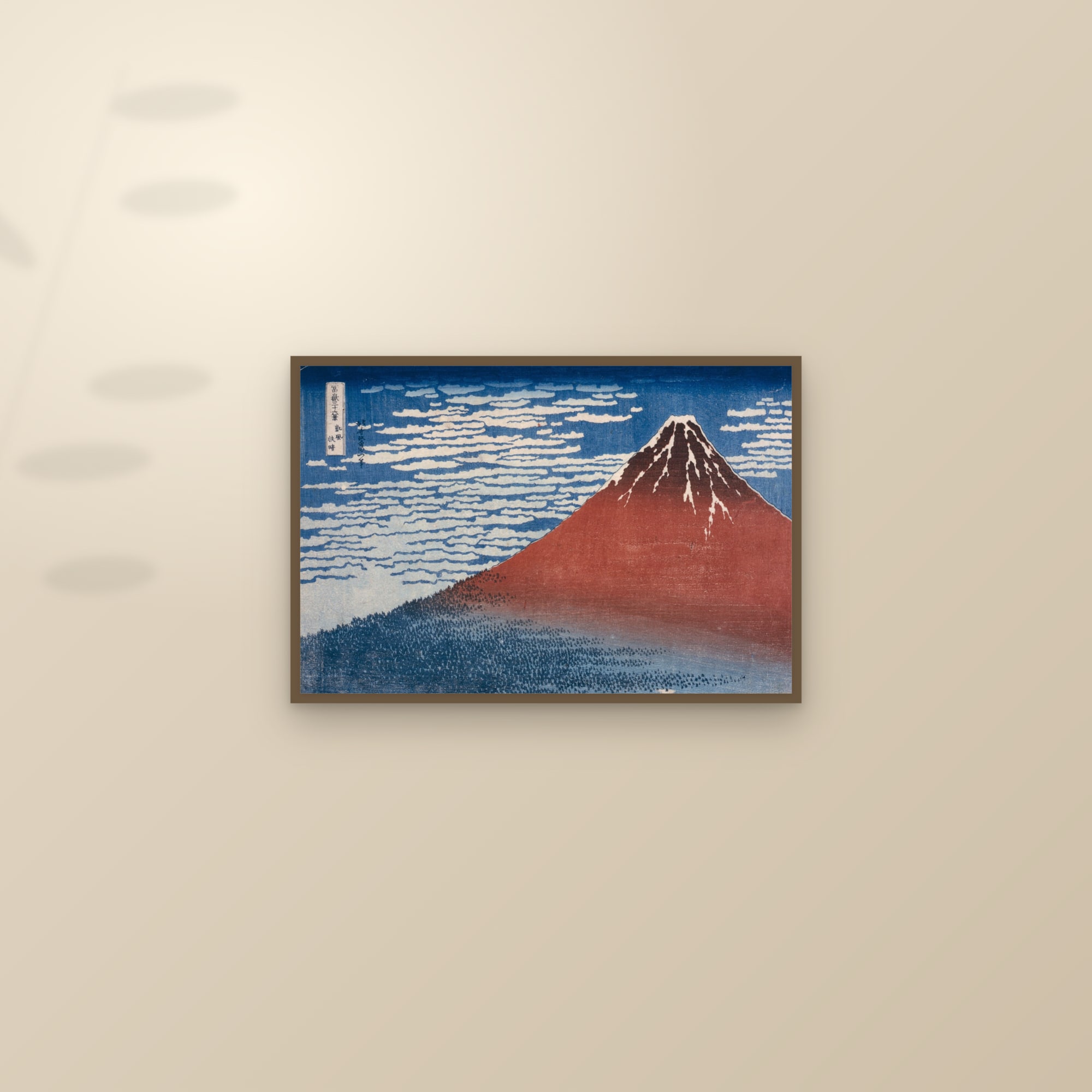
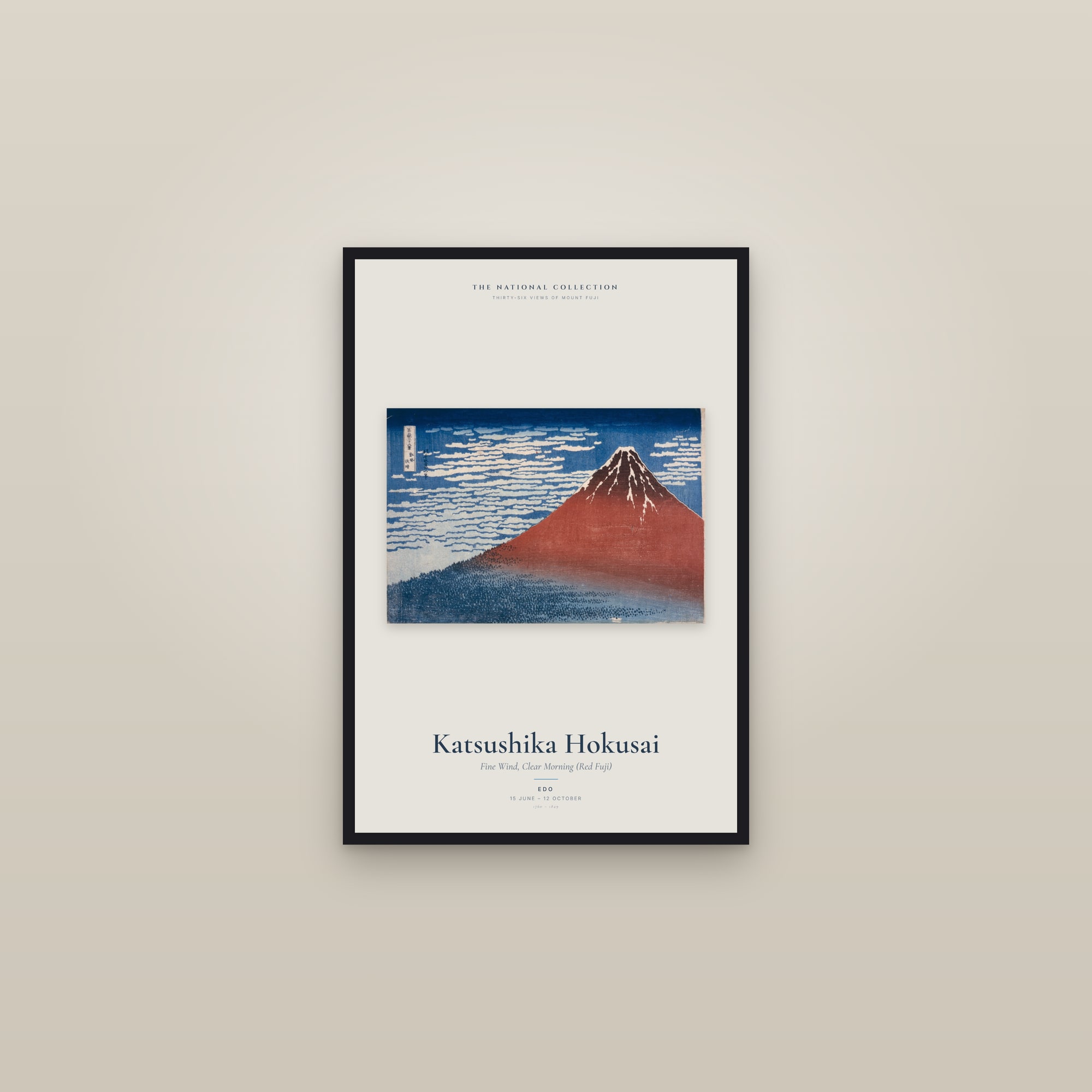
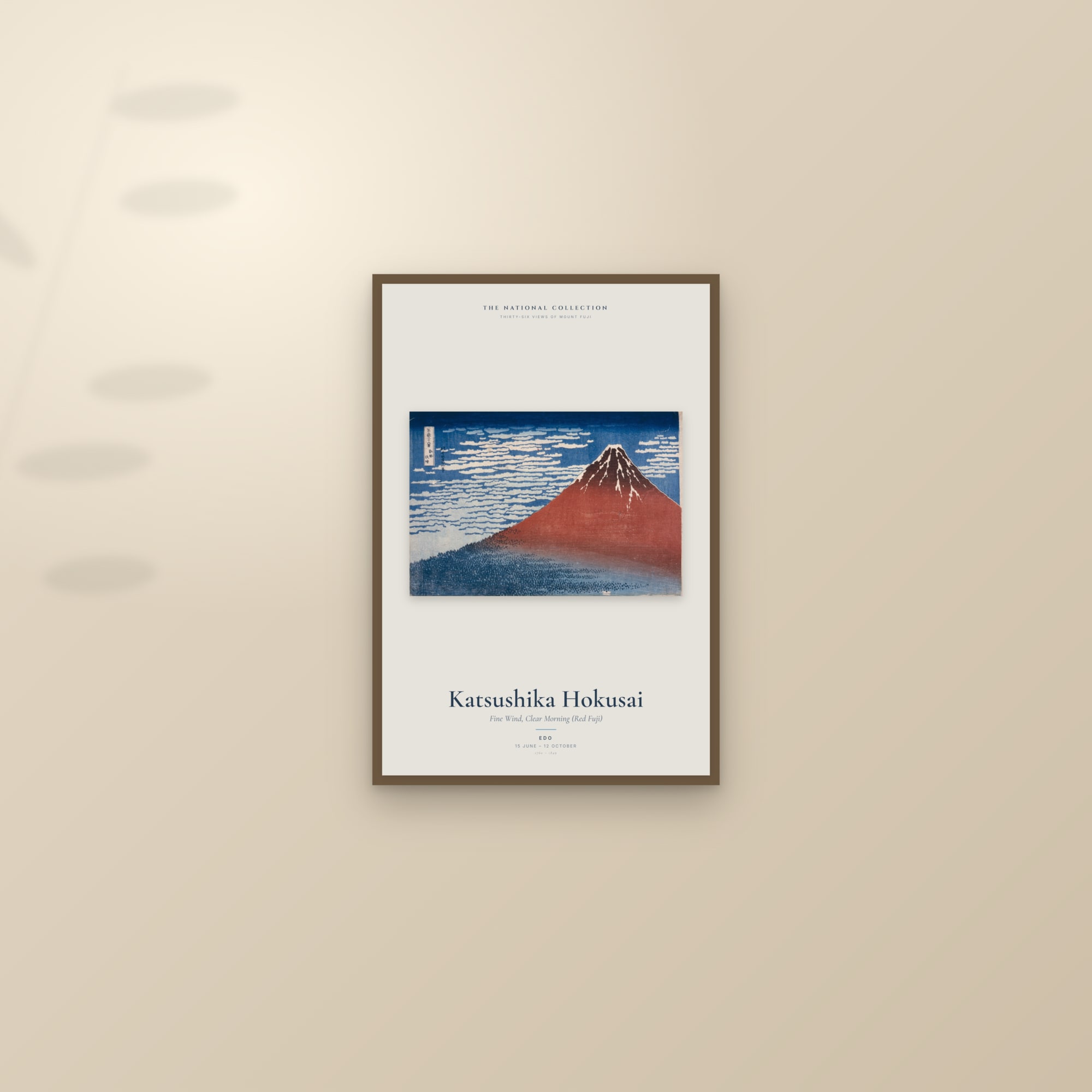
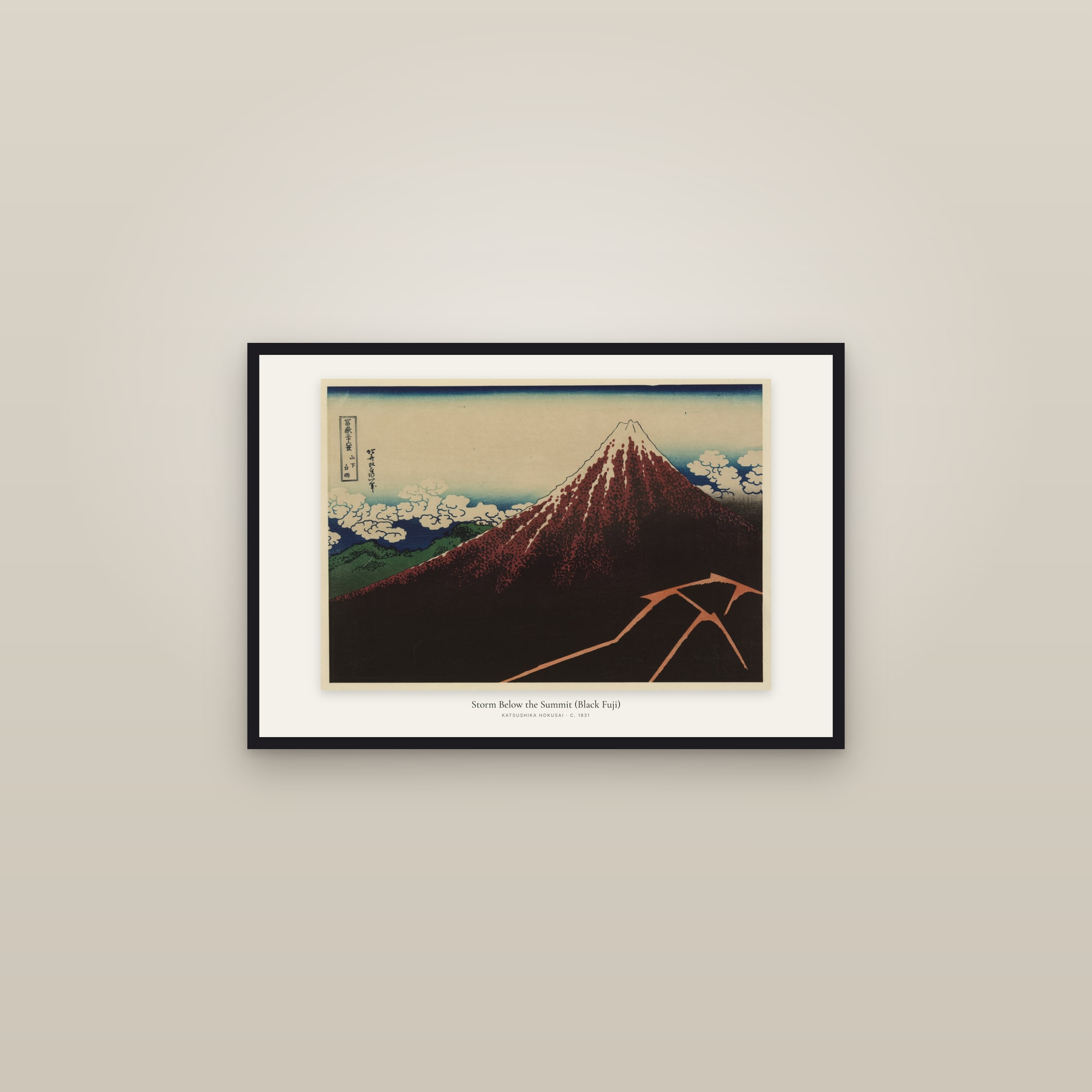
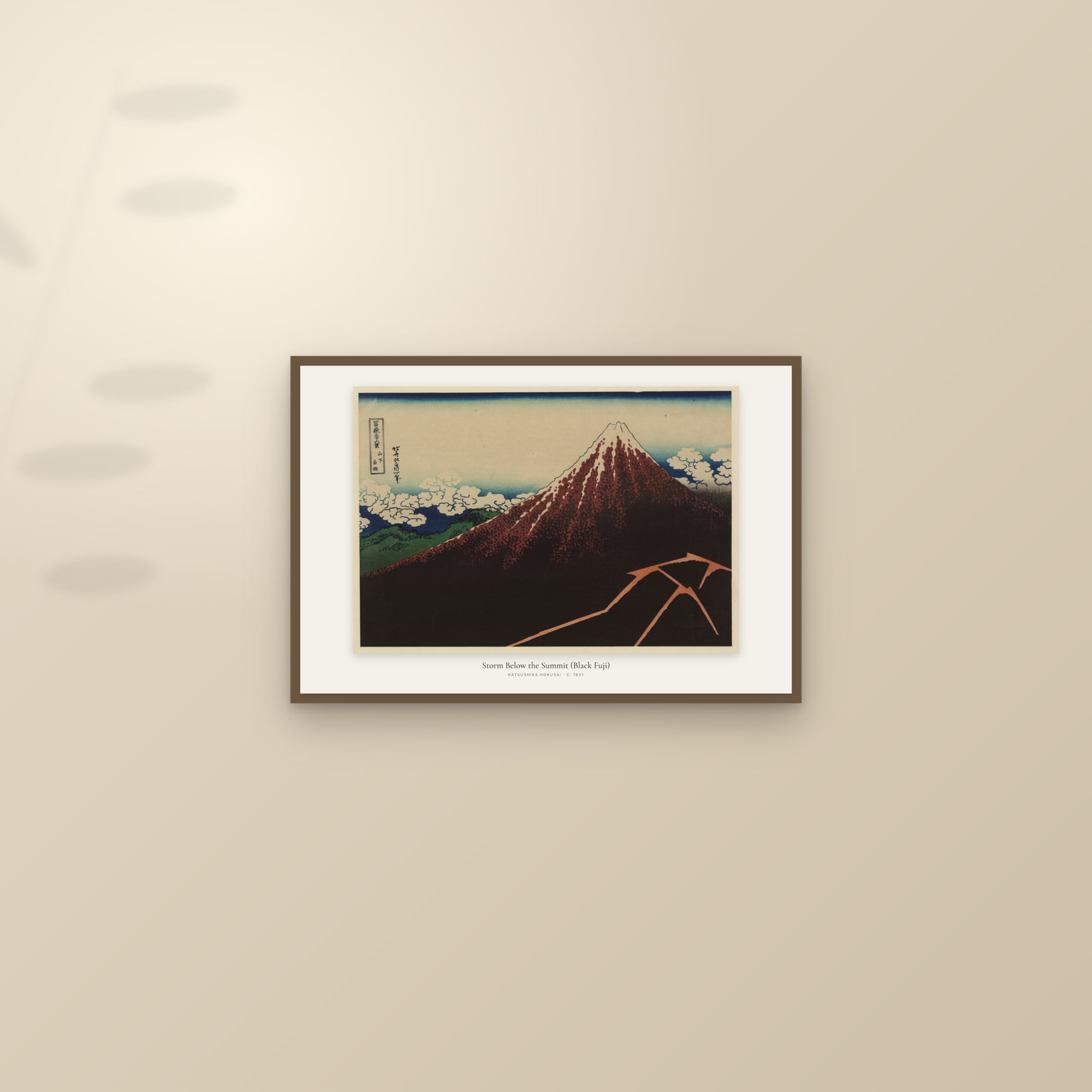
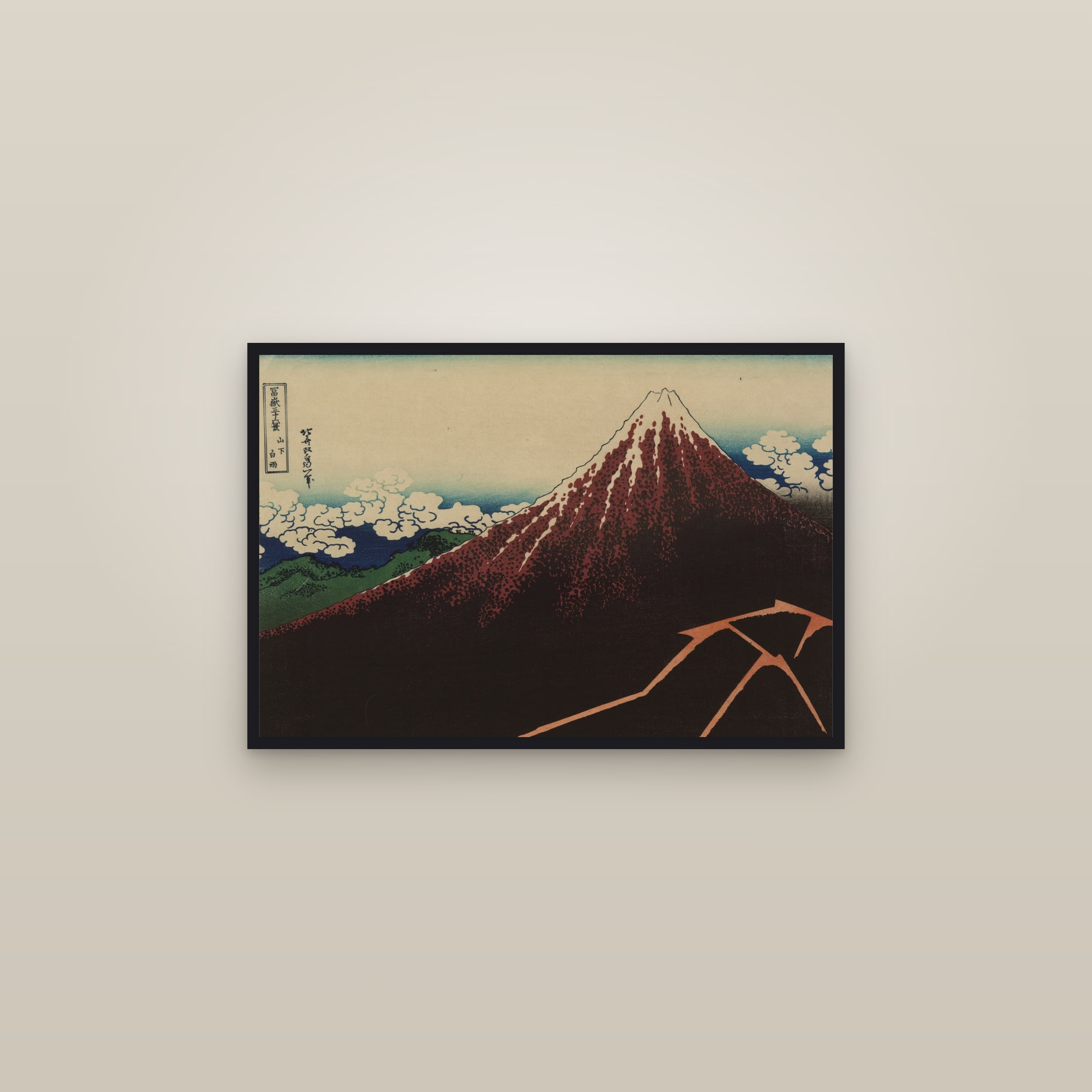
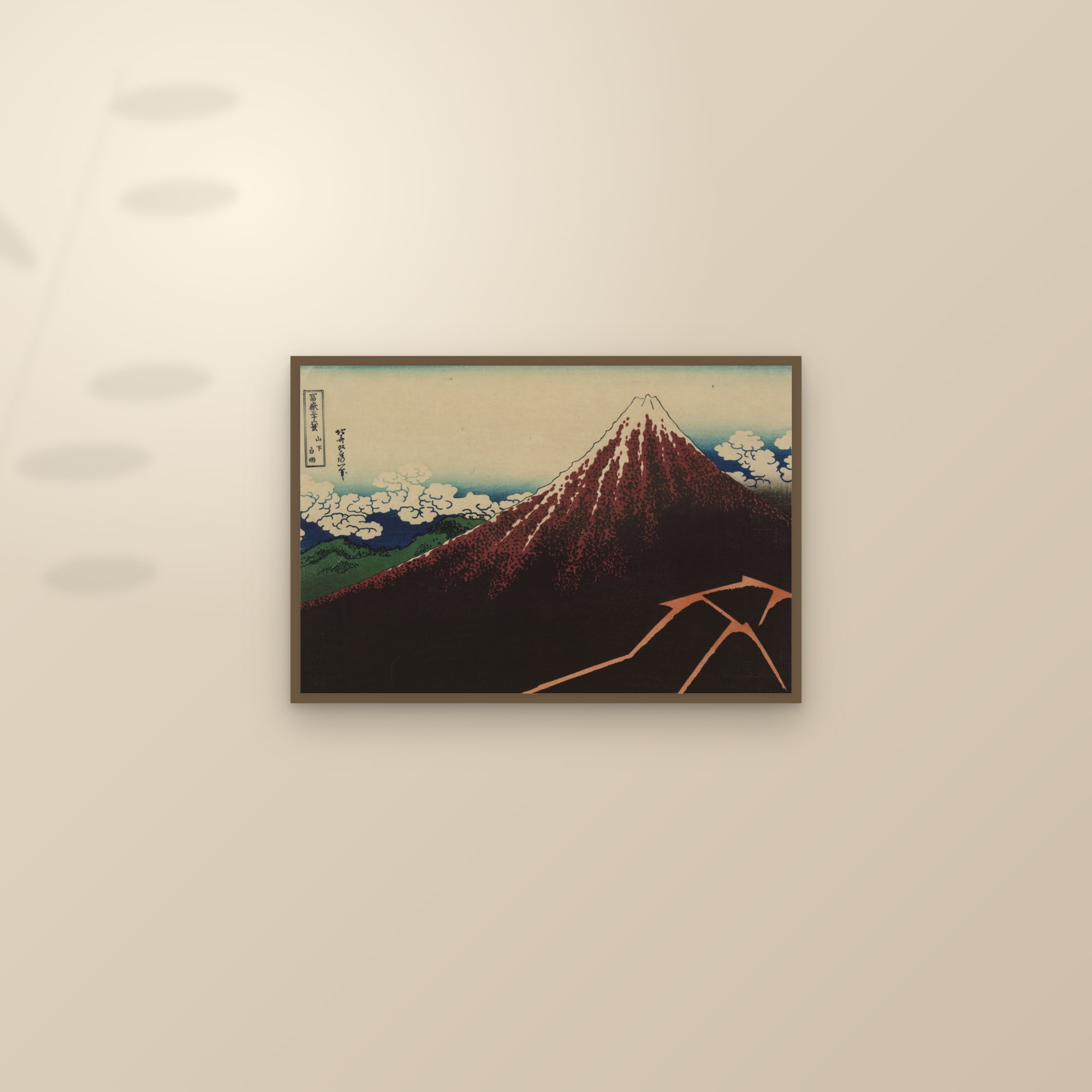
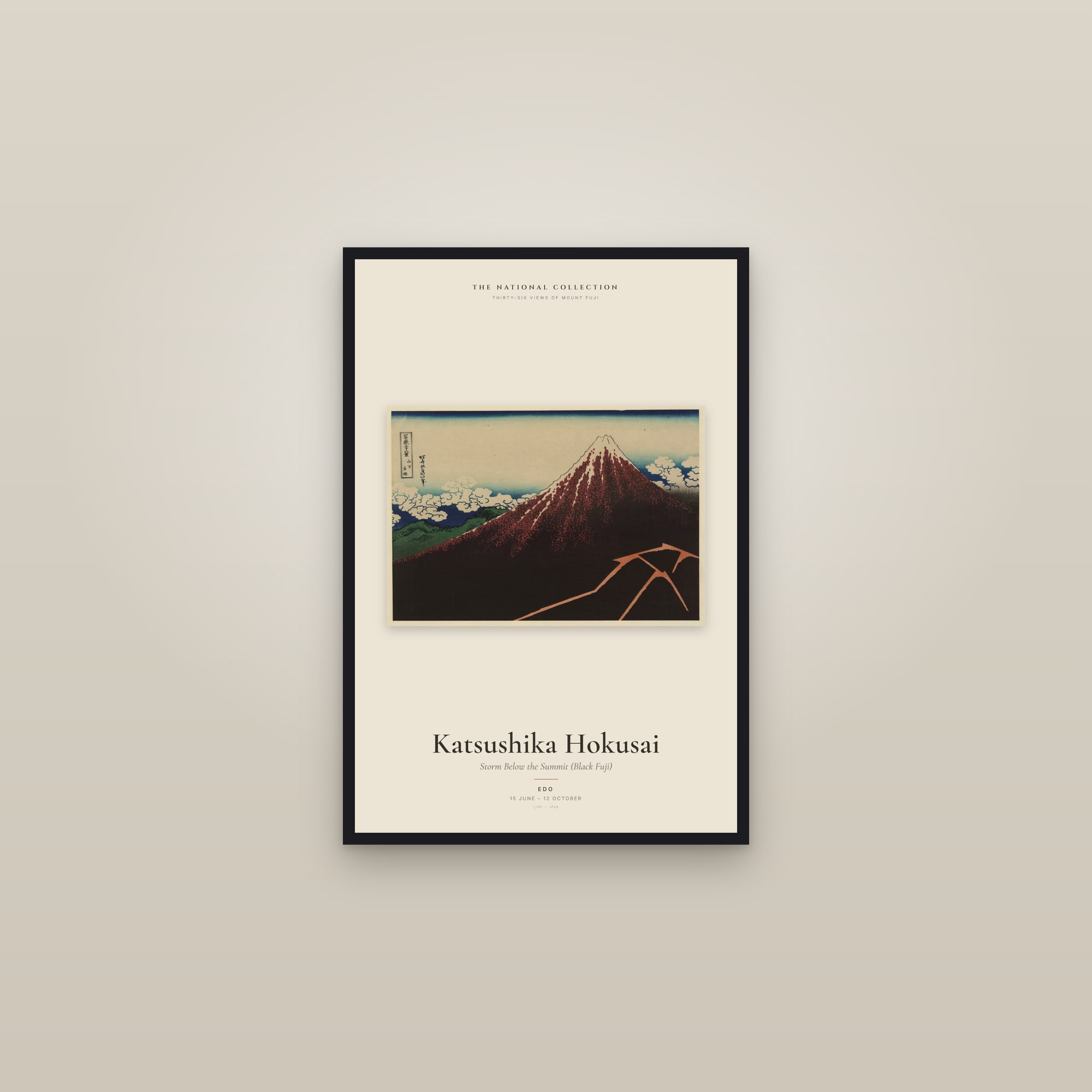
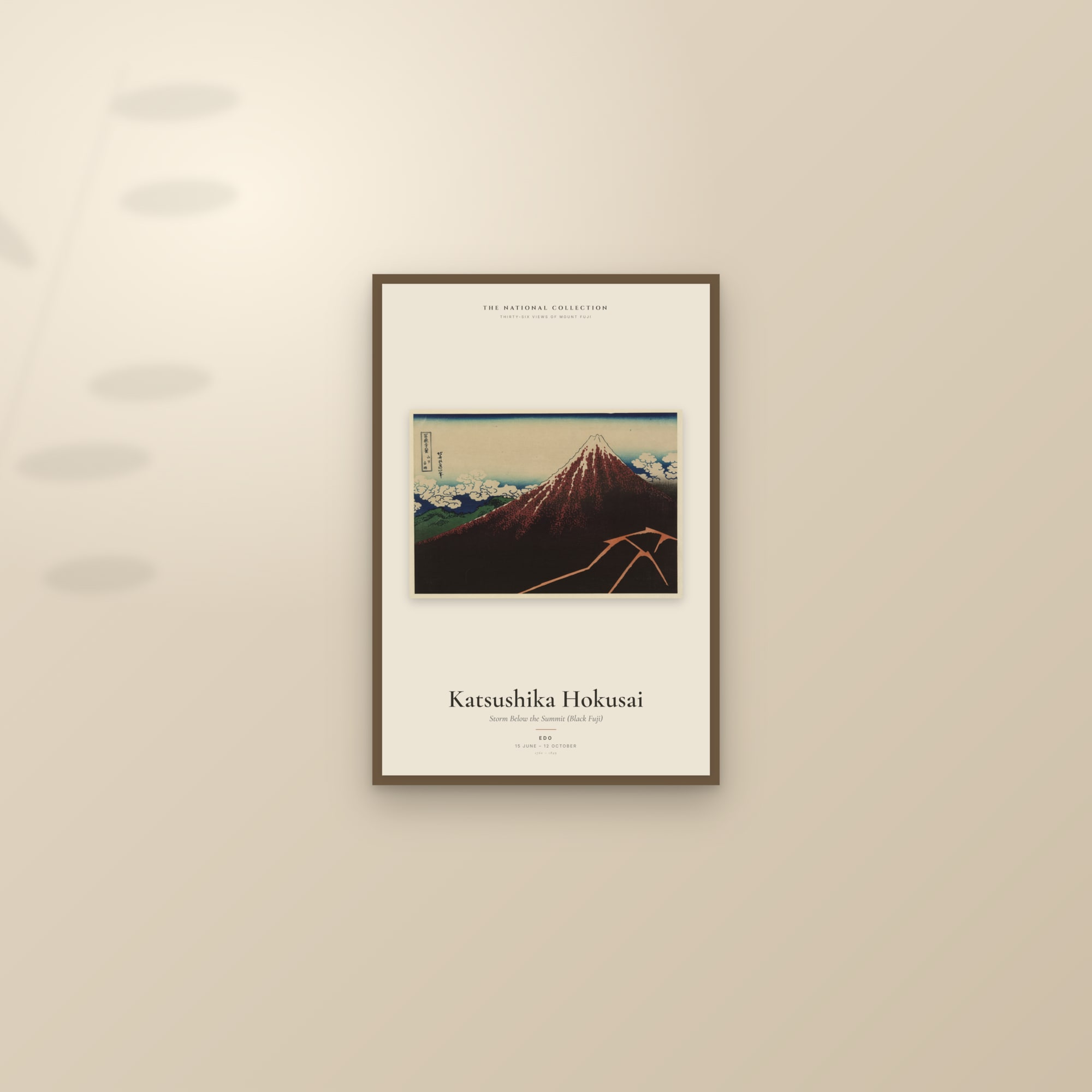
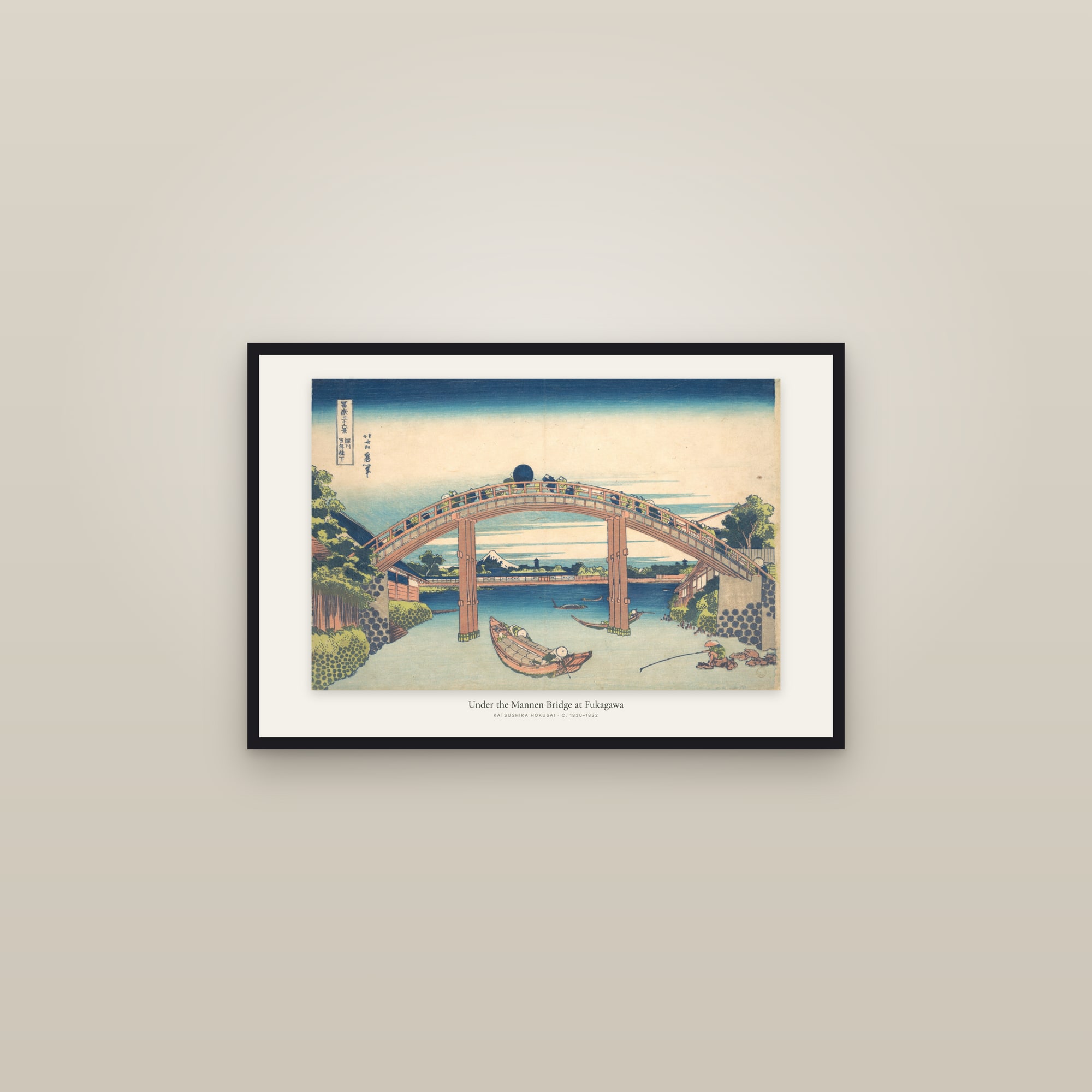
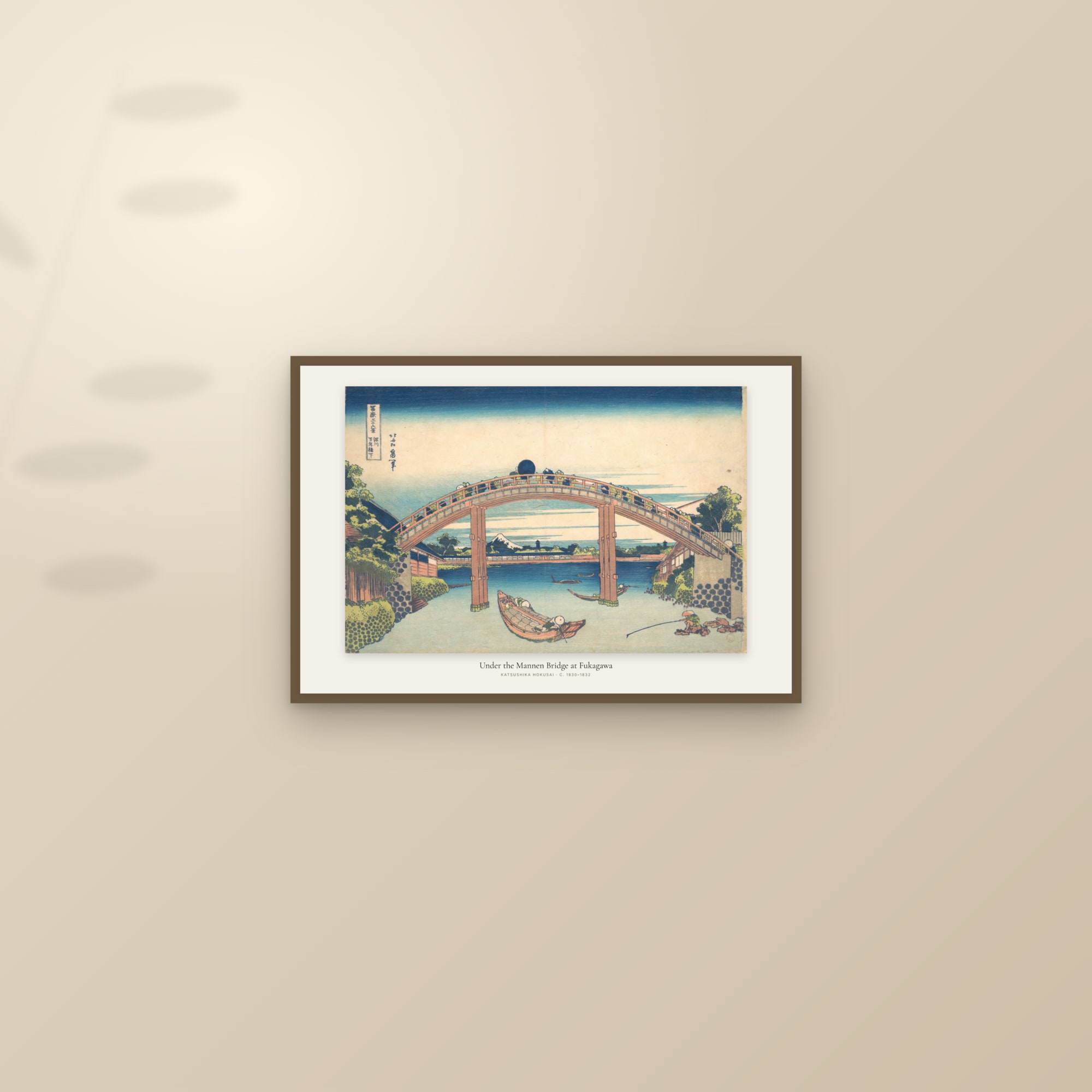
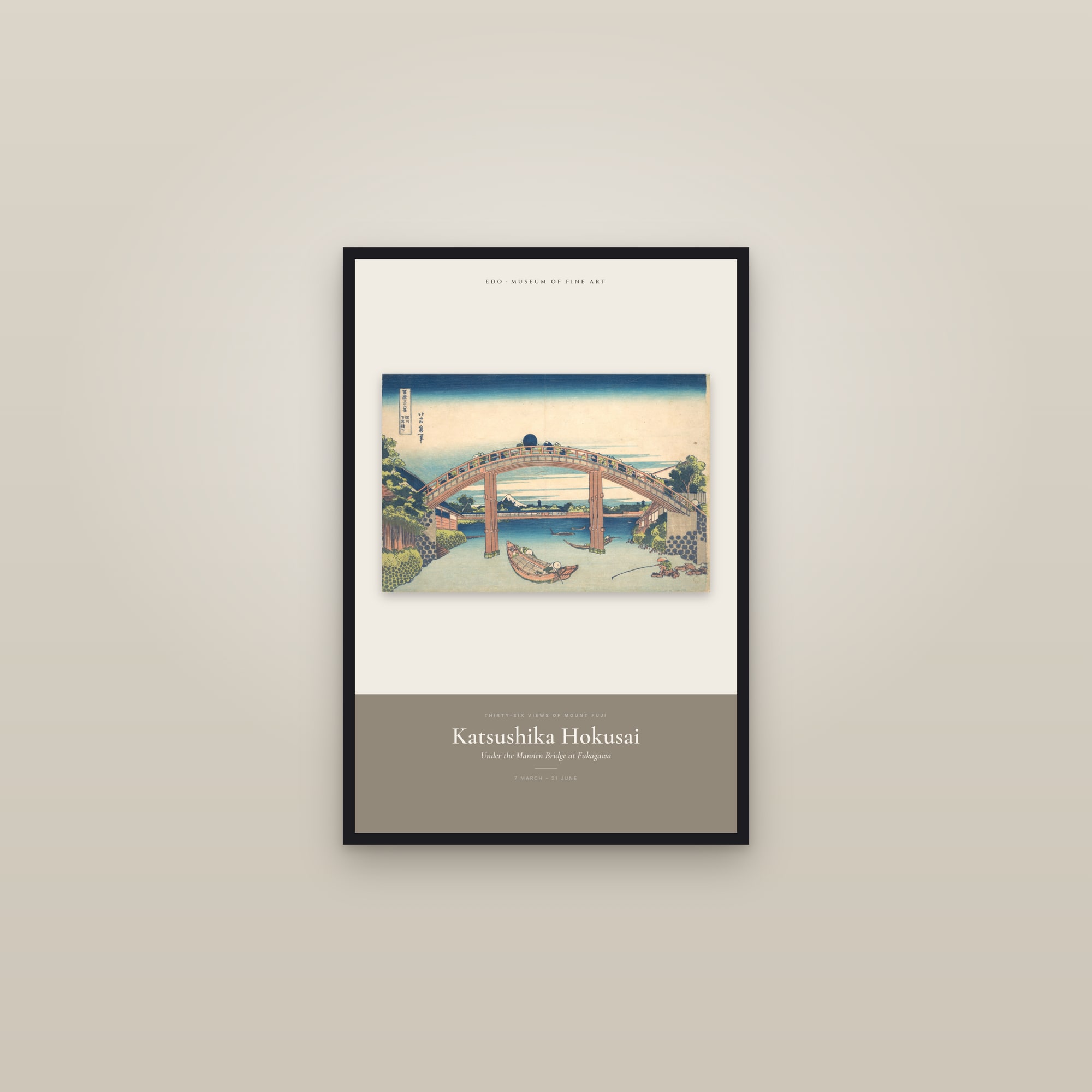
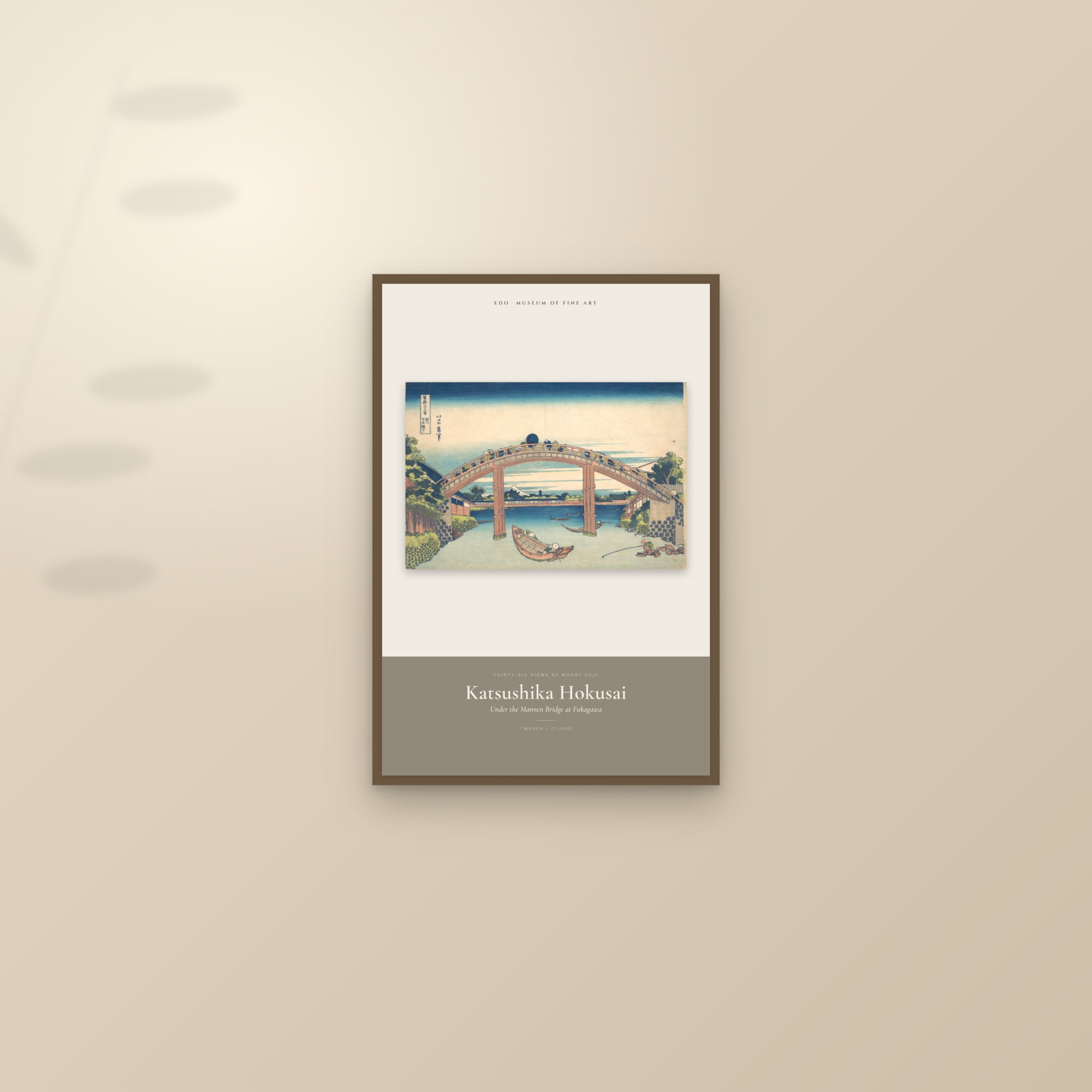
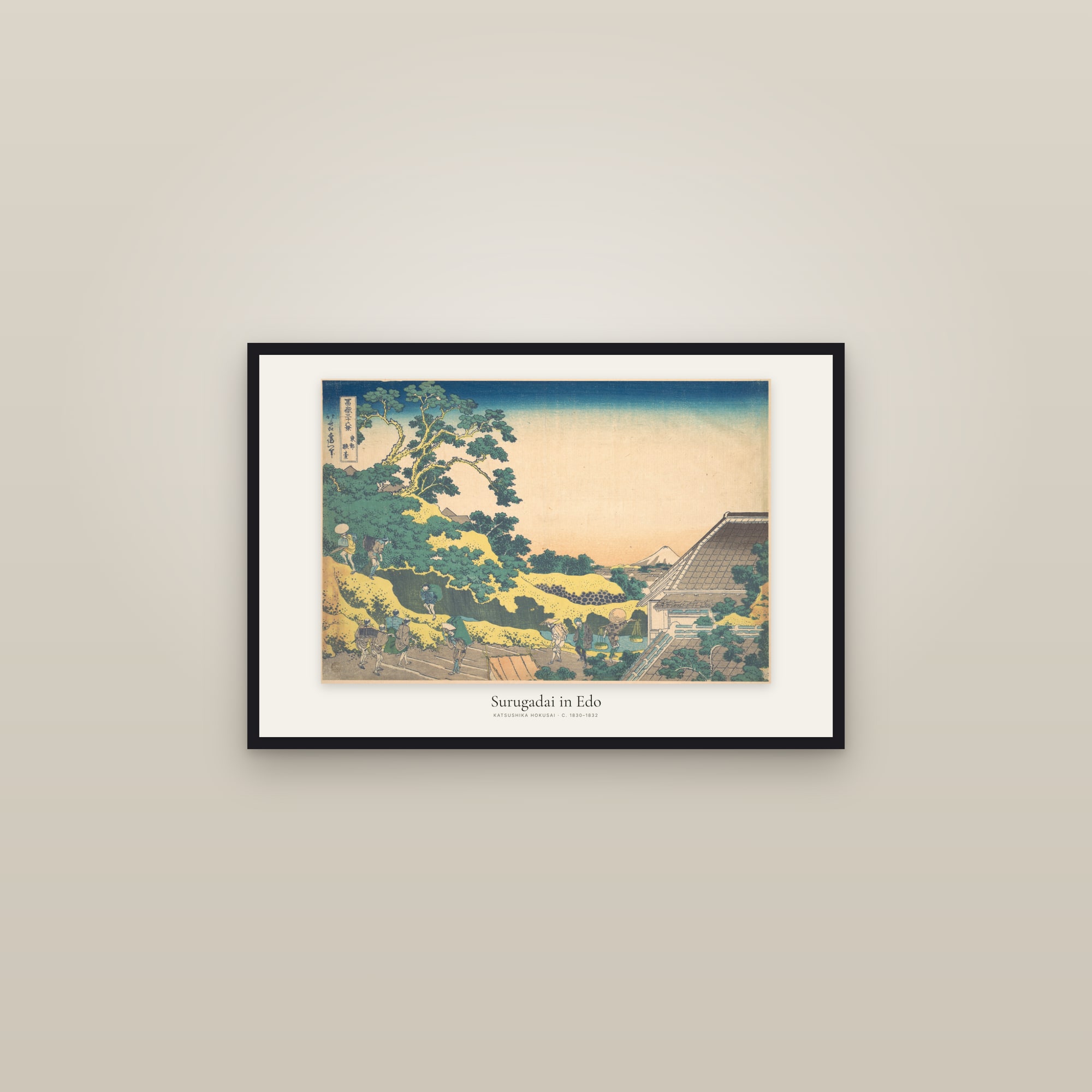
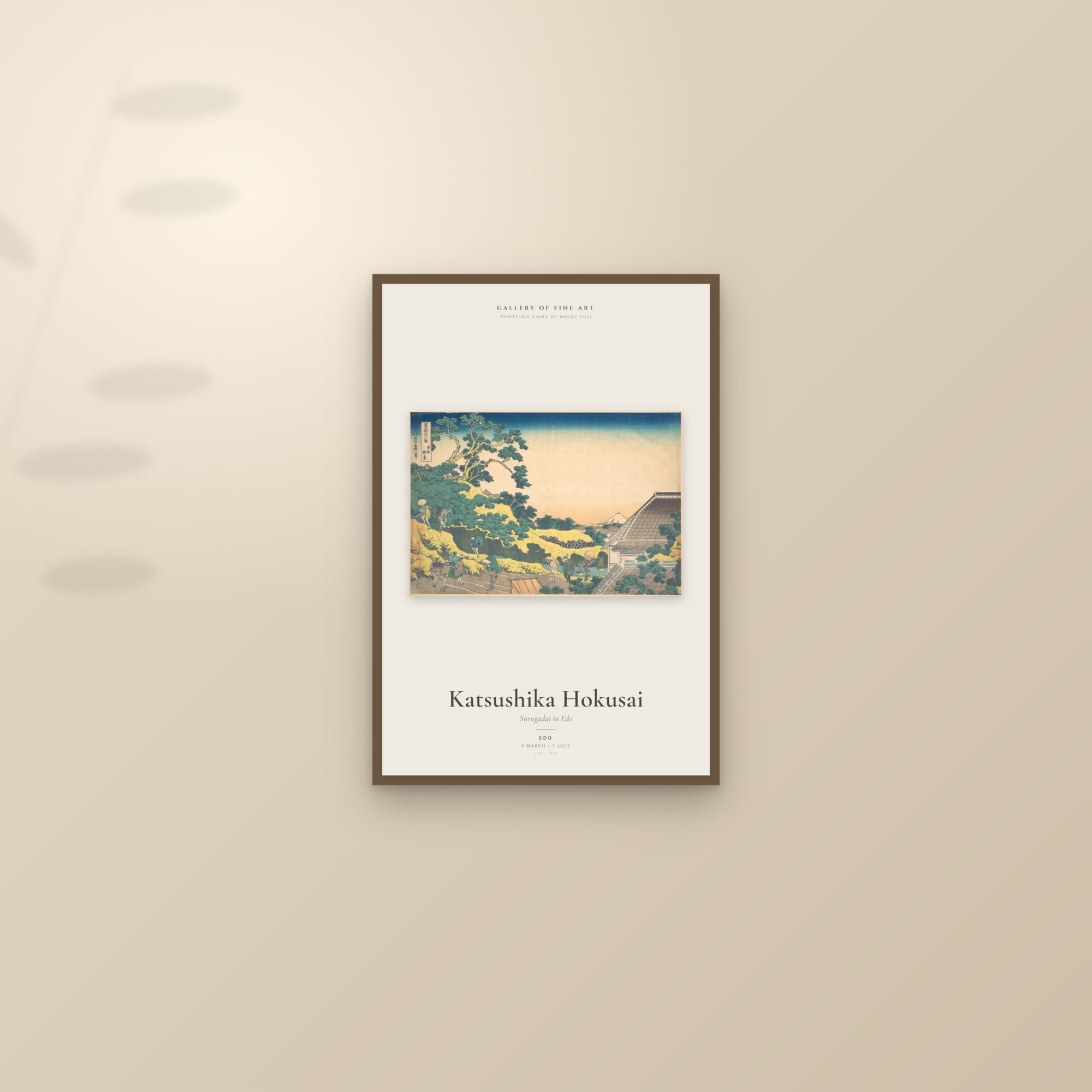
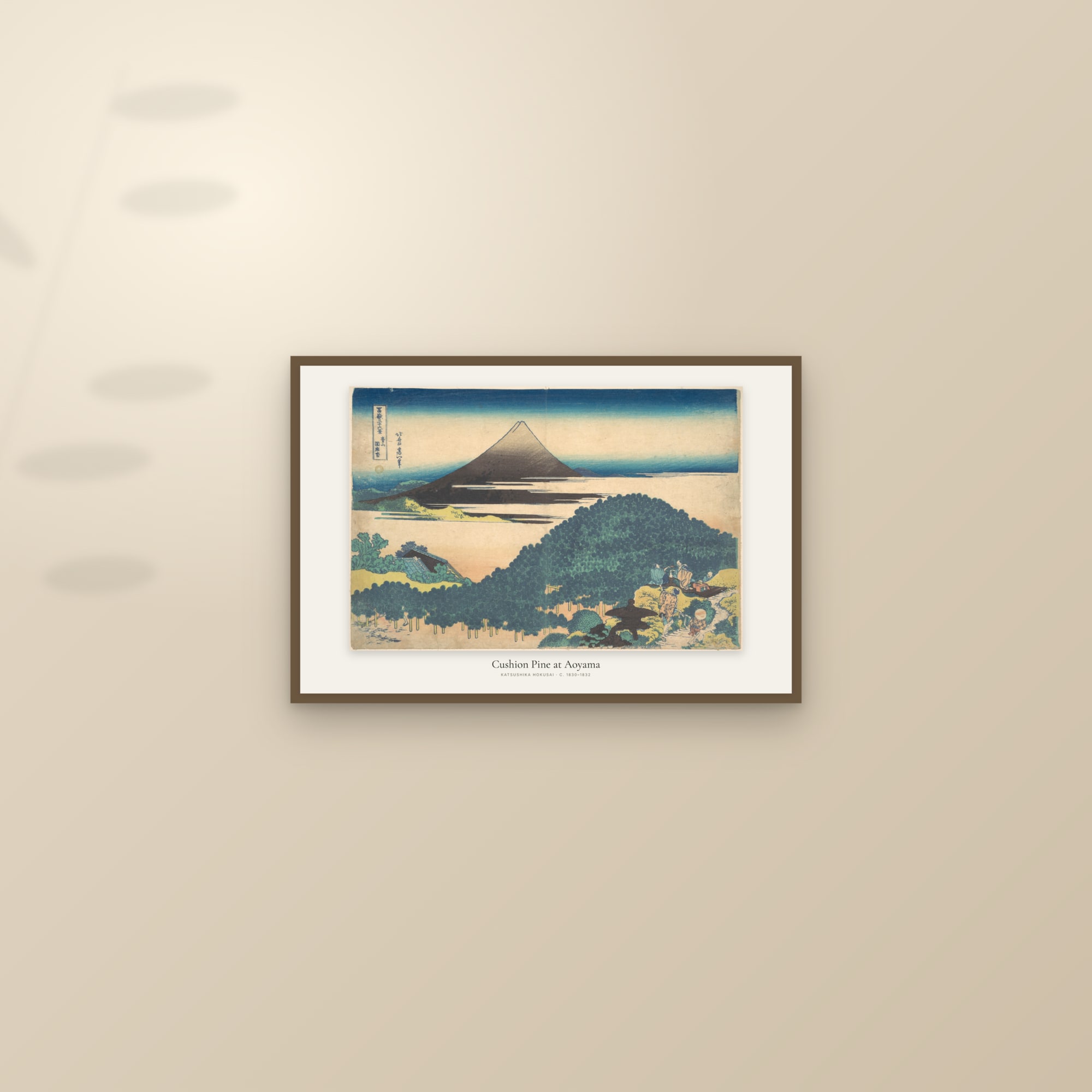
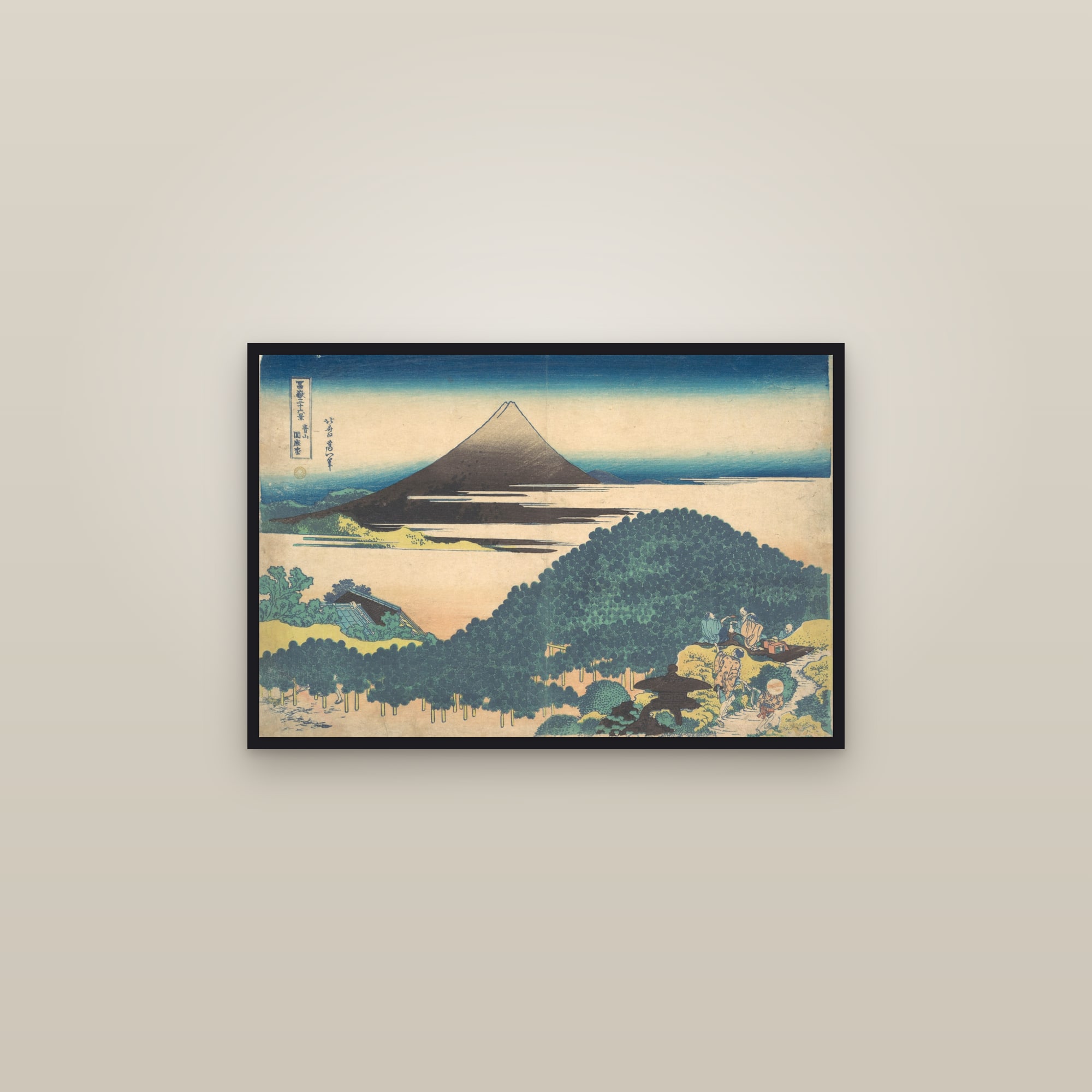
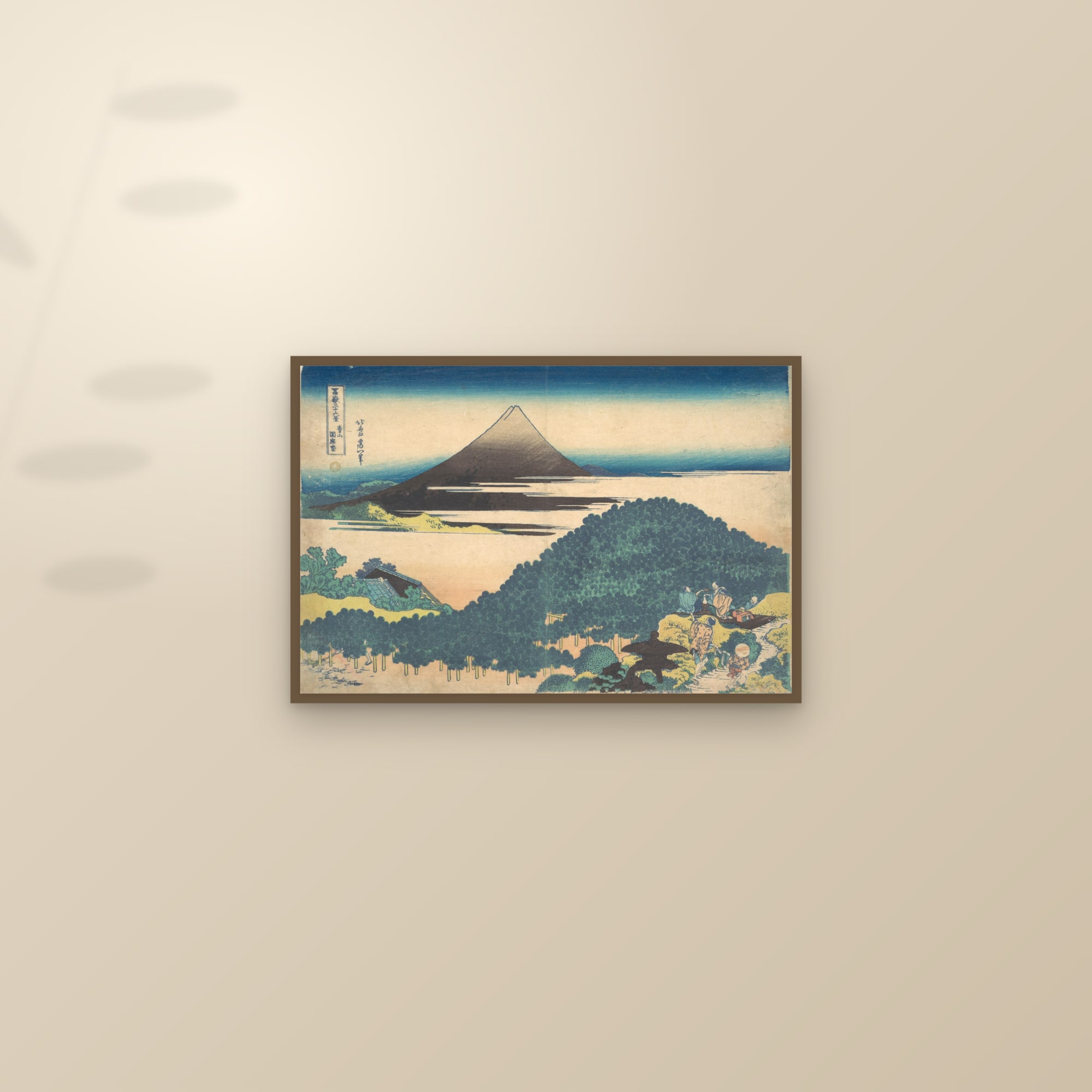
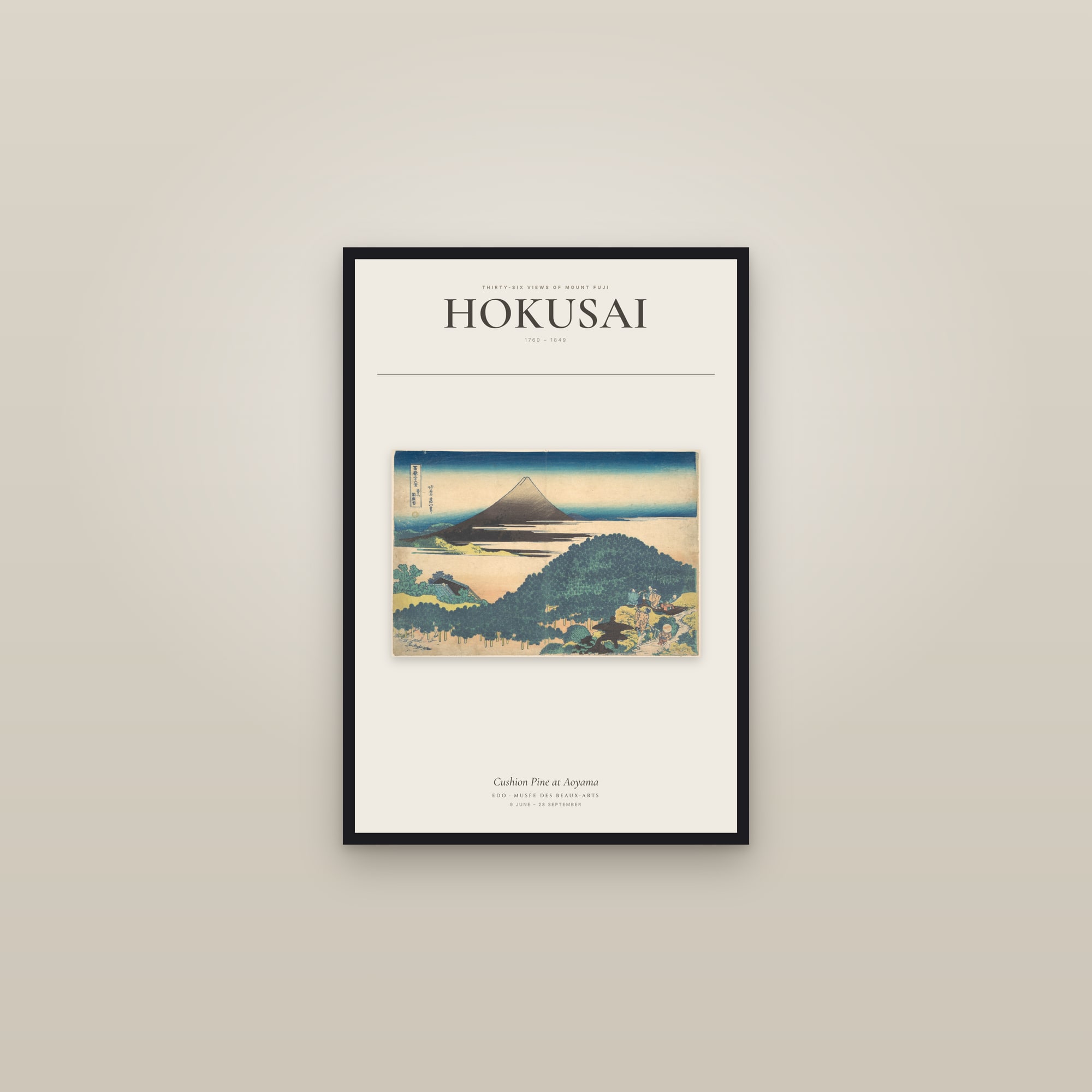
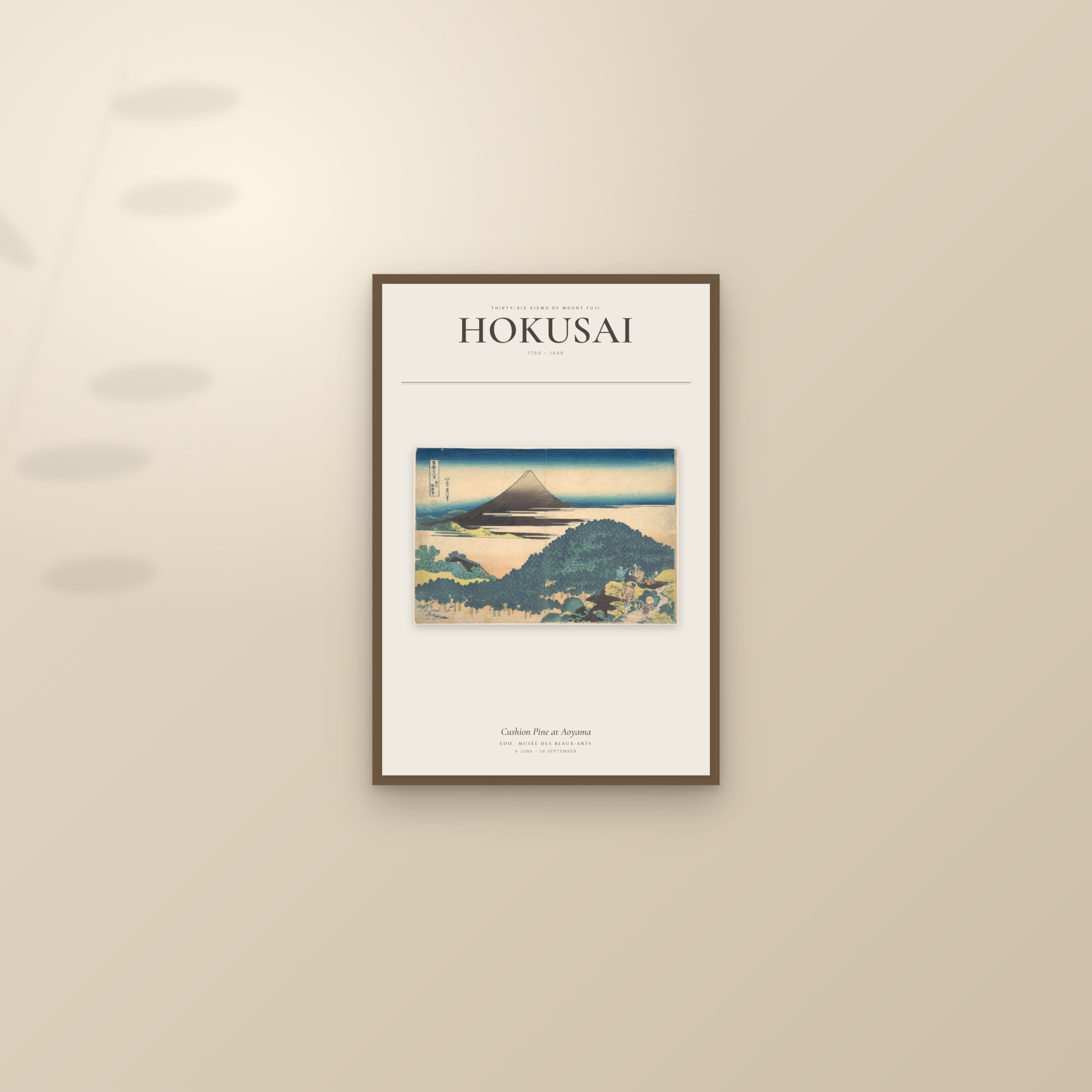
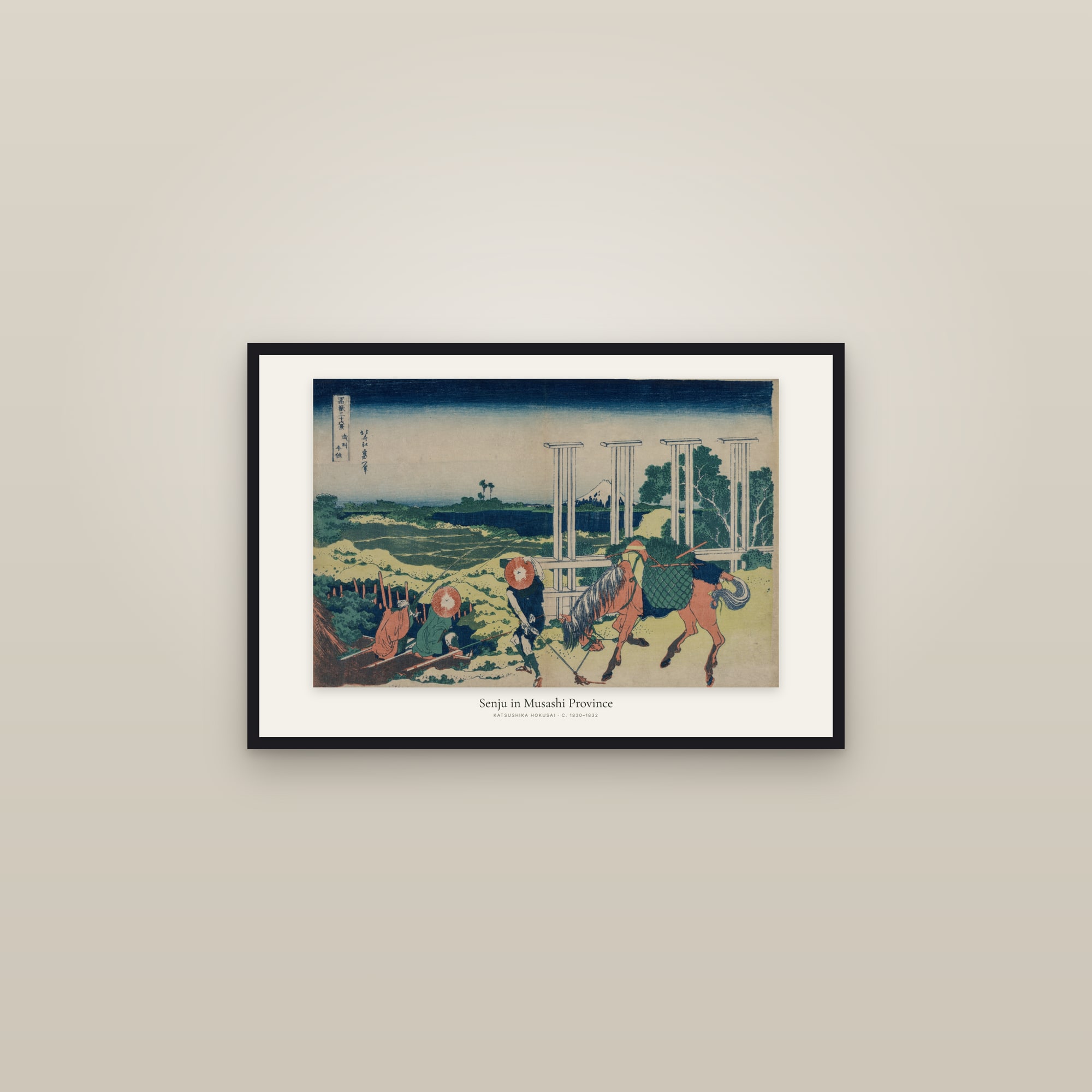
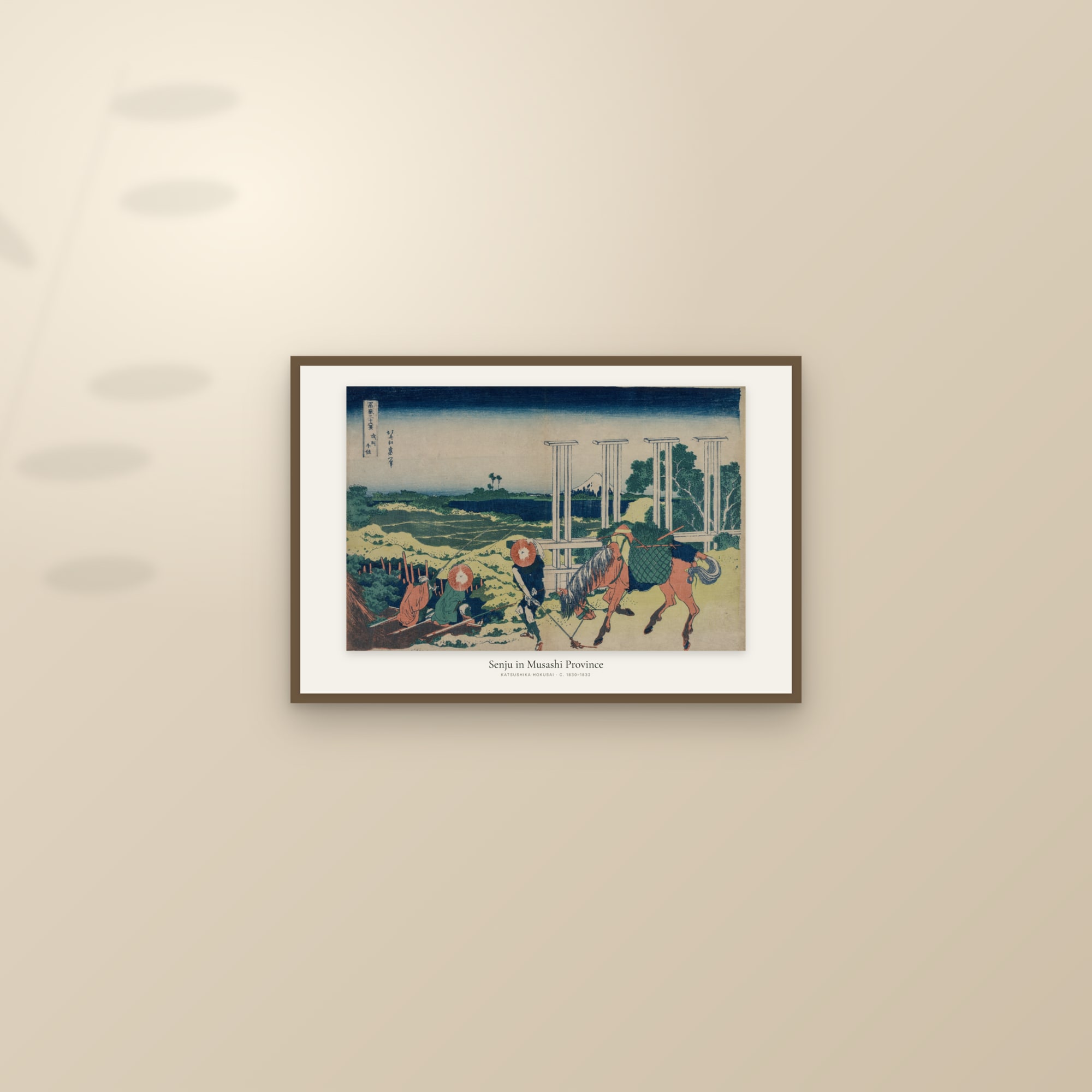
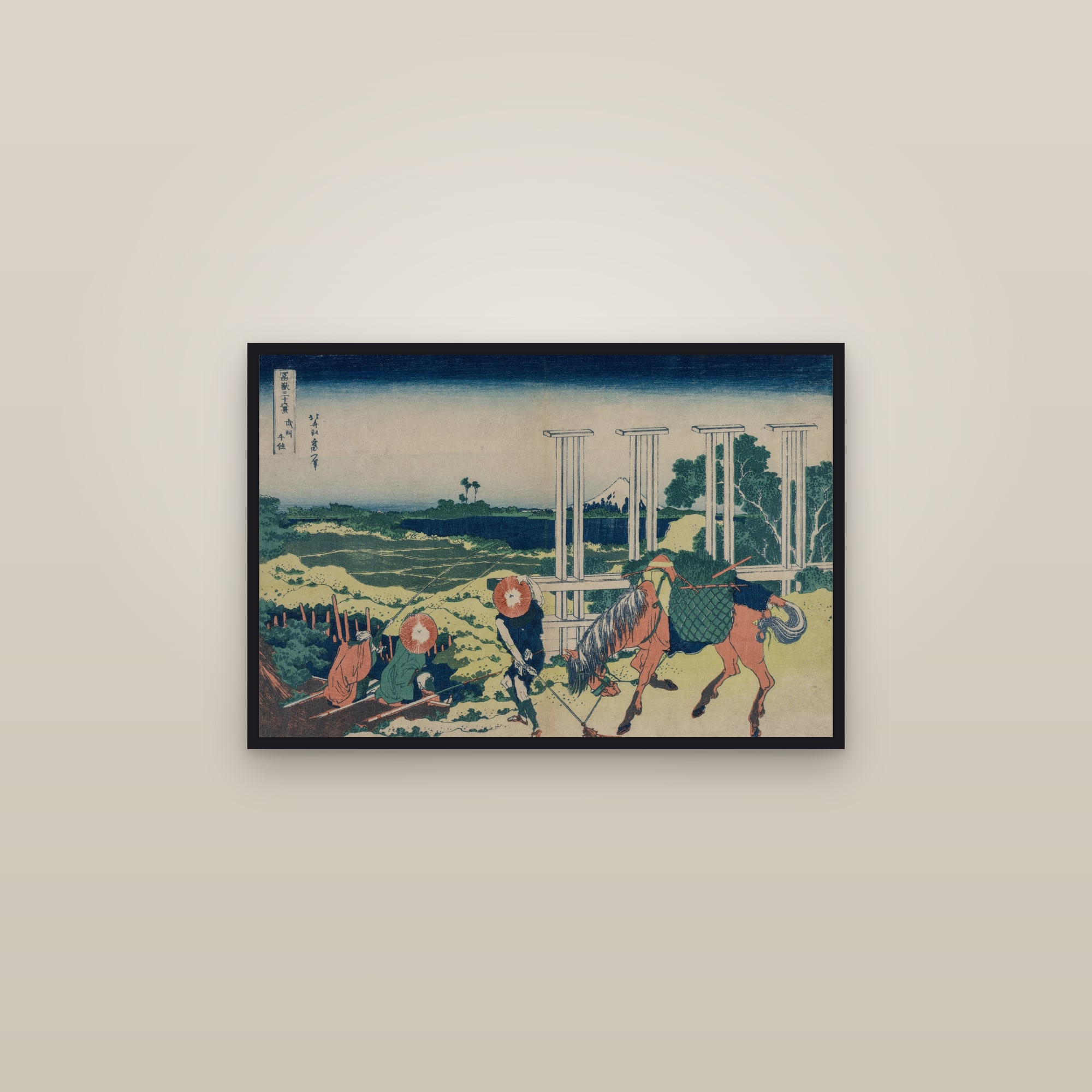
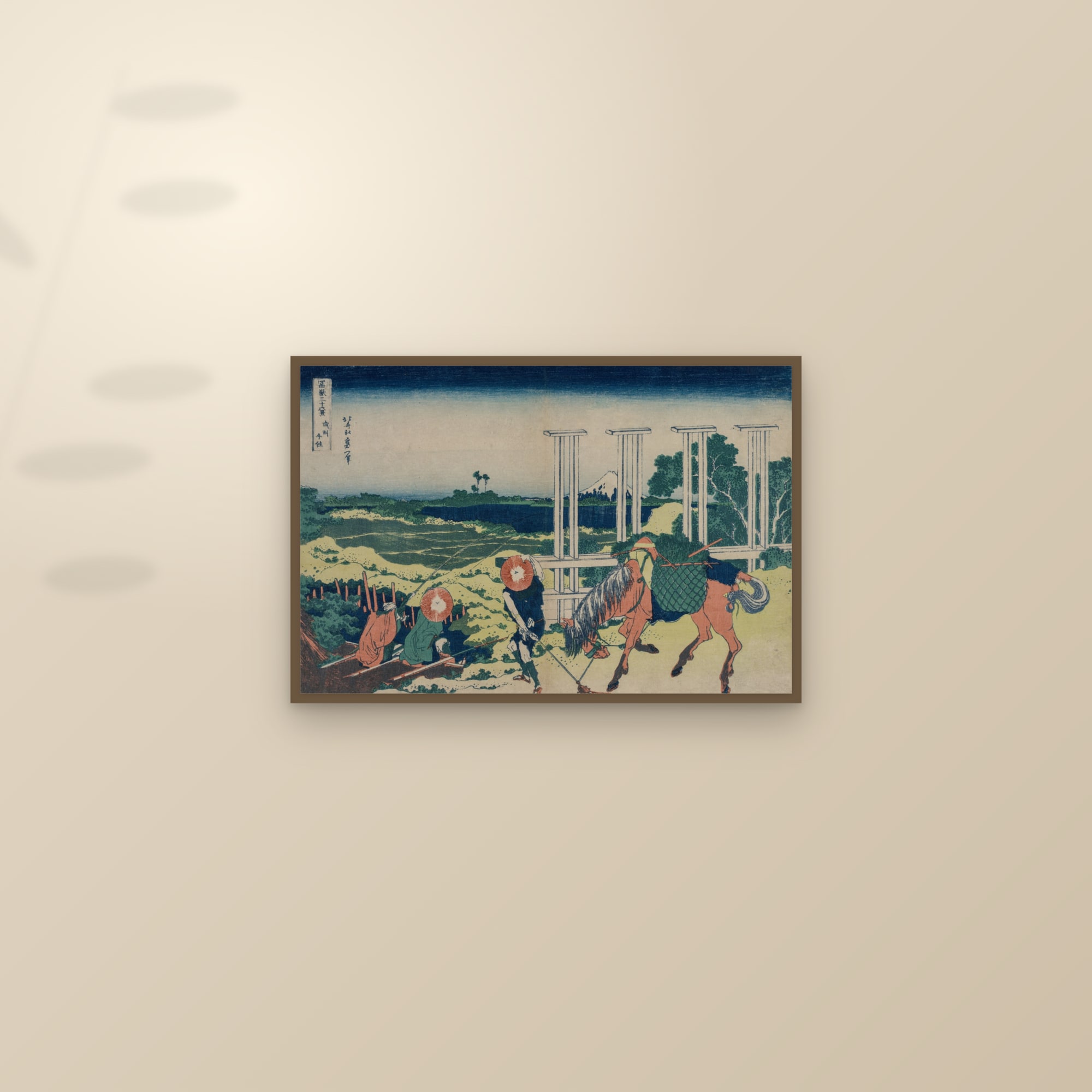
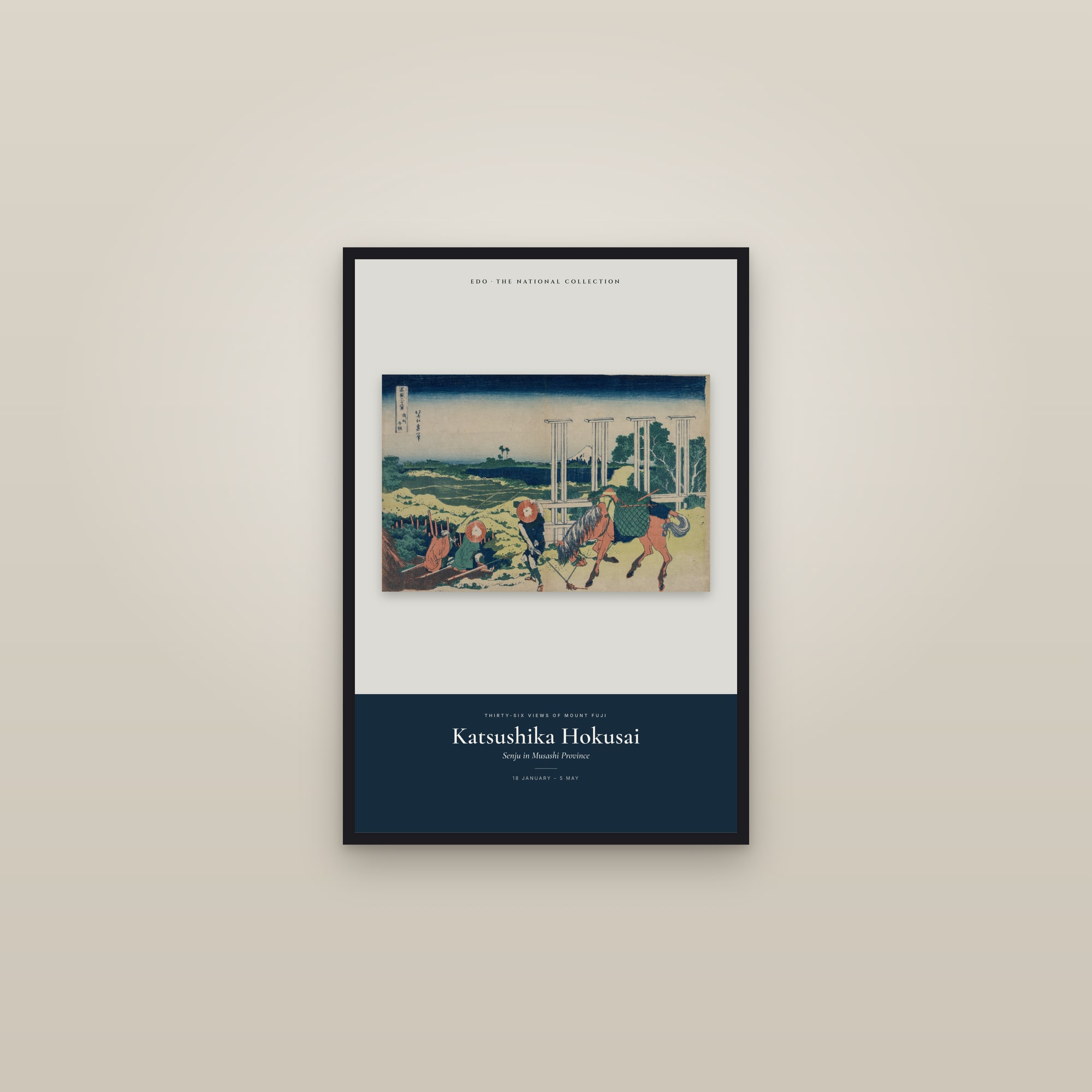
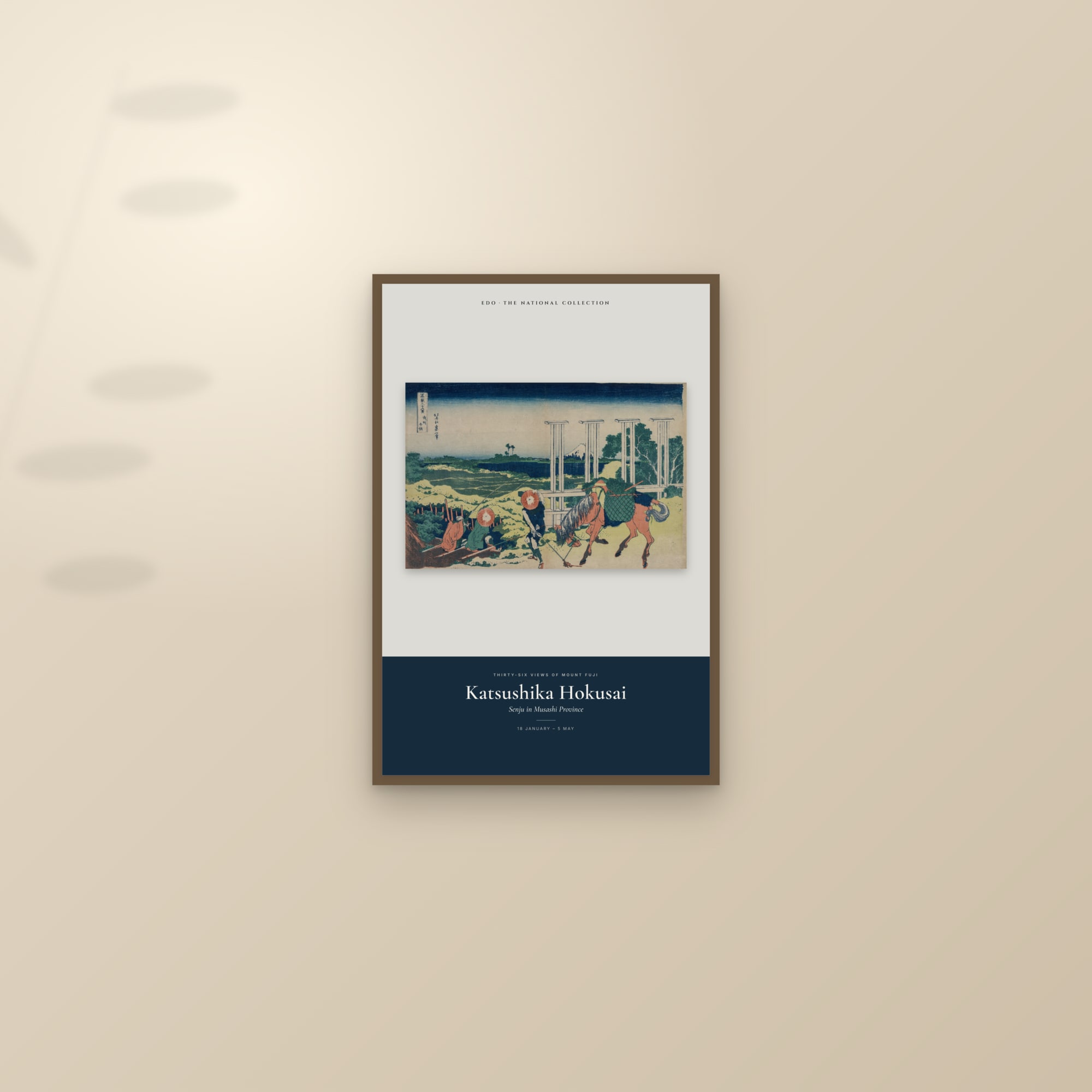
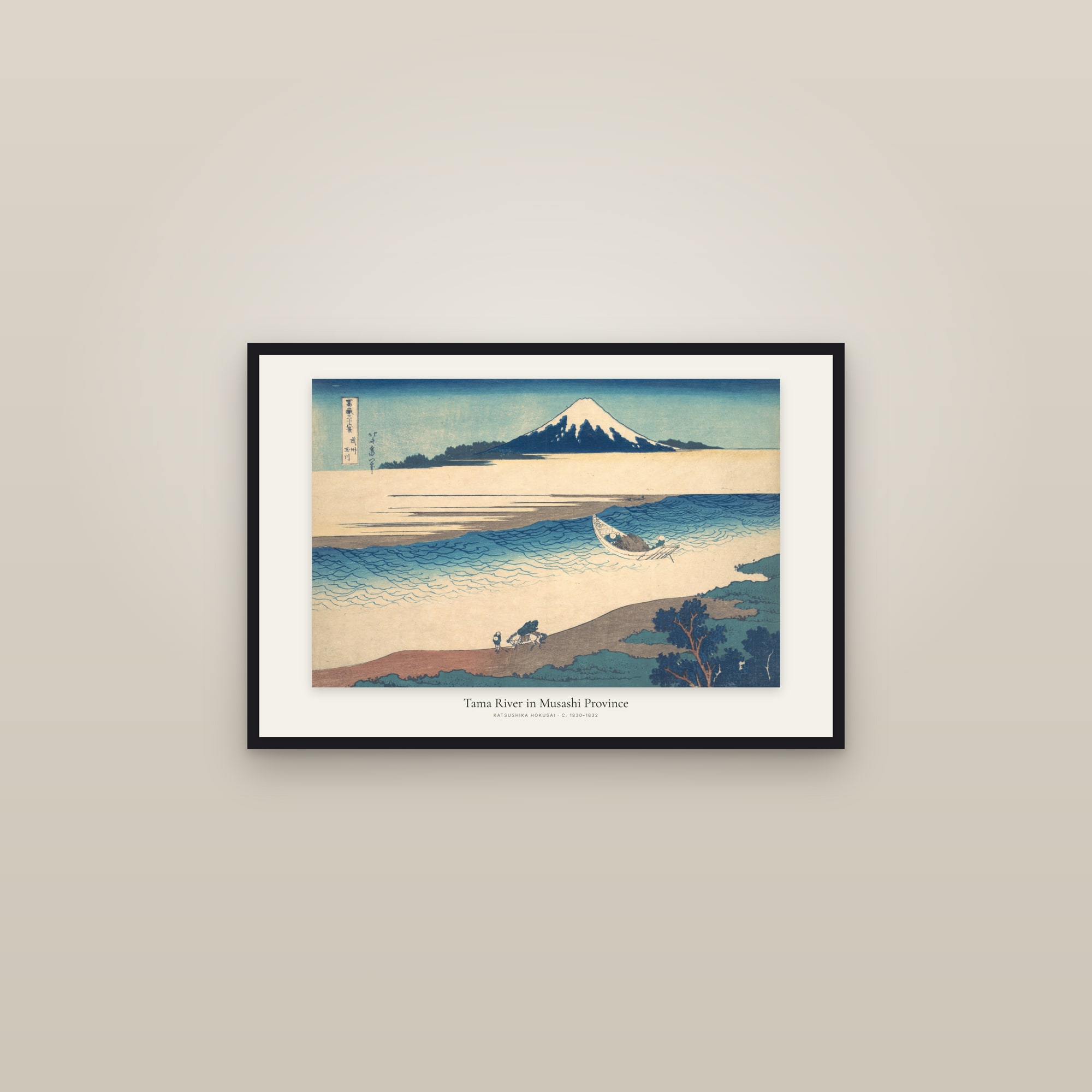
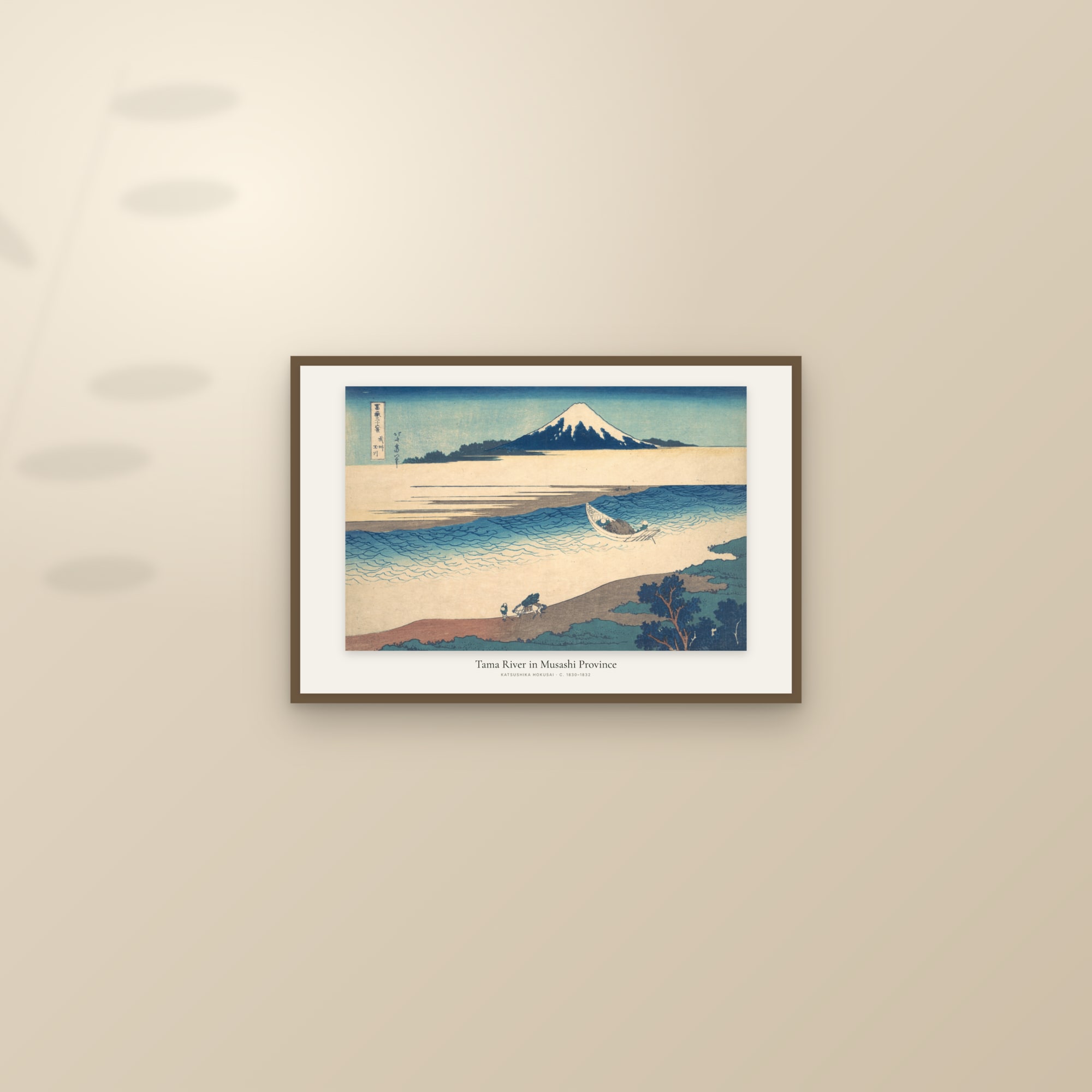
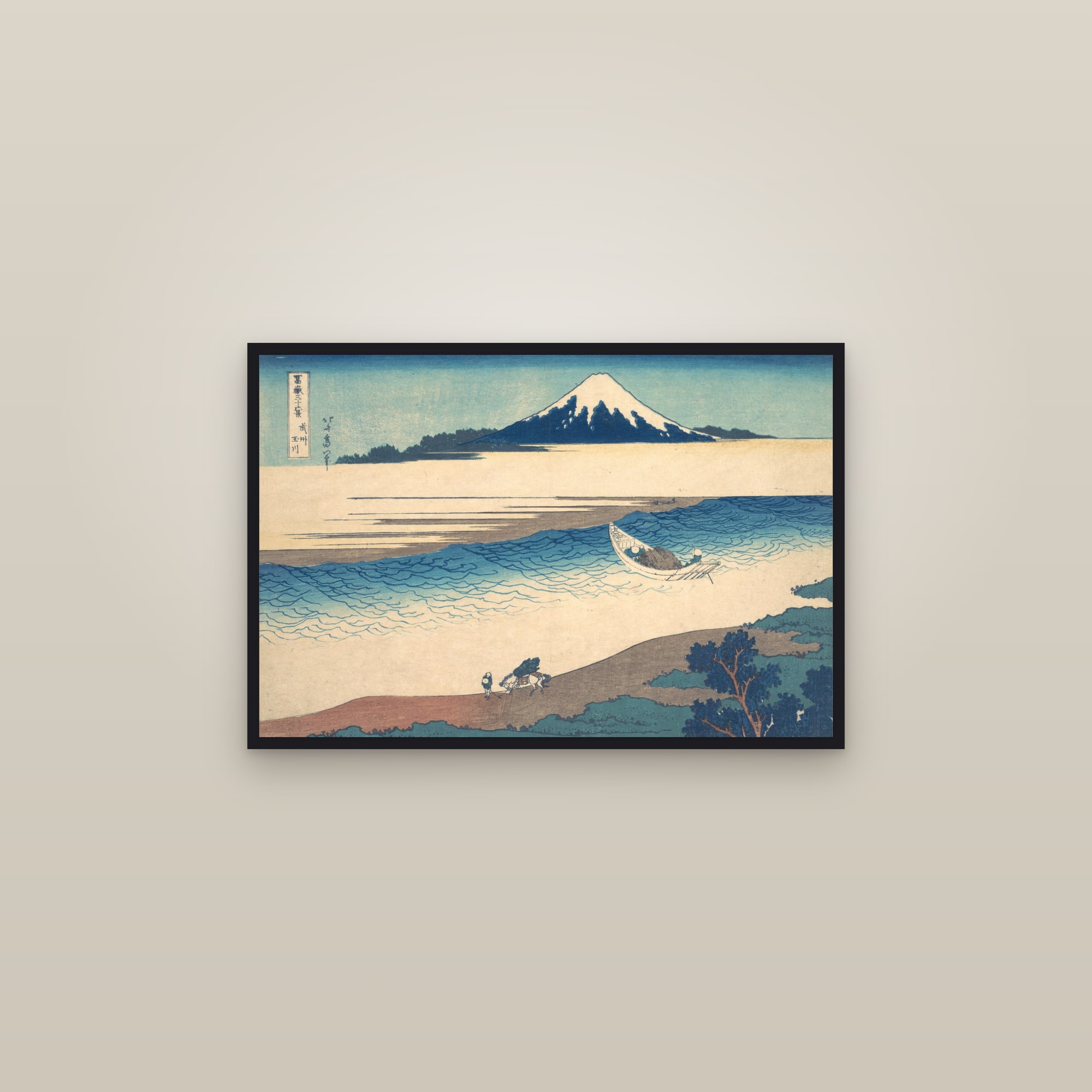
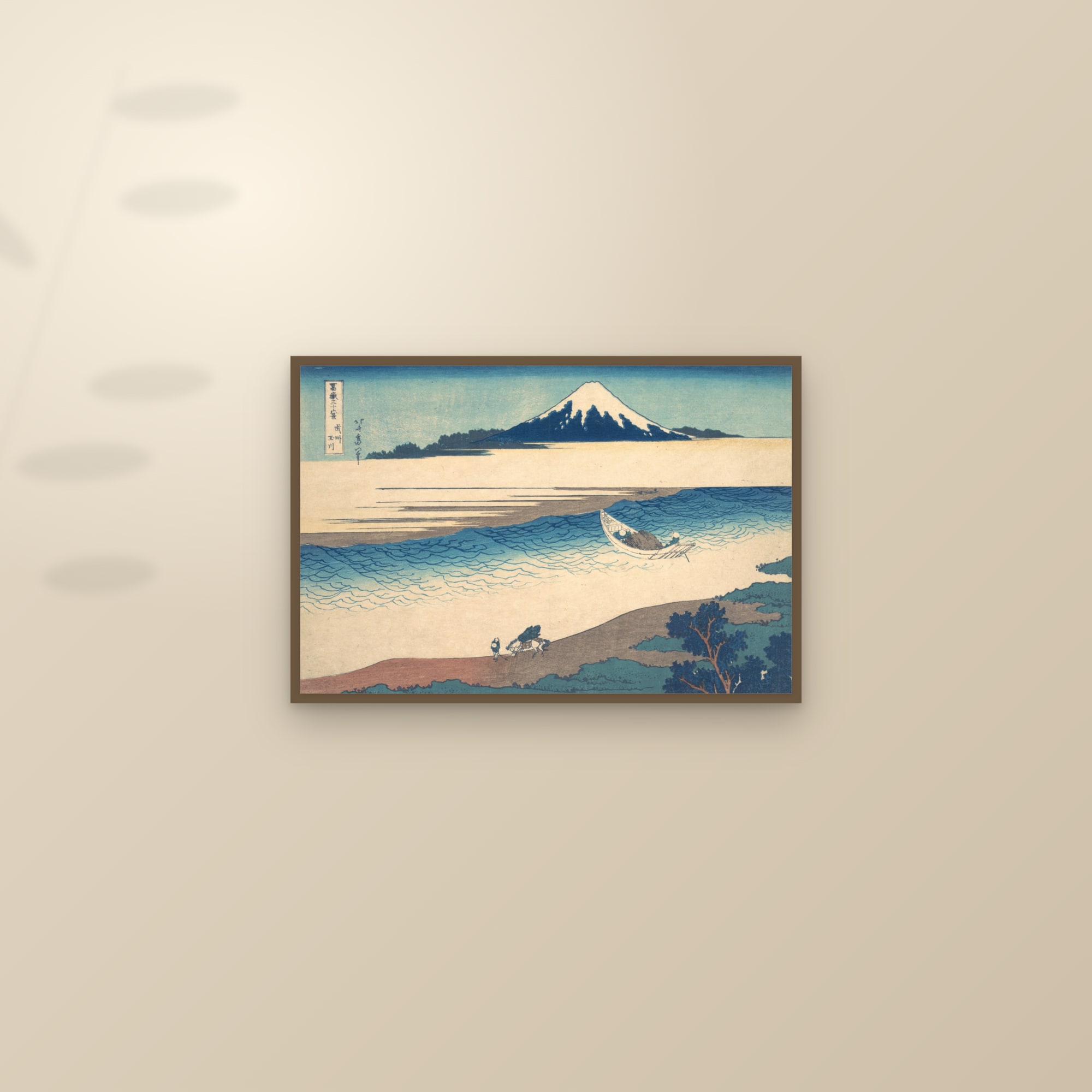
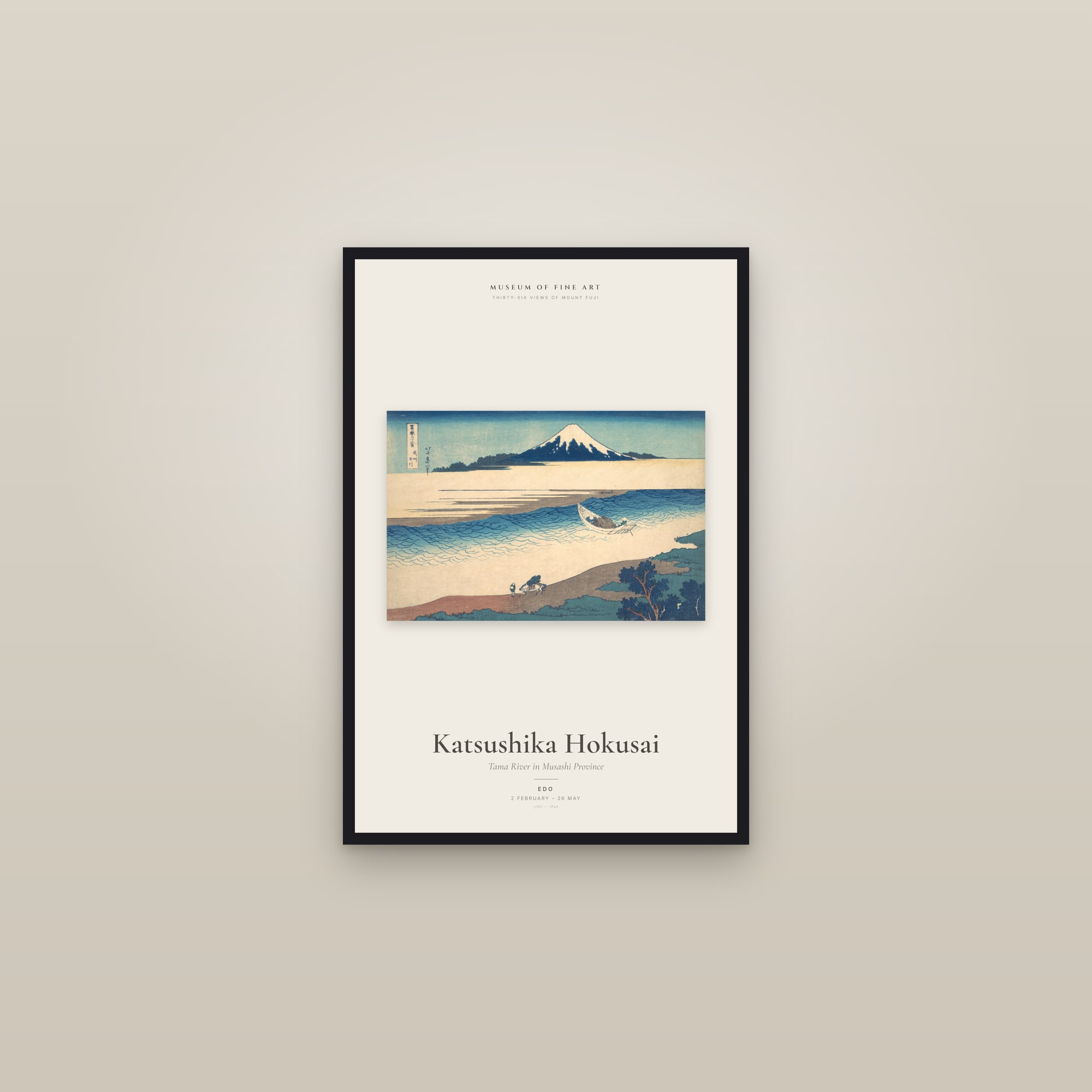
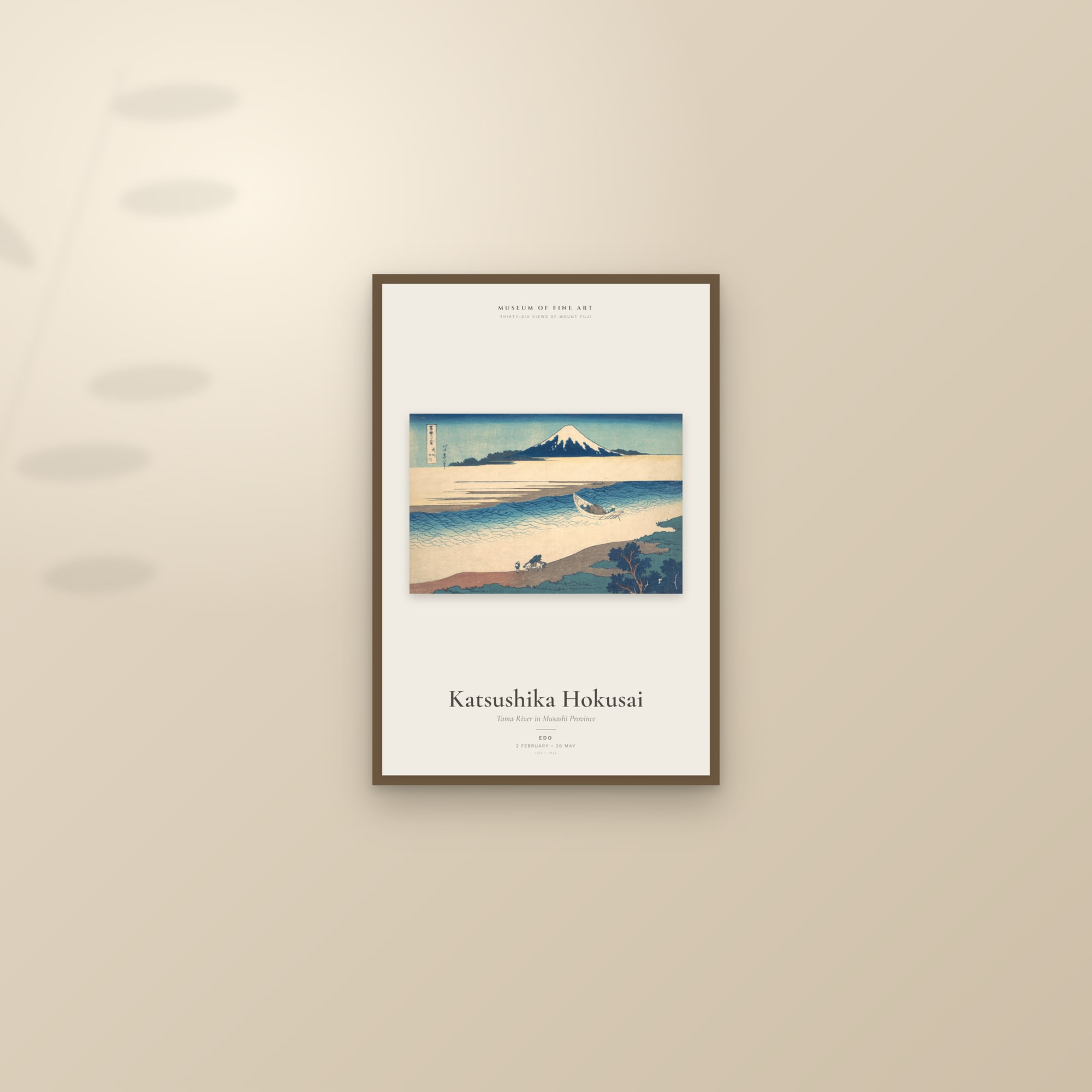
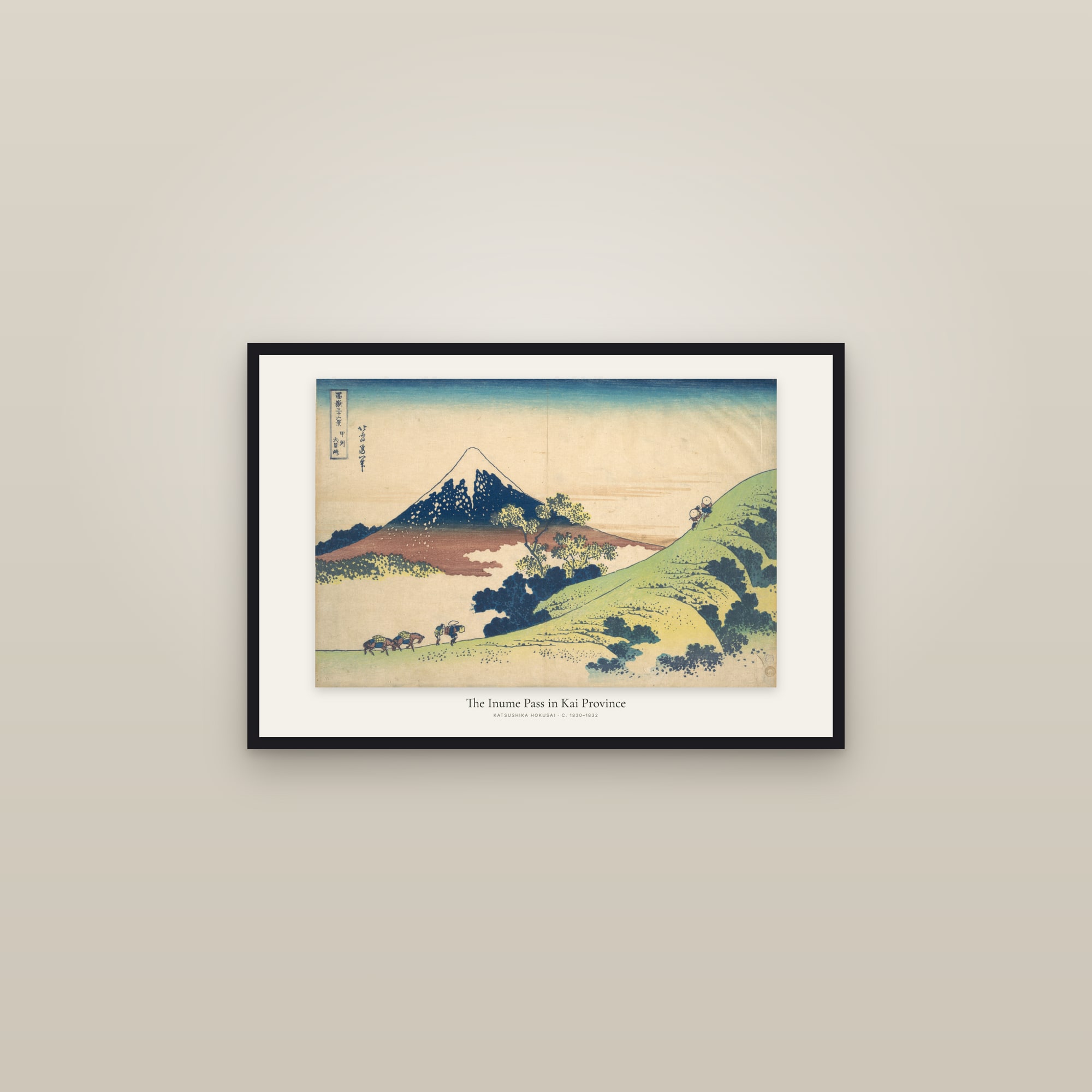
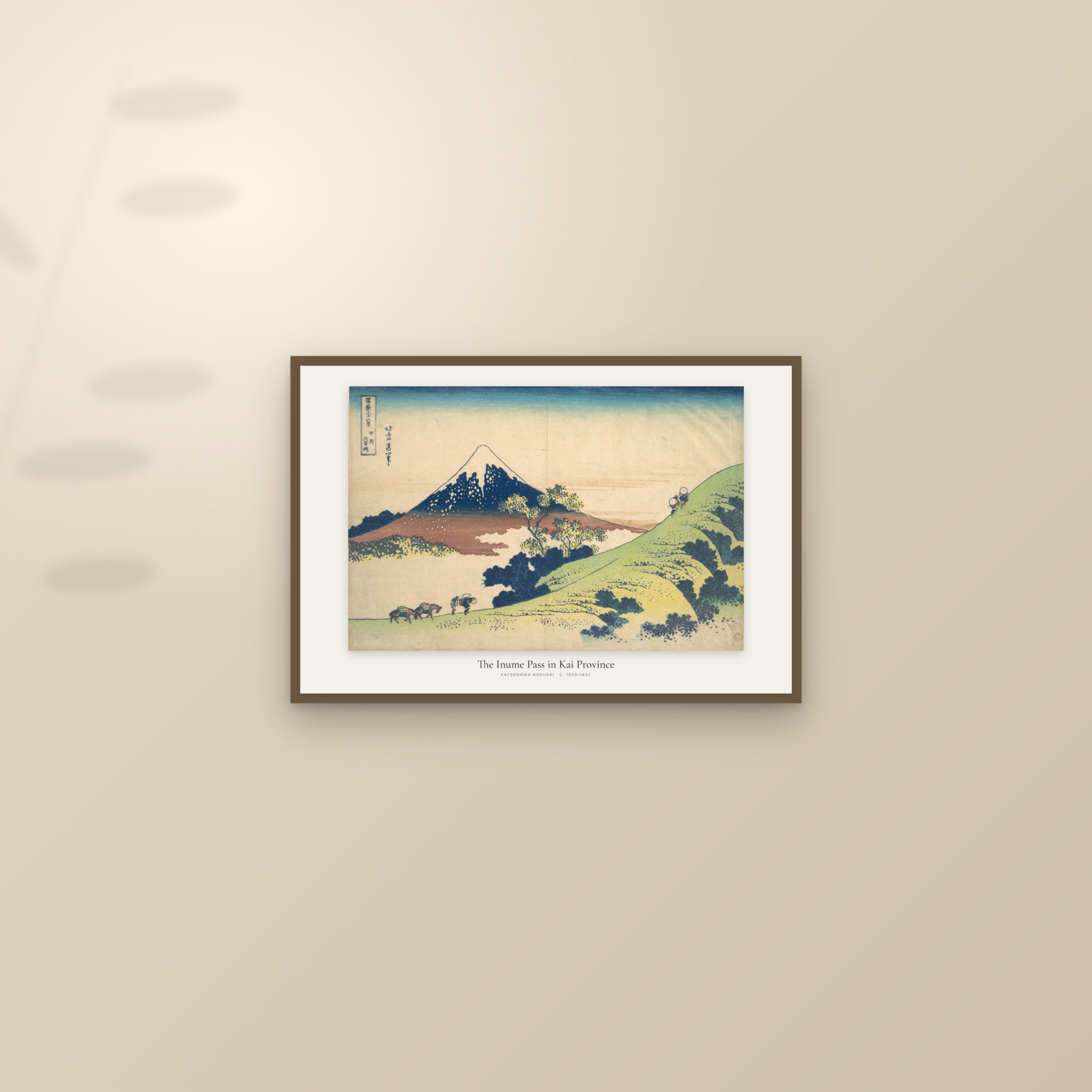
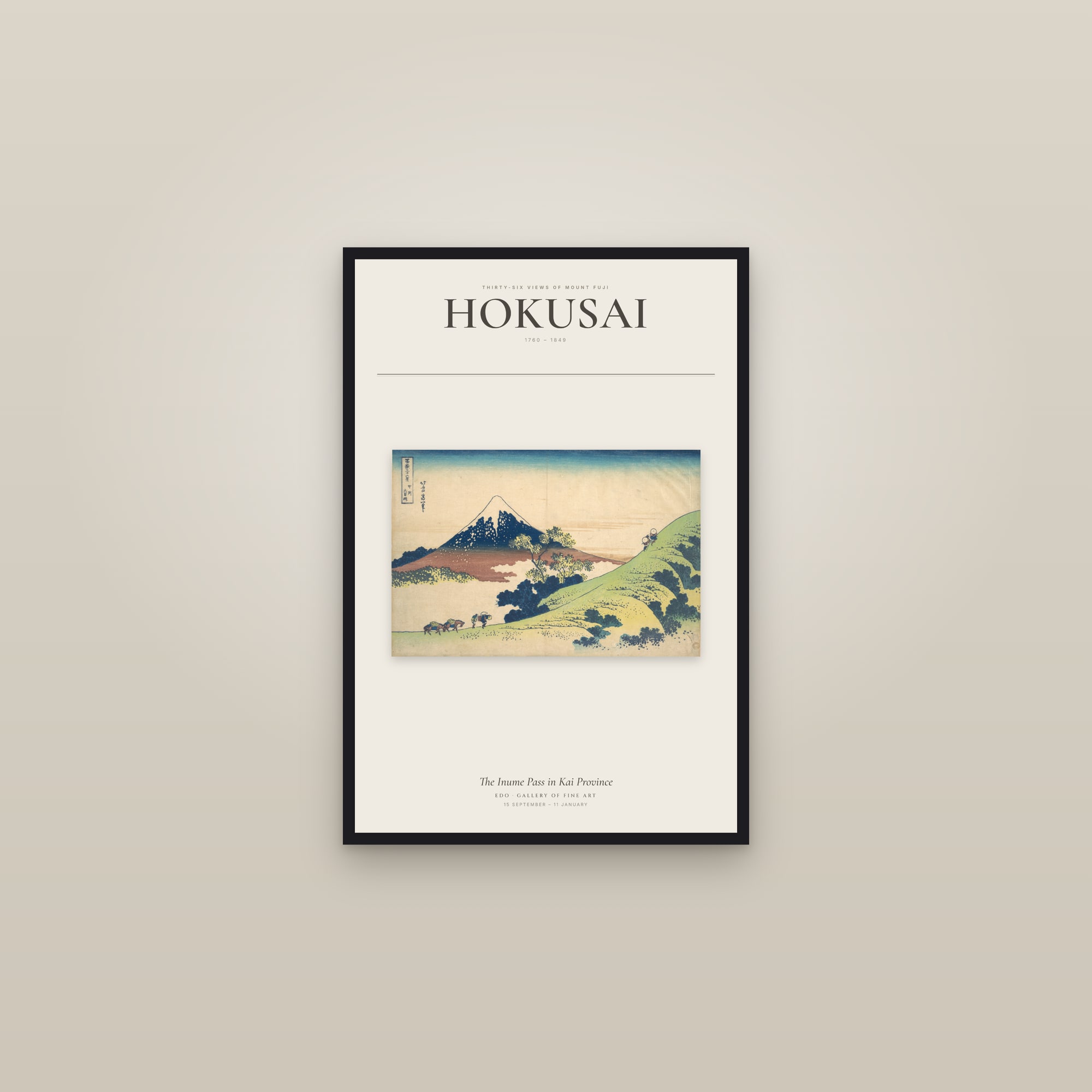
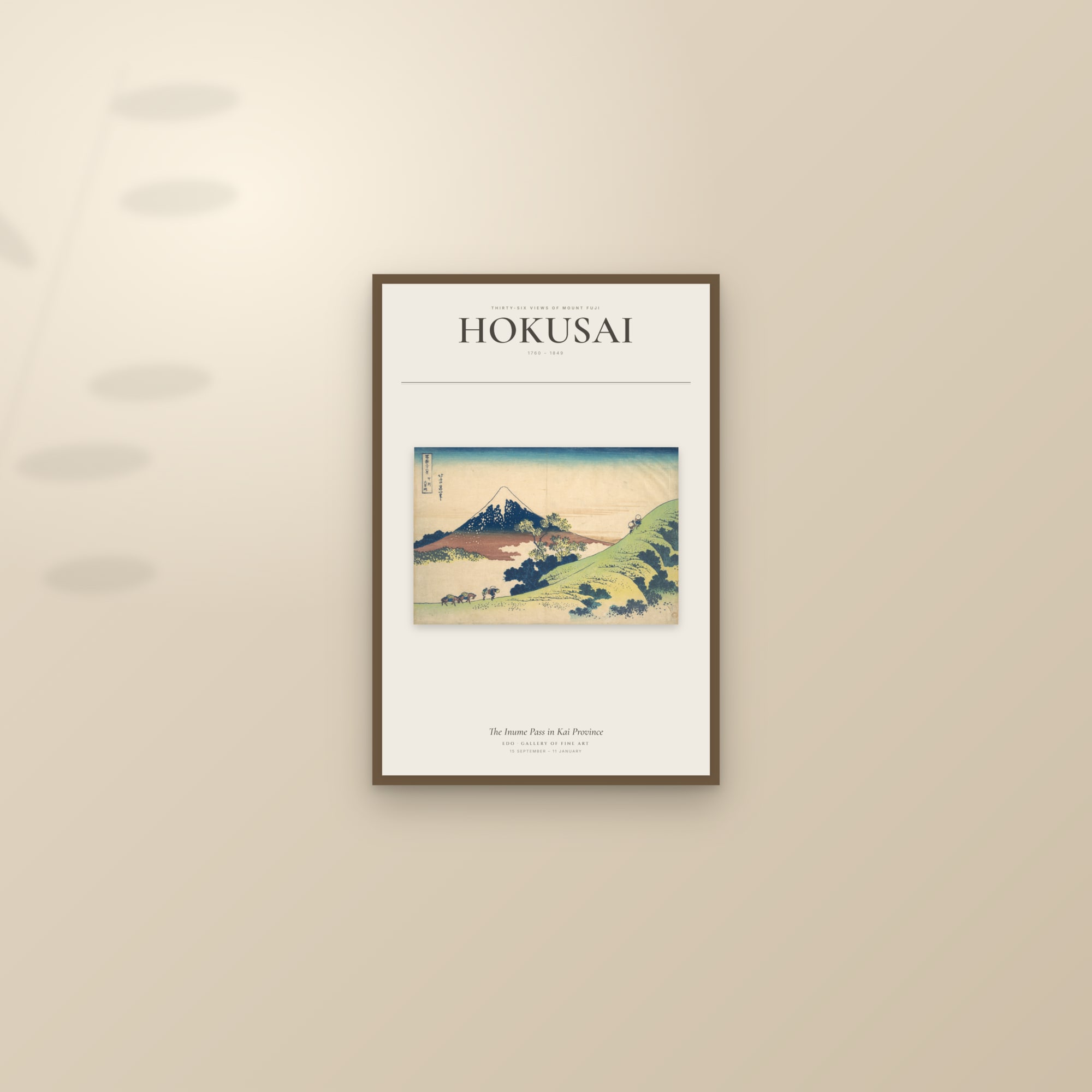
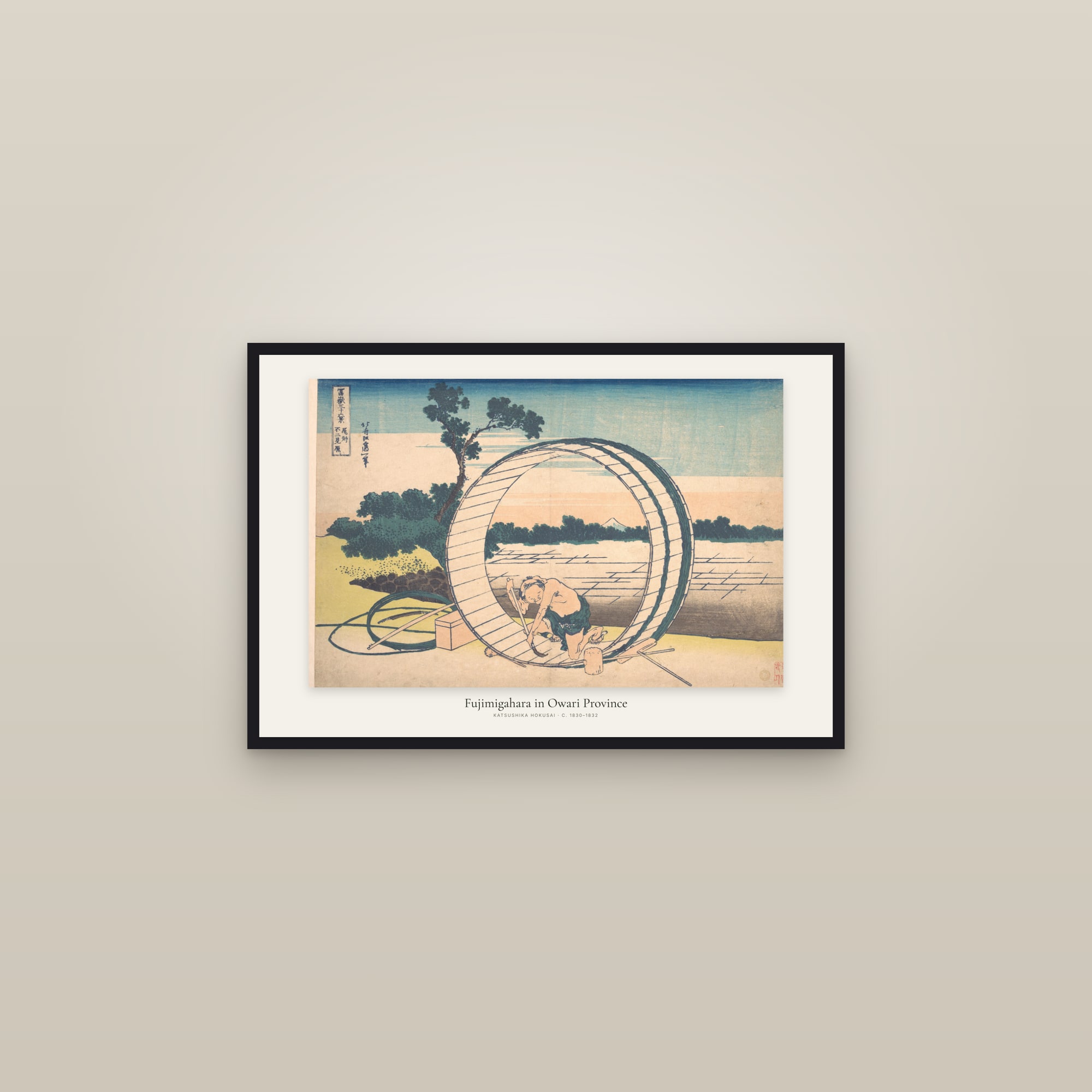
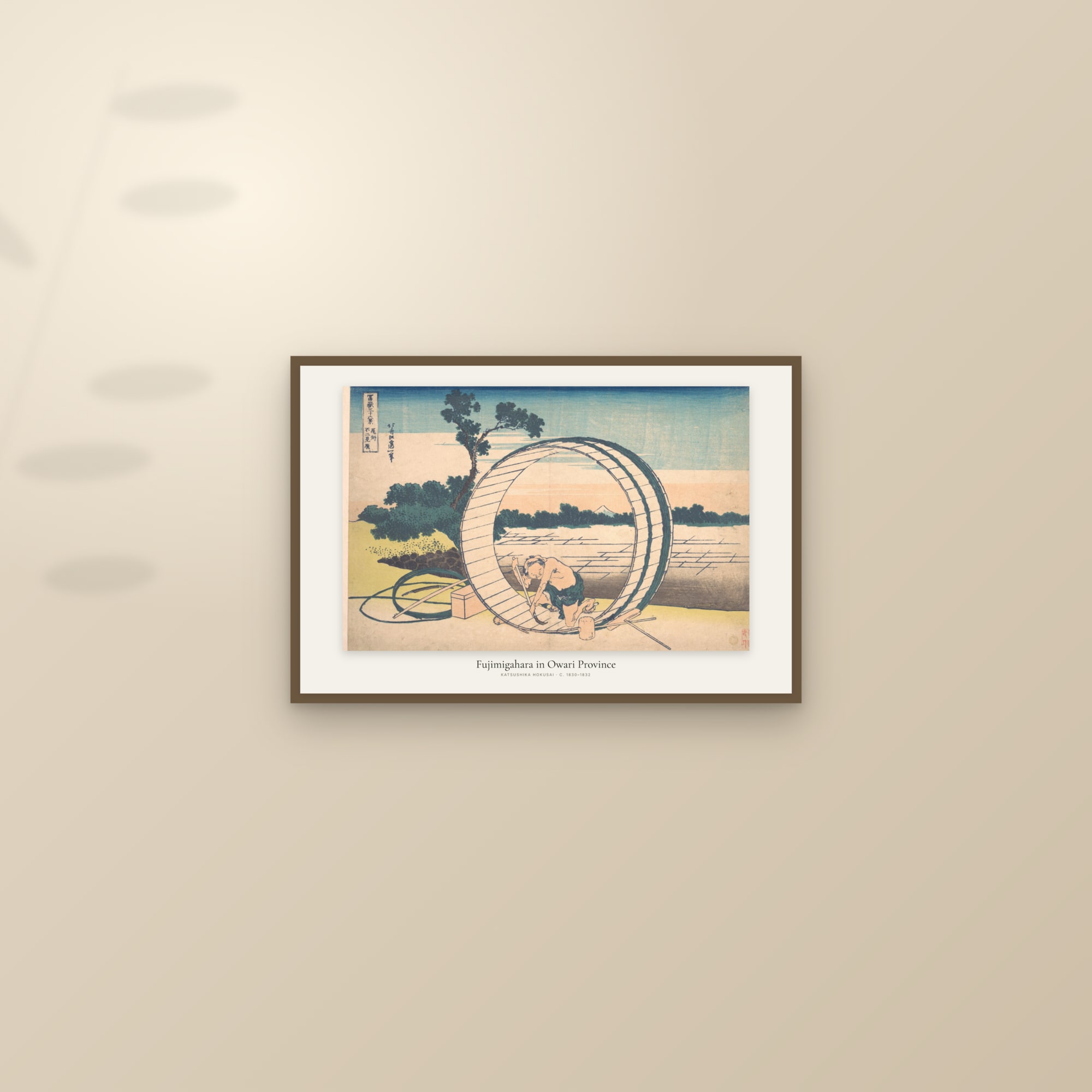
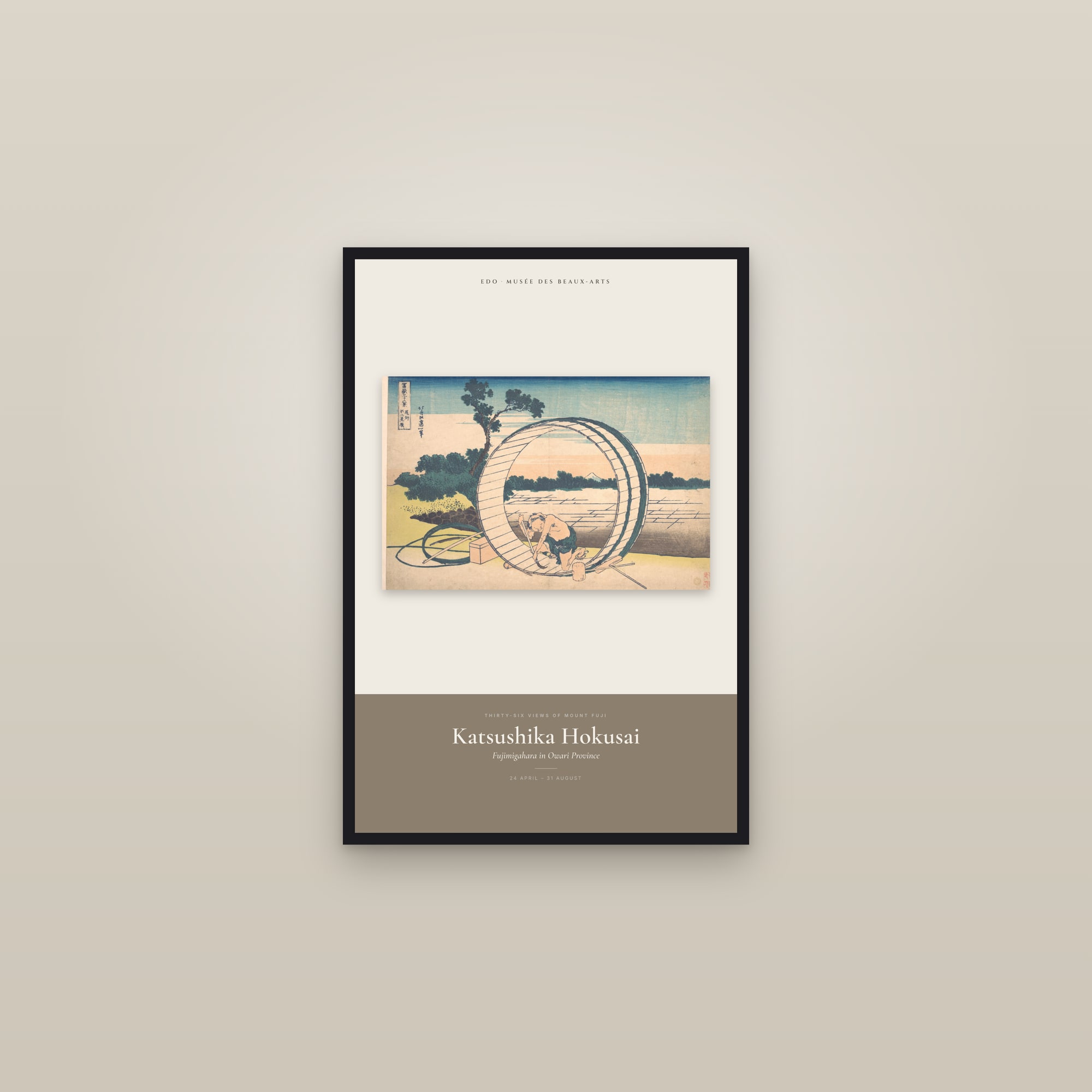
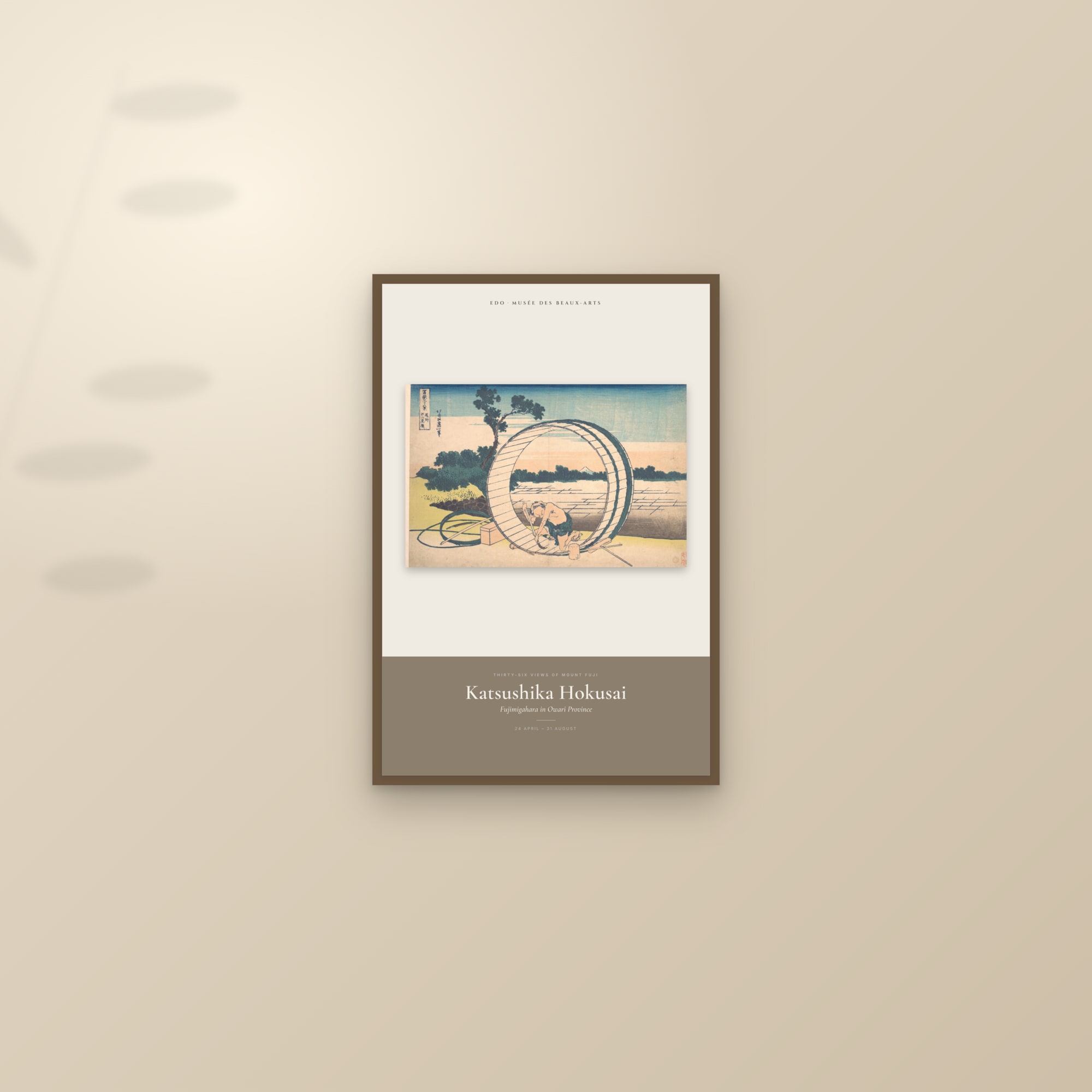
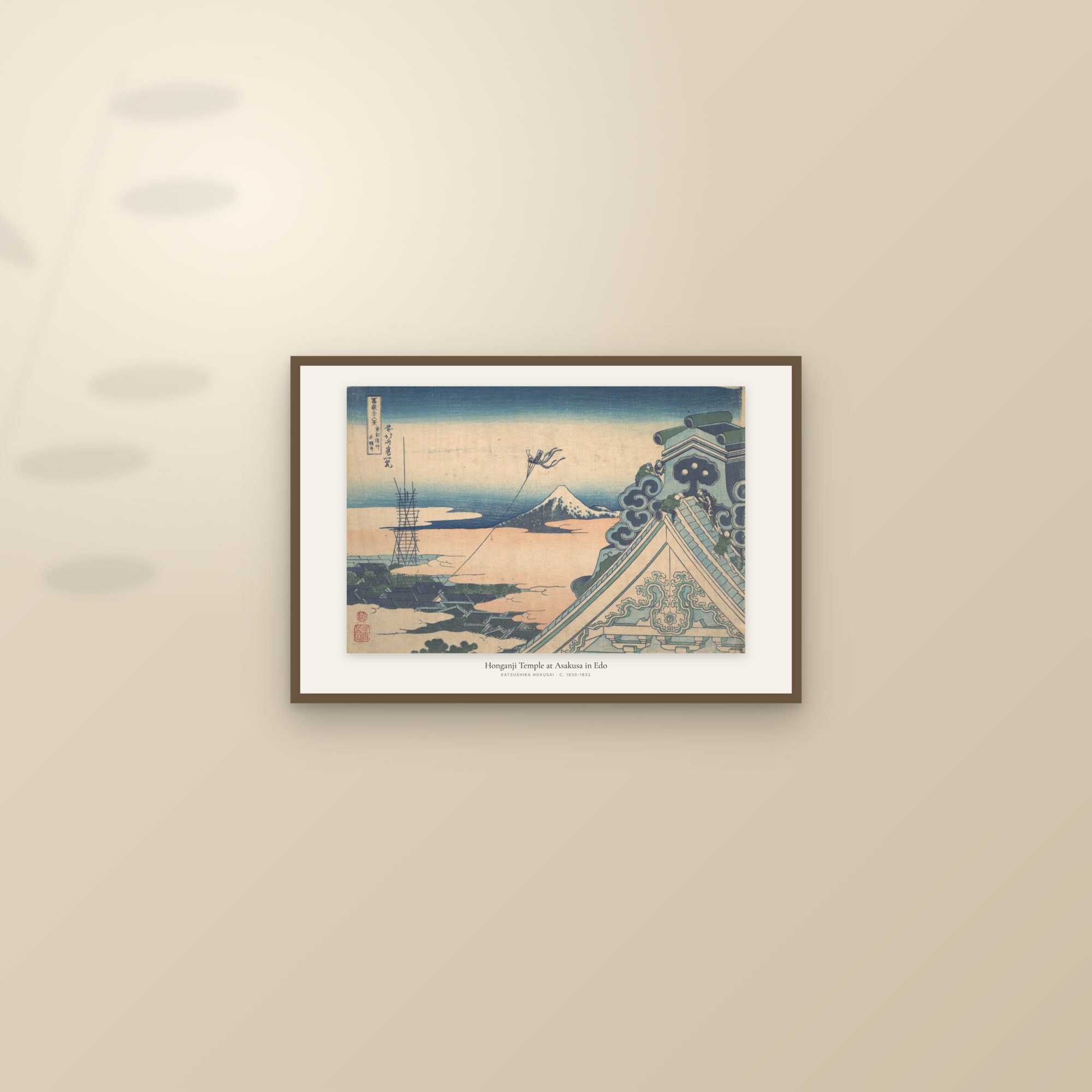
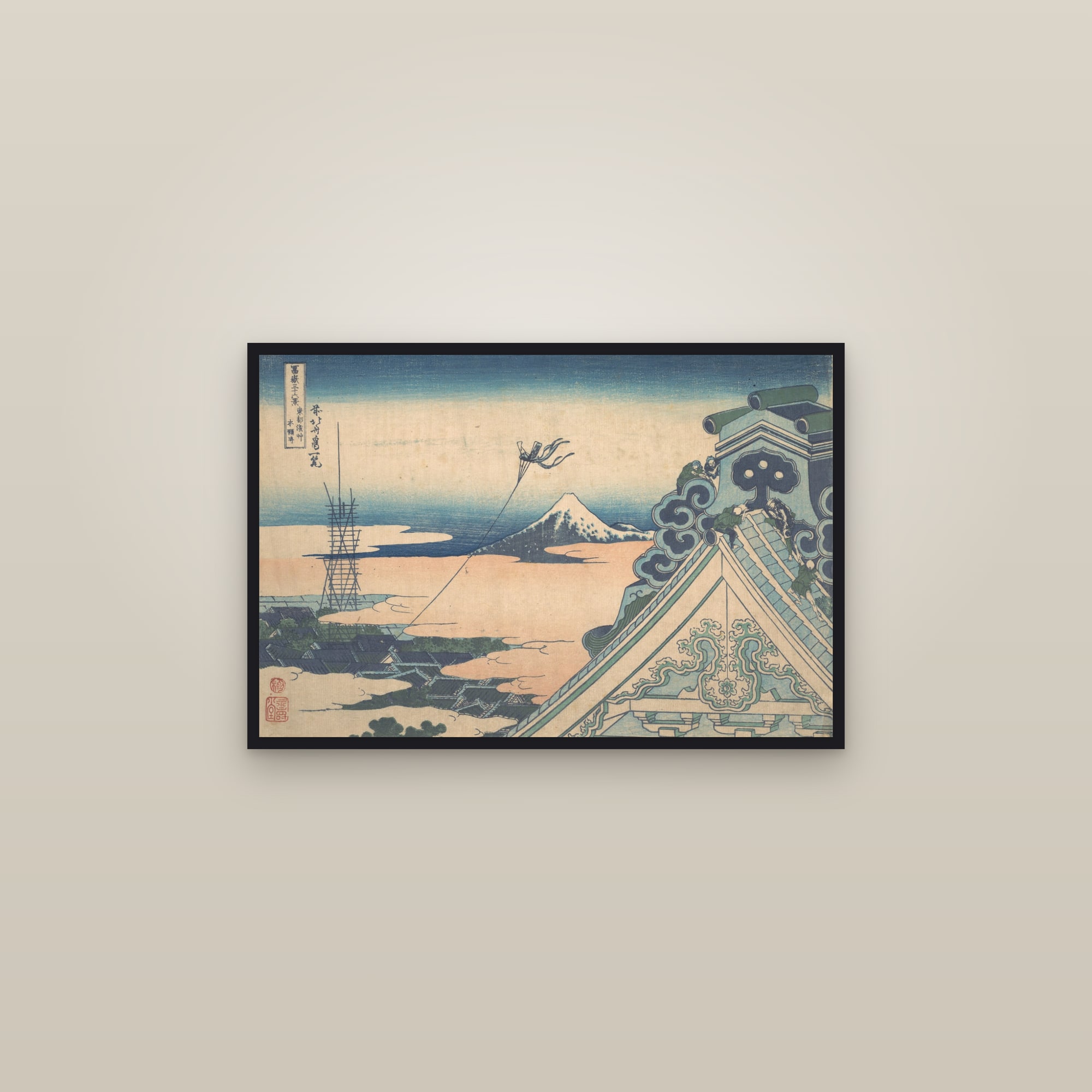
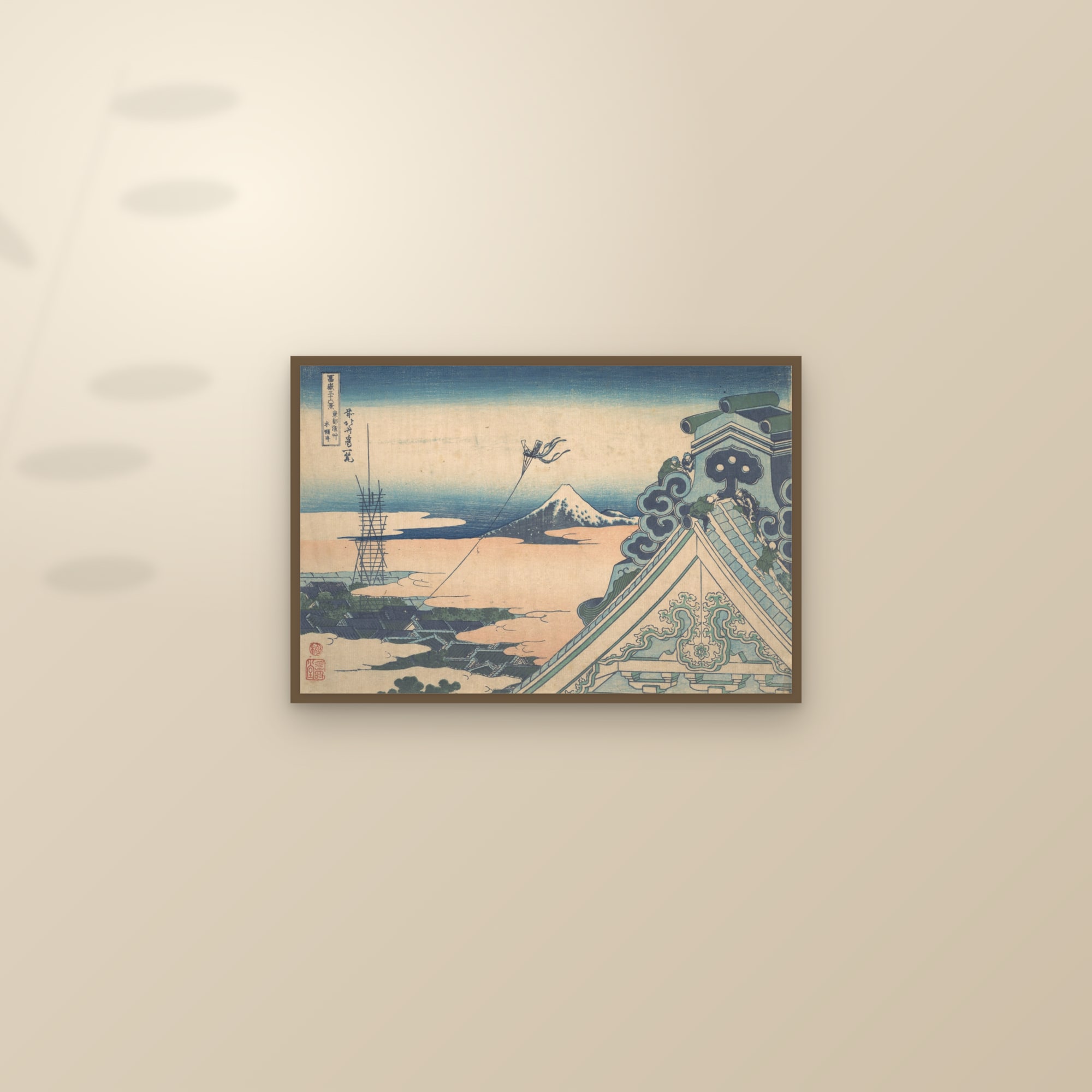
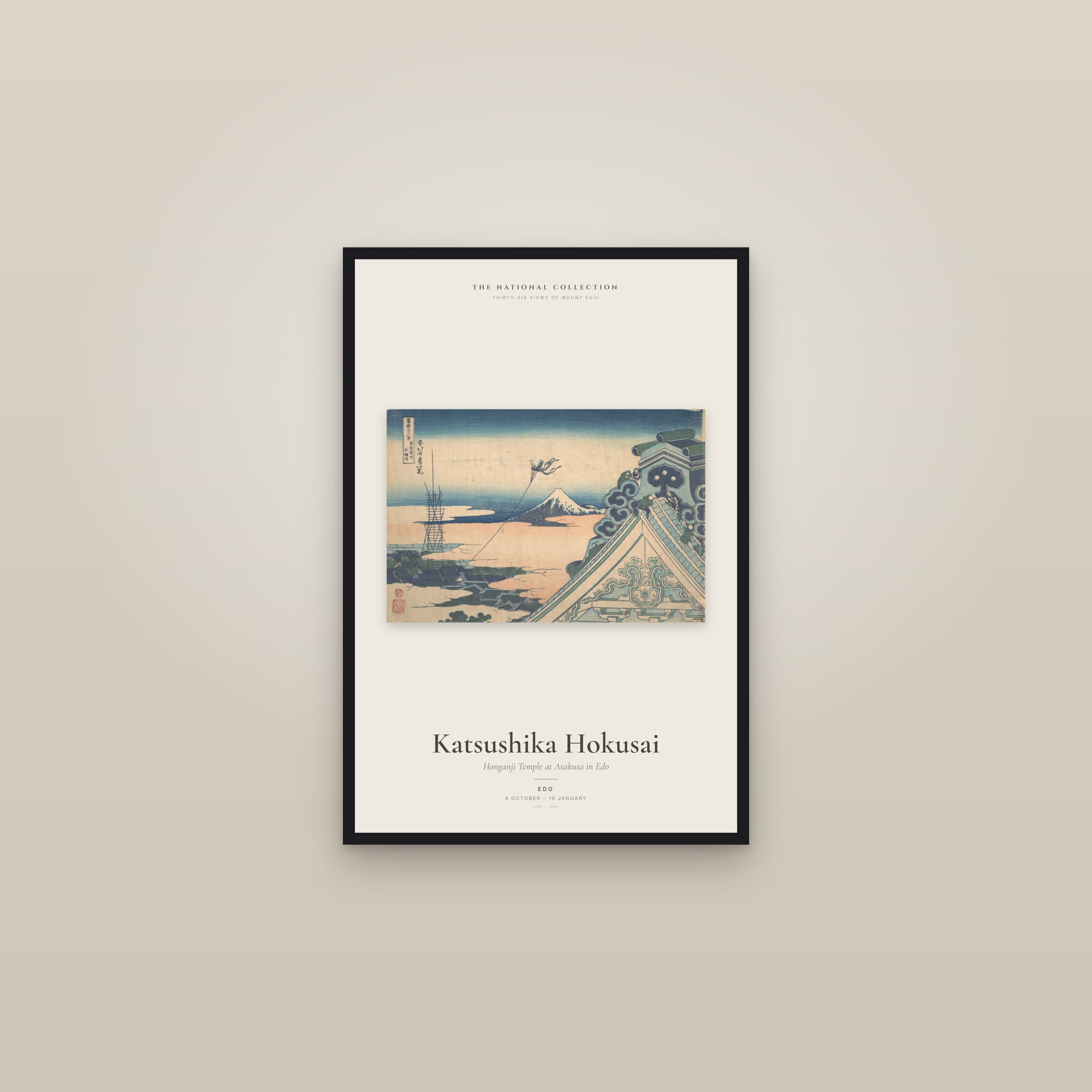
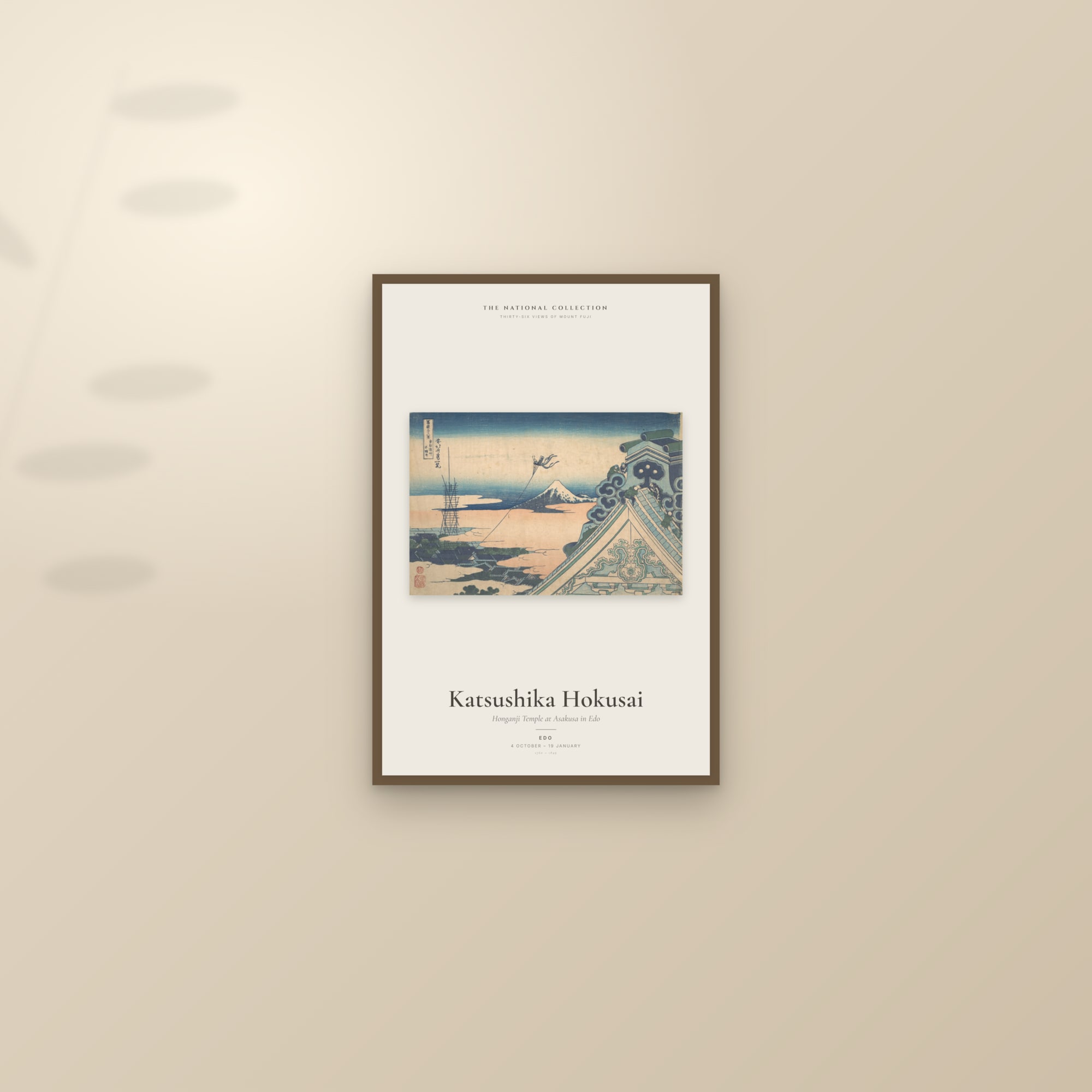
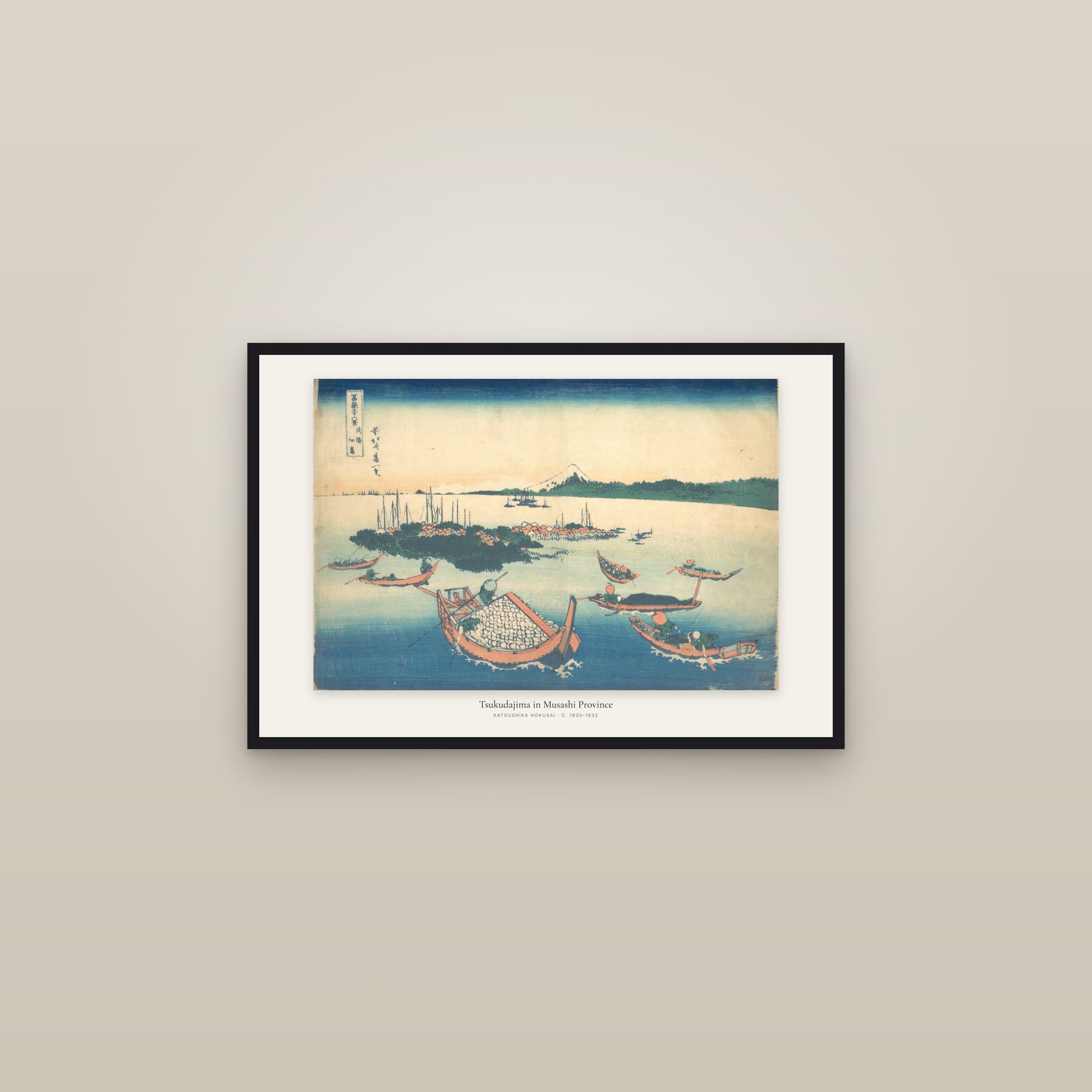
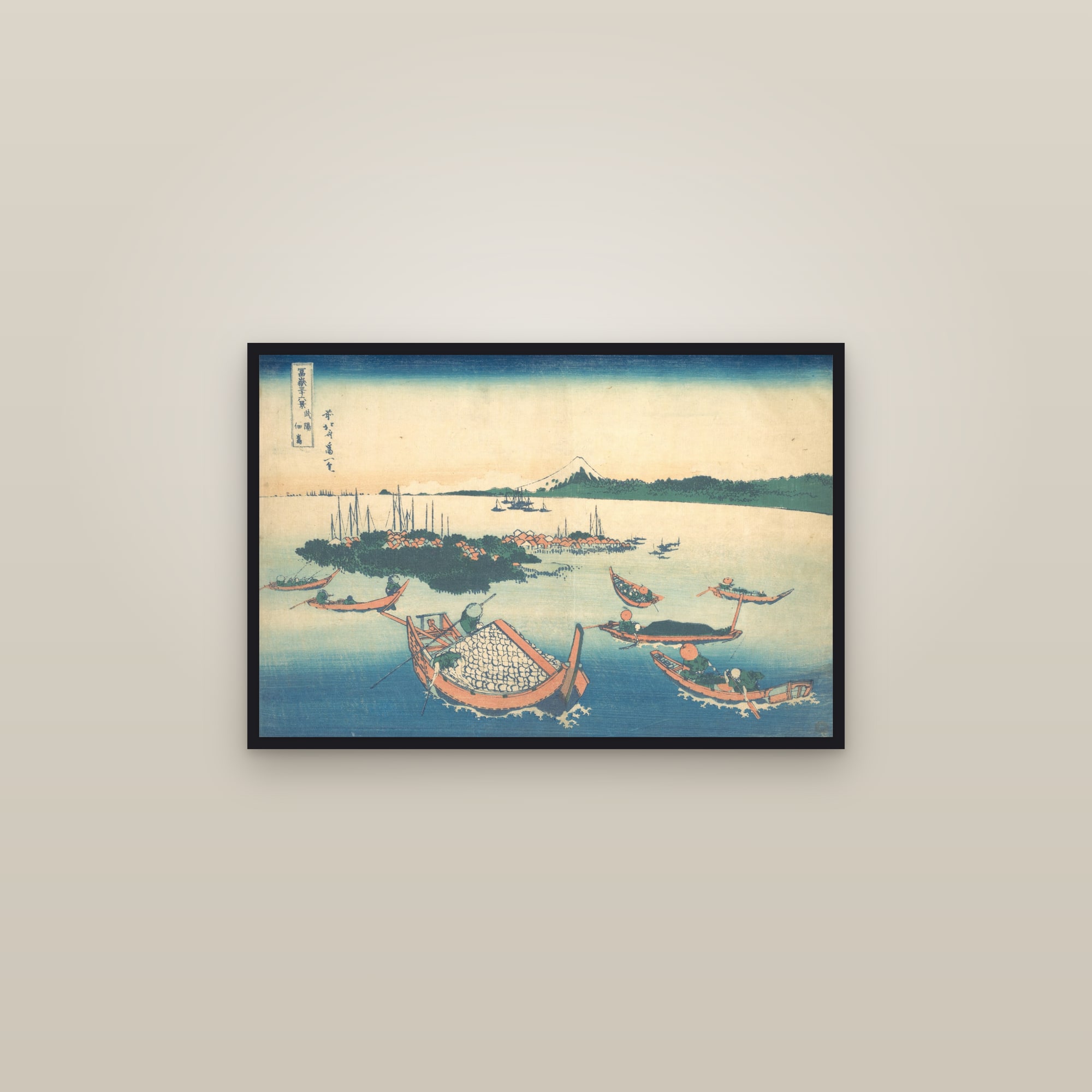
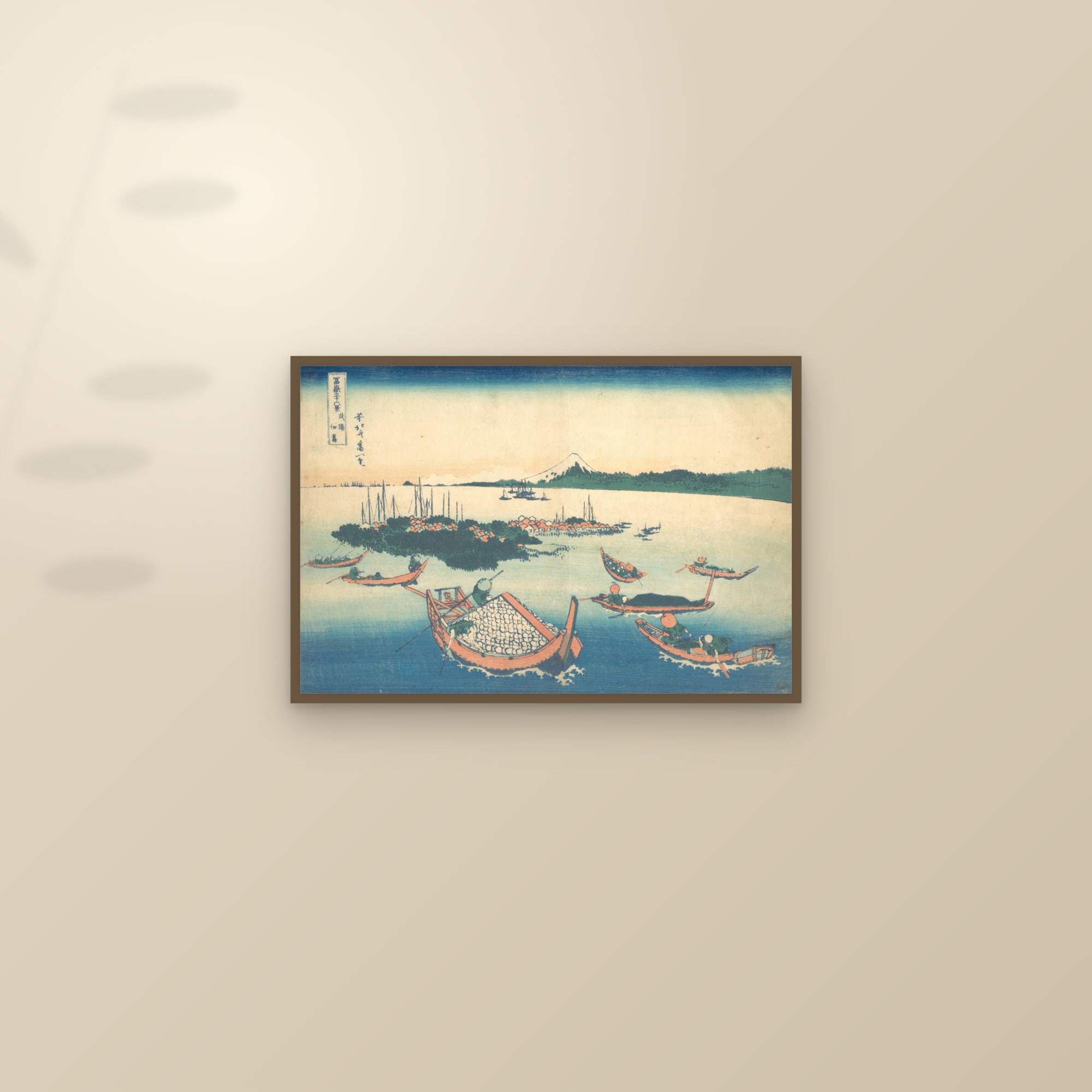
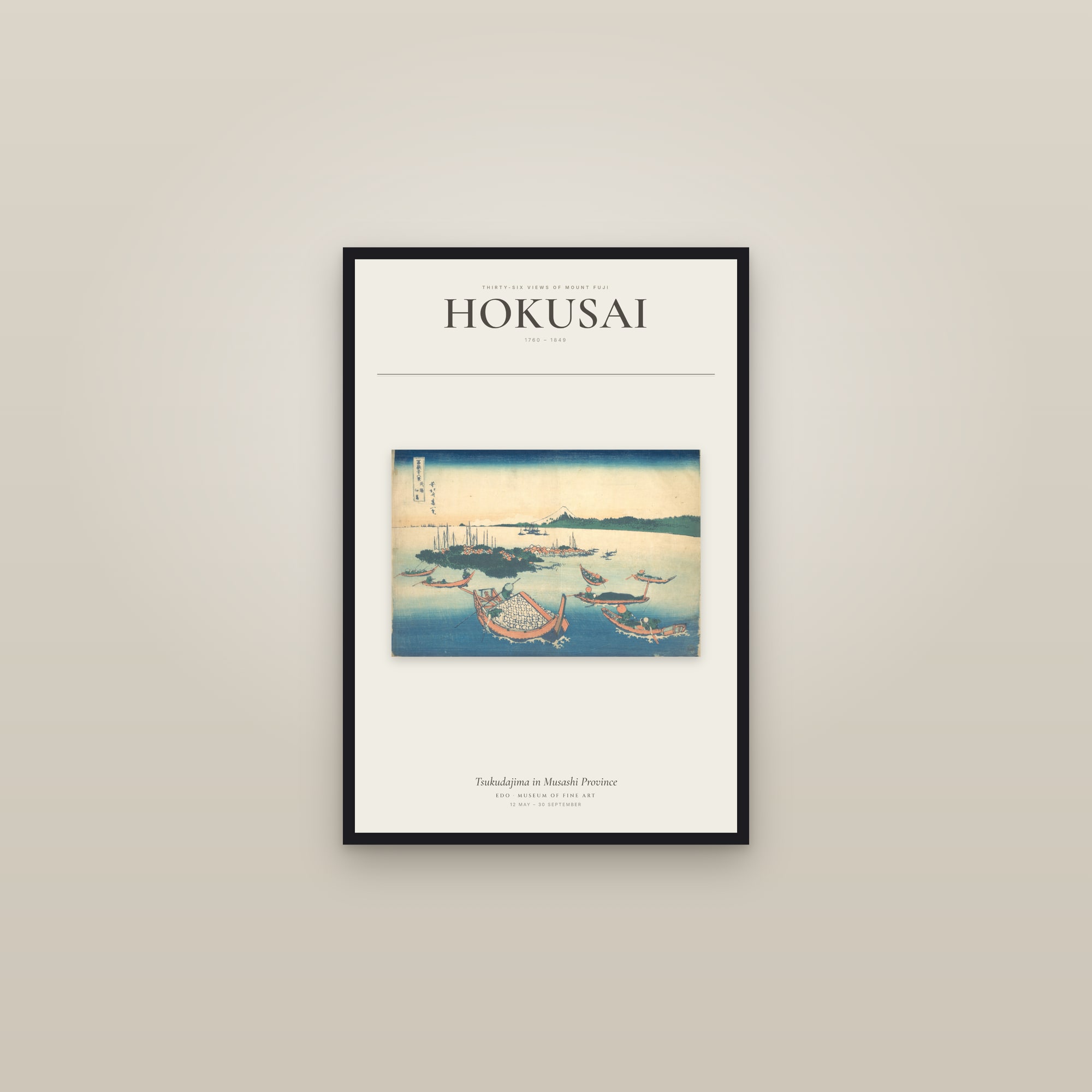
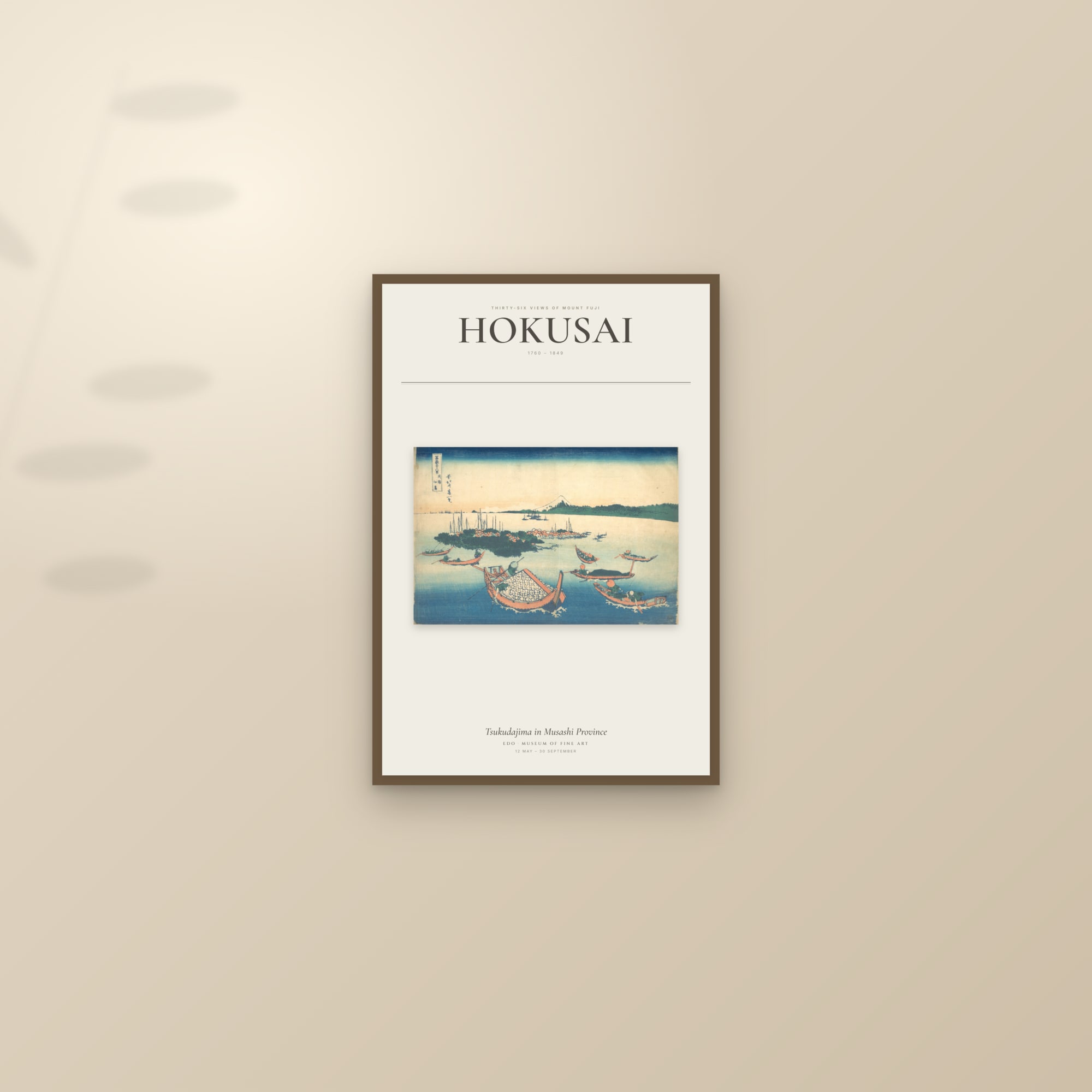
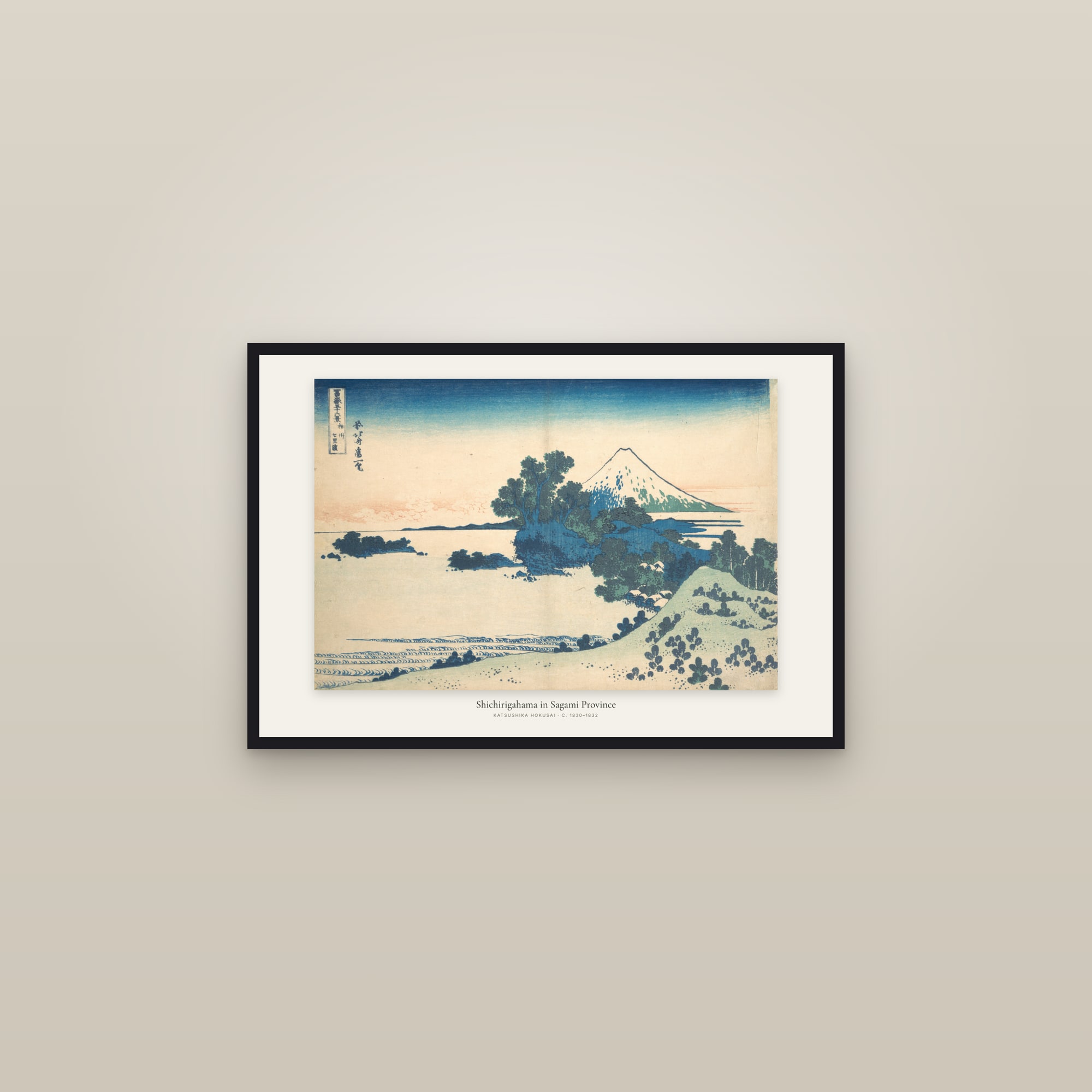
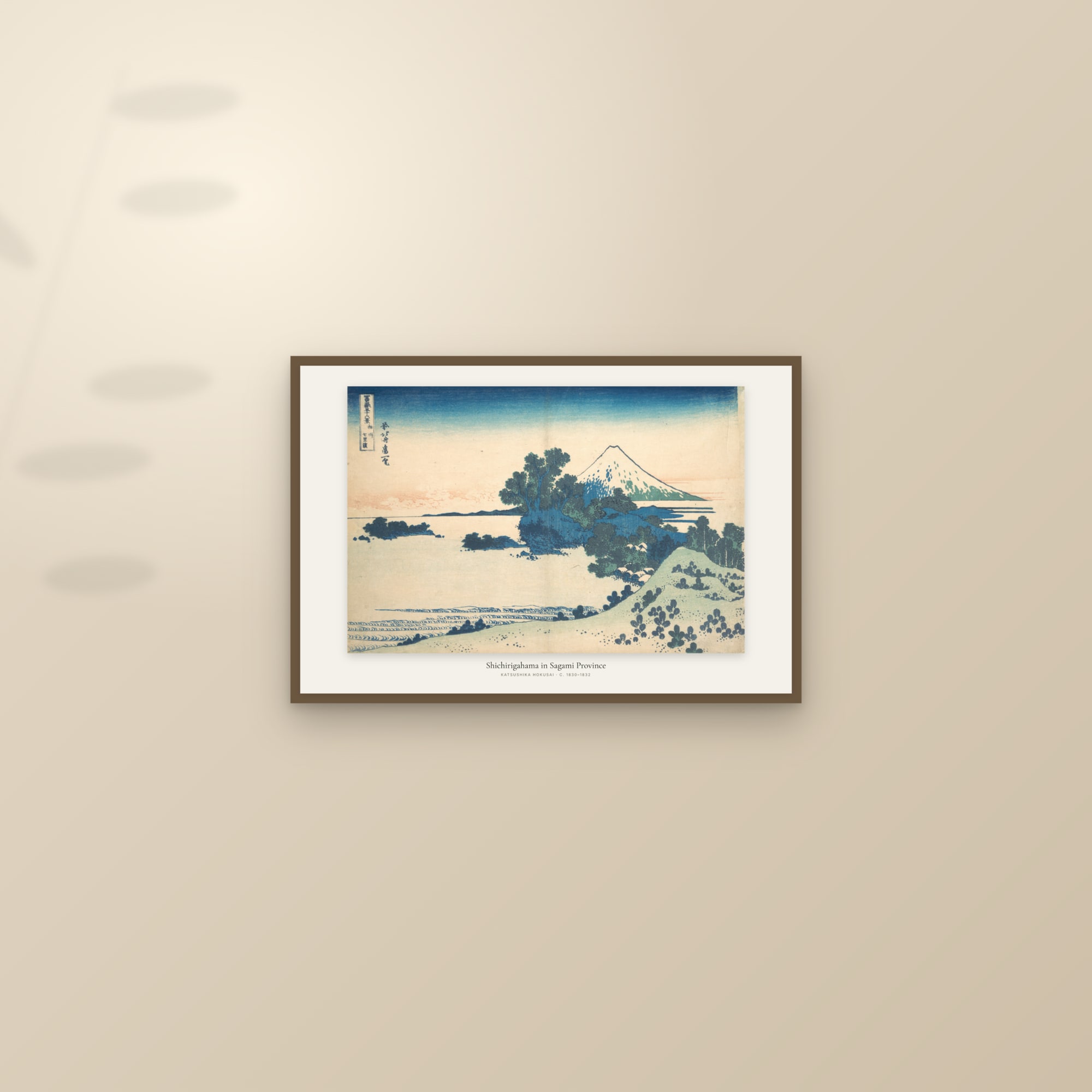
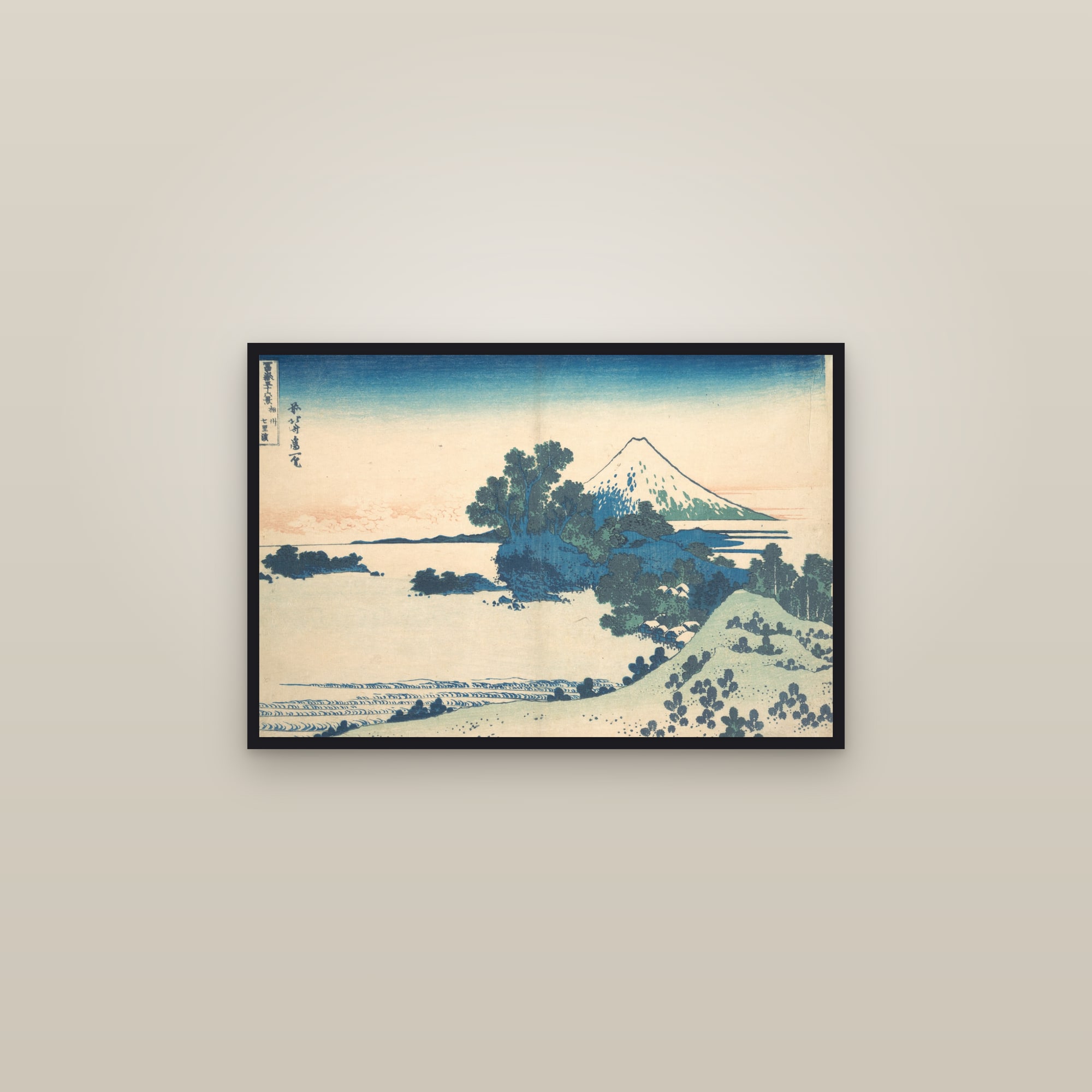
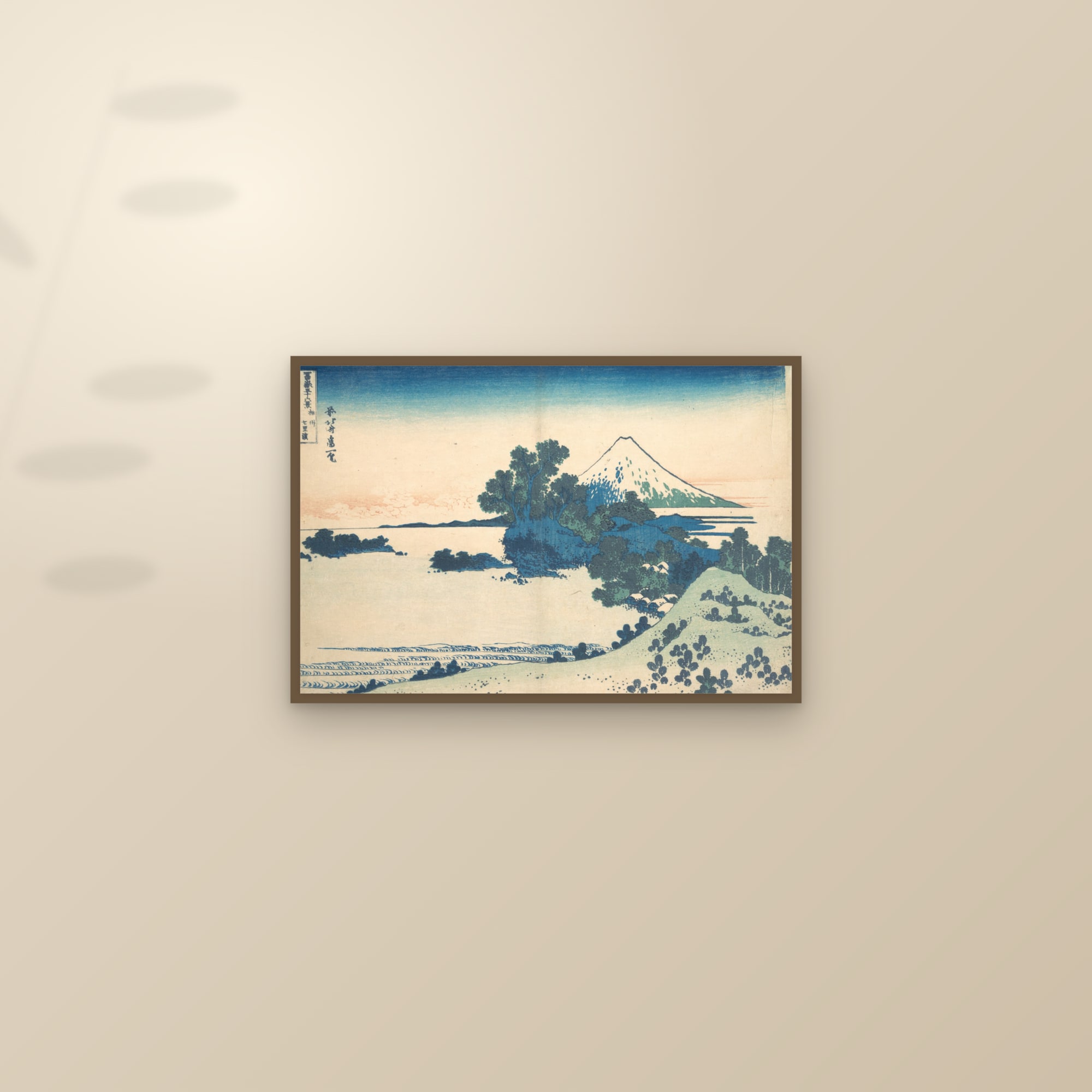
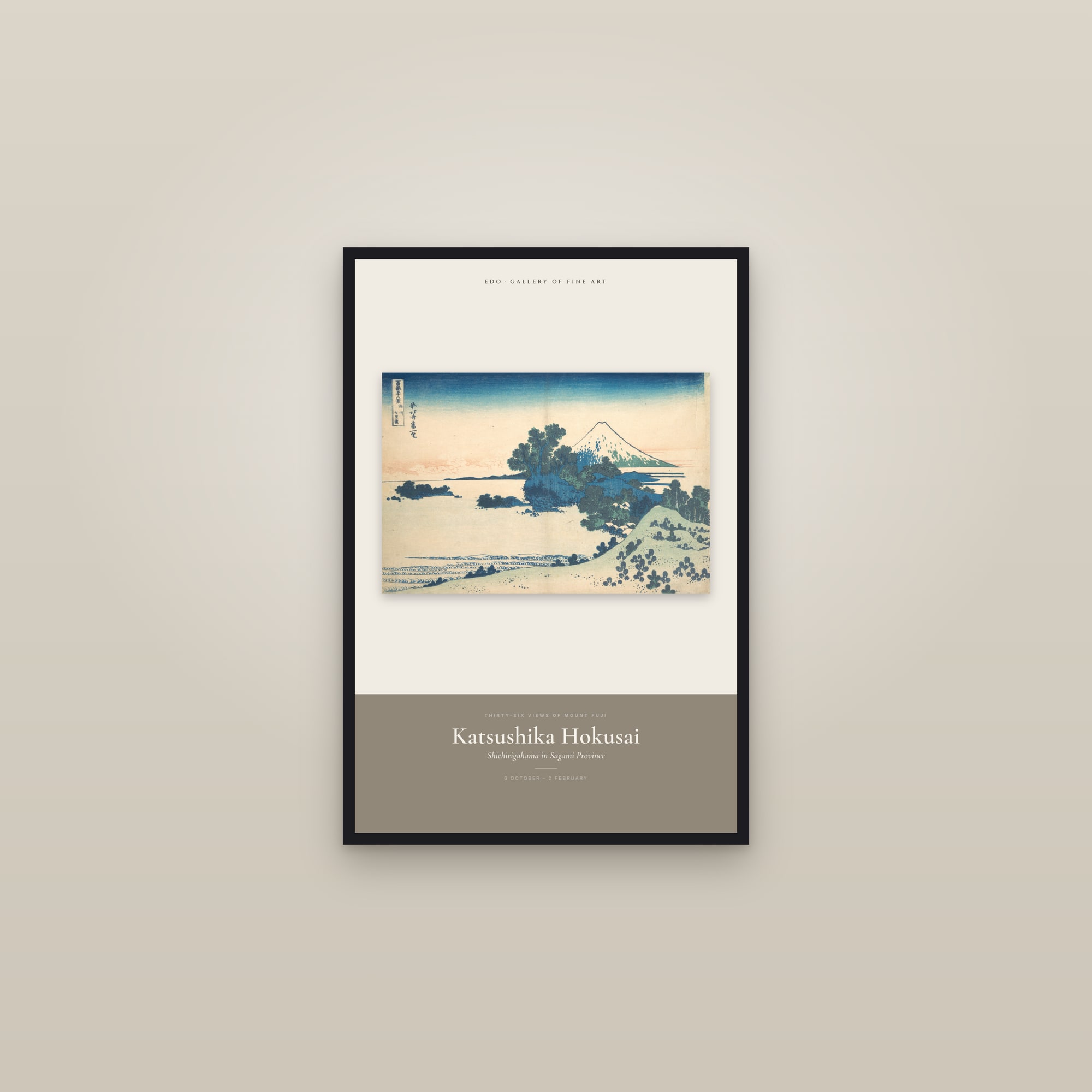
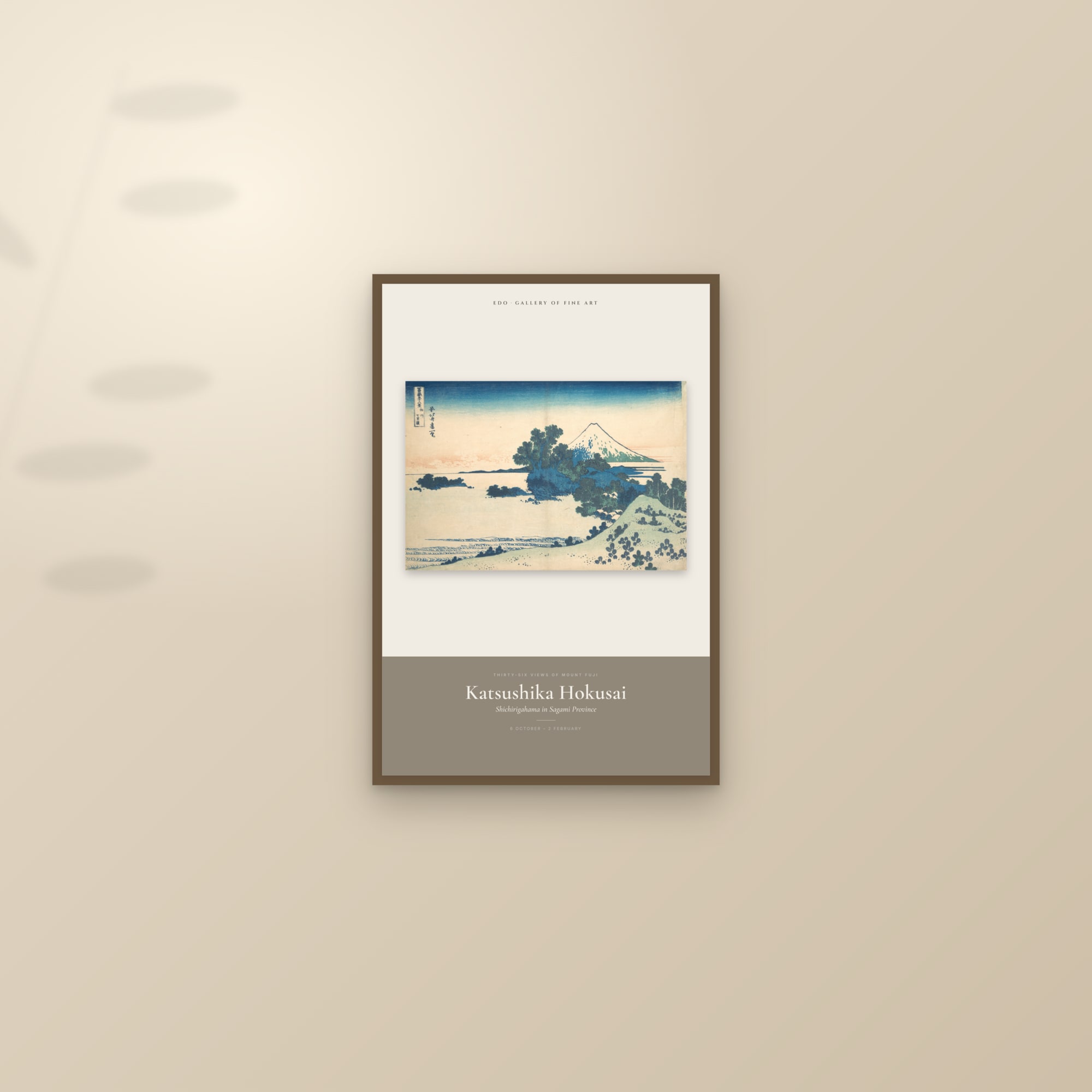
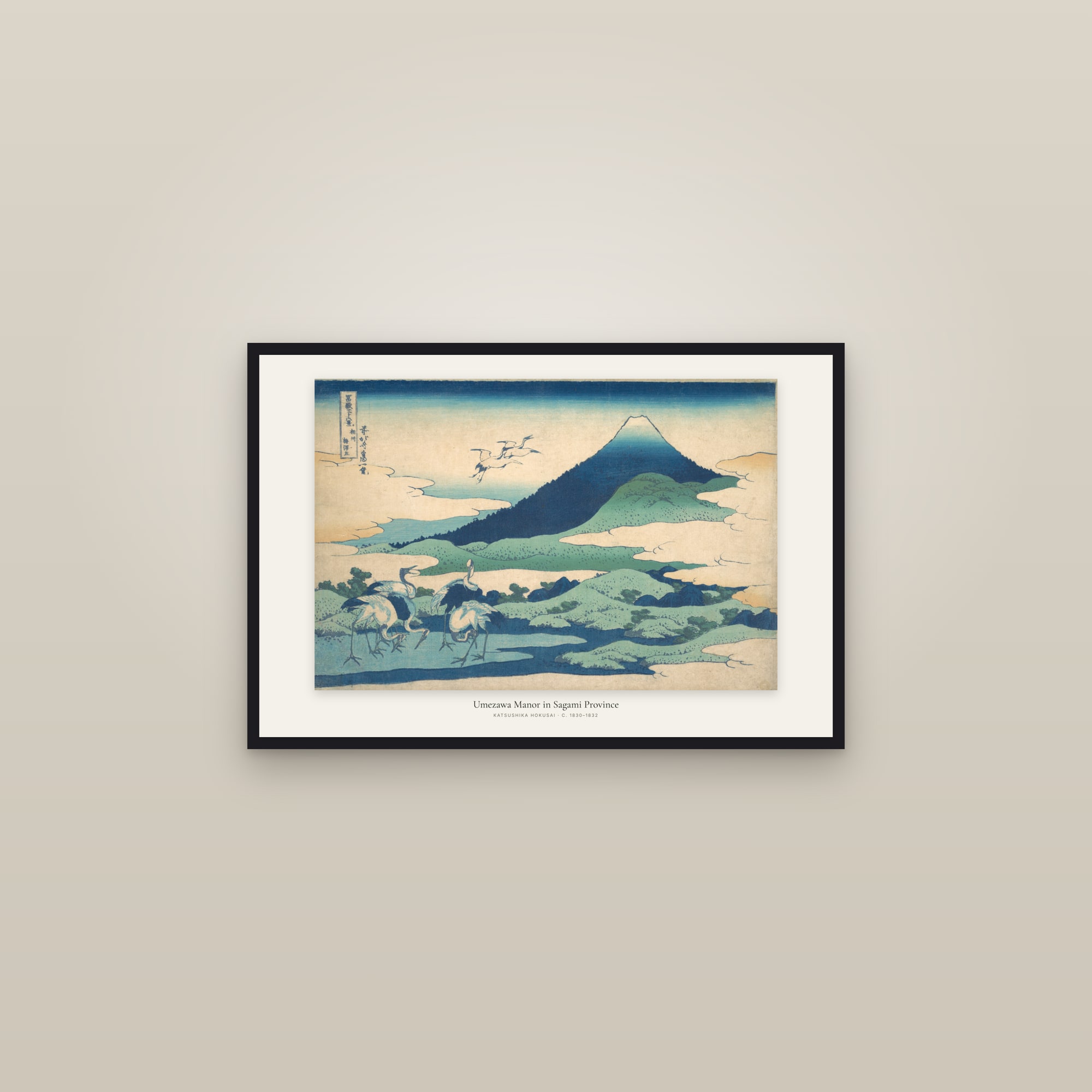
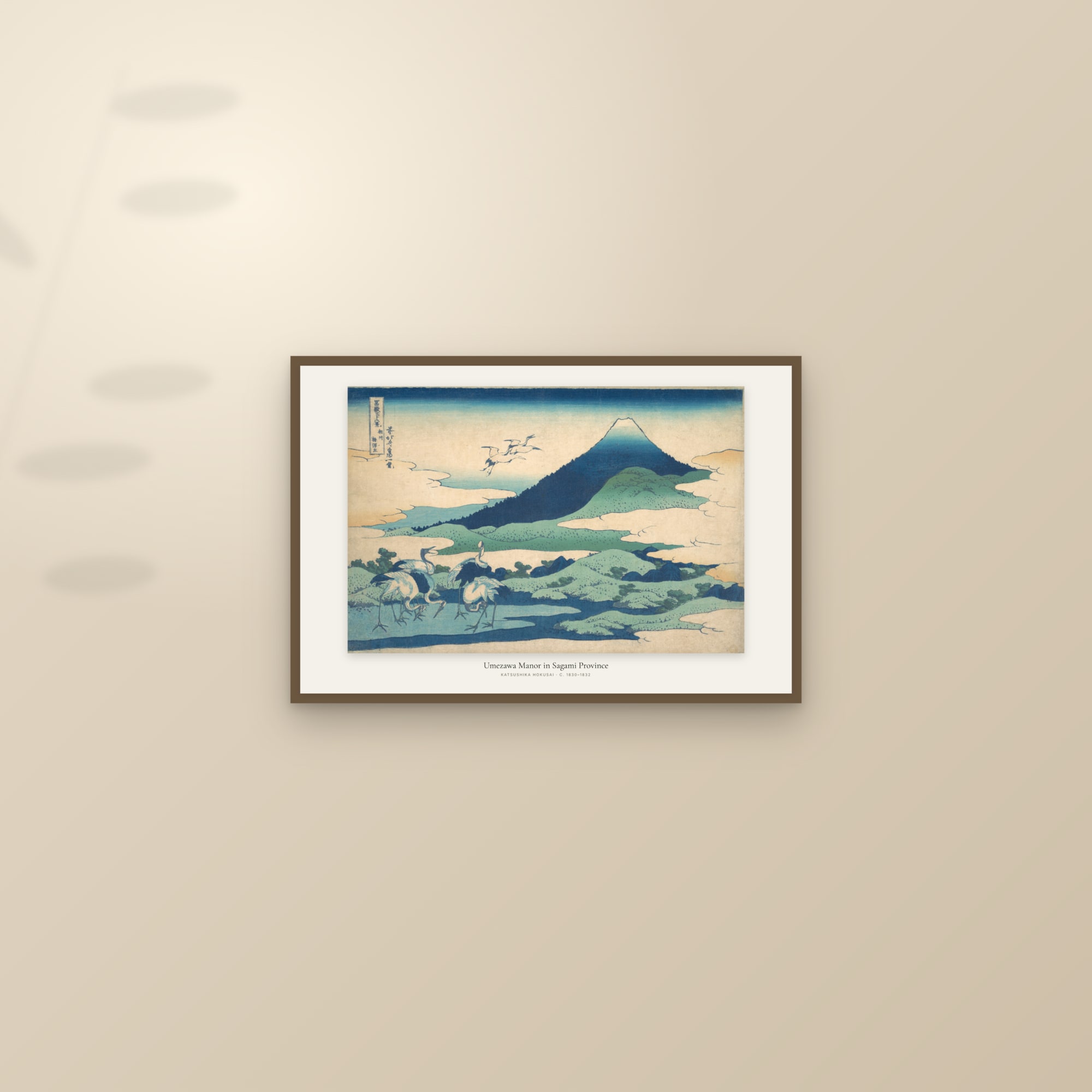
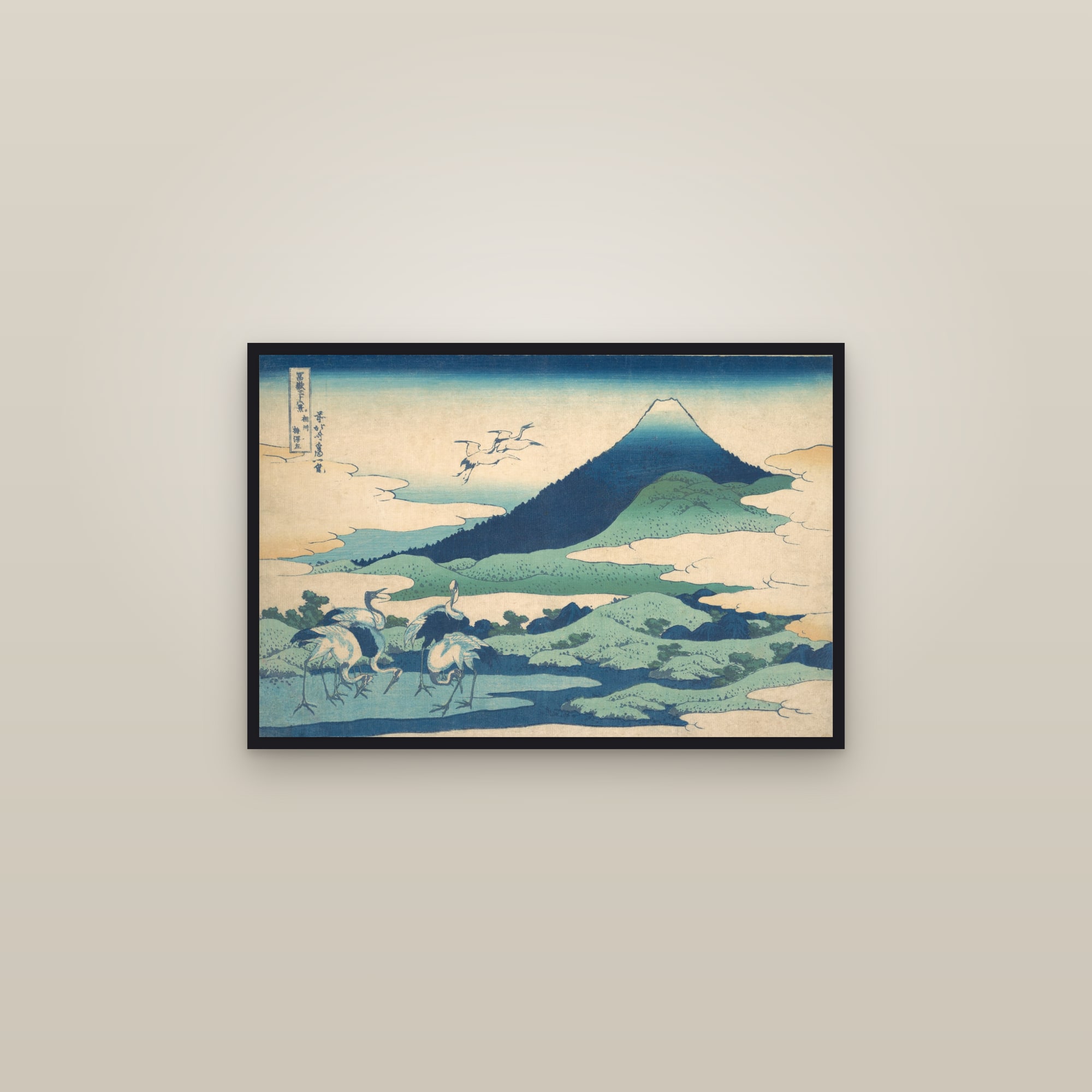
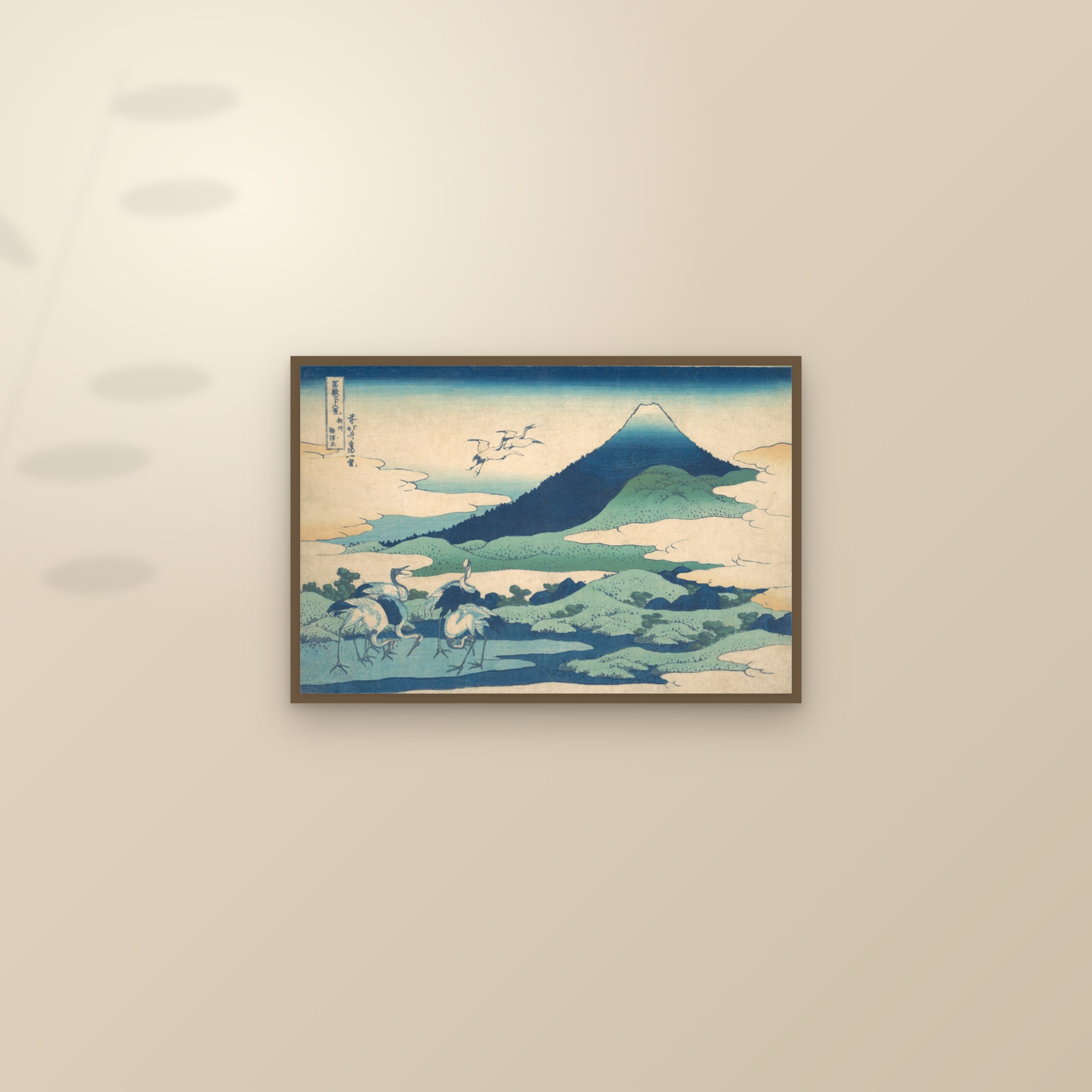
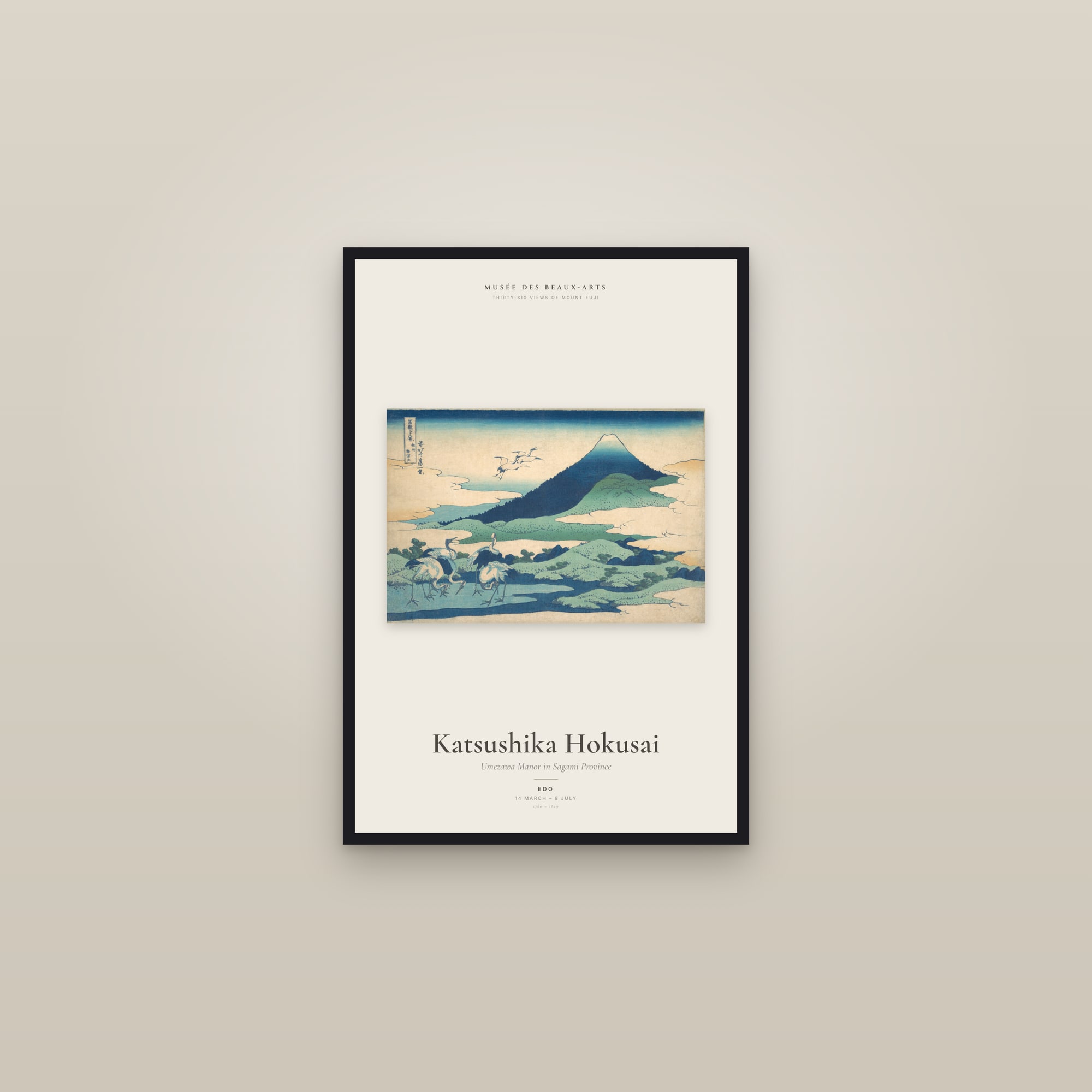
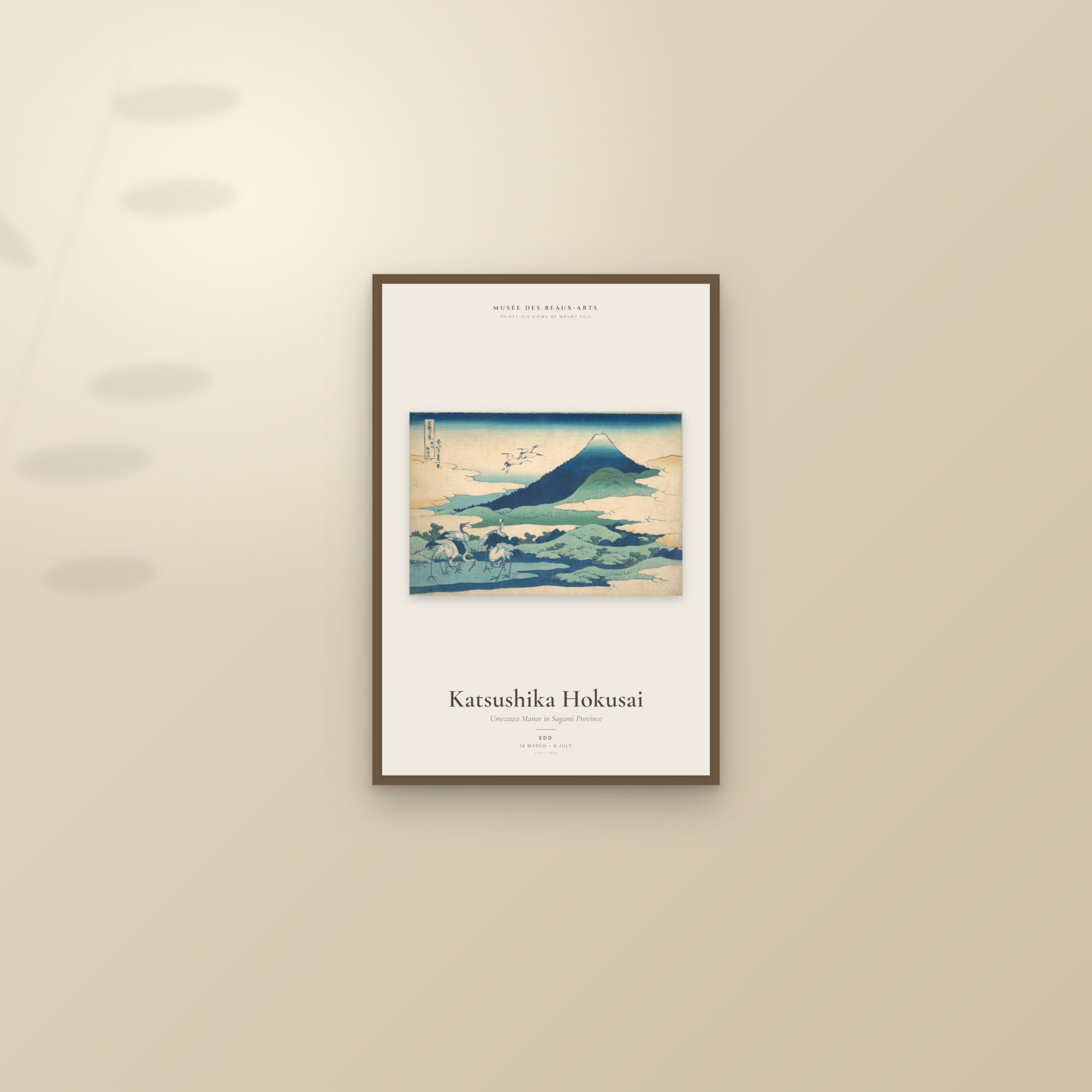
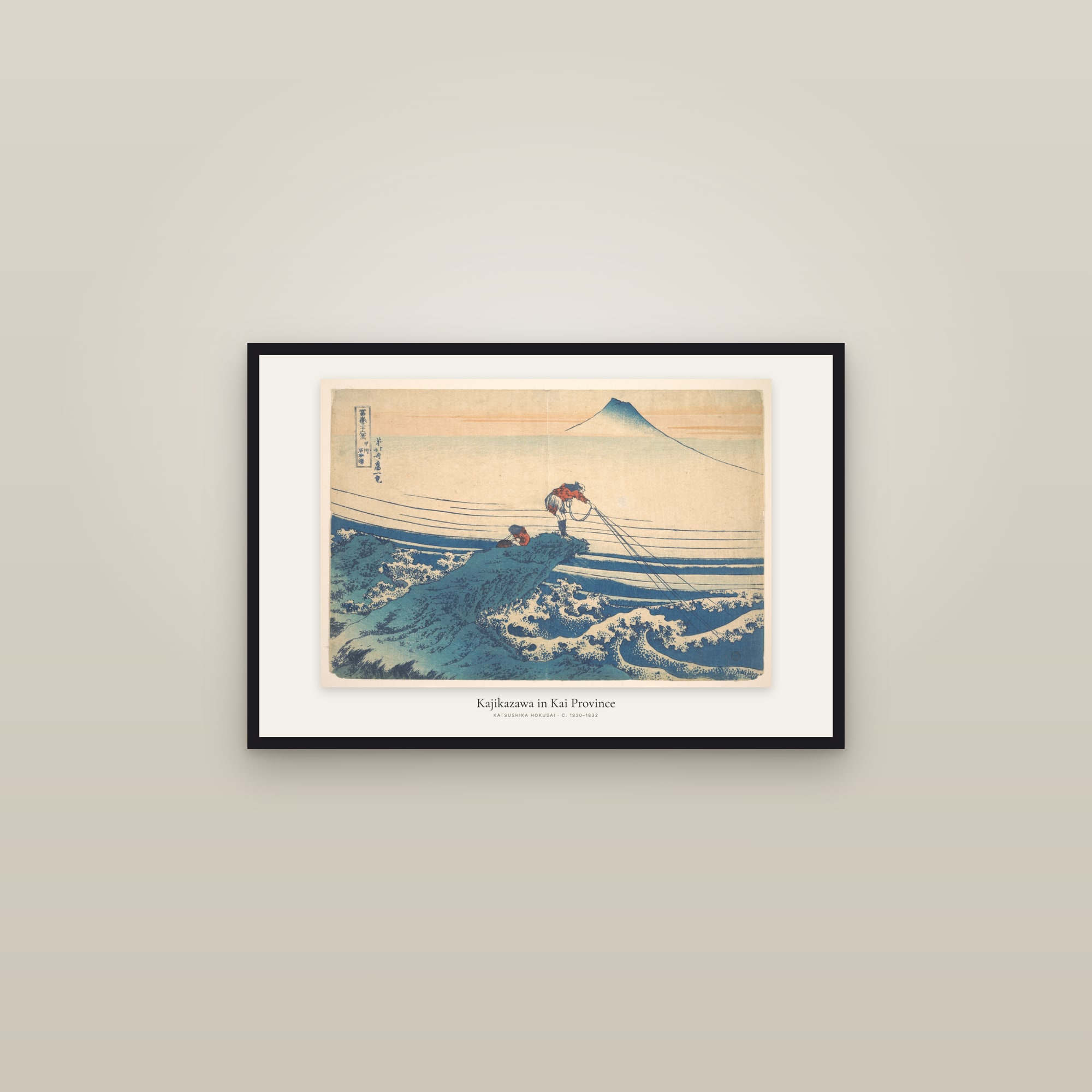
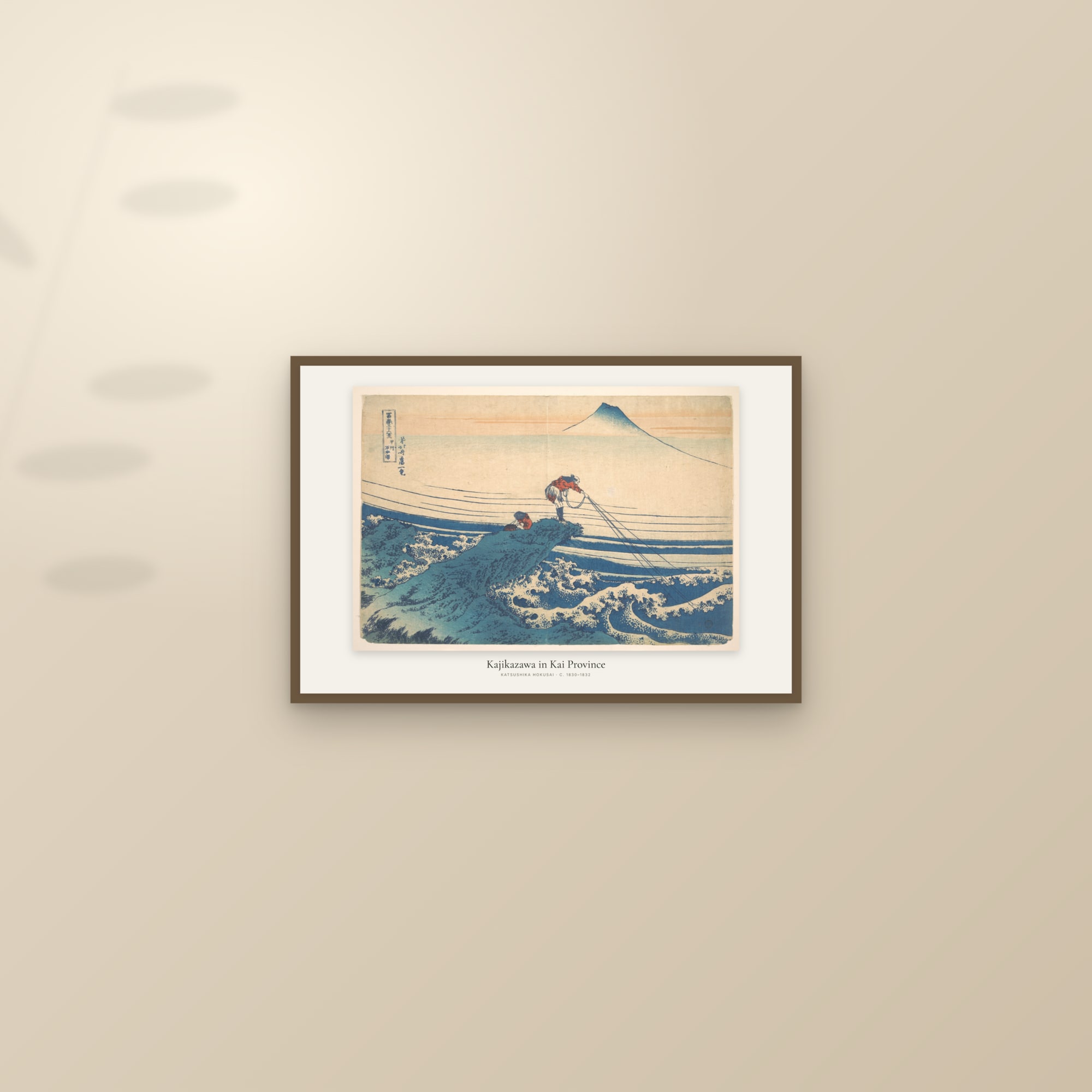
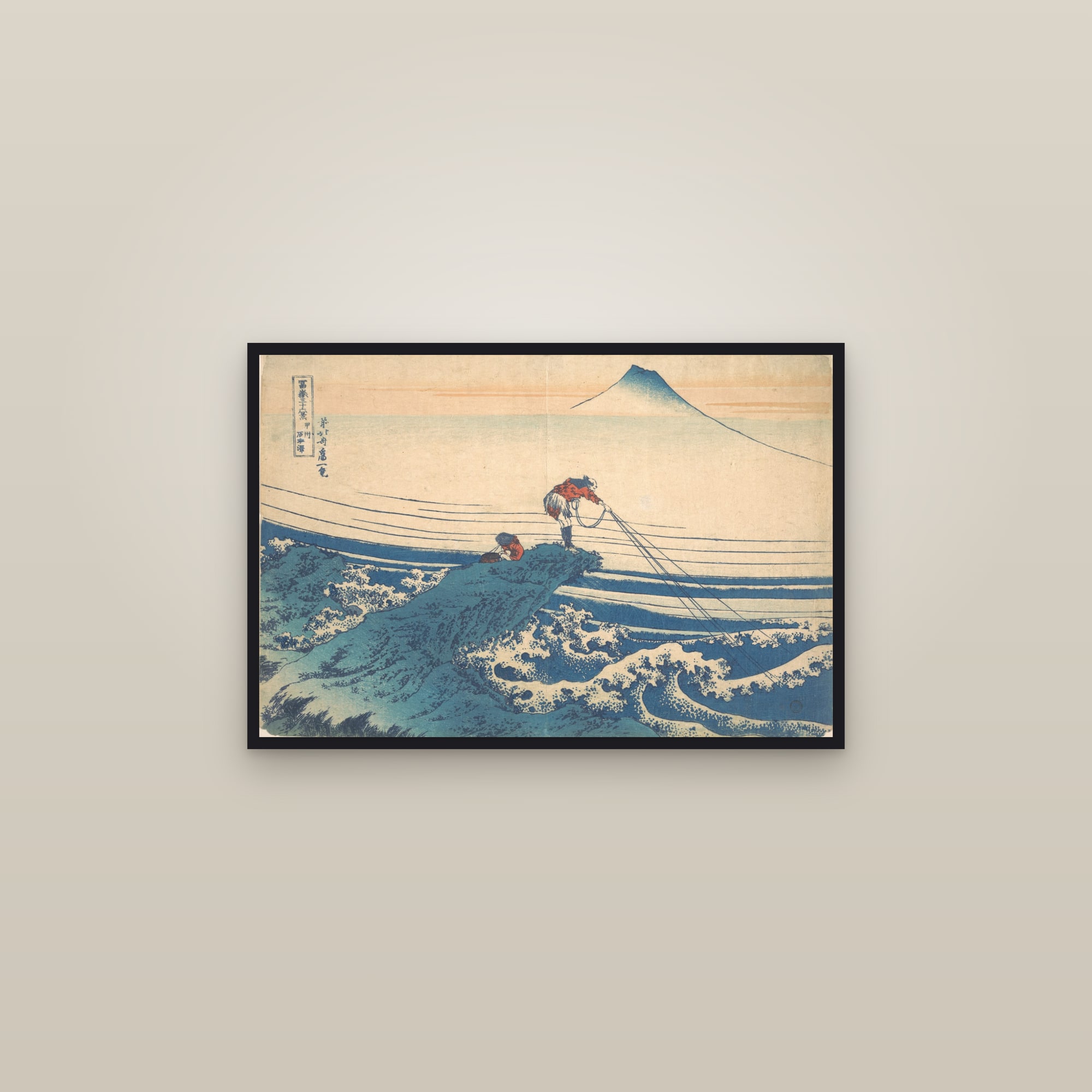
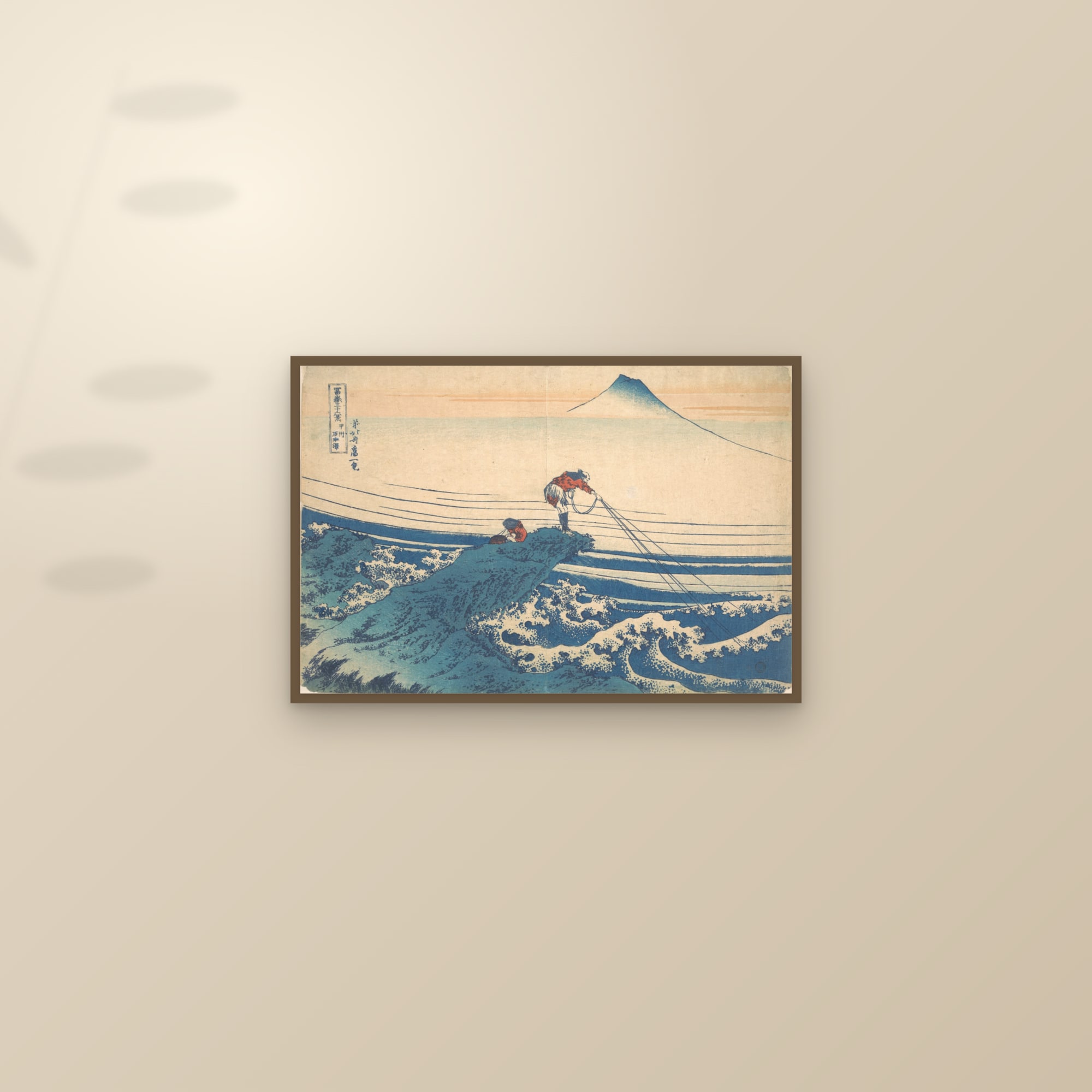
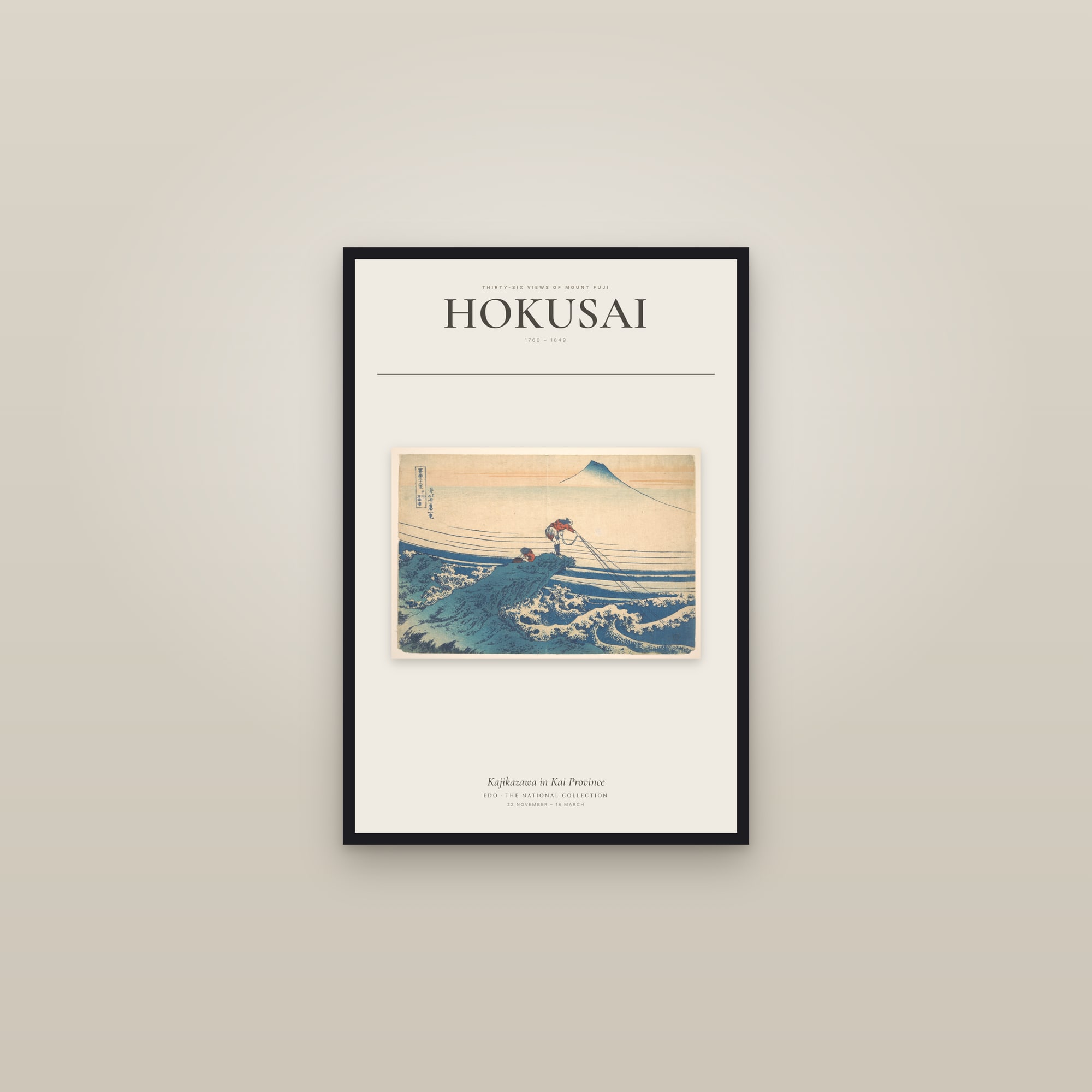
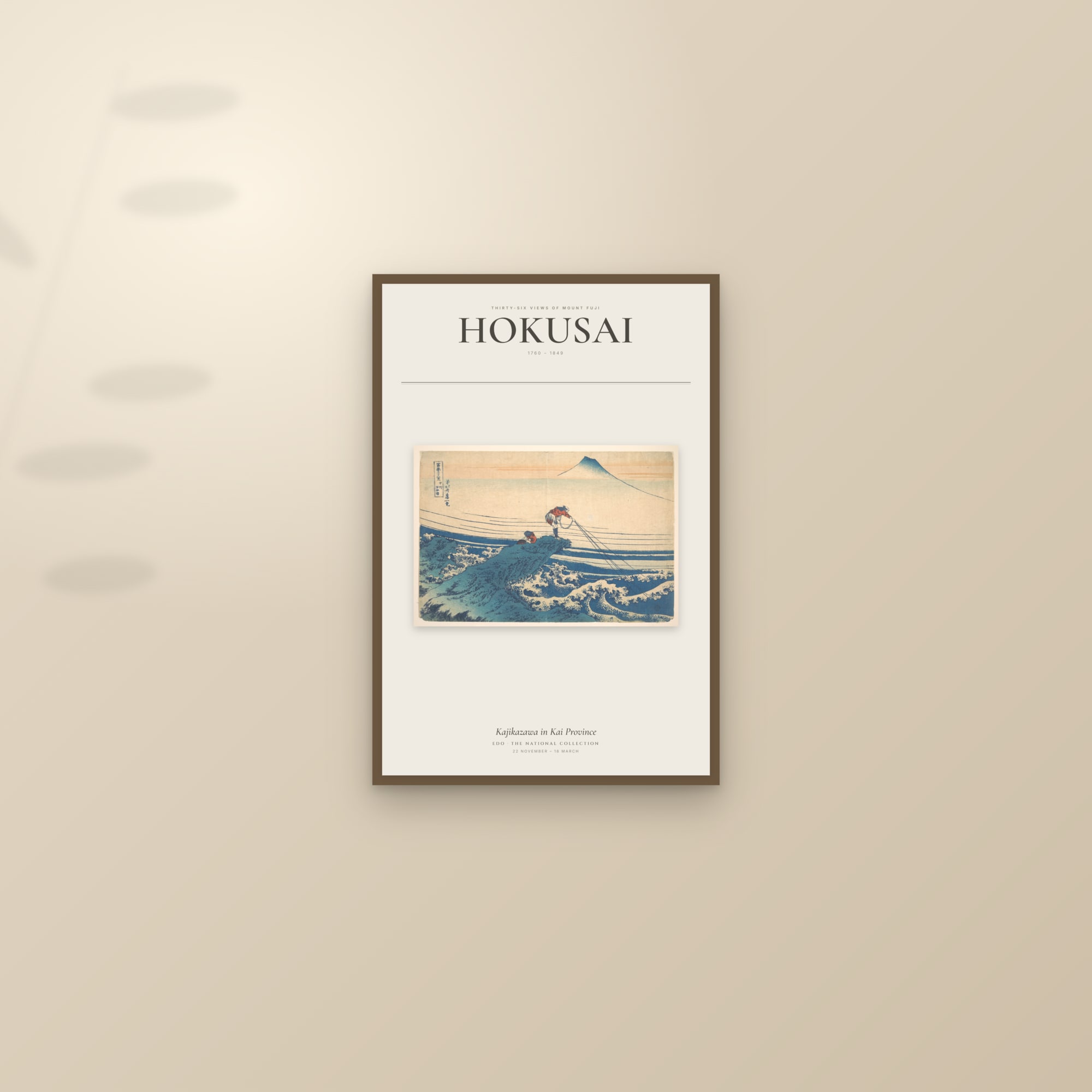
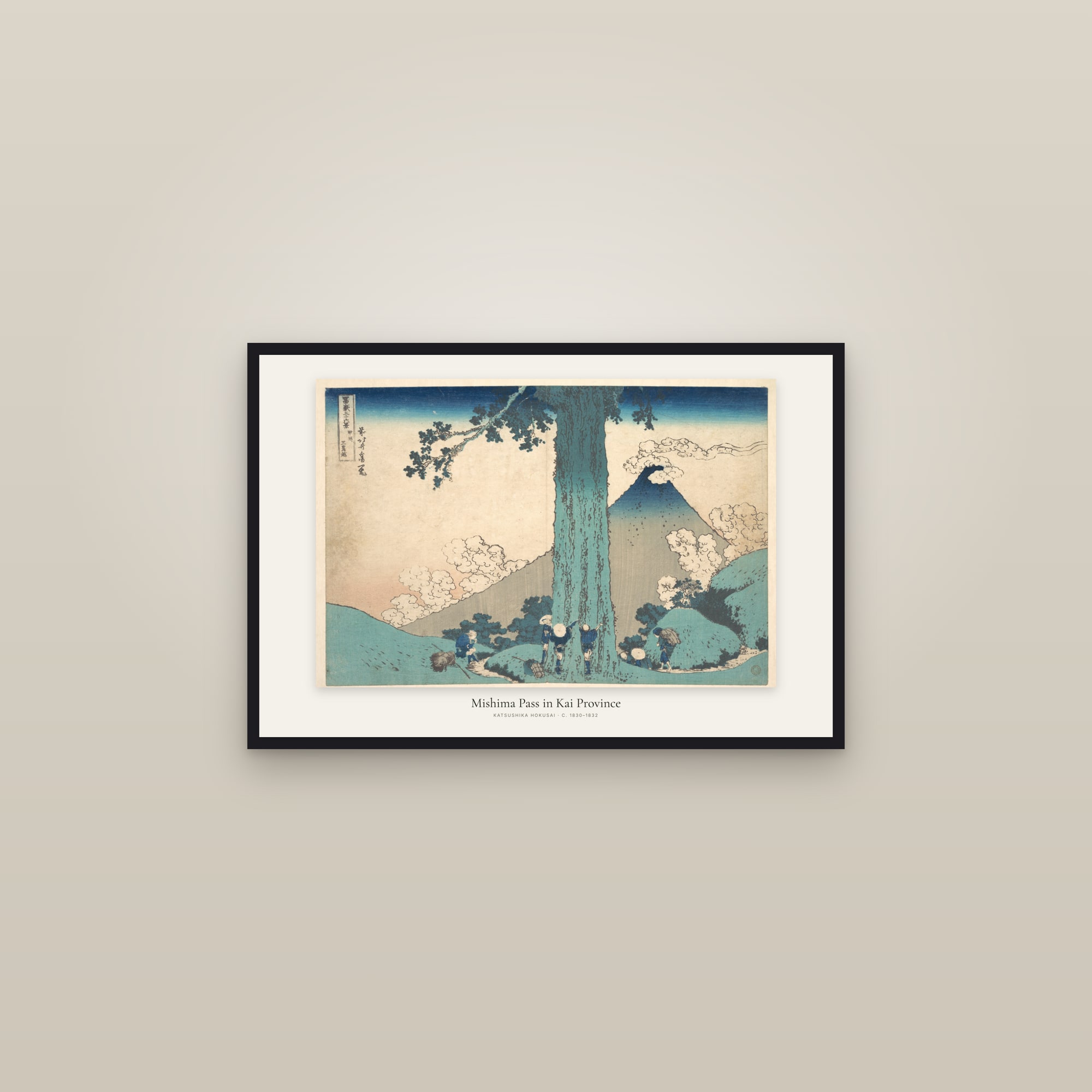
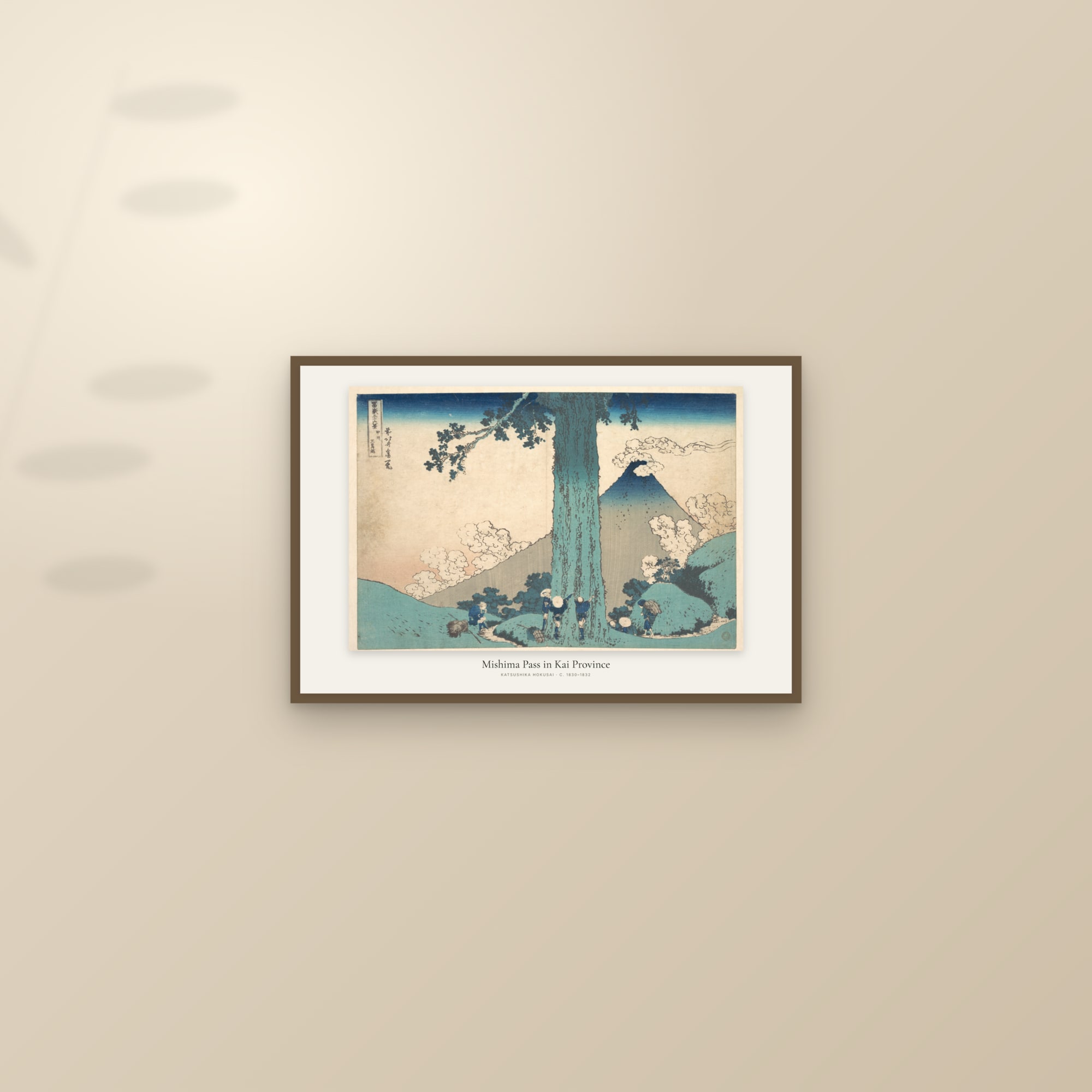
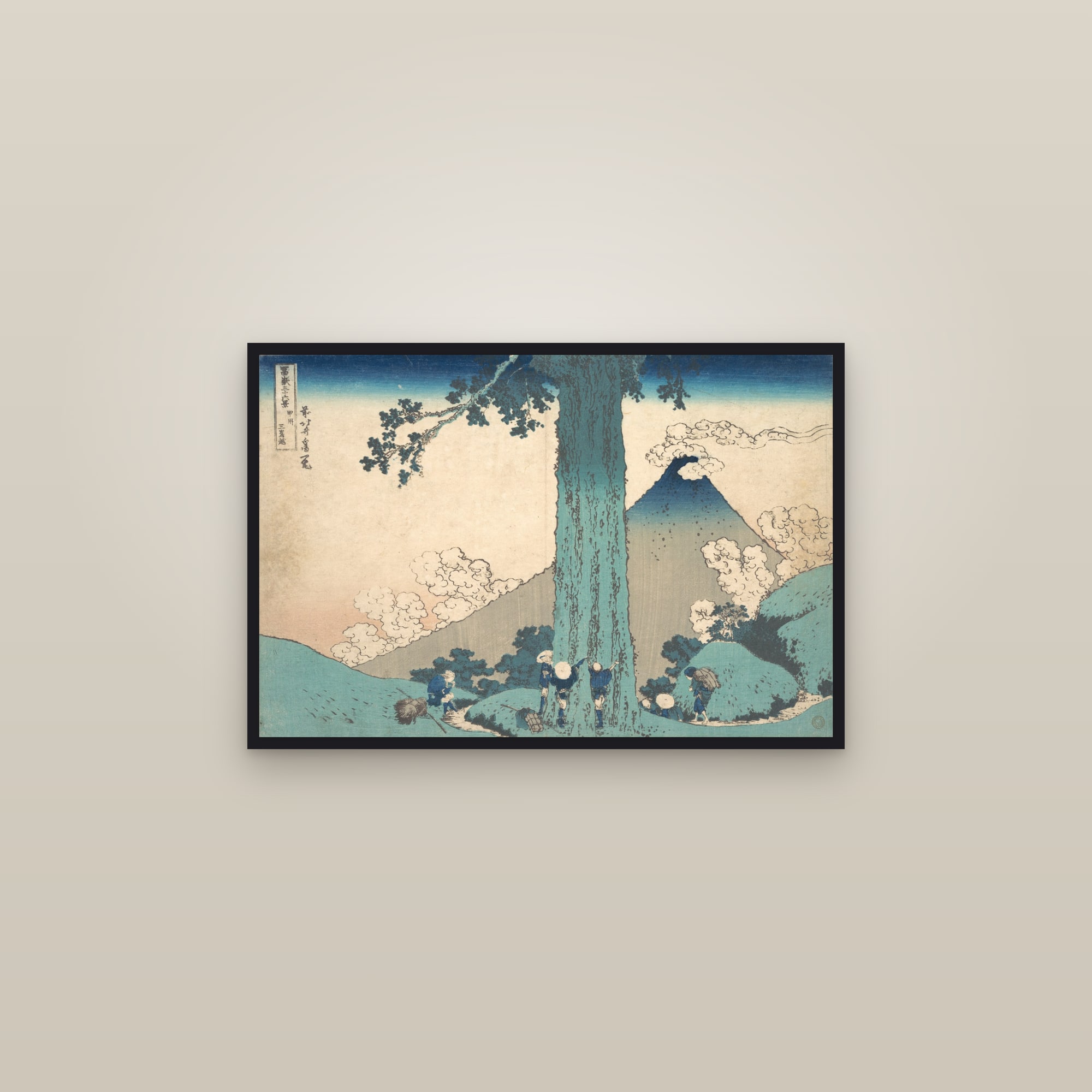
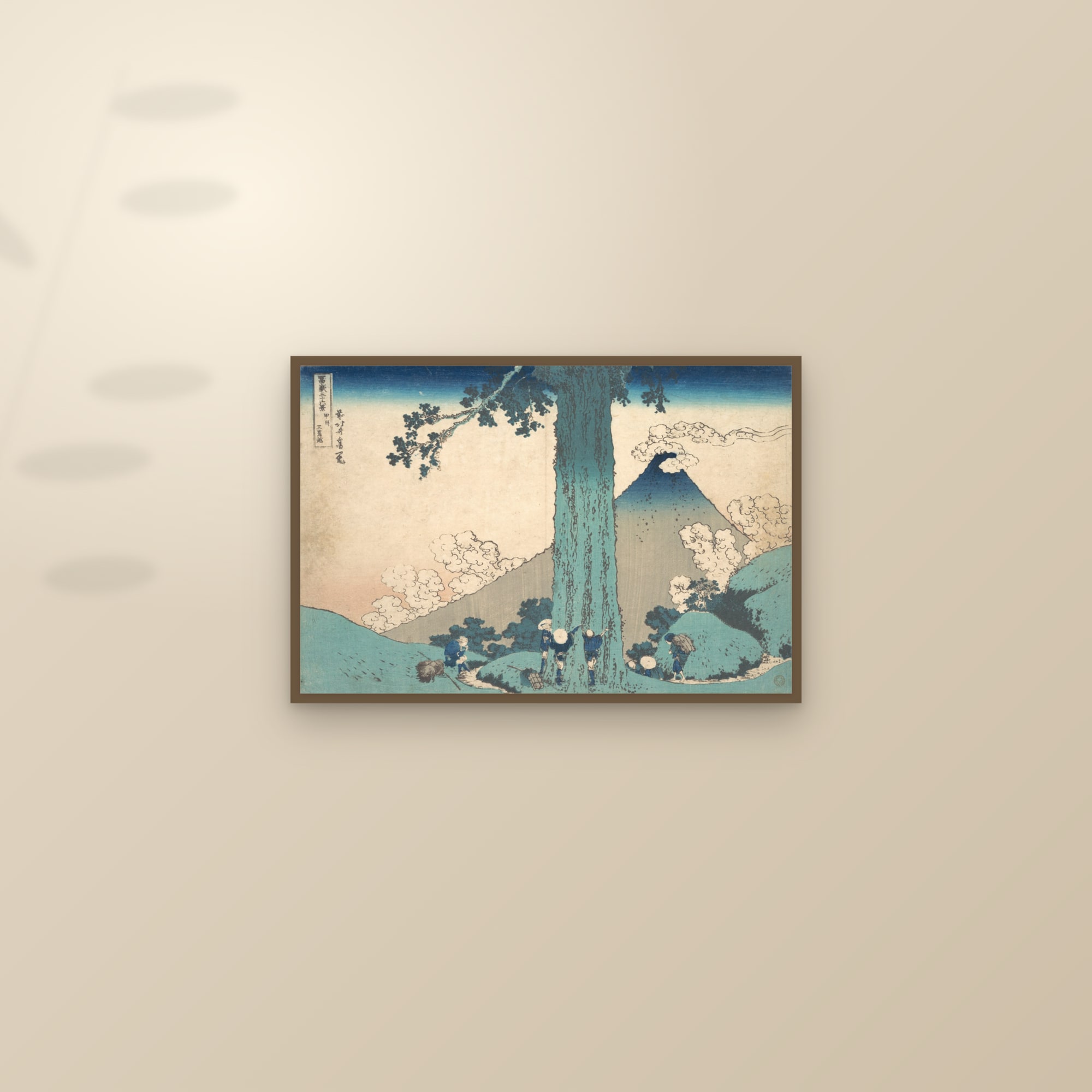
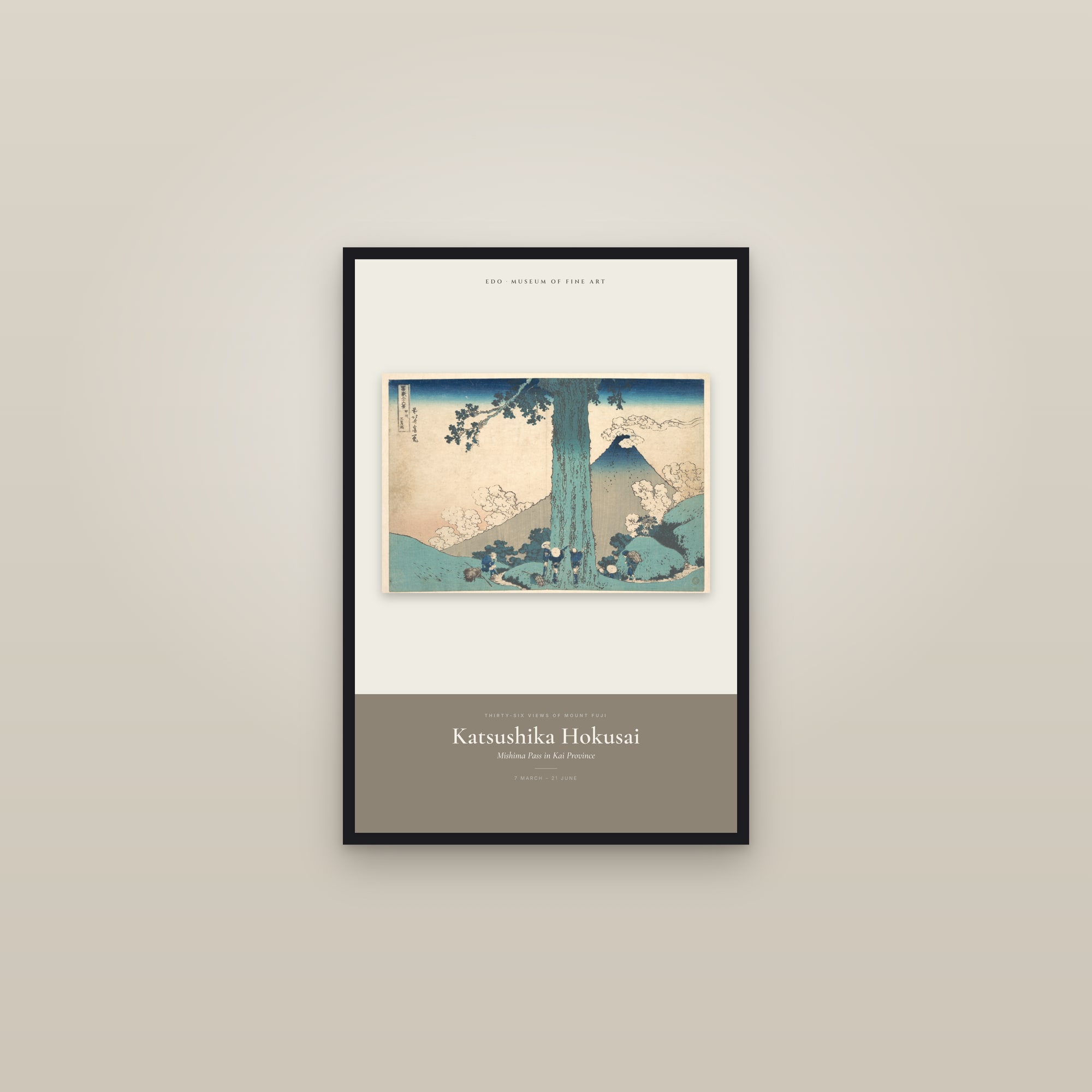
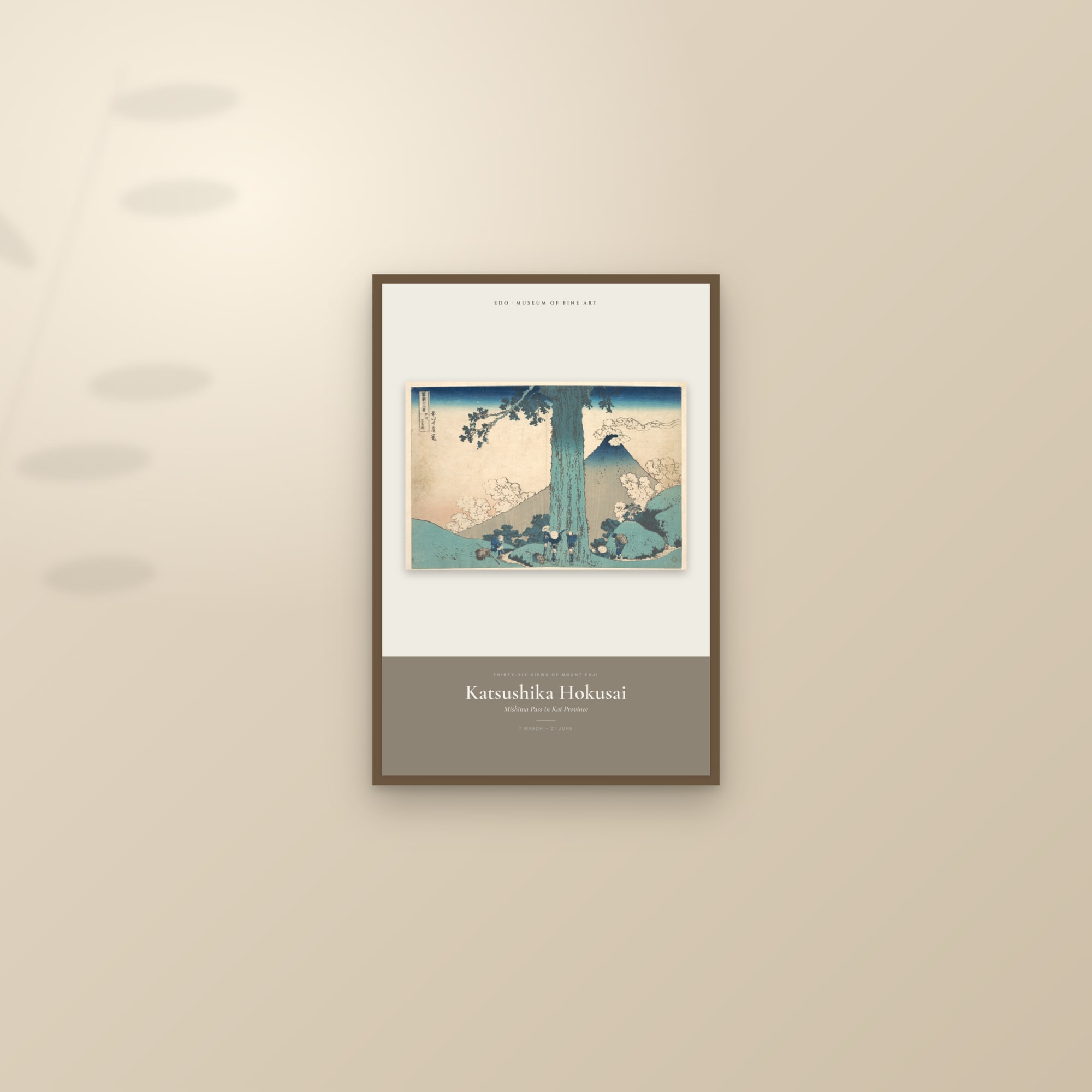
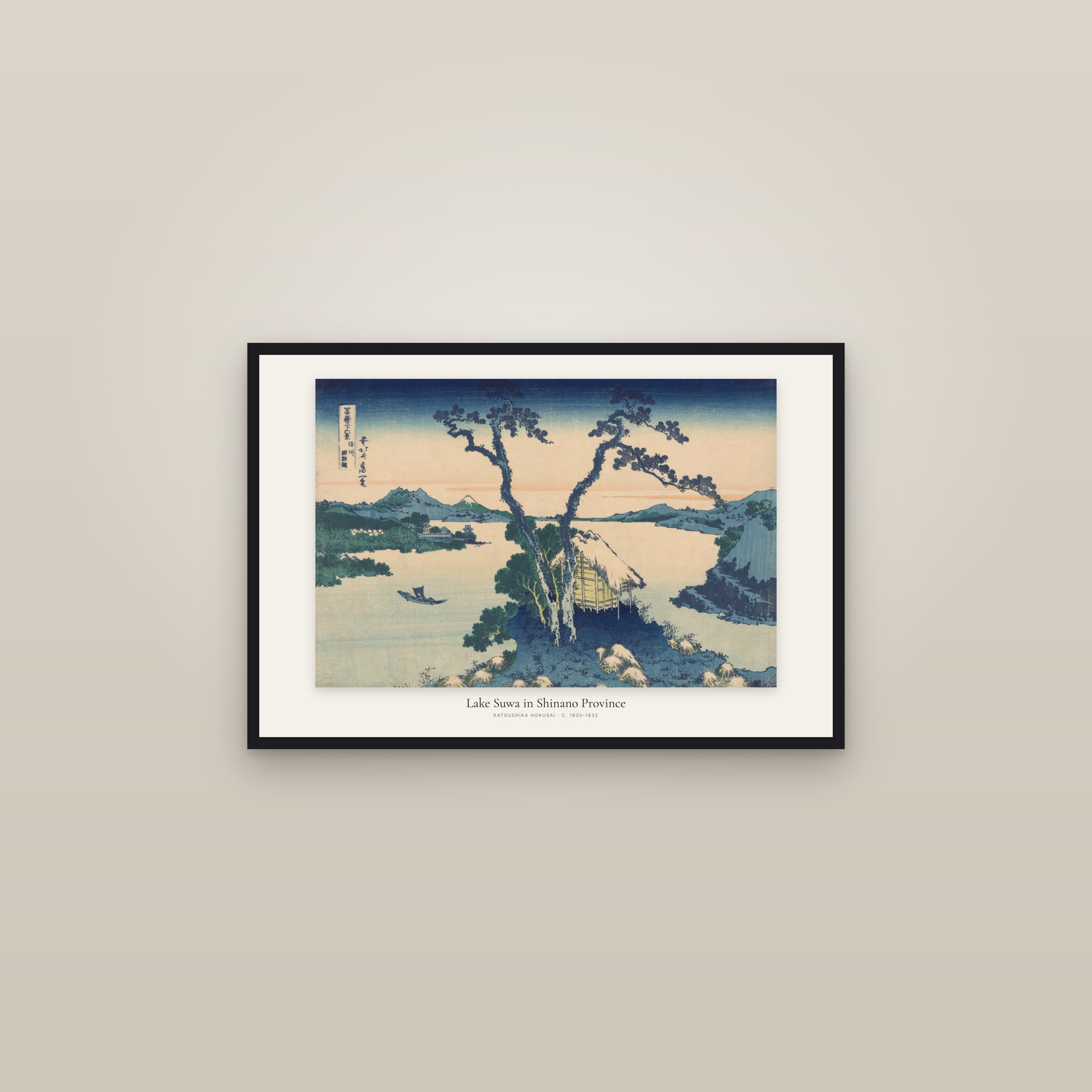
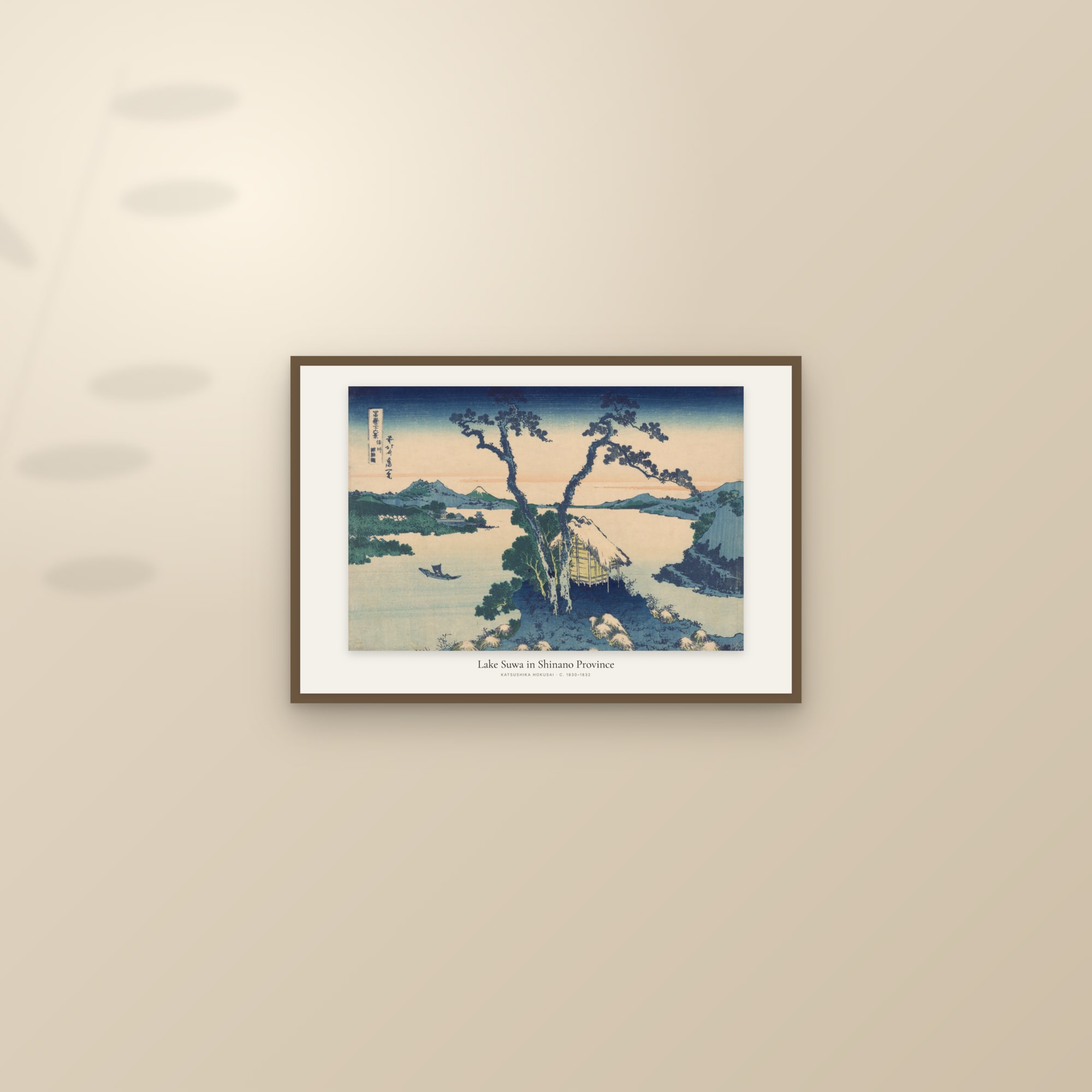
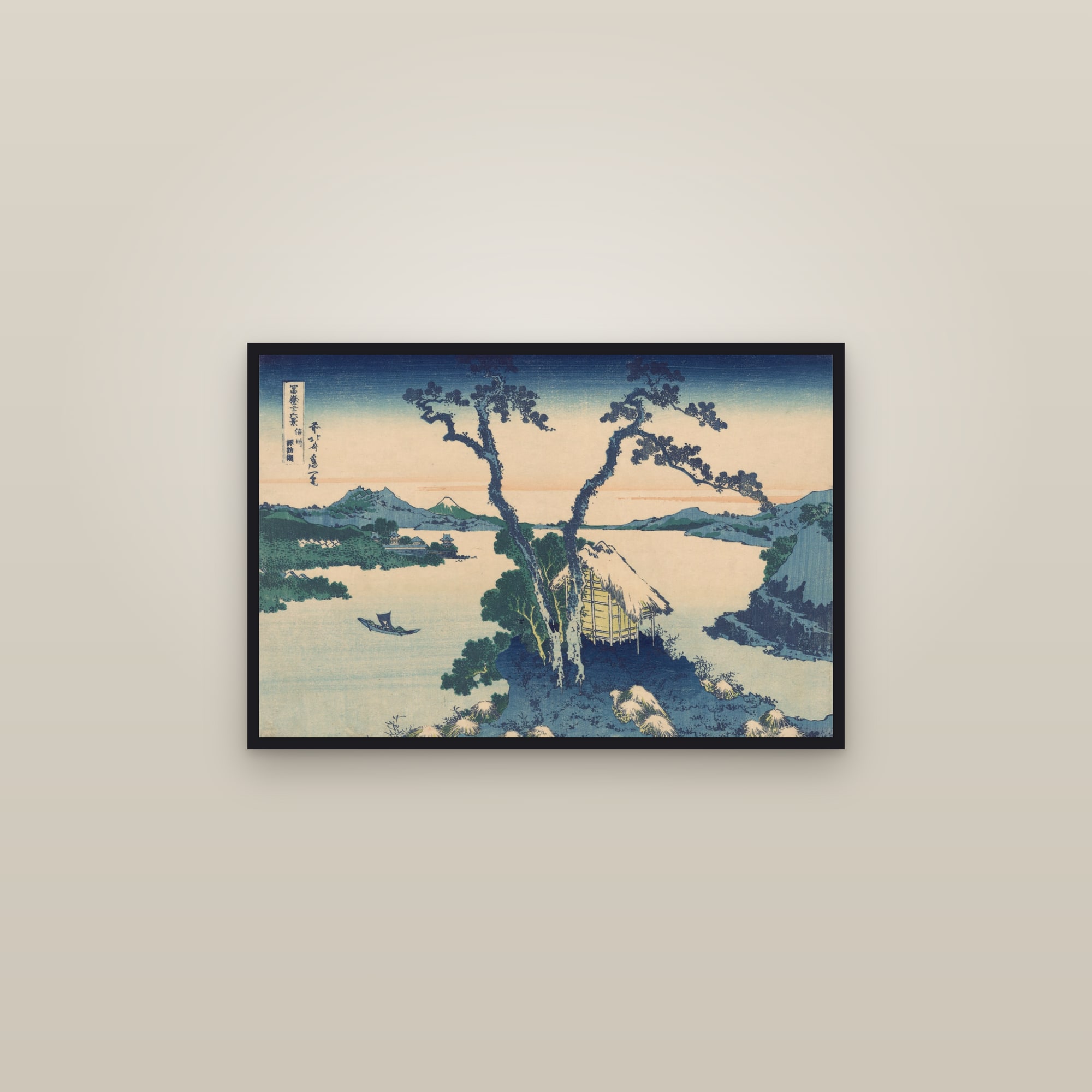
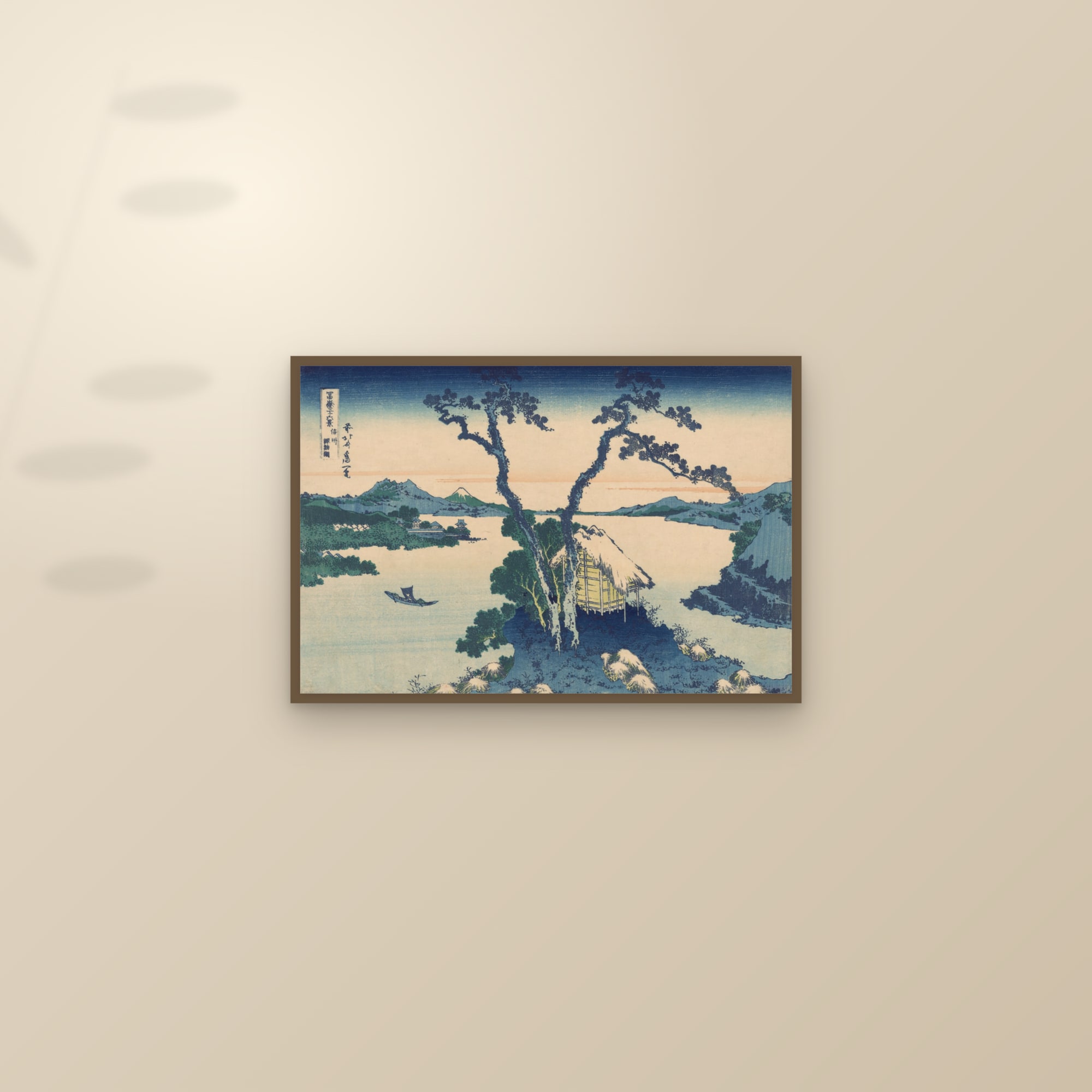
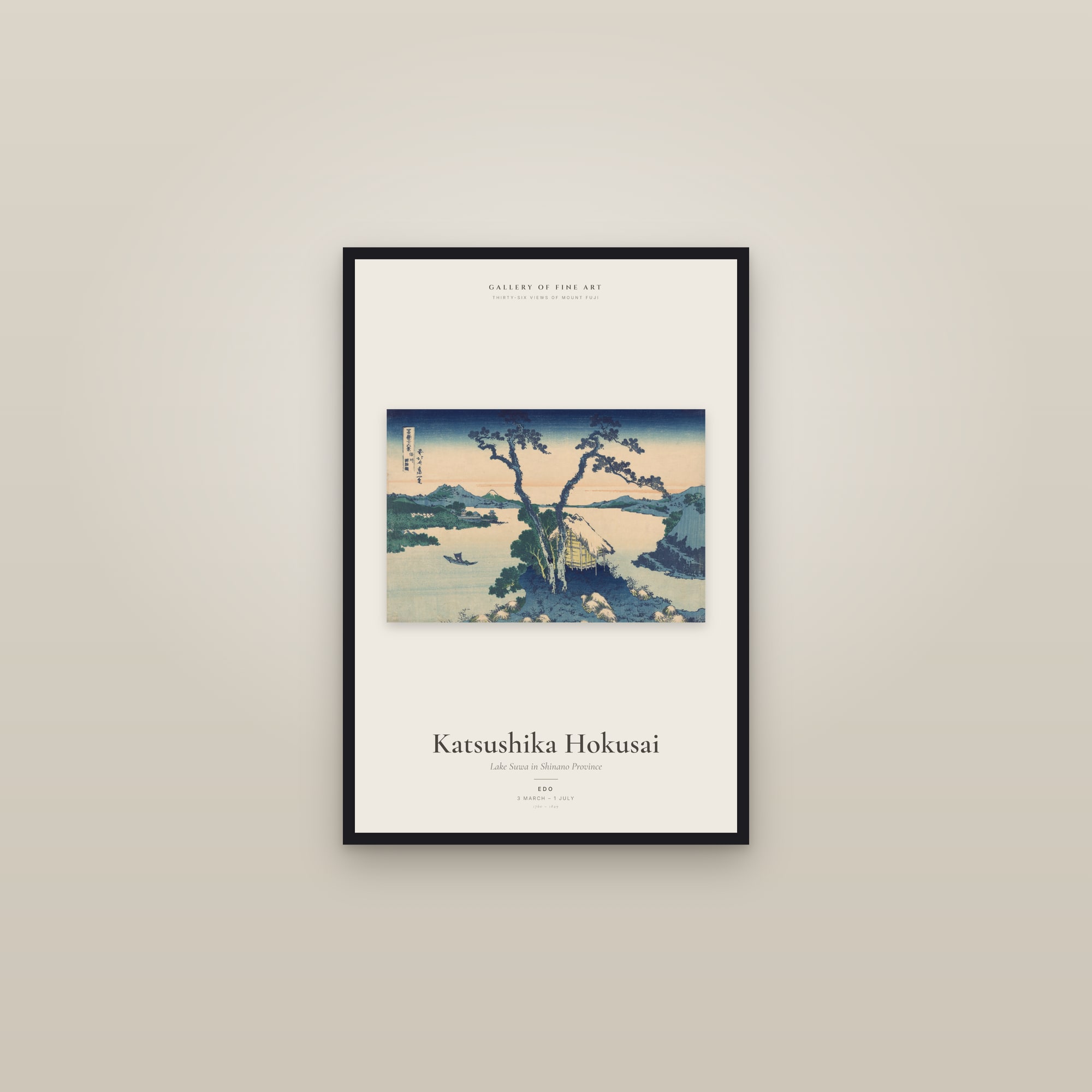
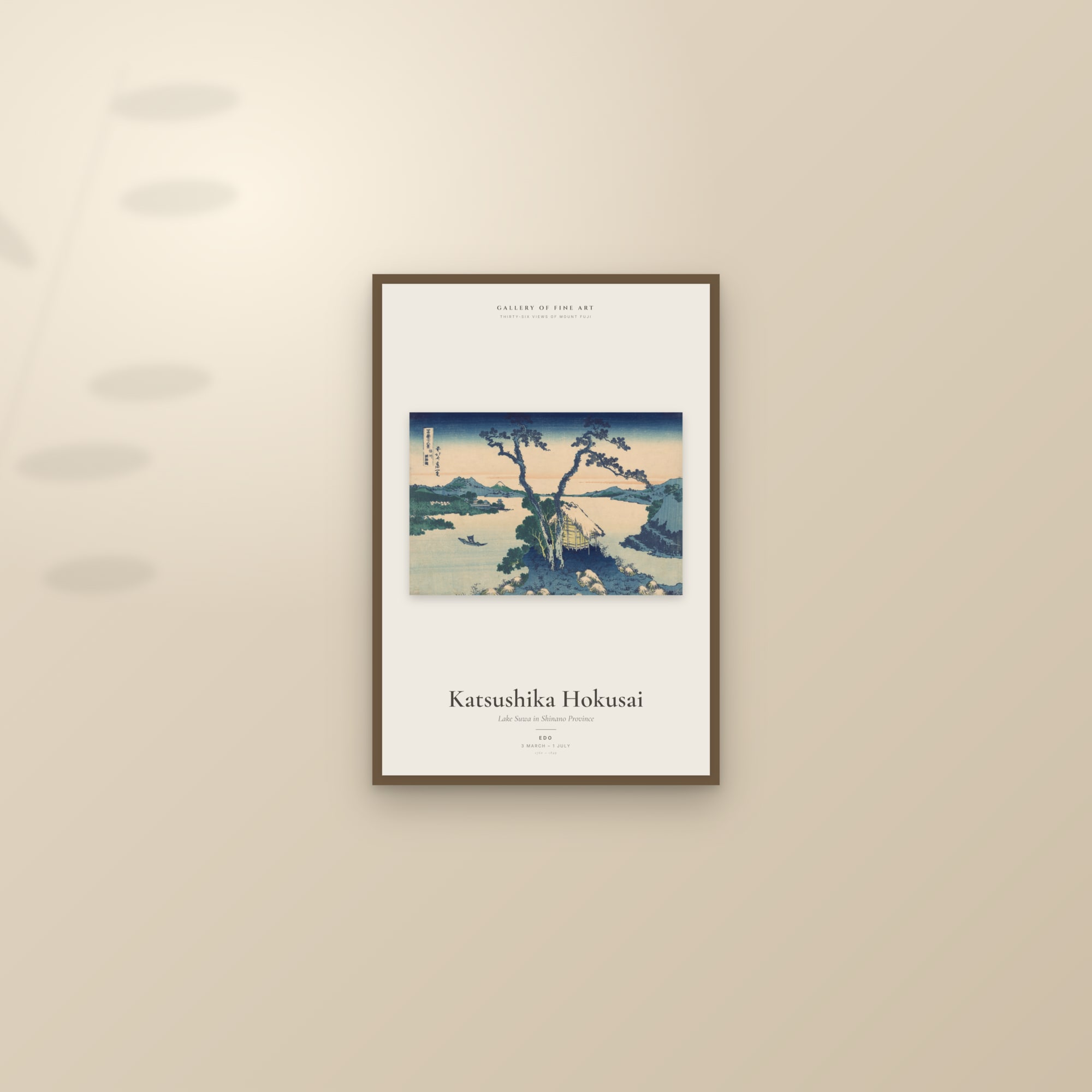
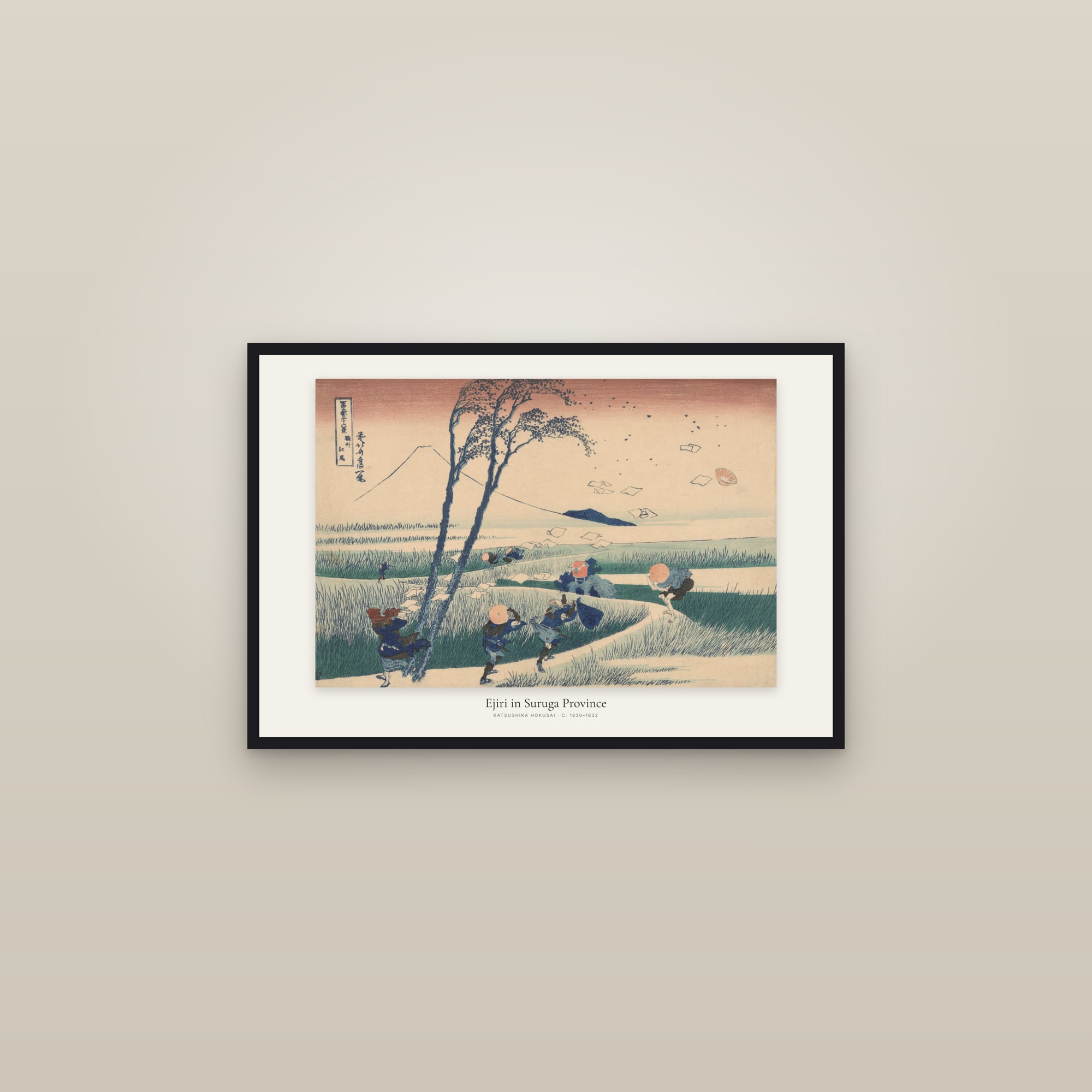
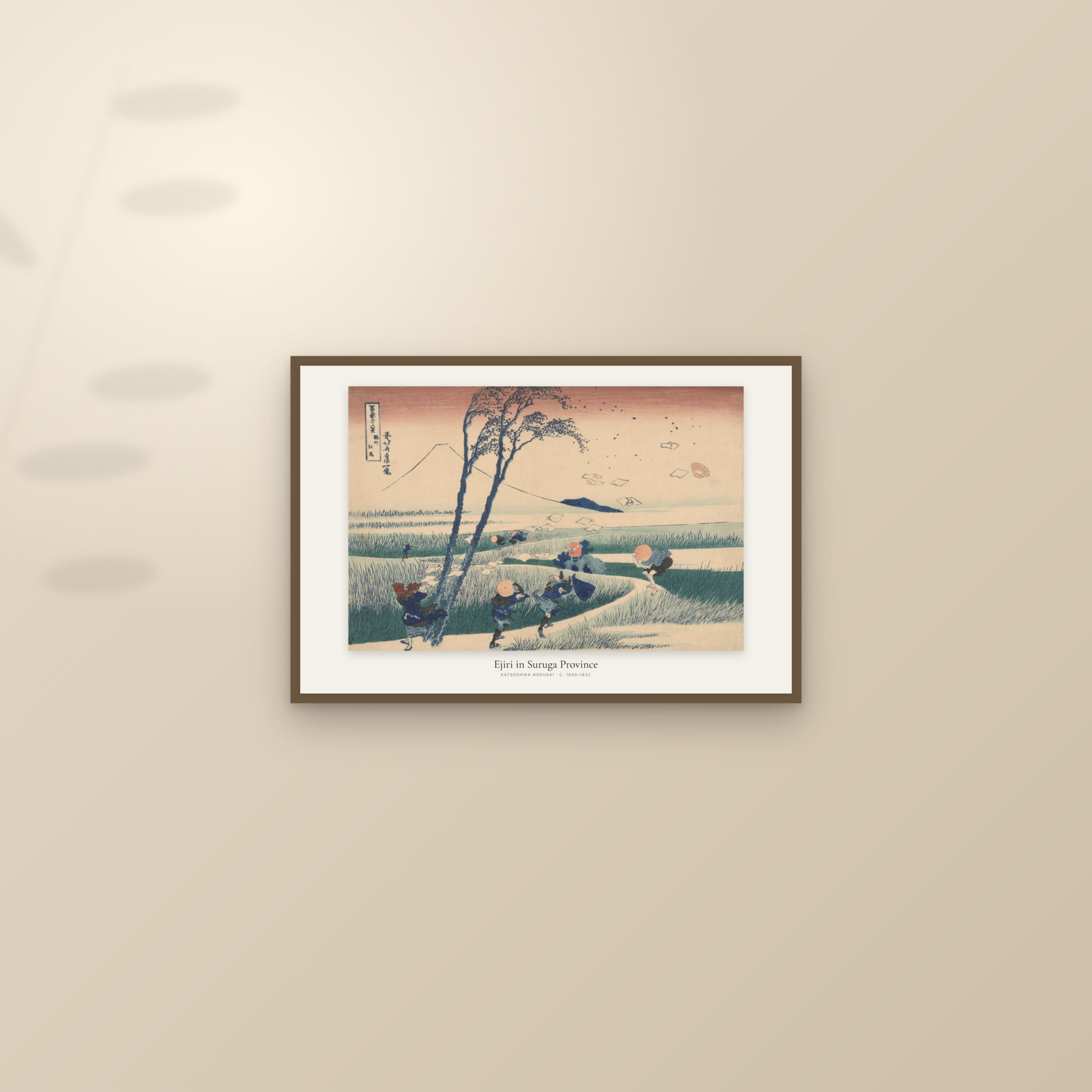
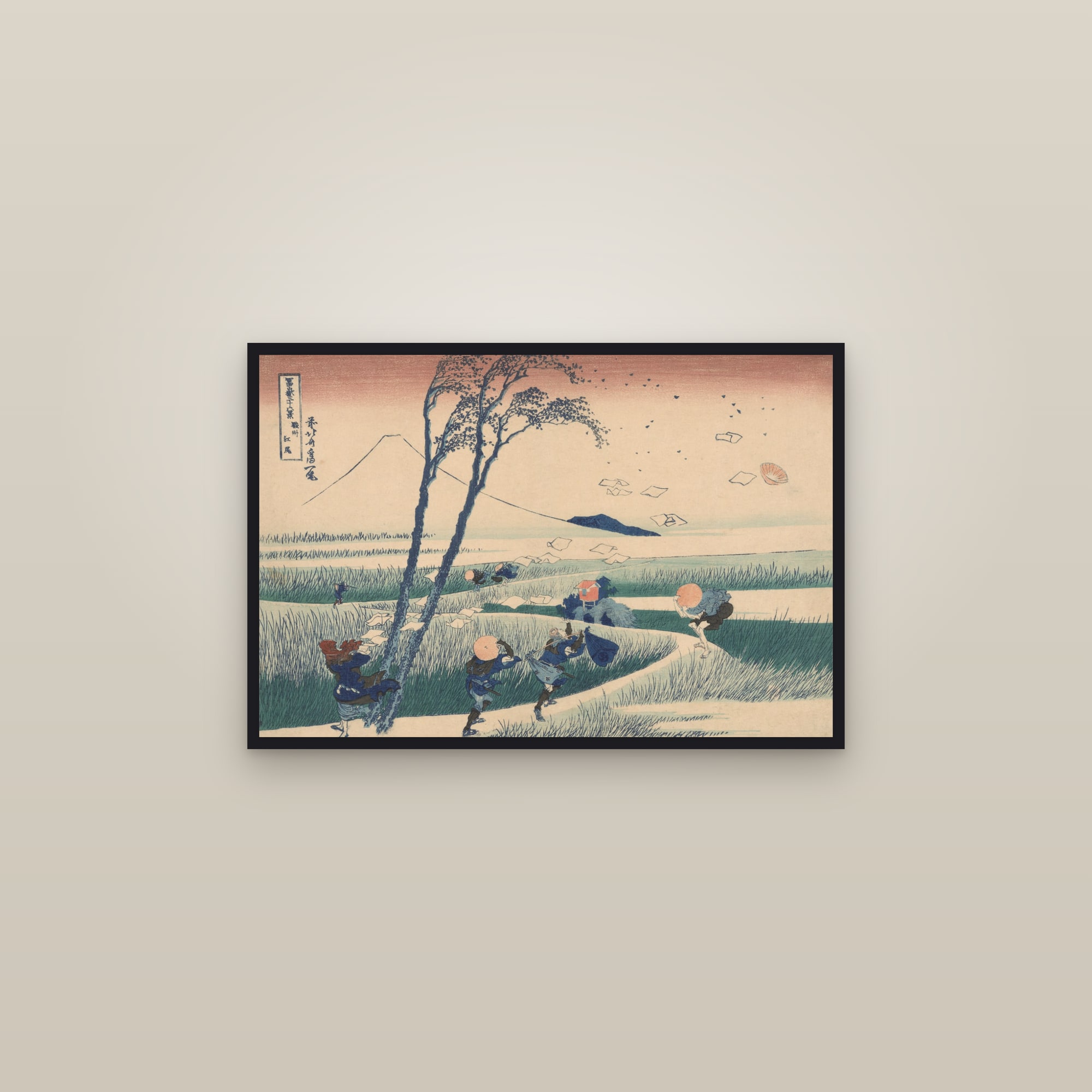
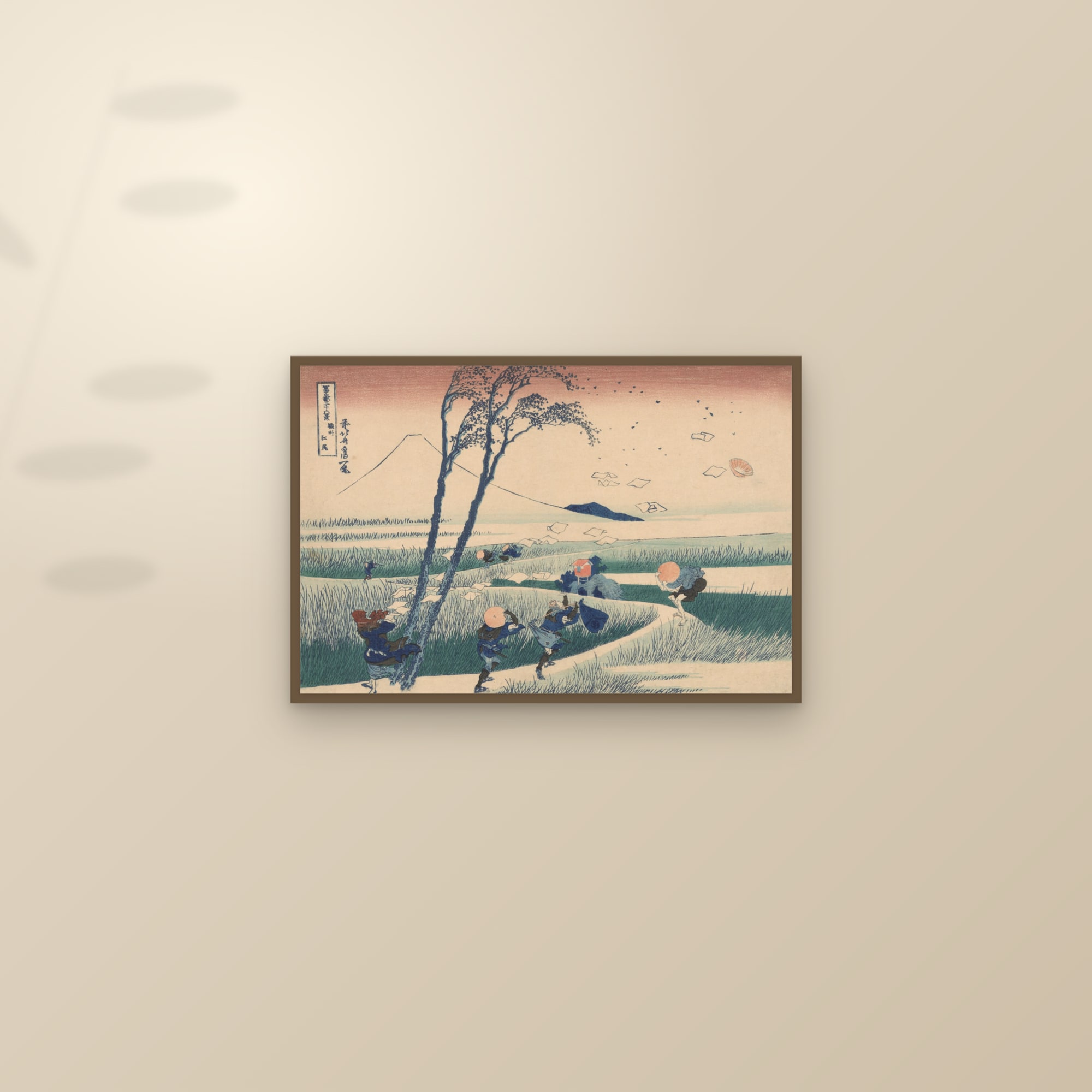
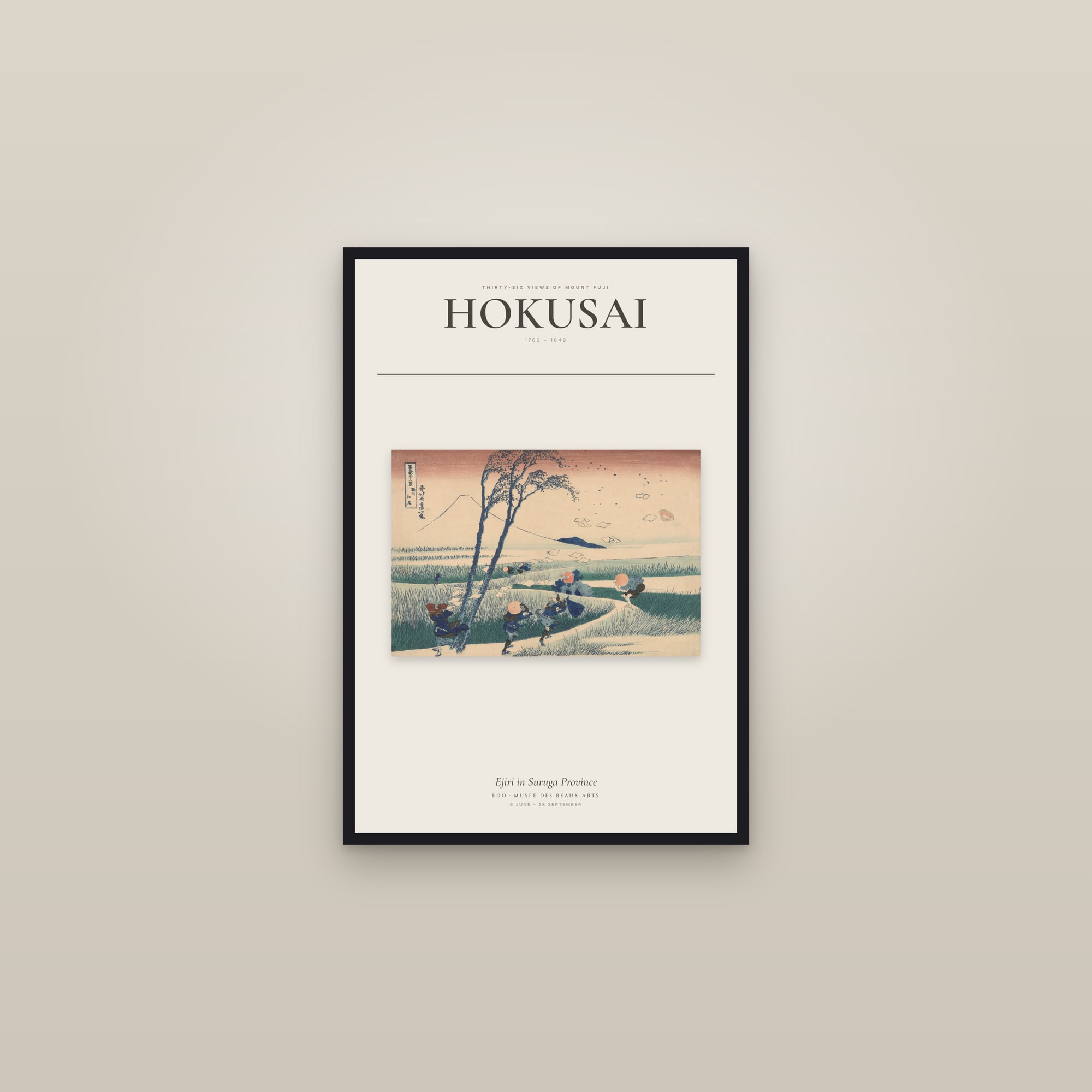
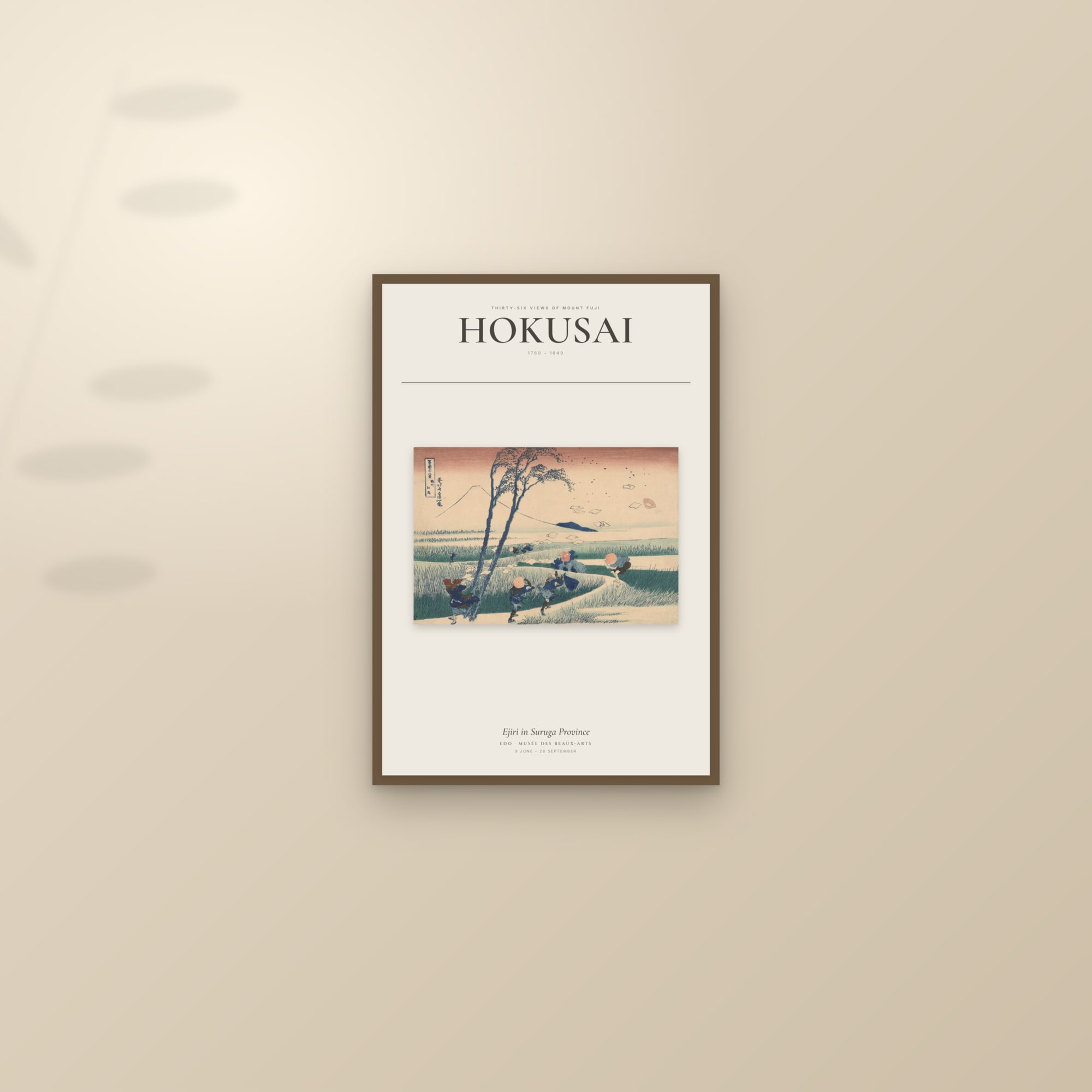
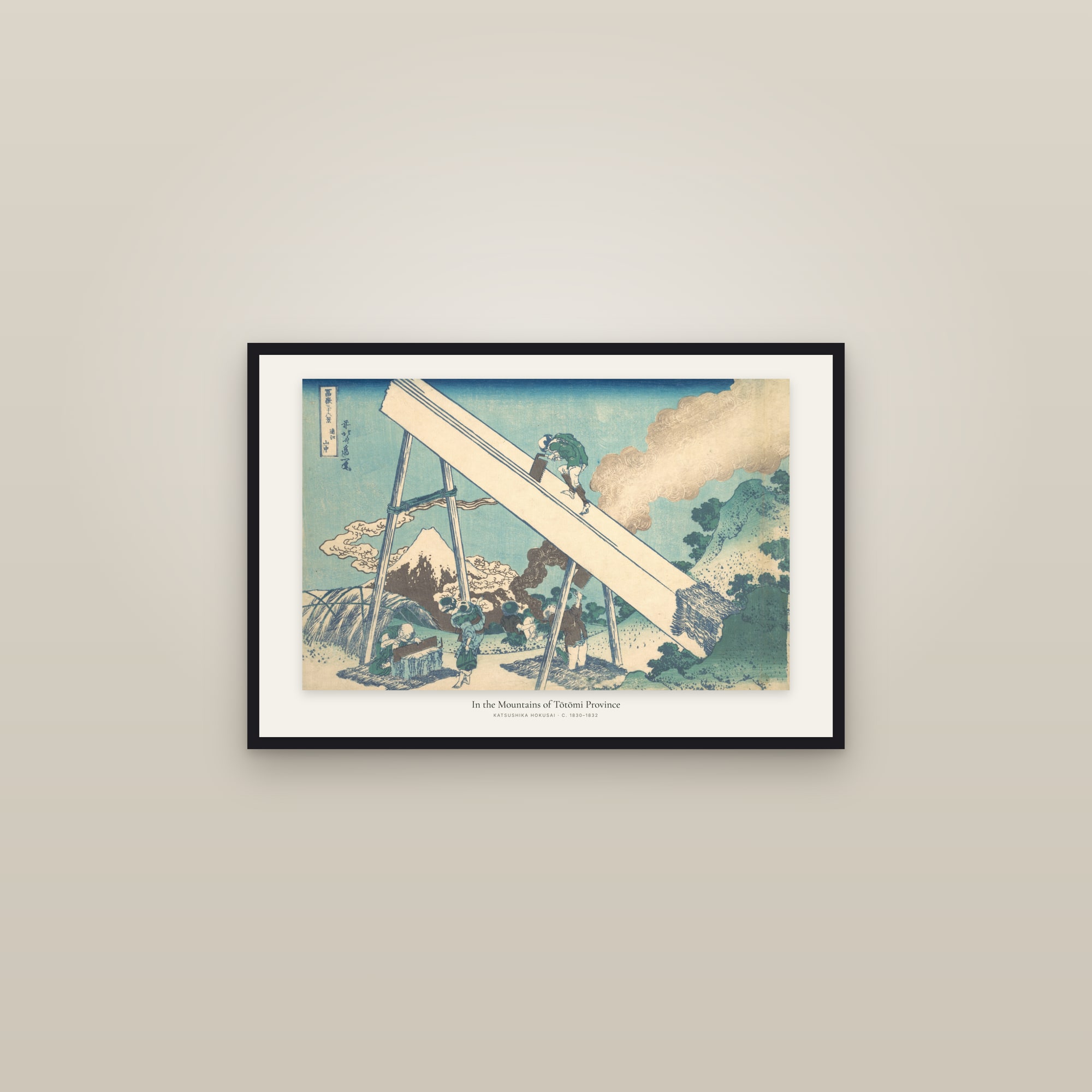
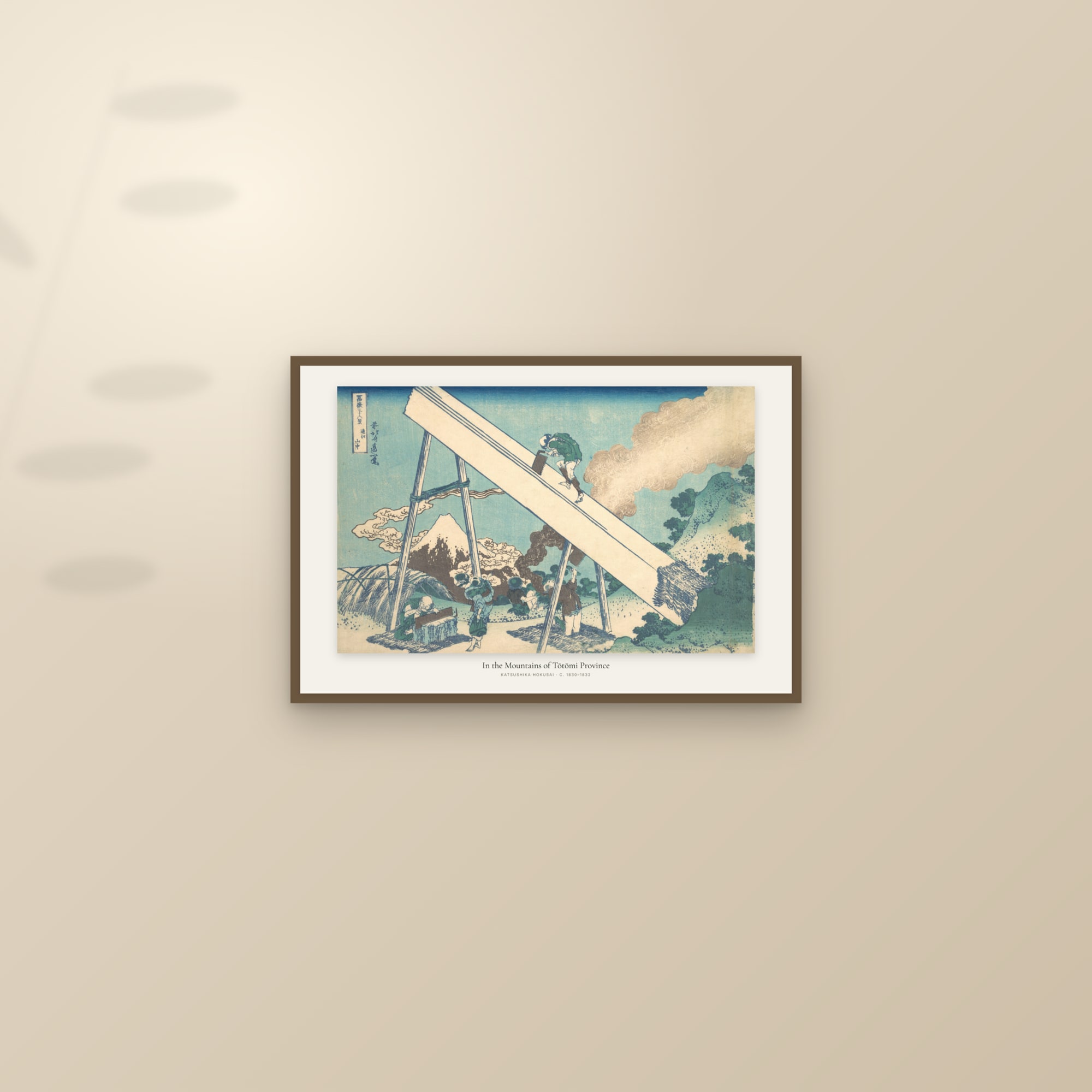
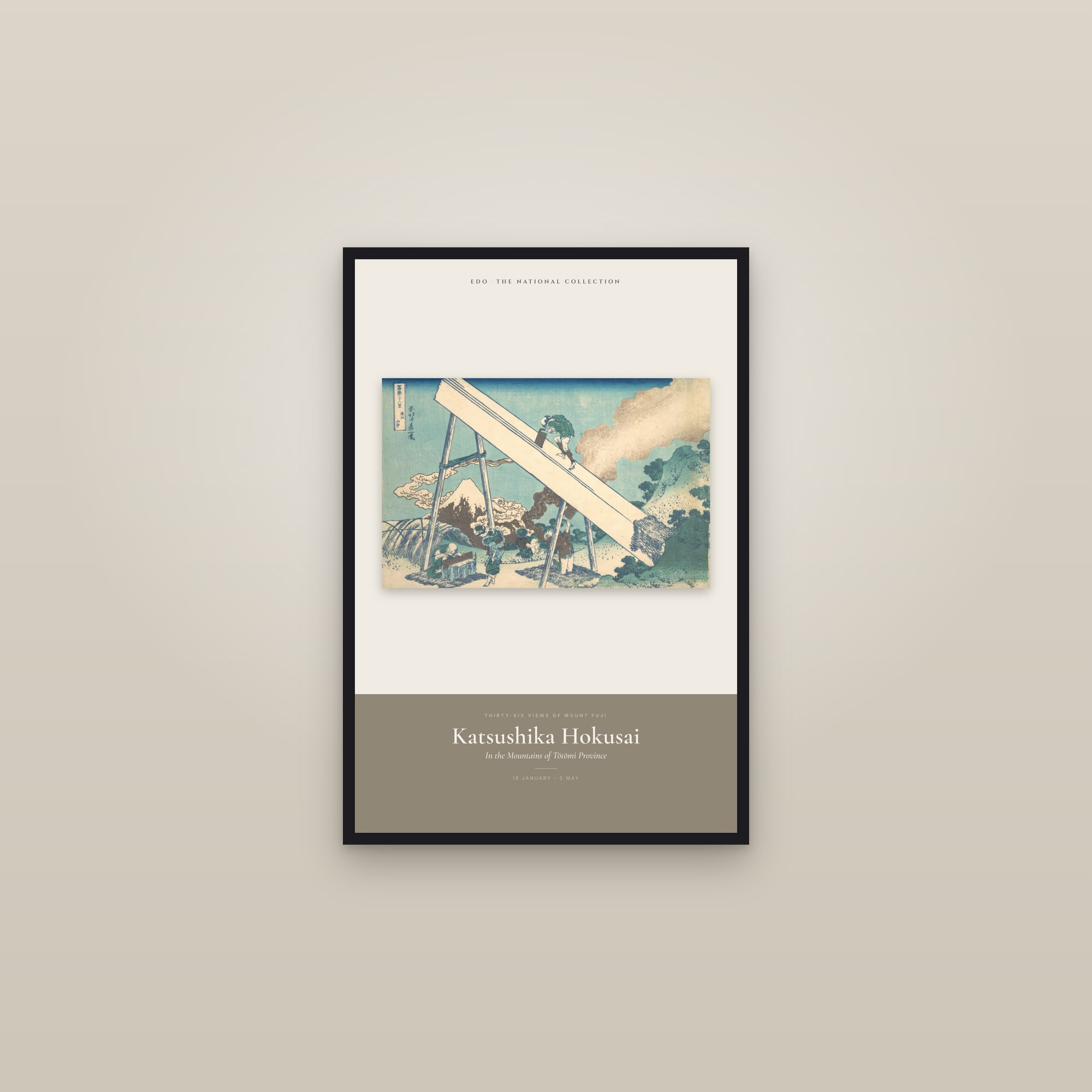
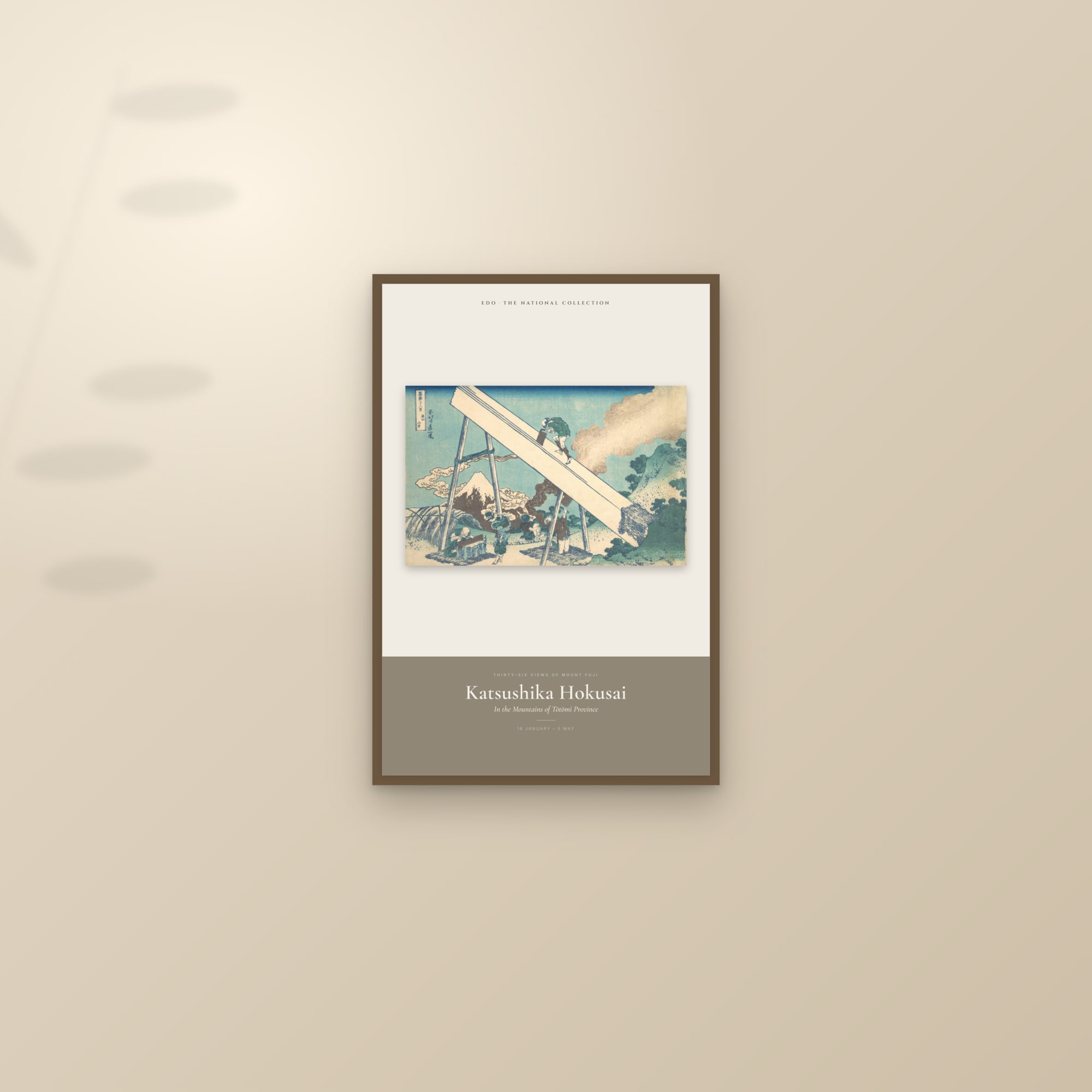
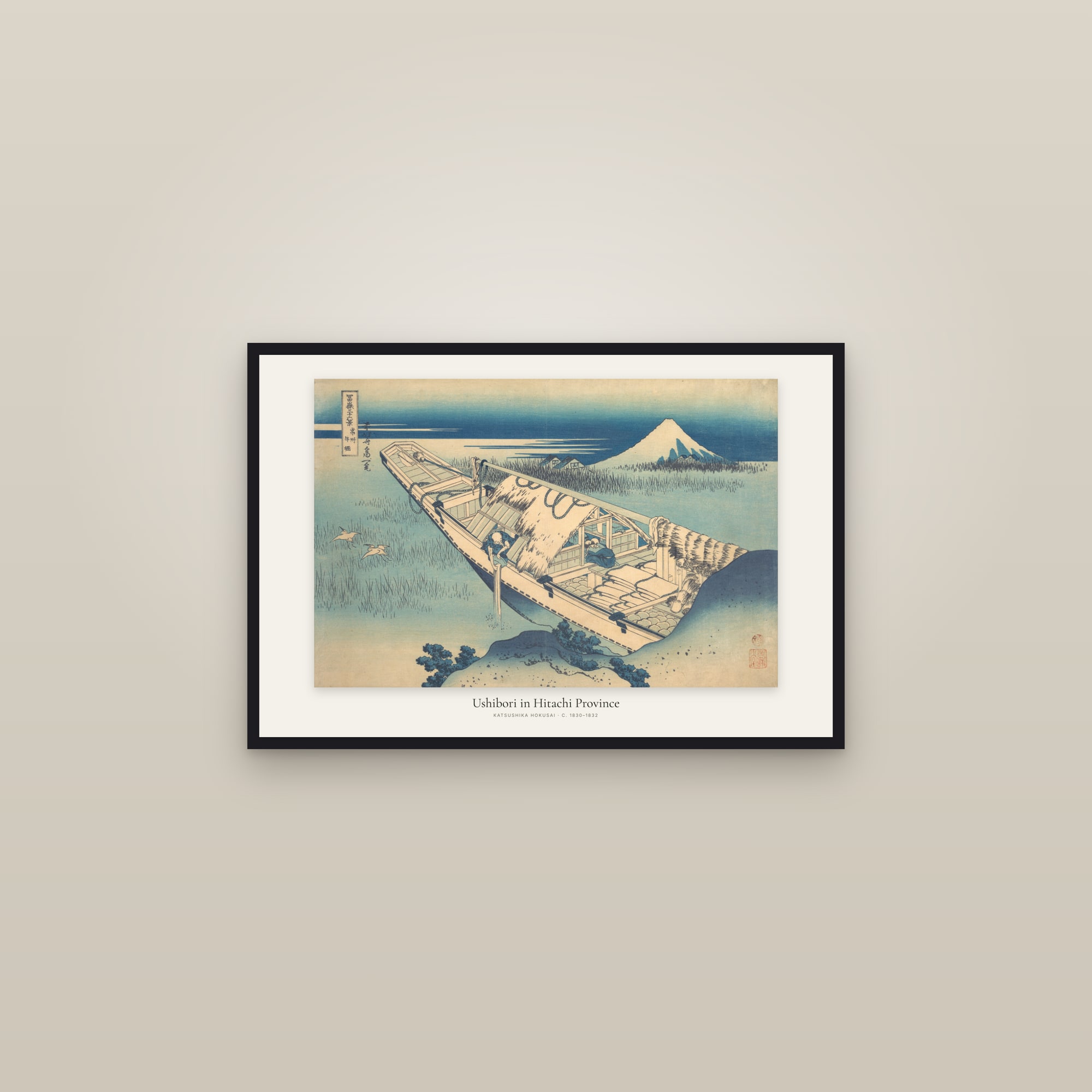
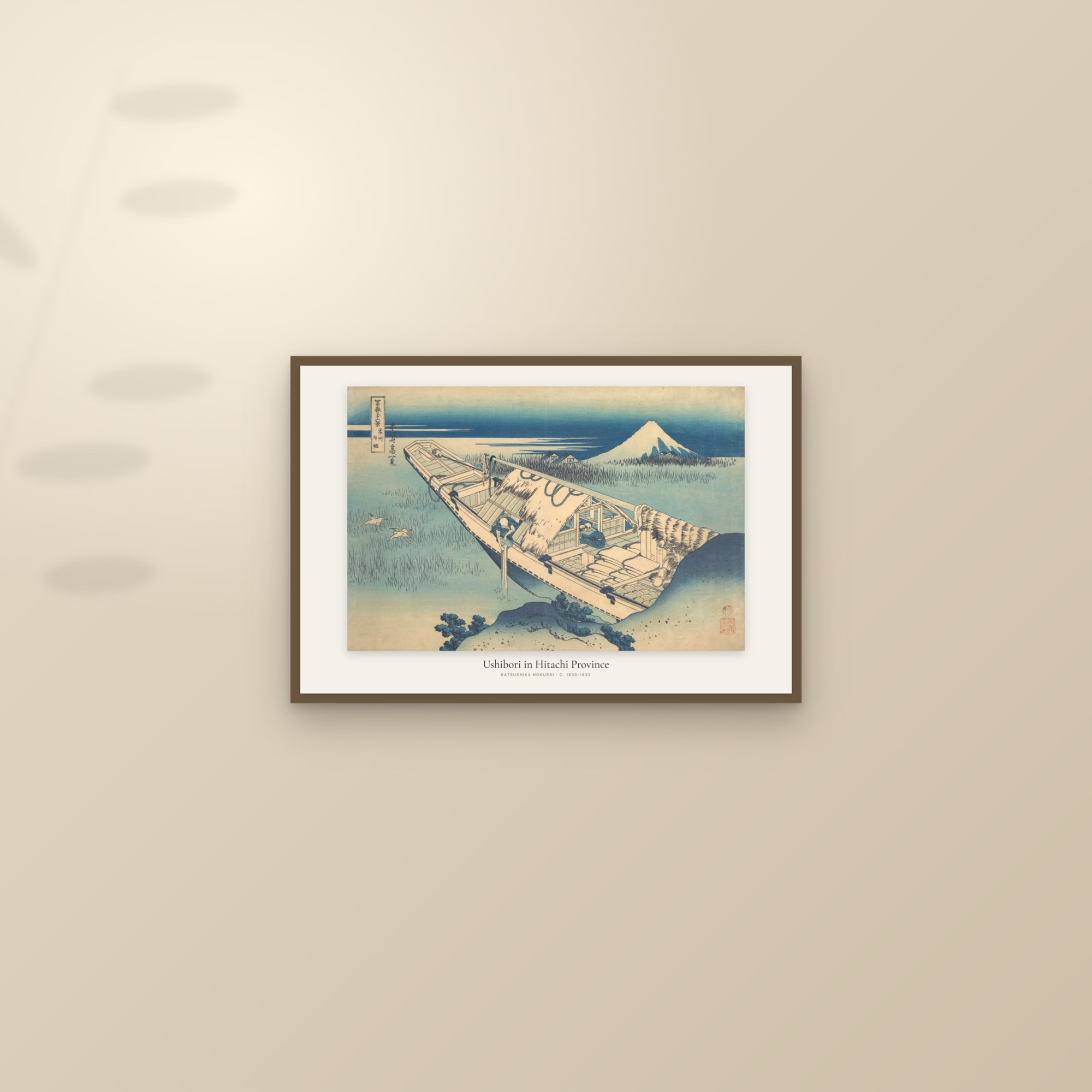
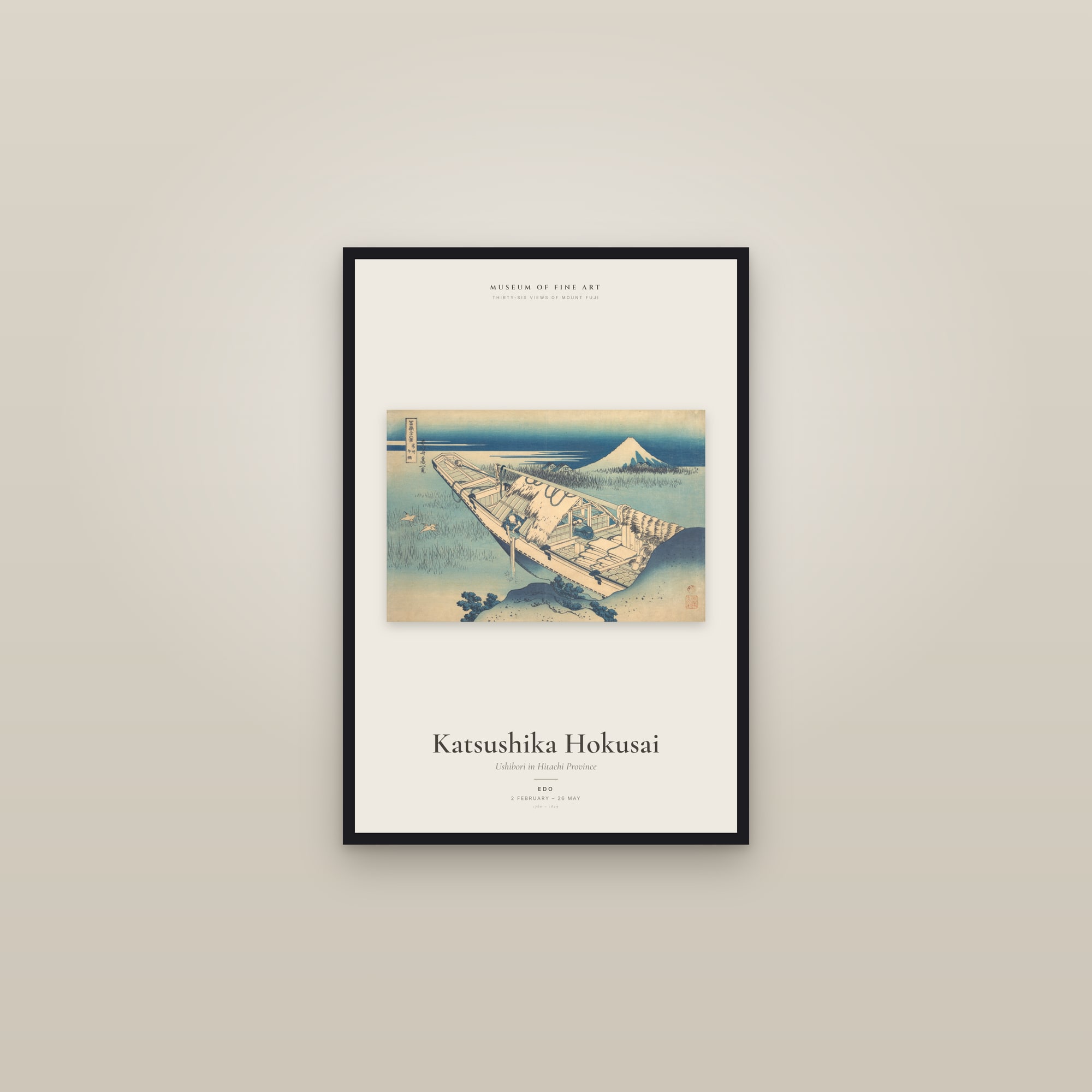
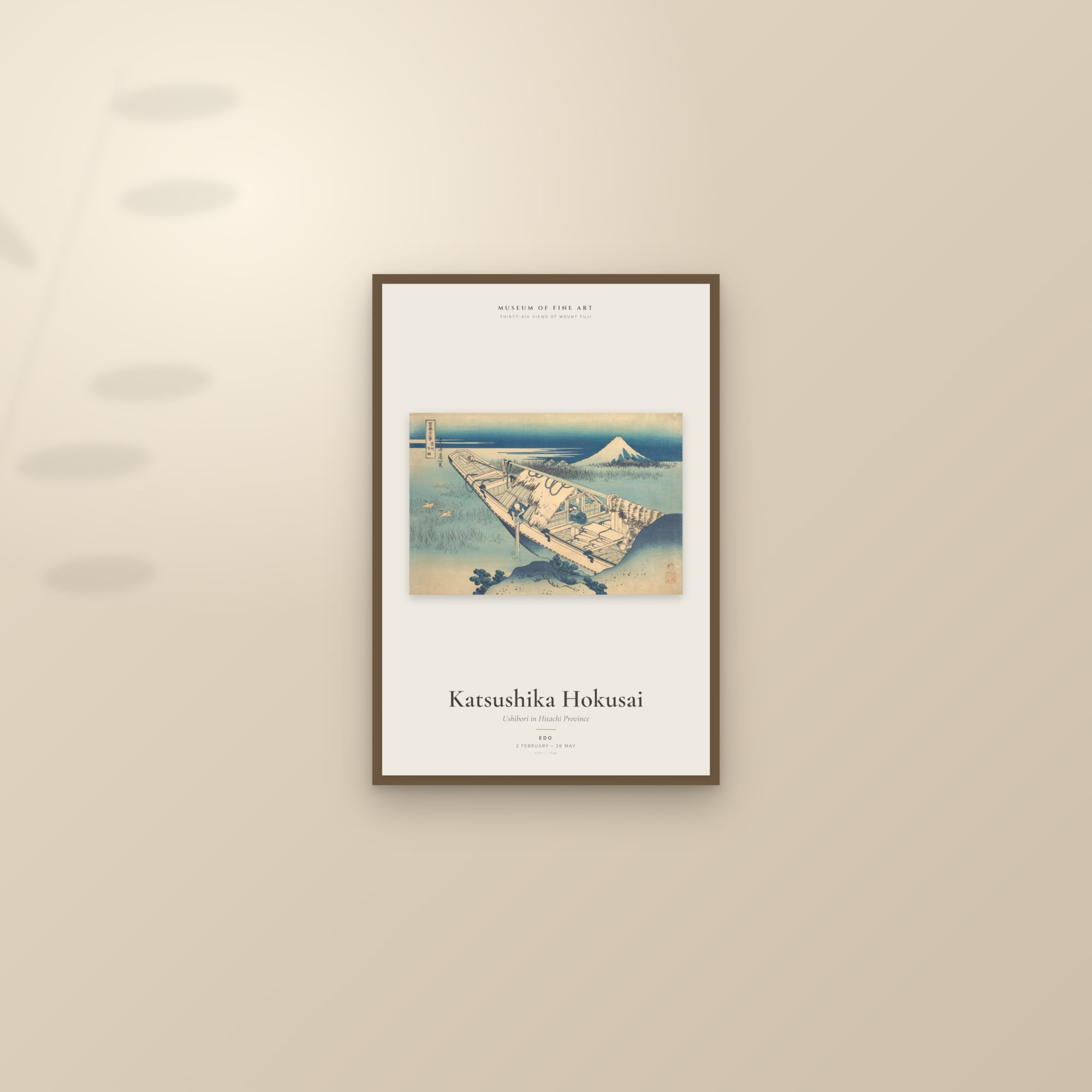
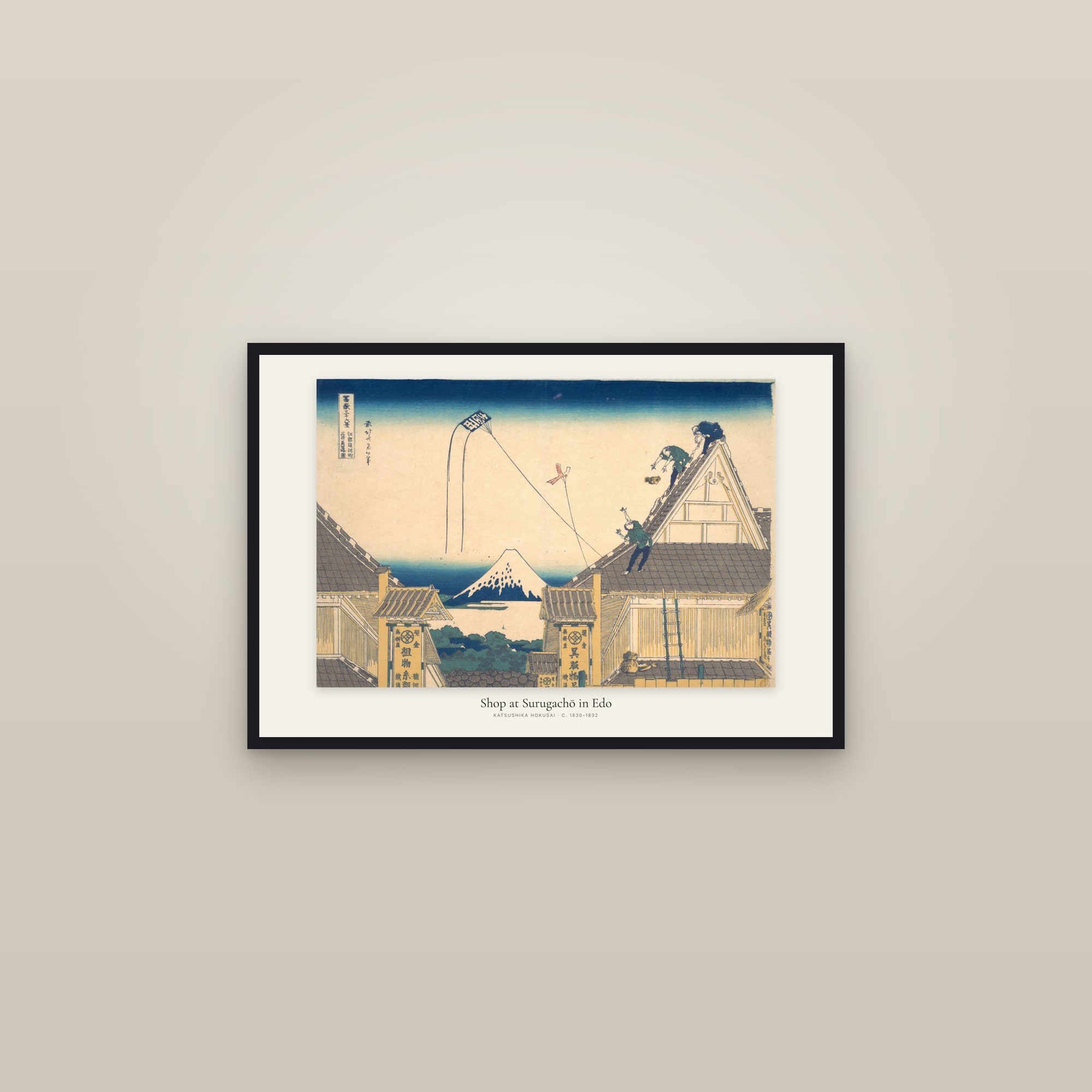
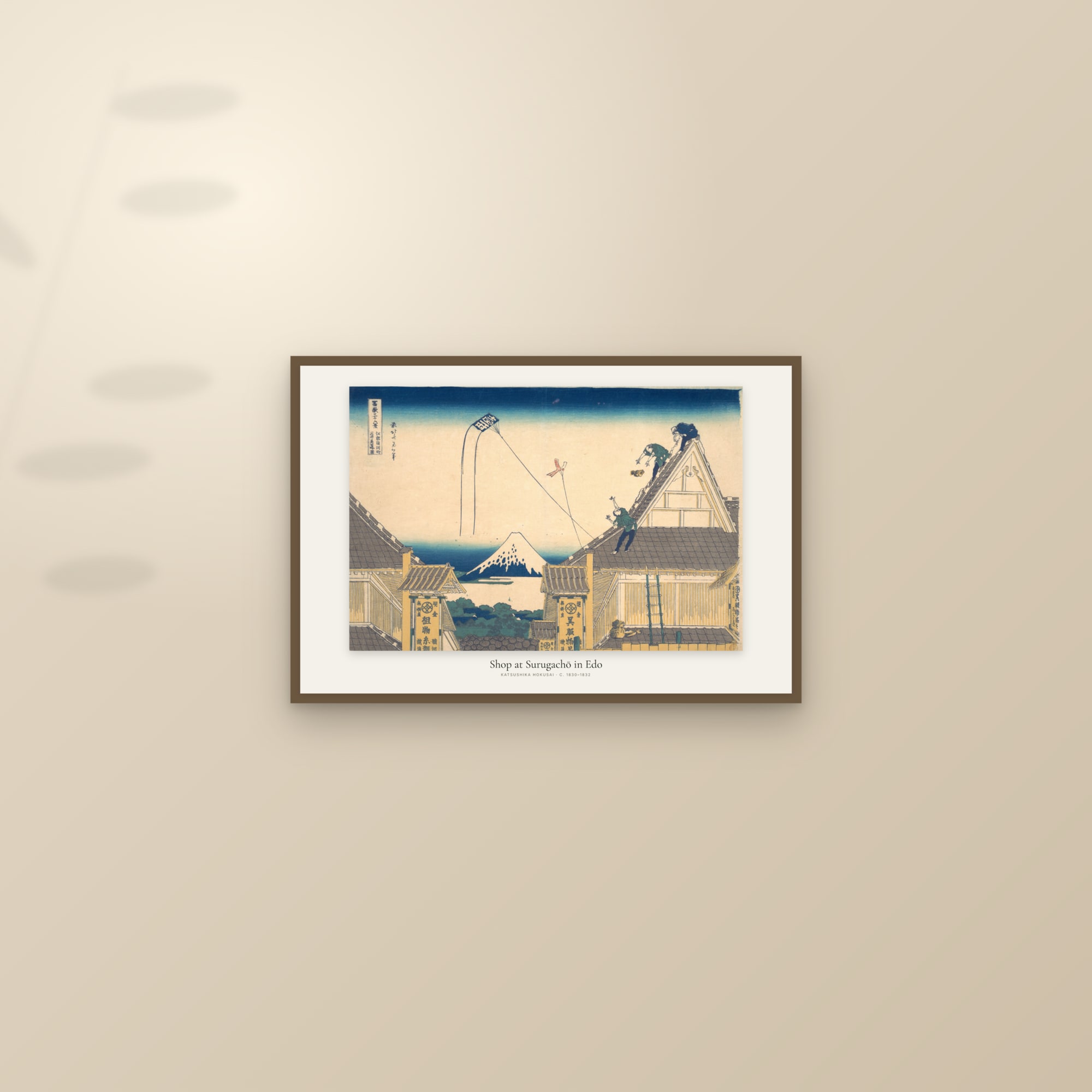
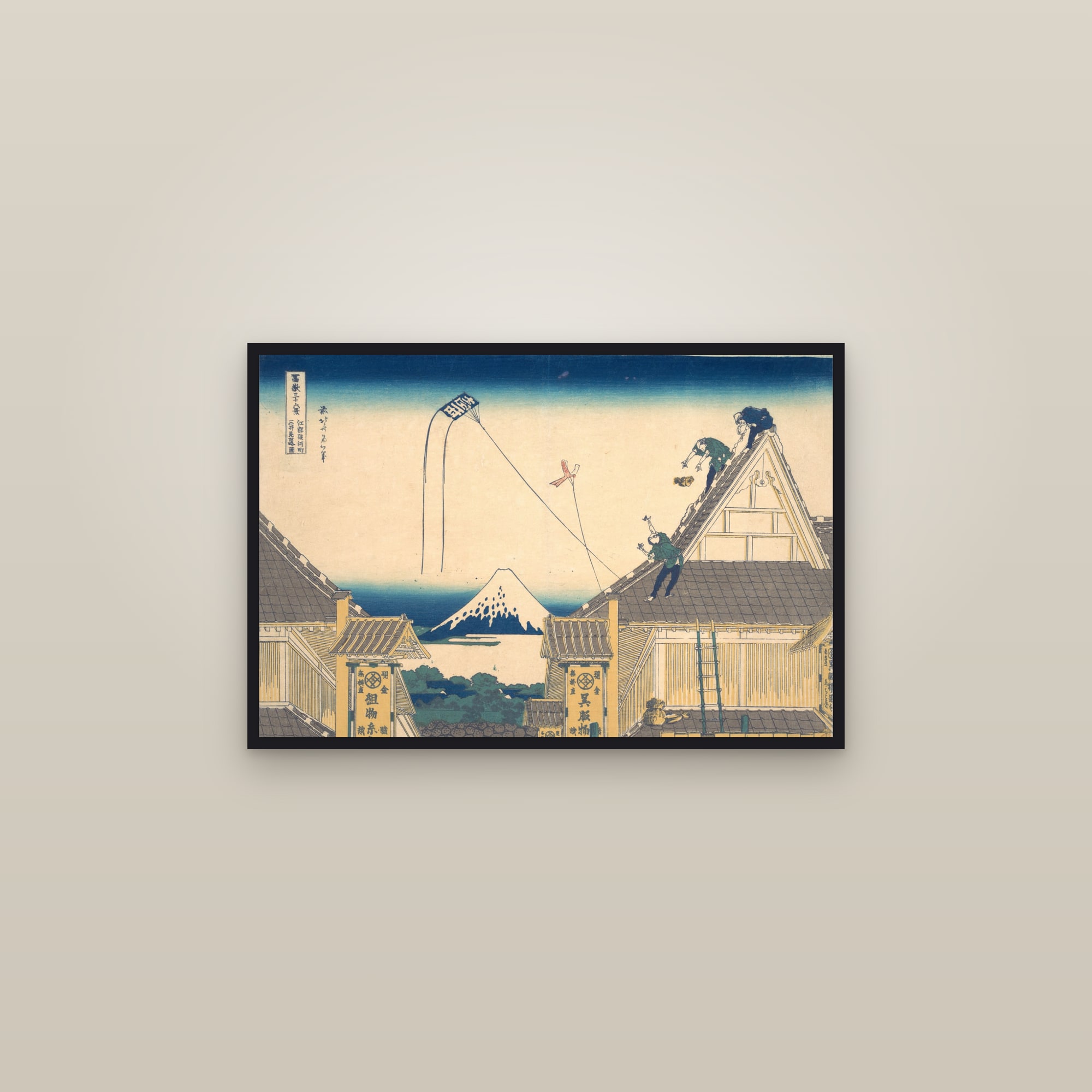
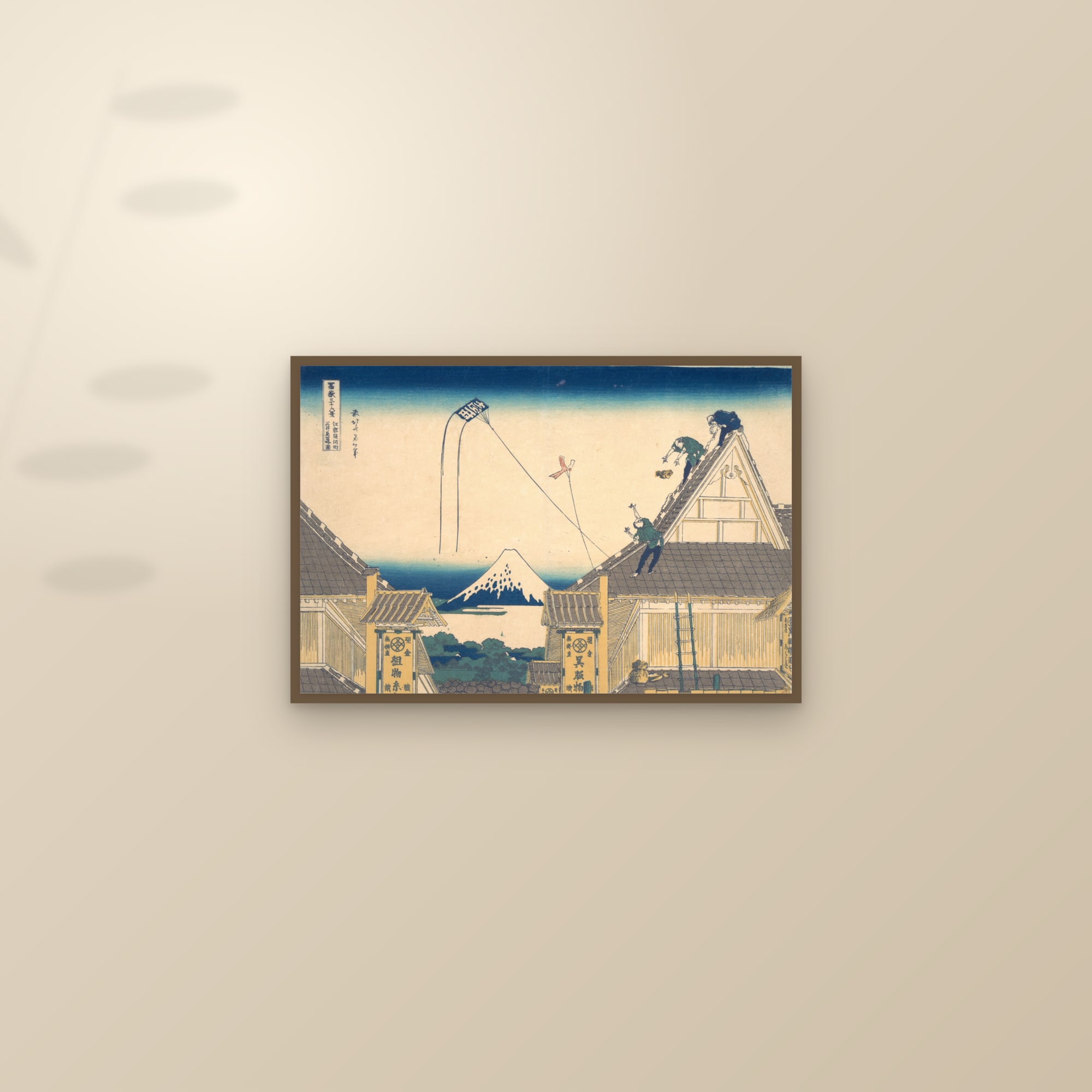
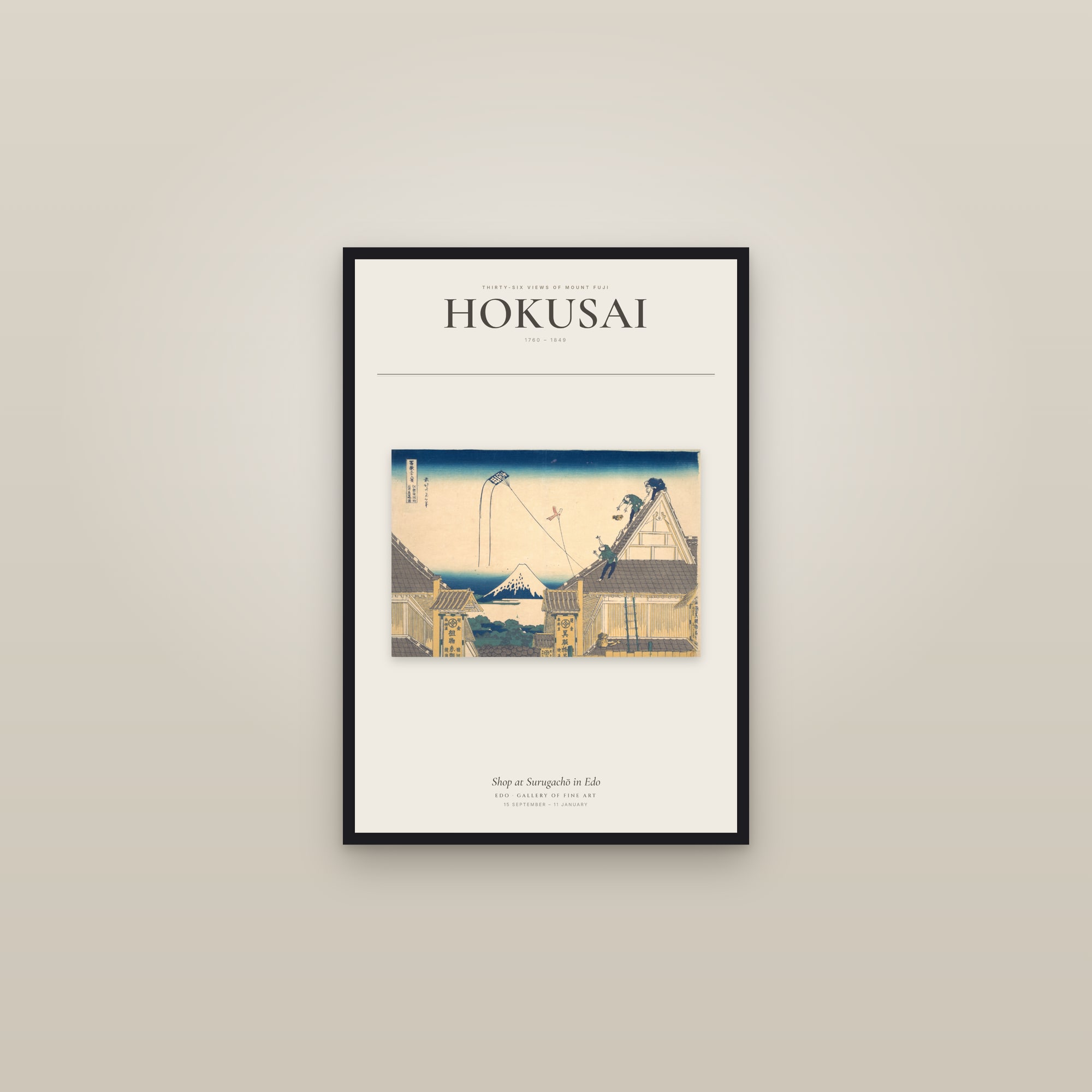
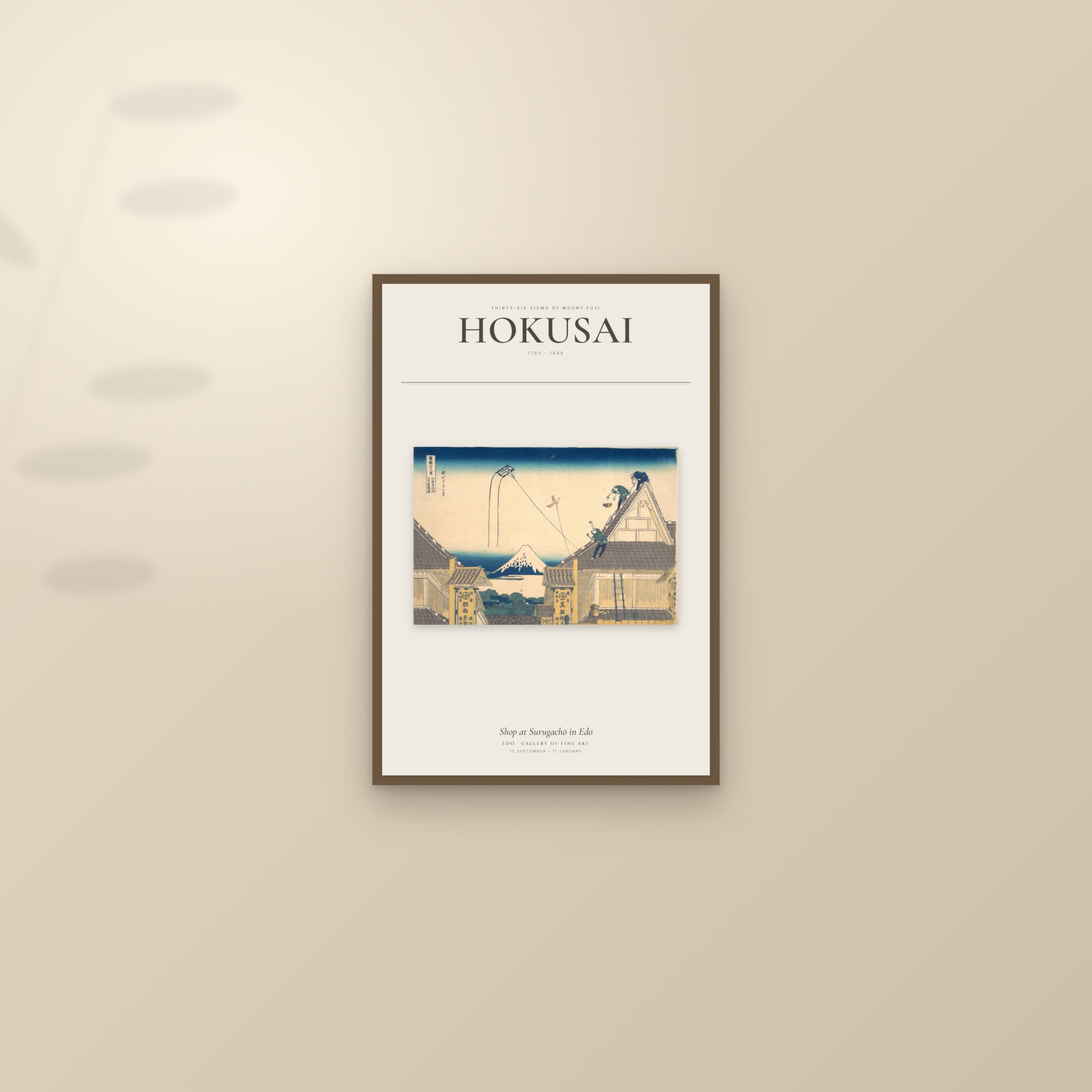
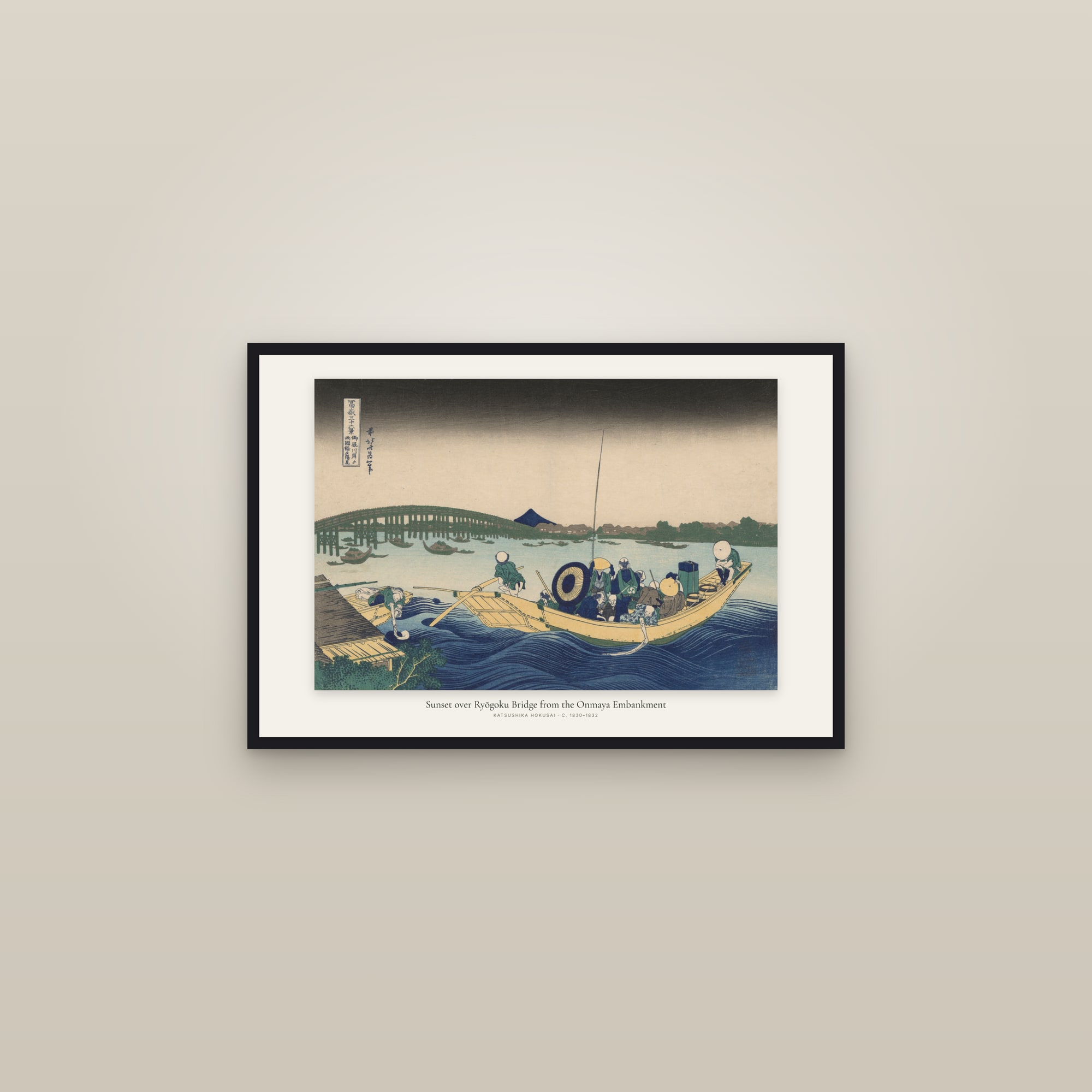
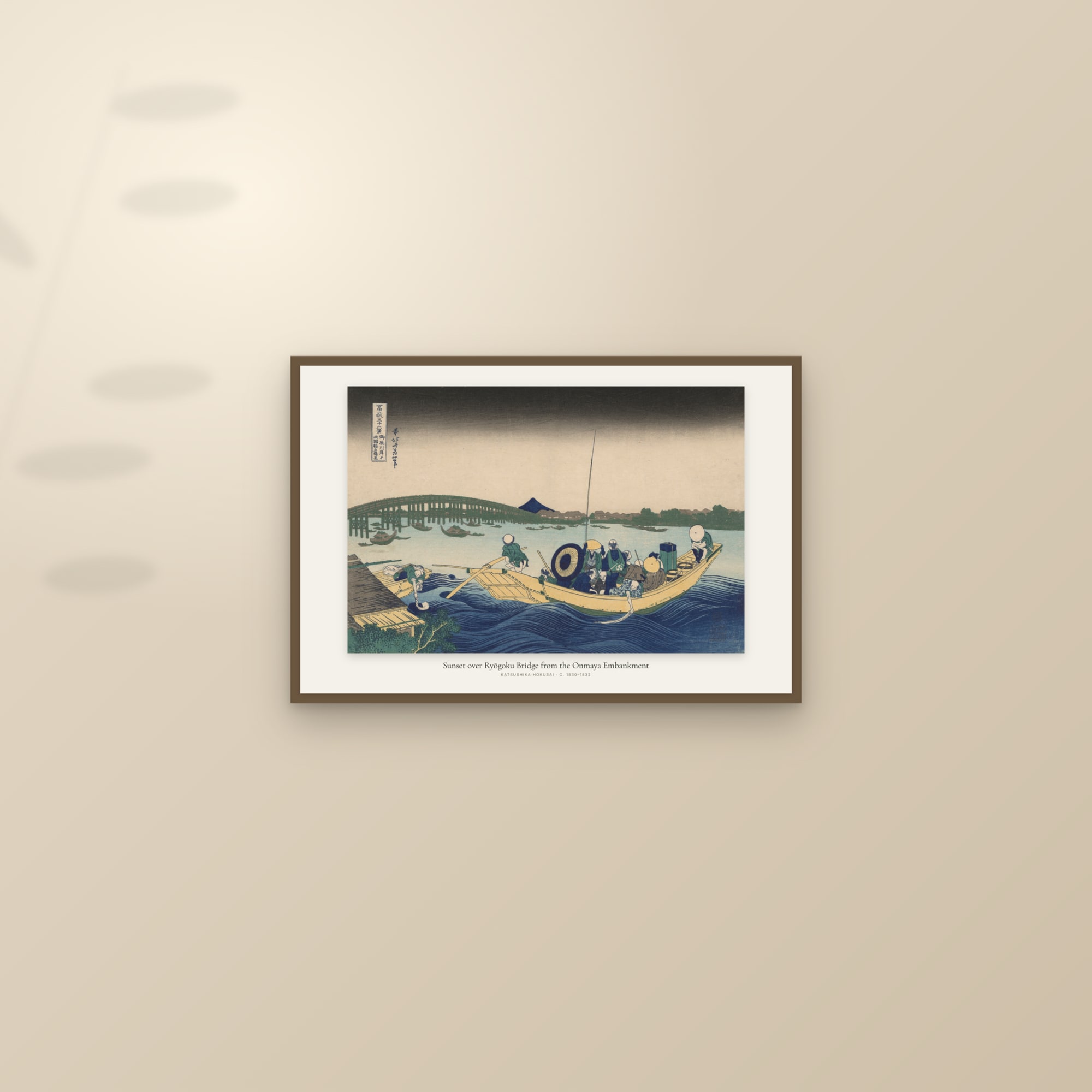
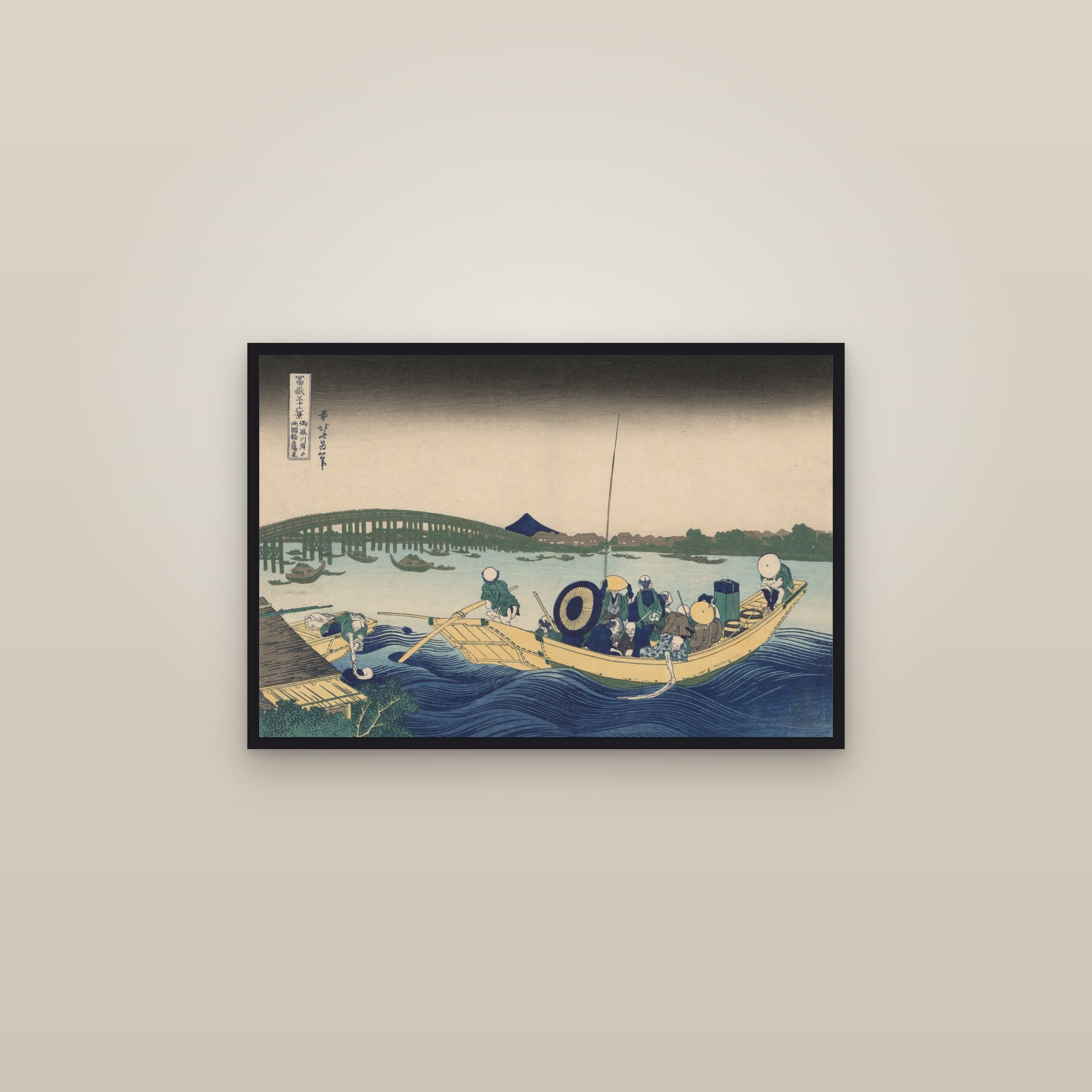
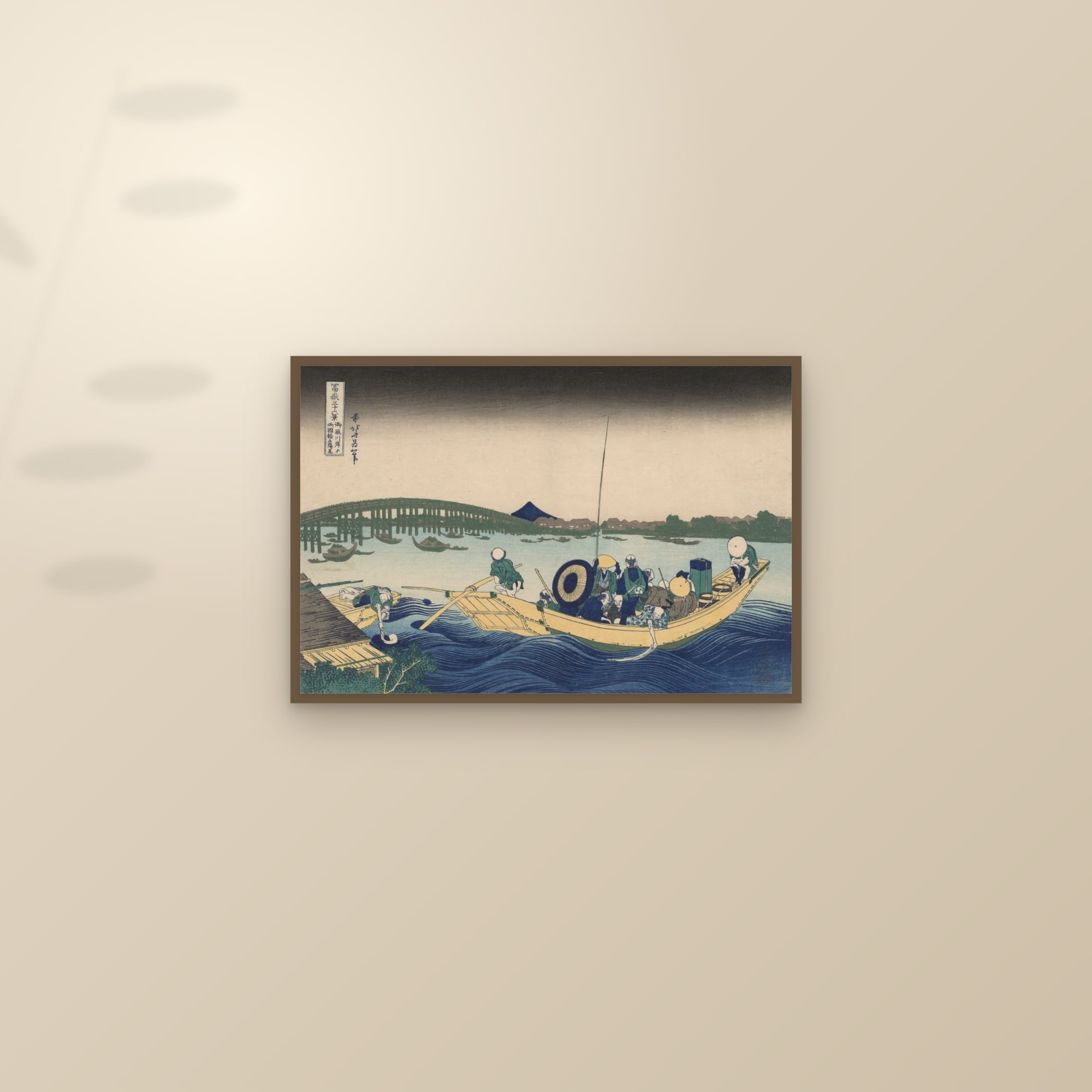
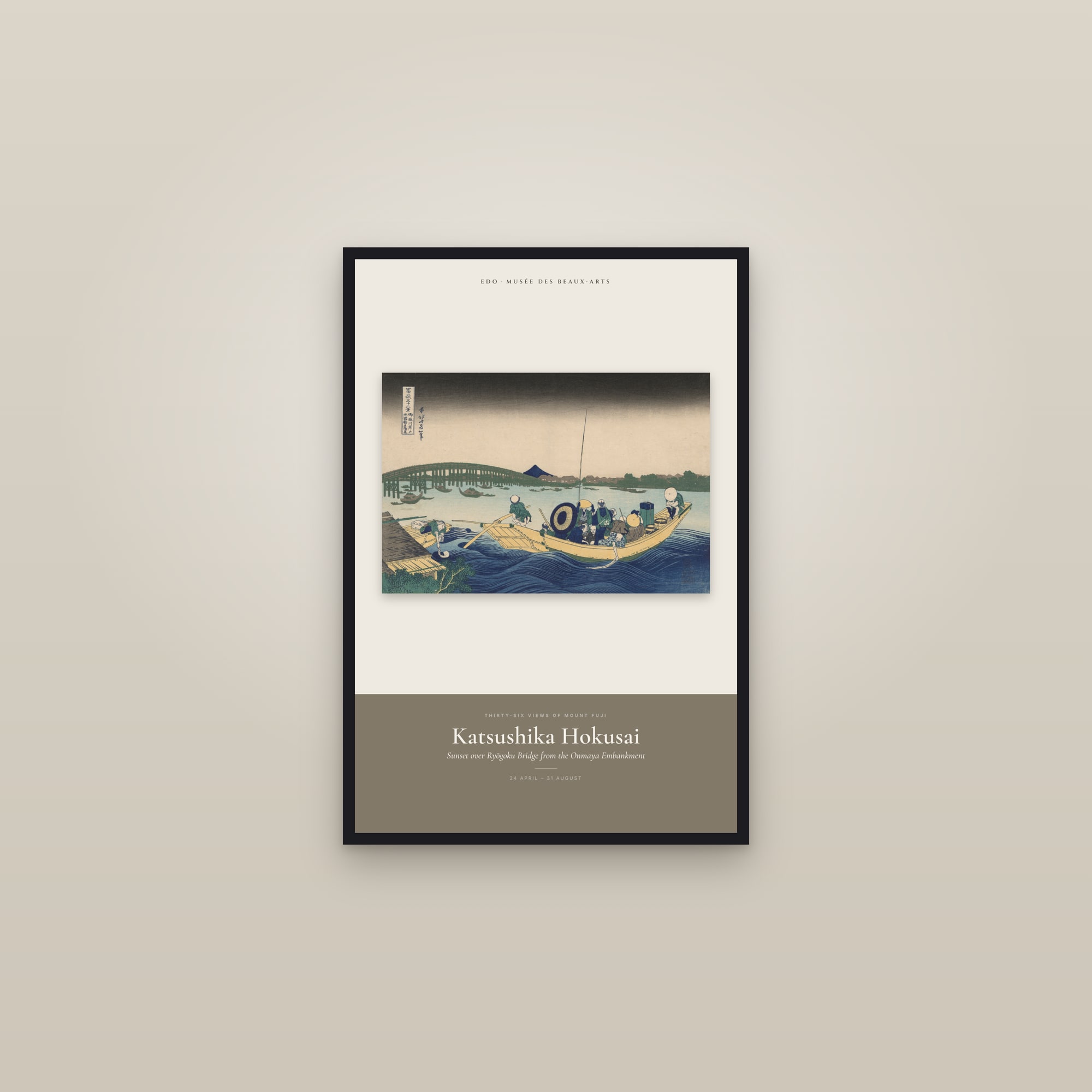
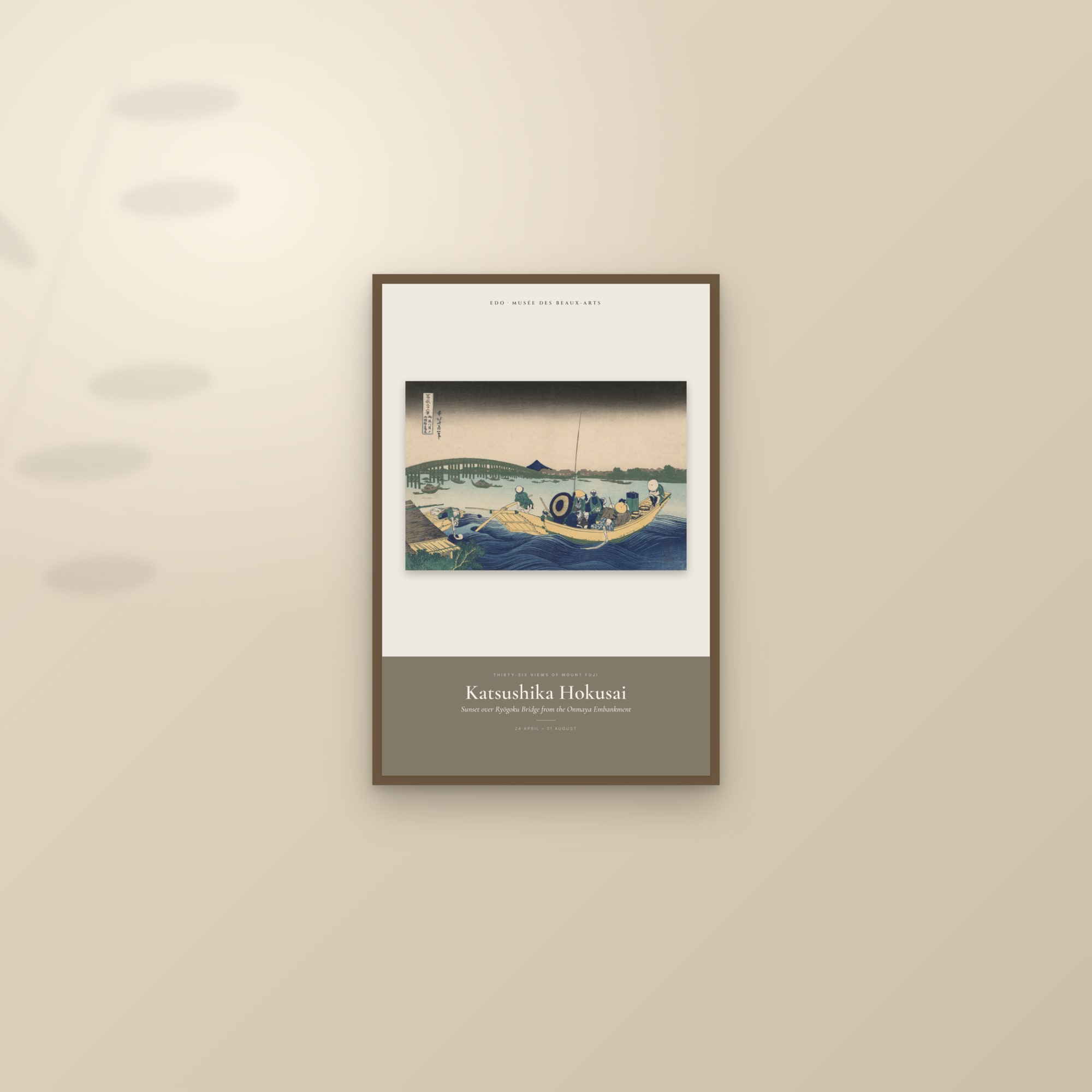
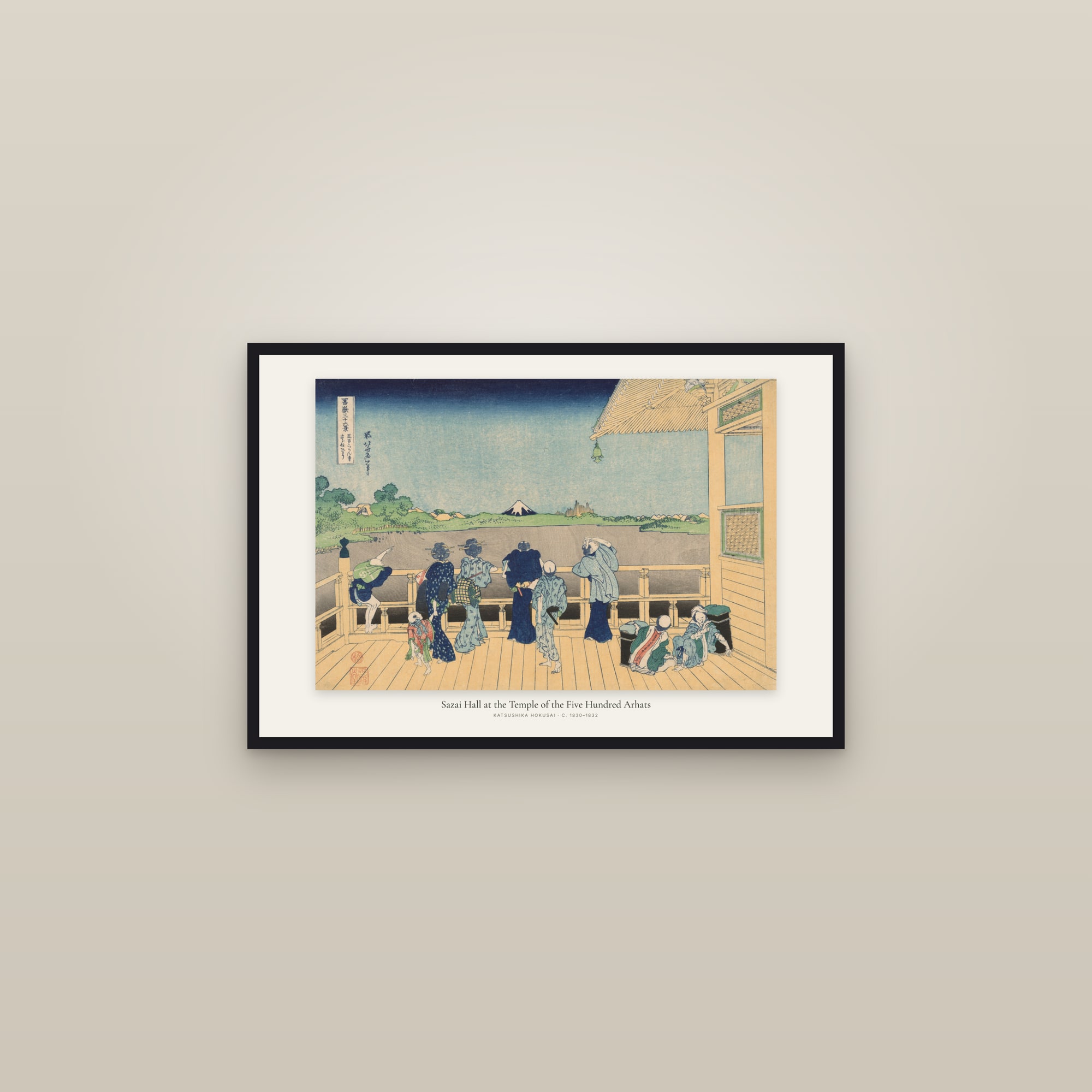
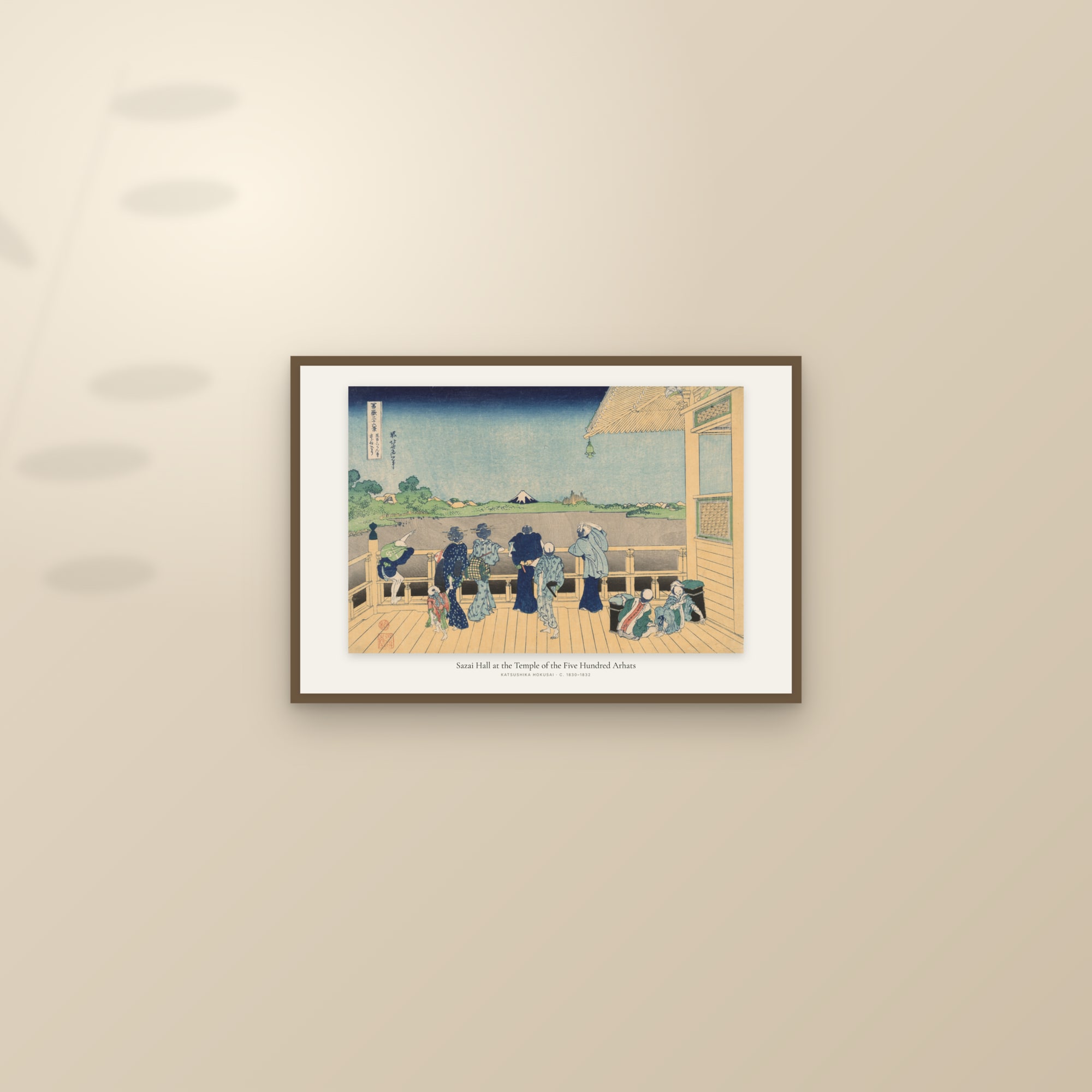
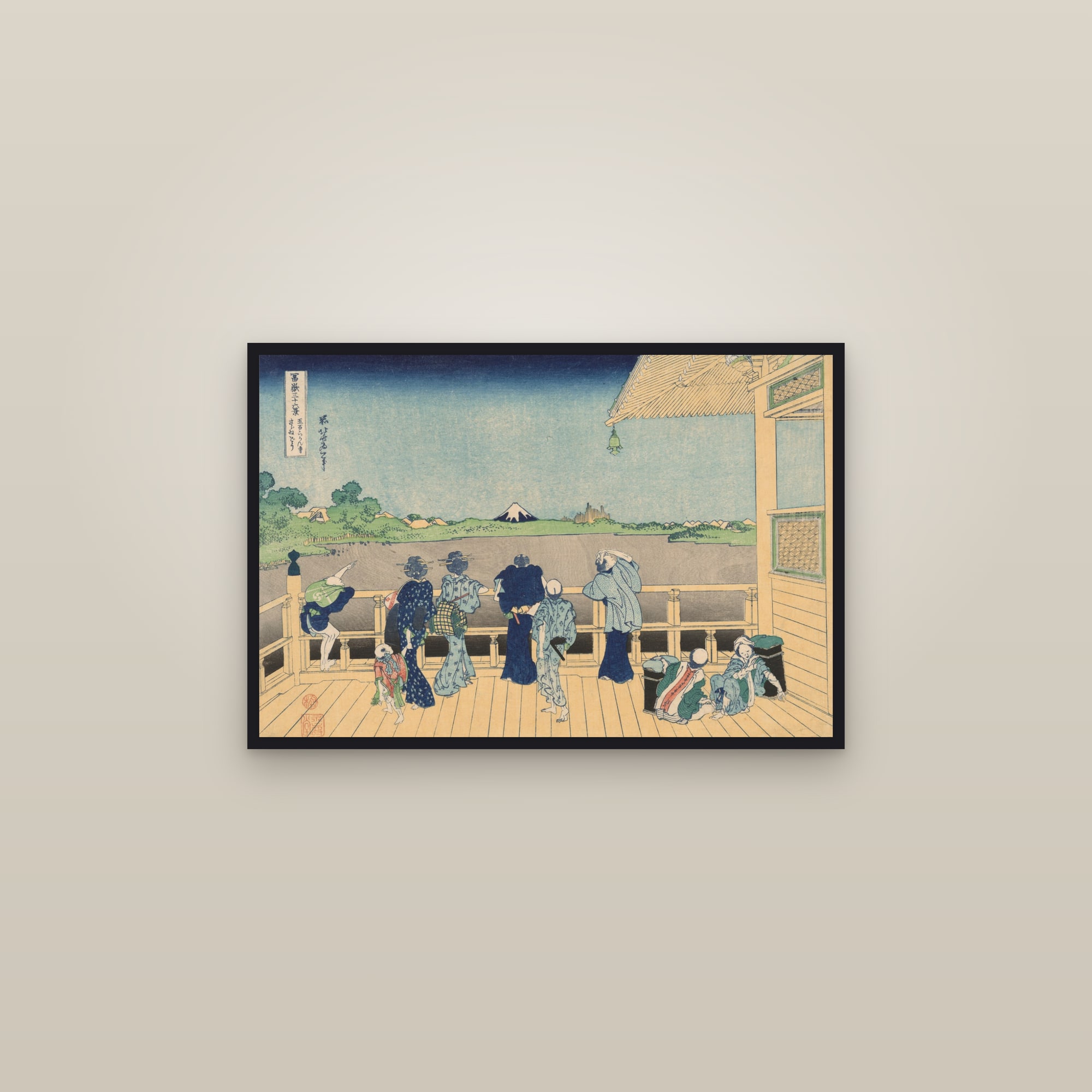
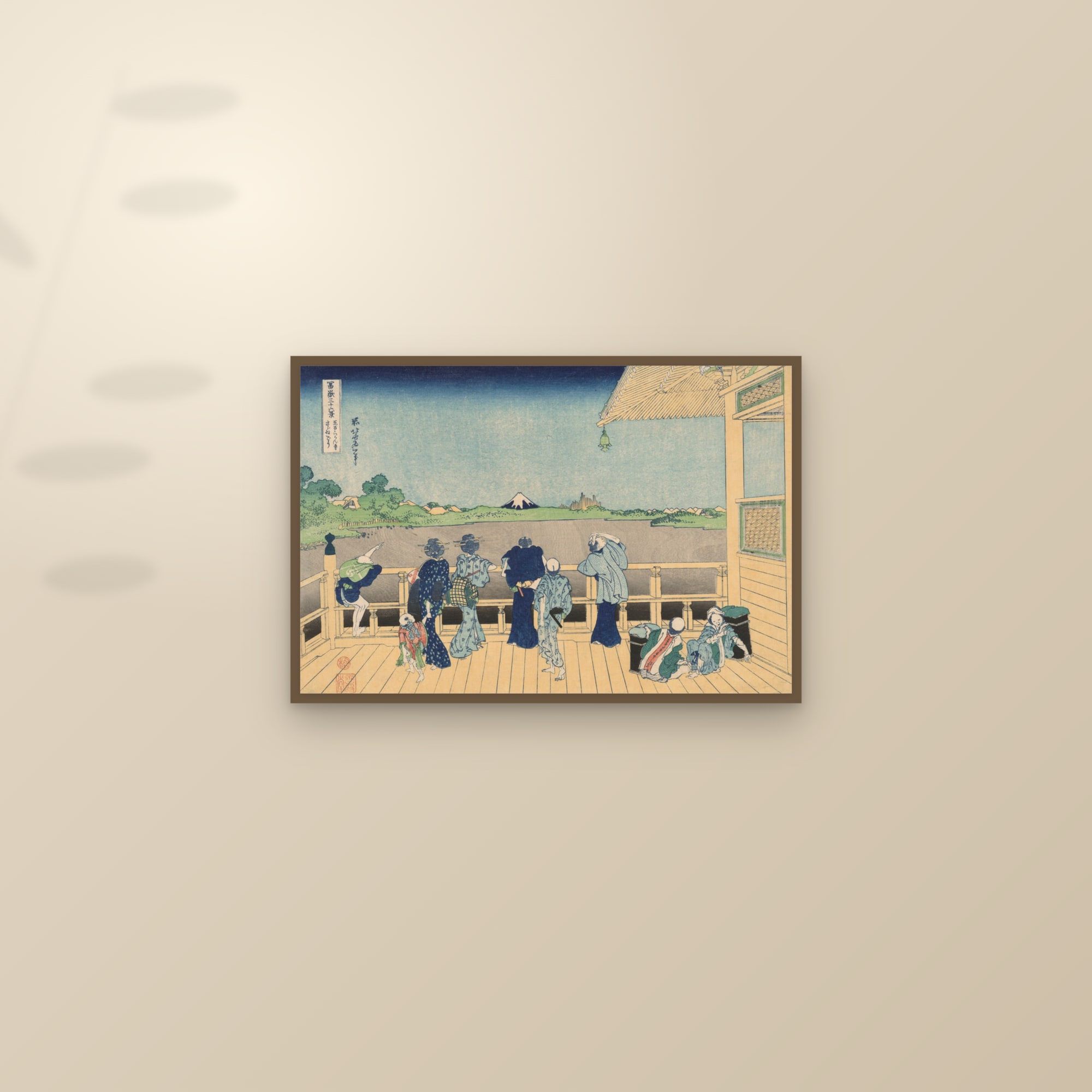
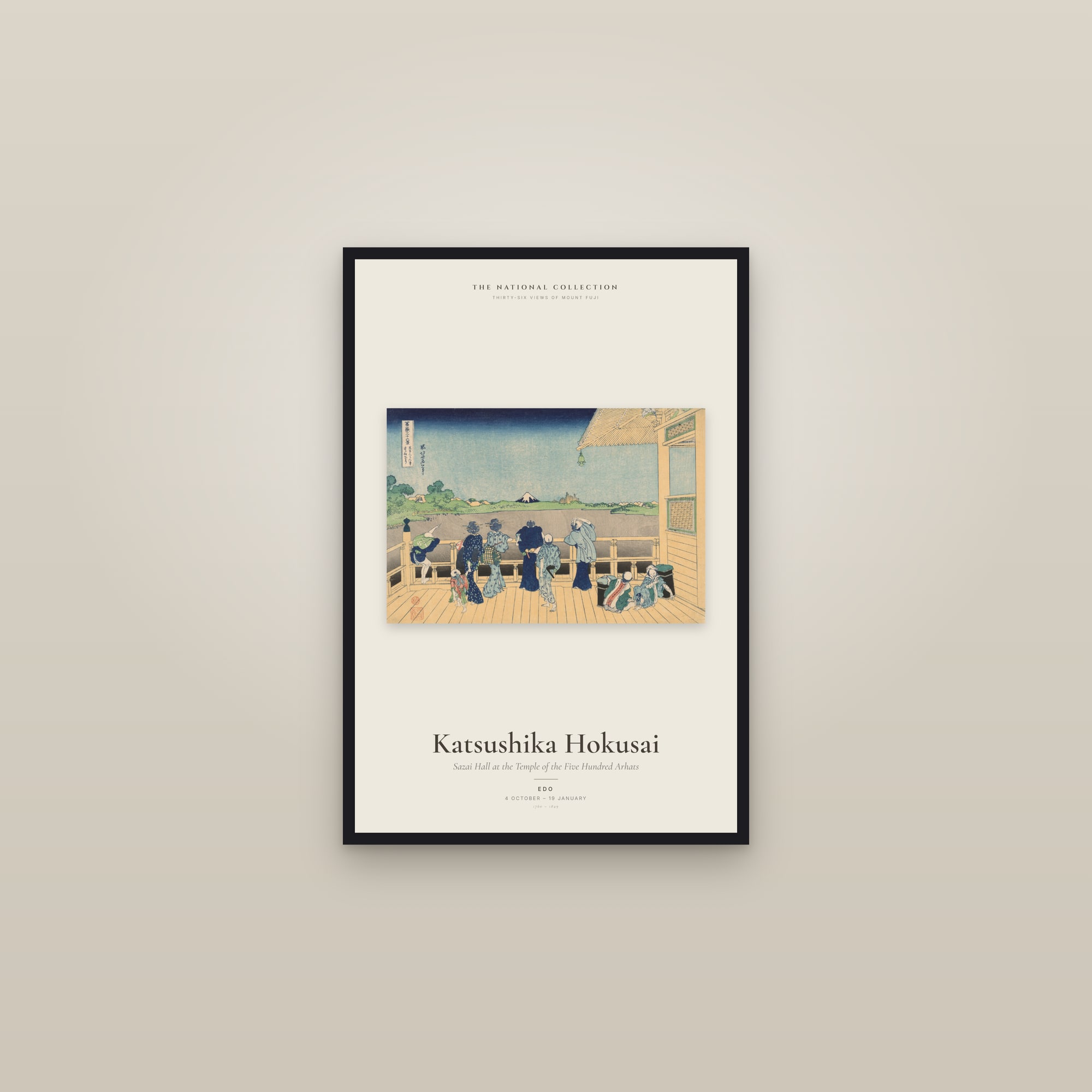
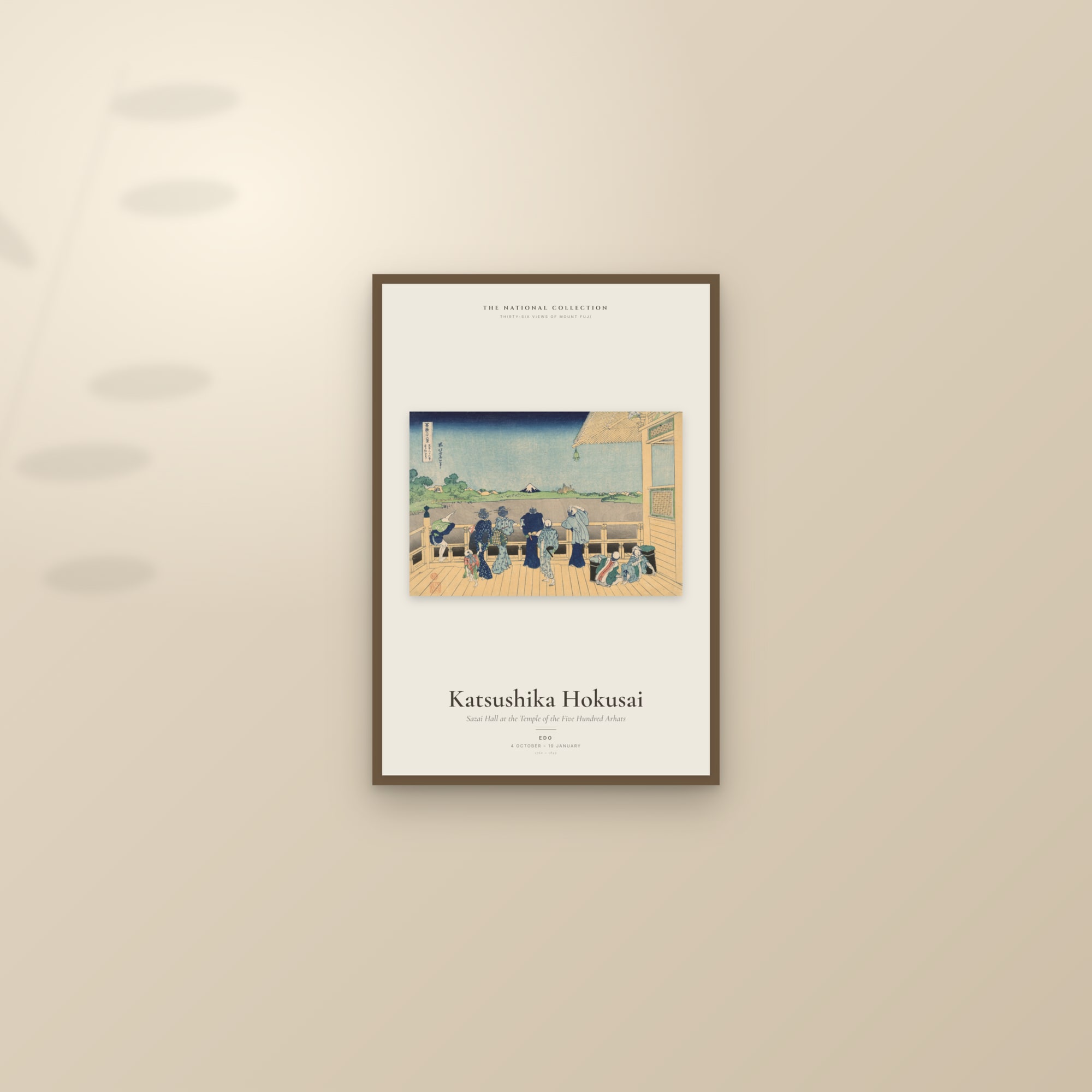
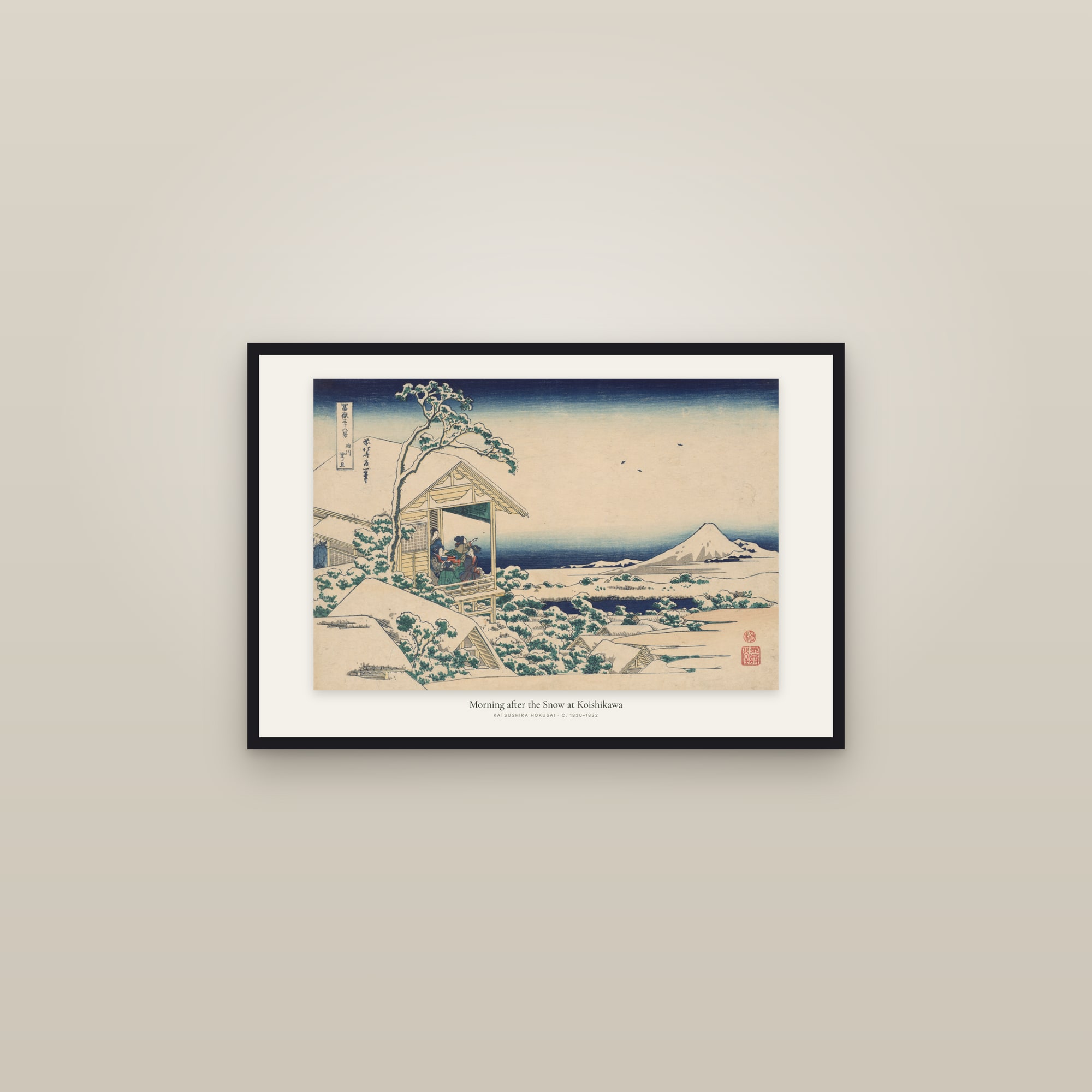
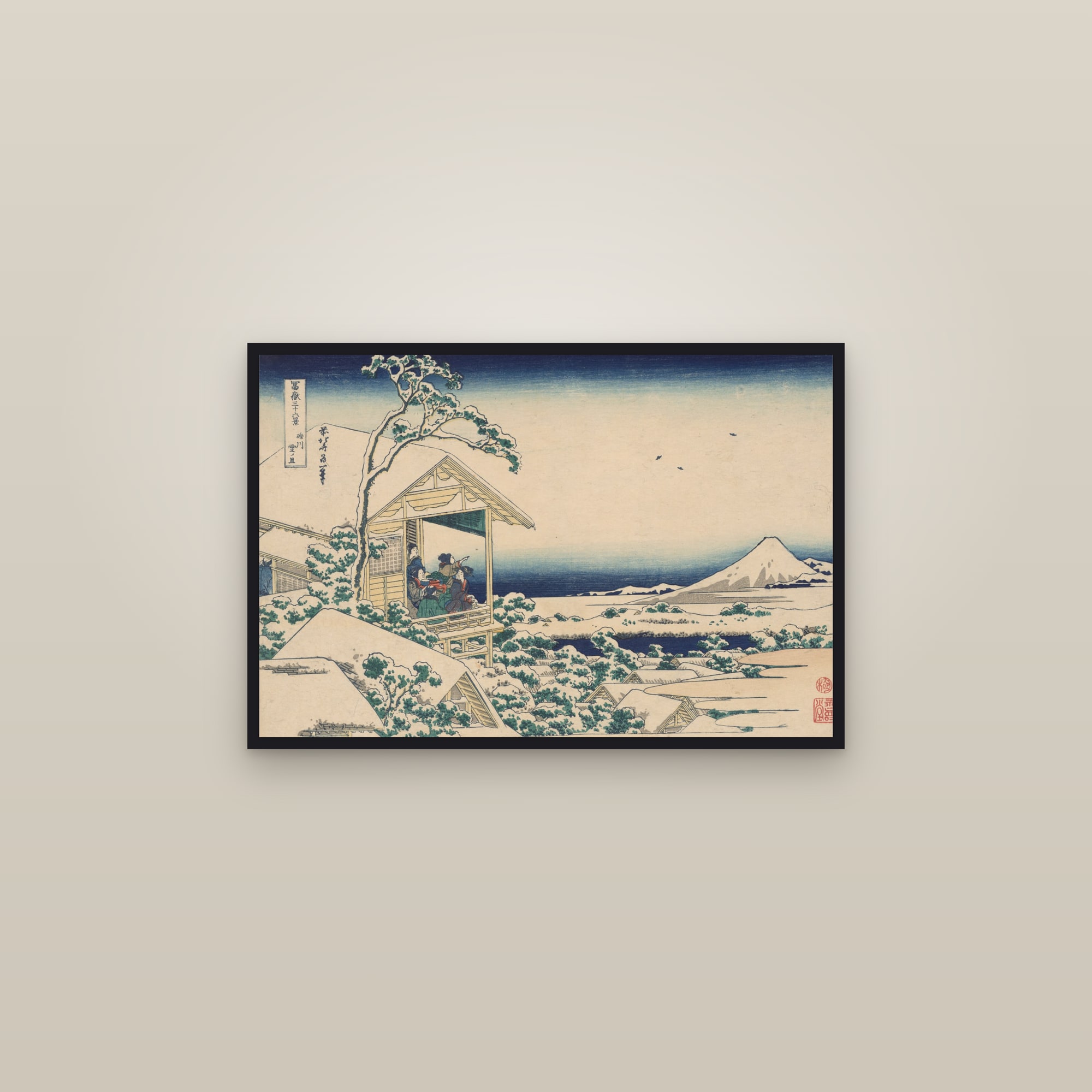
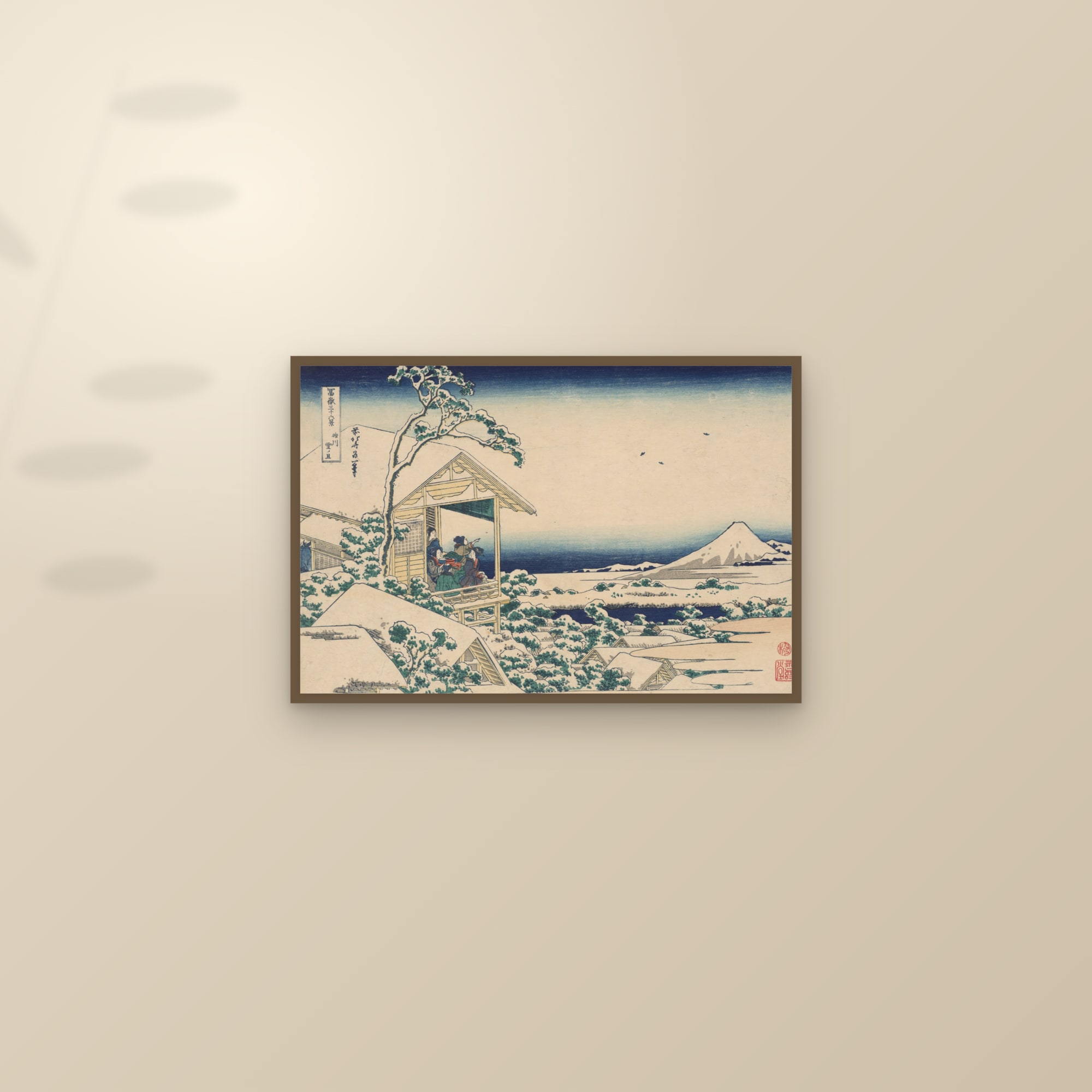
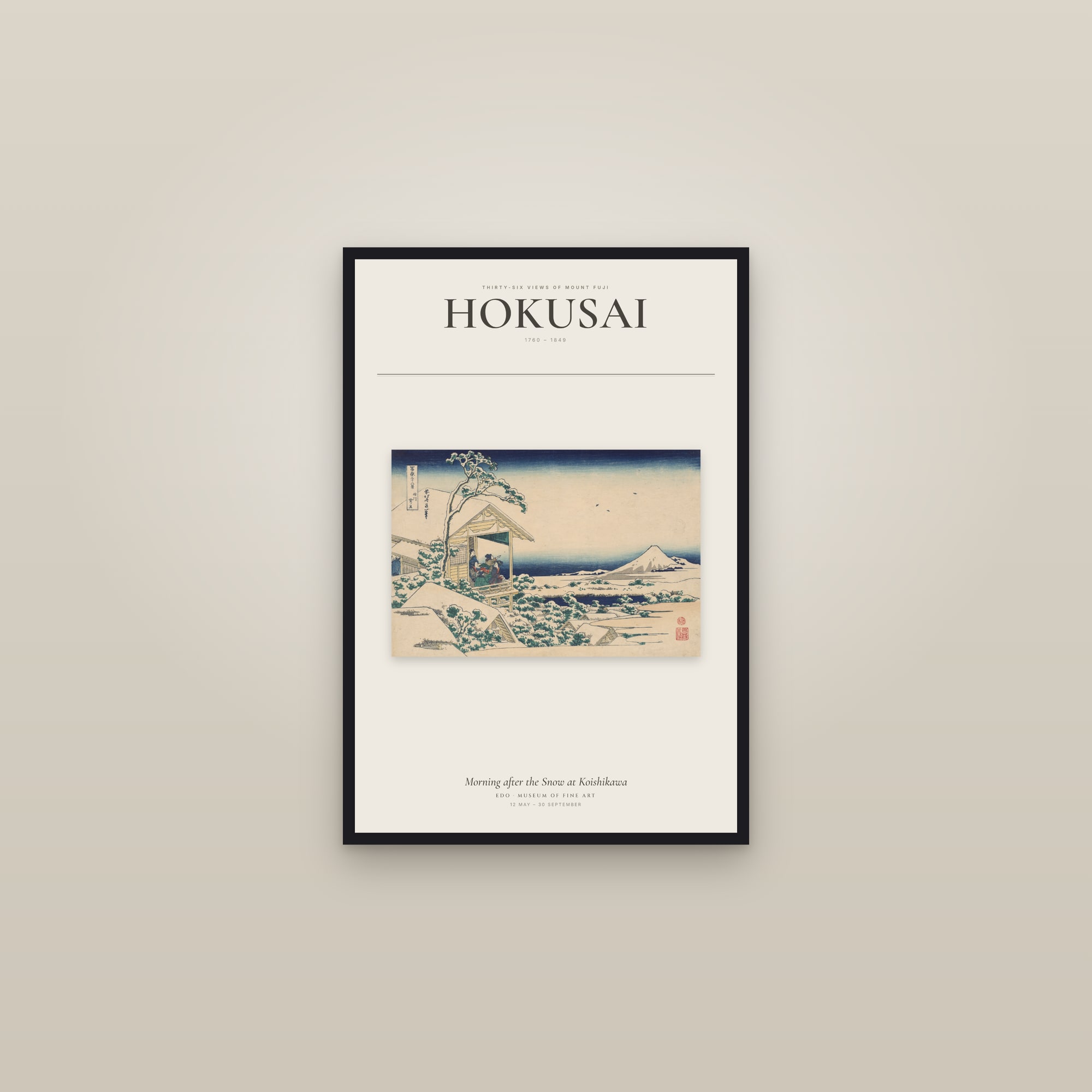
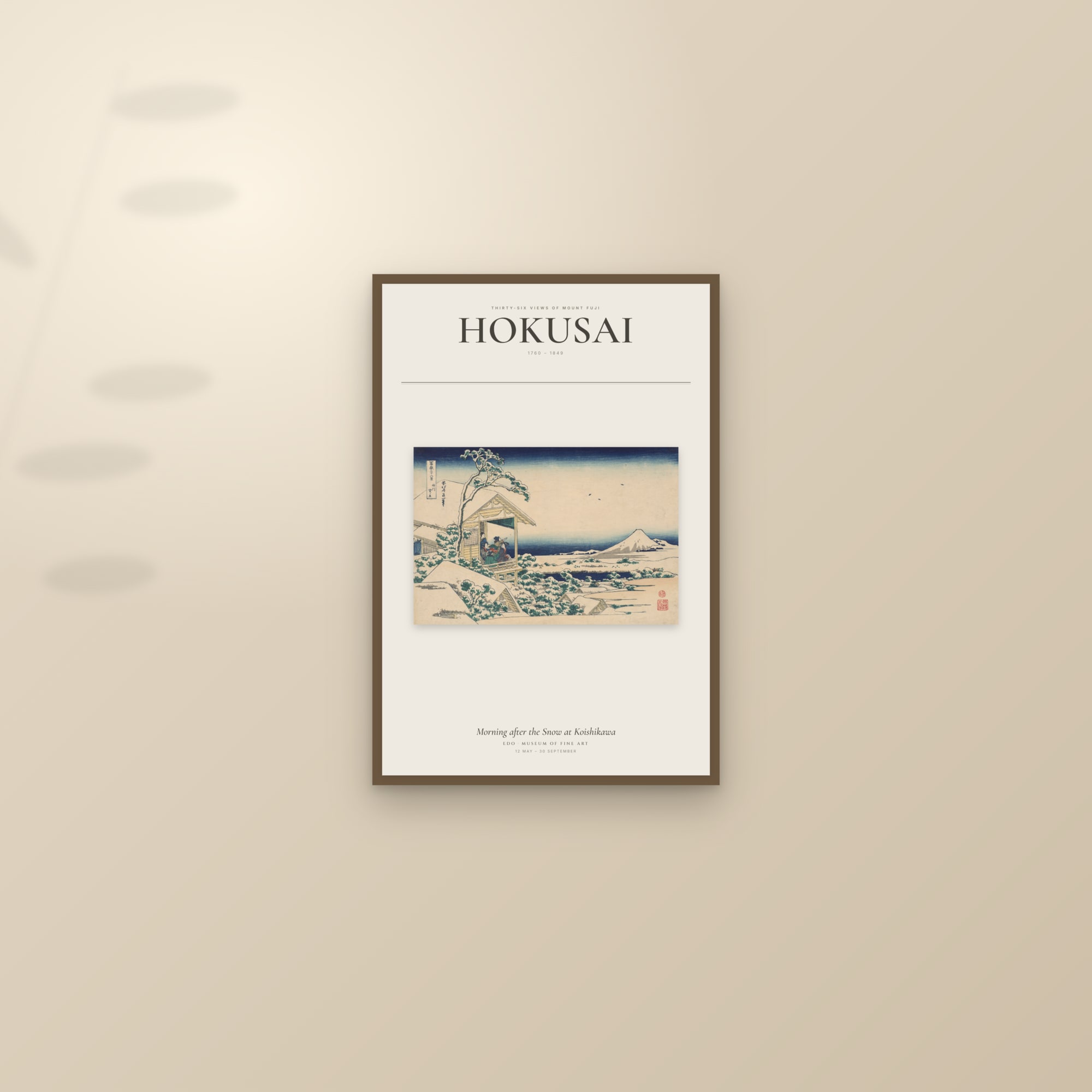
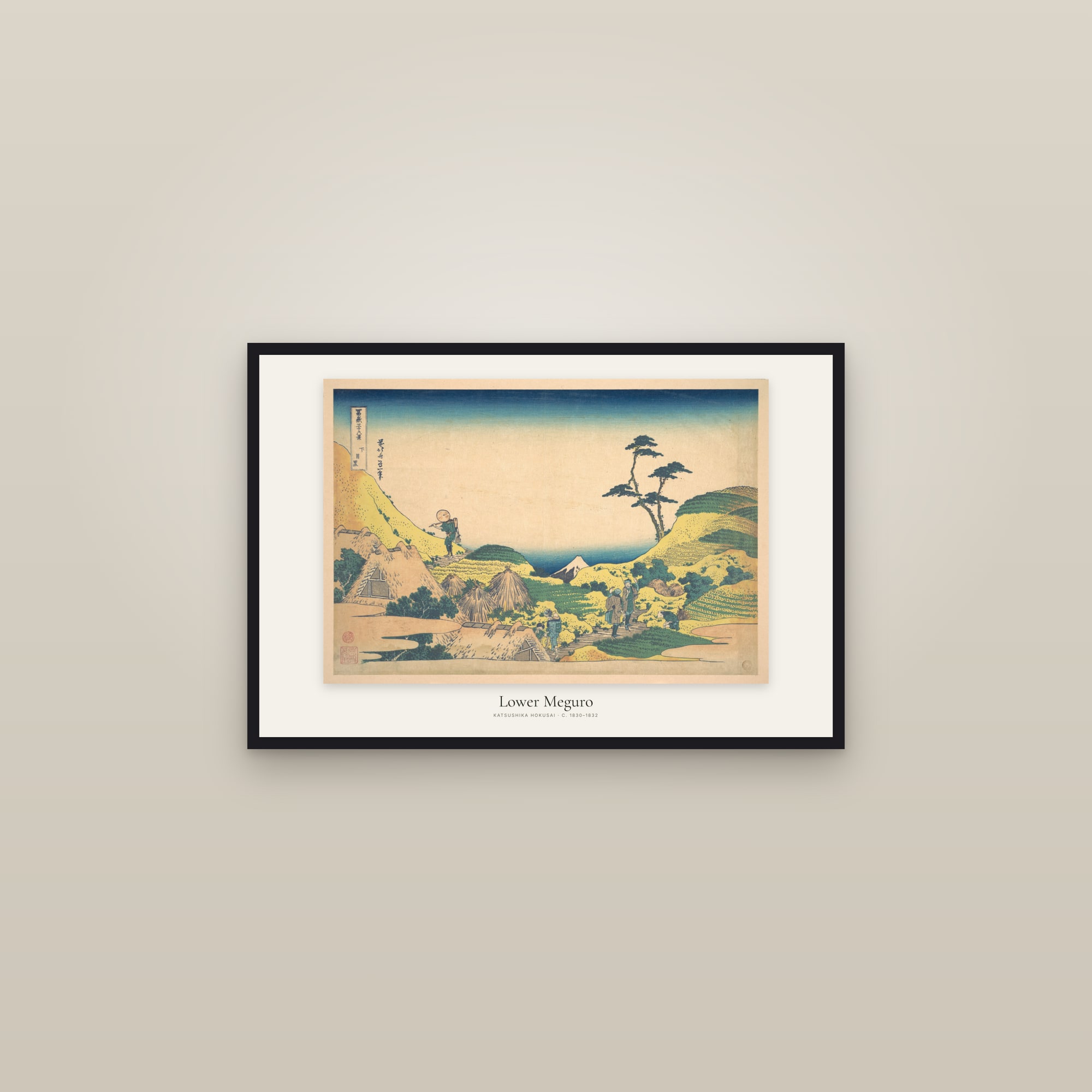
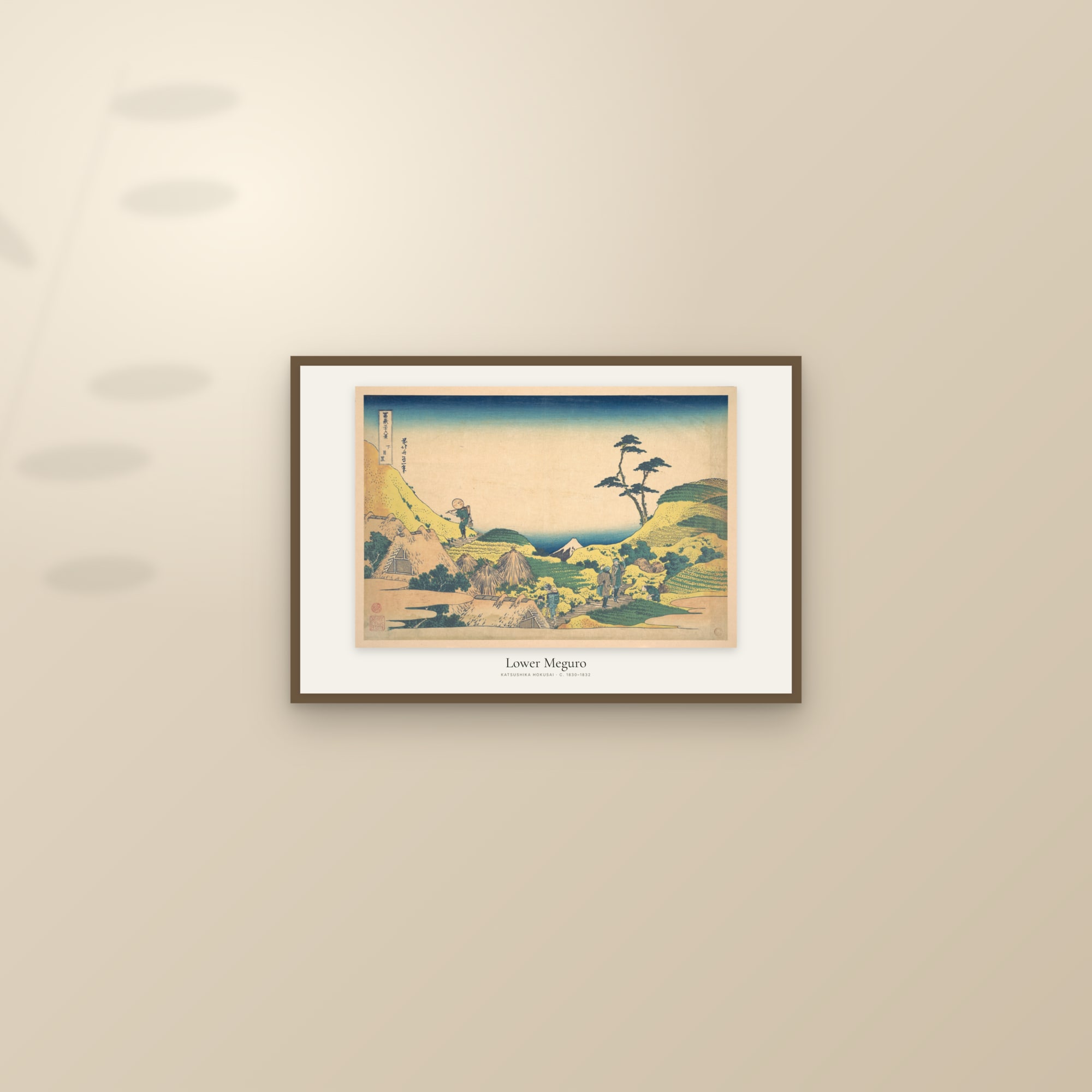
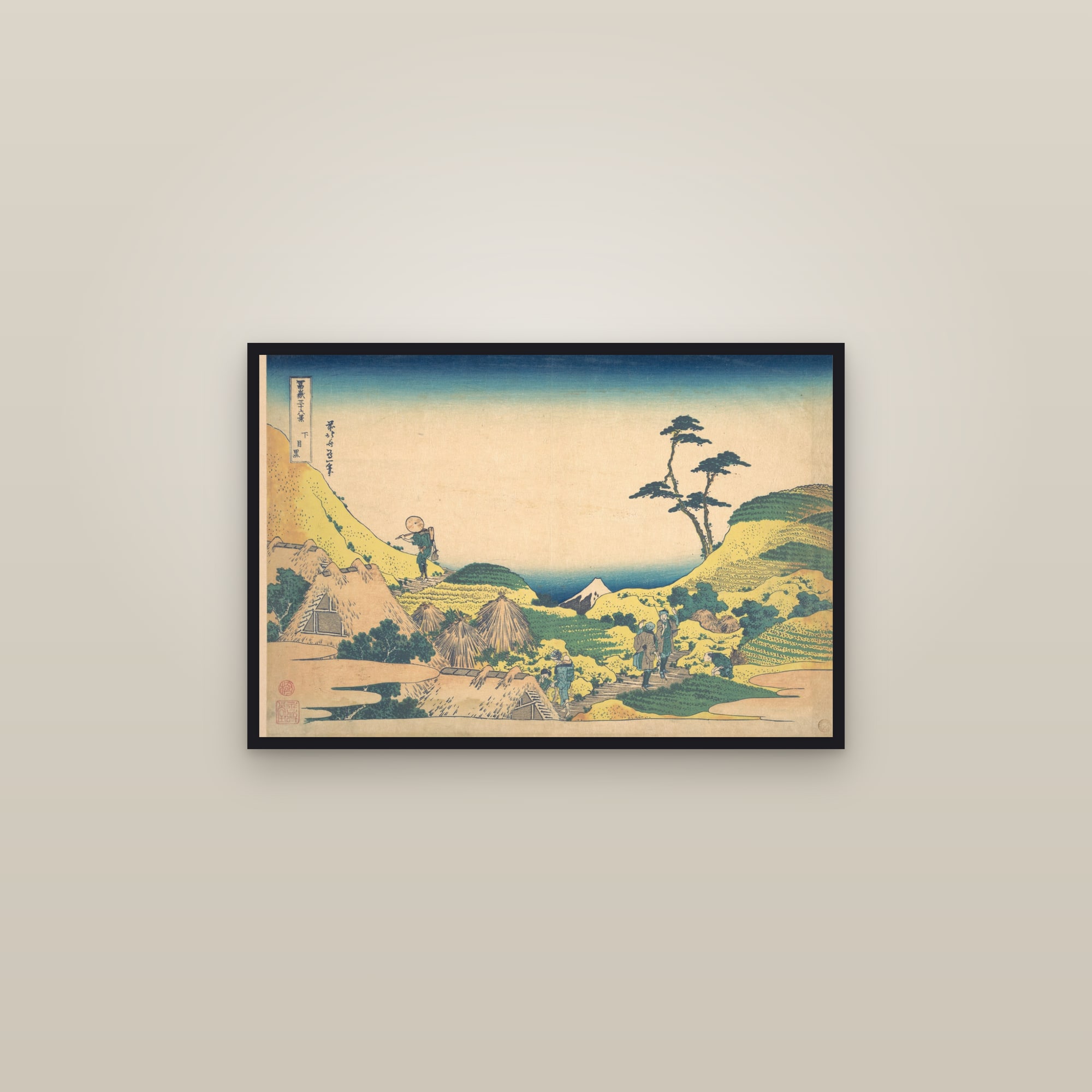
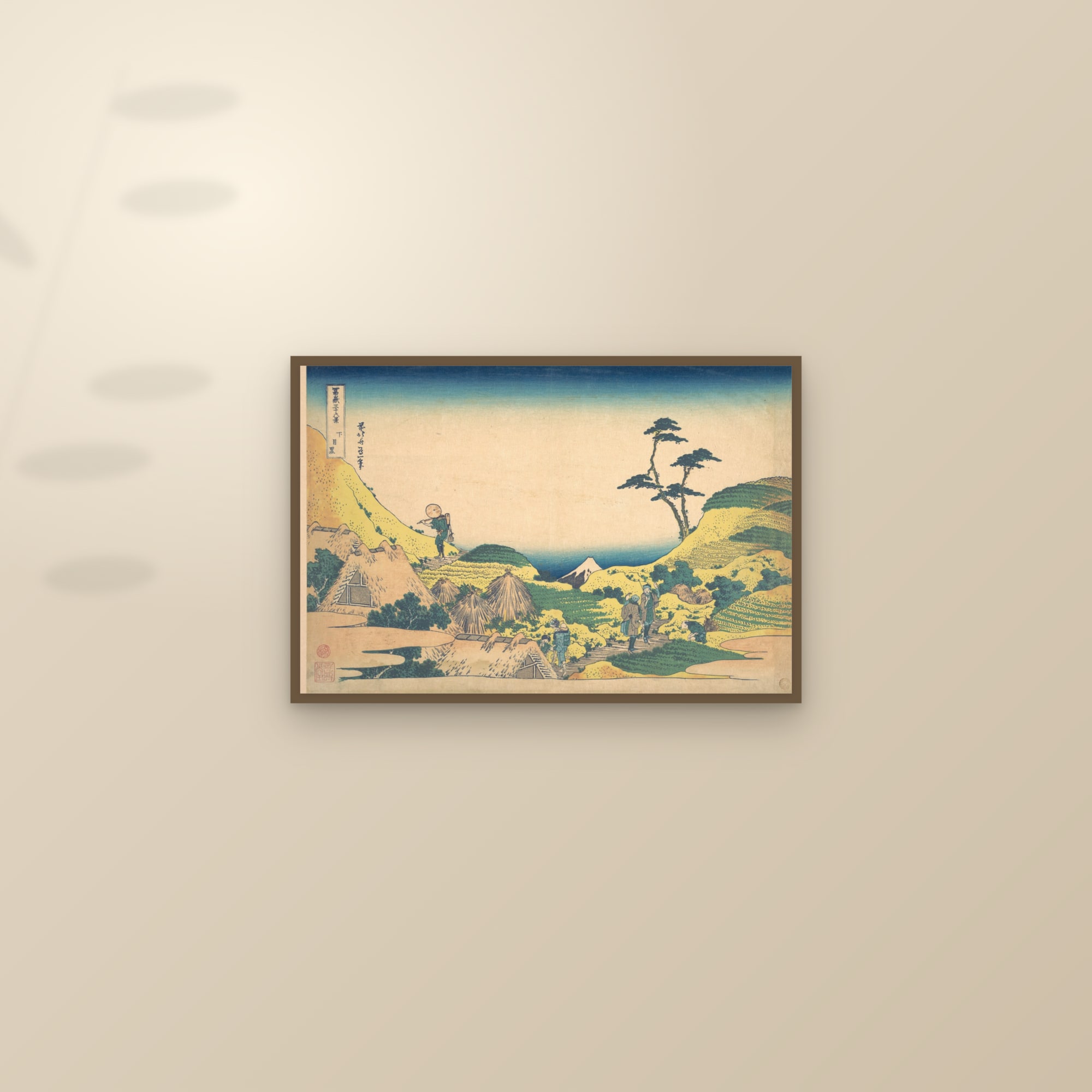
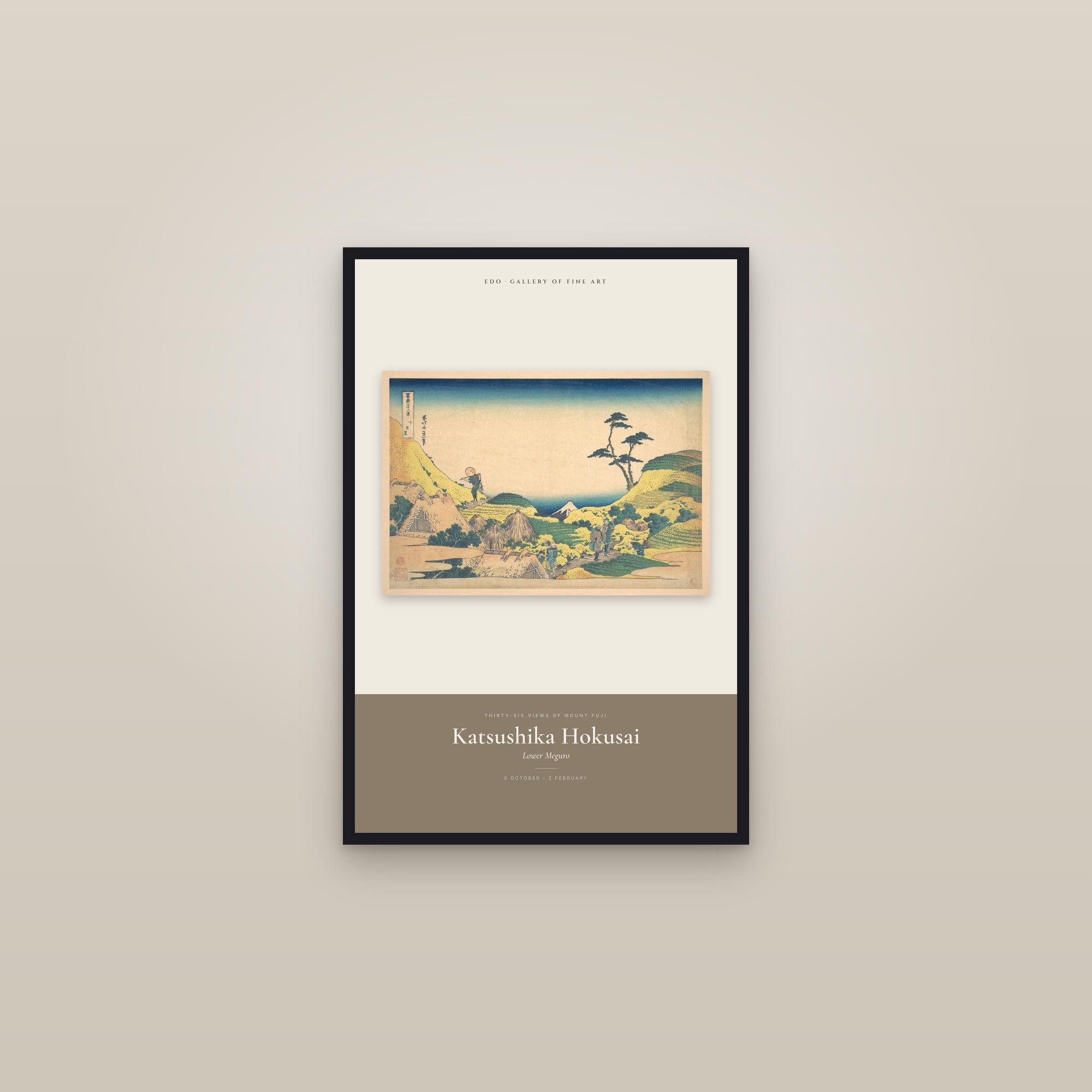
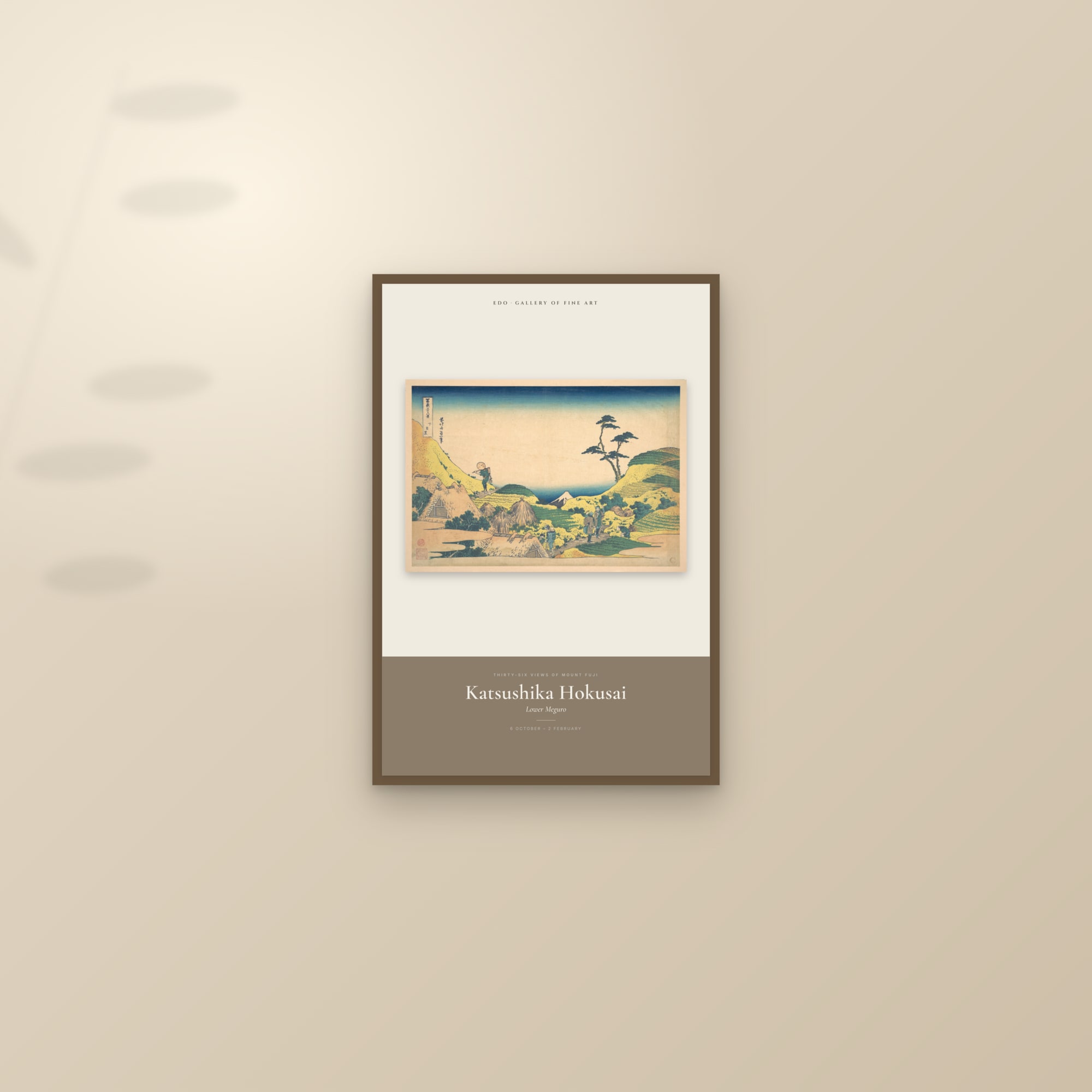
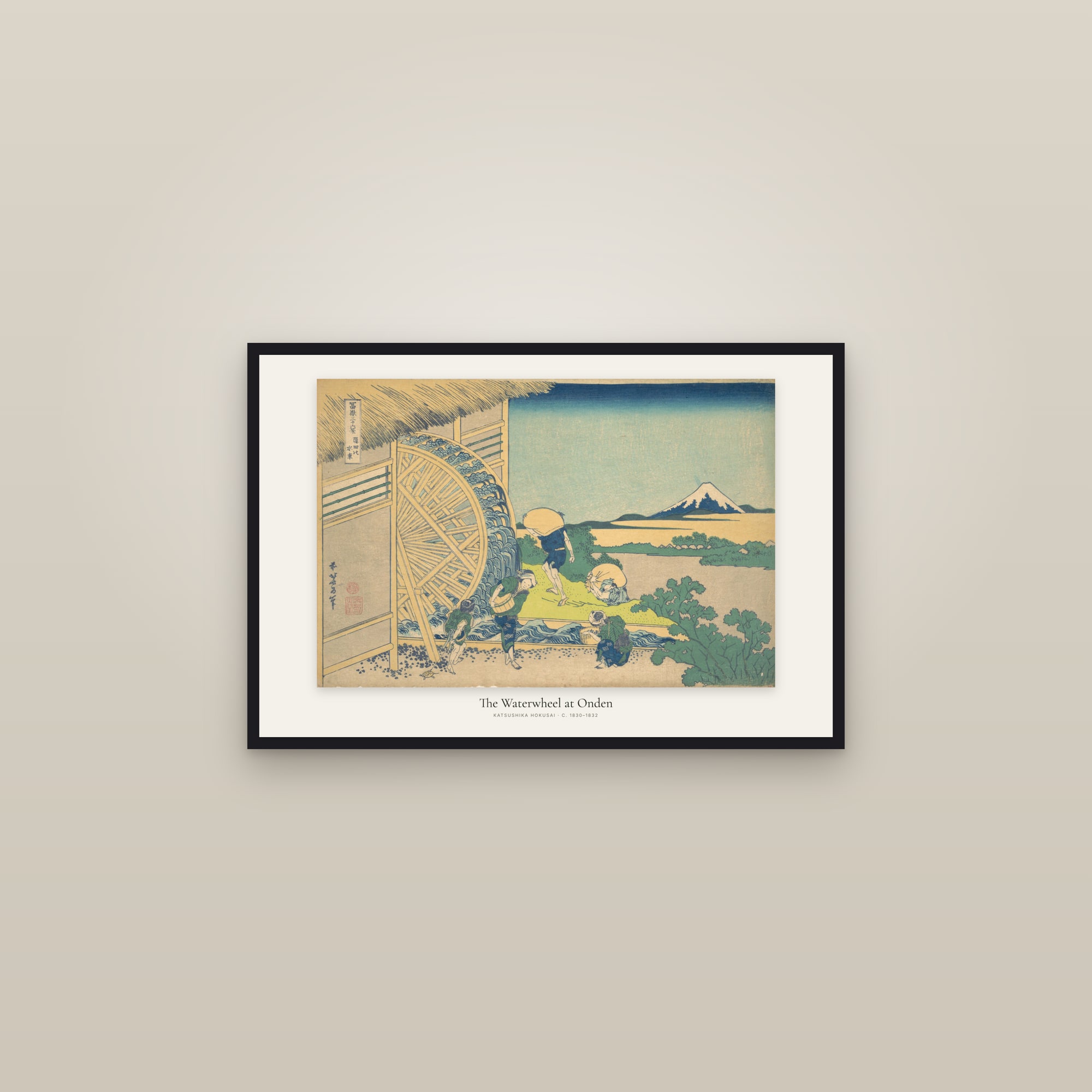
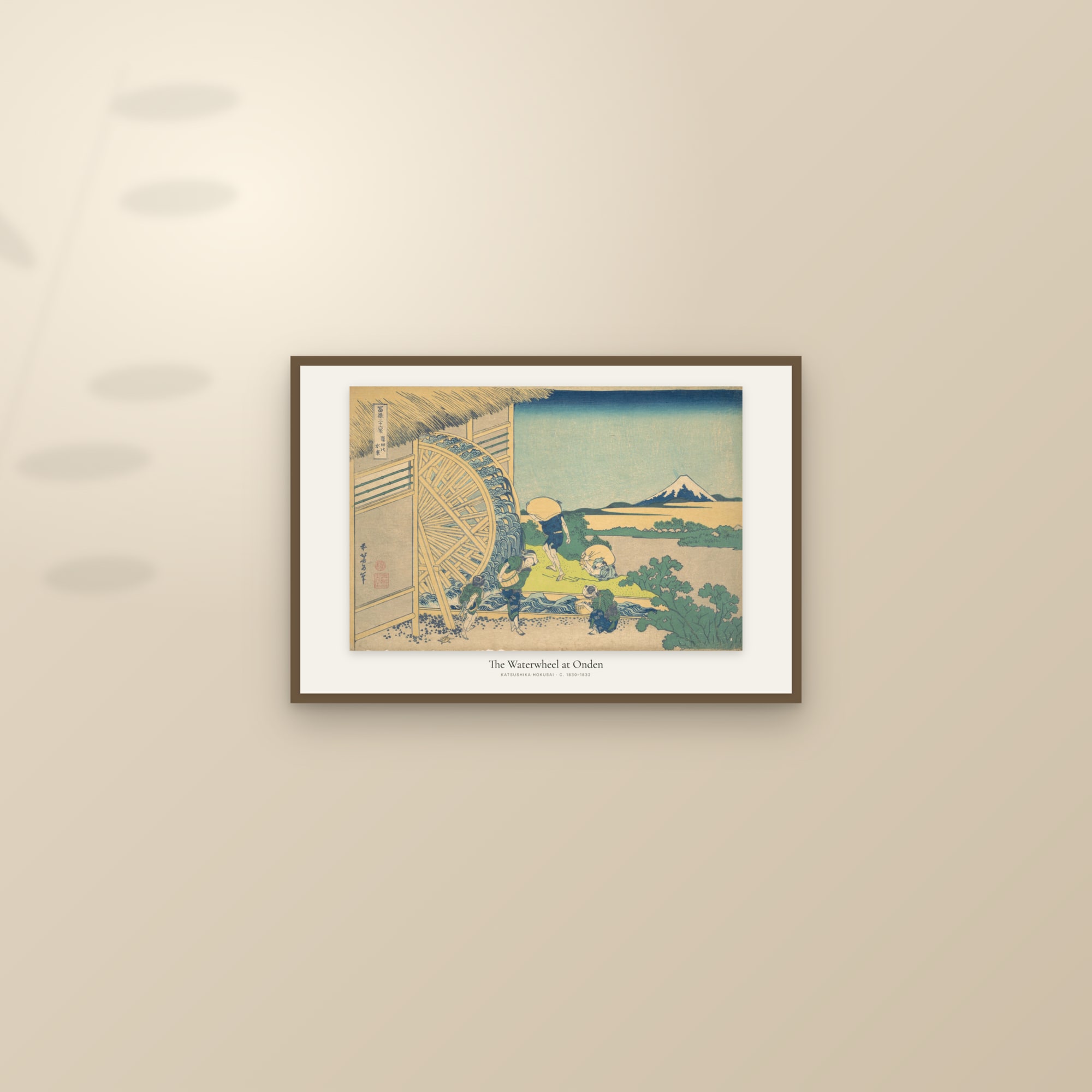
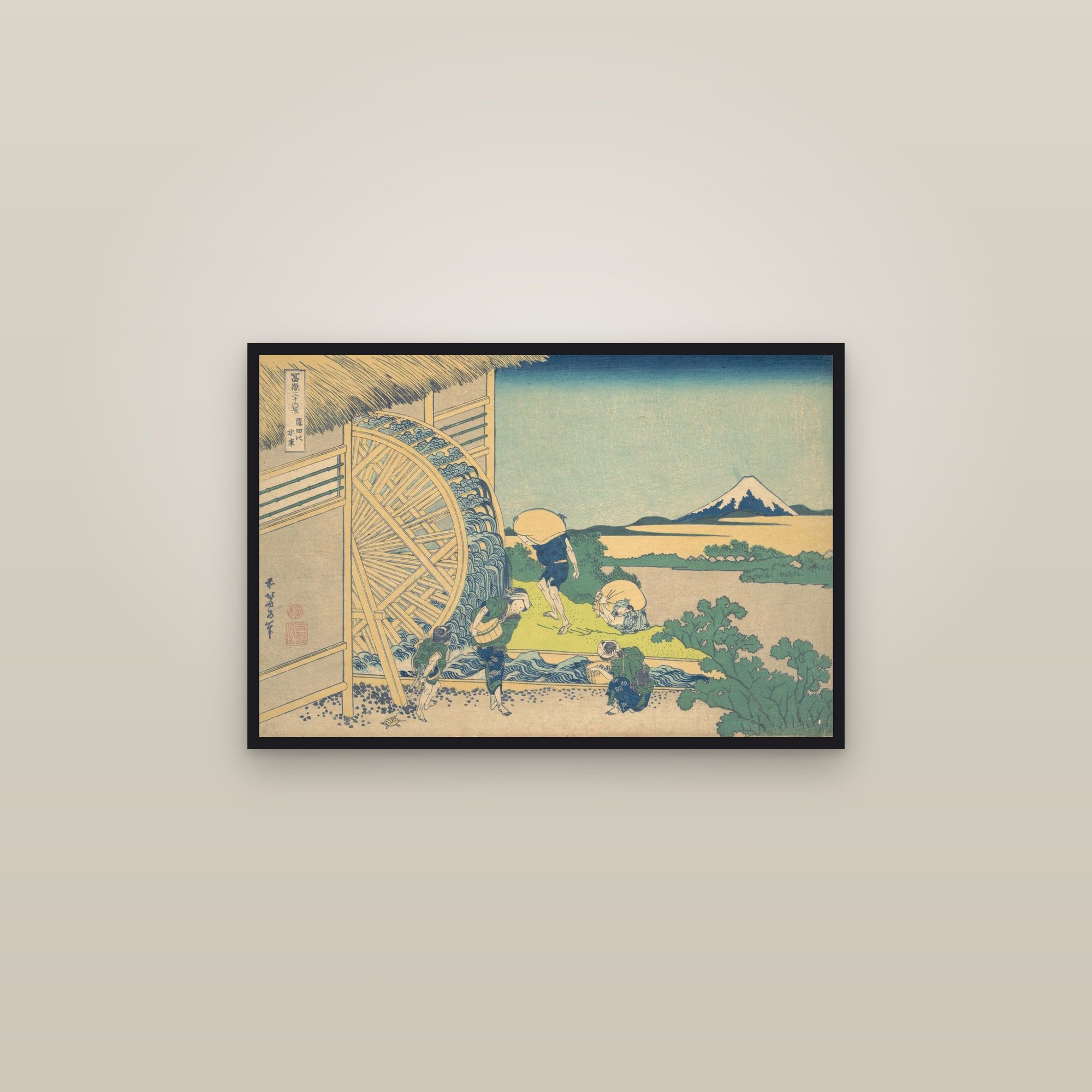
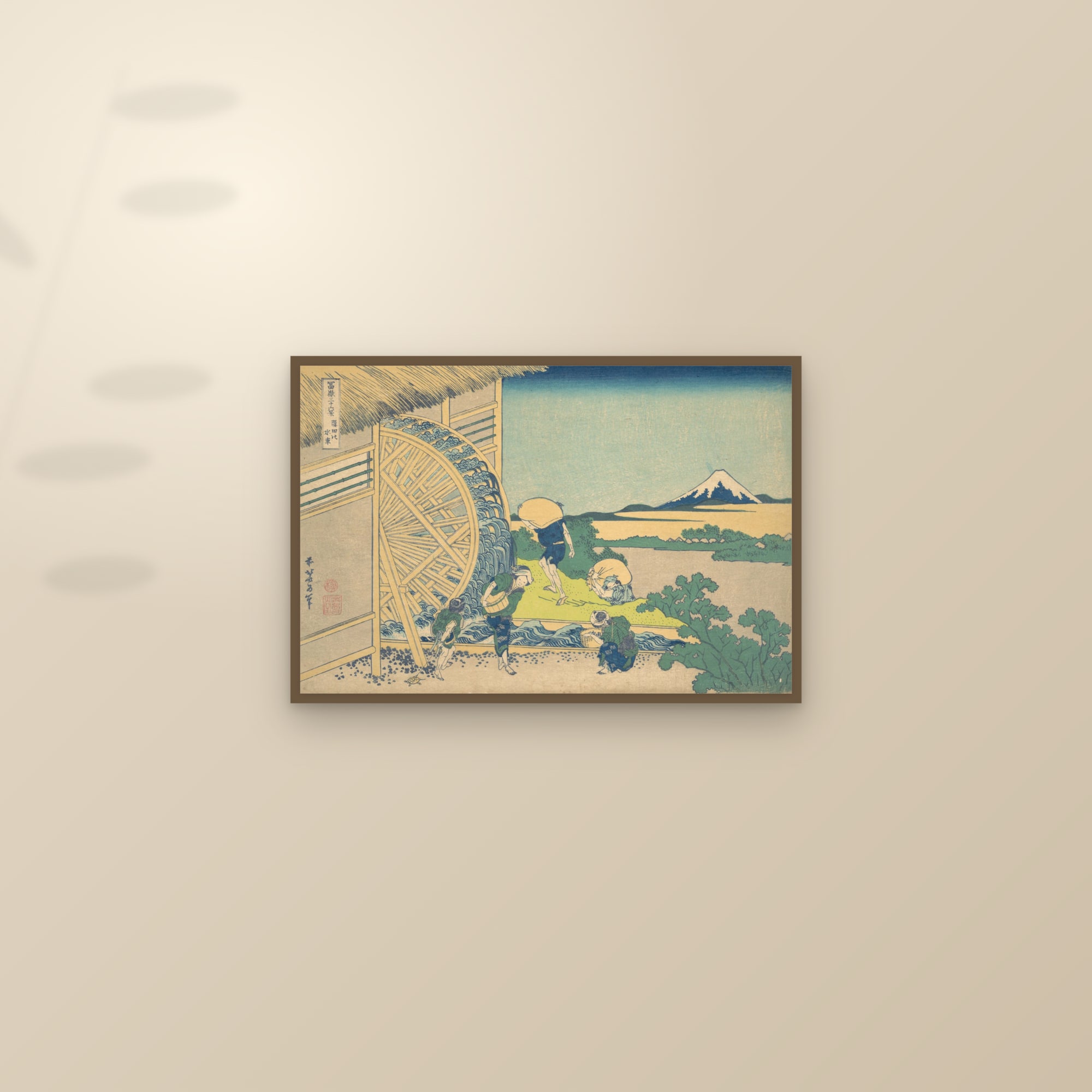
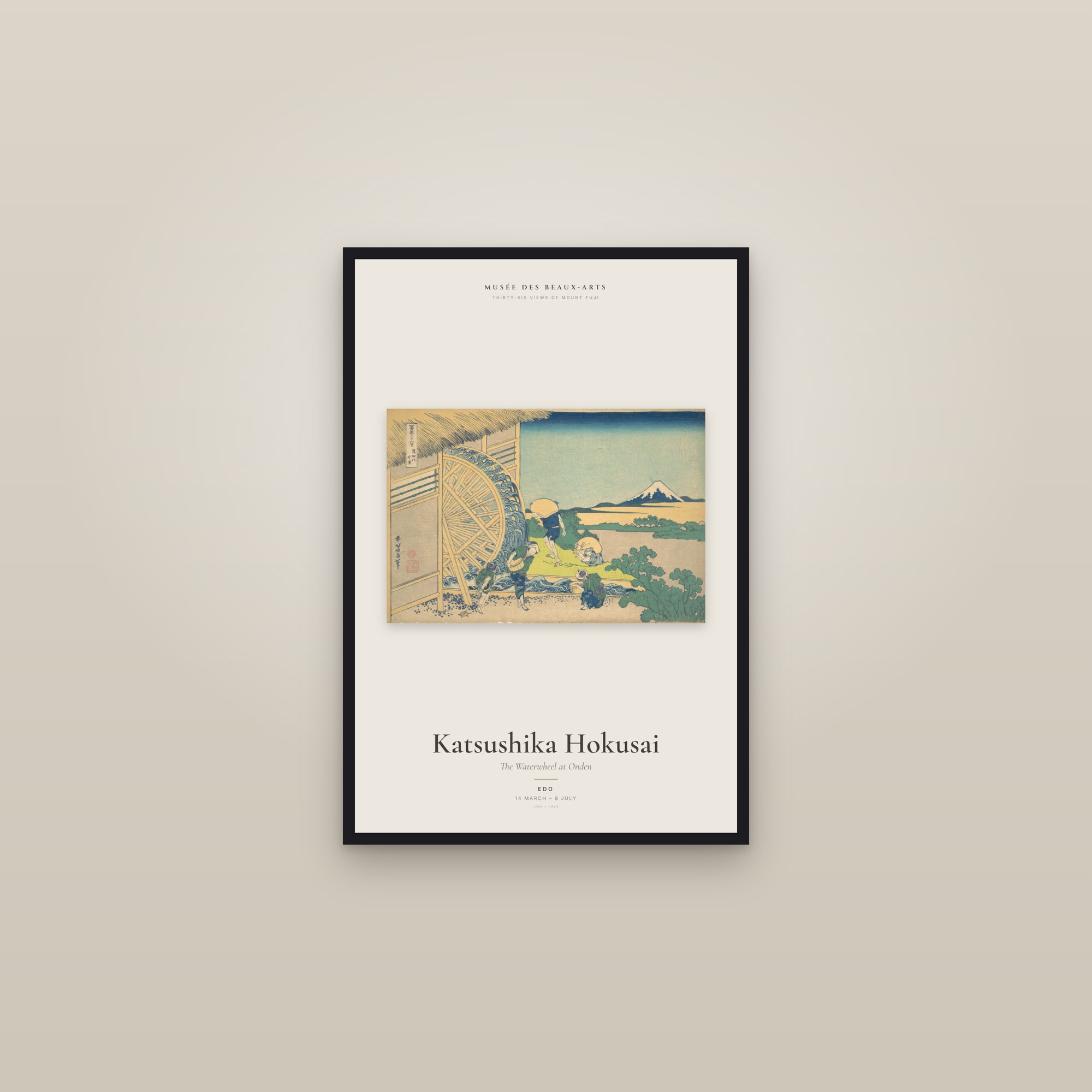
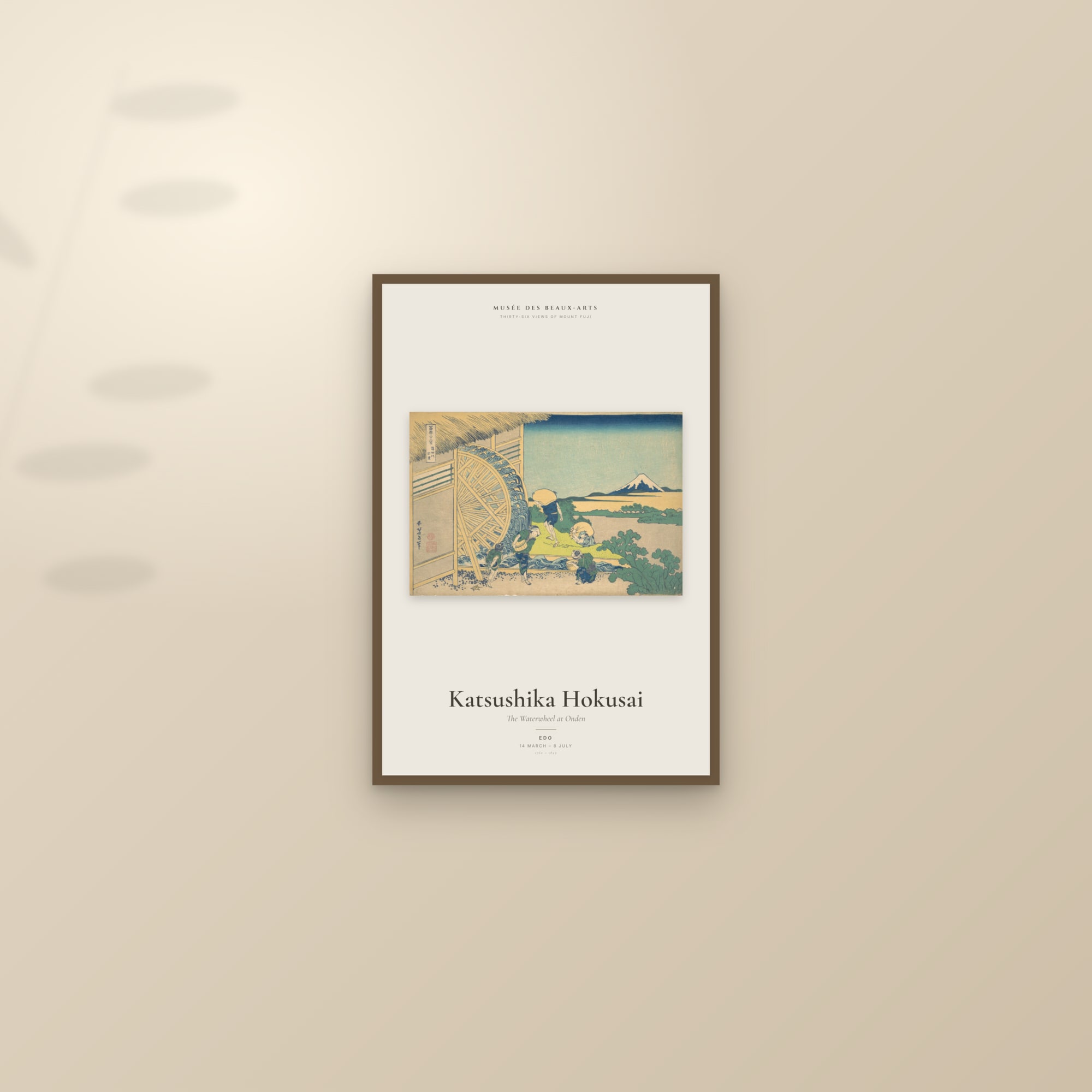
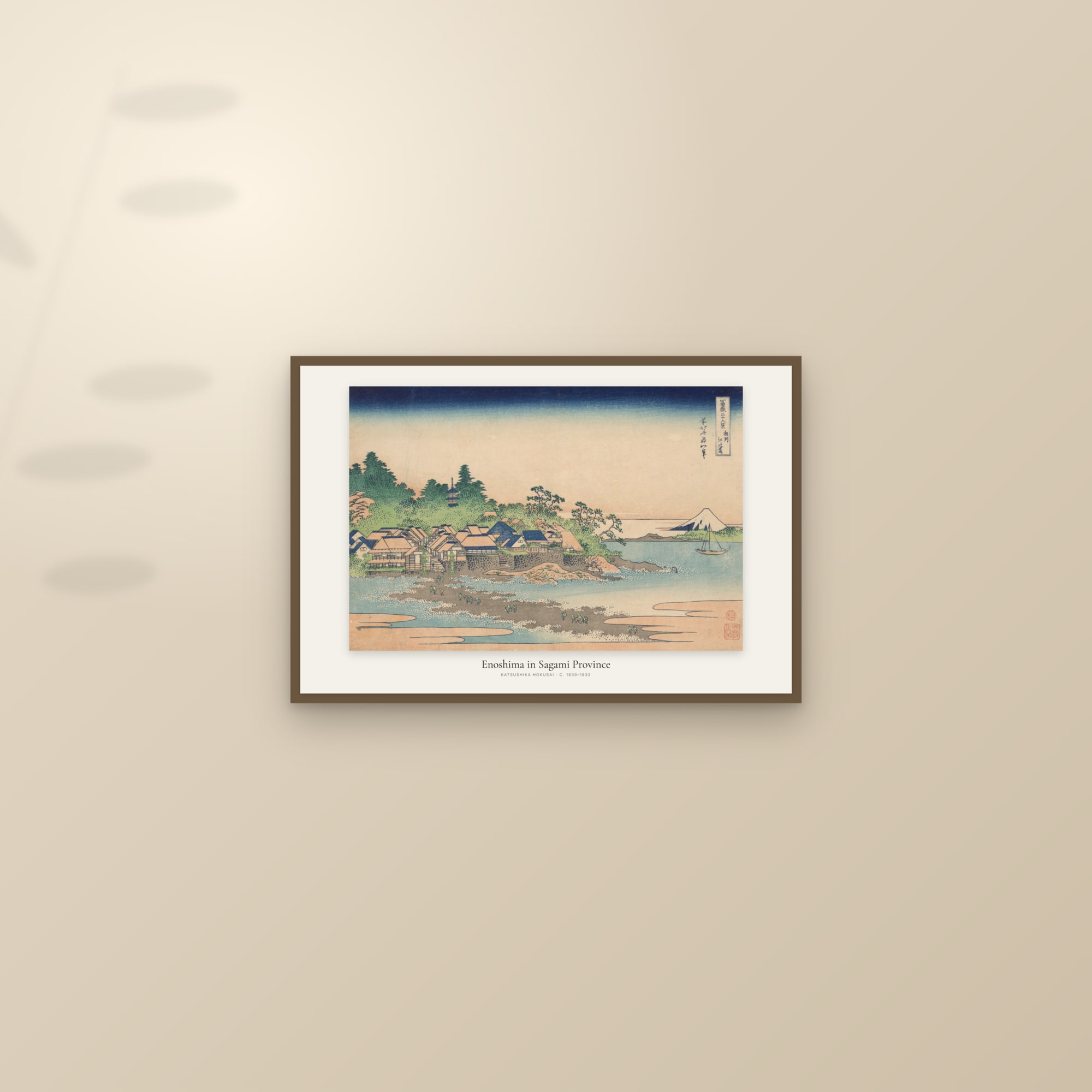
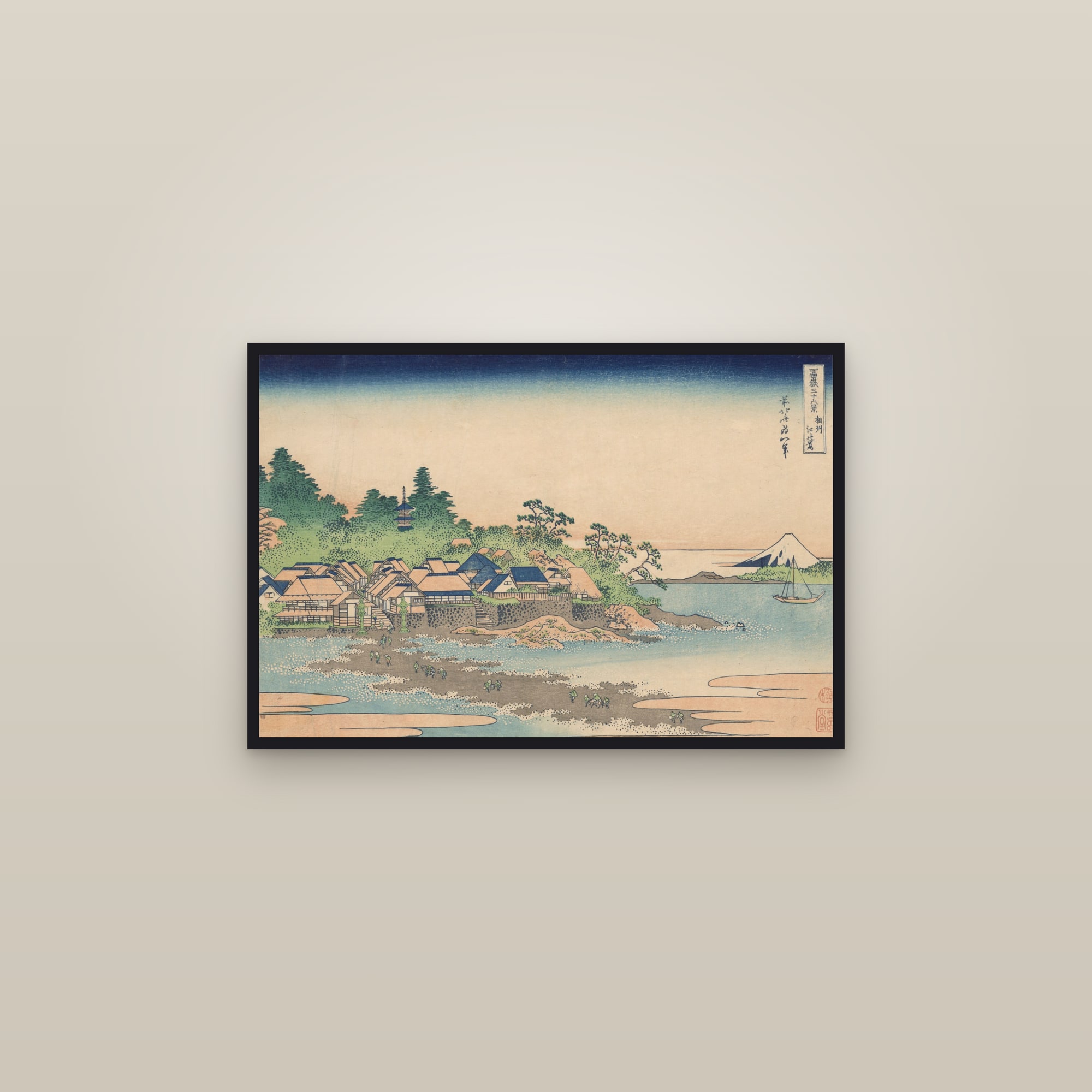
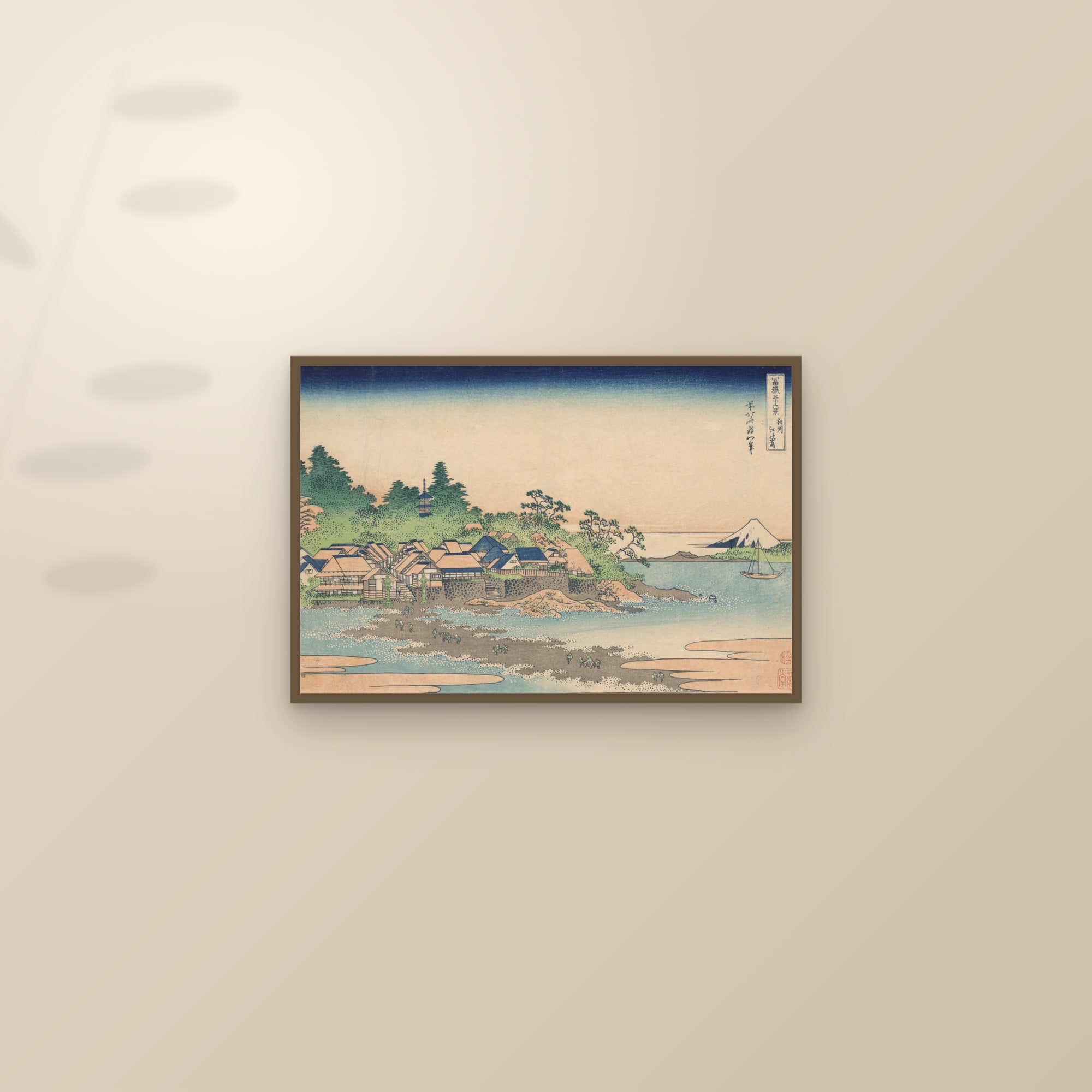
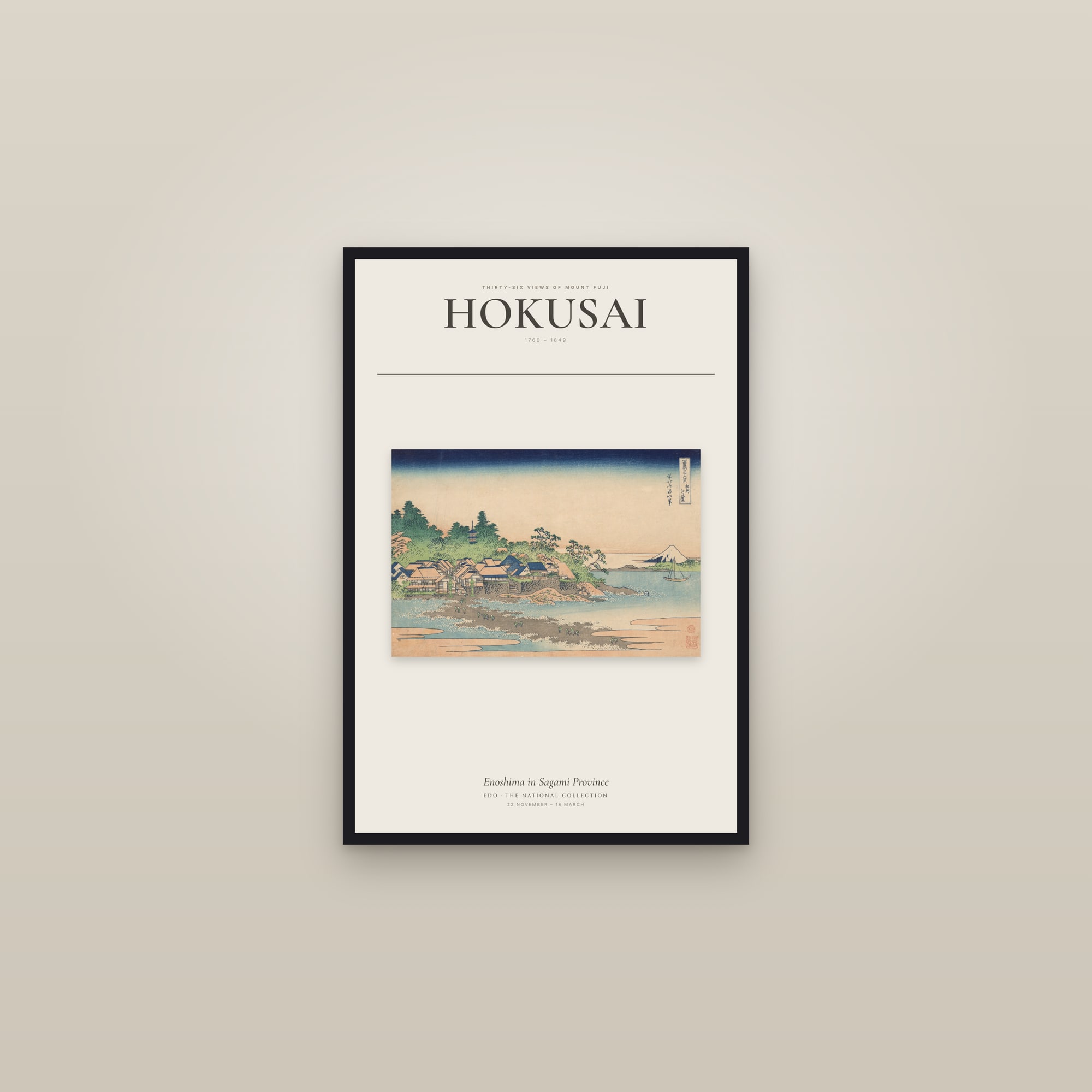
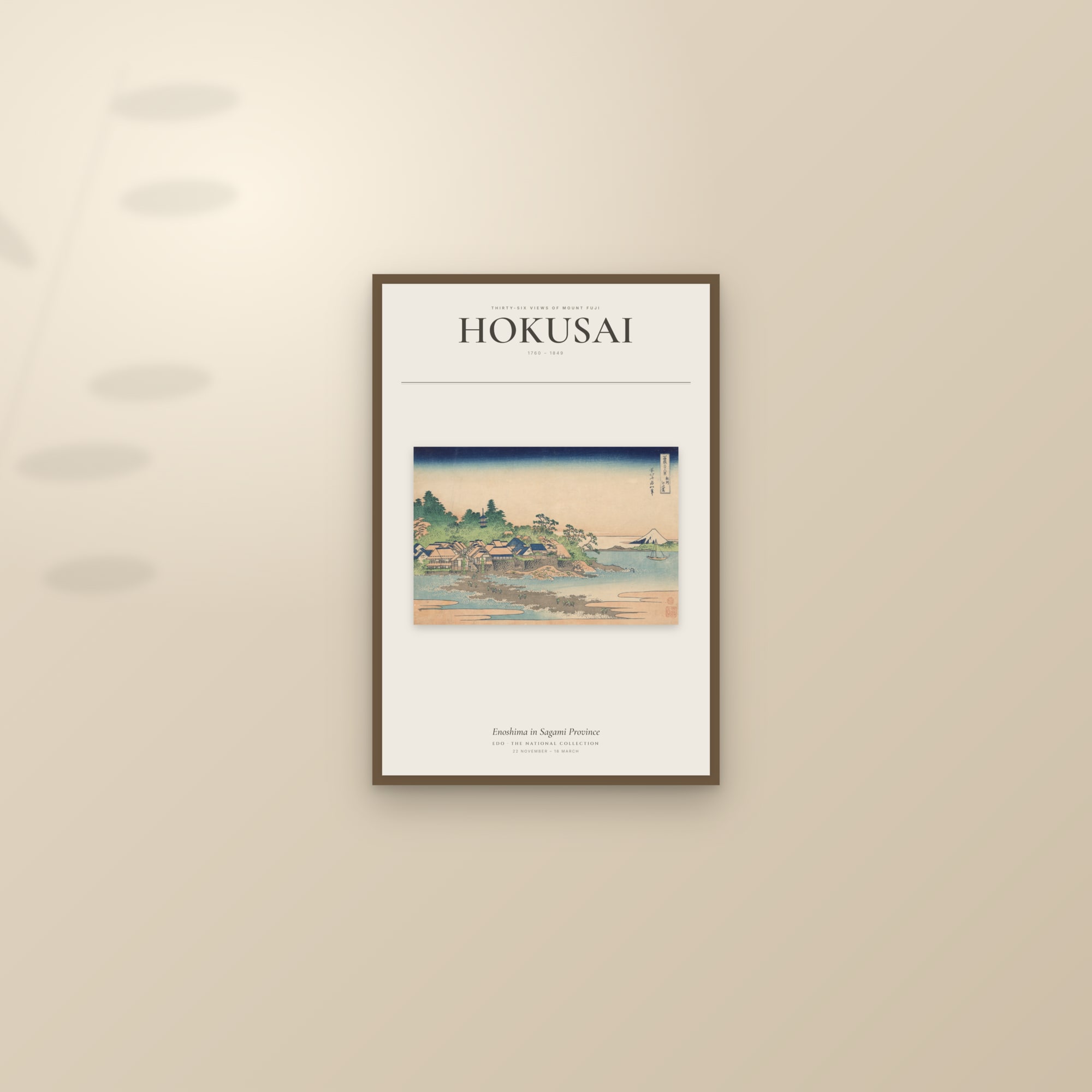
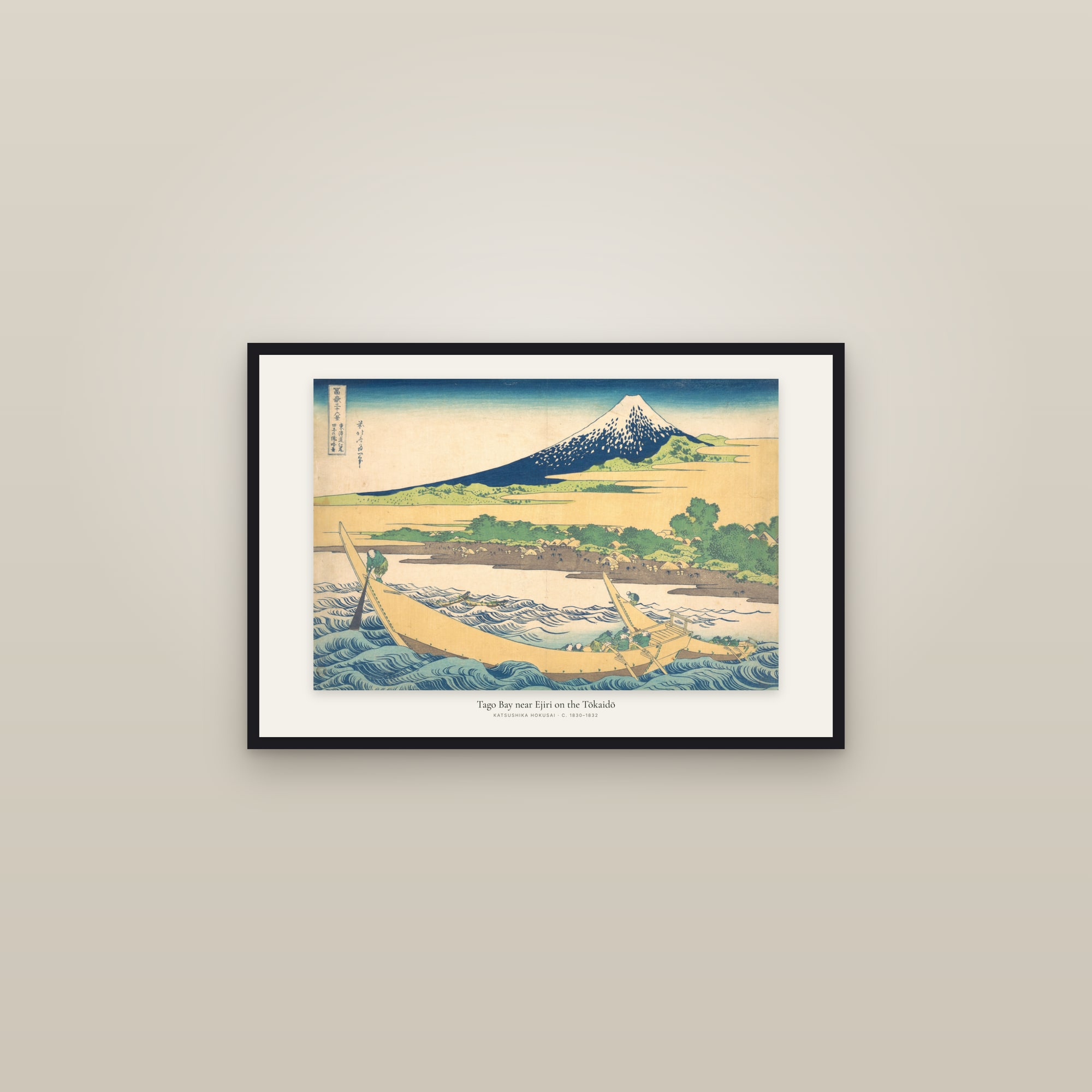
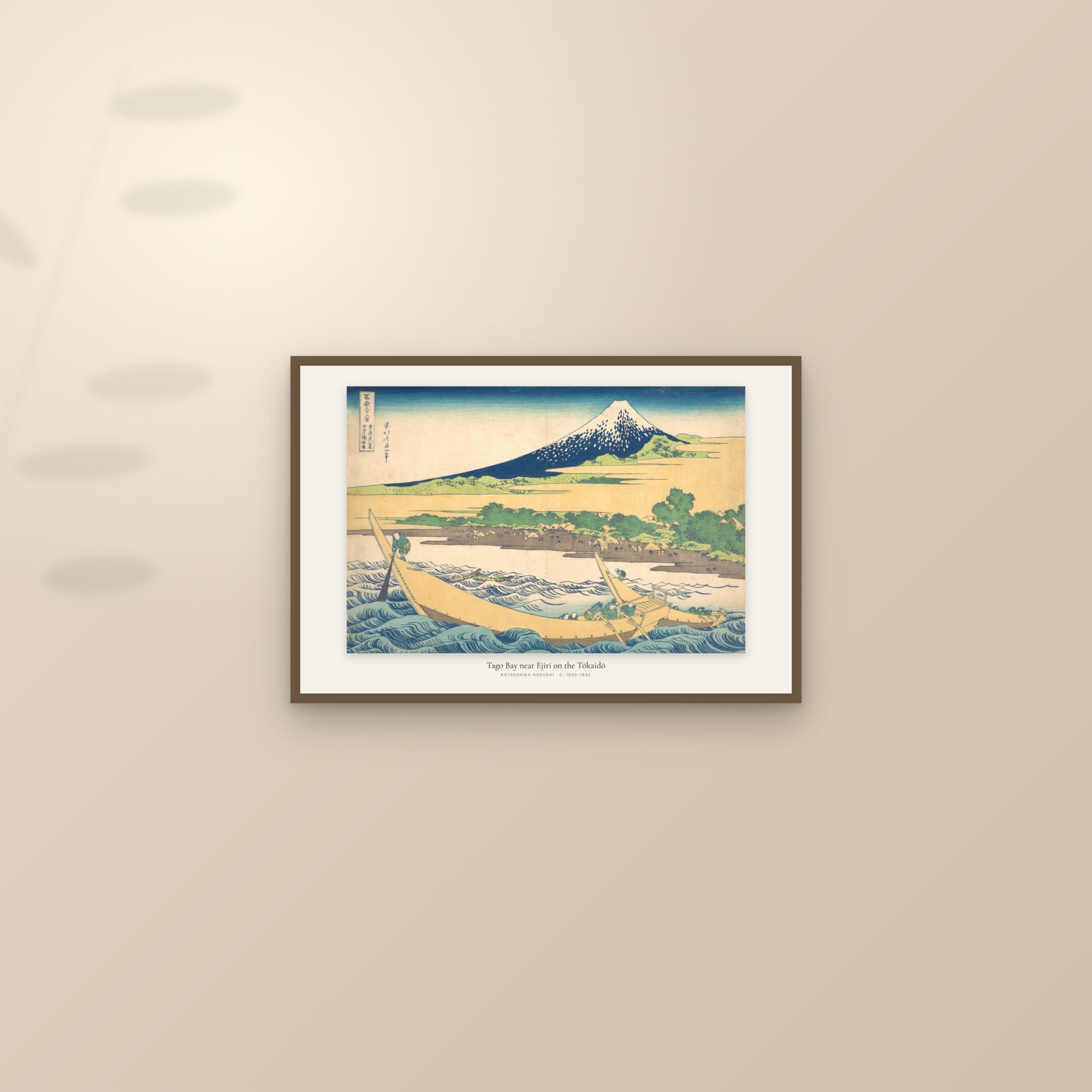
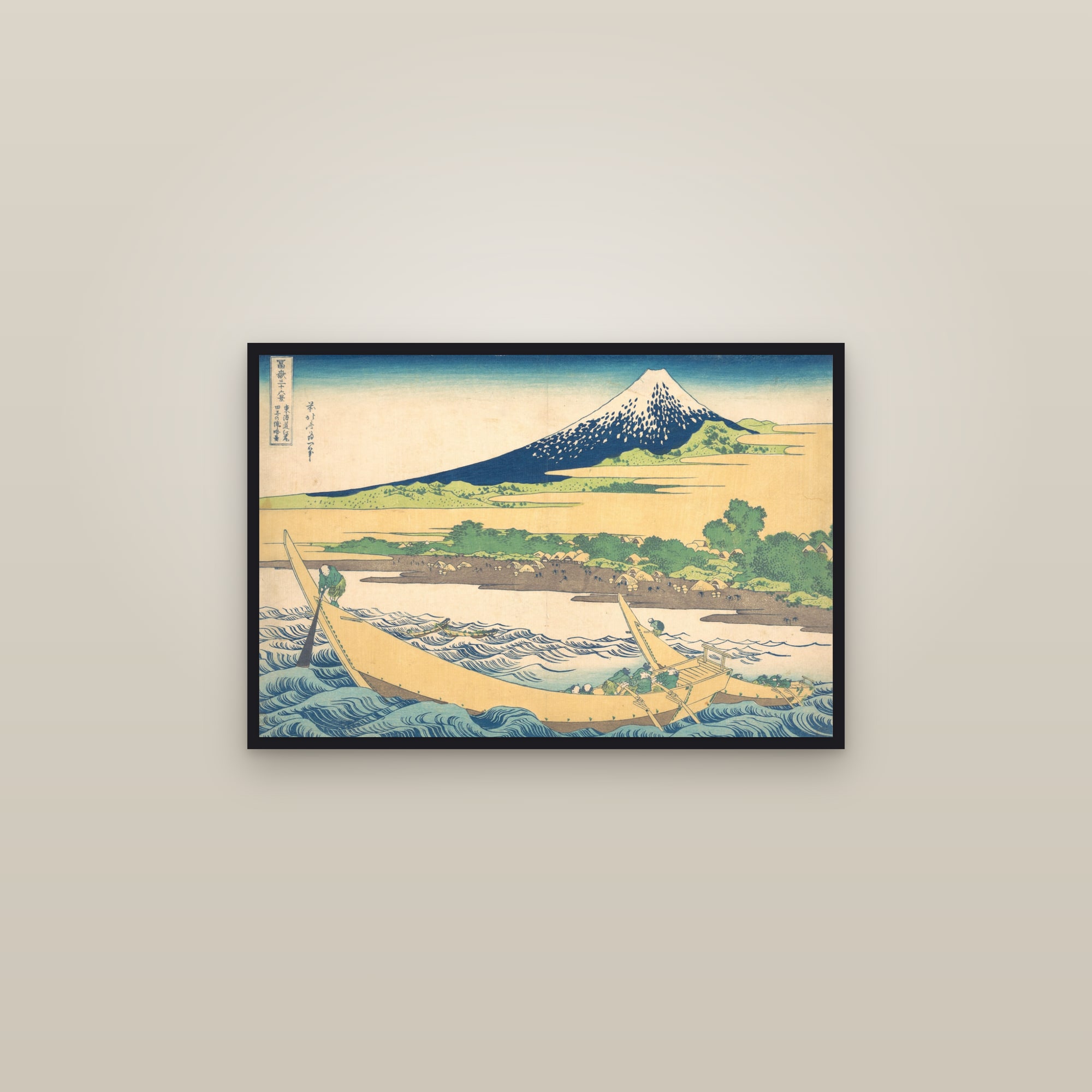
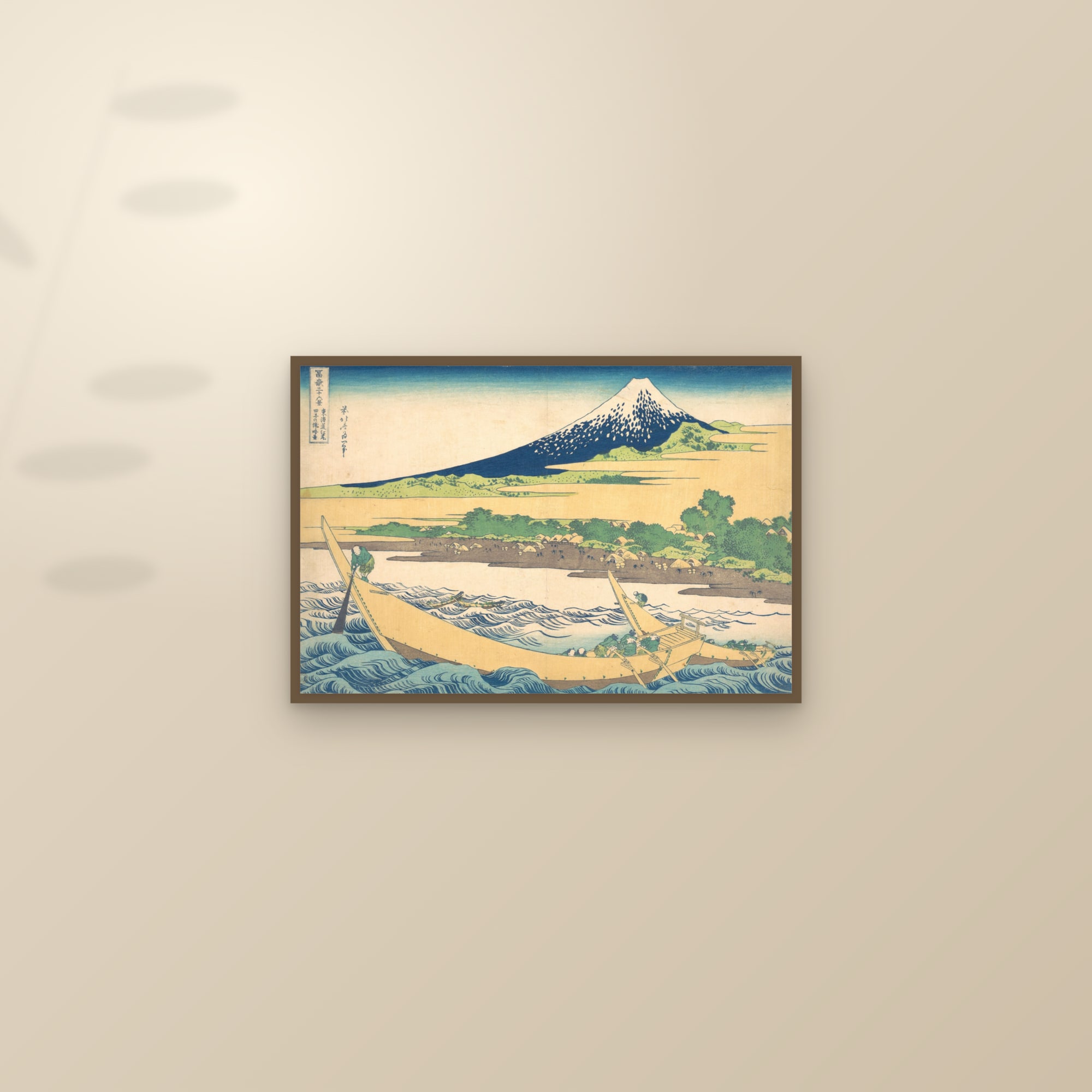
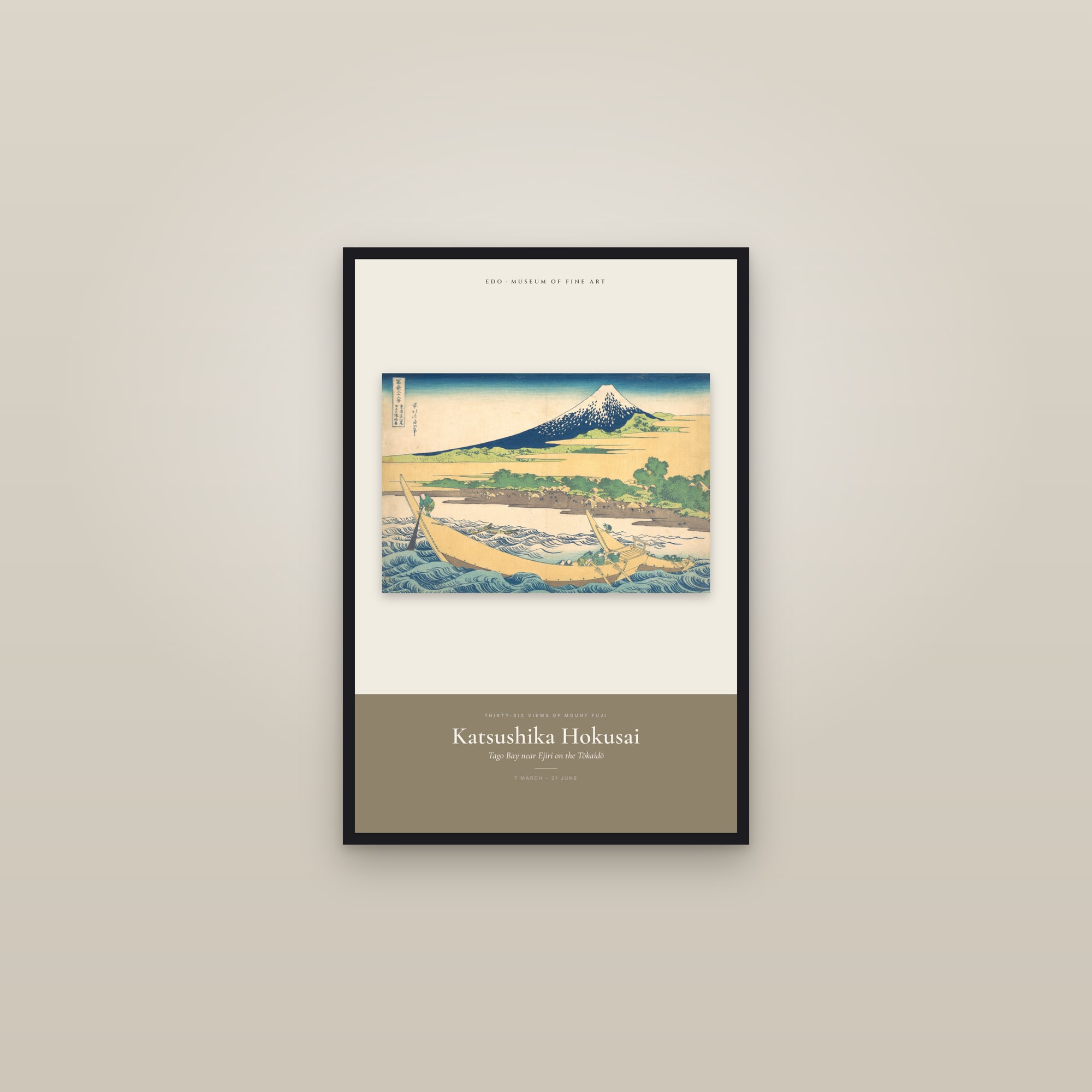
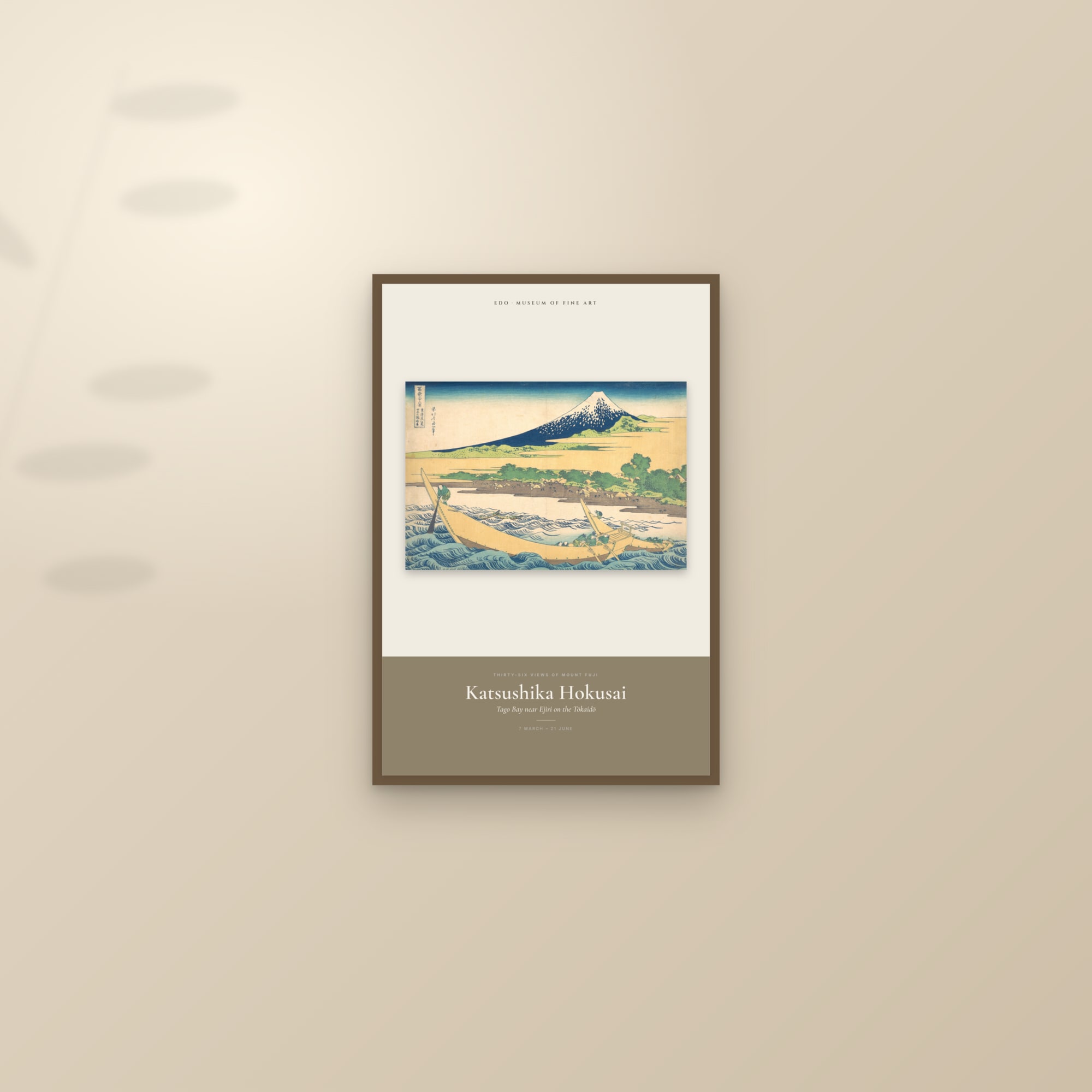
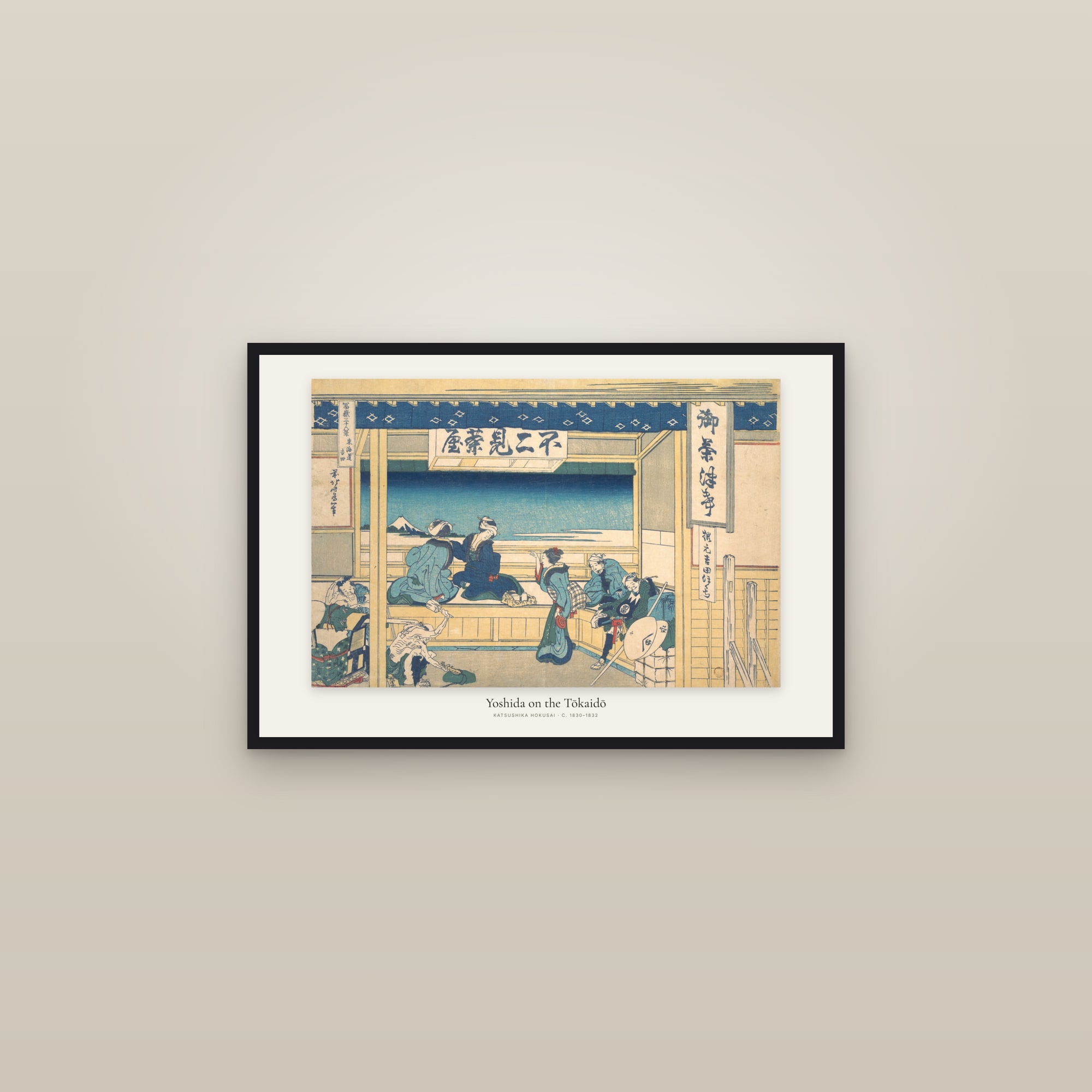
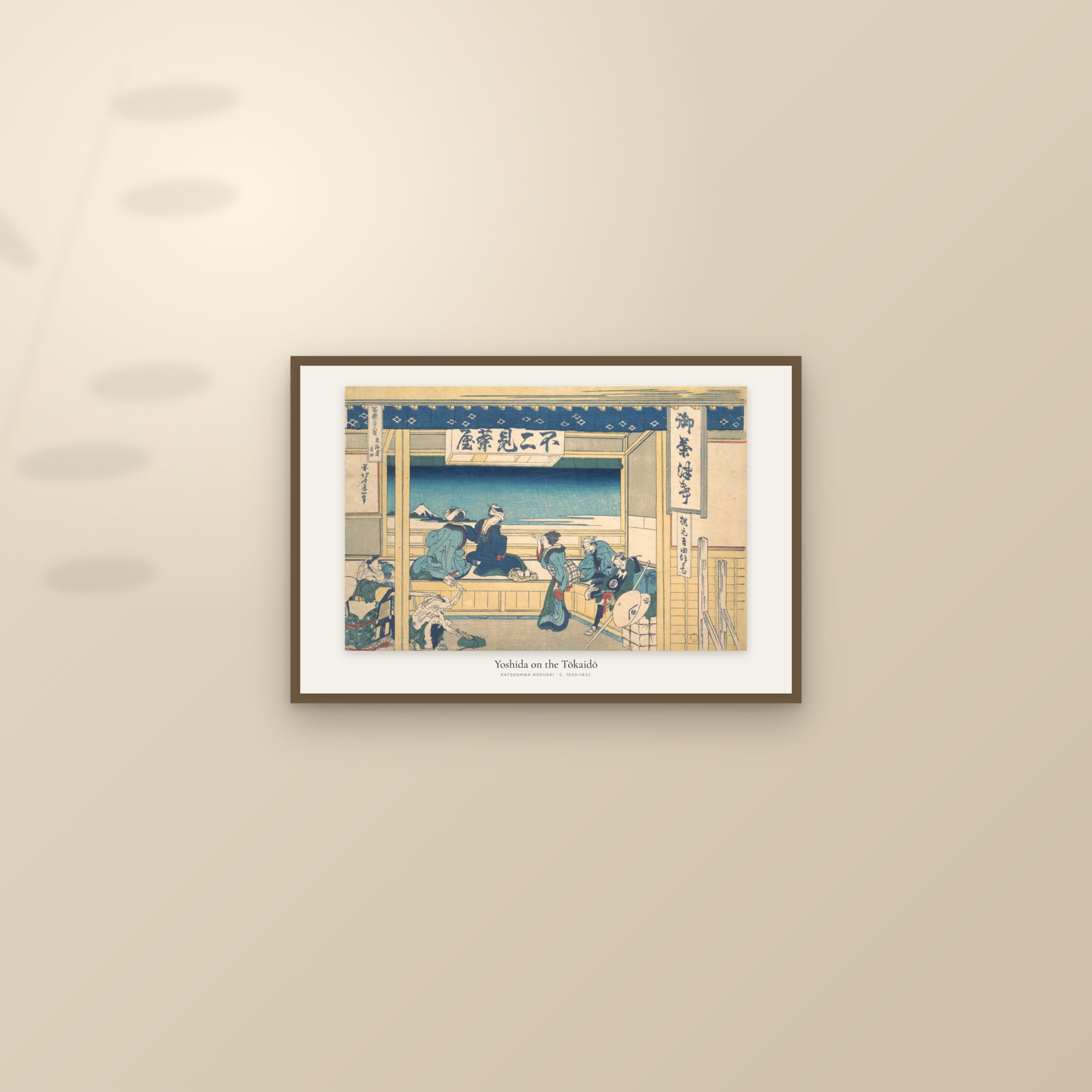
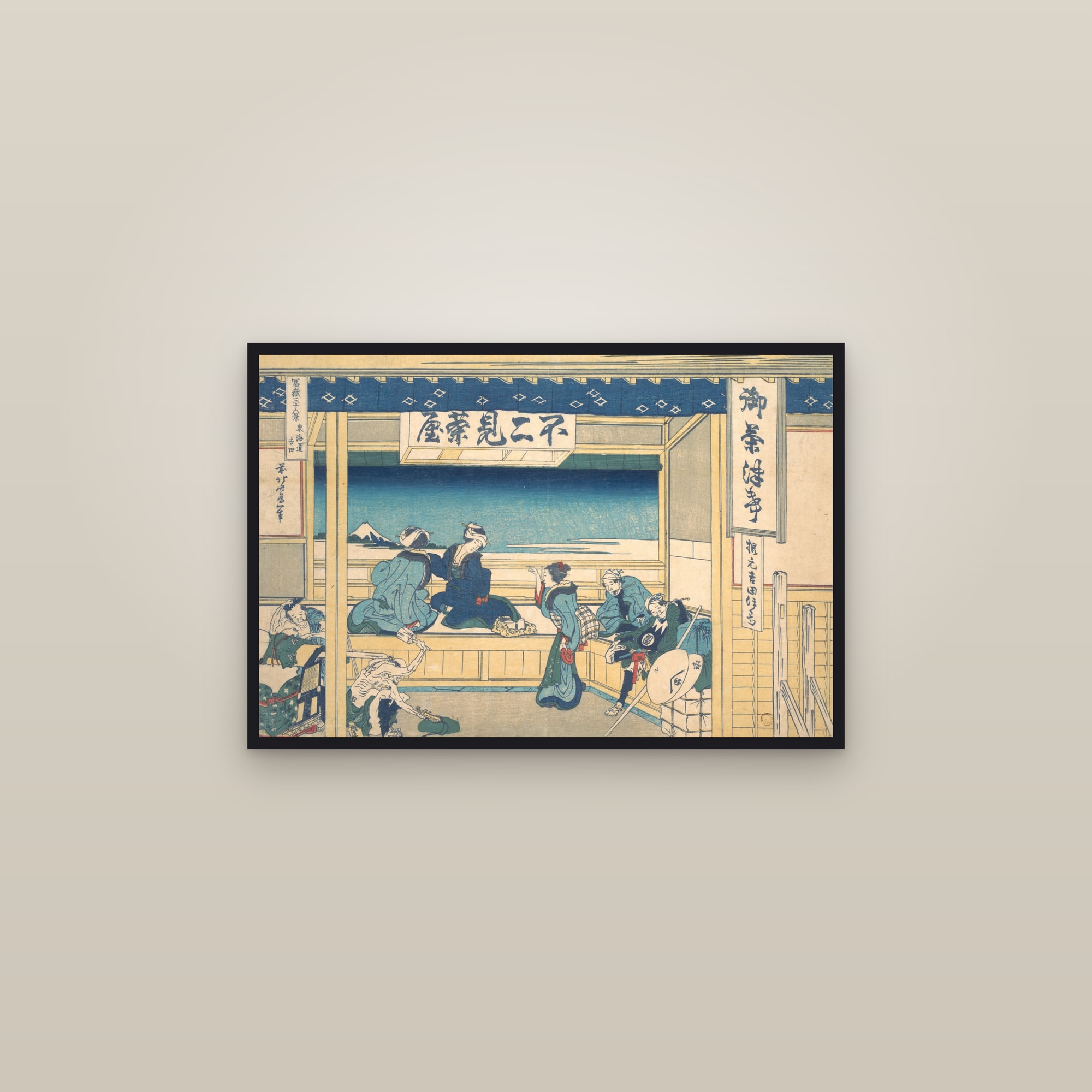
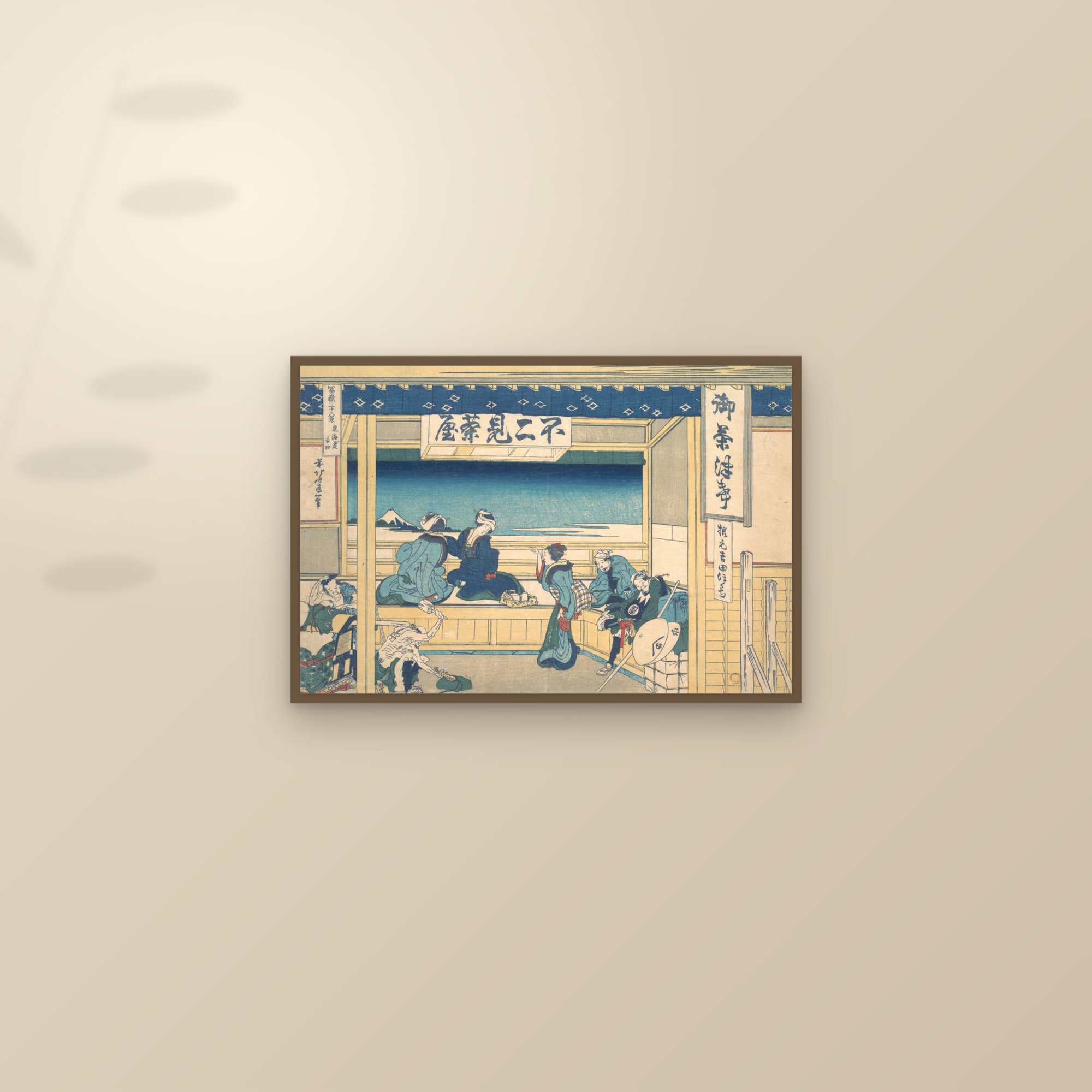
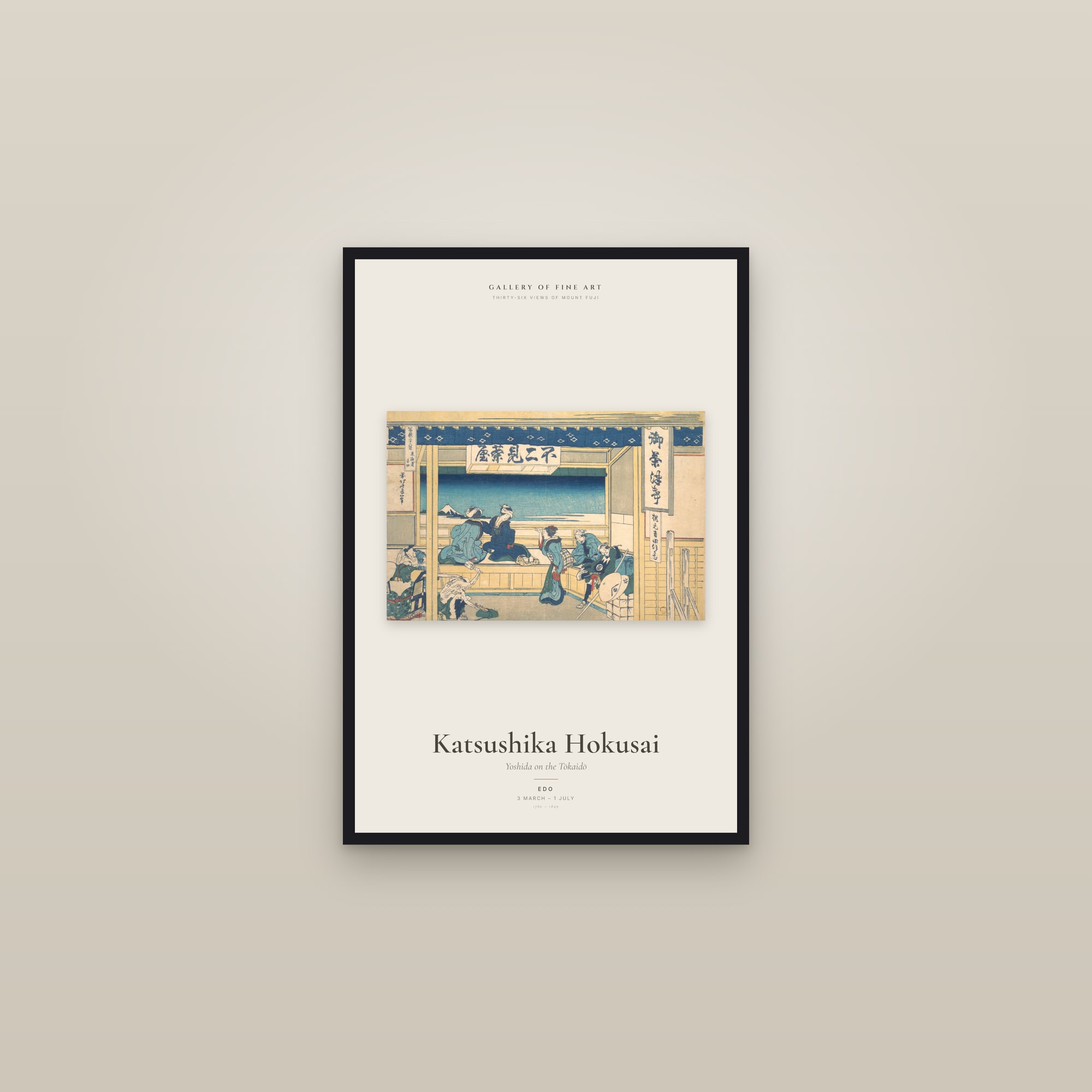
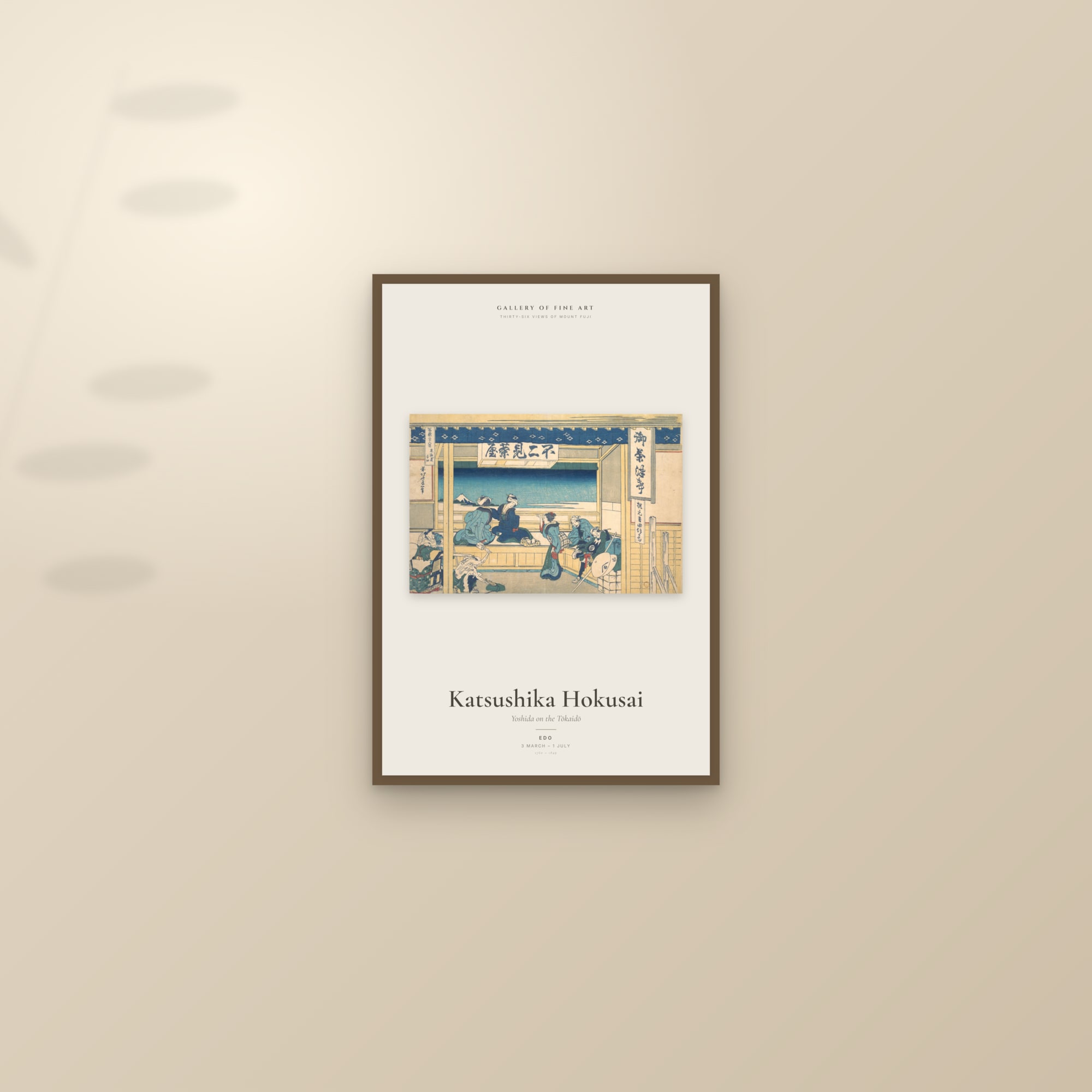
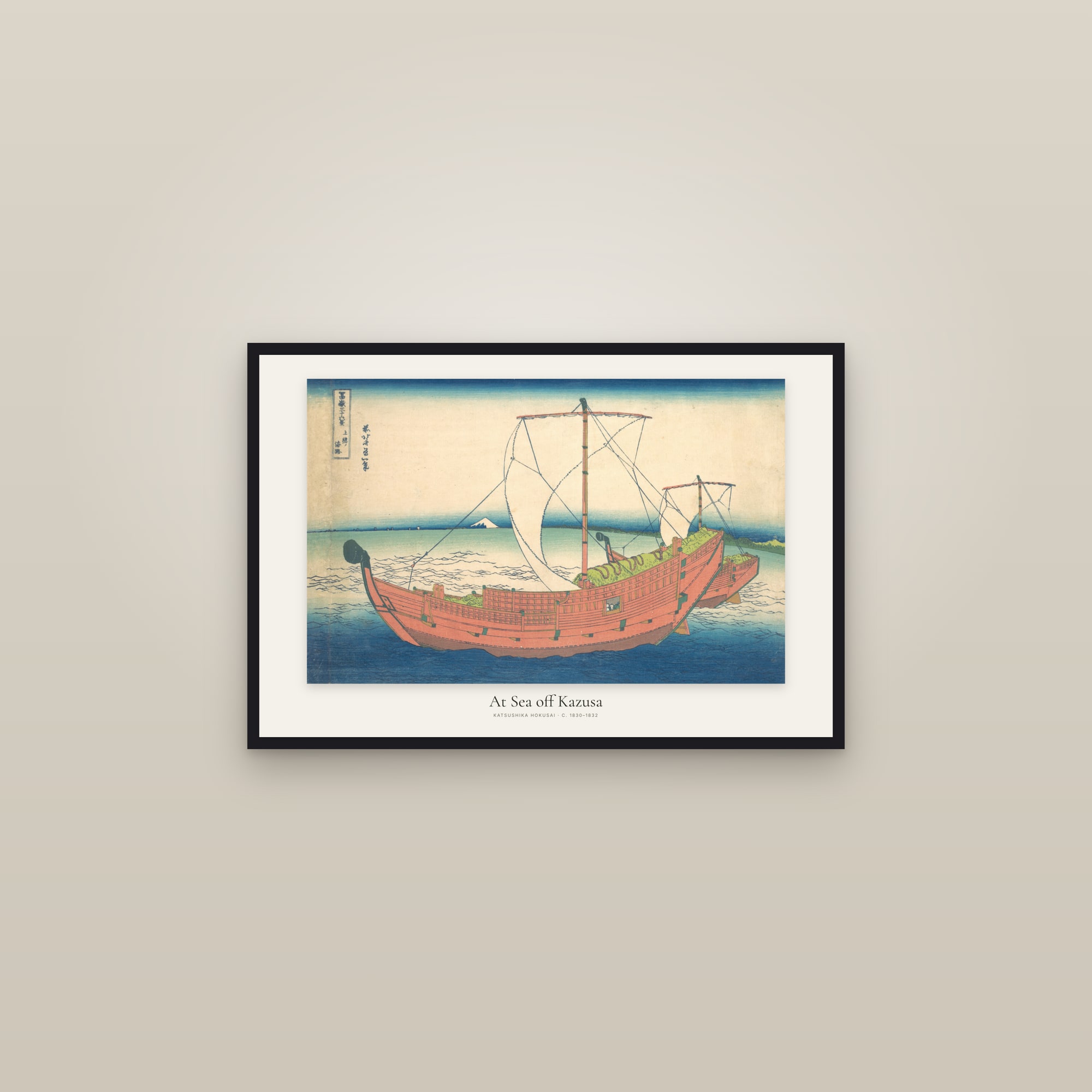
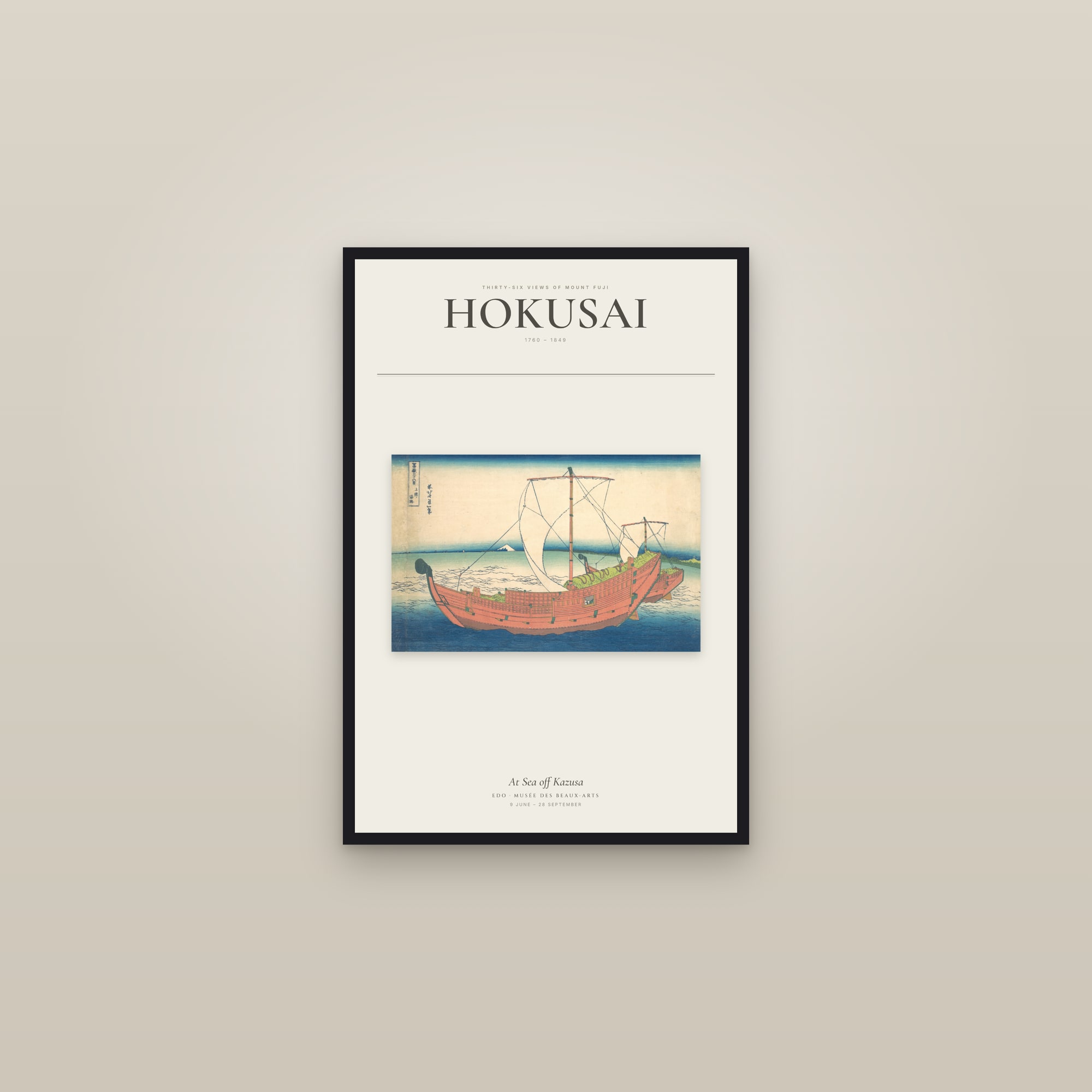
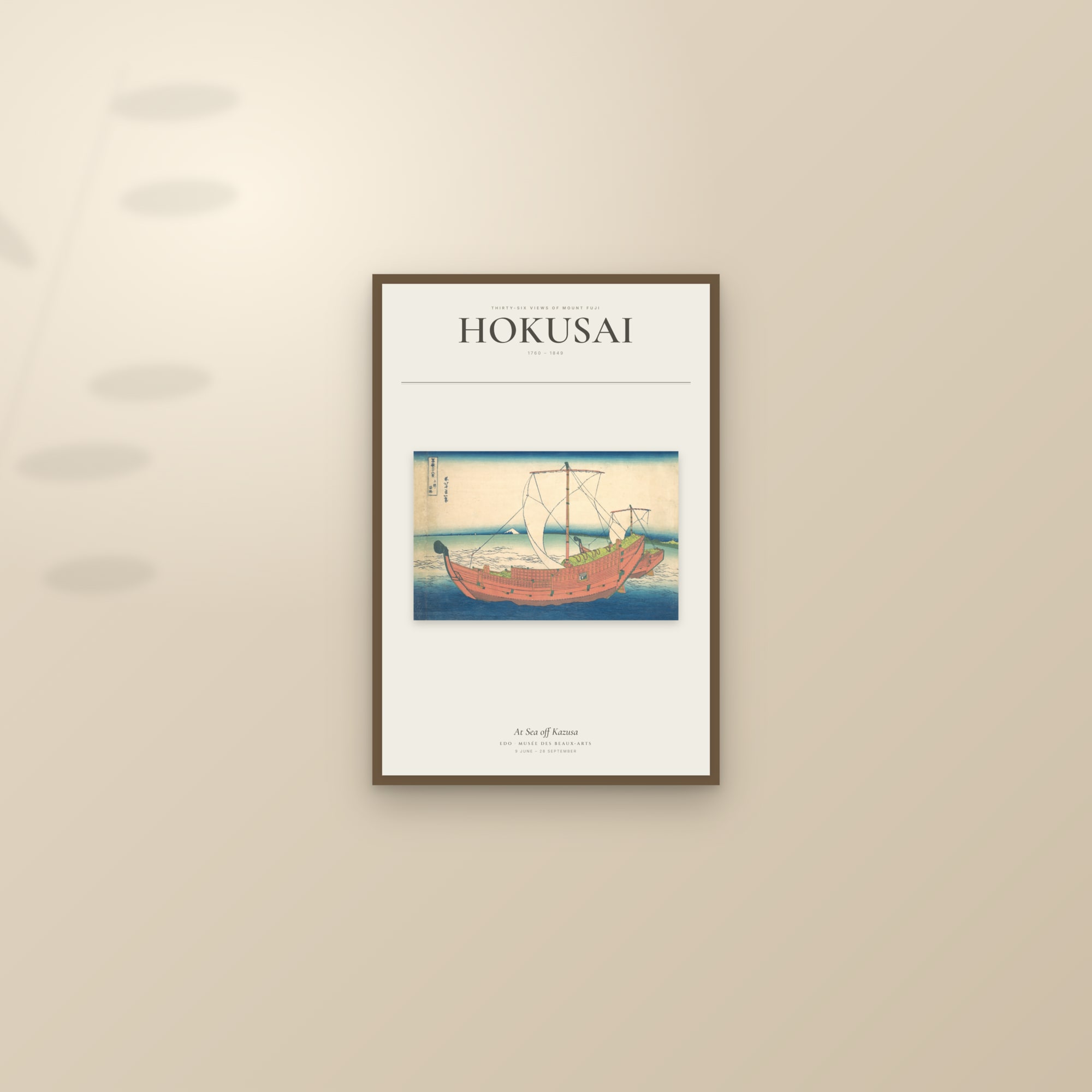
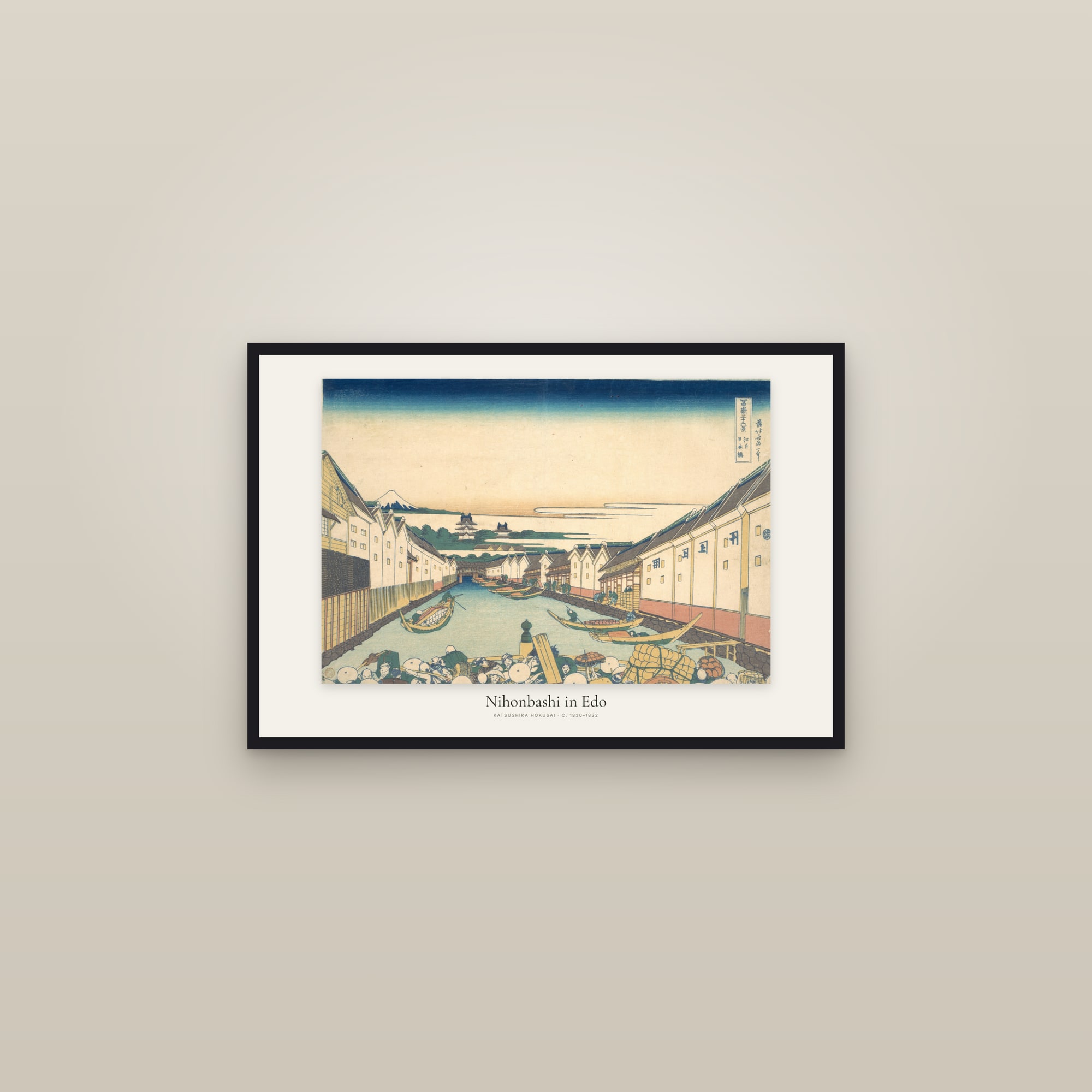
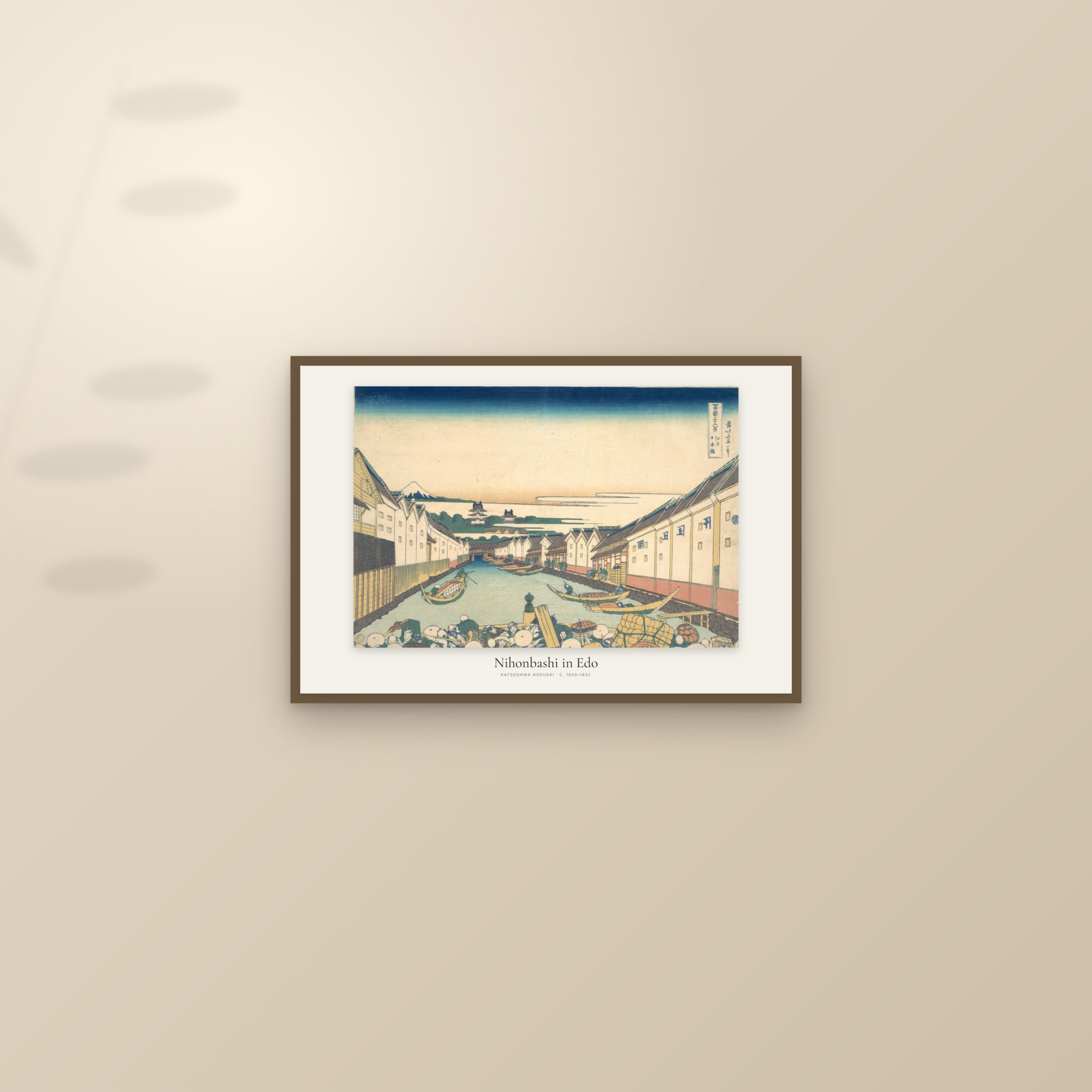
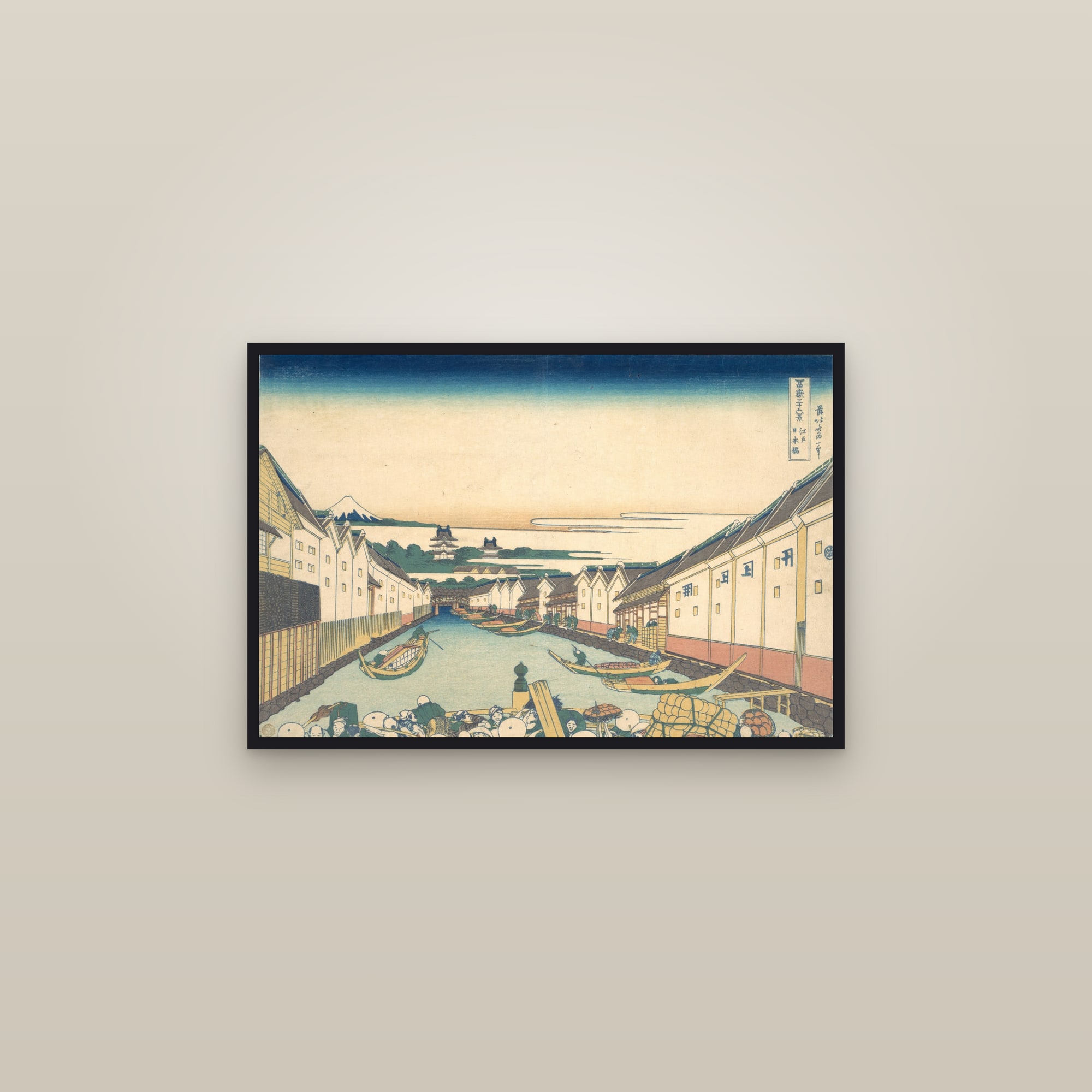
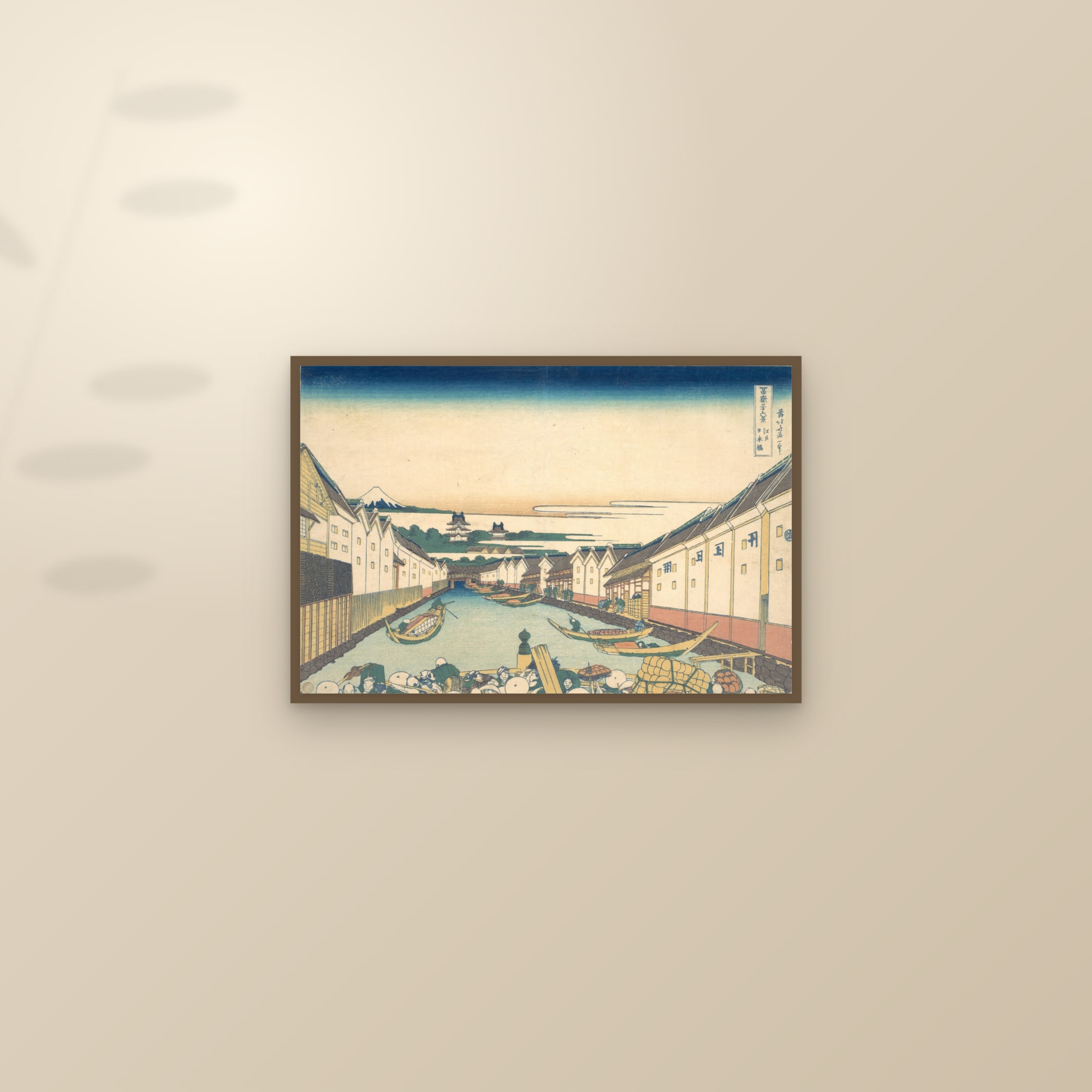
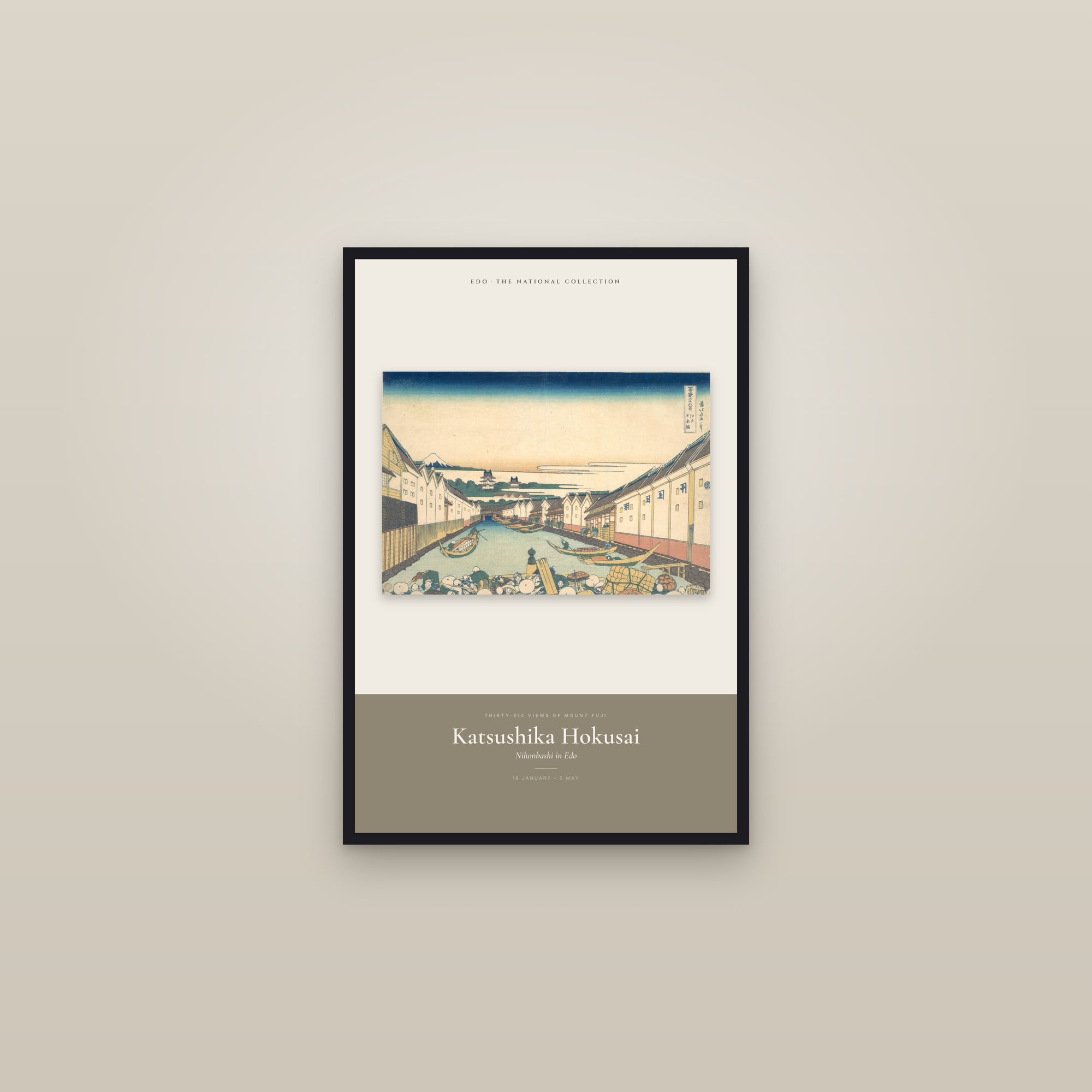
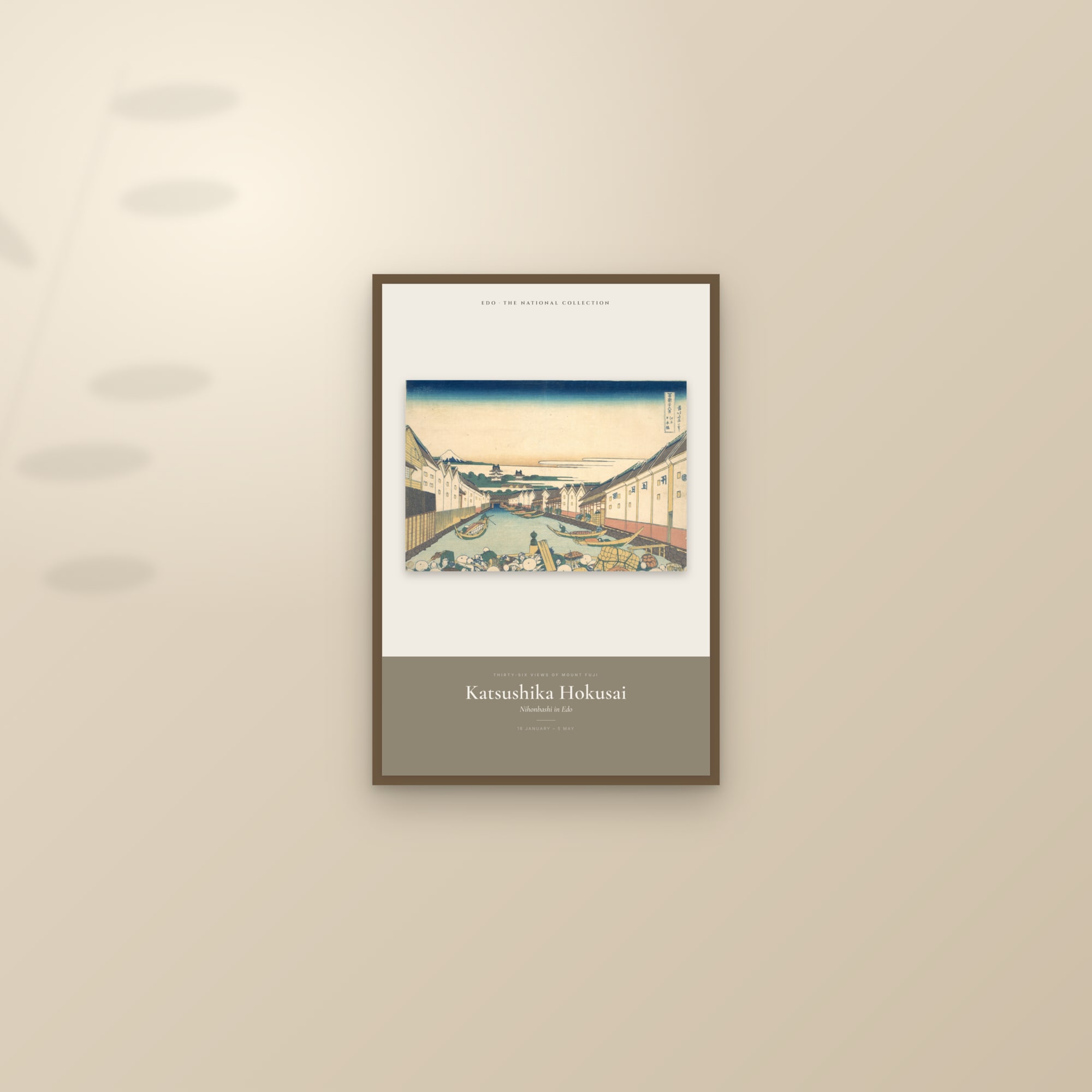
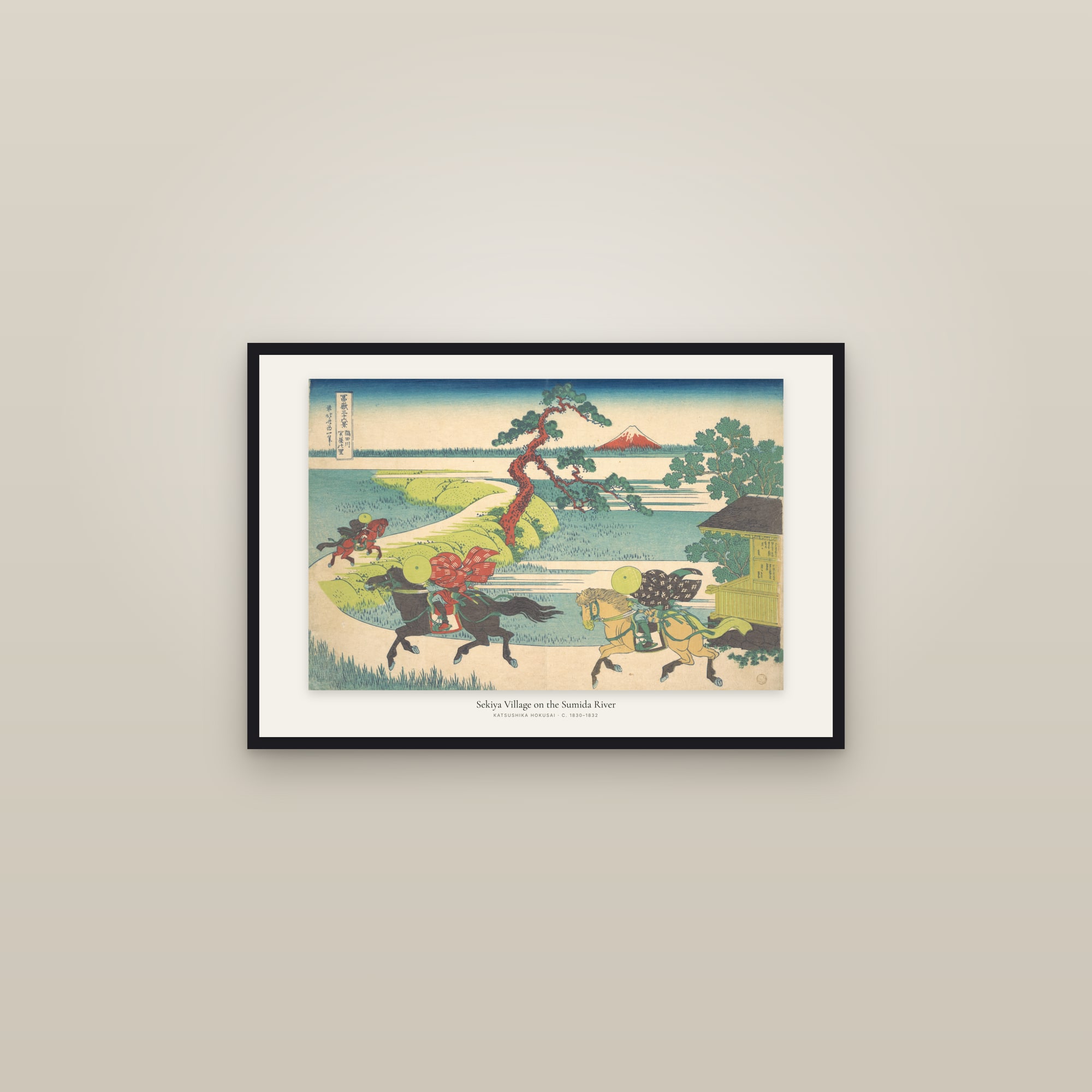
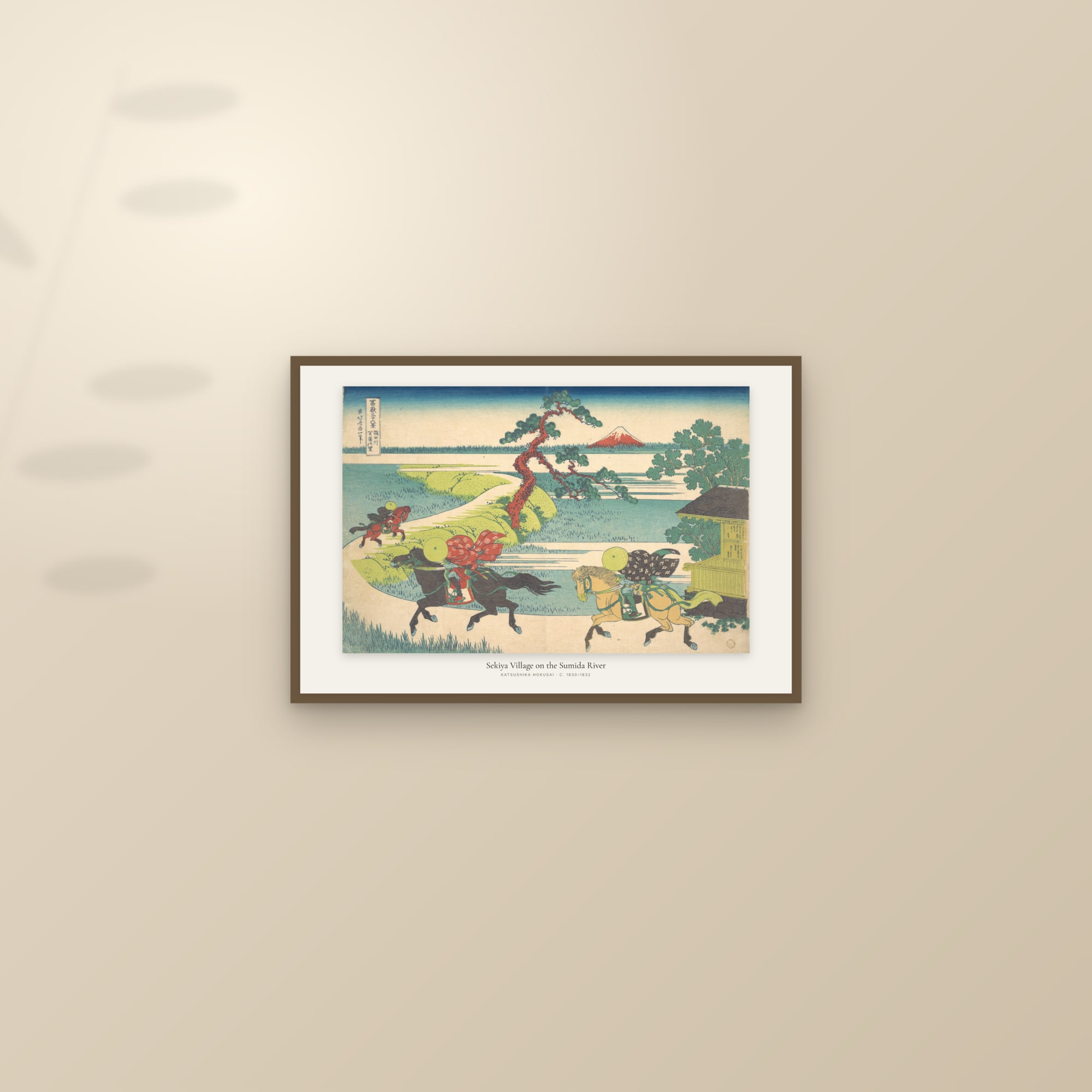
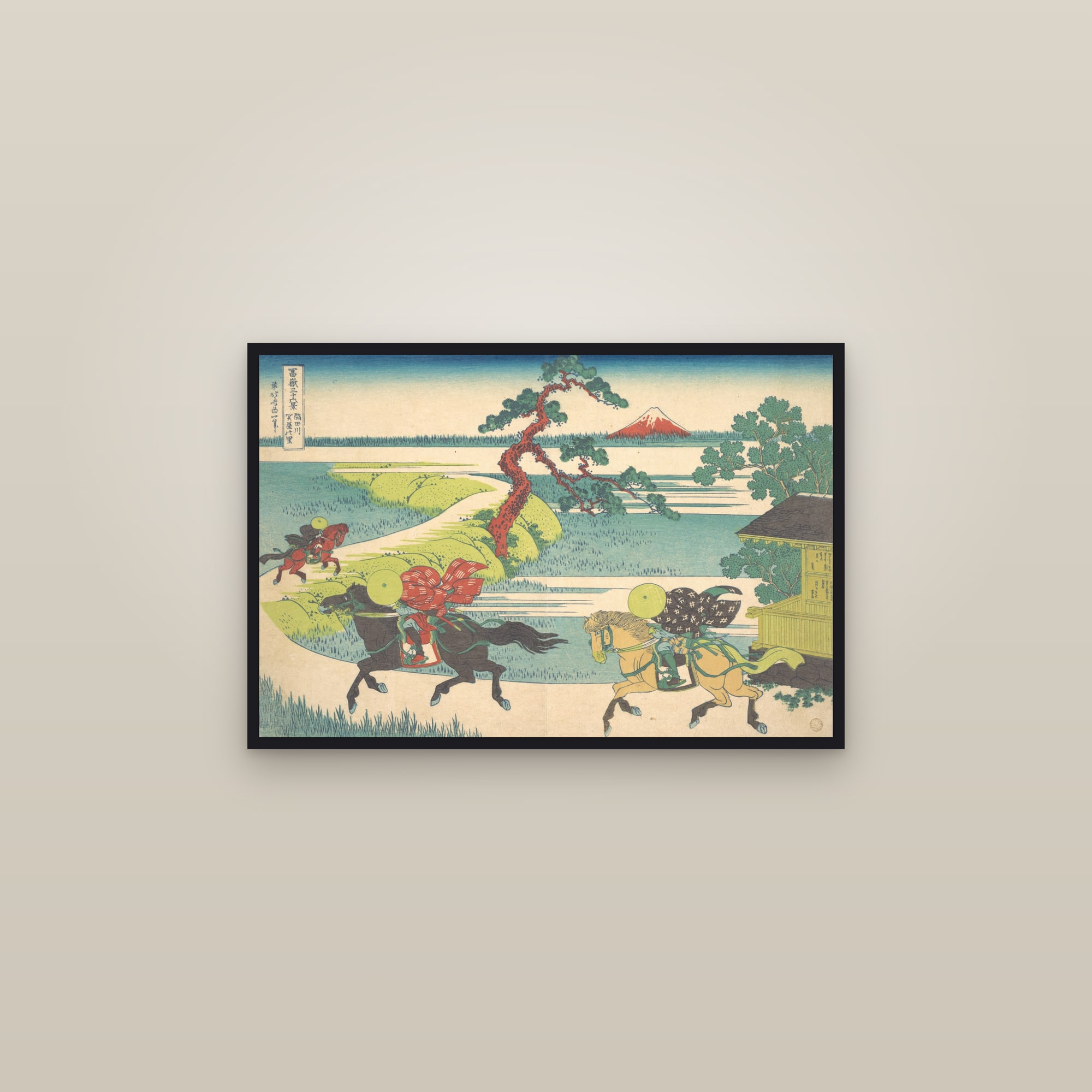
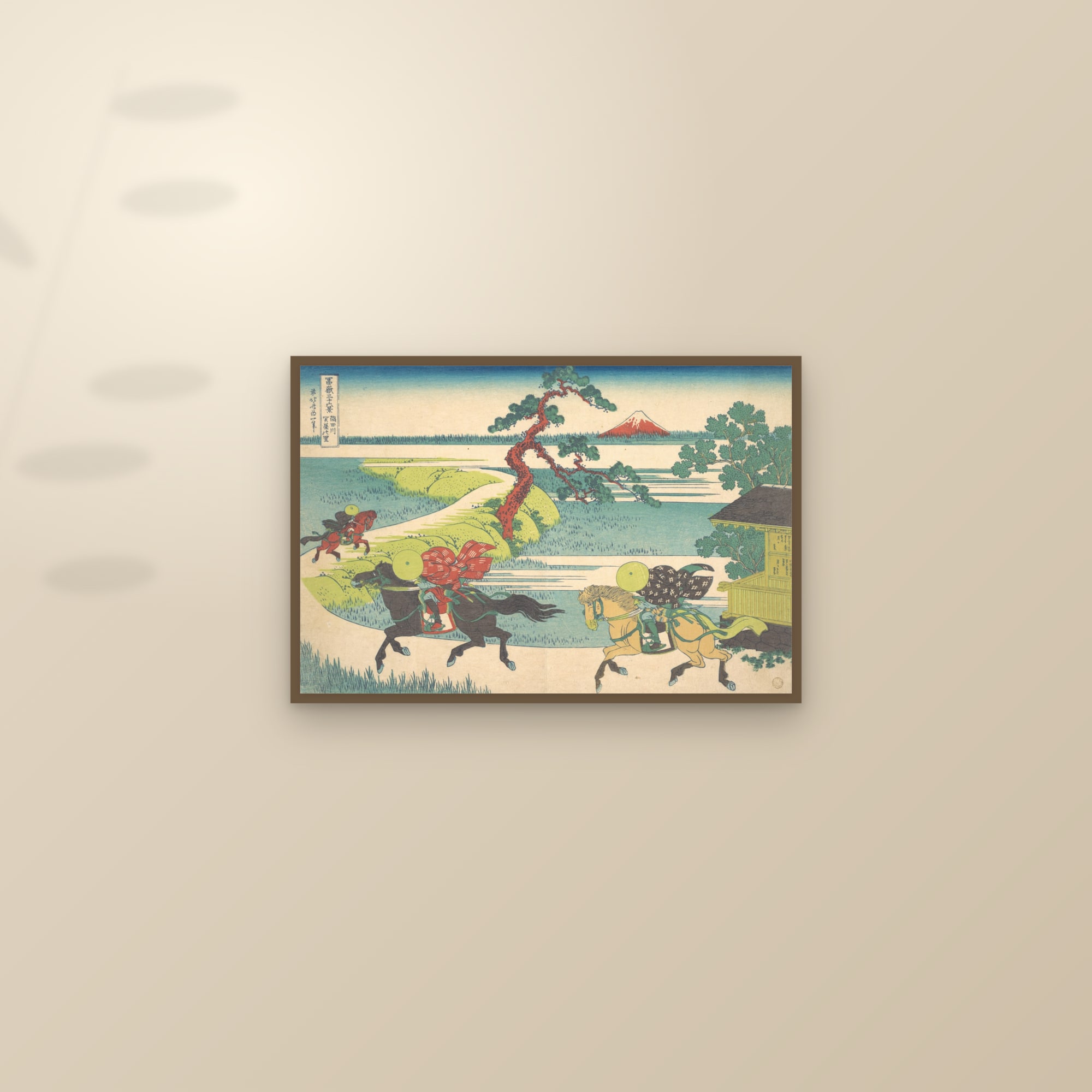
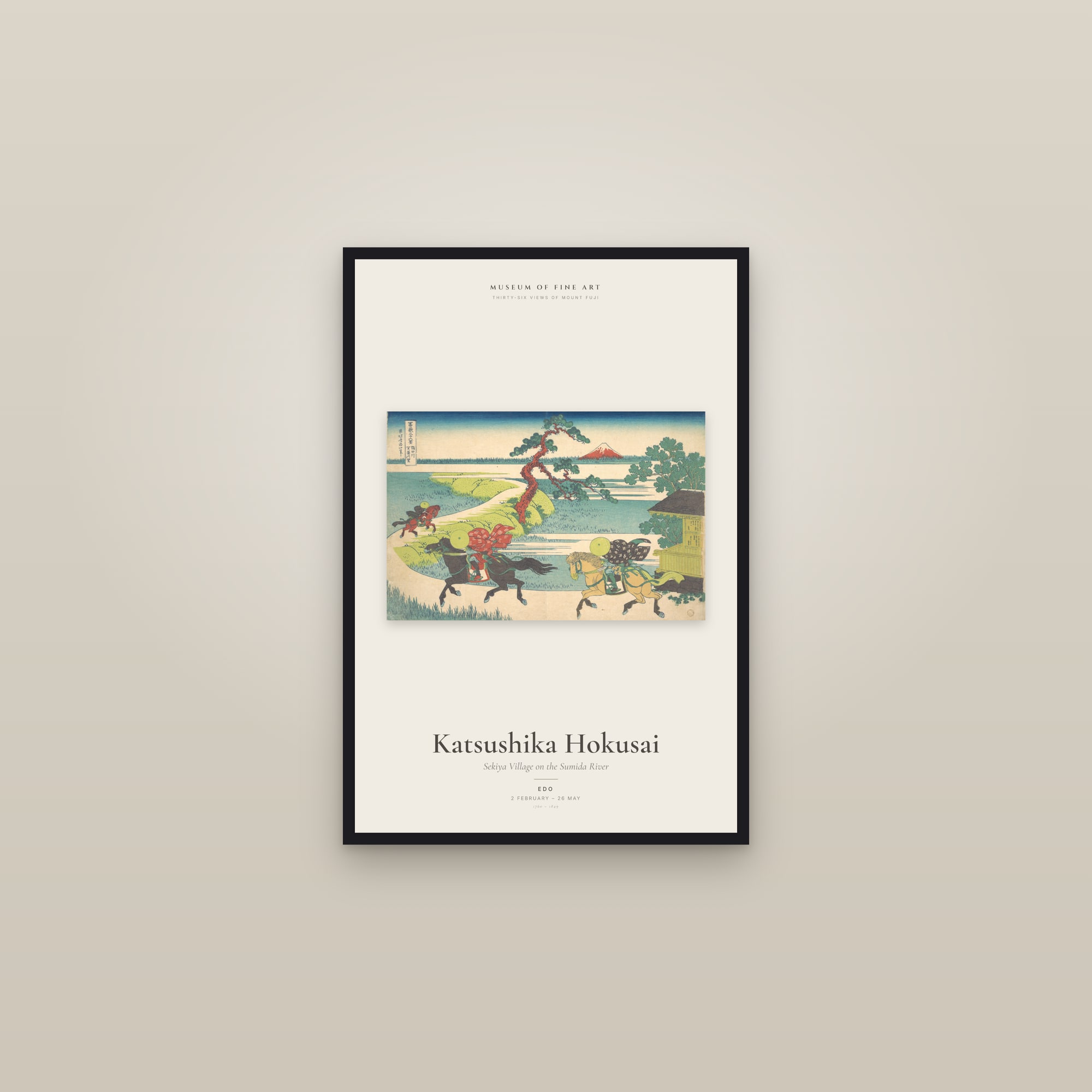
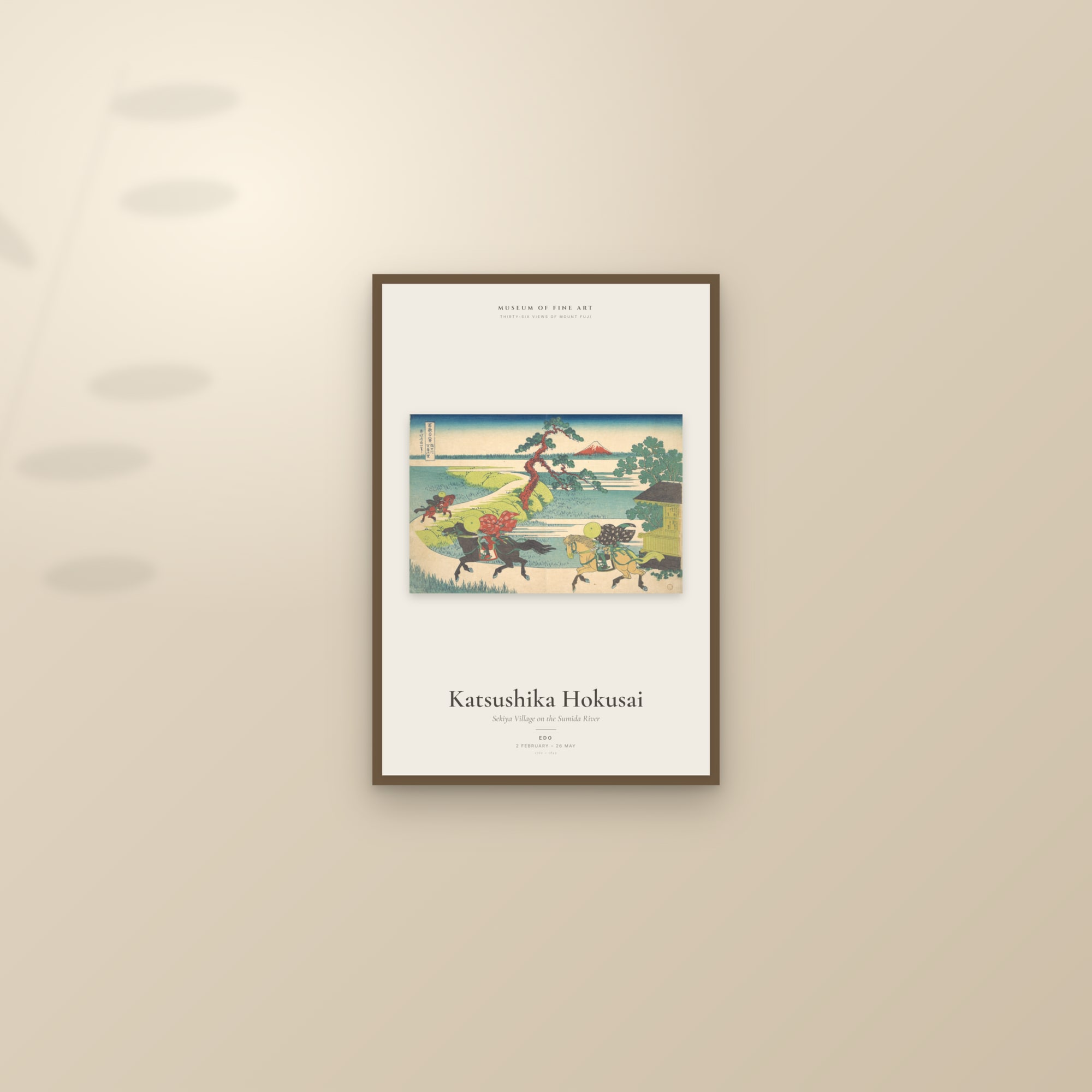
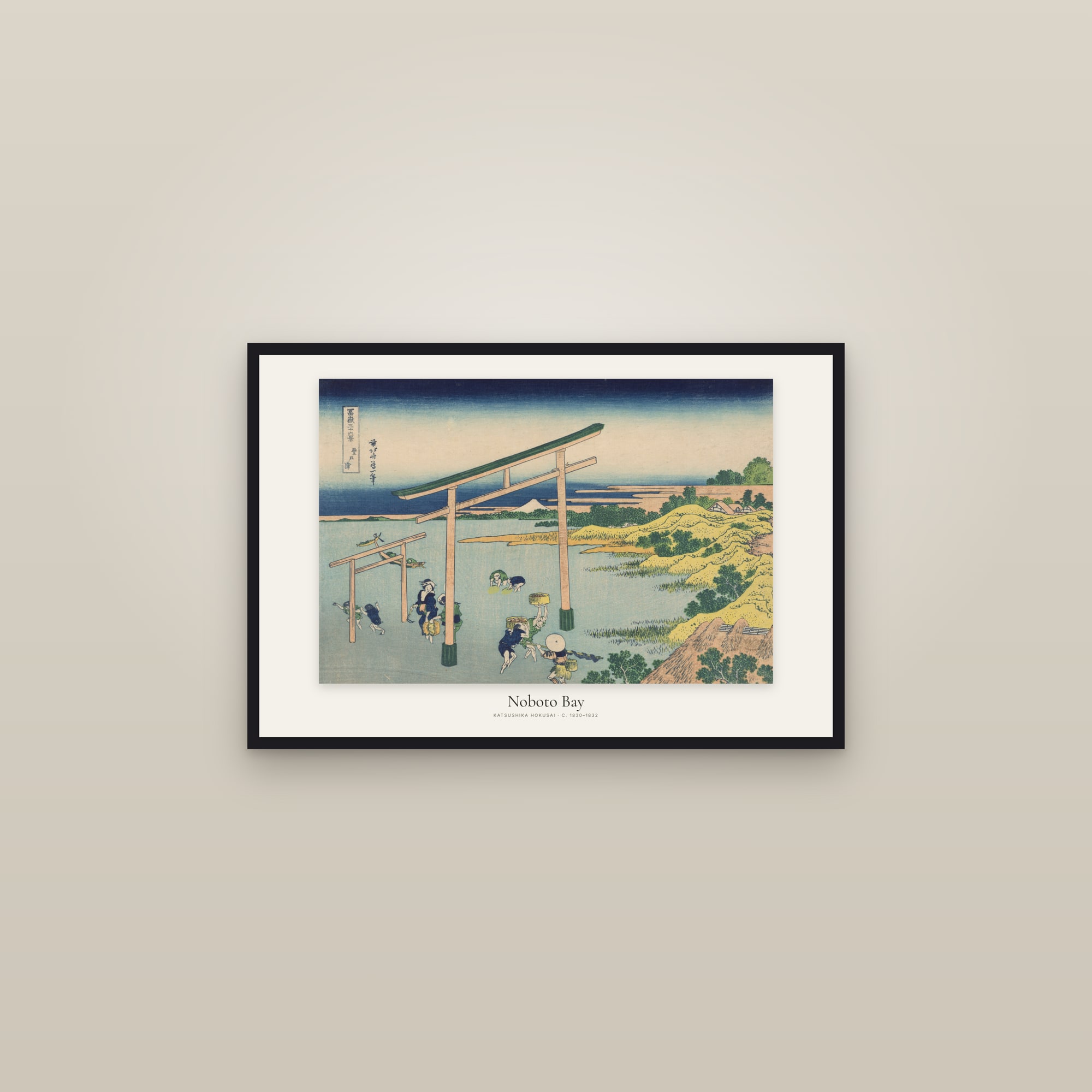
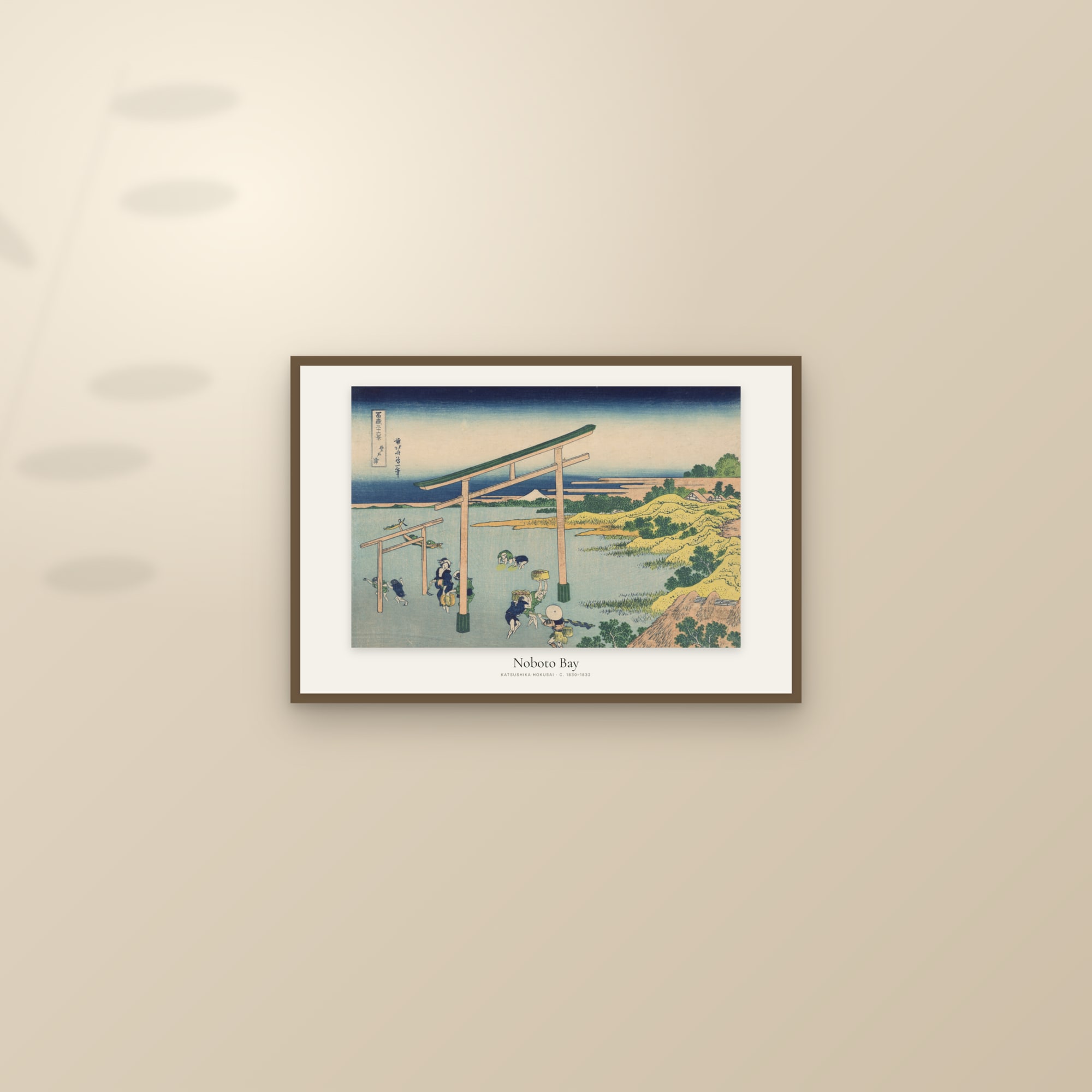
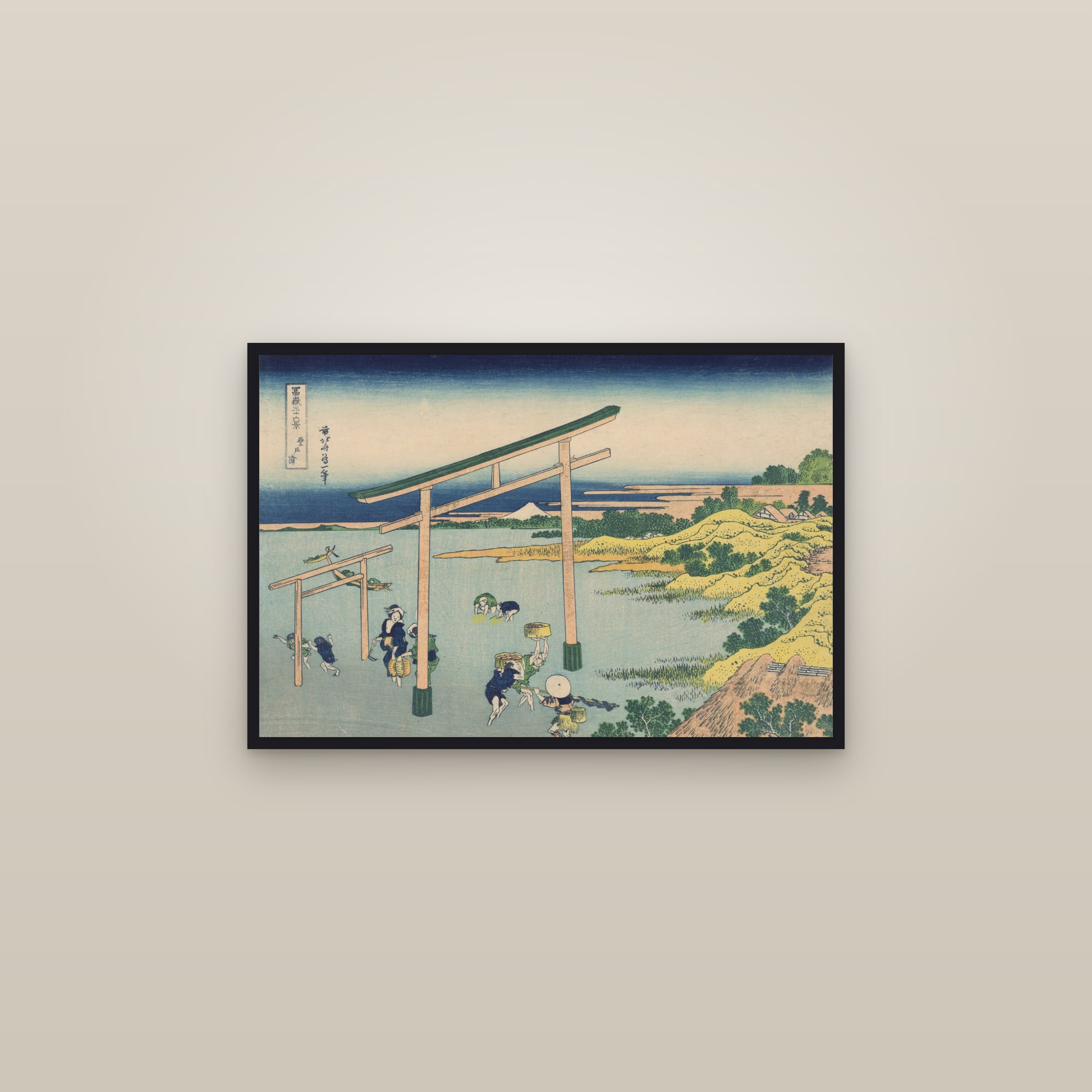
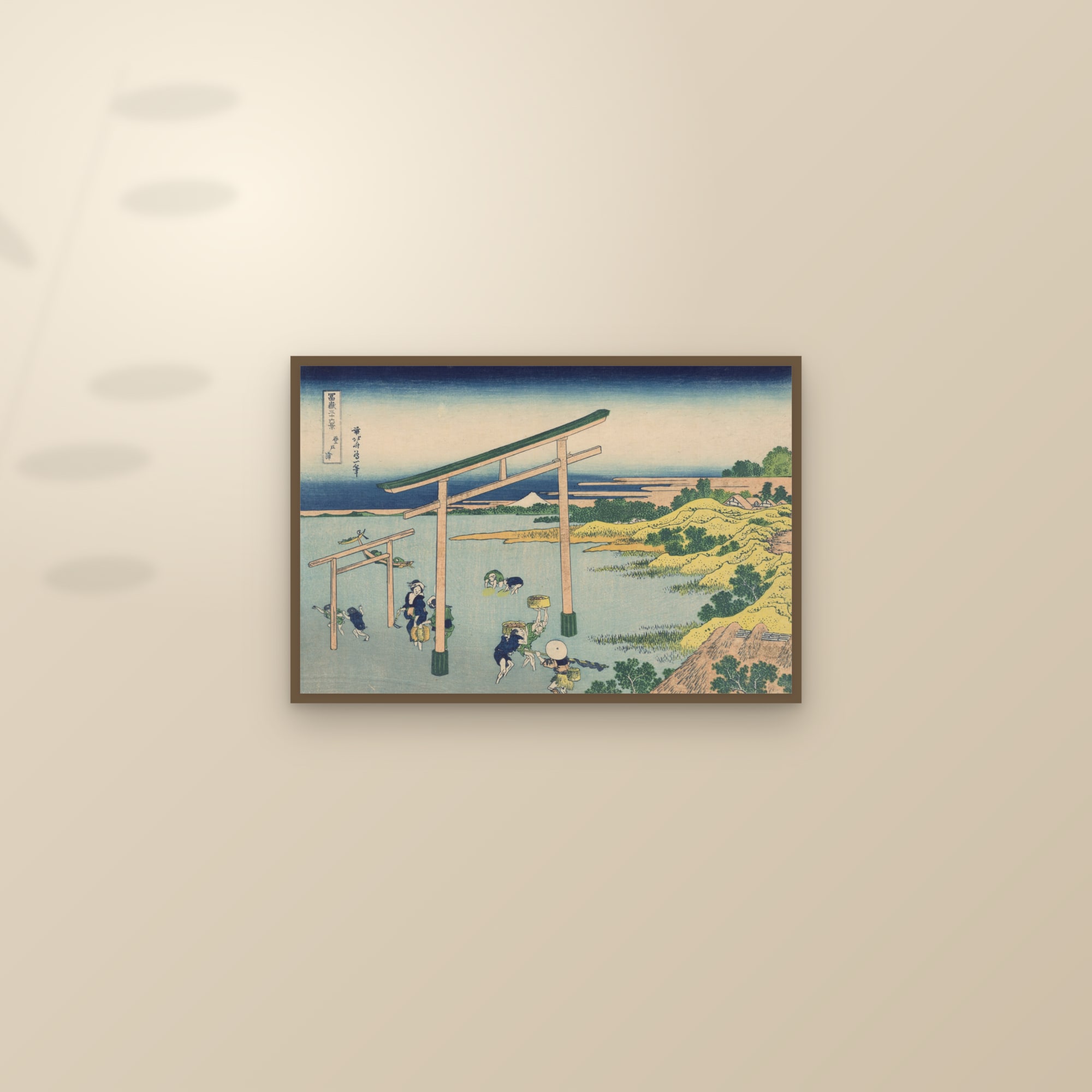
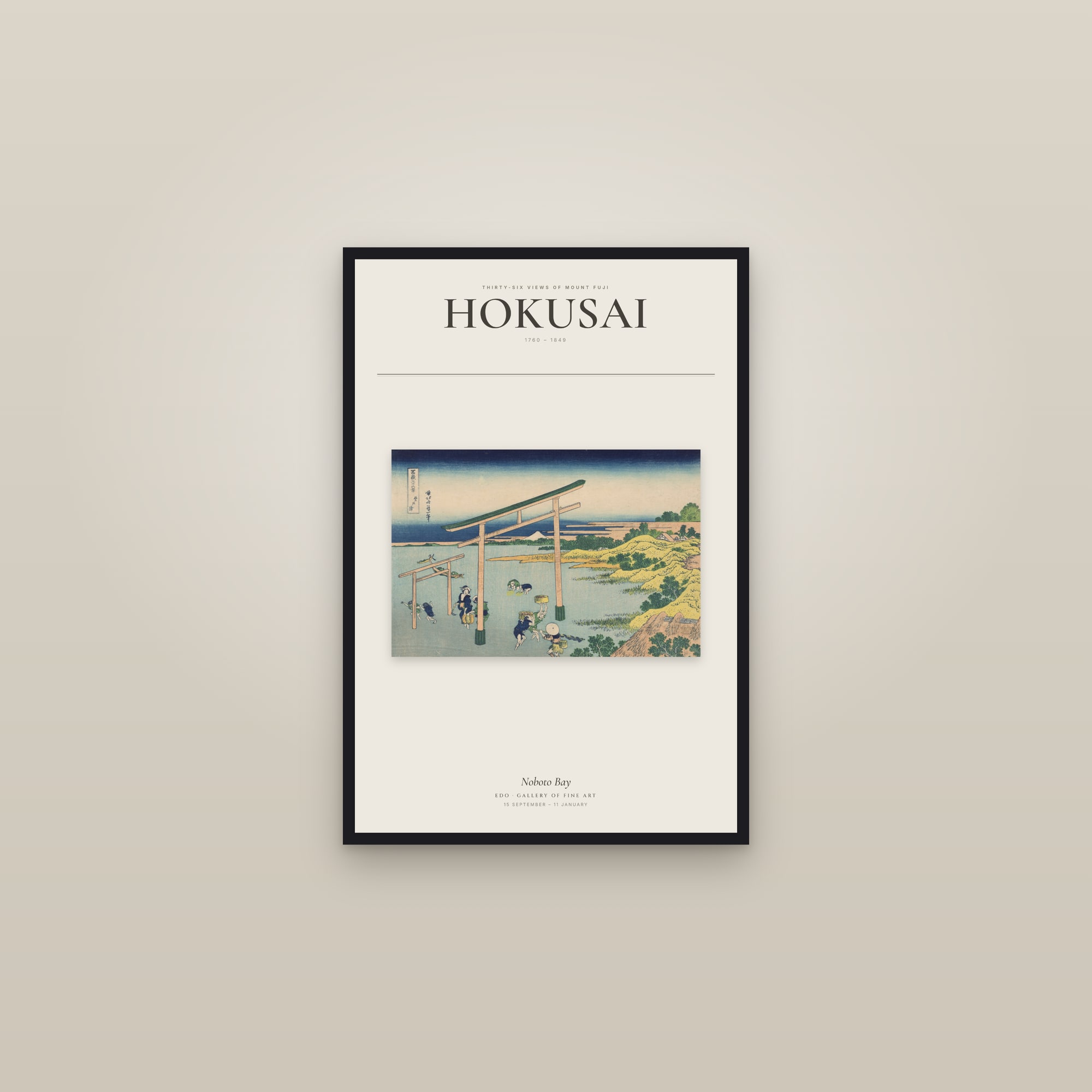
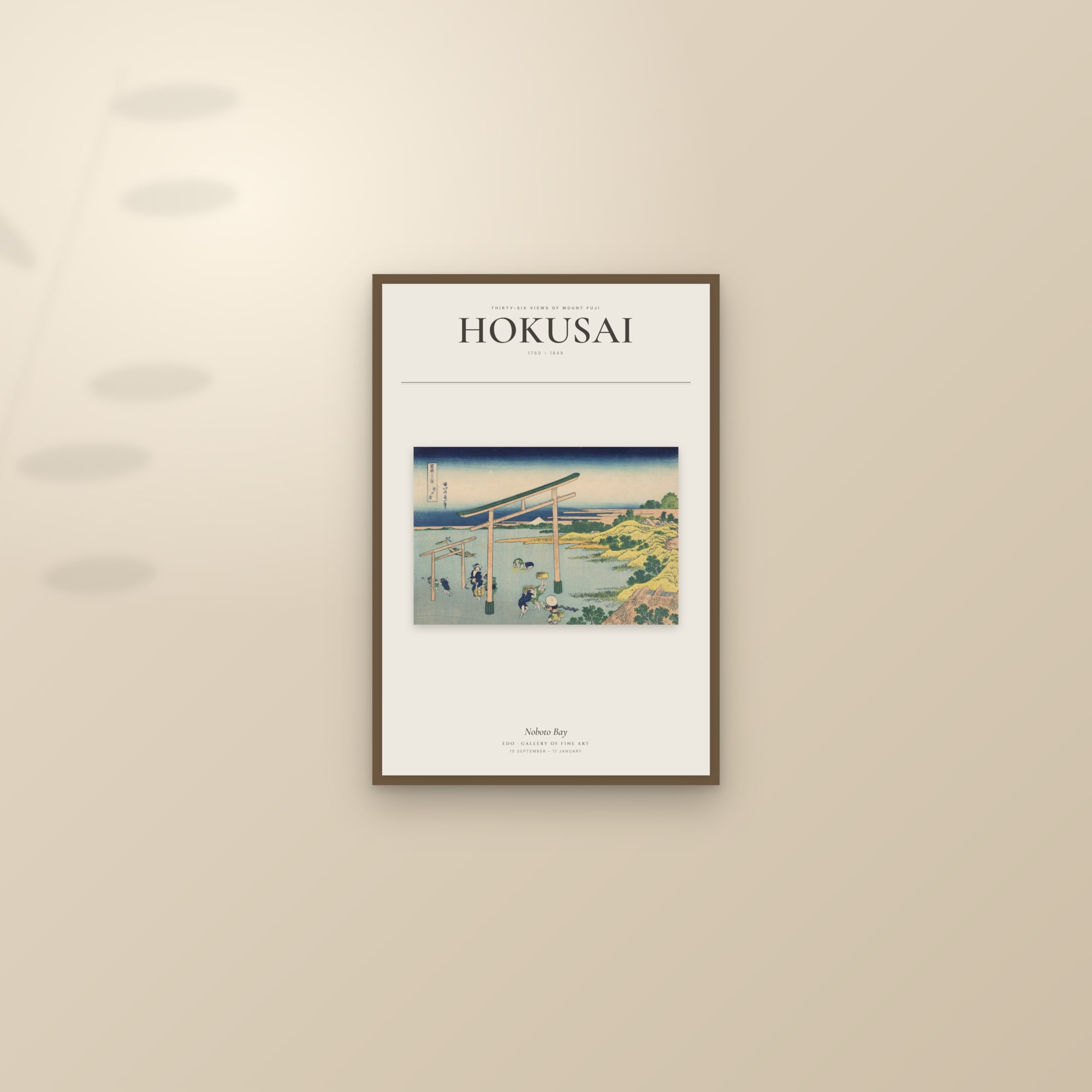
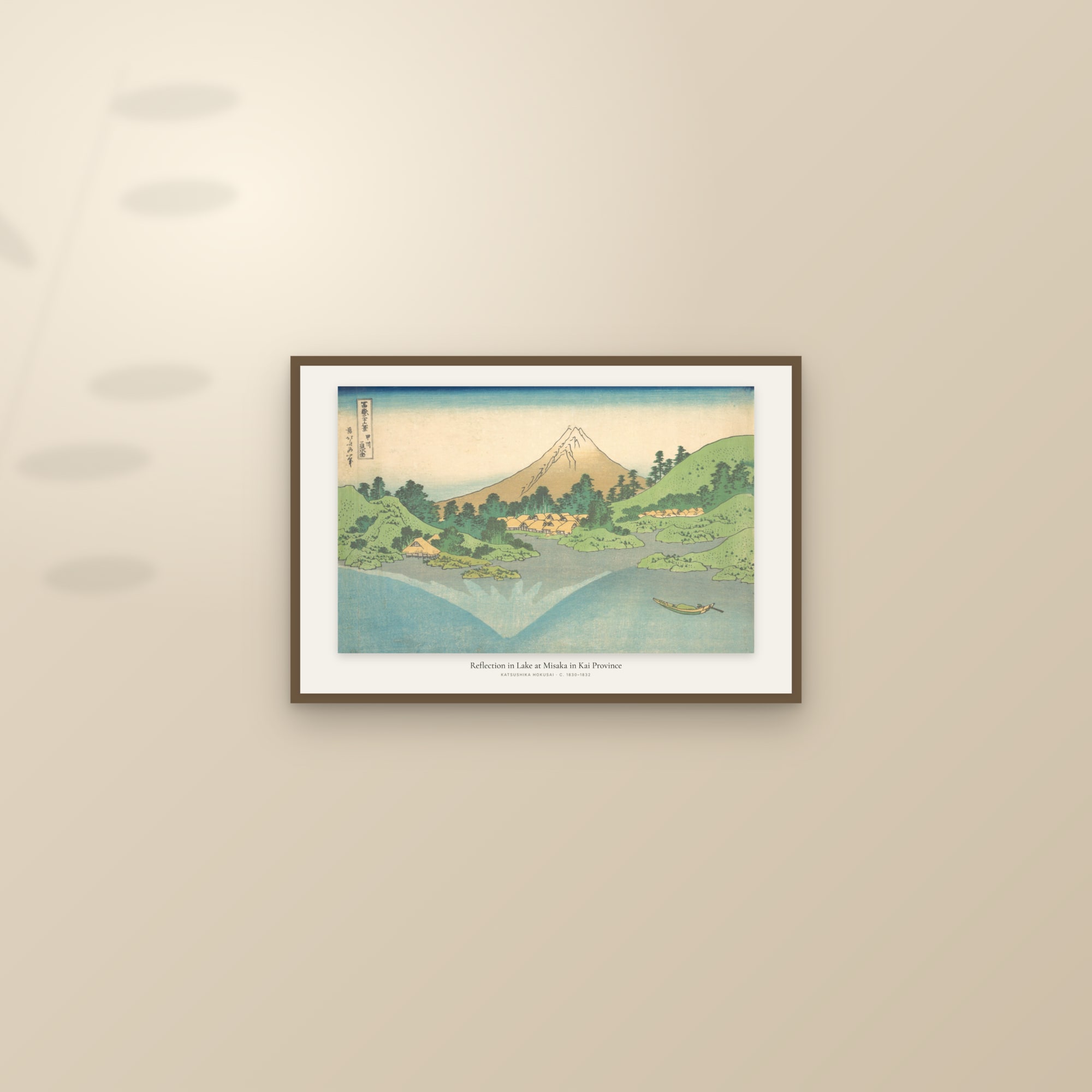
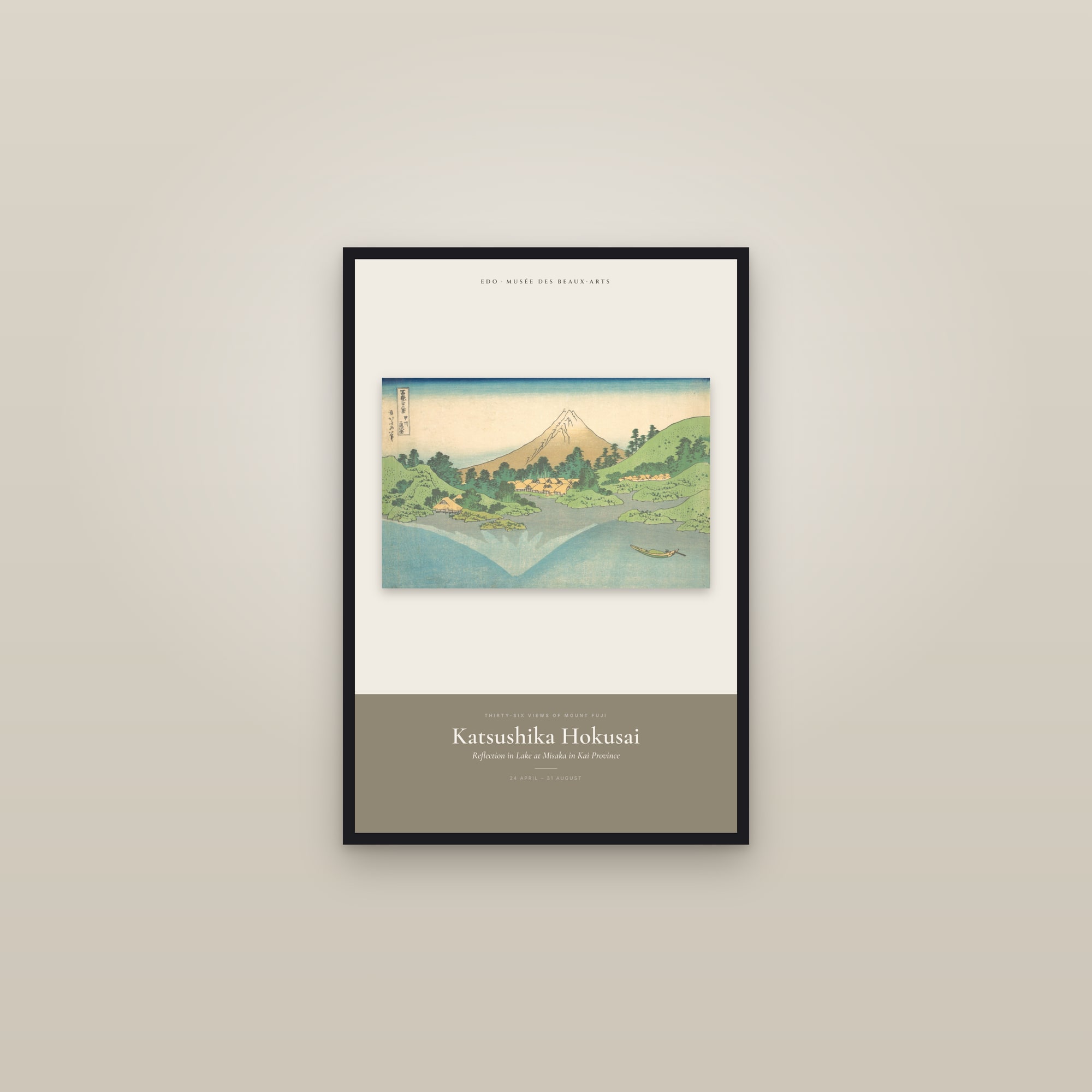
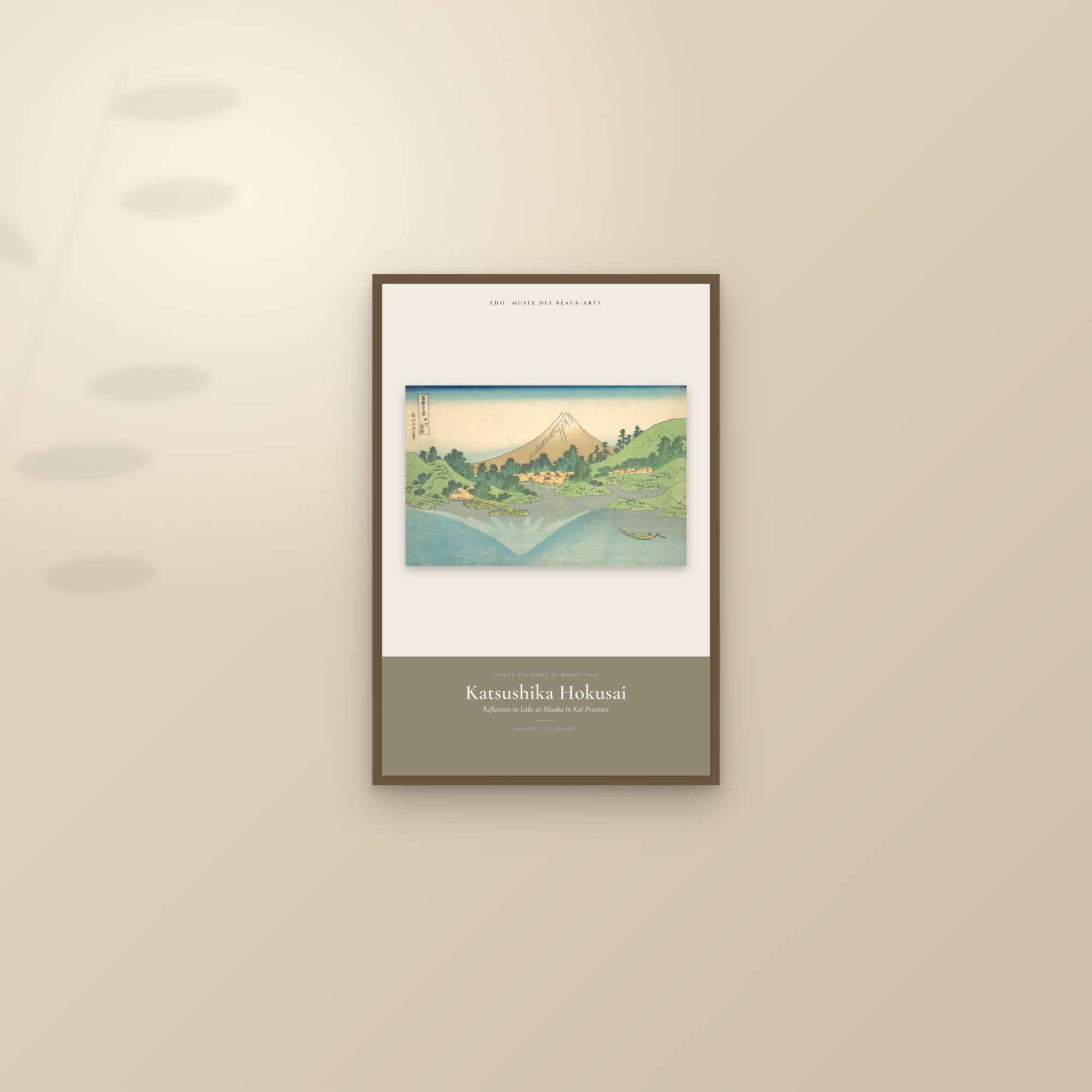
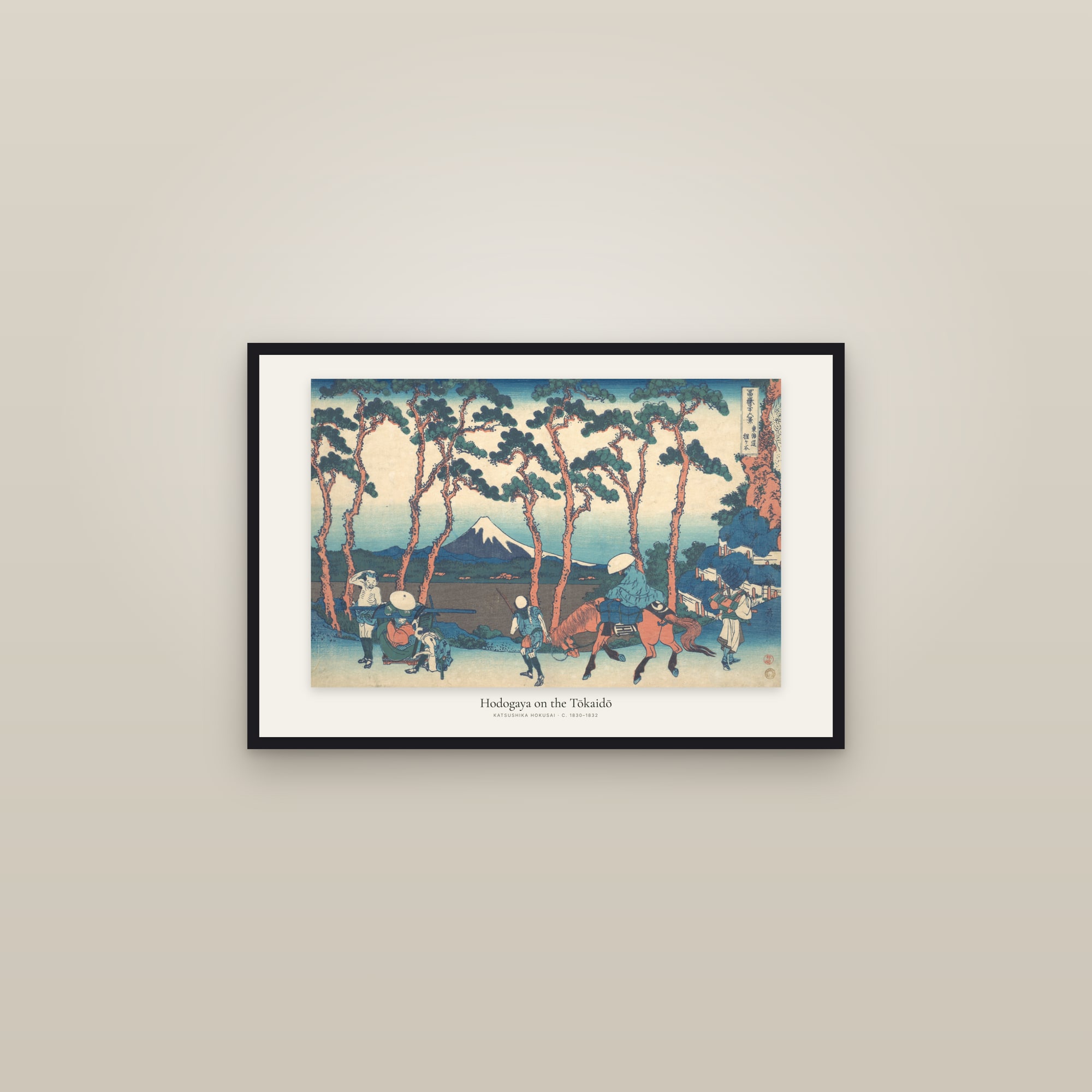
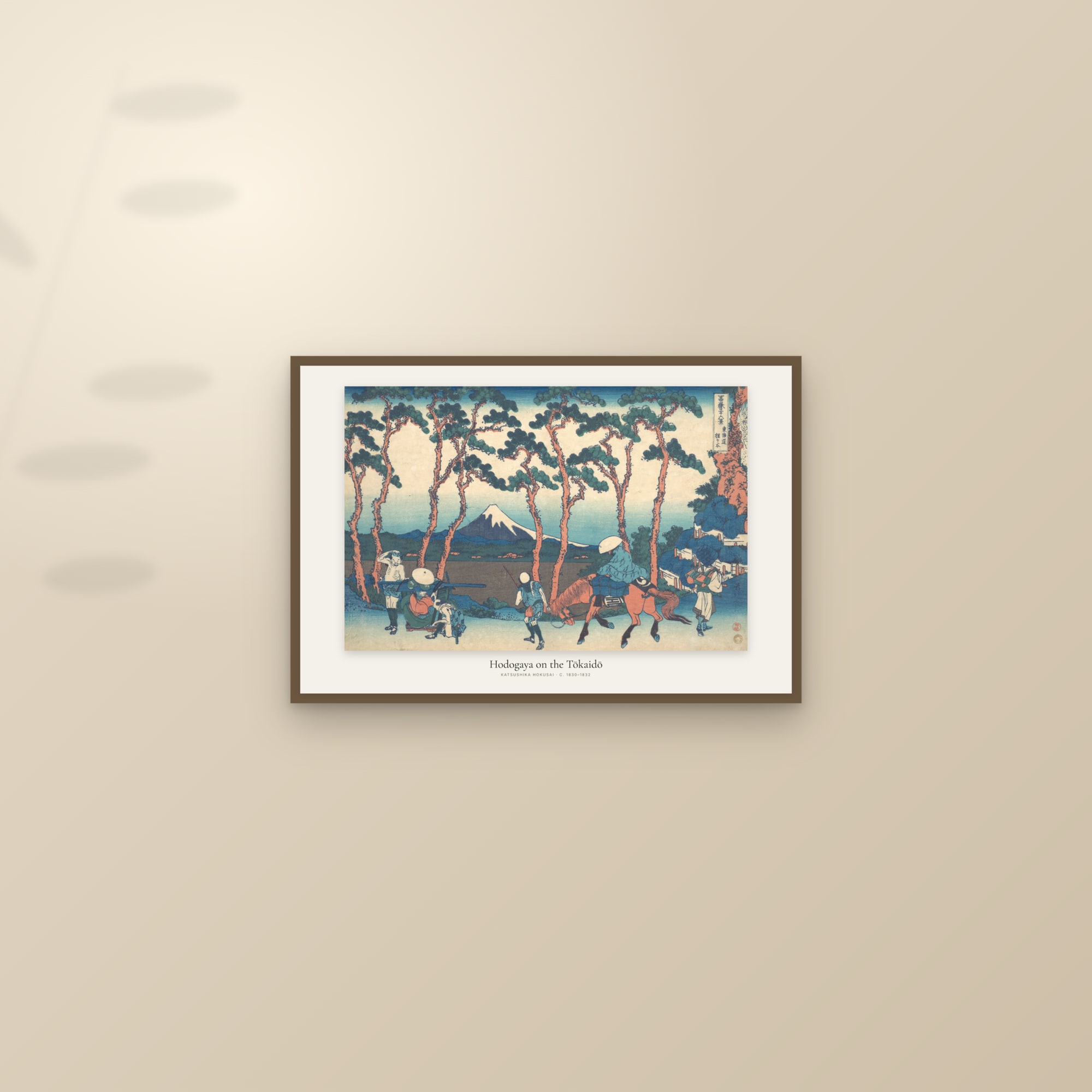
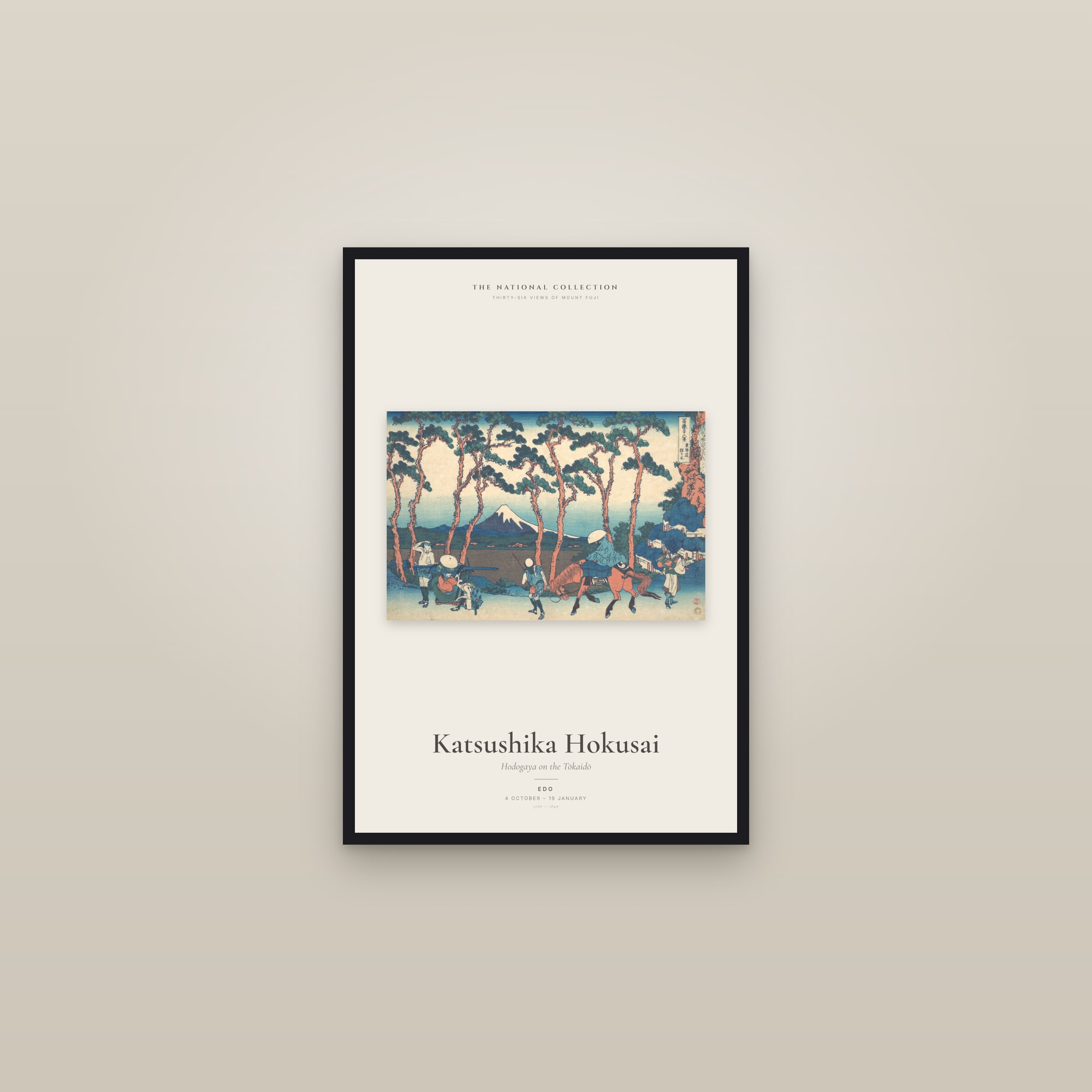
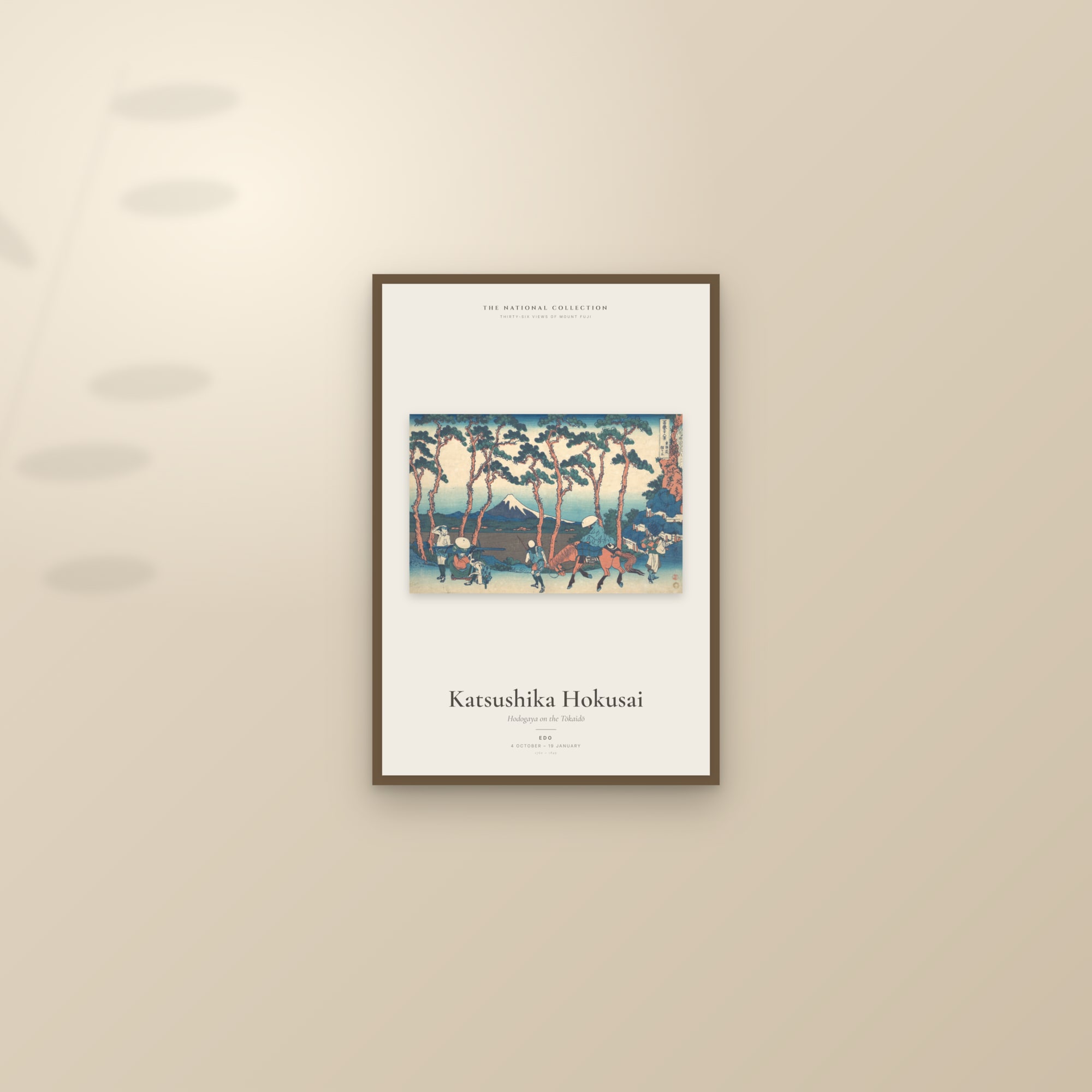
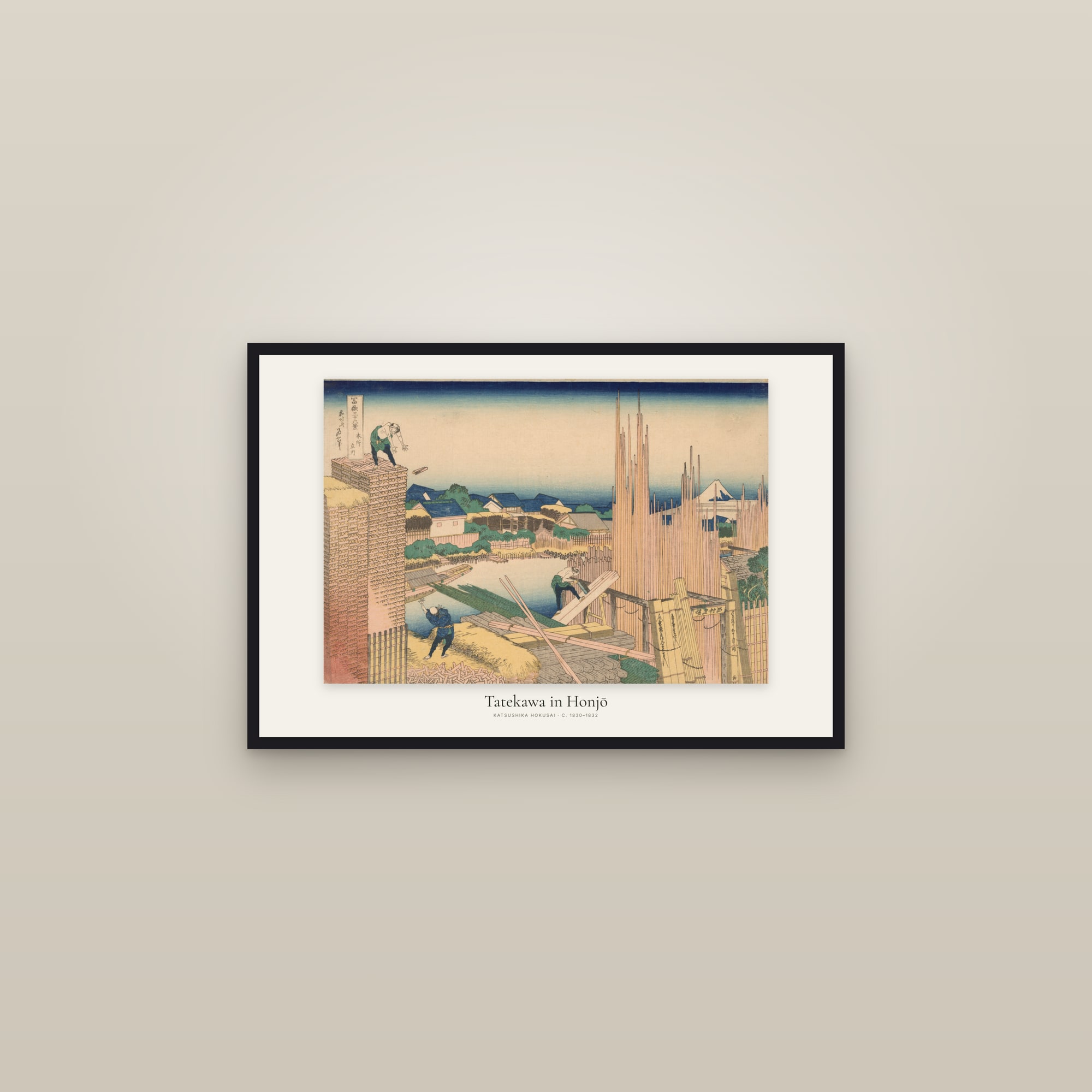
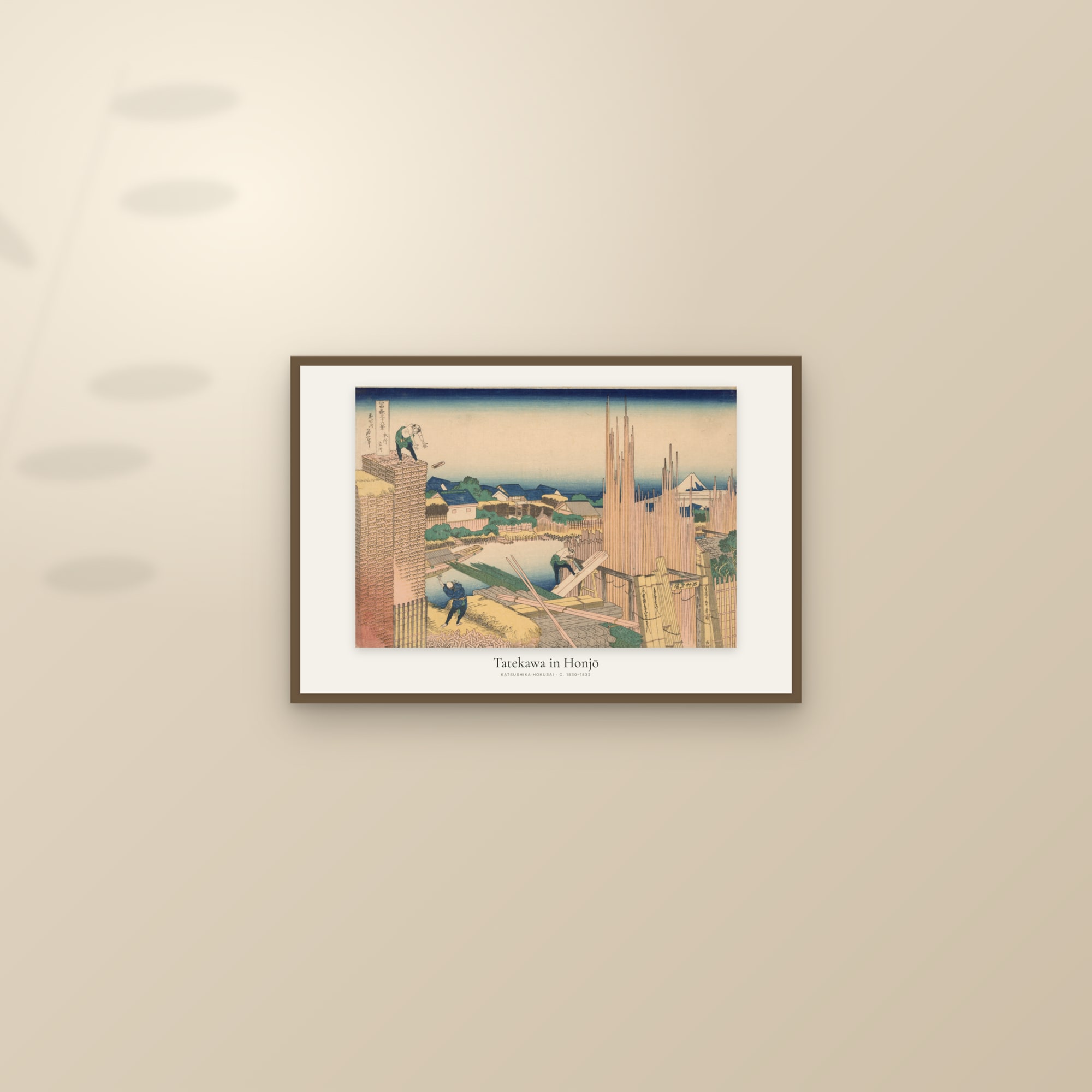
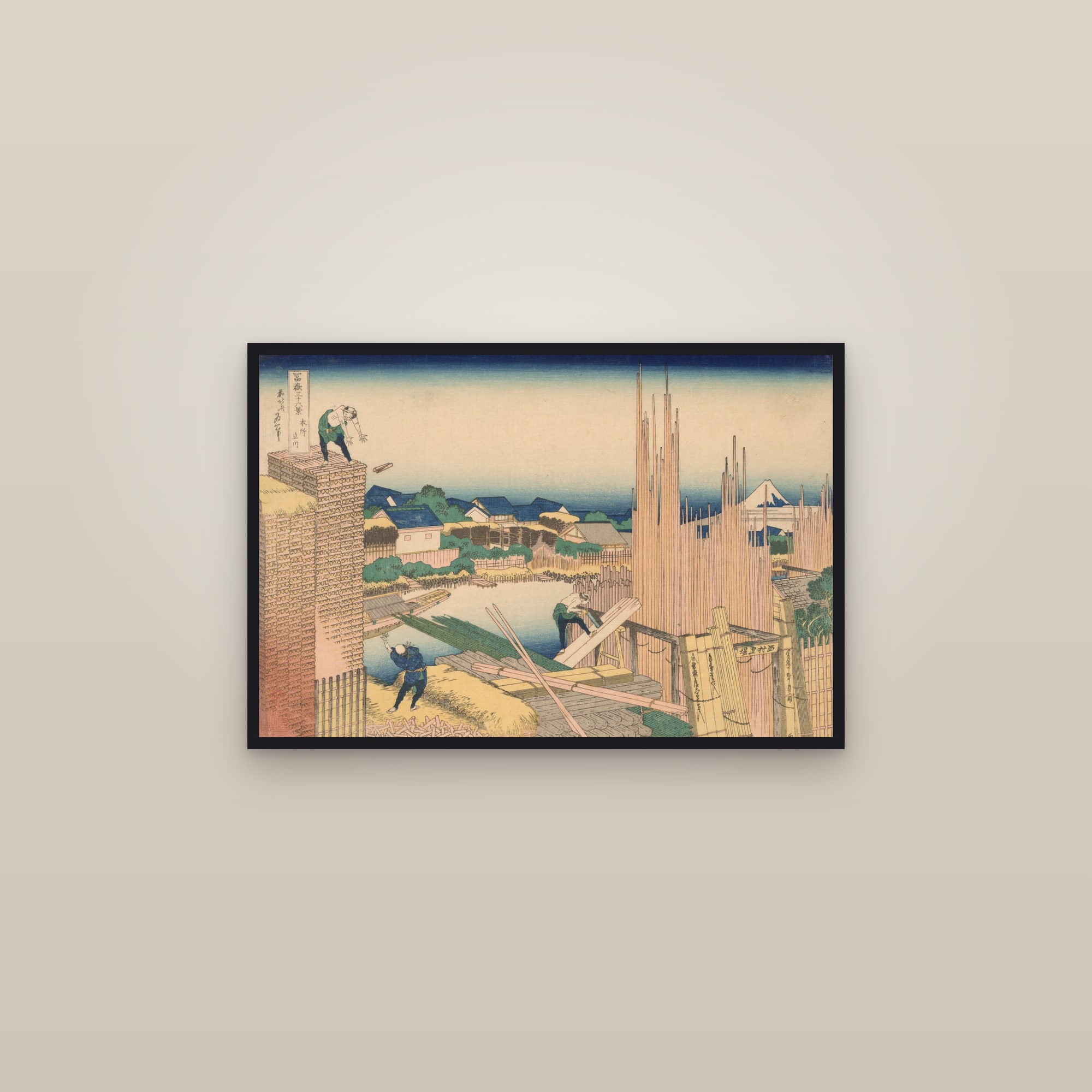
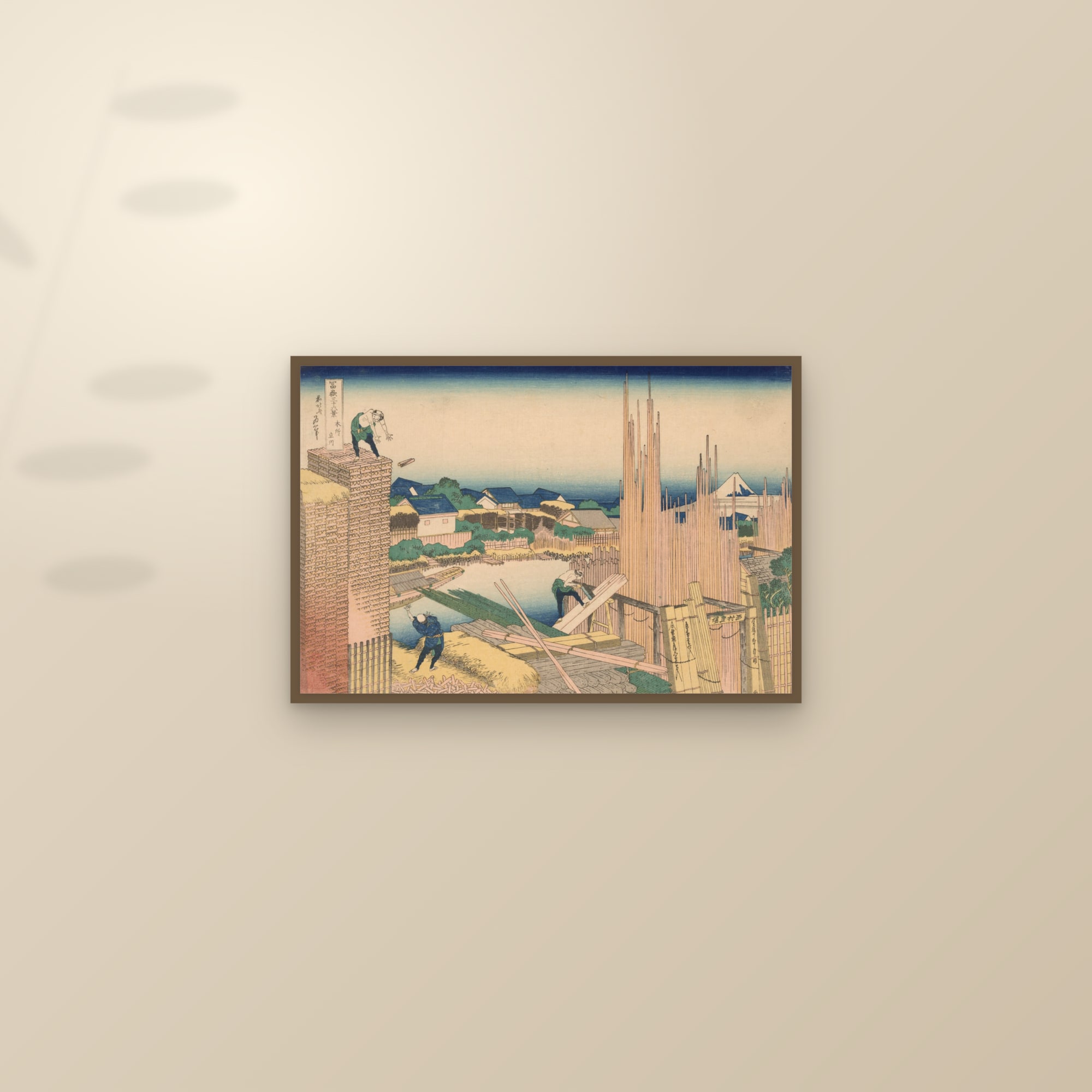
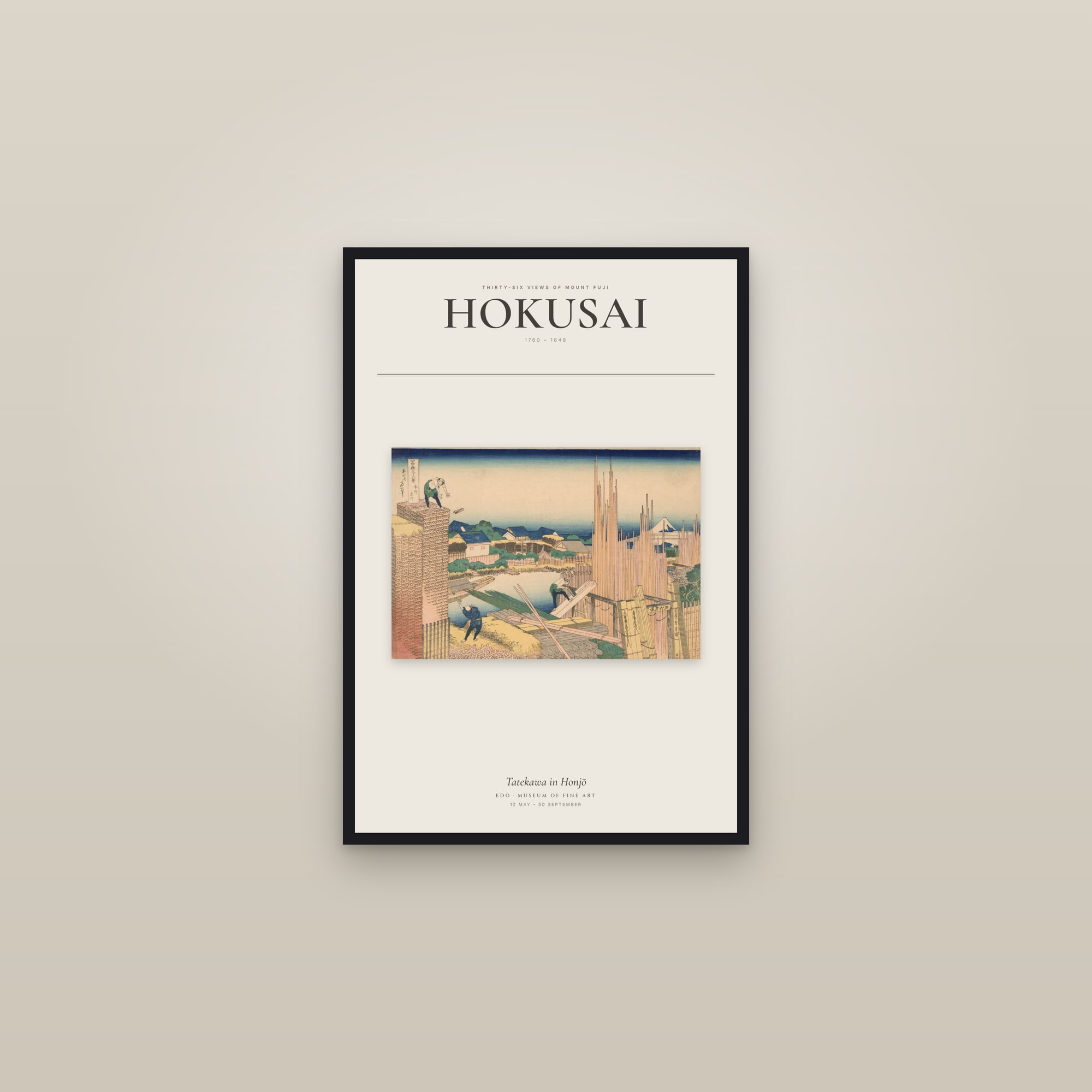
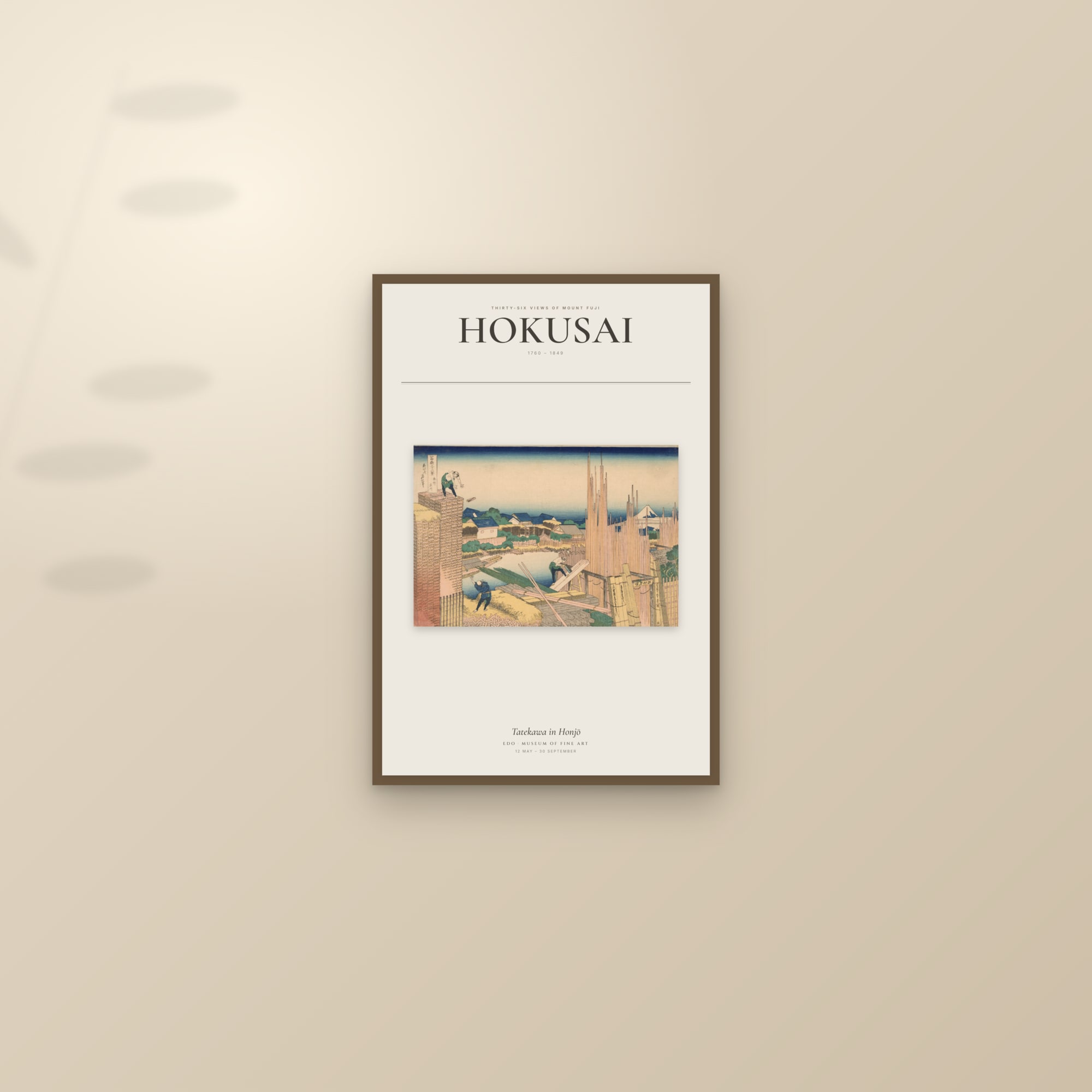
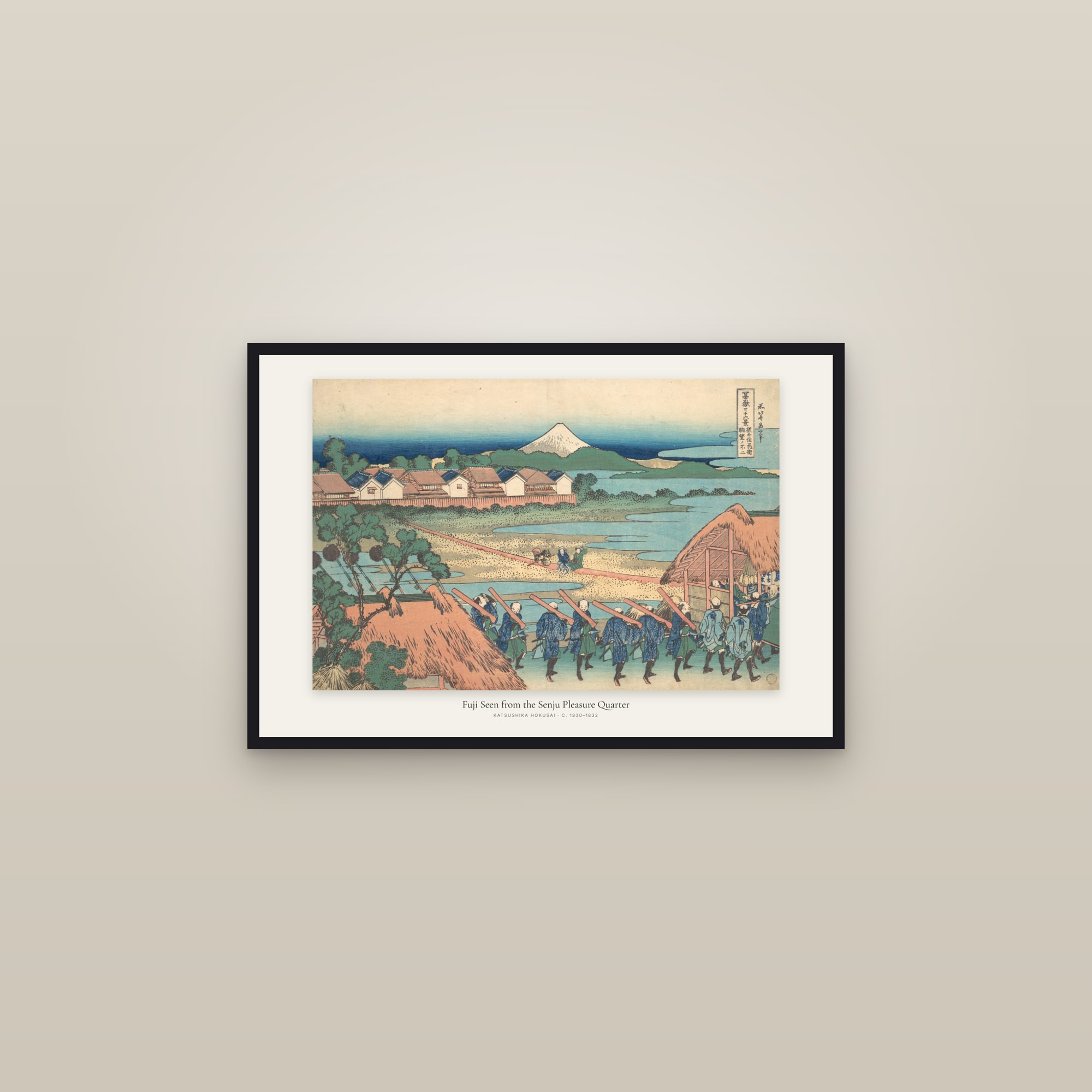
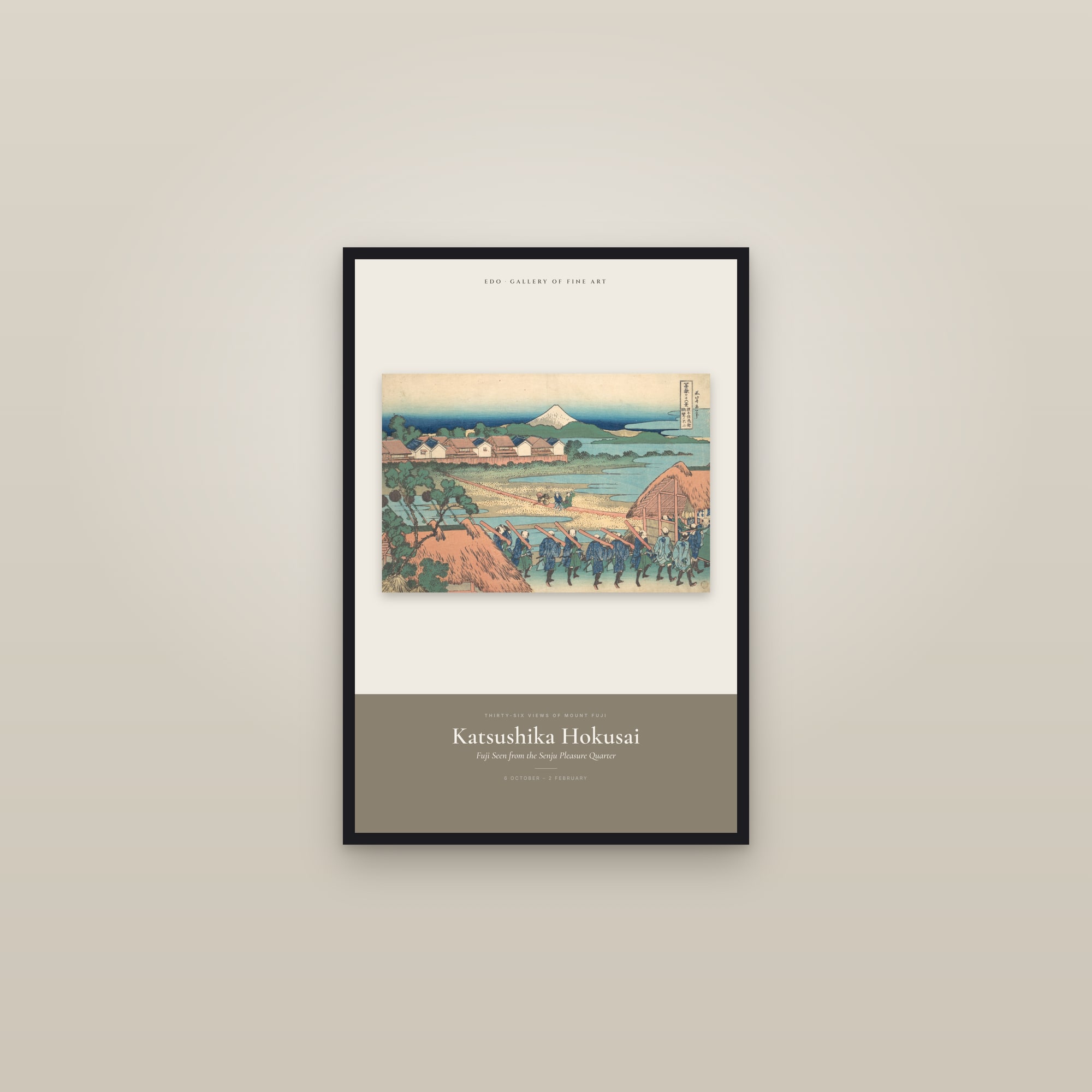
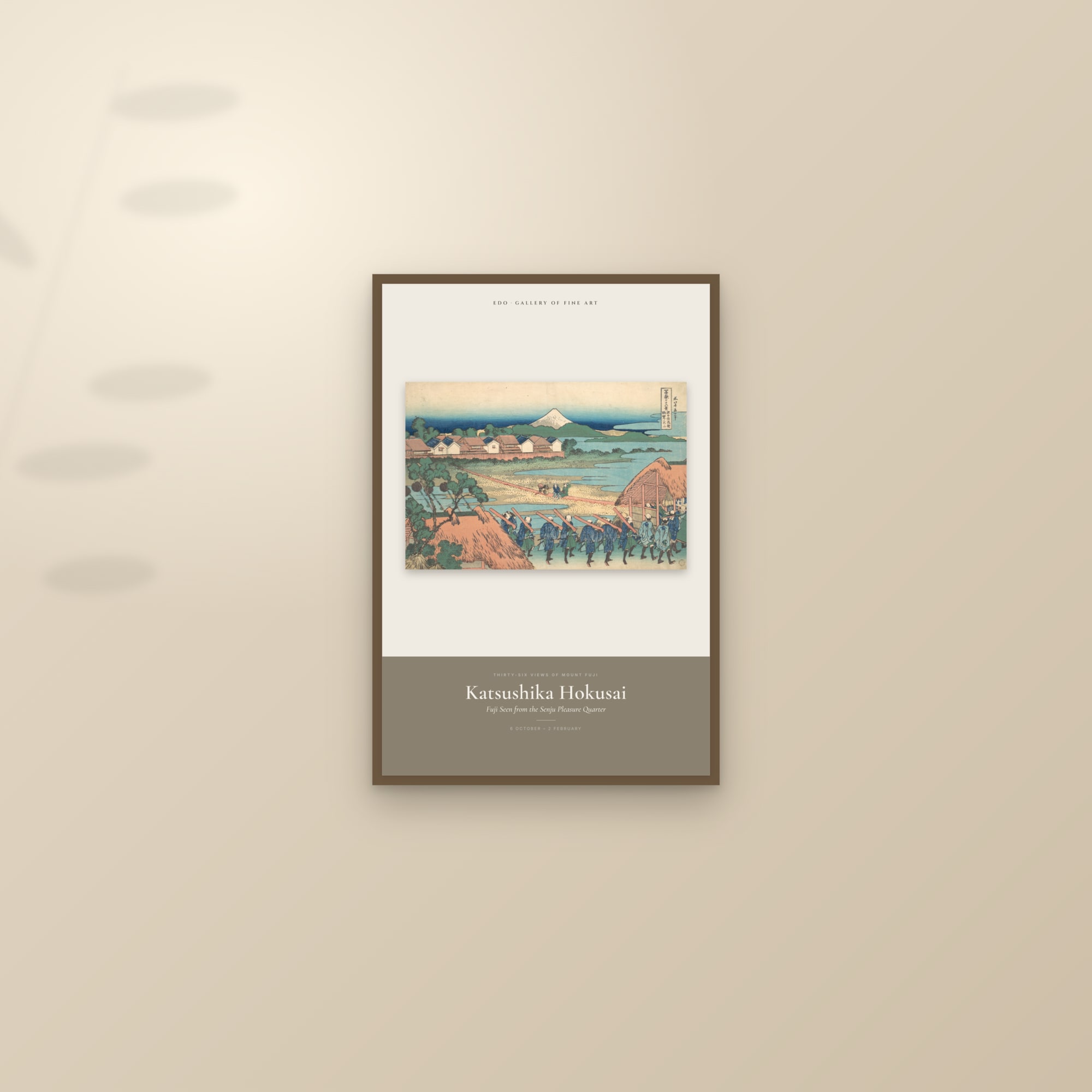
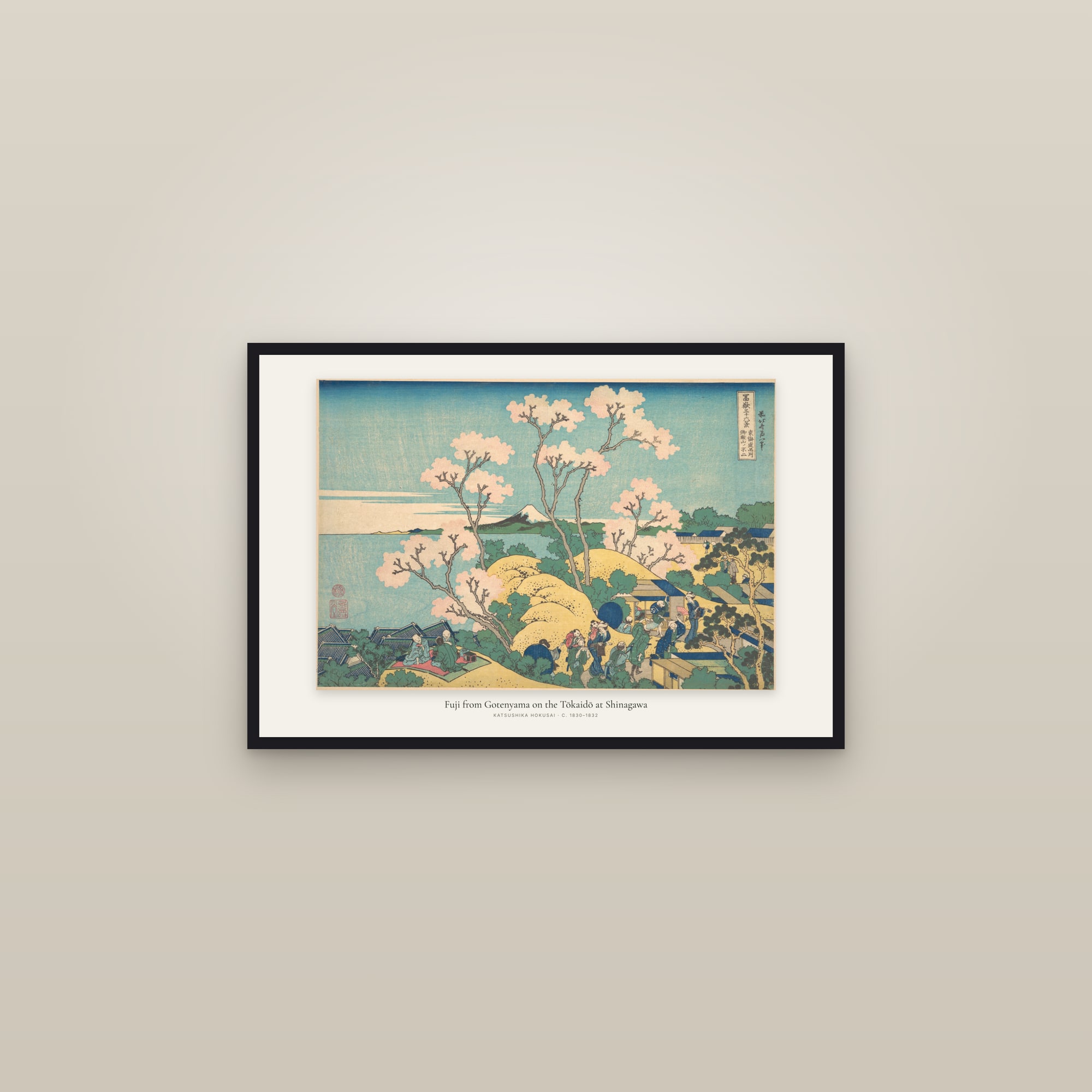
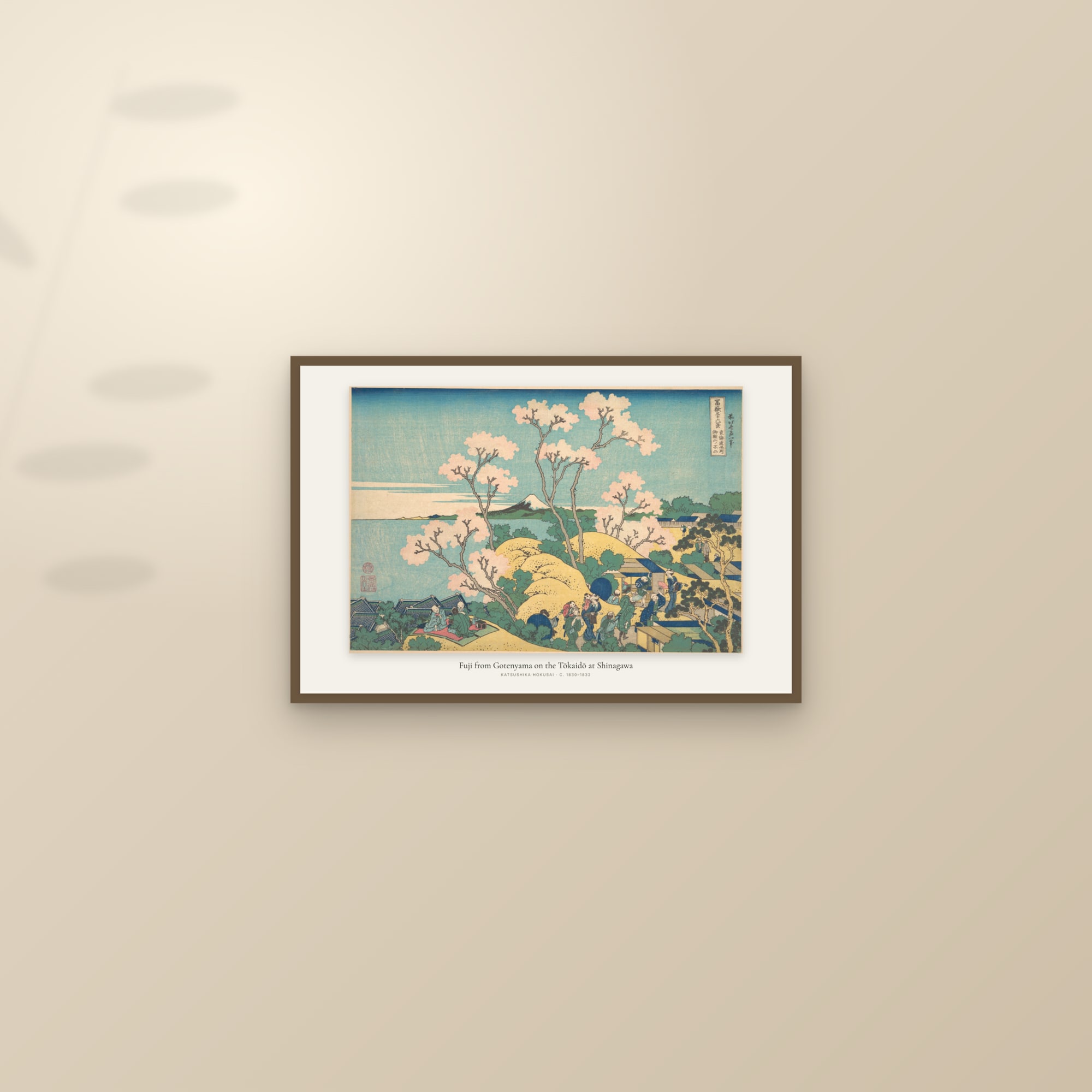
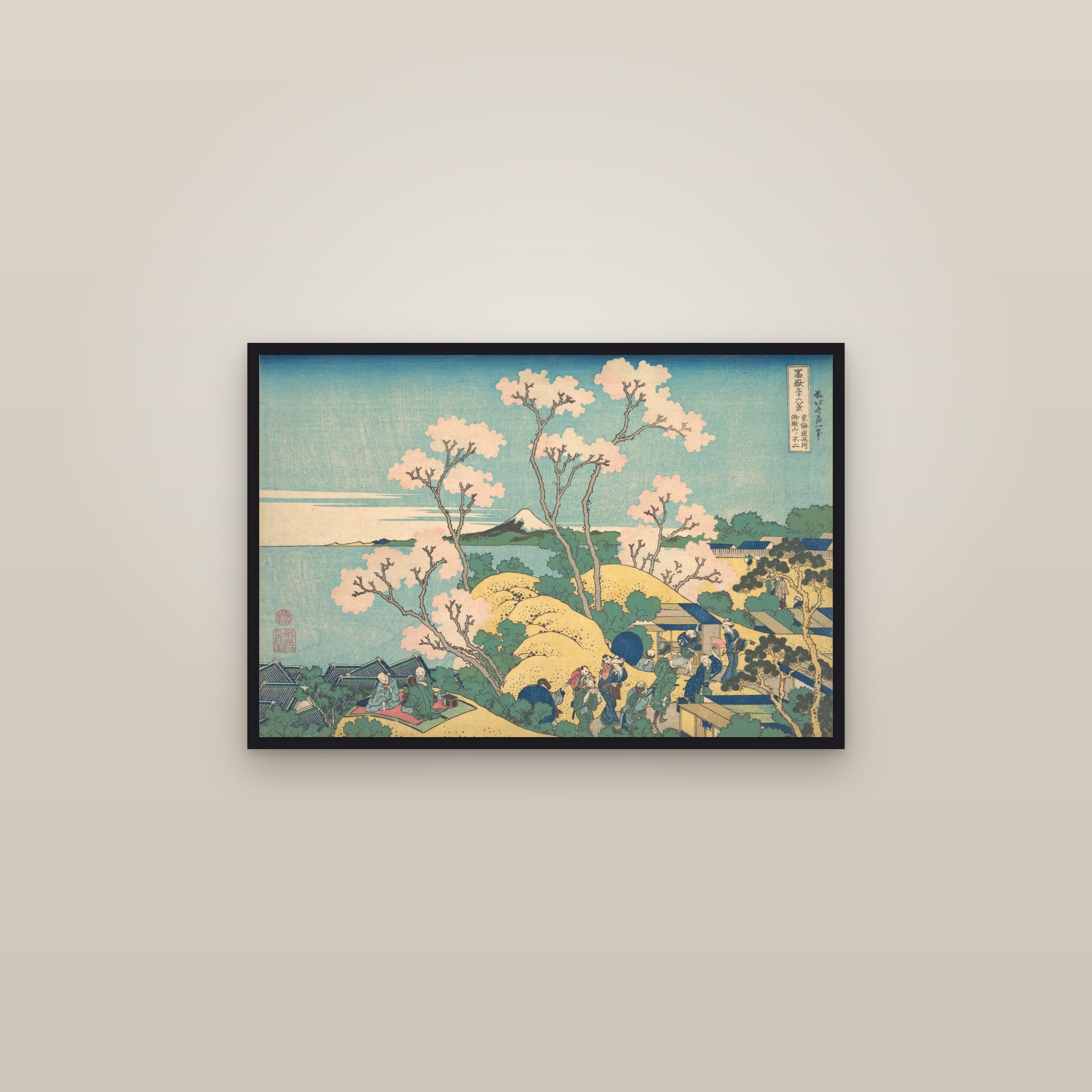
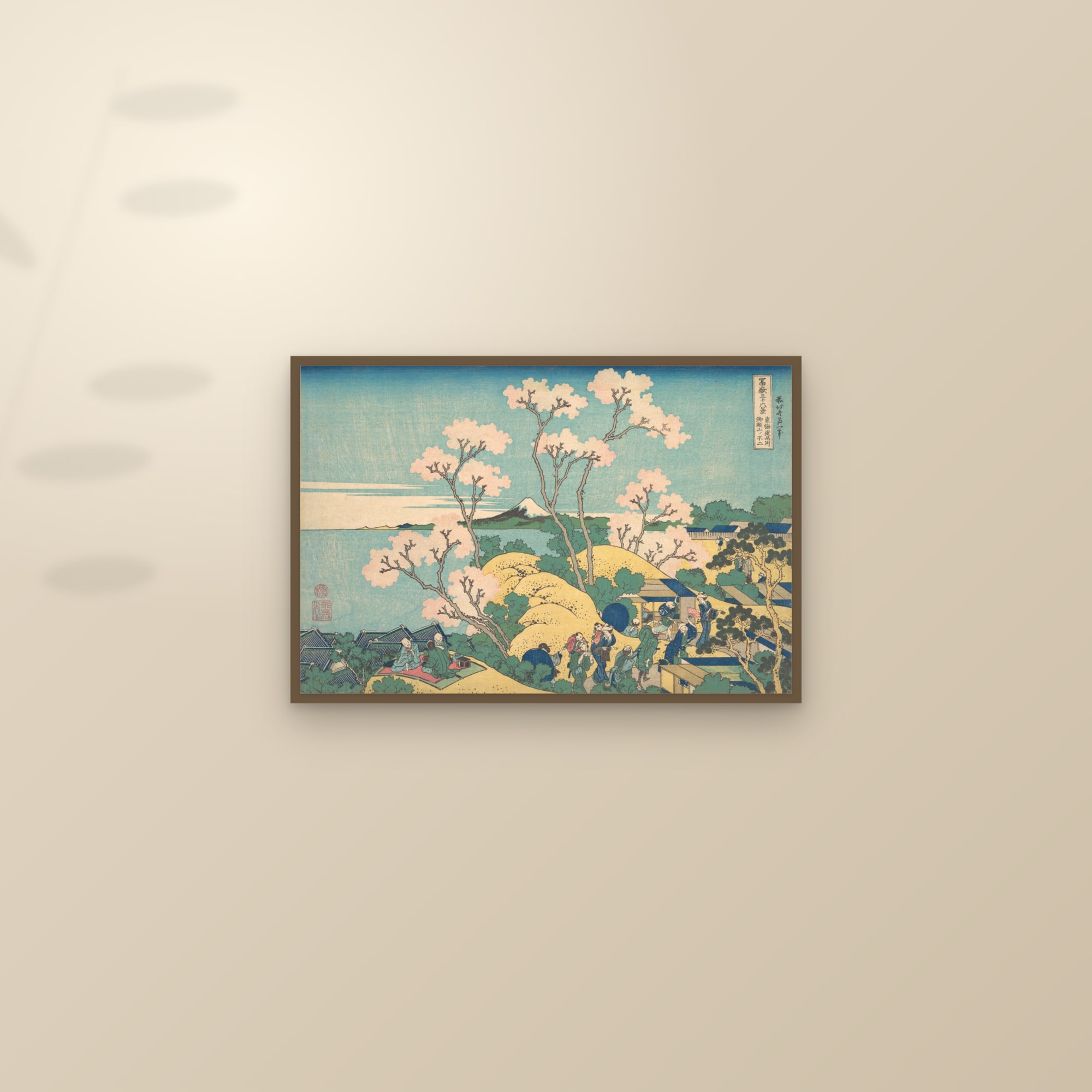
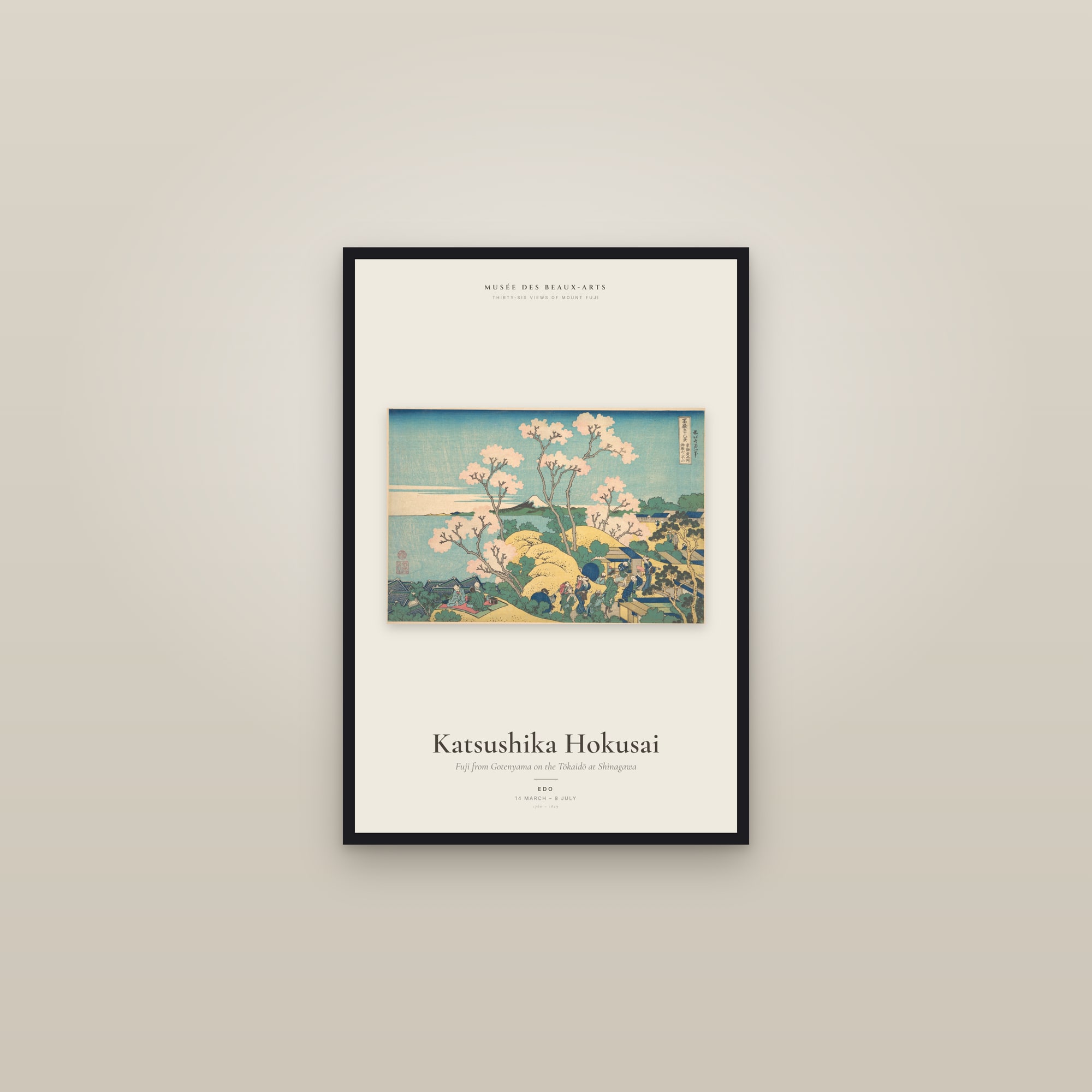
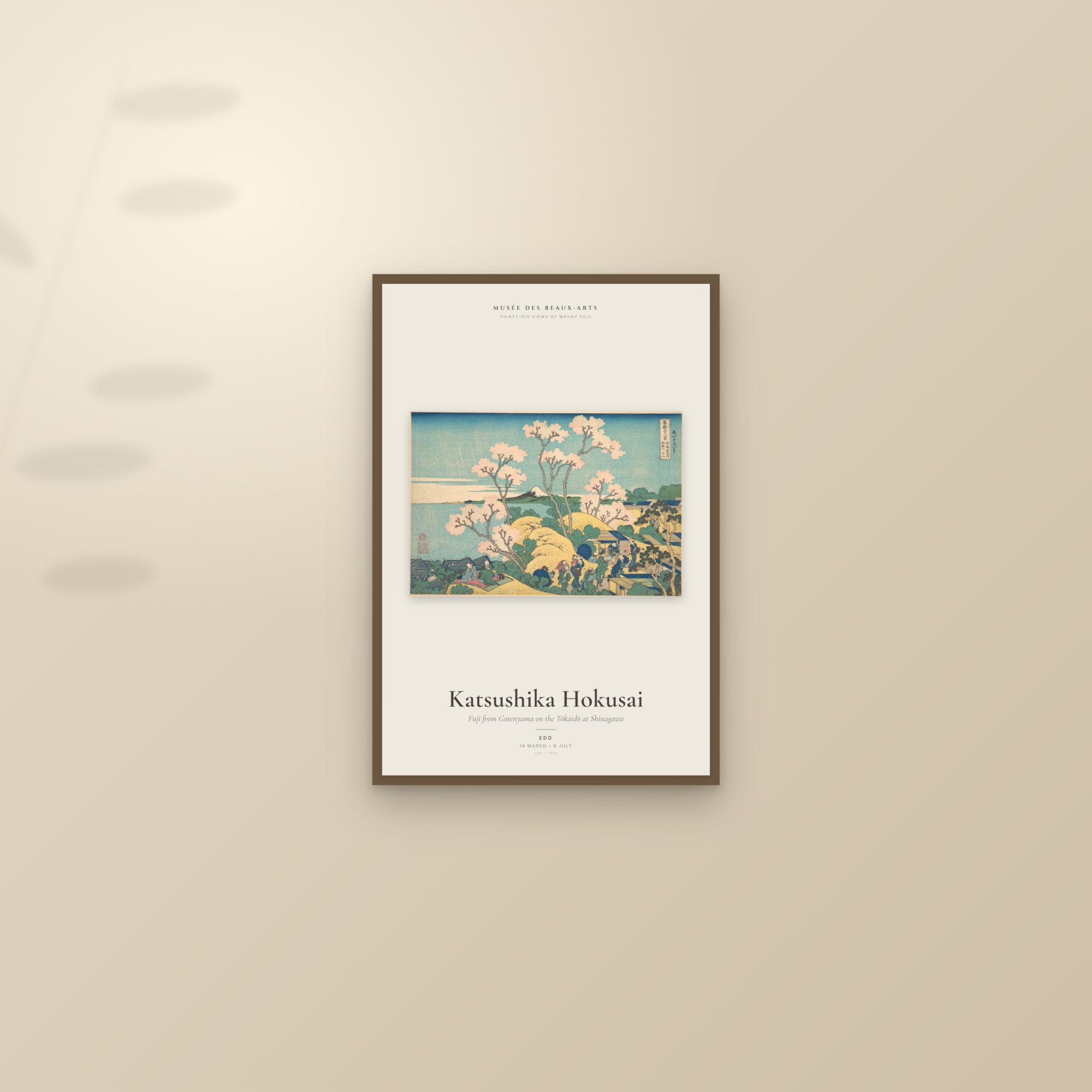
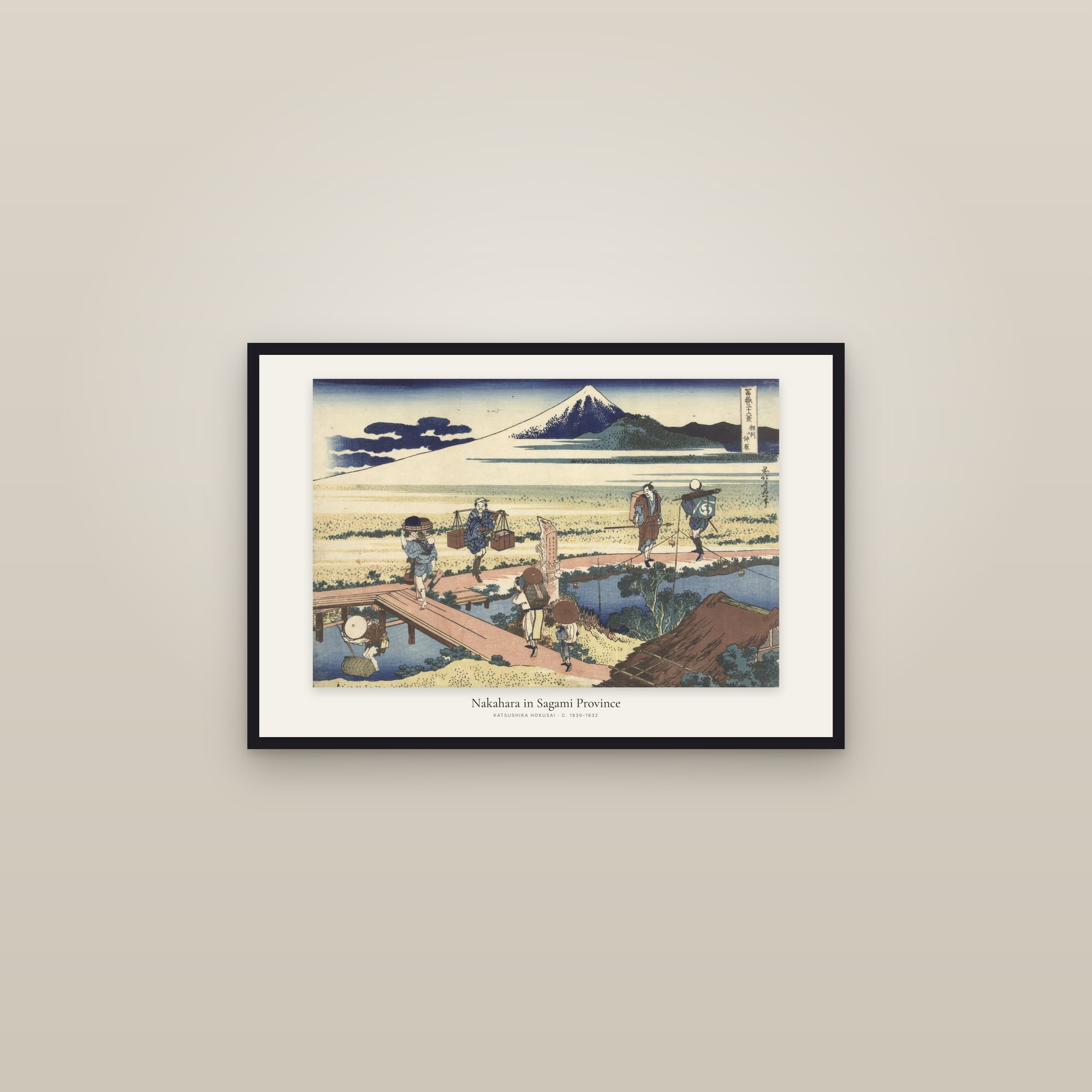
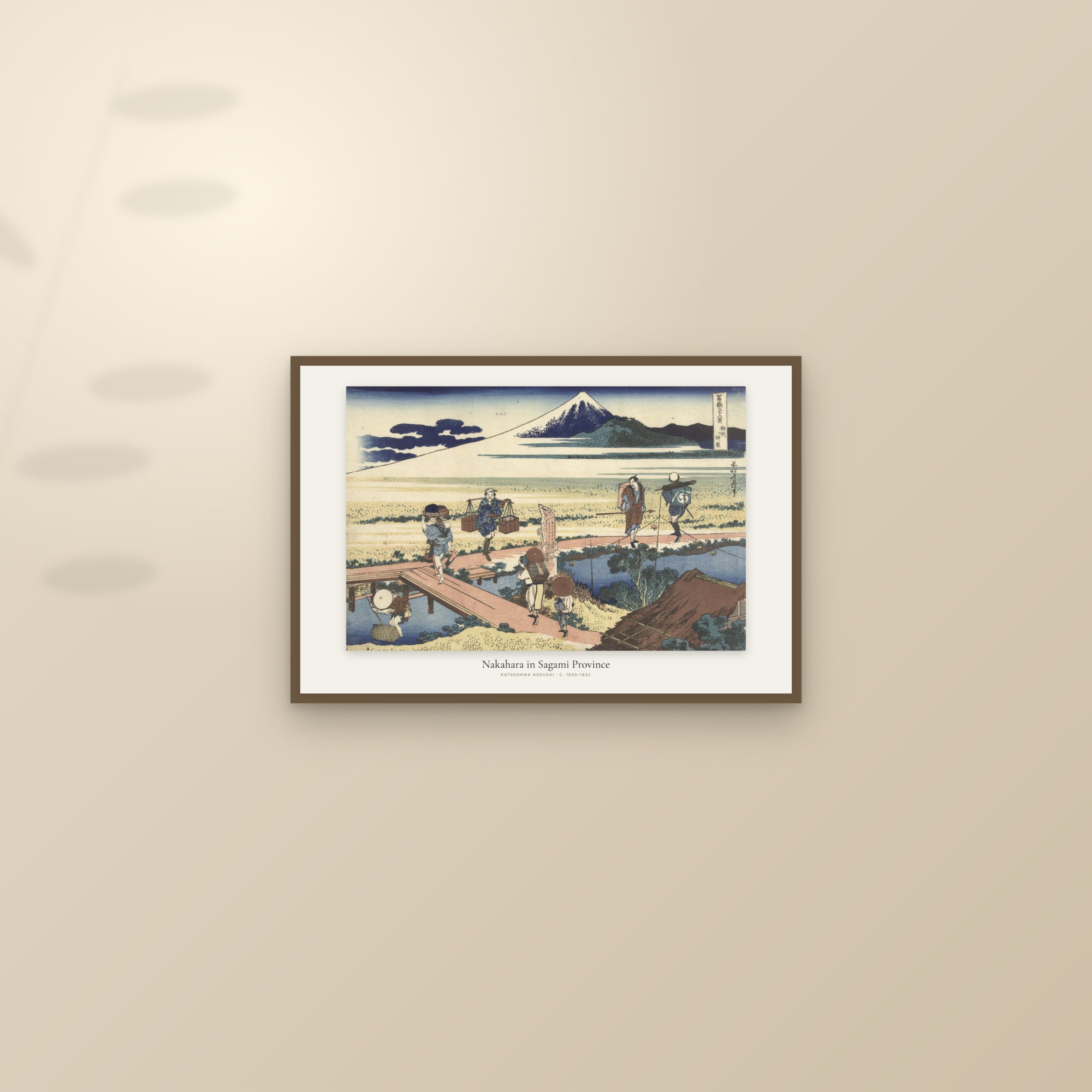
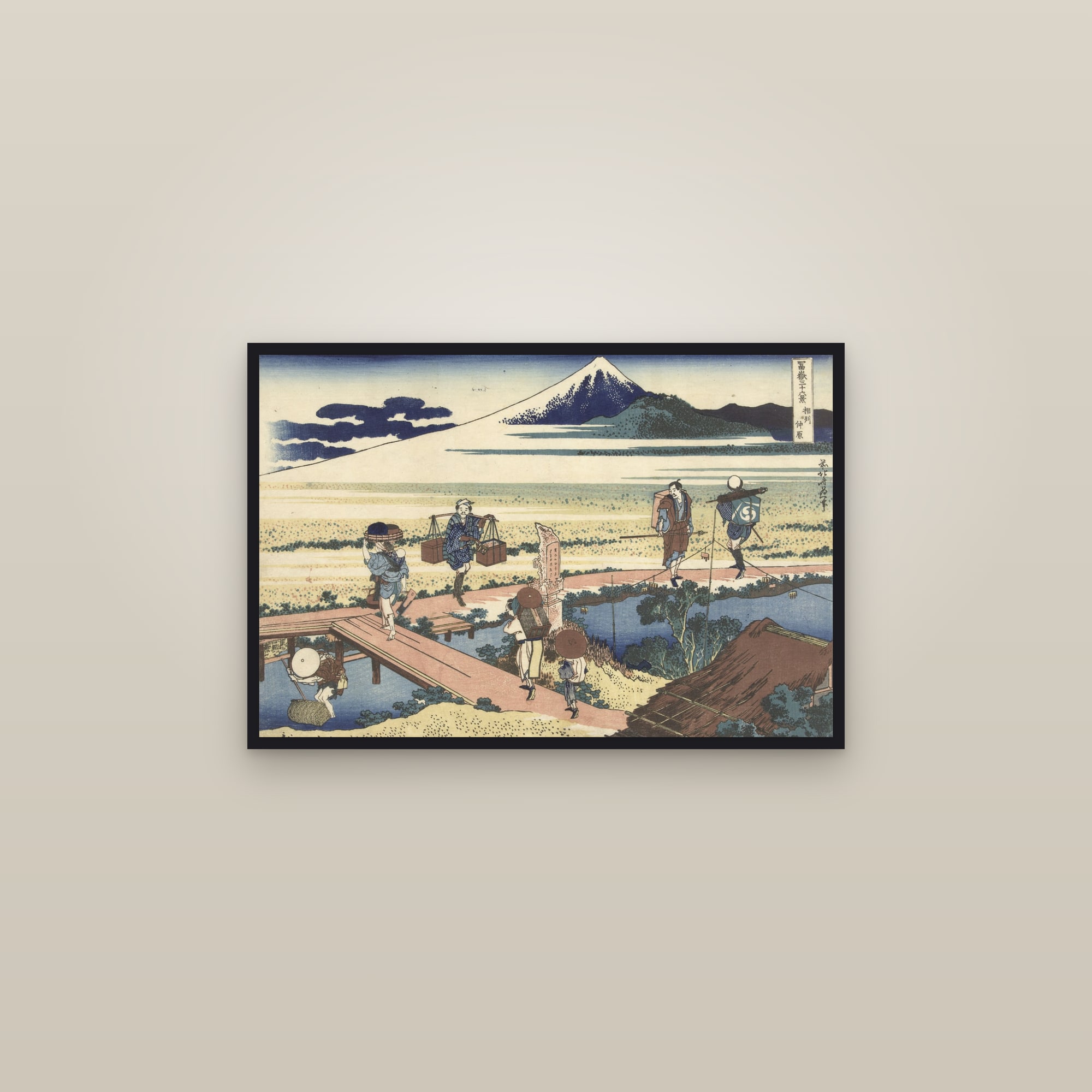
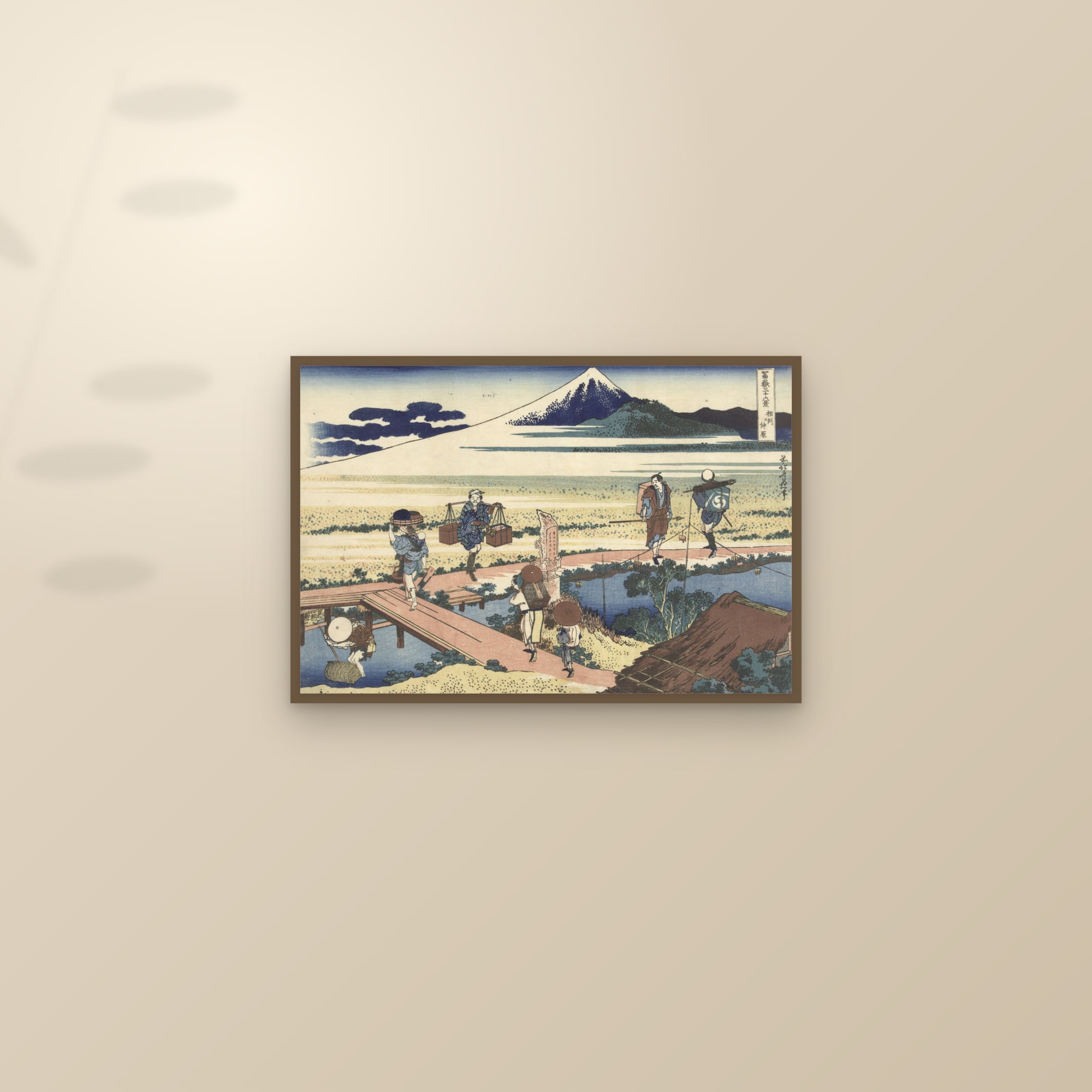
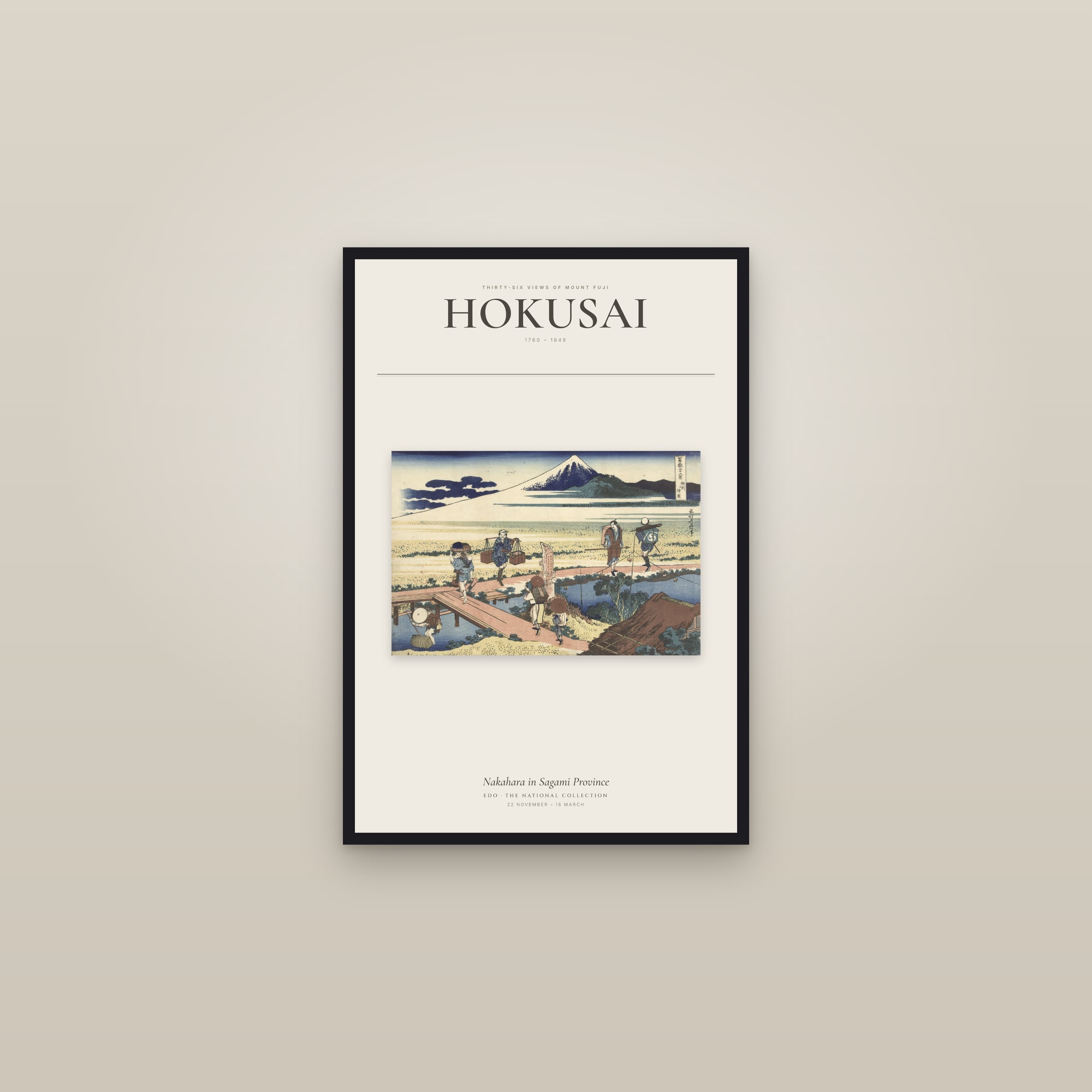
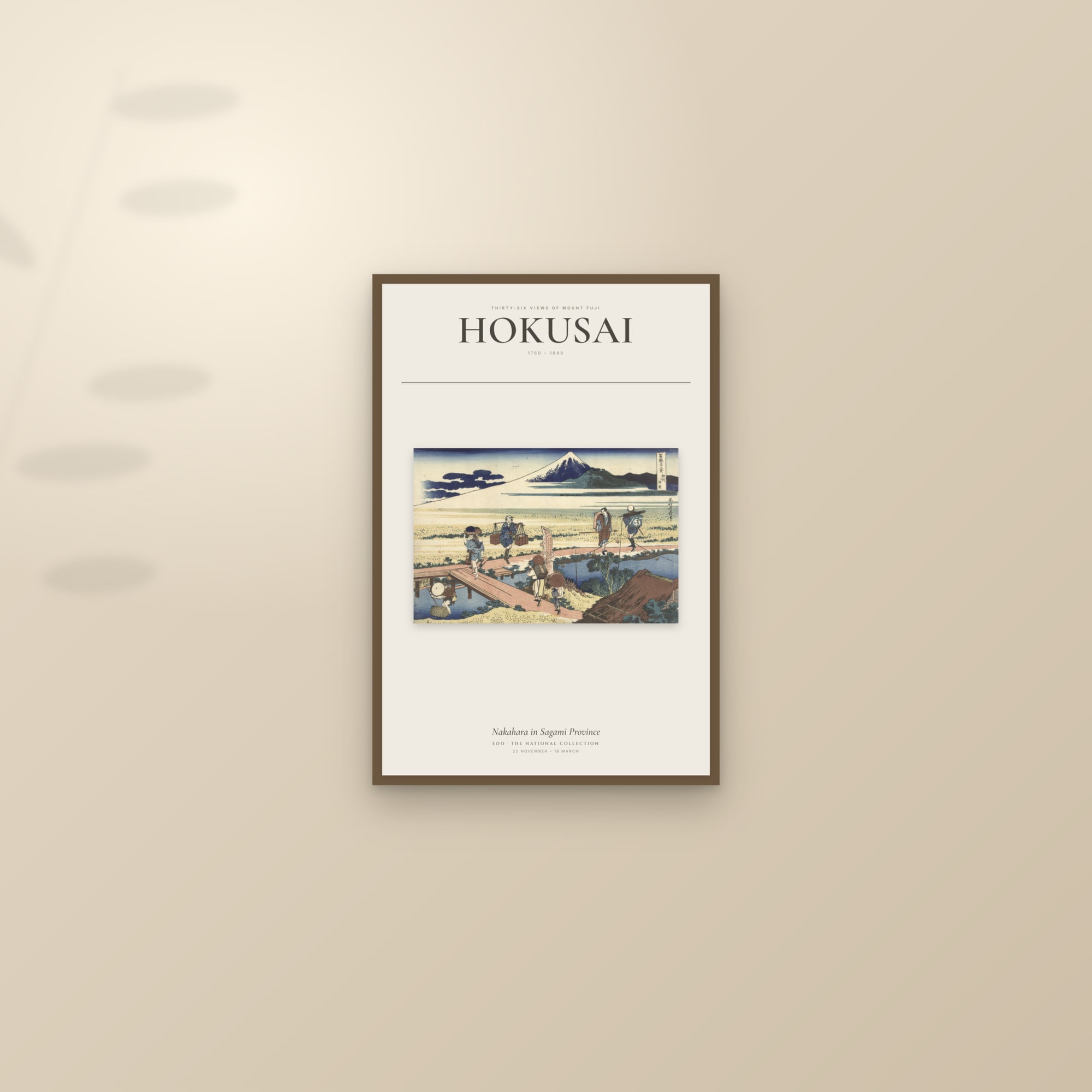
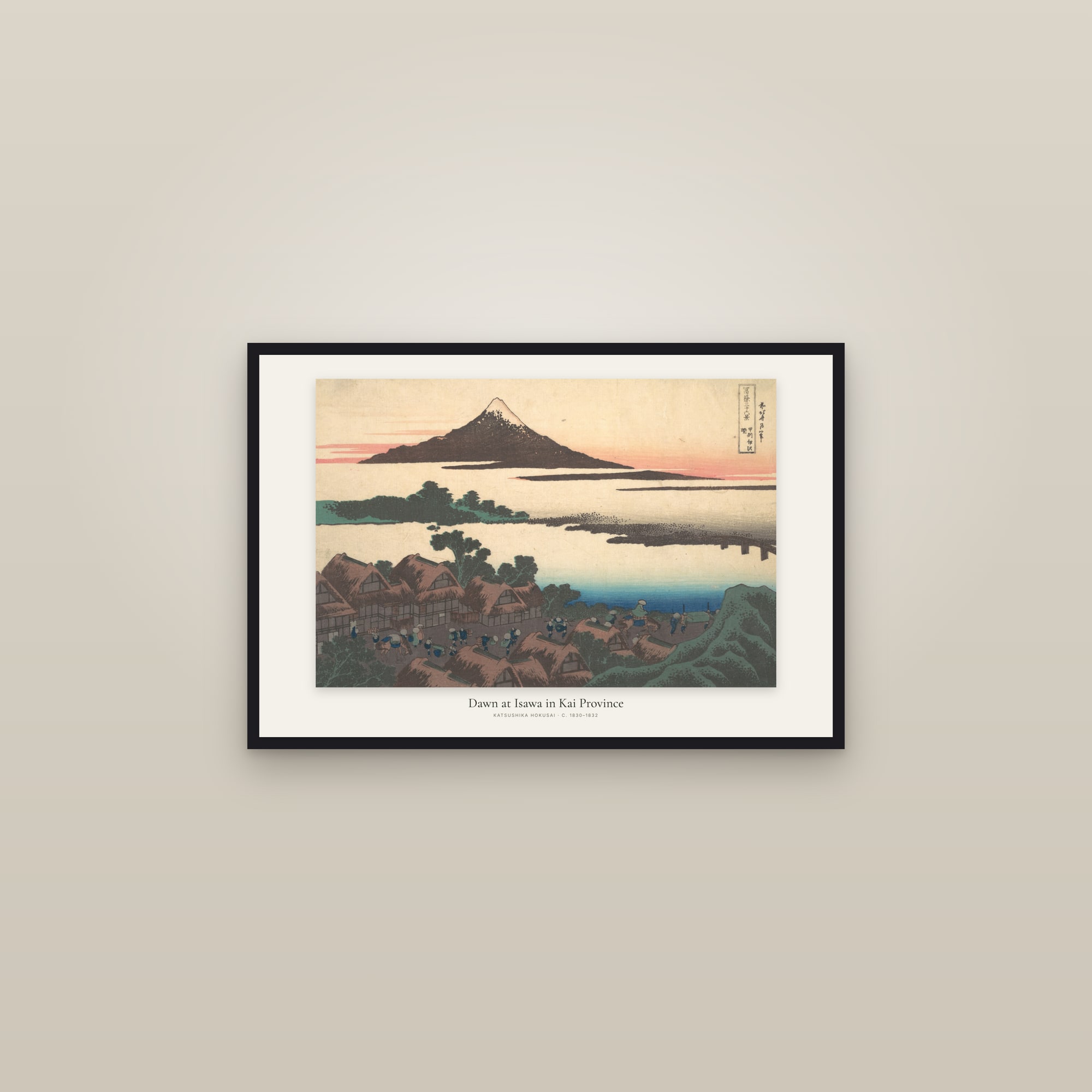
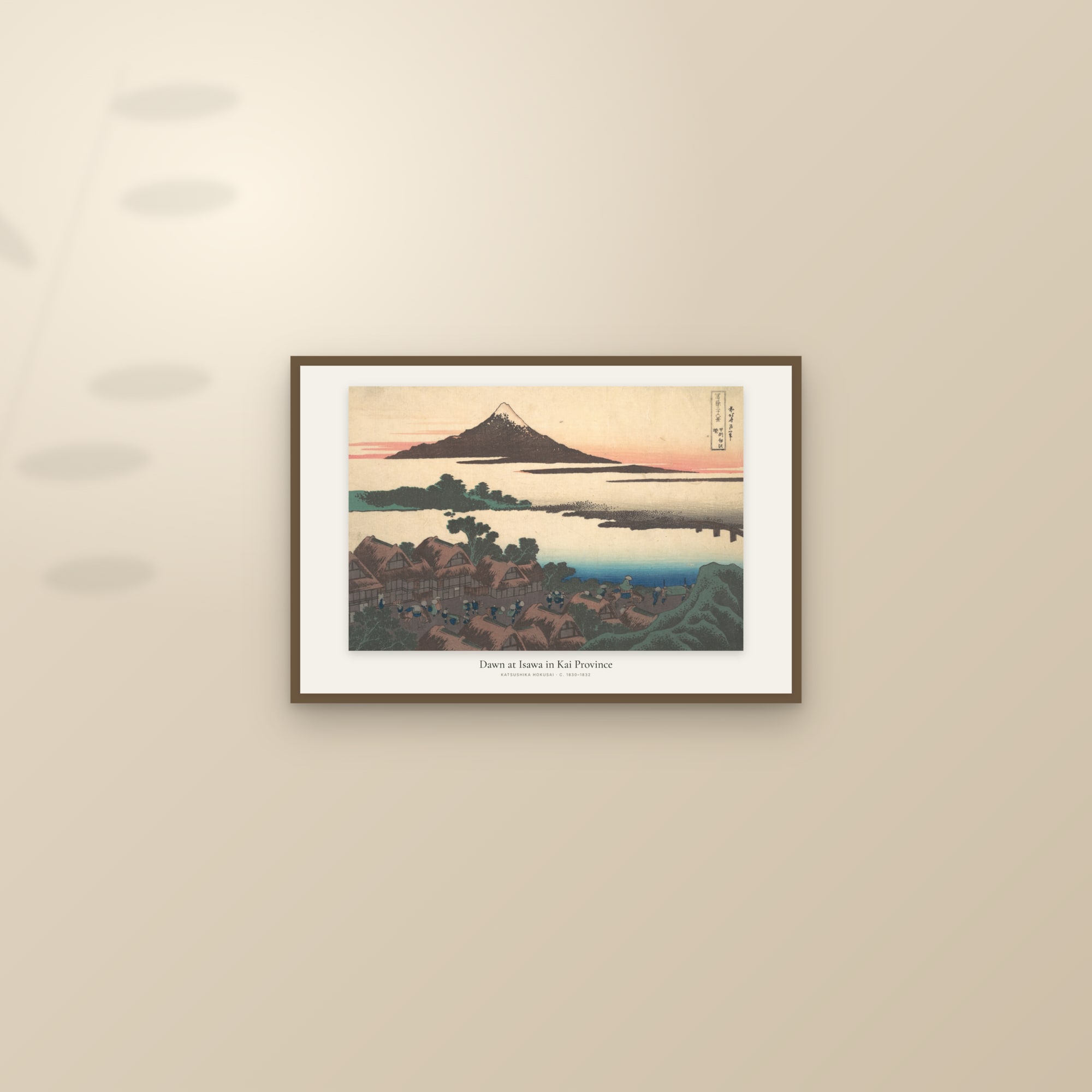
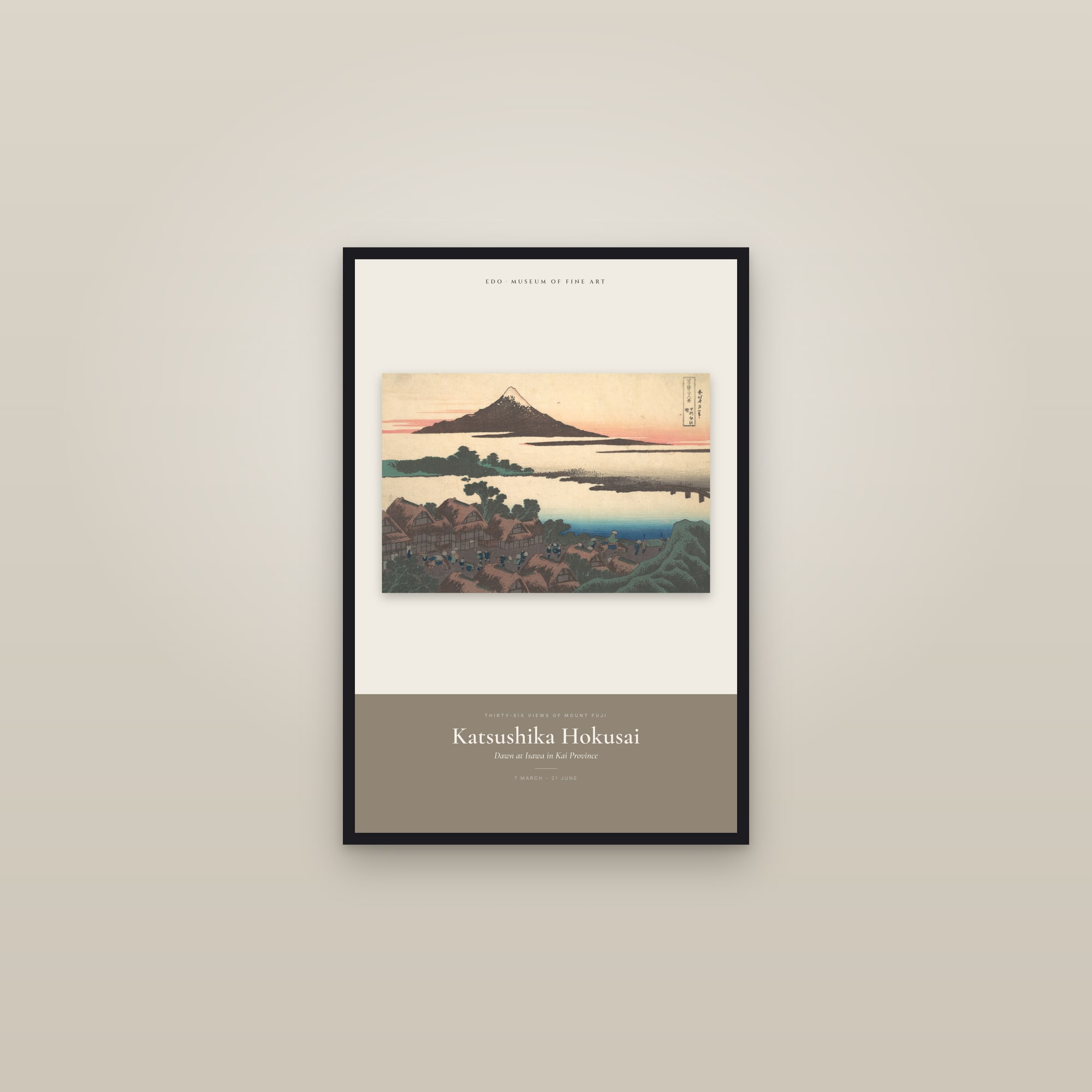
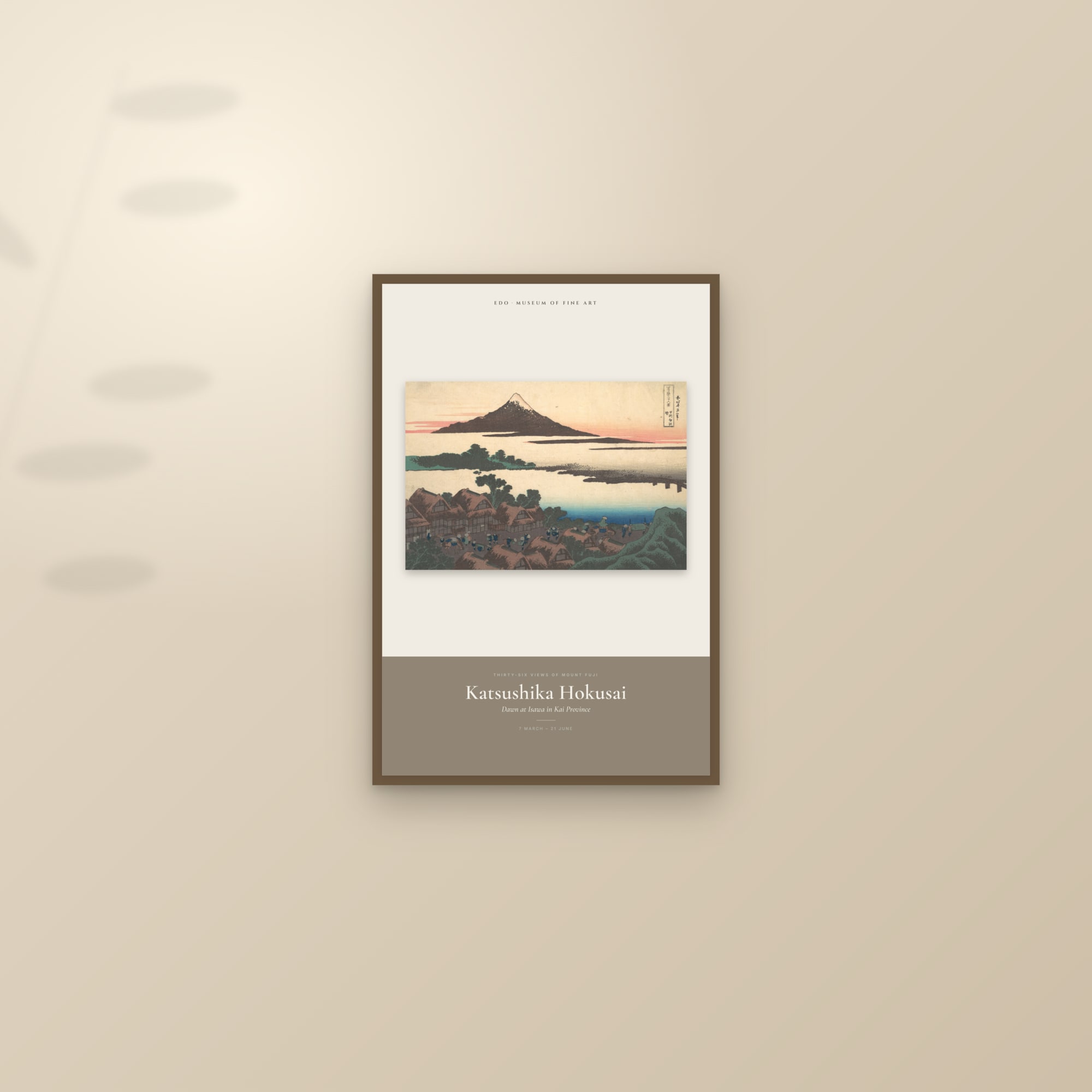
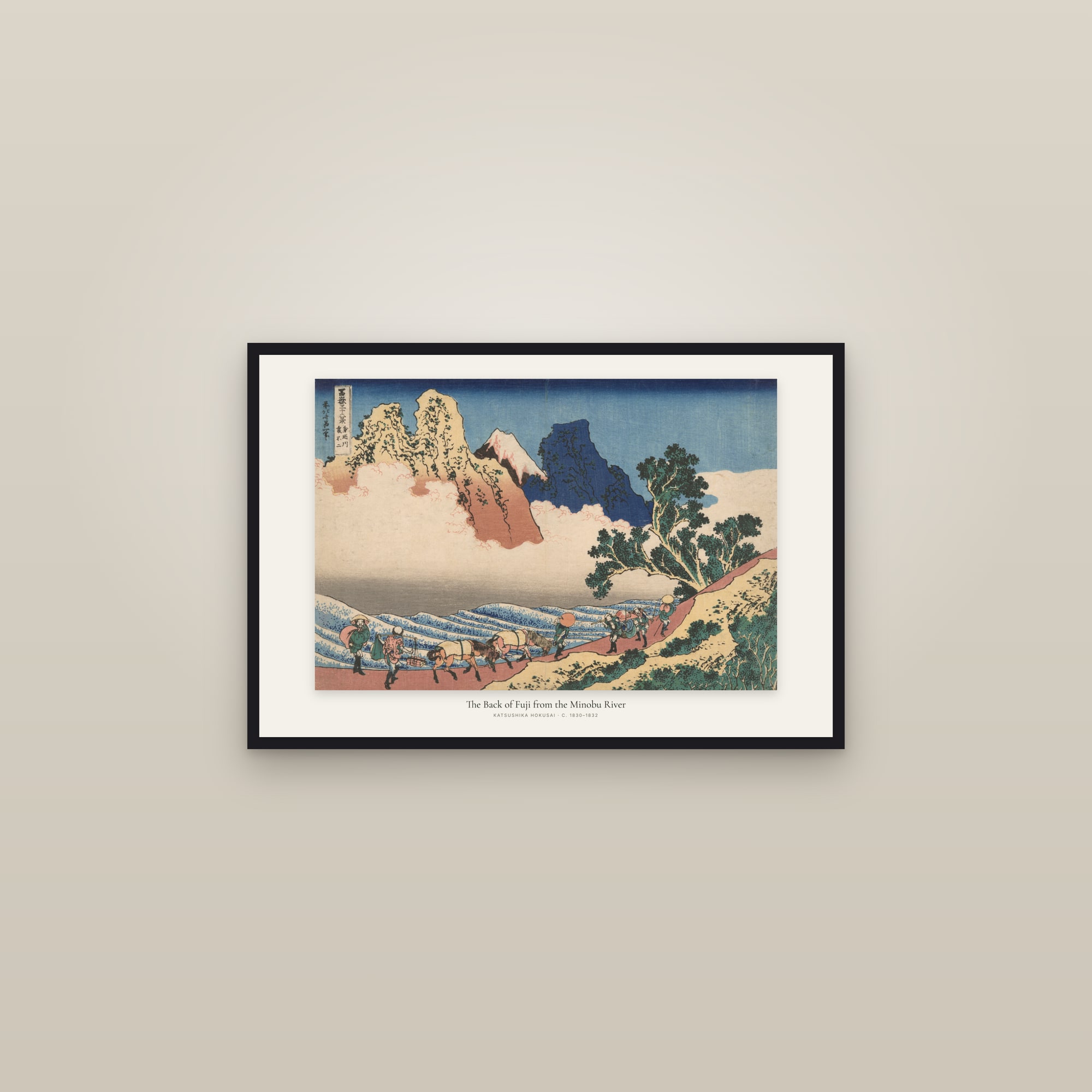
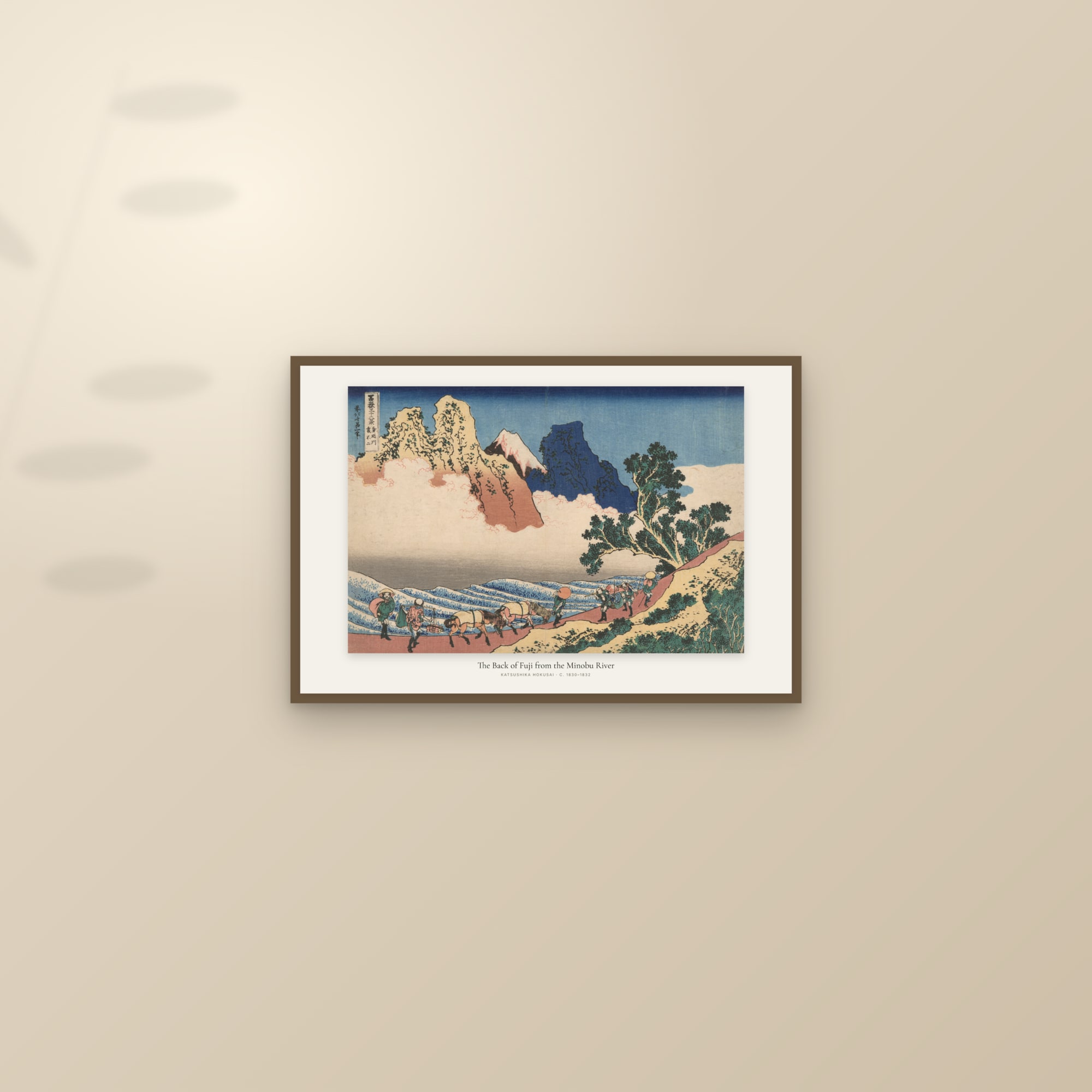
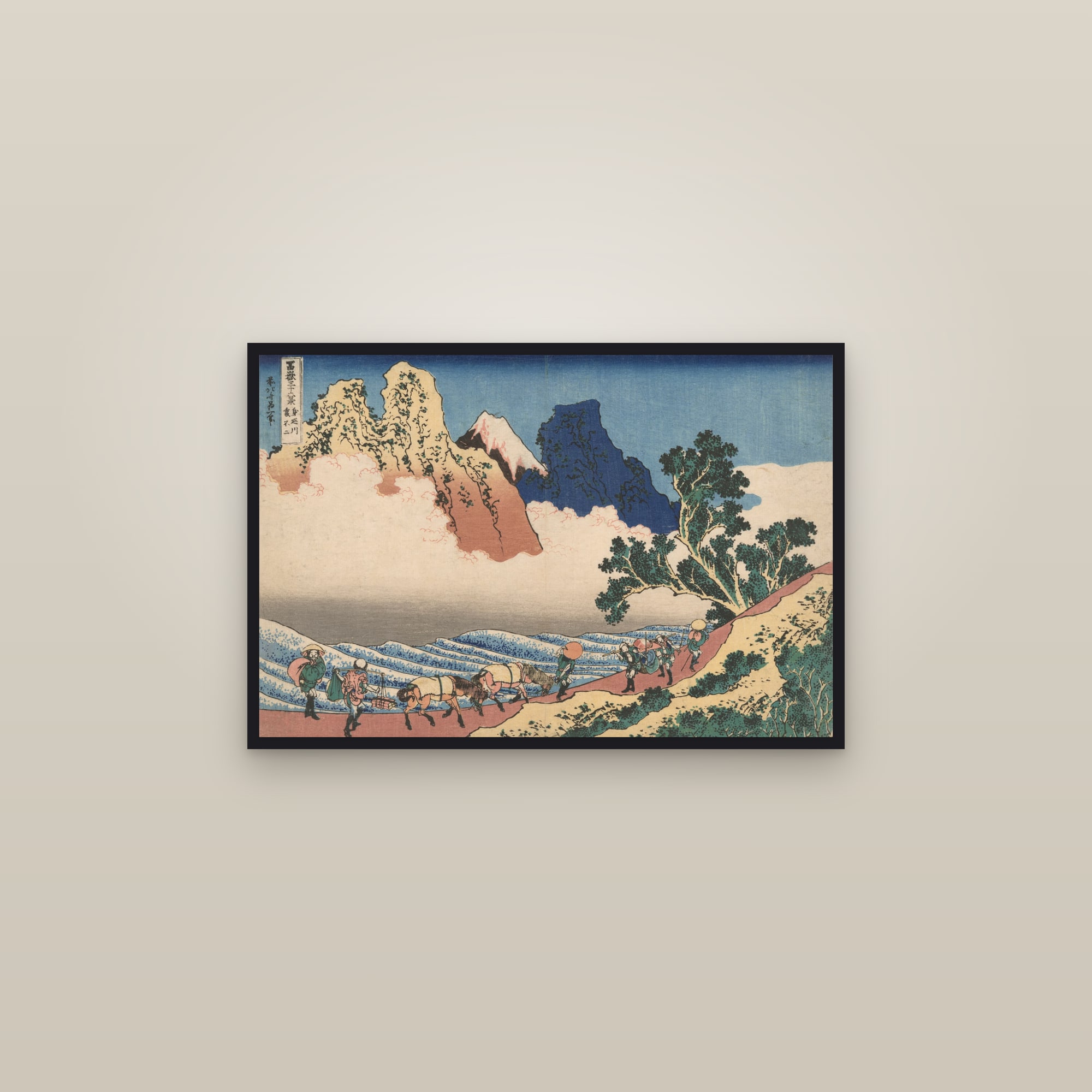
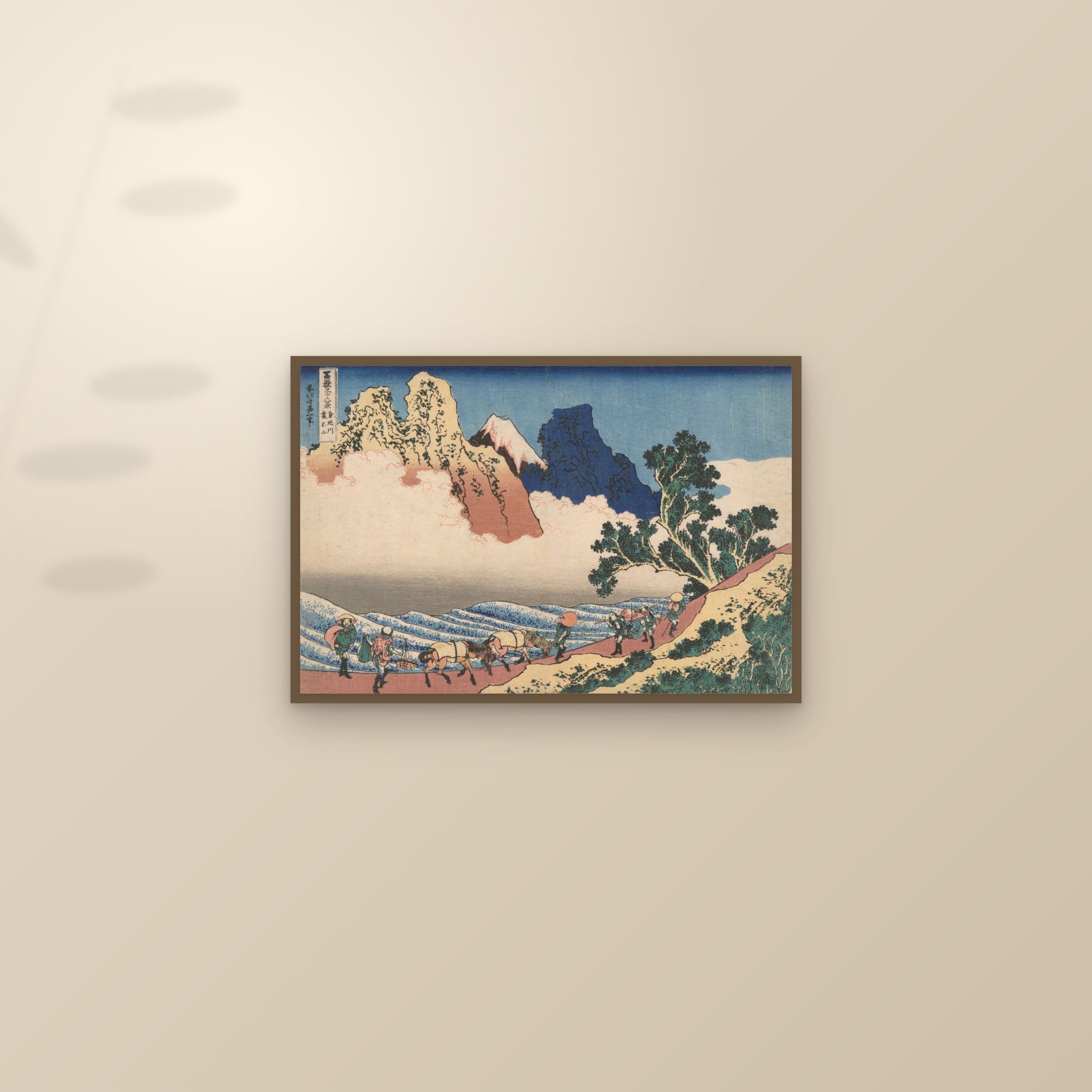
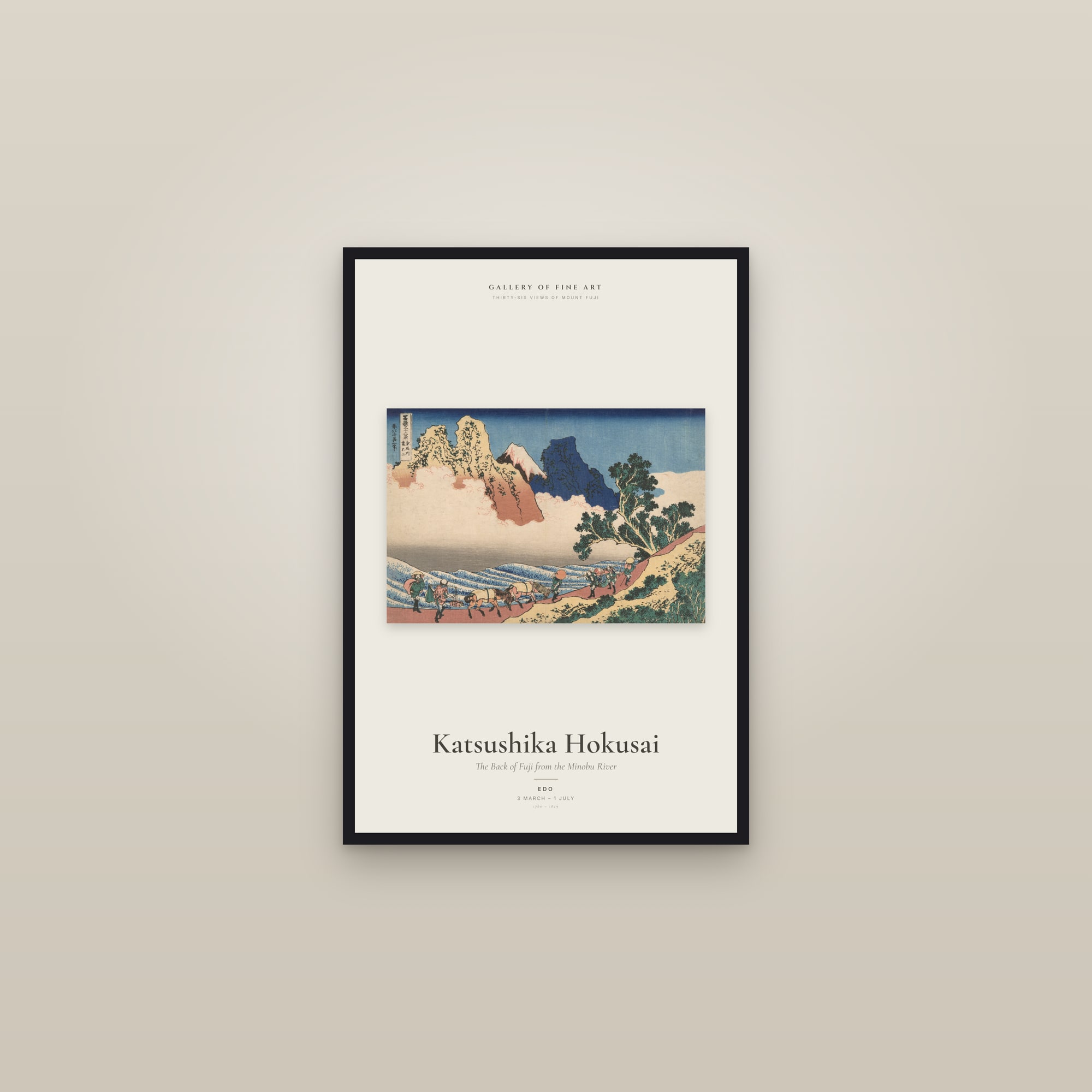
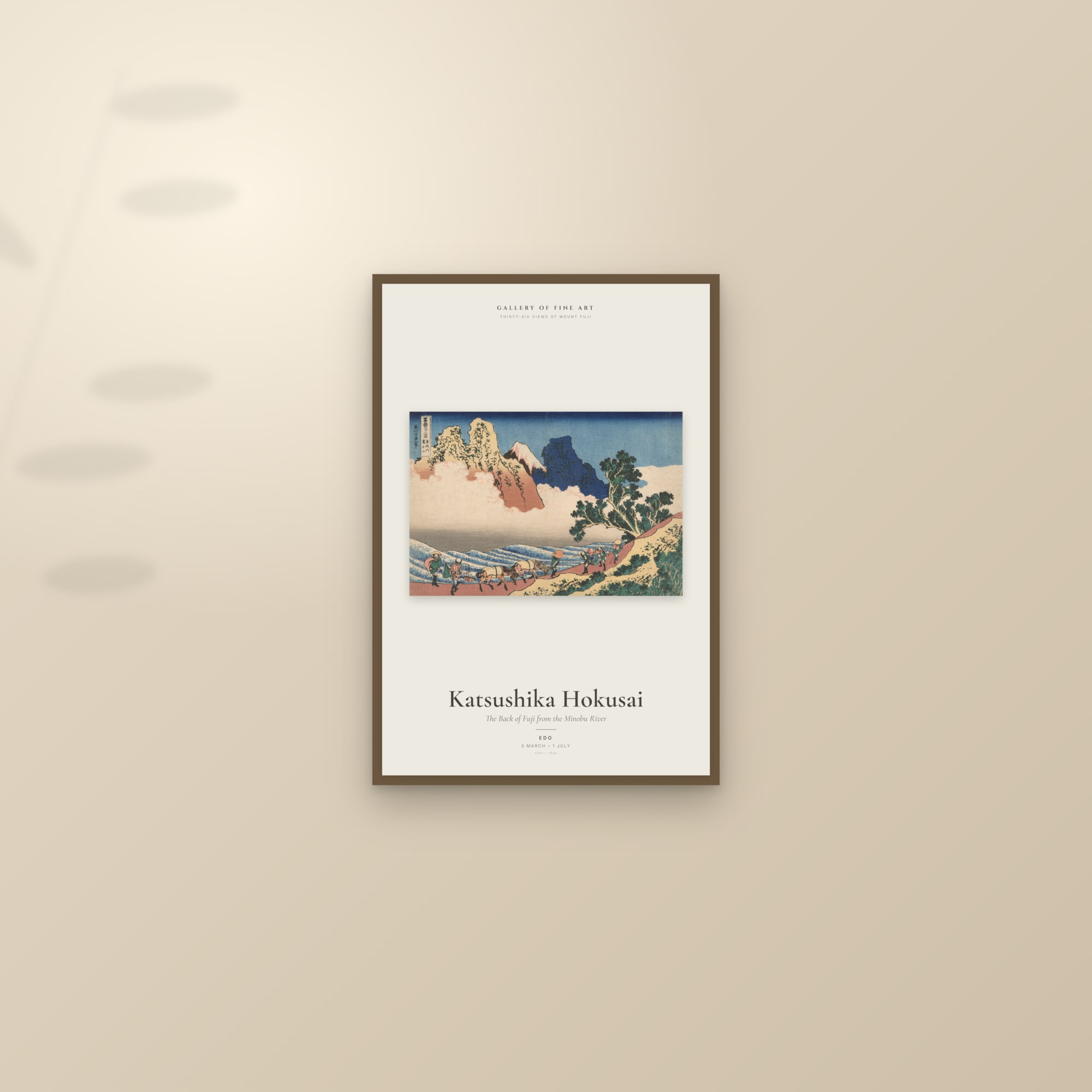
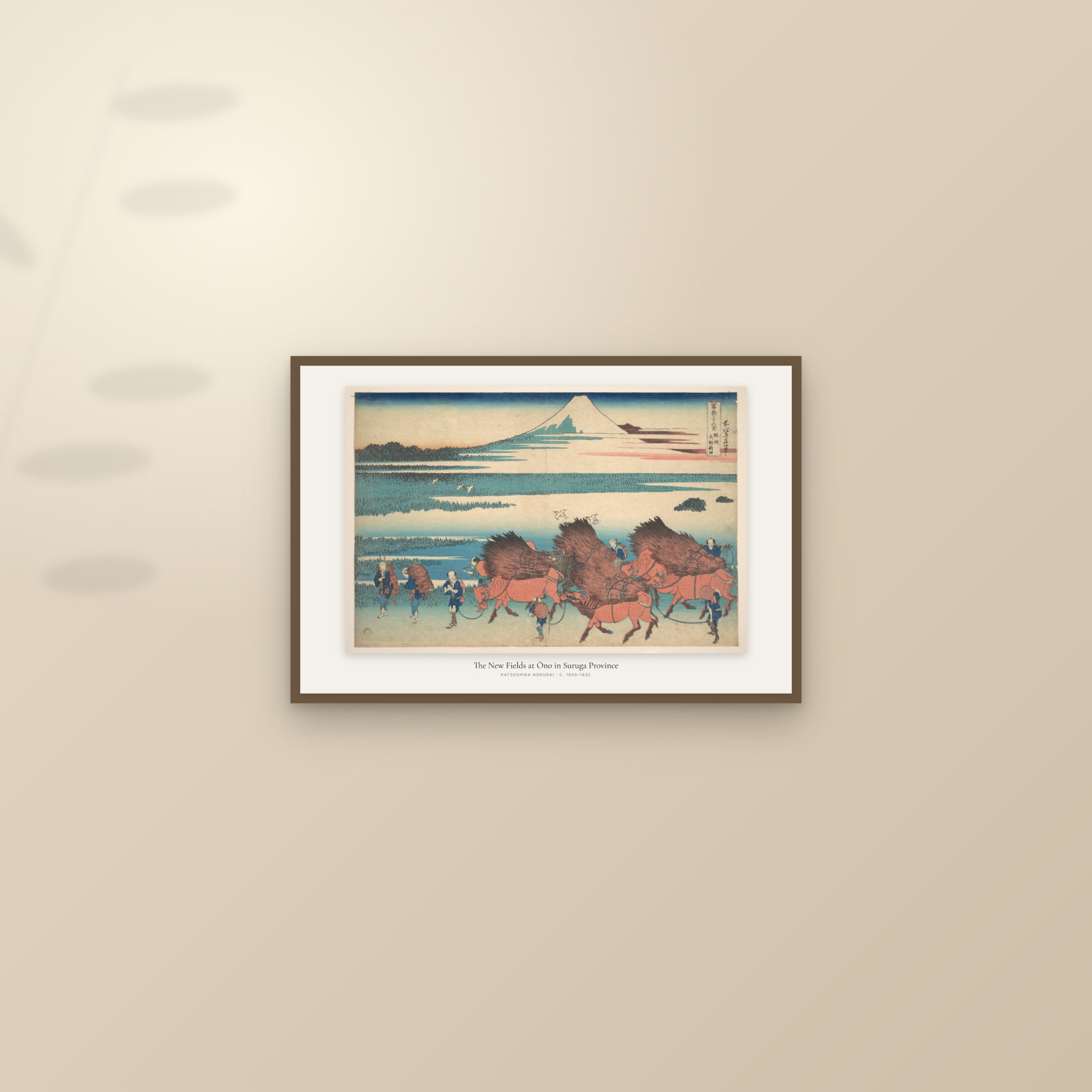
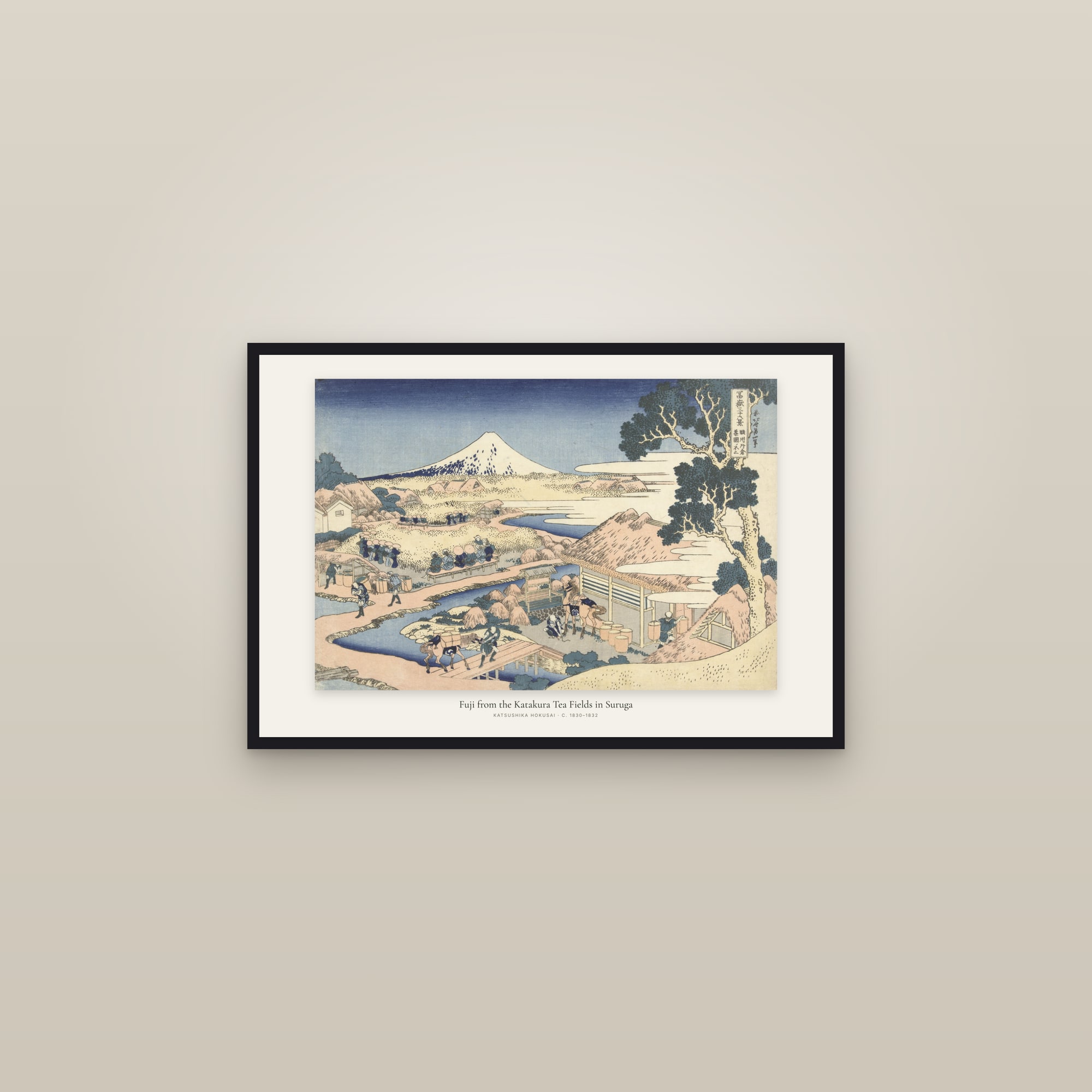
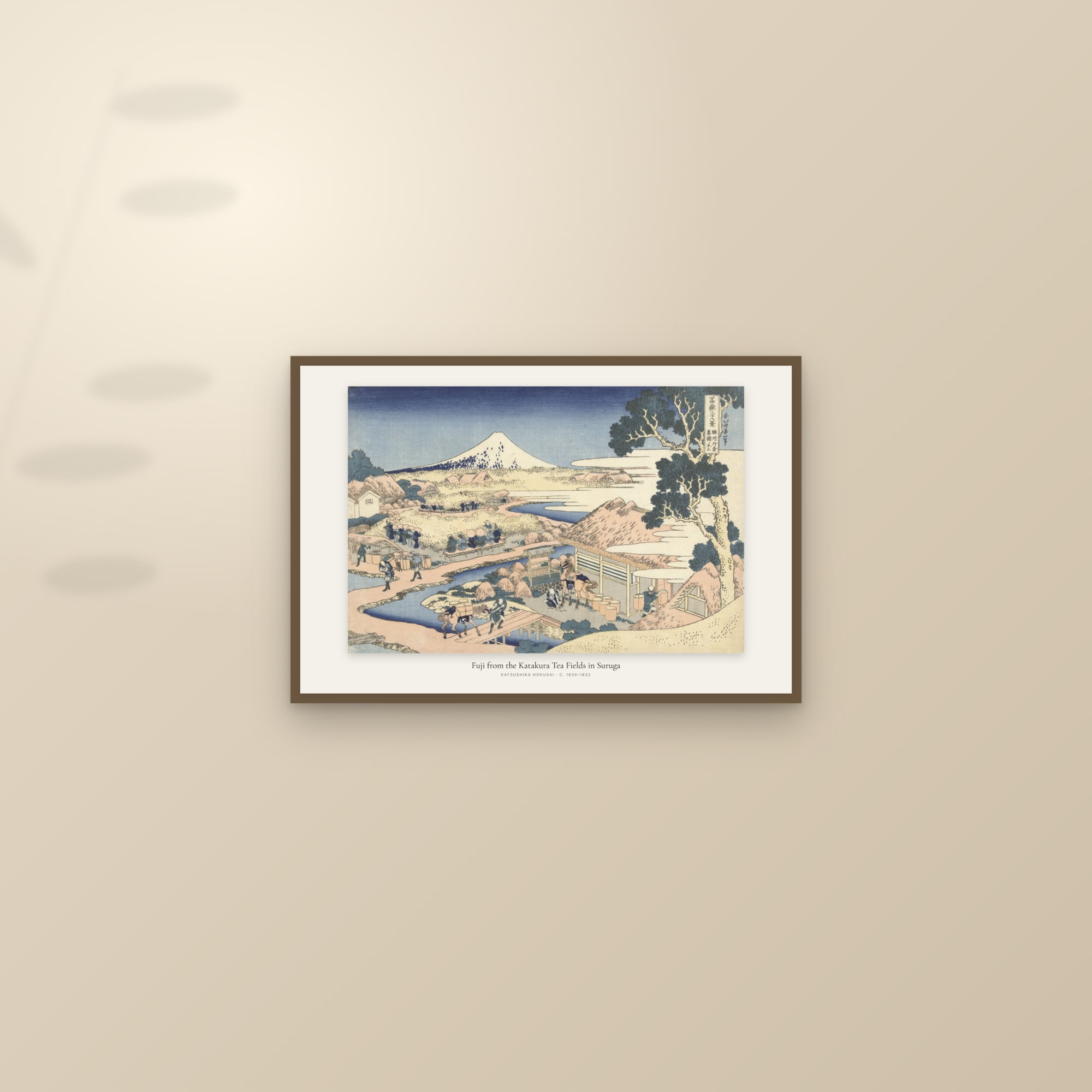
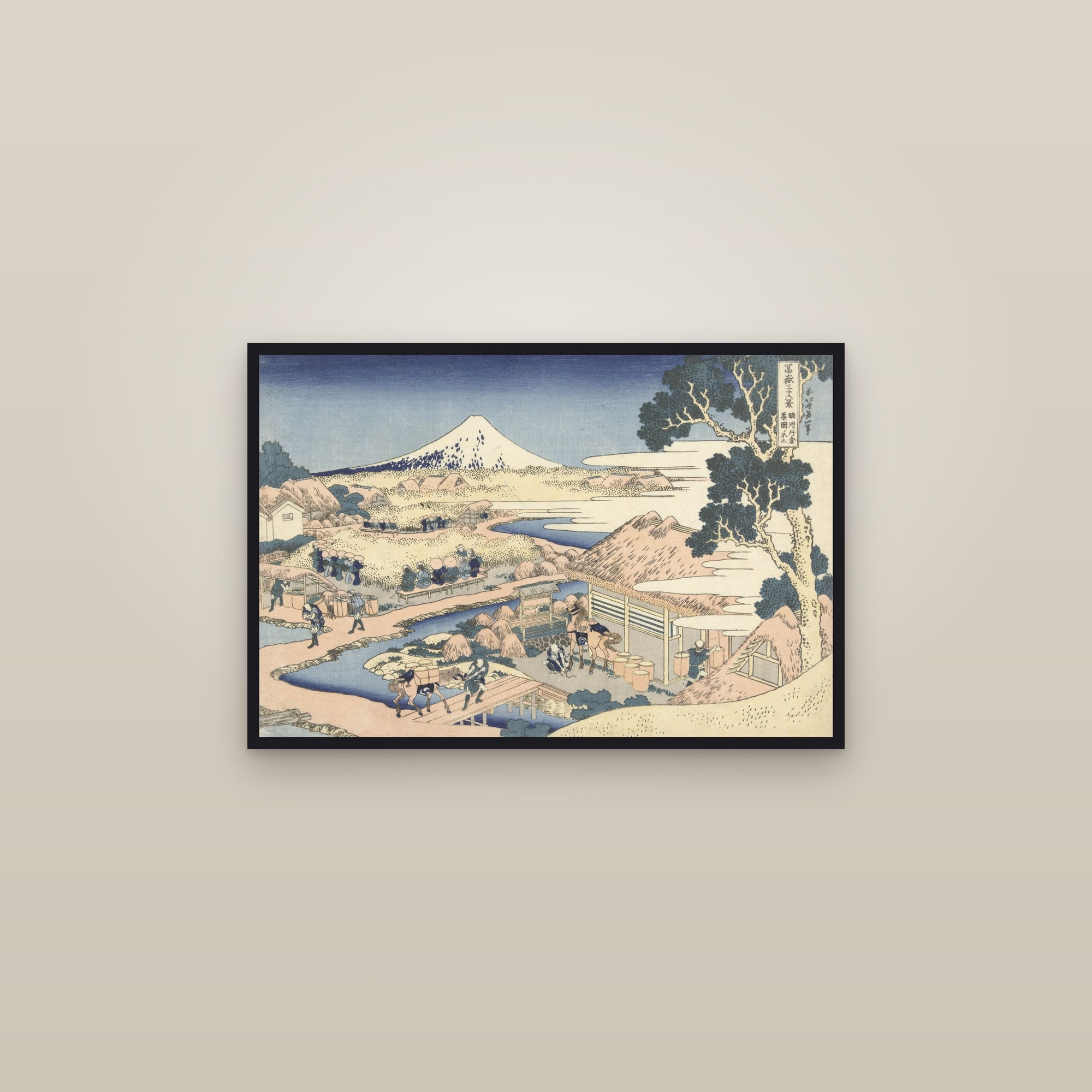
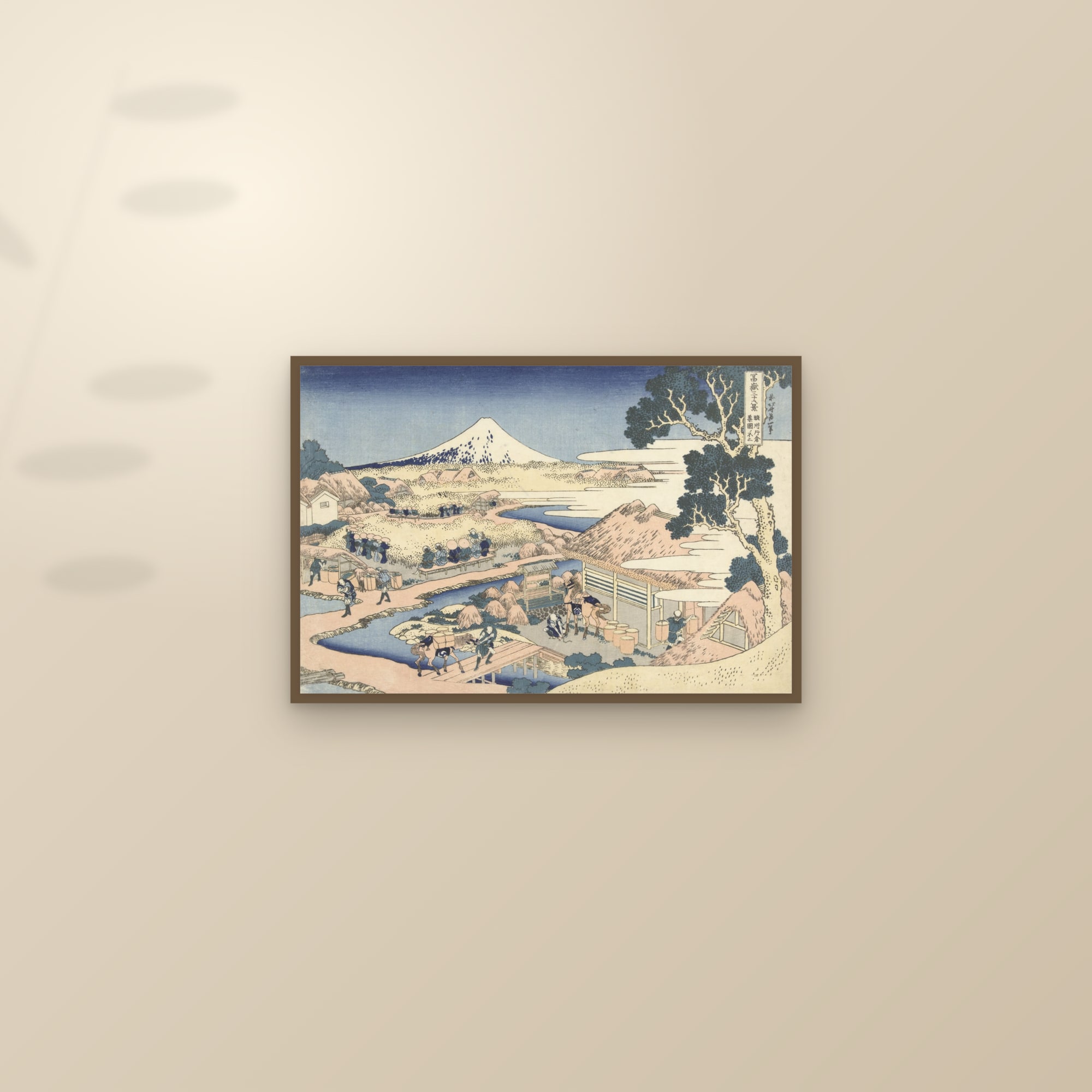
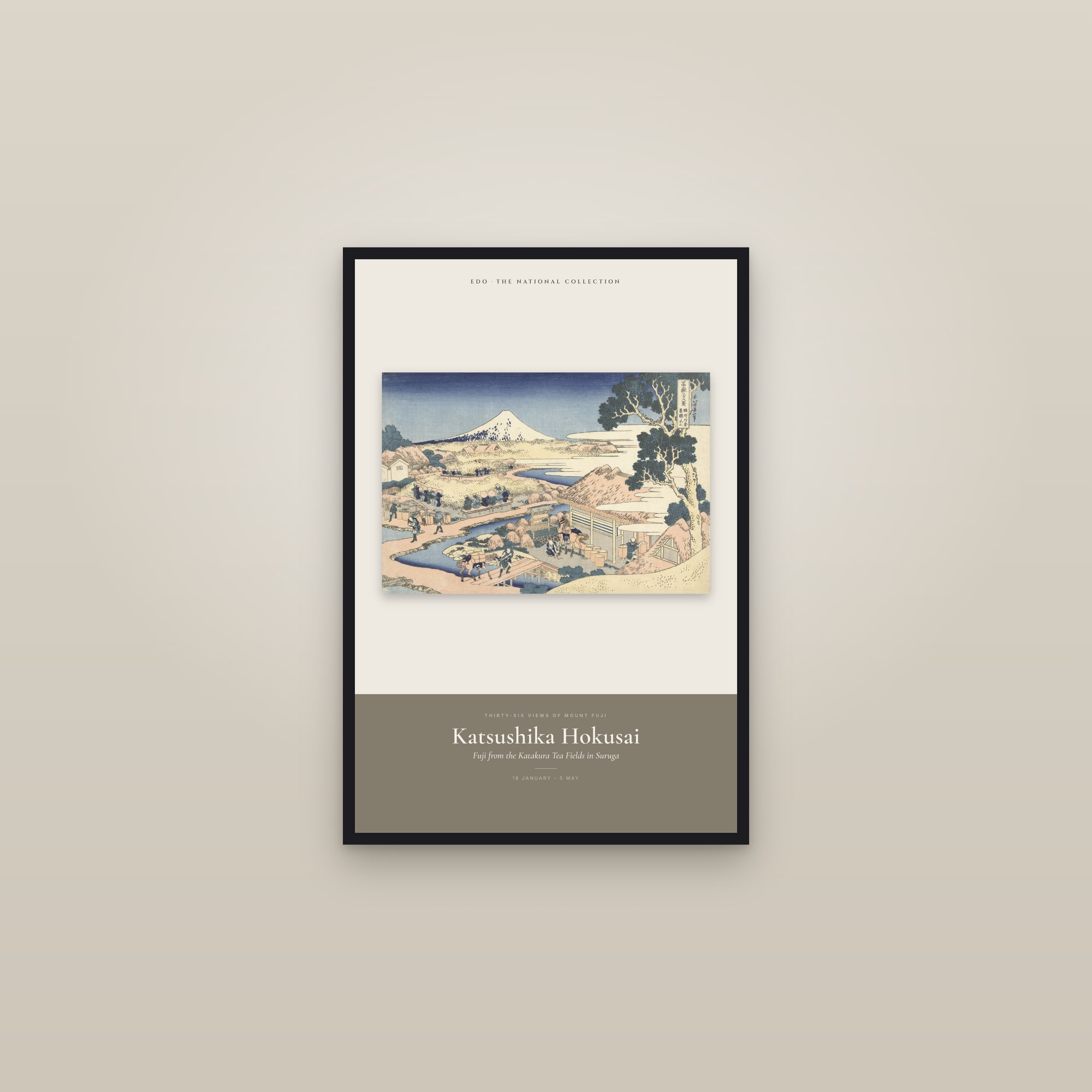
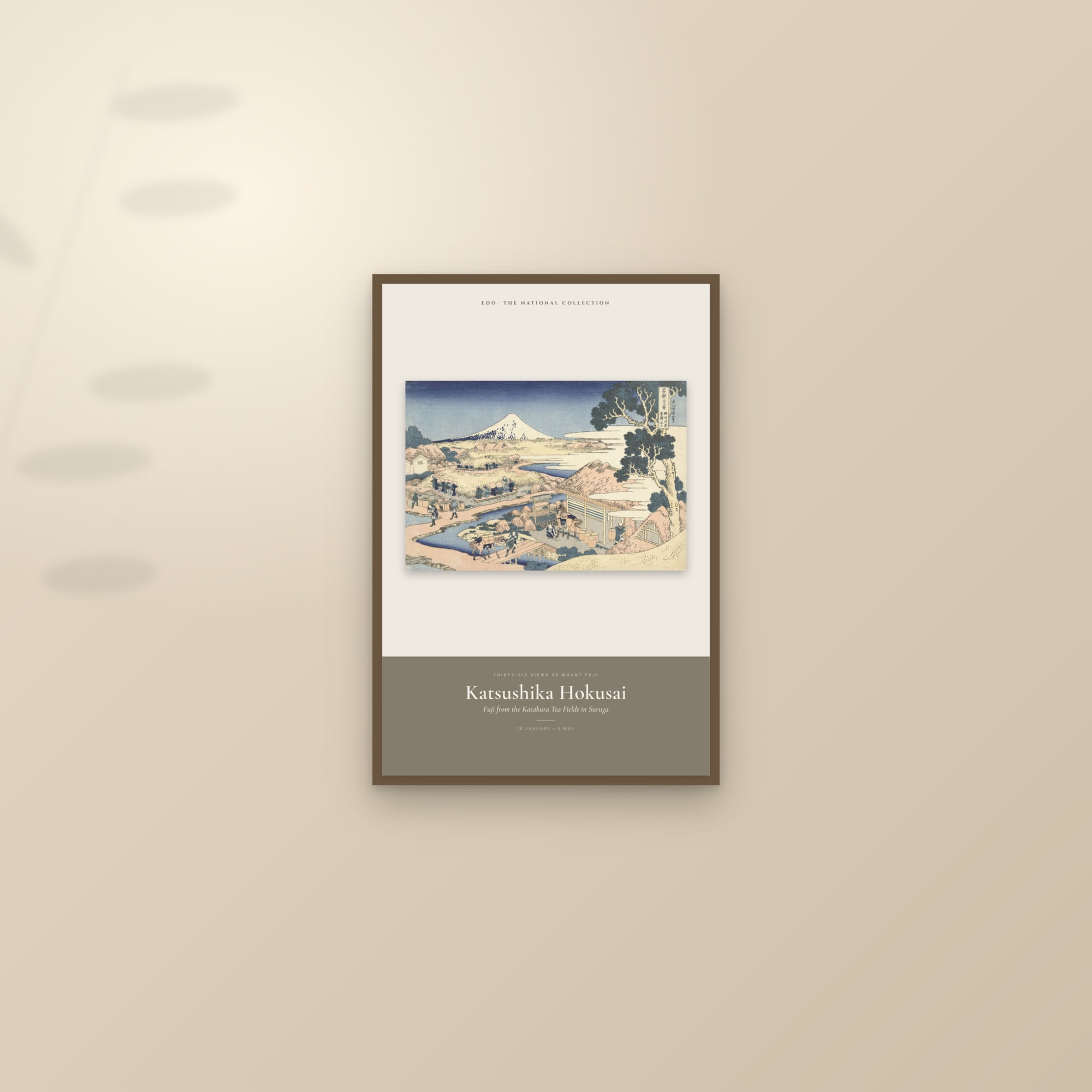
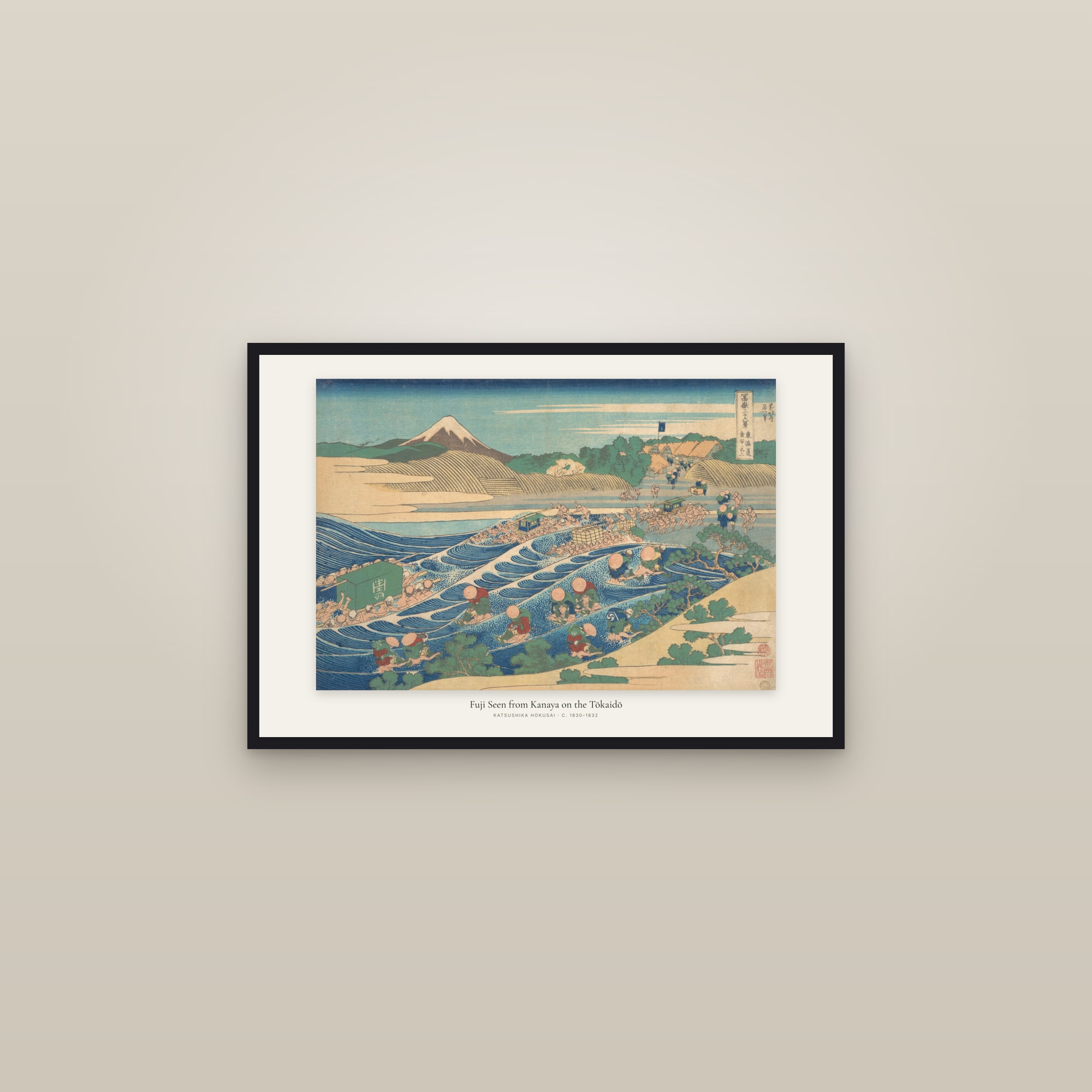
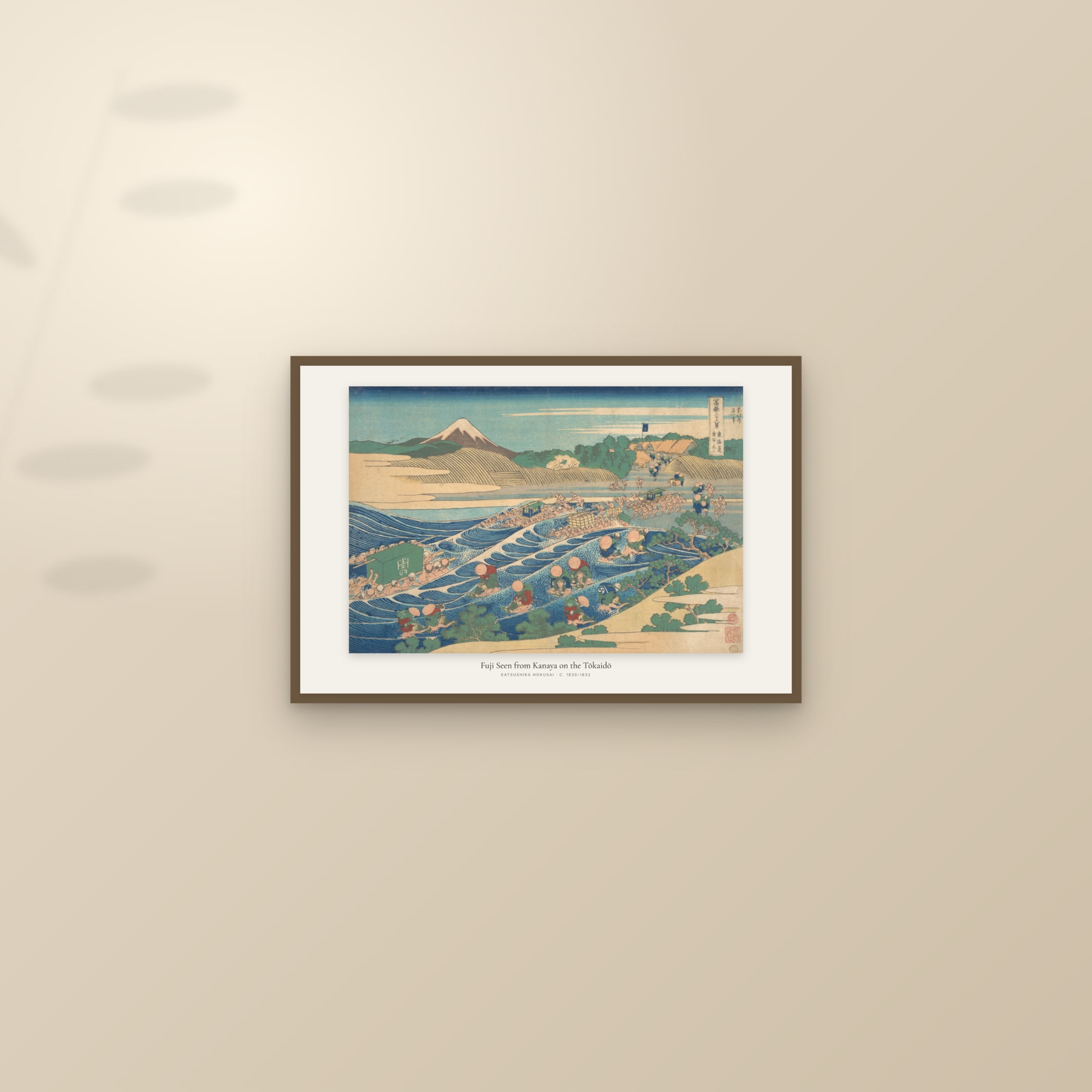
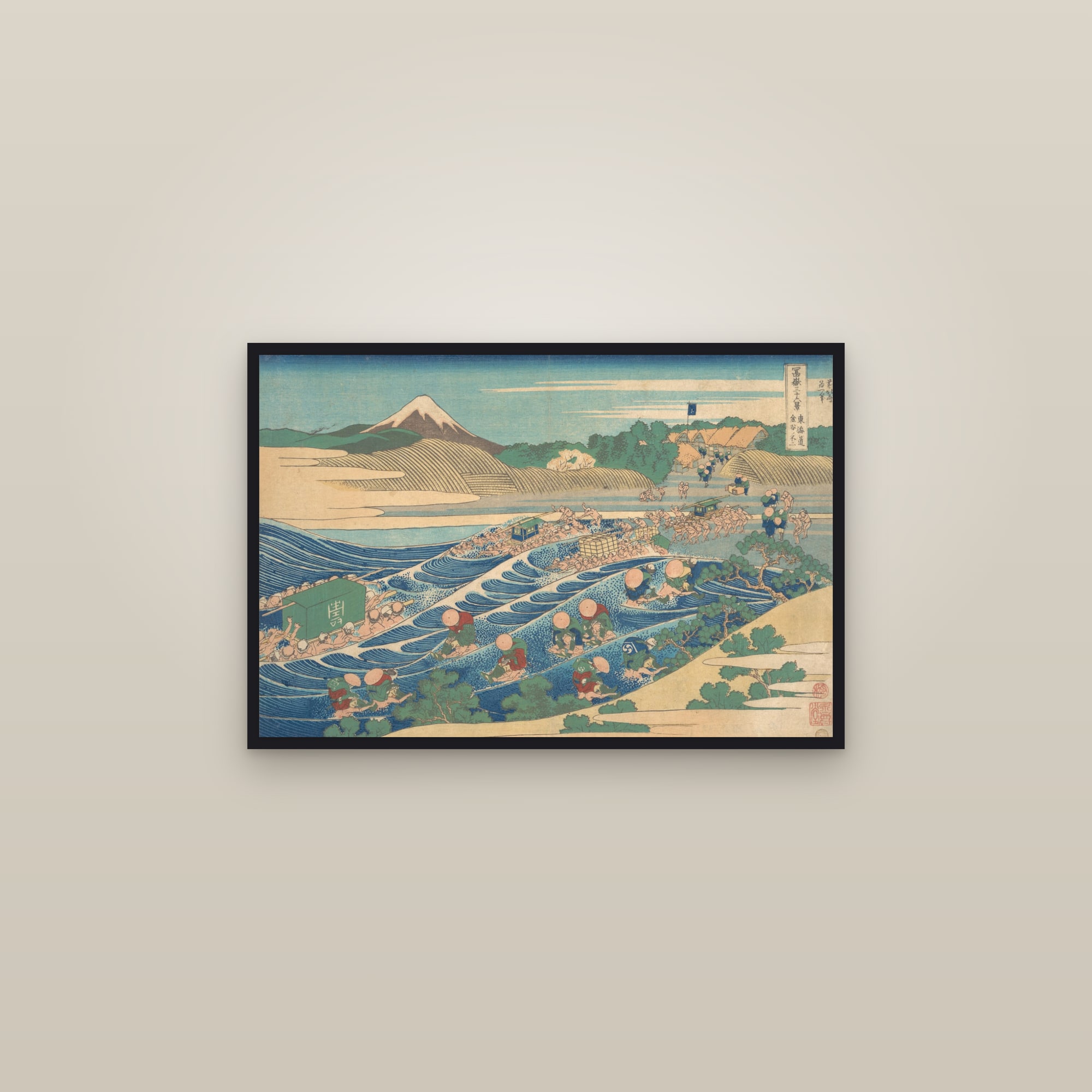
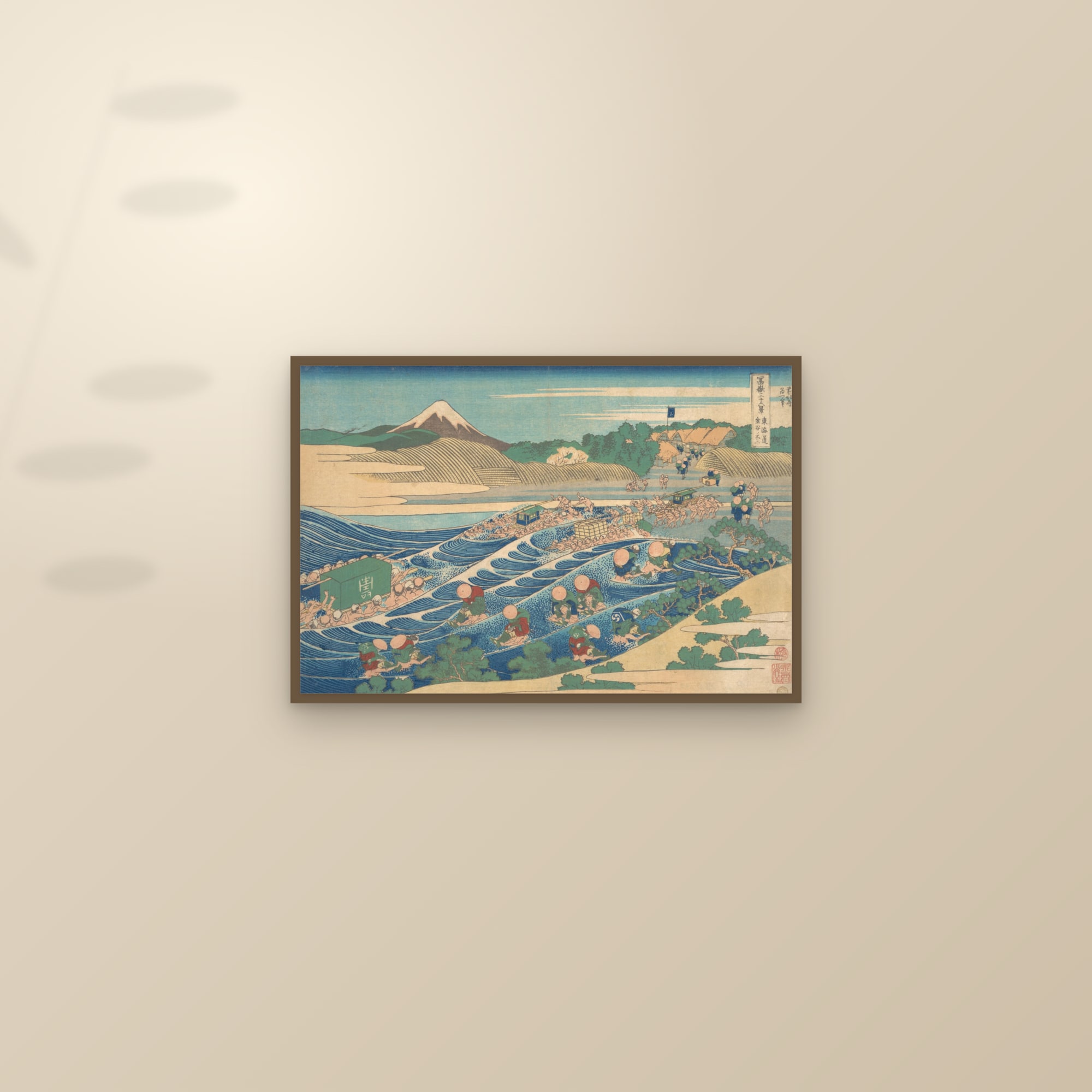
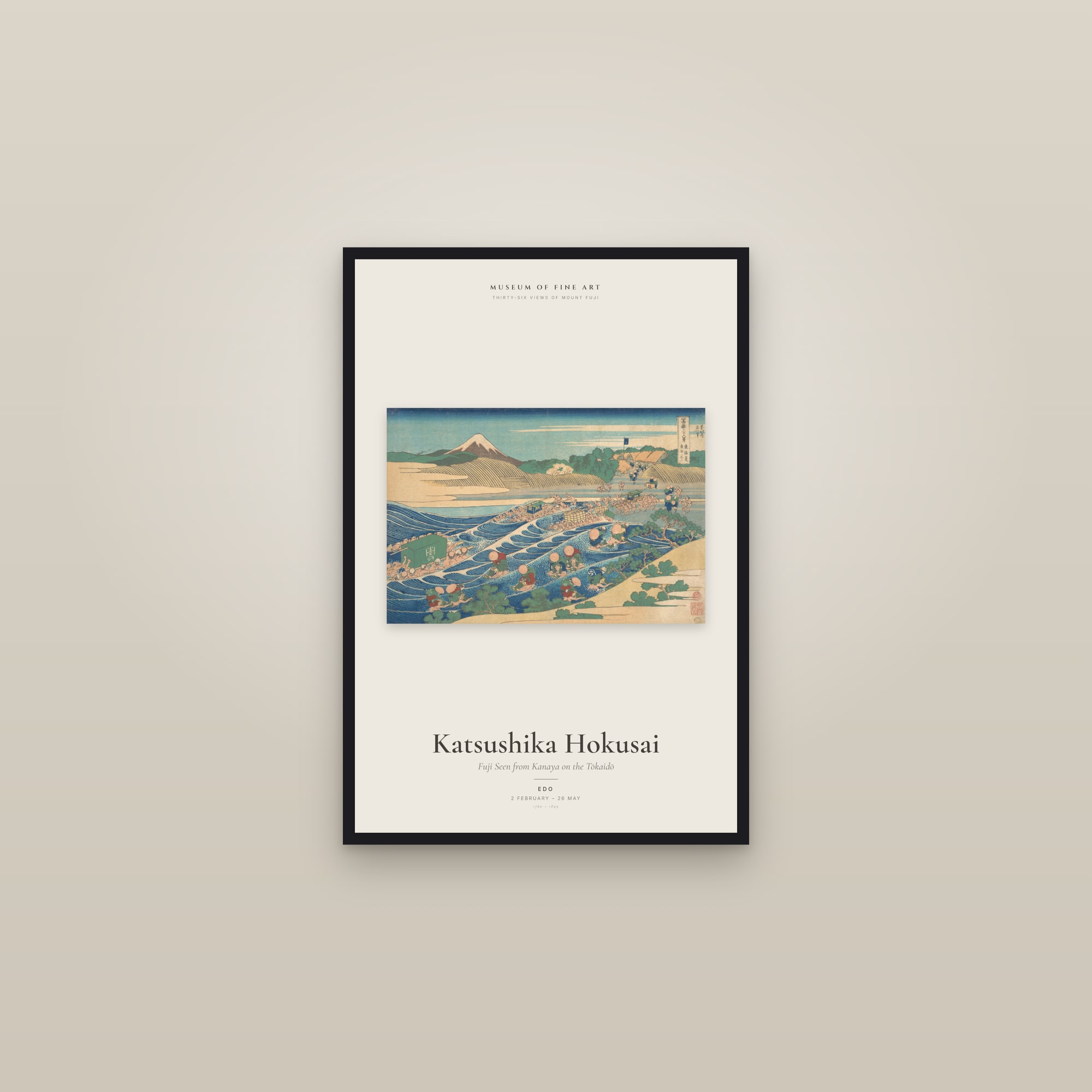
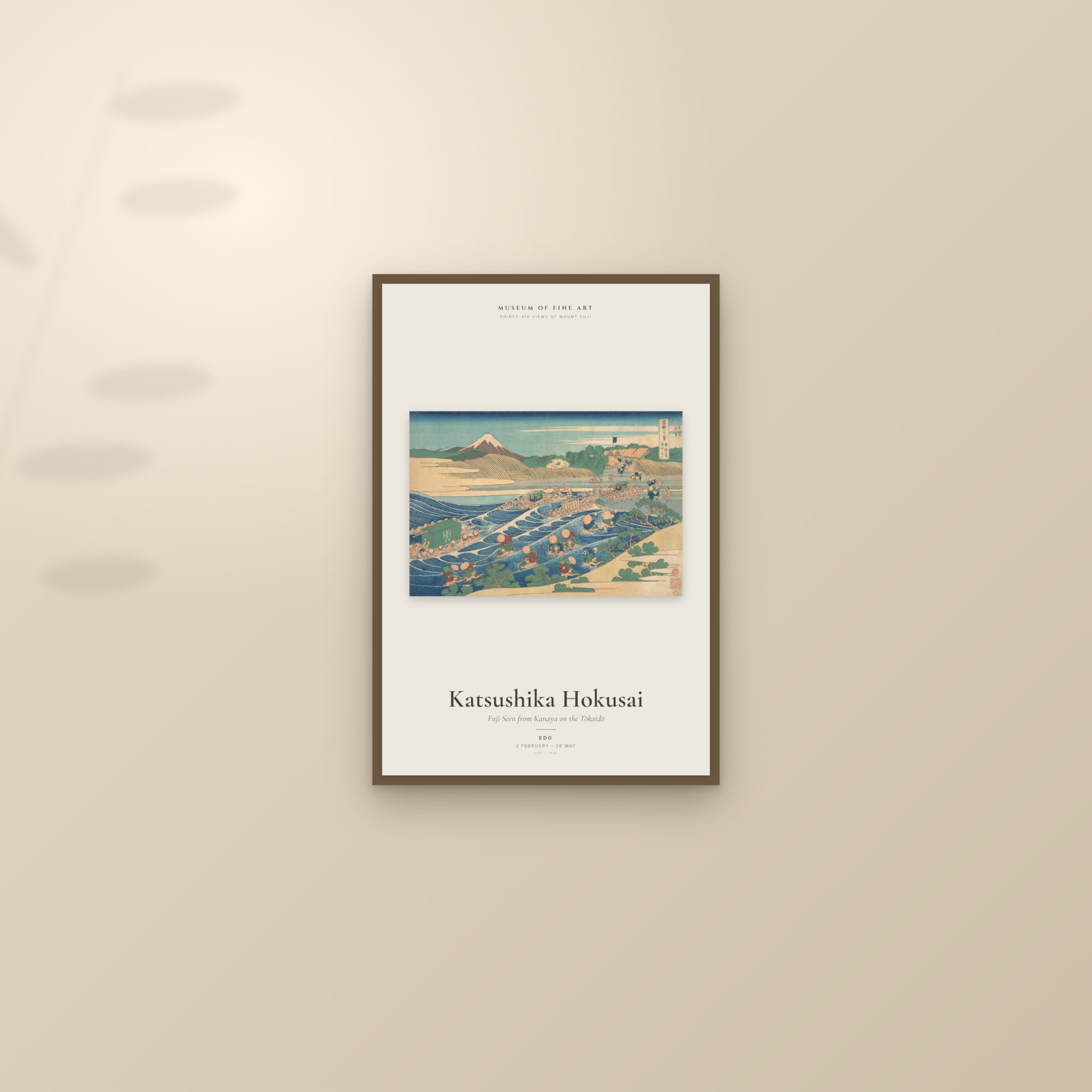
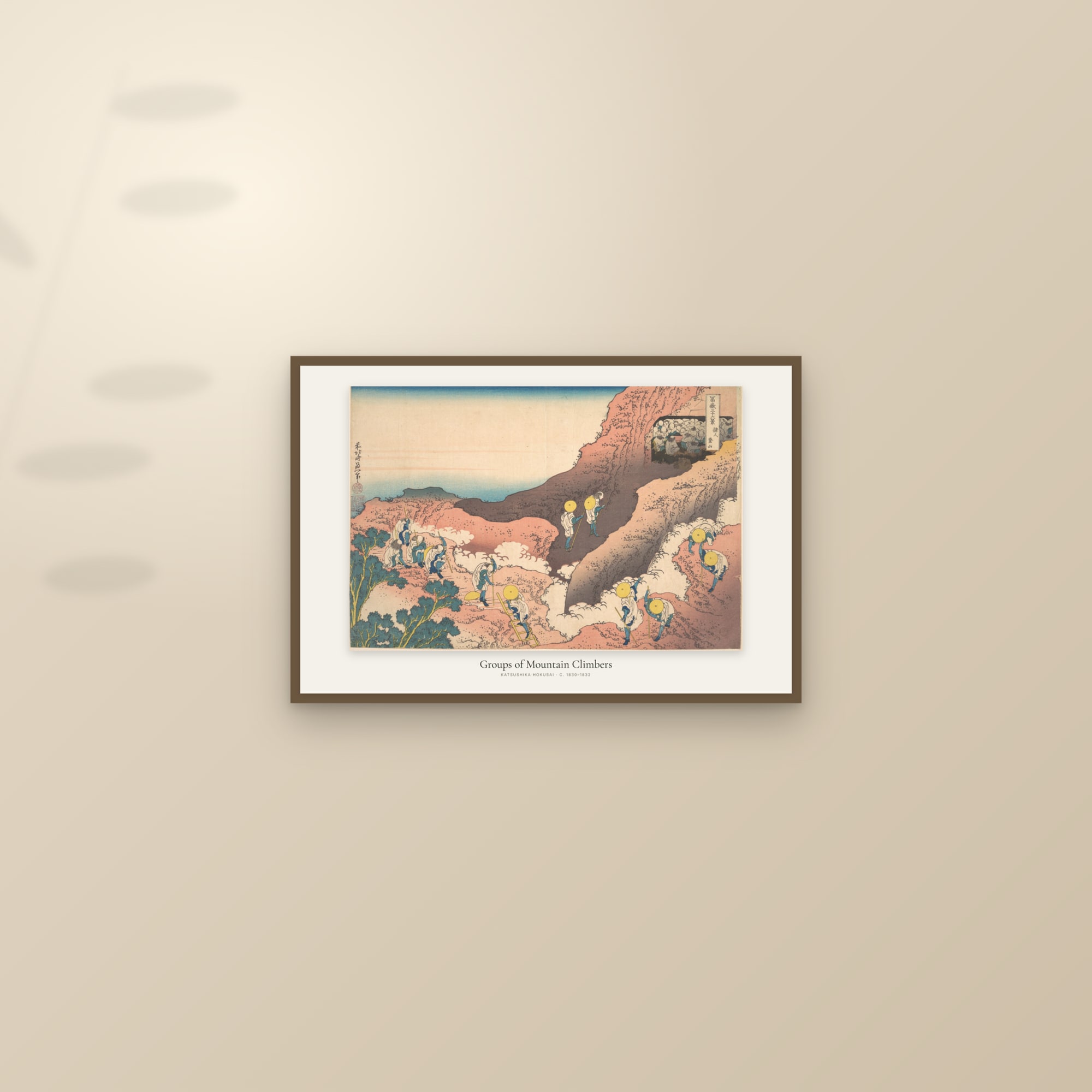
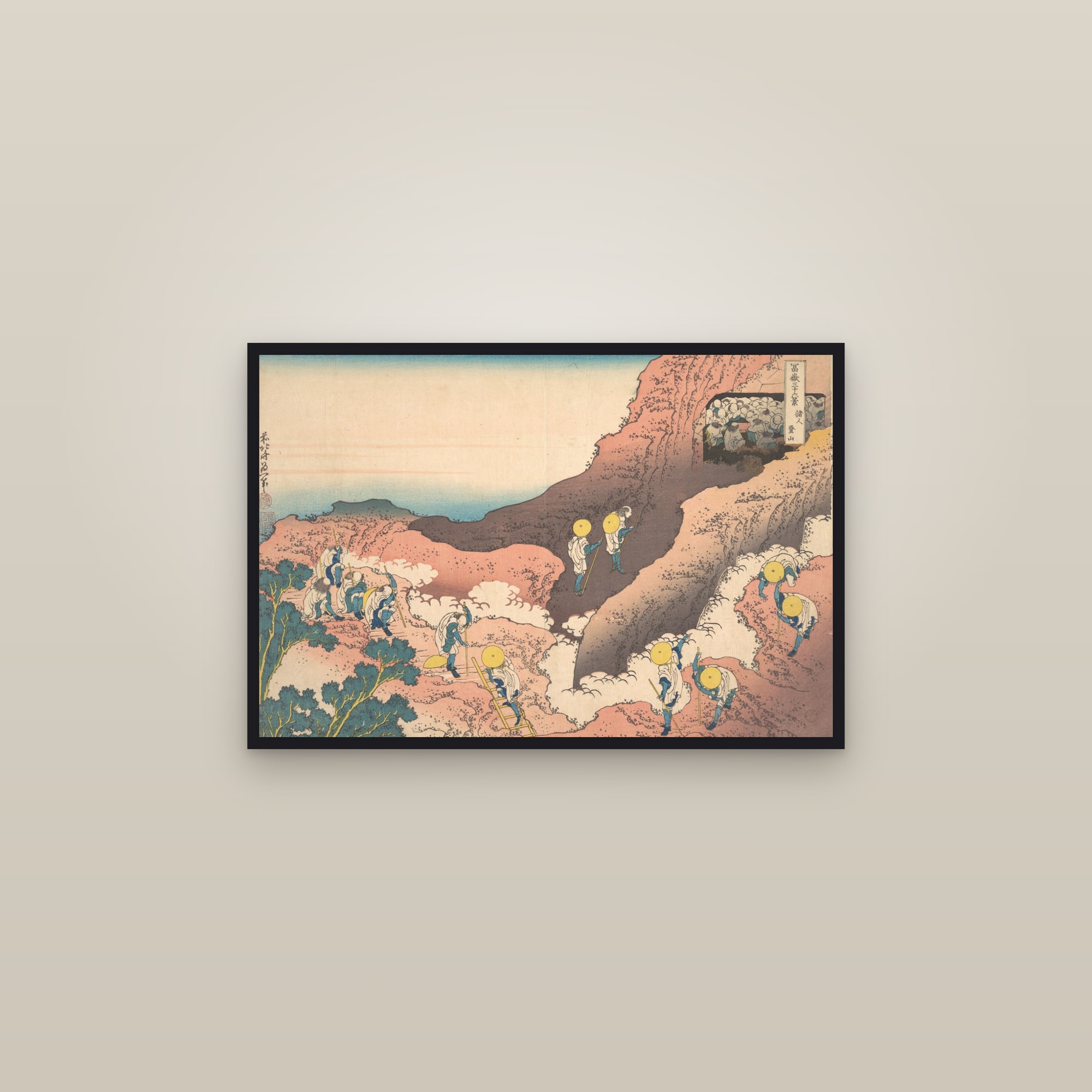
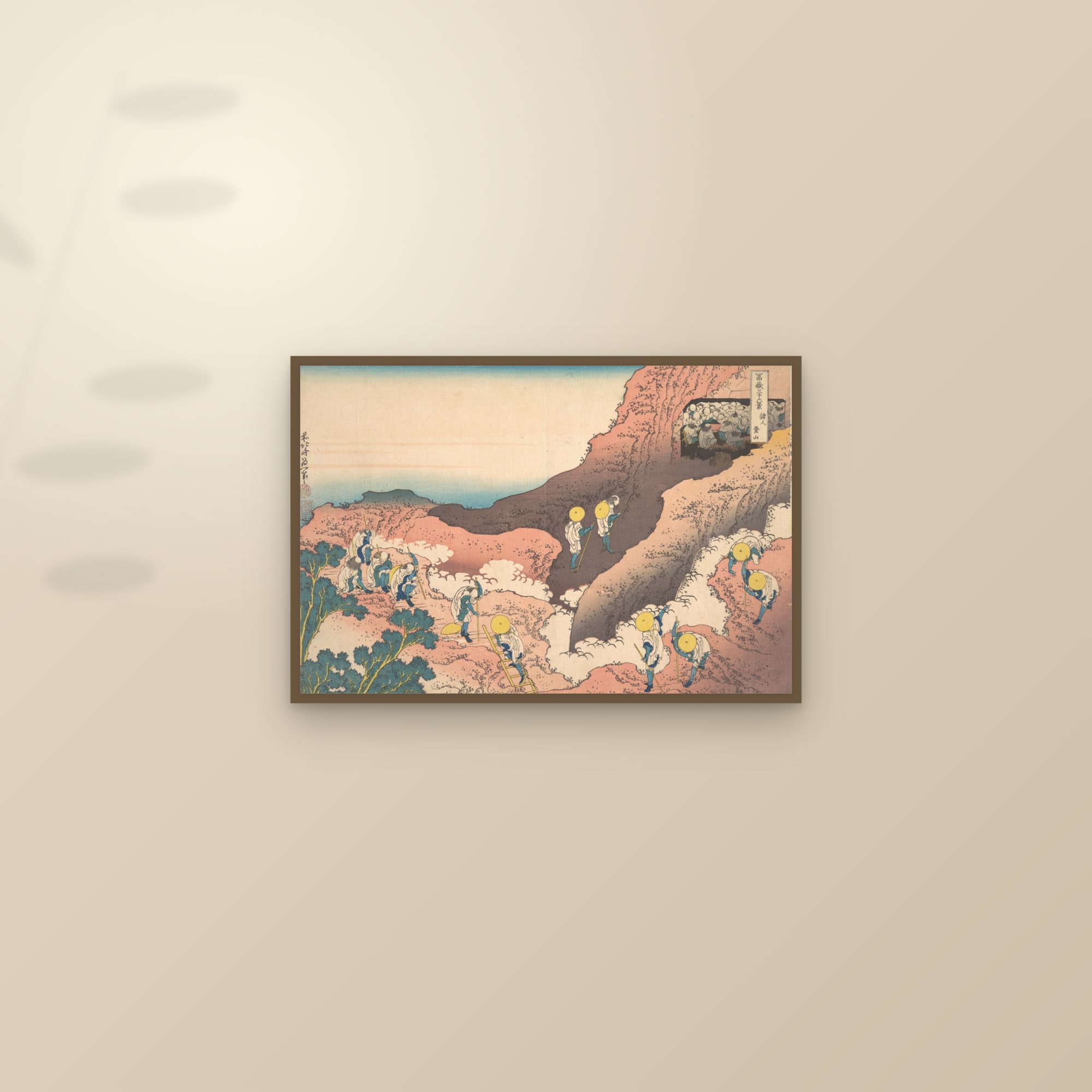
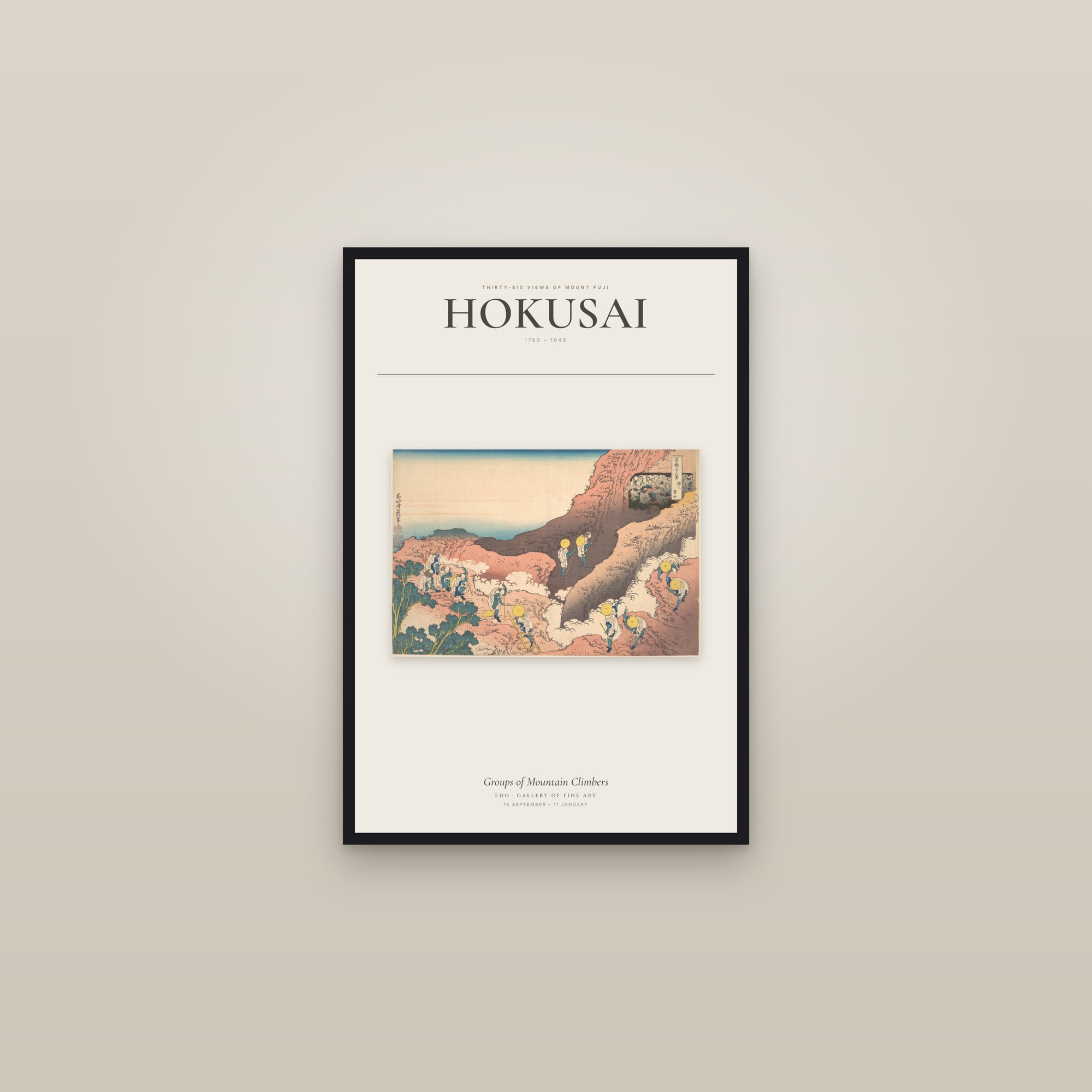
Katsushika Hokusai was born in 1760 in the Honjo district of Edo, now Tokyo, and worked in the city for nearly ninety years. He entered the studio of the ukiyo-e master Katsukawa Shunshō at eighteen, designing actor prints, and after Shunshō's death in 1793 left the school to work independently, changing his art name repeatedly as his style shifted. The first volume of the Hokusai Manga, his sketchbooks of people, animals, plants and landscapes, appeared in 1814 and ran to twelve volumes by 1820. His landscape prints came late: the Thirty-six Views of Mount Fuji, which include The Great Wave off Kanagawa and the Red Fuji, were published around 1830 to 1832, when he was already in his seventies, and were followed by the waterfall series and the One Hundred Views of Mount Fuji from 1834. Hokusai's prints were among the first Japanese images to reach European artists in quantity, and their flat colour, bold outline and dramatic cropping fed directly into Impressionism and Art Nouveau. On a wall they still read with that graphic clarity: the deep Prussian blue of the waves and waterfalls, the stacked clouds, the small figures that give the landscape scale.
- A short history of the print, from woodblock to giclée · Six ways of putting an image on paper, from a carved block in 1400s Europe to the inkjet print on your wall, and what each one still means when you buy one.