
American Painting
Two centuries of American painting, from the colonial portraits of Copley and Gilbert Stuart to Bellows's boxing rings: reproduced whole from the open-access scans of the Met, the National Gallery of Art, the Smithsonian and other museums.
246 prints · printed to order on heavyweight matte paper · framed or unframed
Editor’s picks
The 11 we’d start with, and who each one suits.
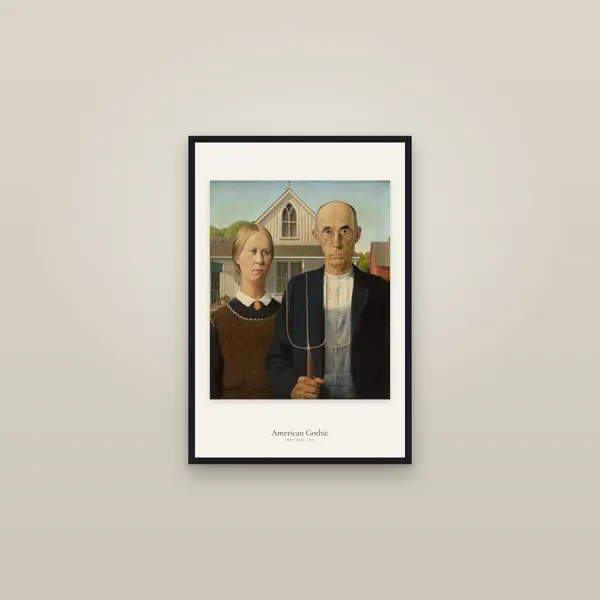
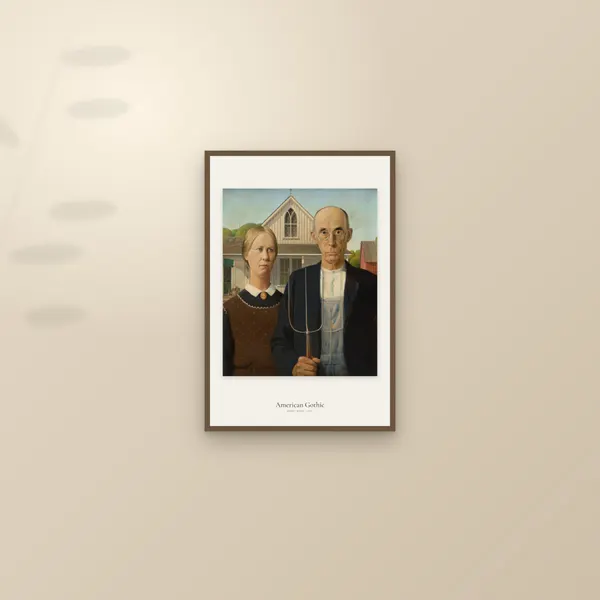
The farmer, his daughter and the pitchfork before their Gothic-window house; a dry, knowing piece for a kitchen or farmhouse hallway.
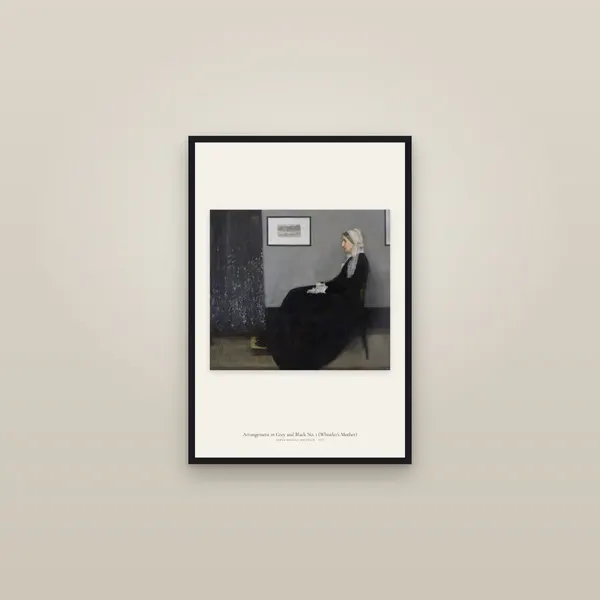
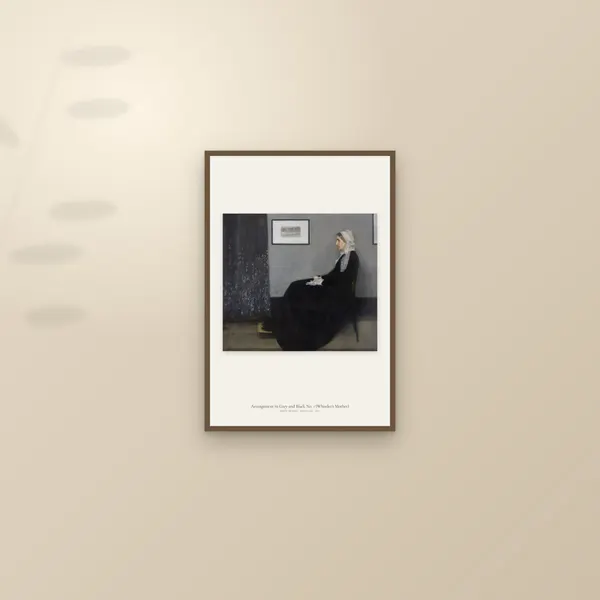
Whistler's mother in black against grey, quiet and spare; it suits a calm study or a neutral living room.
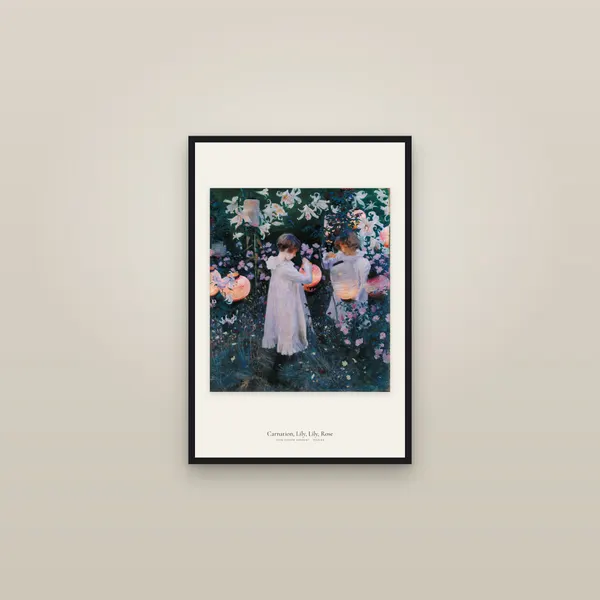

Two girls lighting paper lanterns among lilies at dusk; a gentle, glowing piece for a bedroom or a garden room.
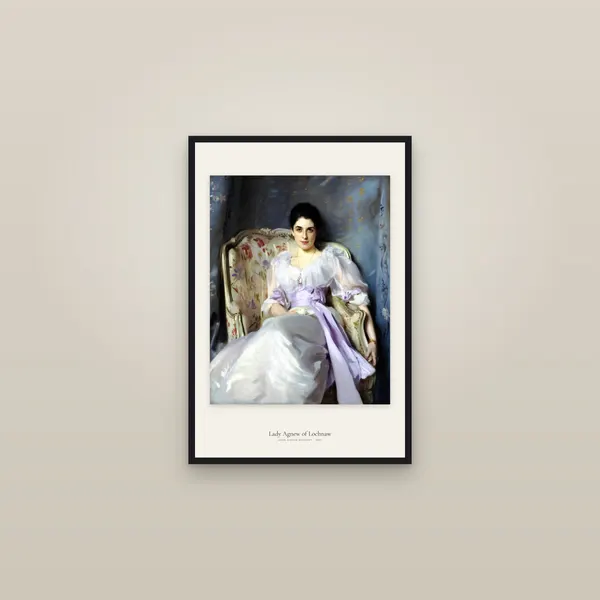

Lady Agnew in white and lavender, meeting your eye from a chintz chair; for a dressing room, a bedroom or above a console.
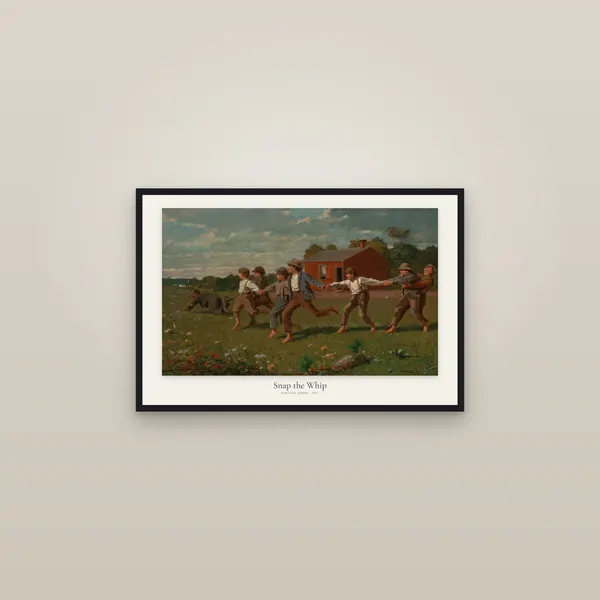
Barefoot boys running hand in hand past a red schoolhouse; suits a family room, a classroom or a teacher's office.
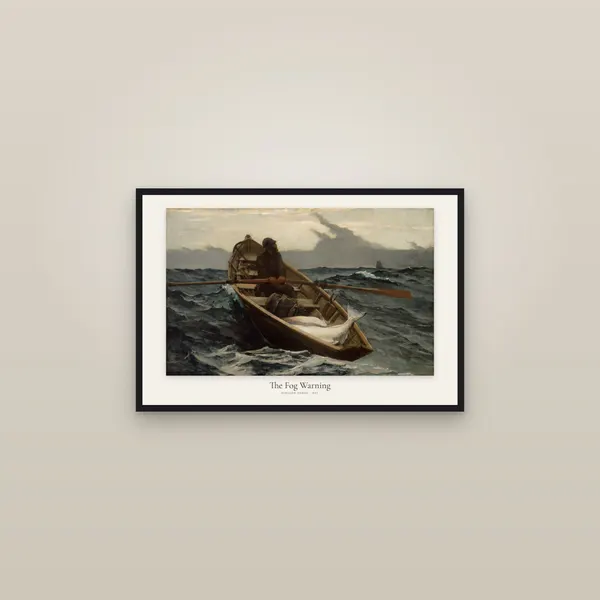
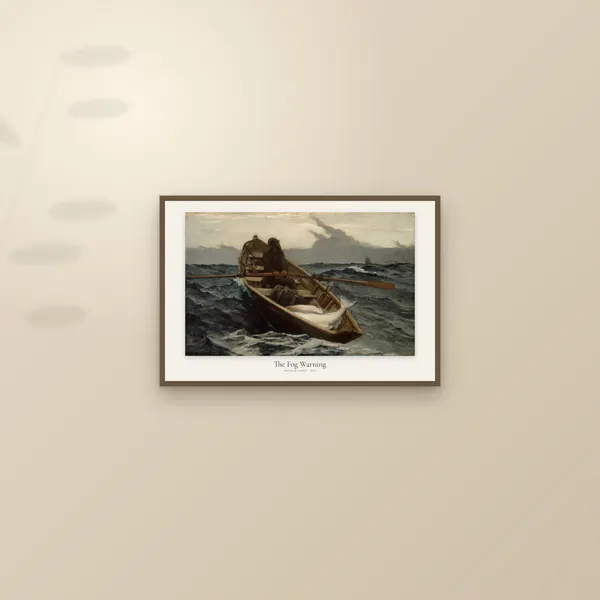
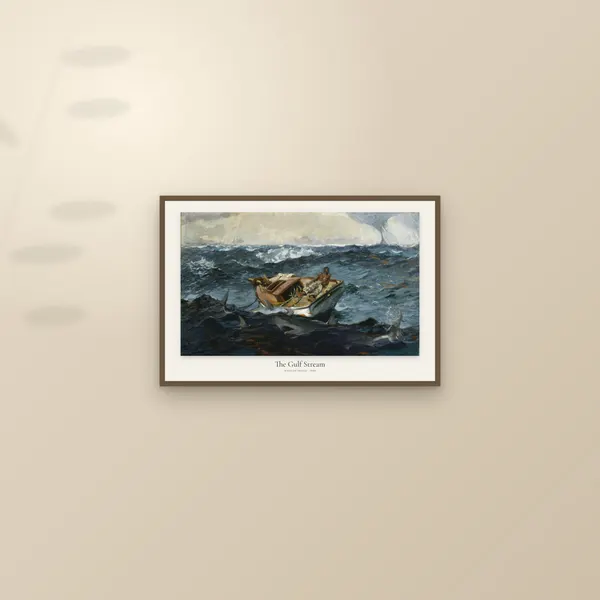
A lone fisherman rowing home under a darkening sky, grey-green and tense; for a study, a den or a coastal house.

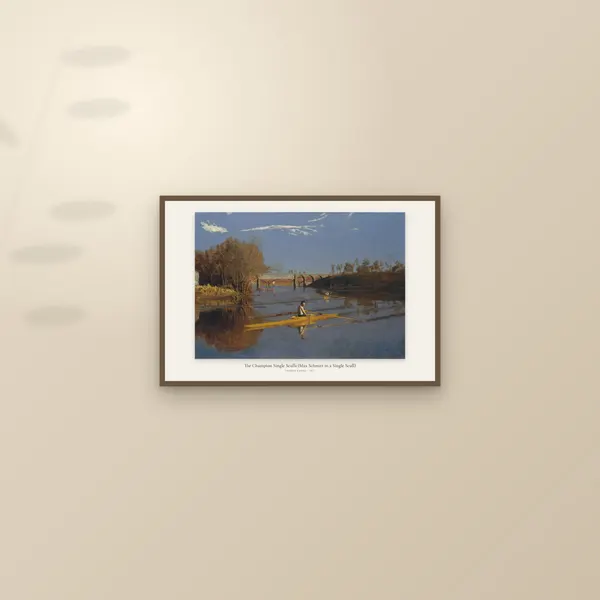
A rower resting on a still autumn river under blue sky; for a rower's study, an office or a quiet hallway.
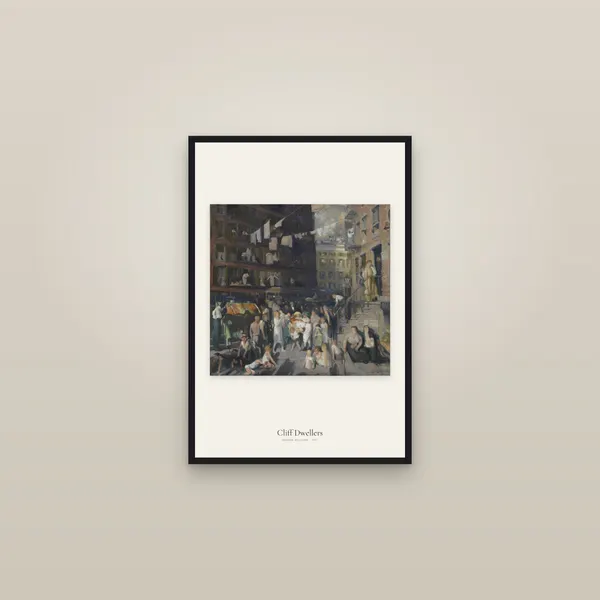
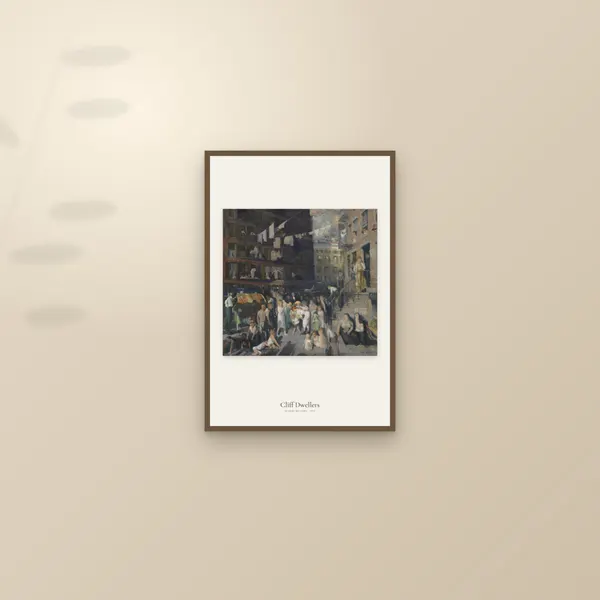
Bellows's crowded Lower East Side street in summer heat, washing lines overhead; for a city apartment, an office or a hallway.
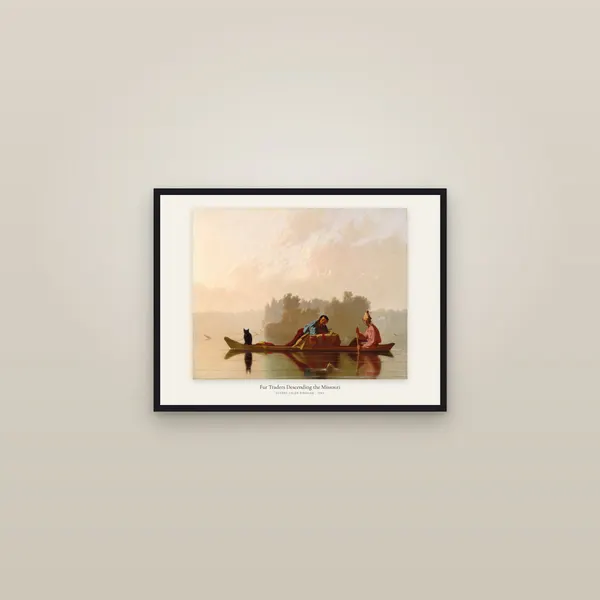
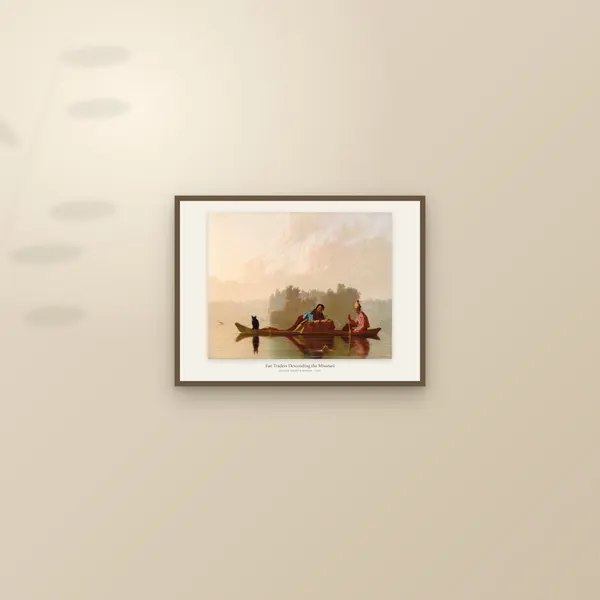
A trader and his son gliding downriver in golden haze, a fox on the bow; for a living room or a cabin wall.
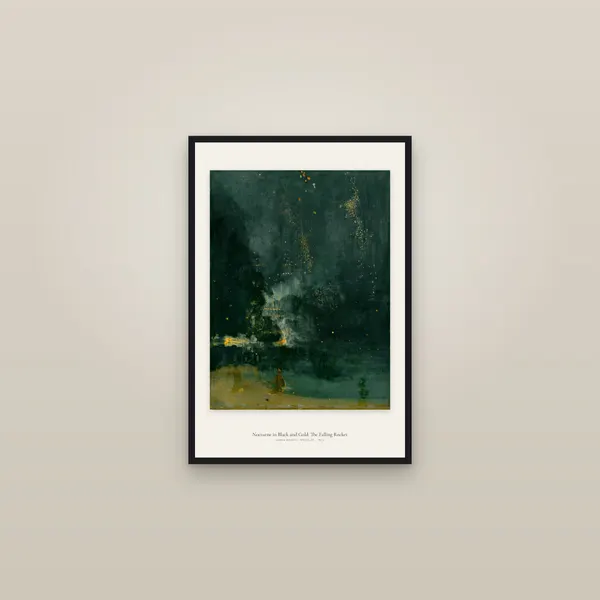
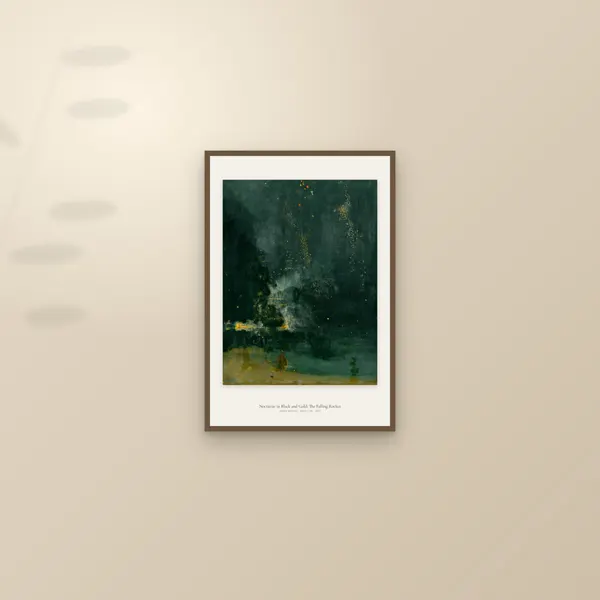
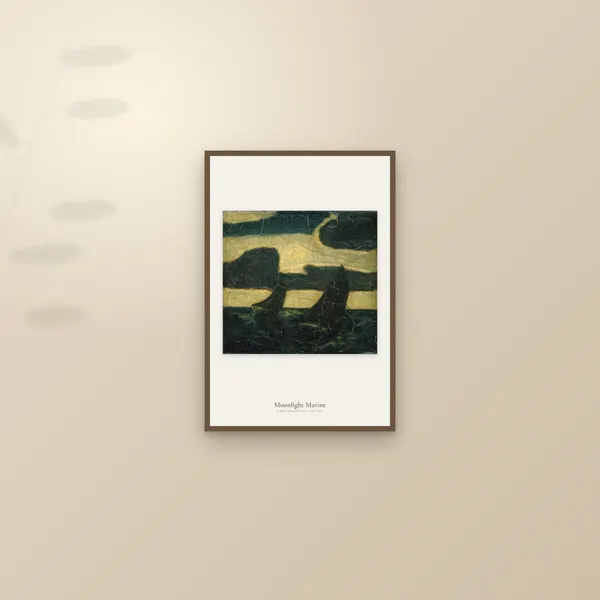
Fireworks dissolving in near-black and gold; for a dark-walled living room or beside other moody, almost abstract work.
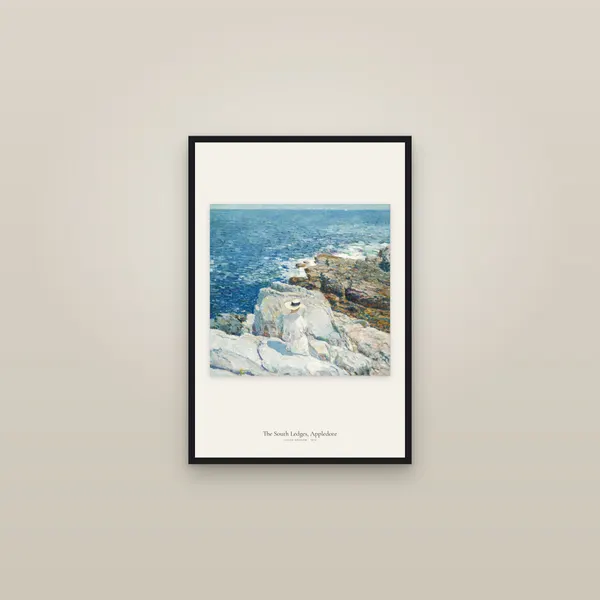
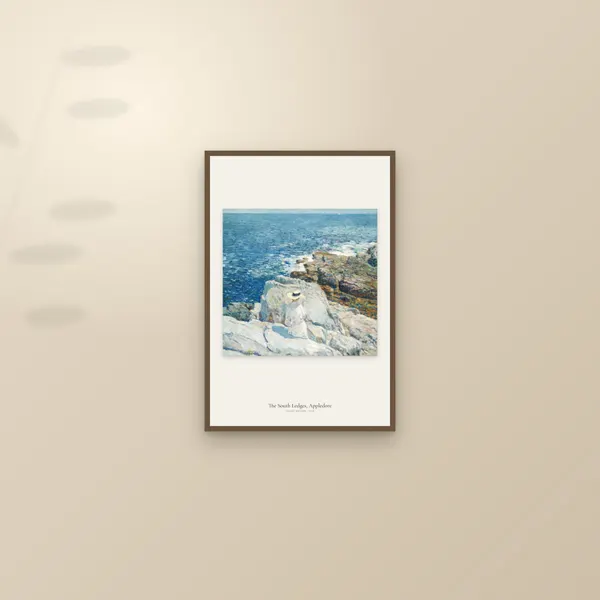
White rocks and a deep blue sea in broken, sunny brushwork; for a coastal house, a bathroom or a bright hallway.
All 246 prints
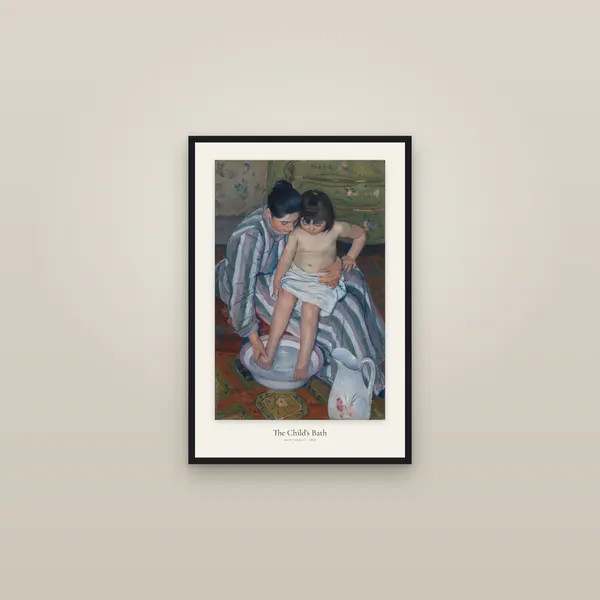




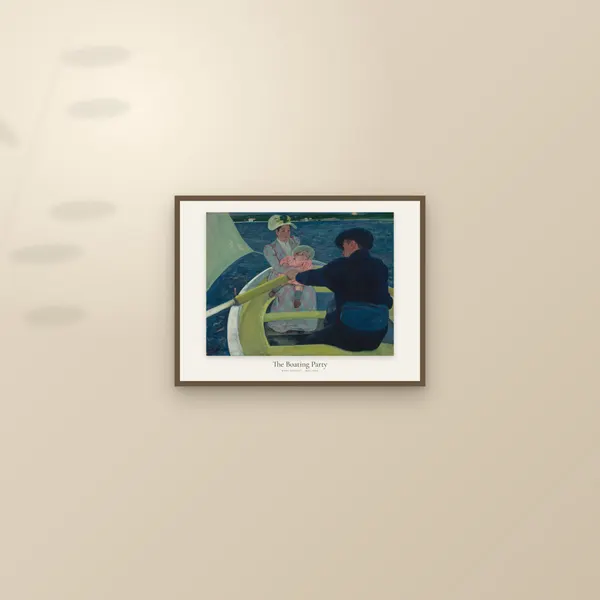


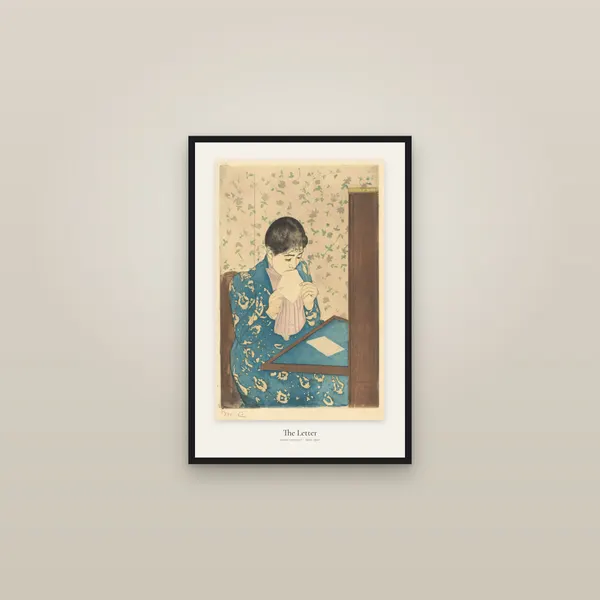
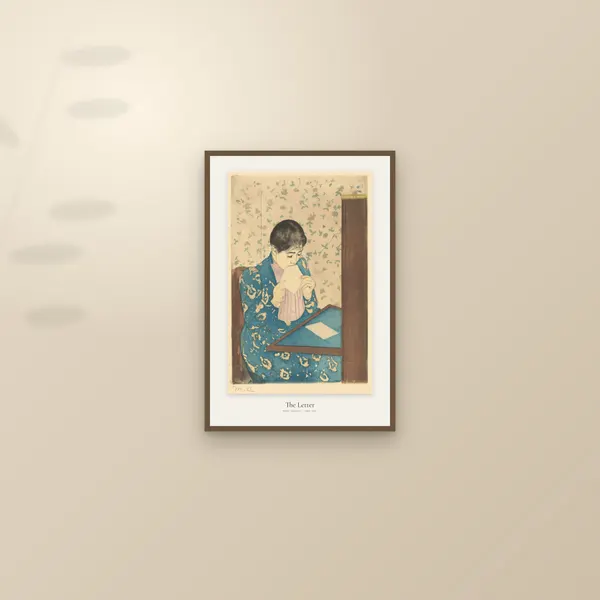


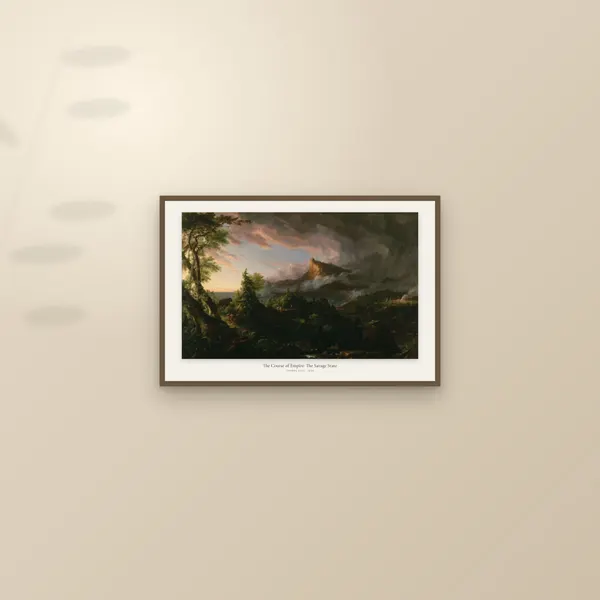
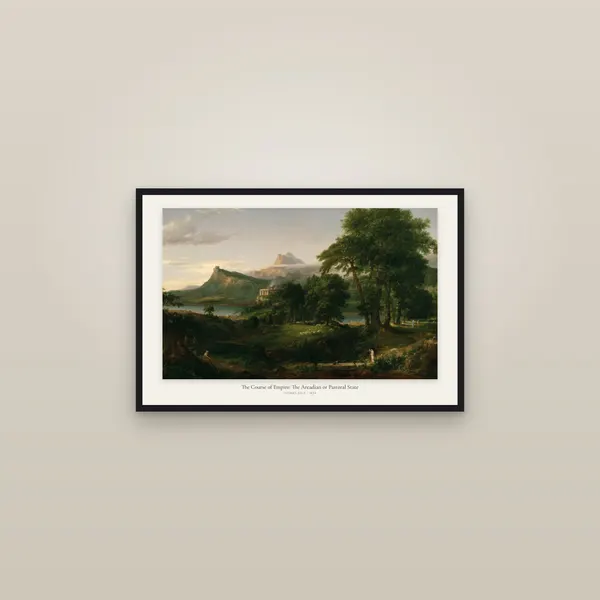

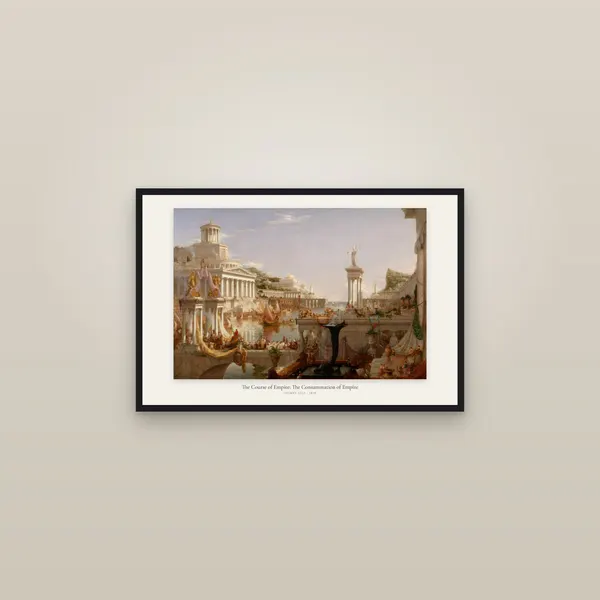
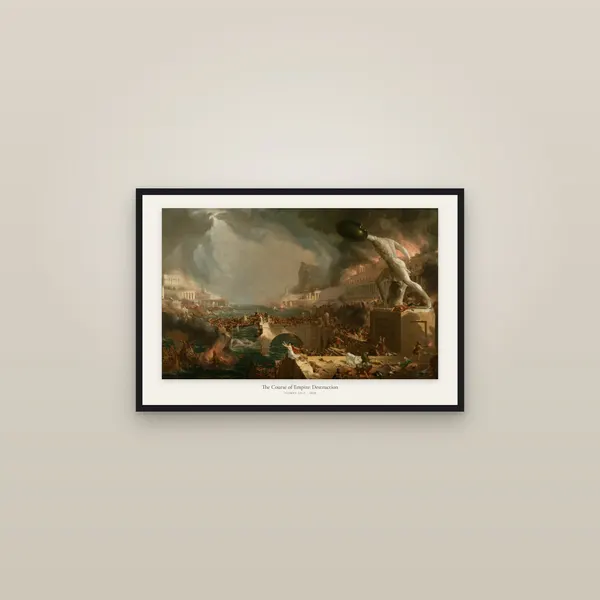
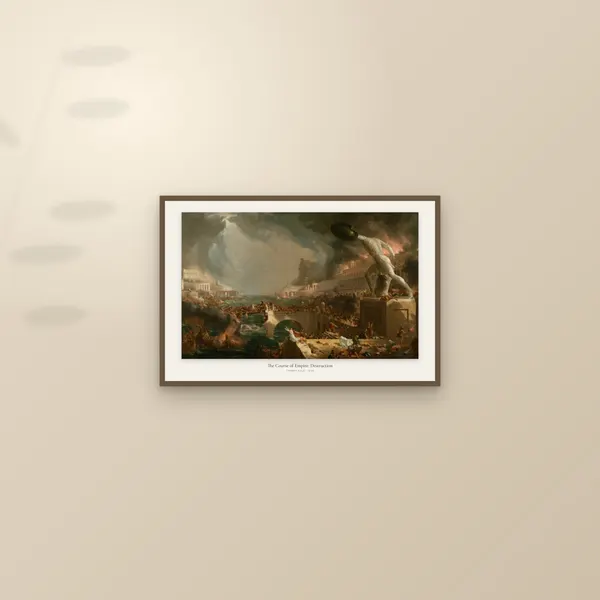
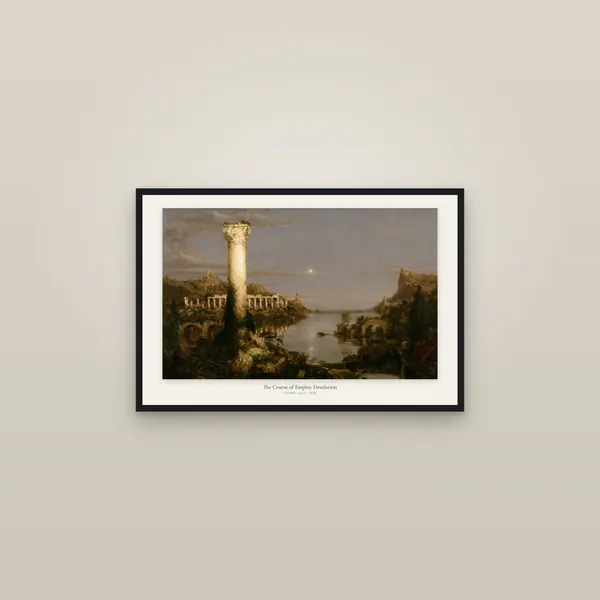
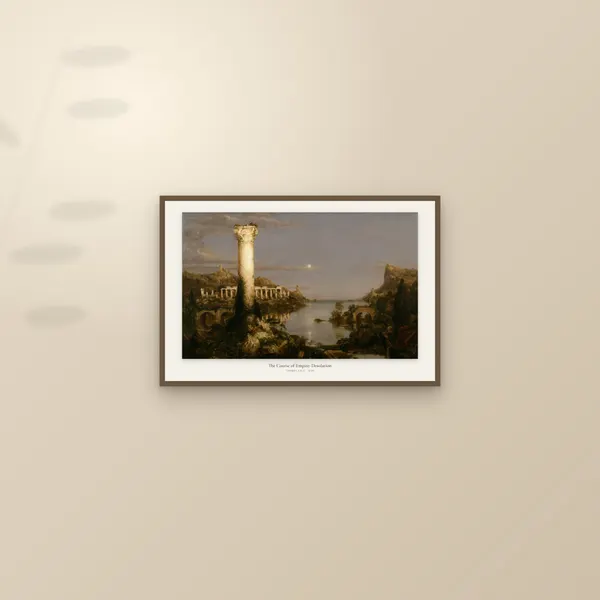


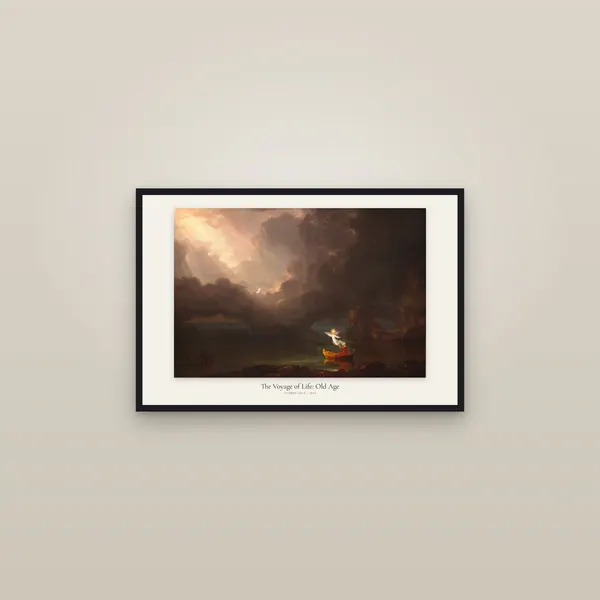

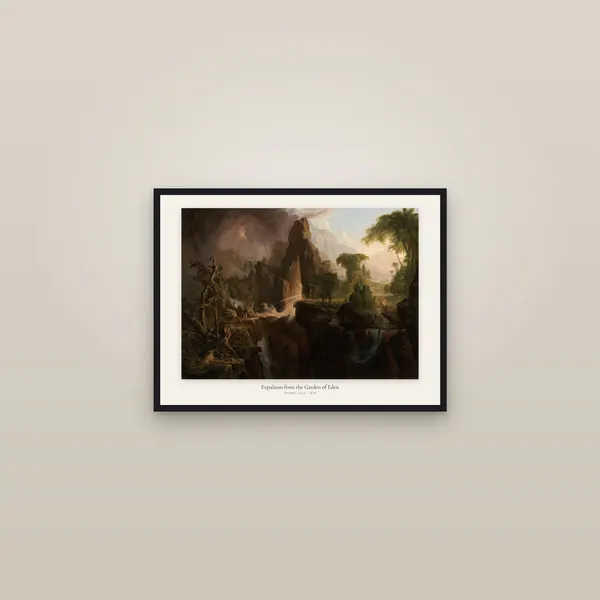
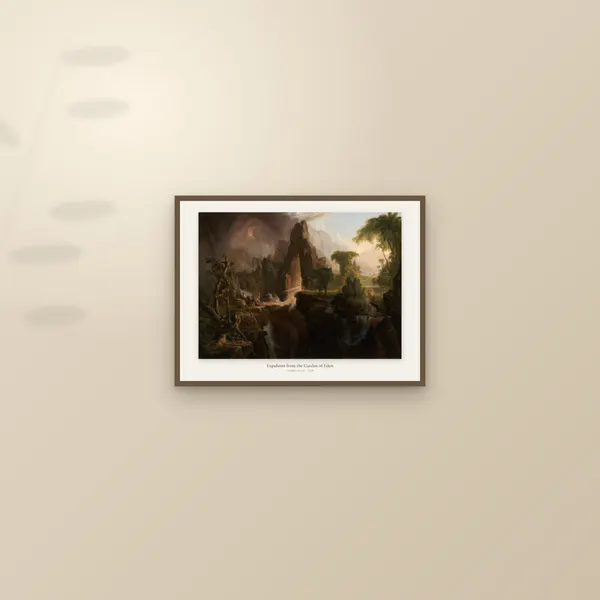
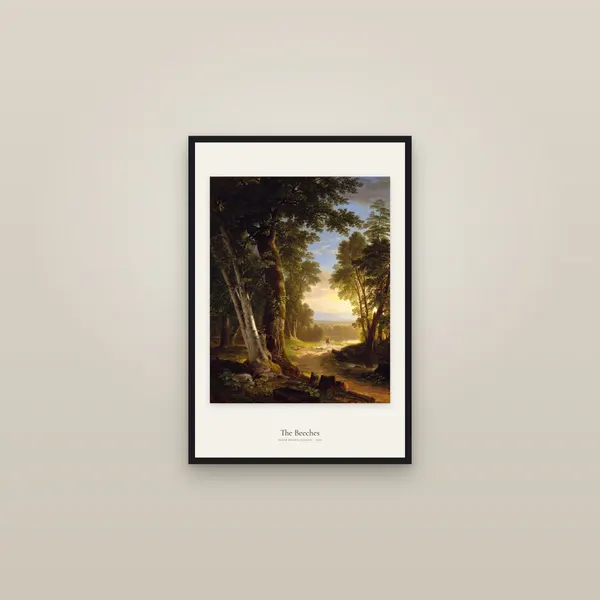


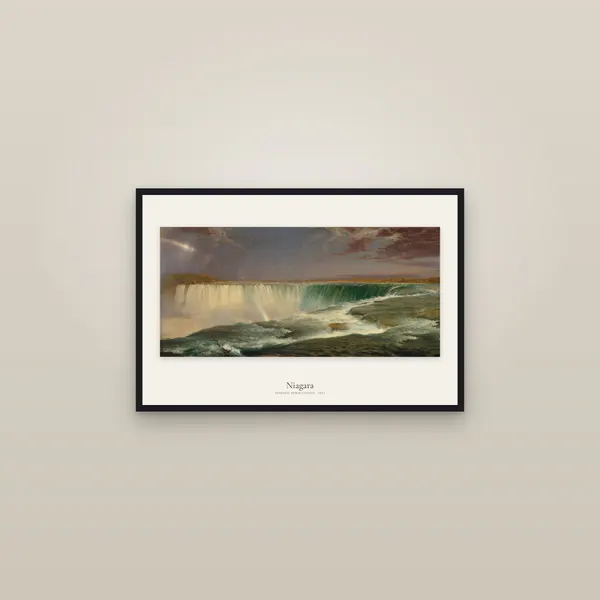
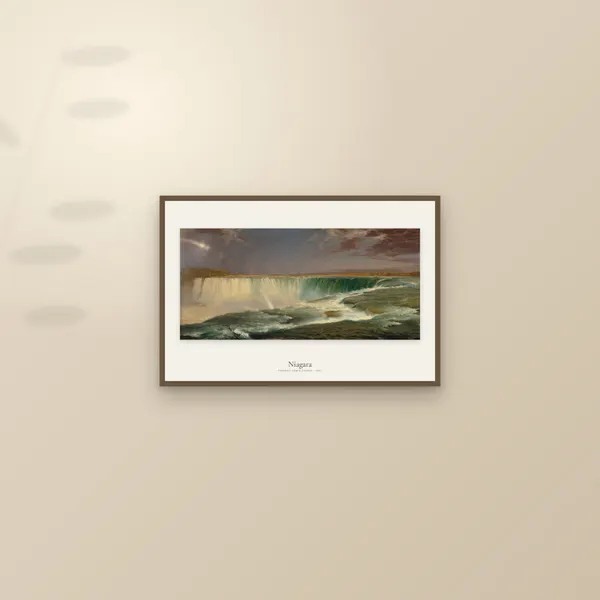
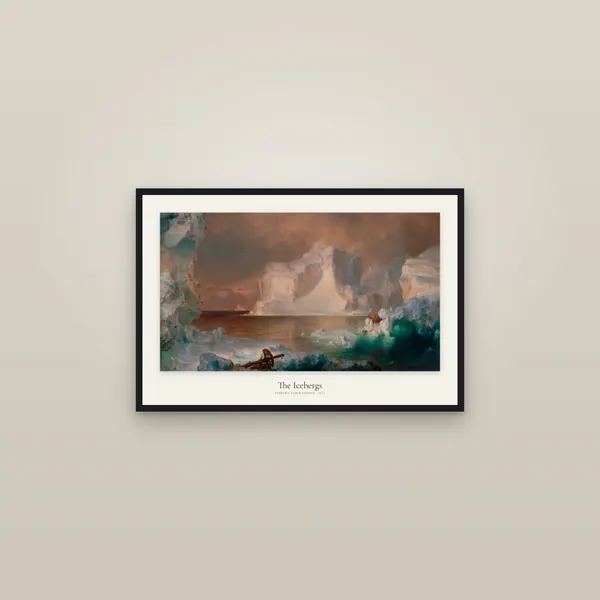
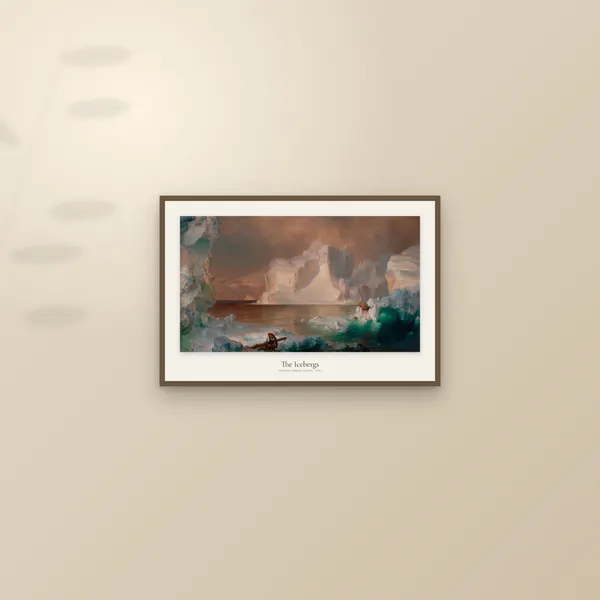
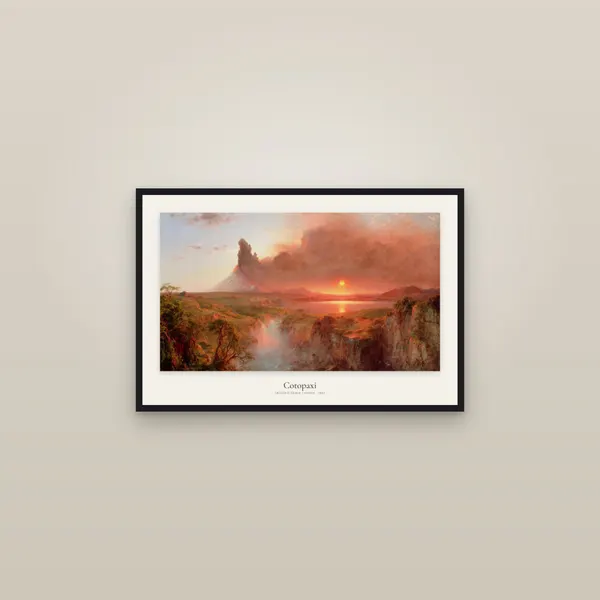
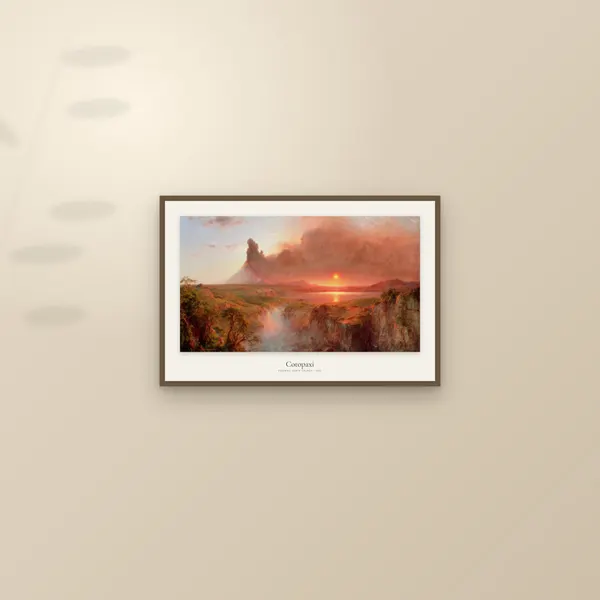
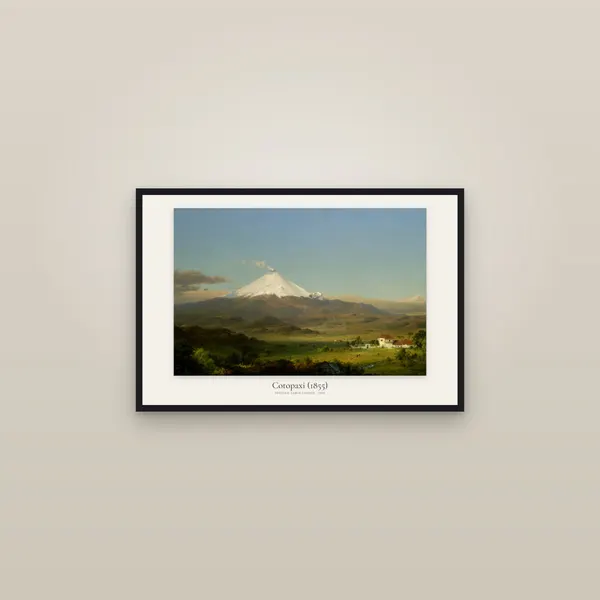
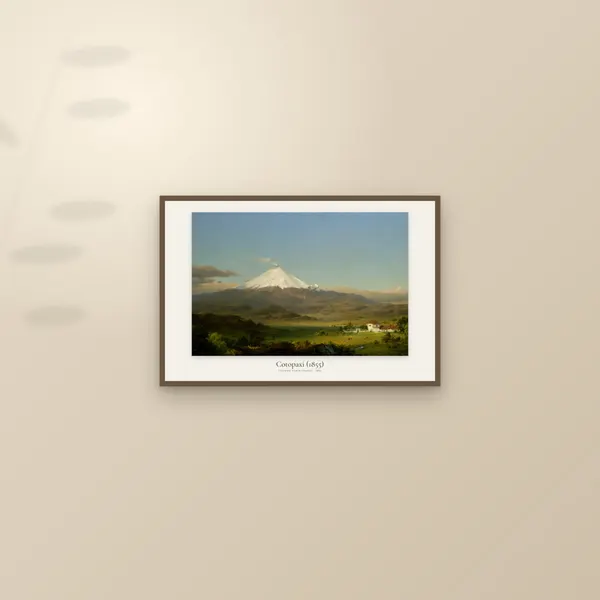
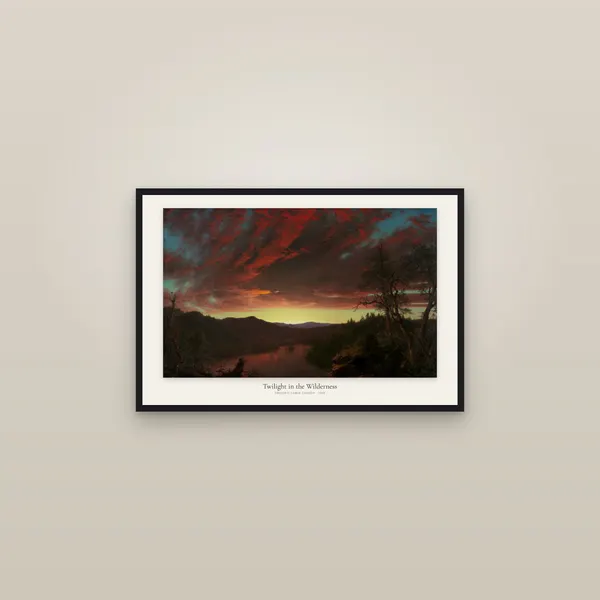
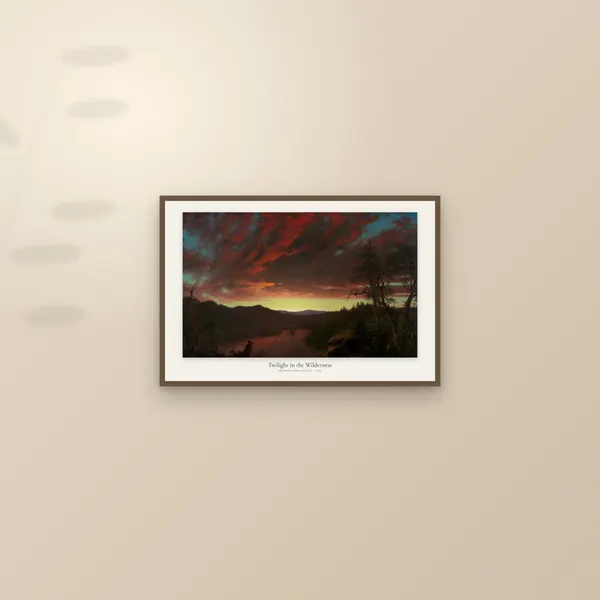
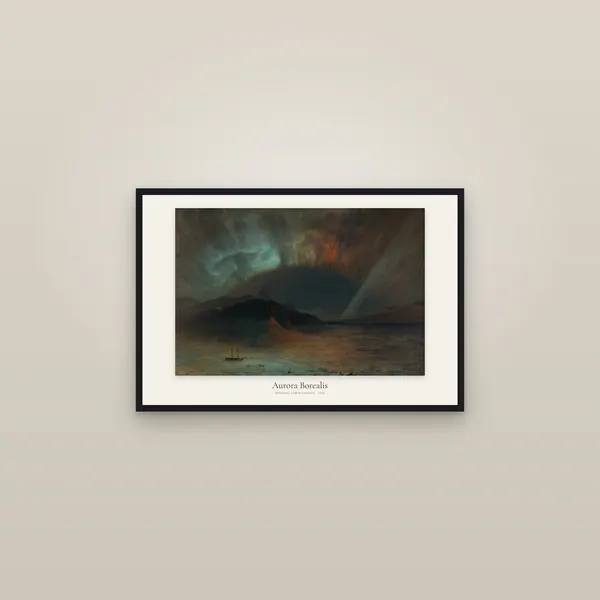
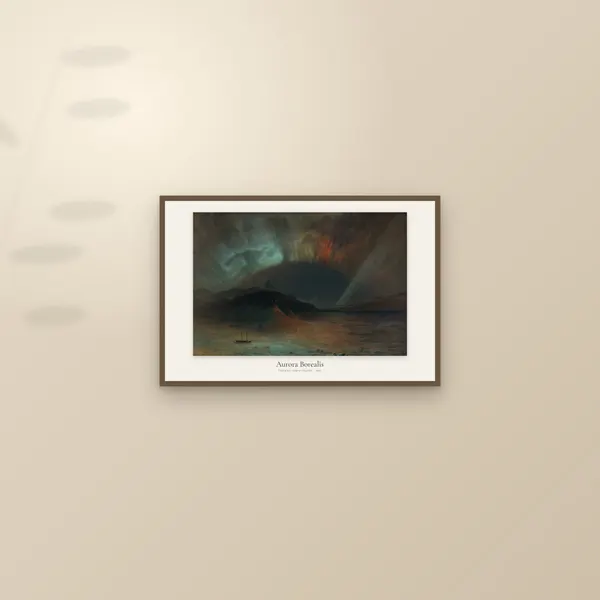


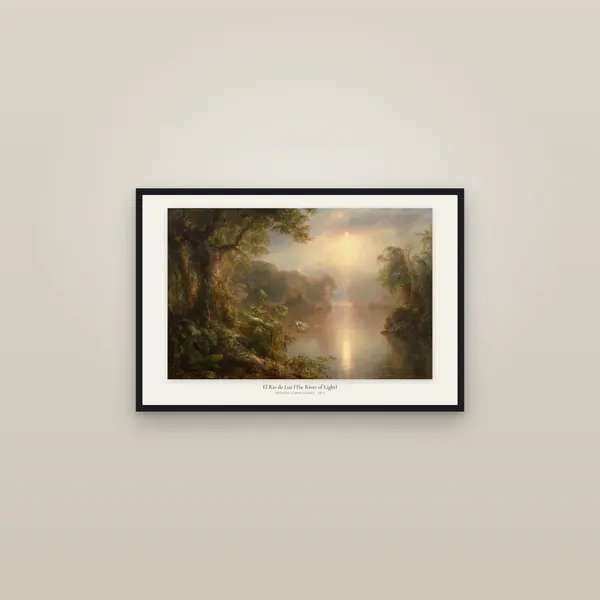
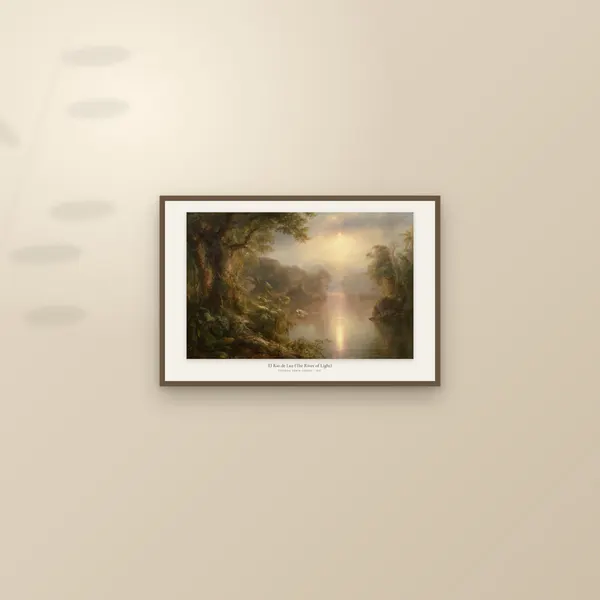
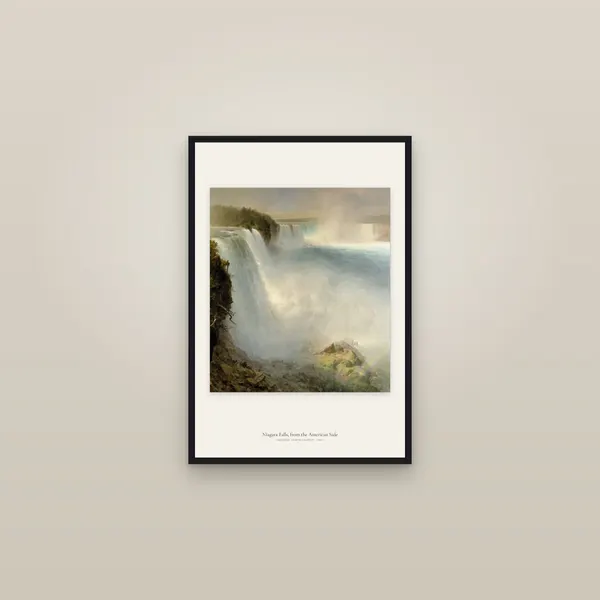
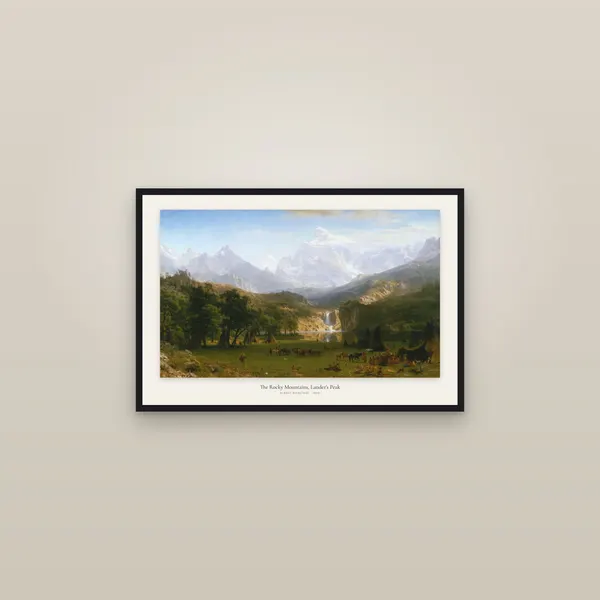

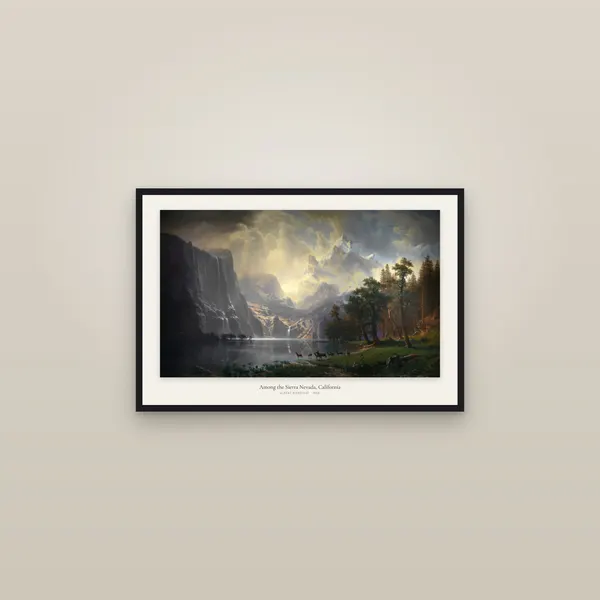

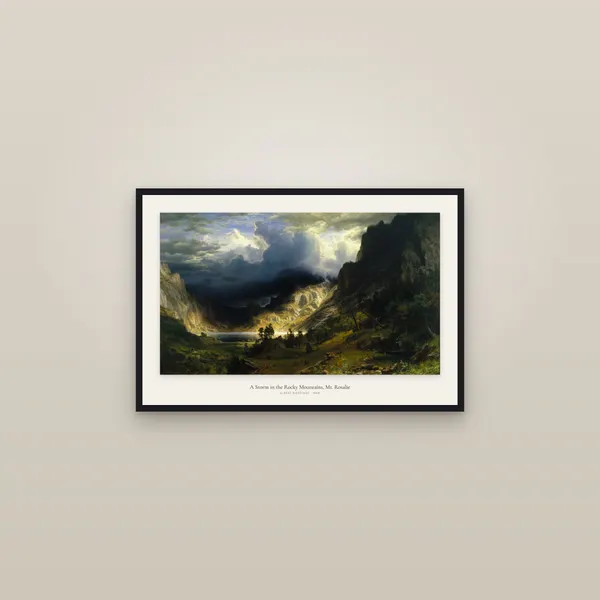
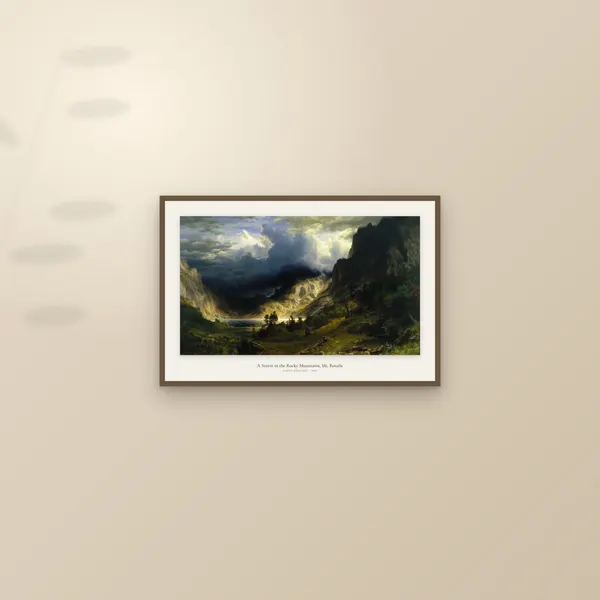

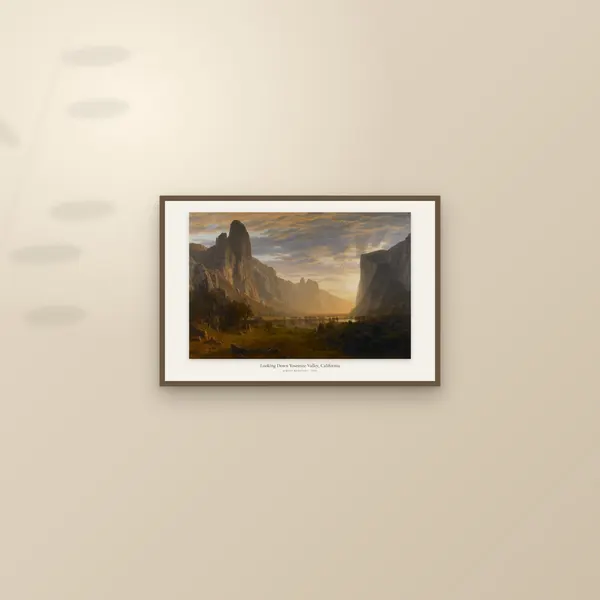
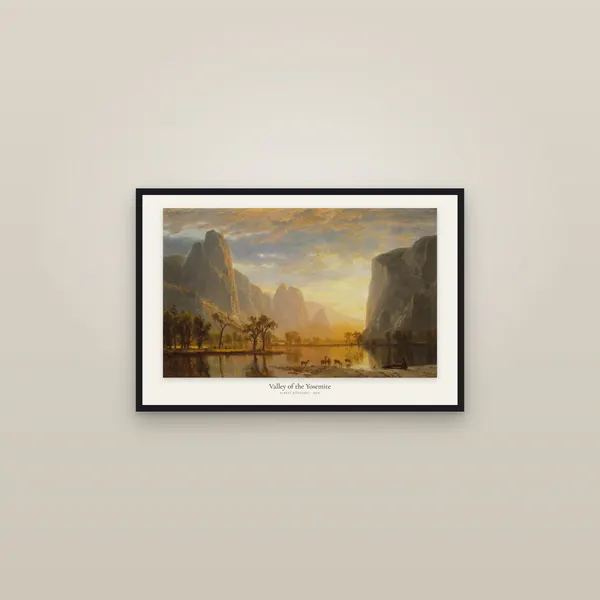

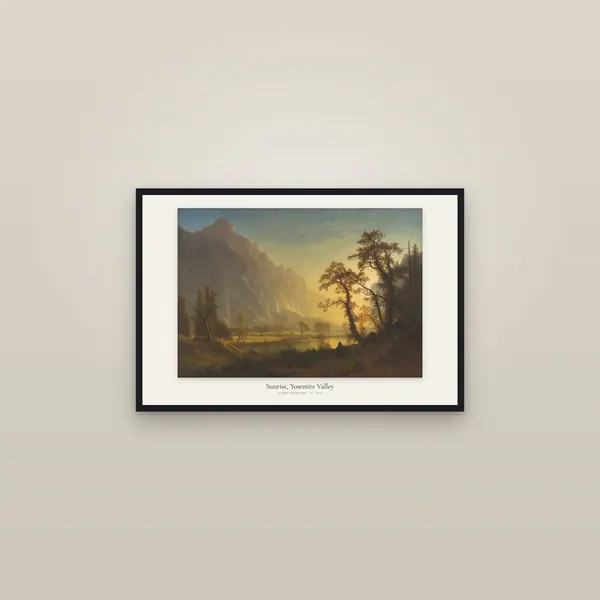
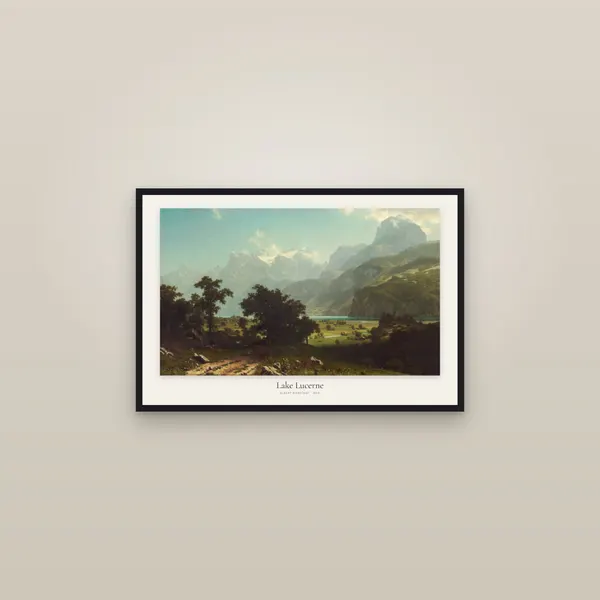
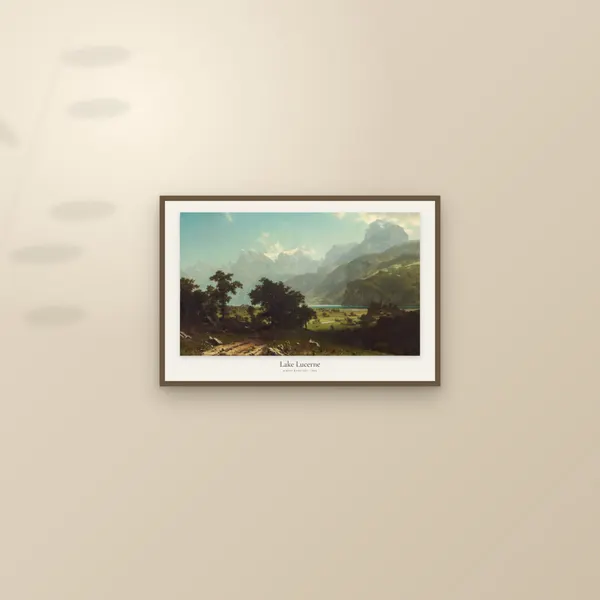


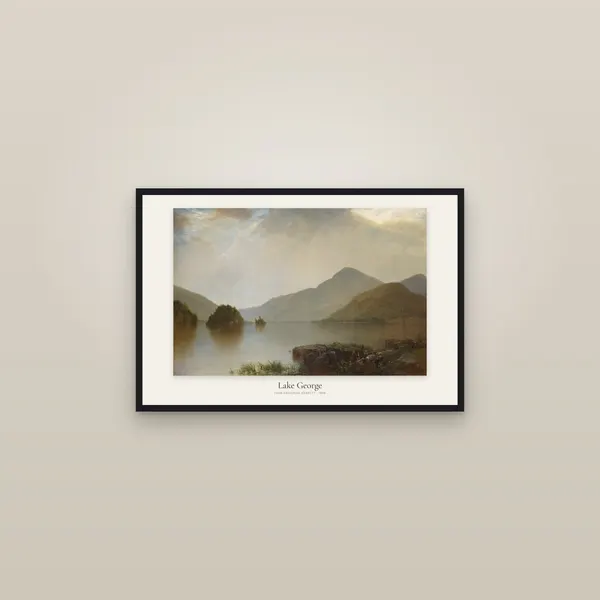
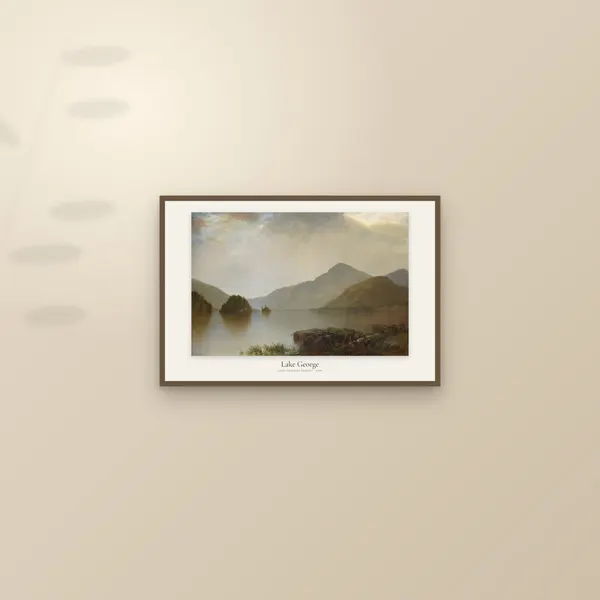
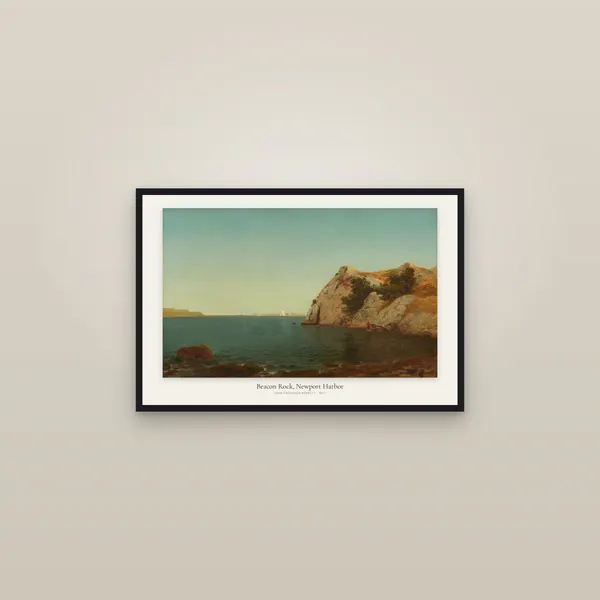

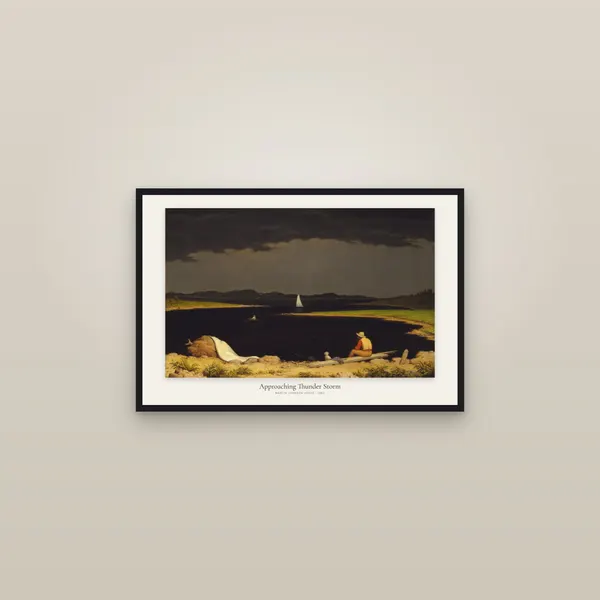
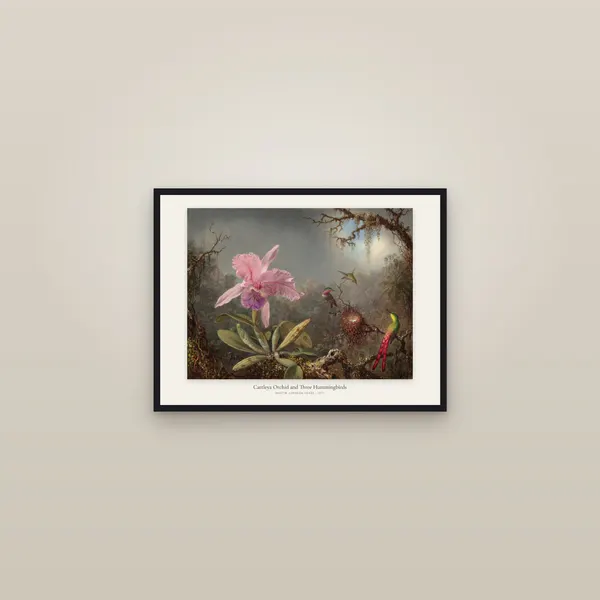


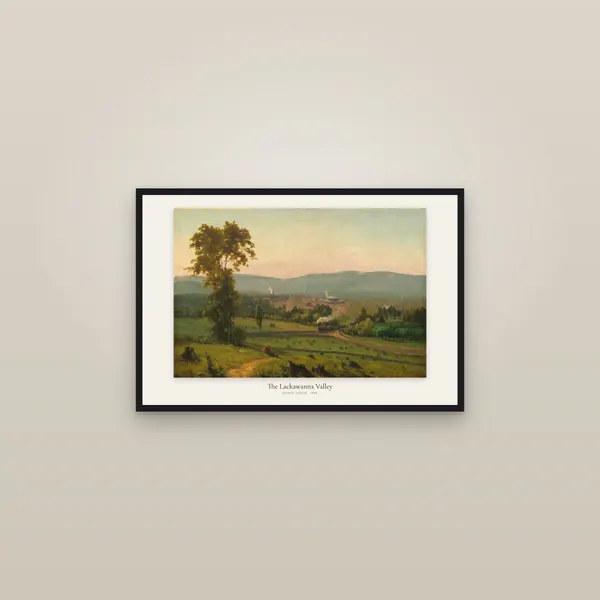


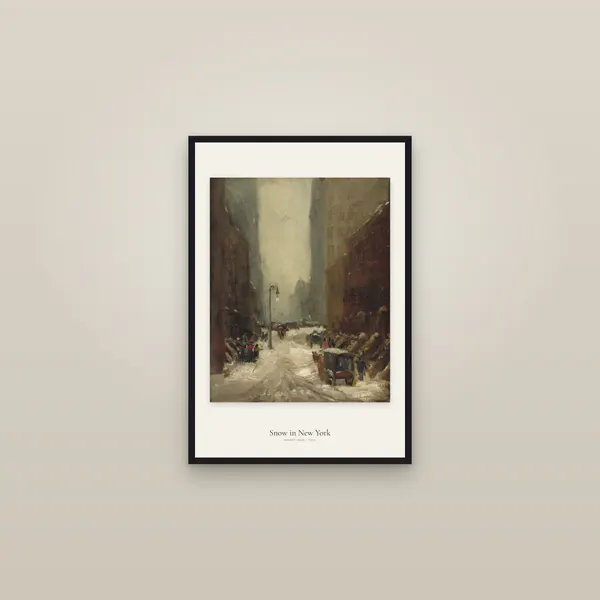
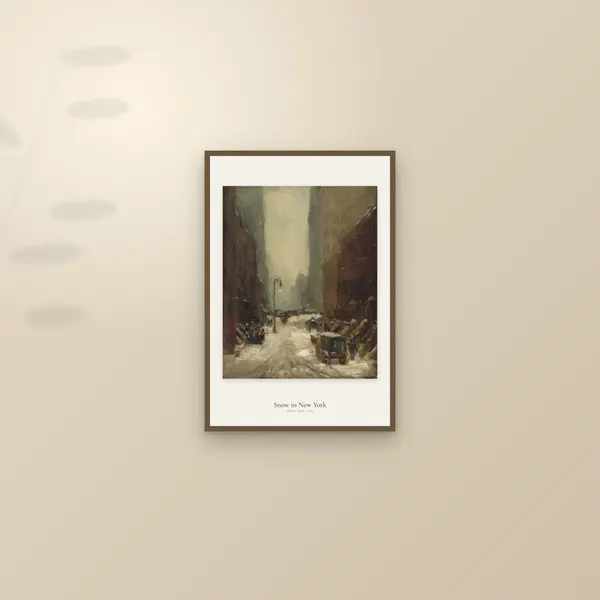

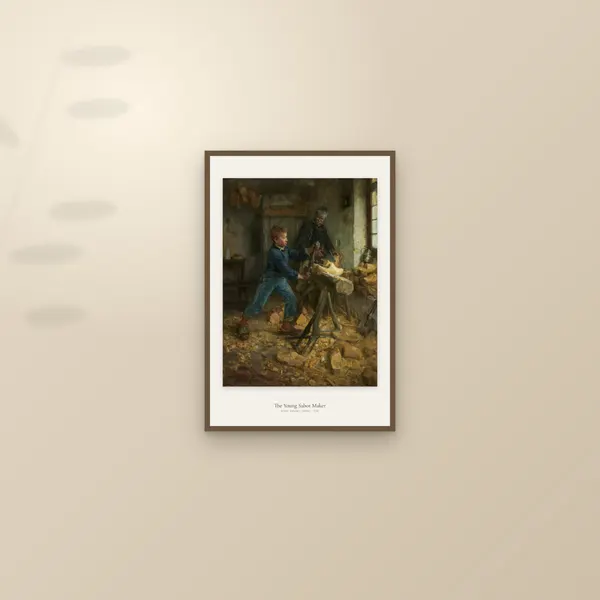
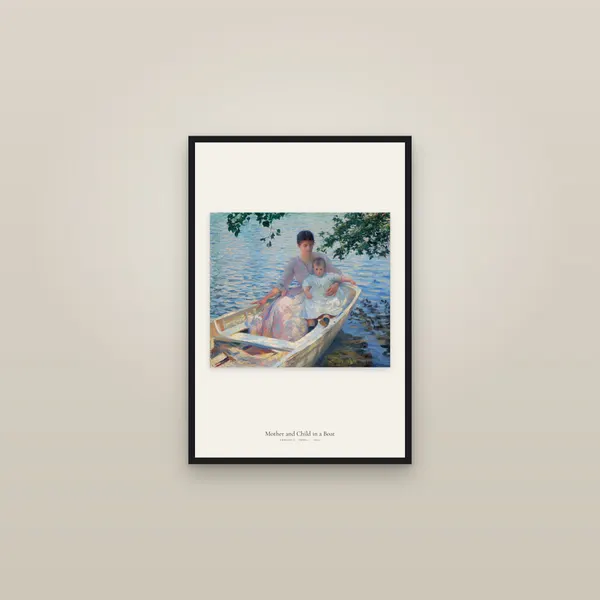
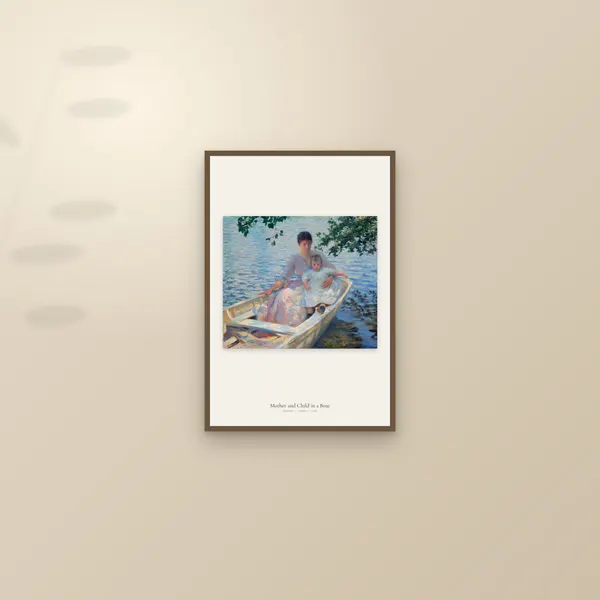
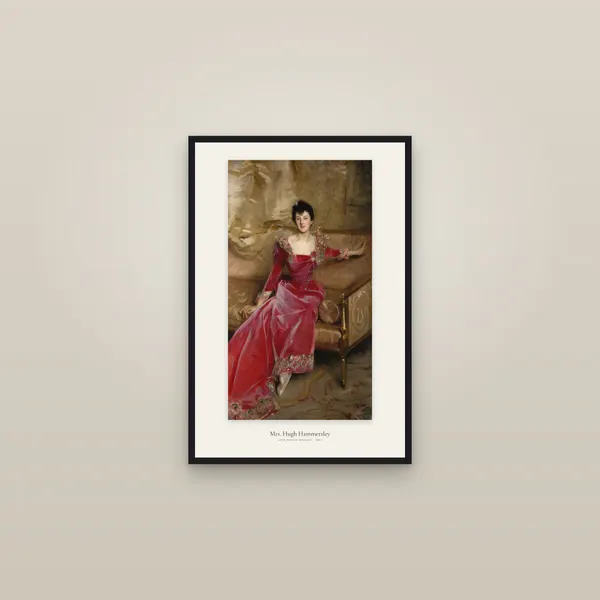
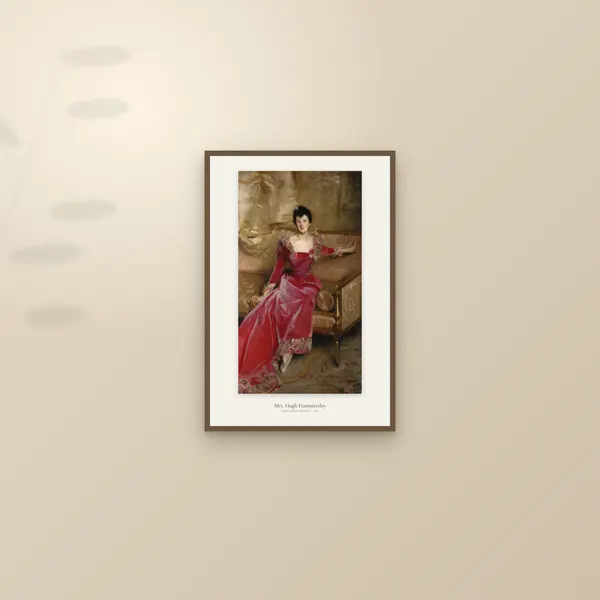


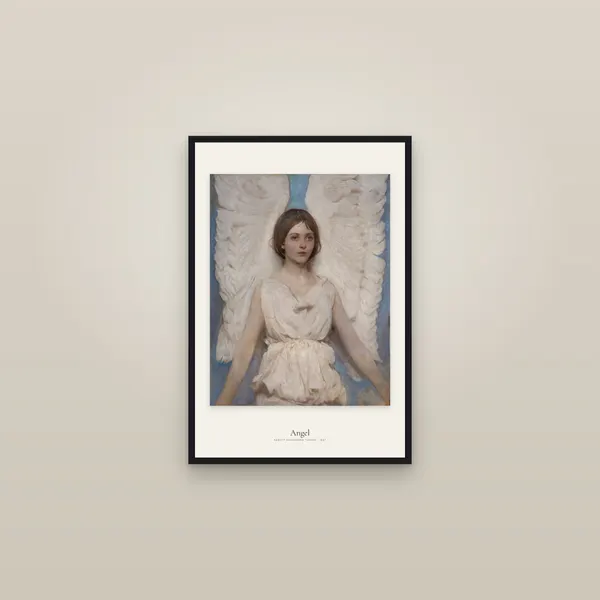

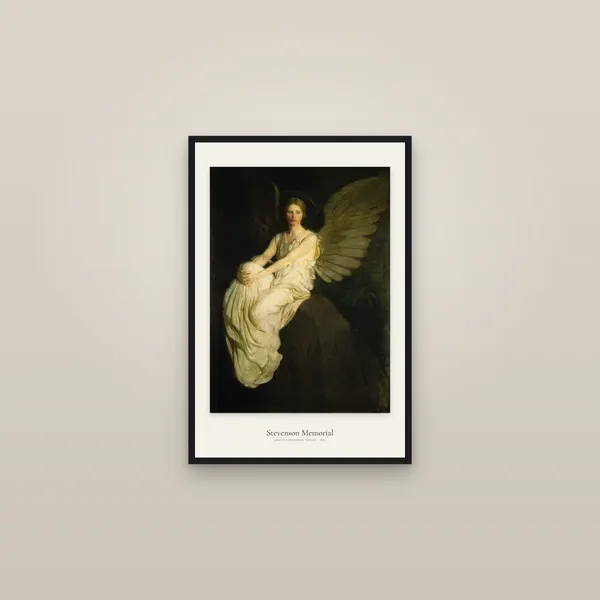
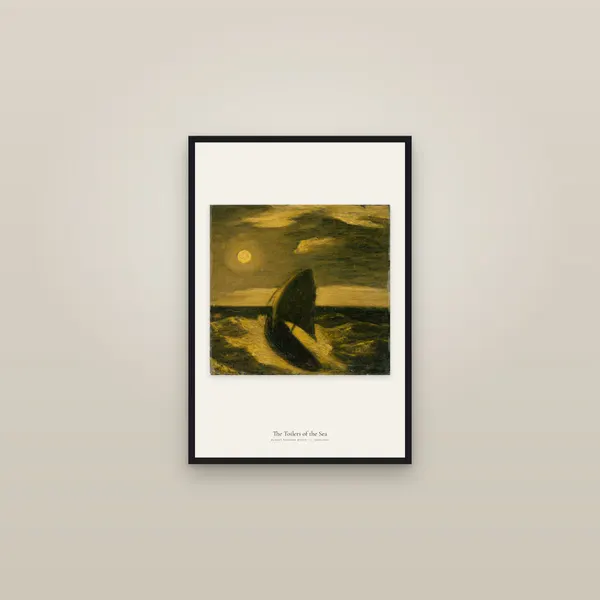


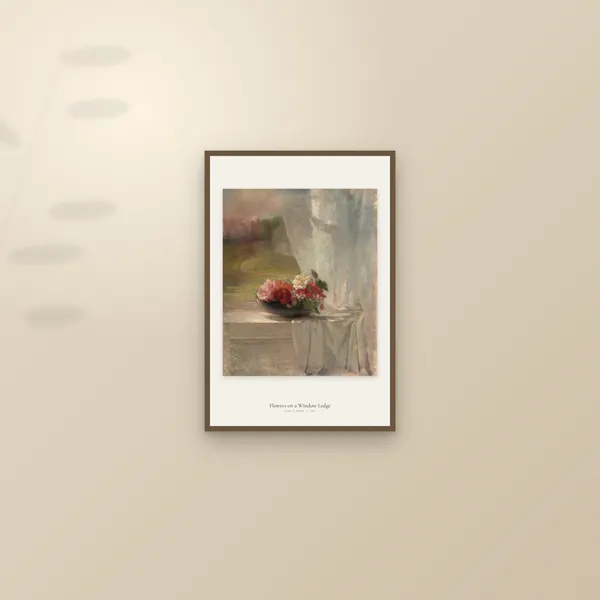

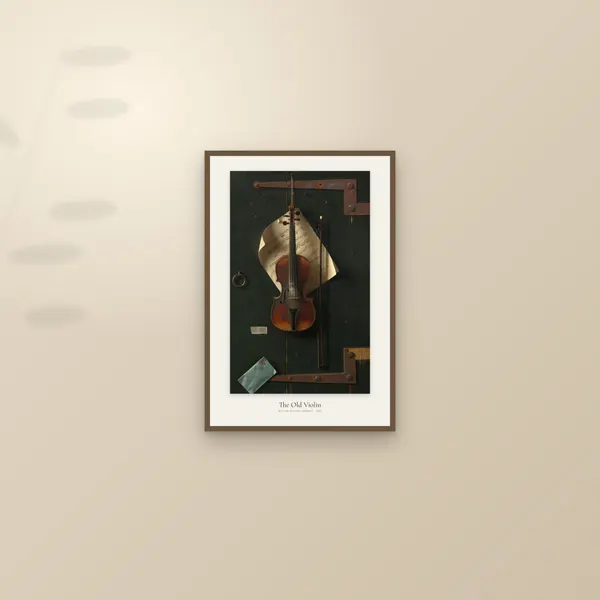
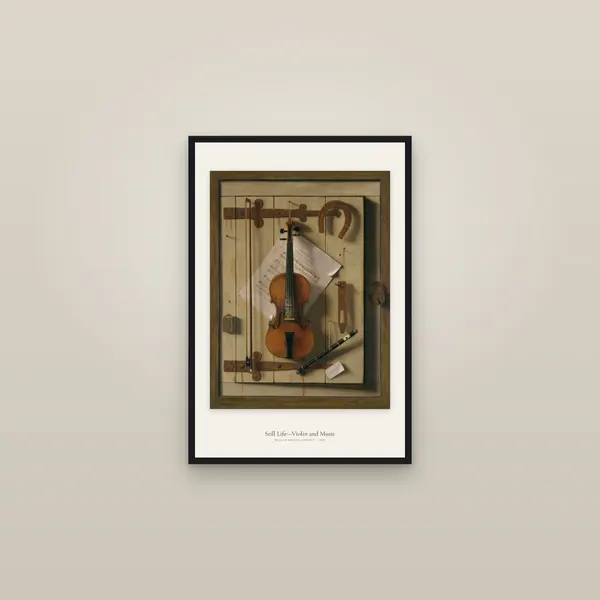
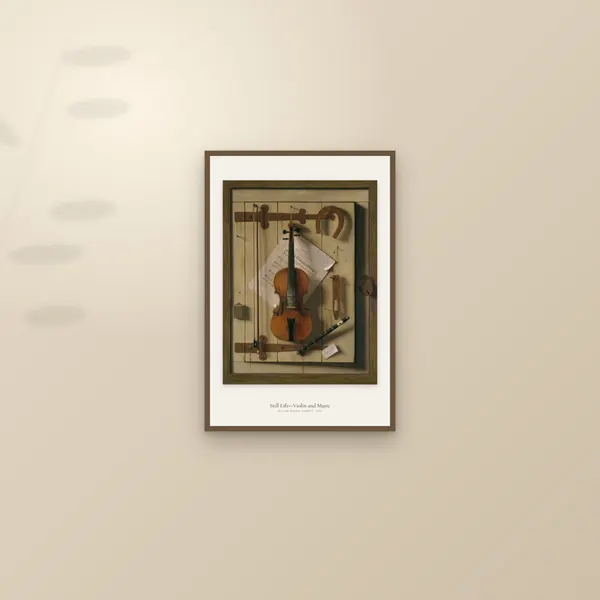


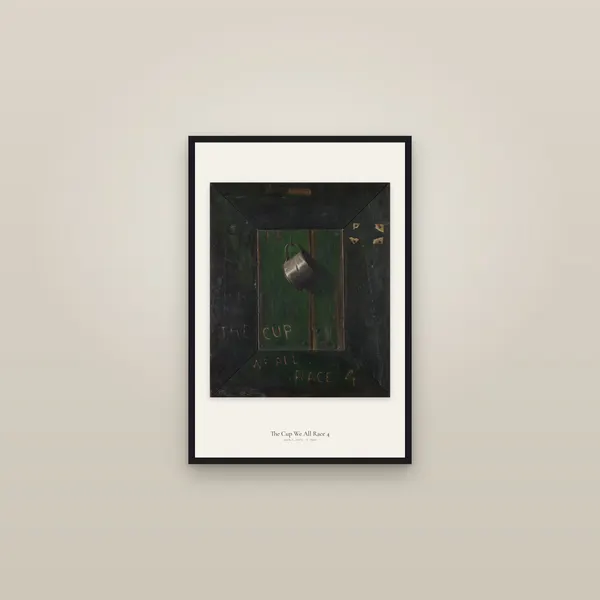
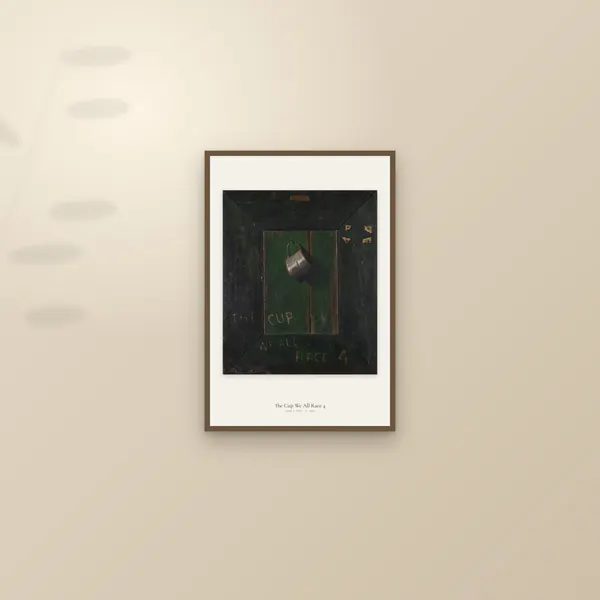
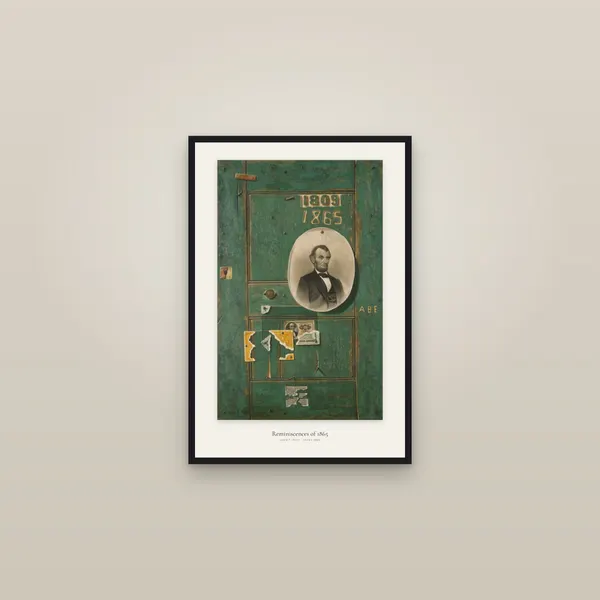
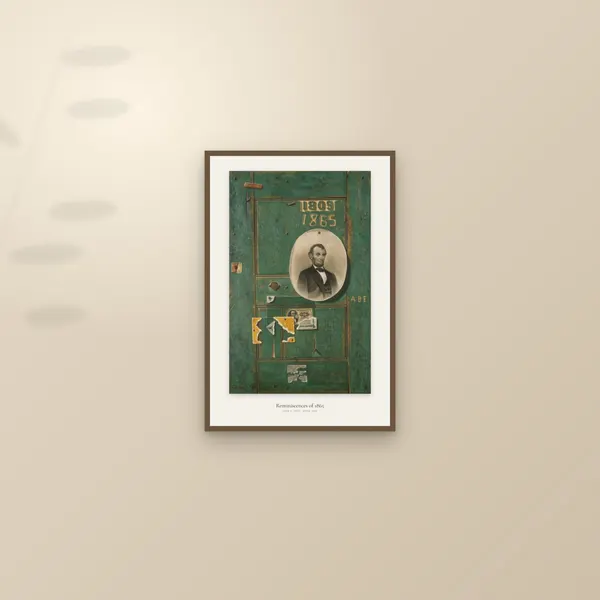

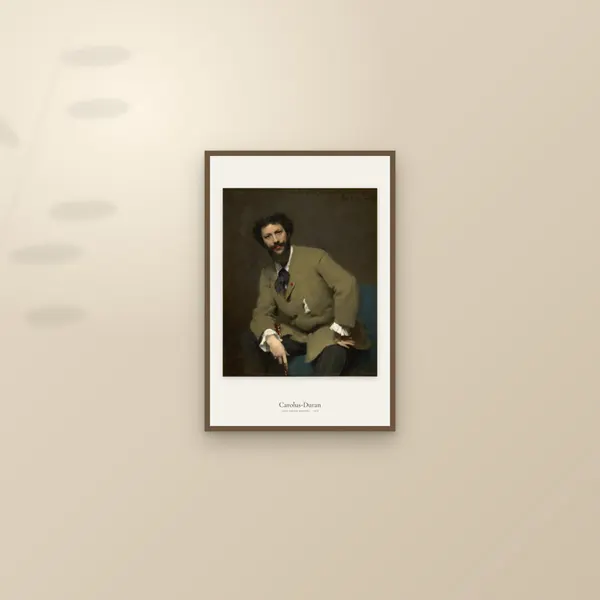
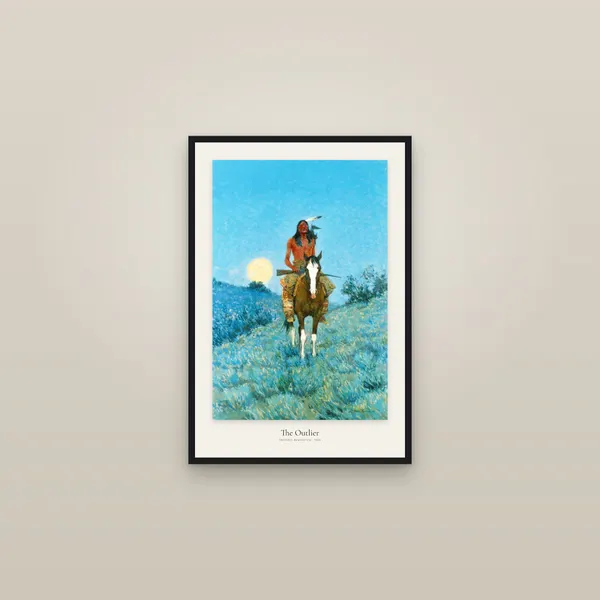
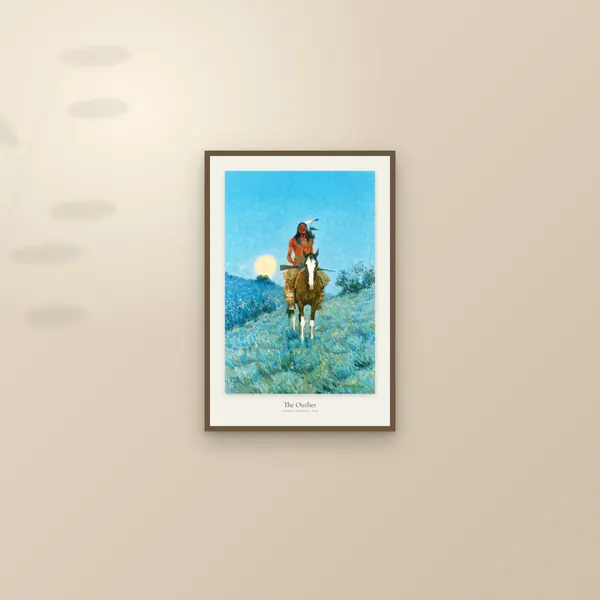


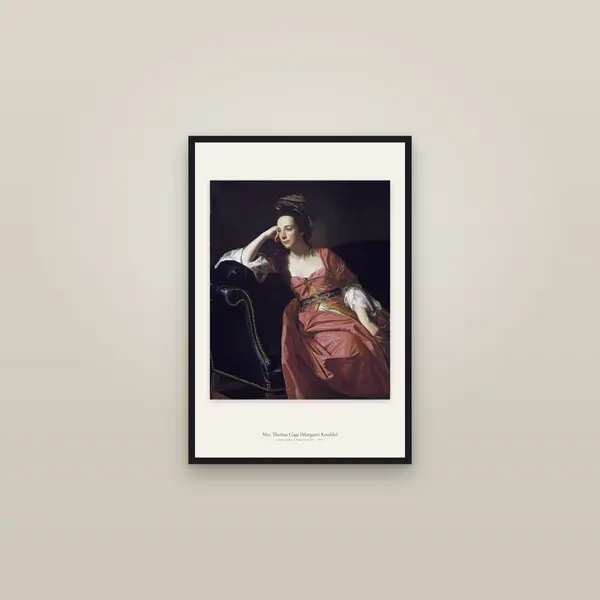
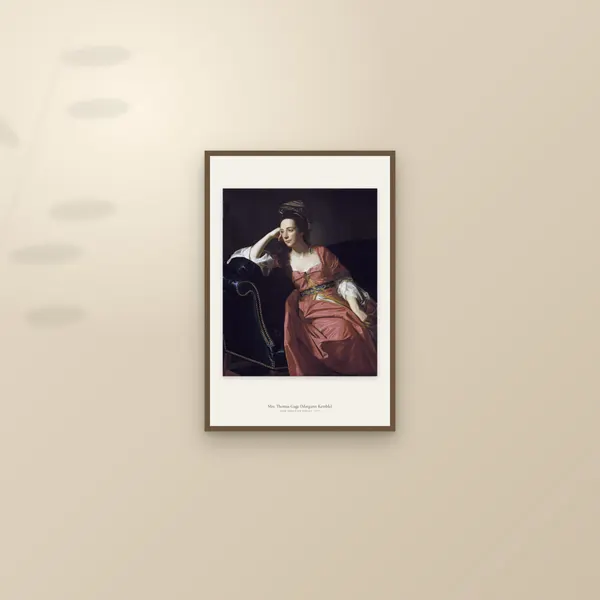
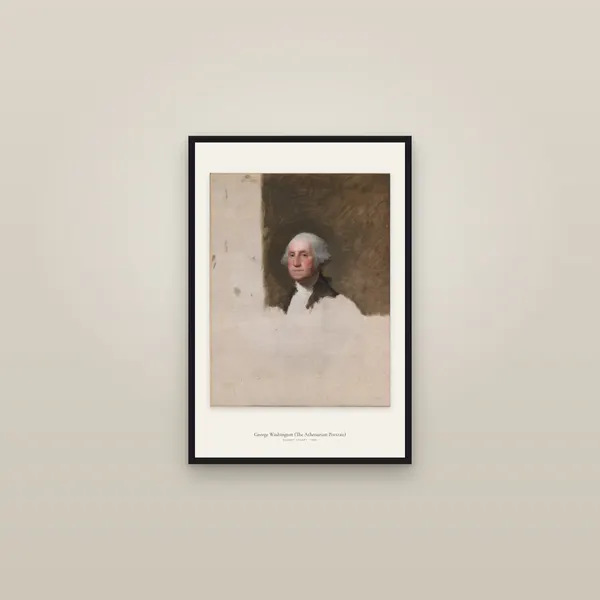
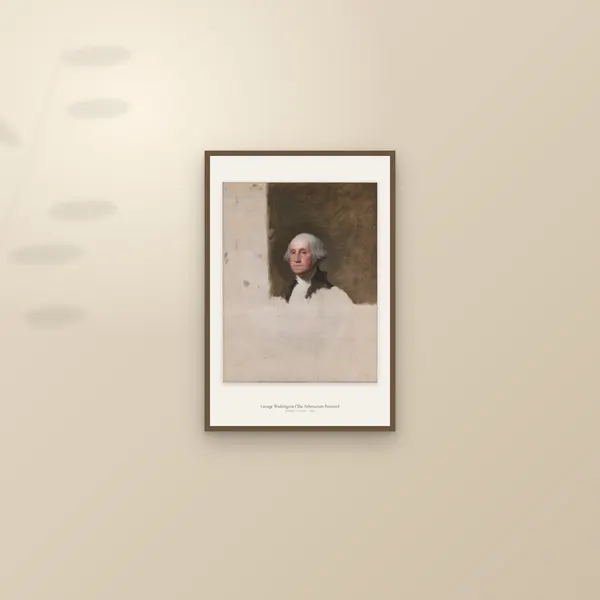


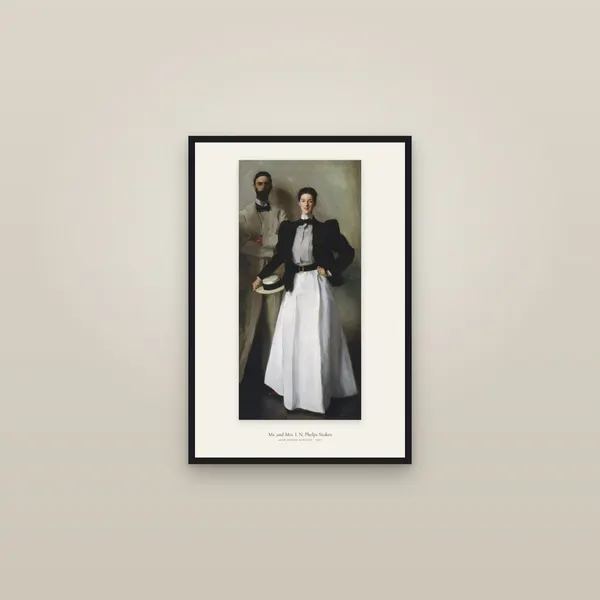


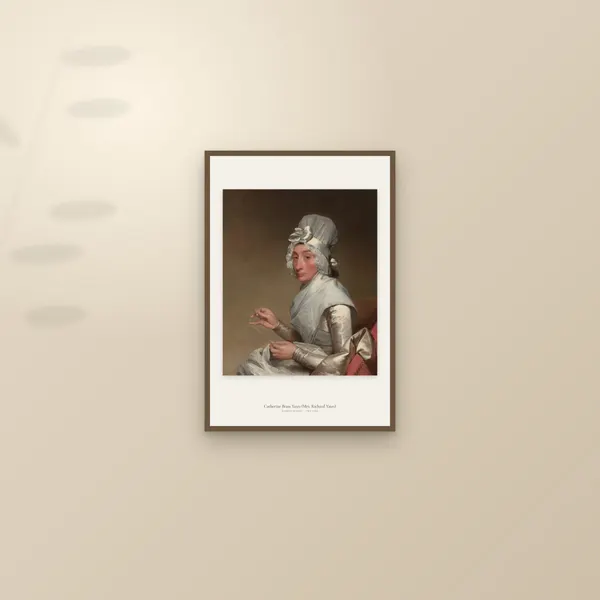
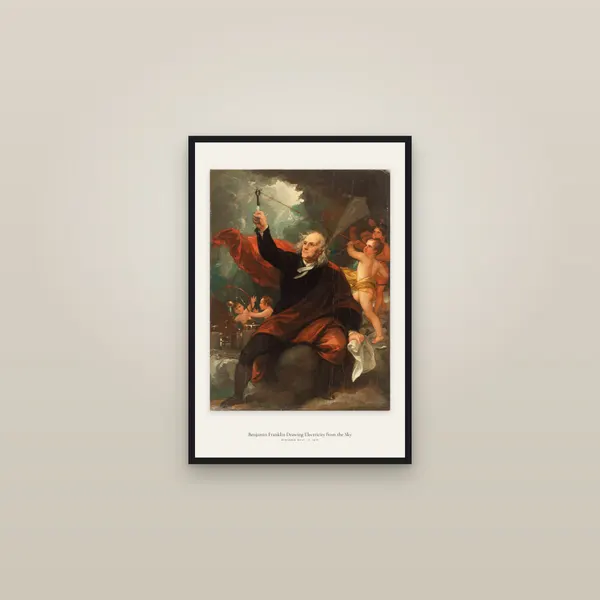
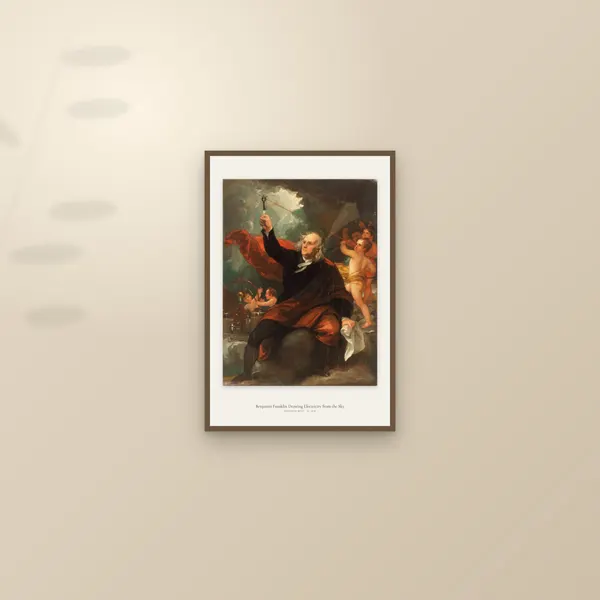
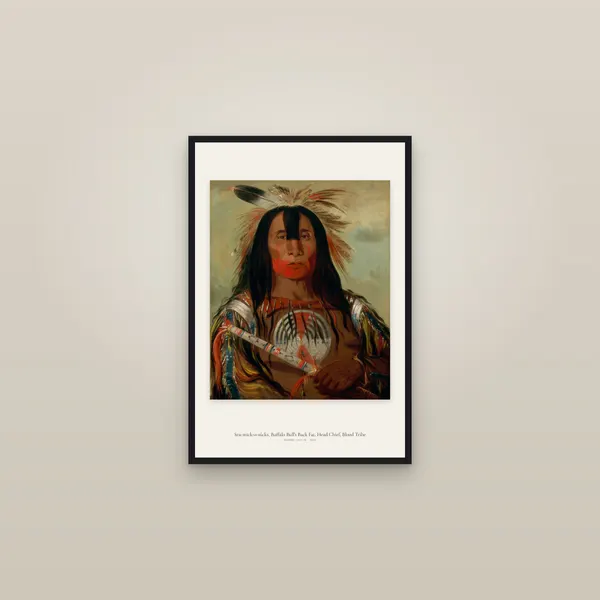



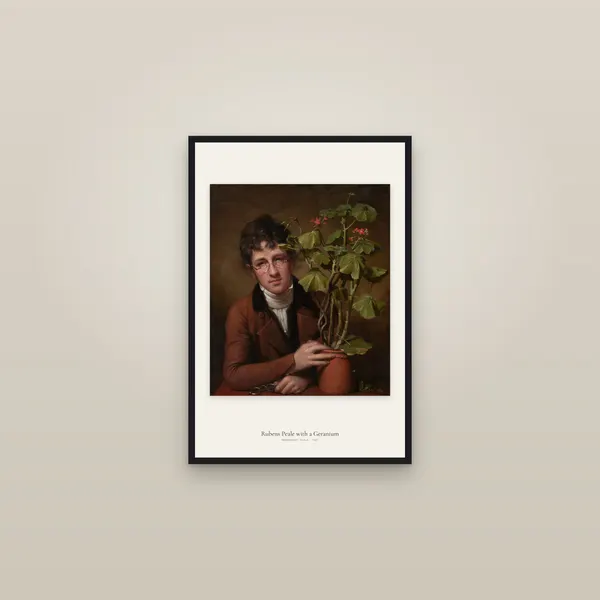
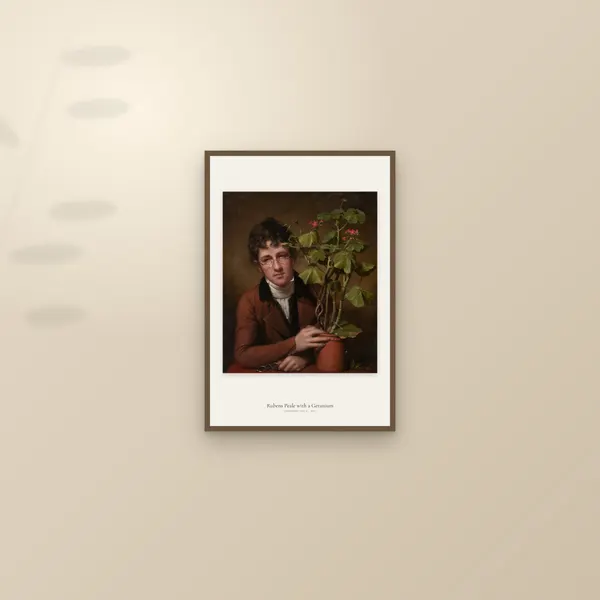


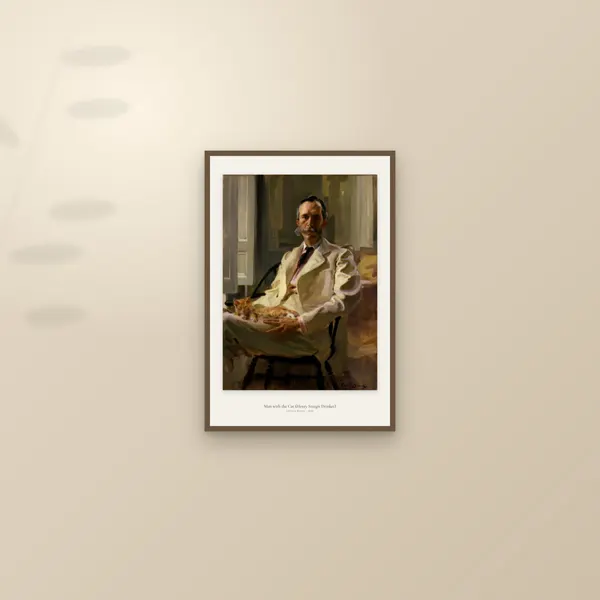


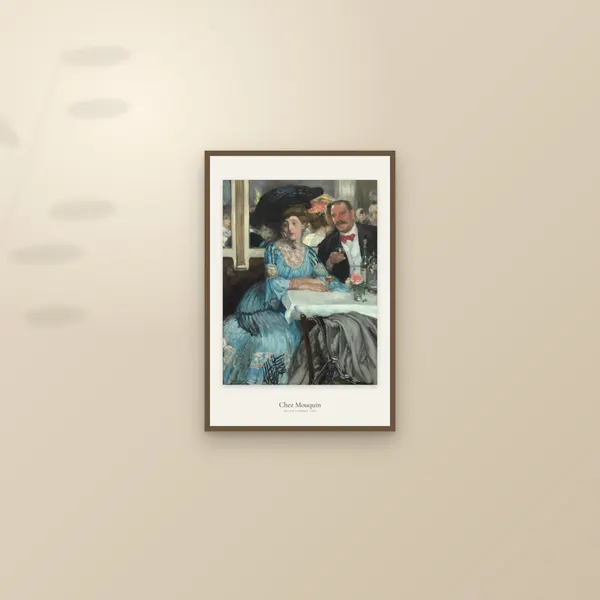

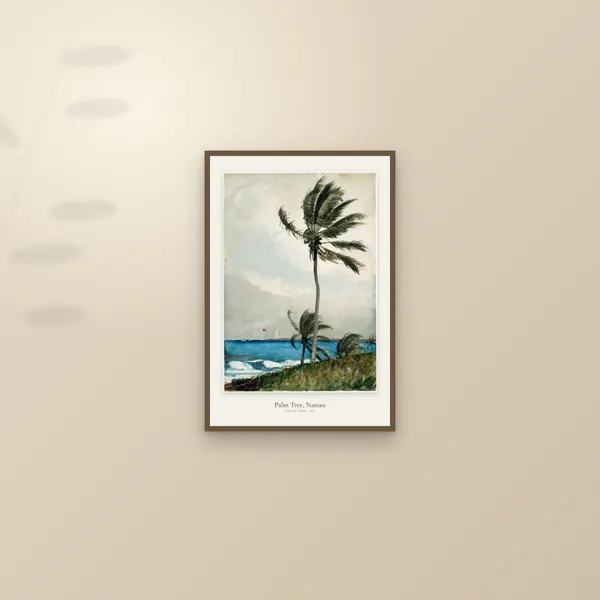
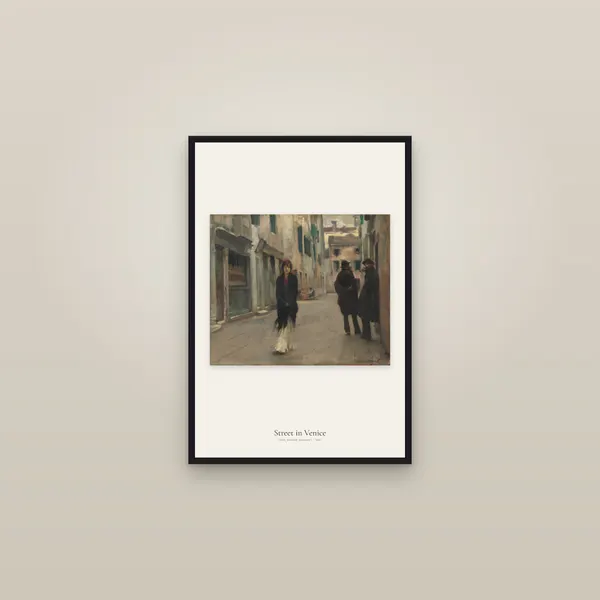
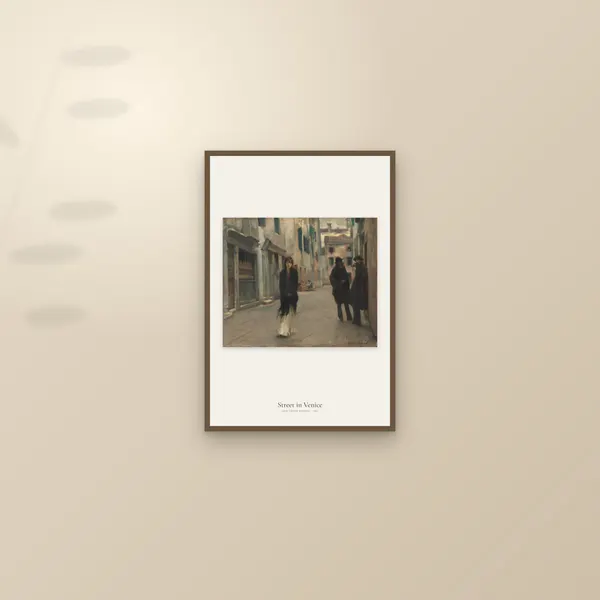
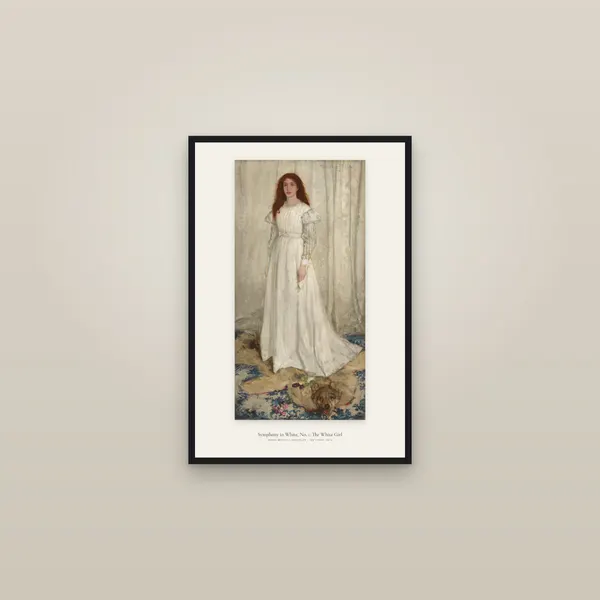
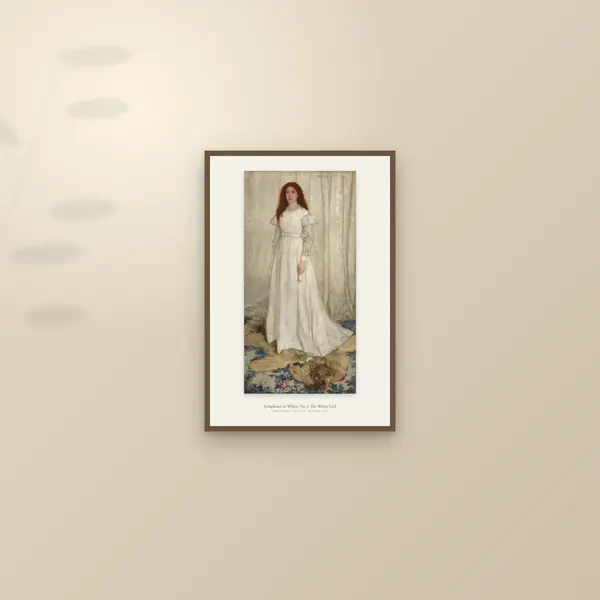


From the colonies to the city
American painting began as portraiture: Copley in Boston, Gilbert Stuart, whose unfinished Athenaeum head of Washington became the face on the dollar bill. Thomas Cole and the Hudson River School turned to the wilderness from the 1820s. After the Civil War, Winslow Homer and Thomas Eakins painted what they saw, plainly; Sargent and Whistler made their careers in London and Paris; Hassam, Chase and Twachtman brought Impressionism home; and Robert Henri's circle painted New York as it was.
The works in this collection
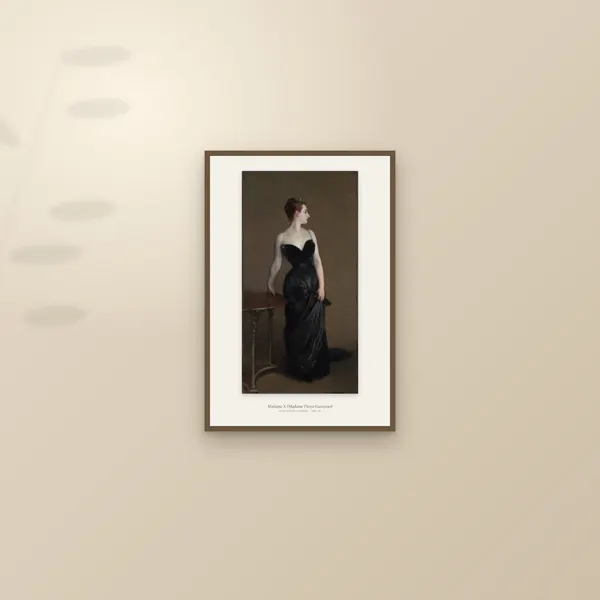
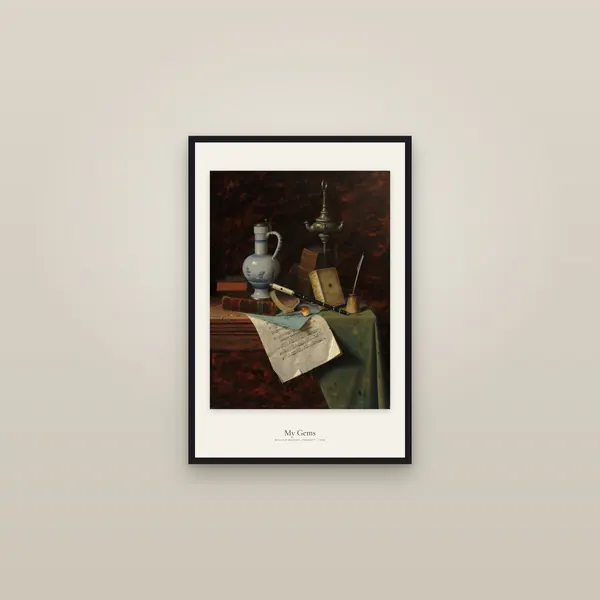
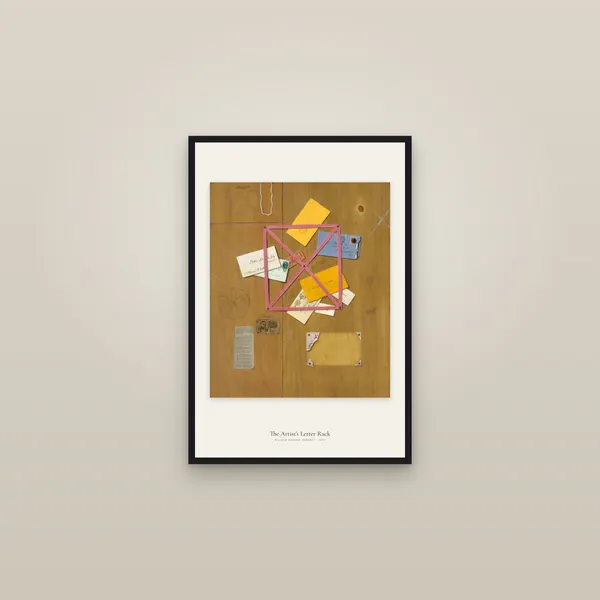
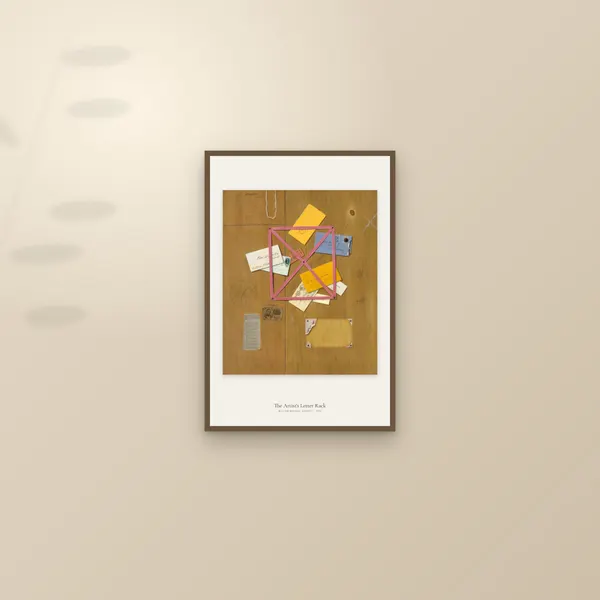
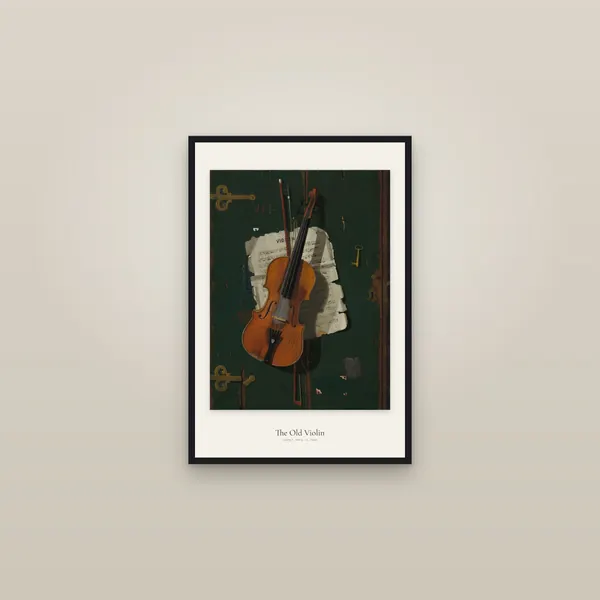
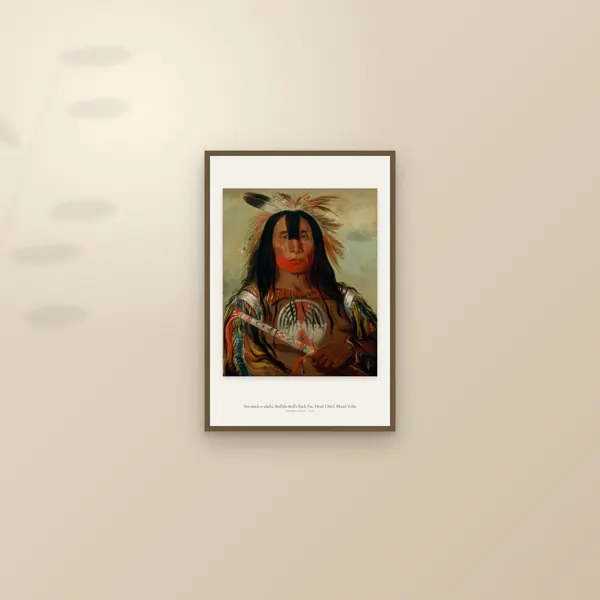
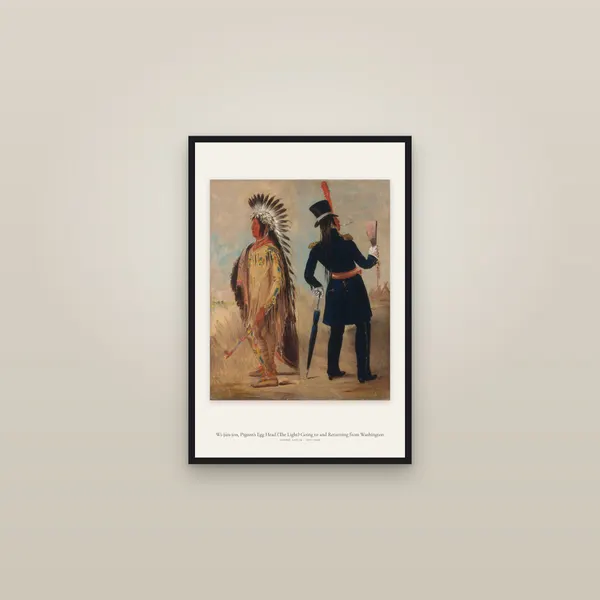
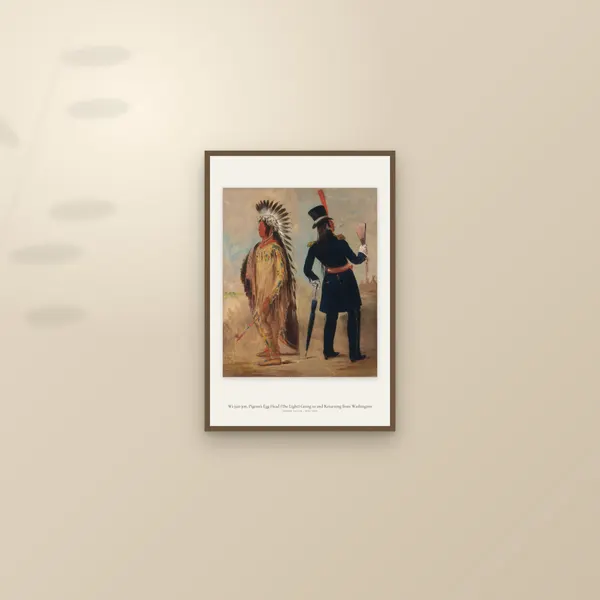
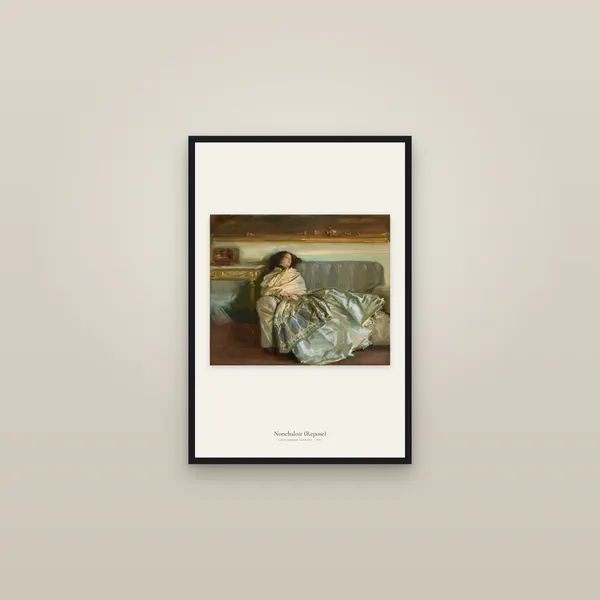
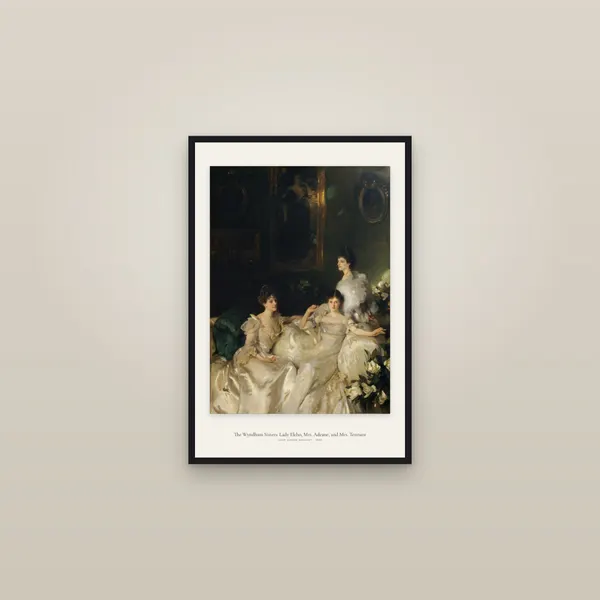
Sargent's Lady Agnew, Dr. Pozzi and the Wyndham Sisters; Homer's Snap the Whip, The Fog Warning and Northeaster; Whistler's Nocturne in Black and Gold and his portrait of Thomas Carlyle; Eakins's Max Schmitt in a Single Scull; Hassam's flag paintings; Tanner's Annunciation; Bingham's Fur Traders Descending the Missouri; Harnett and Peto's trompe-l'oeil still lifes; Remington and Catlin's West; and the Hudson River landscapes of Cole, Church and Bierstadt. Every painter here died more than seventy years ago.
On the wall
Homer's seas and Lane's harbours suit a hallway, a study or a coastal house; Sargent's portraits want a wall of their own in a dining room or a sitting room. The Hudson River landscapes are wide: hang one above a sofa or a sideboard at 36 by 24 inches. Black or dark wood frames both suit the period.